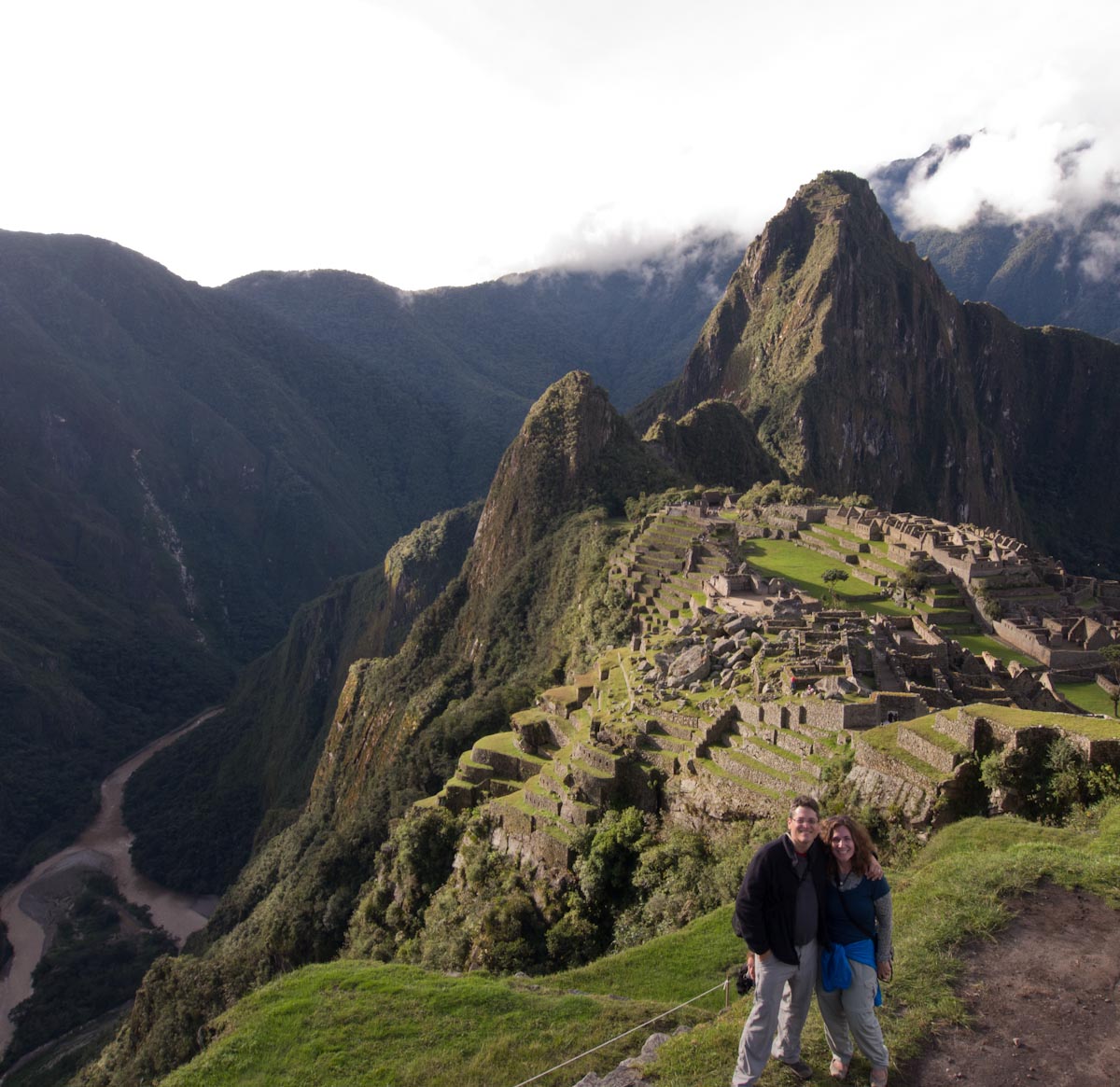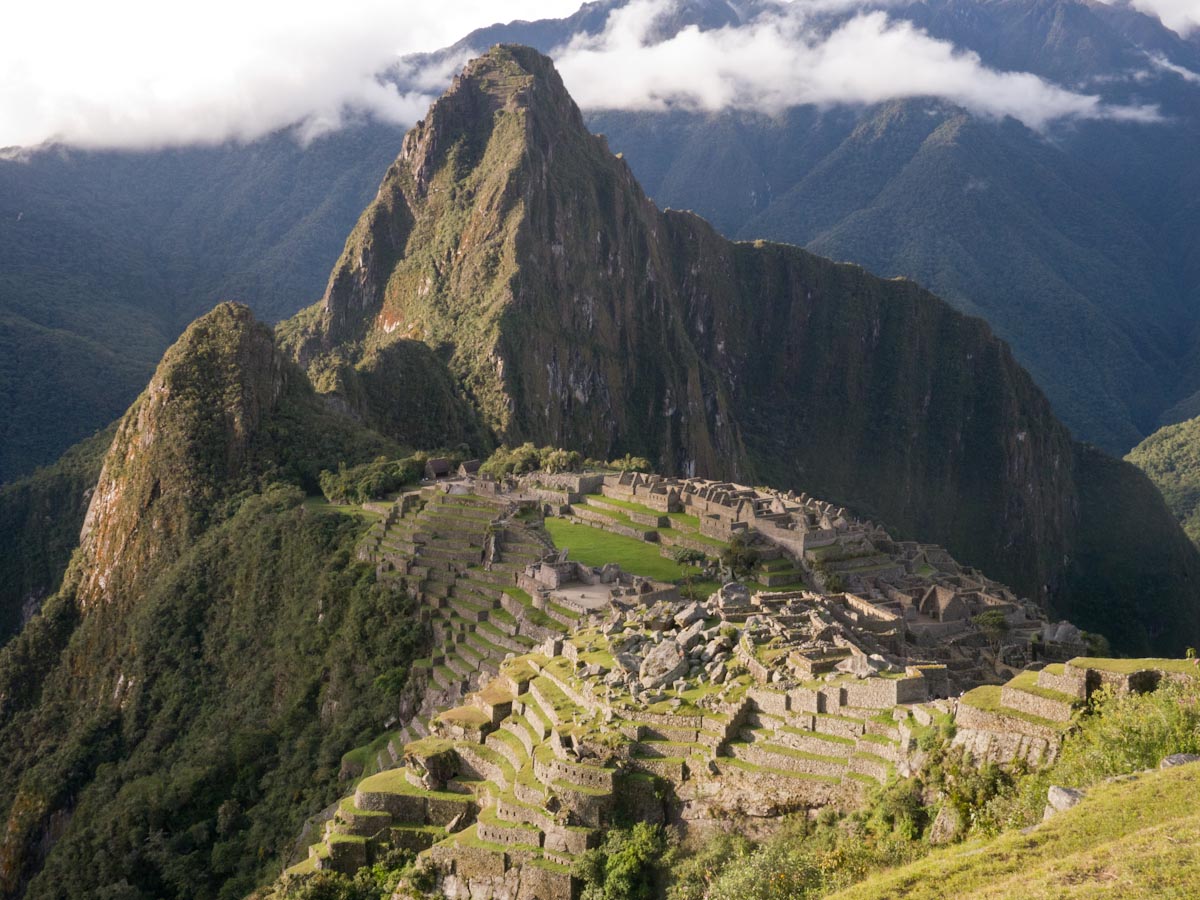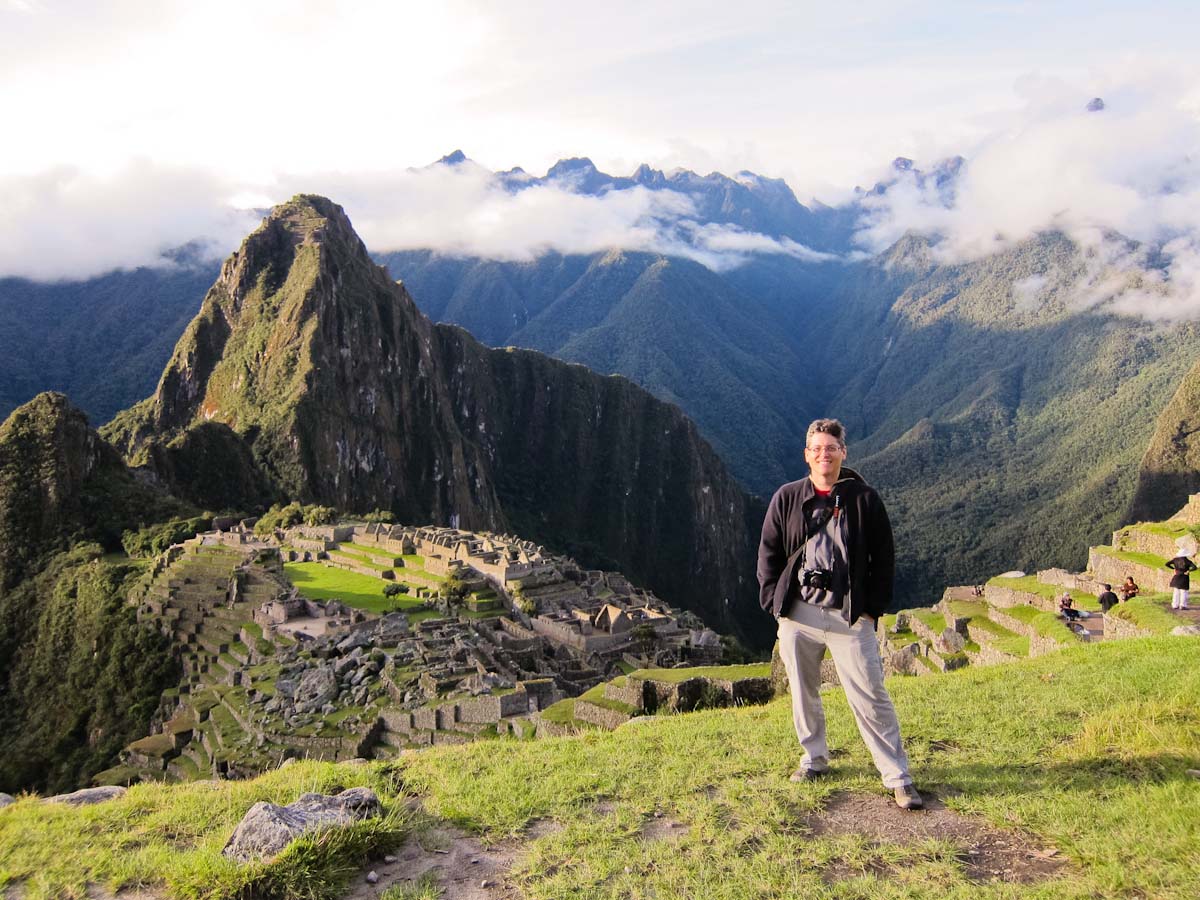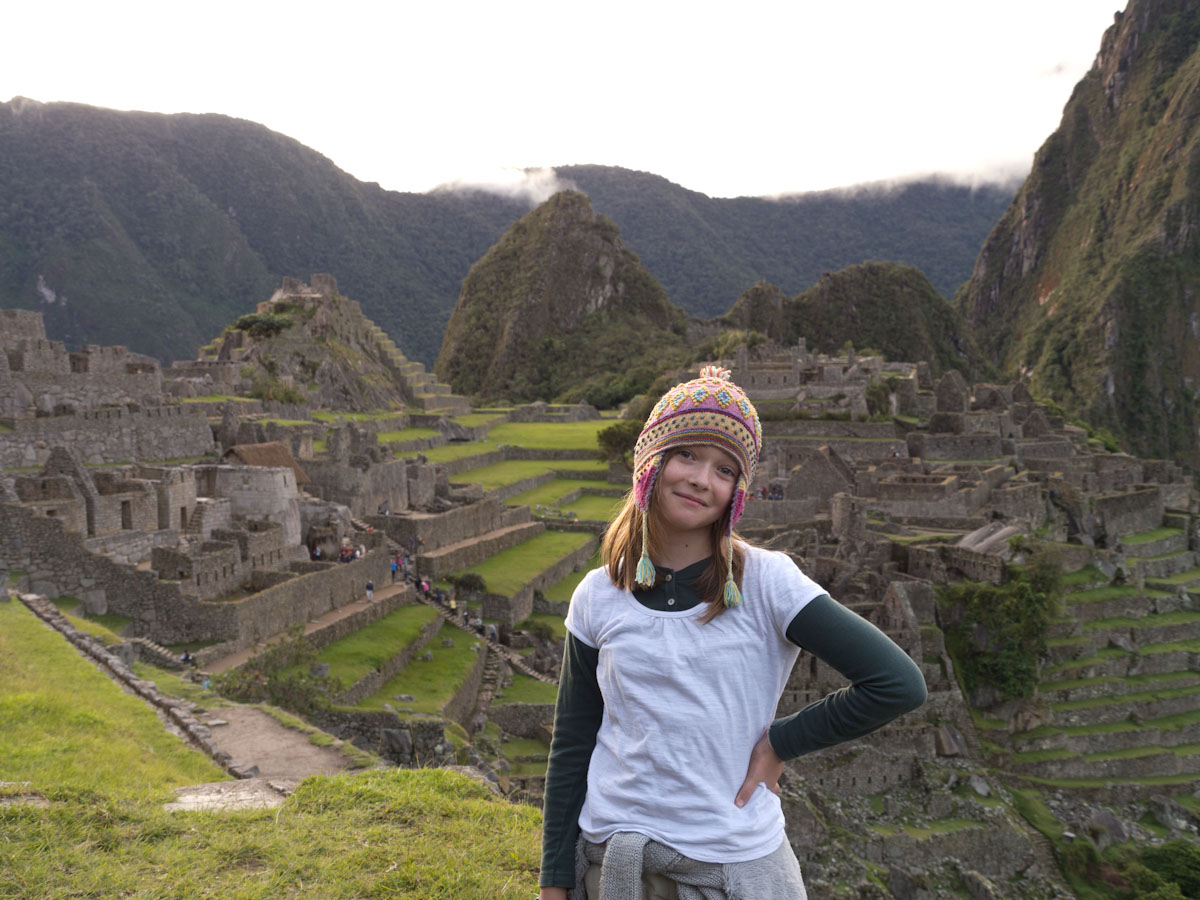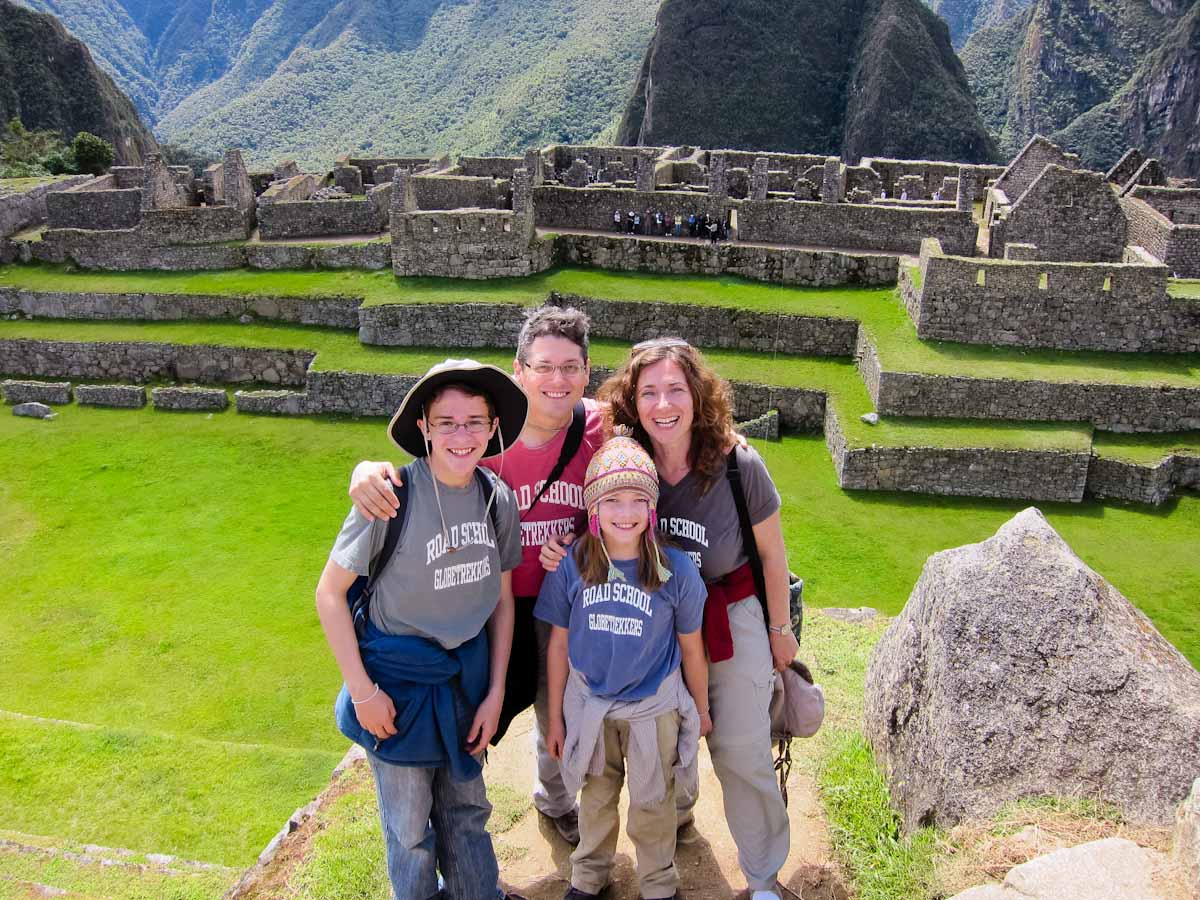
Machu Picchu: One of the seven wonders of the world and a religious sanctuary, home to 600 Incans including a high priest and the chosen women of the Incan nation; “The Sun Princesses/Virgins.”
It was discovered by several people, but a man named Bingham was the first to bring news of it to the outside world. He was led there by a farmer boy he had met near the base of the mountain, whom he had told that he was looking for an ancient city. The boy led him to his family, where Bingham discovered several families farming the ancient terraces of Machu Picchu.
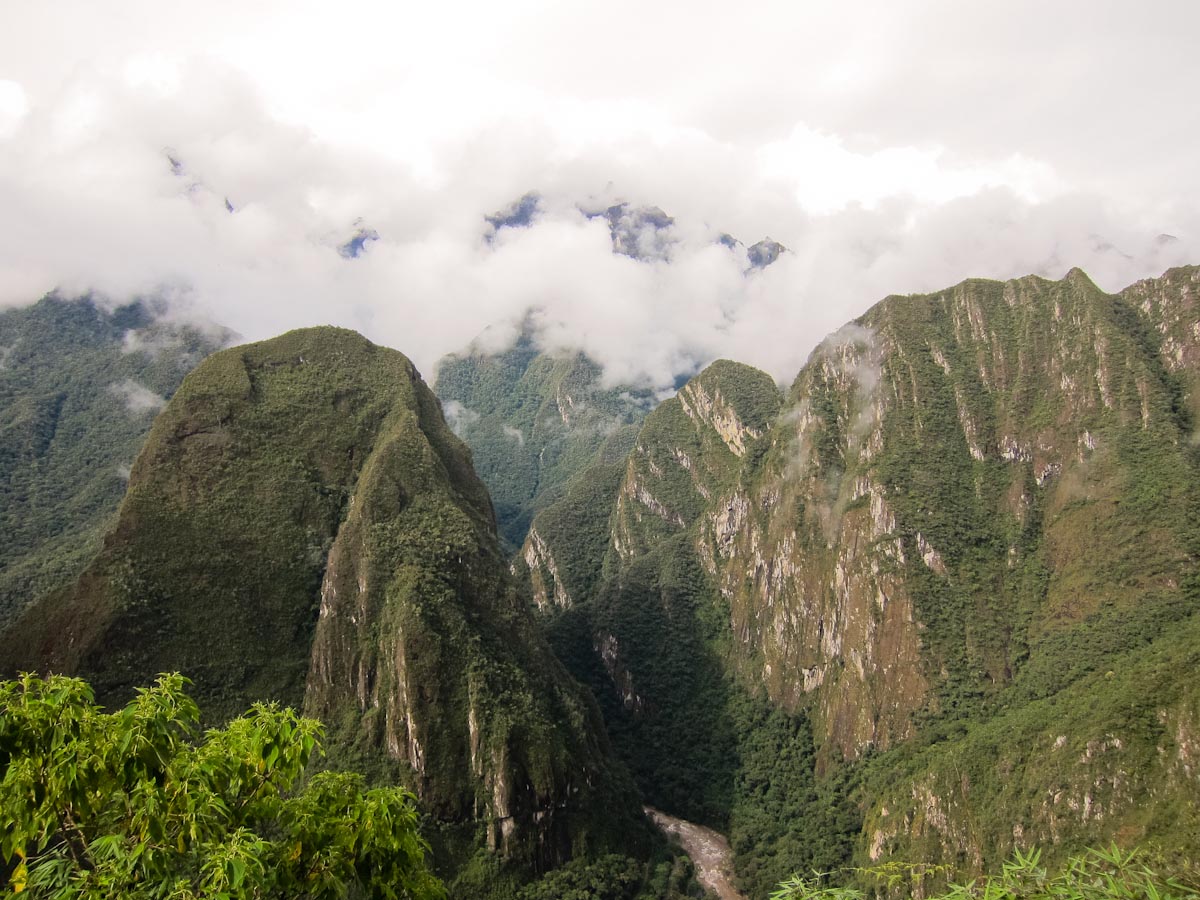
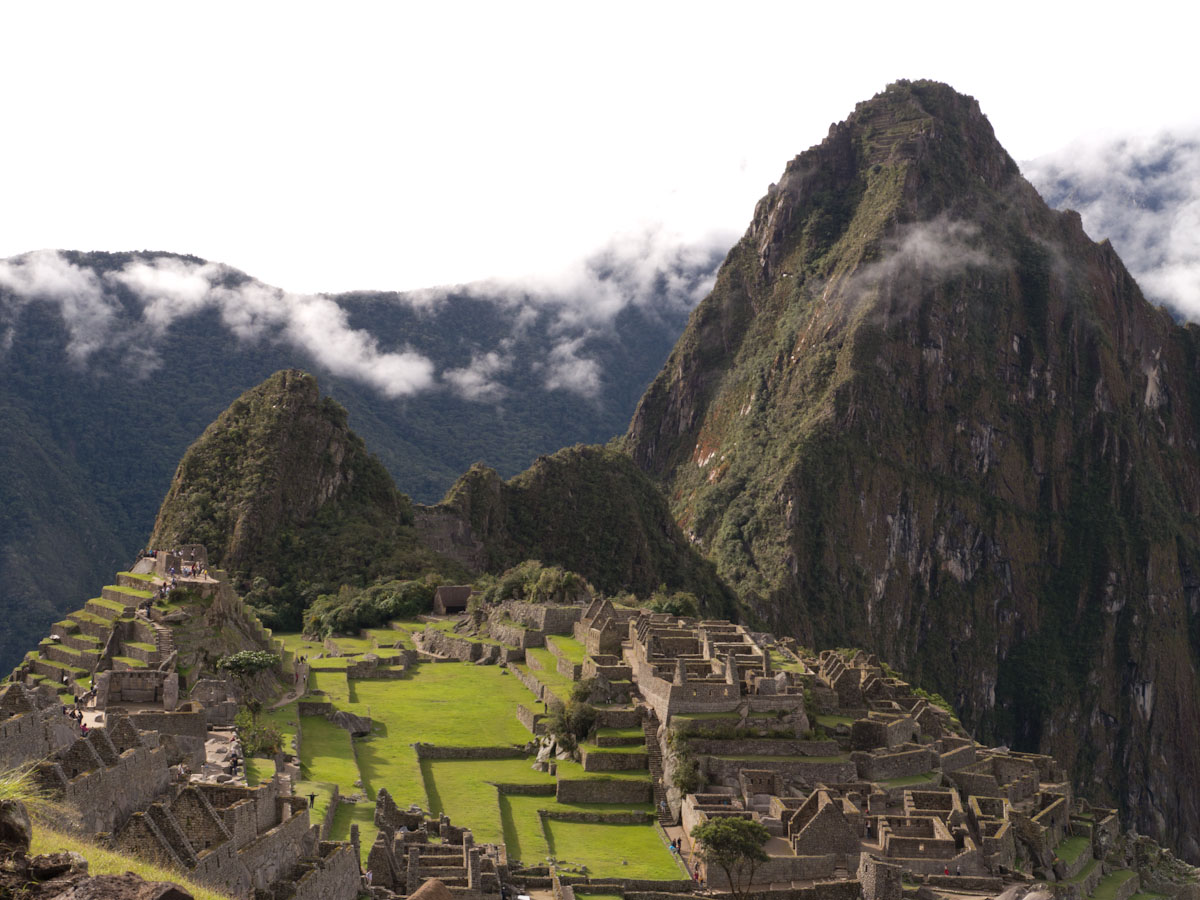
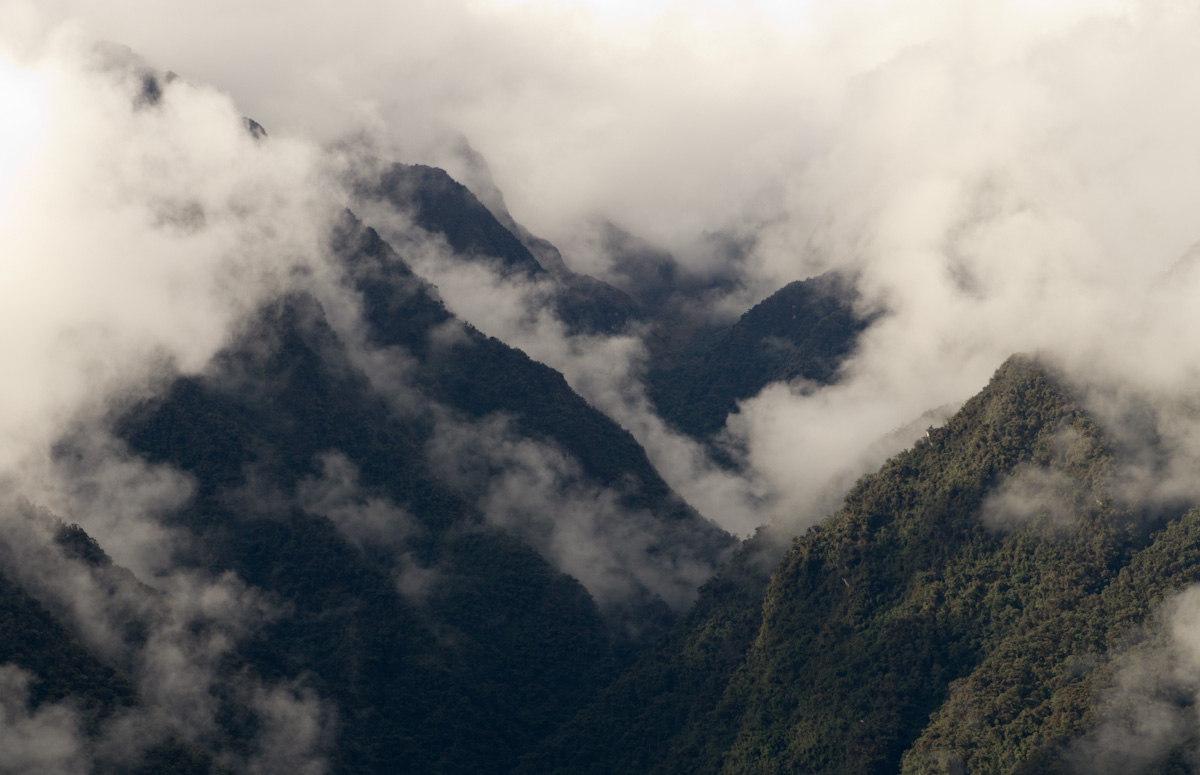
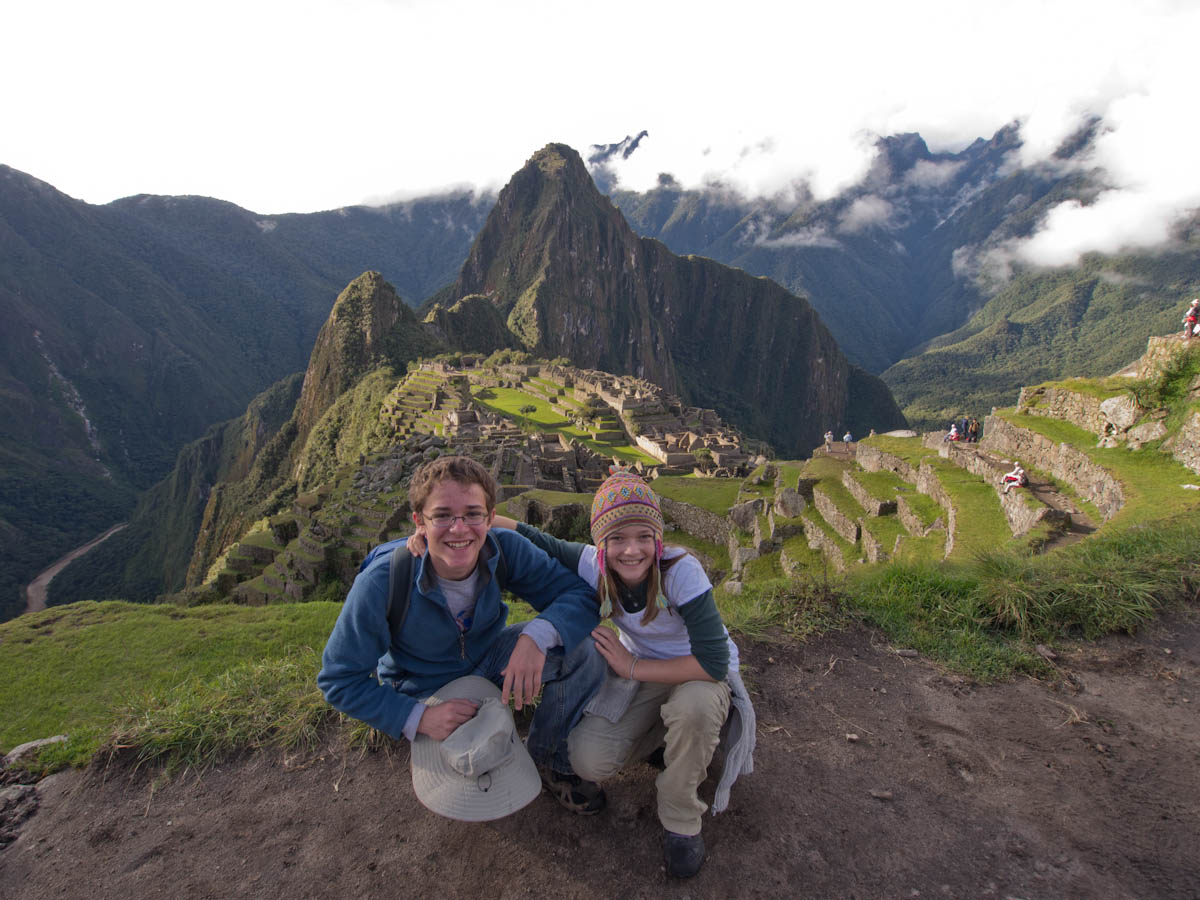
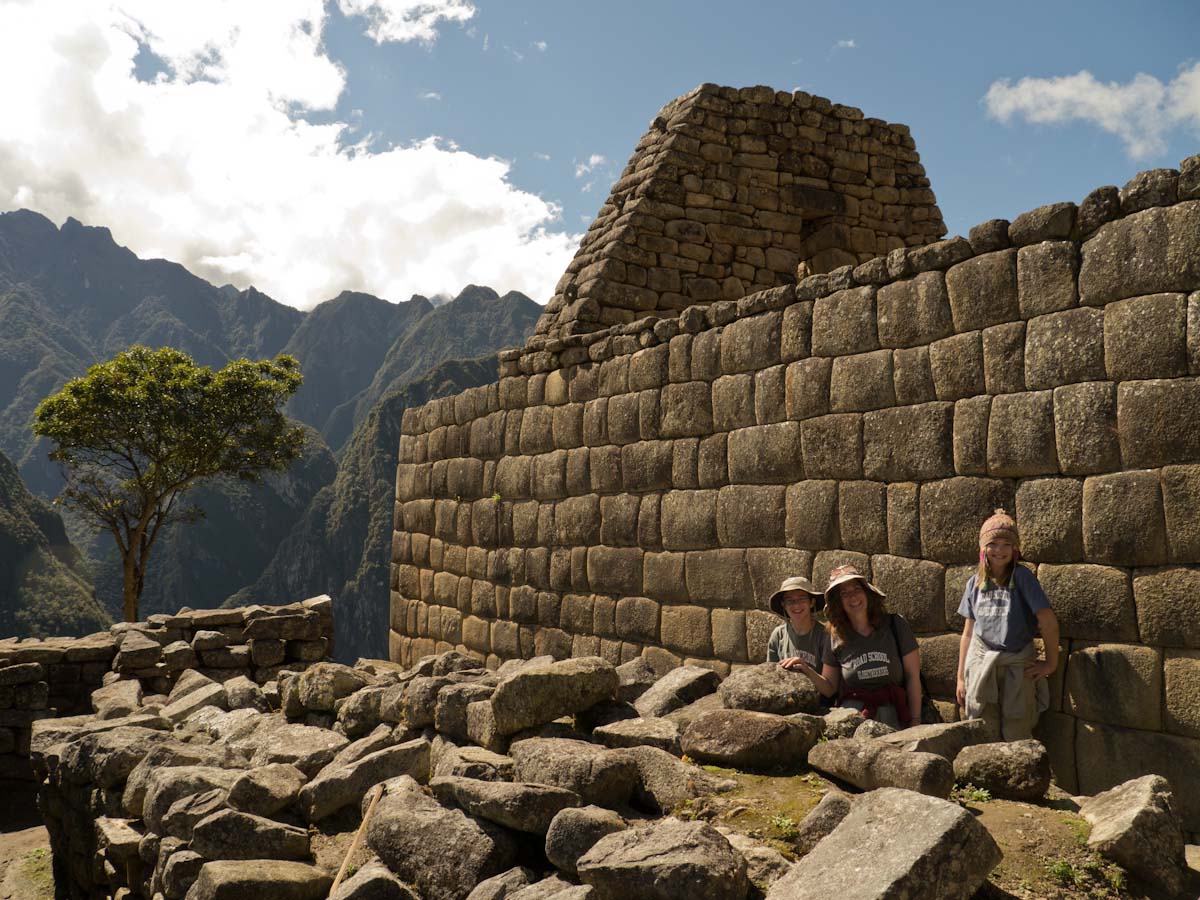
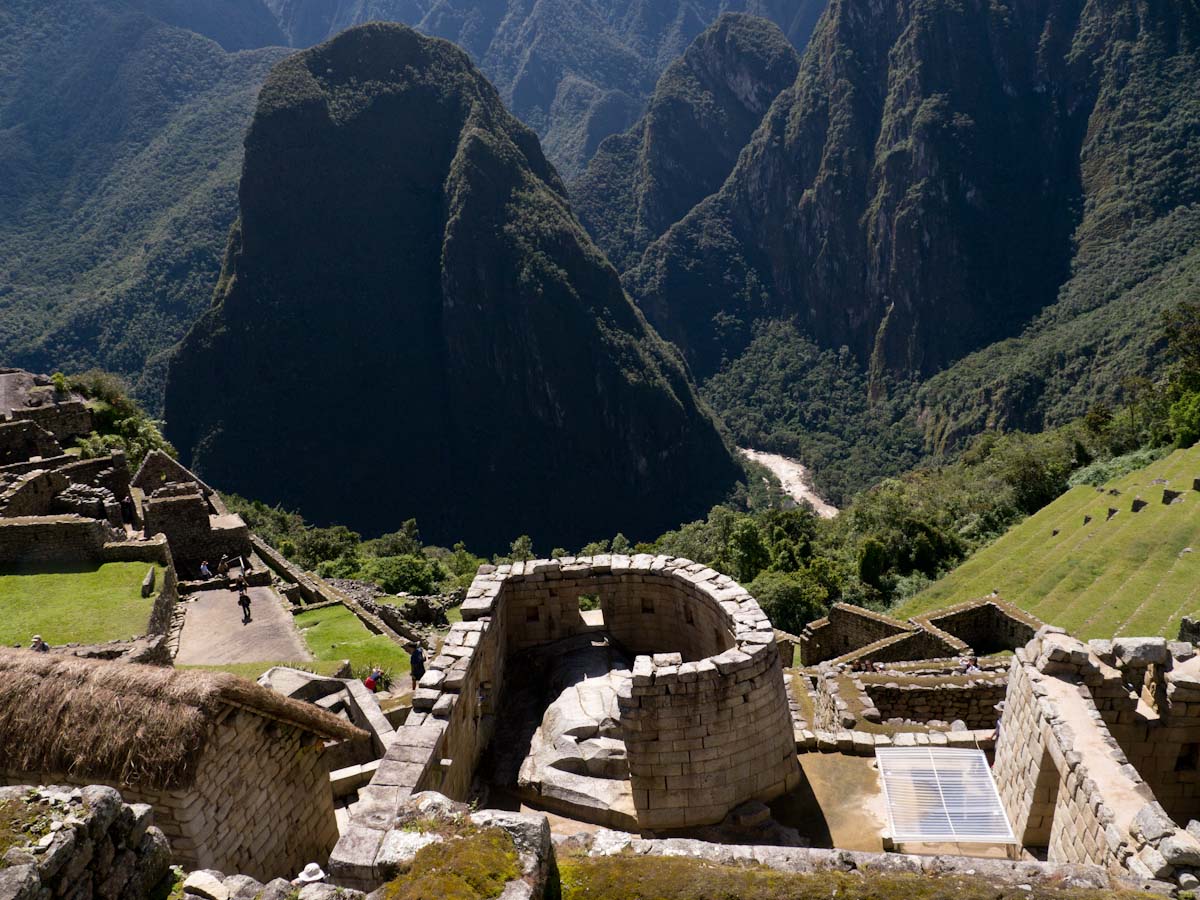
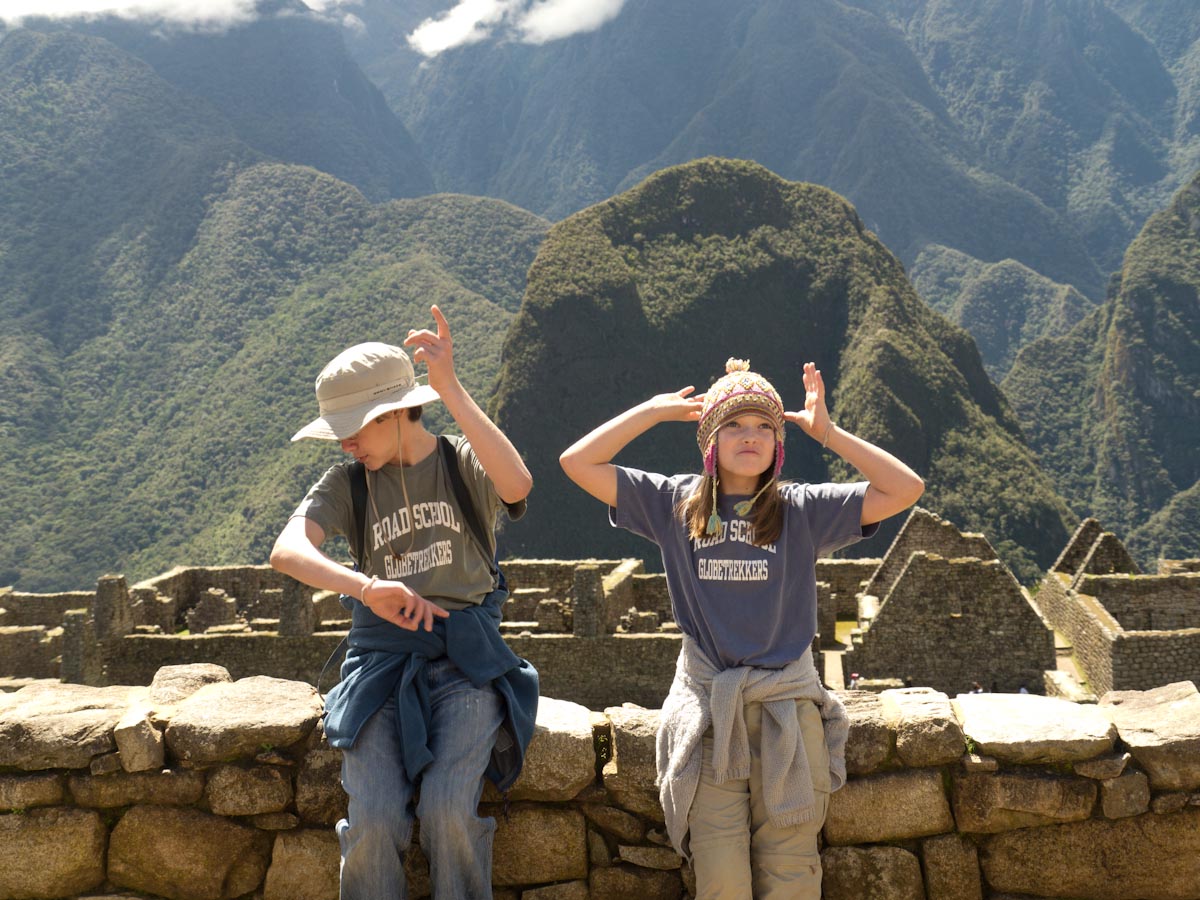
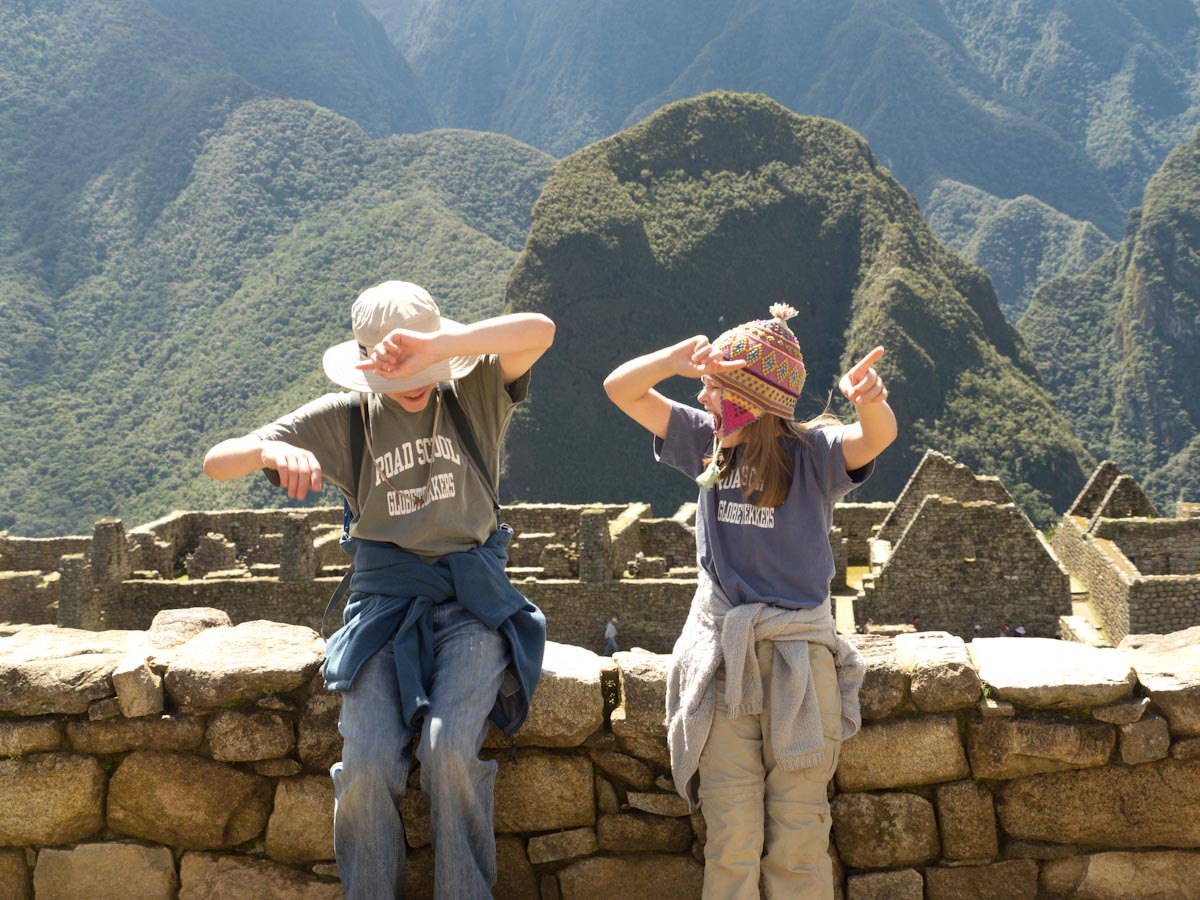
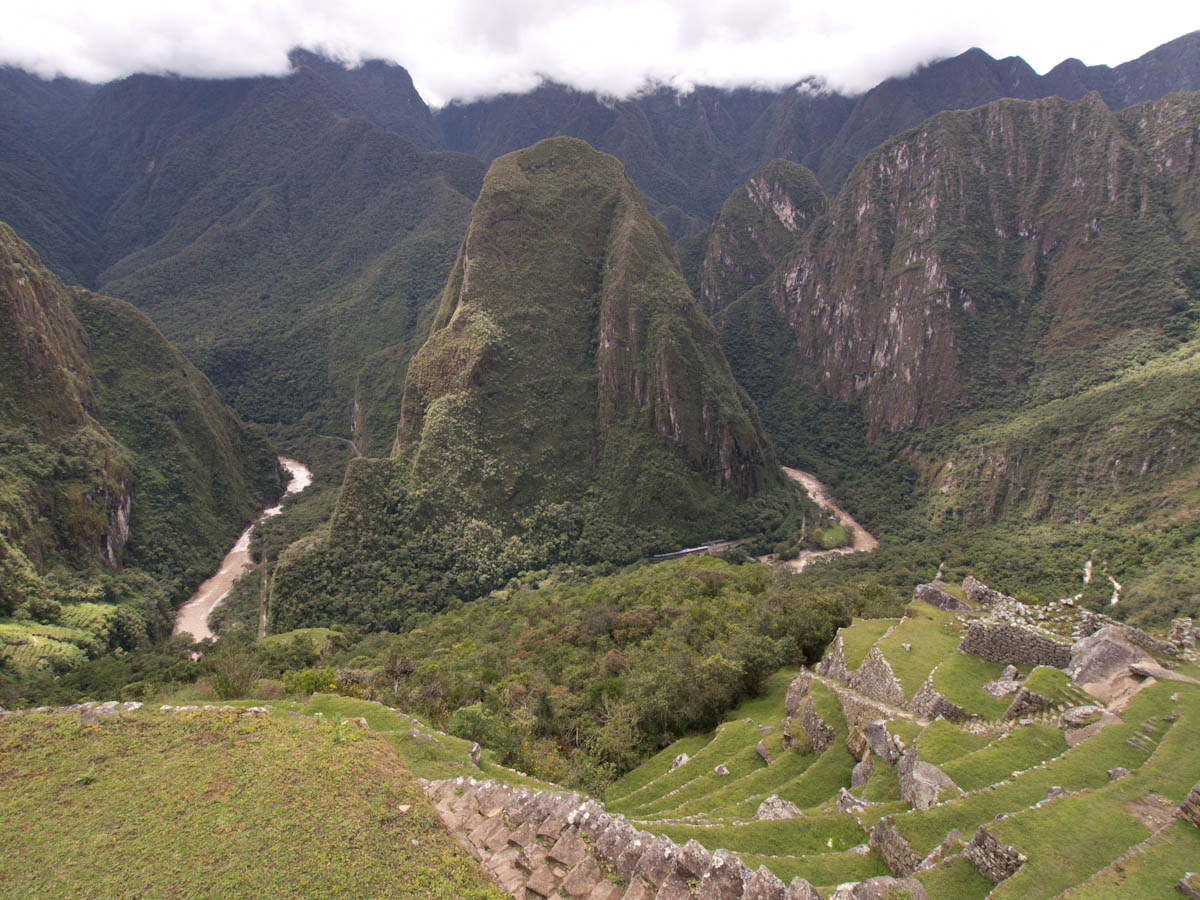
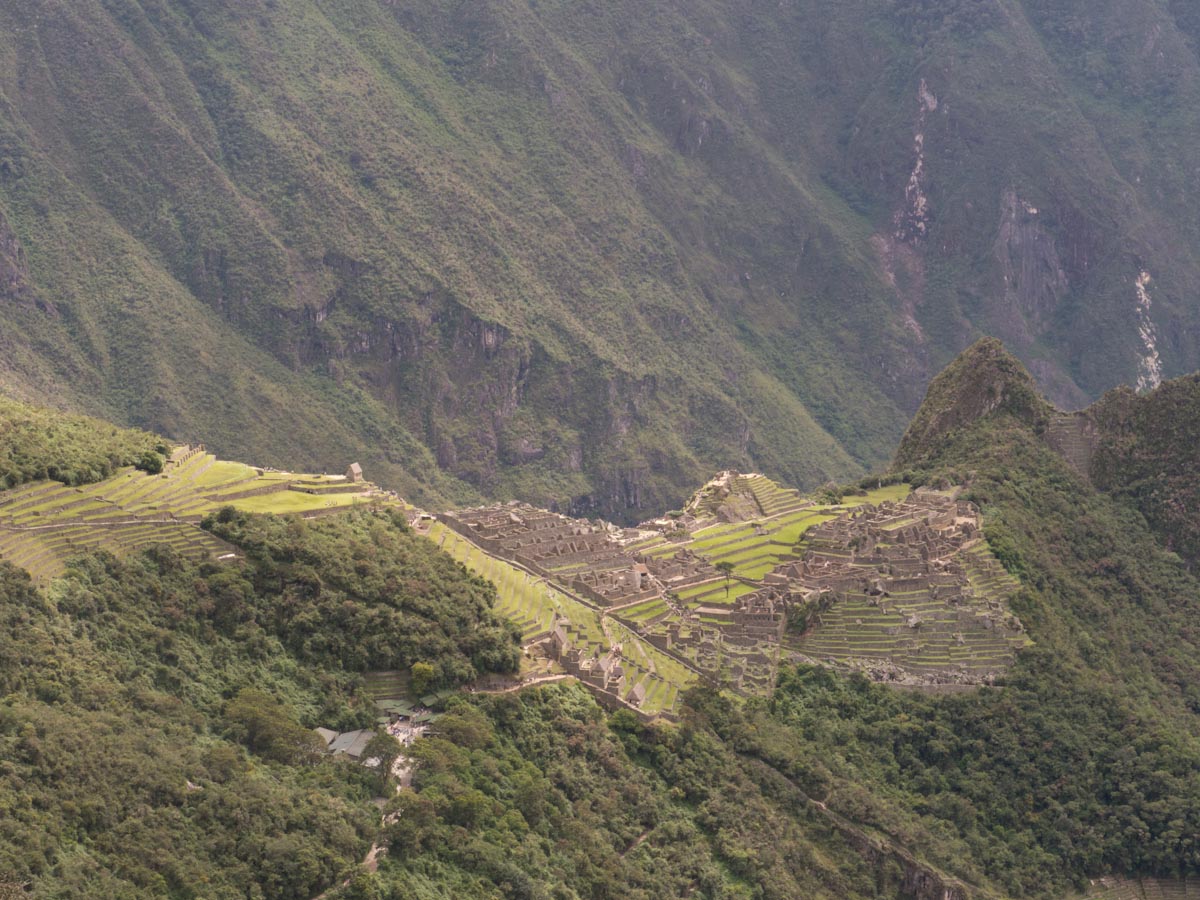
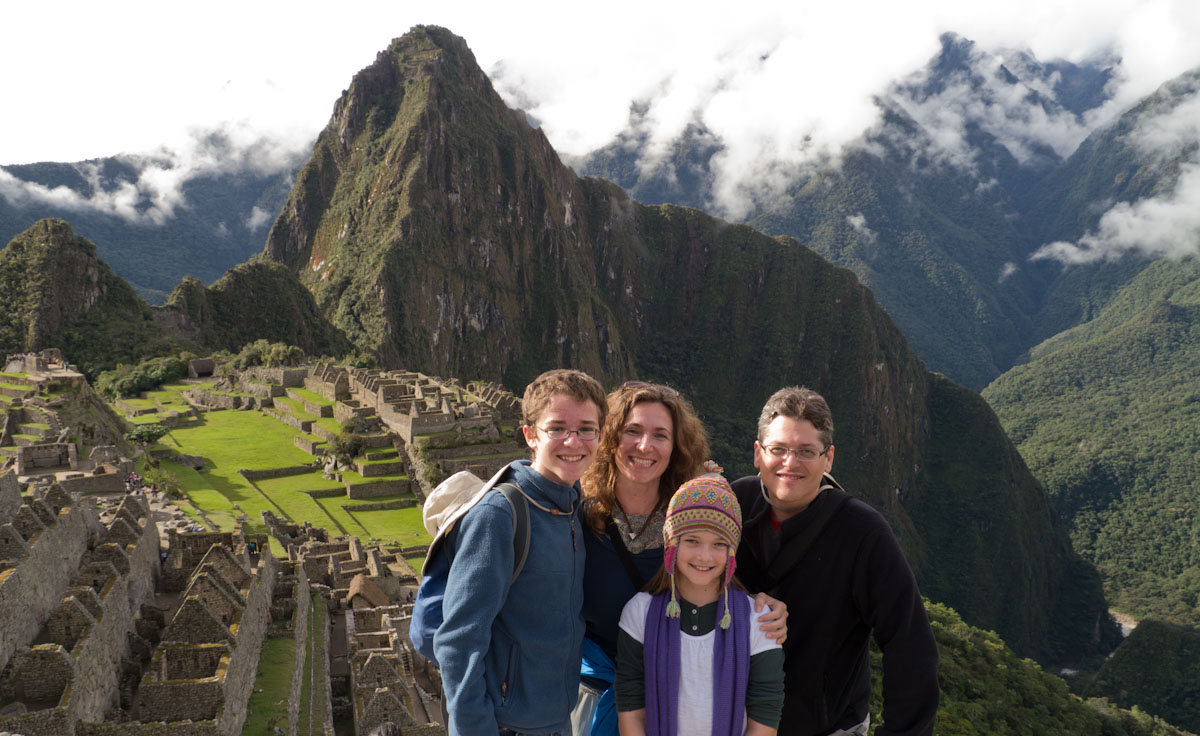
Machu Picchu is built under a small mountain range that looks like an Incan’s face looking to the sky, watching over his city.
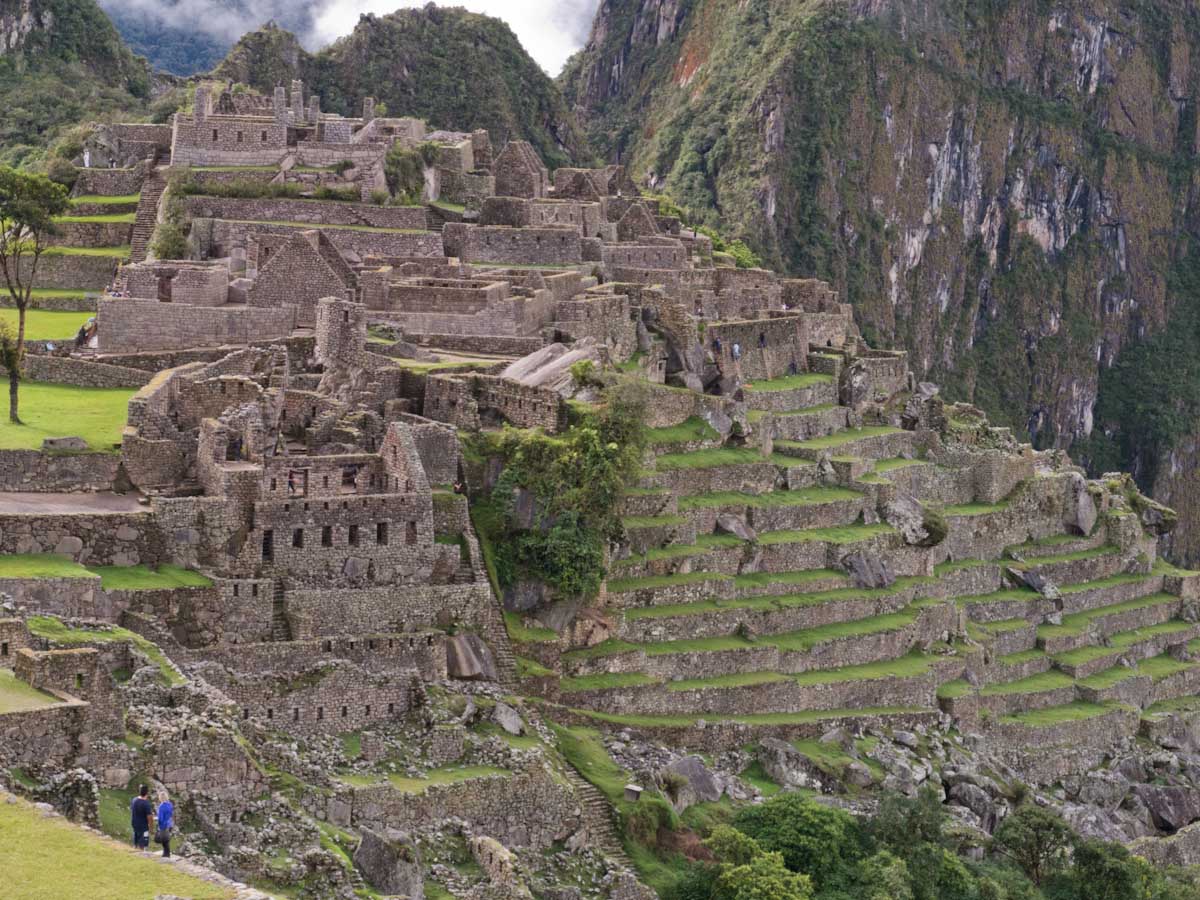
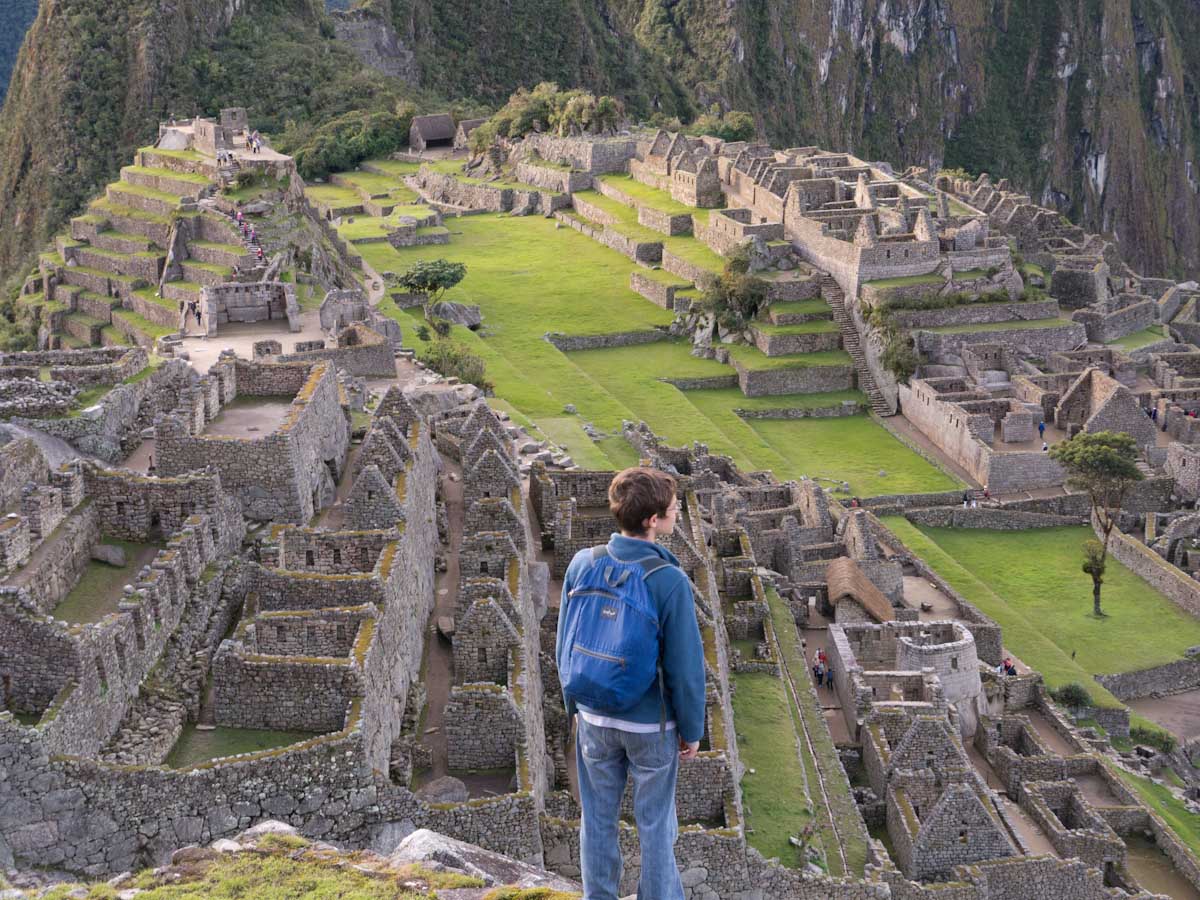
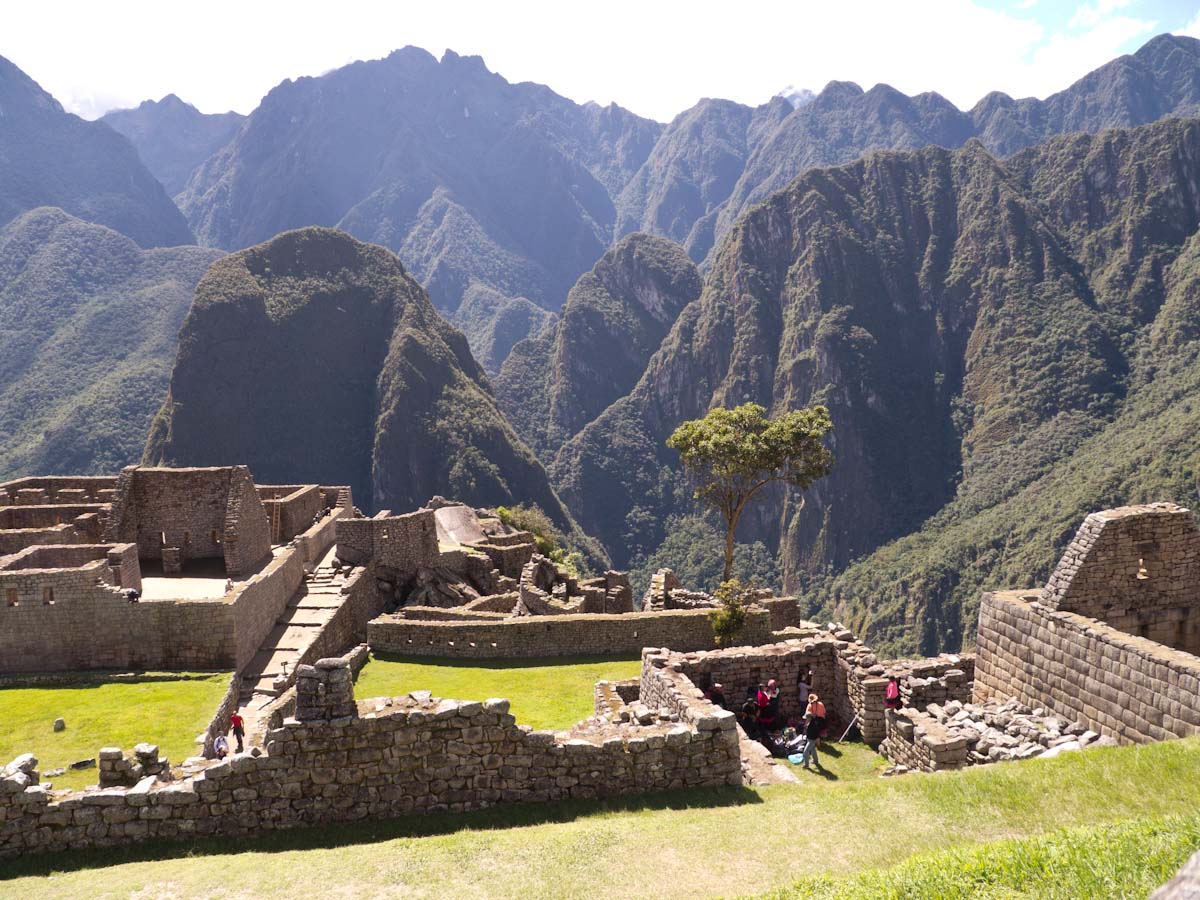
High on the top of a mountain with jungle shrubbery creeping right up to the city edges, and stone temples scattered throughout the city, Machu Picchu has an air of ancient power and mystique. Mystique, since all of its inhabitants suddenly vanished, carrying with them all that they could.
Several theories surround the mystery of Machu Picchu’s citizens. Some of the most widely accepted are (a) The inhabitants saw either a warring jungle tribe or the Spanish army coming and abandoned the city in a panic.
(b) They were wiped out by a smallpox epidemic from the Spanish.
I think it may have been a mixture of both, otherwise why was there so little treasure left? A piece of jewelry or two at most. But they could have all died and then the Spanish looted all the treasure, you say. Where are the bodies? No I think they fled. Whether a mysterious creature of lore or humans drove them from Machu Picchu will remain a mystery. However, the impressive accomplishments they made before leaving are clear enough.
The Incans truly were masters in four categories:
Architecture
Spirituality
Not wasting
and Jewelry
ARCHITECTURE:
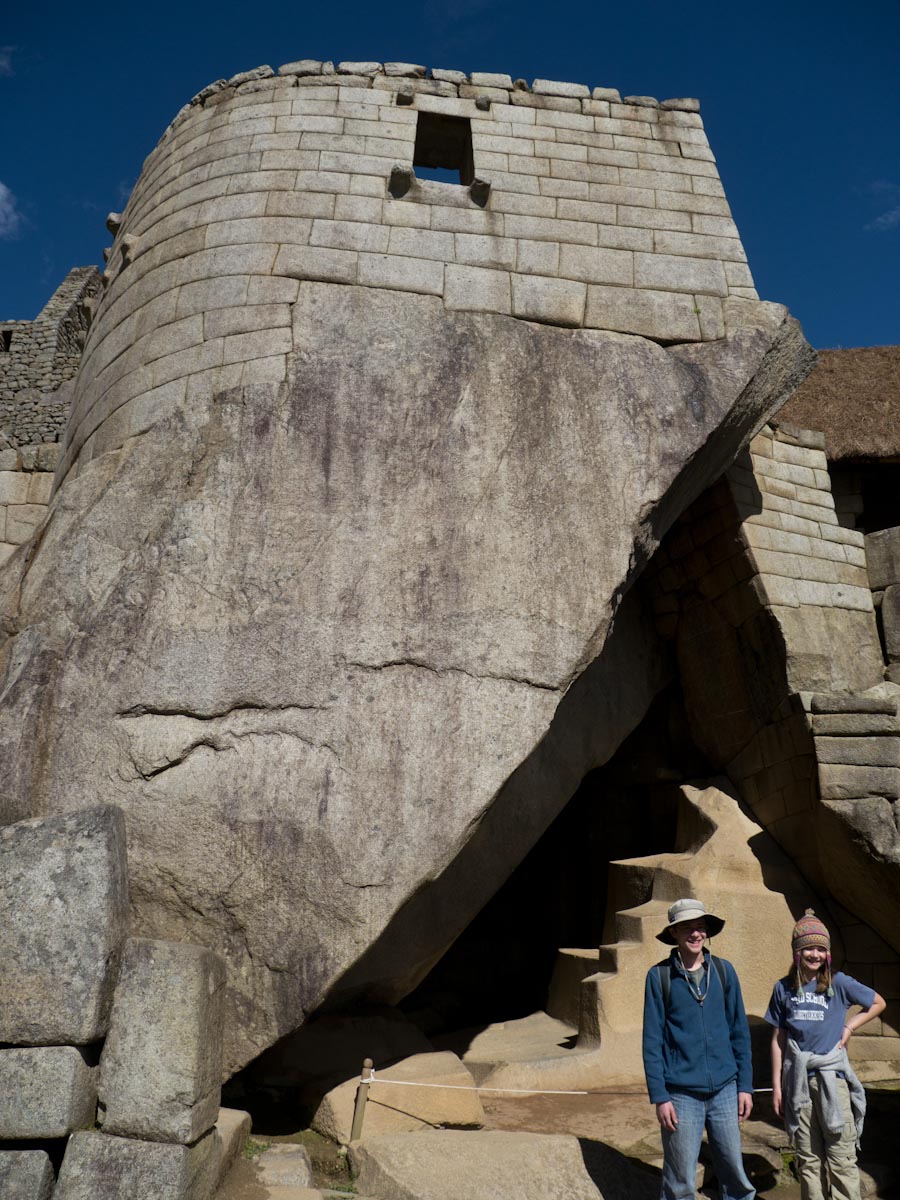
The Incans were inspired by the natural shapes in the earth. Unlike western cultures the Incans built their buildings based on the landscape. If they saw two protruding boulders that looked like wings, they bring in another big rock, lay it on the ground, carve it in to an oval and carve a head and feather ruff. Behold, they had made the temple of the Condor, one of the three central animals of the Incan culture.
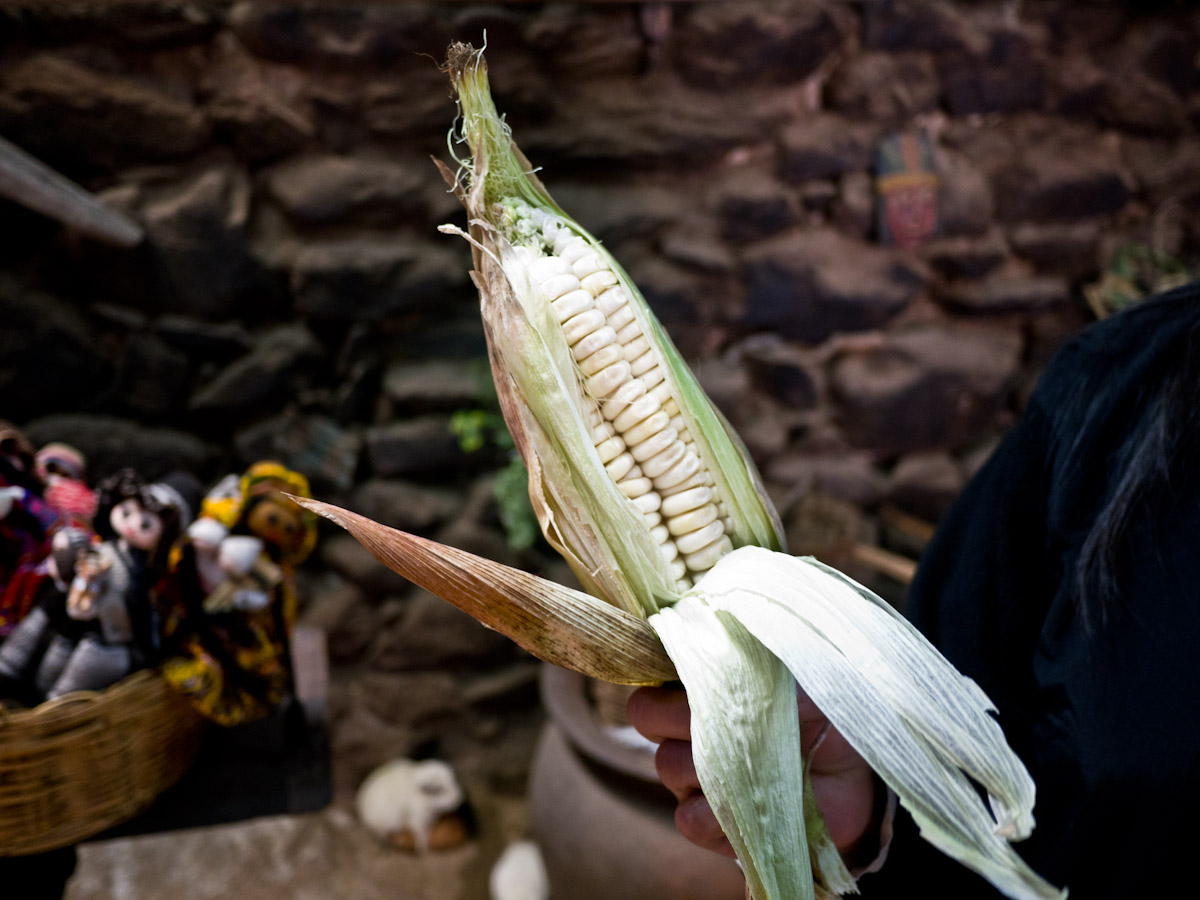
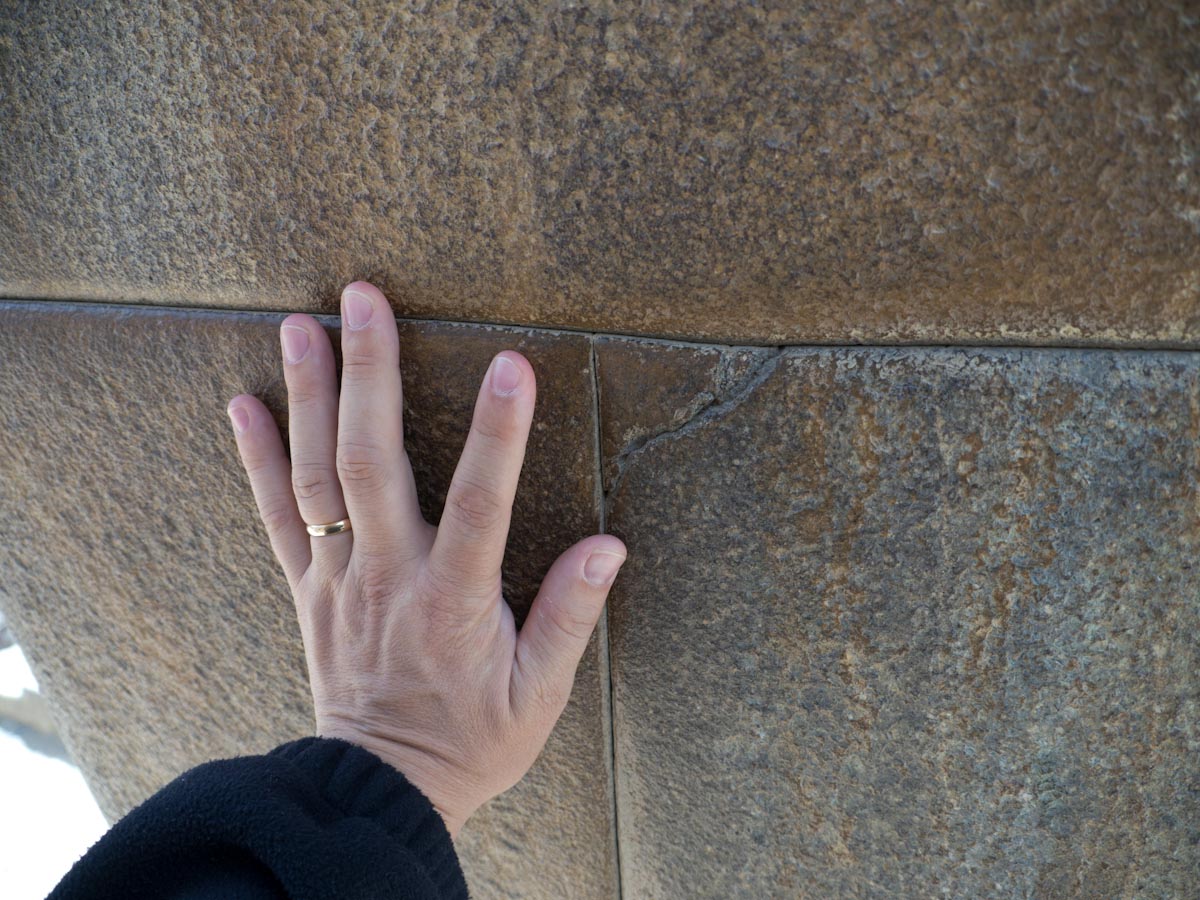
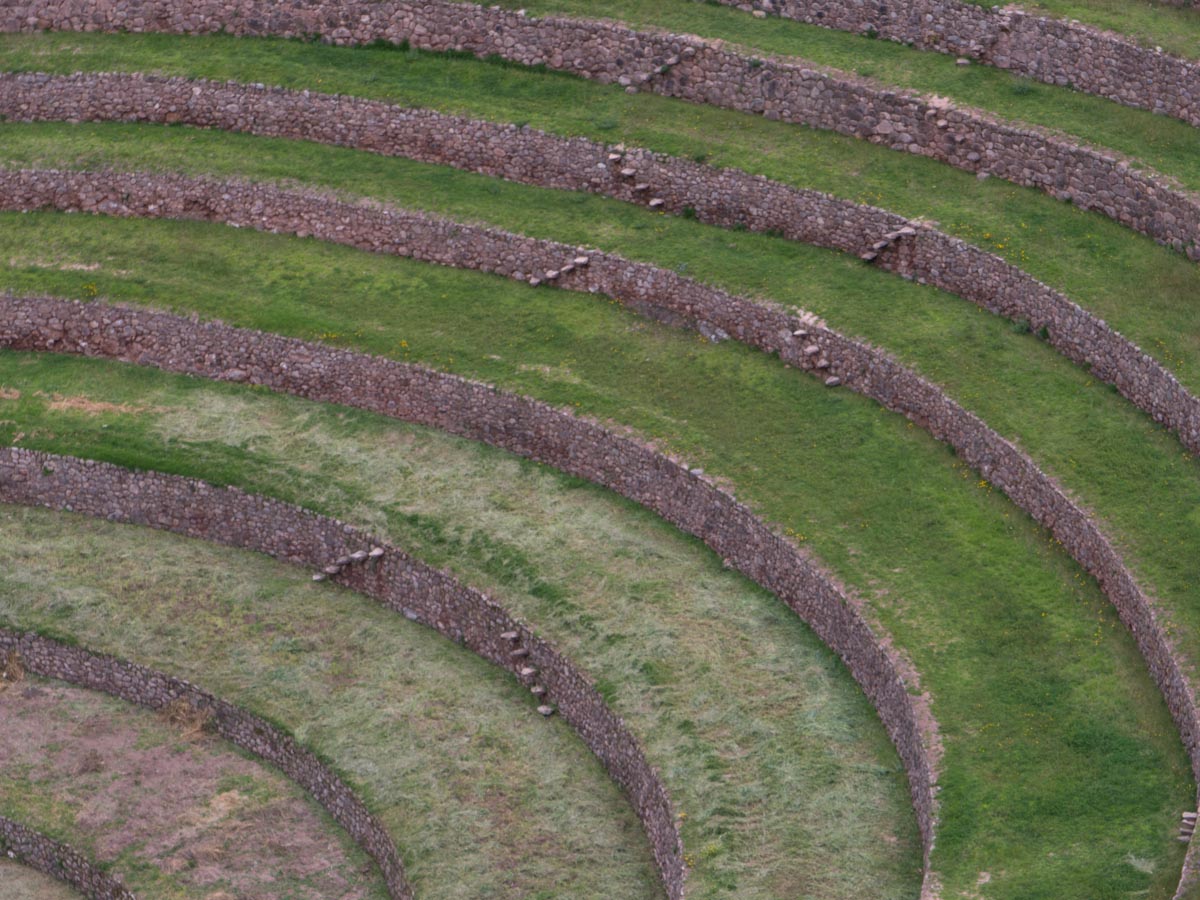
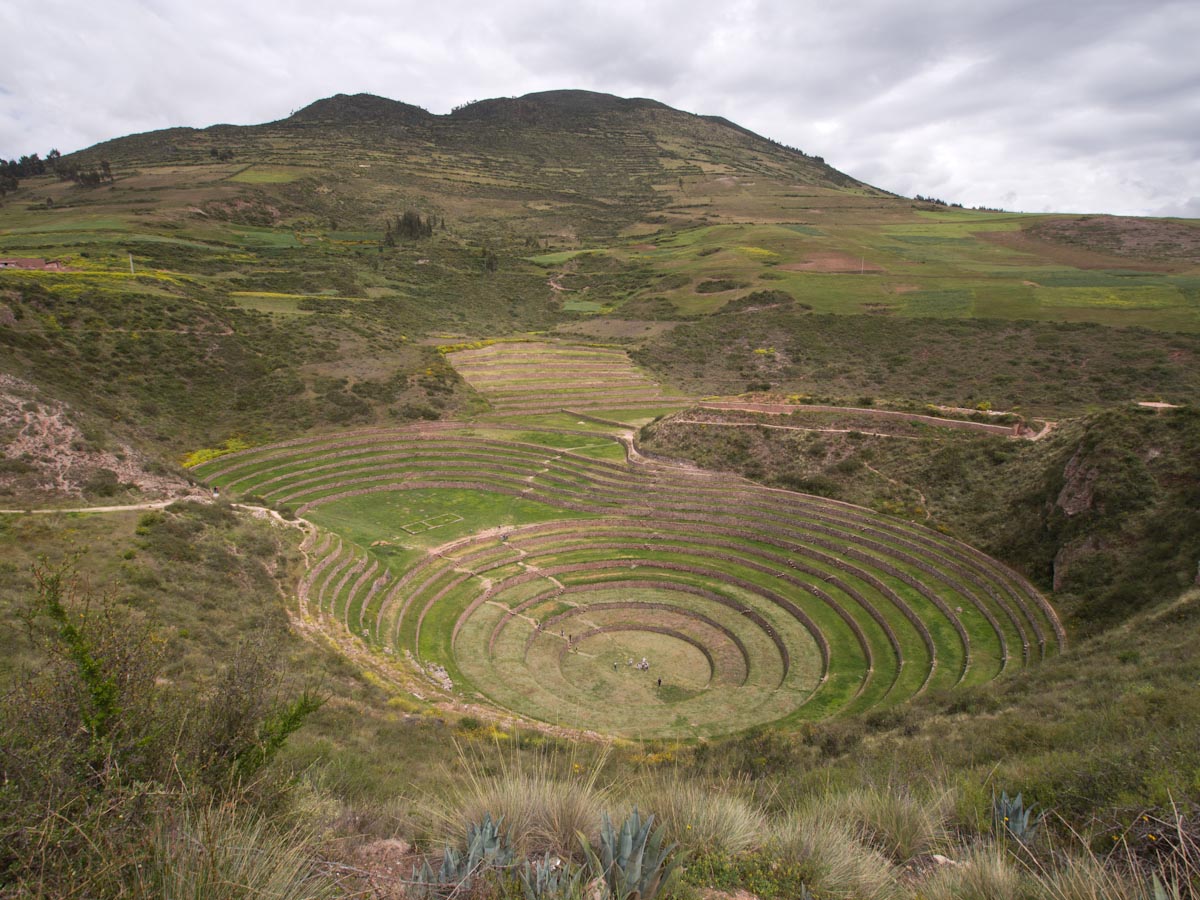
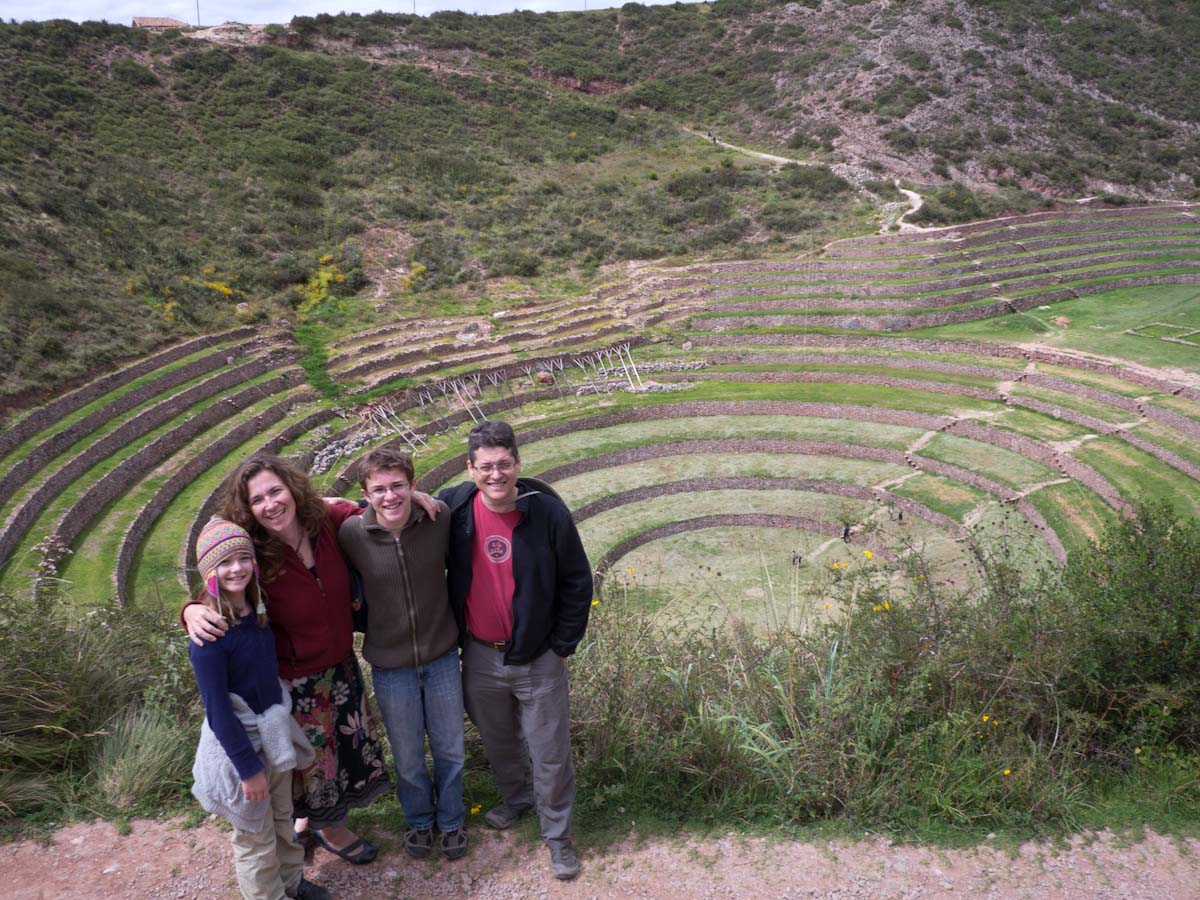
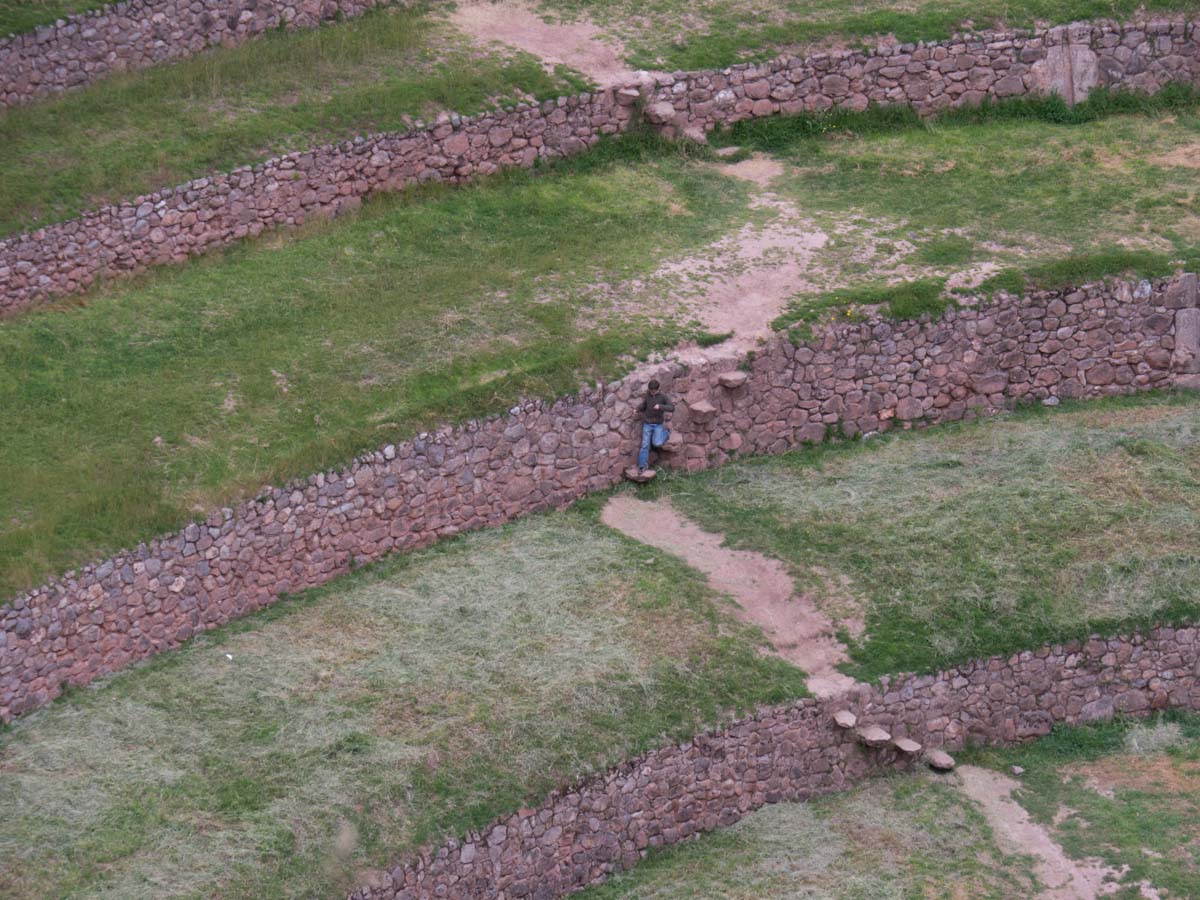
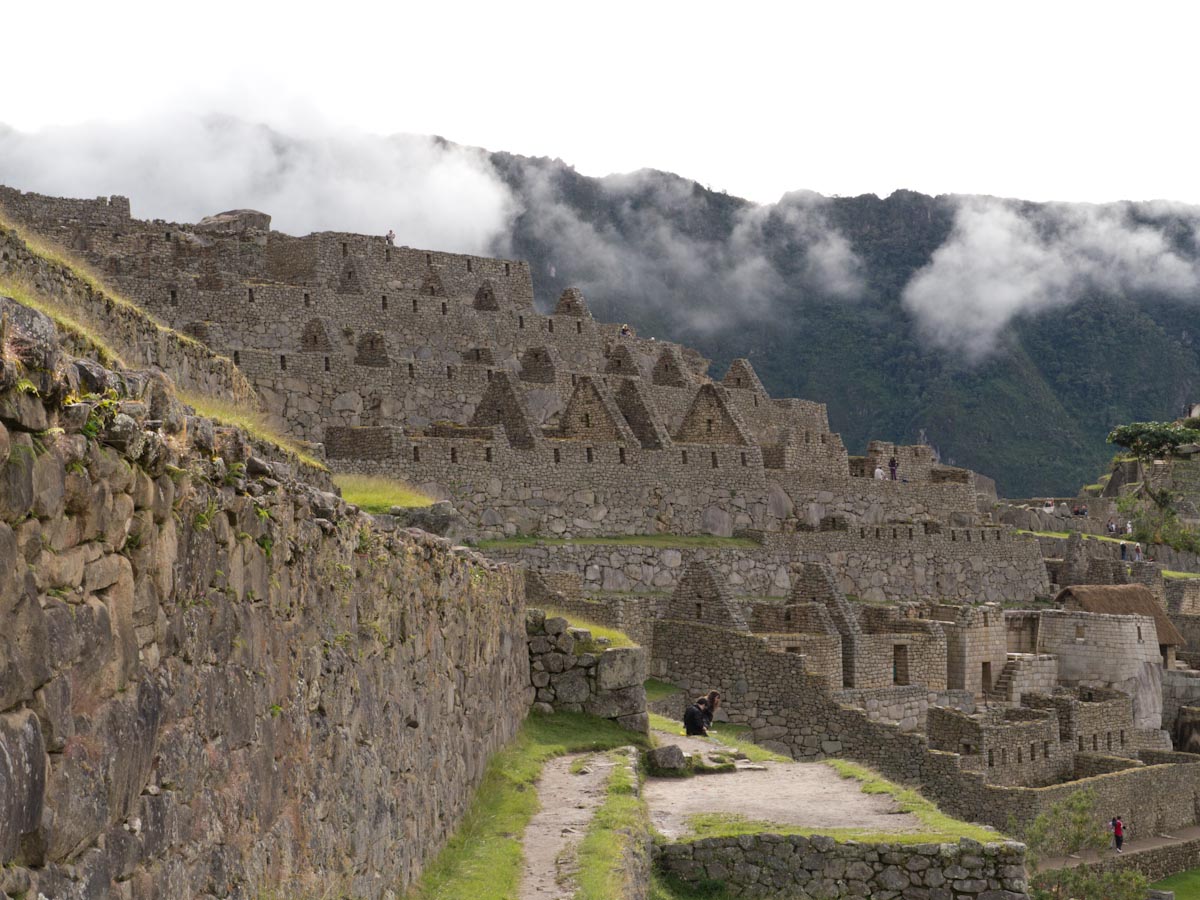
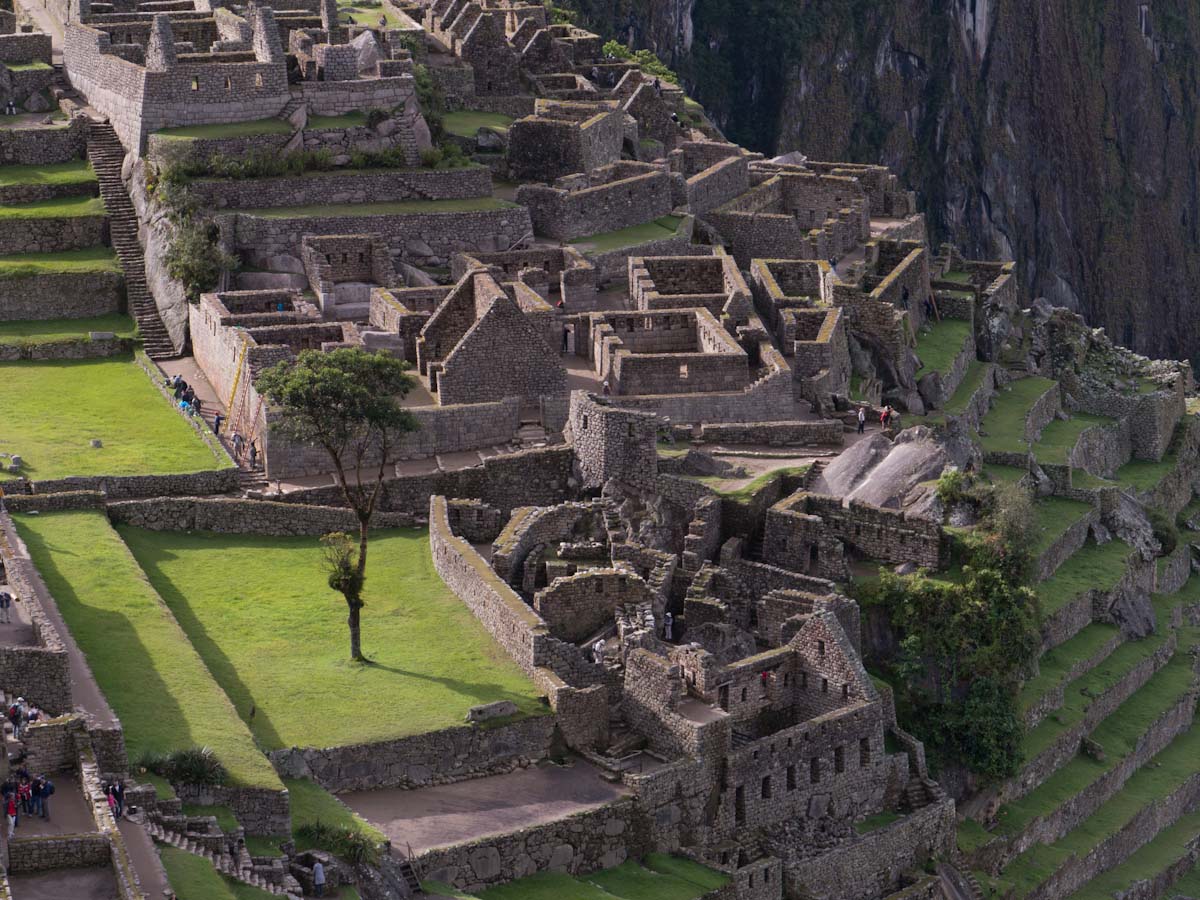
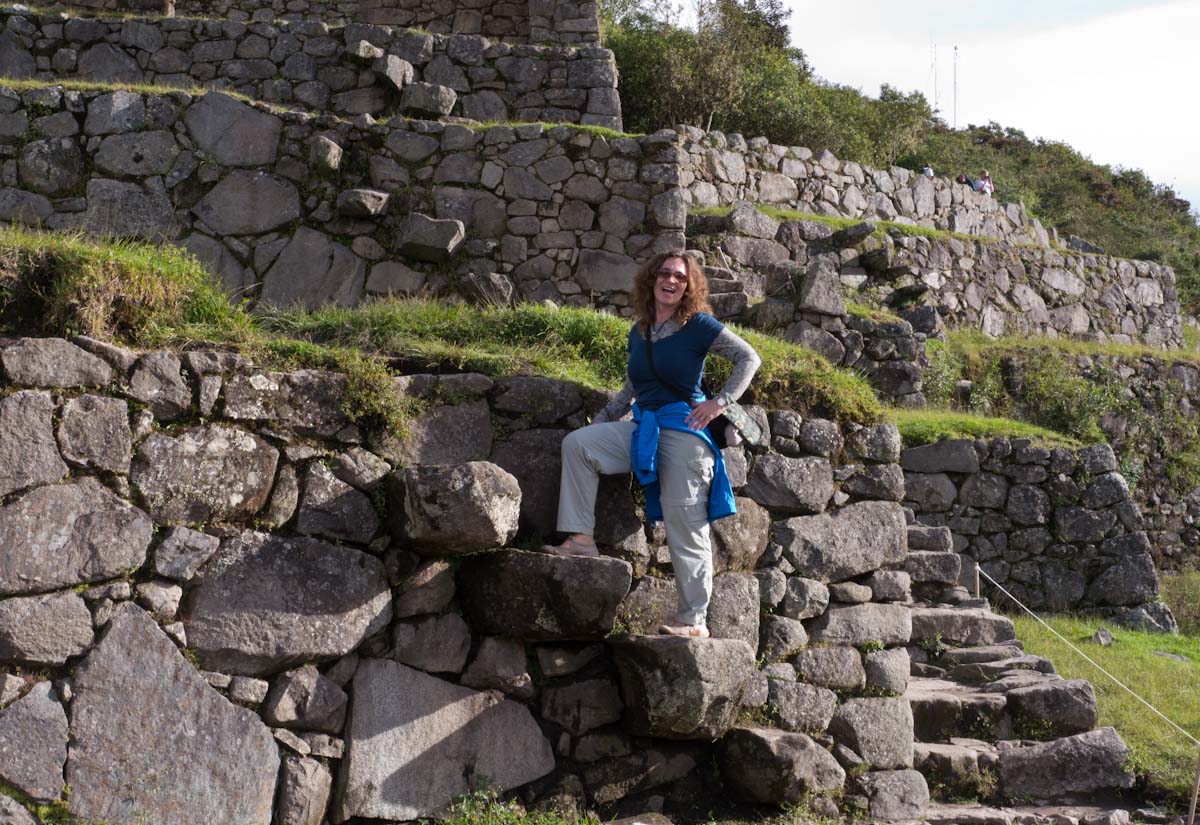
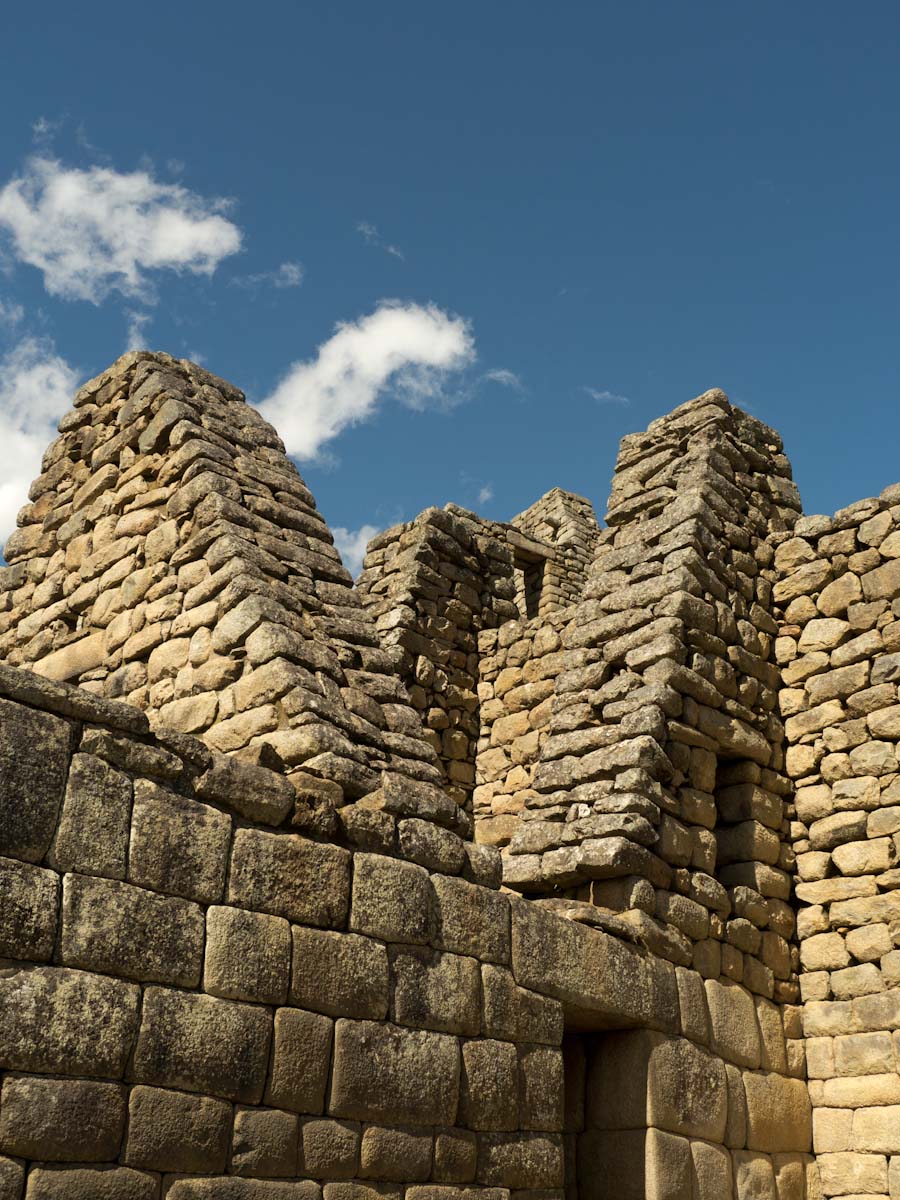
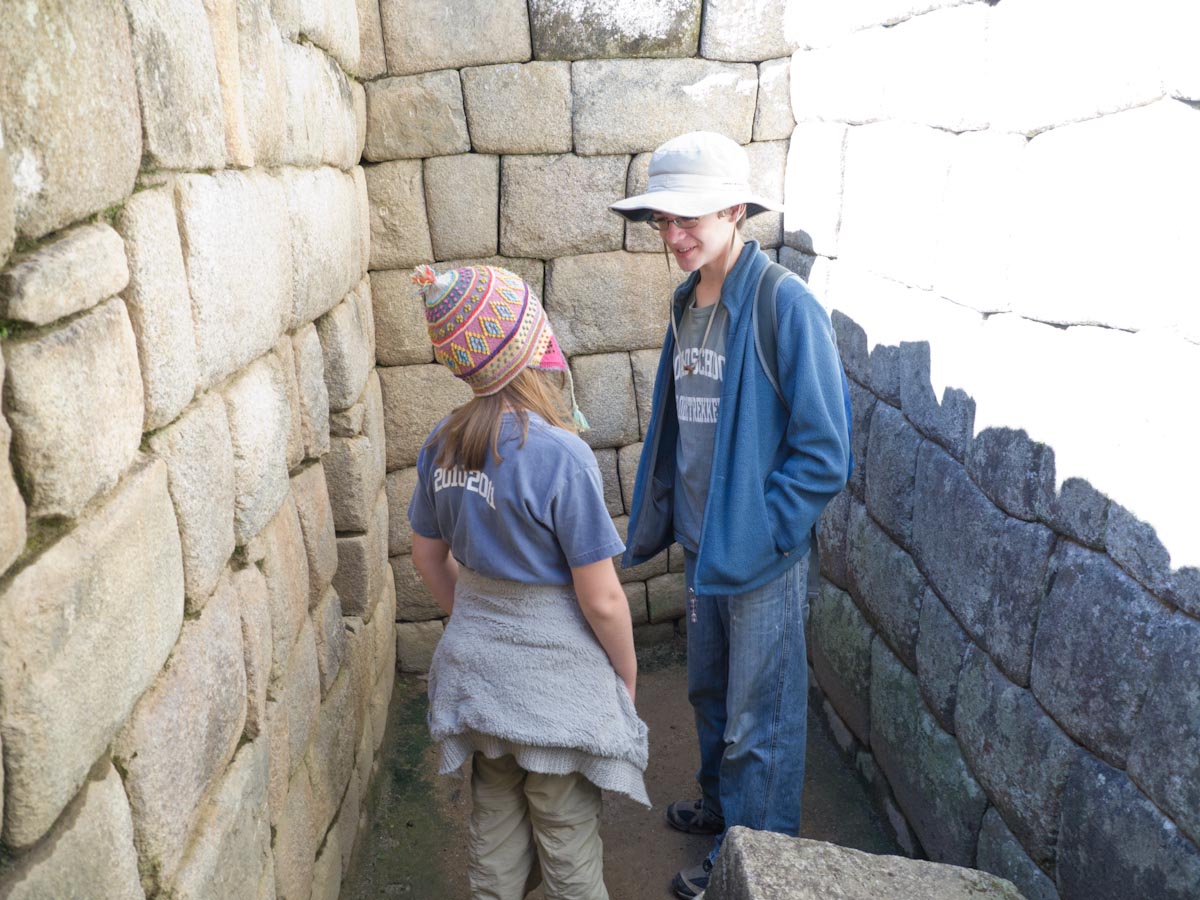
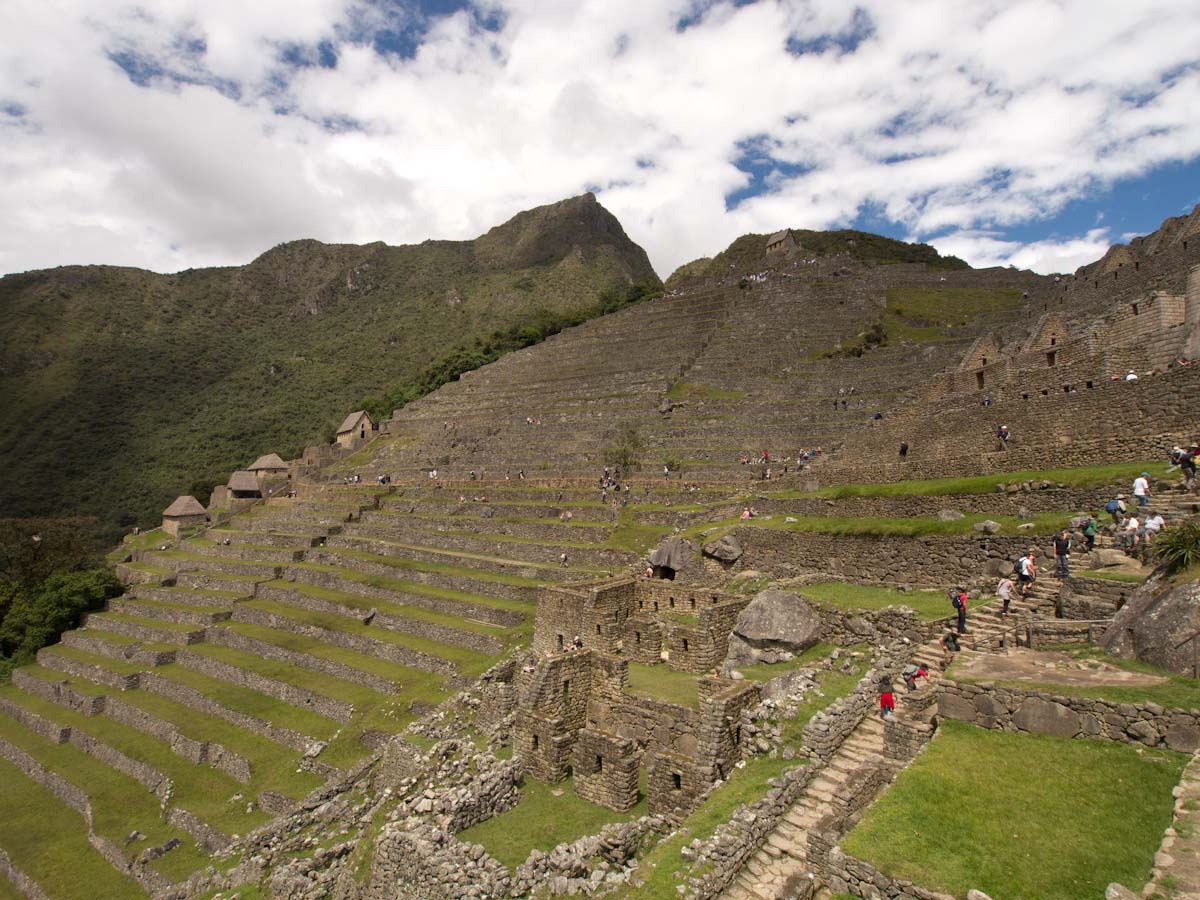
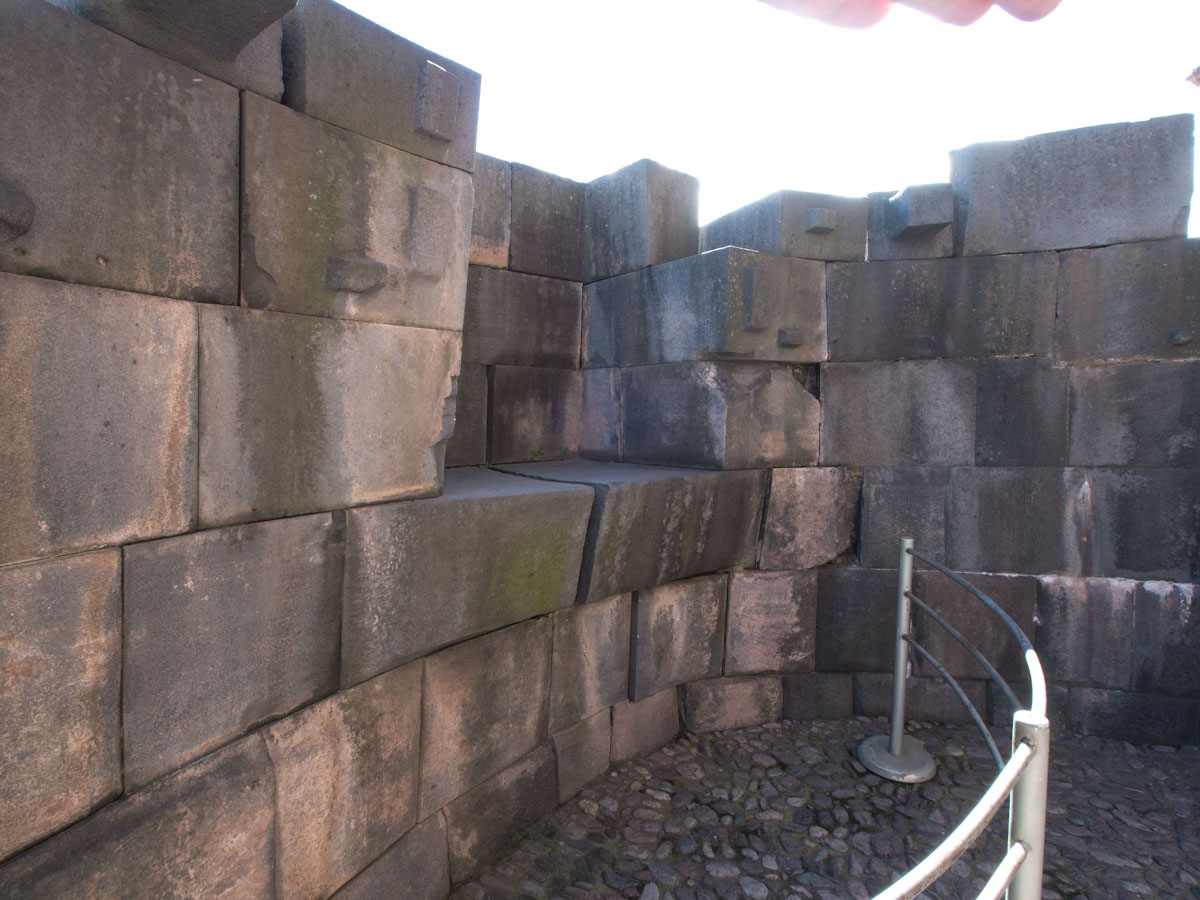
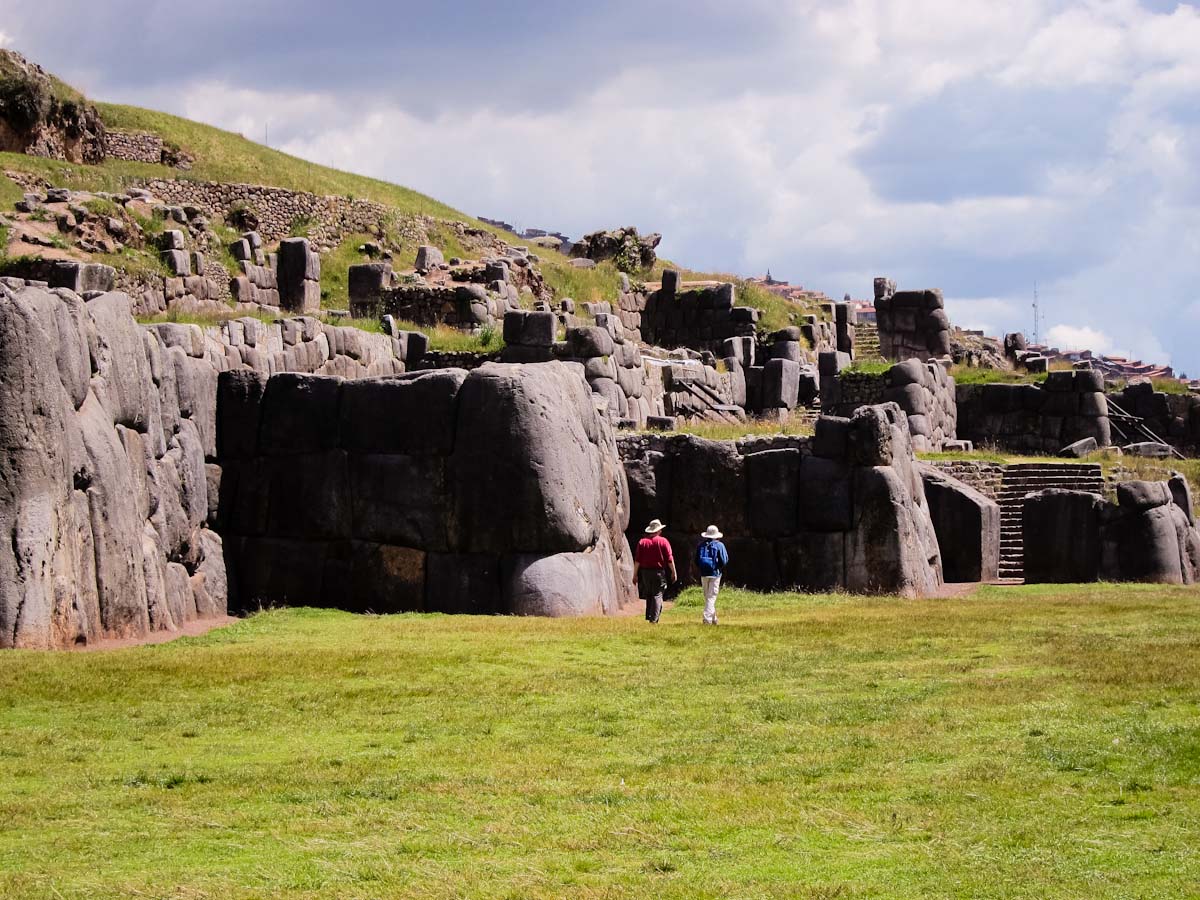
The Incans were not fully “Build around” though. They cleared parts of mountain sides in to massive step formations. The steps or terraces were then used to plant crops. Among them was the first crop of cultivated potatoes. But the Incans admired one crop more than all else. This crop shaped their very architecture. Corn. The corn they had was not our sweet corn, but honk’en, thumbnail sized kernels corn. Their walls were made of kernel-like stones fitting in to Lego reminiscent structures. Each stone had either a hole or protrusion and fit together perfectly. My dad tried to put a piece of grass between the stones and failed. The Incans didn’t need any mortar thanks to their “Lego system”.
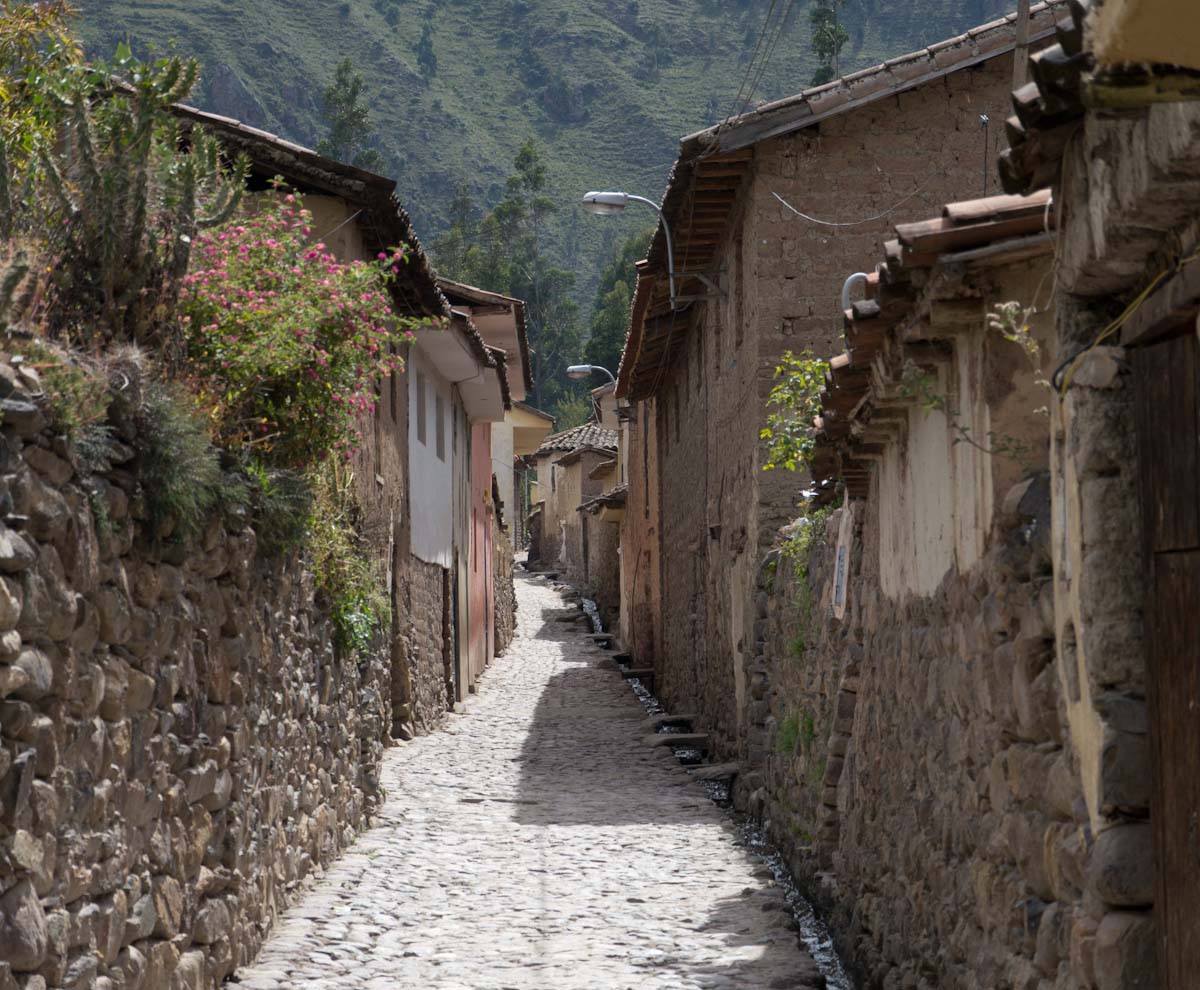
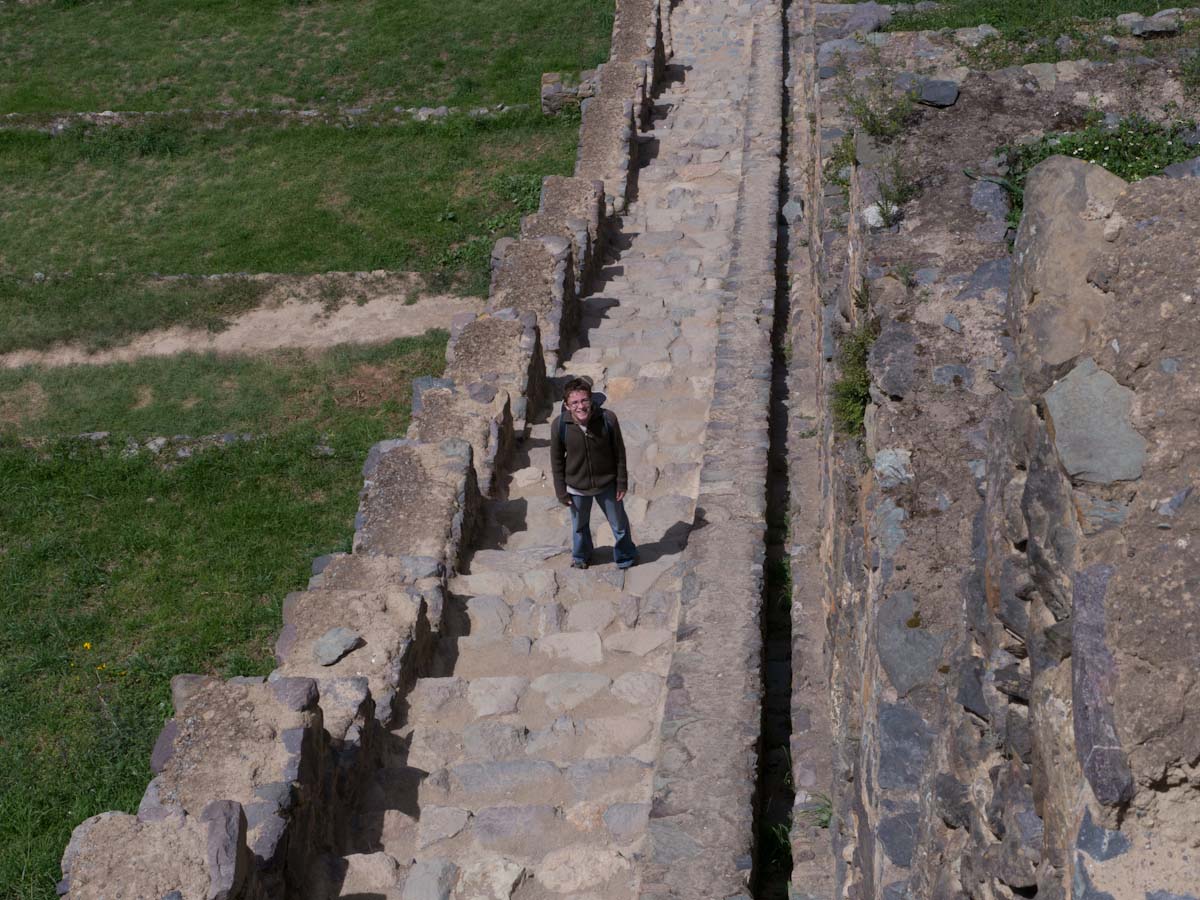
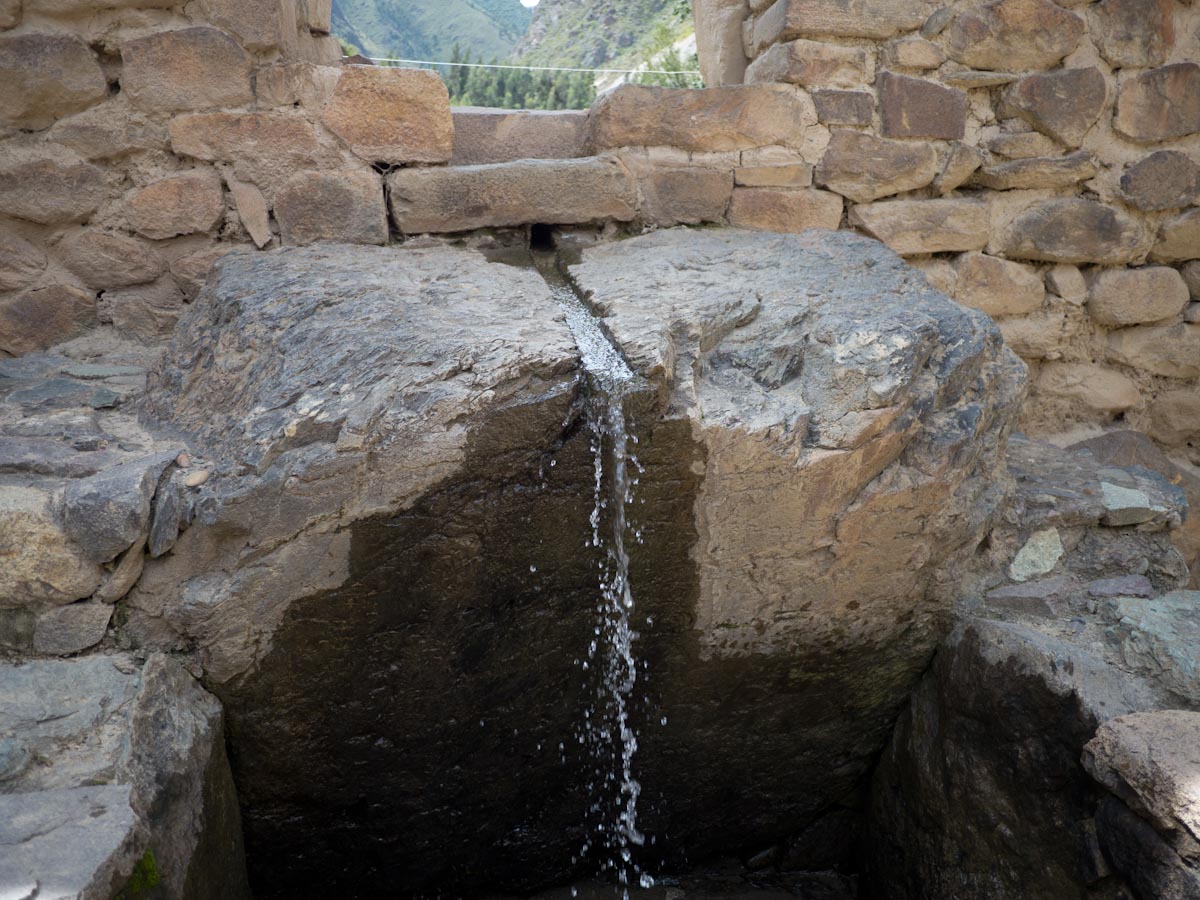
Their streets also looked like corn on the cob, AND the streets had running water in channels on both sides! These were channels that eventually went underground (so nobody could find the source and poison it) and brought water down from the mountain tops.
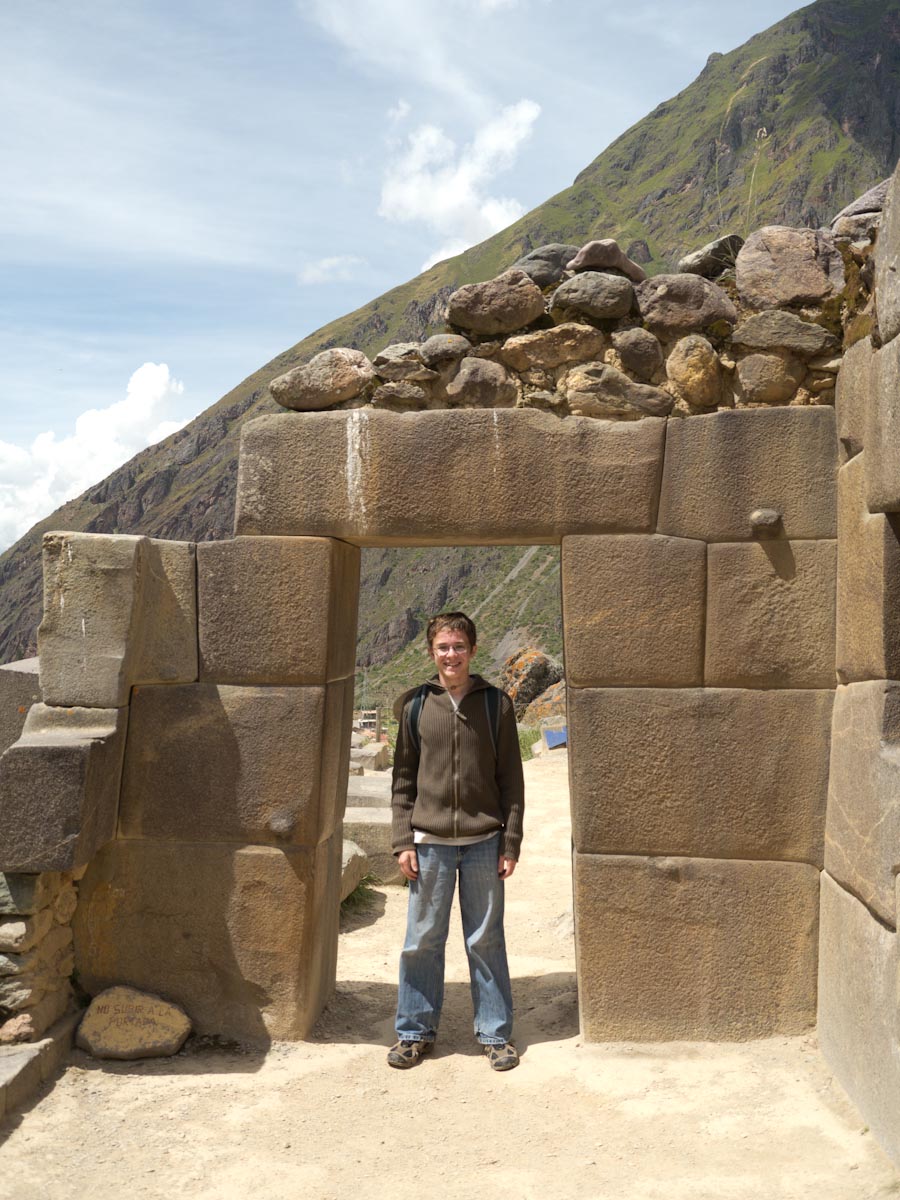
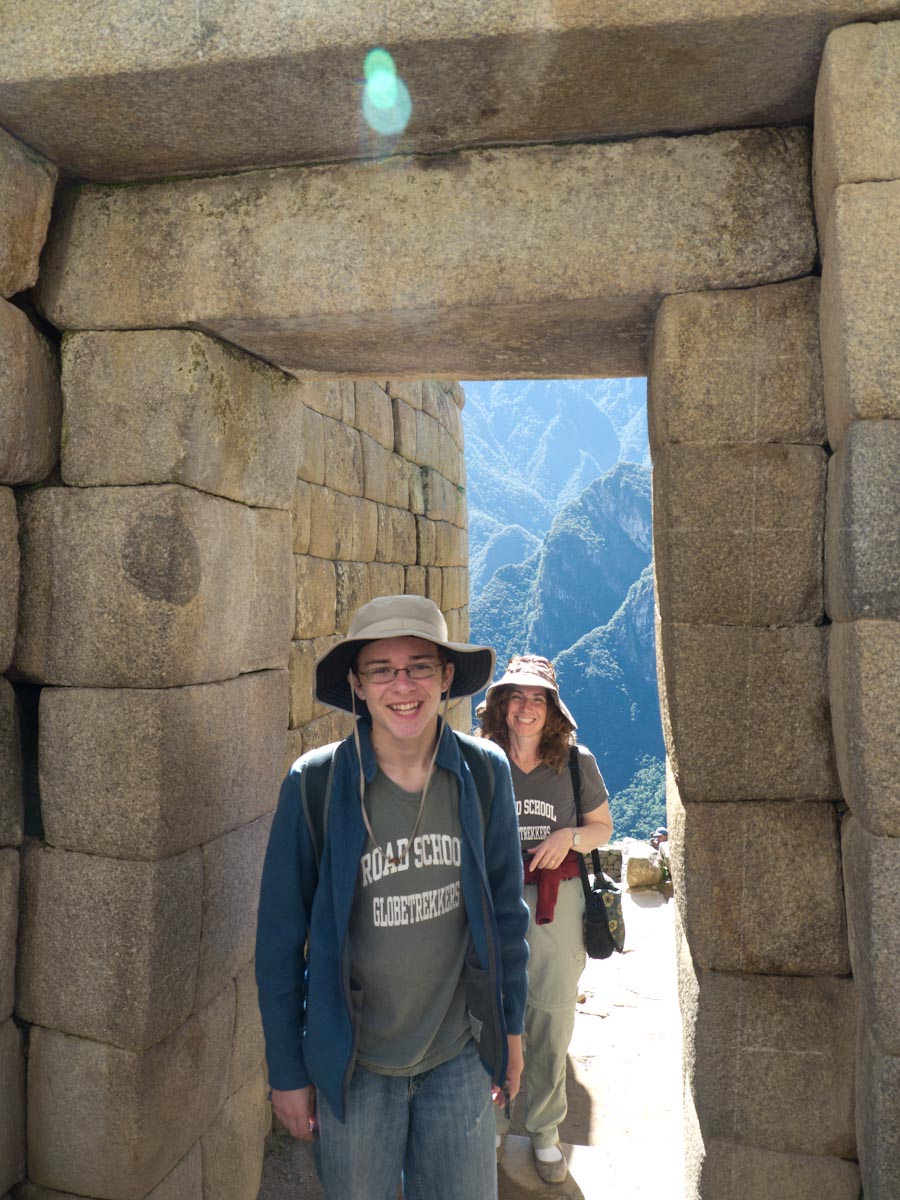
The Incans also had a signature shape, the trapezoid; Applying the trapezoid shape to their doorways and buildings, combined with the fact that they built in the same direction as the natural mountain, made their structures earthquake proof. This allowed archaeologists to have enough organized remains to reconstruct Machu Picchu.
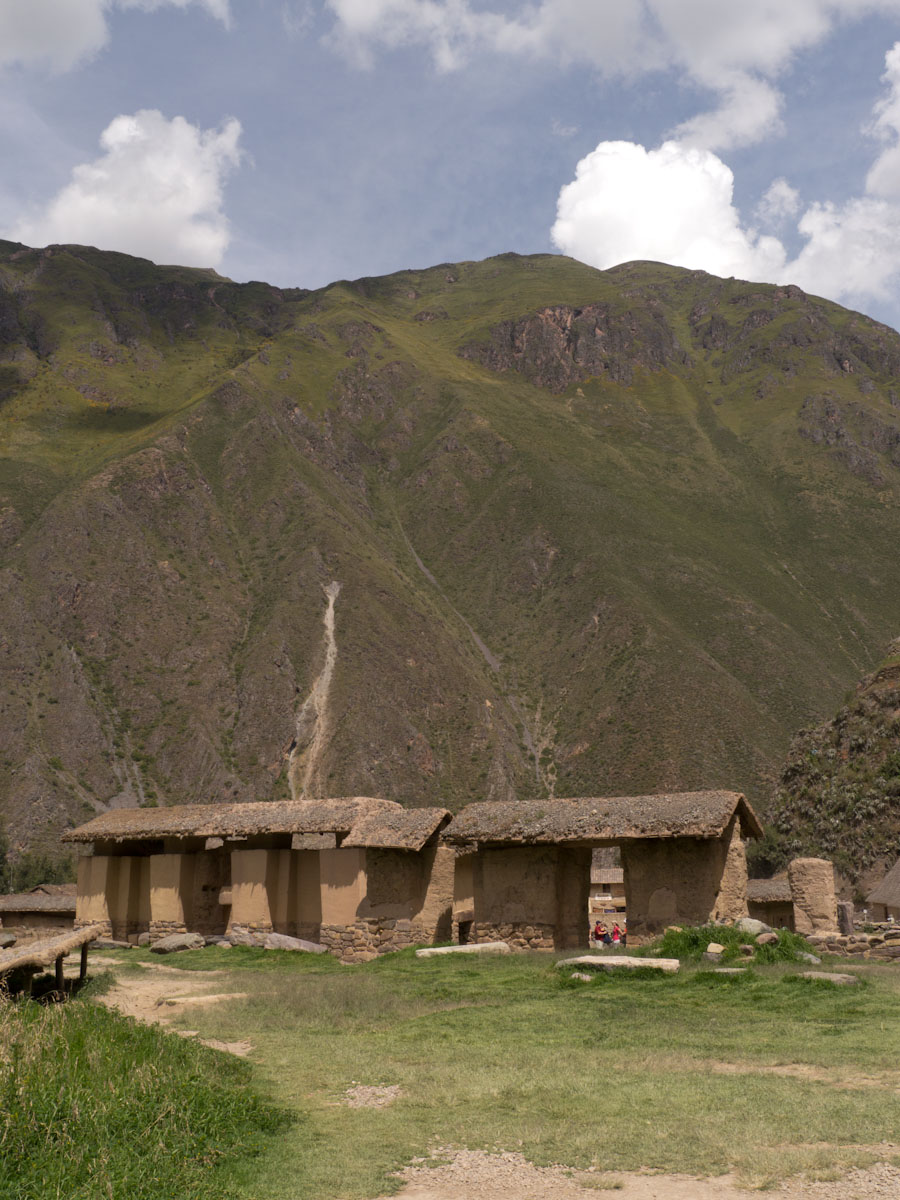
The Incan roofs were also prepared. The stones for the sides of the houses had jutting out horizontal stubs. The roof was then tied with ropes on to these stubs, protecting against the possibility of a strong storm. It also rains a lot at Machu Picchu. The bowl of mountains surrounding Machu Picchu makes it rain very often, sometimes strongly. This was no problem though, the straw the Incans used was oily and the rain rolled right off. Since they’re so high up the Incans had spindly legs and box like chests, with physically bigger ribcages so their lungs could expand more efficiently. This allowed them to have enough stamina to drag boulders up the steep mountainsides to build their cities in defendable and strategic positions.
SPIRITUALITY:
The Incans were very spiritual, with animal sacrifices practically every day and many temples. This was shown strongly in Machu Picchu; it is after all a religious sanctuary.
Earlier I mentioned condors. Condors are massive black birds with a wingspan of 10 feet. The Incans believed that the condor was the messenger of the dead and left it fermented meat at the temples of the condor. This of course made condors come down to the temple and eat the meat, reinforcing the fact that a deity was accepting the sacrifice.
The other two main animals of worship were the Puma and the Snake.
The Puma represented power. Our guide, Maria, said that as a little girl she had once come face to face with a puma in a fog bank. Thankfully it padded away after a few seconds.
The Snake represented cleverness and wisdom. So if you see a picture of a man with a snake through his nose and eye socket, it means a very different thing then at home. Actually there weren’t carvings at Machu Picchu, only little stubs left from when the Spanish came in and destroyed all of the Incan religious symbols. The stubs once were the necks of carved heads of pumas, condors and snakes.
NOT WASTING ANYTHING:
This was something that the Incans excelled in. The carving of rocks for their residential walls left big chips of rock, which were then pasted together with mortar (okay they used mortar sometimes) to make their military walls. Corn husks were used to feed the guinea pigs, which effectively turned useless plant material into meat. I tried some guinea pig. It tastes like duck.
JEWELRY:
Where to begin! The Incans l-o-v-e-d jewelry. They had chest sized necklaces, earrings that deformed their ears because of their weight, bracelets, armbands, rings, headdresses…you name it the Incans had it, and in either solid gold or silver. The Incans had so much gold and silver that they made thick plates of it to decorate walls instead of gold leaf. Gold is masculine and Silver feminine according to the Incans, so men had only gold jewelry and women had only silver. The King had a solid gold litter and the queen had a solid silver litter. Also, in Cusco, at the temple of the sun, the priests would put gold idols and plant models out in front of the temple. They placed so many, that when the Spanish arrived they were blinded for a few seconds by the sun reflecting off of the field of gold. No stopping them looting and pillaging now, eh?
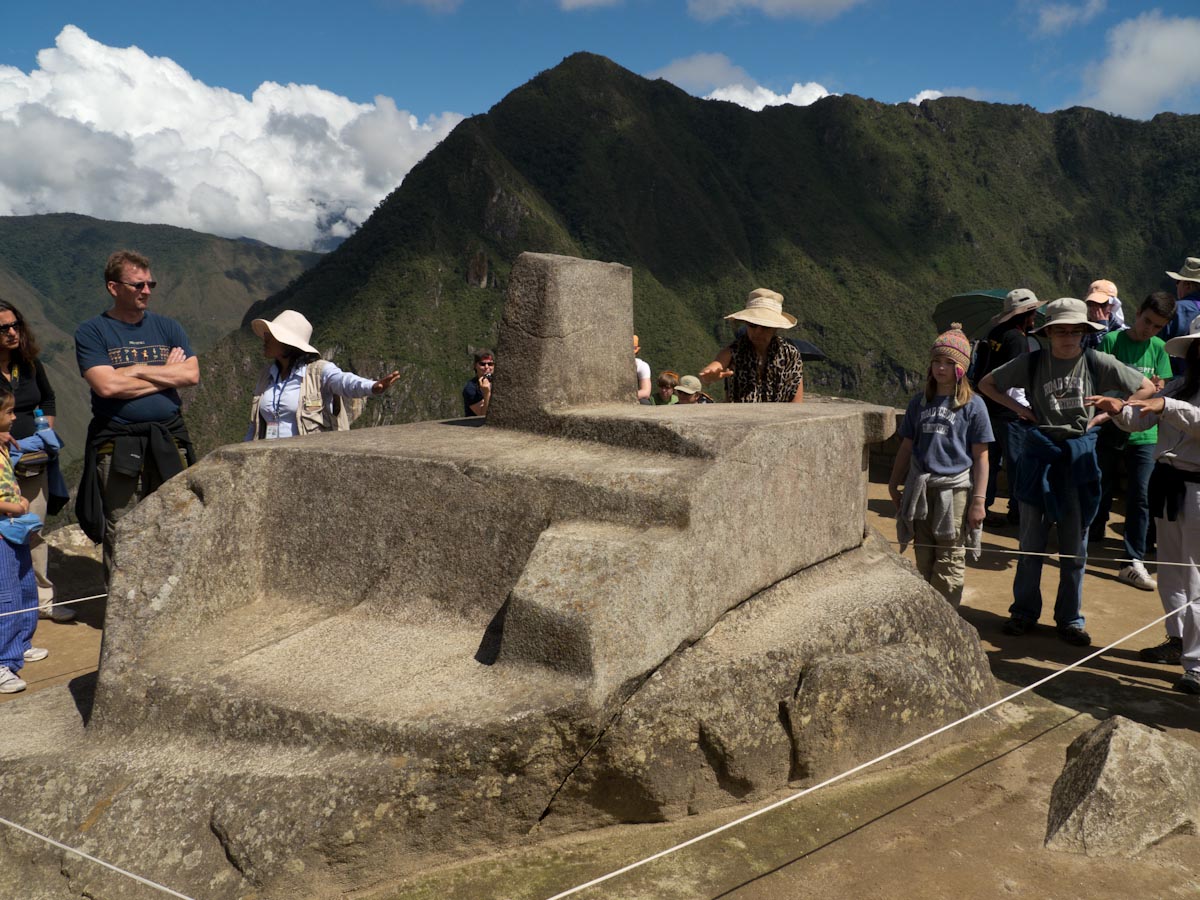
We walked around Machu Picchu admiring the architecture and temples and hearing stories about their history. Thanks to Maria, we learned all of this and more.
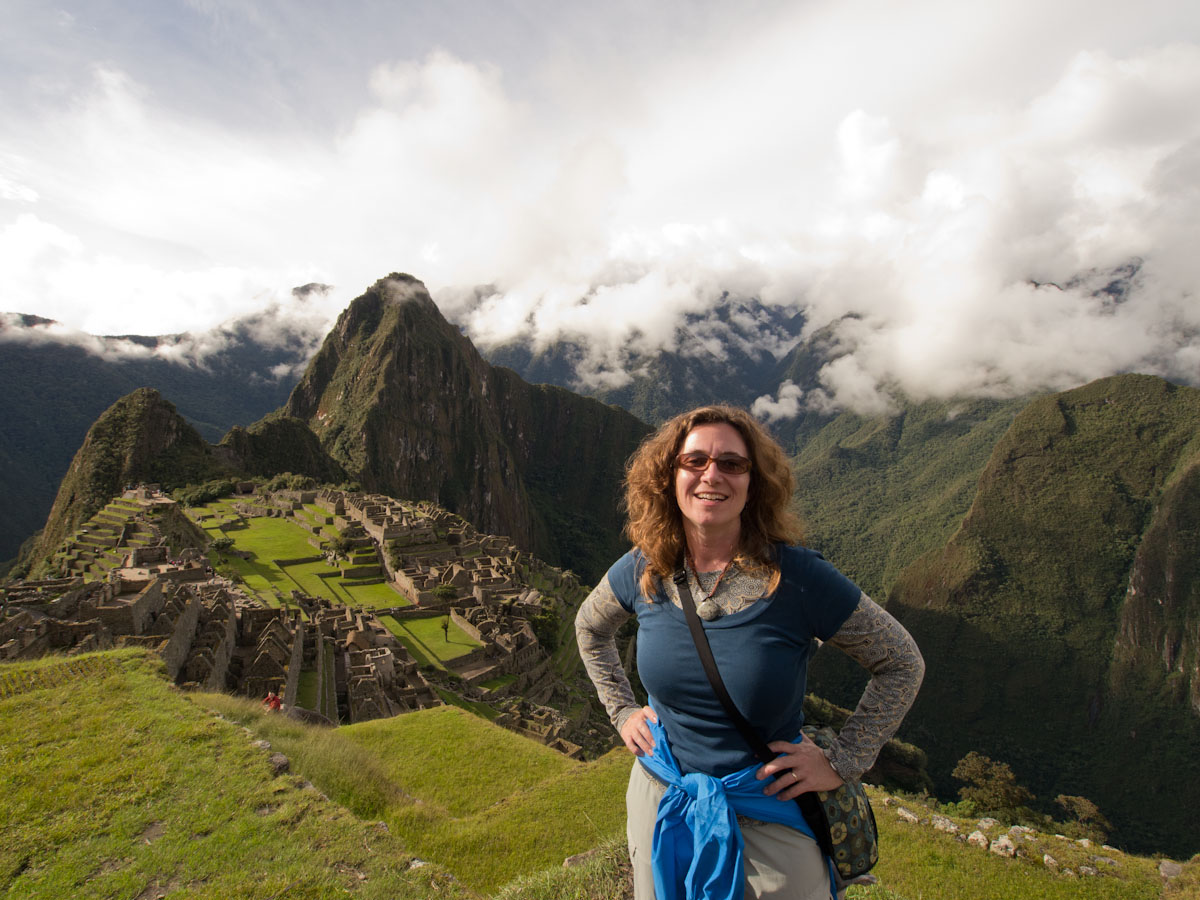
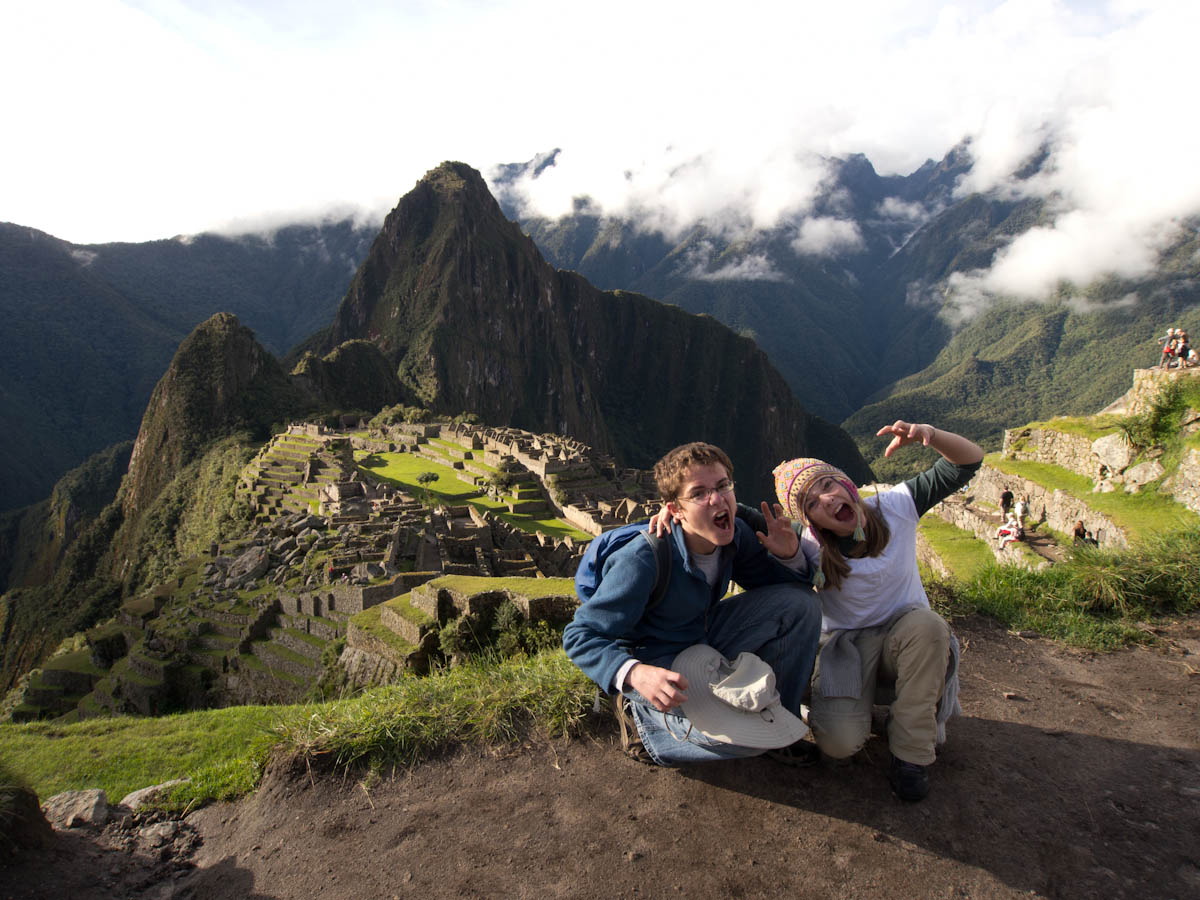
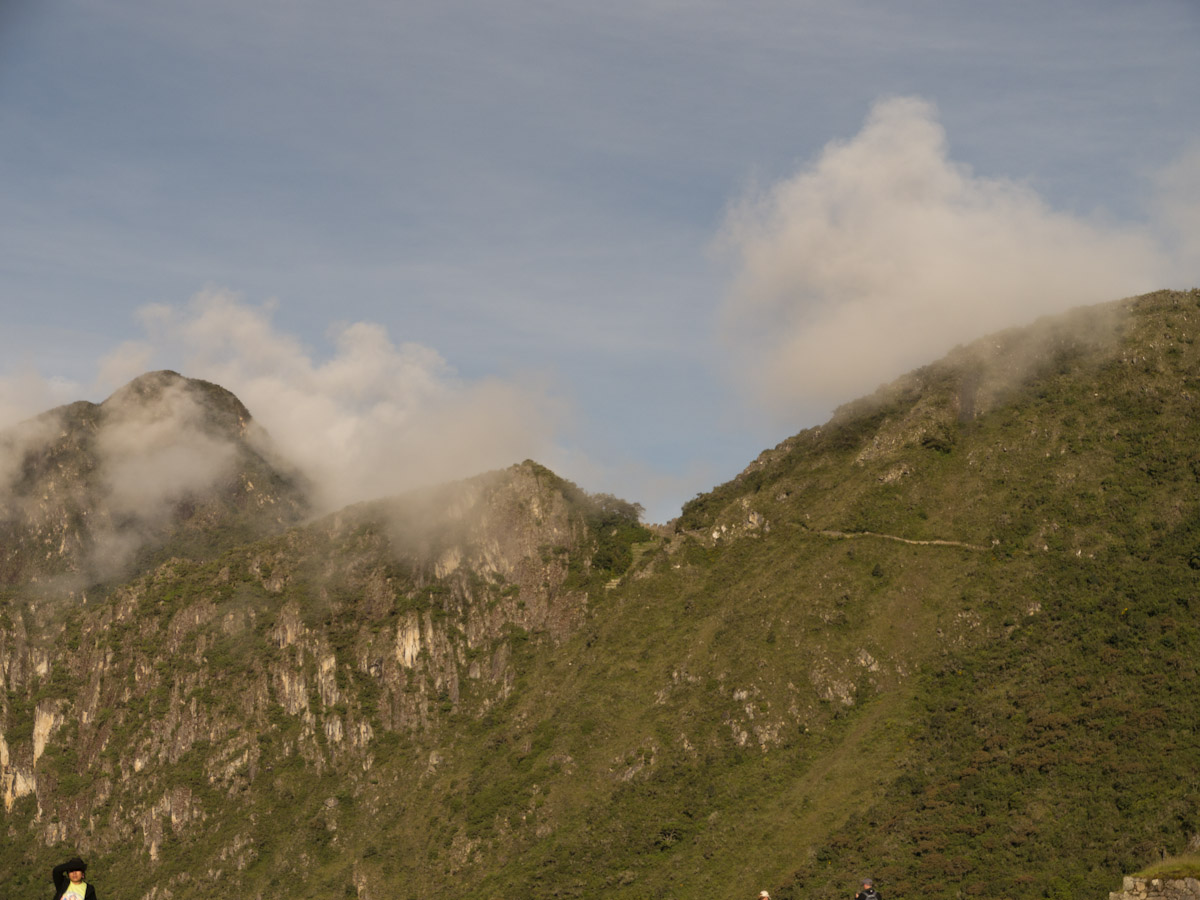
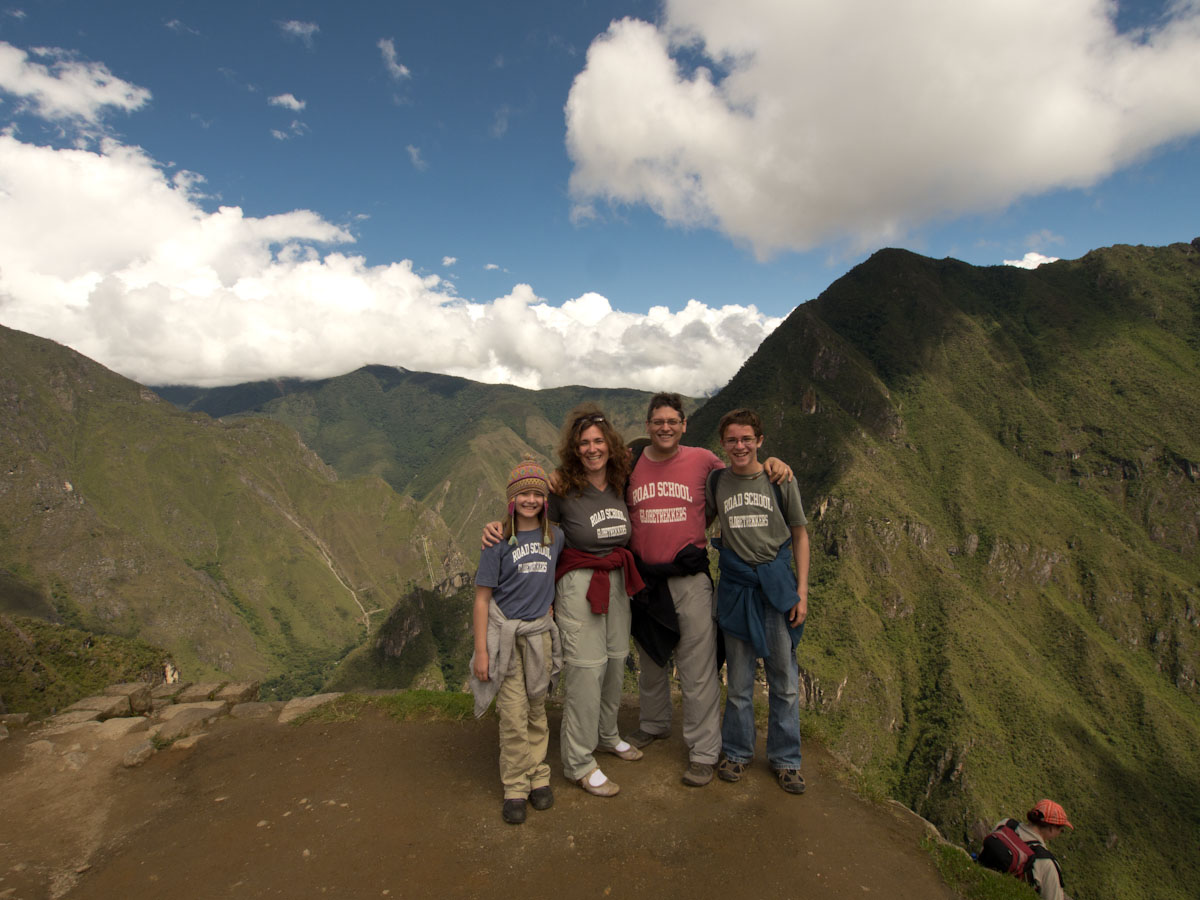
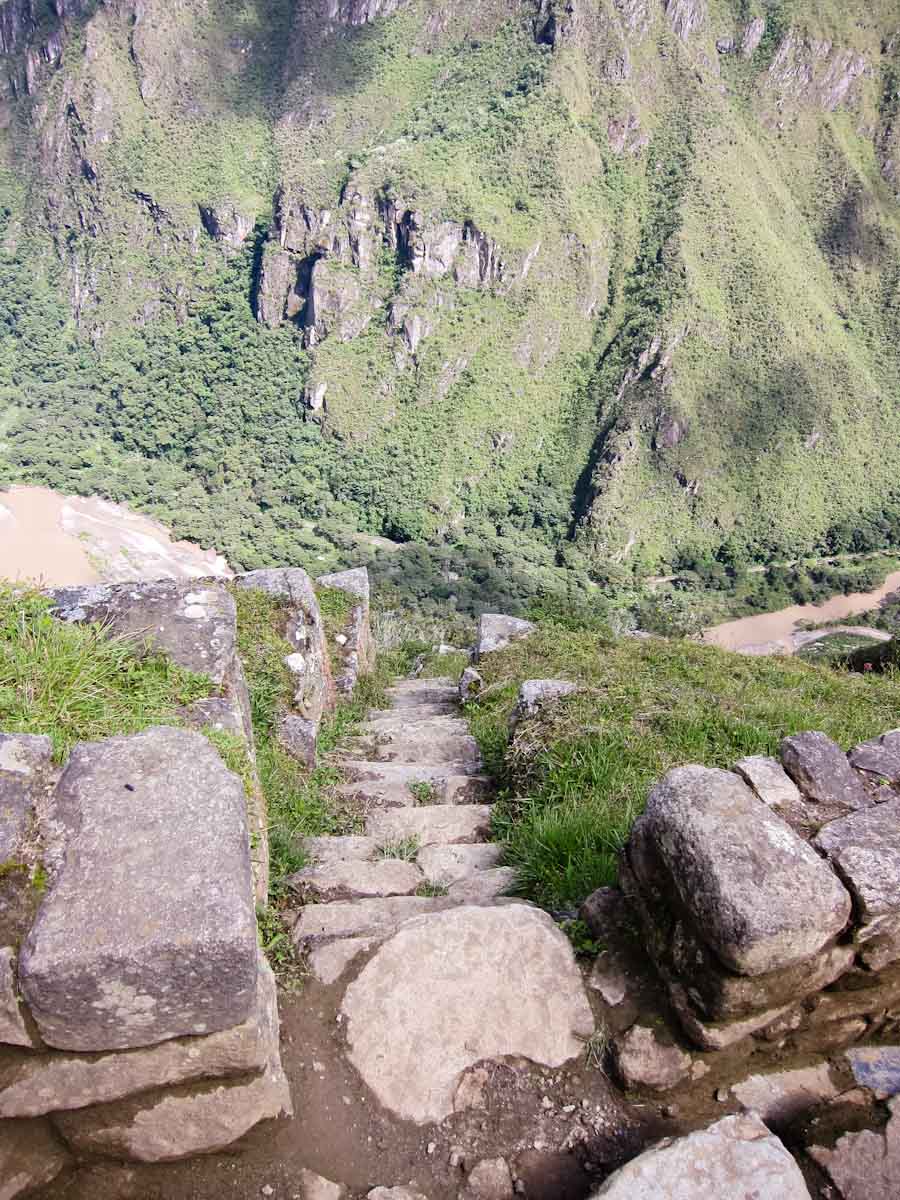
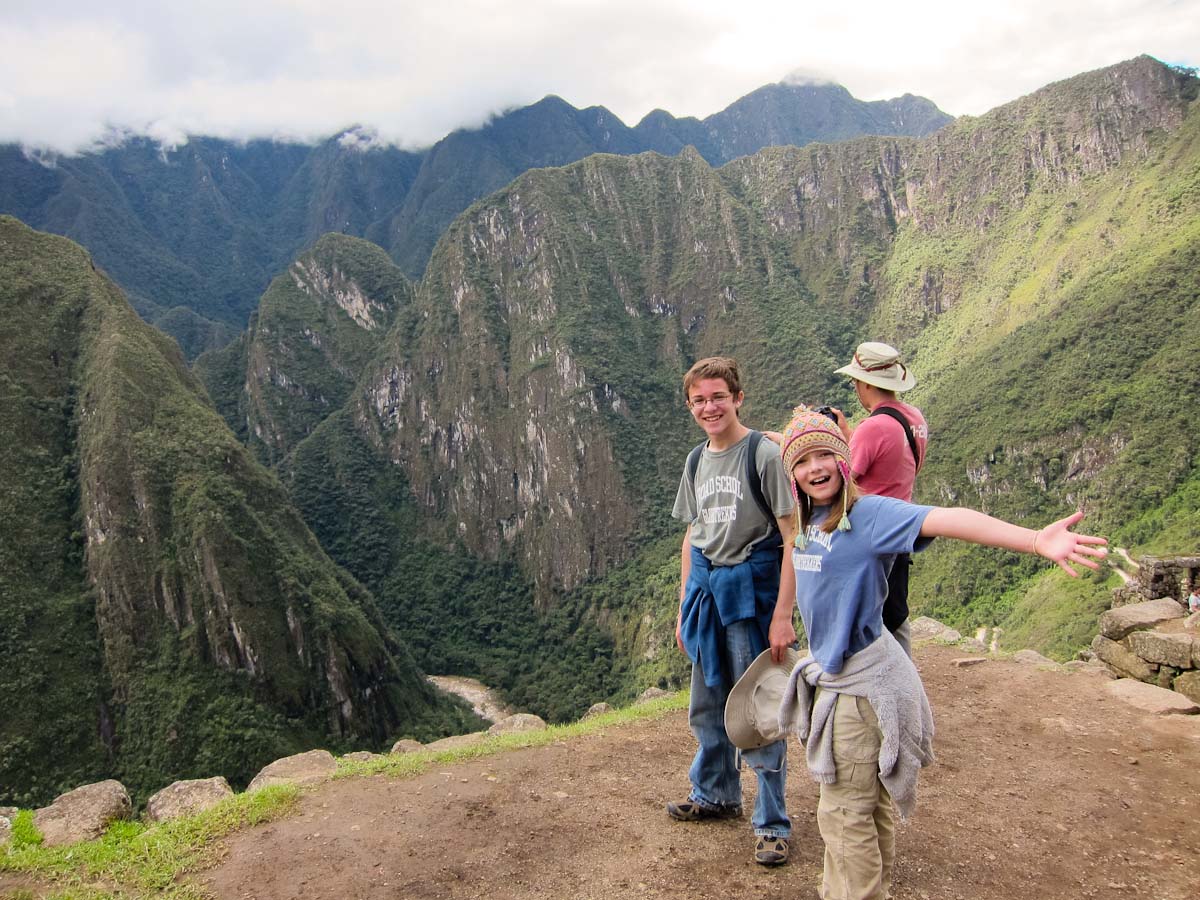
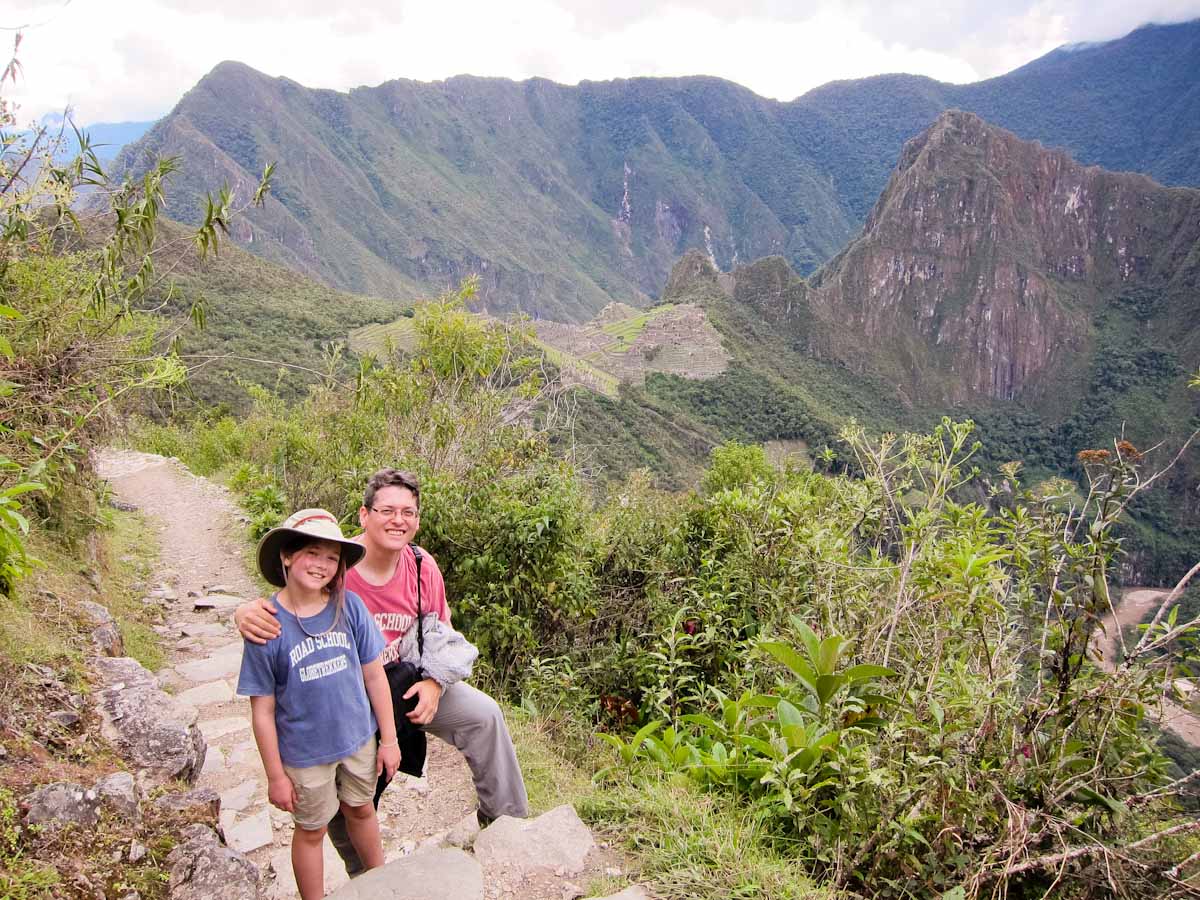
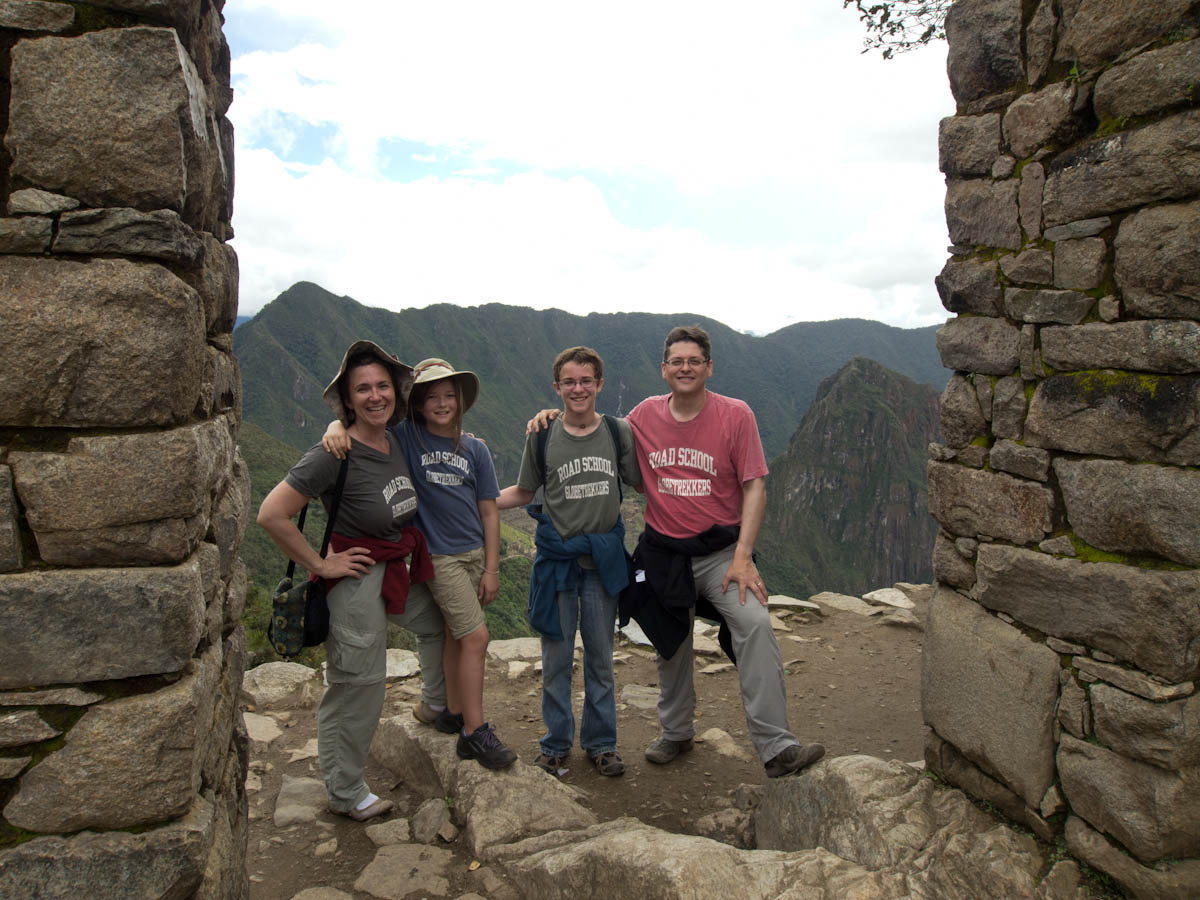
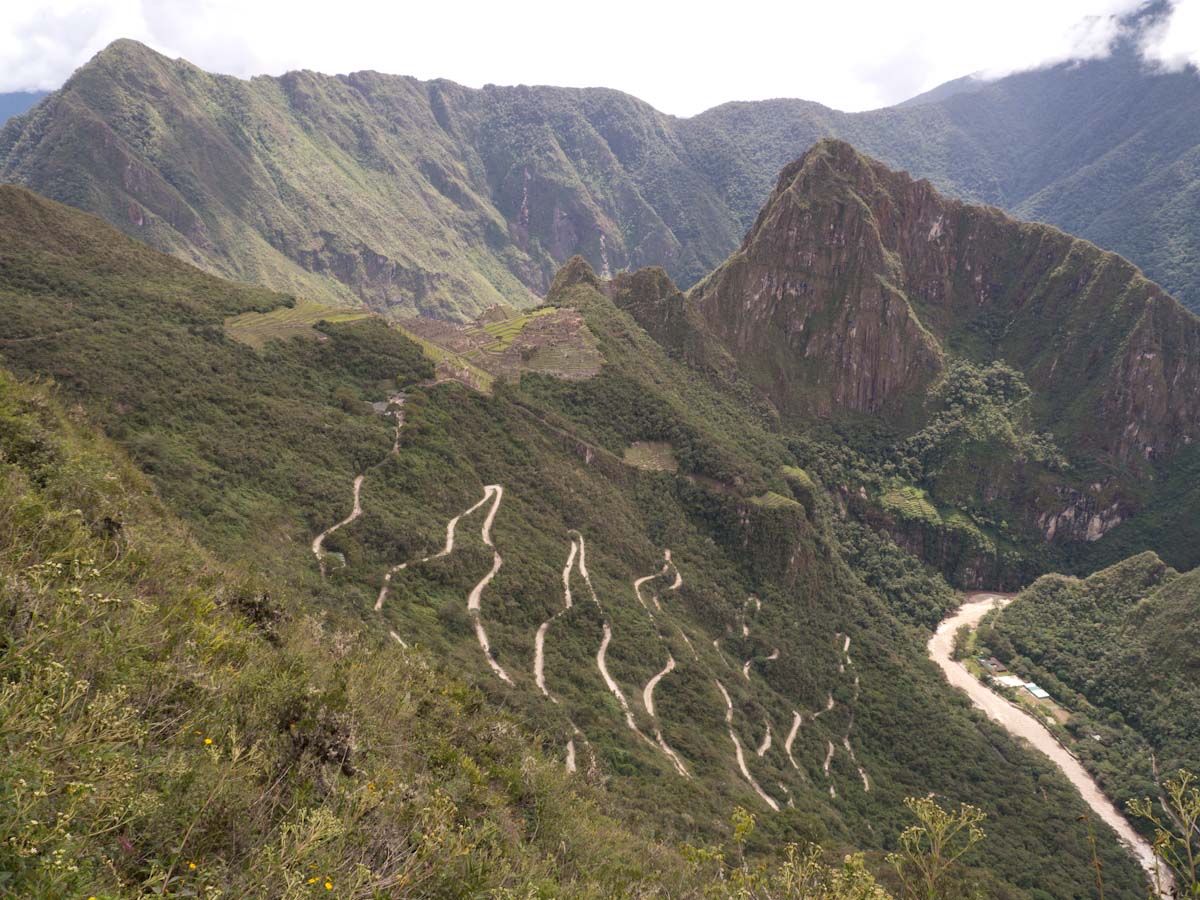
Before leaving Machu Picchu we took a climb to the Sun Gate. Oh my god! It was steep-ish and an hour hike. I forged ahead of everyone else and got there in about 40 minutes! They got there in 45 minutes! Hey, five minutes is a long time if you actually count it out! The view was great and we could see all of Machu Picchu. We were also looking down on the mountain that the crazy White parents and Alex had climbed when they were here.
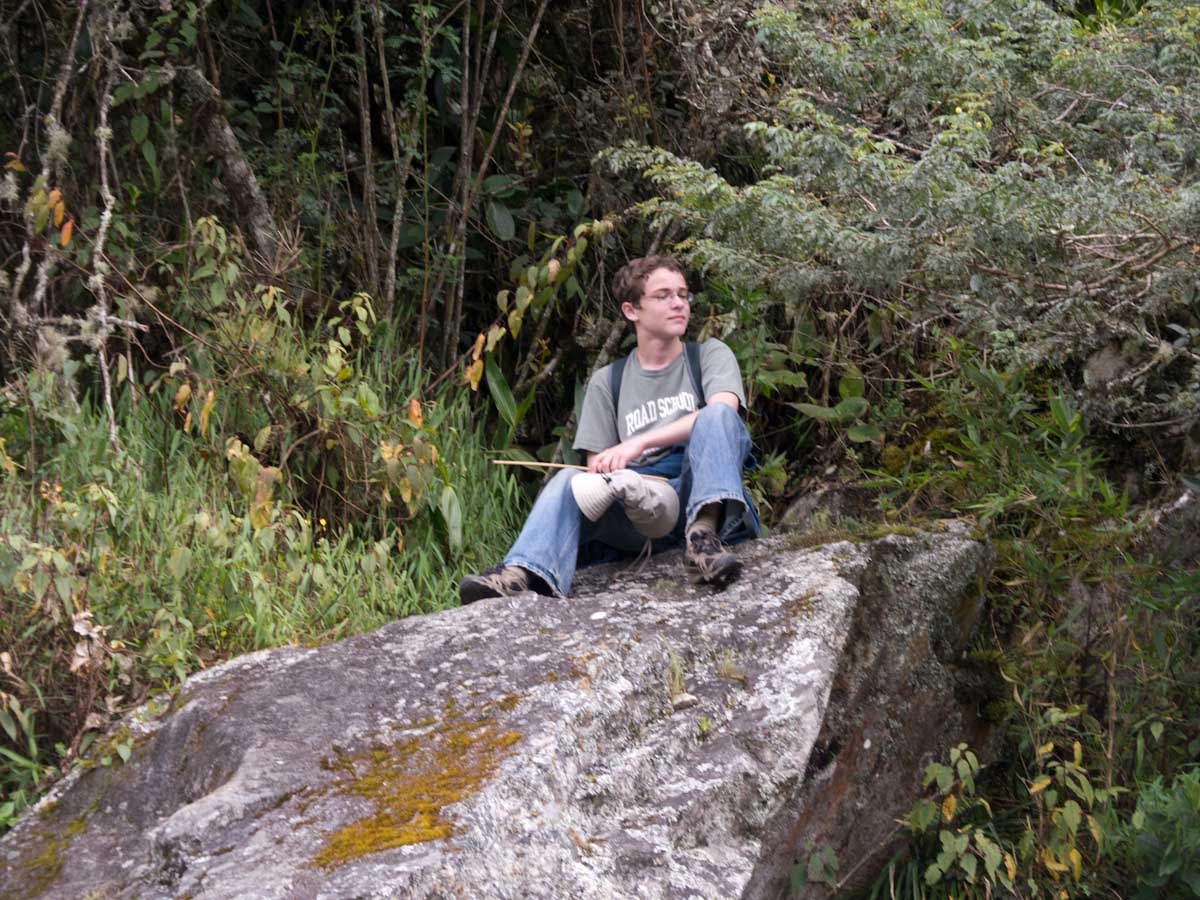
Then it was time to leave. I had found a piece of bamboo with a knob that looked like an Incan with an owl head on the first day of touring here, then I hid it and found it on the second day. I hid it in the same spot when we had to leave Machu Picchu. I think it gave me the energy to climb at a jogging pace up the mountain side. Maybe it has the spirit of the last Incan? All I know is that someday I’ll return to Machu Picchu, and he will be waiting for me.