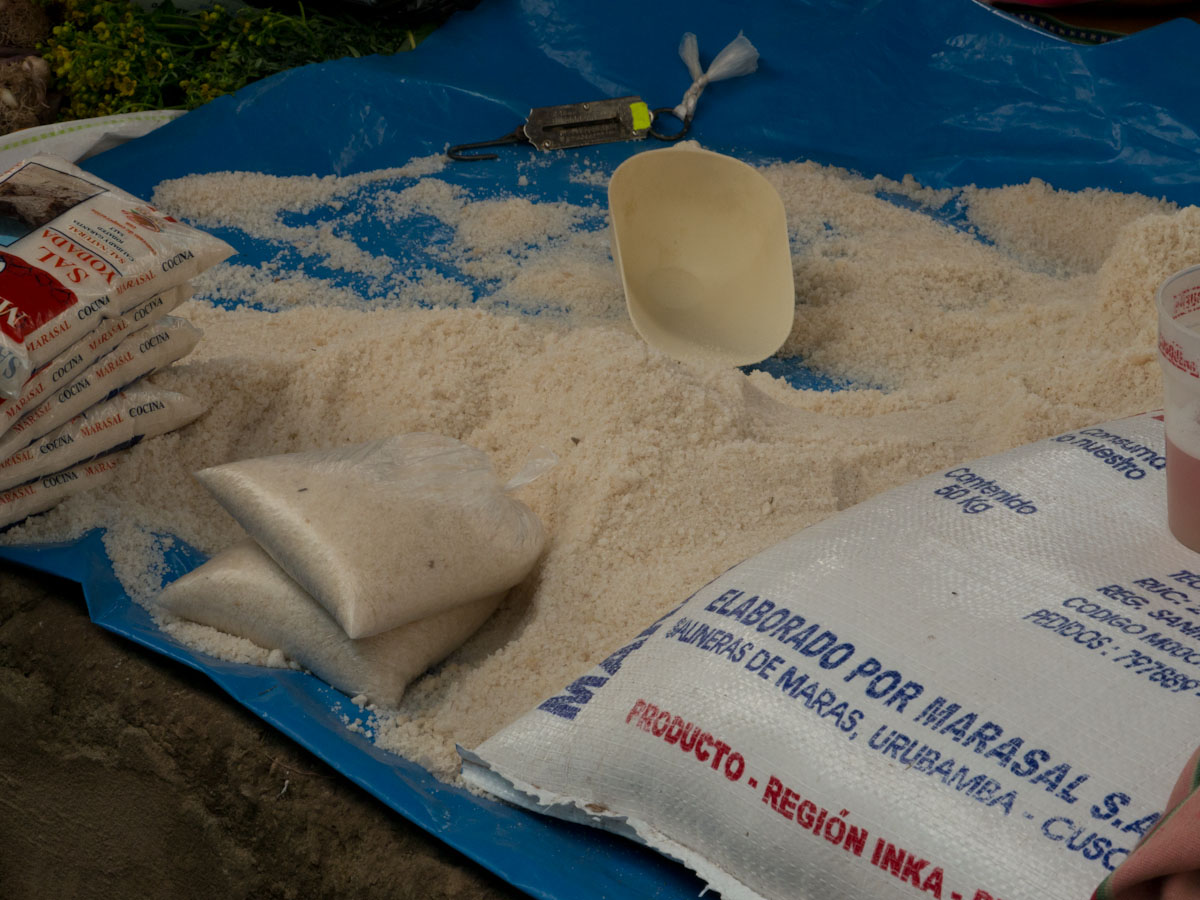
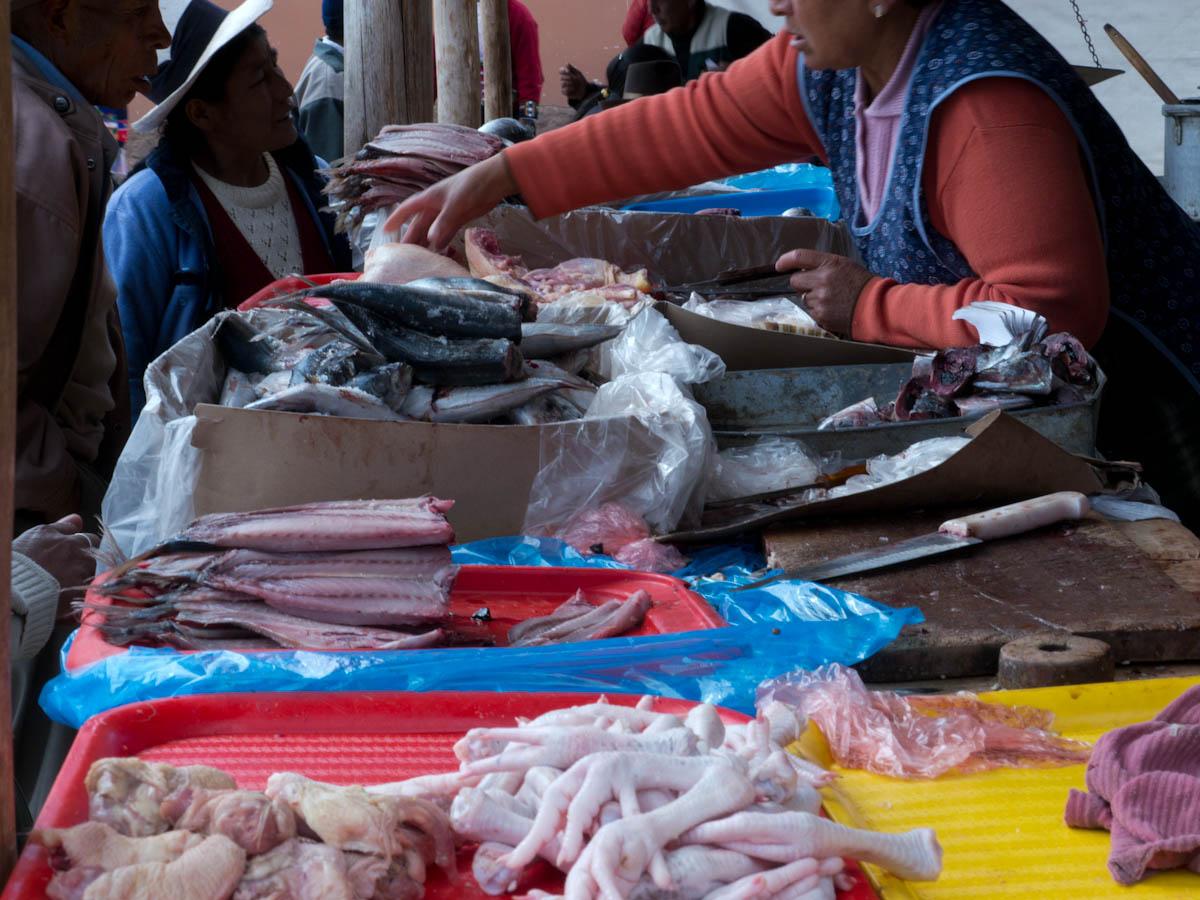
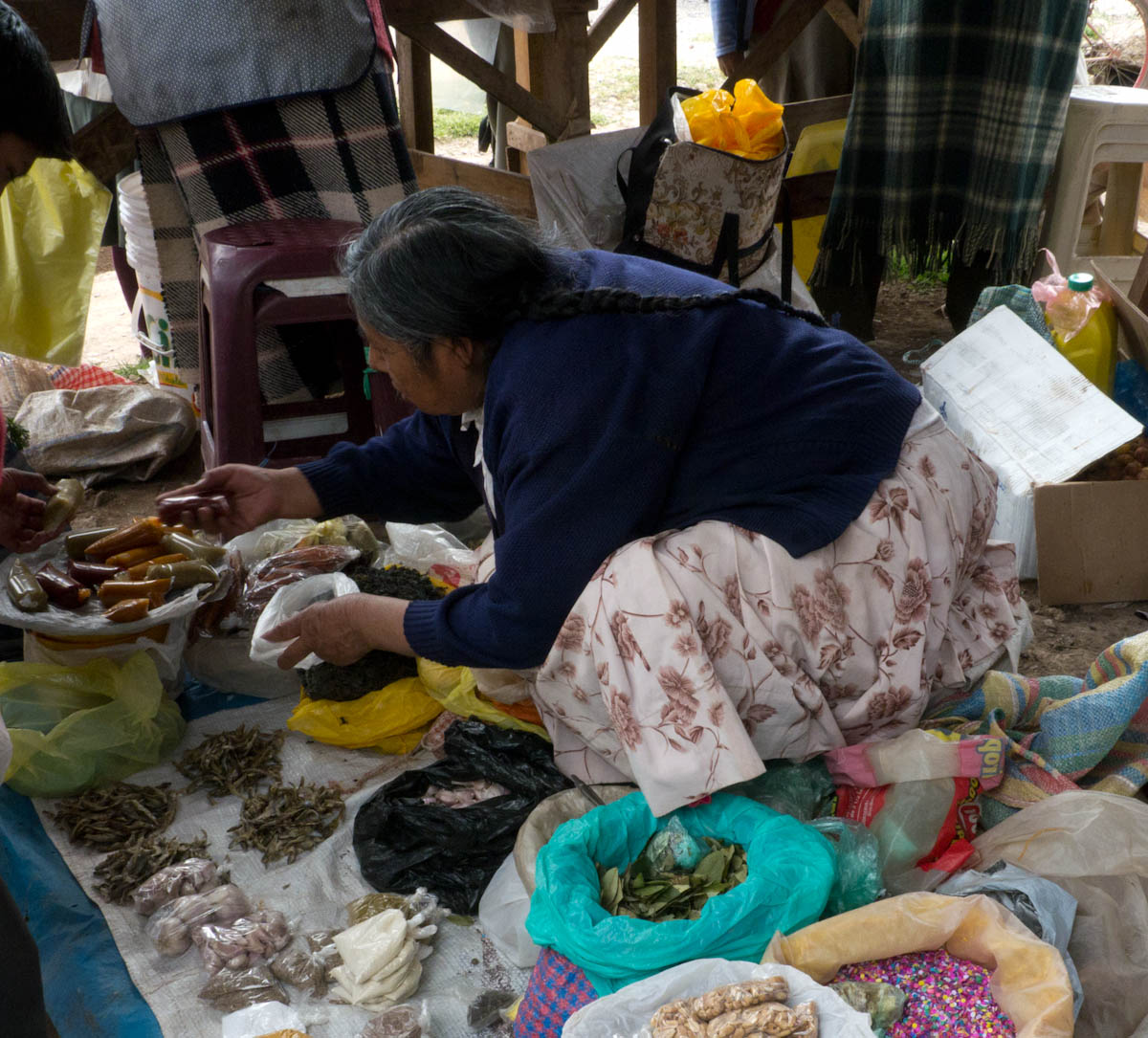
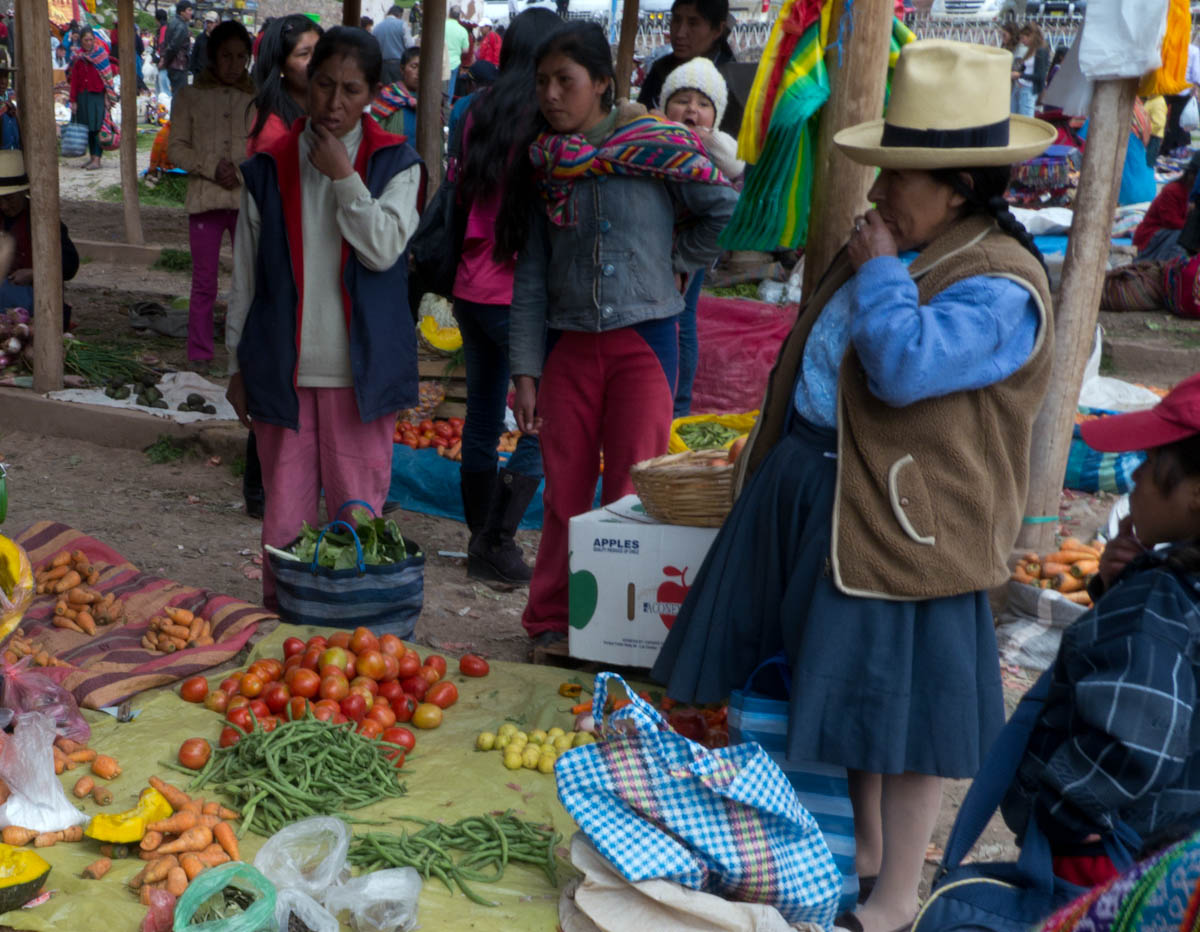
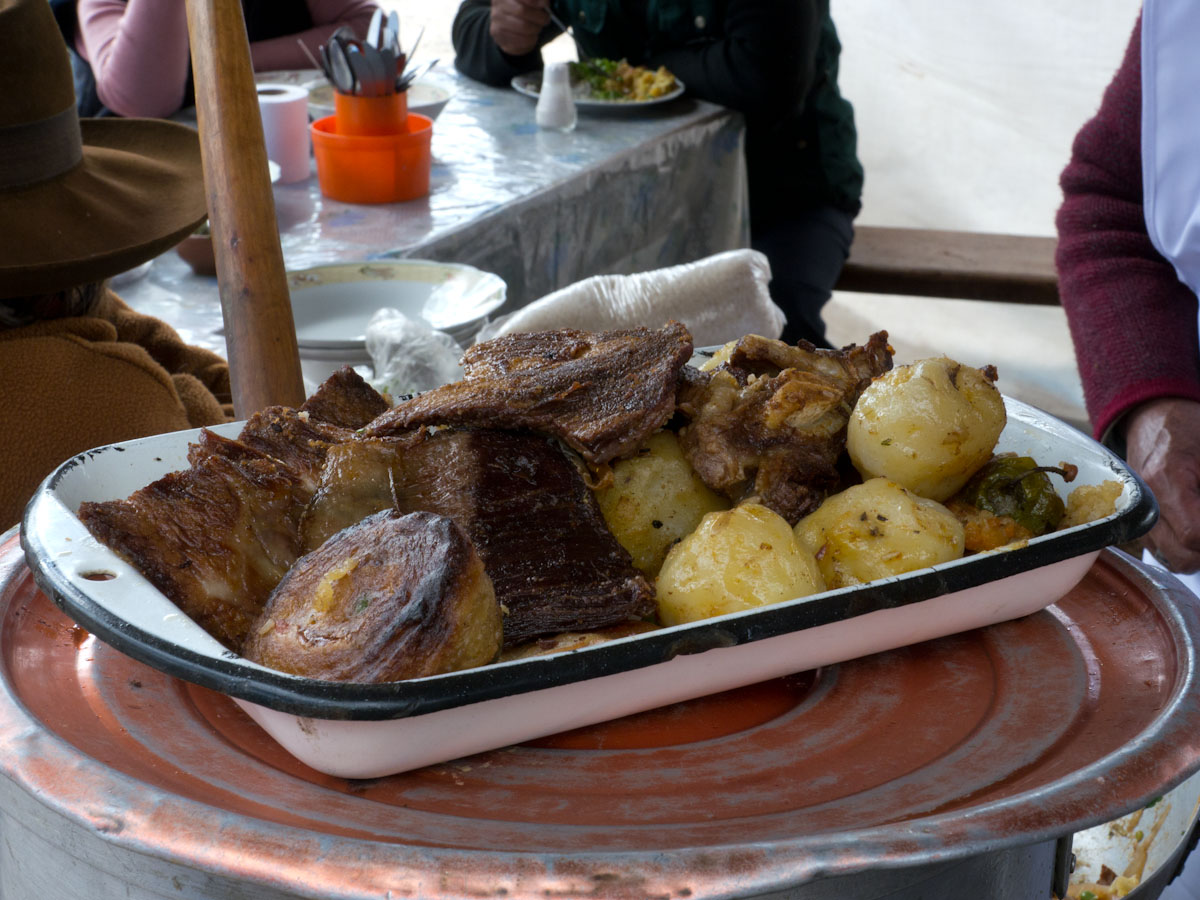
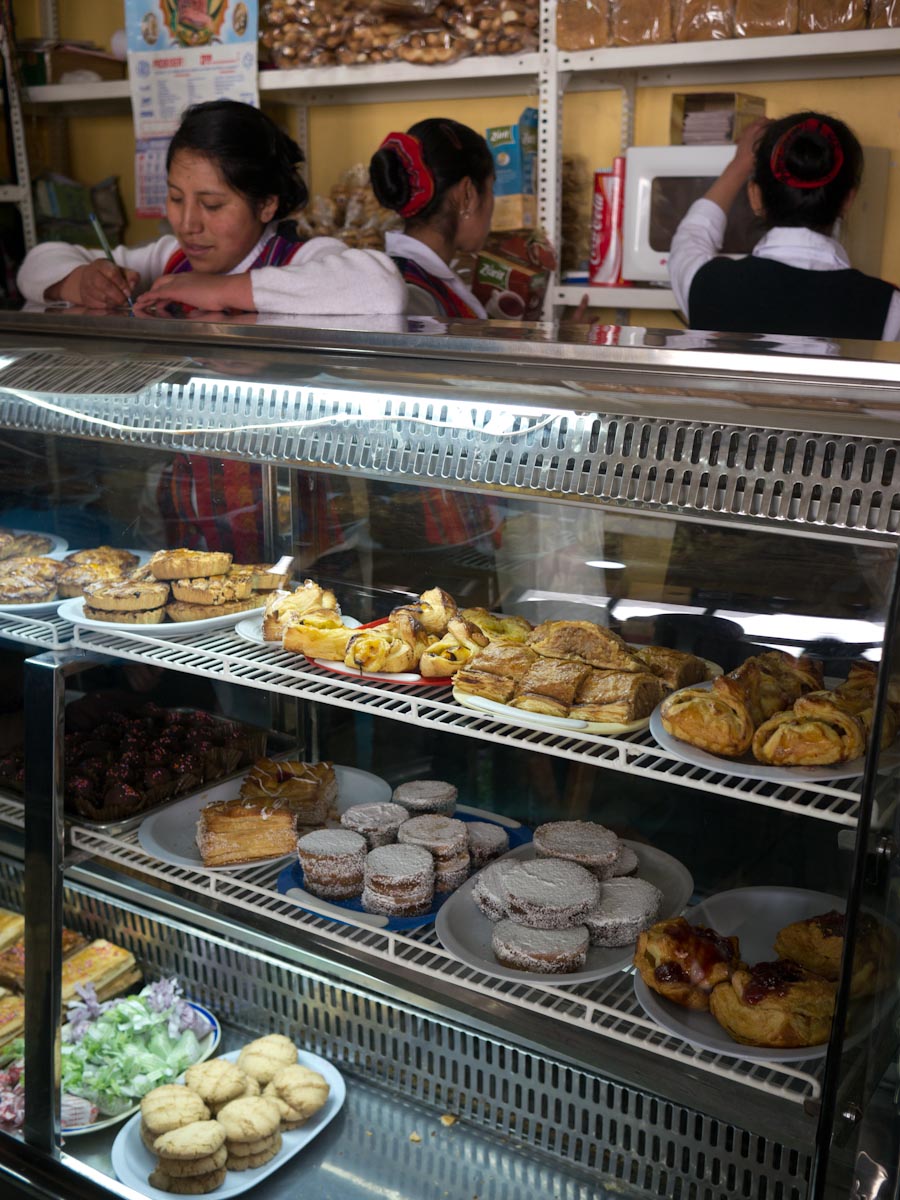
Peru’s varied terrain gives it an excellent base for gastronomy. There are fresh fish and shellfish from the coast, enormous corn kernels and delicious potatoes from the mountains, and juicy tropical fruits and plantains from the jungles. The meats include venison-like alpaca and duck-like guinea pig legs. The best dishes here are complex – blending ingredients from all these sources with mouth-watering results.
Every meal seems to have corn or potatoes as an ingredient. In fact, we learned that more than 200 varieties of potatoes are grown in the Andes (who knew?).
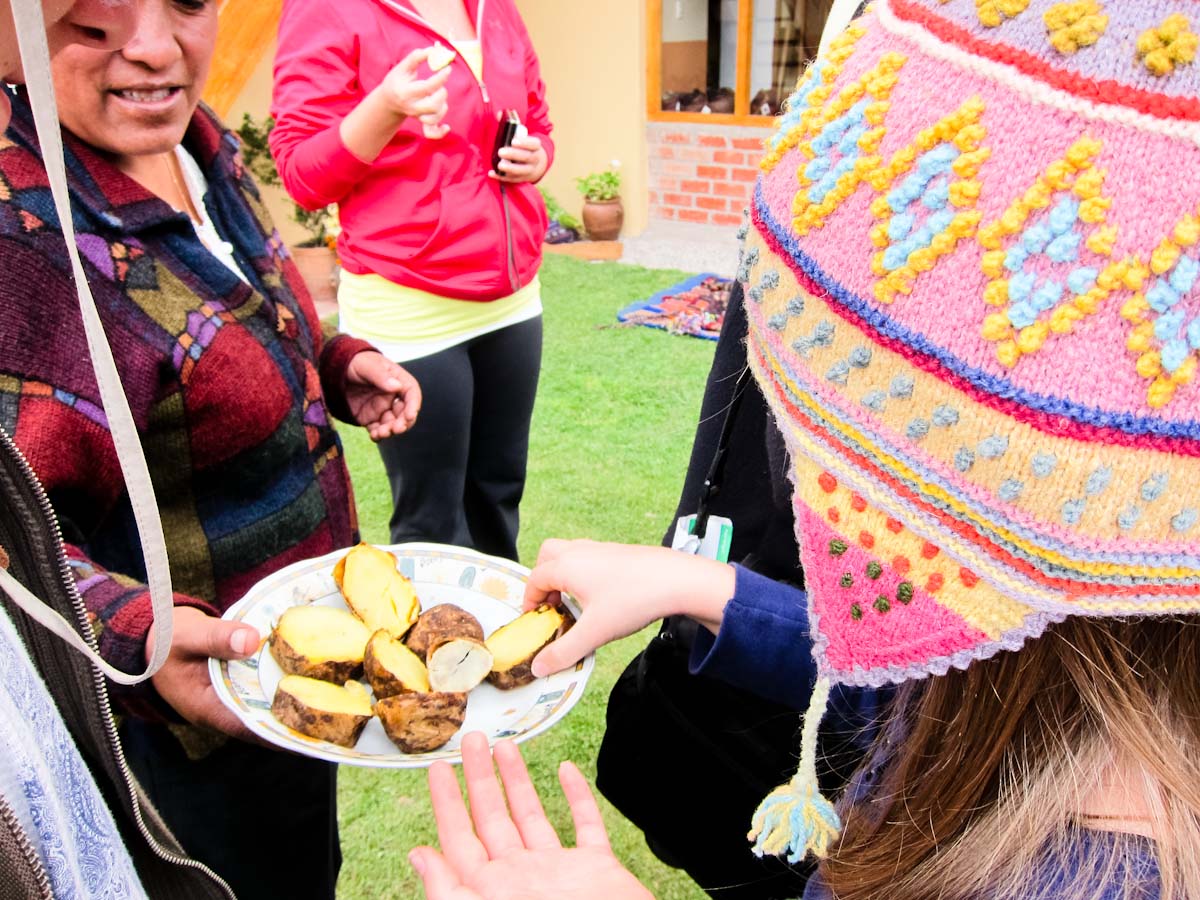
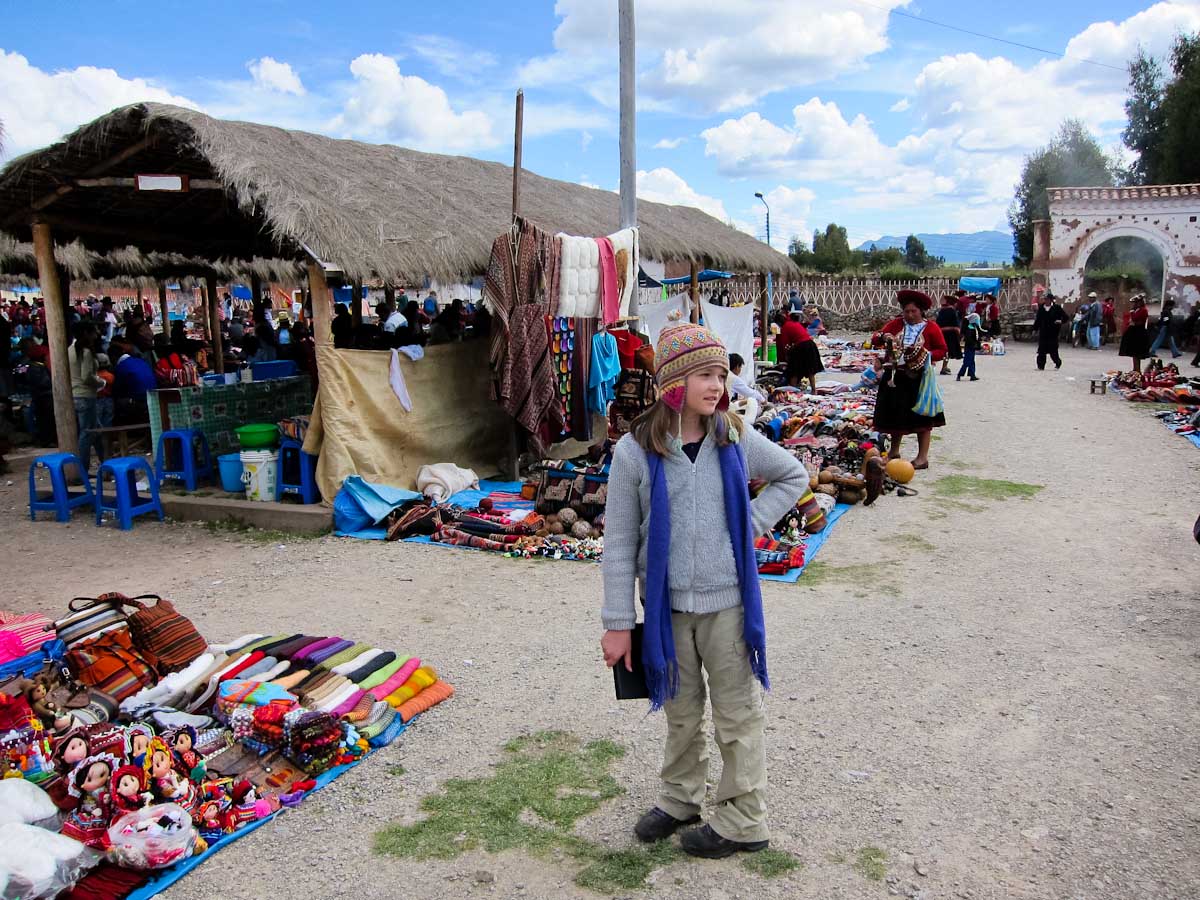
We had one of the tastiest when we visited the weaving center in Chinchero (elevation 3750 meters). There we were offered coca tea and roasted potato wedges. They were prepared simply: just sprinkled with salt and placed near the hot coals of an open fire. The skin was crispy-crunchy, like a chip, and the interior was fluffy and buttery yellow. They were delicious.
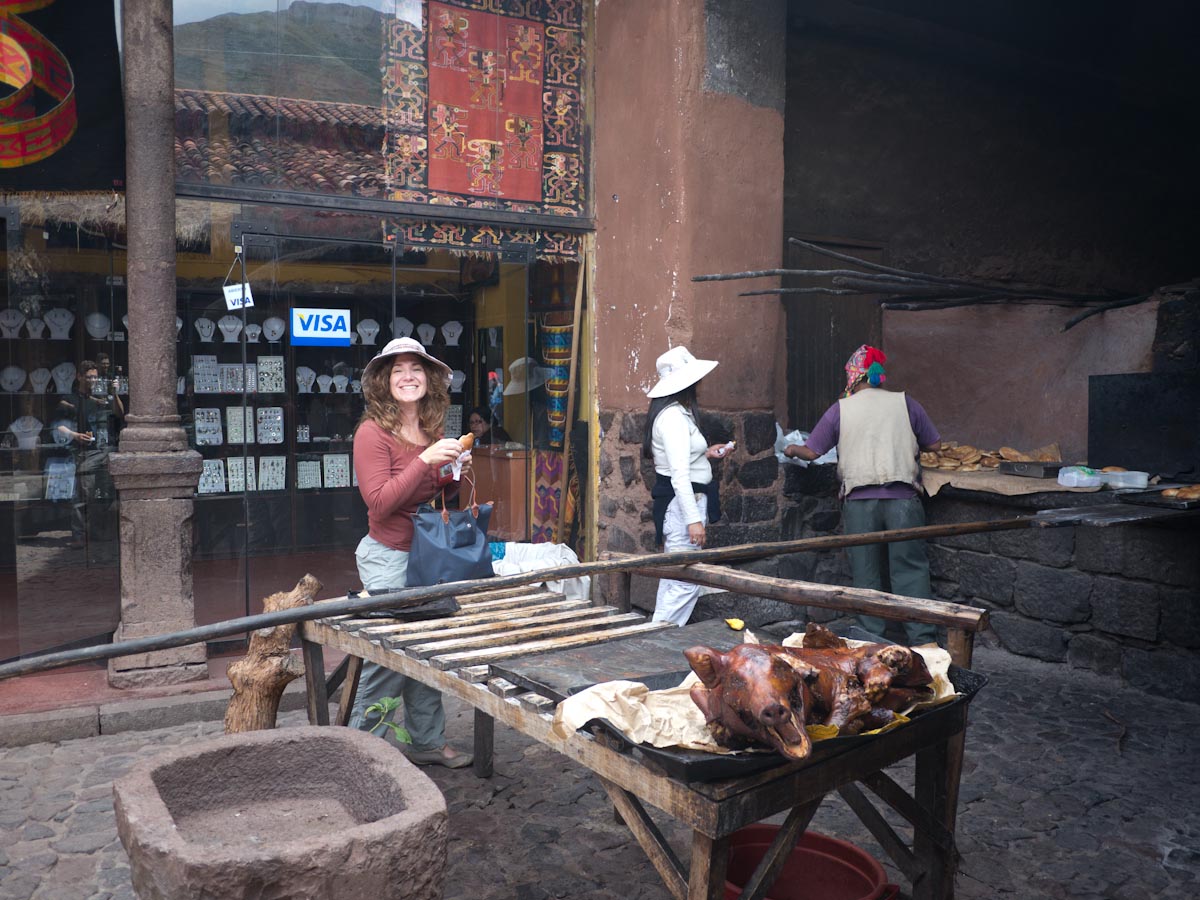
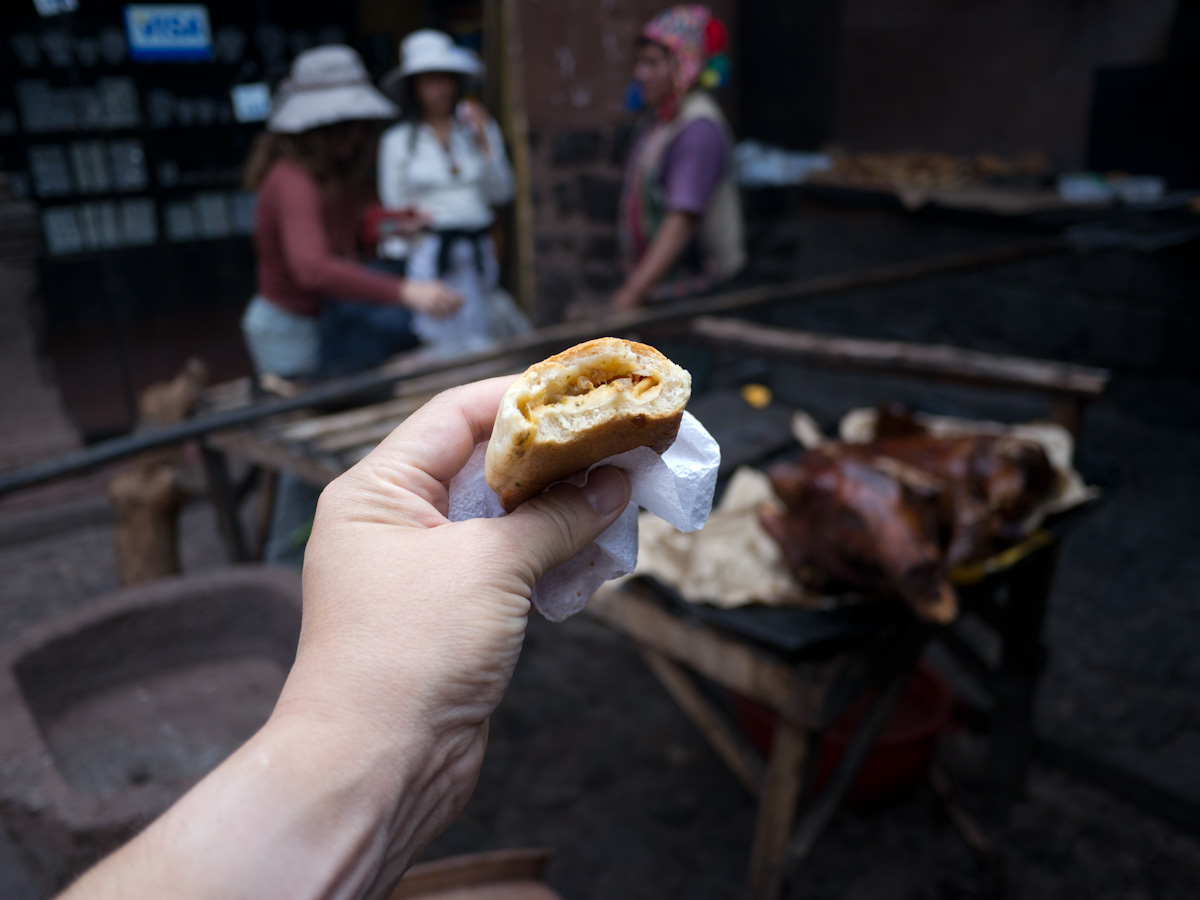
Later that same day we tried empanadas baked in a 300-year-old brick oven. Empanadas are the South American equivalent to calzones, basically a dough pocket with a savory filling. We tried beef, chicken, and cheese. All were great.
So can you eat it safely? Opinions differ and Peru has definitely improved from past decades. We ate mostly cooked foods, peeled fruits and bottled water – basic rules learned in India – and we fared well without losing delicious taste. Peru cuisine was some of the best of our year, outside France.
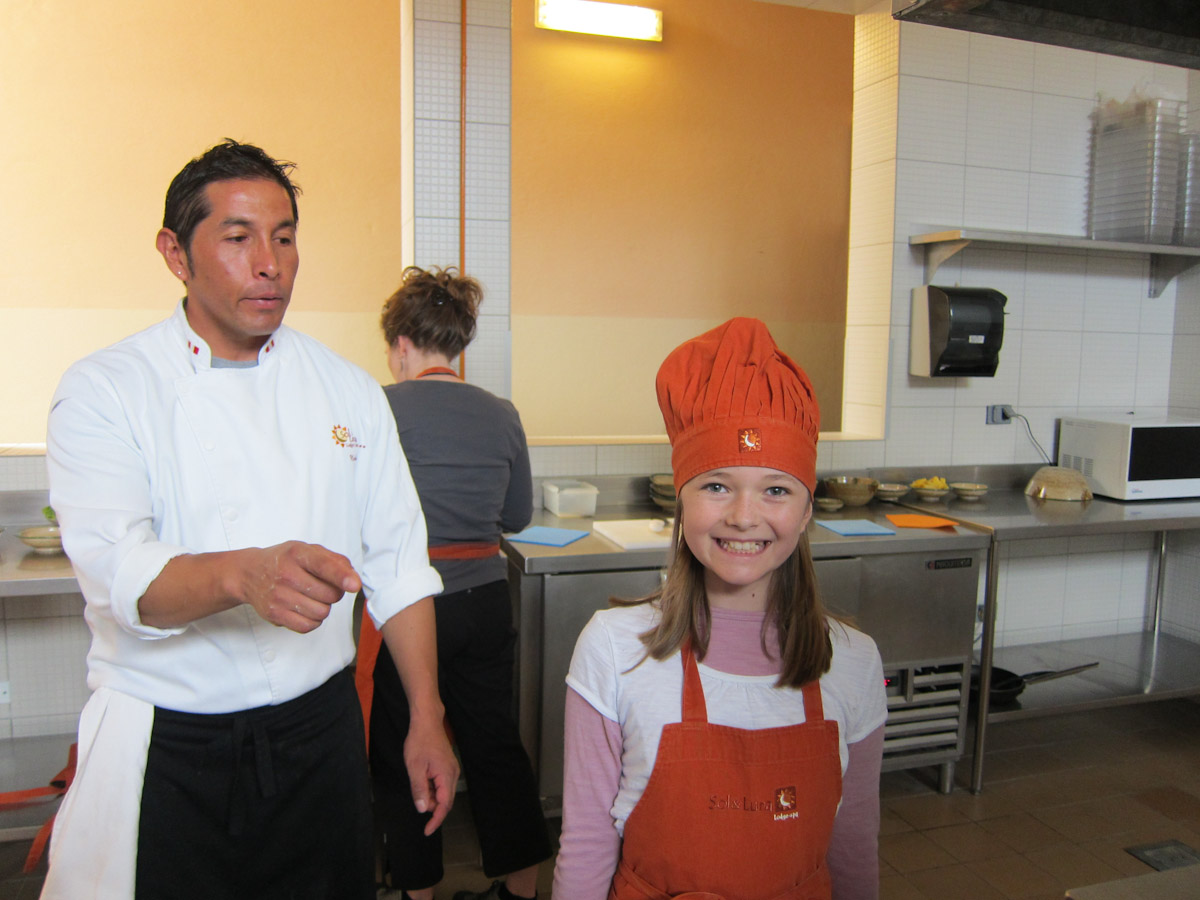
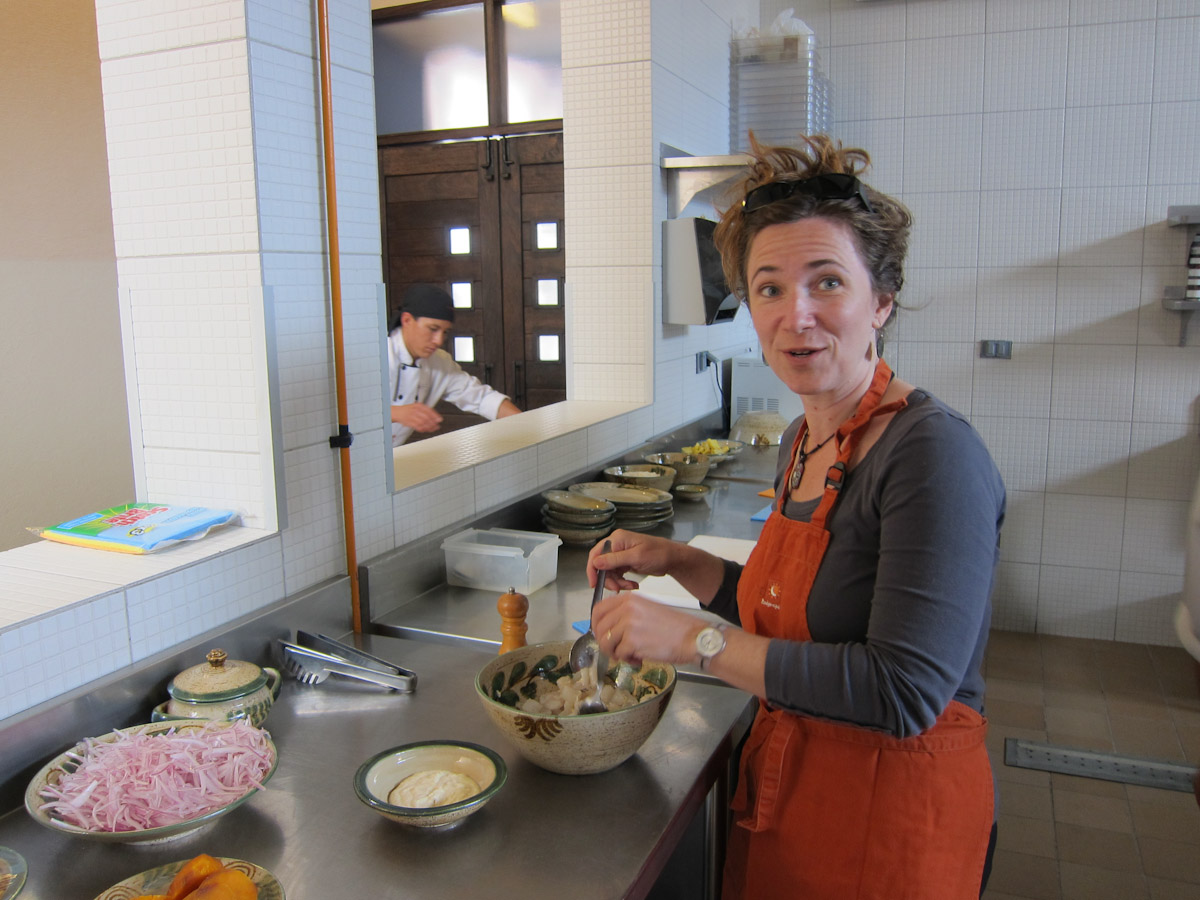
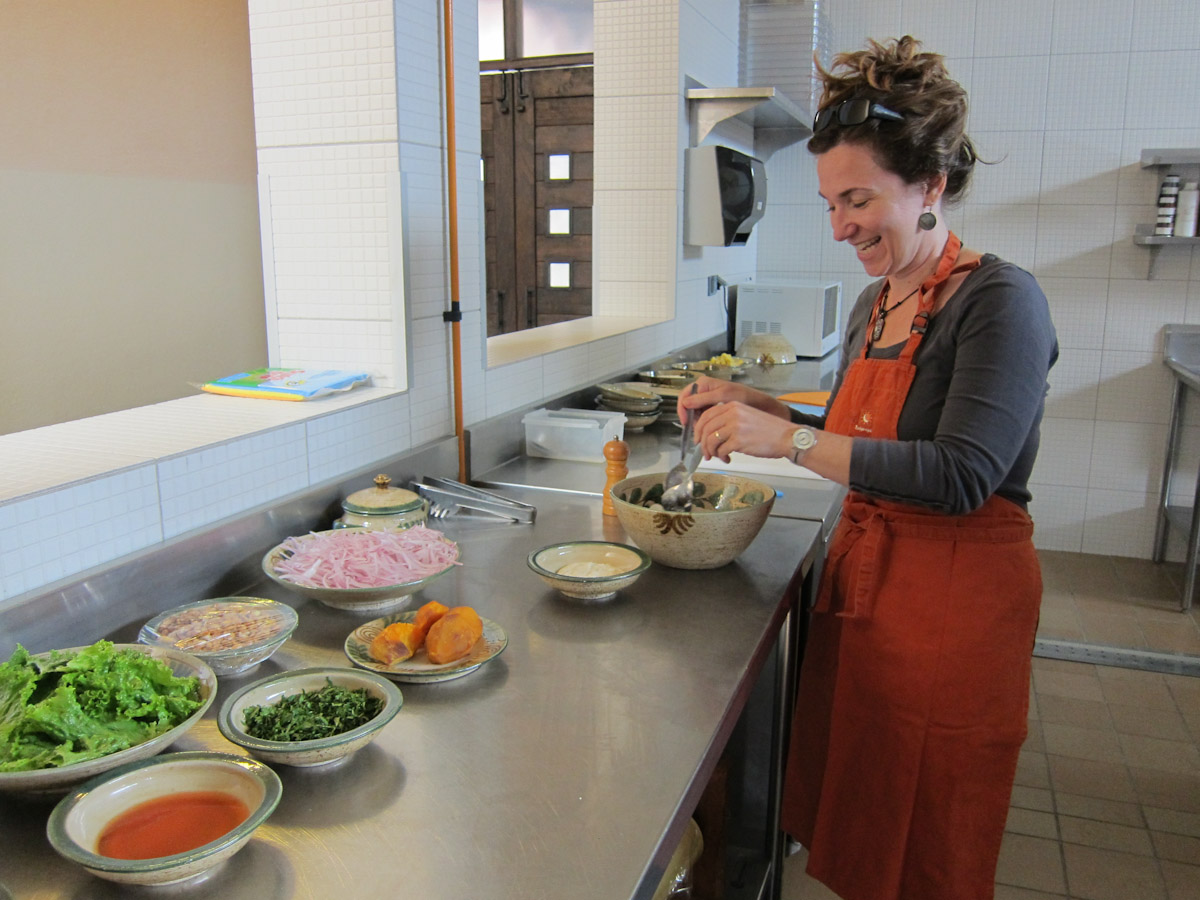
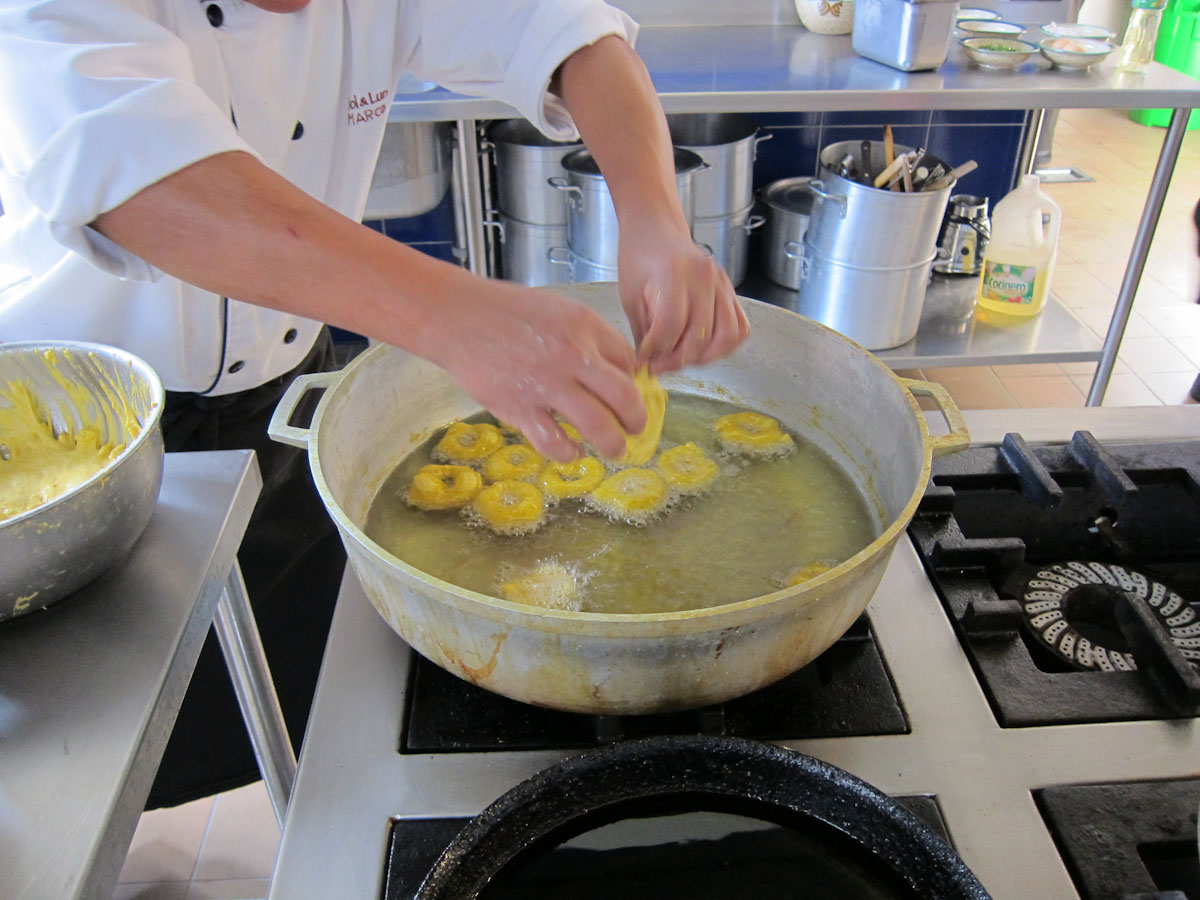
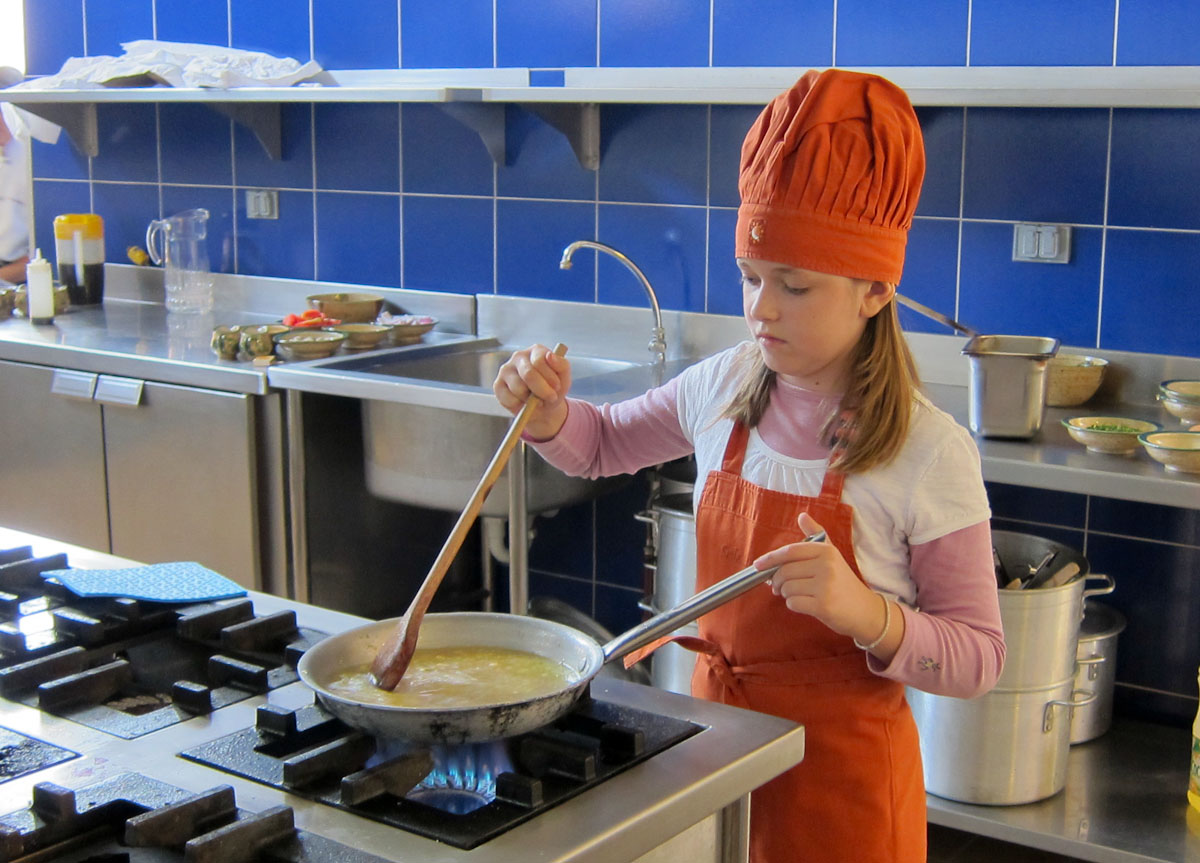
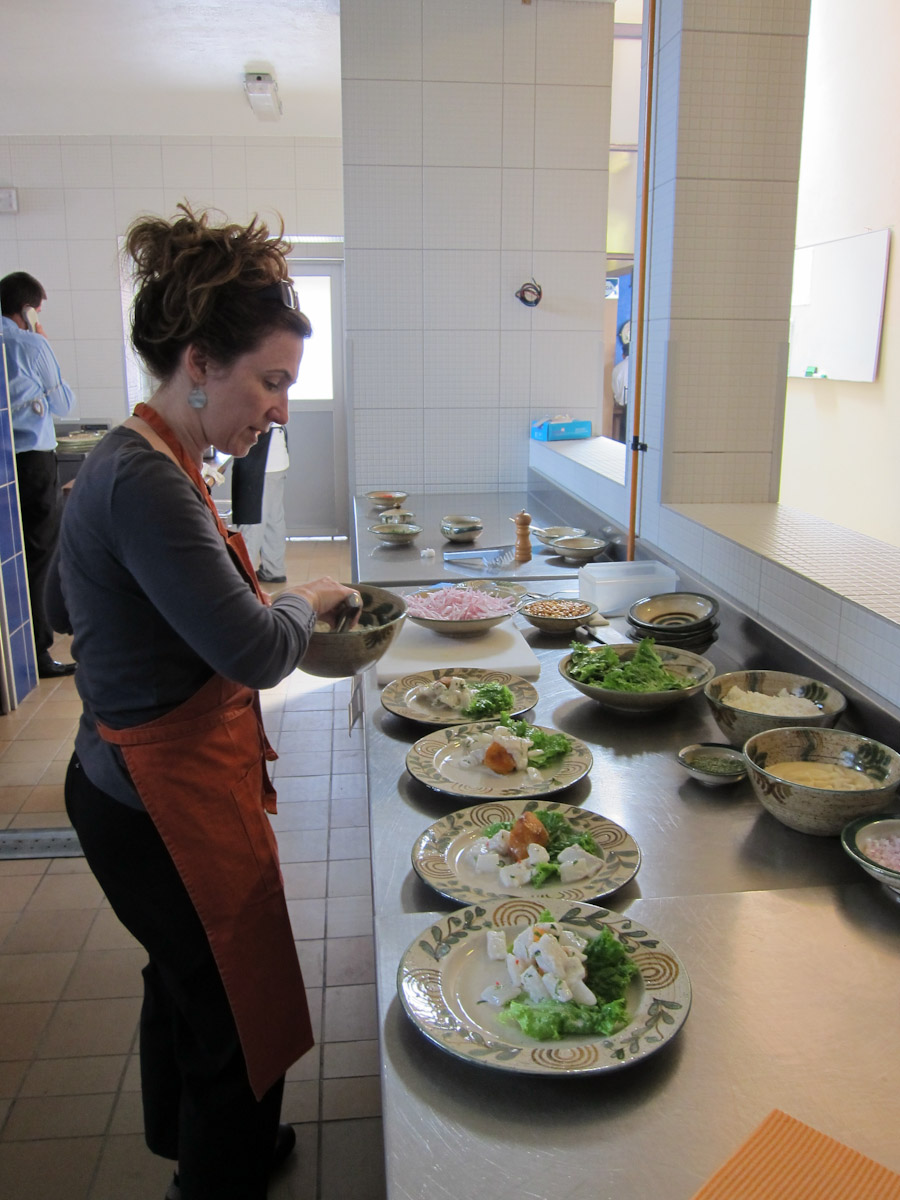
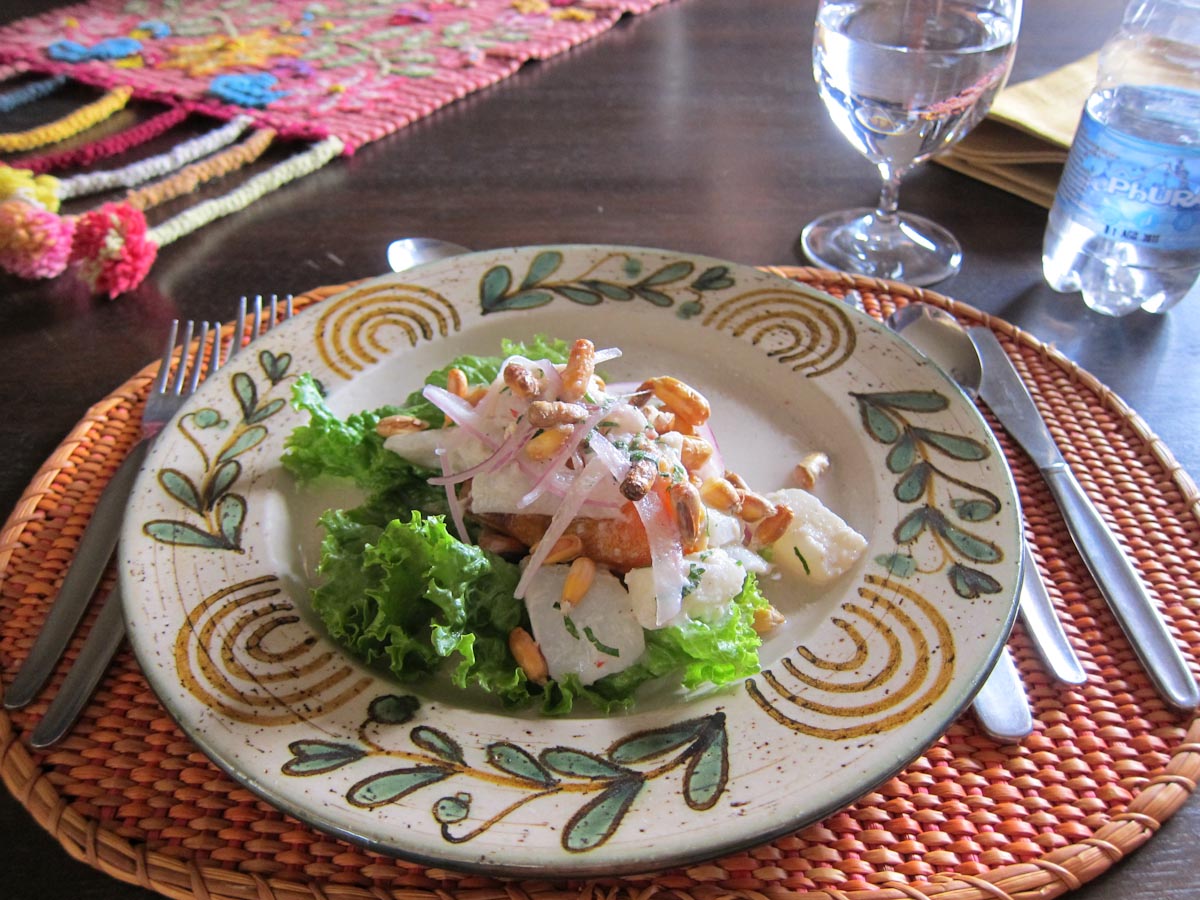
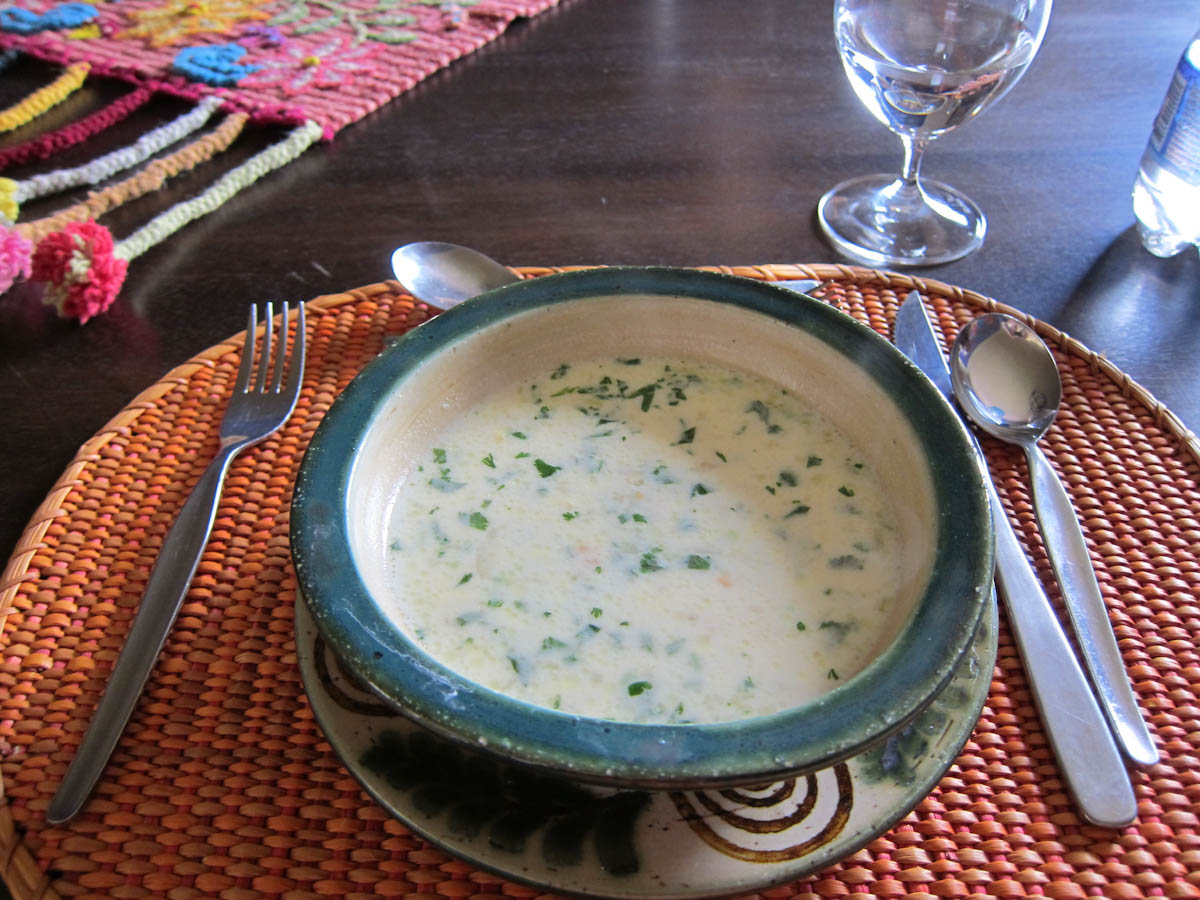
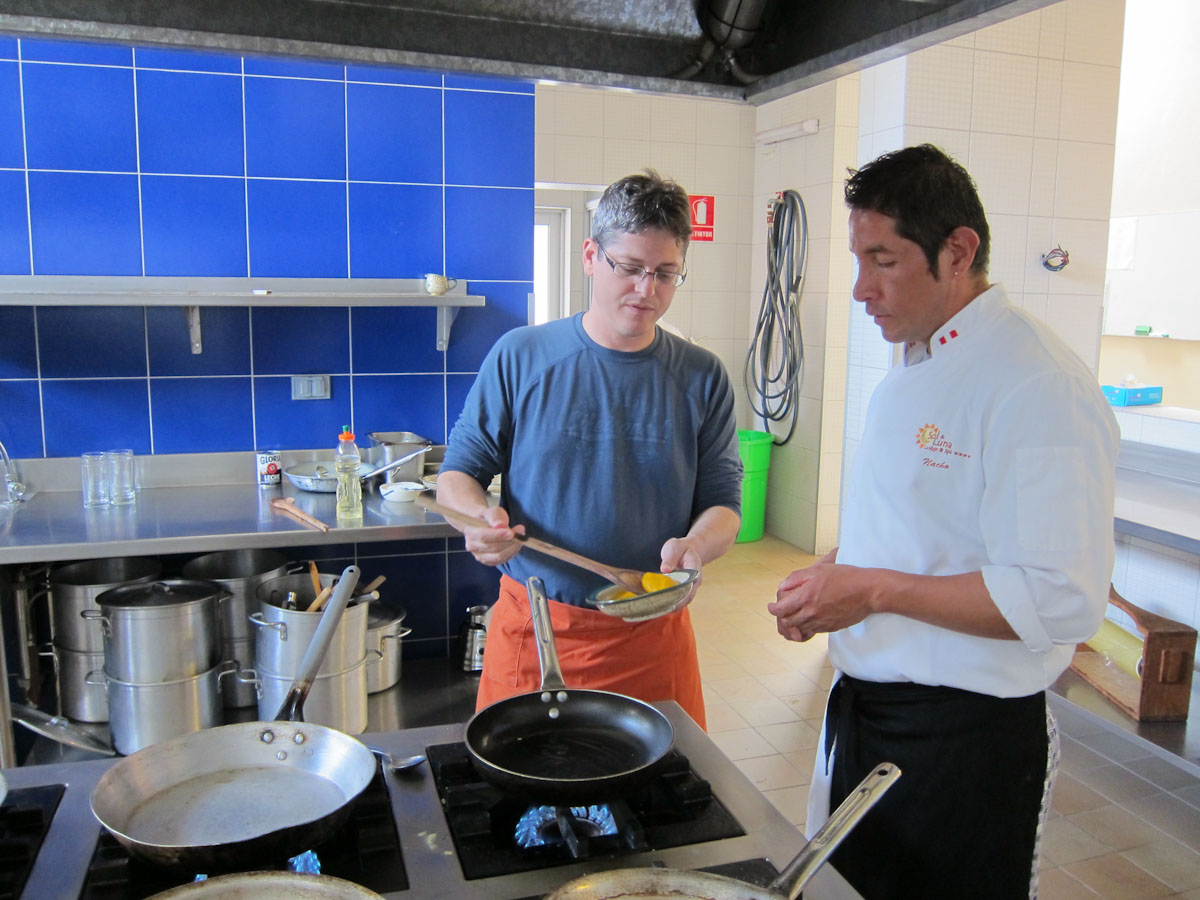
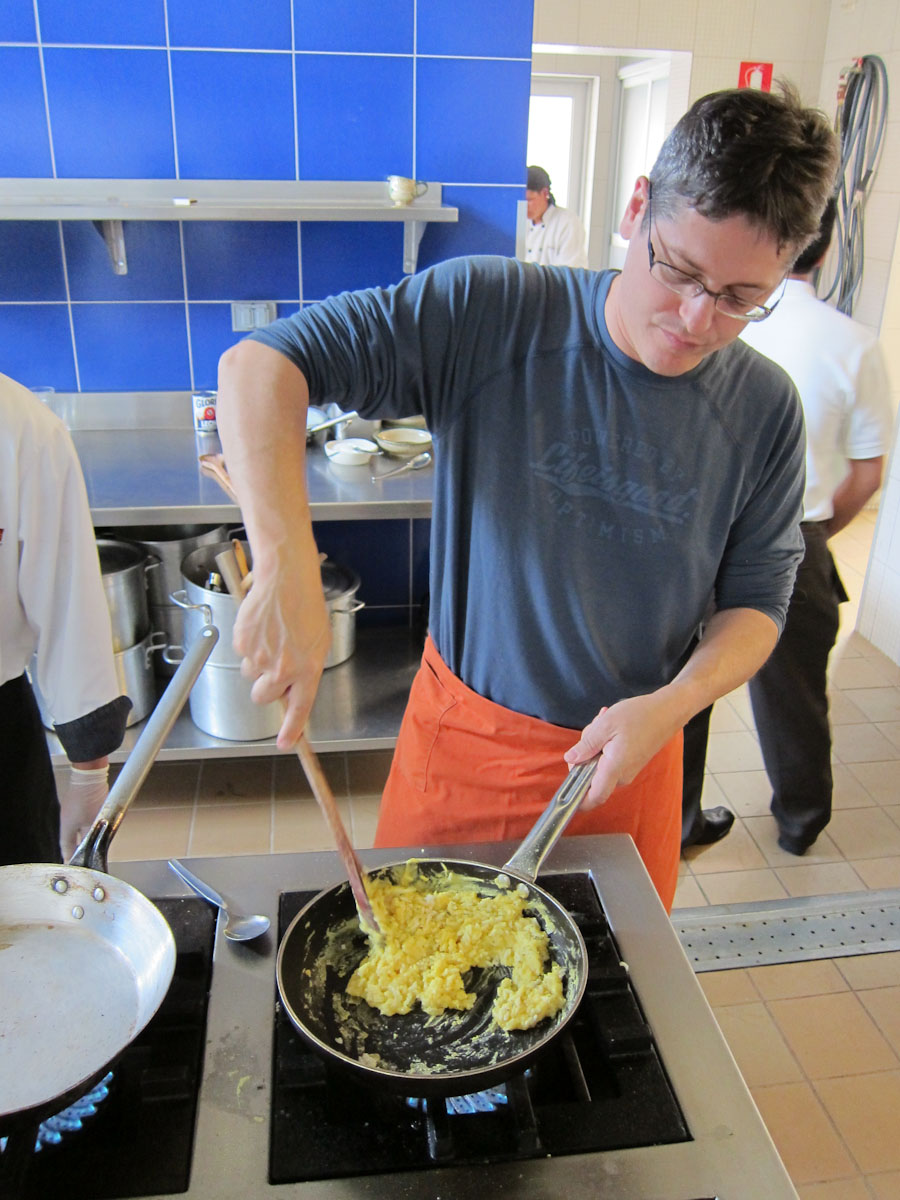
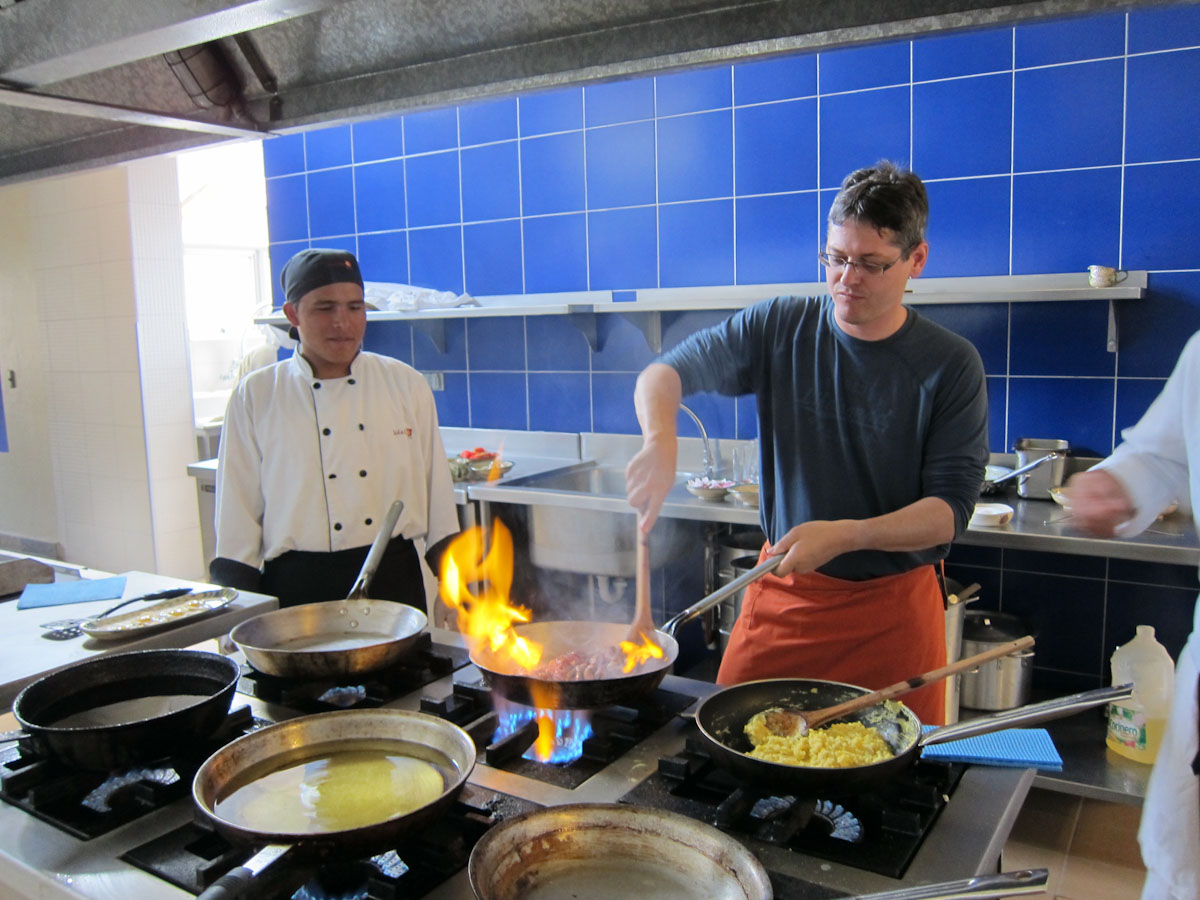
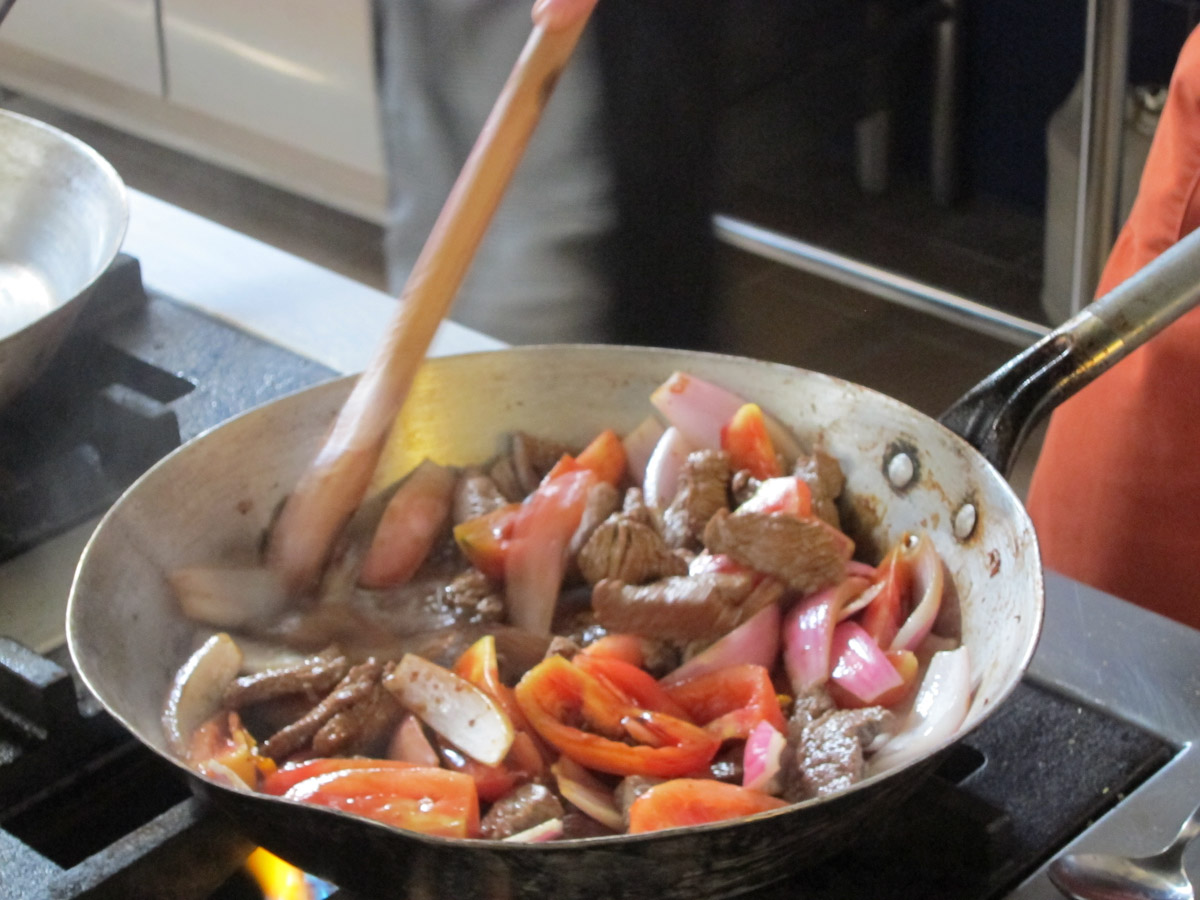
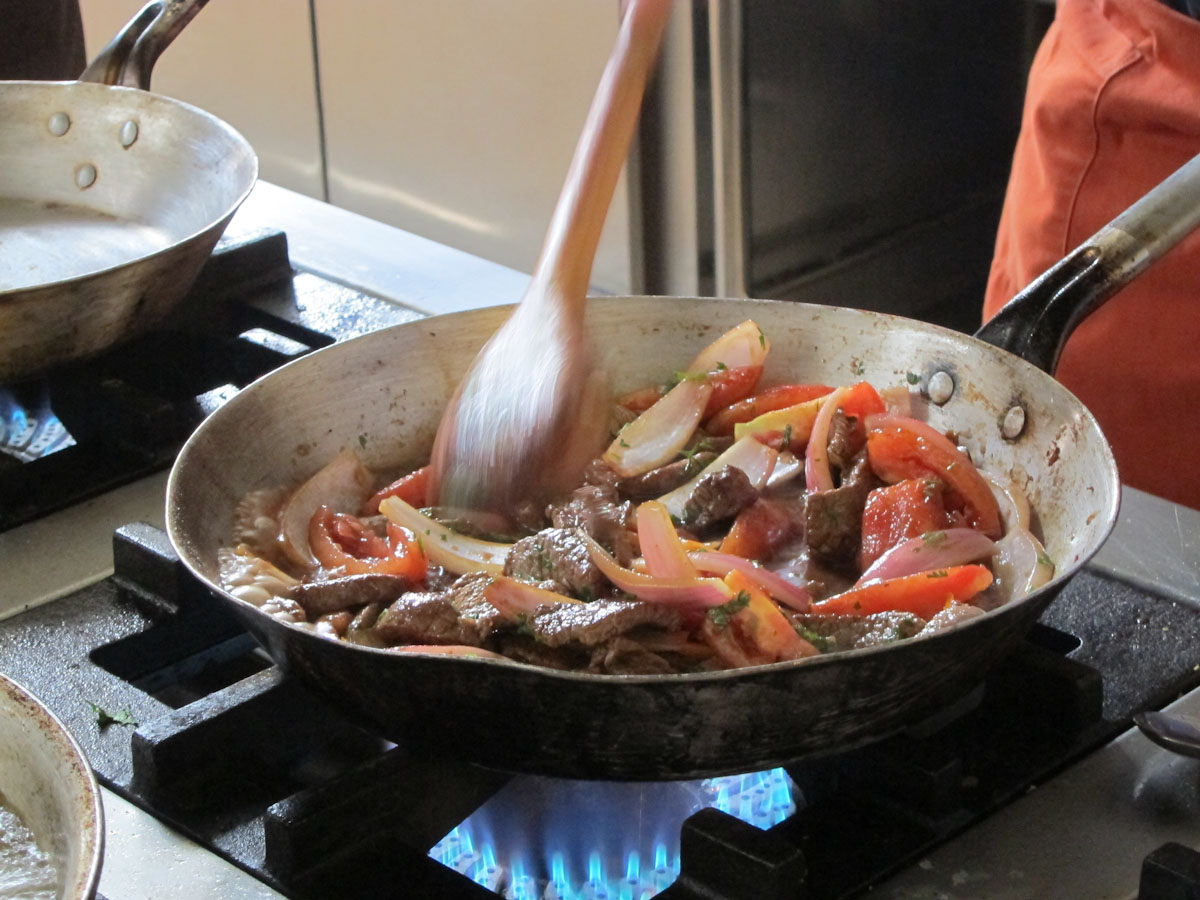
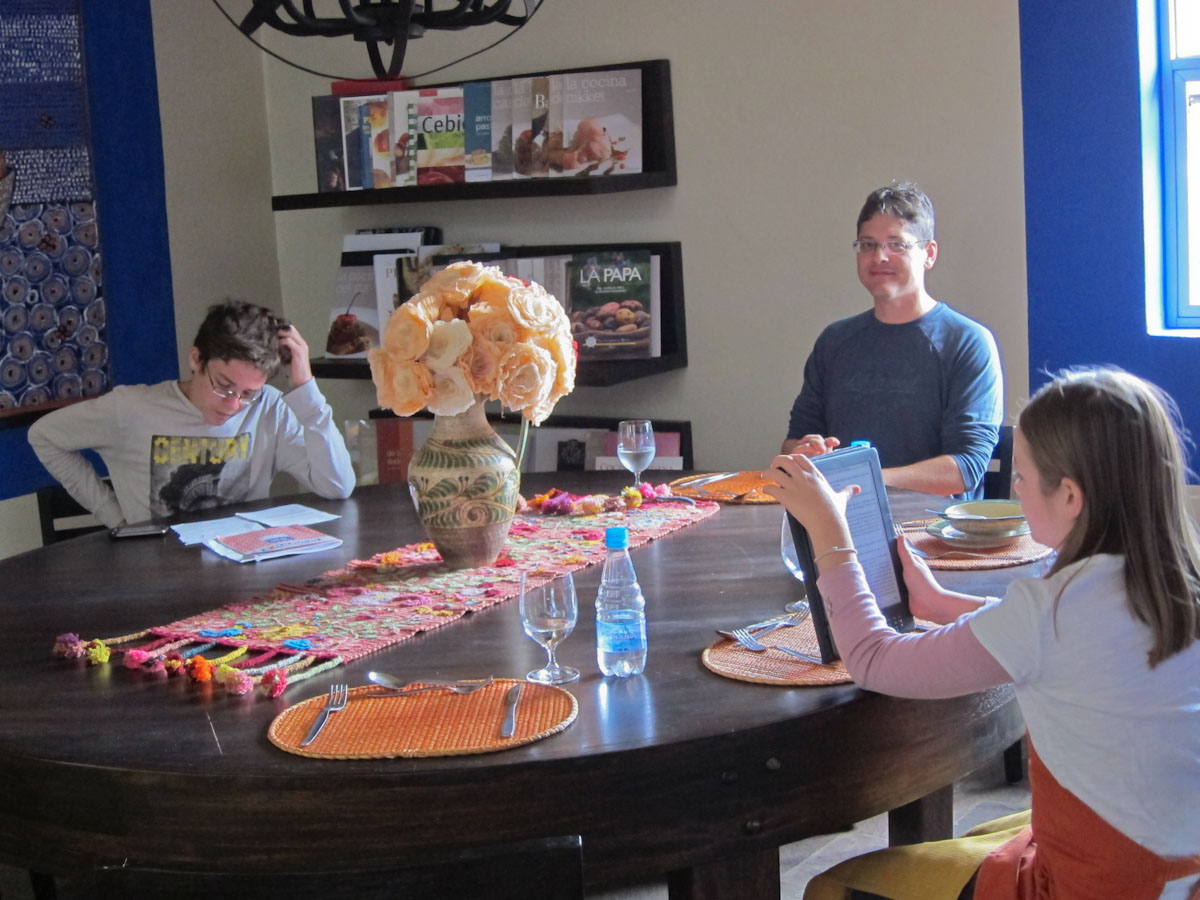
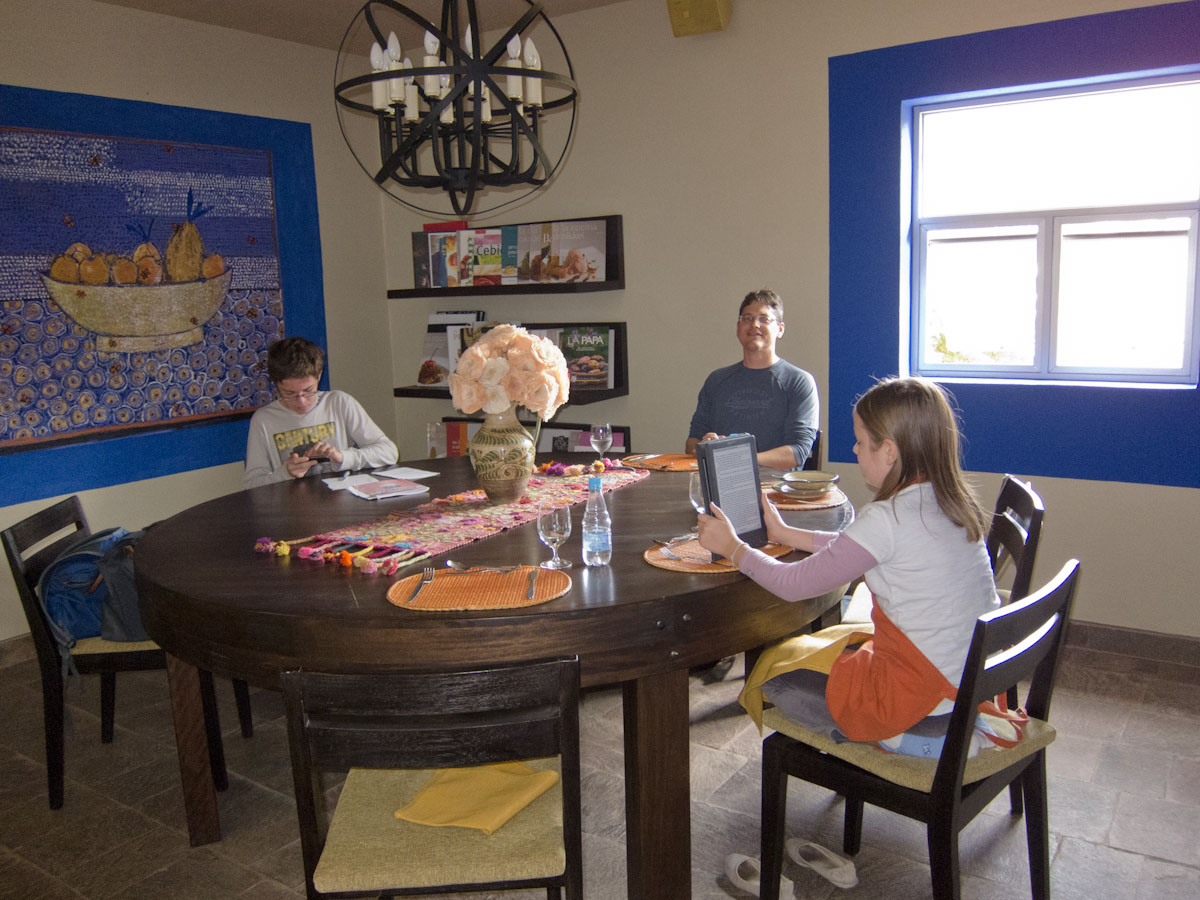
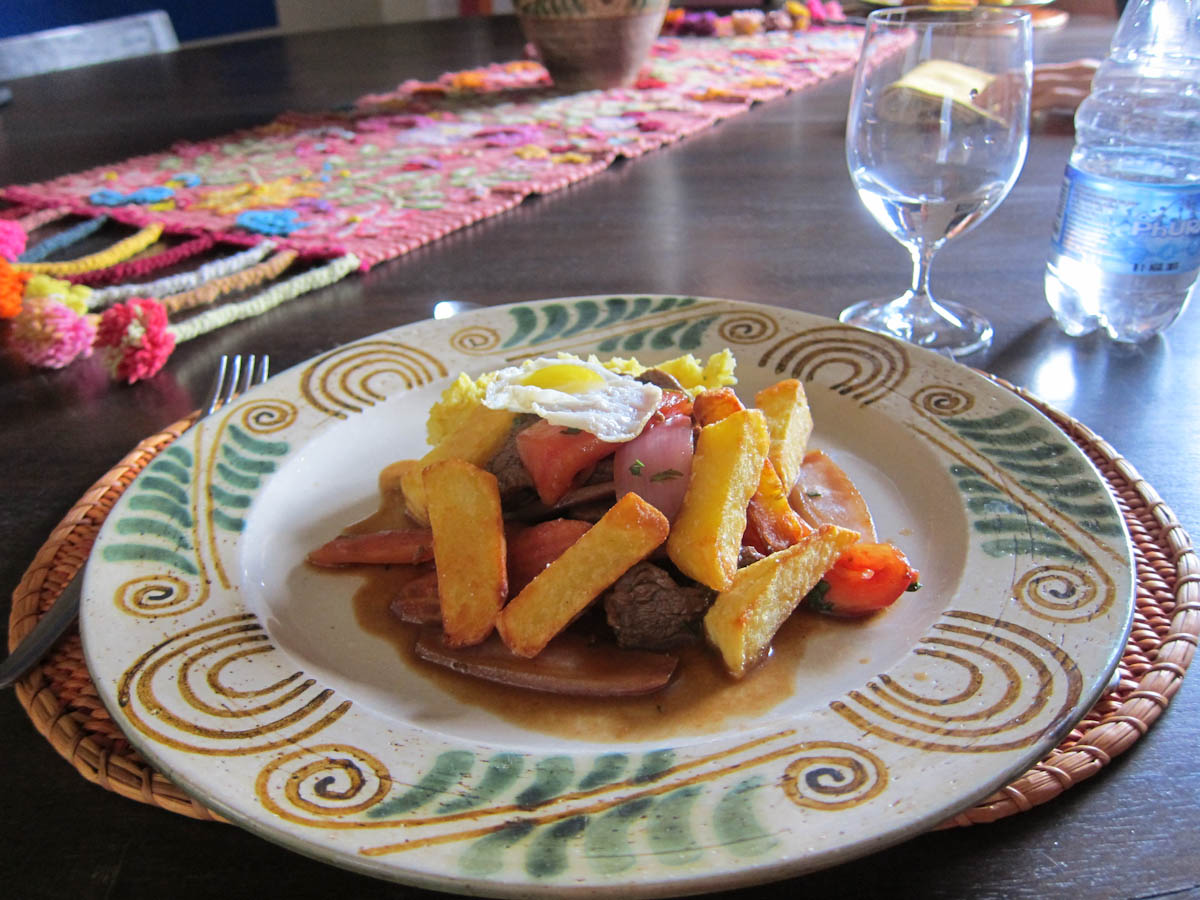
Culinary highlights for us included several dishes we prepared at a cooking class at Sol Y Luna in the Sacred Valley. There we made ceviche, a chilled soup made with sea bass cured in lime juice and served with avocado and red chilies, sautéed alpaca tenderloin (!), quinoa soup, and an incredible dessert of tempura truffles. Sweet and savory tamales, roasted pig and rice pudding were other not-healthy-but-so-tasty favorites.
The Peruvians say ceviche only takes minutes to cure and should be served immediately after preparation. Ours was delicious and we enjoyed similar preparations later in Ecuador as well. In a Cusco restaurant we ran into a savory variant called tiradito, where the fish is laid out in strips to make a square. One diagonal of the square is covered in red sauce and another in green, making a colorful presentation that is tasty and light.
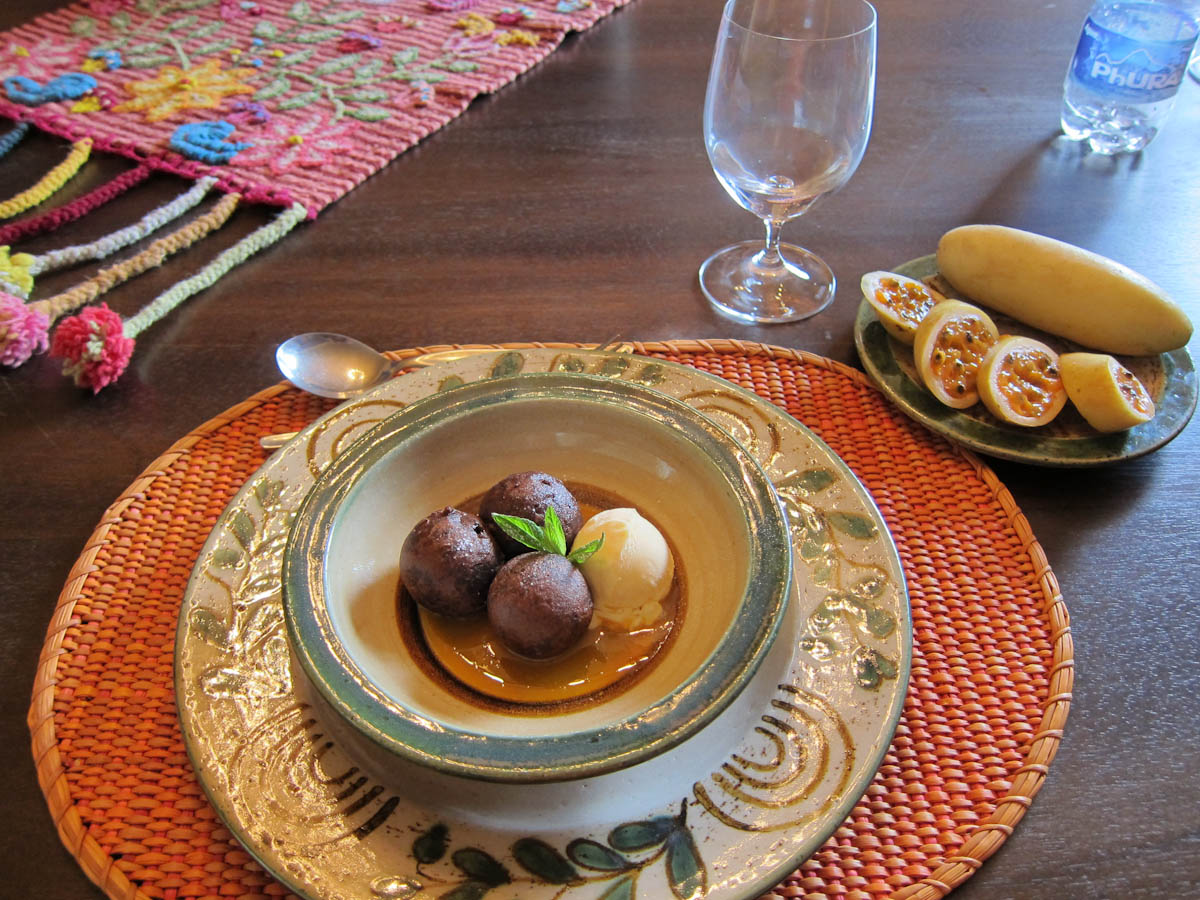
For the truffle dish, you make a basic chocolate truffle (just melt high-grade dark chocolate with butter, cream, and a little liquor, chill, and roll into balls). Then you take the truffle, roll it in a tempura mixture made with flour, sugar, cocoa, salt, yeast, eggs, and water, and DEEP FRY the whole thing for two minutes. The result is a crispy pastry shell exterior and a warm molten chocolate interior. We had them with vanilla ice cream and a passion fruit compote. The result was fabulous and I can’t wait to try this at home.
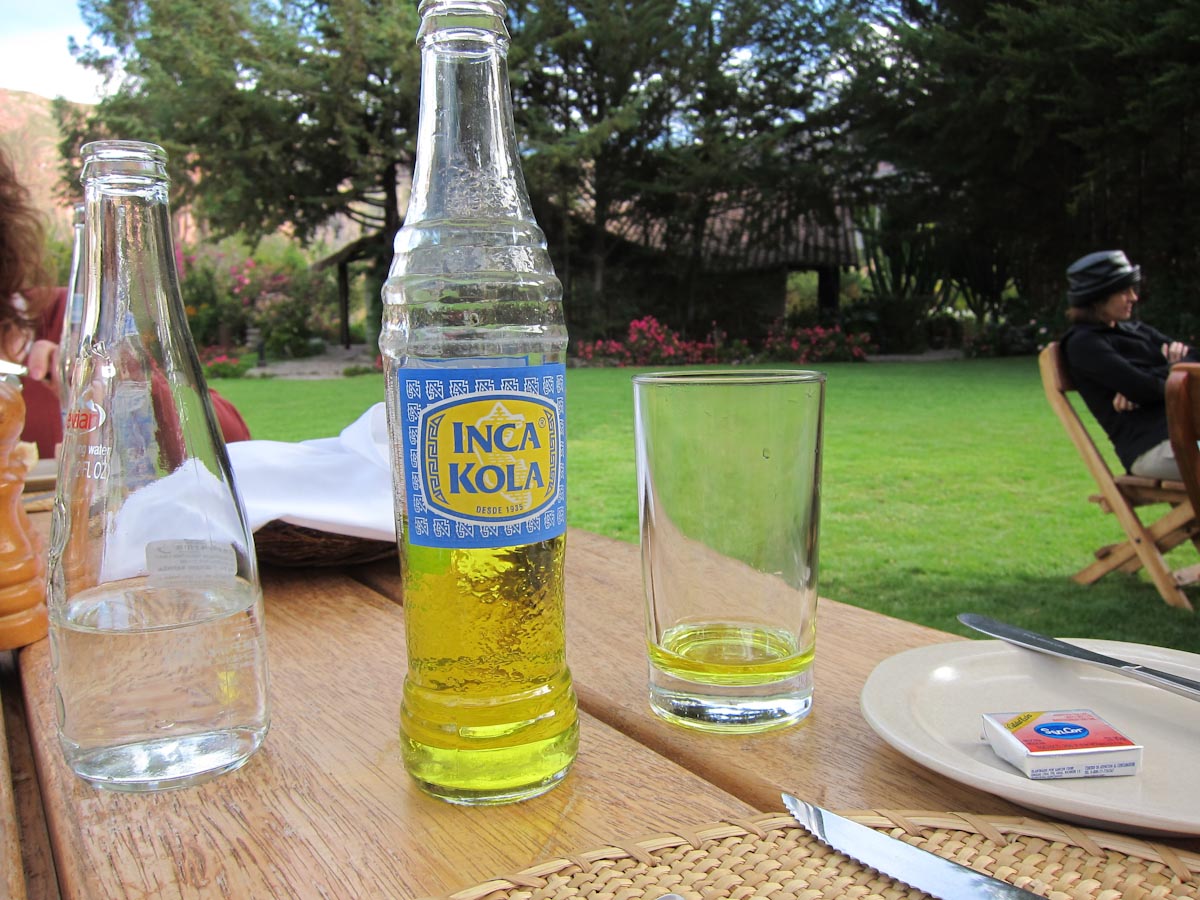
As for beverages, we grew quite fond of the Pisco Sour. It is said to be the national drink of Peru (although we saw many more chichas drinkers) and it tastes like a whiskey sour. I’m not sure if they’ll be as delicious and refreshing at normal altitudes but I intend to find out this summer.