Are we entering the Chinese century? During the eighteen days in China, we tried to decide.
Today’s China is a winner because it joins two things that should not go together: a government of absolute power and a fast-paced market economy.
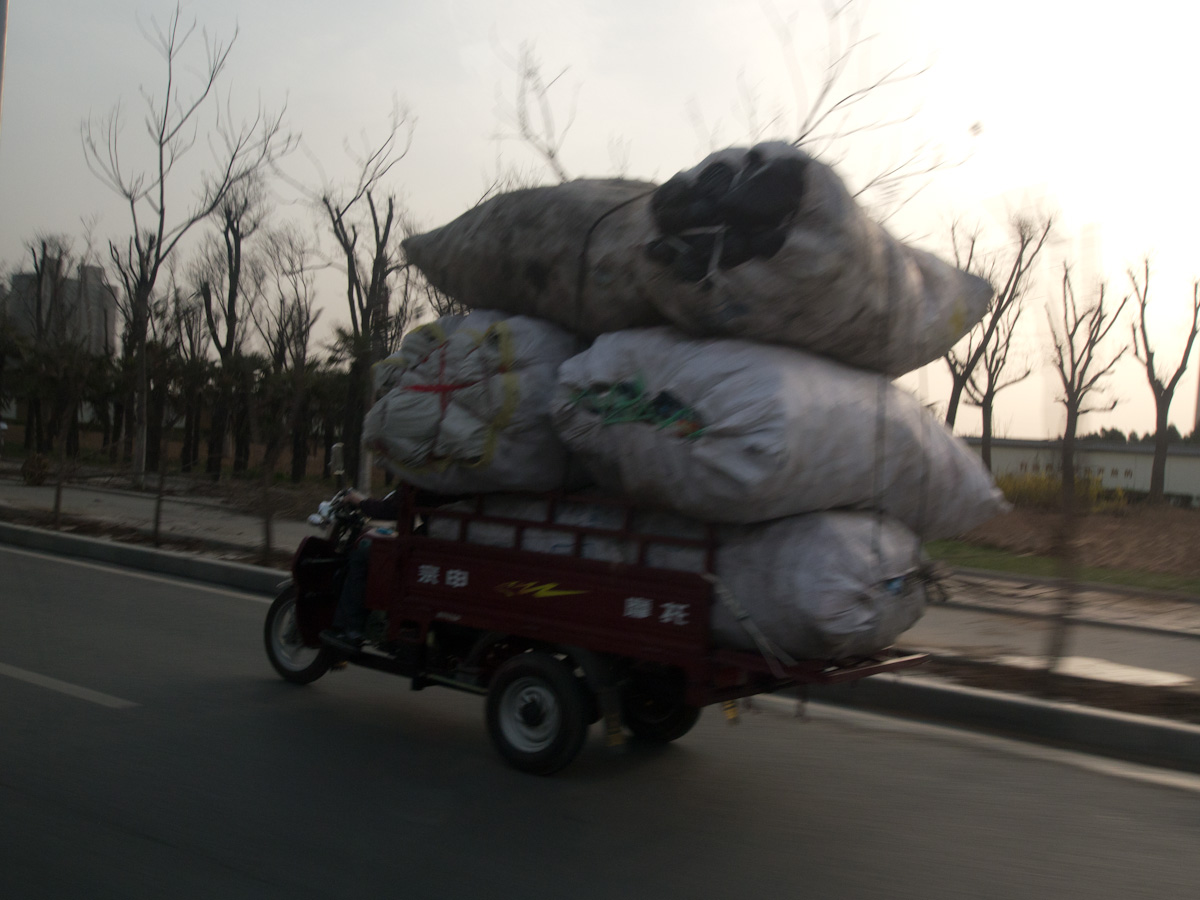
China’s march to economic success started with a commitment to low-cost manufacturing. China imported raw materials and components, manufactured goods at low wages with few environmental or legal controls, and then exported the goods at a small profit, hoping to attain massive volumes.
With such a favorable climate, companies rushed to build factories. This created a storm of investment. China brilliantly arranged this to favor national development: requiring companies to move advanced technology into China, limiting foreign ownership of assets and businesses, pegging the currency to the US dollar, imposing a 17% import VAT, and being slow to enforce foreign patent and copyrights. They also imposed a one-child policy so the gains would be spread over fewer heads.
In short, China made smart decisions, asked people to sacrifice, attracted foreign investment, and managed to transform itself at lightning speed… without losing its independence or falling into debt. In this light, the Chinese government has been one of the most effective in modern history.
Everyone said capitalism would drive China to democracy, but that has not happened. One of the main reasons is their two thousand-year-old Confucian value system. Confucius said the father’s authority is absolute. This is best because a father wields authority for the good of everyone, balancing the needs of each individual. In China, the government is a father, not an elected representative.
We met one man who said: “We don’t need so-called human rights here, because we have the government to look after us. The phrase ‘human rights’ is just a slogan that means people want to argue and take a different direction from the government. But China wants to stay together and follow one direction. We like harmony. We follow the government because it is like a father for the country. You would never disobey your father.”
Katherine spotted a problem. “What if you don’t want to do what your father says?”
He shook his head, “You should not do that. And if you do, he… beats your ass.”
Katherine was outraged. “But what if it can be factually PROVEN that he is wrong?” she demanded.
“Impossible,” he said, “your Father is never wrong.”
Katherine considered this with all her ten years of life experience. “That’s just dumb.”
But in China, the decisions have not been dumb. They have been harsh at times, but effective in delivering economic growth.
In 2006, I joined a conference in Beijing and we visited the top school for political leaders. Many were former engineers and scientists who wanted to solve problems and build for the future. The classrooms were better equipped than those at the Harvard Business School. The campus was large and immaculate. The professor who spoke to us was outstanding – even in English! The Party’s system for evaluating leaders to groom talent is on par with the best multinational companies.
Today China has saved up $3 trillion in cash, while the US is a debtor nation that owes $14 trillion and is close to losing its AAA credit rating. China is clearly doing some things very well.
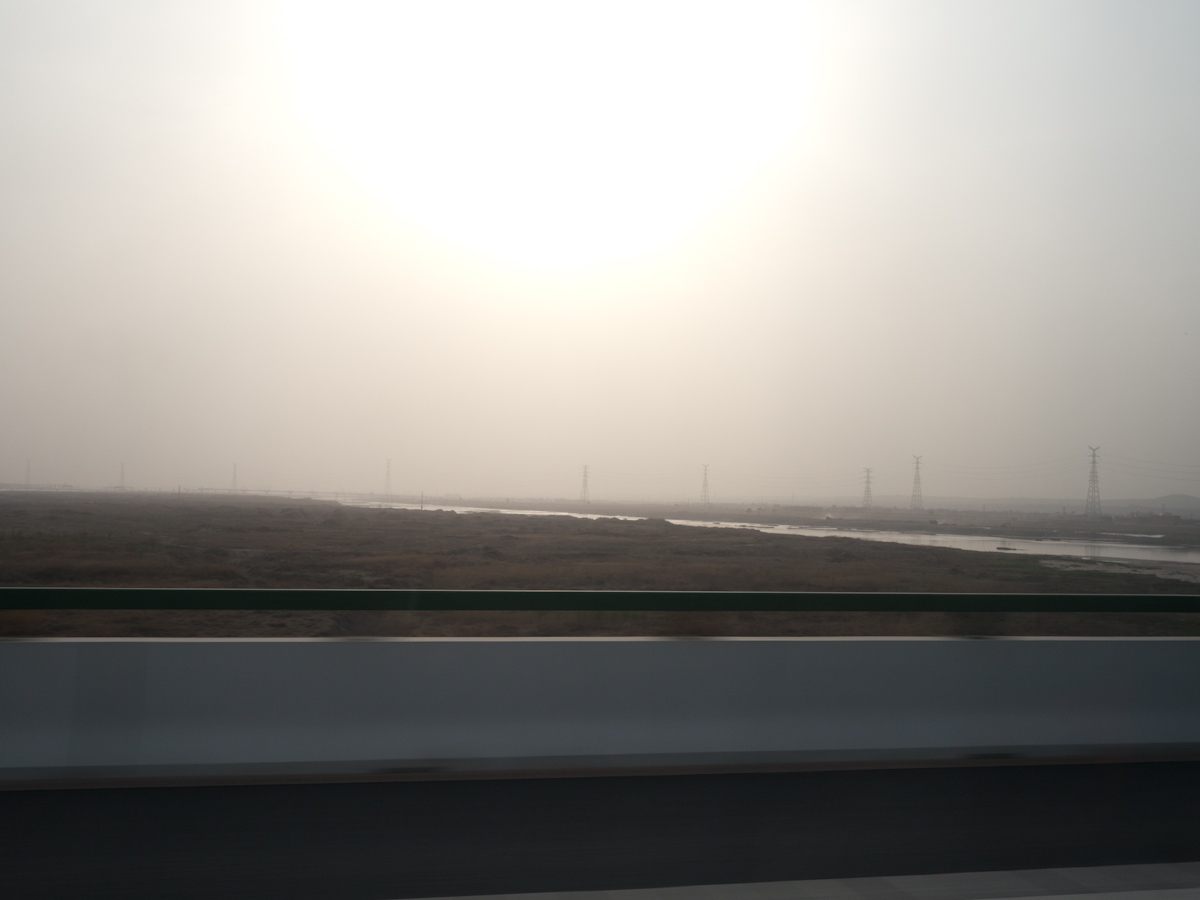
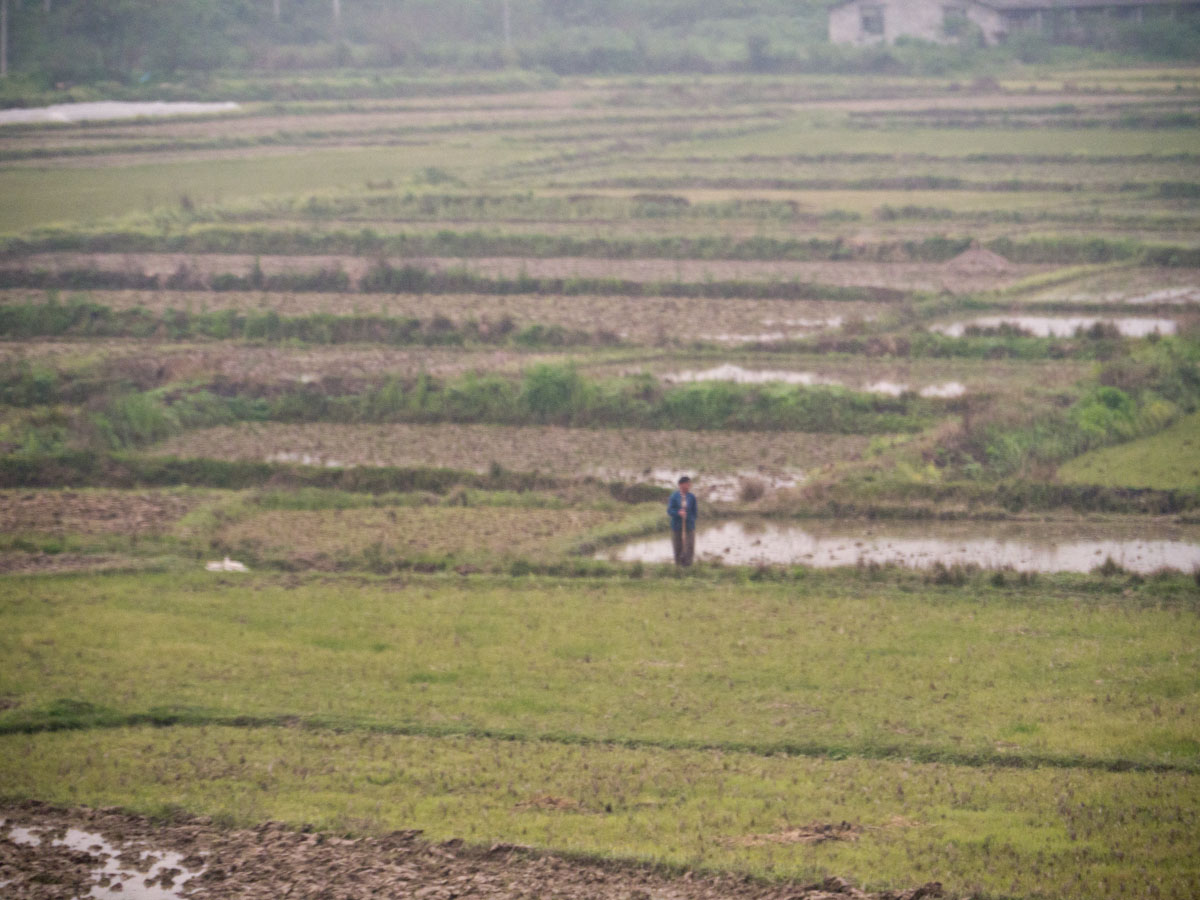
China’s expansion has created a pollution problem. Their waste causes acid rain and global warming. On the train to Shanghai we saw a countryside shrouded by thick haze. It is not fog because it is not wet – if you ask the locals what it is they say “we don’t know”. Even Guilin – a nature tourism area with no factories – is suffering. People have harvested the fish there using electric shocks. As this kills young fish as well, the population has plummeted. And pollution will only get worse as China adds coal reactors and vastly expands its automobile fleet in the future.
Yet pollution is a basic result of fast and cheap industrialization and not necessarily linked to China’s system of government. China’s leadership has concluded that some pollution is acceptable, if that is what it takes to build exports and achieve a higher standard of living. In this they are no less guilty than the West in its infancy or most other developing nations today. And China is now taking active steps to reduce its environmental pollution down the road, in some ways more aggressively and effectively than the USA.
Comparing China and India is a reasonable controlled experiment. In 1950 they were in the same place. India chose a more democratic system. China took a big step back under Mao but then zoomed ahead under Deng. India has improved, but more slowly. Today China is well ahead.
Clear authority is effective. When the USA wants to organize its military to succeed in battle, we use authority not democracy. But people at the top quickly lose sight of activity in the field as an organization grows. It is hard to be well-organized, large and nimble all at once. As China’s economy gets more complicated, authority may not serve as well.
So should the West imitate China? Well one major drawback of China’s system of absolute authority is the risk of bad leadership. When the leader takes a wrong turn (e.g. Mao’s Cultural Revolution) there are no checks and balances.
One of the obvious abuses of authority is harsh treatment of dissenters. Despite Western hopes, there is no major evidence that China will allow more human rights; they are cracking down right now out of fear of recent events in the Middle East. China has been cruel to those who oppose the Communist Party. Human rights are an important feature for any government that wants to bind together many types of different people. Most of the population in China is Han. Areas that are not, like Tibet, are trouble spots.
Without protection for dissenters, there is a great risk of abuse by those in power. A big potential risk in my mind would be another cult of personality leader like Mao. The process of choosing future leaders of the Communist Party is not formalized, which poses the risk of an internal fracture in the future.
The abuse that is definitely here today is corruption. Communist Party Chairman Hu was quoted recently saying that he believes corruption is the top danger in China.
Most people in China who will discuss the subject feel there is indeed rampant corruption. The most obvious example is that they can see the government officials driving fancy cars and throwing daily banquets where they consume vast amounts of expensive alcohol.
One person we met had to register his son’s birth with the local police department. They kept finding his papers were “missing information” until he showed up with two cartons of cigarettes.
Another was harassed by an import official who habitually delayed customs approval of his company’s shipments, until that company took him to a banquet.
Another told us of that his school wanted to improve its reputation, so it paid the proctor to ignore cheating among students at the year-end exam.
There is nothing particularly Chinese about corruption. We heard specific stories in Egypt, India, Thailand, Cambodia and Vietnam too (and again today in Peru). There are stories in the USA, UK, Italy and France as well – sometimes with political leaders and sometimes with CEOs. One of the main themes that connect the countries of the world these days is that we are all dealing with corruption at the top. But China’s absolute authority and lack of free press do make corruption very hard to control.
We asked the fellow who told us about his school, whether he had taken advantage of the proctor’s blind eye. “Oh yes,” he said, “we could tell it was allowed and so I kept making my friend pass me his answers so I could compare them with mine.” He was living with ten other people in a single room at the time and saw this as simply what was needed to gain entrance to university. “Here in China, we learn to take the shortcut,” he said.
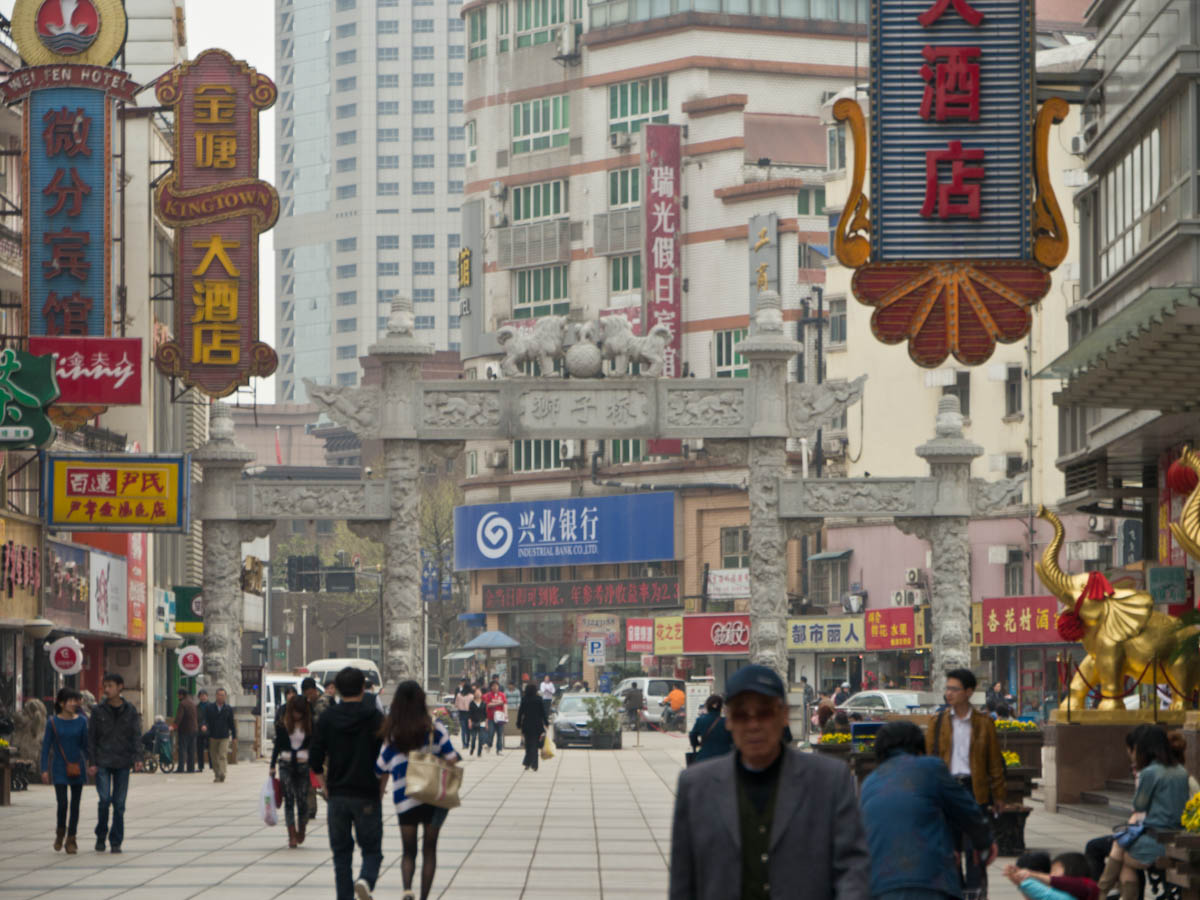
This “take the shortcut” approach is one of the defining attitudes in China today. It is a fiercely pragmatic place. With the economy expanding and fortunes being made by some, while others can barely survive, you can feel a tense energy everywhere.
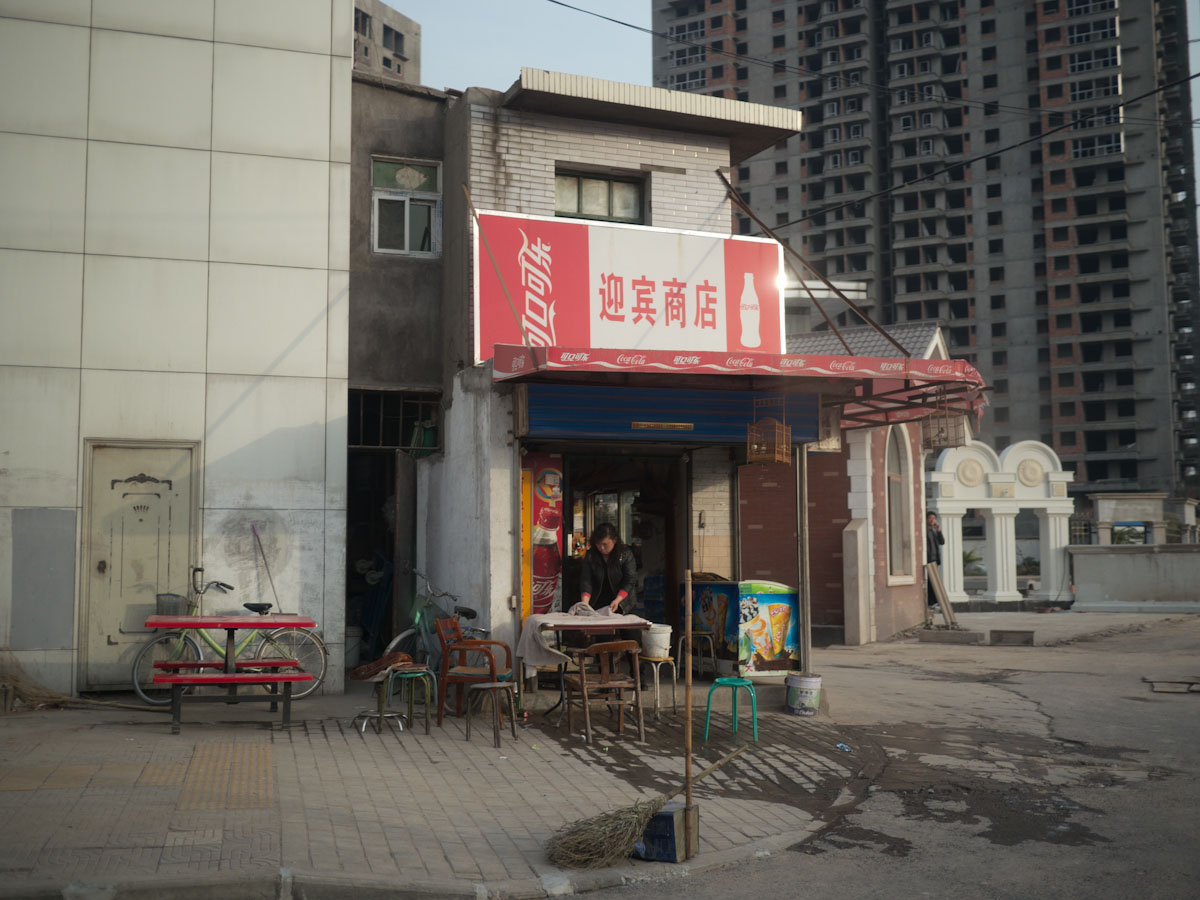
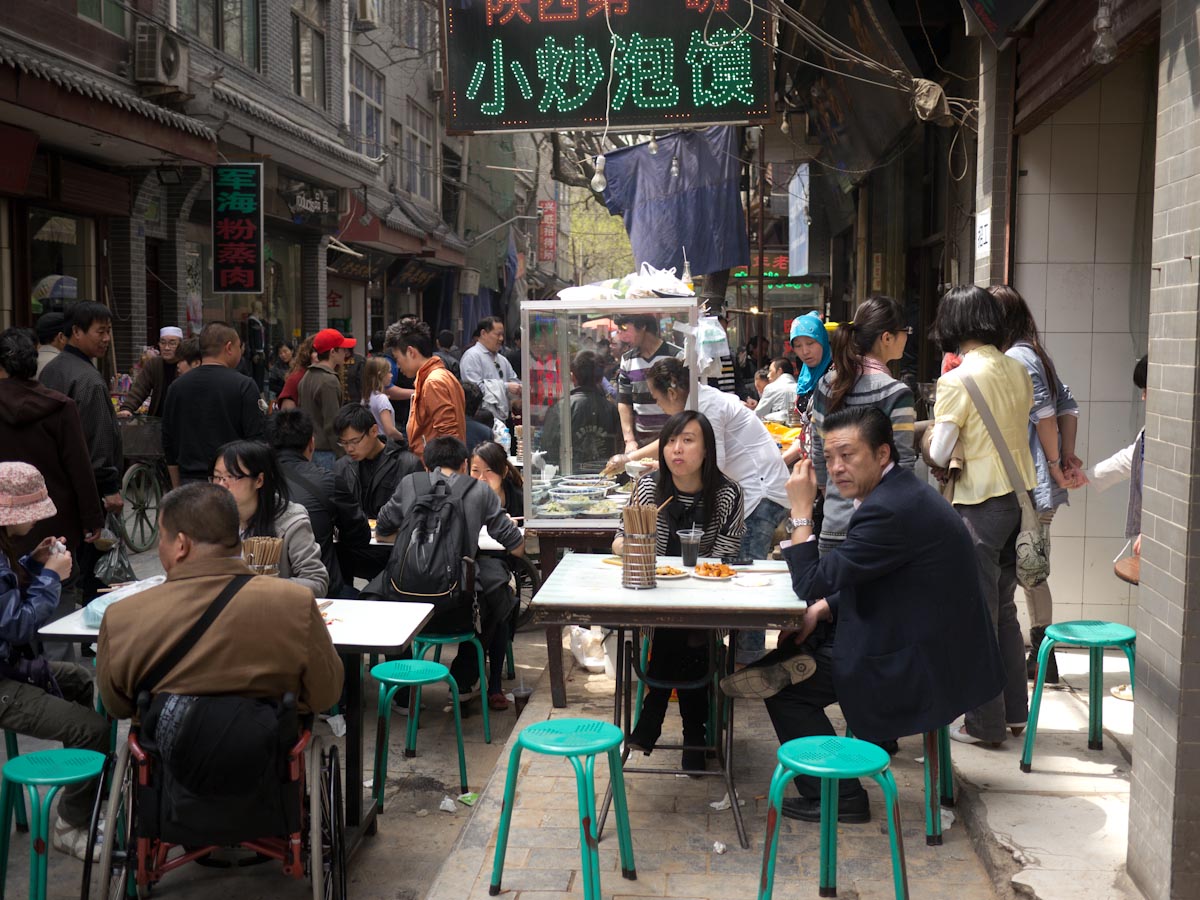
There is no standing on ceremony here. When the food comes first for one person at a table, they start to eat without waiting. If someone has to scratch or spit, they do it in full view. If there is no bench, they squat down and sit on their heels. If they want to sell something, they just spread out a blanket on the sidewalk.
Someone who had lived in both the USA and China explained, “People in China are very individual. You just do what you do to survive and ignore everyone else. Nobody holds the door for you here; nobody waves you into a parking spot. The exception is neighbors. They will help each other out.”
It all sounds a lot like the American Wild West. For those who are self-sufficient and strongly motivated, China is an exciting place to be right now.
While China is feeling its nationalism, it defines itself as morally superior to the USA. One man who had served for several years in the Chinese army gently explained it to us like this: “Americans want to tell everyone how to live. Then they say ‘Hey, you don’t like it? Let’s fight!’ But you never see China trying to fight war. China has a billion people – we could have the largest army in the world if we want – but we do not want that. We want everyone to be left alone.” We will see whether this attitude persists over time.
Recently China has been using the profits from the manufacturing model to prepare for a next chapter of history. They will invest heavily in R&D and then slowly provide more protection for patent holders. They are using their cash to buy access to raw materials, new technologies and local marketing brands all around the world. They are investing heavily in their own infrastructure and they are investing heavily in alternative energy and green.
In summary, there is little doubt that China will be a major force in the future, but they do face thorny challenges. If they do not grow, they face widespread discontent and perhaps revolution. But the more wages rise and factories must stop polluting, the less effective they will be with the initial strategy of low-cost manufacturing. So they have to substantially transform their economy if they want to continue to grow. Most people remain fairly poor, yet China’s winning entrepreneurs are becoming fabulously wealthy. China will need to cope with growing income inequality ahead. Finally, China’s system of absolute authority is effective today but vulnerable due to risks of corruption, unmapped succession battles, and co-option by future strong personalities. China will need to find reforms that divide power and instill checks and balances, either on a national level or within the Communist Party.
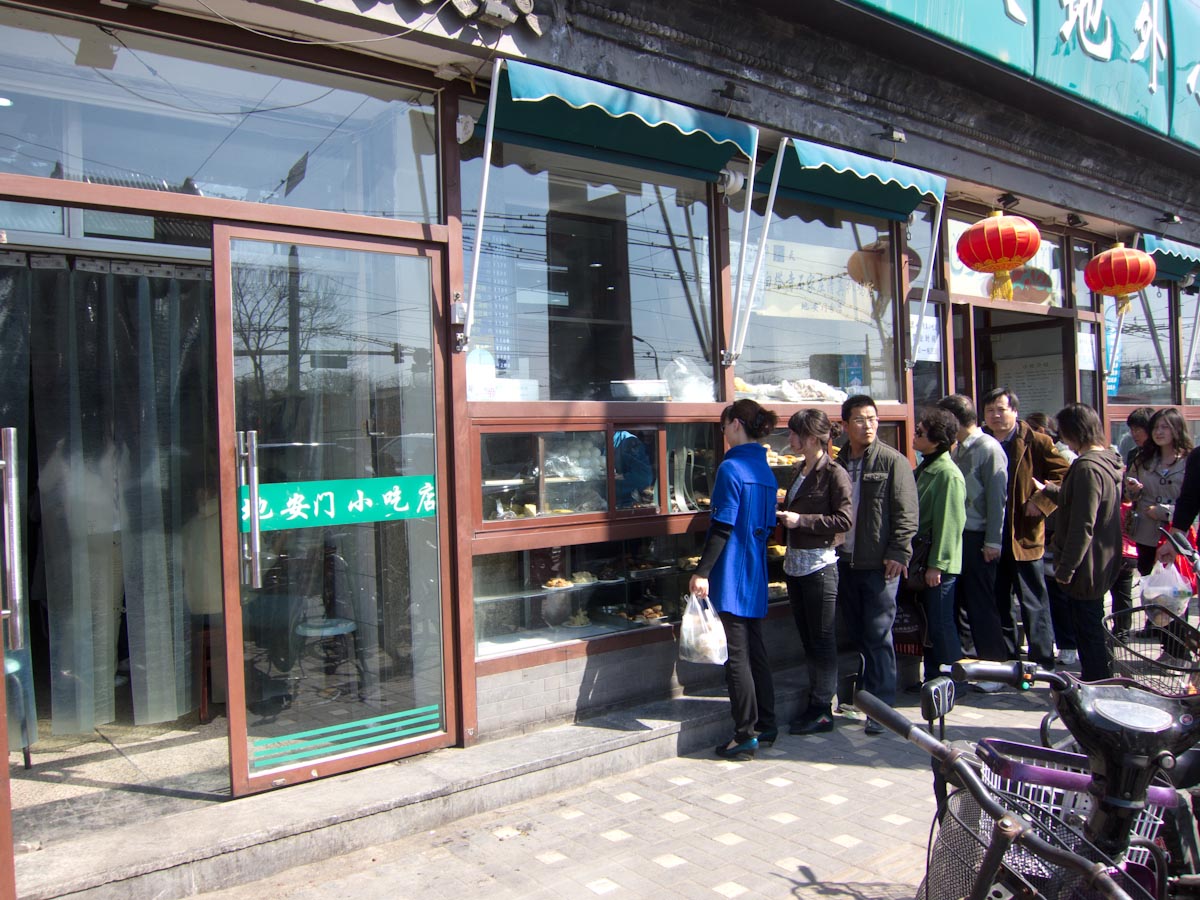
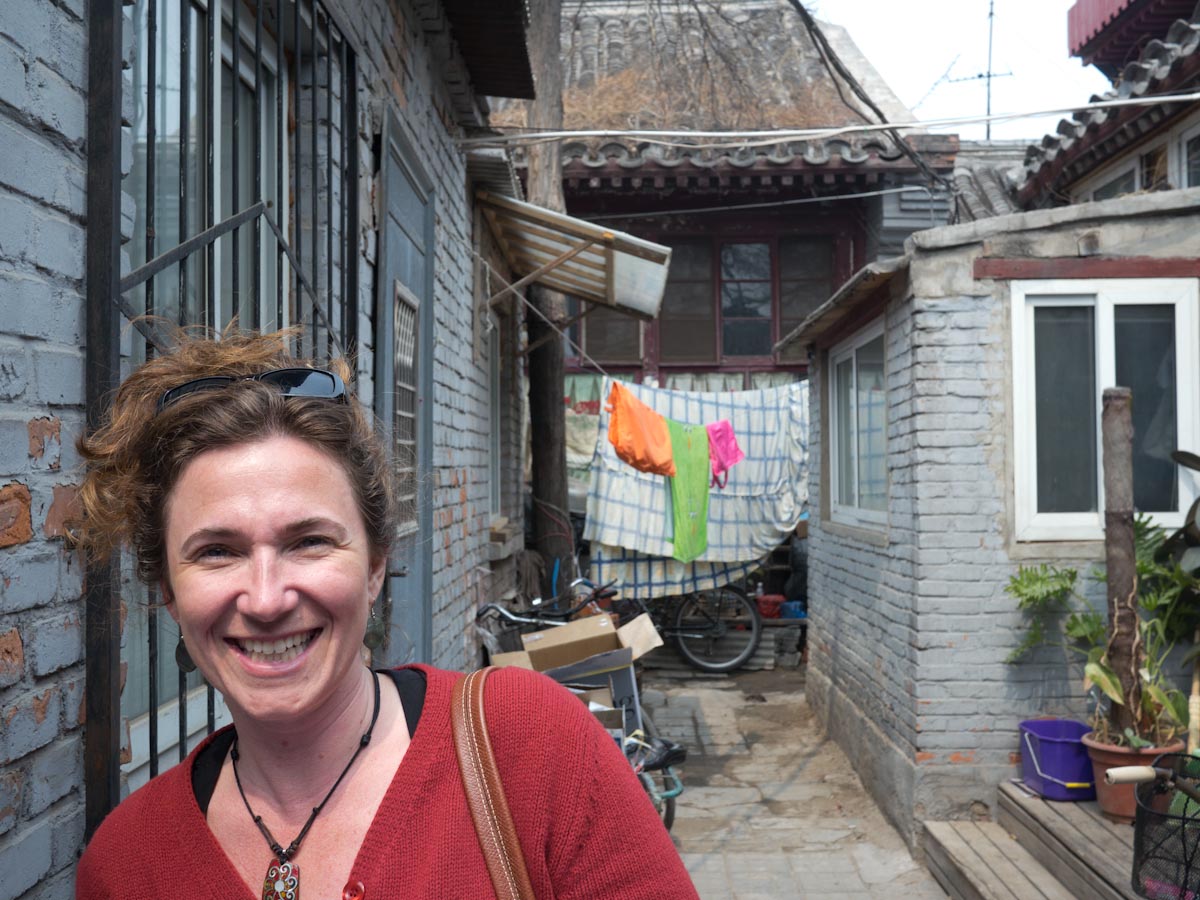
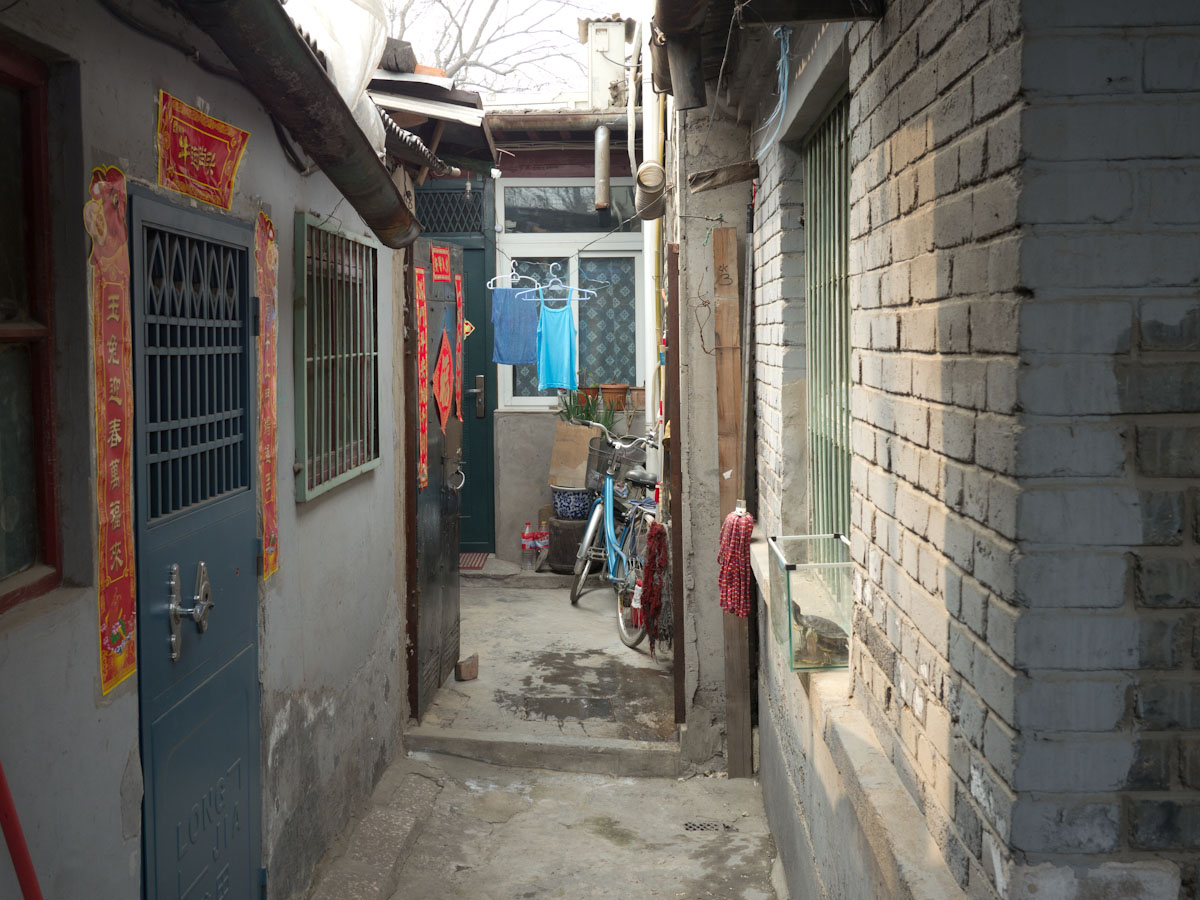
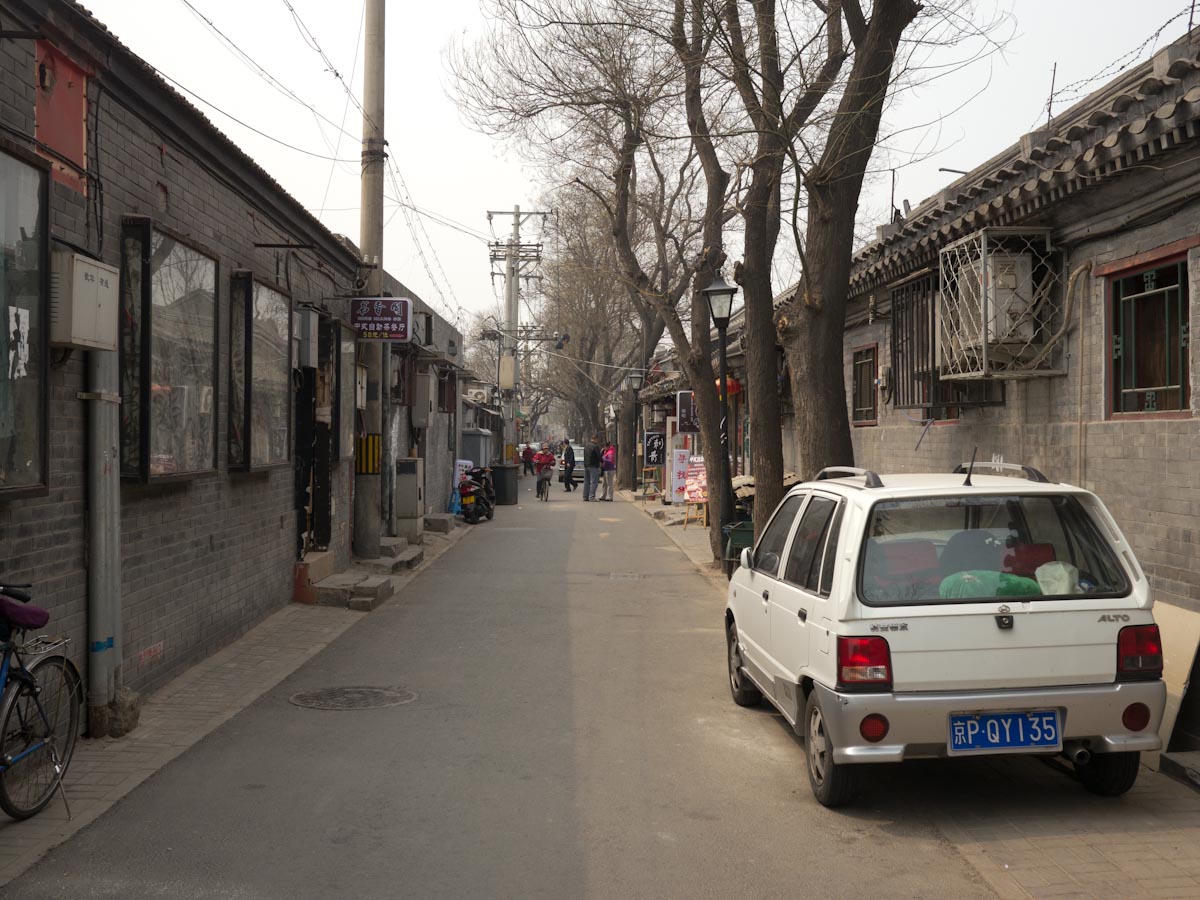
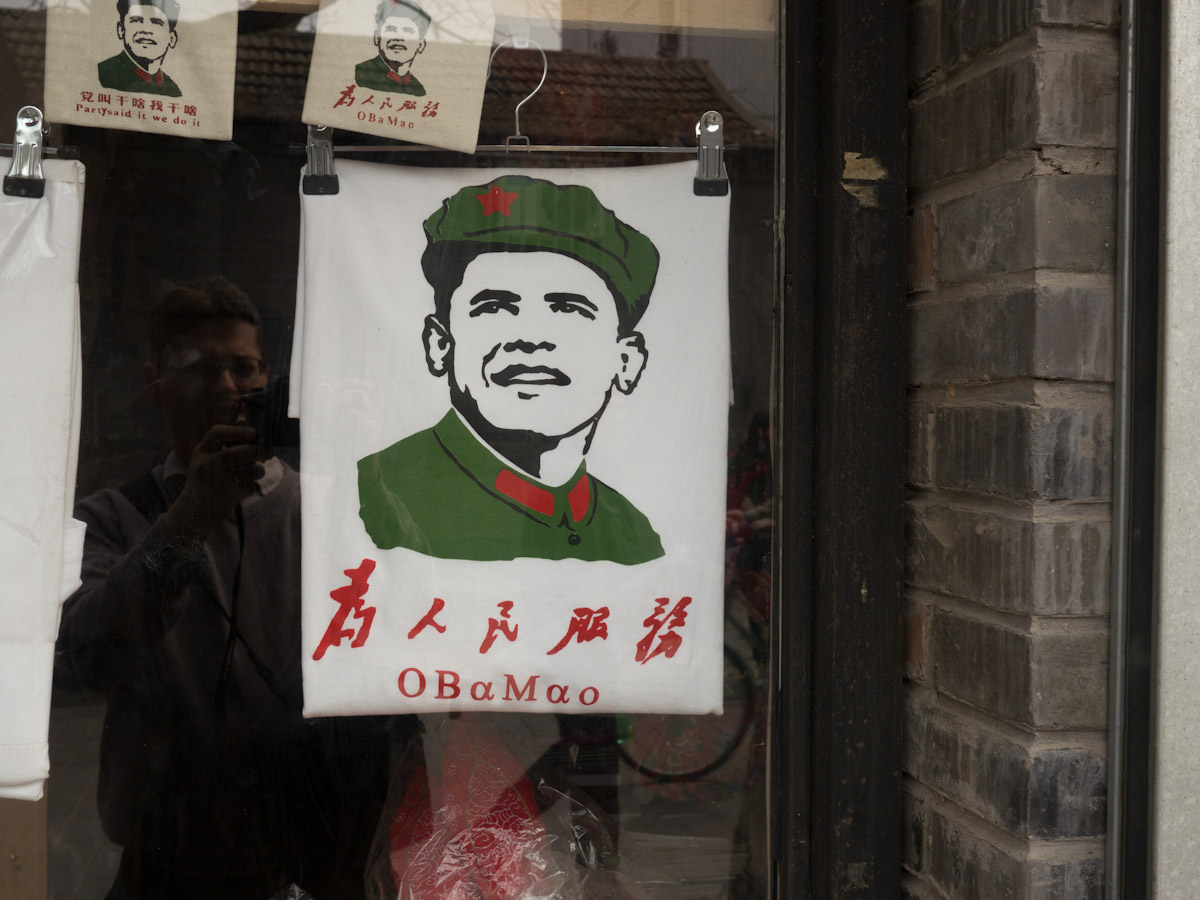
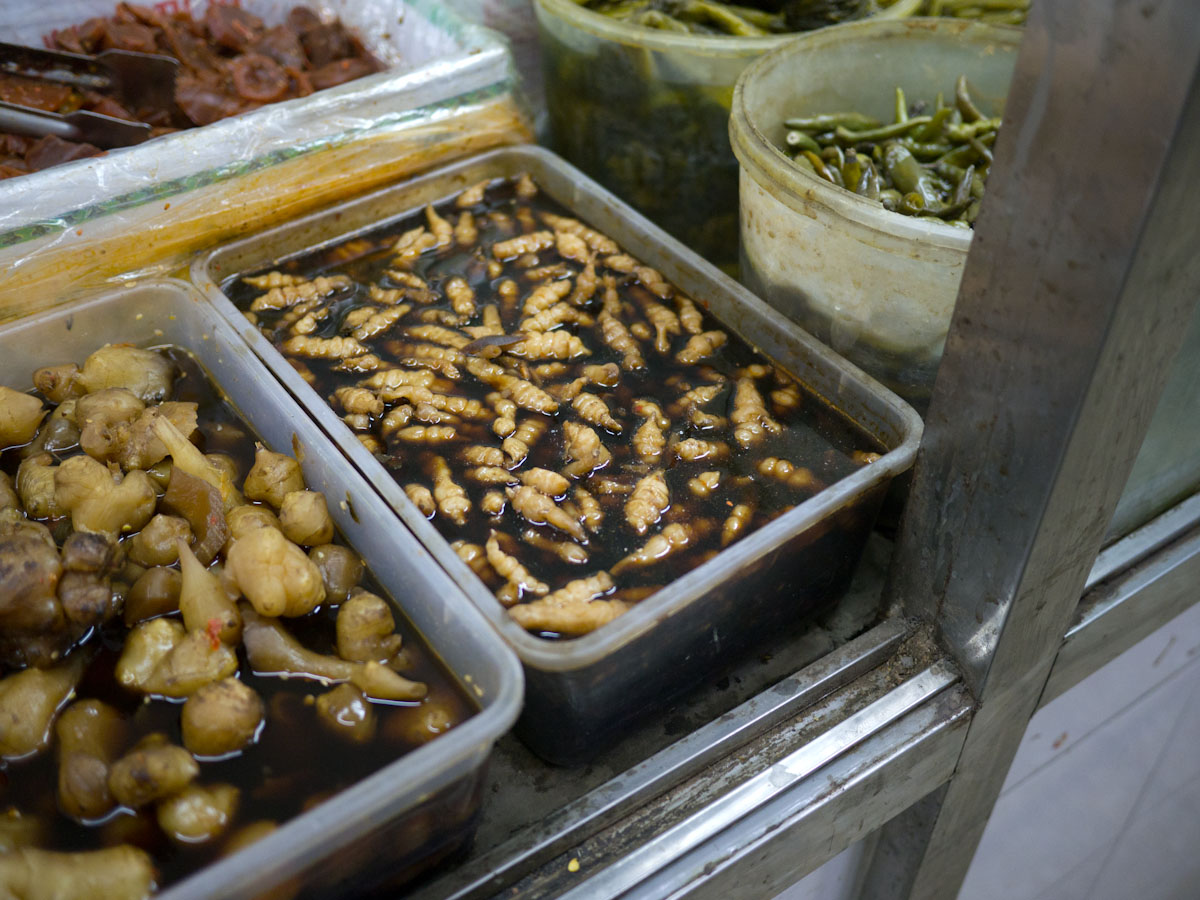
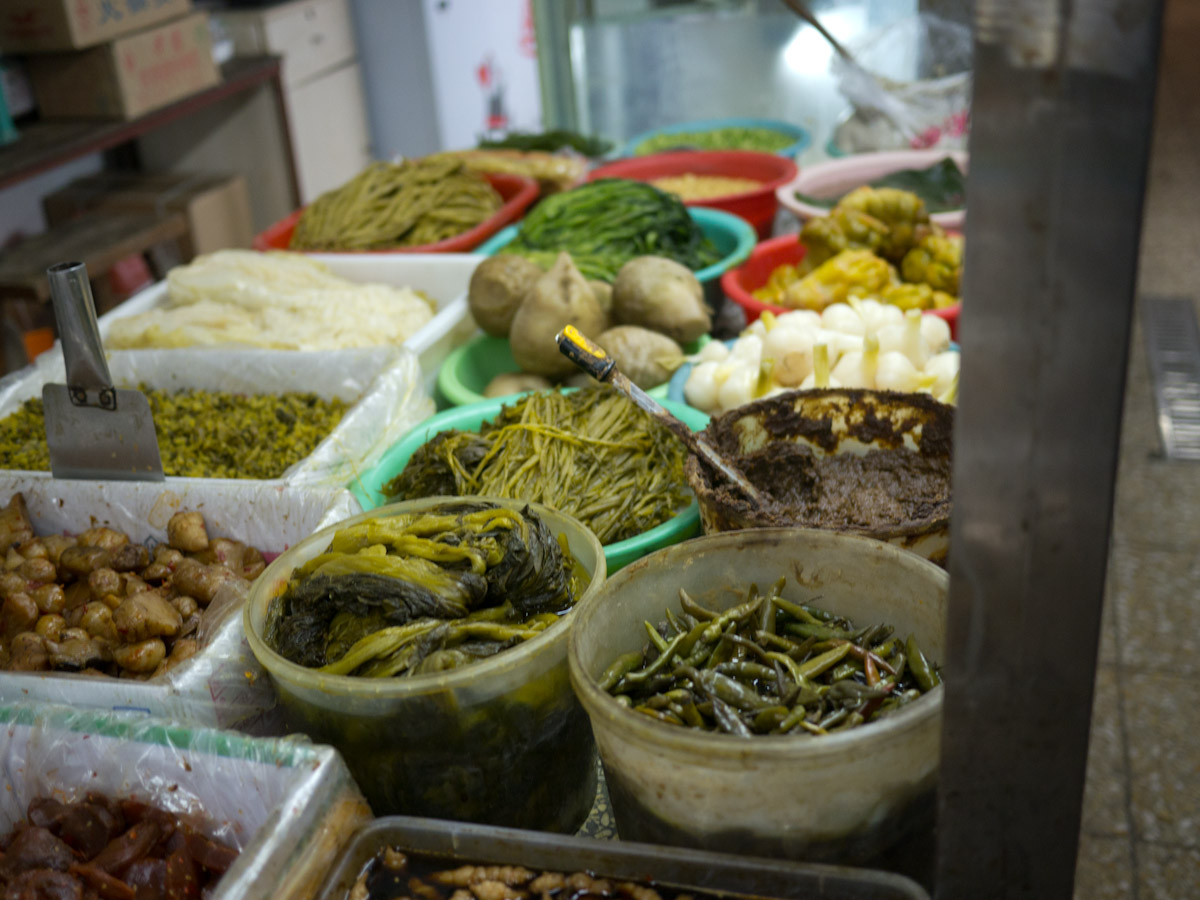
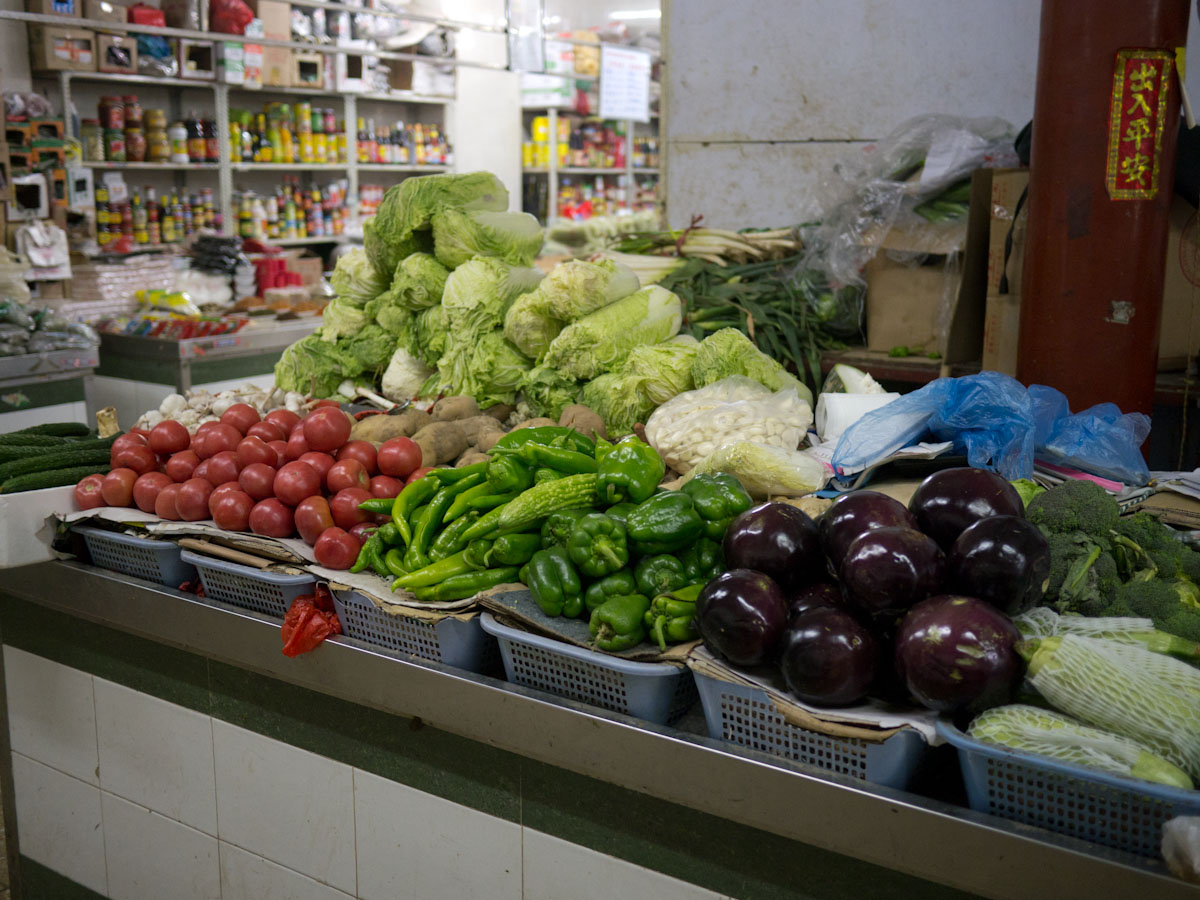
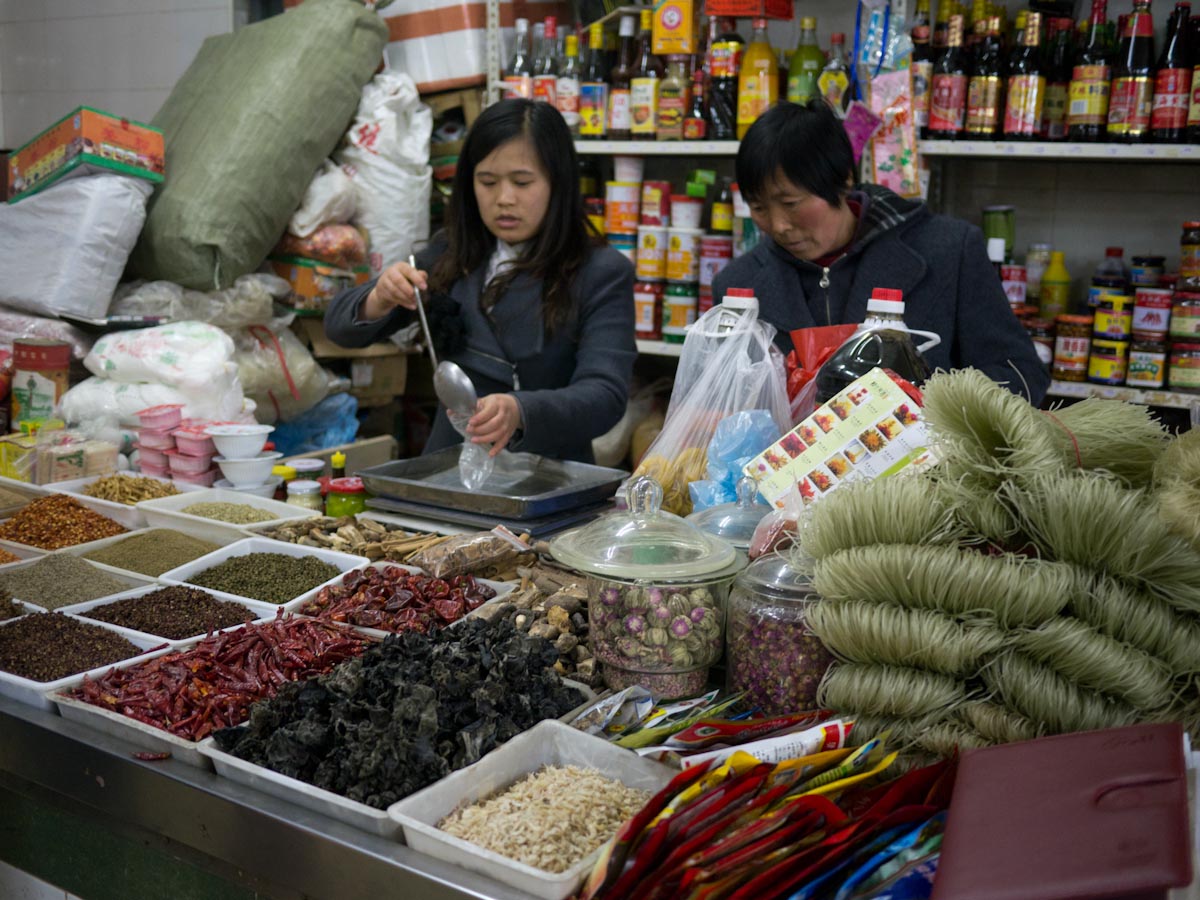
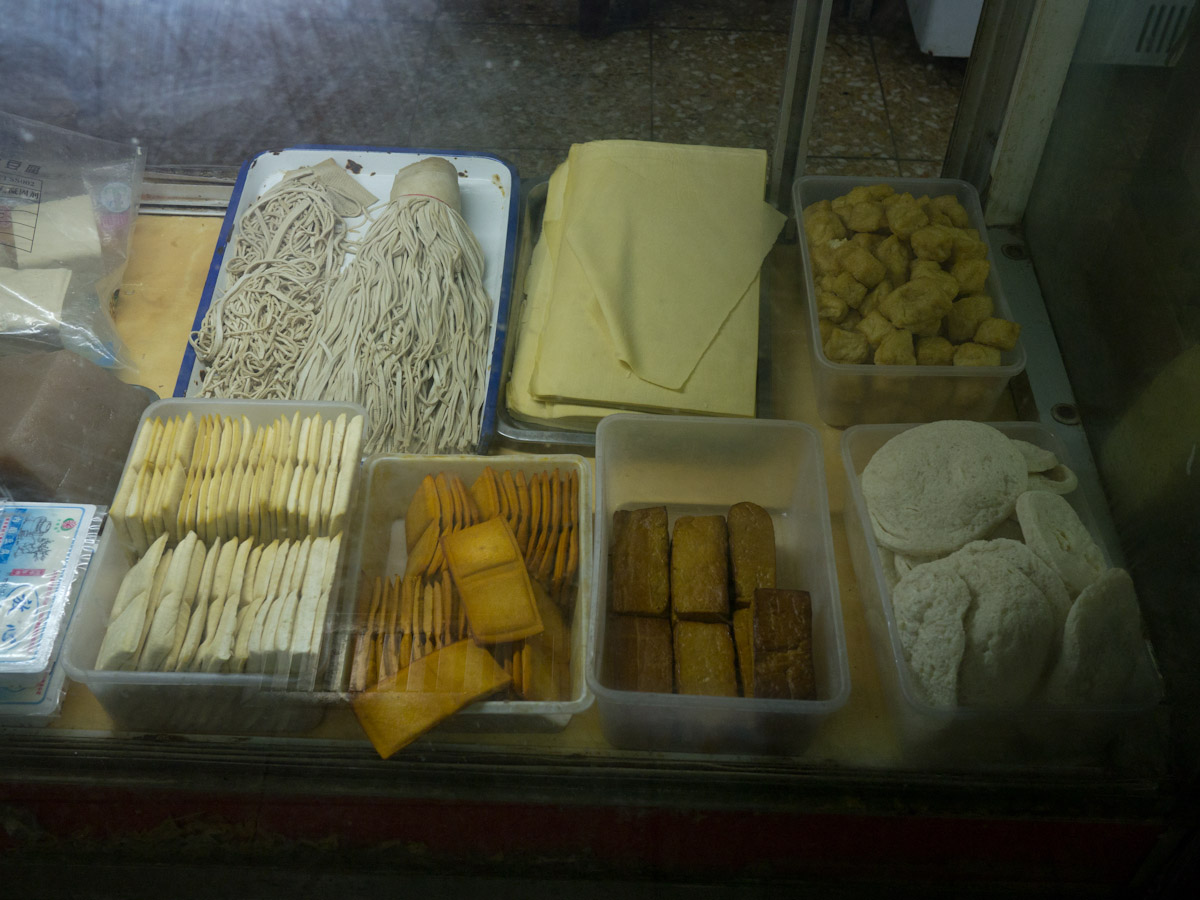
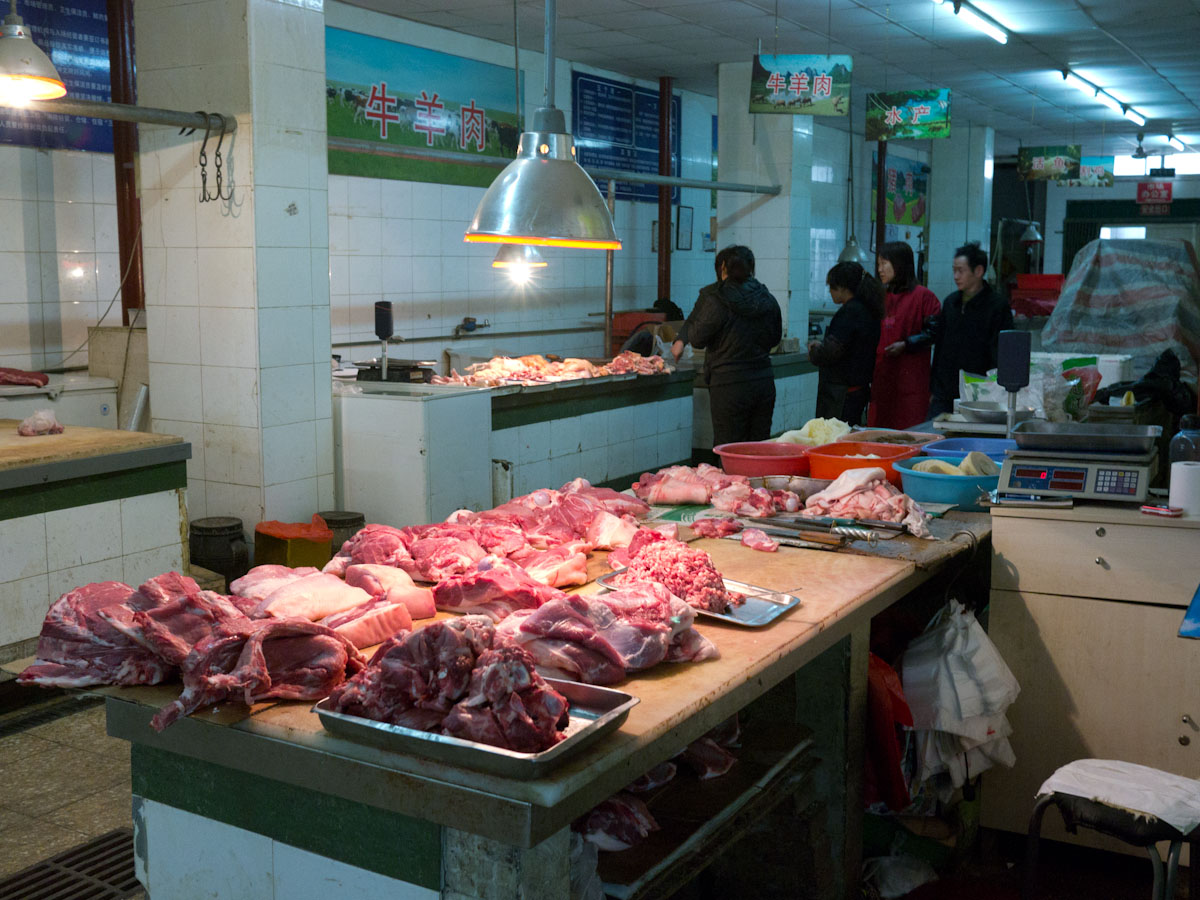
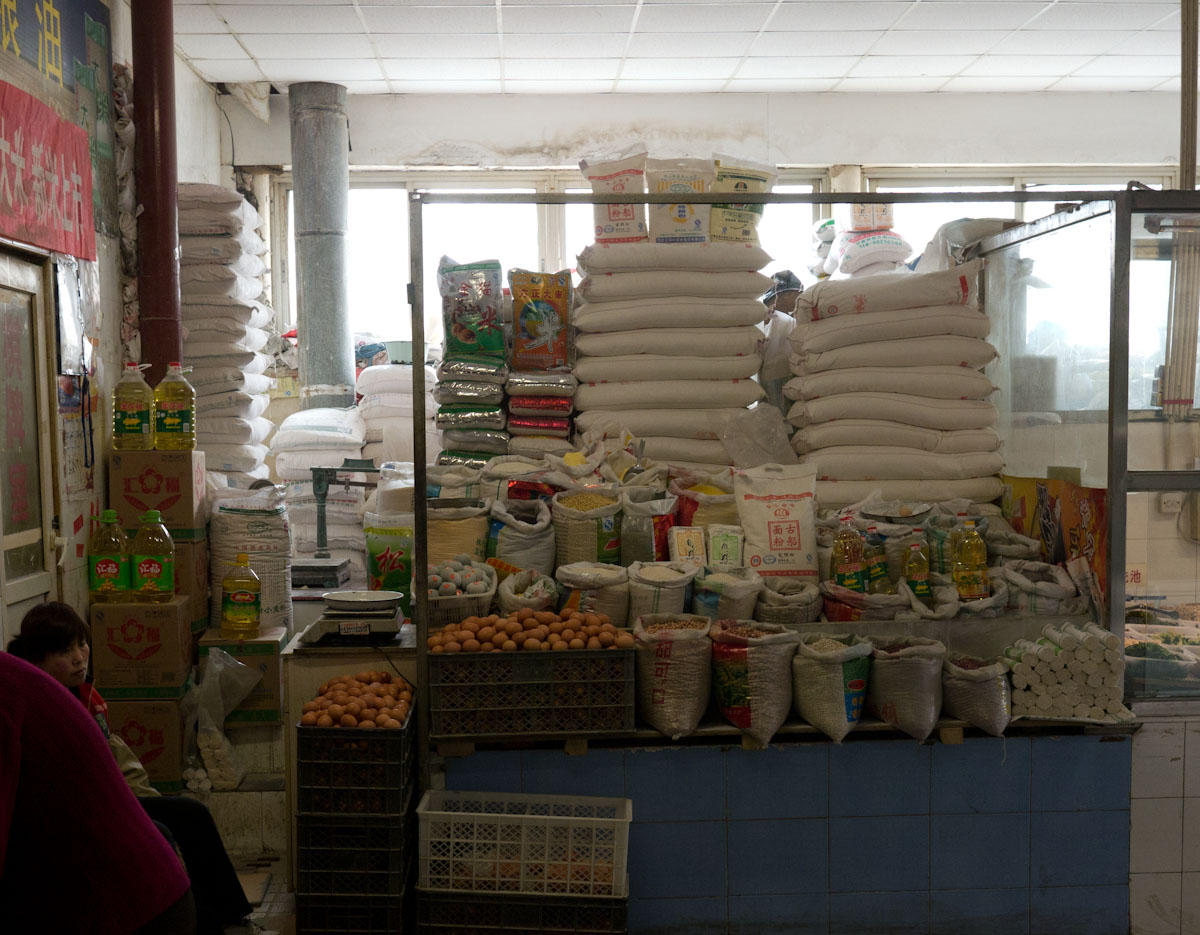
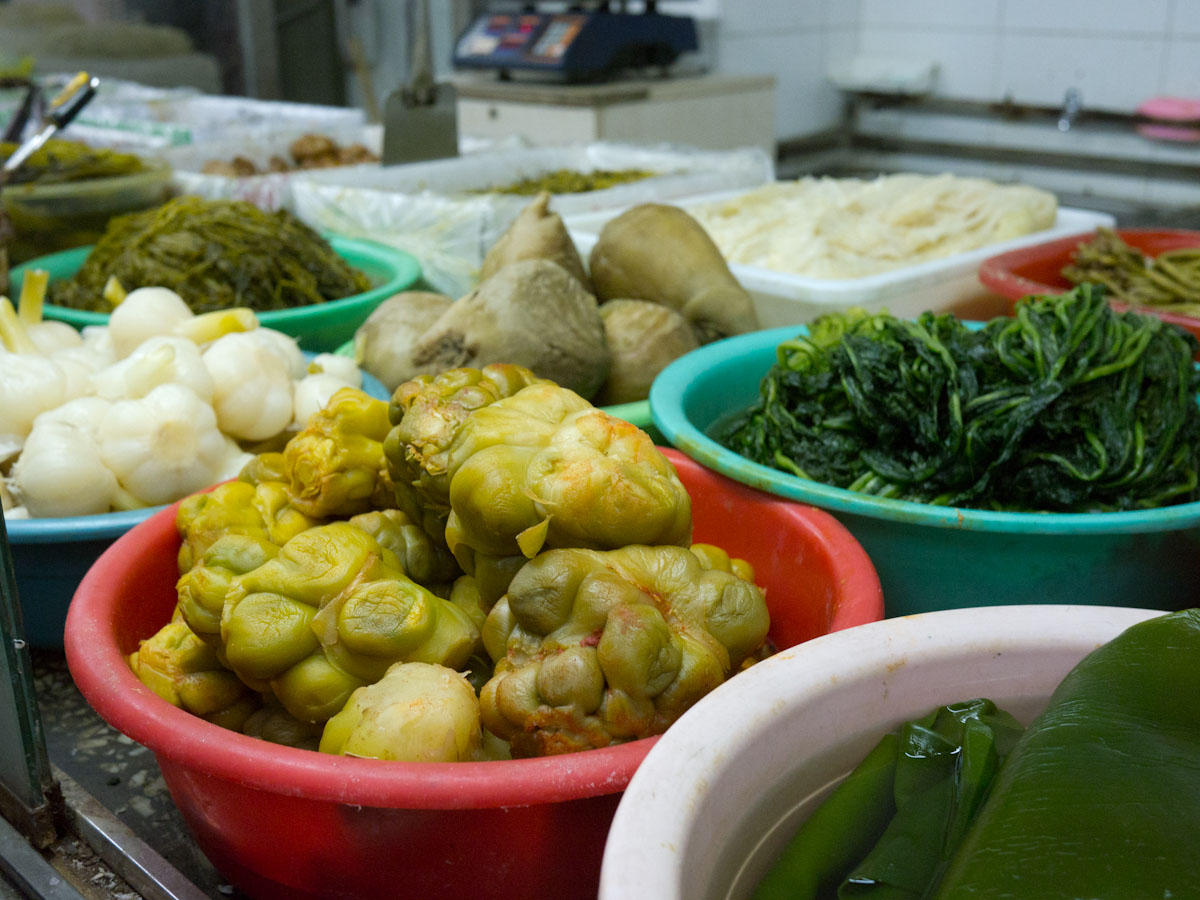
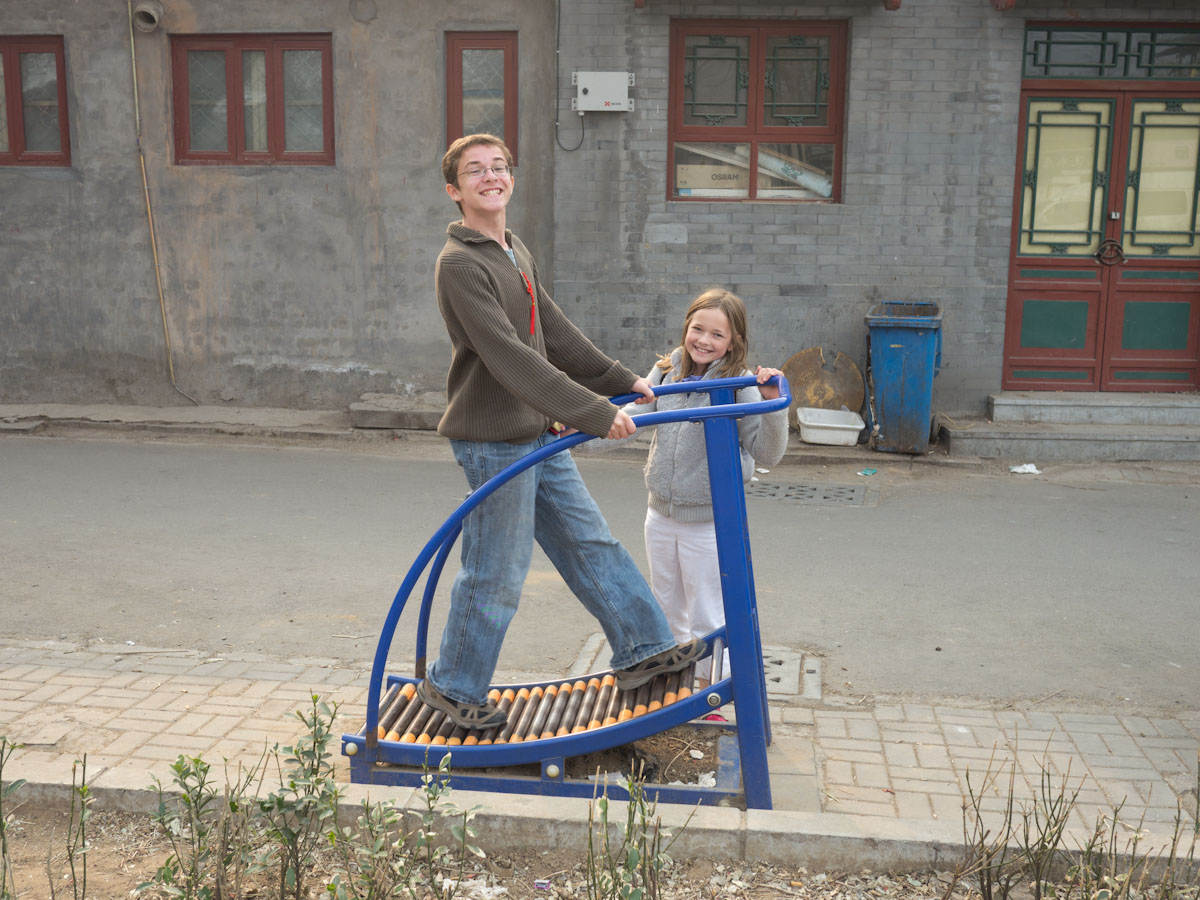
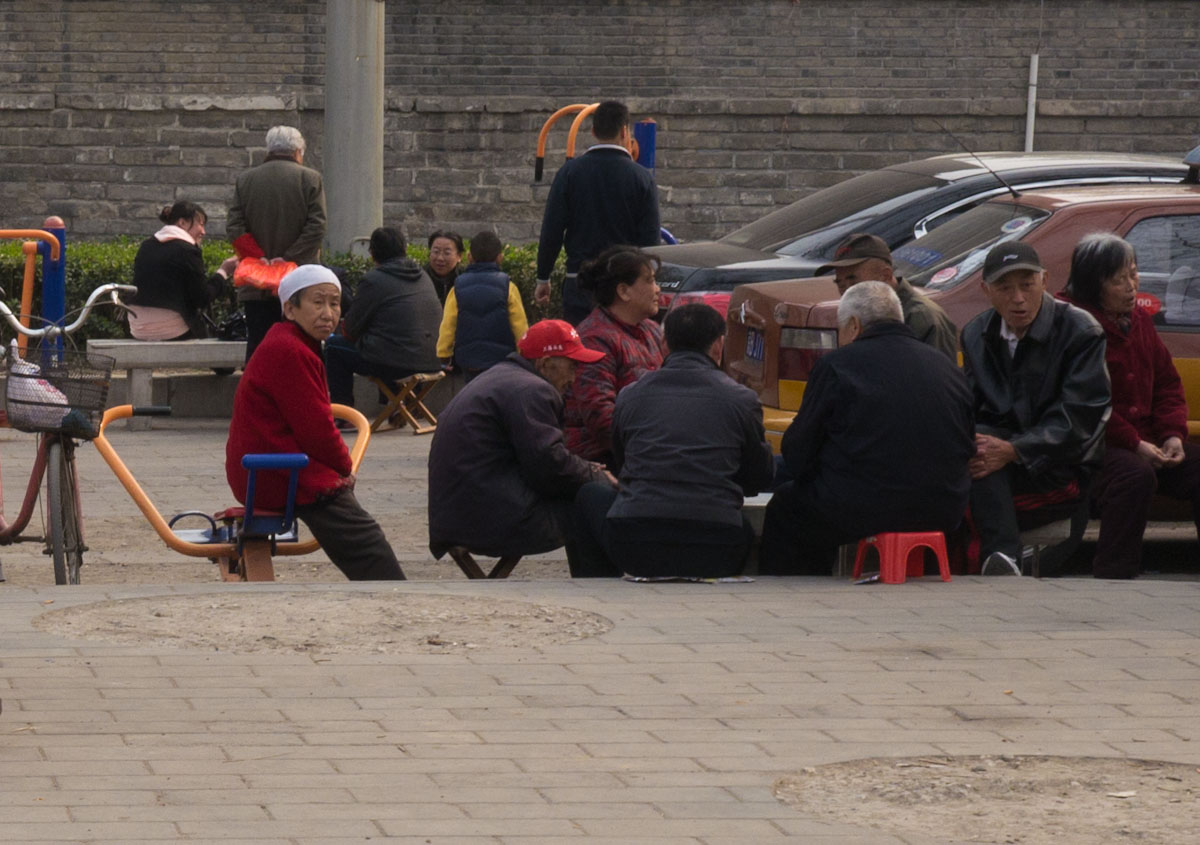
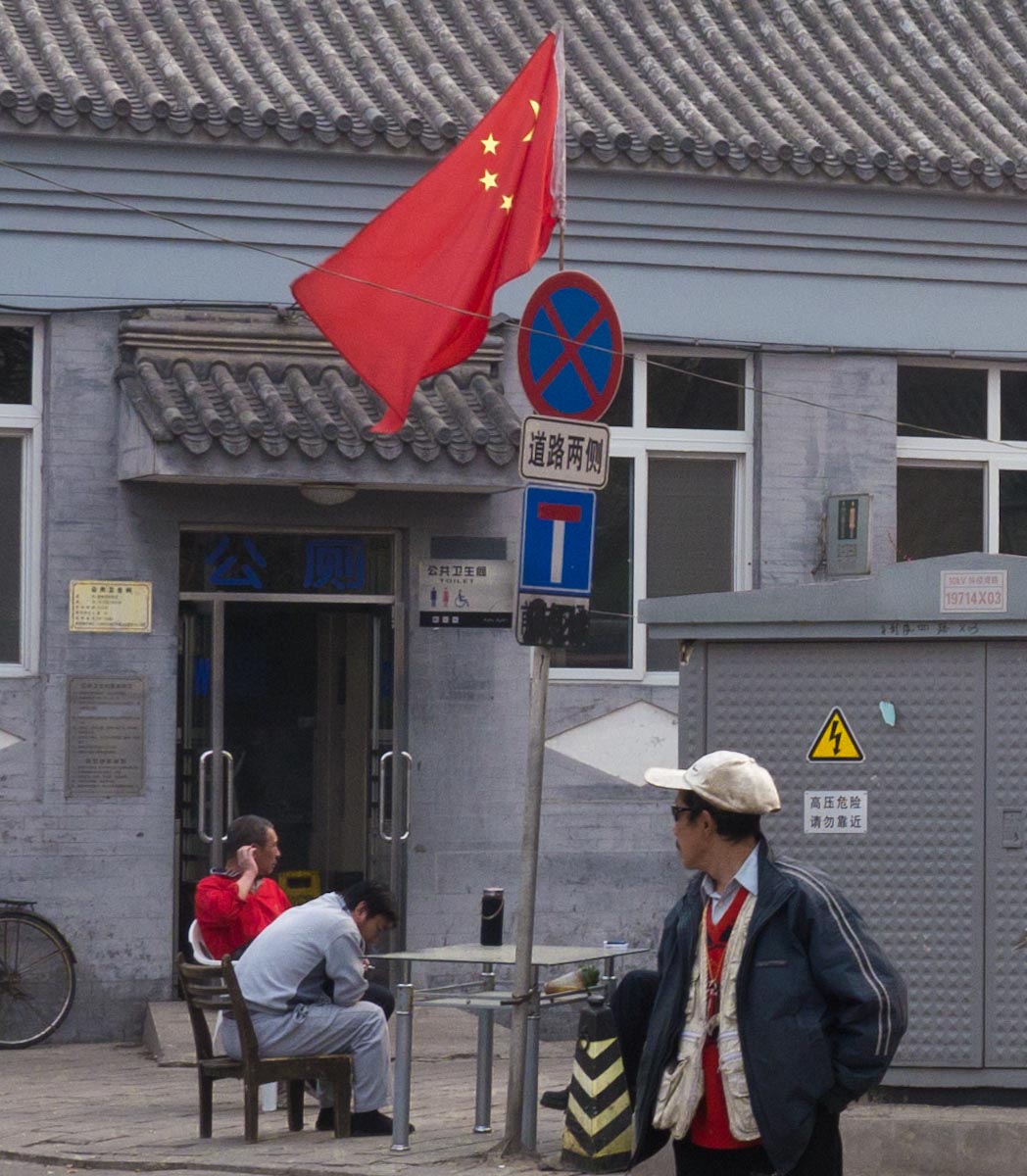
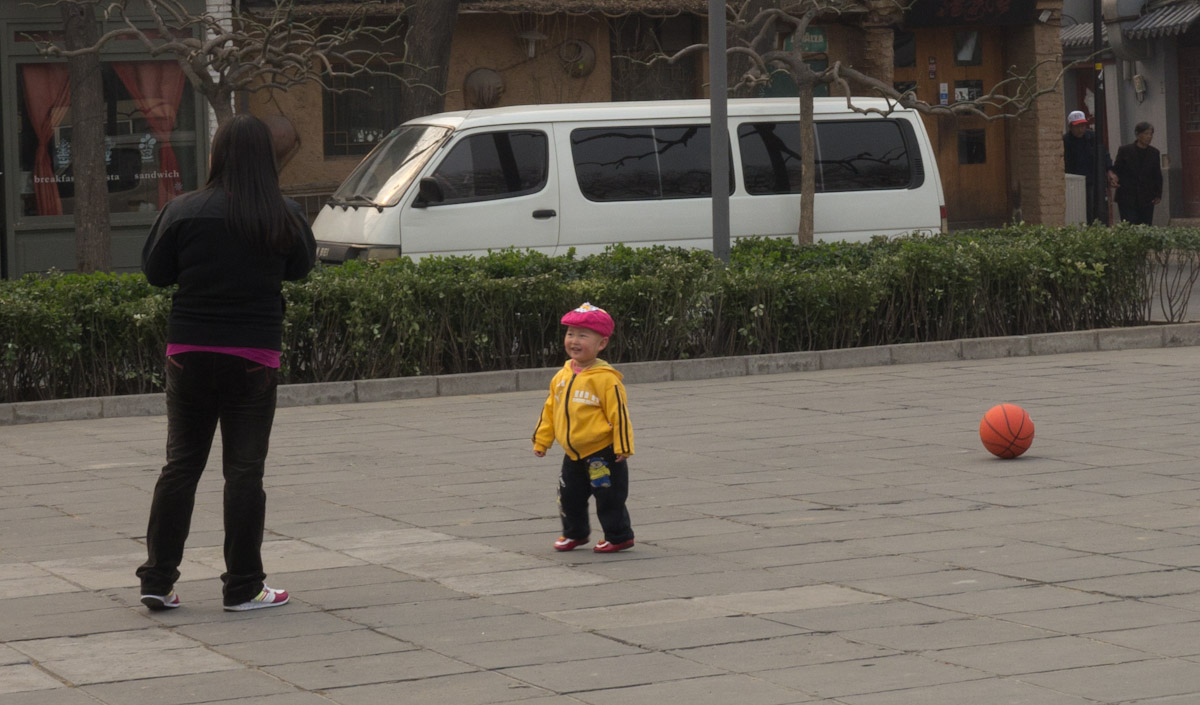
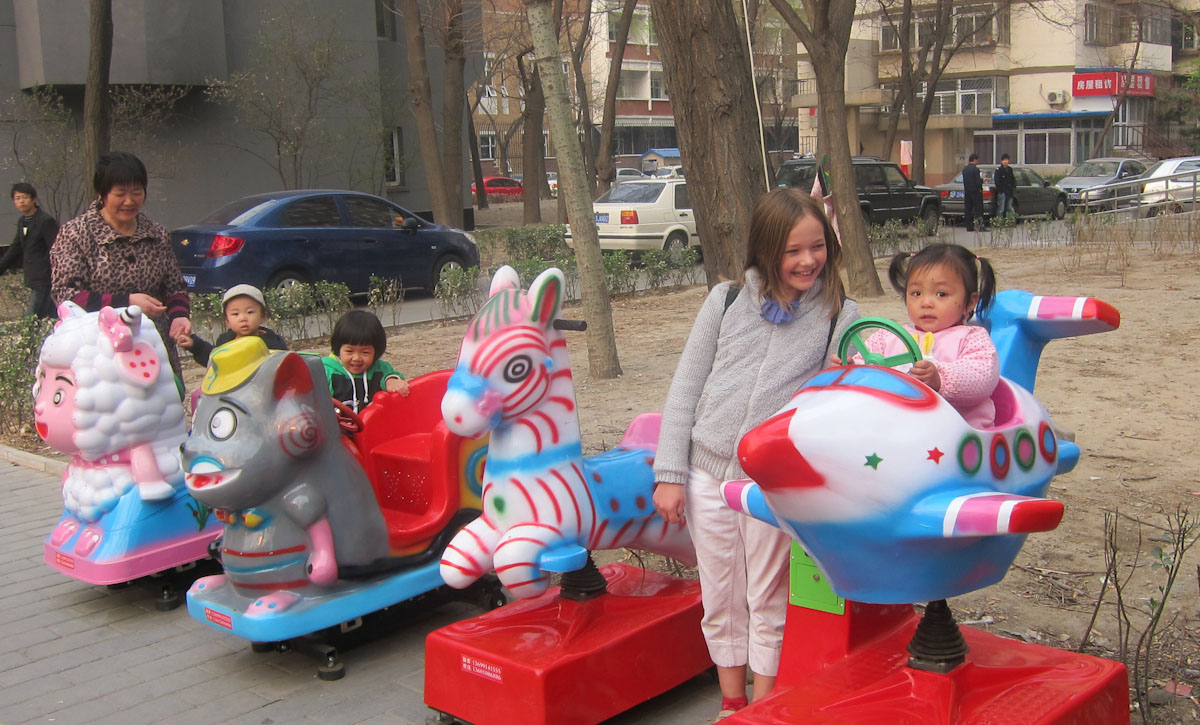
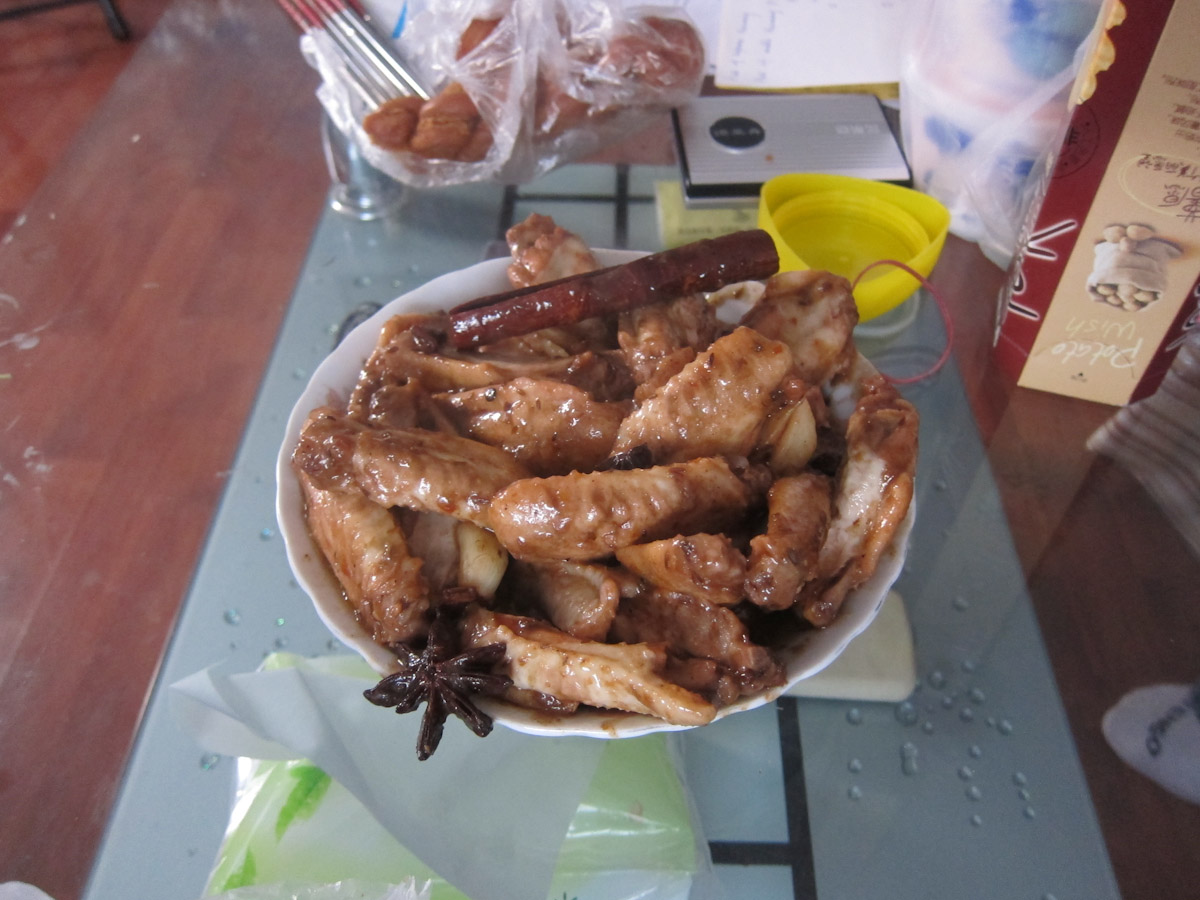
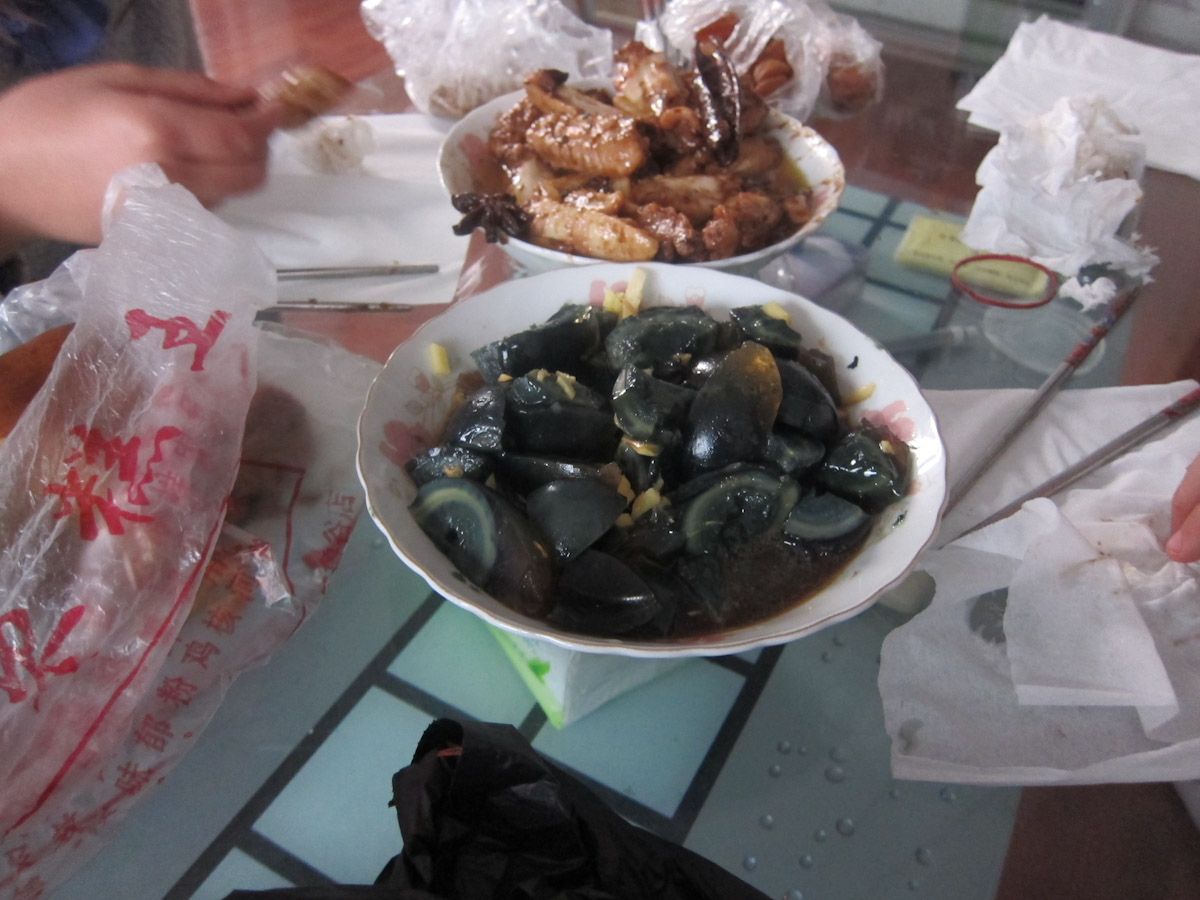
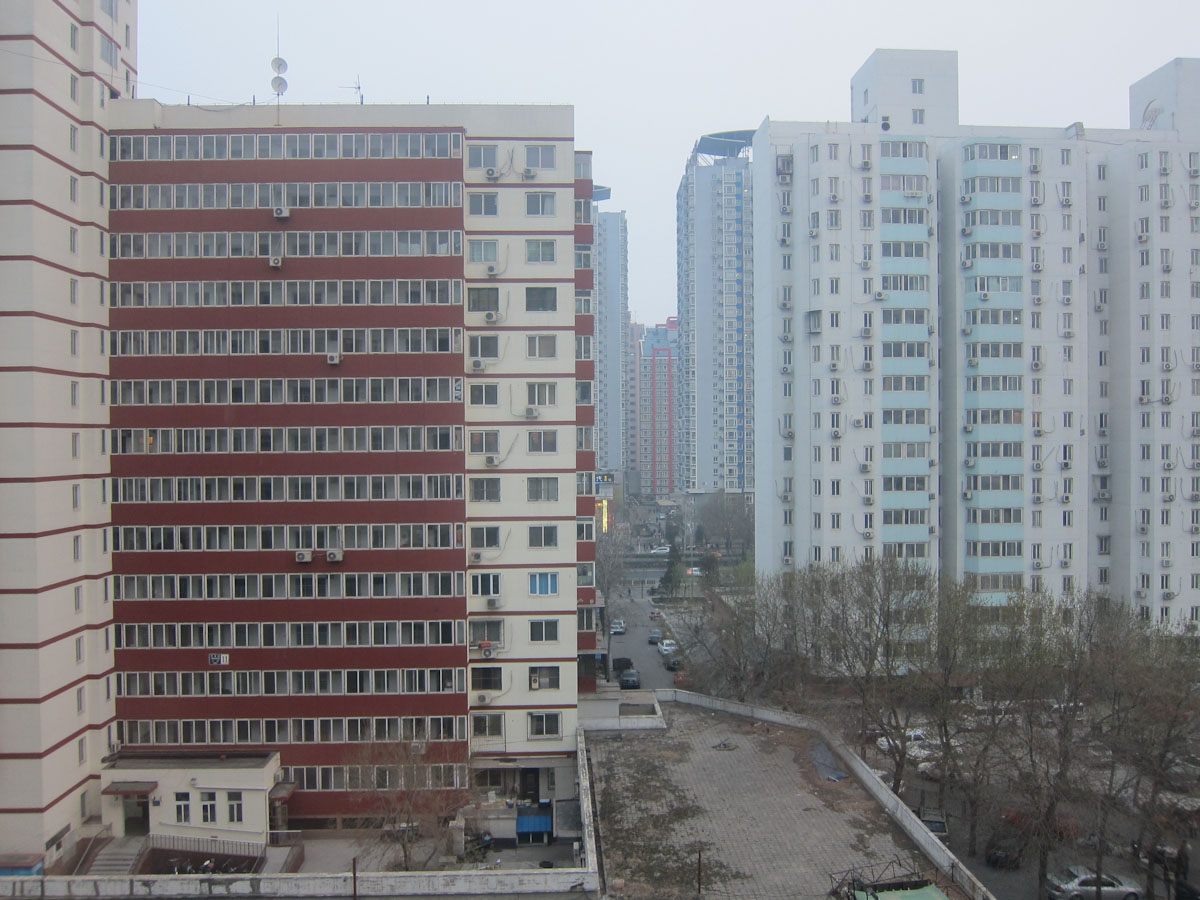
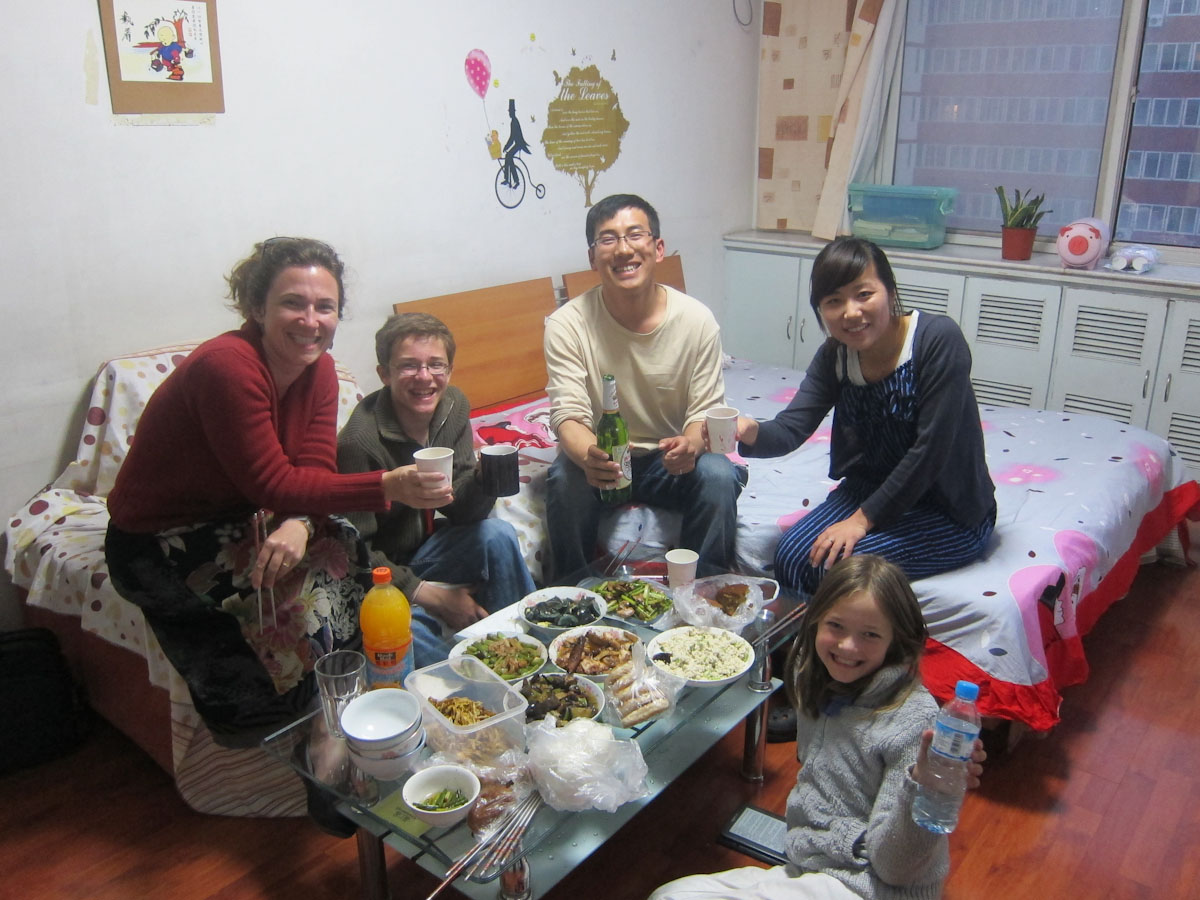
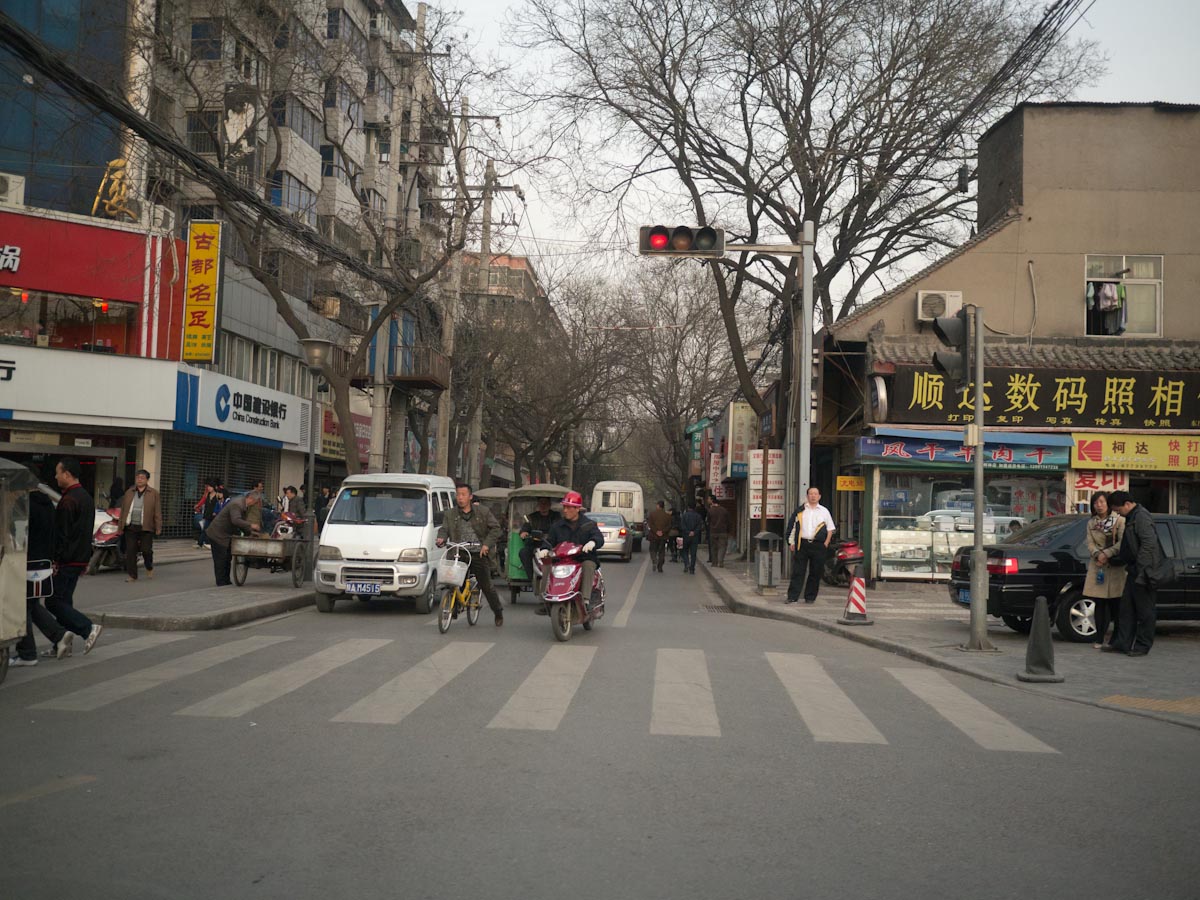
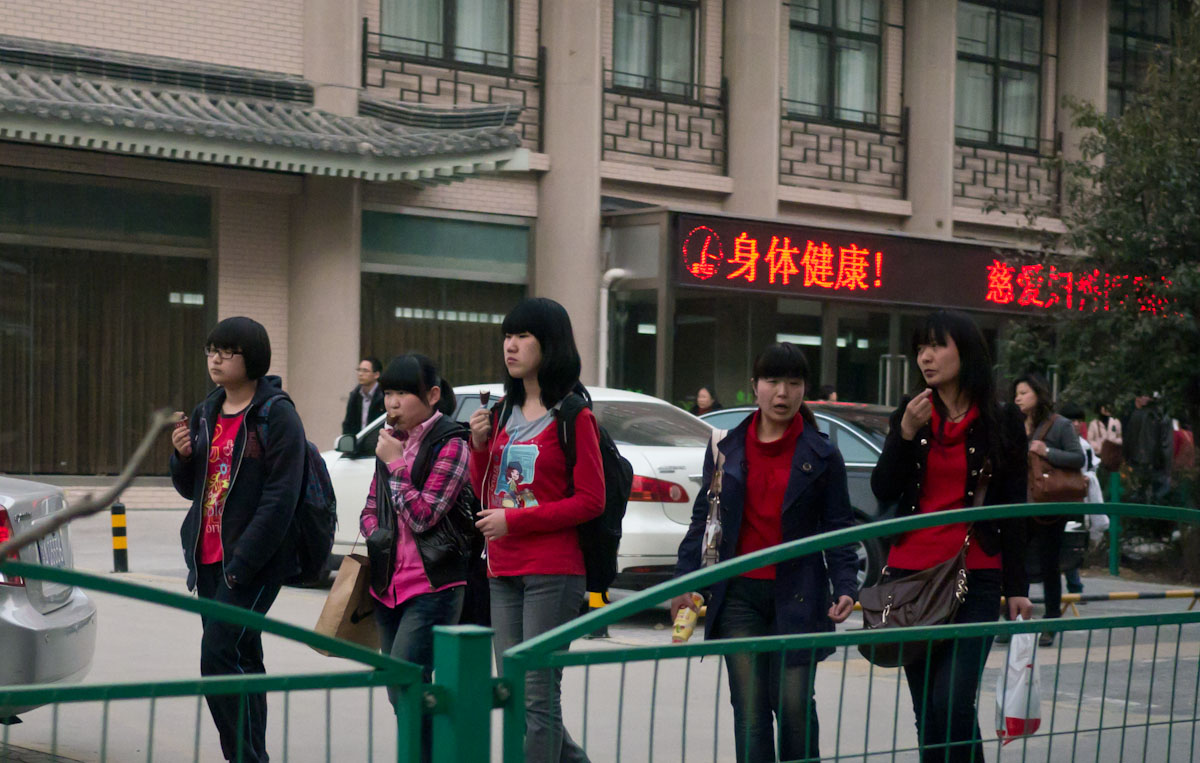
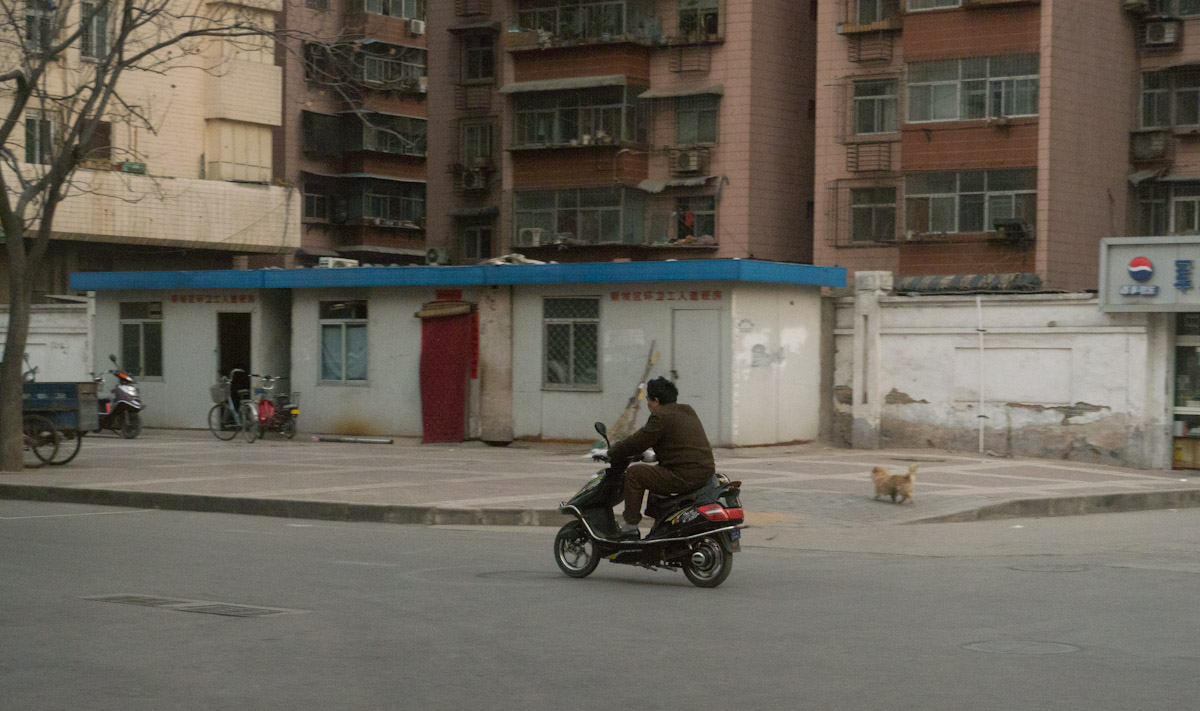
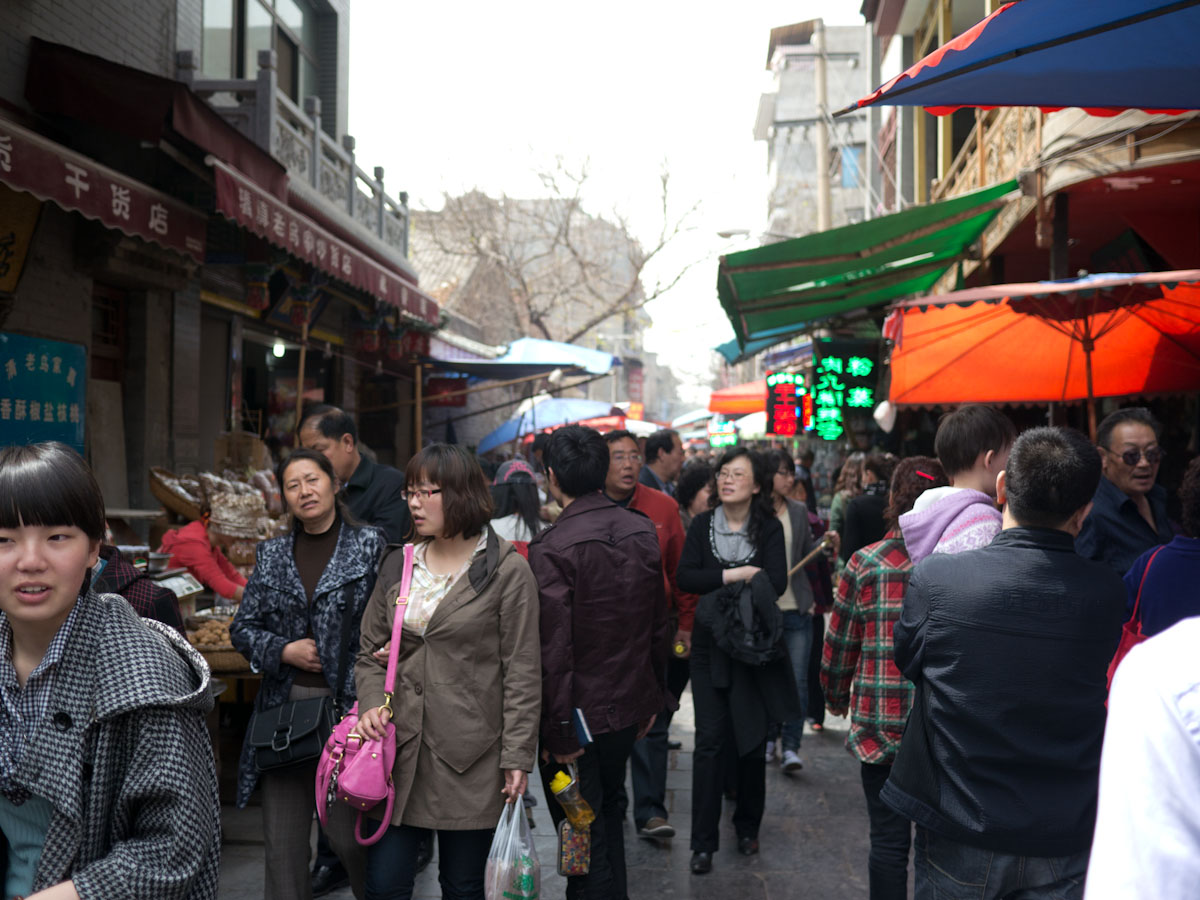
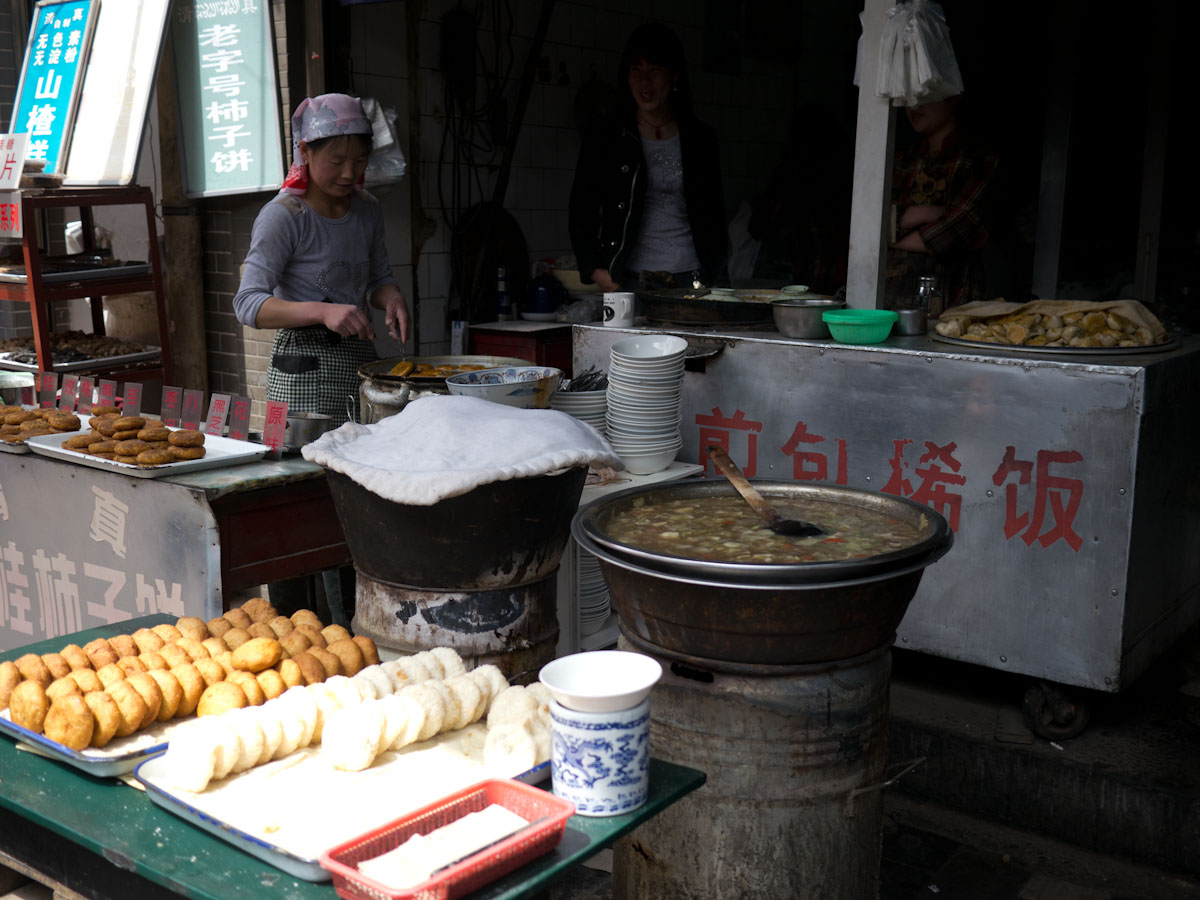
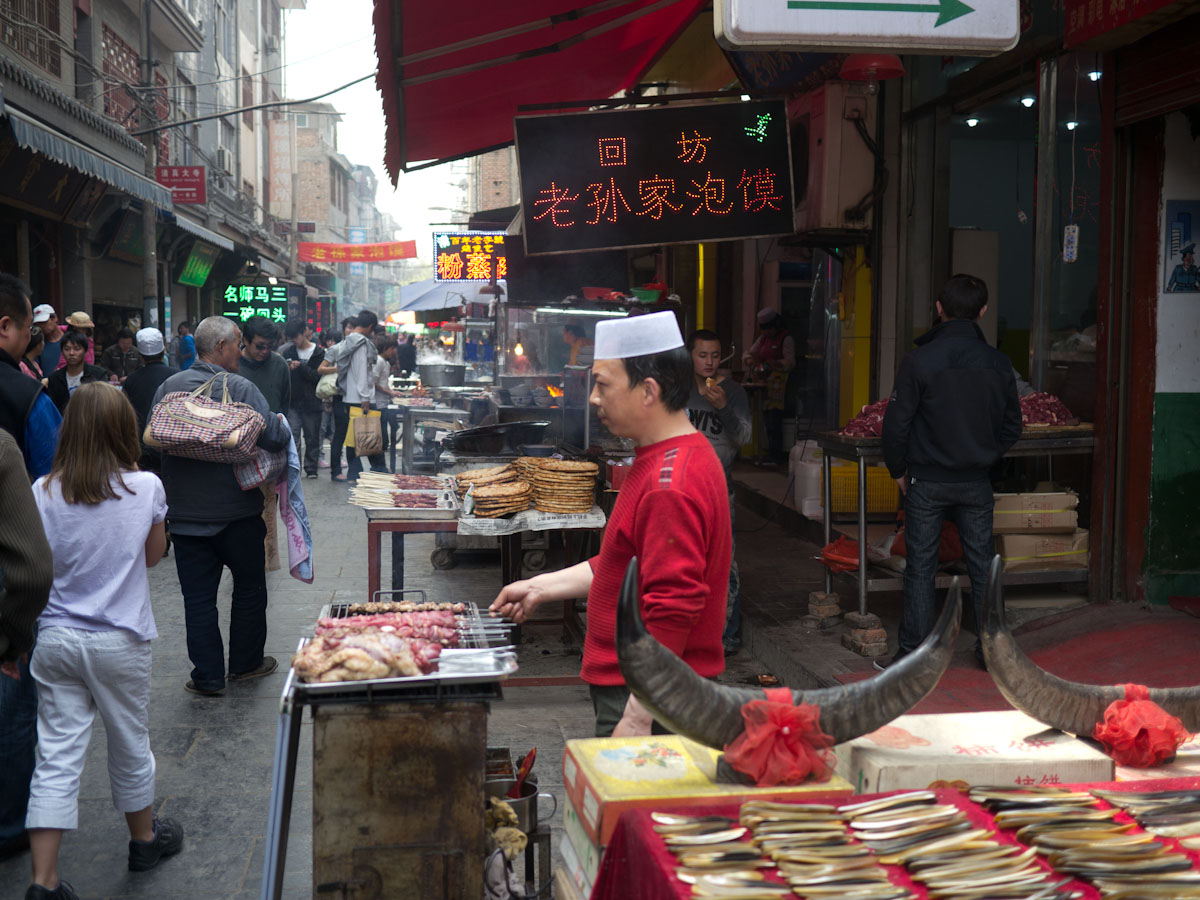
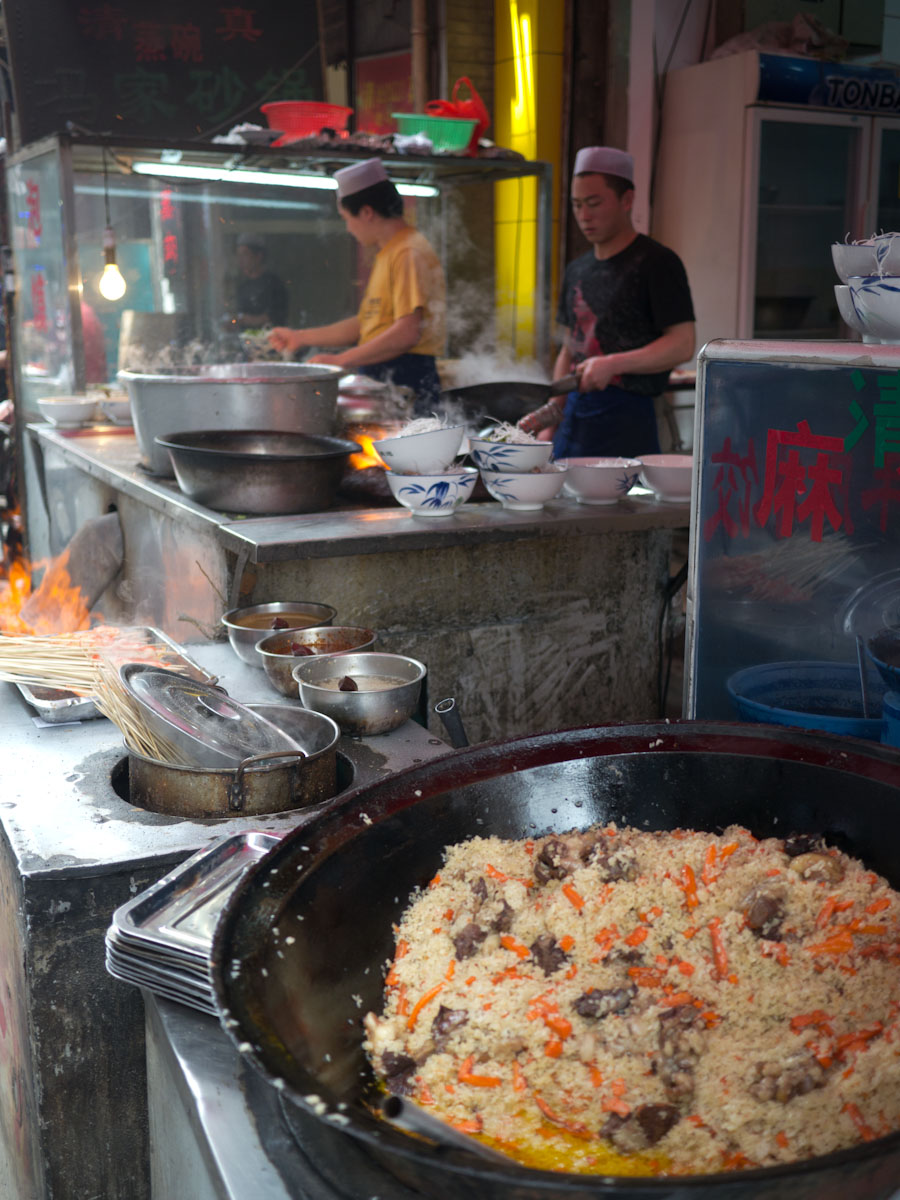
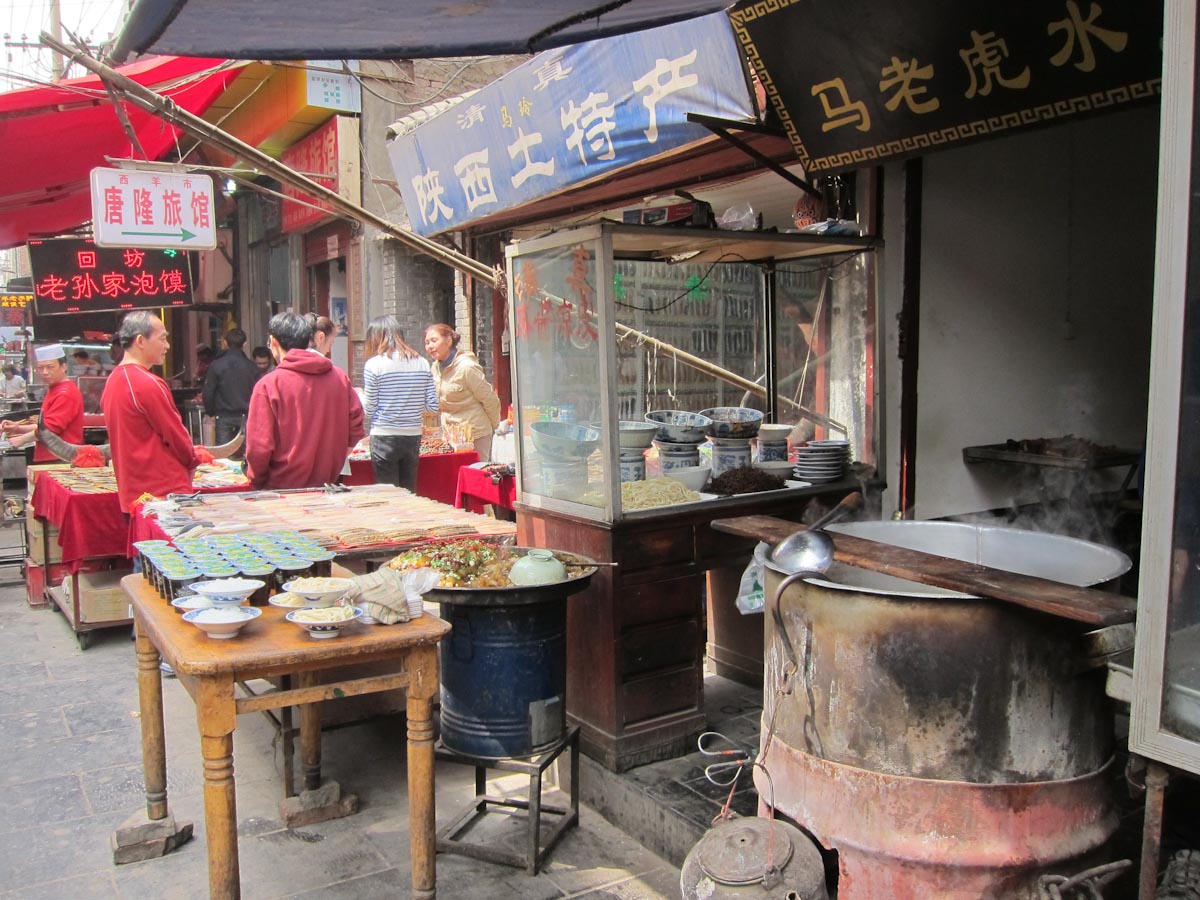
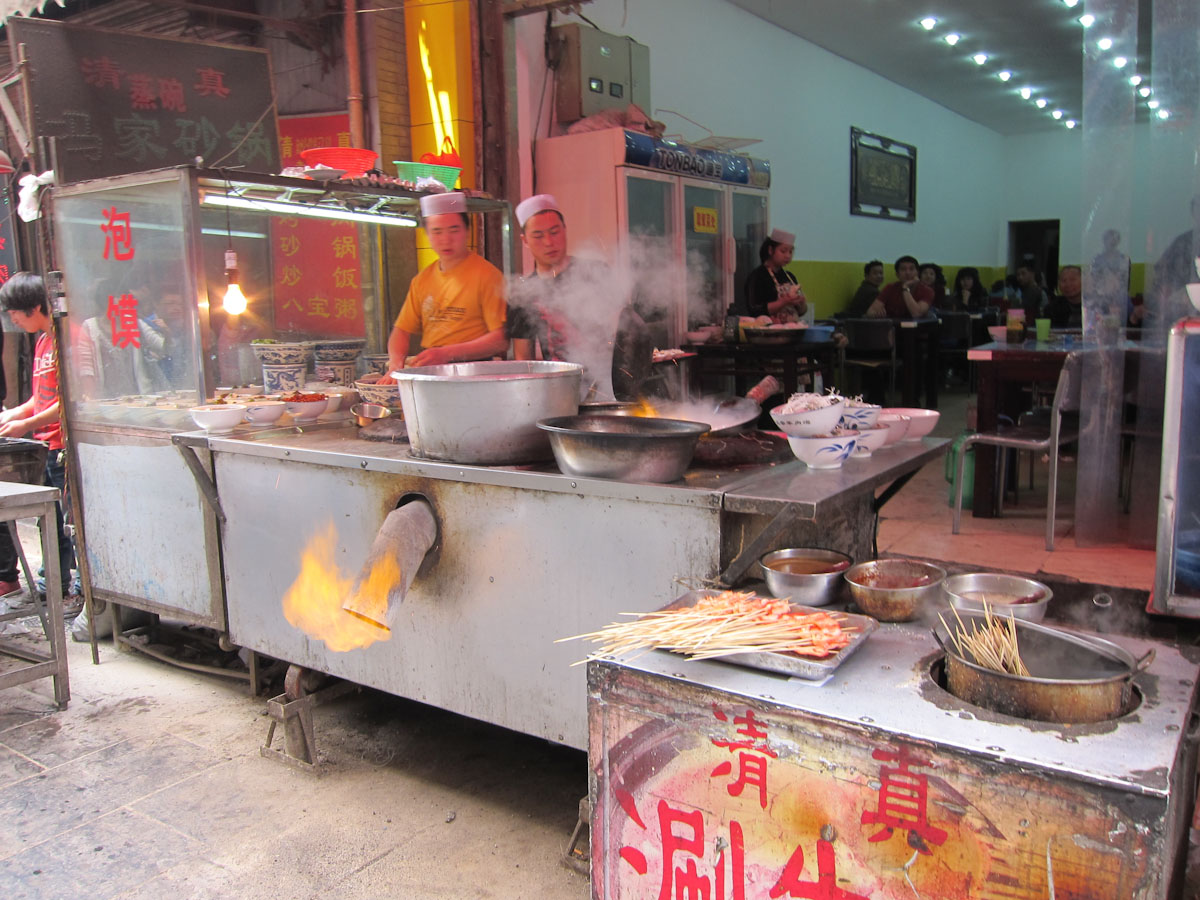
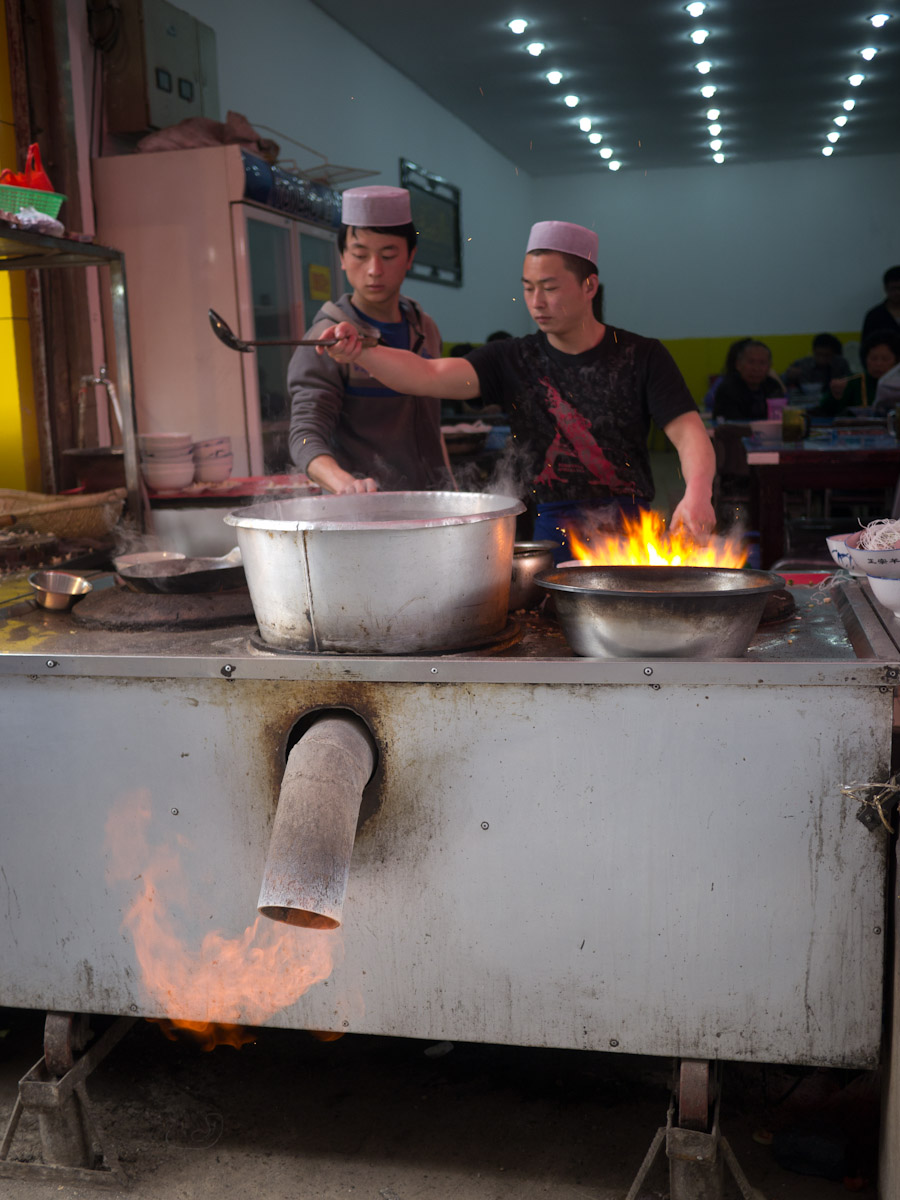
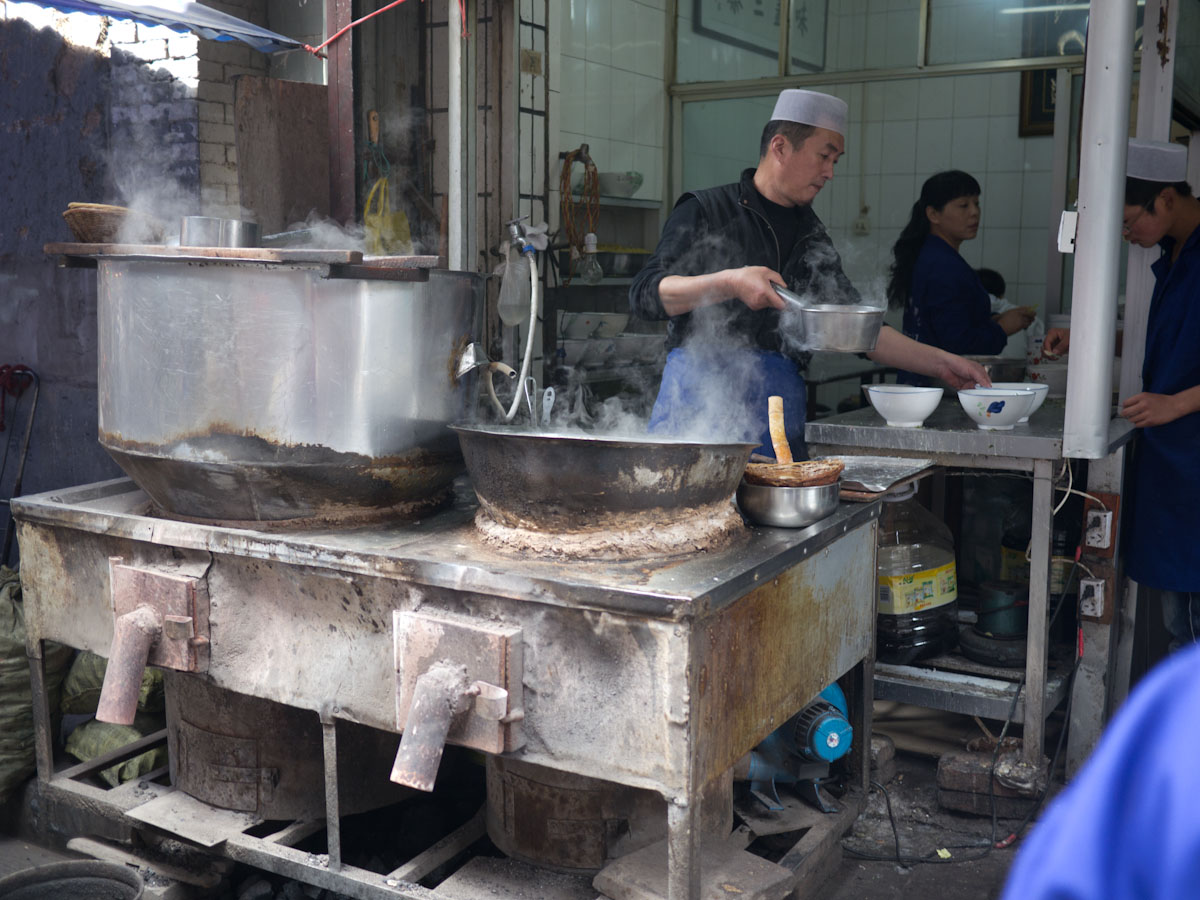
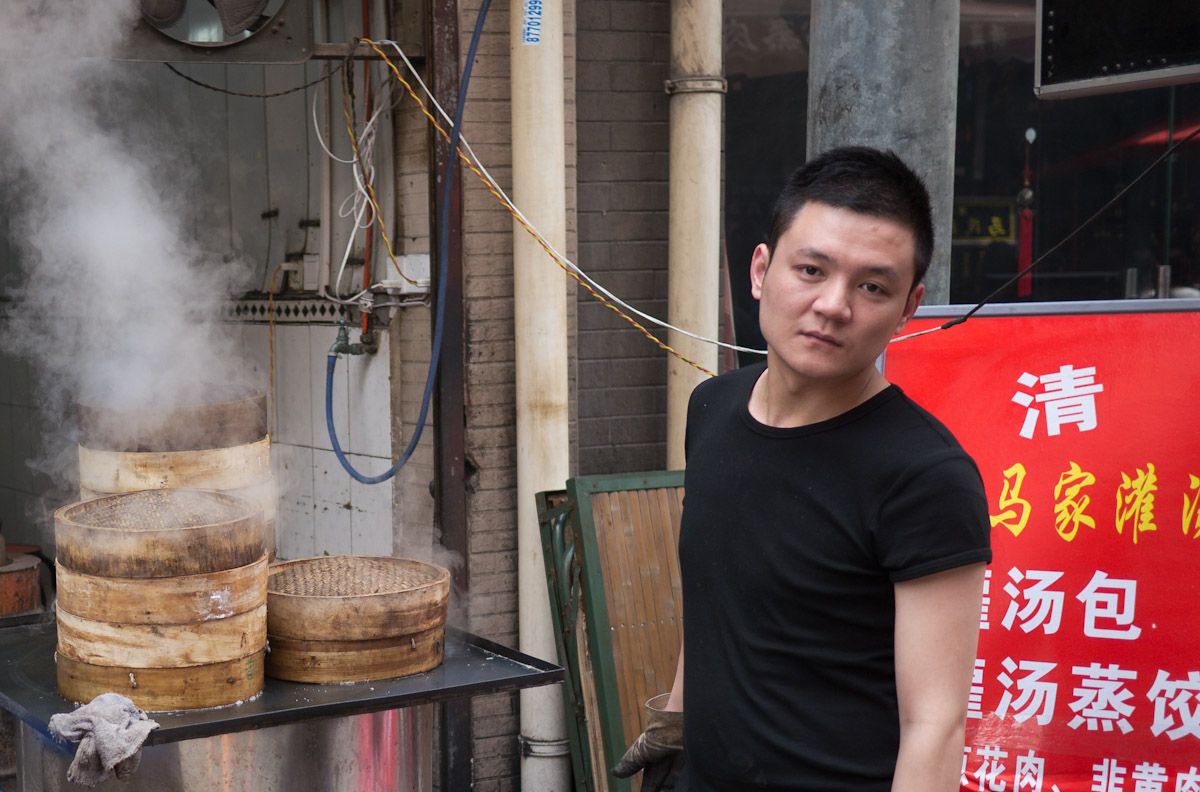
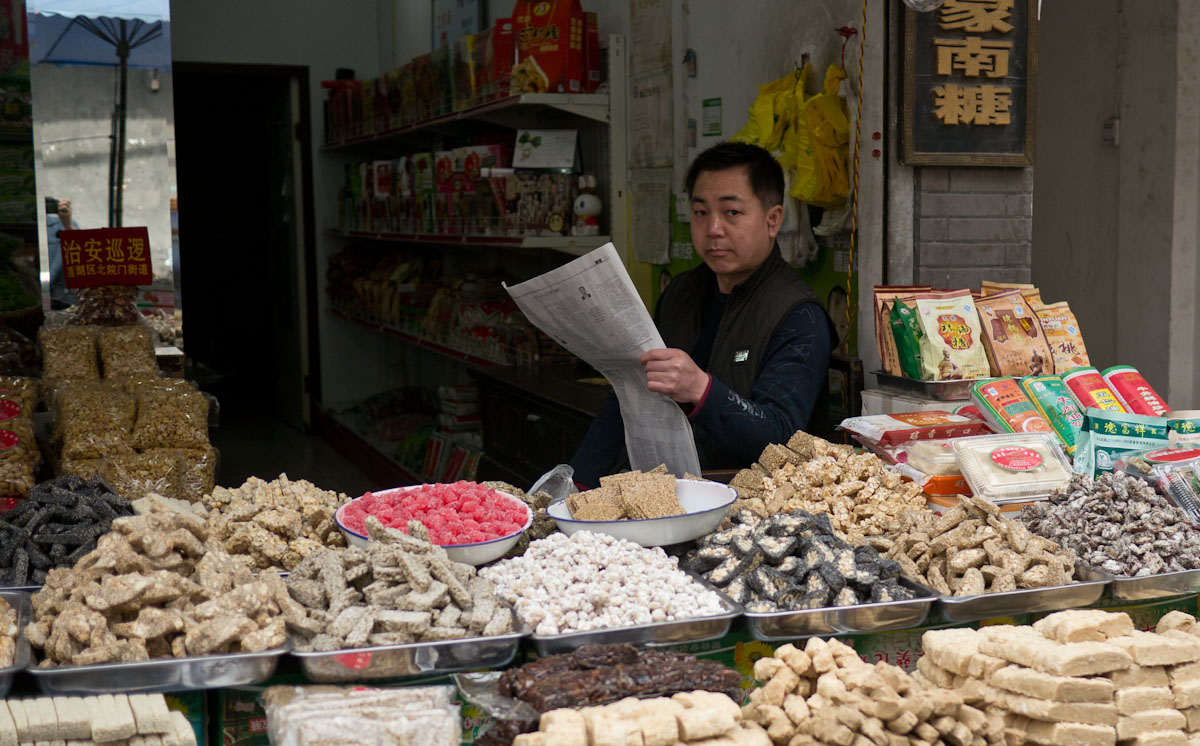
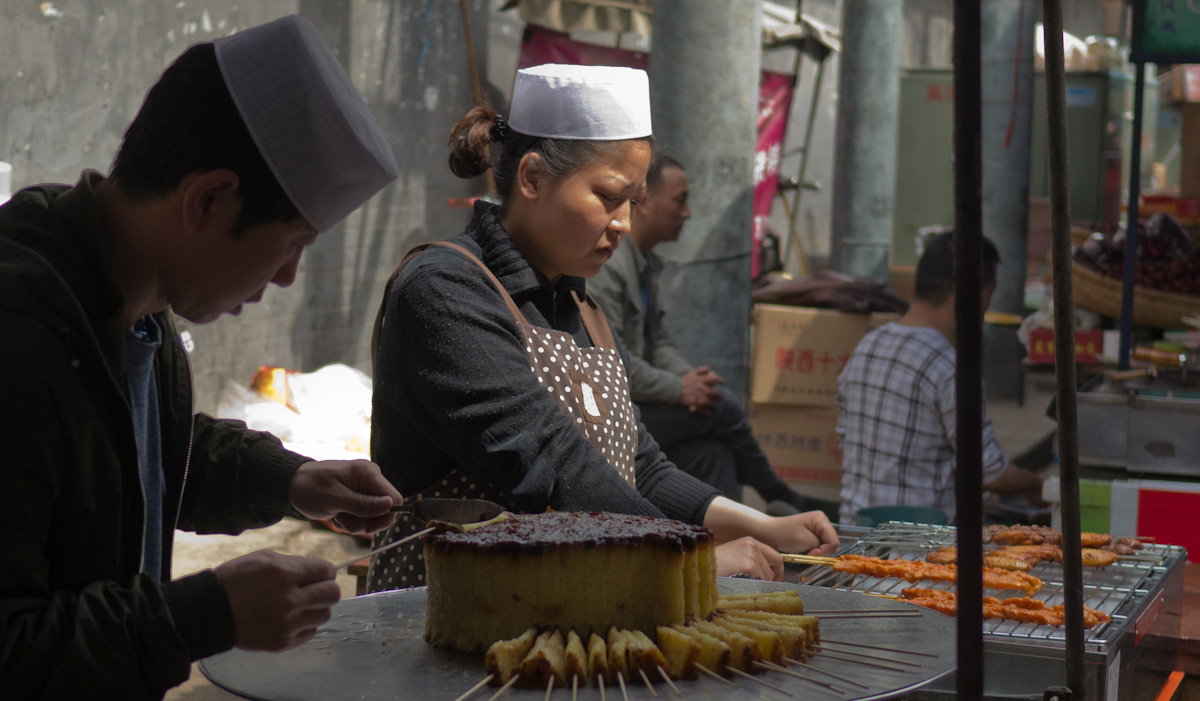
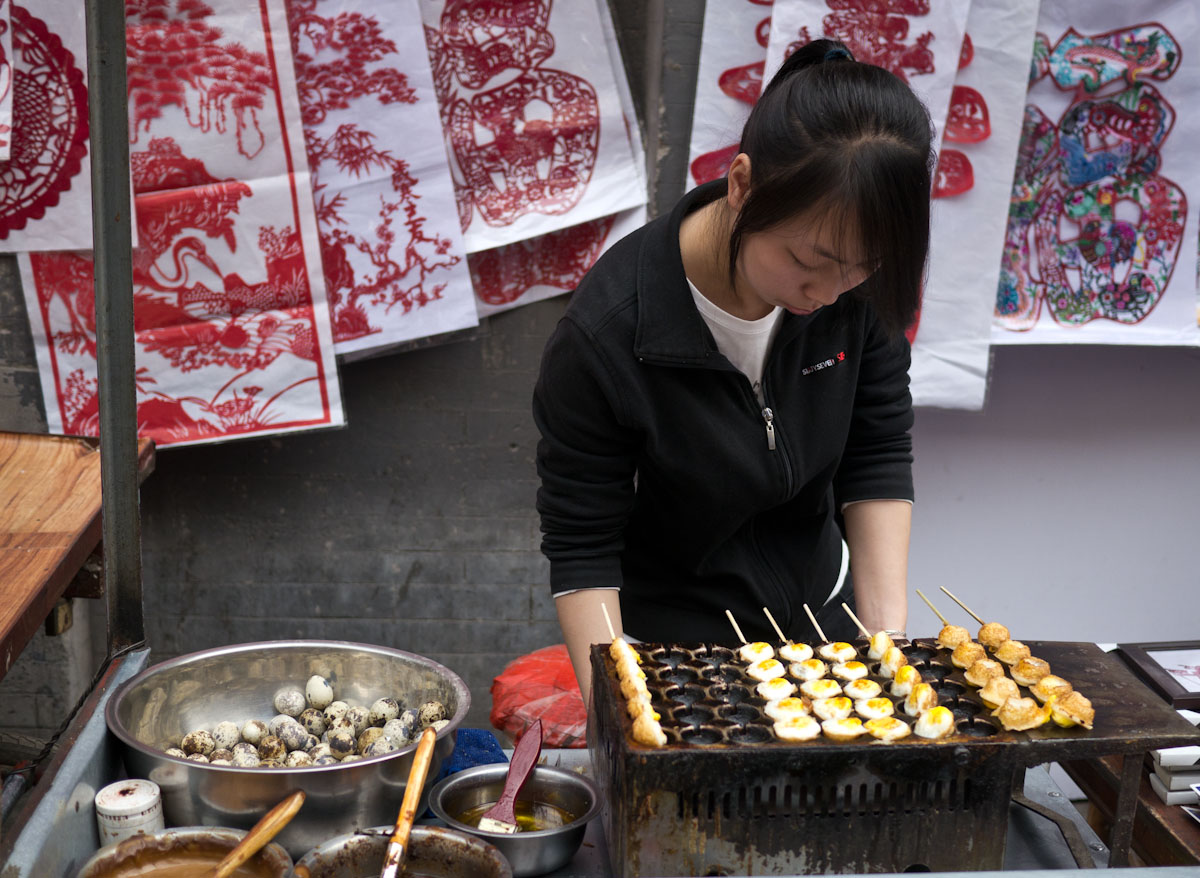
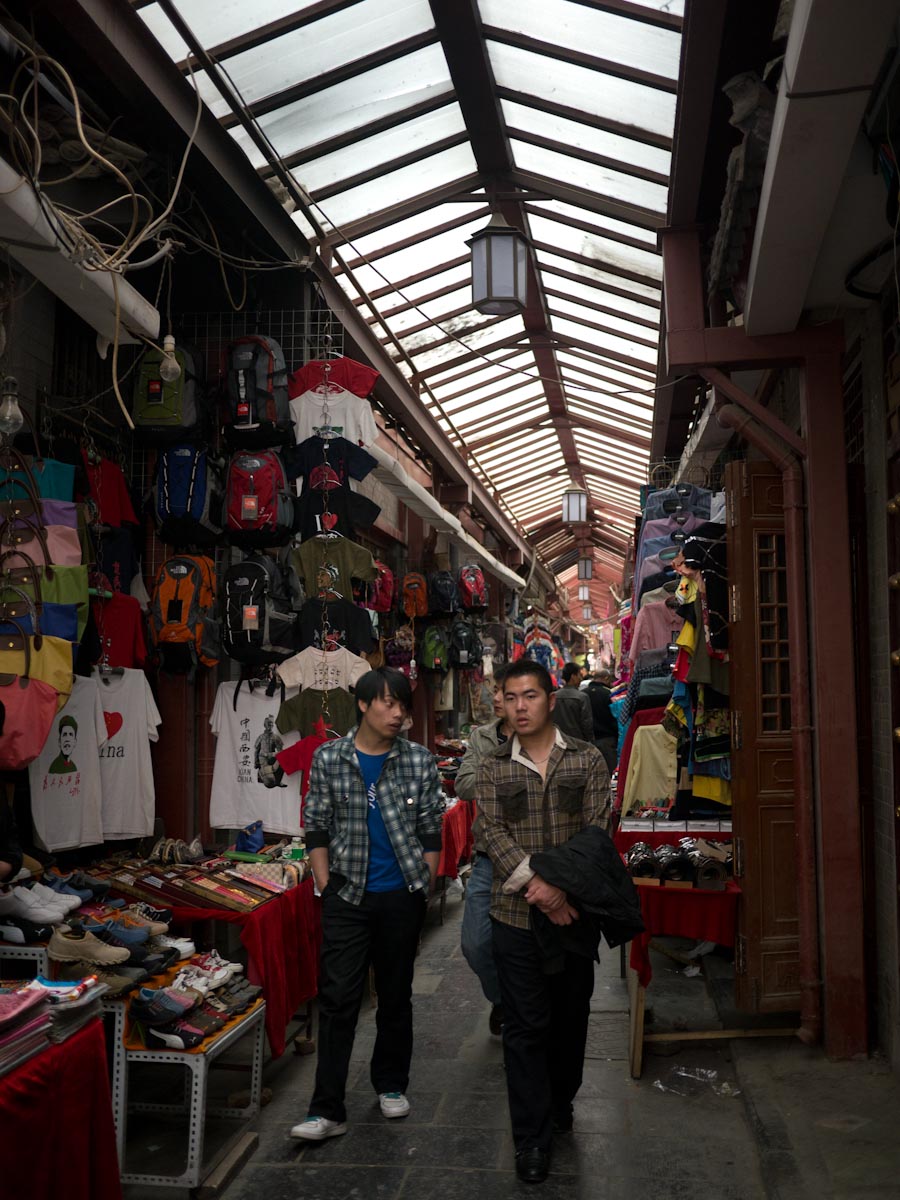
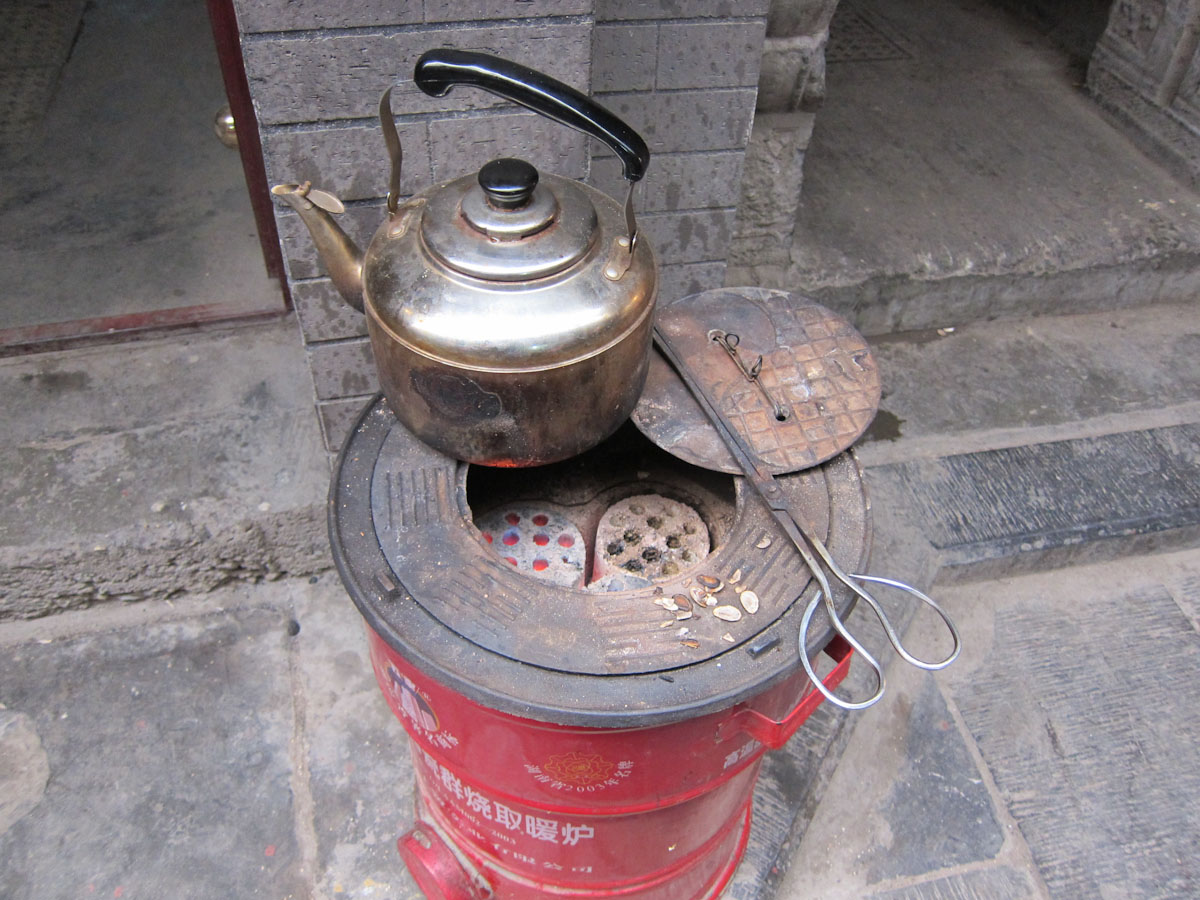
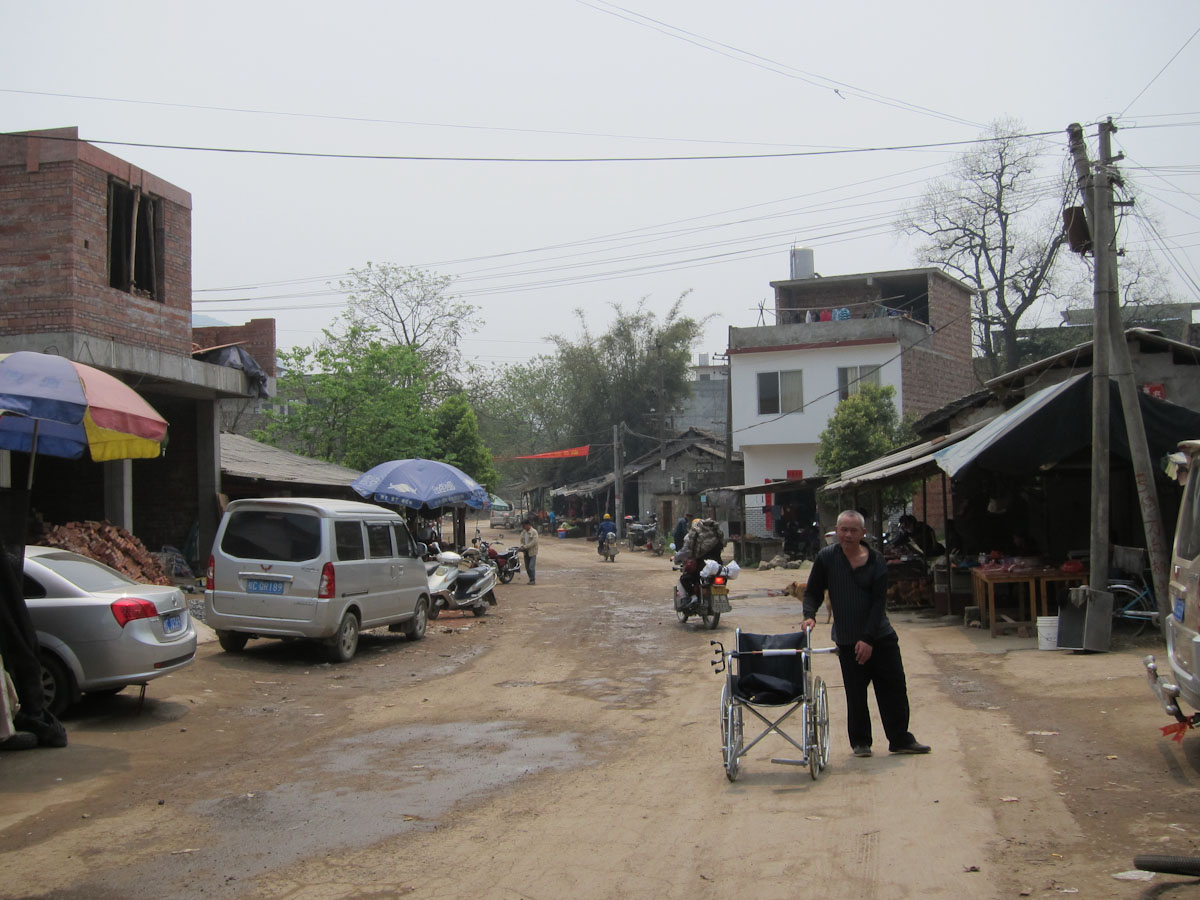
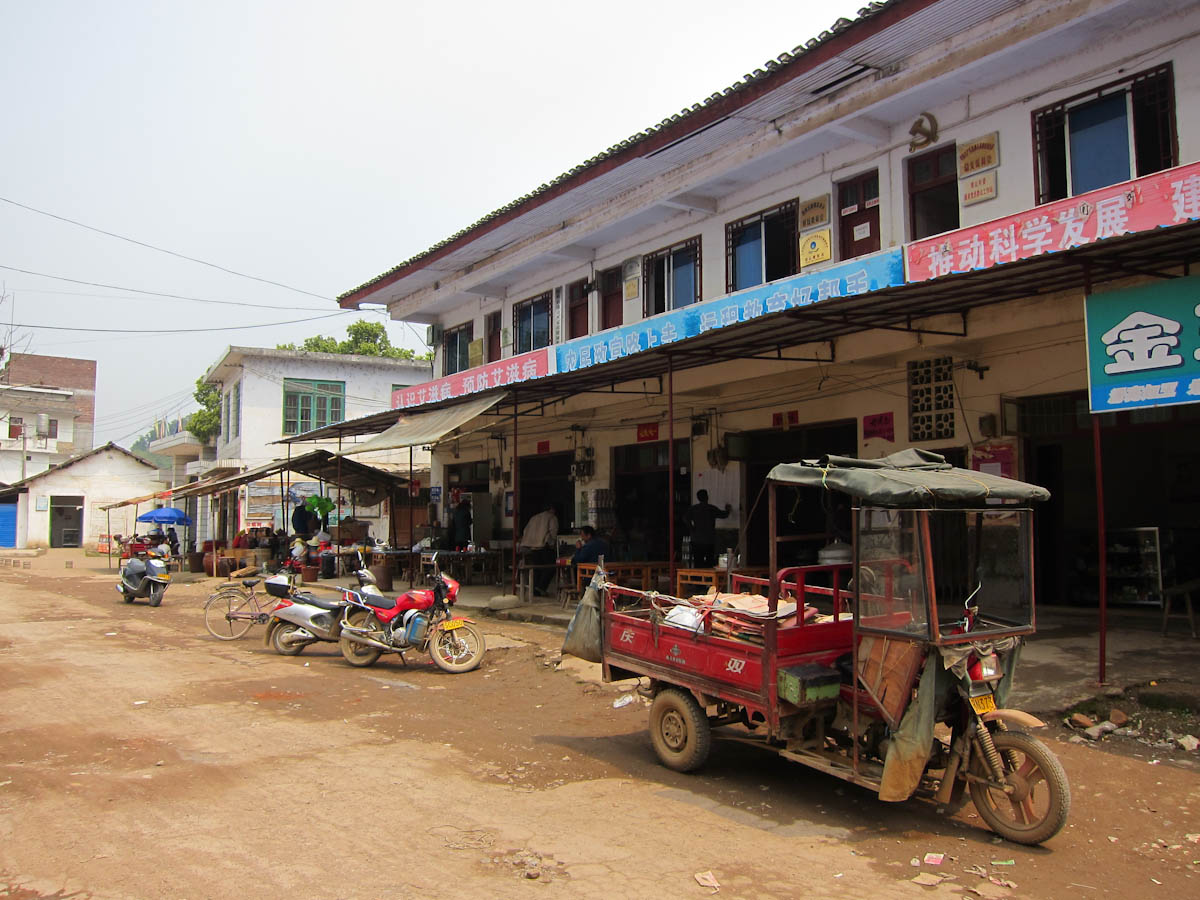
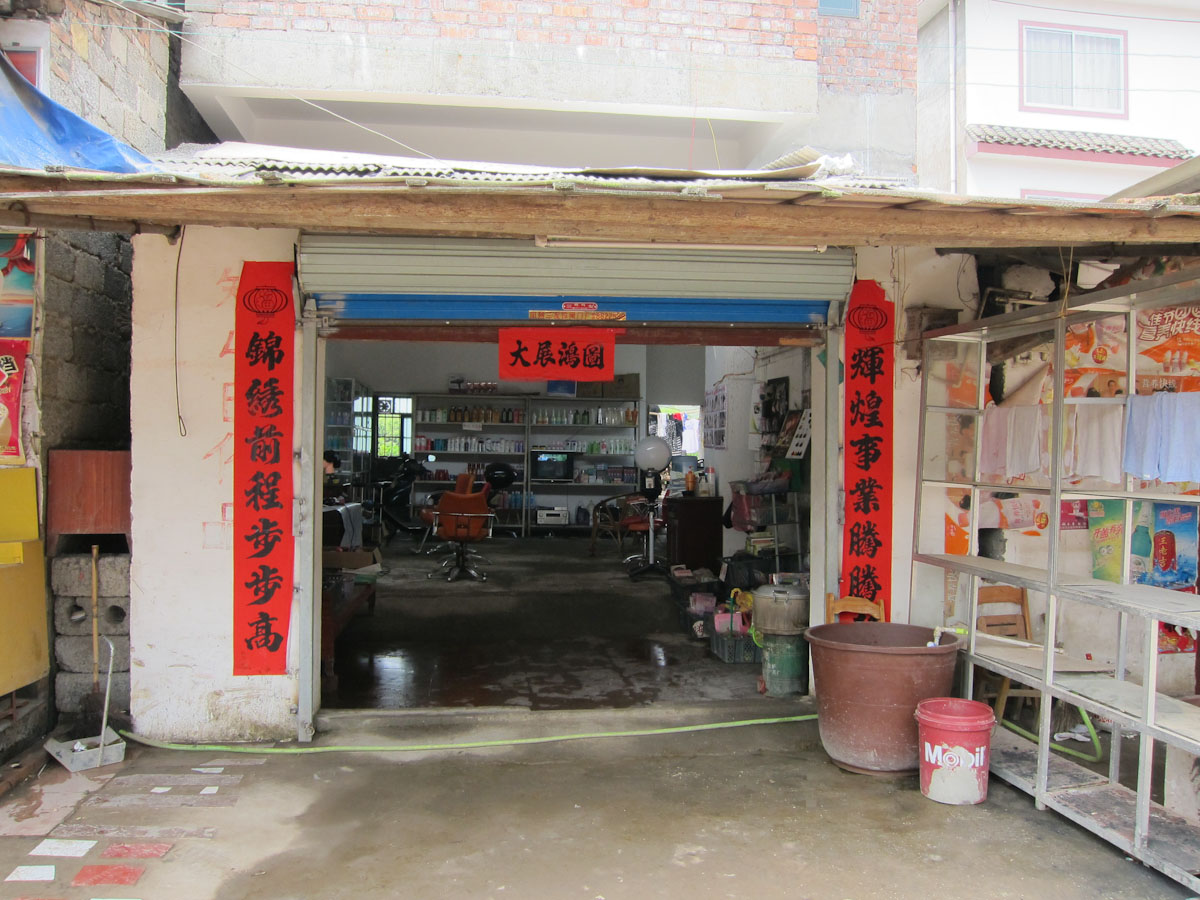
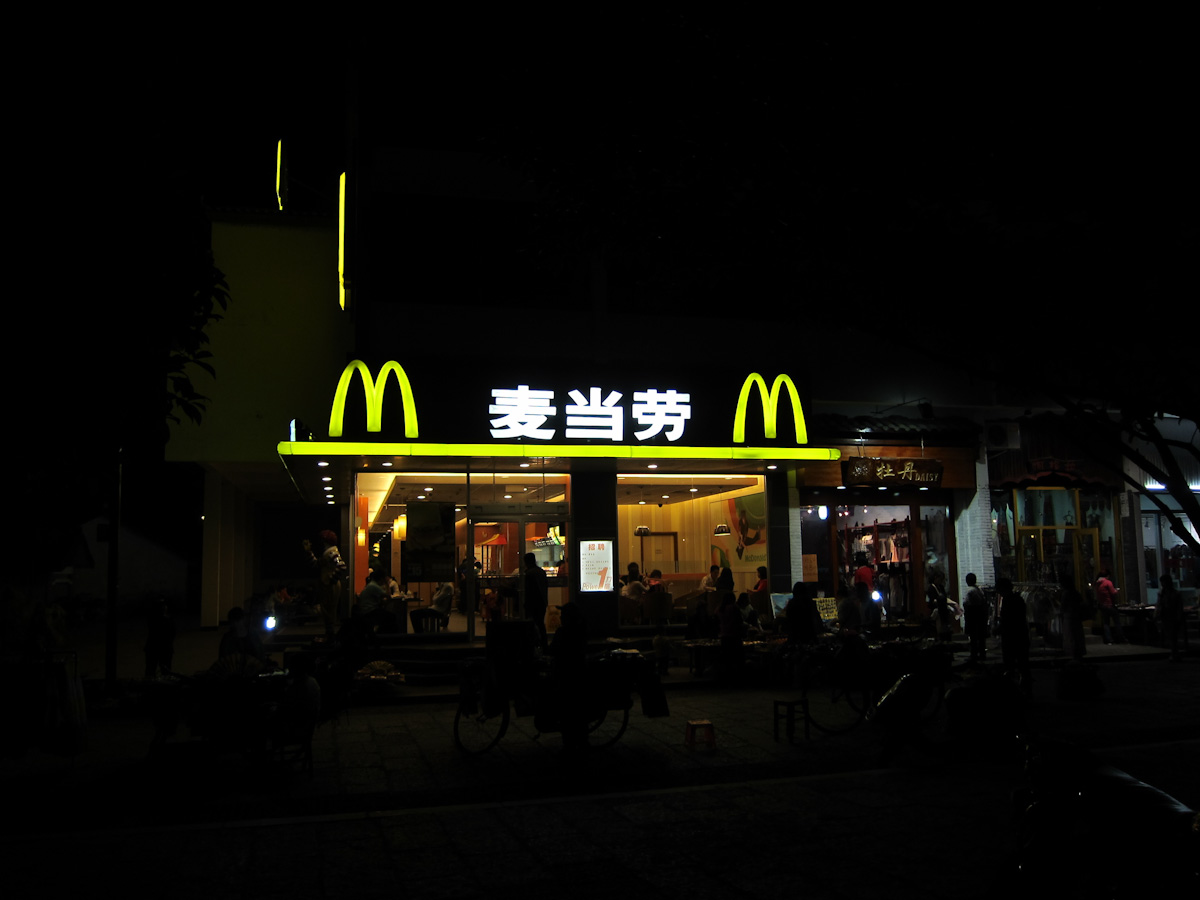
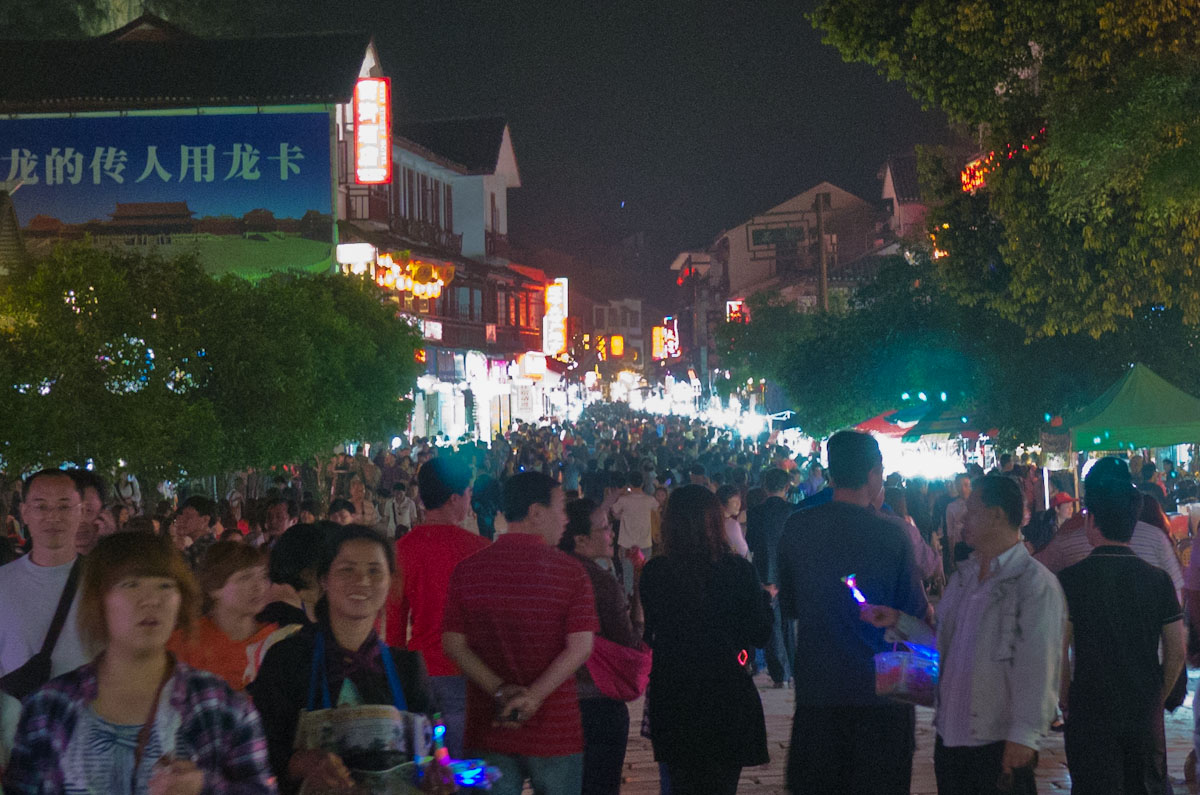
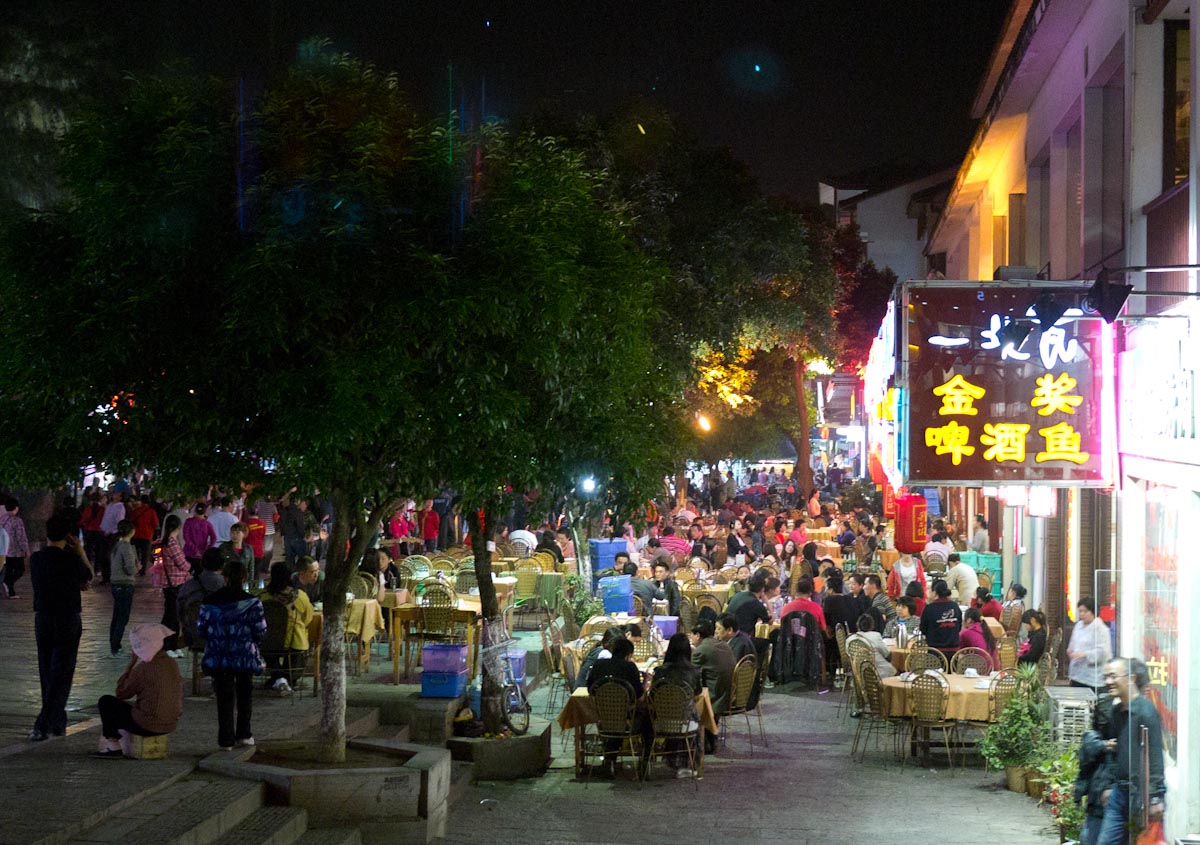
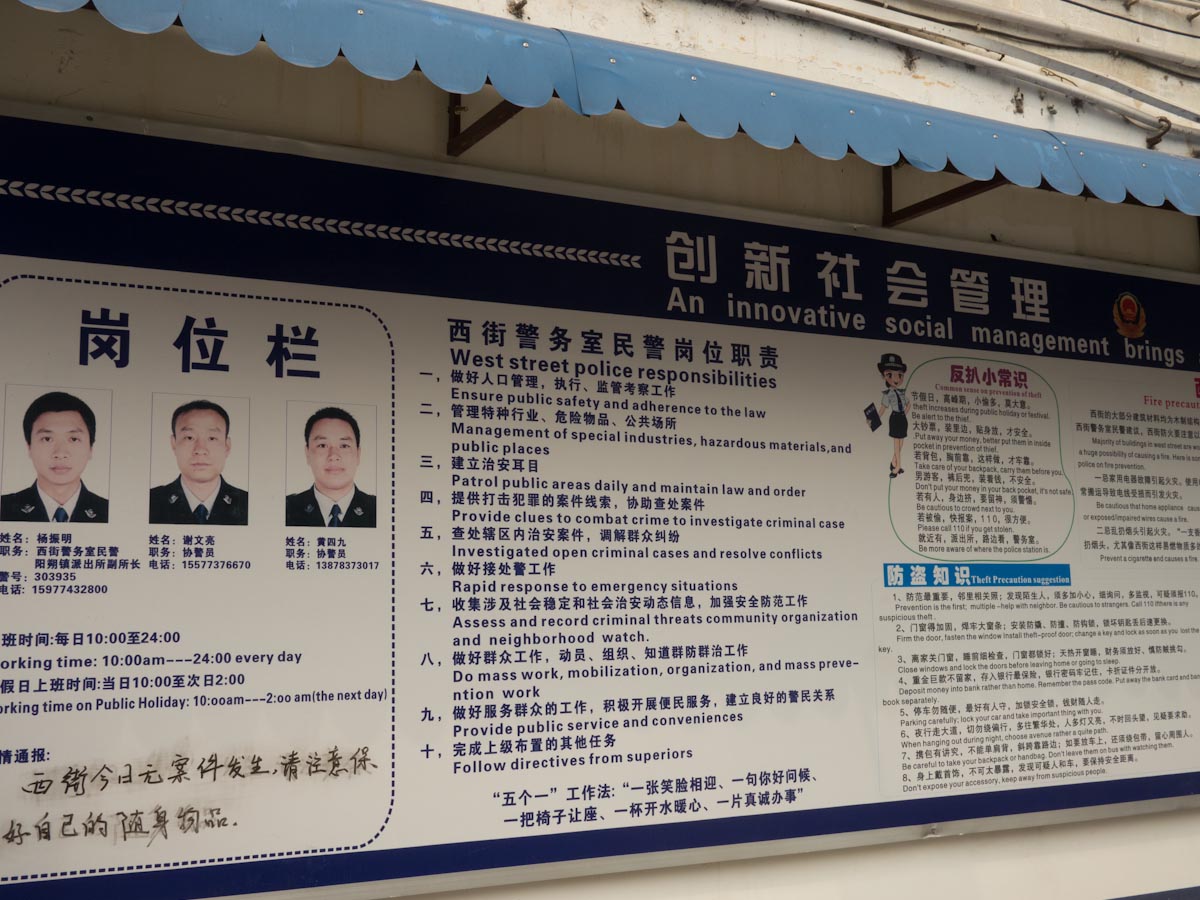
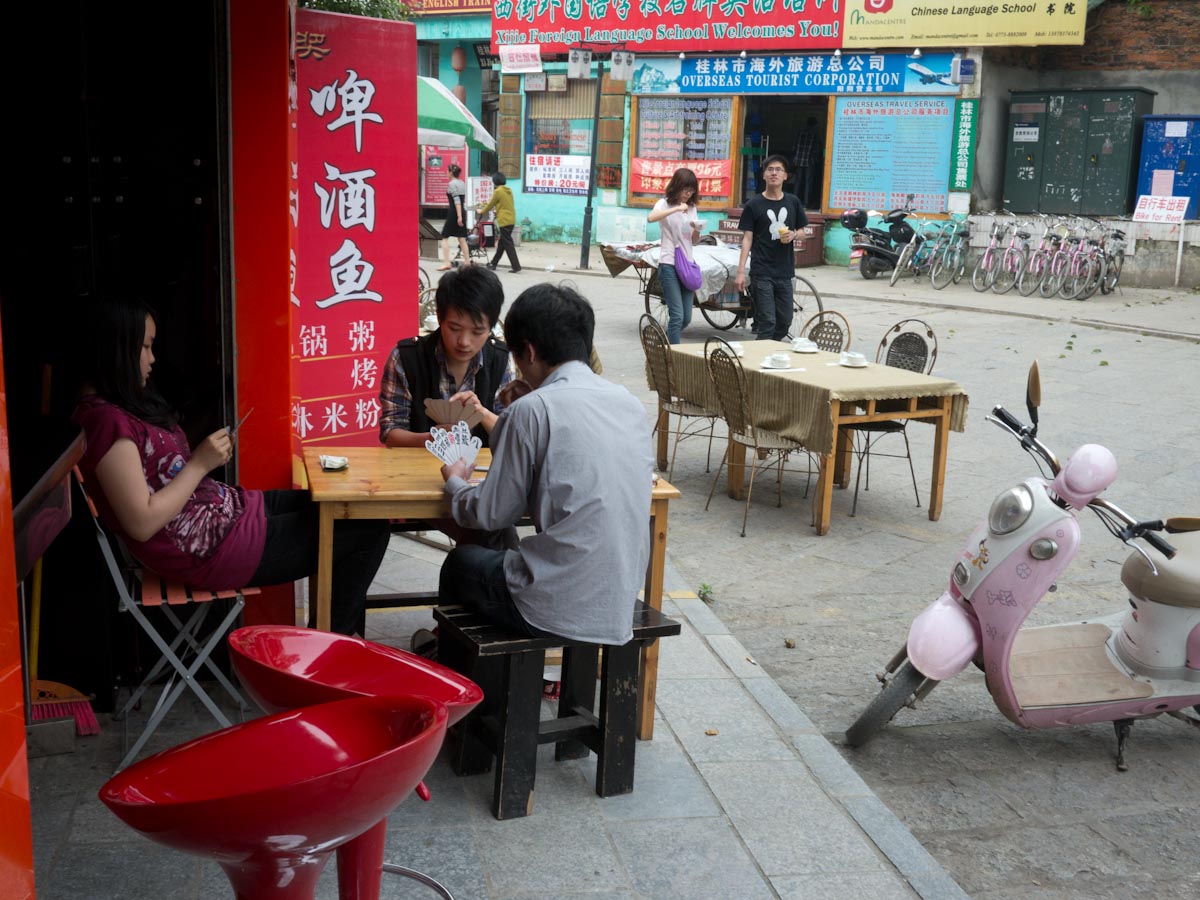
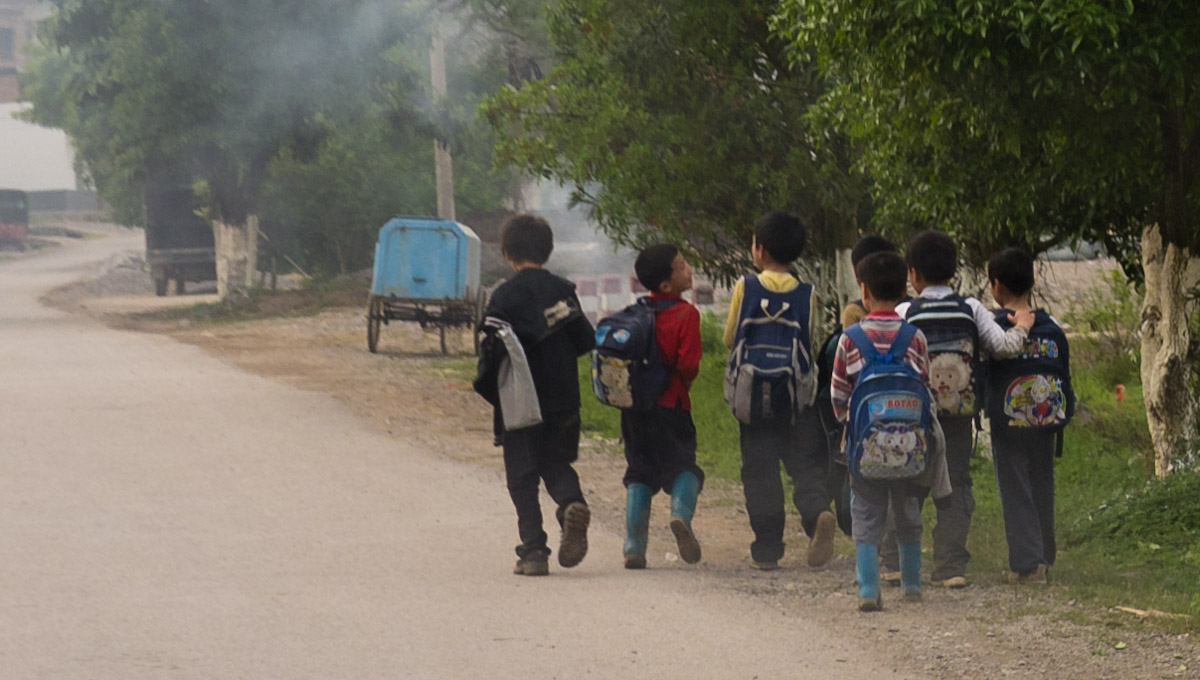
PICTURES: The first set of pictures comes from Beijing where you can see dinner at a young urban professional’s apartment (John and his roomate Summer graciously invited us to dinner our last night there – turns out John can cook really well and we had a great time). There are some small passages from the Beijing Hutong. Then there is a sequence from a busy street in Xi’an where there are a lot of food stalls. This is followed by shots from the more rural Guilin area – contrasted with the busy nightlife at touristy Yongshuo.