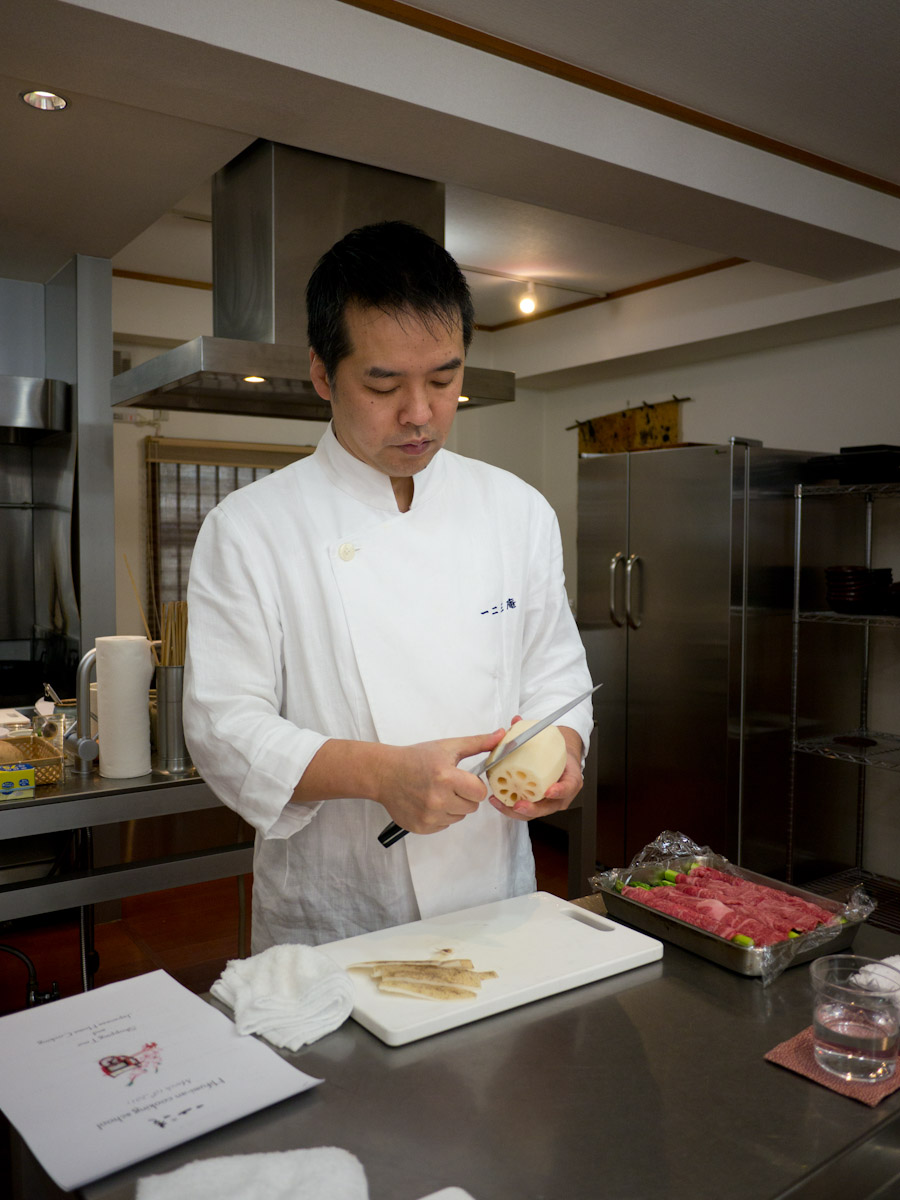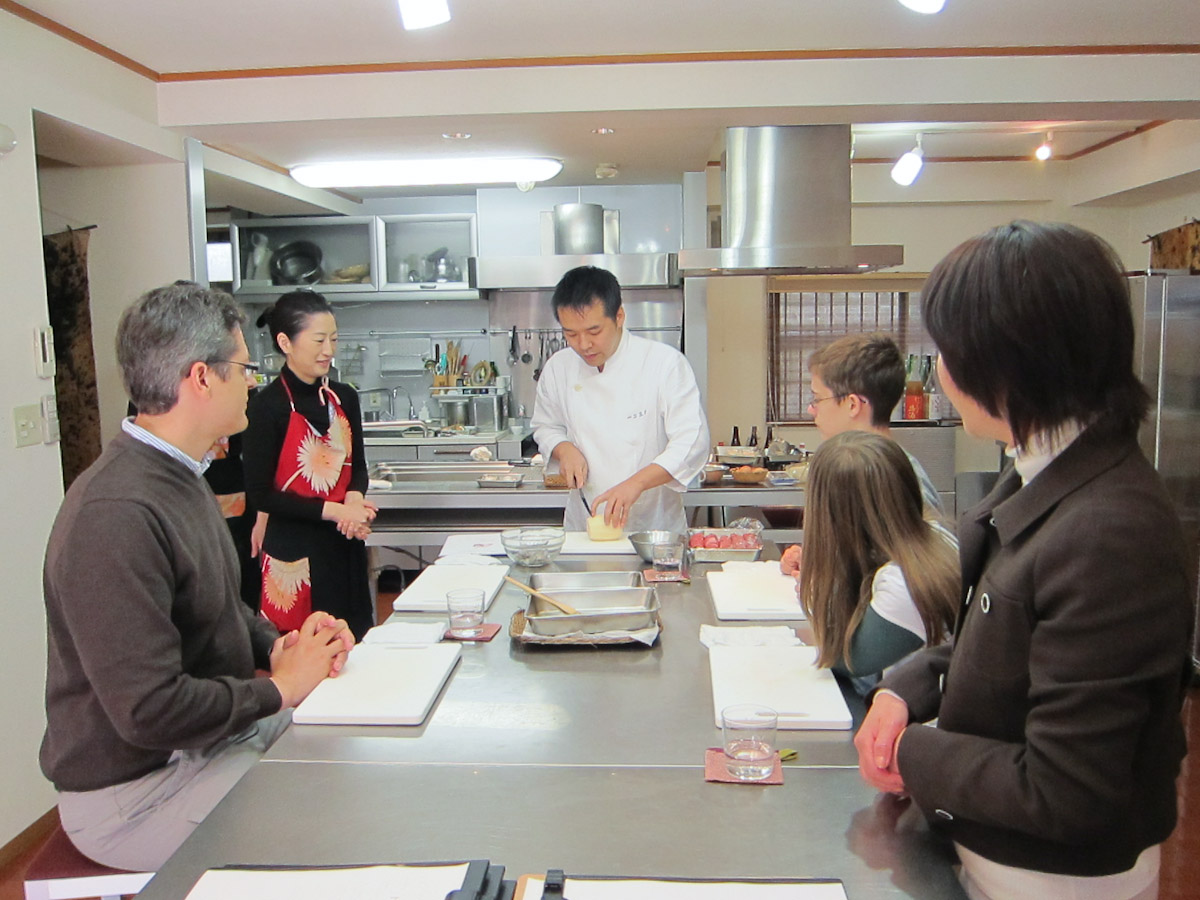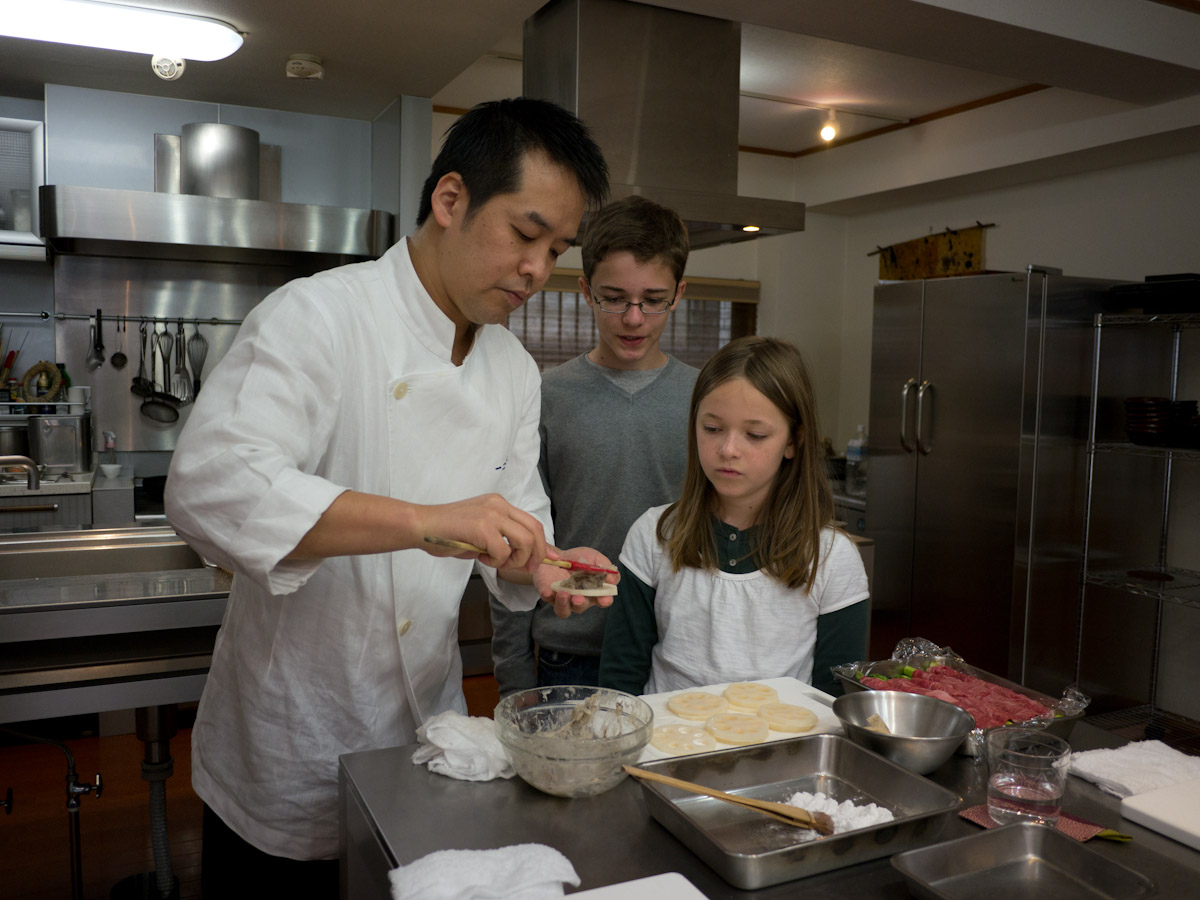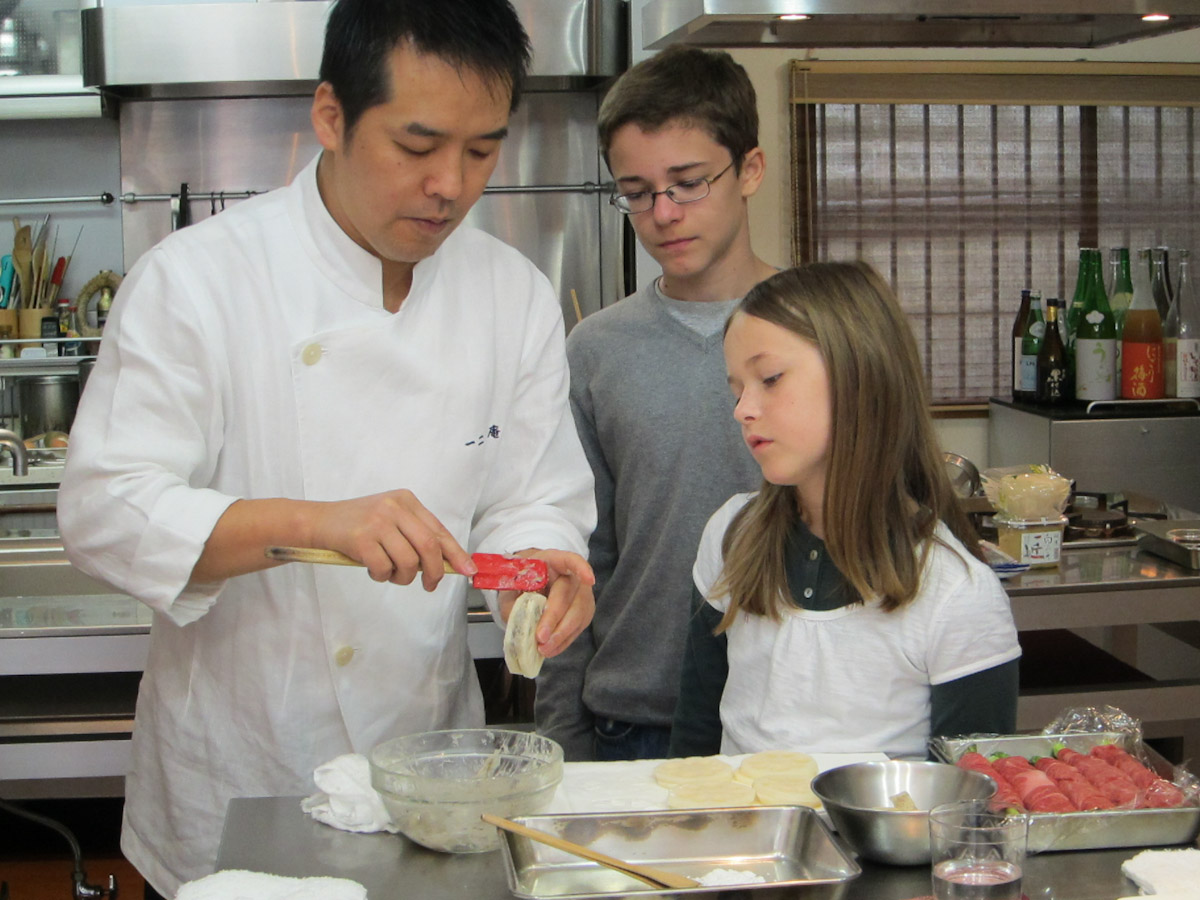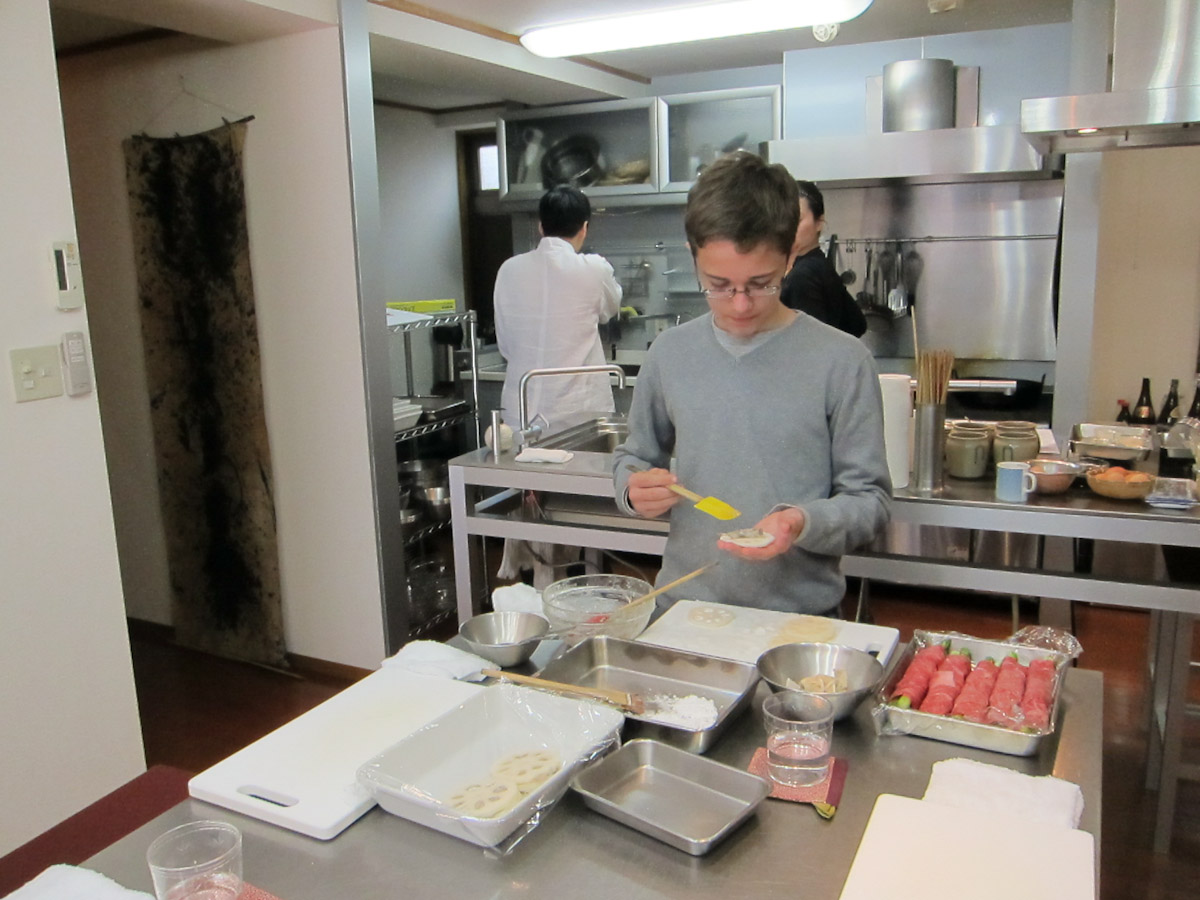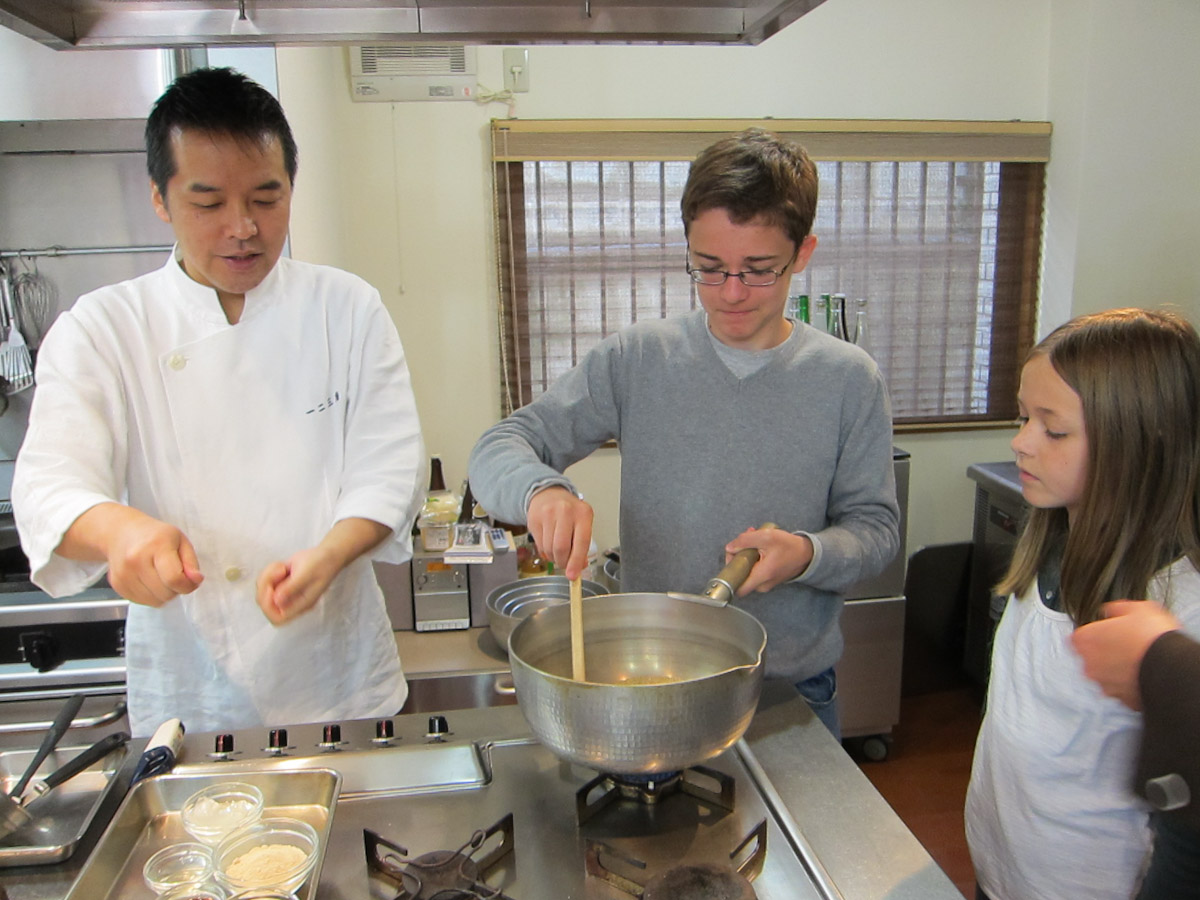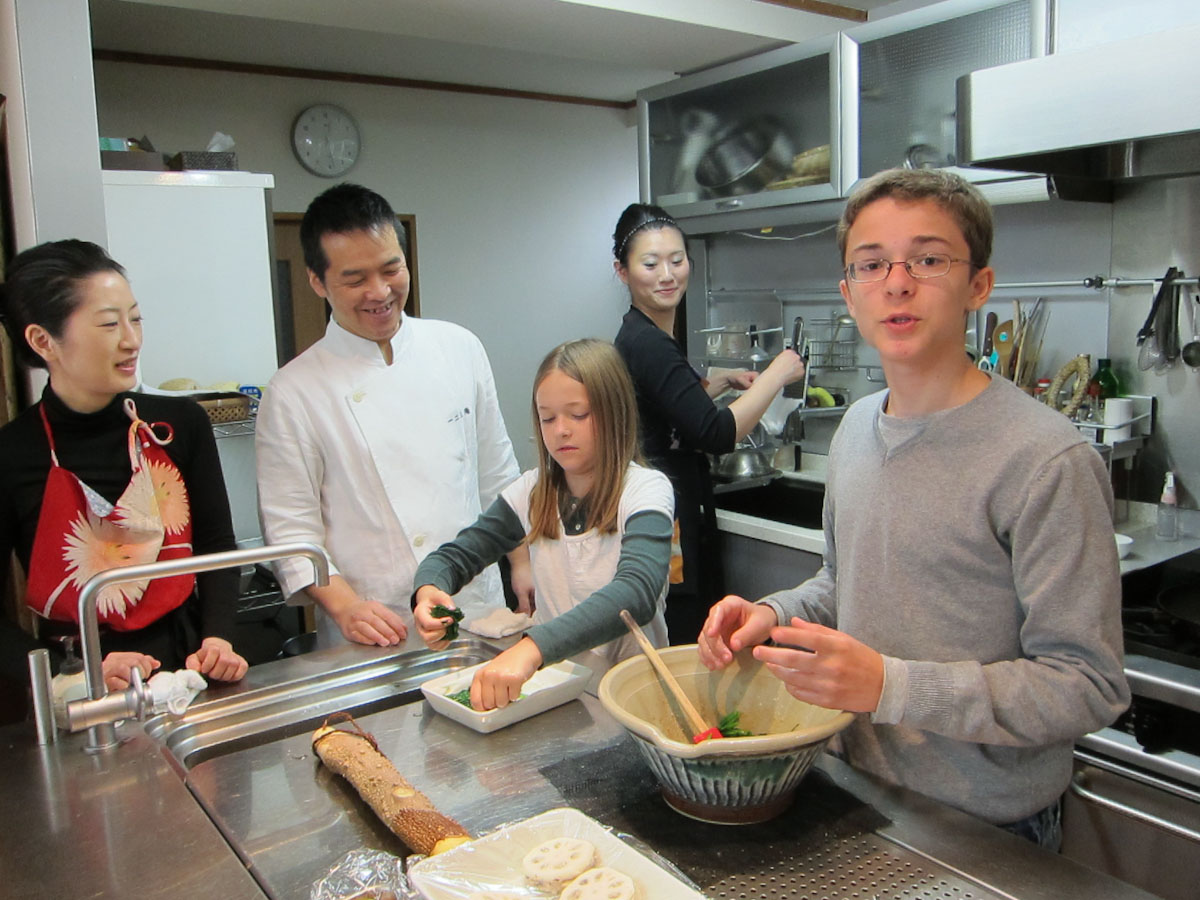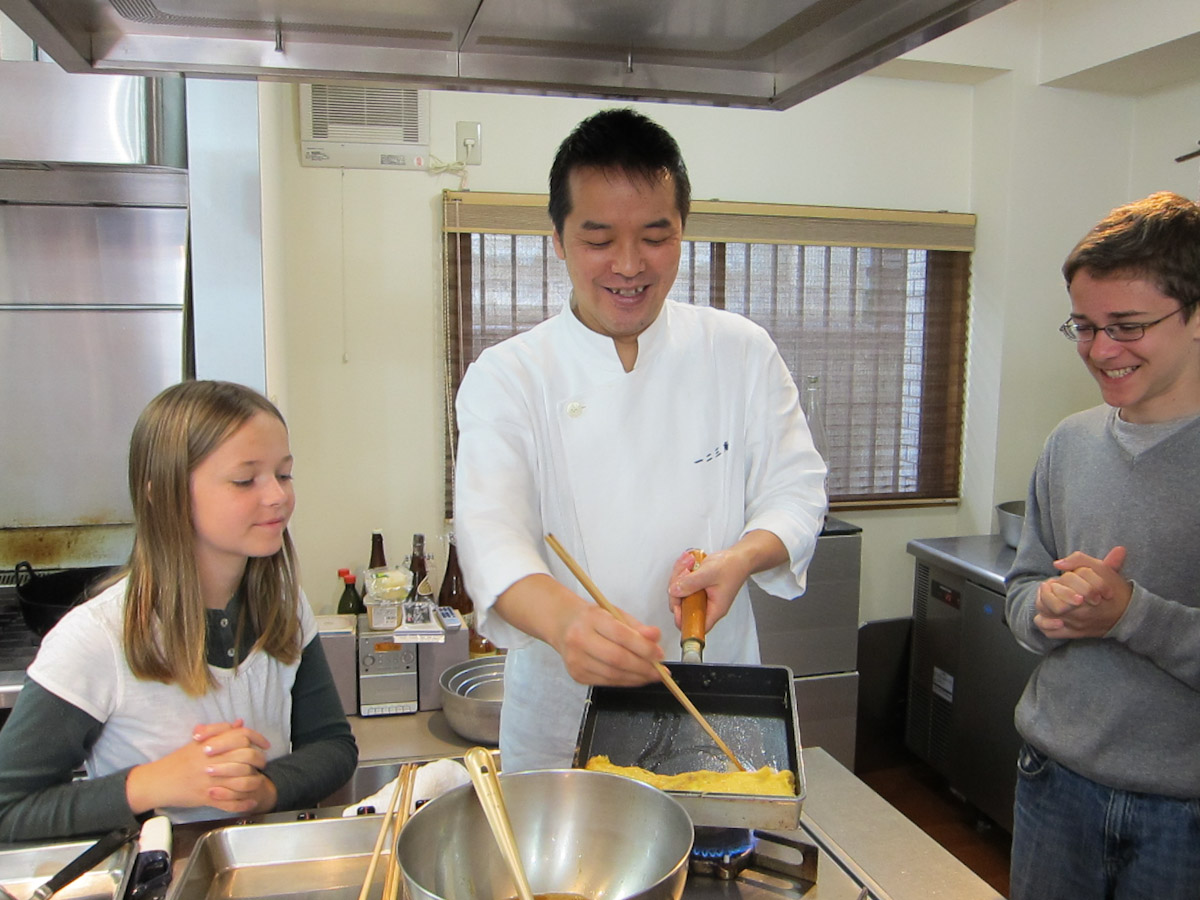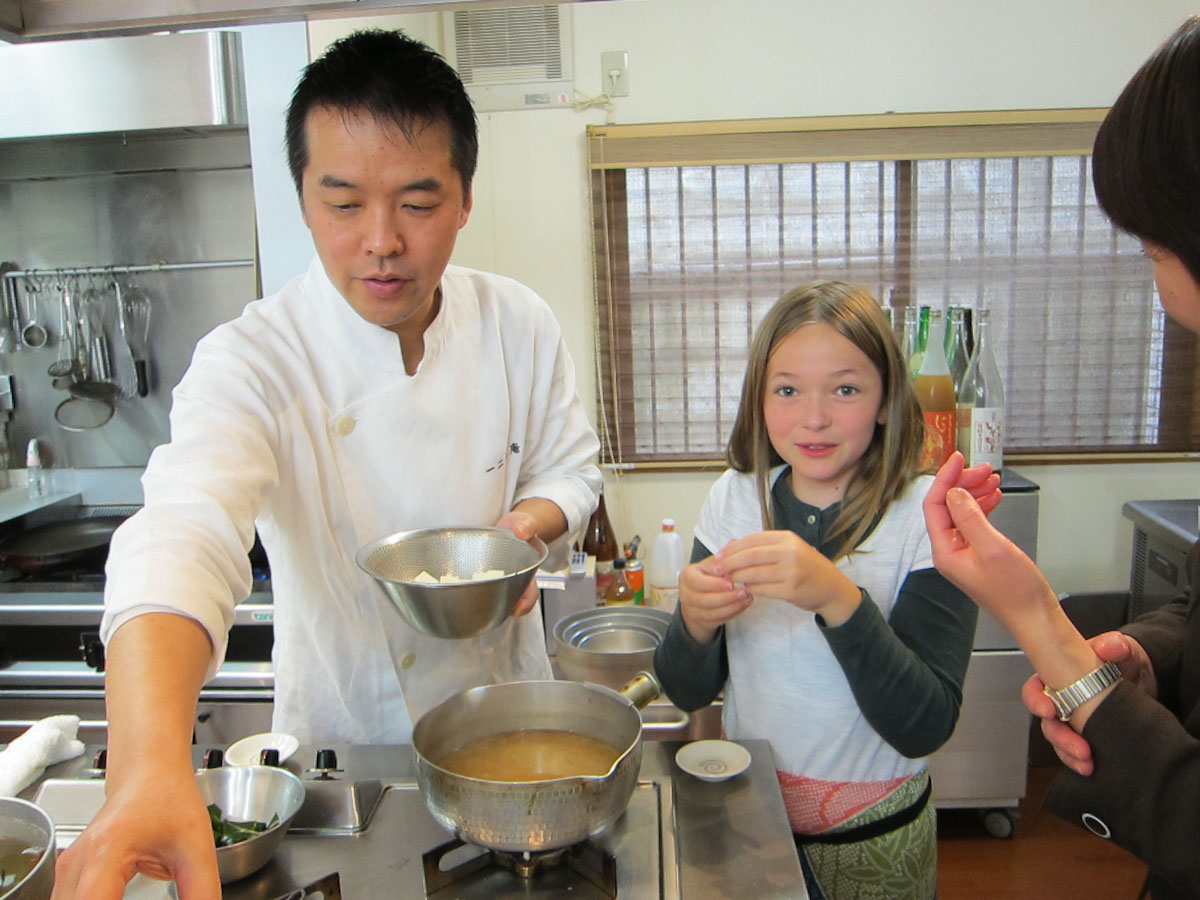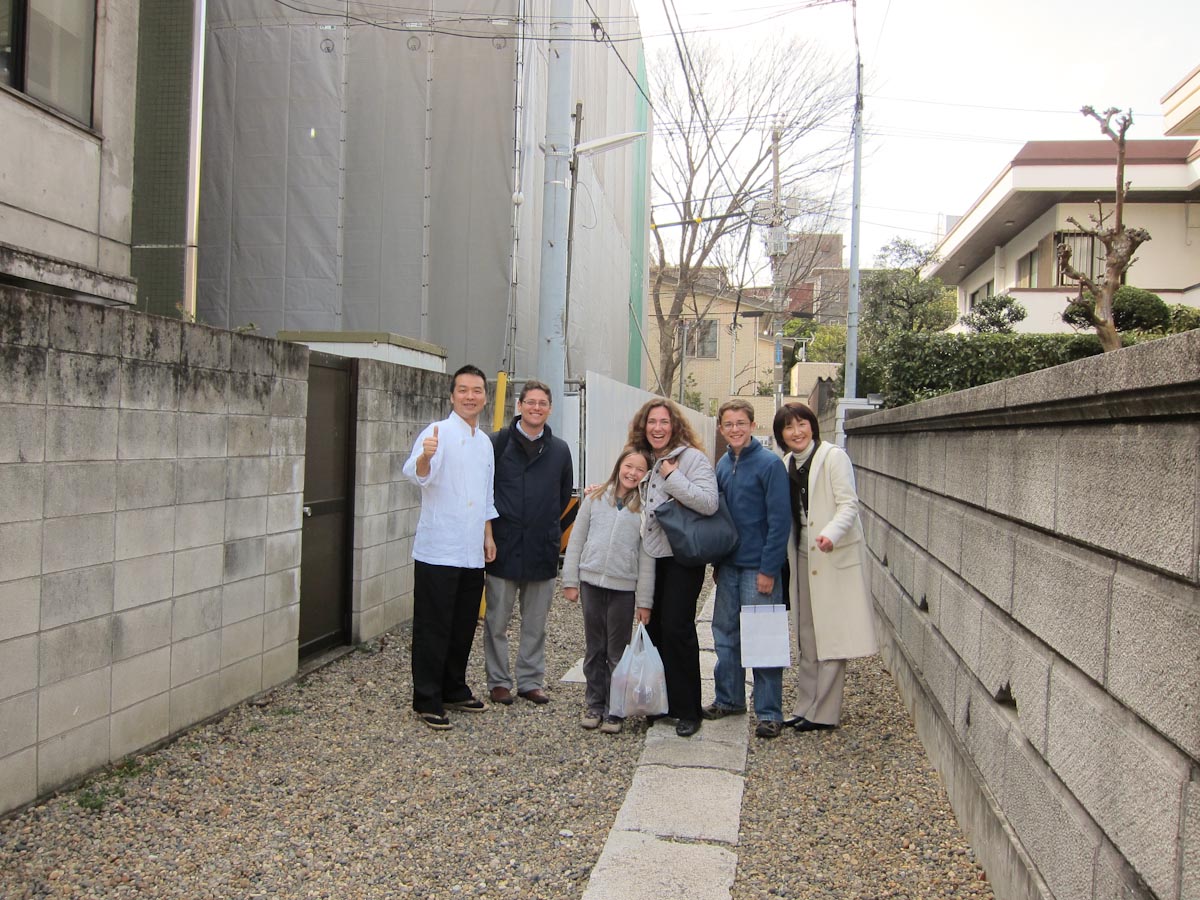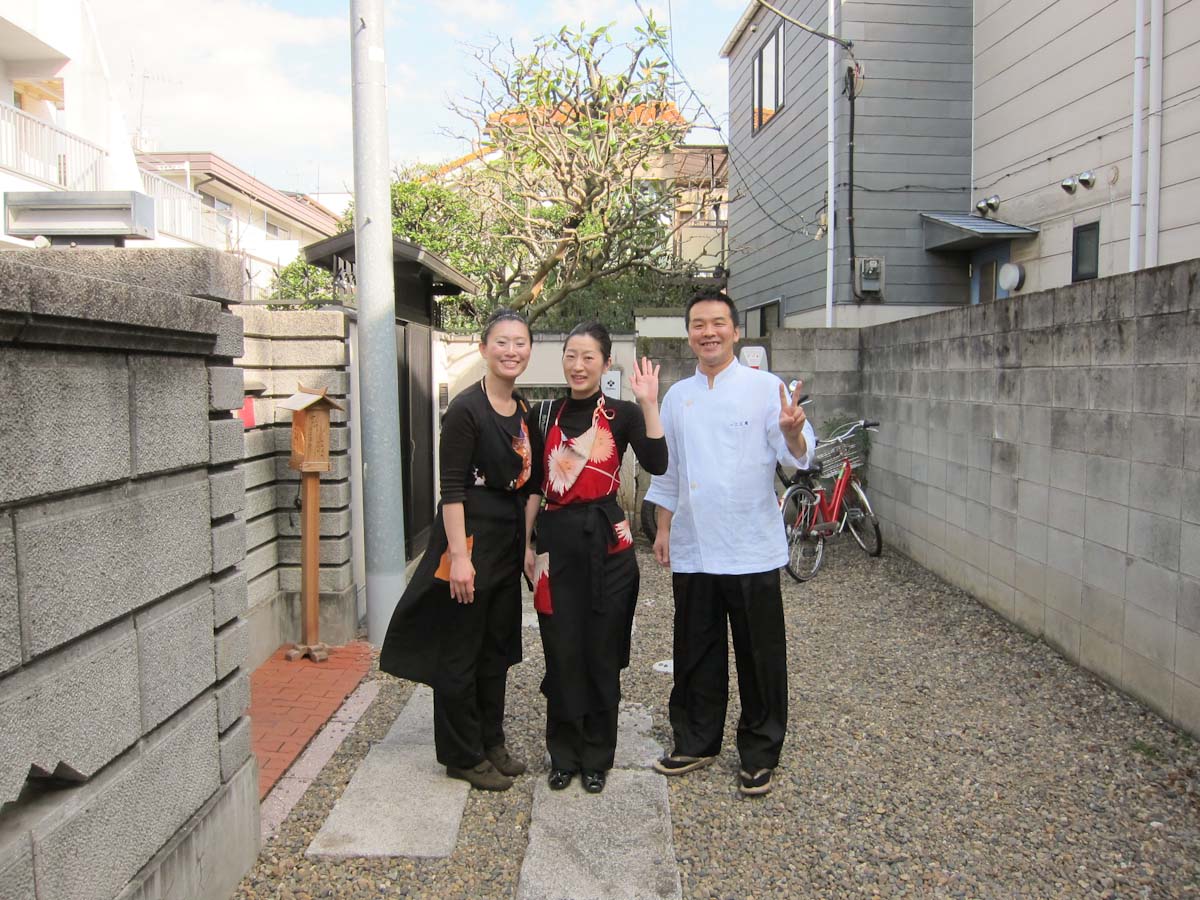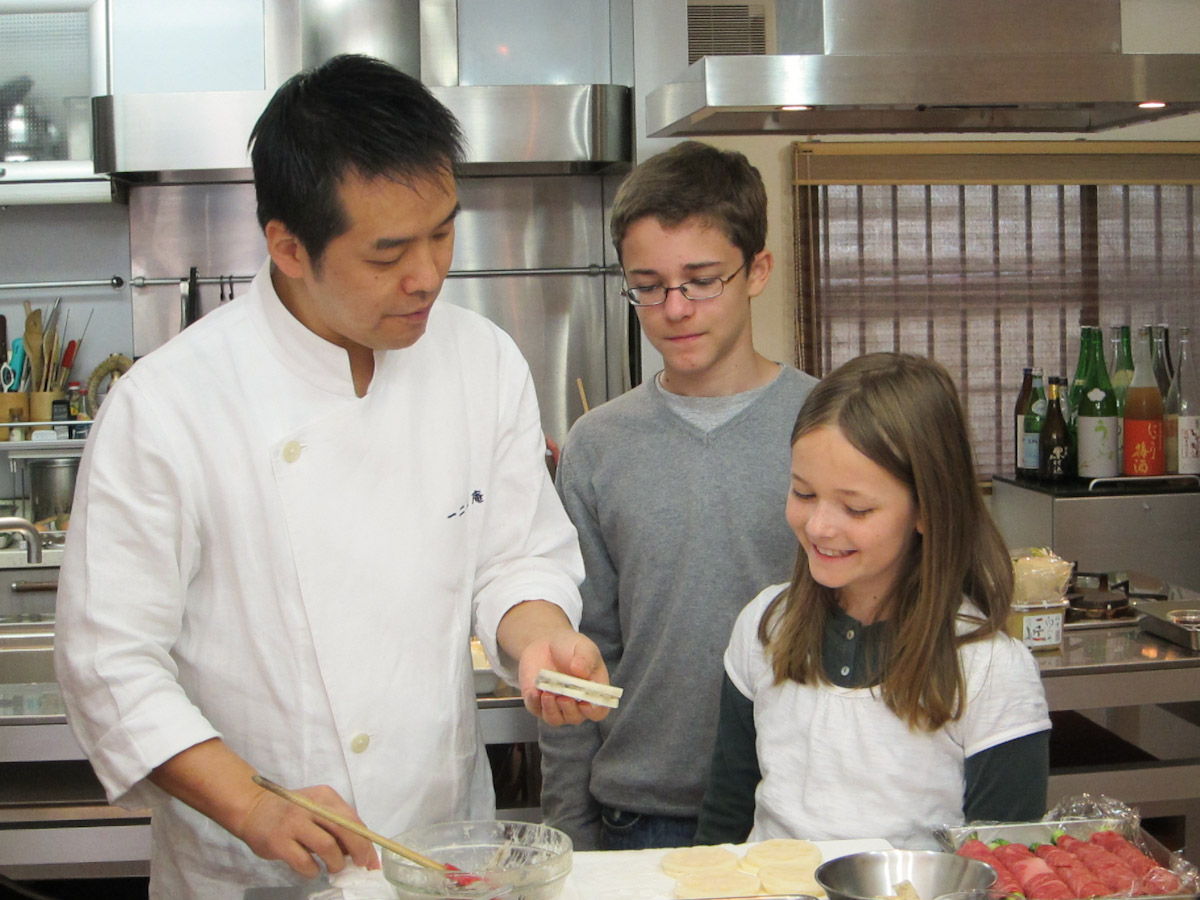
Before the earthquake of March 11th, we had 72 hours to savor Tokyo. During that time, we spent an afternoon learning classic Japanese home cooking with the kind and talented team of Chef Takamitsu Aihara. Chef Aihara has received a Michelin star for his beautiful cuisine and we were slightly star-struck to be in one of his kitchens.
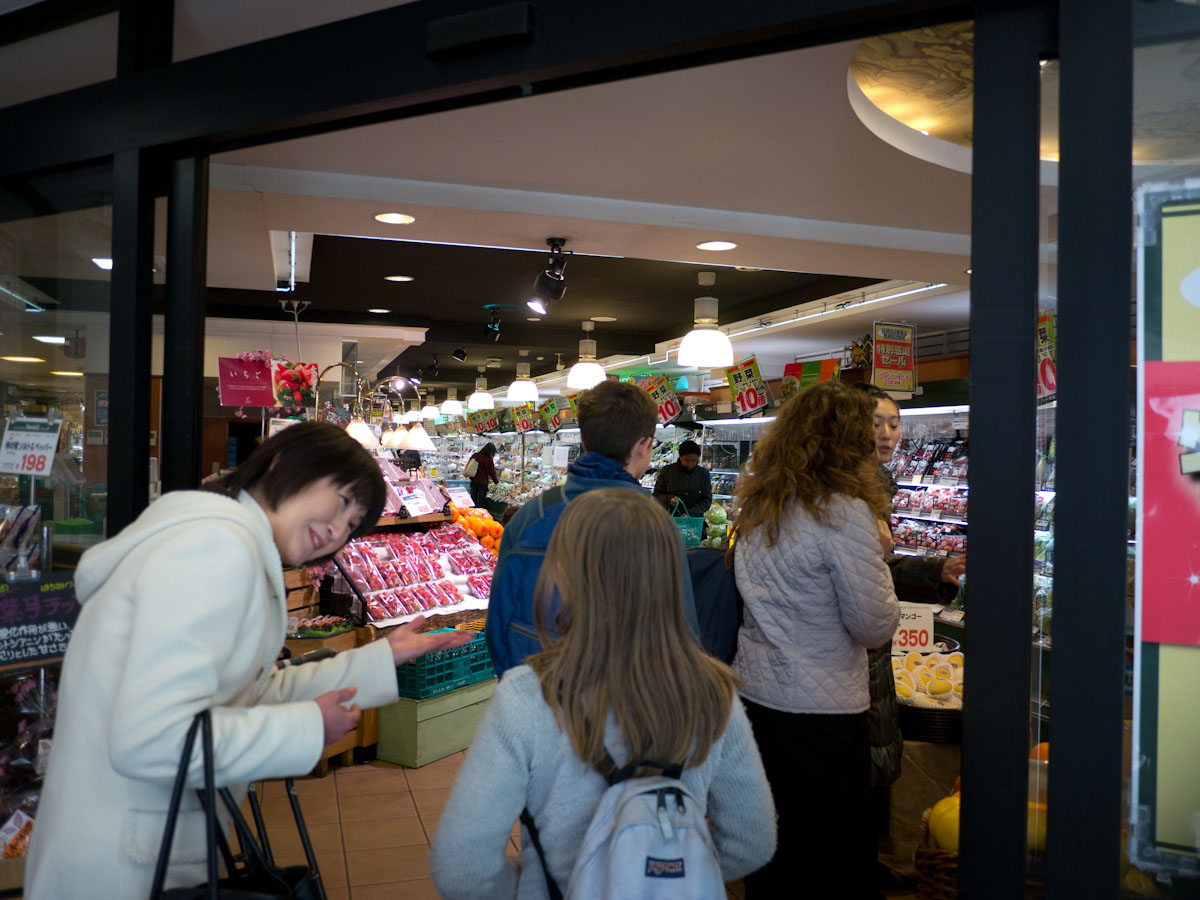
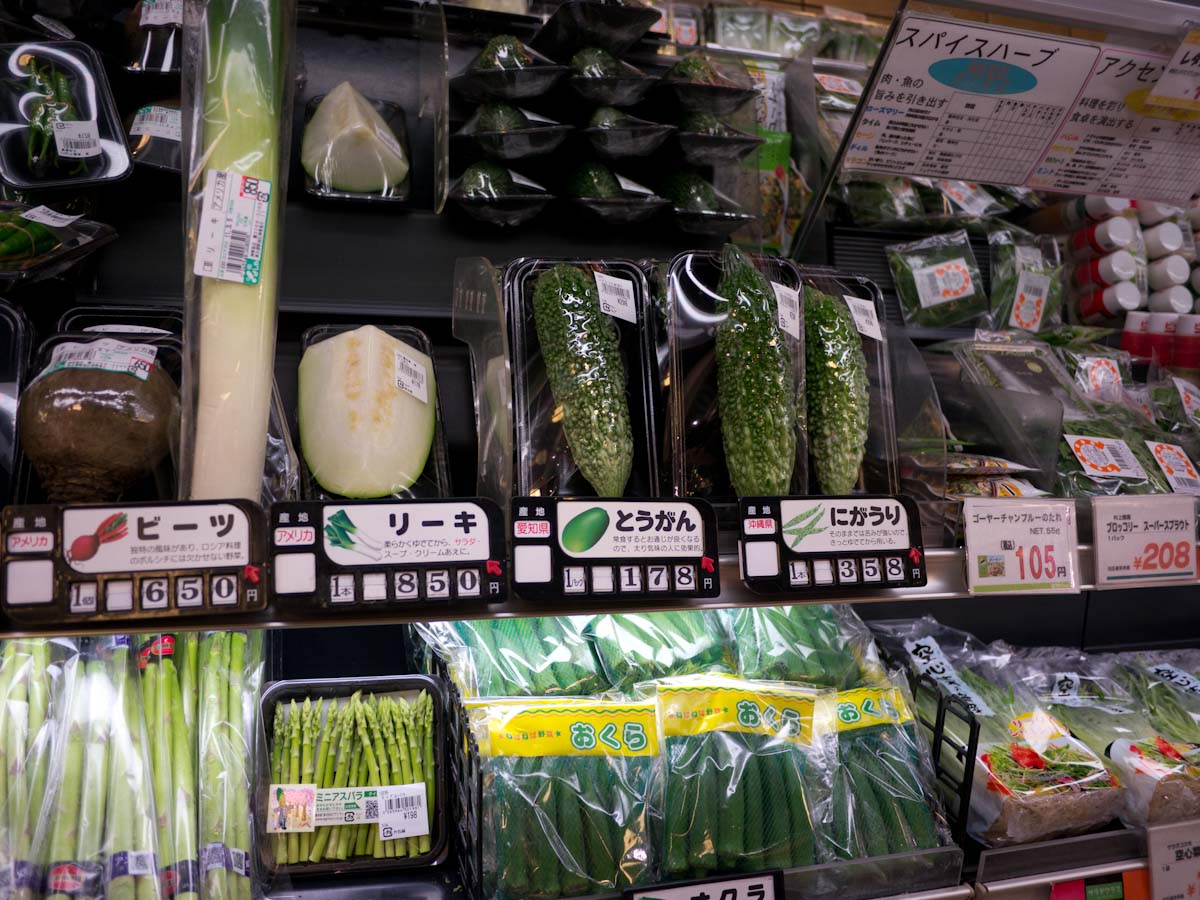
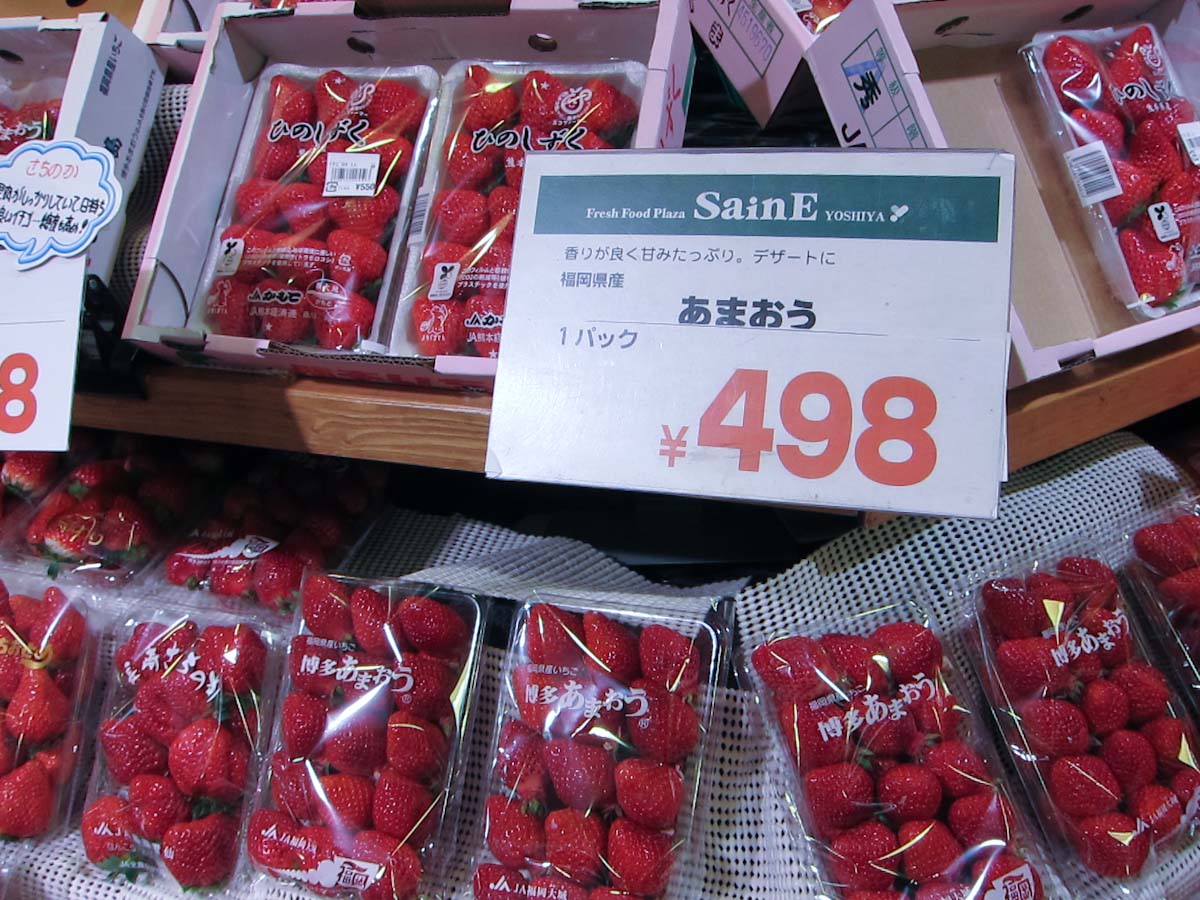
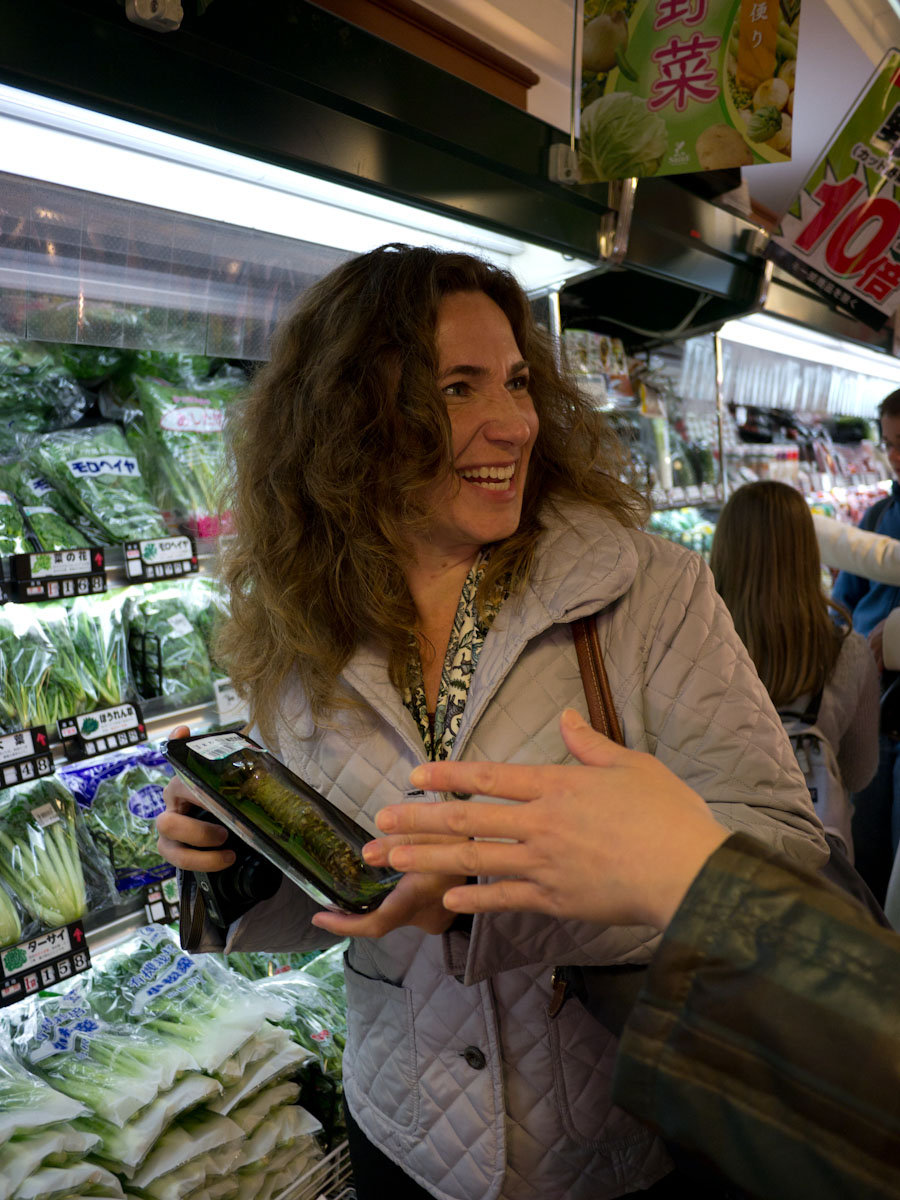
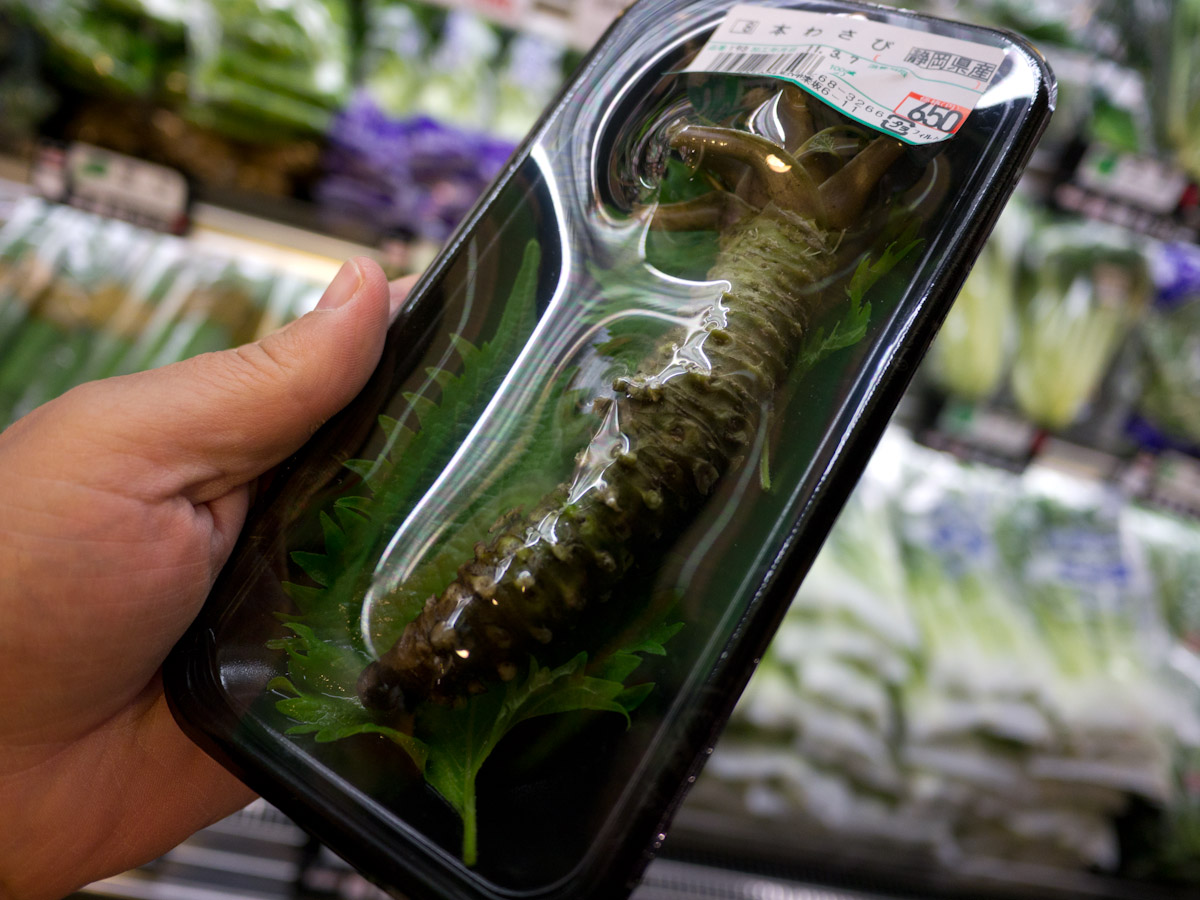
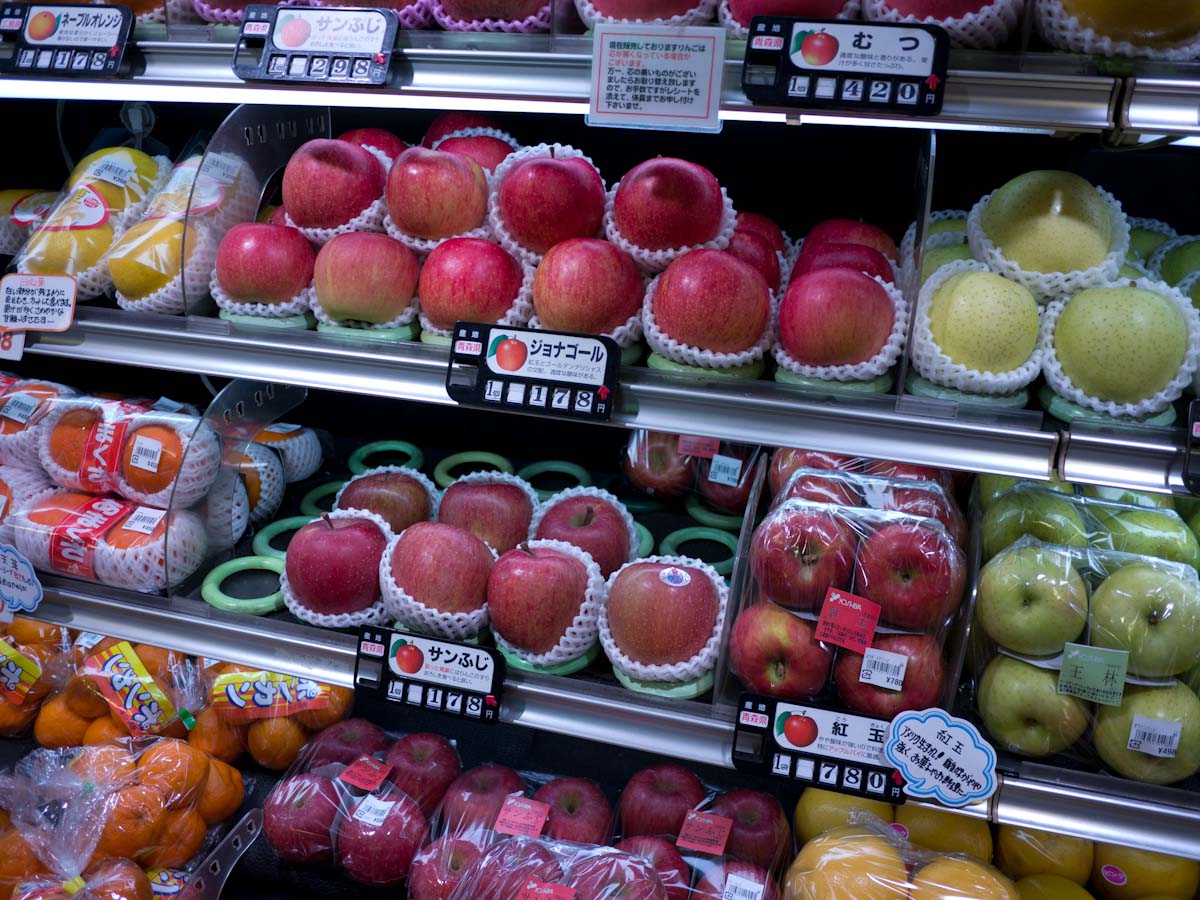
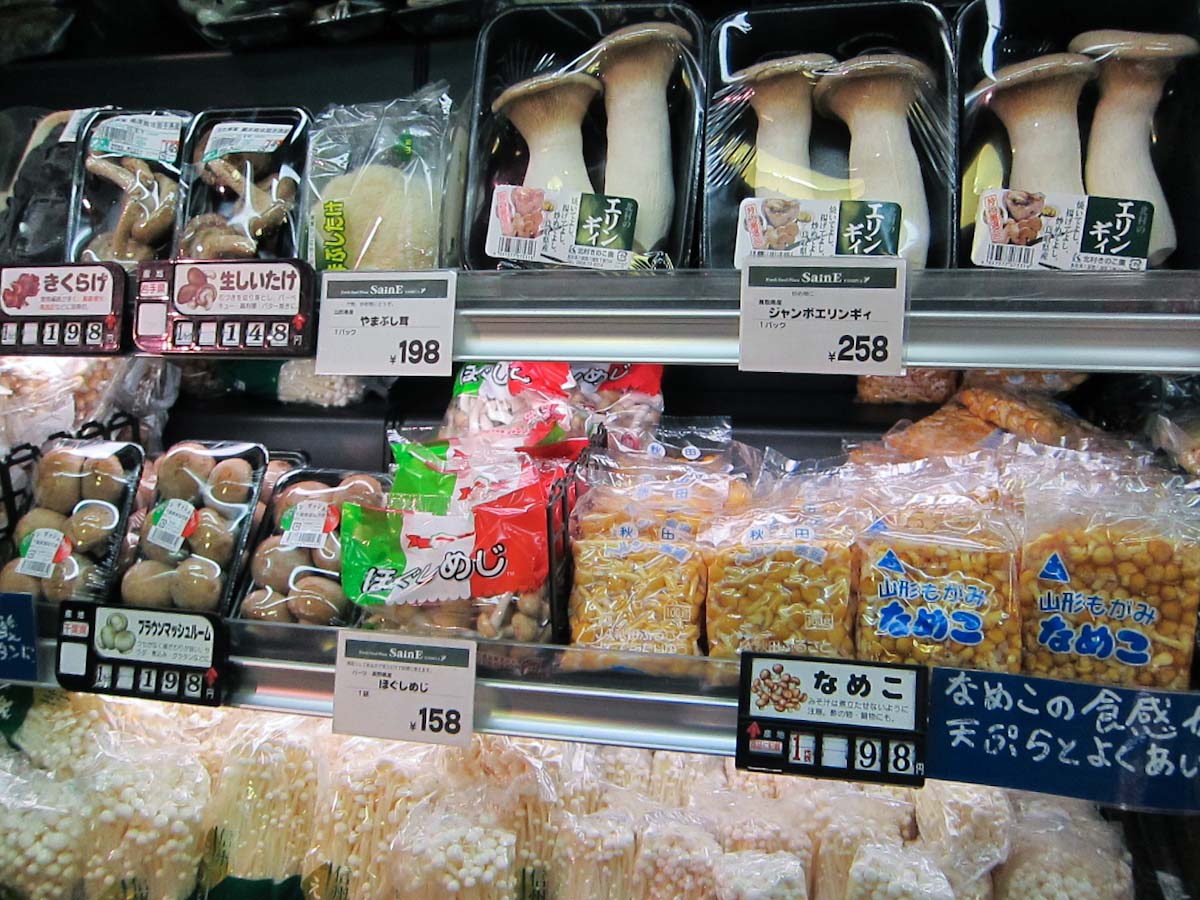
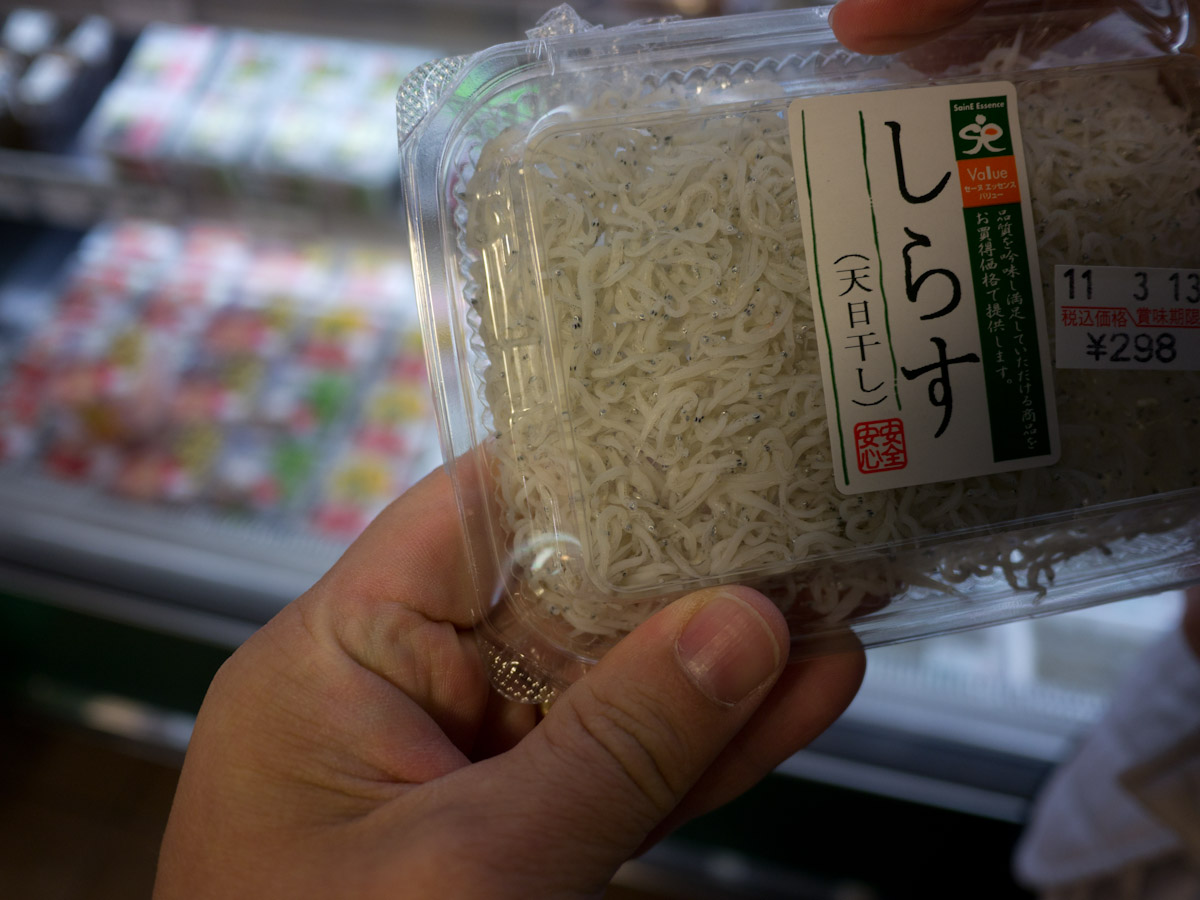
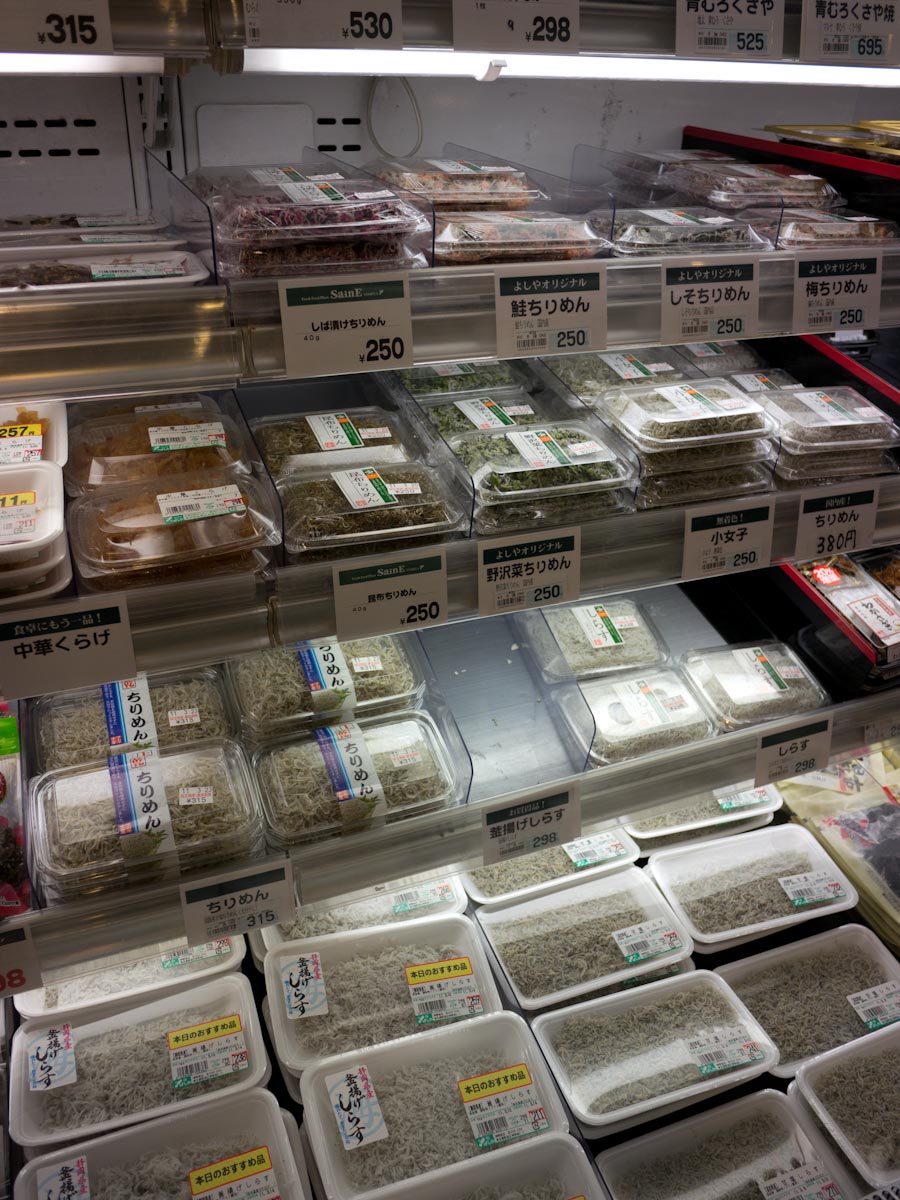
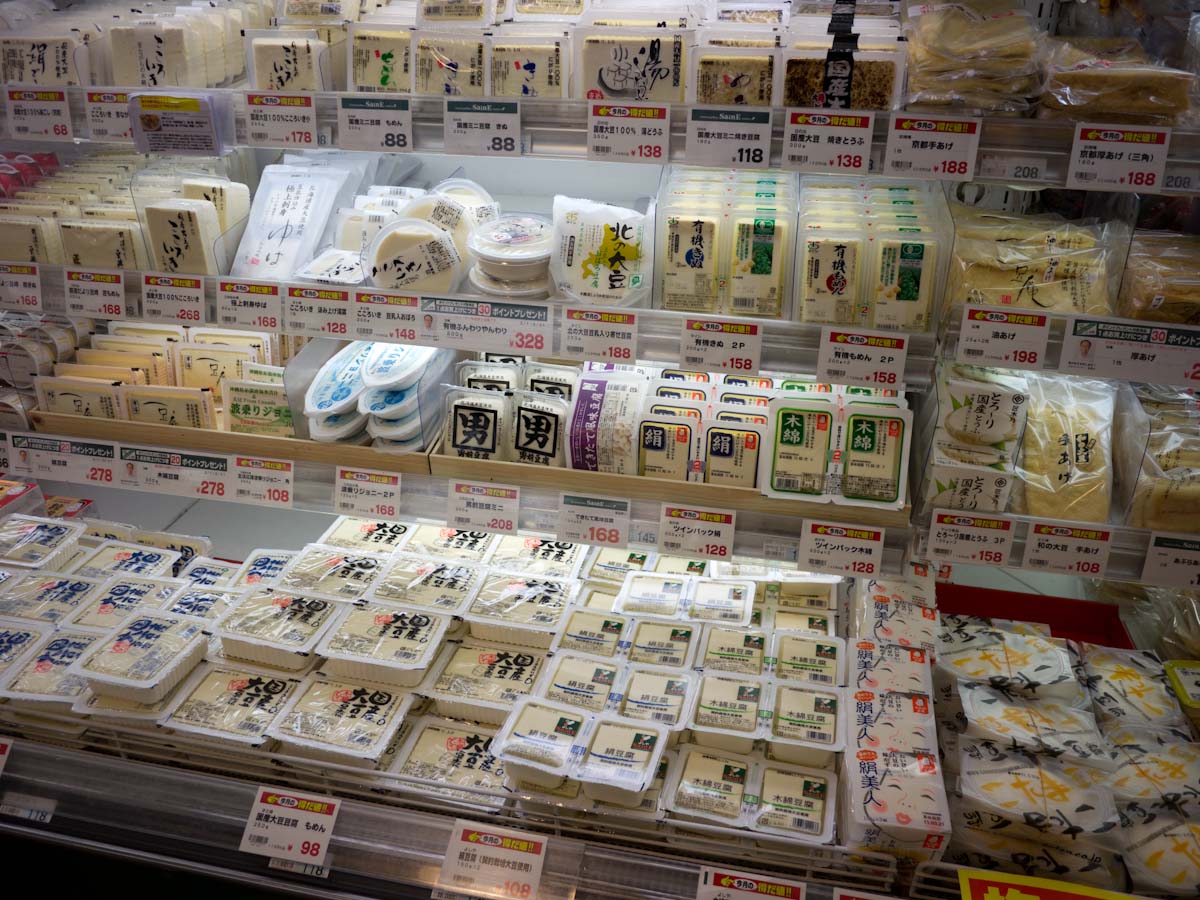
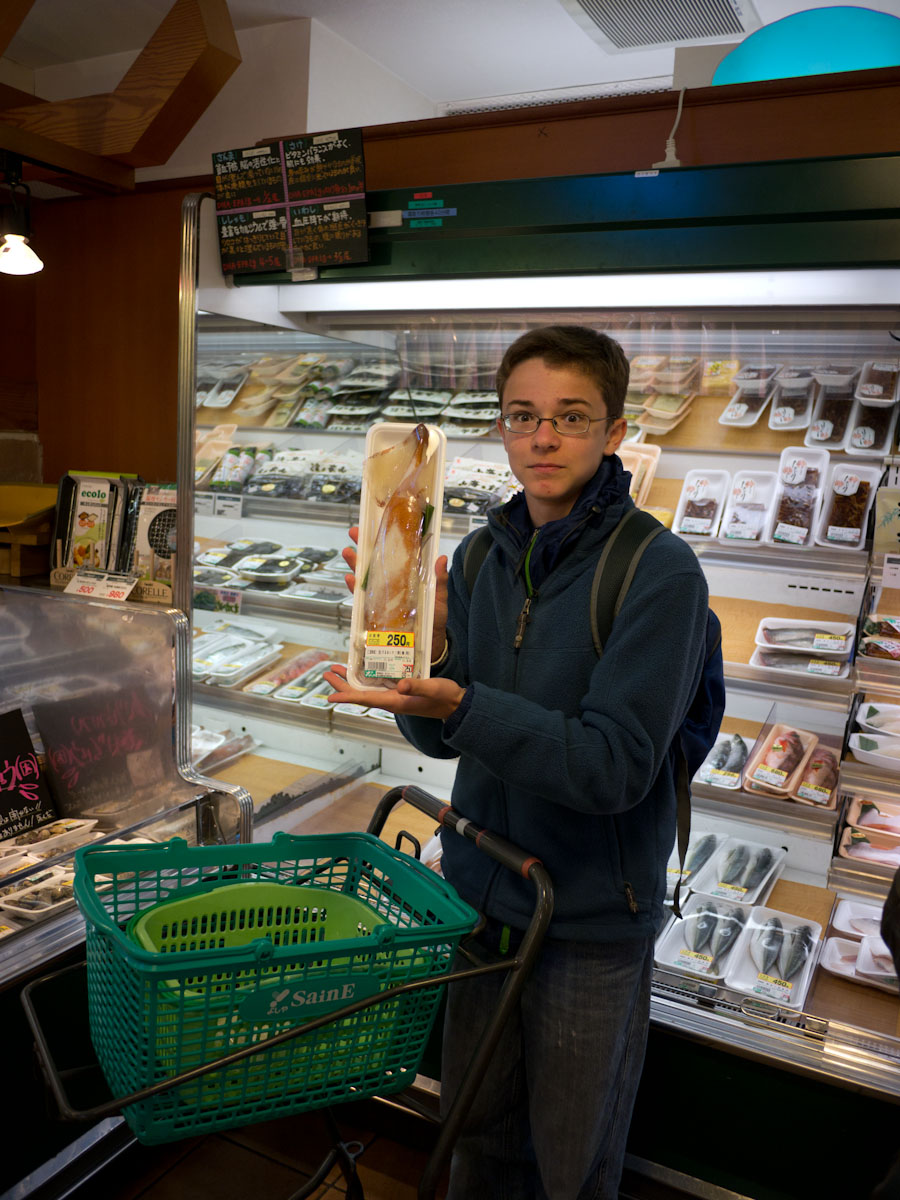
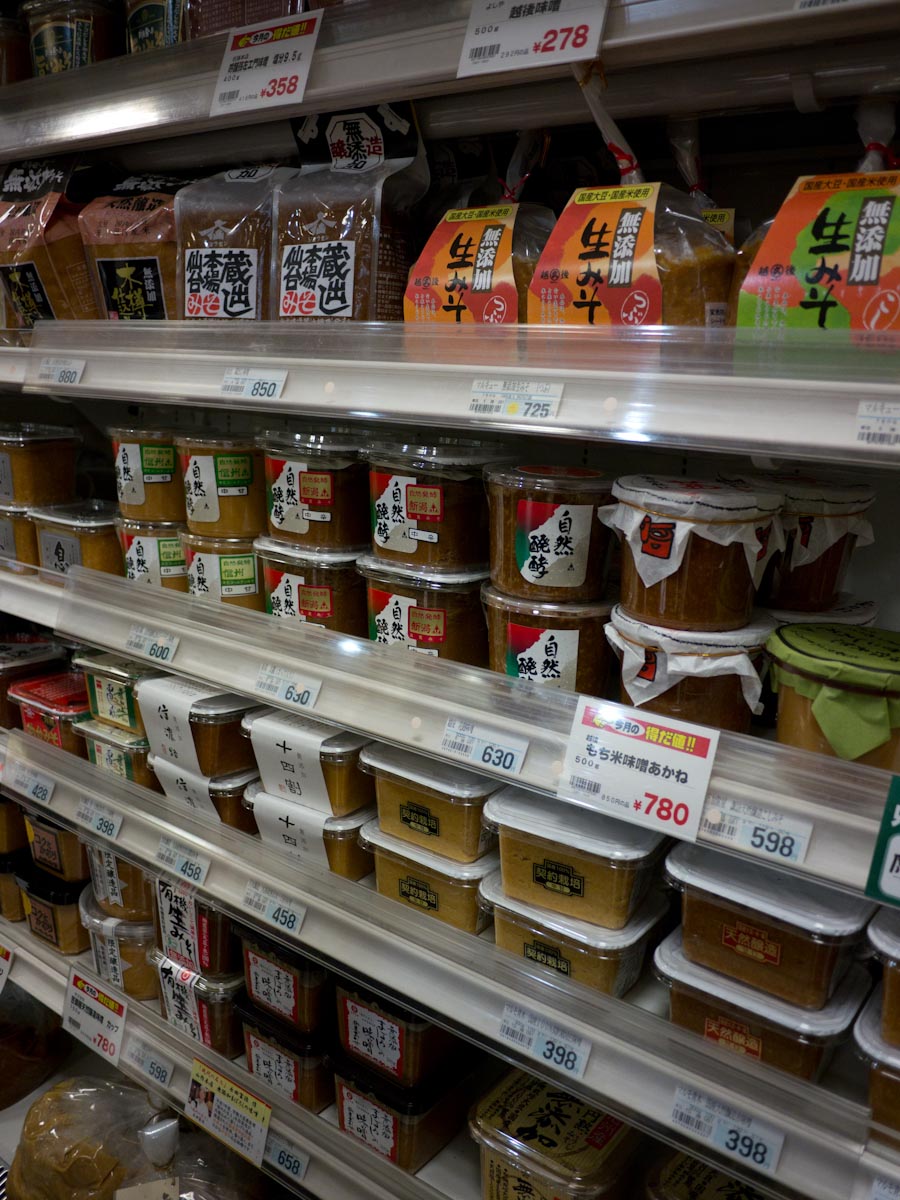
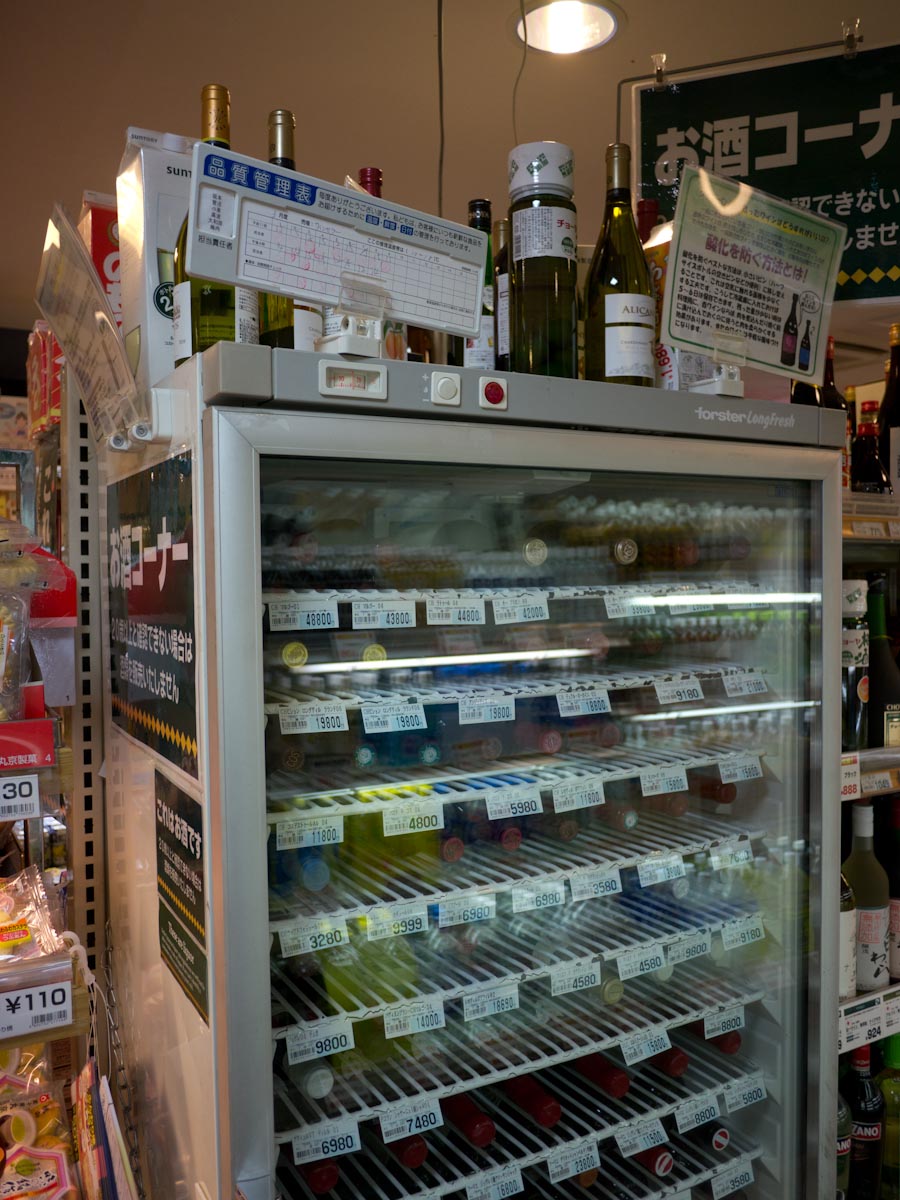
Our first stop was the local market where Chef introduced us to all sorts of new ingredients. We saw an entire case filled with various kinds of tofu, mushrooms ranging from miniature to ginormous, and more kinds of seafood than we knew existed. We giggled when we saw the international section which included six jars of Skippy peanut butter. We told our hosts that the peanut butter section in a traditional US supermarket was as large as their soy sauce section, which is really saying something. They were astounded.
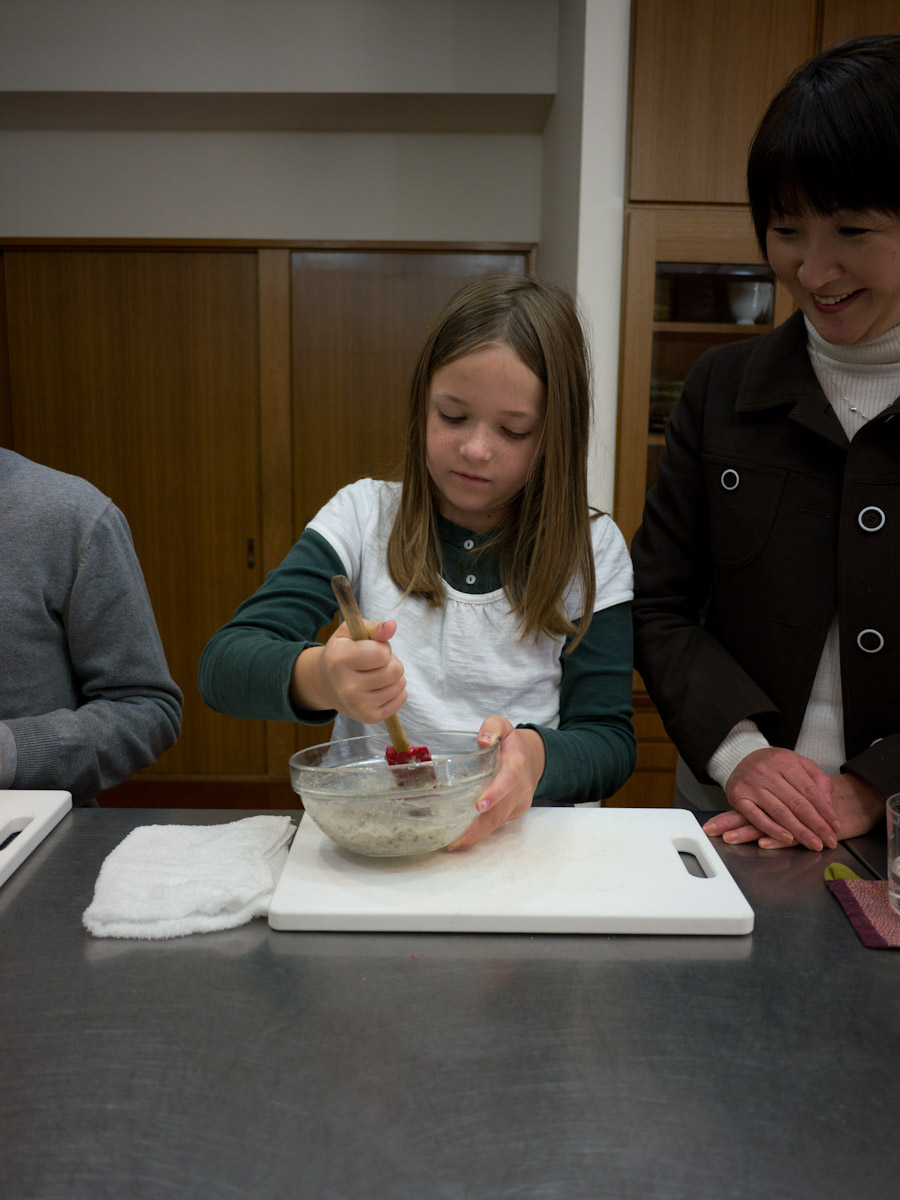
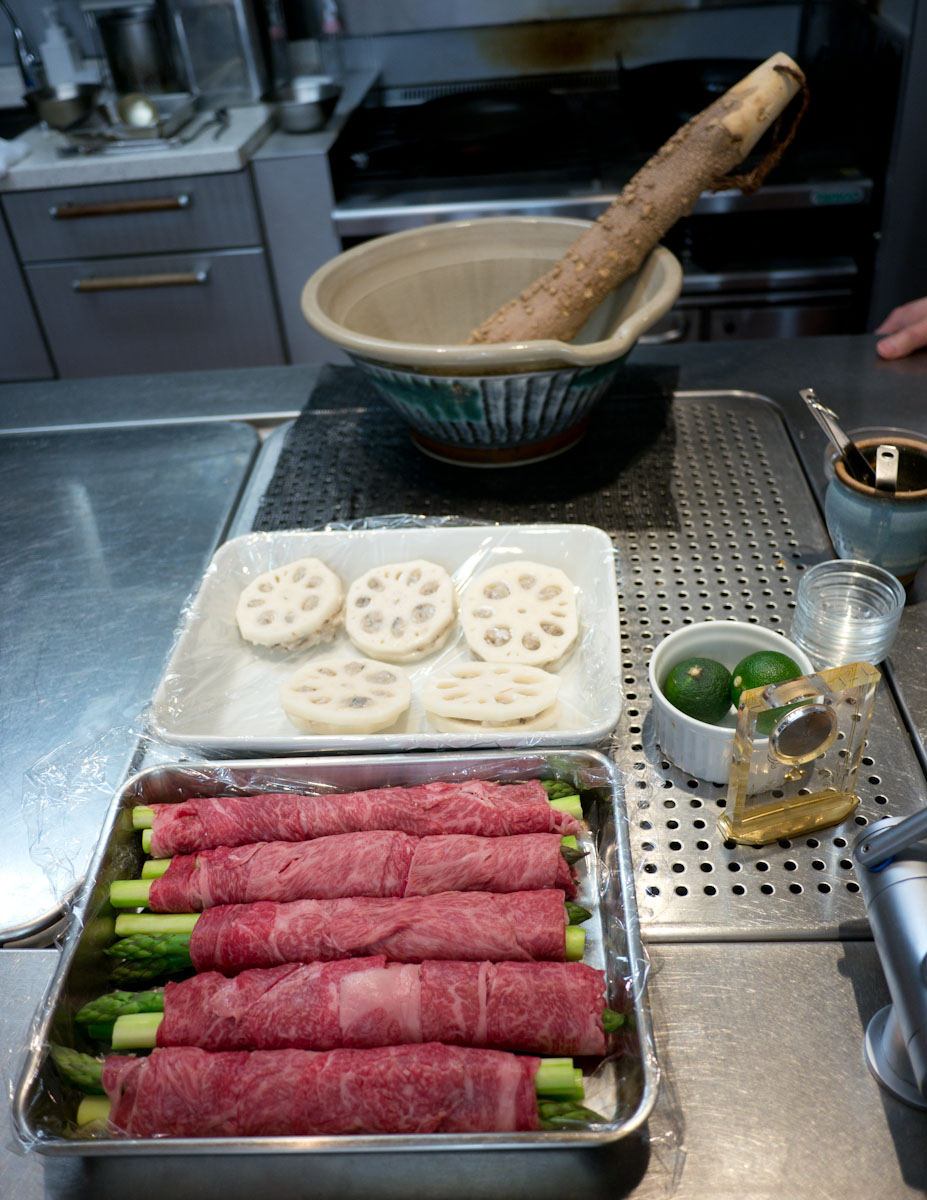
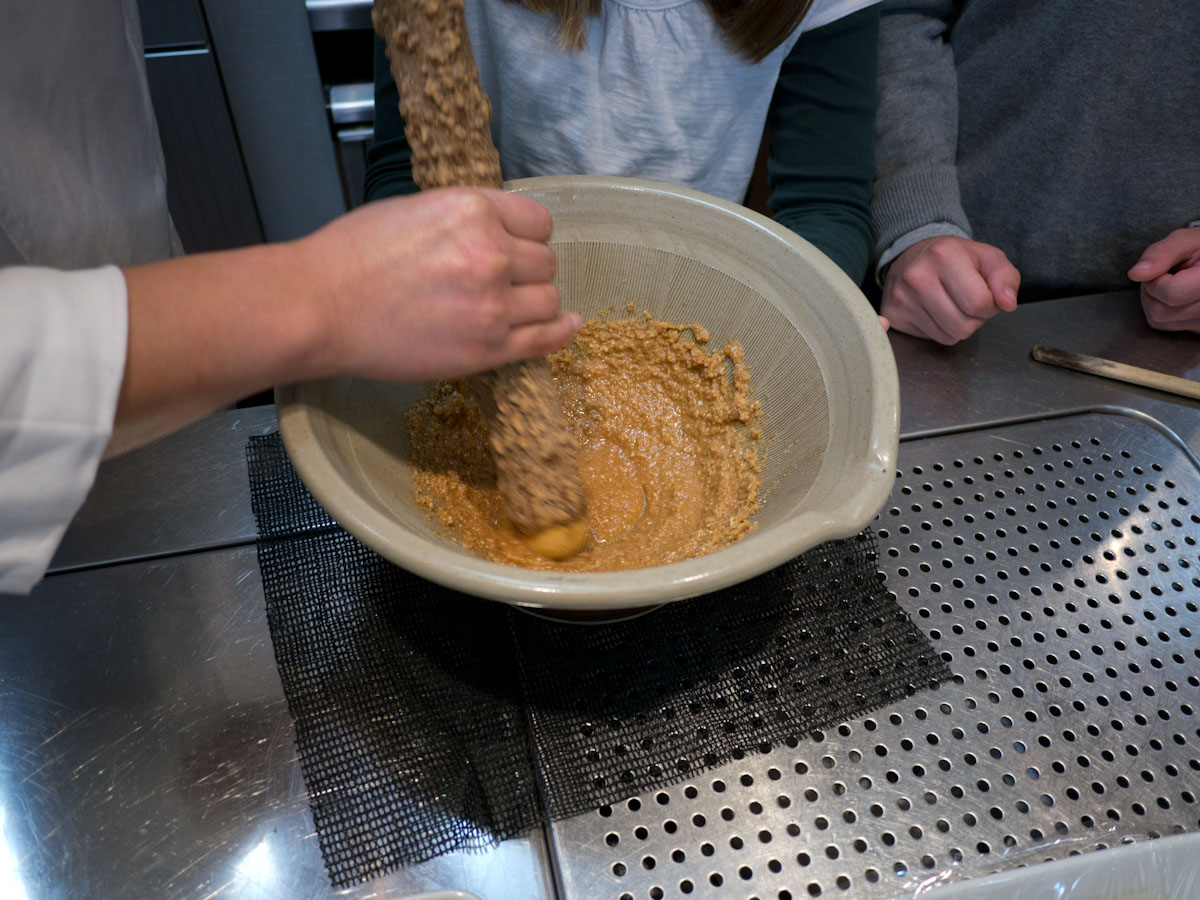
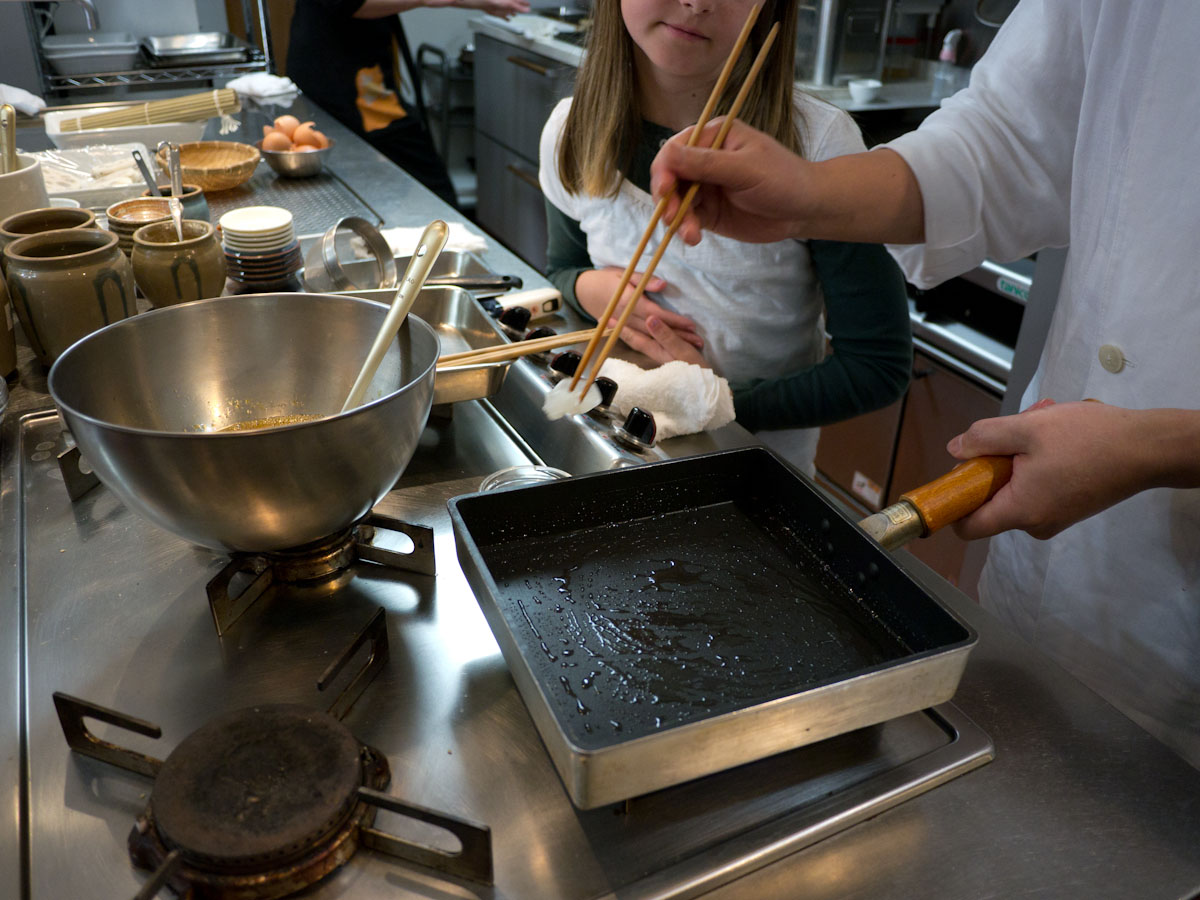
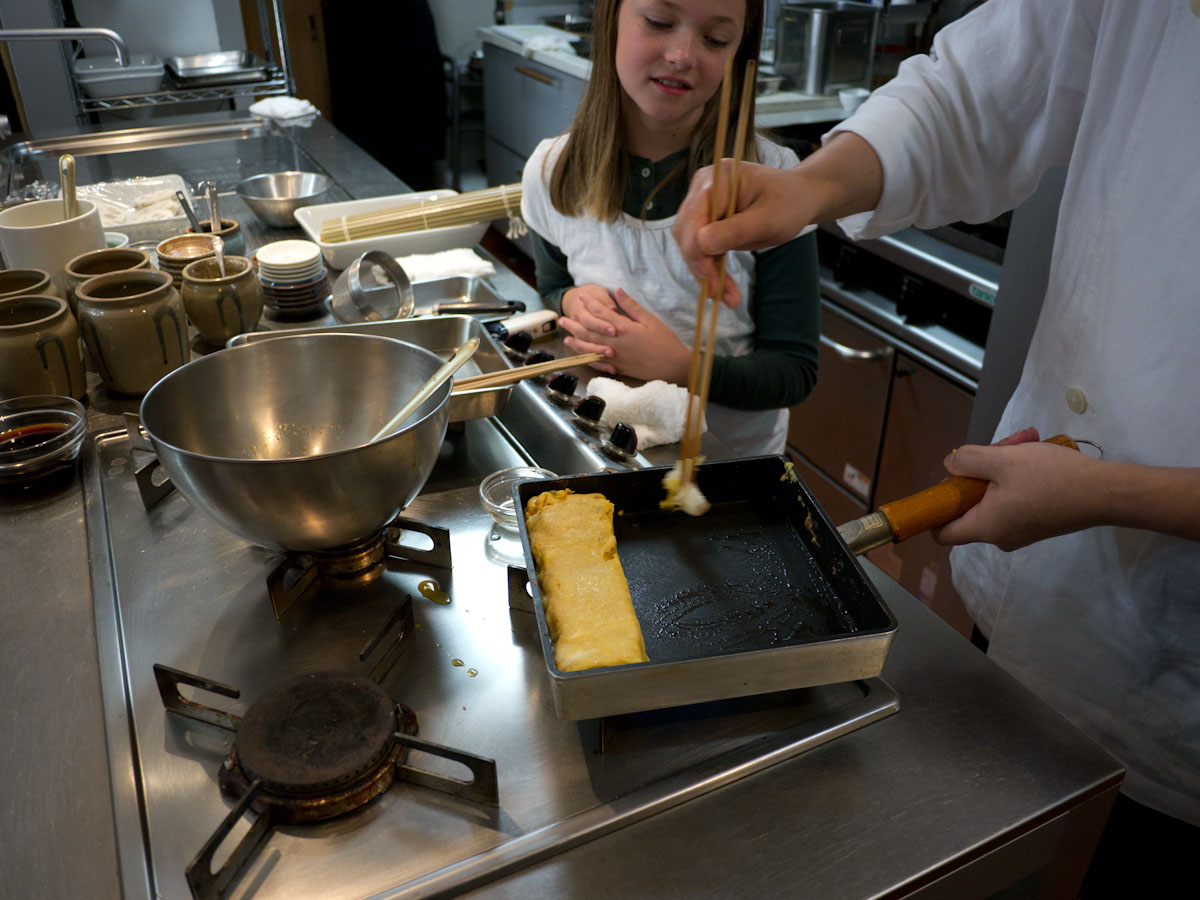
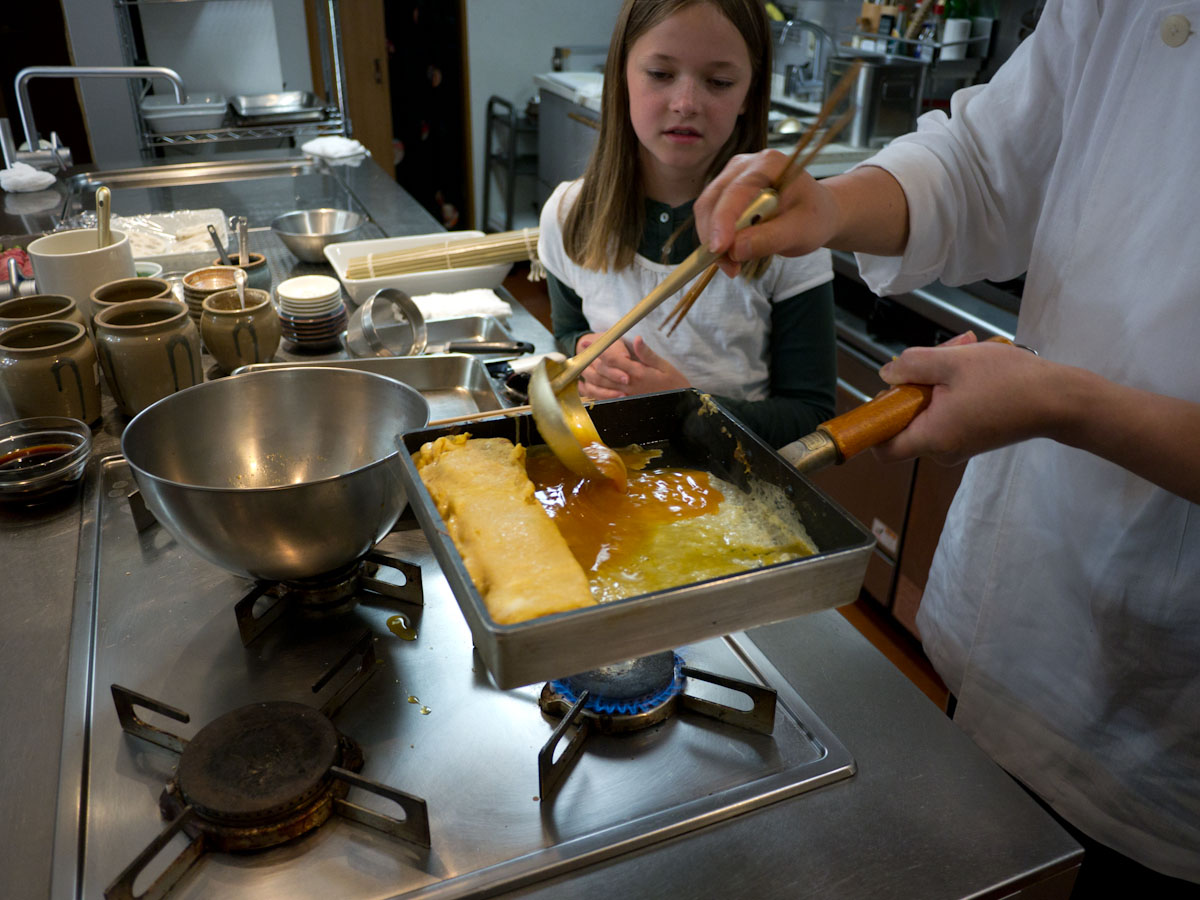
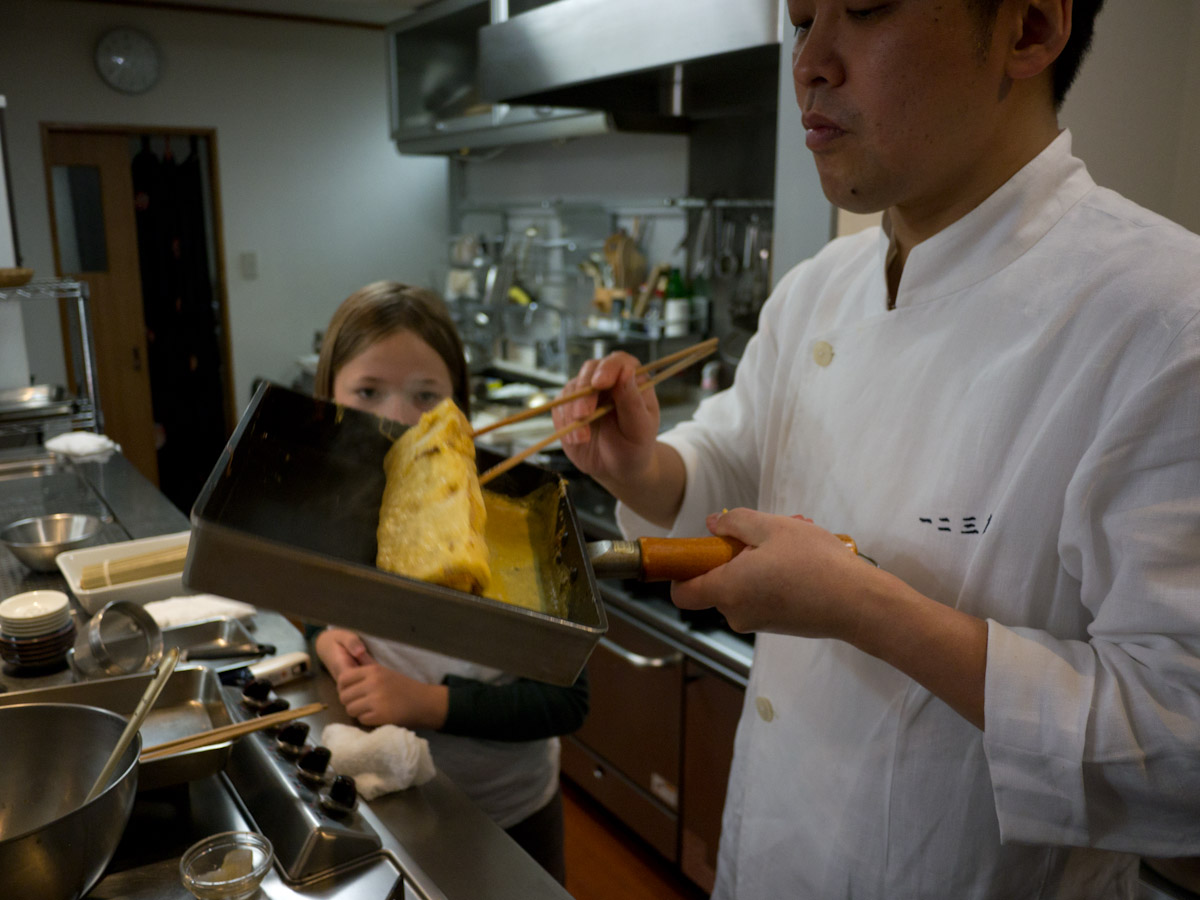
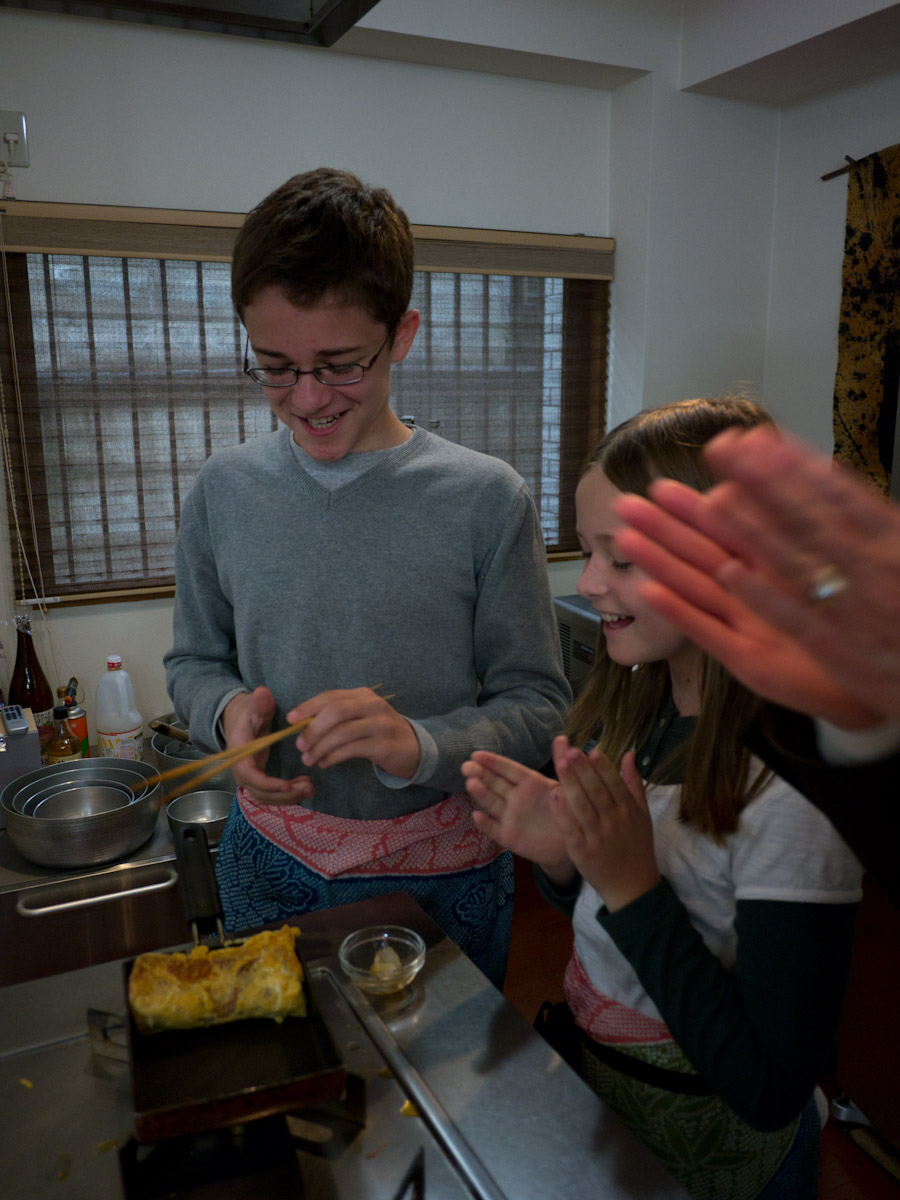
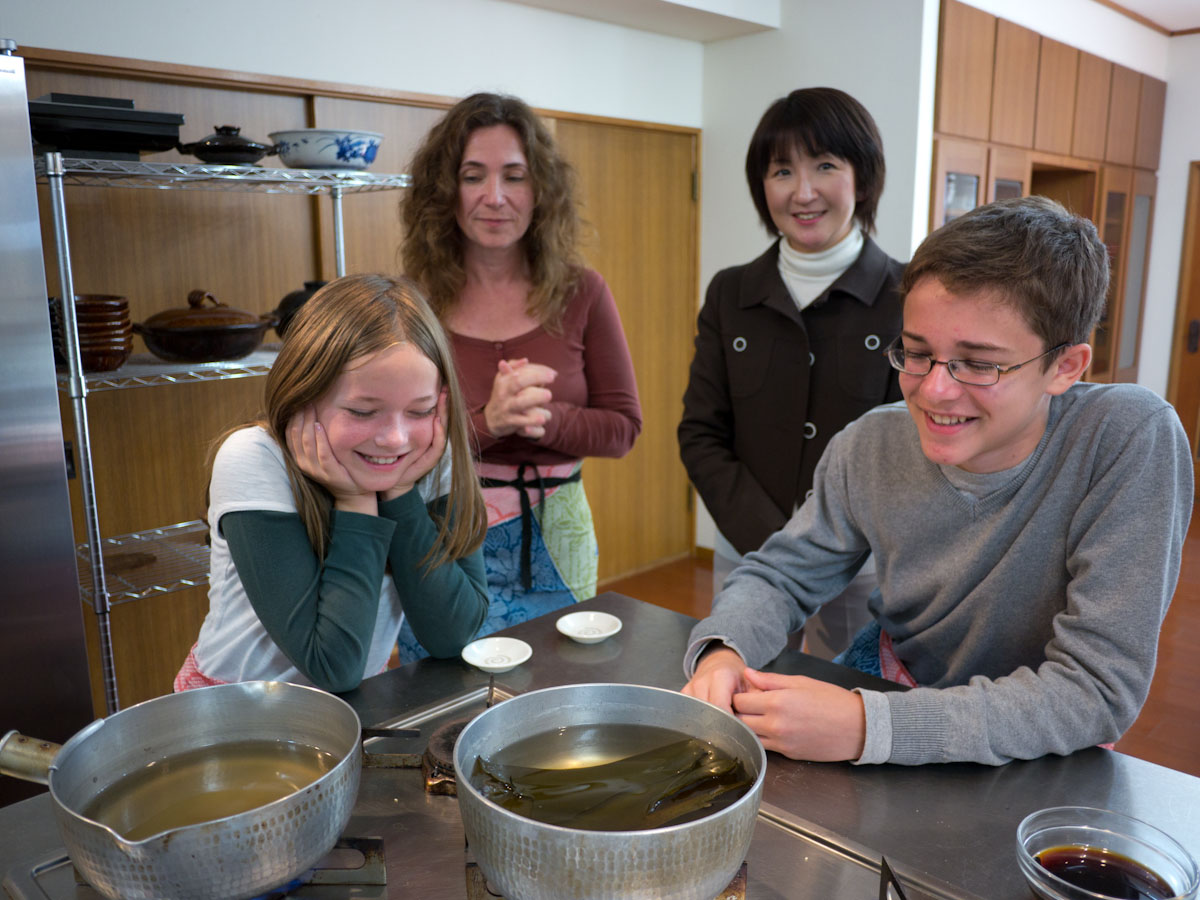
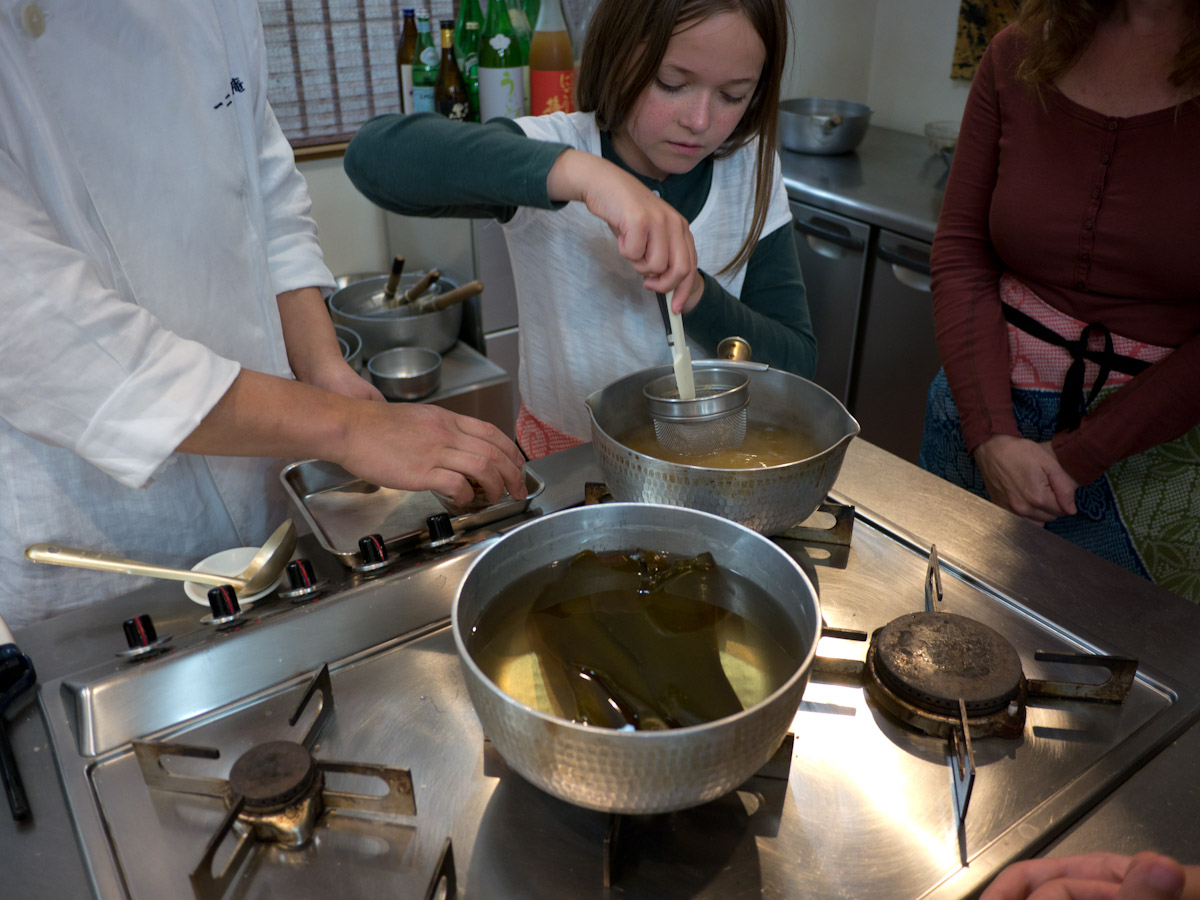
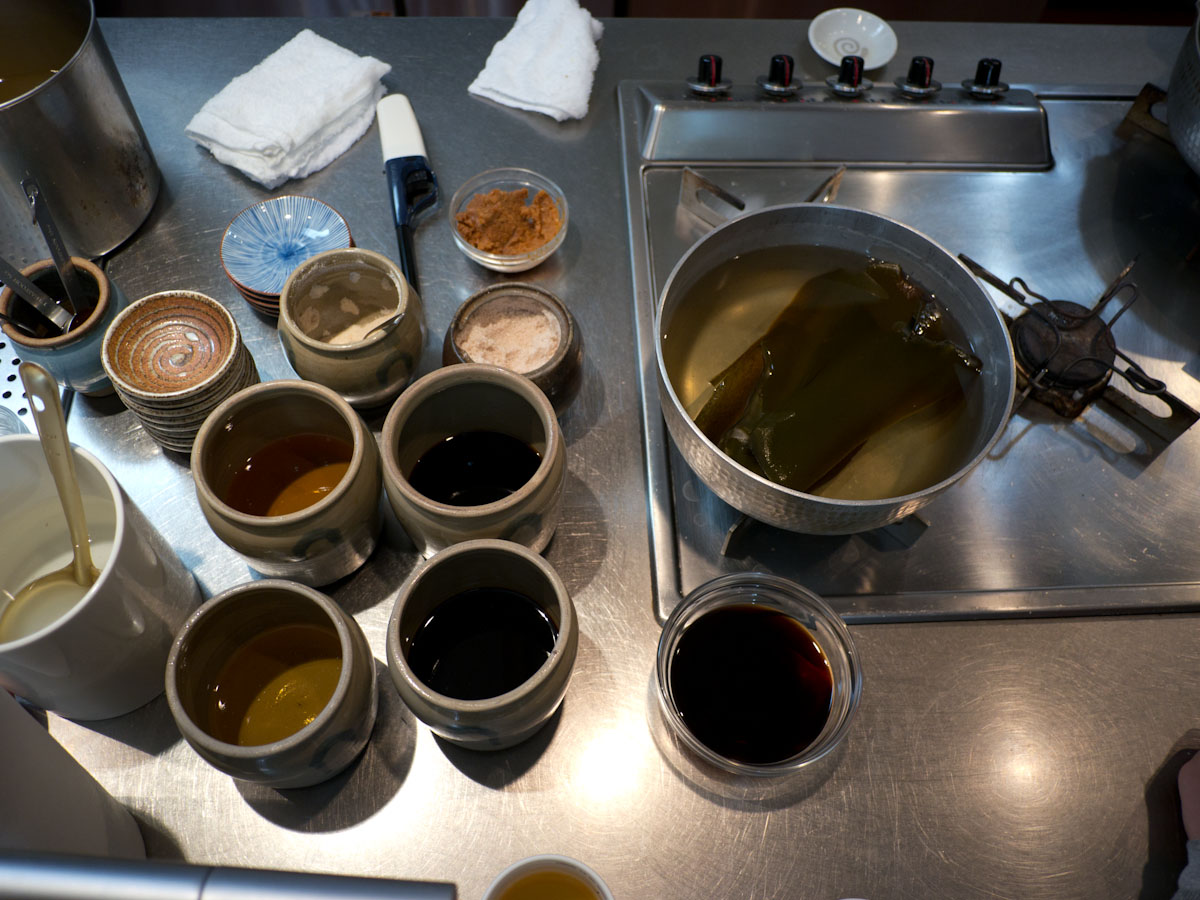
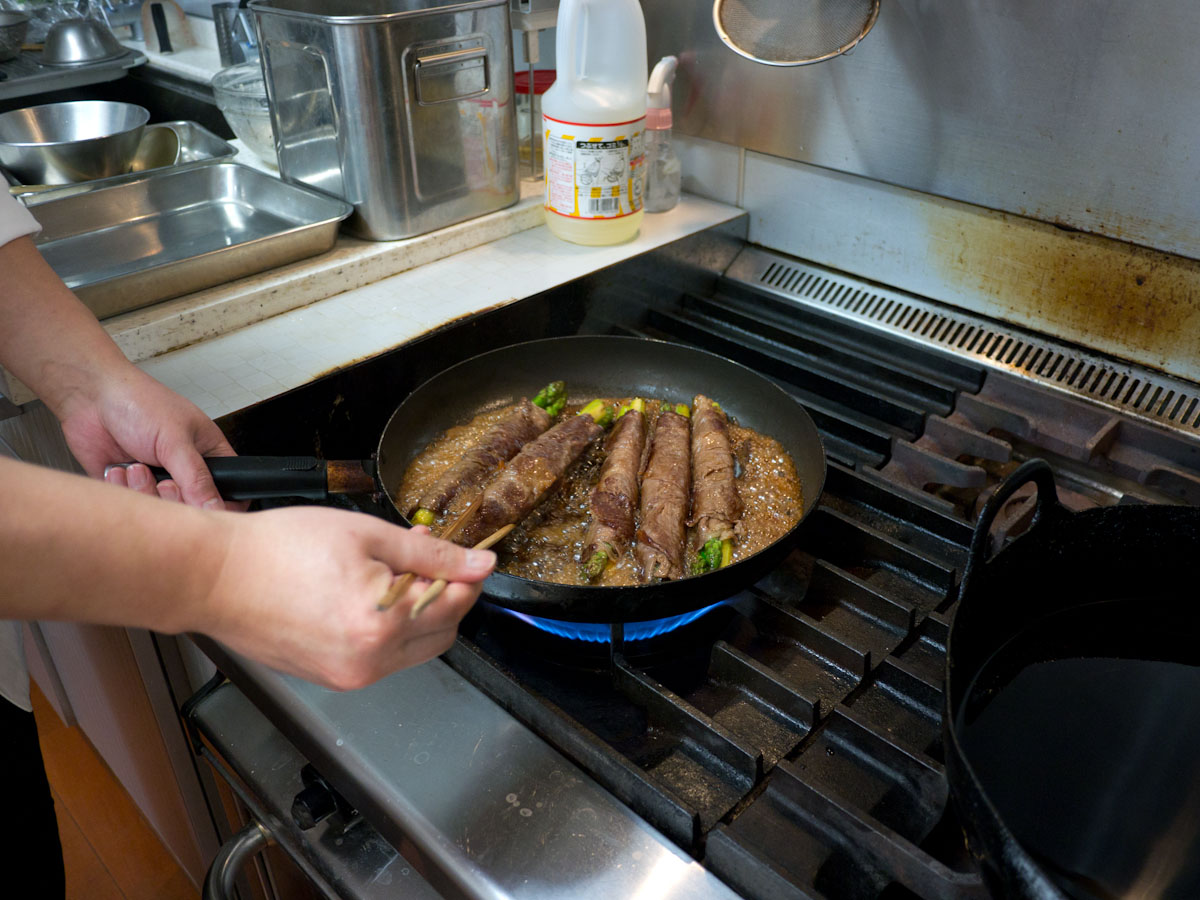
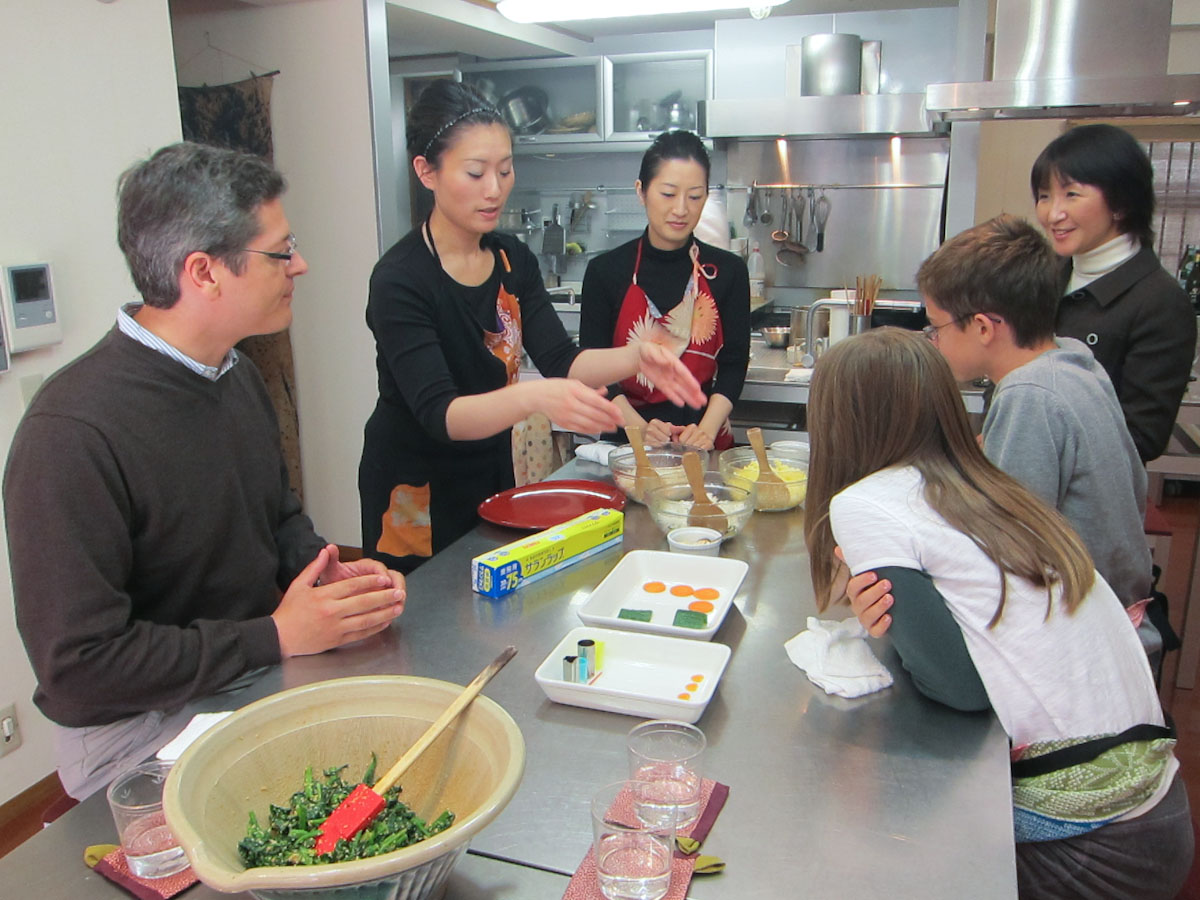
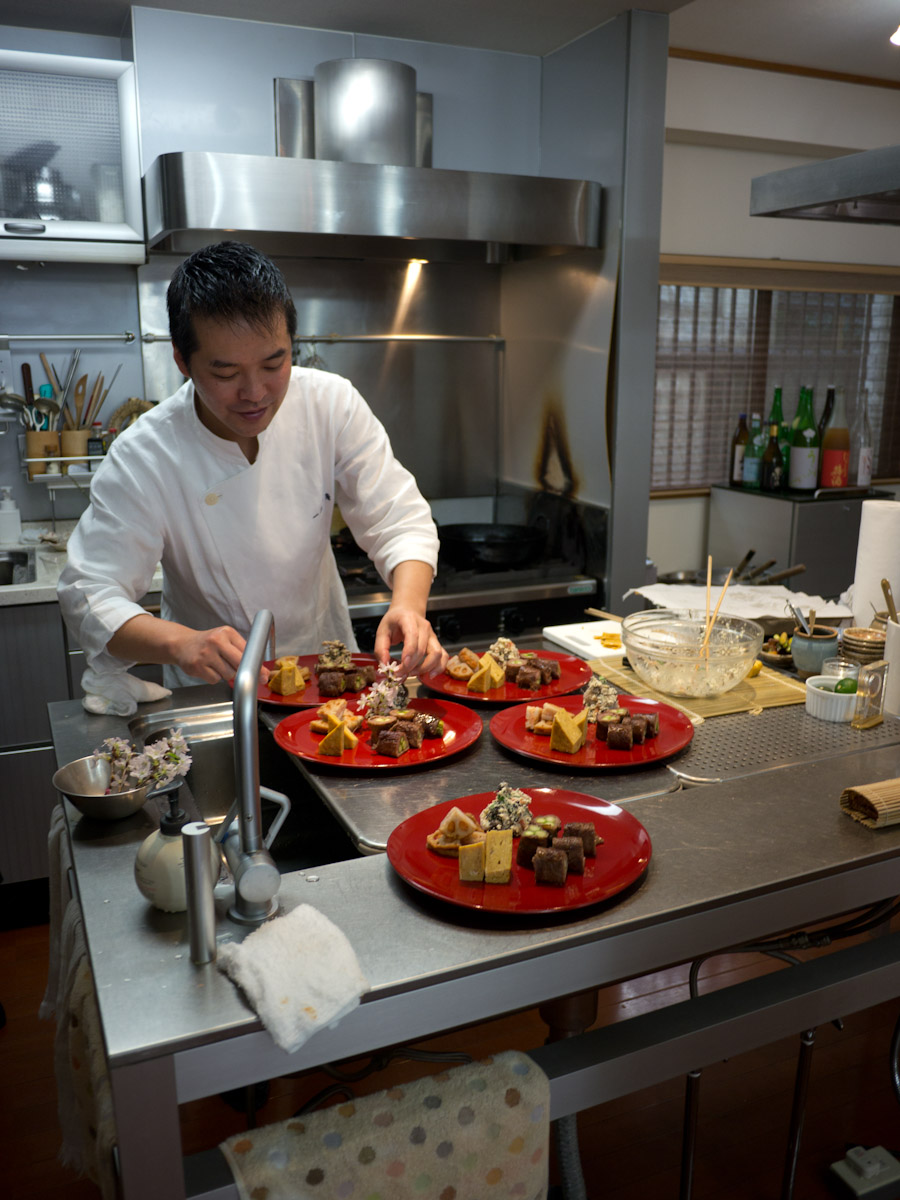
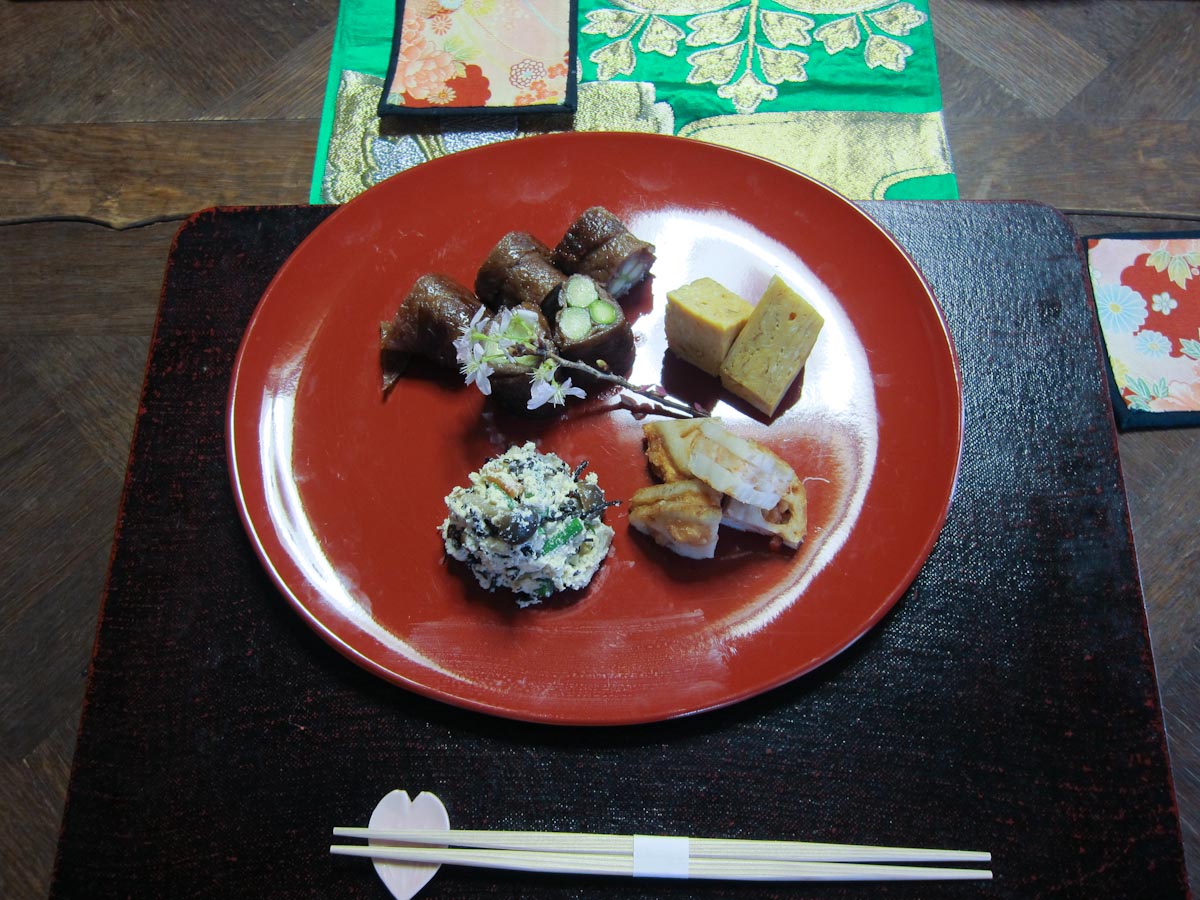
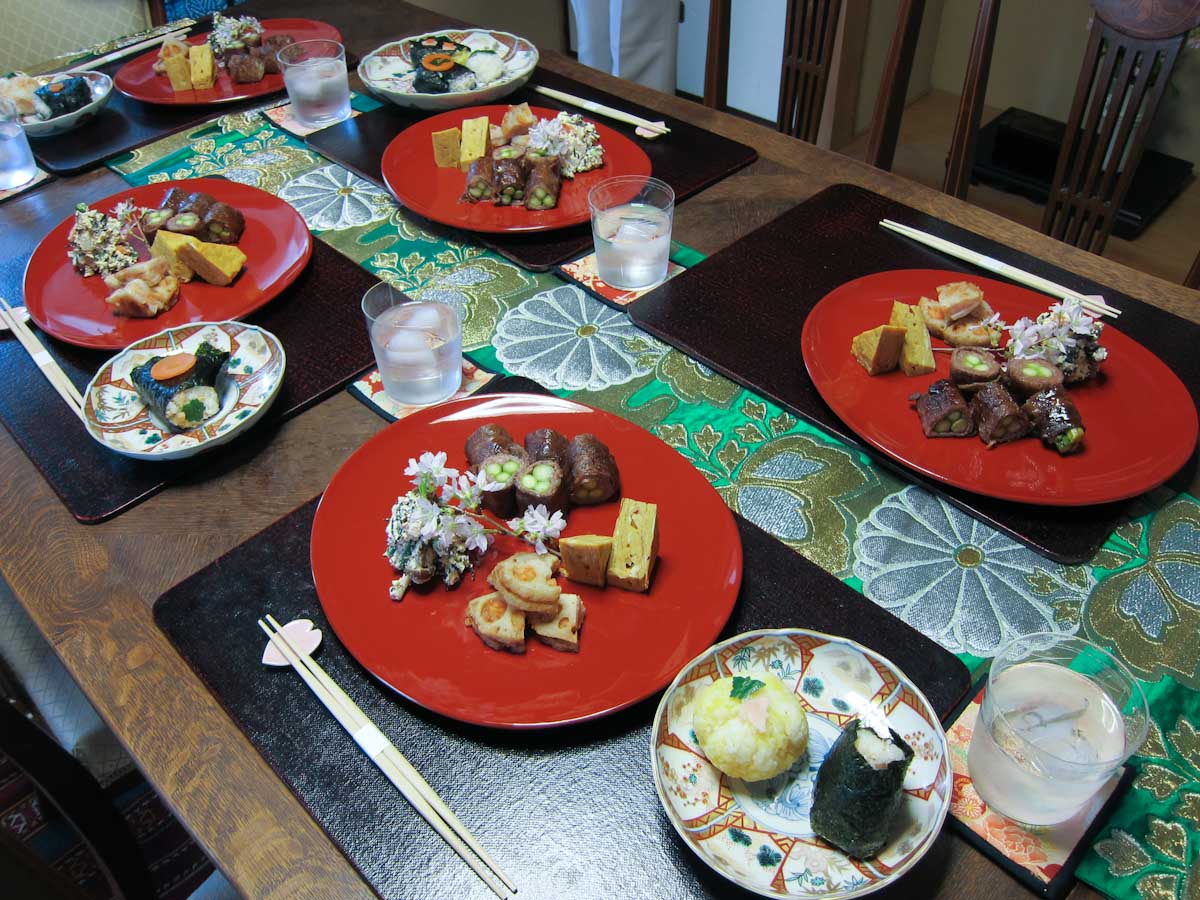
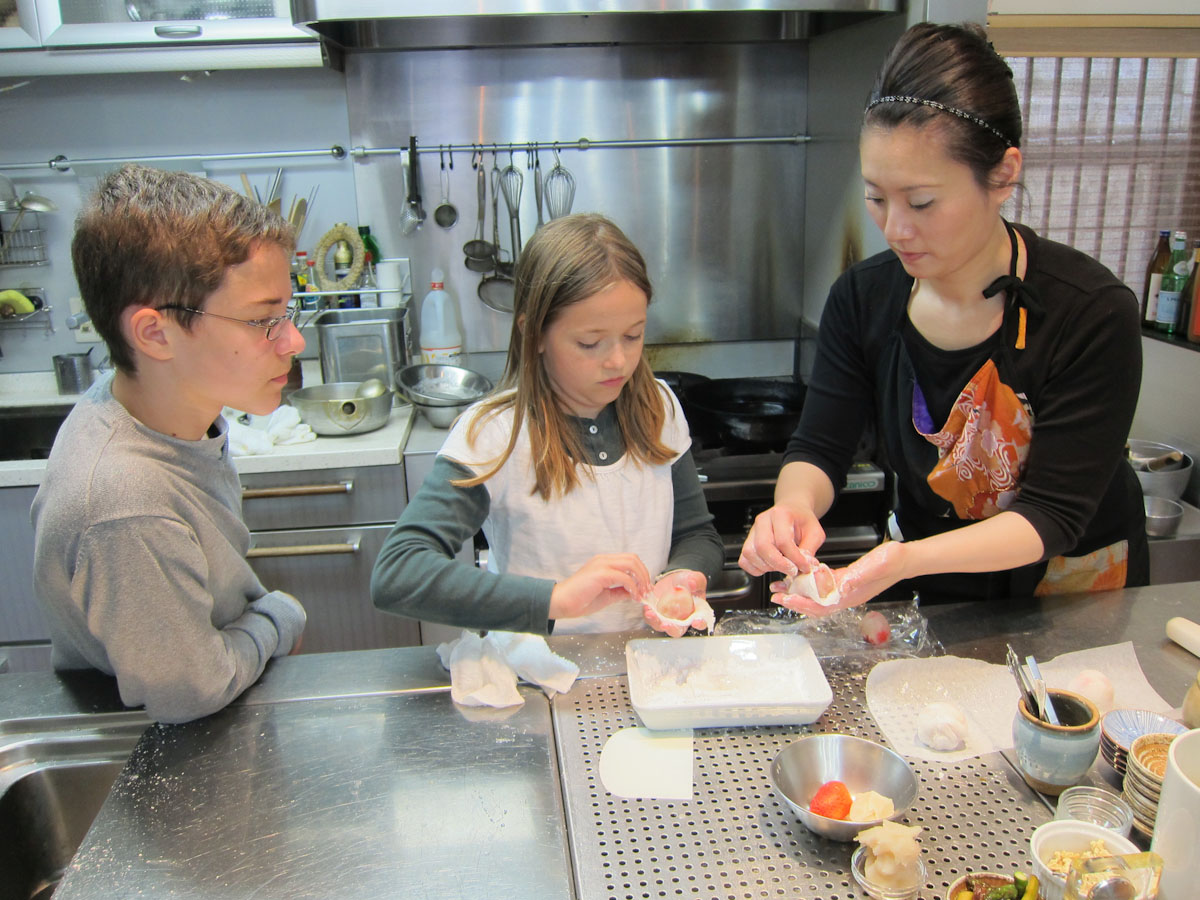
We returned to the kitchen, washed up, and got down to work. The menu included asparagus wrapped in beef, fried lotus root and shrimp paste sandwiches, sesame spinach, miso soup, and traditional Japanese omelets. A Japanese omelet is really tricky. The egg mixture is sweetened with brown sugar and is quickly cooked in a special deep-sided square pan. When prepared properly, you end up with a perfectly rolled square log. We had more enthusiasm than technique and ours turned out lumpy but tasty. Chef humored our efforts but we noticed that he didn’t plate our attempt. We also noted that sake was a key ingredient in many of the dishes we prepared. The alcohol burns off during the cooking, leaving a rich taste behind.
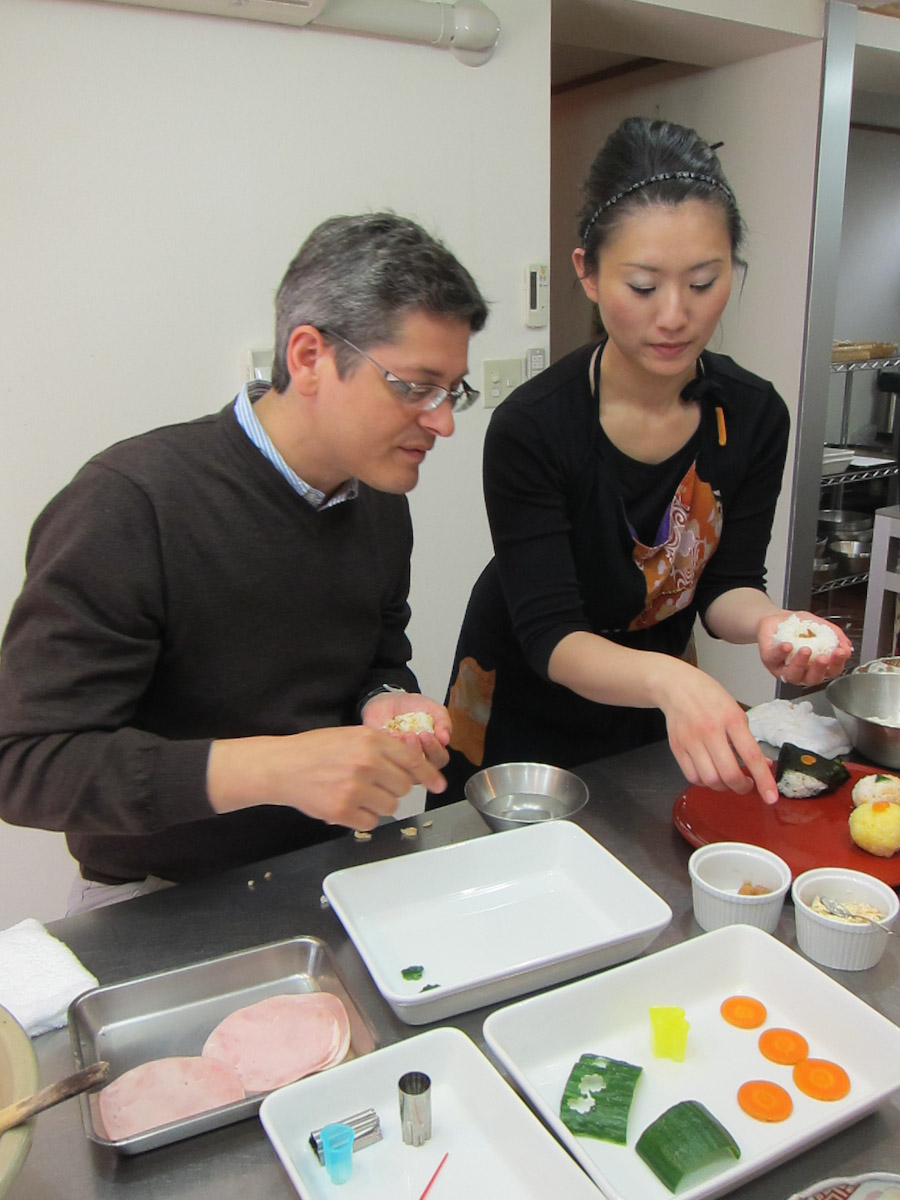
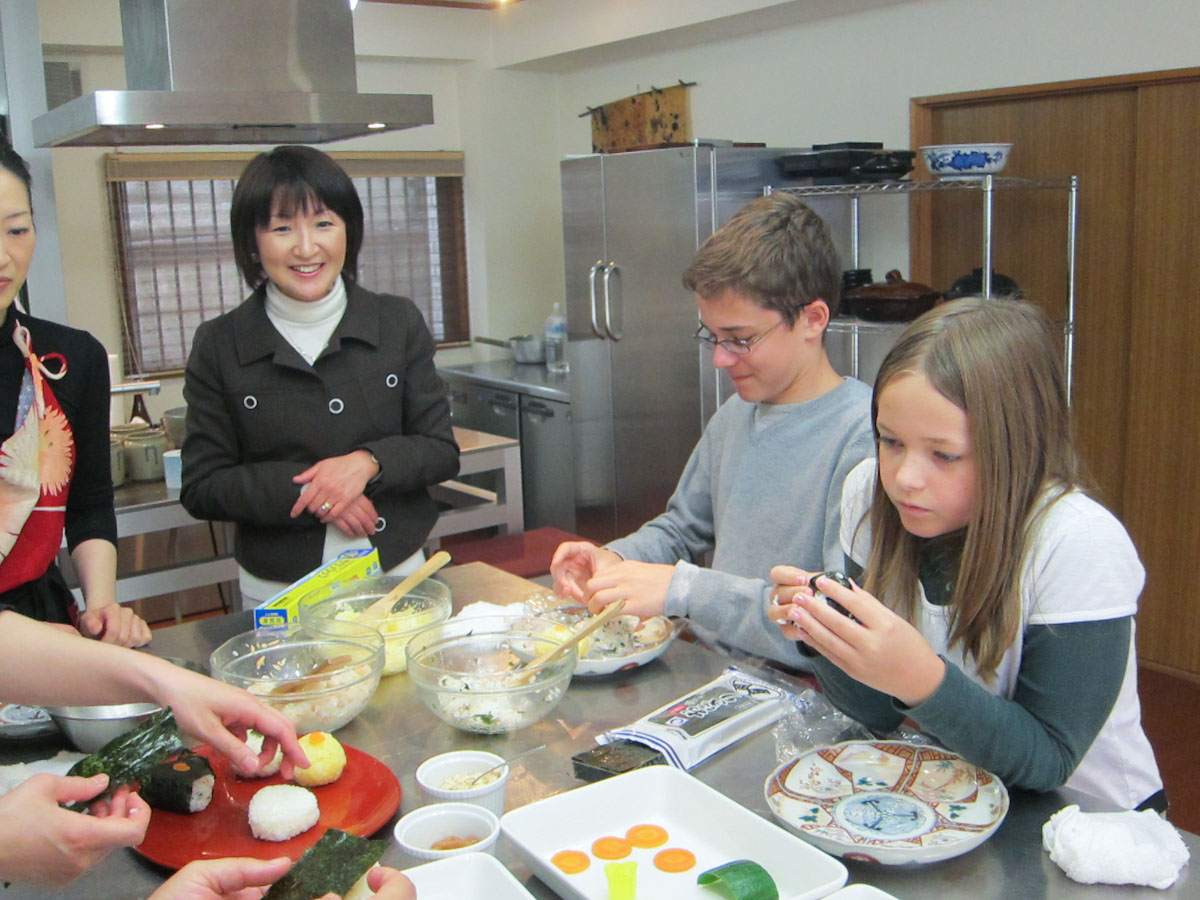
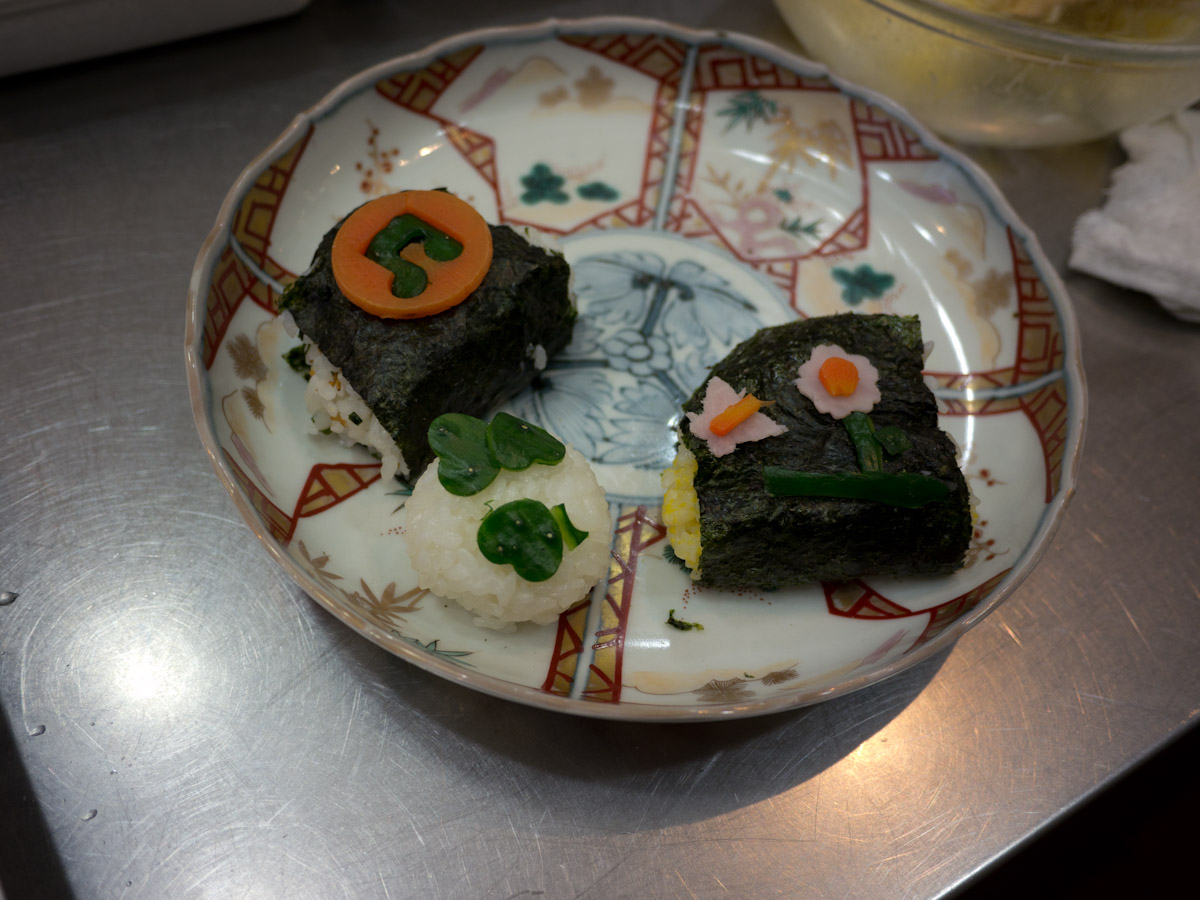
As a special treat, we were also given a chance to make ohnigiri which are basically like rice sandwiches. They are very fun to make: you take a handful of seasoned rice, stuff it with a filling, and then form it into a triangle which you wrap in seaweed. The kids had an especially good time decorating their ohnigiri with miniature cut-outs made from vegetables.
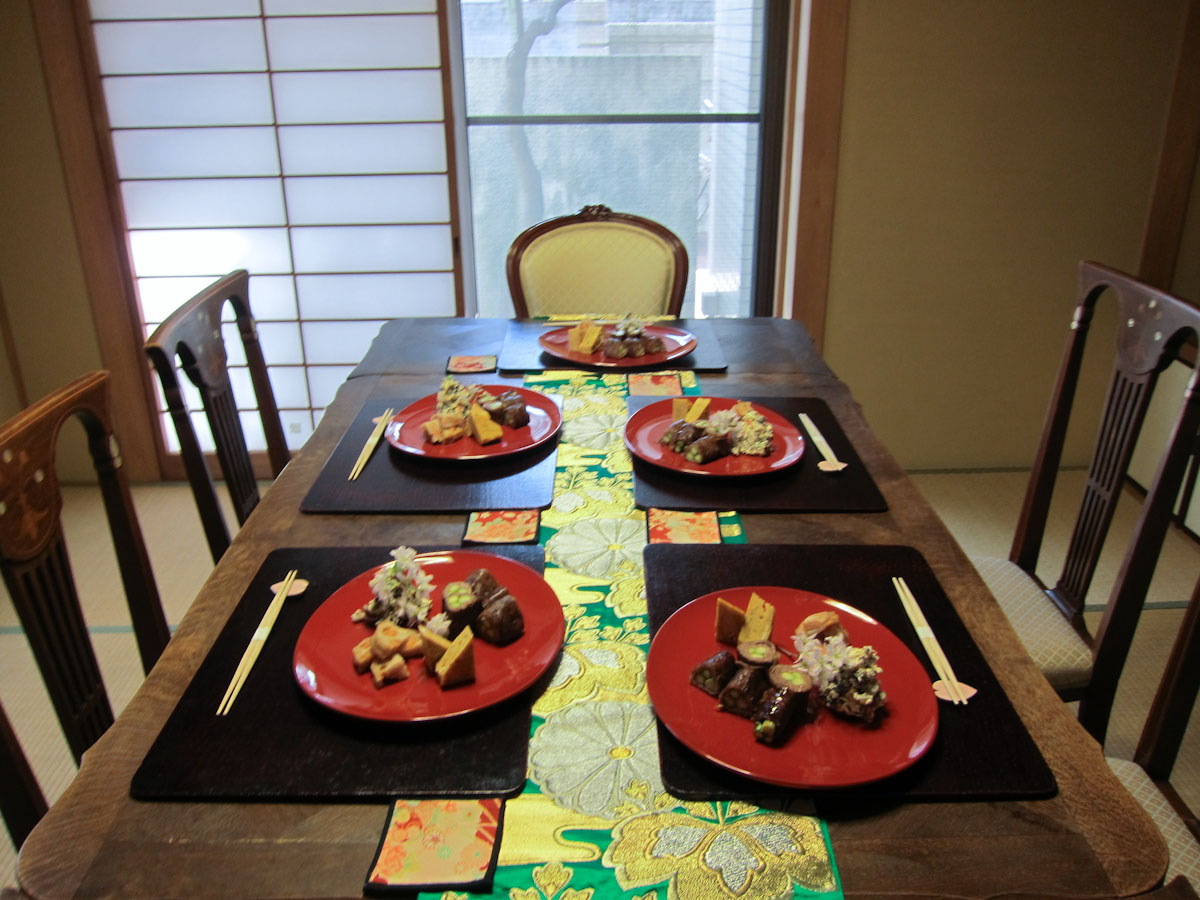
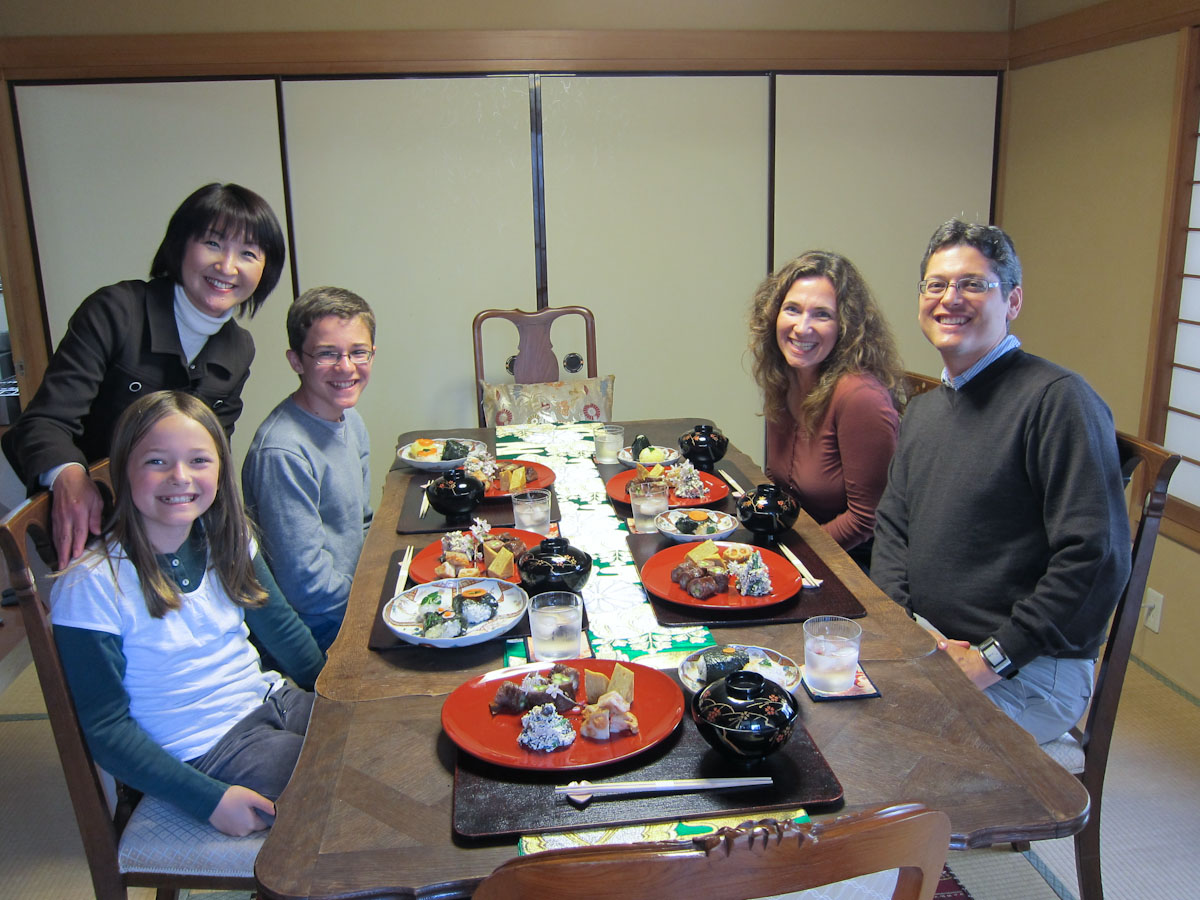
The entire meal was served in a traditional Japanese dining room. We had to remove our shoes before stepping on the tatami mat and were delighted when we saw the fresh plum blossoms which adorned our plates.
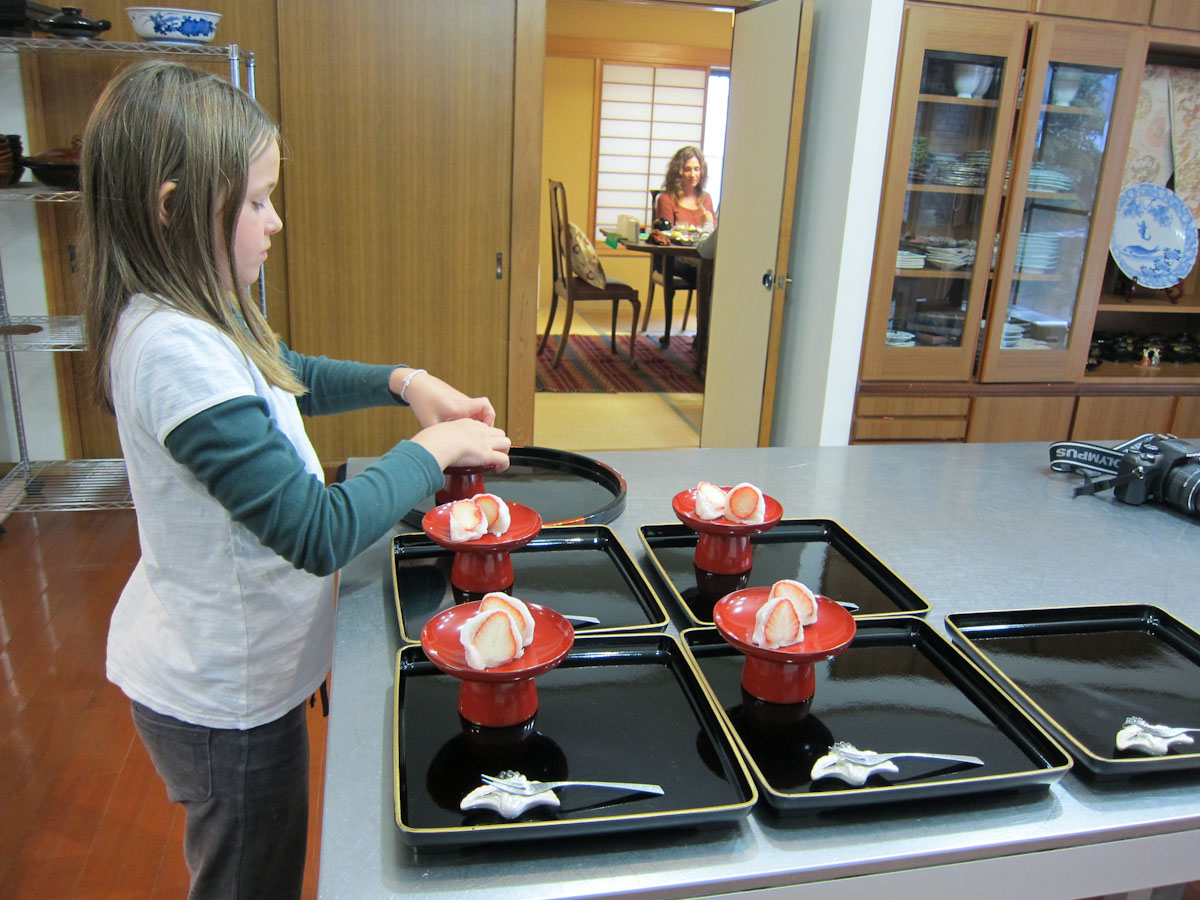
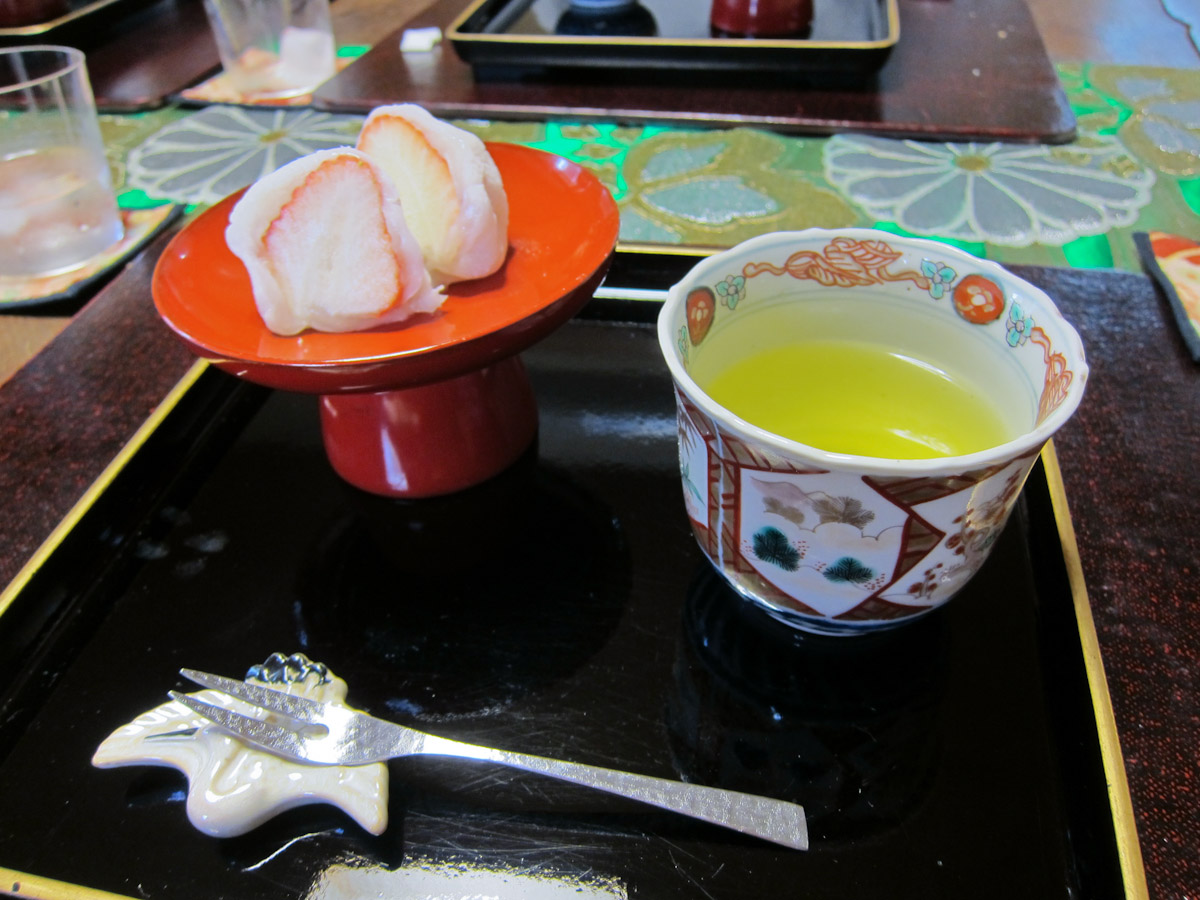
The dessert was simple and stunning: a single ripe red strawberry enveloped in a white sweet bean paste. It was served sliced in half on a red pedestal. We were told that the dessert symbolizes the coming of spring: the strawberry representing the sweetness of the earth’s bounty to come and the bean paste the thin covering of snow on the surface.
It was culinary poetry.