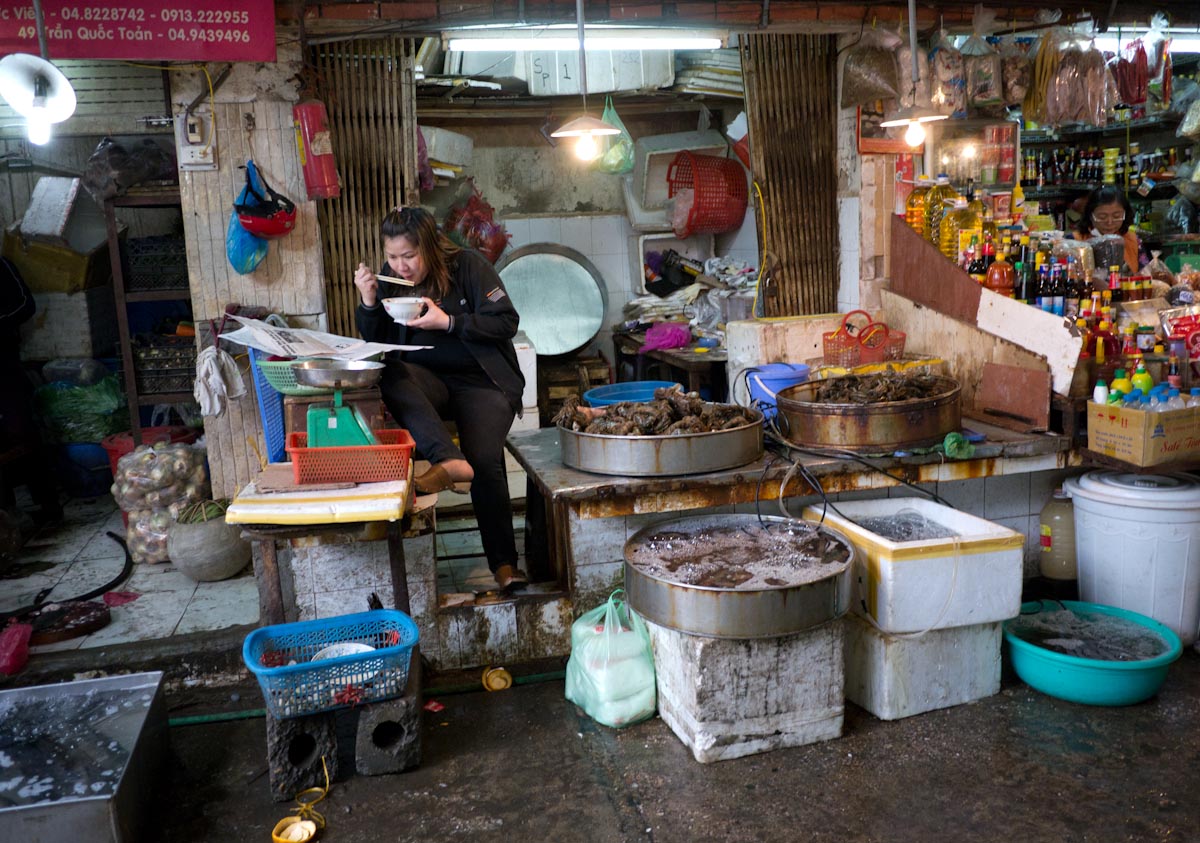
Hanoi is the capital of Vietnam, a government center that is home to the country’s largest concentration of intellectuals and artists. Dusty construction confronts us in every direction. The city population just passed the 9 million mark and the streets are buzzing.
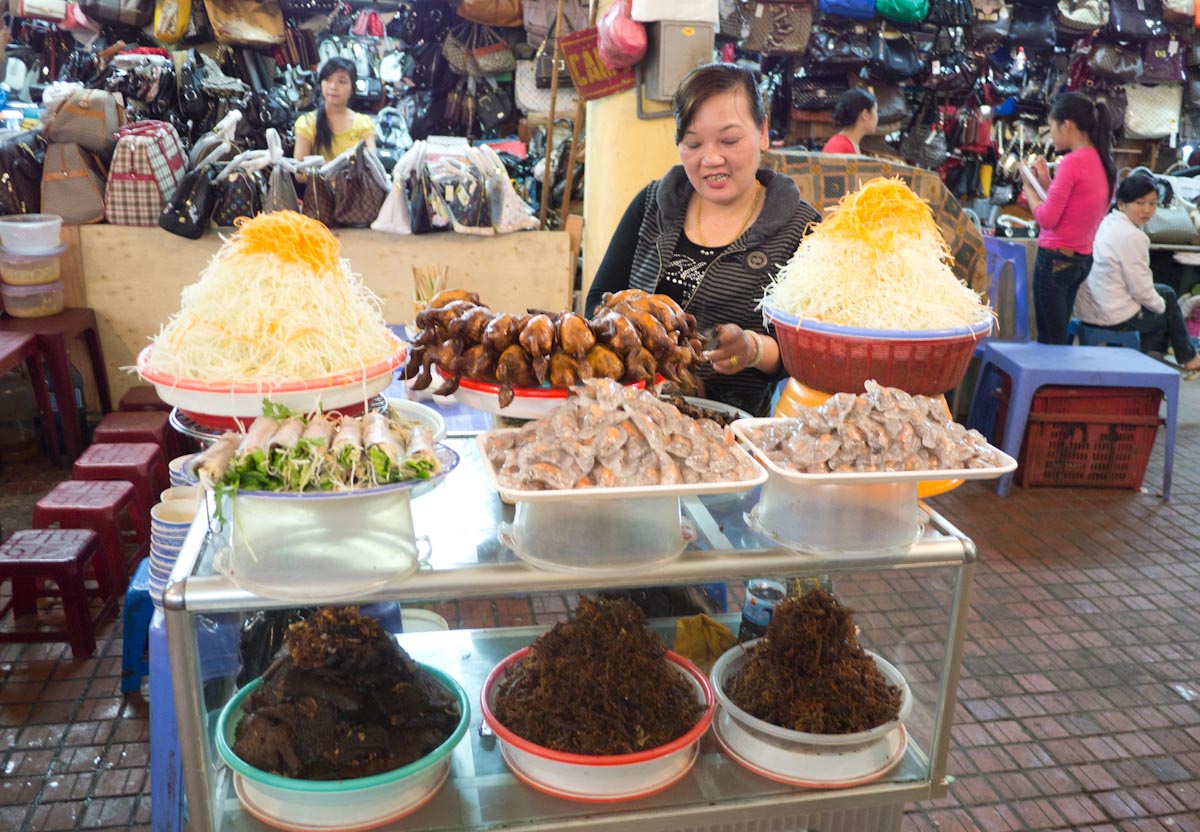
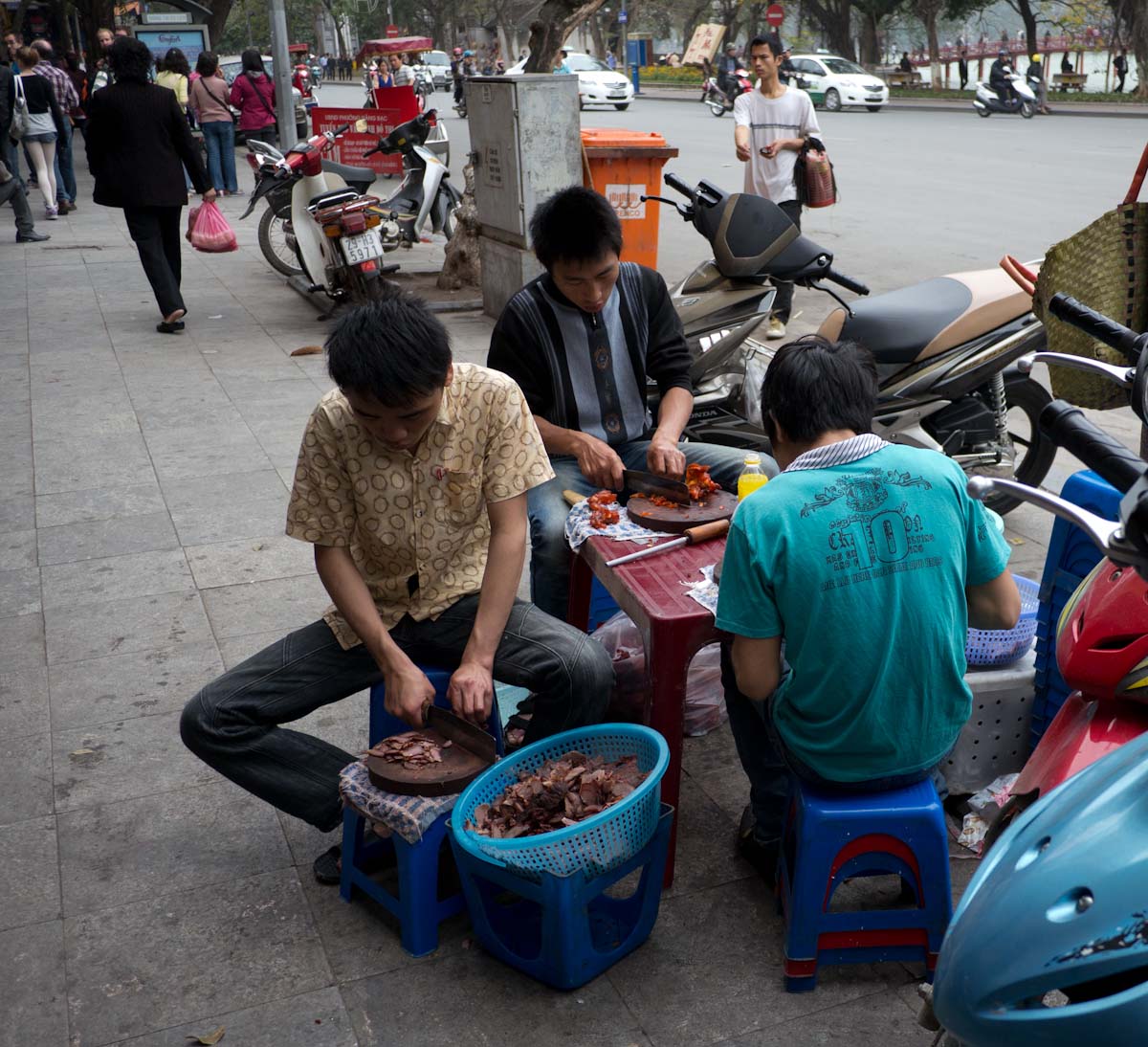
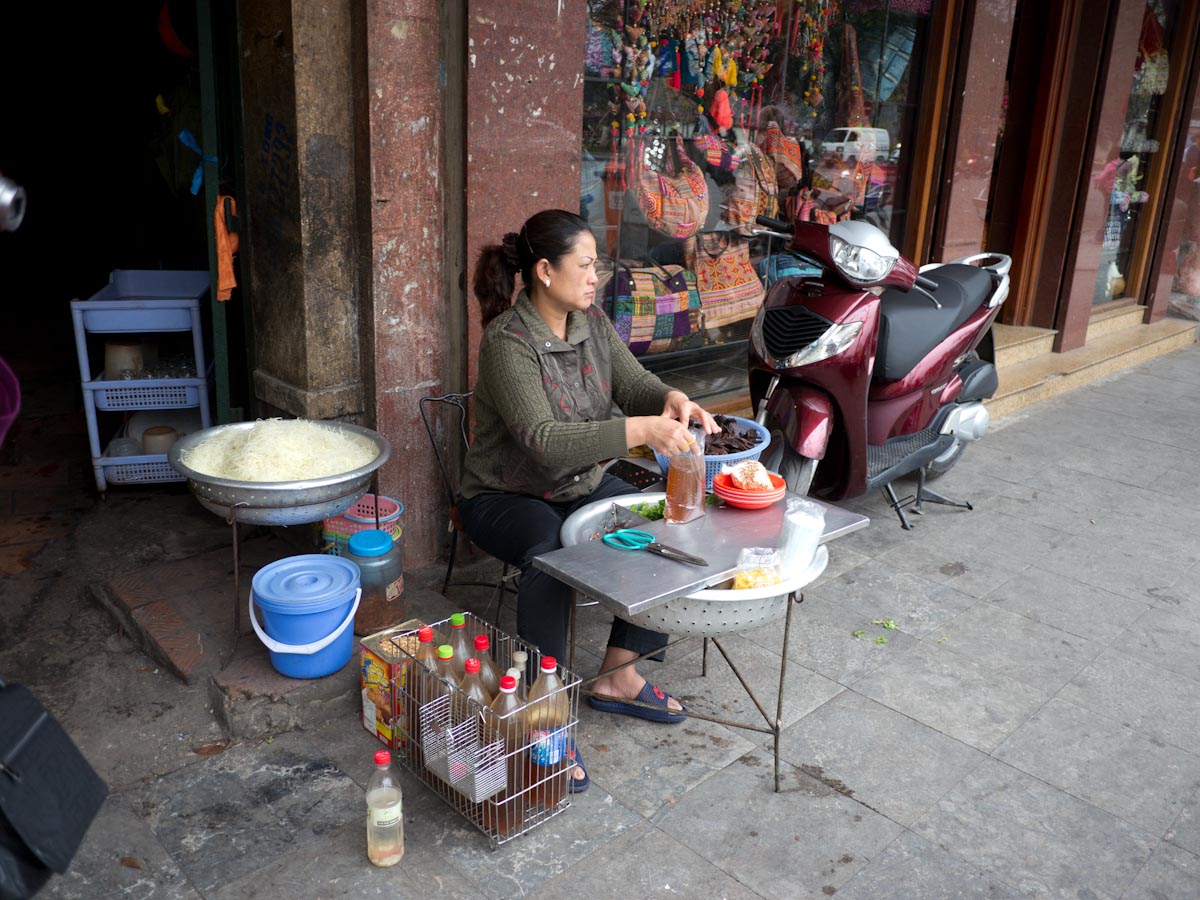
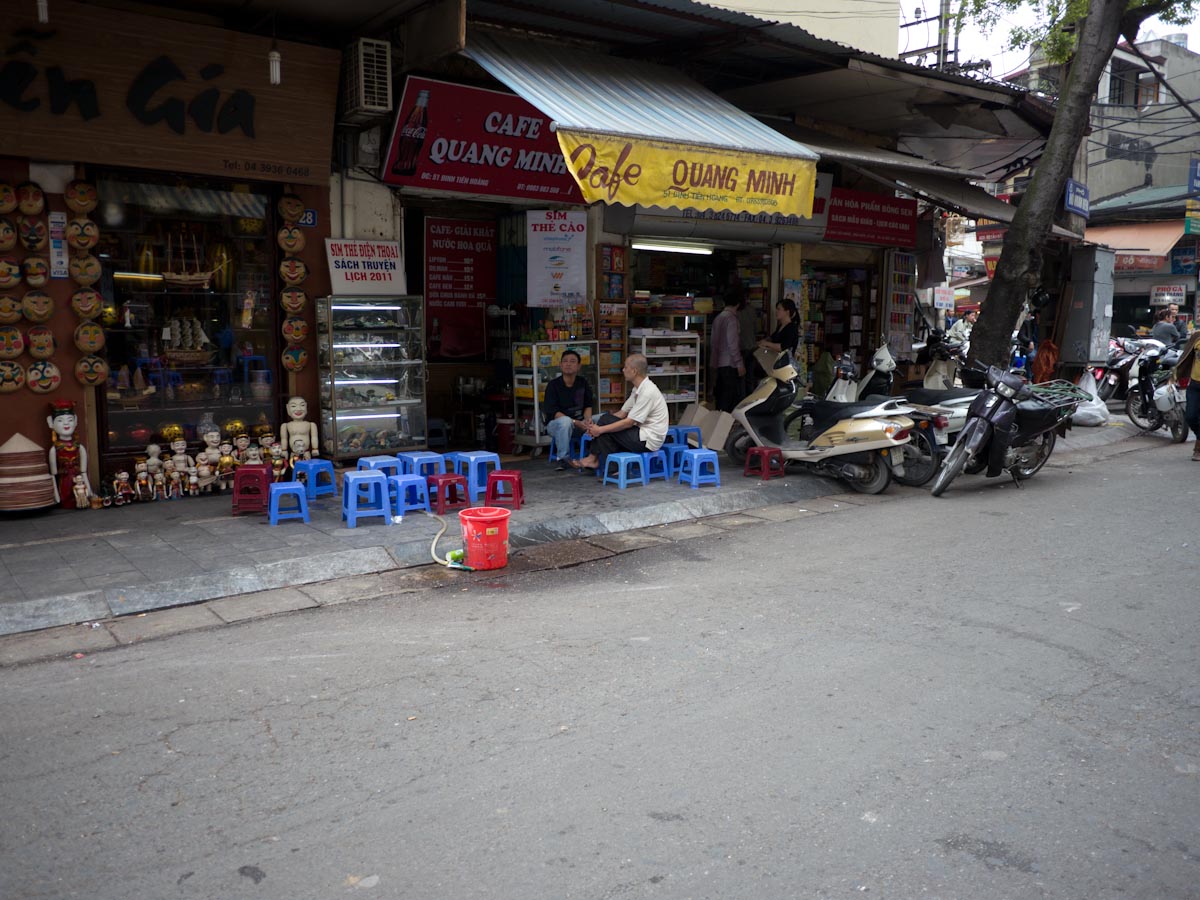
This is the perfect place for cultural adventures. So much is foreign here – the five-tone language, a vaguely familiar alphabet that resolves into strange characters, a single-party Communist system adapted to agriculture while growing toward vibrant capitalism, streets filled with scooters rather than cars, people setting up kitchens right on the sidewalk and serving hot food on tiny plastic tables to customers perched on tiny plastic chairs, the juxtapositions of menial peasant life against the hustling, narrow-streeted and sewerous city, and endless expanses of flat puddle rice paddy in the suburbs against gleaming new skyscrapers in the center.
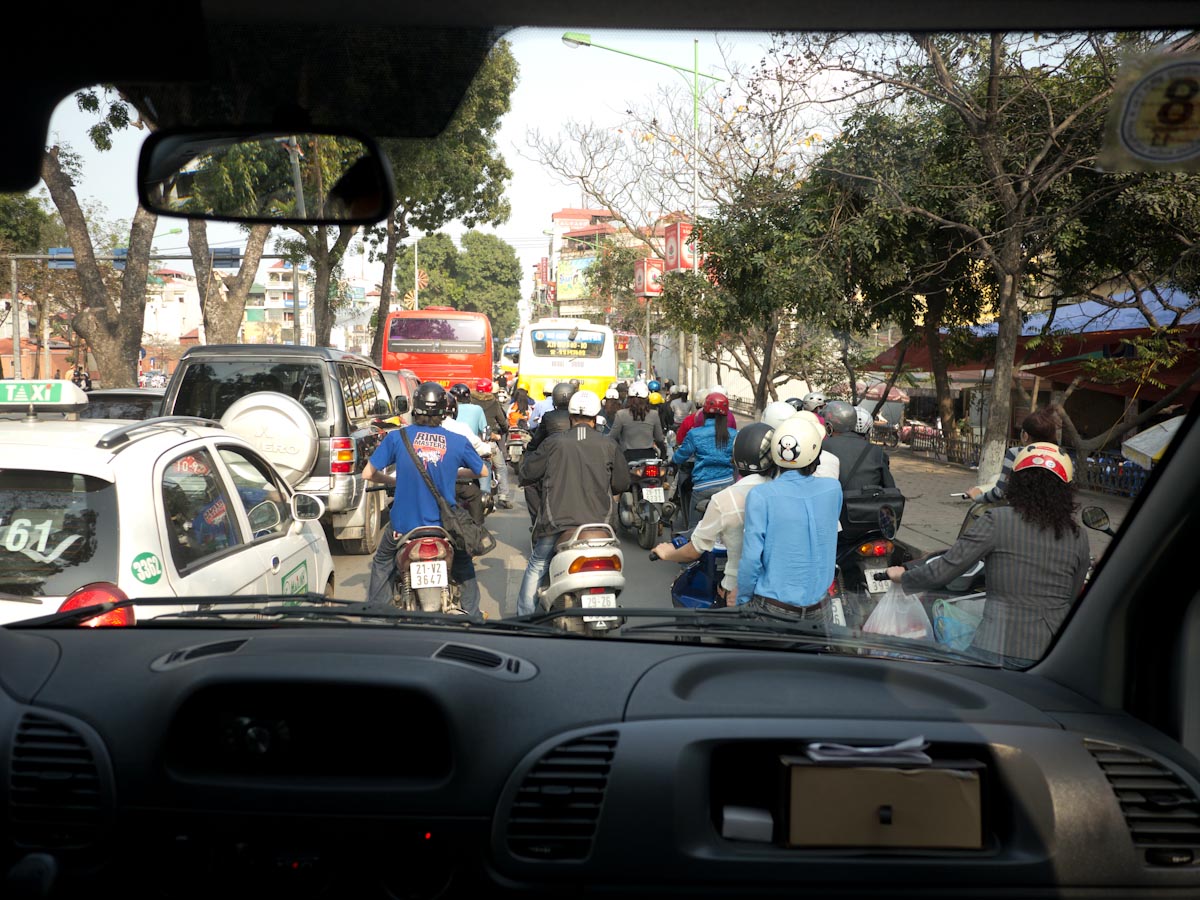
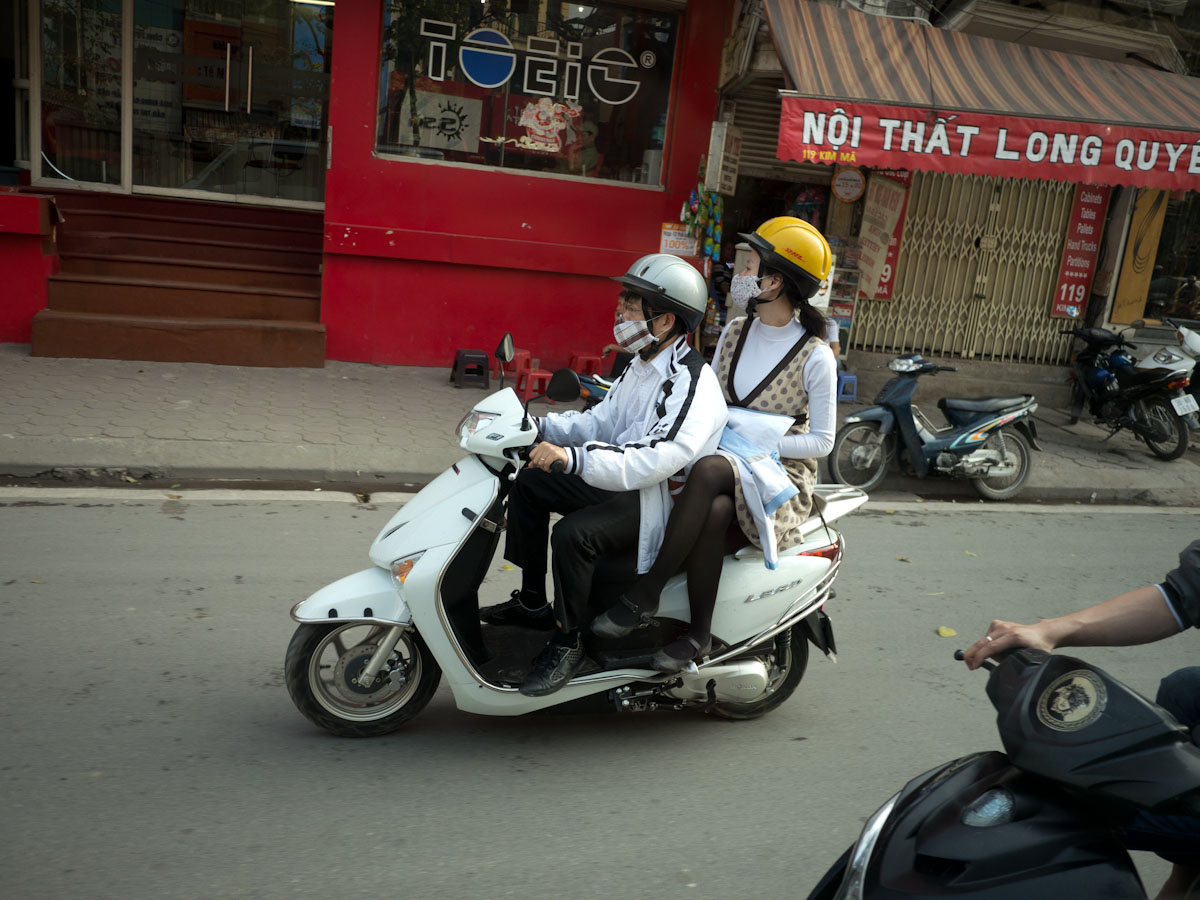
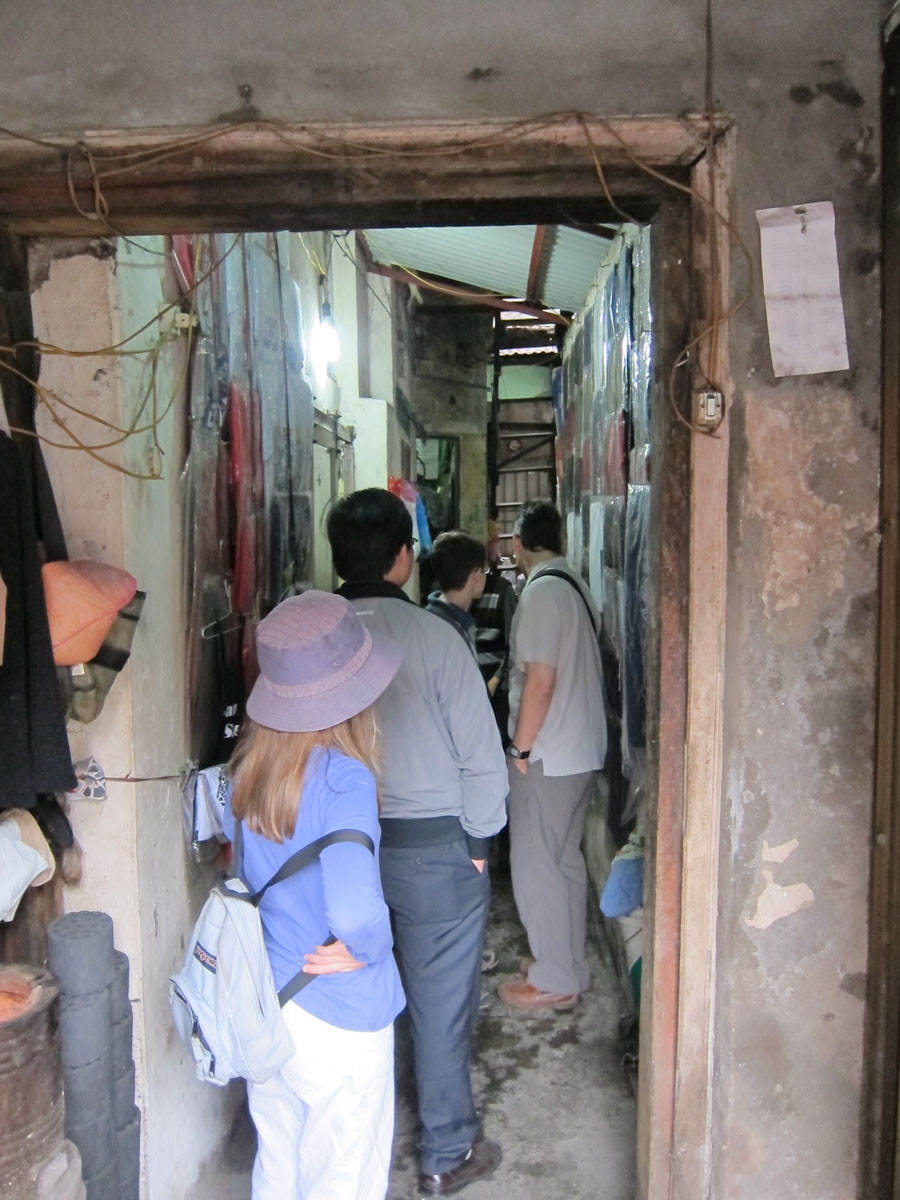
Hanoi’s vibrant alleys beg to be explored, if only it were safe to do so. American instincts simply can’t cope with this traffic though – the parked scooters are blocking the sidewalks while all the others are gunning through the streets. There is no way to proceed except in the midst of all these engines. Hanoi citizens know how to do that safely by walking at a certain steady pace as the drivers magically dart around them. For us it is a matter of bewildered scampering like frightened squirrels.
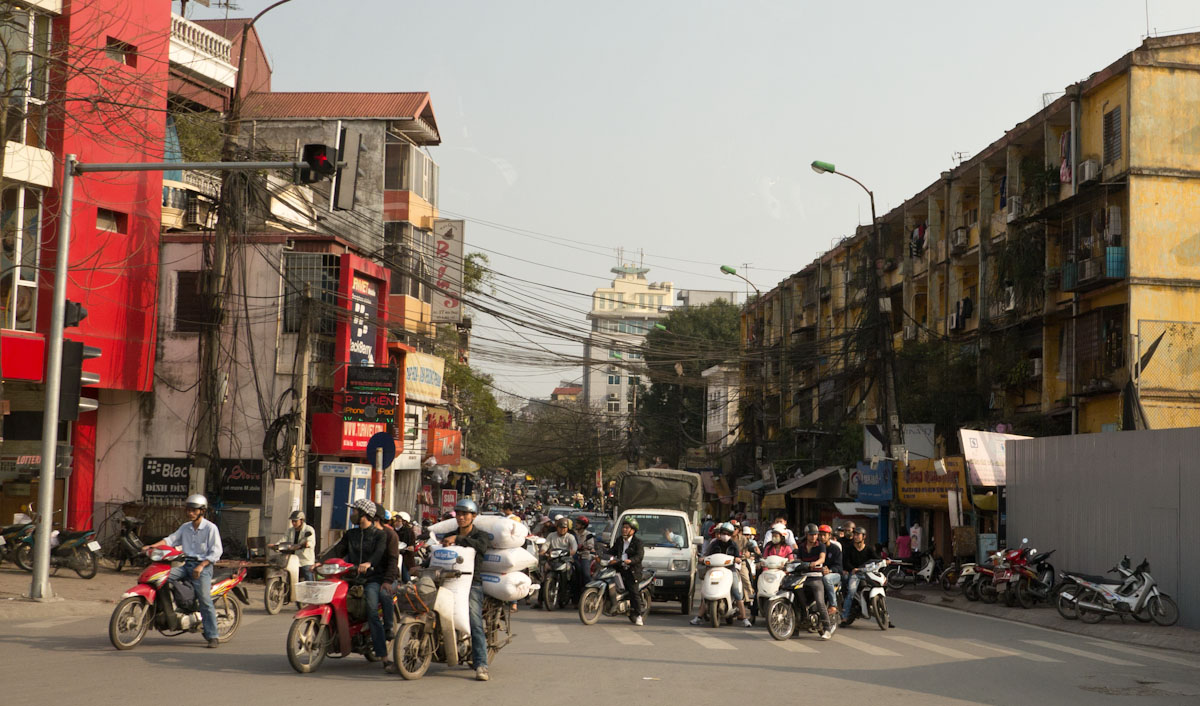
Roadkill is a real possibility here. They have an electronic billboard at town center that tallies the cumulative number of traffic fatalities. The number is over 300 as of early March.
Our touring started with the most important site in the city – the buildings where Ho Chi Minh ran the Communist government that led the war effort against South Vietnam and the USA. His mausoleum is here and we filed by – with thousands of people – to see his open casket remains. We visited his old apartments – built exactly like a peasant’s home, except that he had a door leading down in to a bomb shelter.
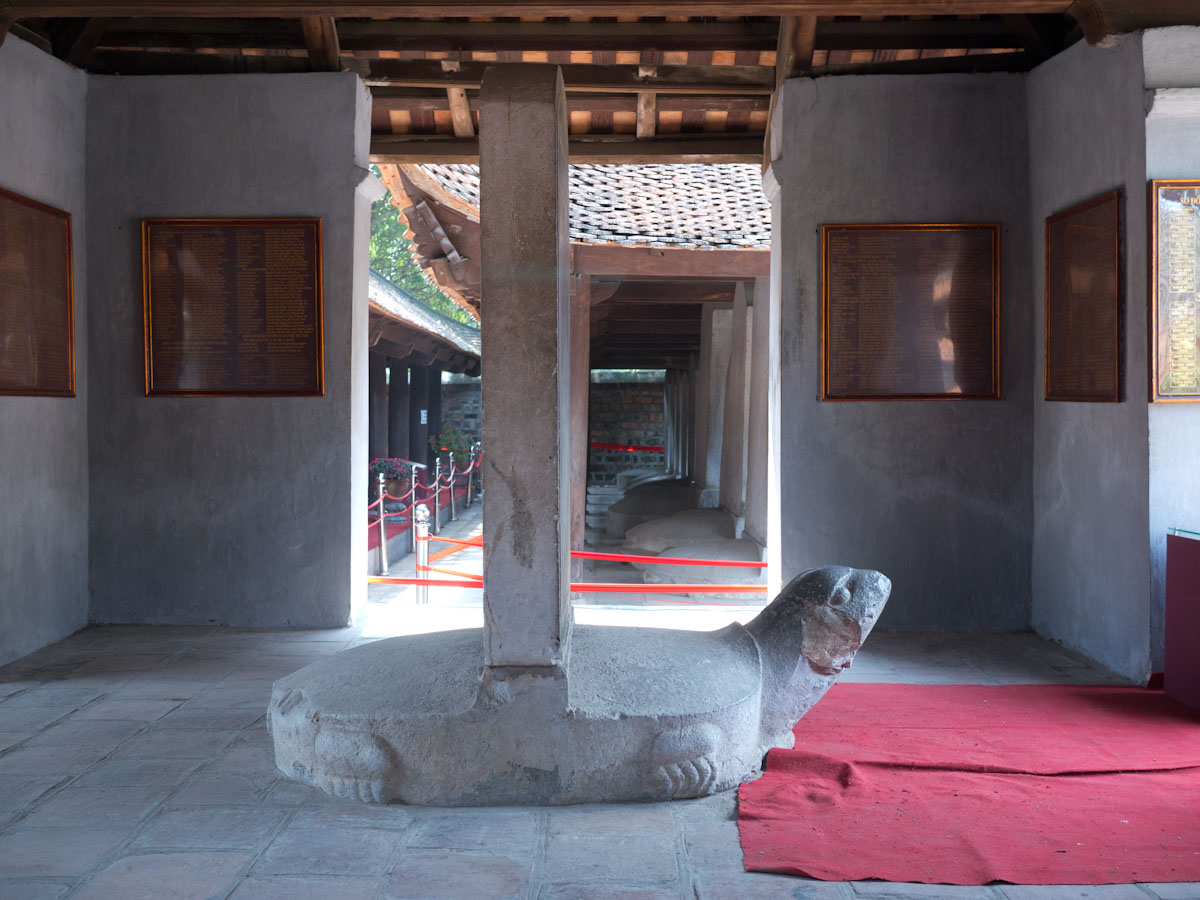
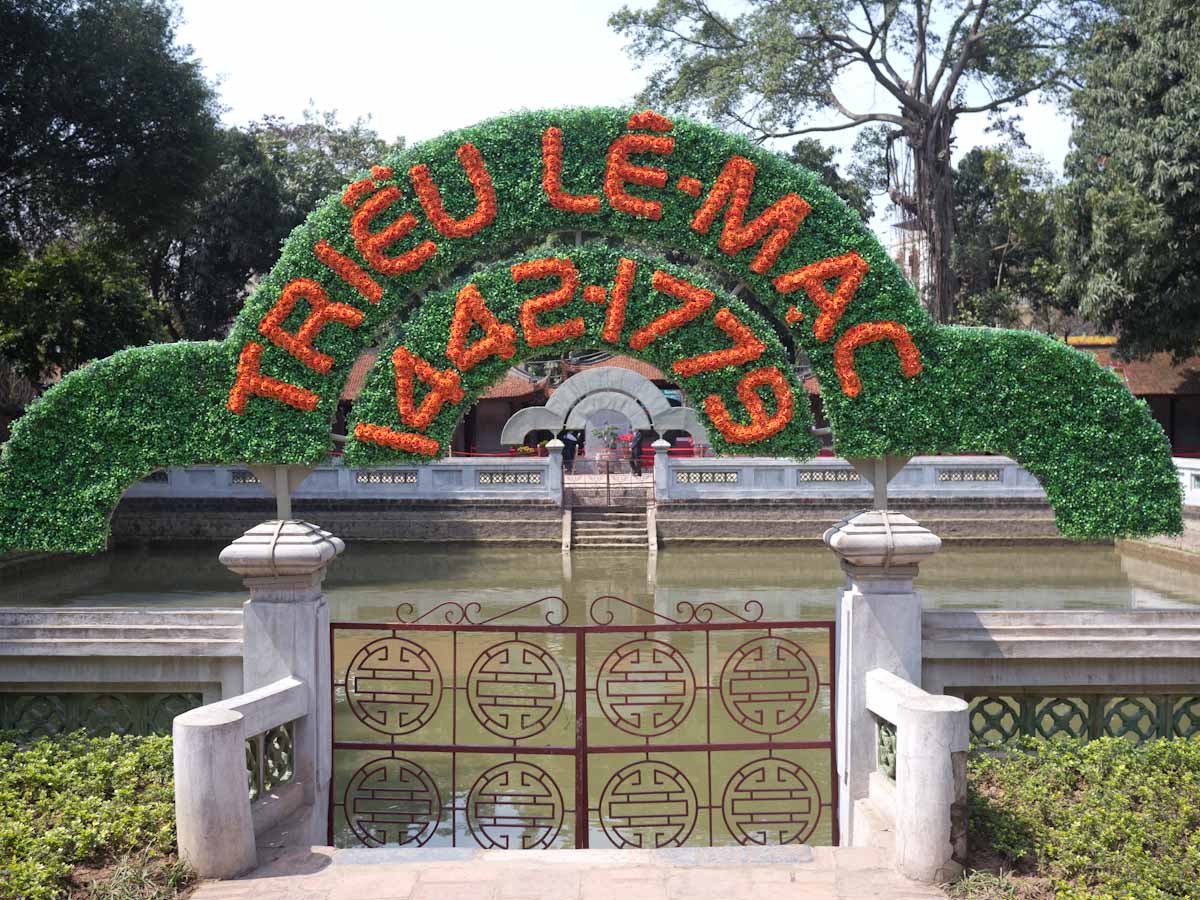
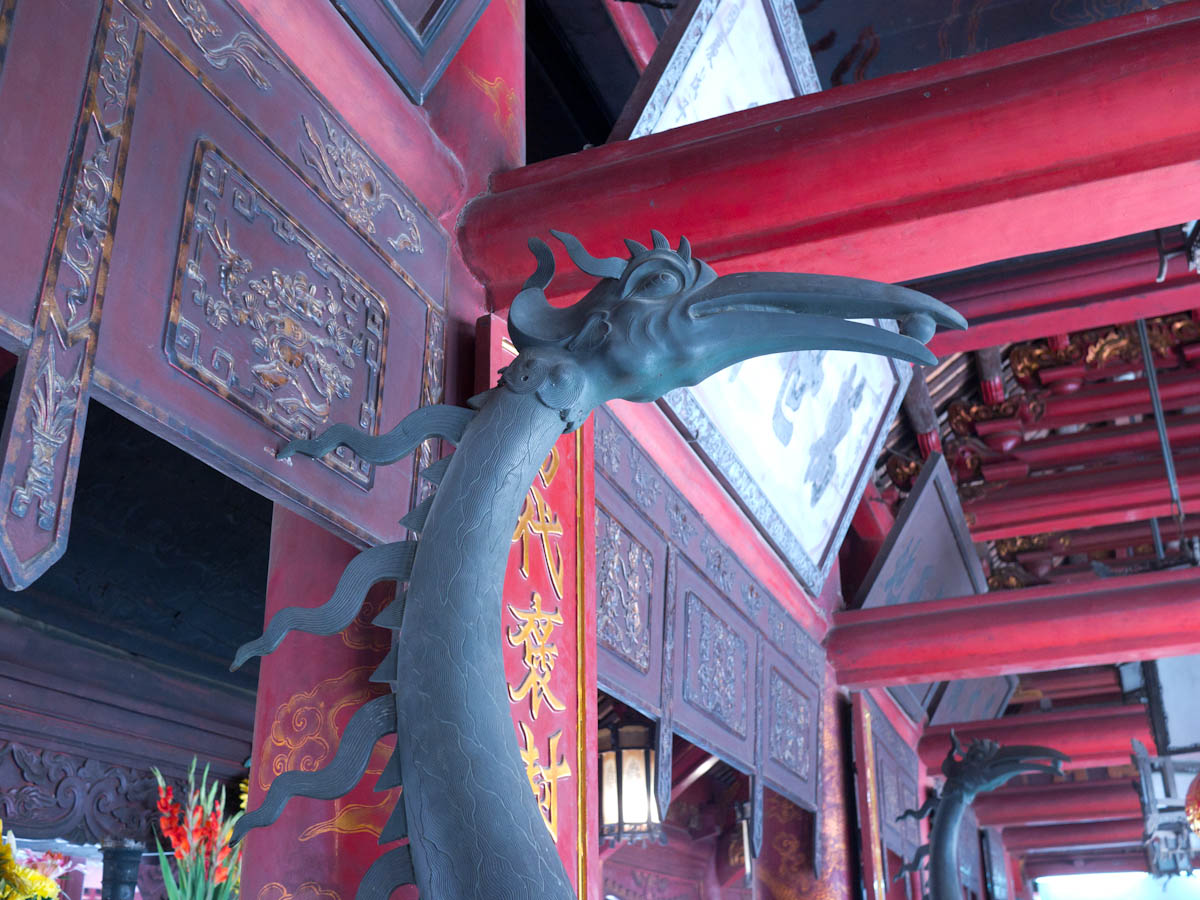
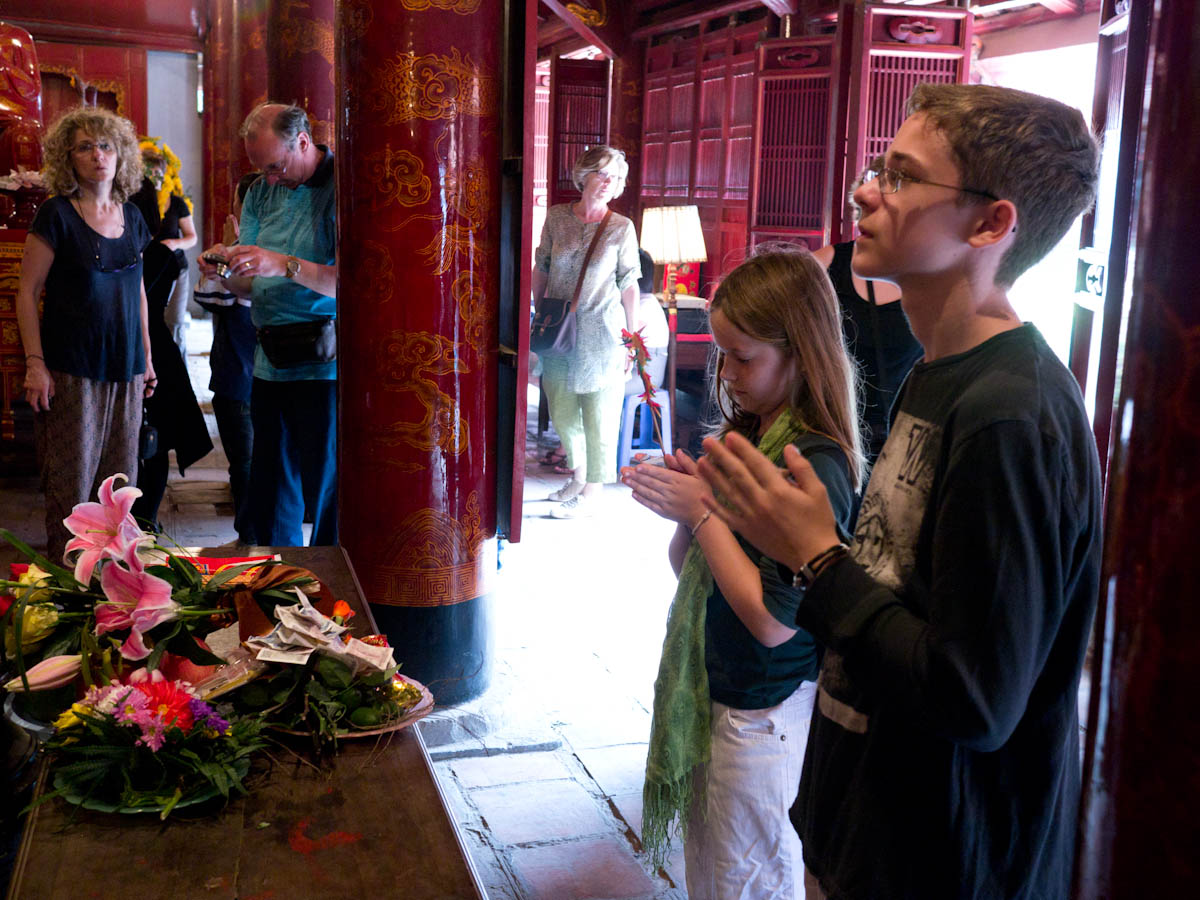
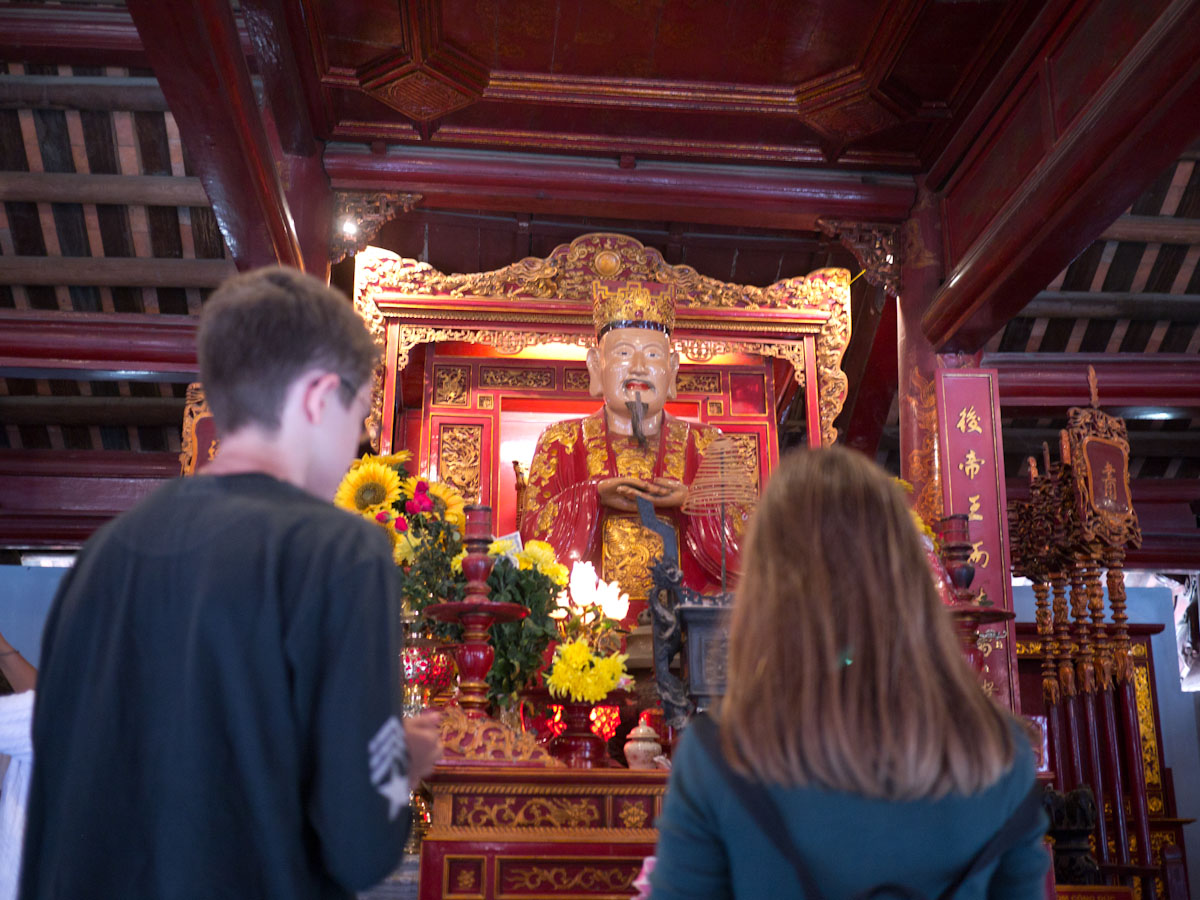
From here, we quickly stopped at the Hanoi Temple of Literacy. This was the top university in the country from 1442-1779, where the mandarins were trained to advise the King. Top graduates are recognized on steles carried by giant stone turtles. We paused long enough for Carter and Katherine to join the many Vietnamese students who had come here to pray to Confucius for good grades on their schoolwork.
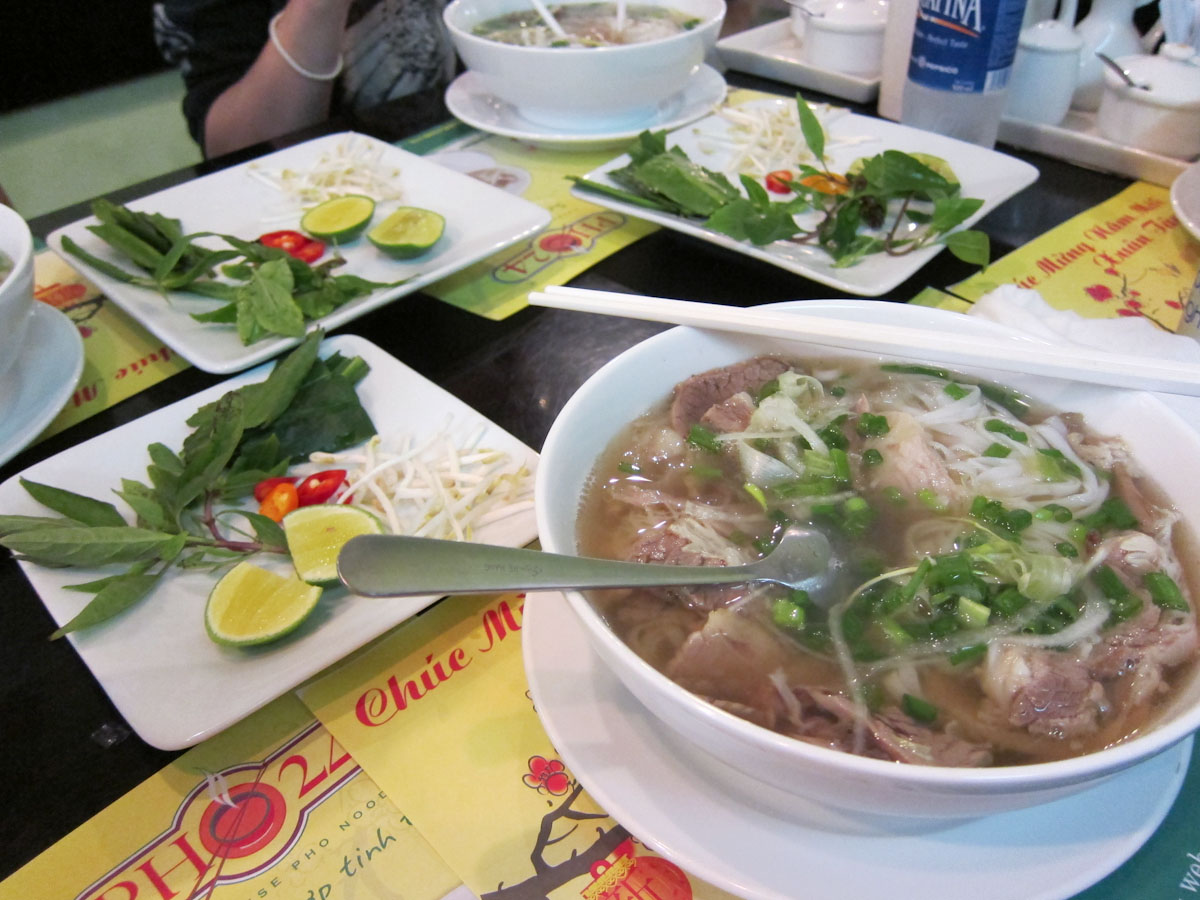
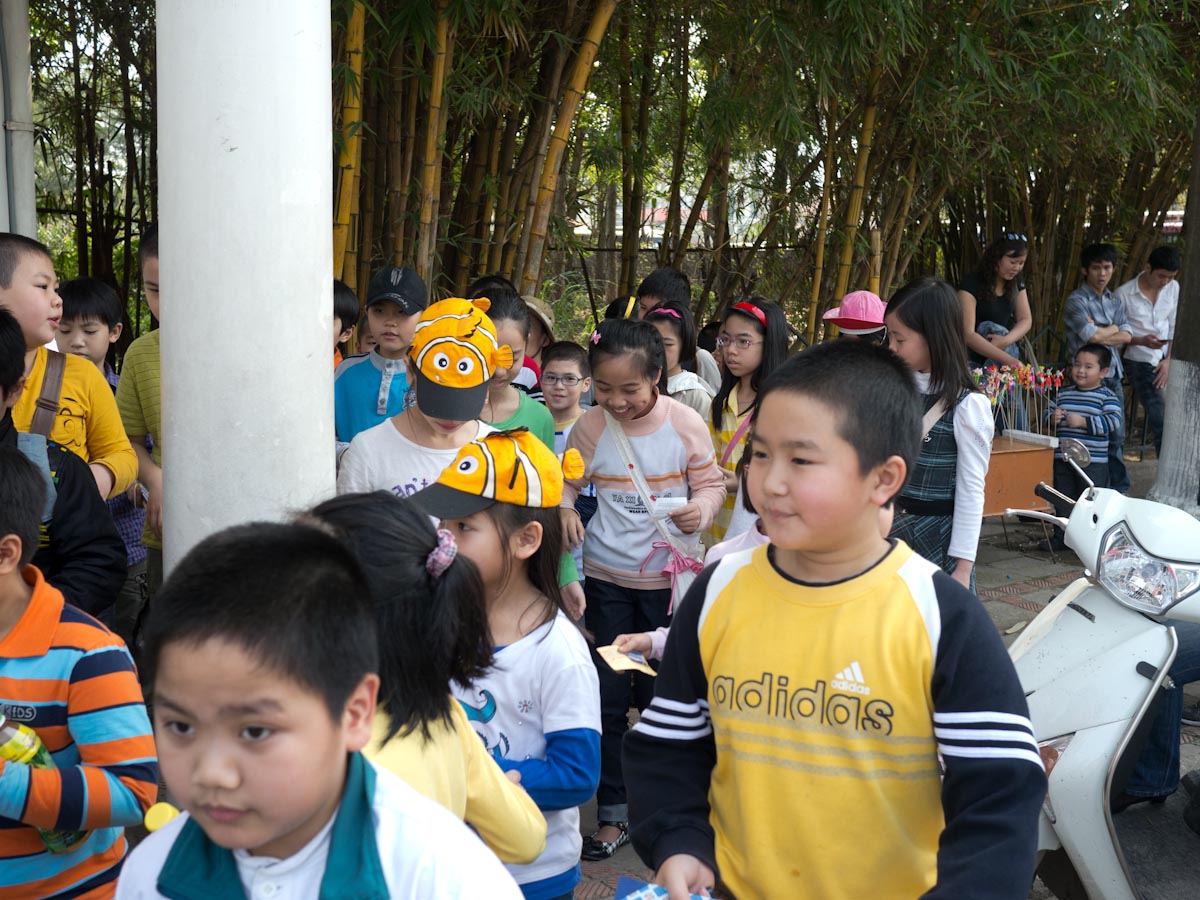
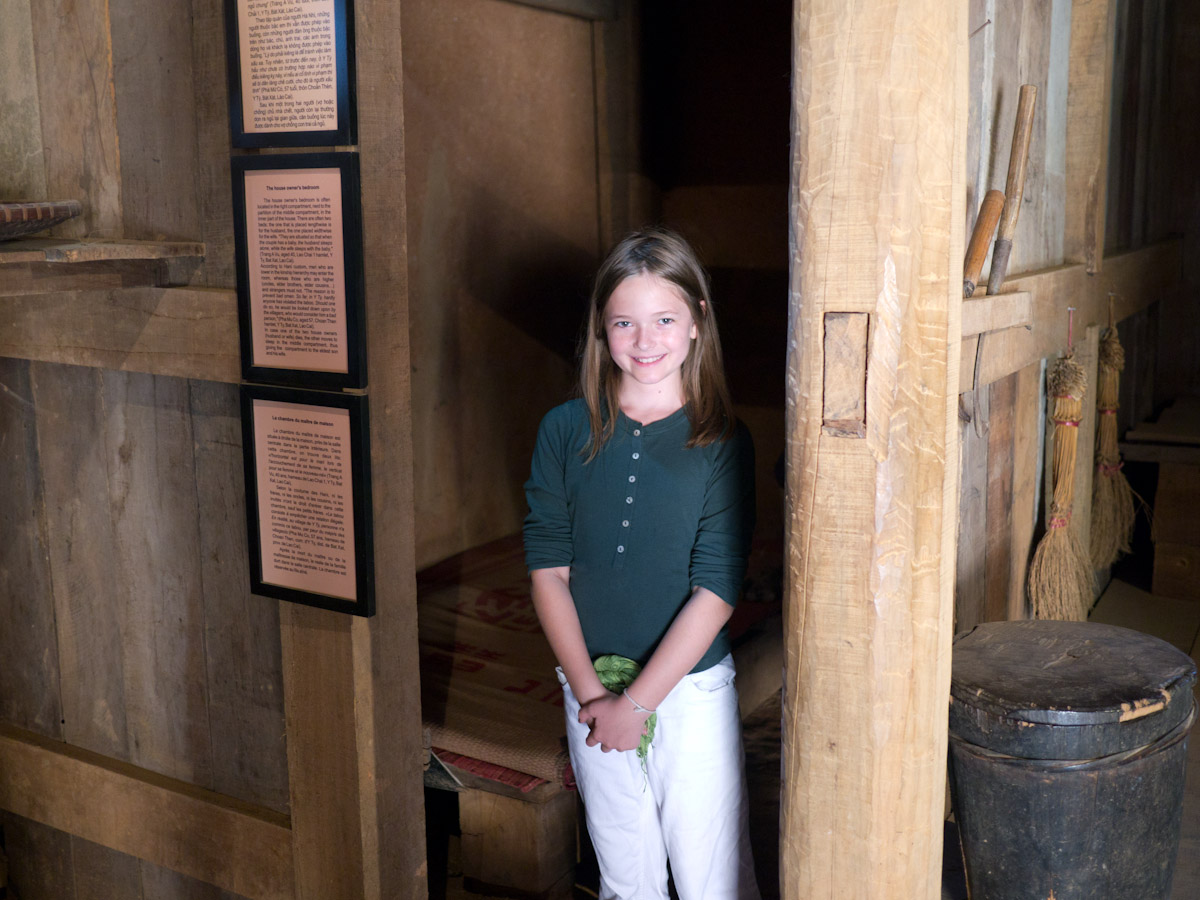
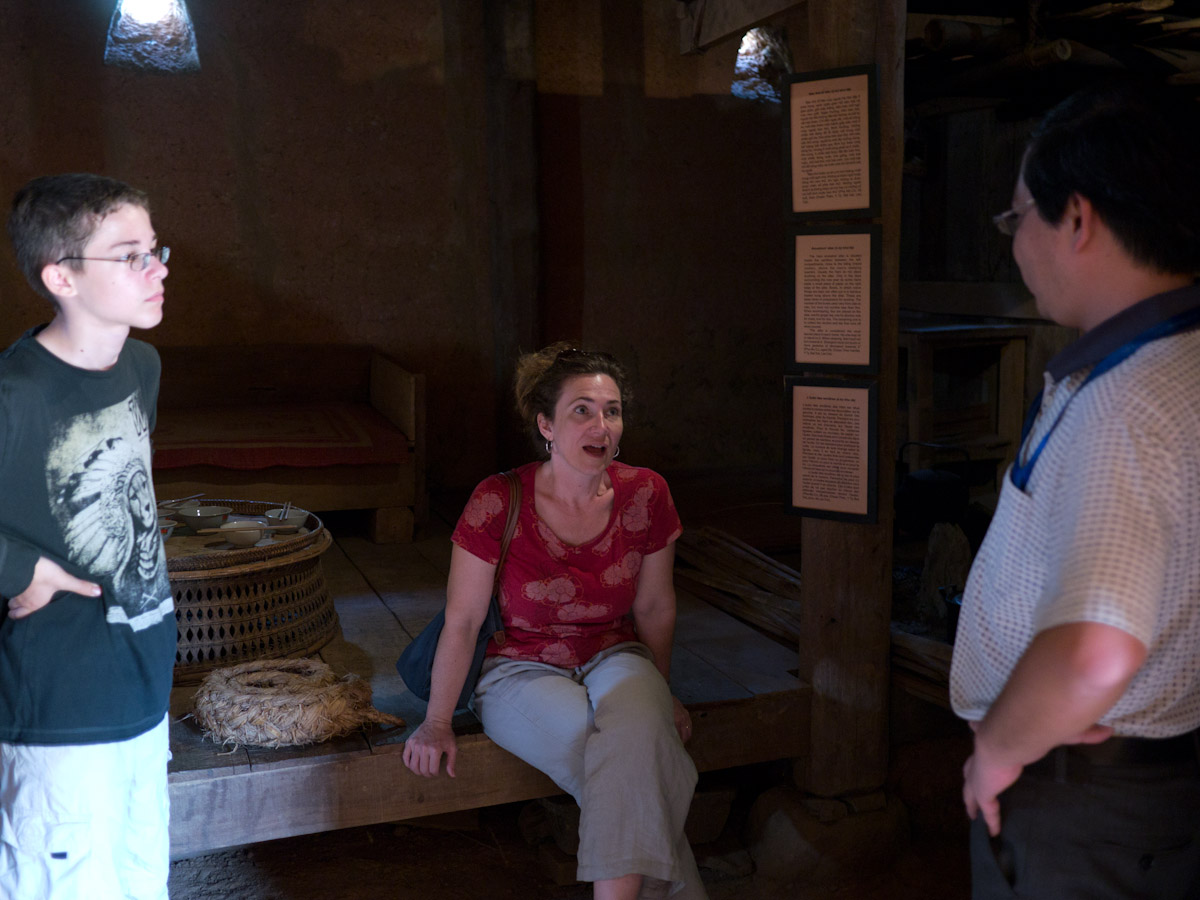
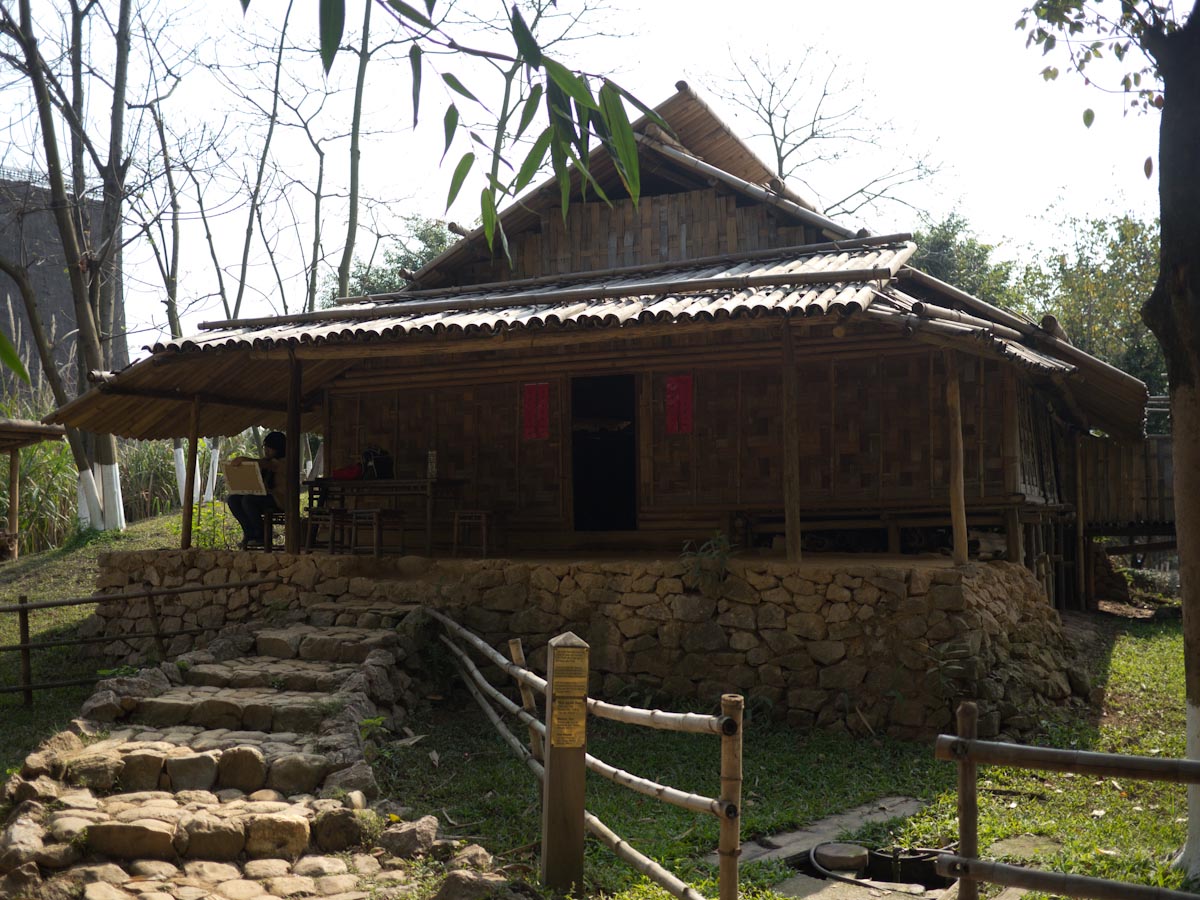
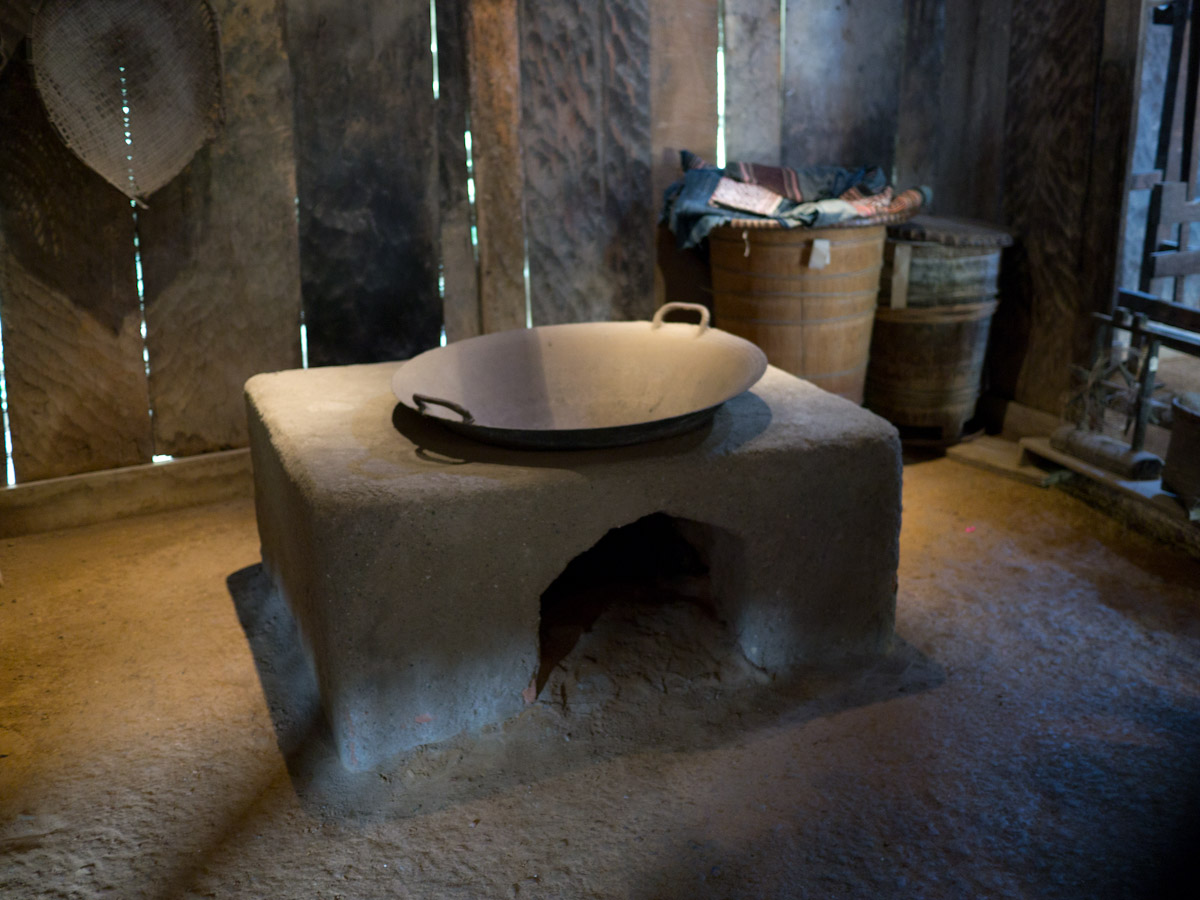
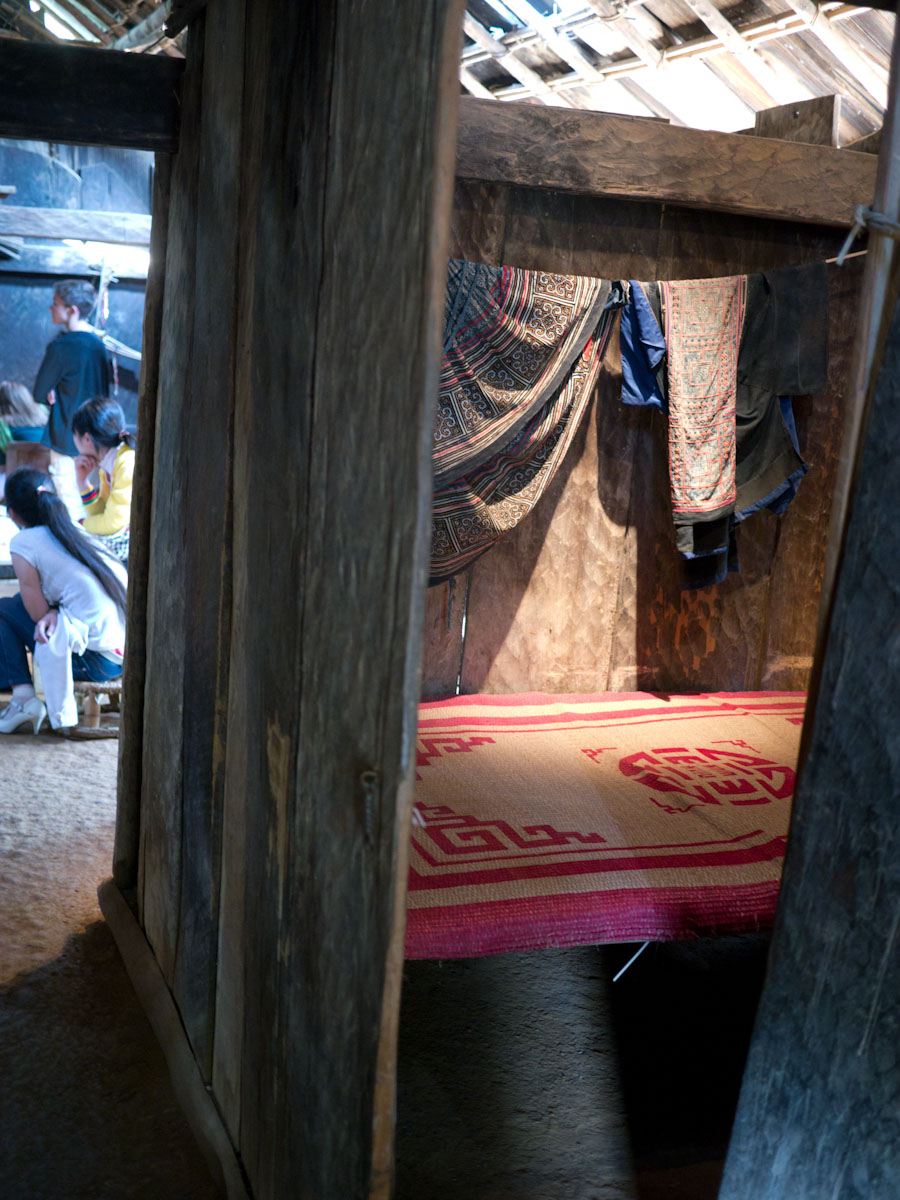
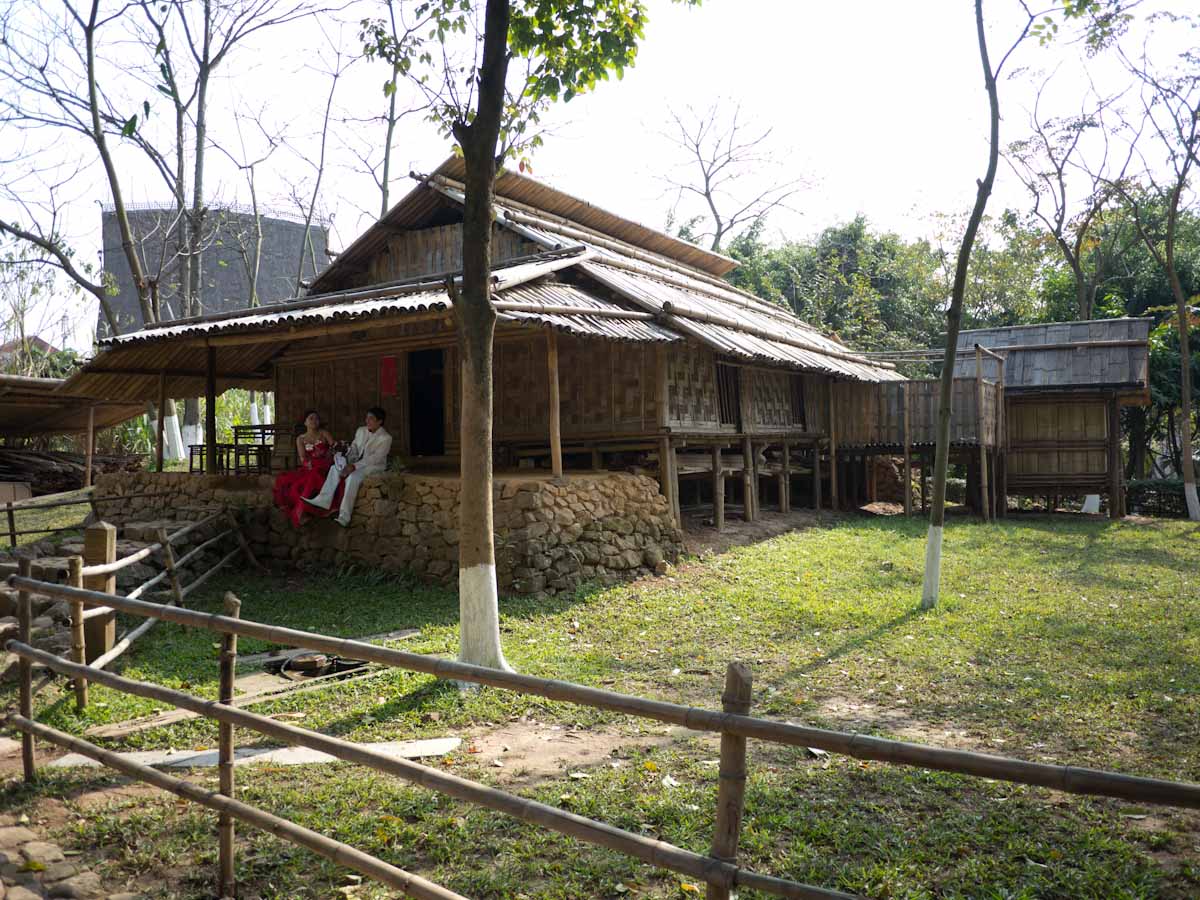
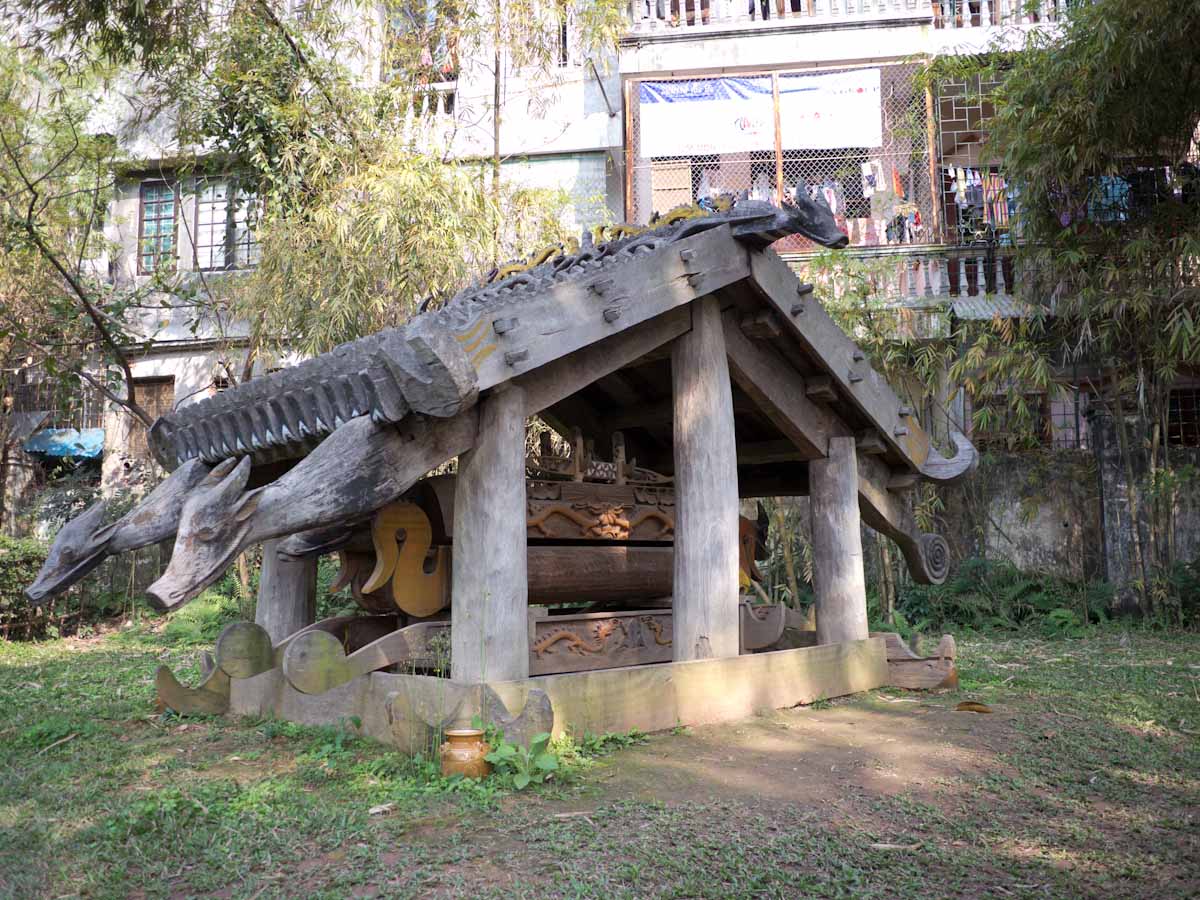
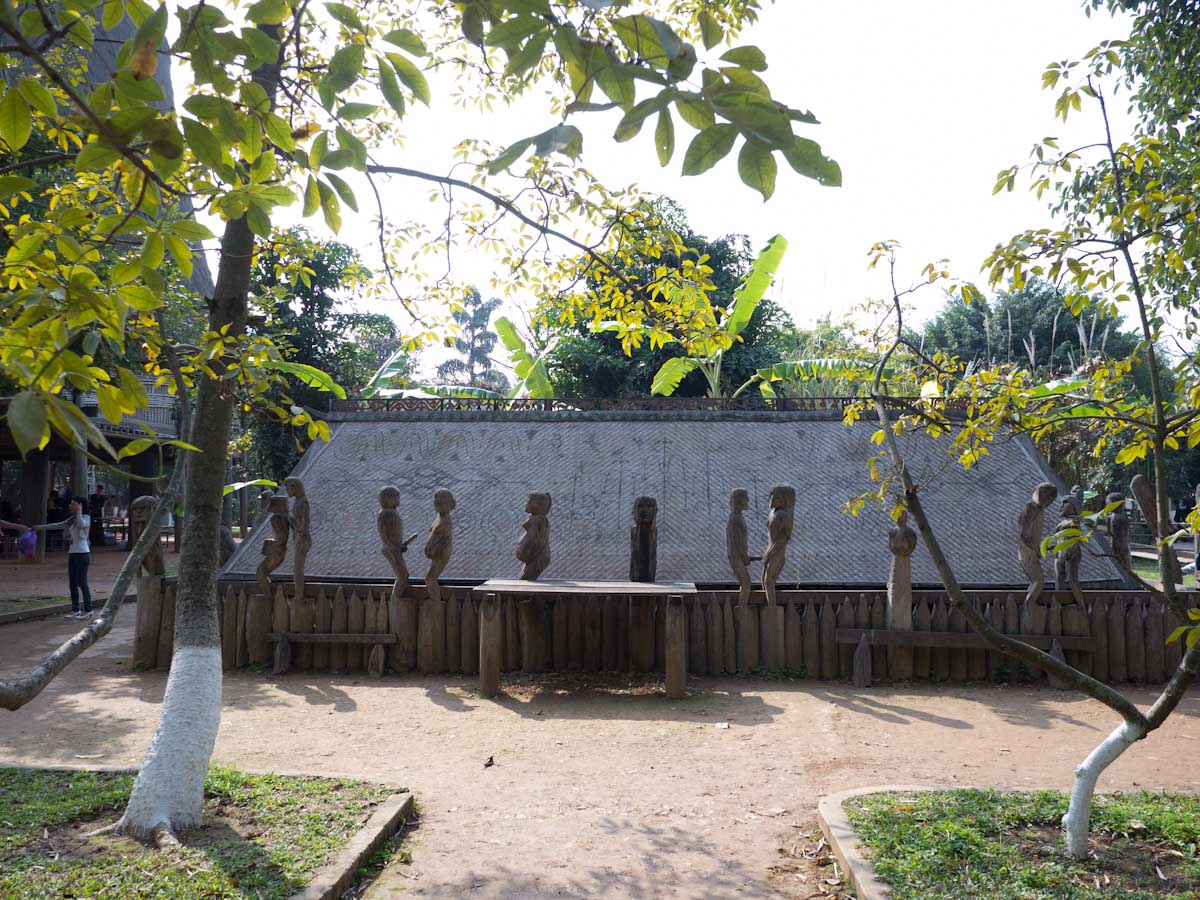
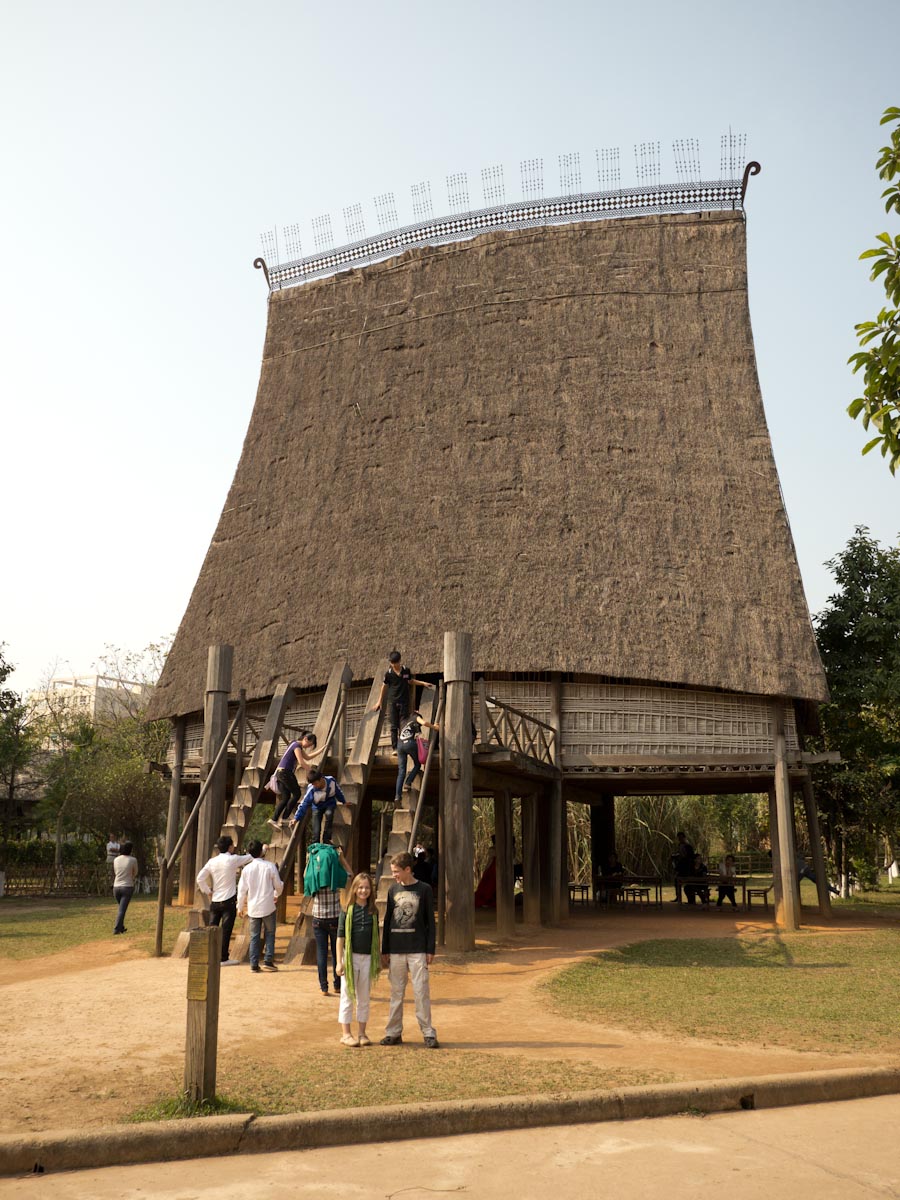
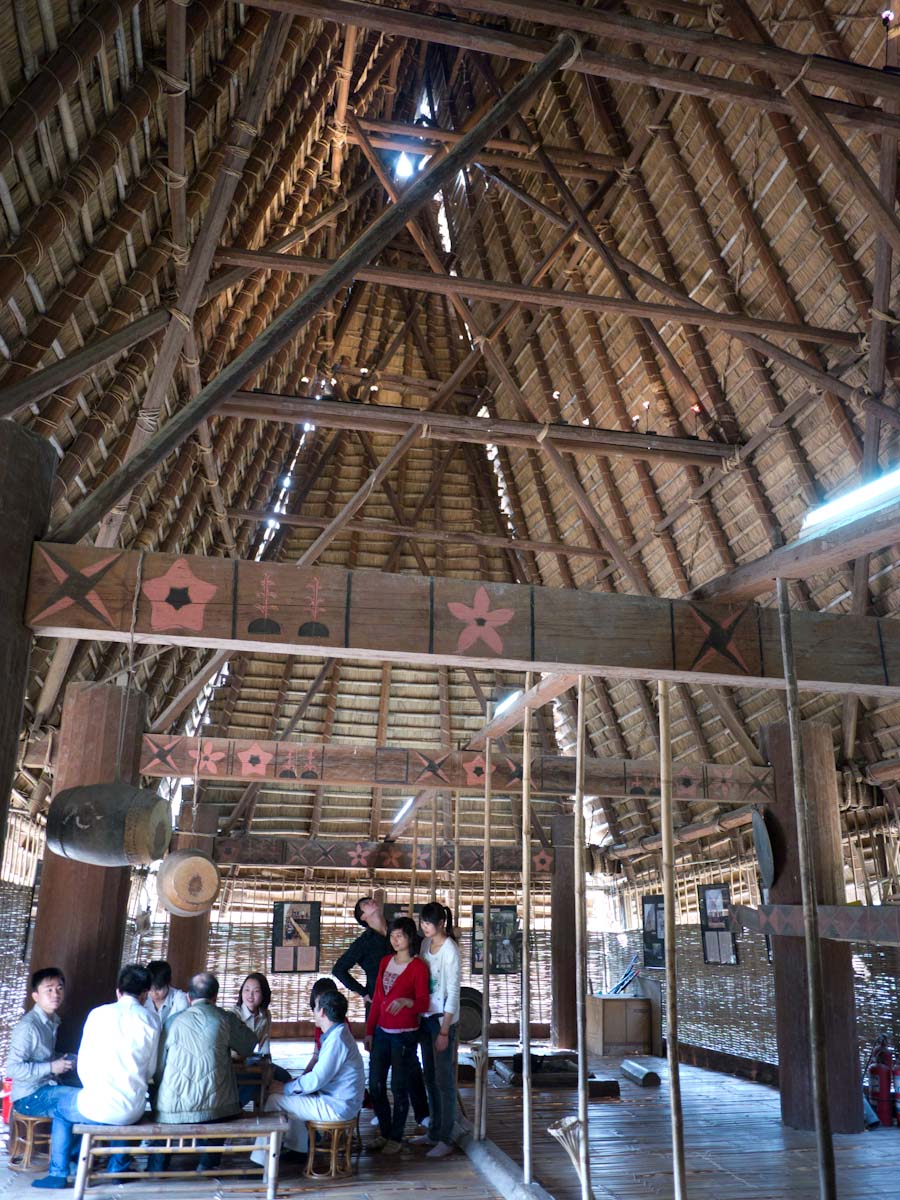
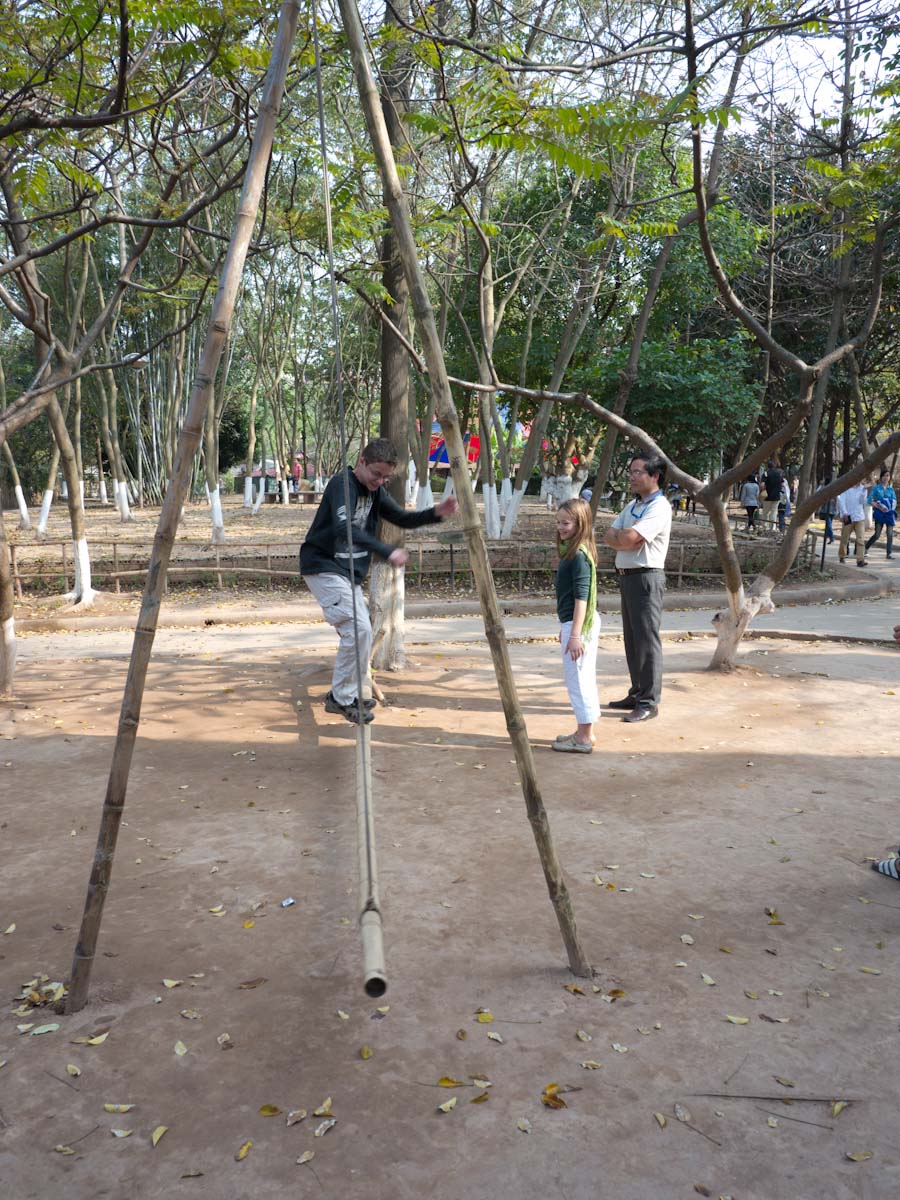
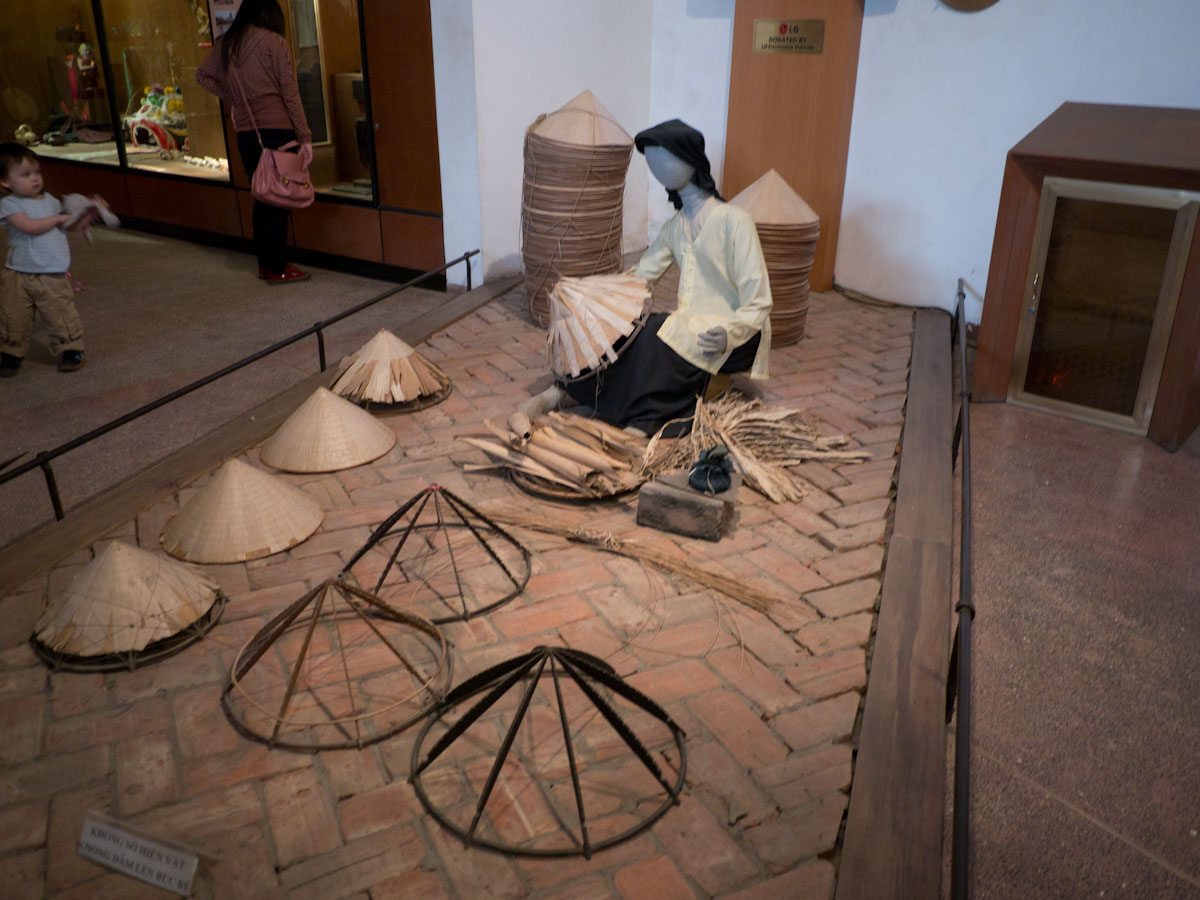
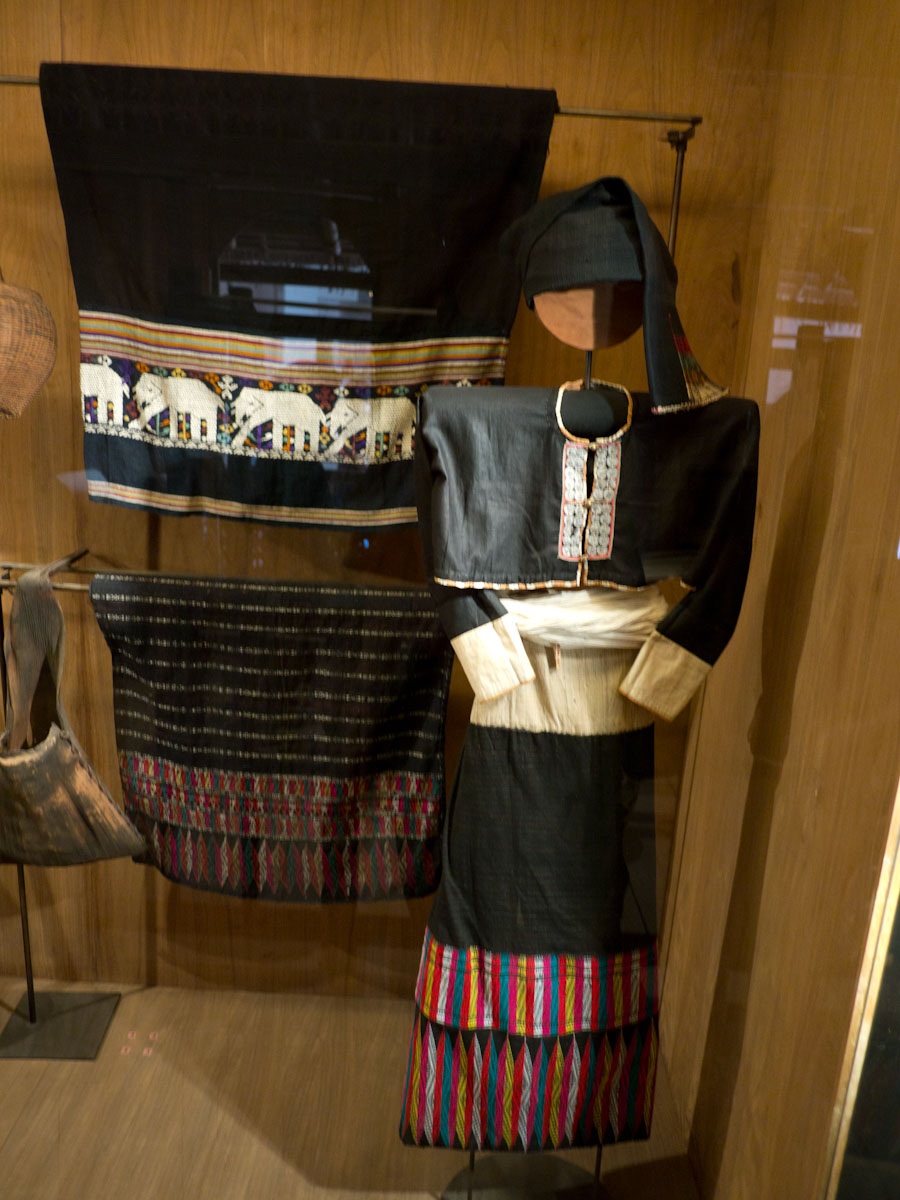
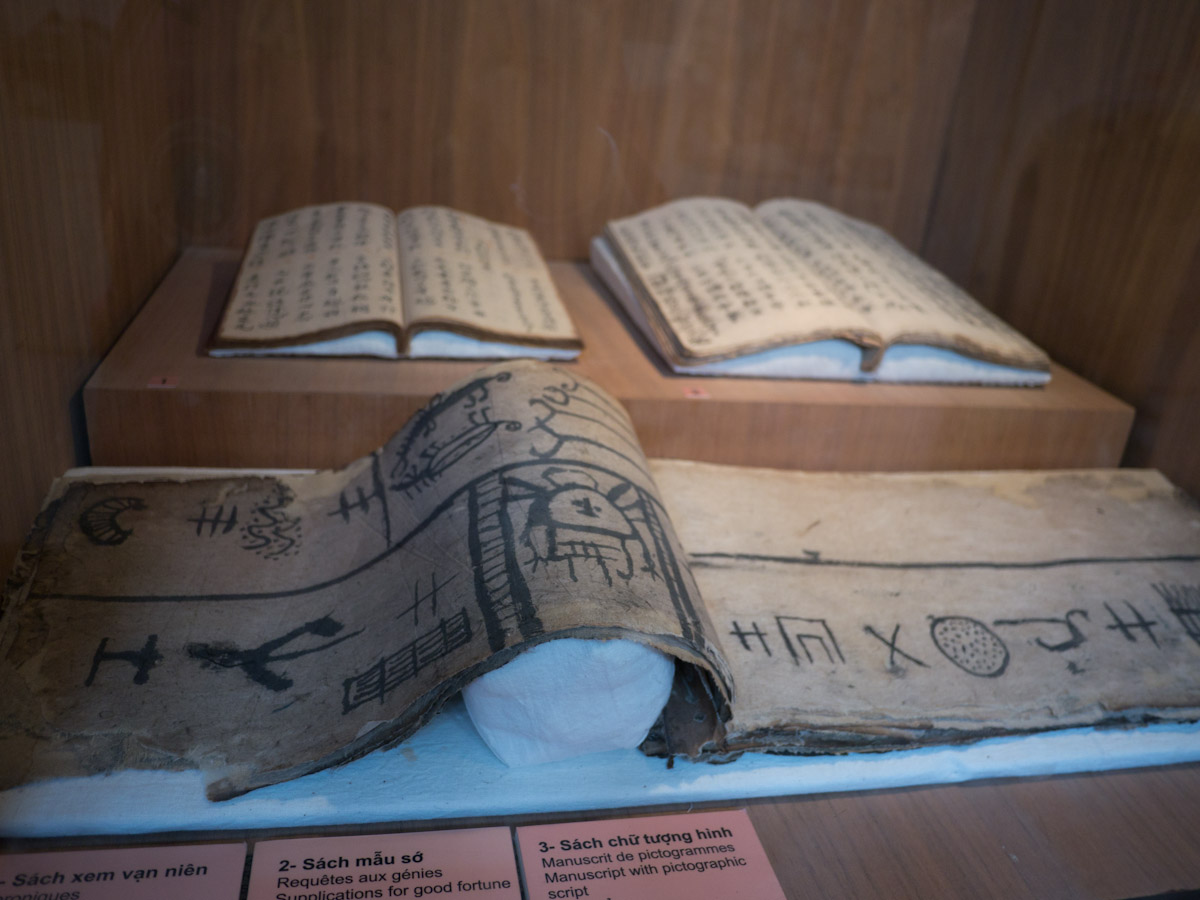
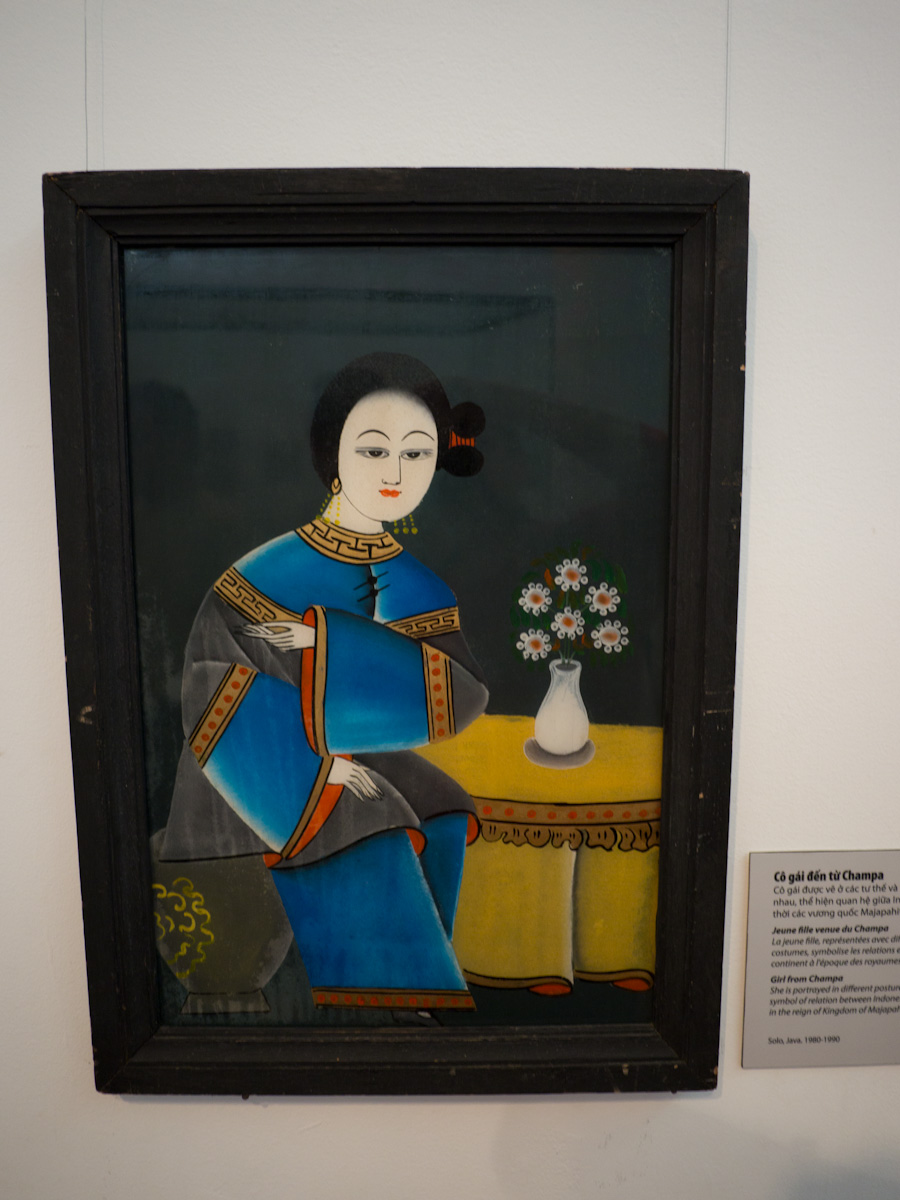
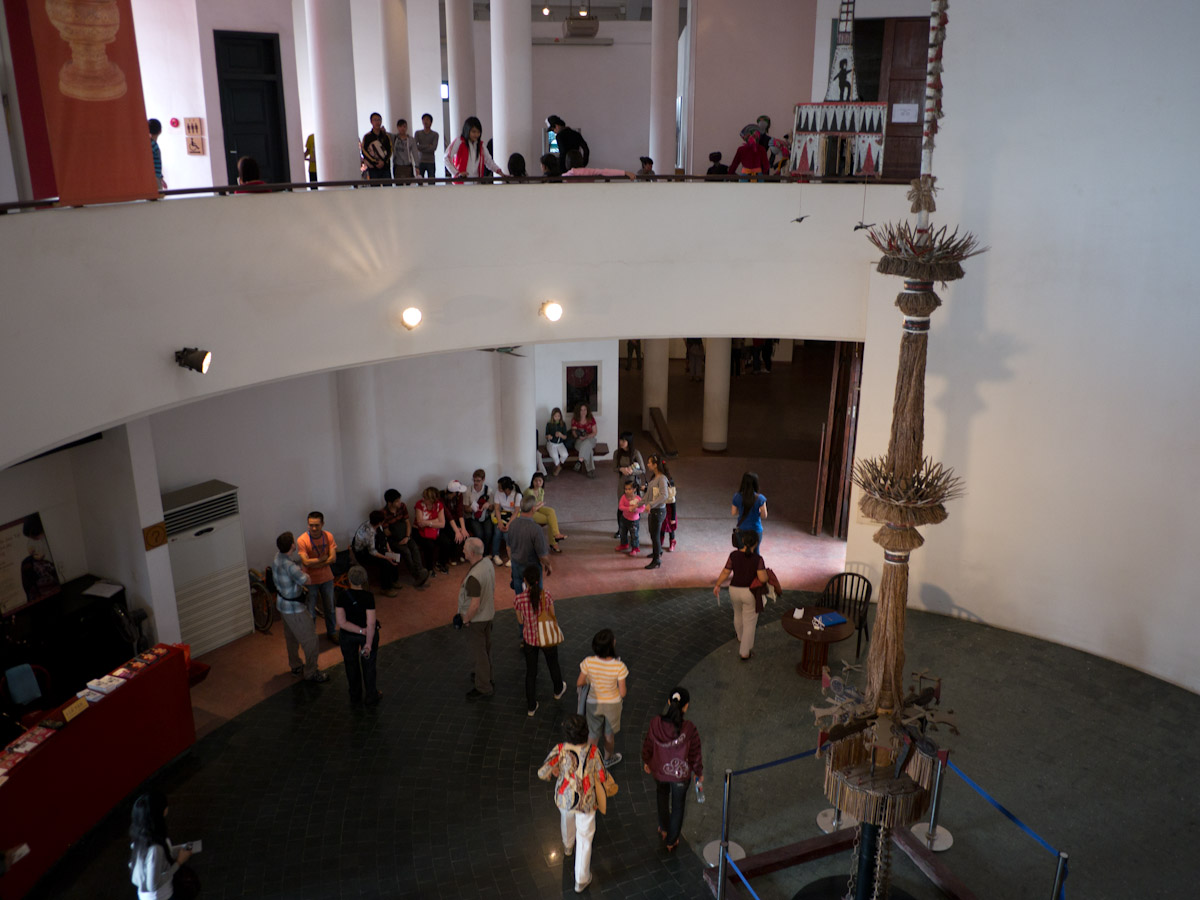
After a tasty pho soup lunch, we visited the Vietnamese ethnic museum. Although over 80% of the Vietnamese come from one tribe – the Viet, who are ancient migrants from the South of China, there are 53 other tribes as well each with their own traditions.
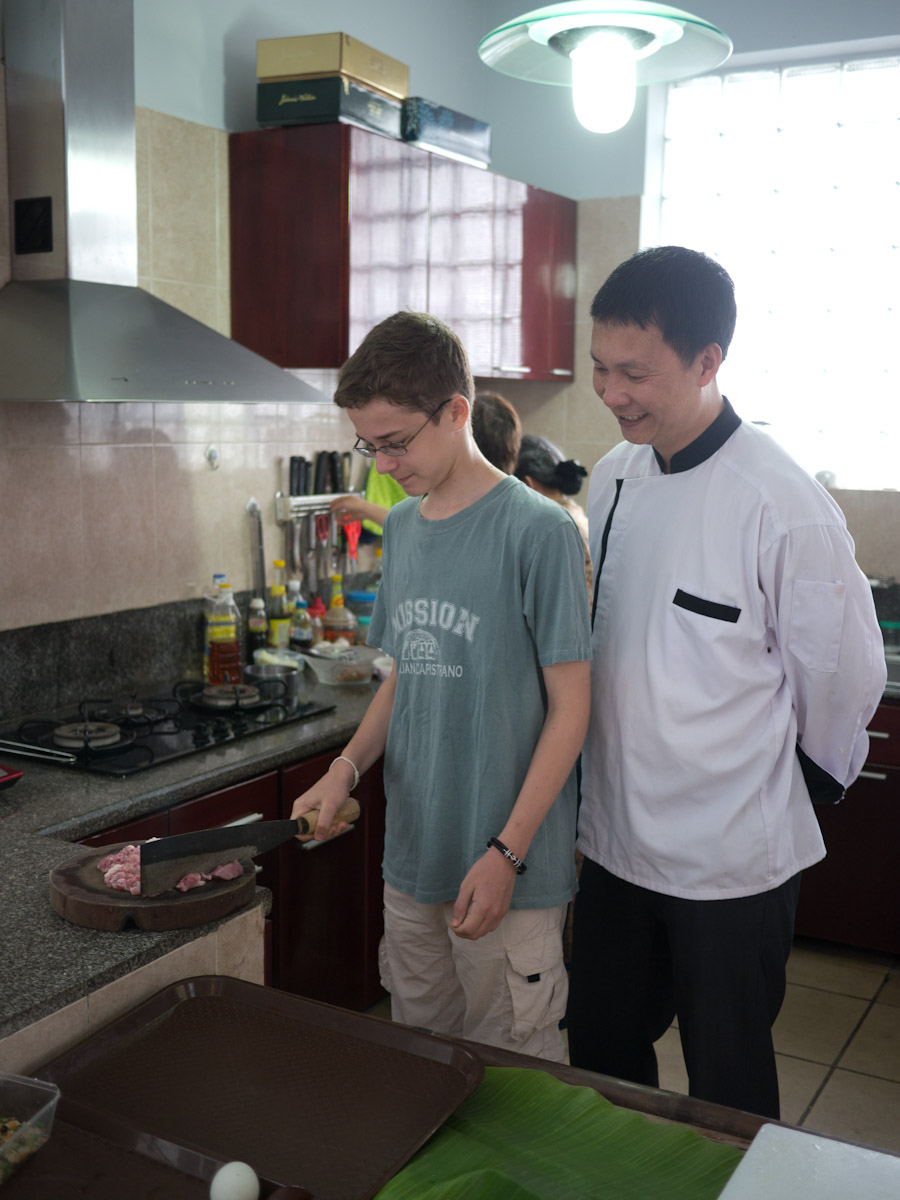
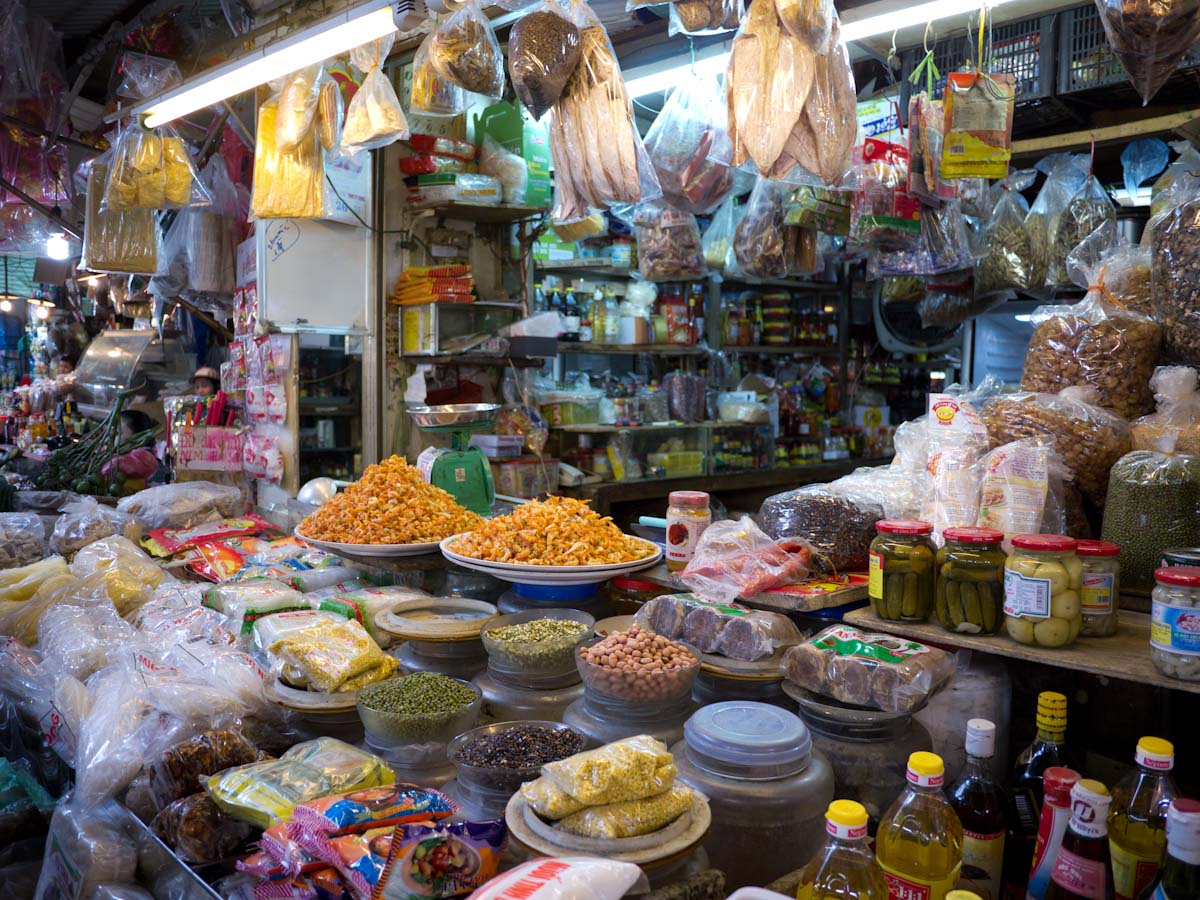
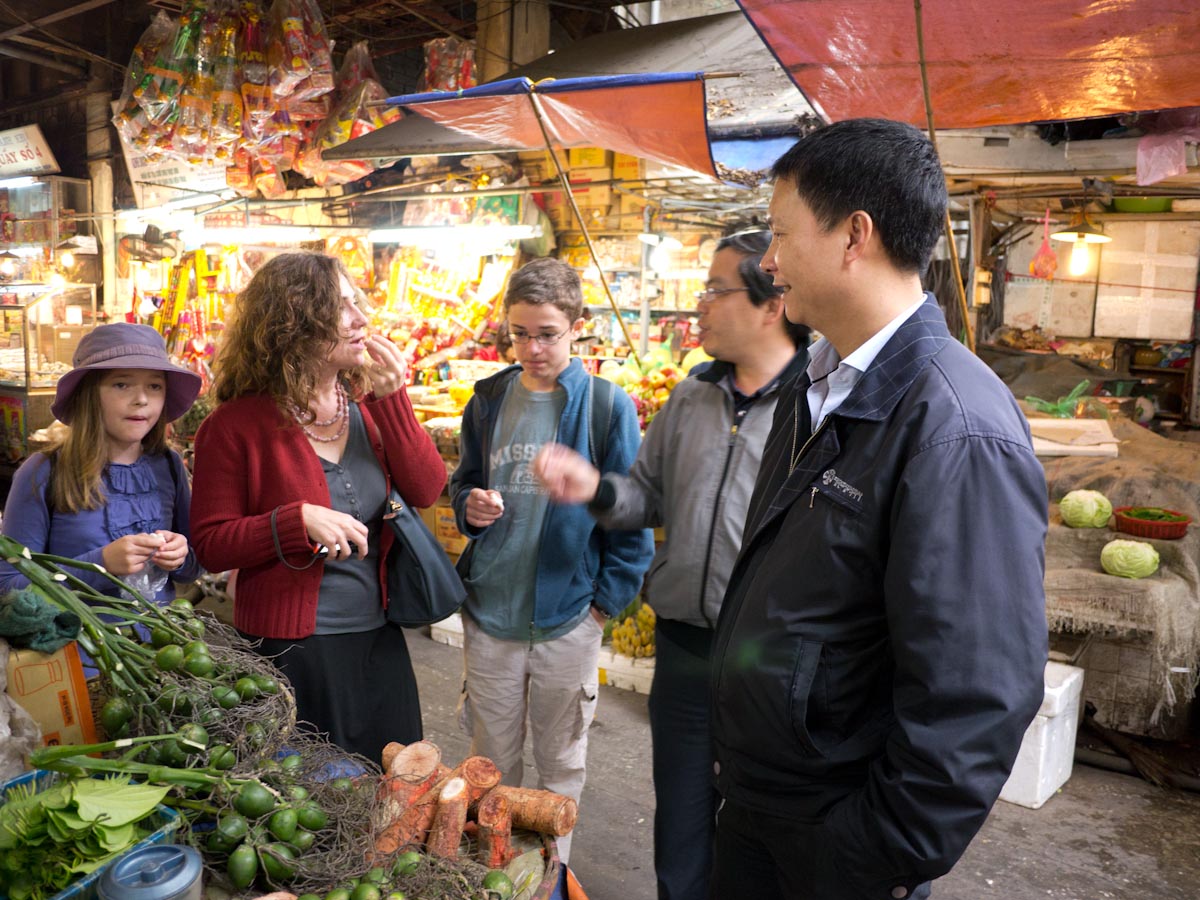
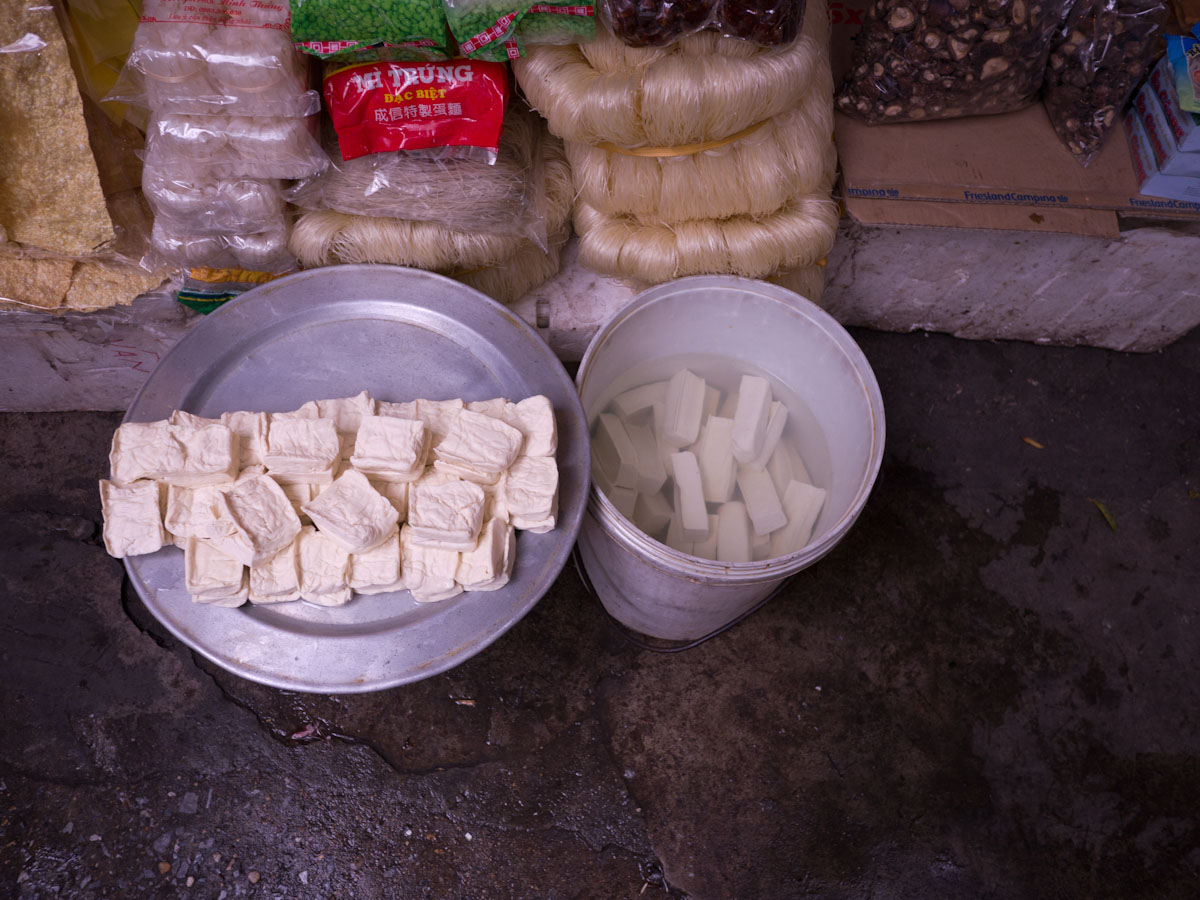
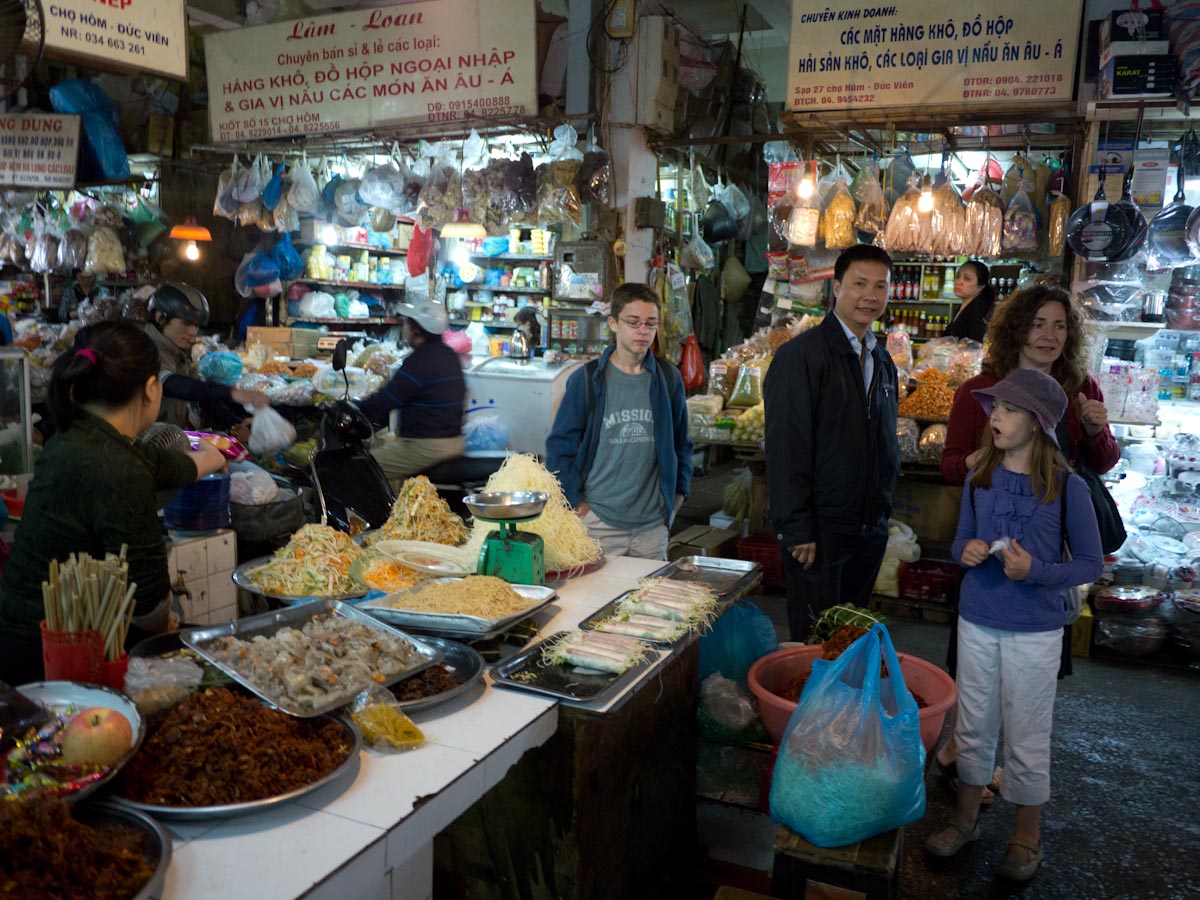
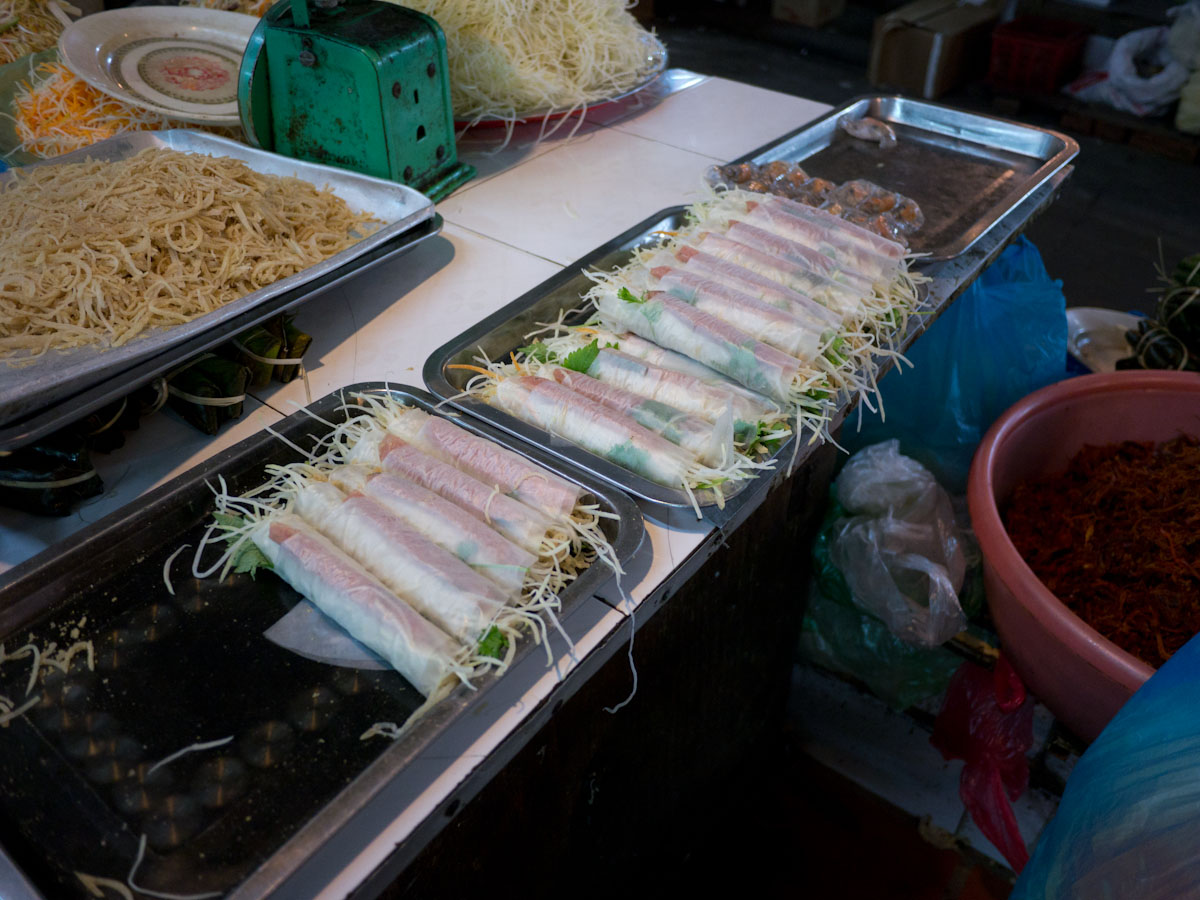
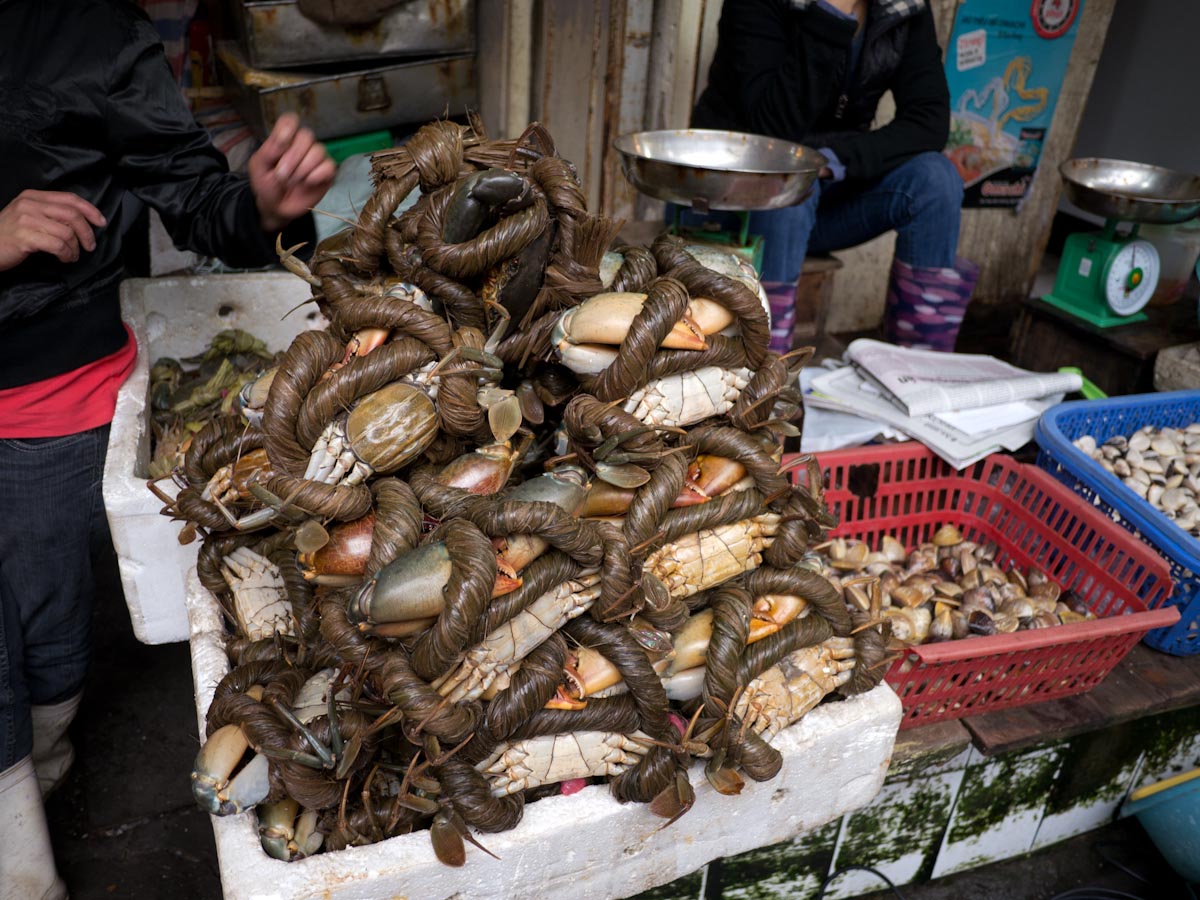
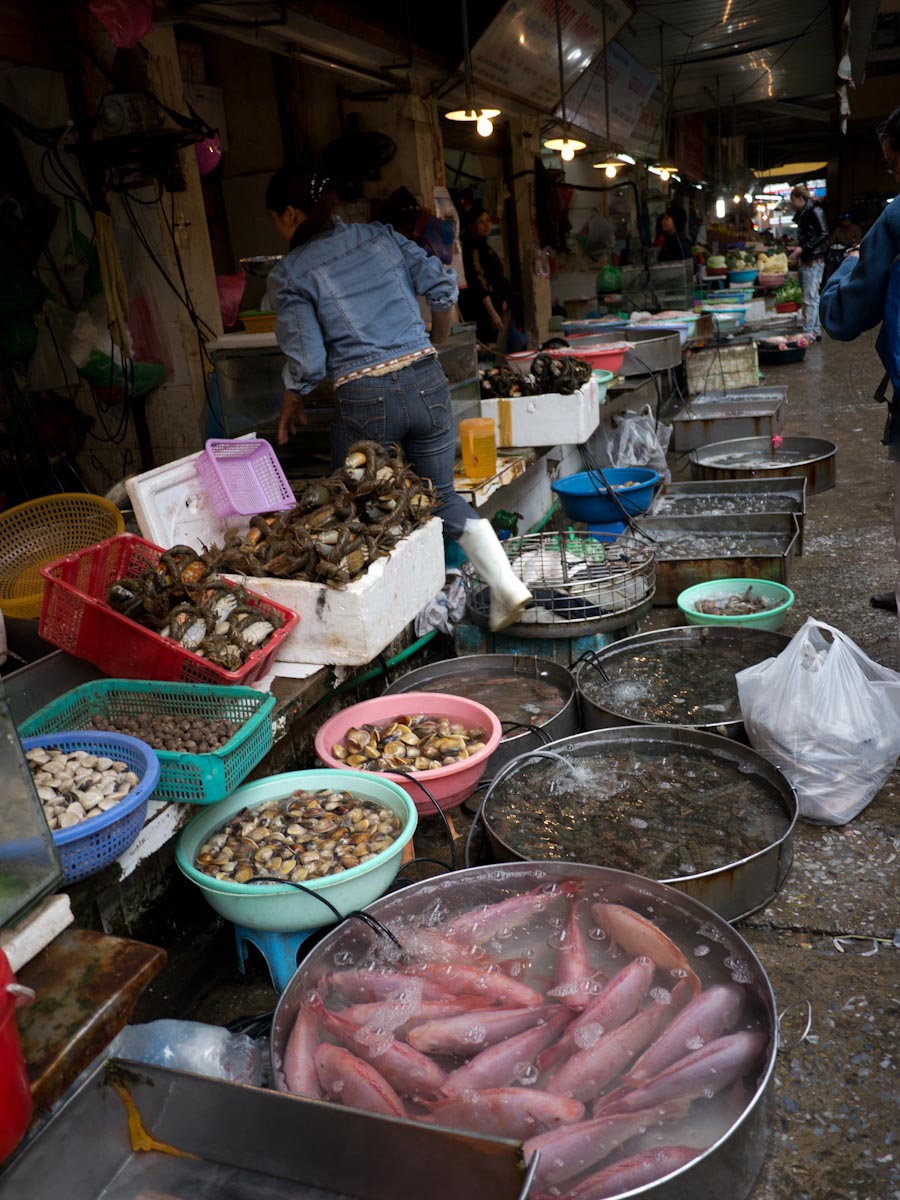
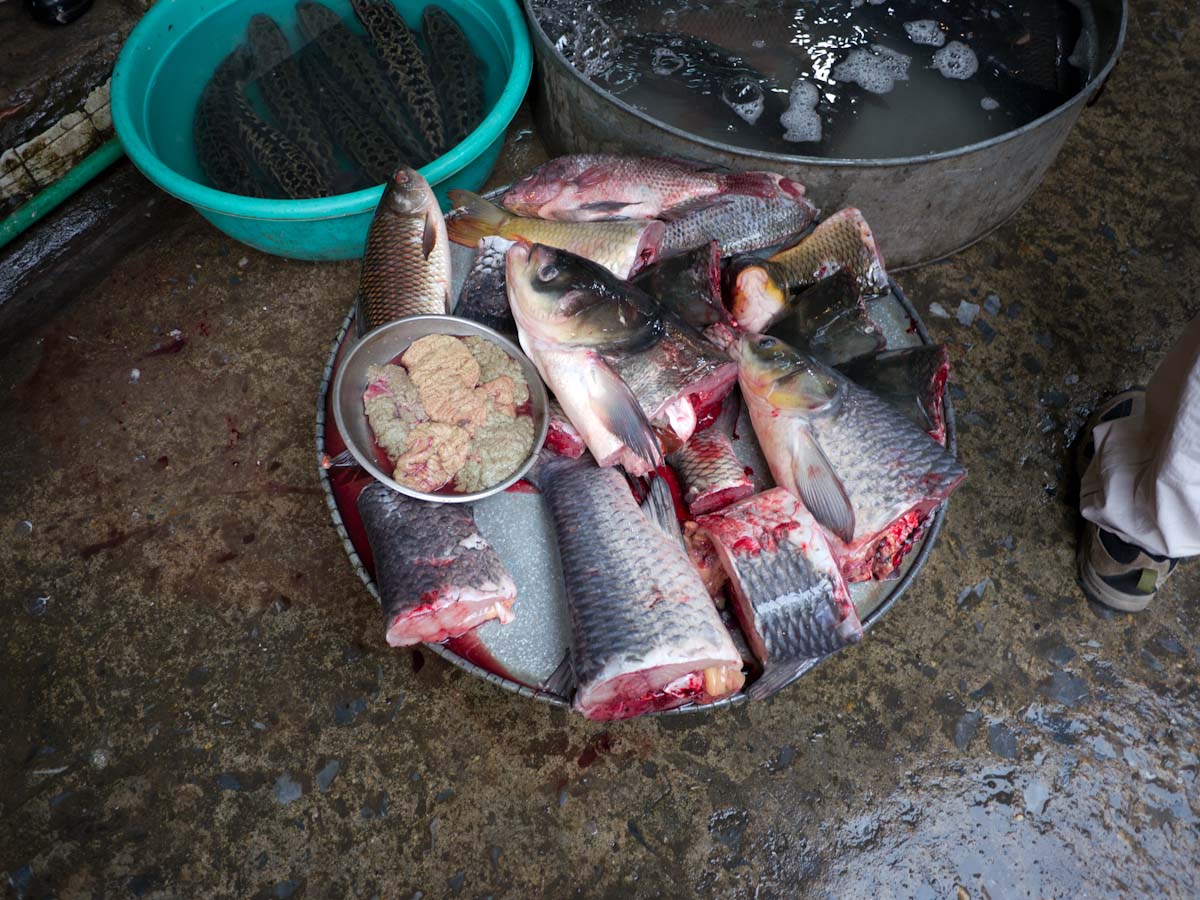
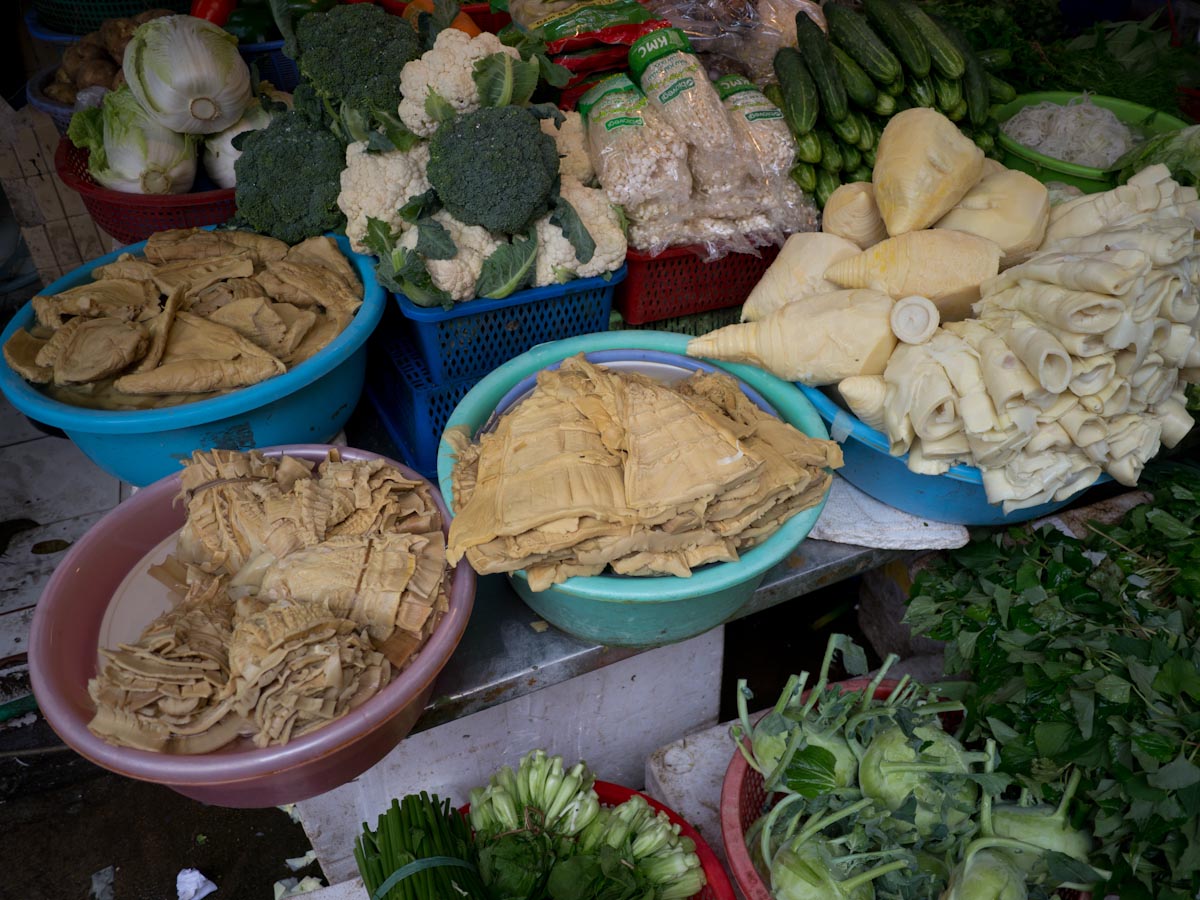
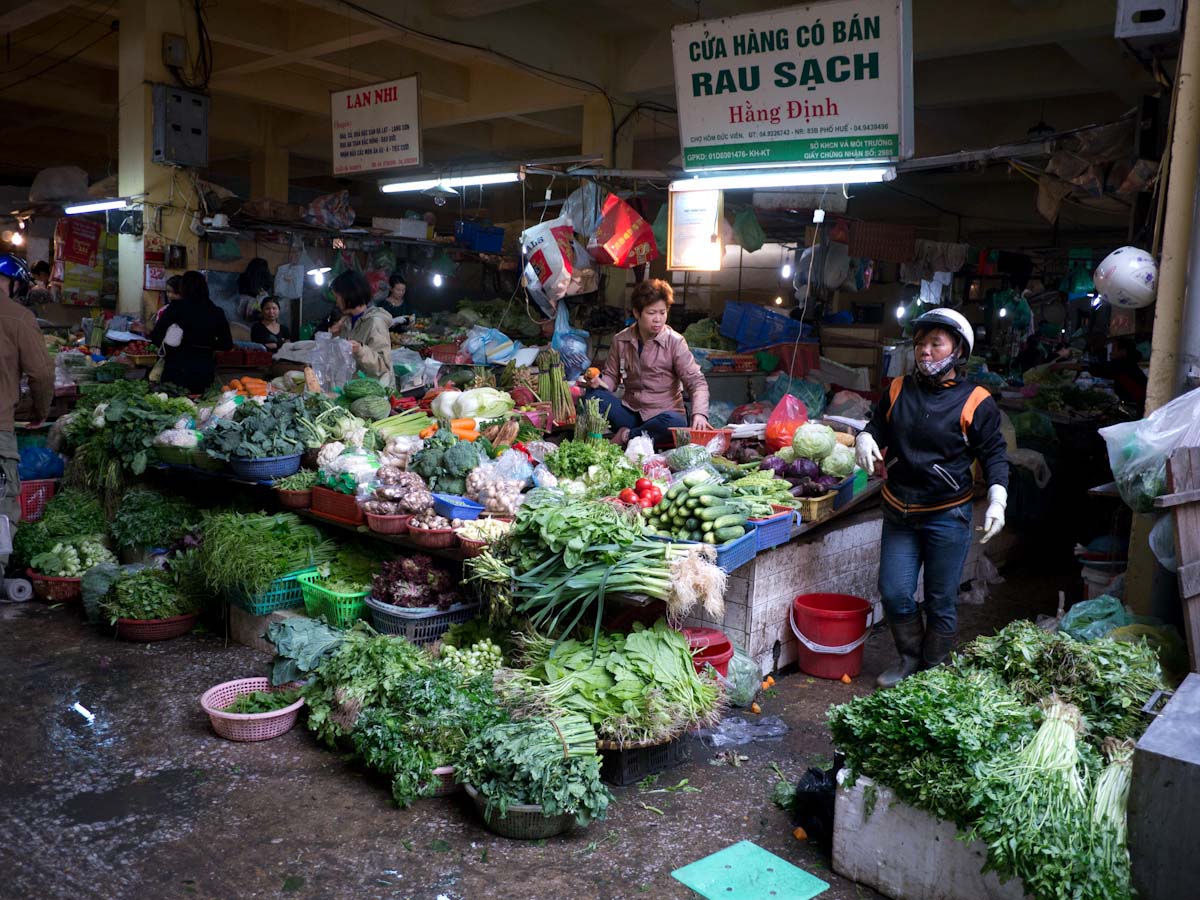
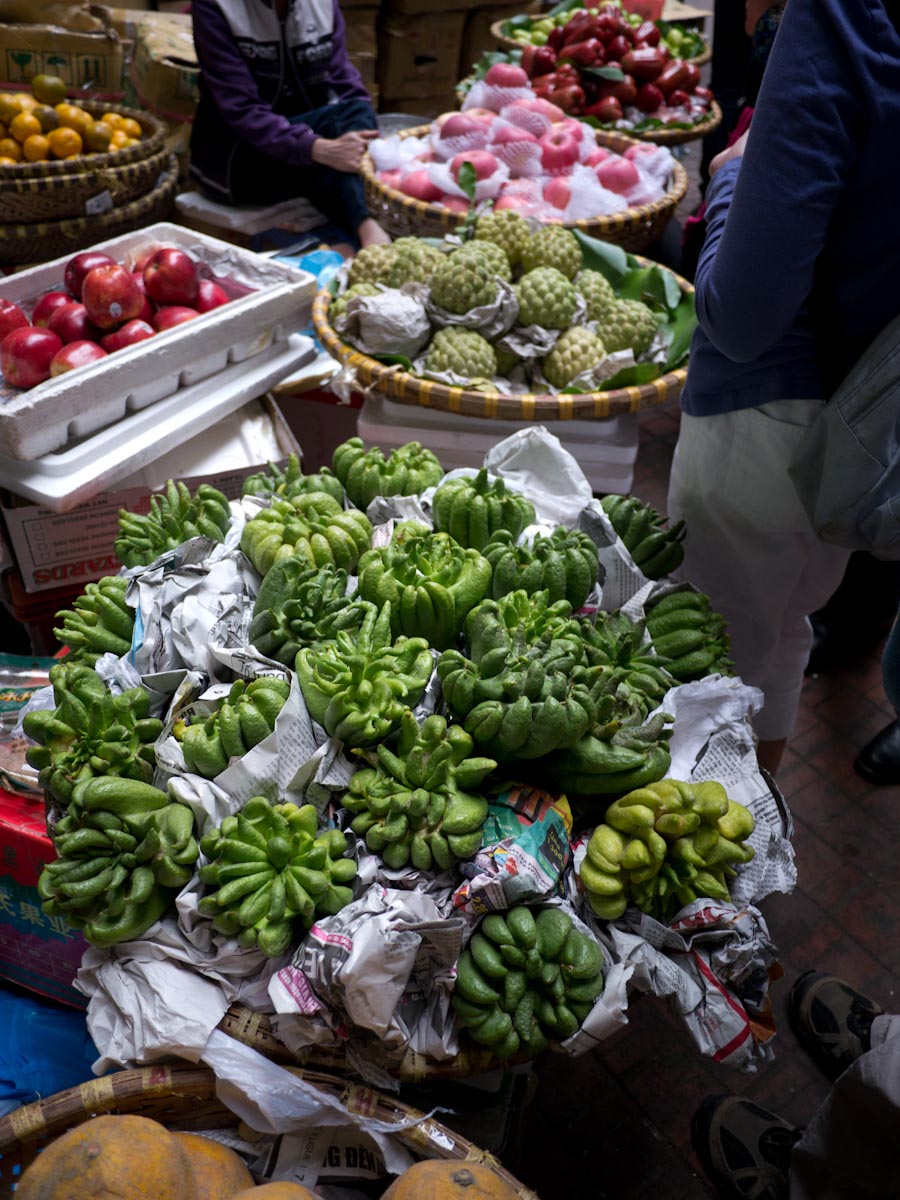
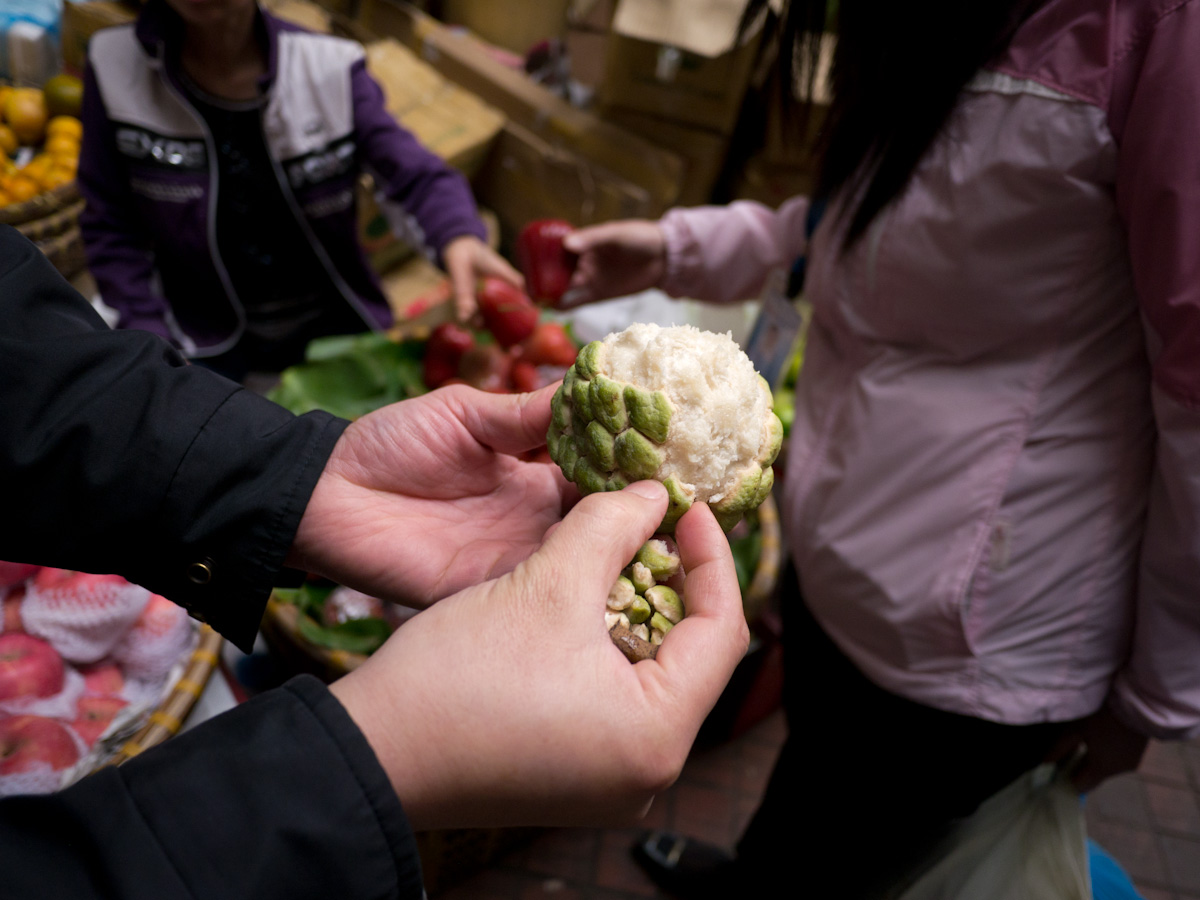
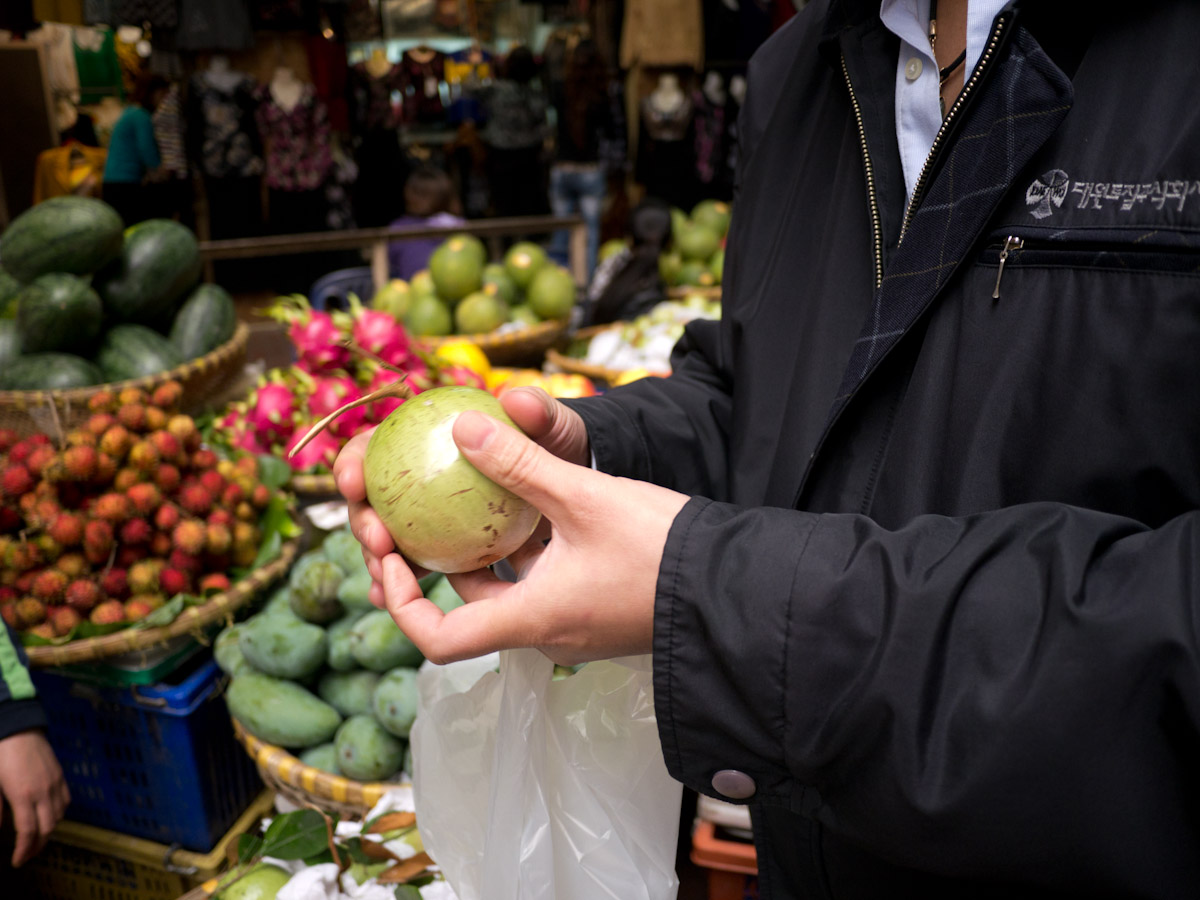
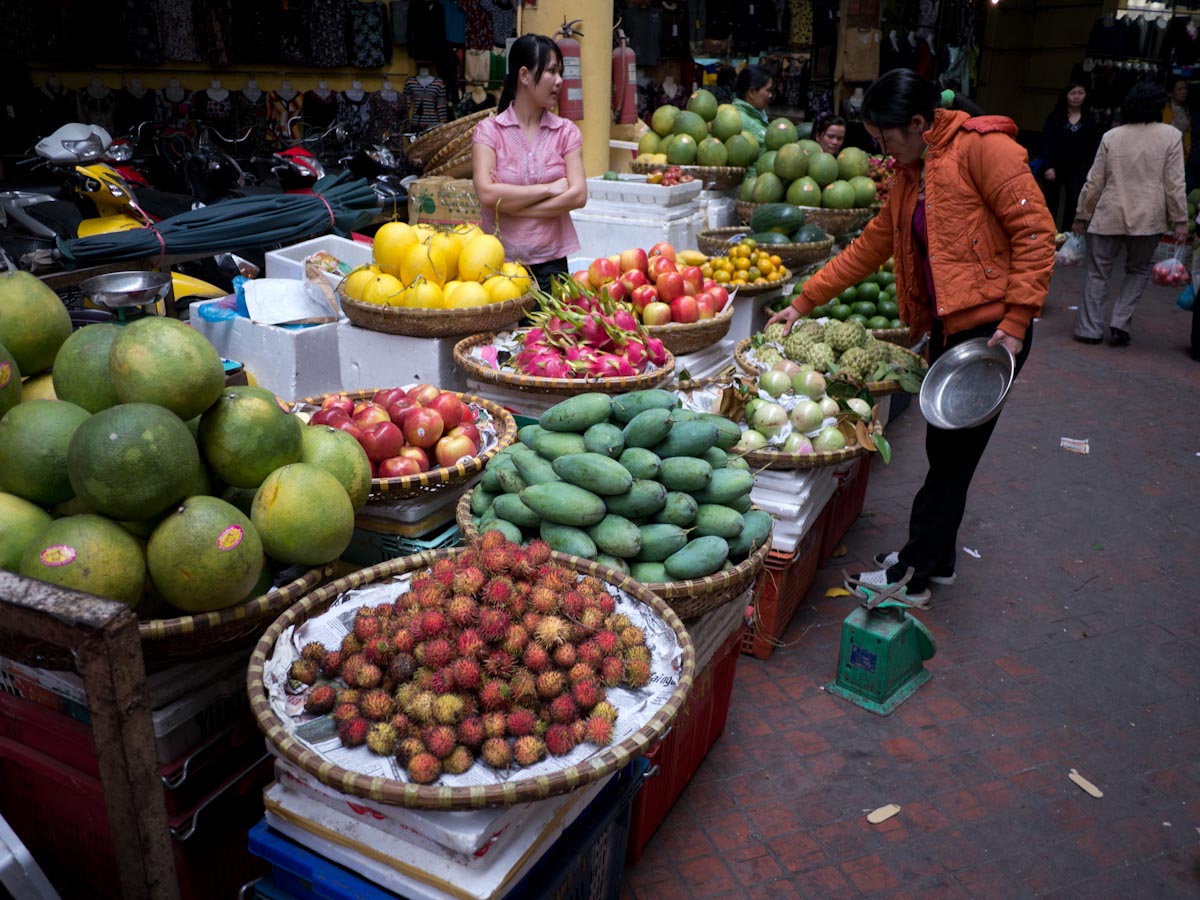
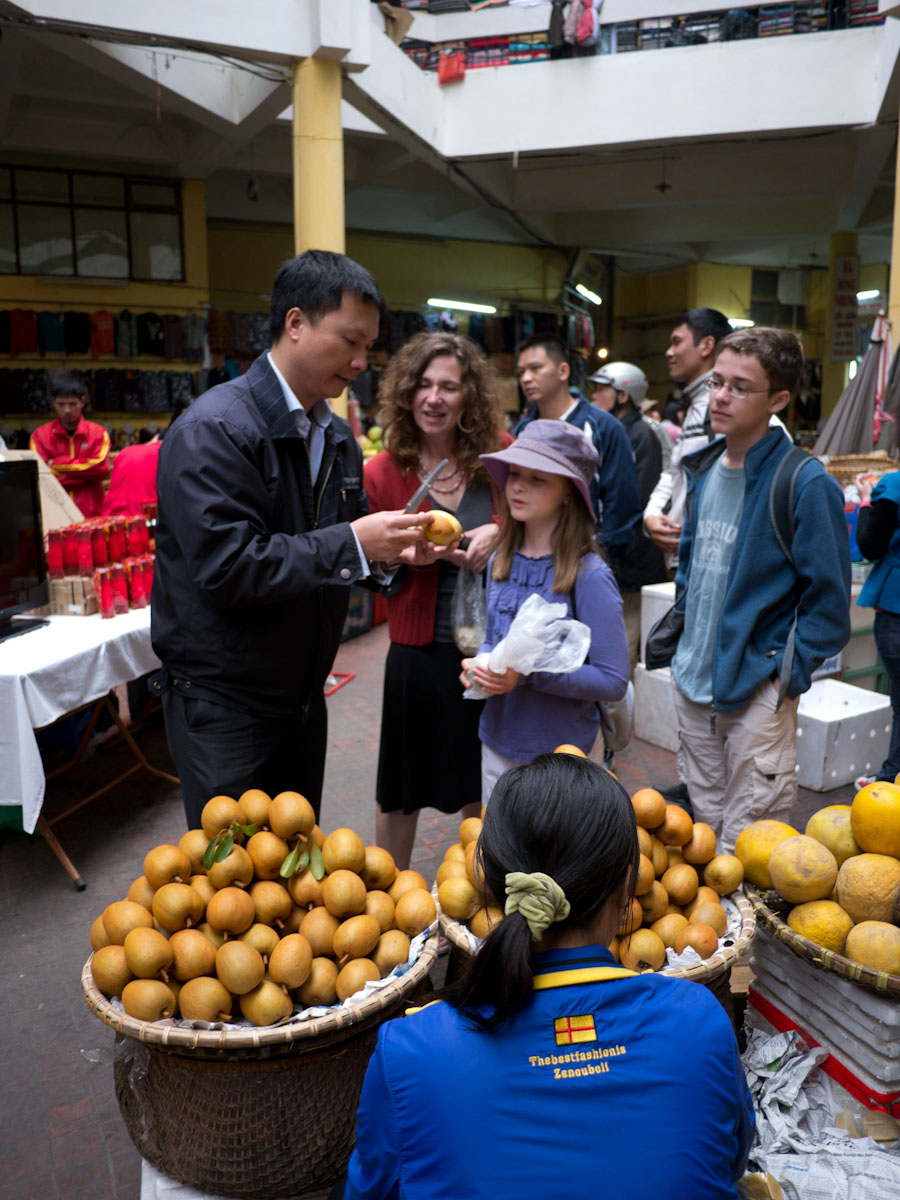
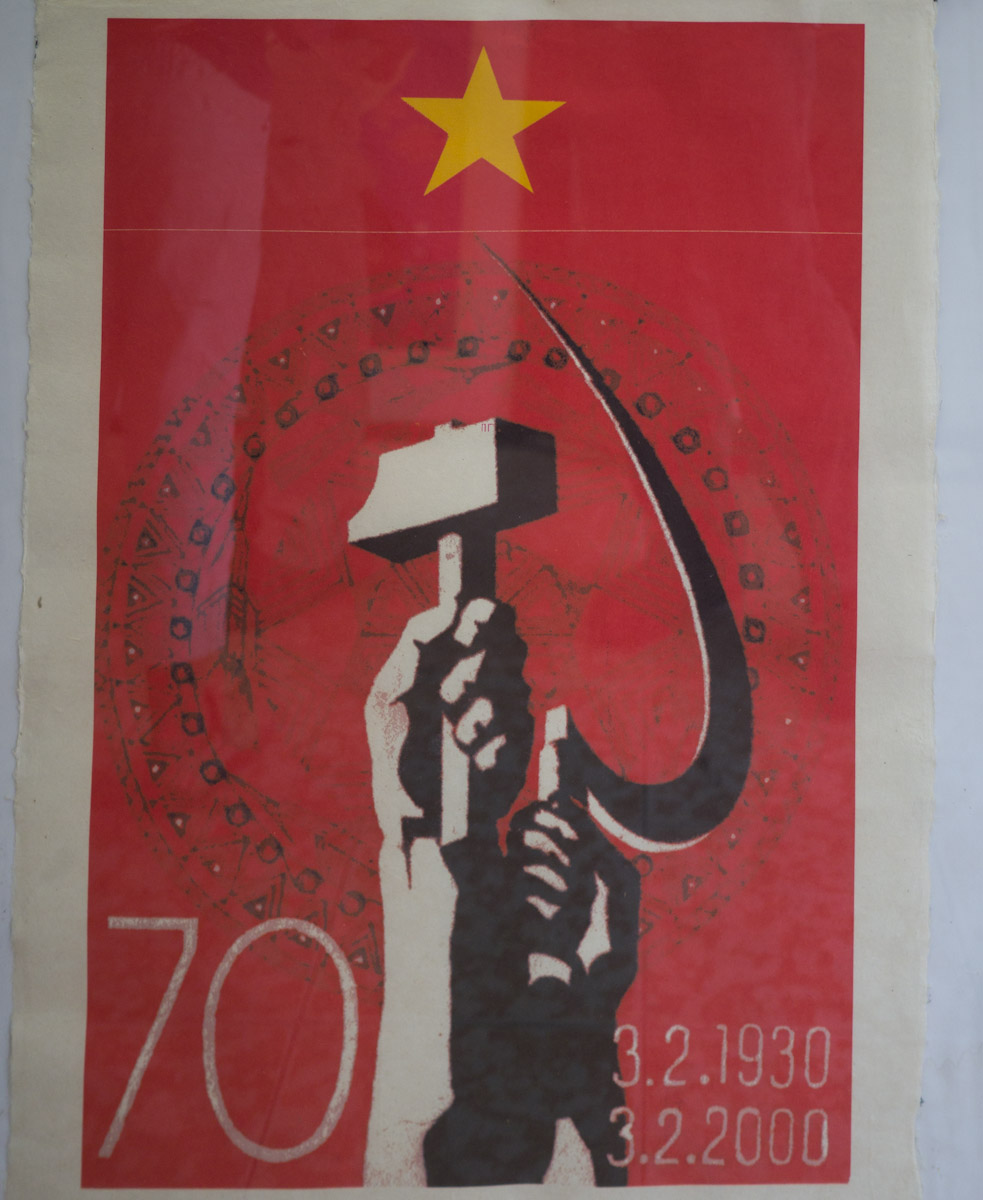
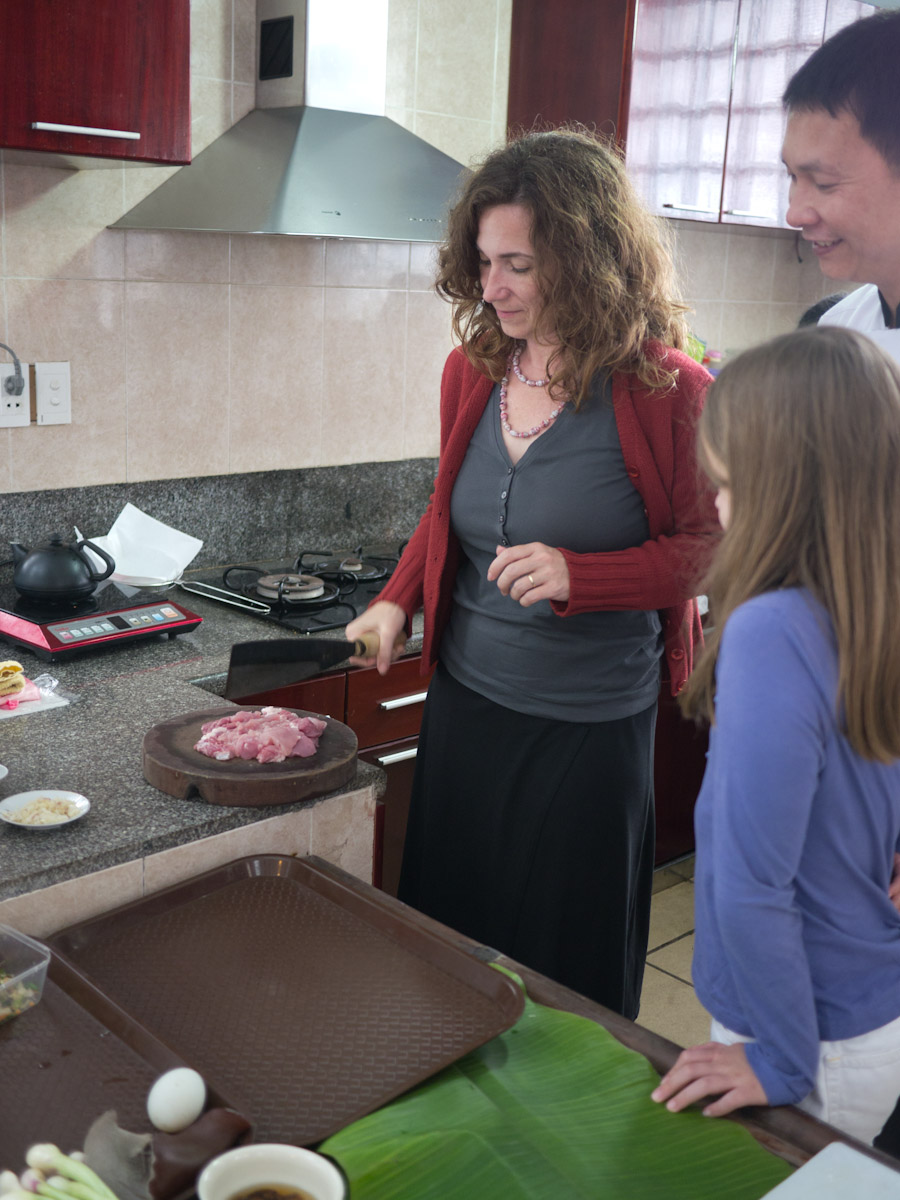
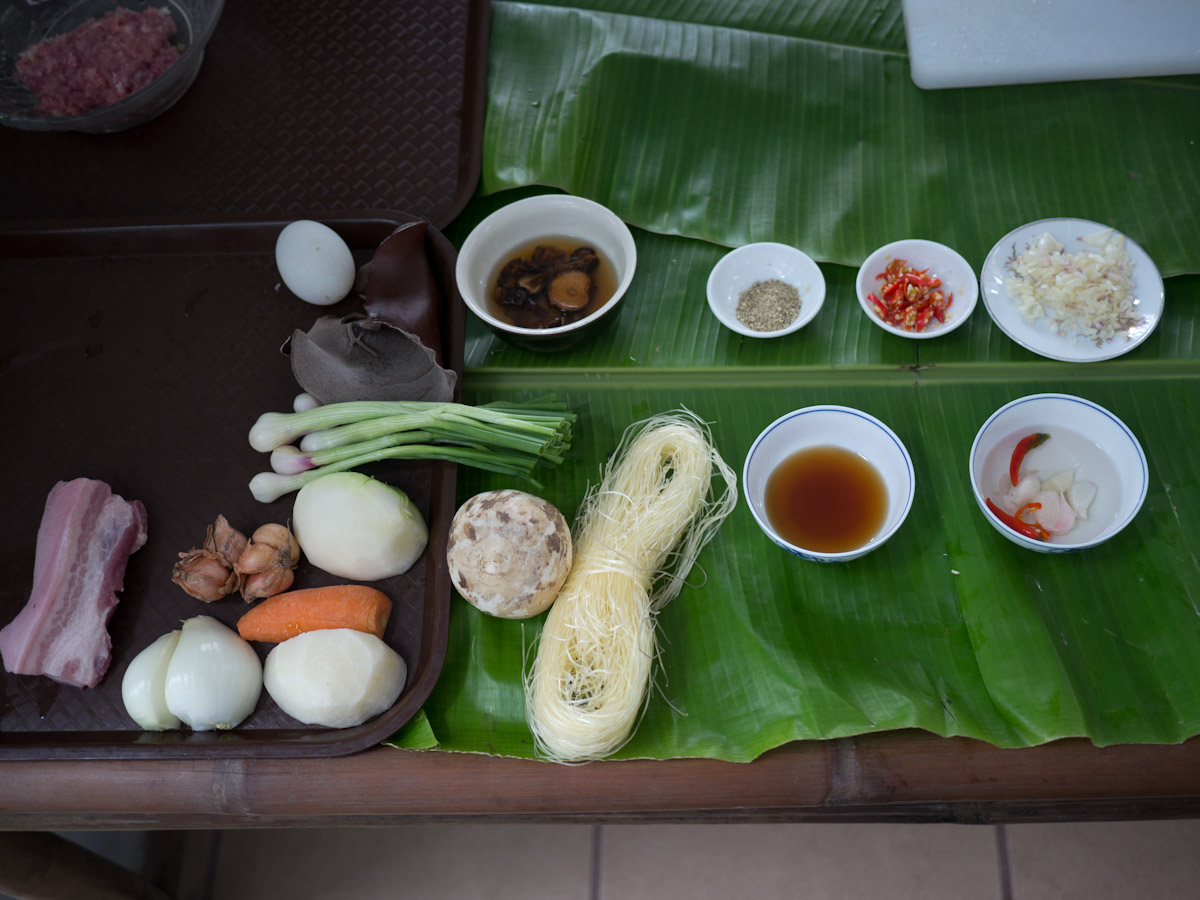
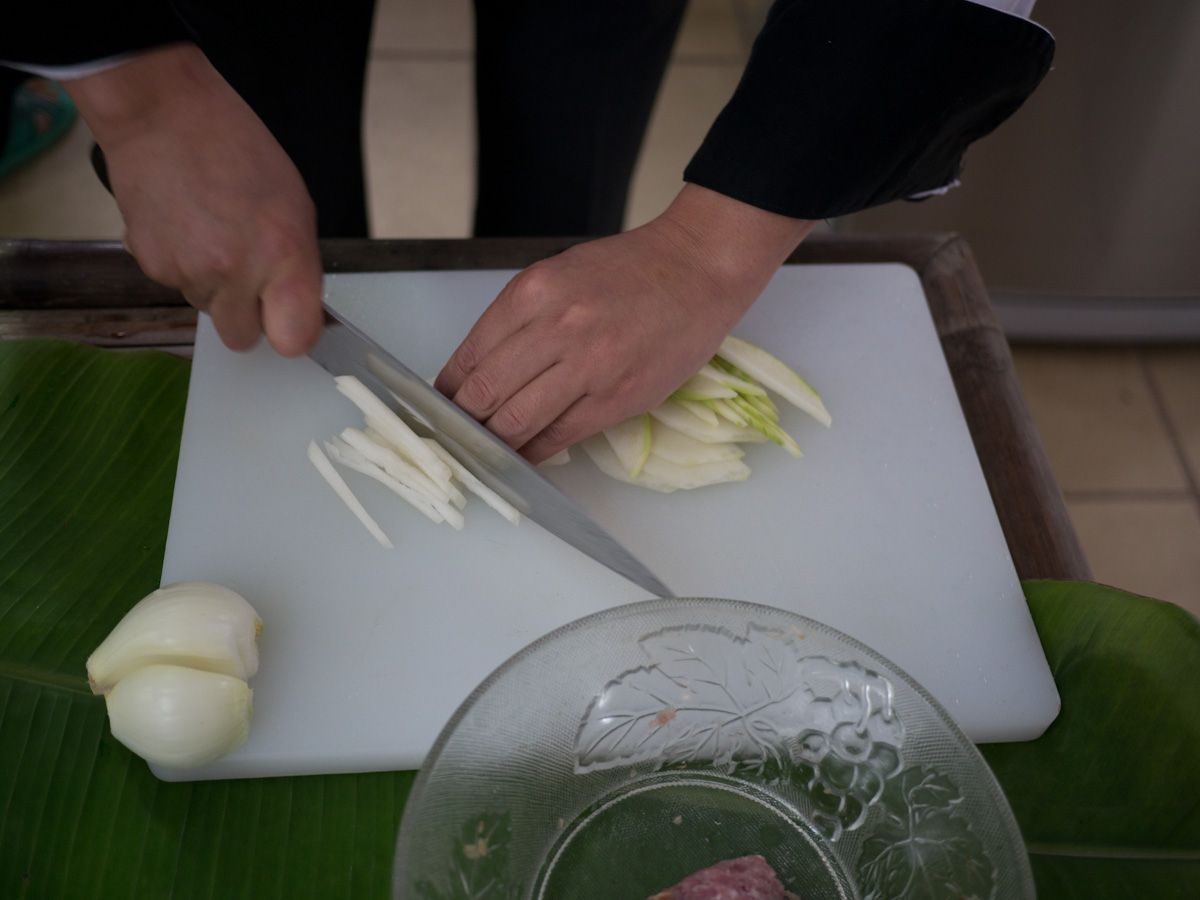
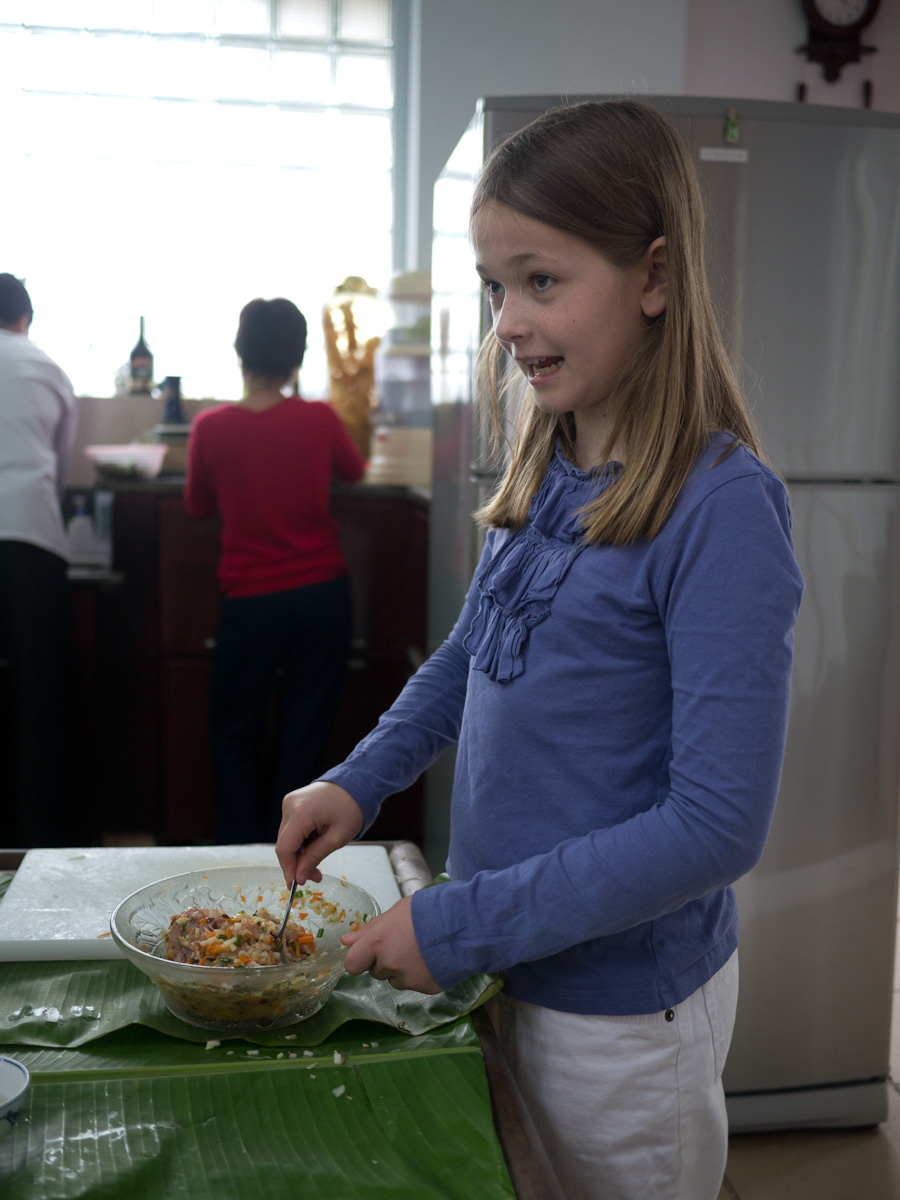
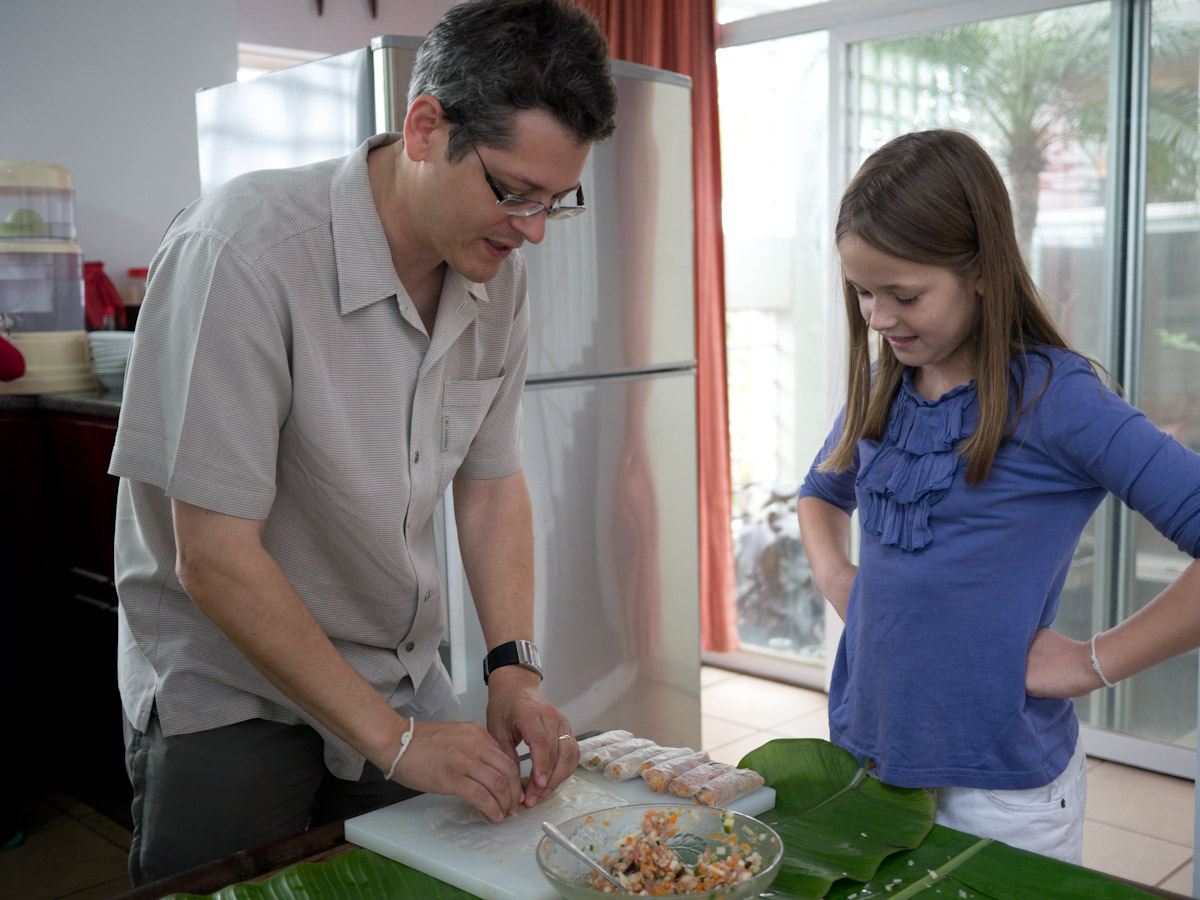
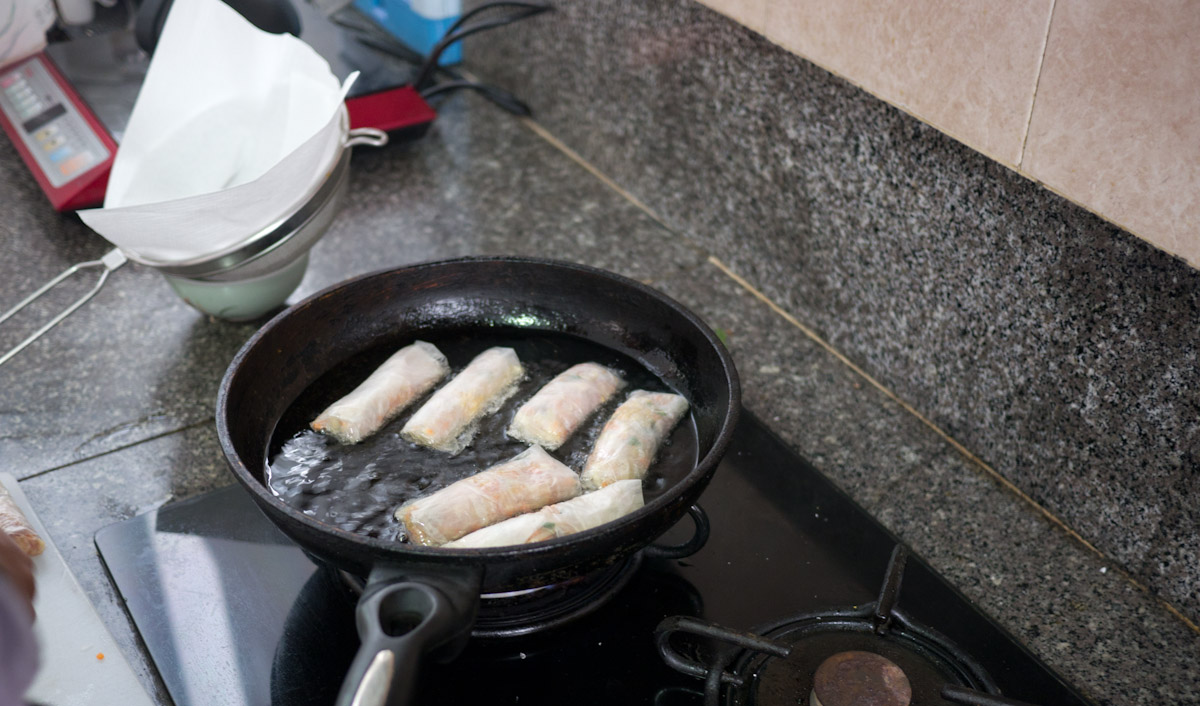
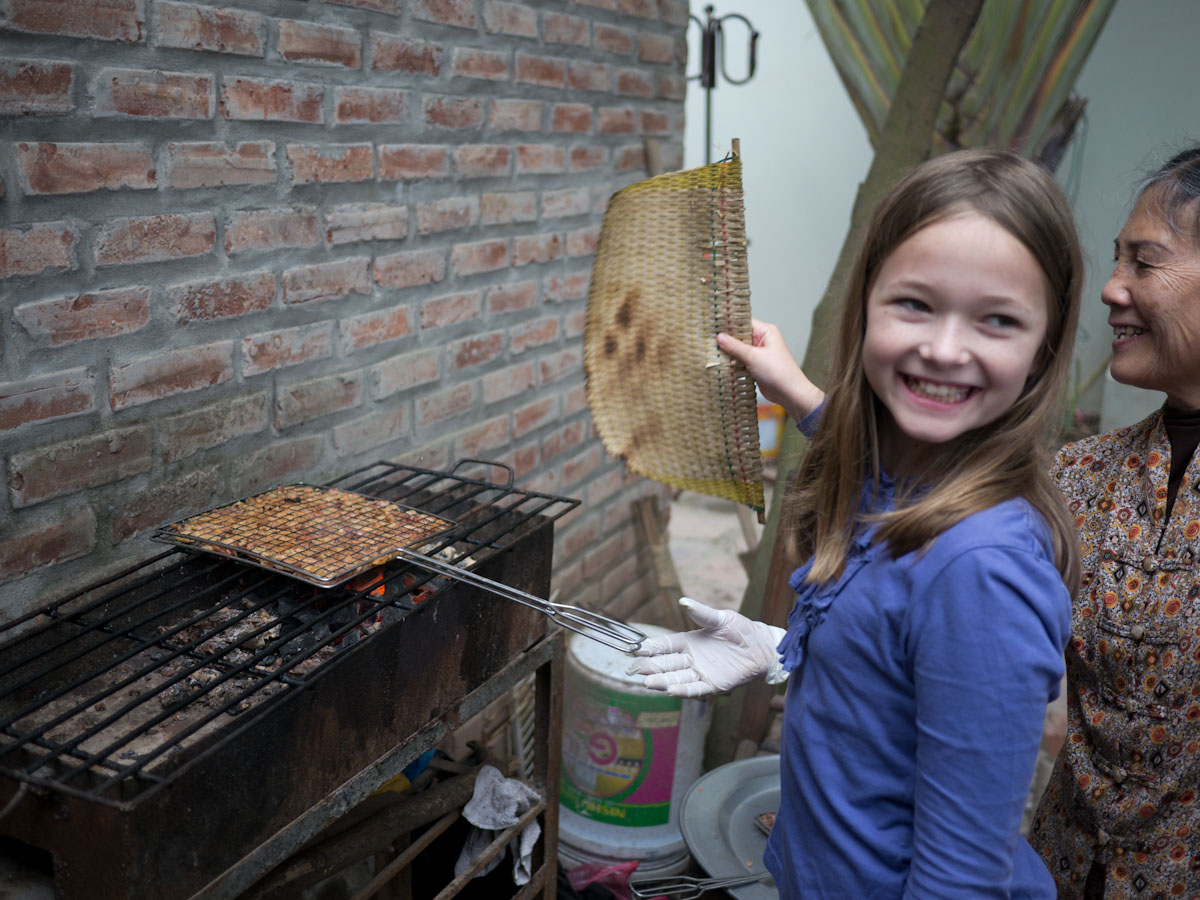
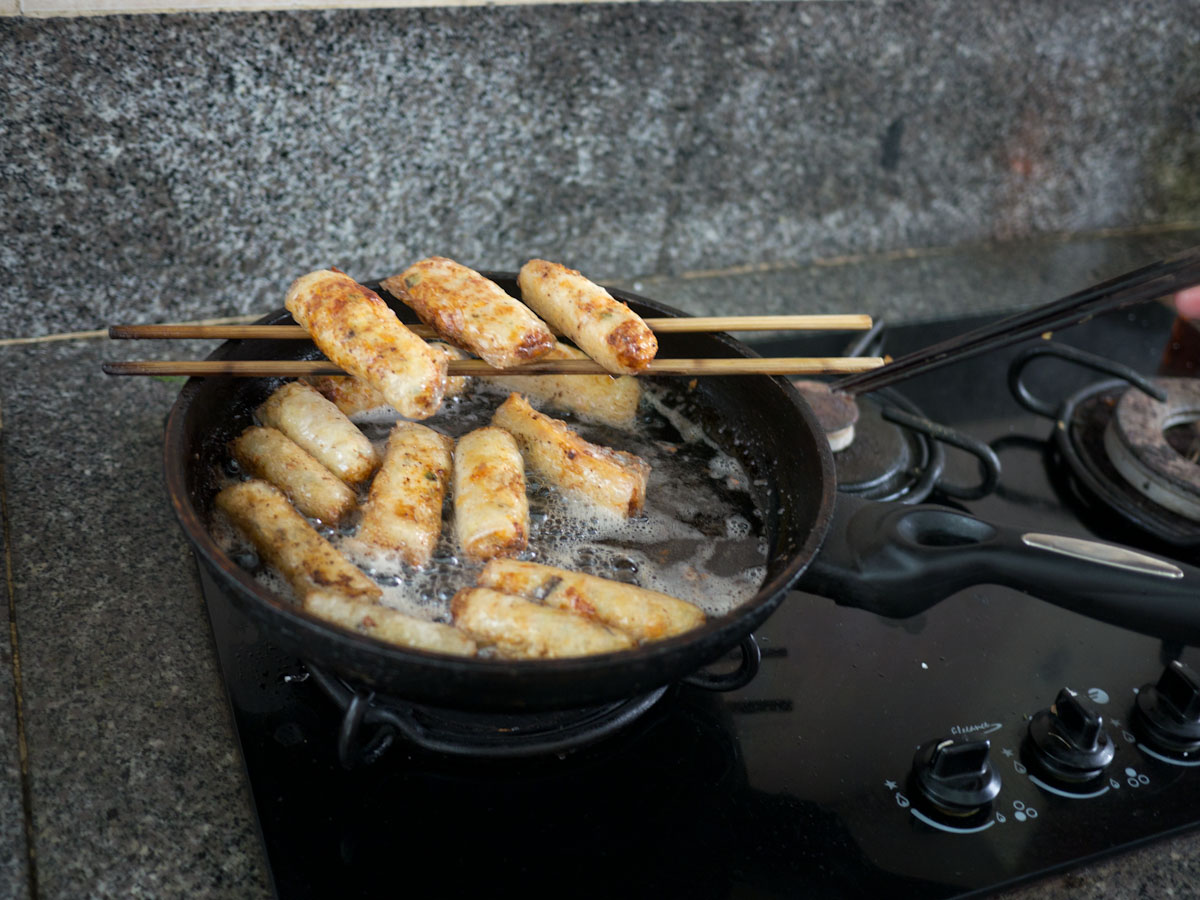
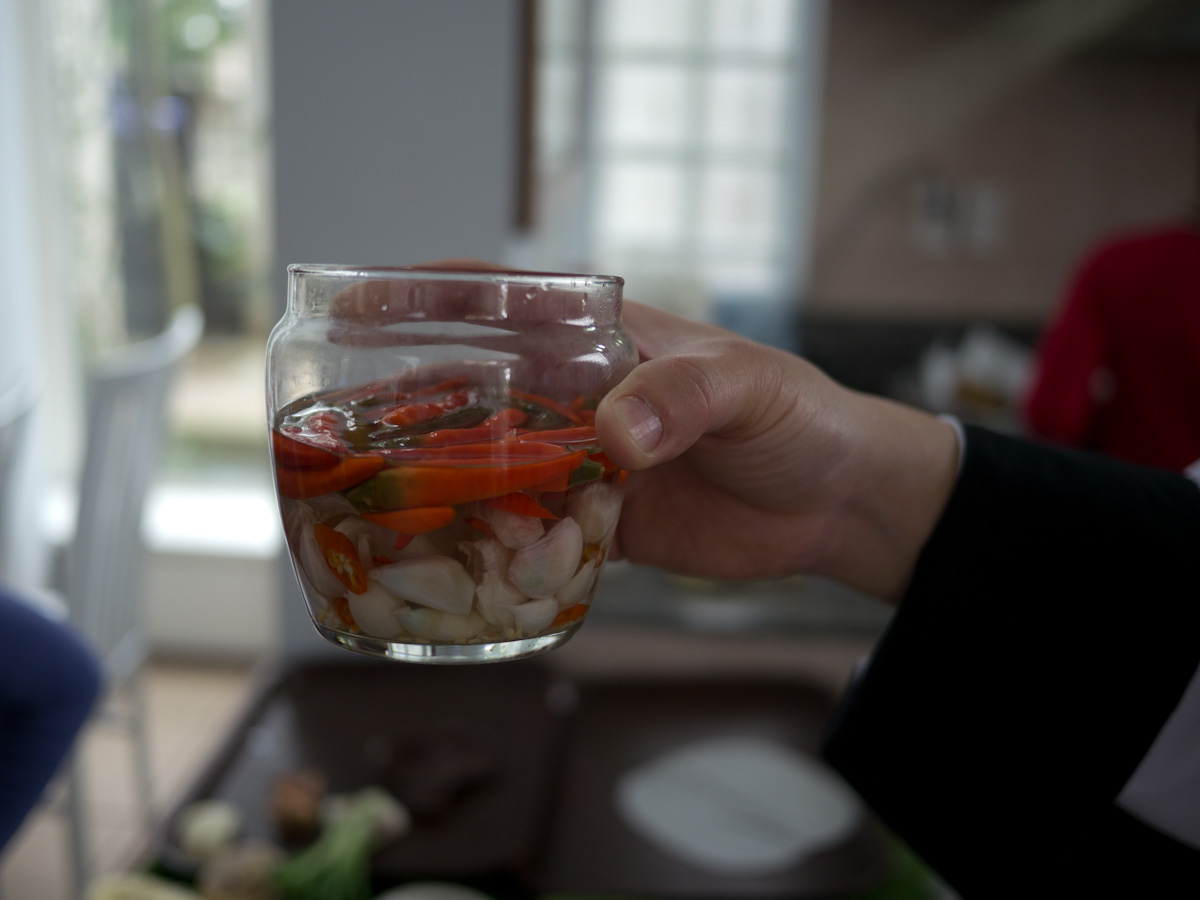
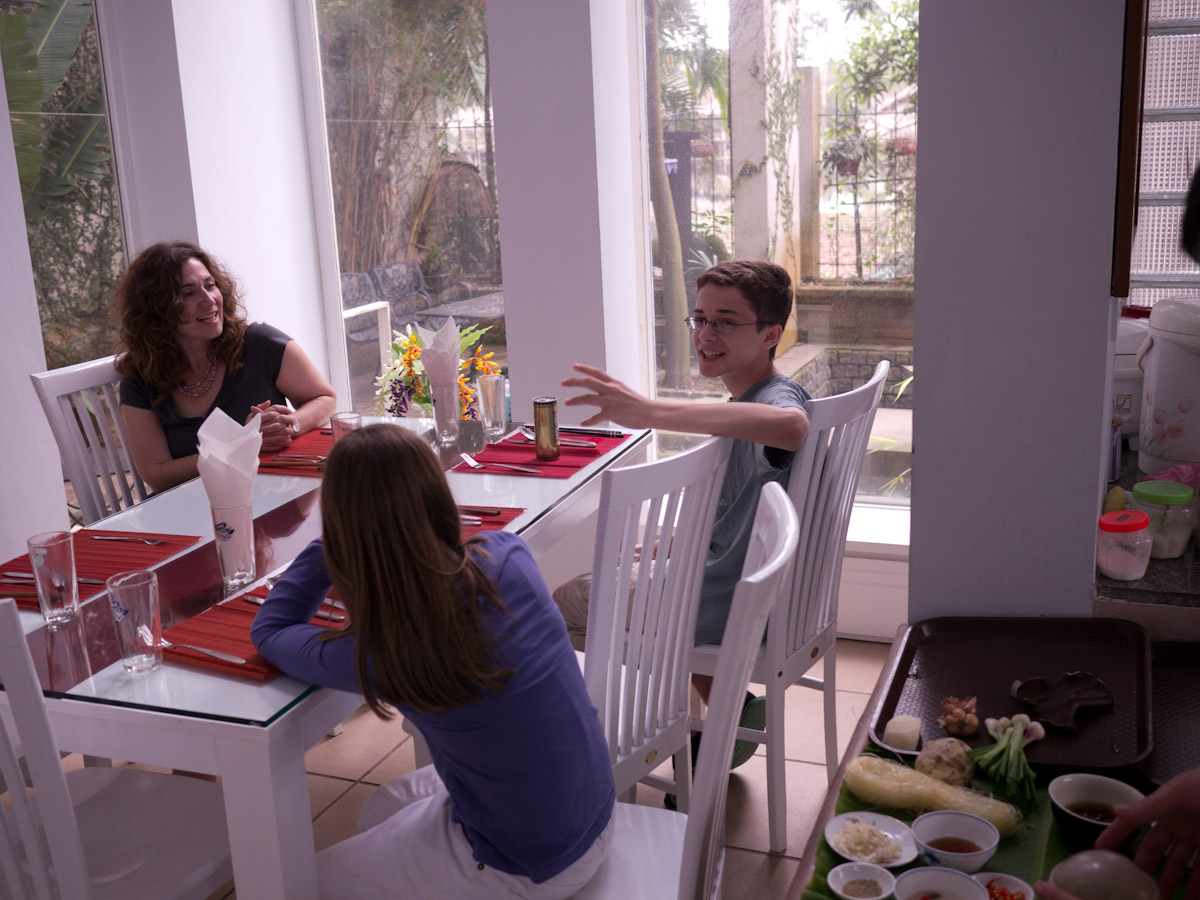
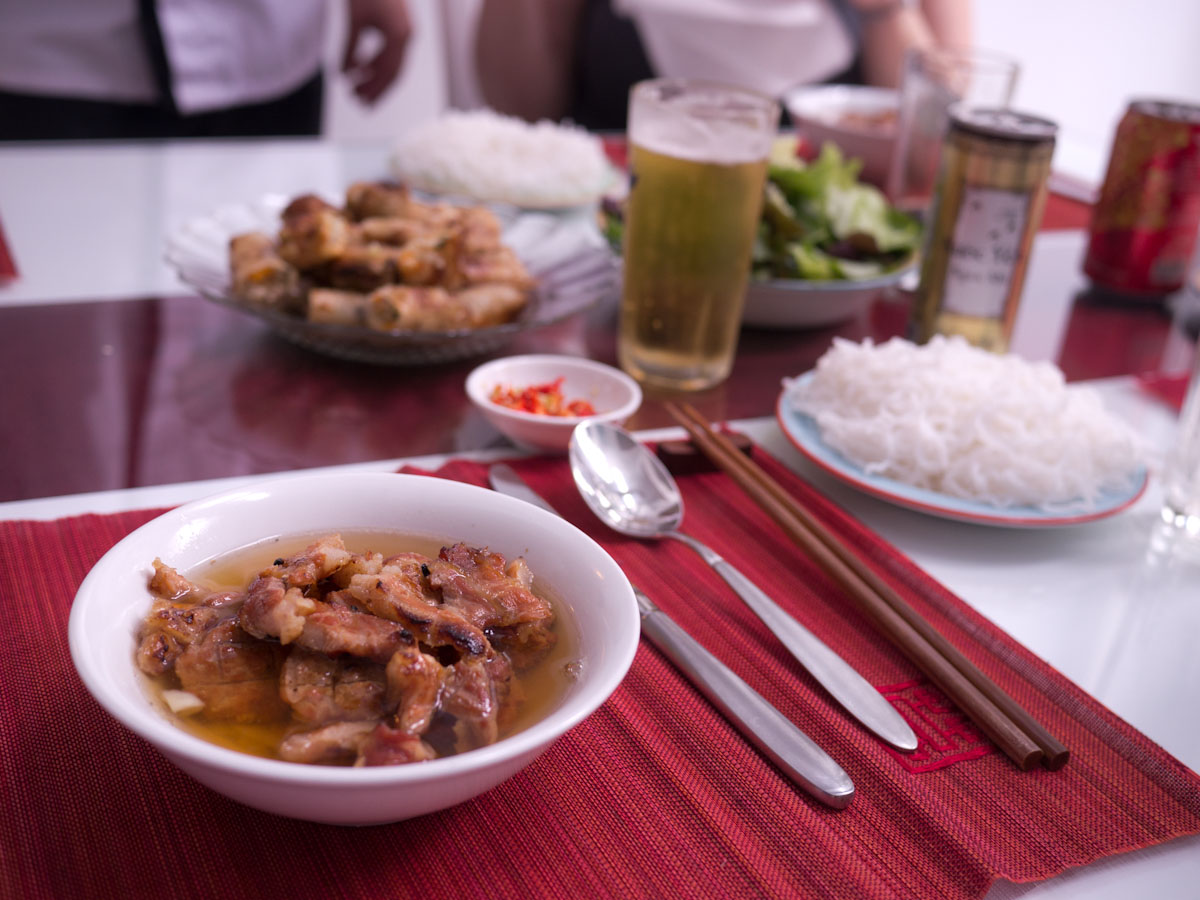
The next day we met Mr. Dzung, a Vietnamese chef who brought us through the teeming and frenetic local markets. We encountered new fruits – a green one with a budding skin that revealed a sticky, squishy, acidic white flesh called the custard apple; and other “milk” apples that have a white sap at the center; and an orange Asian persimmon that the chef sliced for us with a knife and tasted like pear. After buying the groceries we walked around the old markets for a while – the Communist posters are particular fun to shop – and then headed to the Chef’s beautiful house for a cooking lesson. The meal included divine spring rolls that we rolled ourselves, filled with hand-minced pork and shrimp and jicama and carrots. These are eaten with a basket of green herbs. You wrap the hot fried spring roll first in basil and then the lettuce and then dunk this in a fish sauce and bite in. Sit back and your palate tells a complete story. In the beginning the aroma of the herbs will open your nasal passages and you smell the good things to come. In the middle, your teeth are crunching on jicama and fried rice paper and this unleashes the greasy, meaty pork and shrimp to please your whole tongue and feed your hunger. And the ending is a lovely piquant sour flavor from the fish sauce, extended by red and black peppers that leave your whole mouth awake. Pause to savor, follow with a glug of the sour, yeasty local beer and then repeat. Heaven!
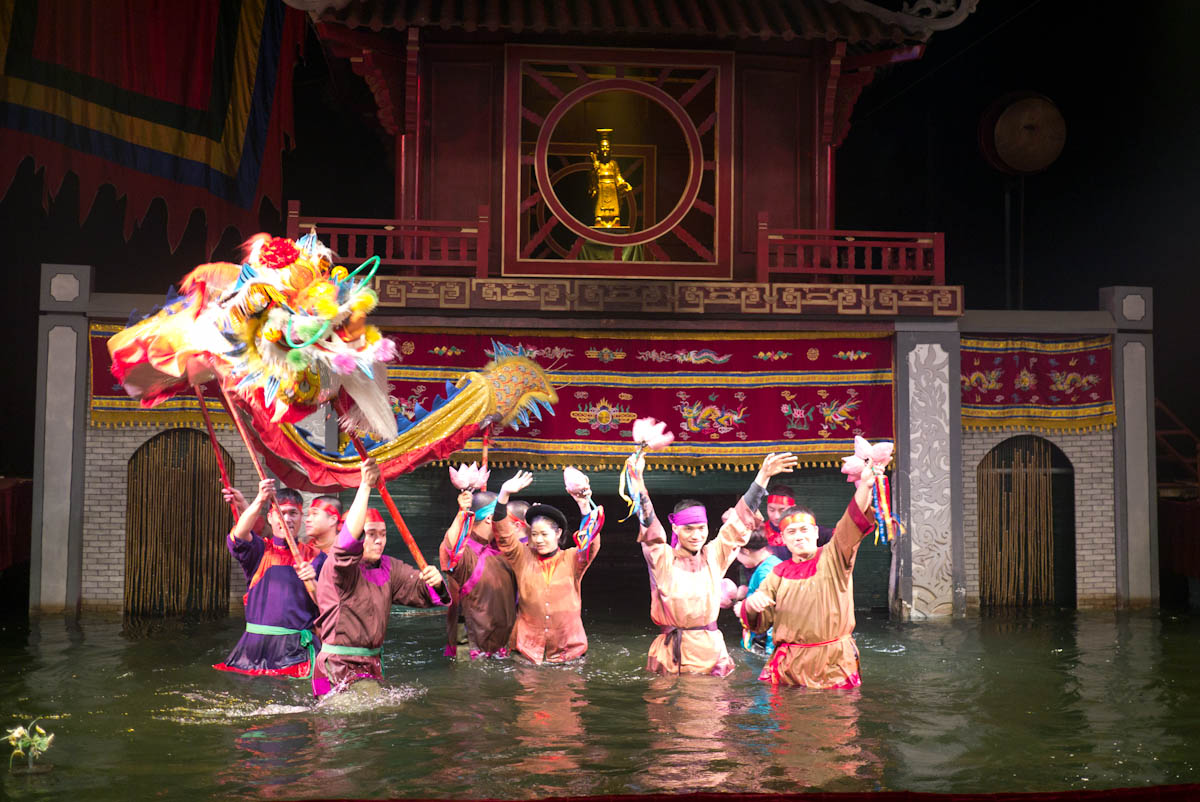
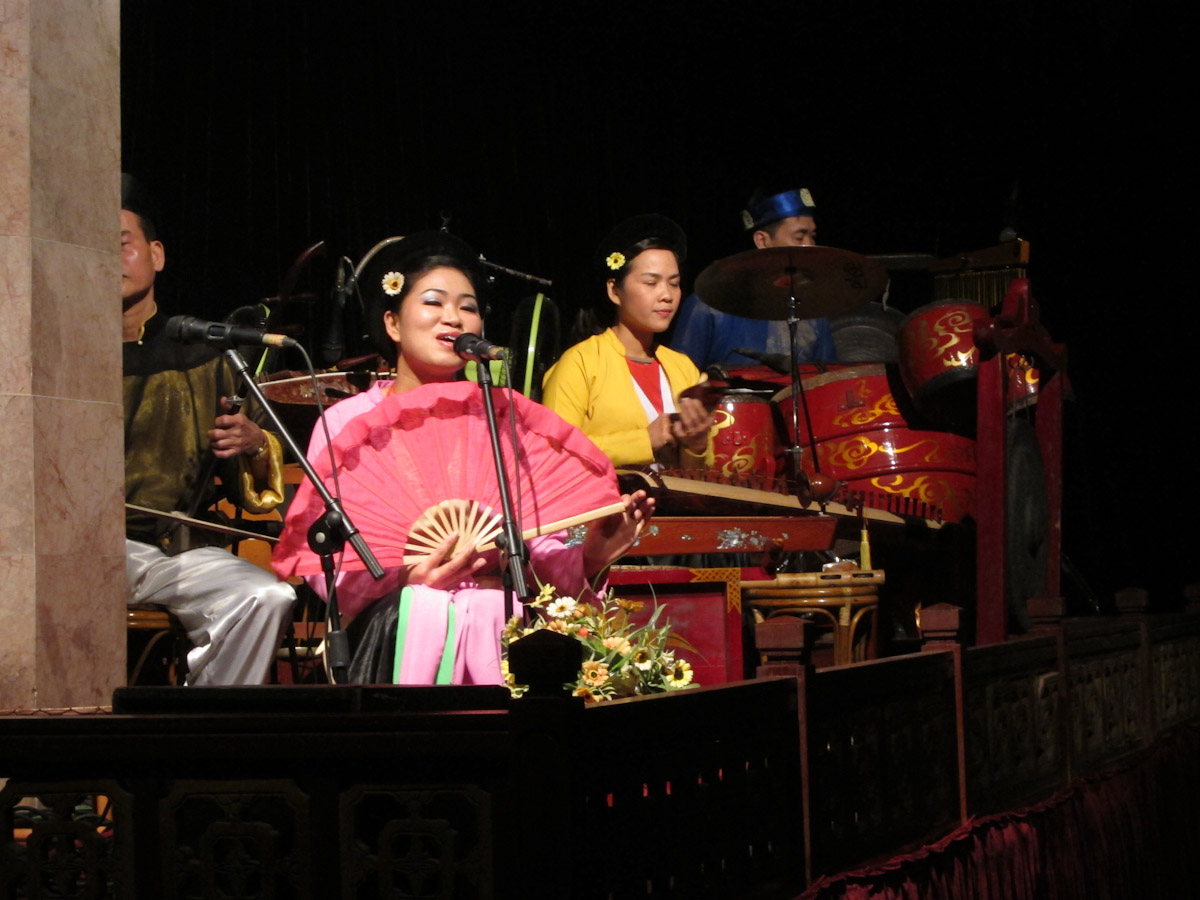
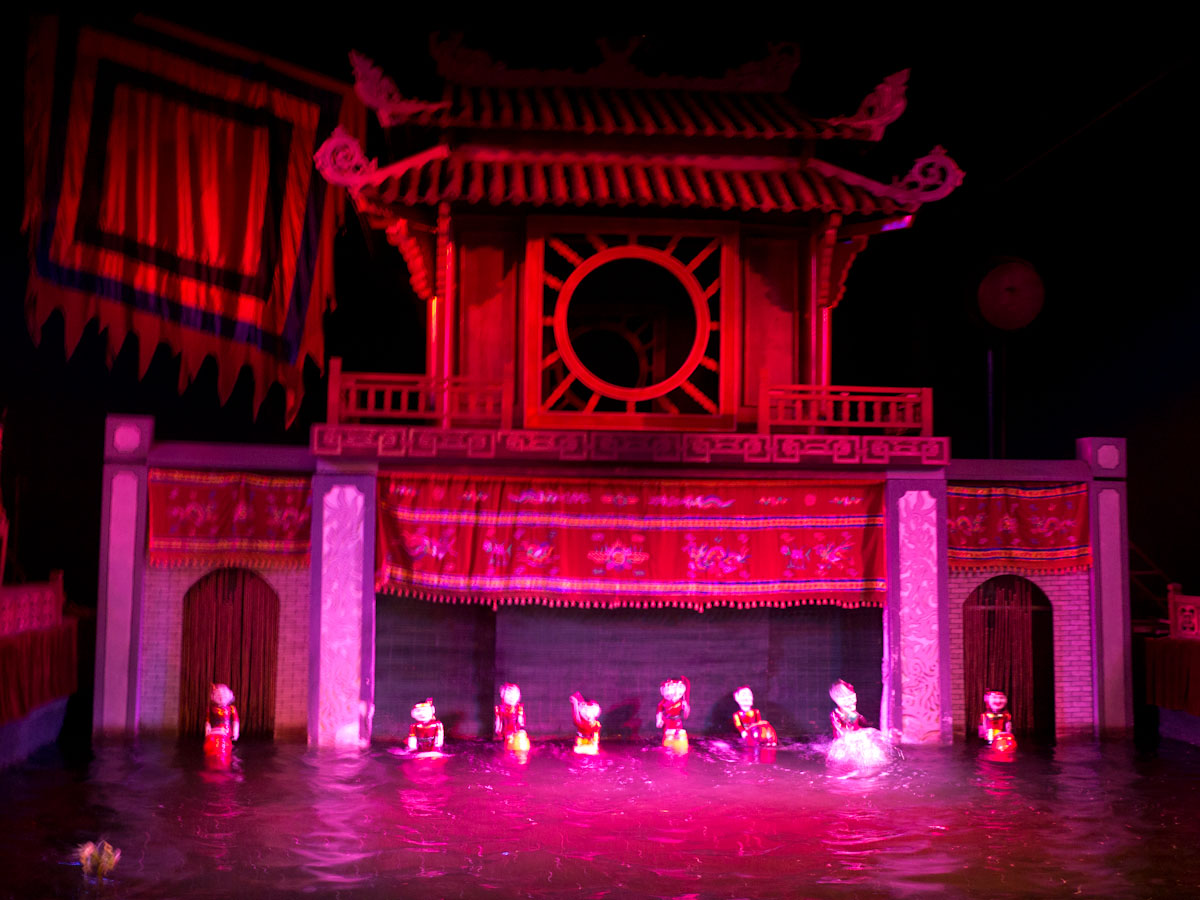
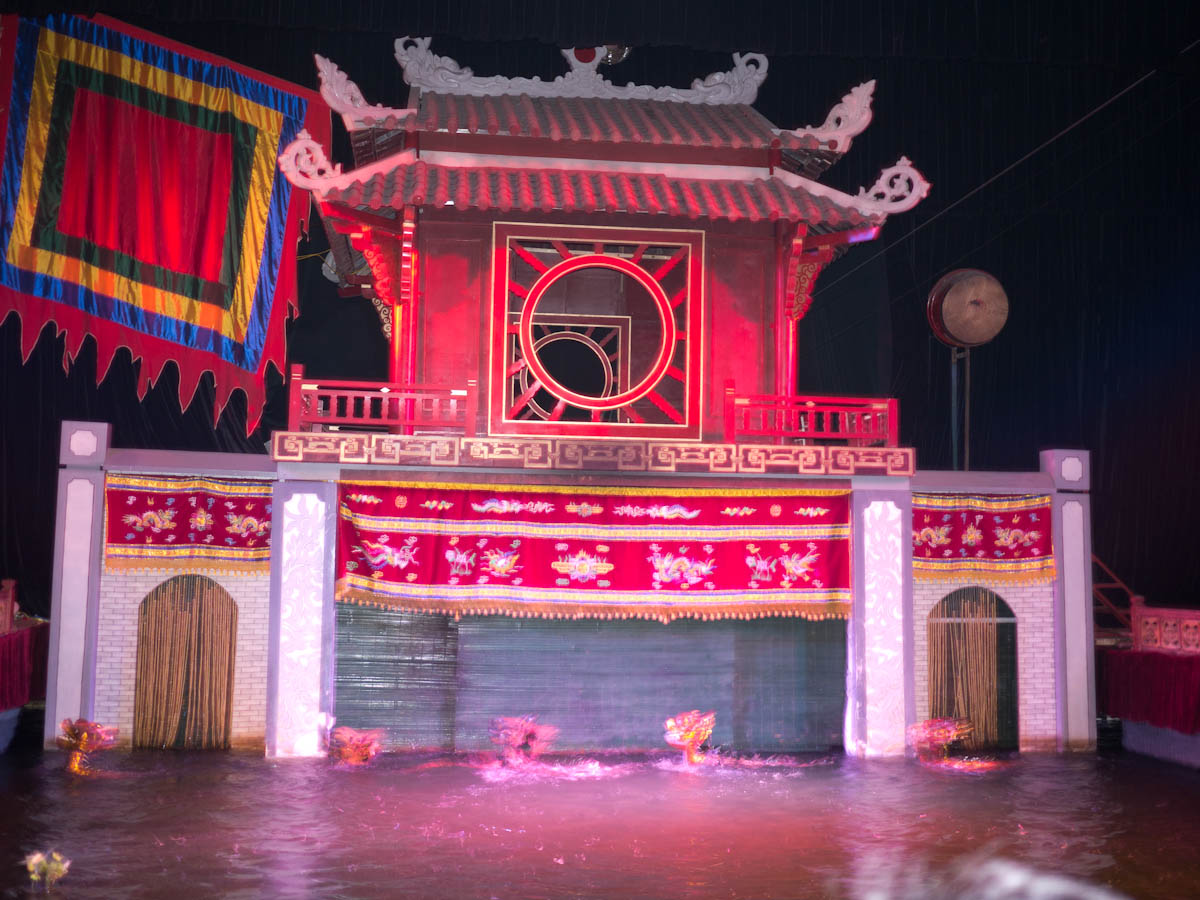
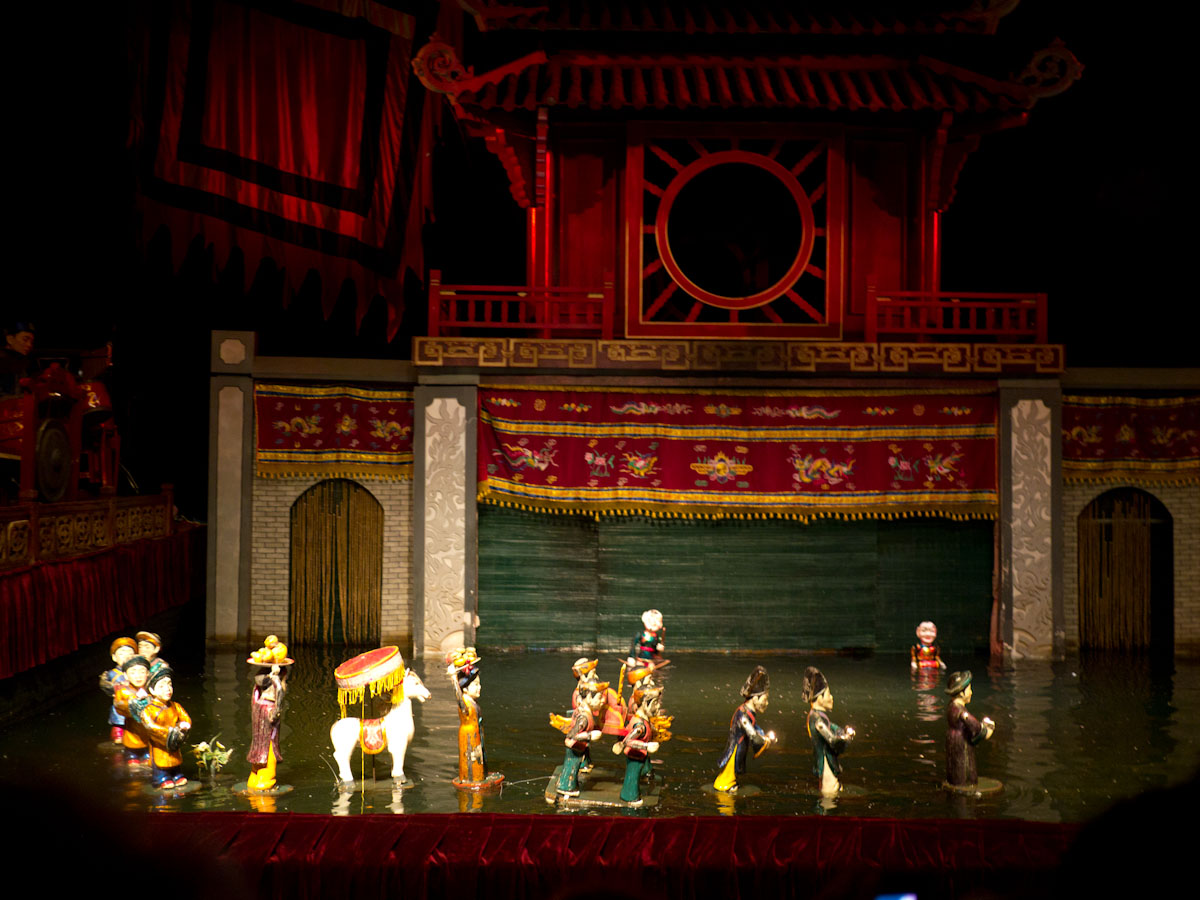
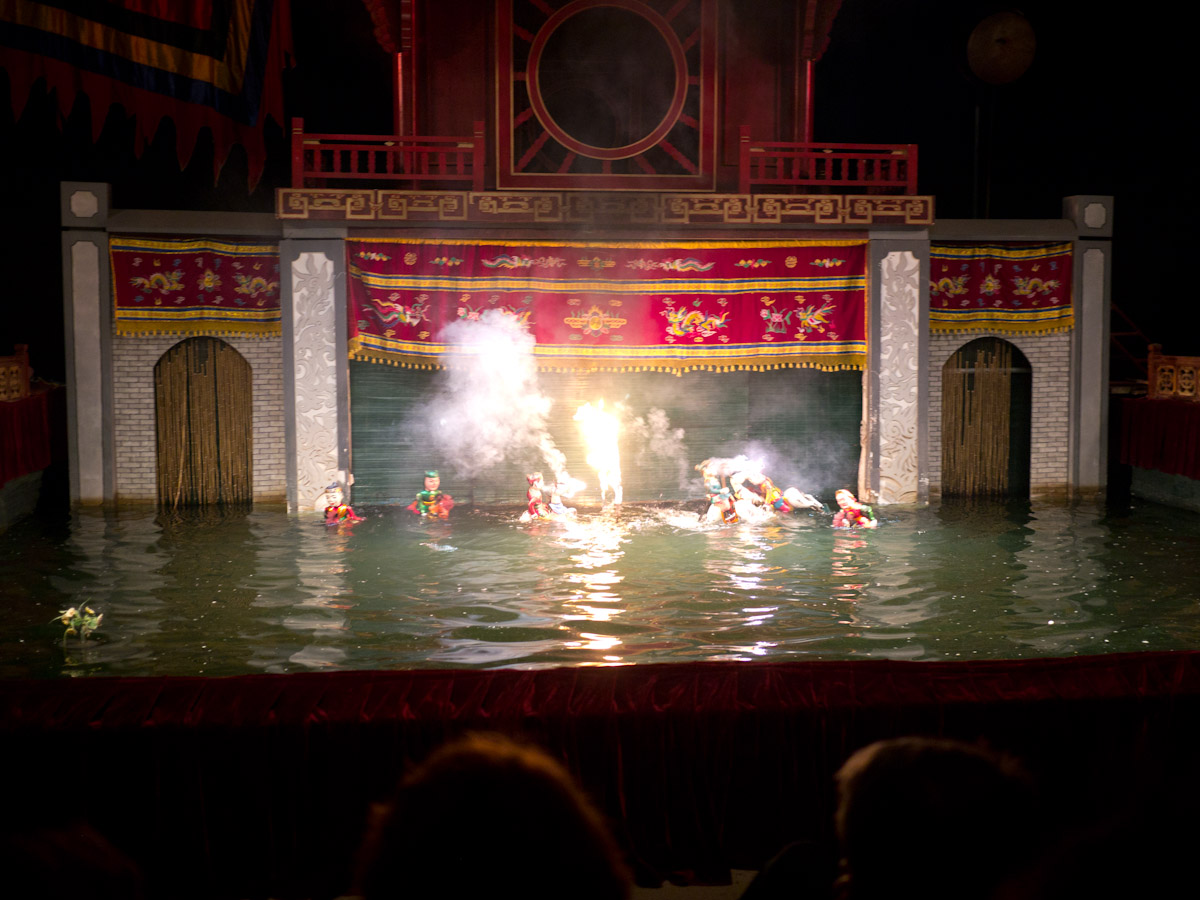
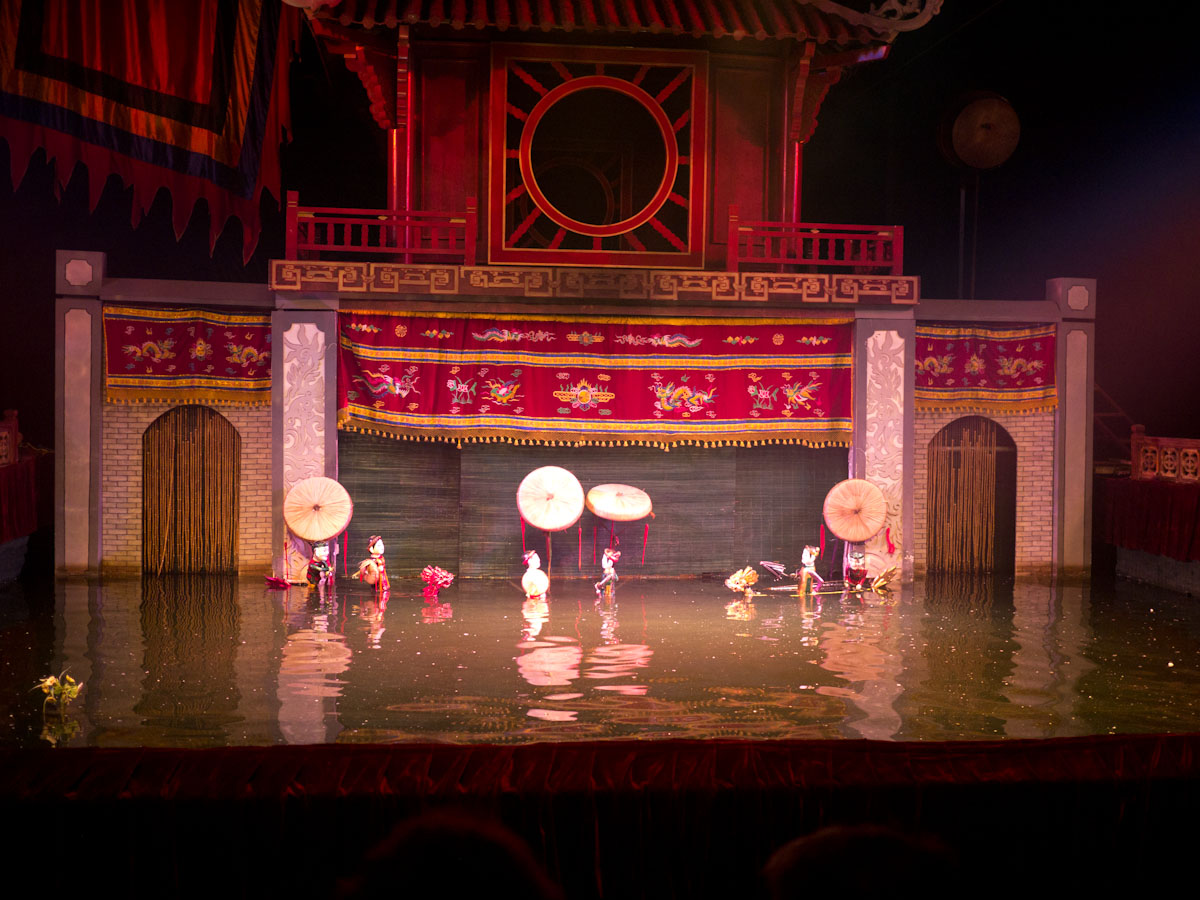
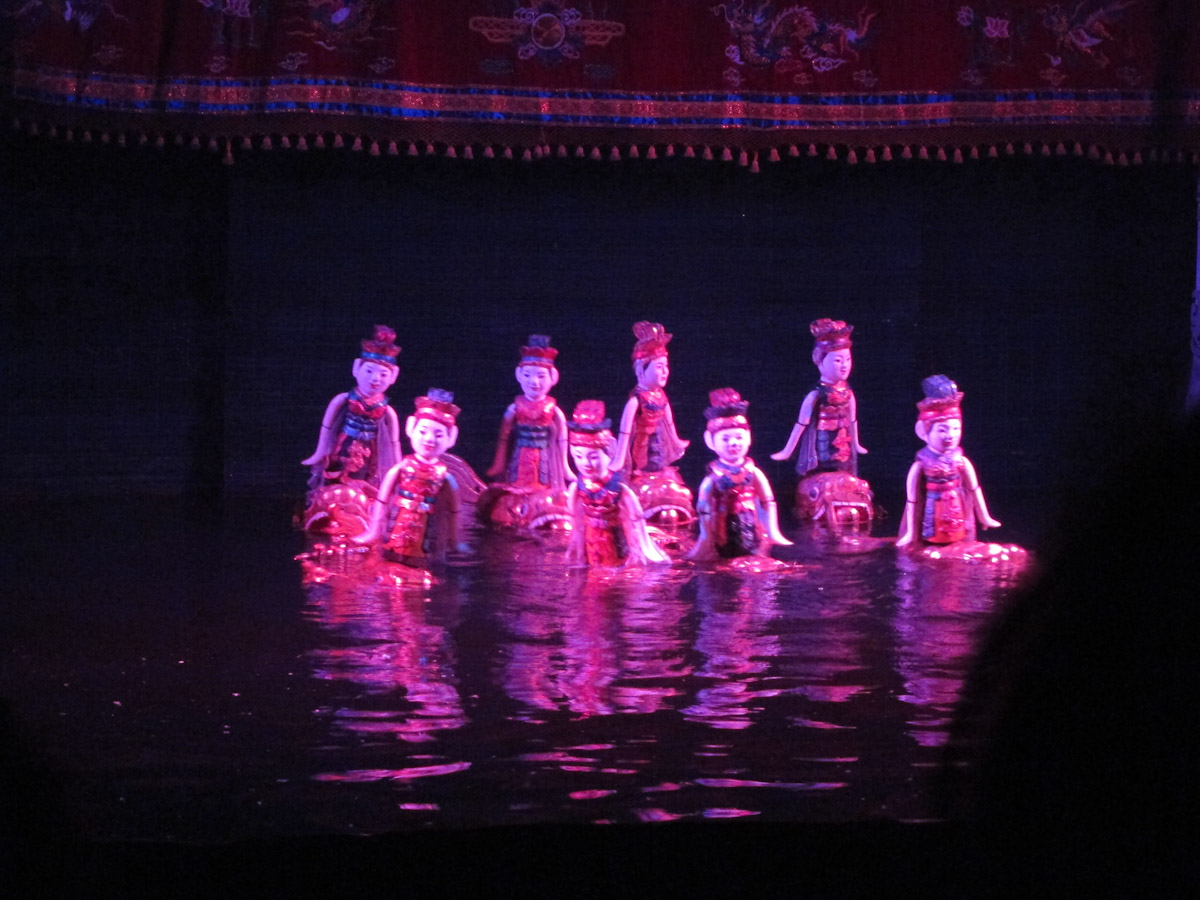
While in Vietnam, you must see a water puppet show. The Vietnamese had a wonderfully creative twist on puppets. Rather than work them from above with strings, they flood a stage with water and hold the puppets from below on poles. Live musicians and singers accompany a cast of highly decorated and cavorting puppets. There are “wow” moments when the puppets breathe fire, climb trees, float on boats, and dance in the rain.
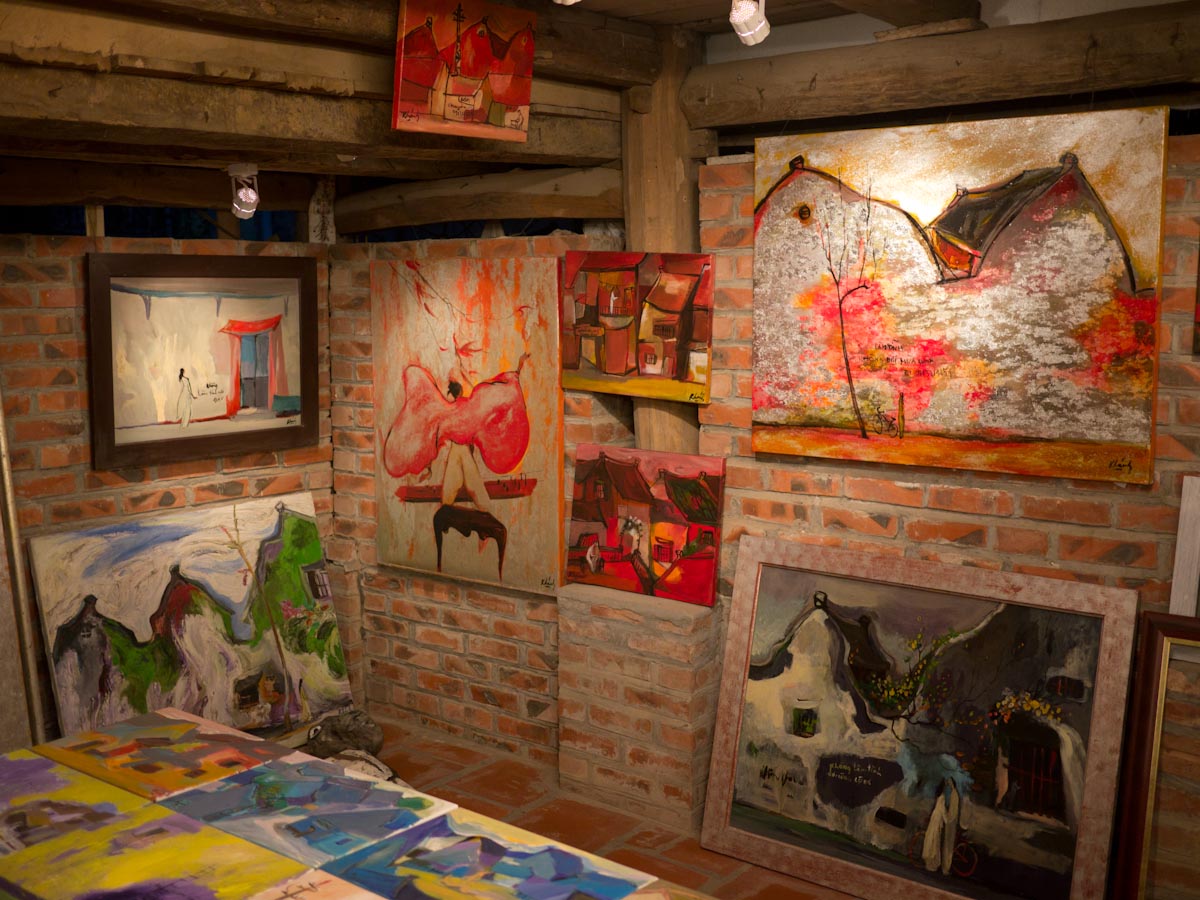
From here we visited the studio-home of one of Vietnam’s most famous contemporary artists, Dao Anh Khanh. Mr. Khanh (rhymes with clang) started life as a policeman whose job was to censor art, “A job you do not have in America,” he smiles. As he studied, he came to love art so much, he crossed over and became an artist. His works include performance art, contemporary dance, surrealist paintings, and novel sculptures. When he holds a performance in his native Hanoi, as many as 20,000 people show up to see the spectacle!
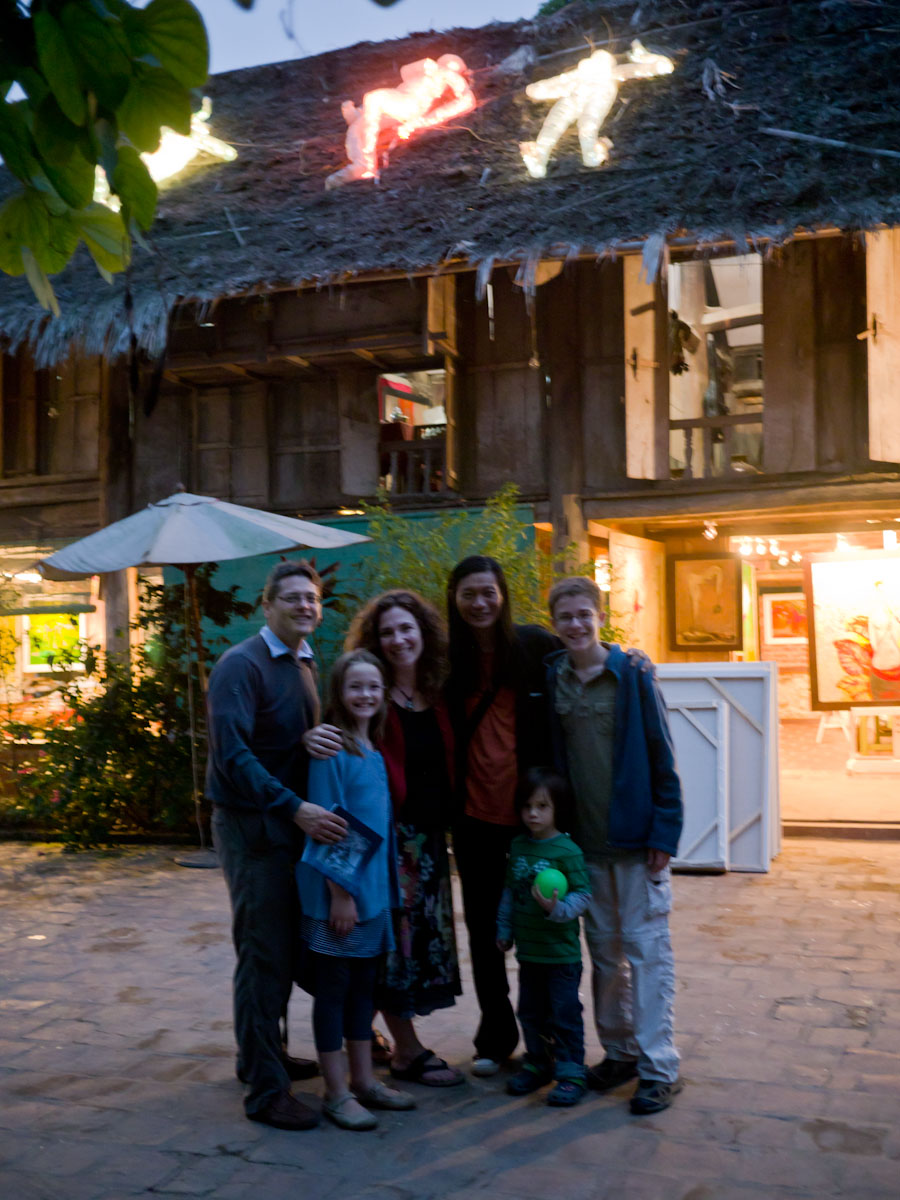
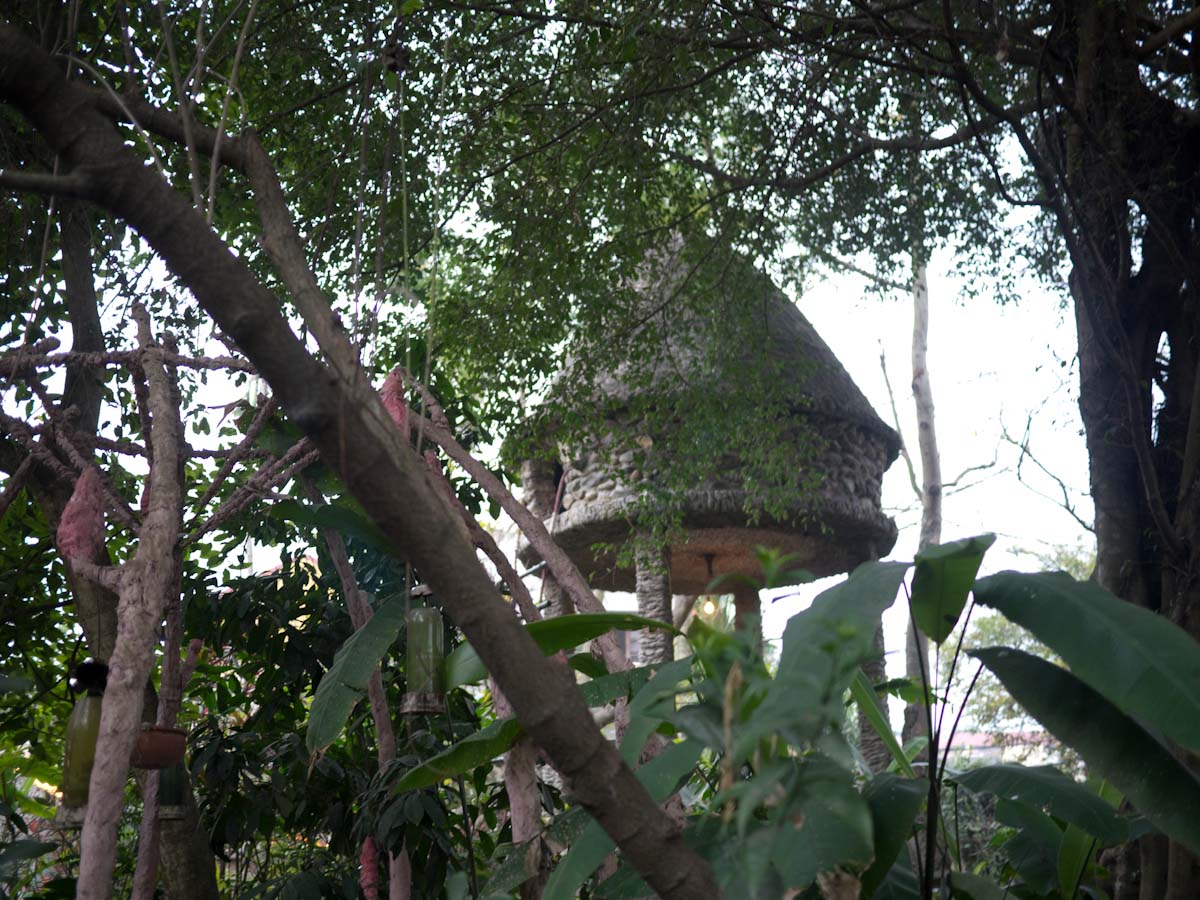
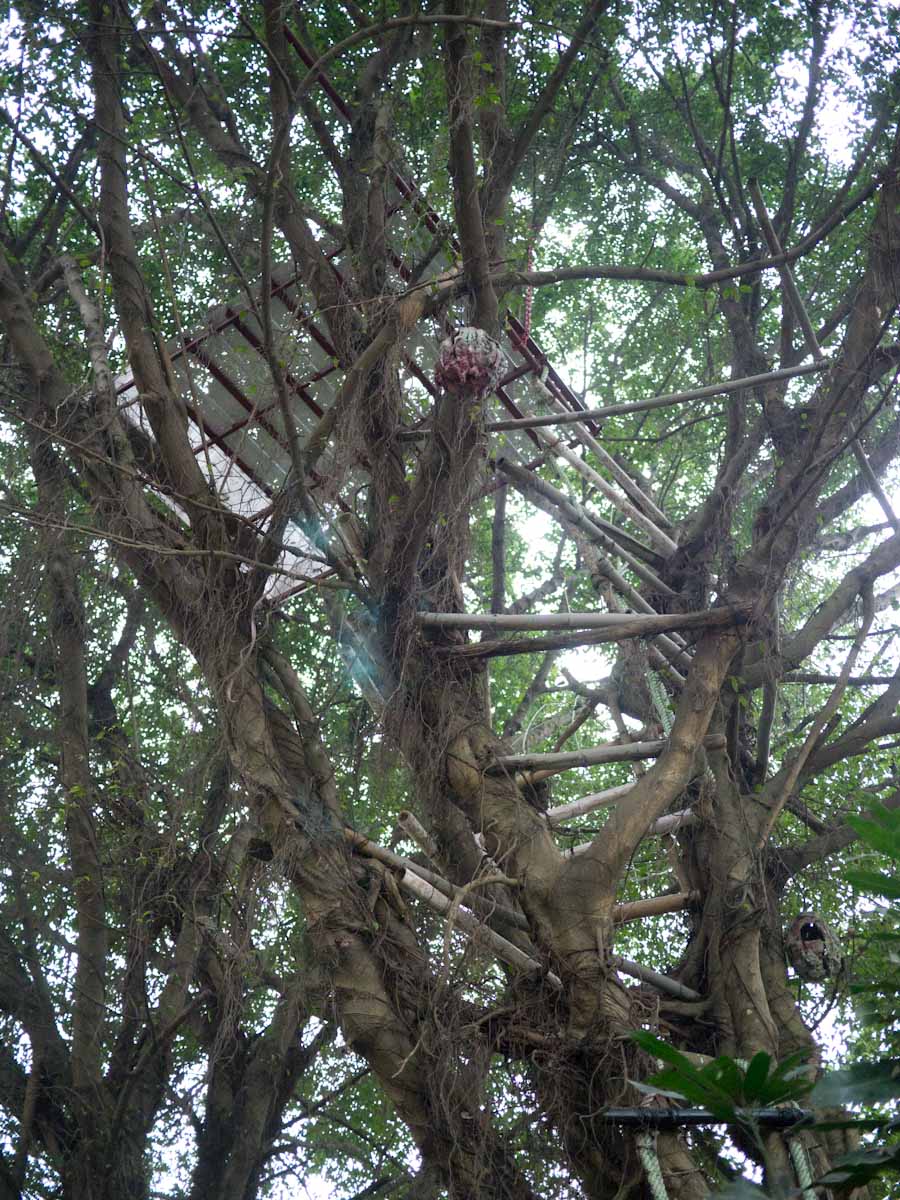
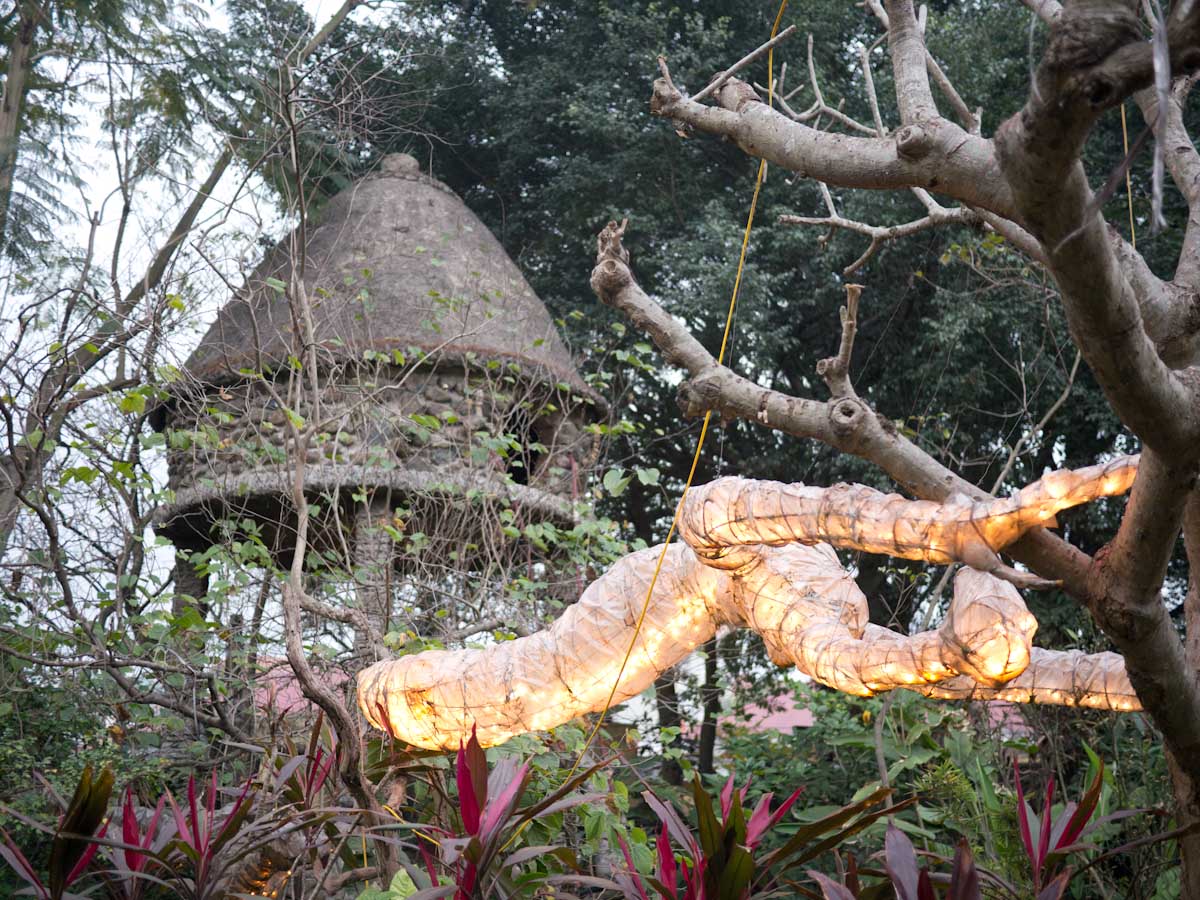
We walked through his yard on the outskirts of Hanoi and visited his forested garden, which he has outfitted with an outdoor winter bedroom – a round stone hut on stilts that is “snug and cosy inside” – and summer bedroom – a treehouse. His sculptures are always set outdoors and are always particular for a certain place. He often builds tall structures that “connect Heaven and Earth. I want people to look up, and to see something amazing and wonder if it comes completely from nature.”
His studio was filled with paintings to explore, but we dearly missed the advice of our art-expert friends Andria or Naomi to make sense of it all!
We talked about Mr. Khanh’s influences. He grew up in the city, but like many North Vietnamese children, he was sent to the countryside without his parents once the US started bombing Hanoi. So his formative years were with nature on a farm. He had a great insight when he visited the US Southwest and drove out into the desert. It was the first time he had ever seen a desert; it blasted him with the realization of how small and insignificant man is compared with nature. From the day he realized he was trivial, he began making his most notable works. He told me “When I want to do something really powerful, I always start with that feeling that I am small and nothing. Then I add a little bit. Then I add a little bit more. Eventually I arrive somewhere really crazy.” Just like an entrepreneur! I was inspired.
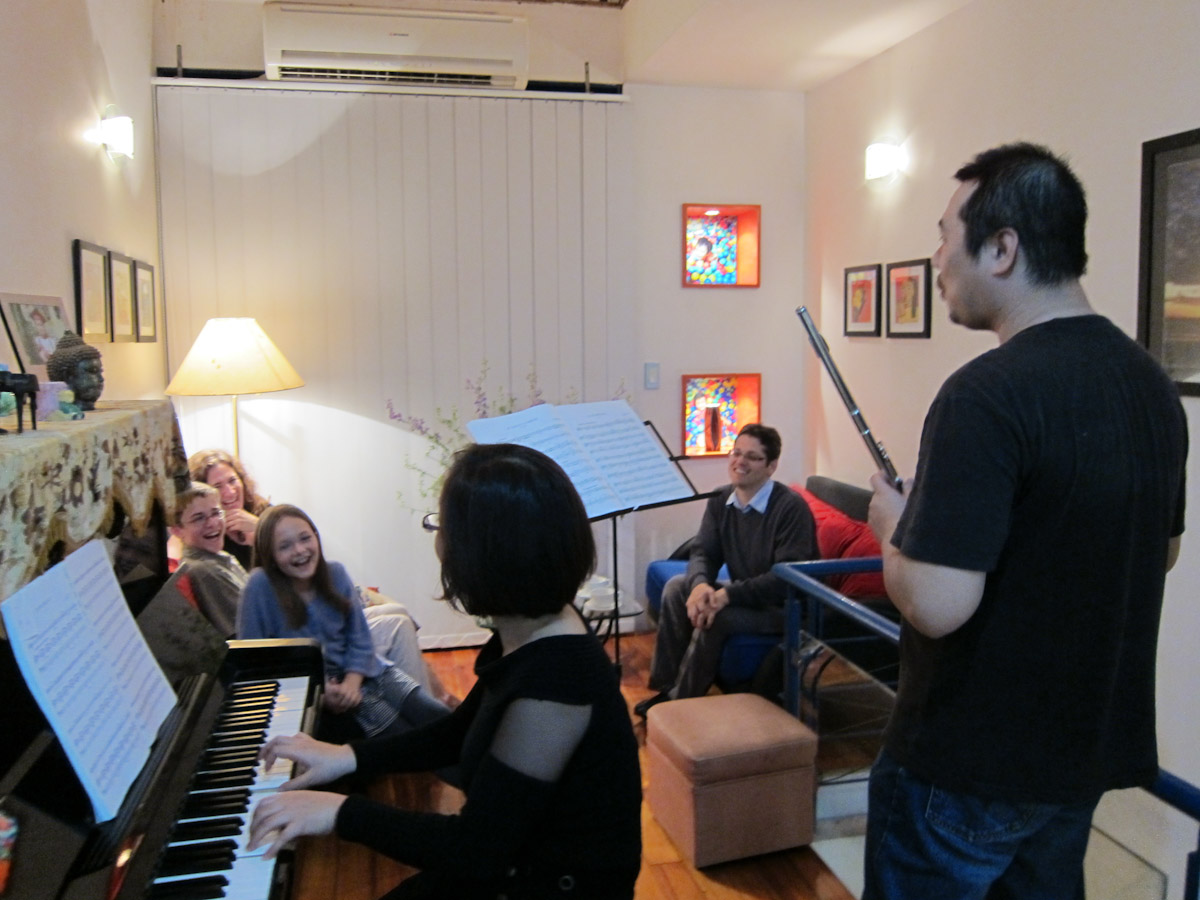
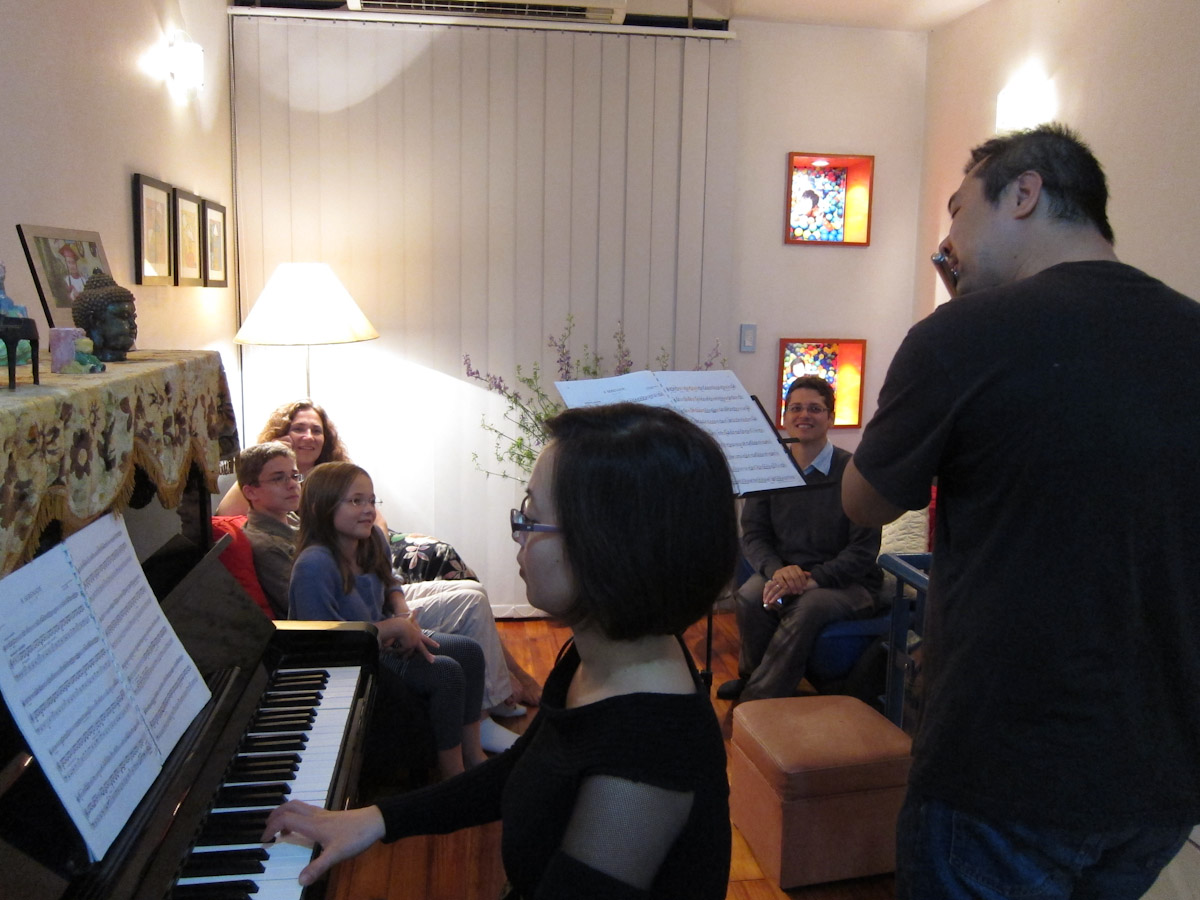
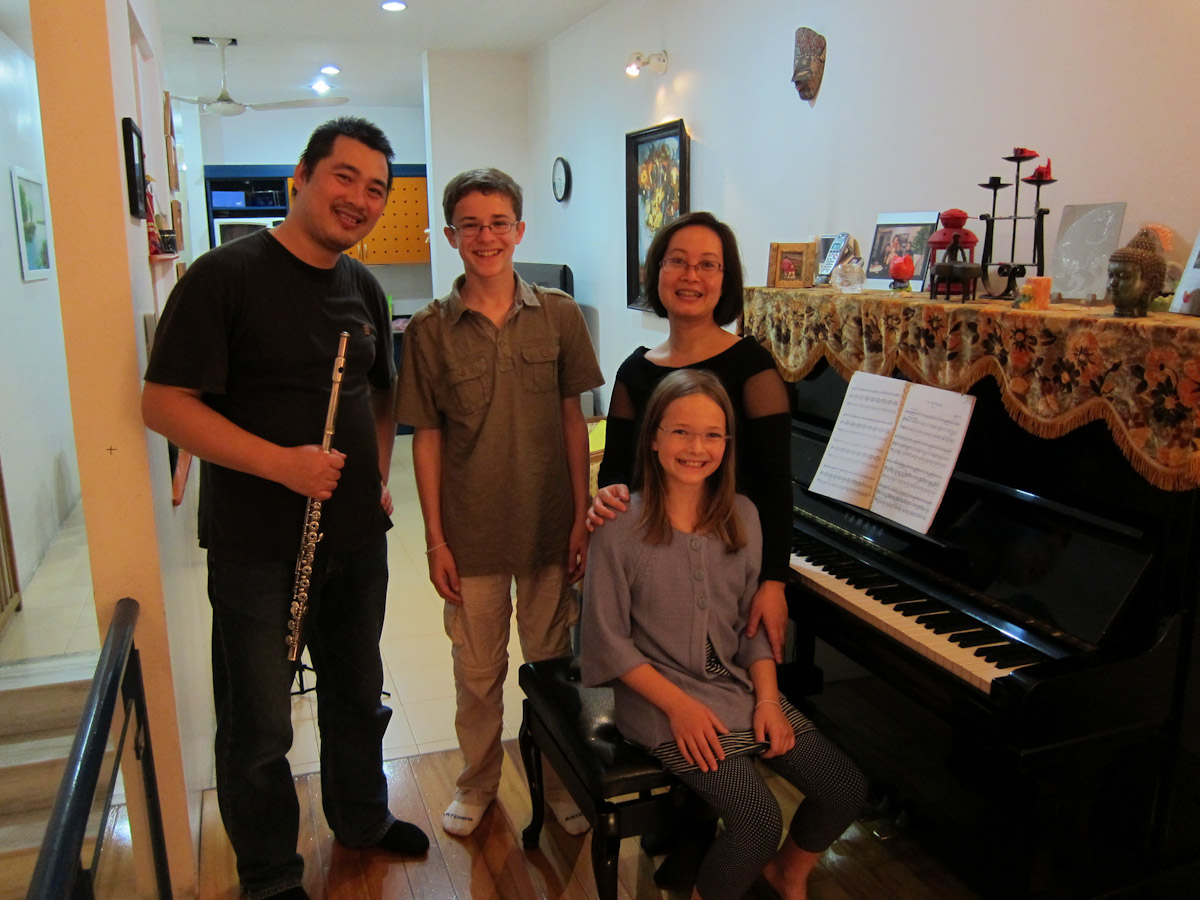
The evening concluded with dinner at the apartment of two musicians. Mr. Bang plays flute for the Hanoi conservatory and his wife Ms. Huong teaches piano to serious students across the city. They were so kind to bring us into their home on a weeknight, serve dinner and even play duets for our family. Mr. Bang blows a warm and sensitive flute; his wife’s piano accompanies in joyful sing-song. Making music together, they were the sweetest couple.
The conversation wandered through daily life in Hanoi. They have free public school here, but as with Cambodia there are so many youth that the children come in shifts, either 8-12 or 2-6. Classes have 40 to 60 children per teacher and there is no air conditioning. If you pay $3 per day, then you get an upgraded school with just 25 kids and air conditioning, however most people cannot afford this. We had heard that in Cambodia the public teachers demand a $250 bribe (!) before allowing a student to graduate from high school; they had not heard about this in Vietnam. Our hosts enjoy travel yet they explained Visas are hard to come by and the US the hardest of all; apparently our officials are so worried about Southeast Asian people staying in the USA that they require a personal interview from each applicant. They will only grant a Visa if your children will stay in Vietnam when you visit and/or they require you to put up a $20,000 bond that is only released when you return in person! Sports? Vietnam is crazy about soccer but as in France it is only played by the boys.
With all these visits and numerous chats with our industrious guide Tom, we could feel that Vietnam is a country with a middle class that is highly talented and working aggressively – sometimes across multiple jobs in parallel and sometimes switching careers 2 or 3 times midstream as the country changes – to attain success and financial security.