What’s there to do in Thailand outside of Bangkok? Plenty! Our favorite part of the trip was in North Thailand, a hilly area that was once the ancient Kingdom of Lanna, and is now a collection of nations and tribes split across the legal borders of Thailand, Laos and Burma.
This region is geographically midway between the bedstones of India and China. The people are a blend of these bloodlines and our family found them beautiful to behold, with many faces graced by striking cheekbones, warm smiles, golden skin, and dark jewel eyes.
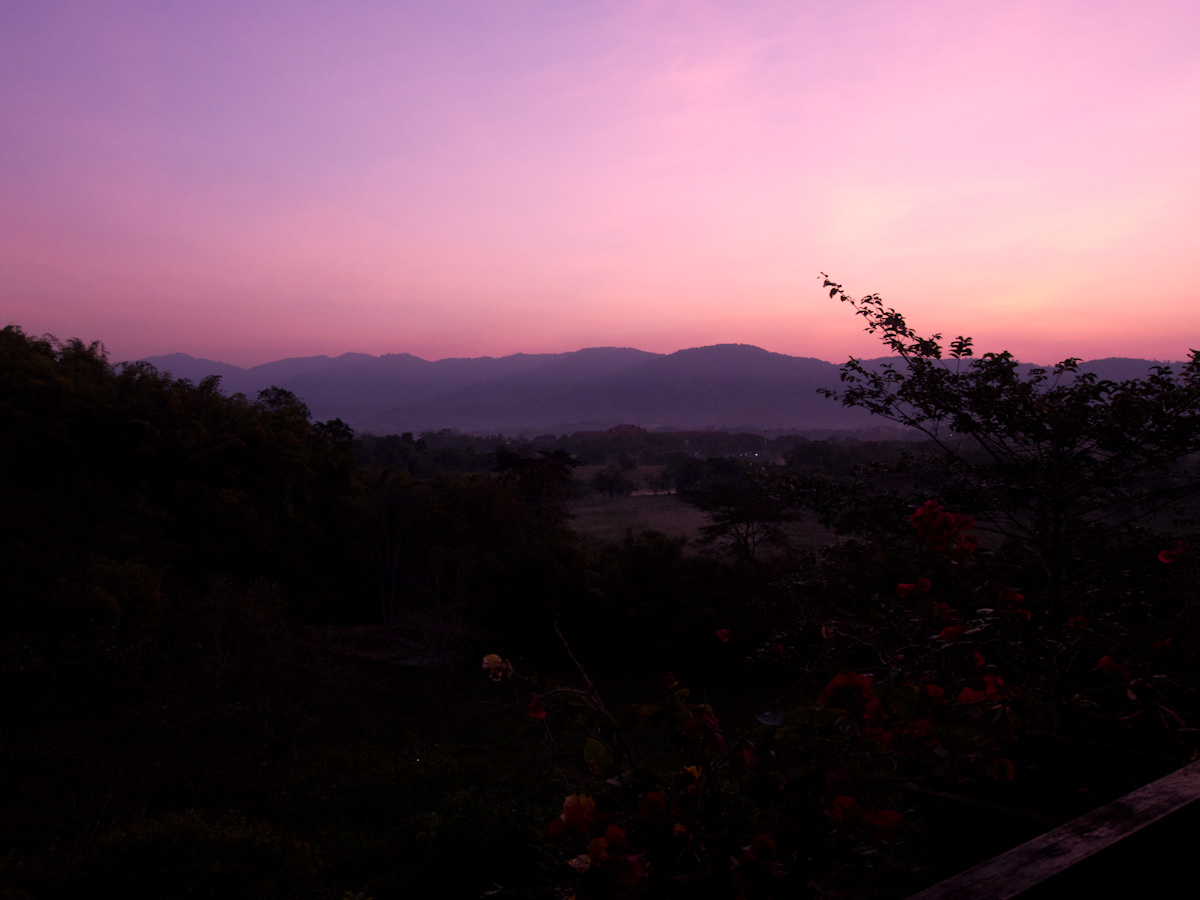
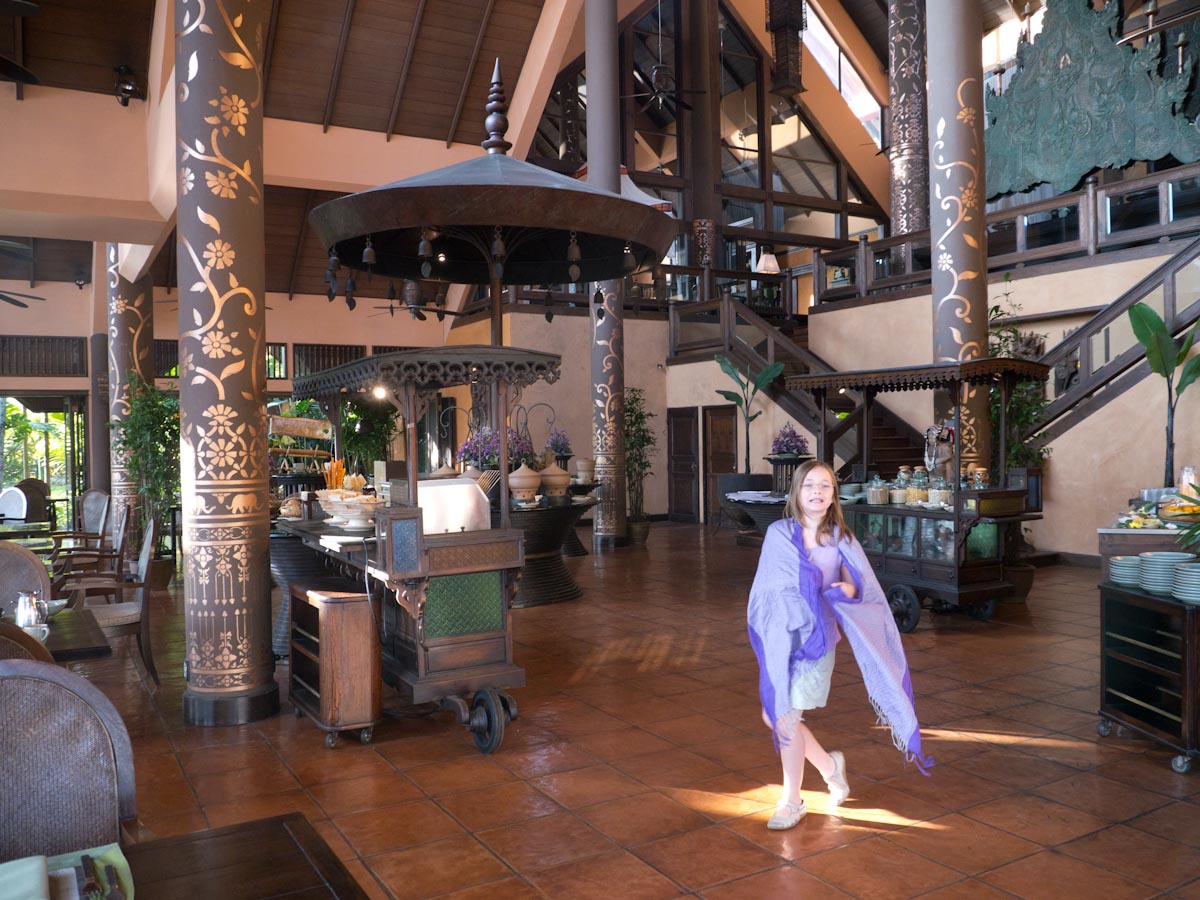
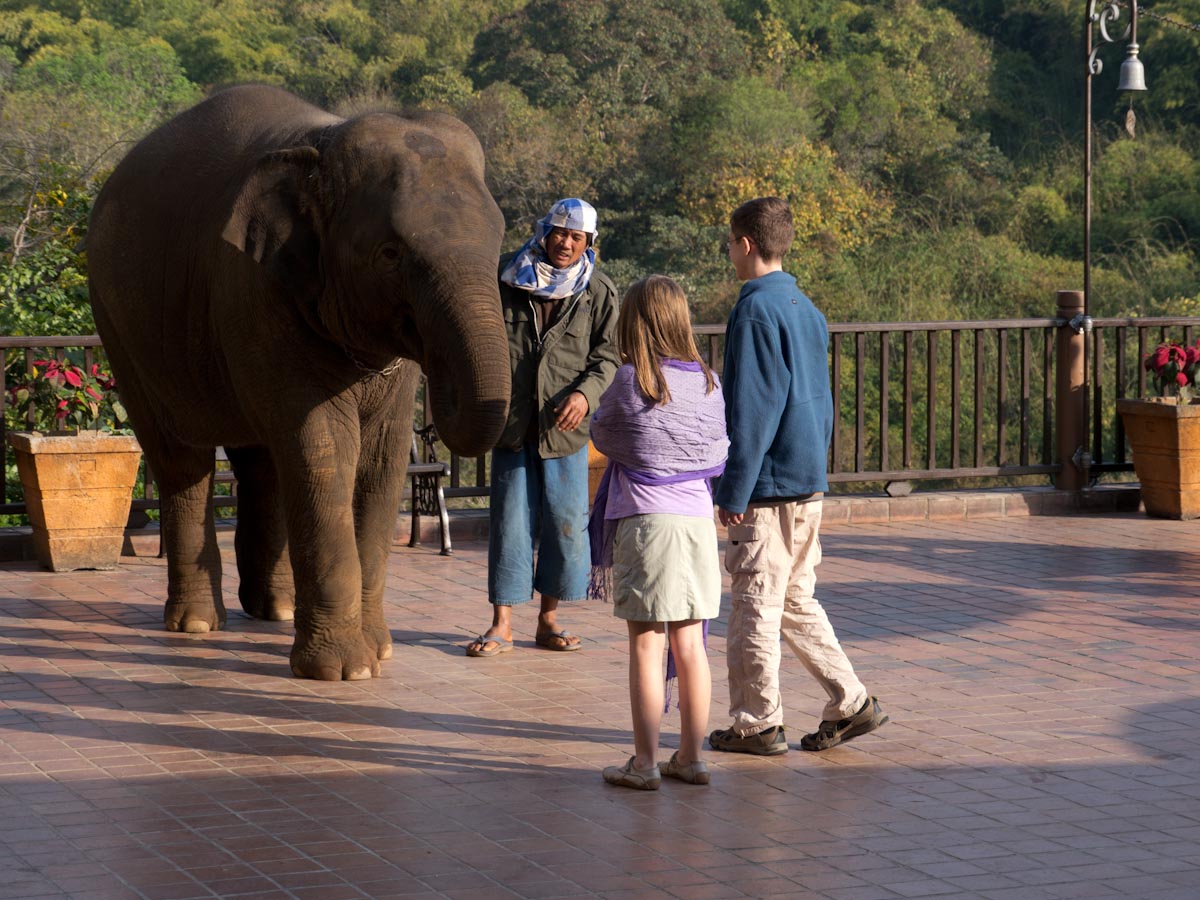
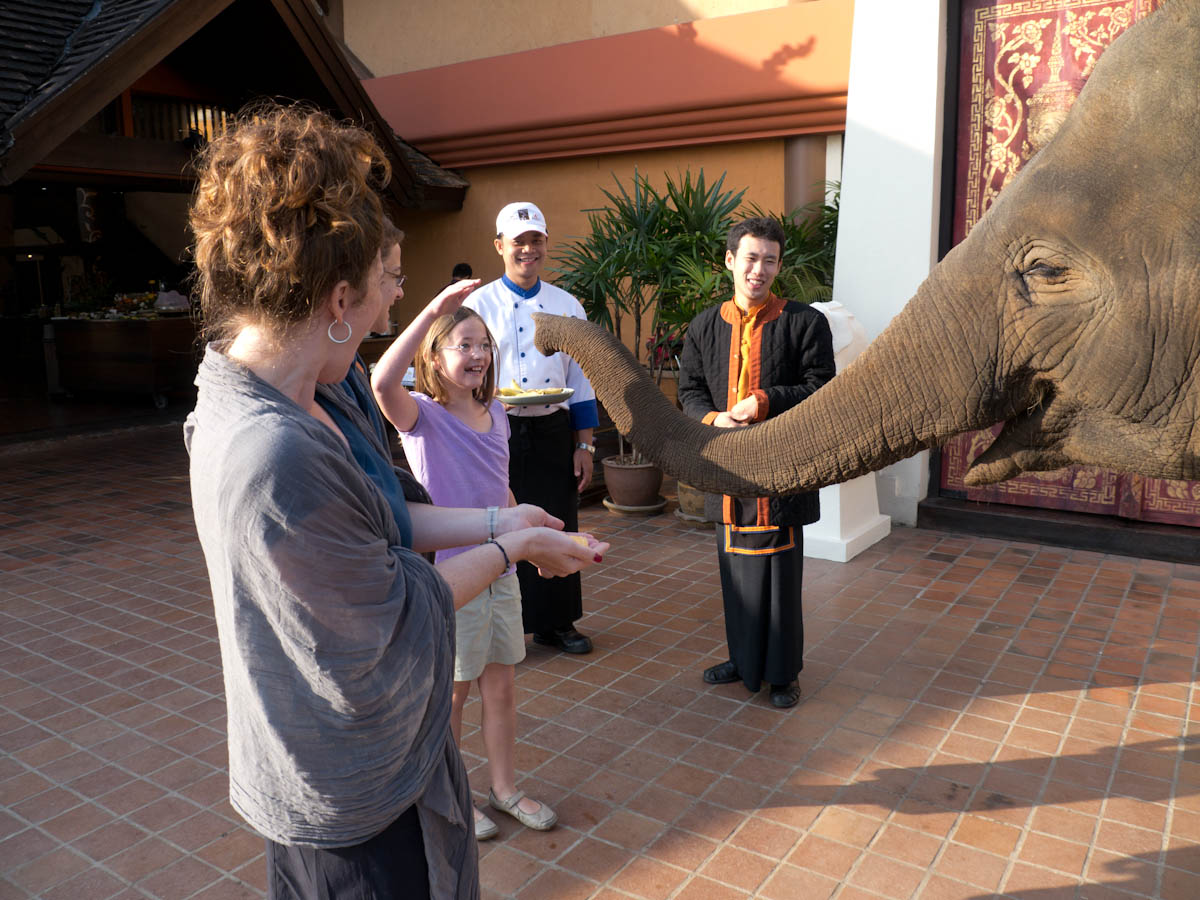
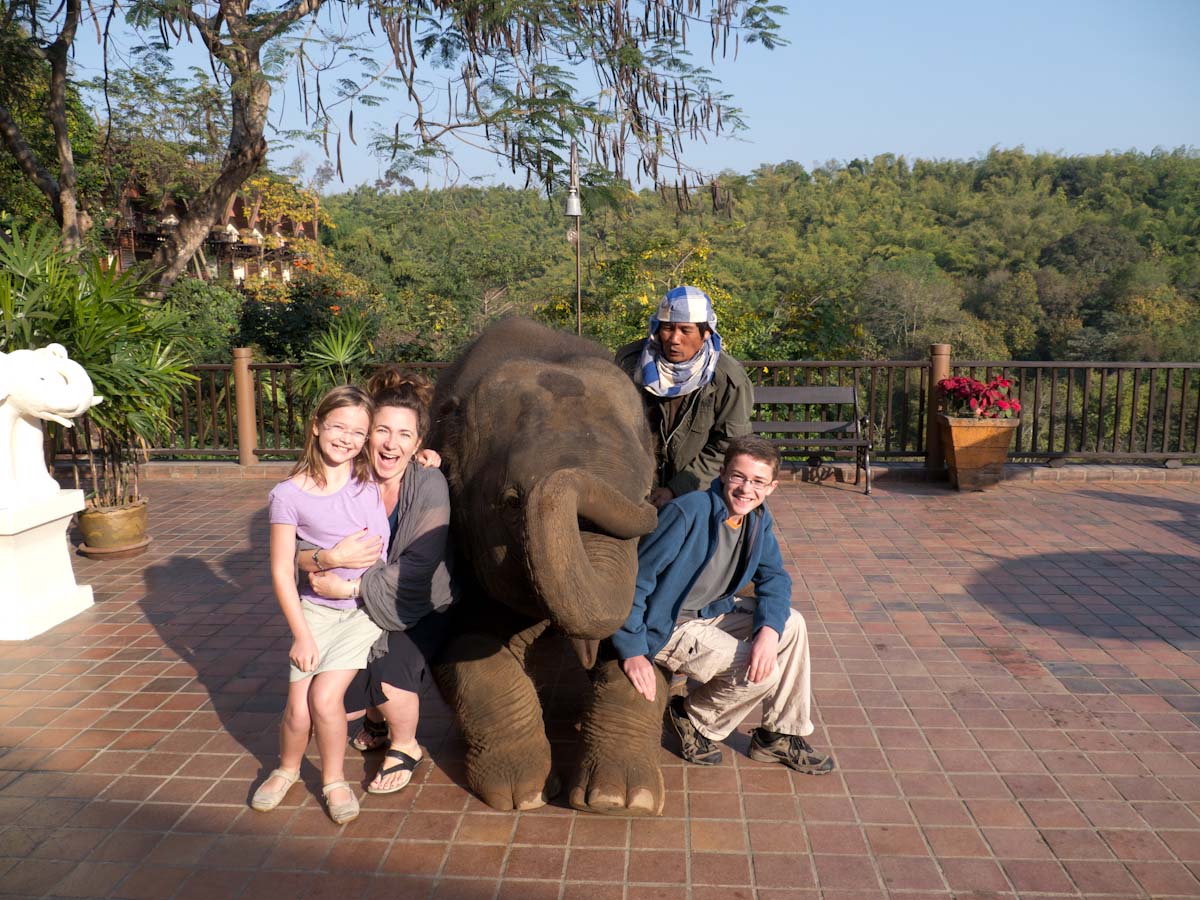
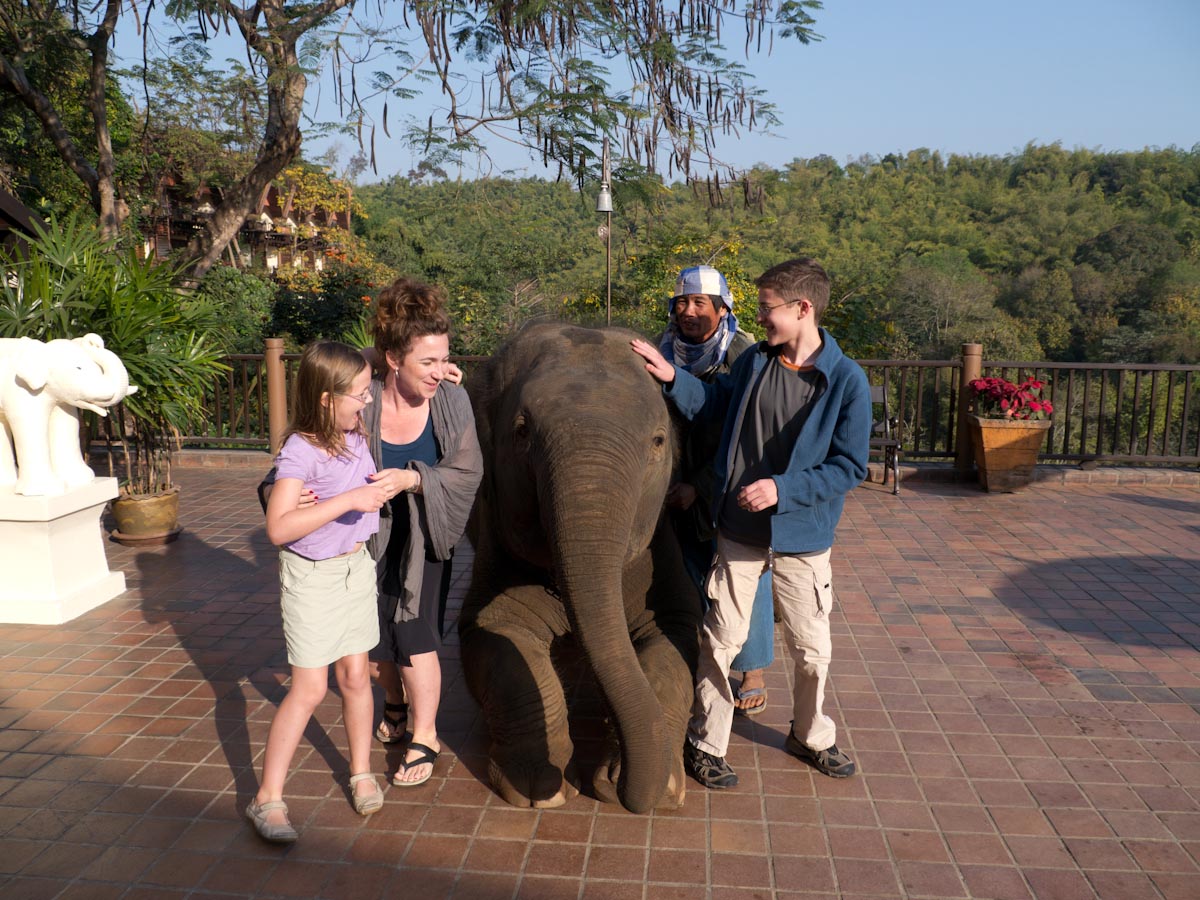
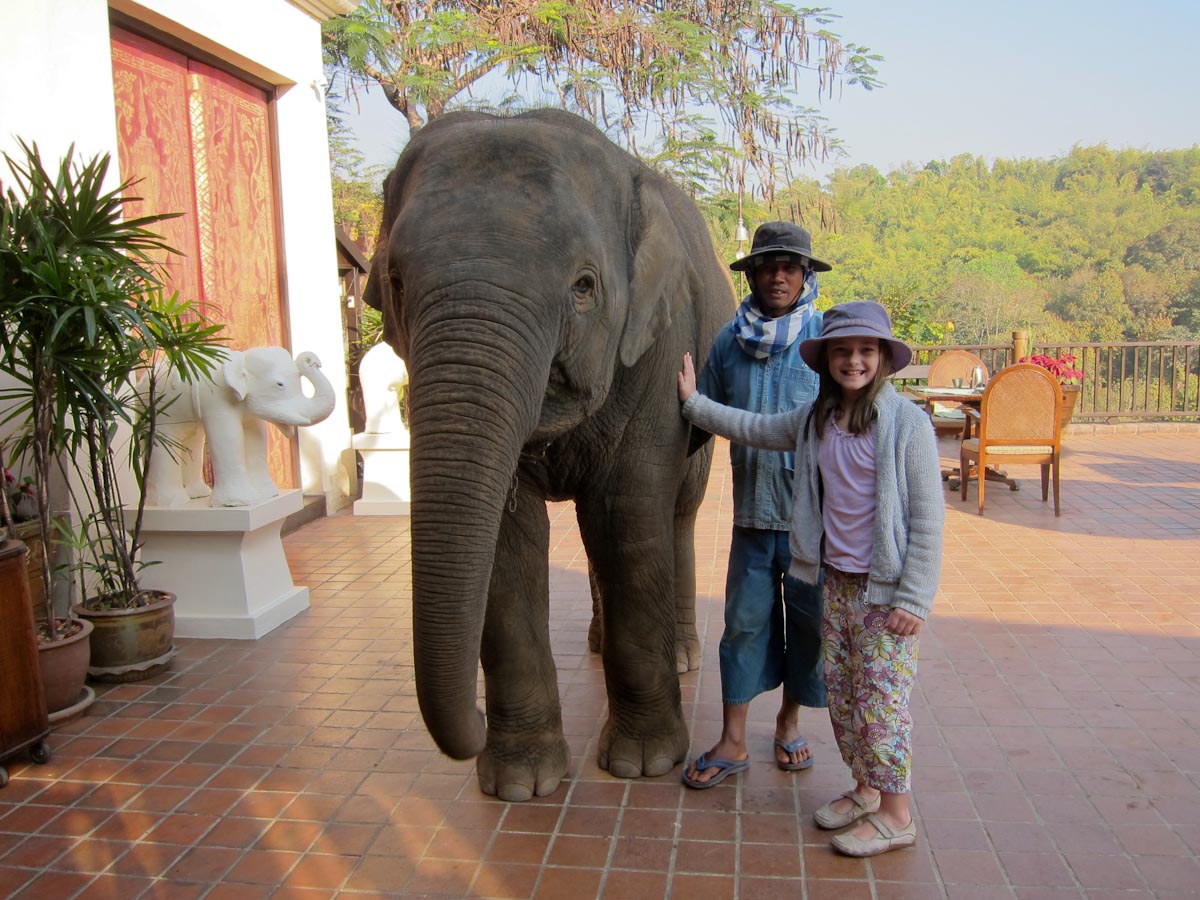
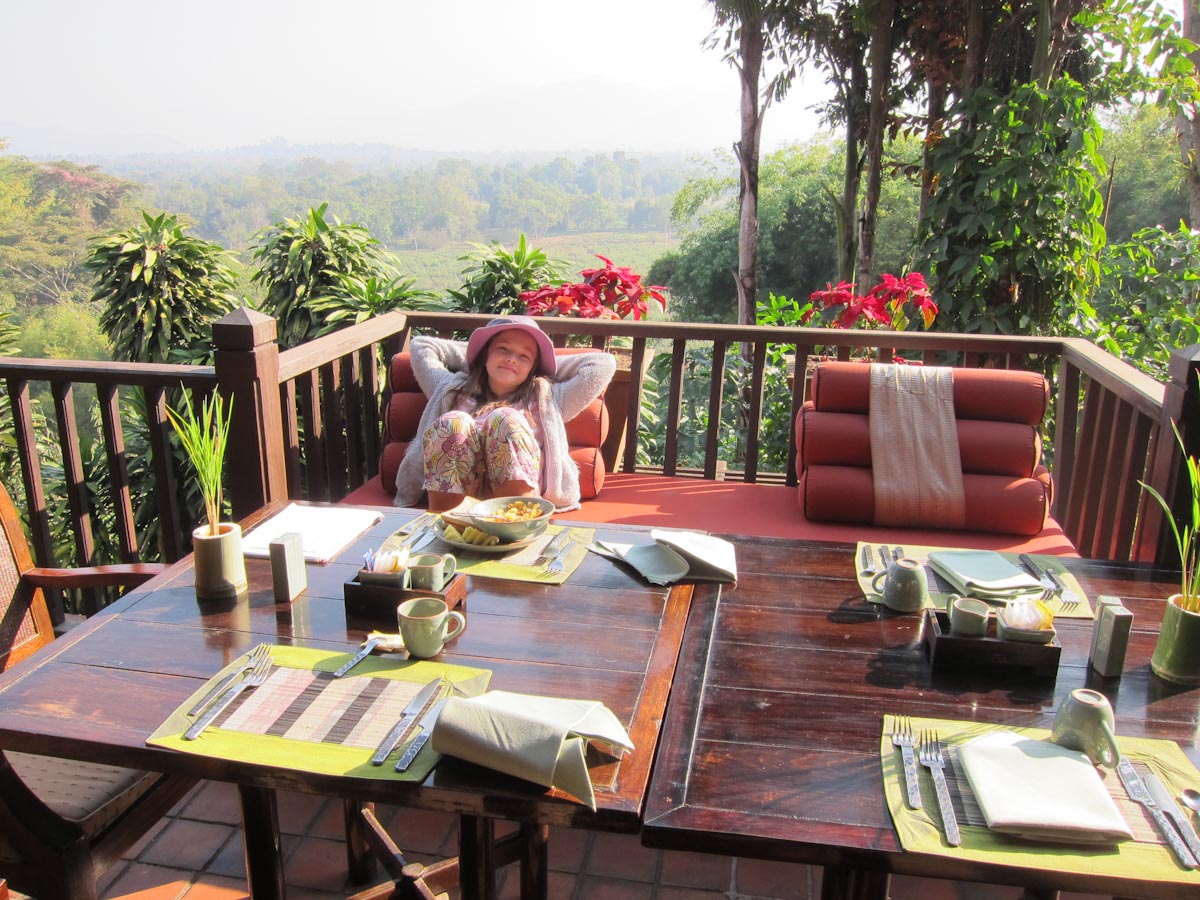
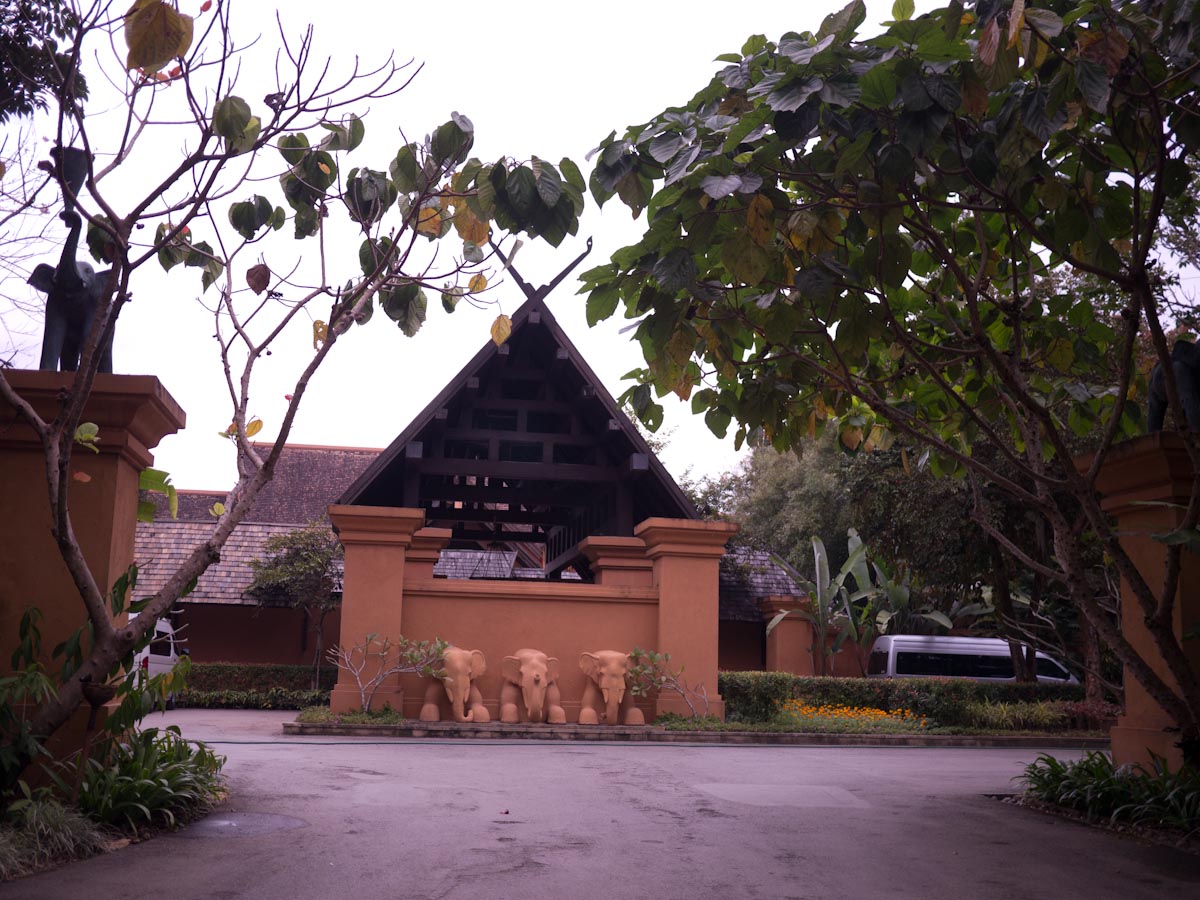
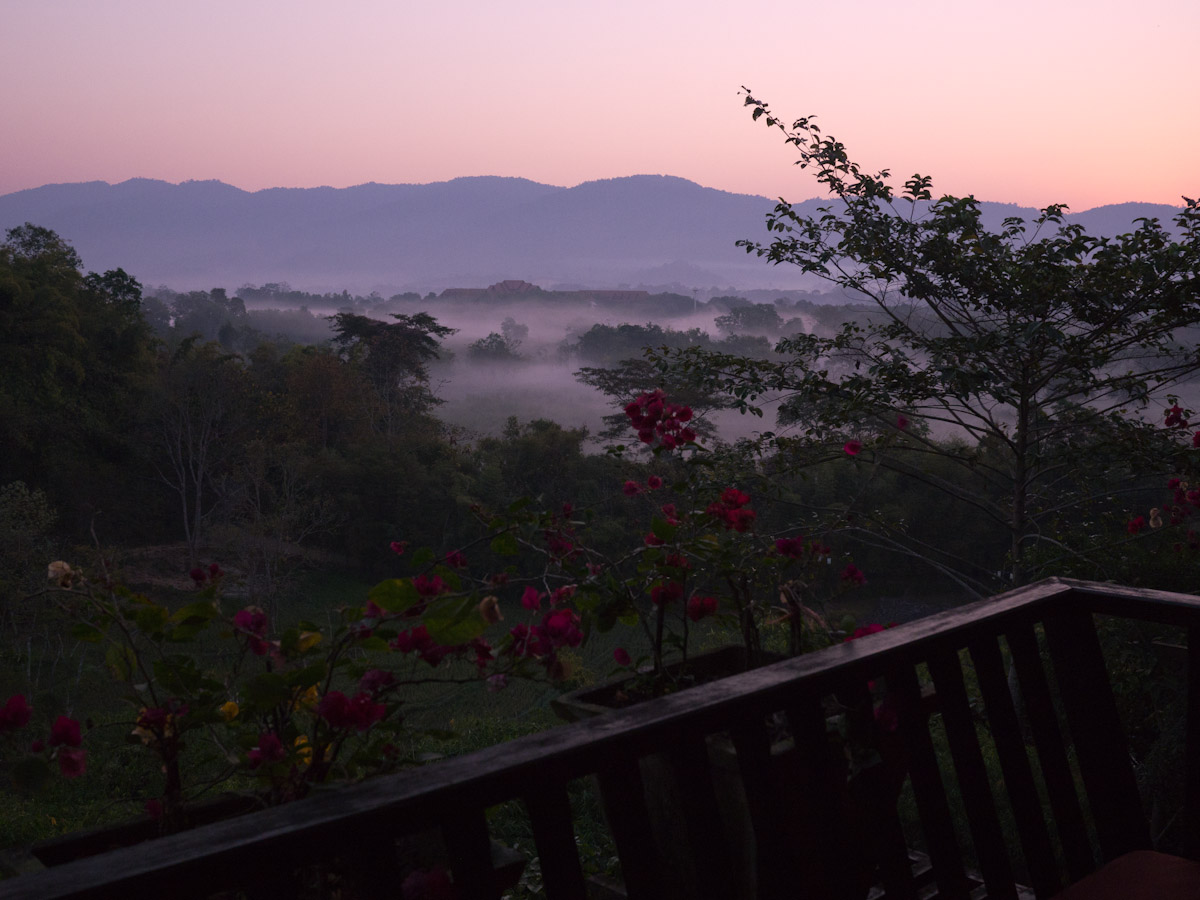
Chiang Rai is the Thai city at the very northern border. We stayed here at the Anatara resort, a gorgeous property carved out of a hillside that overlooks the Mekong River (which runs from China and down many countries in Southeast Asia all the way south to the Mekong delta in Vietnam) and the Golden Triangle per Gina’s post. The Anatara kept its own elephant herd, and baby Mina would come to visit everyone at breakfast.
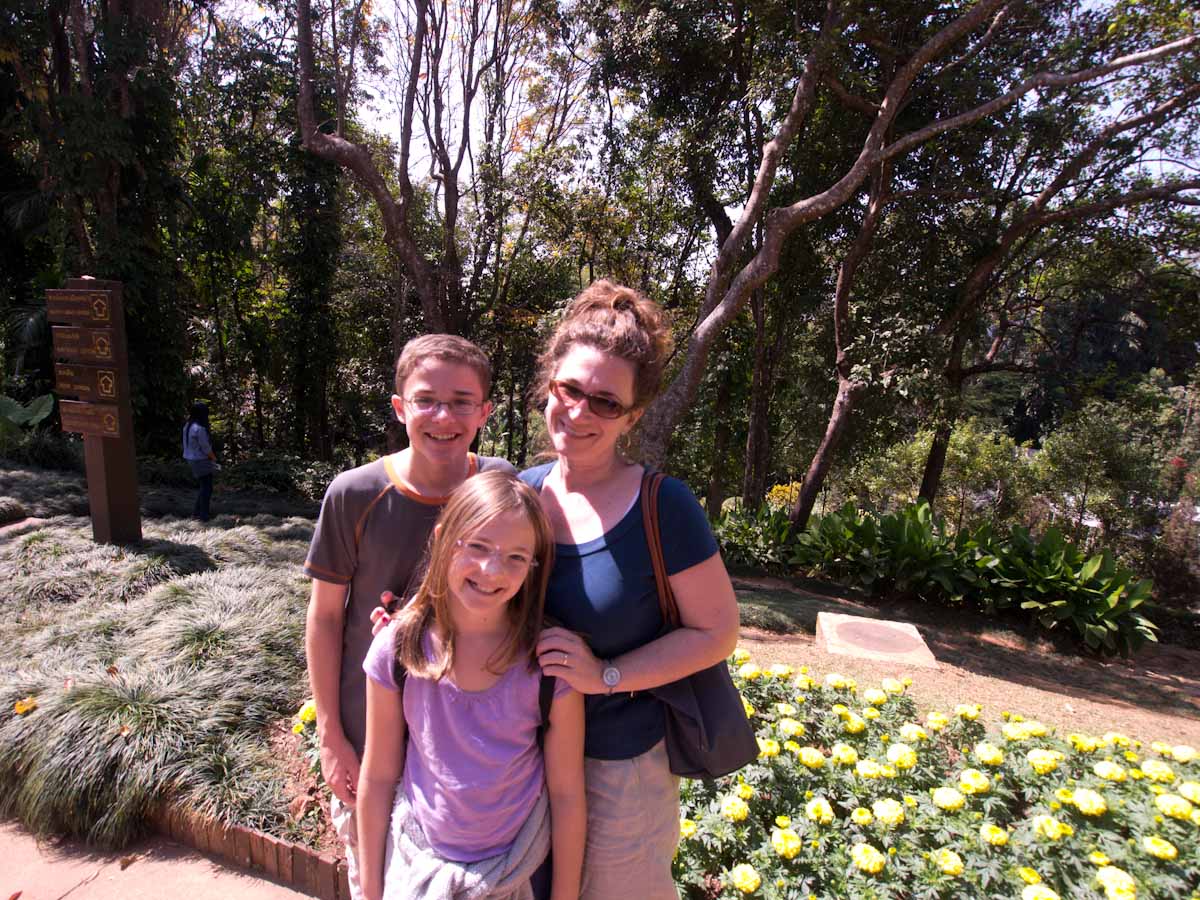
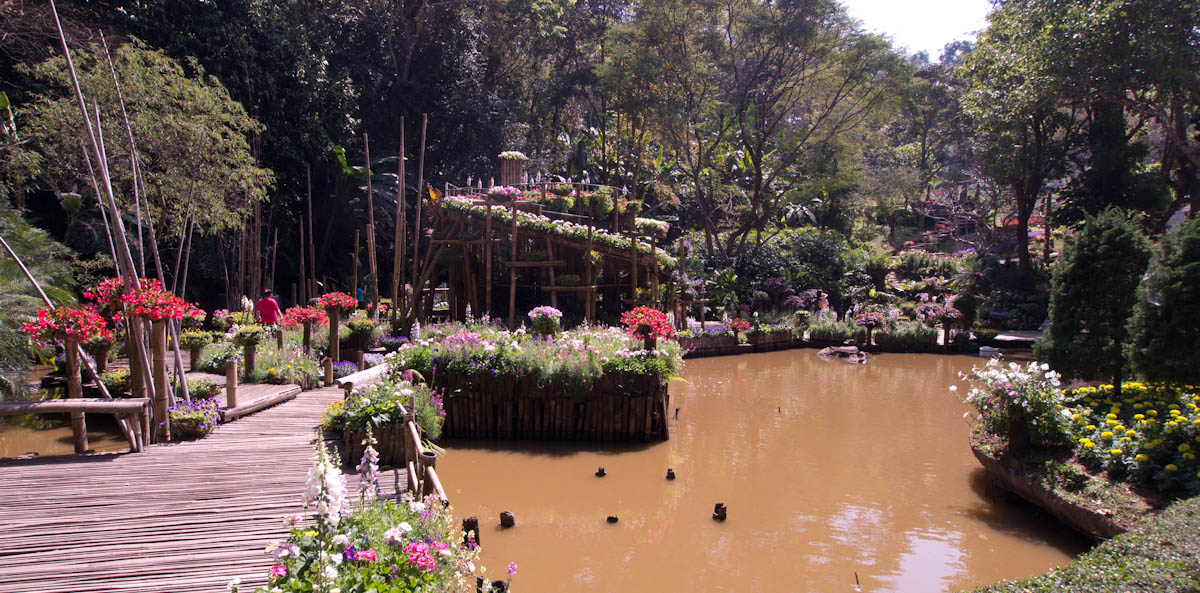
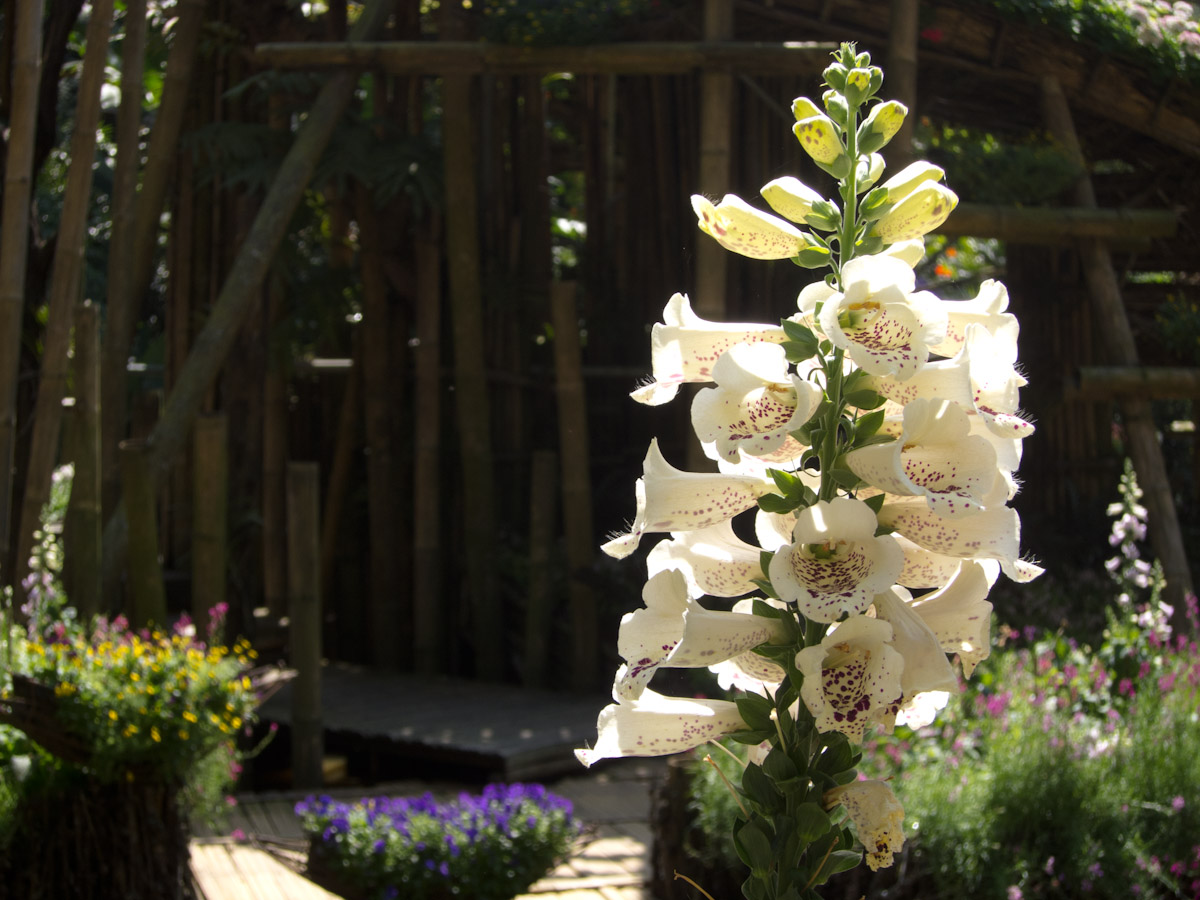
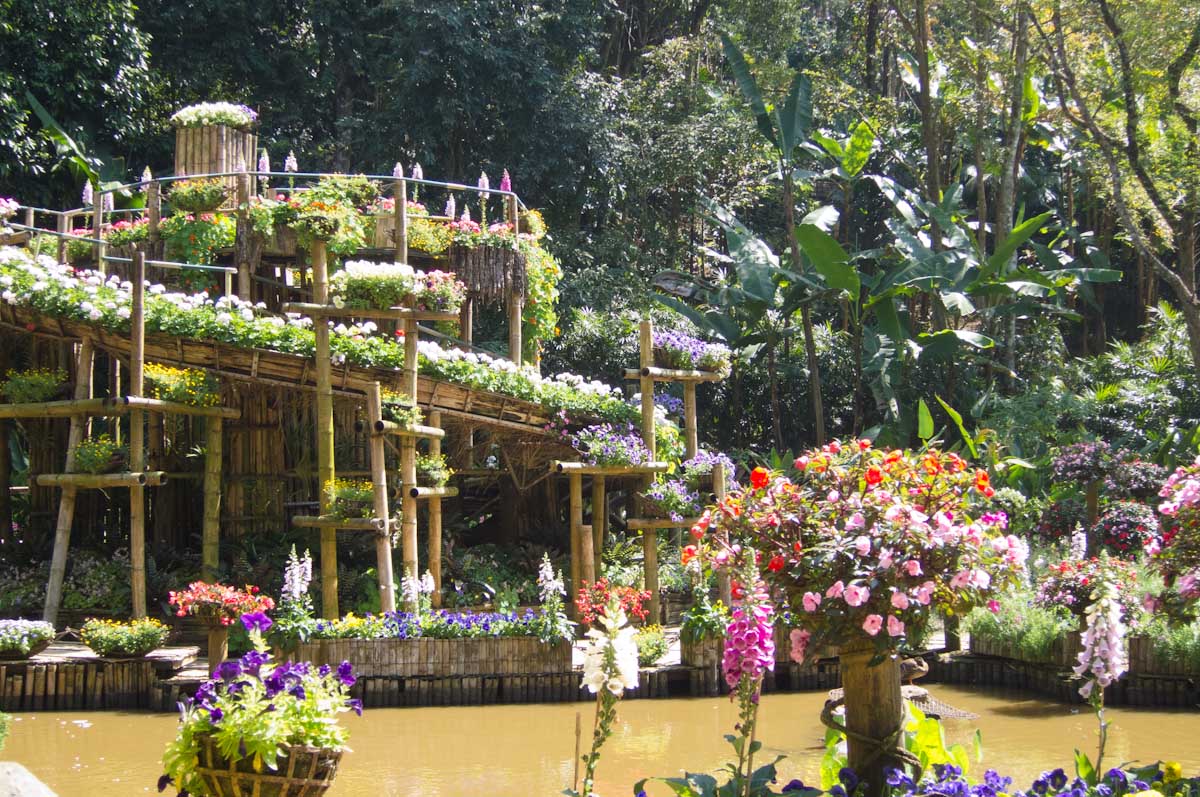
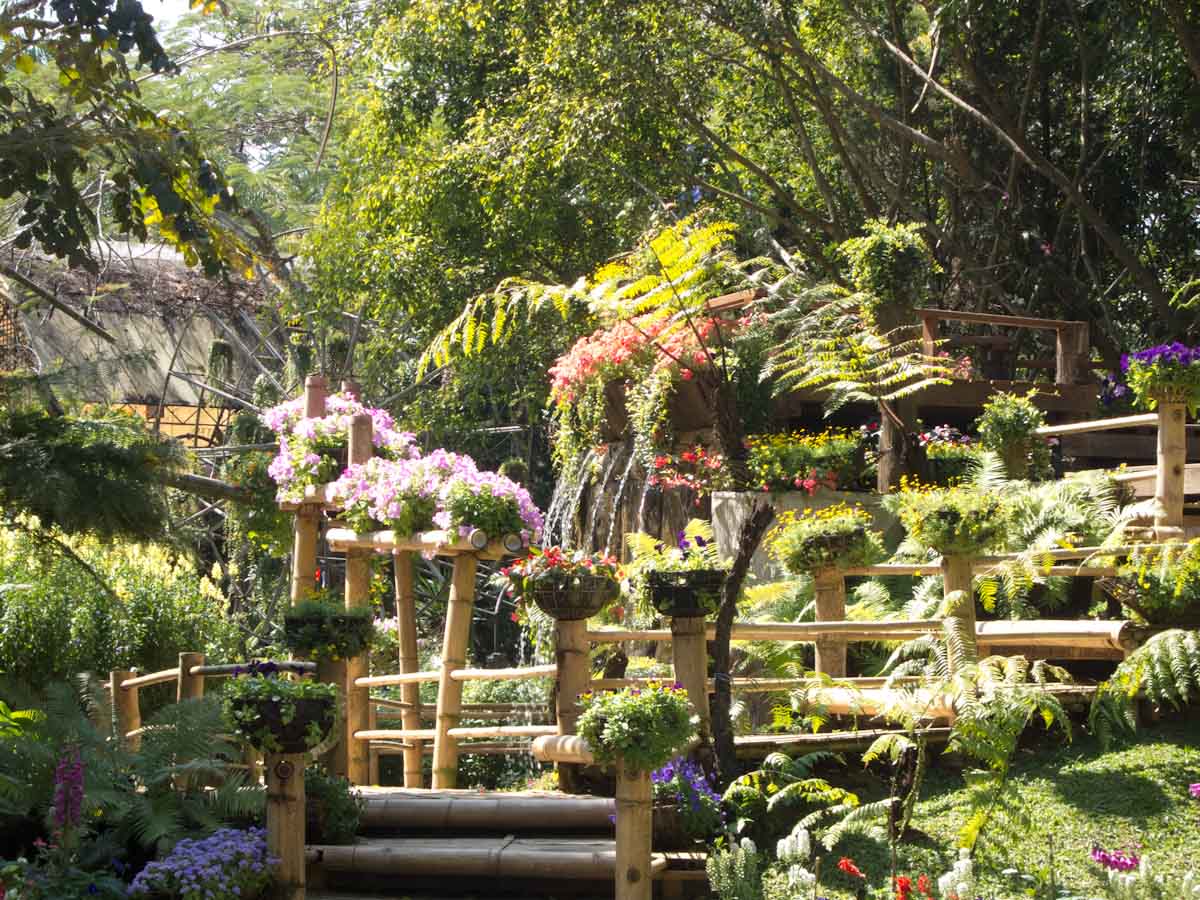
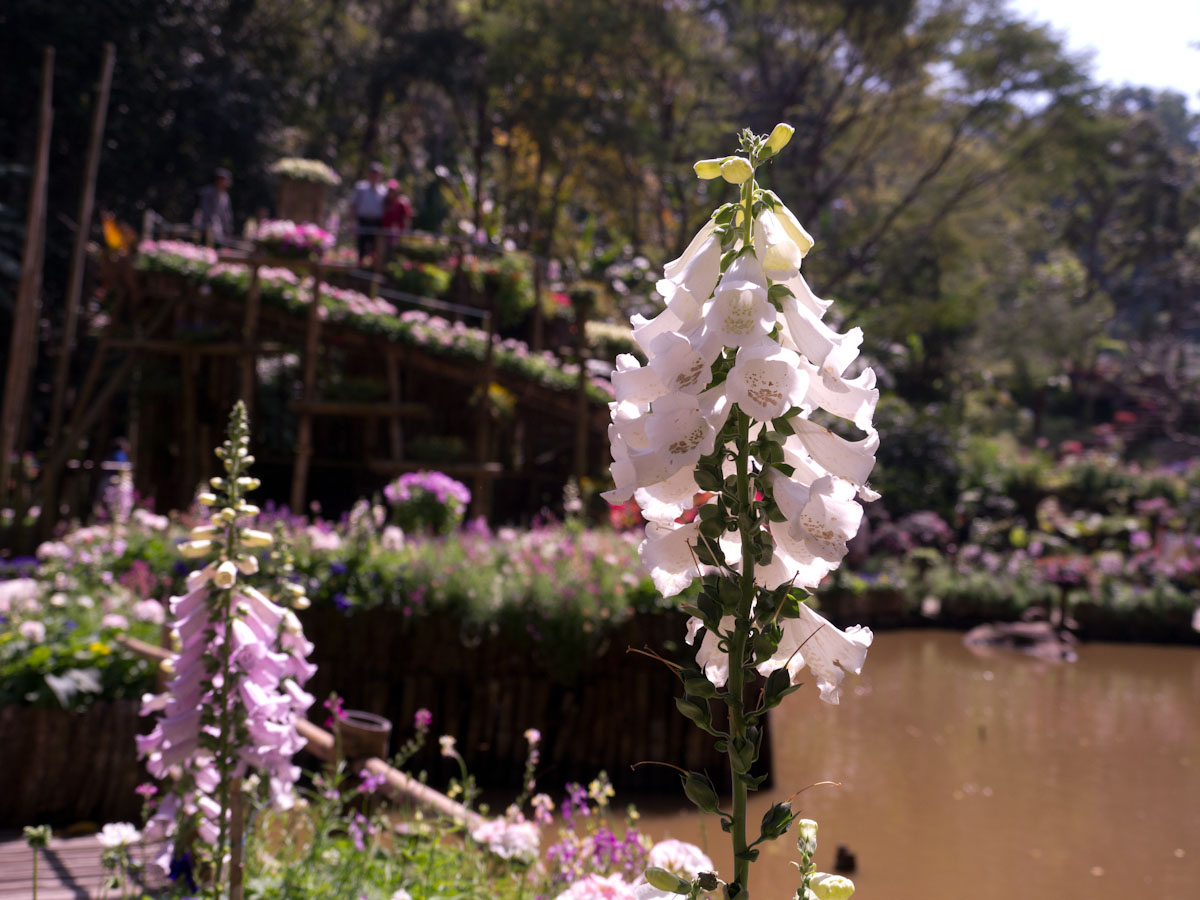
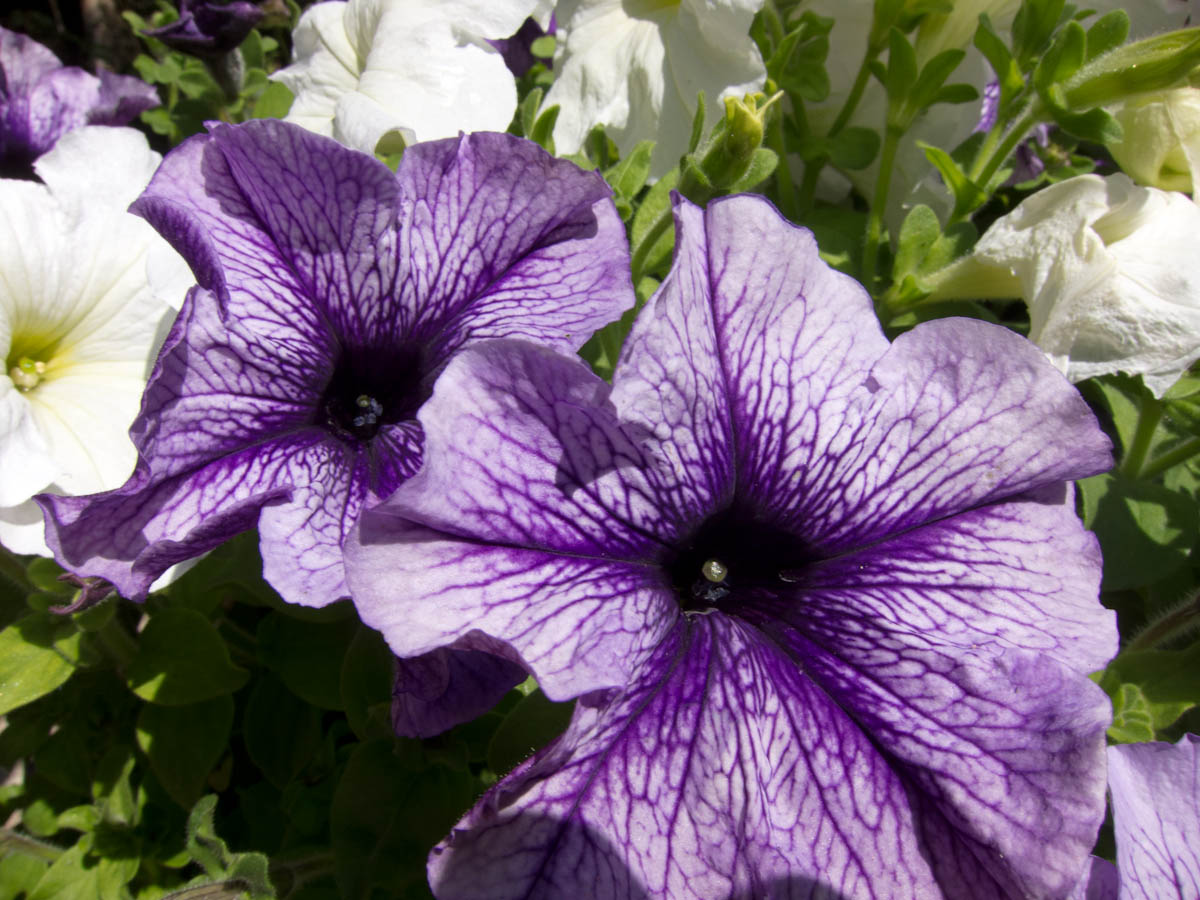
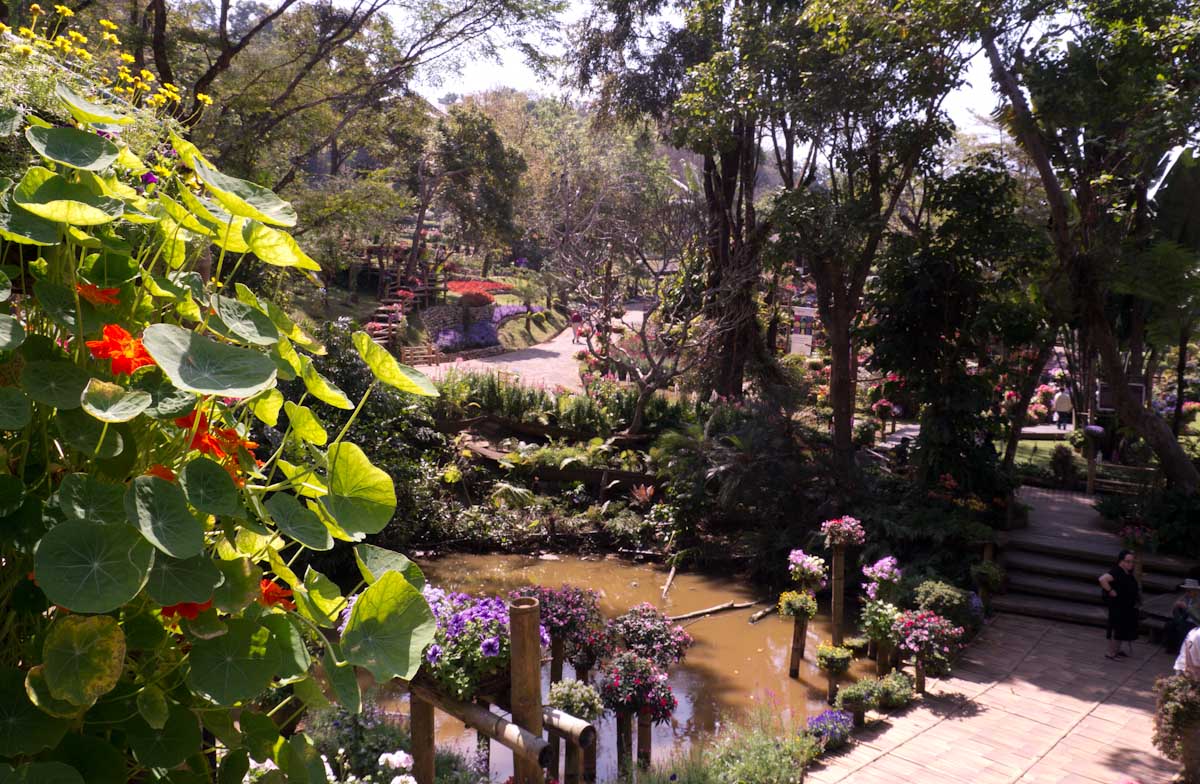
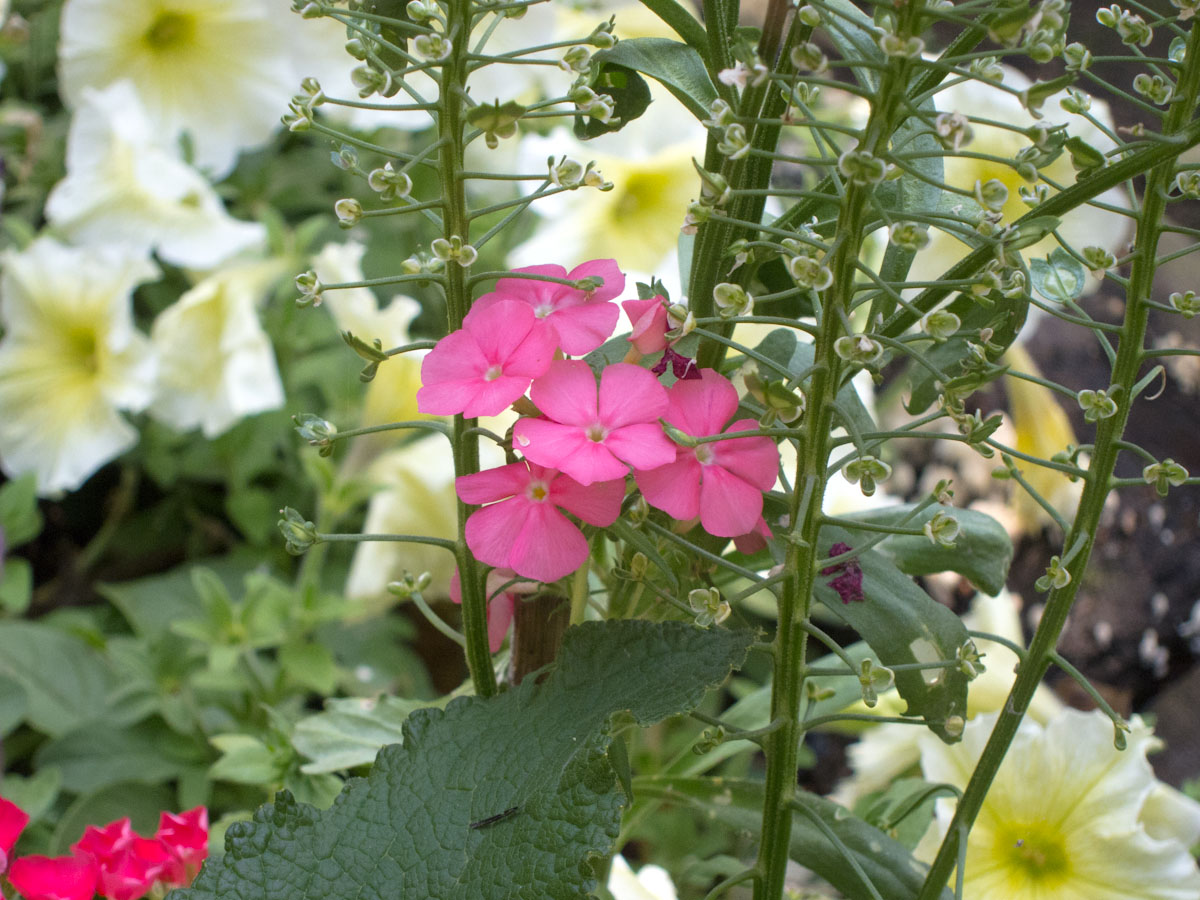
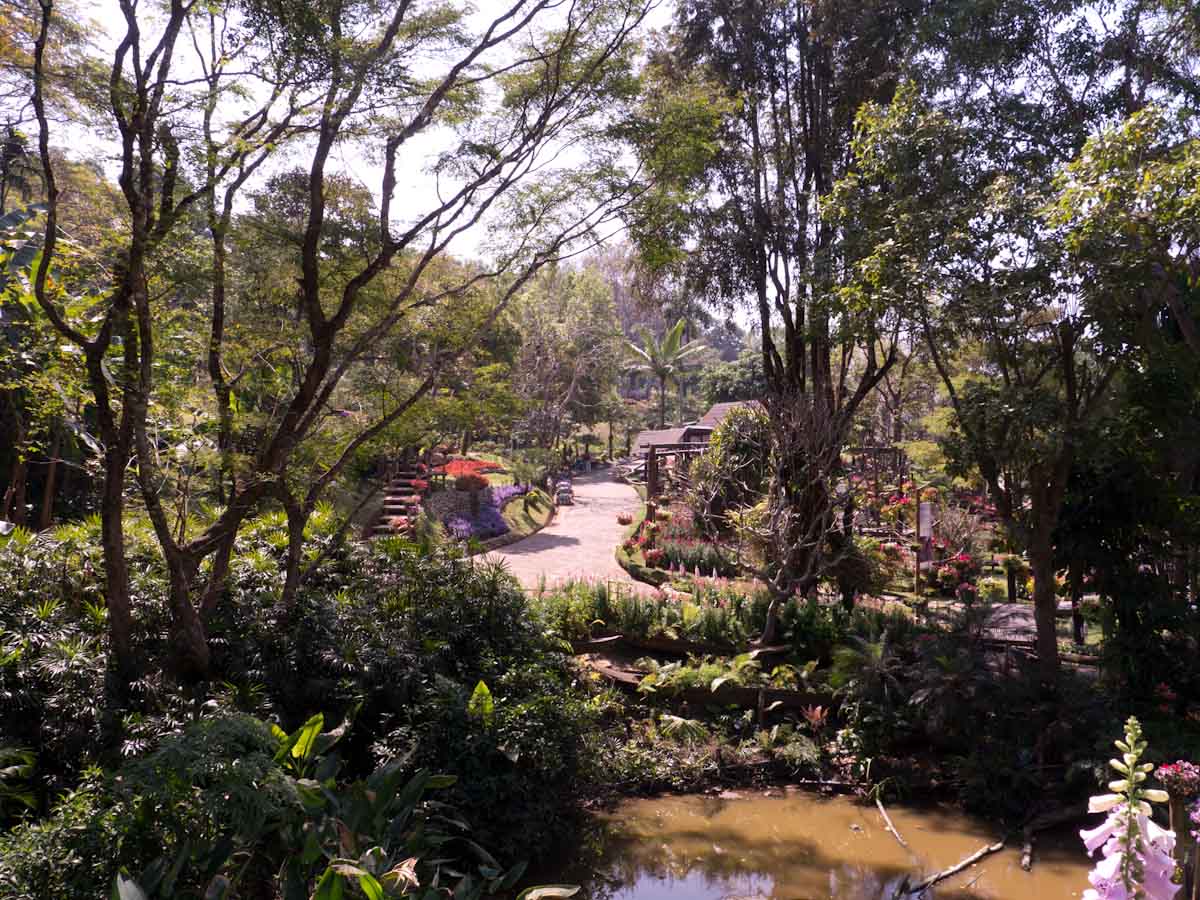
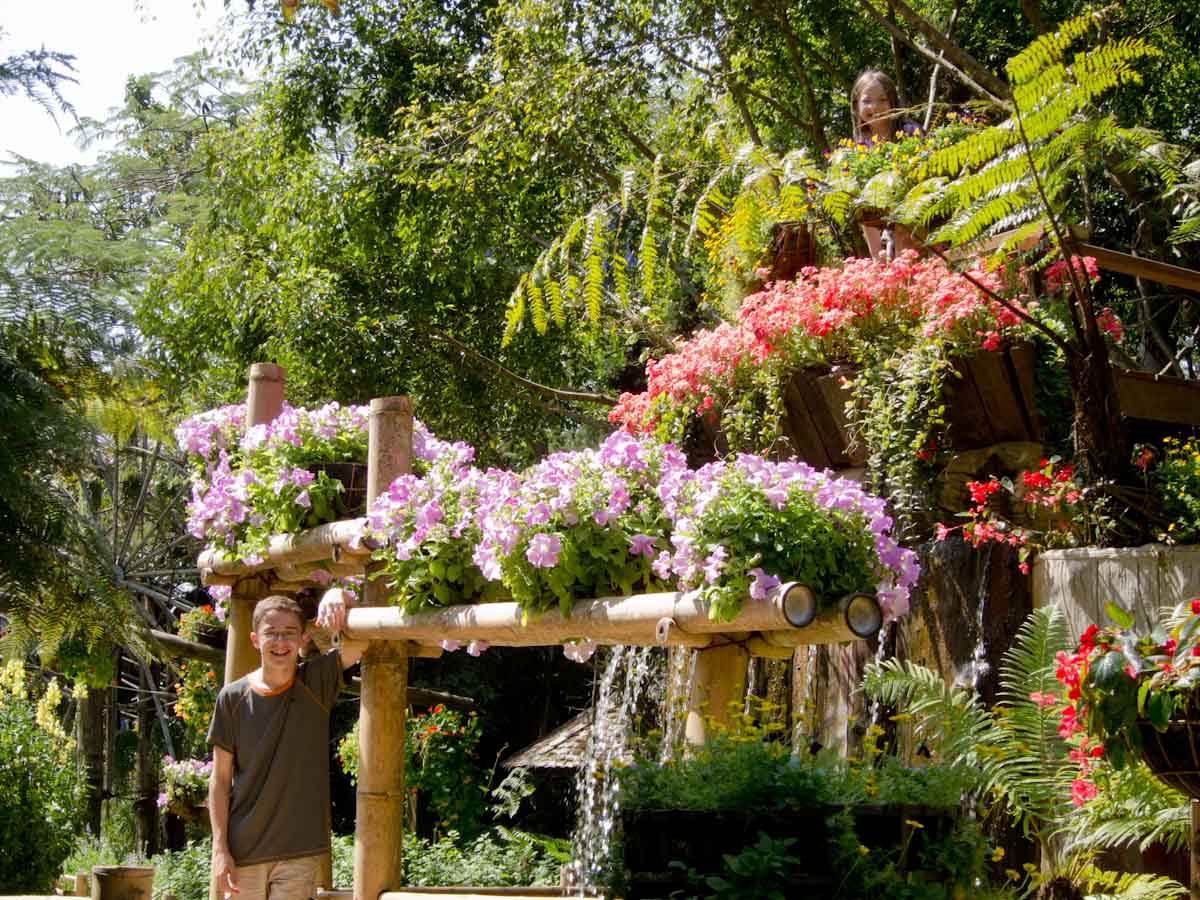
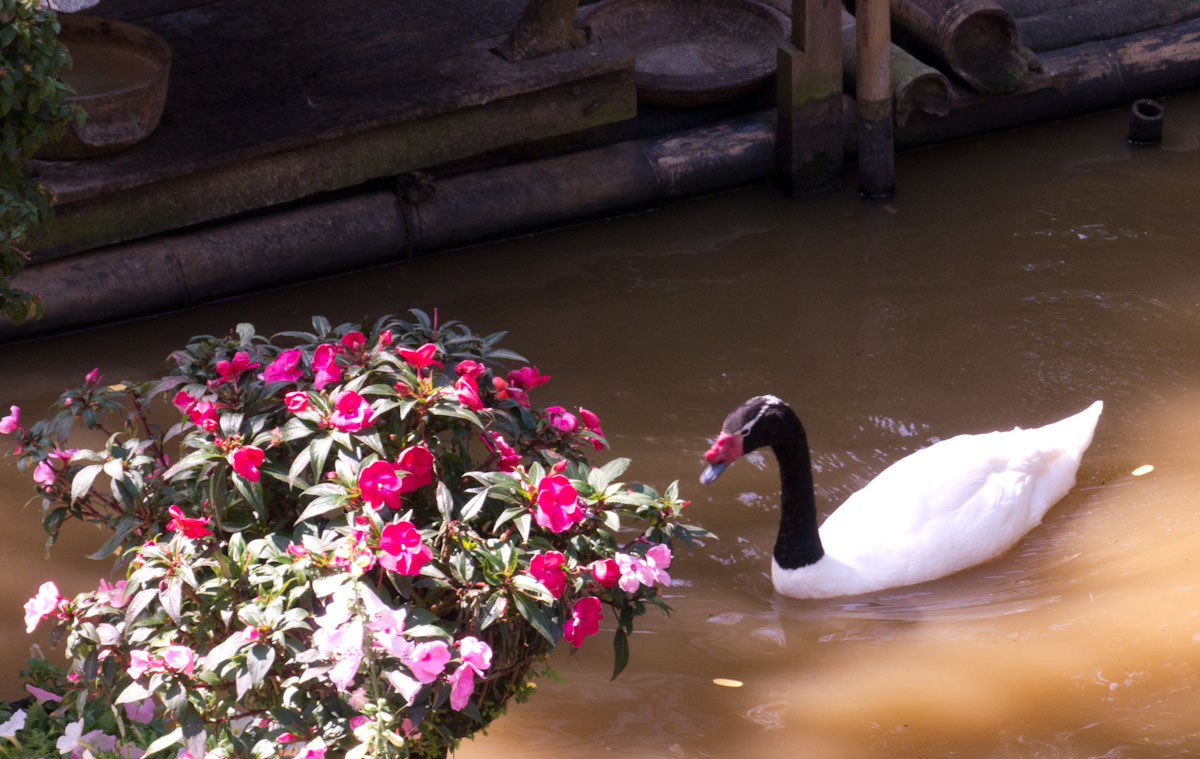
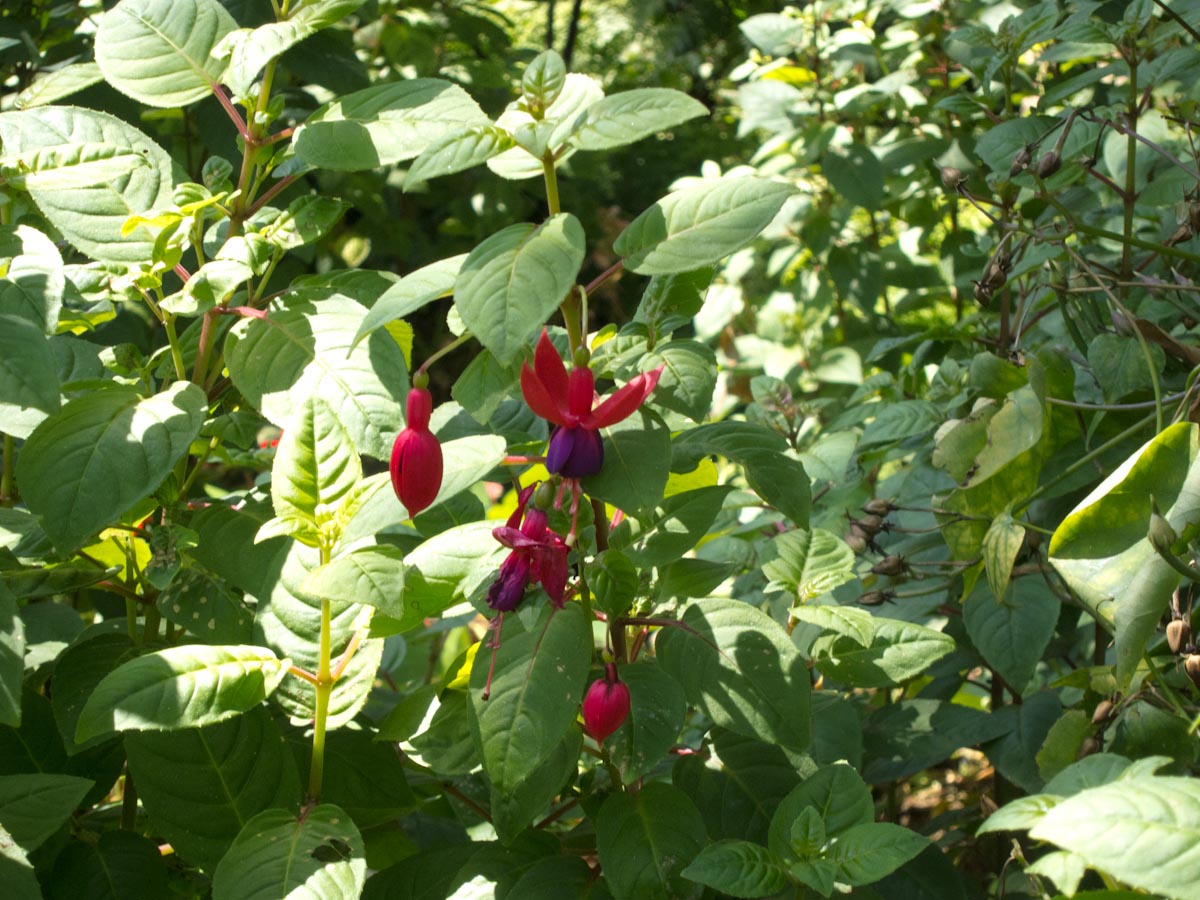
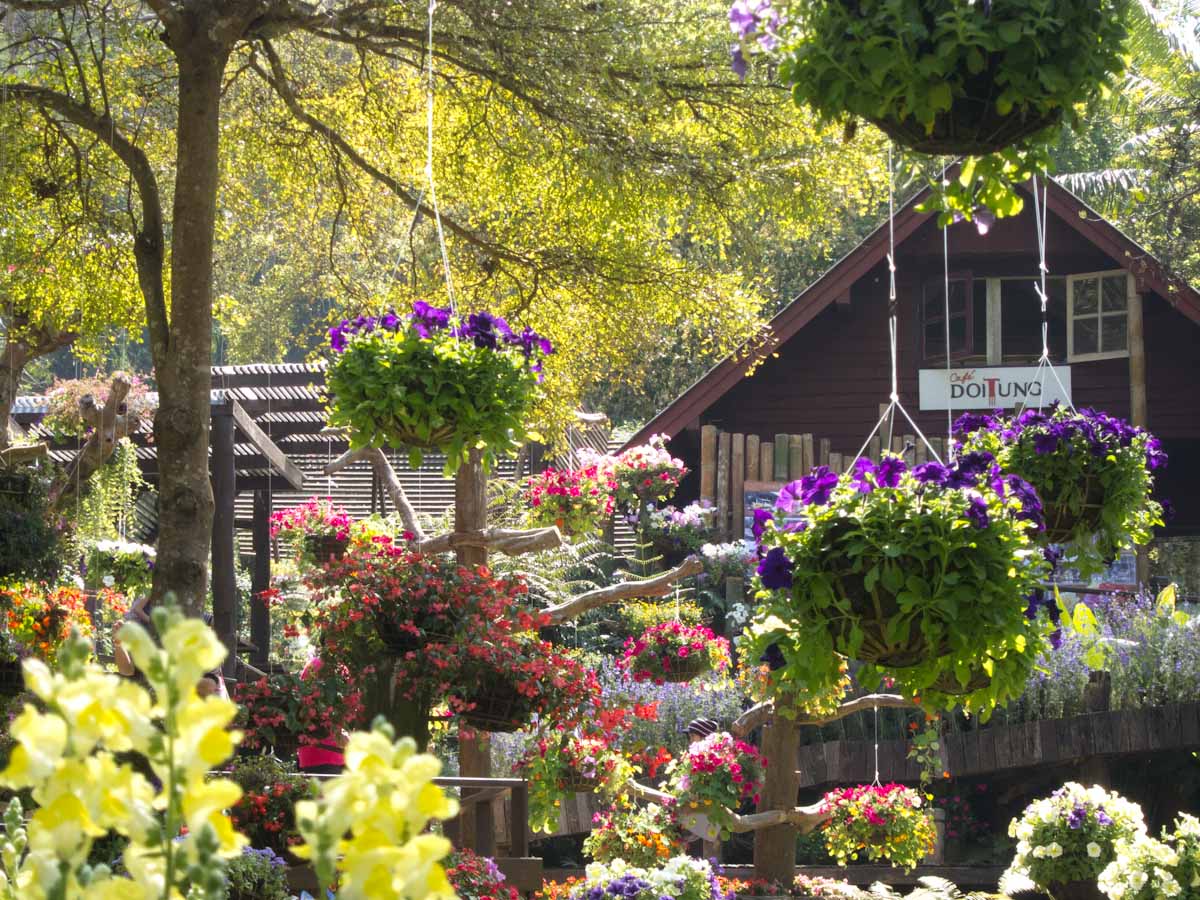
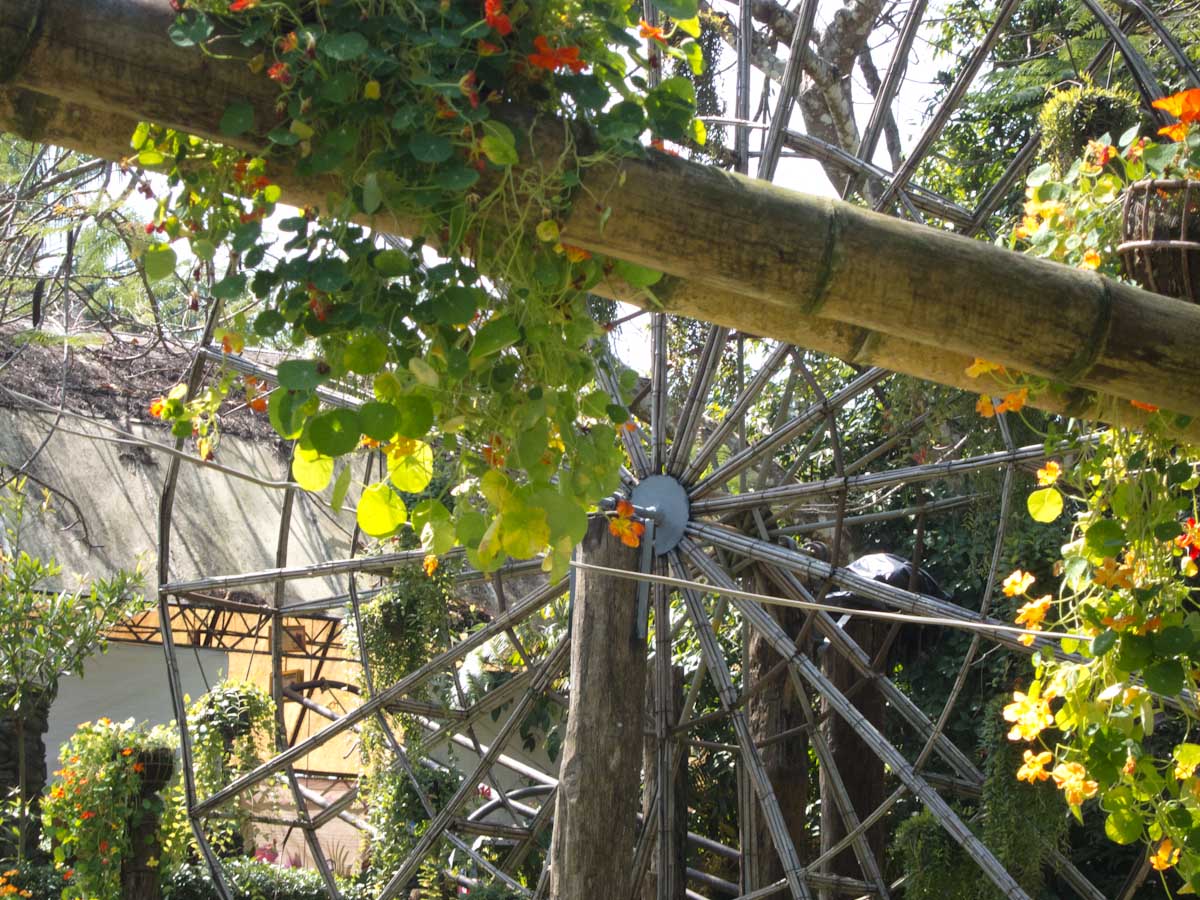
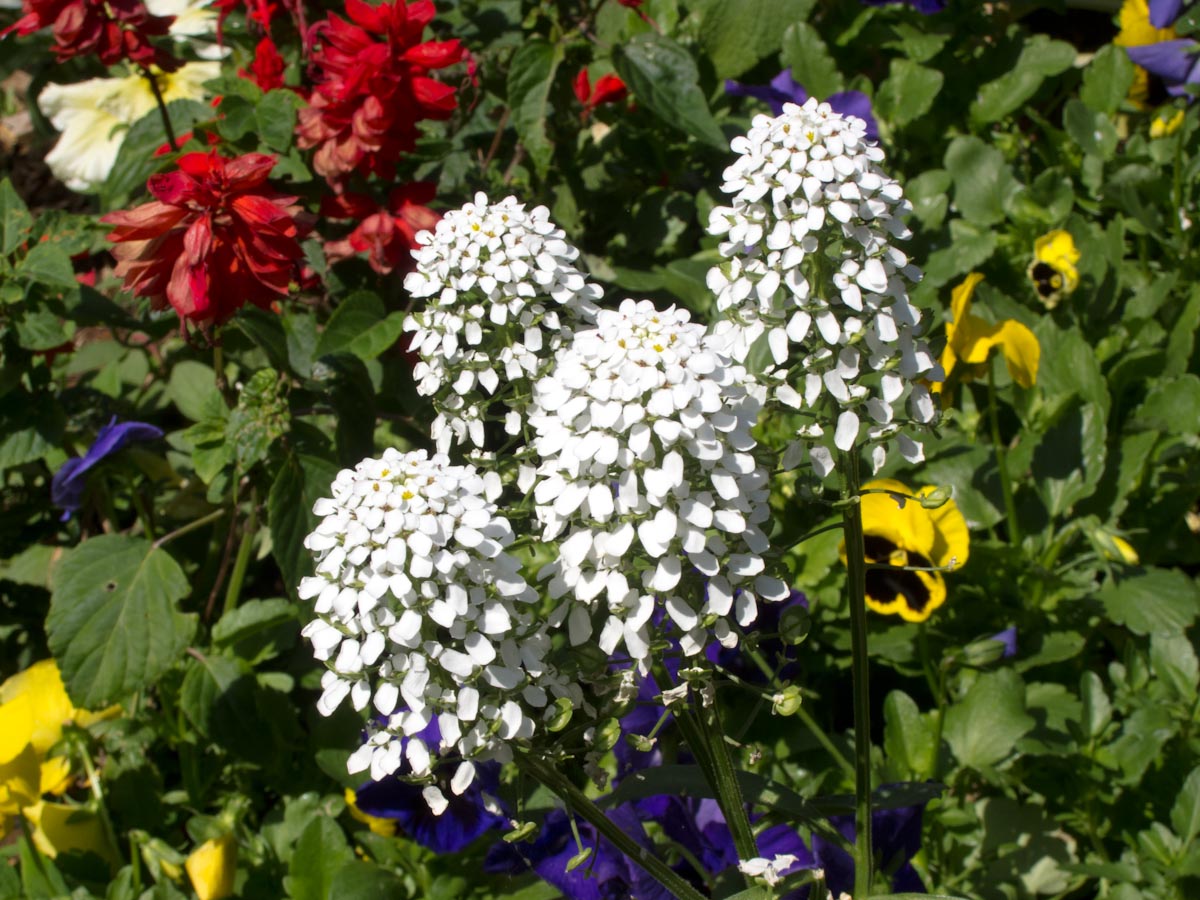
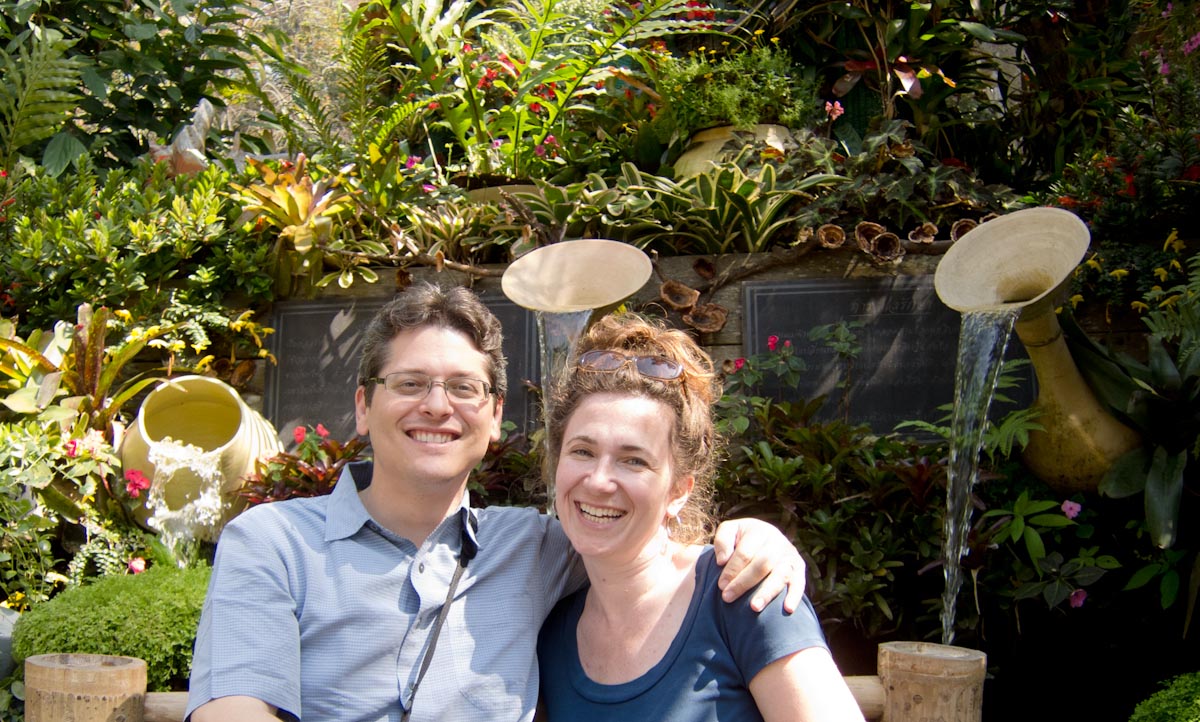
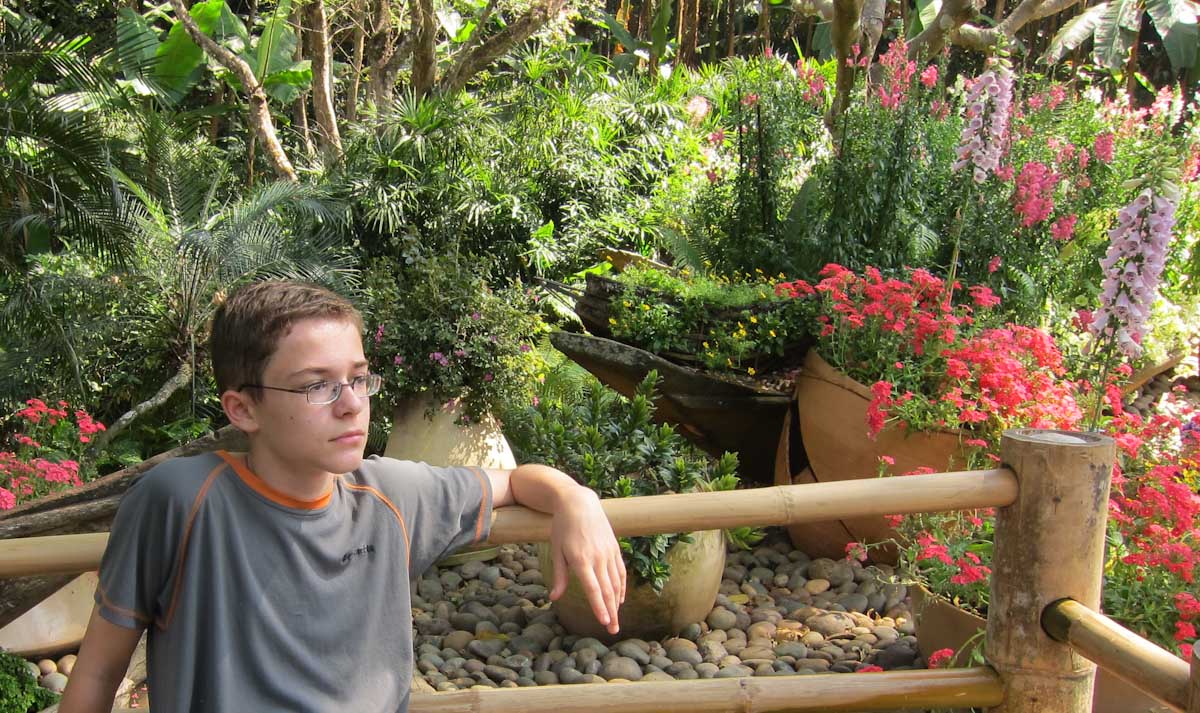
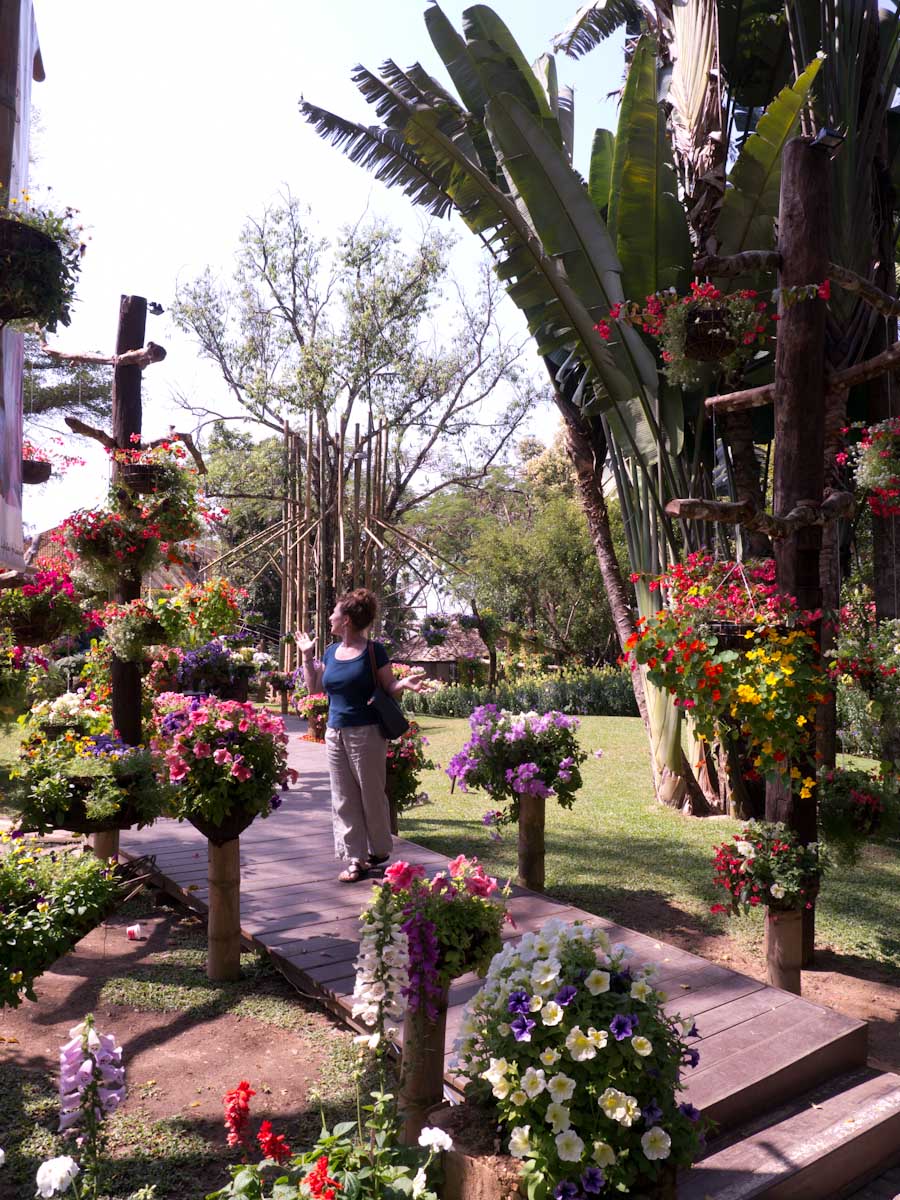
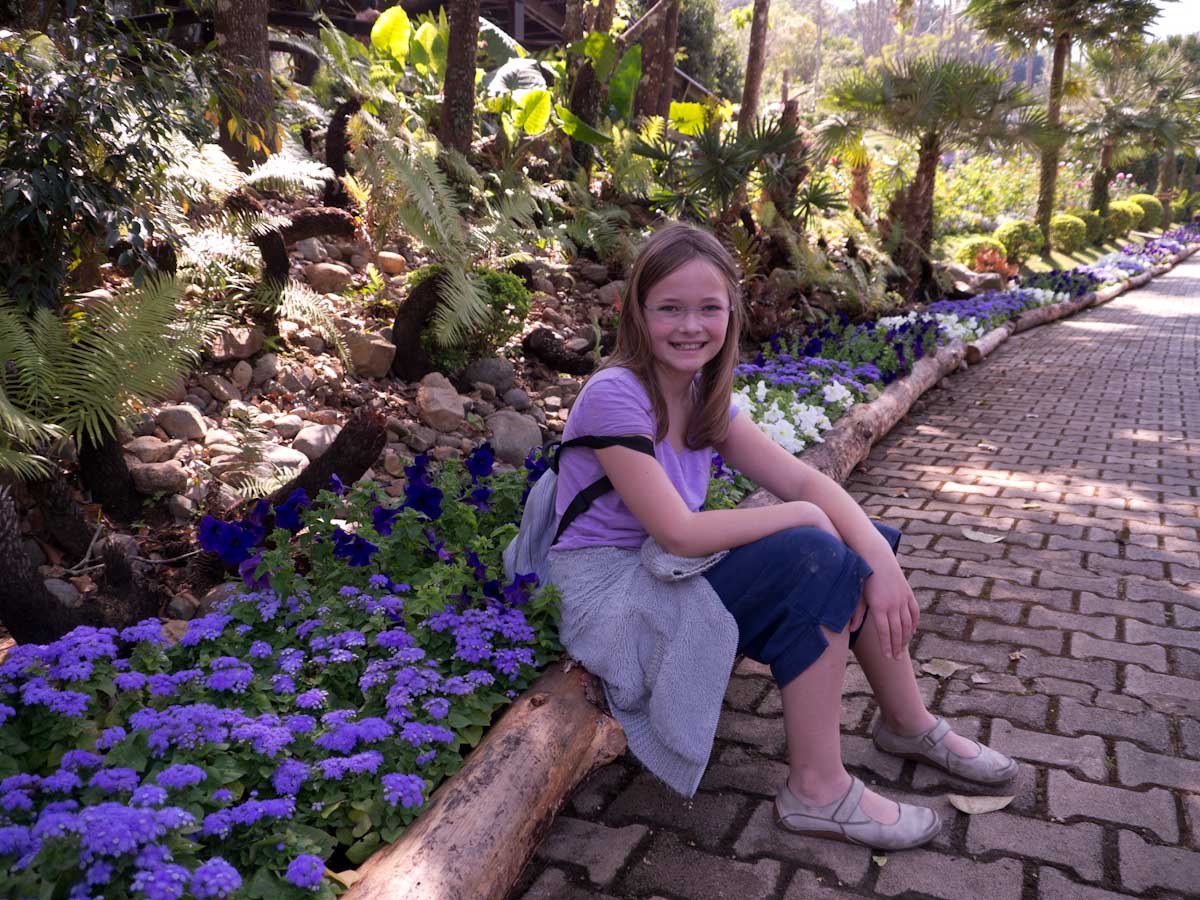
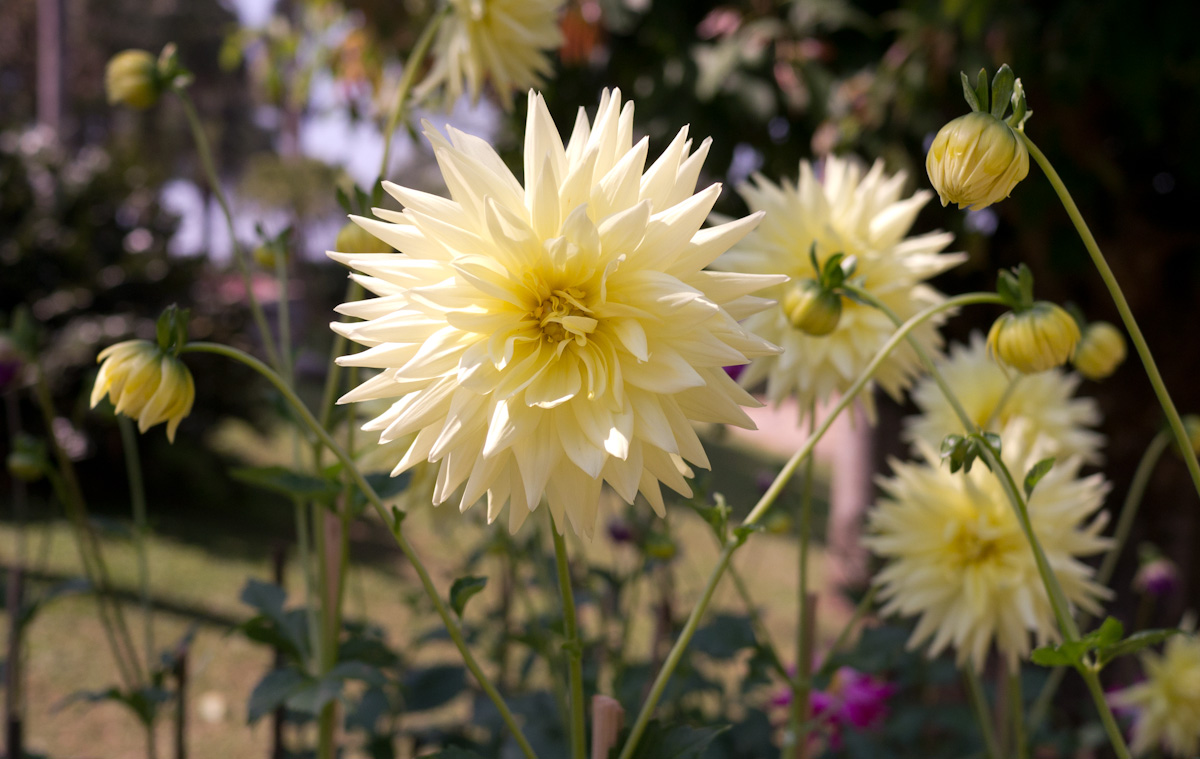
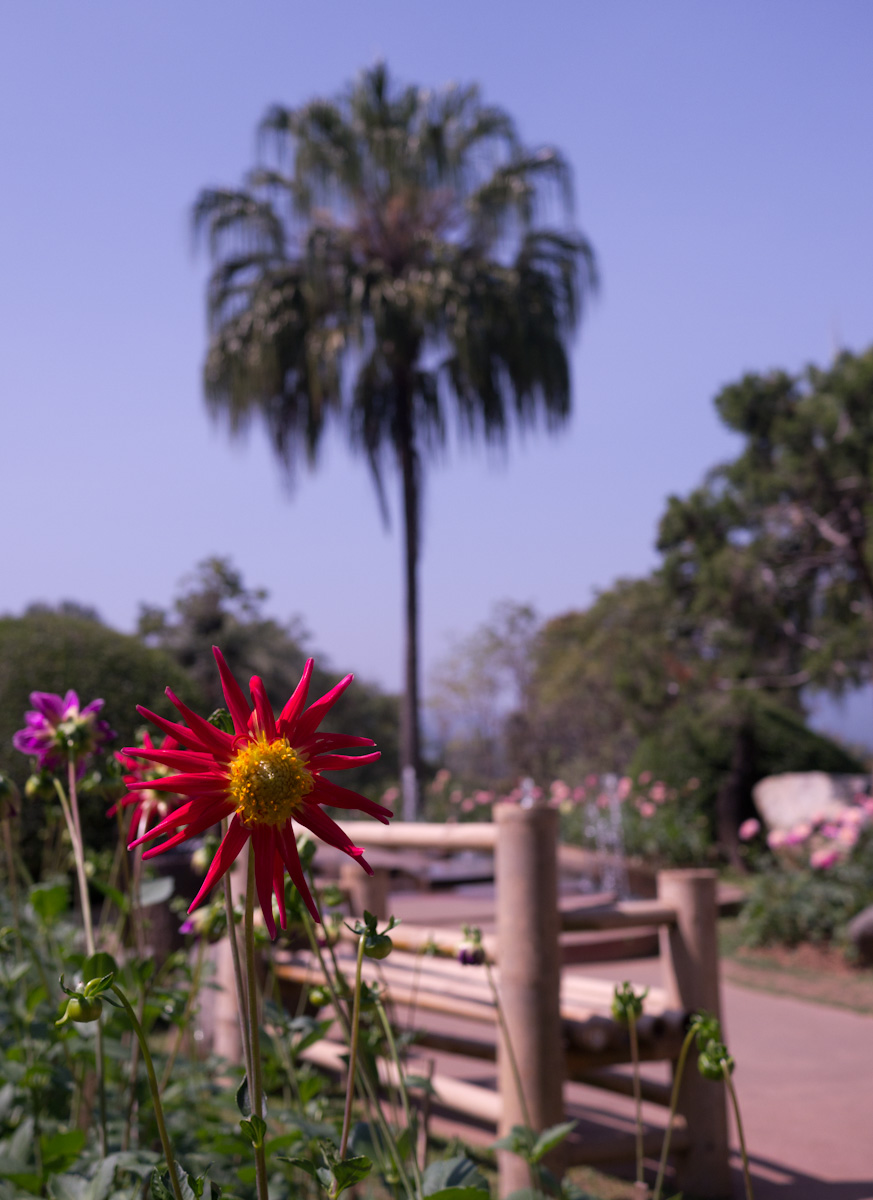
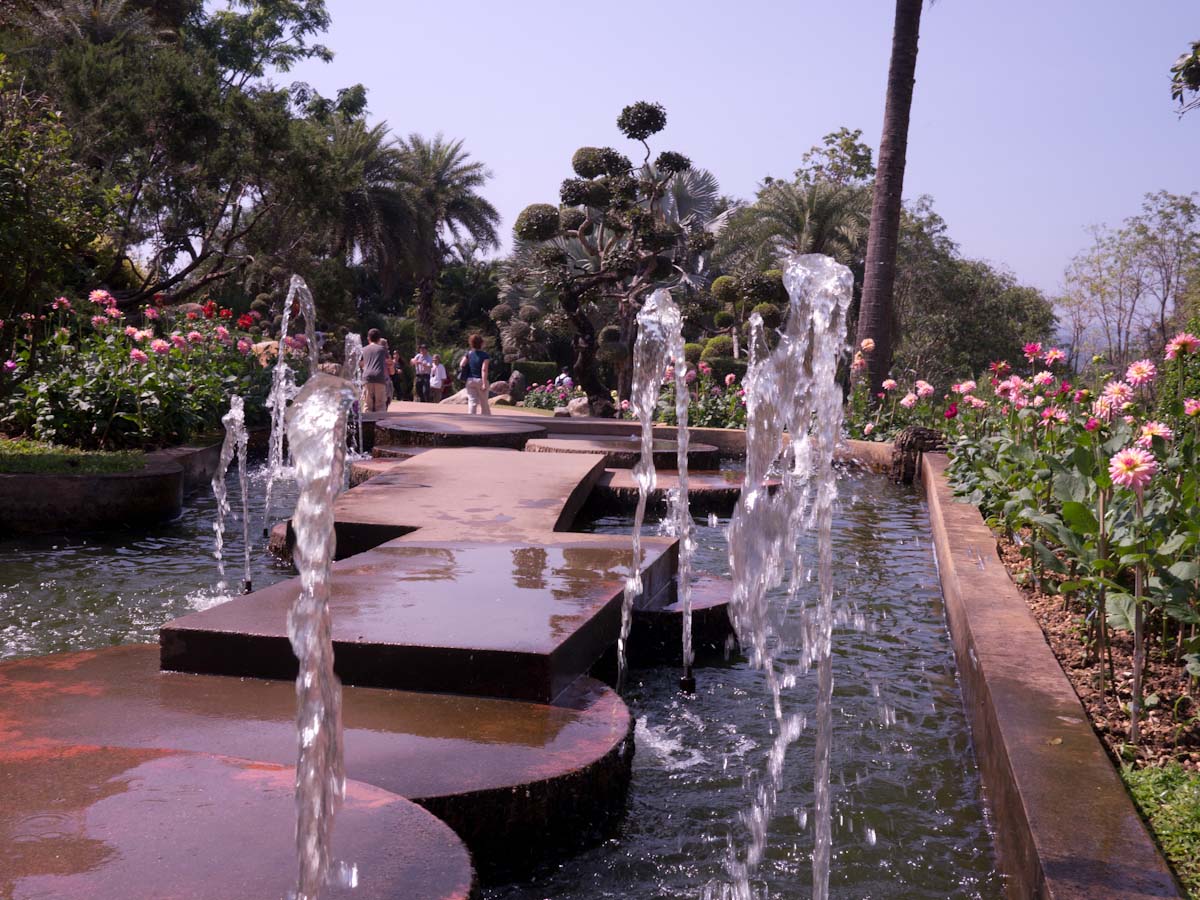
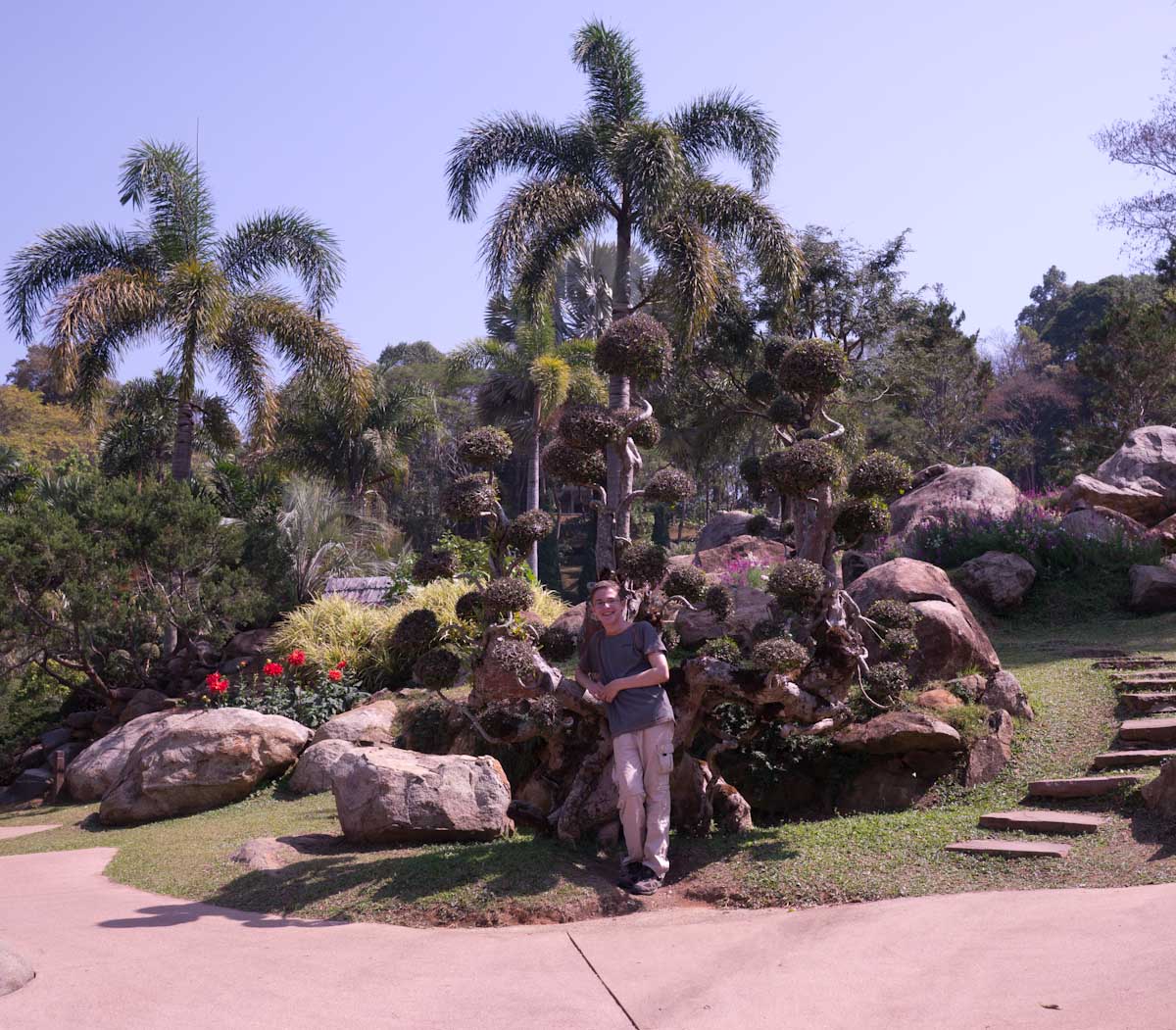
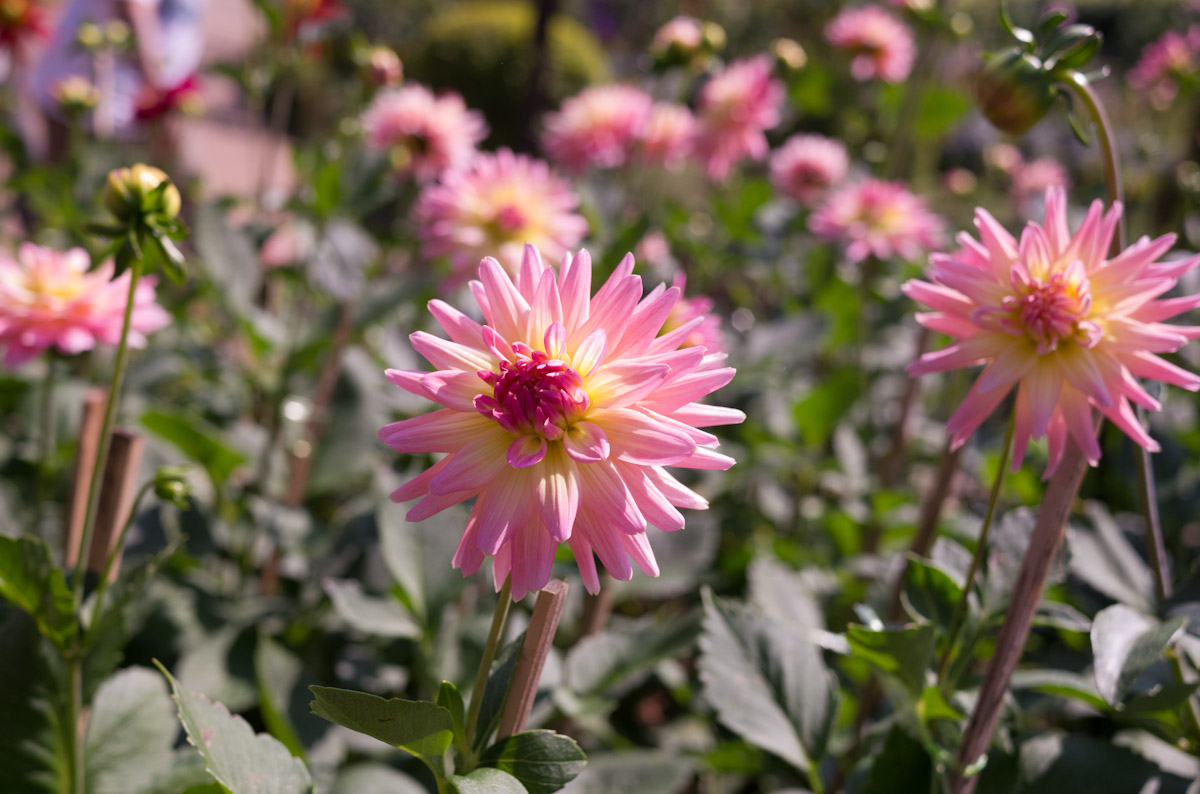
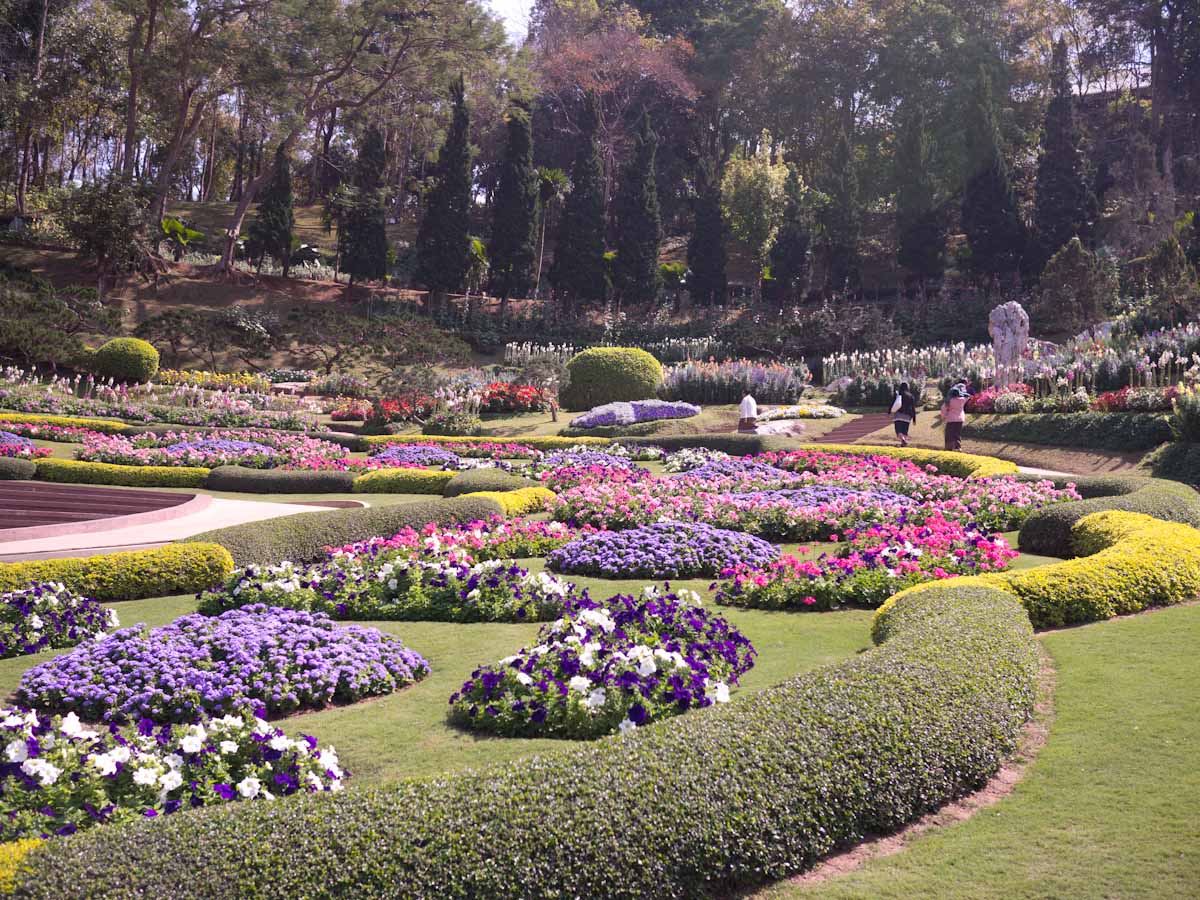
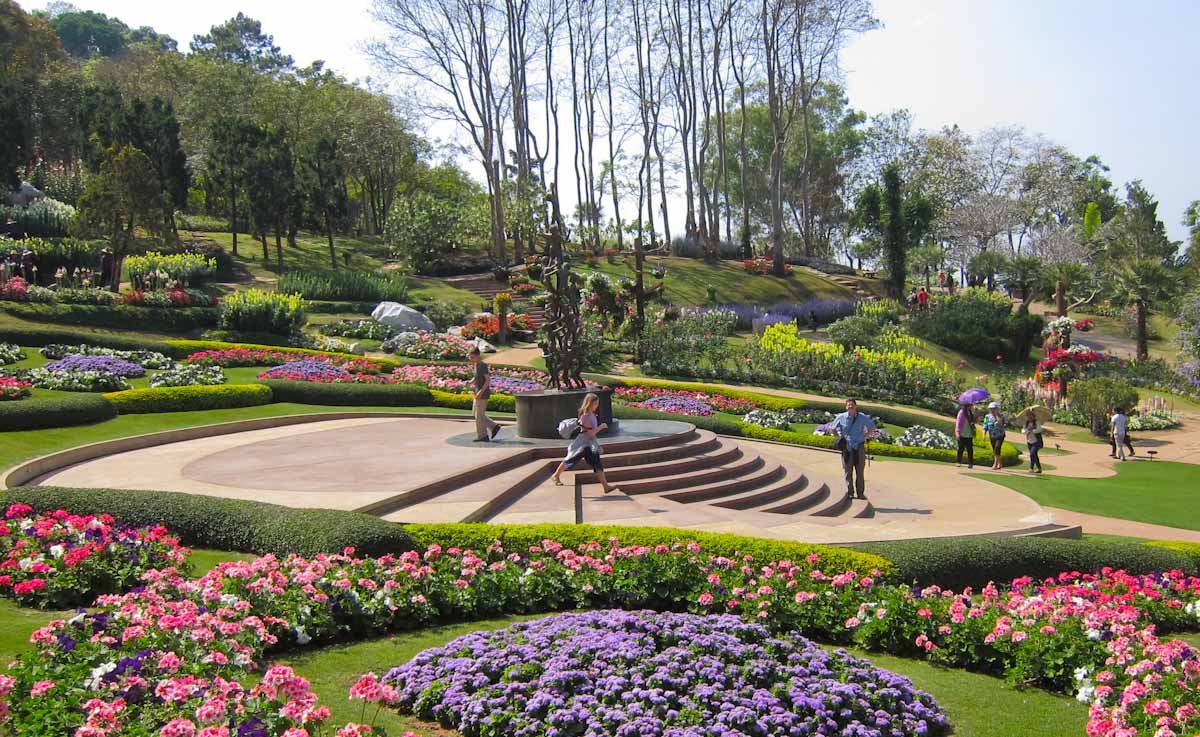
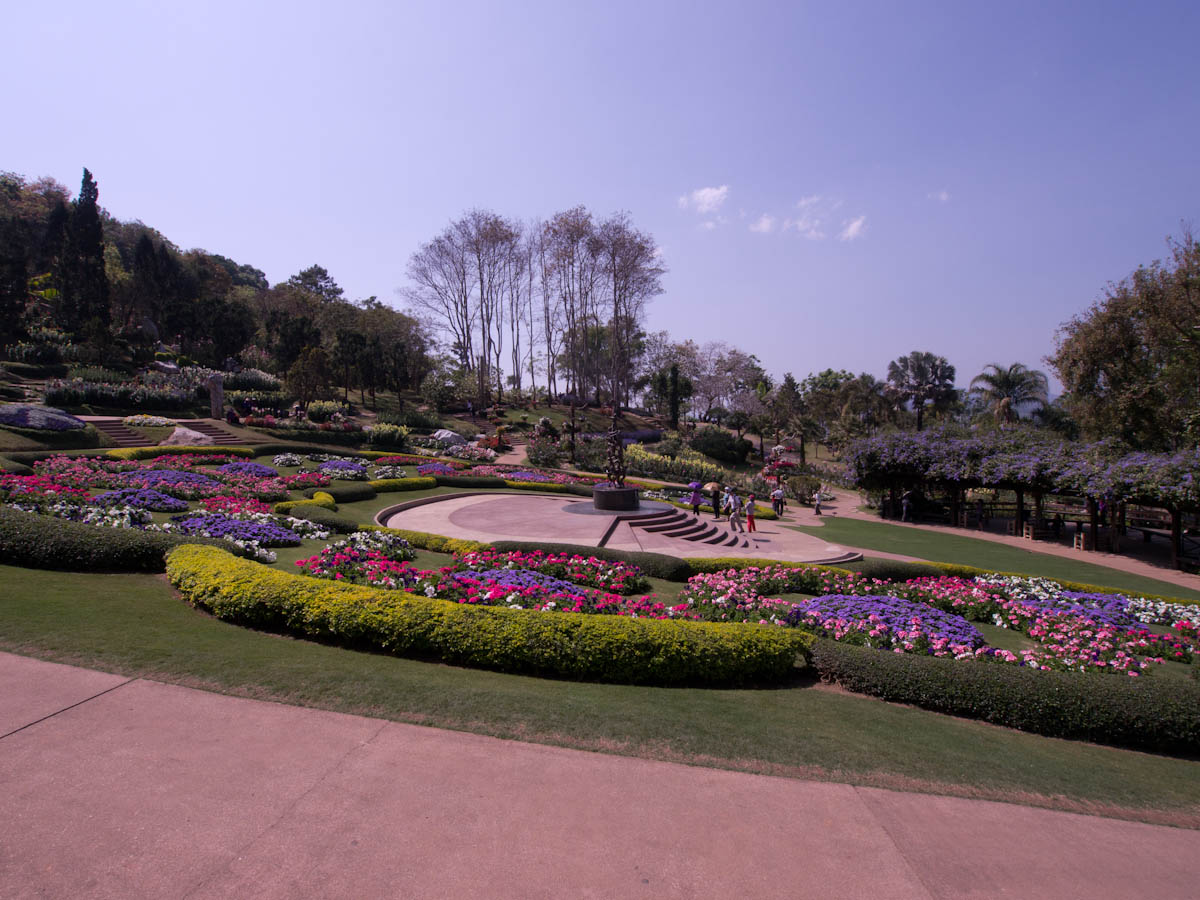
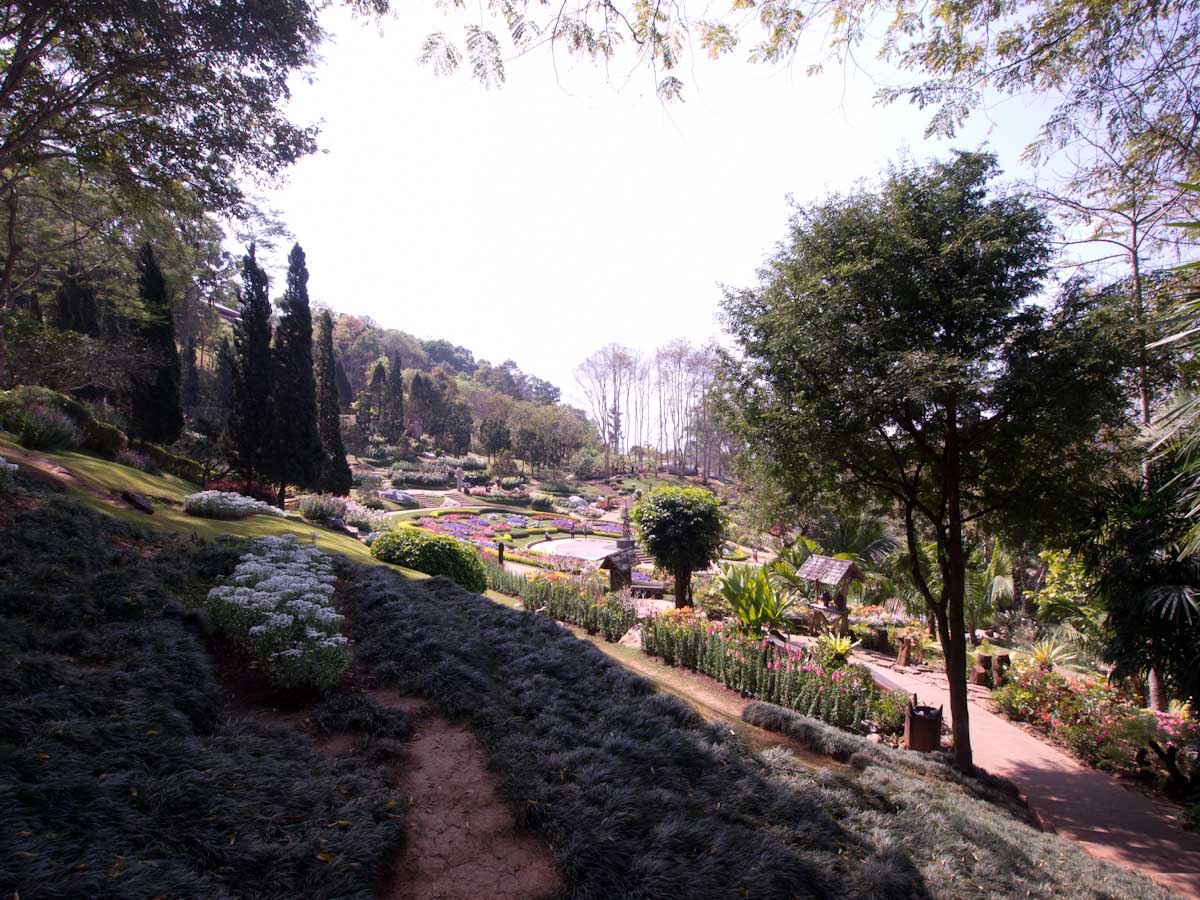
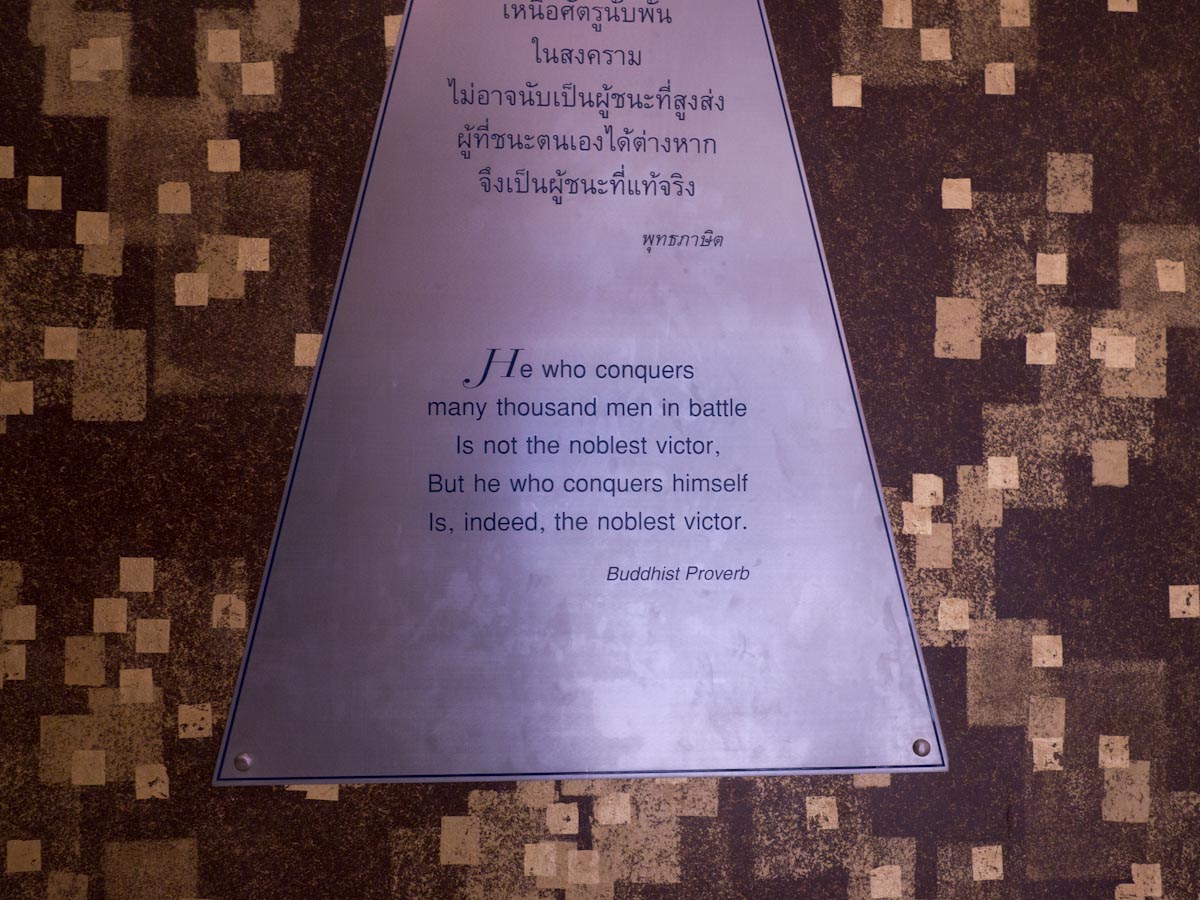
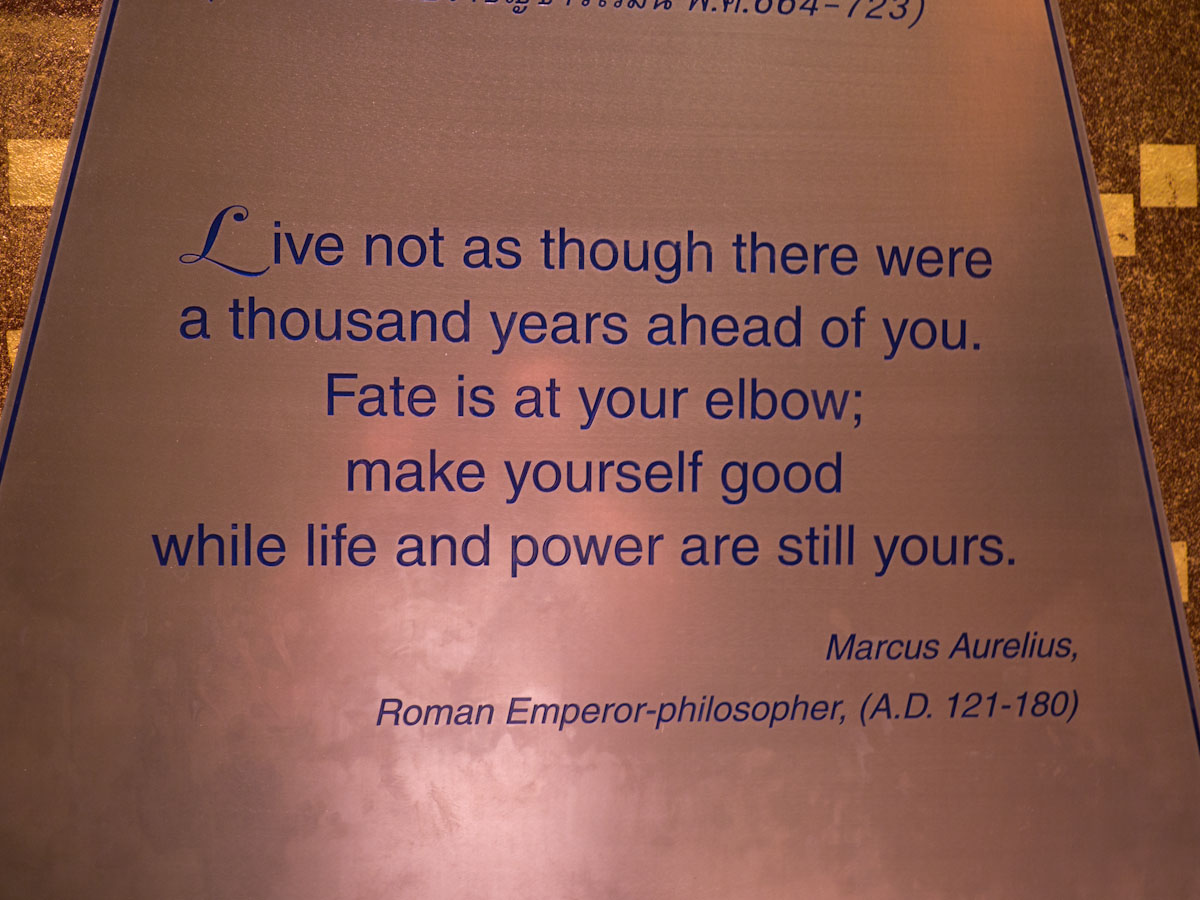
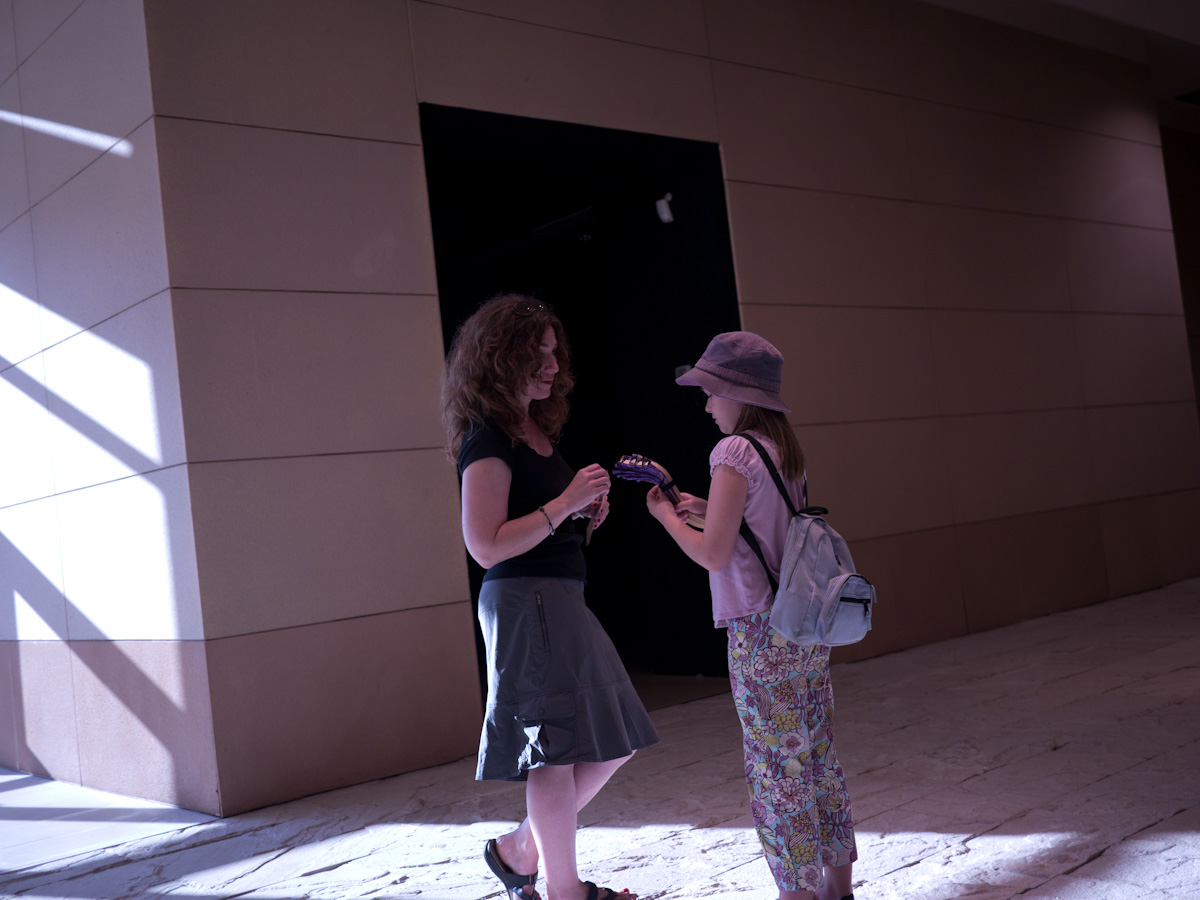
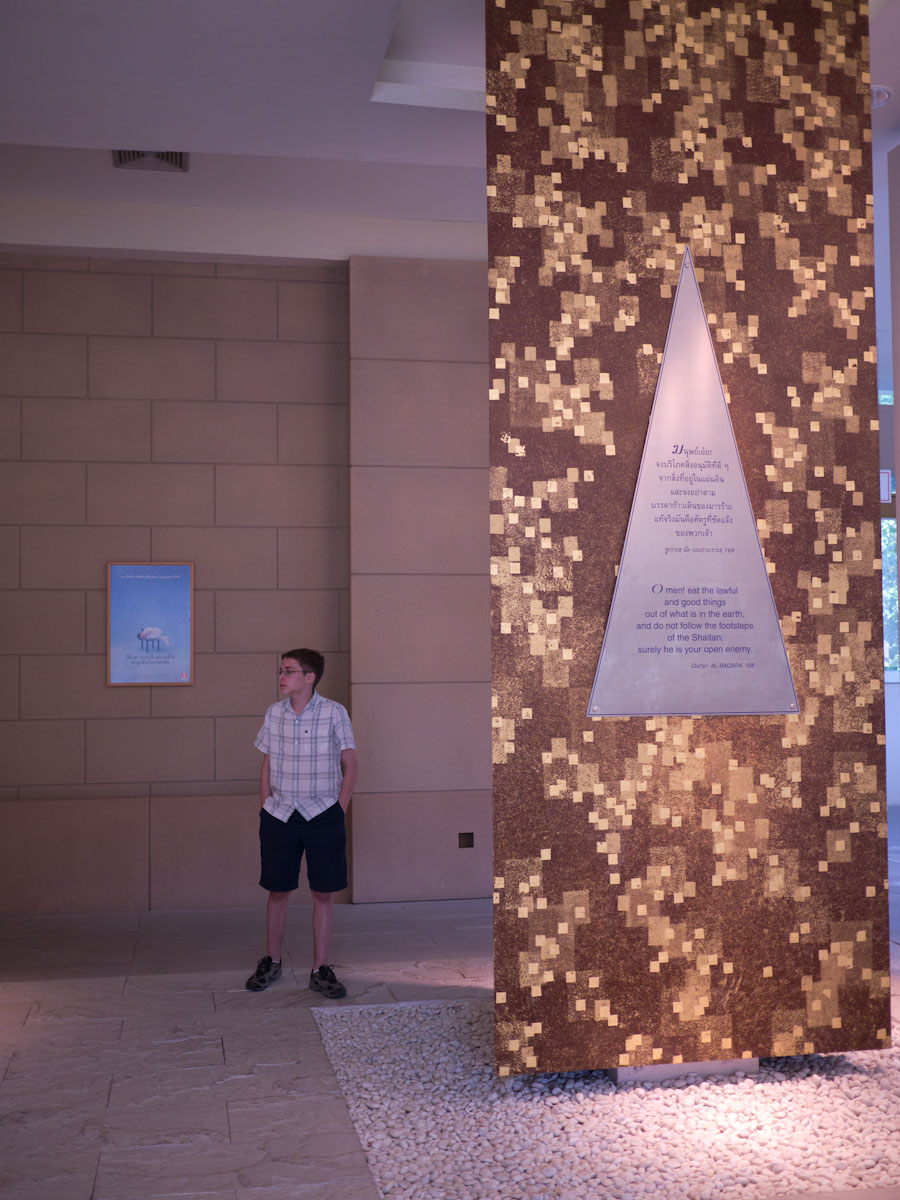
The people of the Golden Triangle region have long suffered poverty and violence related to the drug trade. The Queen Mother of the Thai king made a great stand against the drug and built many projects here to help lift the region and shift its agriculture to other projects. We visited her Opium Museum – a superb telling of a grim story – and her Botanical Gardens which are among the most beautiful gardens we had ever seen anywhere.
Opium – a pretty flower – is grown across the hillsides hidden in small plots. The drug is harvested by hand – growers make a half a dozen tiny cuts in each bud and allow the sap to flow, collect it by hand into buckets, and boil it down to become a giant ball of pure opium. Just a matchhead worth of this material, burned and smoked in a pipe, will affect the brain to interrupt the sensation of pain. After smoking this a few times, your brain starts to compensate, which means that without the drug all you can feel is pain! You will then do anything to smoke again and the end result is often poverty then death.
China and Southeast Asia see opium as not just a bad drug, but a symbol of shame. Back when Britain industrialized, the East India Company started trading everywhere but as they see it, there was little that China wanted to buy and much it had to sell. The British began to refuse payment in silver and instead offer opium to China in barter for its goods. This set up an Asian version of the Rum Triangle: England sent manufactured goods to India; shipped opium from India to China; and then tea and silk back to Britain. Soon 3% of the Chinese were addicts and millions more were casual users. Neighboring Thailand was much the same. When the Chinese emperor finally tried to stop the opium trade, his men burned a British warehouse full of opium in an act reminiscent of the Tea Party in Boston. But here the British succeeded militarily and put the Chinese emperor at their mercy. They used the peace terms of the “Opium War” to force China to make concessions that opened all of China to opium dealing. Other Asian countries like Thailand had to follow suit.
Over time China became completely controlled by the West, something that still causes great shame. In Thailand, it was worsened when the government decided to regulate opium and to place a tax upon it. The opium tax soon grew to be 25% of federal revenues! Just as our own American government benefits financially from the smoking, drinking and gambling of Americans, the Thai government made money when its citizens used opium. It was not until after World War II that the governments of the world came together to commit to outlaw this substance as a recreational drug.
As to whether an artificially low Chinese currency and a willingness to lend massive amounts of low-interest short-term debt are like a new form of opium for the West, that is an exercise left to the reader. The Thai do like to quote the immortal Buddha as follows: “What goes around, comes around!”
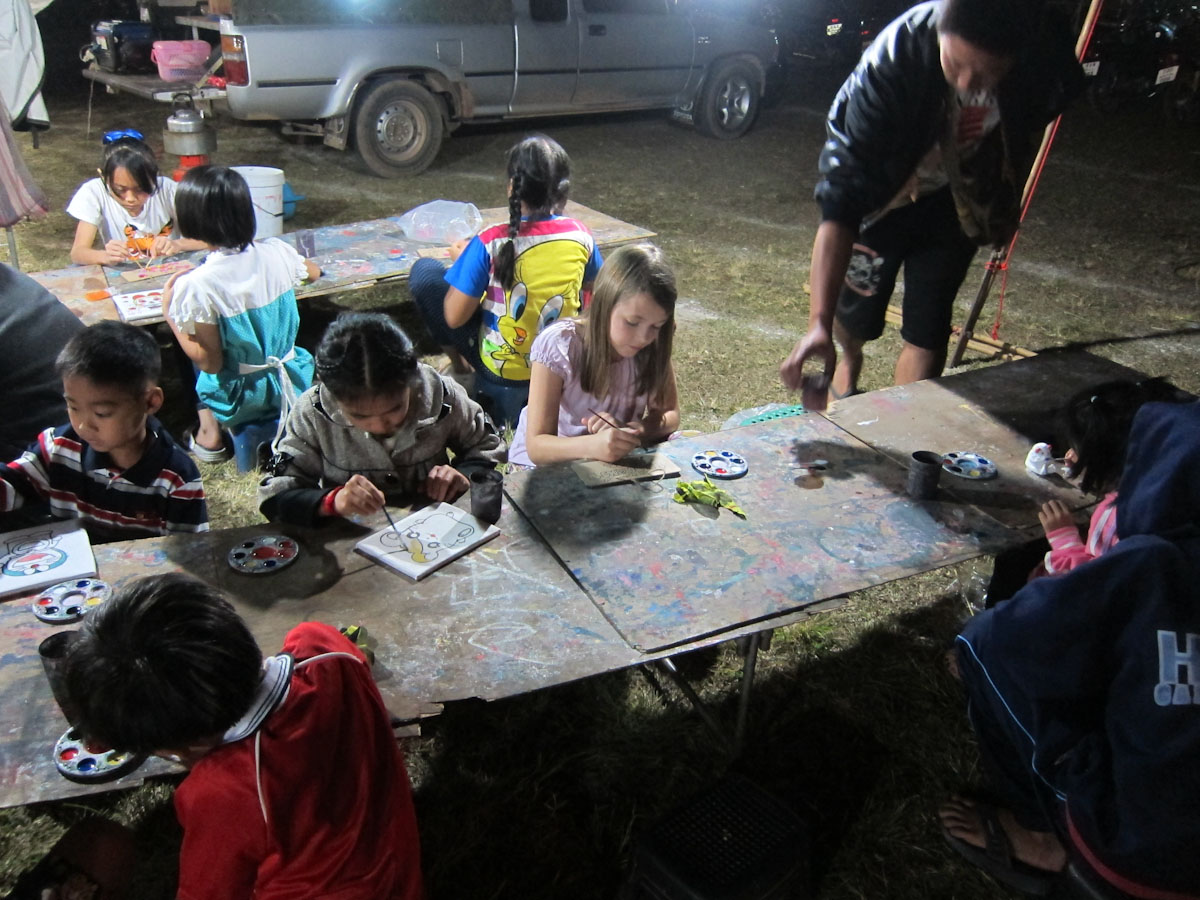
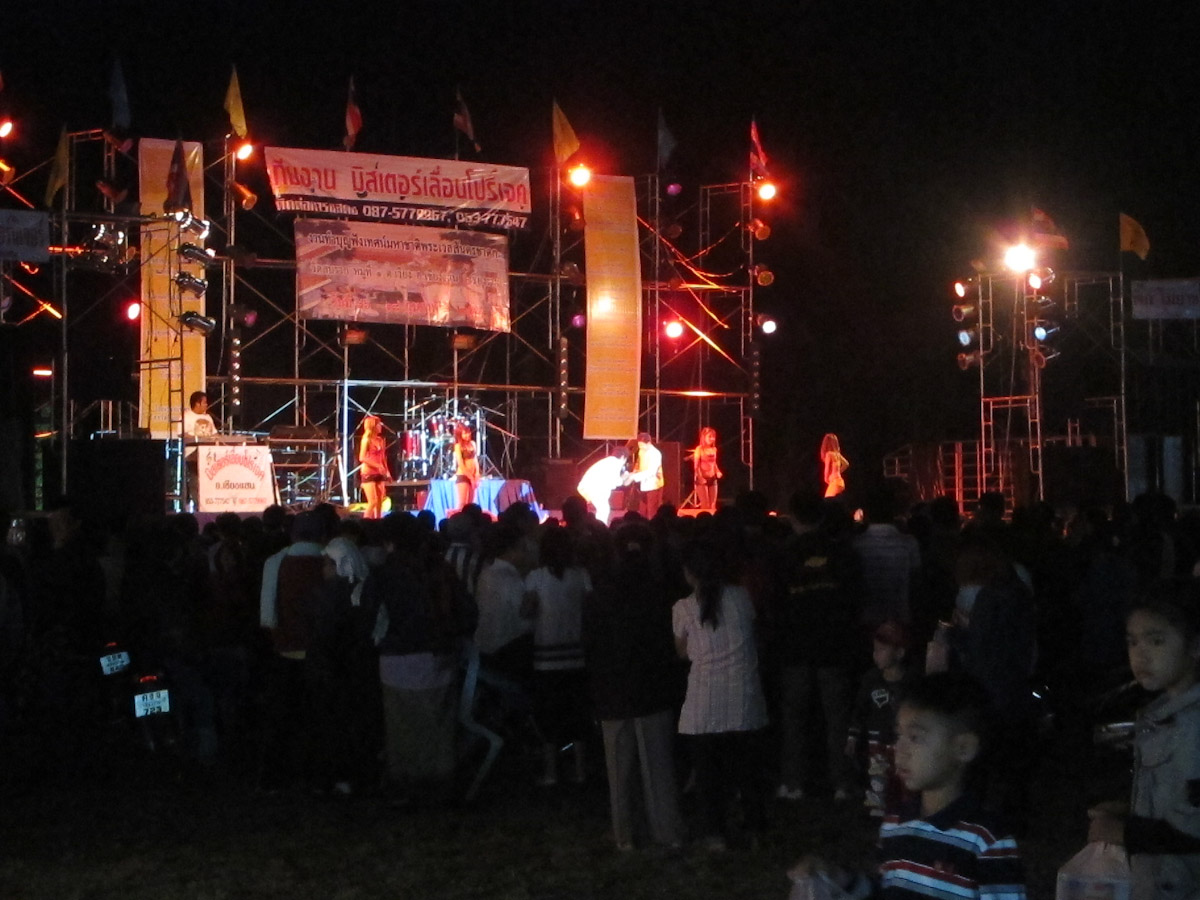
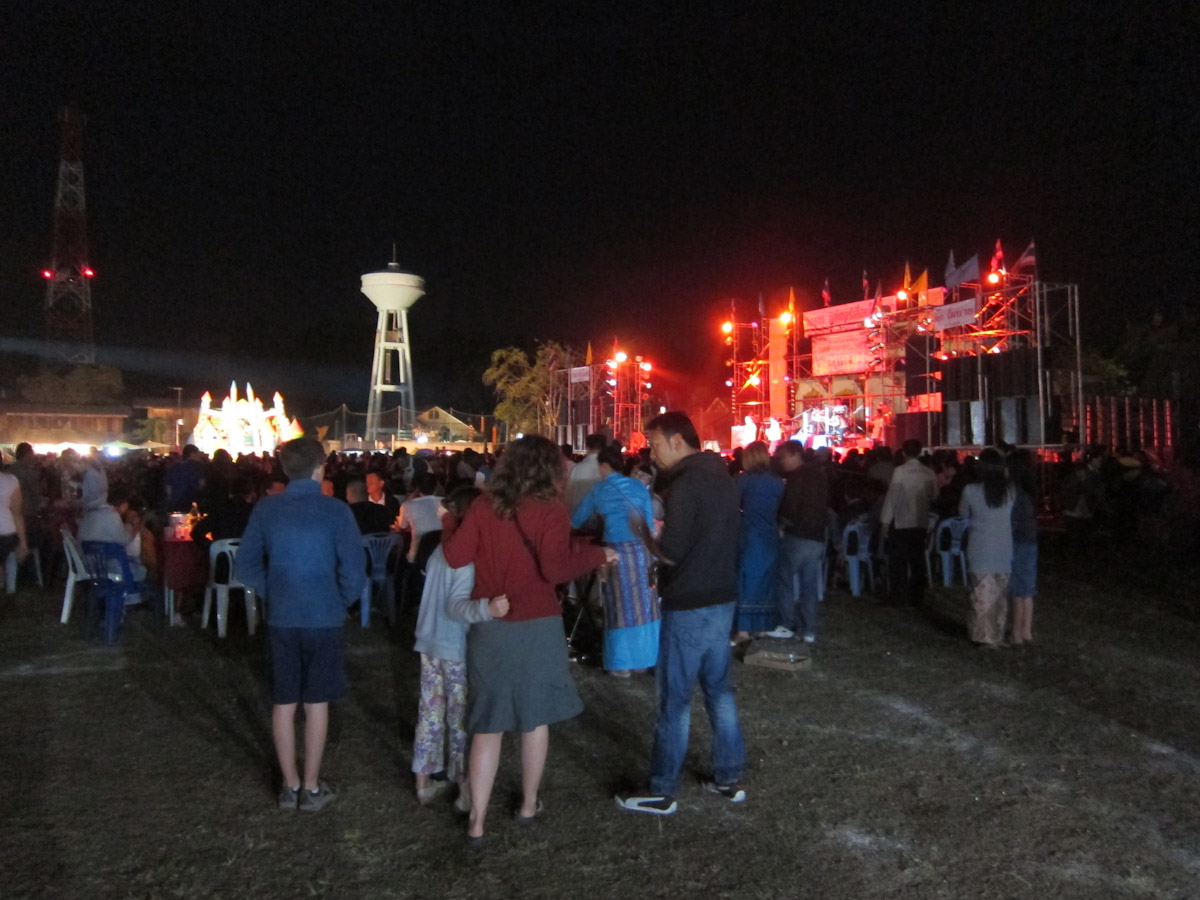
While we were in Chiang Rai, the local townspeople held a major fundraiser and celebration one night. Although this was strictly aimed at locals, our guide Jeff saw all the announcements and offered to bring us to see how Thai people really celebrate. We were the only tourists at the event. We walked onto the local high school football field about 7pm and saw just what we would on the Natick Common – a bouncy house, arts and crafts, booths full of good things to eat – and something we would not see in Natick – a giant rock band stage with speakers two stories tall and colored lights all around.
On stage, a Thai man dressed in a flashy white suit and red shirt rapped and crooned into a microphone, while behind him four young slightly costumed ladies entertained the all-ages crowd with impressive feats of flexibility. Even standing well back halfway across the field, the music was loud enough to shake our jaws, once we closed them, but the whole town of thousands of people was crowded into rows of white plastic chairs right by the stage and dancing and cheering right along.
It seemed important to our cultural understanding to observe further, so we stayed for Katherine to do some crafts and for Jeff and I to drink a beer. Gina and Carter investigated the booths. To one side we saw a group of forty VIPS – some in full military regalia – who sat at lawn tables to the side, eating a multi-course meal and drinking from a well-stocked private wet bar. On the way out, we were walking quietly past this VIP table when we were stopped by a wobbly but smiling policeman. He insisted that Jeff and I take some brownish cocktail with him before we left. Fearing the loss of my intestinal lining, I let most of mine dribble onto the grass, but certainly enjoyed the warm constabulary welcome.
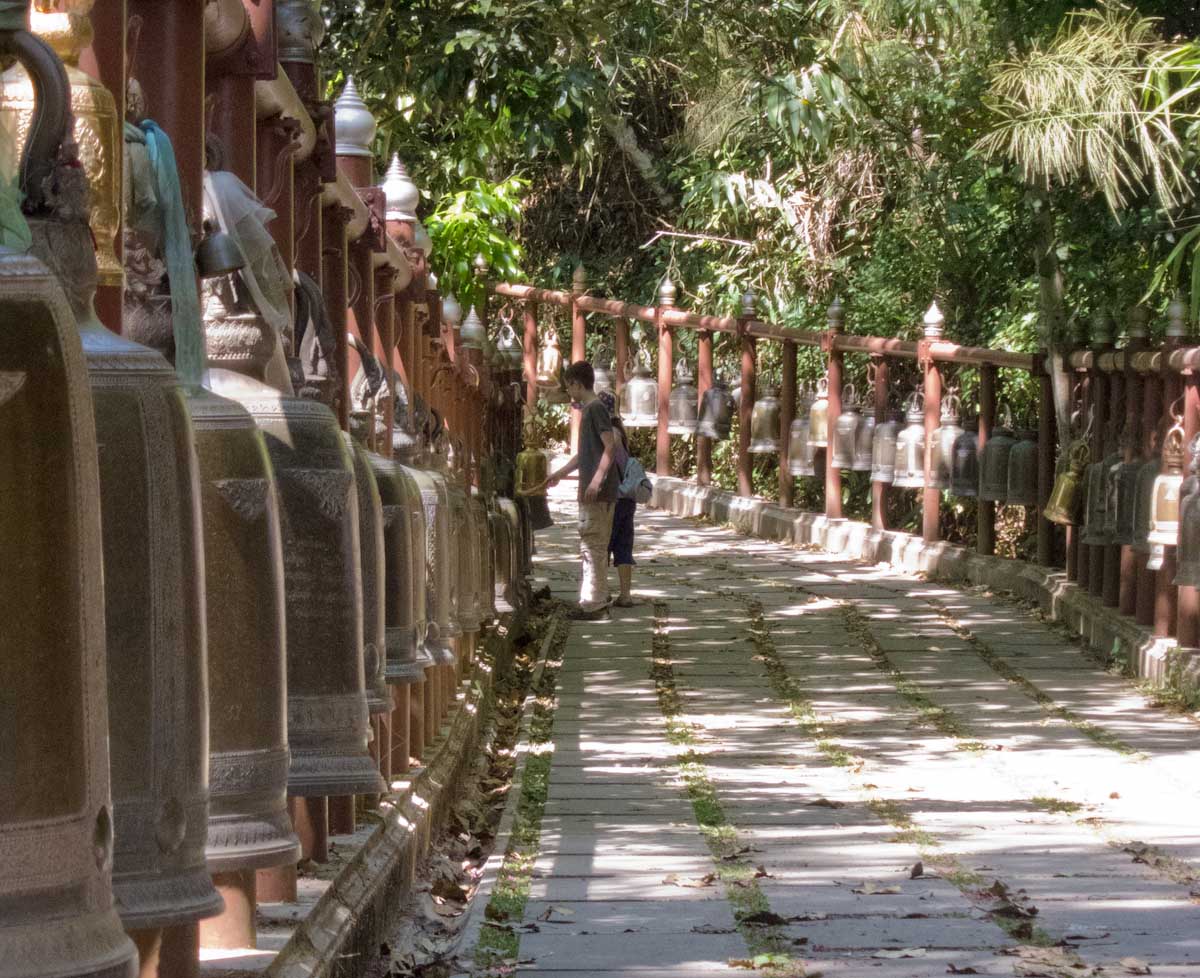
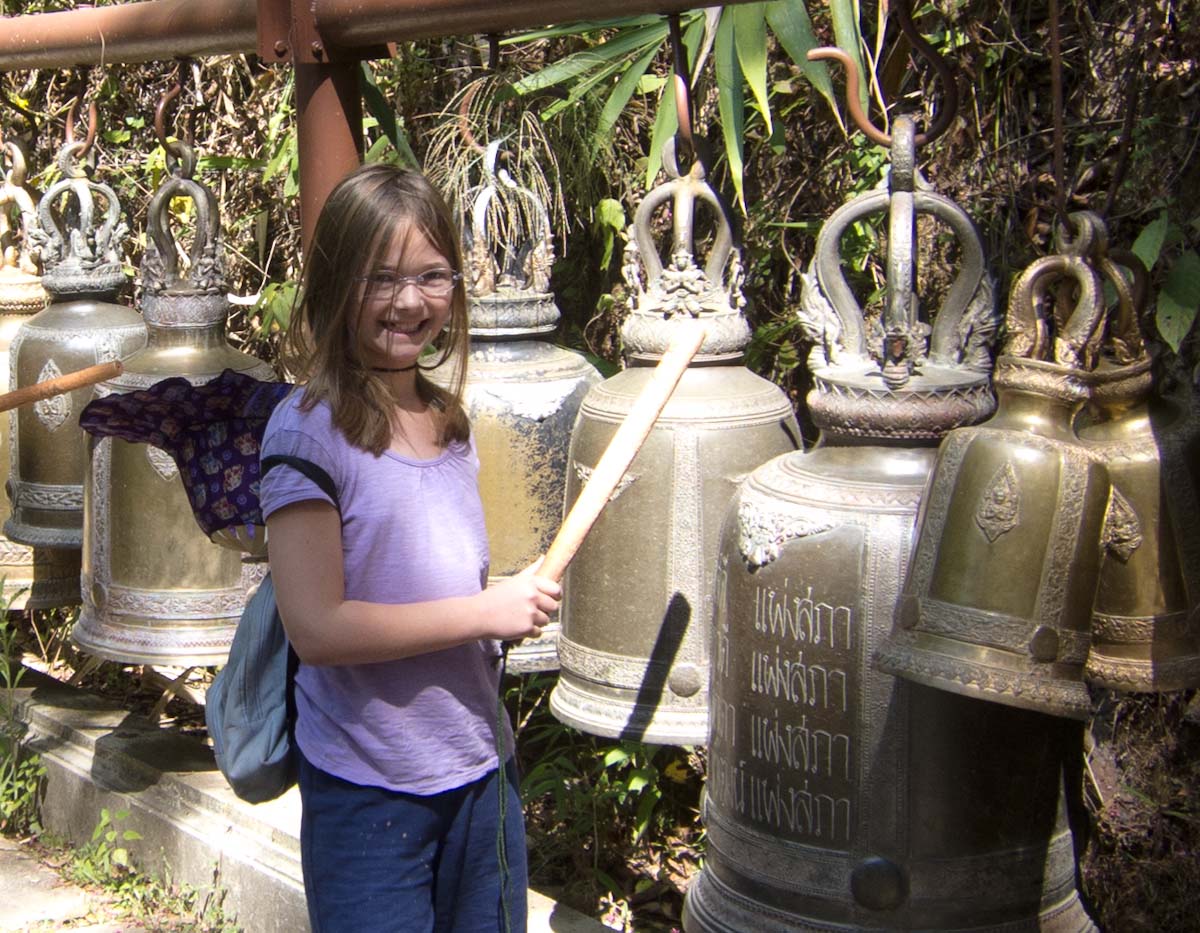
The purpose of the event was to raise money for improvements to the local temple, and there is no doubt they succeeded. Prior to this evening we had not understood why there is YAT (yet another temple) every third mile along the road in Thailand. Now we noted the gleaming statues and festive temple colors with new appreciation.
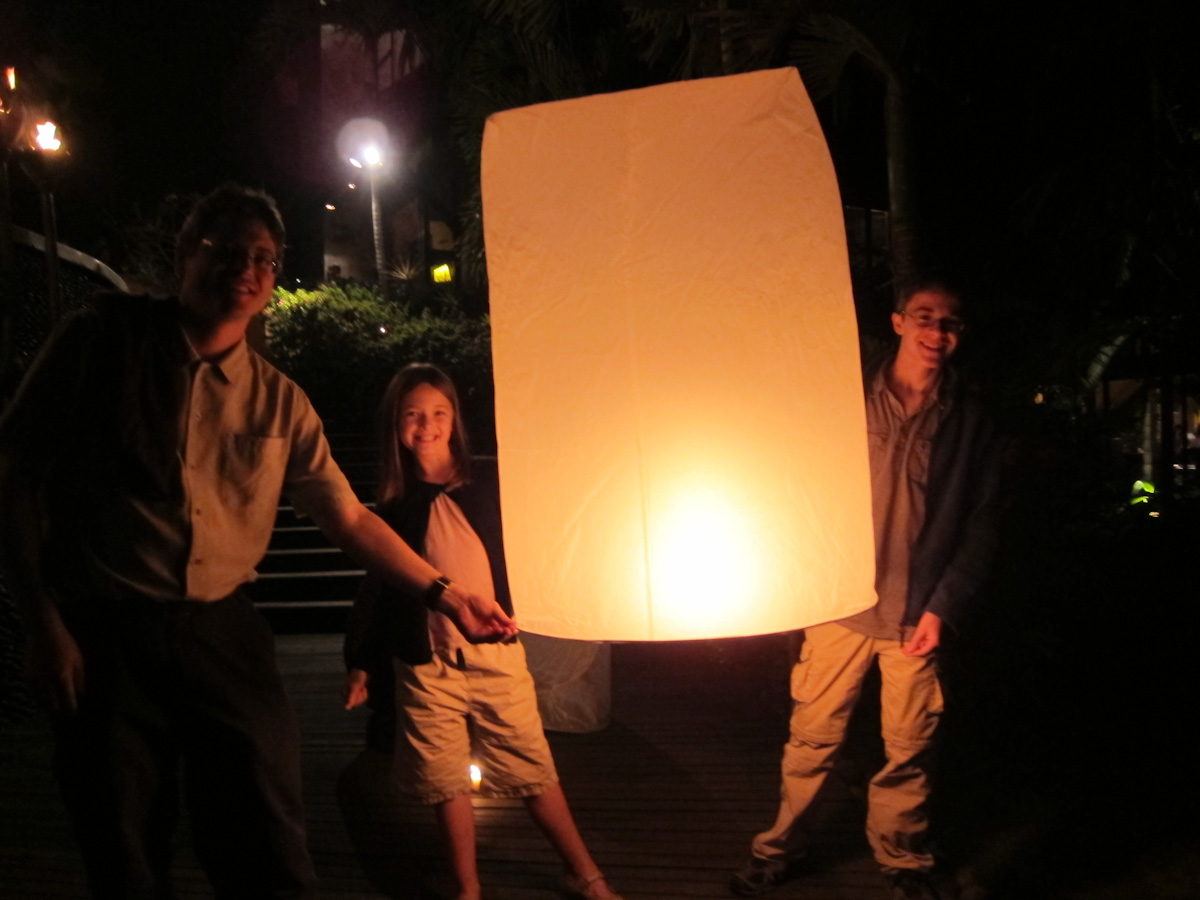
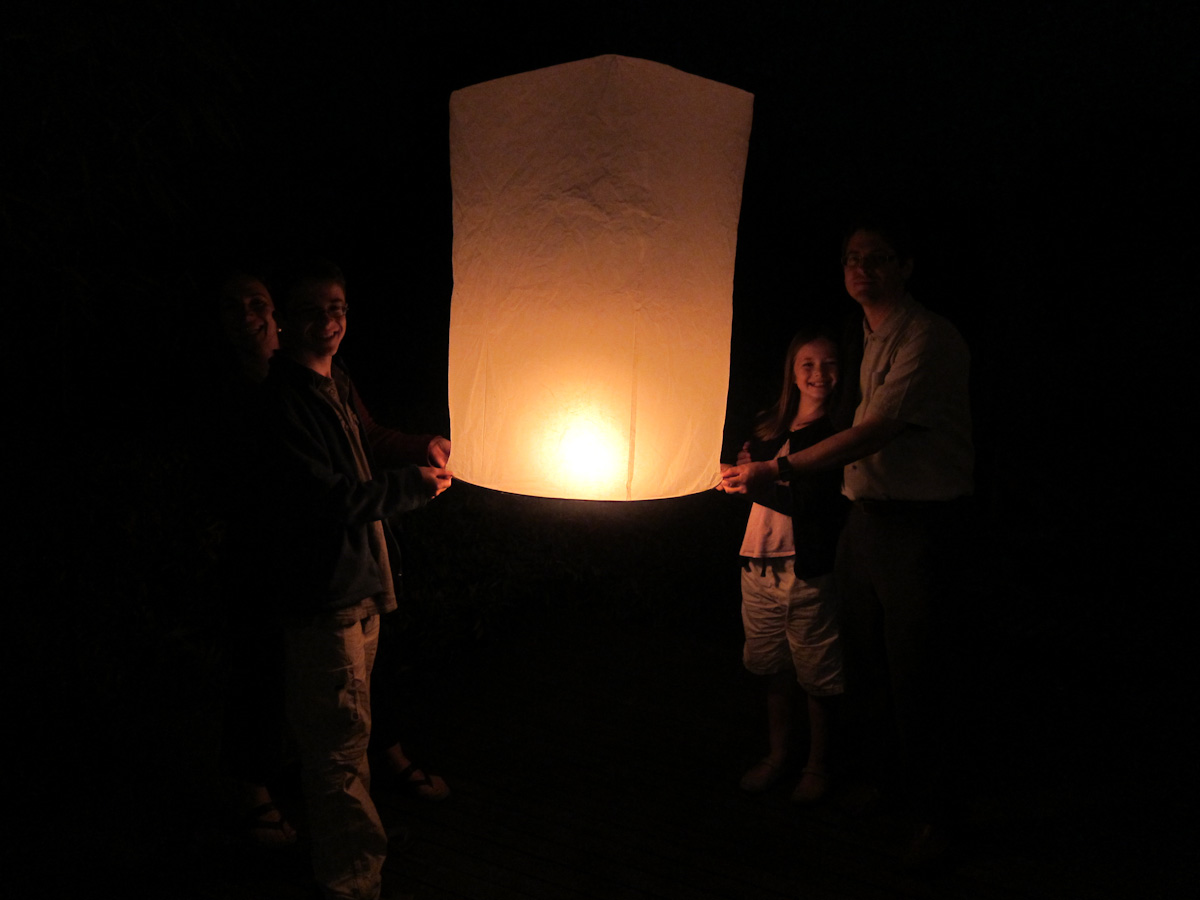
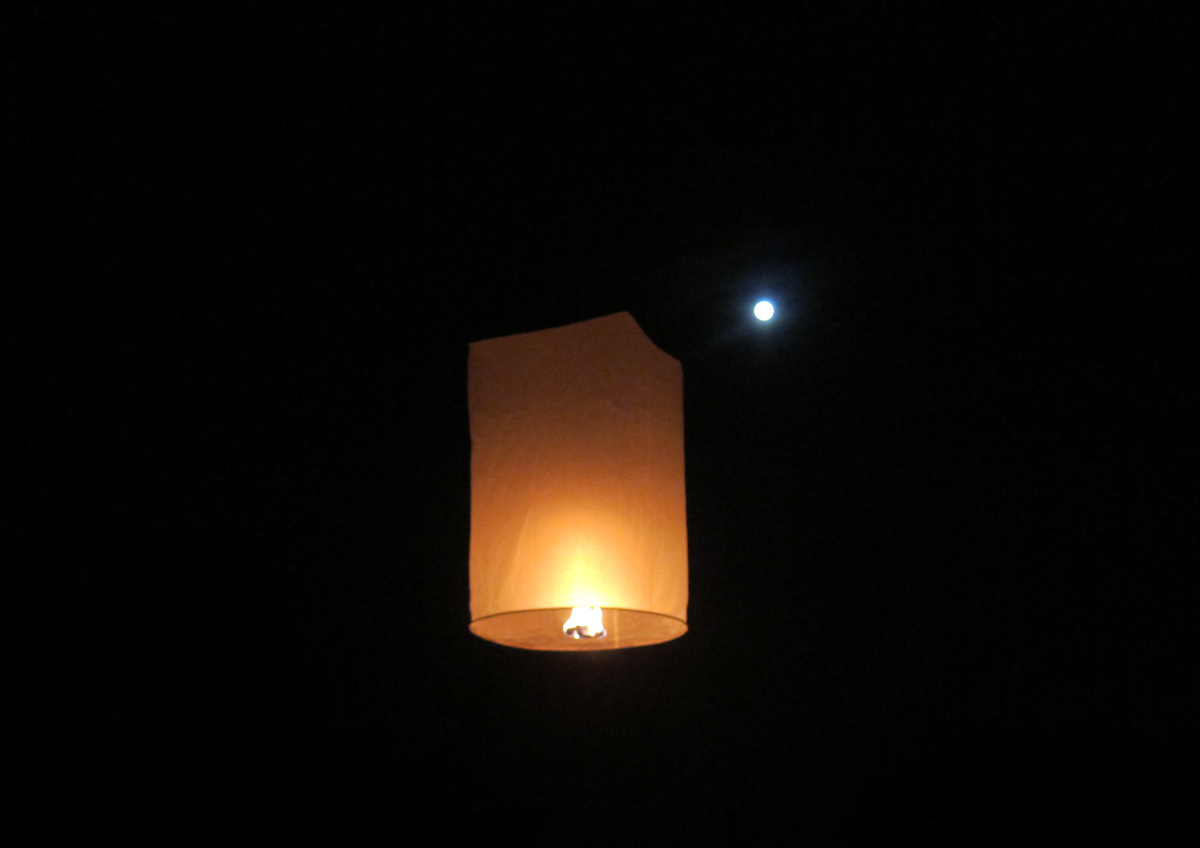
One of the wonderful touches at the Anatara happened on our last night there. After dinner they brought us outside under the stars and showed us two giant paper lanterns. Each one had a wooden sticks underneath with a large ball of waxy paper that the staff lit with a match. The North Thai tradition is to light one lantern to send away bad things from the past, and then light a second lantern to bring a dream for the future. They do this especially on birthdays and on New Year’s Eve. Once lit, the small fires fill the lantern with hot air and it begins to float! Up into the sky our lanterns flew, carrying away our fears and hopefully sending back our wishes. (At New Year’s Eve there are thousands of lanterns and the whole city becomes a no-fly zone!) “Won’t they cause a fire when they land?” we asked. “Don’t worry, the wind is headed to Burma,” they grinned as they walked away. Uncertain whether they were joking, we stood by the hill and watched the lanterns recede over our heads, until they became dim red stars and finally expired when their fuel was consumed.
The last day we took a speed boat ride up a river tributary and visited a remote village of hill people, including Kayan – the famous long neck people who were violently persecuted in Burma. We met just a small collection of families who have found comparative safety as refugees in Thailand and watched them weave scarves on their hand looms. More on this later.
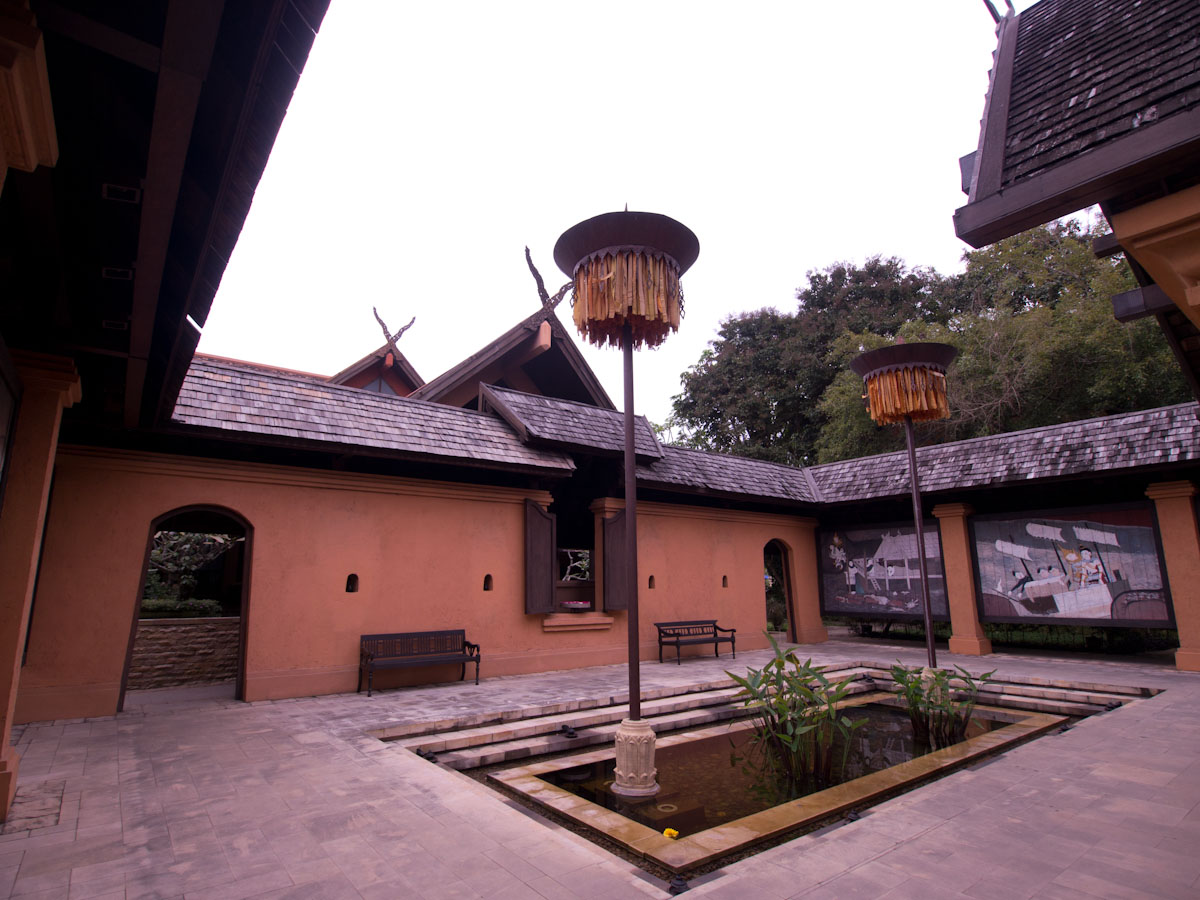
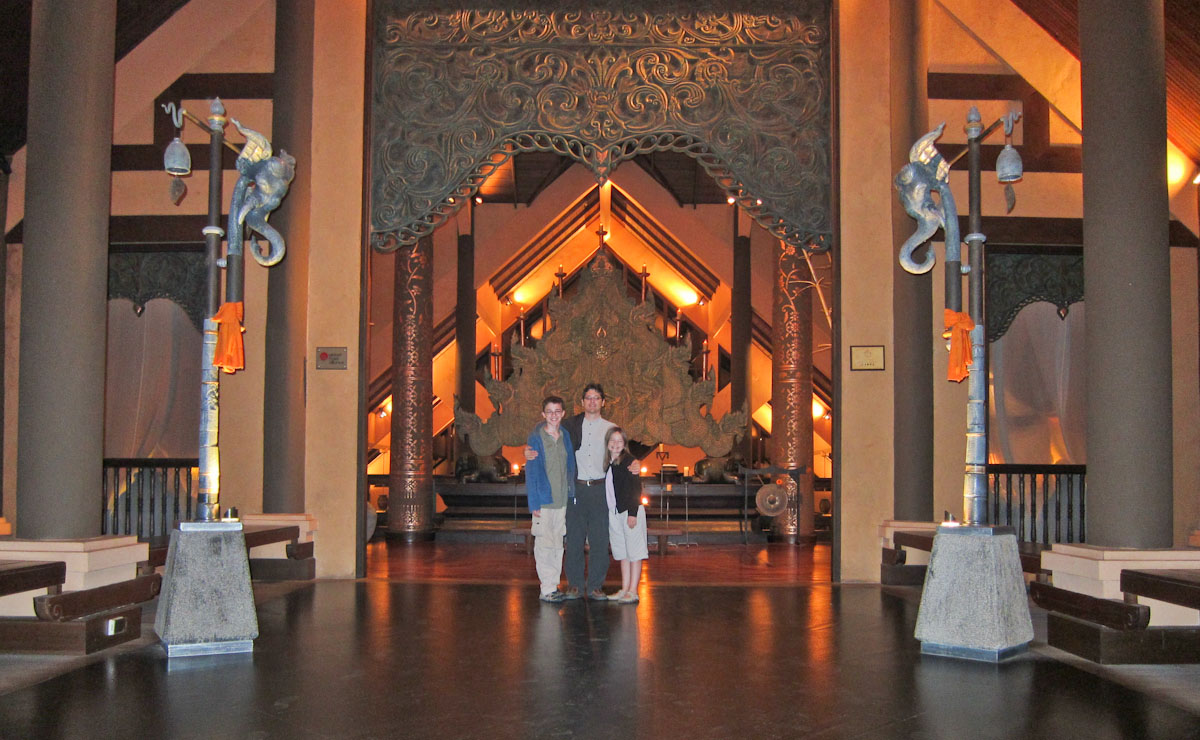
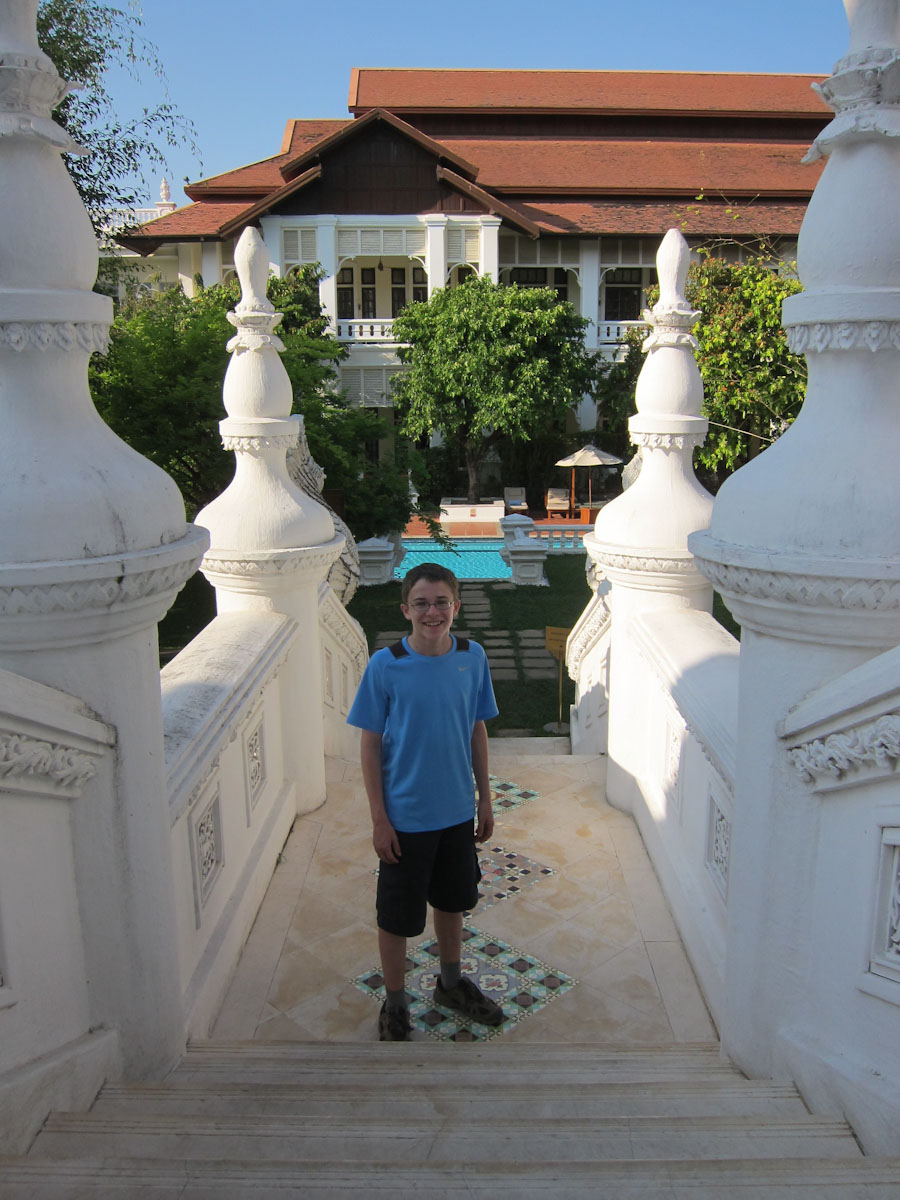
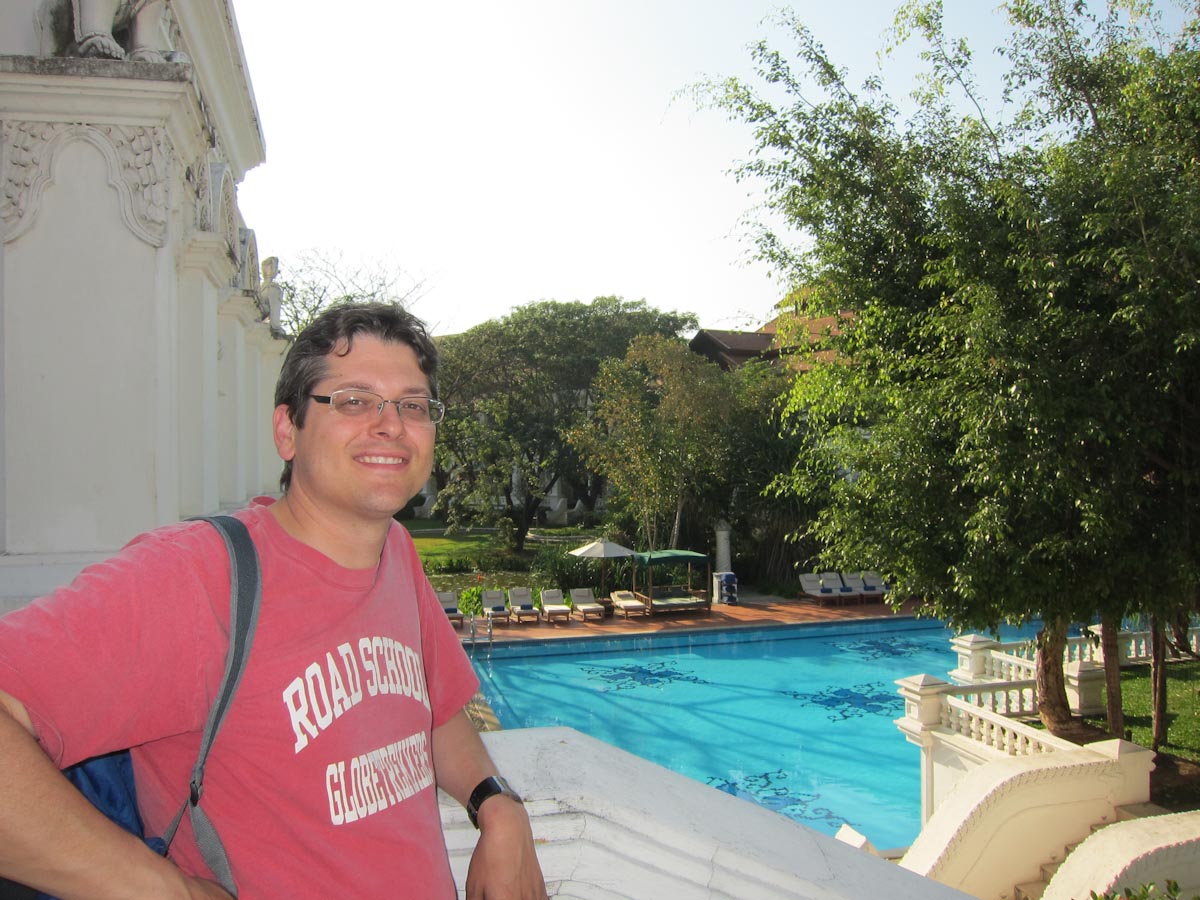
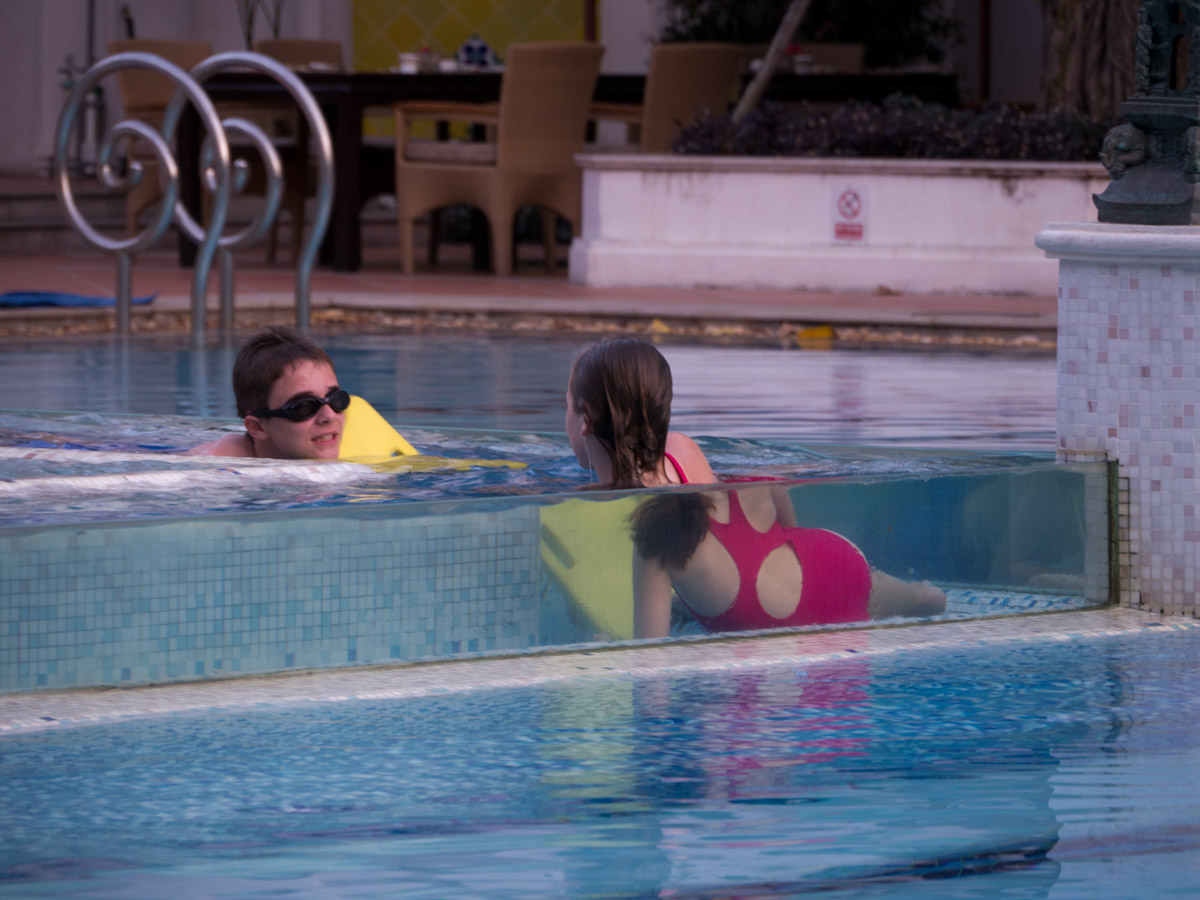
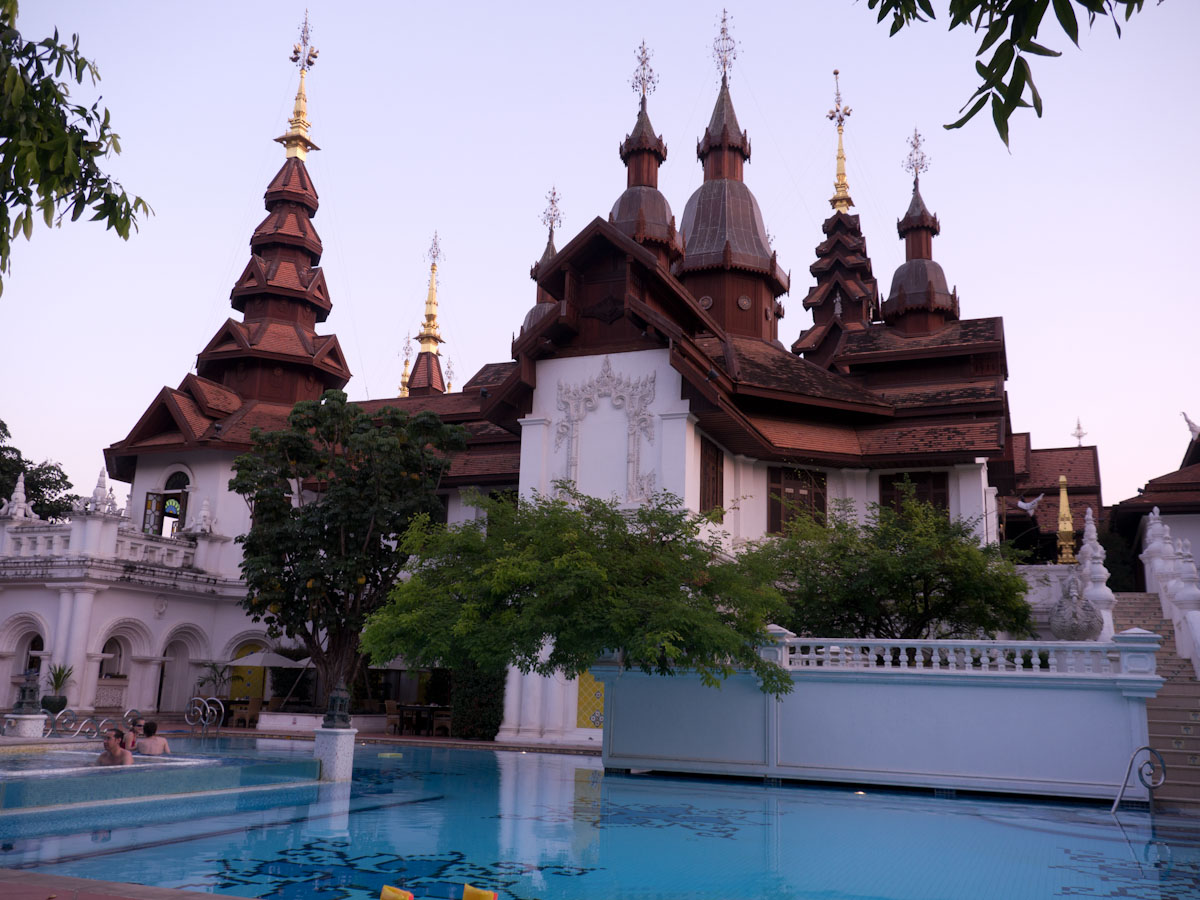
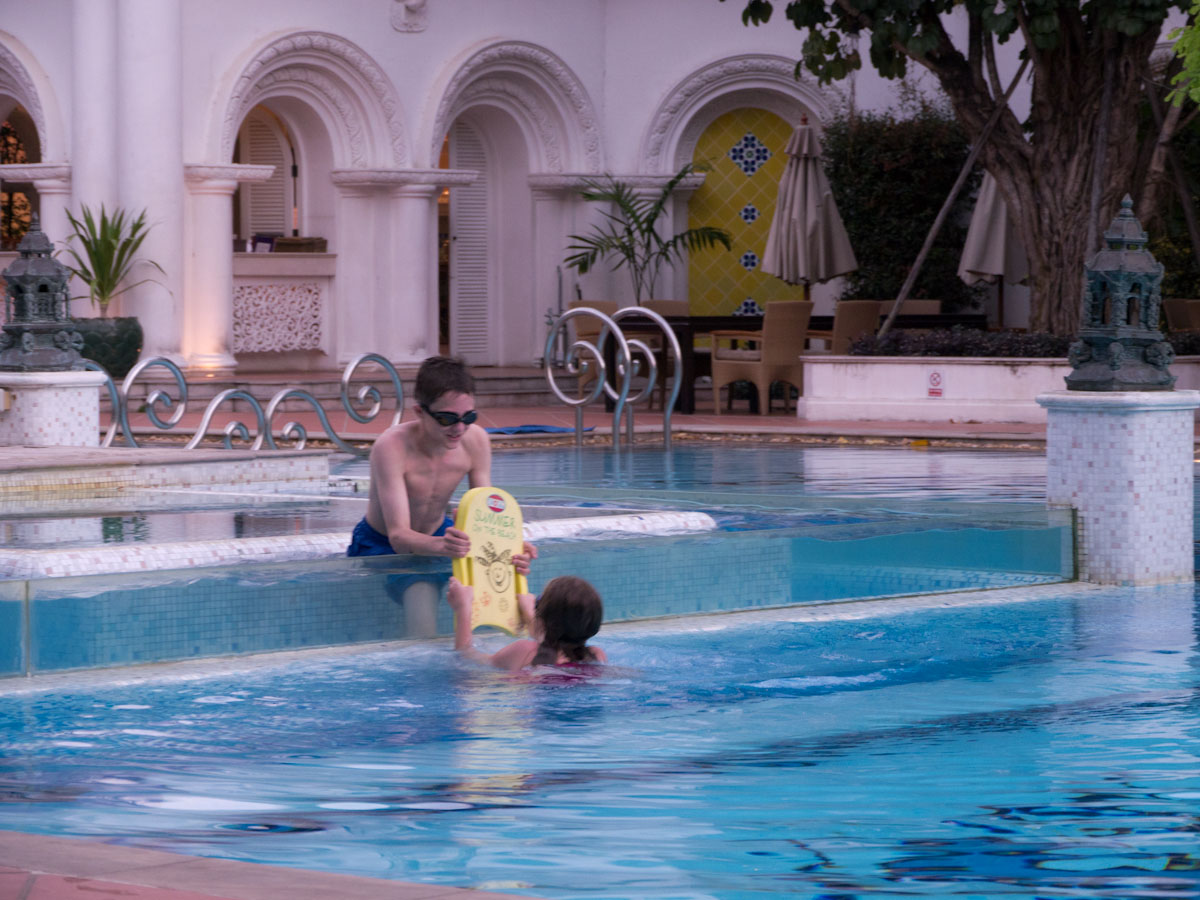
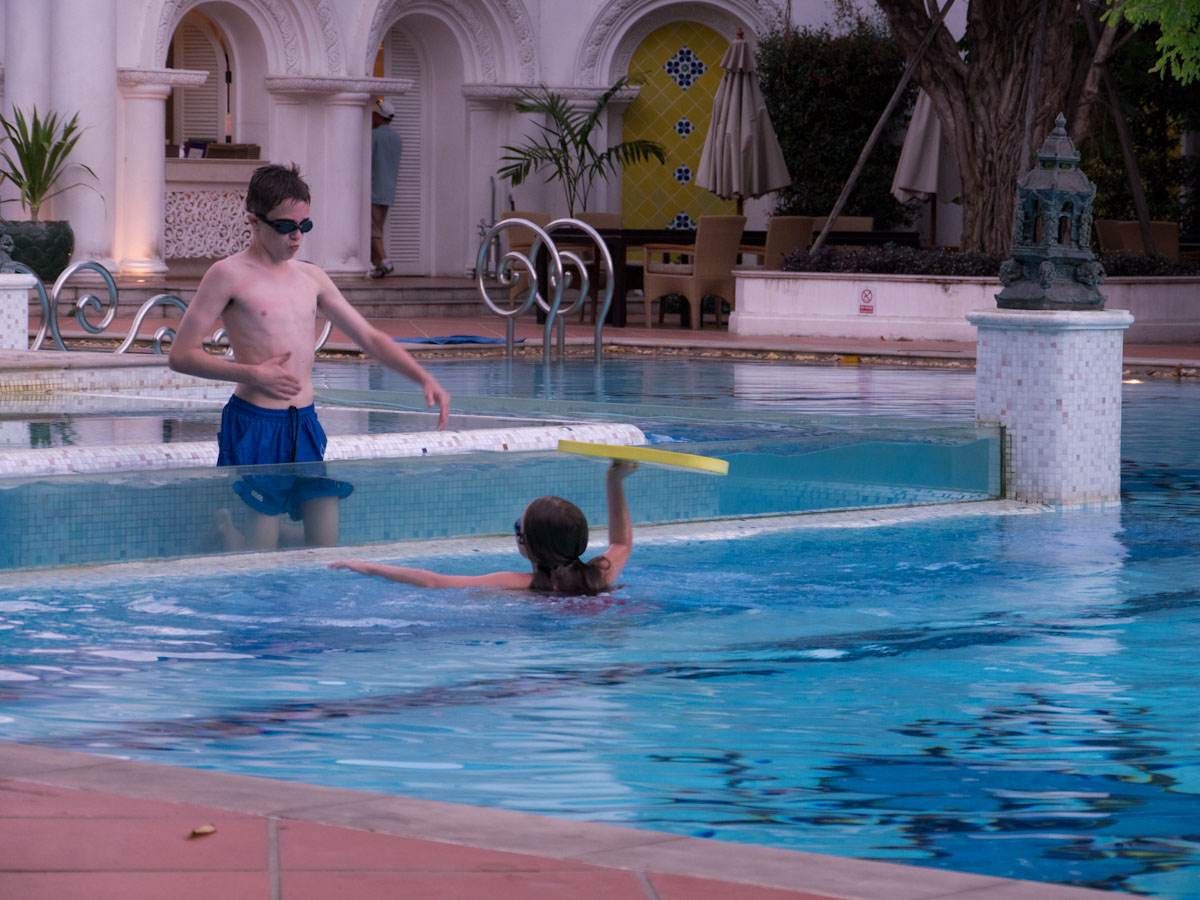
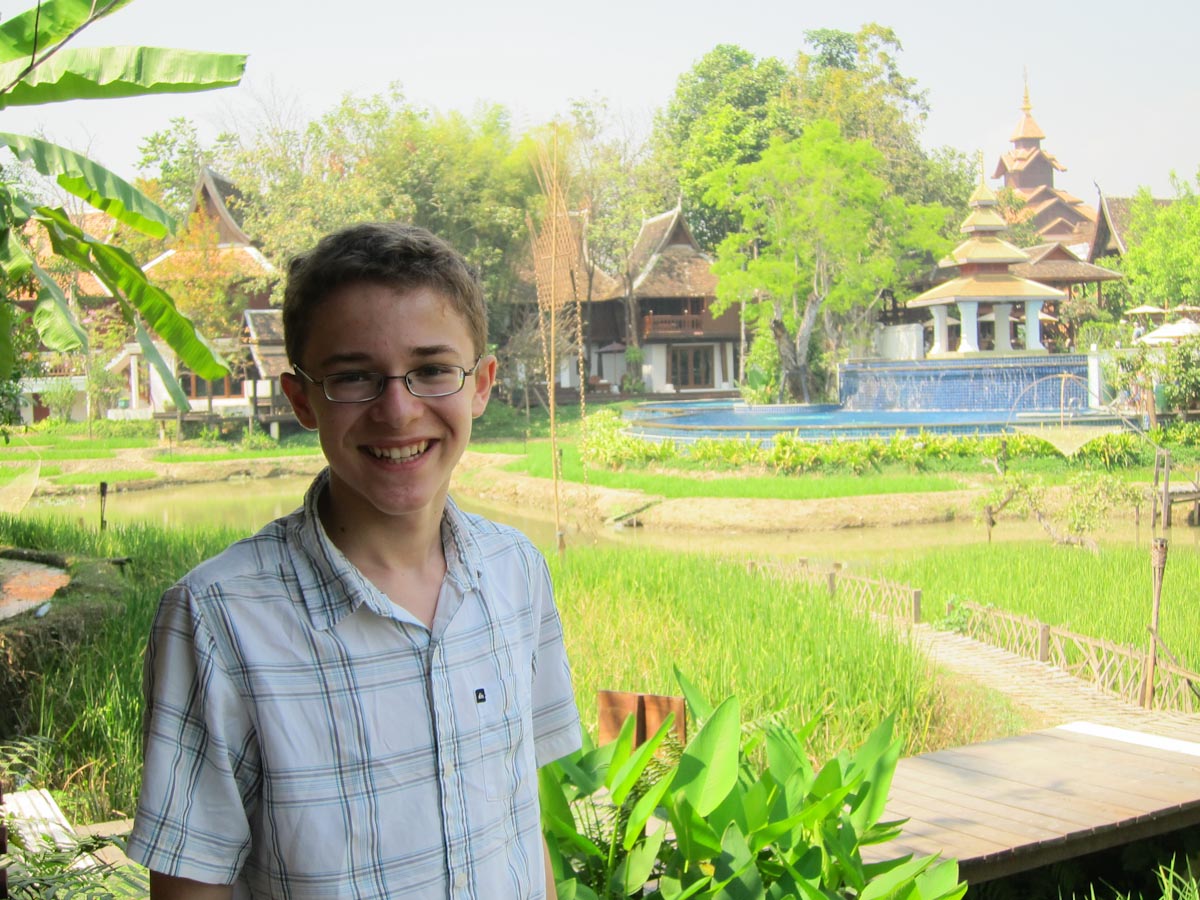
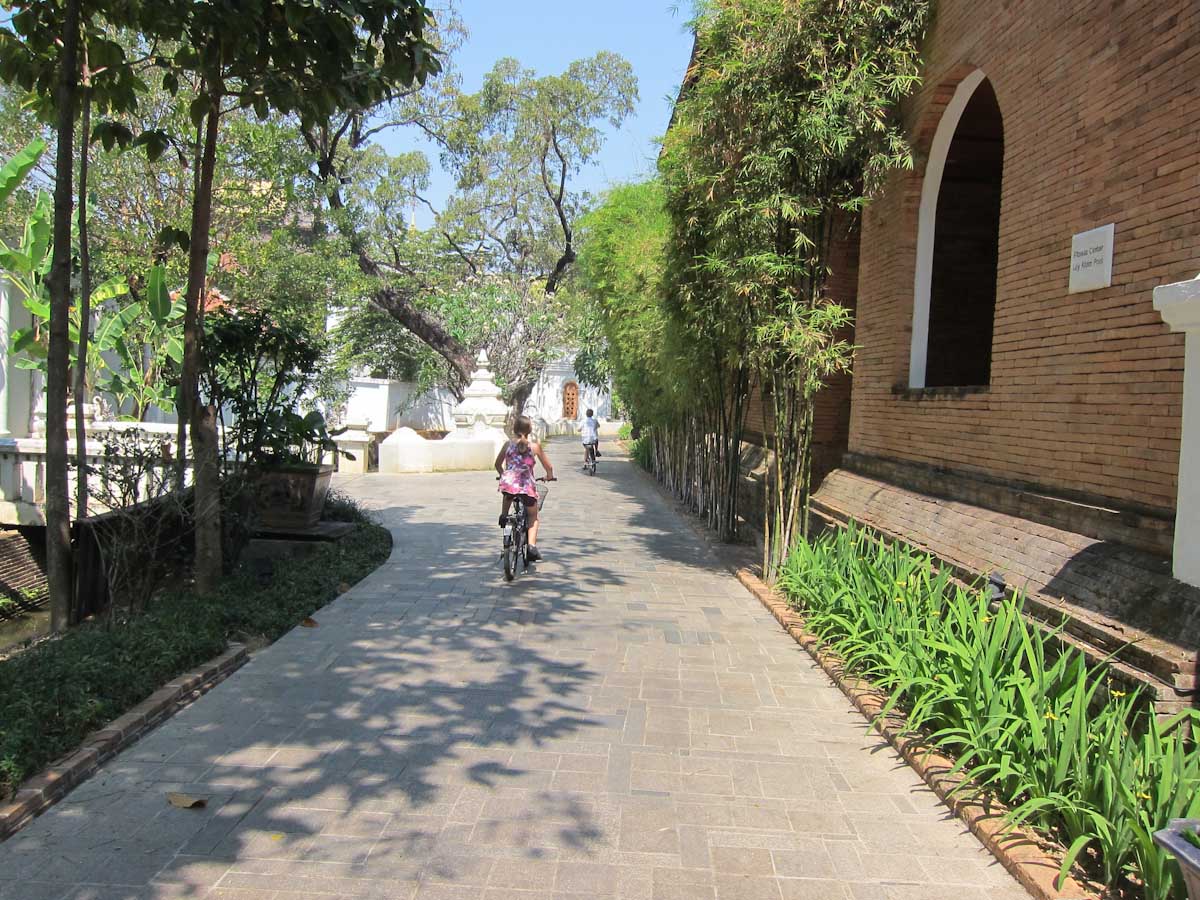
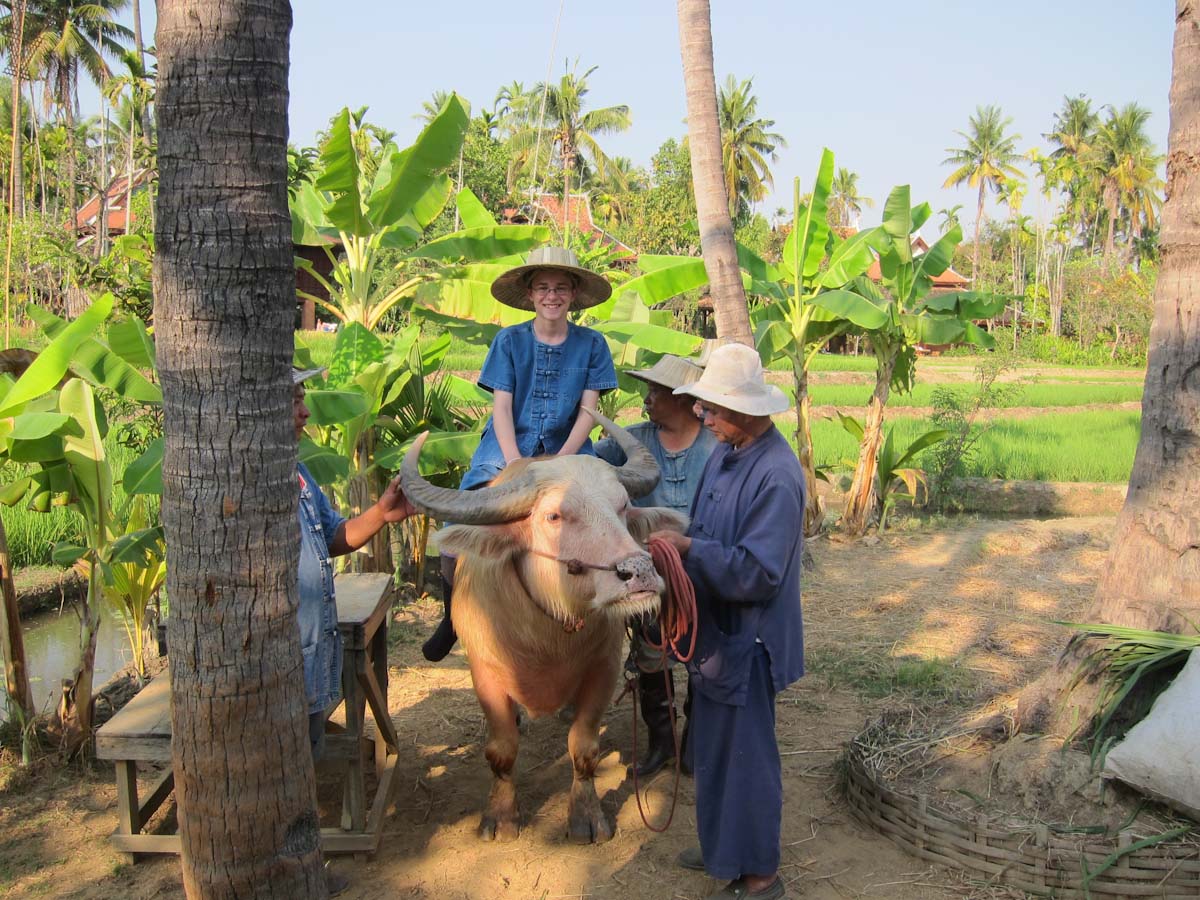
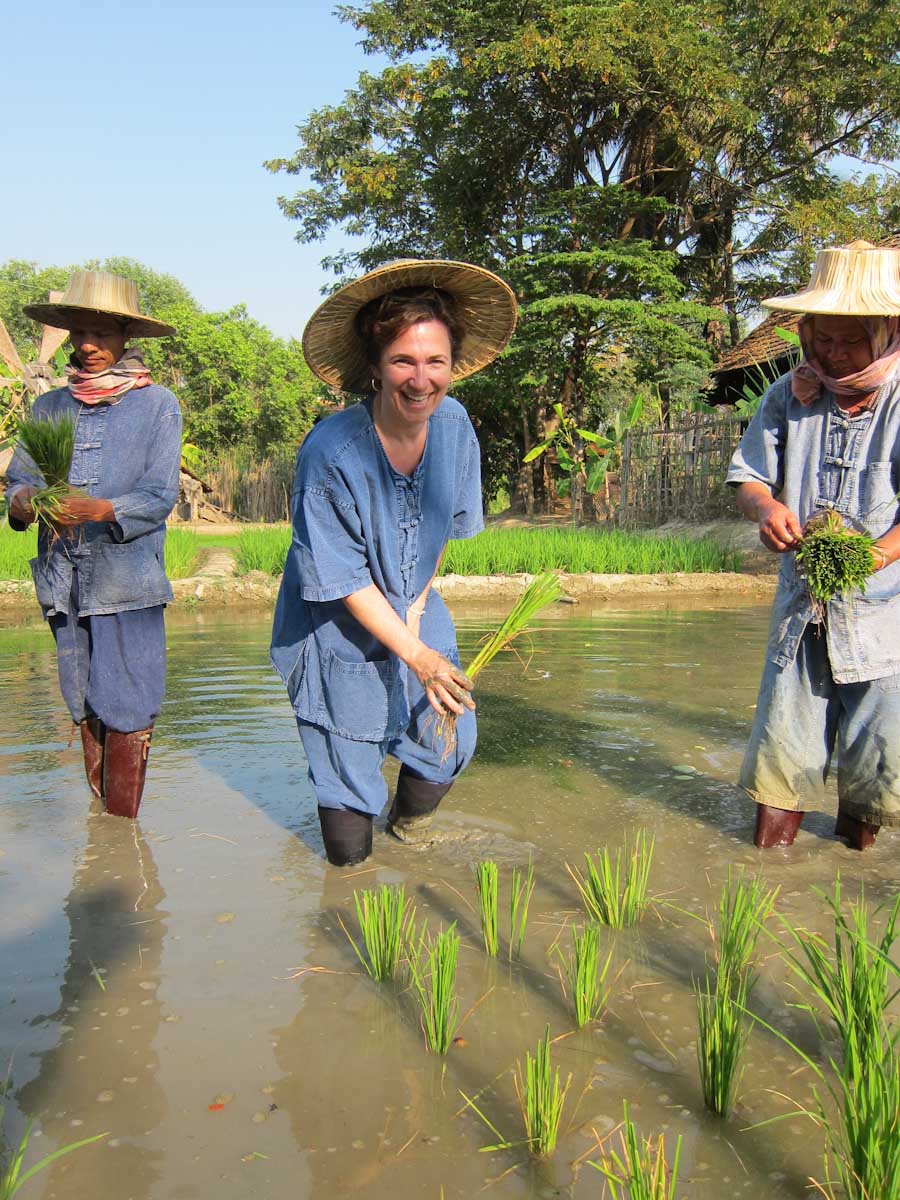
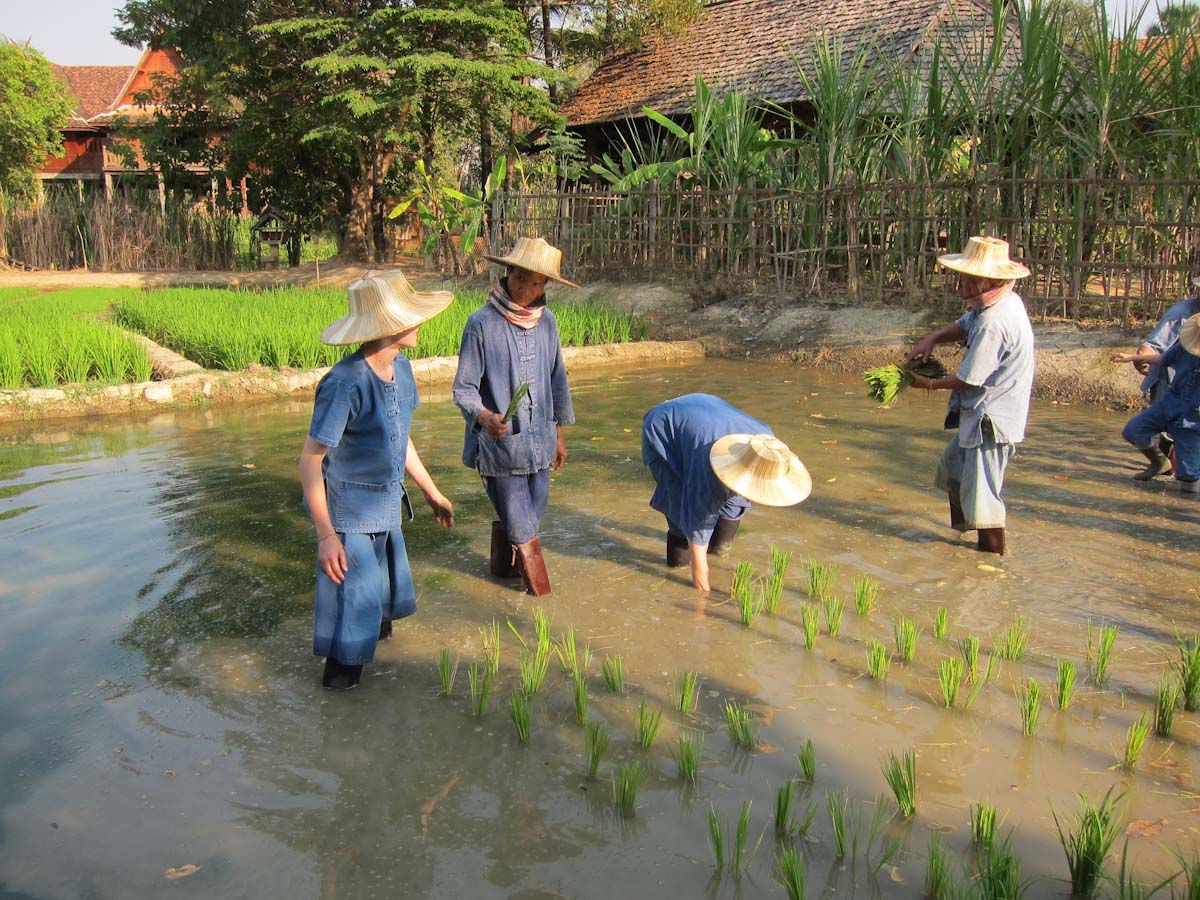
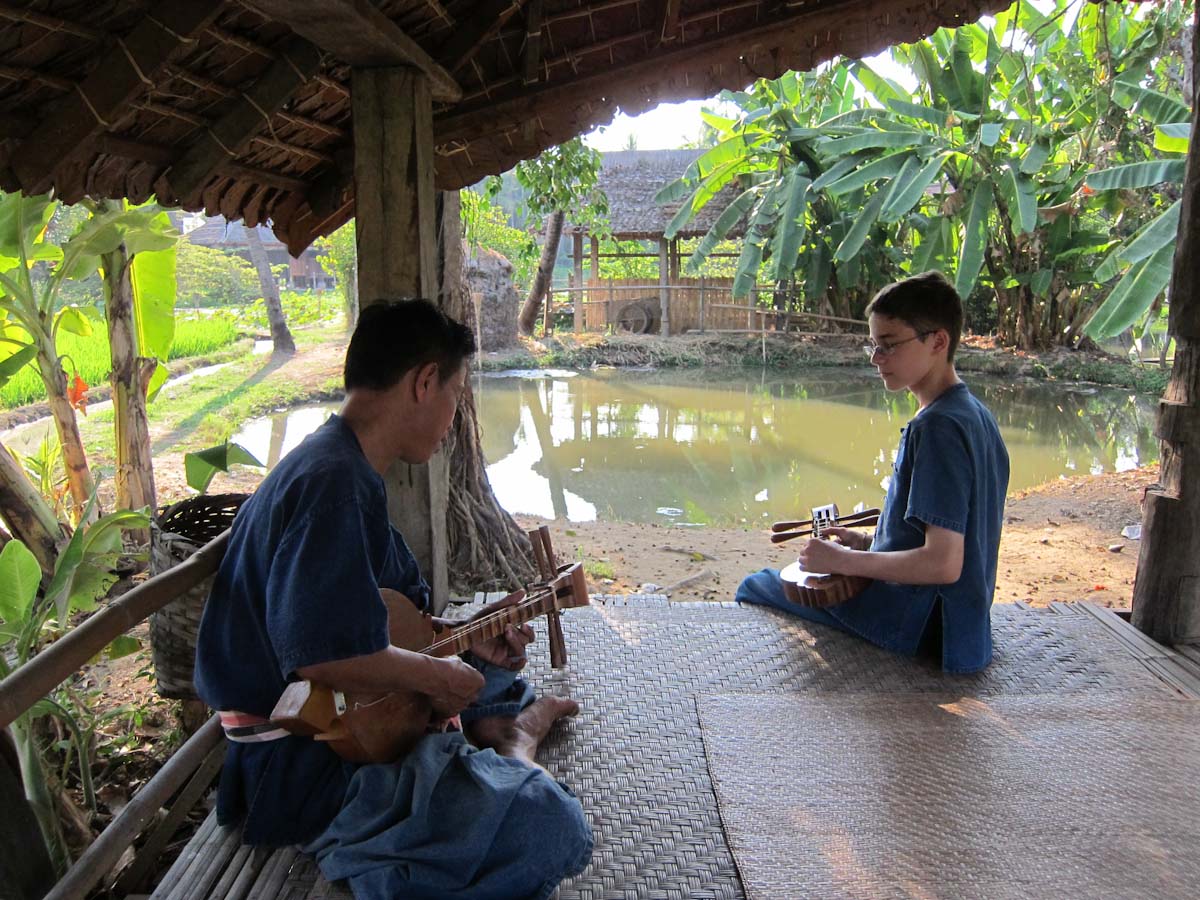
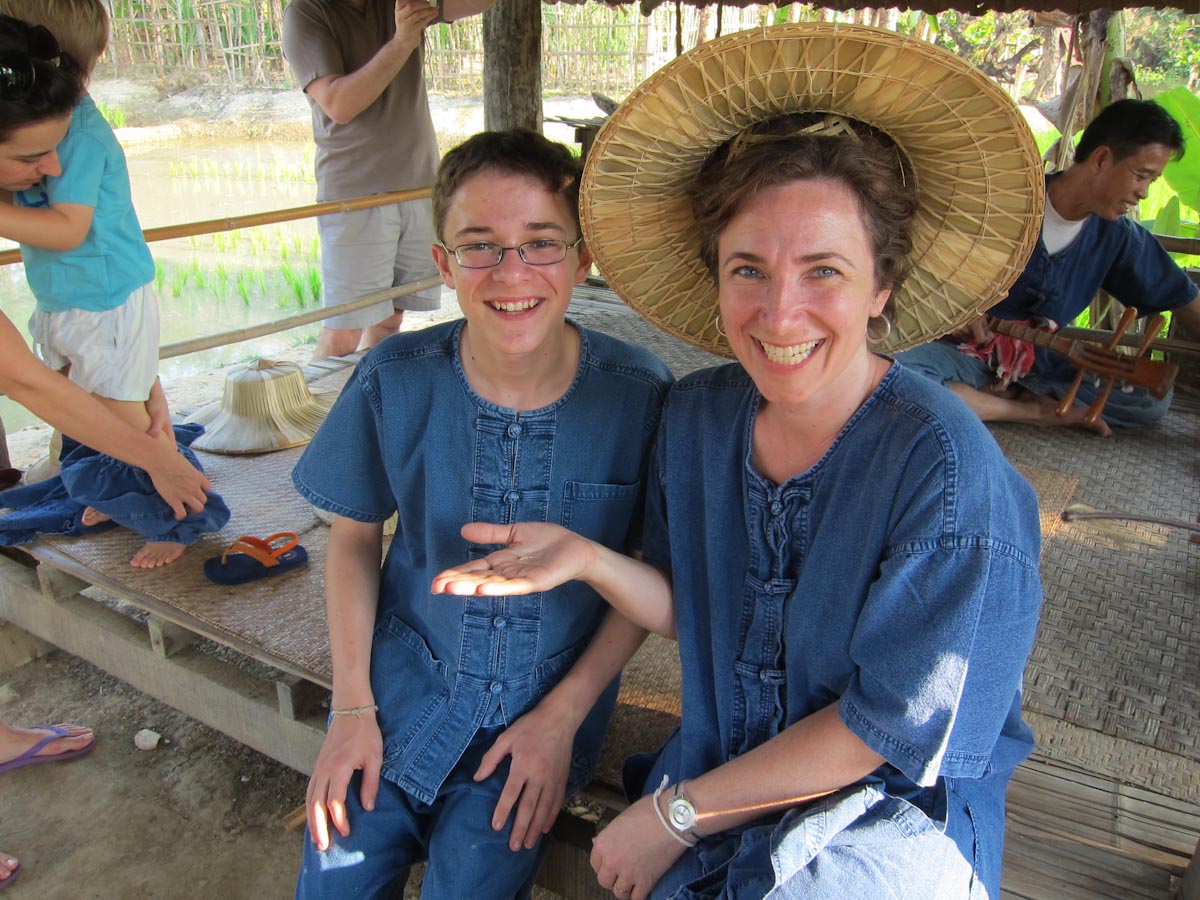
From here, we took a long car ride into Chiang Mai, the ancient capital city of the Lanna Kingdom and the second biggest city in Thailand. The focus here is squarely on tourism and there are a wealth of hotels and activities we barely scratched across three days. We stayed here at the Mandarin Oriental, developed by the same Mandarin Oriental that dominates the social scene in Bangkok, where they have a large resort property designed with Lanna kingdom architecture. You can ride bicycles through the gardens, visit several pools, play tennis, indulge in kids club activities like painting umbrellas and weaving bamboo, plant rice (this time it was Gina and Carter), visit the health club – all of which we did – and much more.
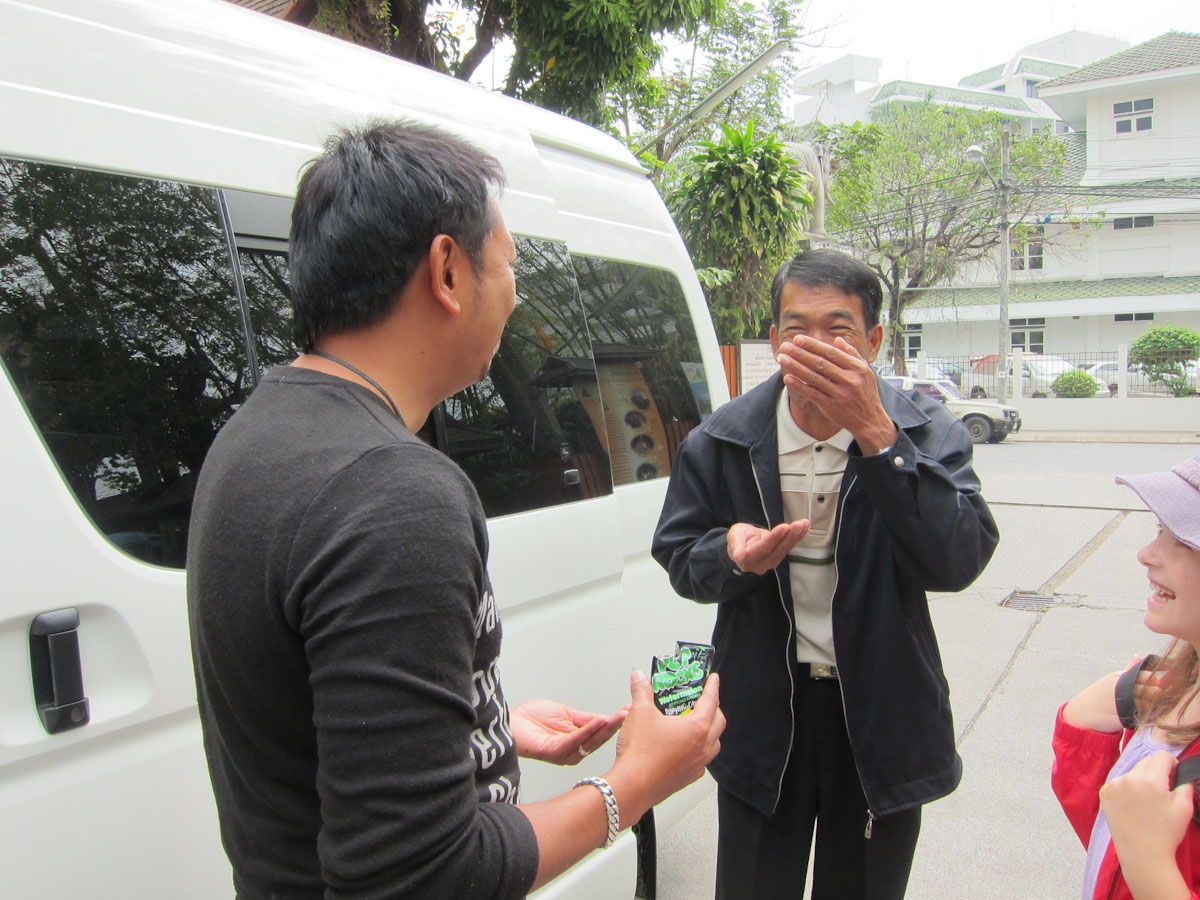
There are seven temples in Chiang Mai, dozens of elephant camps, and over 200 cooking courses. We visited one of each and spent the rest of the time resting up, after two intensive weeks of travel. That means there is still plenty to see and do, when we swing back through Chiang Mai someday in the future. We hope to see our wonderful guide Jeff and driver Mr. Arun again soon!