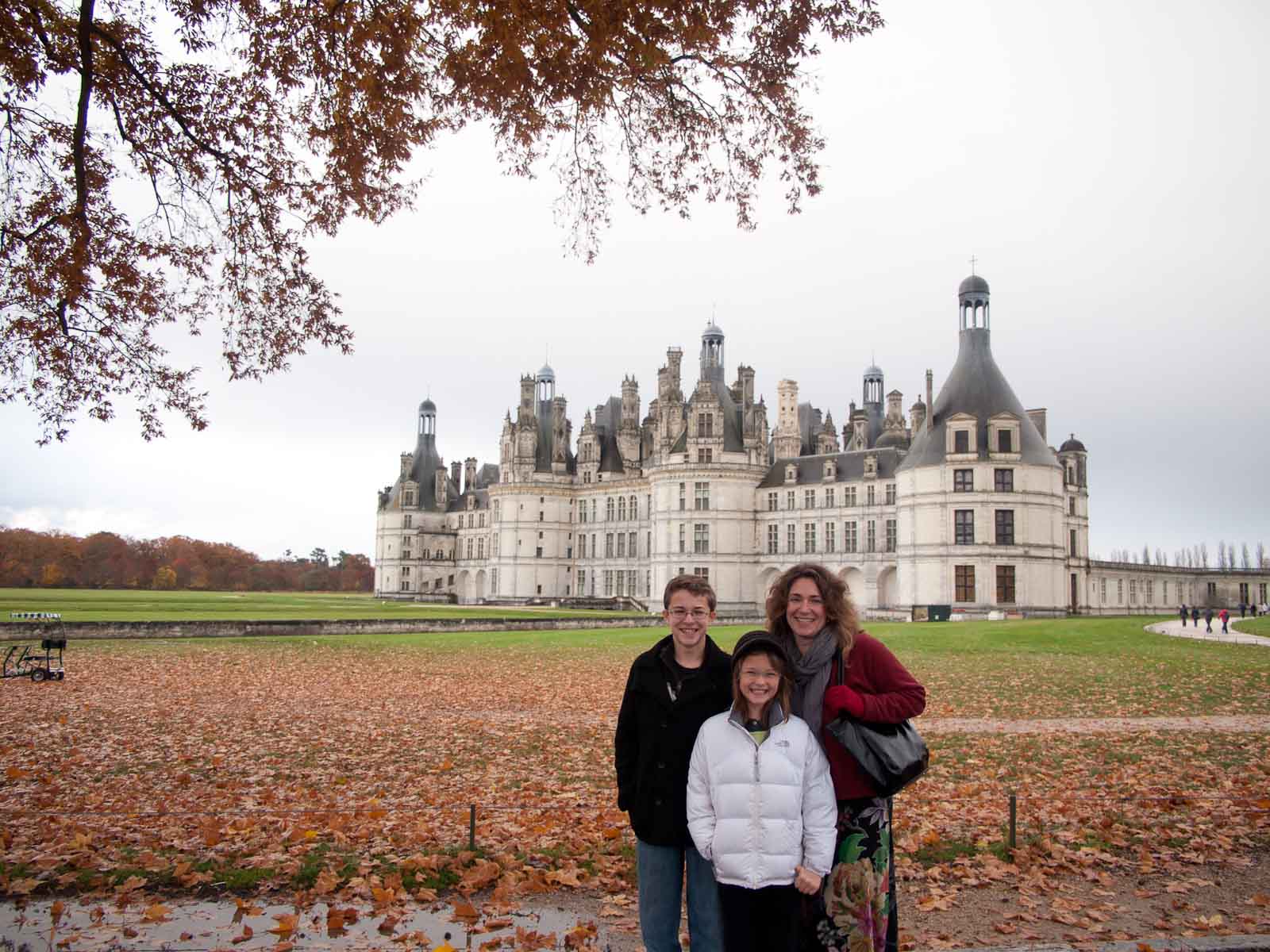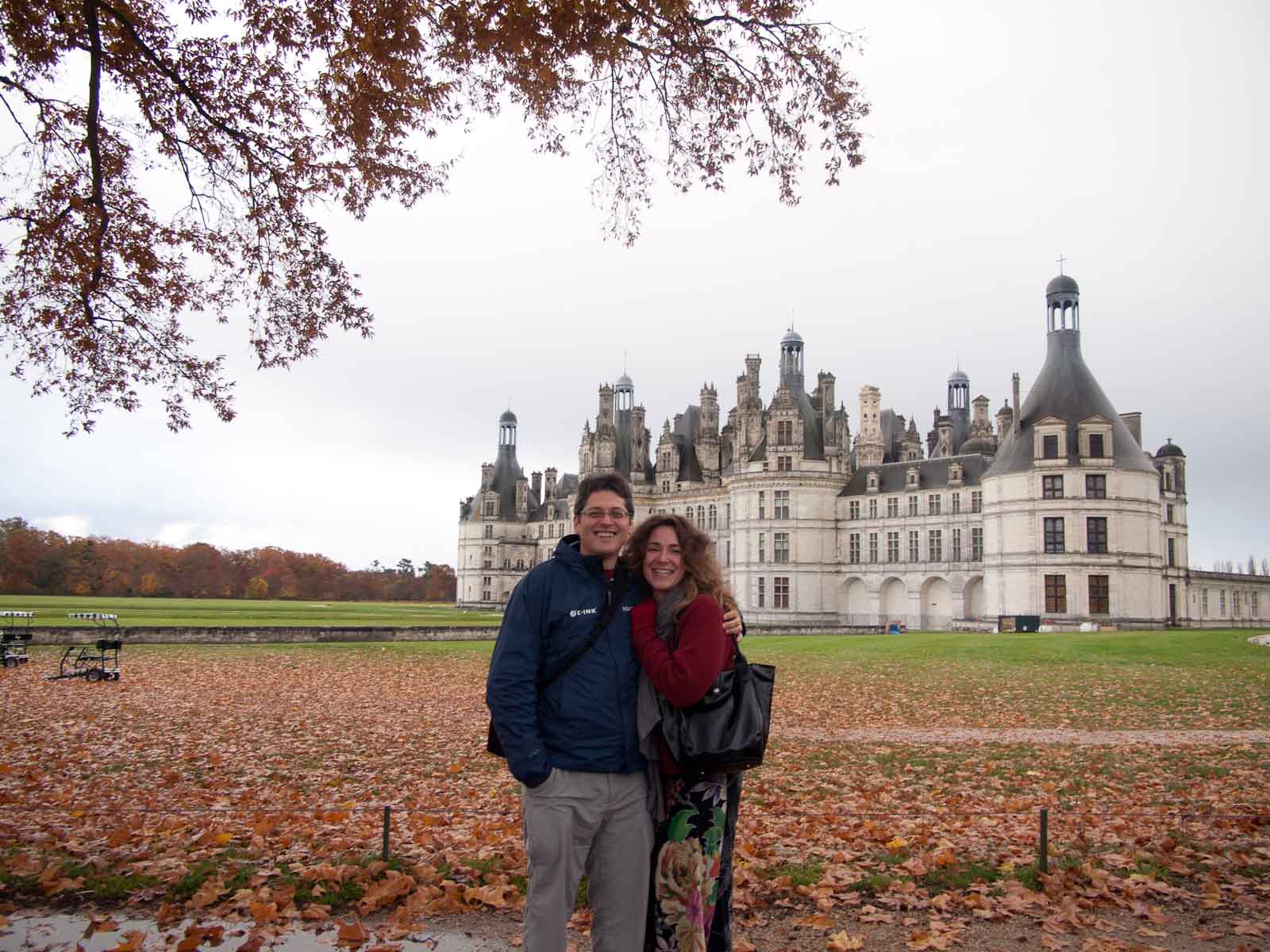
Our last stop in the Loire Valley was the massive Château Chambord. The building was commissioned in 1519 by a 25-year-old King Francois I. The stated reason was that he loved to hunt and he dreamed of having a hunting lodge so princely that nobles would flock there to hunt in royal style. In French class we learned about a deeper political factor of the times: the country of France was split into many separate individual lands governed by separate nobles, and the French king needed a way to better unify the country. So the King began “inviting” nobles to stay with him year-round in court. To make this appealing, the court became enormous – a traveling crowd of thousands of people that progressed in a circuit to various châteaus and castles around the country each the year.
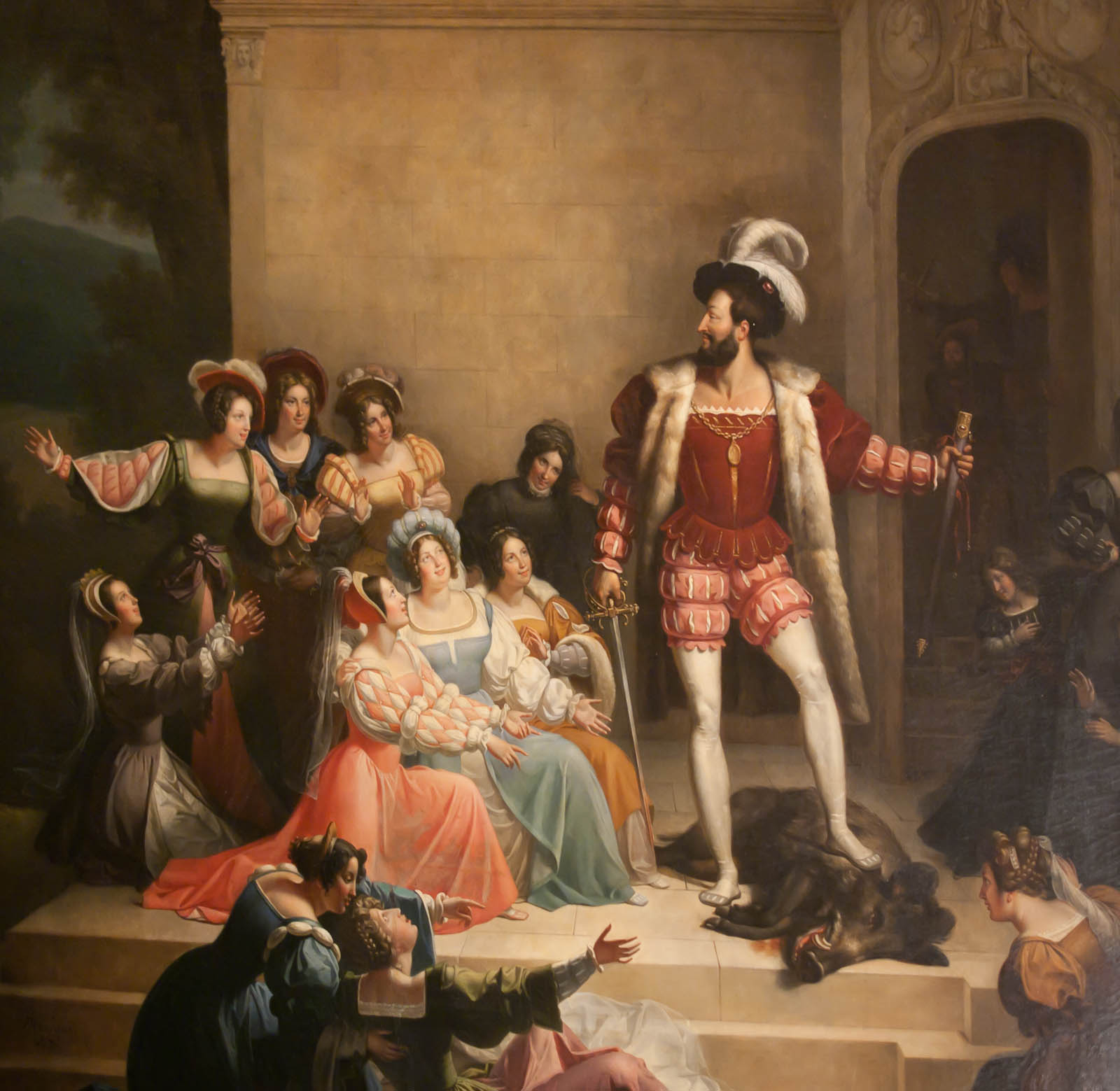
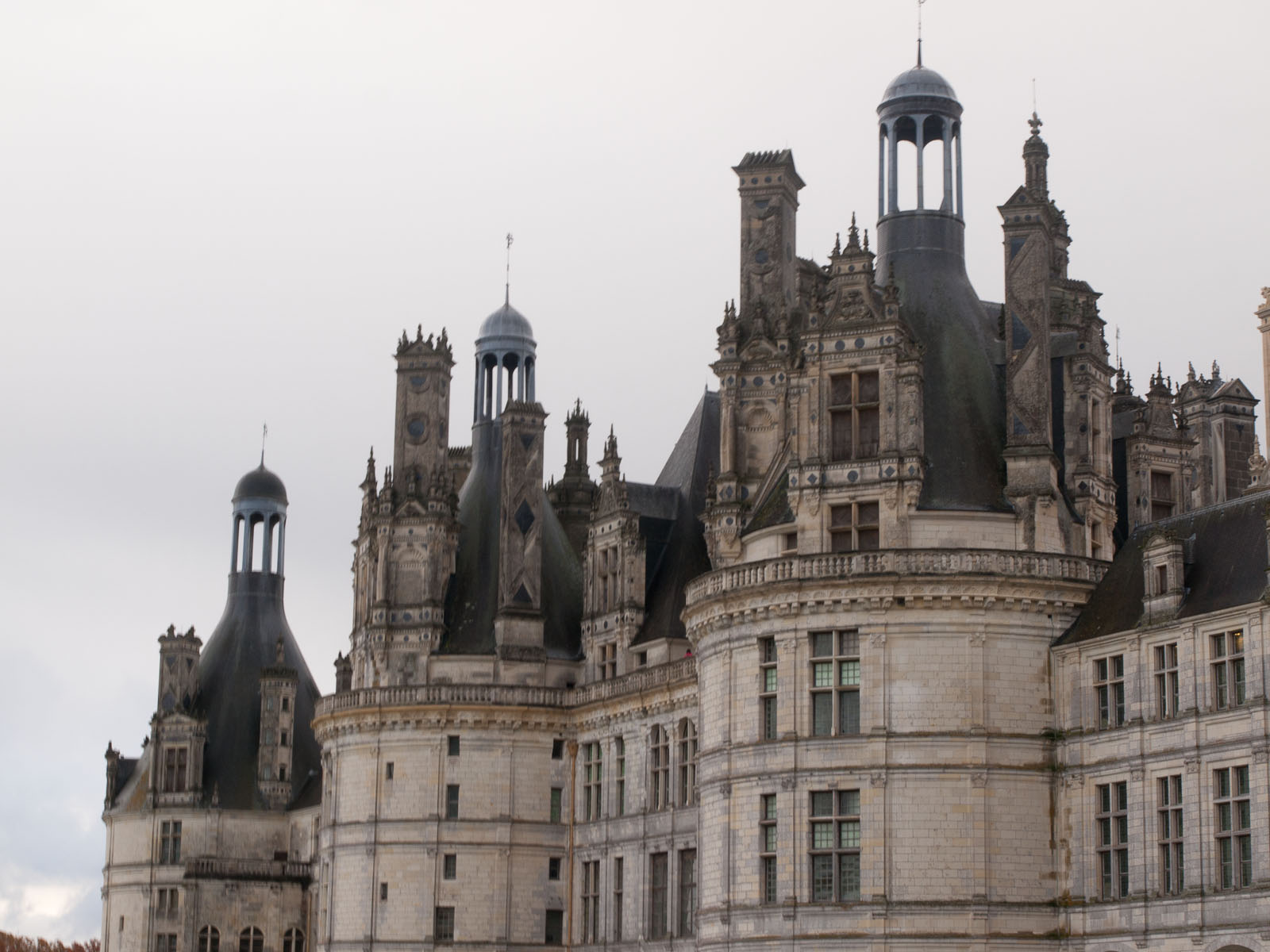
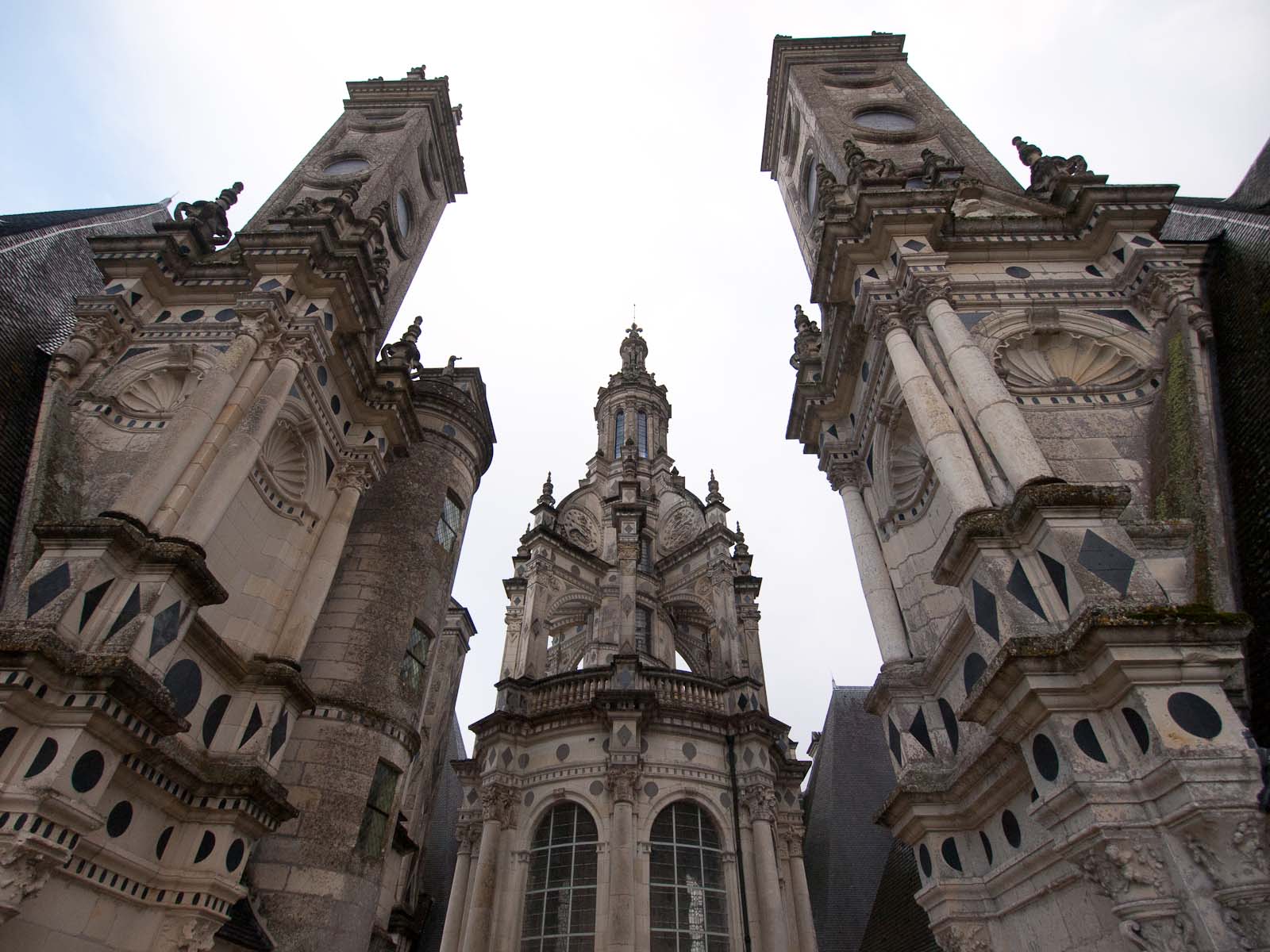
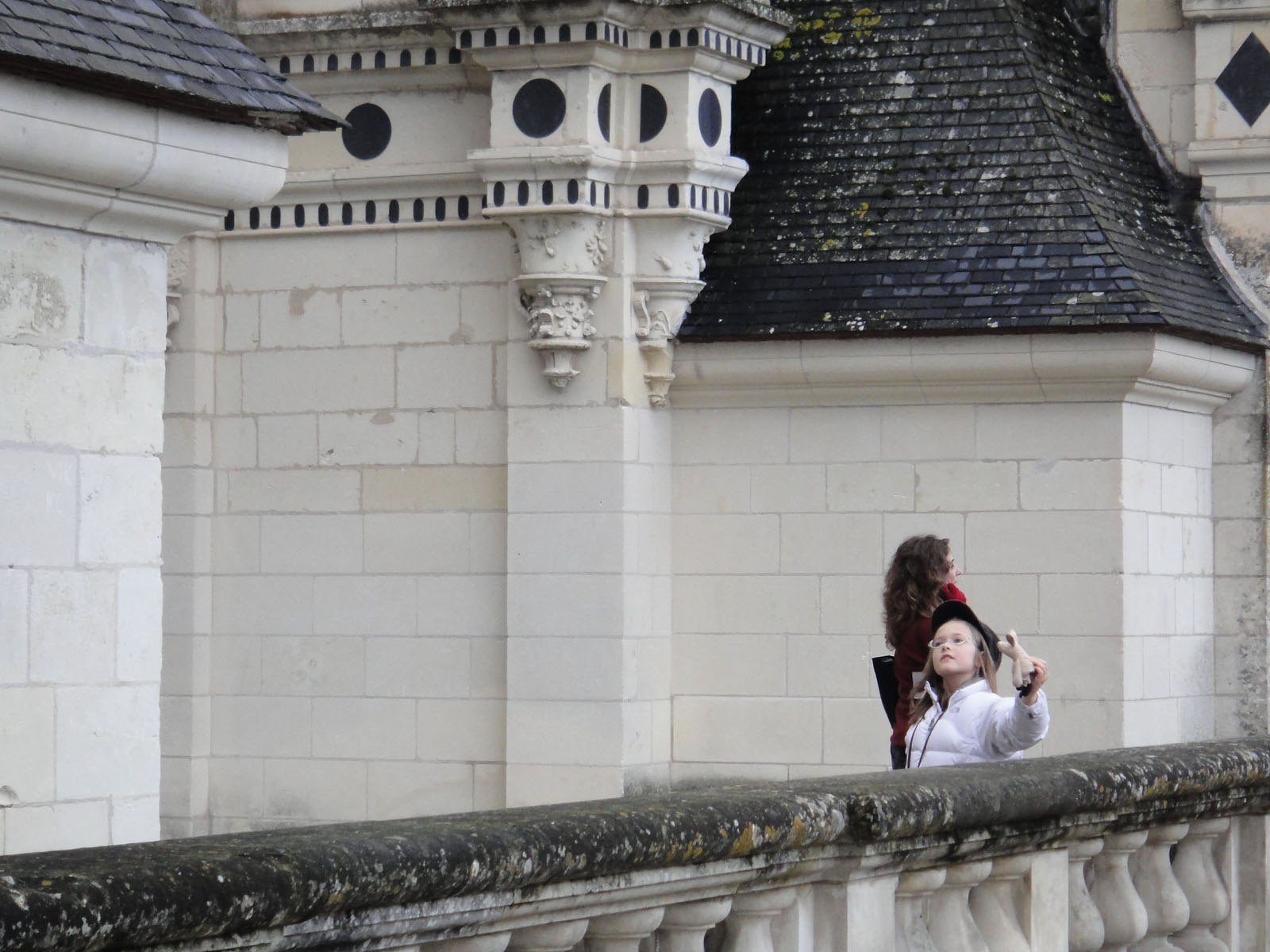
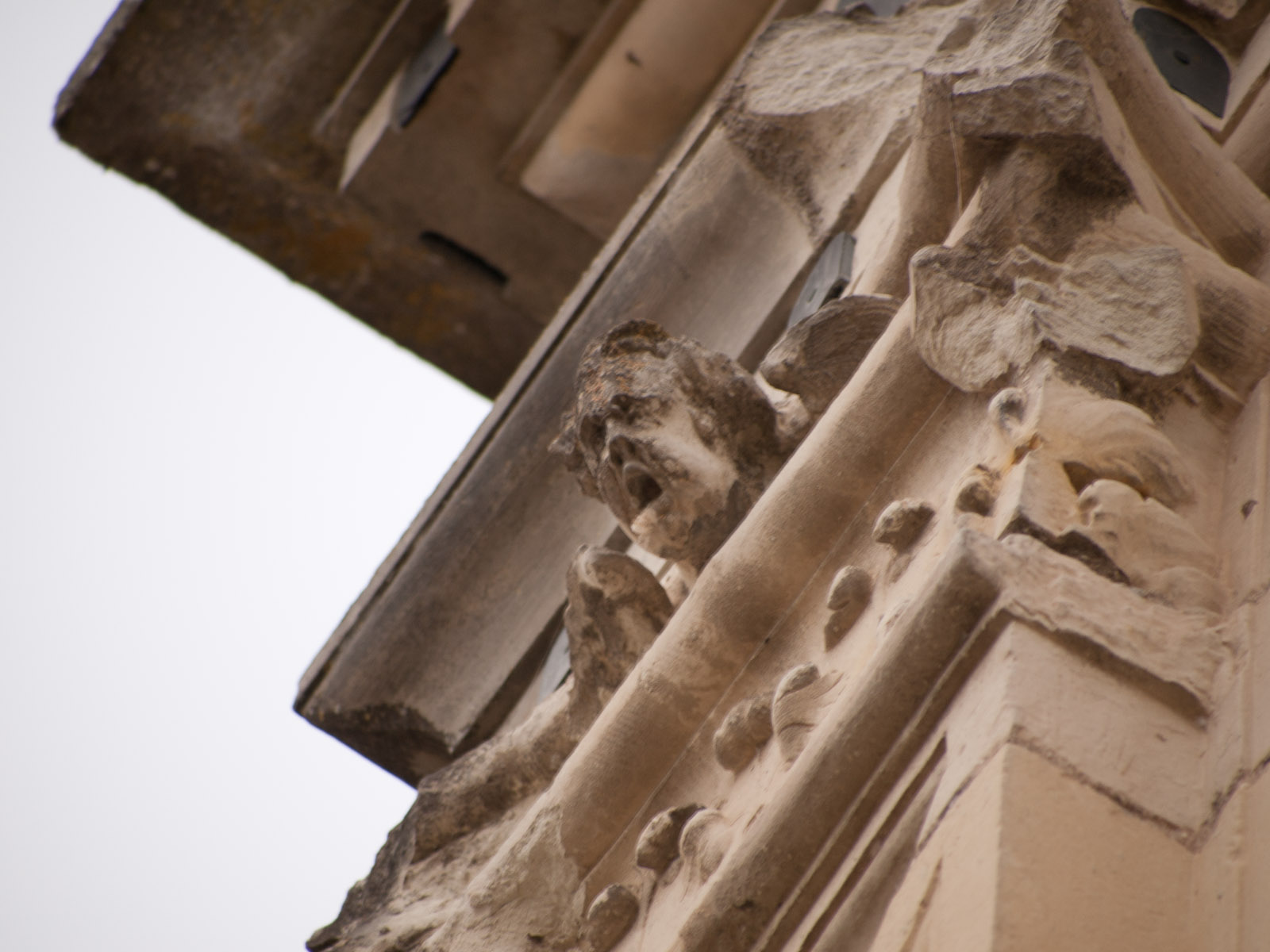
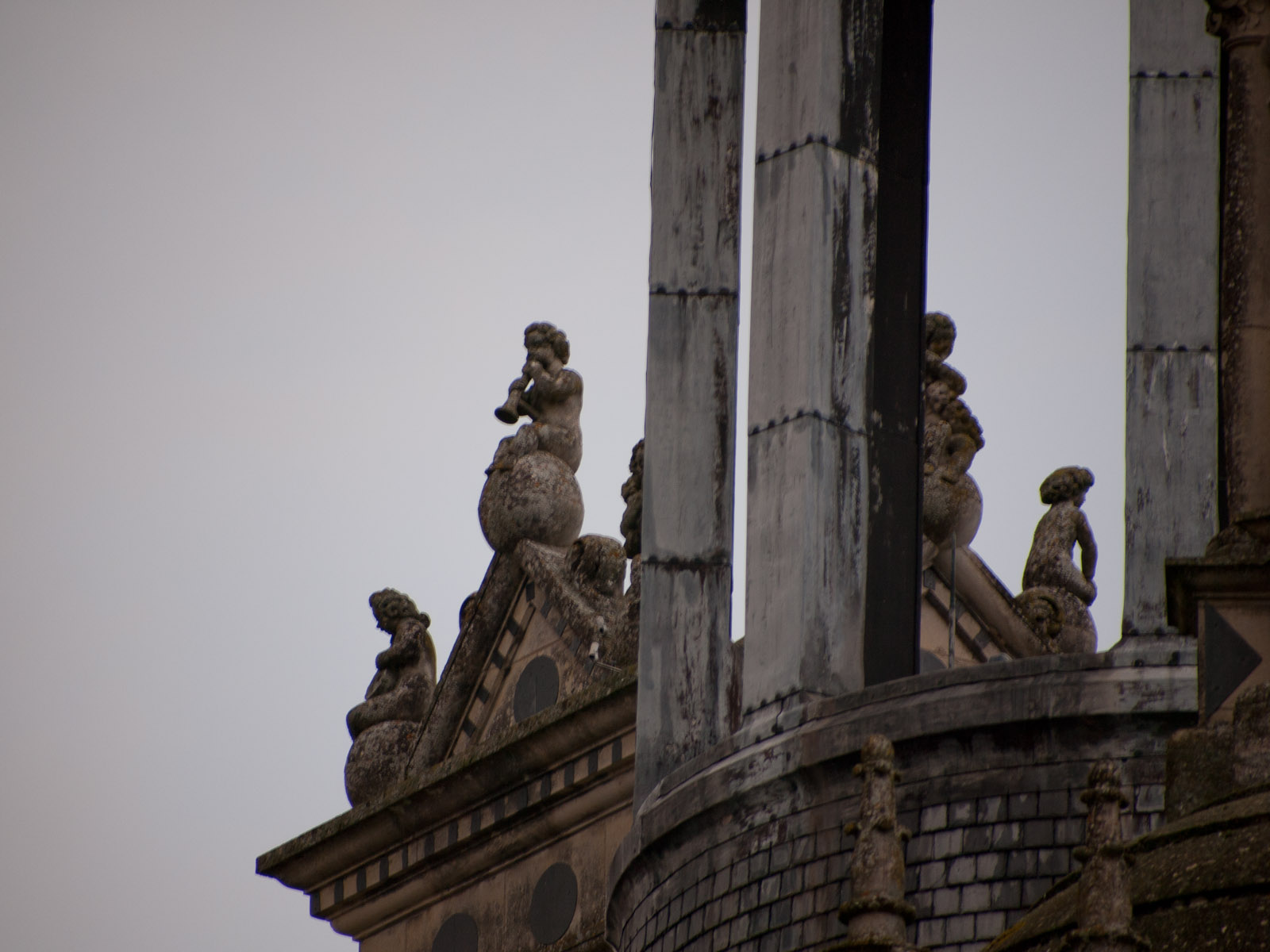
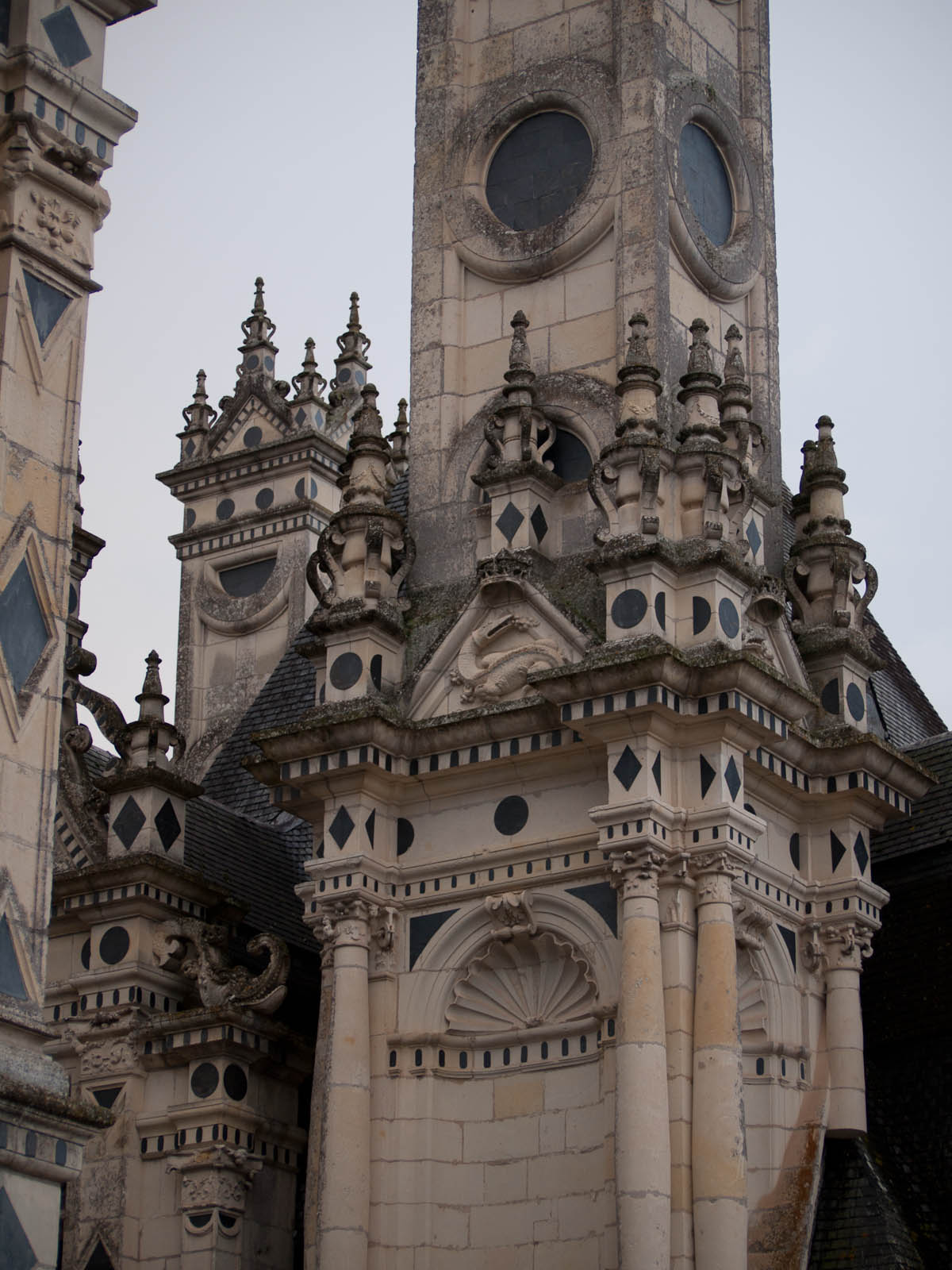
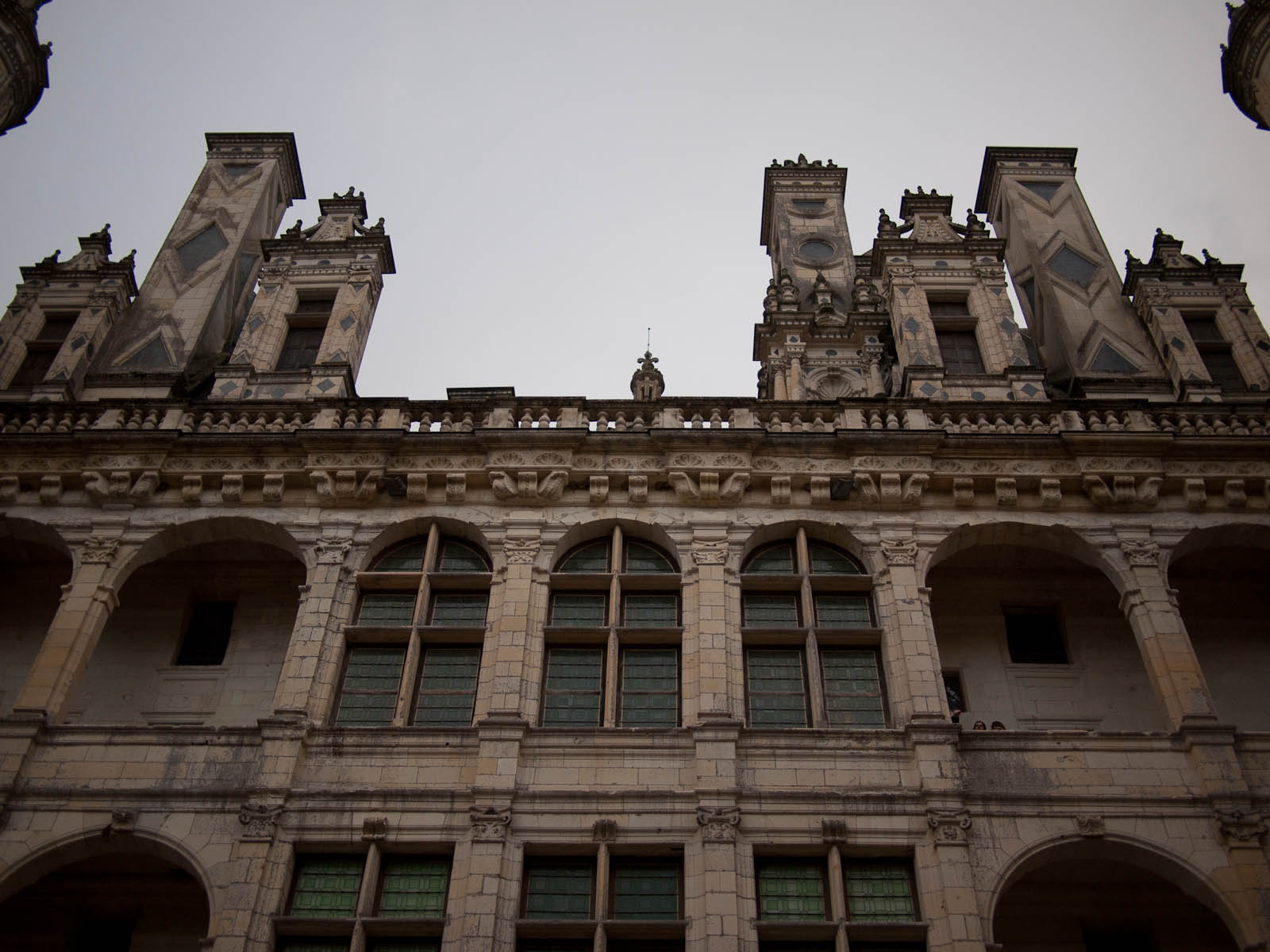
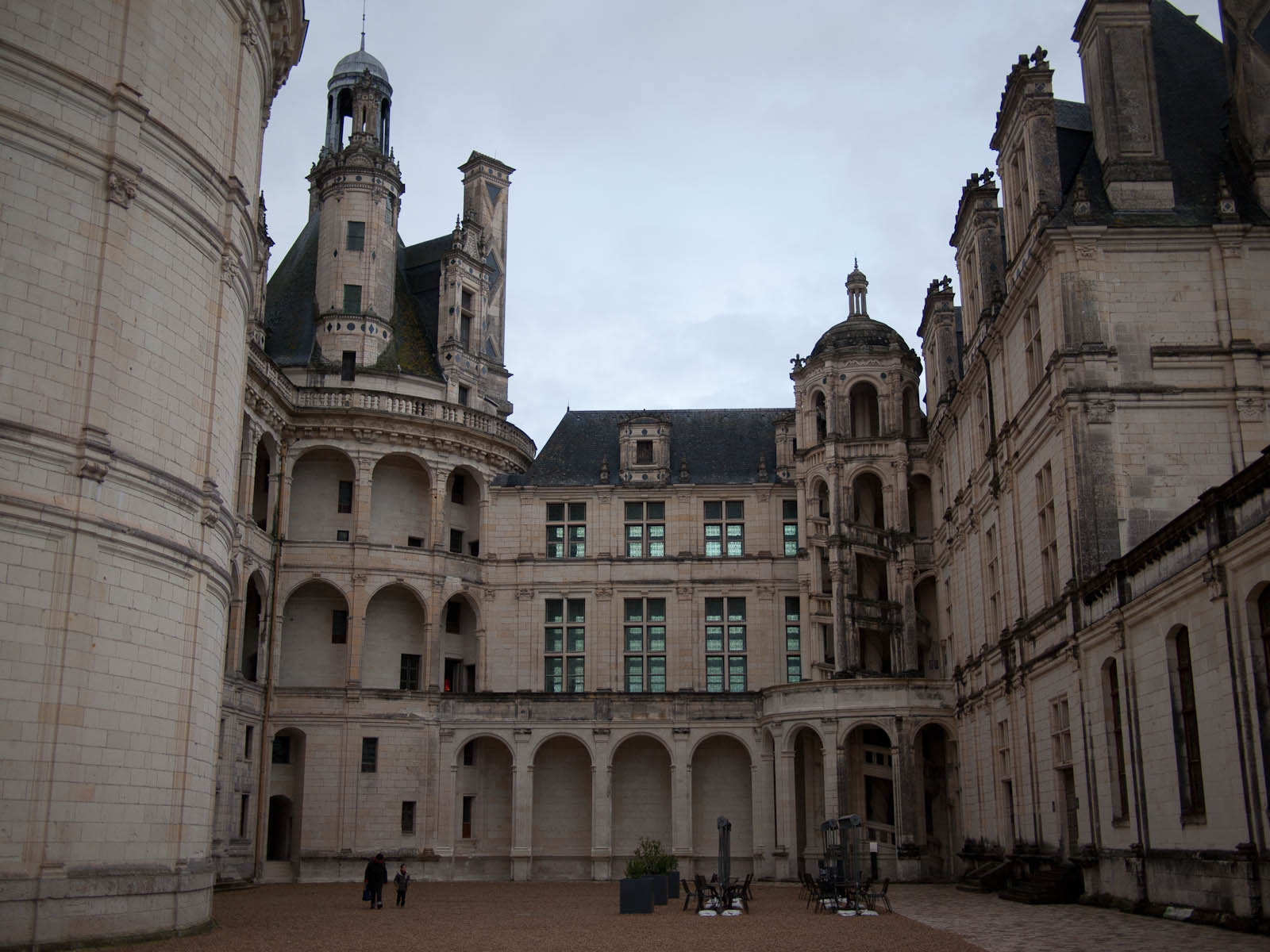
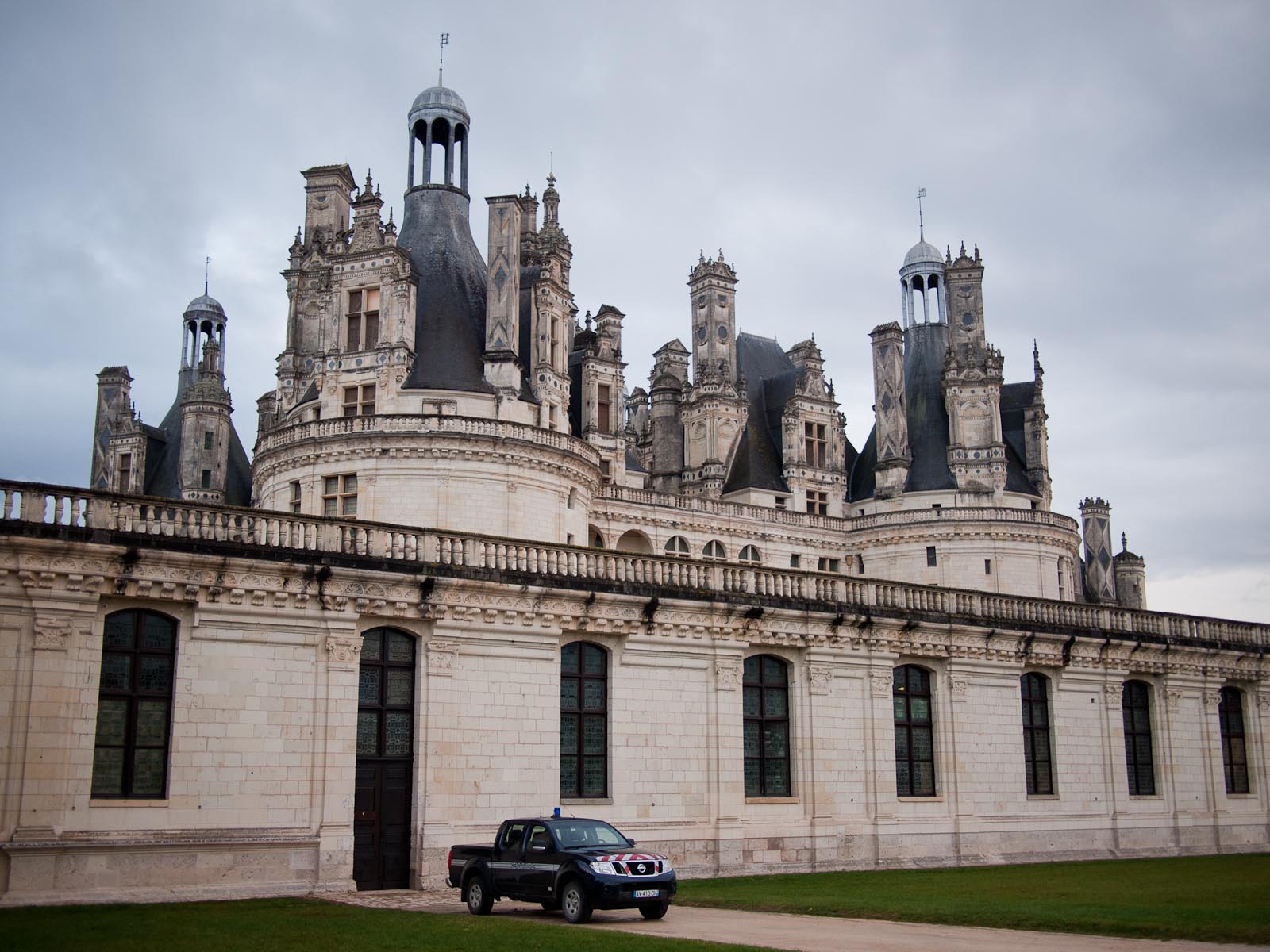
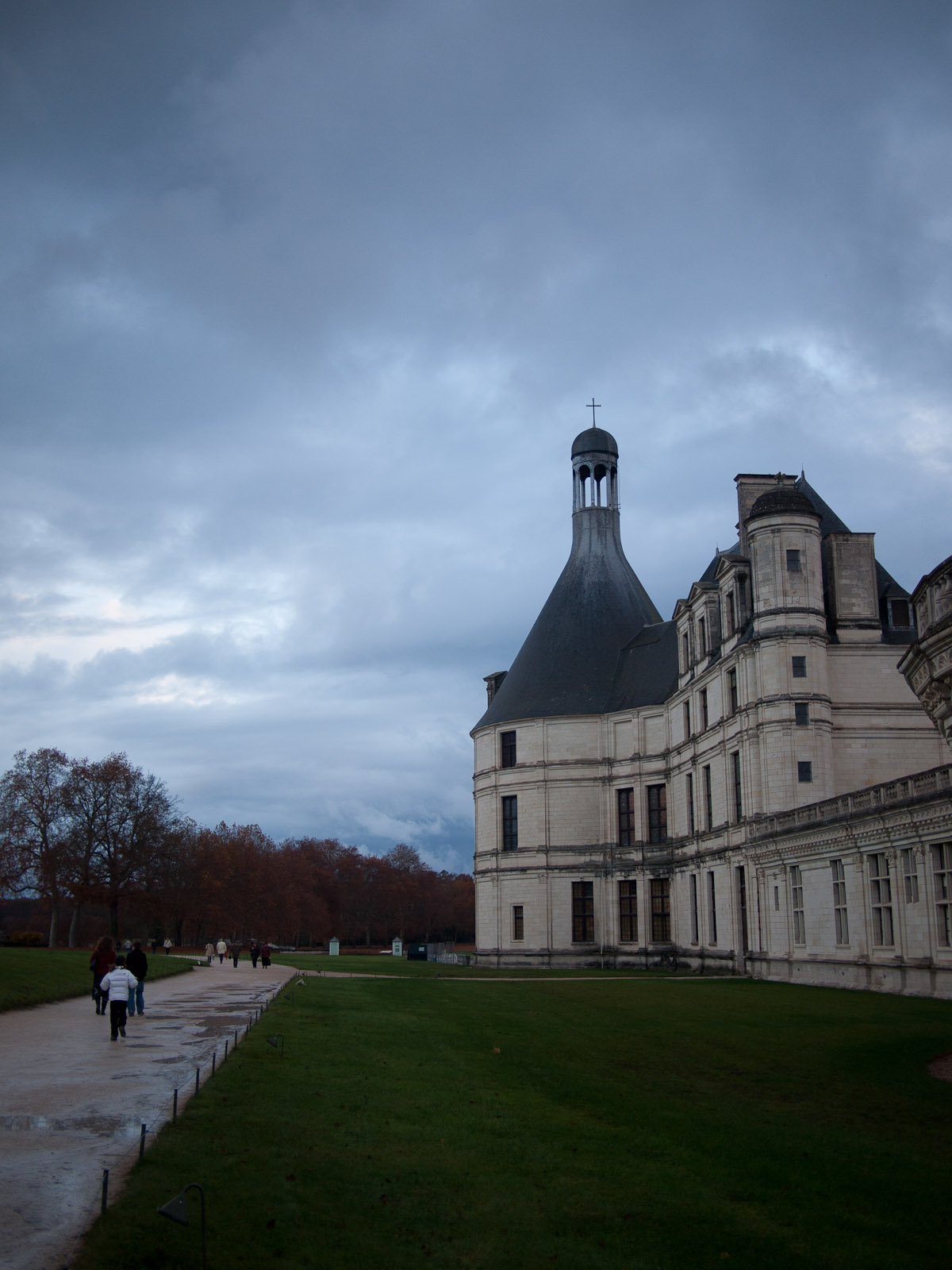
Chambord was perhaps the grandest in conception of the French châteaus. Influenced by the French military push into Milan, Francois wanted to bring back Italian architectural influences to France (along with DaVinci himself!), while incorporating French Gothic styles. So while the design of Chambord does pay homage to the military purpose of a castle – the central keep is protected by four giant towers, a high curtain wall and a broad moat – you can also find terraces and elaborate facades where the soft gray local stone was intricately carved and decorated.
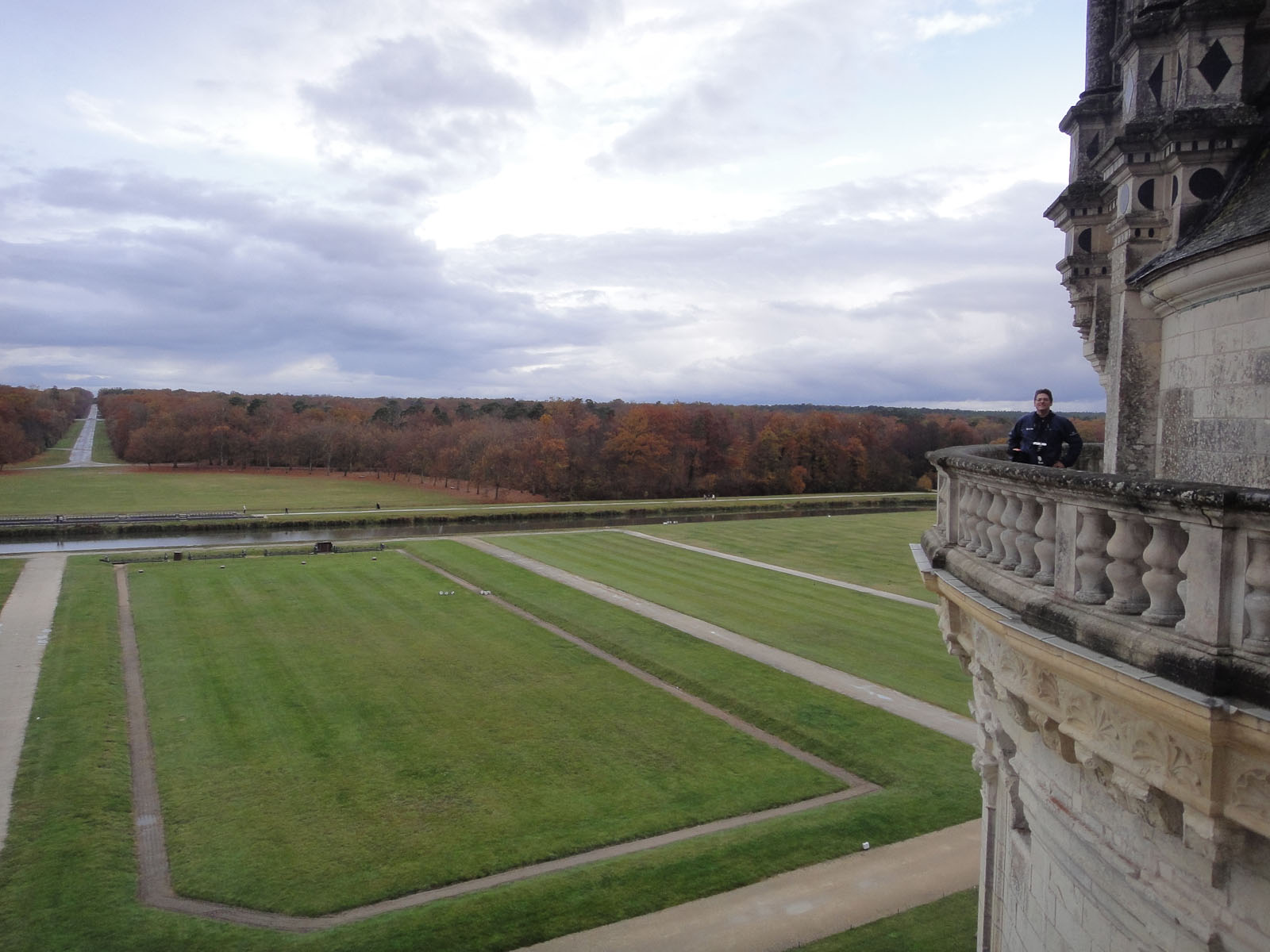
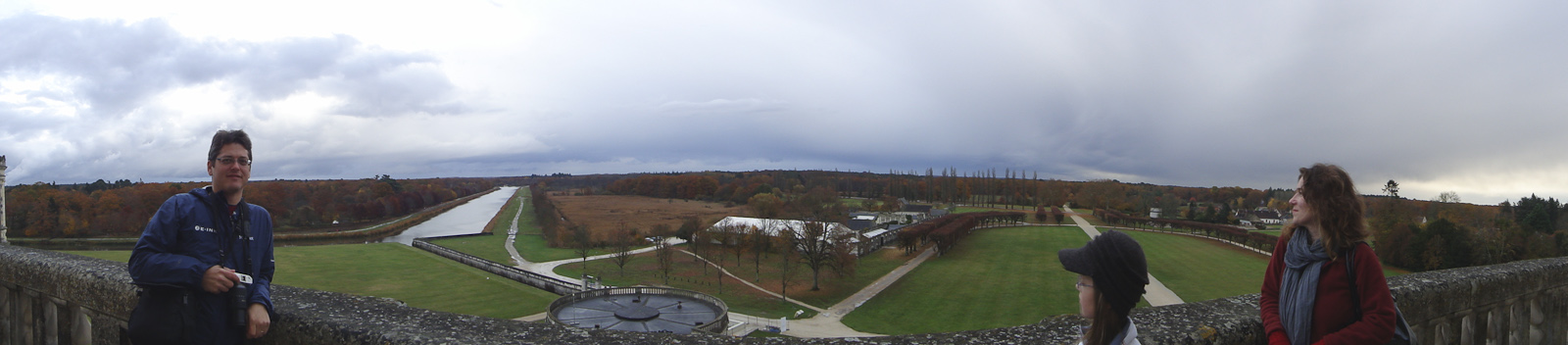
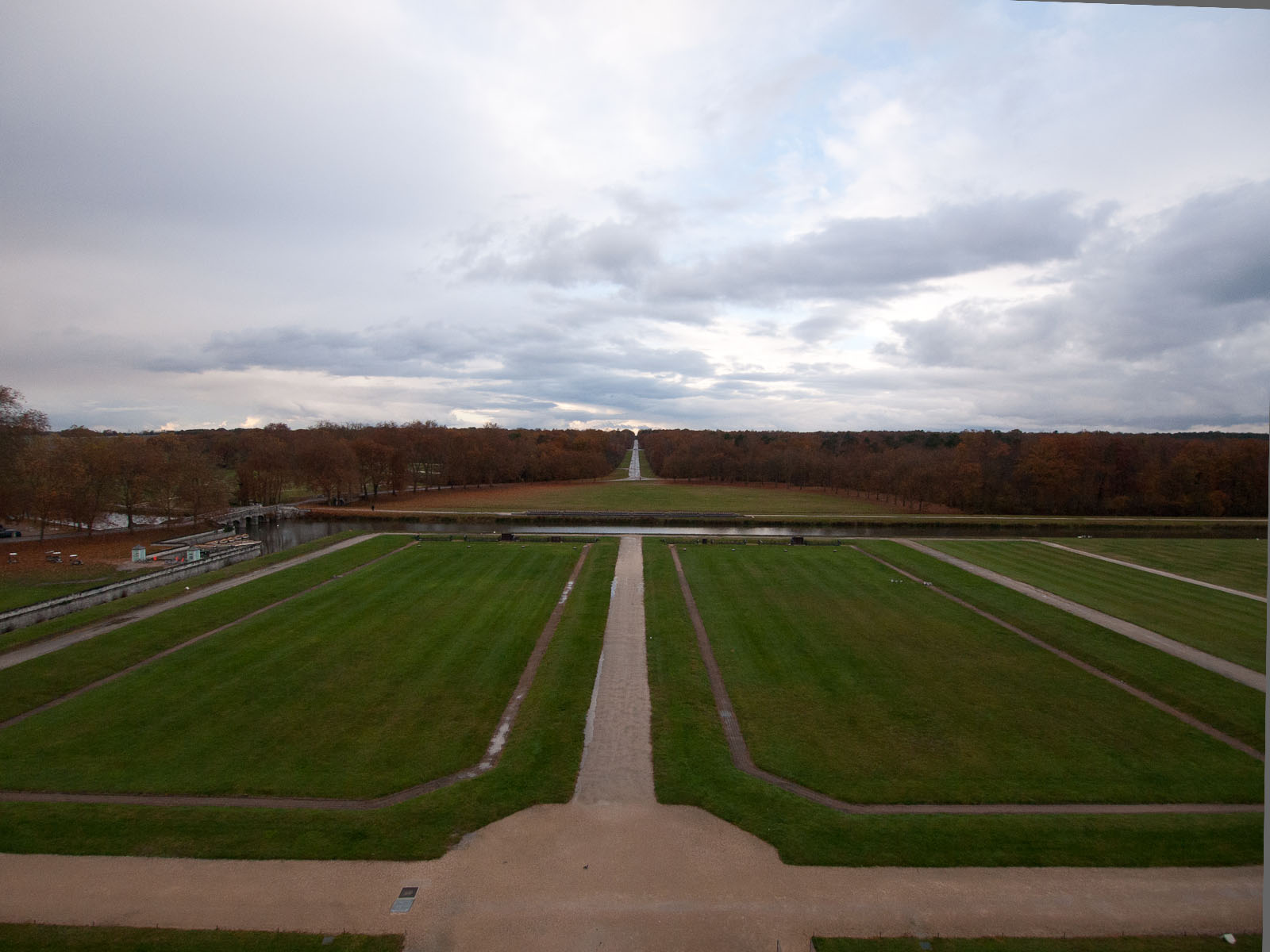
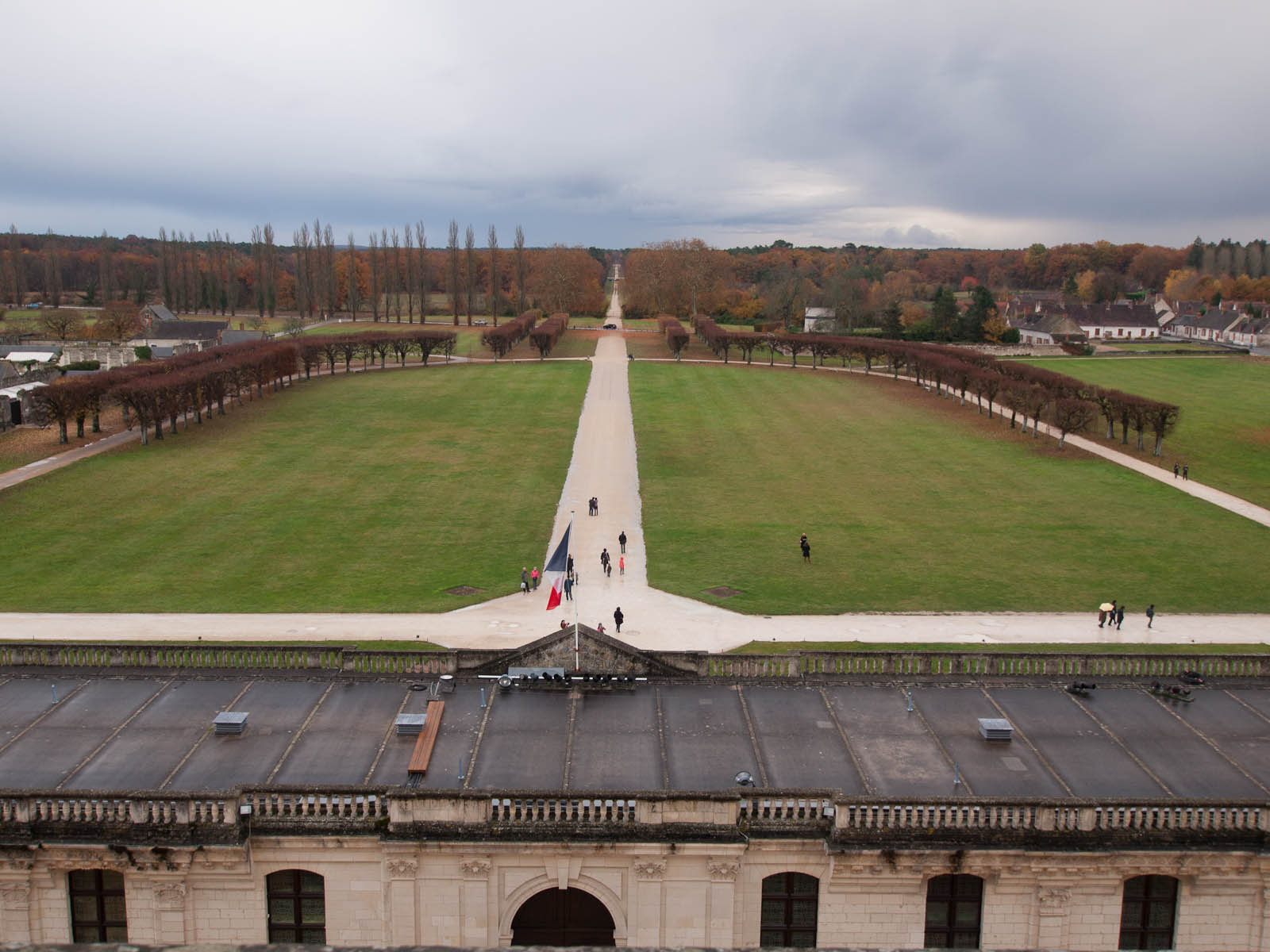
The grounds of Chambord are vast. REALLY vast. The outermost walls stretch fully 20 miles (32km) enclosing 13,000 acres – an area as big as inner Paris – and today this land remains an unspoilt forest inhabited by wild boar and deer. The castle itself is big. REALLY big. There are 77 staircases, 282 fireplaces and 426 rooms. In the center of the castle is the keep, itself protected by another four massive towers at the corners. And in the center of the keep is a single massive staircase, proposed by someone Francois greatly admired… Leonardo Da Vinci!
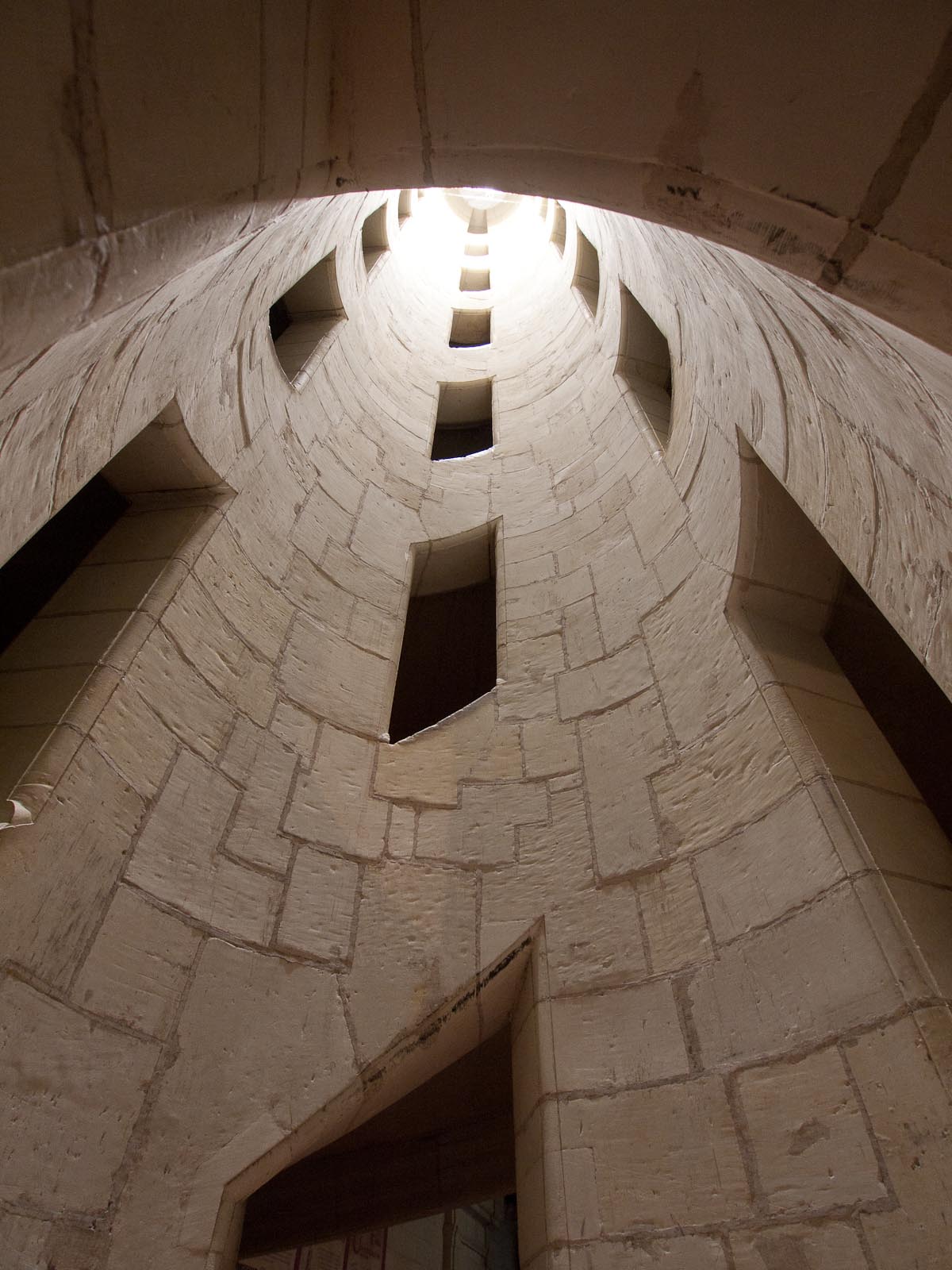
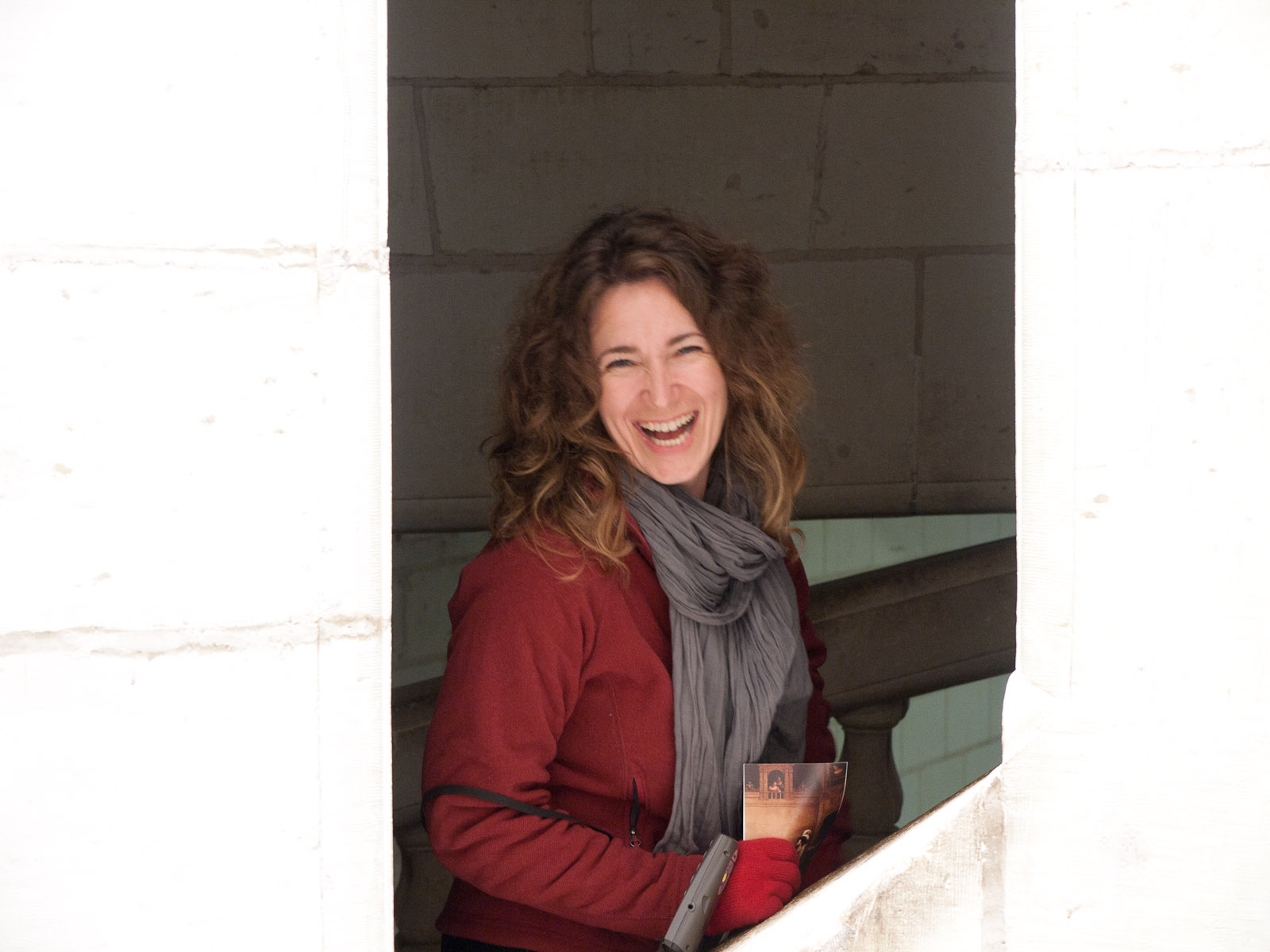
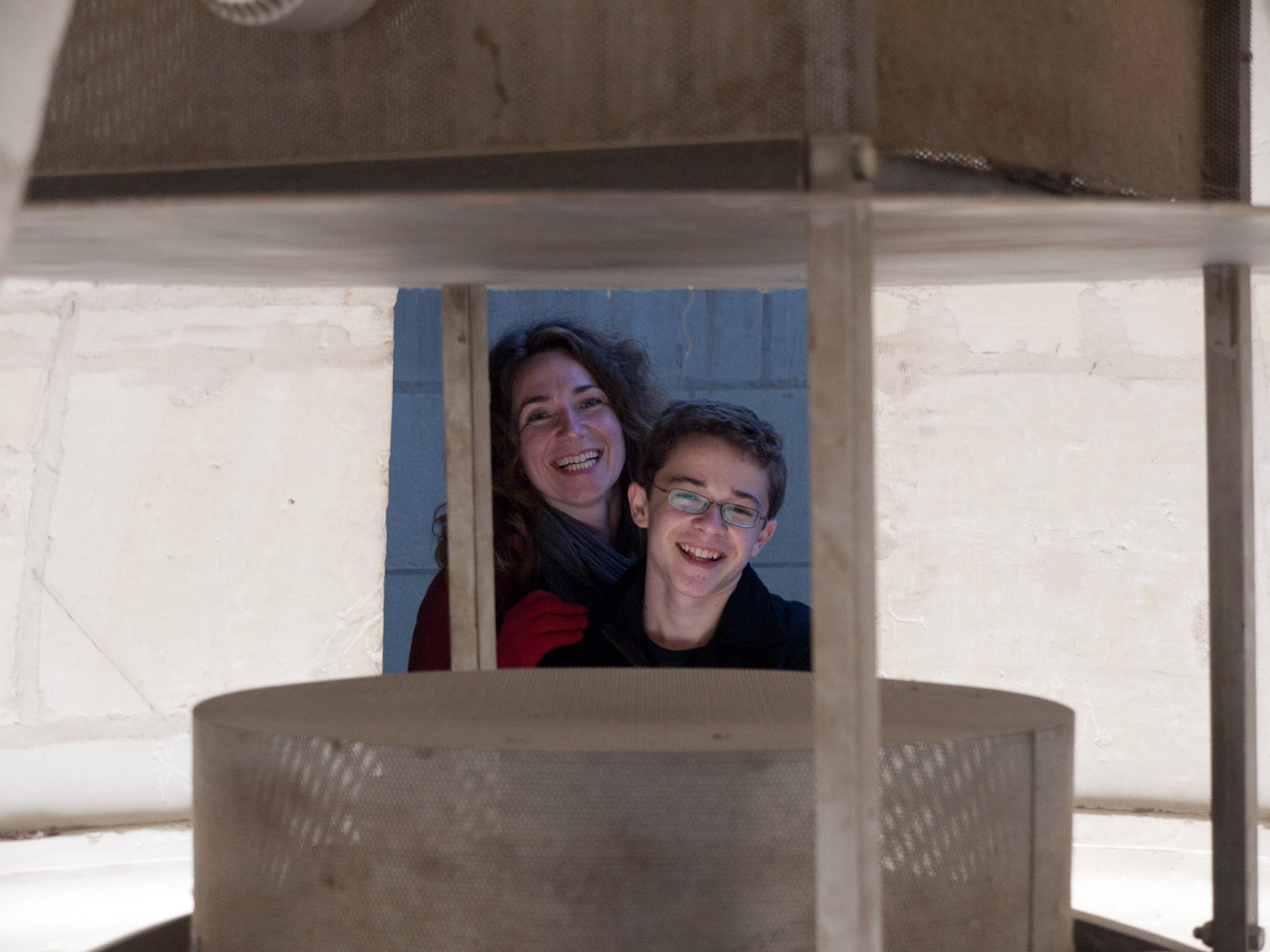
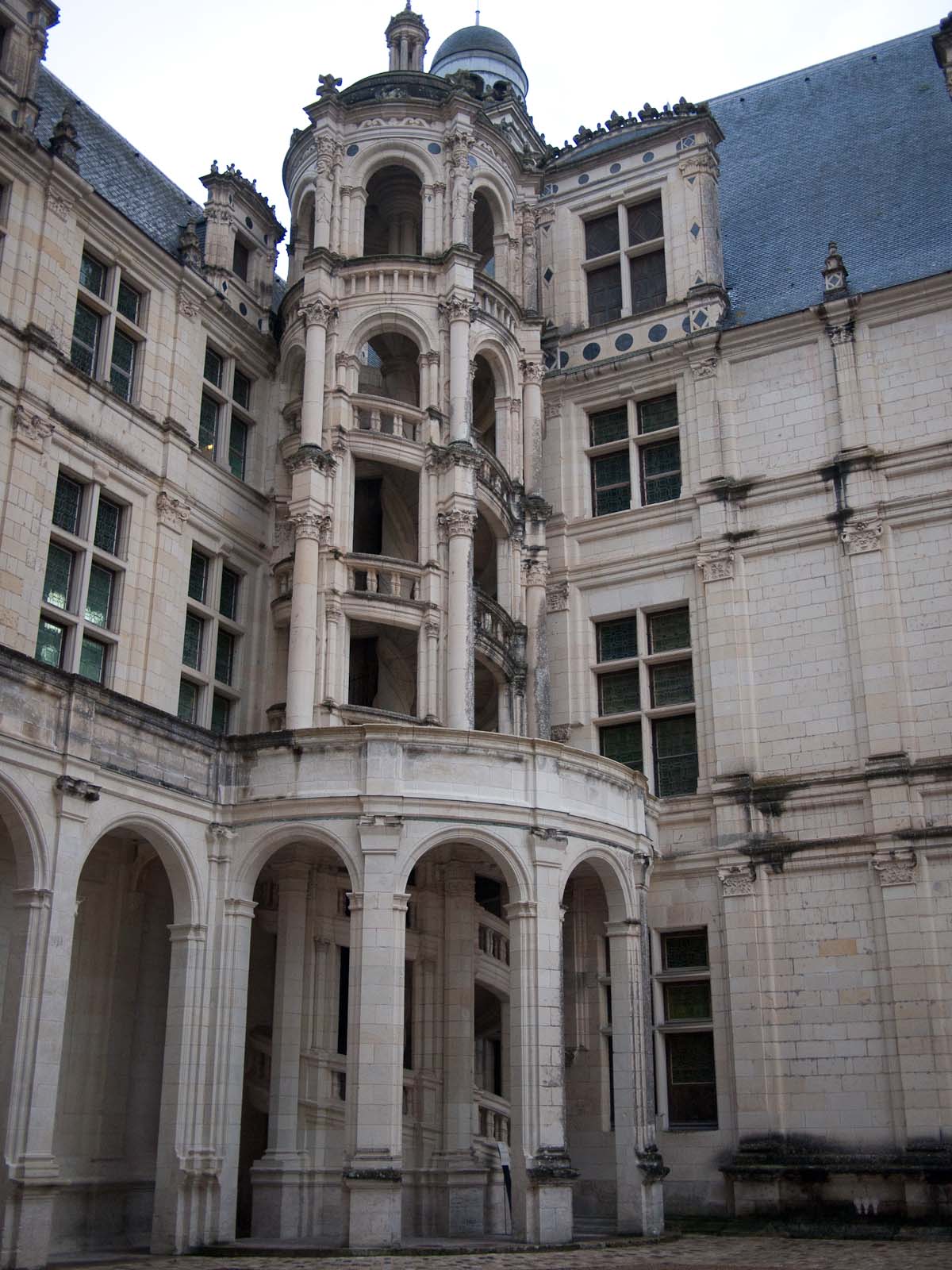
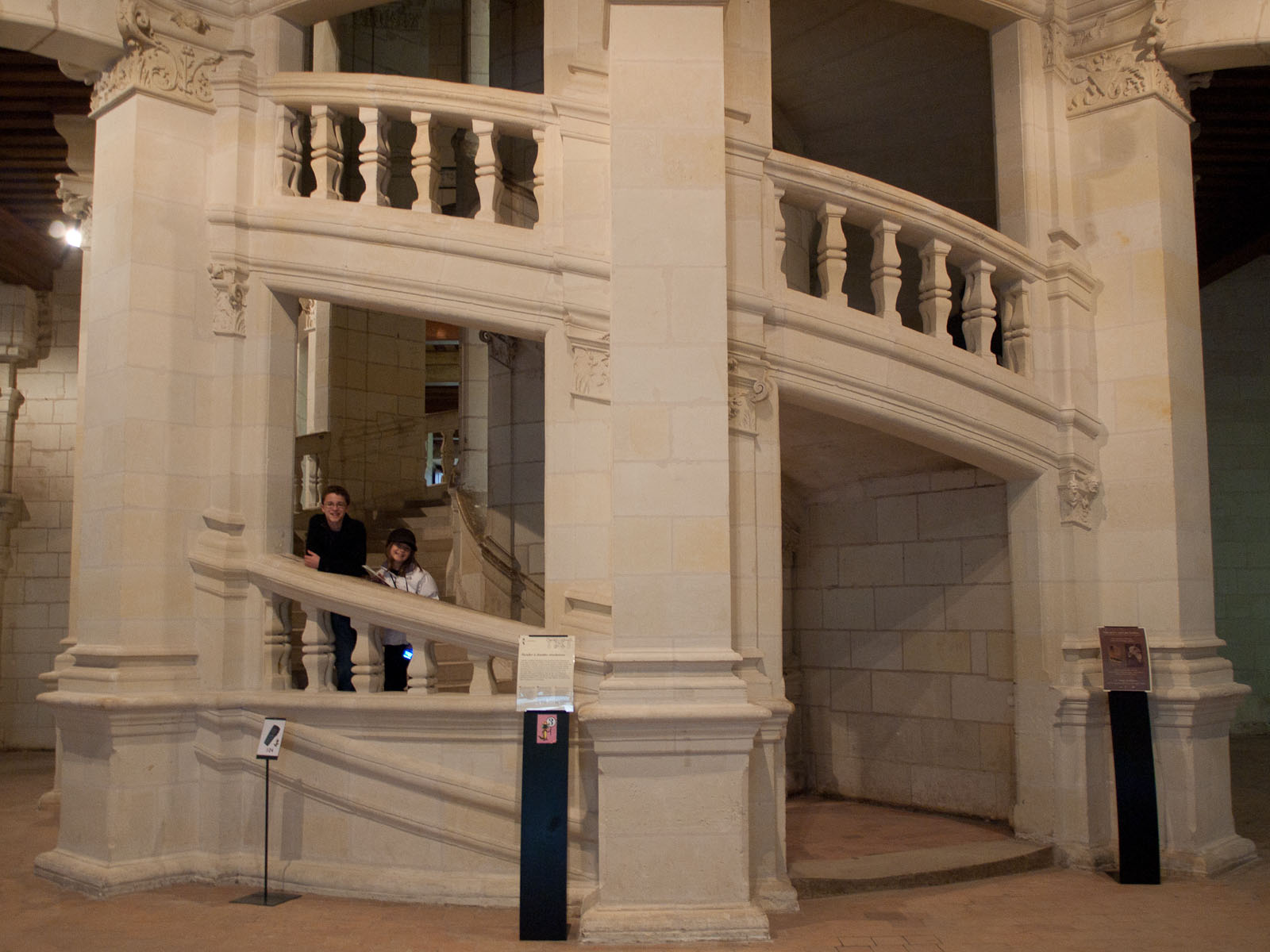
The staircase is exceptional. Da Vinci conceived a double spiral where two concentric flights of stairs wind around a central hollow column. Romantically, if a court lady walked up one spiral while a nobleman walked up the other, the two would never meet, but they could steal glances at each other from across the central column framed by the inset windows. The peak of the staircase extended straight through and above the rooftop of the keep where a giant fire burned – an enorous lantern torch visible across the sprawling forested grounds. As you might have imagined from the description, the staircase’s design unwittingly foreshadowed the structure of DNA itself. Is there no end to Da Vinci’s genuius? We were so inspired by this staircase that yes, we posed with it.
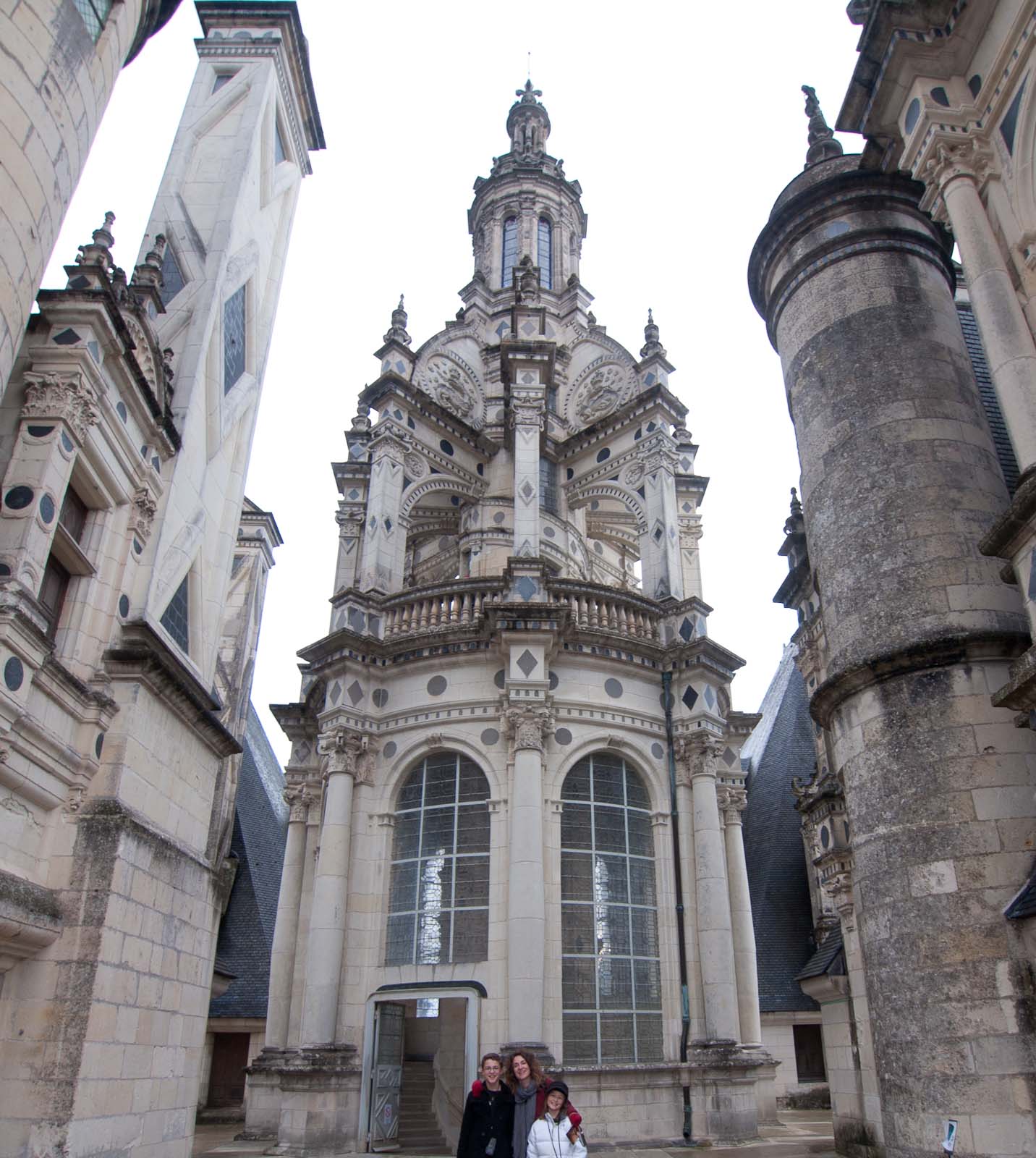
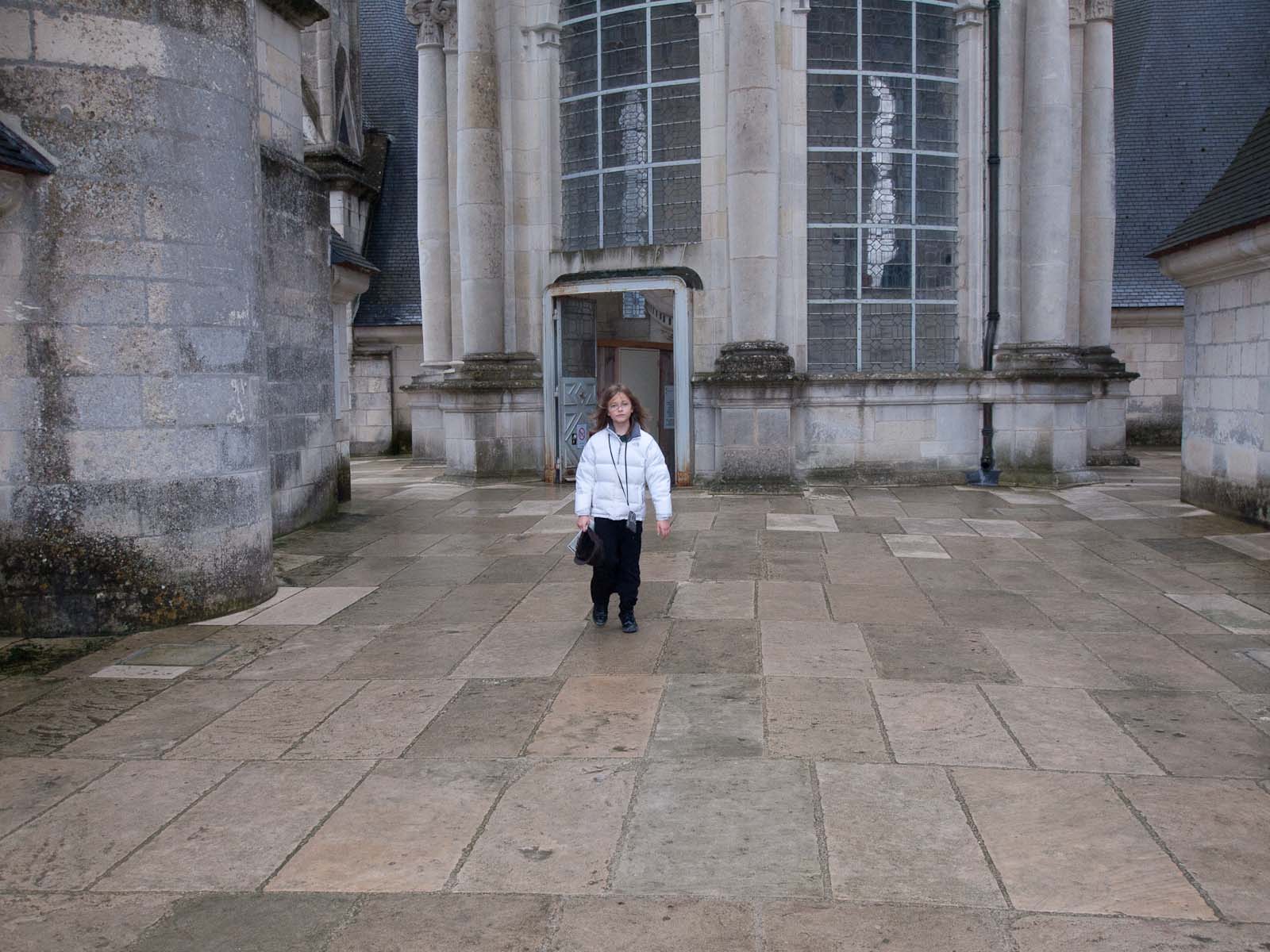
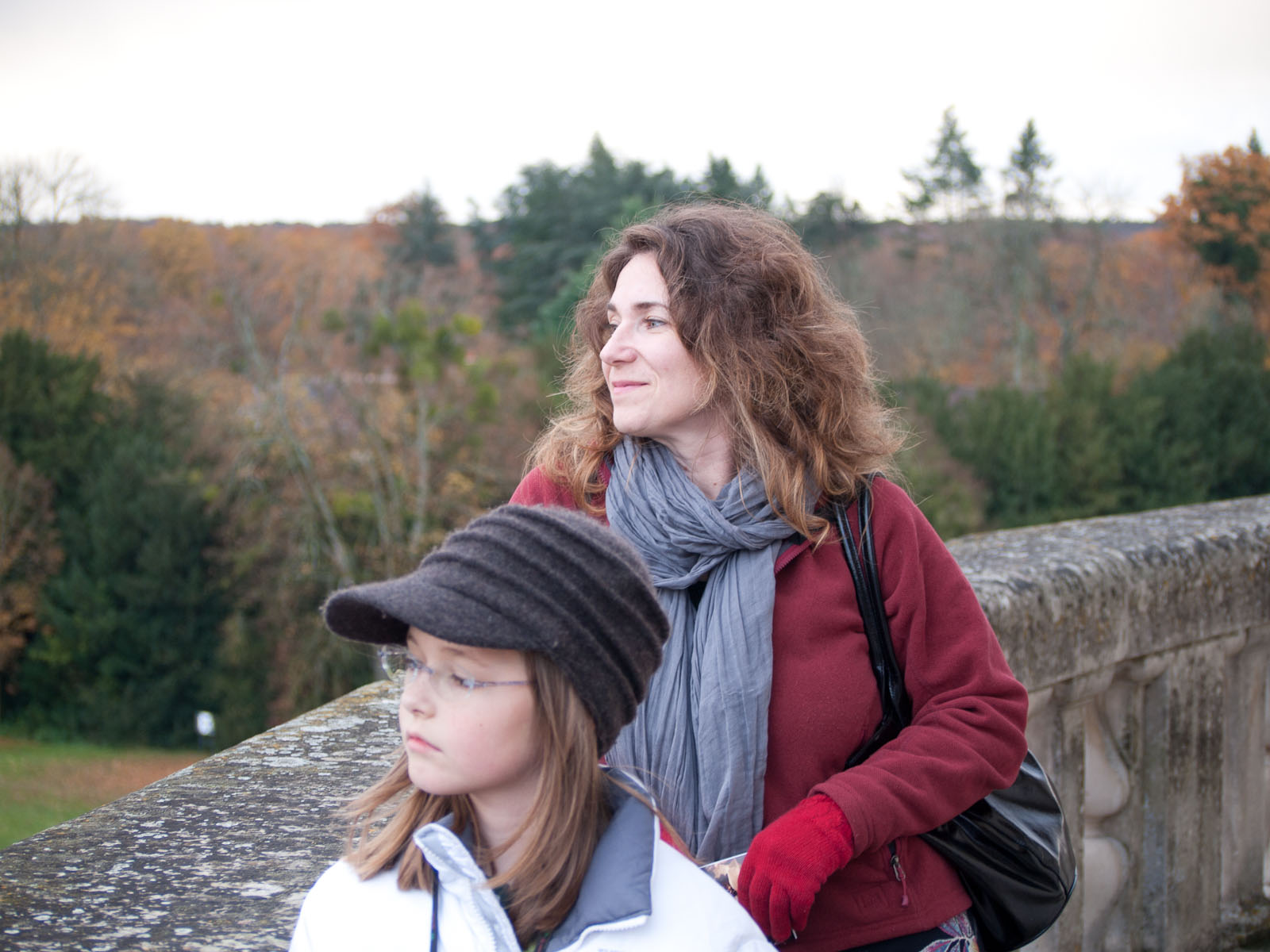
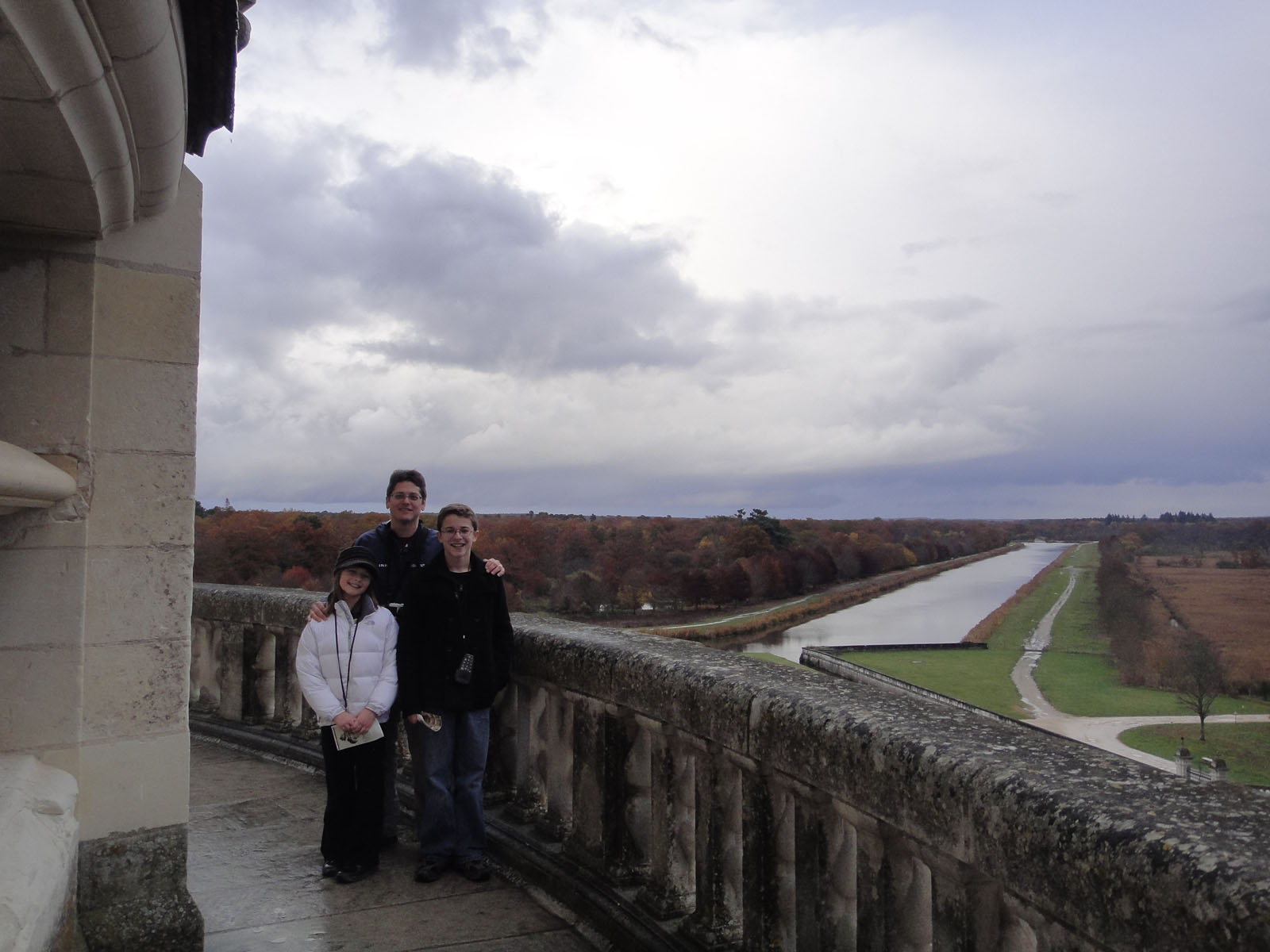
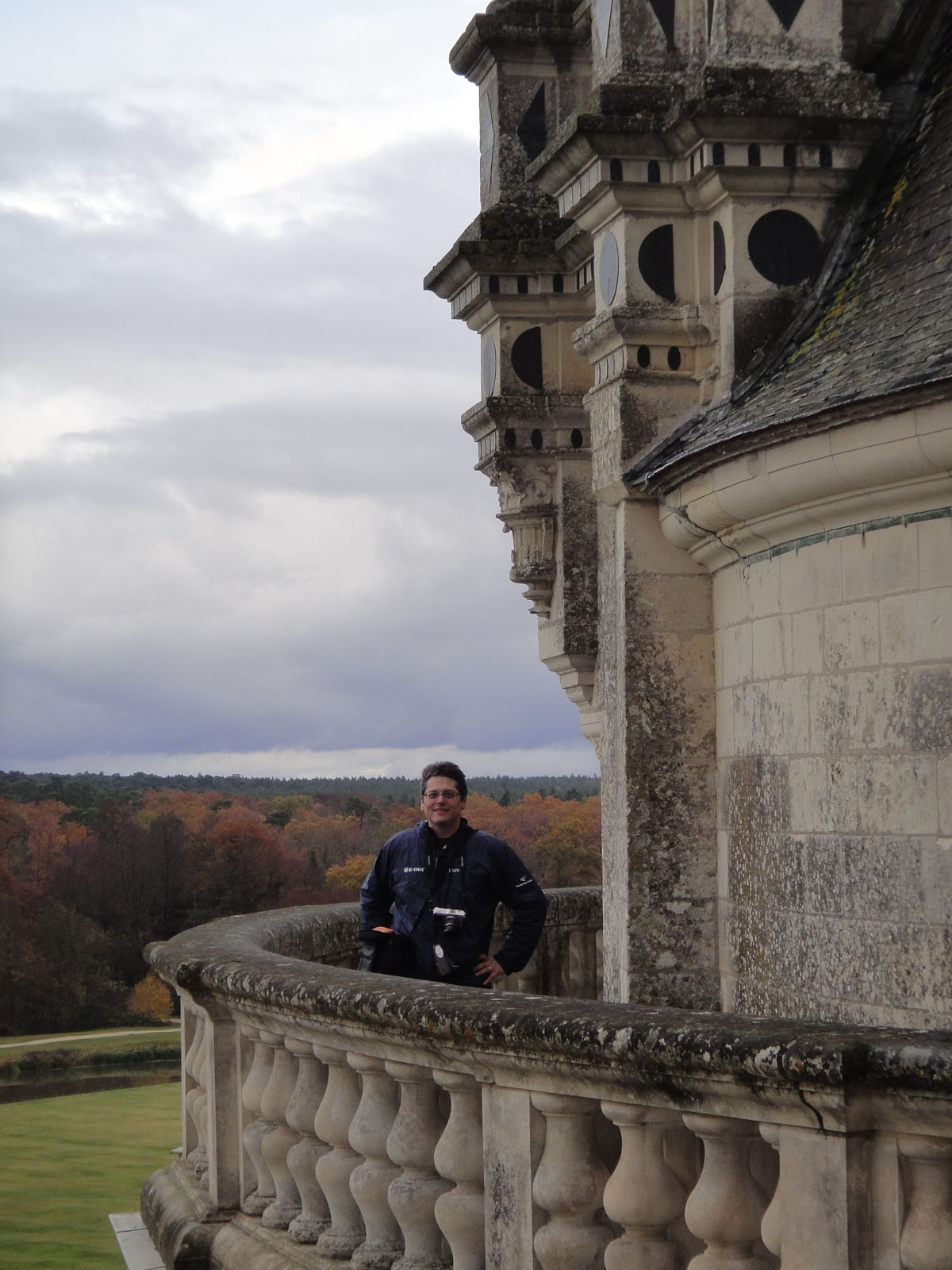
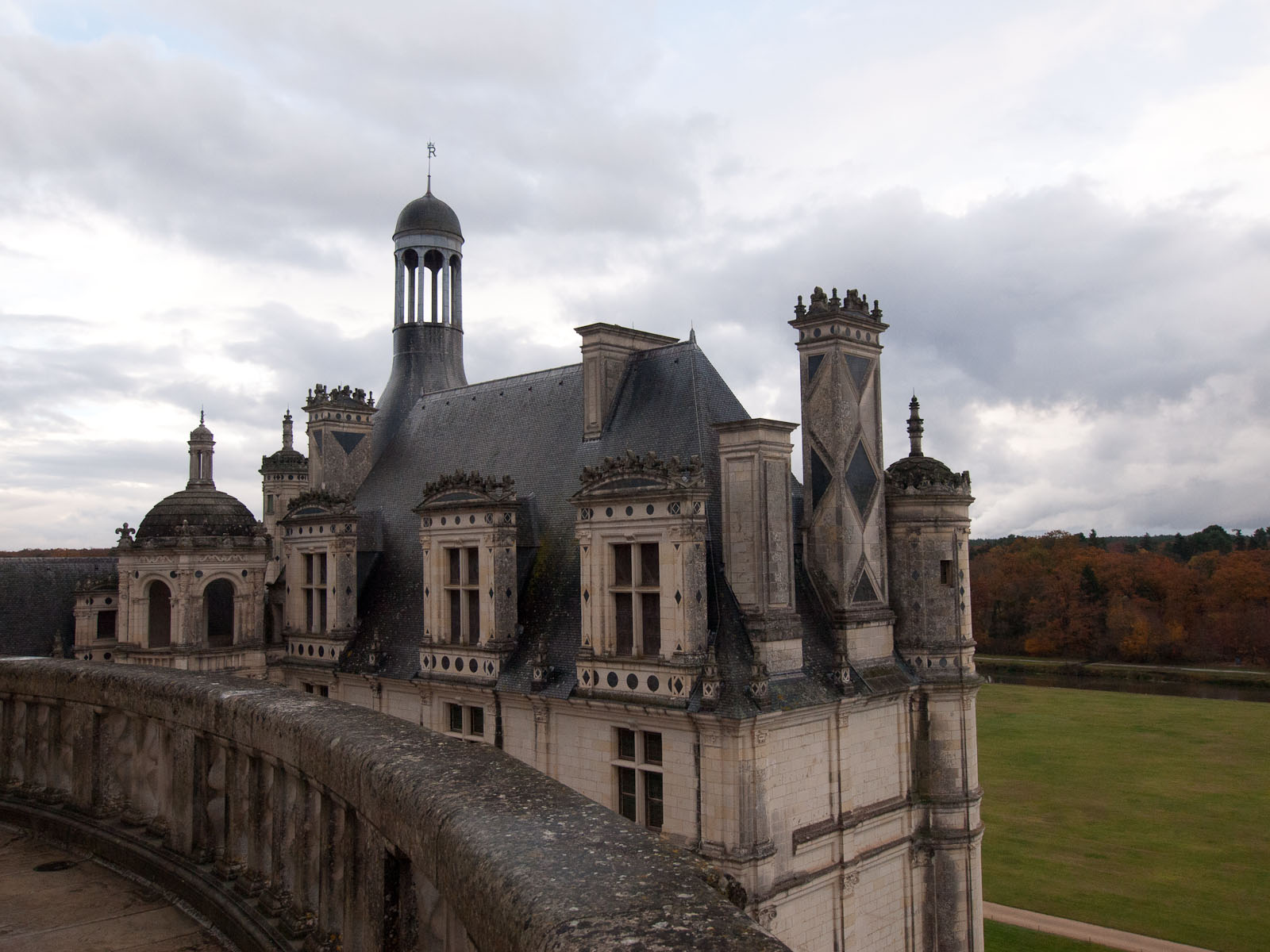
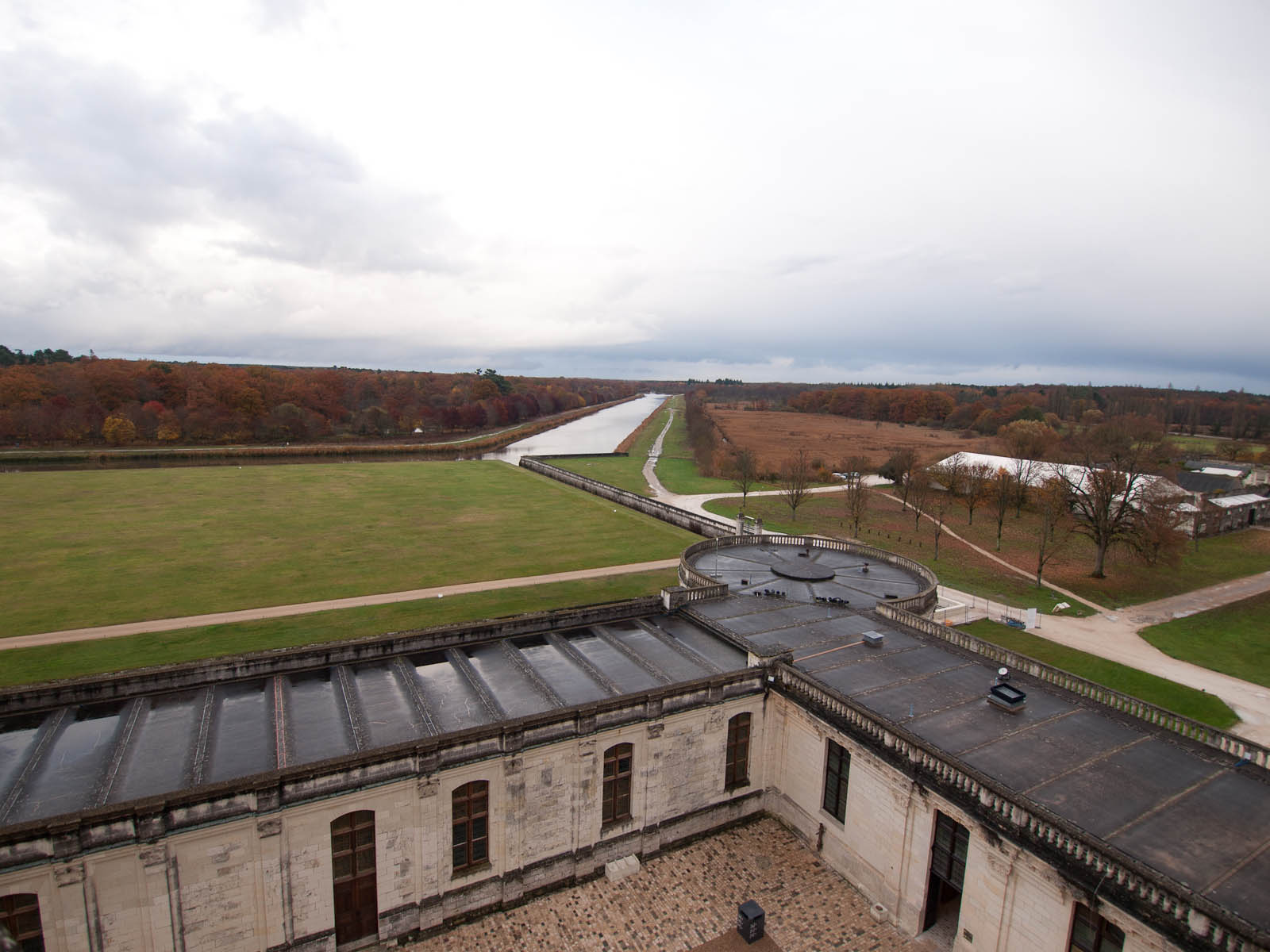
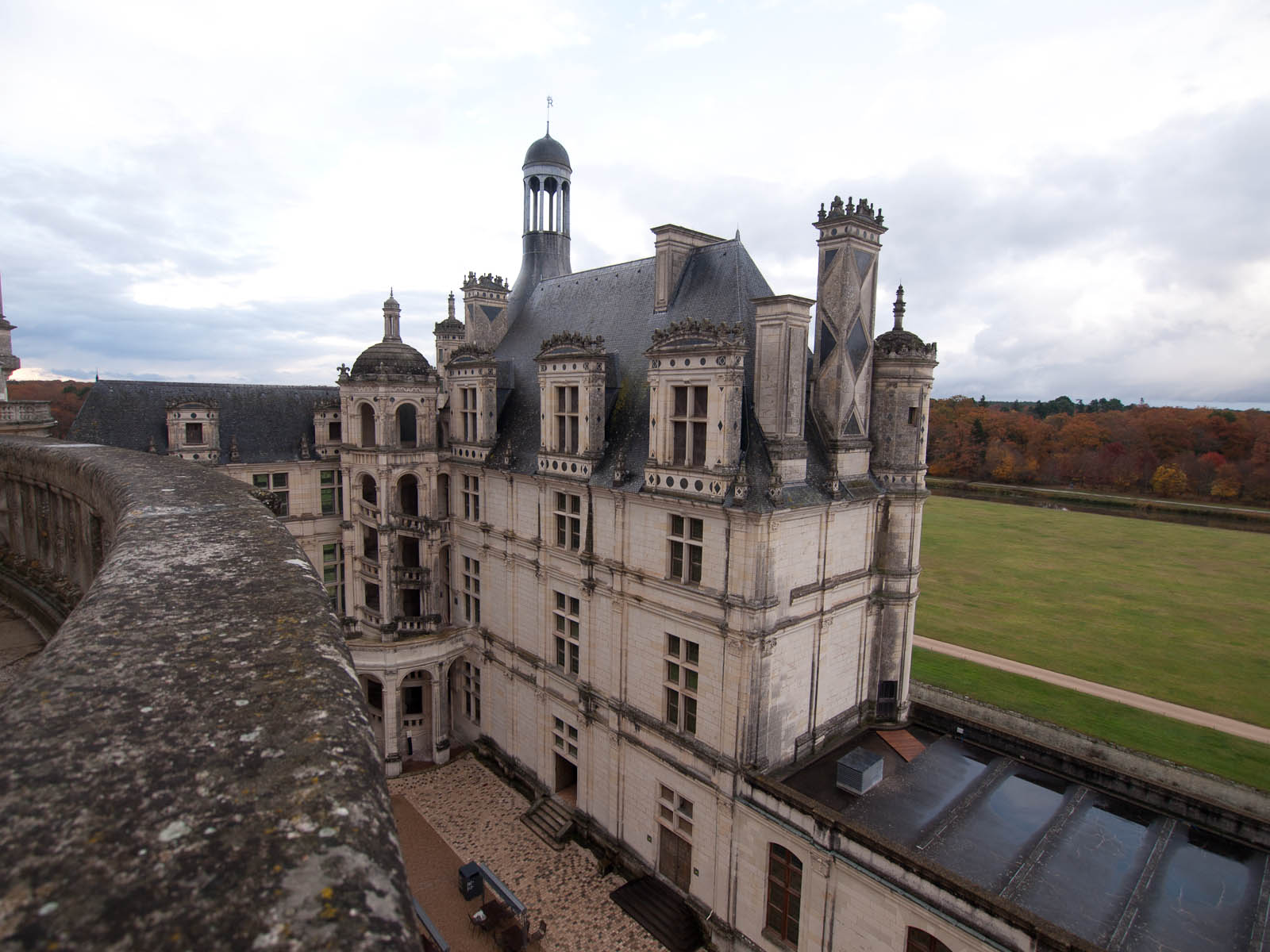
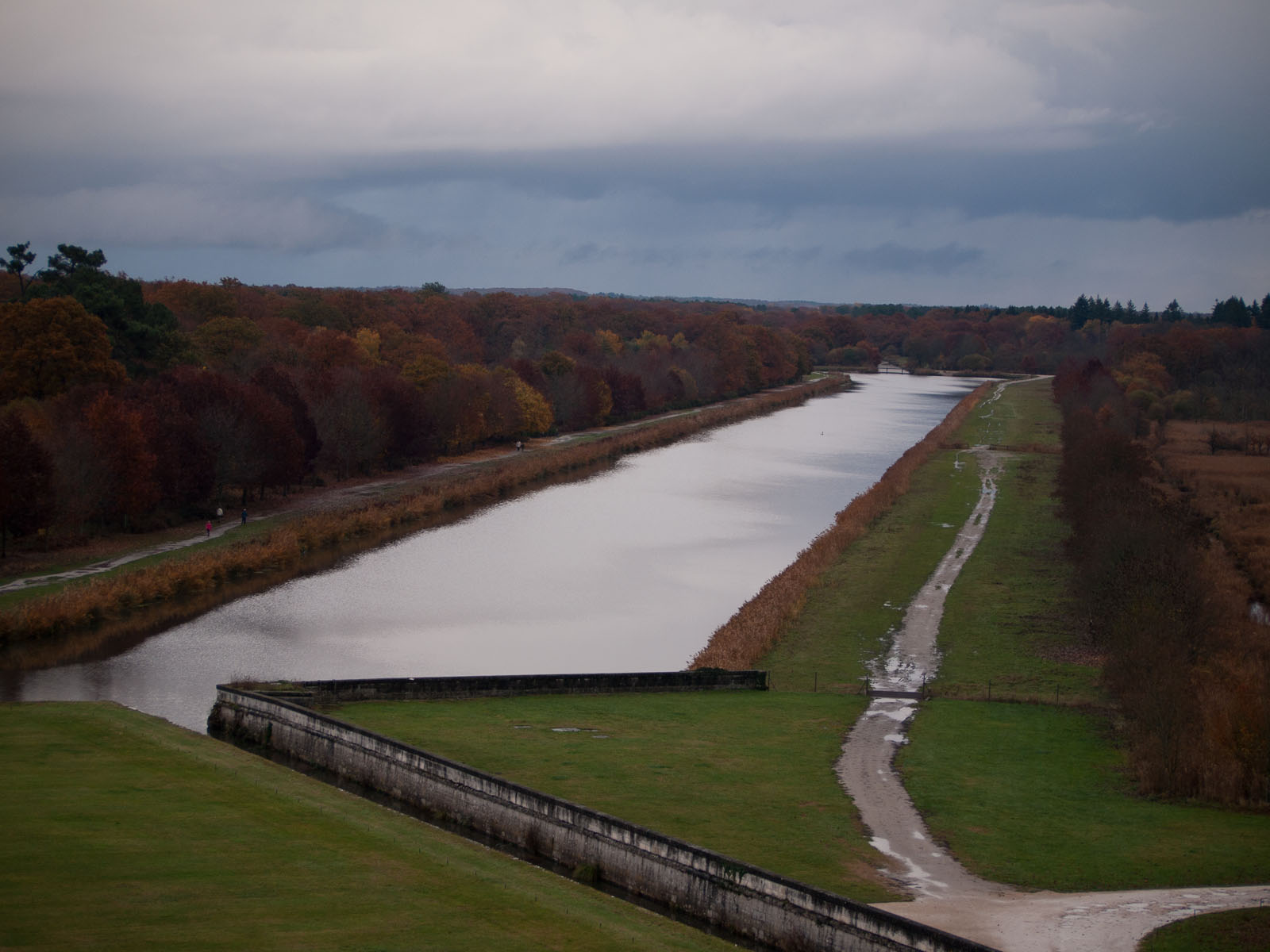
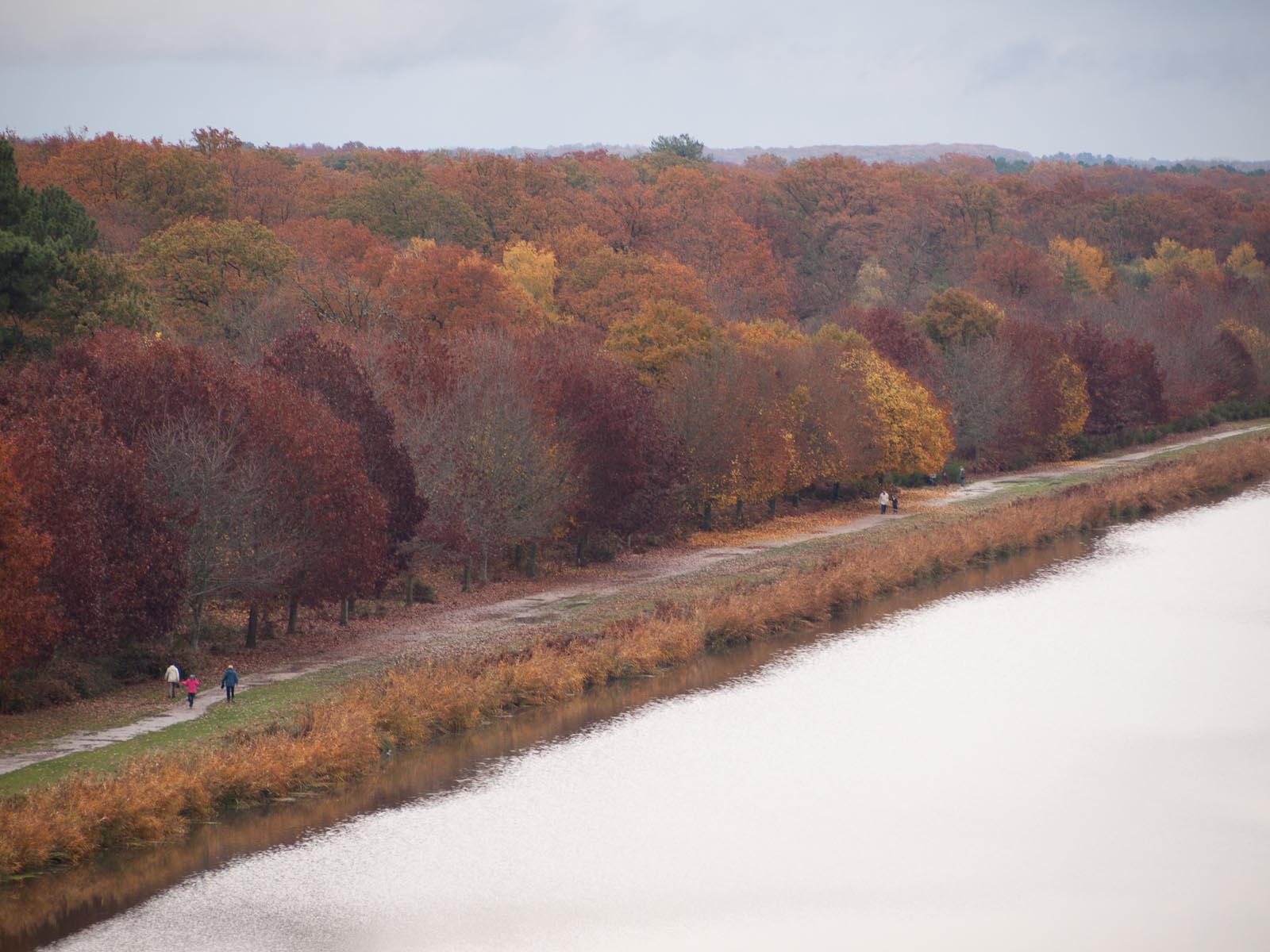
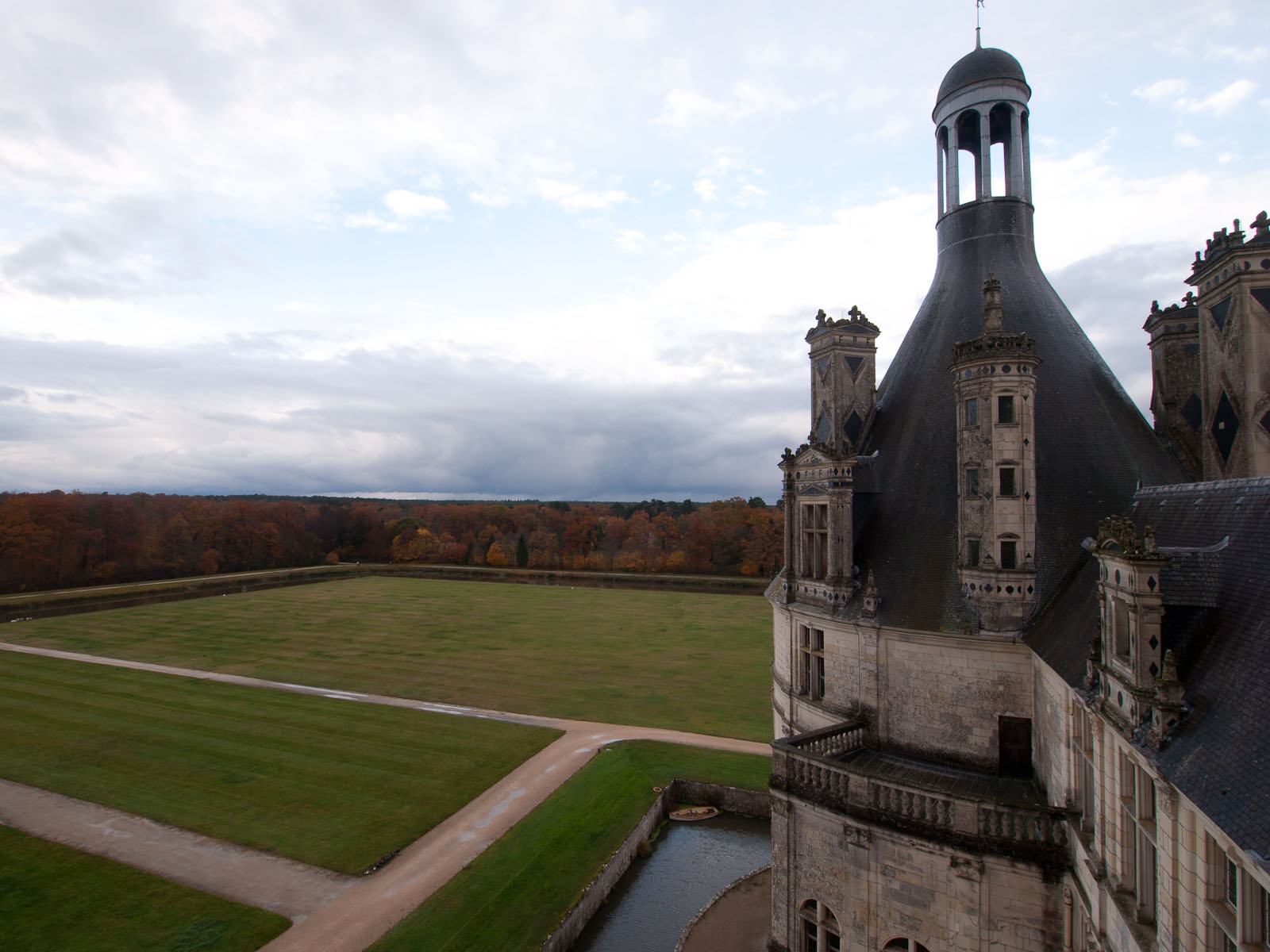
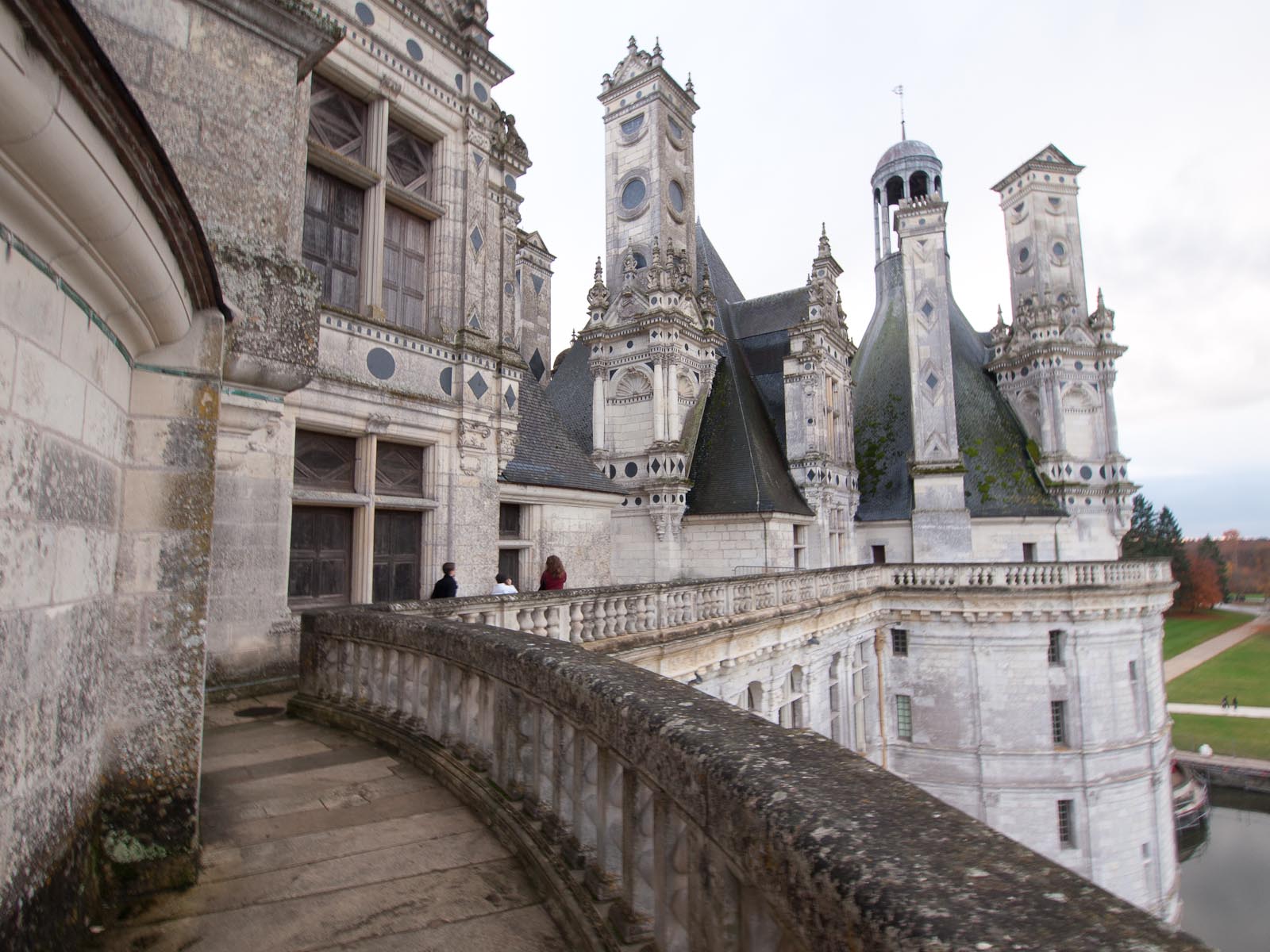
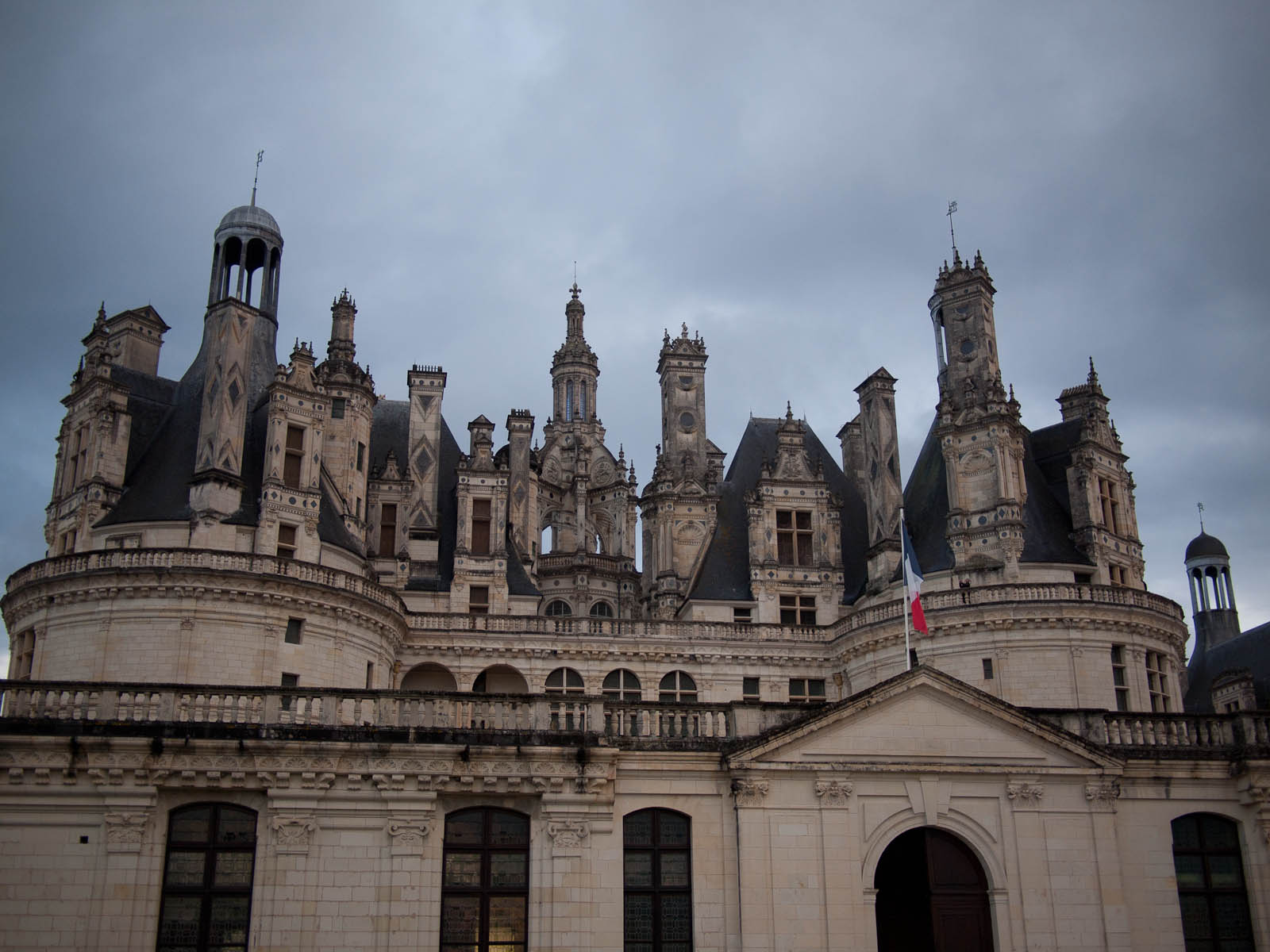
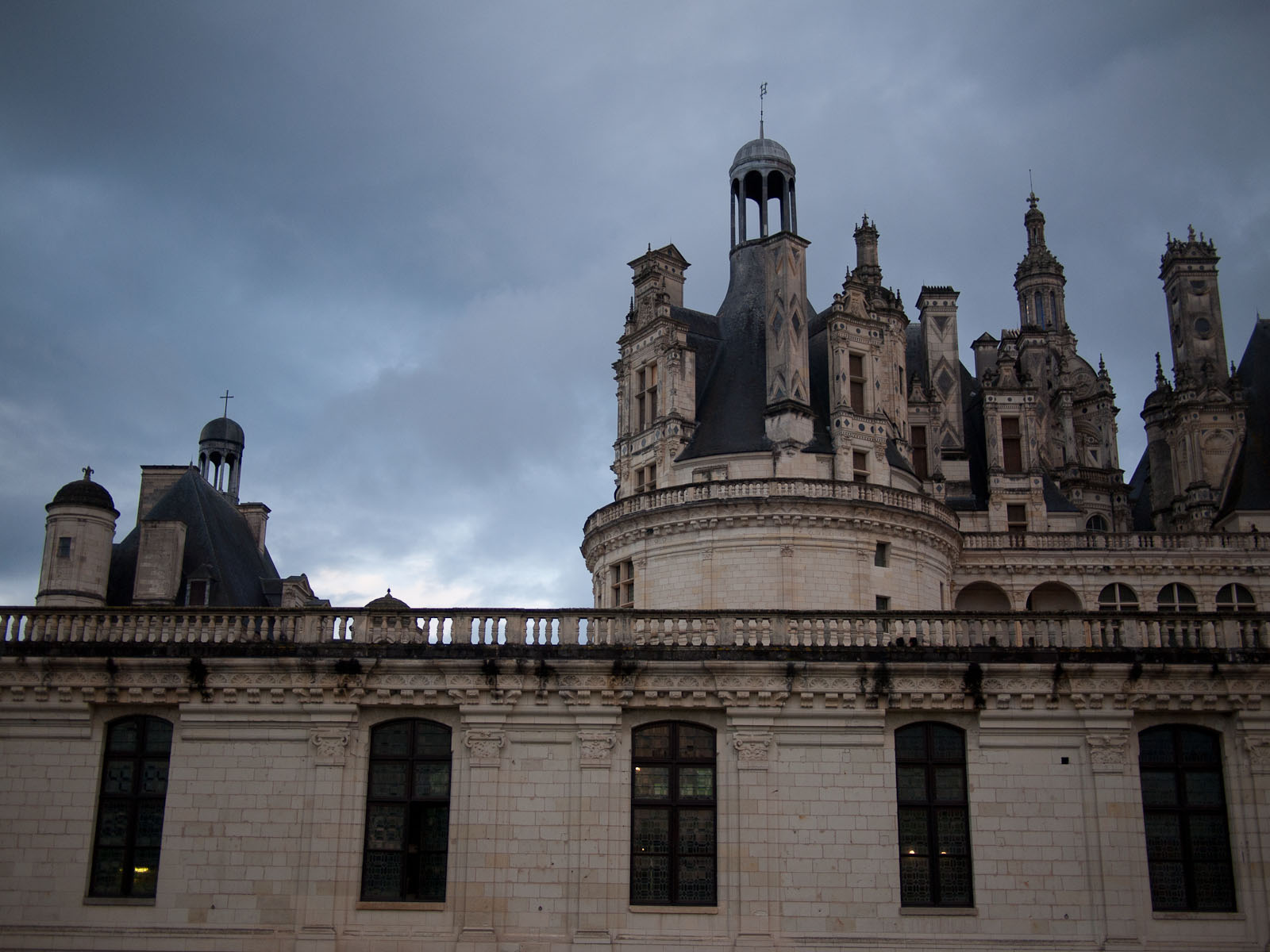
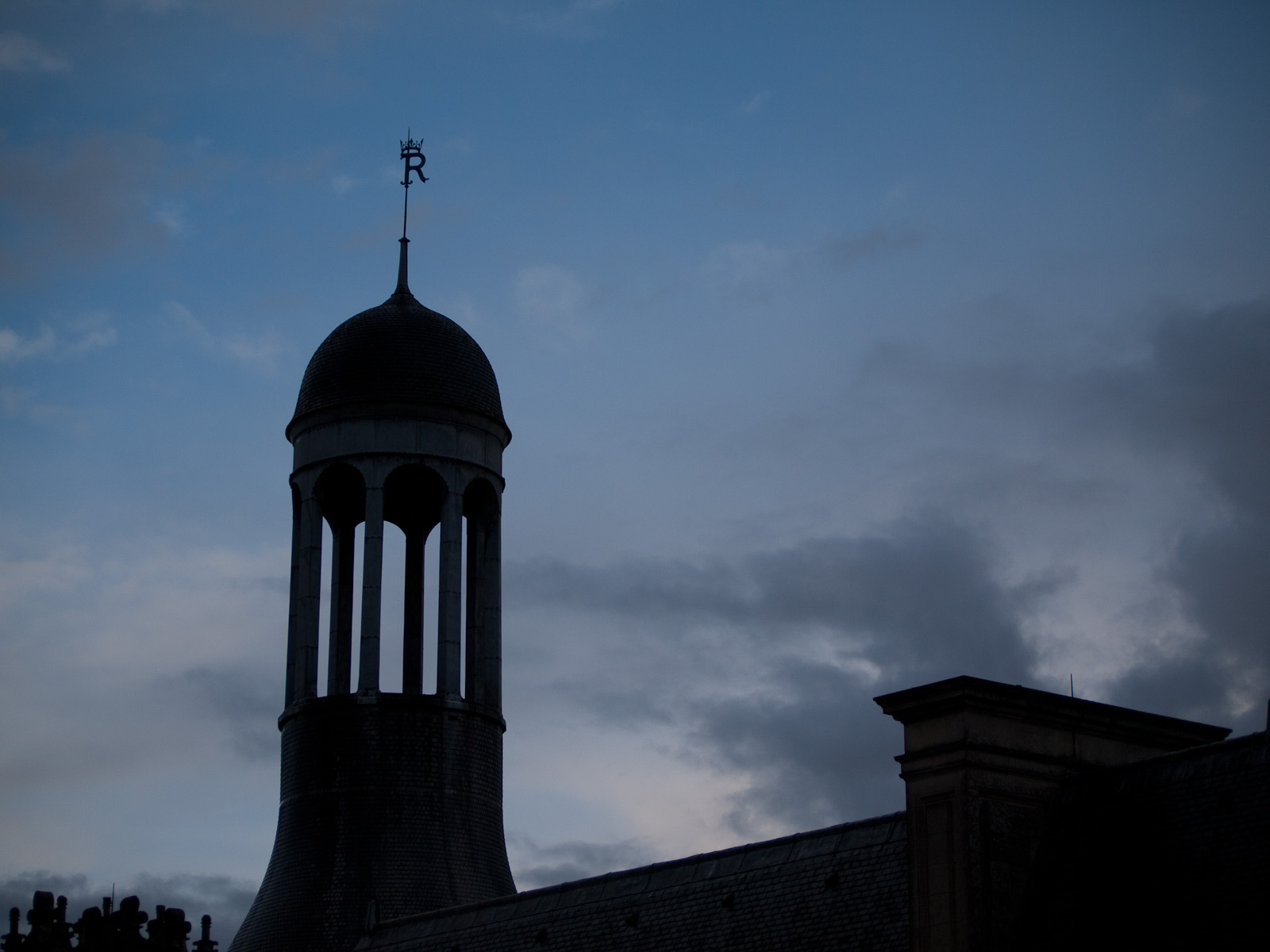
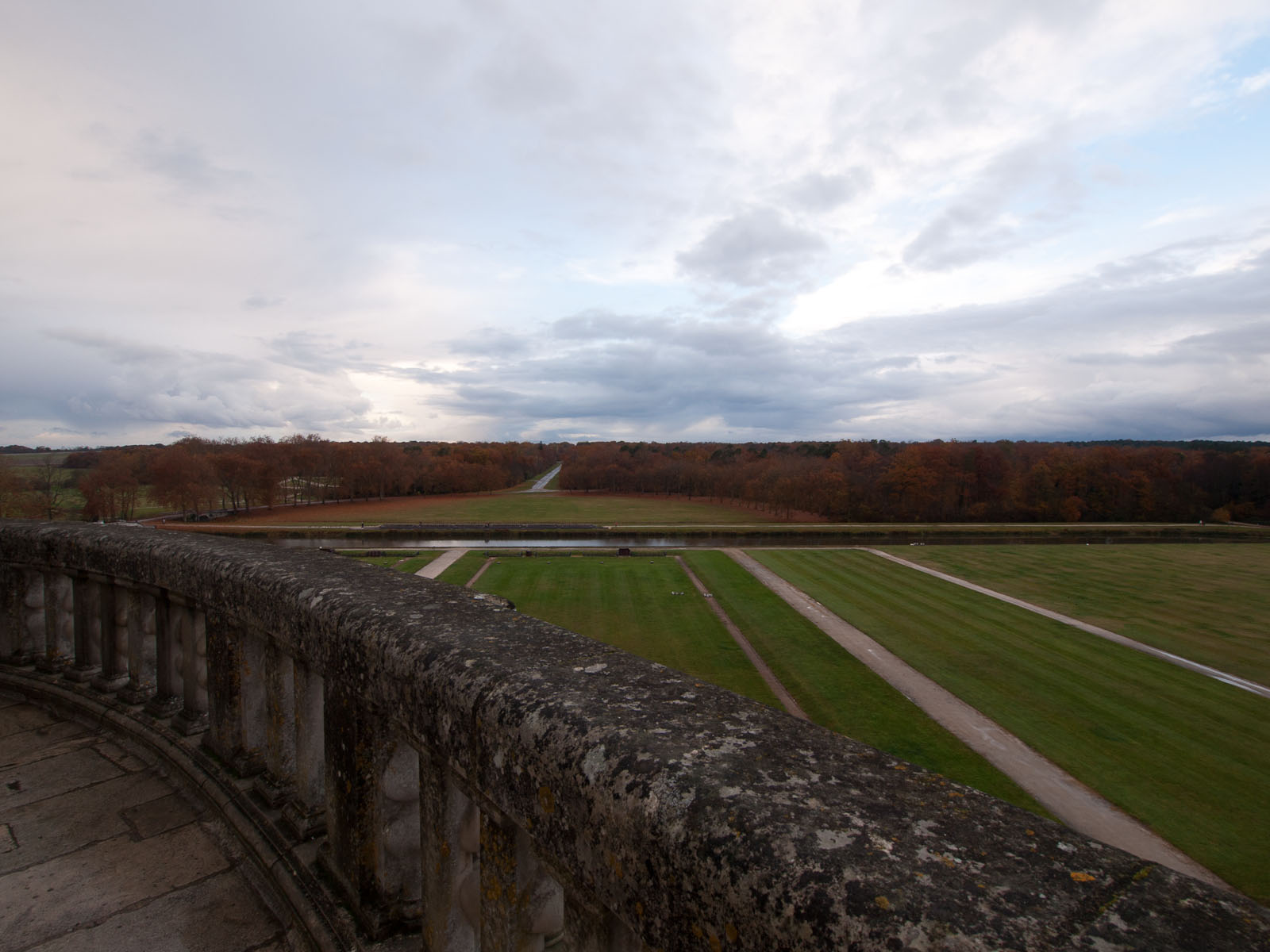
The topmost exit leads out onto the roof of the keep. From here you can really admire the mix of Gothic French and Renaissance Italian styles that somehow work together amidst a profusion of towers and chimneys and rooflines. When we were there the wind blew cool with scattered raindrops yet the autumnal setting at twilight was divine – reds and oranges across the forest, silvery lines of water, and pristine grassy fields falling into the blue of dusk.
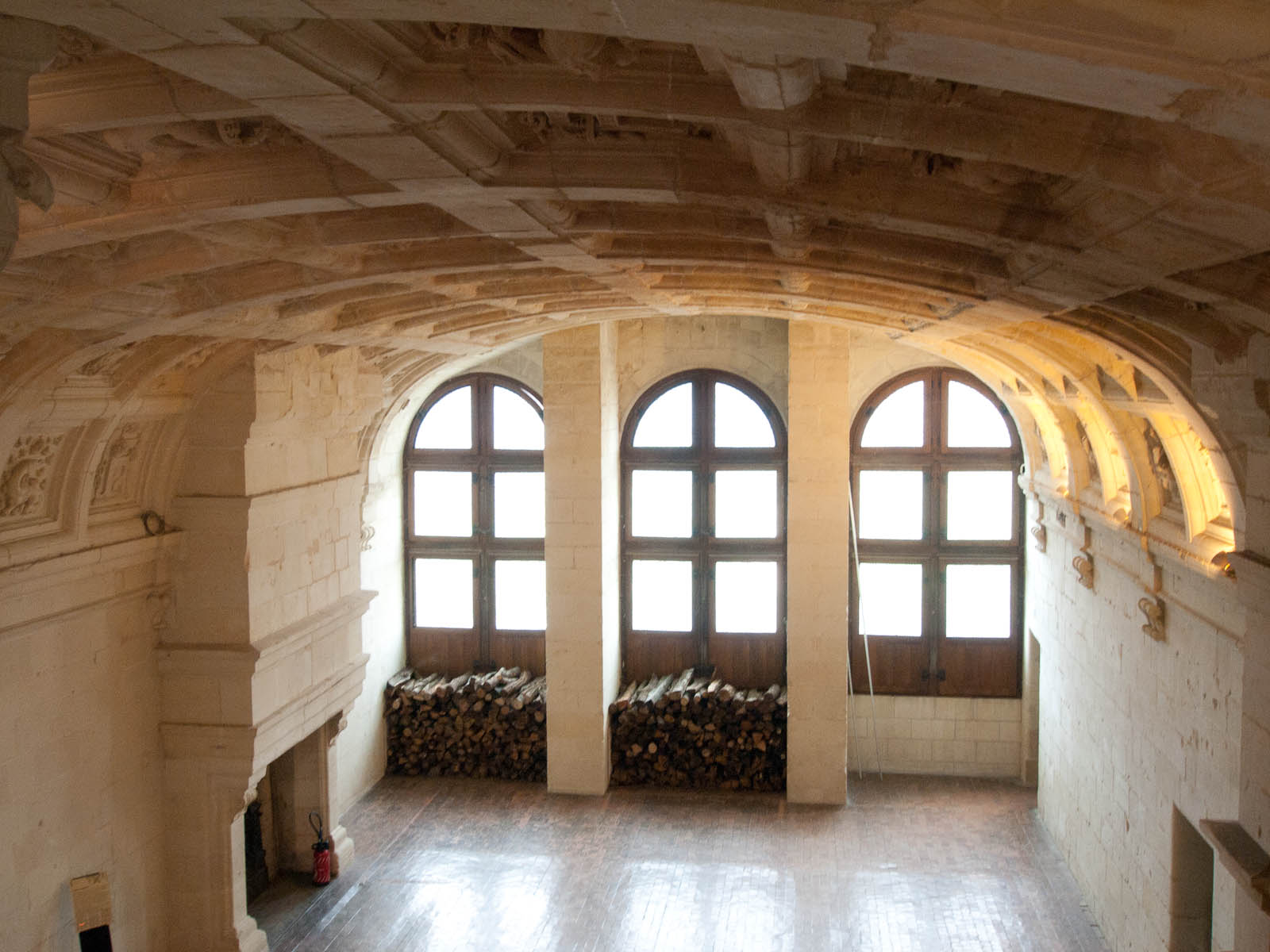
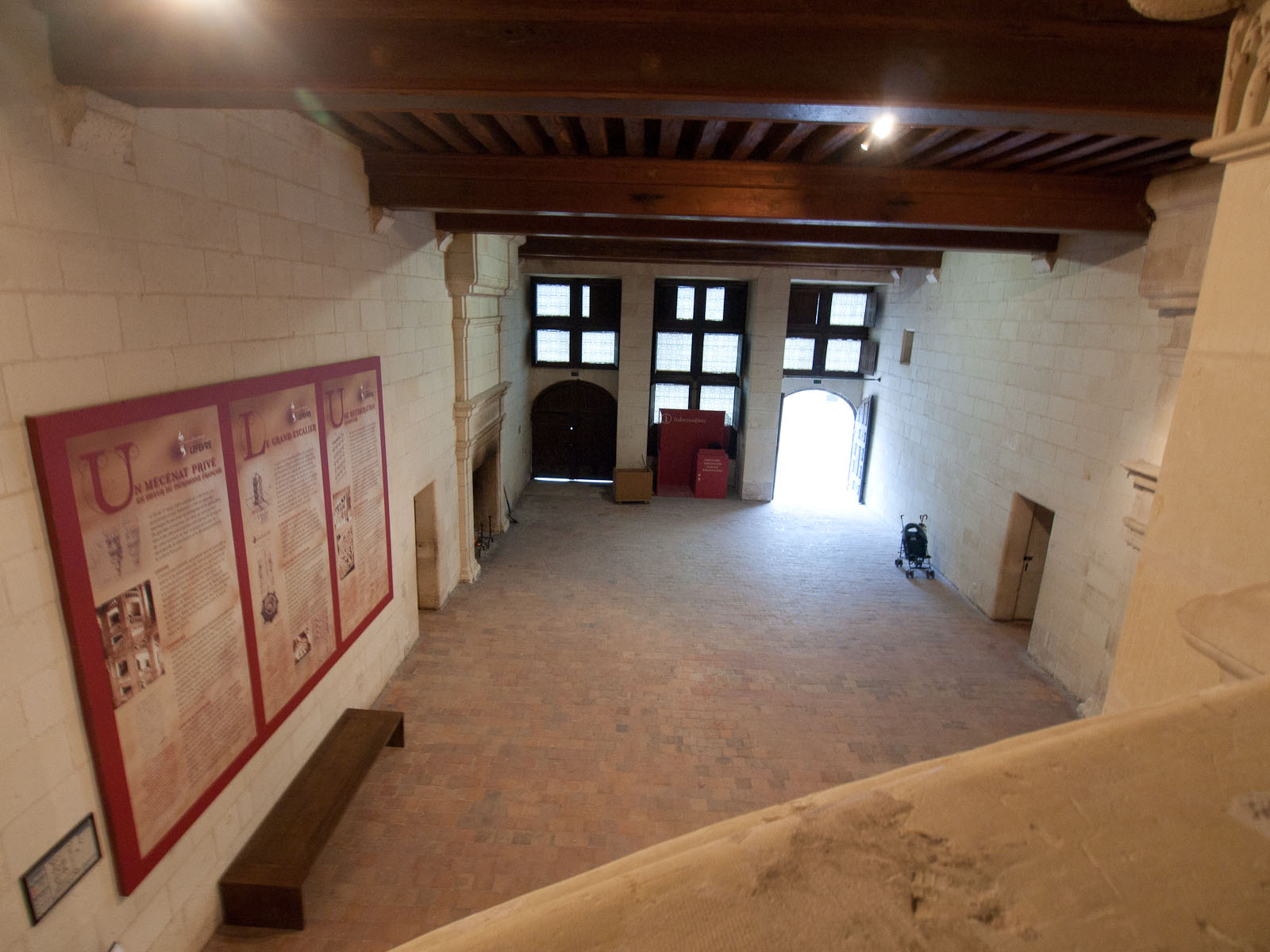
The insides were a different matter. In contrast to Chenonceau, the Château Chambord was never a year-round residence. Its sole purpose was to house thousands of people during hunting season – about three weeks a year. Consequently the giant rooms are spacious but empty and apparently were never fully furnished permanently. The rooms are too big to heat so one is immediately drawn over to linger by each fireplace. It feels more like a series of giant open stone campgrounds than it does anyone’s home. The scale had other drawbacks as well. Chambord took 32 years to complete, too long for Francois himself to enjoy it very much as he spent only 72 days here after the first building was finished. It was well-used by his son Henry II, the man whose mistress and later wife would inhabit Chenonceau, and by Louis XIV, the man who would later put his own castle stamp onto France with Versailles.
In nearly every corner, you can see Francois’ symbol, the fire-breathing salamander. This was a mythical animal that could survive fire. The motto “Nutrisco et extinguo” means the fire salamander is nourished by good fires and extinguishes bad fires.
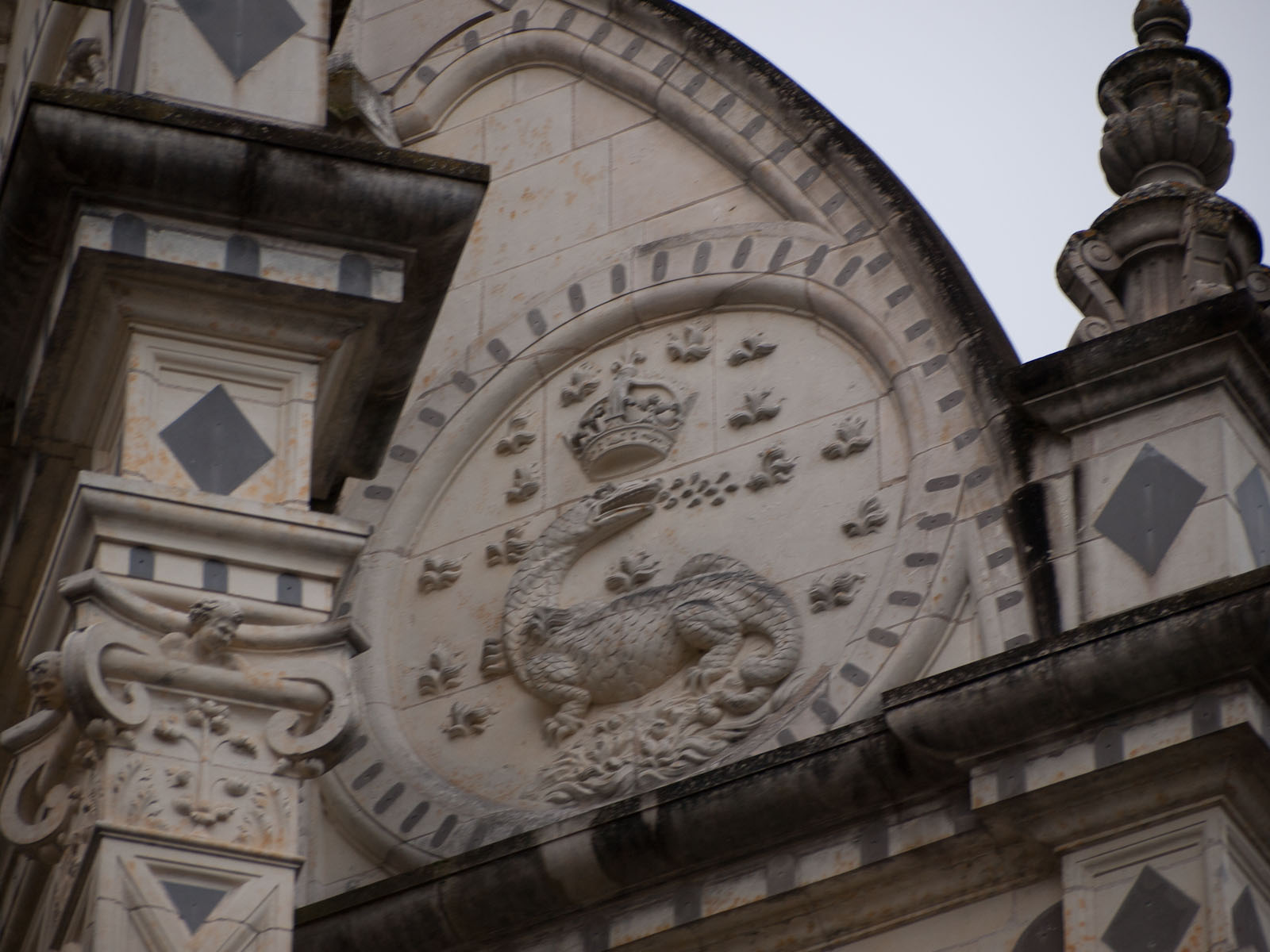
Think about it for a minute – how unstoppable is that combination?! It made me think of a conversation we have had with our friends AJ and Cindy, where we asked each other one time, what ONE quality would you most wish for your child to have? The answer we all liked best was ‘resilience’ – the ability to survive setbacks and then persevere to enjoy what we can from life.
Francois certainly was a resilient king. He spent many decades fighting the Holy Roman Empire (Spain, Southern Italy, Austria and the Netherlands) a massive kingdom led by his arch-rival Charles V that surrounded him on all sides. At one point his horse was injured and he was captured by Charles V in battle. He was ransomed off only after he signed a treaty making vast awards to Spain and sent his two sons to Madrid as hostages. When he got back however he refused to honor the Treaty and said it was was void because it was made under duress. Can you imagine doing that when your sons were hostage to your sworn enemy? It took several years for Francois to get his sons back, and then the wars resumed. In the end his military battles gained little. Francois was also king when Protestanism was born, and while initially tolerant, he began to perceive the reaction against Catholicism to be a form of revolt against the state. He persecuted the Protestants and this started religious violence that would continue to haunt France for generations. (Today France is split 70/30 between religious and non-religious people, but of the religious people some 84% are Catholic, 8% Muslim and only 3% Protestant).
Yet Francois I was extraordinarily successful on the domestic front: forging a more unified country from separate lands, constructing numerous major new buildings and castles, funding Jacques Cartier to explore the New World and starting settlements in what became Canada, sending delegations to India and starting institutes to study Arabic, forging an alliance with Suleyman the Magnificent and the Ottoman Empire that – while scorned by his fellow Christian kings of Europe – successfully helped counterbalance Charles V, and pumping moneys into the arts and literature resulting in an art collection that would later underpin the Louvre Museum. Francois also required that all government documents be written in French rather than Latin – adopting French as the standard national langage – and he required that all village priests be responsible for tracking births, deaths and marriages in writing so he could track vital statistics. It was Francois who brought the Enlightenment from Italy into France and he was truly France’s first Renaissance king.
From Chambord, we drove home to Paris through the Loire Valley, watching fenceposts count by as we passed more châteaus and uncountable acres of fields and farmlands stretching interminably. Unlike “Burgundy” or “Normandy” or “Alsace” or some other name, this core of France is simply called “Central”. If Paris is where we find the brain of France, surely Central must be its heart.
It was on the roof of Chambord that you can best see the Salamander, a monstrous stone symbol carved onto all sides of the central spire of the flaming lantern double-spiral staircase. Consider that this staircase is at the center of a massive stone keep, surrounded by an unbreachable castle, behind 13,000 acres of wild forest, deep in the Central region of France. No wonder the French have preserved Chambord so well over the centuries. Can there be any better place in France to guard the ancient soul of the Kingdom?