Here are brief descriptions and photos from other activities in Paris this October:
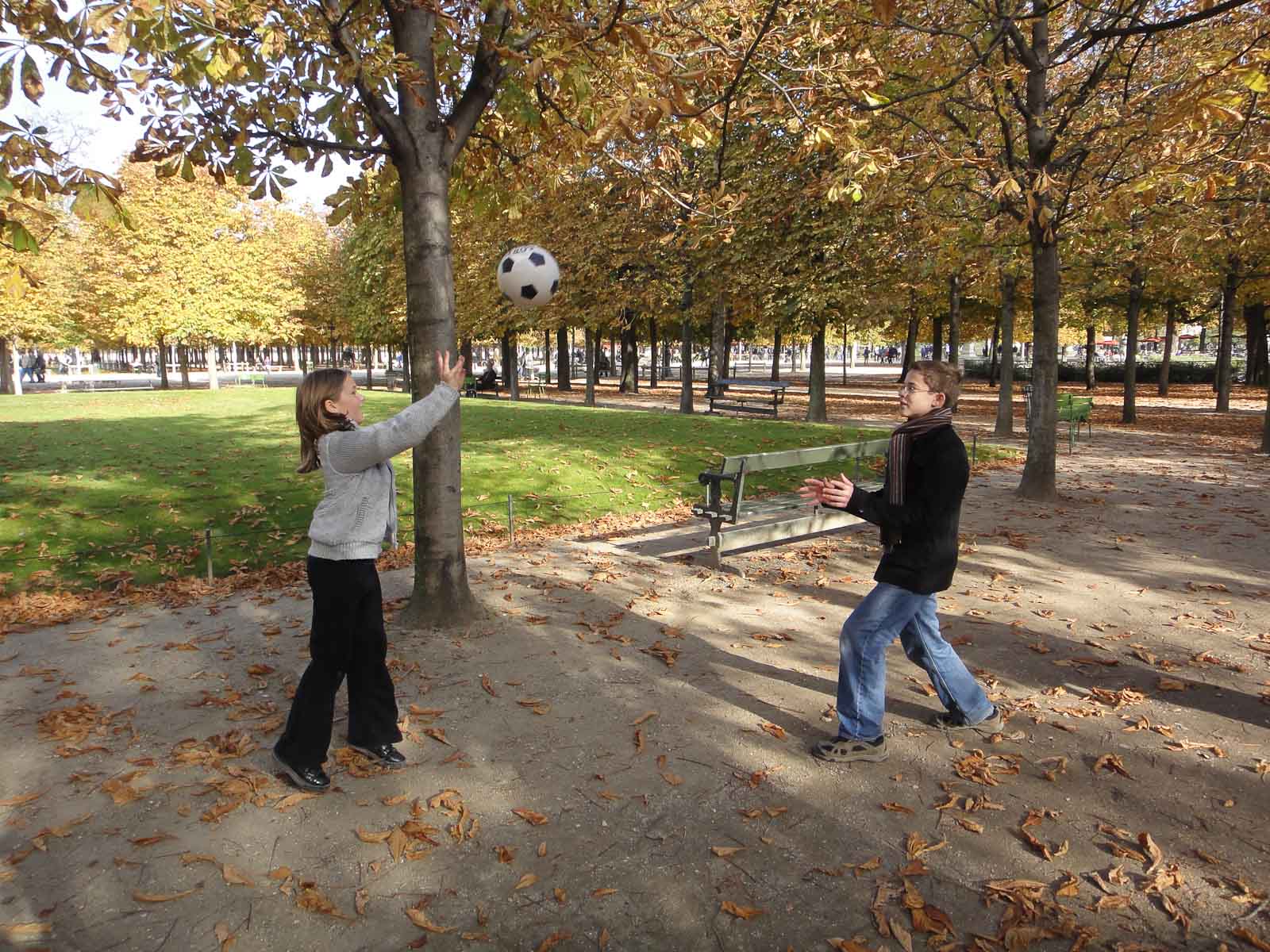
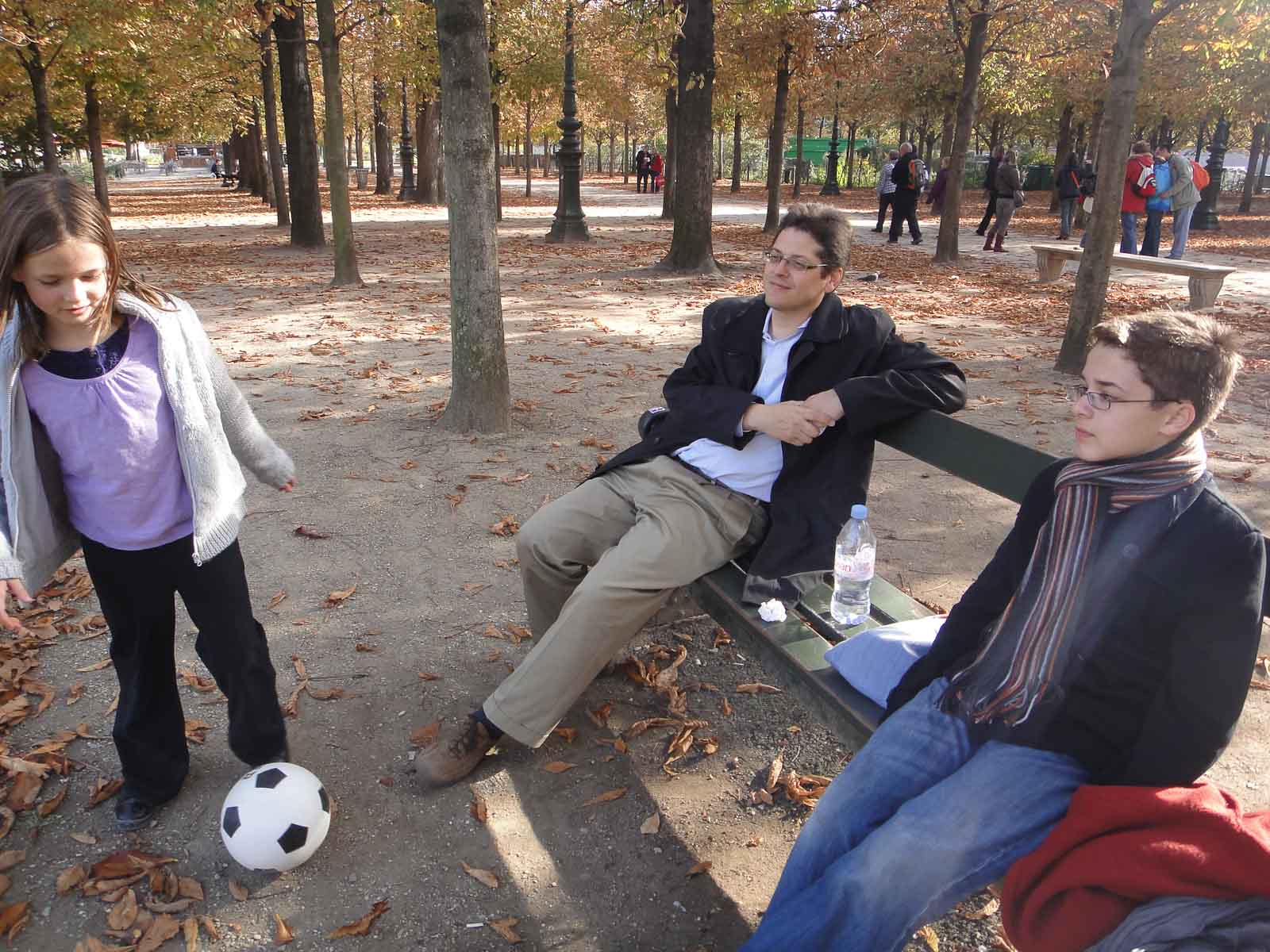
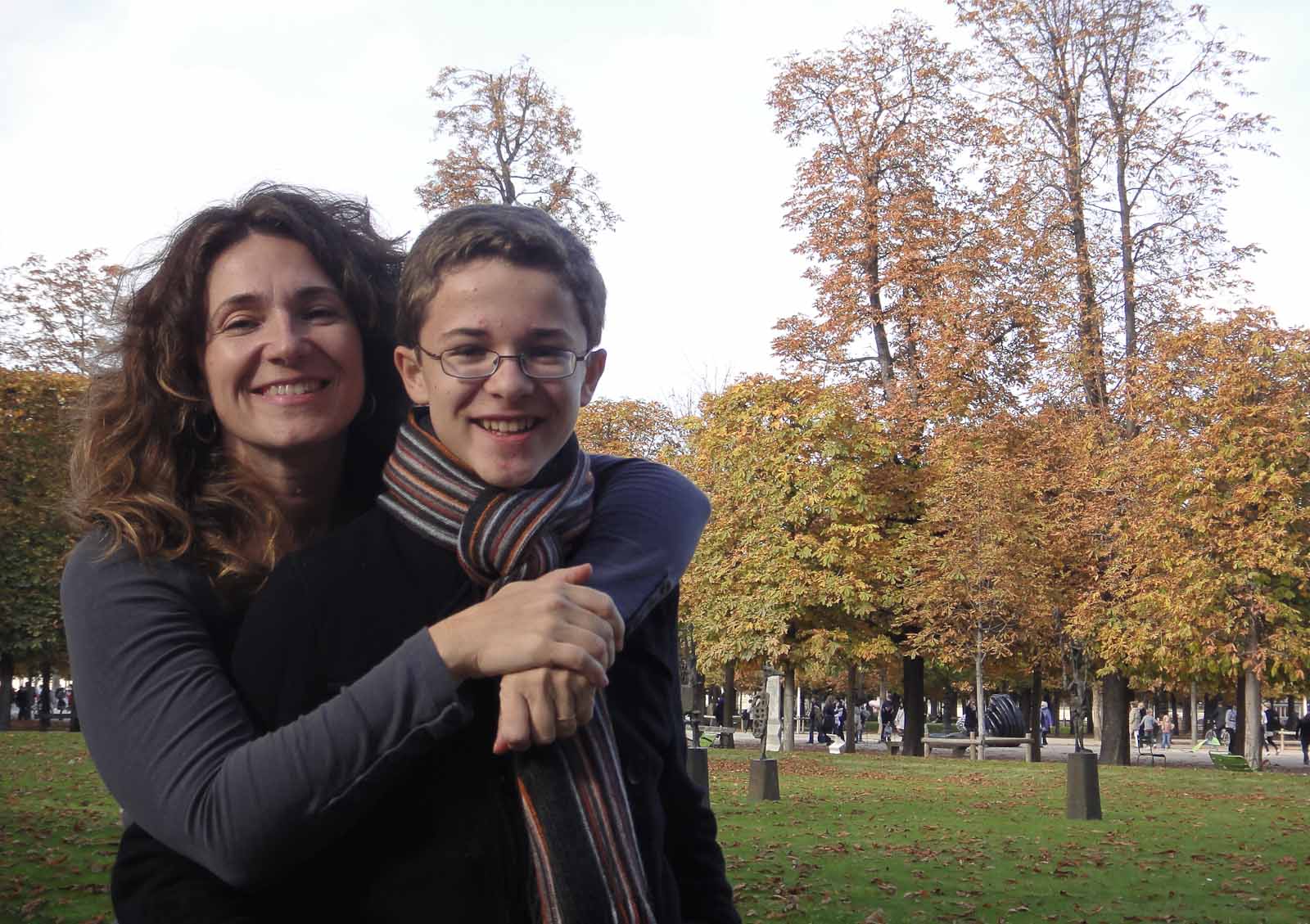
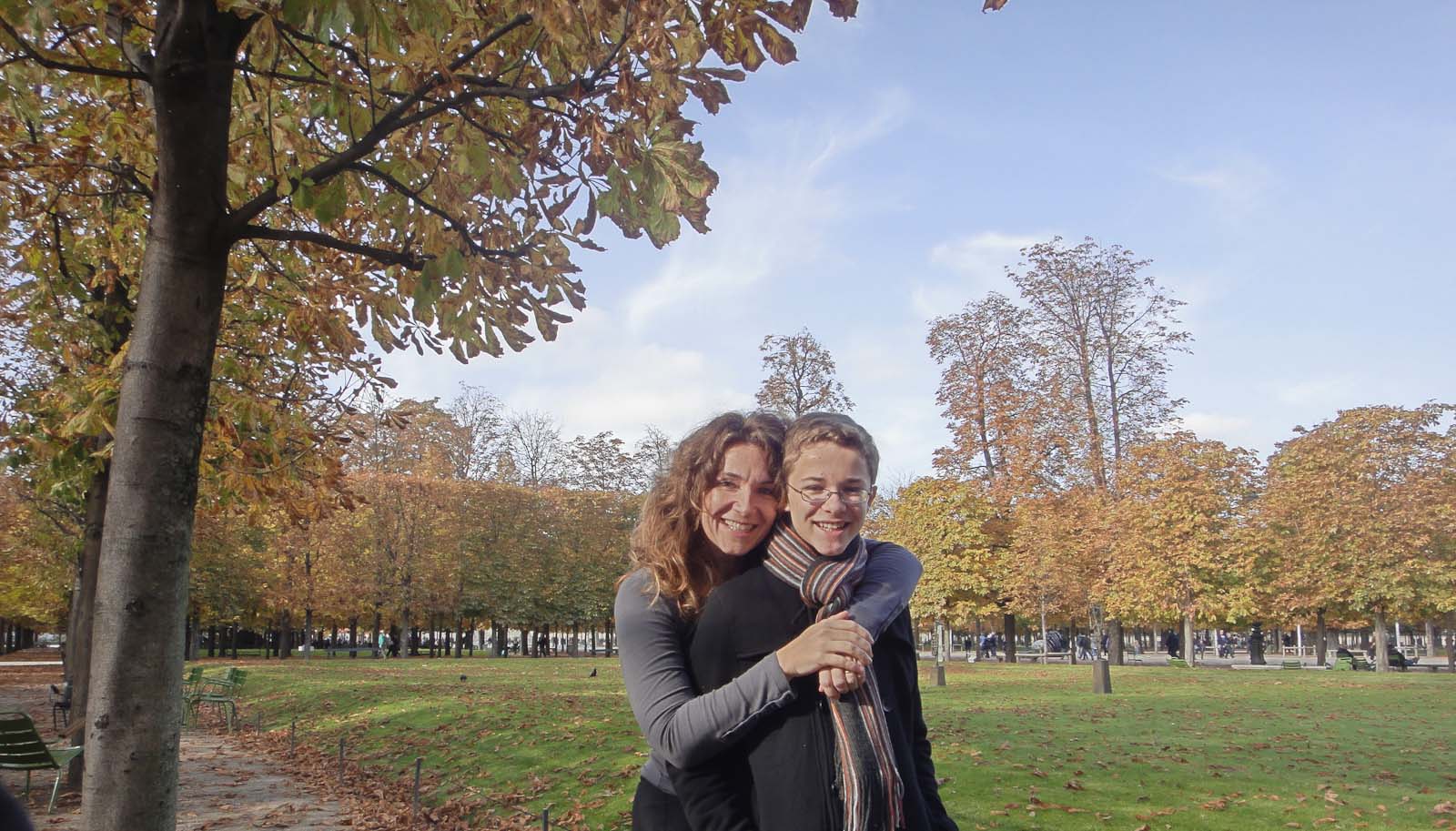
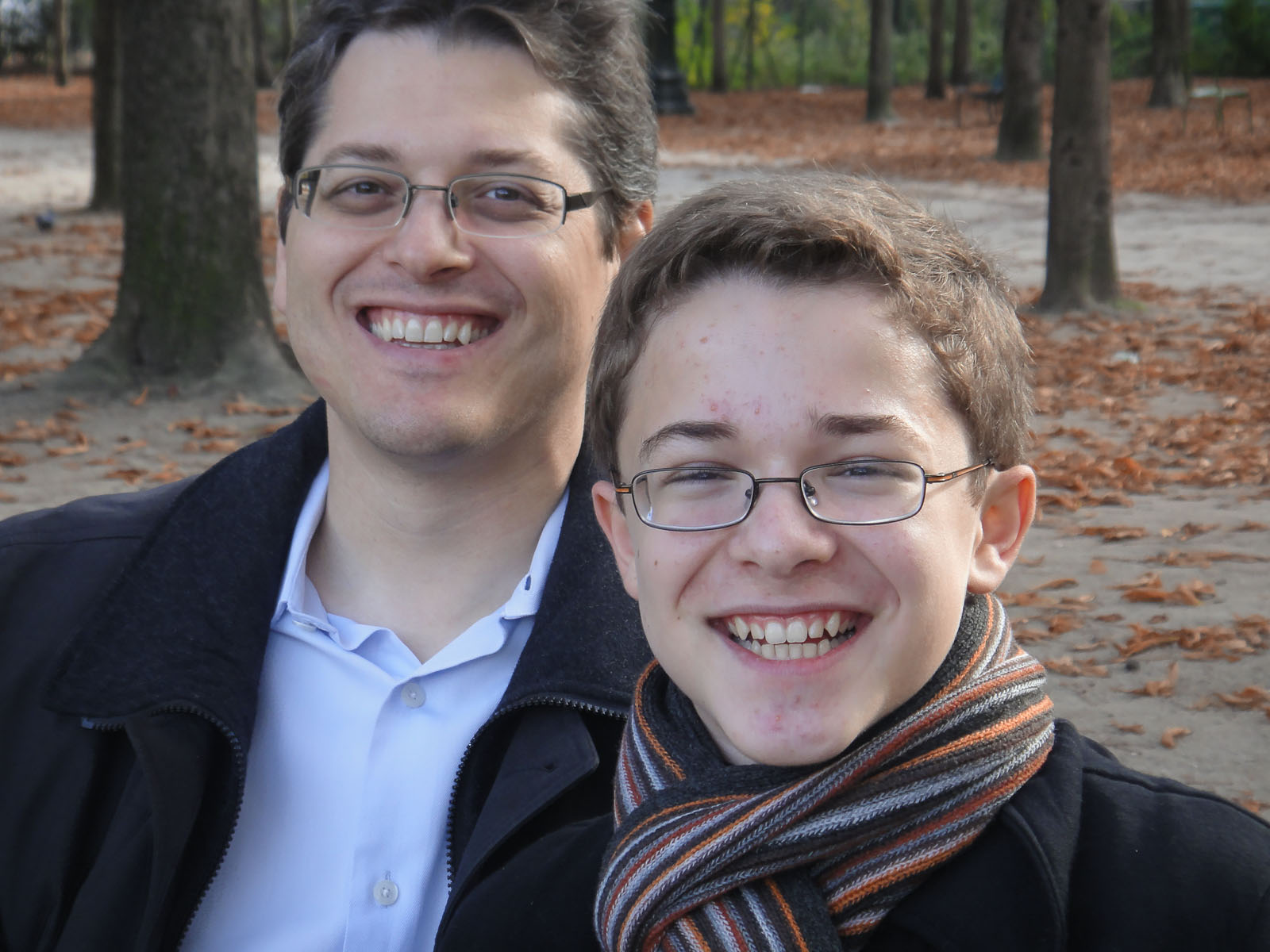
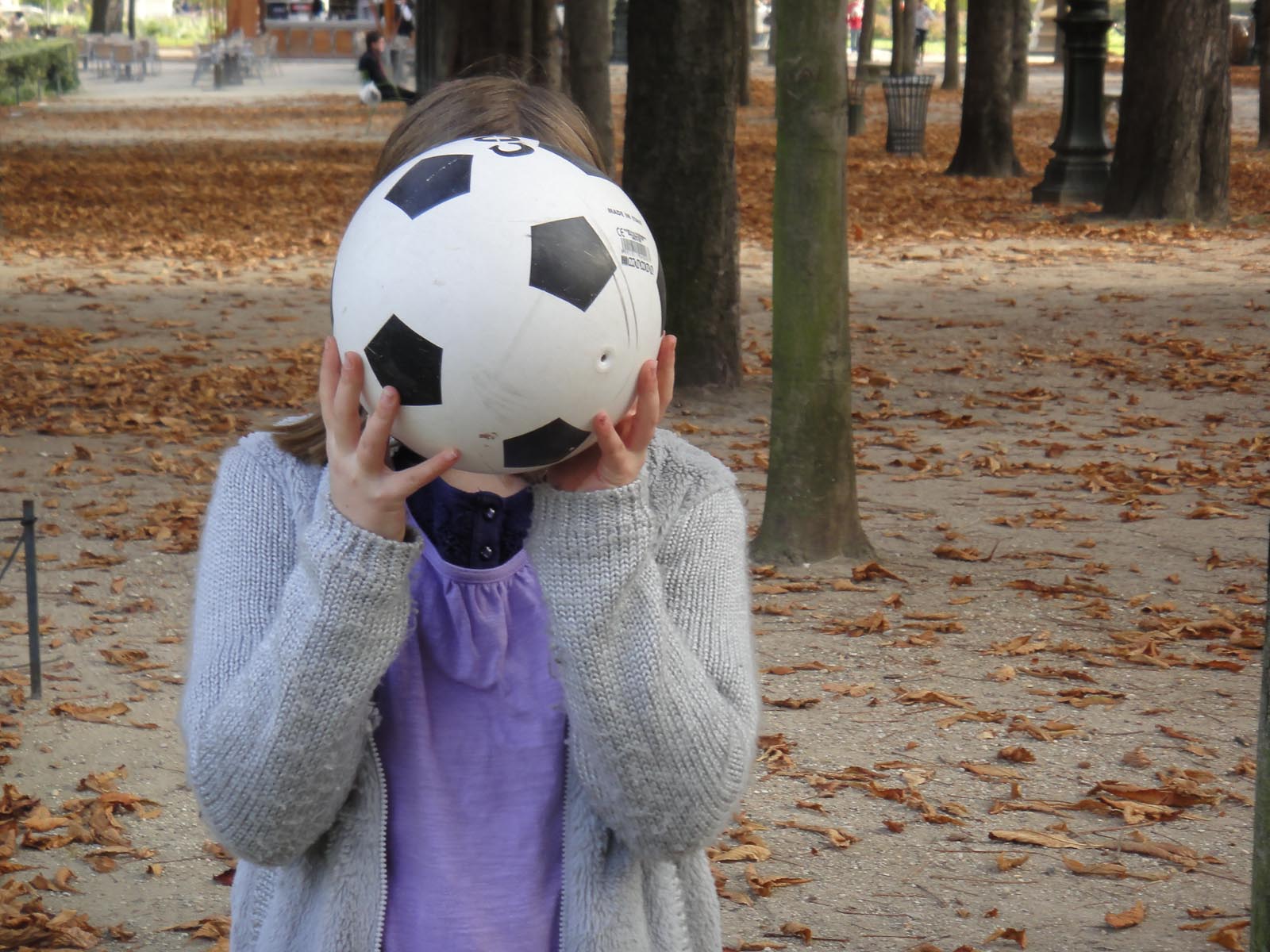
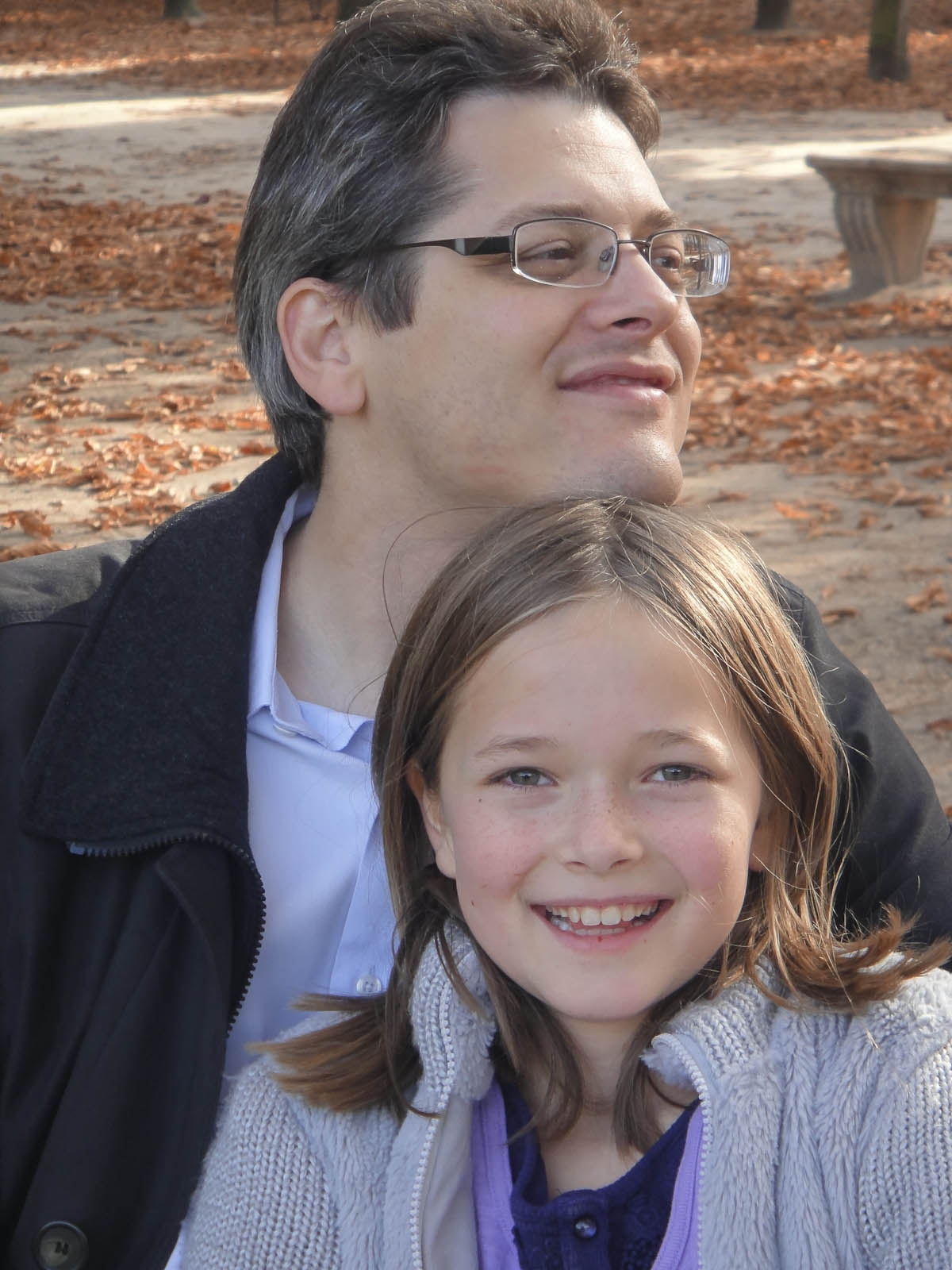
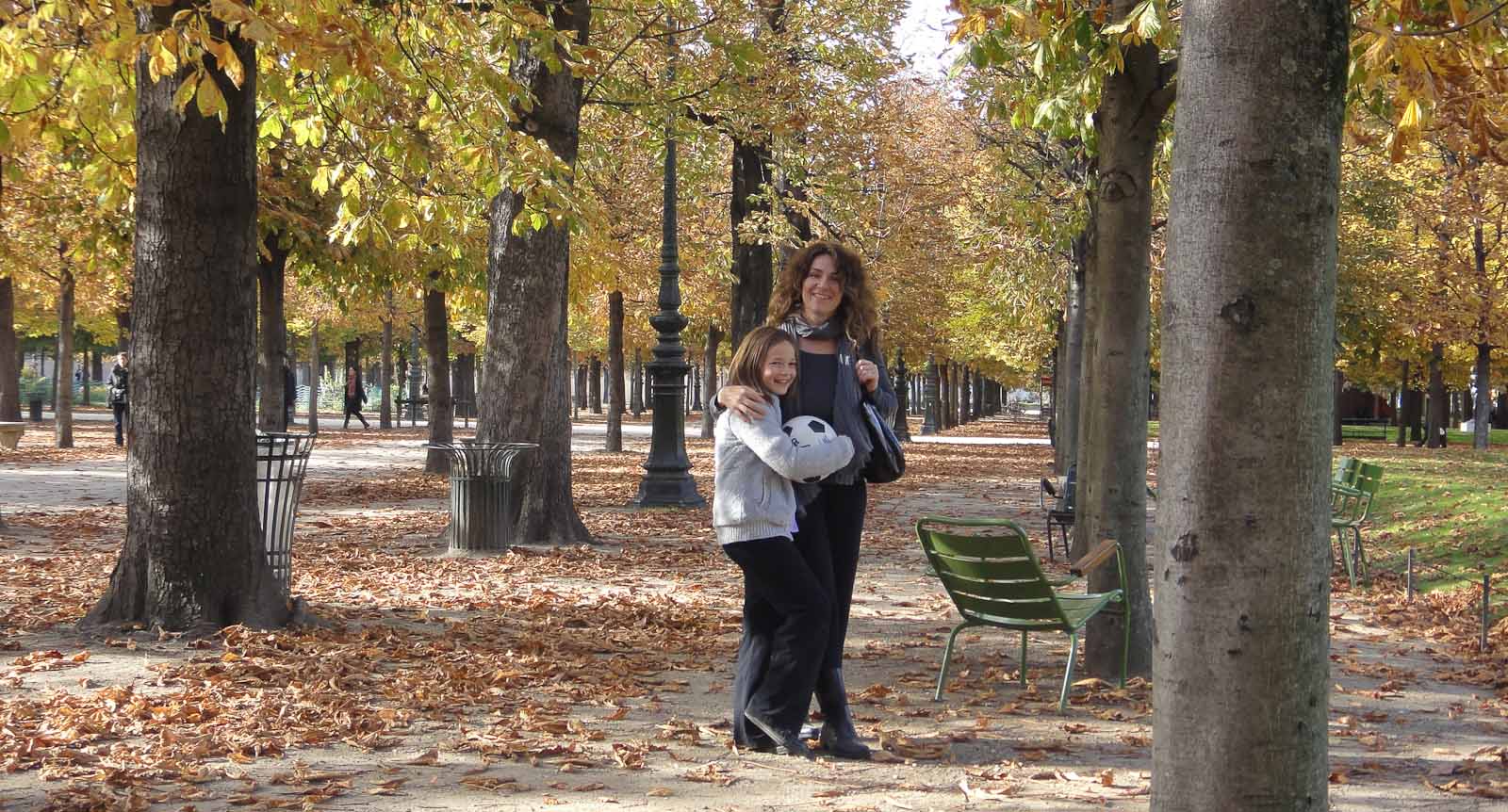
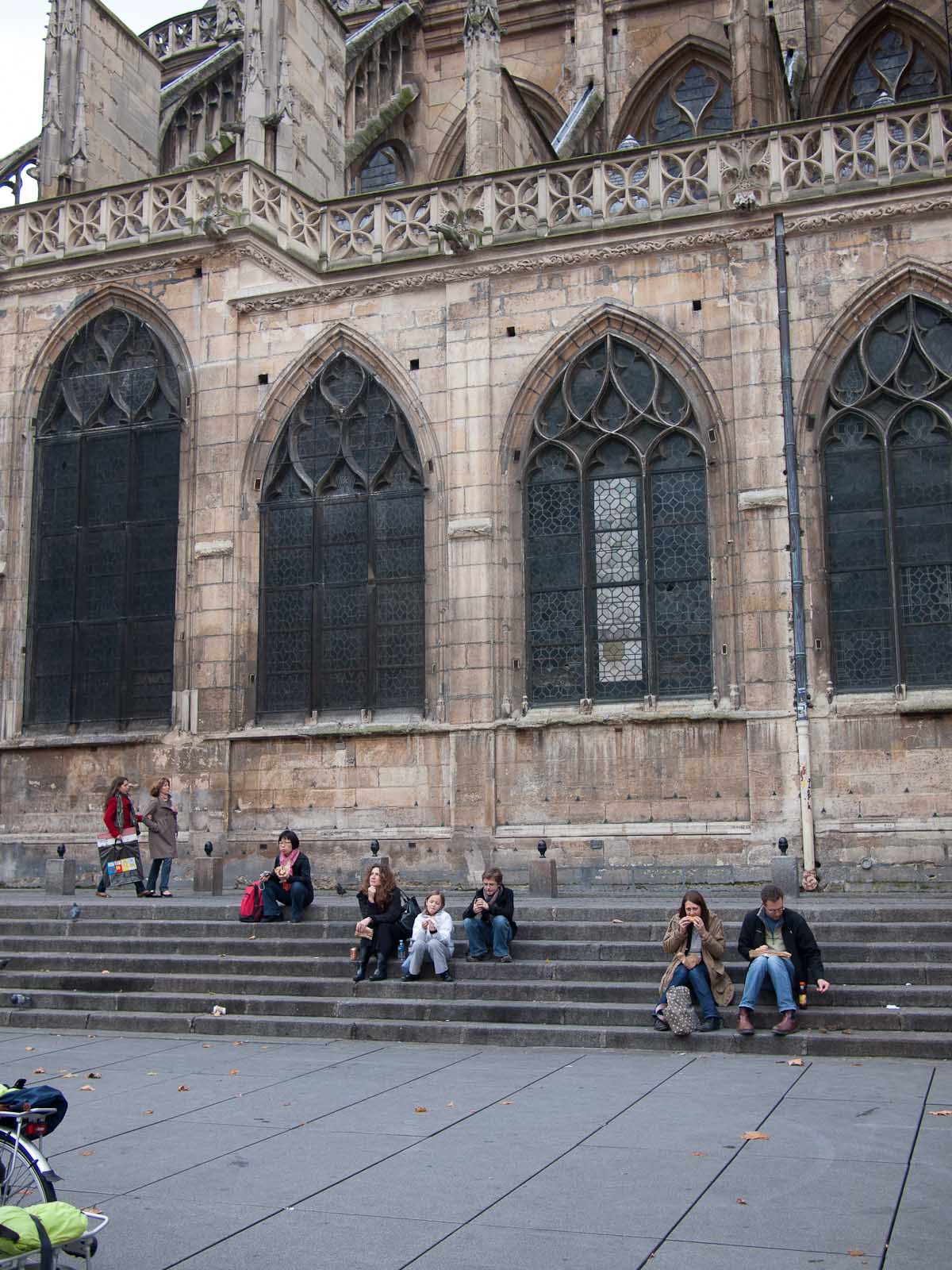
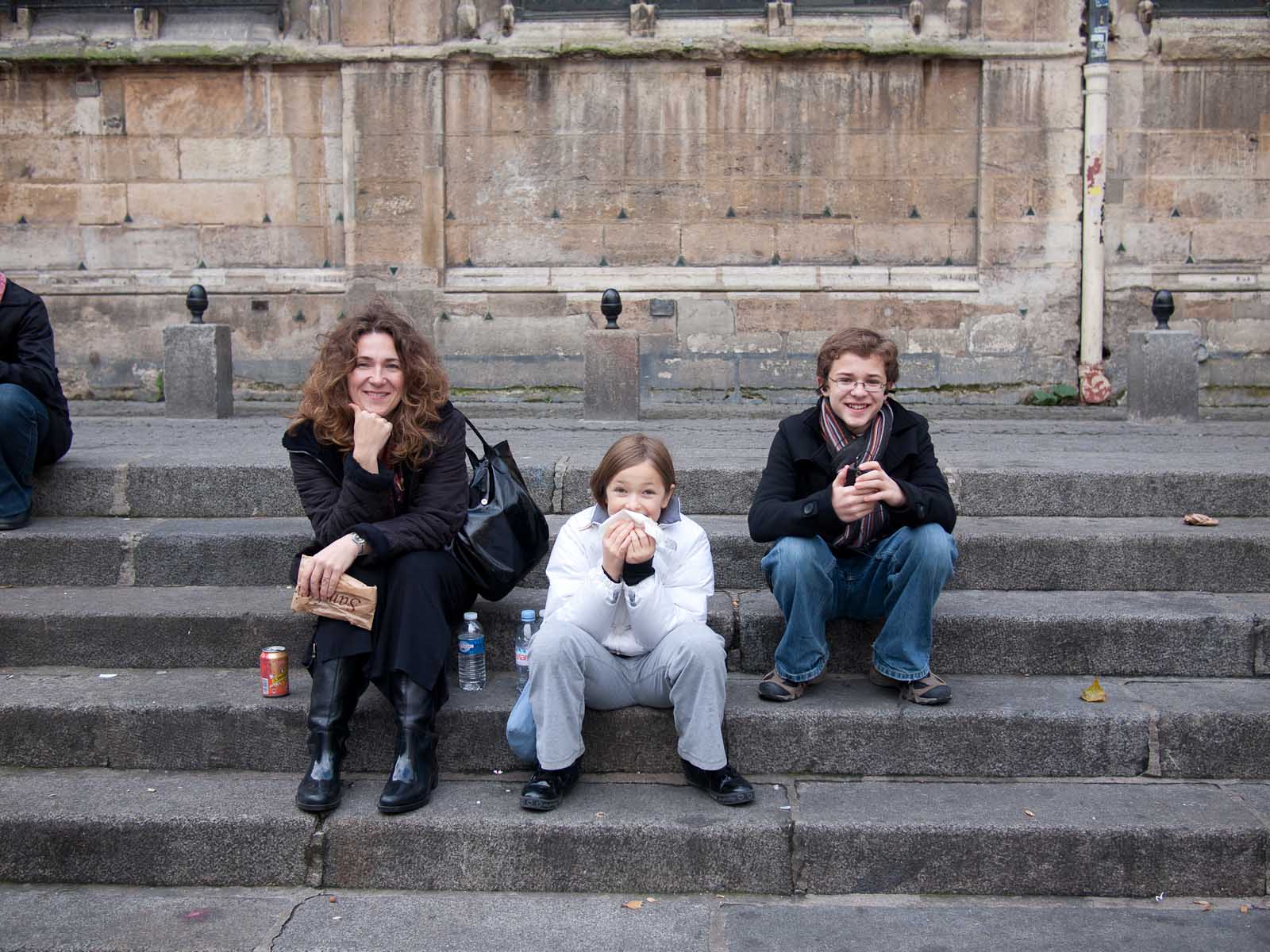
– Playing in the Tuileries. Paris has turned to autumn colors, and the leaves are down in the nearby Tuileries park. One day the factors all aligned and the whole family had a few free hours at mid-day with no tours and no classes, so we grabbed our (pretend plastic) soccer ball and headed out for fresh air. The weather was perfect. Our mocked up soccer field was spread over rows of trees, who acted as defensemen! It was bumper soccer and a mad scramble ensued, boys v. girls. (No gentleman would ever say who won the game of course). This was followed by steaming hot crepes at the local stand in the park. At this point we had tried all the flavors except the disturbingly named “milk jelly” so of course we had to order that – can you believe confiture du lait turns out to be a buttery, salty caramel paste version of Nutella? Note to self: milk jelly = good. We sat for a long while after that just talking and enjoying the sunshine. It was a great fall day.
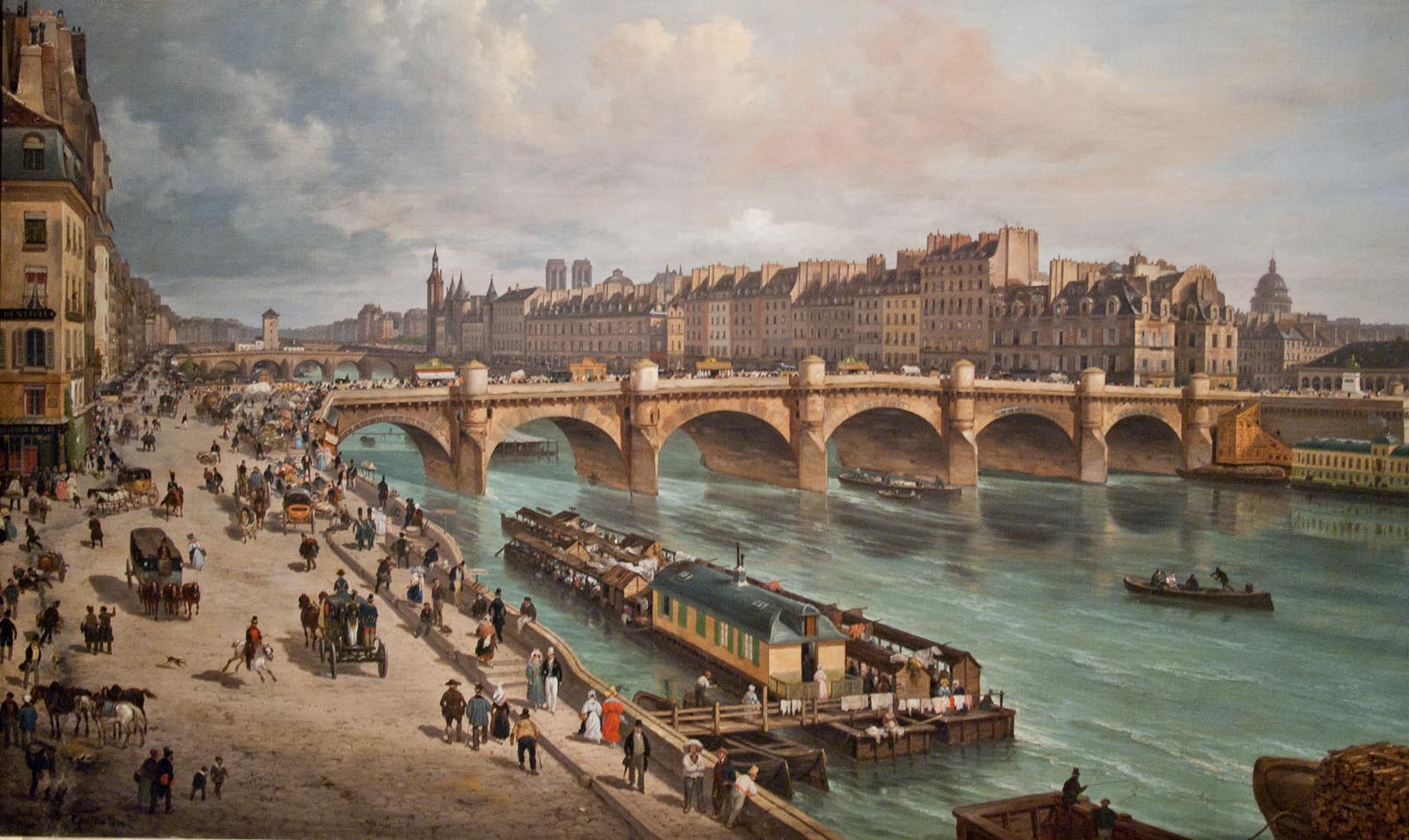
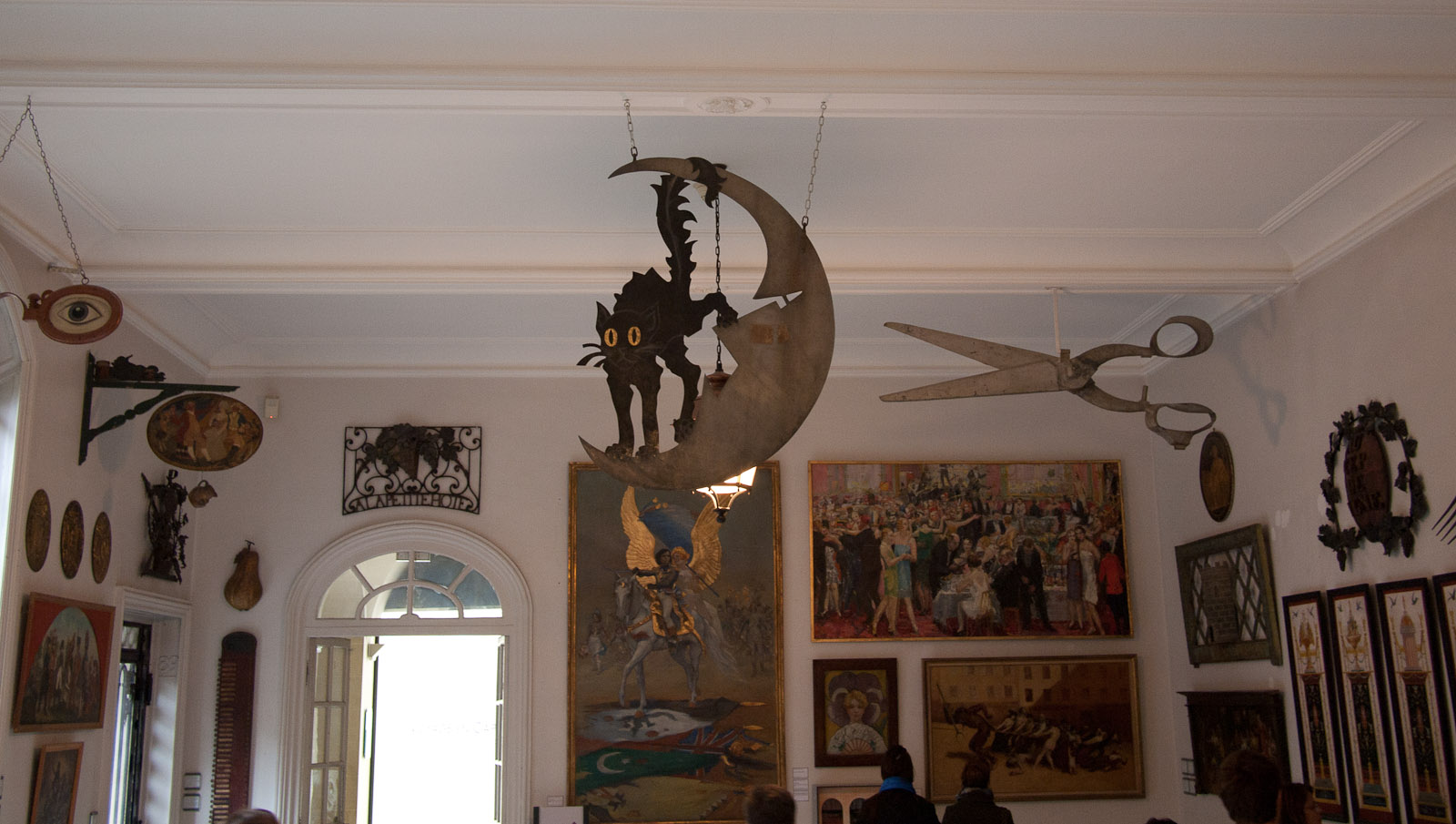
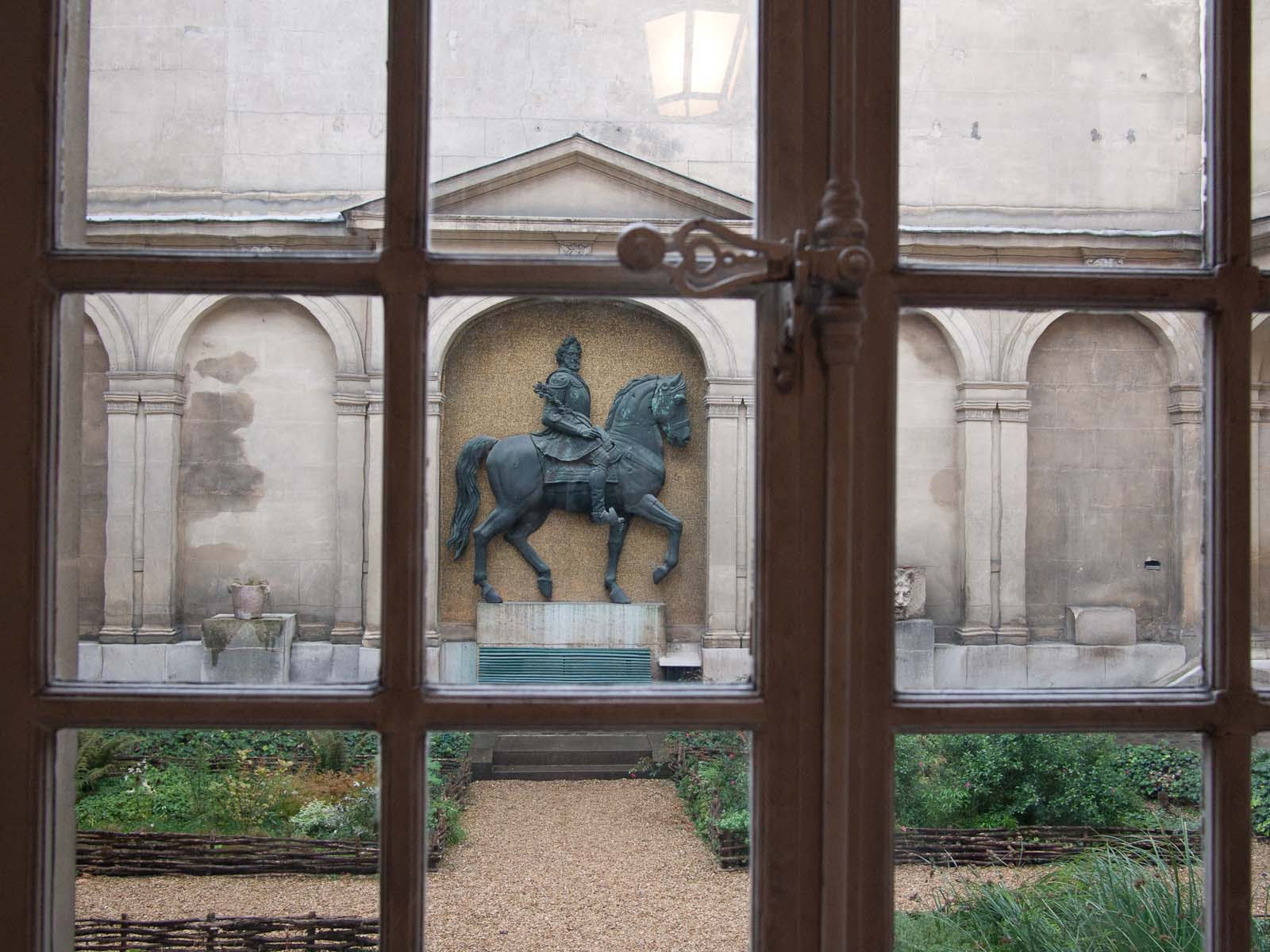
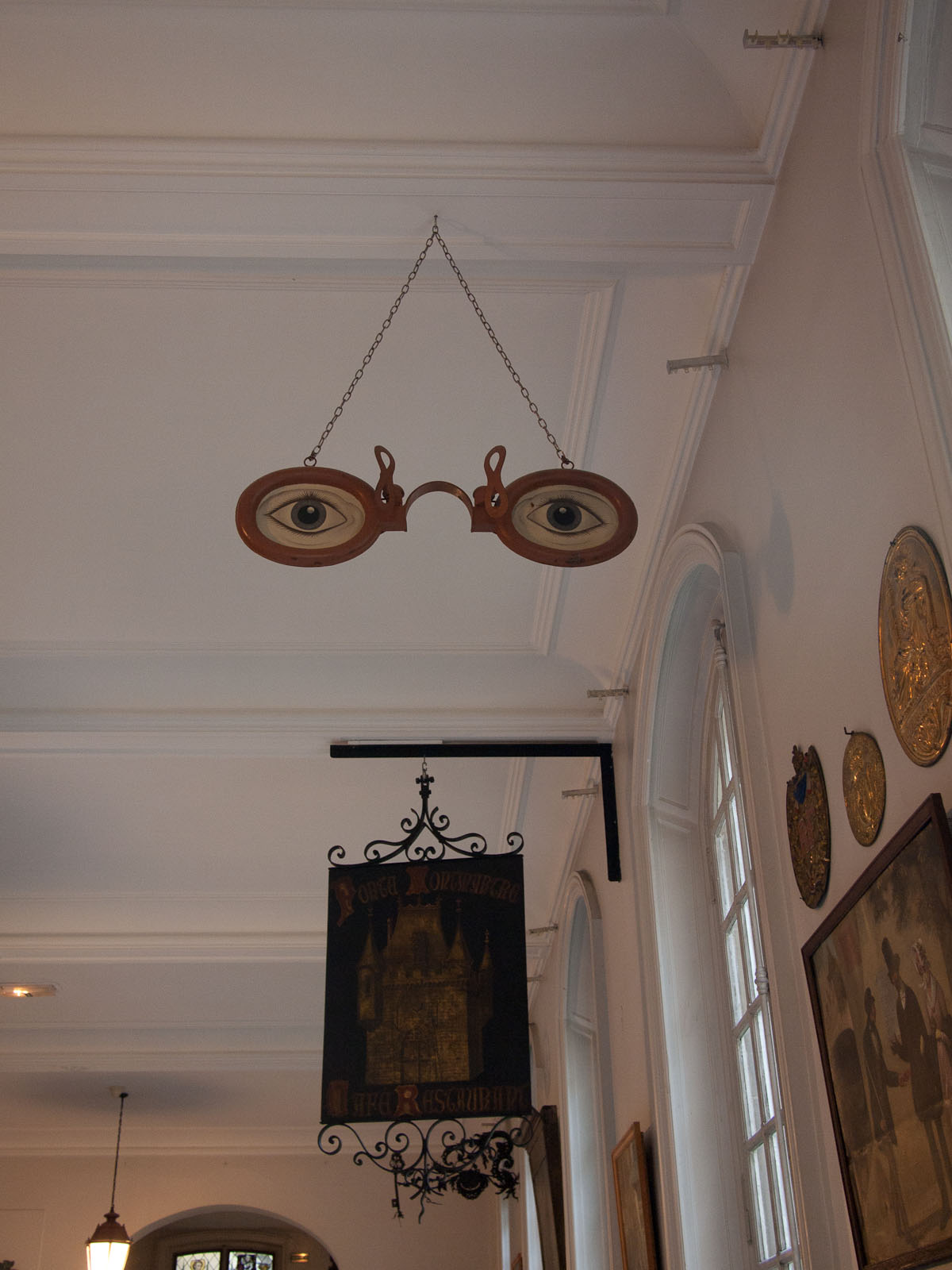
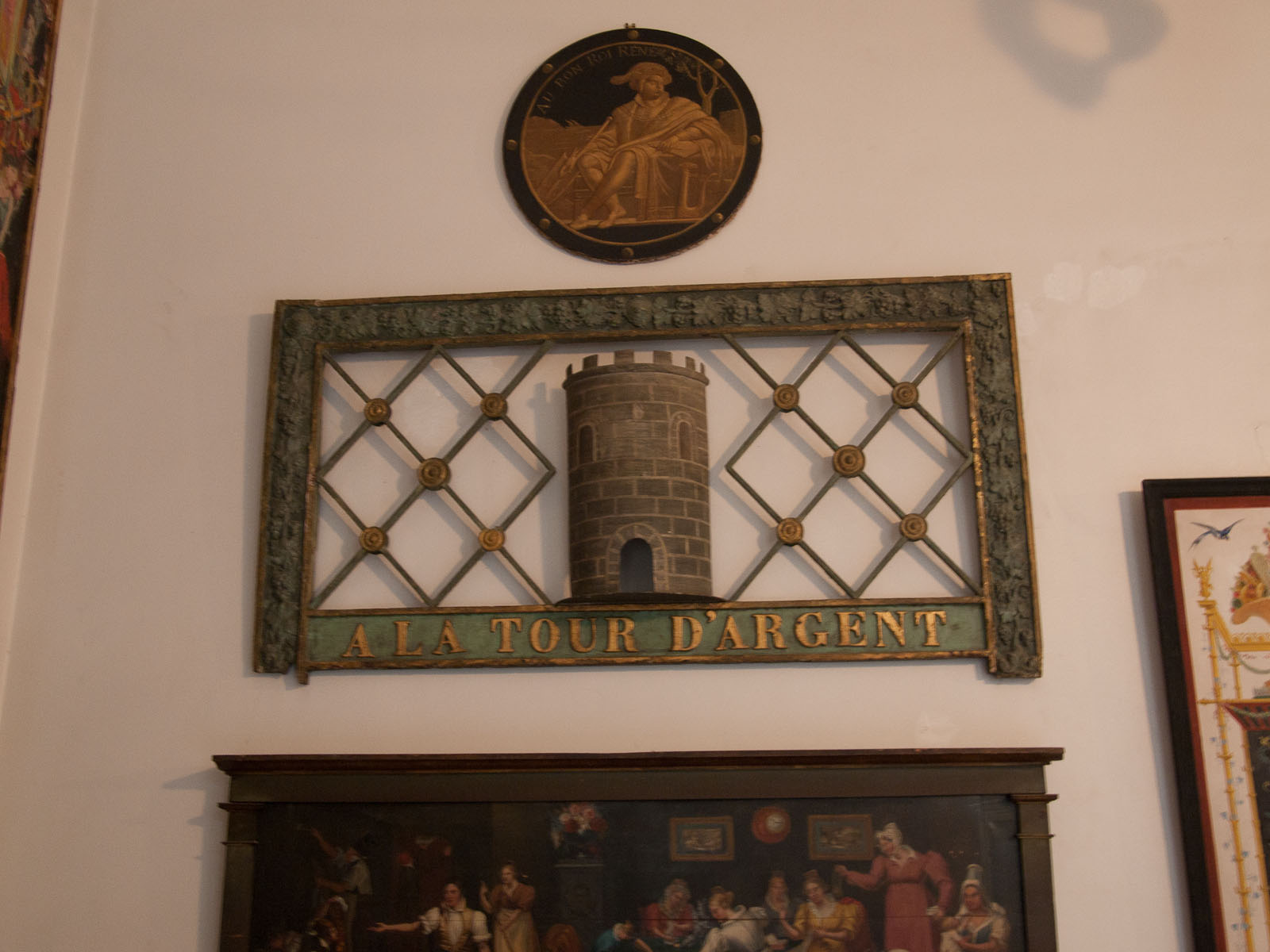
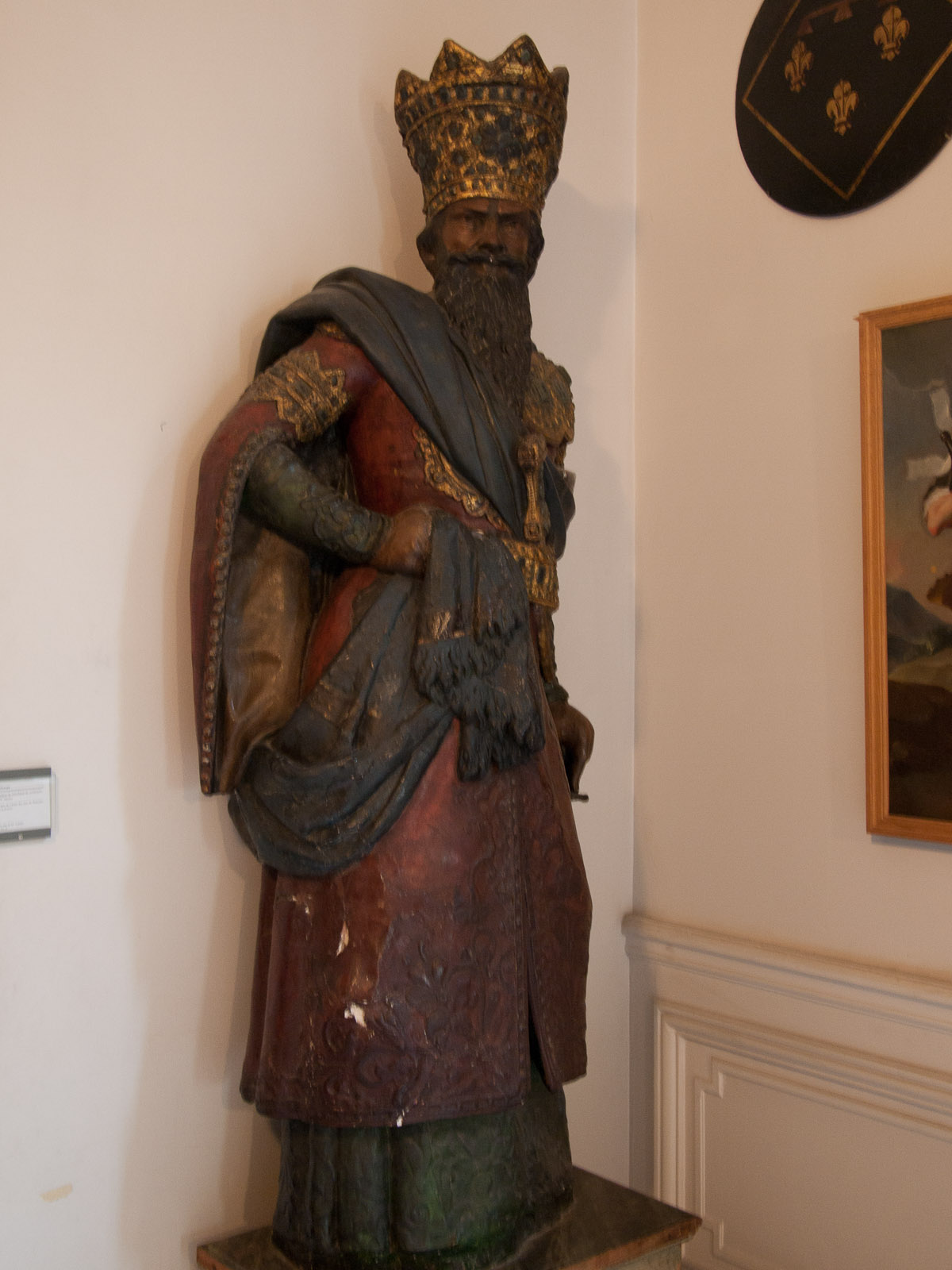
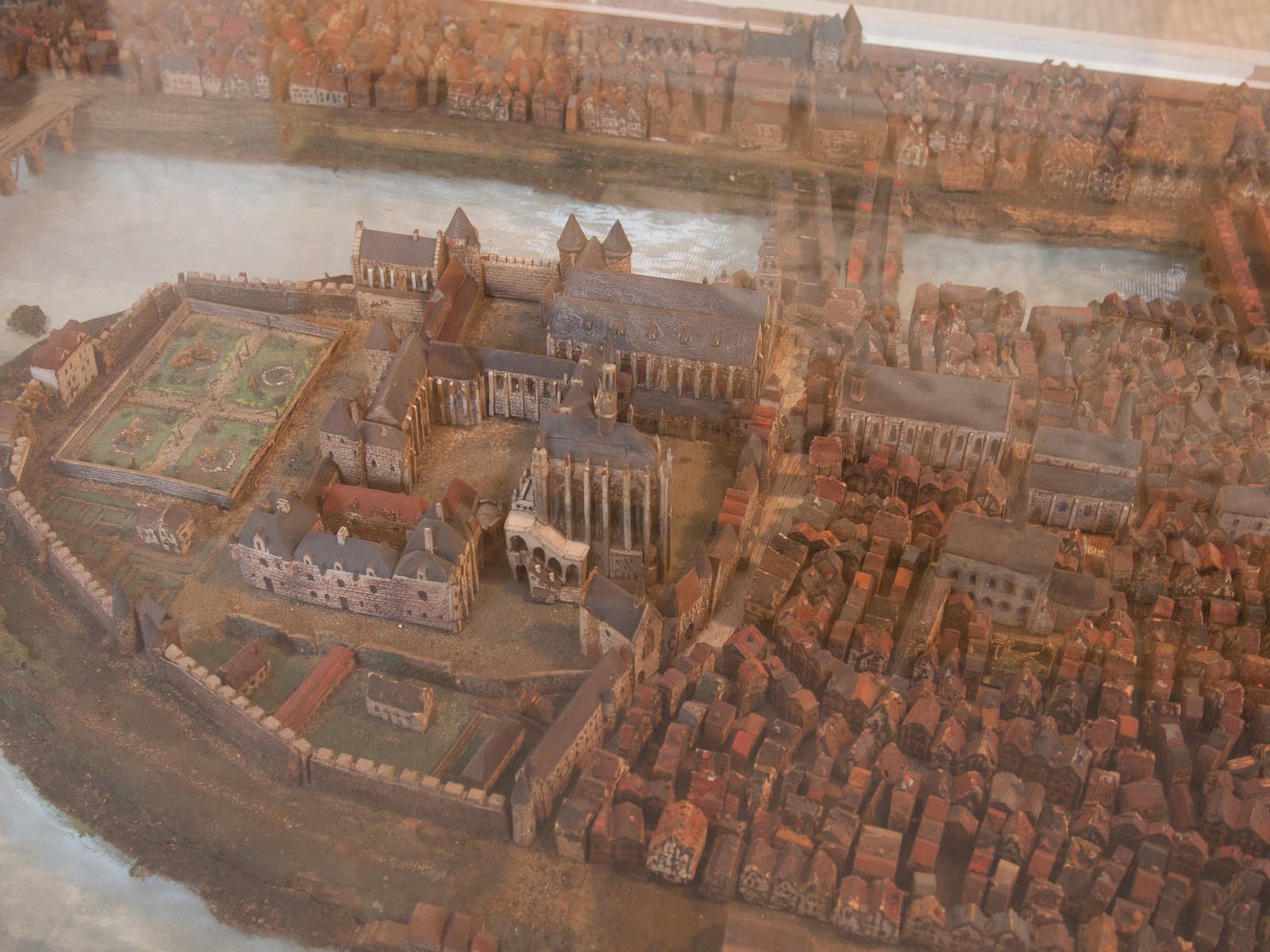
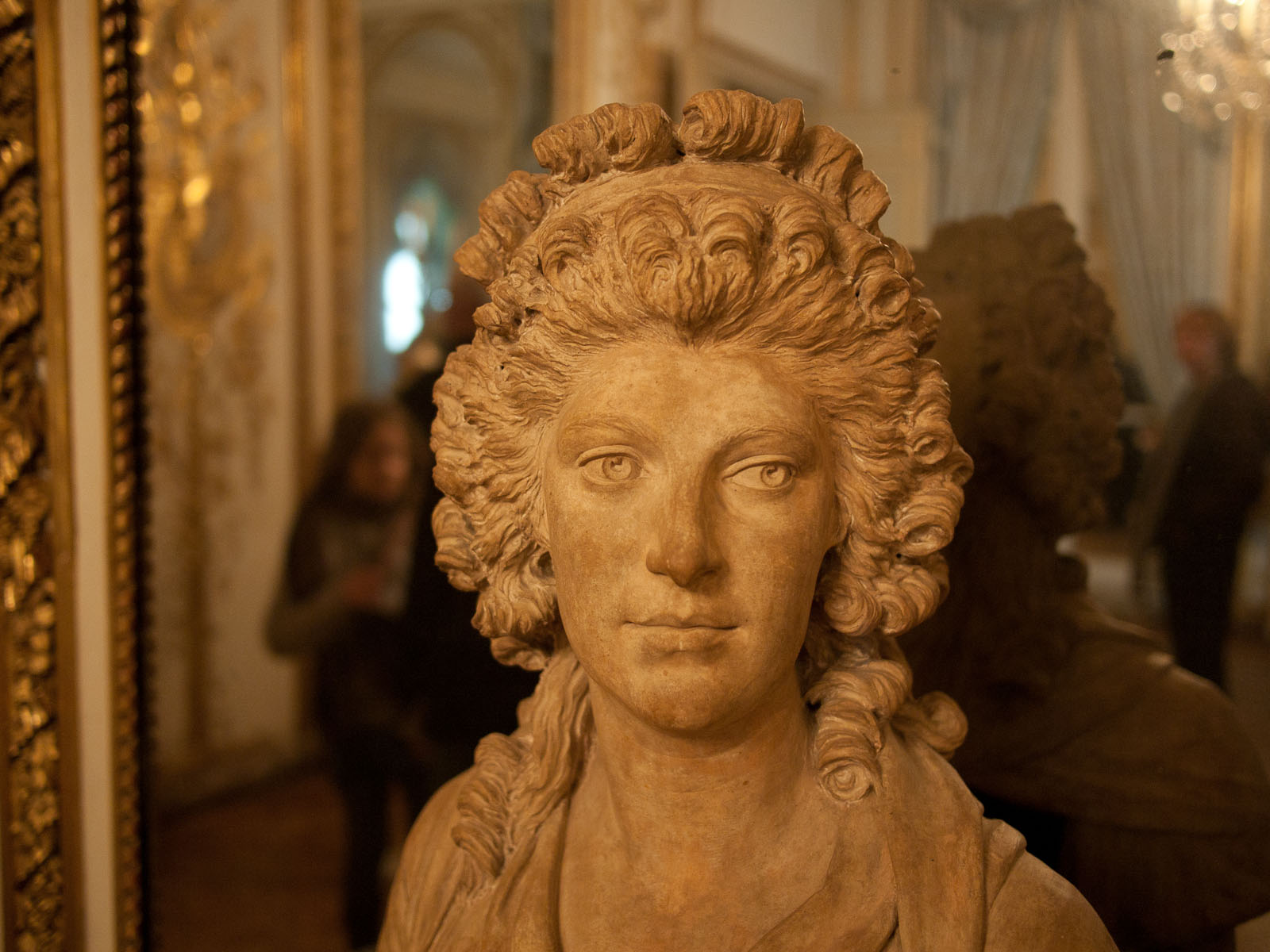
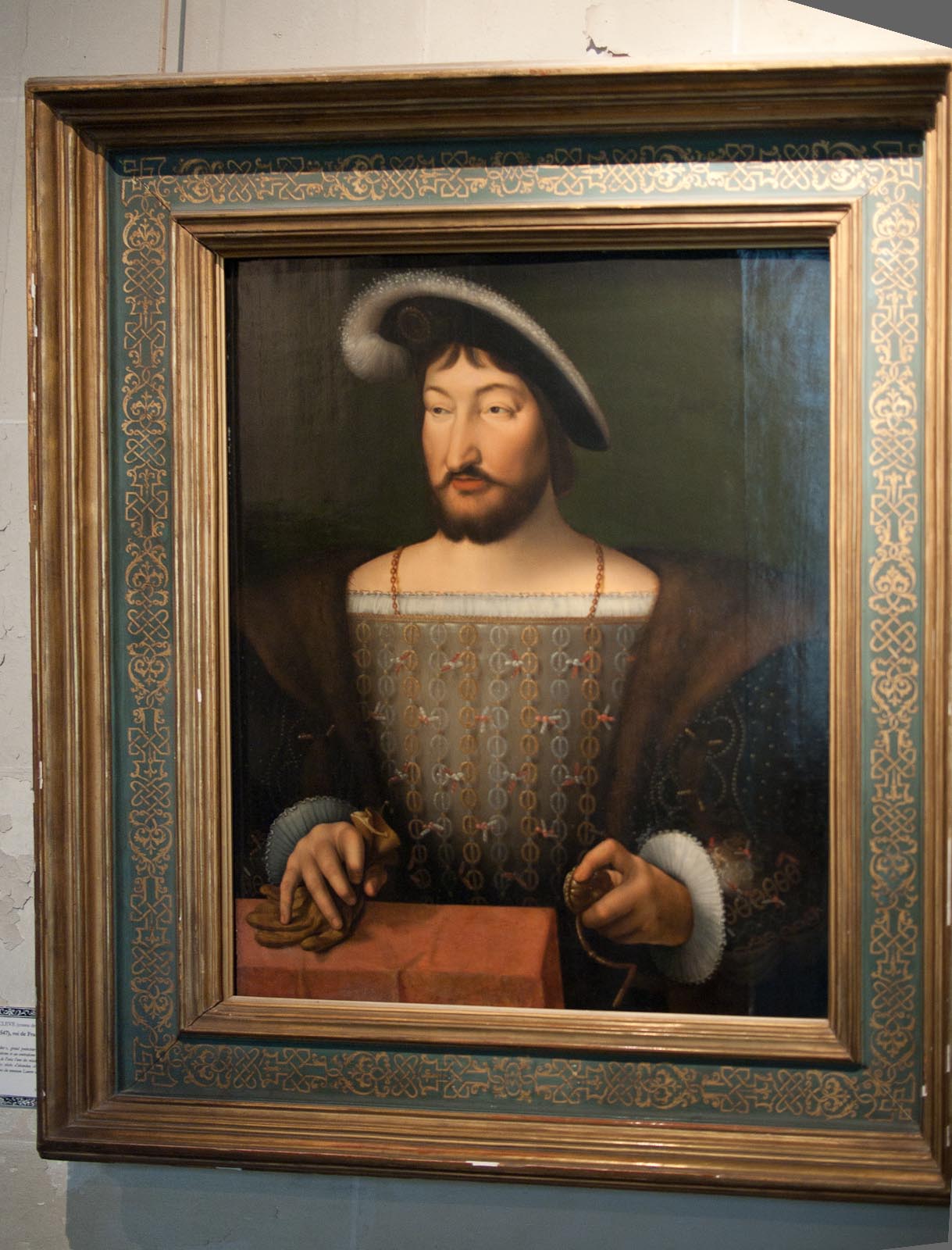
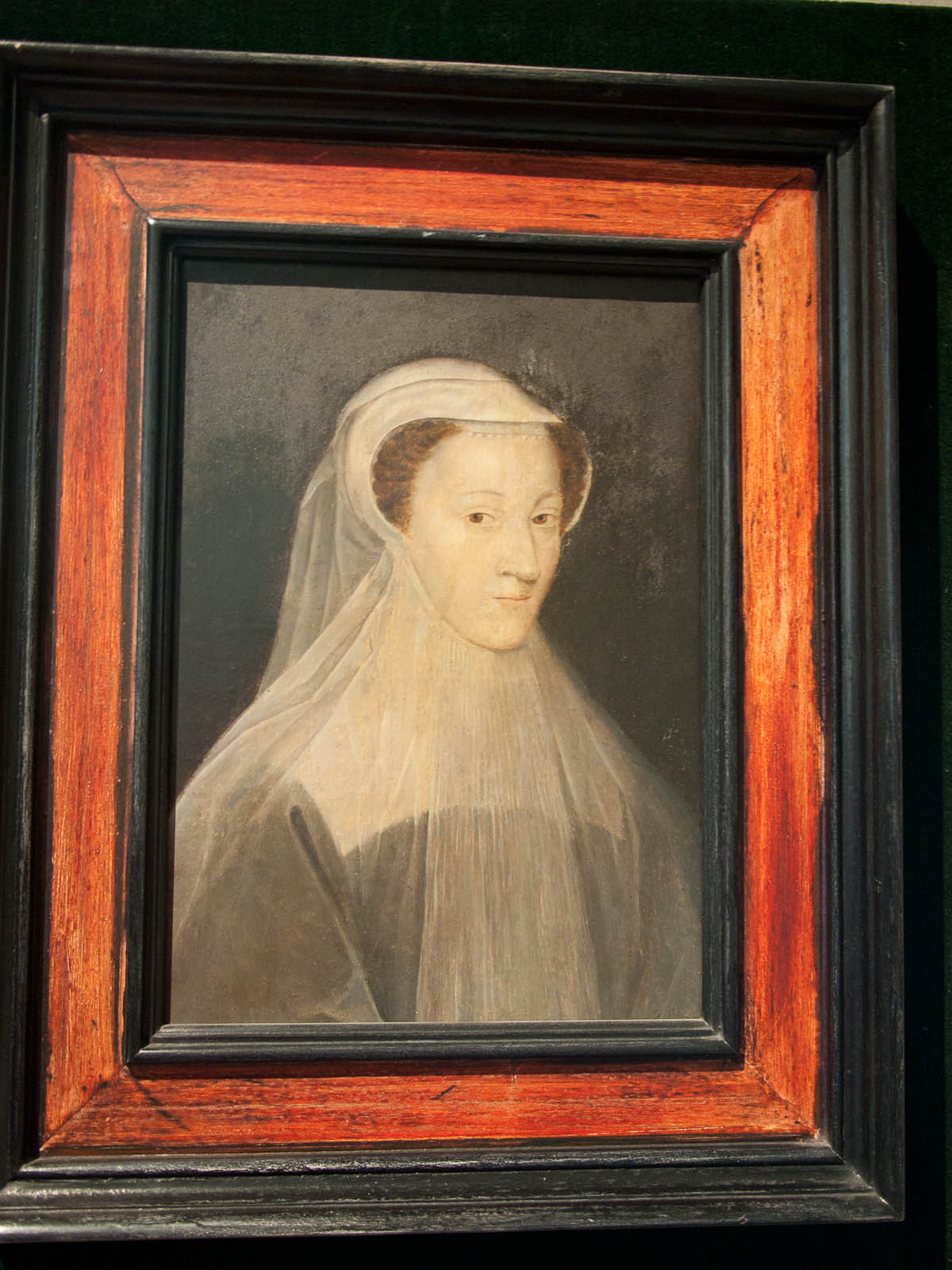
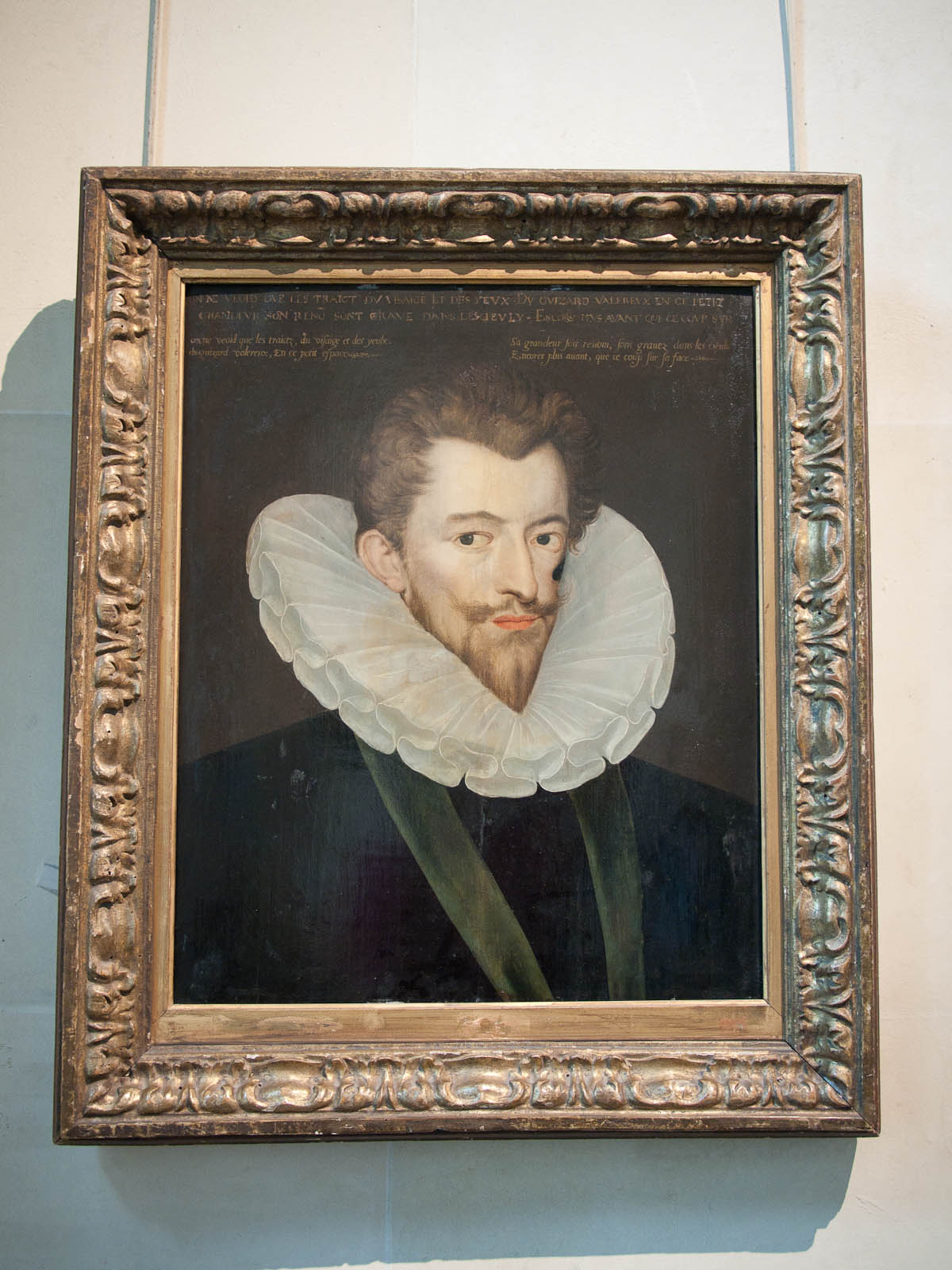
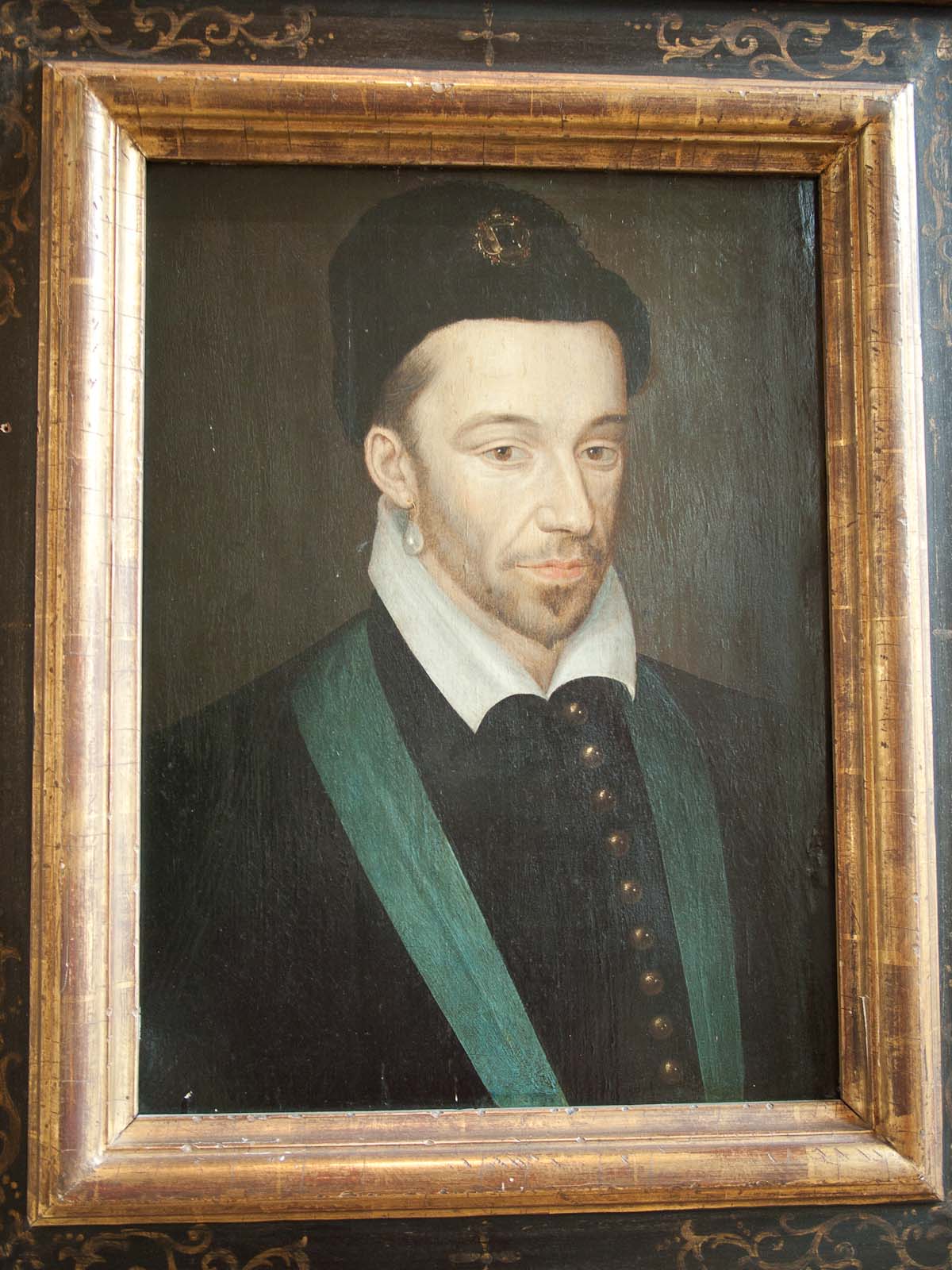
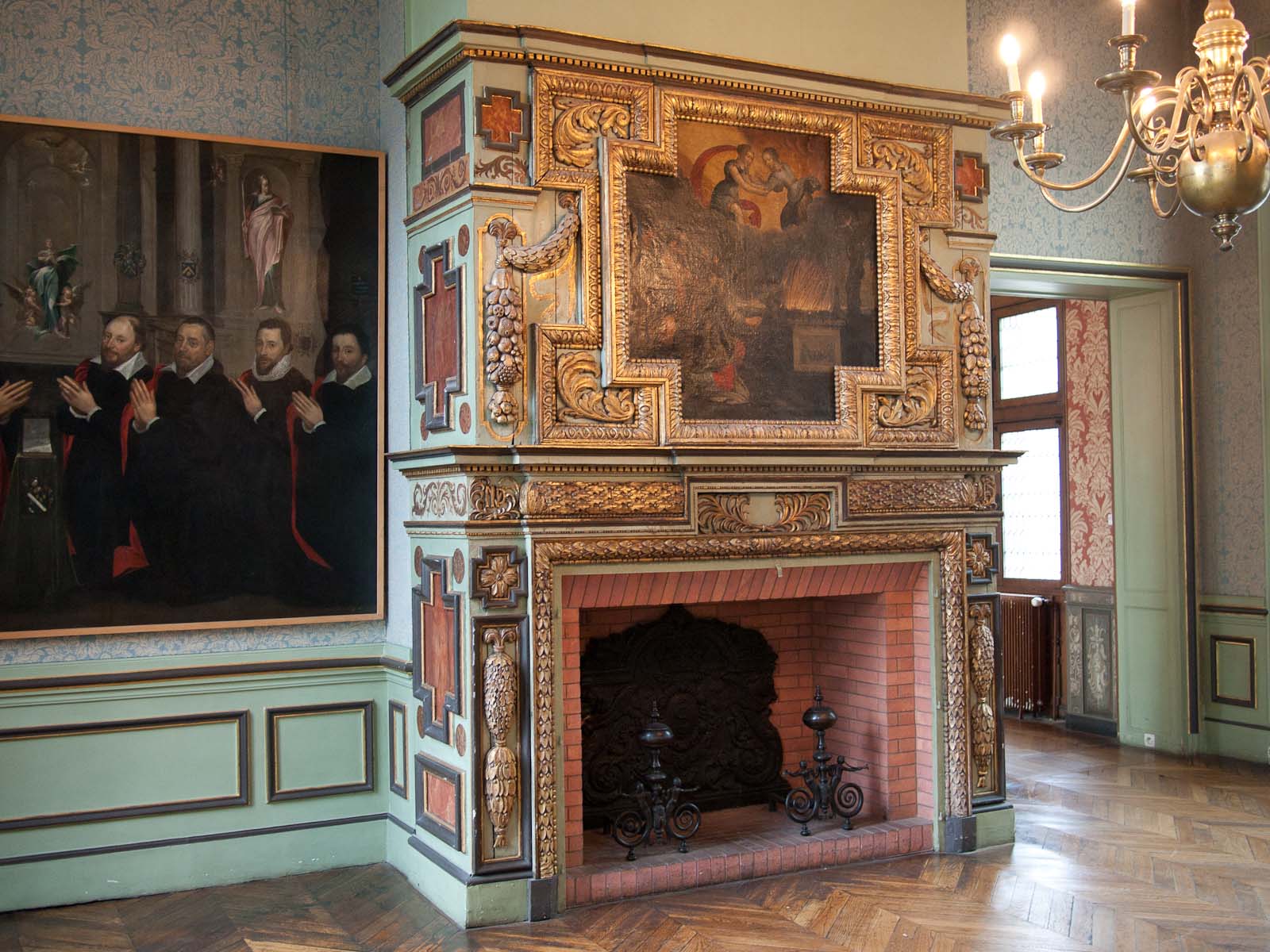
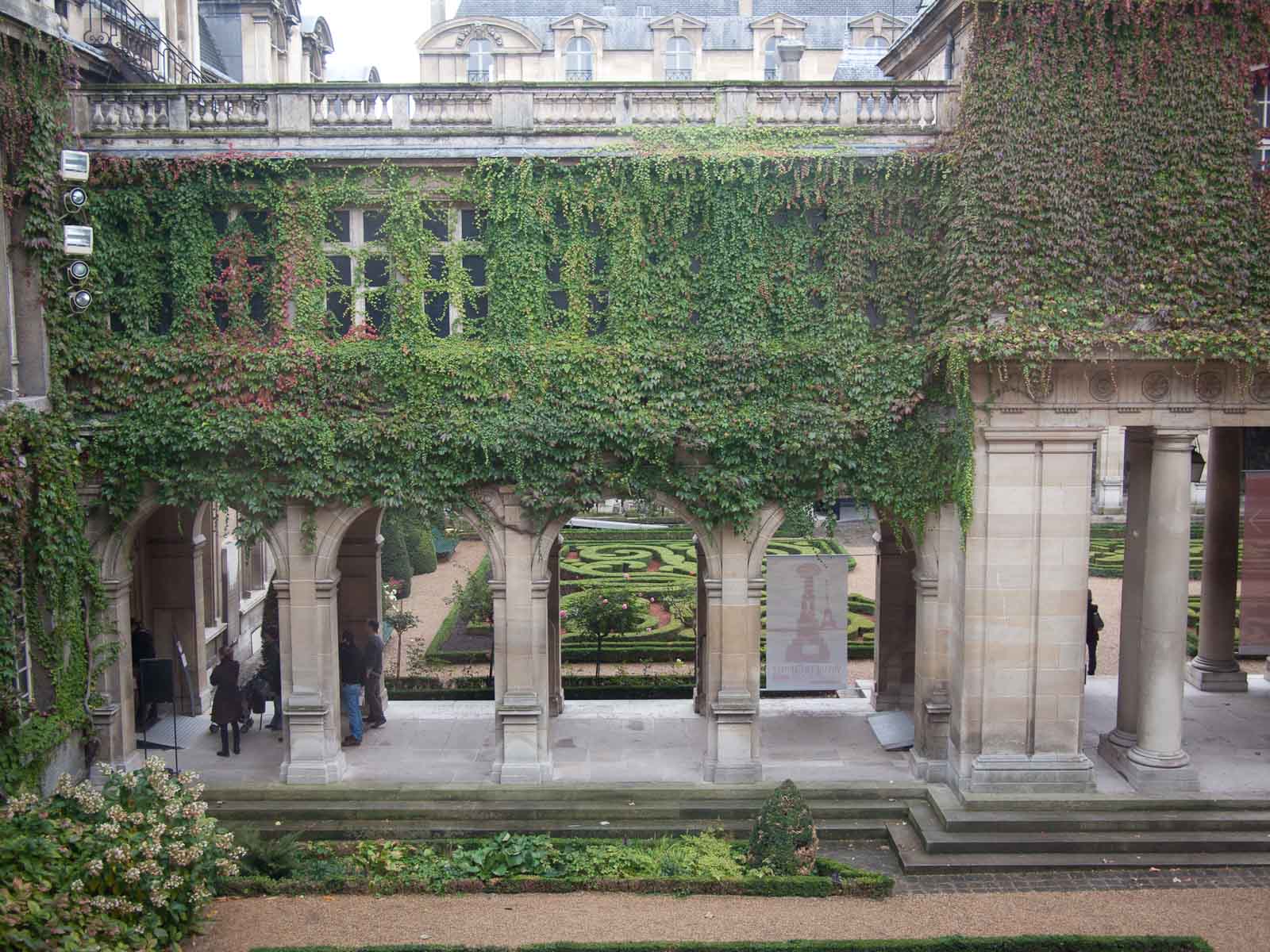
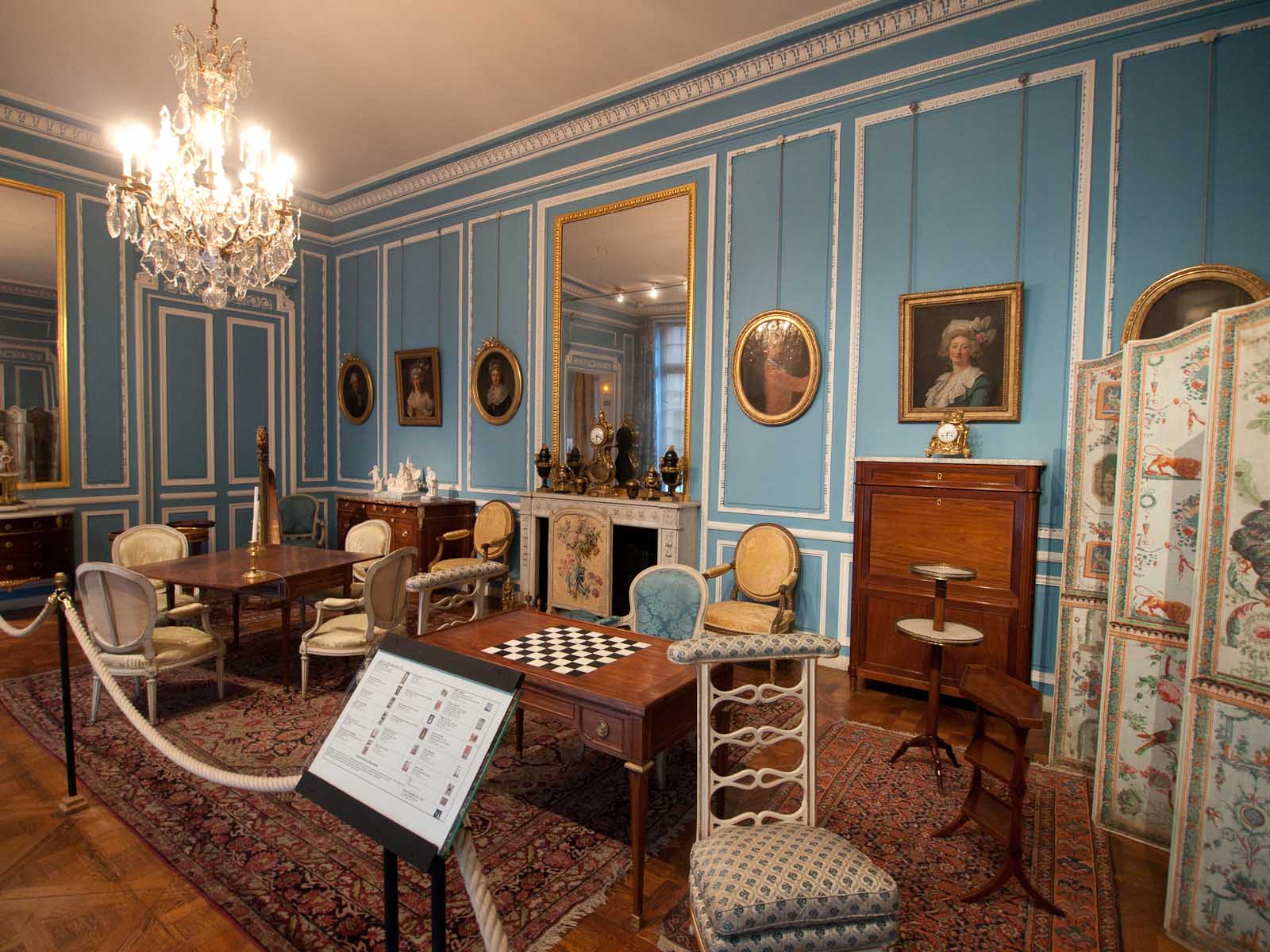
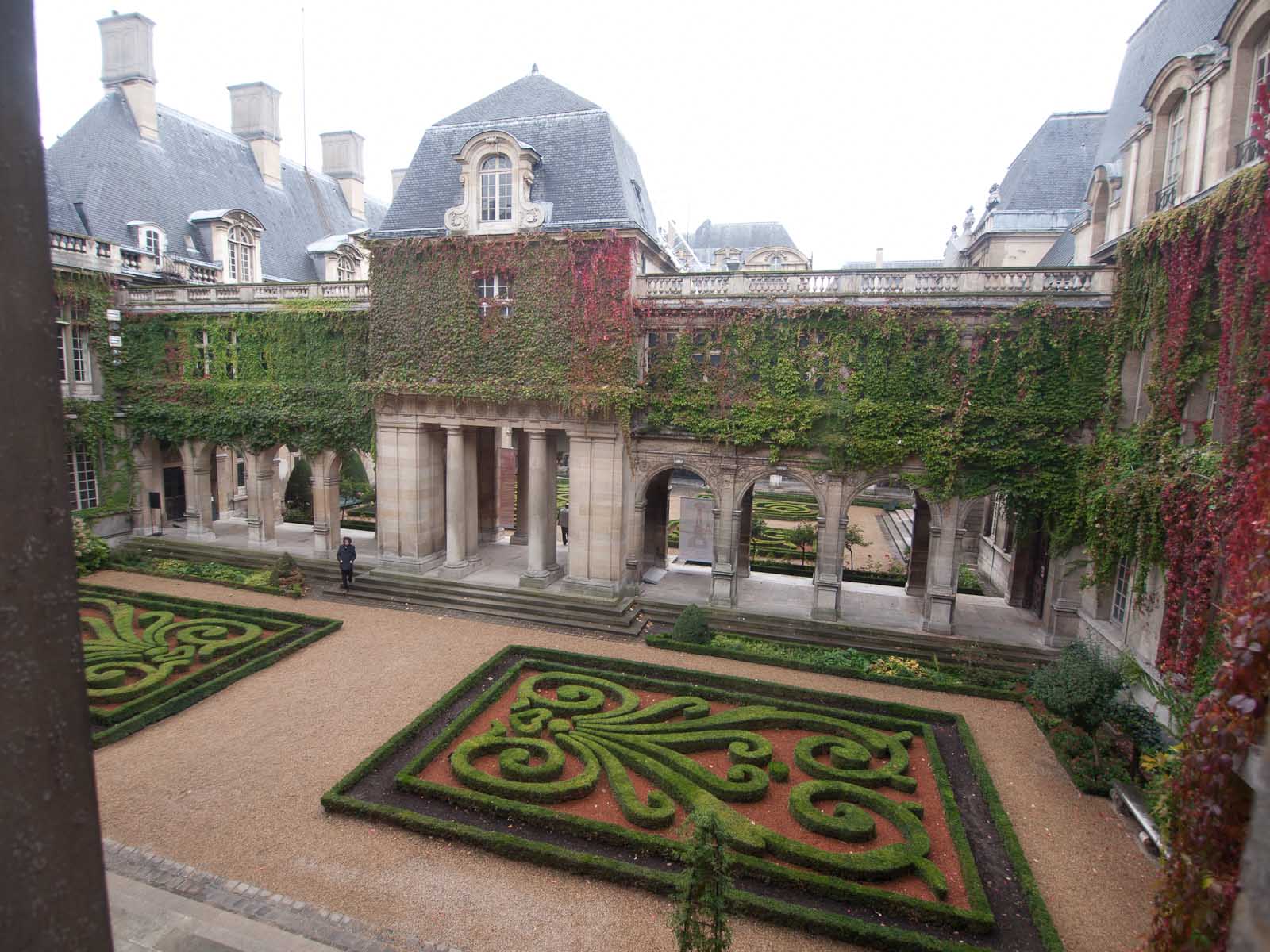
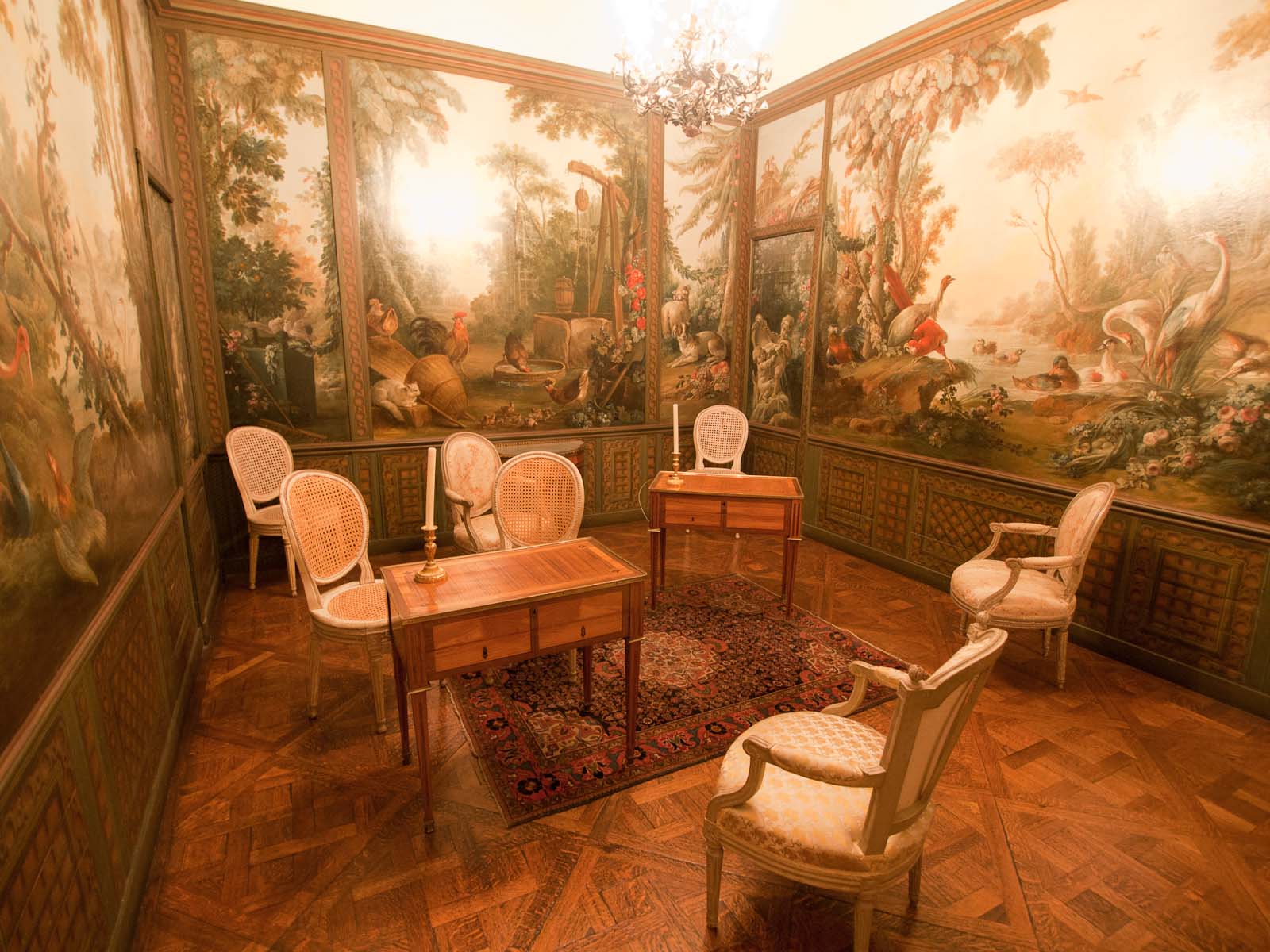
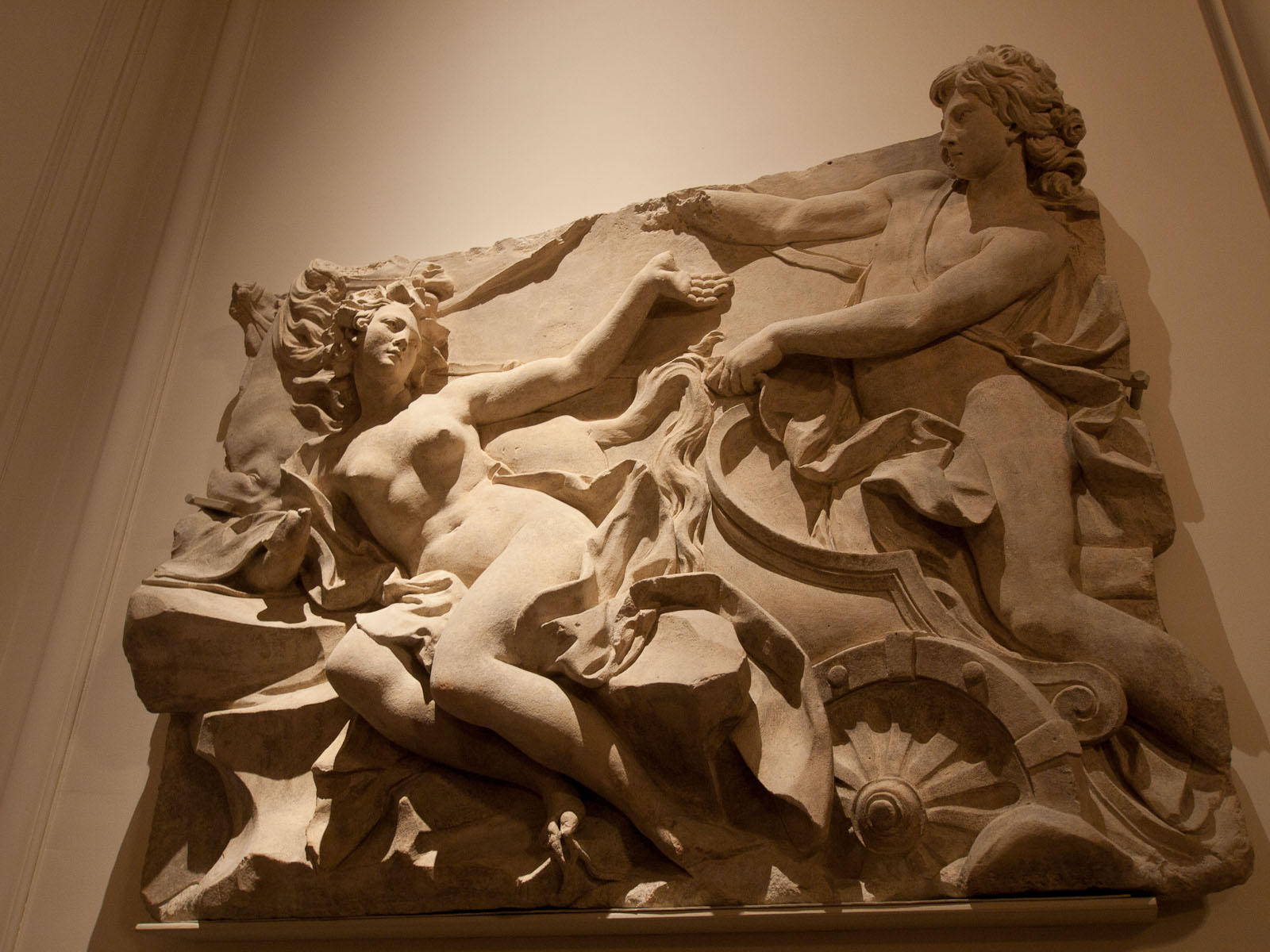
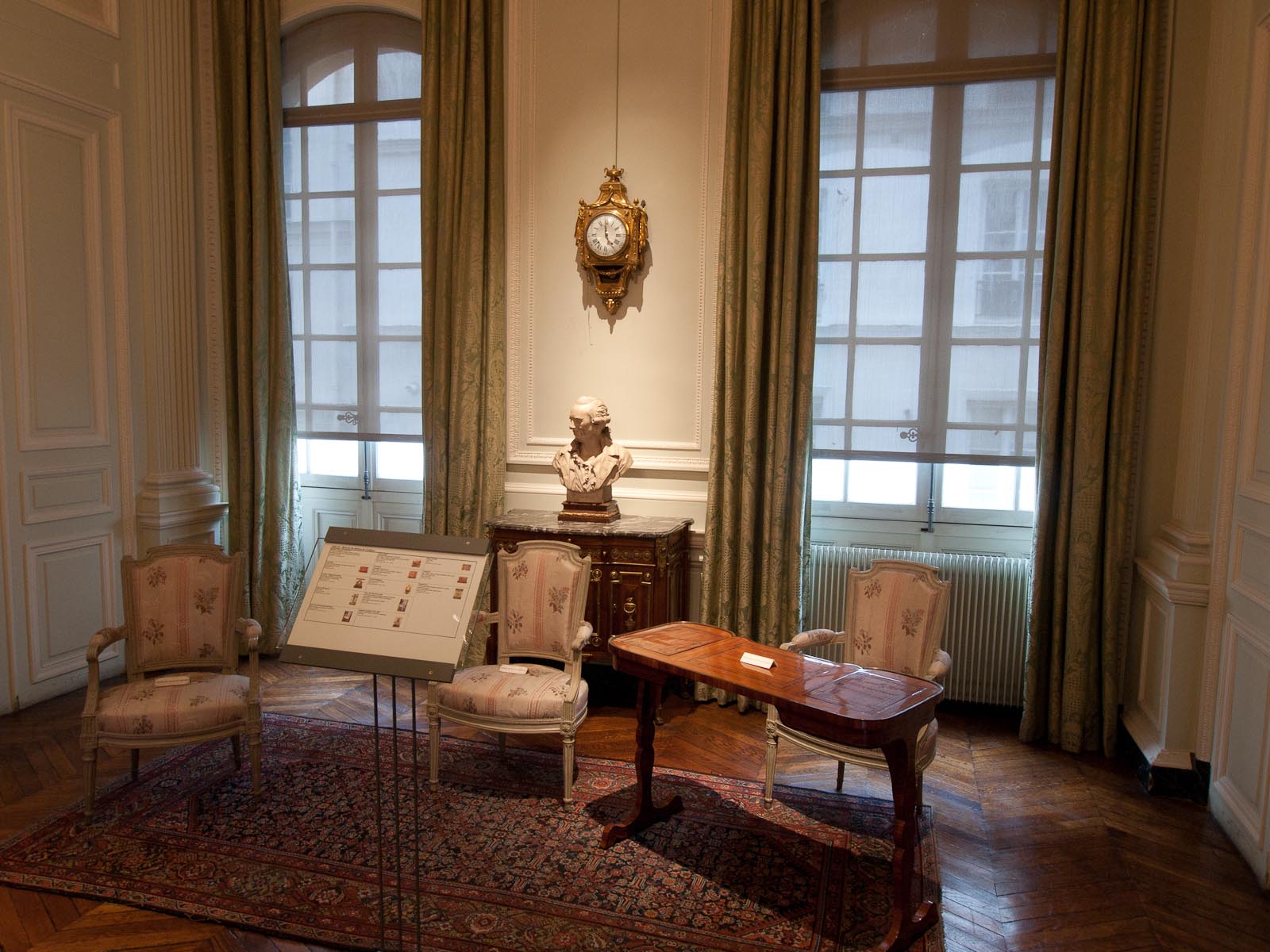
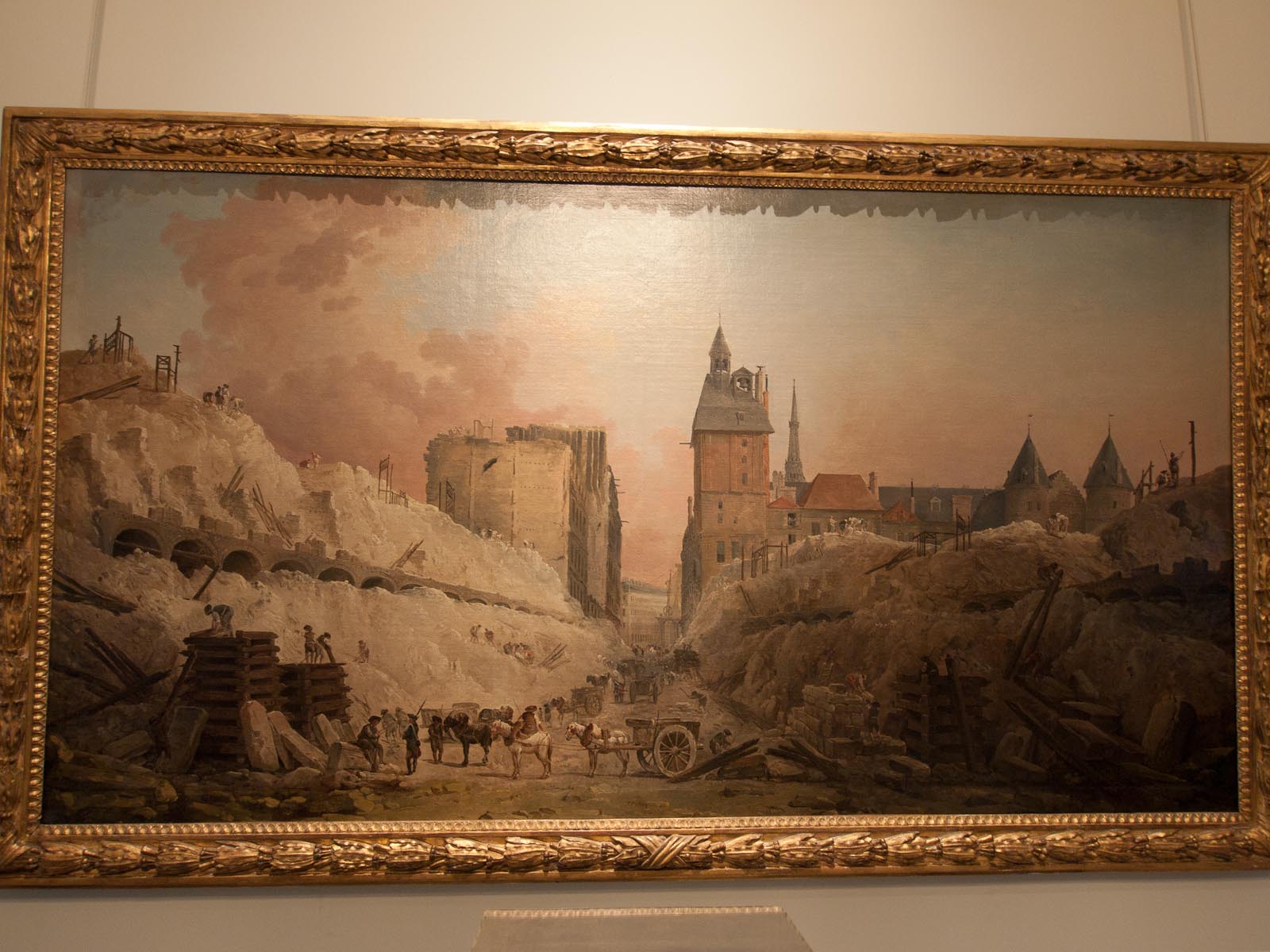
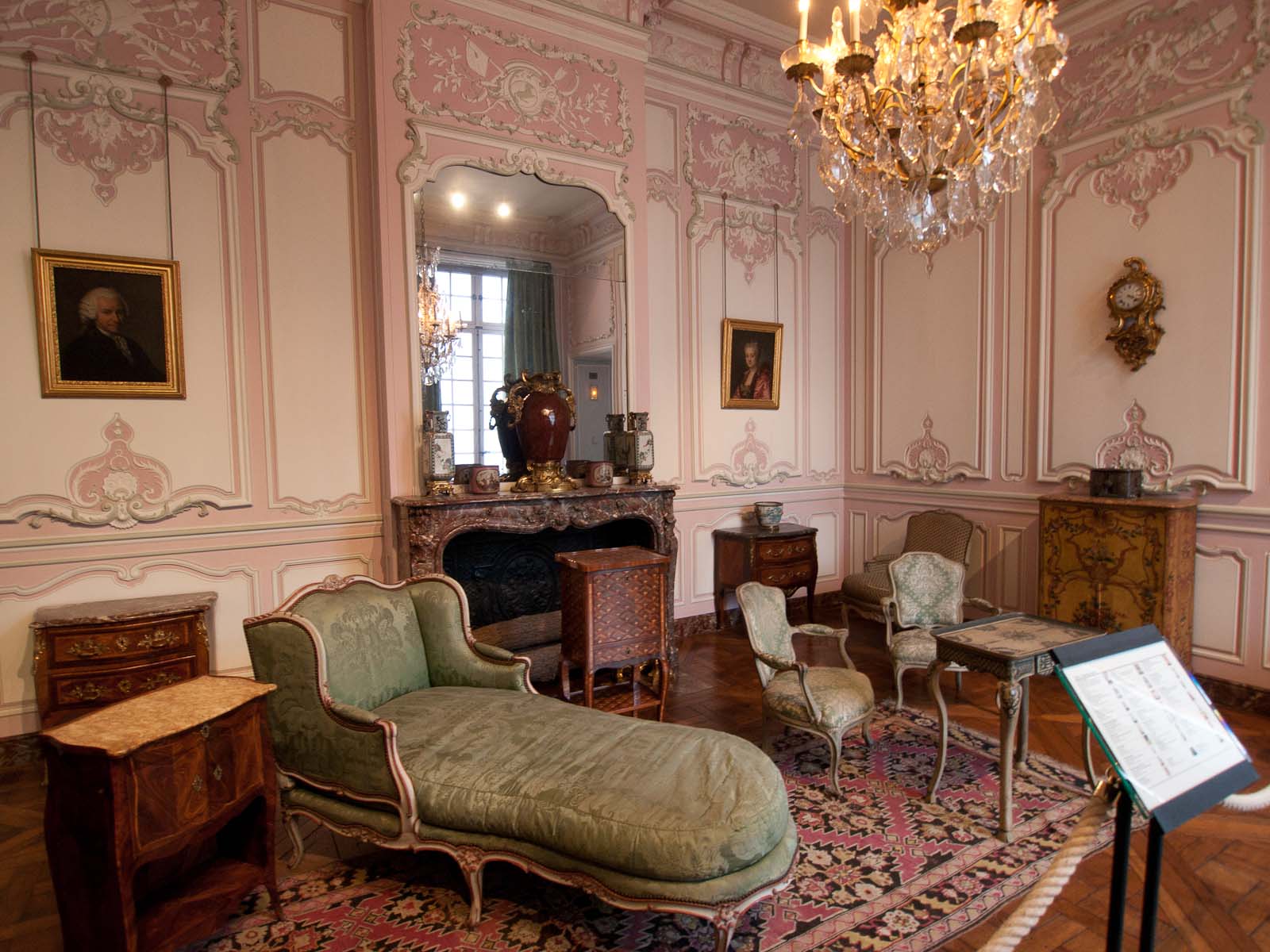
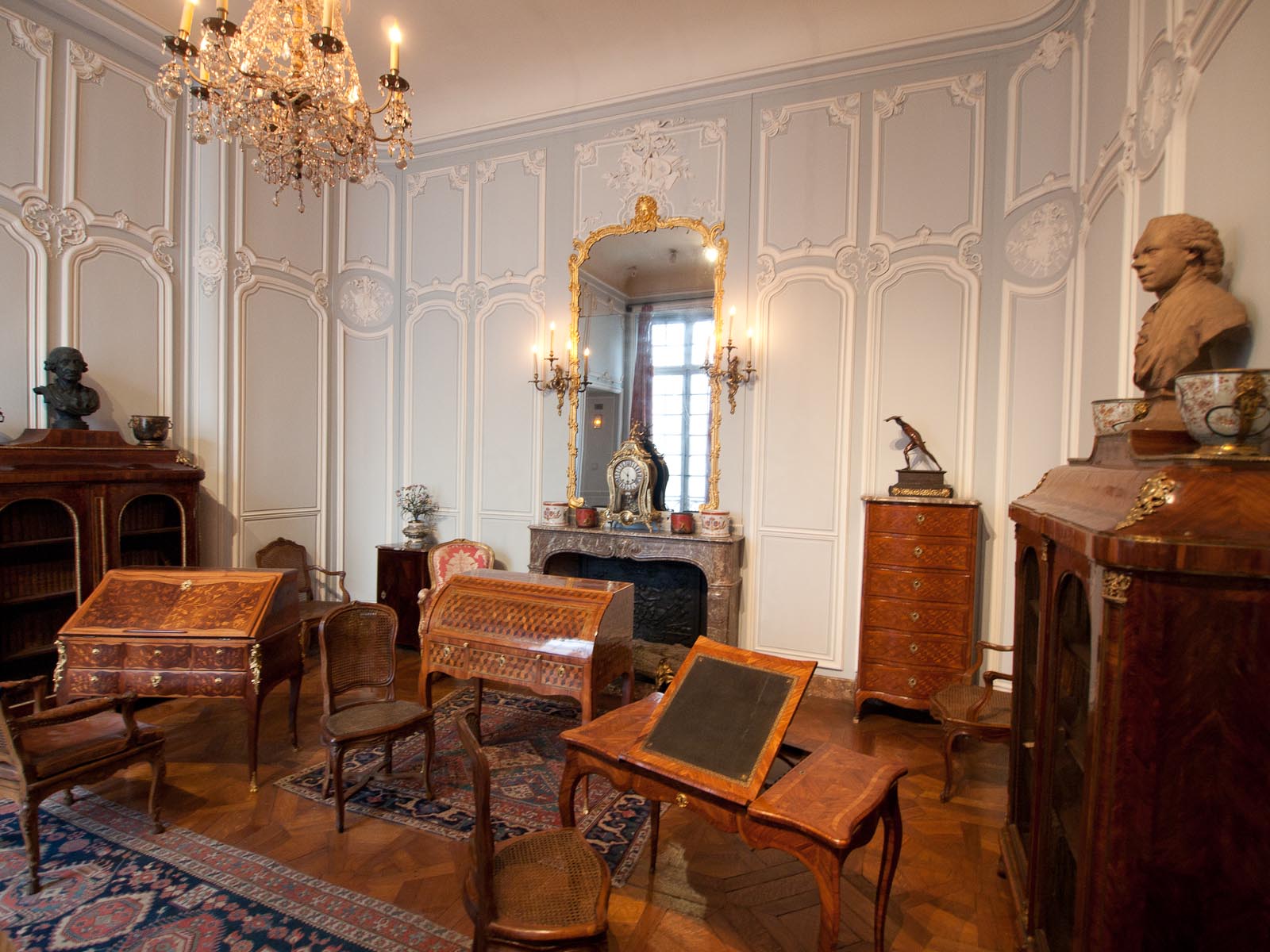
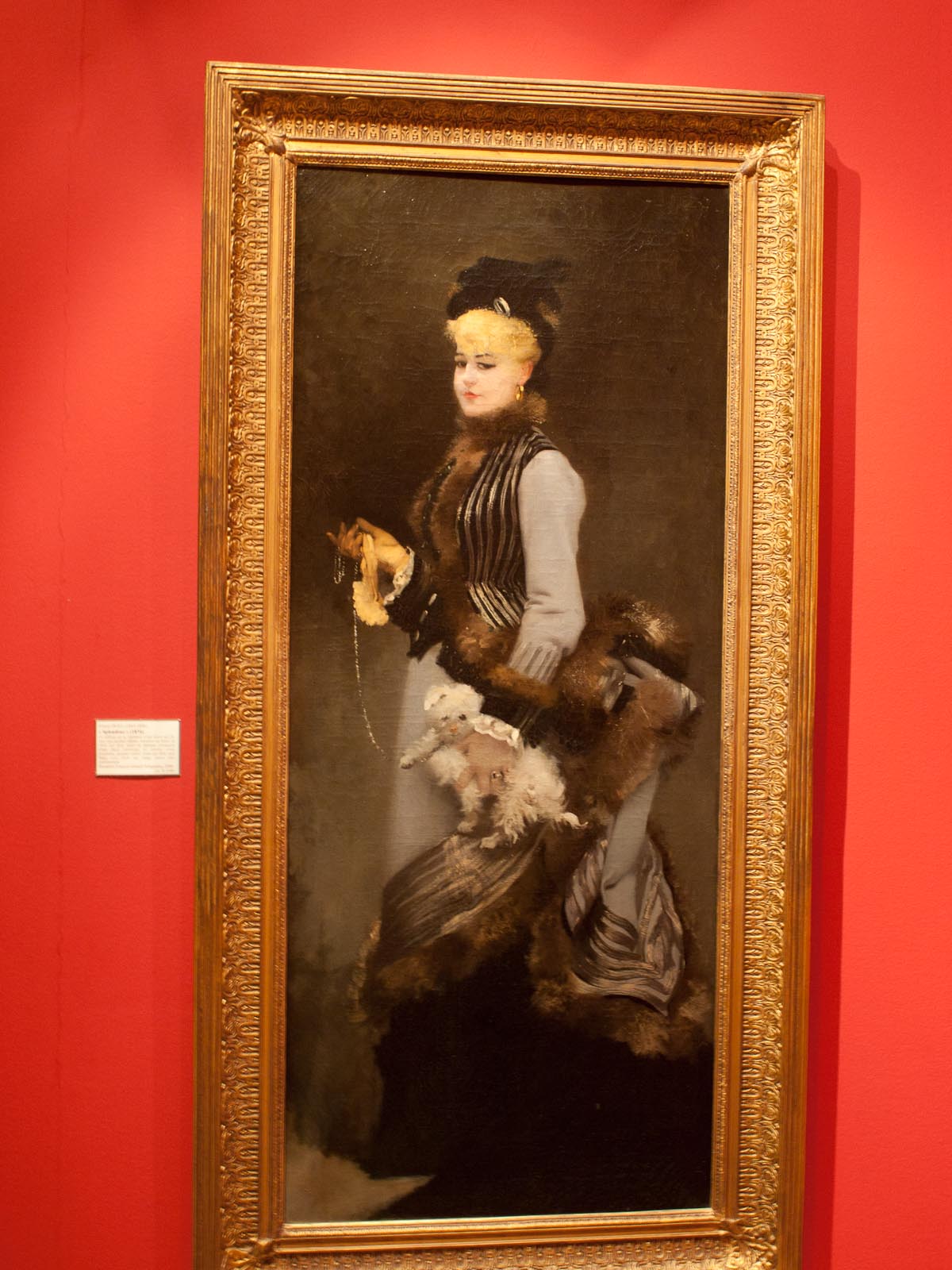
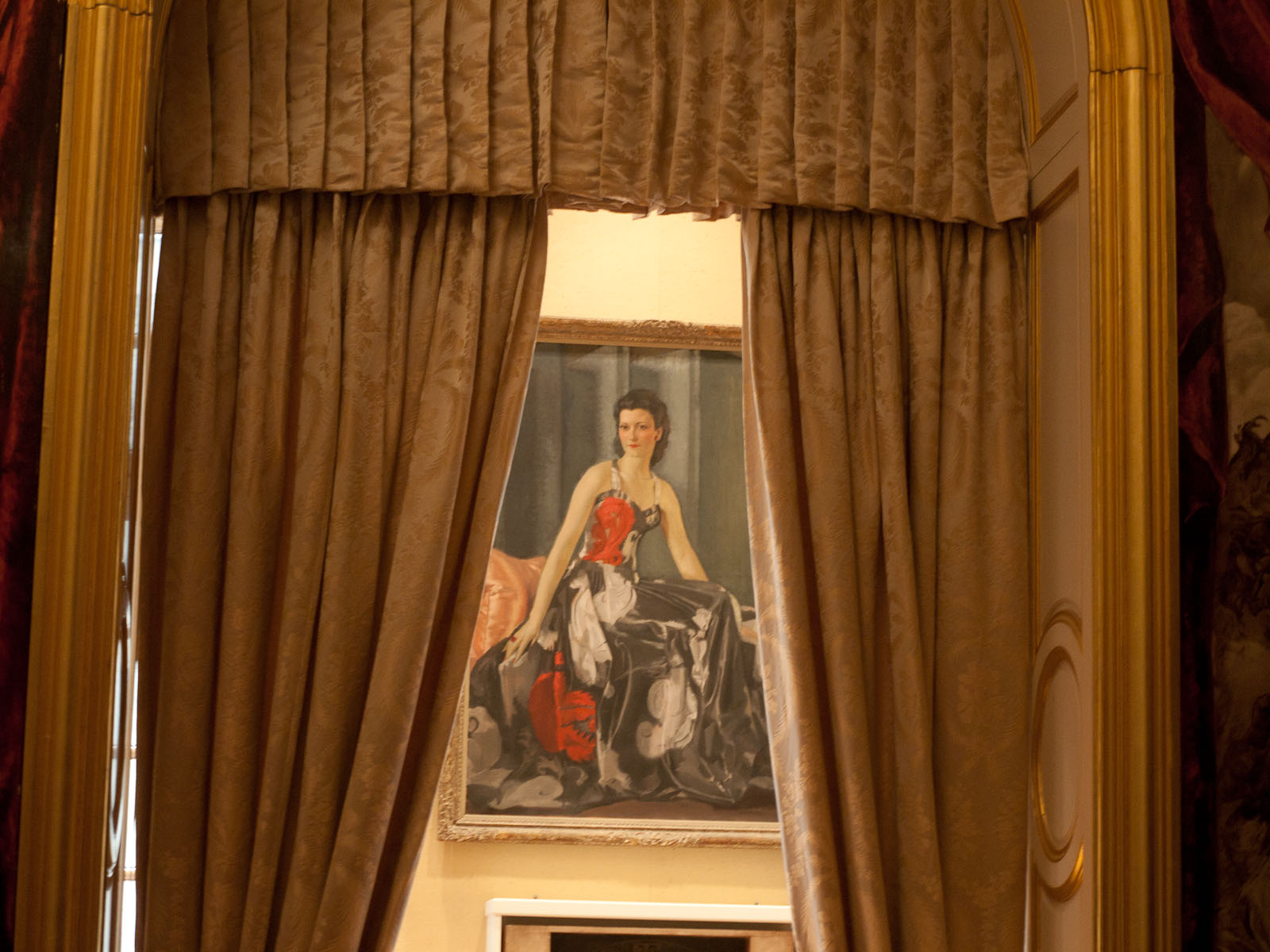
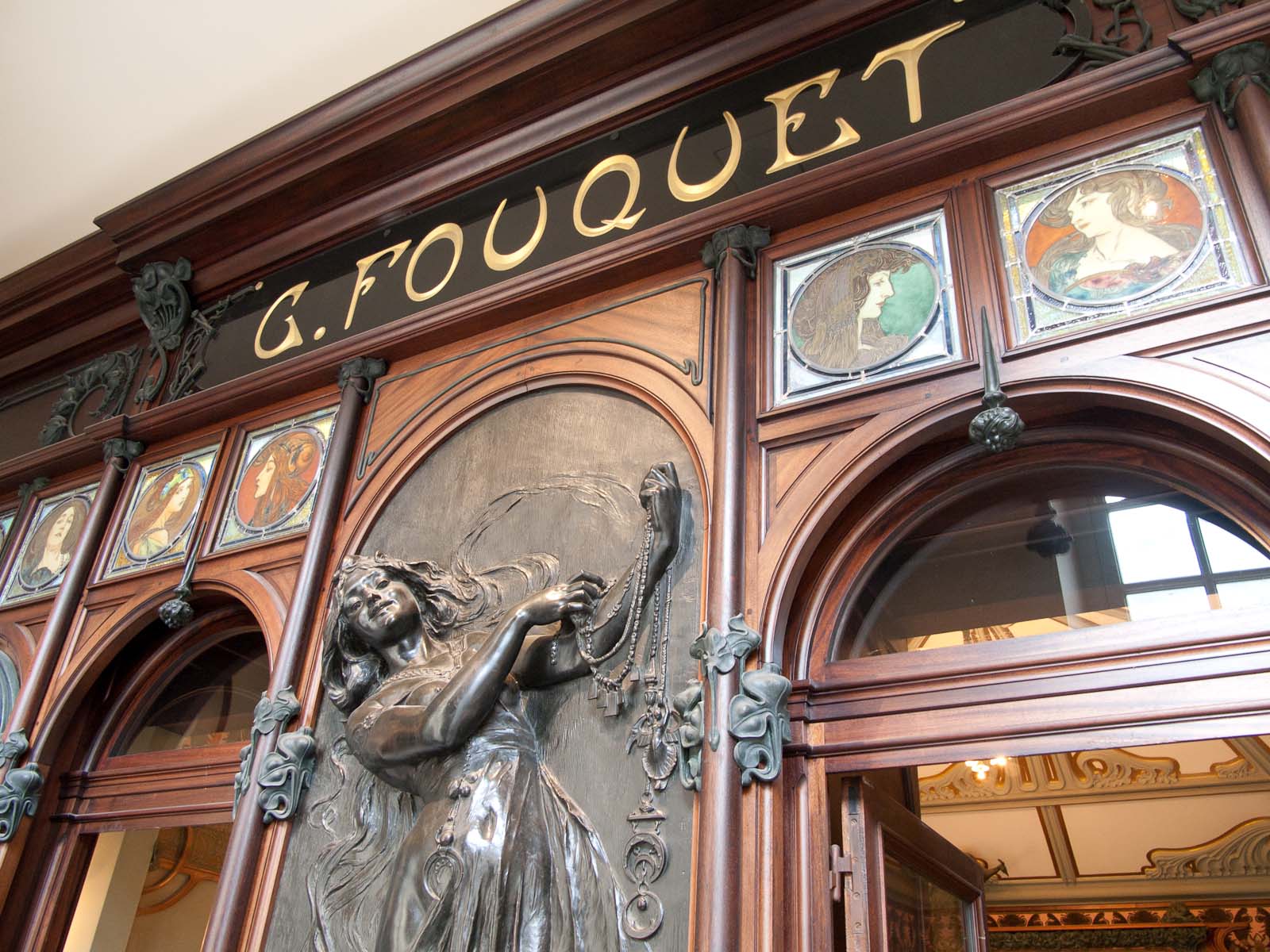
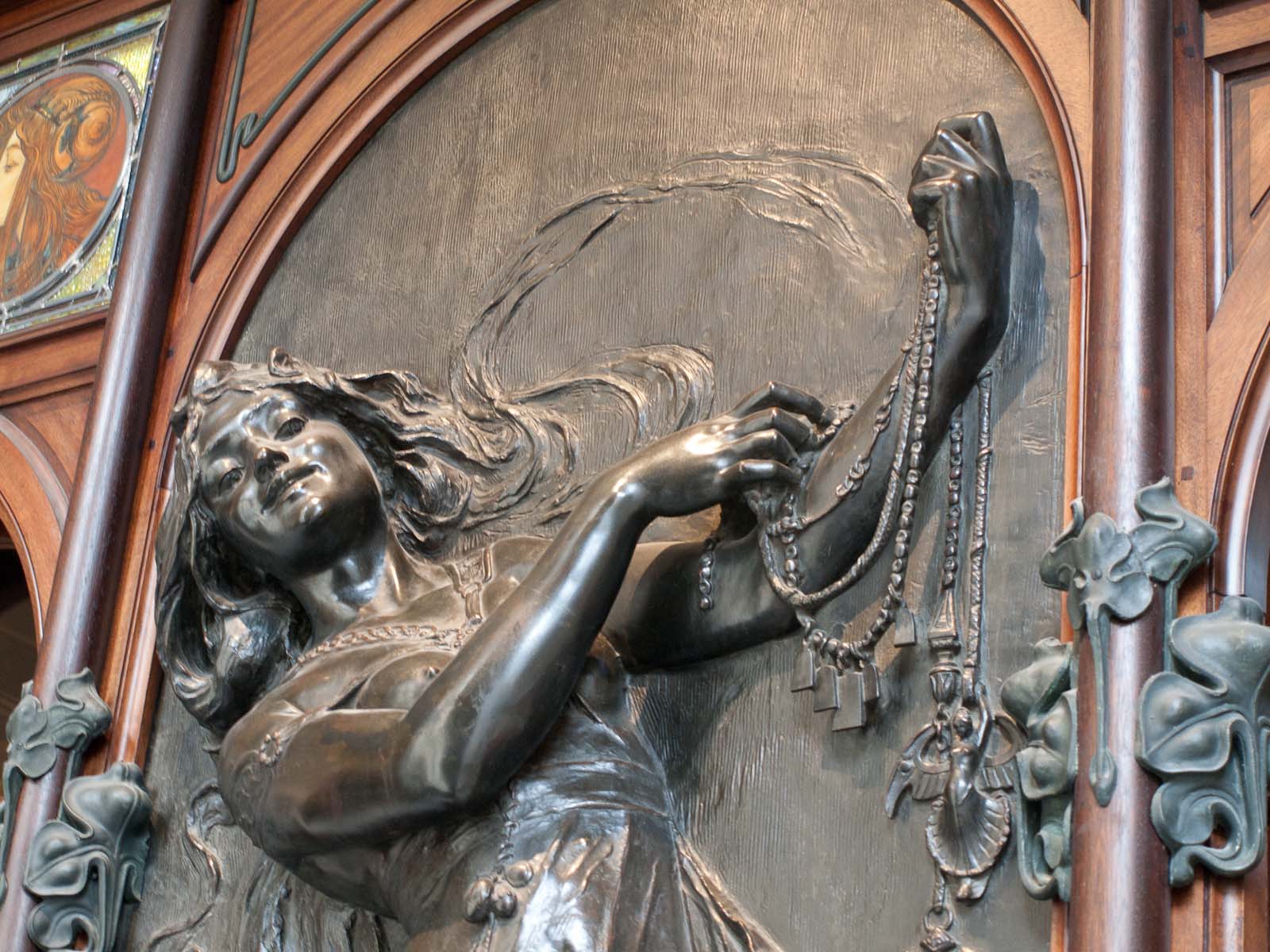
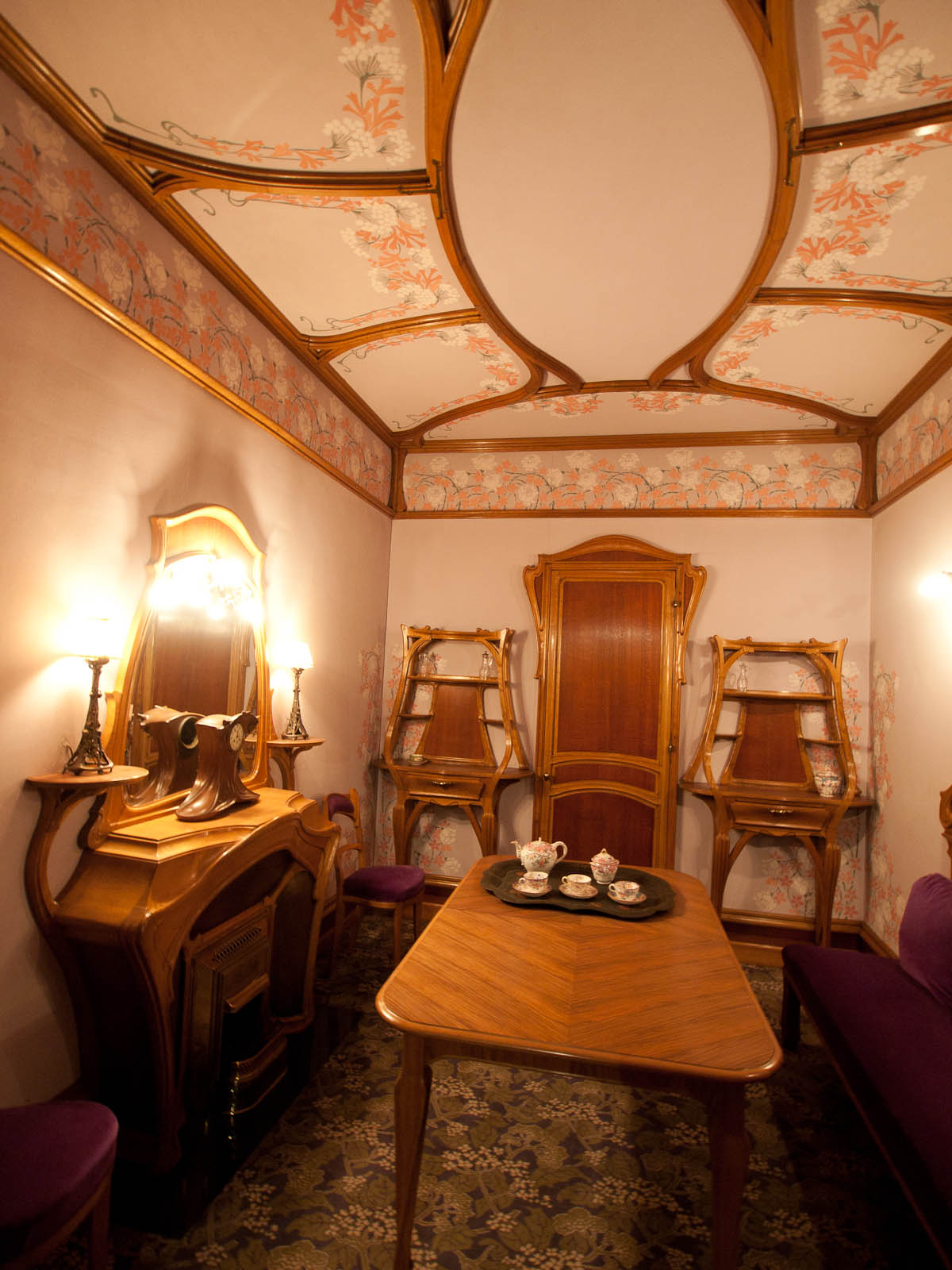
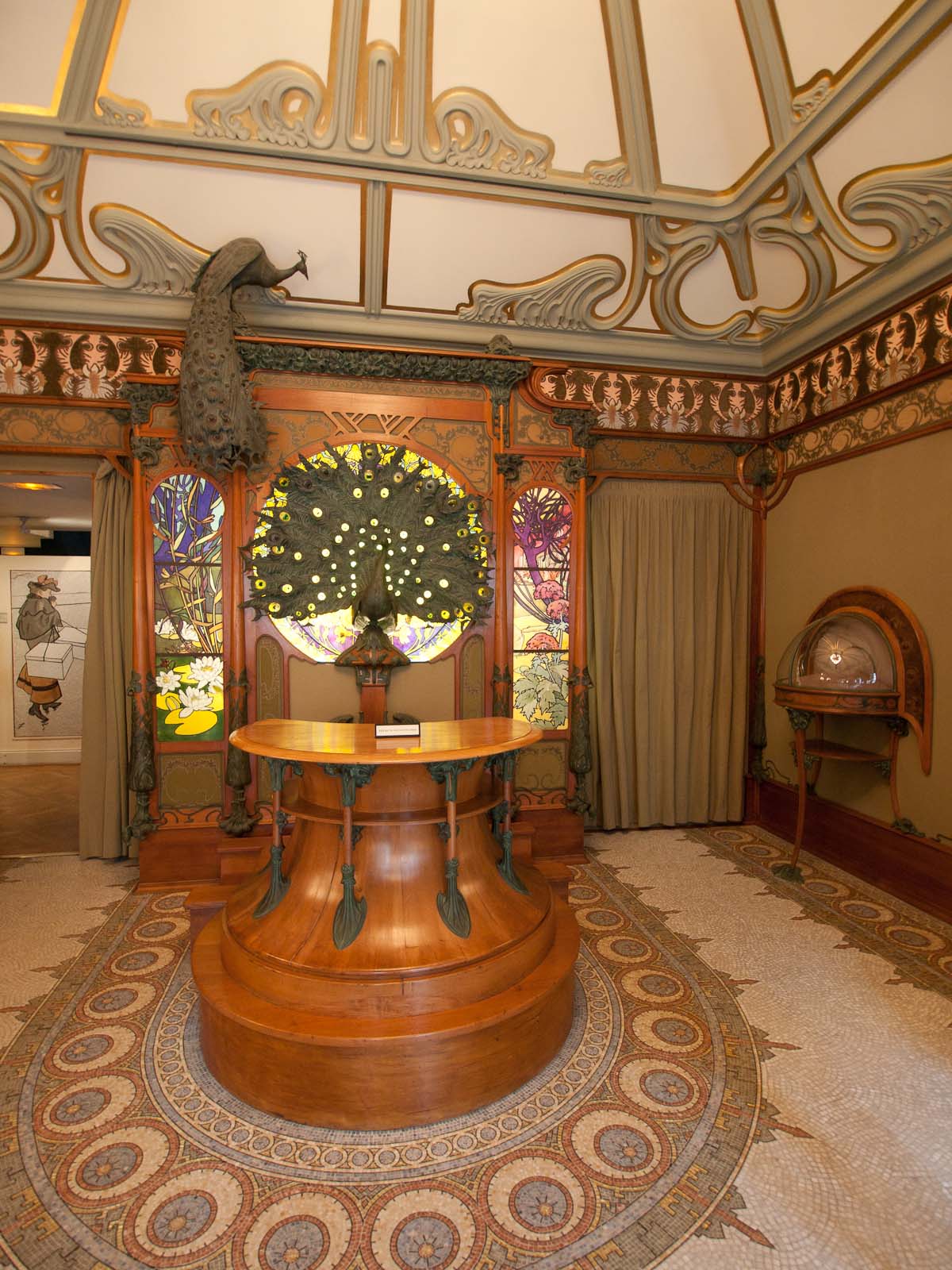
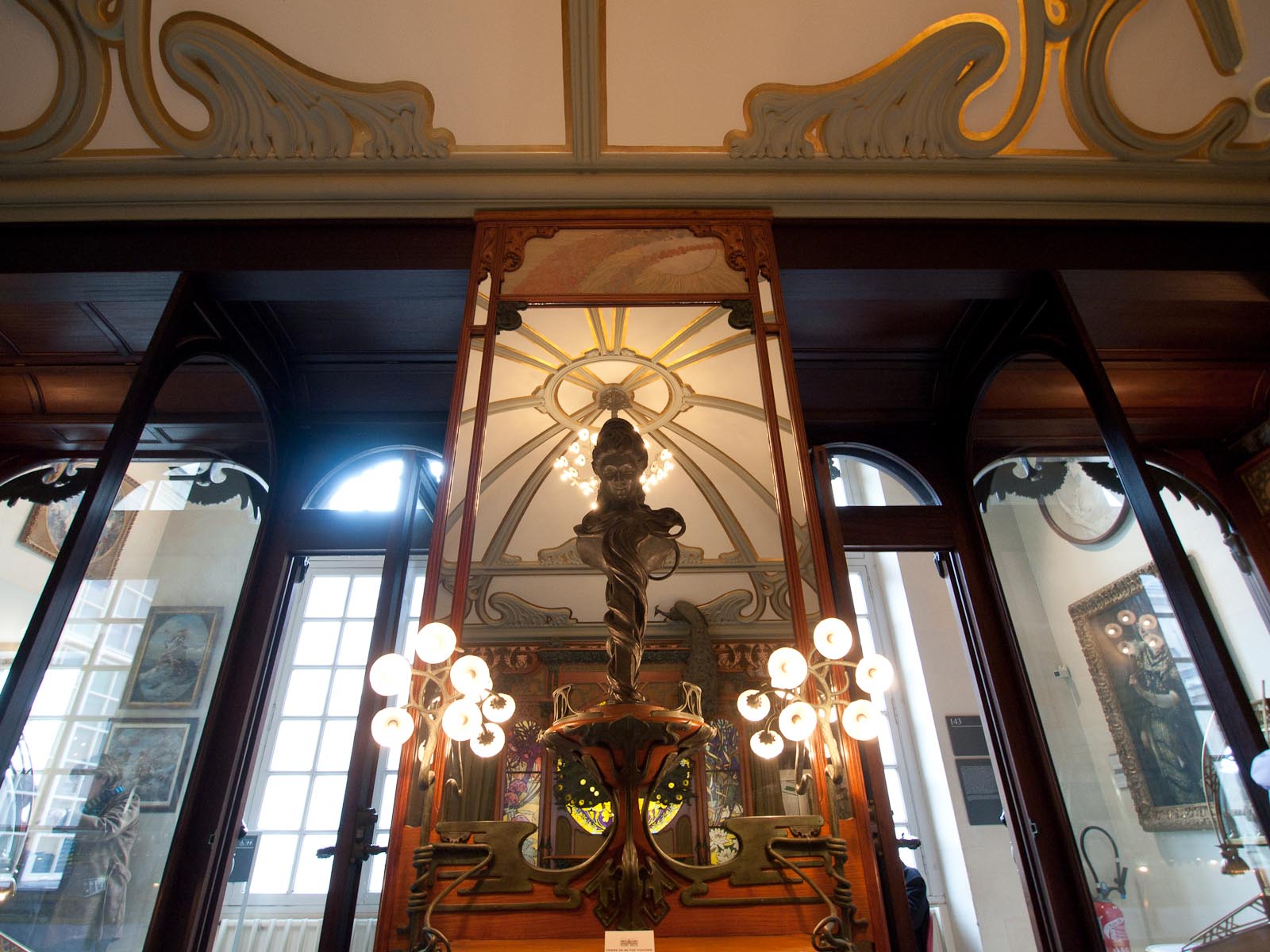
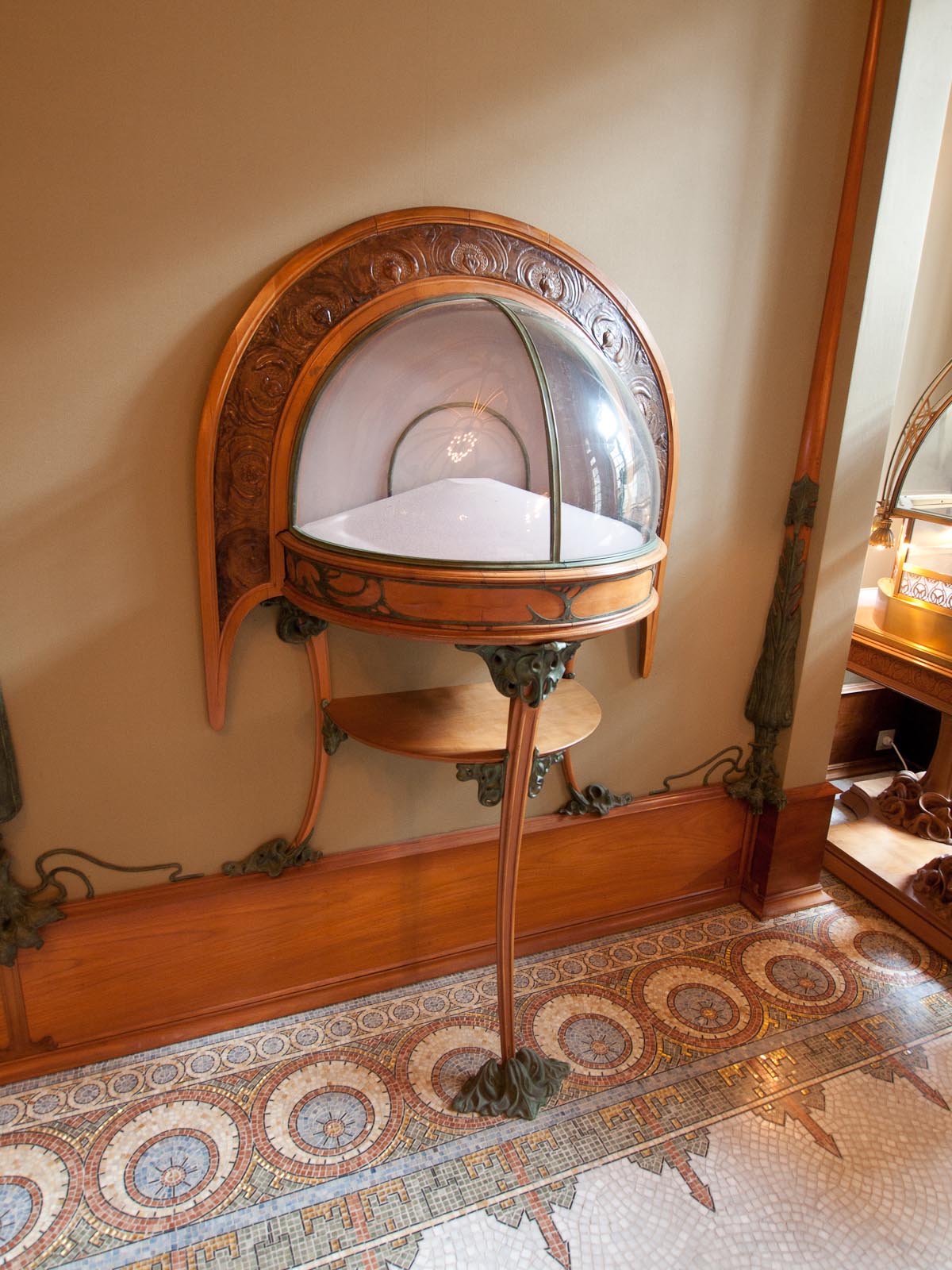
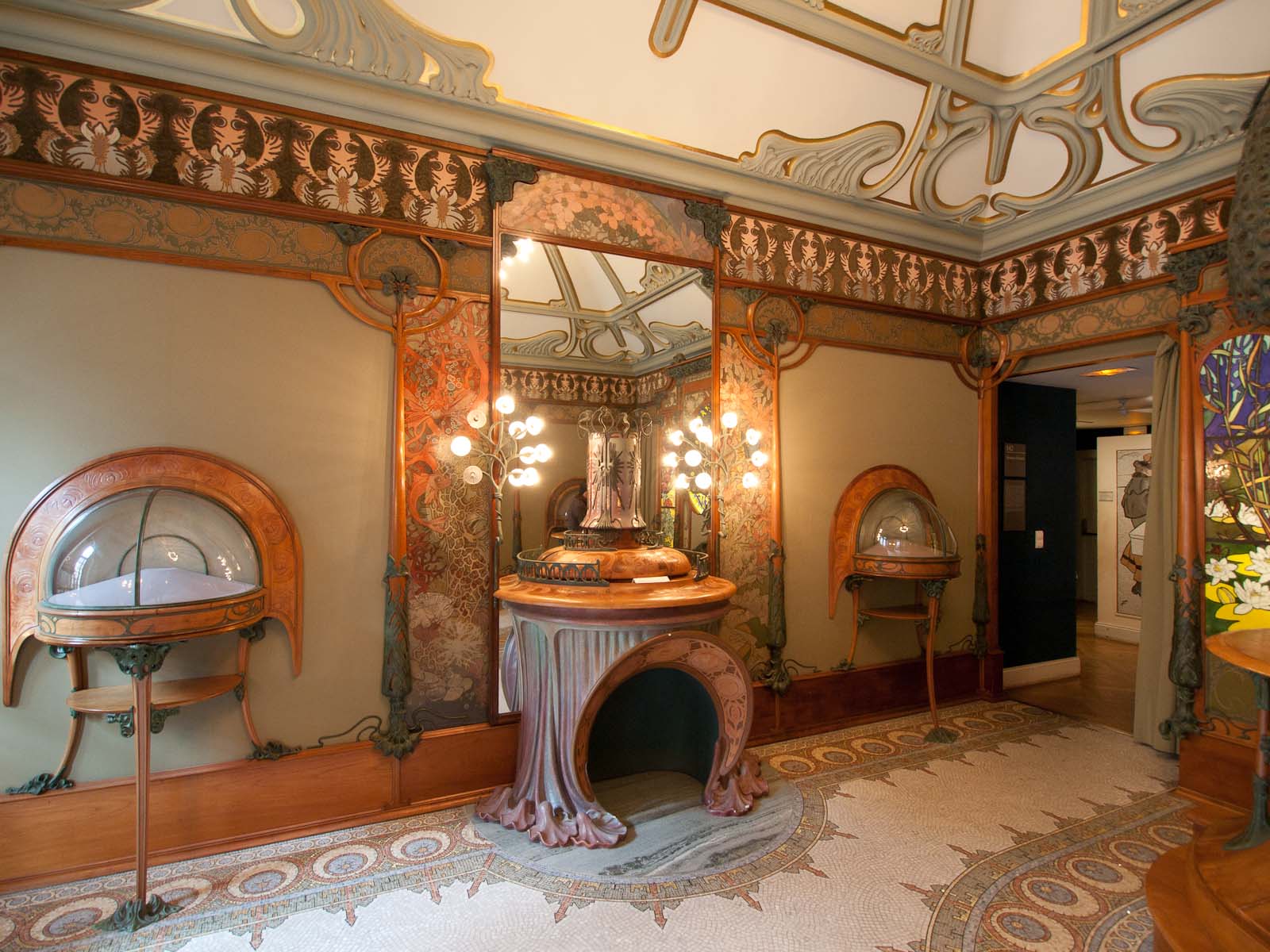
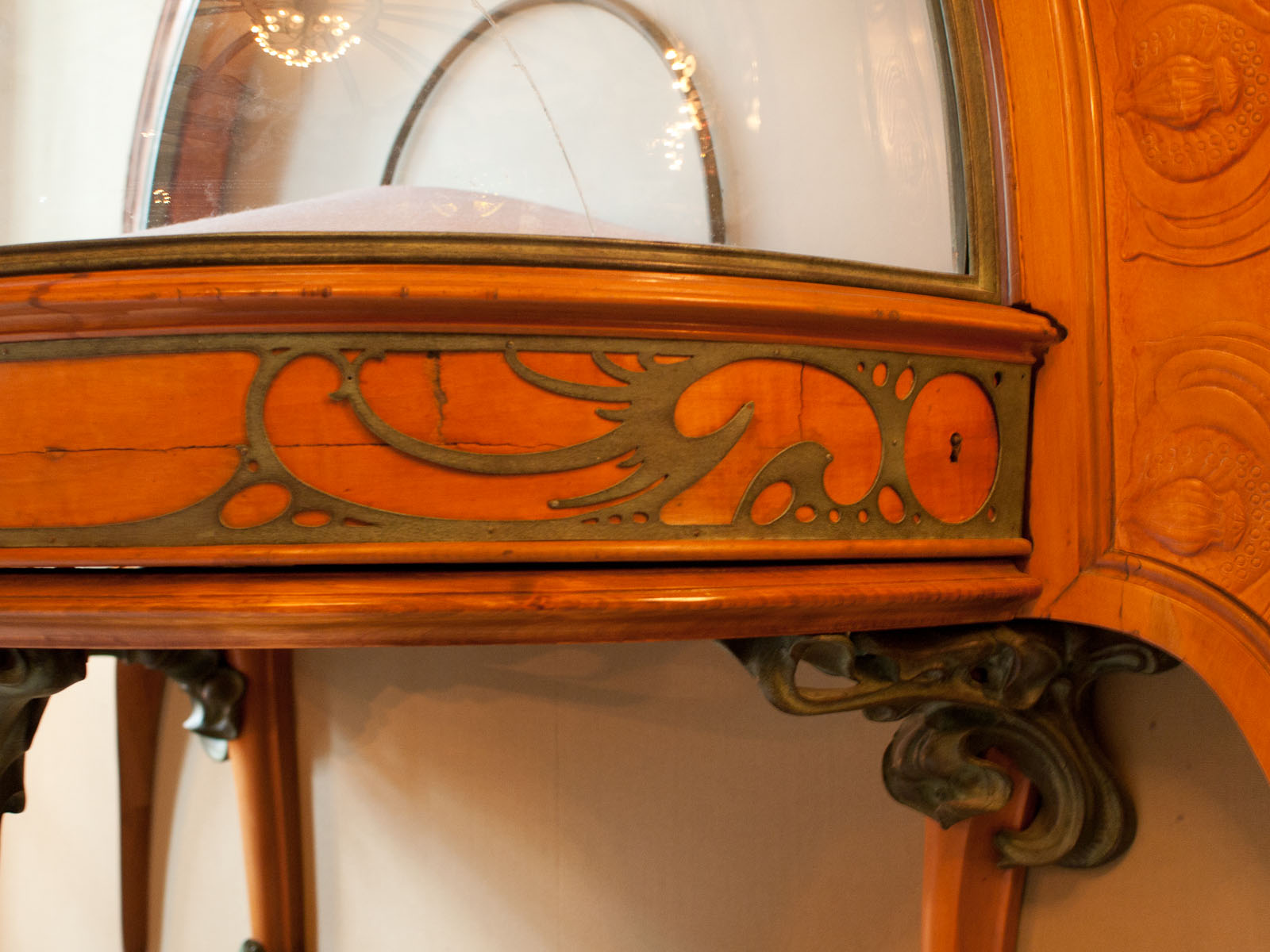
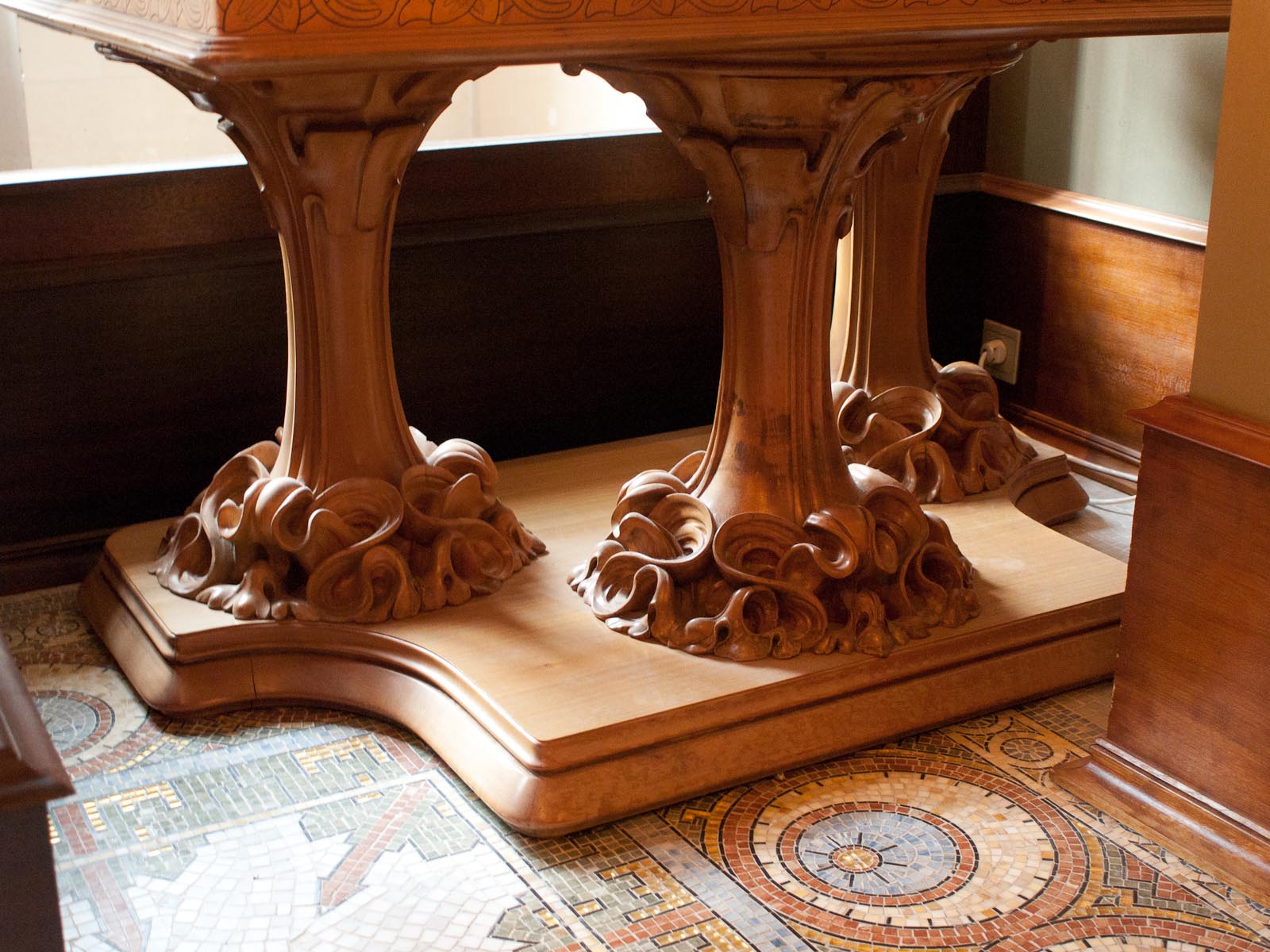
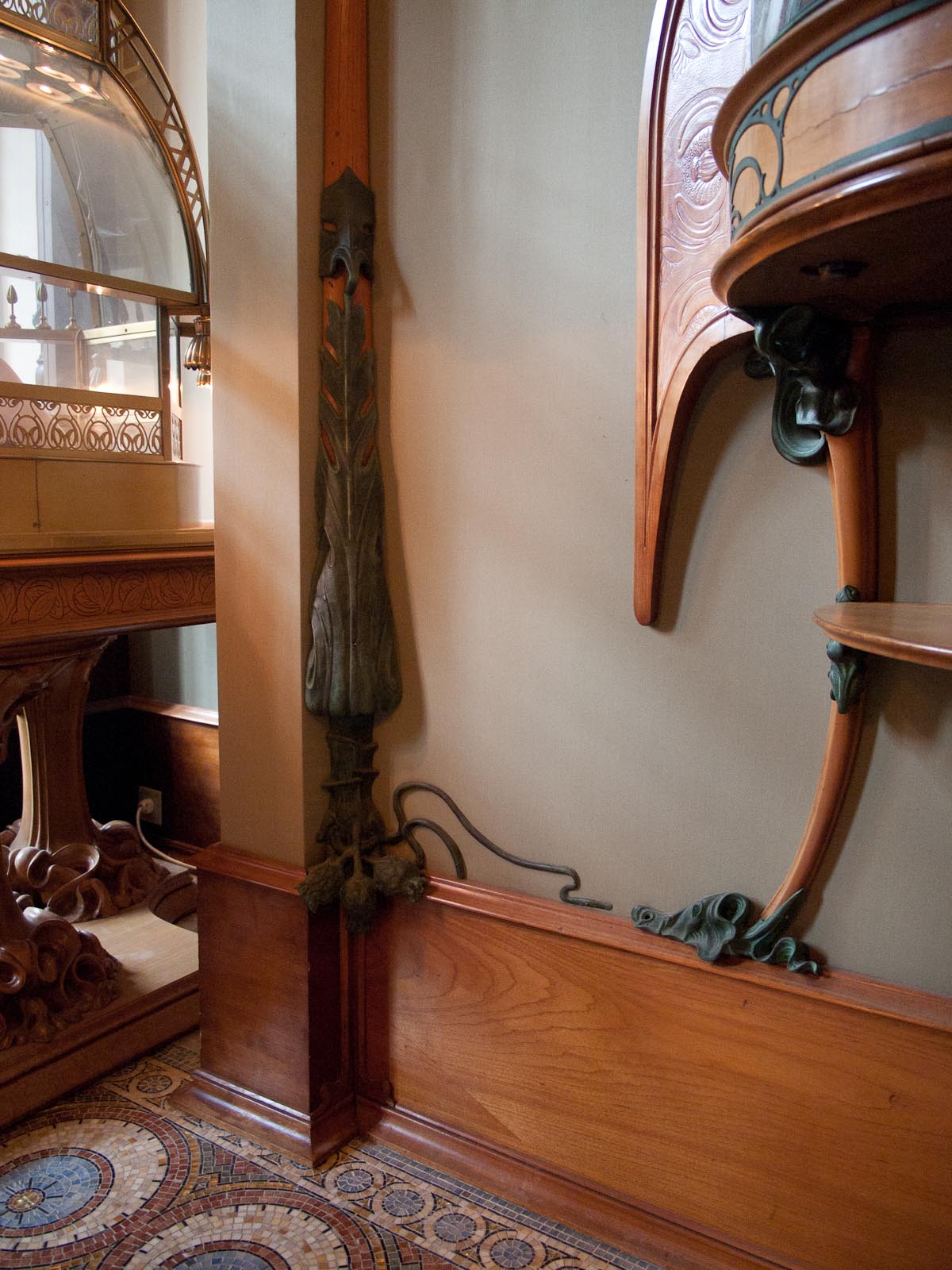
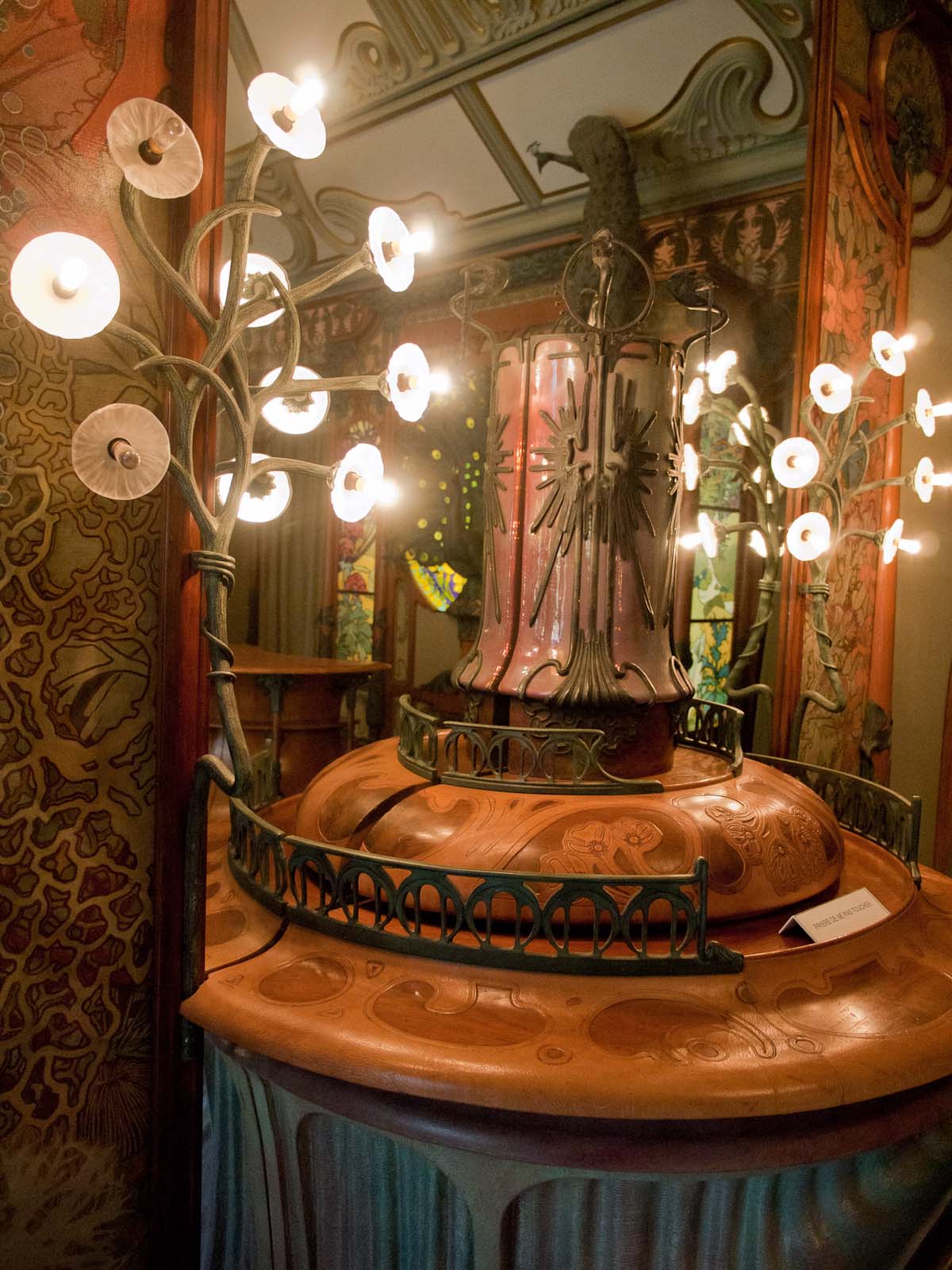
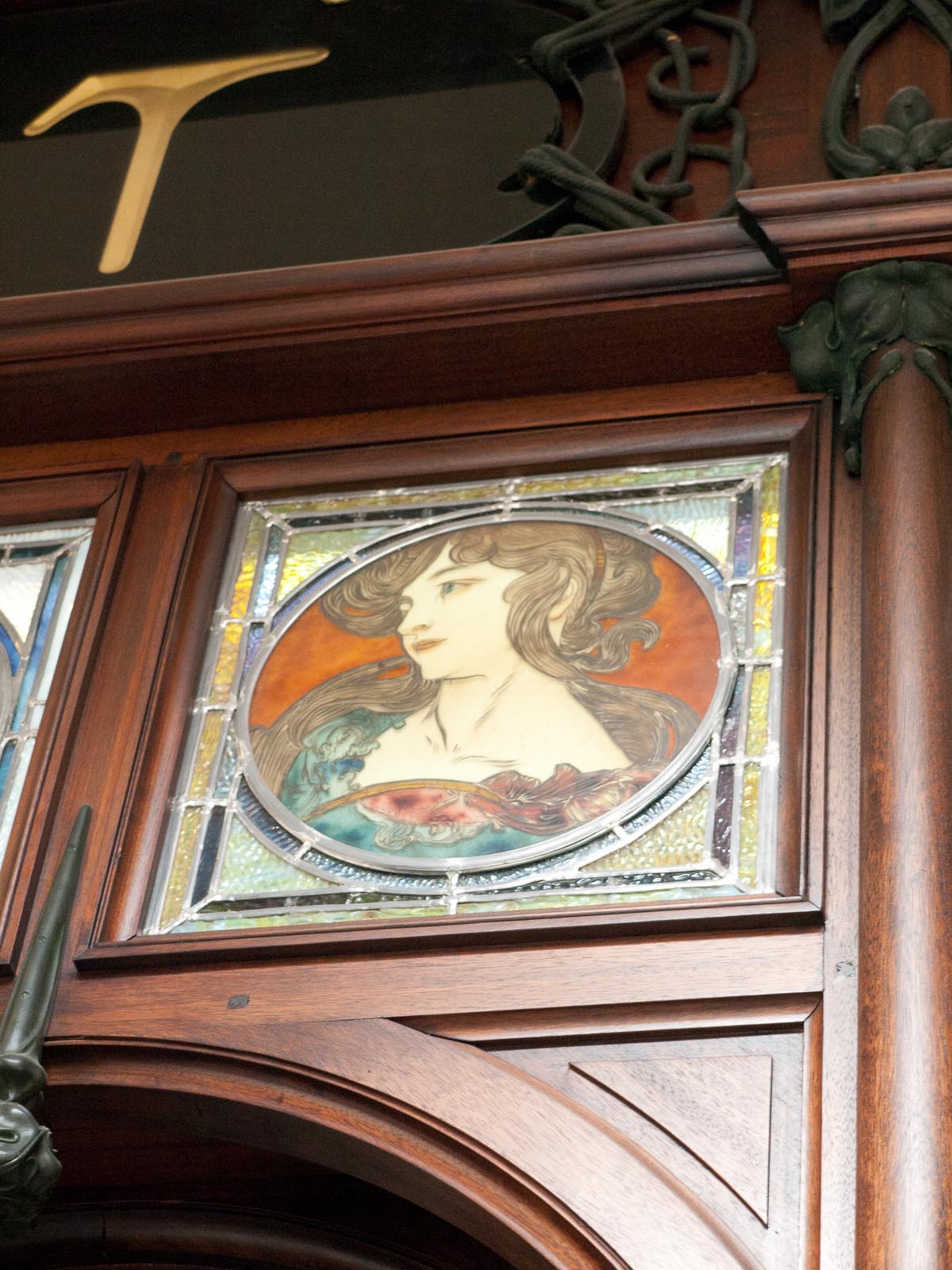
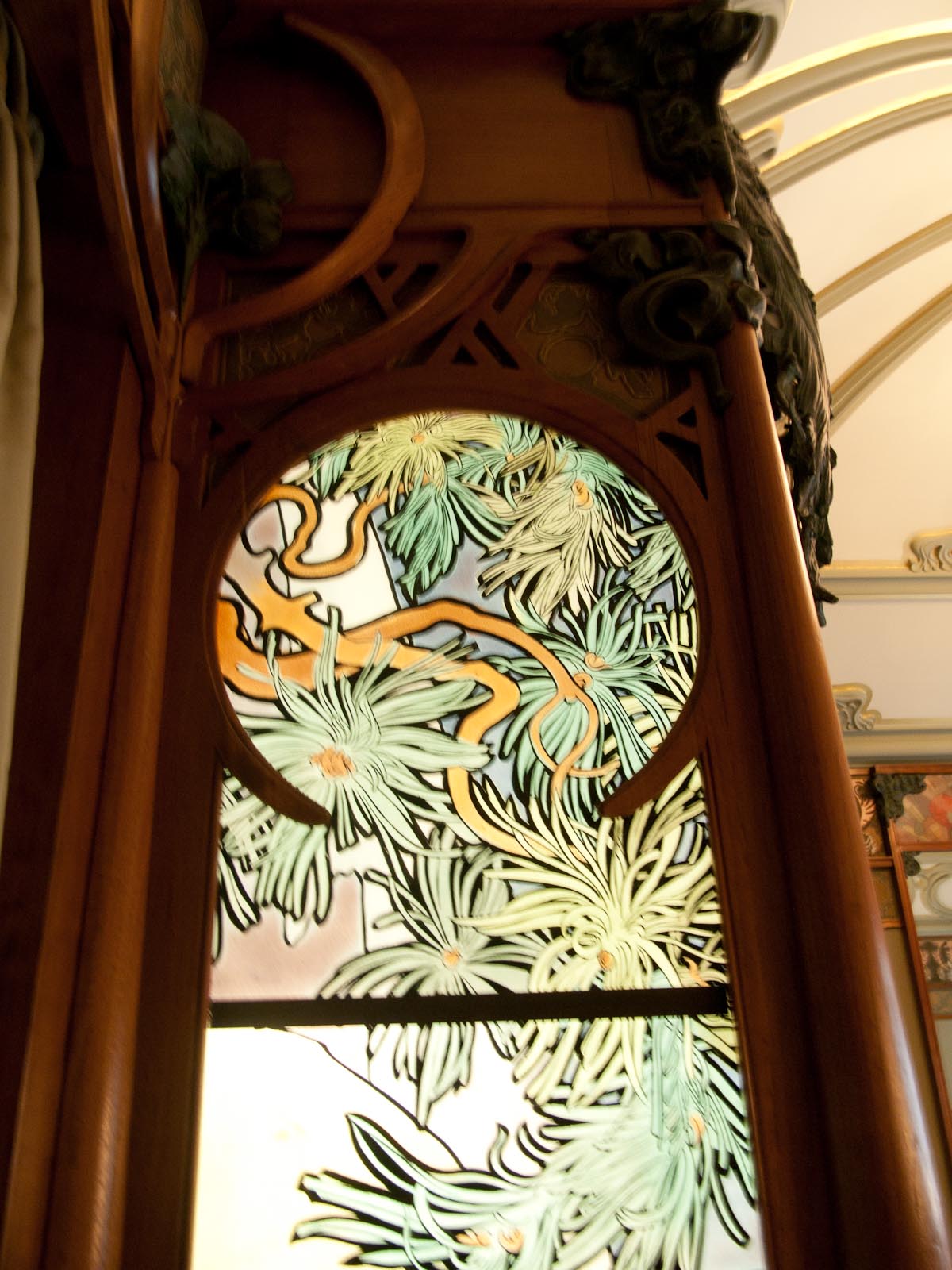
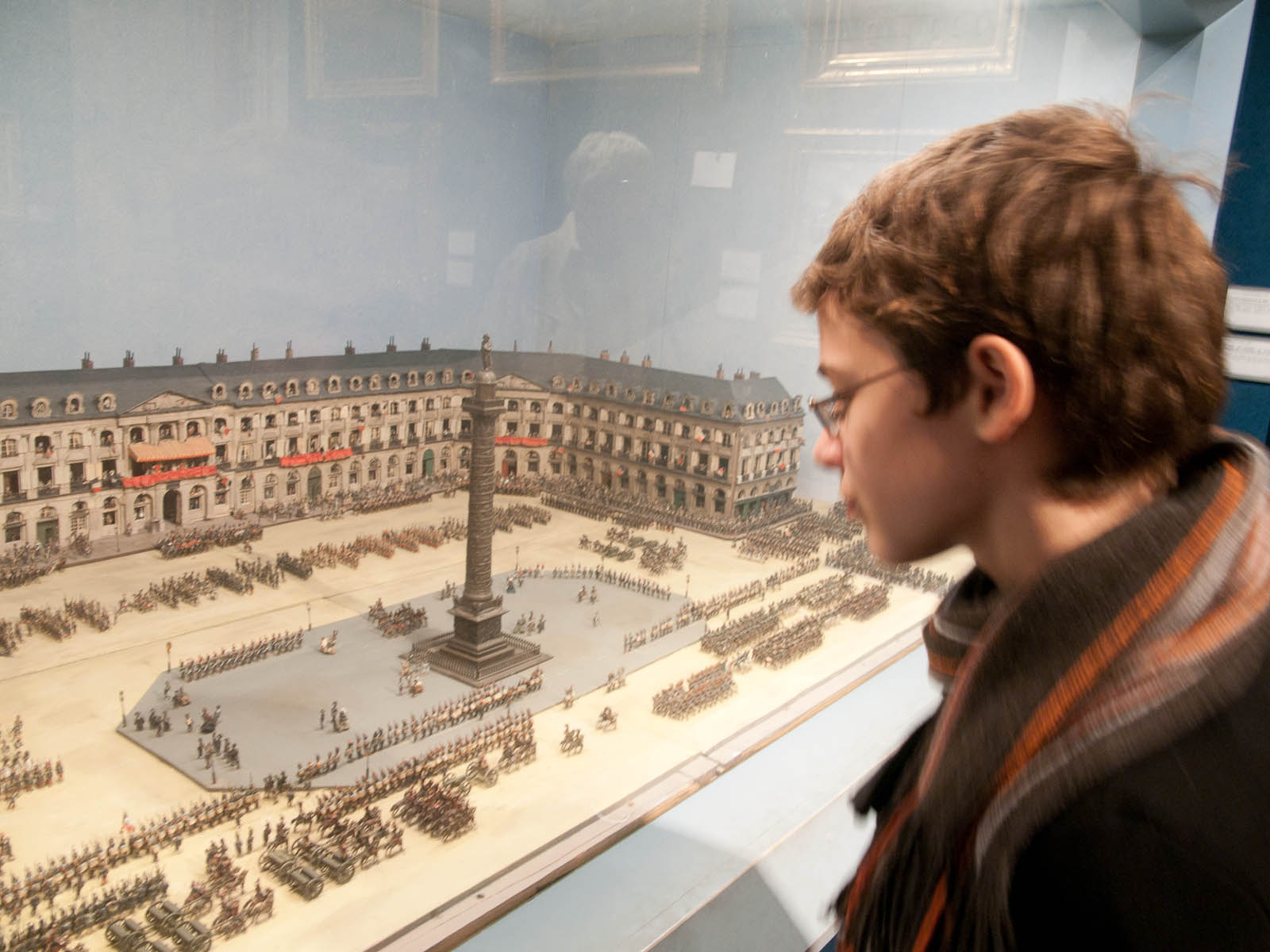
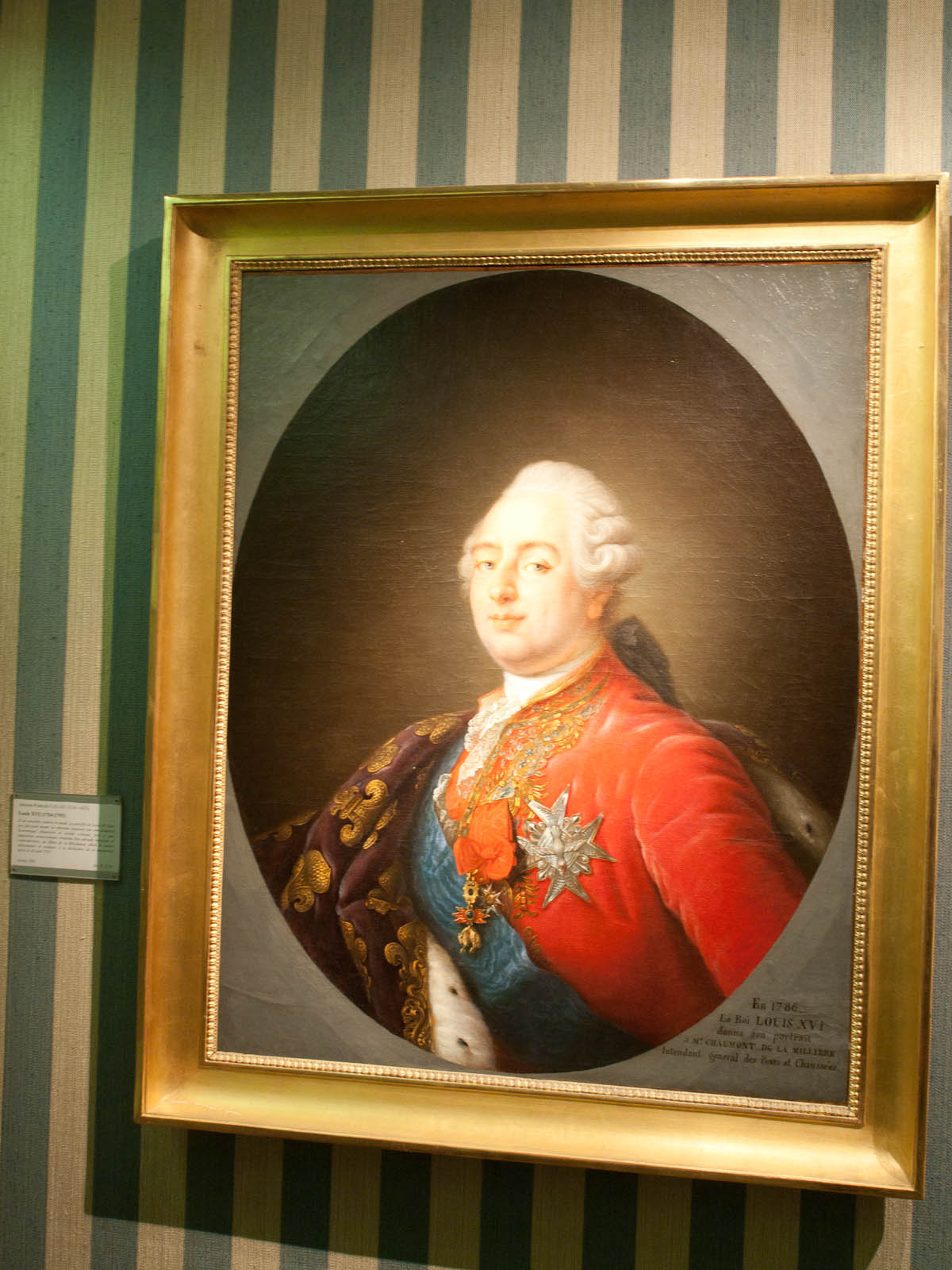
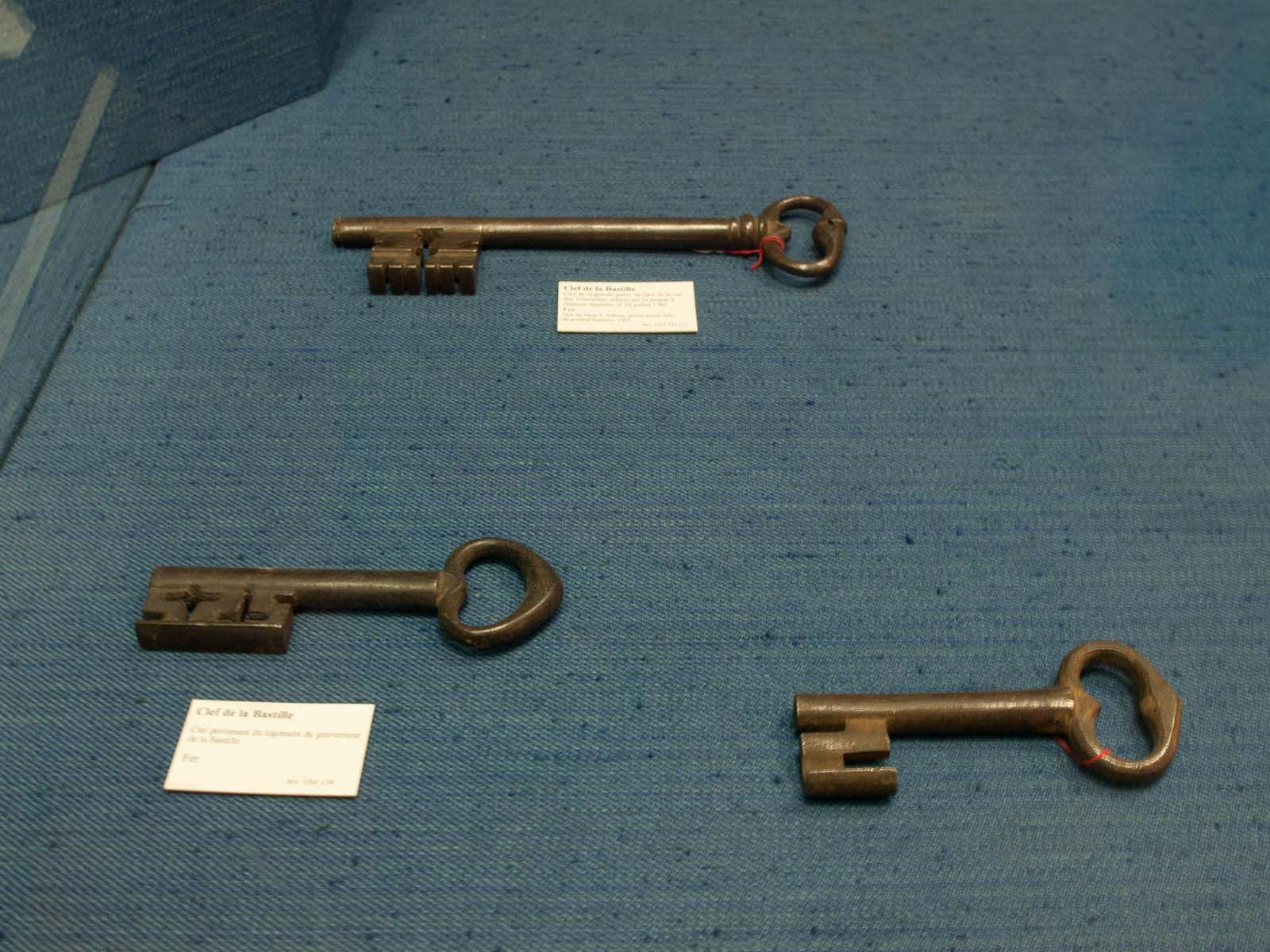
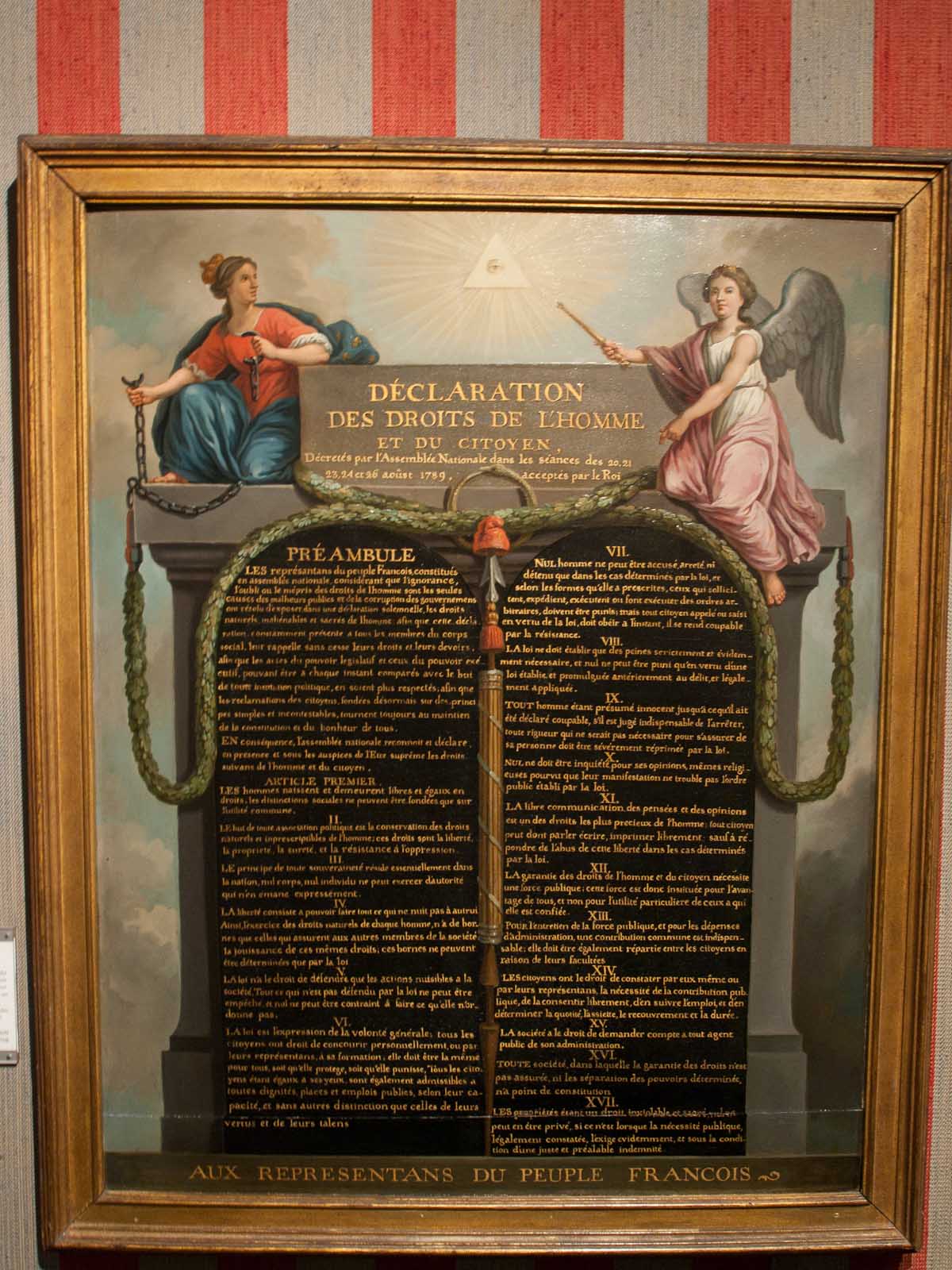
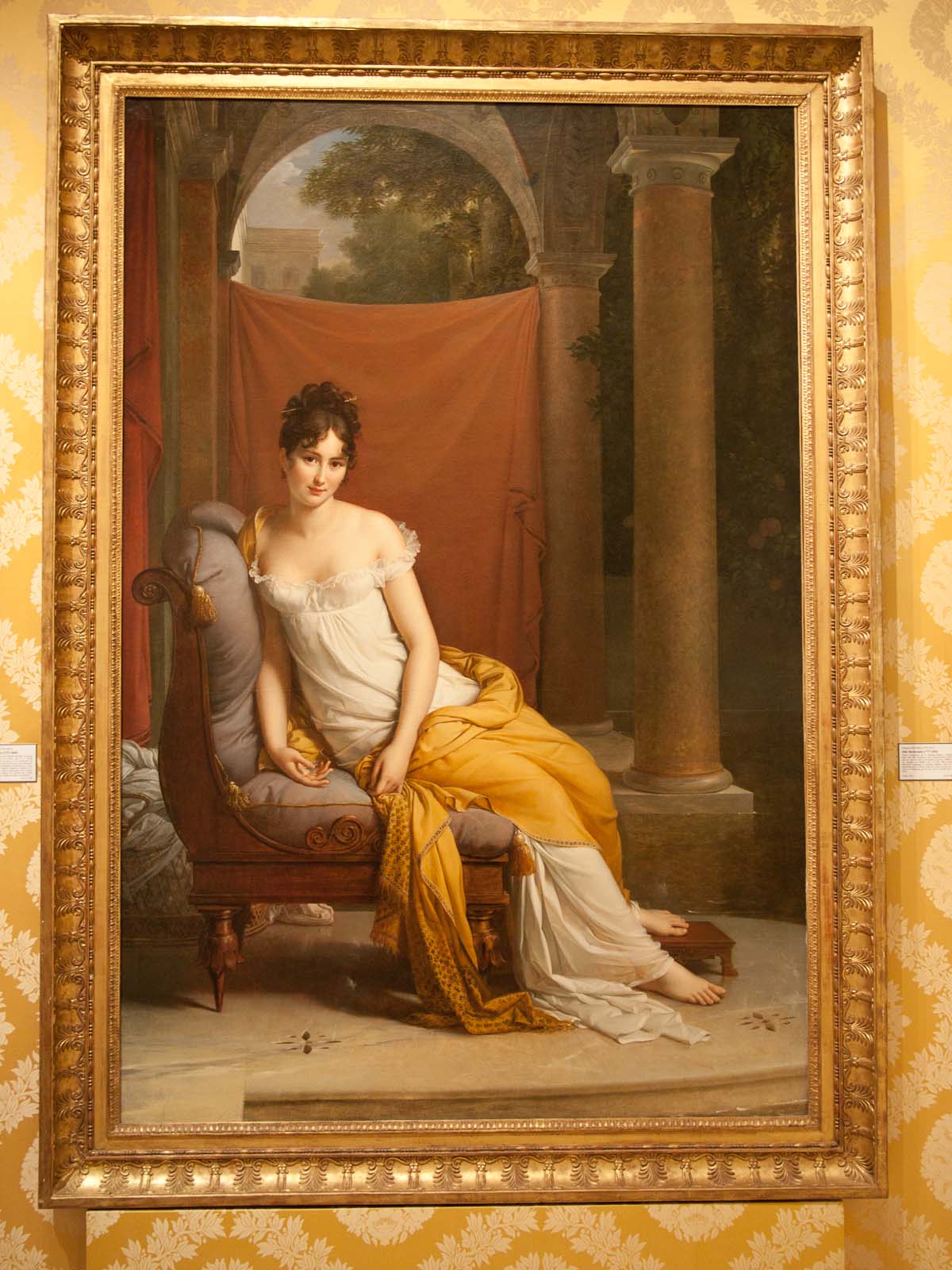
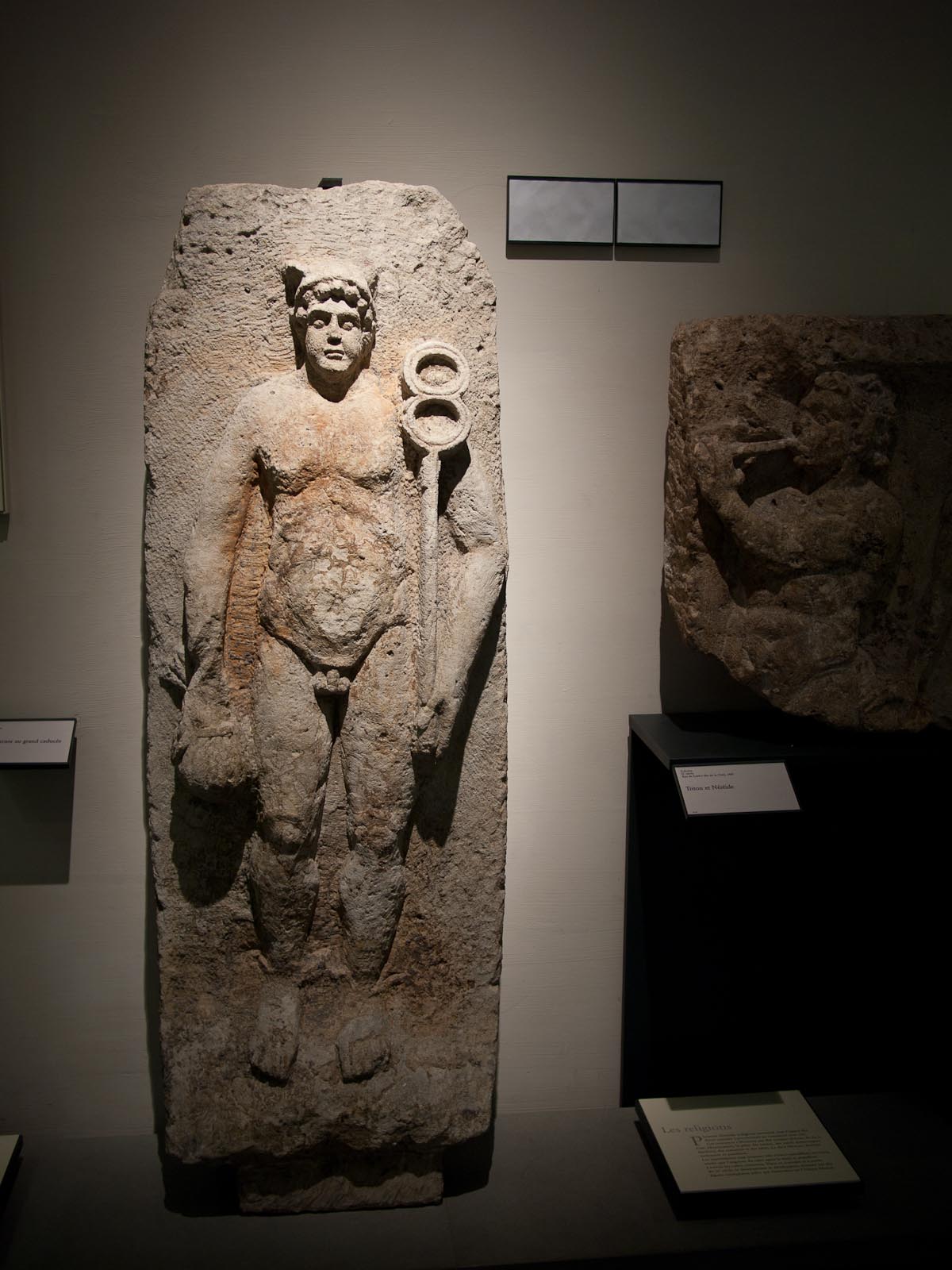
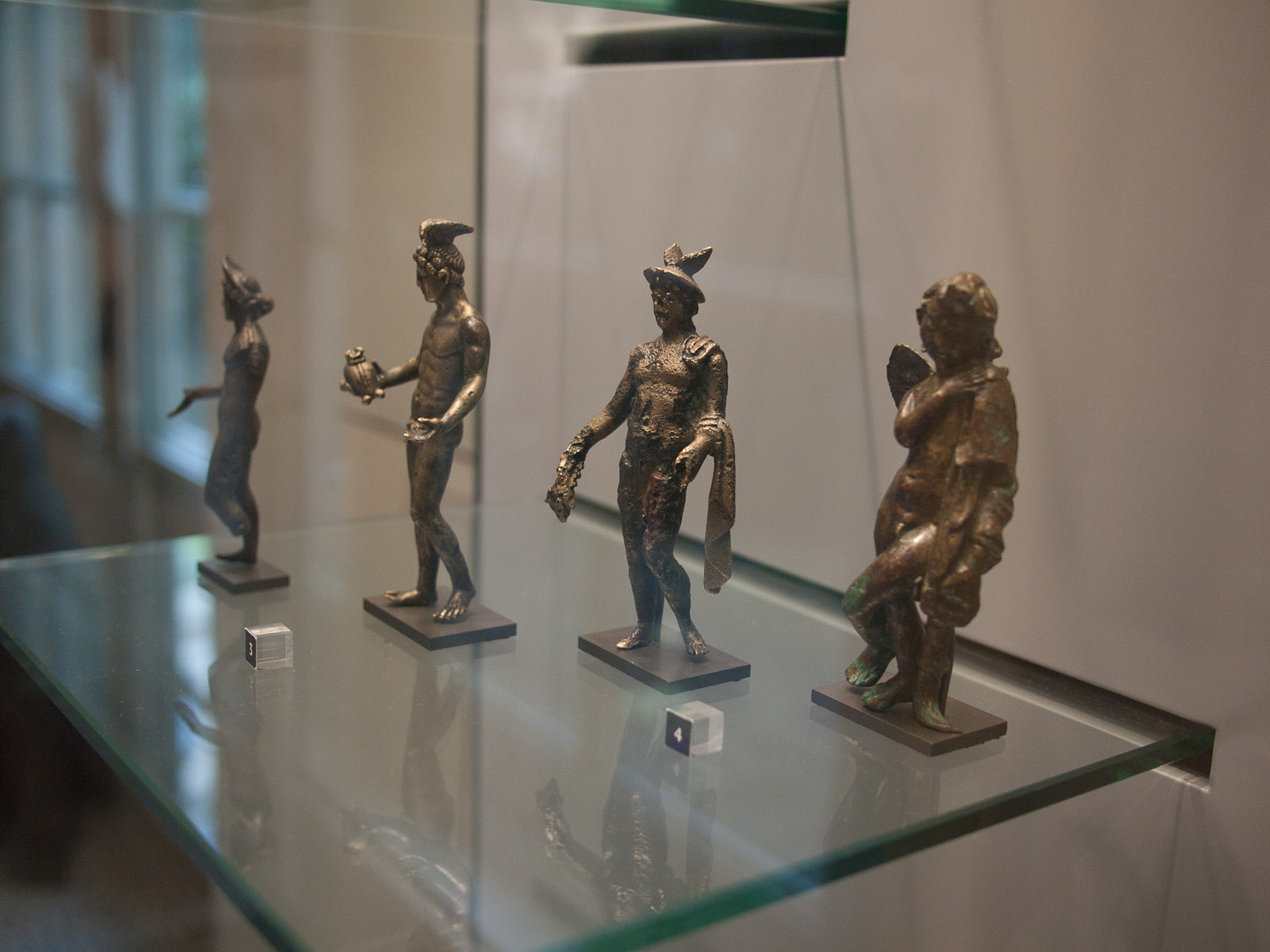
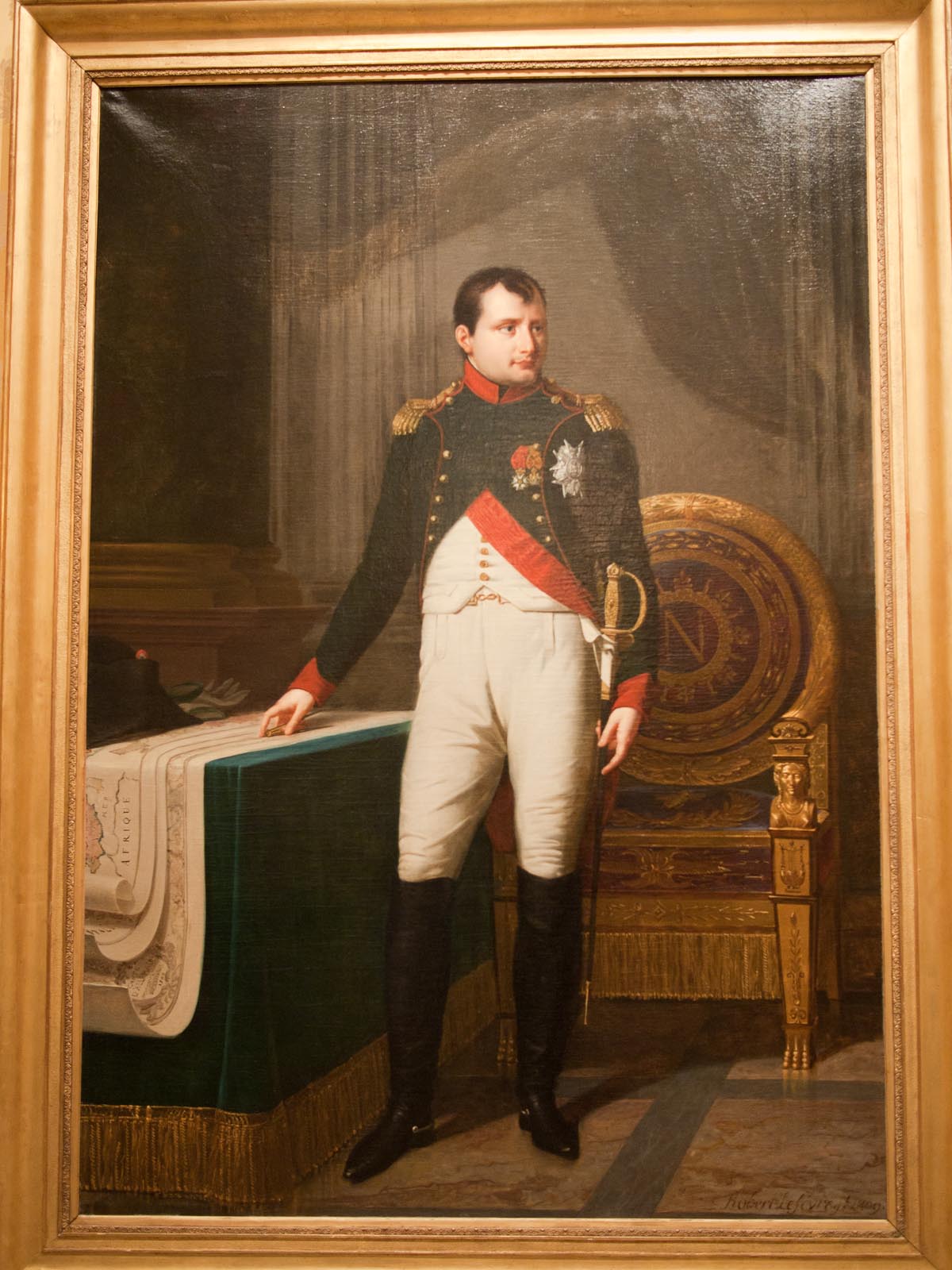
– Musee Carnavalet is the official museum of the city’s history and more or less the largest attic in Paris. Some of the most fascinating exhibits were collected when the architect Haussman knocked down vast swathes of the city to put up the grand open boulevards. Prior to that time the streets were a complex maze, and shopkeepers would put signs outside their doors so people could find them (“meet me at the iron horse tavern”). Of course this became a race among merchants to install the largest, most artistic and most impressive sign! So when Hausmann knocked down so many city blocks, the best were salvaged and Carnavalet ended up with an amazing collection of antique signs as well as a complete store interior for Fouquet (see below). Another set of exhibits here are paintings. It seems like every French painting ever made that shows the city in the foreground (or even the background) ended up here. You can see the evolution of the town very well. Probably the most impressive area is off to one corner on an upper floor, where there is a superb collection of artifacts dating from the French Revolution, including keys to the Bastille, a rope ladder used to escape from the Bastille, painted versions of the Rights of Man that echo the carved stone tablets erected by the Romans to declare their laws, and you can even see the books and toys that King Louis XVI and Marie Antionette and their children used when they spent years in jail after the revolution. Gina was moved to tears by a letter that Marie Antionette wrote the night before her execution, asking her sister-in-law to take care of her children.
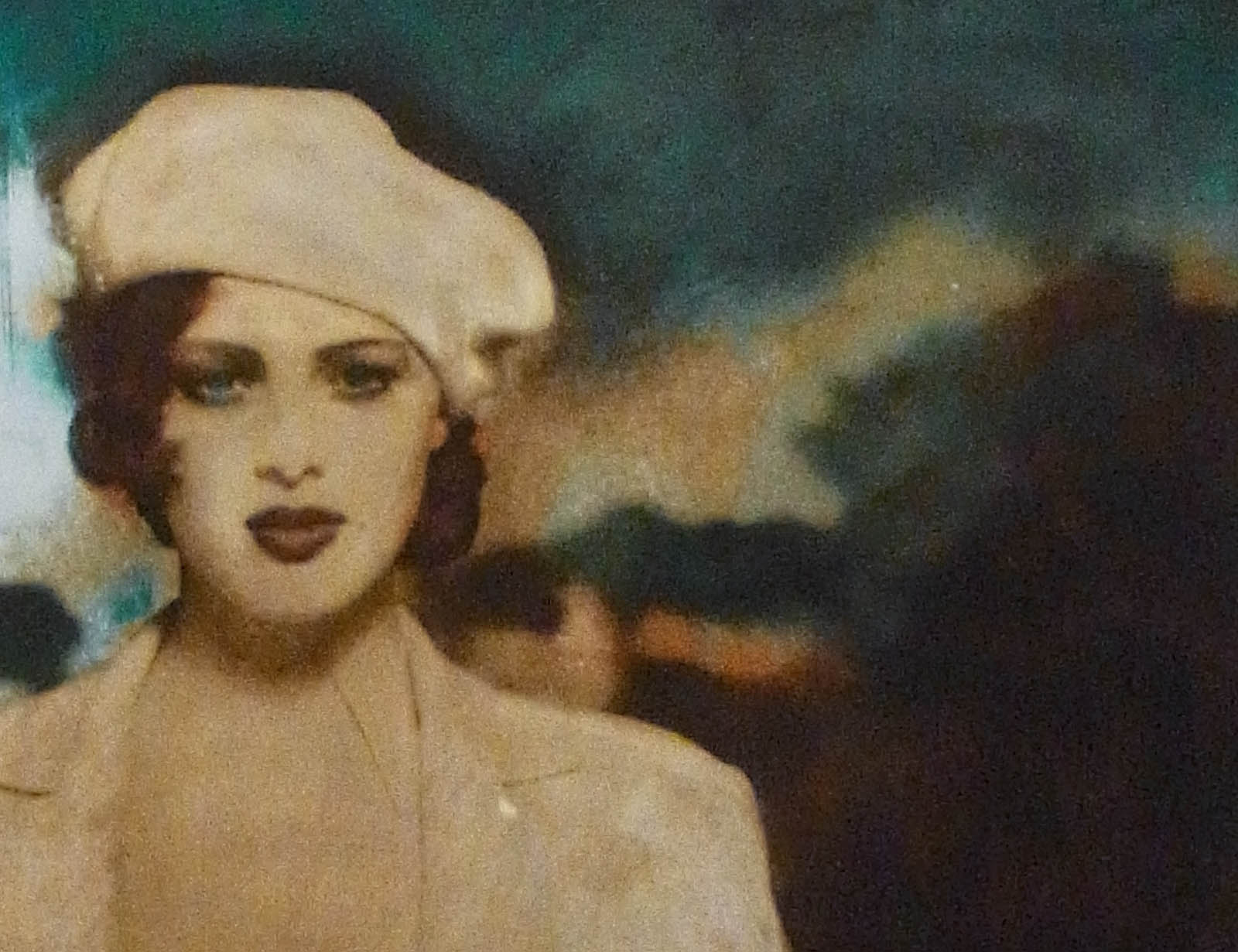
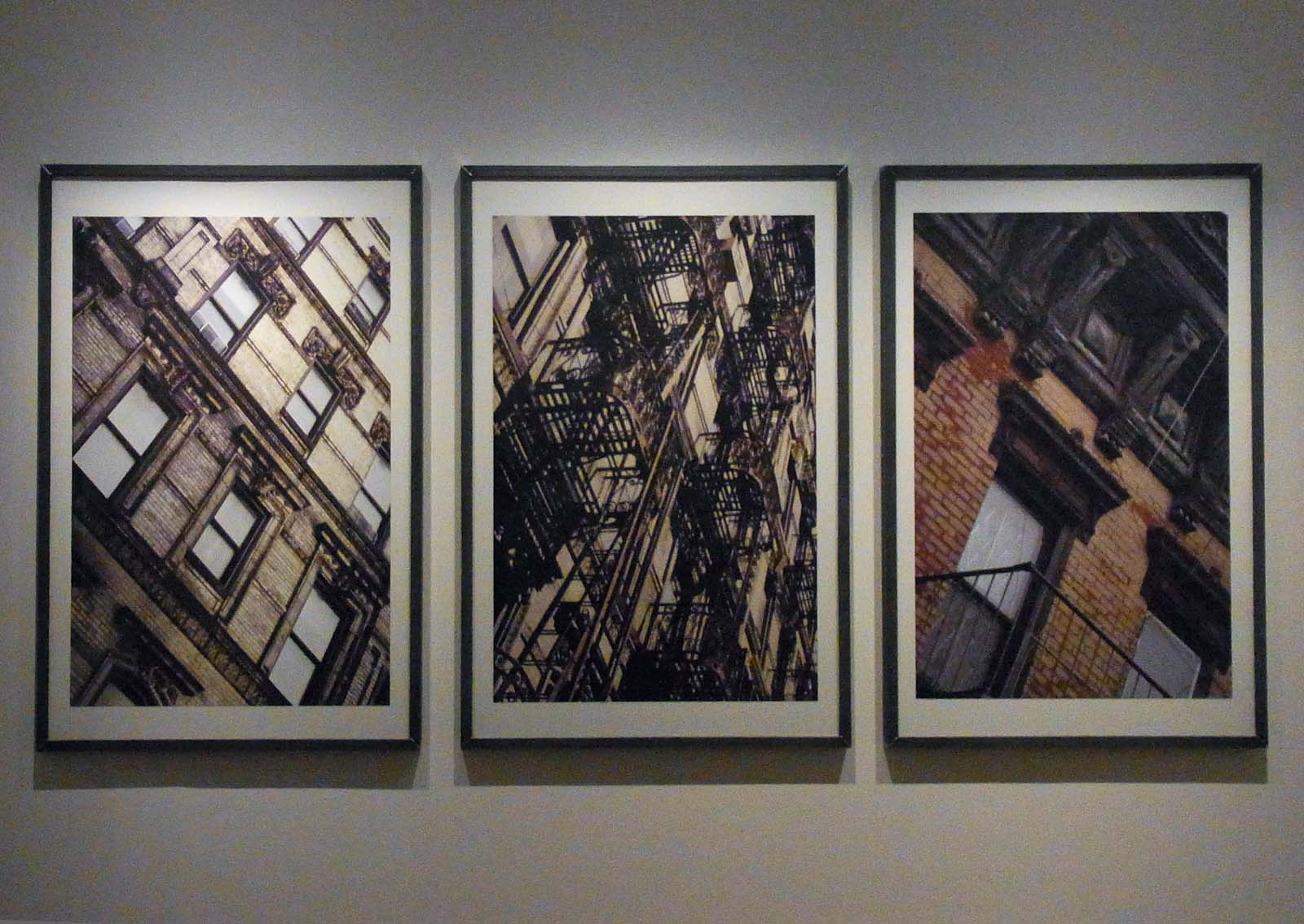
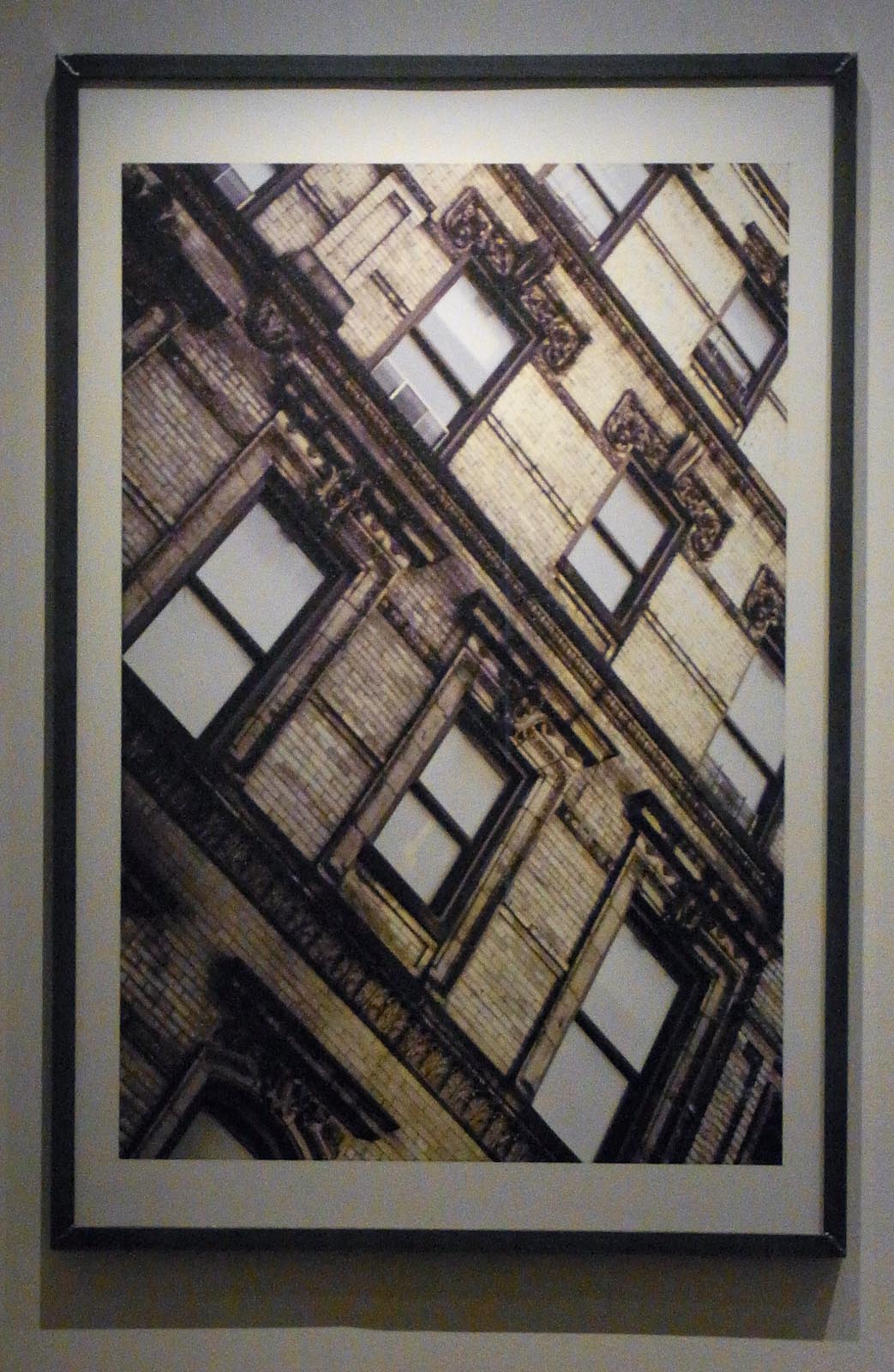
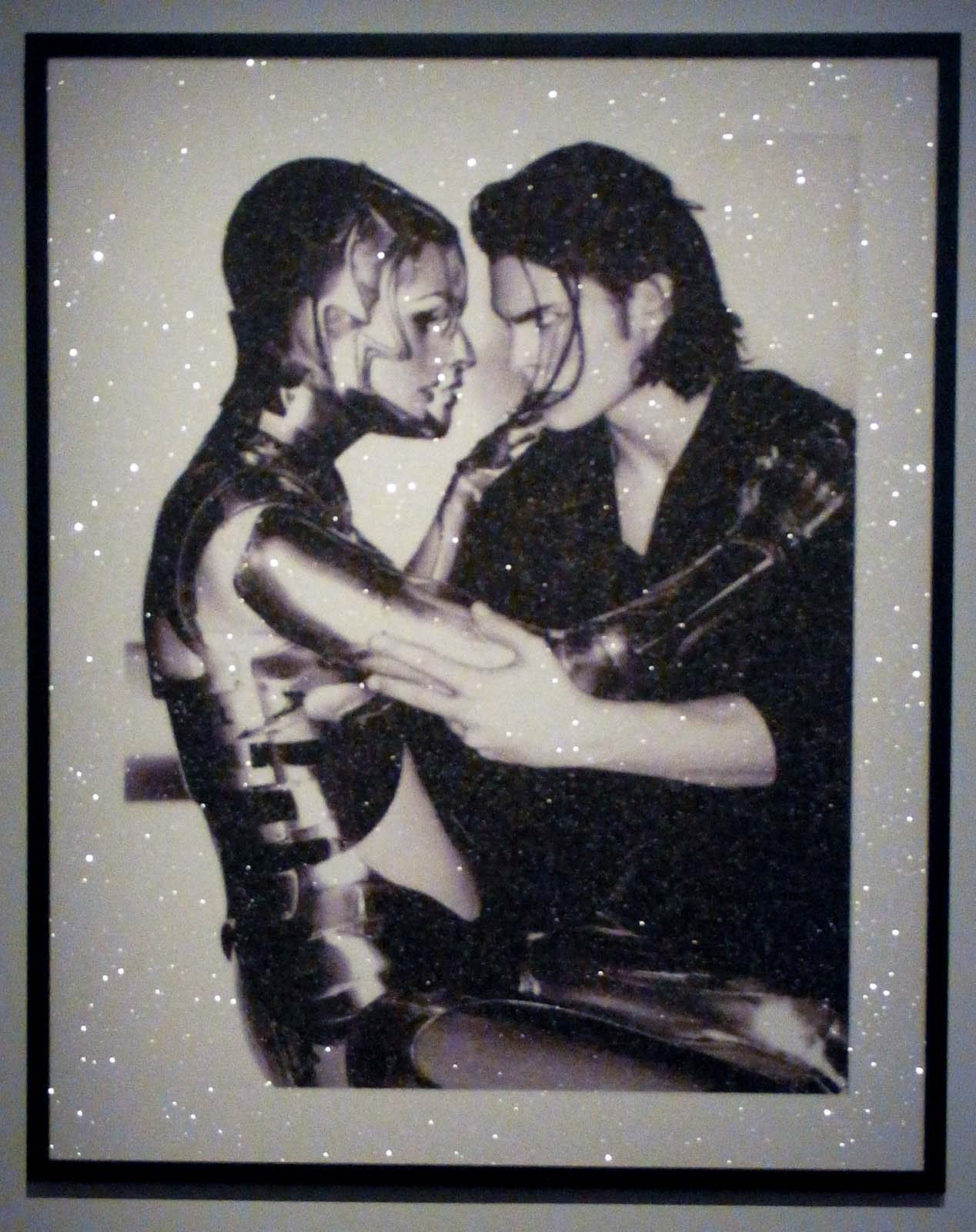
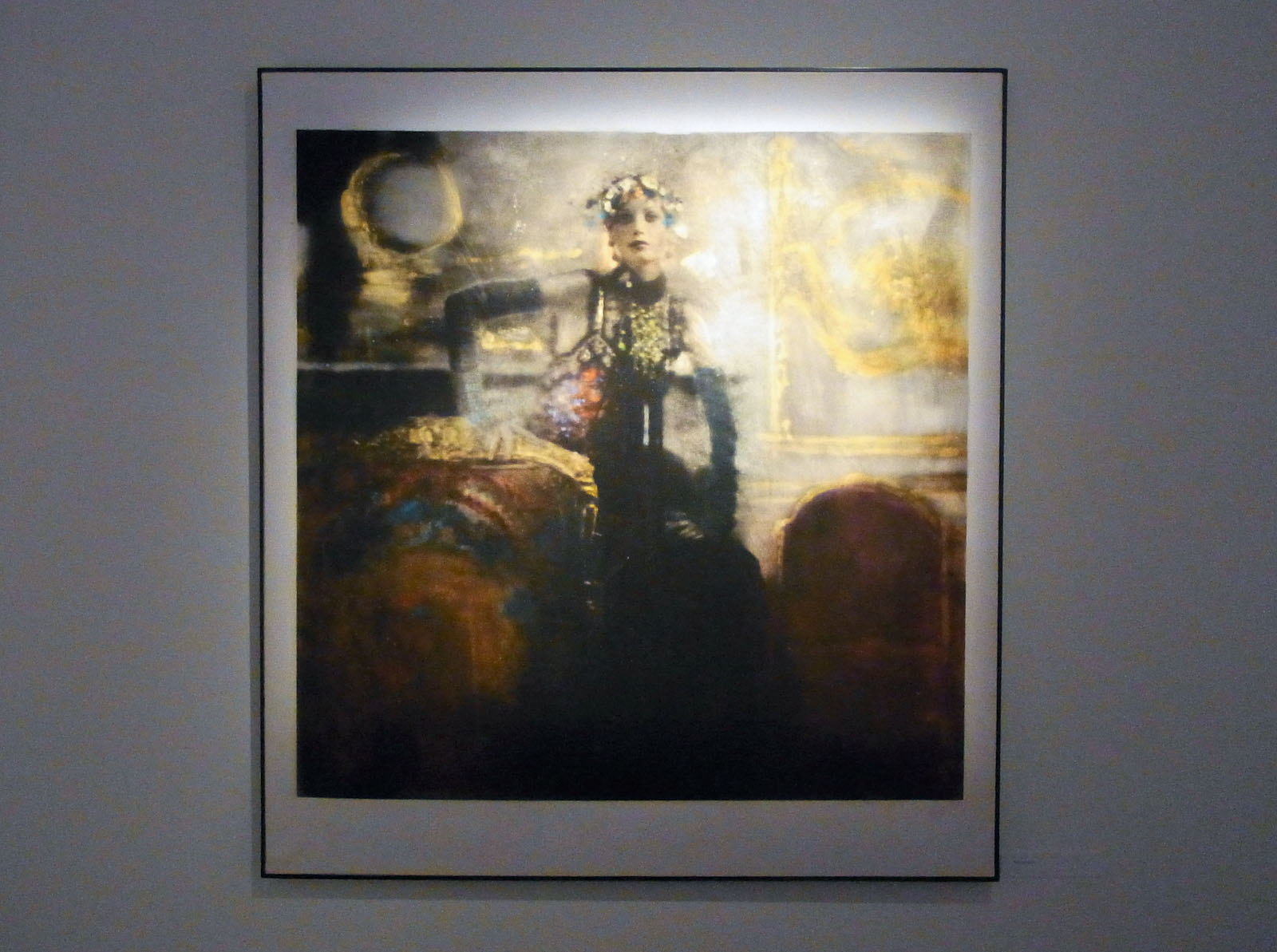
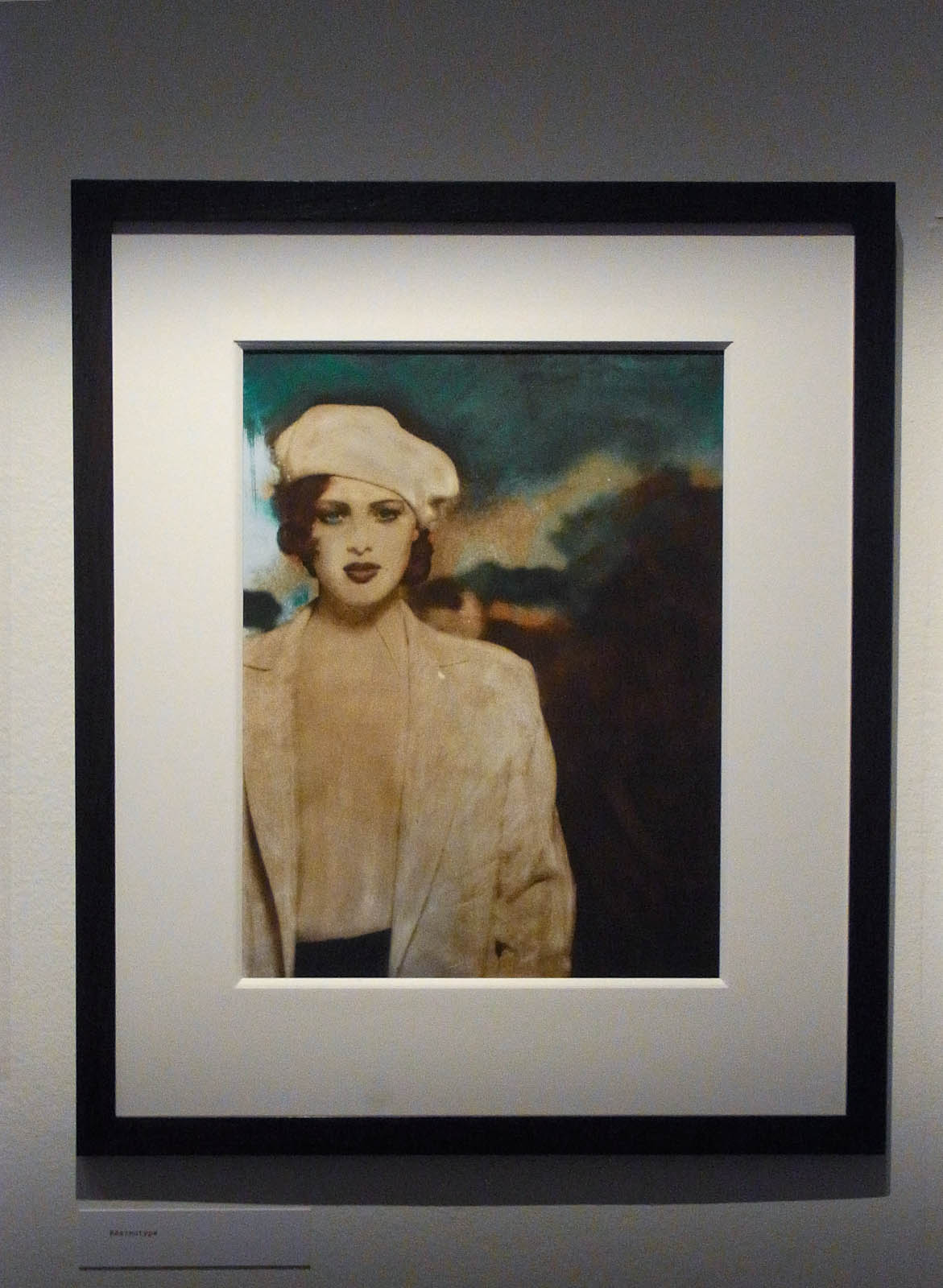
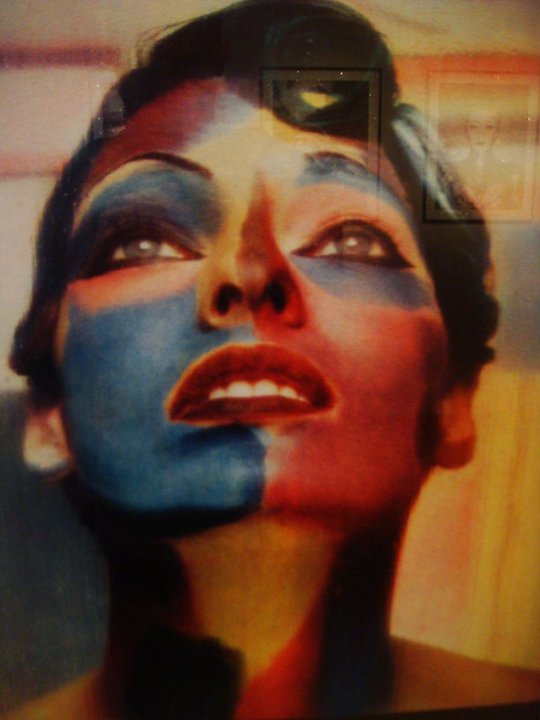
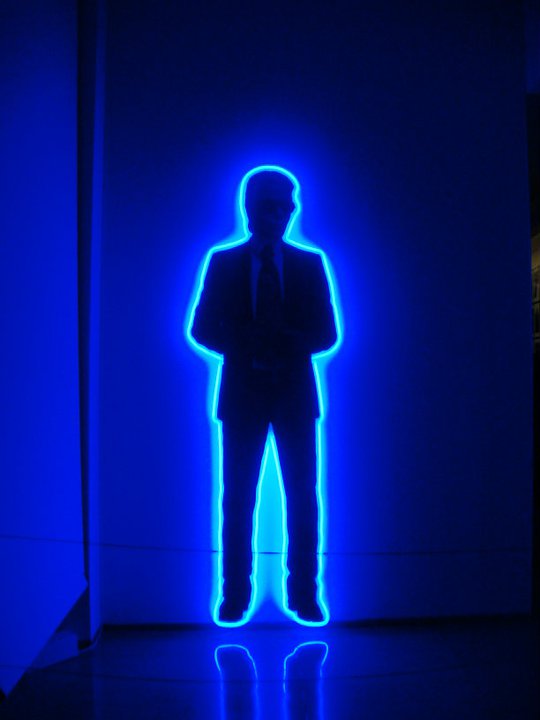
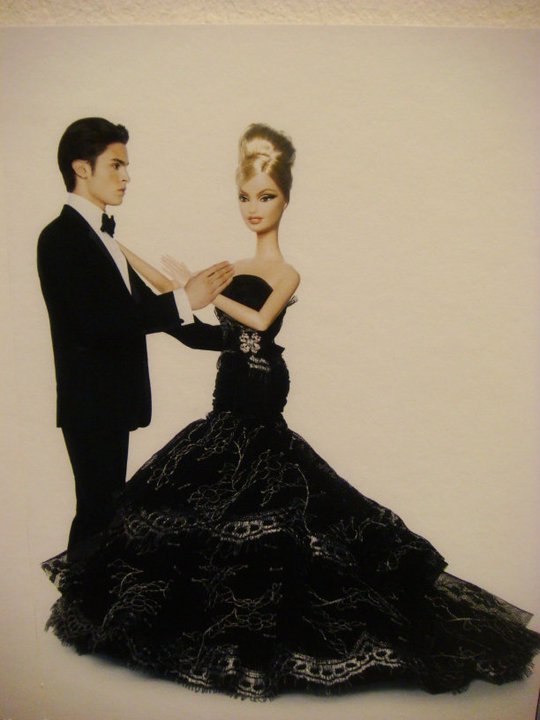
– Karl Lagerfeld exhibit. One of the benefits of living in a big city is the vast array of exhibitions and events available. We have seen a multiple art exhibits in the parks – including a series of photographs of toilets that was sponsored by the state sewer association! If you are willing to make a special trip there are scores of options within a 20-minute journey. We wanted to take advantage of this and as our building is close to the fashion district, we were curious about Karl Lagerfeld’s photography and stopped at the Paris photography center to see his exhibition. I thought his eye for composition was remarkable and inspirational, and I was also impressed by the many hand-processing methods he used and novel paper stocks, resulting in dynamic colors and artistic effects you just do not see in normal pictures. The exhibit opened with travel photography that wonderfully captured the color of a place and the texture of a place and I am going to try to take some shots like that as we travel. His portraits were also amazing at bringing out the character of the individual. Unfortunately this was only a brief visit because toward the end of the exhibit Karl’s sense of art became progressively more erotic and featured his boyfriend, and with the kids in tow, it was time to go! I snapped a few pictures on the way out by which to remember Lagerfeld’s amazing imagination and dedication to his craft. (thanks to my friend Ricardo for sharing a few pics he snapped as well).
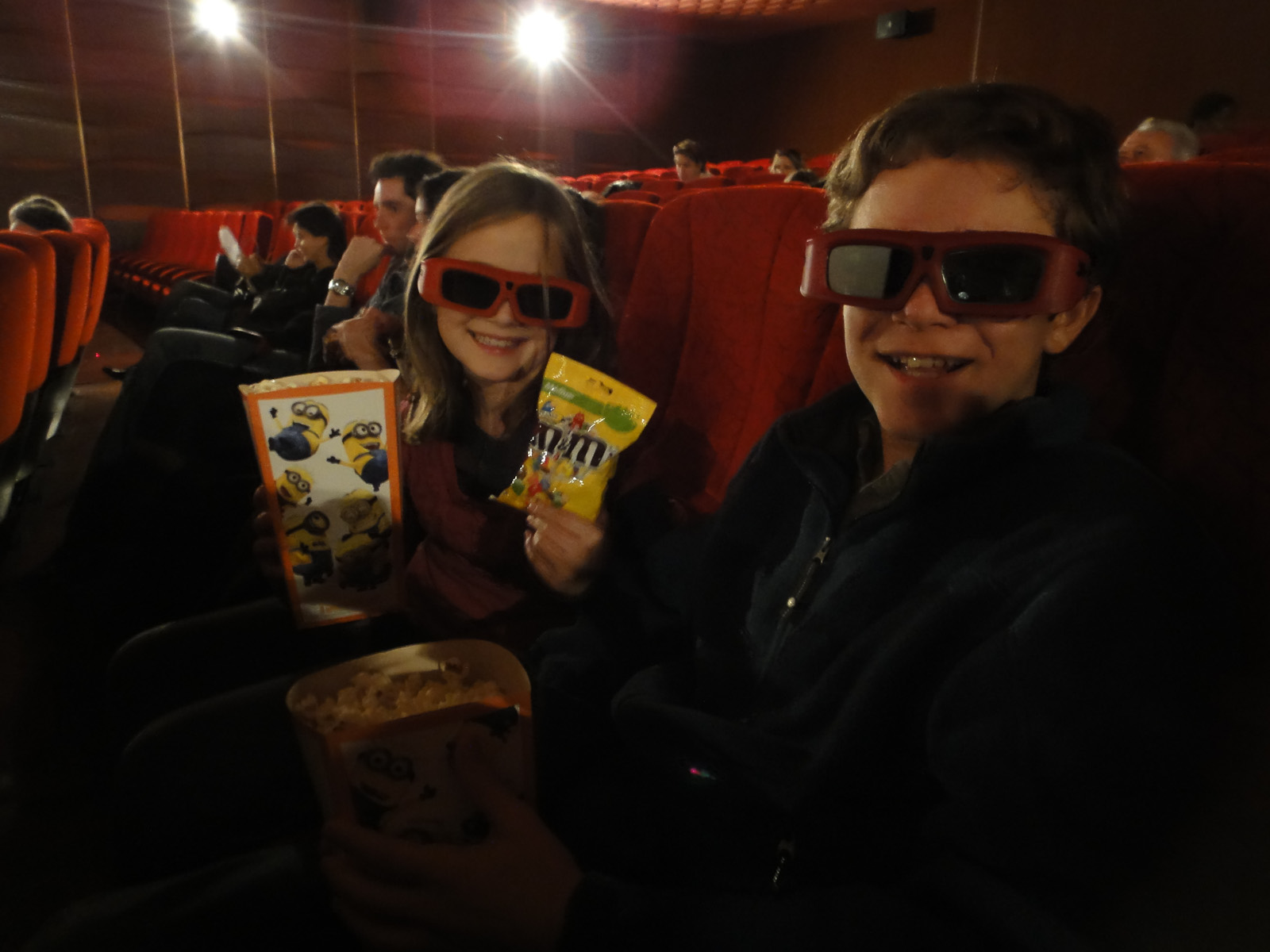
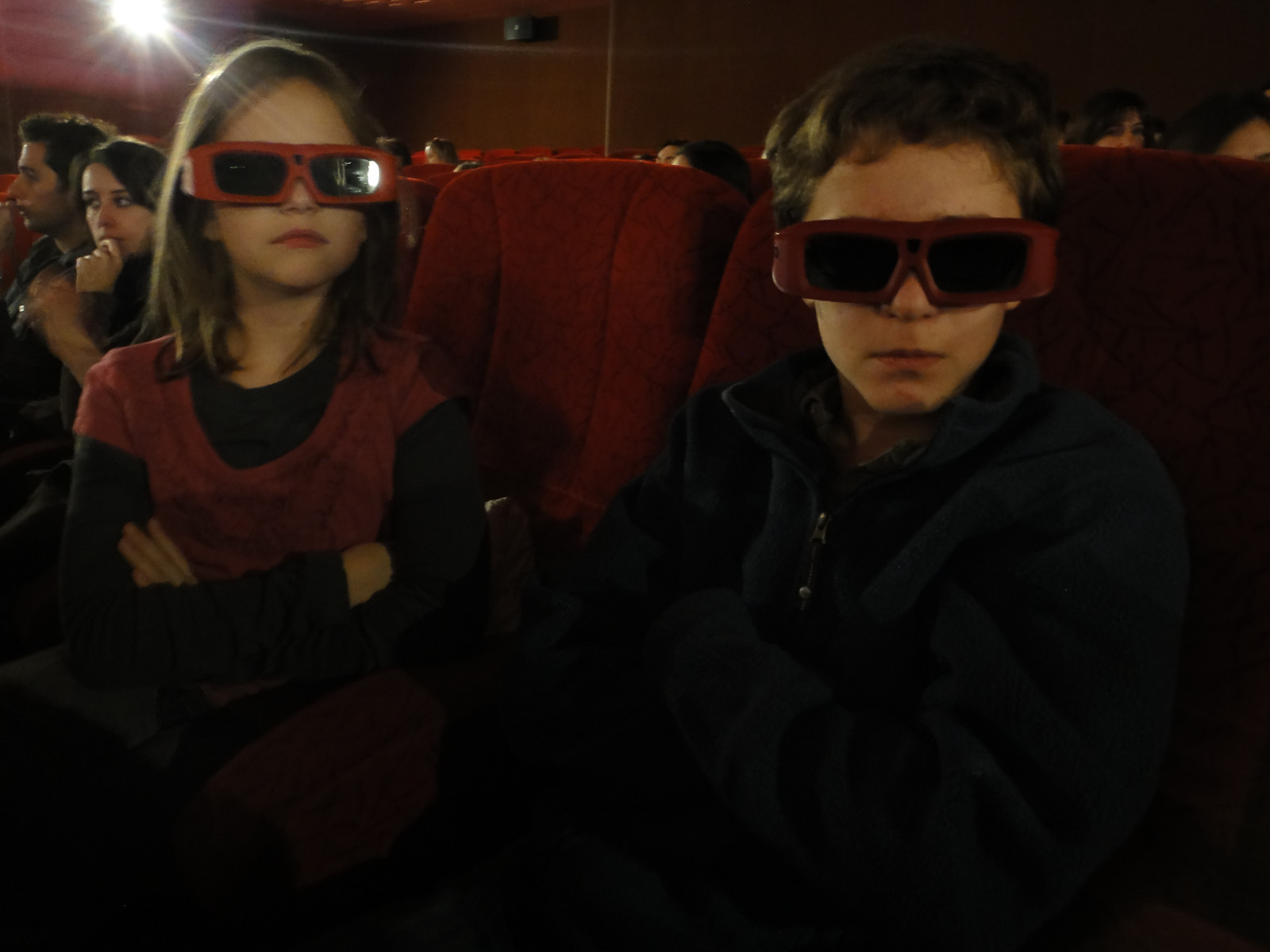
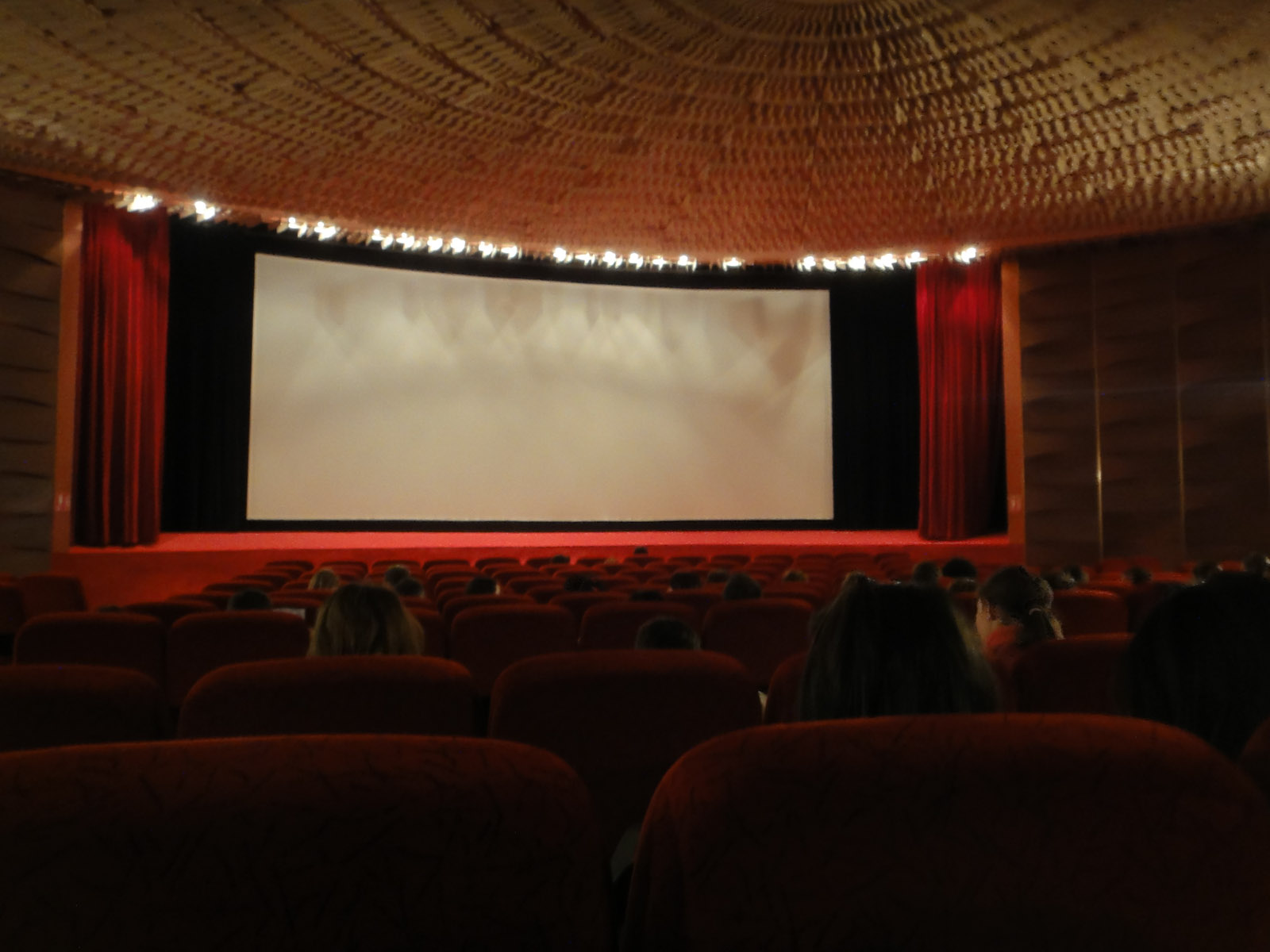
– Movies. The Parisians love their cinema and passionately embrace movies as an art form. The state has a big budget available for first time directors to make ‘small’ films and so there are many films released each year in French. Indeed France turns out many more films per year than the USA on a per capita basis. Most of these low-budget films take place against the backdrop of everyday life. Very few French films survive translation or pick up a foreign viewership. (An American commentator said that it is the French state cultural subsidy that has – ironically – killed the French film industry, because there is no market incentive to think outside the domestic market and to produce major action films. However I do not think the French are envious of the hollow plots emerging from Hollywood.) In any case the result is a large number of small cinemas do solid business in Paris and there are many artistic films to see. We were delighted to join our friend Nathalie one night to see a film produced by the Director of a famous TV series that looks at travel around the world. He had finally had the chance to do an episode looking back at his own country and specifically Paris. During the film, he stood at the front and spoke the narration live while the images and music played behind him. He lovingly and tenderly brought us through the history of the city and the romance and flavor of many of its local icons and neighborhoods. It was a love story we were enchanted to hear. This was the kind of thing I could not have well appreciated without our many hours of French classes! And those big budget films? They are very much available here and often in the original English with subtitles. Carter and Katherine were delighted to discover they could watch Despicable Me 3D in English just like back home. By the way, one French innovation we should import: hot popcorn comes in both salty and sweet flavors – yum!
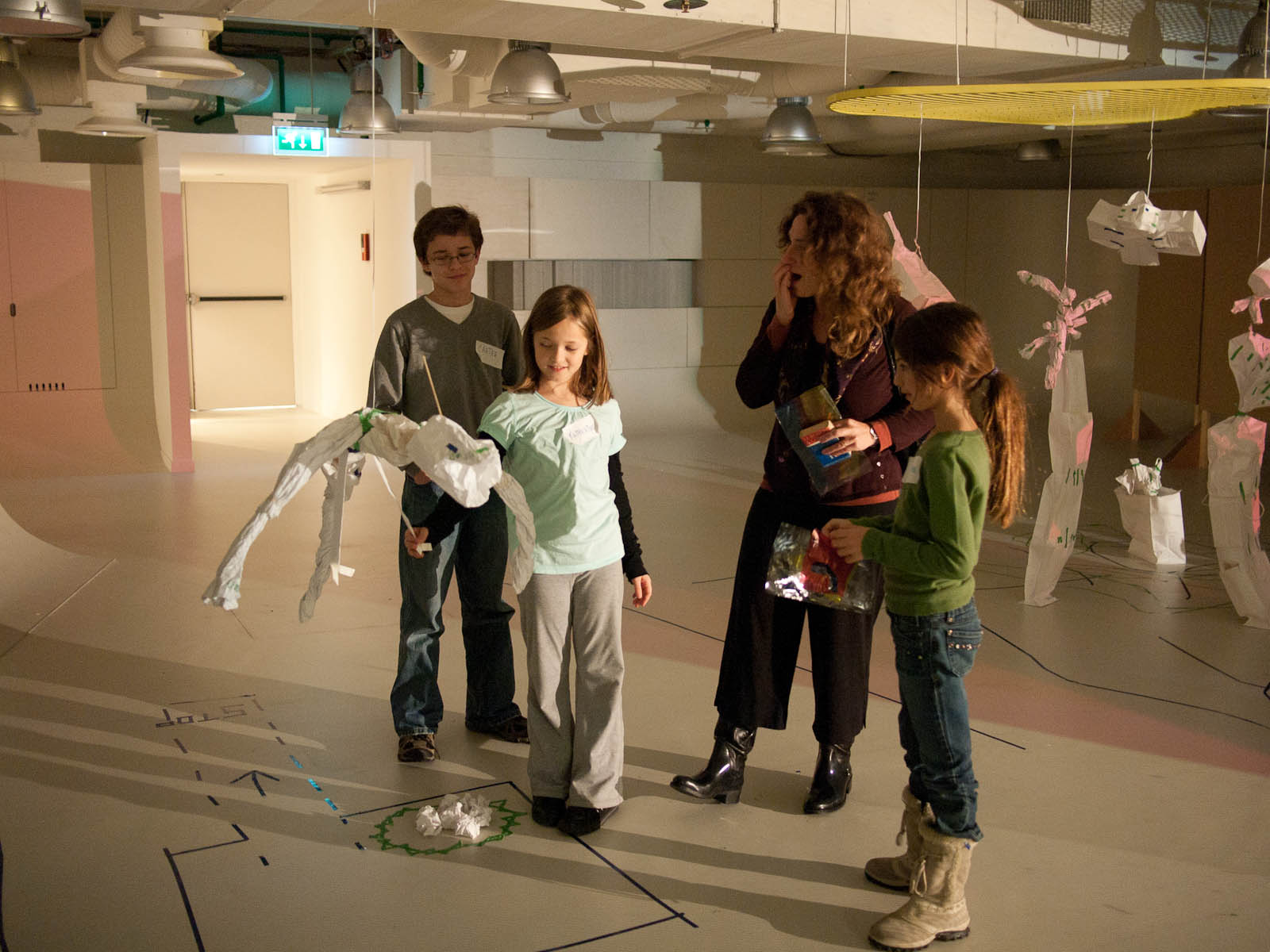
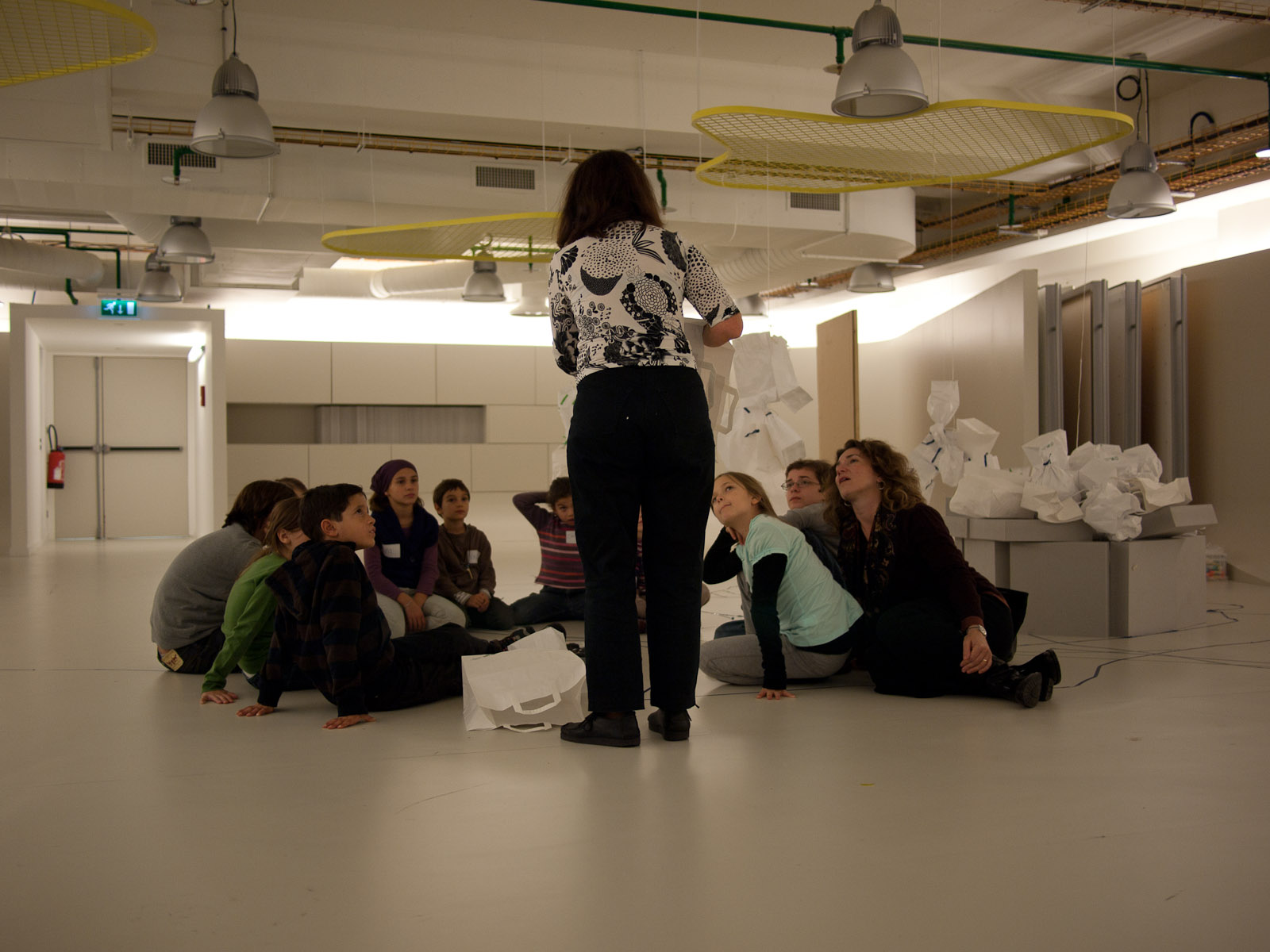
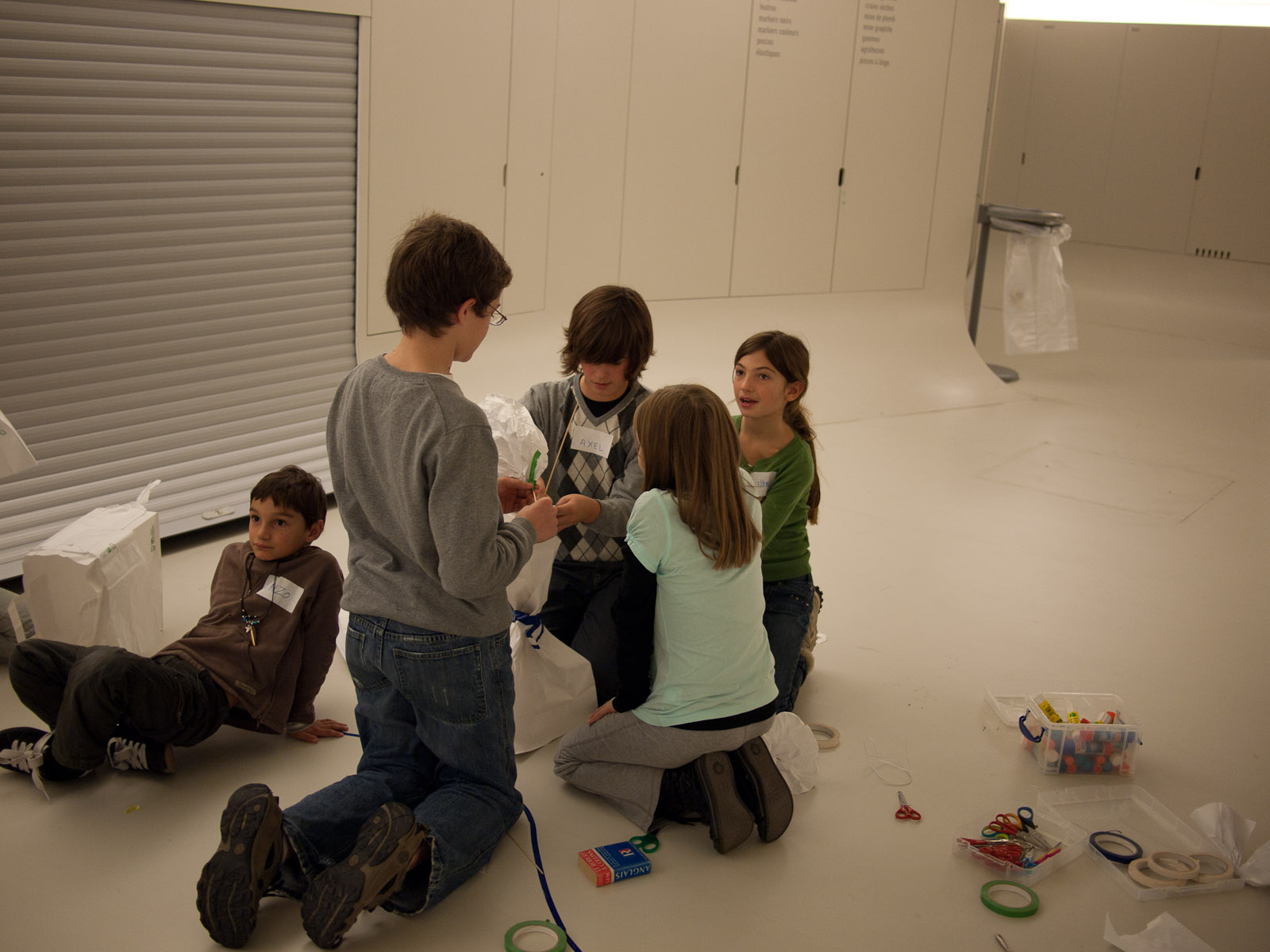
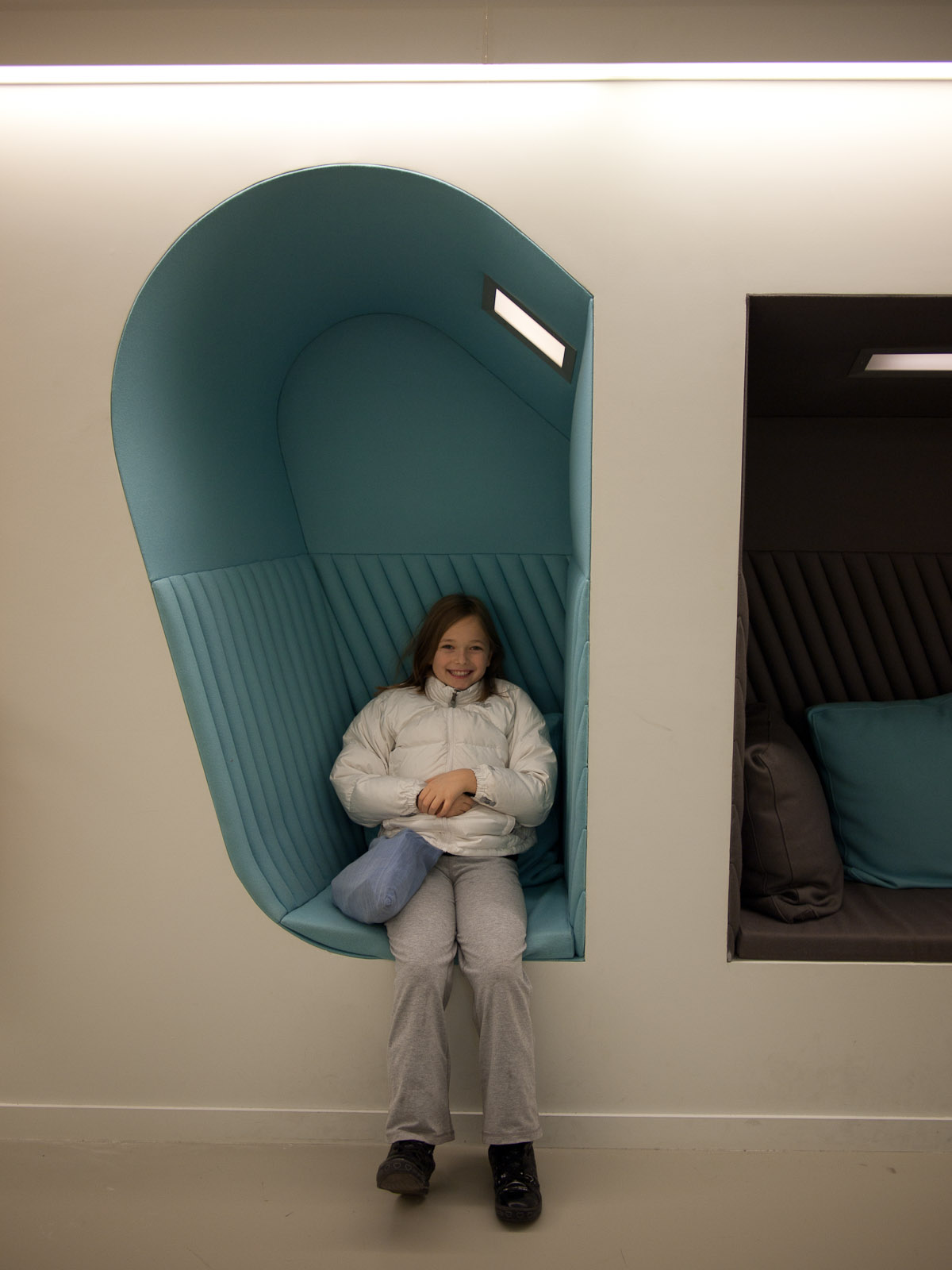
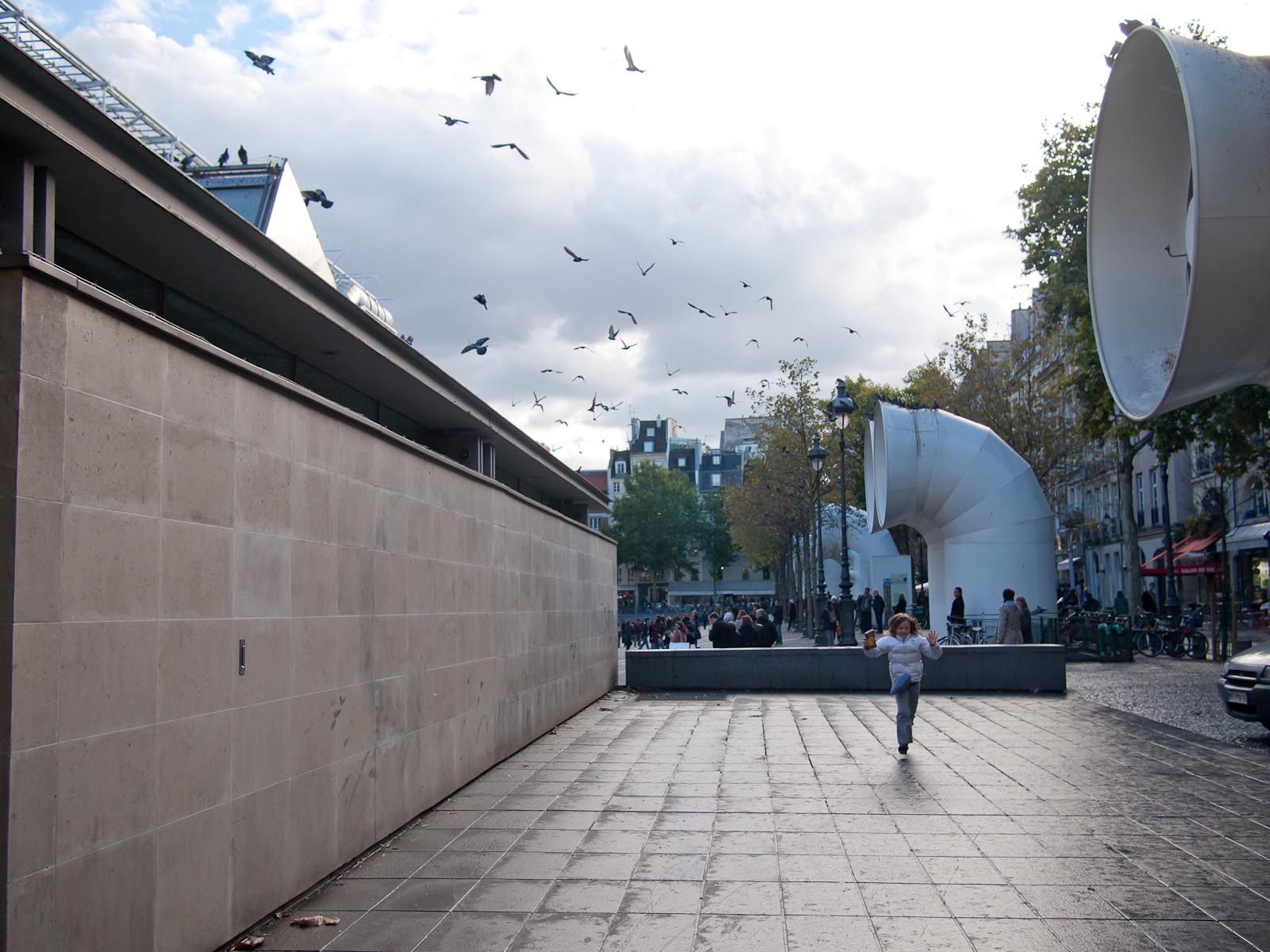
– Atelier at the Pompidou. The Pompidou center is the major modern art museum in Paris. Gina learned that they hold weekly workshops (“ateliers”) for children to learn about art and we were excited for our kids to both have some creative time and practice their French. It took a few attempts and we finally got them scheduled into a class. We arrived to discover a reception area decorated in smooth flowing lines, leading back to a wide open-spaced room with almost nothing inside. What we could see were a few sculptures created by the prior class transforming simple paper bags and tape into all manner of trees, houses and “roads”. Over the next few hours the kids in our class added onto this with animals. Carter and Katherine worked with two other French children to create a giant bird and nest. Then the teacher had them cut out pieces of colored film and glue these together. When placed over a light projector aimed at the room, the colored lights flowed across all the 3D sculptures making a kid’s version of the French sound and light show! It was neat to watch and the other people in the workshop were very kind to both Carter and Katherine. Hopefully we can get back for one more of these before we leave.
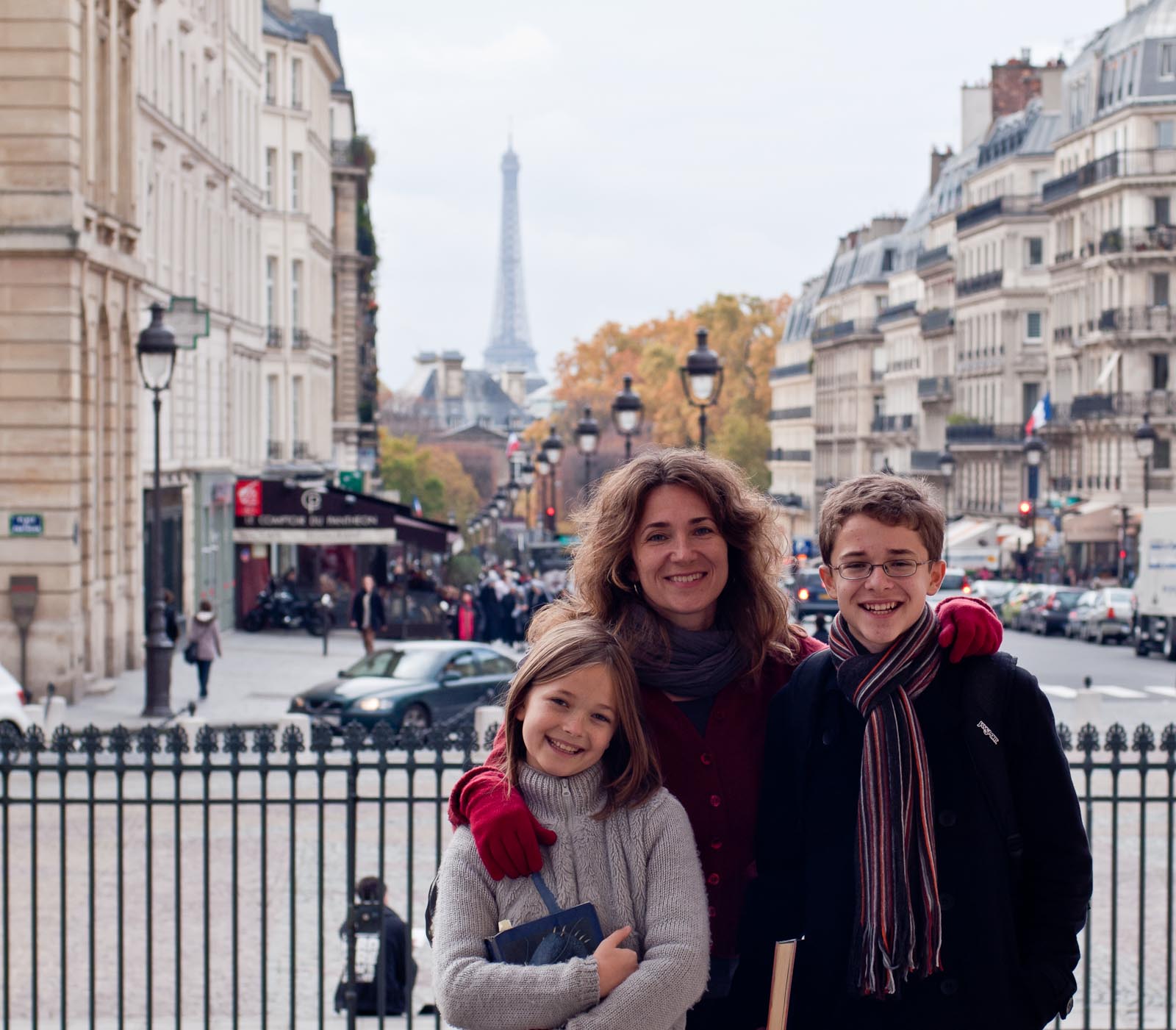
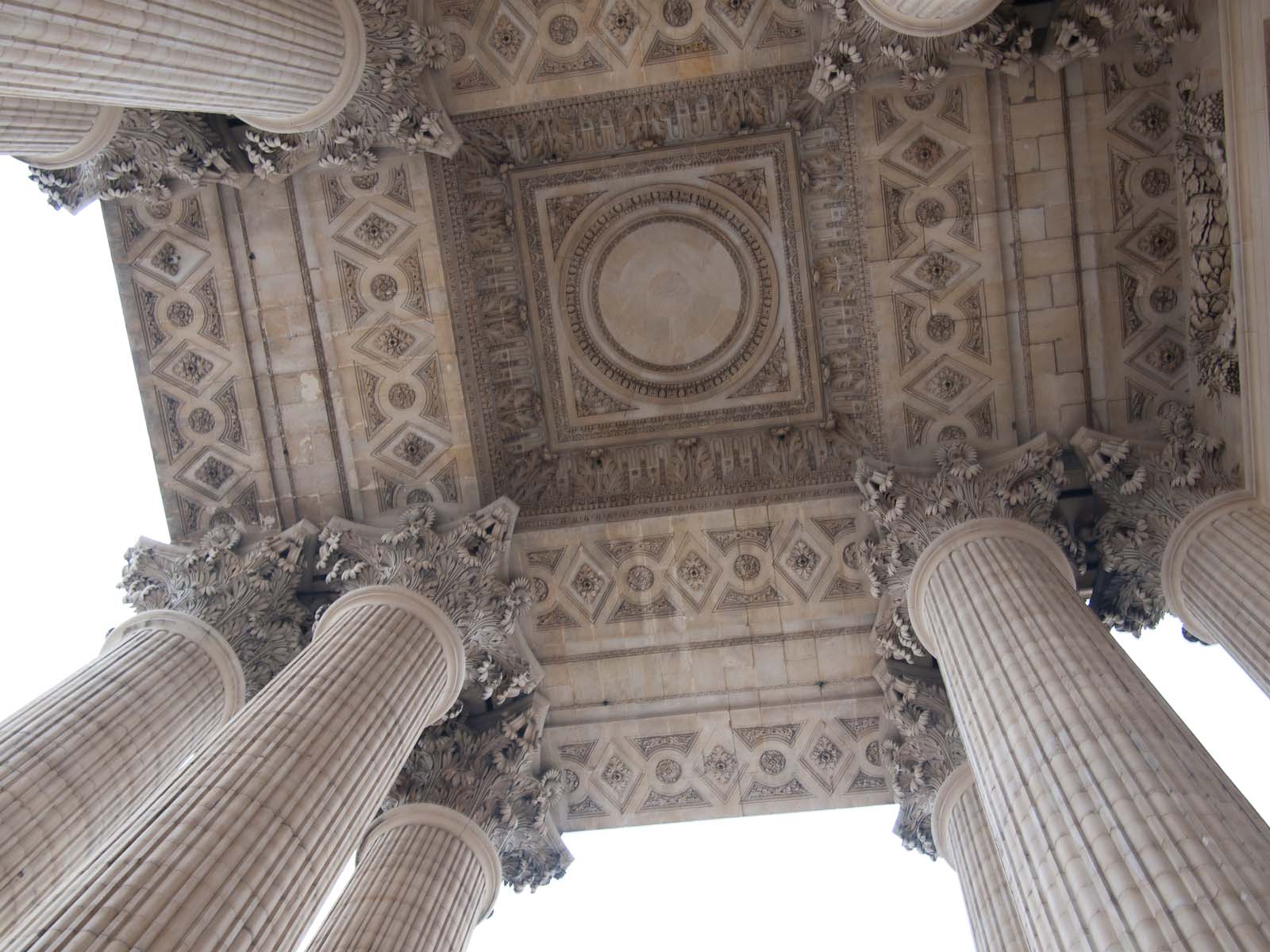
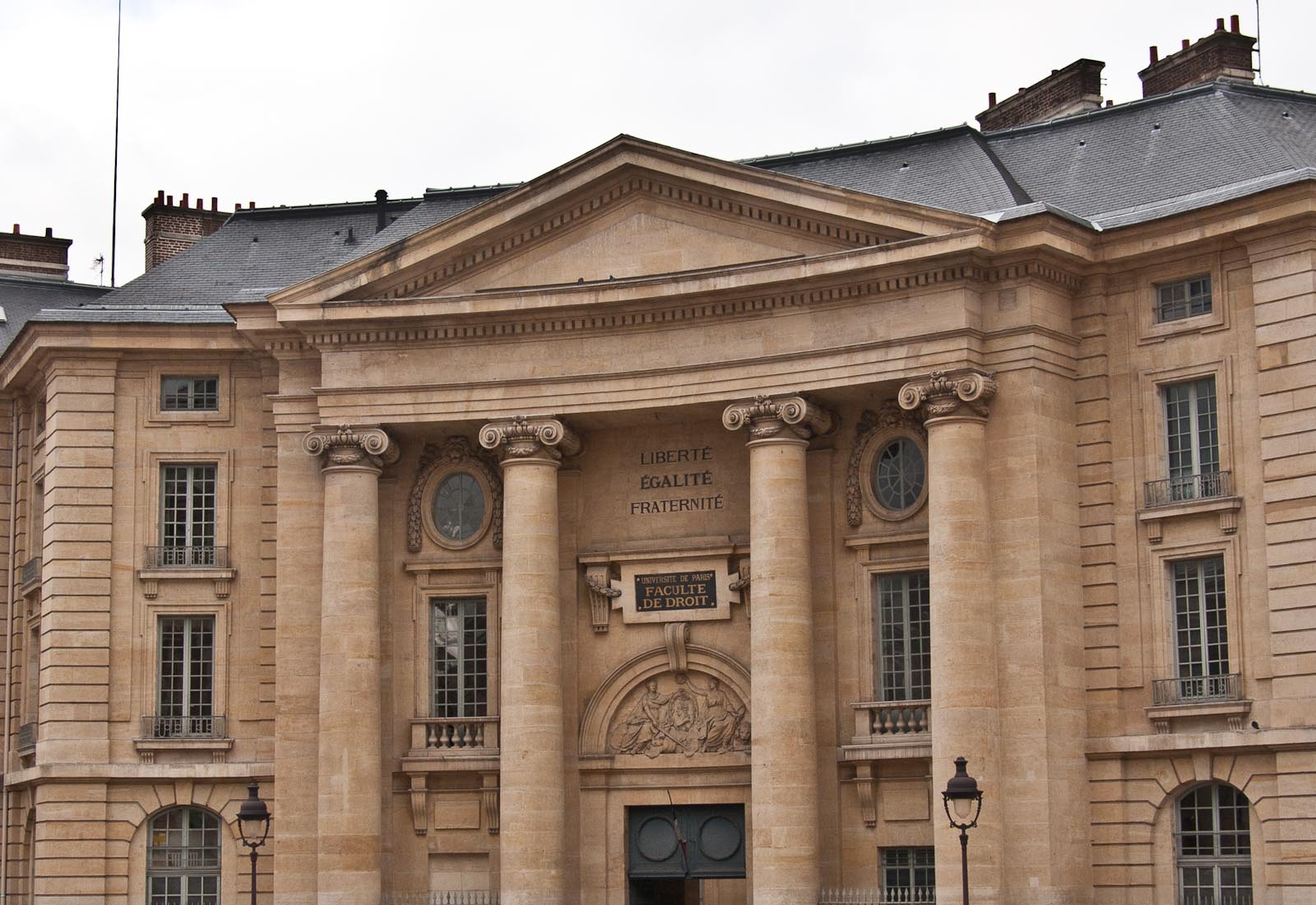
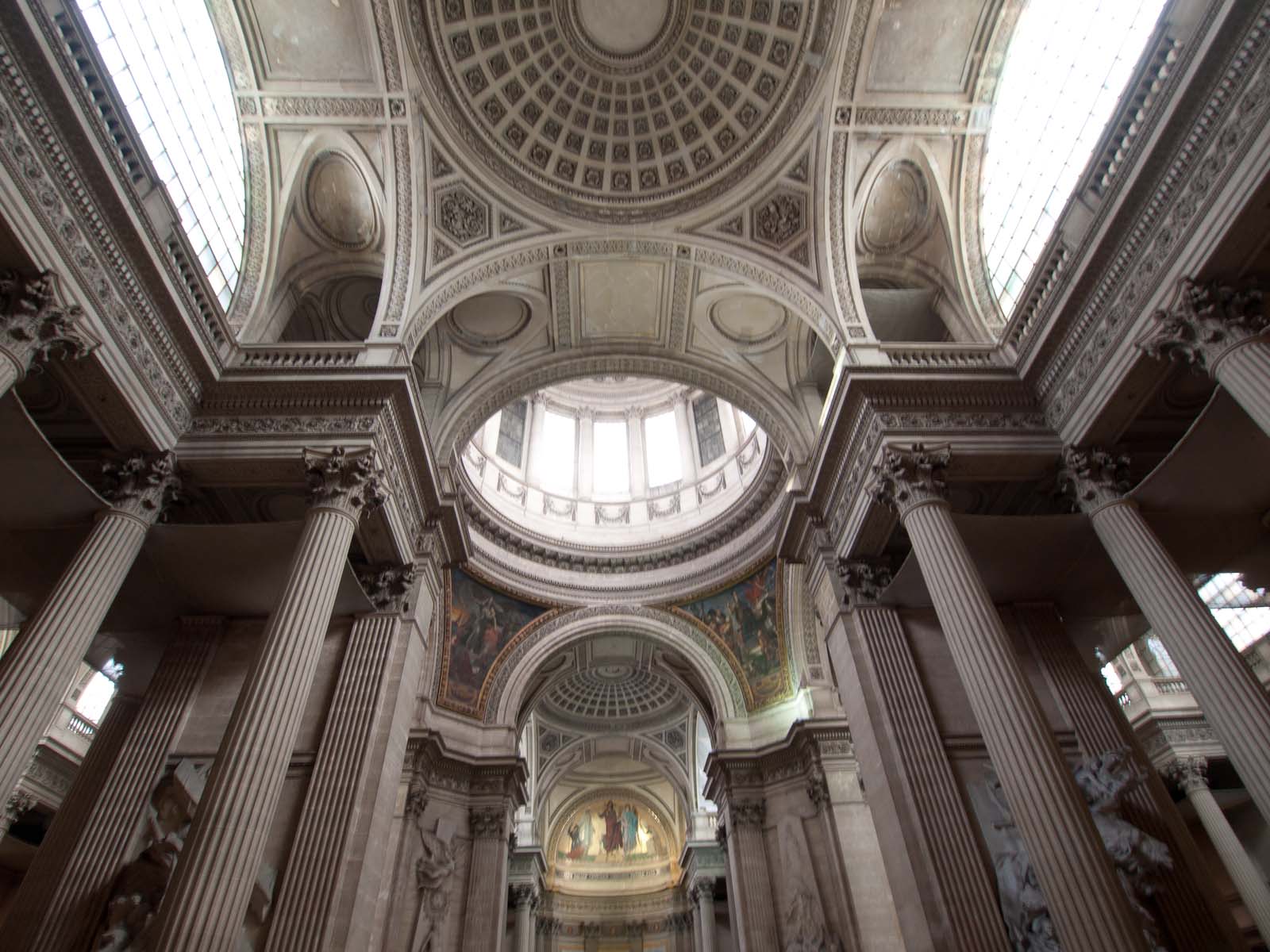
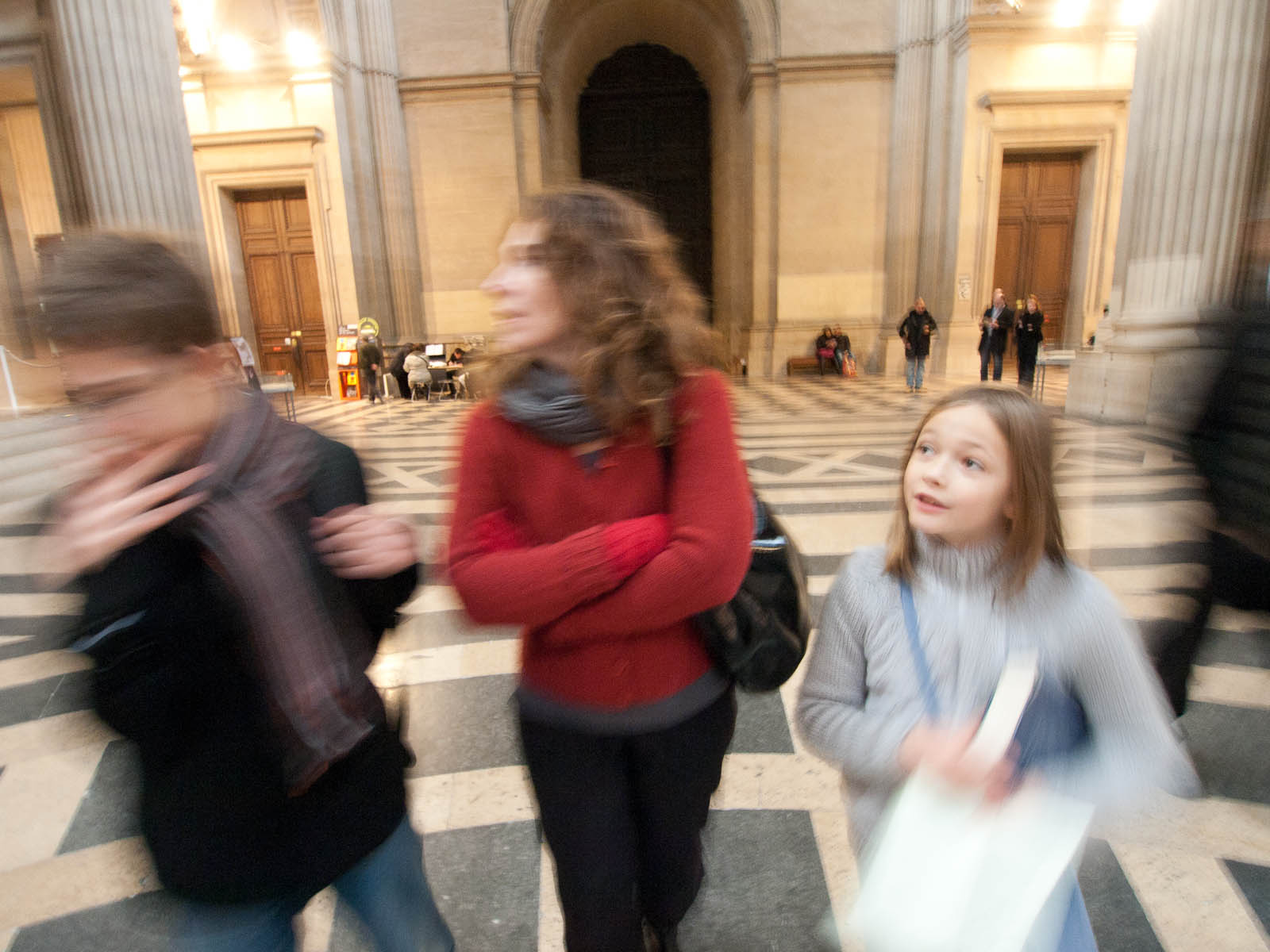
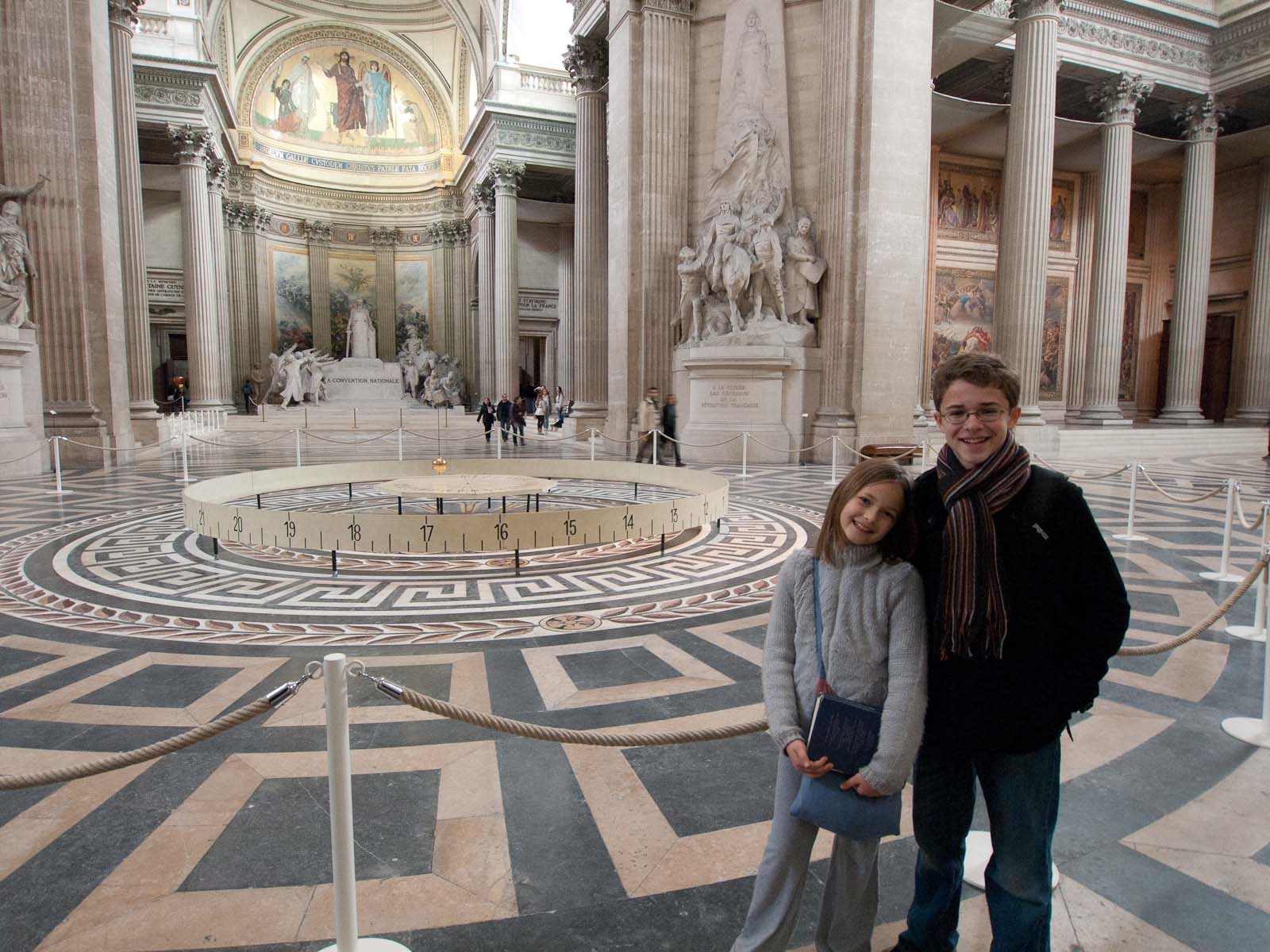
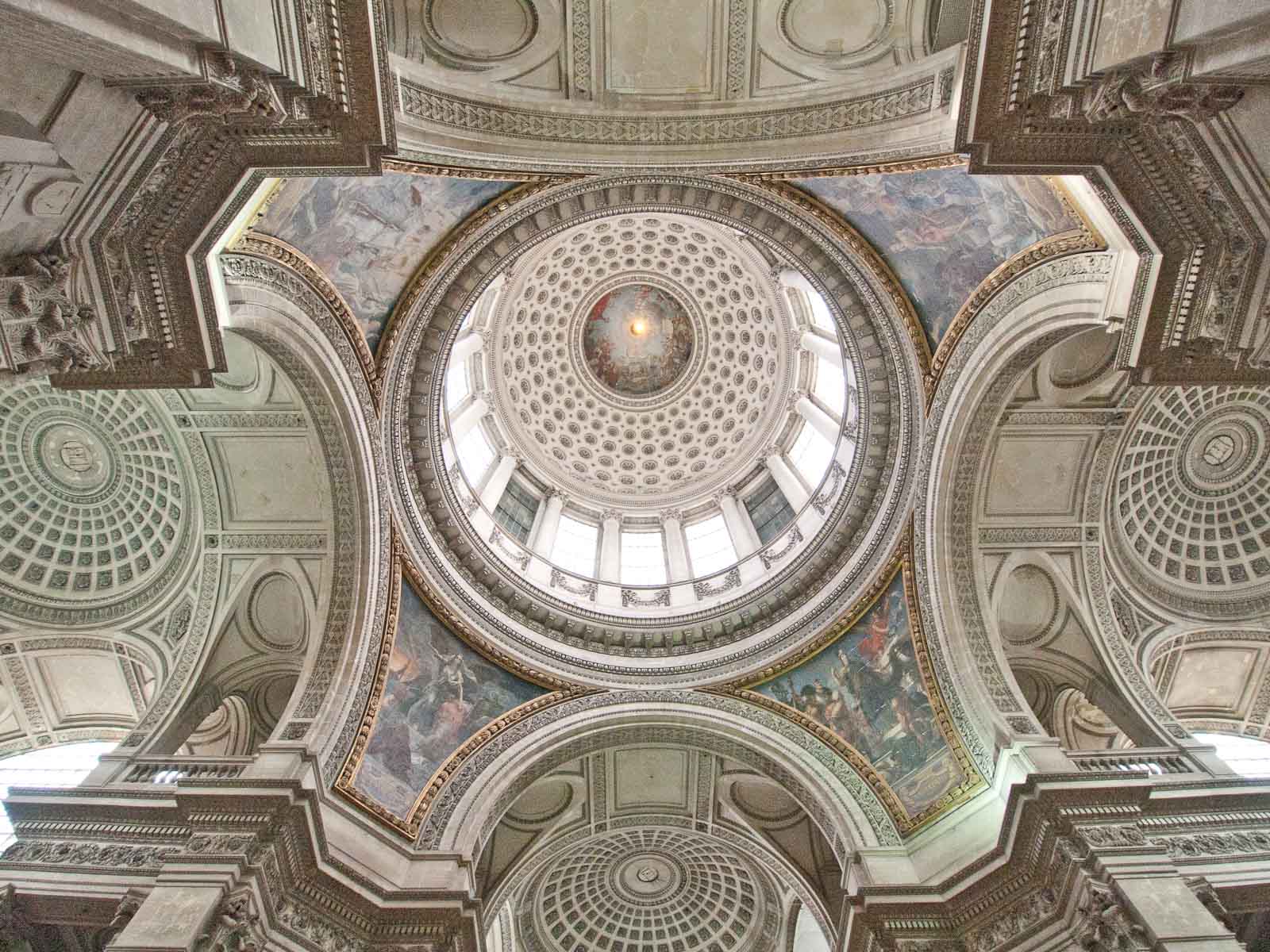
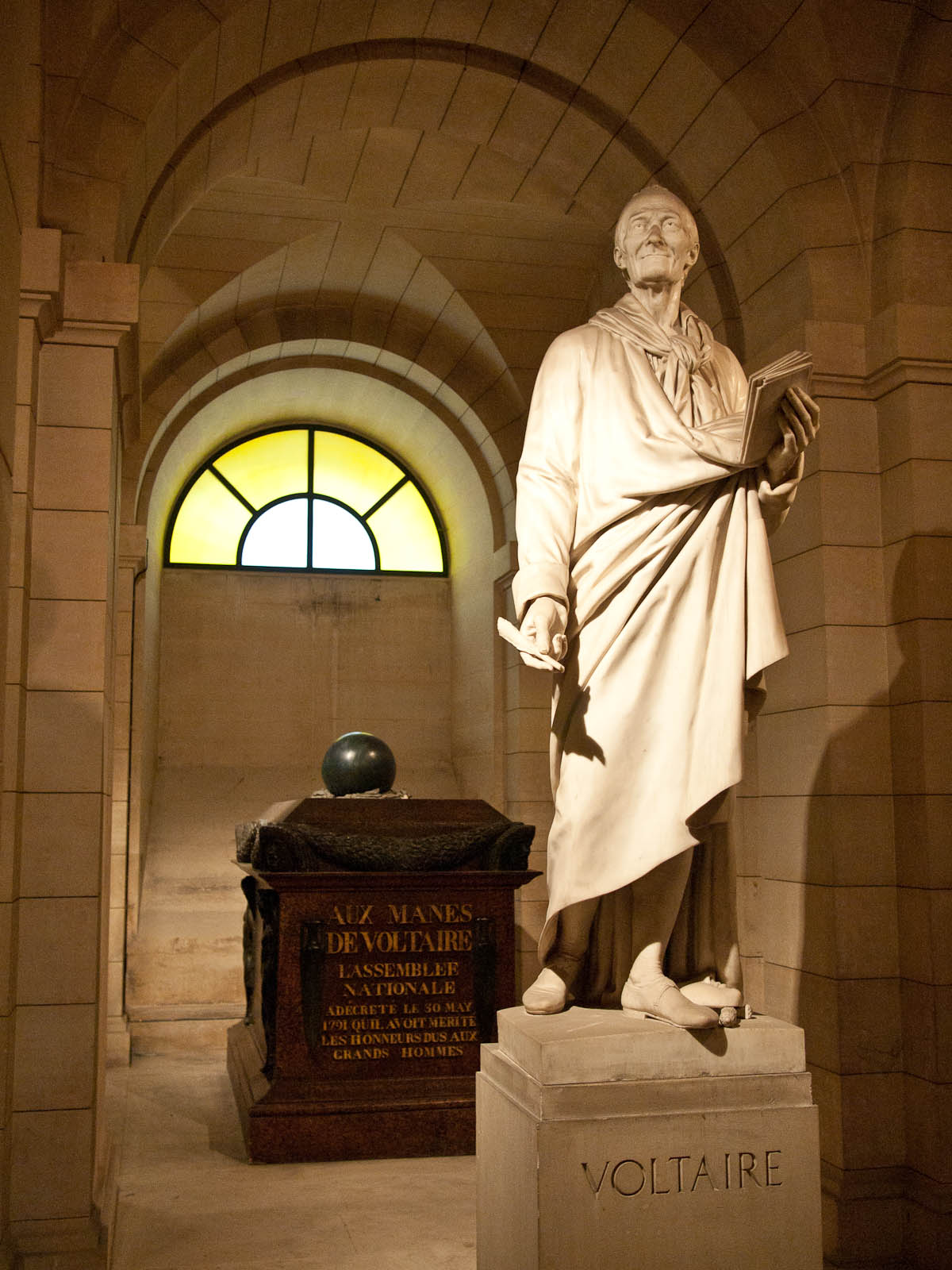
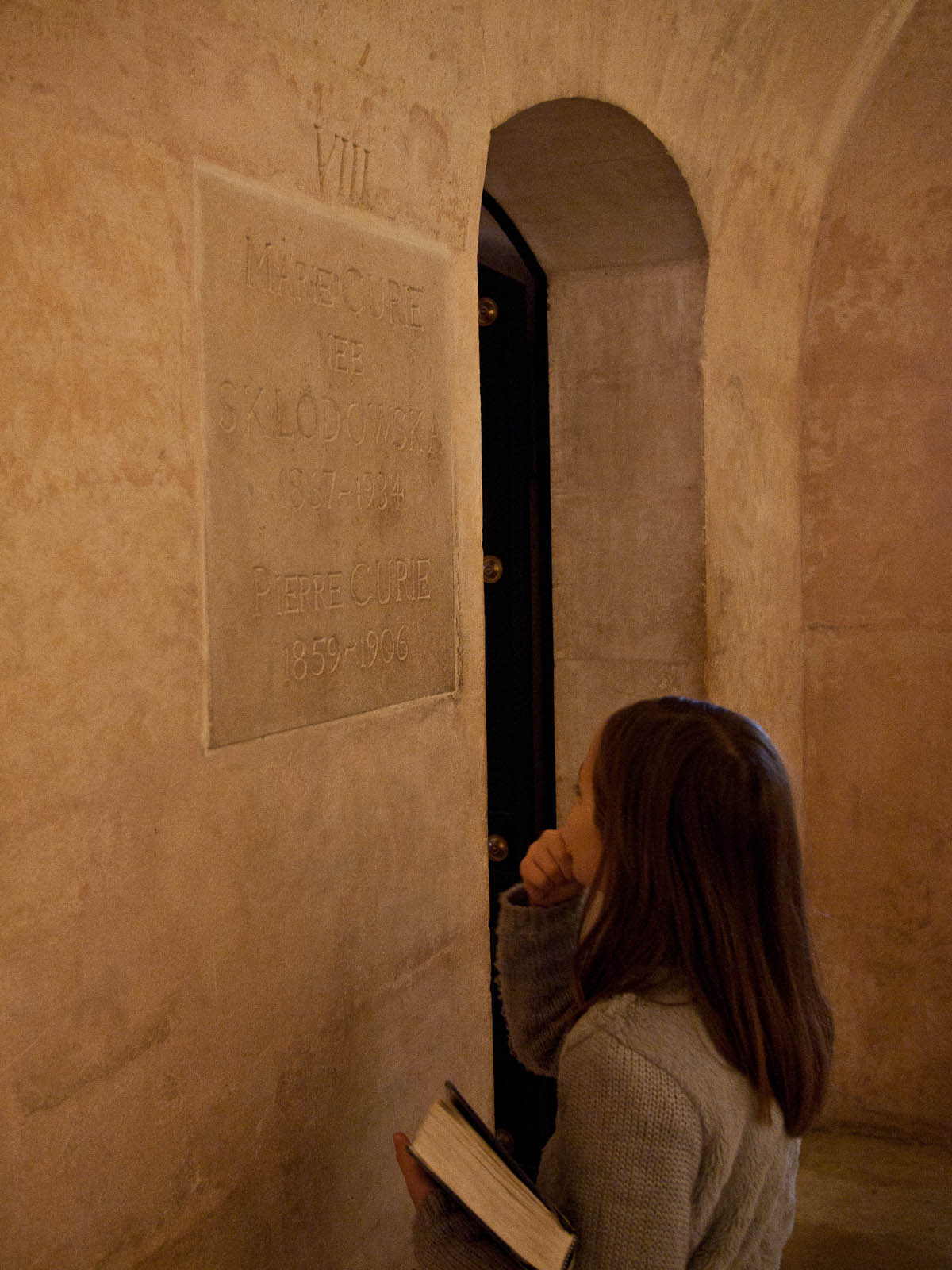
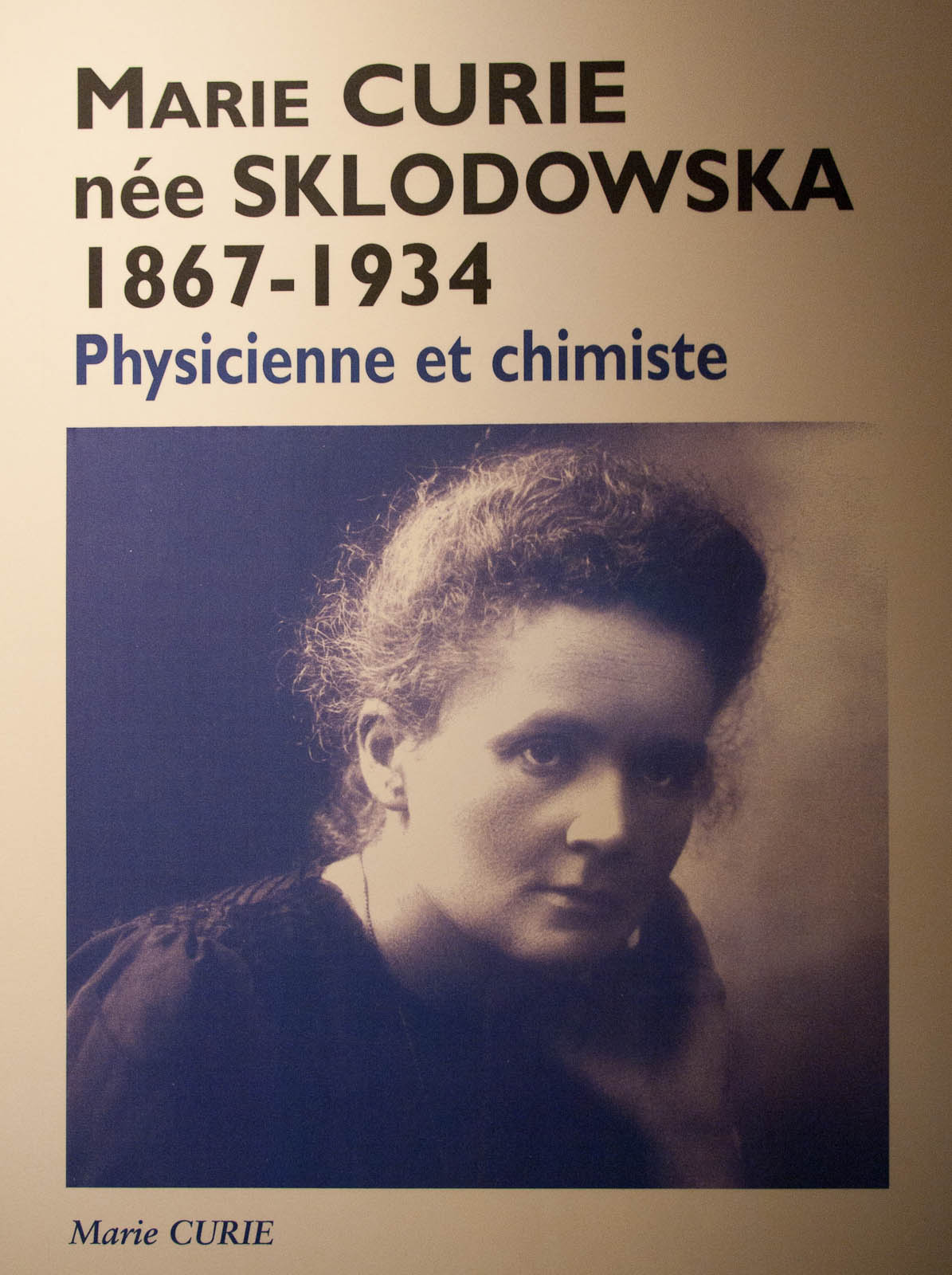
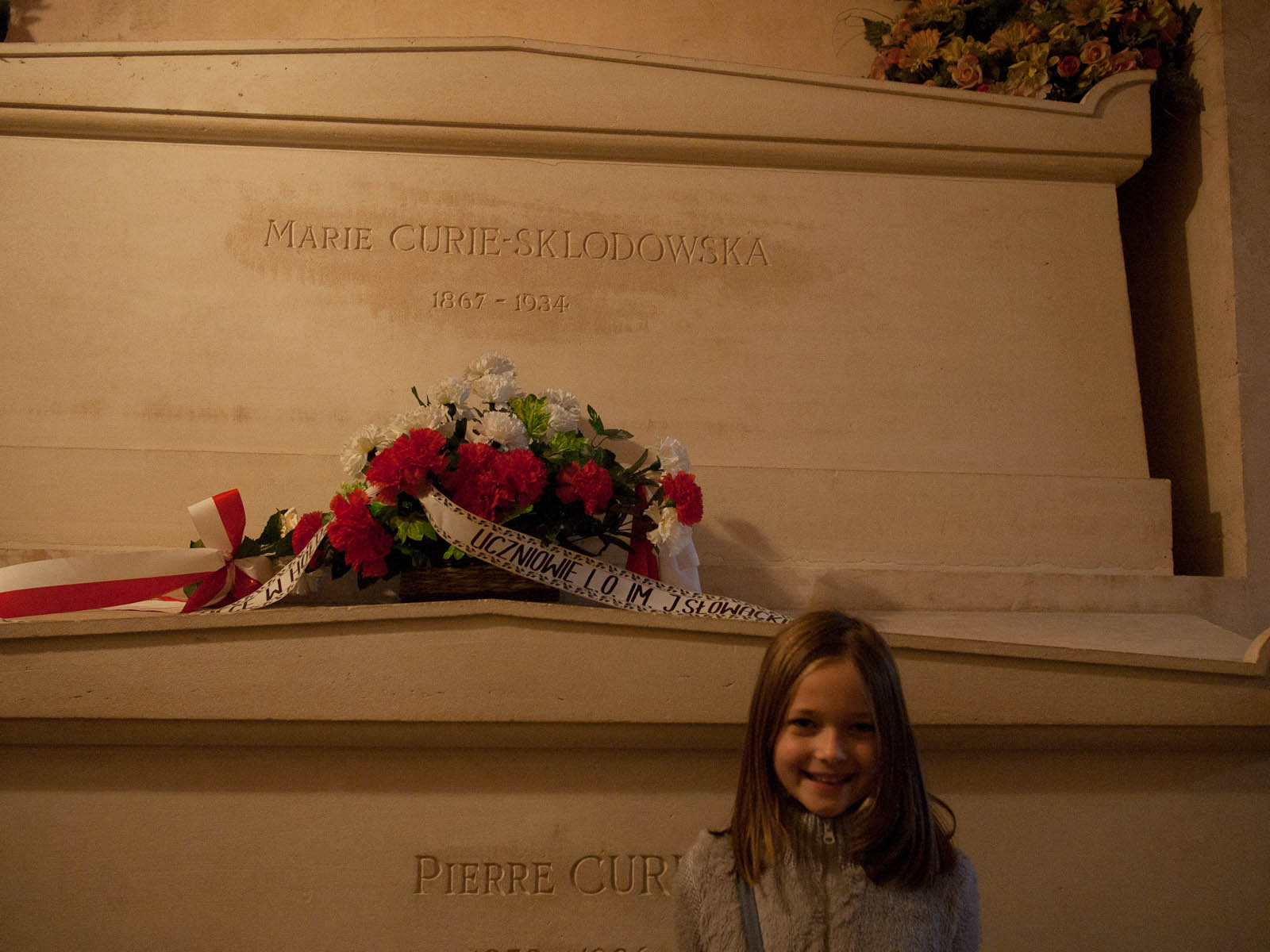
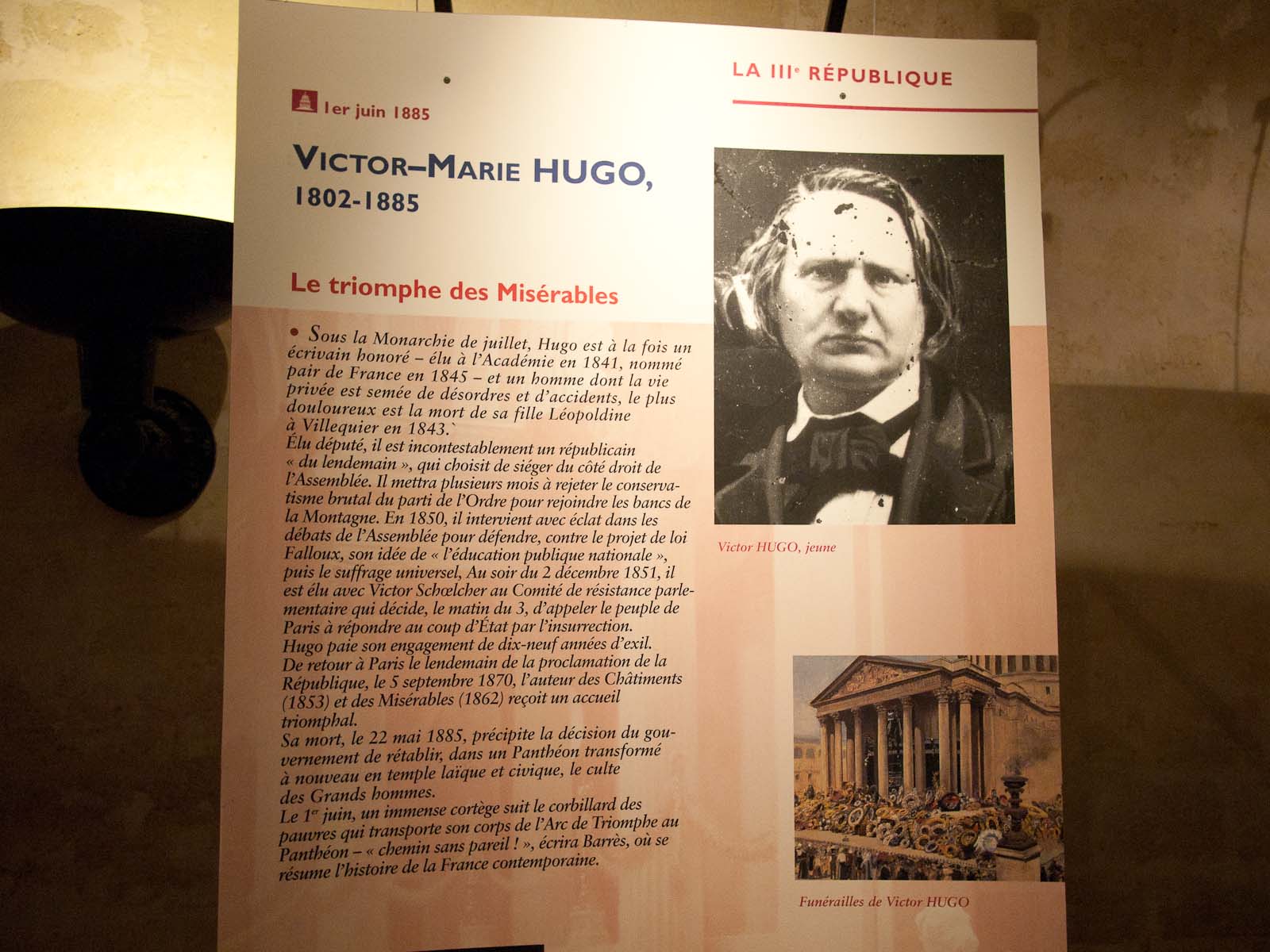
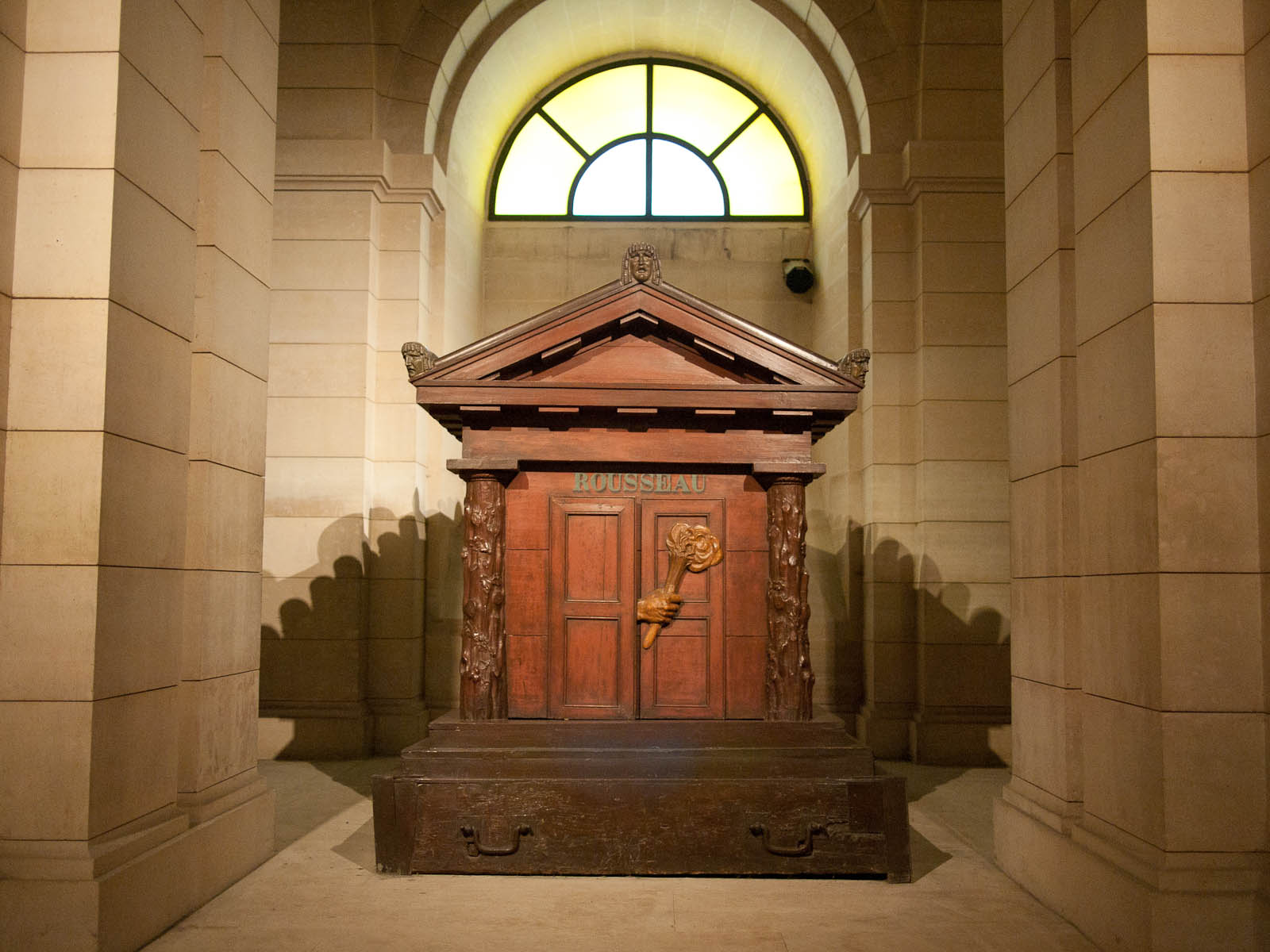
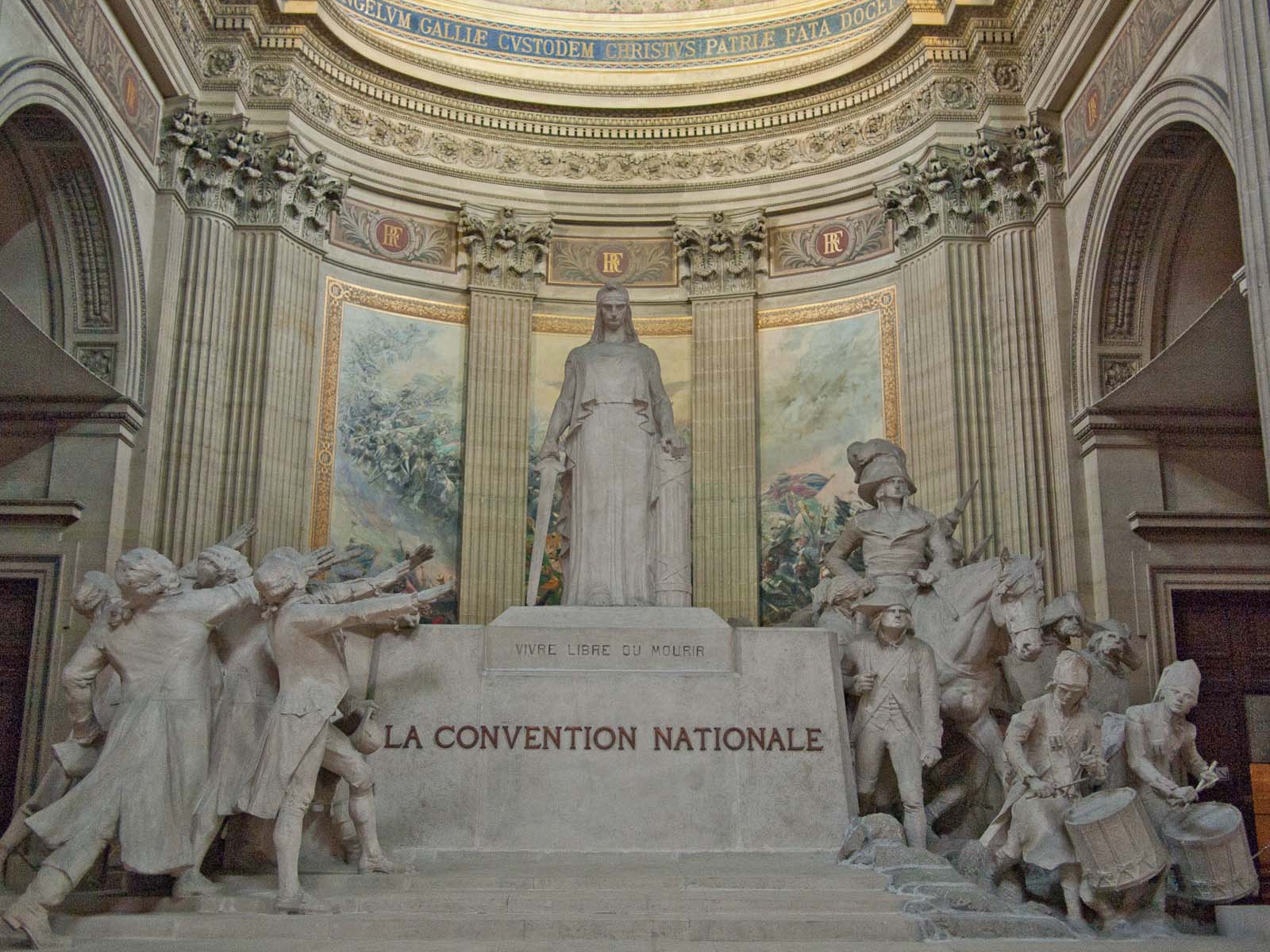
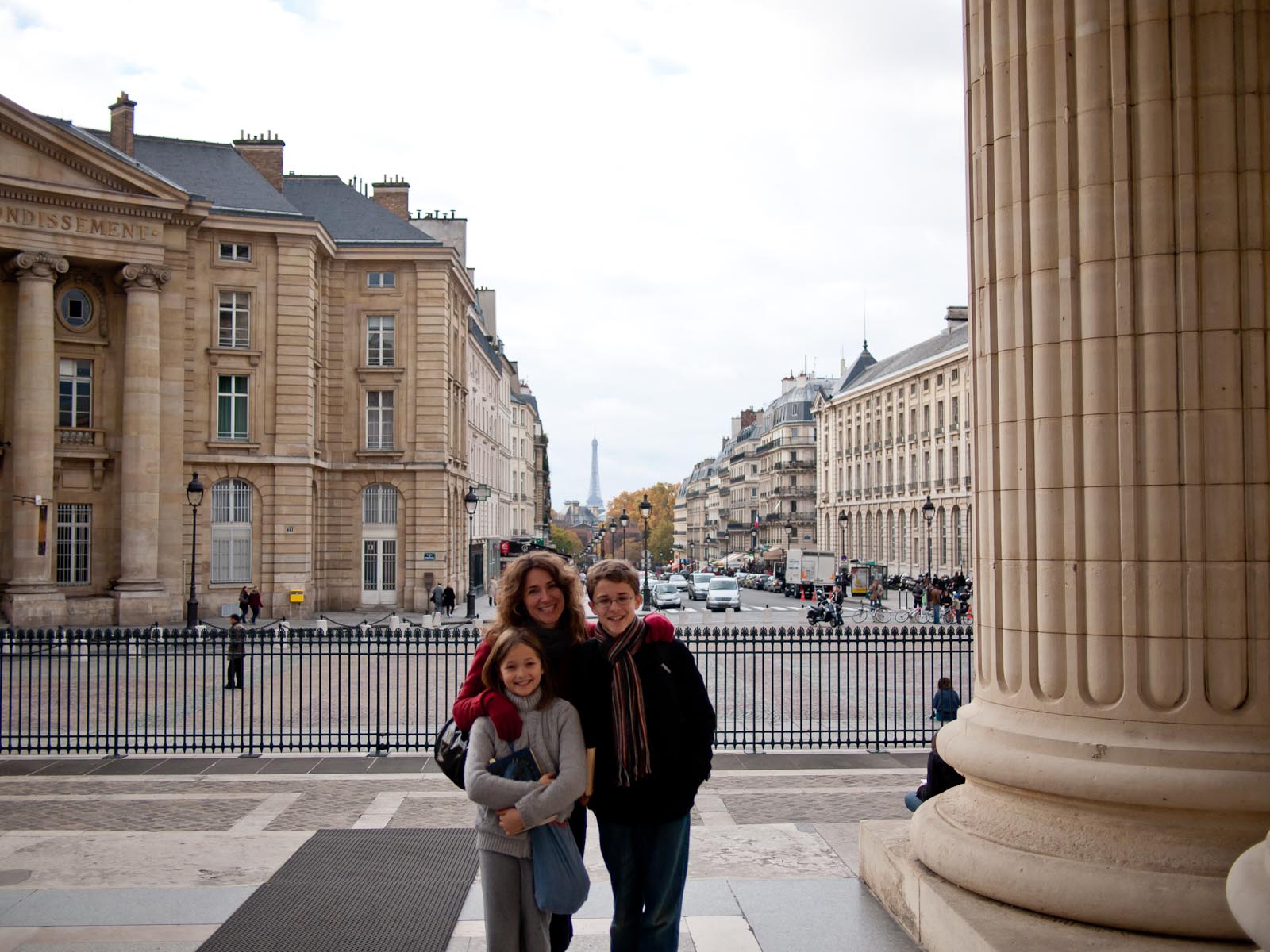
– The Pantheon. This visually impressive monument sits atop a hill in the Left Bank where its gravitas adds to the weight of the Sorbonne University area. We had walked past the Pantheon building many times yet never entered before. Inside we were awed by grand architecture blending ancient stone columns with ornate decorations (it is deemed “the first” neoclassical building). The enormous dome here is where Foucault first constructed his pendulum, which showed that the earth rotated because the direction of the swing would gradually shift throughout the day. Public displays like this helped to usher in the shift from religious mysticism to scientific enlightenment. A re-creation hangs there today. The building owes its origin to Louis XV who was suffering from an illness and swore to build a giant church in honor of St. Genevieve if he were cured. After the French Revolution it was transformed into a secular building and so it is decorated with monuments and paintings celebrating the change from monarchy to democracy. After the death of Victor Hugo, the French decided to make the Pantheon into a burial place for its greatest citizens – writers, scientists, leaders, soldiers and artists. The bodies of Voltaire and Rousseau were exhumed and brought here with great celebration as starters and there are now some 300 great citizens buried here. Katherine was pleased to discover that Marie Curie is here – one of only two women to be admitted to the Pantheon, and the only one to be brought here on the strengths of her own accomplishments. Carter was touched to find the actual tomb of Victor Hugo, author of the story that inspired Les Miserables. And in a nod to DI, in 2002 the remains of Three Musketeers author Alexandre Dumas were brought here, draped in a cloth that reads “Un pour tous, tous pour un.” As we left we noticed the sign above the entrance of the Pantheon reads “For Great Men Our Country is Grateful”. It must be an inspirational challenge to the thousands of university students who walk by here every day.