The most pleasurable way to enjoy Buenos Aires is to spend time in the quiet neighborhoods, soaking up the café culture and European-style architecture. There is nevertheless some touring to be done!
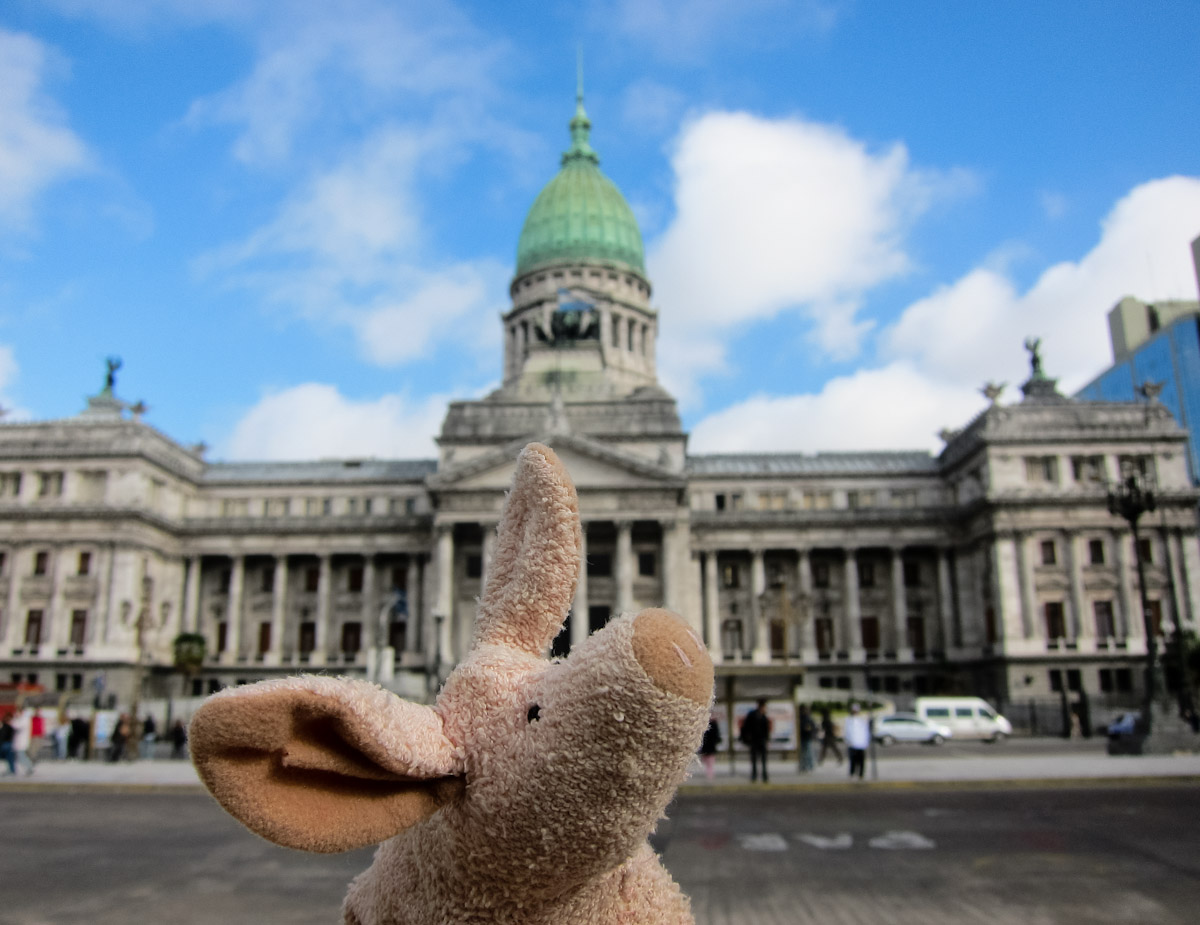
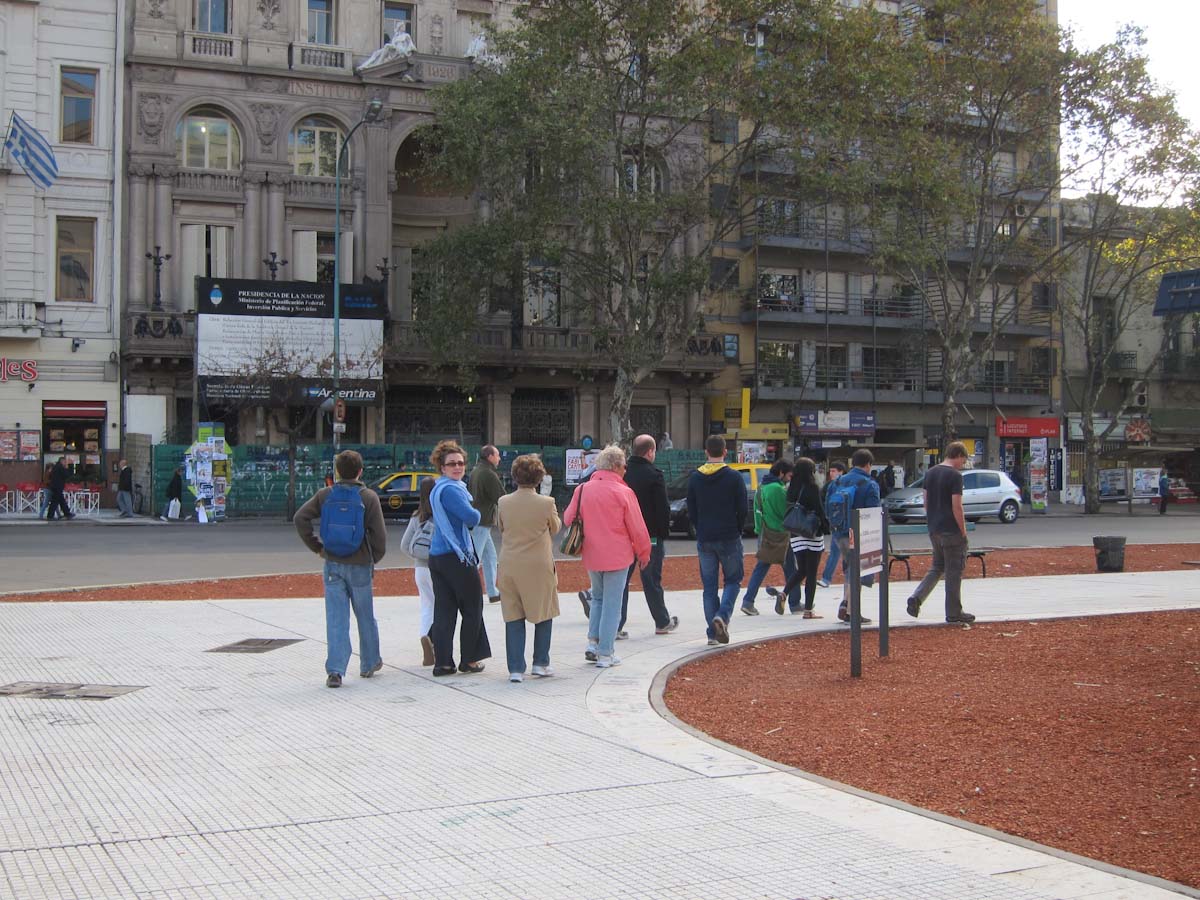
Starting in the city center, we joined a free walking tour (a tip is expected) that had been highly rated by TripAdvisor. Piggy came along because she likes to see the sights.
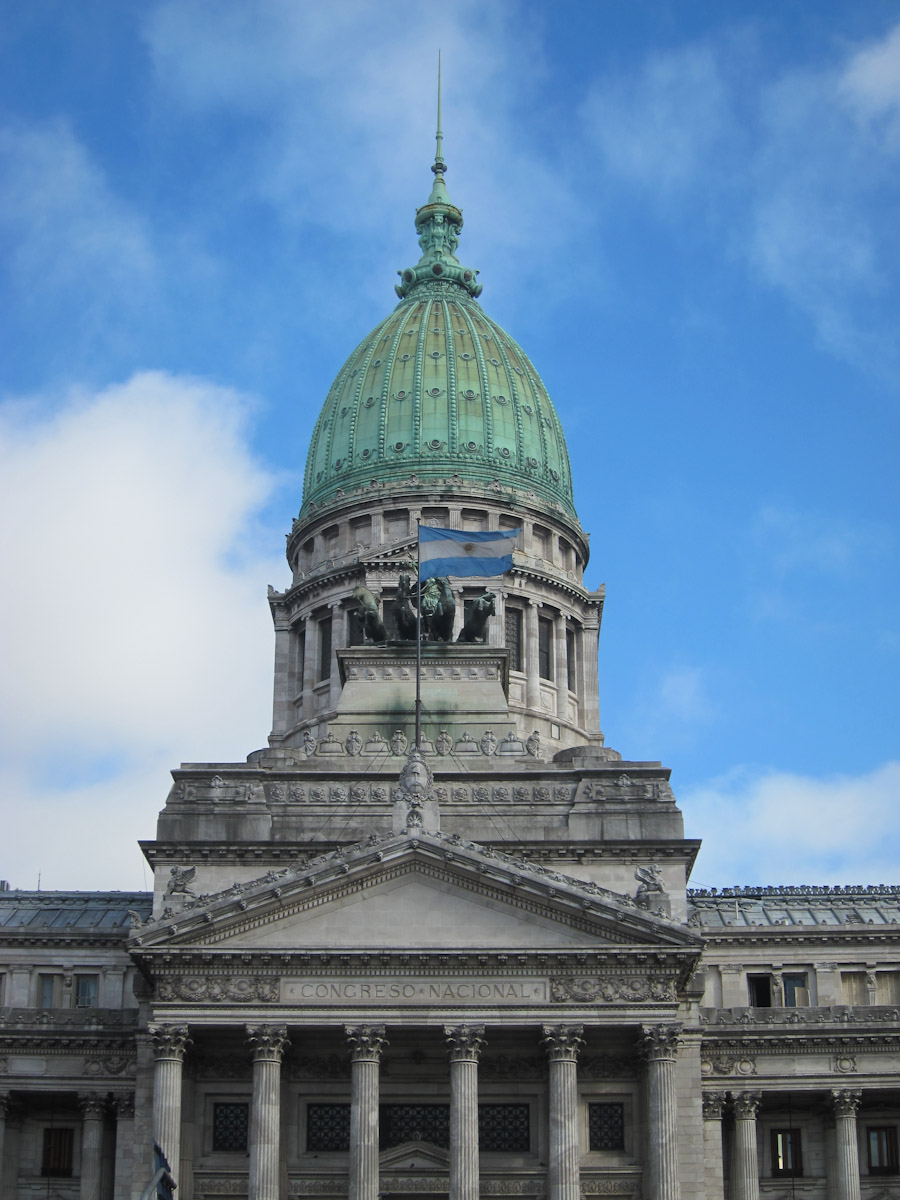
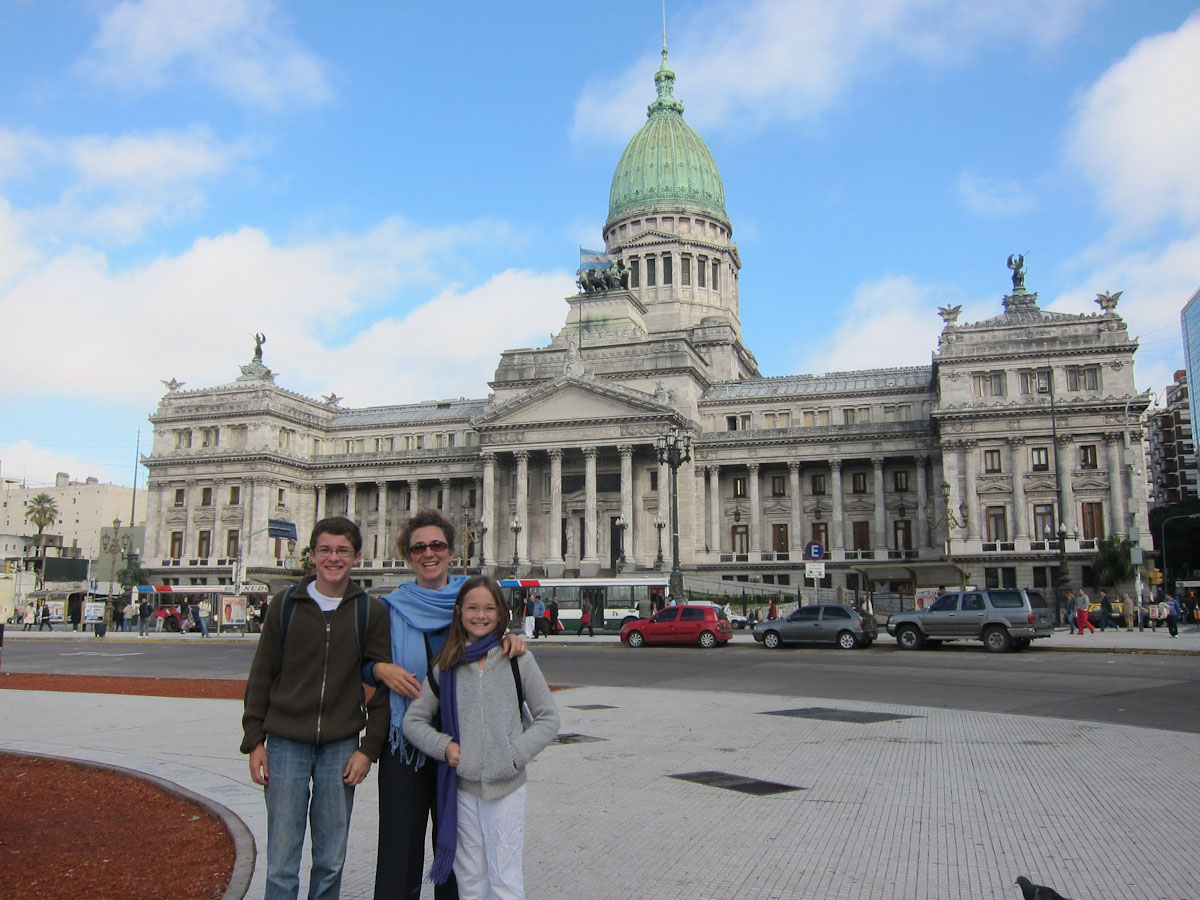
The tour started at an impressive National Congress building.
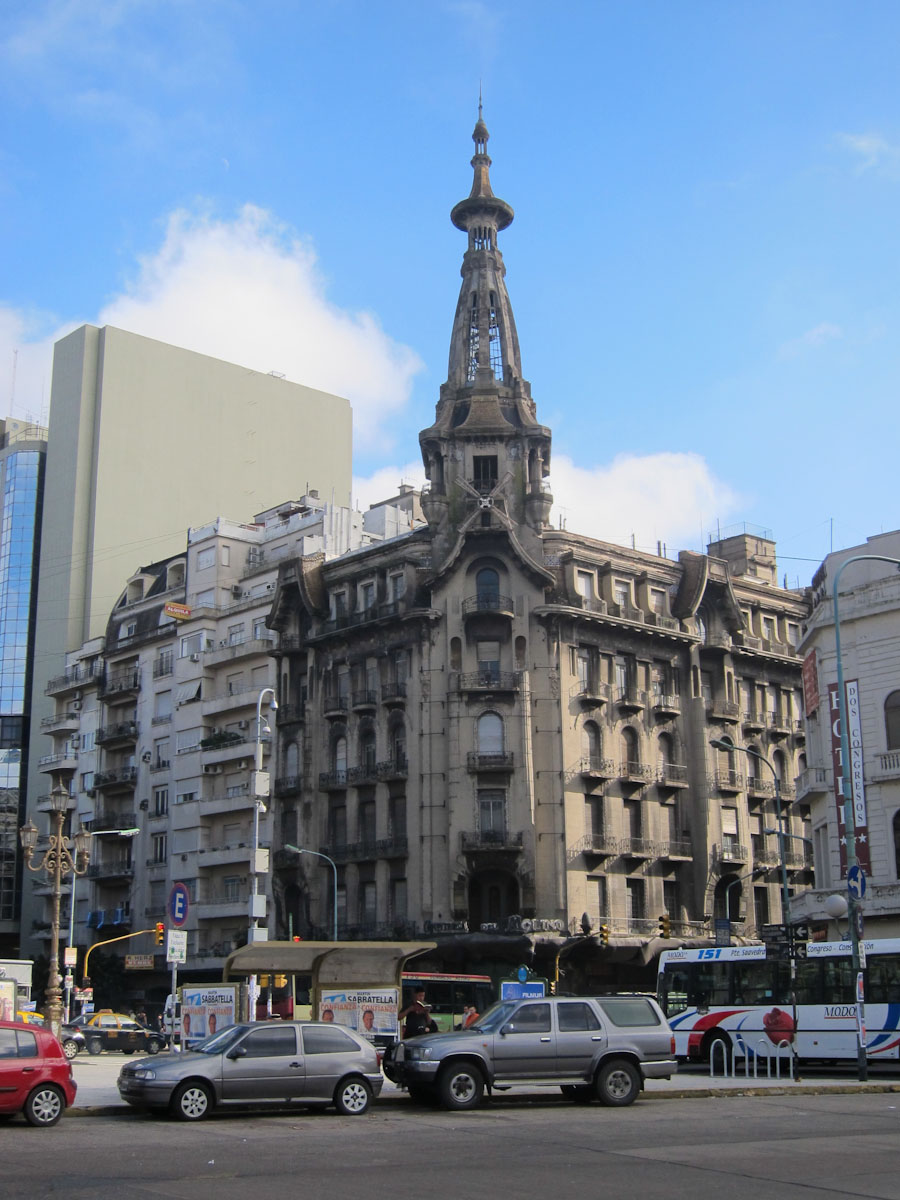
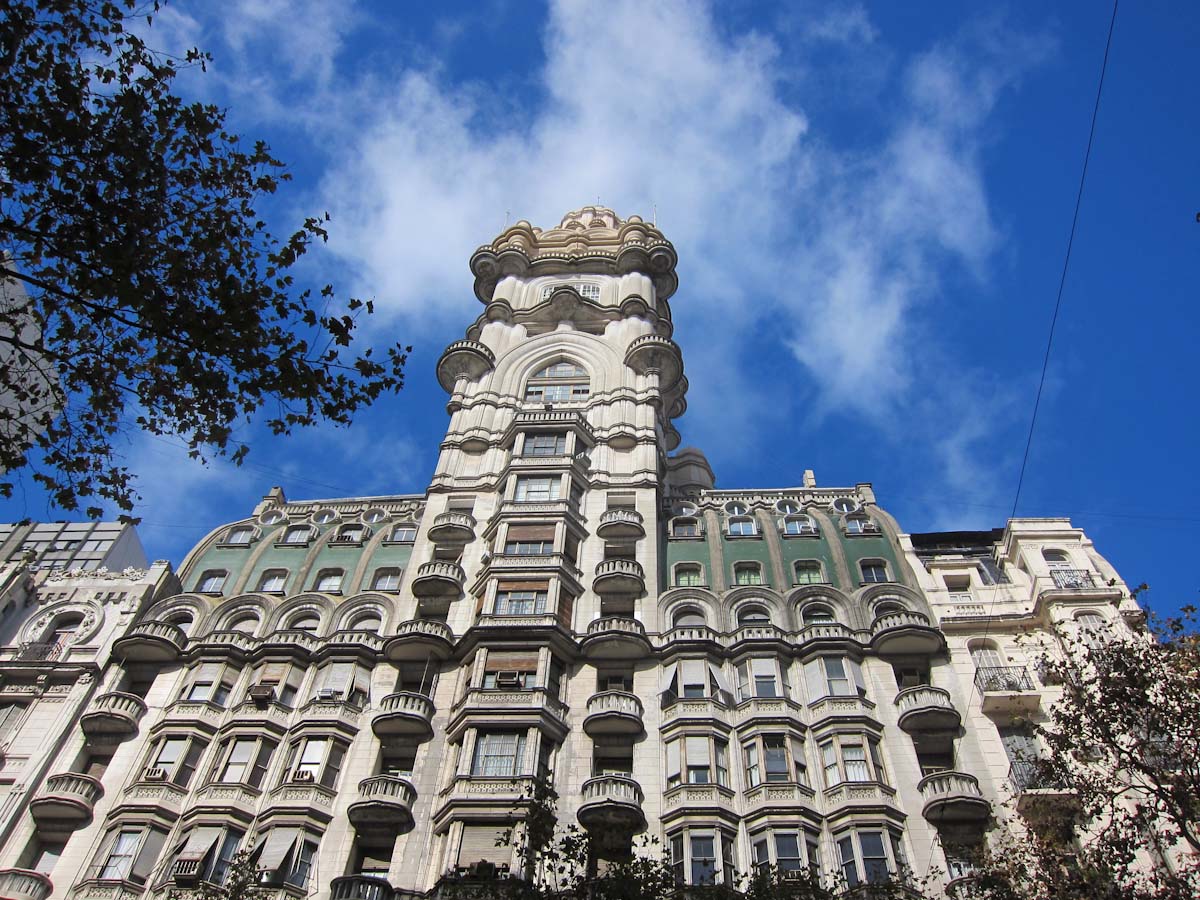
Amazingly, there was another old building just beside it with a turret on top, whose windows were all boarded up. That building was in disrepair and had been taken over by squatters. The politicians must see that each day as they enter their grand offices, and we wondered if it left them humbled or inspired.
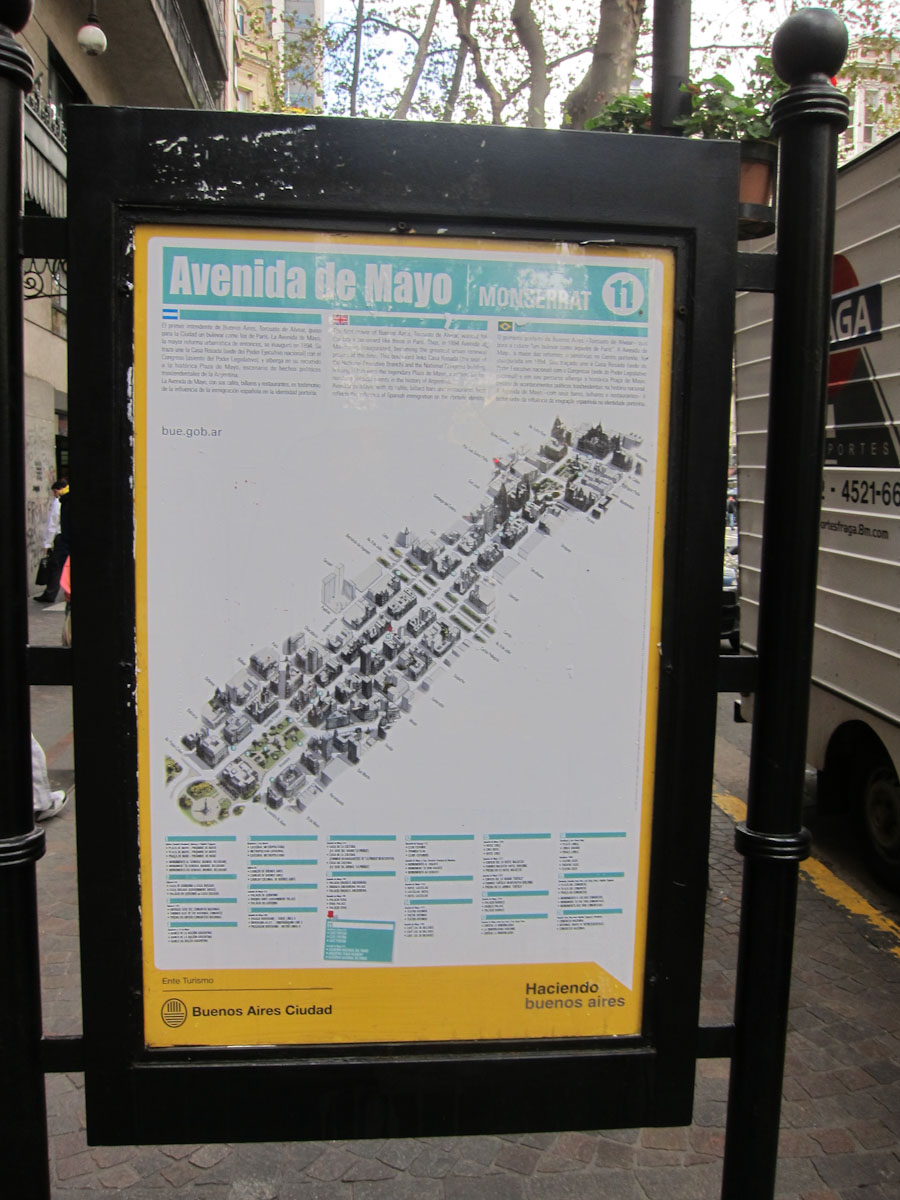
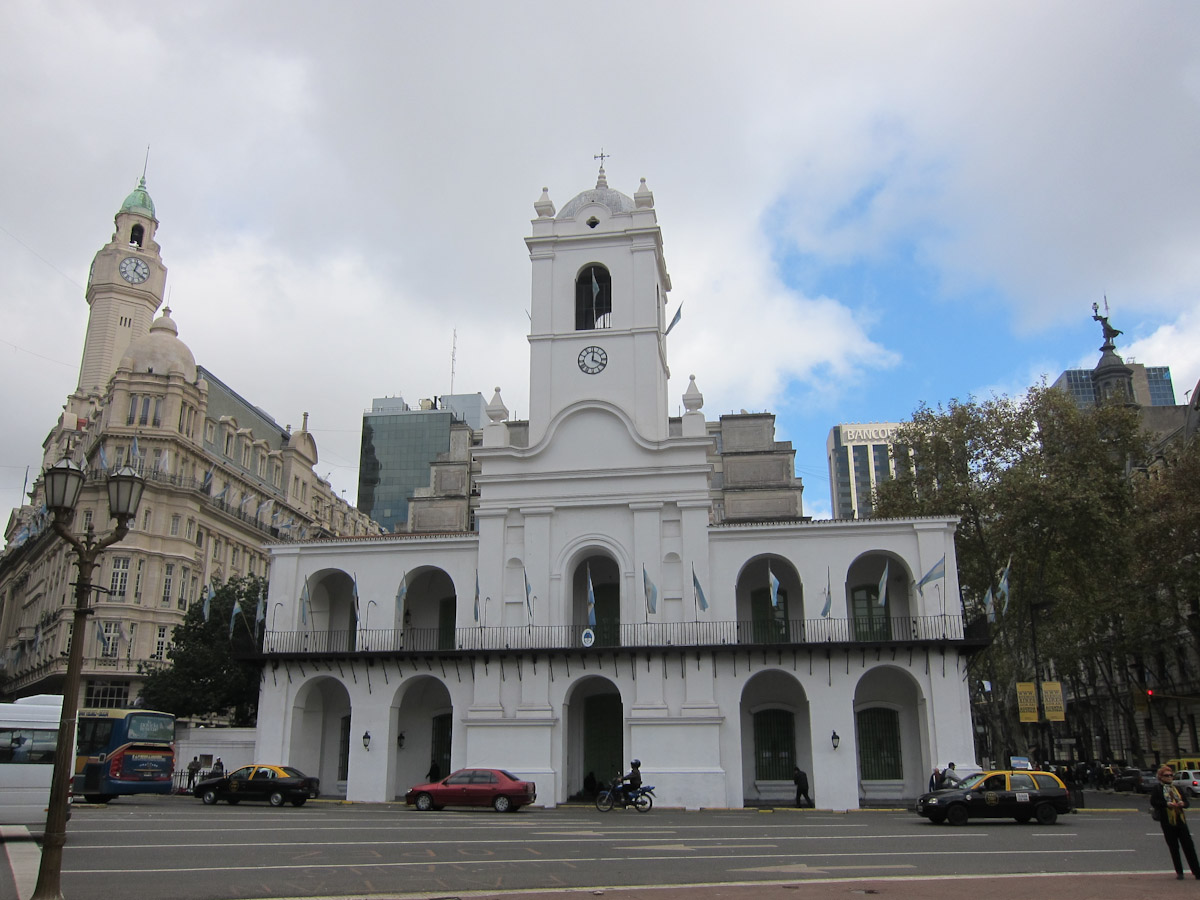
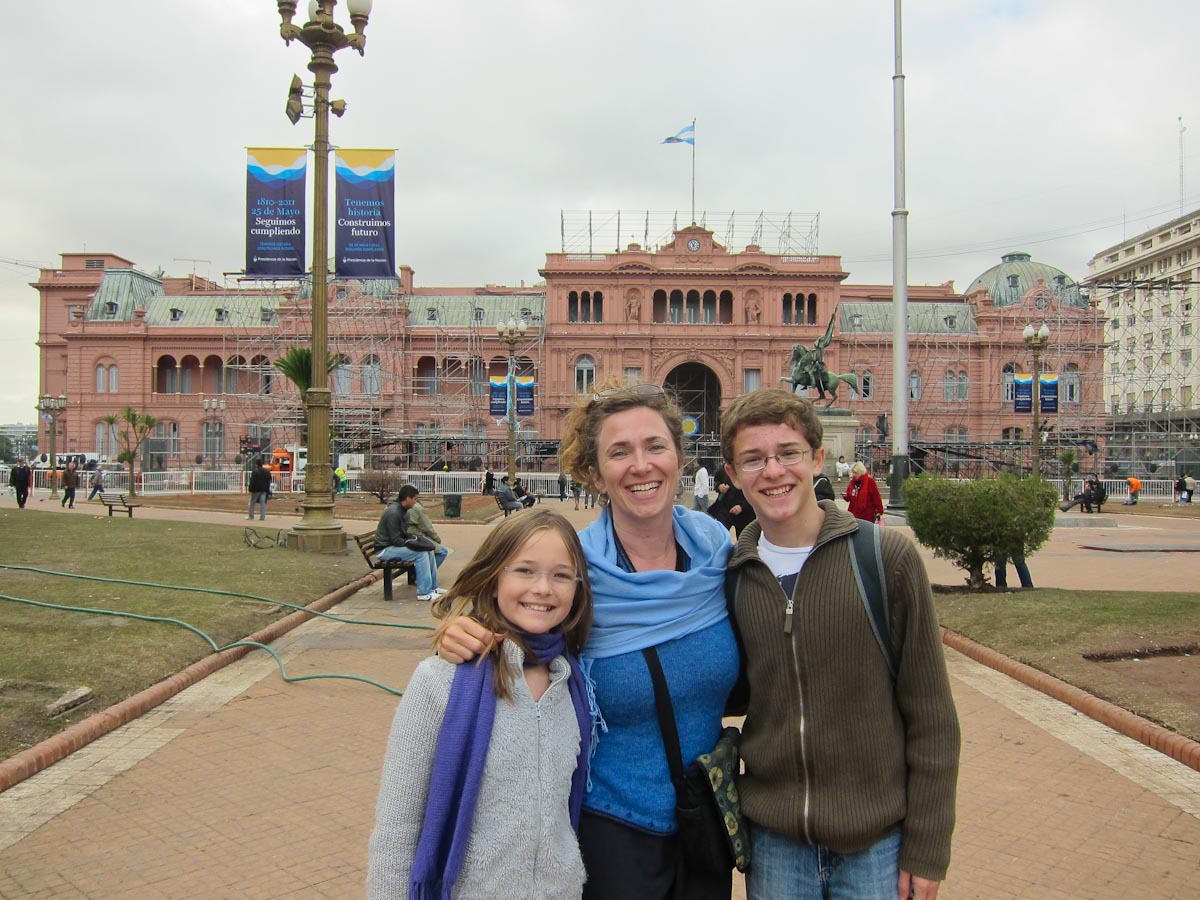
In the spirit of Paris, a number of buildings have been torn down to open up impressive diagonal avenues in Buenos Aires. So from the Congress building, if you follow the Avenue of May, you reach the Plaza de Mayo. Here is an original white colonial building where the Spanish viceroy once ruled, and across from that, the modern Presidential office which is called the Casa Rosada or Pink House. Yes this is the building from whose balcony Eva would address the crowds.
It was colored pink because at the time, Buenos Aires was chronically short of paint. Instead they used a mixture of pig blood and fat. This mixture would both color the walls and waterproof them. As you may have already guessed, Piggy was horrified!
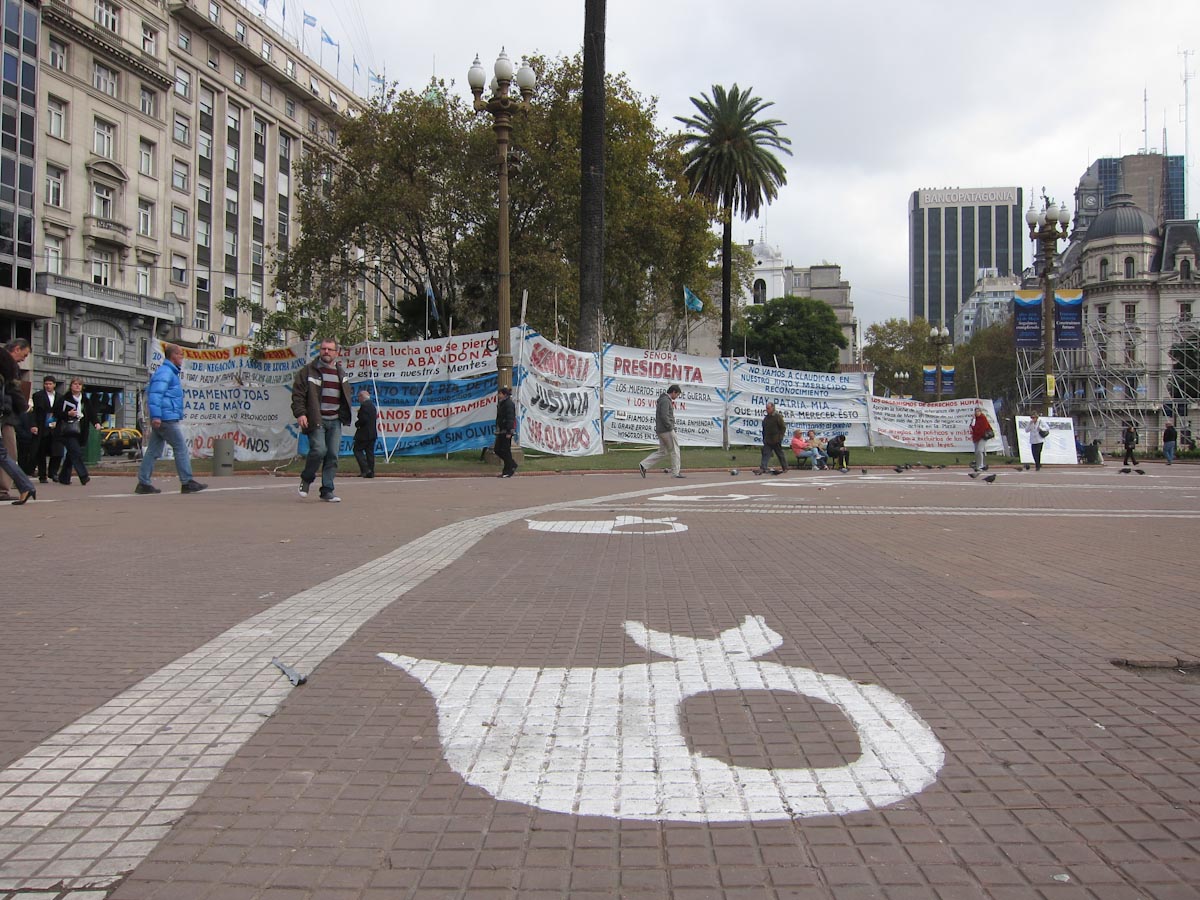
Between the white colonial building and the Casa Rosada is an open square called the Plaza de Mayo. There are plenty of fences here covered by political banners. We saw a large group of riot police march by on an apparently routine exercise. Possibly to an even greater extent than the French, the Argentines have a manifestation, protest or strike nearly every day somewhere in the city. The Plaza de Mayo is often involved. The taxi drivers take it all in stride – street blockages are scheduled and printed in advance in the newspaper.
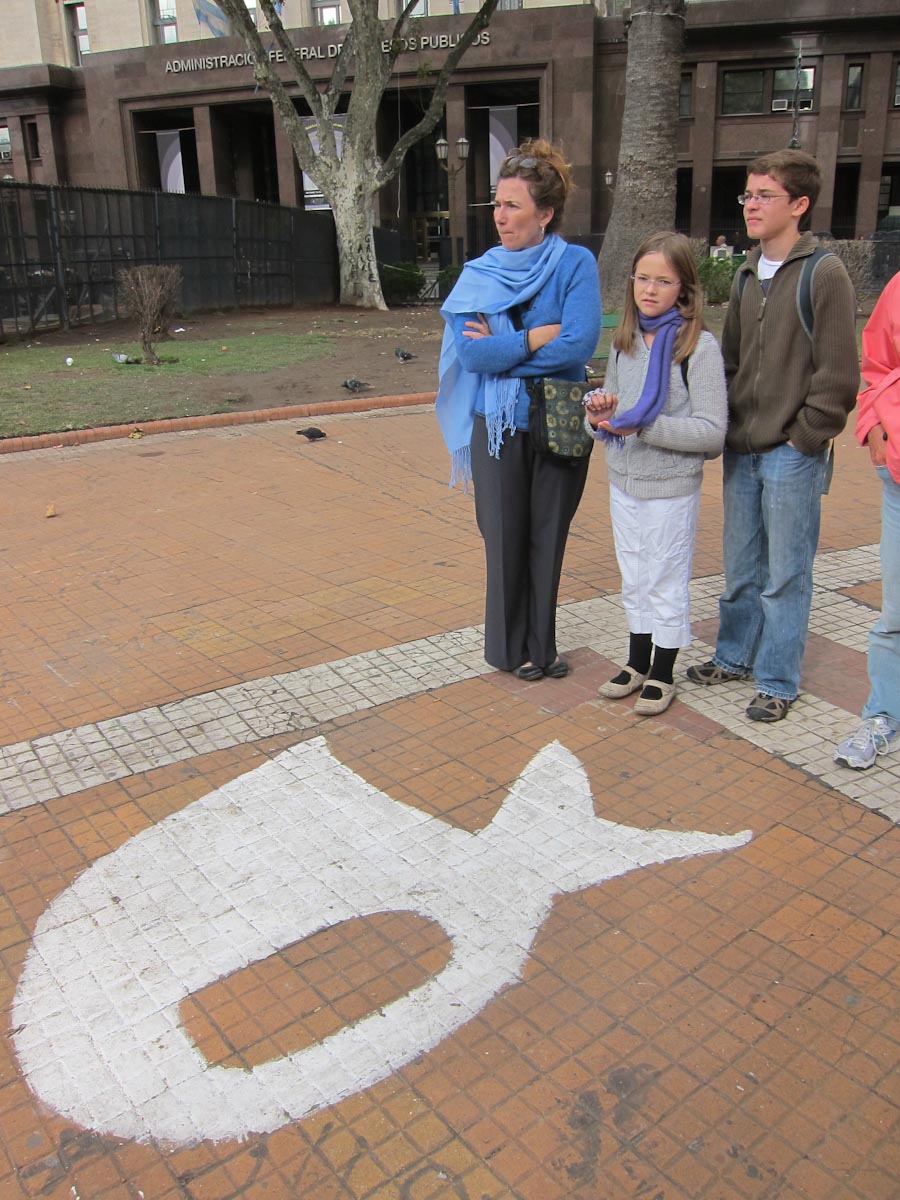
On the ground here is a trail of large white bandanna shapes that symbolize the most famous and controversial protest of the square. To understand the origin of this special protest, you have to learn a nutshell of Argentine history and read the next page or so of text. But we promise you are going to enjoy this if you like history even a little bit, because Argentina’s history is filled with boiling passions, radical governments, stalwart heroes, romantic heroines, cruel dictators, and foolish bankers who combine to tell an amazing tale.
Going back a thousand years to pre-colonial times, the lands of Argentina were occupied by fierce native Indians who lived as nomads. When the Spanish military came south from Peru down to Argentina seeking silver (Argent means silver, hence the name) they found no precious metal but plenty of rich soil. Unlike Peru or Chile where the Spanish and Indians intermarried (80% of Chileans are of mixed descent), here the Indians could not be subdued and instead they were completely slaughtered and thus everyone in Argentina is European.
The country experienced a wave of immigration from Italy especially. Most immigrants were male, and while visiting certain parlors they could see women dancing a highly suggestive dance, which gave rise to Tango. Today the mix is 40% Spanish, 40% Italian and 20% French or other (there also a number of Bolivians migrants working here at the lowest wage jobs). That is why the city speaks Spanish, feels Italian, and is laid out like Paris.
Argentina became a viceroyalty of Spain in 1776 but rebelled in 1810, declared independence on July 9 1816, beat Spain militarily in 1824, then descended into civil war. It finally achieved peace with the Constitution of 1853.
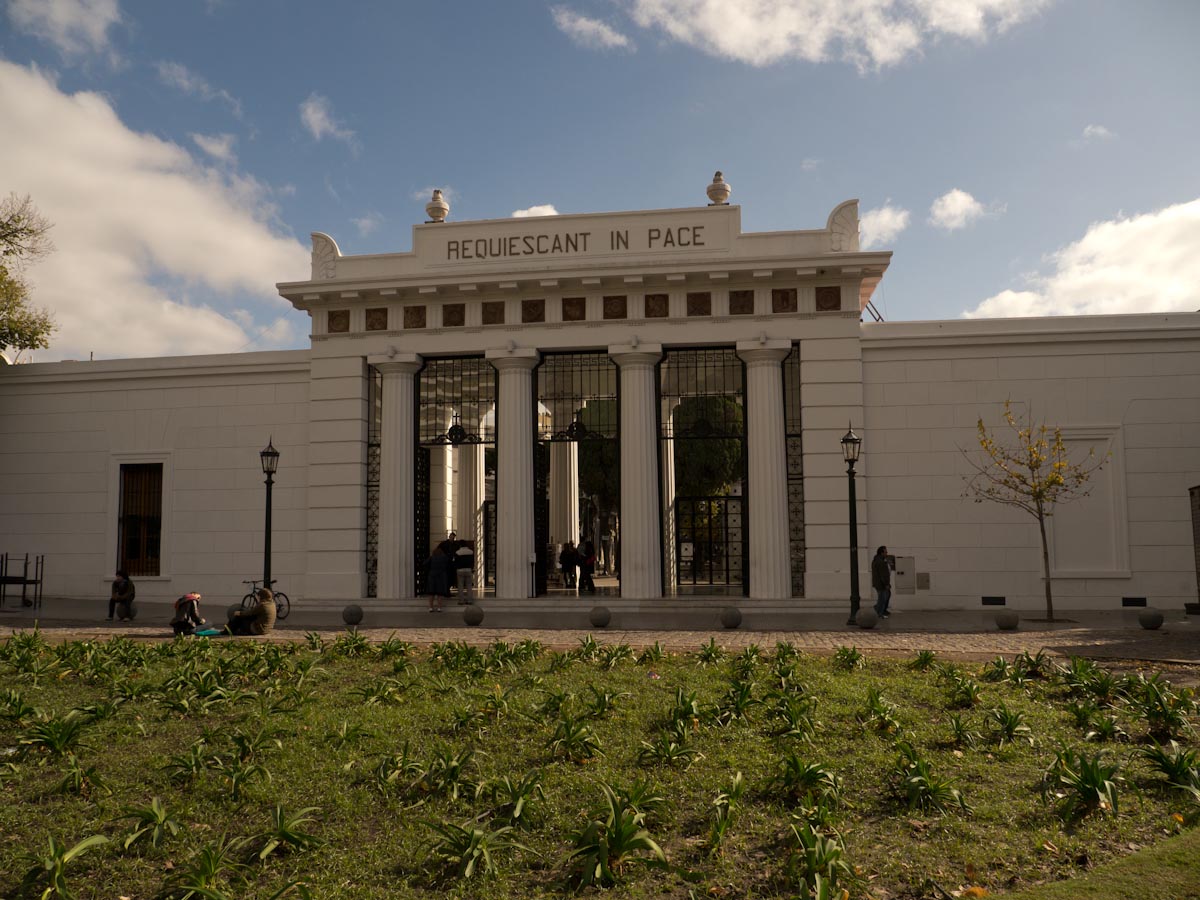
The country’s wealth was for many years concentrated substantially in the hands of just 100 families, who owned vast farm and cattlelands. Buenos Aires became a busy port town named for its fine winds (good airs). The residents around the town called themselves porteños – the port people. Business was good and many fine buildings were erected. The oldest and wealthiest families buried their dead in the Recoleta Cemetary and competed to see who could build the most grand and artistic stone burial crypts.
In the early 1900s, waves of strikes and violence by the poor were suppressed by each new government. The country profited handsomely by staying out of War World I, then was devastated by the crash of 1929. Unable to afford needed goods from abroad, Argentina started a policy – which it still follows today – of maintaining high barriers against imports, so that it would always have local industries available to serve its needs and could be self-sufficient.
During World War II, Argentina felt sympathy with both sides. It accepted large numbers of Jewish refugees and later Nazi refugees as well.
In 1946 with the war ended, General Juan Peron became President. He built a cult of personality enhanced by his wife, Evita Peron. Evita was from a poor family and devoted herself to good works, earning enormous popularity. Peron used violence against his enemies and exercised firm control. However under Peron the Argentine peso was greatly devalued and inflation soared. He was ousted by 1955 and fled to Spain where he continued to exercise a distant influence (Thailand has a similar issue going on today). A series of governments followed in constant turmoil, some military coups. The peronists were a key faction that both sided with others and fought bitterly within itself.
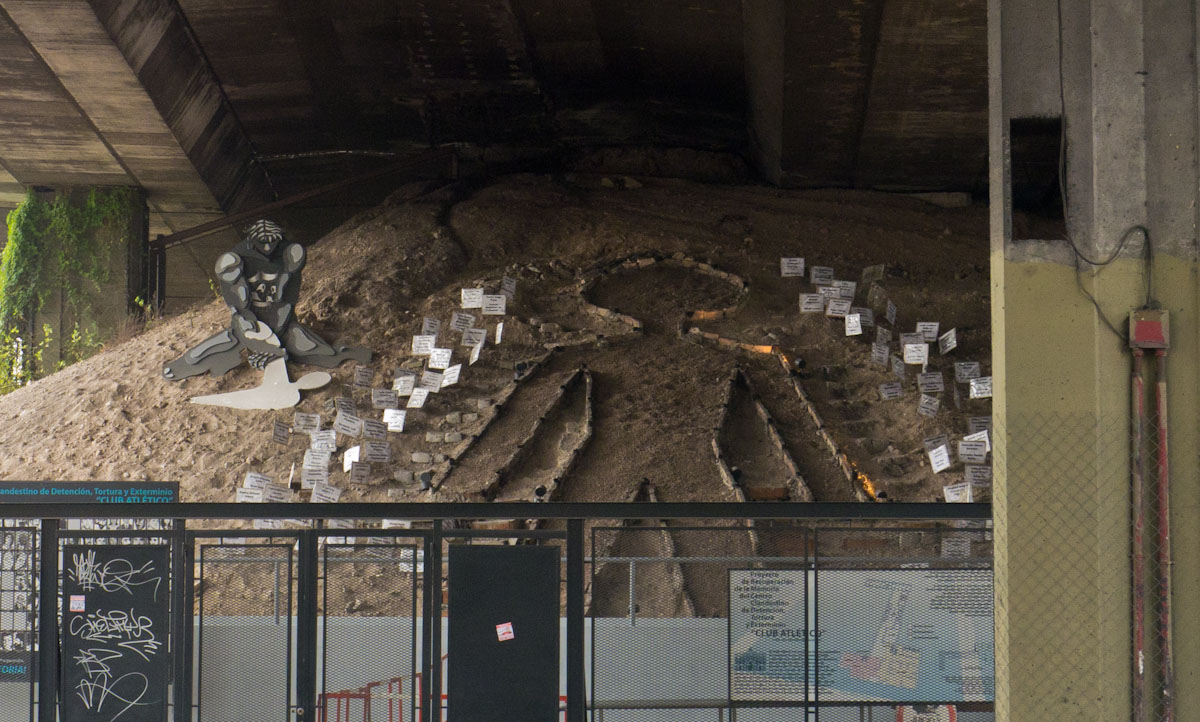
Eventually Peron returned and then in 1974, he died. His second wife tried to lead a new government, but the military took iron control of the country in 1976. Curfews were imposed, free speech prevented and no assemblies of more than 3 people at a time were permitted. During this period – called the Dirty War – the military rounded up 30,000 citizens it did not like and “disappeared” them and sometimes their families for good measure. The news of this was suppressed. Fear prevailed.
Ahhh finally we come back to the Plaza de Mayo. One day a group of 11 mothers came to the Plaza wearing kerchiefs on which the names of their lost children were embroidered. The police said they could not stand all together. So they separated into groups of 3s and 2s. But then they began walking around the plaza – apart but all going in the same direction. The police said this was within the law. After that, the Mothers of Plaza de Mayo came and marched every week, demanding to know where their children had gone. Their protest dramatized the cruelty of the military regime.
Well so what happened next? In 1983, the military permitted a national election to be held. To their surprise, the nation elected a civilian and the country returned to civilian rule. (Despite later changes to government, the mothers still march to this day, hoping that those who were in power in the 1970s will someday come forth with additional information.)
Can you believe there were still great changes in store? With Argentine re-opening to democracy, foreign capital rushed into Argentina. There was a boom. However the government ran constant deficits and experienced hyperinflation. Argentina decided to peg to the dollar. But as the government kept spending, the peso was worth less than the dollar. Local businesses could not compete with imports and the economy was hollowed out. The central bank had to keep honoring the 1-1 peg, so they needed to keep borrowing dollars. They got further and further in debt.
Bankers kept trying to work with Argentina but the hole kept getting deeper. In 1991 there was a bank default but a few years later the lending resumed. By 2001, there was a grave crisis – similar to what Greece faces today but without any EU partners to step in. The IMF made bail-out loans, but in the end Argentina defaulted. Its peso dropped from 1-1 vs. the US dollar to 1.4-1 and later on 3-1, and today it is 4-1 to the dollar.
In the crisis the banks all closed, then withdrawals were limited to a tiny amount per day. Savings in pesos were wiped out. The middle class suddenly found itself homeless. The poor starved. Inflation hit 10% per month. While the enduring image of the Great Depression is selling apples on the corner, the image in Buenos Aires was of tens of thousands of “cardboard collectors” combing the street for raw material to sell to recyclers.
Following several years of misery, the government finally got inflation more or less under control, and the country began a long slow climb back to economic health. With its cheaper currency, it could export. And the country was buoyed by growing Chinese demand for soybeans. The percent of people under the poverty line dropped from a peak of 57% to 15%.
Today the average annual salary in Buenos Aires is $9,000 – about 1/4th of the USA but still better than many Asian countries. (Readers who consider this could be a scenario in the USA if we do not stop our deficit spending will not hear any protest from the author). The richest 10% earn 40X the bottom 10% – compare this to 33X in Chile and South Africa, 22X in China, 15X in USA, 12X in Morocco, 9X in India, 8X in France, 7X in Germany, 6X in Sweden, and 5X in Japan and Ethiopia.
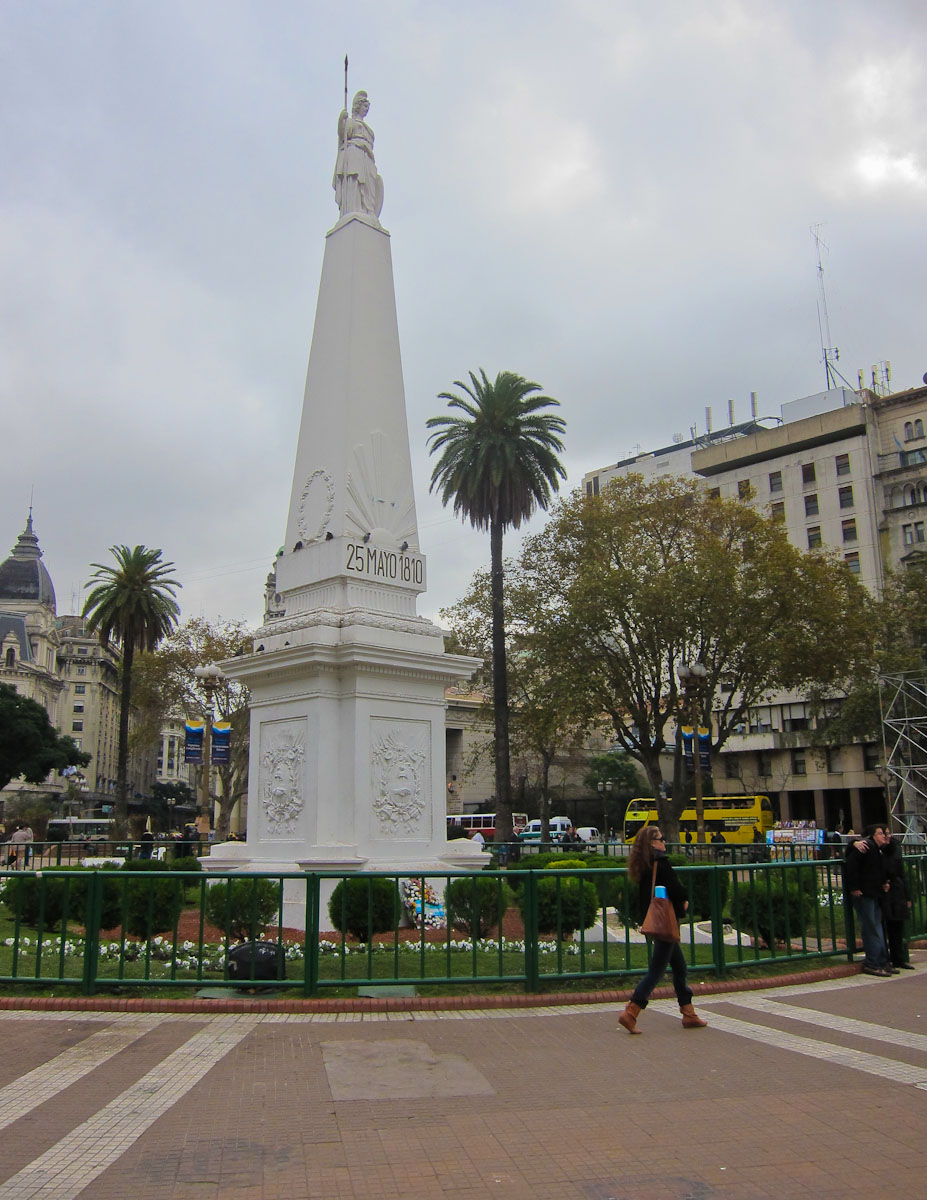
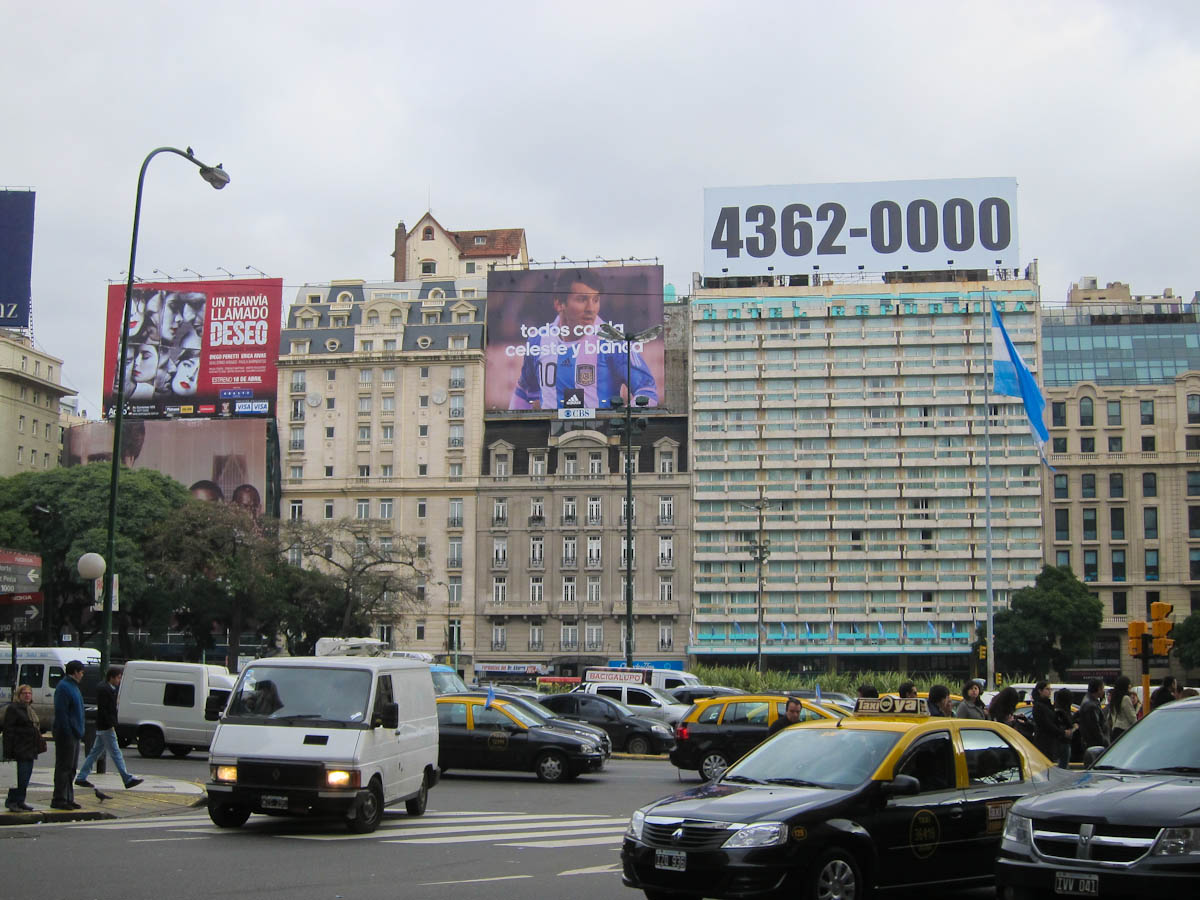
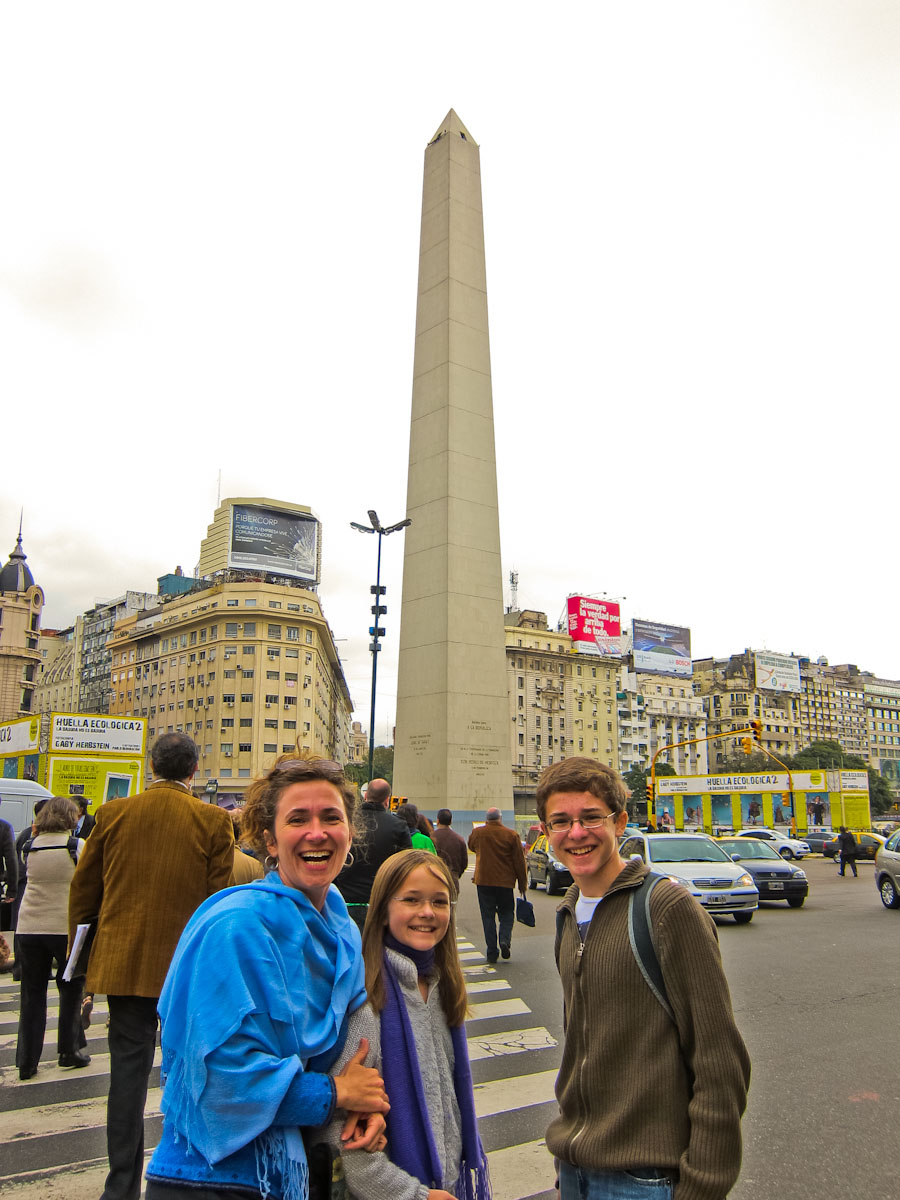
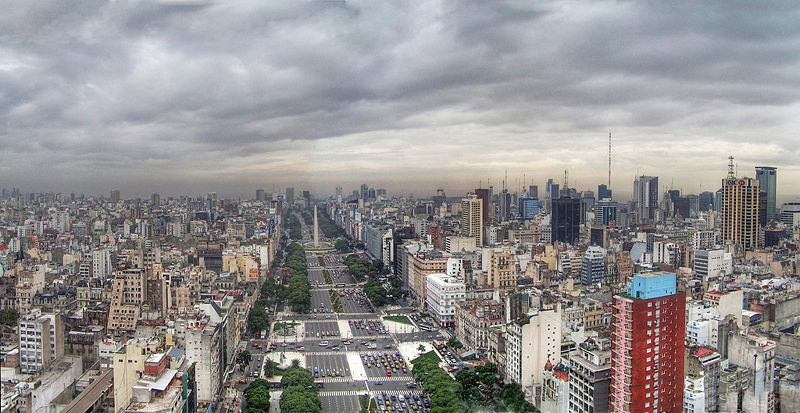
What a history! Well, continuing on our tour, from the Plaza de Mayo one walks a few blocks to the Obelisk, another landmark of Buenoa Aires. This is the landmark everyone uses when they want to meet in the heart of the city . It sits on a hill and towers over a nearby performance district like New York’s Times Square.
Stretching down the hill is “the world’s widest boulevard,” the Avenue of July 9 which is fourteen lanes wide and has parallel streets that add another four lanes in parts. This is where the tour ends, and we head over to the venerable Café Tortoni for well-deserved refreshment.
The next day we hired a local guide Conni, and set off with driver to see the Buenos Aires sights outside the city center.
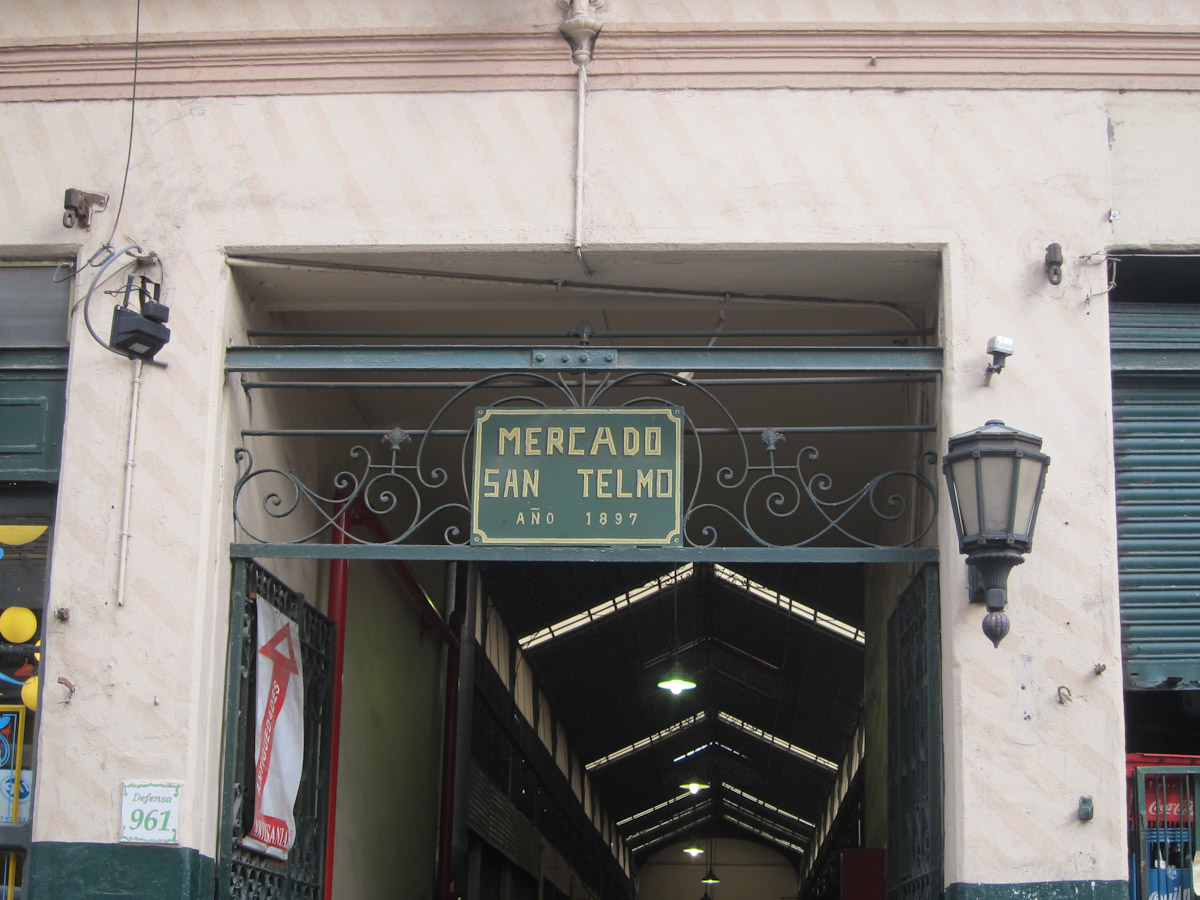
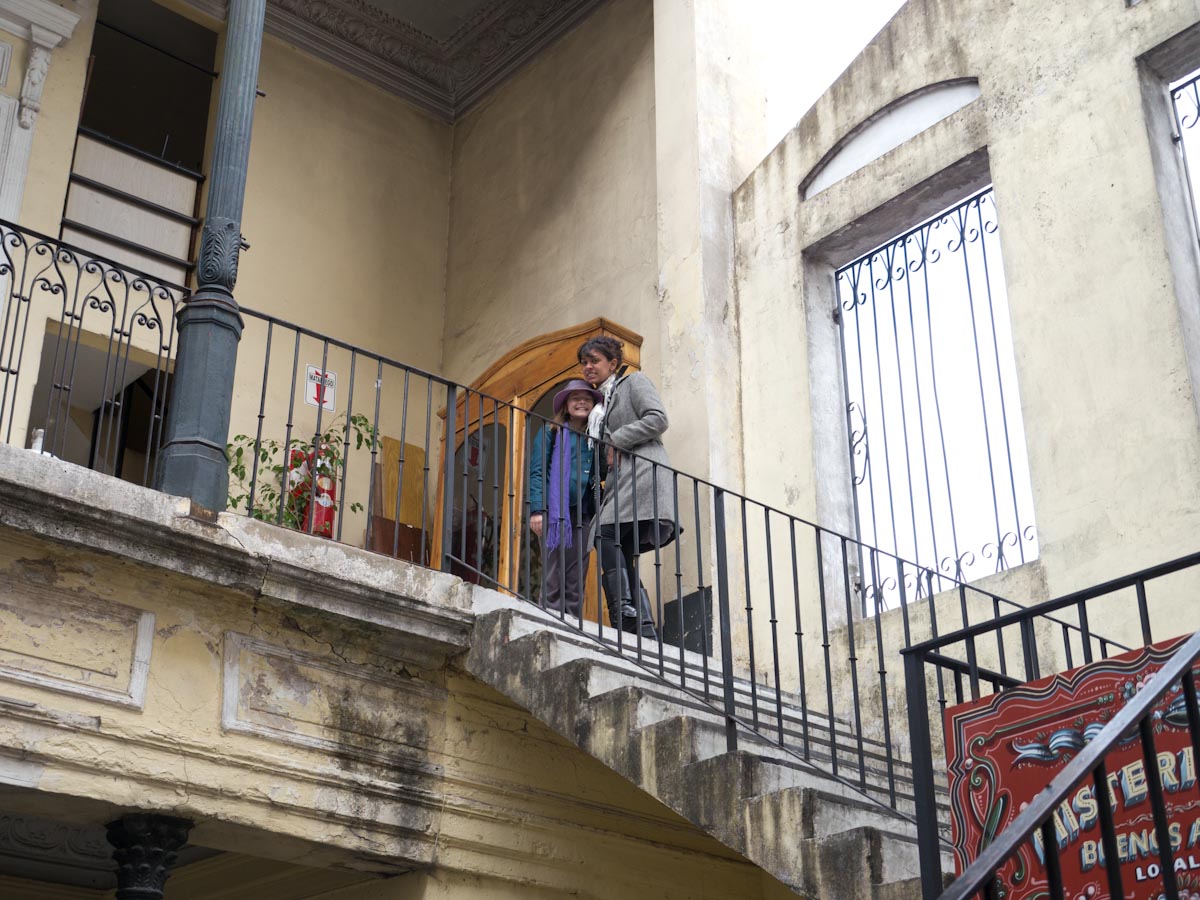
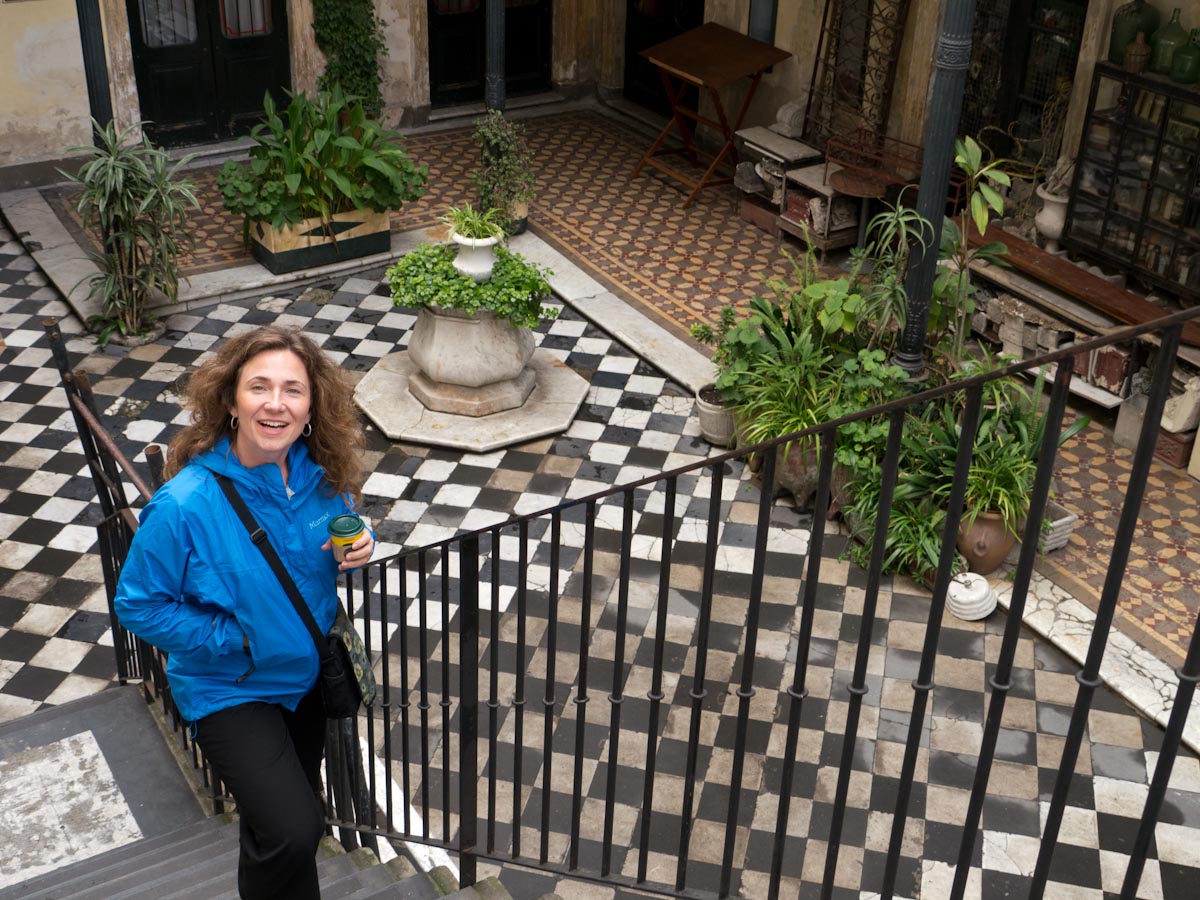
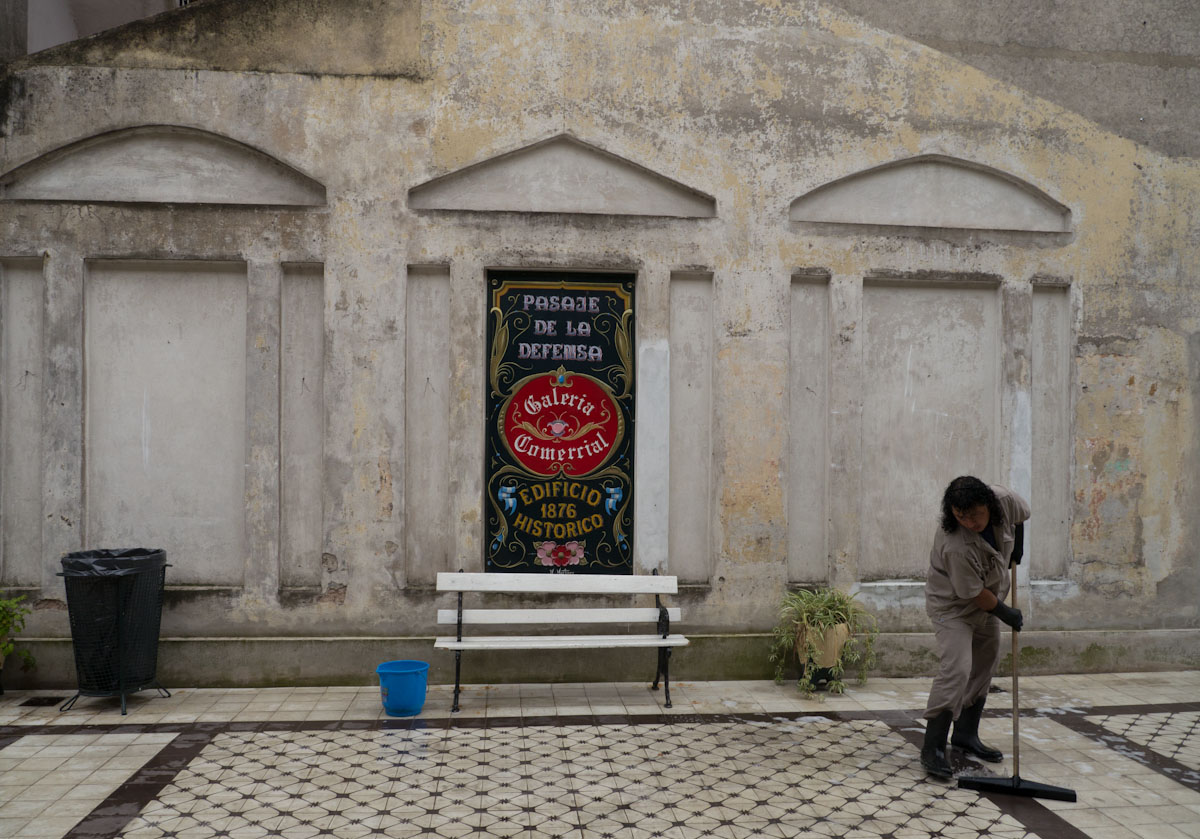
We started in the neighborhood of San Telmo, harkening back to the 1800s. The wealth once lived here, but when they moved out to Recoleta to get away from cholera in the city, immigrants moved in and subdivided the buildings into narrow apartments called ‘sausage houses.’
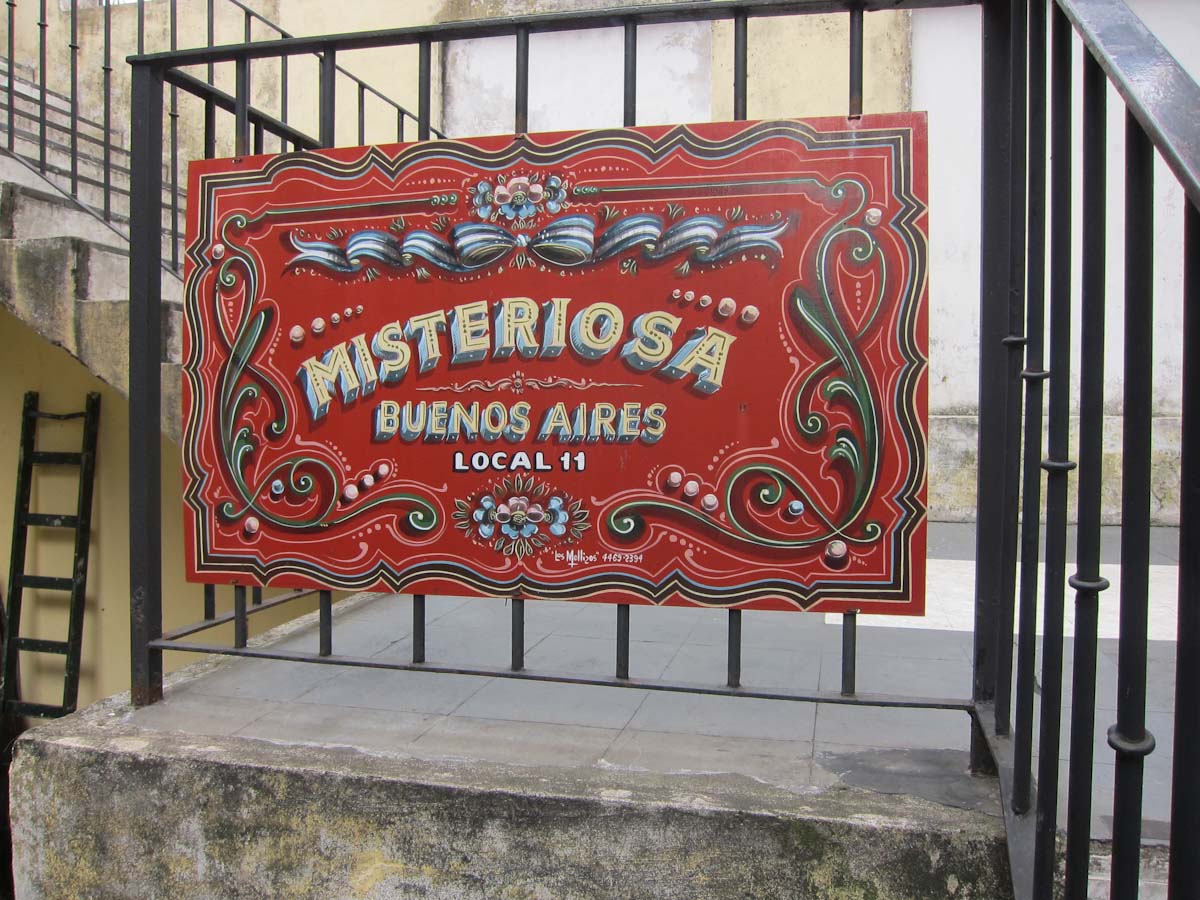
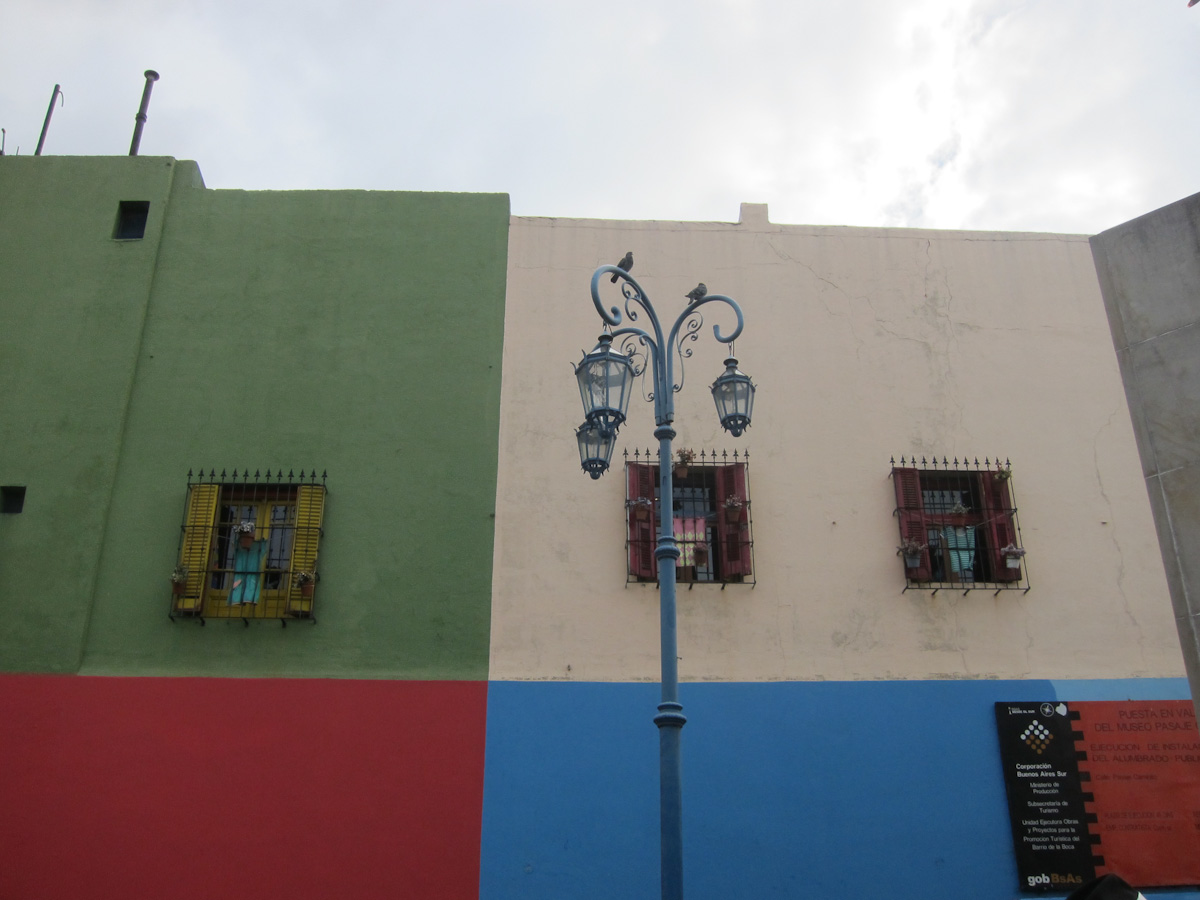
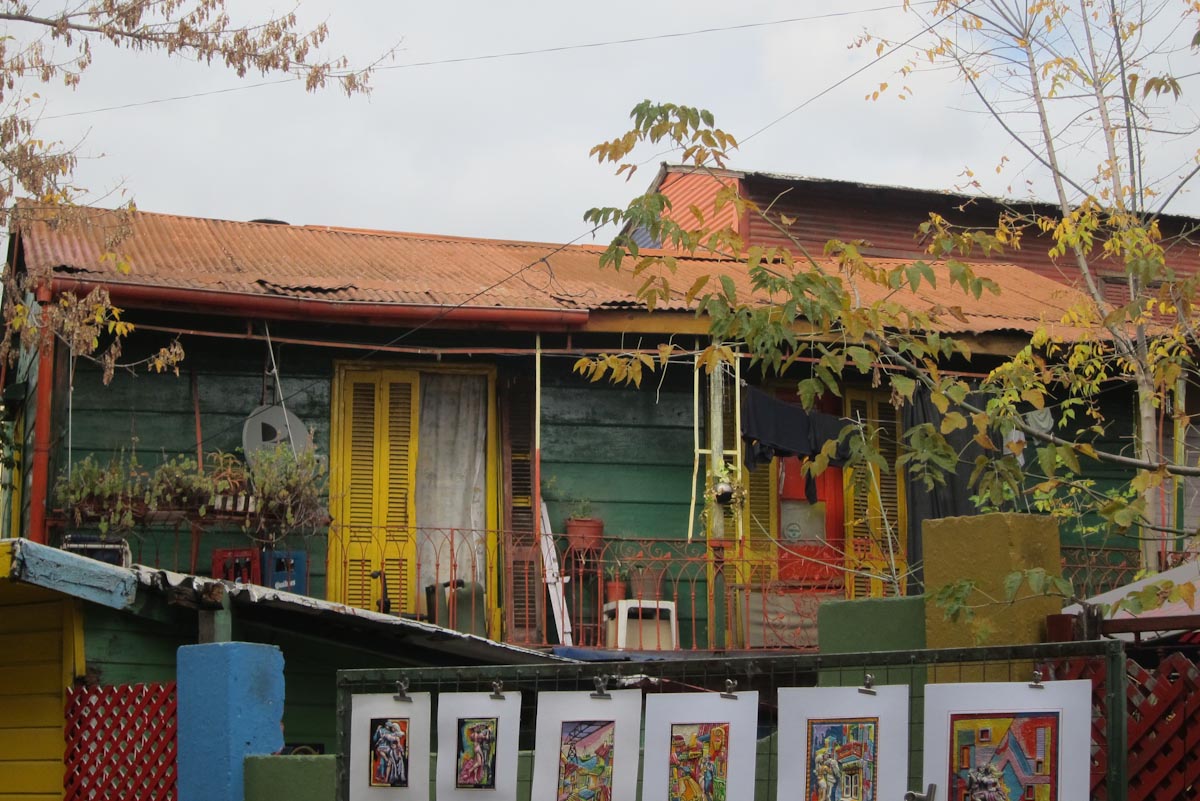
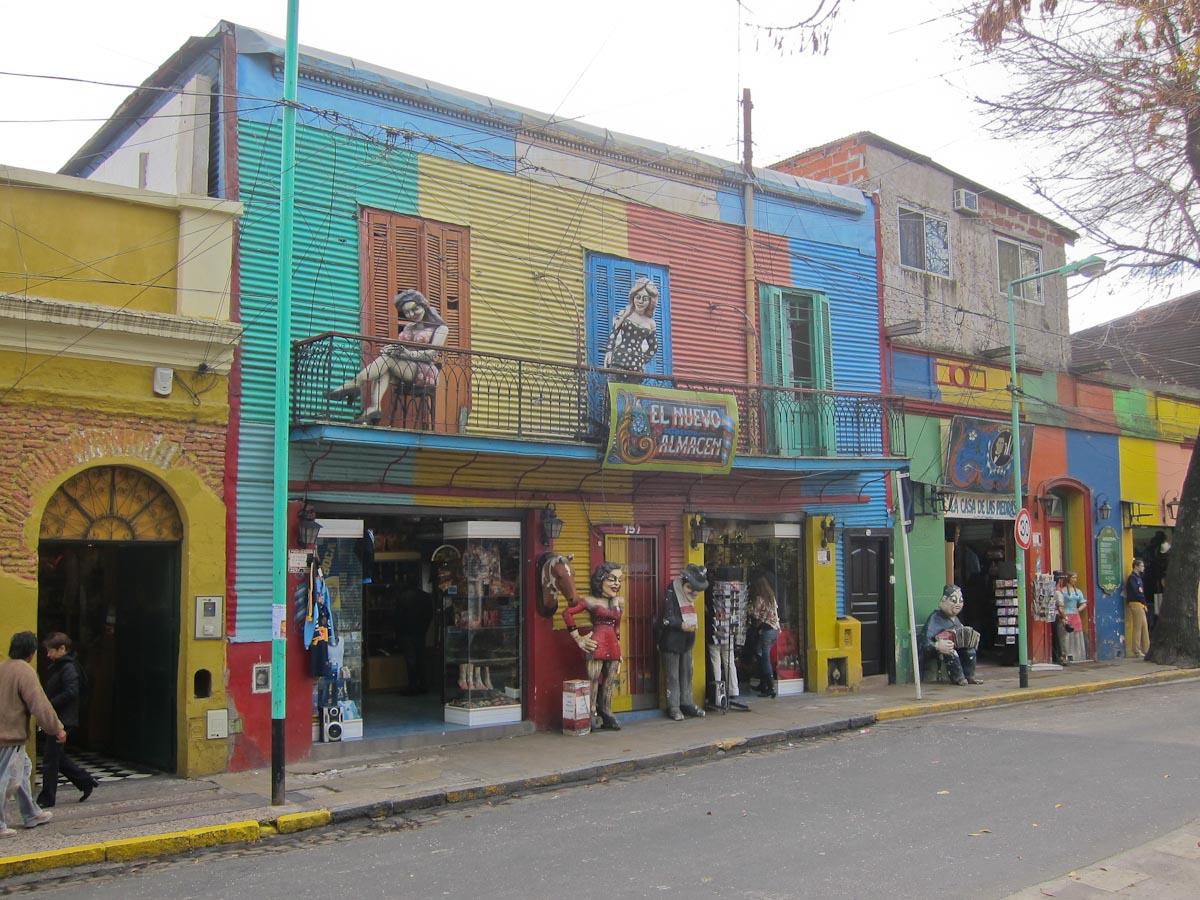
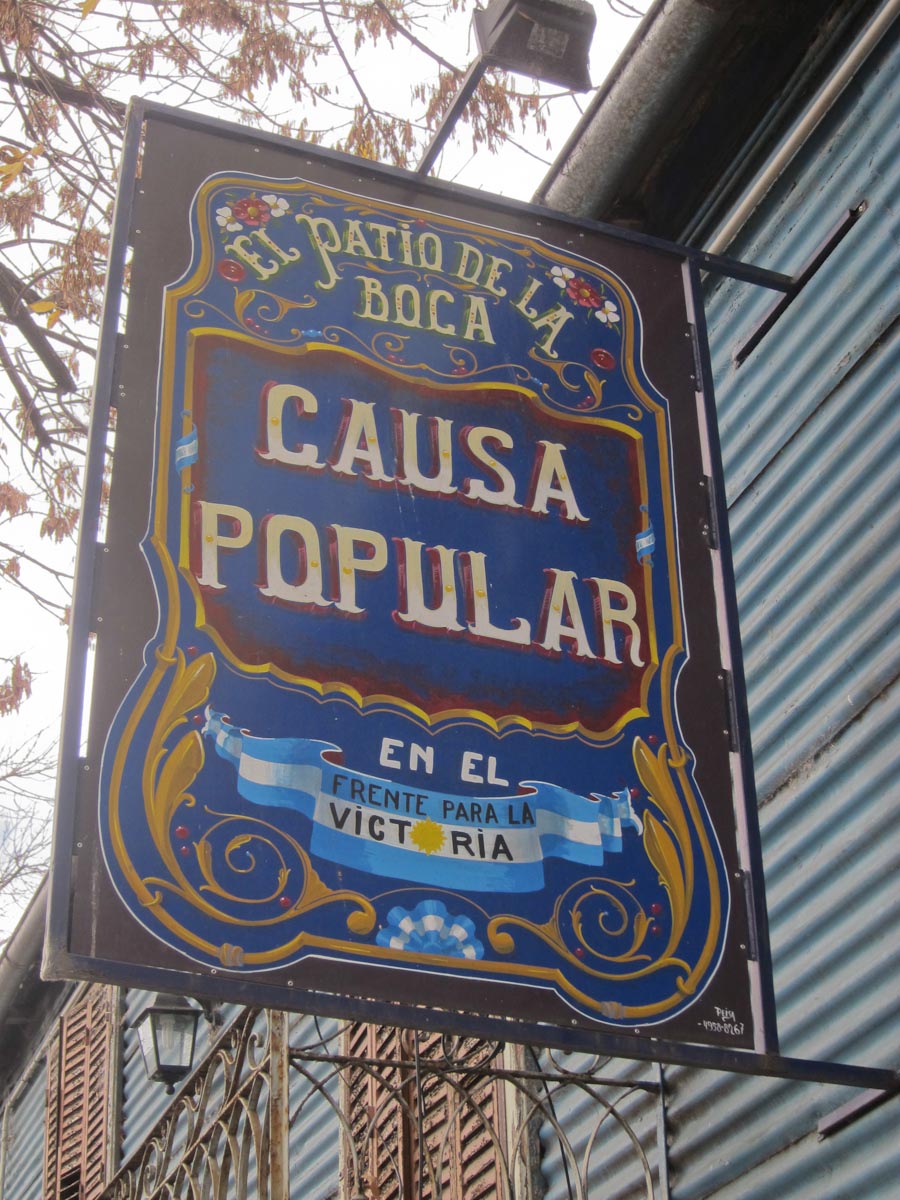
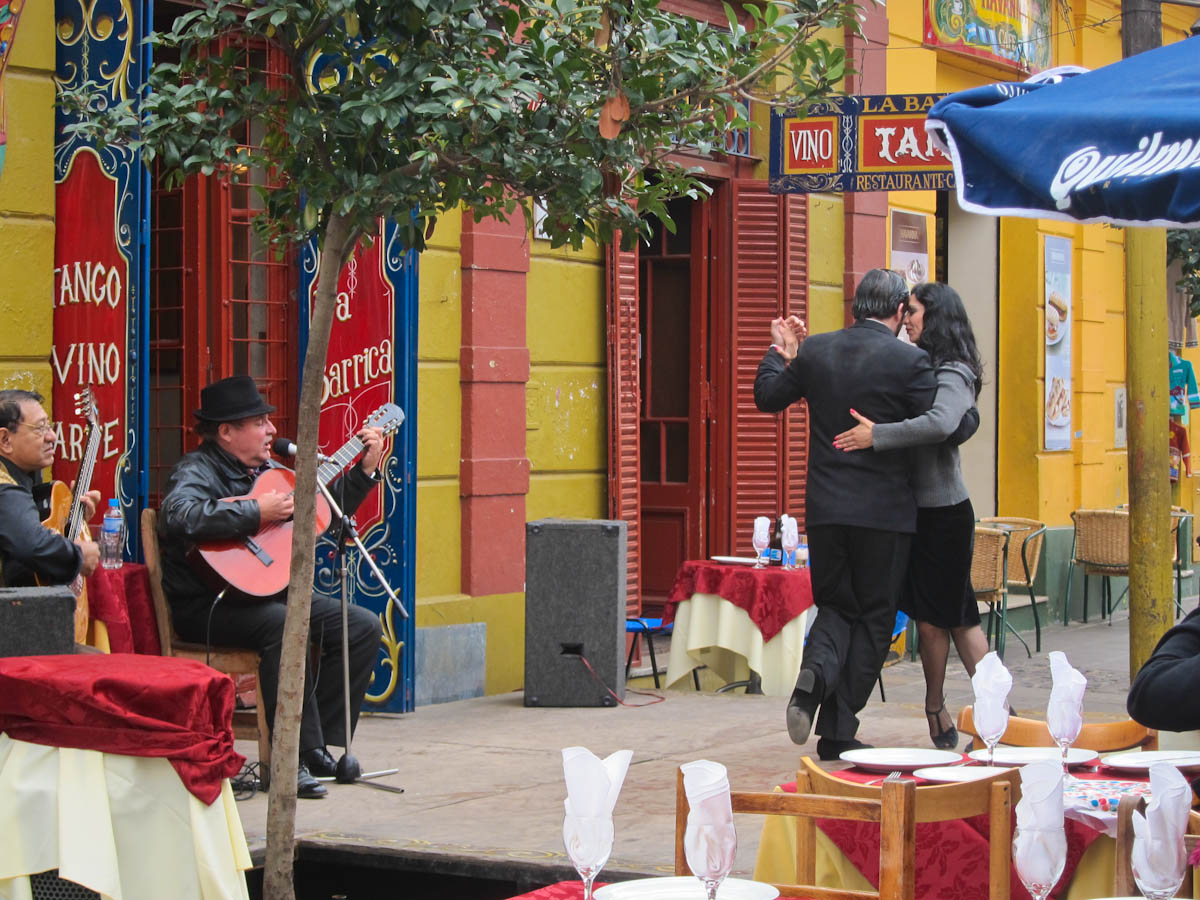
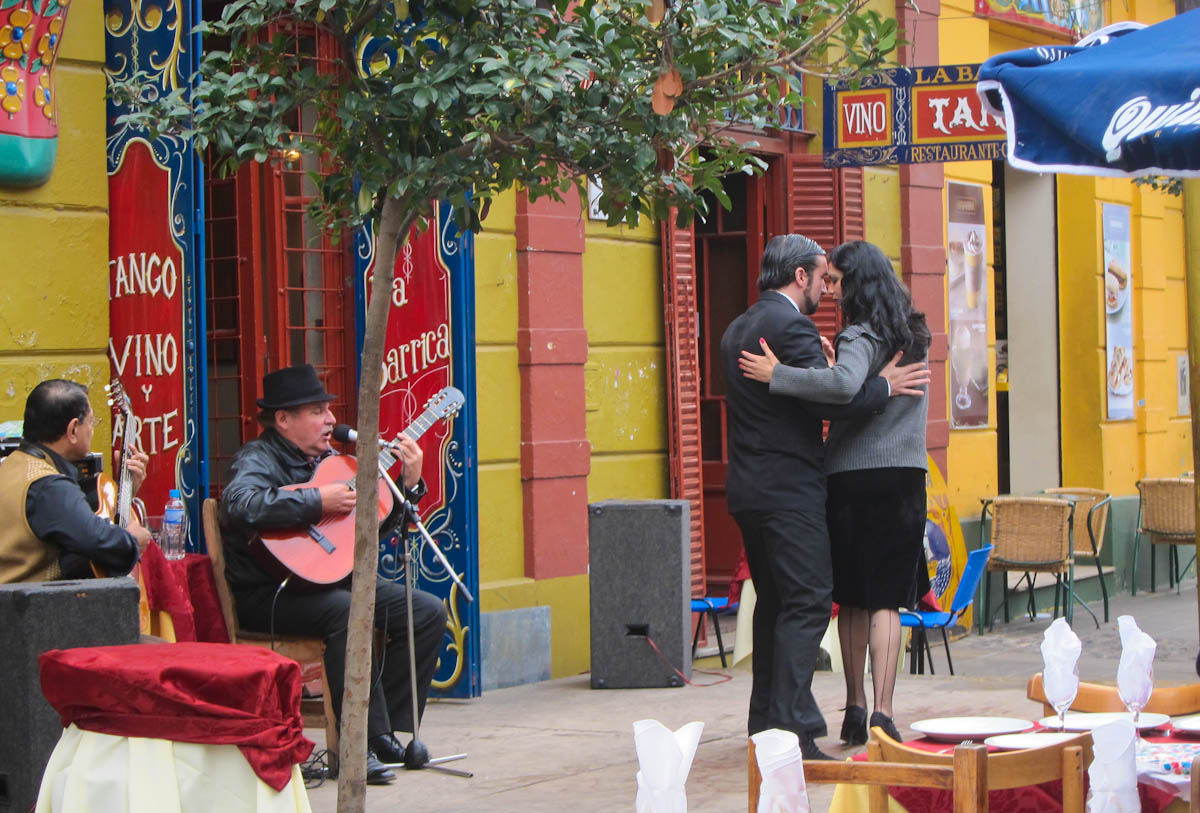
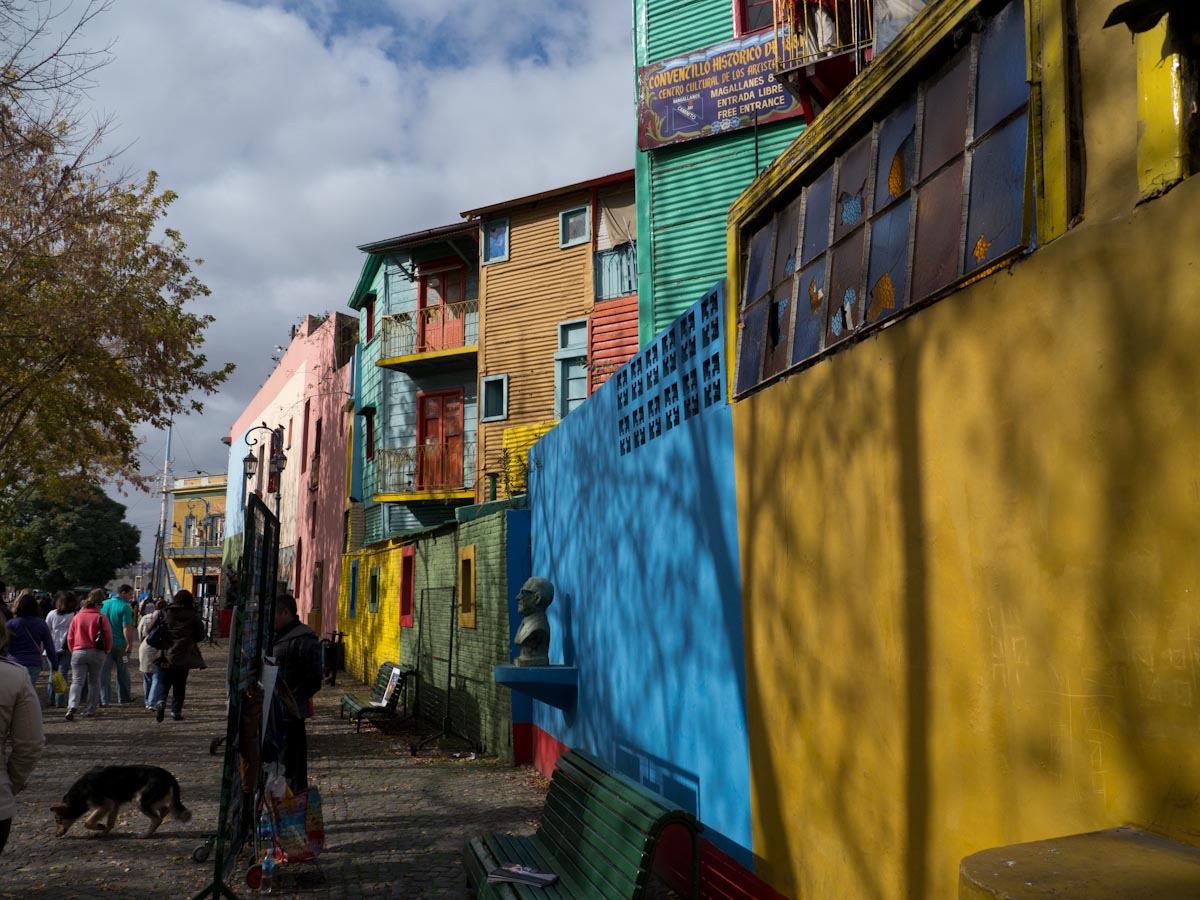
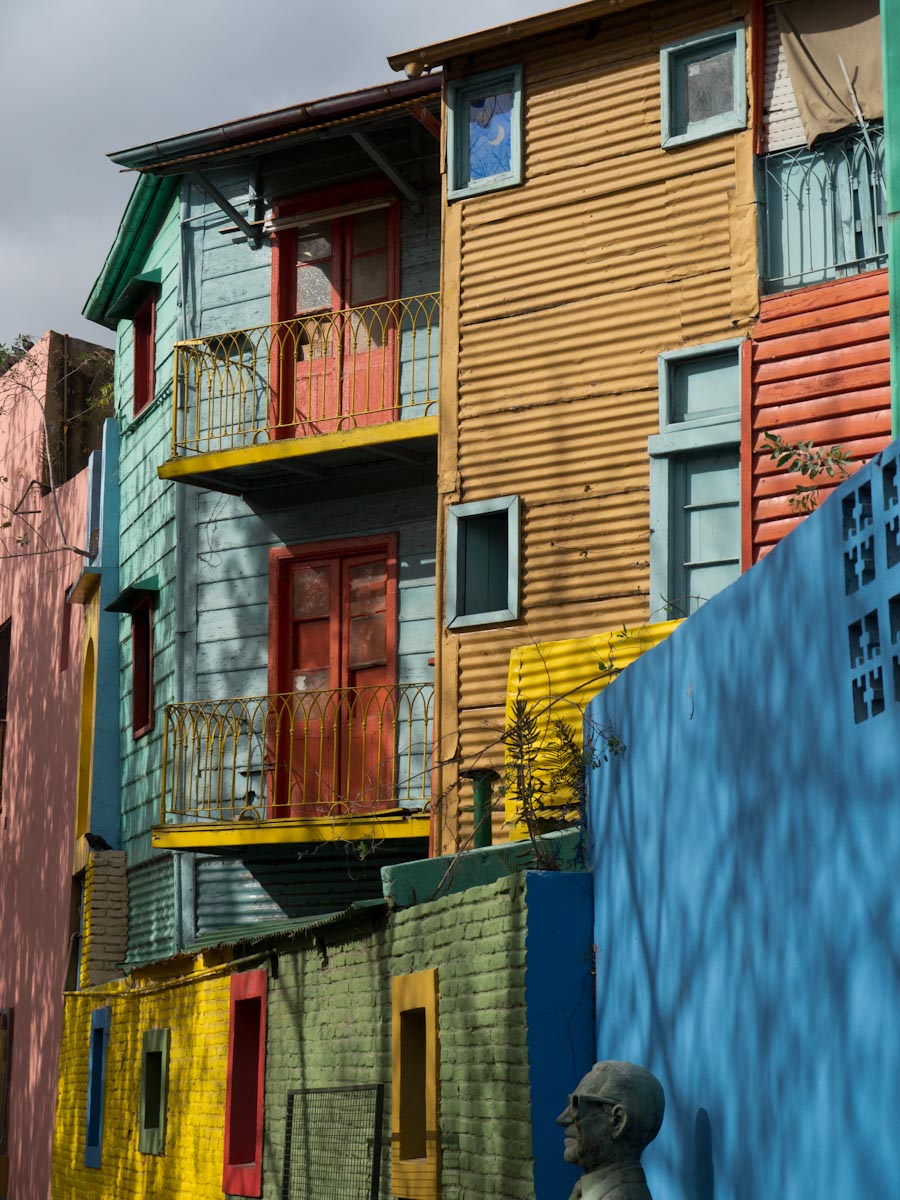
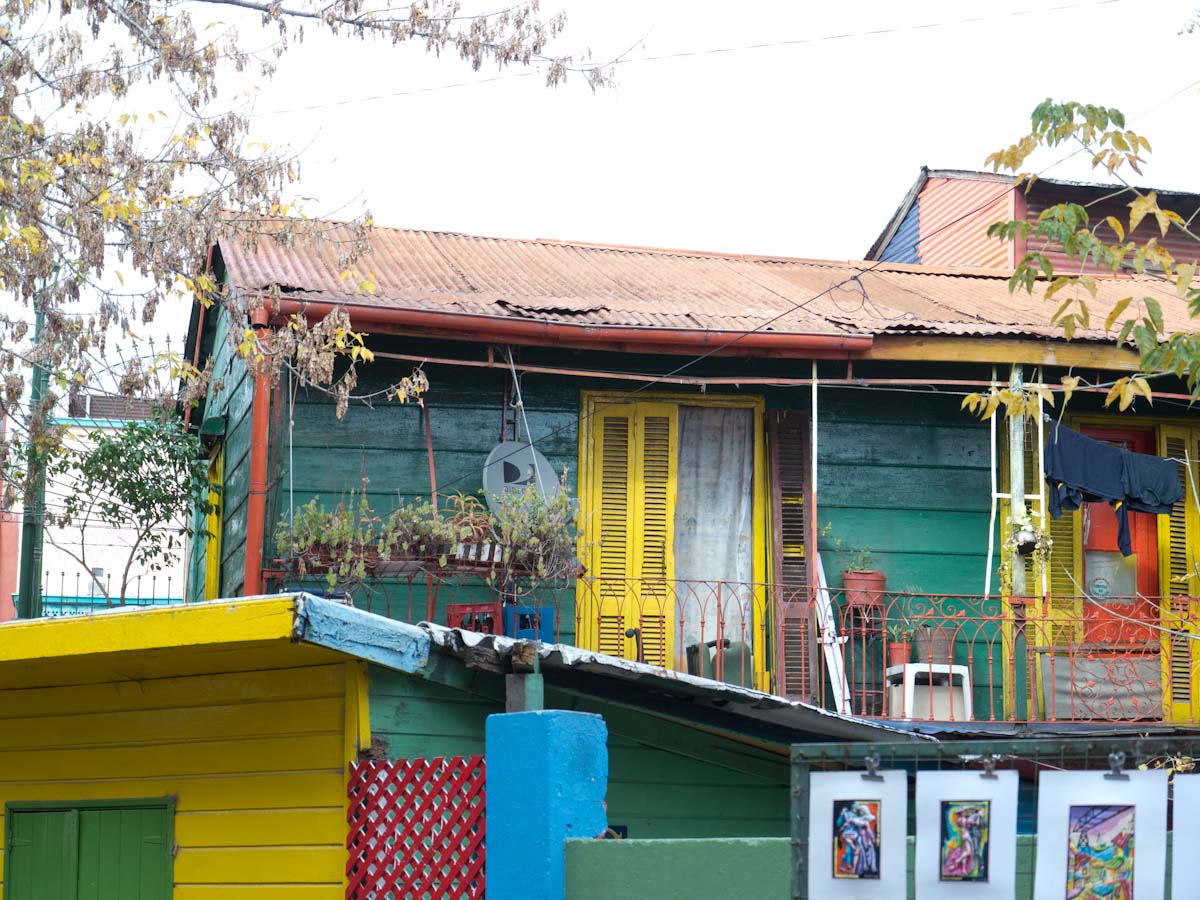
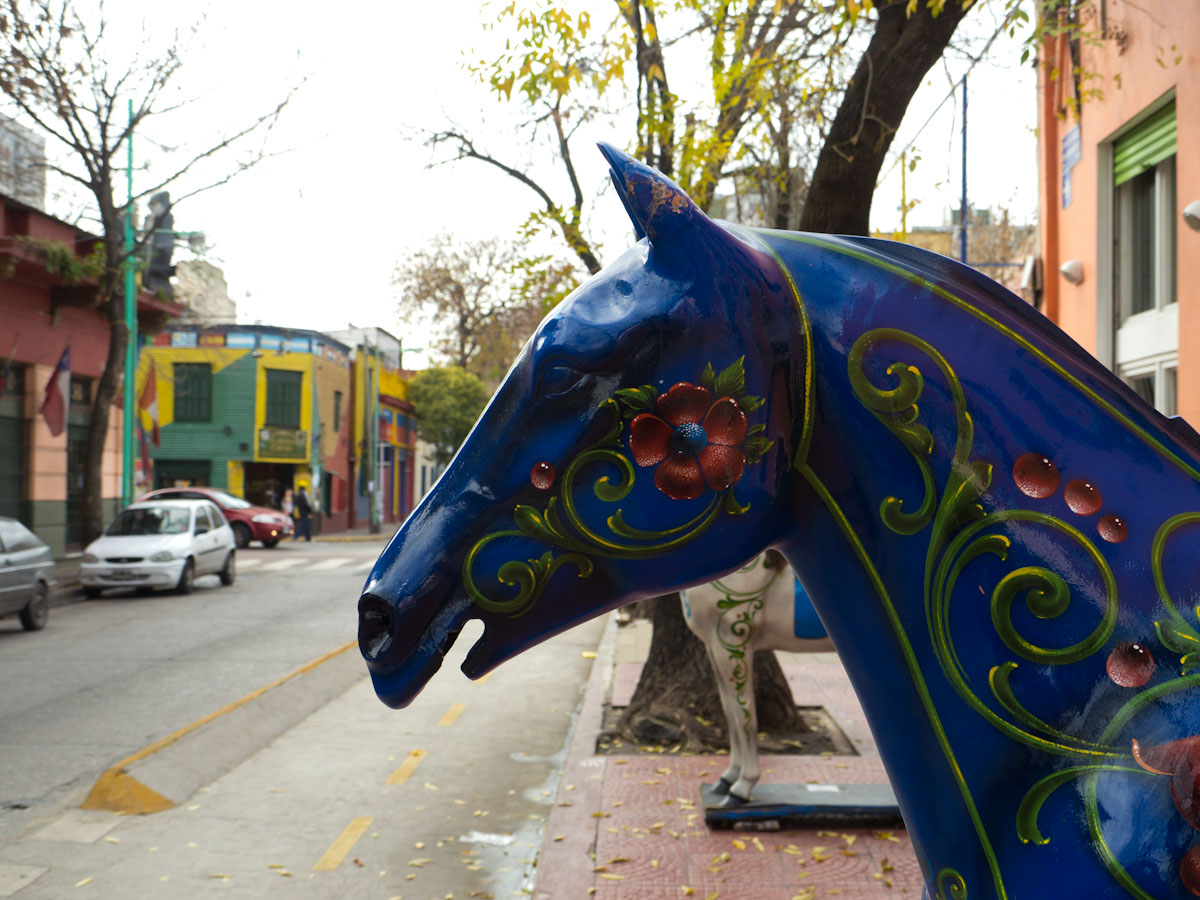
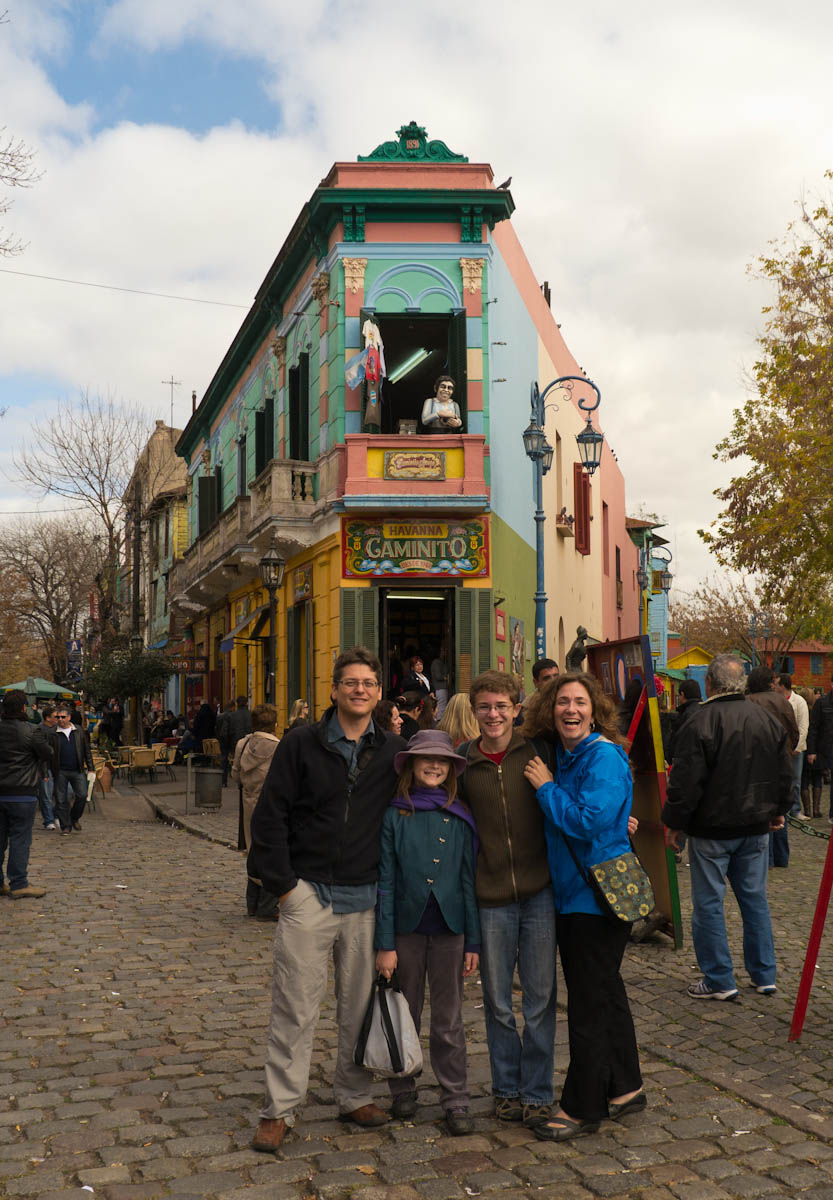
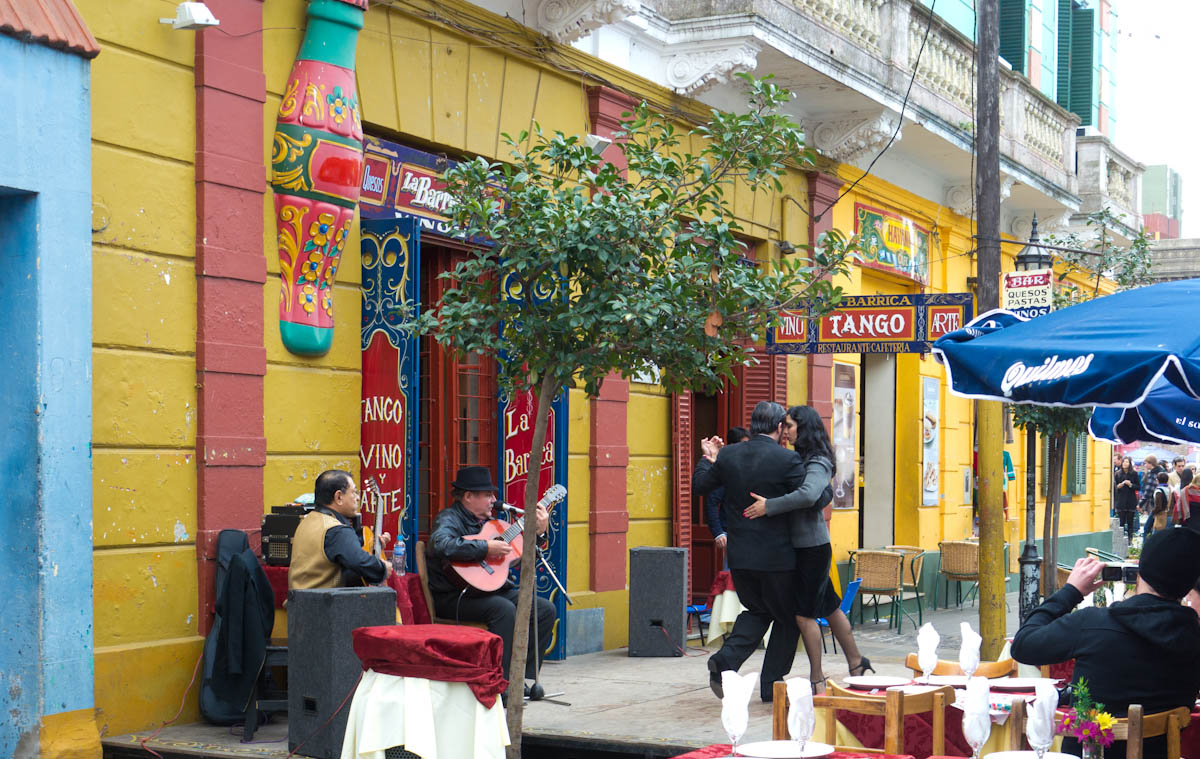
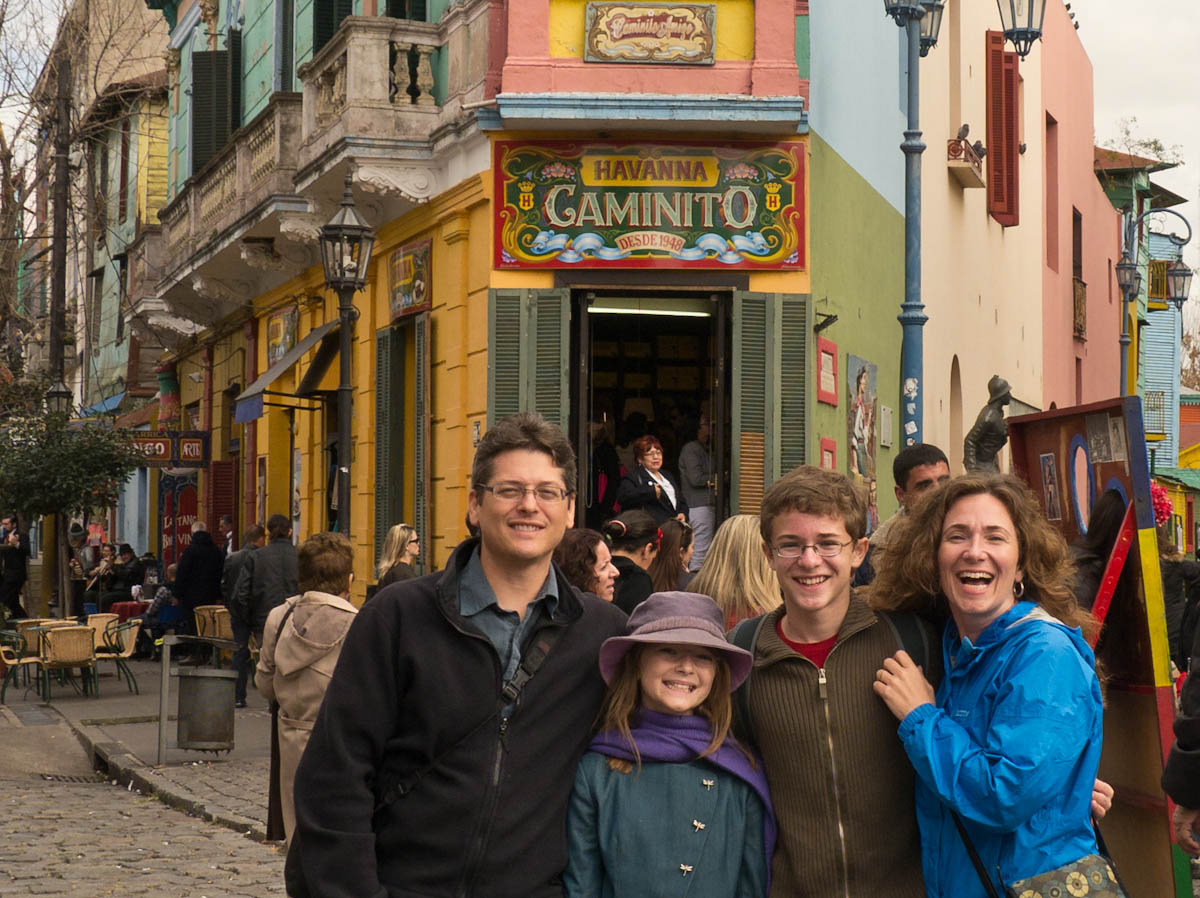
Even closer to the water is the rough-and-tumble Boca neighborhood. Here we find the Boca stadium described in Katherine’s post and one of the main symbols of Buenos Aires, Caminito Street. The patchwork of tin walls in strong colors dates back to a time when the poor living here would paint their walls in whatever last buckets of color they could obtain from the boats in the harbor. In deference to the immigrant era and high tourist concentrations there are tango demonstrations and sidewalk artists galore here.
While Caminito is heavily patrolled, a few blocks away people are still living in tiny shacks made of cheap hollow bricks. If you have not heard it already, this is where you will receive a lecture about walking around town. Tourists should not have obvious cameras, should avoid crowds where pickpockets lurk, and should be prepared for the occasional mugging. Always call a taxi by radio; never hail one on the street, because a random taxi may kidnap or force the driver to go to an ATM and hand over cash. Do not walk along at night. Do not carry your passport or anything you cannot afford to lose (but do not carry zero cash either, because a mugger who gets nothing is a very angry mugger).
The security warnings are probably the greatest single drawback to tourism in Argentina. It is not unwarranted; you have to take security seriously.
Banks and some smaller businesses like restaurants keep their doors locked and only buzz people in after they see them. We were told we were lucky to be staying at a quiet neighborhood hotel instead of the glitziest in town, because we would not be followed as targets. When our taxi driver came to a stop and saw people walk over, he locked our doors and told us that otherwise they might open the door and grab something and run. We met two different locals who had an eerily similar story– within days of buying a new car, when they came to a stop, a pair of armed men forced them out and stole it.
To cope with this atmosphere, the people we met preferred to either live in an apartment with a security guard, or to live in the suburbs in a gated community with rigorous inspections of incoming and outgoing cars.
I could not help but think: the USA would go in this direction as well, if we allow income inequality to grow too wide or permit education for the poor to fail.
We were told that these attacks generally come down to 15-18 year old boys who were uneducated and desperate. If you simply hand over what they want there is almost never any actual violence. Still, even a small chance is a particular concern and especially while traveling with children. The fact that Buenos Aires feels so much like a modern city makes it seem like we could walk through it with just a normal level of care you would use in a big American city, but more care is needed here.
What this means for you as tourist is you must stick to the “good” neighborhoods and follow the safety tips seriously. Recoleta where we stayed is considered quite safe and we never once felt a concern there; we also enjoyed nearby Palermo and San Telmo. In contrast, when going to the soccer stadium in Boca, everyone told us to go with a tour group and definitely not alone, and that is what we did. We would imagine it is also probably much safer in the countryside.
Once we knew what to do, we felt more comfortable. We always stayed aware of security but it did not prevent us from having a super trip.
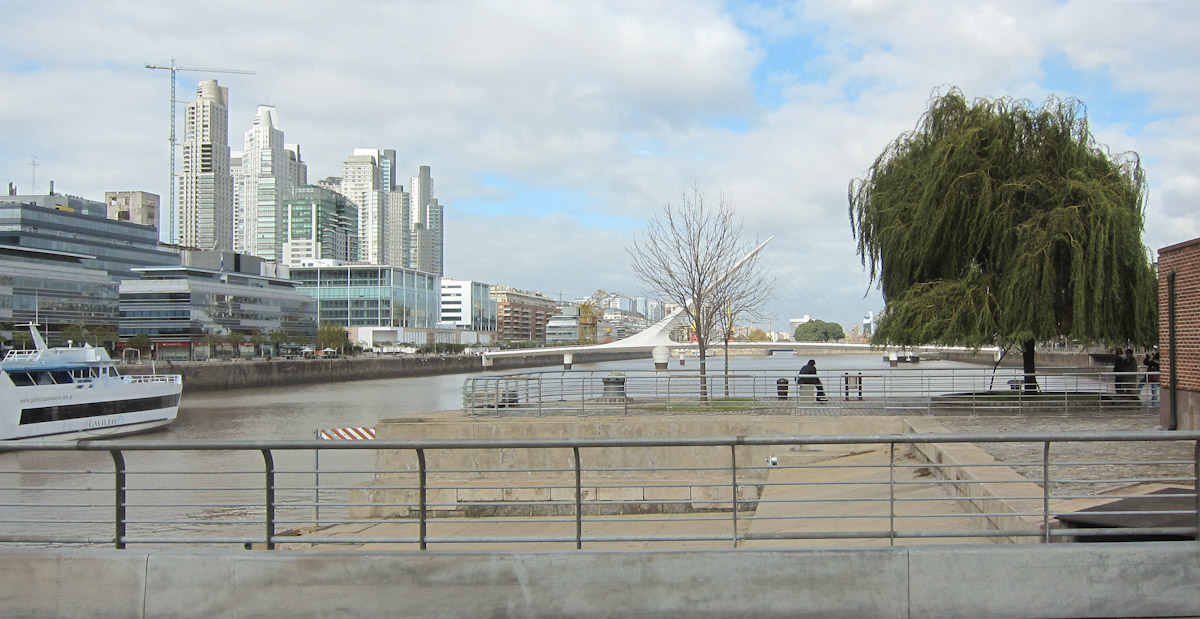
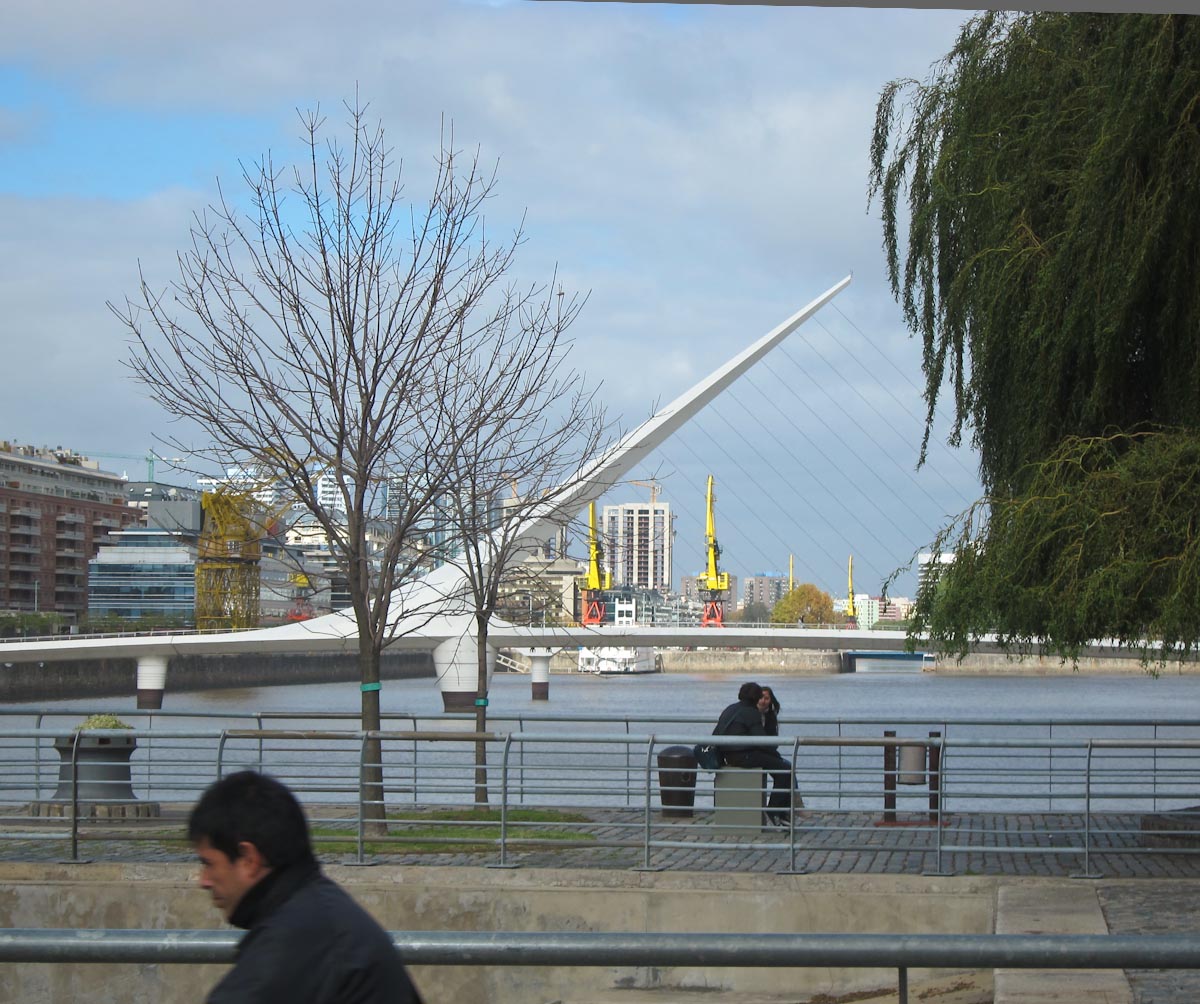
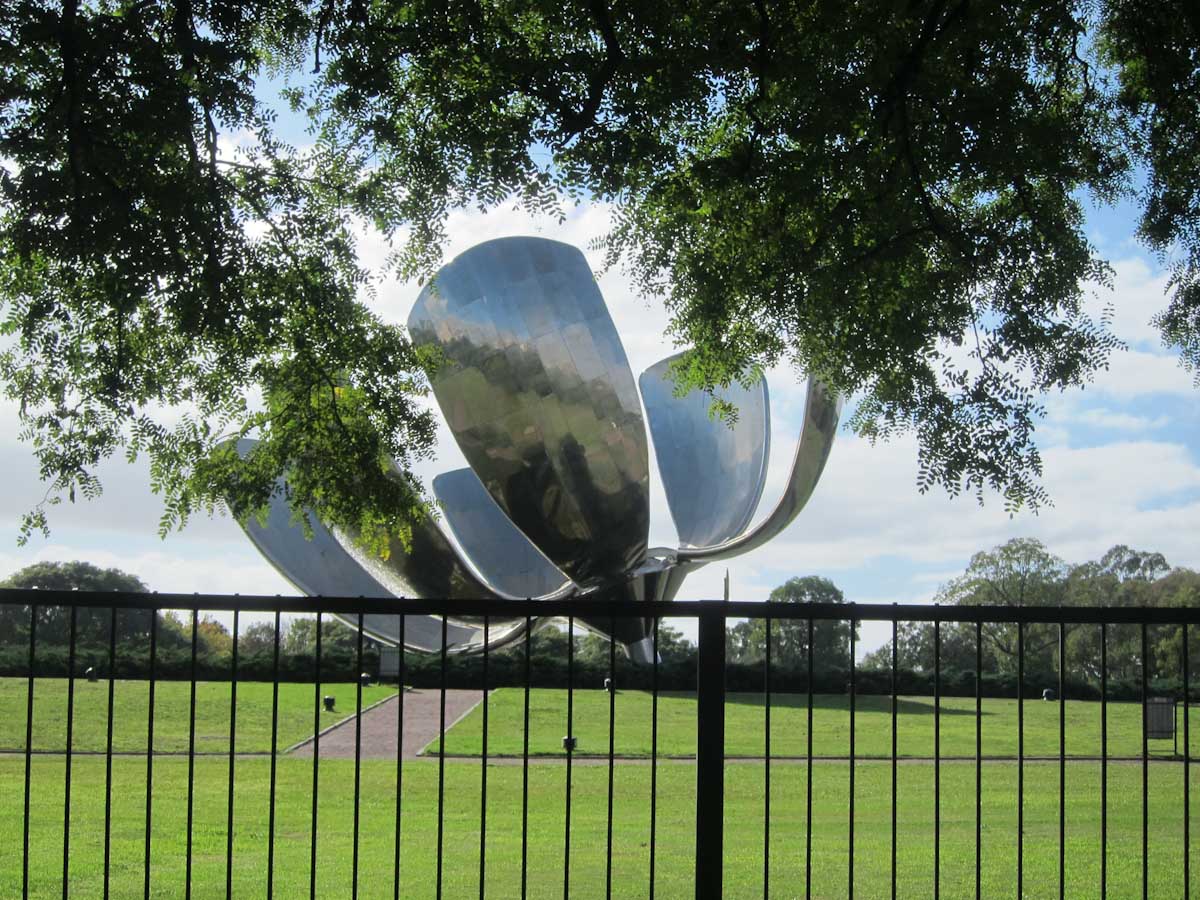
So leaving Caminito, we crossed over a cool modern bridge to see the modern port, an area filled with yuppies that is also quite safe. We continue down the waterfront – past a giant silver flower whose petals open and close with the sunlight (when not broken) and arrived back at Recoleta.
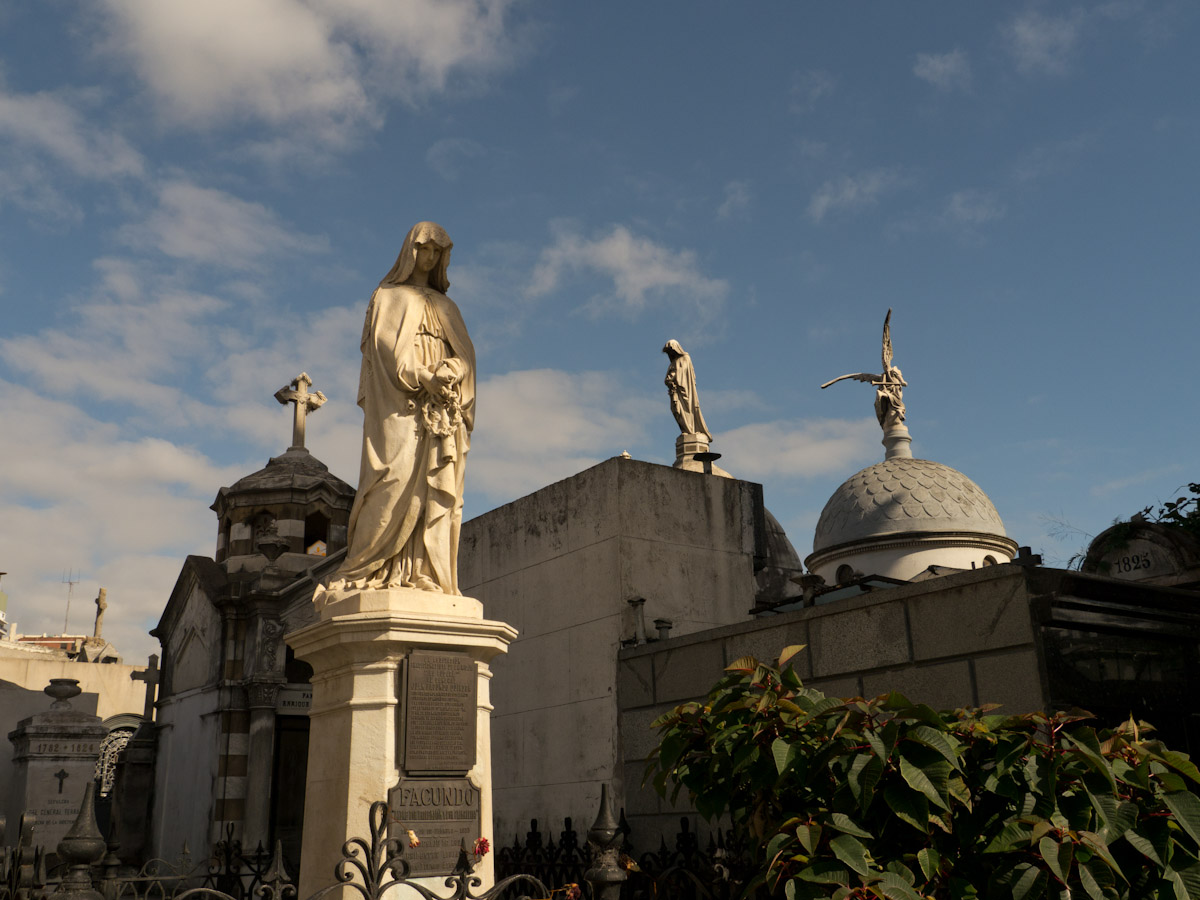
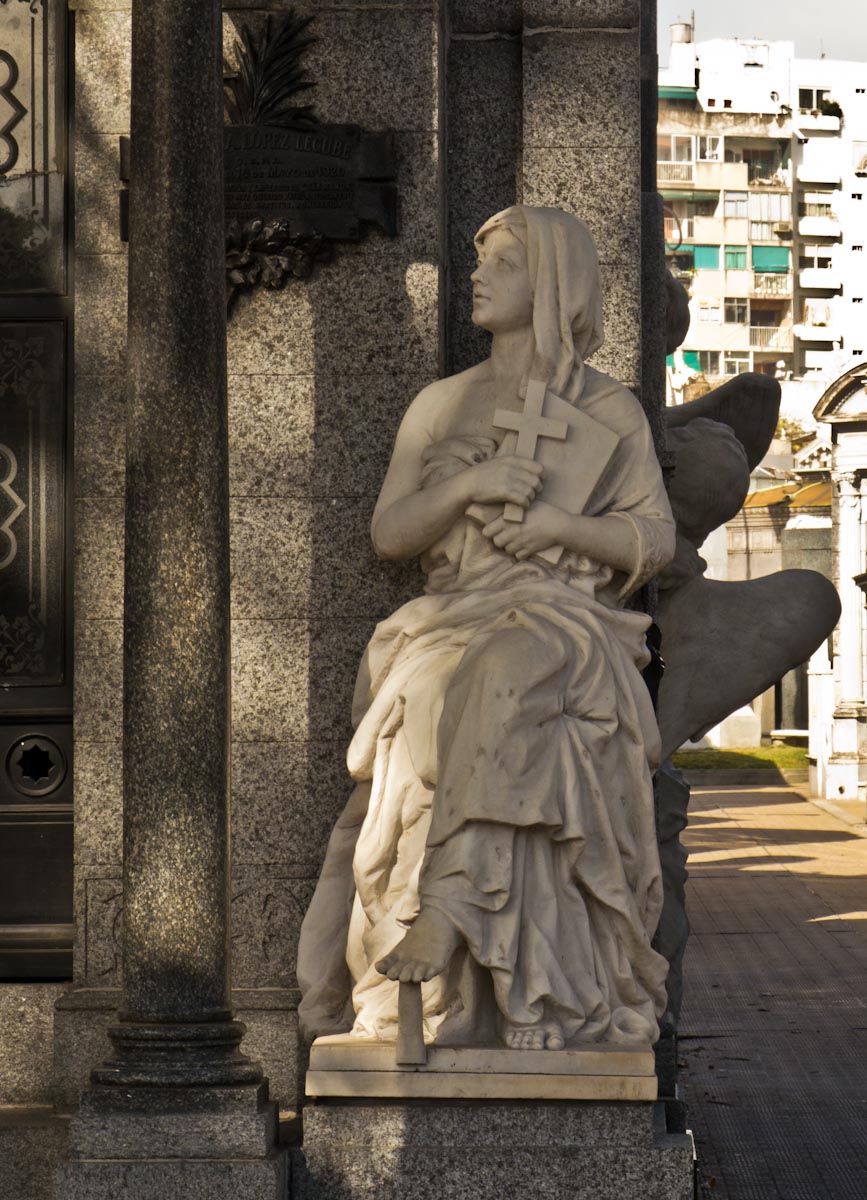
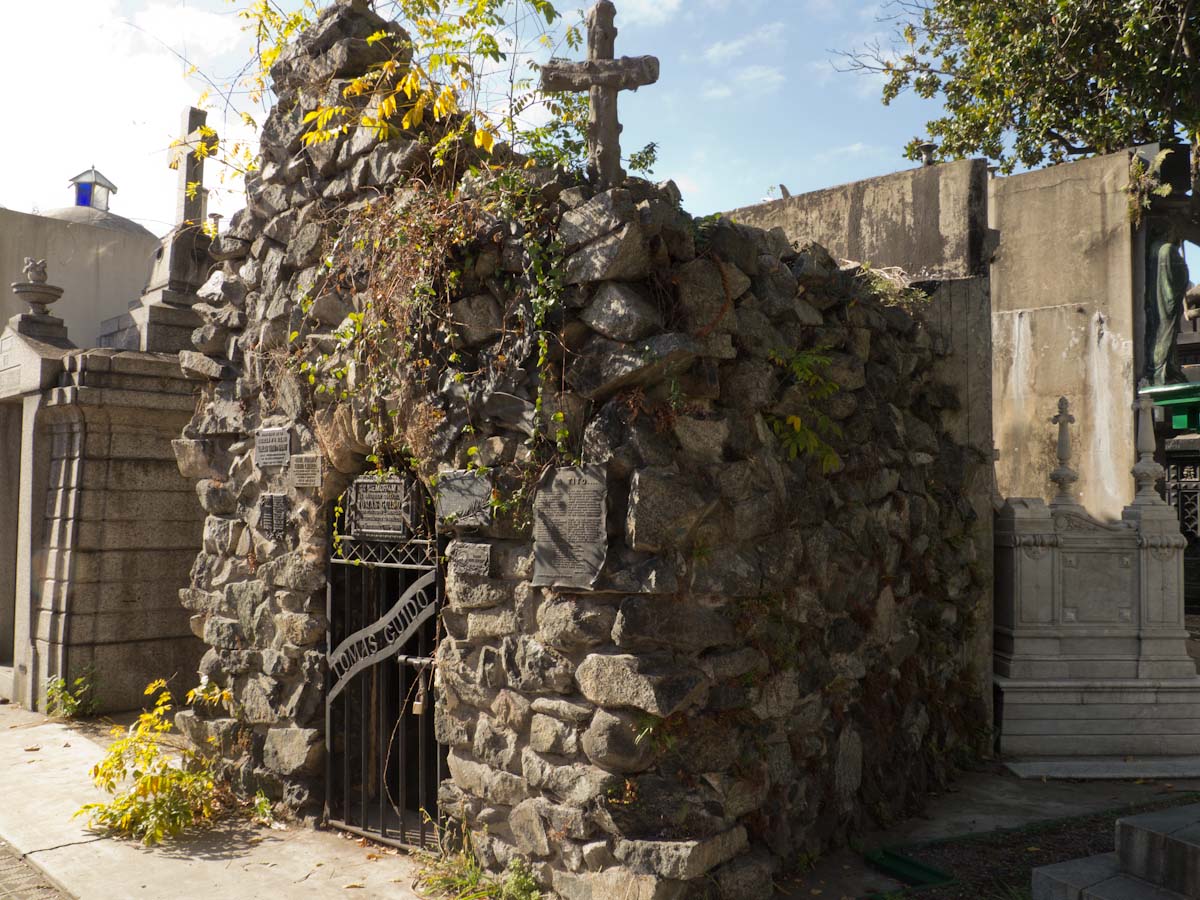
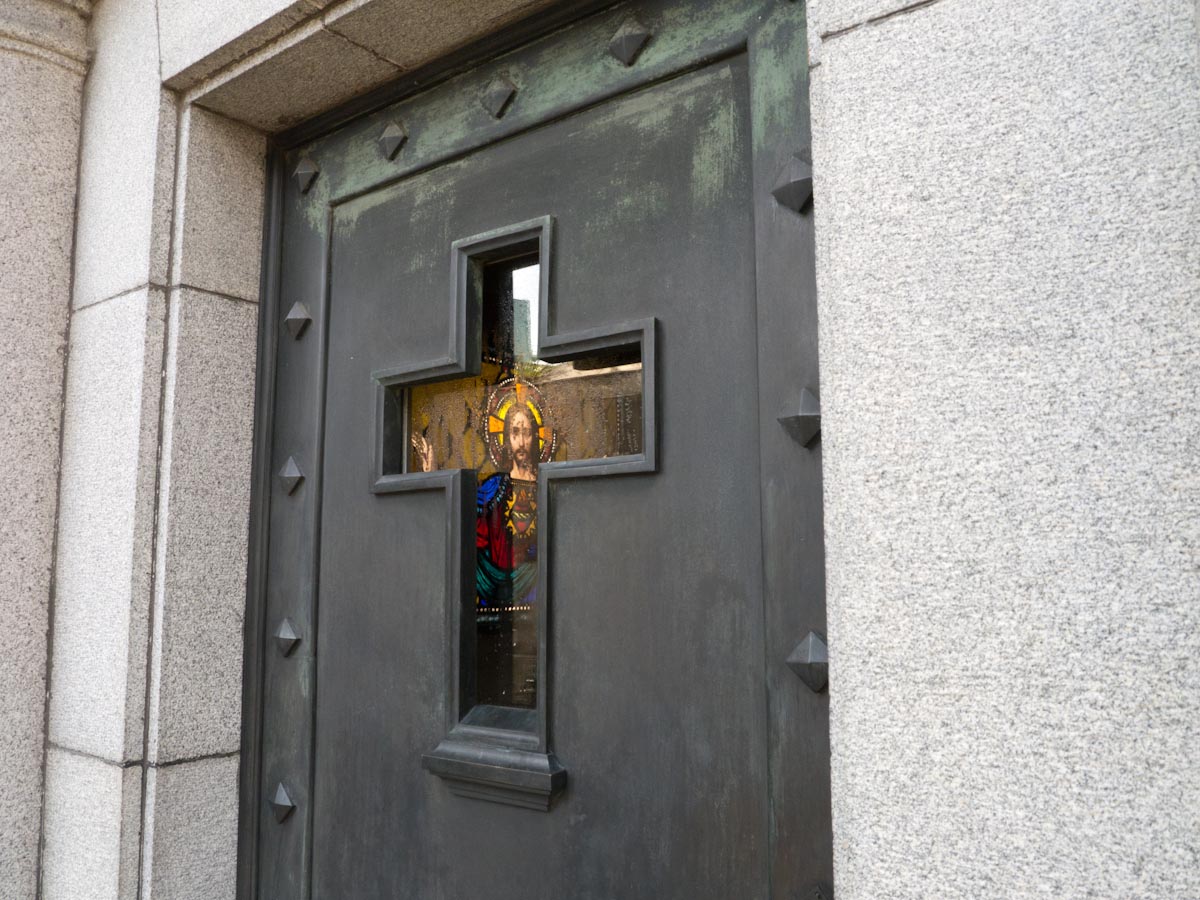
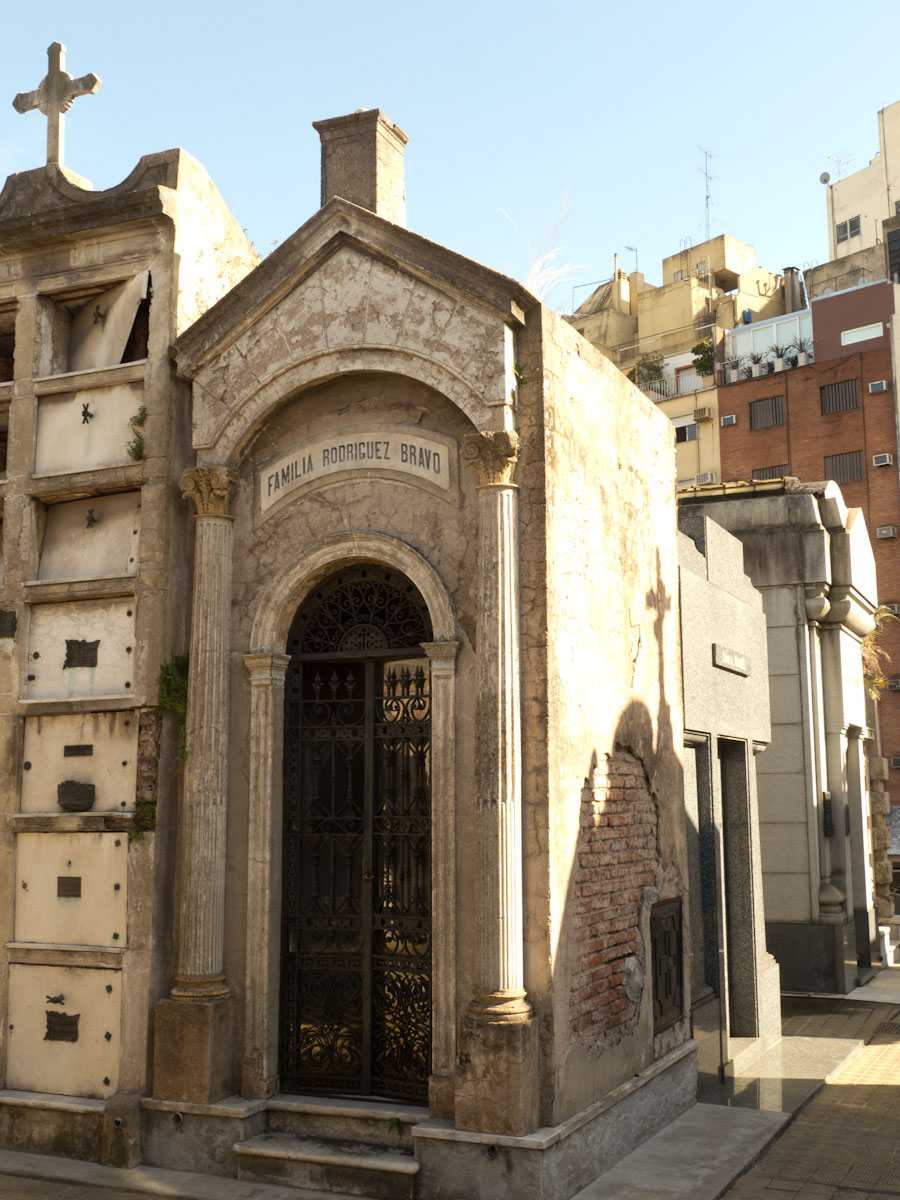
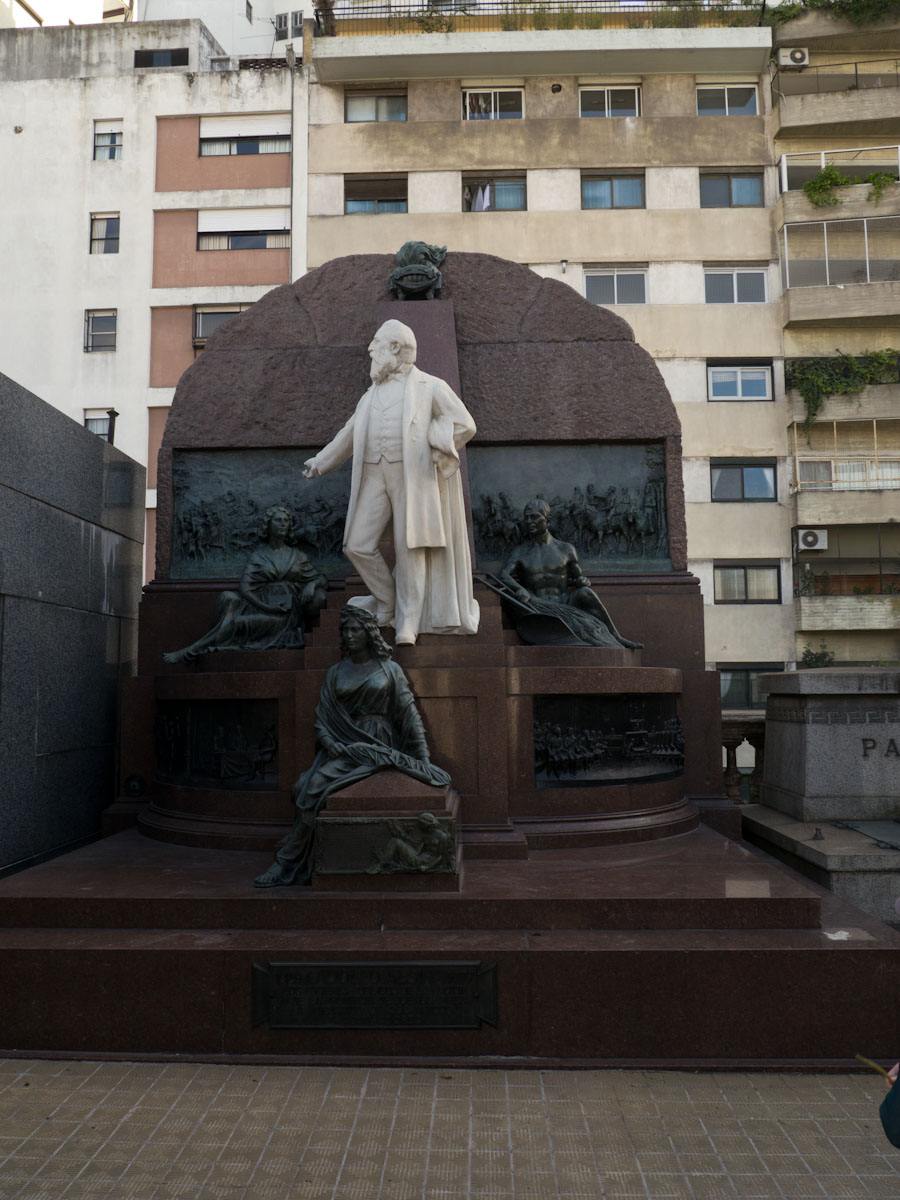
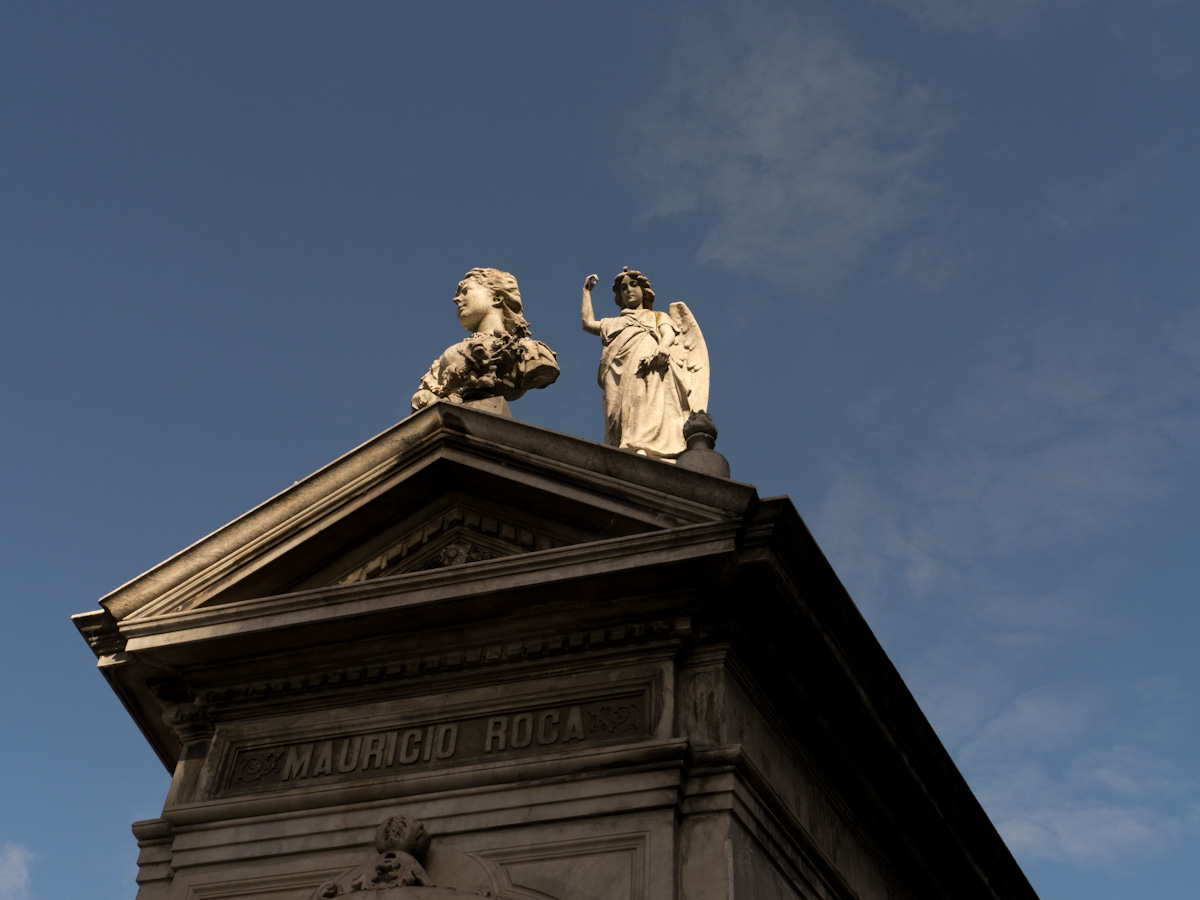
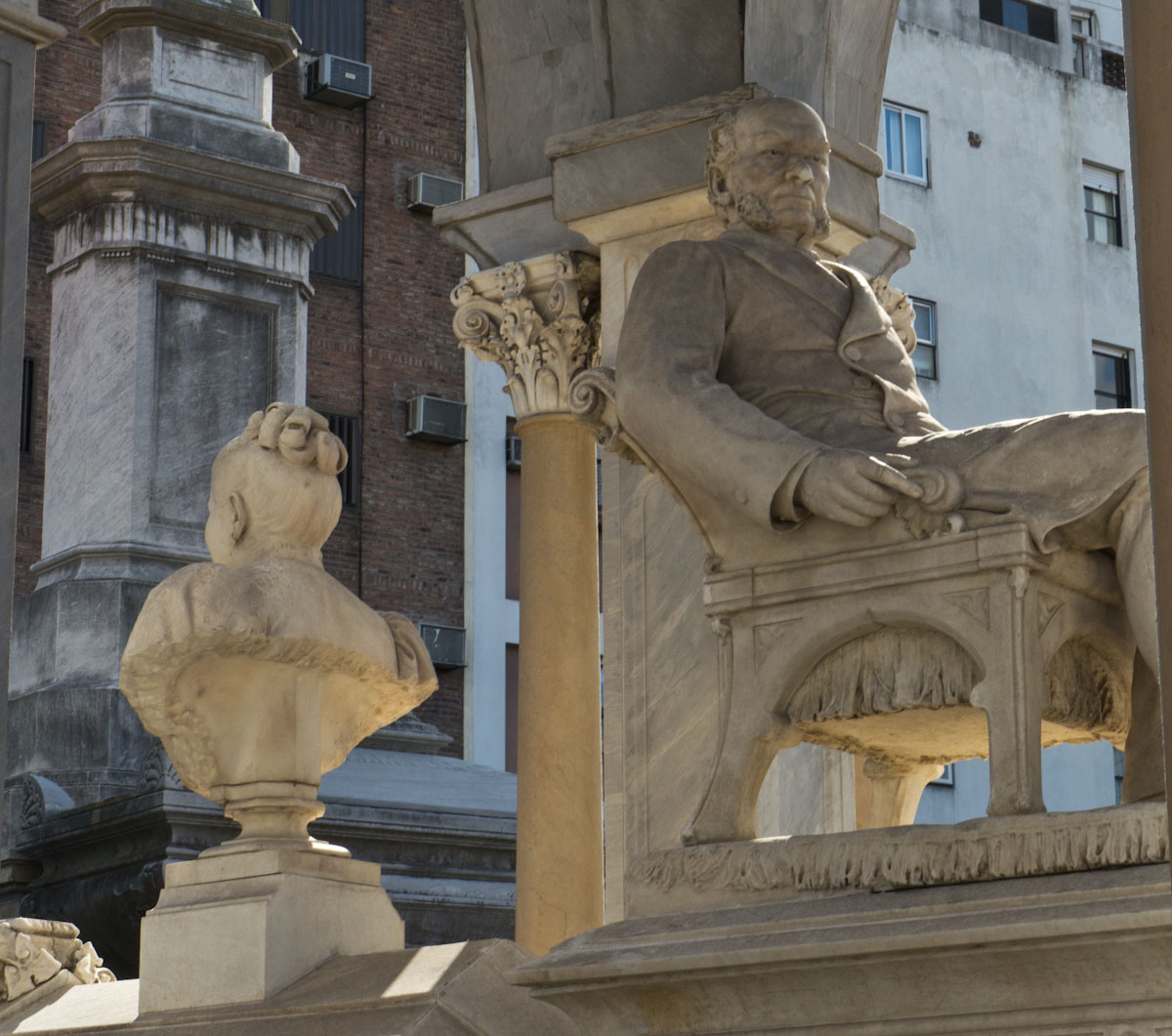
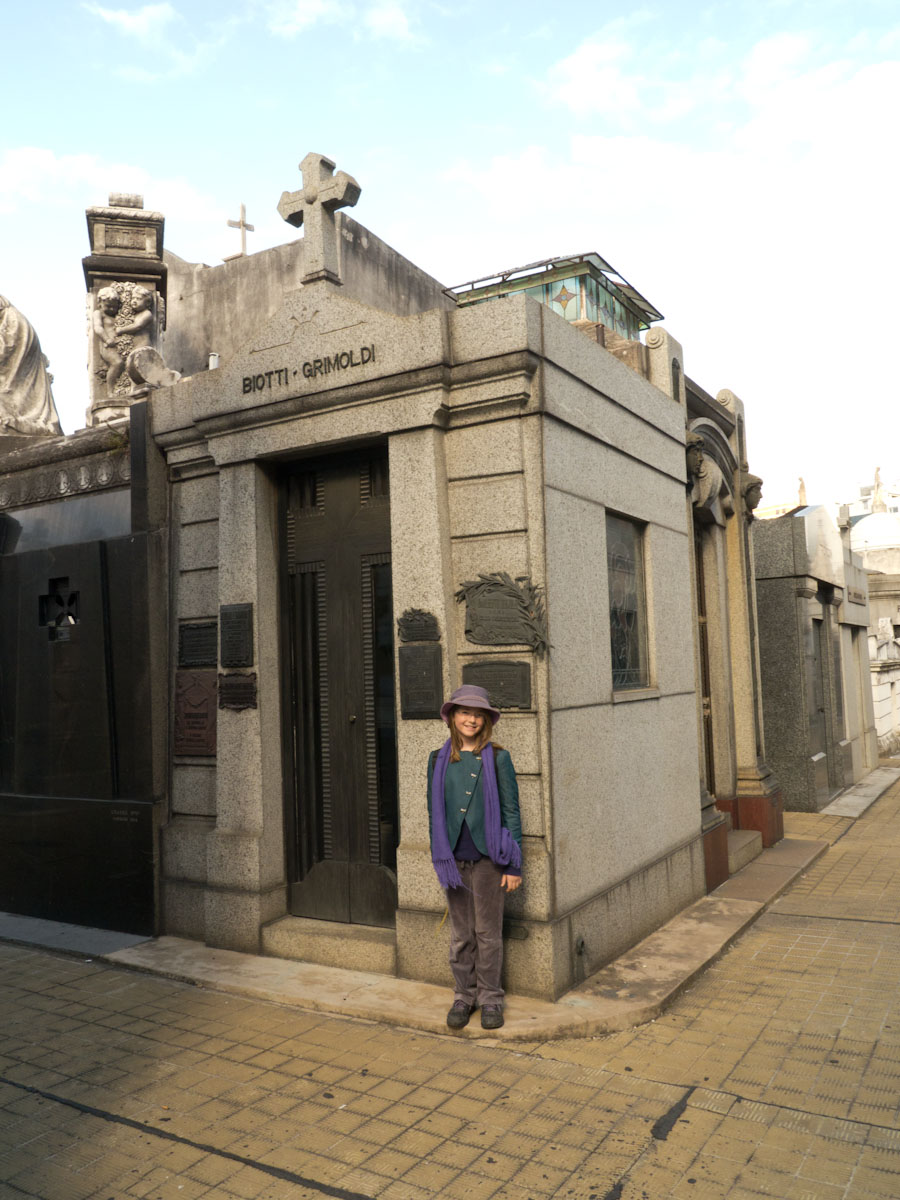
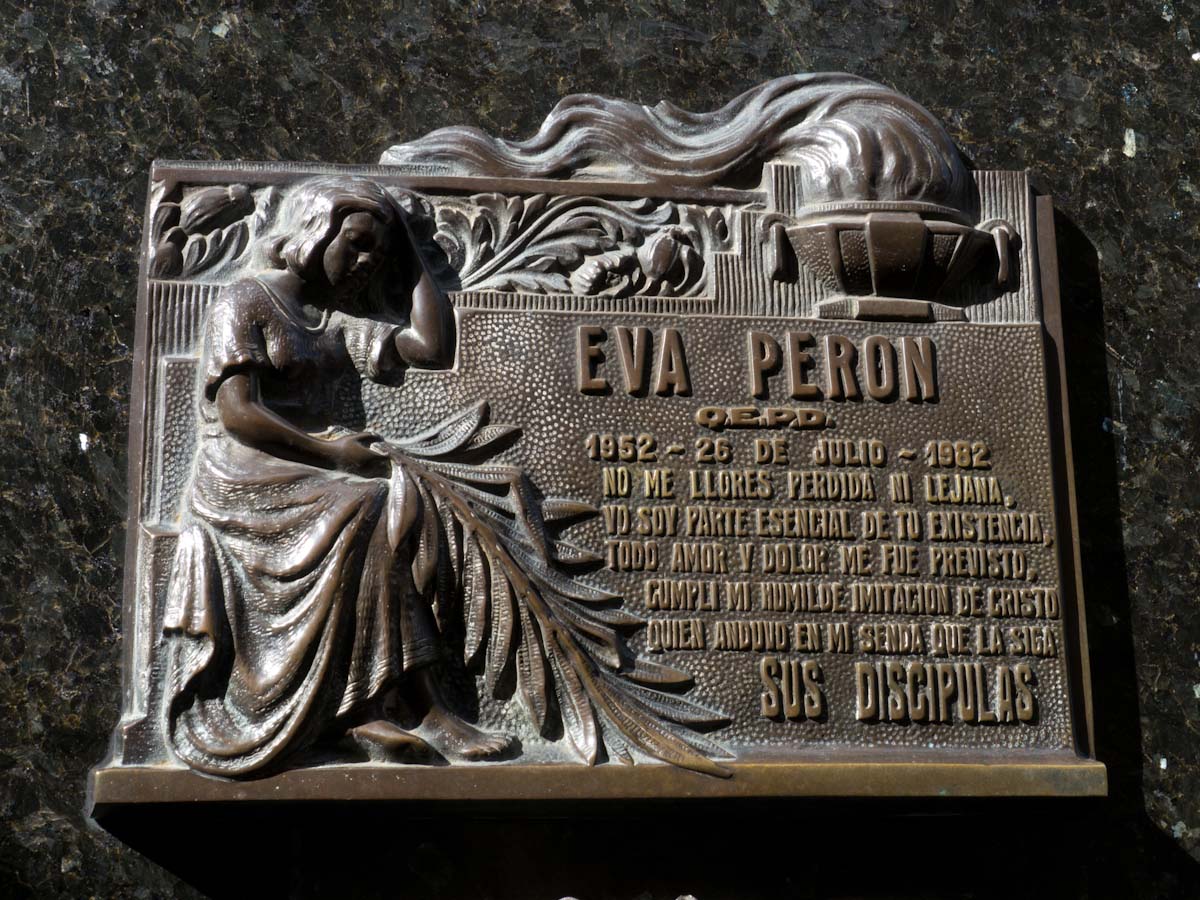
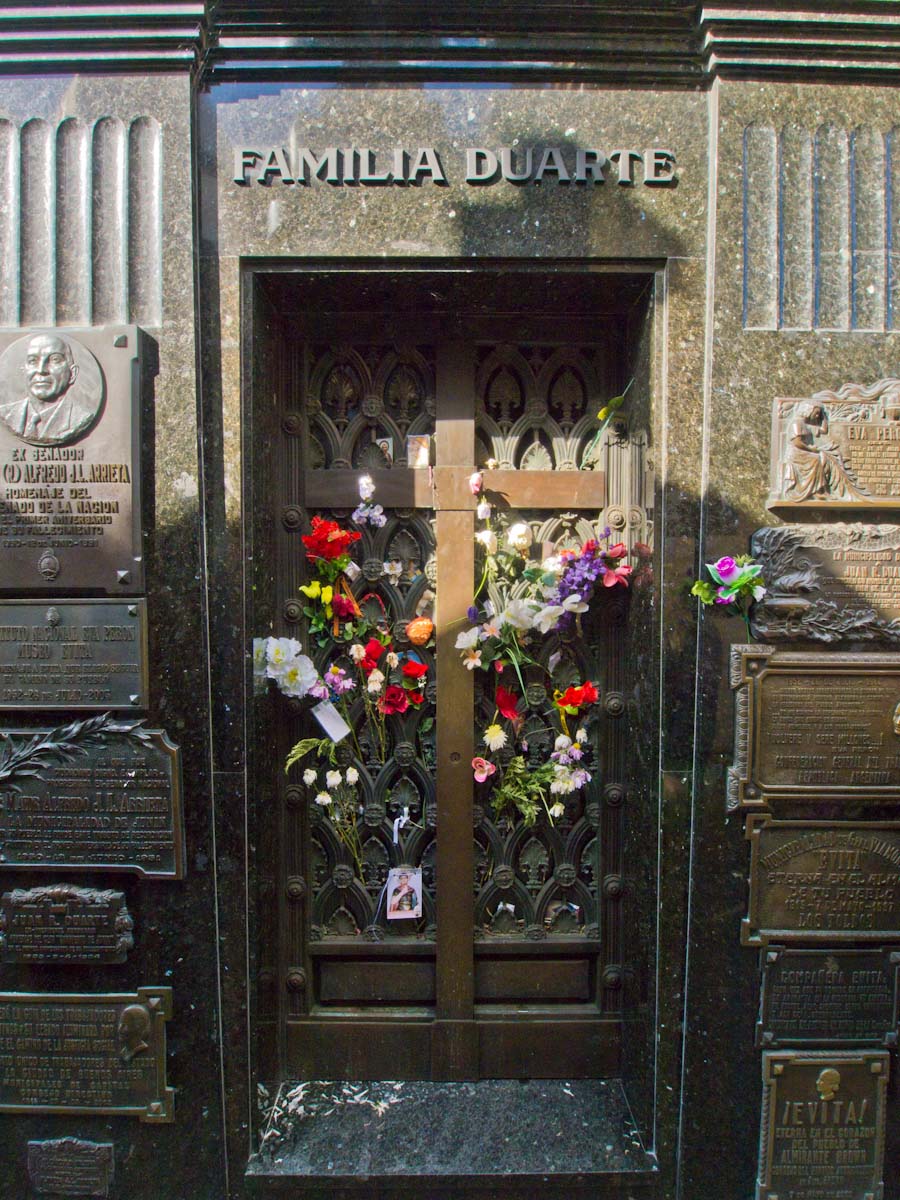
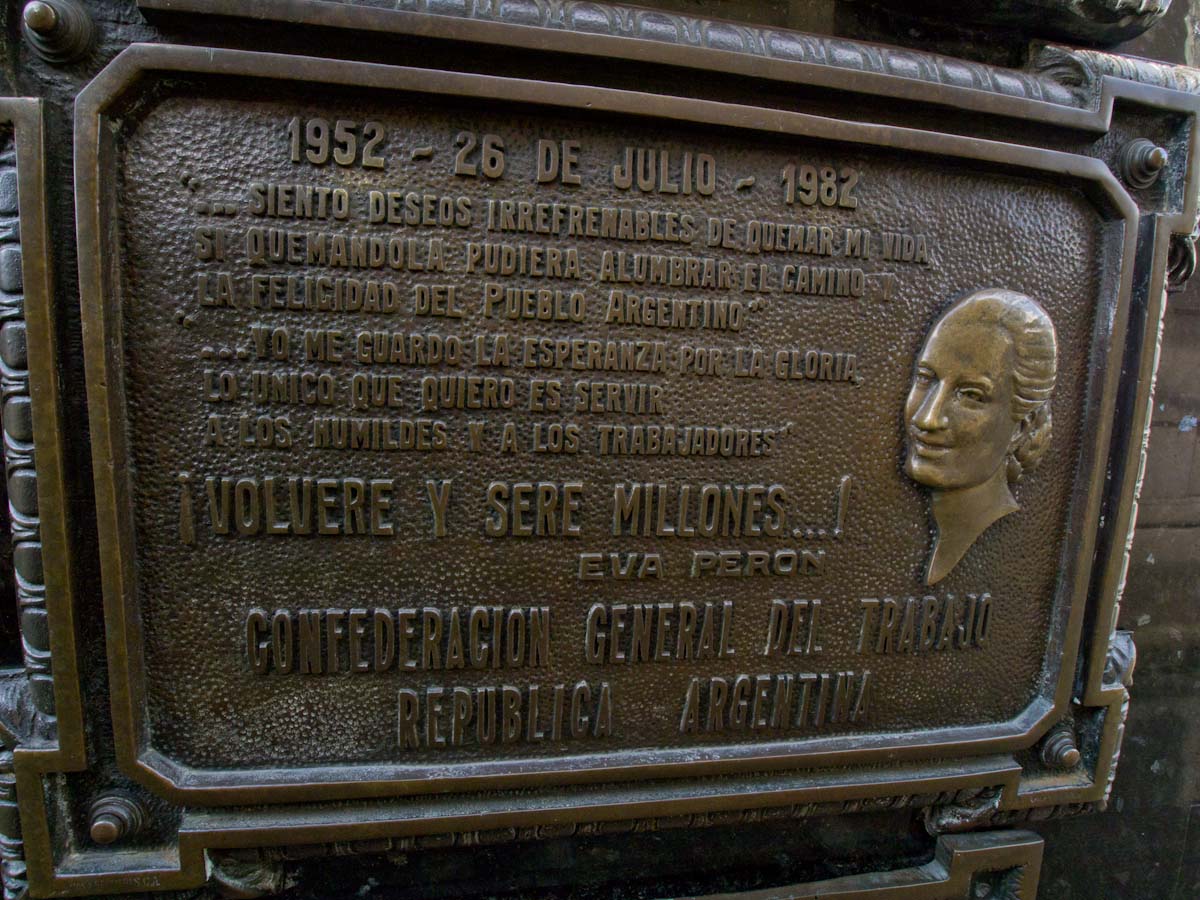
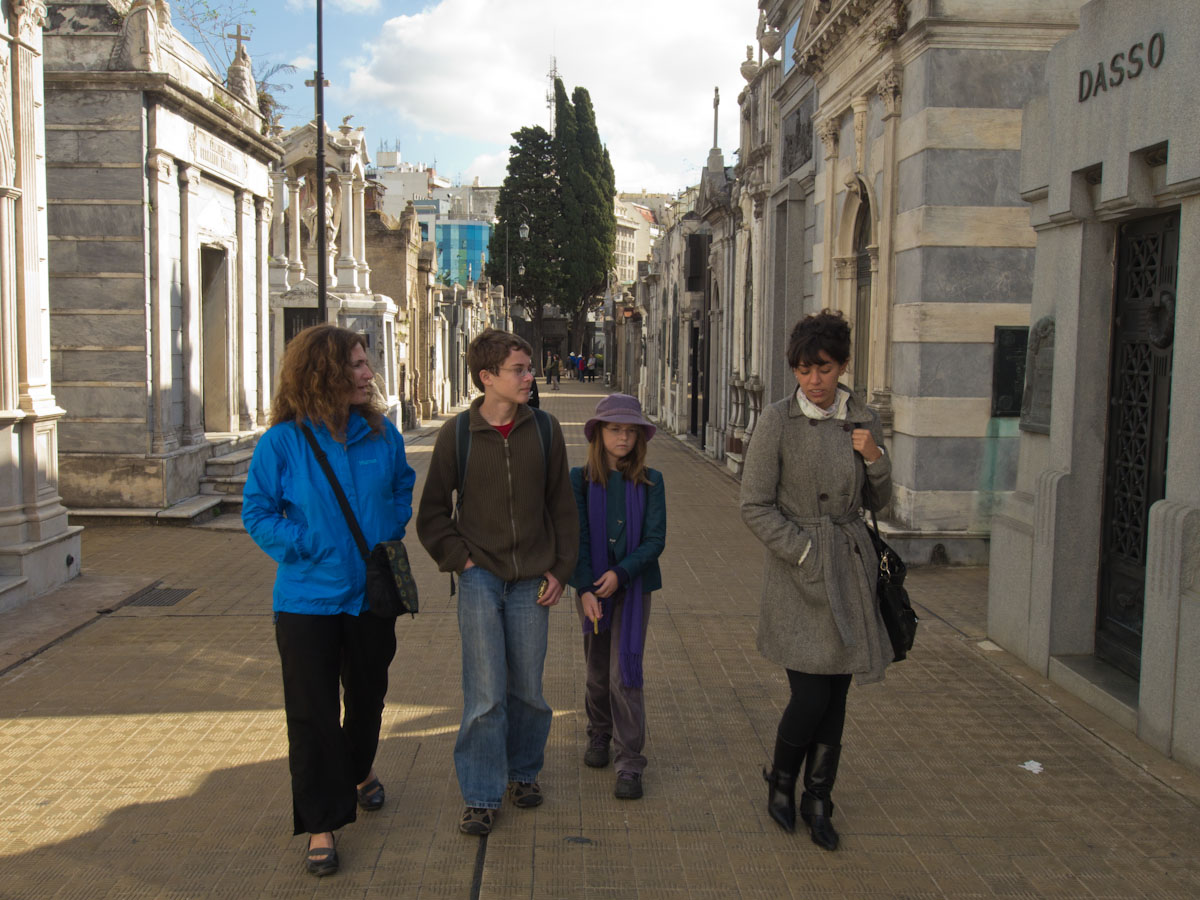
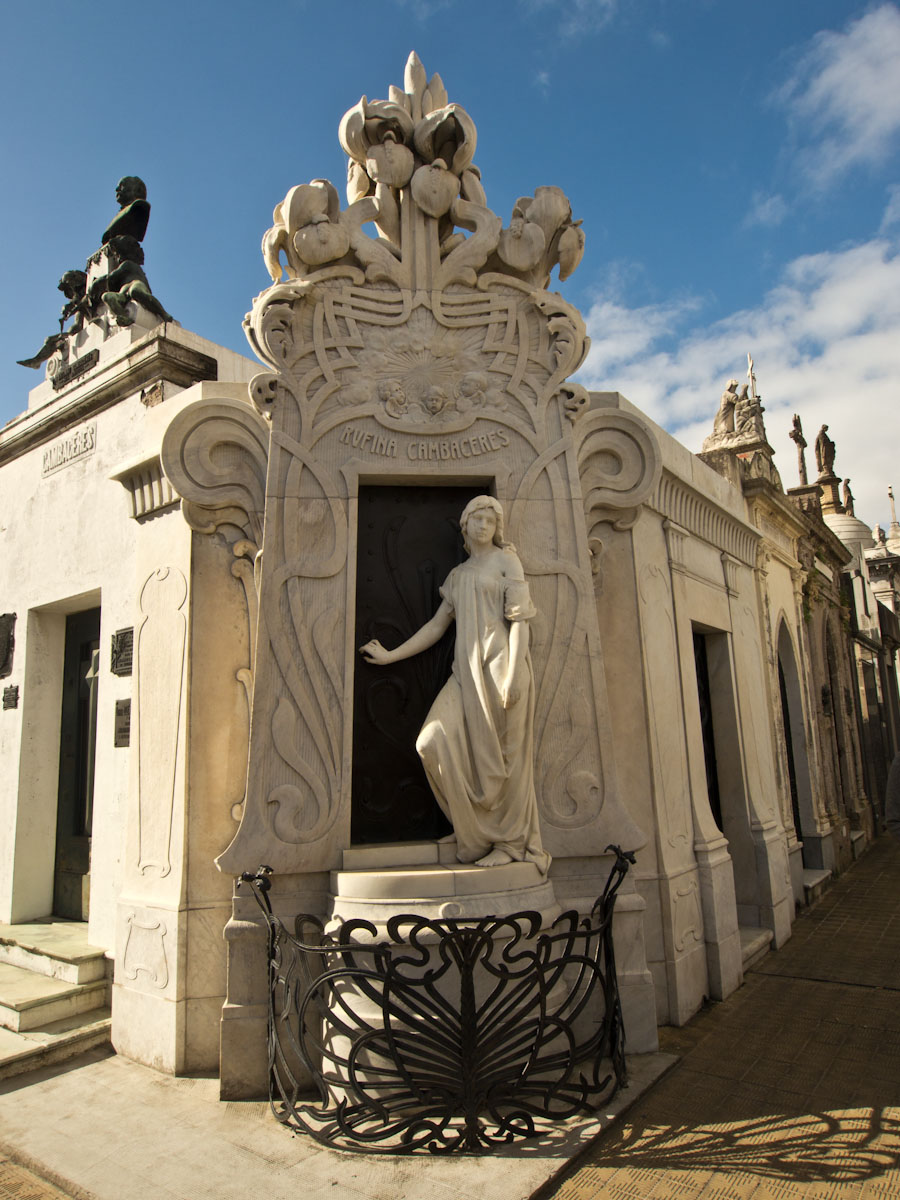
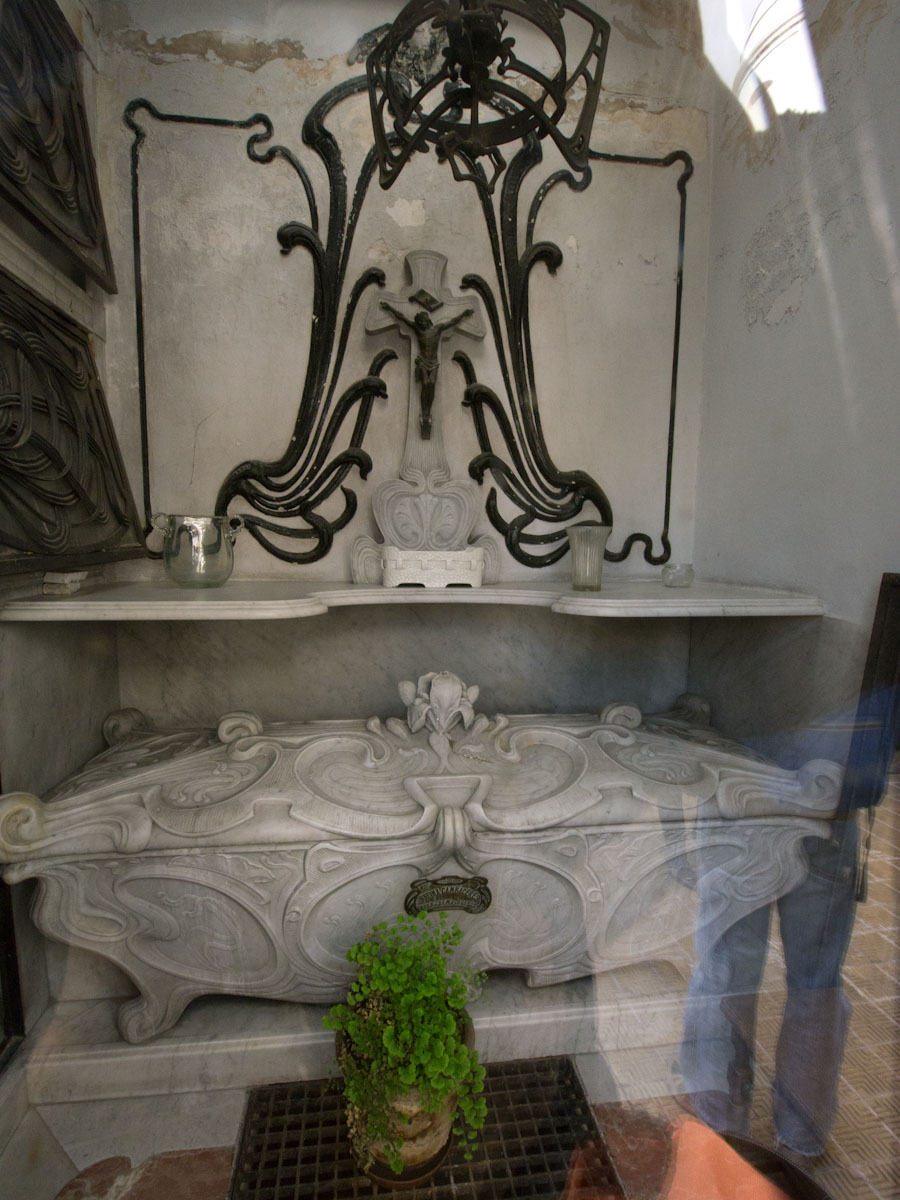
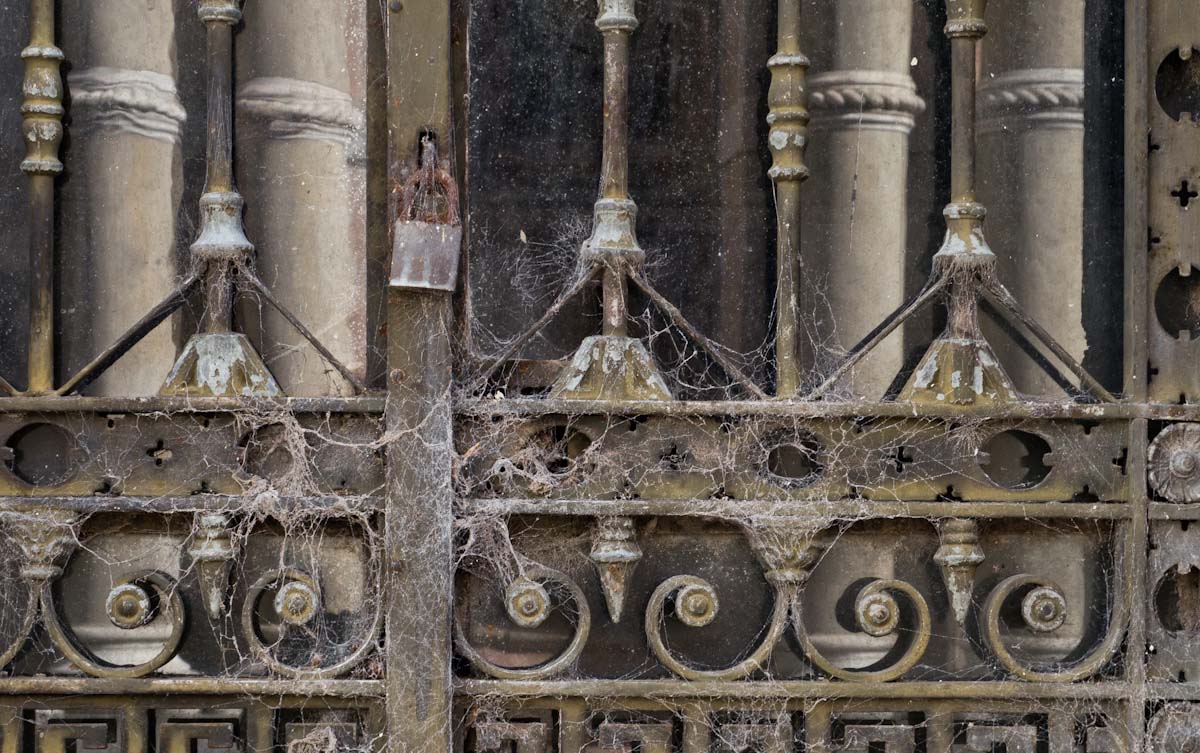
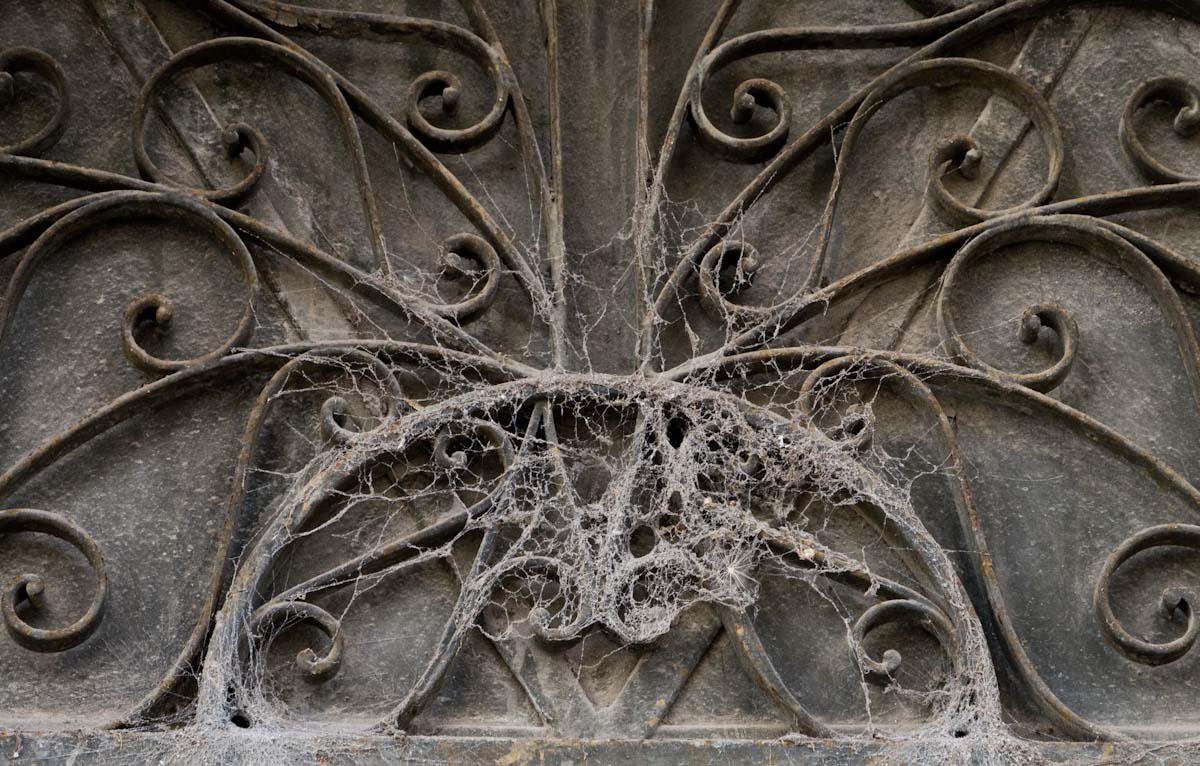
Here we proceeded on foot, exploring the variously ornate, pious, artistic and lighthearted crypts. One of my favorite was built by a widow who had fallen out with her wealthy husband. She gave him an enormous dais with statue, where he was seated looking seriously ahead. Upon her death, she left instructions for her own bust to be carved in stone and placed on the dais – but behind him and with her back turned. In a great irony, you can find Evita’s tomb here – secreted within the family Duarte’s crypt and neighbor to wealthy elites rather than the poor people she championed. A few ghost stories complete the visit, but we won’t spoil those here.
Having completed these two tours and the visit to the soccer stadium, we felt that the touristic musts were reasonably checked off, and we could turn to the main goal: simply enjoying life Argentine style.
By far the best times we had in Buenos Aires were when we simply enjoyed the neighborhoods and especially when we visited with other families living here: the Grimoldi’s, AMK’s friend Mariana, and the Gould’s. See the posts to come!