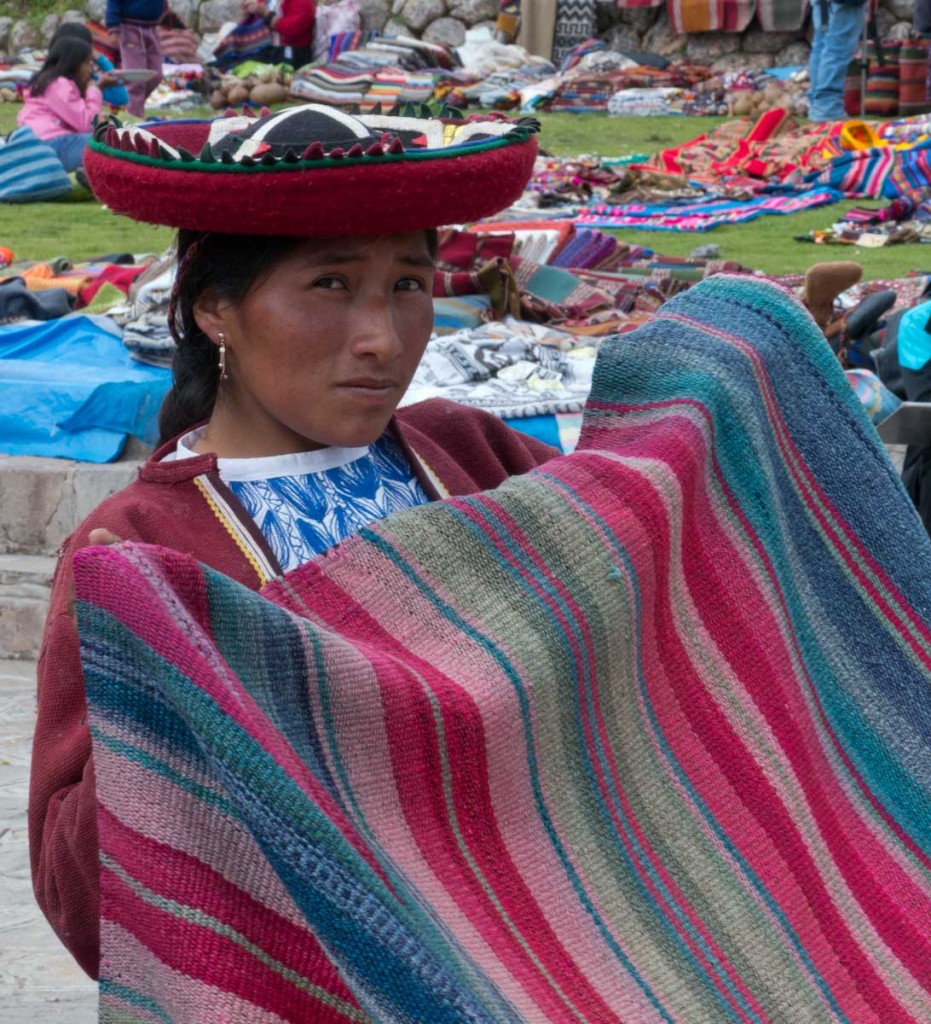
Peru turned out to be one of my top three favorite destinations on this trip so far
[1]. It is a country full of vivid color, dramatic landscapes, rich history, and tradition. Plus, the food is delicious and the dollar goes far. We will definitely be back.
Here are some of the highlights of what we saw and experienced:
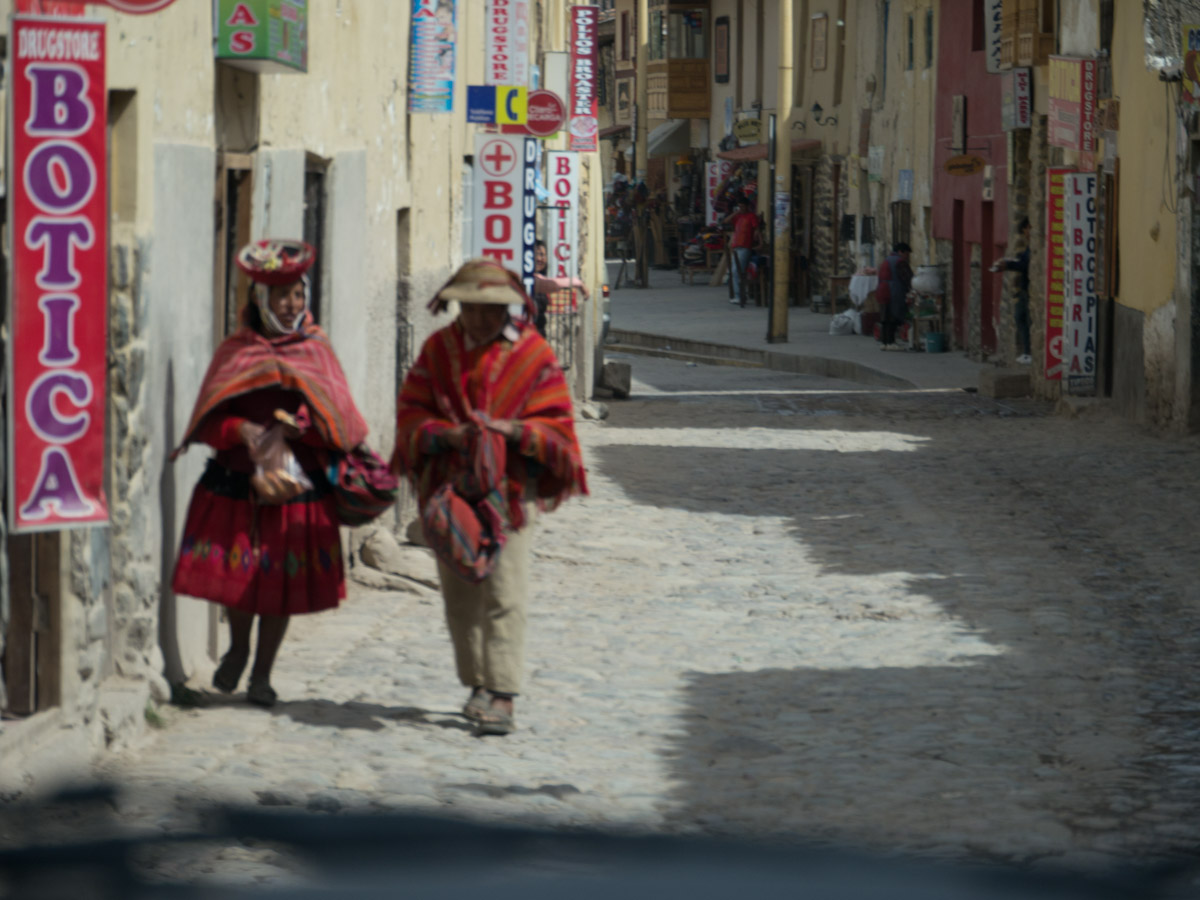
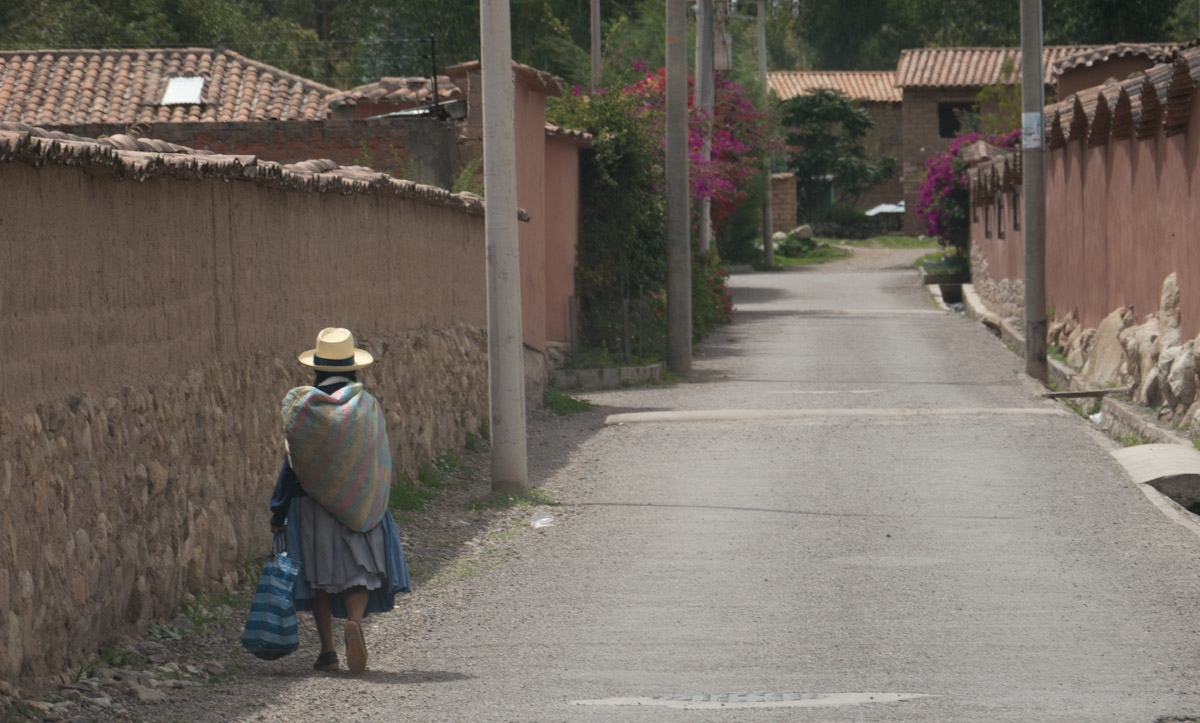
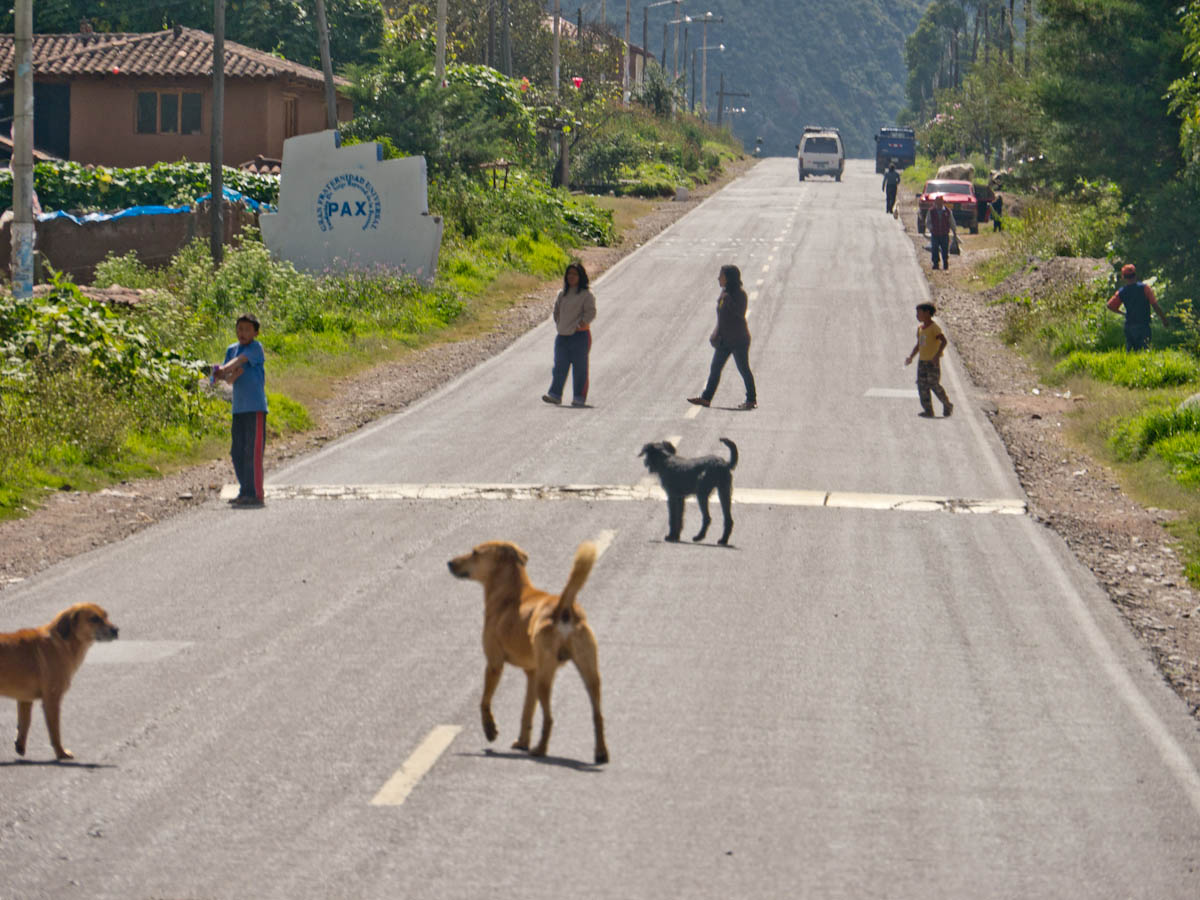
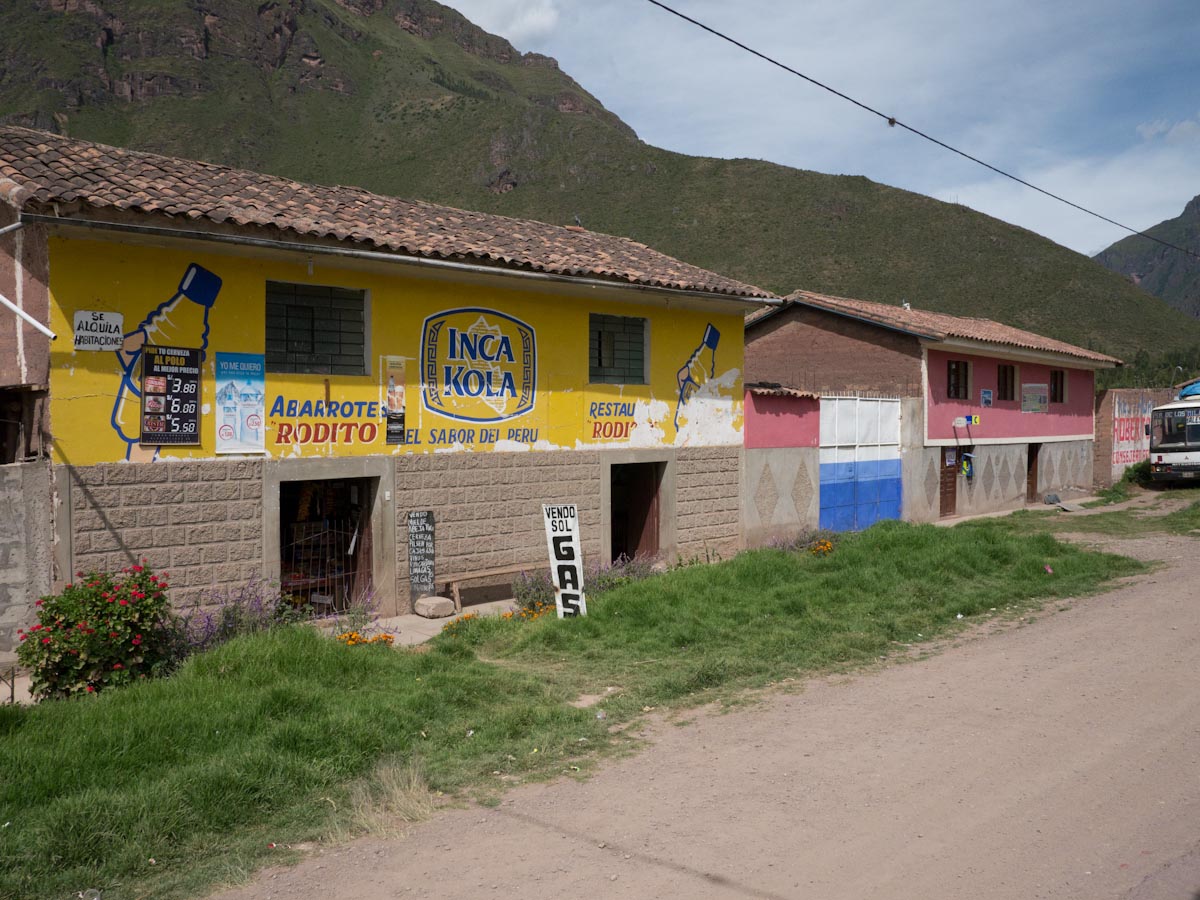
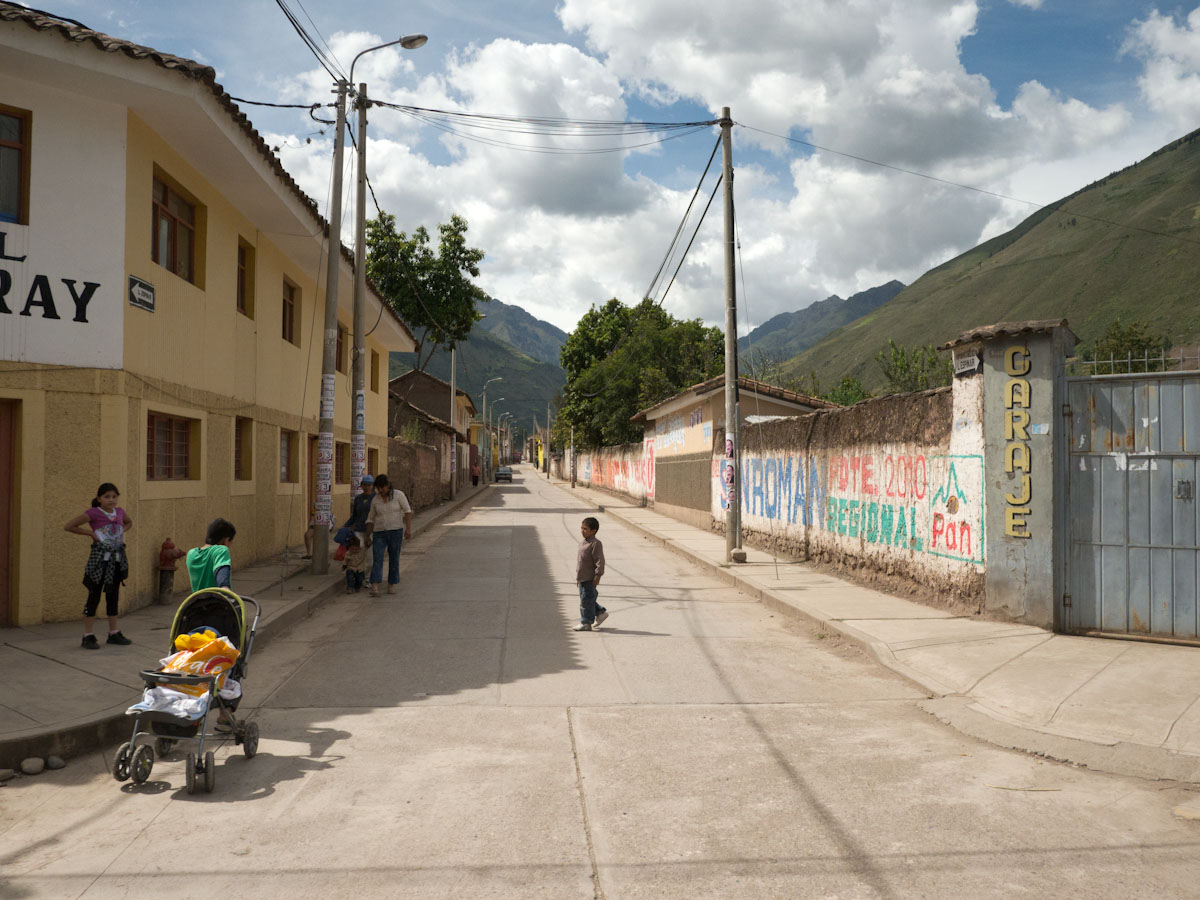
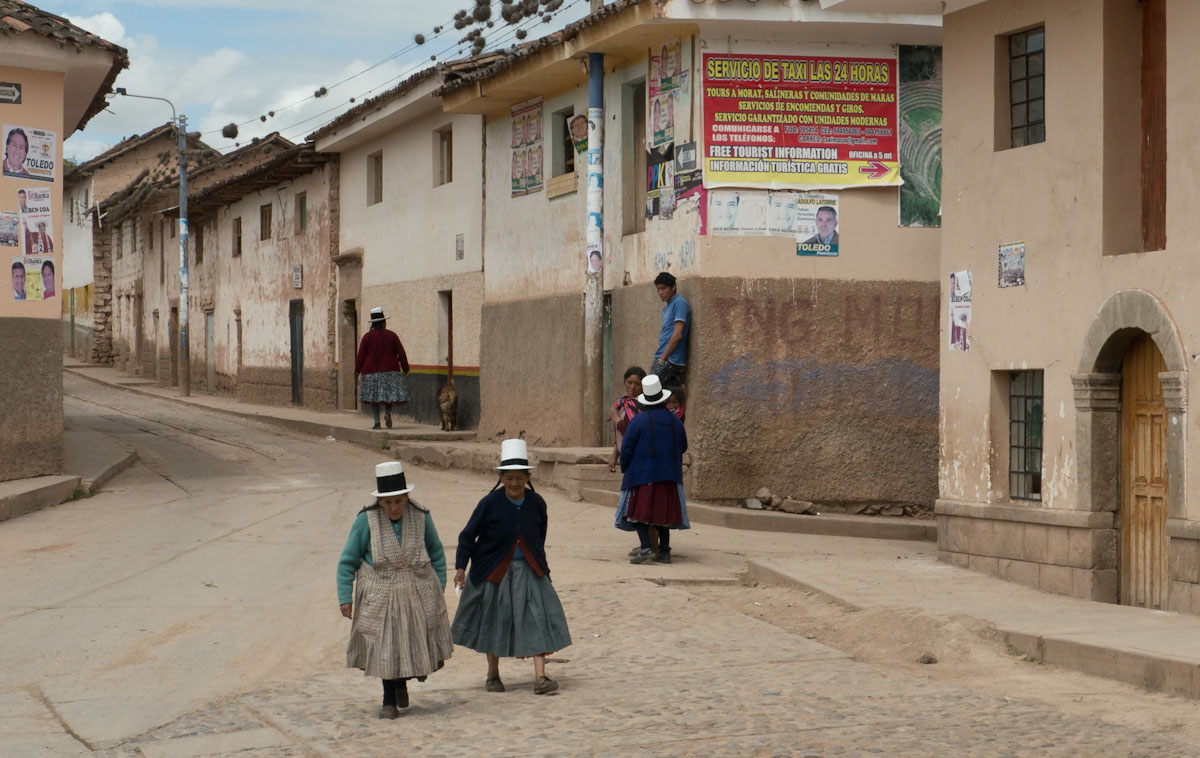
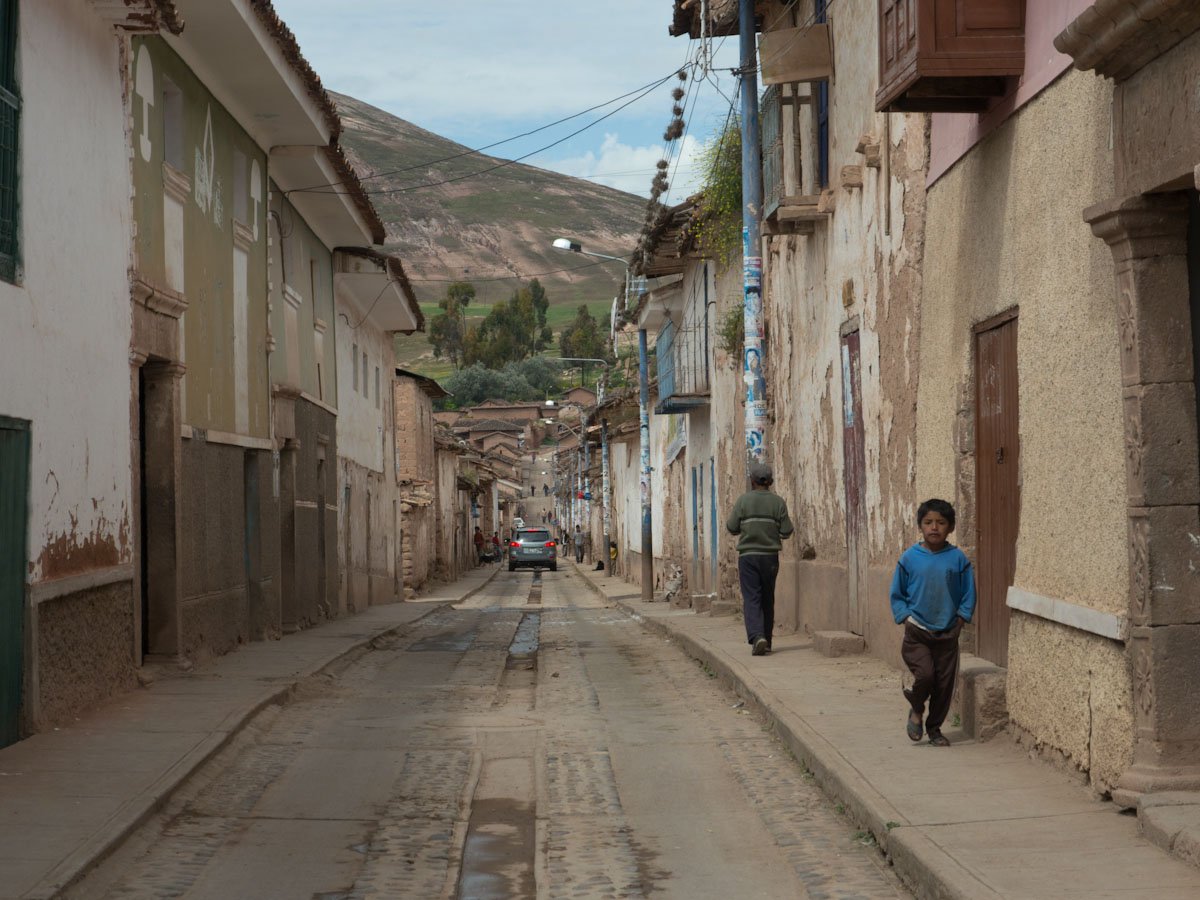
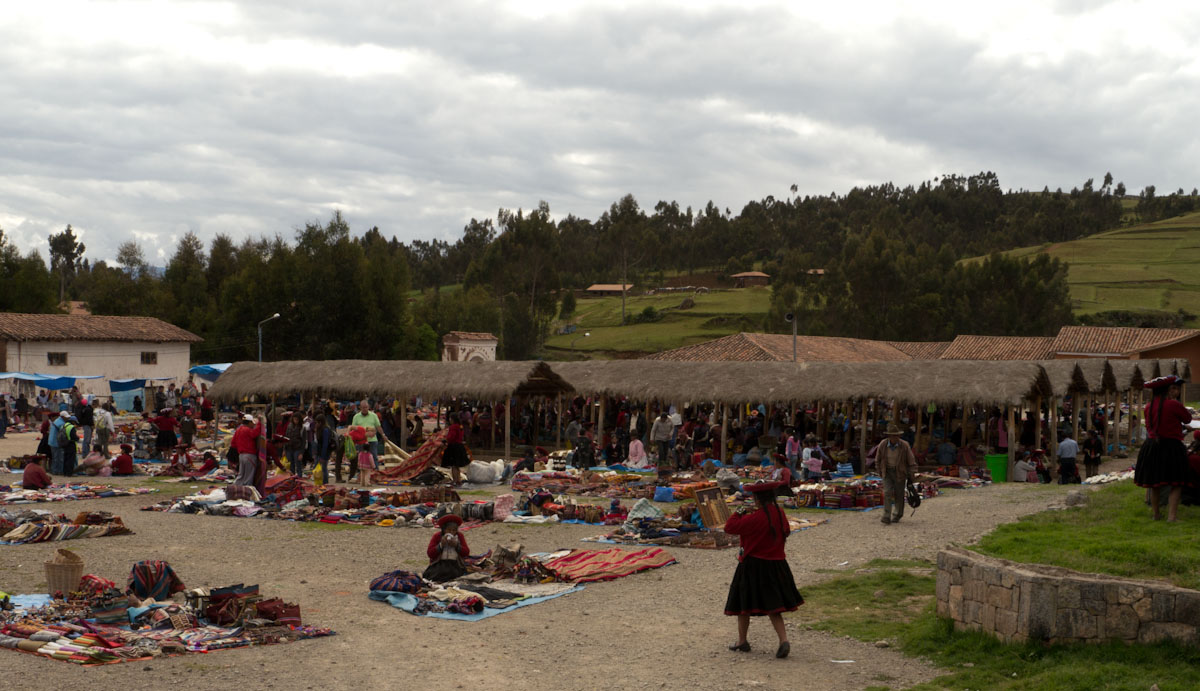
In the cities and towns, the Incan architectural legacy blends easily with that of the Spanish conquistadors: a stroll down a medieval street leads us past the foundations of Incan palaces on which Spanish mansions were built. We walk on cobblestones laid by Incas more than 600 years ago; their roads still serviceable to the pedestrians and motorists who share the narrow lanes.
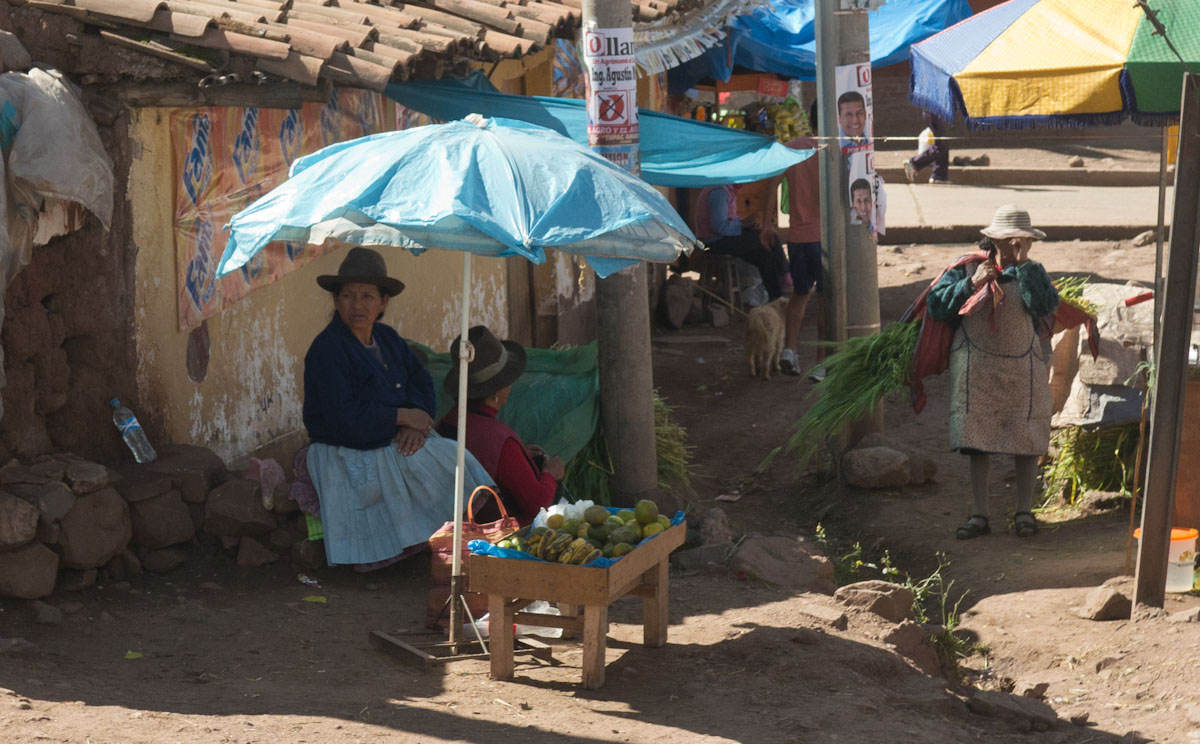
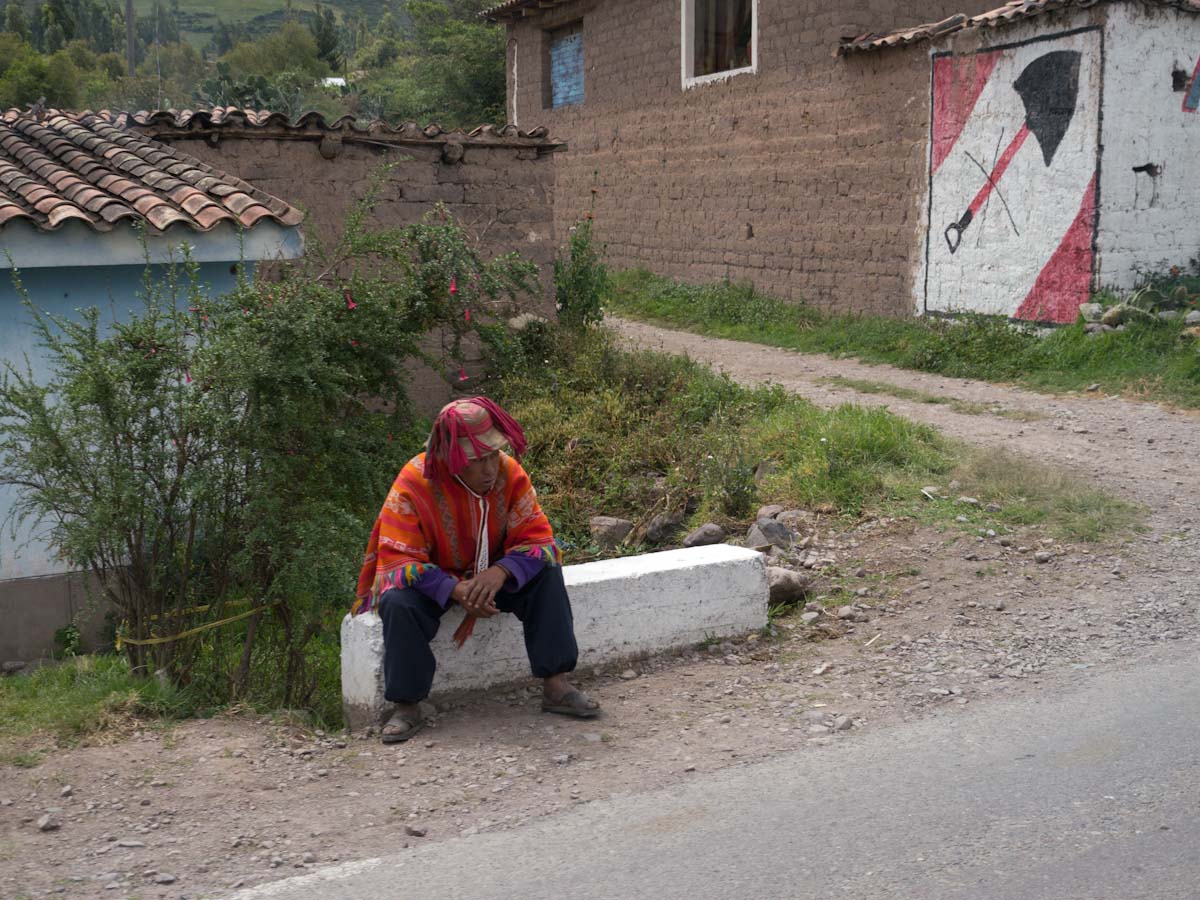
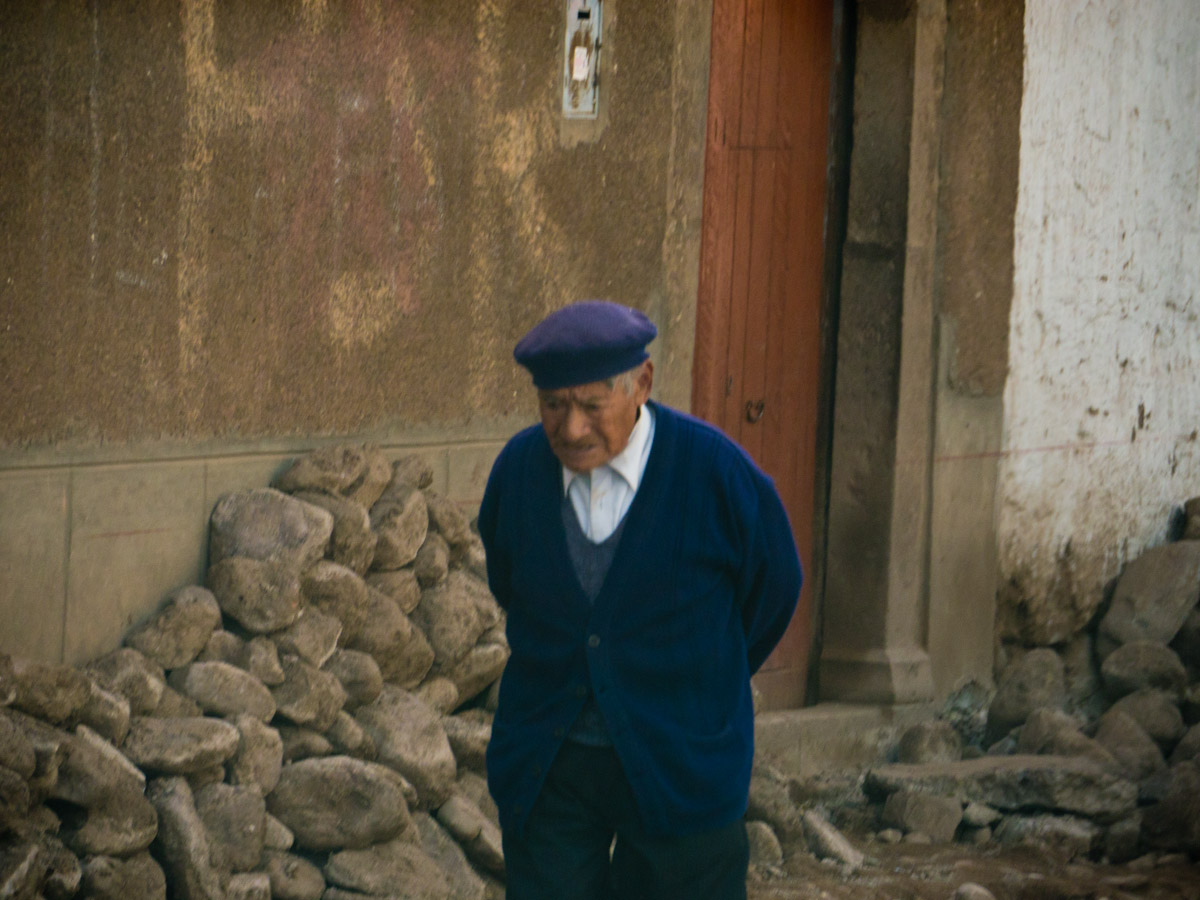
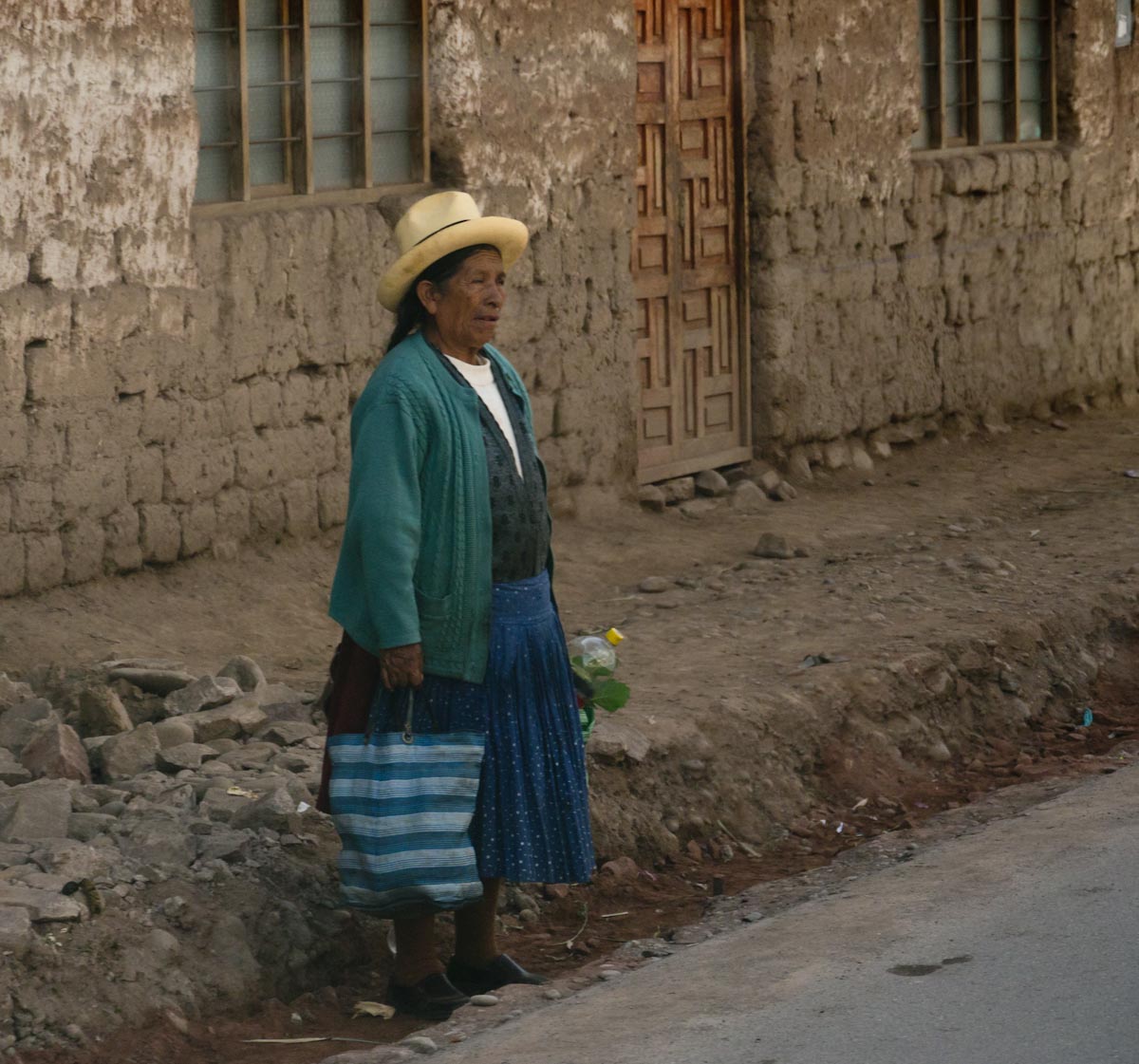
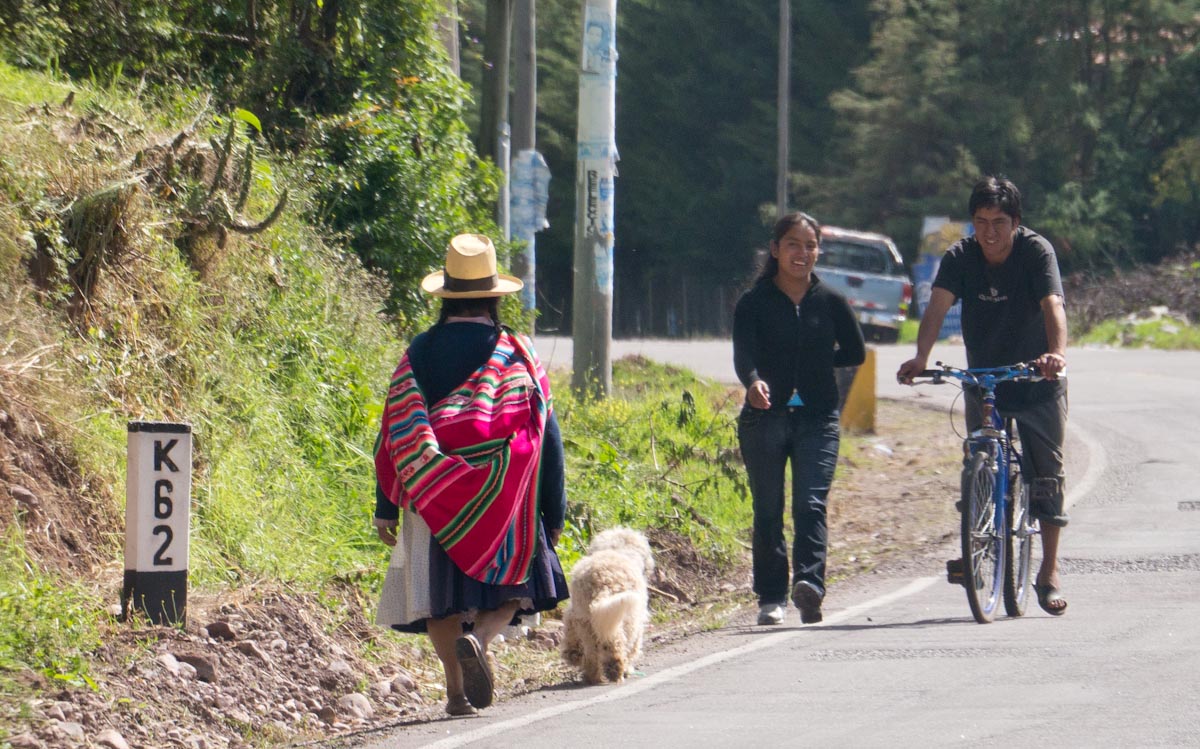
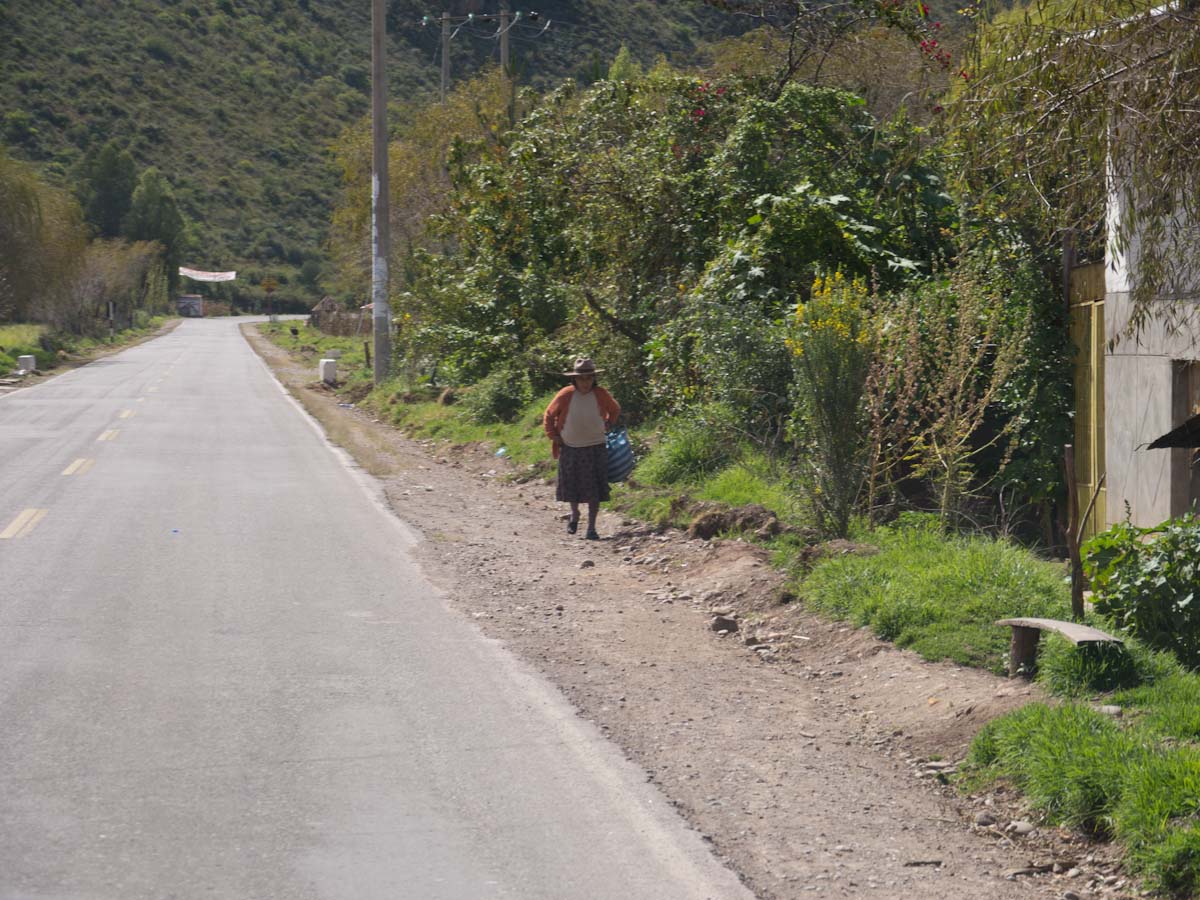
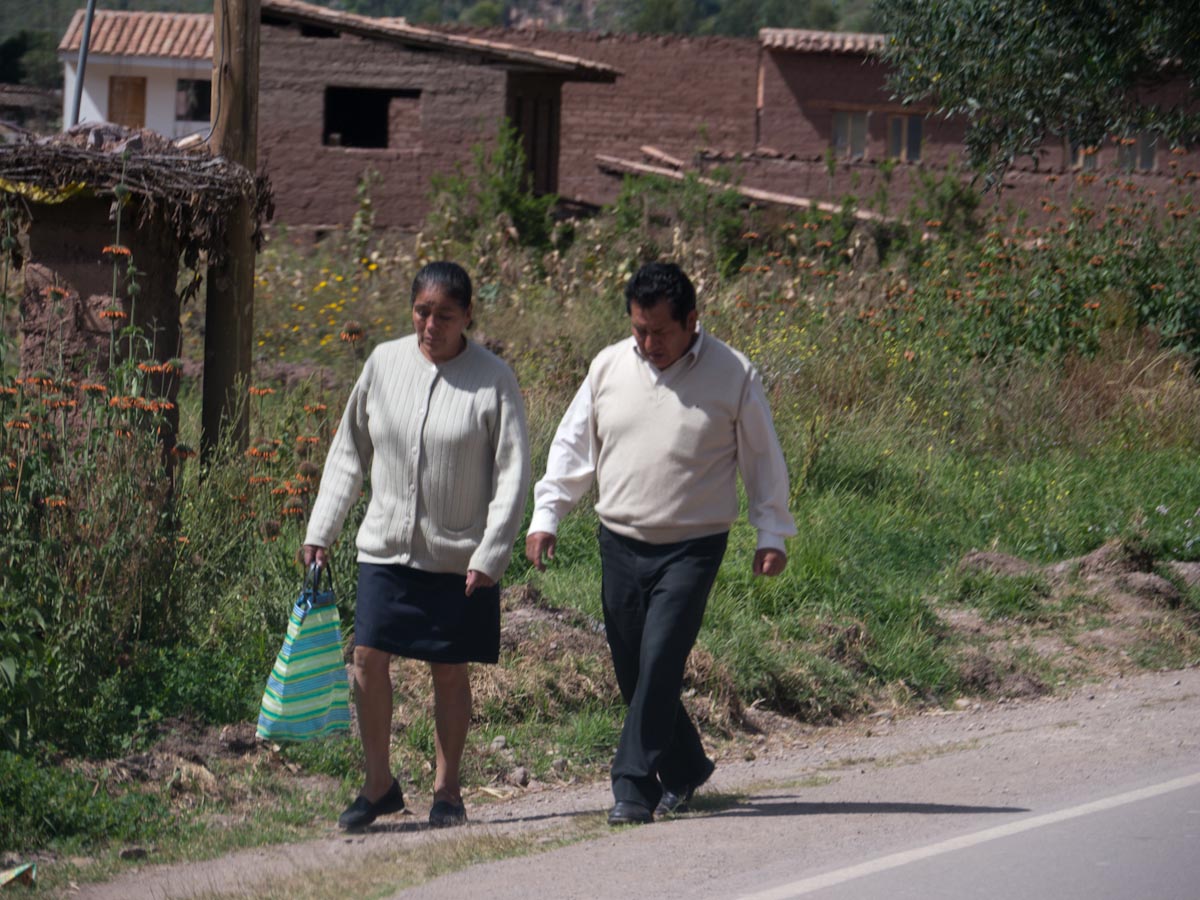
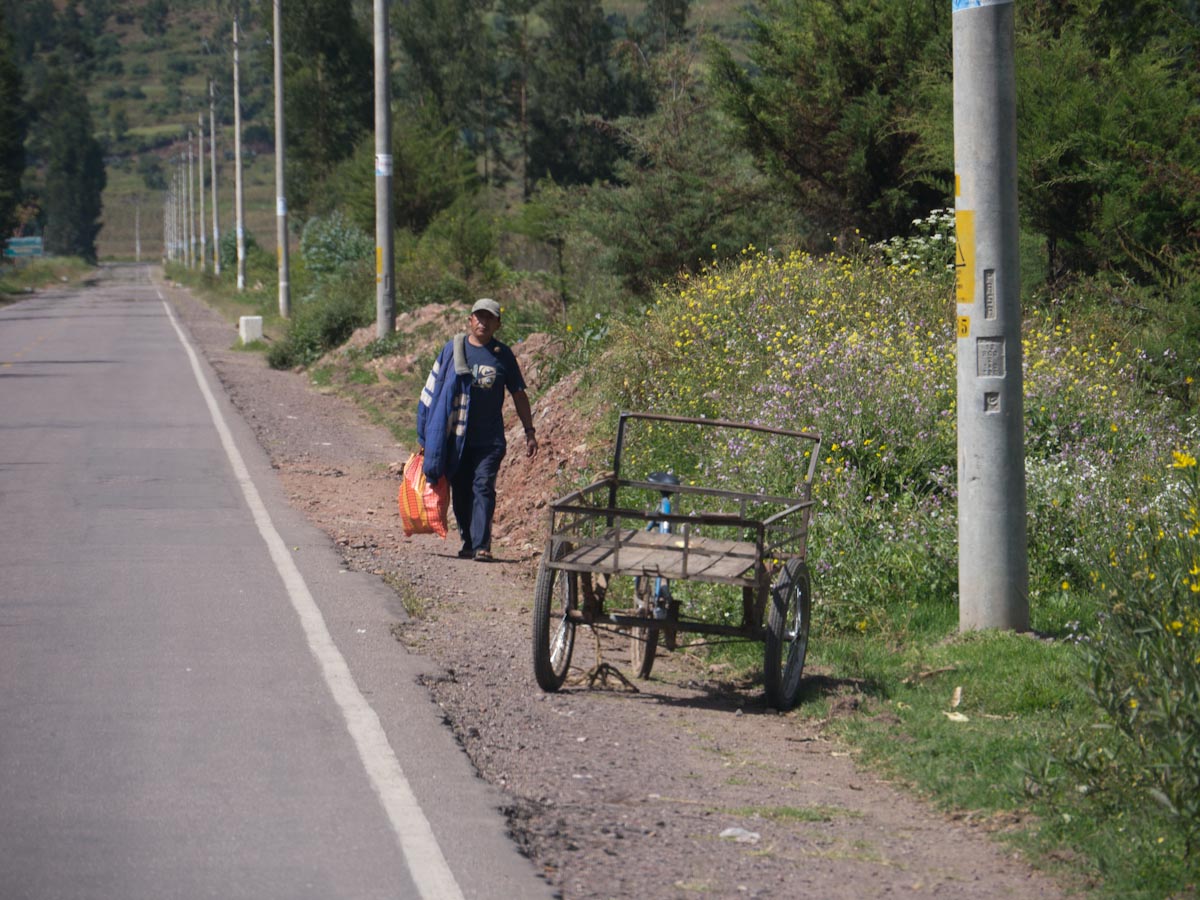
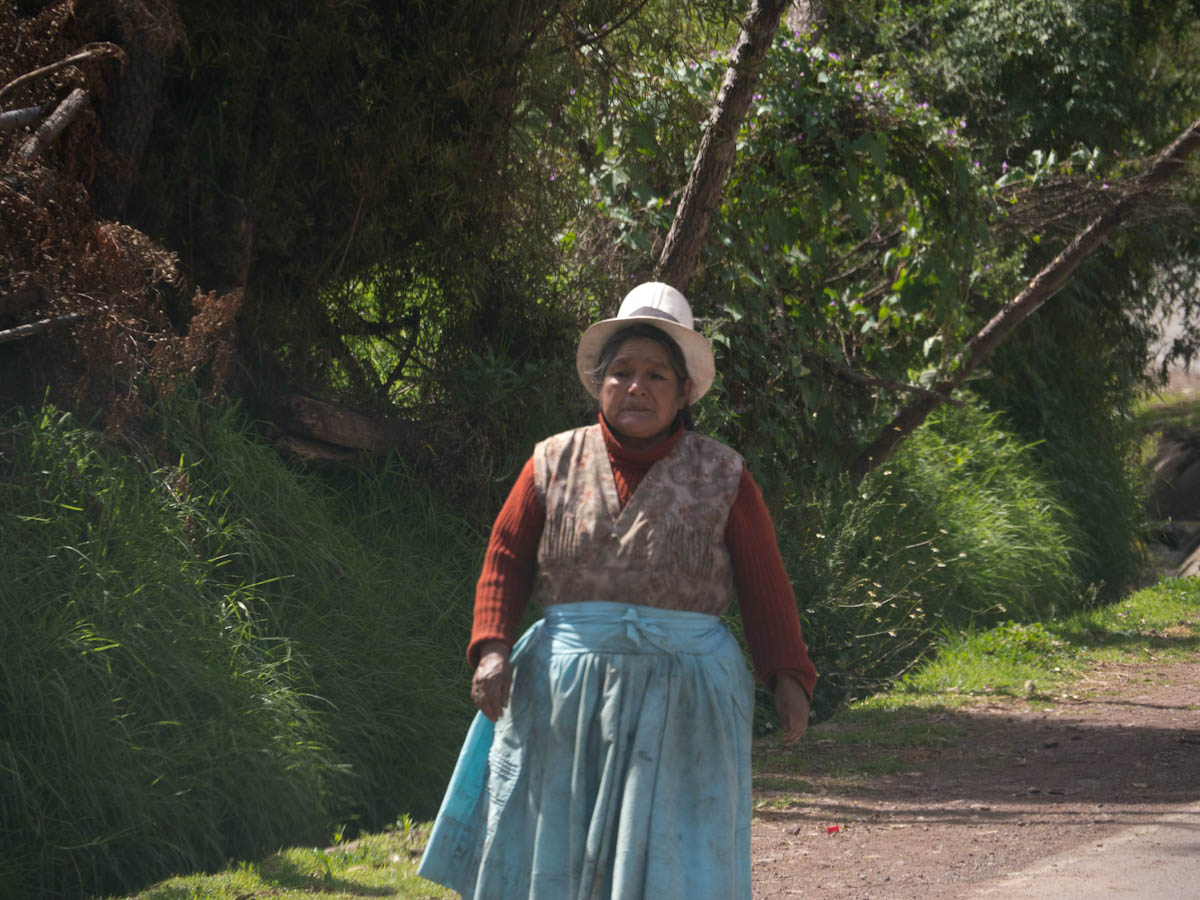
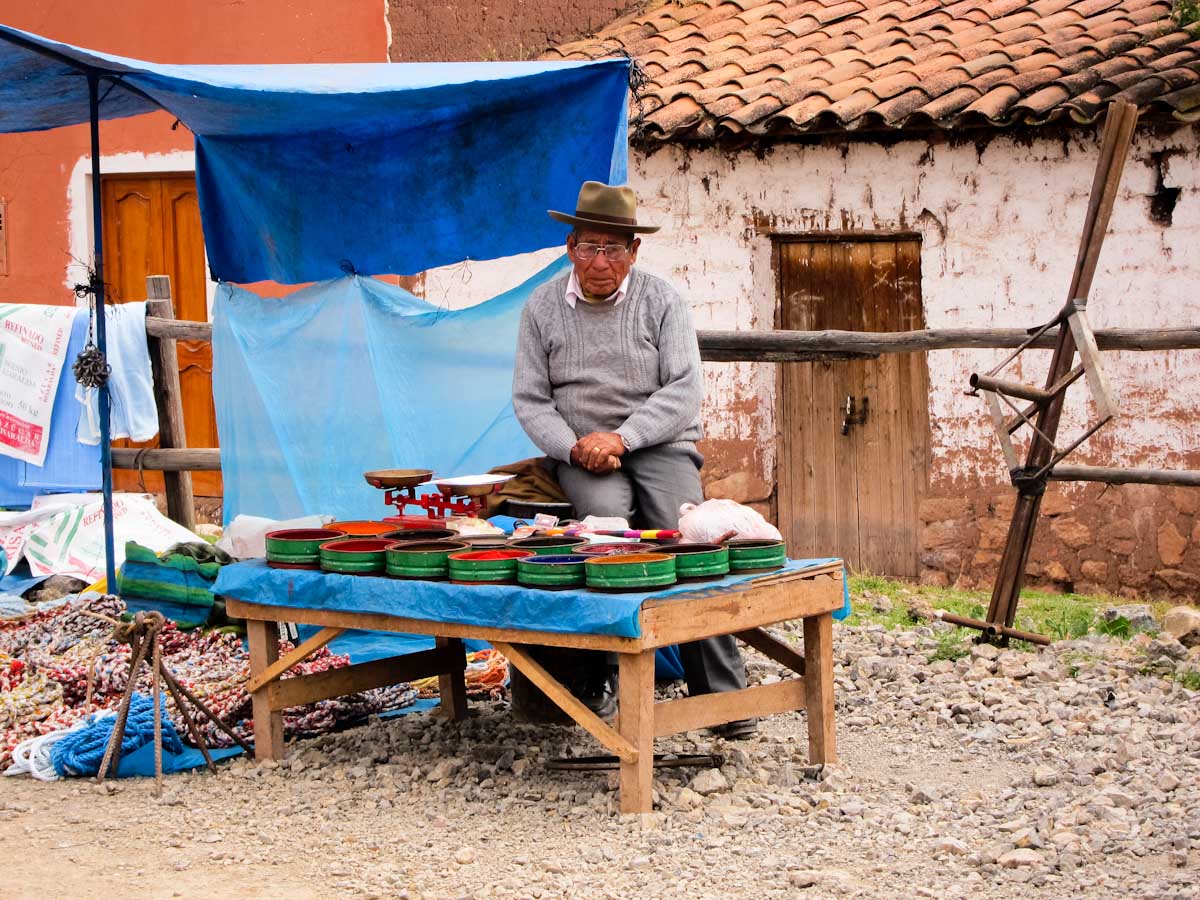
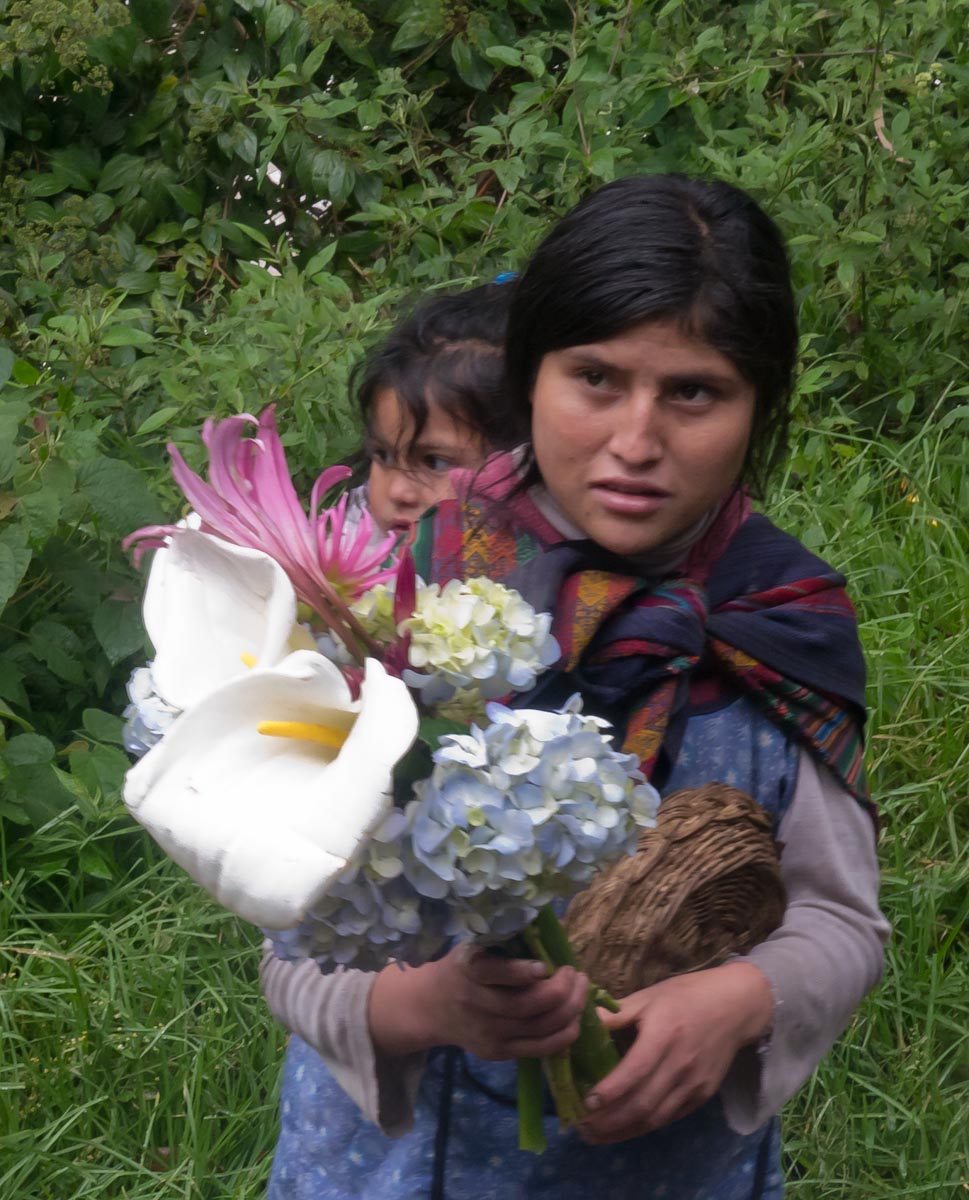
The people we pass are beautiful. Their skin is the color of coffee, their hair raven black, their eyes deep cocoa brown. Though many are very, very old we see not a single grey hair. Not one. We are told that the life expectancy in the Andes is close to 90. We marvel as we see grandmothers and grandfathers walking along the mountain roads, their journeys measured in kilometers. Sometimes they smile at us and their teeth are tinted green from decades of chewing on coca leaves (the same leaves which when processed, produce almost ⅔’s of the world’s cocaine supply). We are told they never have cavities because they eat no processed sugar.
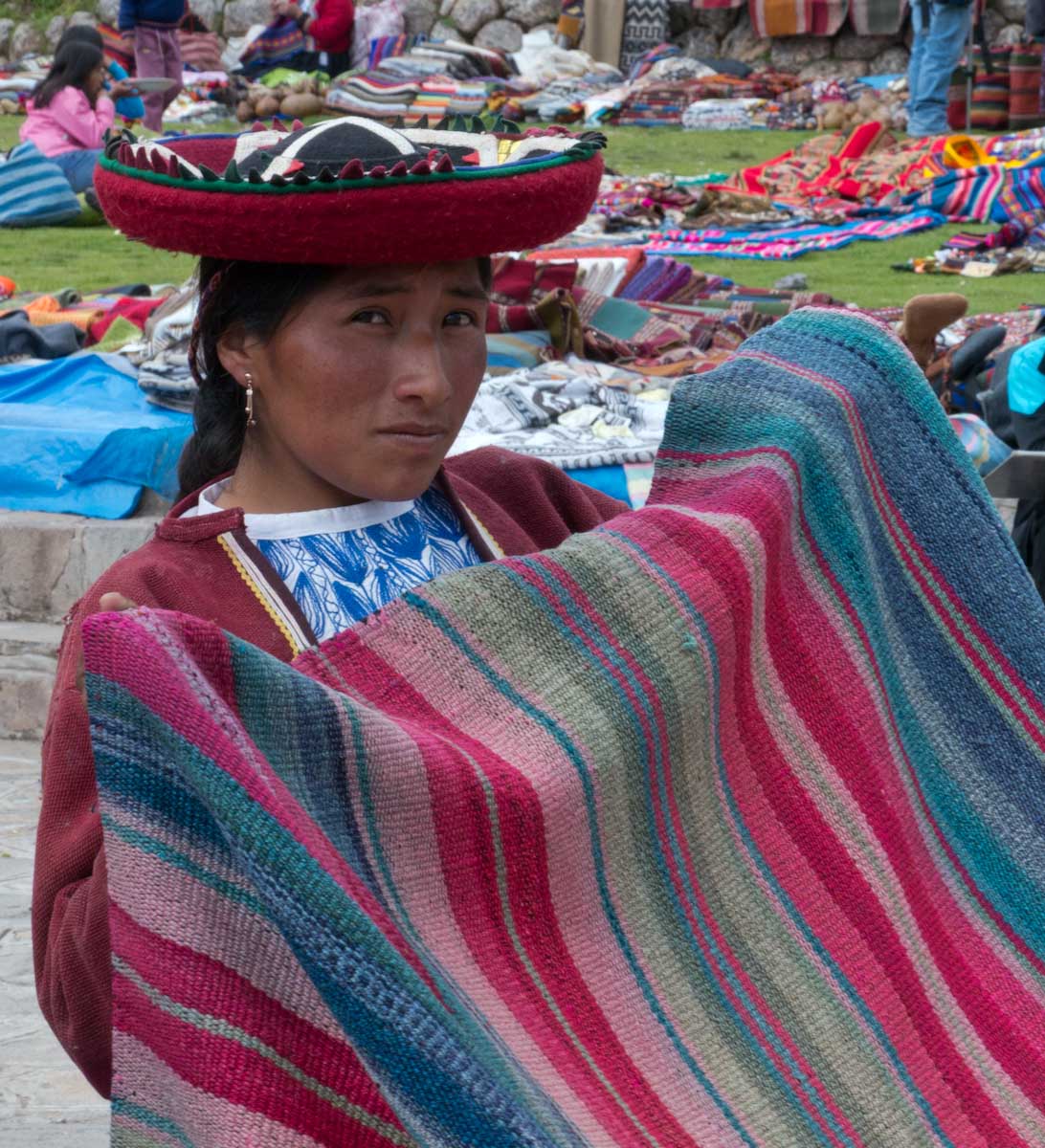
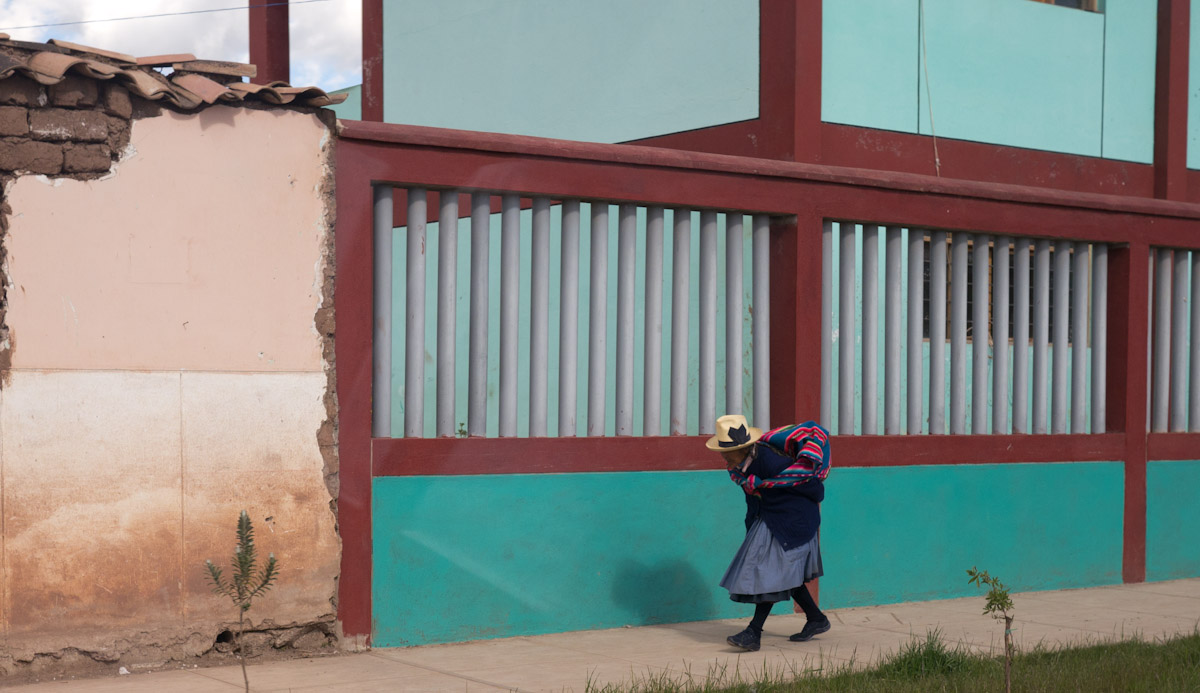
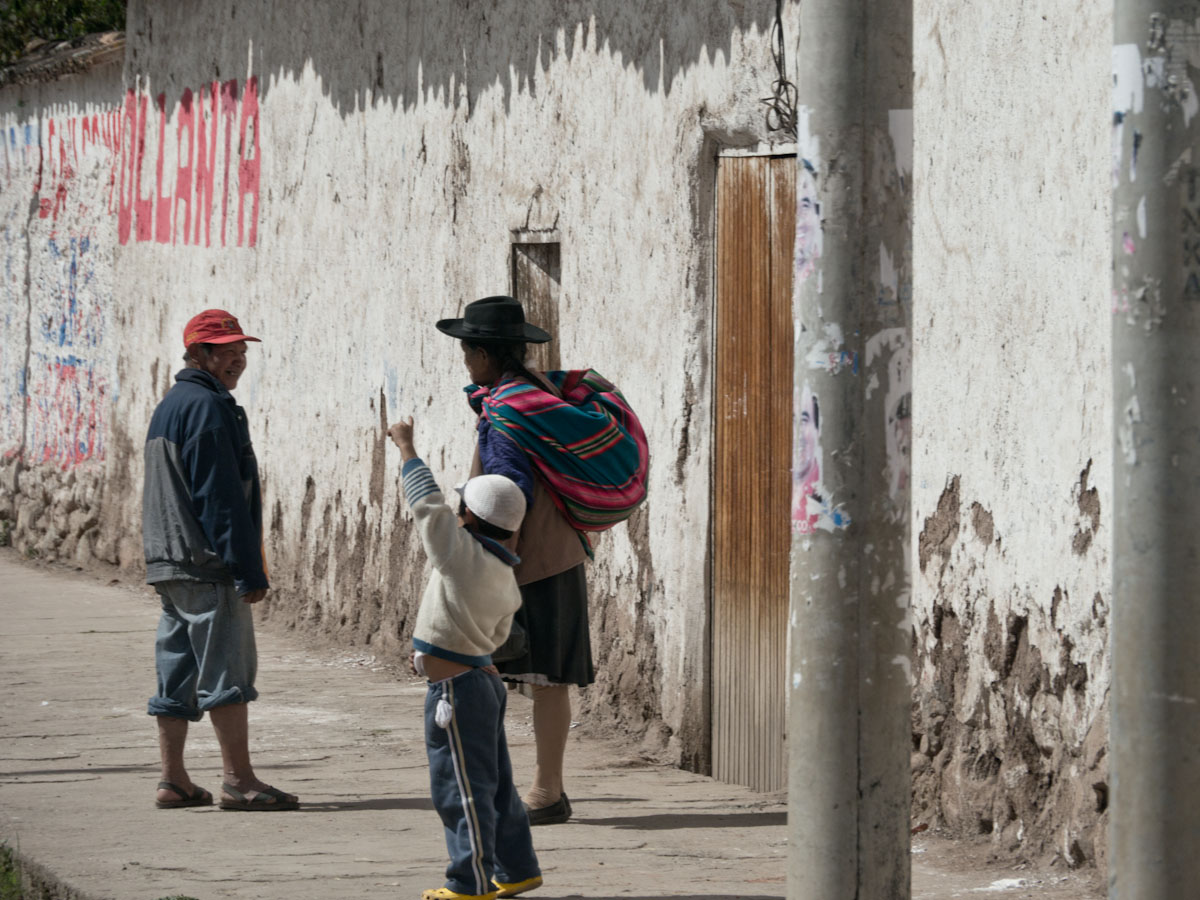
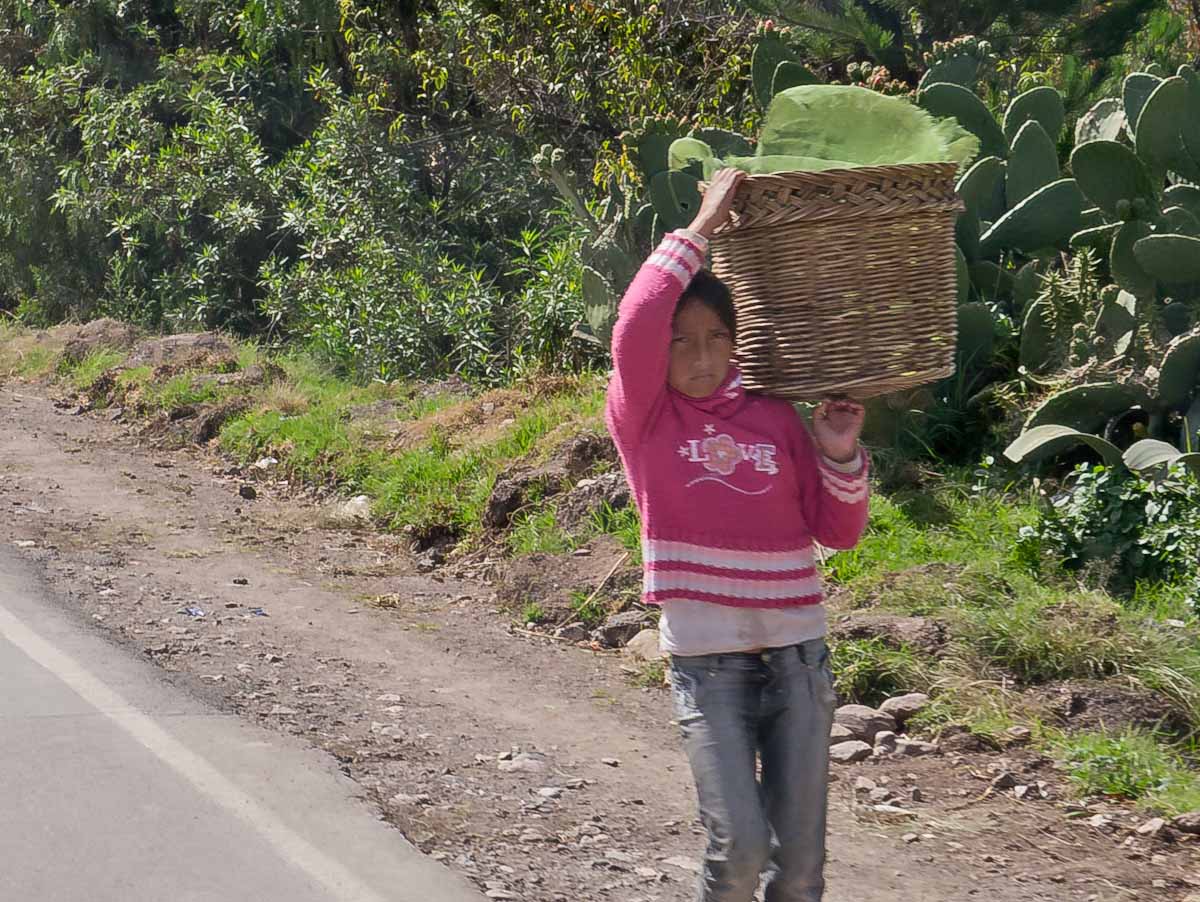
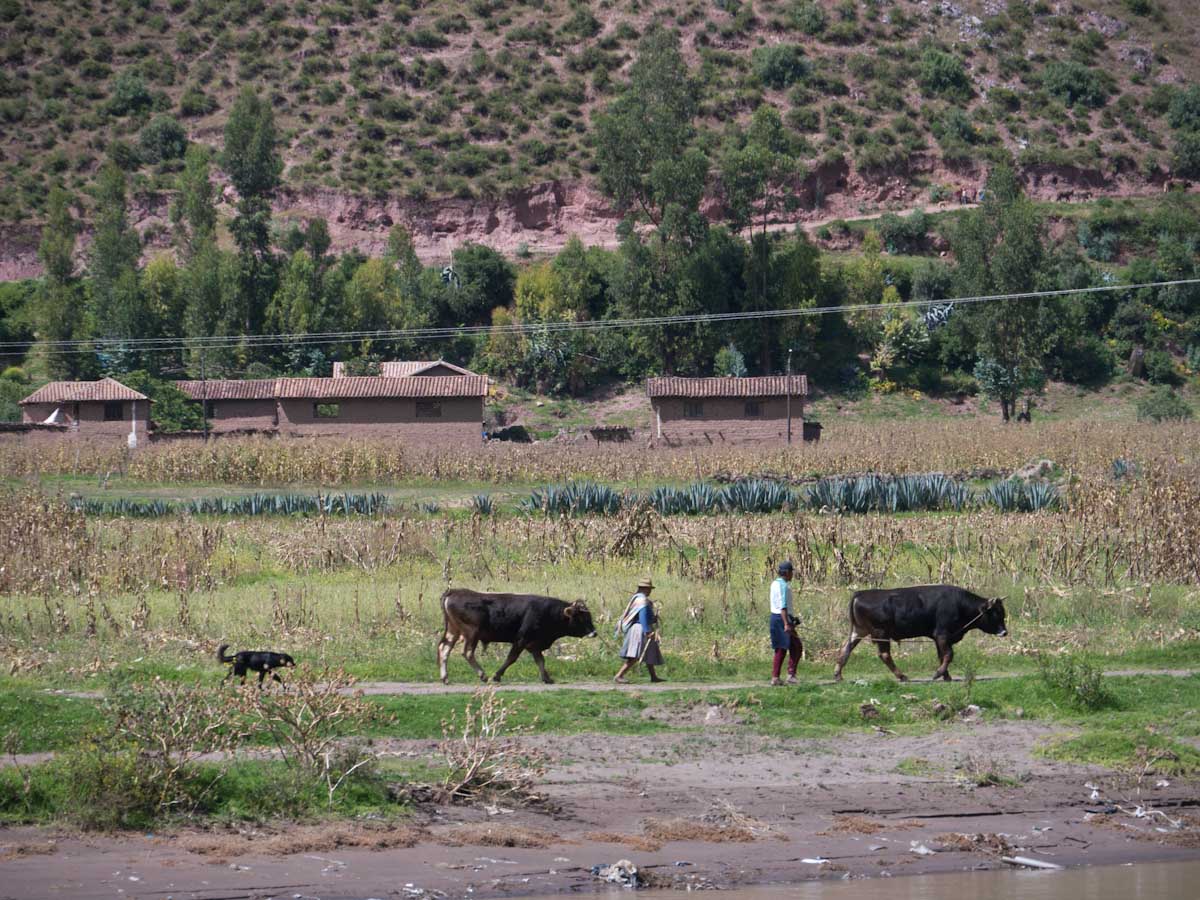
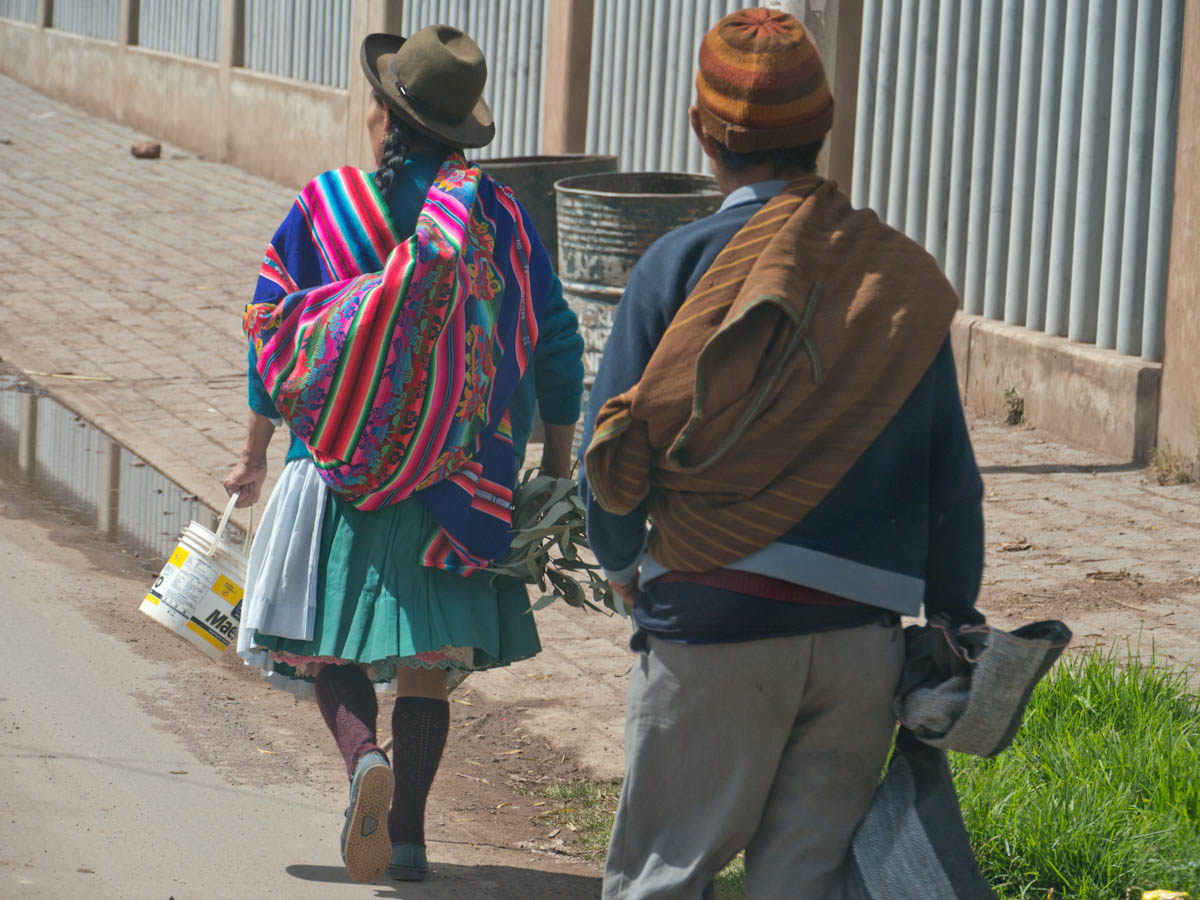
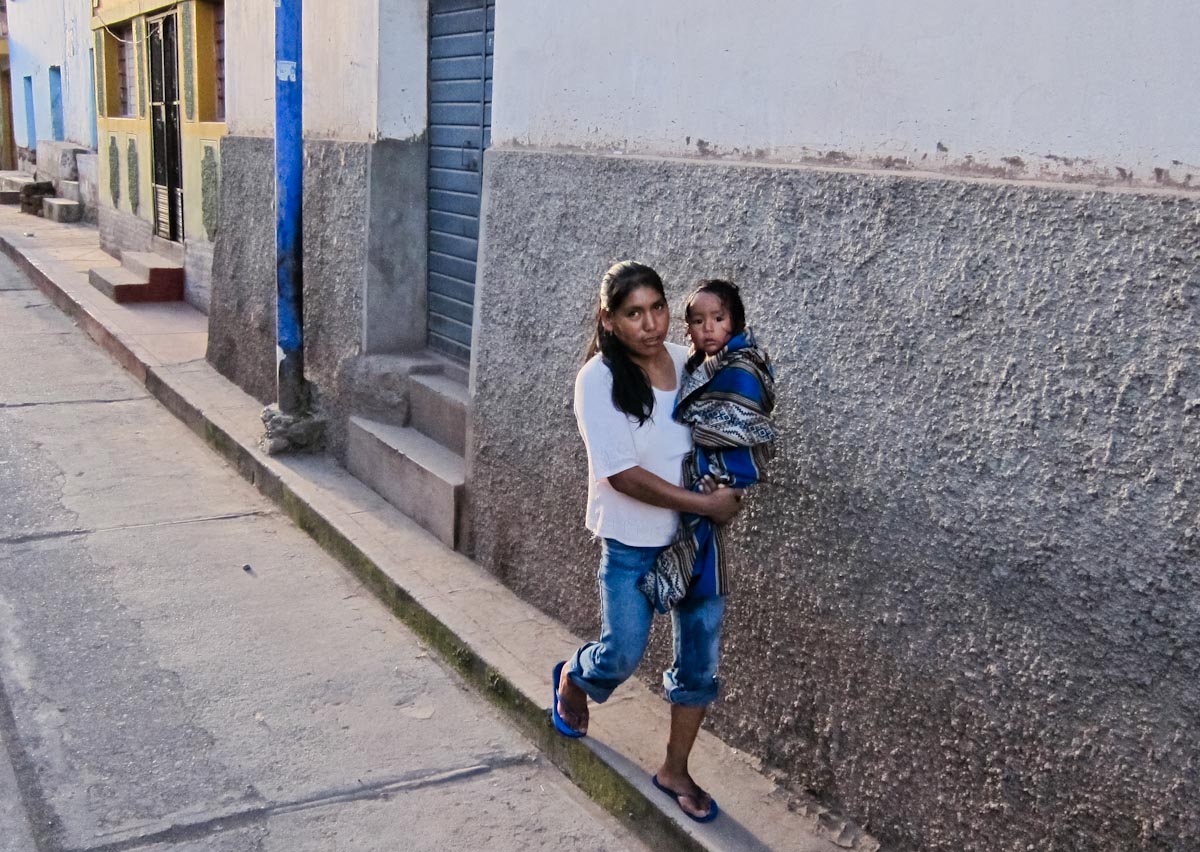
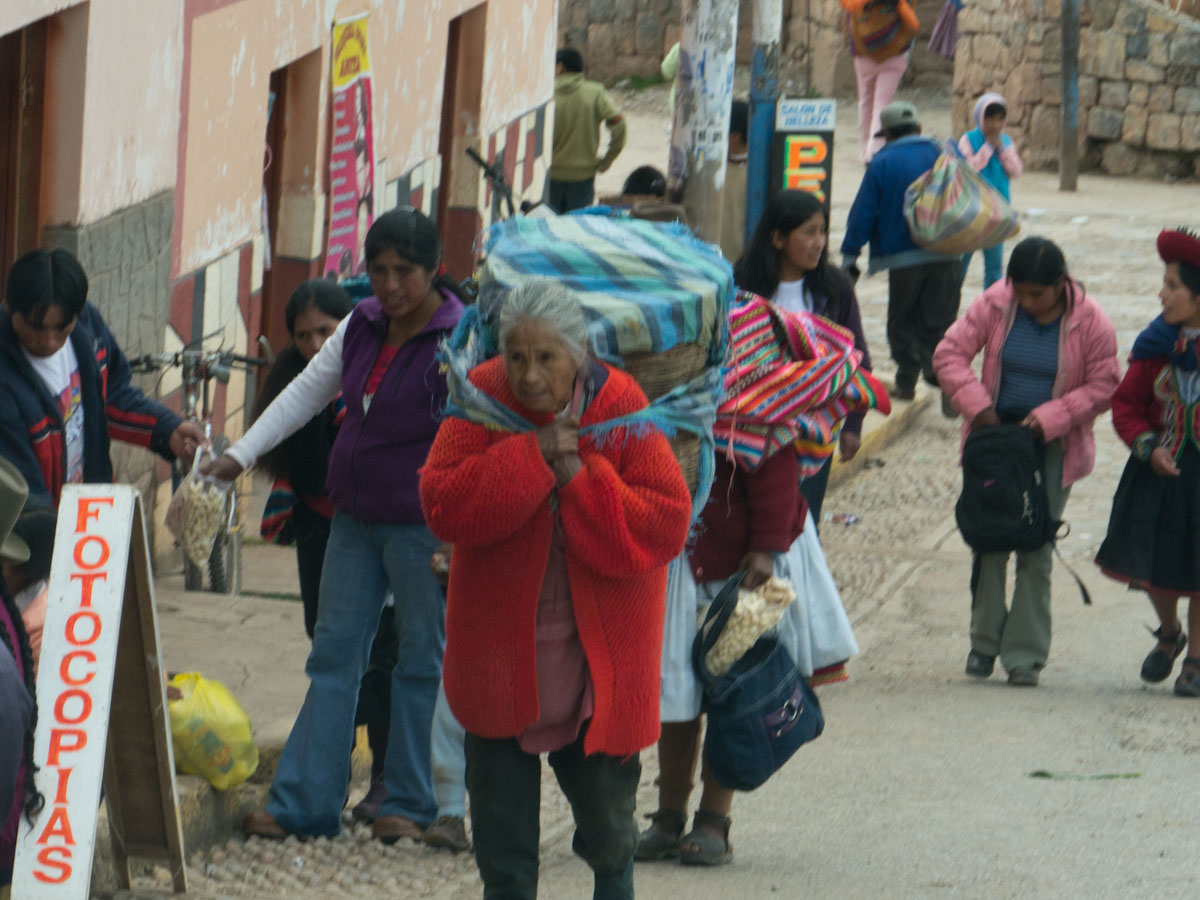
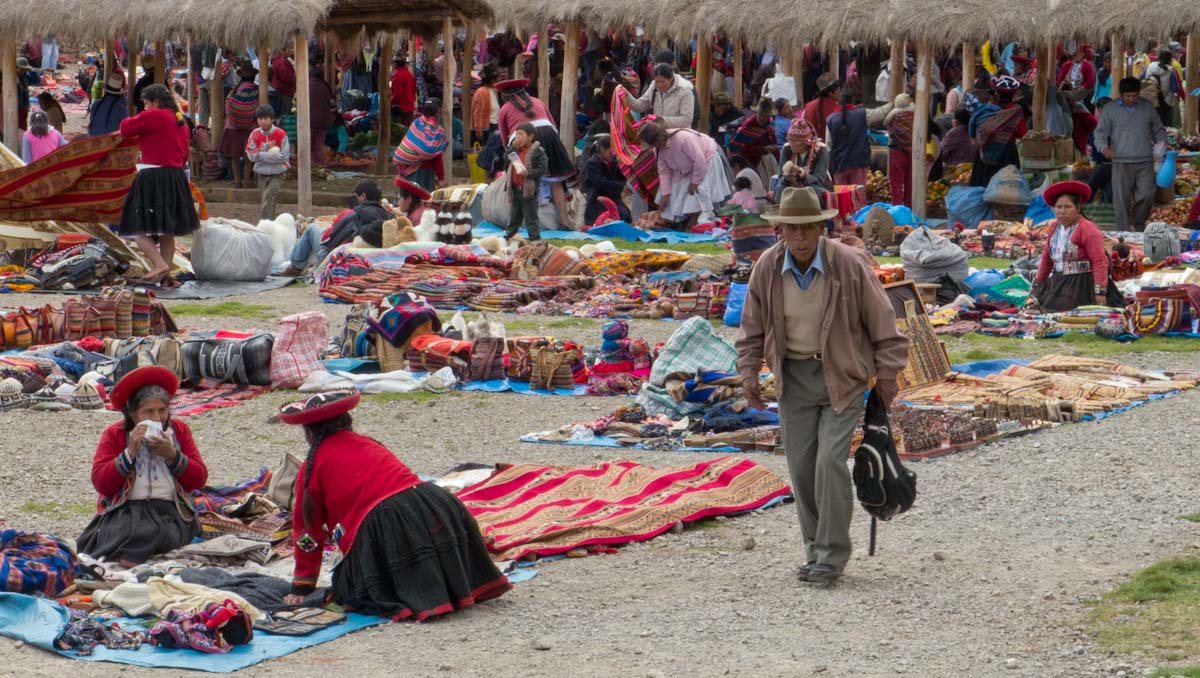
They are dressed traditionally, wrapped in ponchos, hand-dyed and woven. Almost all wear a hat. We learn that the style and color of the hat indicates the wearer’s village and status: the tallest and whitest hats indicating those of the very highest class. Status notwithstanding, many carry massive bundles on their backs. It could be potatoes, or corn, a small child, or even a newborn sheep. We saw all of the above.
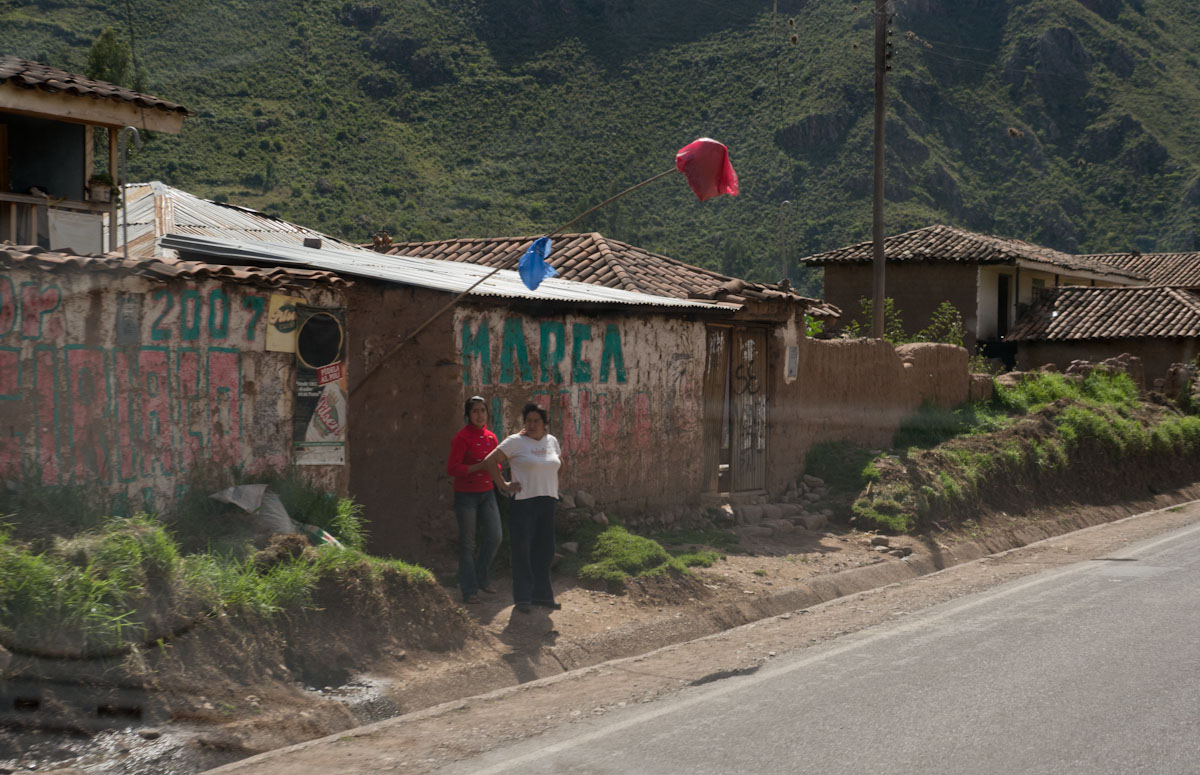
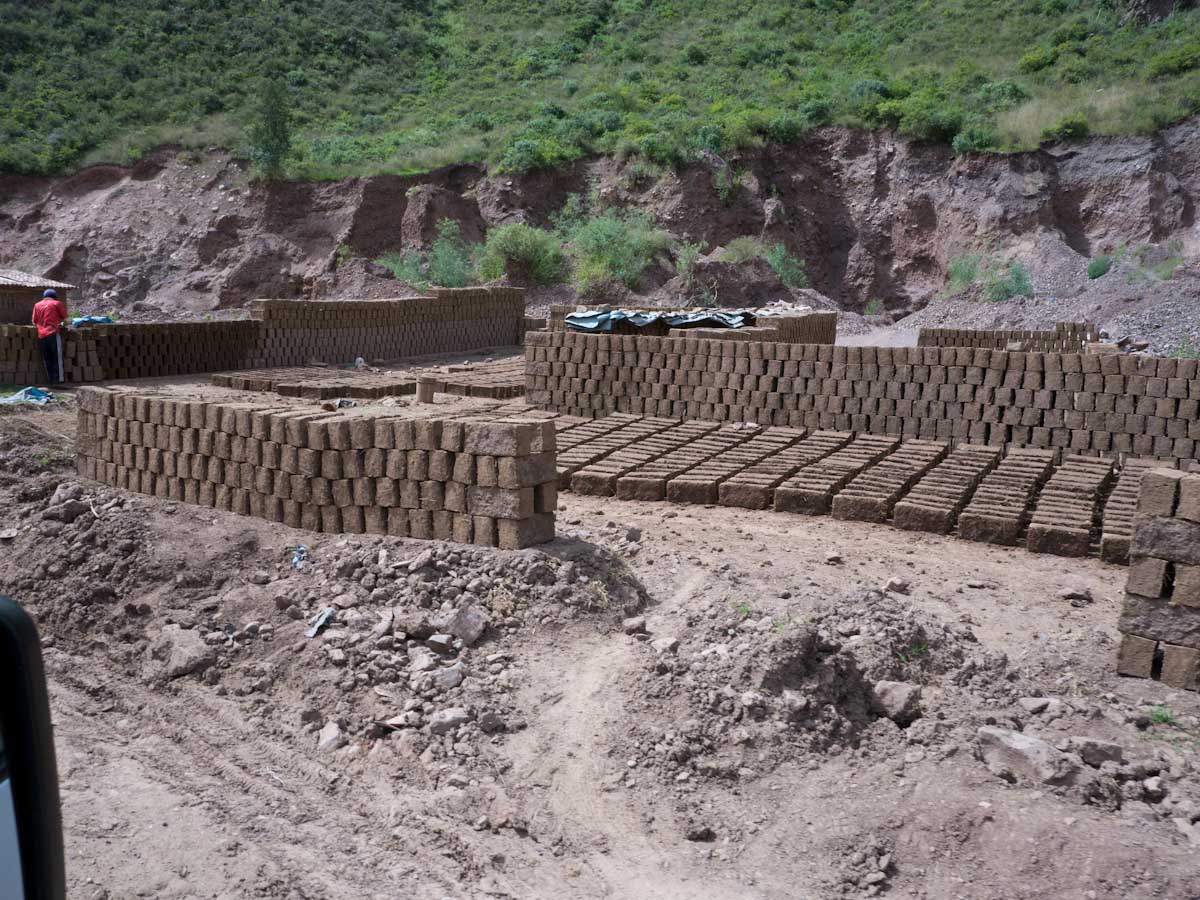
Some stop and enter the open doorways of the adobe homes which line the road. If there is a red banner waving over the doorway, it is an invitation to come sample some homemade “chicha,” the local fermented corn brew made and sold by housewives. At less than half the price and twice the alcohol content of regular beer, it is a seasonal delight many look forward to at harvest time.
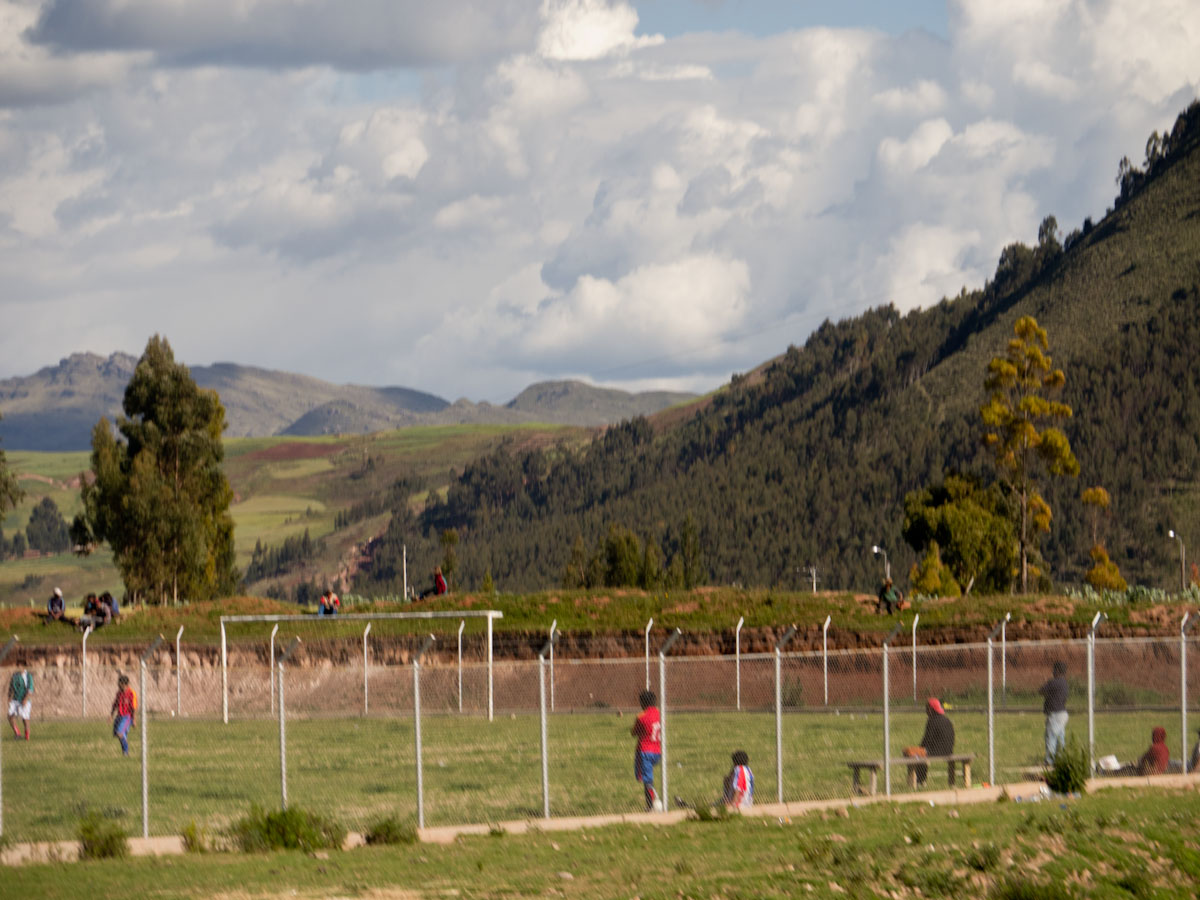
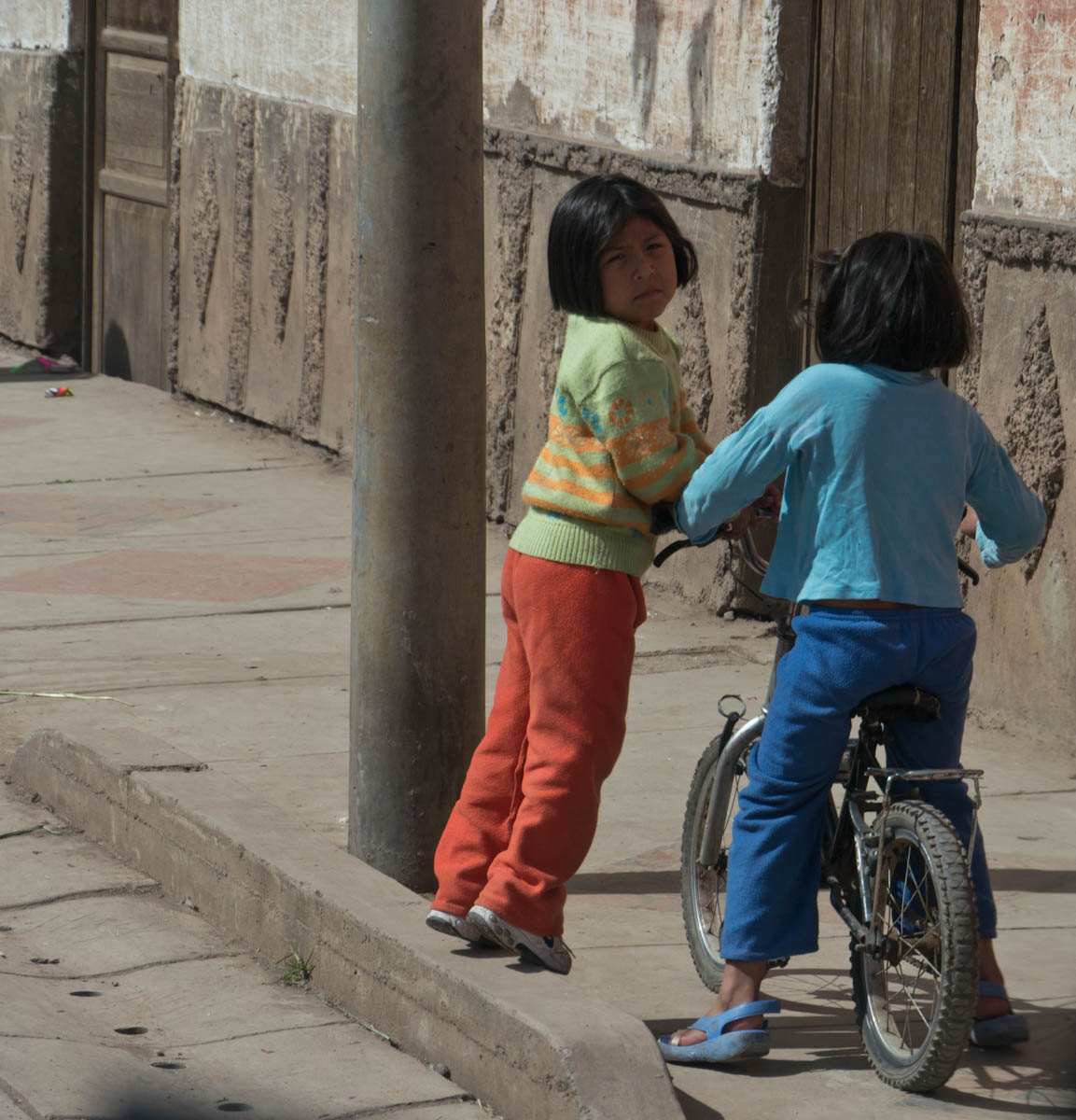
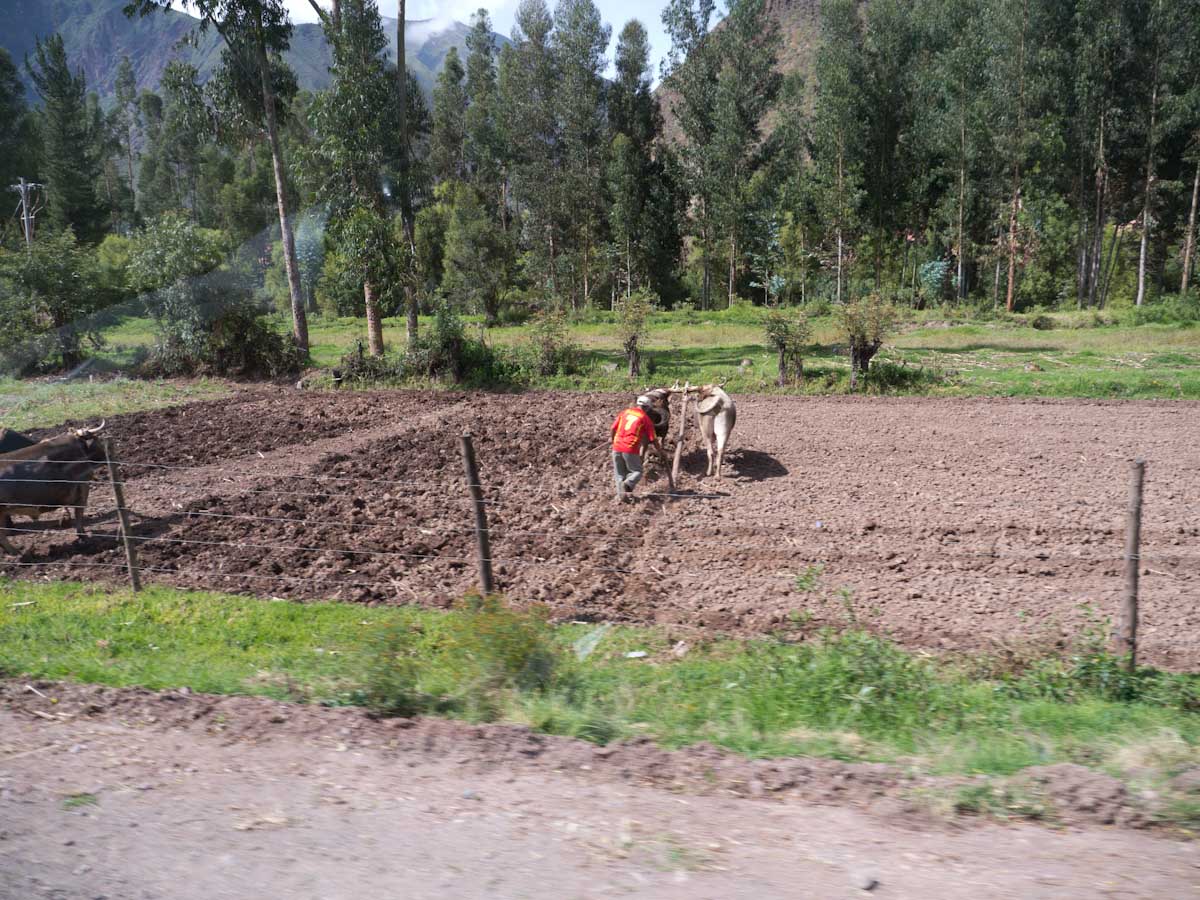
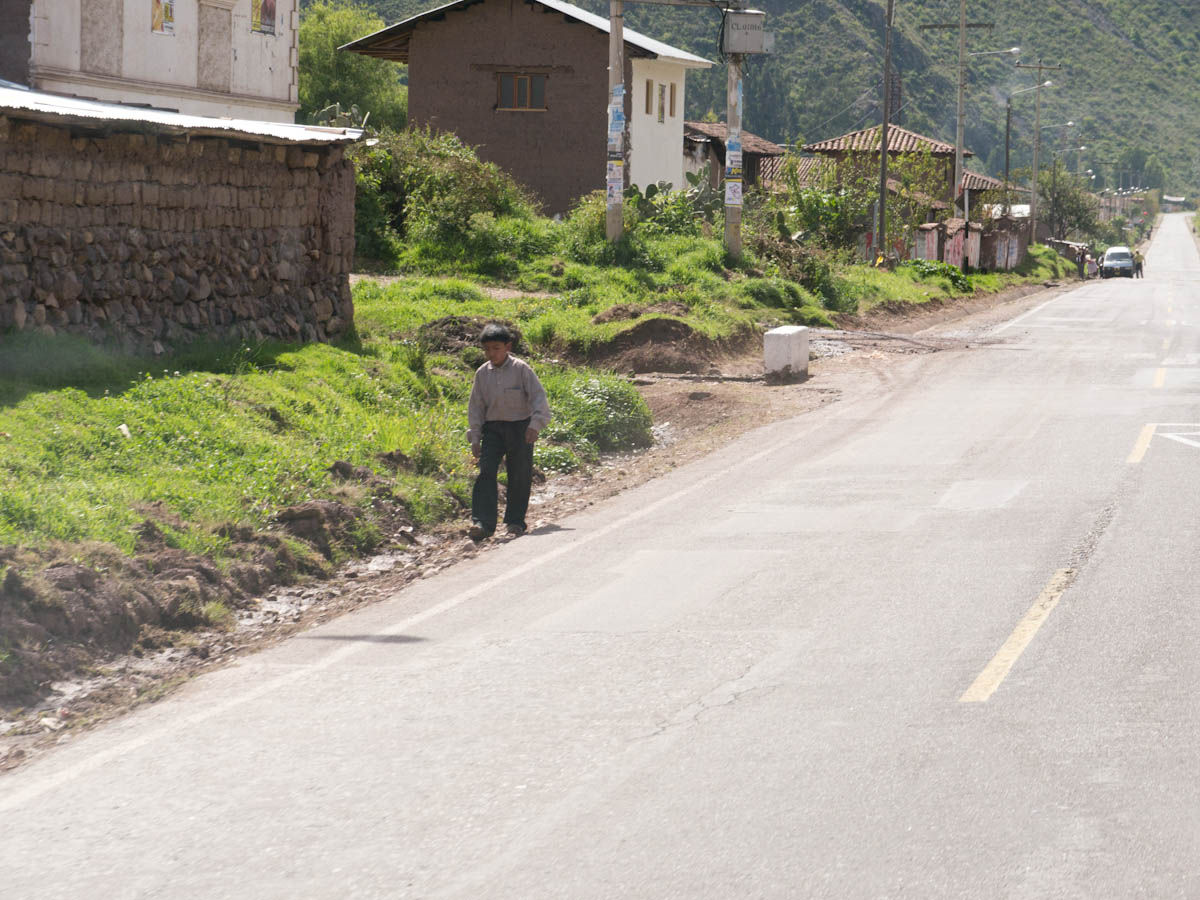
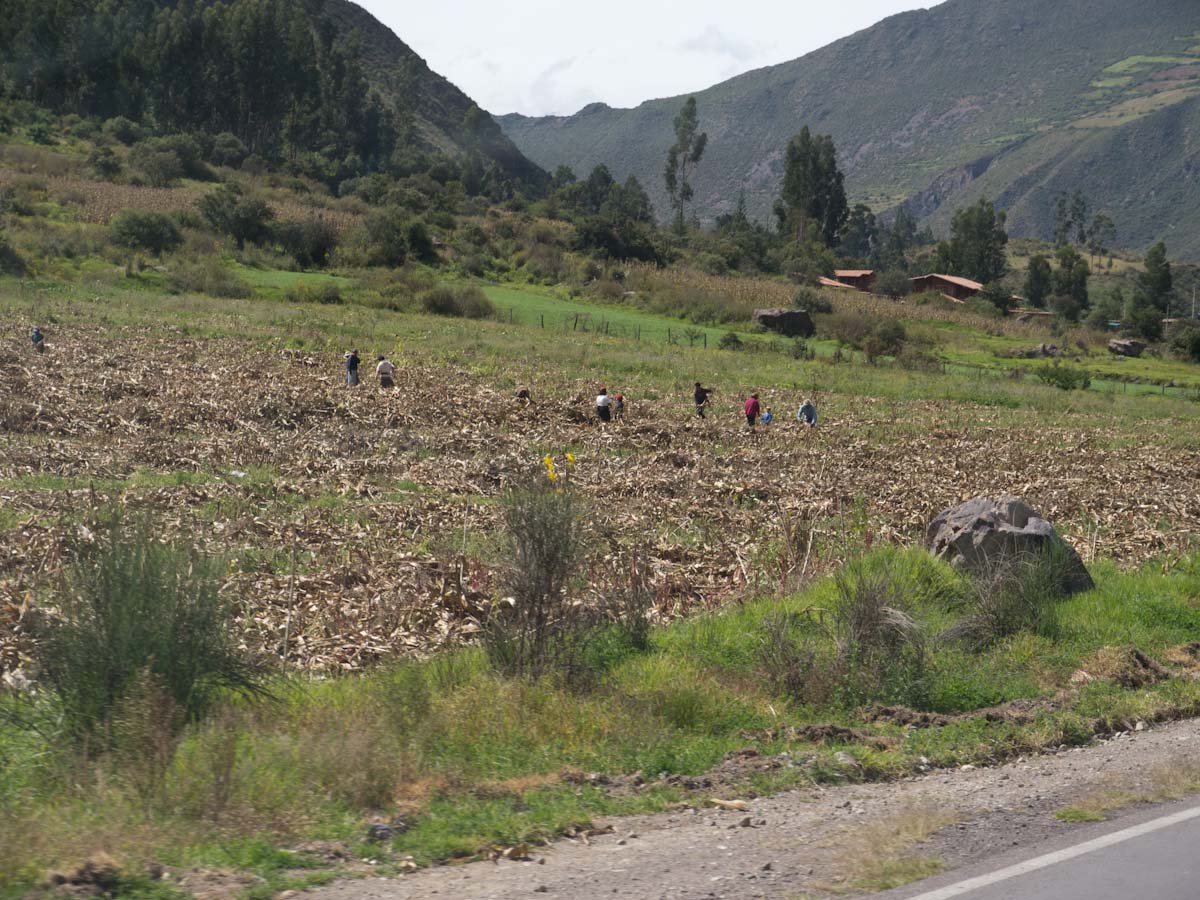
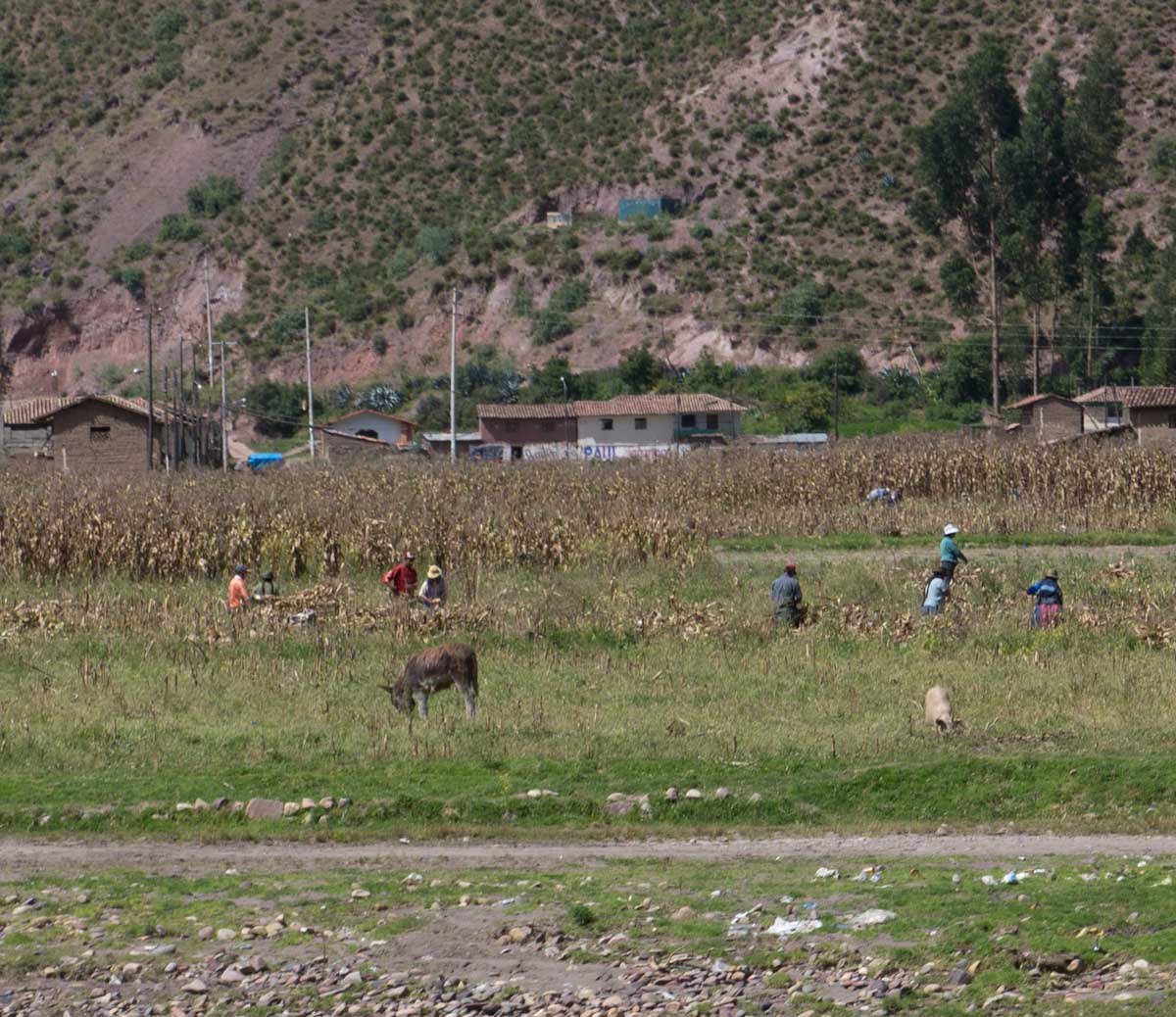
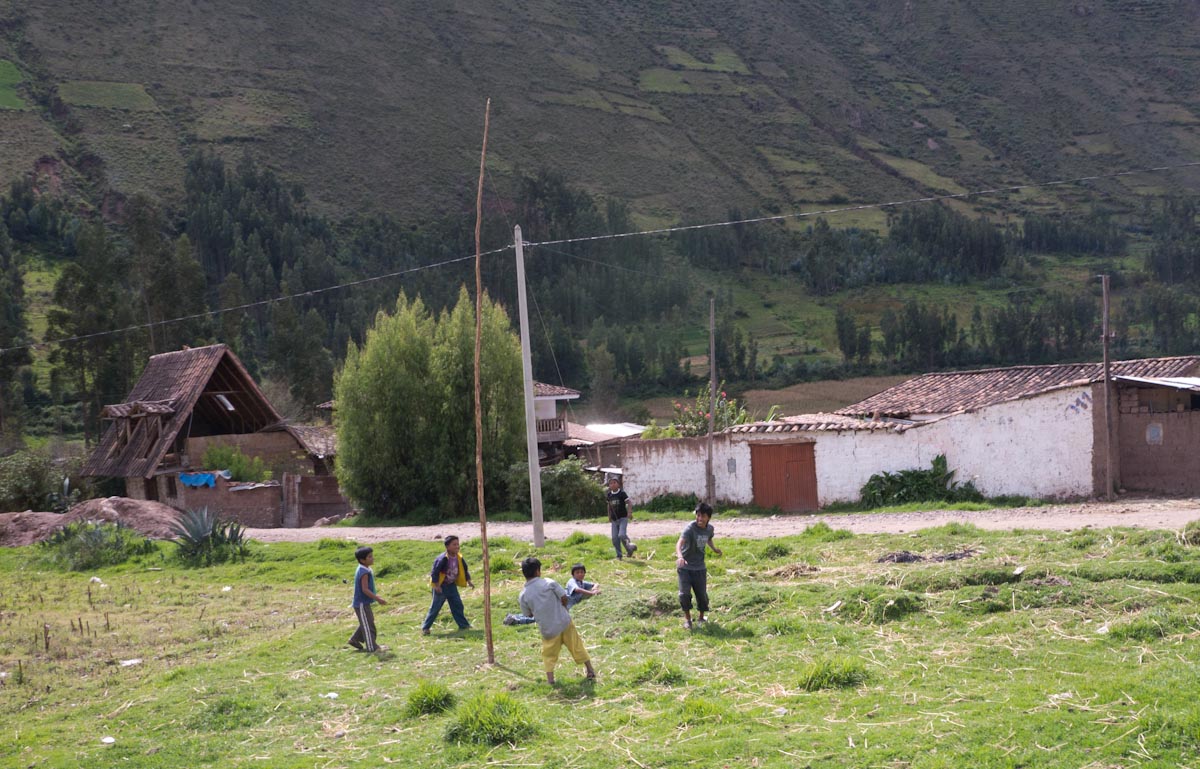
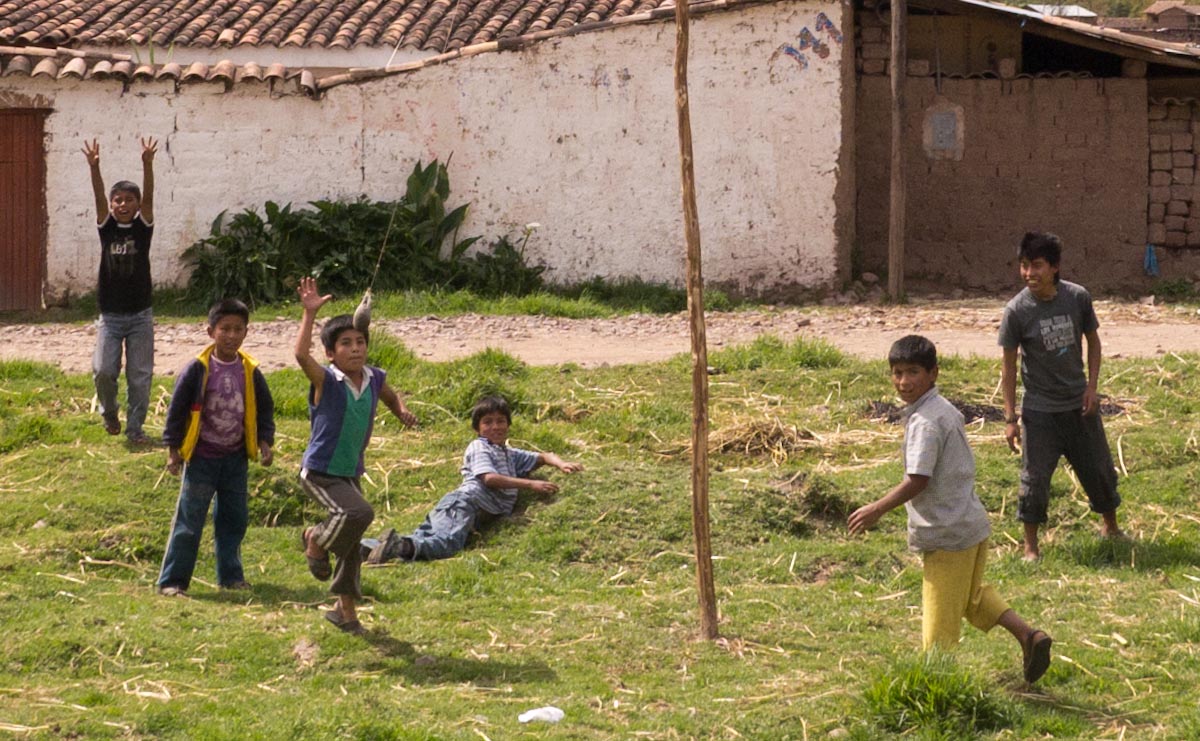
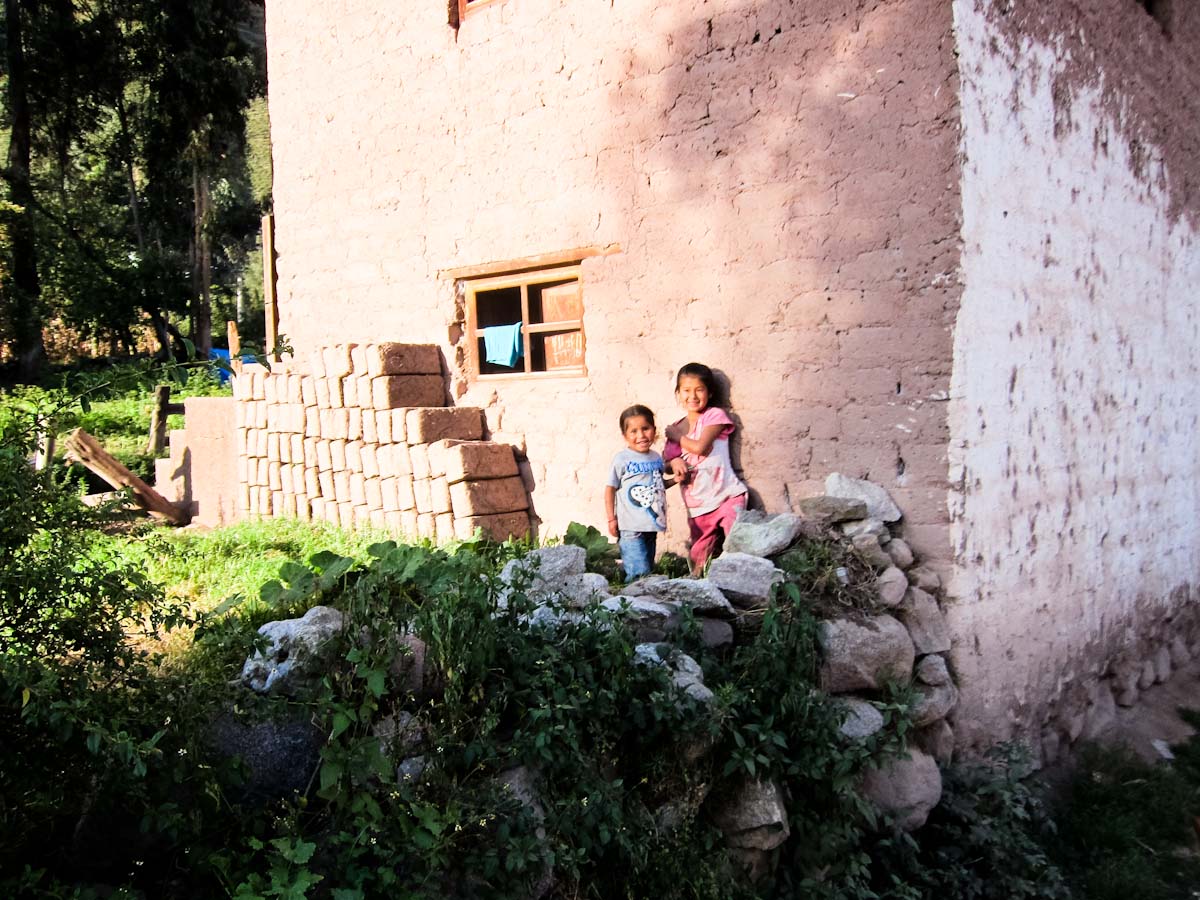
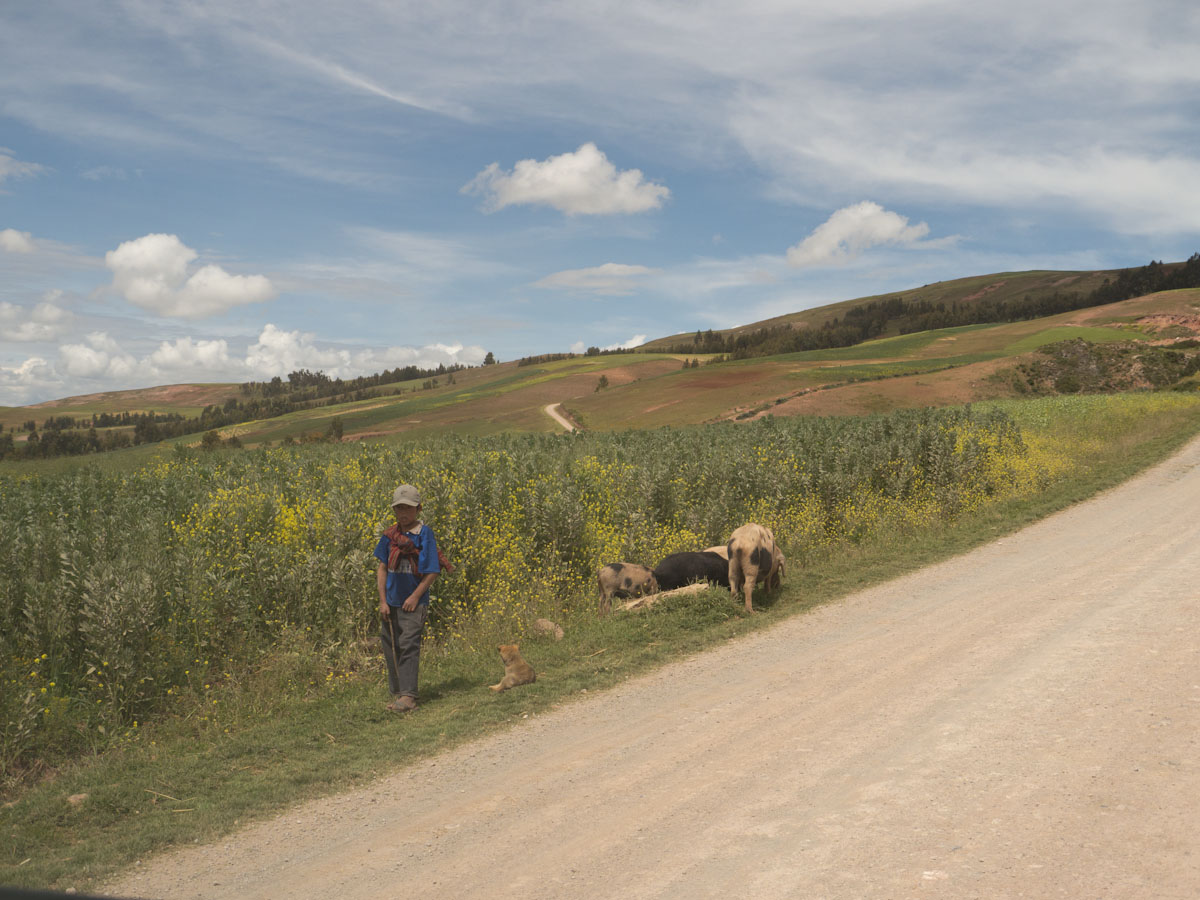
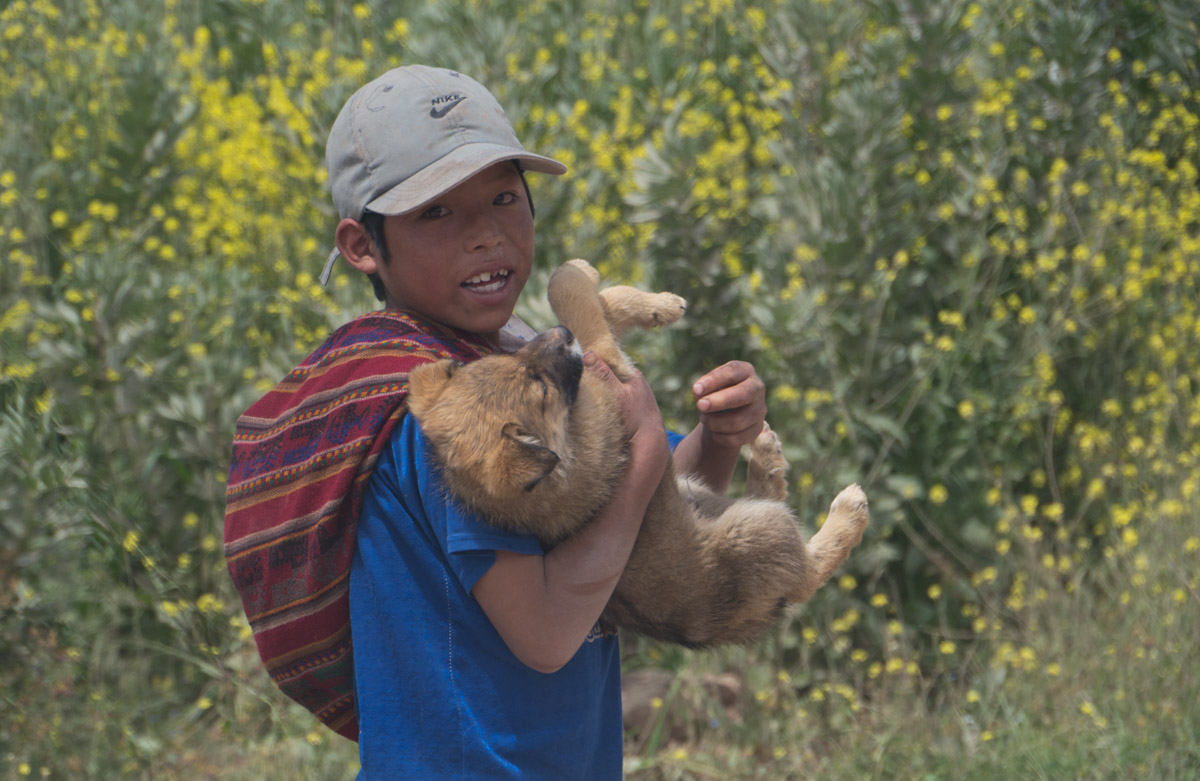
We see children, some as young as five or six, walking with no one but sheep or goats for company. They are responsible for herding the animals to and from pasture while their parents plow or till or harvest. We see teenagers sitting in the fields with their schoolbooks, one eye on their work and the other on the animals in their charge. We learn that public education is available, but that there is a lack of teachers, or rather funding for teachers. The schools run two four-hour shifts, a morning and an afternoon. Students attend one or the other but many teachers moonlight in multiple schools, working a morning in one and an afternoon in another.
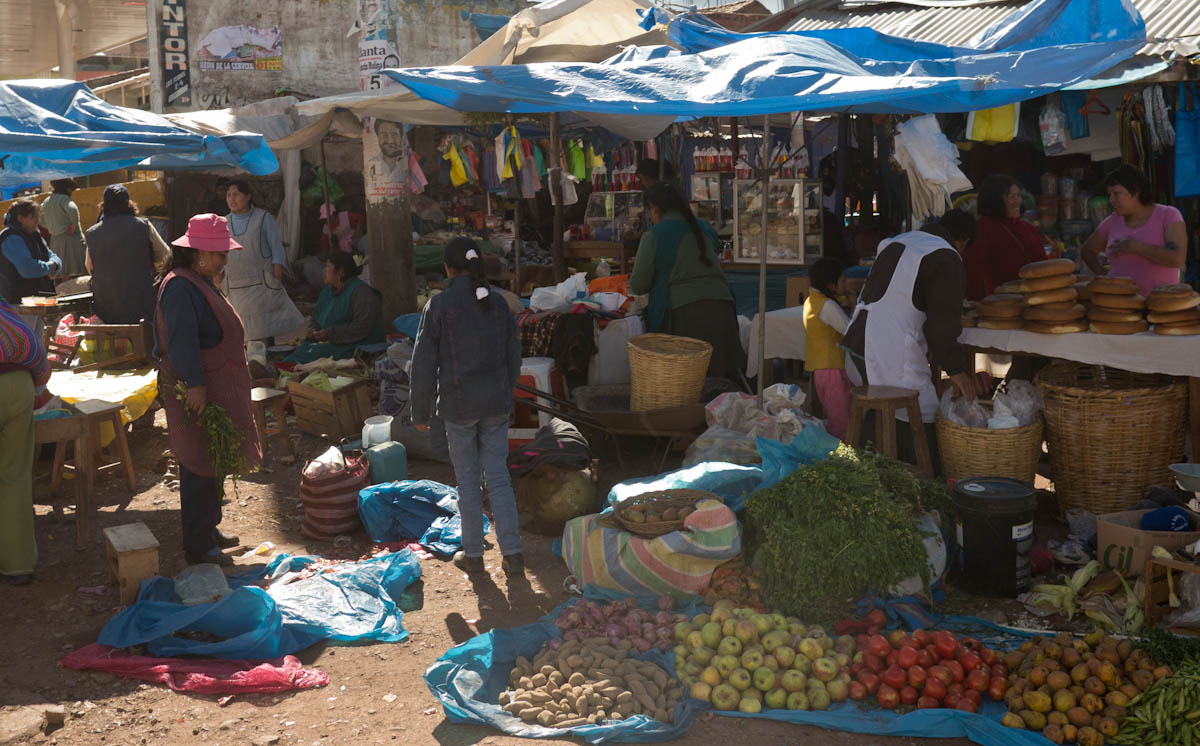
We ask about unemployment and are told that it is high at more than 14%, but an internet search suggests that, nationwide, it is half of that. We are also told that fully 45% of the population lives in rural communities, many in the mountains. Whether in the countryside or the city, we are surprised to learn that few houses have central heating. Our first hotel in the Sacred Valley, lovely as it was, had only an electric heater to take off the evening chill. Most people just add extra blankets at night come autumn.
Perhaps it is this juxtaposition of traditional practices against the backdrop of a modern world that made Peru so intriguing. The people certainly made it inviting. Either way, we’re eager to see more.
[1] The other two top destinations are Turkey and Thailand.

Error thrown
Call to undefined function ereg()