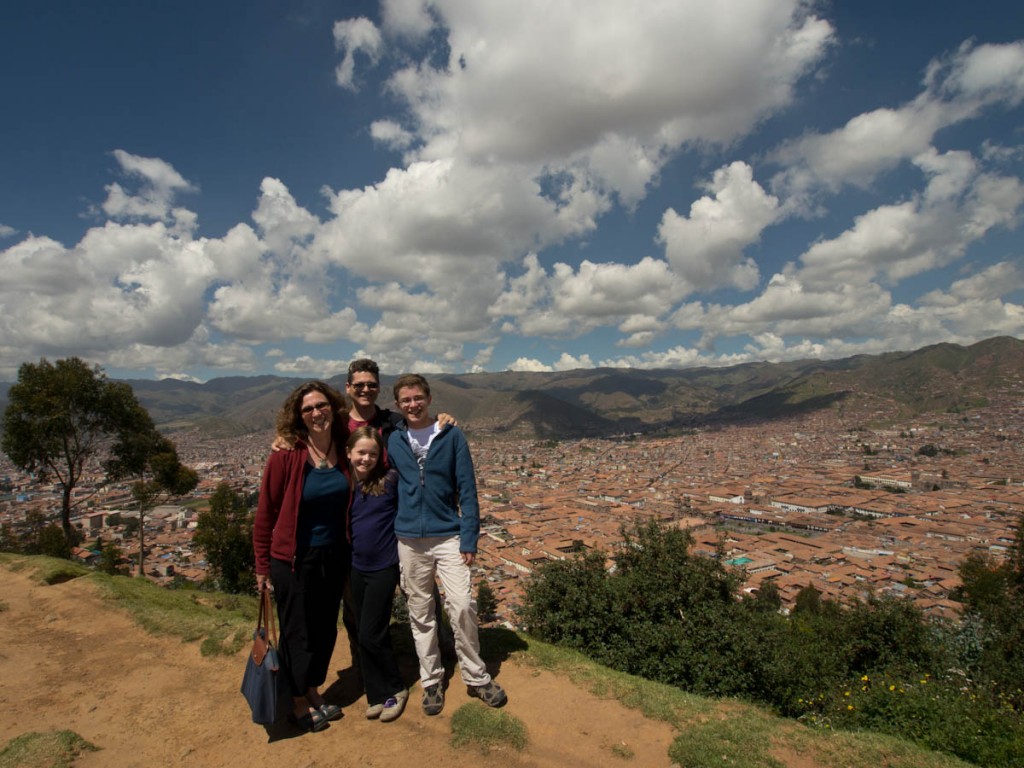
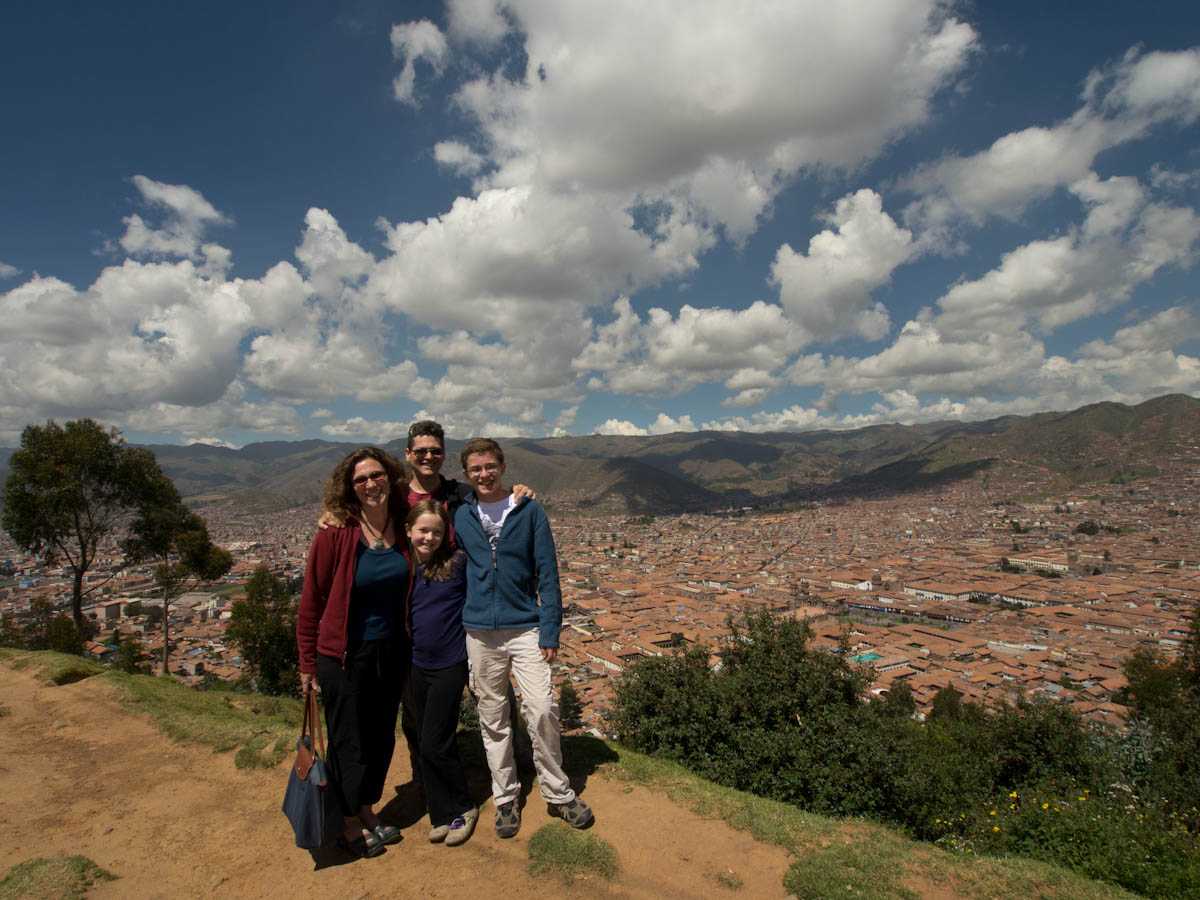
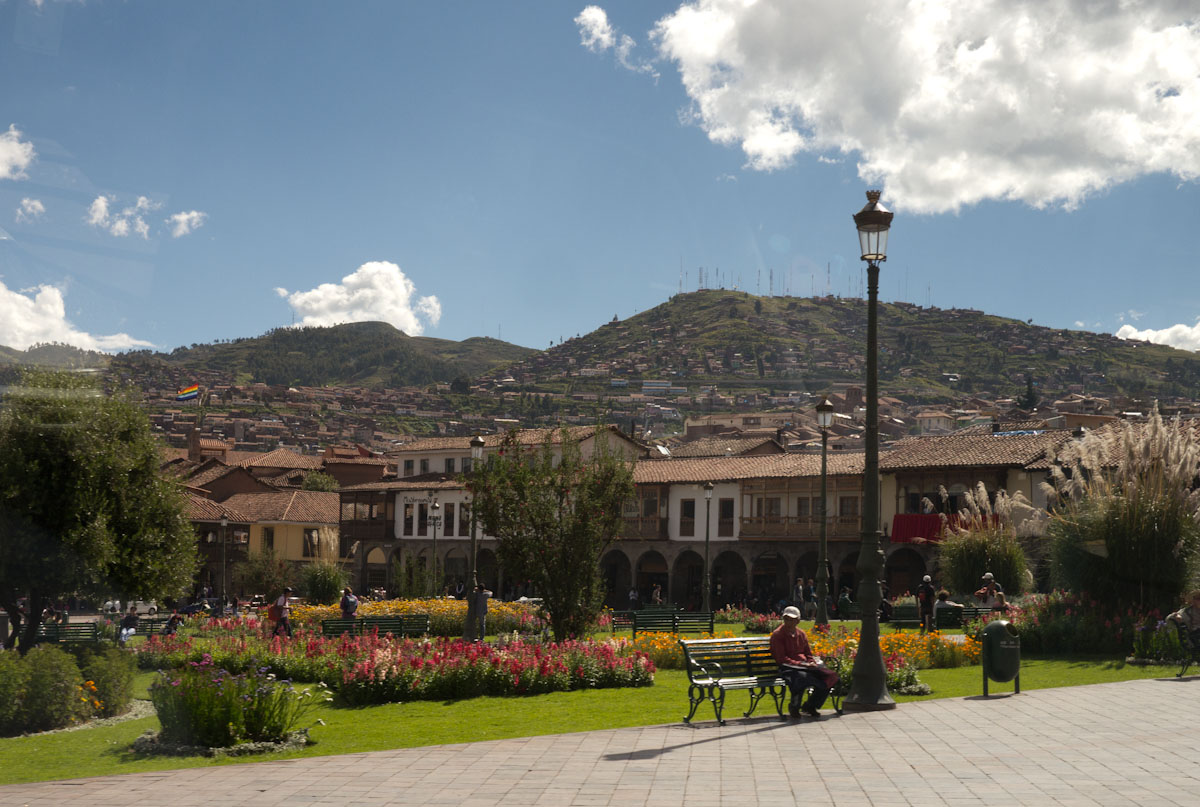
The tour of the Peruvian Andes started with a flight into Cusco, the ancient capital of the Incan Empire. Today it is still a significant mountain town of 400,000 people.
Cusco is 3400 meters above sea level and that is quite enough to induce sickness, which we felt. Sam’s plan anticipated this and she sent us to spend 4 days acclimating to more moderate heights in the nearby Sacred Valley, then 2 days at Machu Picchu and the last 2 days back up at Cusco after we were accustomed to the thin air.
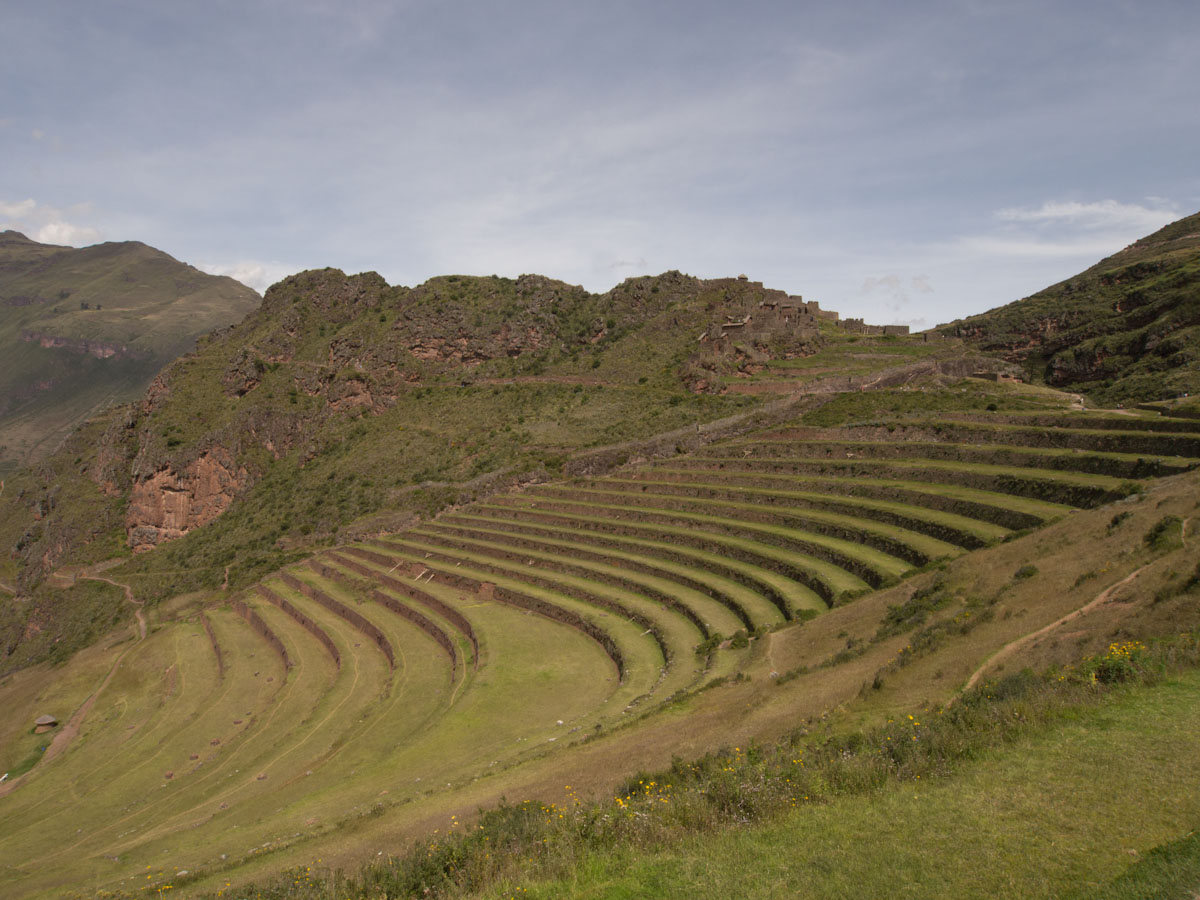
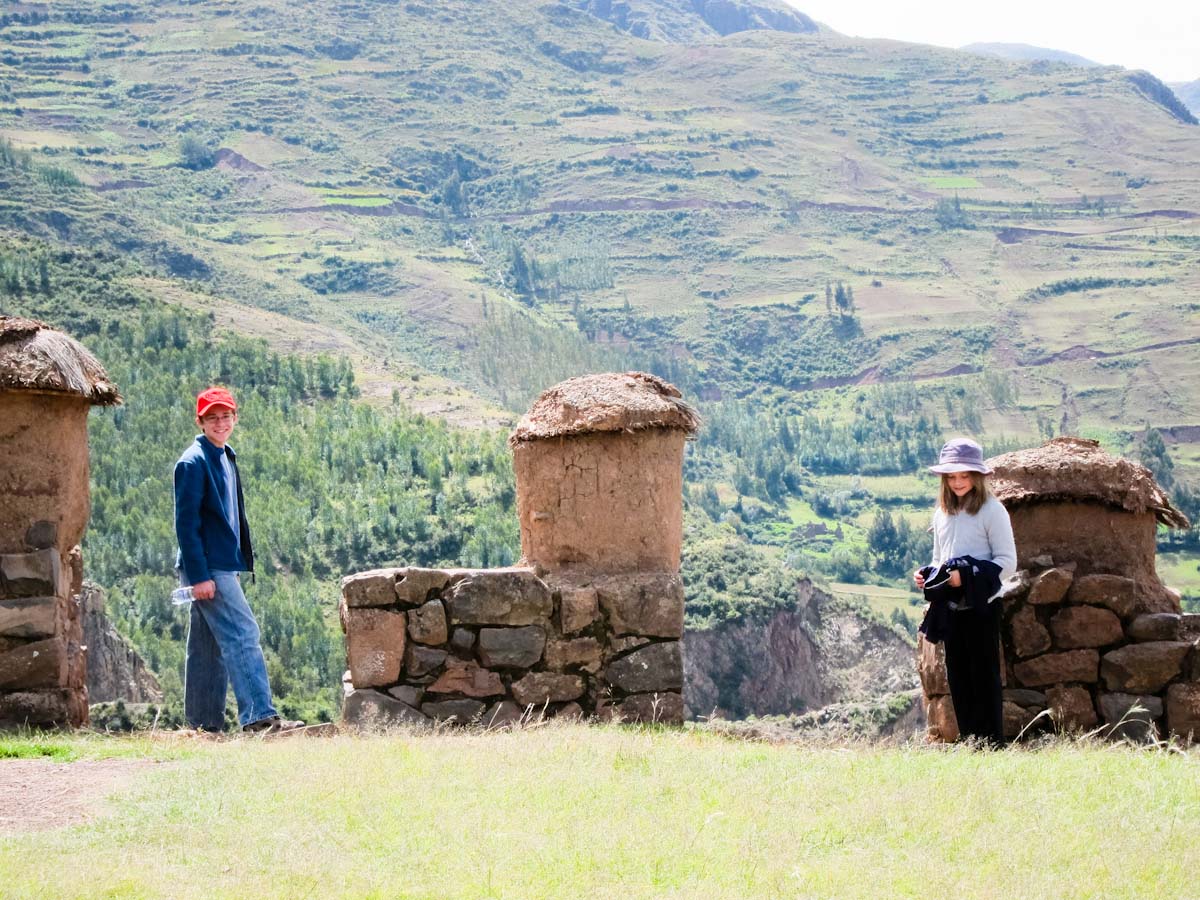
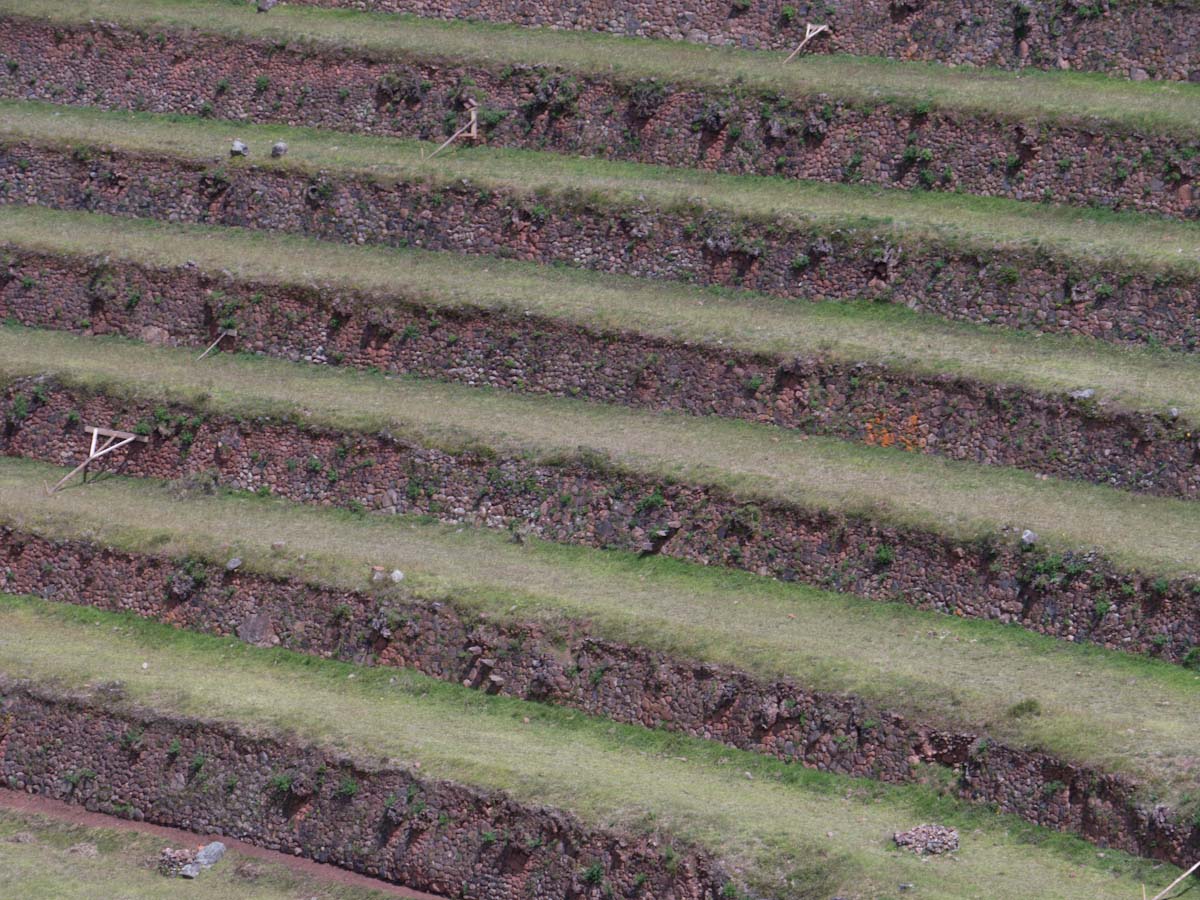
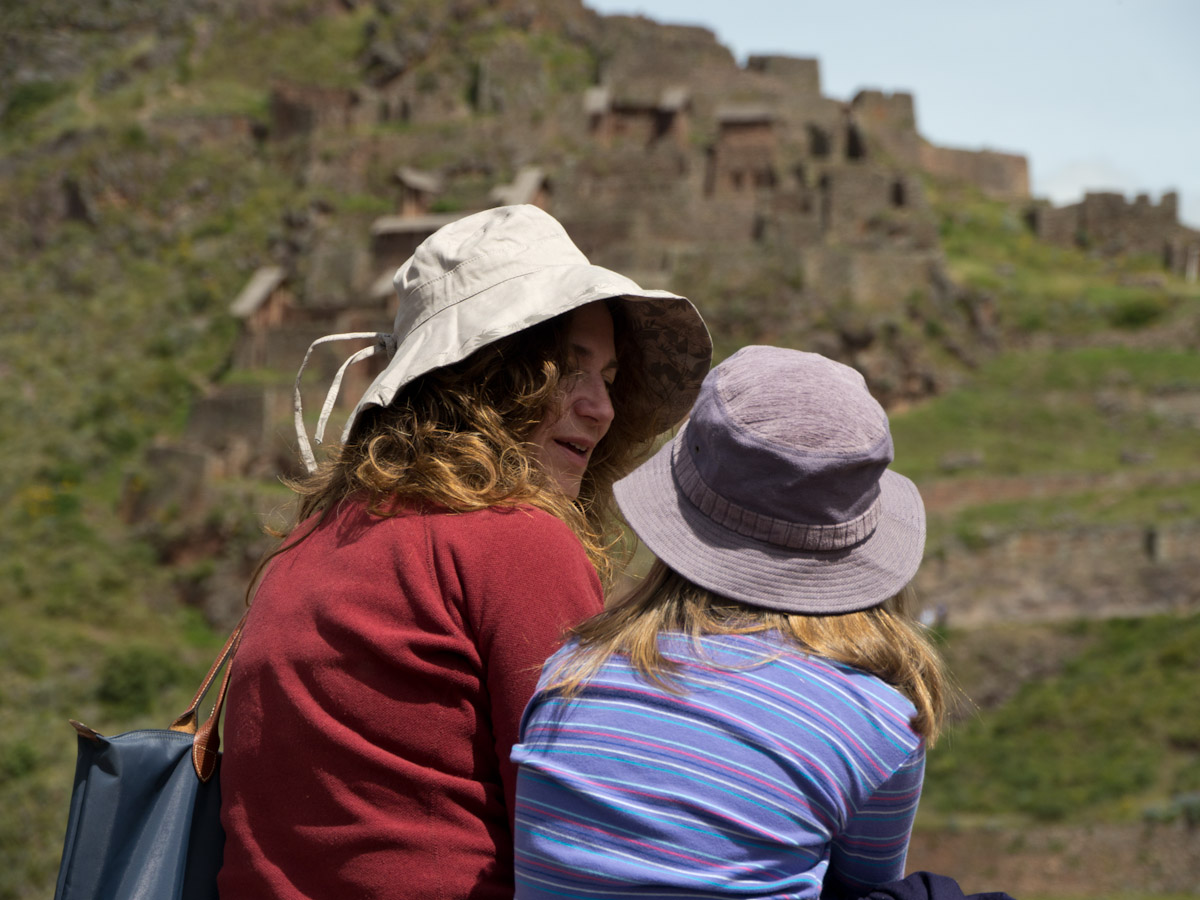
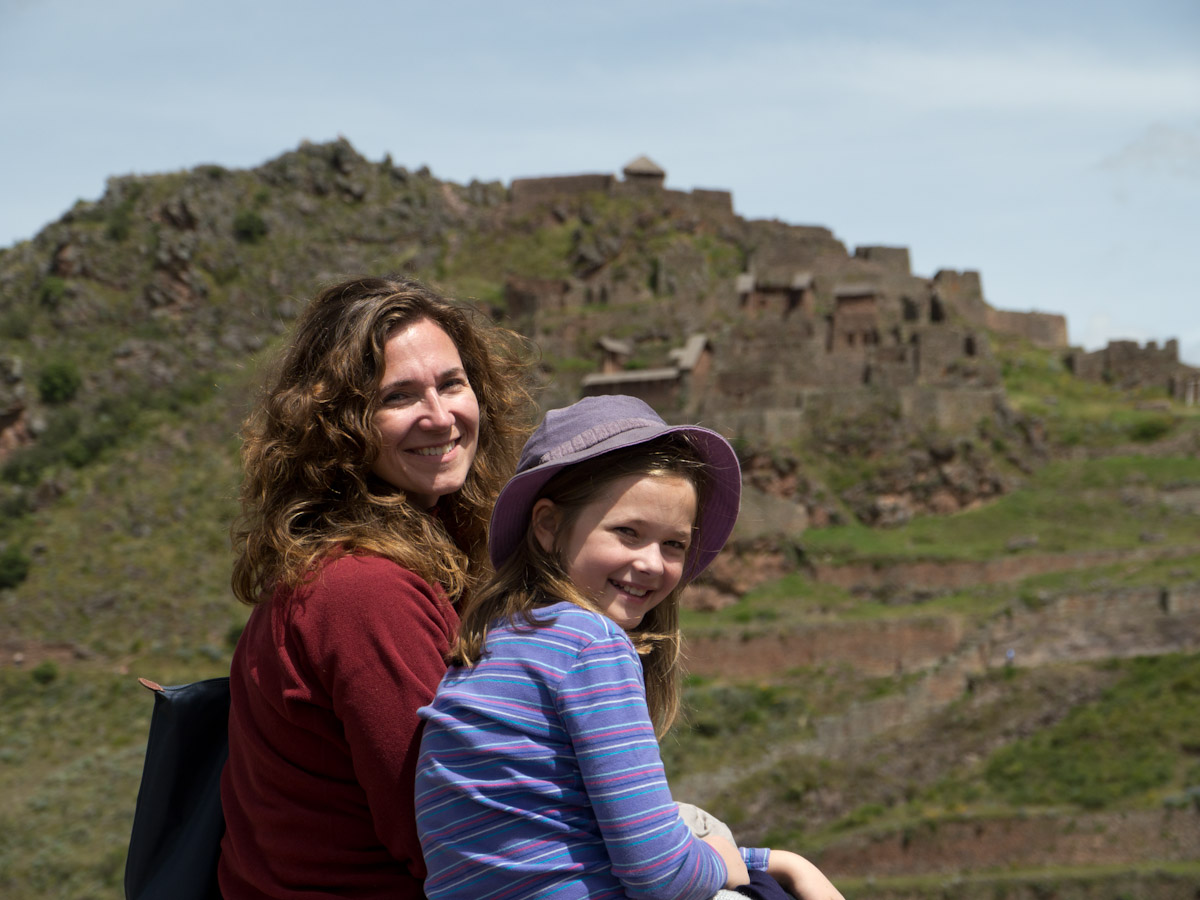
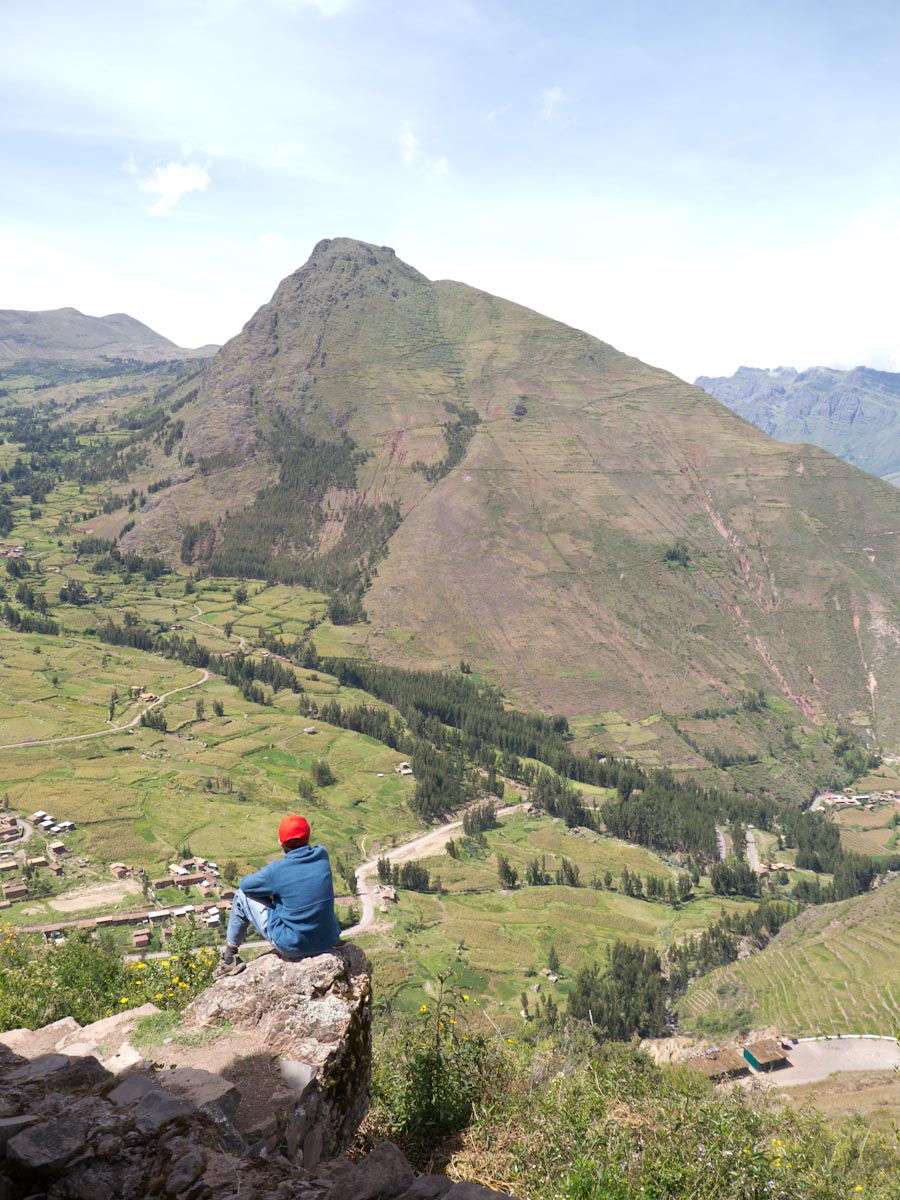
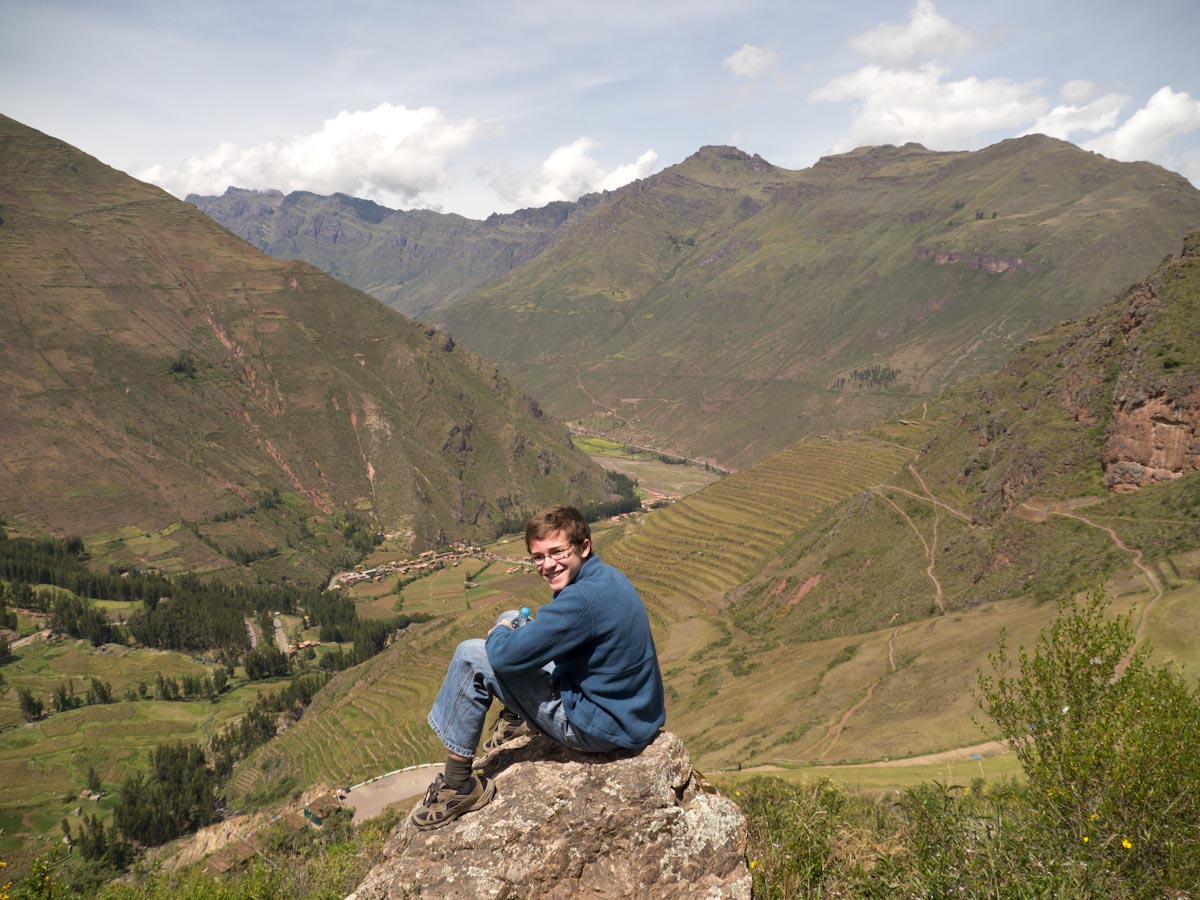
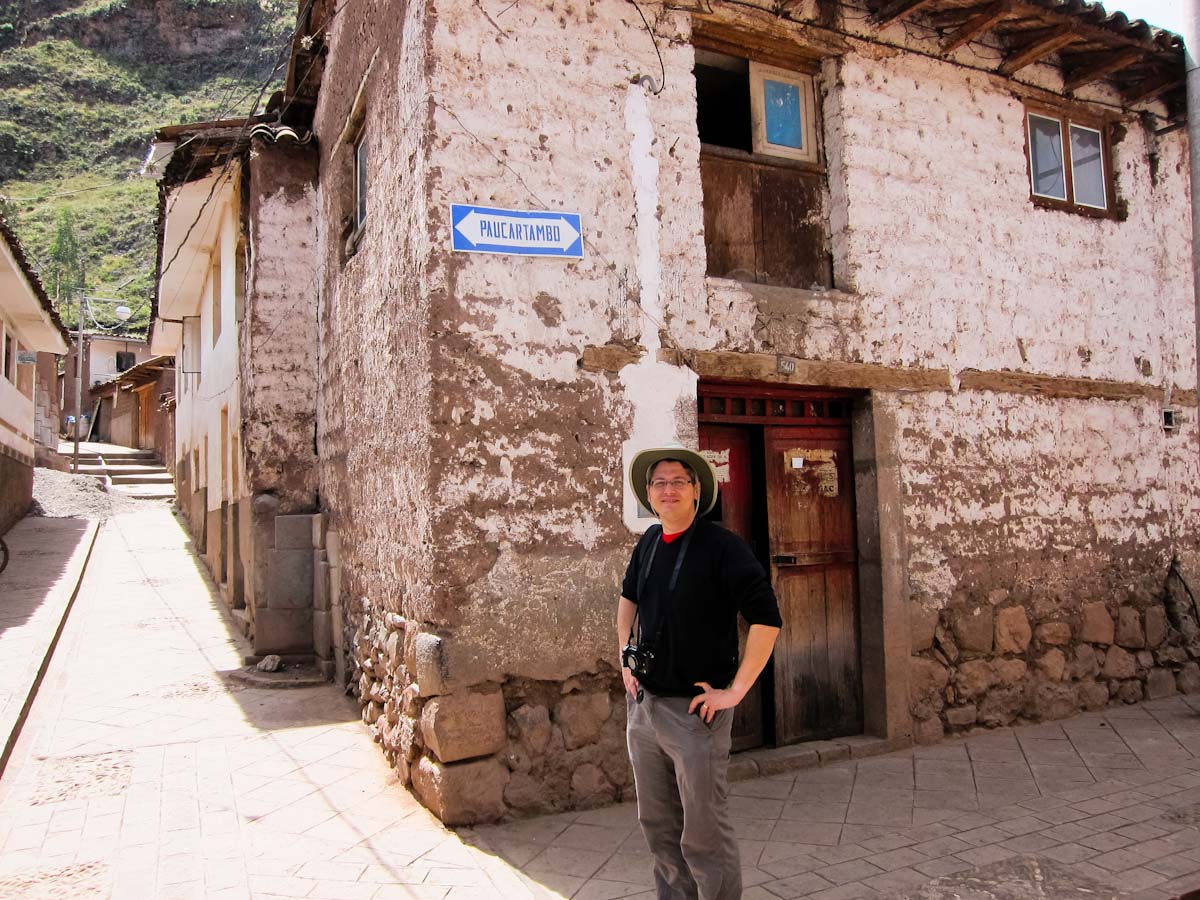
The Sacred Valley has plenty to see and from here we made daily excursions with our guide Maria. The town of Ollantaytambo dates all the way back to Incan times (the 1400s) and you can still see original walls, houses, streets and waterworks. Climbing on the hill beside the town, the valley fields and mountainside terraces are laid out in designs you can only see from high above. The Incan walls are irregular and carved stones, closely fitted to a hair’s breadth without mortar. (see Carters blog on Incans for the pictures).
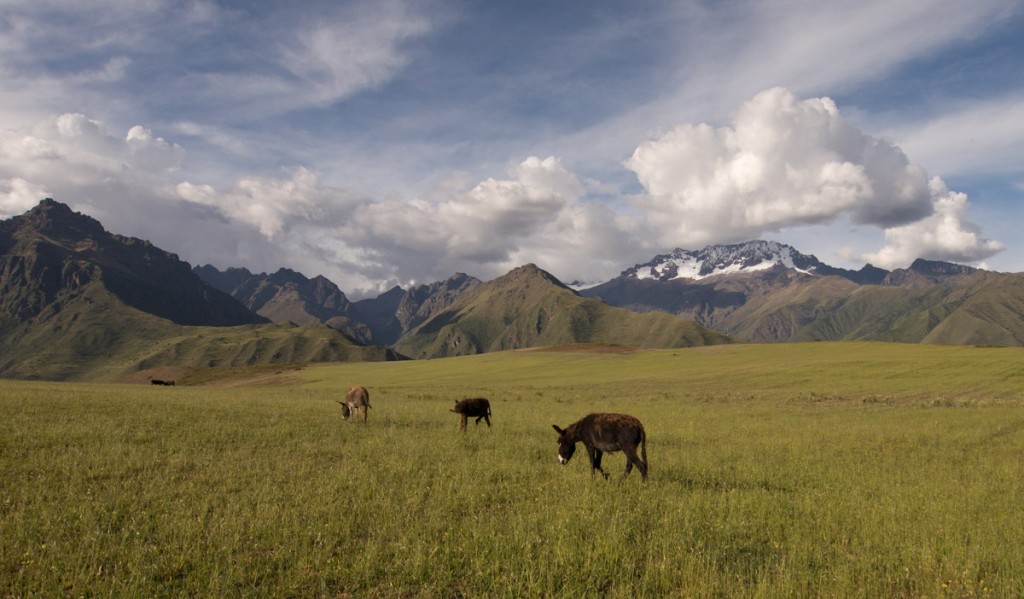
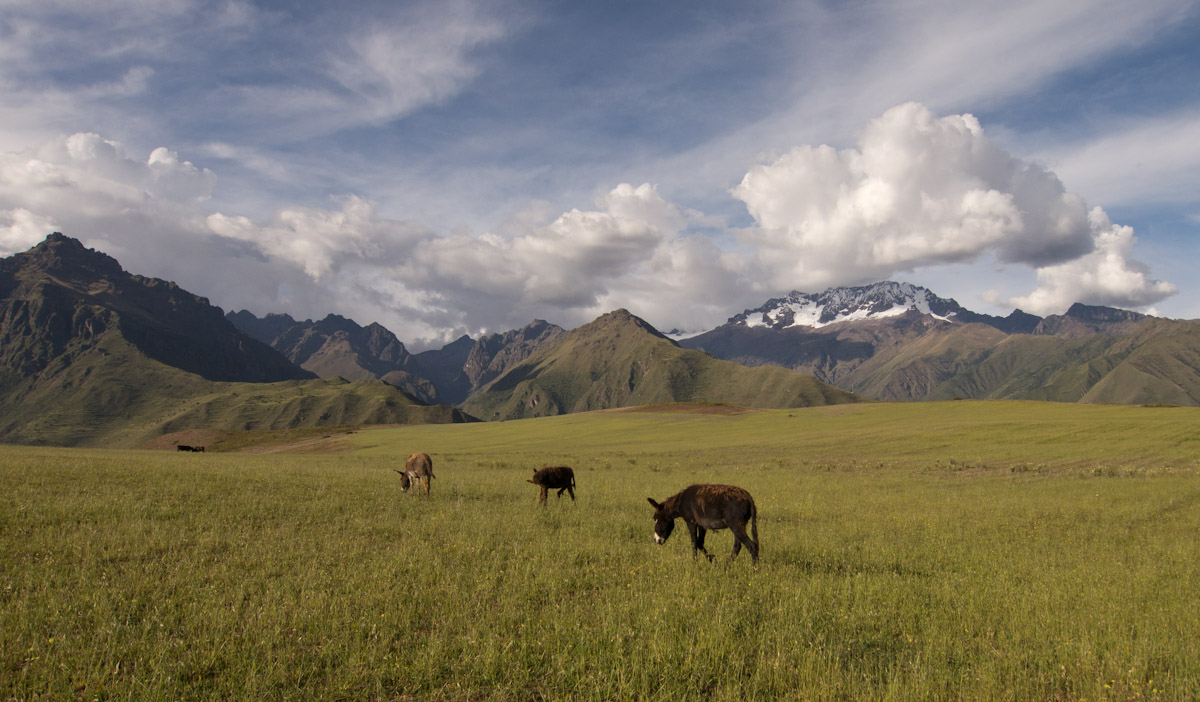
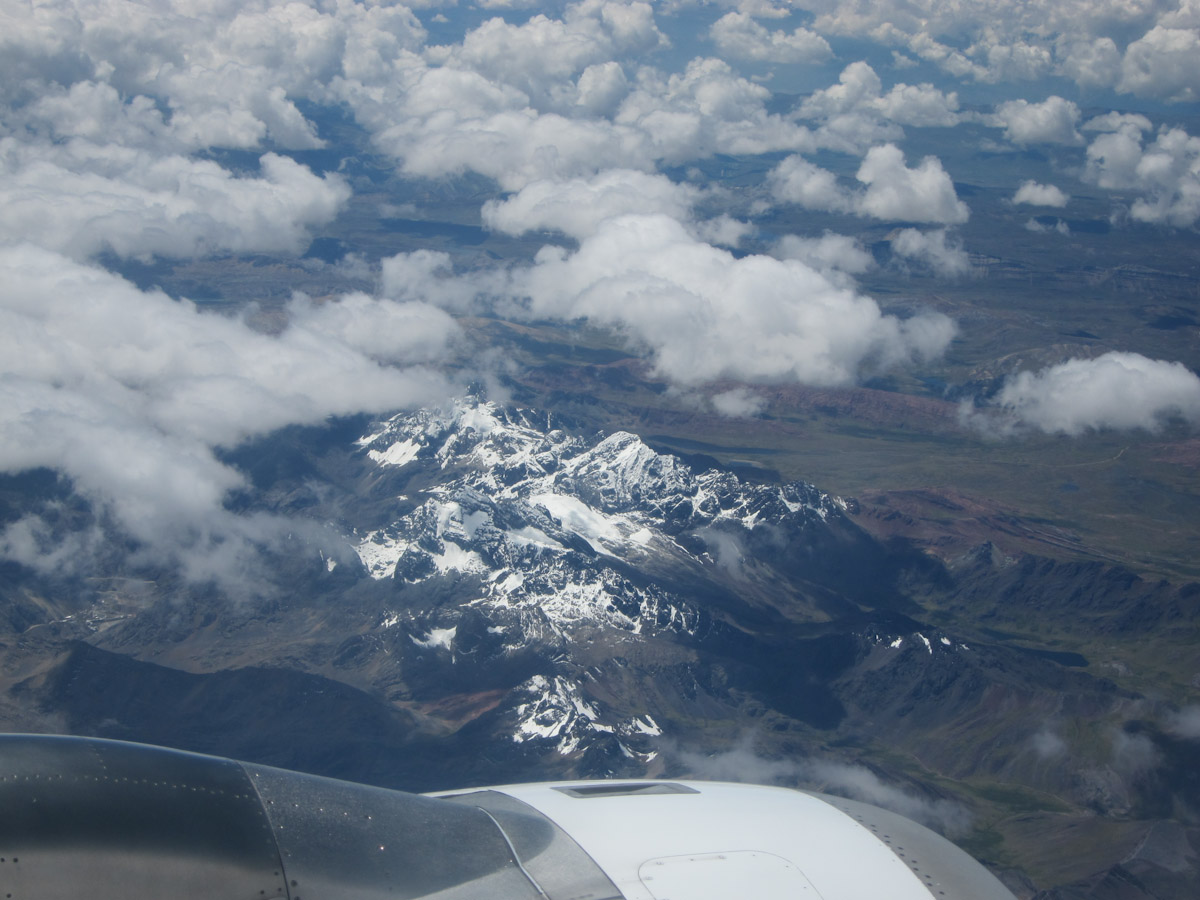
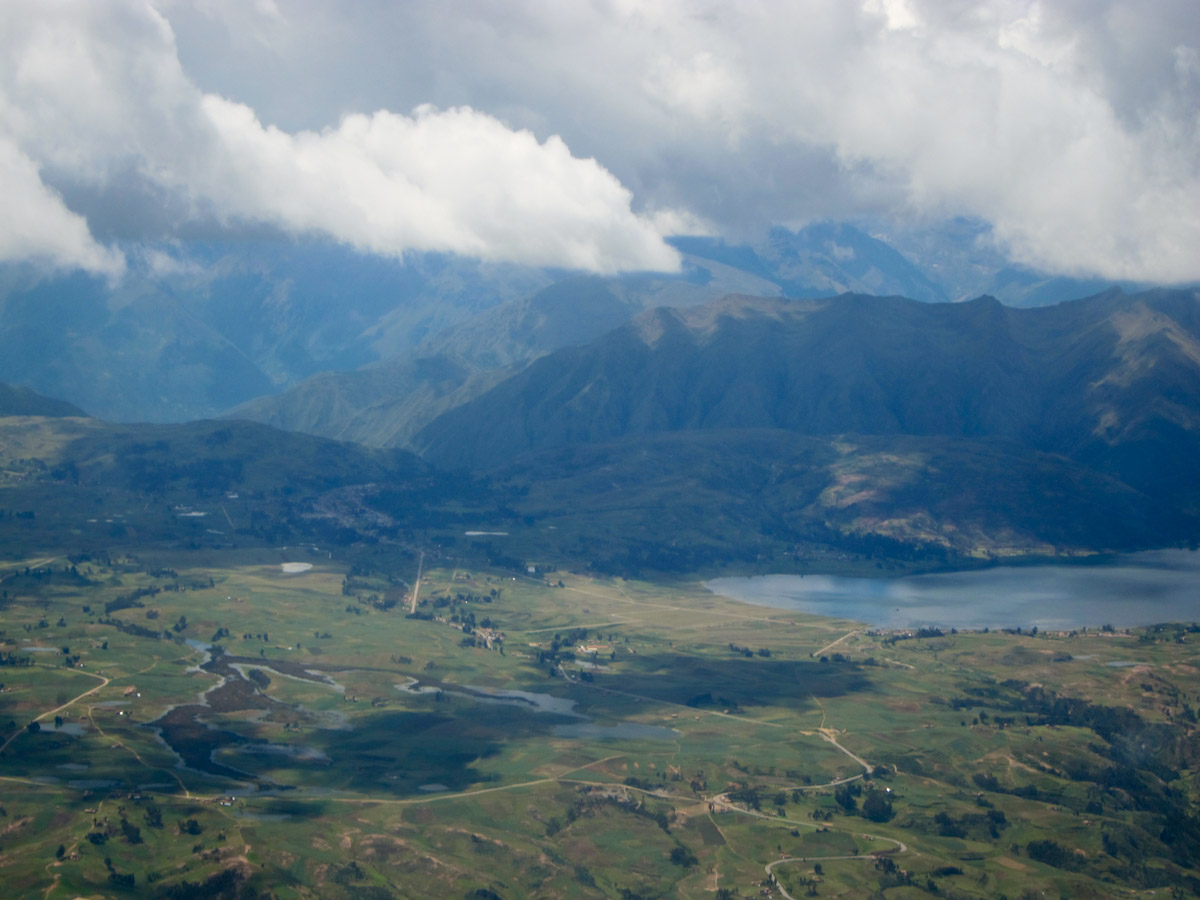
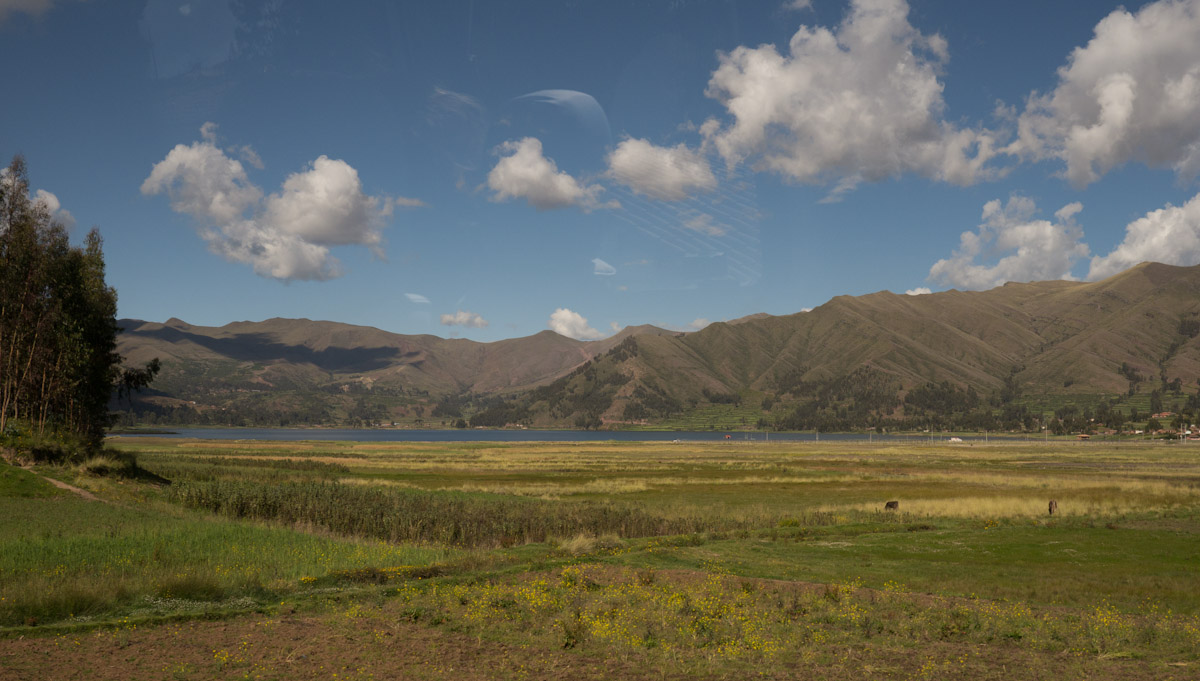
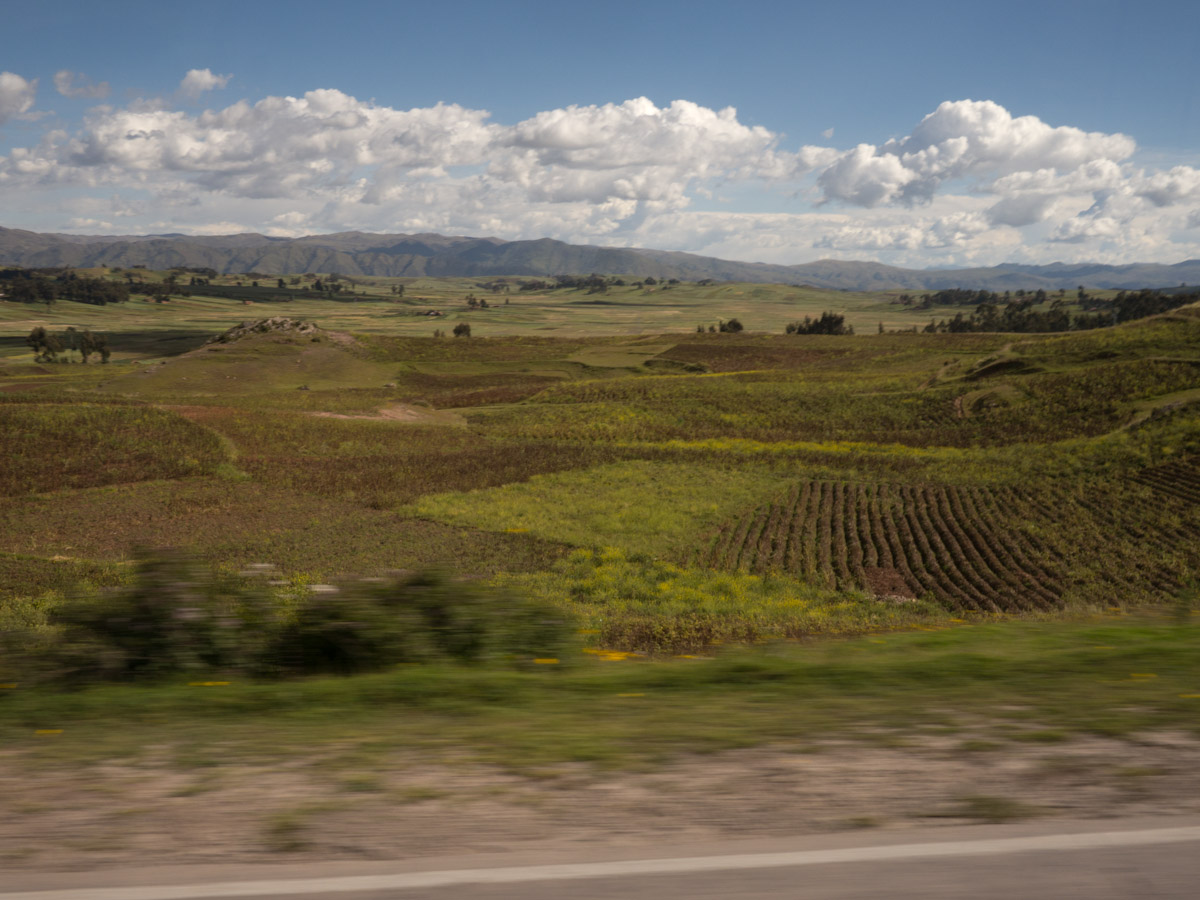
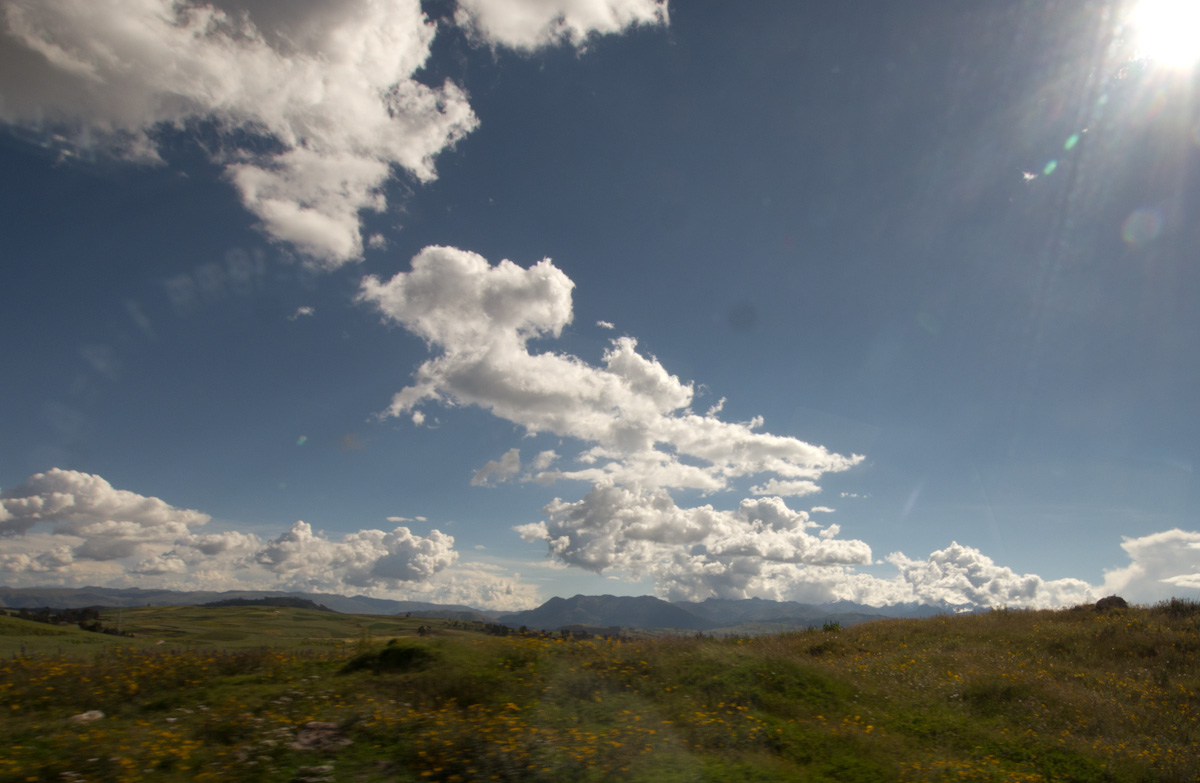
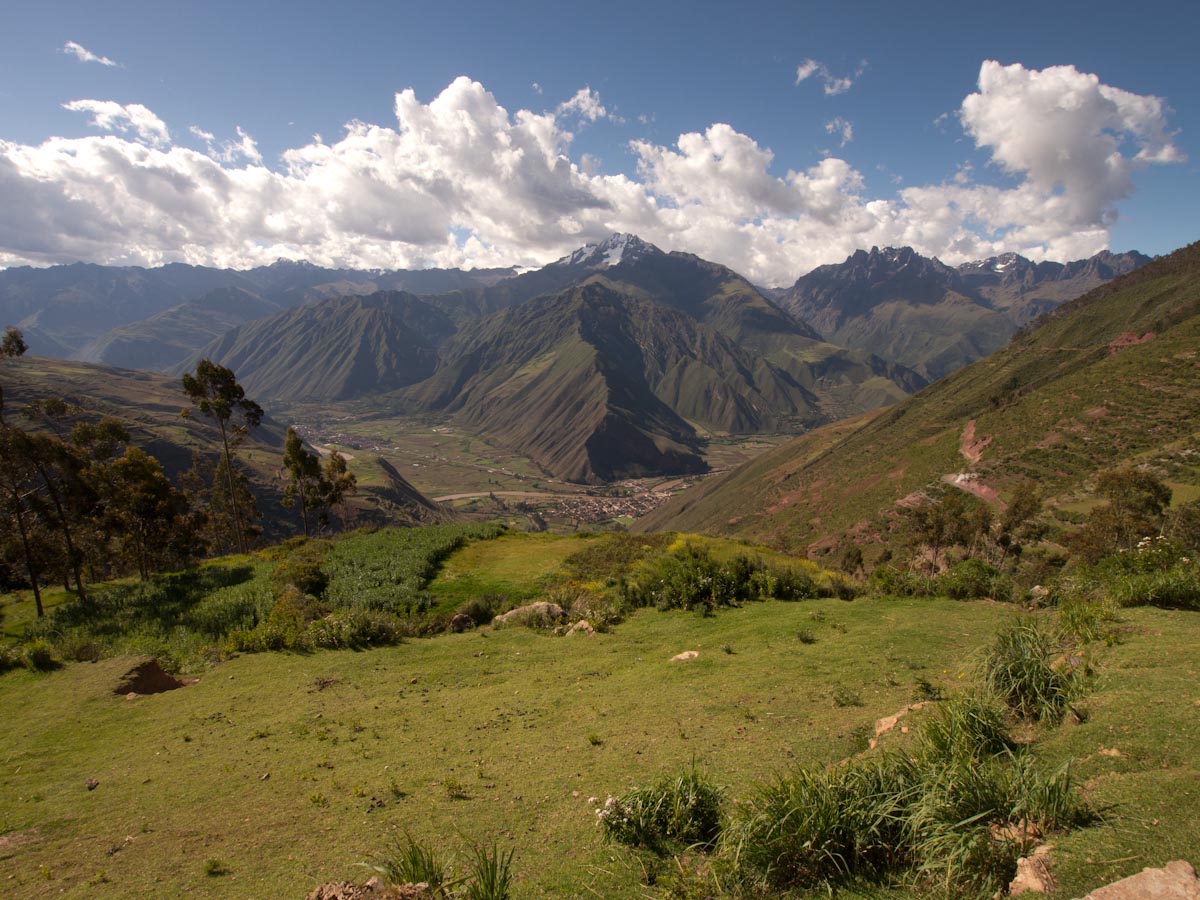
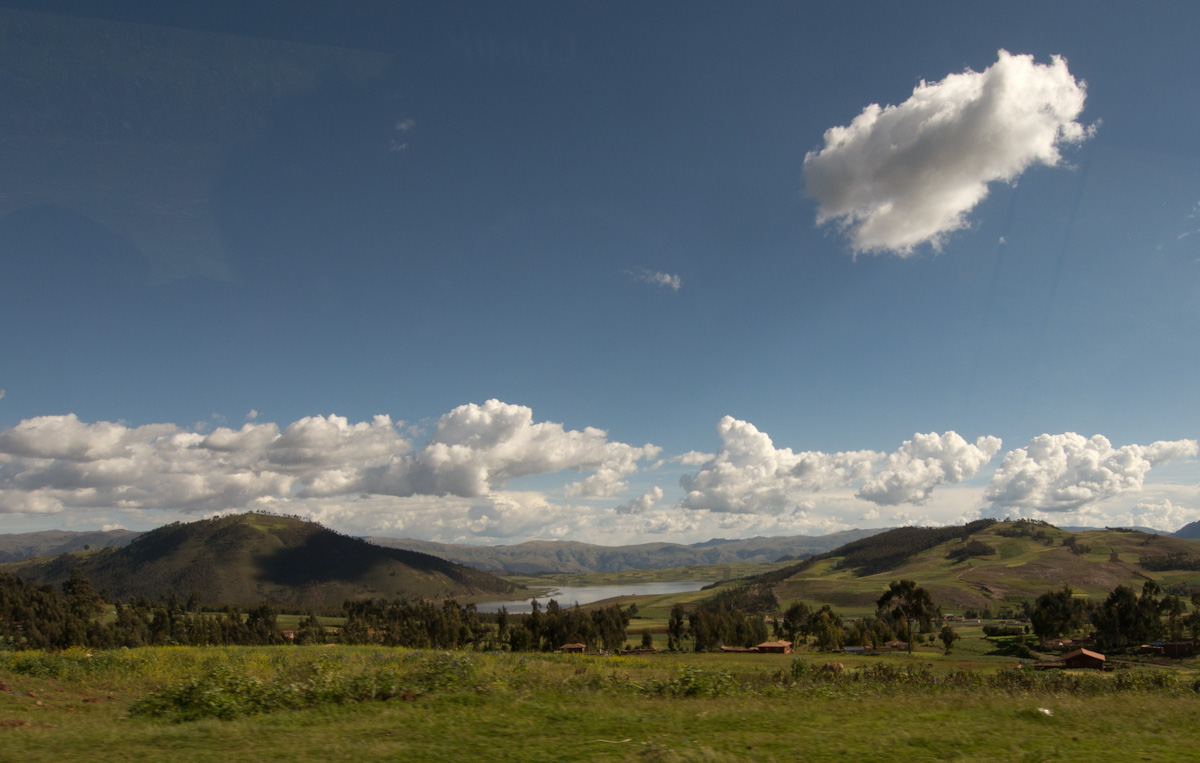
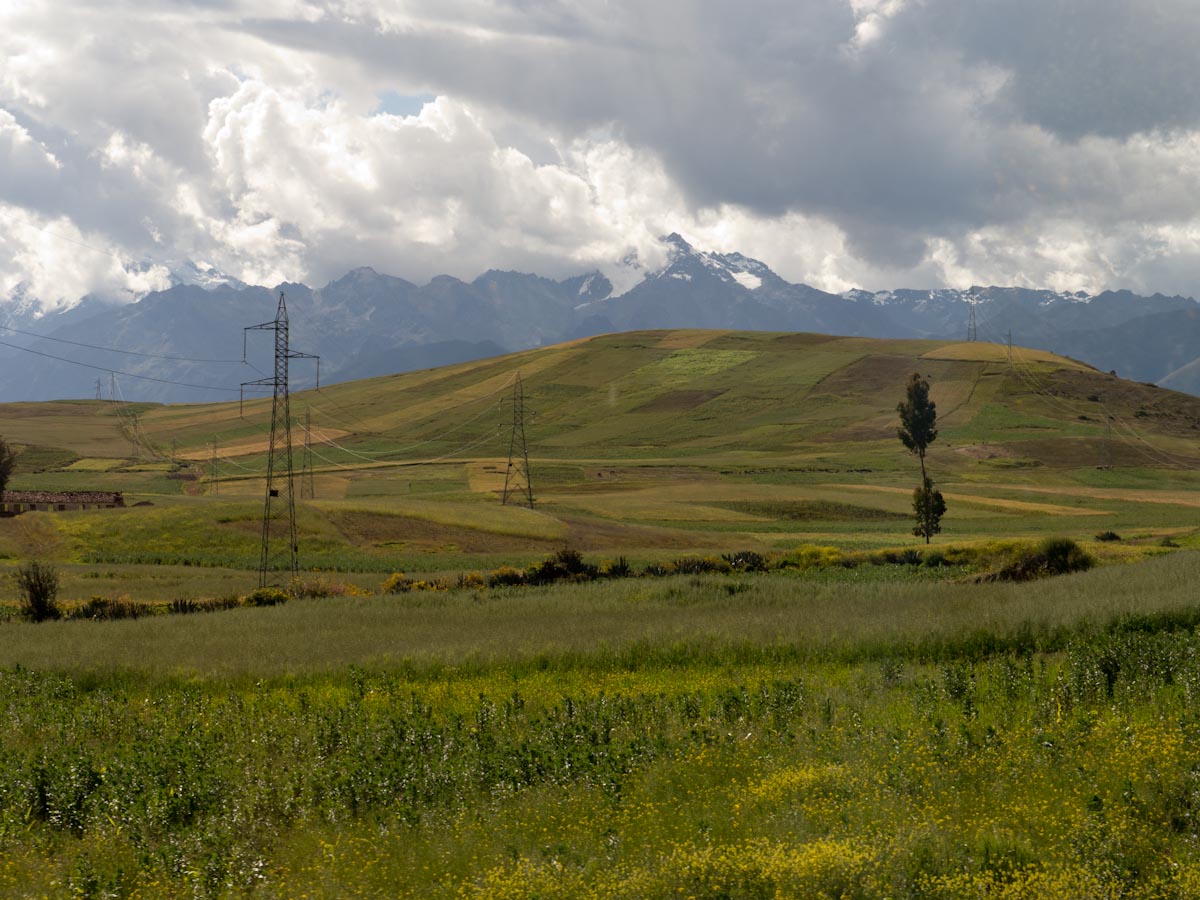
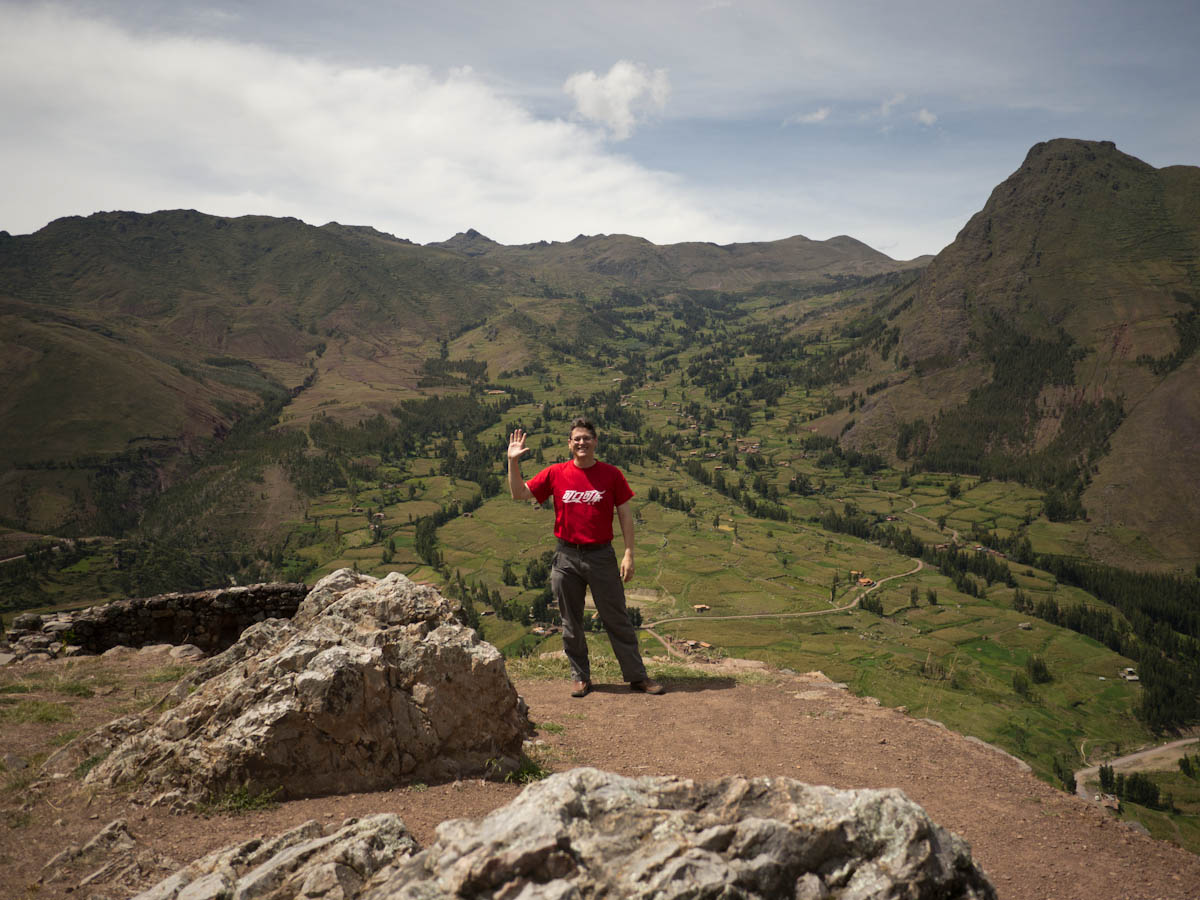
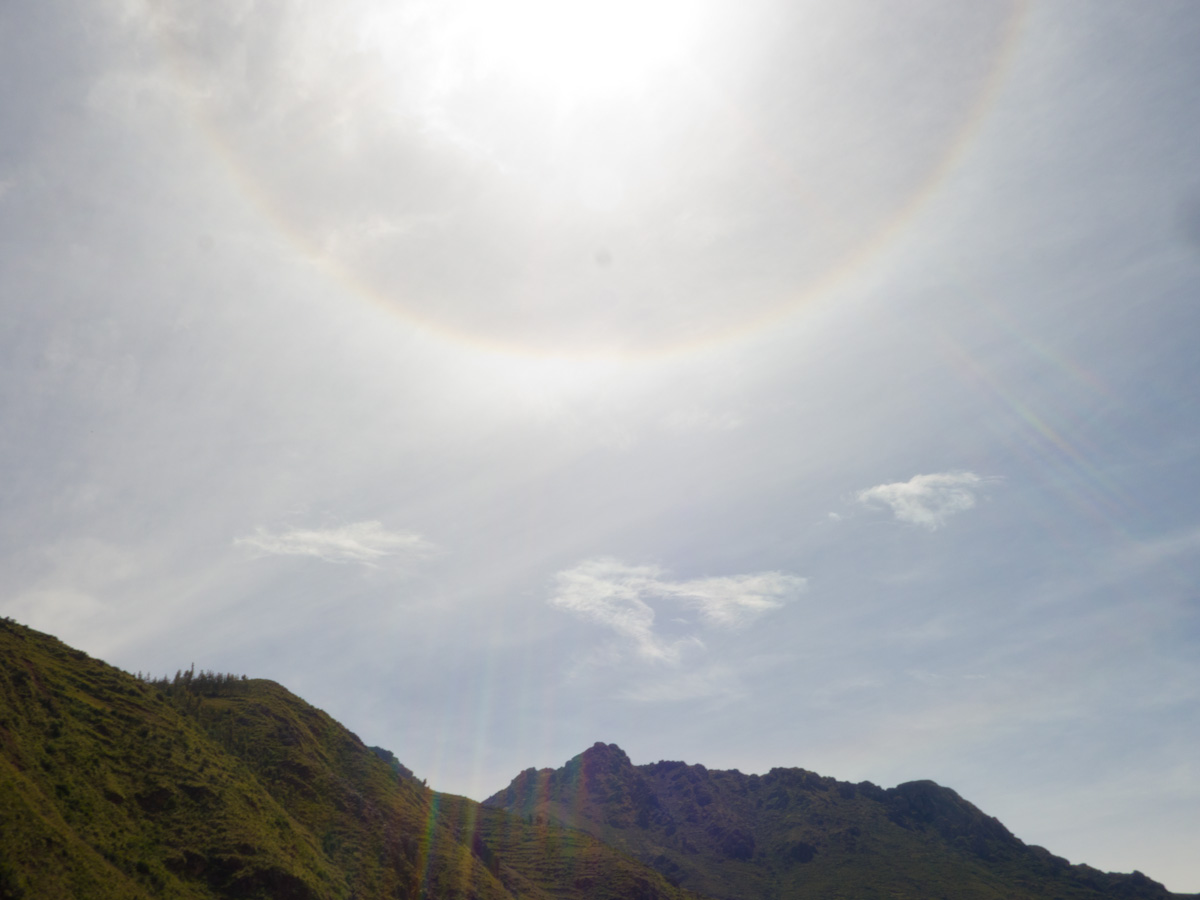
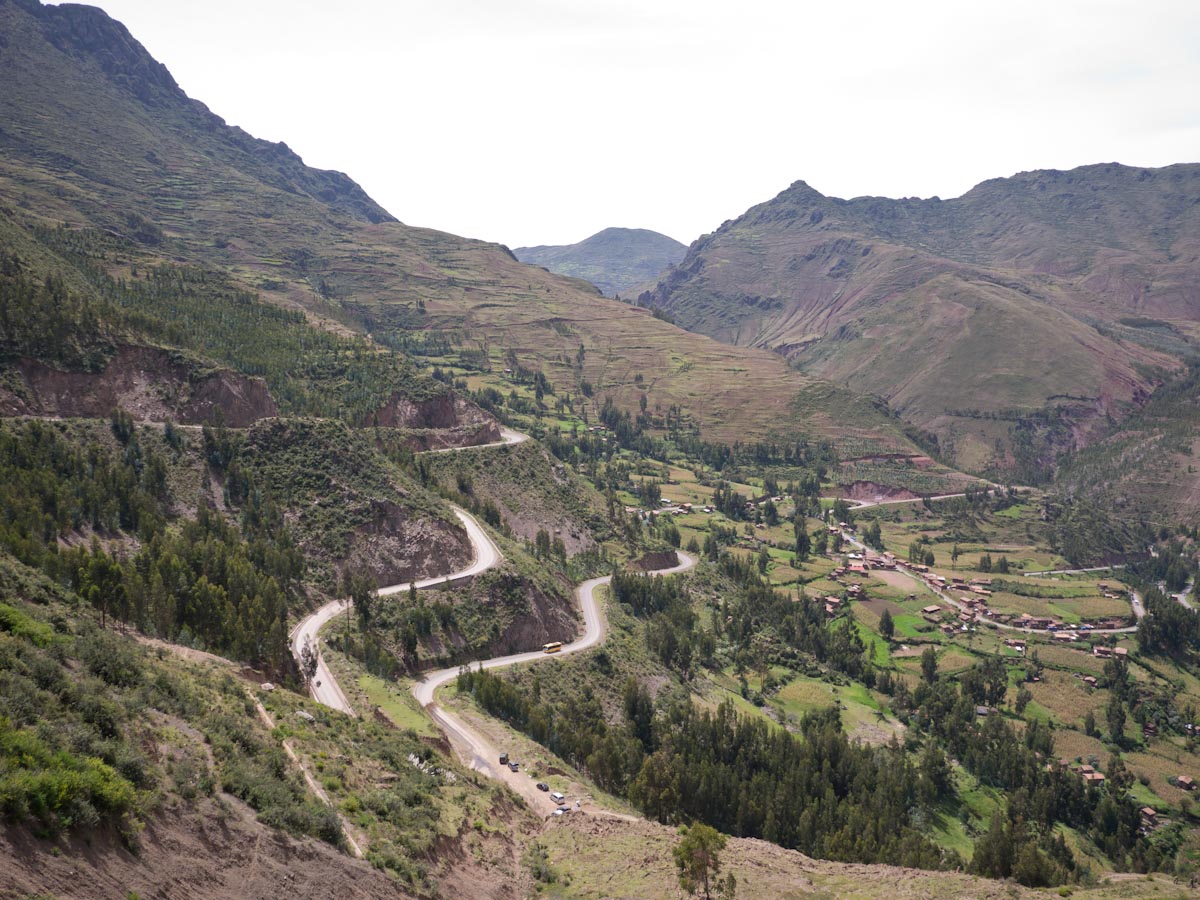
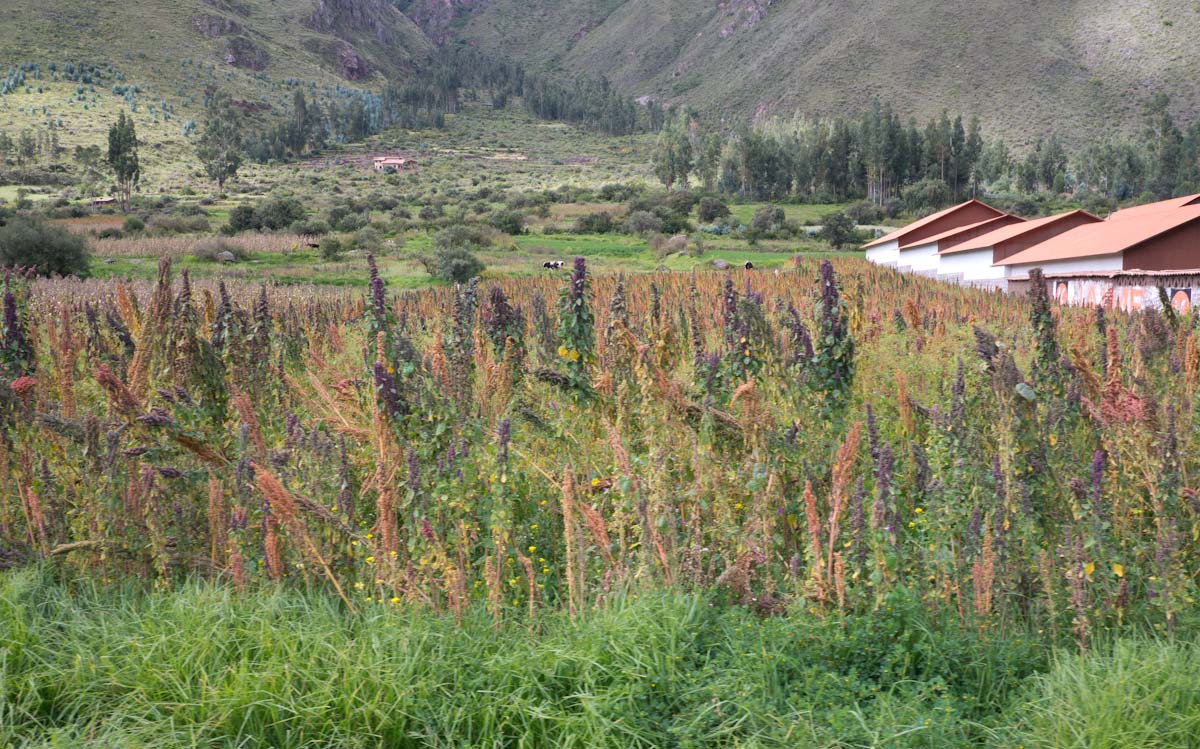
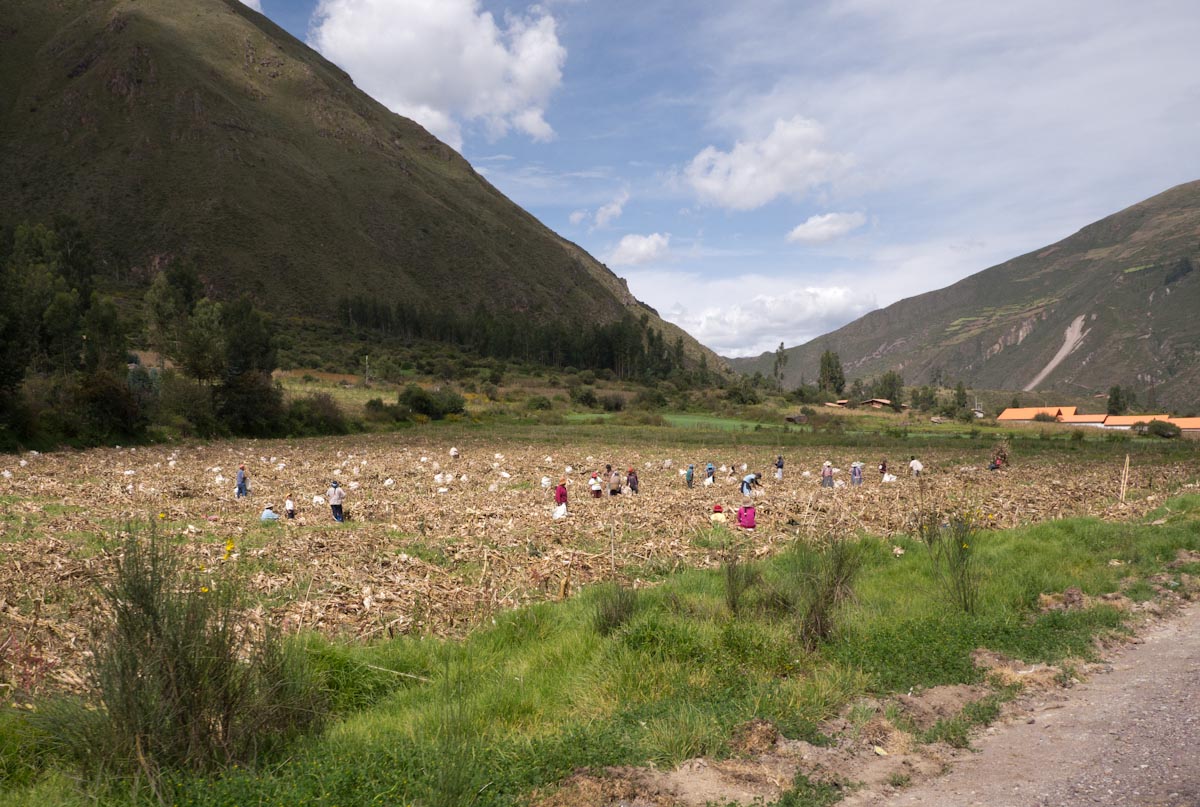
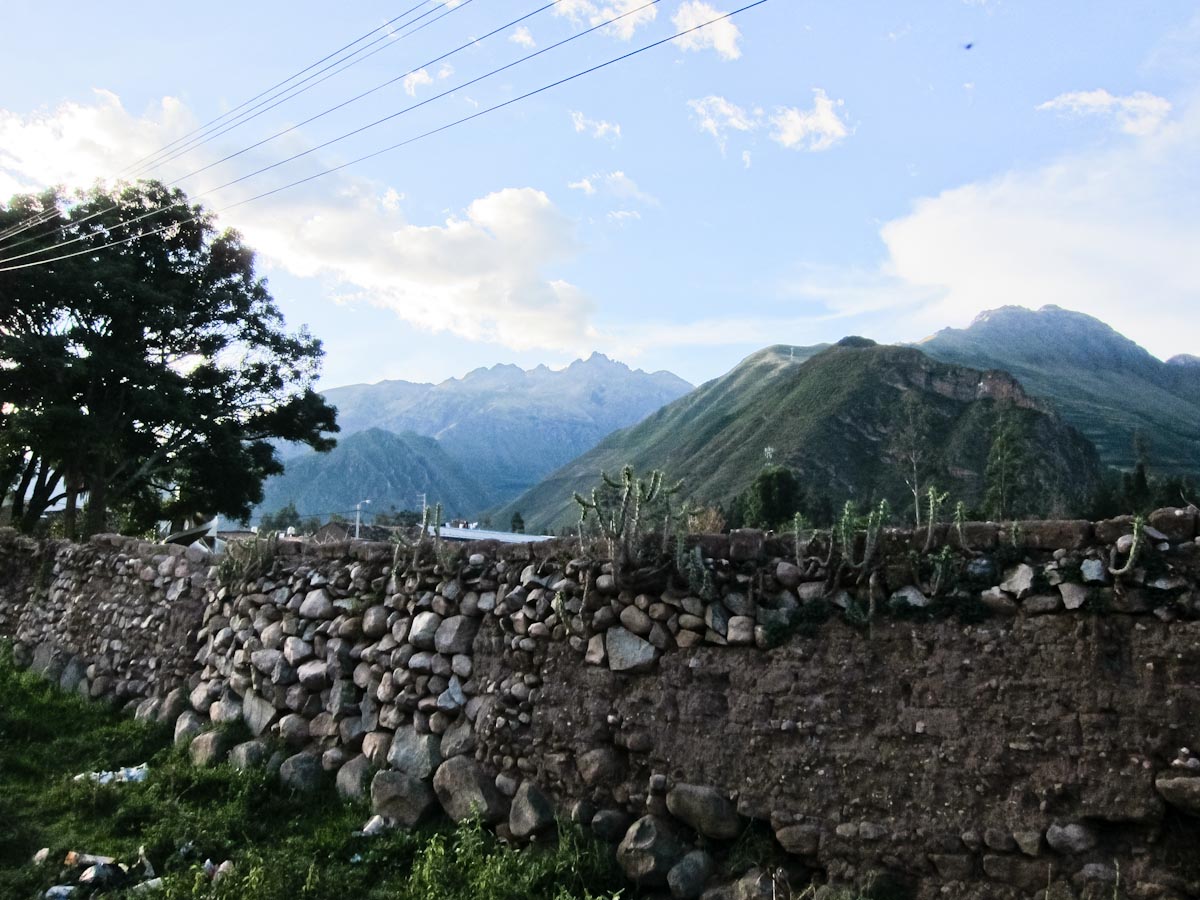
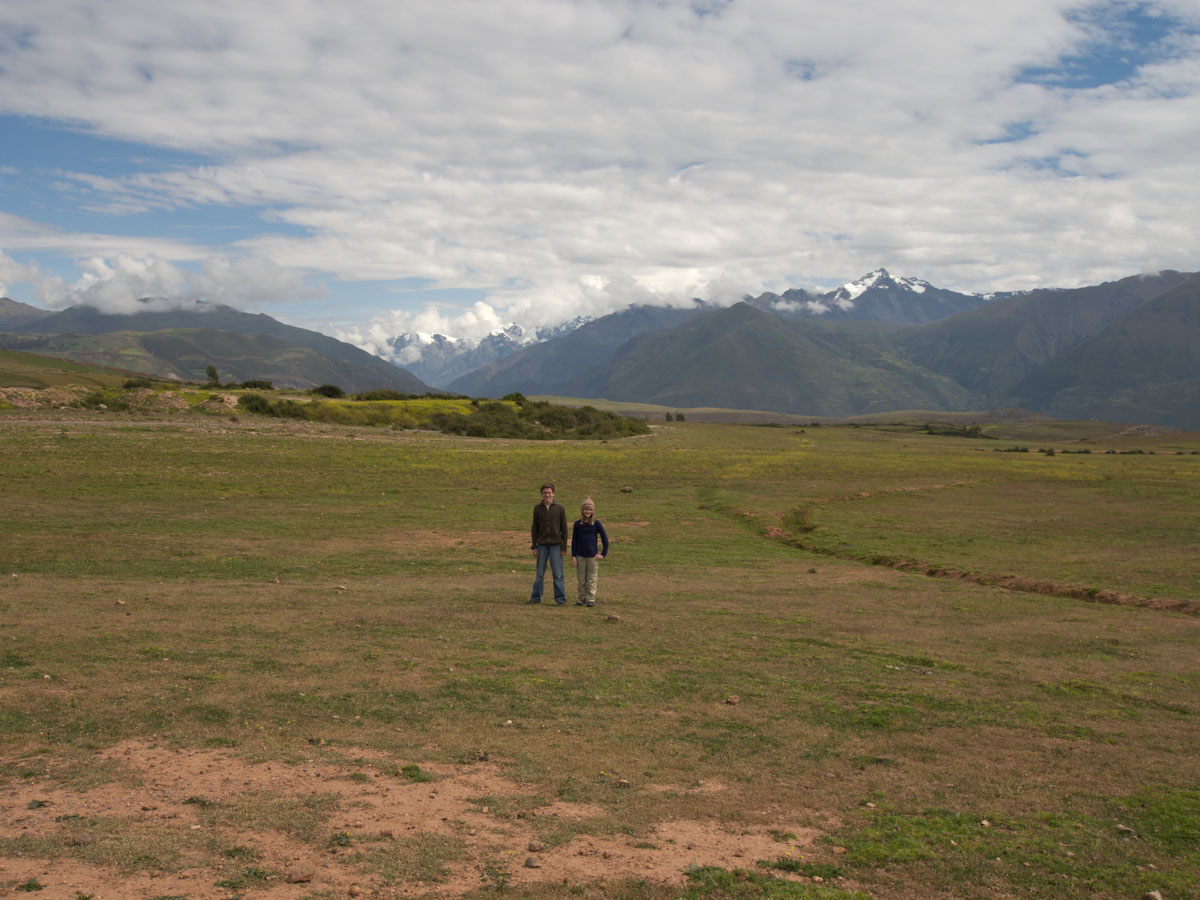
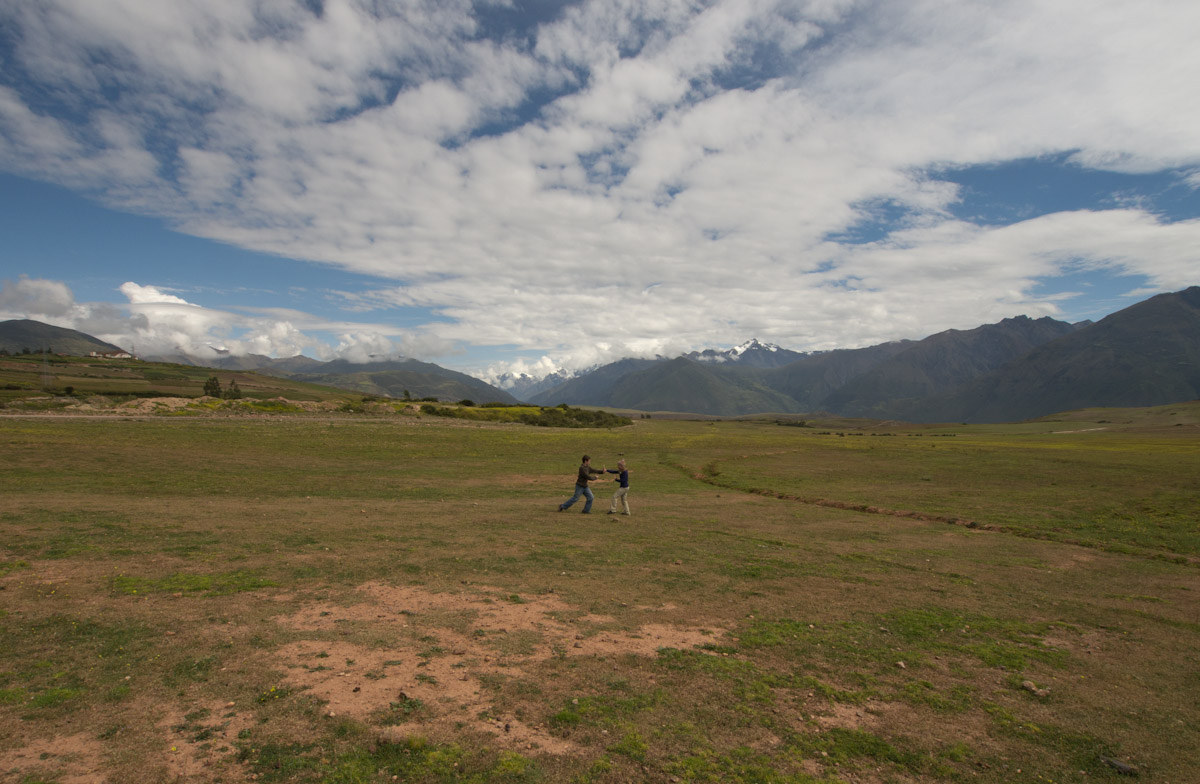
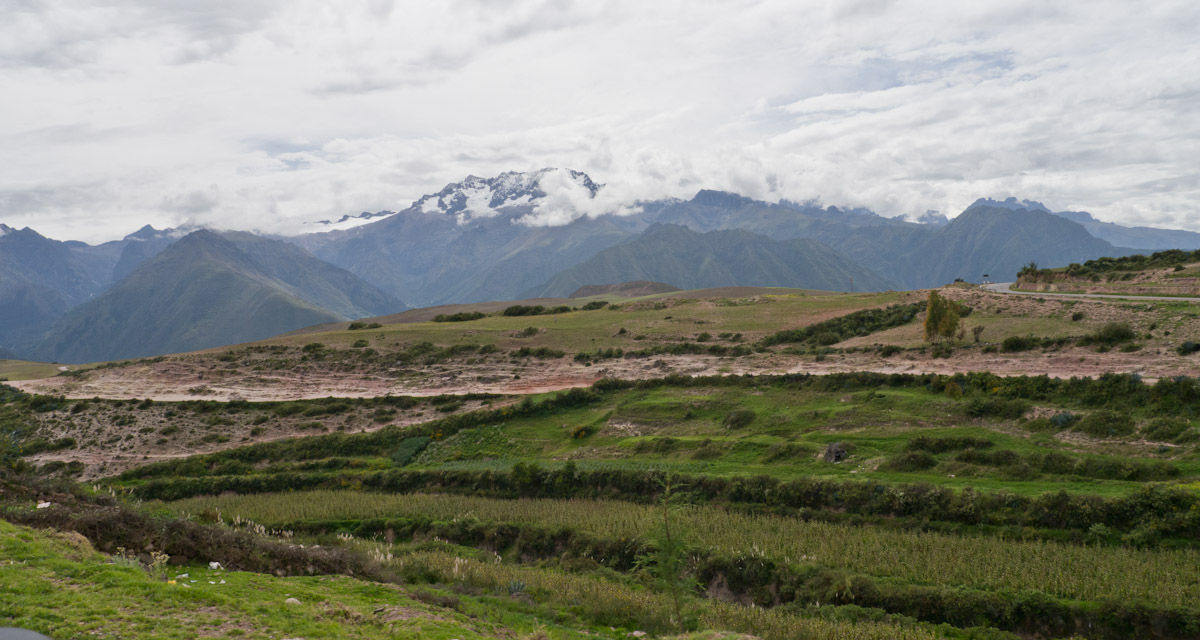
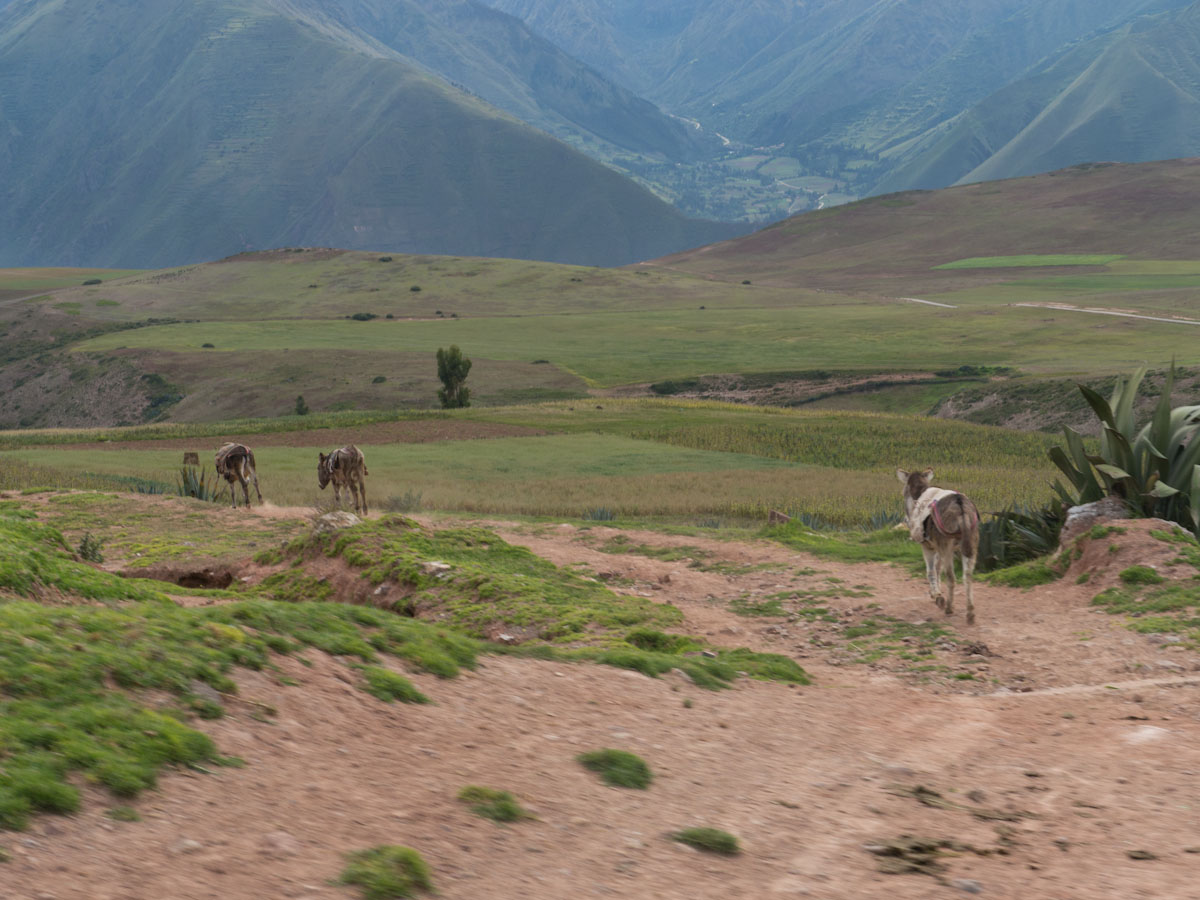
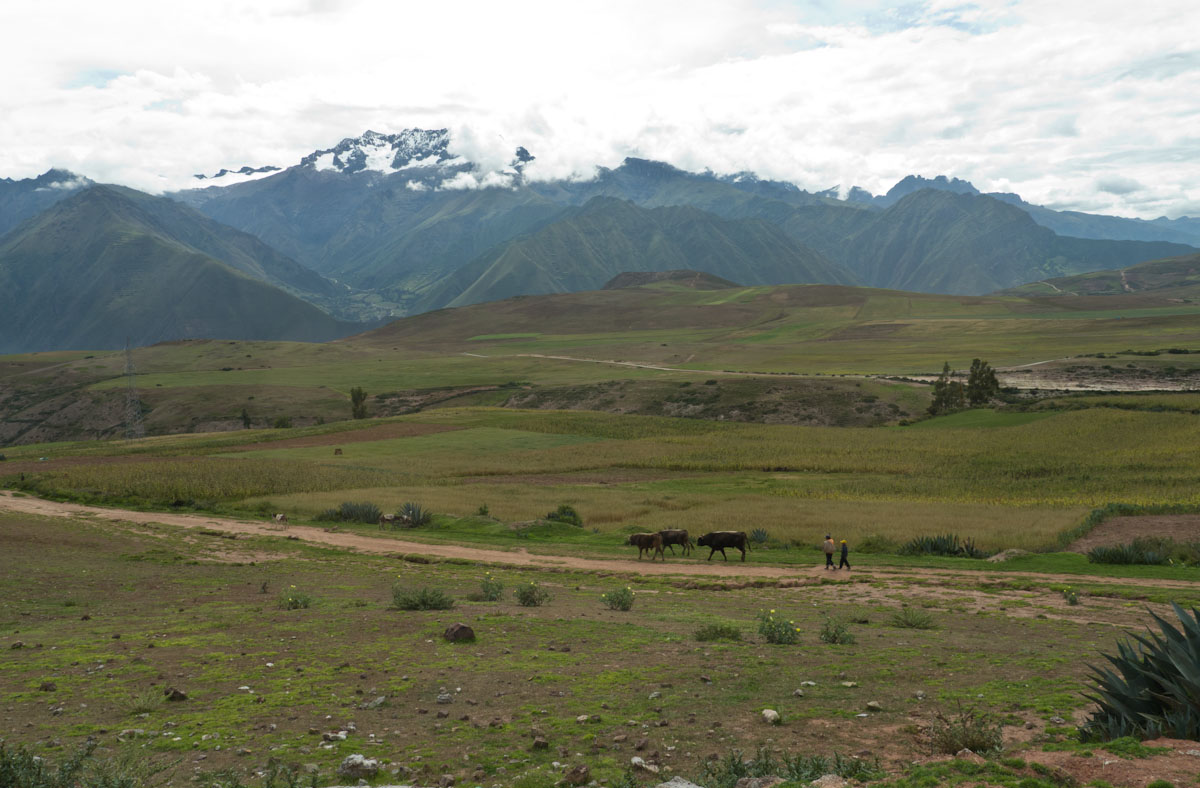
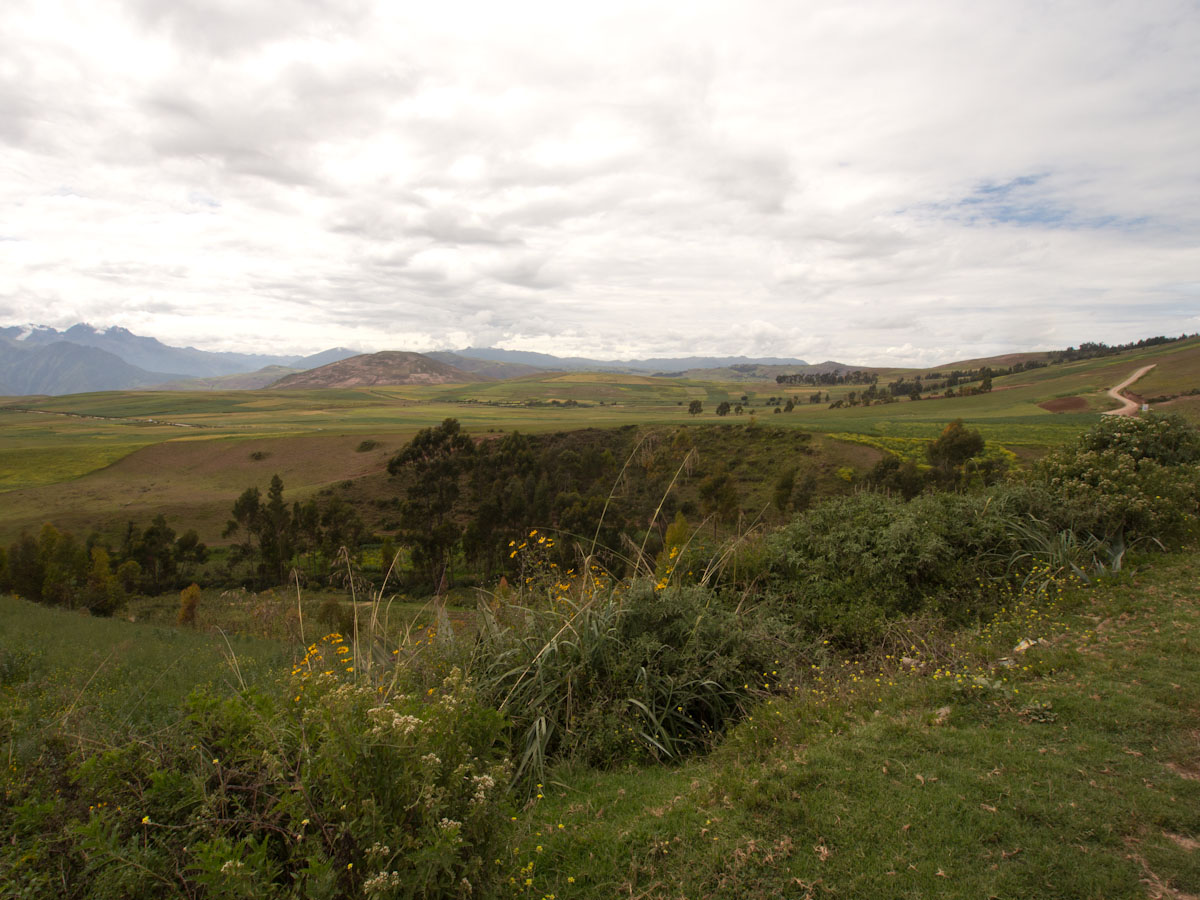
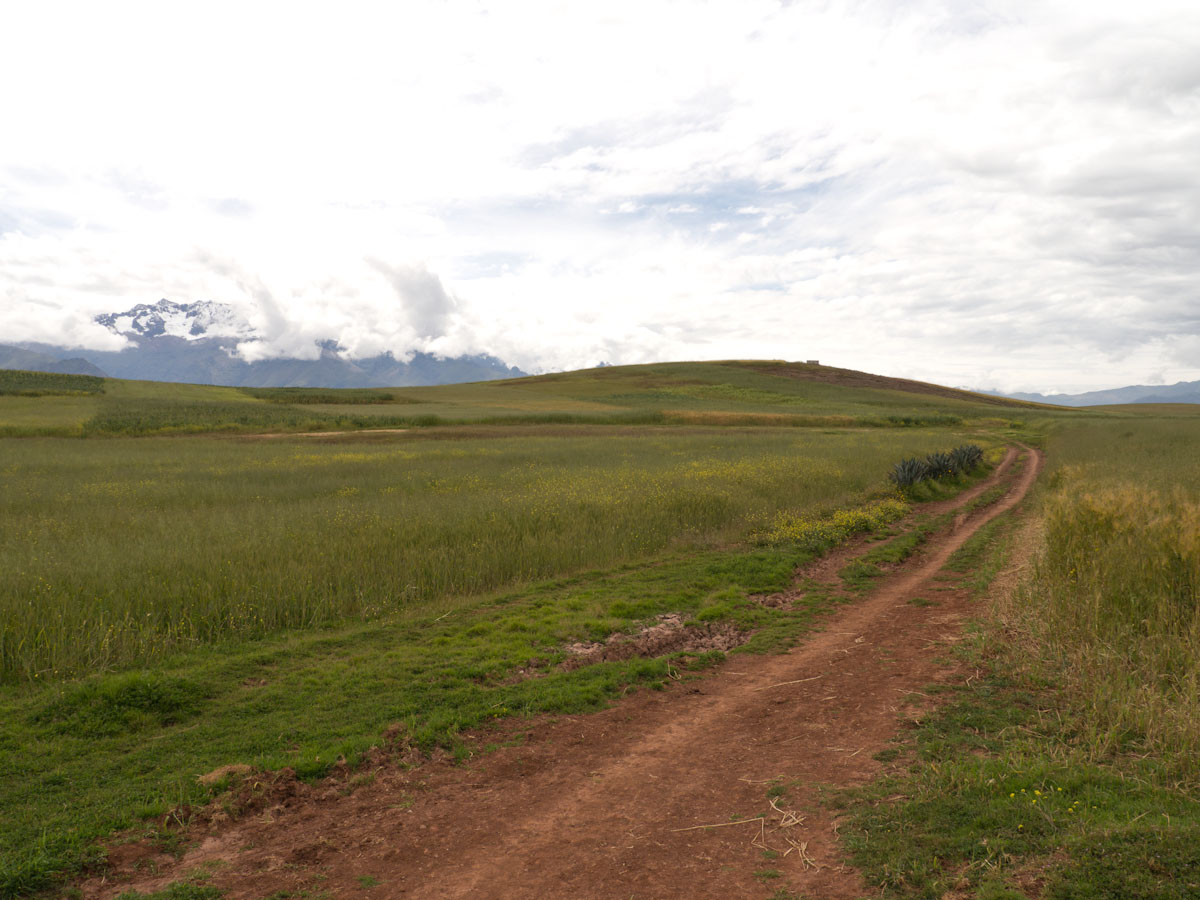
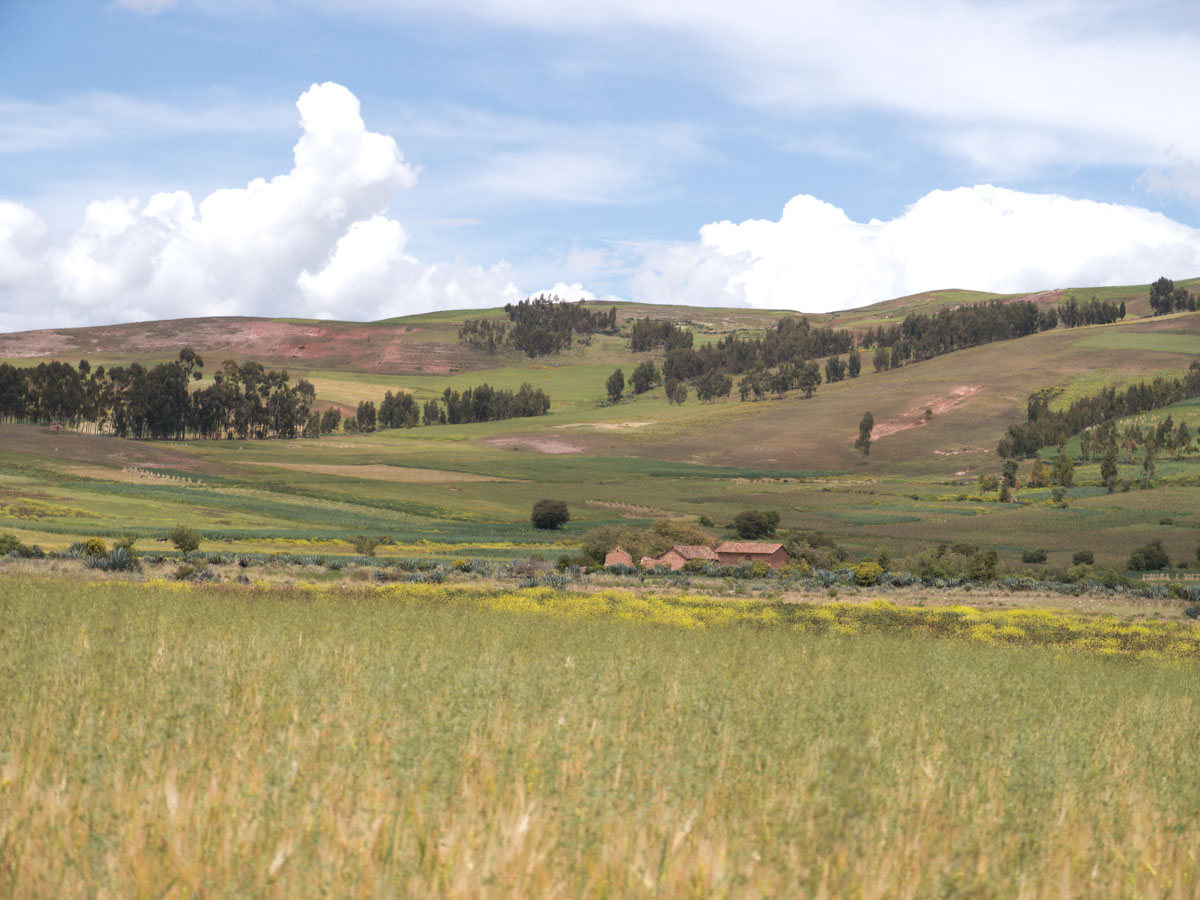
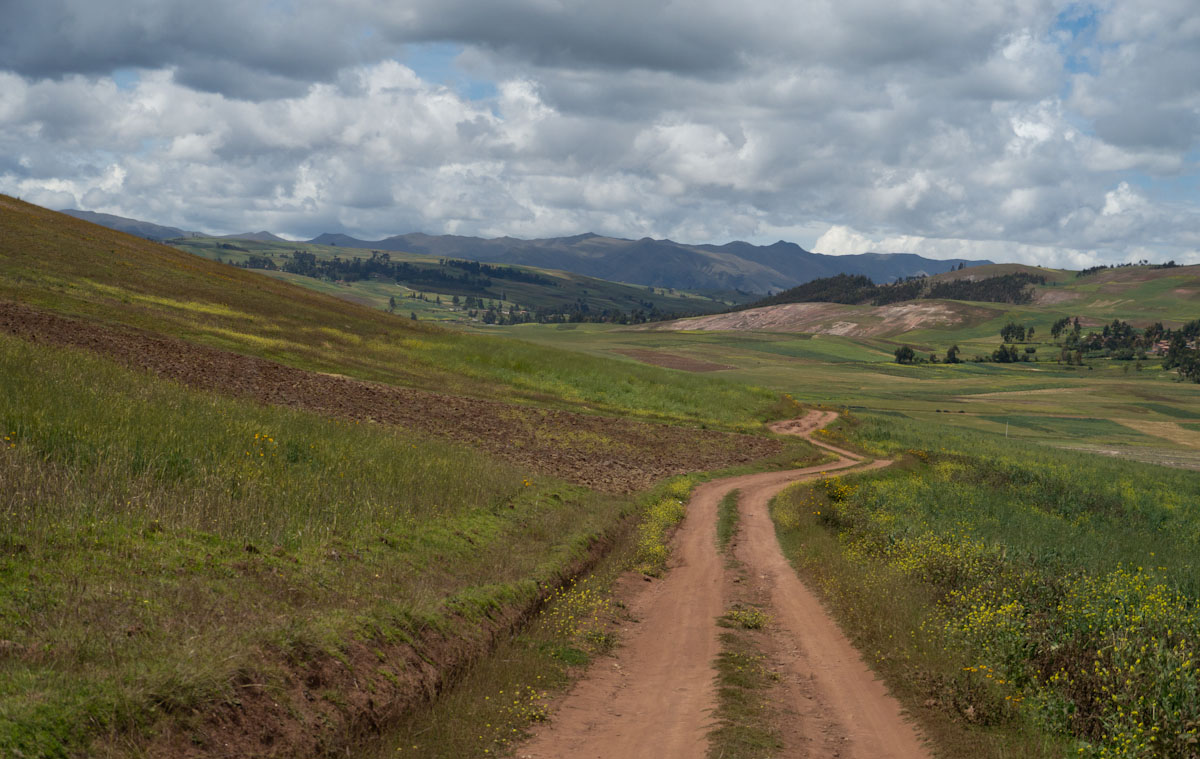
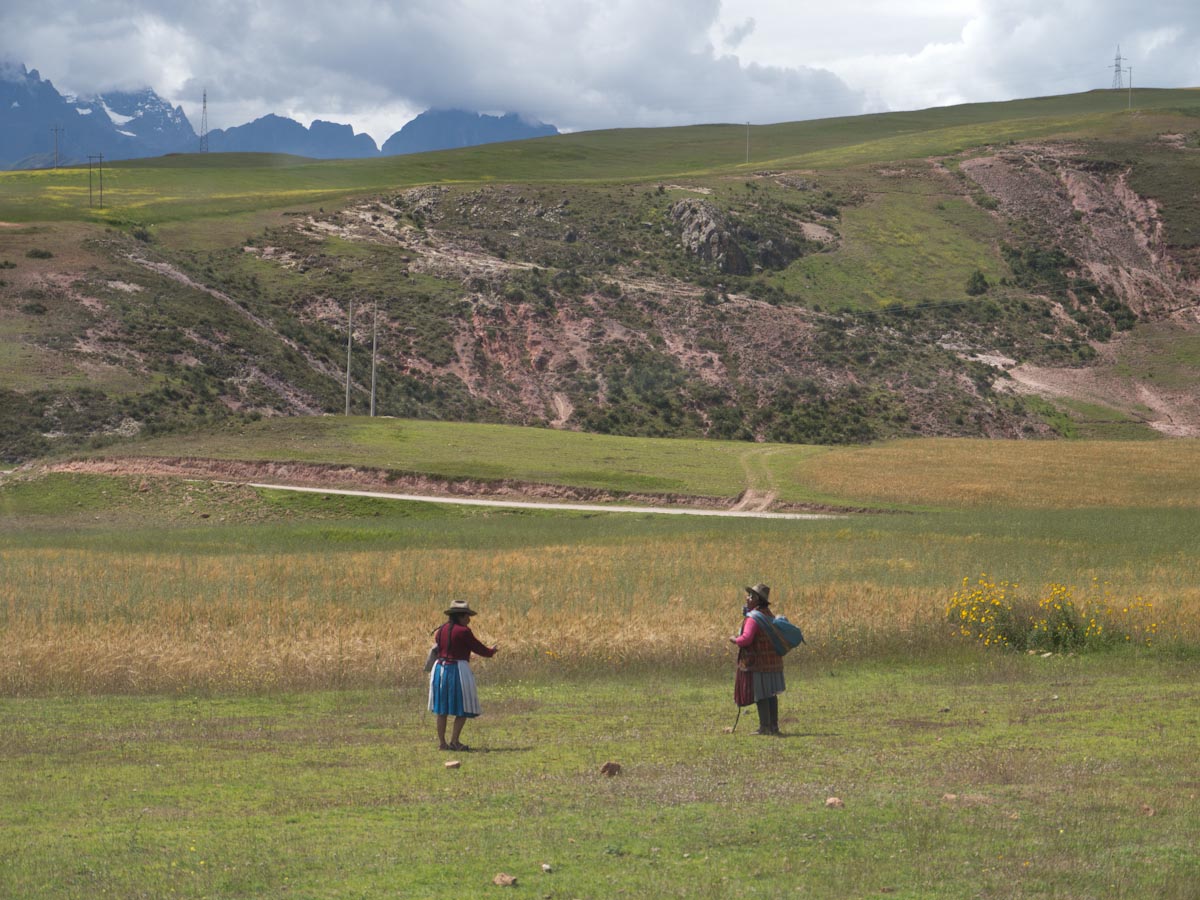
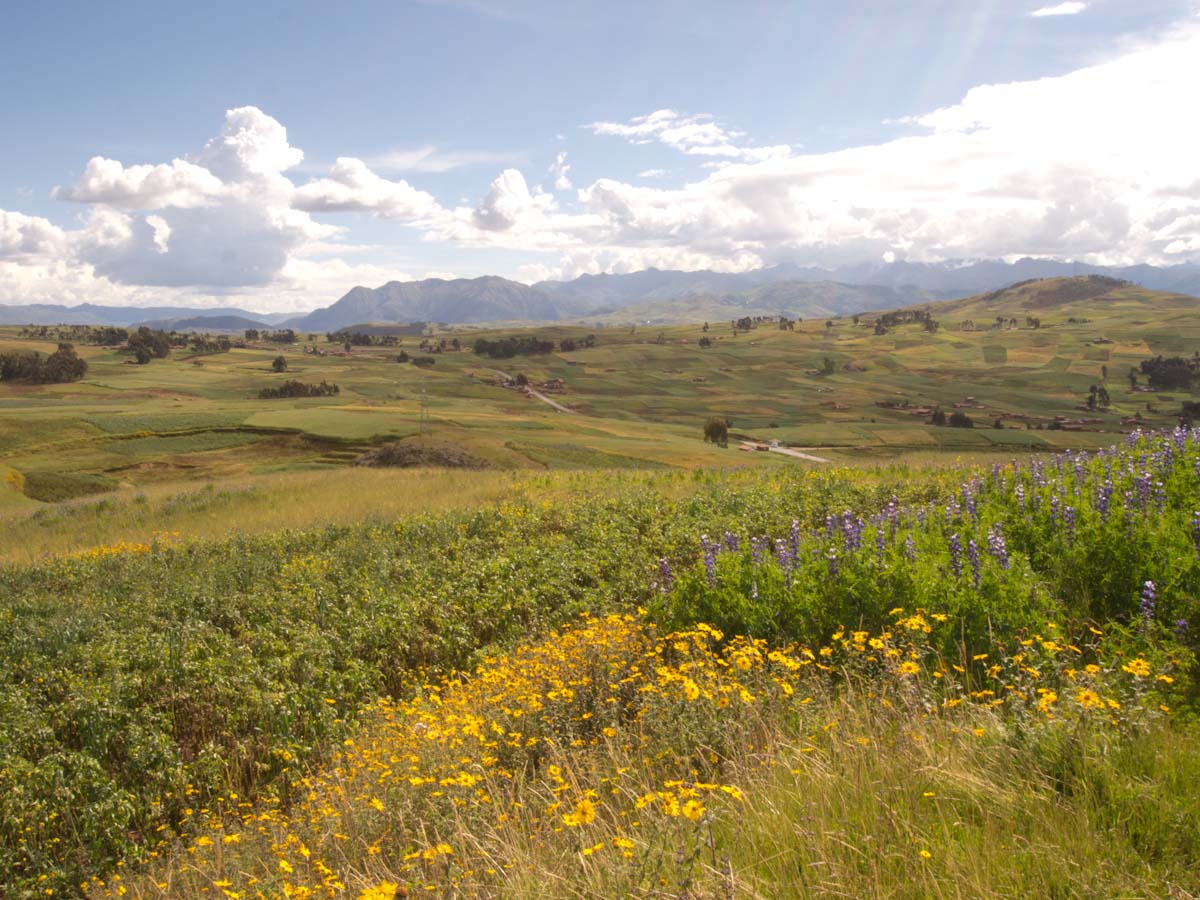
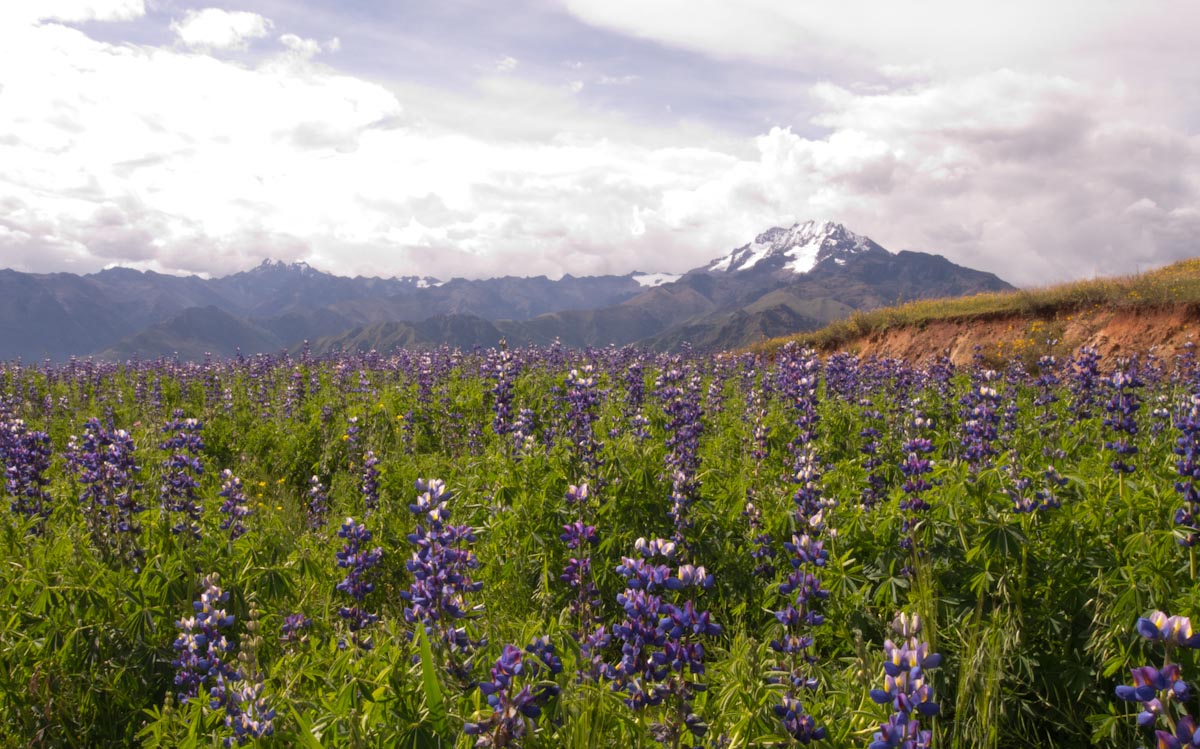
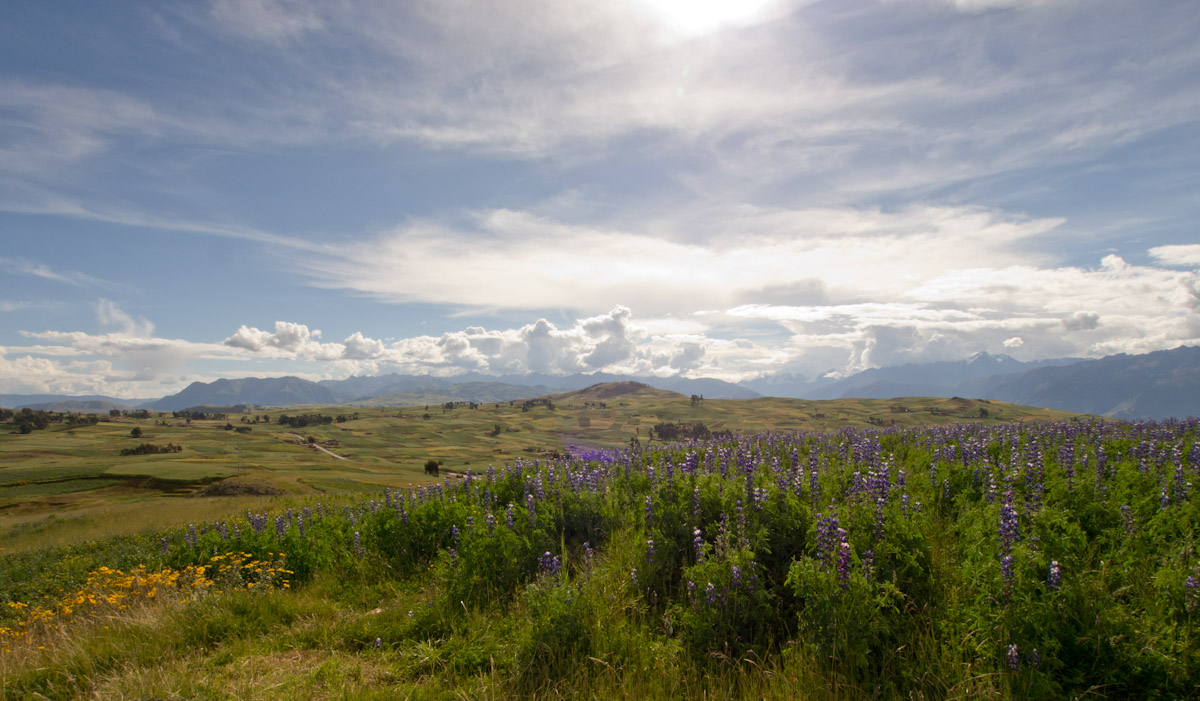
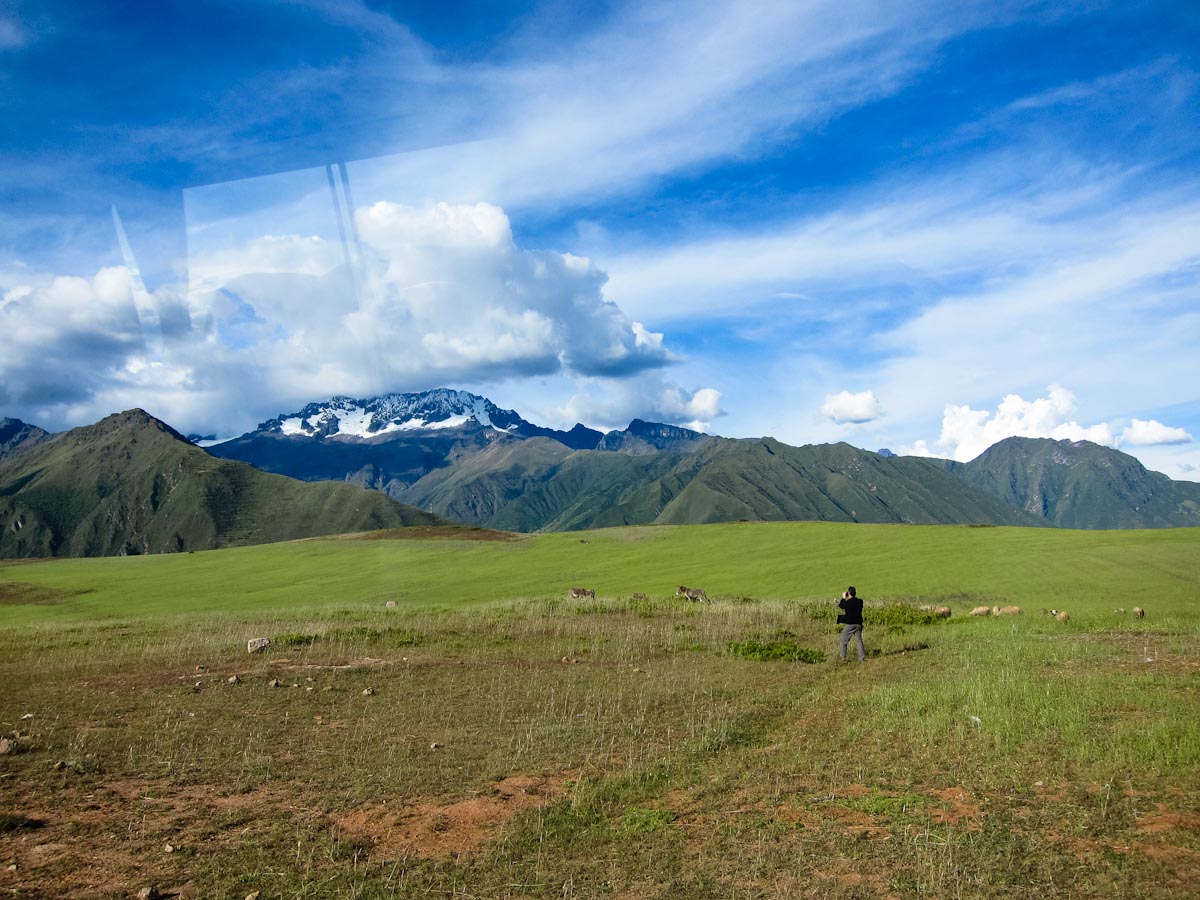
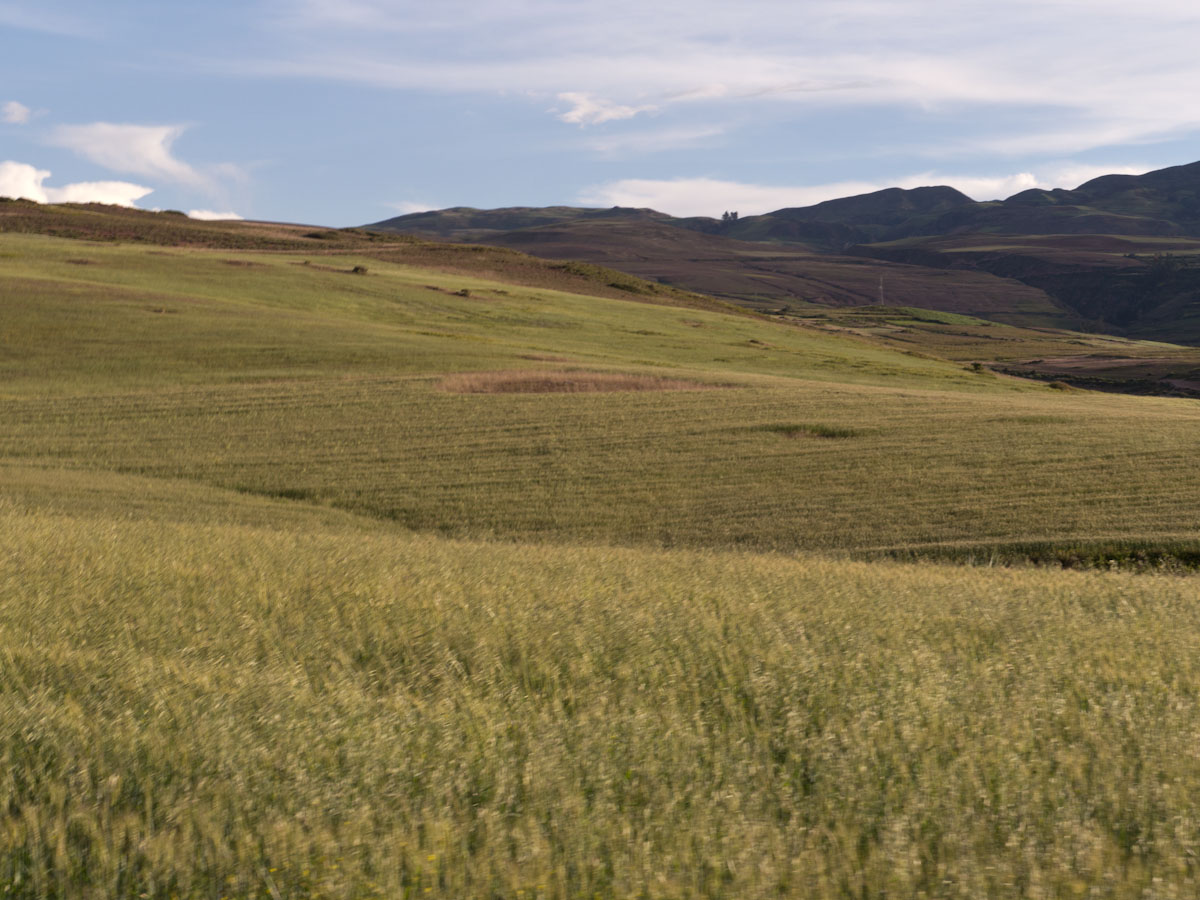
Driving through this region is a delight. The air is clear, the sun shines down, and the vistas are VAST. We thrilled to see green fields stretching for miles with the glacier-covered Andes as backdrop.
We explored other Incan ruins, including farm areas and a giant circular bowl-shaped field which was an agricultural lab. As temperature changes with elevation, the Incans needed this bowl to explore the best type of crop for each terrace.
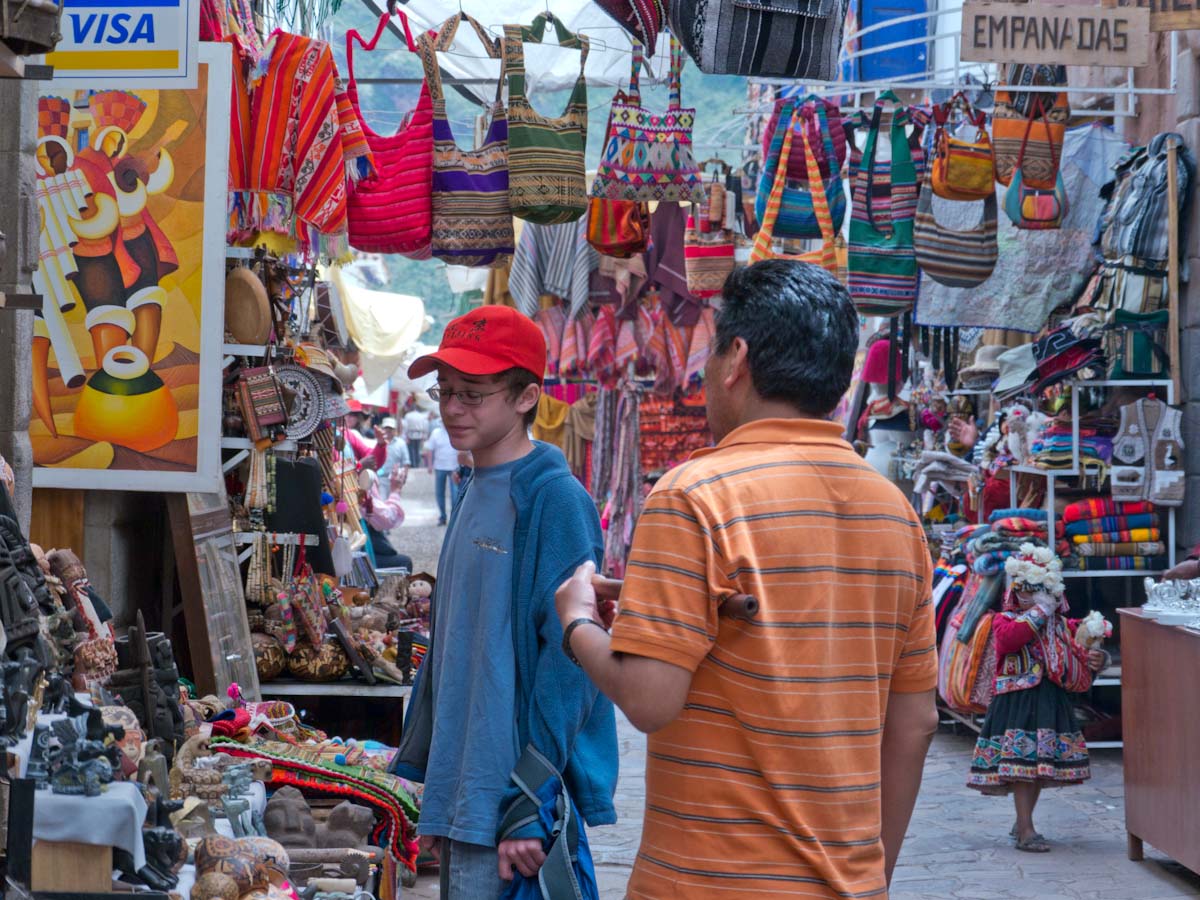
The nearby town of Pisac has a good market for souvenirs.
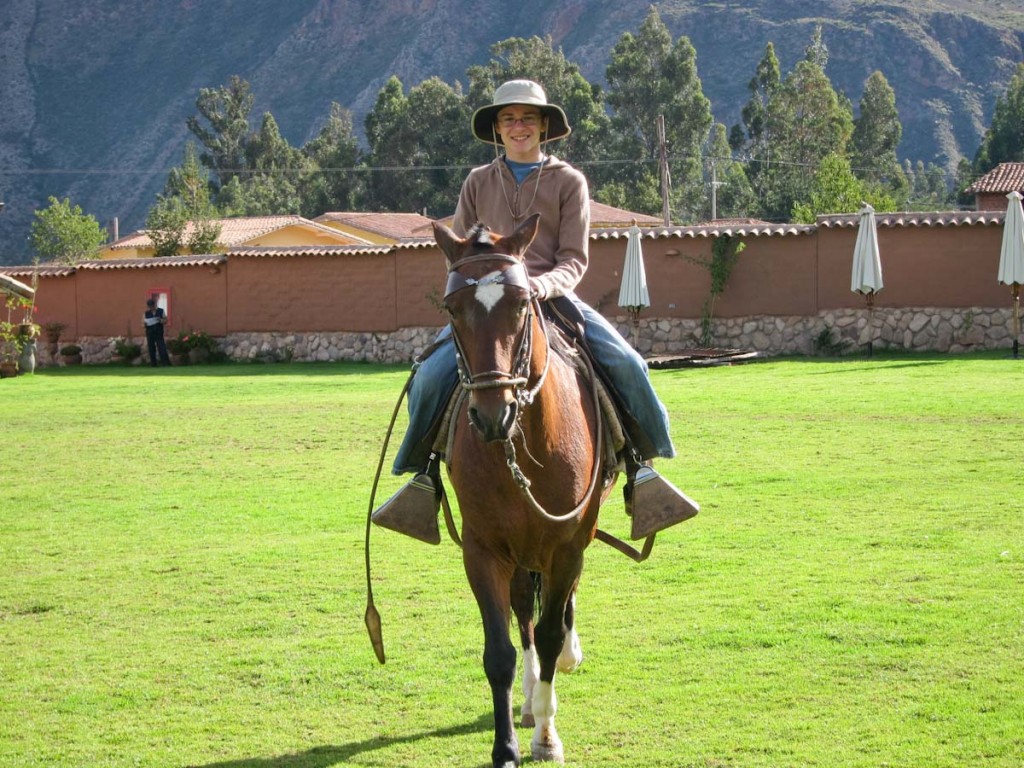
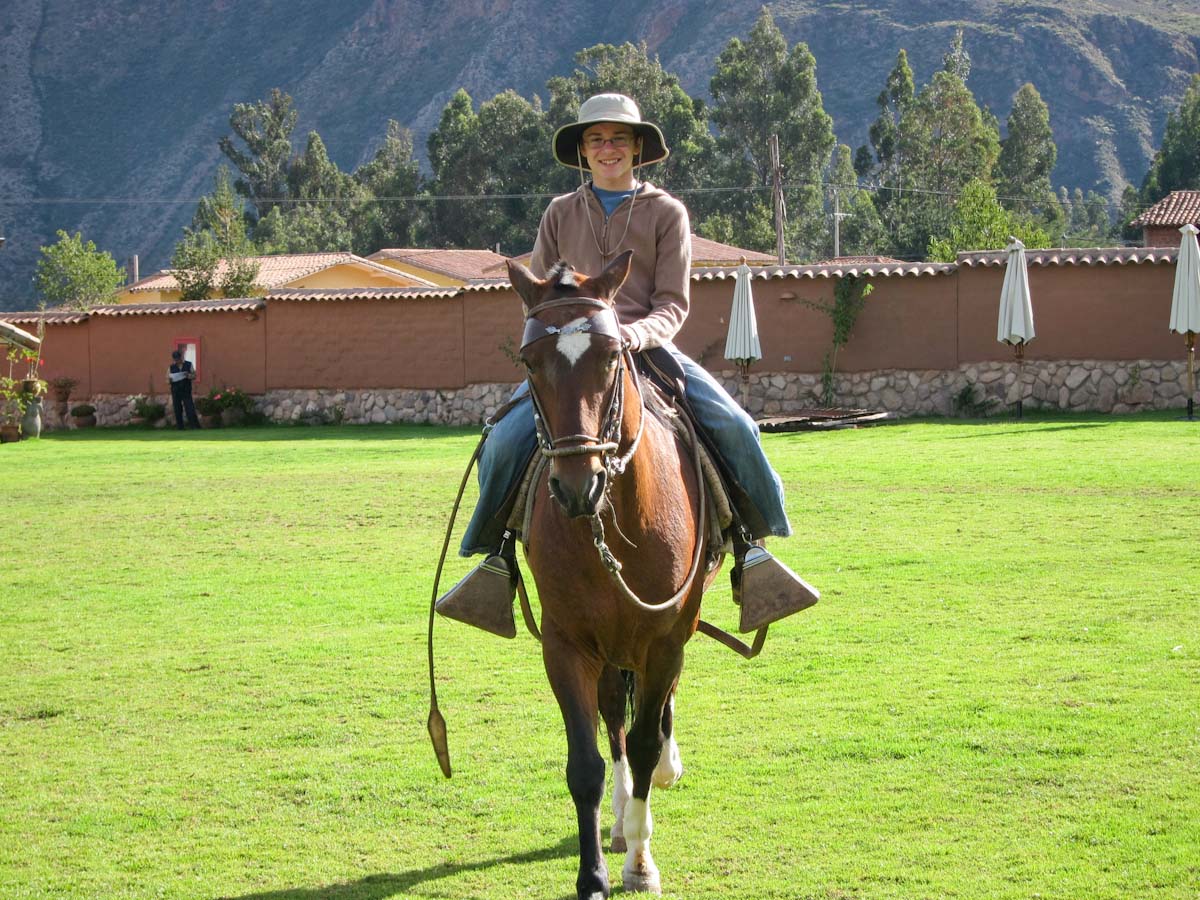
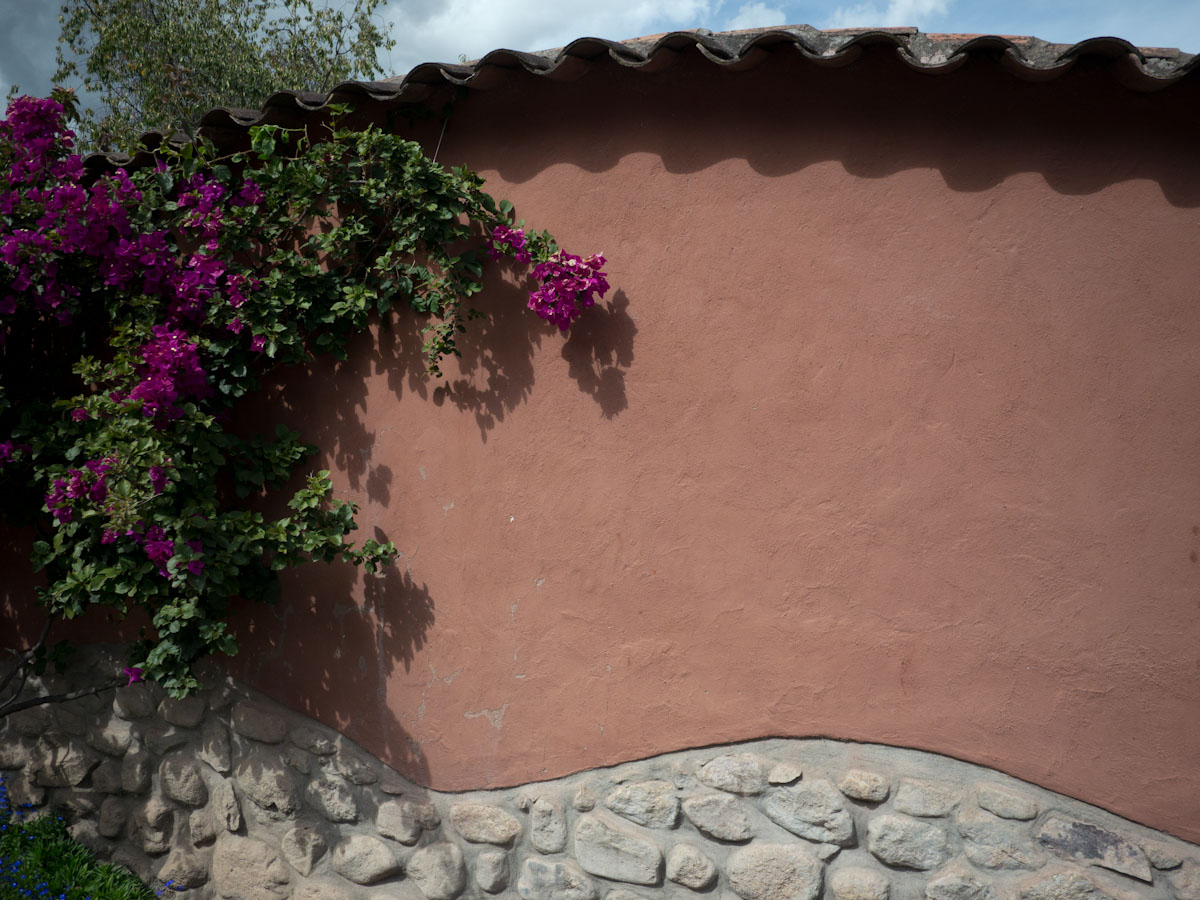
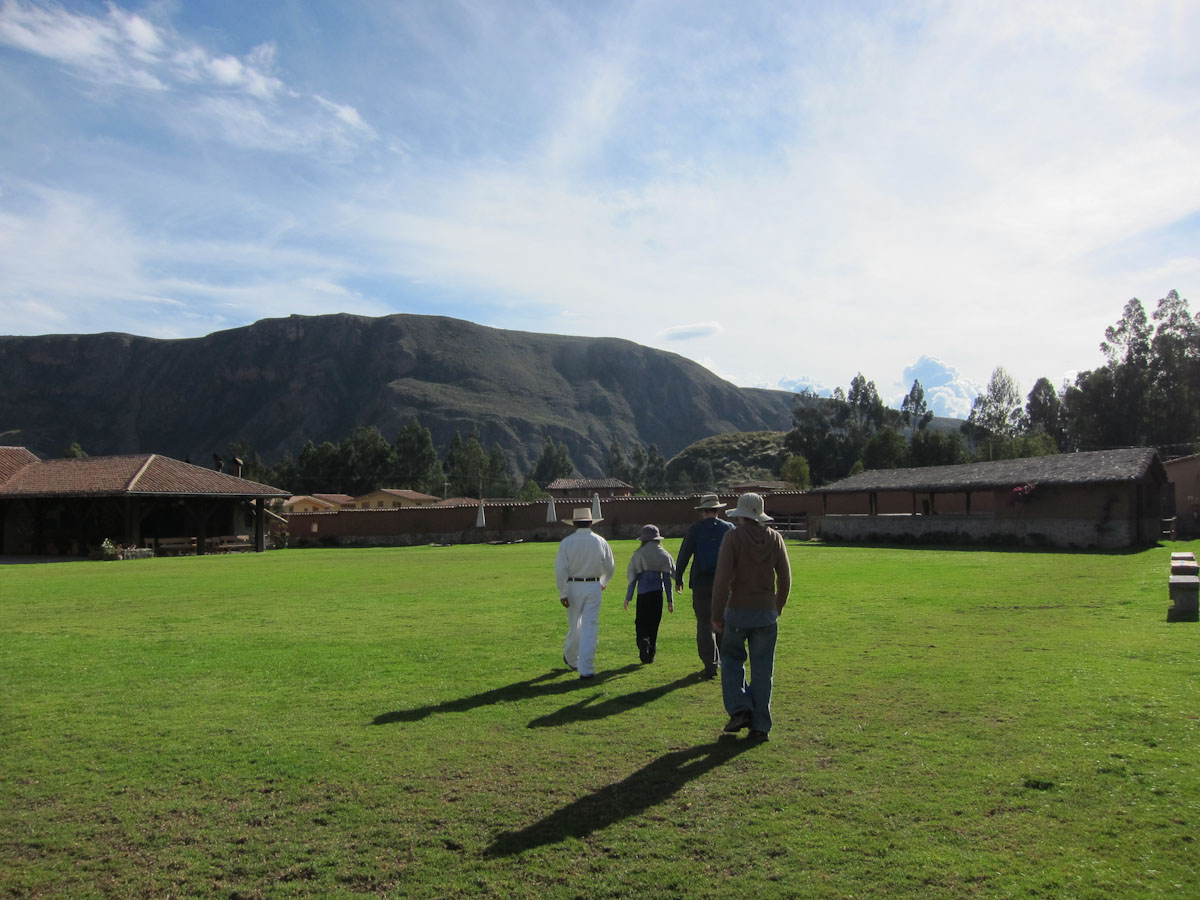
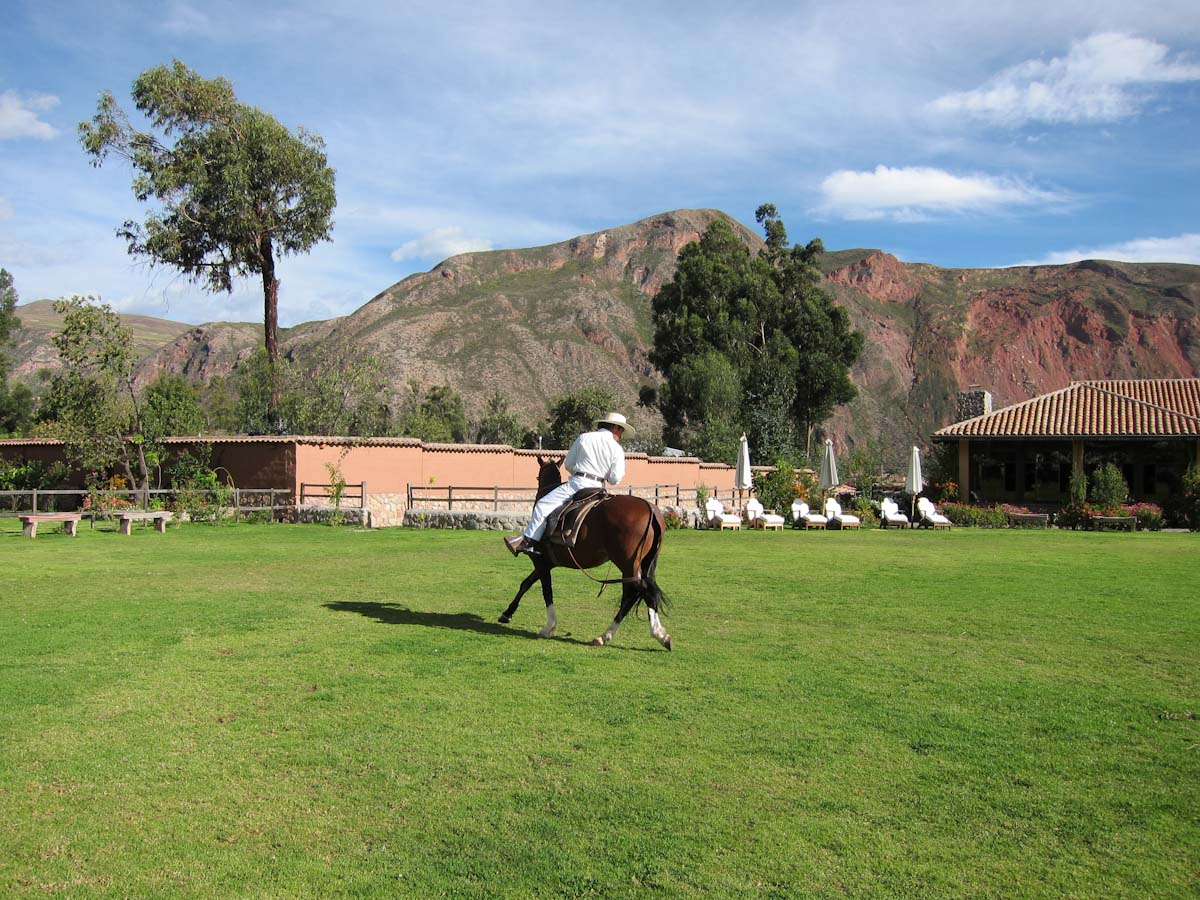
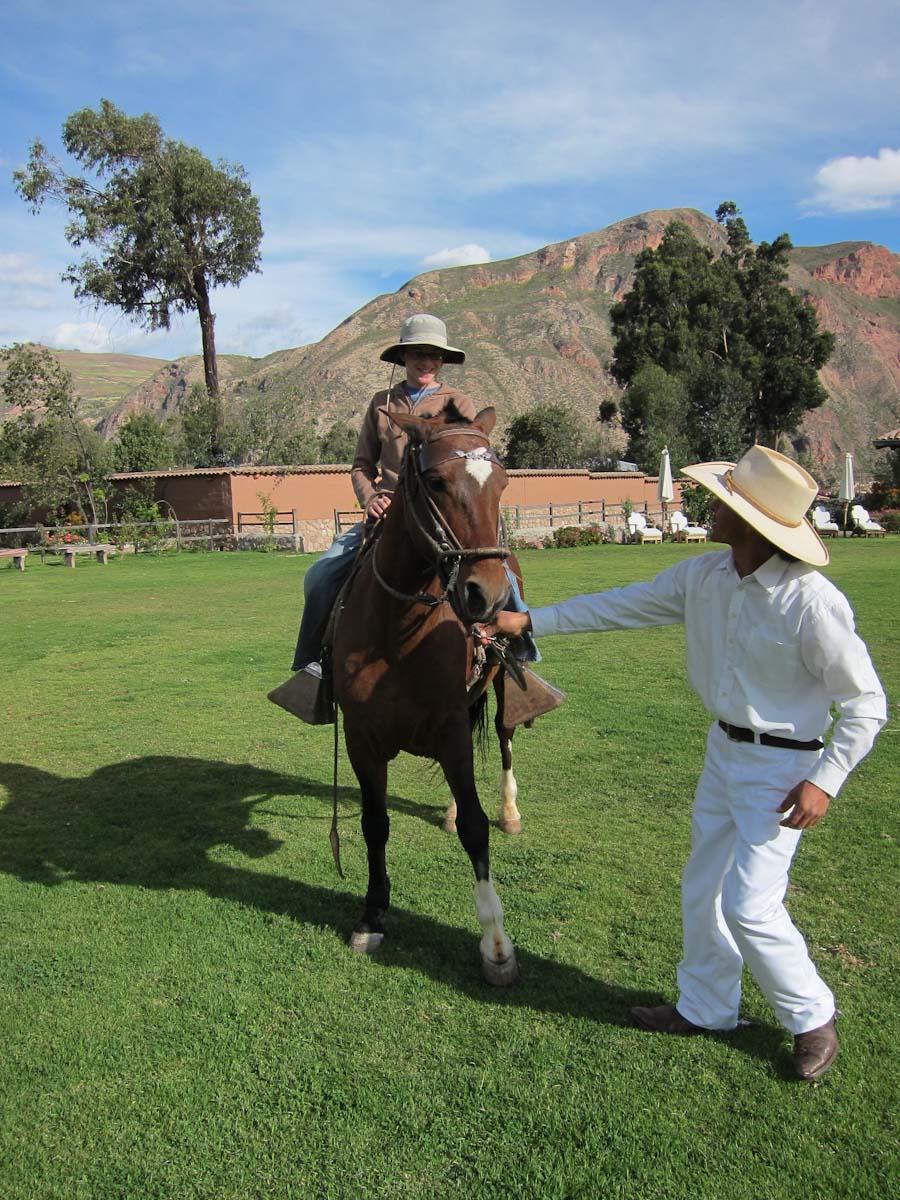
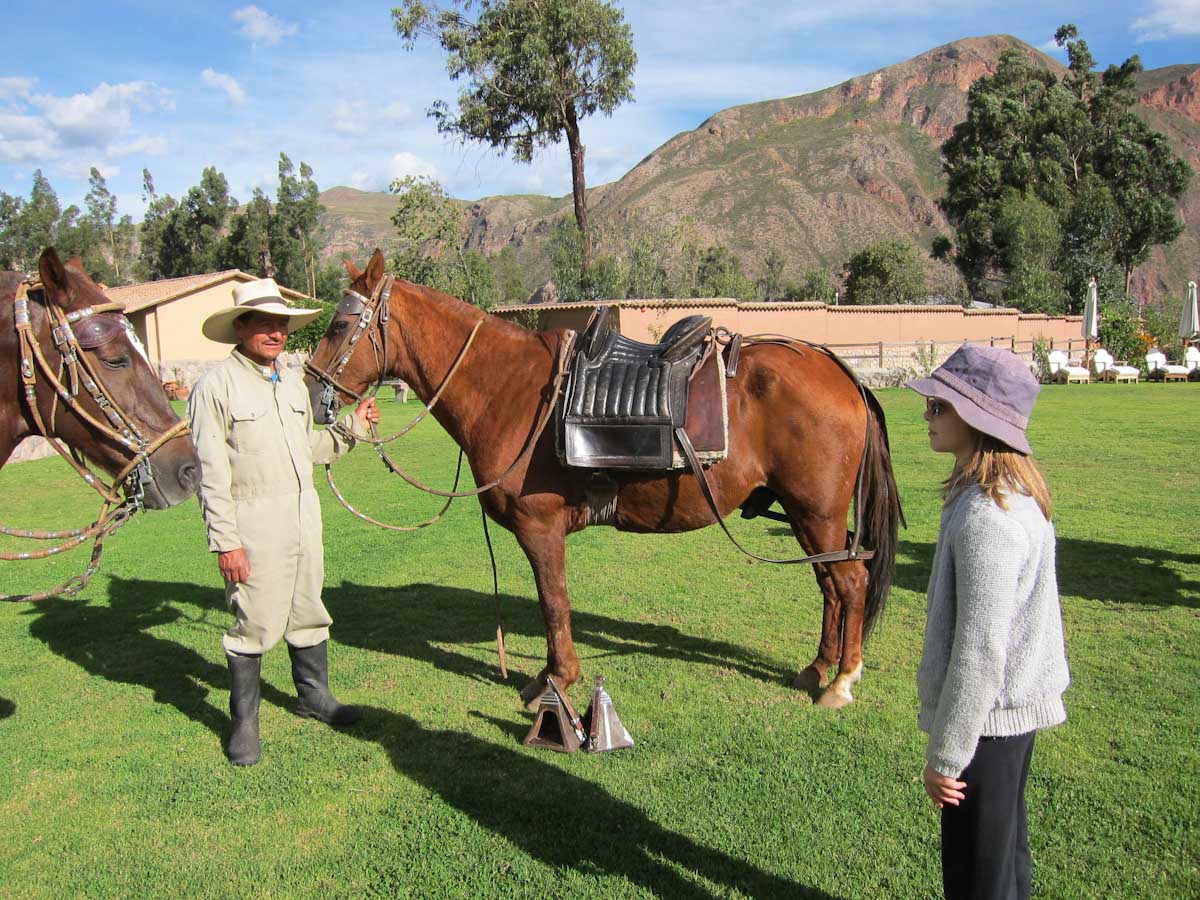
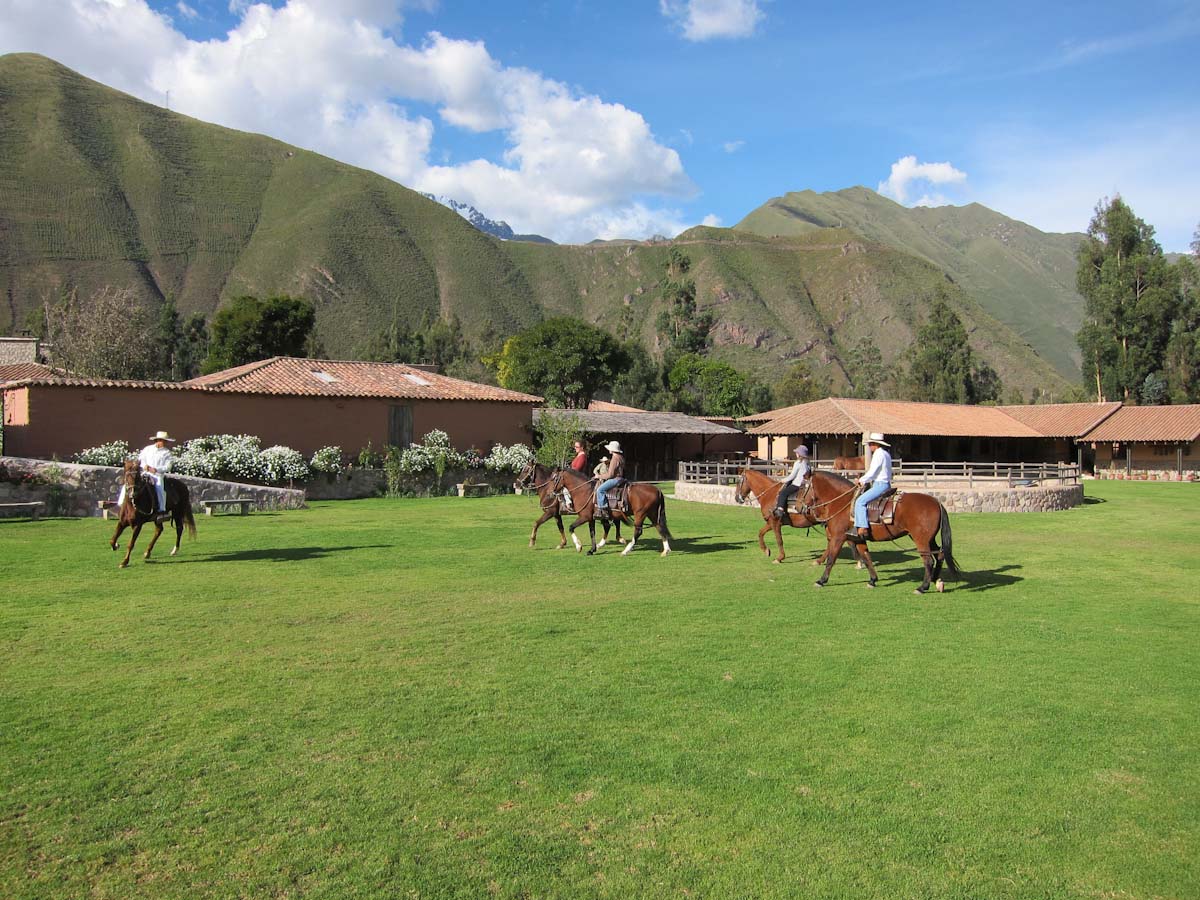
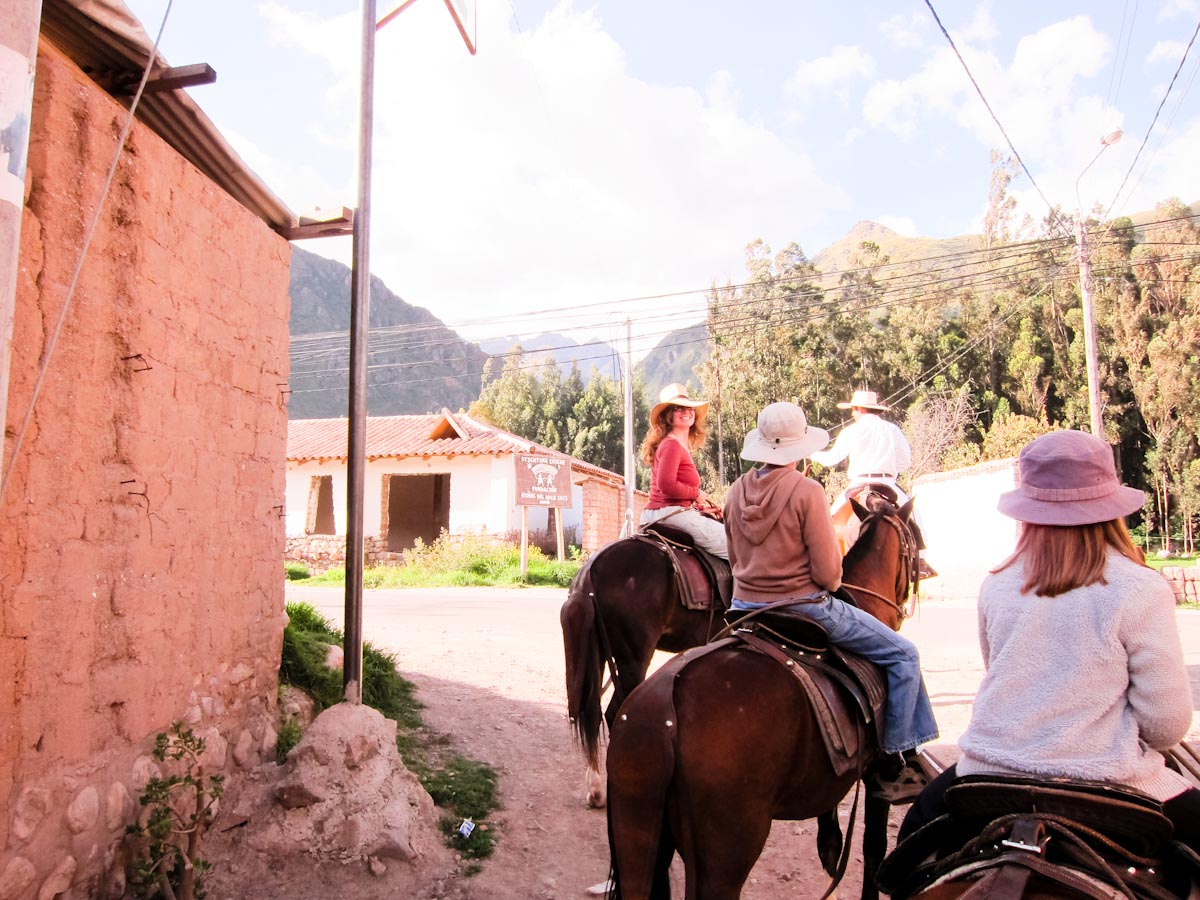
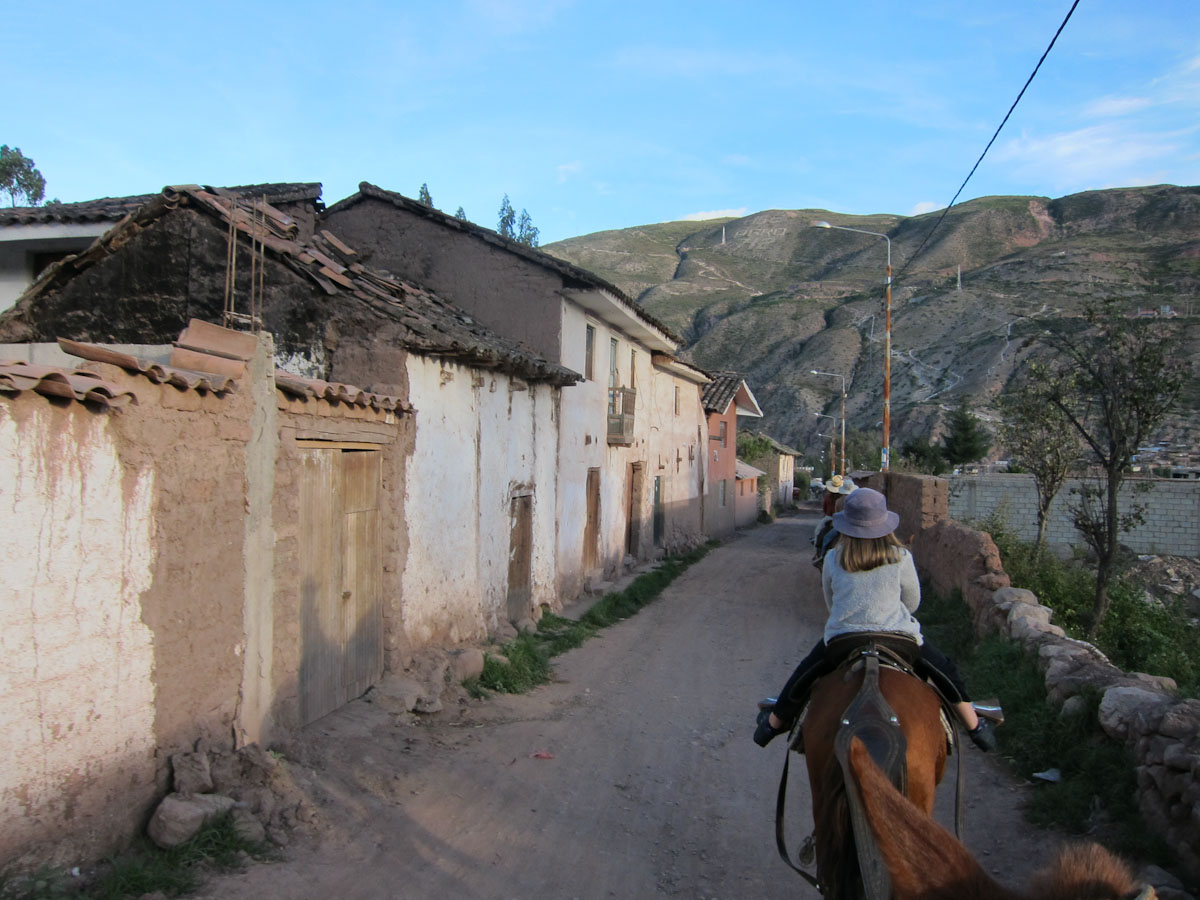
We greatly enjoyed our stay here at the Sol Y Luna hotel because of the gorgeous grounds full of flowers, attractive individual villas (casitas) and a great chef. We took a cooking lesson here and also went horseback riding. The horses were Peruvian Pasos, which means they have “a special, inherited, and completely natural four-beat lateral gait.” Their legs fly out sideways as they walk, which offers a smooth ride and makes them look like they are prancing. These horses were so well trained that a slight touch on the reins was enough to go in any direction.
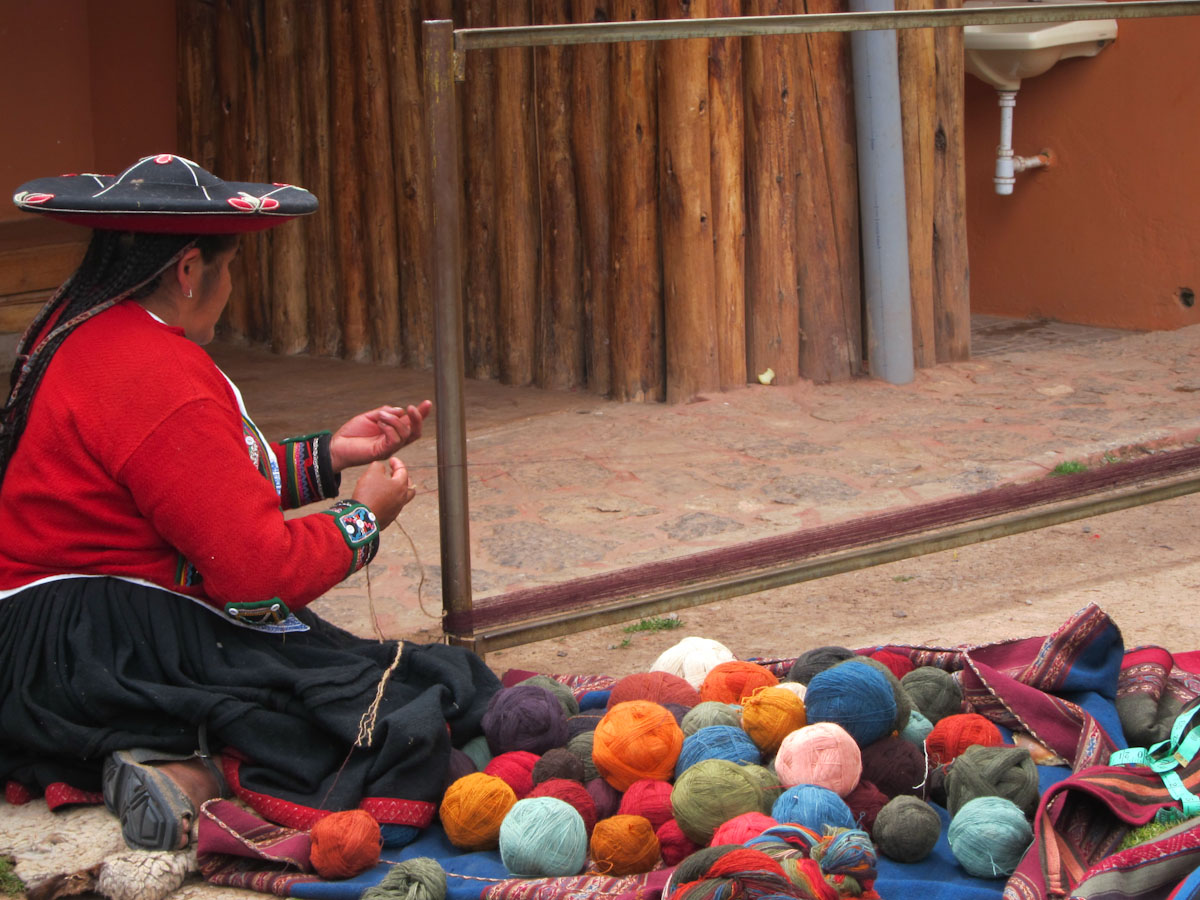
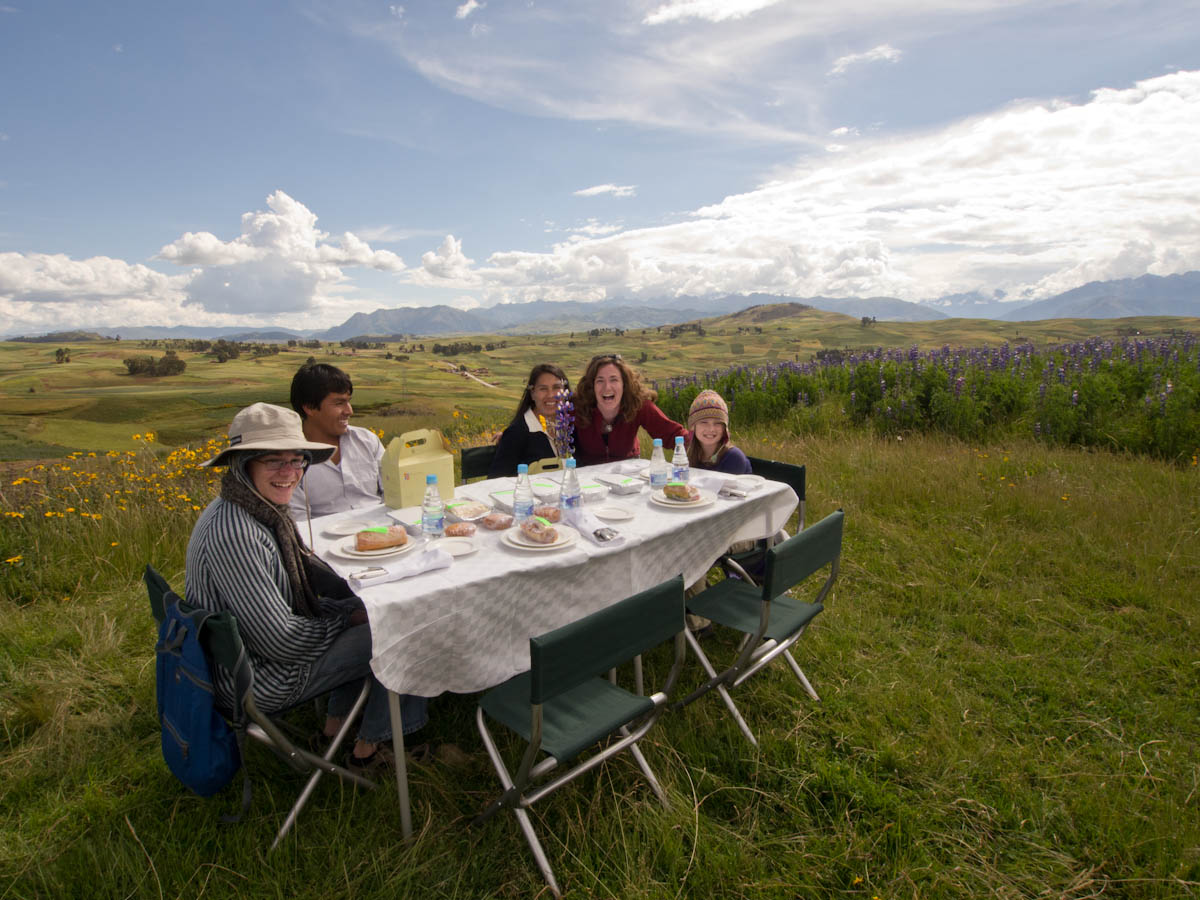
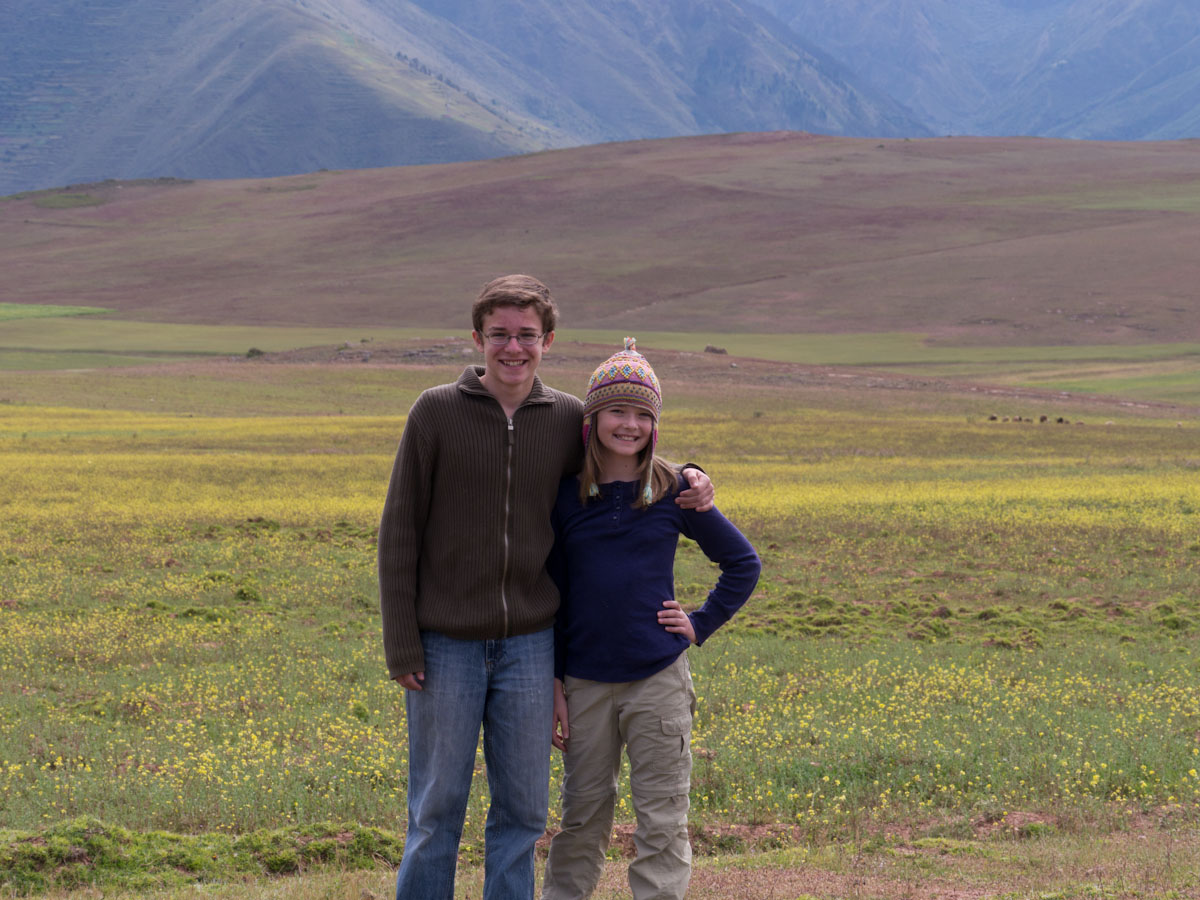
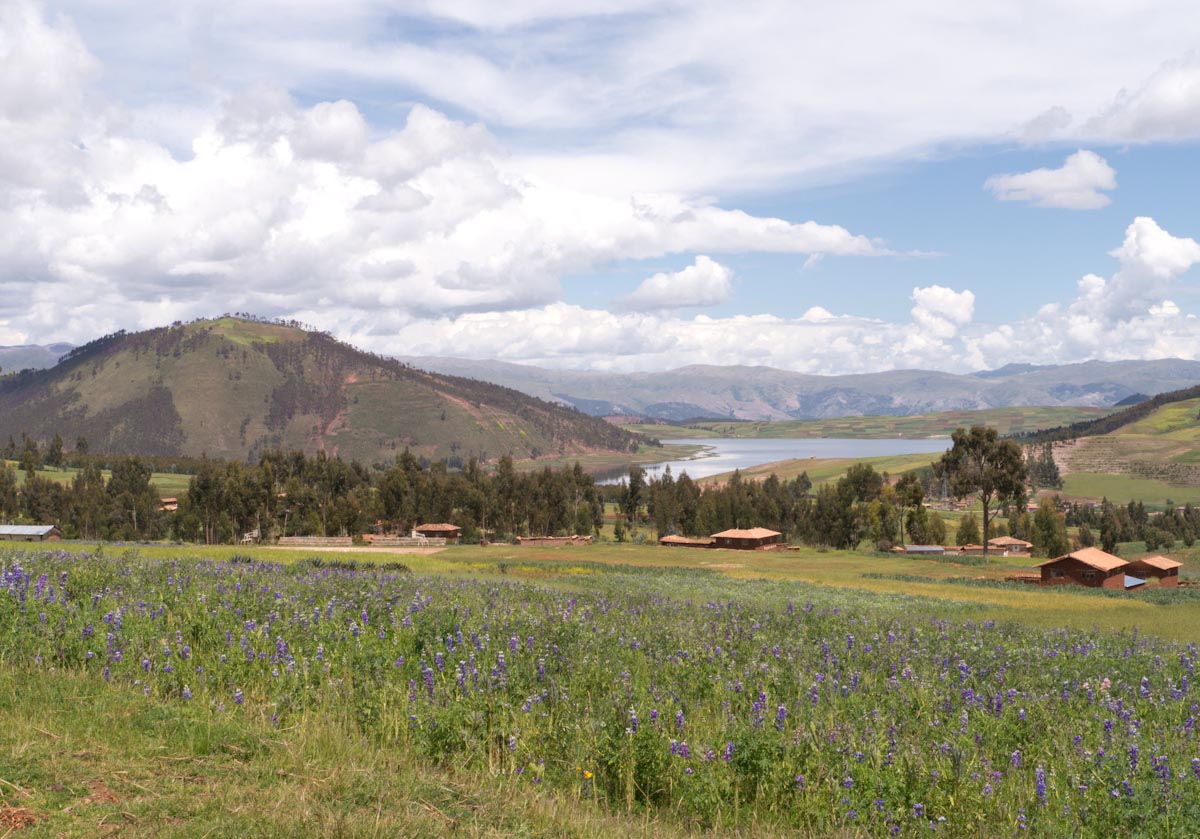
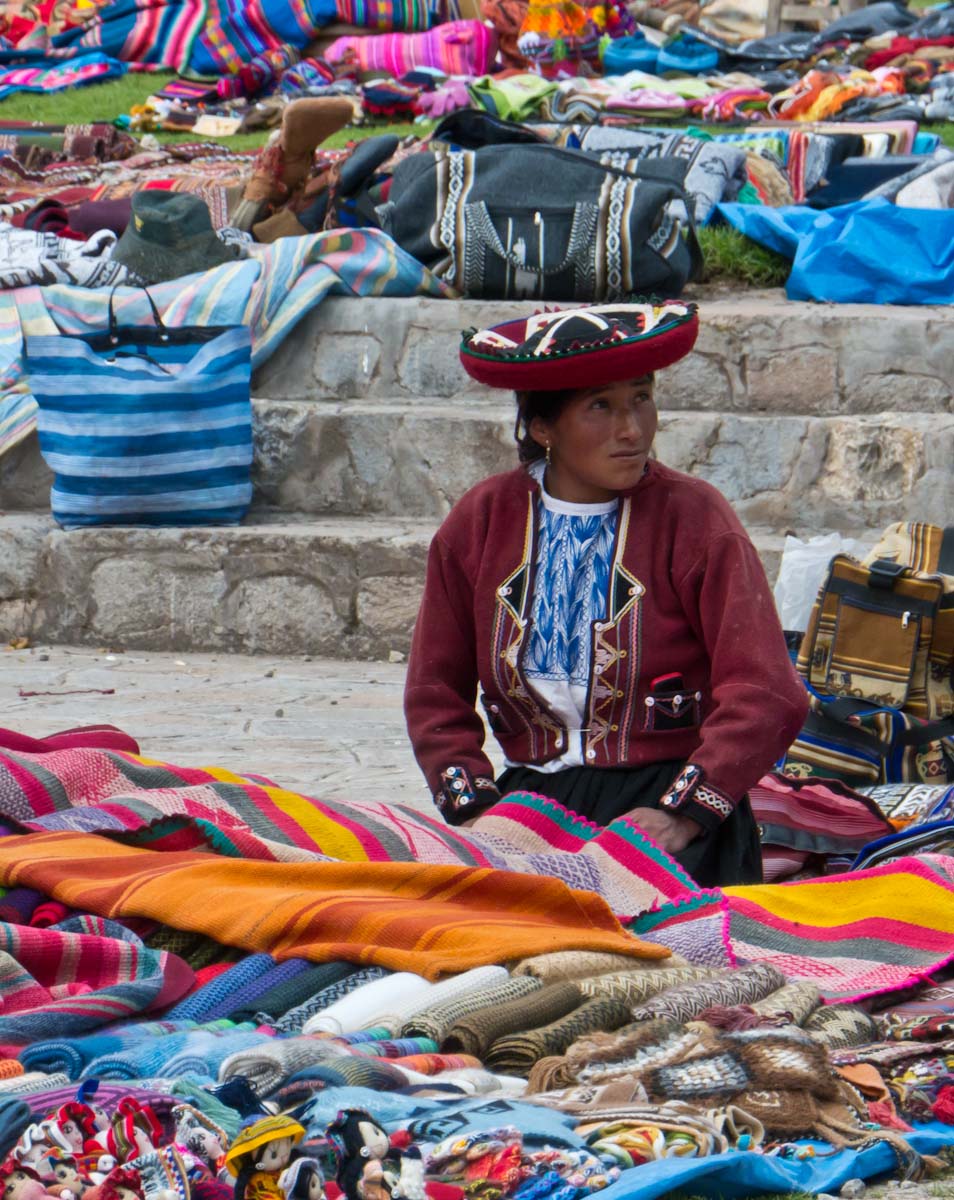
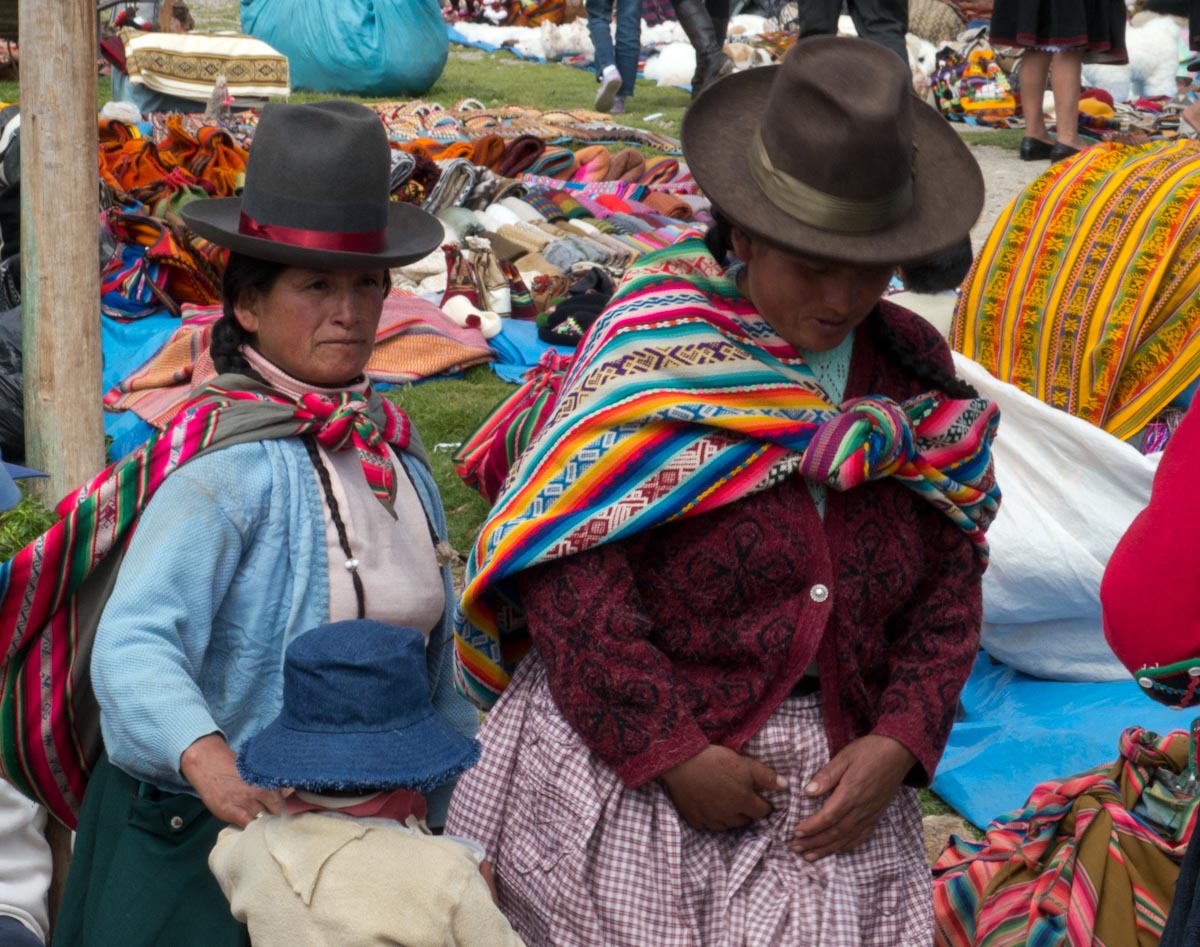
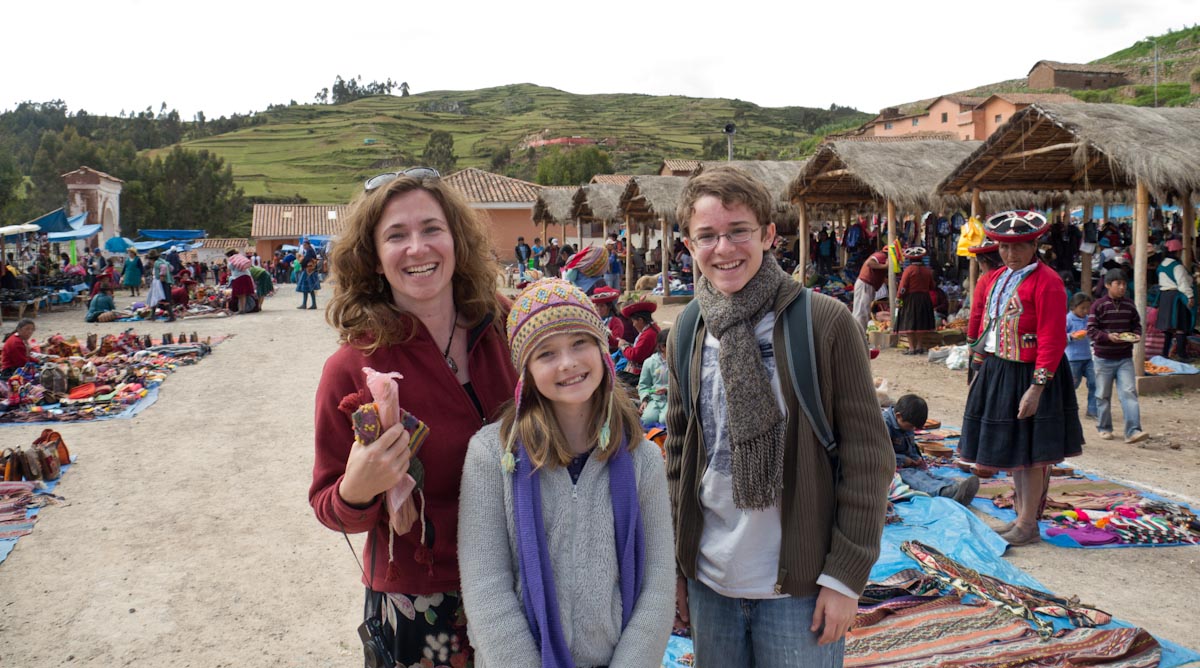
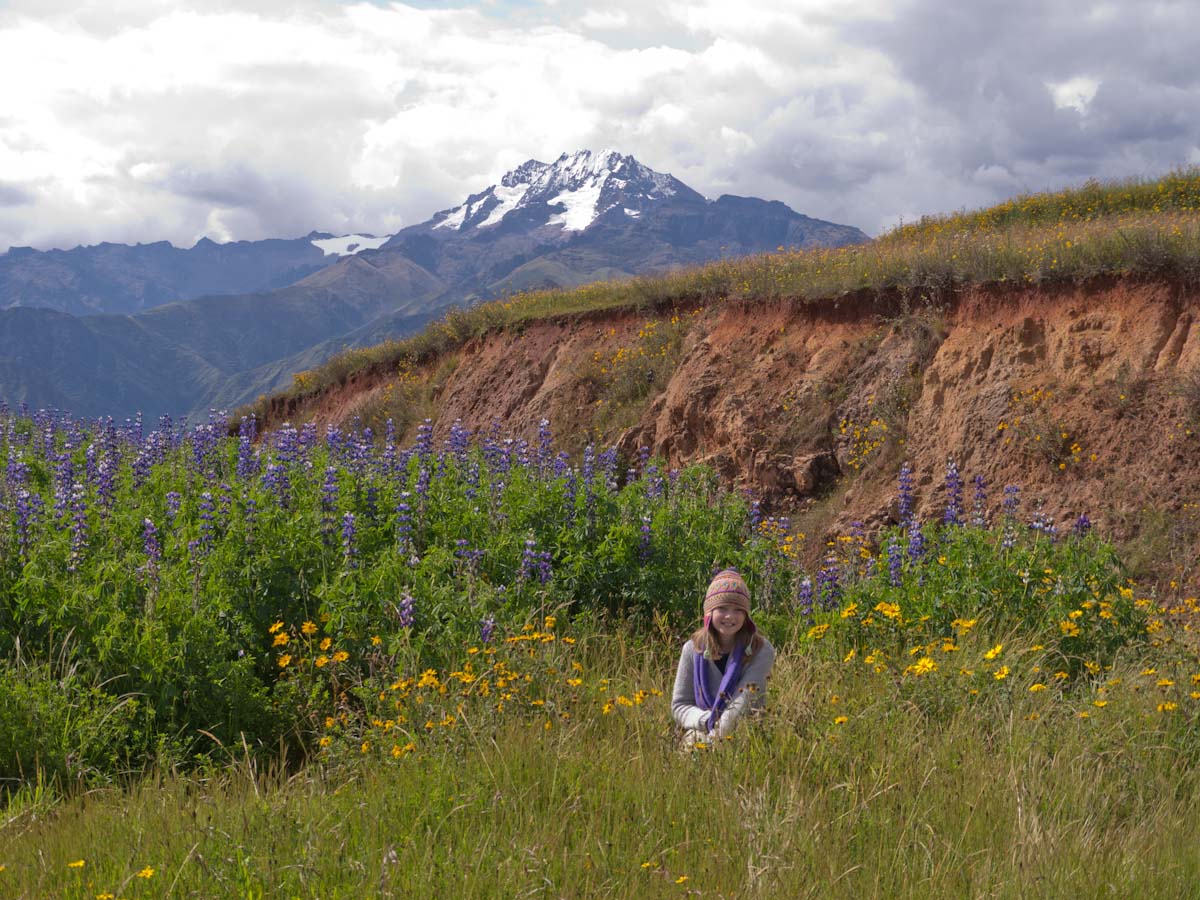
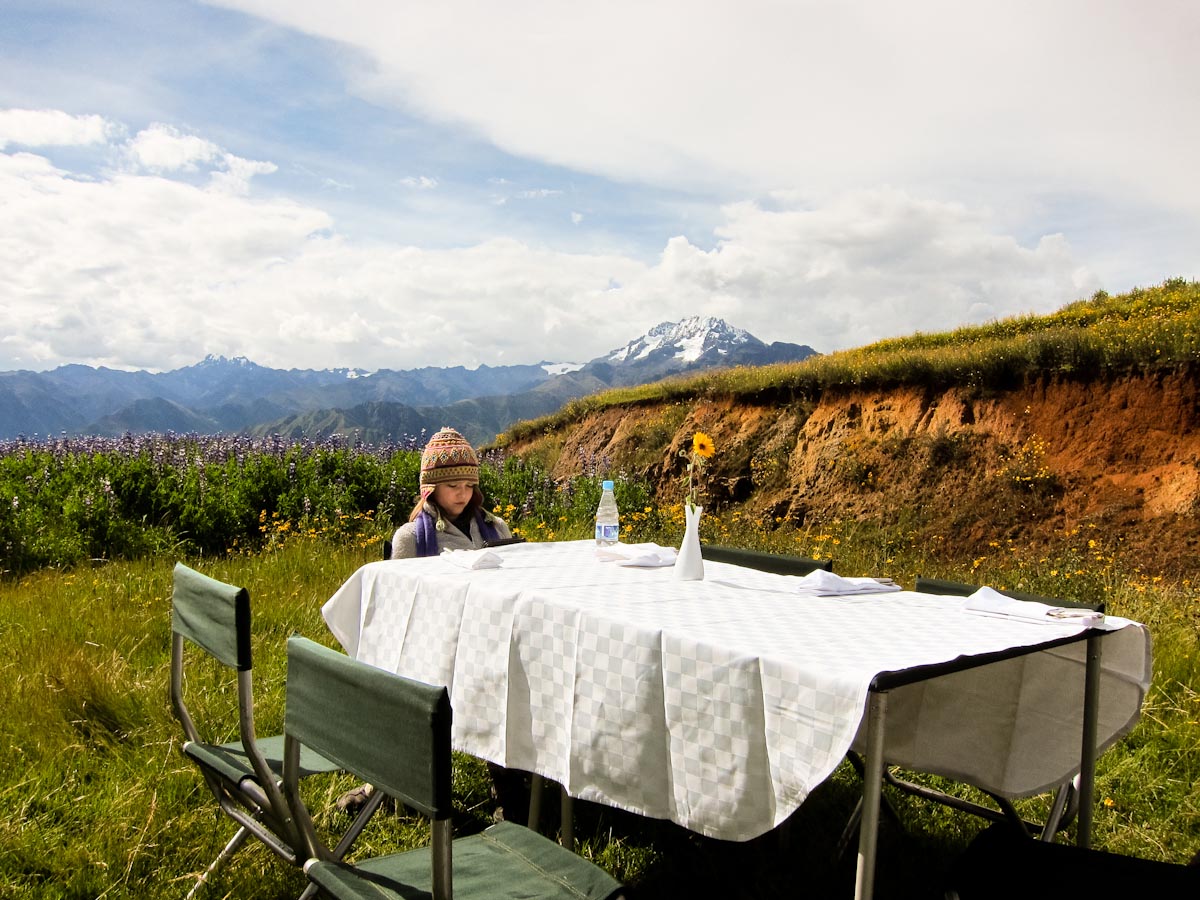
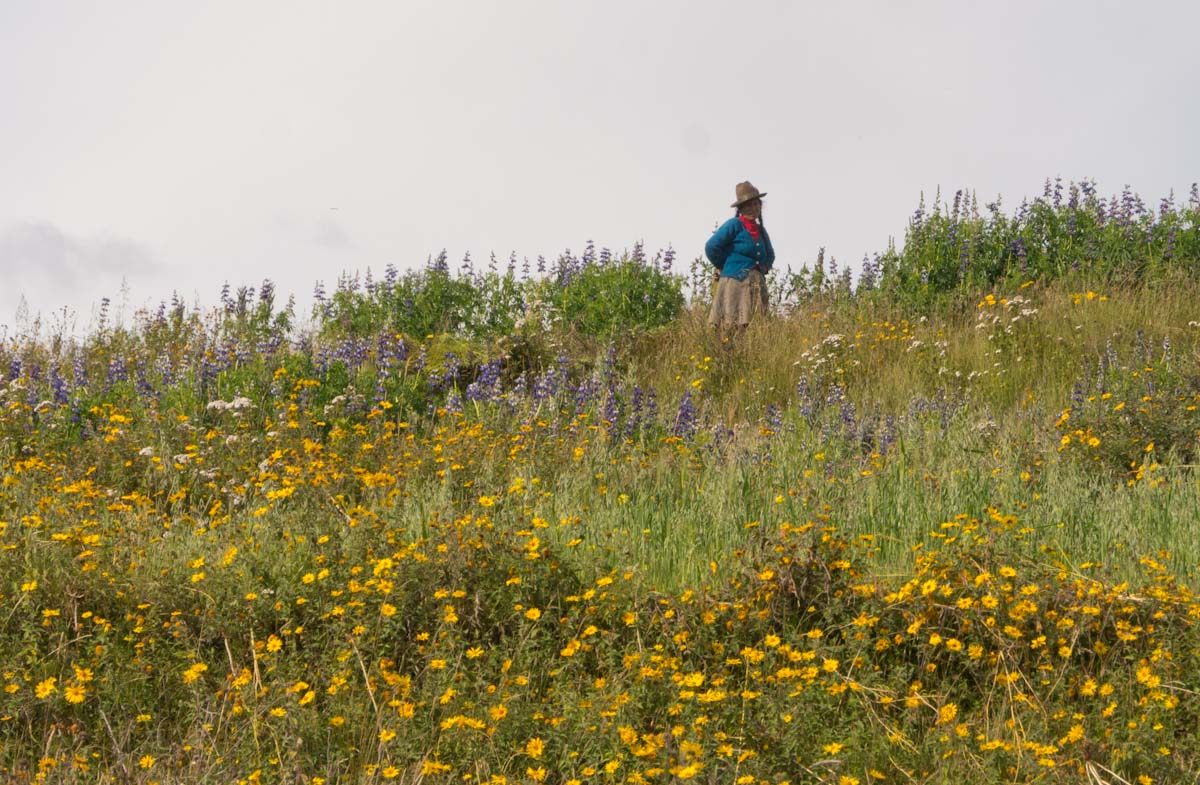
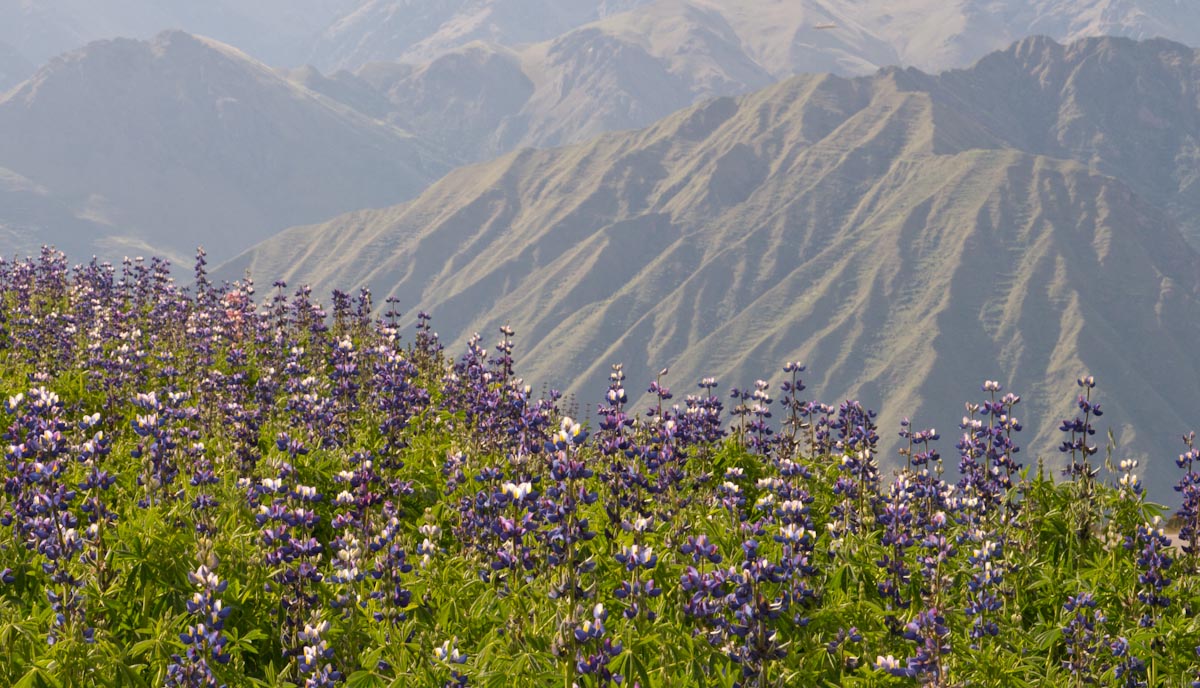
From the Sacred Valley we also climbed back up to 3700m and the town of Chincheros to see traditional weaving and a special Sunday market. We had a picnic lunch here with jaw-dropping wildflower views.
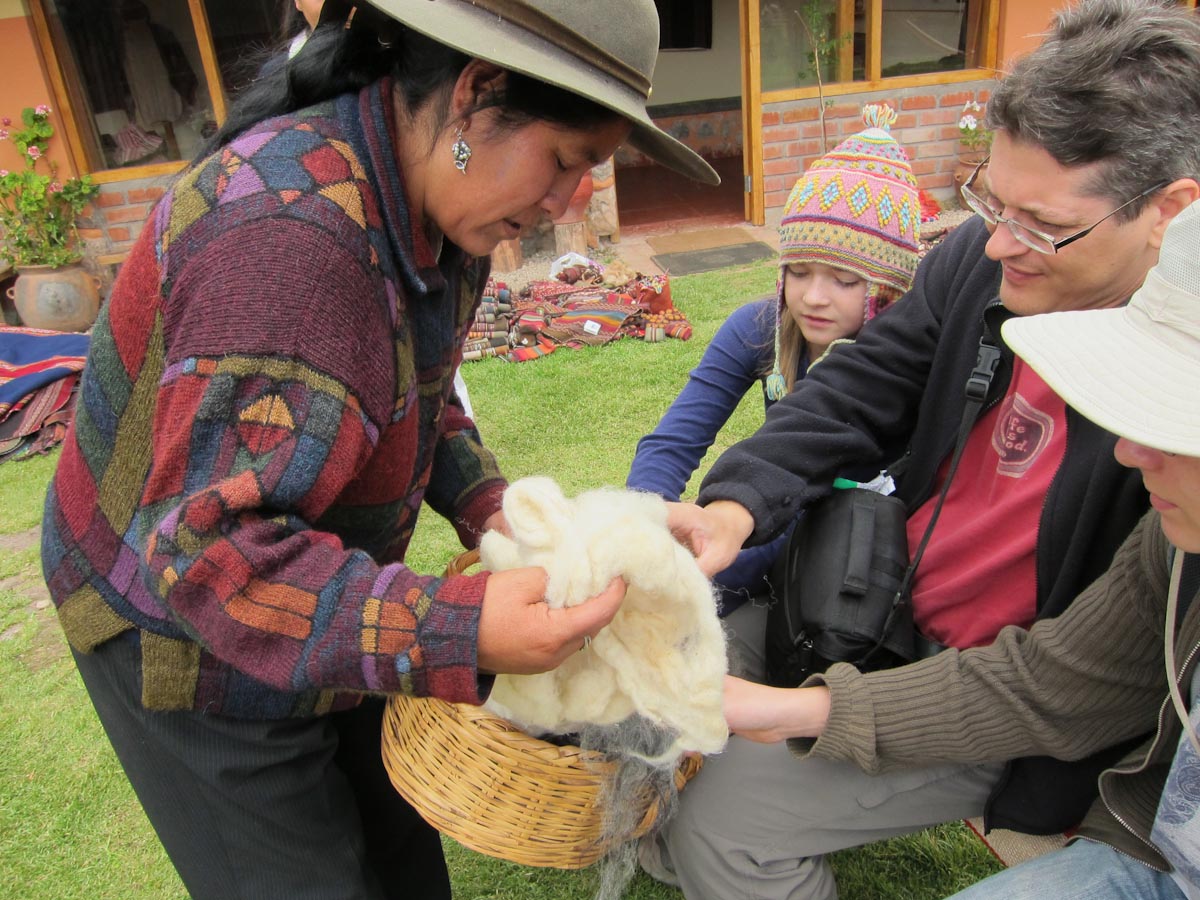
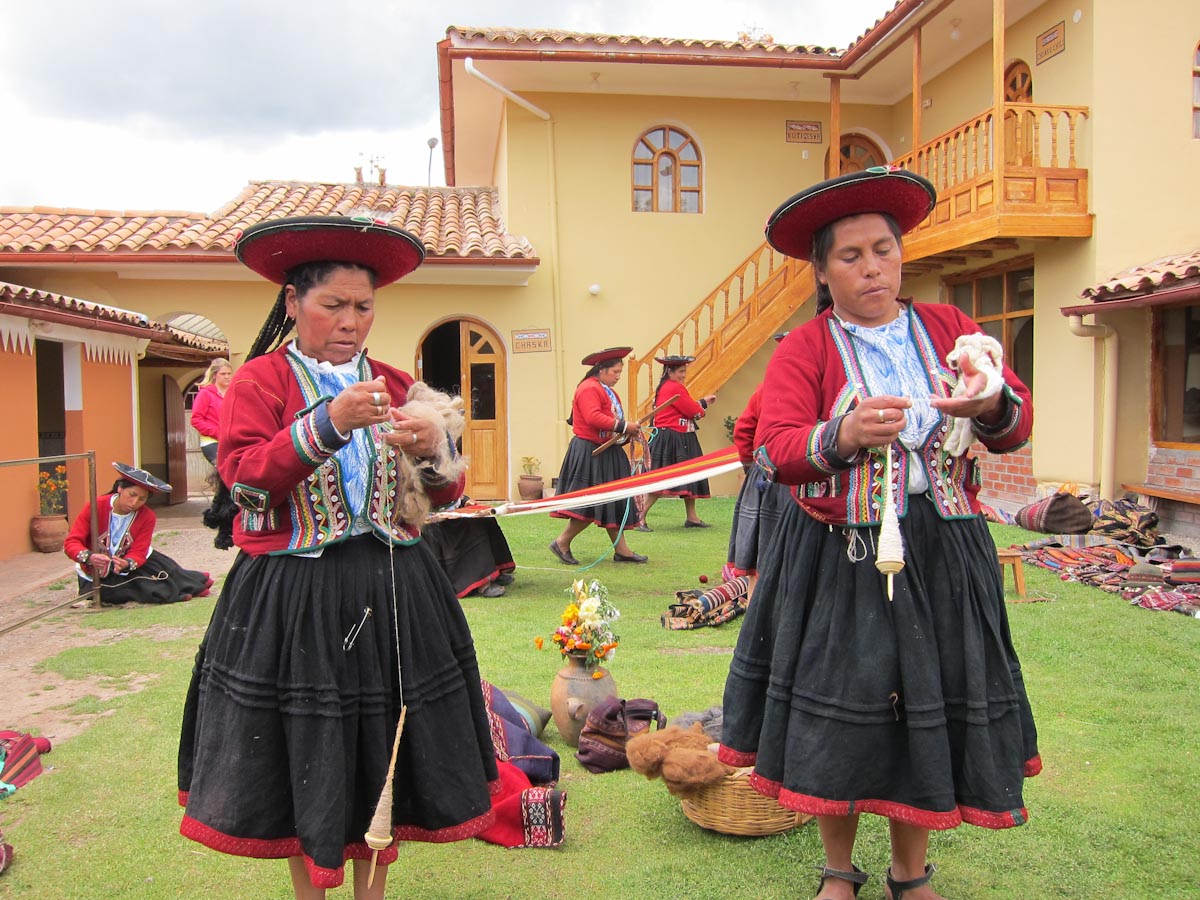
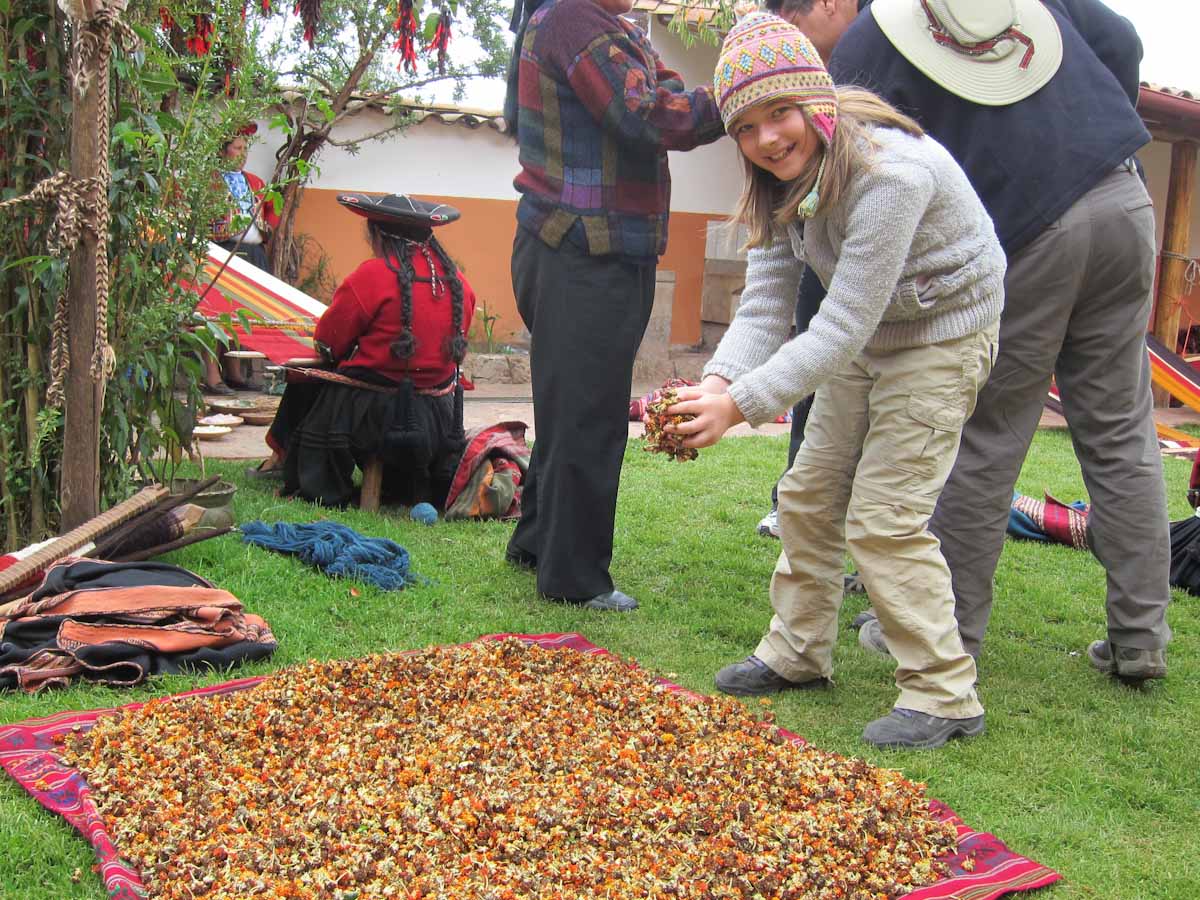
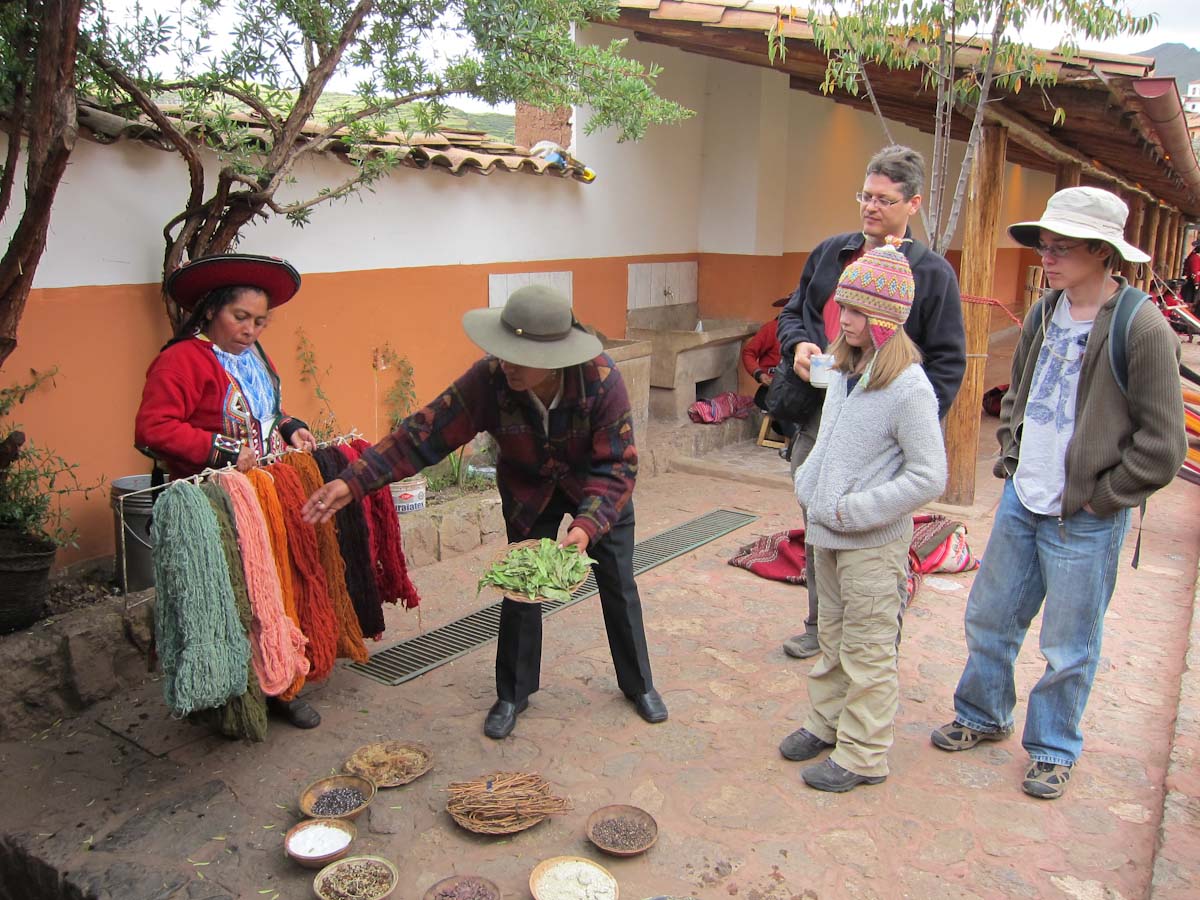
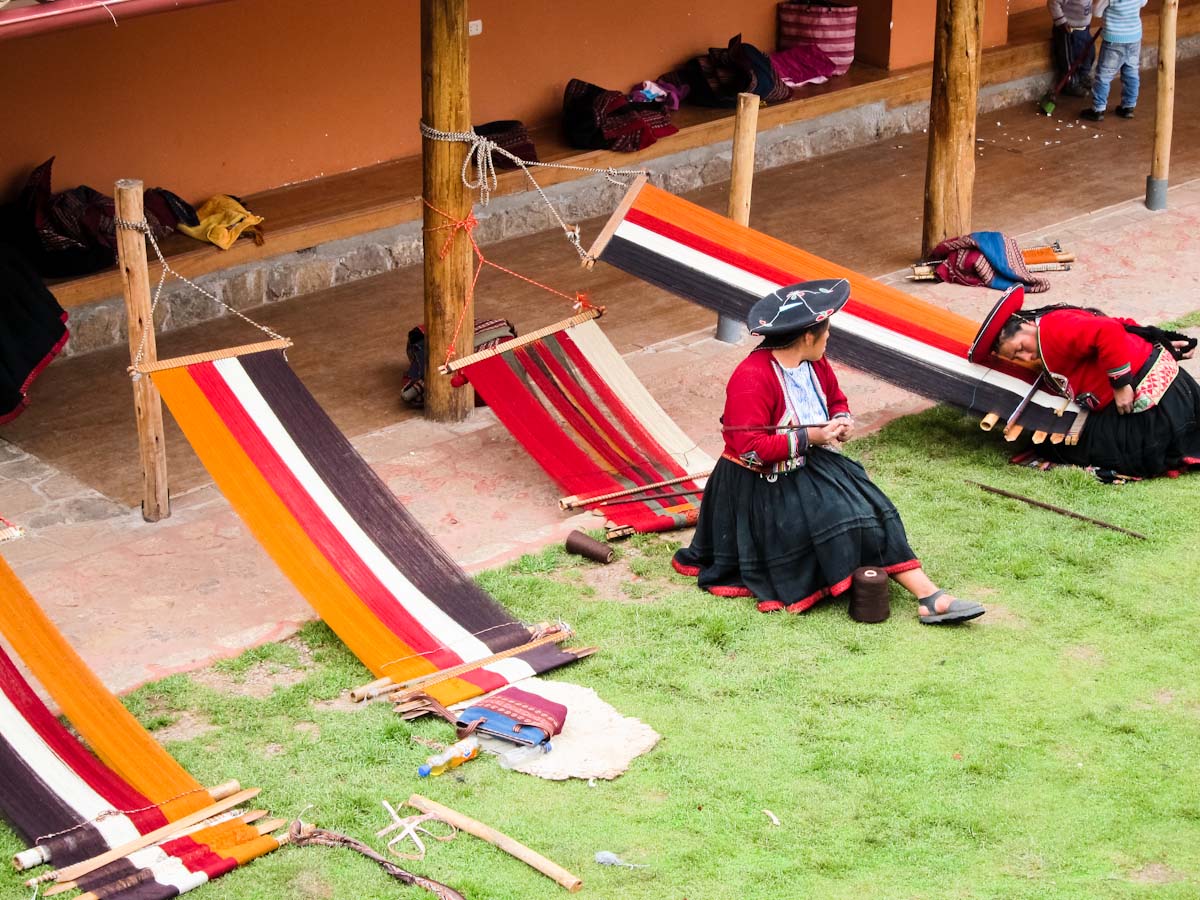
This center was especially interesting because it is a cooperative of women from villages all over the plateau. More than 100 come here to produce and sell their textiles. They use centuries-old techniques learned from their mothers. There are no written patterns, designs are executed from memory; their fingers seem to inherently know how to warp and weft the yarn so that complex and beautiful patterns emerge.
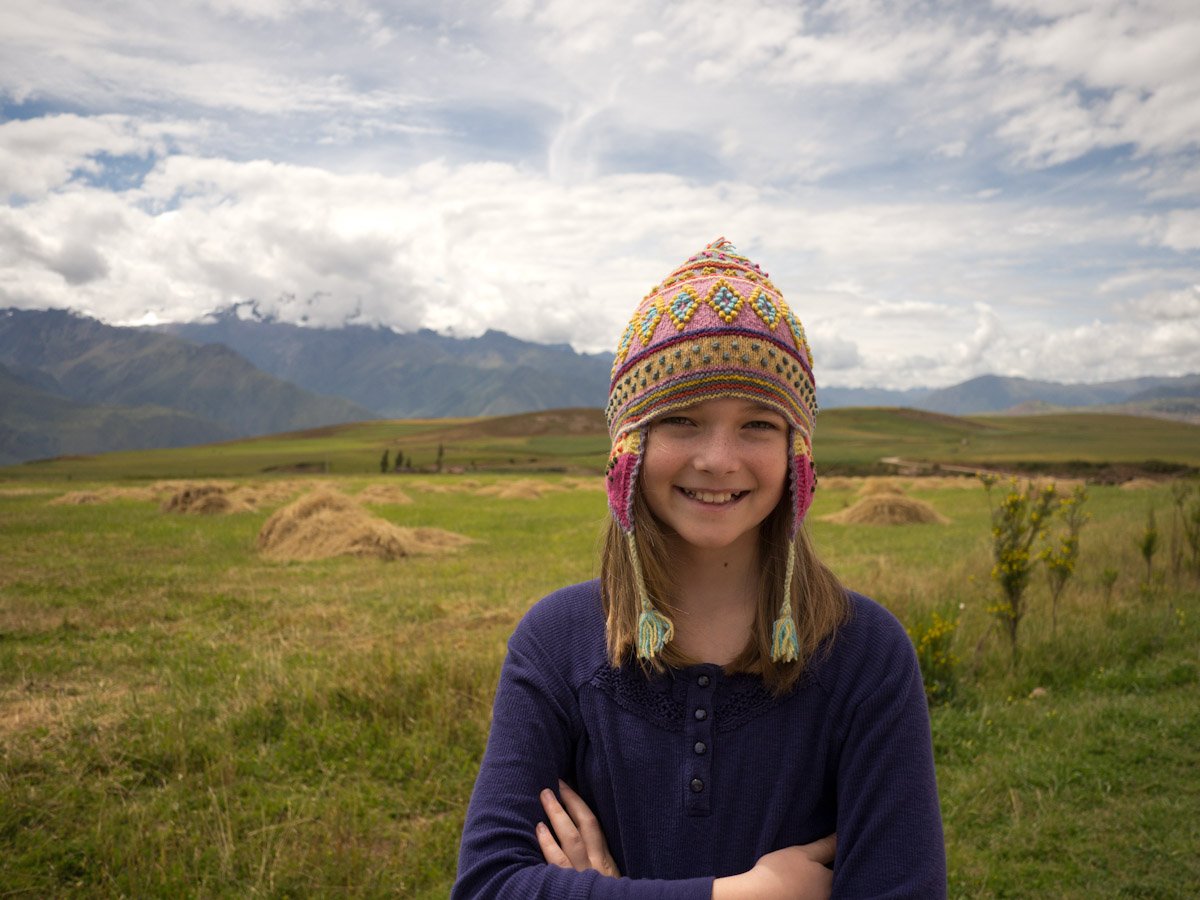
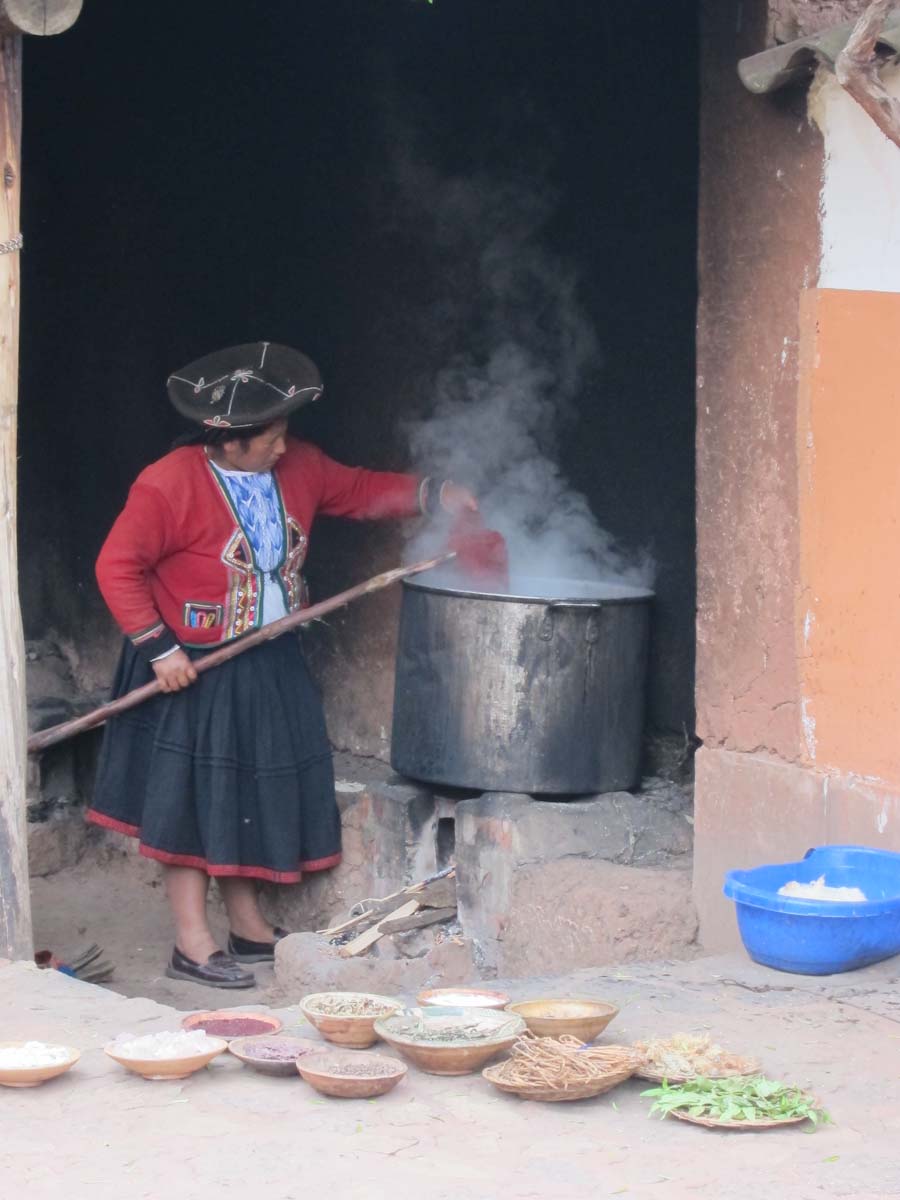
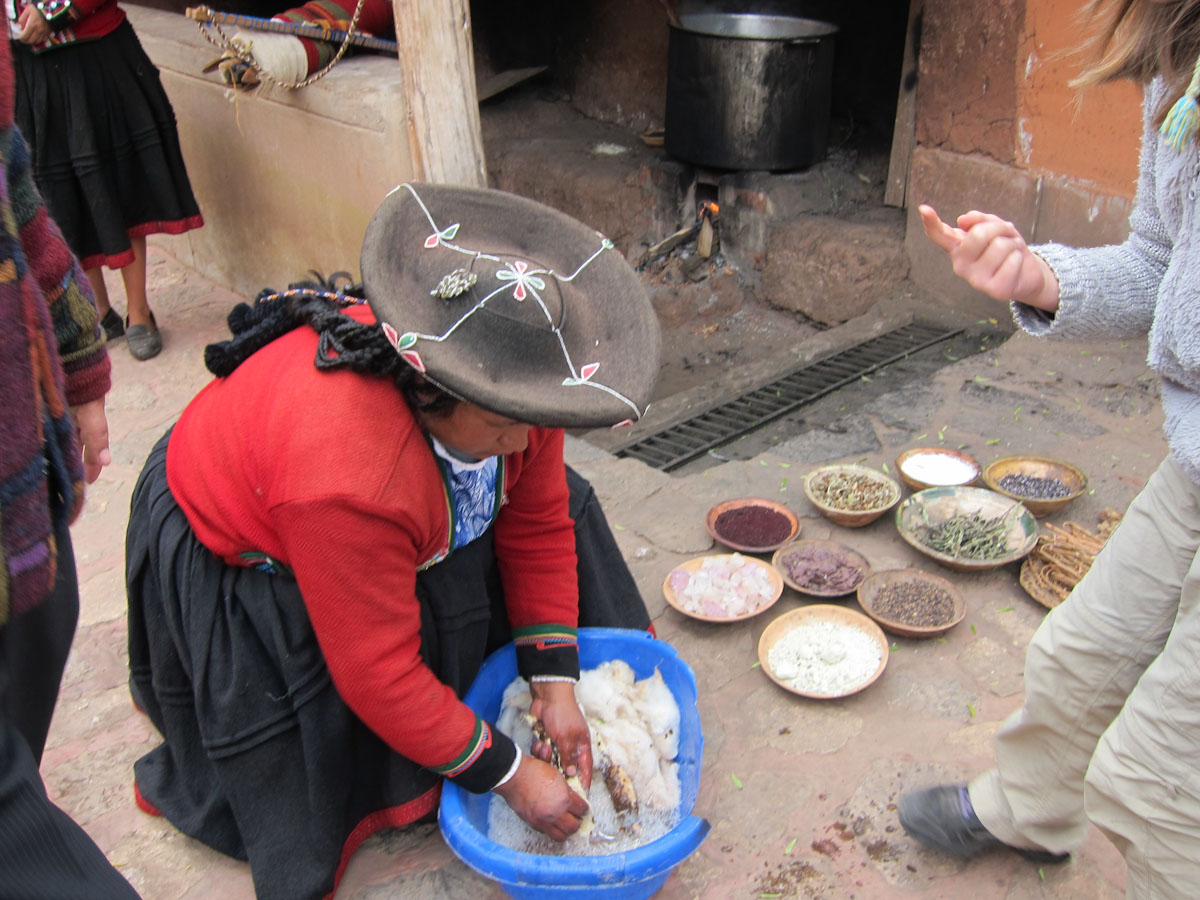
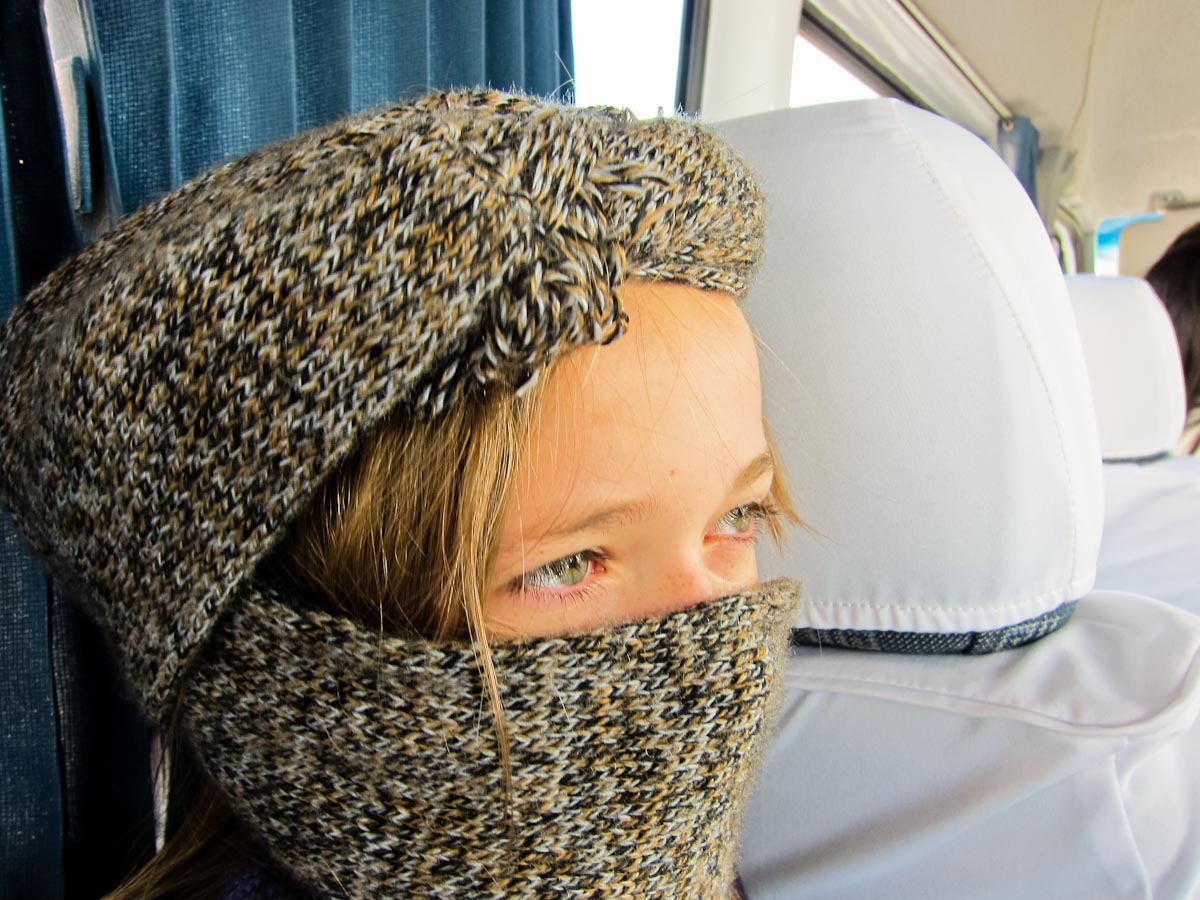
We learned how, at age 8, girls are taught to spin yarn, how herbs, berries and fungi are used to make dyes (many of which are seasonal and thus only possible for several weeks a year), and how long it takes to complete a piece for market (anywhere from a few days to several months depending on its size and complexity). We couldn’t choose between all the fine offerings: Katherine, Carter, and I all found alpaca hats and scarves for winter, while Gina fell in love with some pillow cases and table runners in shades of cinnamon and saffron.
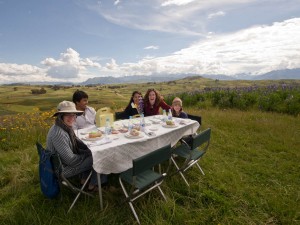
The picnic was on an Andean plateau surrounded by snow-capped peaks overlooking late-summer fields of potato, beans, and barley. The table was set with white linens and a vase with freshly-plucked wildflowers in the center. The sky is an unnatural shade of blue, perhaps because we are so close to it.
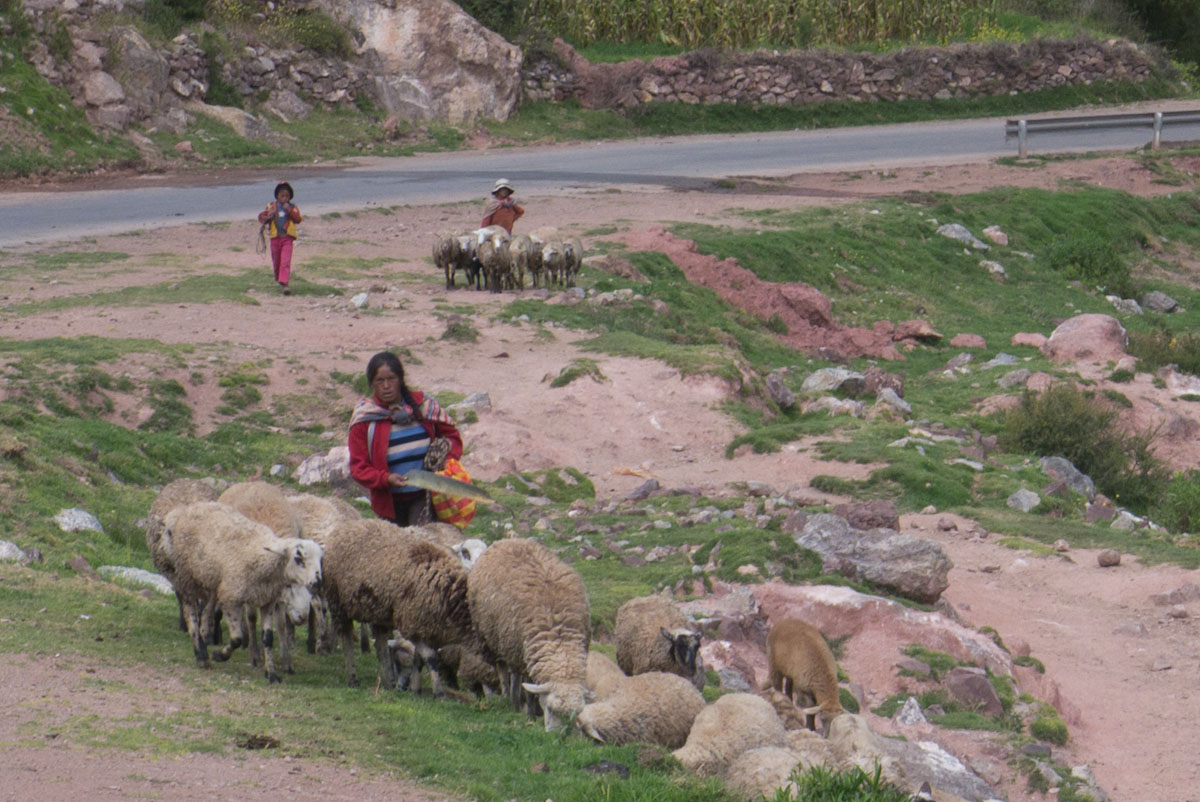
The market buzzed with activity for the benefit of the villagers more than the few tourists looking on: women in brightly colored clothes displayed handmade wares on tarps, groups of old men sat laughing and drinking
chichas, and kids ran barefoot from snack vendor to snack vendor engaged in a raucous game of chase. Our guide, Maria, bought organic potatoes and free-range eggs to take home, telling us how much better things tasted when grown in the mountains. It was easy to believe.
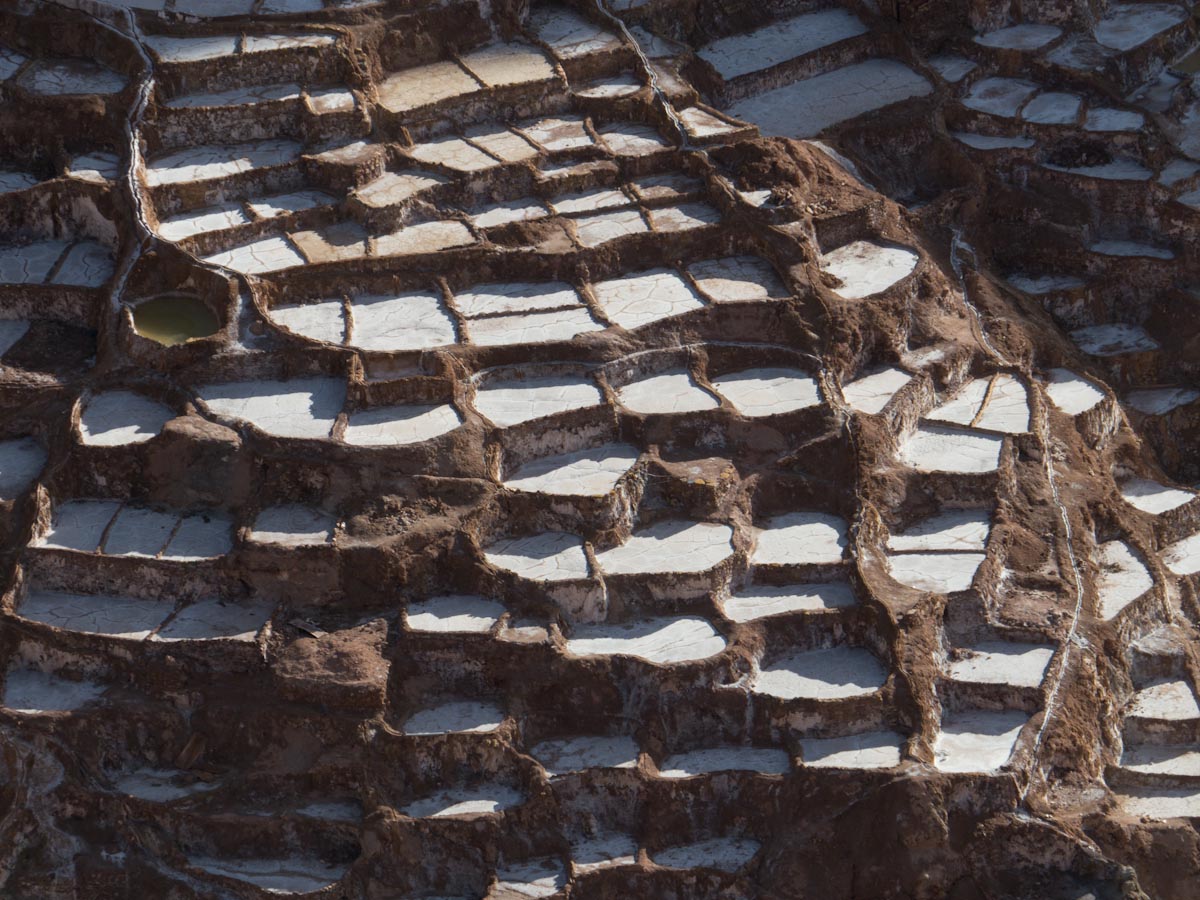
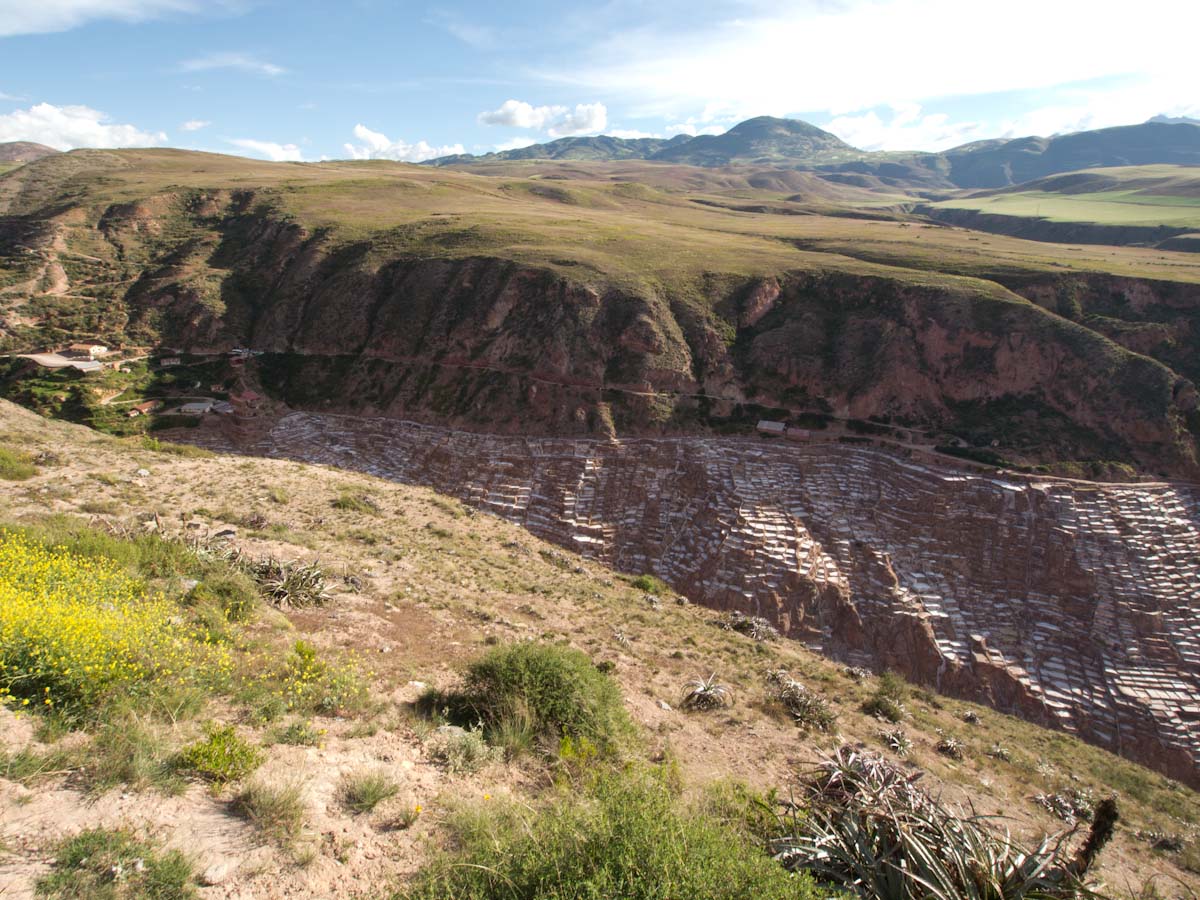
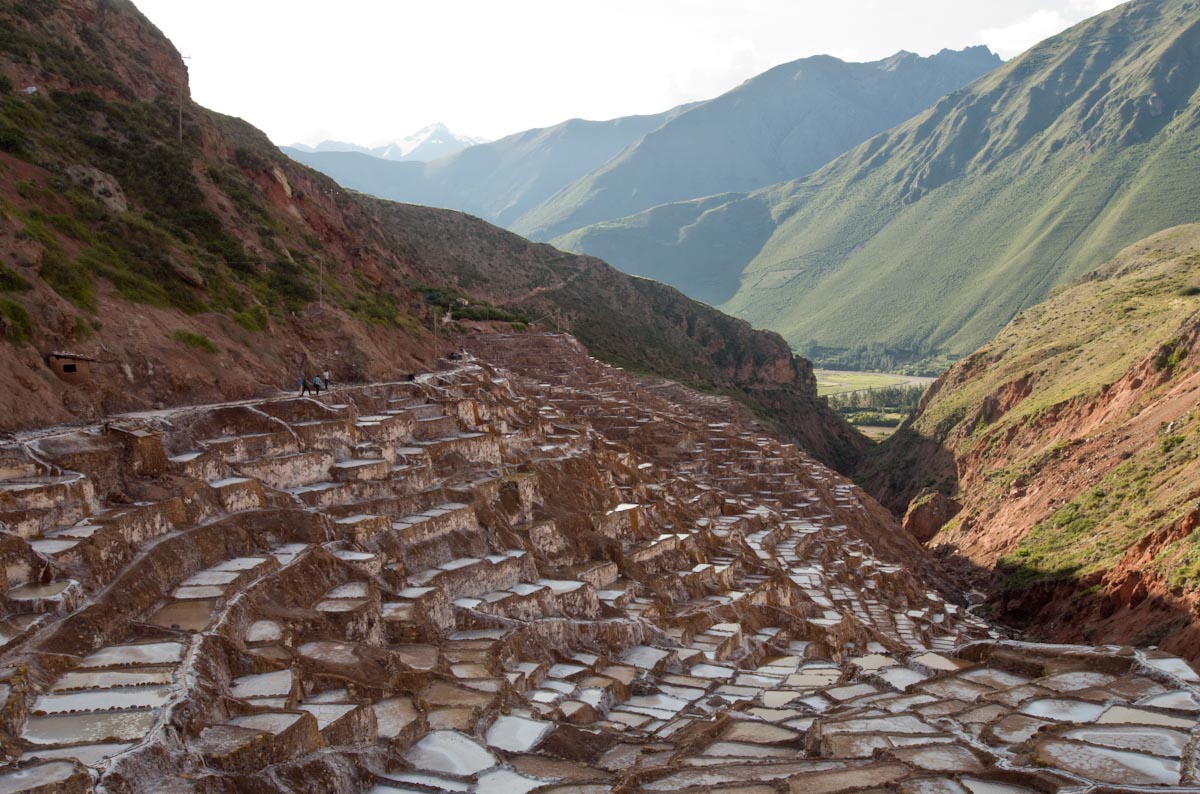
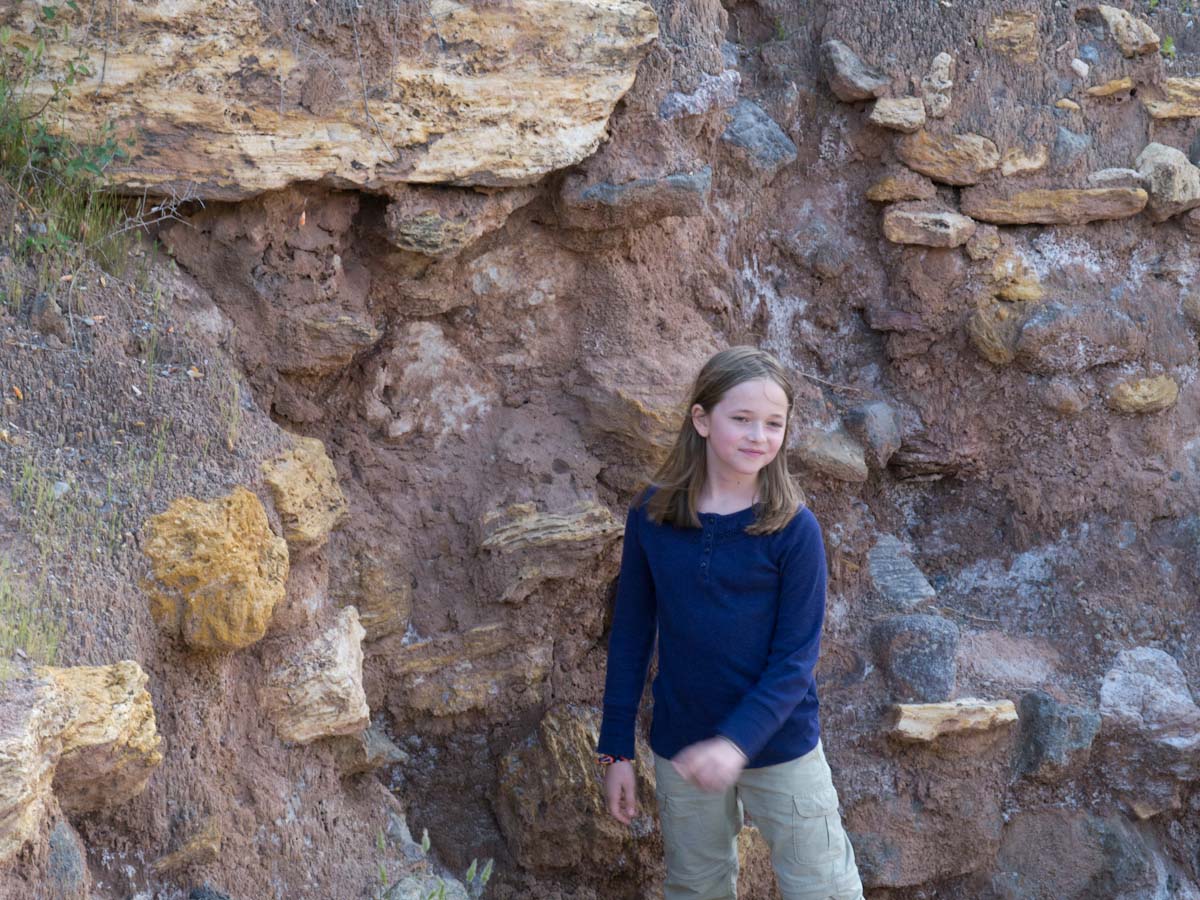
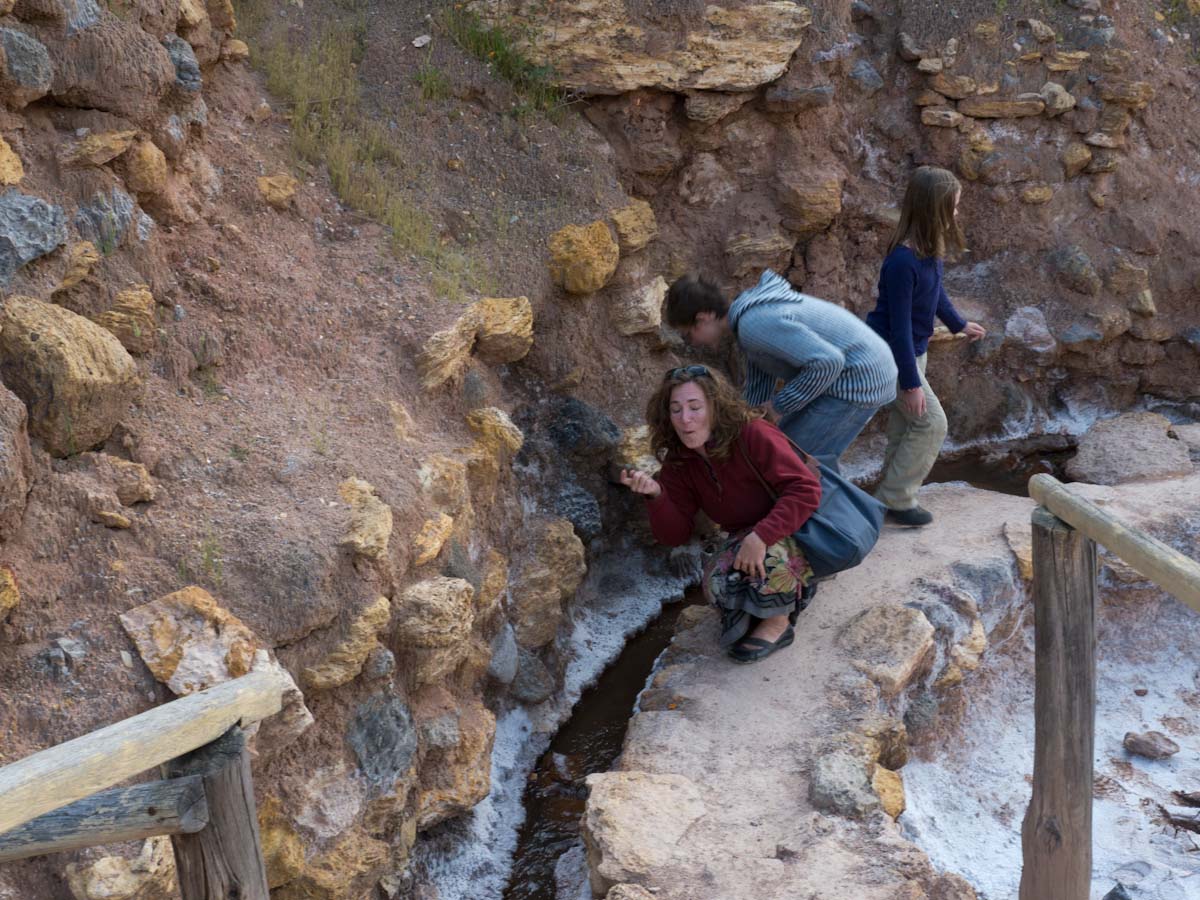
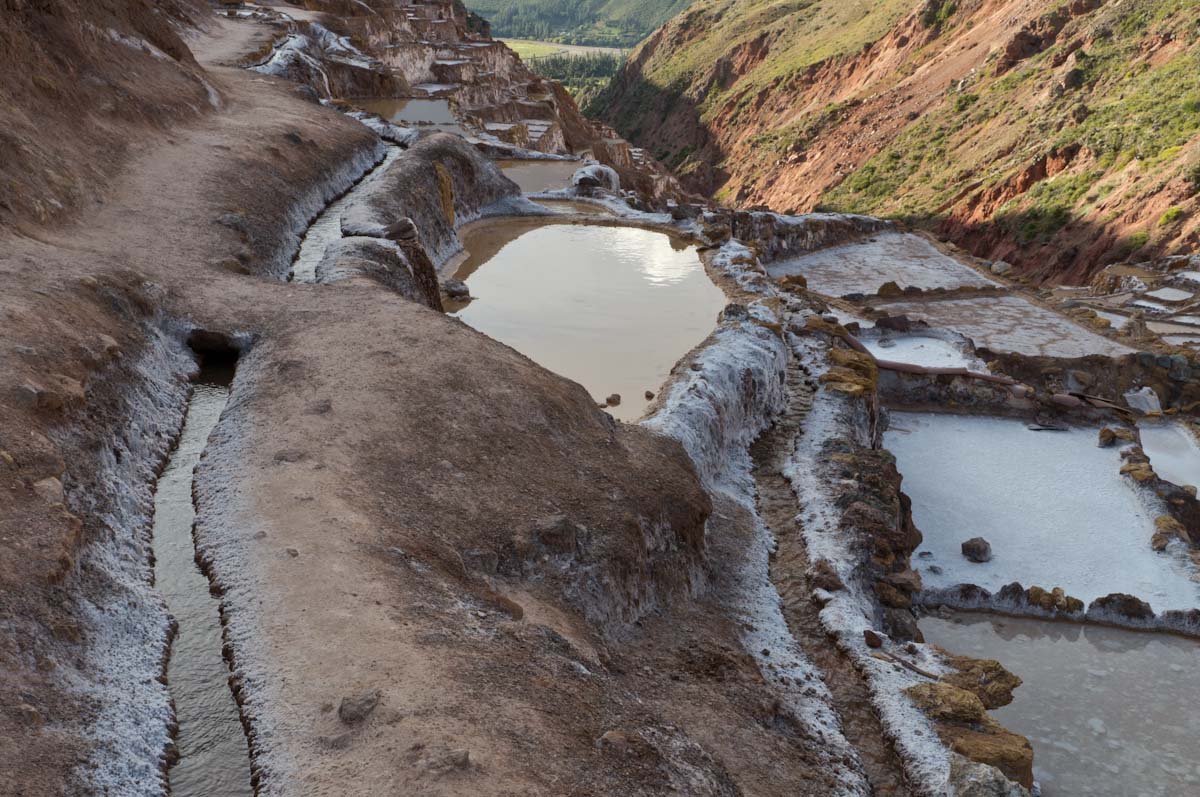
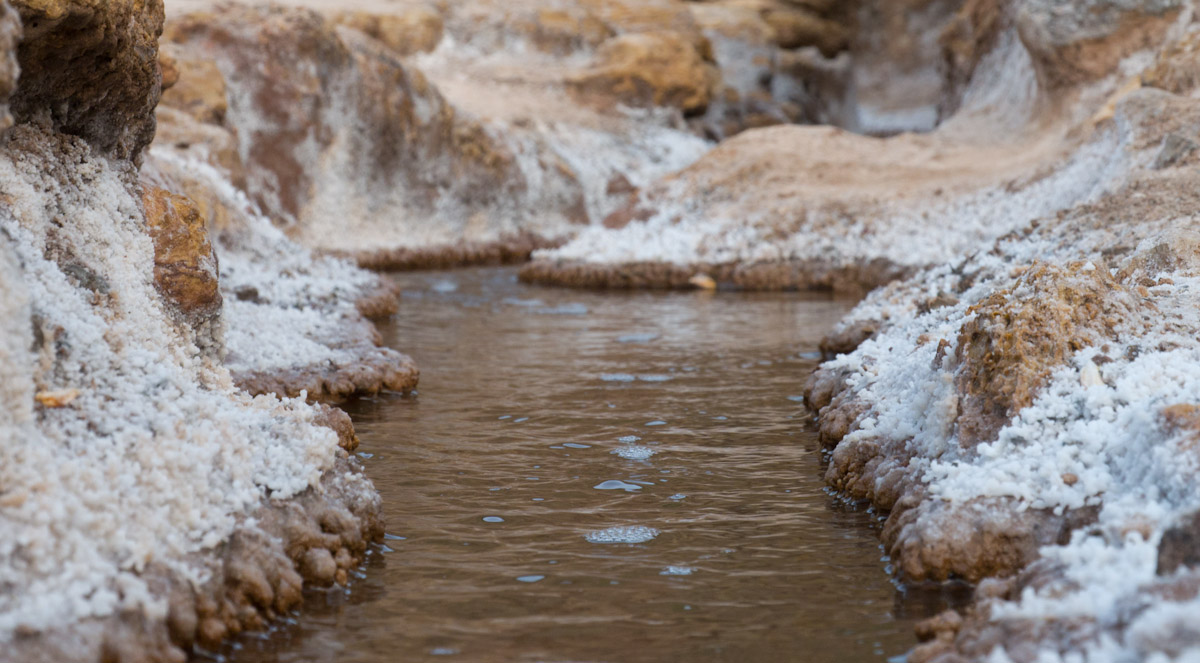
On the last day here we visited an ancient salt field that dates back to pre-Incan times. A small spring bubbling up from one of the mountains contains salty water due to salt deposits under the mountain. Generation upon generation of Peruvians have carved shallow pools to capture this water and then harvest salt through evaporation. It is a striking view.
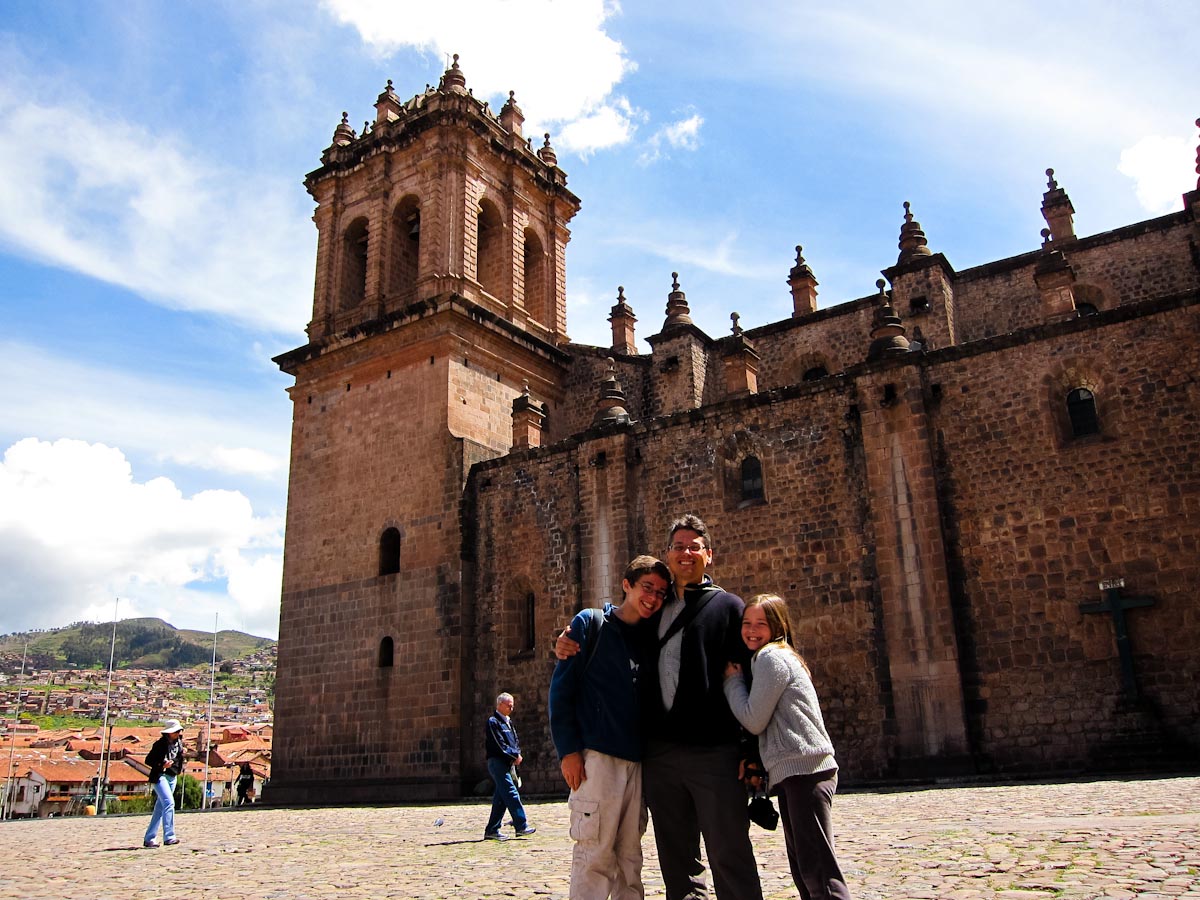
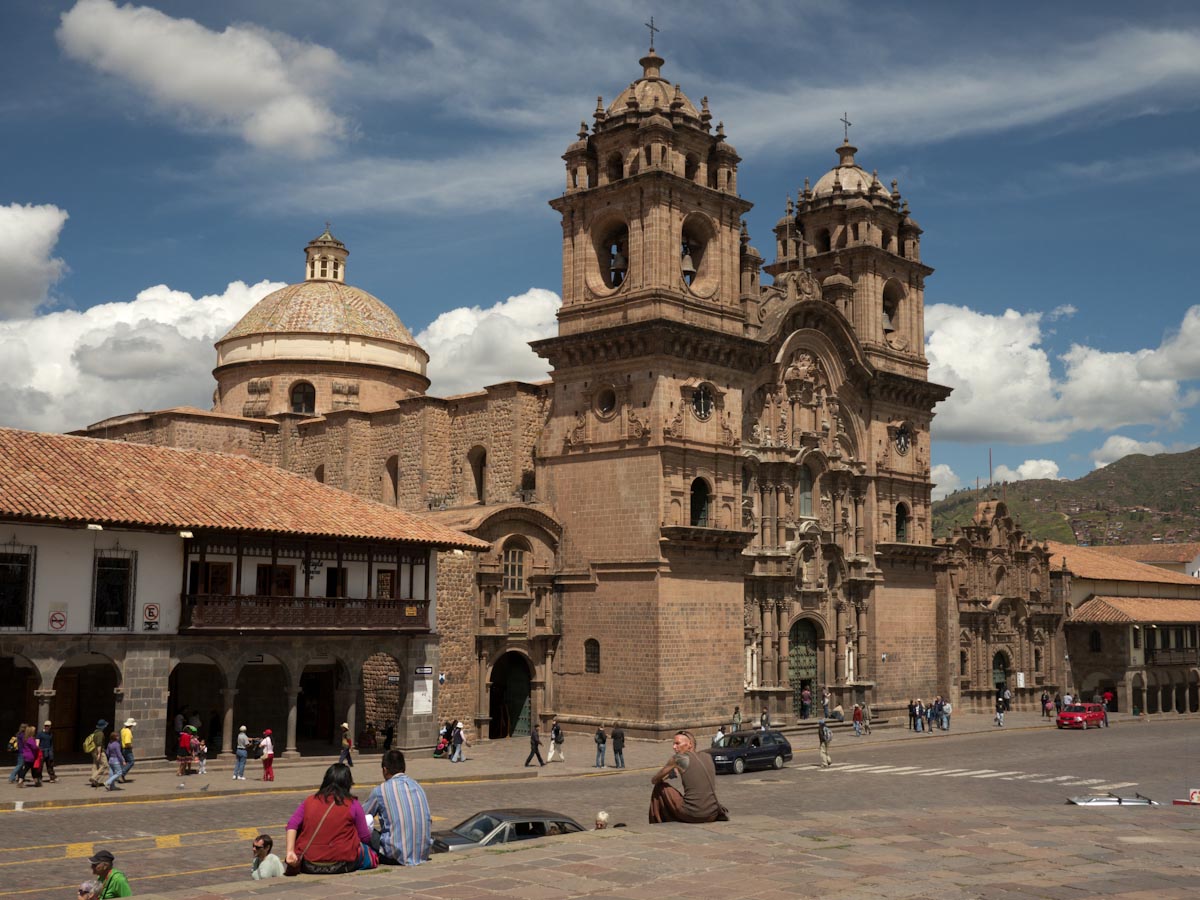
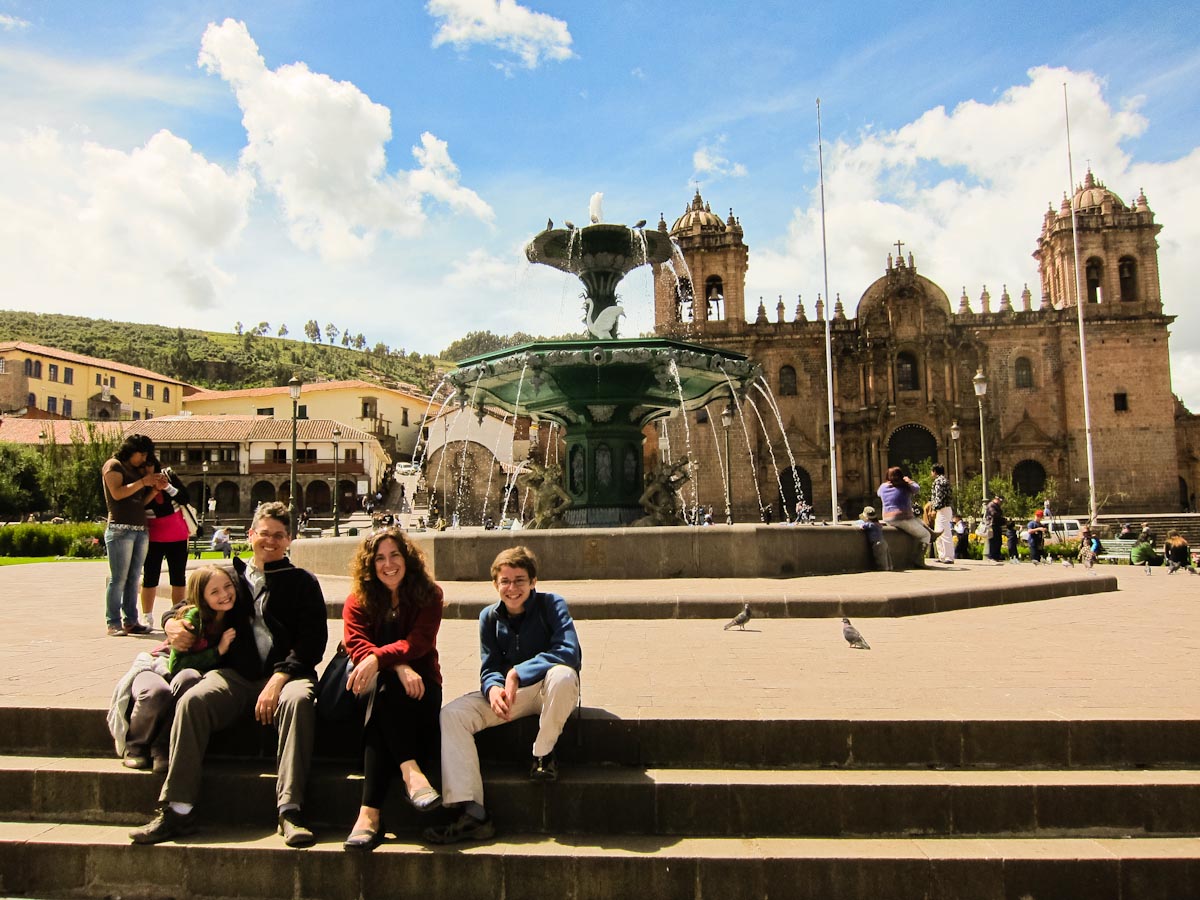
From here we proceeded to Machu Picchu by train and two days later returned up through the Sacred Valley again and back to Cusco. The town is rather touristy, but still charming enough with its churches dating back to the Spanish conquerors. An old Incan temple here was once surrounded by walls of gold and these were in turn surrounded by gold and silver statues of spiritual animals such as the llama, snake, guinea pig, condor, puma and monkey. It is said that when the Spanish invaders arrived, they were stopped in their tracks, stupefied by the sight. What remains is just stone but still powerful. We loved the exquisite Monasterio hotel here, built inside an ancient monastery.
Overall, our conceptions of Peru were dramatically changed by the visit here. We had imagined that the only point of the visit was to dart into Machu Picchu and see the ruins and then dash out. Instead we discovered plenty of sights, great cuisine, beautiful countryside, charming folk costumes, and comfort. Once past a little altitude sickness, this became a sleeper hit for the whole family. We are so glad that our stay embraced a full eight days and we are sure to be back to experience more of Peru in the future.

Error thrown
Call to undefined function ereg()