After Beijing, we entered a hectic stretch that covered three cities in six days.
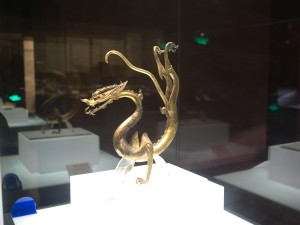
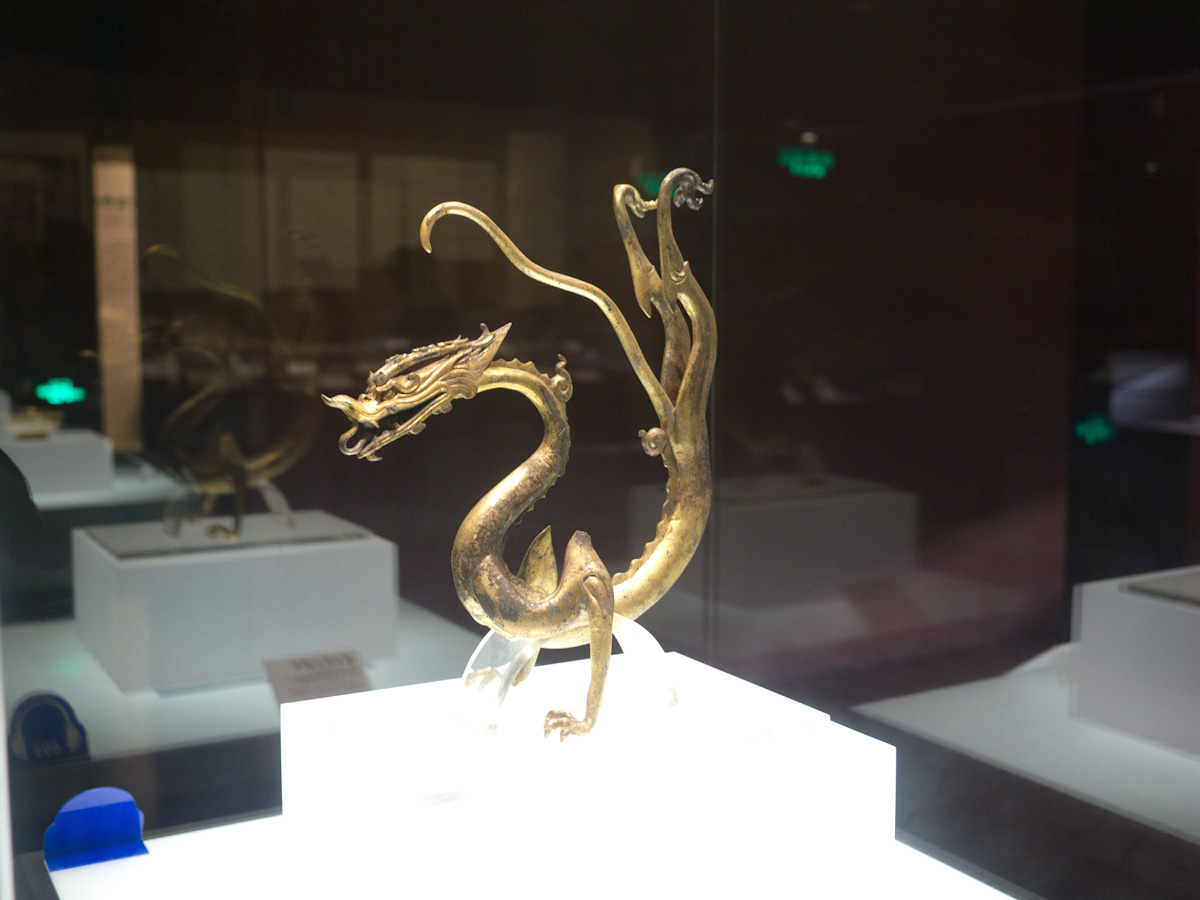
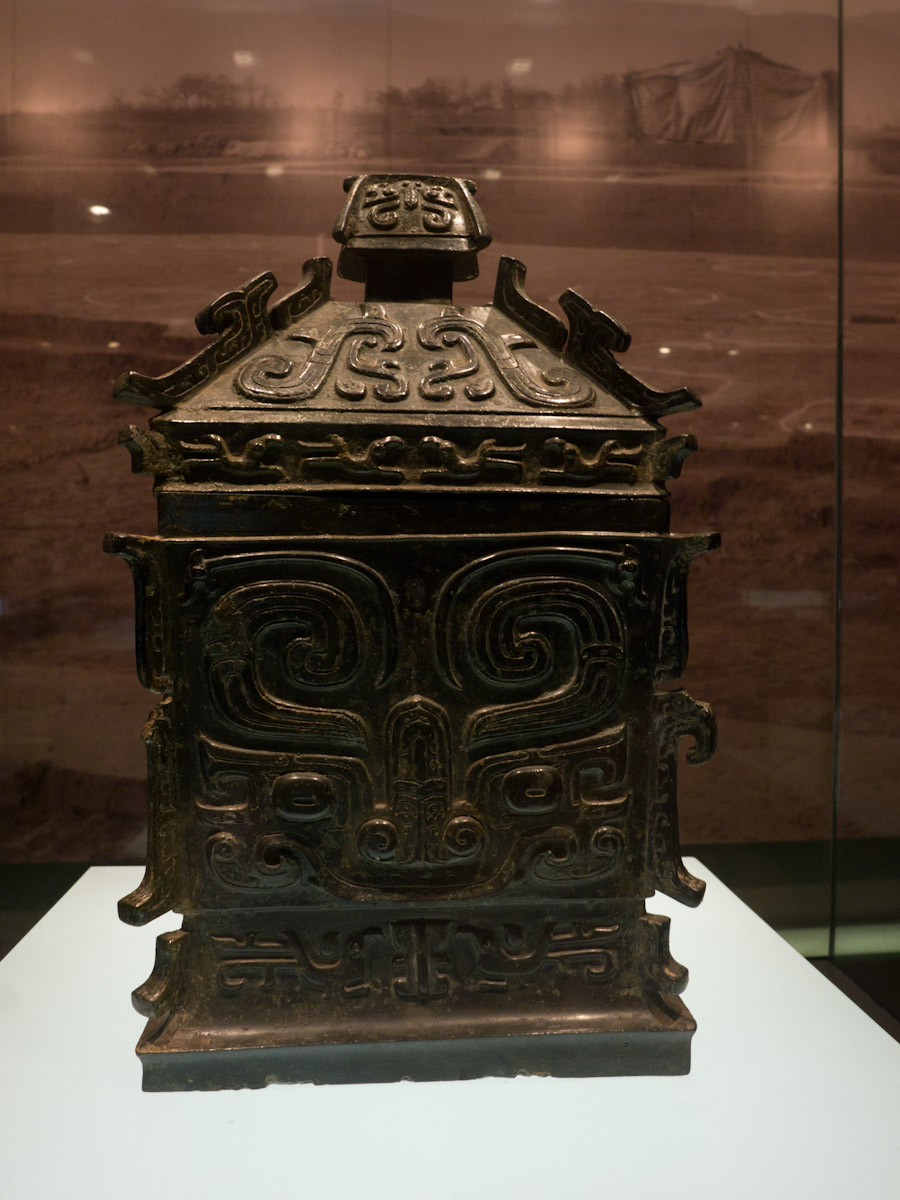
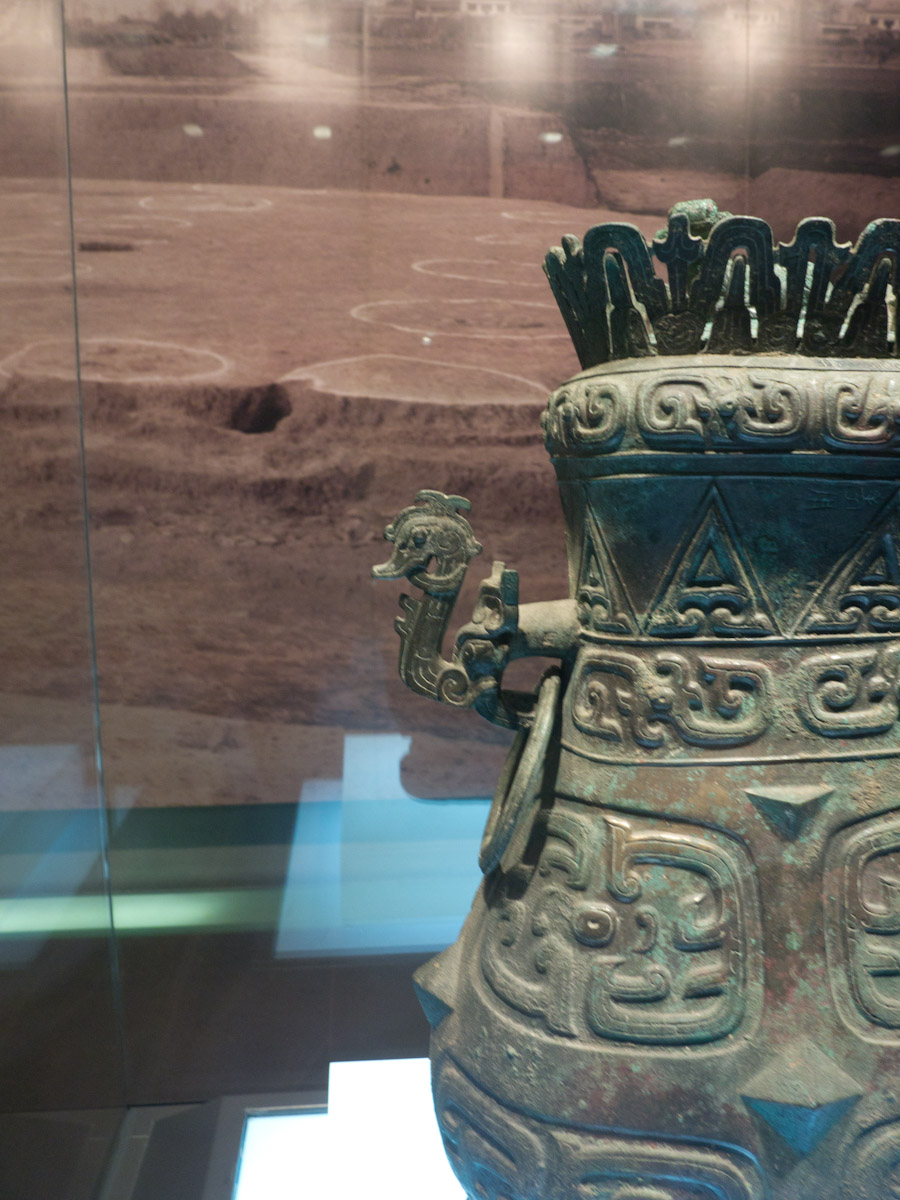
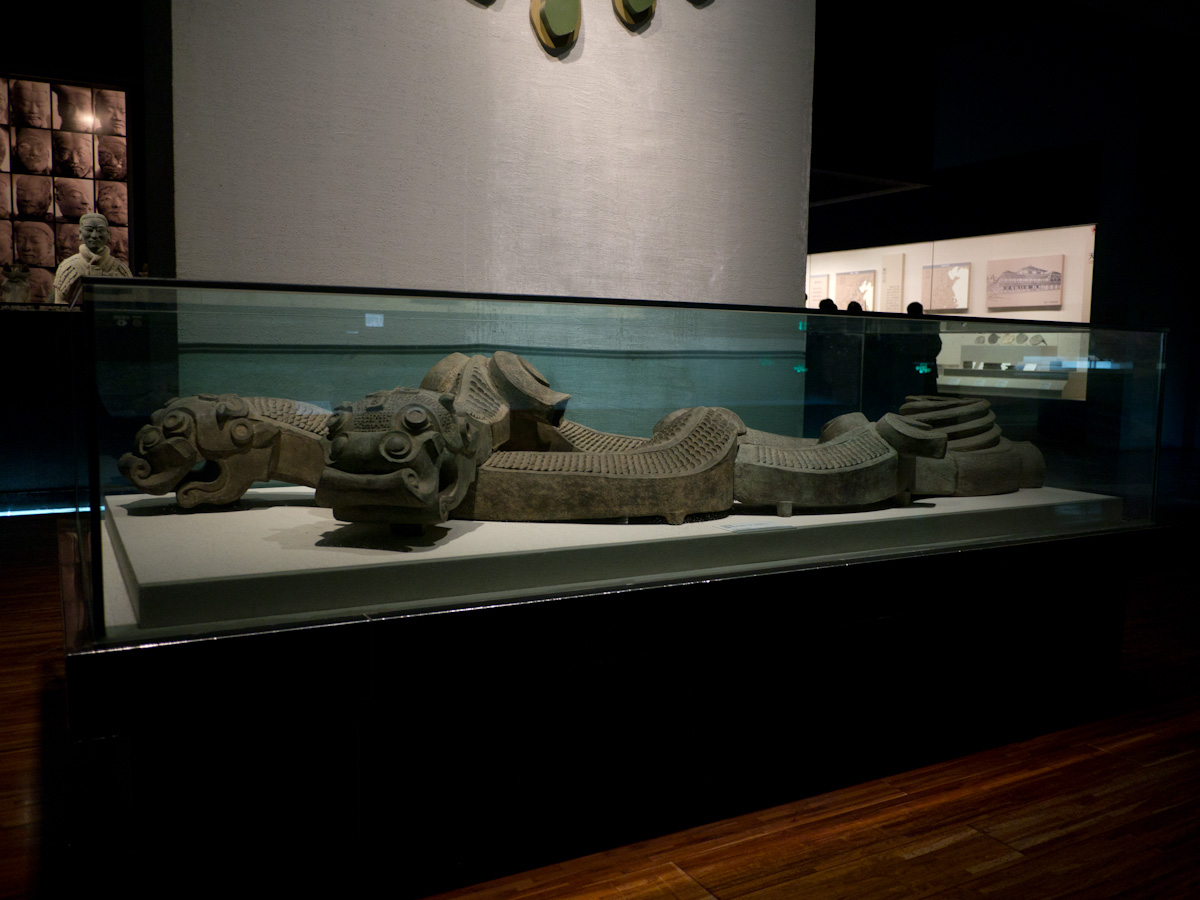
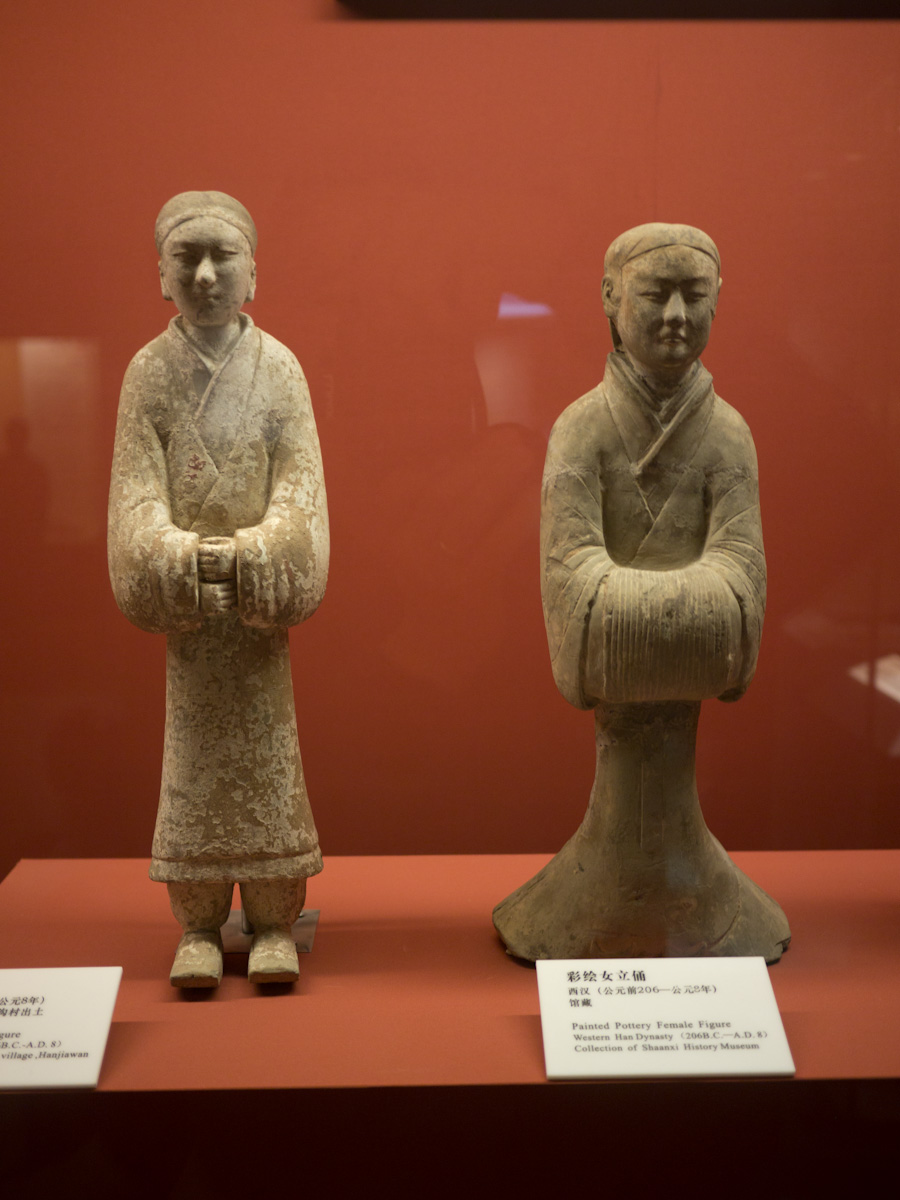
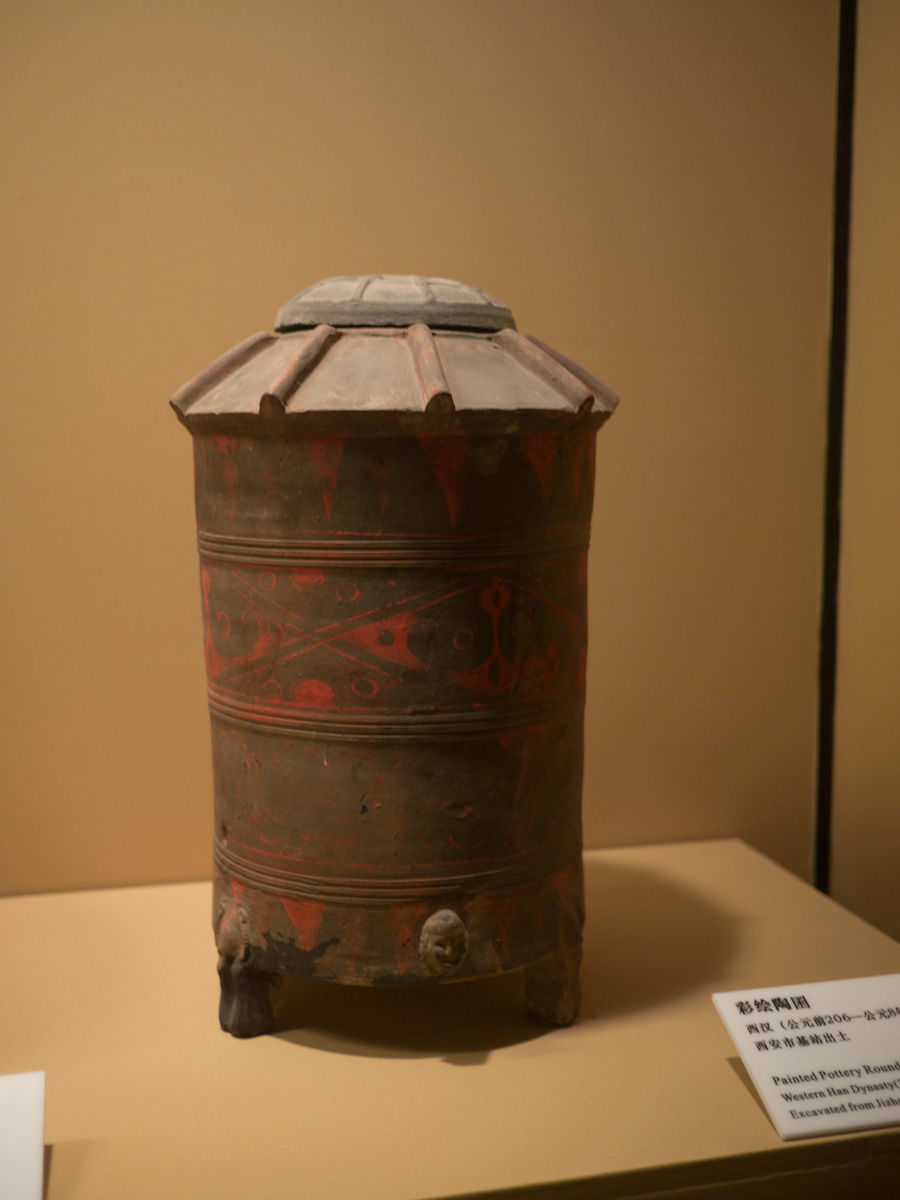
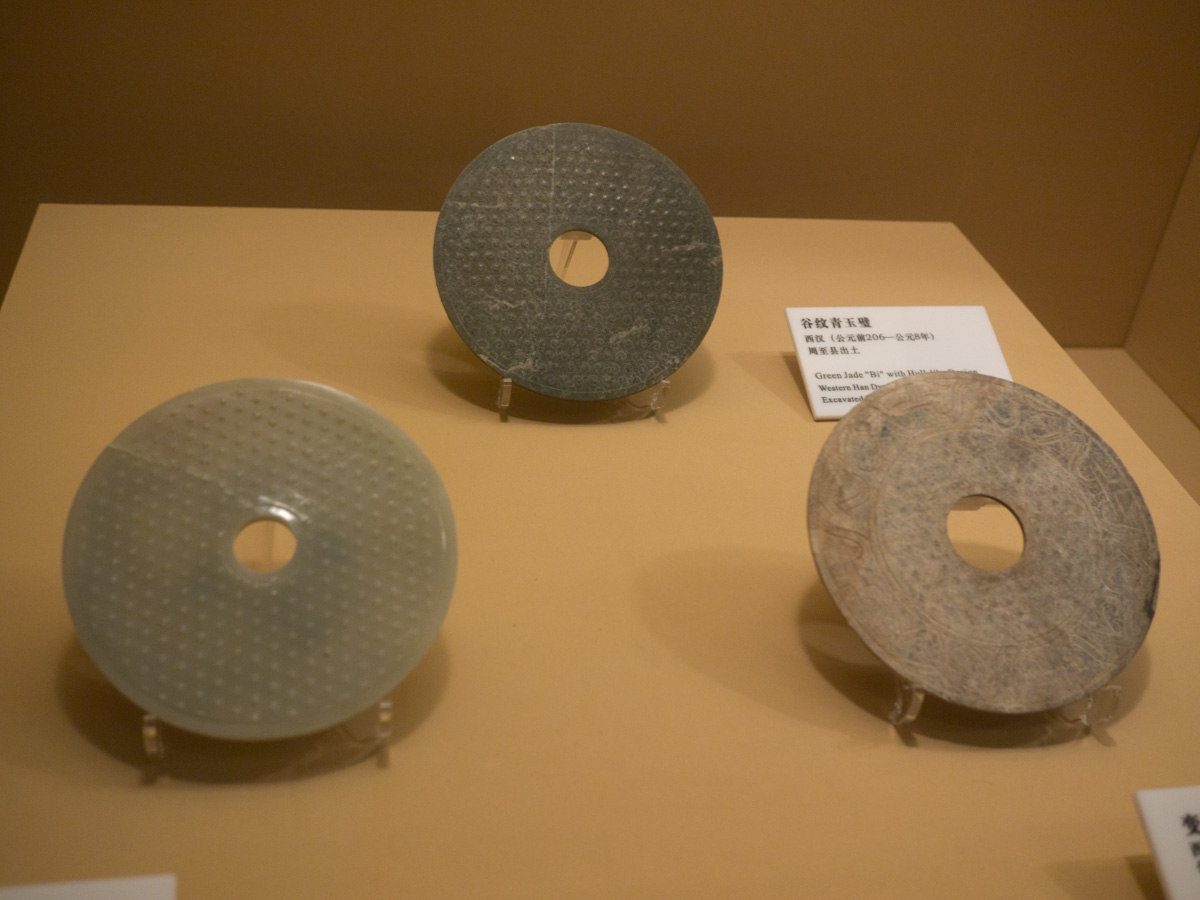
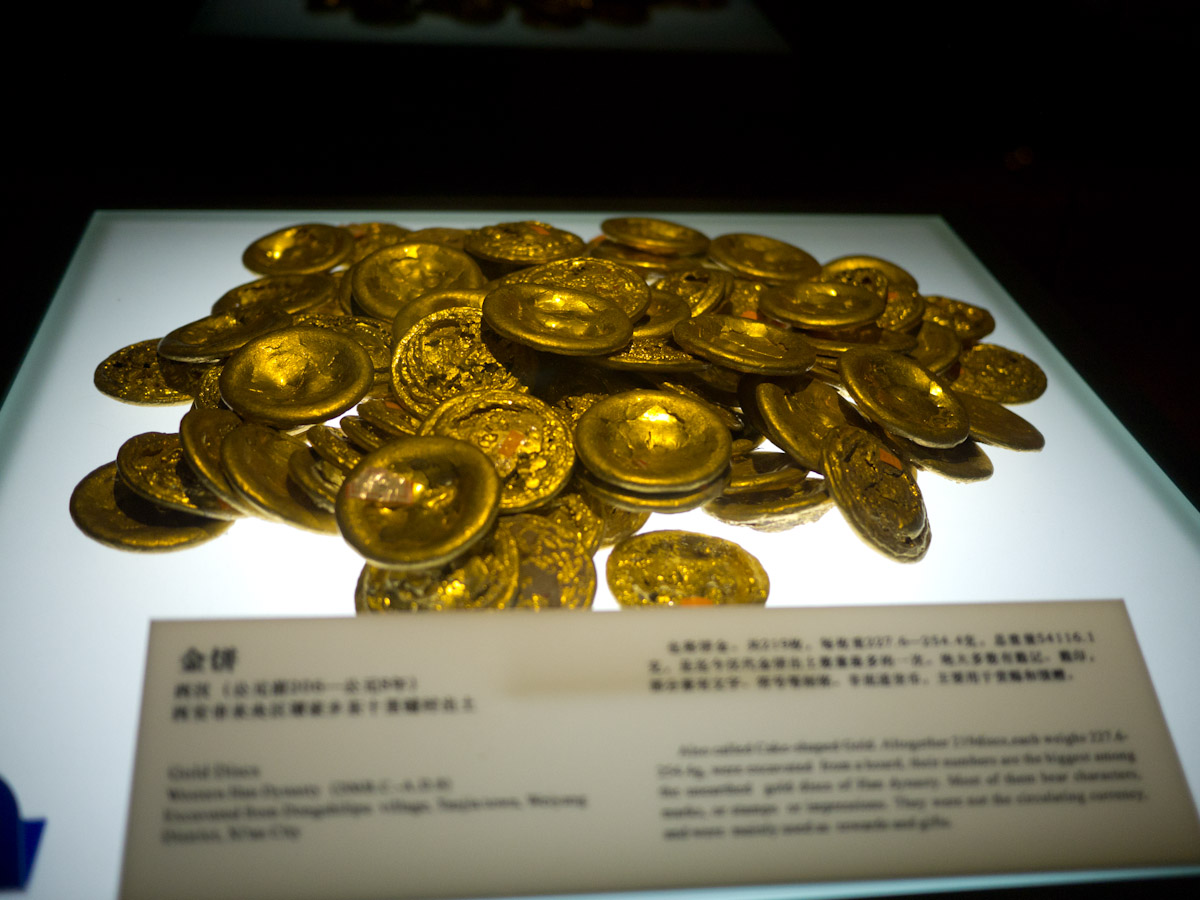
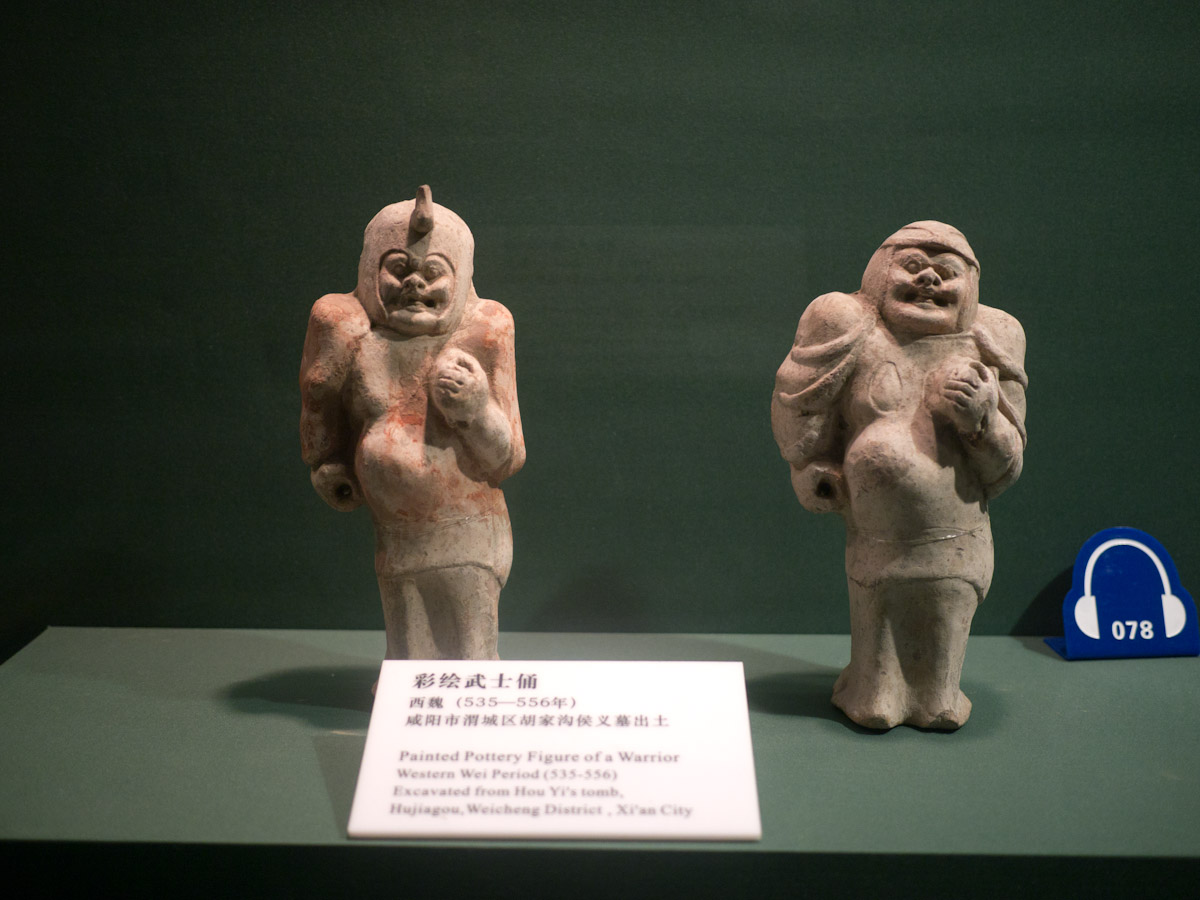
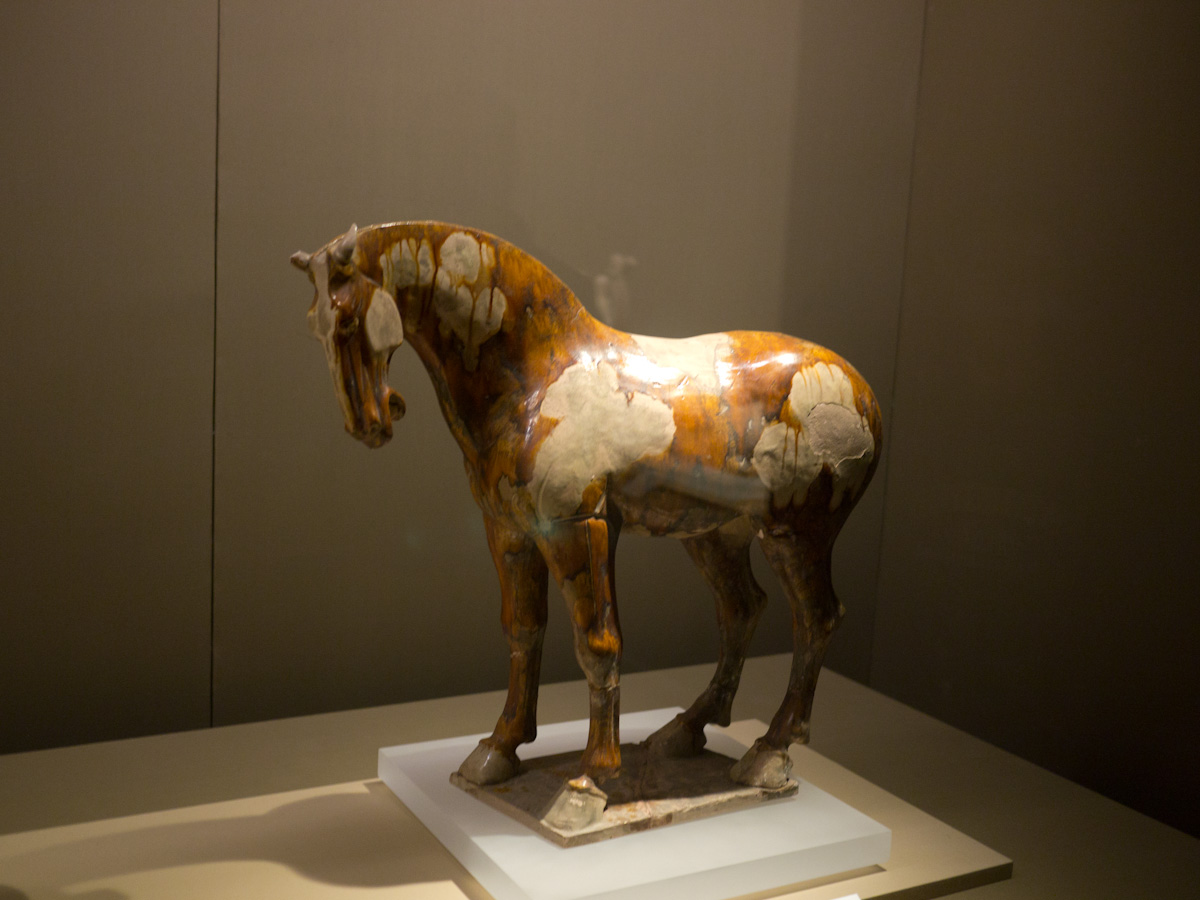
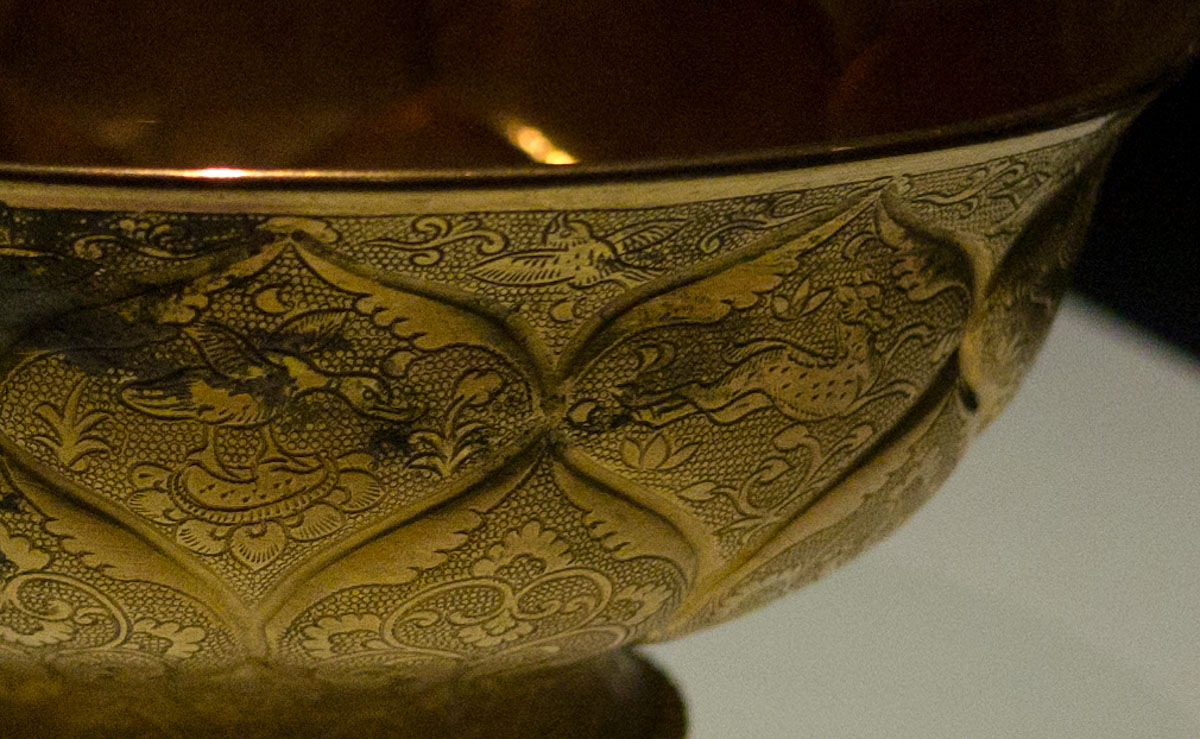
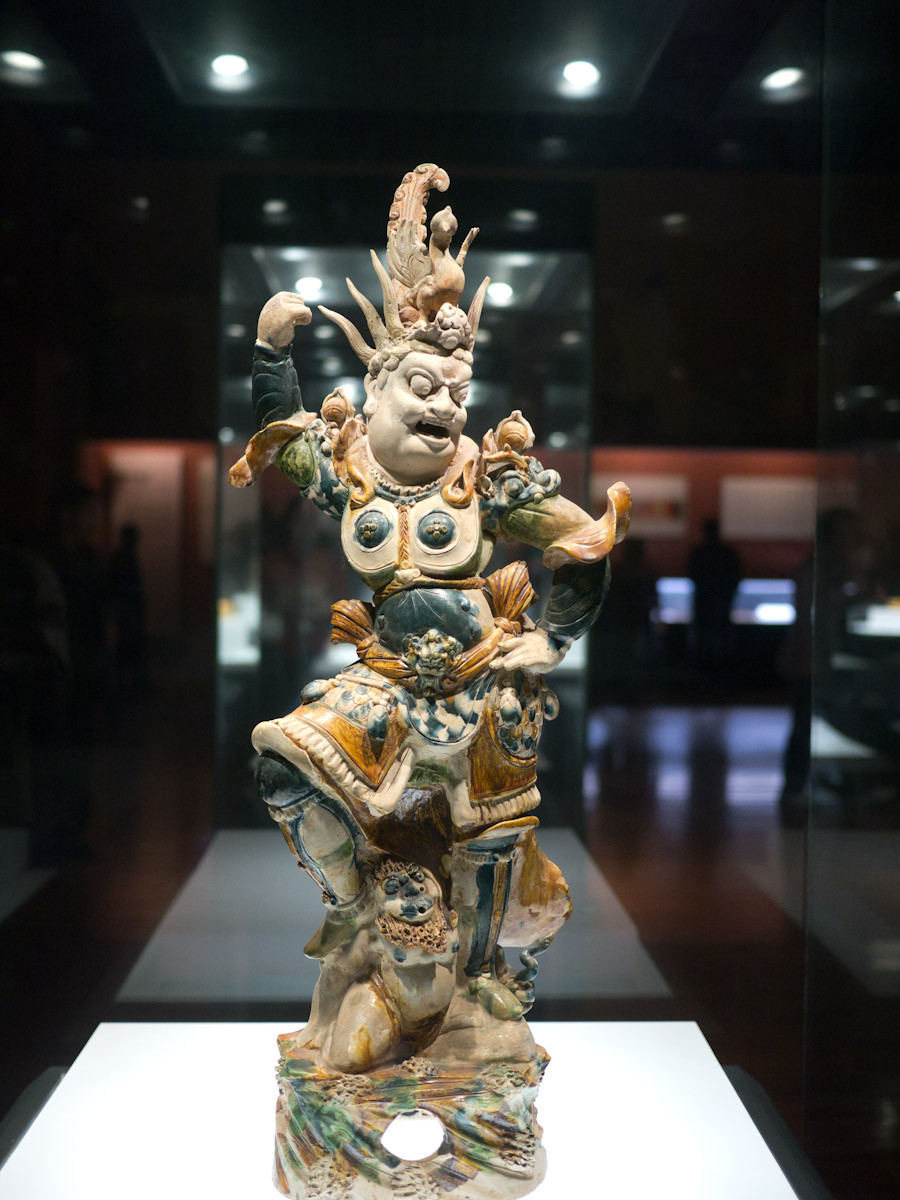
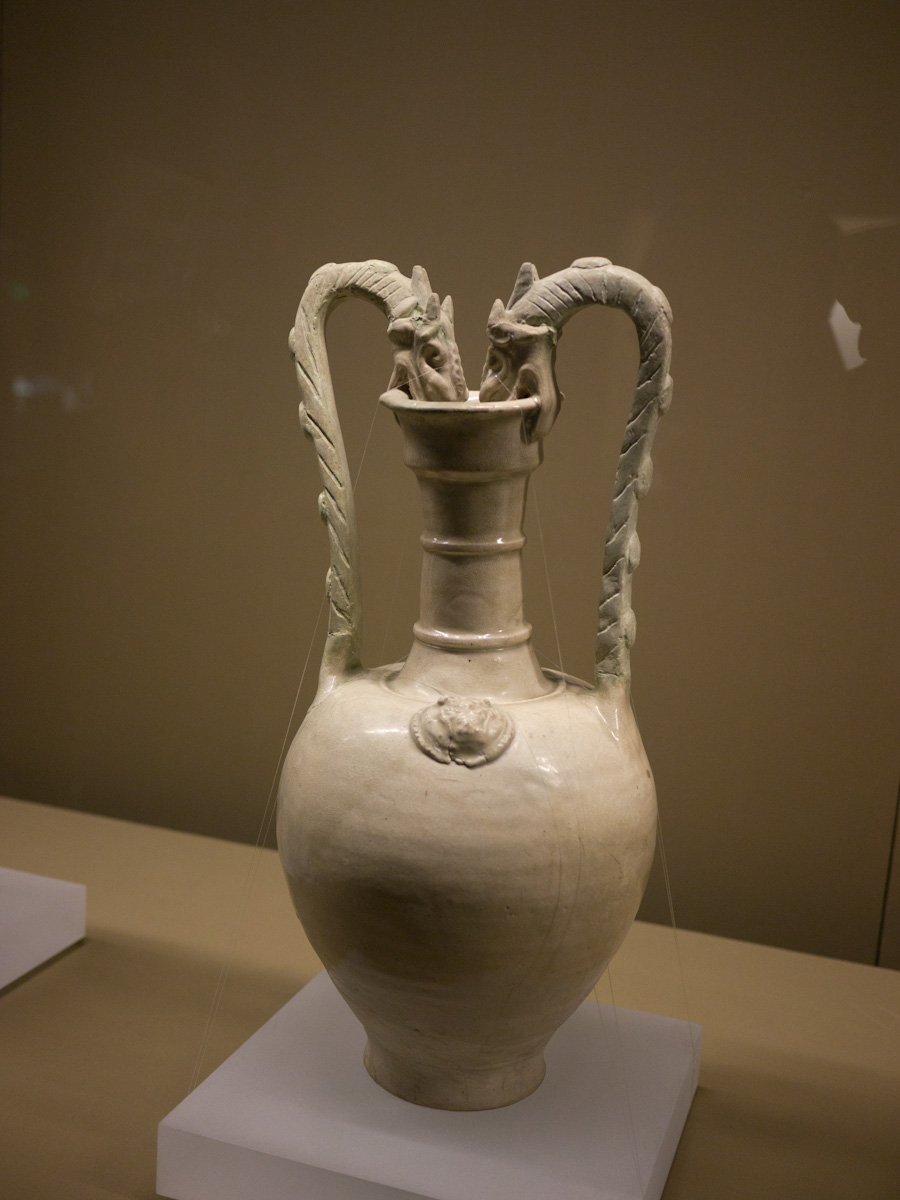
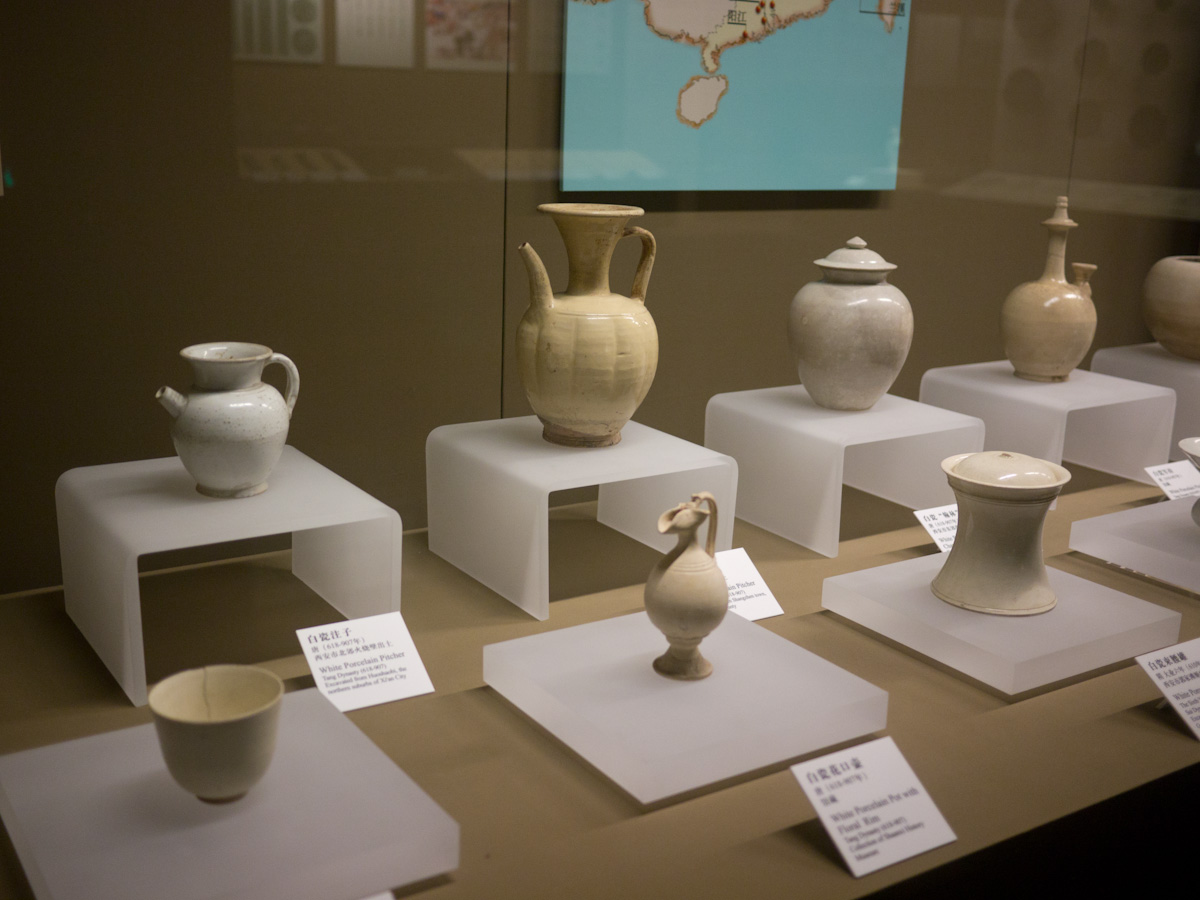
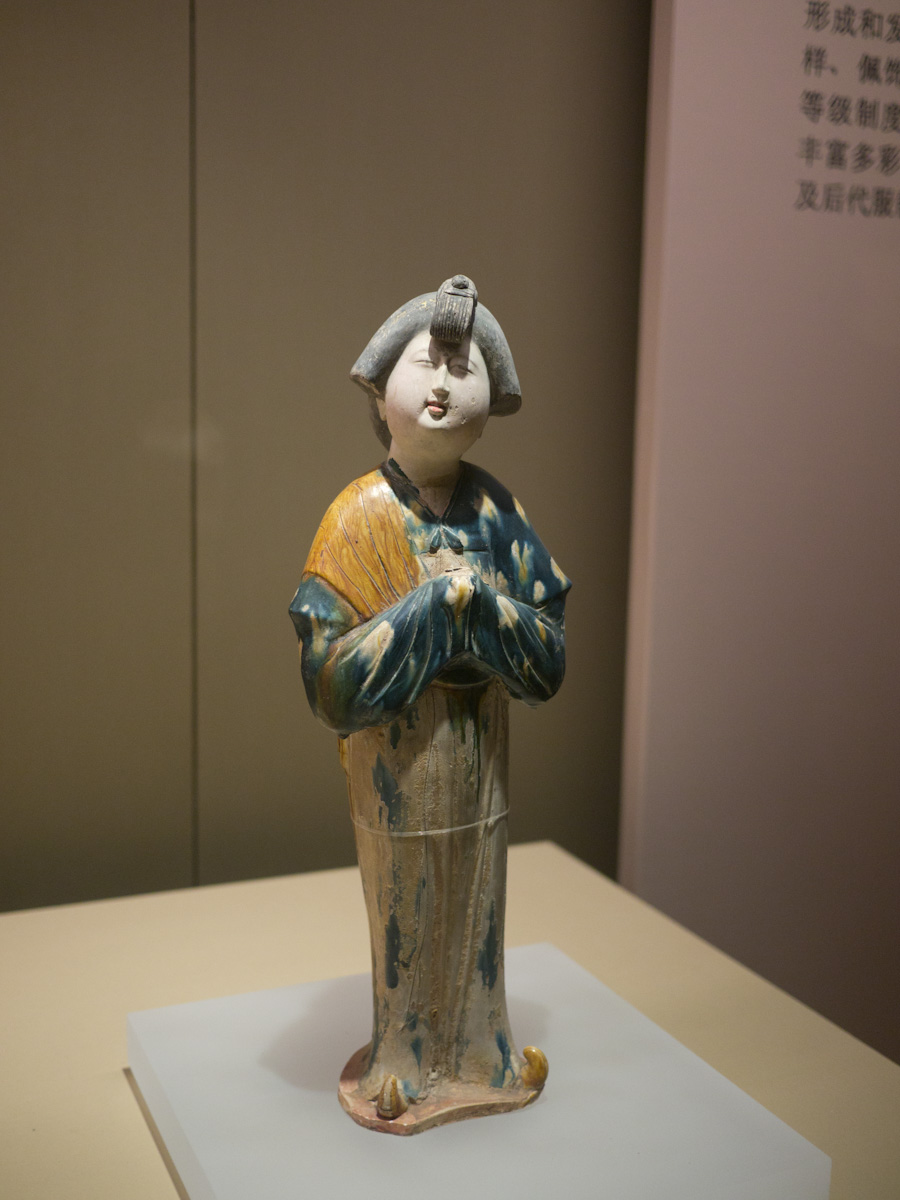
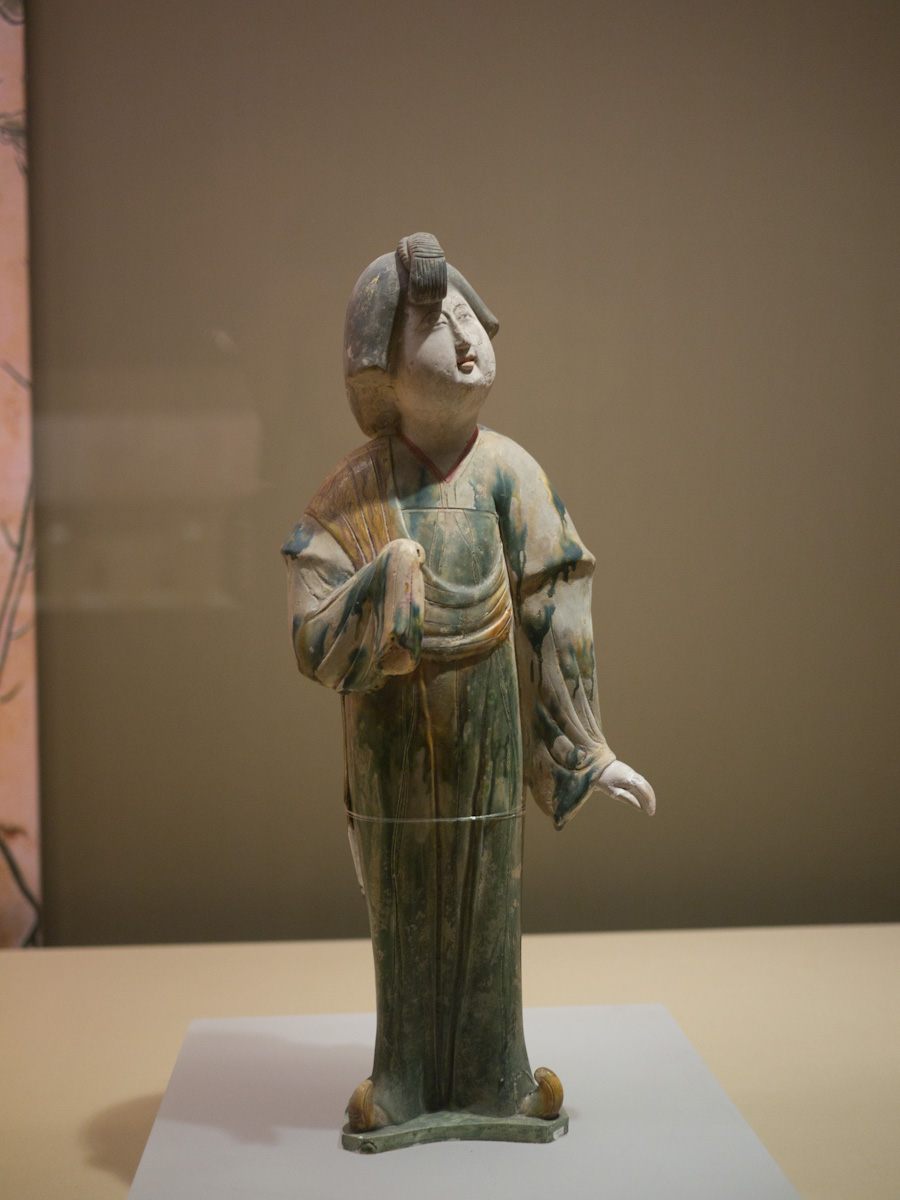
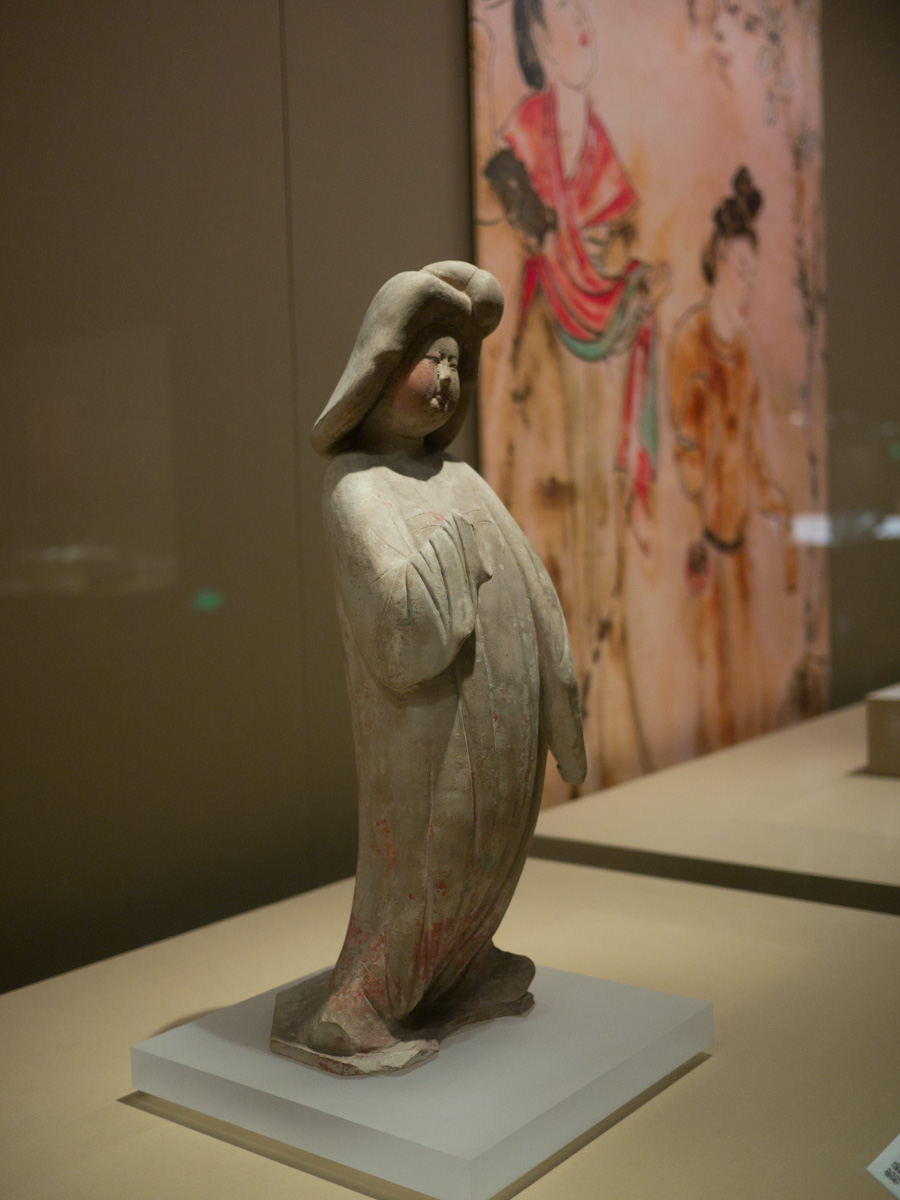
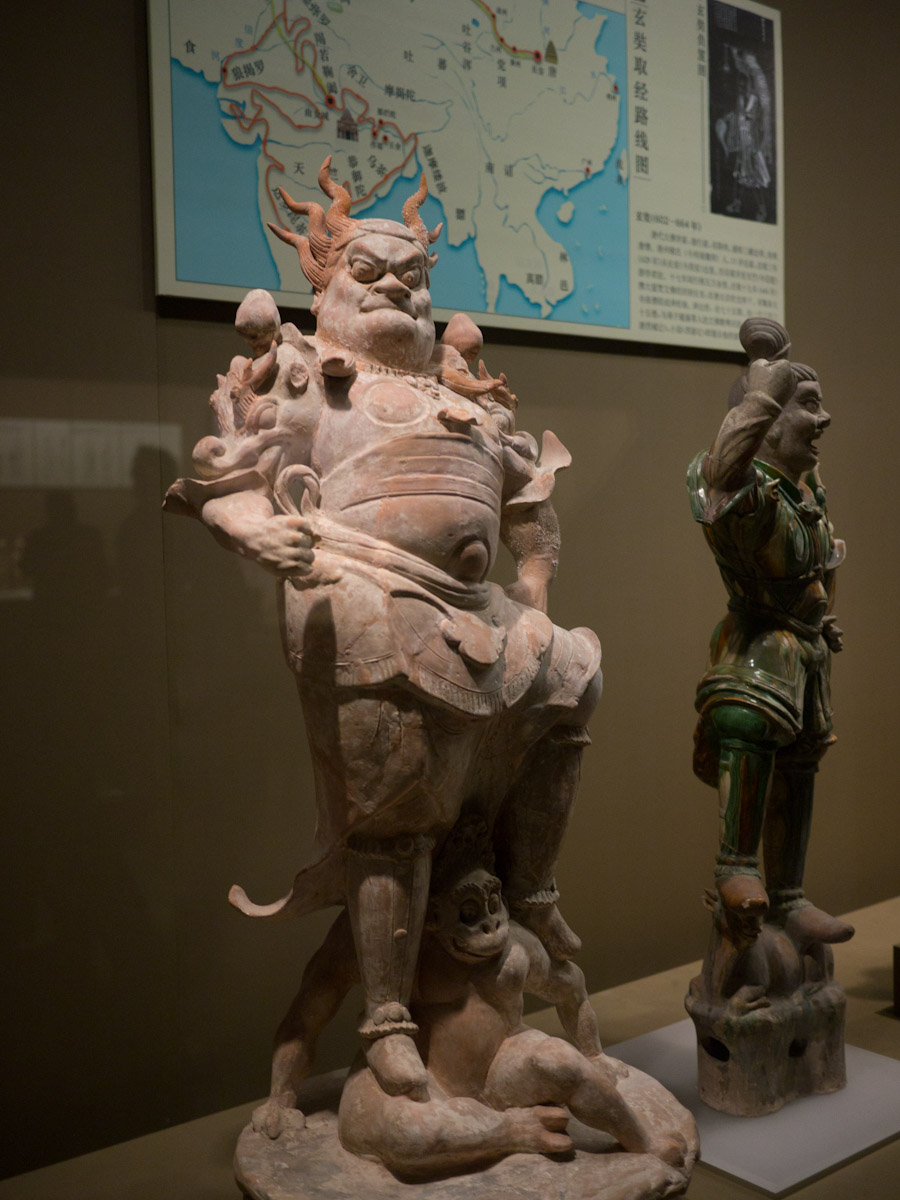
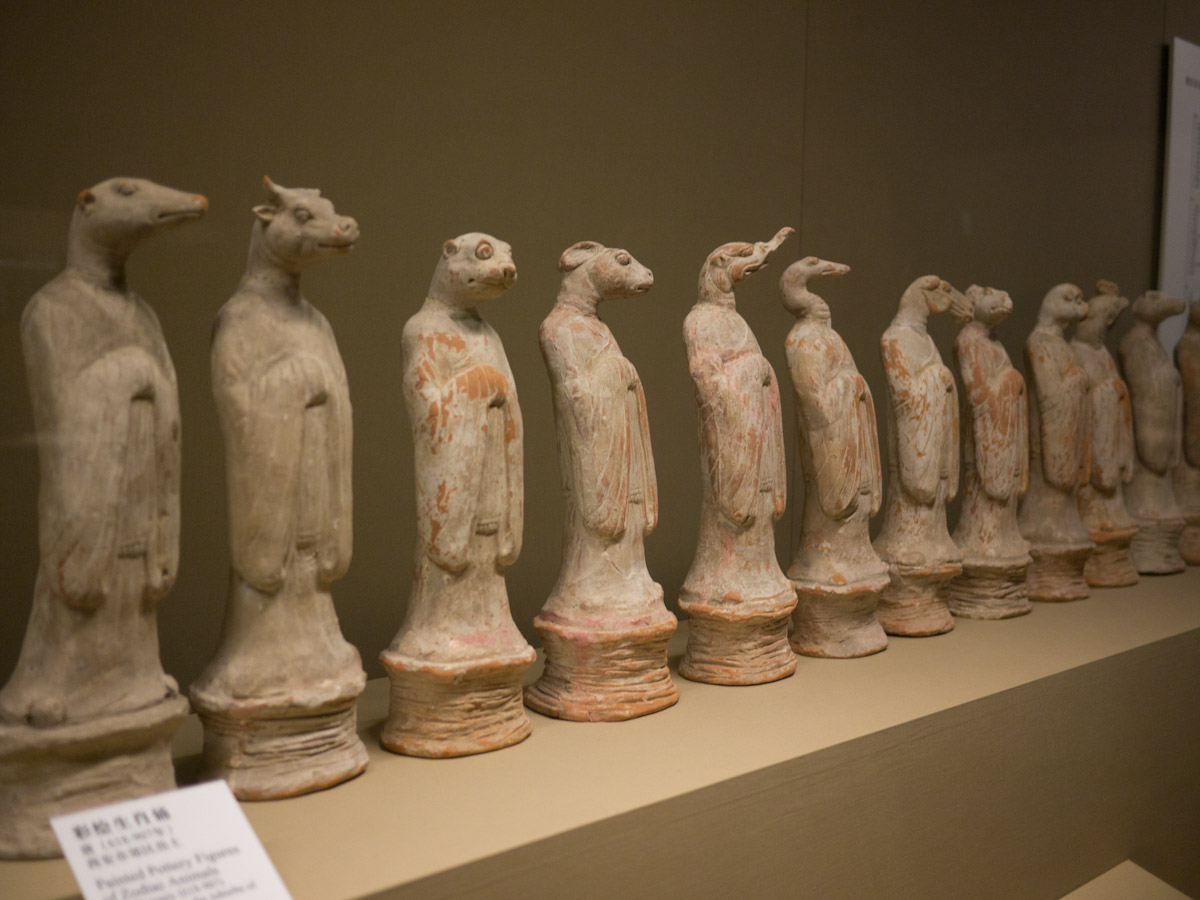
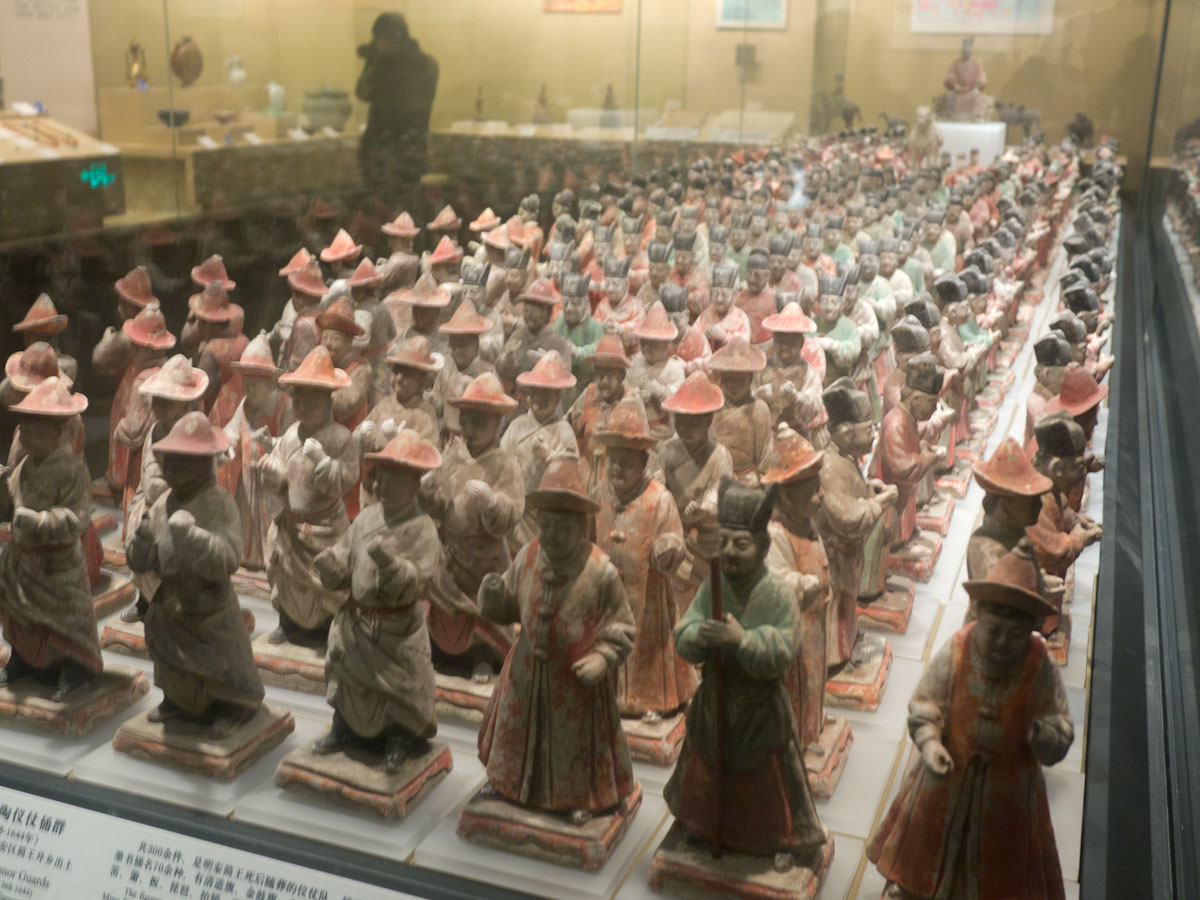
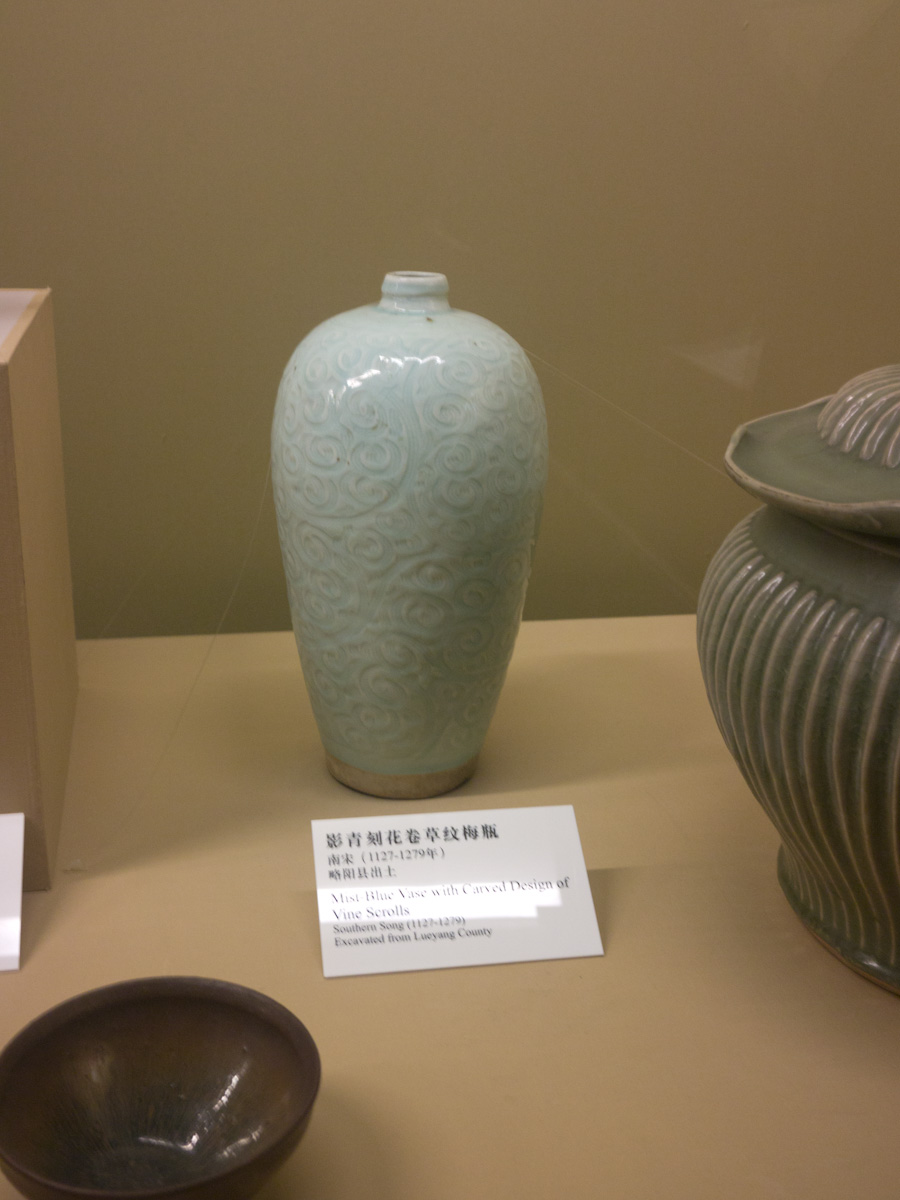
The first stop Xi’an was the original capital of China and is the home of the Terracotta Warriors, a variety of tasty local restaurants and a superb calligraphy school, all described elsewhere. Here we visited the Xi’an Museum to see excellent early pottery, bronzes and sculpture.
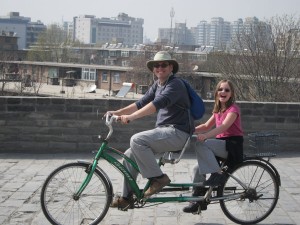
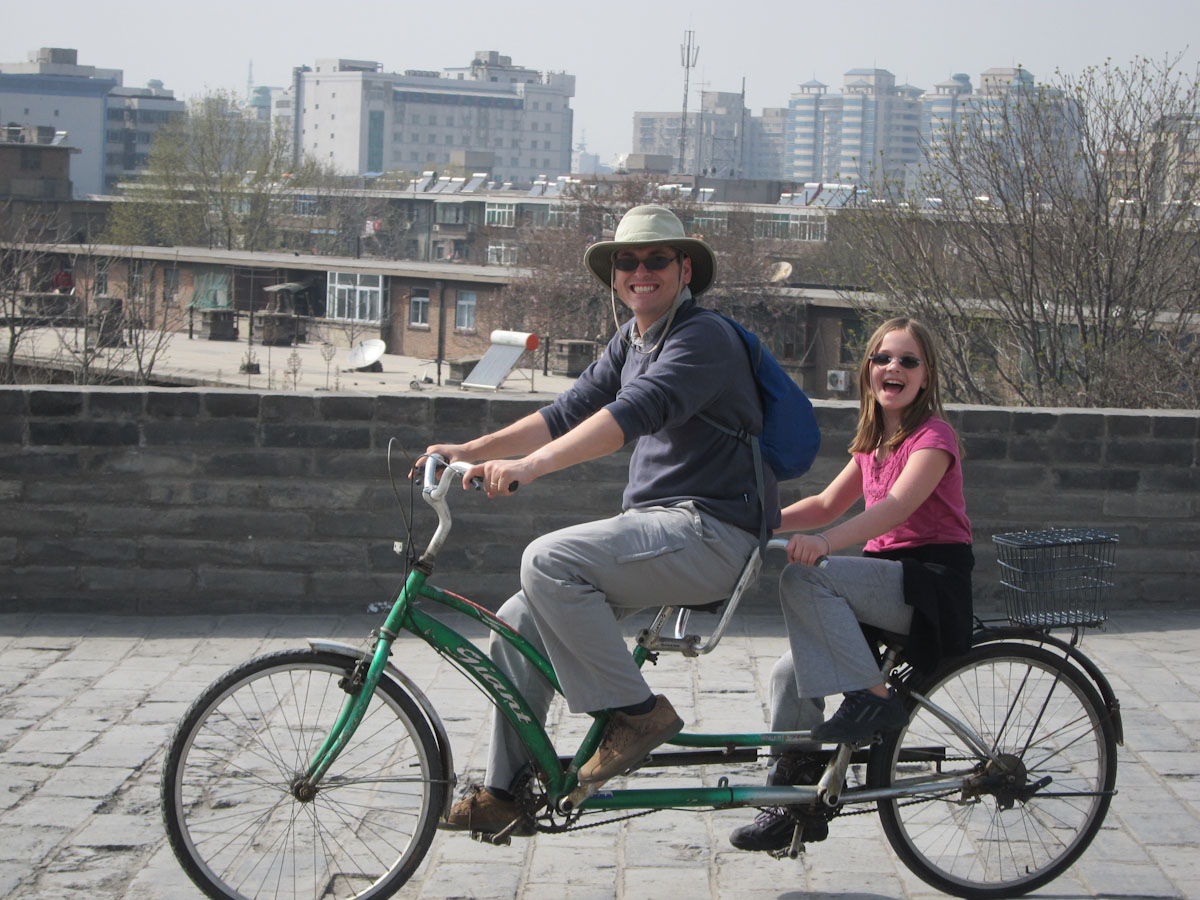
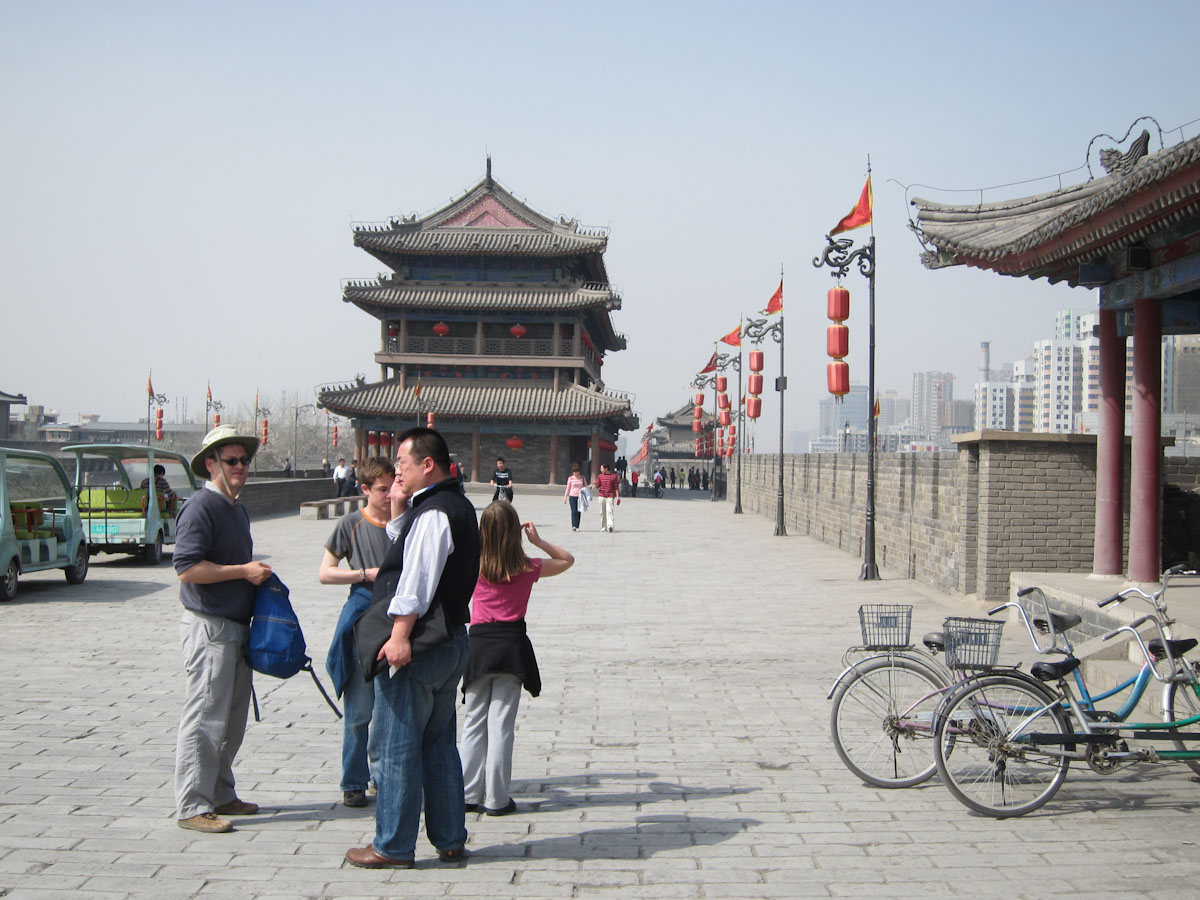
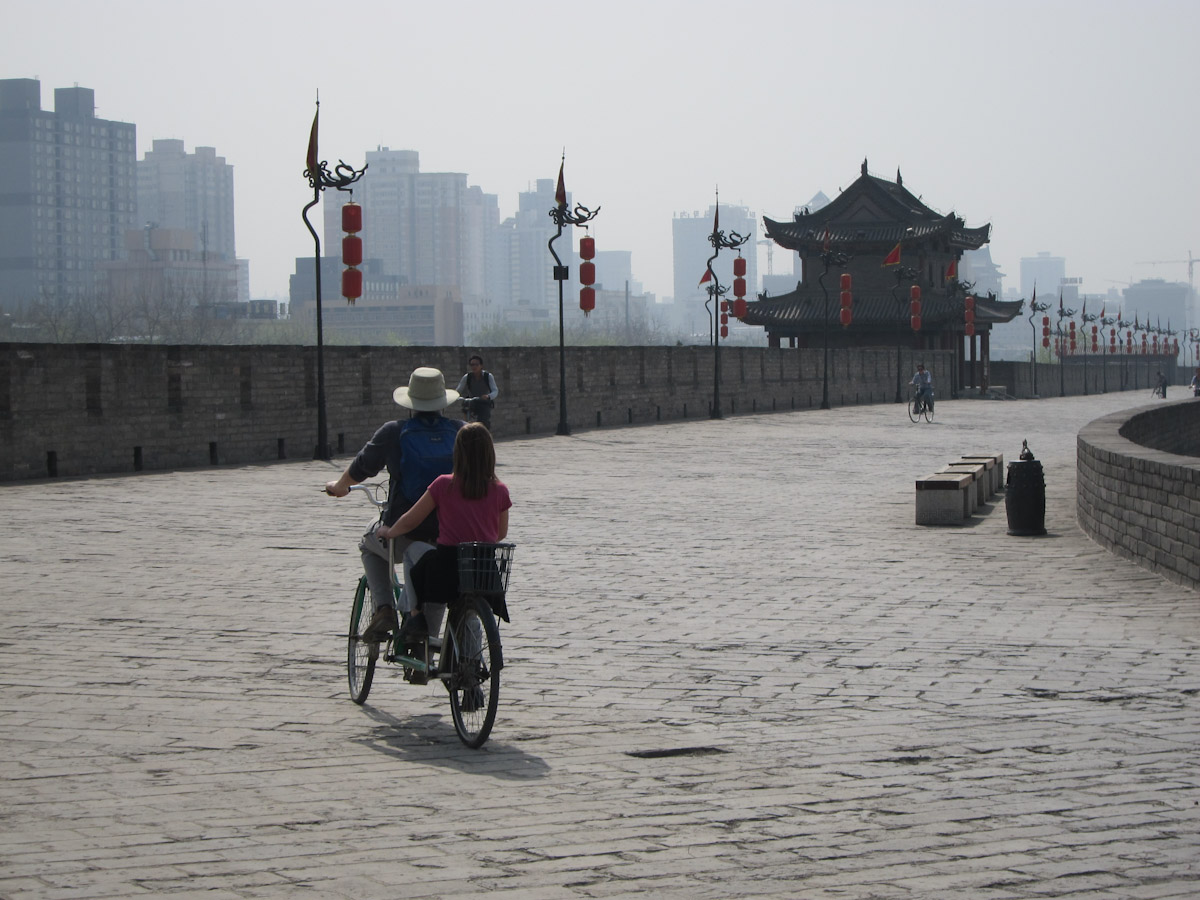
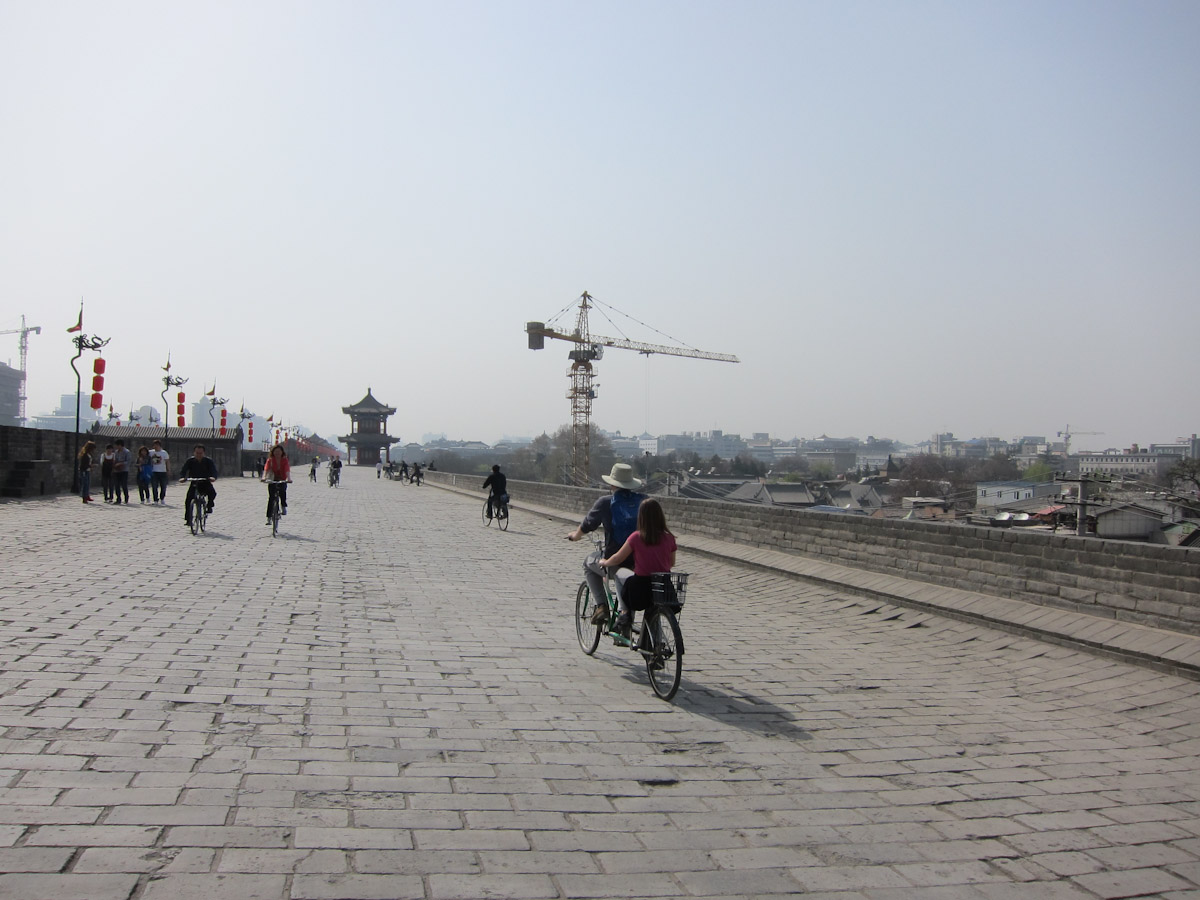
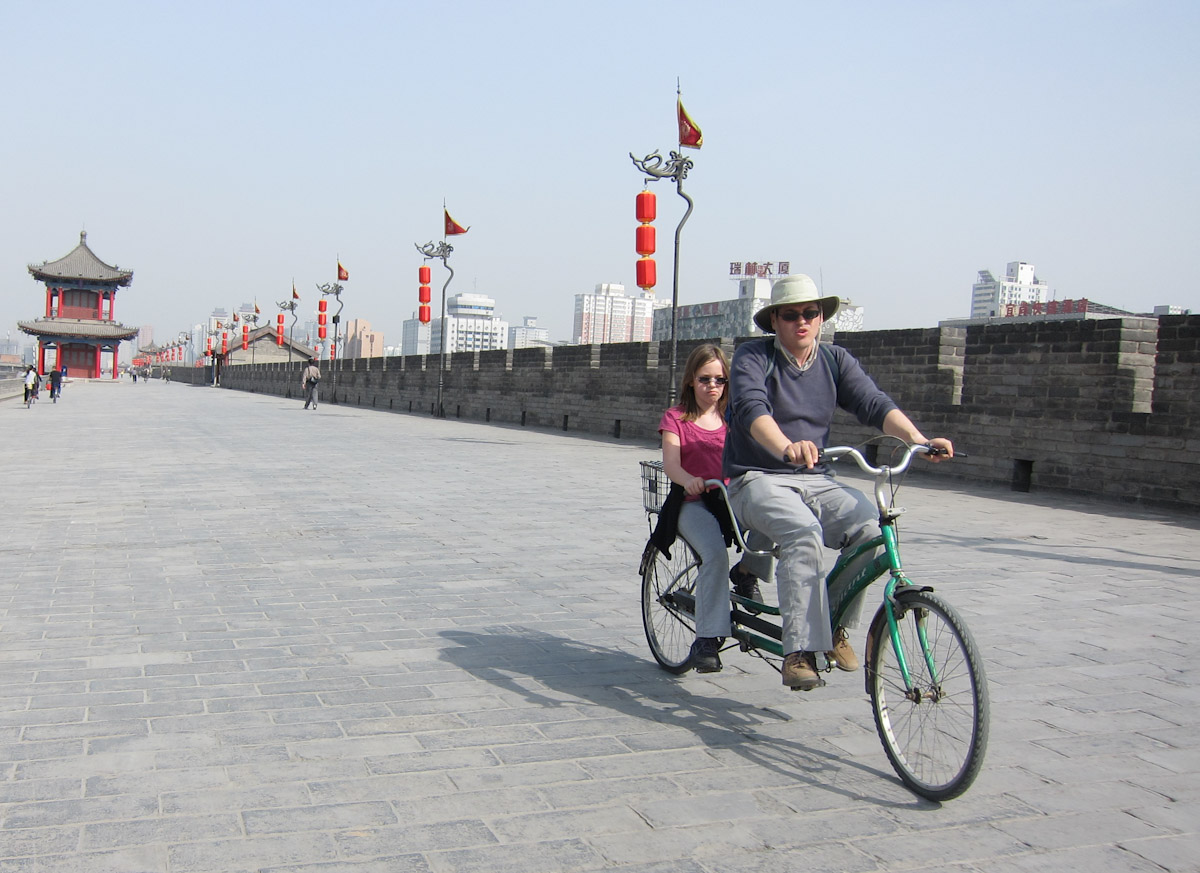
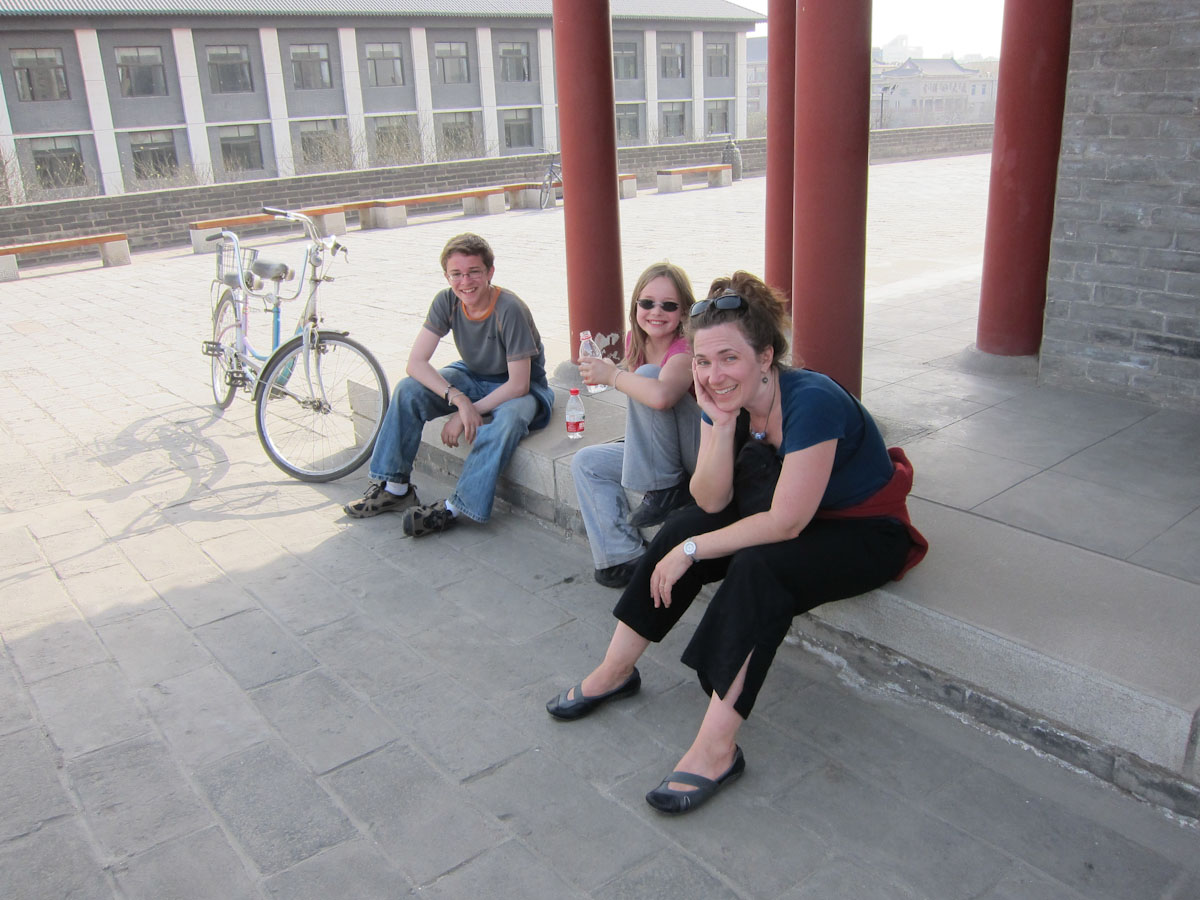
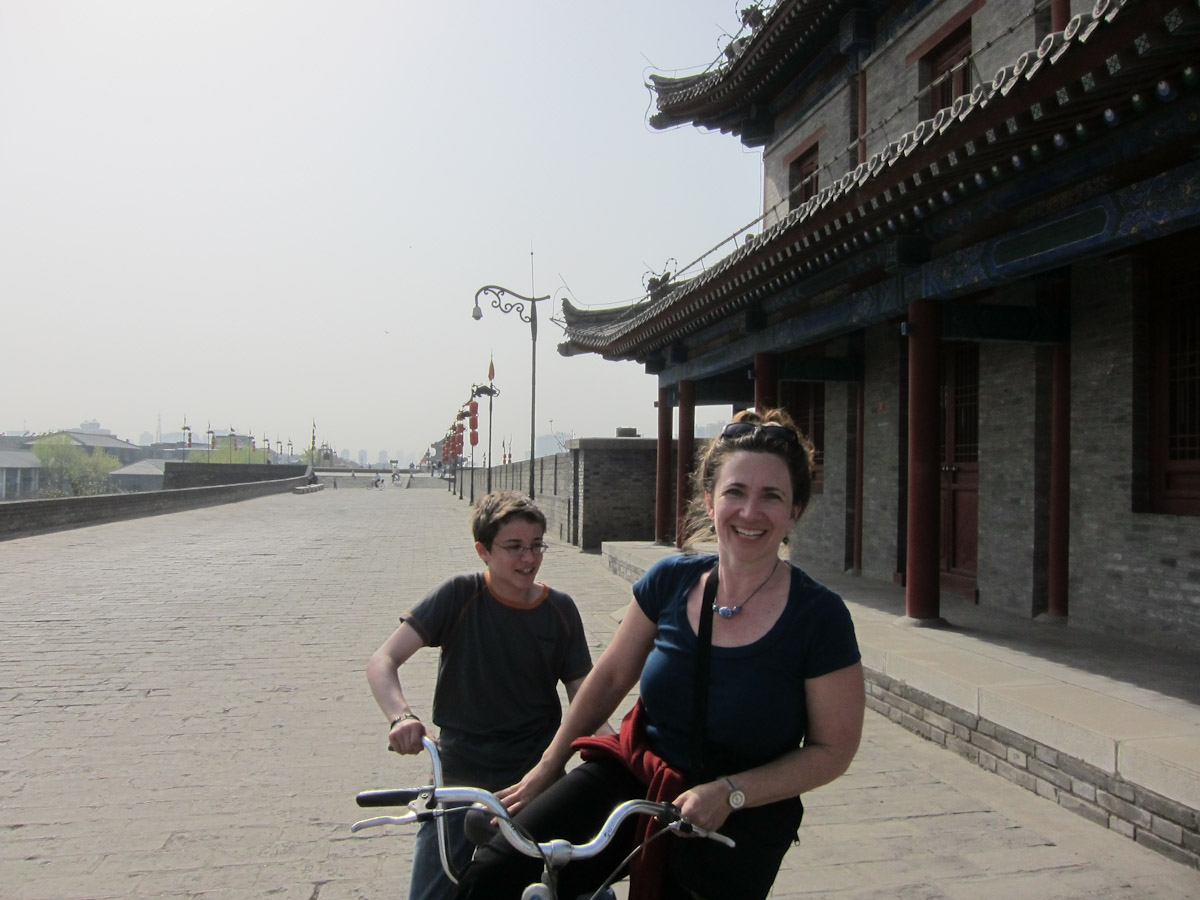
In Xi’an we could also spend an afternoon tandem-bicycling on top of the old city walls, a 14km circuit around the old town. It was all family fun, until Gina and Carter started to cycle ahead of Katherine and me. “It’s not a race!” we complained. They appeared not to hear and just kept peddling. We looked at each other and worked harder. “It’s not a race!” we cried again. Gina just laughed at us. This would not do; we peddled madly! We built up so much momentum that we dashed past as if they were still. Their jaws dropped open. “It’s not a race… that YOU’RE LOSING!” screamed Katherine over her shoulder.
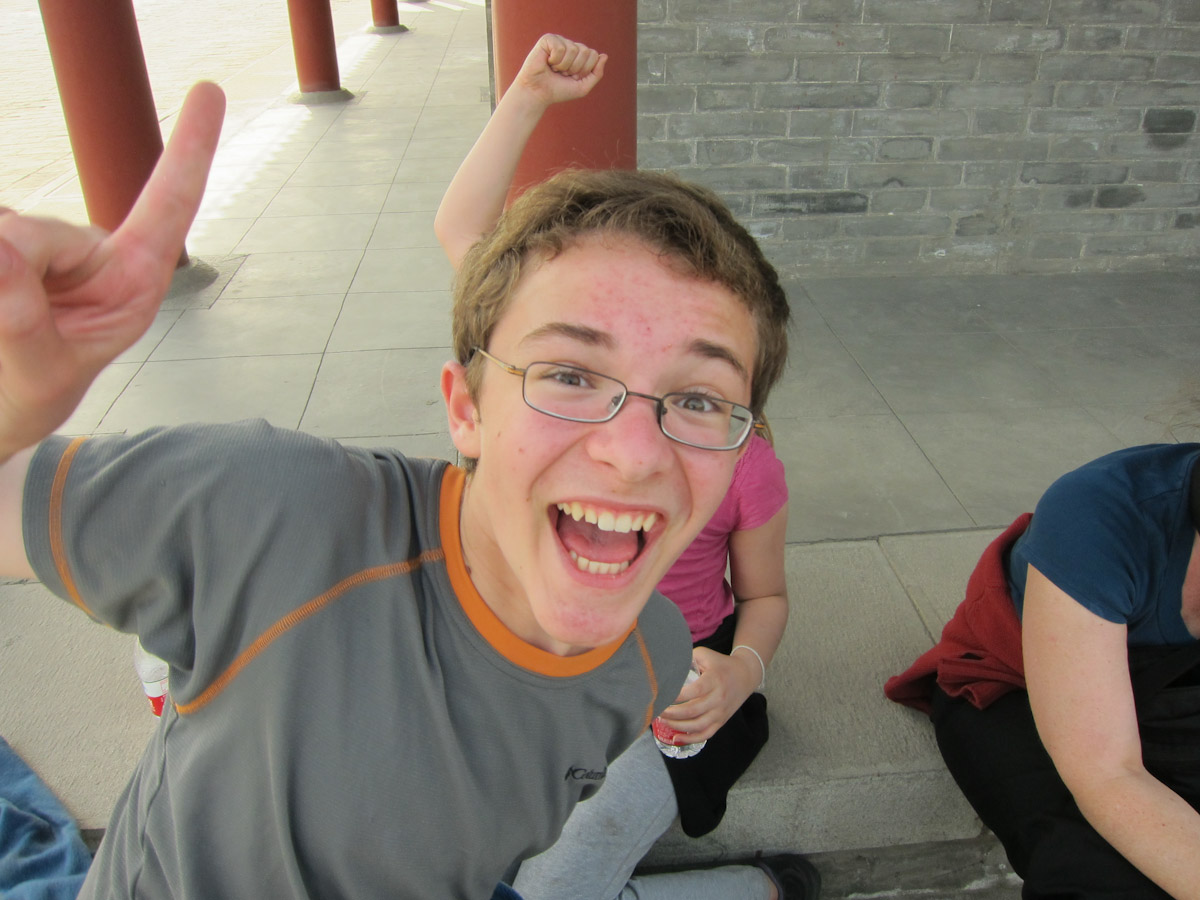
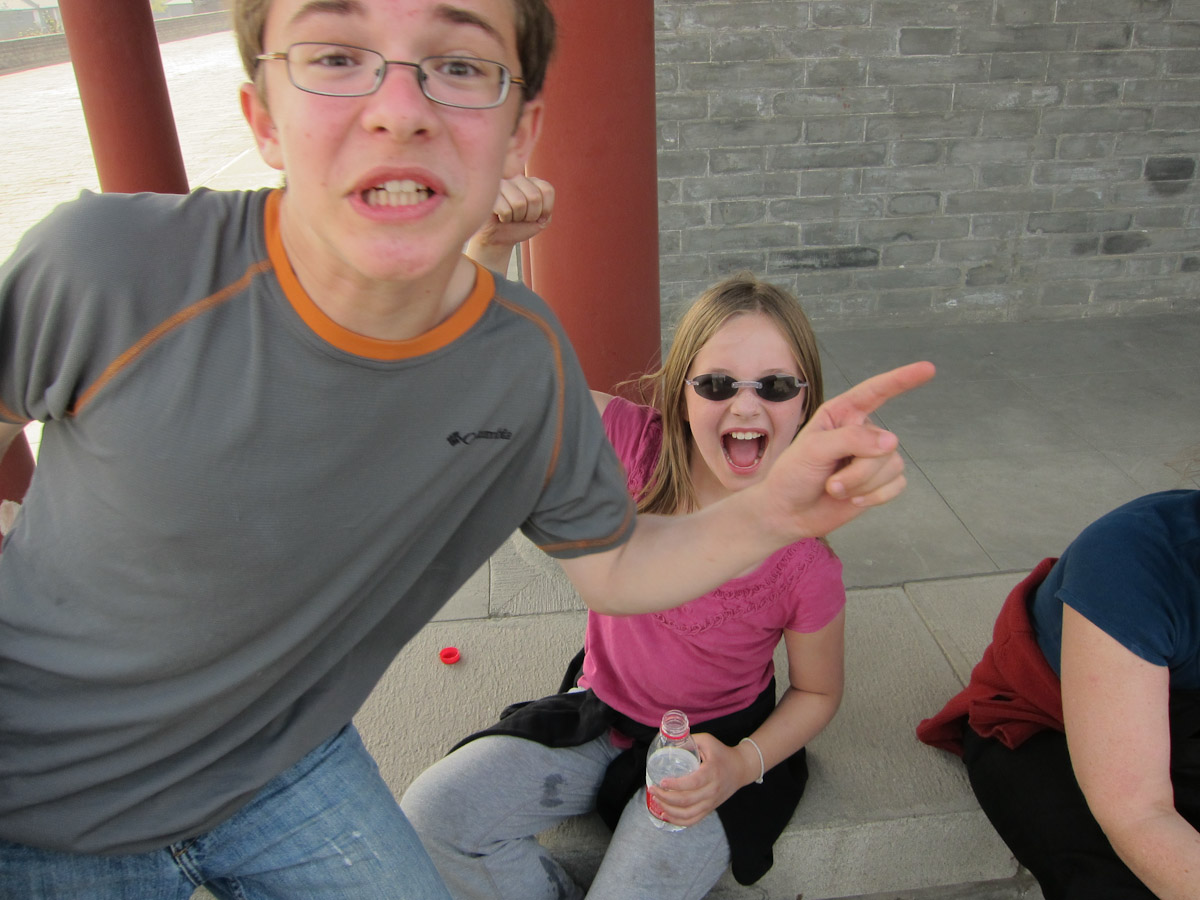
We left them in the dust for the next half hour or so, but the situation changed when we all stopped for a rest break. Gina and Carter left suddenly, piling up a big head start! Katherine and I laboriously caught up and overtook them just 100 meters ahead of the finish line, but with a desperate sprint they recovered and held on to the end.
--
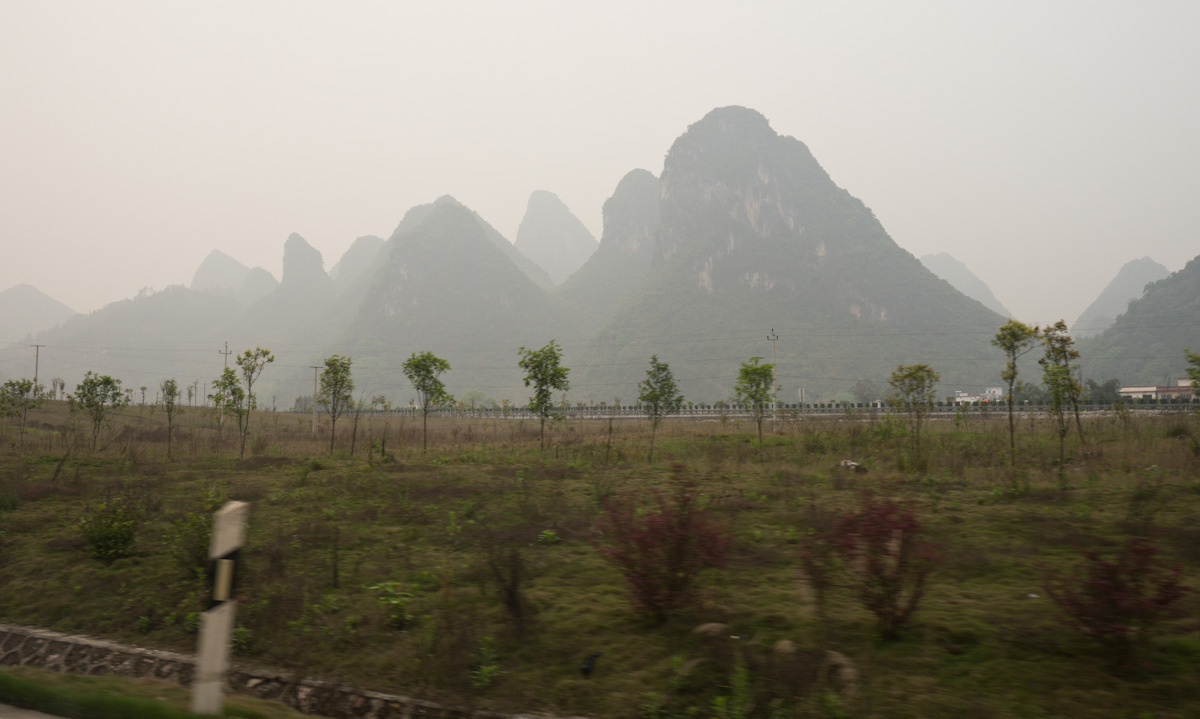
After two big cities, it was time for nature. We flew to Guilin and drove to reach rural Yongshuo, a town that has been set aside for nature and tourism – no factories allowed.
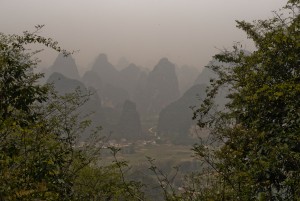
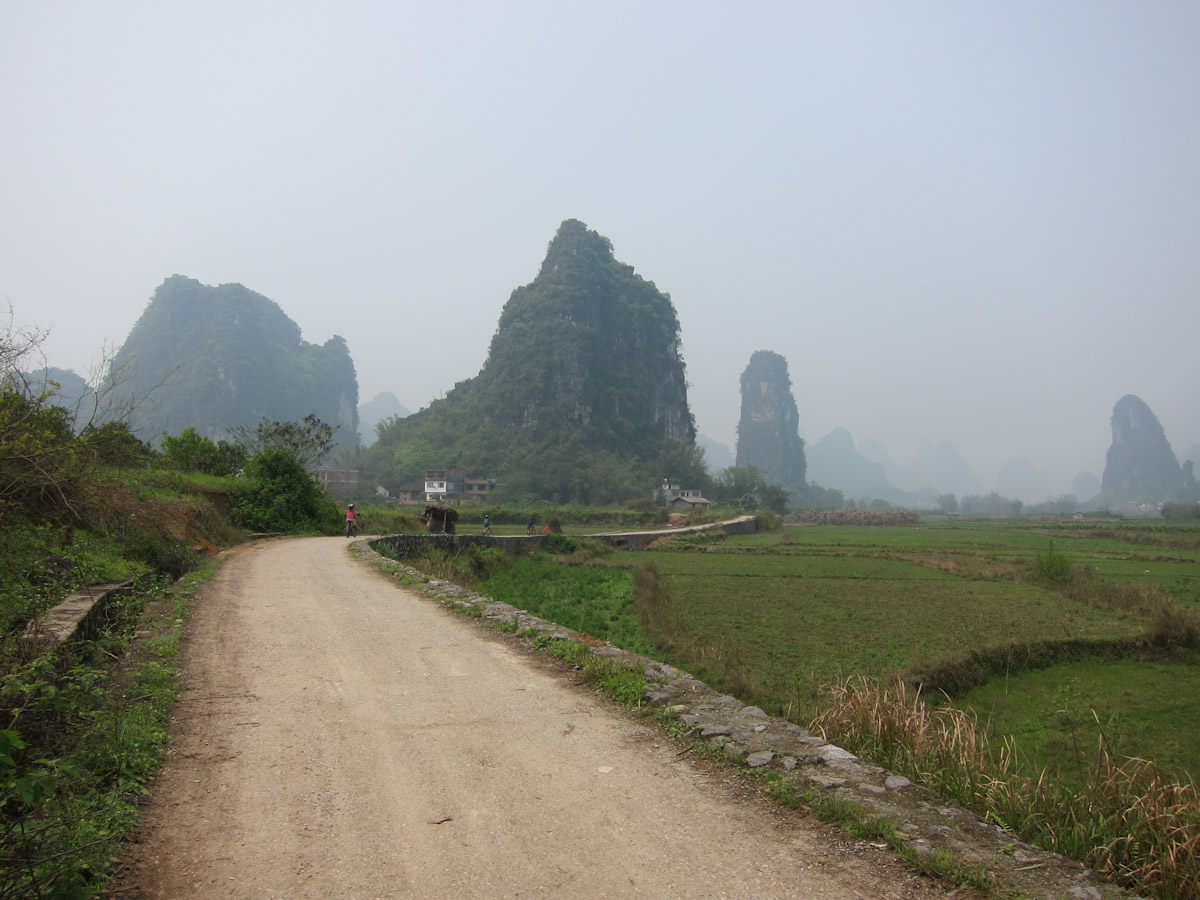
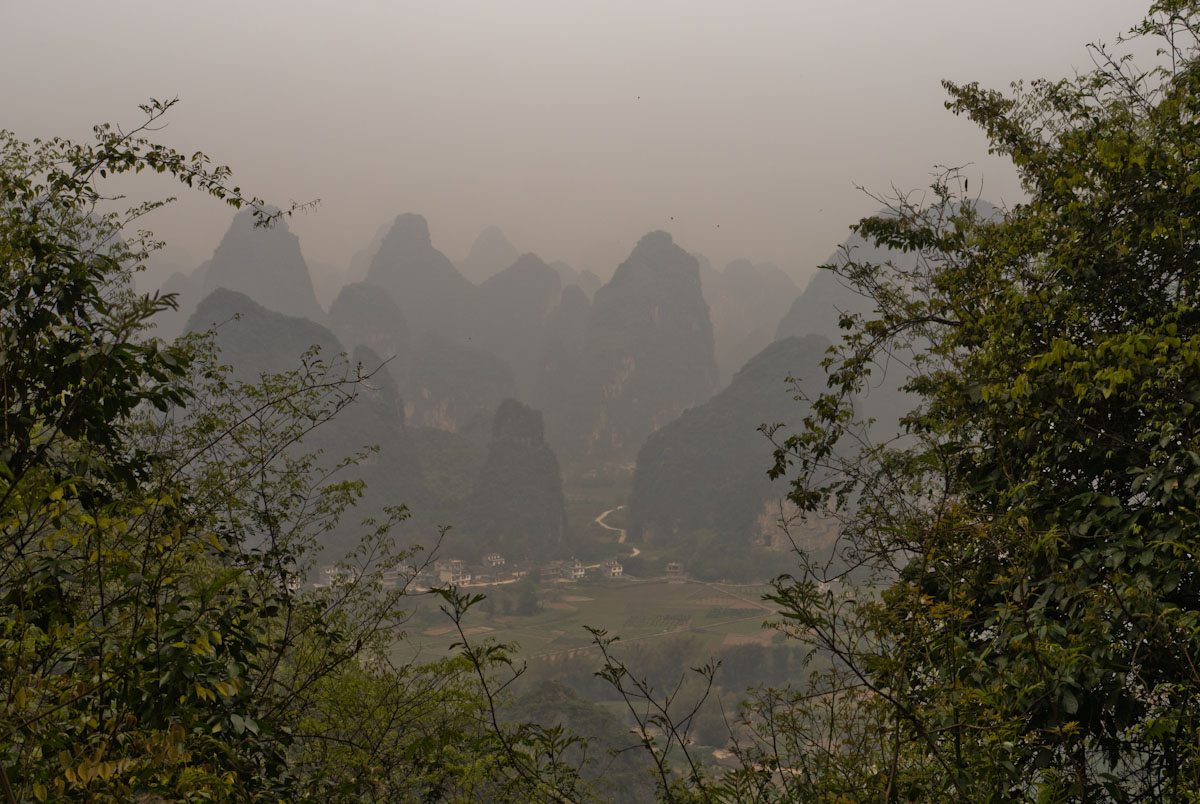
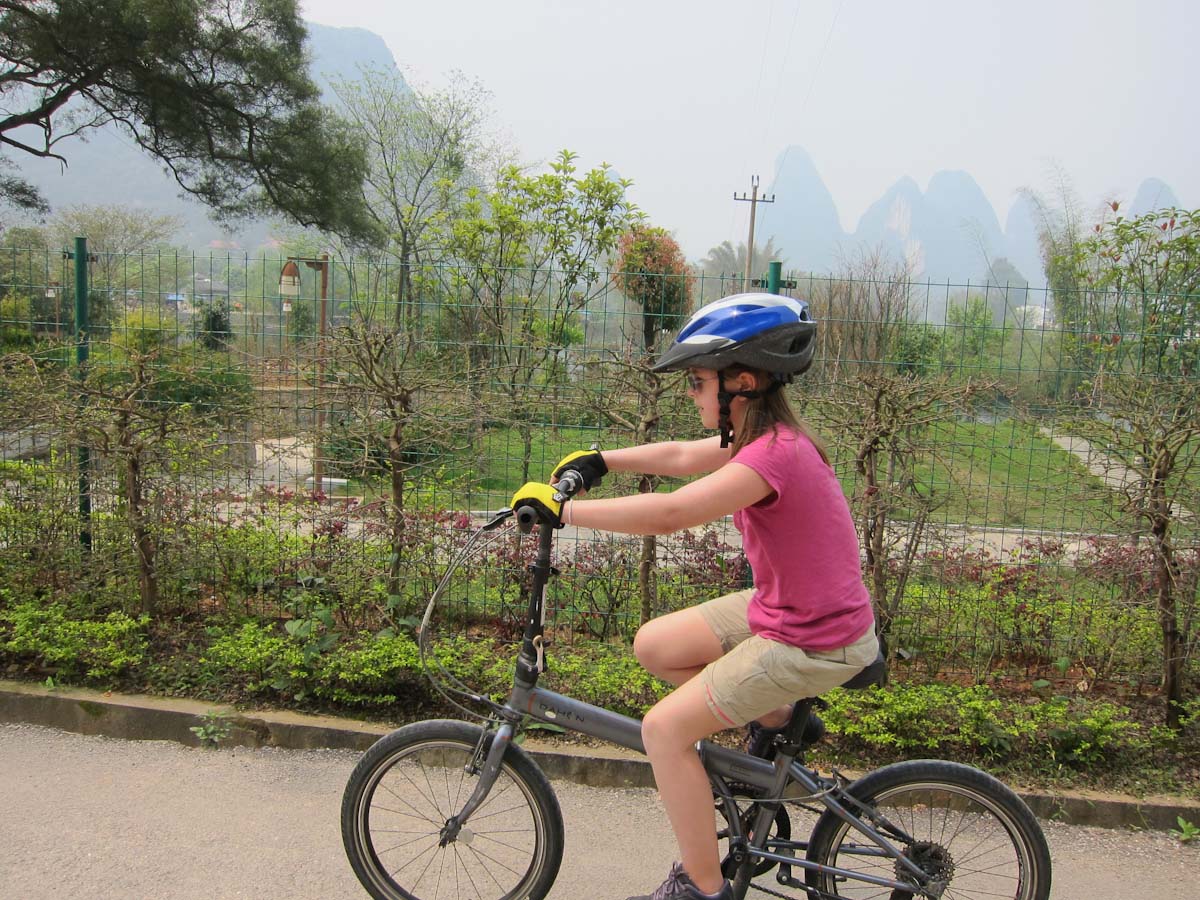
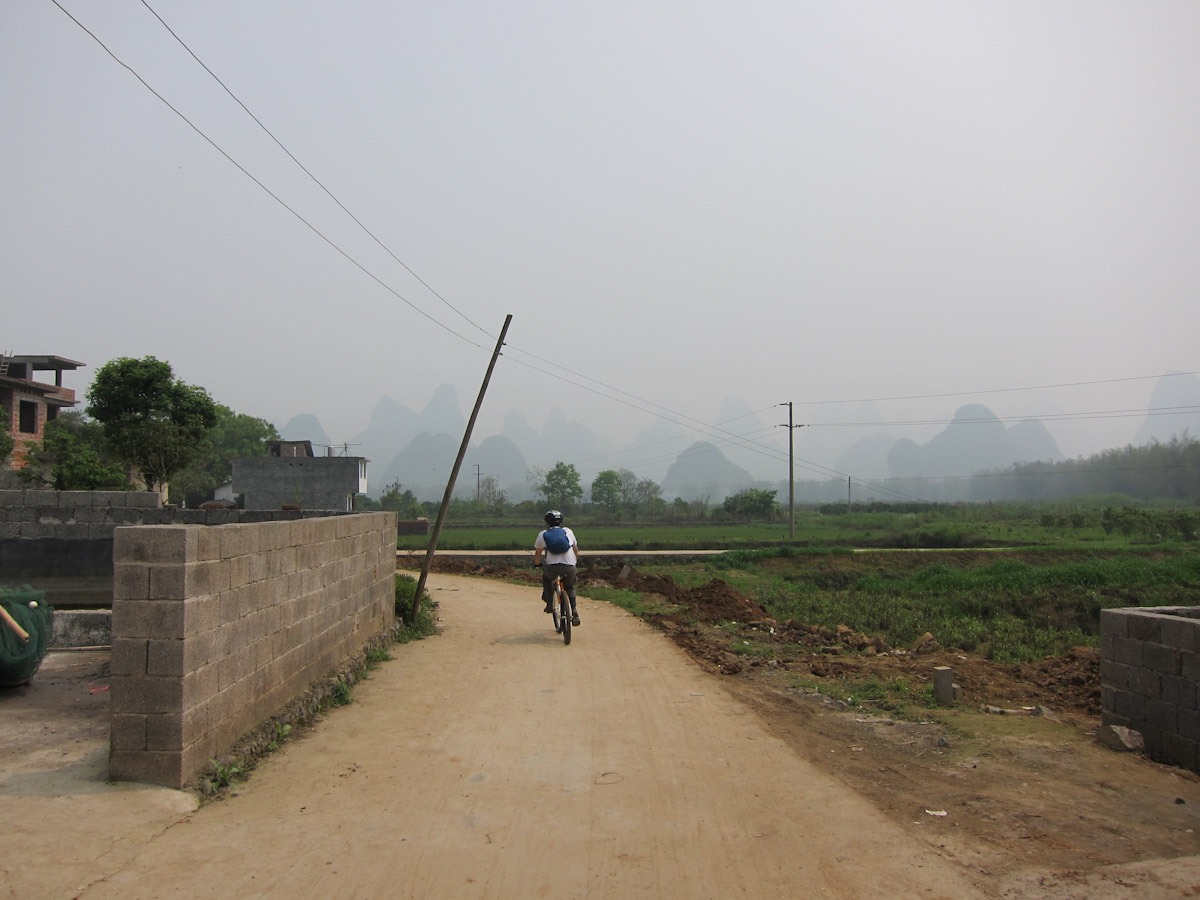
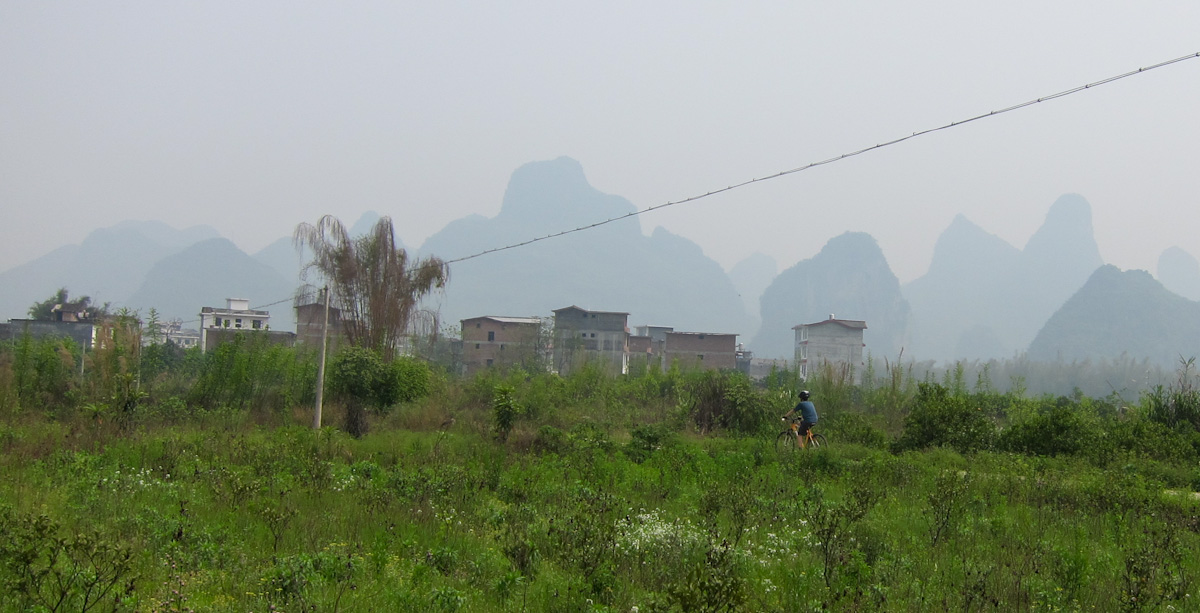
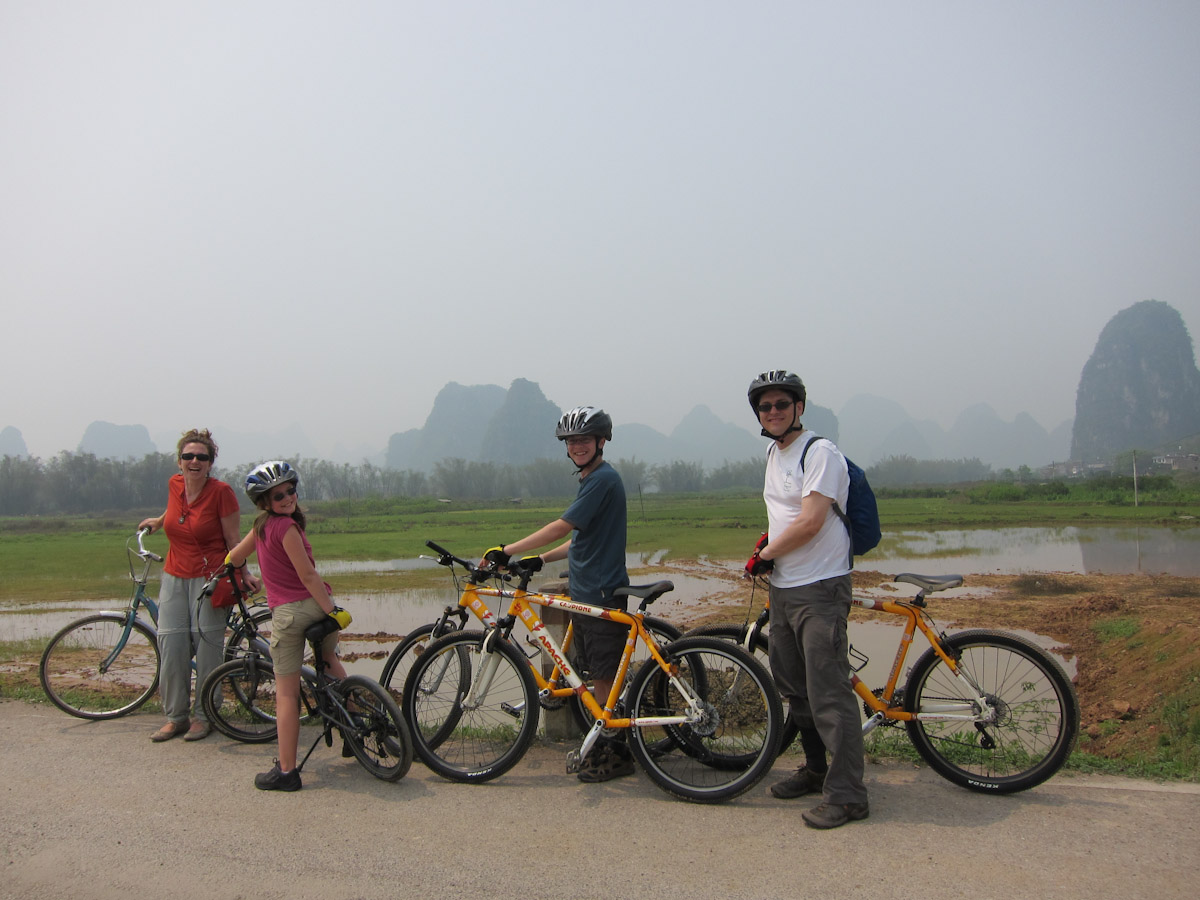
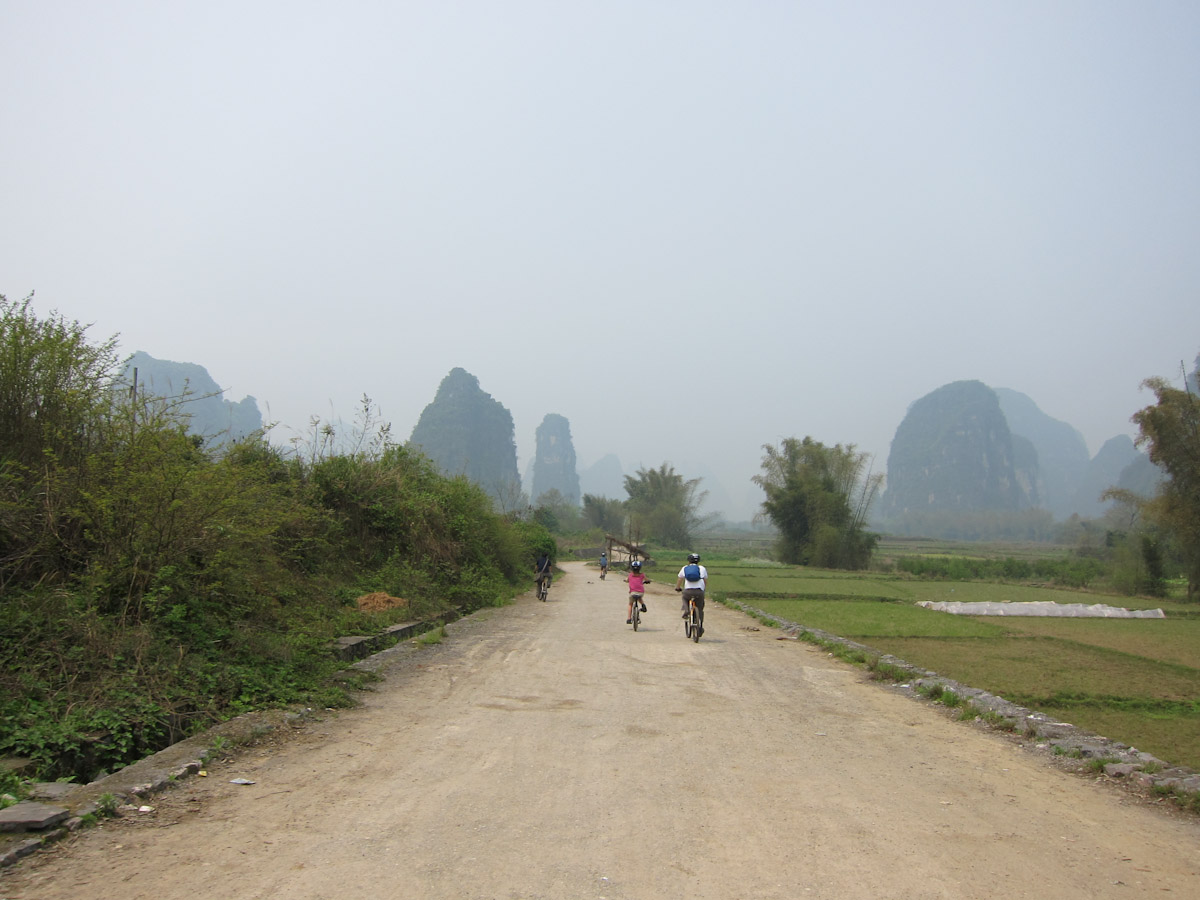
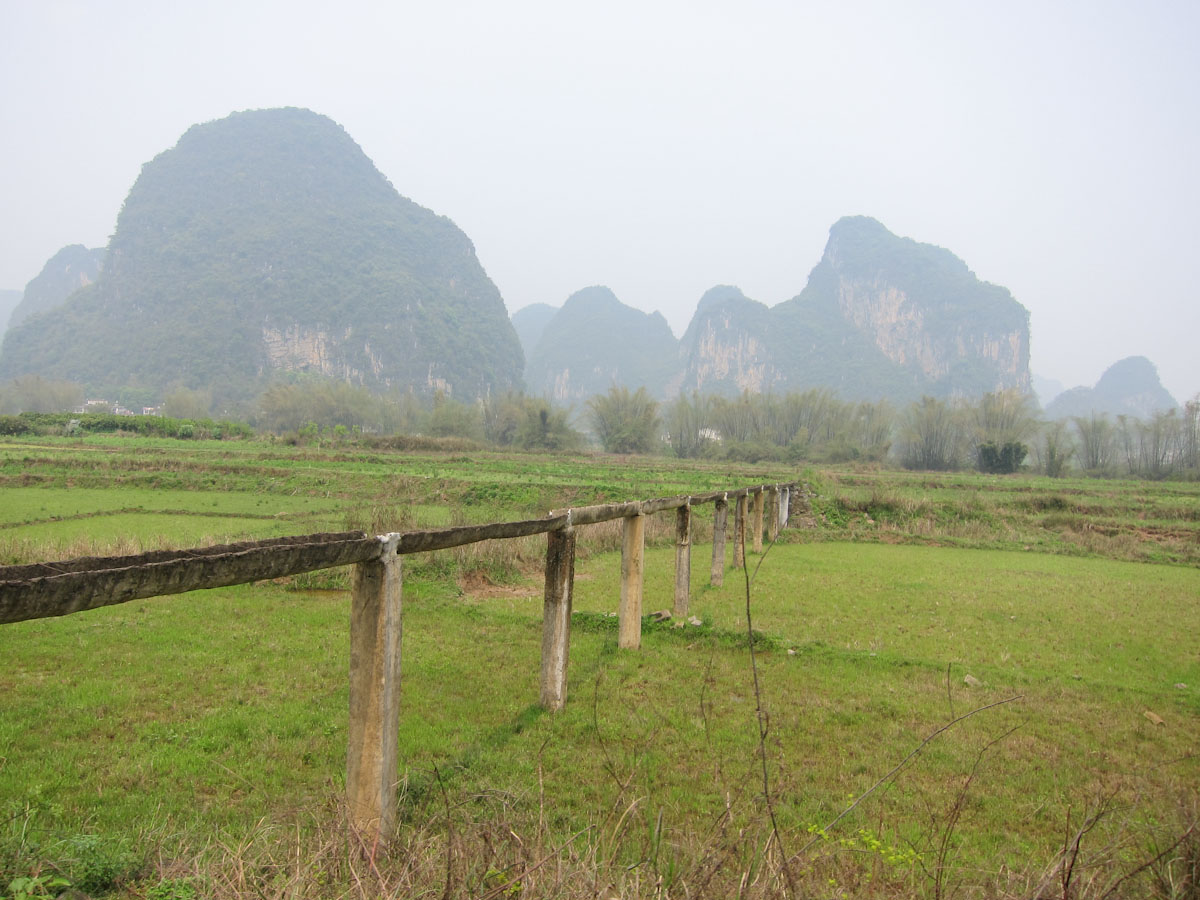
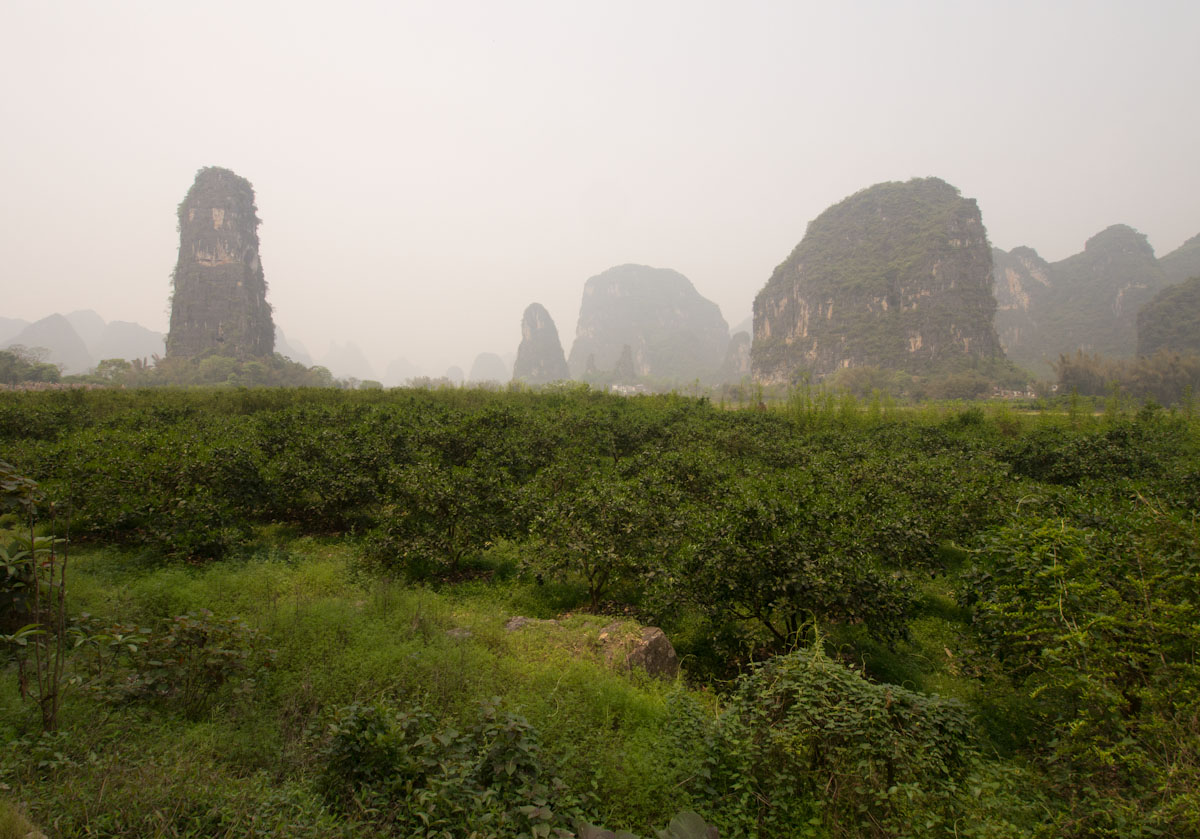
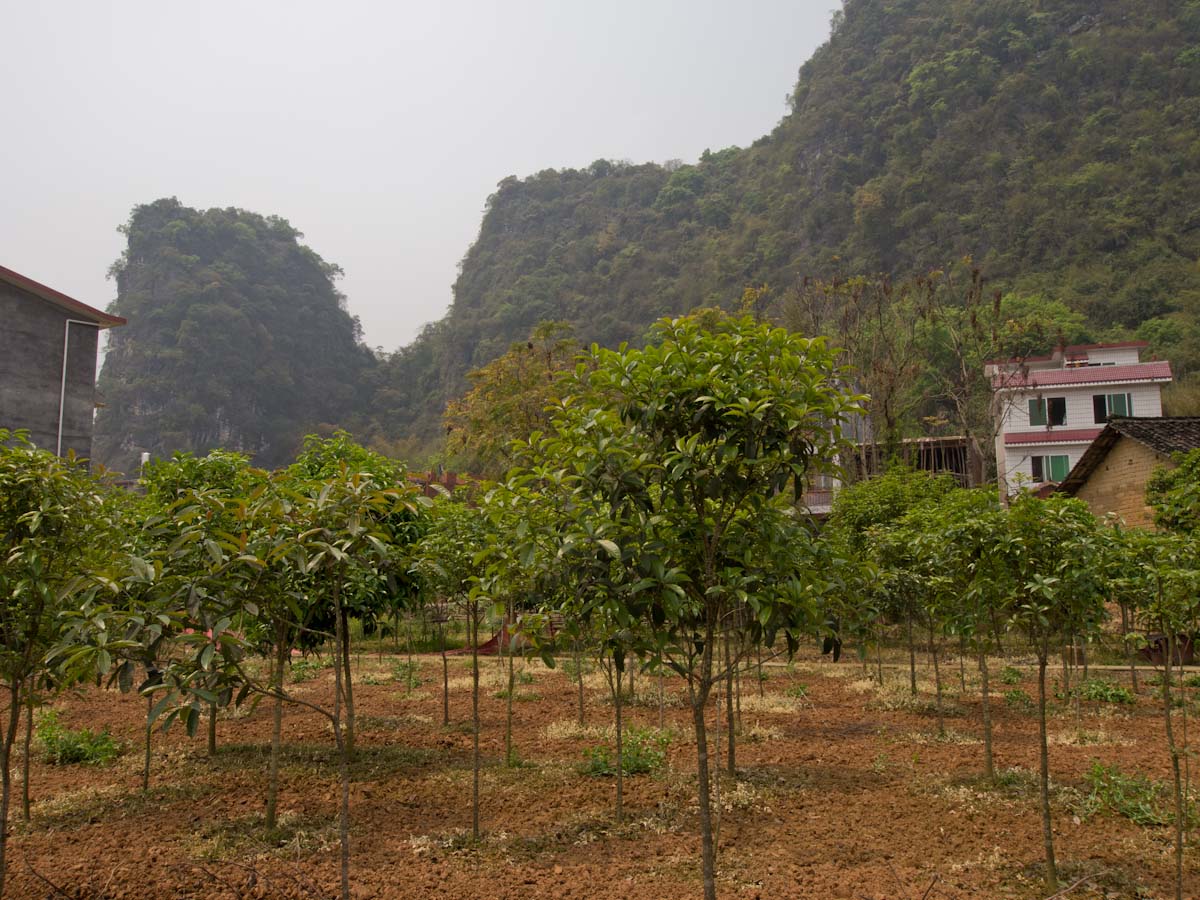
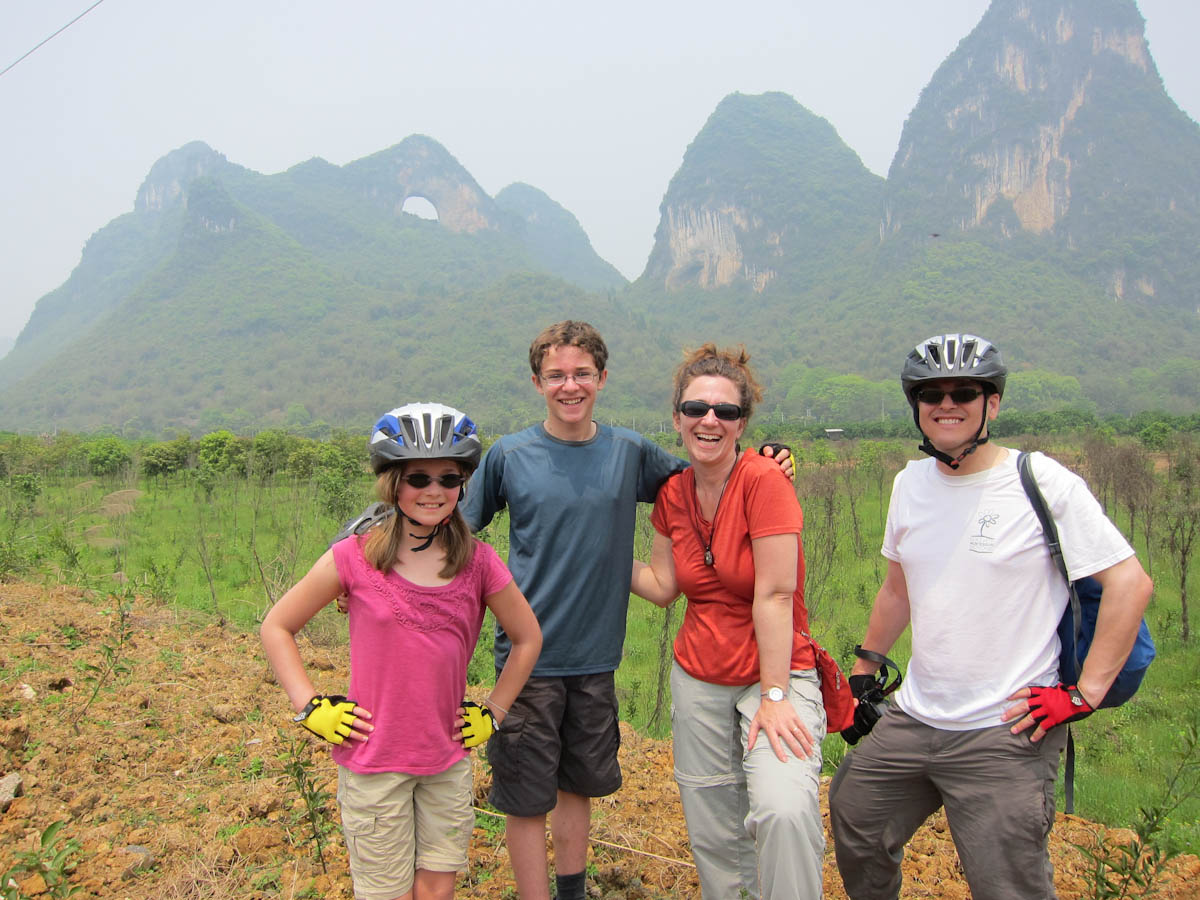
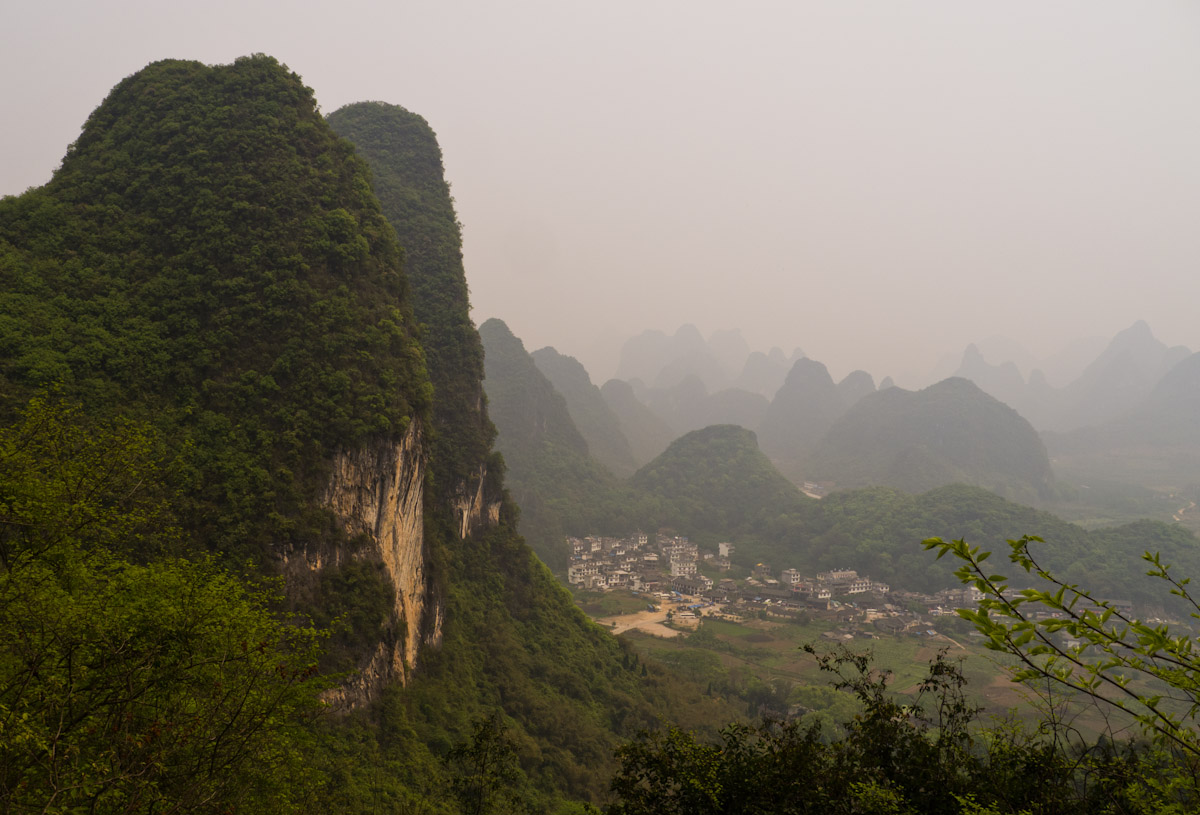
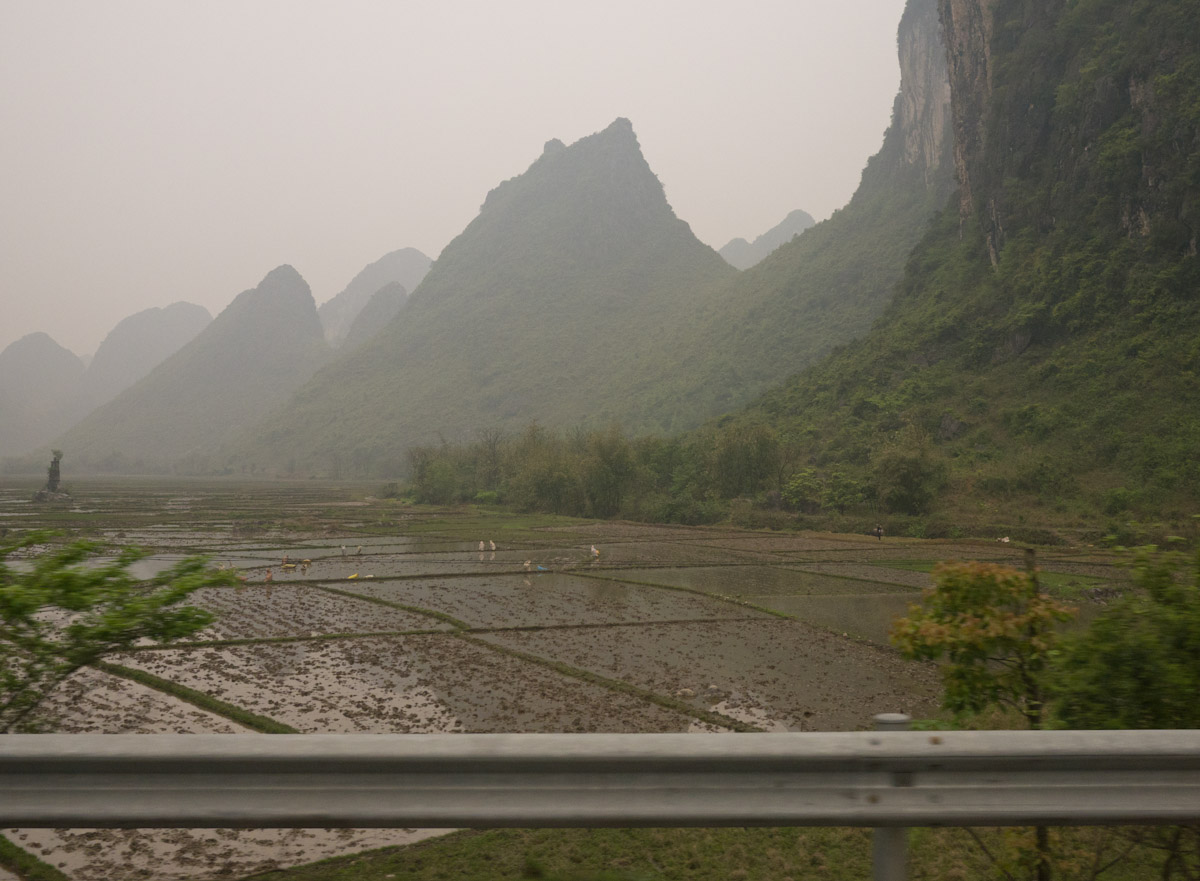
The Guilin region was once the bottom of an ocean bed, covered in limestone built up from millennia of dead ocean life. When finally exposed to air, the rain eroded all but the purest stone away. What remains are famous Kharst mountains – sudden vertical thrusts of green-covered hills that have inspired countless generations of Chinese artists.
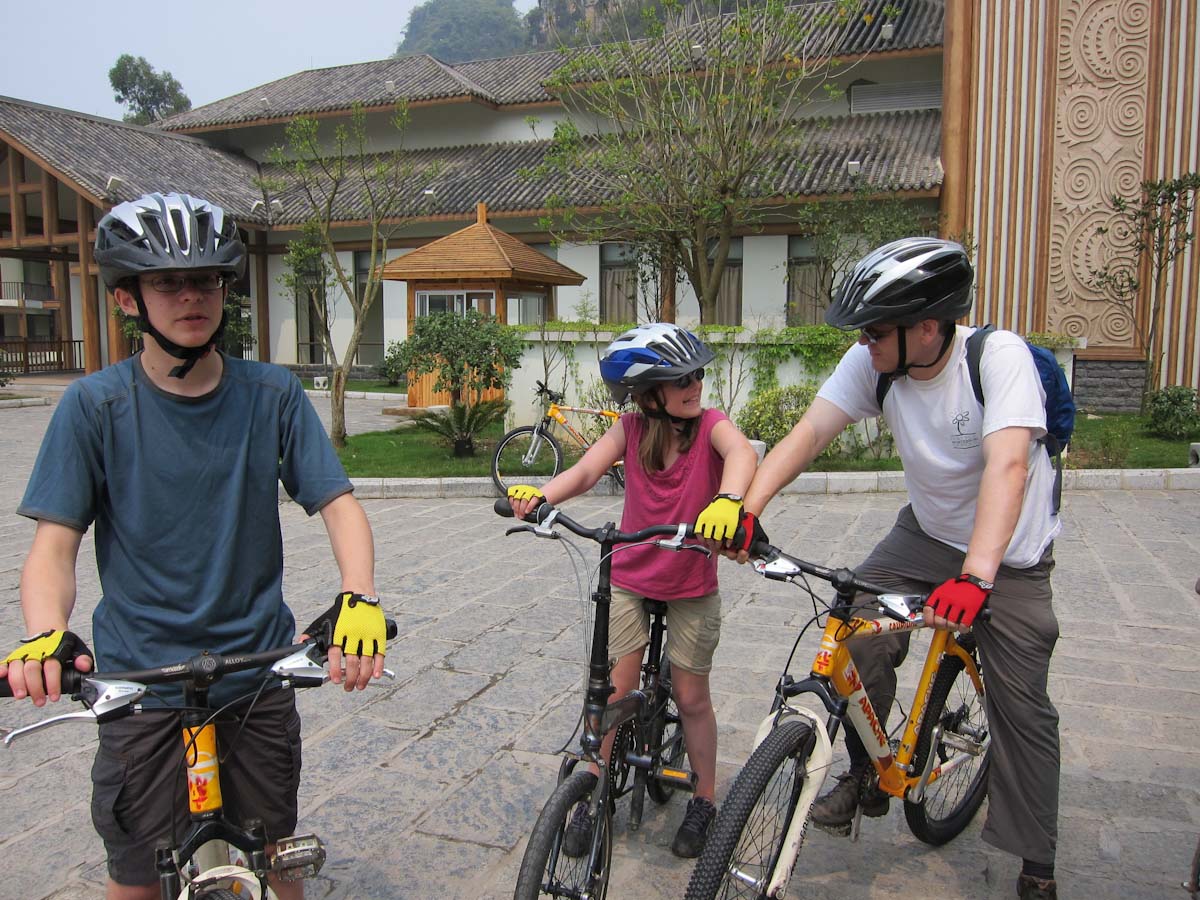
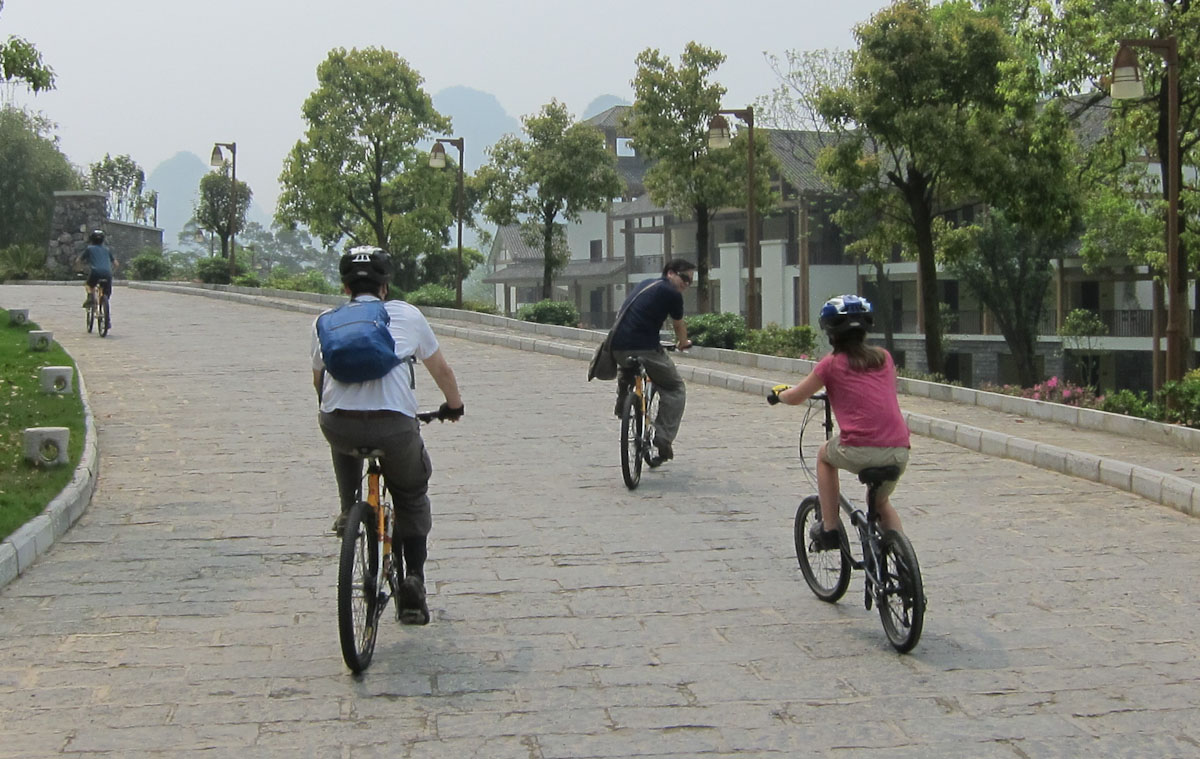
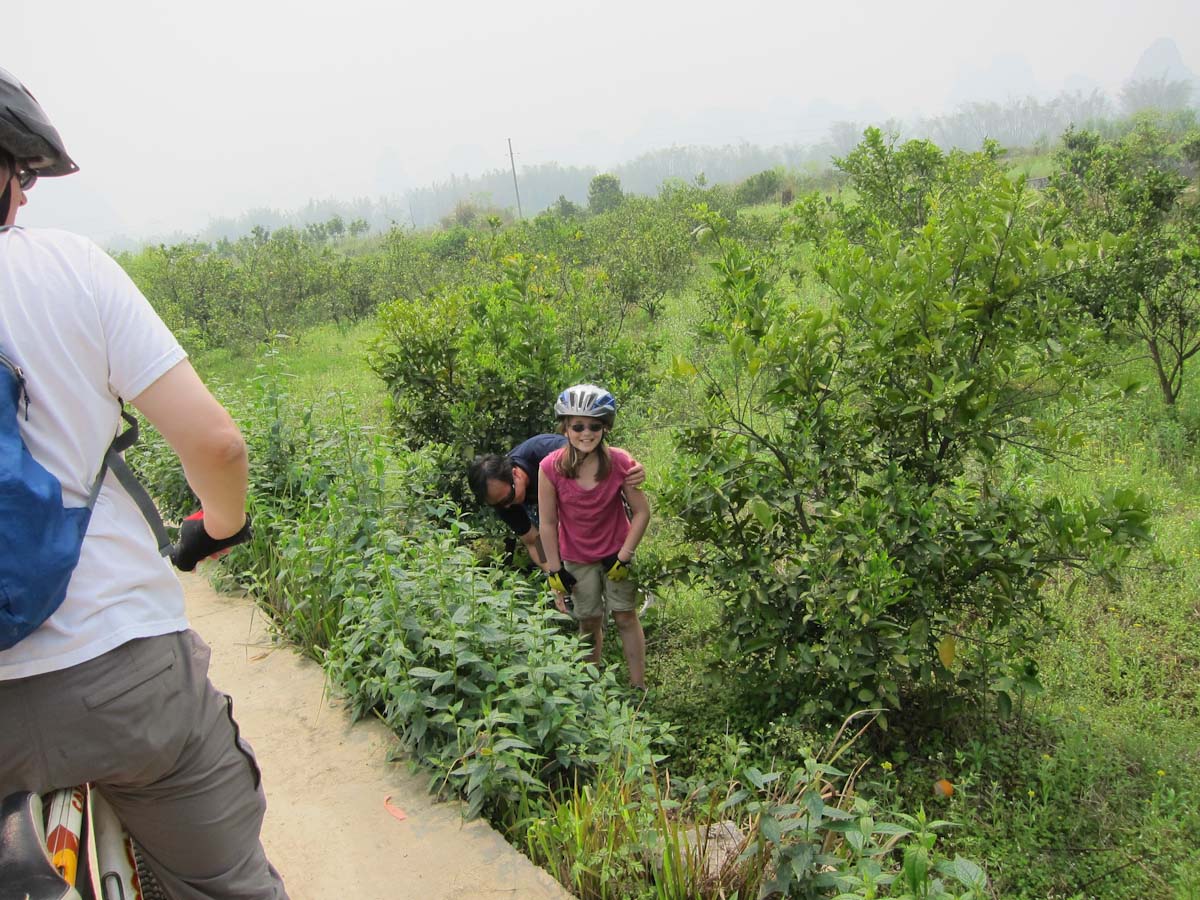
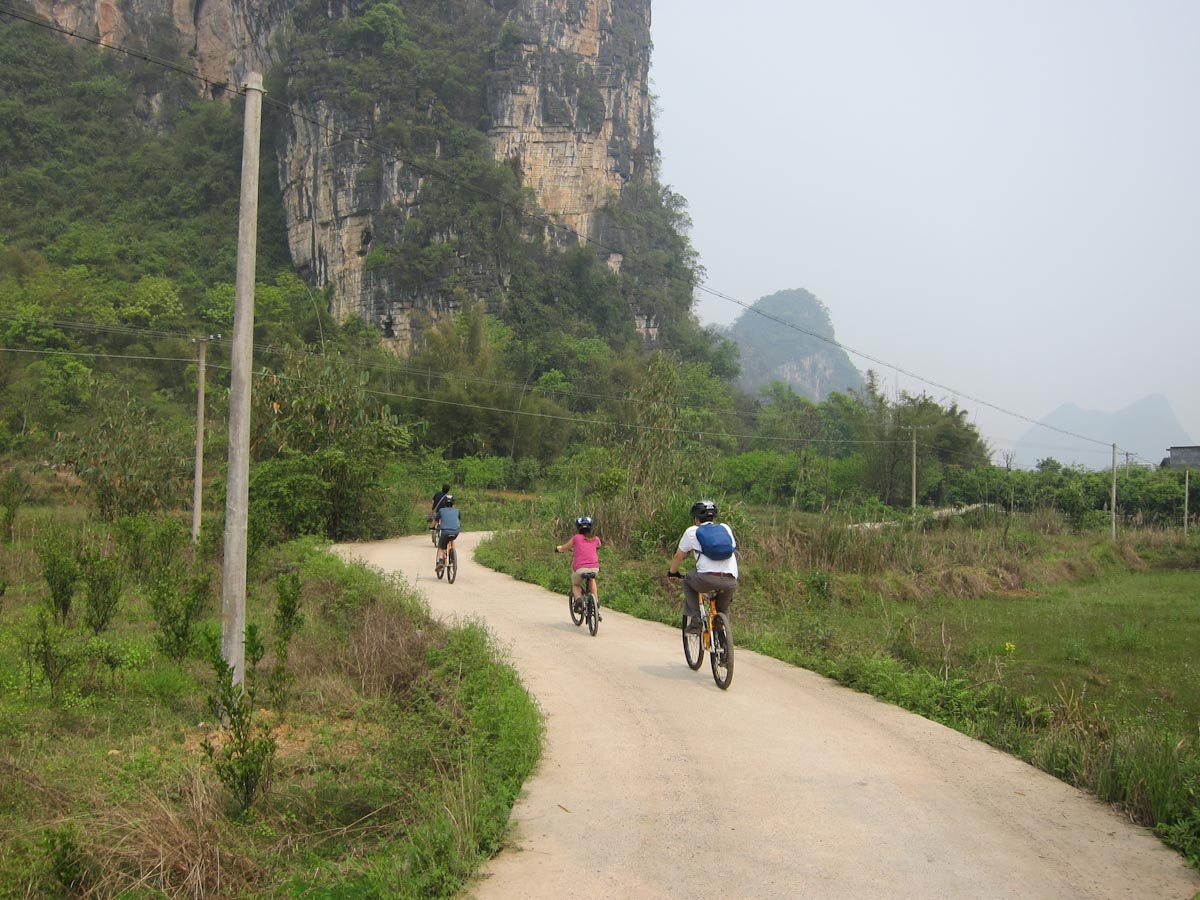
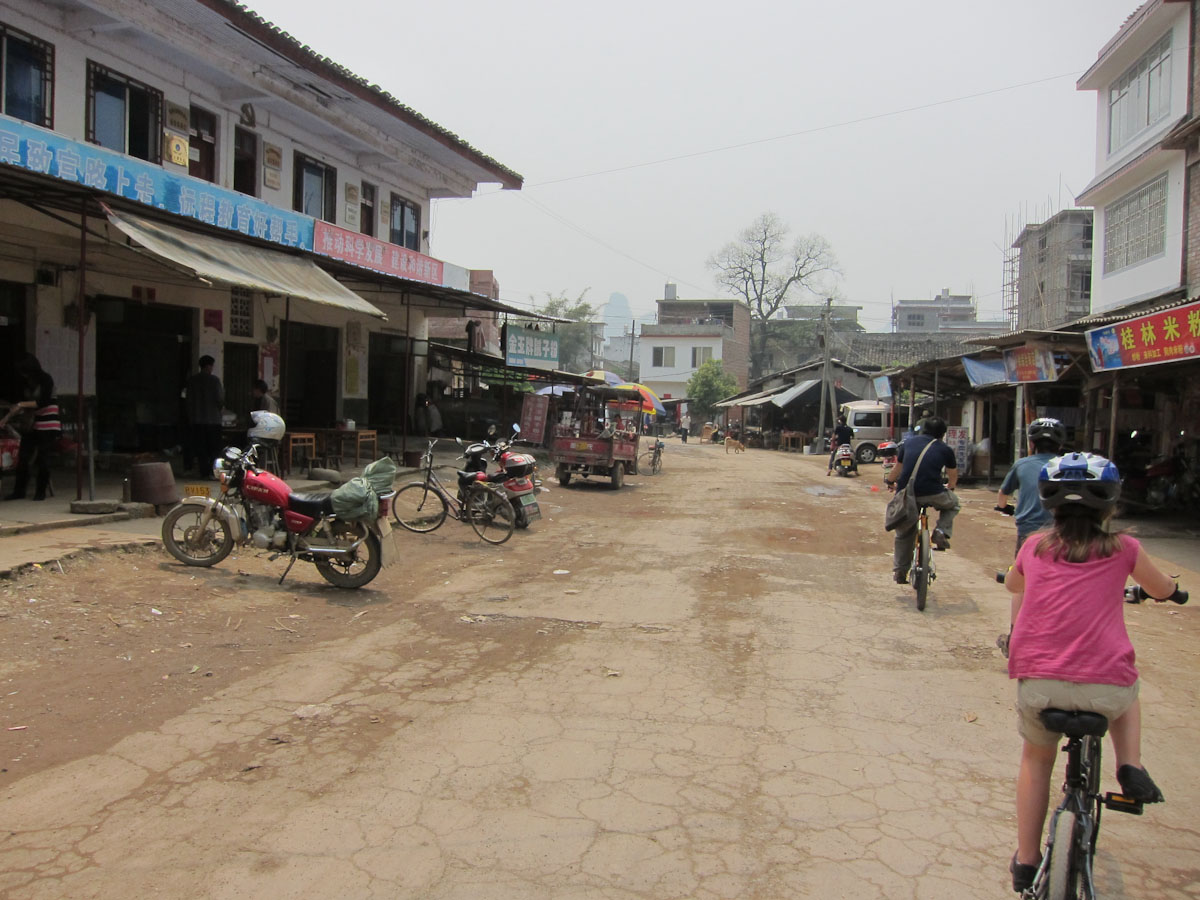
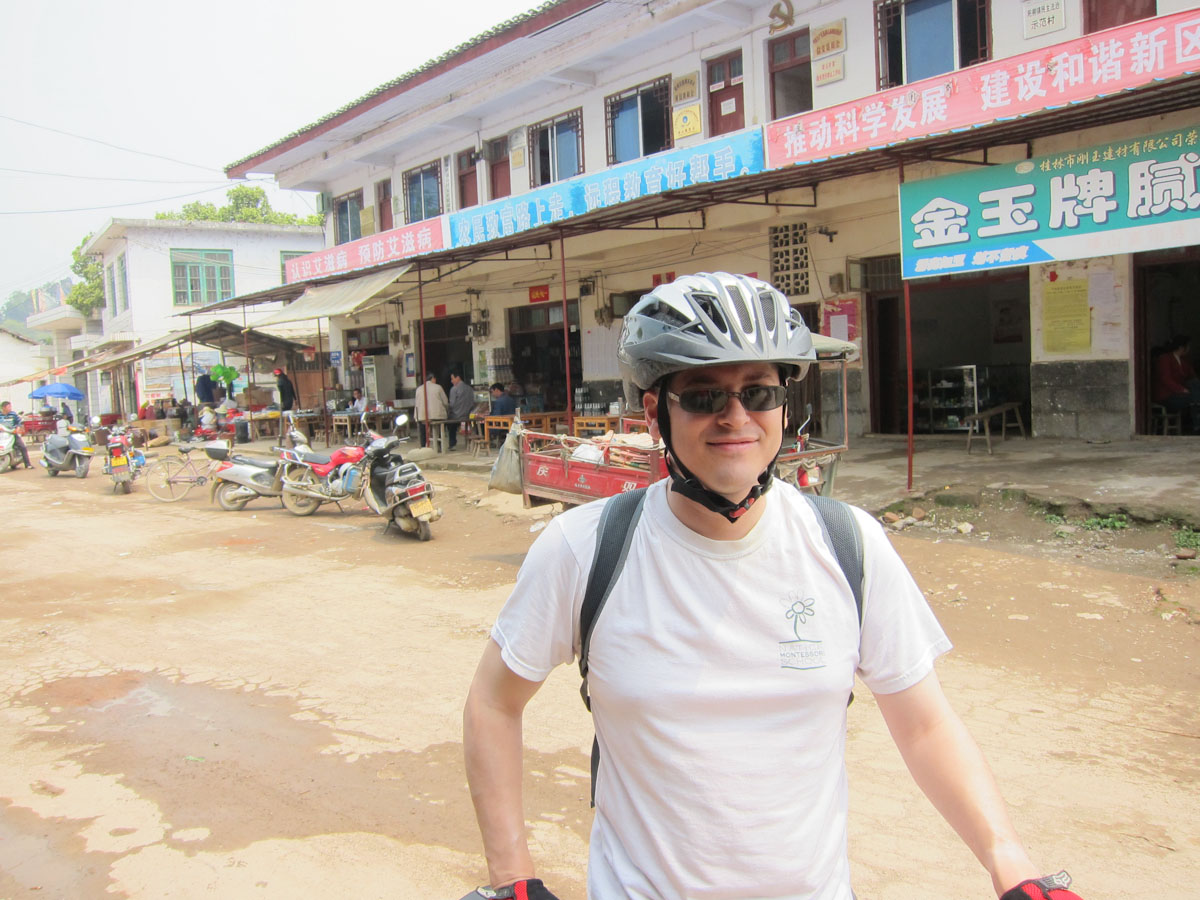
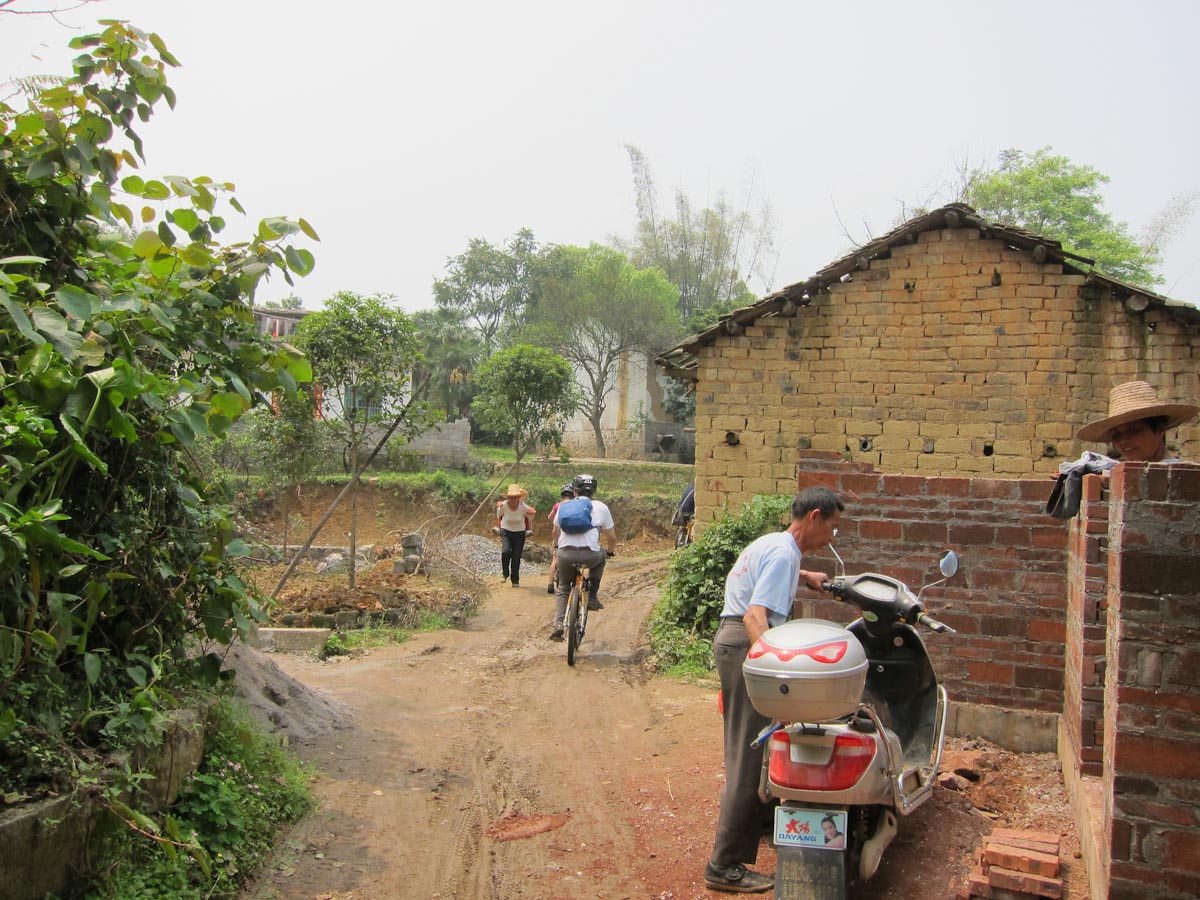
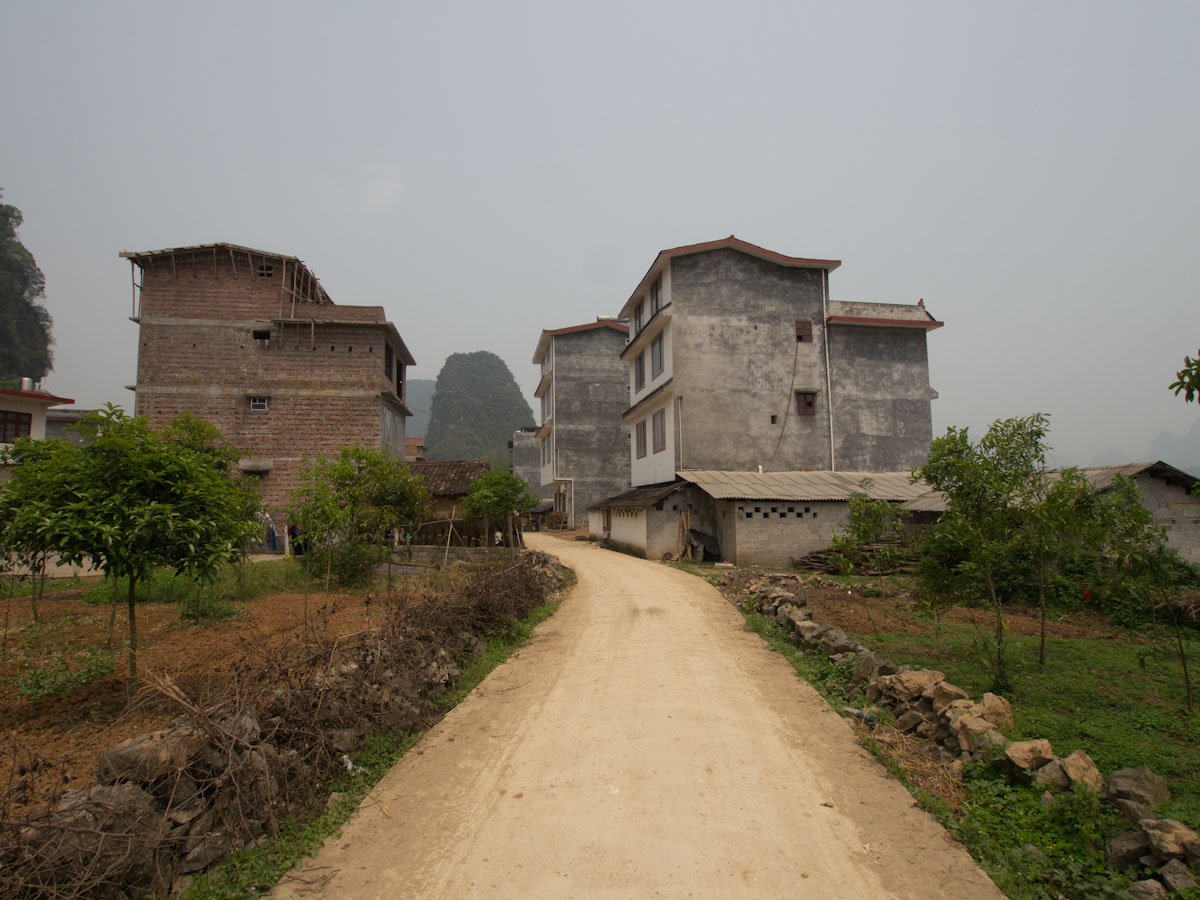
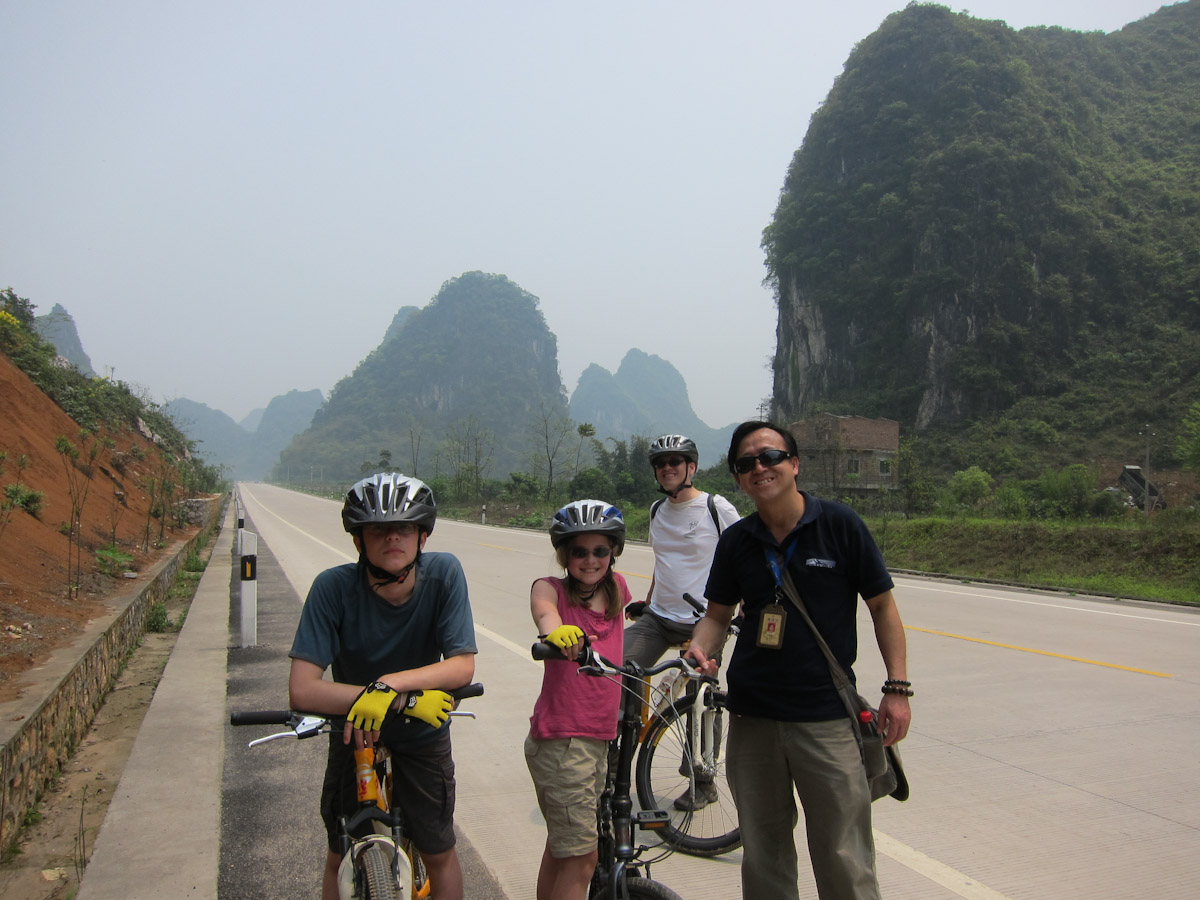
The best way to see Yangshuo is to bicycle through the local villages and fields on dirt paths. Our guide Moe took us through.
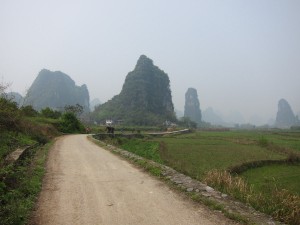
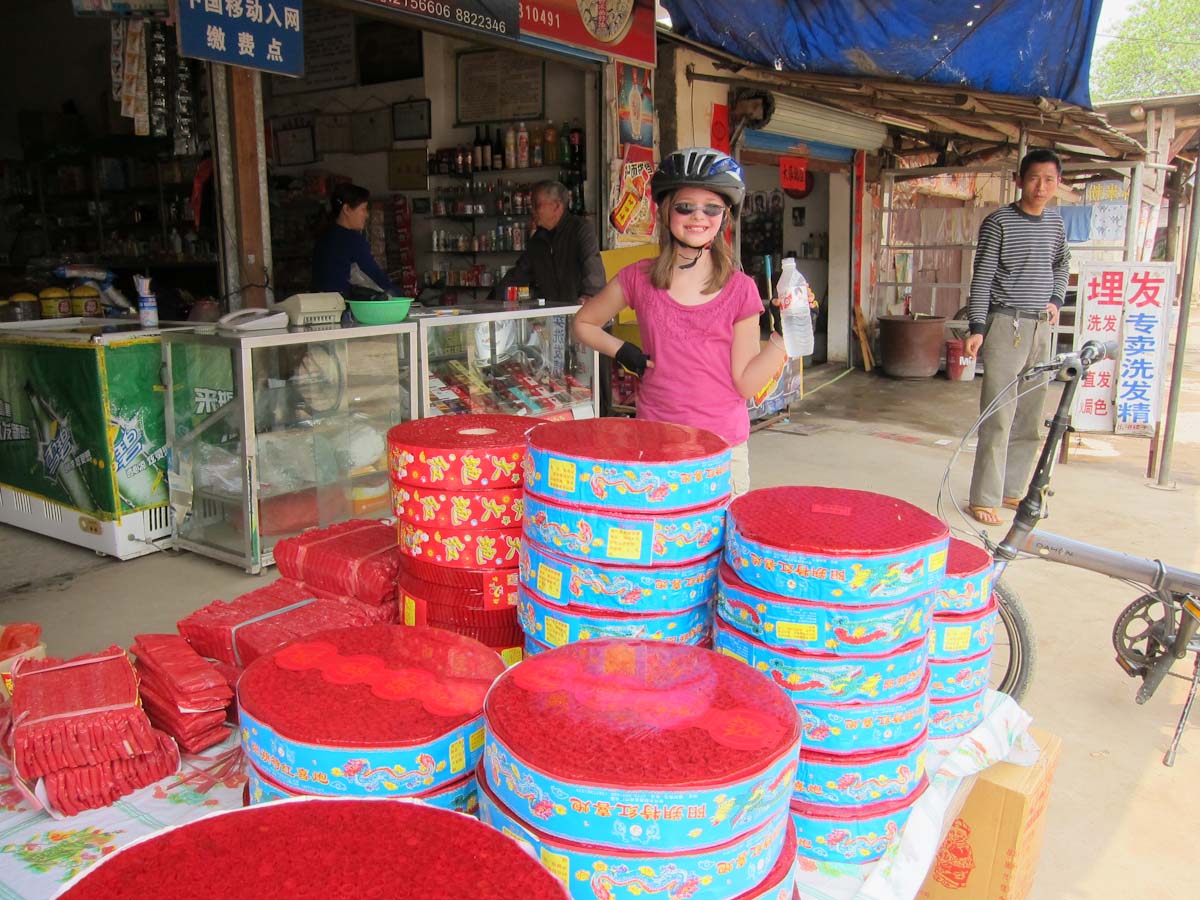
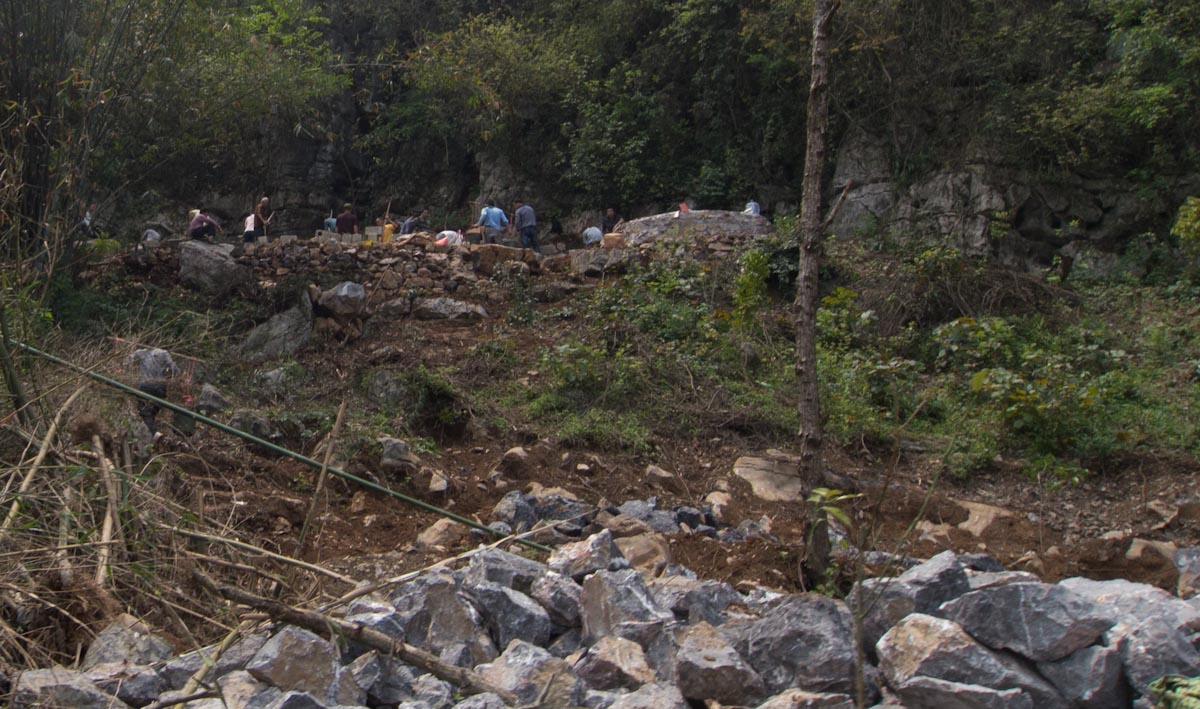
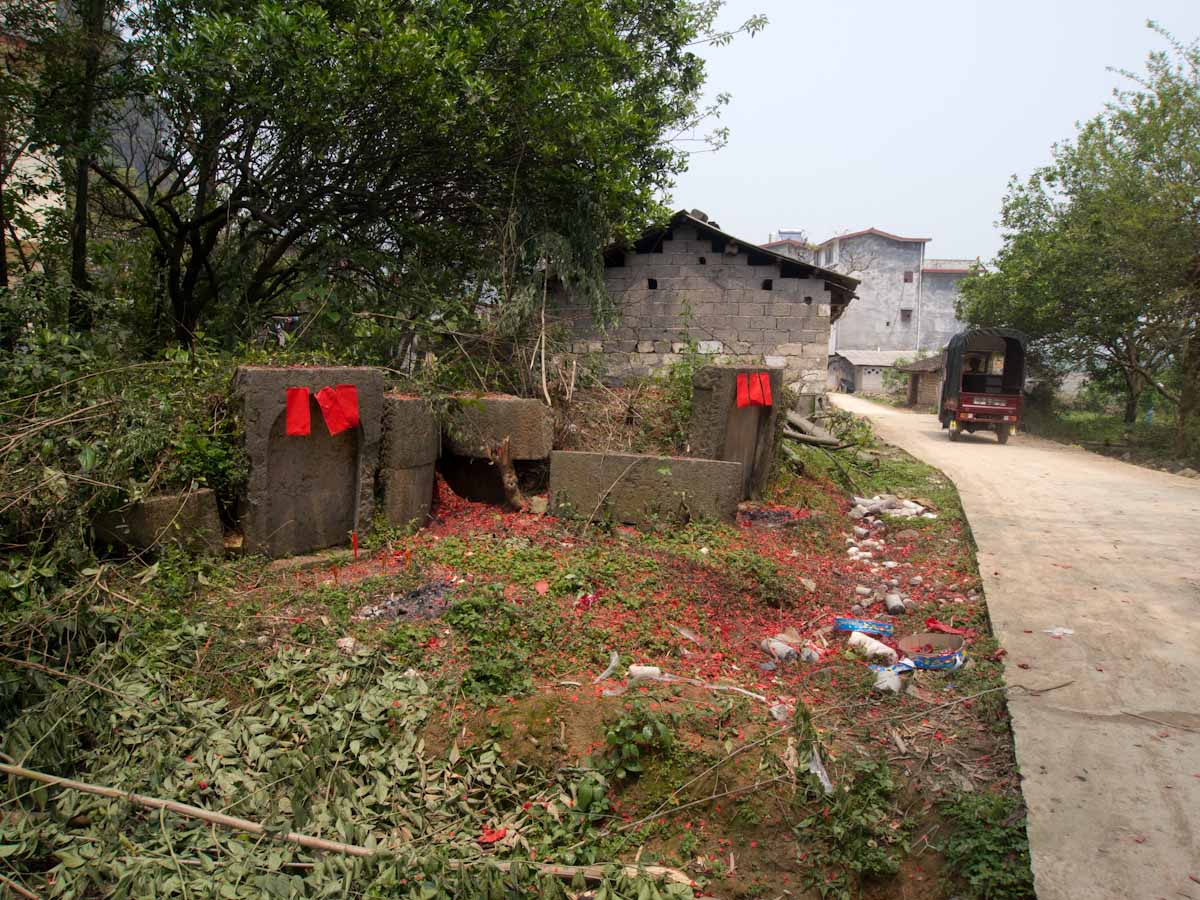
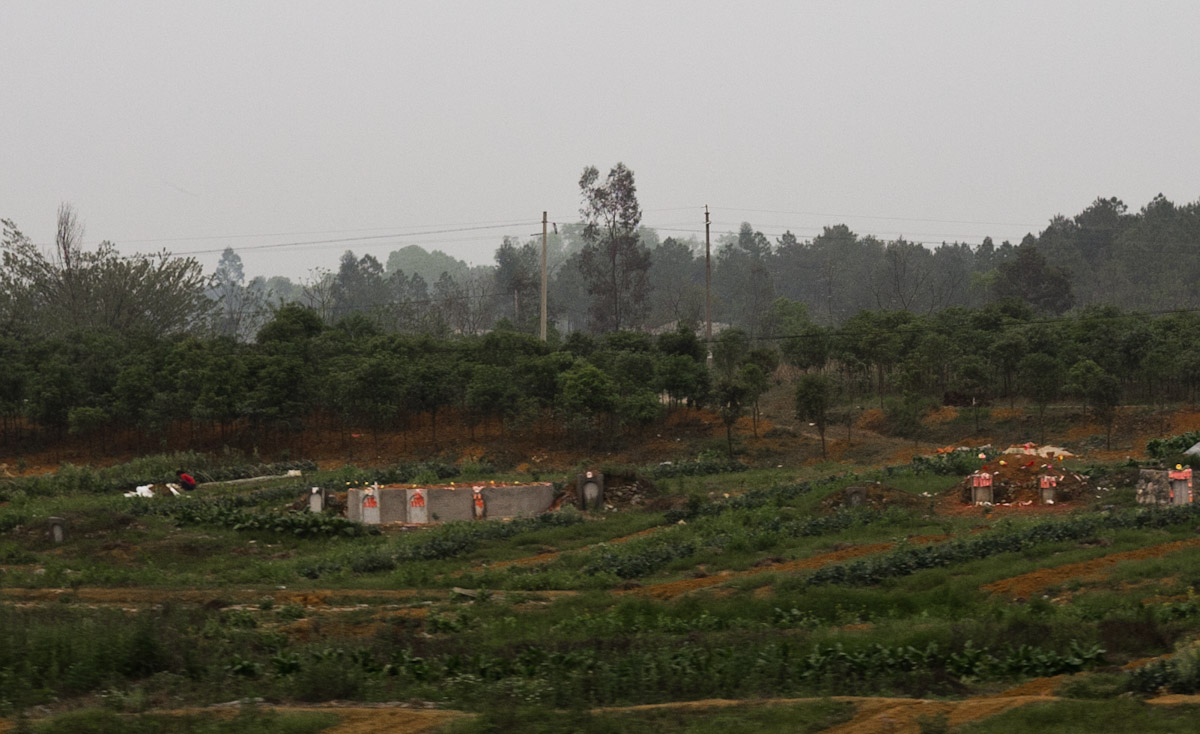
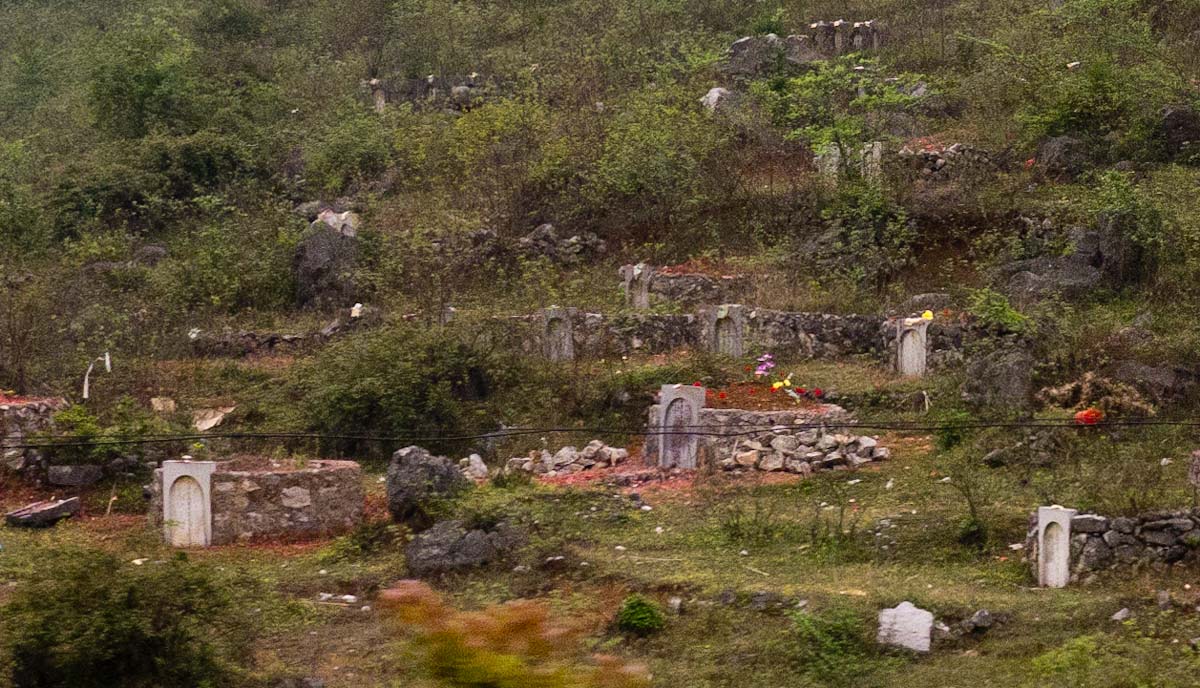
The air was punctuated with the bang! pop-pop-popping sound of firecrackers. It turned out the village was belatedly celebrating tomb-sweeping day, the day when everyone goes back to the tombs of their ancestors to leave offerings and pray for their assistance in the year to come. After leaving a chicken and some symbolic paper money or objects and placing a red flag by the tomb, the villagers set off firecrackers to scare away the demons who would otherwise steal the offerings. Then they parade on to the next ancestor tomb.
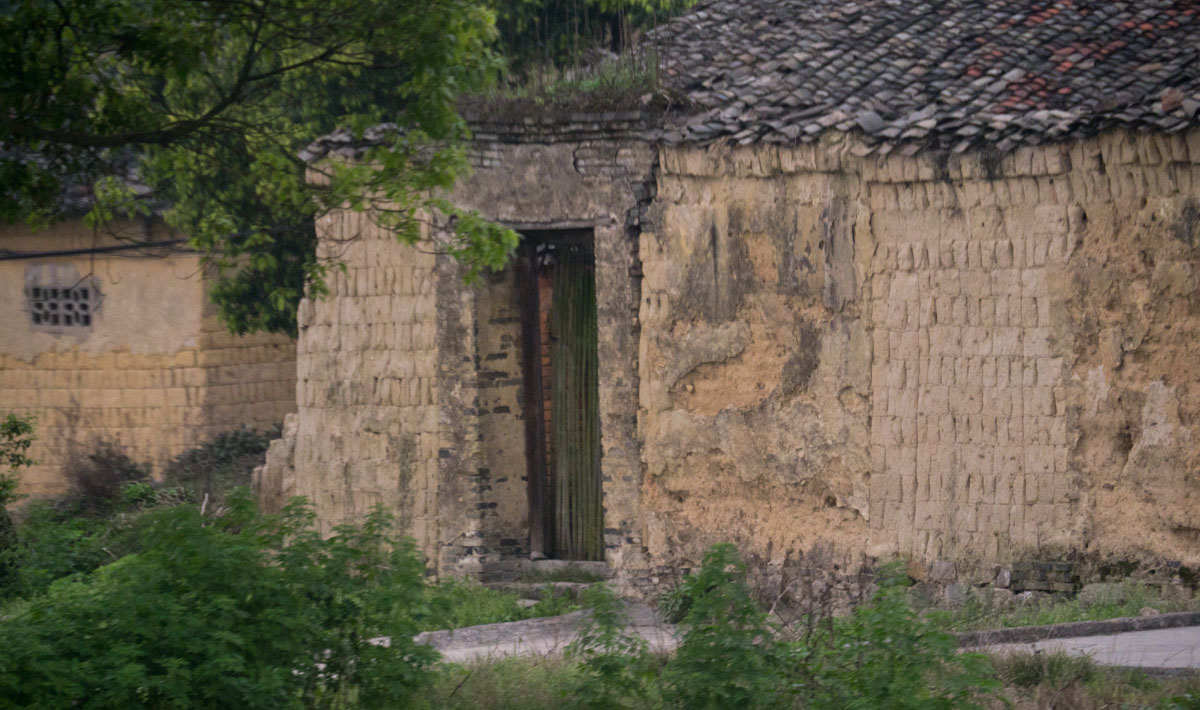
The tombs of the farmers are usually built of rock and located right at the edge of the field or placed mid-way up on a Karst hill. Decades of Communism may have essentially eradicated organized religion from China, but it could not dislodge this deeply important practice in the rural areas.
We had a bit of a scare when Katherine was gazing at the hills and rode right off the dirt path into a farmer’s field where she was unceremoniously dumped off her bike. Luckily she was only scratched up and did not land in the giant pile of manure a few feet away!
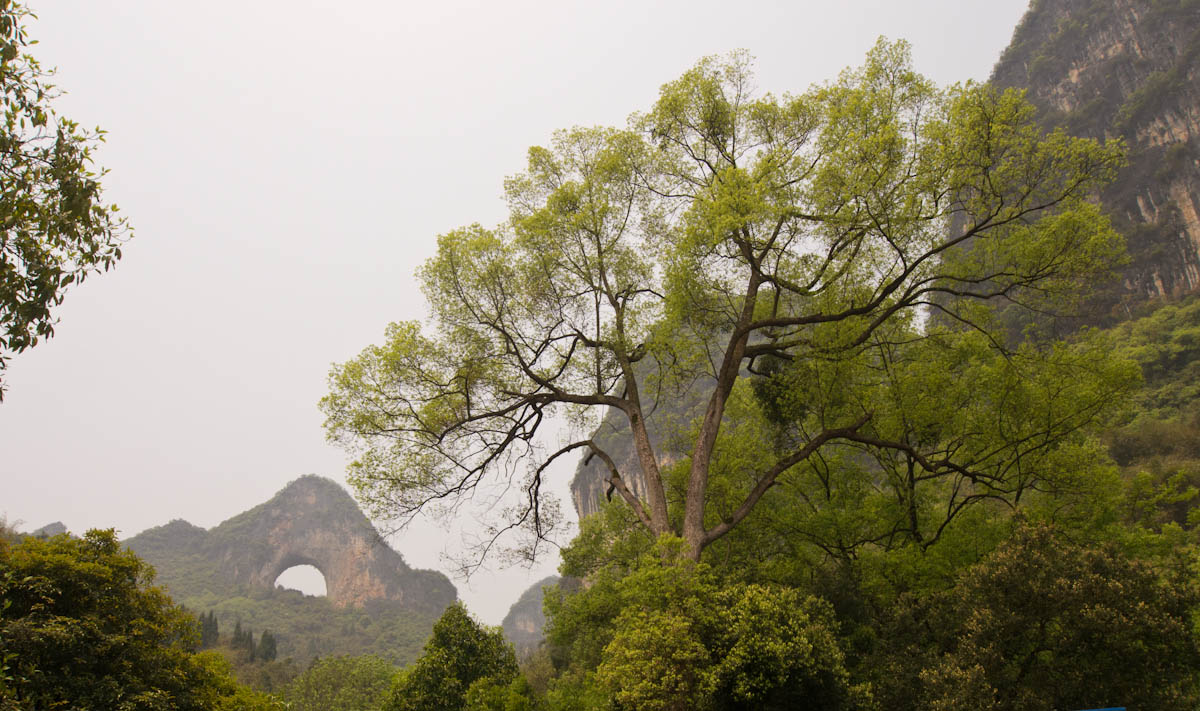
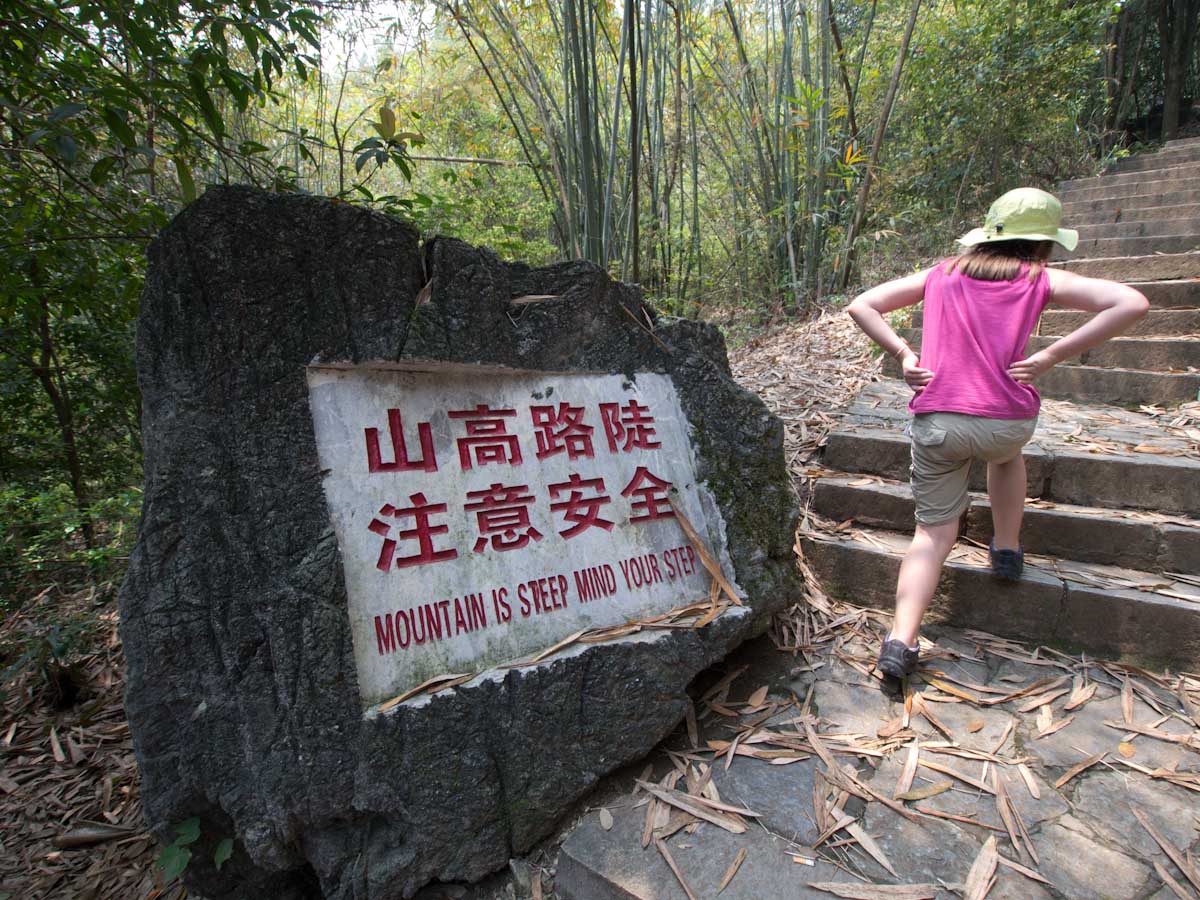
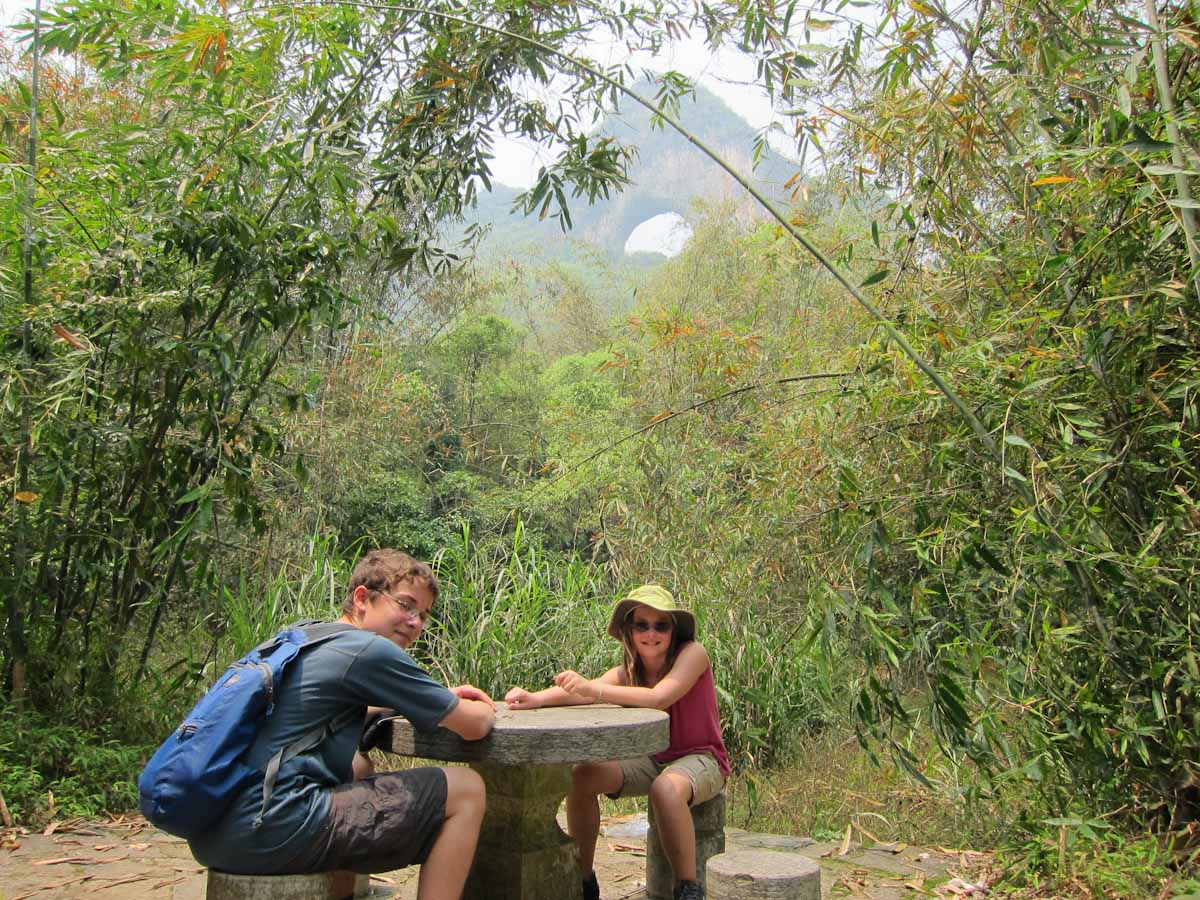
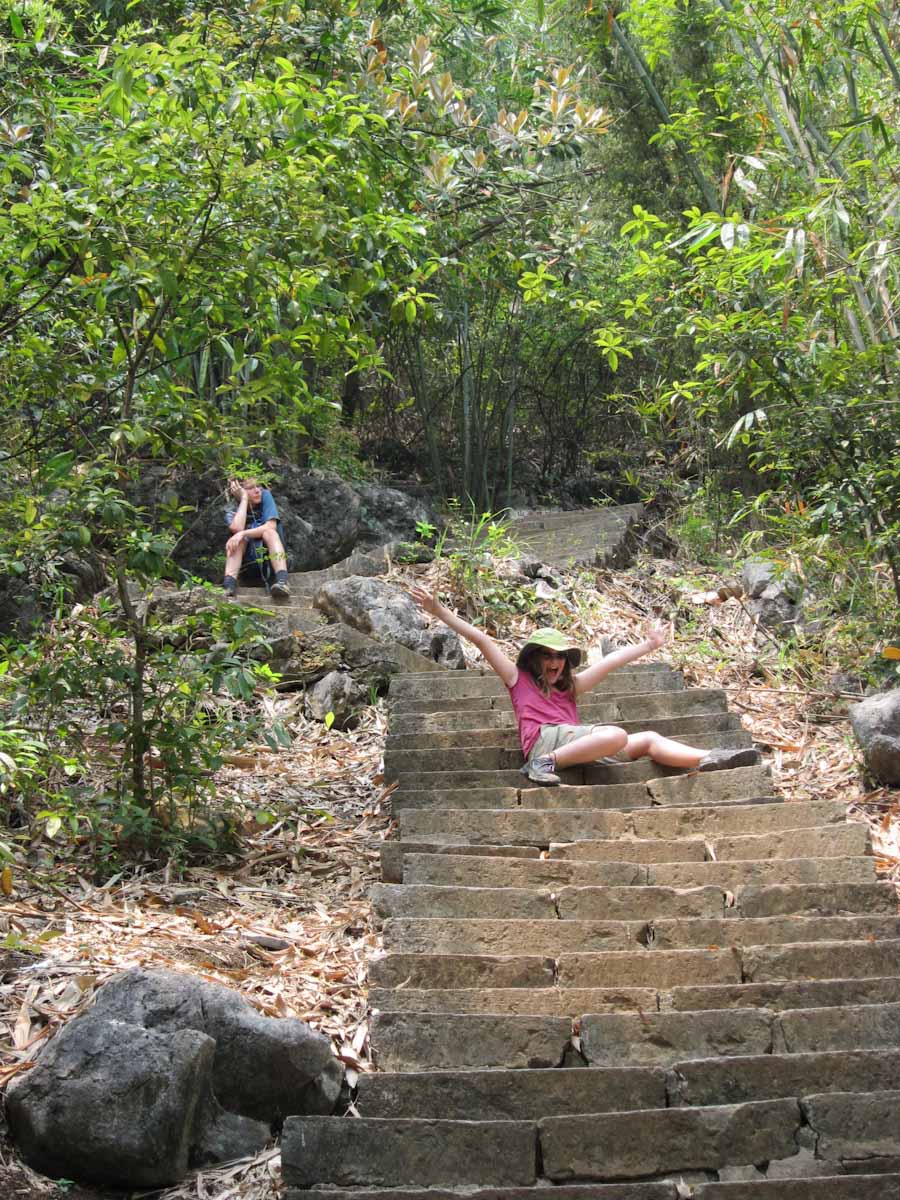
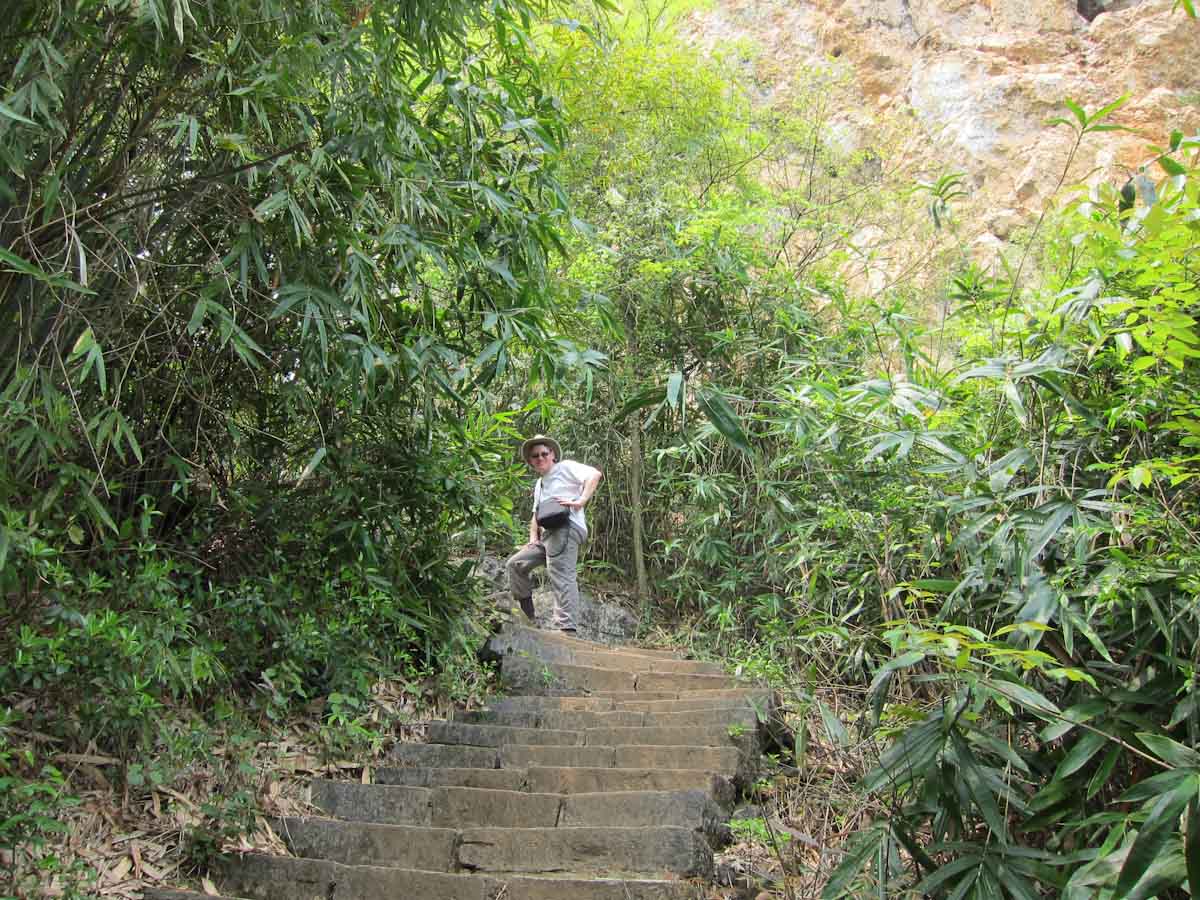
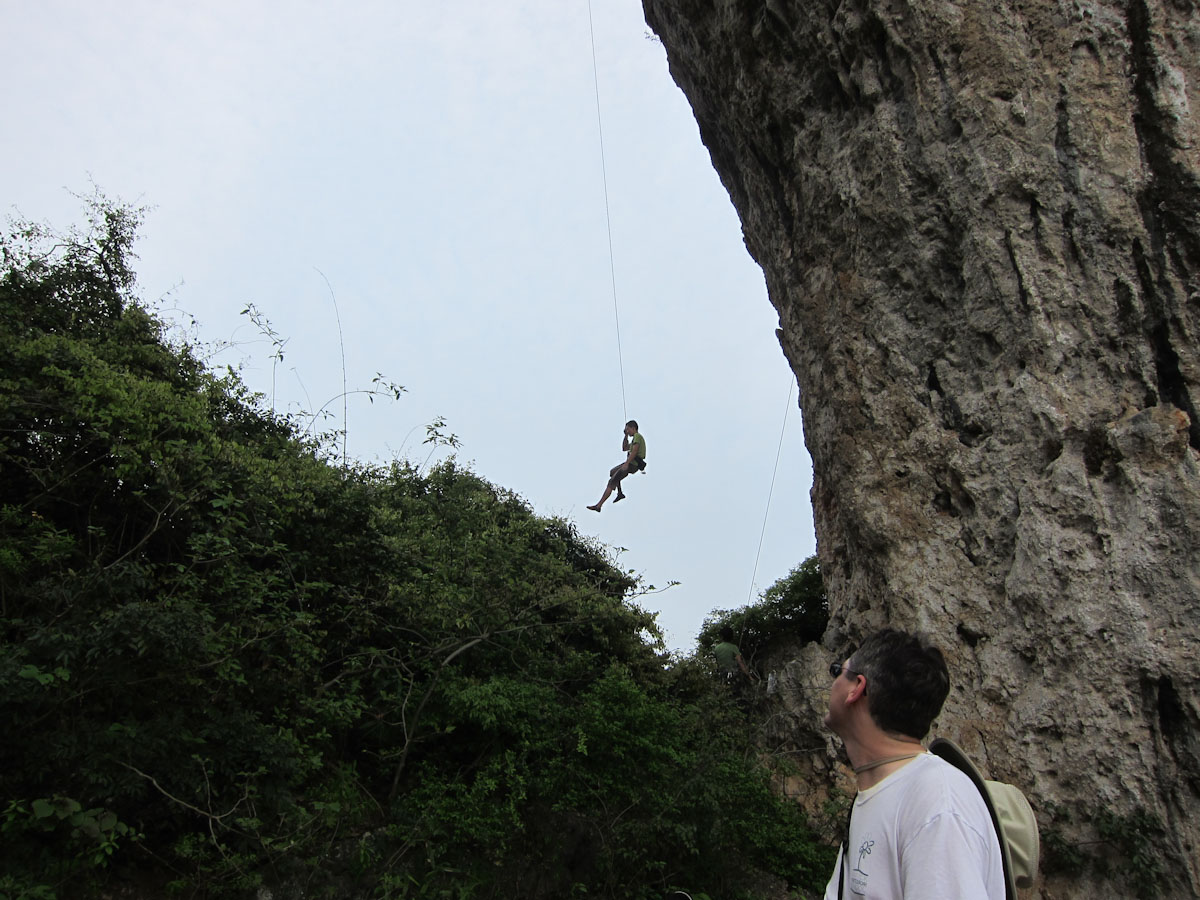
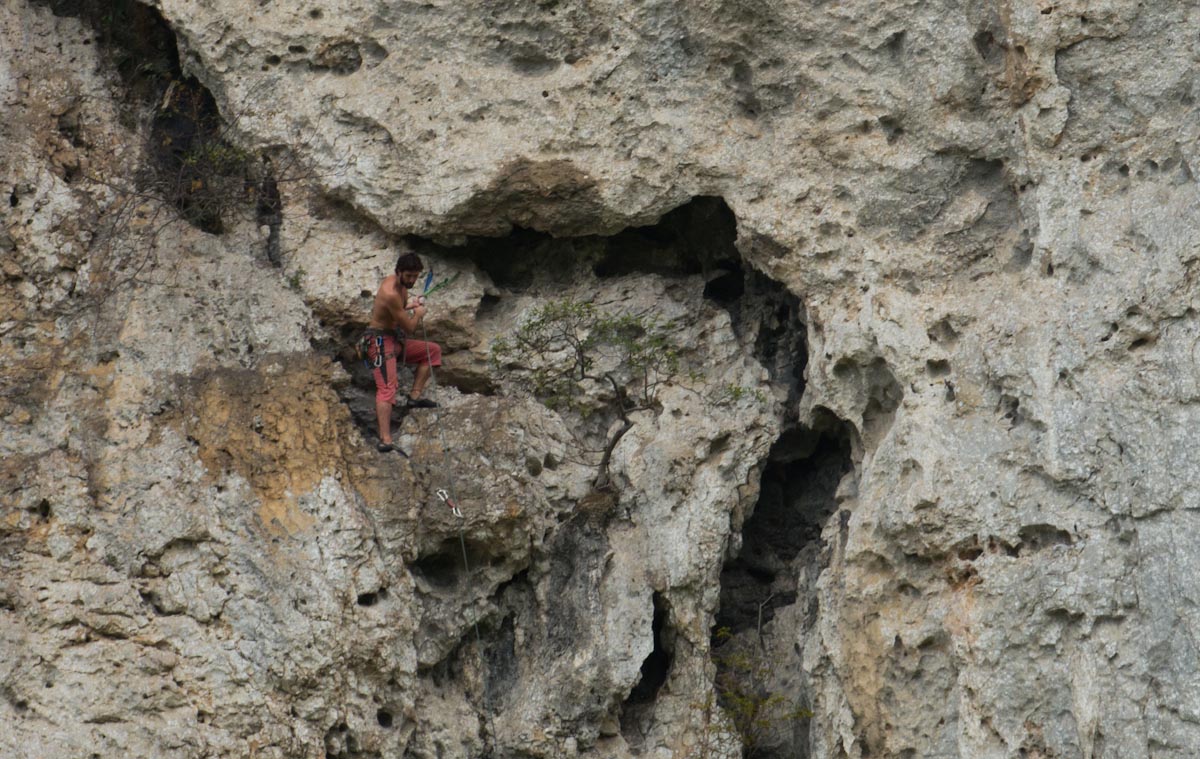
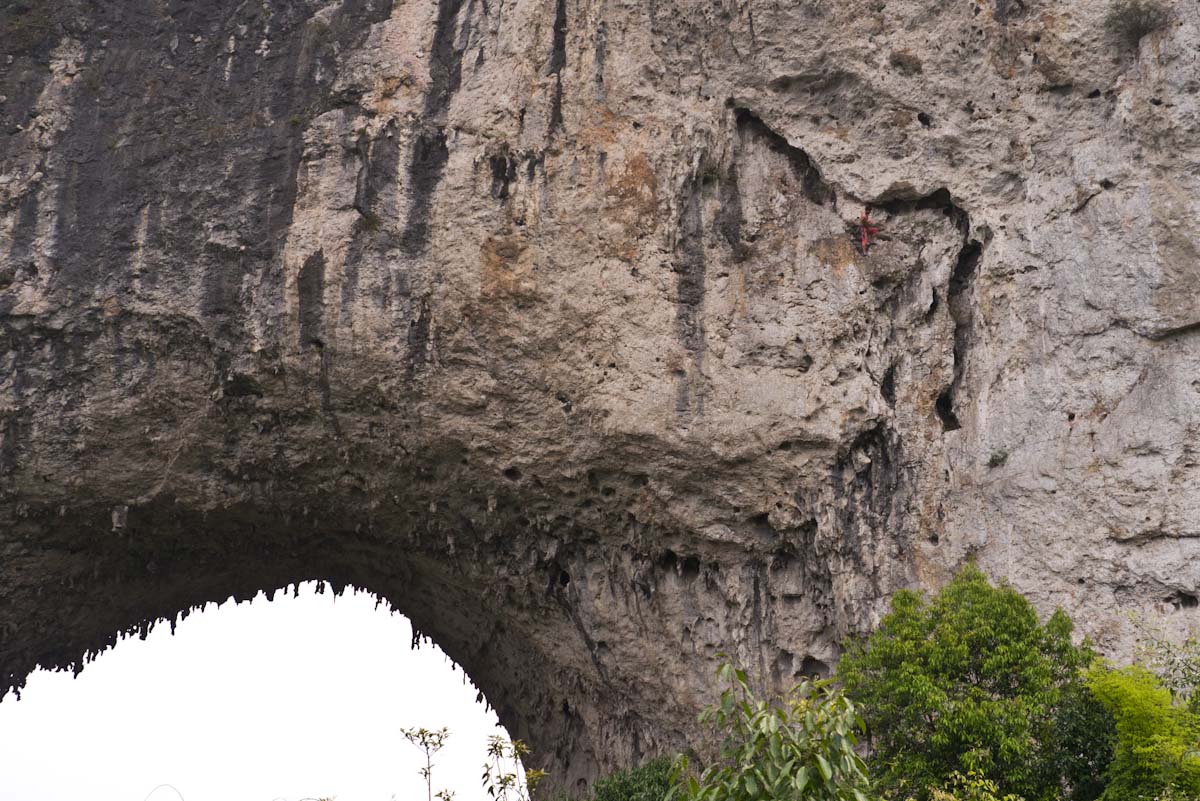
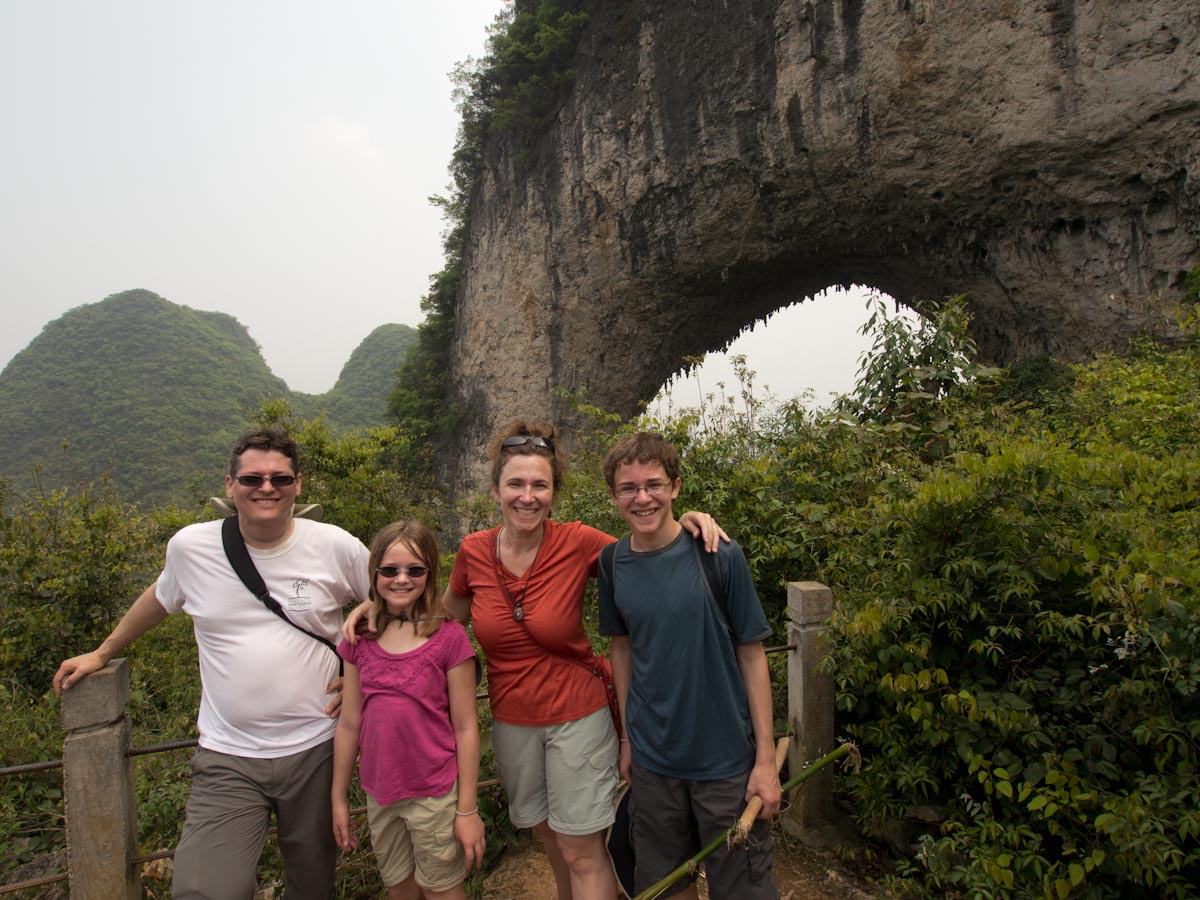
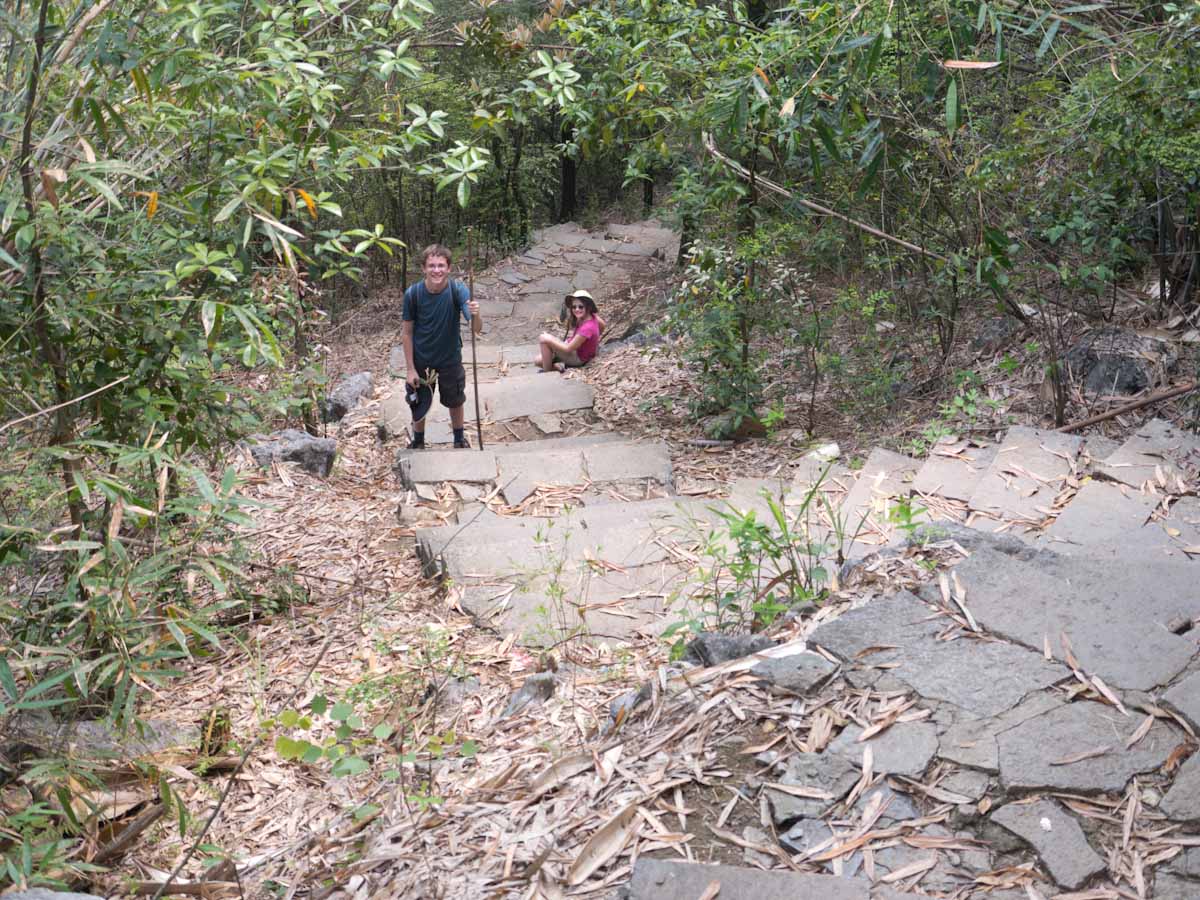
The ride brought us to Moon Hill, a startling formation that bends over to form an open bridge high in the sky. We completed the 800-step climb with pride only to be humbled to find rock climbers ascending the nearly vertical rocky face of the bridge itself.
The other things to see in Guilin are the colorful but touristy streets of Yangshuo and the superbly clear Li River – where you can watch cormorant fishing or take a raft boat ride. All are described elsewhere.
--
Nanjing was also once a capital of China. It is smaller and more approachable at 8 million people than Beijing or Shanghai, both 20-25+ million.
Out of 280 people on the late-evening flight from Guilin, we were the only Westerners. We had chosen to come here because Nanjing has the largest airport near the E Ink factory. The other foreigners at our hotel all appeared to be businesspeople.
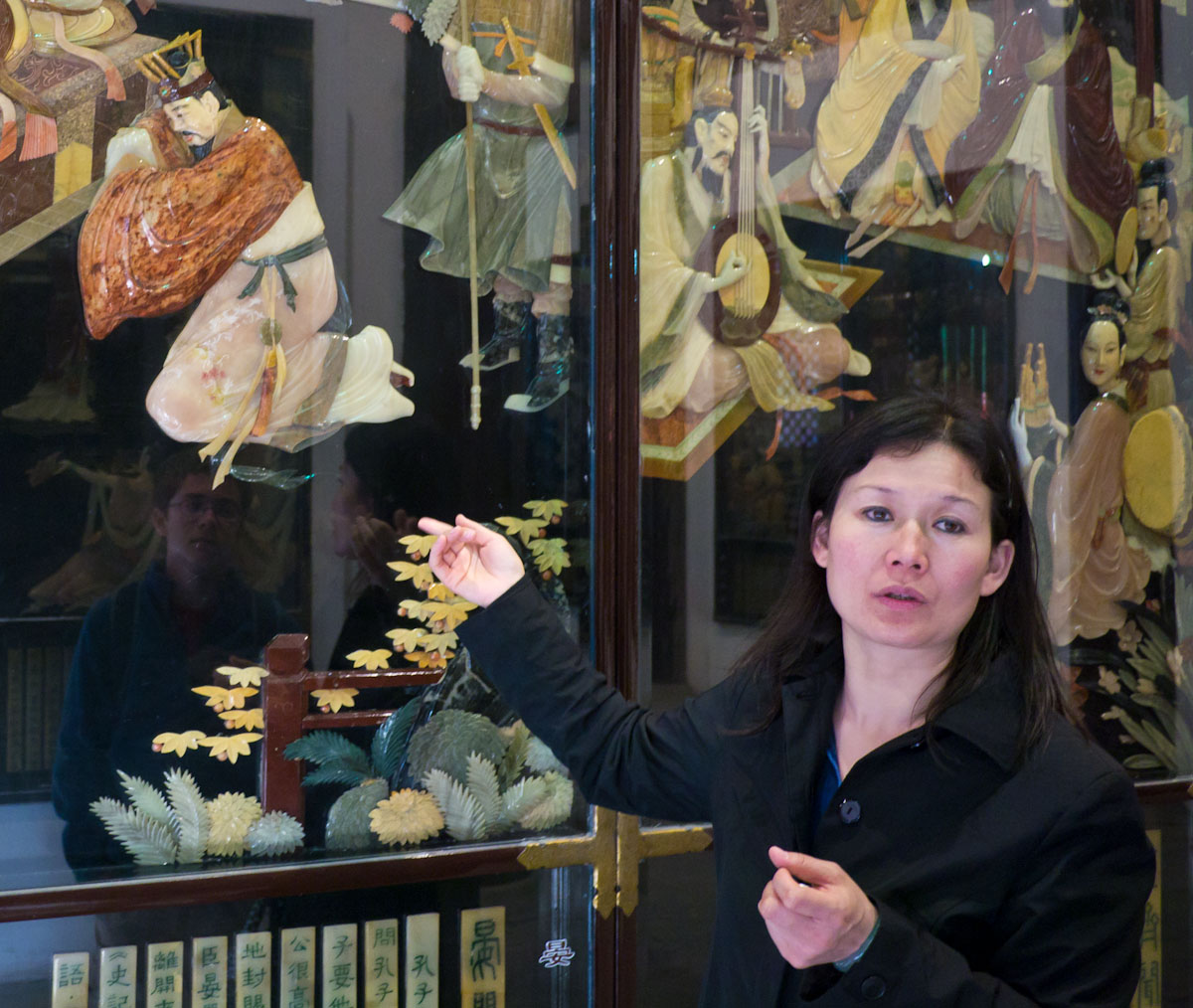
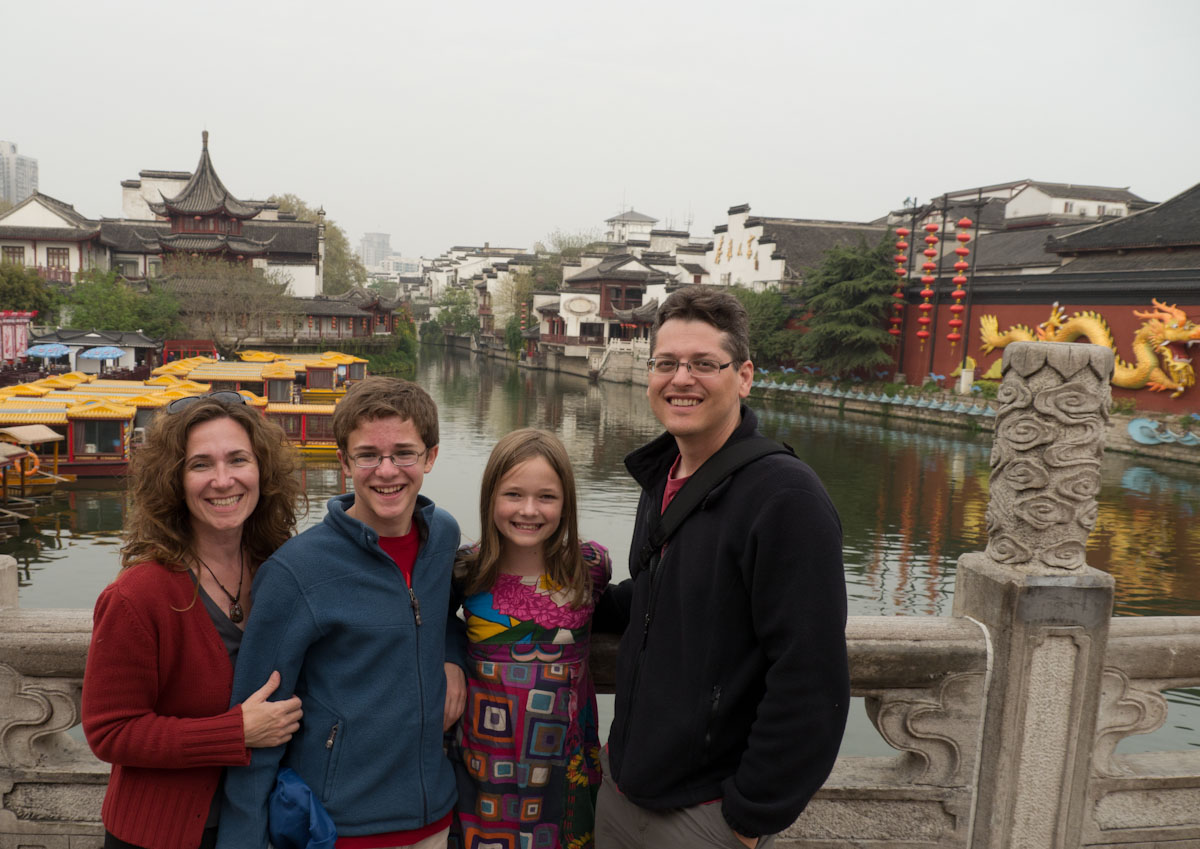
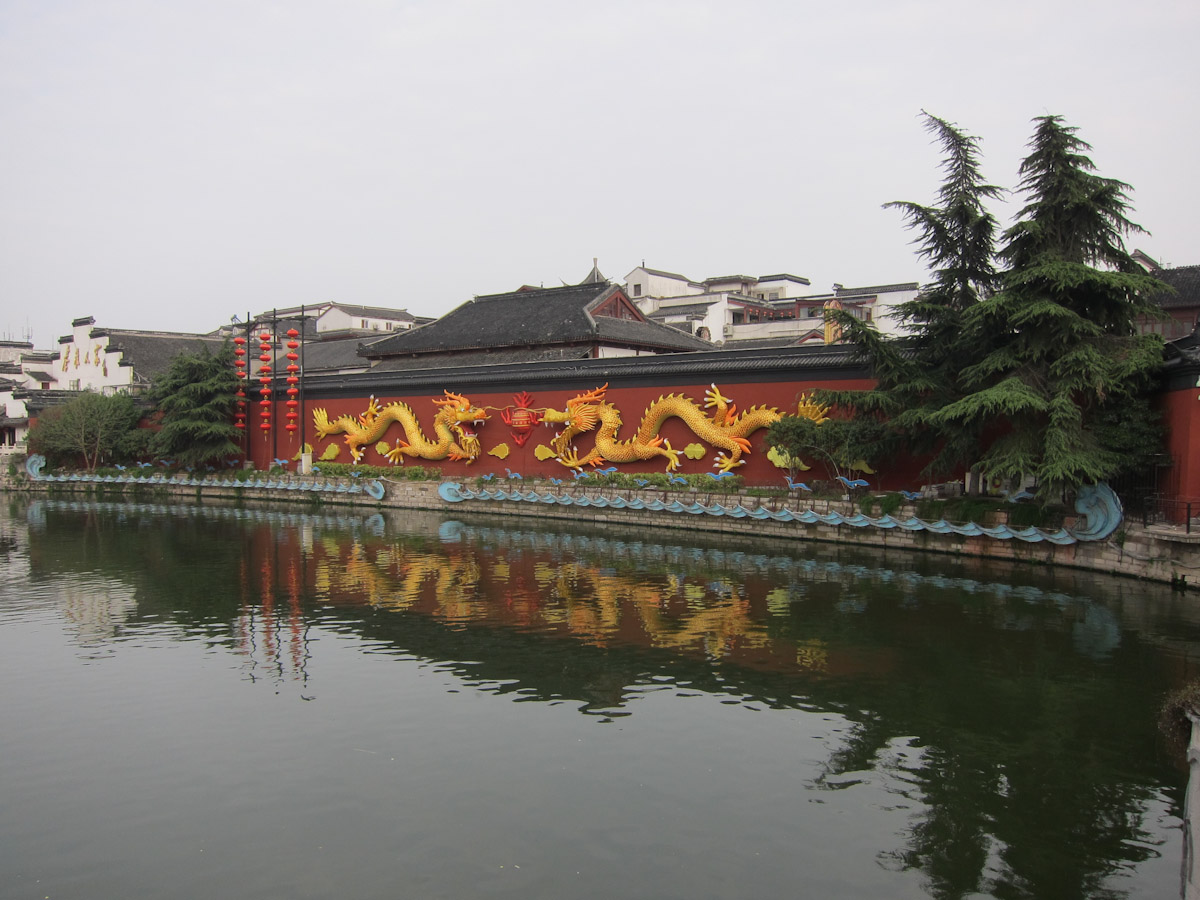
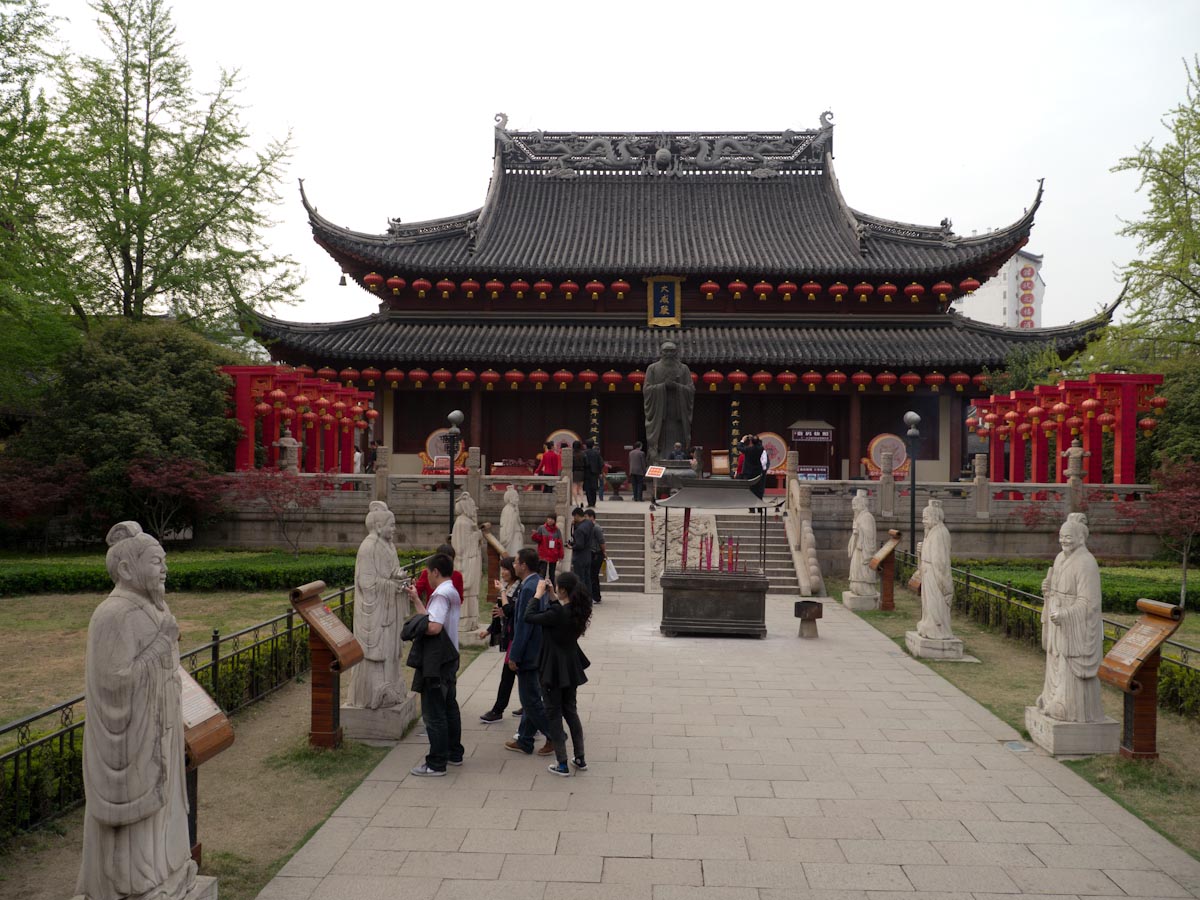
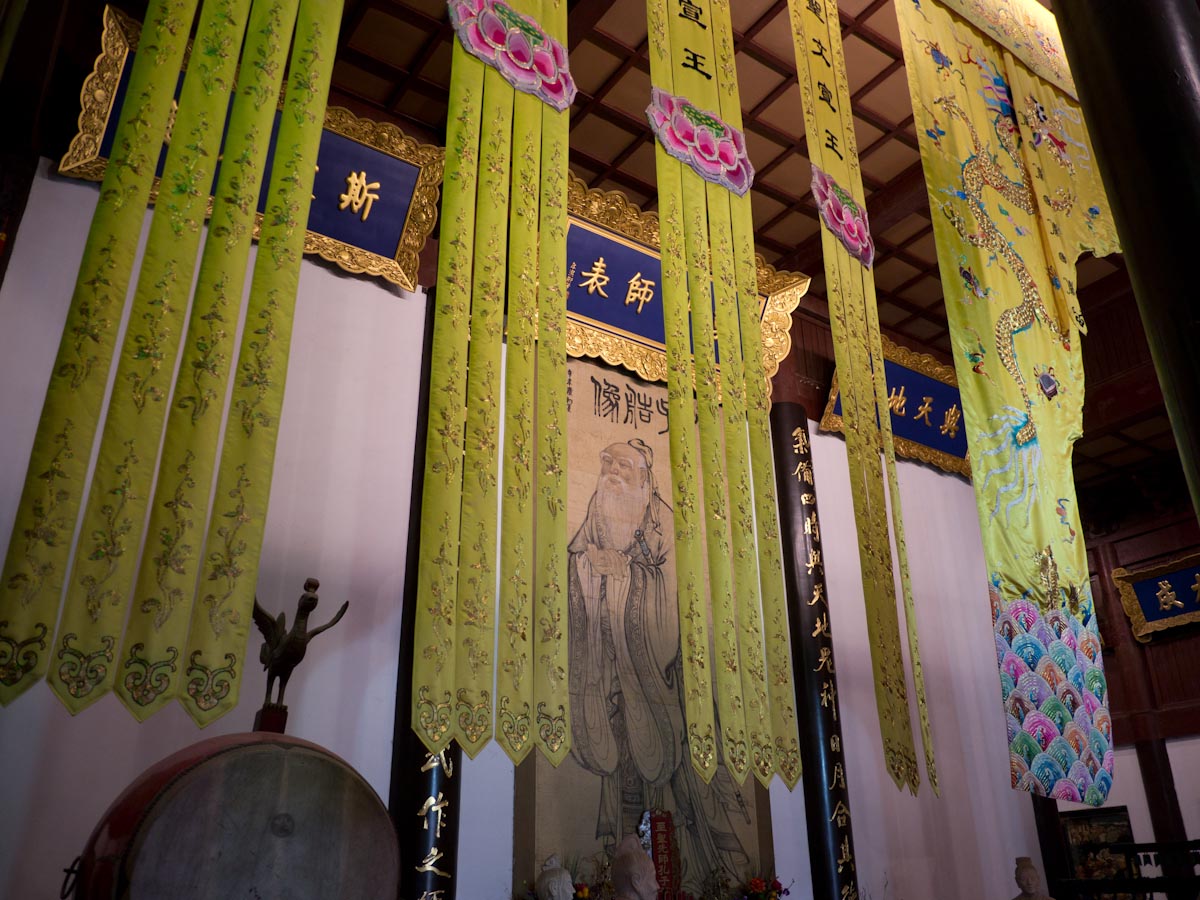
Luckily, we connected with an excellent guide named Lily. She brought us round two major sites – Dr. Sun’s Mausoleum (see Katherine’s blog) and the old town center featuring a superb Confucian Temple. Lily knew the history of China so well that we sat enthralled as she brought us through story after story.
Dr. Sun’s mausoleum was not just about the 1911 revolution. Here you will also find 2 giant bronze urns, with bullet holes. These are solemn reminders of the Japanese occupation of China and the “Rape of Nanjing.” I watched as a grandmother and mother showed the urn to their baby. There is plenty of anger remaining here still today.
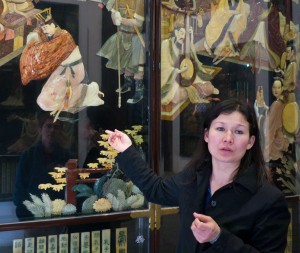
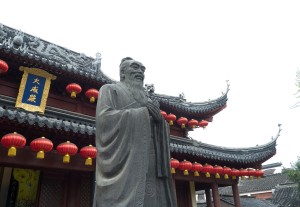
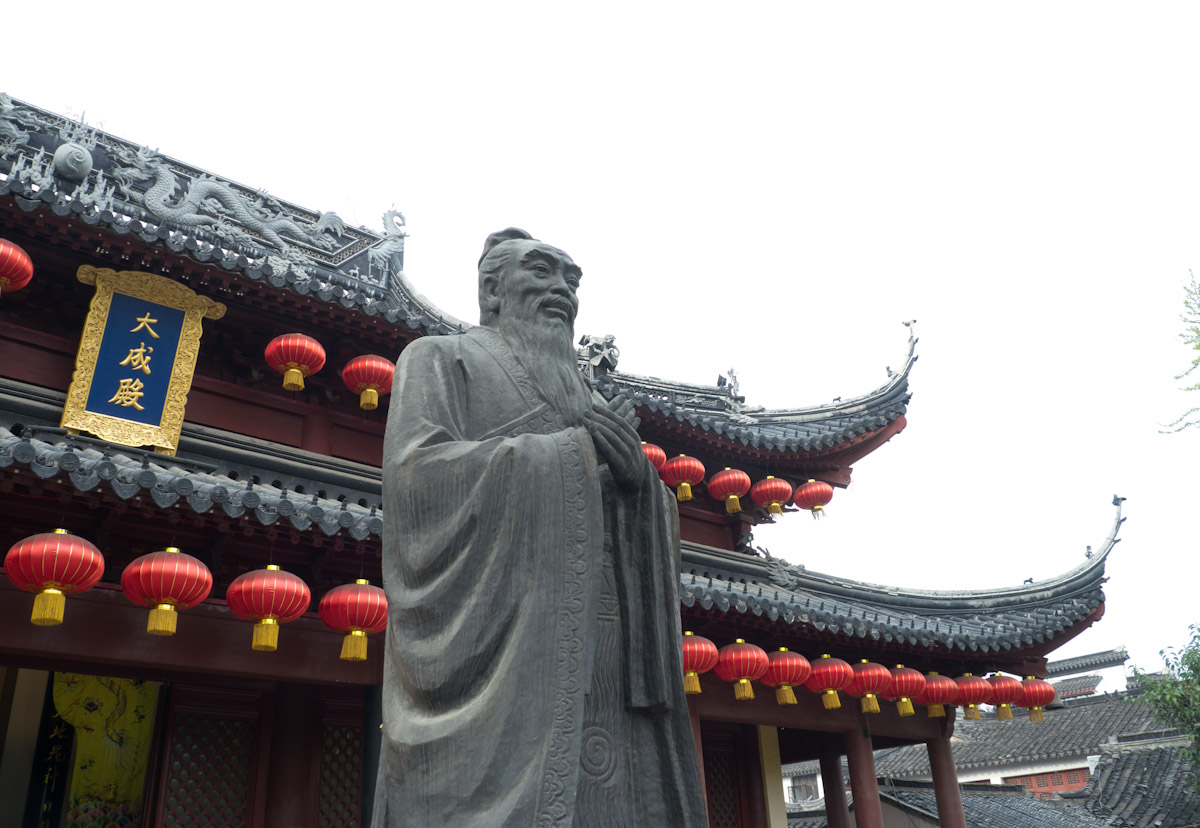
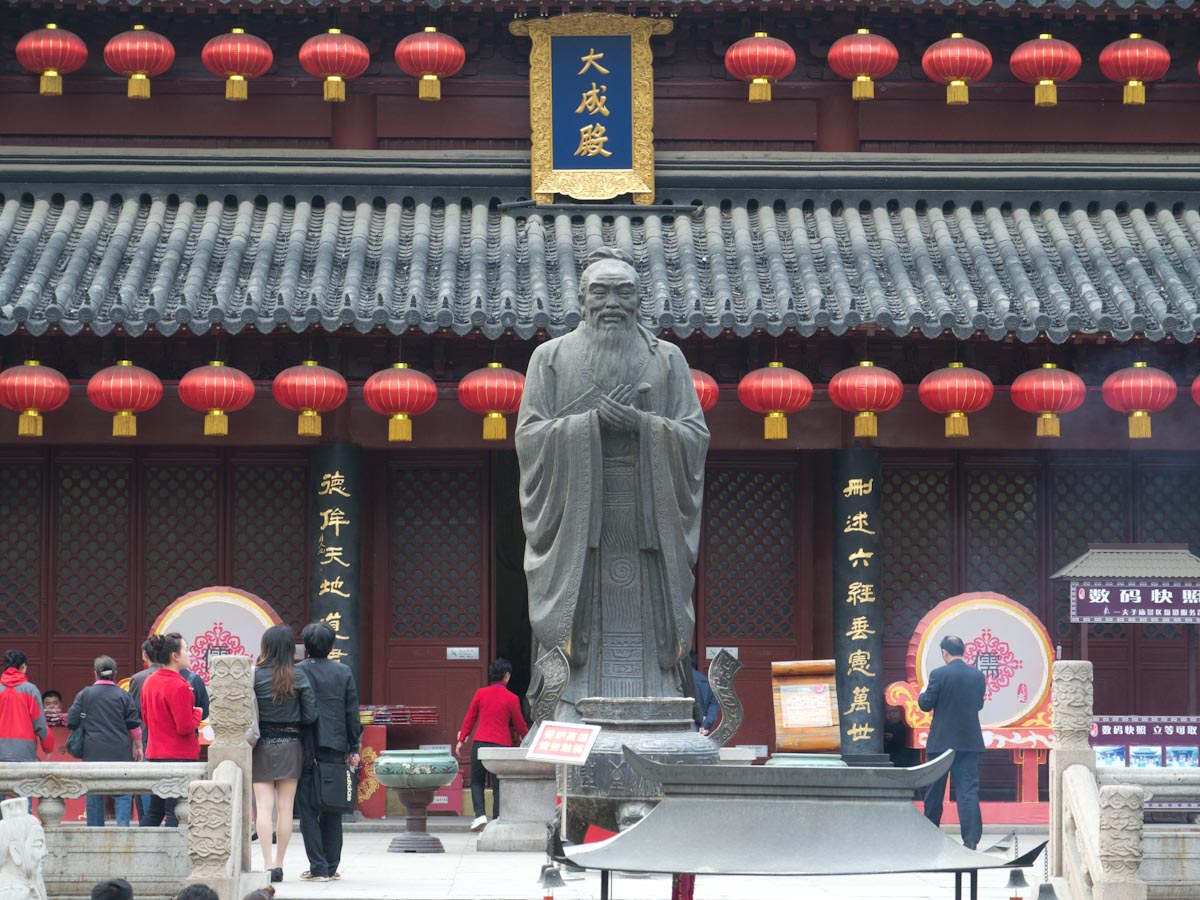
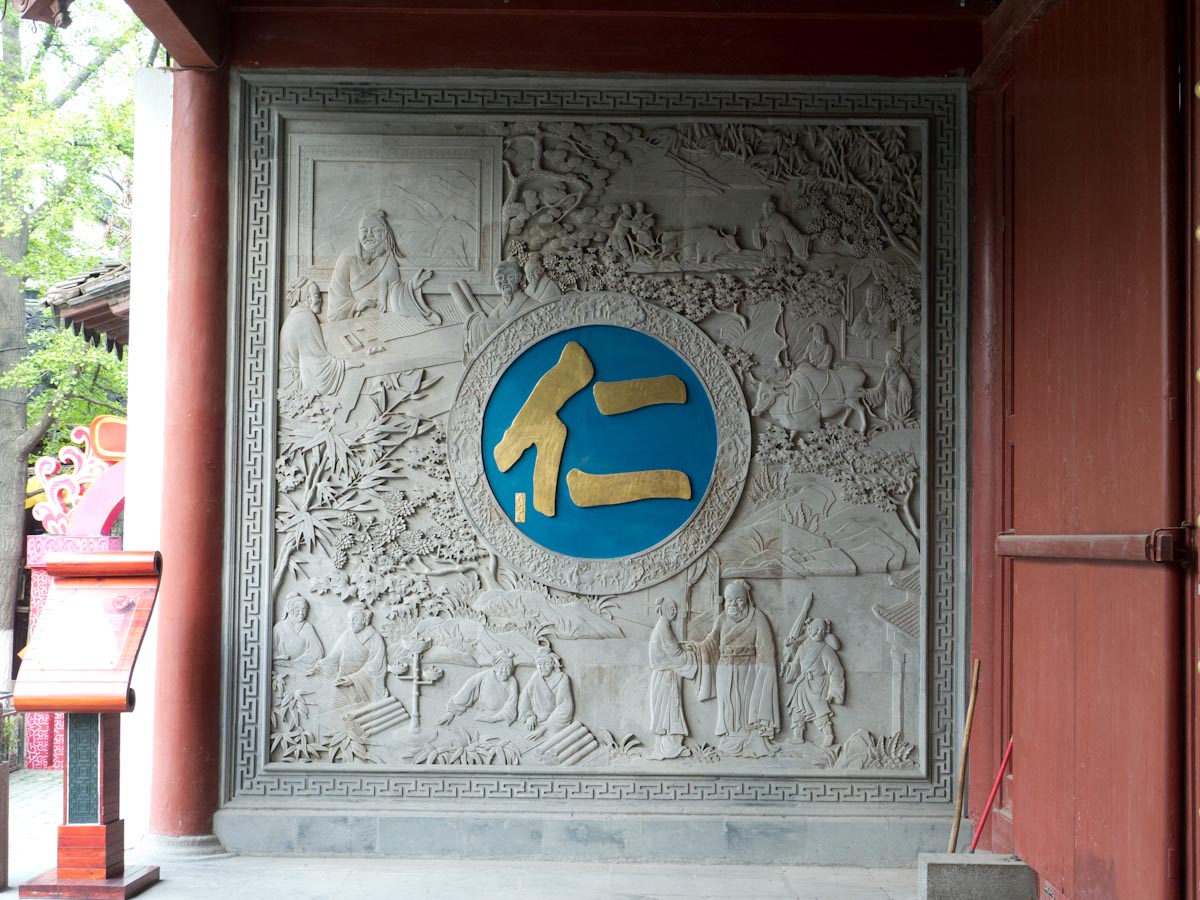
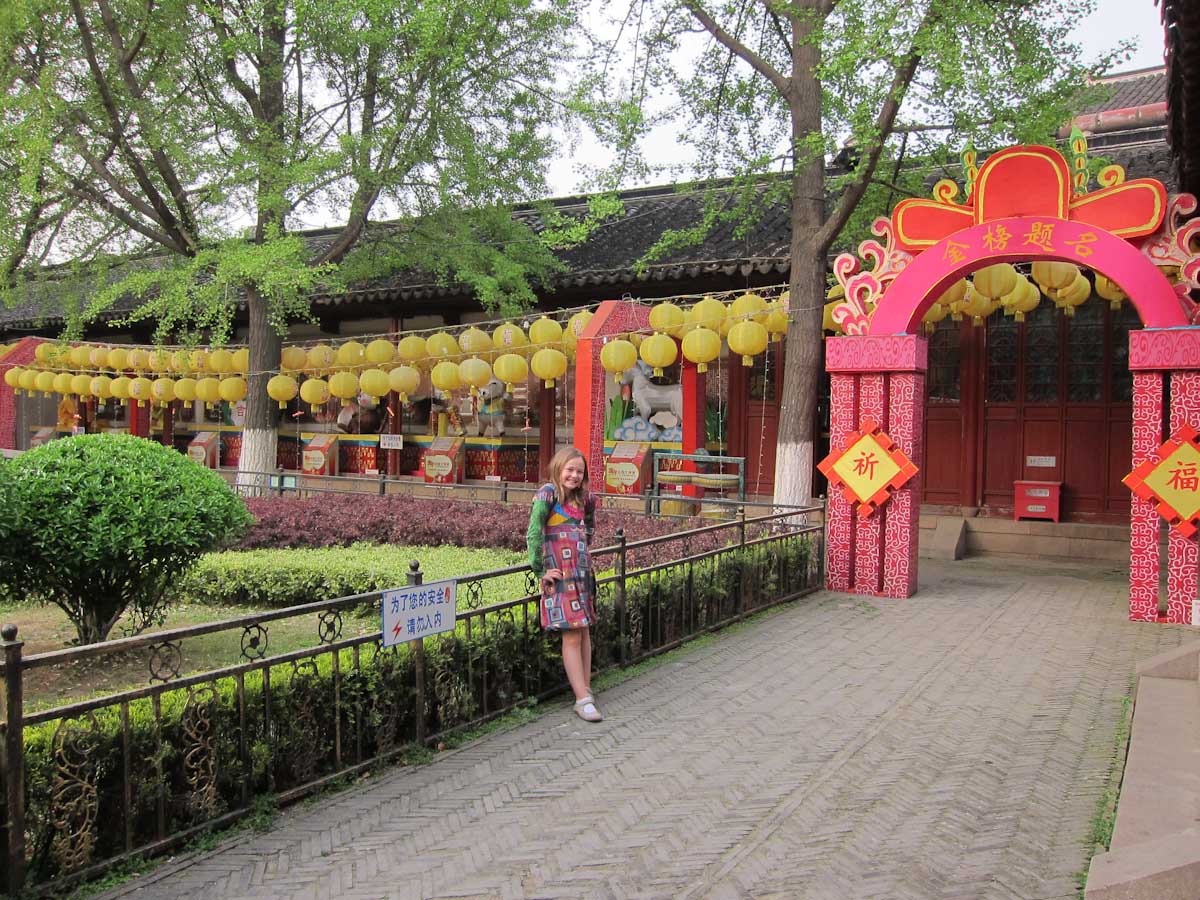
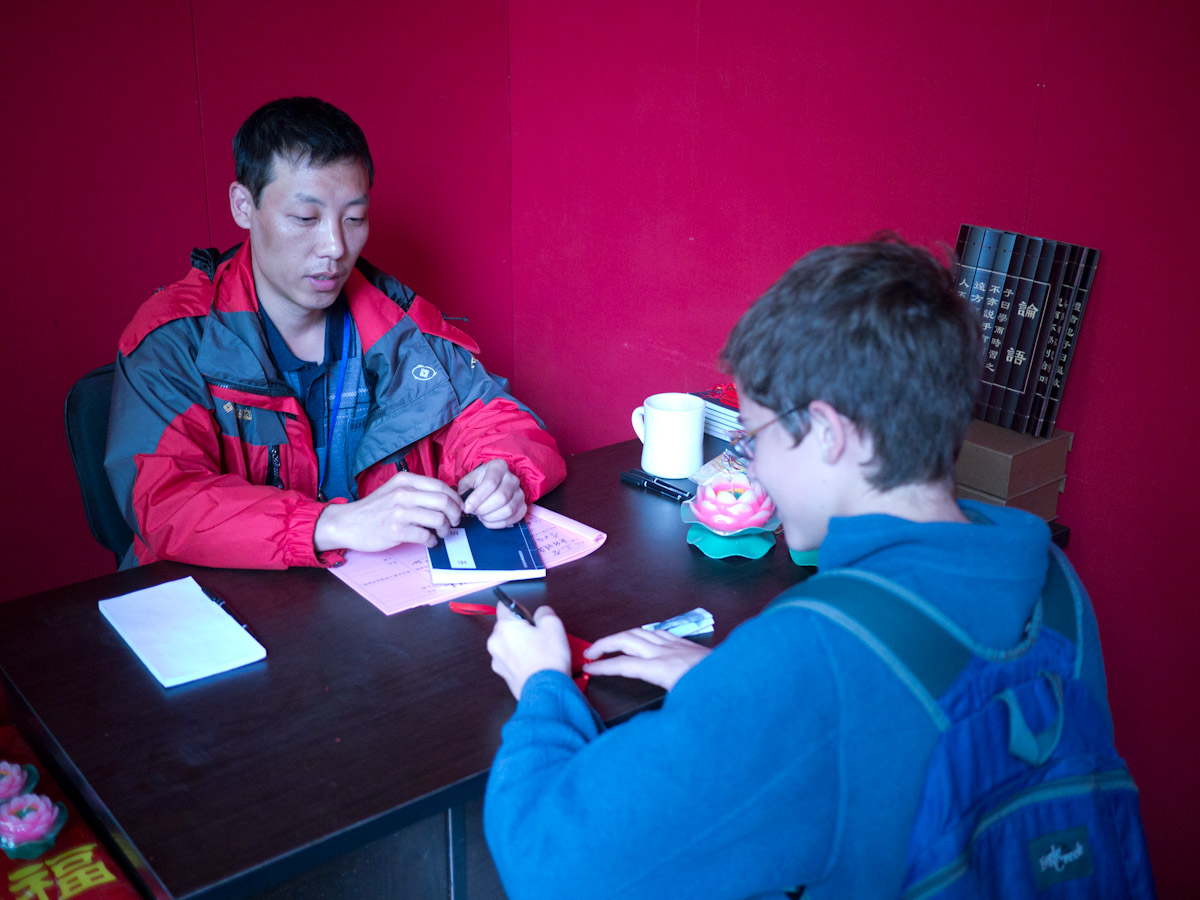
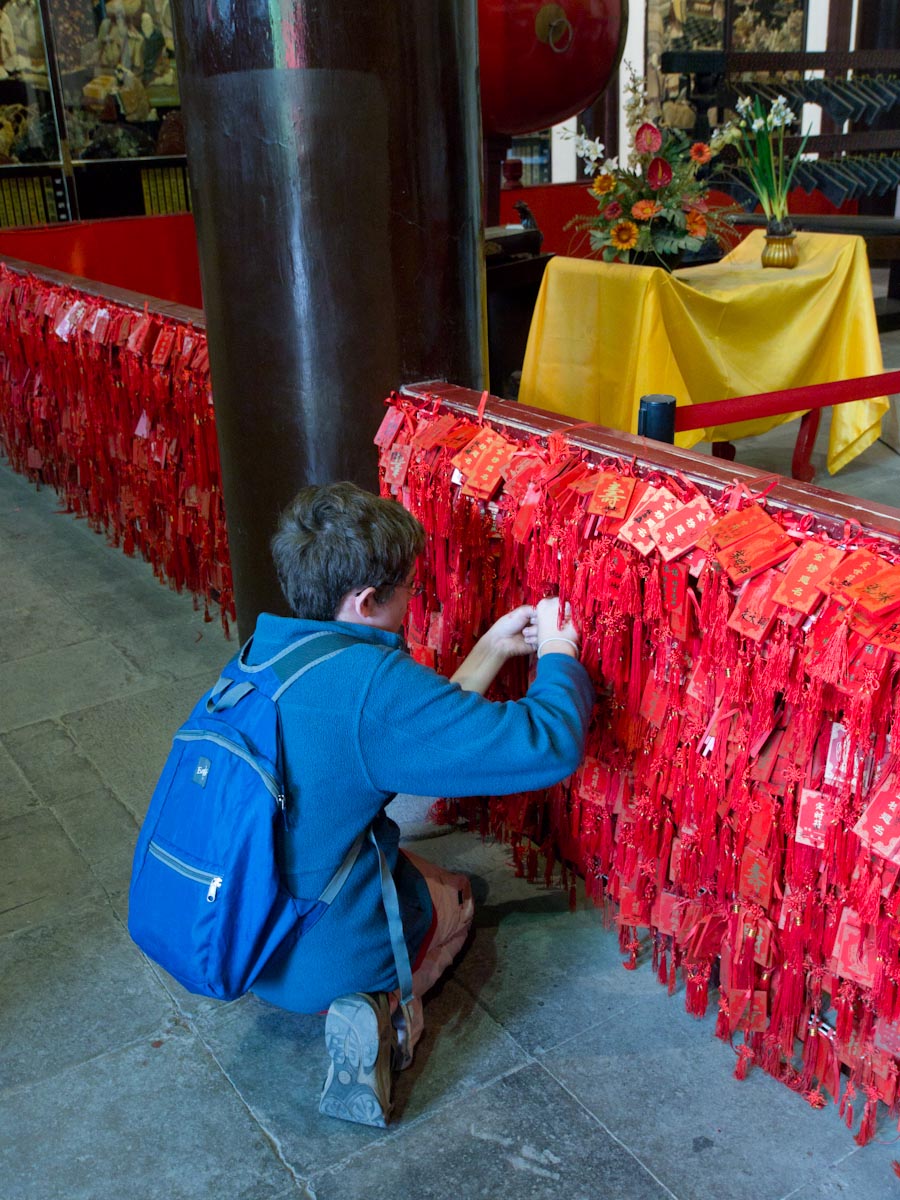
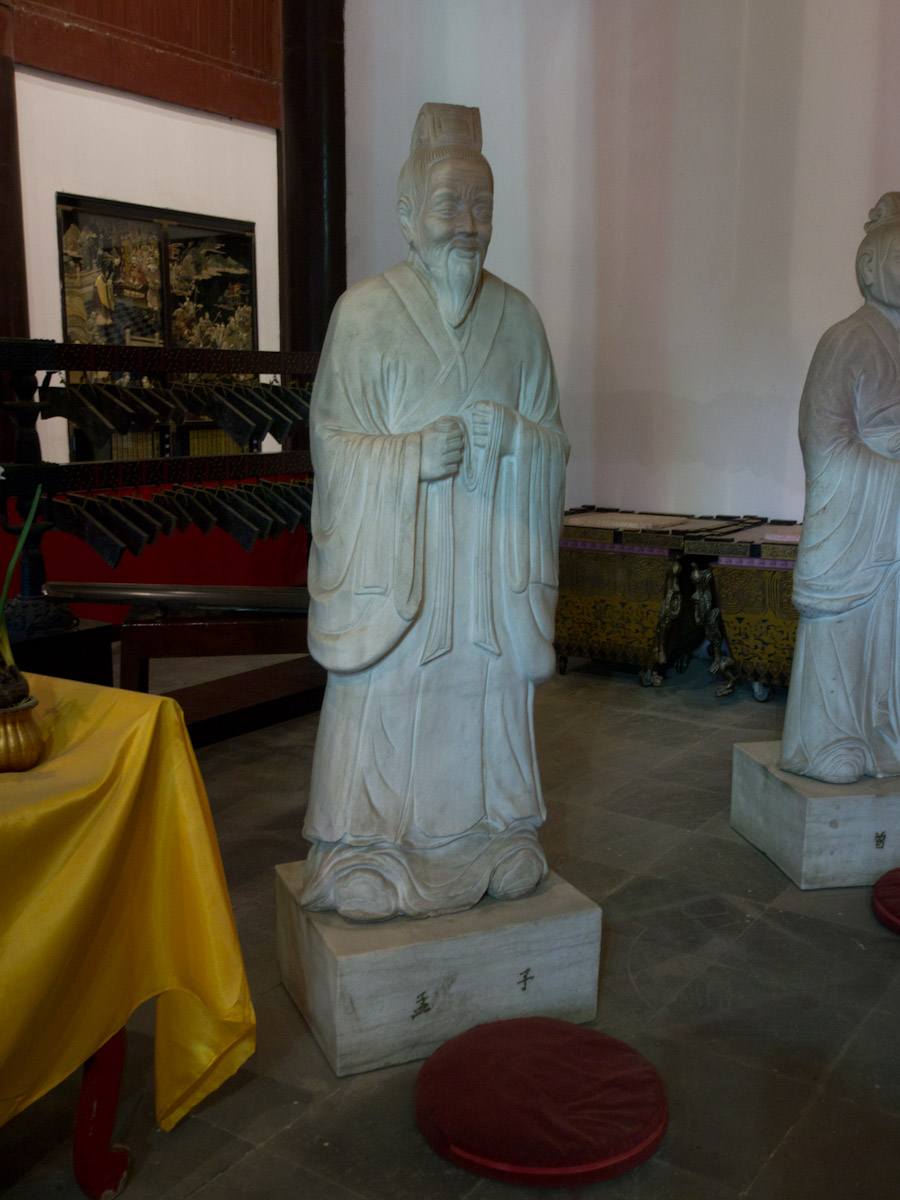
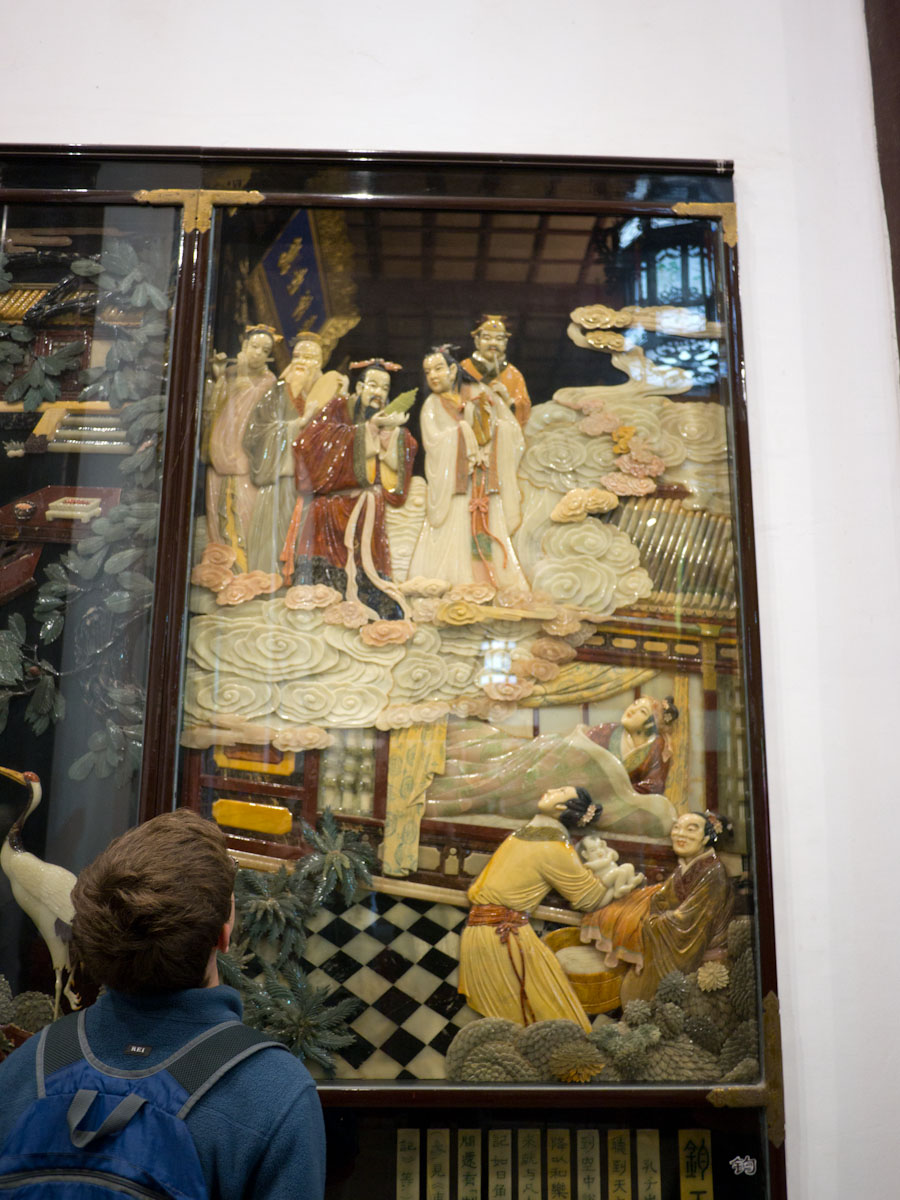
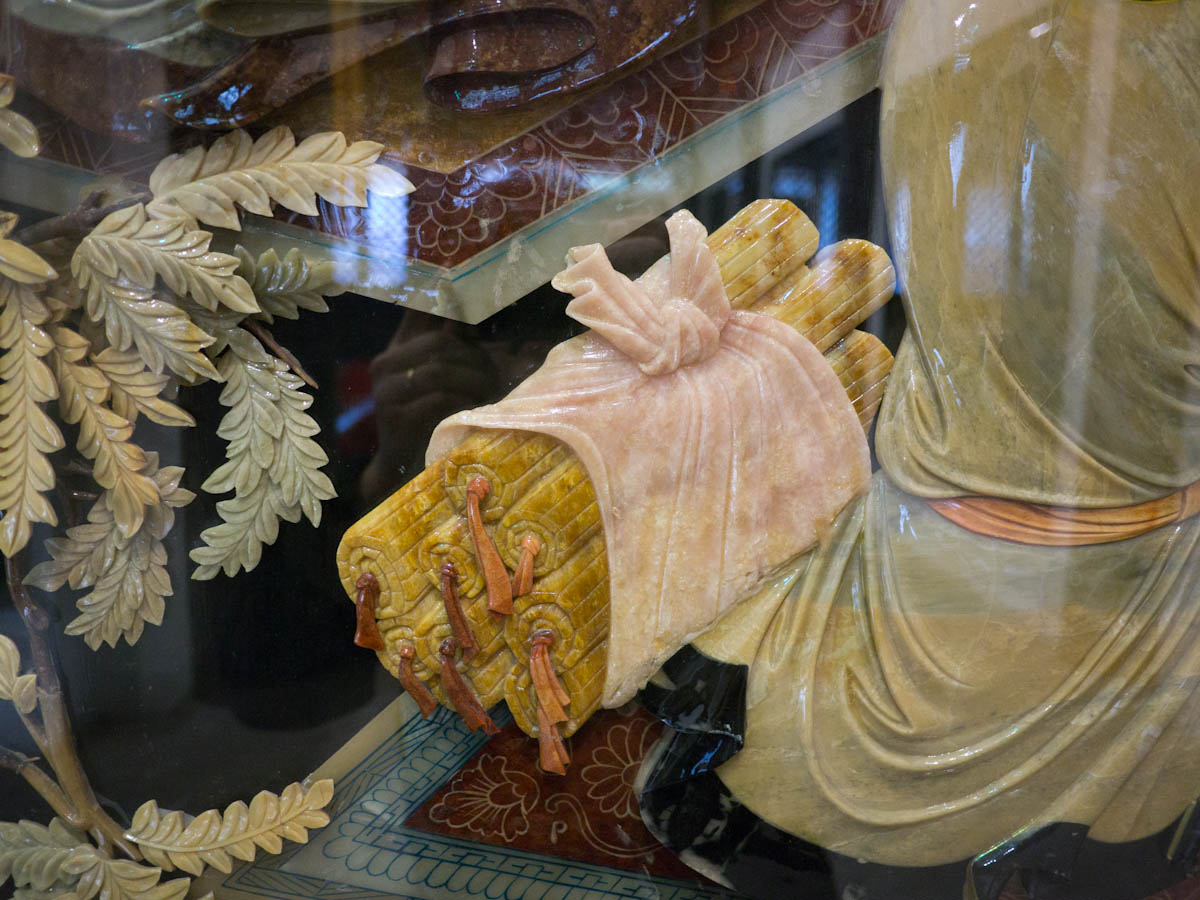
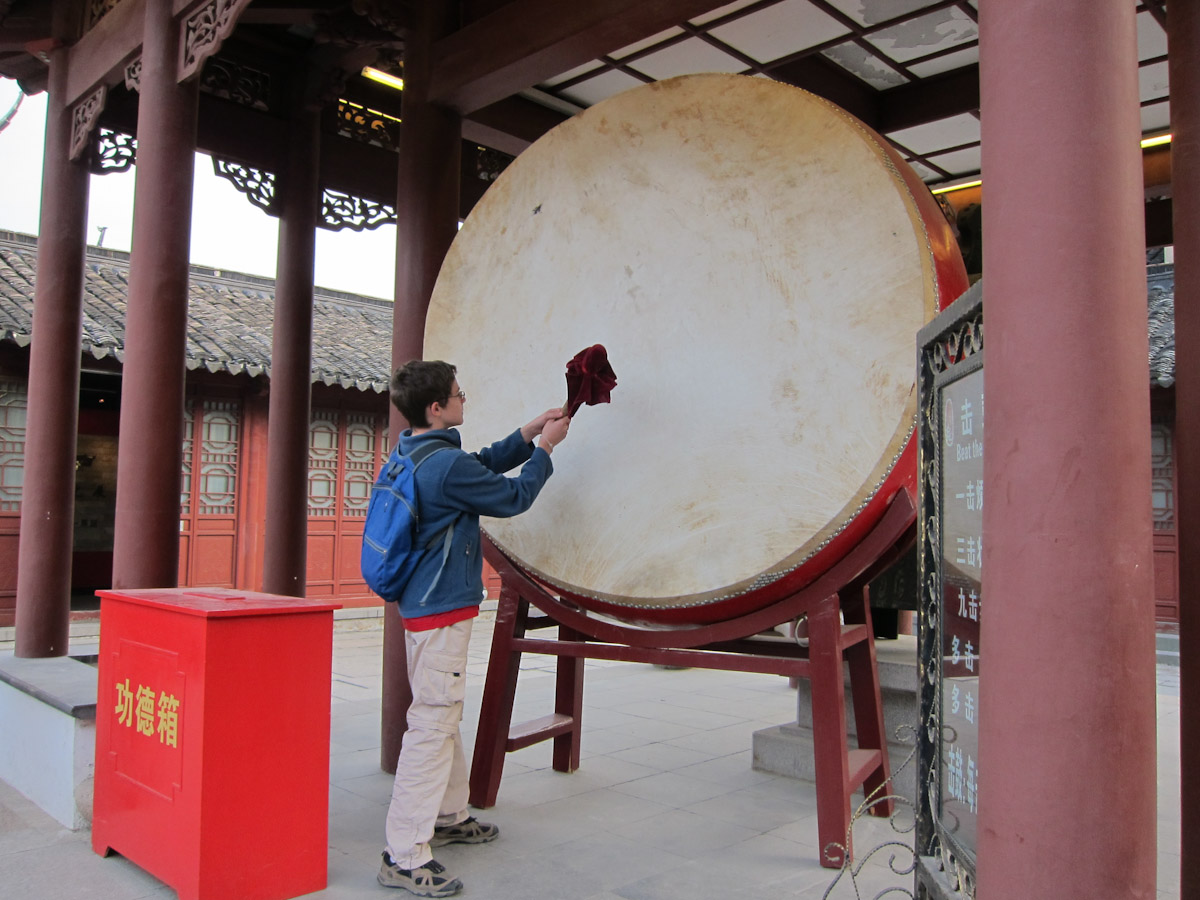
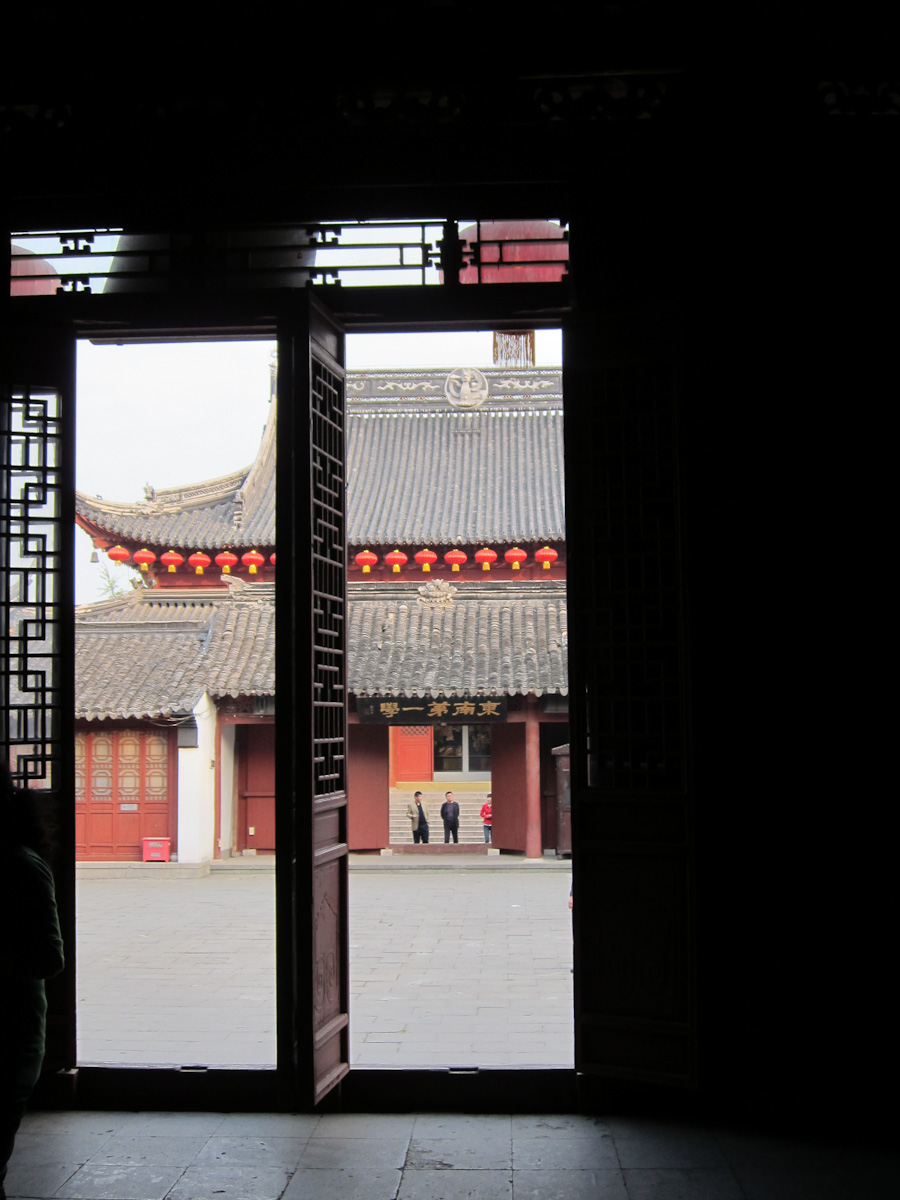
Confucian temples are frequented by students who want to ensure good grades in the future, so Carter participated and made an offering for himself and Katherine. The walls of the temple were covered in masterful jade and agate carvings that told the stories of the Confucius’ life. Lily walked us through, panel by panel and it was a delight to discover this ancient storied figure who predates the Bible and who has had such a profound impact on Asian principles of government and society.

Error thrown
Call to undefined function ereg()