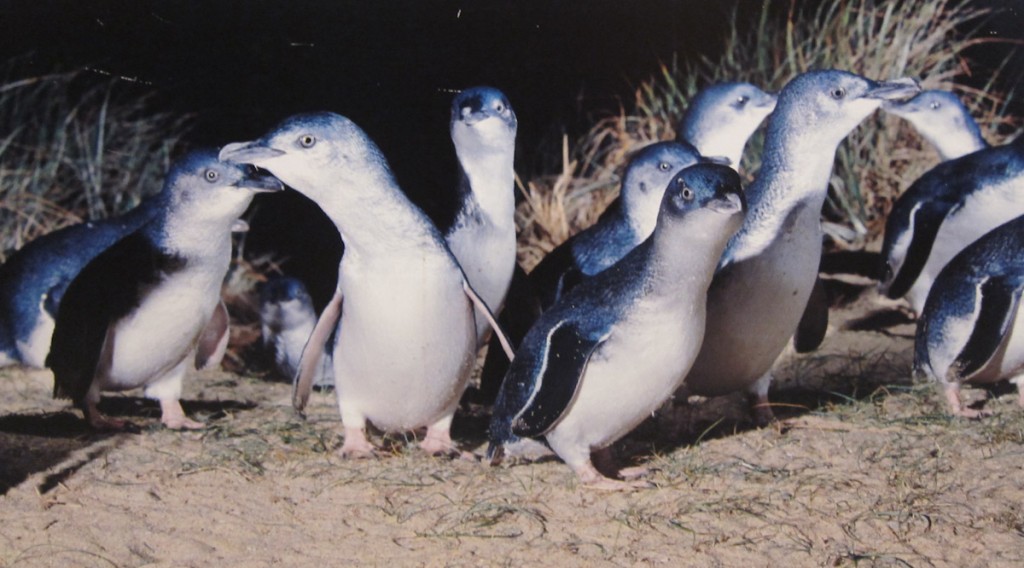
Penguins come in a surprising range of sizes, but the very cutest is without a doubt the tiny Fairy Penguin. These little guys are the smallest of the bunch, standing only one foot tall and weighing in at just three pounds.
The Fairy Penguin, or “Little Blue,” is native to the coastlines of Australia and New Zealand. Today, there are several large and active colonies accessible to visitors. One of the highlights of our visit to Melbourne was the evening we drove two hours out to Phillip’s Island to see the penguins return to shore.
This particular colony is at least eighty years old and includes almost twenty thousand birds. On any given night, however, only a small number return: the average evening parade ranges from several hundred to one thousand birds. The night we visited a total of 594 returned home (the park rangers make it their business to know precisely how many are coming and going each night so that they can track the health of the colony).
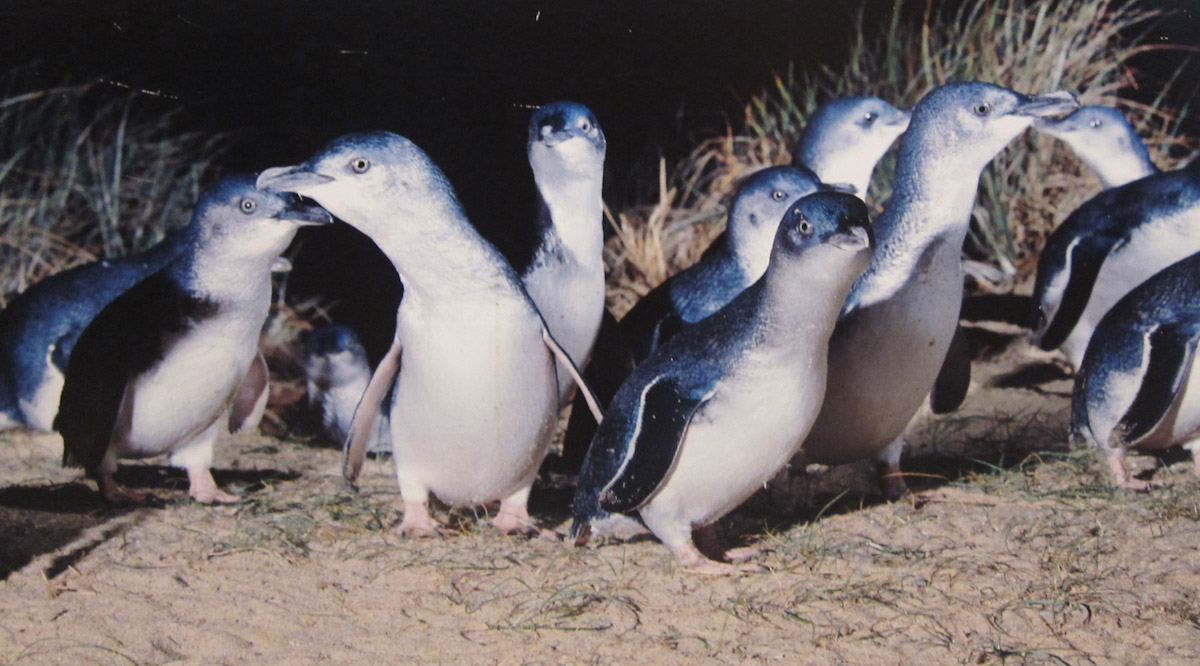
The penguins go out to sea where they spend many days hunting. They even sleep in the ocean. Their coloration helps camouflage them from seals, their primary predators. Their white bellies and dark blue backs make them hard to spot from above and below.
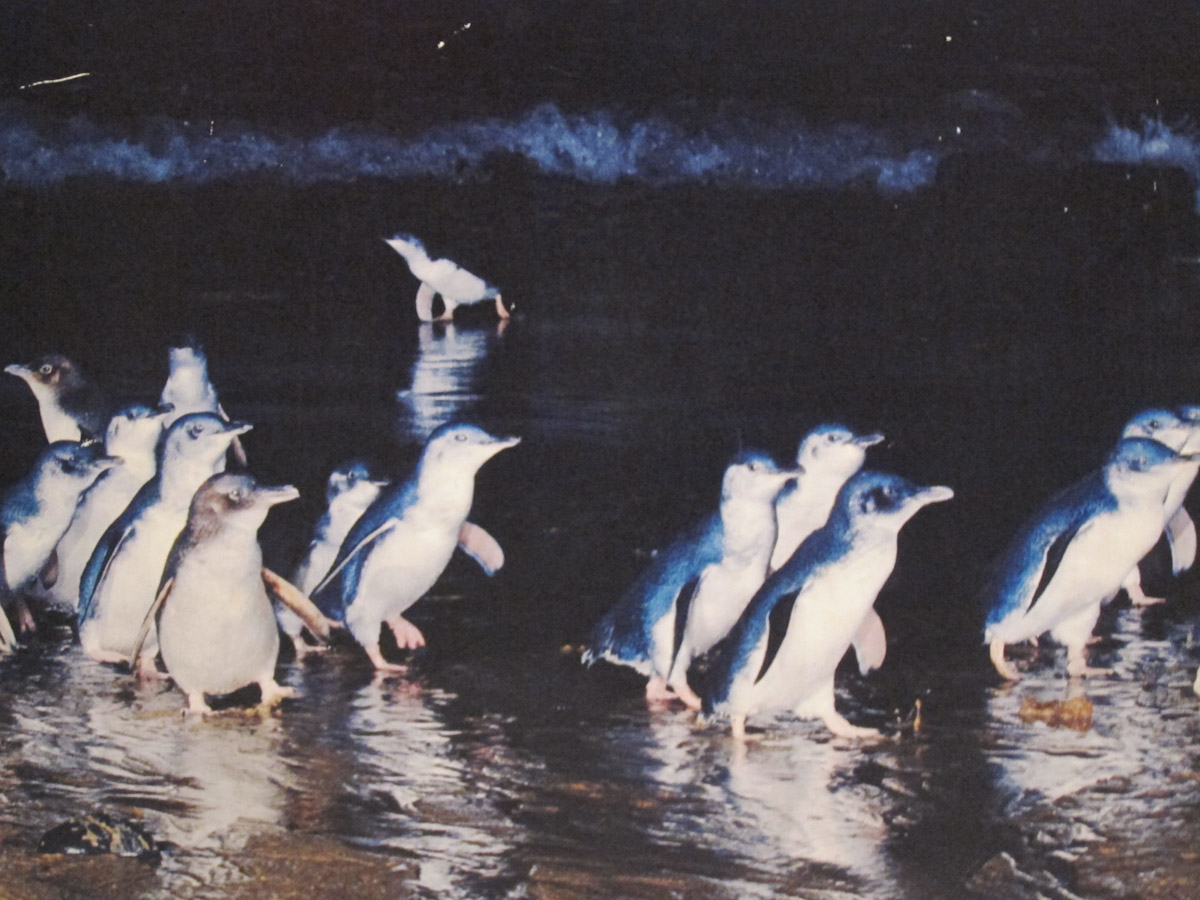
There is quite a ritual to their return. The penguins are vulnerable to large sea birds in those few moments when they scurry up the beach into the cover of the thick vegetation on the sand dunes so they are very deliberate in their movements. First, they congregate together offshore in groups called “rafts.” They float just beyond the breaking waves until the sky is totally dark. You can hear them calling to each other. Then, the first brave group decides to make a run for it: they ride the waves in as far as they can on their bellies. With their bellies down, they are invisible. Once they stand, you can spot their white undersides and see them waddle as fast as they can to the scrub. They move in groups of about twenty, seeming to instinctively understand that there is some safety in numbers.
Once they reach the scrub, they start making their way home. The penguins build their burrows up to half a kilometer inland and they know exactly which little hole is home. They are very territorial and will chase any would-be overnight guests away.
Because their burrows are only a couple of feet deep, they are extremely vulnerable to dogs and foxes when they are onshore. Australia has an aggressive campaign underway to remove foxes, an introduced species, from the wild.
March is molting season so the penguins were especially cute and comical when we saw them. During this period, they double their weight at sea and seem barely to support their own bodies let alone sprint ashore. Once on land, they stay for two full weeks while their new feathers push out the old; they are burrow- bound and do not eat. They emerge adorably round, fuzzy, and v-e-r-y hungry.
The set-up for watching this event is pretty spectacular. The park has built a series of raised wooden boardwalks and seating areas that get you within a few feet of the penguins without interfering with their habitat. We sat huddled in the dusk on wooden bleachers, craning our necks toward the surf and waiting for the first arrivals. We were wrapped in a blanket because the wind off of the water blows in from Antarctica and it is therefore quite nippy. I should have expected a bit of a chill since we were out to see penguins, after all.
Once the penguins start coming ashore, you are encouraged to follow a group back along the boardwalk to observe their behaviors. We did as suggested and shadowed a little troupe which included one enormous fellow we dubbed “Molt.” He was enormous by Fairy Penguin standards and seemed to get winded every few steps. He was clearly coming home to grow a new coat of feathers and kept getting left behind. This didn’t seem to trouble him much as he just joined in with whichever group was coming up from the rear. Slowly but surely he made it home.
Photography is strictly forbidden as the flash from cameras is blinding and causes permanent eye damage to the penguins. We were really sad that we couldn’t take pictures, but totally understood and consoled ourselves with snapping some photos from the exhibits in the Welcome Center.
The mental images we did take are ones we’re not likely to forget. The entire experience is one of the few we’ve had so far that I have dubbed “National Geographic moments.” I felt unbelievably lucky that this year our family could see the Penguin Parade.
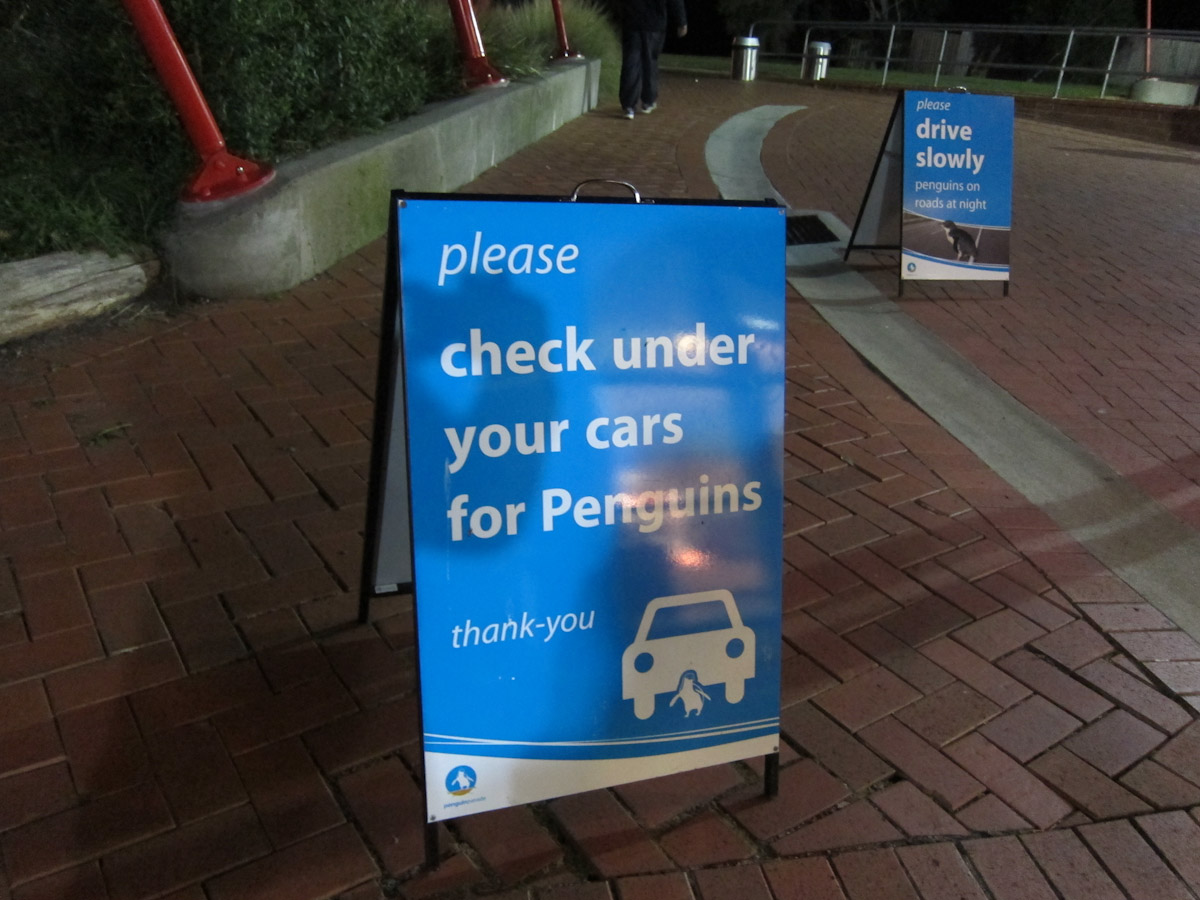
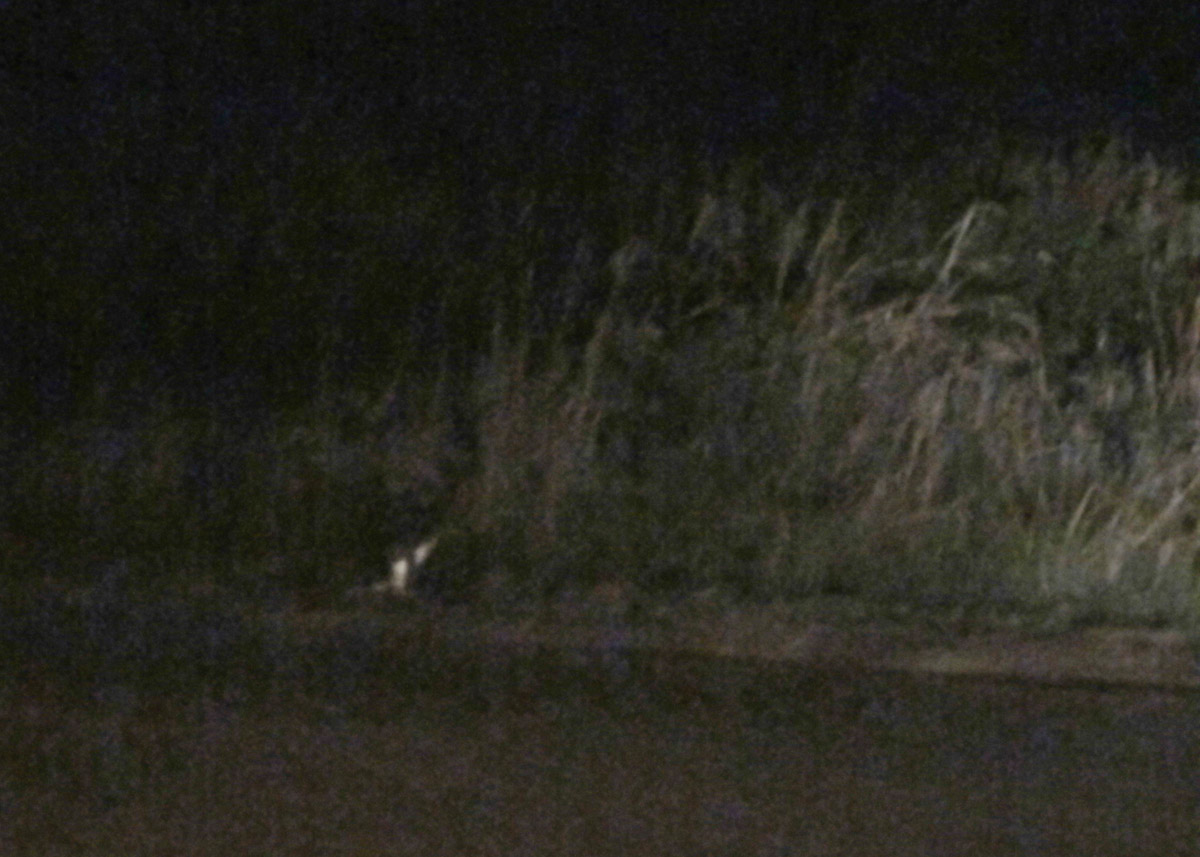
NOTE: the two good penguin pictures below were taken by the Park Service and look just like what you see on parade. The last dark one we took from the car window (sans flash) on the way home when we spotted a penguin that was walking to a burrow just outside the park and past the parking lot.

Error thrown
Call to undefined function ereg()