
Jul 22
Mini-Tour of Turkey: Ephesus
by Russ in Middle East, Mini-Tour, Turkey
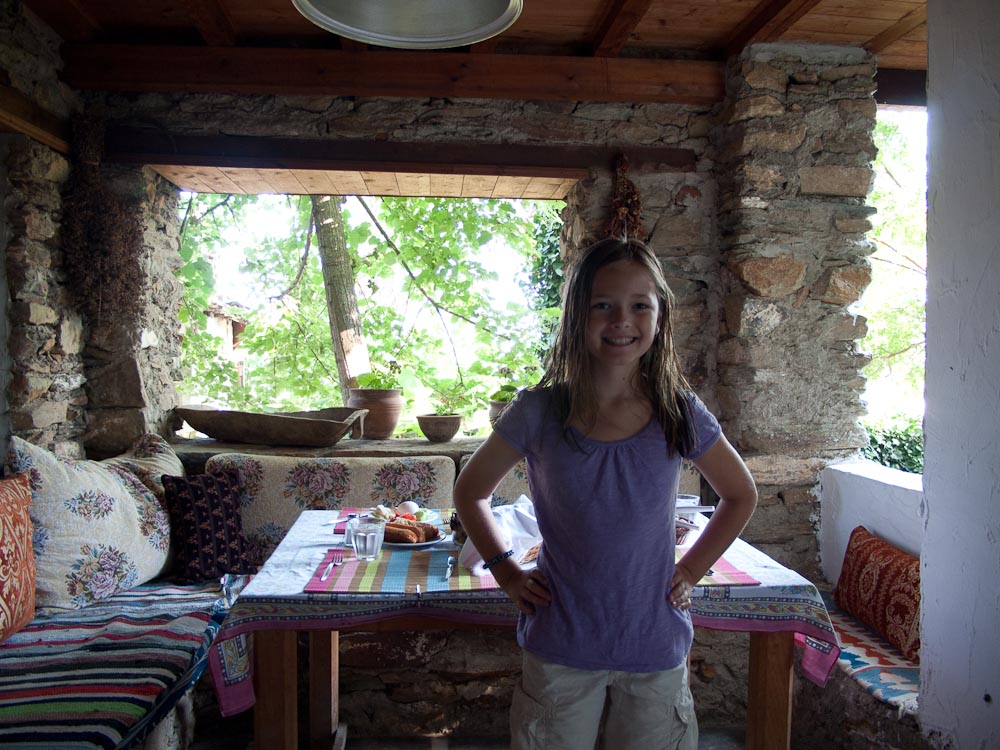
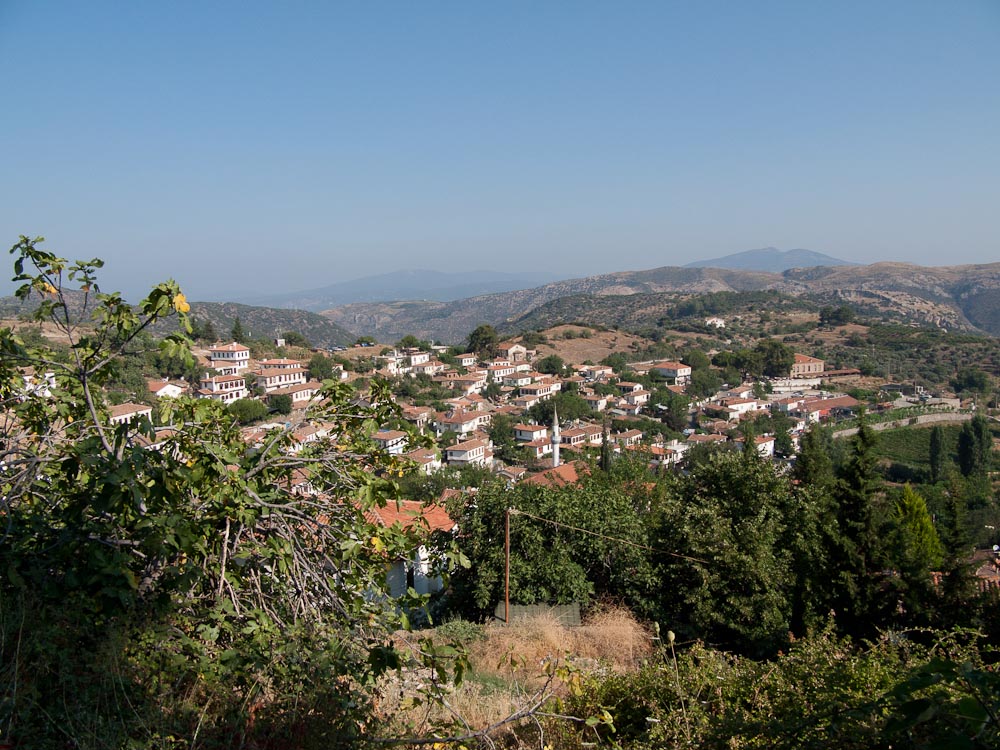
We had a whirlwind 24-hour stop in this southwest coastal part of Turkey. We arrived in time for a gourmet dinner at a tiny inn up in the mountains. After the meal we slept in an authentic hillside dwelling while listening to the village goat's bell as he ambled past our door. We woke, packed and indulged in a breakfast basket filled with fresh farm foods. Then we hit the touring circuit with Secil, our local guide.
Ephesus was founded by a prince of Athens - Androklos - who was told by the Oracle to find a site for a new city with the help of a fish and a boar. Landing in Asia Minor, a fish flopped out of the pan and into a bush, causing a boar to take flight. The prince caught the boar, the explorers feasted, and Ephesus was born about 1000BC. (!)
The city was located on a hill (acopolis style) overlooking at the point where a major river enters the sea. Over the years the river Meandros would shift course and silt up, forcing the city to relocate every few centuries. This is the origin of the river word "meander".
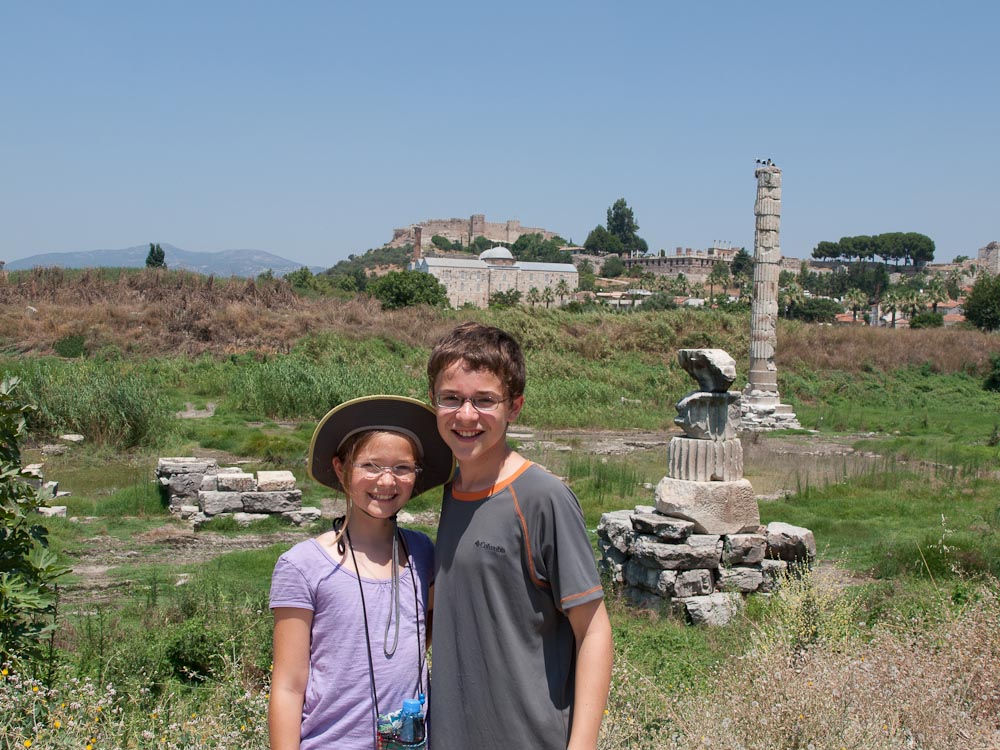
In the second relocation, the city was organized around a Temple of Artemis. She was a mother goddess for these people. The temple they built had 128 massive pillars (only one has been re-erected today) and was considered one of the seven wonders of the ancient world. Counting the statue of Zeus at Olympia (only a few bits from the workshop to build the statue remain) and the Egyptian Pyramids, that made this the second of the three ancient wonders we hope to see this trip. (The others we will miss are: the lighthouse of Alexandria on the shores of Egypt, the tomb of King Mausolus also in Turkey near Bodrum, the Colossus at Rhodes (Greek island), and the Hanging Gardens of Bablyon in Iraq. Thank you Antony and Secil!)
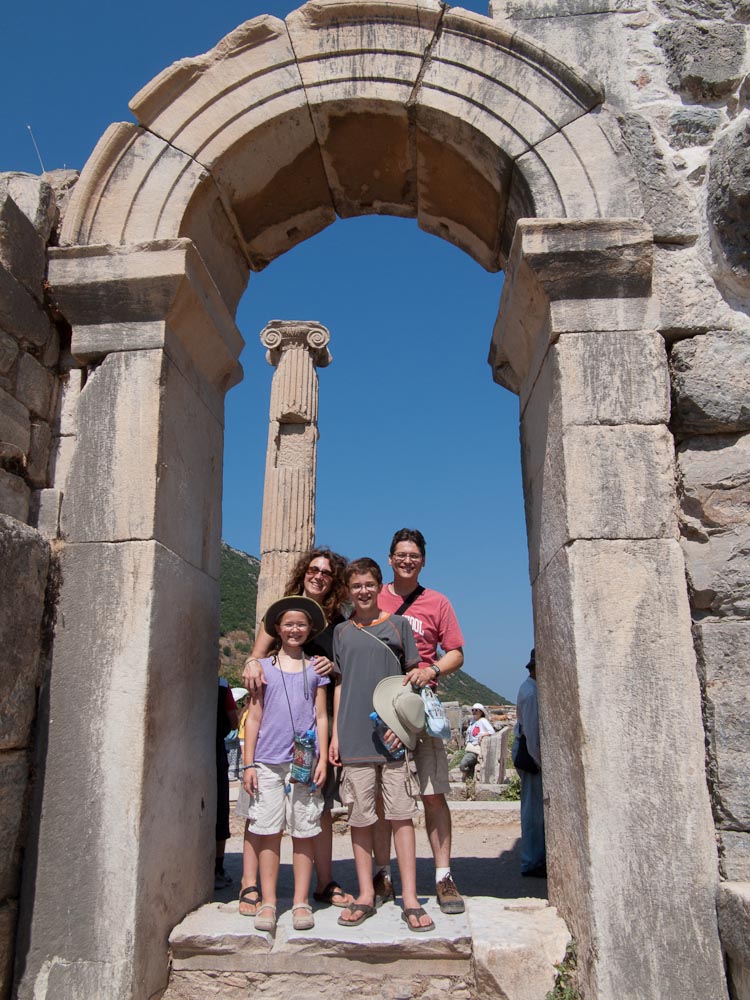
All you can see now is a single pillar. It was a short stop.
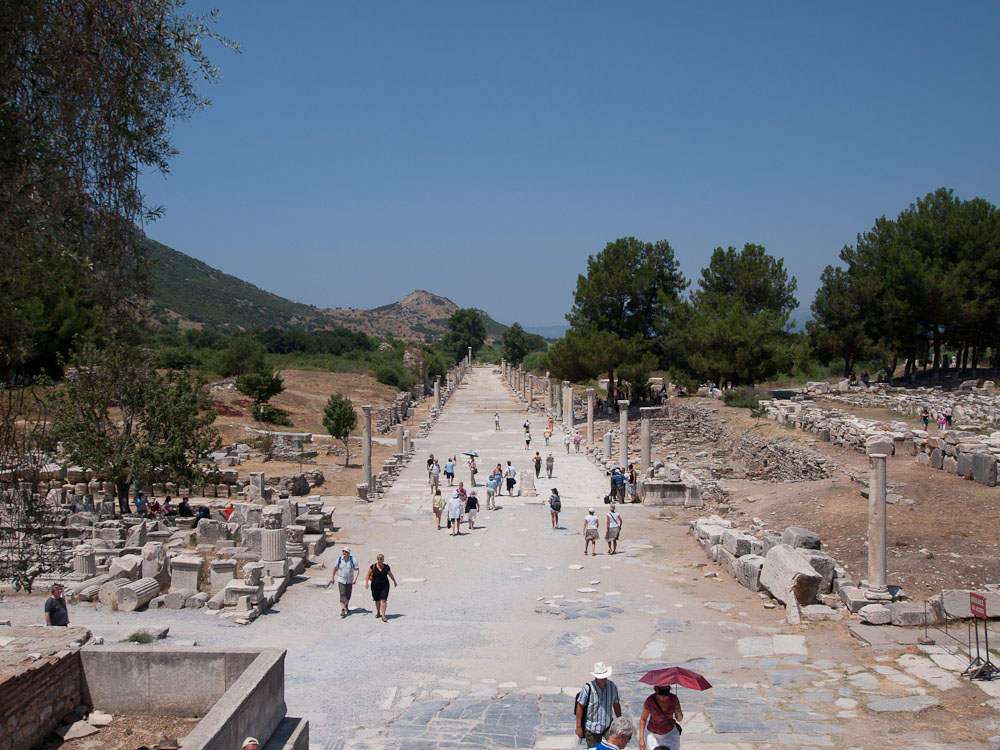
The third historic relocation of Ephesus was to a point where the harbor entered a valley between two close hills, making a natural defense. The site was picked by one of Alexander the Great's four successor generals, who became actively involved with expanding the new city. It was an excellent site and Ephesus became a major gateway for trade. As the Romans took control of Asia Minor, Ephesus grew further and eventually reached a population of 250,000 at this location - making it the second largest city in the world in 100AD after Rome and one of the four major Roman cities along with Constantinople and Alexandria.
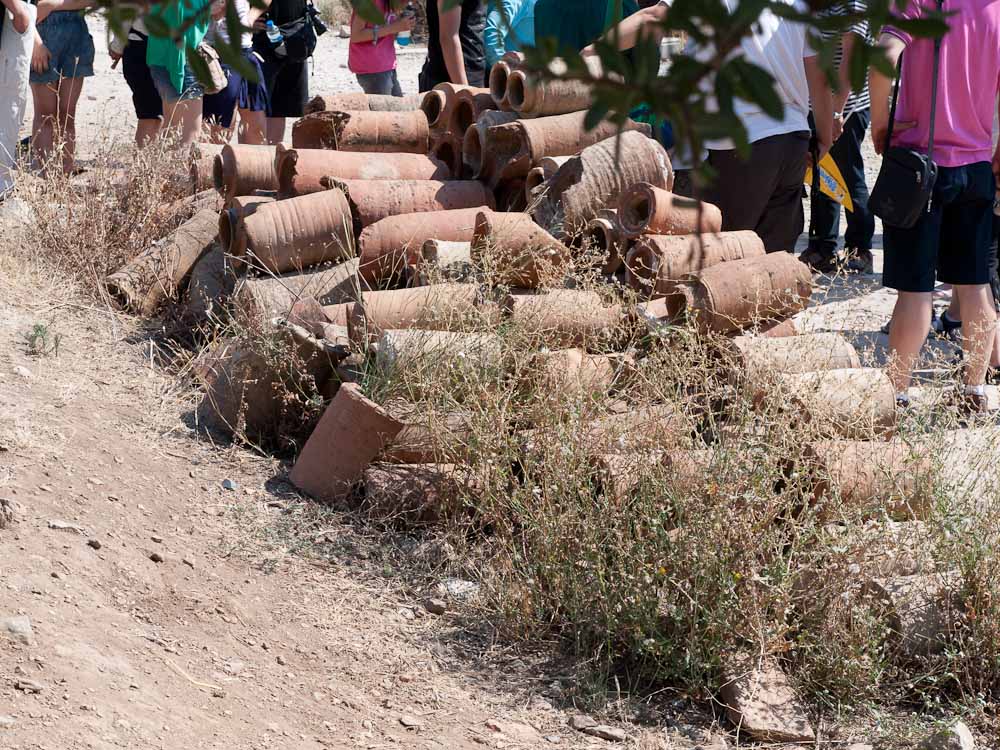
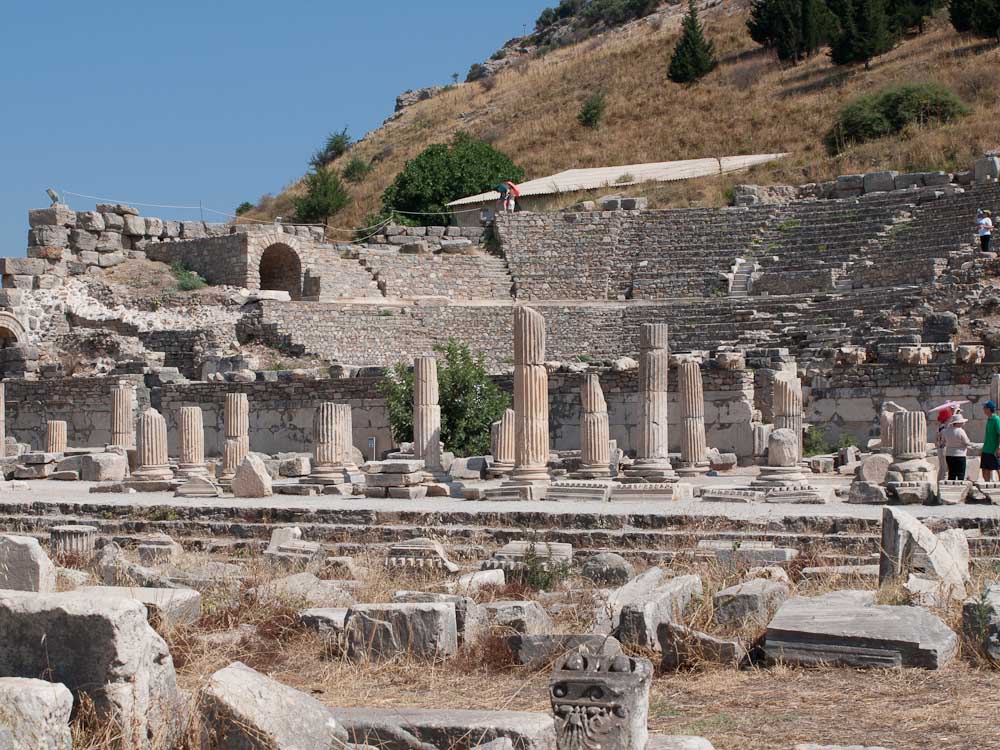
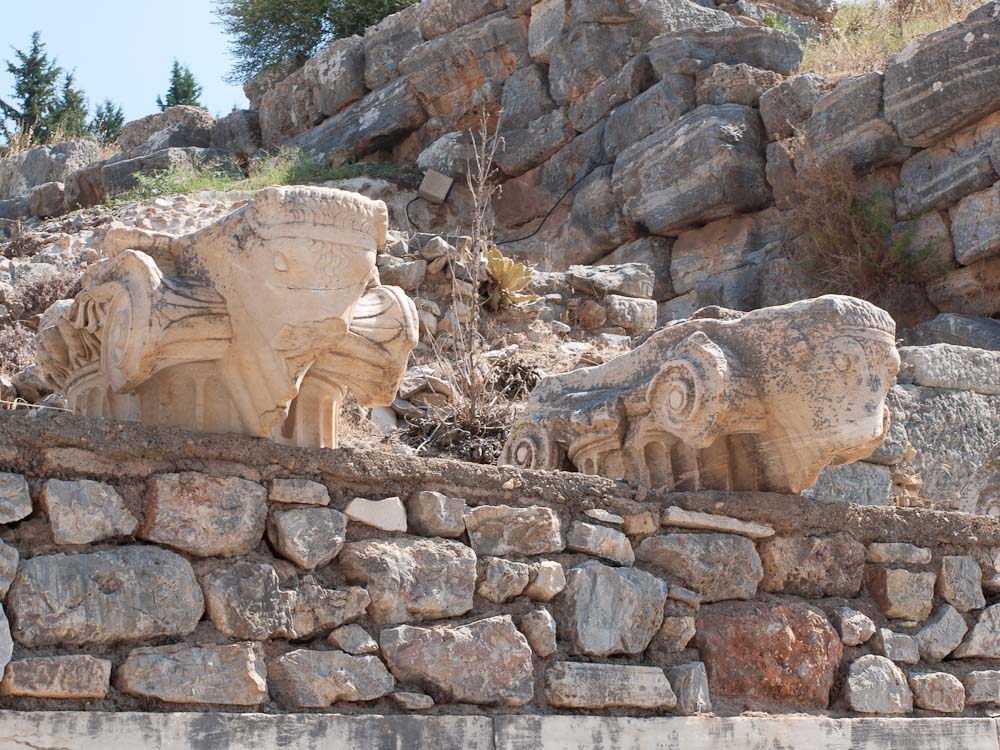
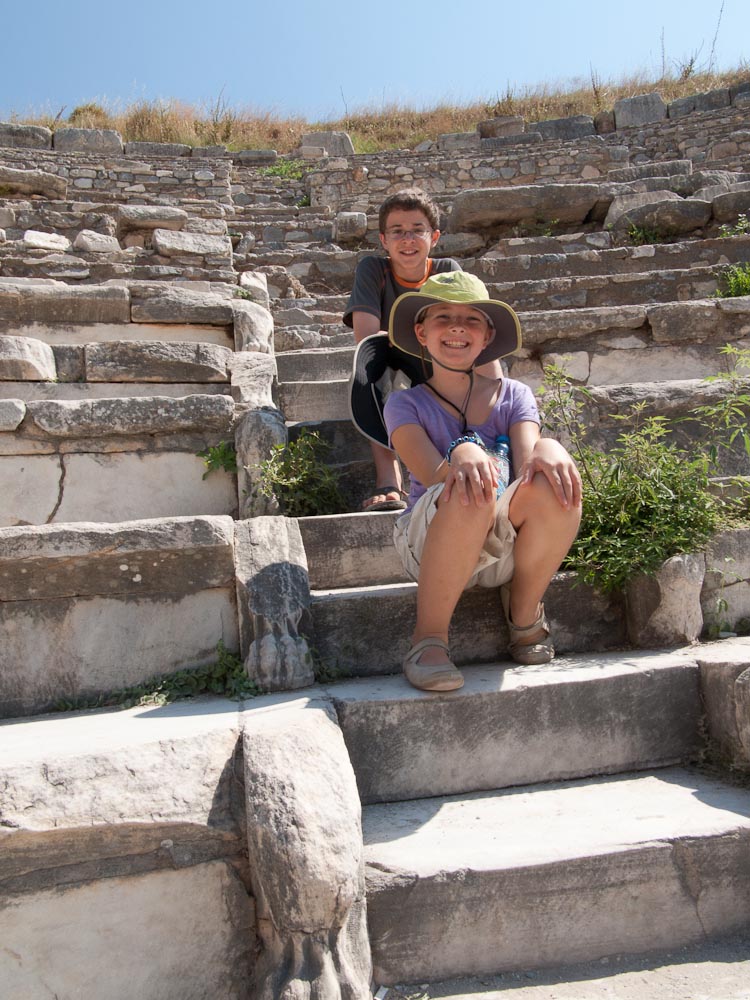
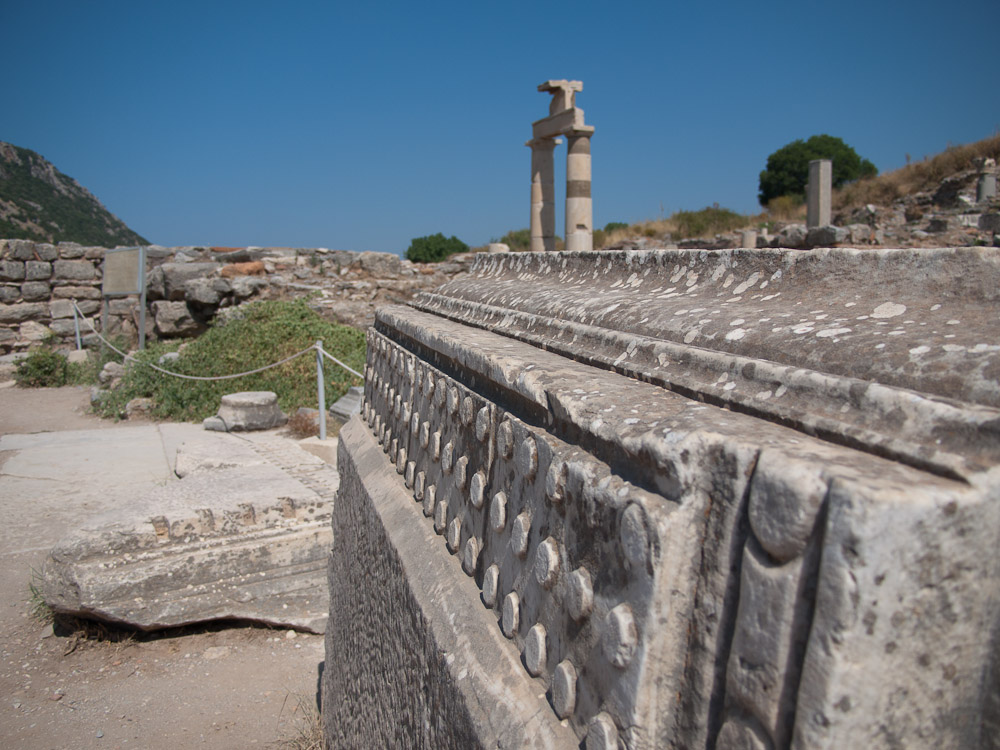
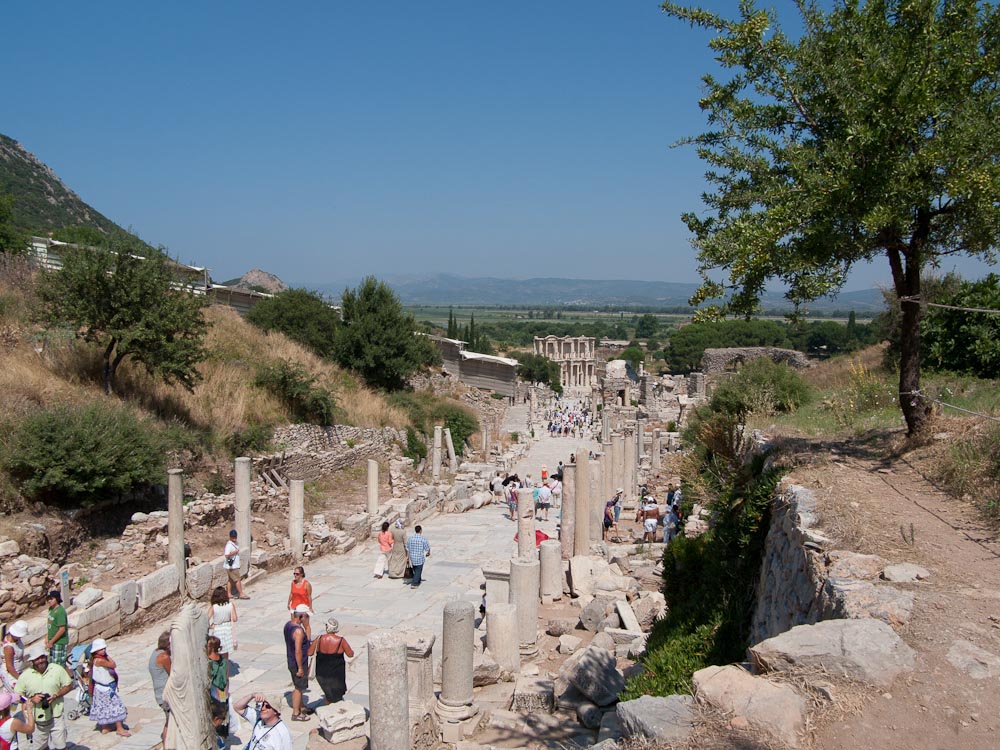
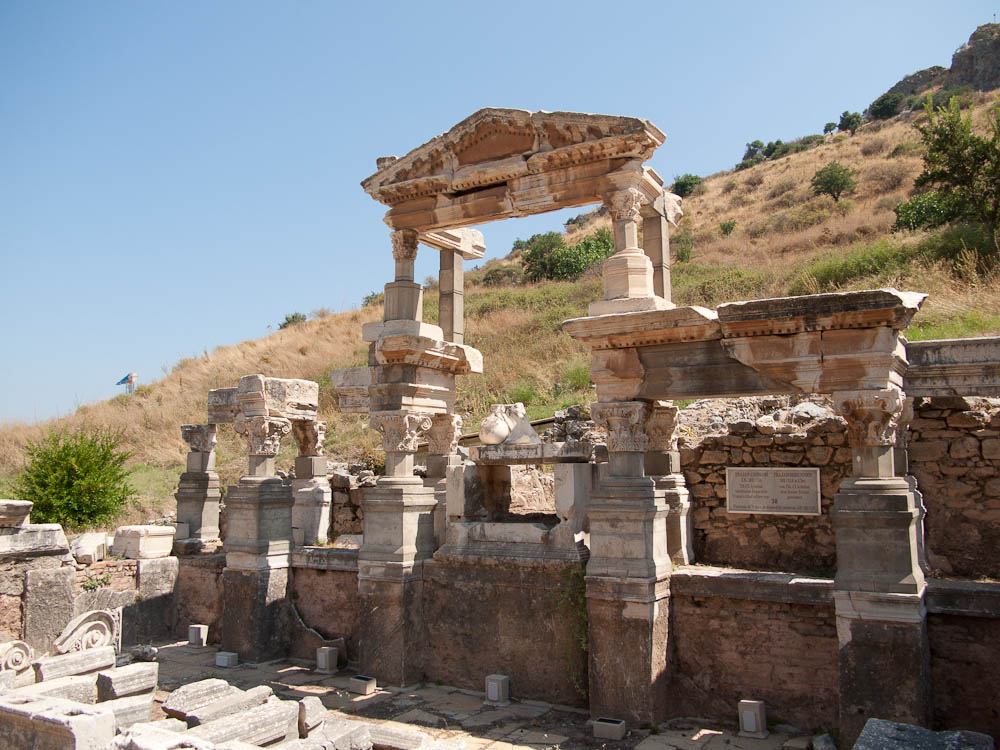
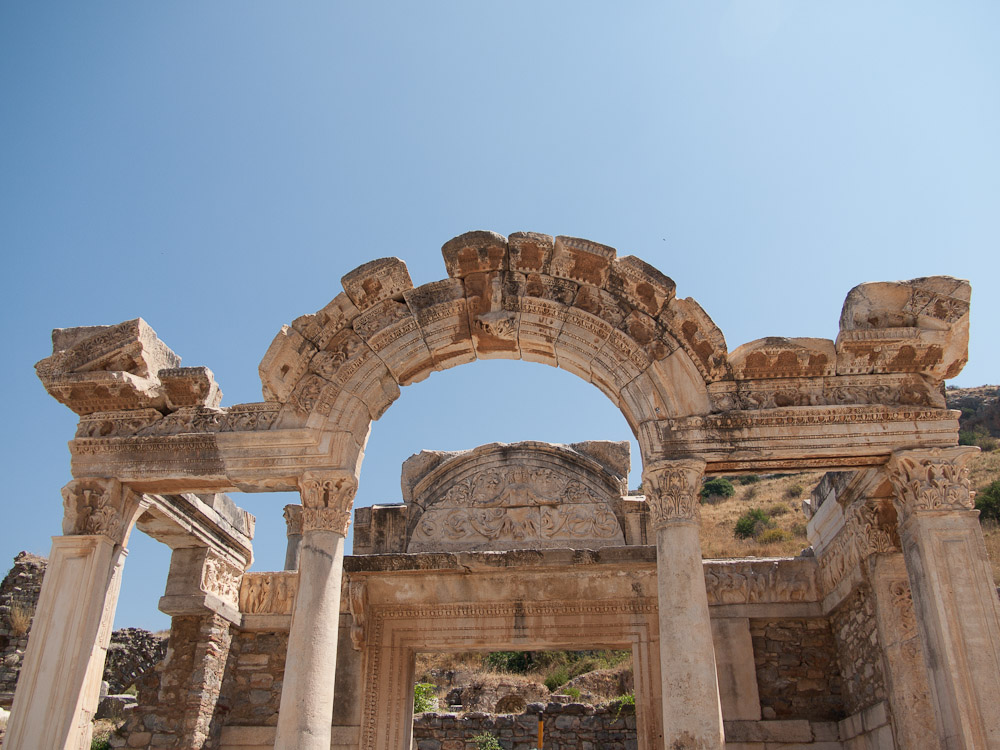
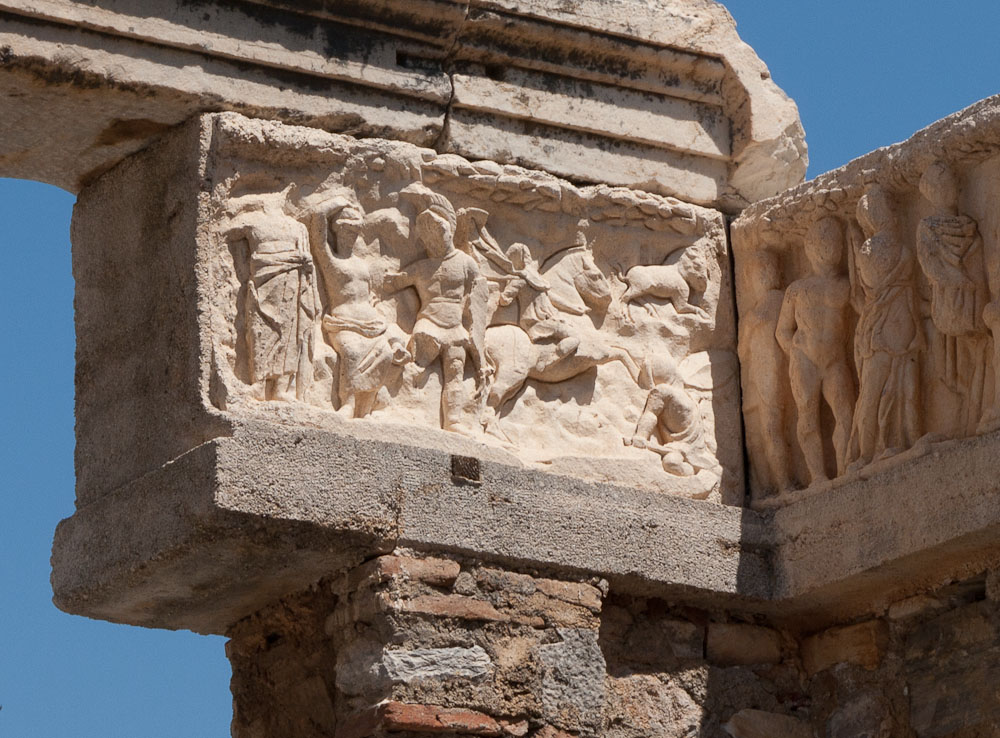
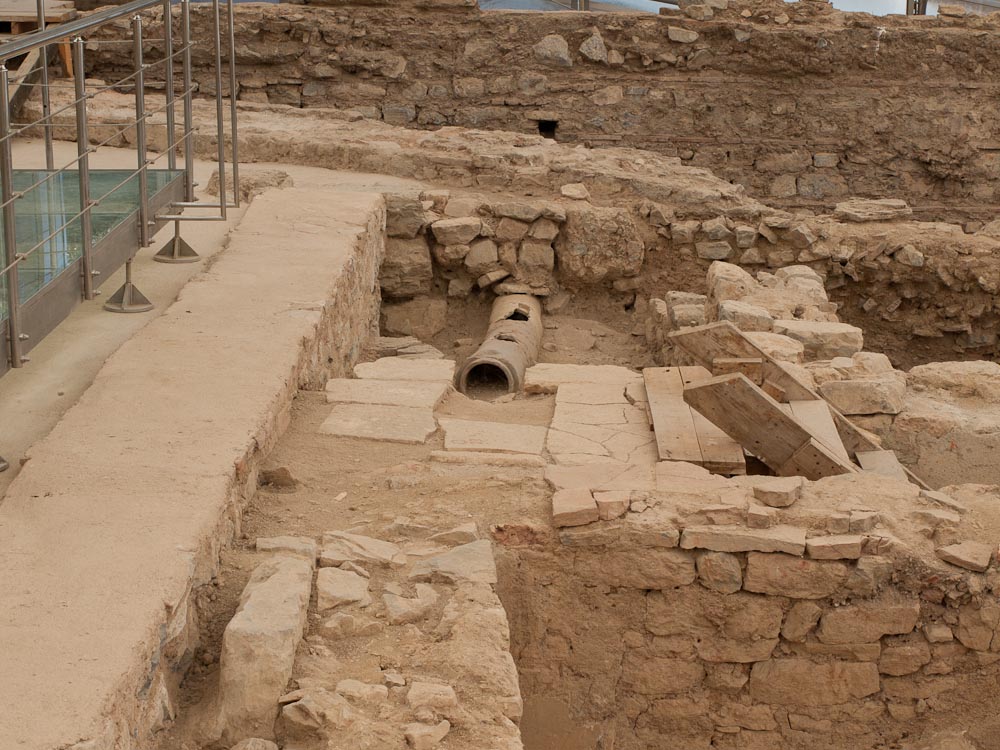
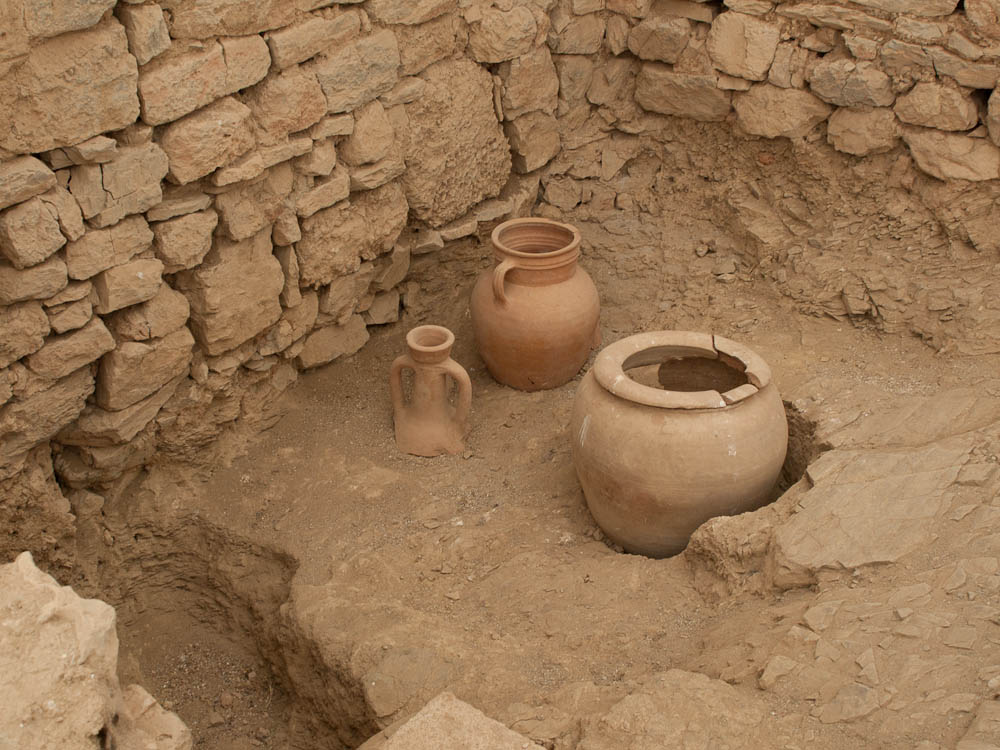
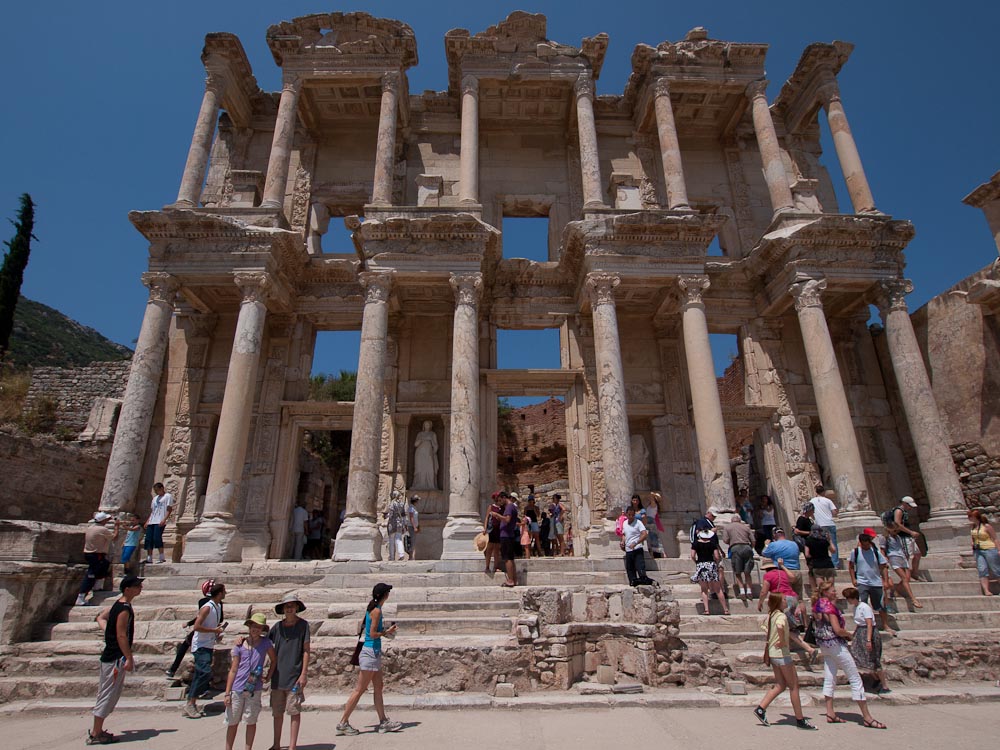
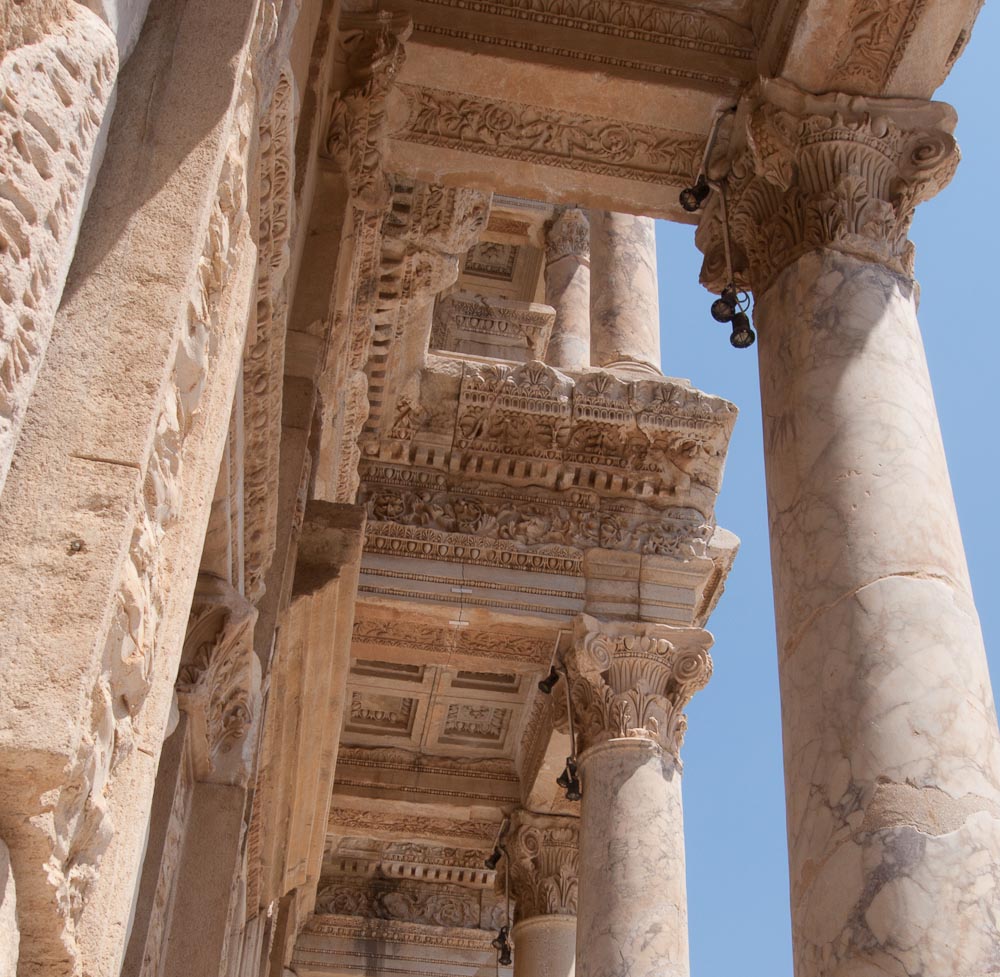
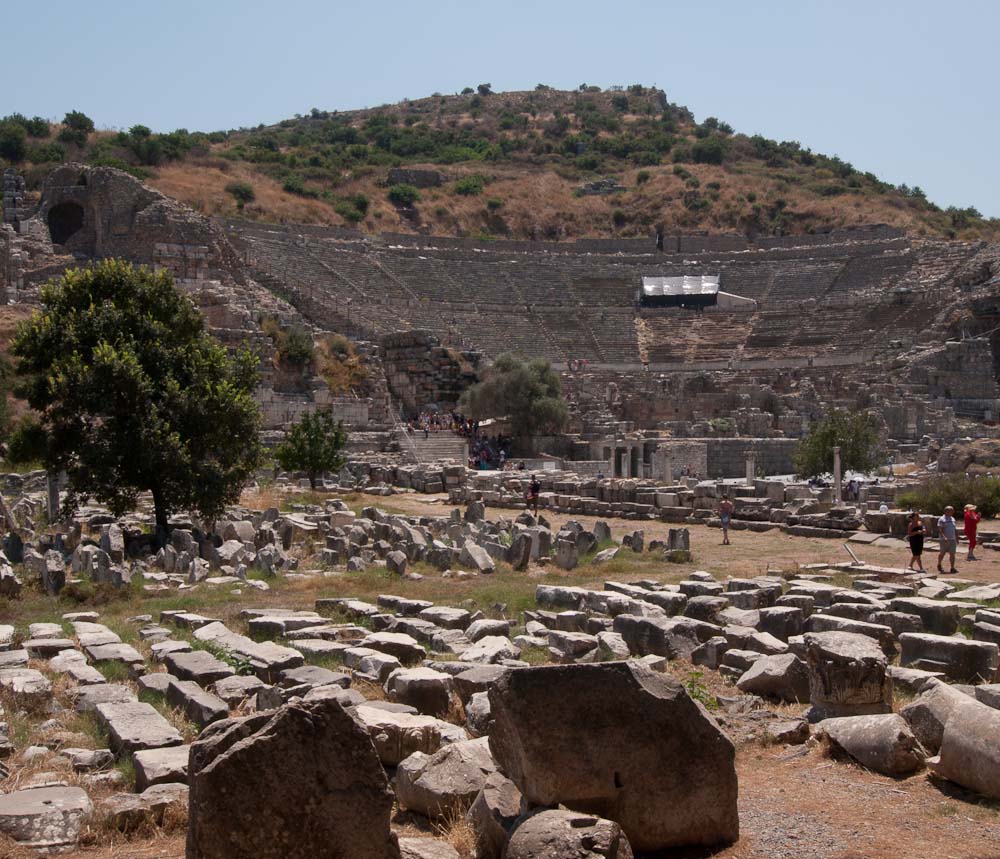
Today Ephesus has many of the features you can see in Roman ruins elsewhere, plus impressive unique features: a huge colisseum seating 25,000; extensive ruins of private houses on the hillsides which are only 15% excavated even today; a public bathroom; tons of terra cotta pipes that were used to bring water all throughout the town; a restored portion of the residential part of town in a mini-museum; and the best of all: the Library of Celsus, which was the world's third largest library in its time. Reputedly, the Library of Alexandria had 400,000 scrolls; the Library of Pergamon had 200,000 scrolls; the Library of Celsus attained third place with just 12,000 scrolls. While the scrolls are gone, this library has an impressive restored facade with a statue of Athena.
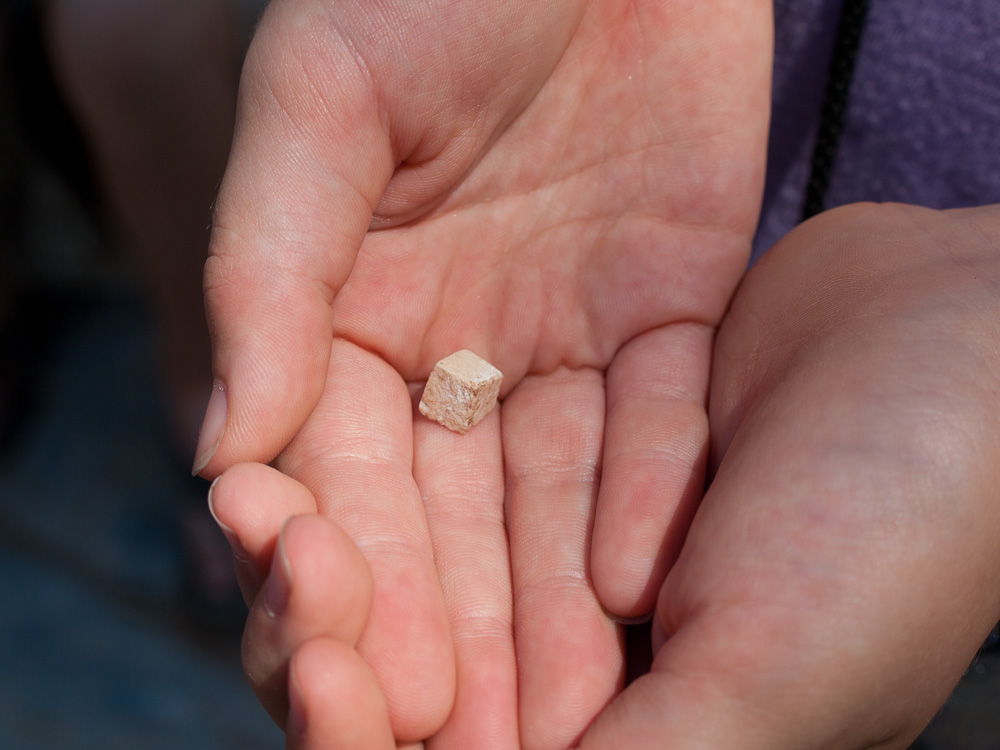
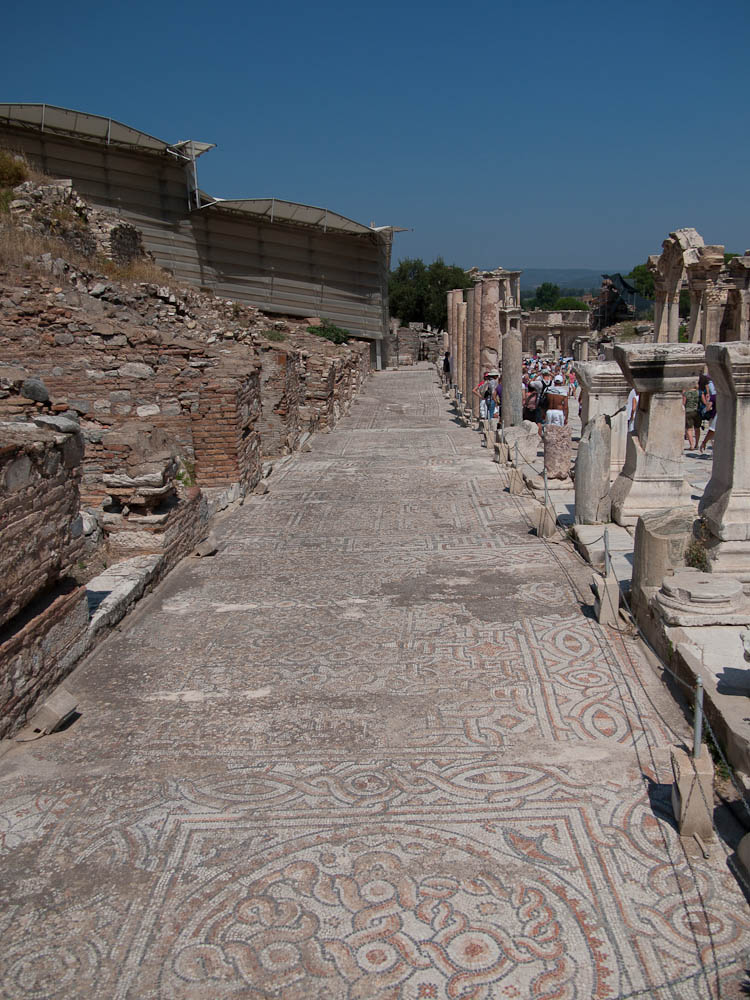
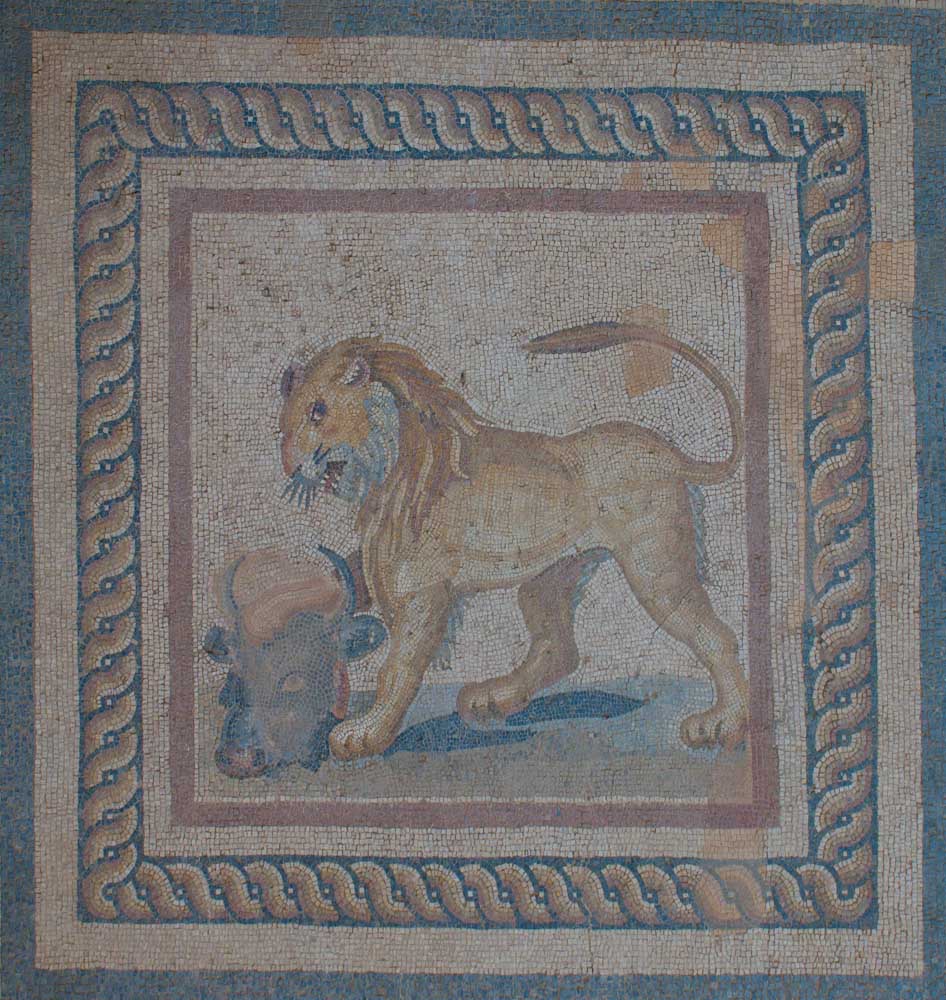
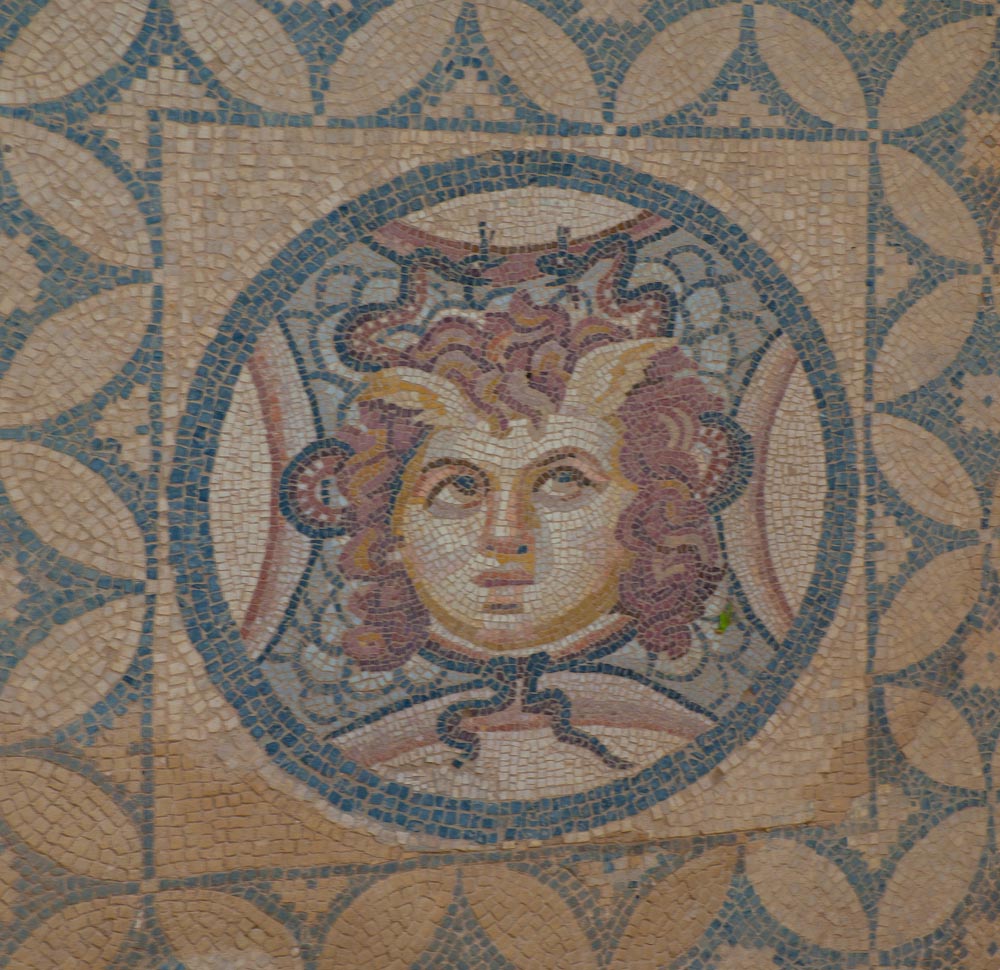
Walking along the road, Katherine encountered a funny cubic stone that we realized was a piece of mosaic! However since mosaic pieces are so numerous in Ephesus it was just lying there on the ground. While it would have made a dandy souvenir, we threw it back for a future archeologist to find.
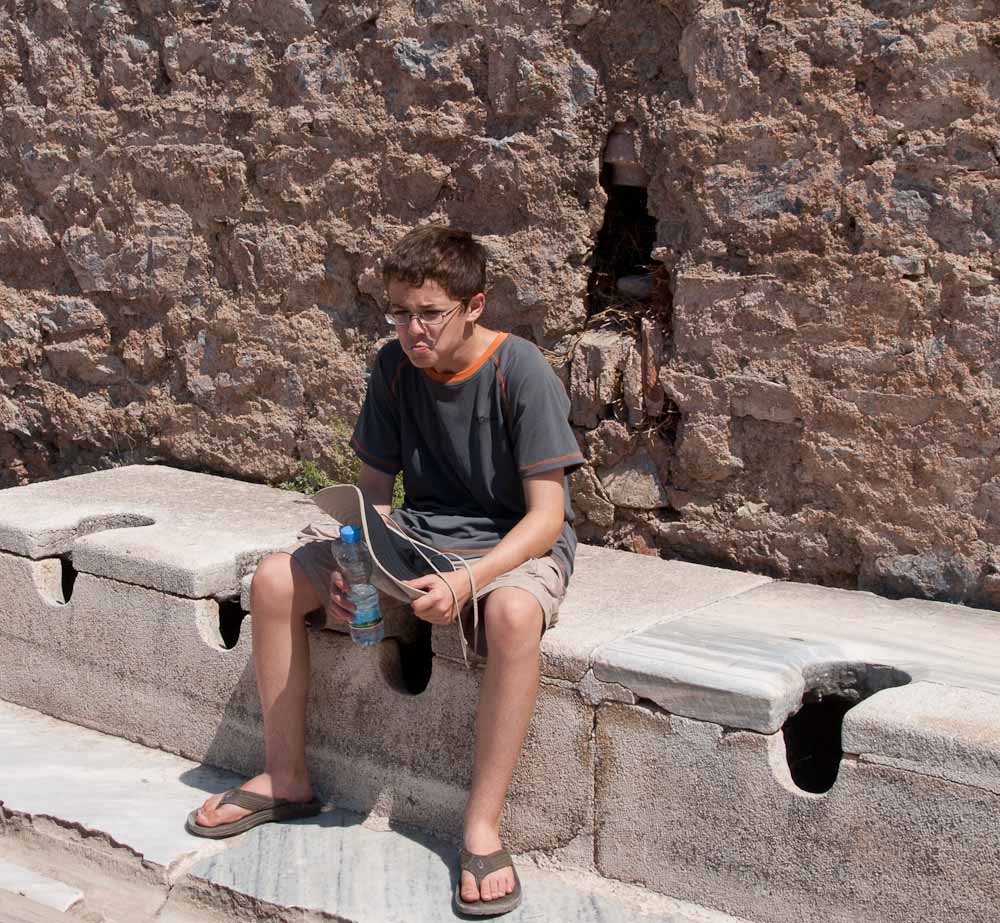
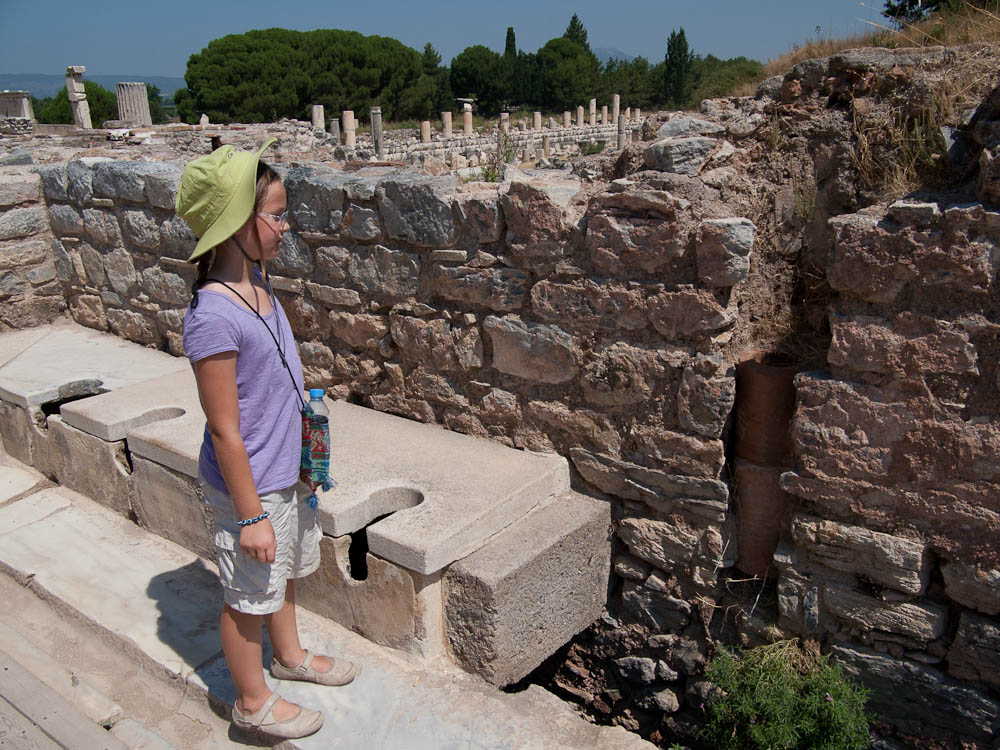
There is a building devoted to public bathrooms here, which was apparently as much a social center as the bath house: at times they played live music here. The seats have no privacy but you do get to sit on marble! Running water about 10 feet below the bench carried away the waste and scent. The story here is that on cold days the wealthy Romans would send a slave to warm up a spot on the marble bench before they arrived.
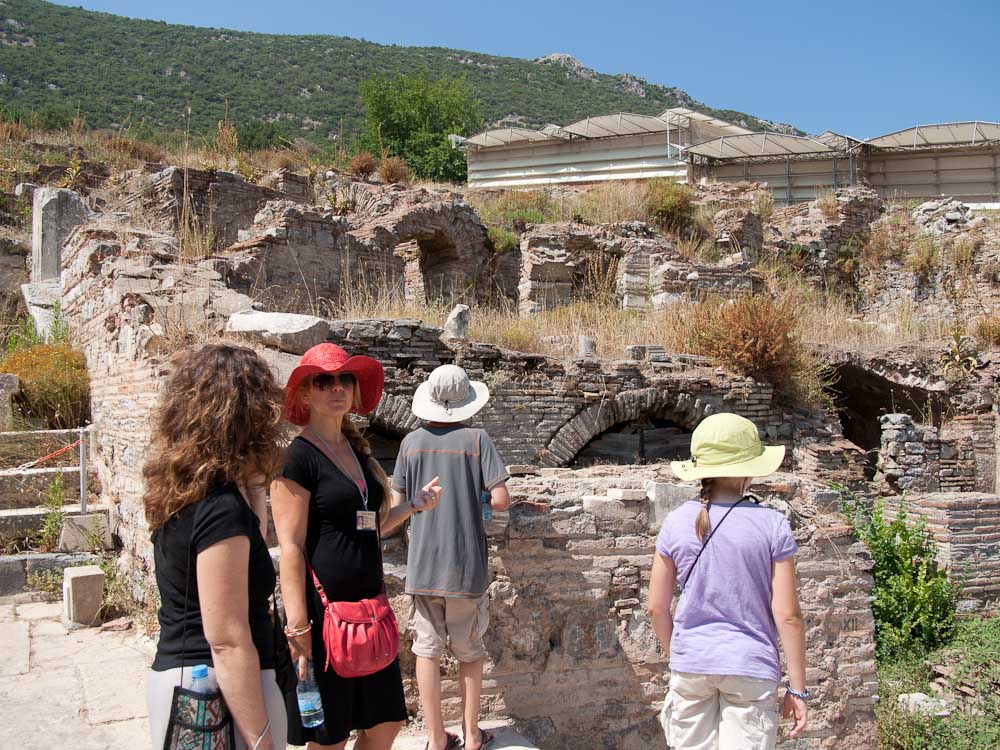
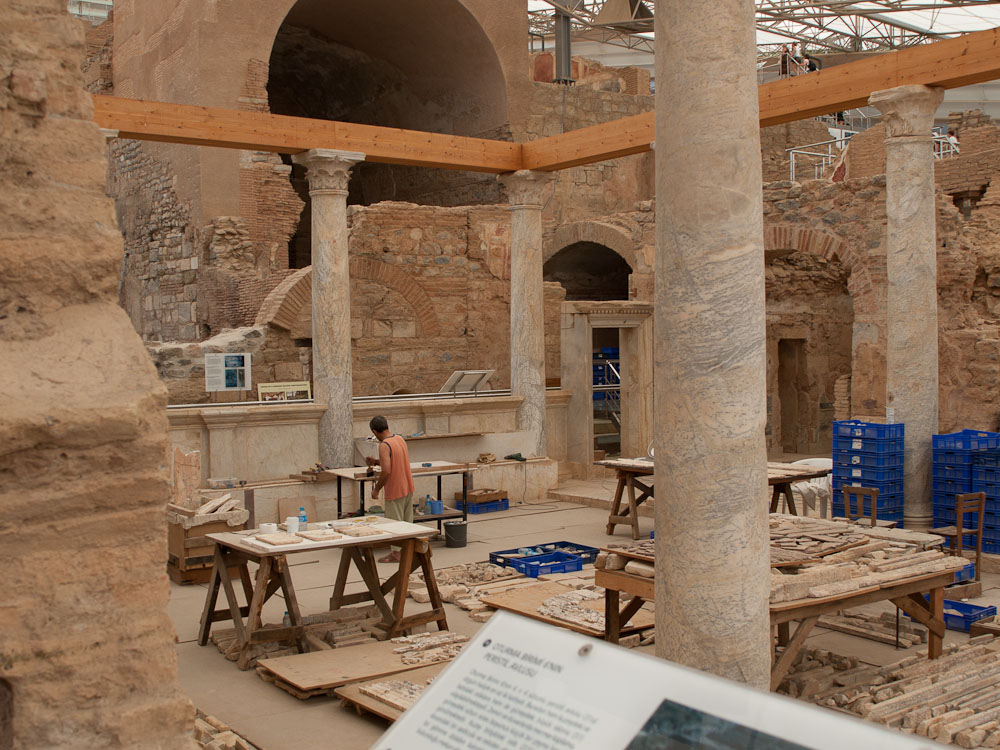
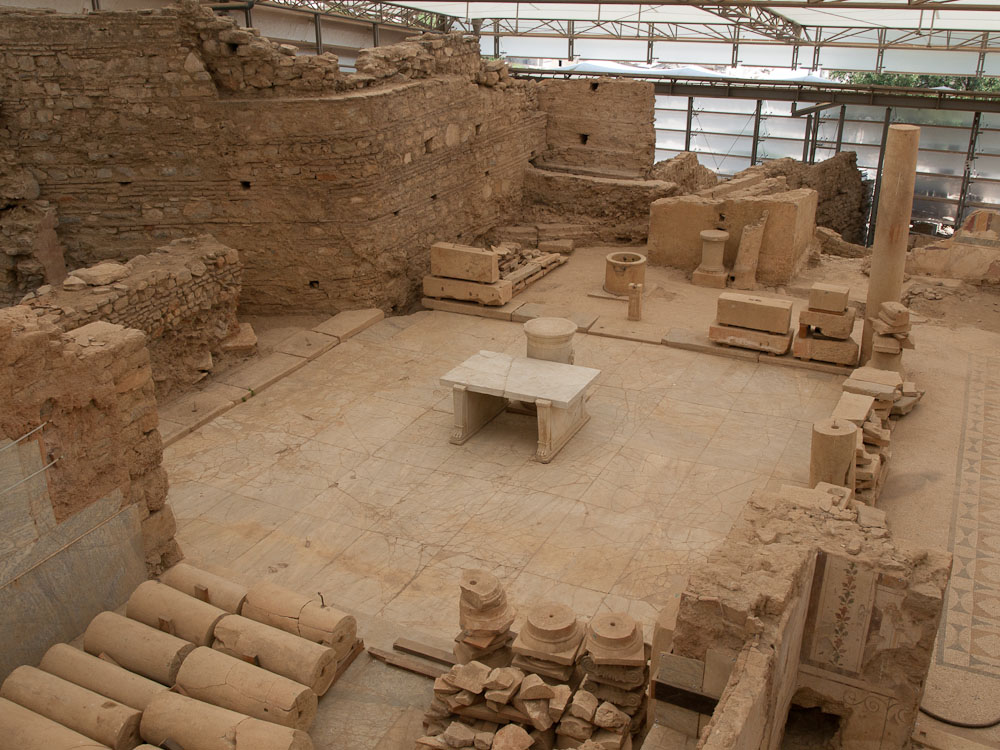
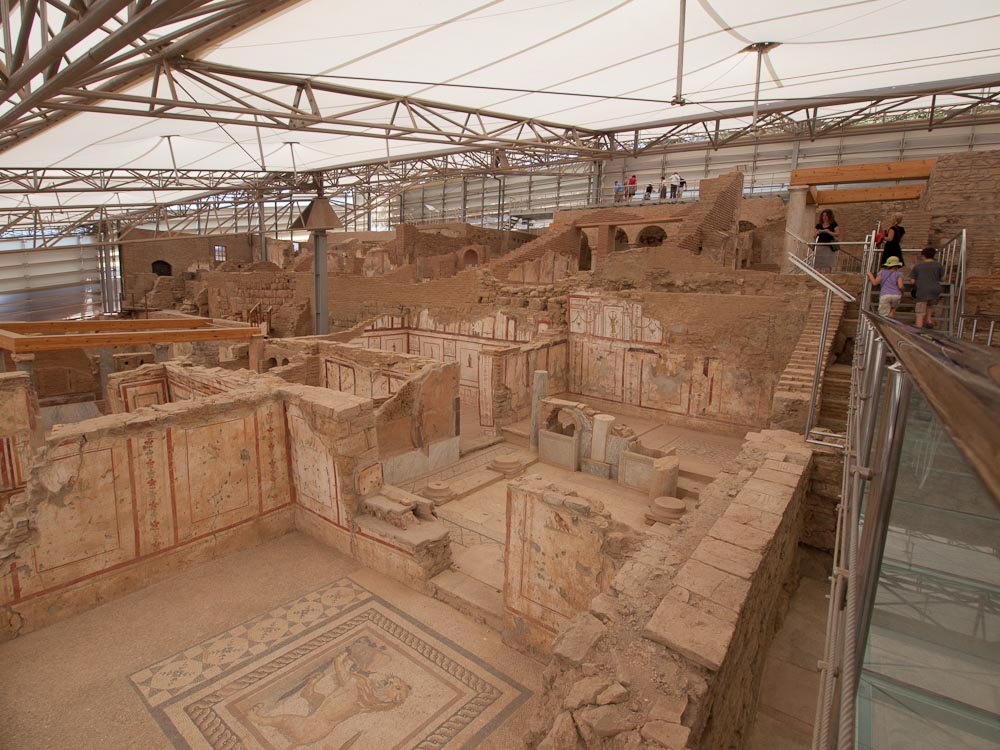
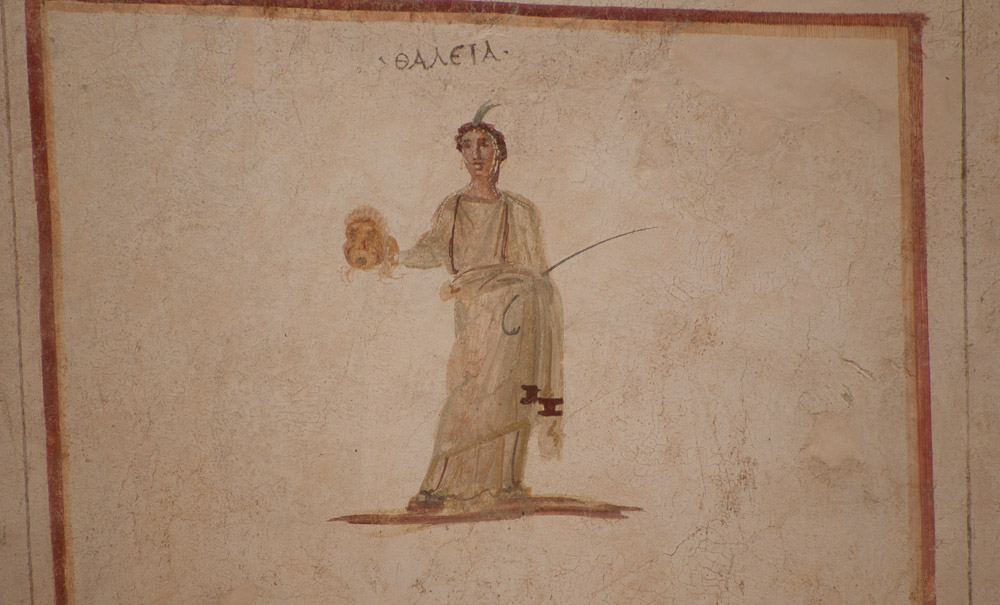
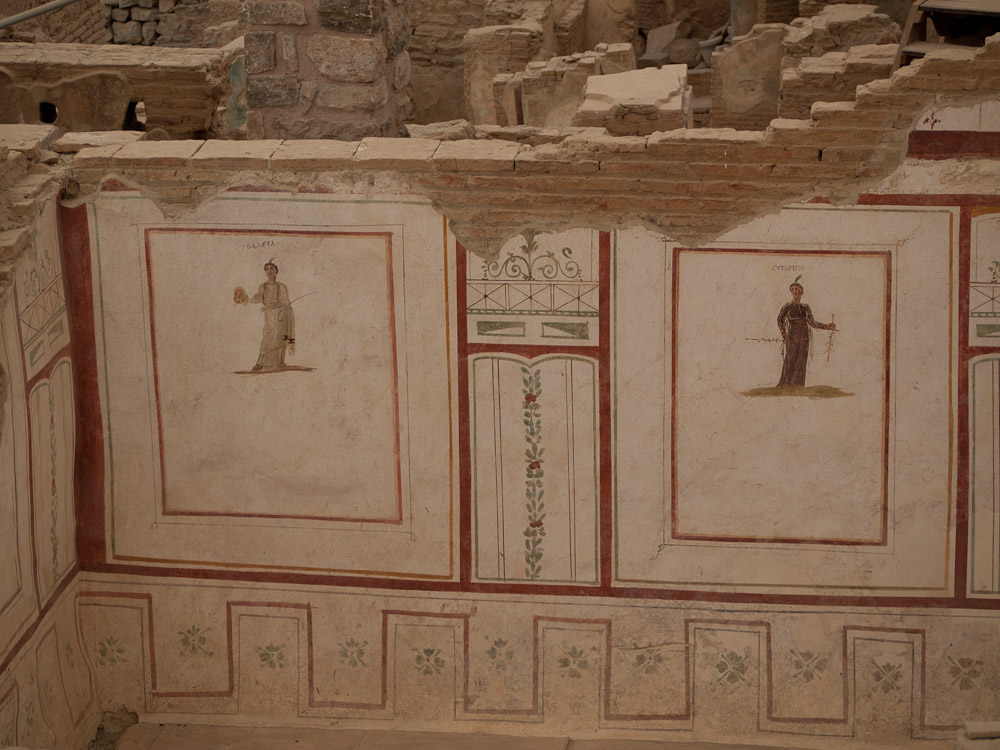
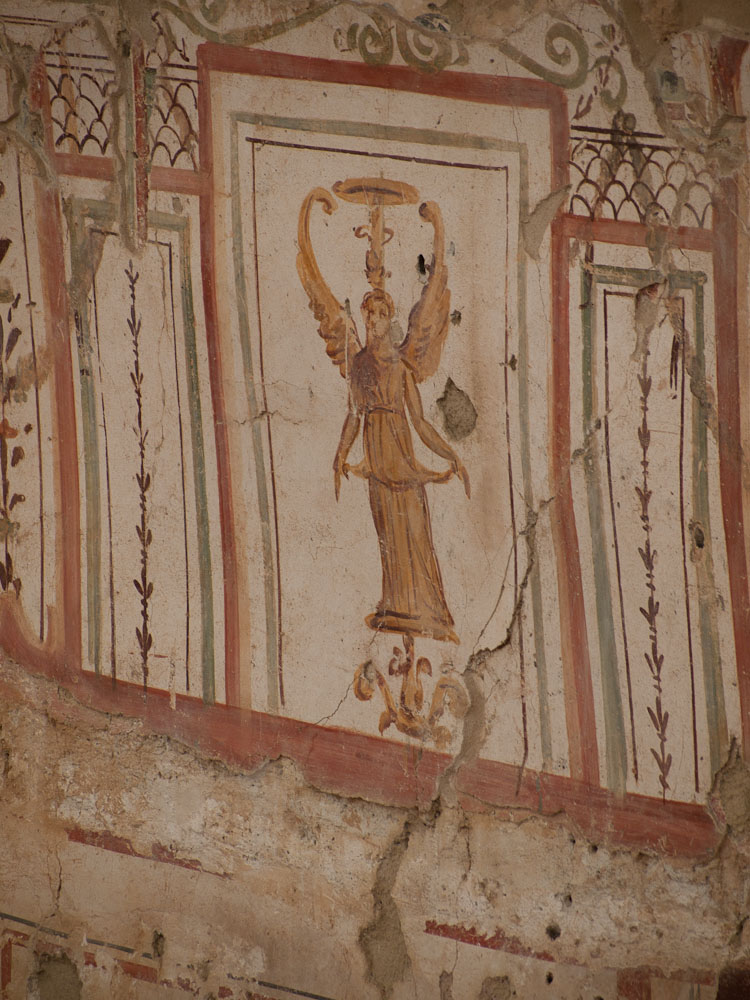
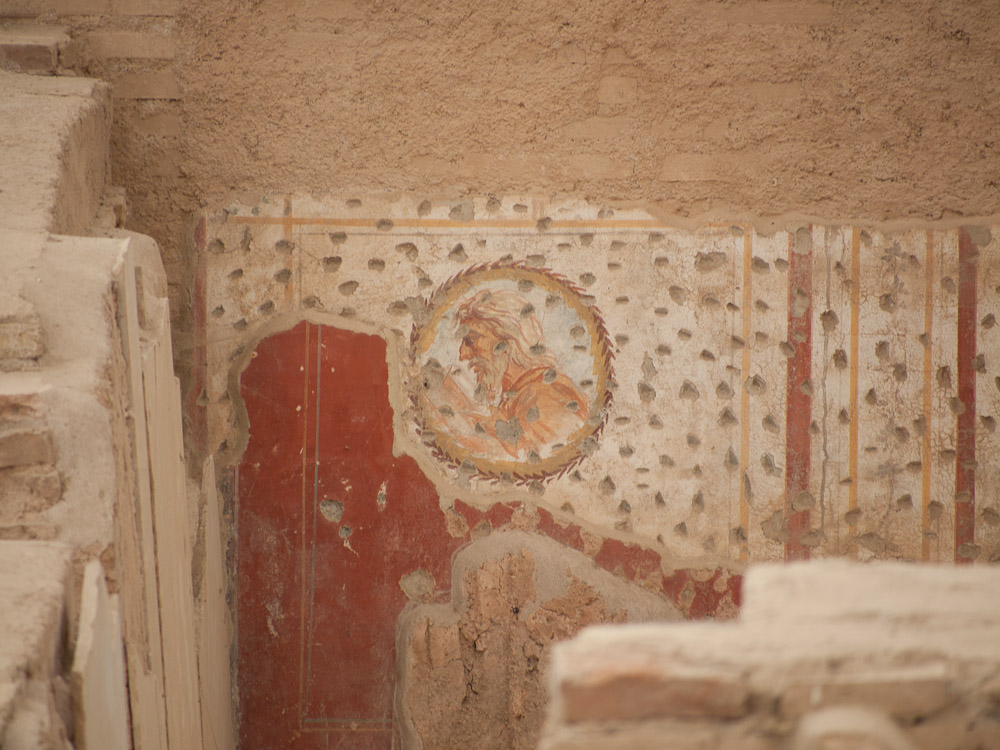
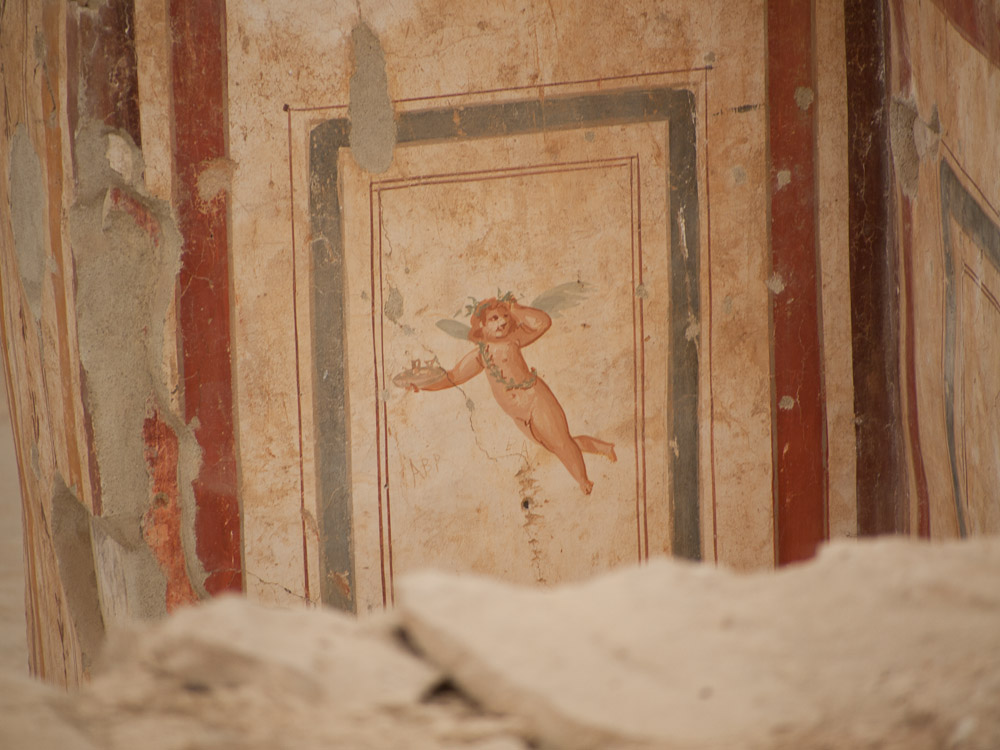
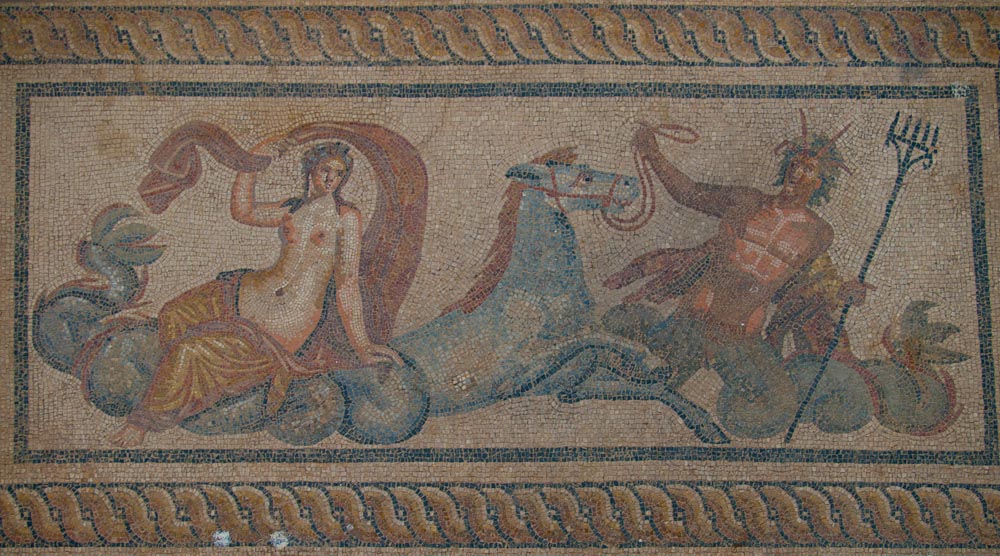
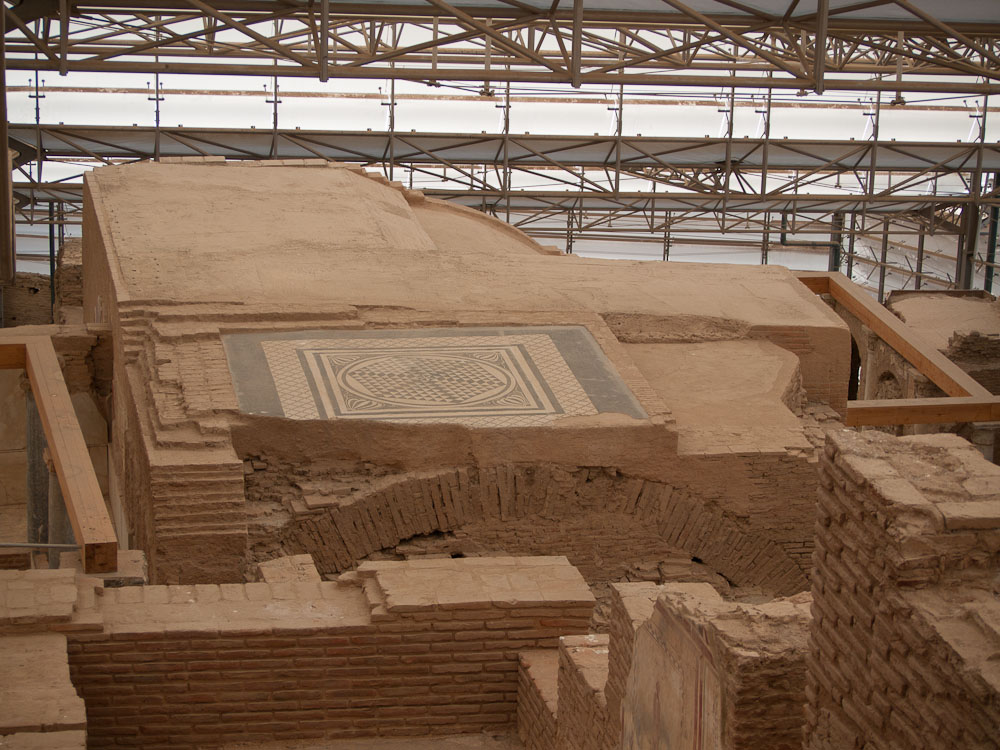
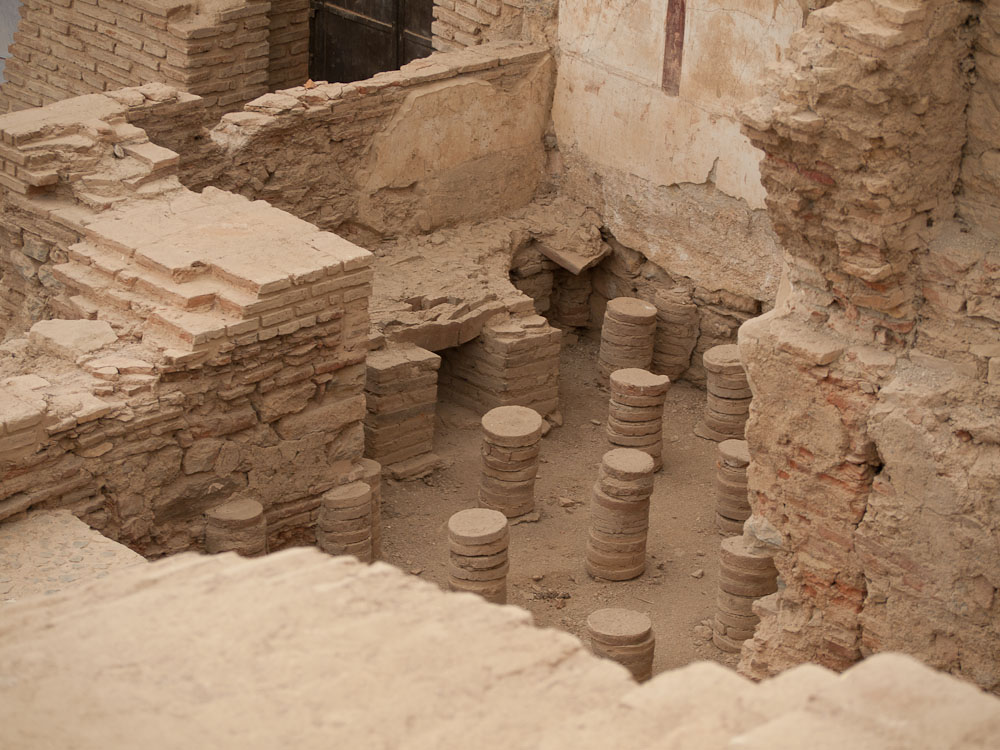
We were all really impressed by these features and especially the mini-museum on the side of the hill. Here they have erected a giant roof, and inside, you can wander through six different Roman apartments. Many of the mosaics and the wall paintings are restored or intact with excellent quality, in contrast to Pompeii where the best ones have been shipped off to museums. Don't miss this, and thanks to Ed Dresner for advising us not to miss it either. As there is active work on this site, it should get better every year.
That was enough for a solid morning's work in the hot sun. We lingered for a lunch - for me Iskender kebabs (thin slices of roast chicken hot off the gyro kebab, layered over bread and yoghurt and slathered with a red sauce - yum!) - and then sadly bid farewell to Turkey. We drove back to Izmir (Smyrna) and boarded the plane for Munich connecting to Copenhagen.
Next stop: cooler winds, Tivoli Gardens, ultramodern design sense, and Skandinavian history.
Error thrown
Call to undefined function ereg()