Who doesn’t love a good love story? Every country seems to have one. Here in Vietnam, one of the most poignant is widely known but officially unrecognized by the Vietnamese government: it is the true story of Ho Chi Minh and his Chinese wife and it goes something like this.
Ho Chi Minh was born in central Vietnam in 1890 into the upper middle class. His father was an educated Mandarin serving the government. Ho Chi Minh was the third of four children and his given name was Nguyen Sinh Cung, which in Chinese means “one who is born with a destiny.”
At the age of 17 he became active in politics and at 21, left Vietnam and proceeded to spend the next 30 years abroad. During that time, he lived in 28 different countries under more than 100 different names. He worked at menial jobs in places where he could stay hidden, listen, and learn: he was a street cleaner in London, a waiter at the Ritz in Paris, a household servant in New York, and a bread baker at the Parker House hotel in Boston. The great chef Escoffier of the Paris Ritz, widely acclaimed to be the father of classic French cuisine, invited Ho Chi Minh to stay on and train but he declined. He became fluent in English, French, Russian, and Chinese, and refined his political thinking during his many years abroad. He is described to us first and foremost as a Nationalist politician who was flexible in his alliances so long as they furthered the interests of his country. Street-savvy and book-smart, he was a gifted poet and magnetic personality.
In 1927, at the age of 37, he falls in love and marries a woman 15 years his junior. She was a commoner born to a middle class family in the city of Guang Zhou in Southern China; her name was Tang Tuyet Minh. They were together for only 7 months before he was forced to flee. The authorities in China were looking for him for his continued efforts to incite political unrest in Vietnam and he had to be smuggled out of the country. Ultimately, he escapes to Northern Thailand where he shaves his head and goes into hiding as a monk.
Tang does not know whether her husband escaped, if he is dead or alive. She has no way to tell him that she is pregnant with his child, nor can she turn to him when she miscarries. More than three years pass.
In 1931, she travels to Hong Kong to care for her sick mother. During much of this time, Ho Chi Minh has been imprisoned in Hong Kong. She recognizes him when he is placed on trial for his political activities (he is using a different name). He does not see her, but now she knows he is alive. She still cannot reach him.
He is released from prison in Hong Kong and goes to Singapore and then on to Europe. The French, who during this time have material colonial interests in Vietnam, ask the Chinese authorities to intercept his many letters to his wife. They do and she never receives a single one. He must wonder why she never writes back.
A decade later, in 1941, he returns to North Vietnam. It is at this time that he takes the name Ho Chi Minh: Ho means “not of the Han, or Chinese,” Chi means “strong will, or determination,” and Minh was his wife’s family name.
He lives in a cave on the border between China and Vietnam and secretly forms the Viet Ming, whose job it was to fight against the Japanese who occupied Vietnam and then against the French who were loathe to relinquish their material colonial interests. As World War II ends, he reads a Declaration of Independence modeled on the USA using a text provided to him by a US agent and becomes President in 1945, but the USA decides to support the French interests. The French oust him as soon as they can mobilze armed forces and send them to Vietnam. He continues to fight the French from his northern jungle strongholds until 1954.
In 1950, when China officially recognizes Ho Chi Minh as the leader of Vietnam, Tang sees her husband’s picture in the newspaper and knows that he is alive. She immediately rushes to the Vietnamese Consulate General in Guang Zhou and asks to see her husband. They refuse to help her because it is politically suboptimal for the President of Vietnam to be married to a Chinese commoner. The President is not informed of her request. In 1954, she formally applies for a visa from the Vietnamese embassy. She is refused entry.
Meanwhile Ho Chi Minh, now the President, asks his people to find her. They say they can’t. The powers surrounding the President have invested much in his image as the devoted father of the revolution. A foreign wife complicates matters and mars the image.
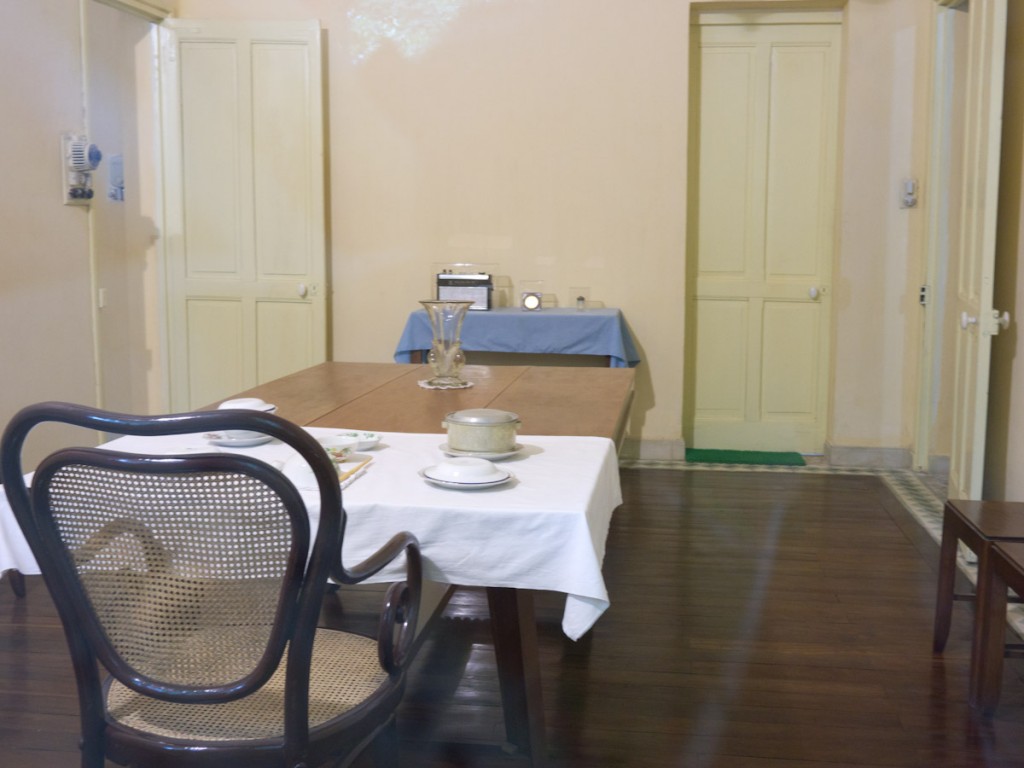
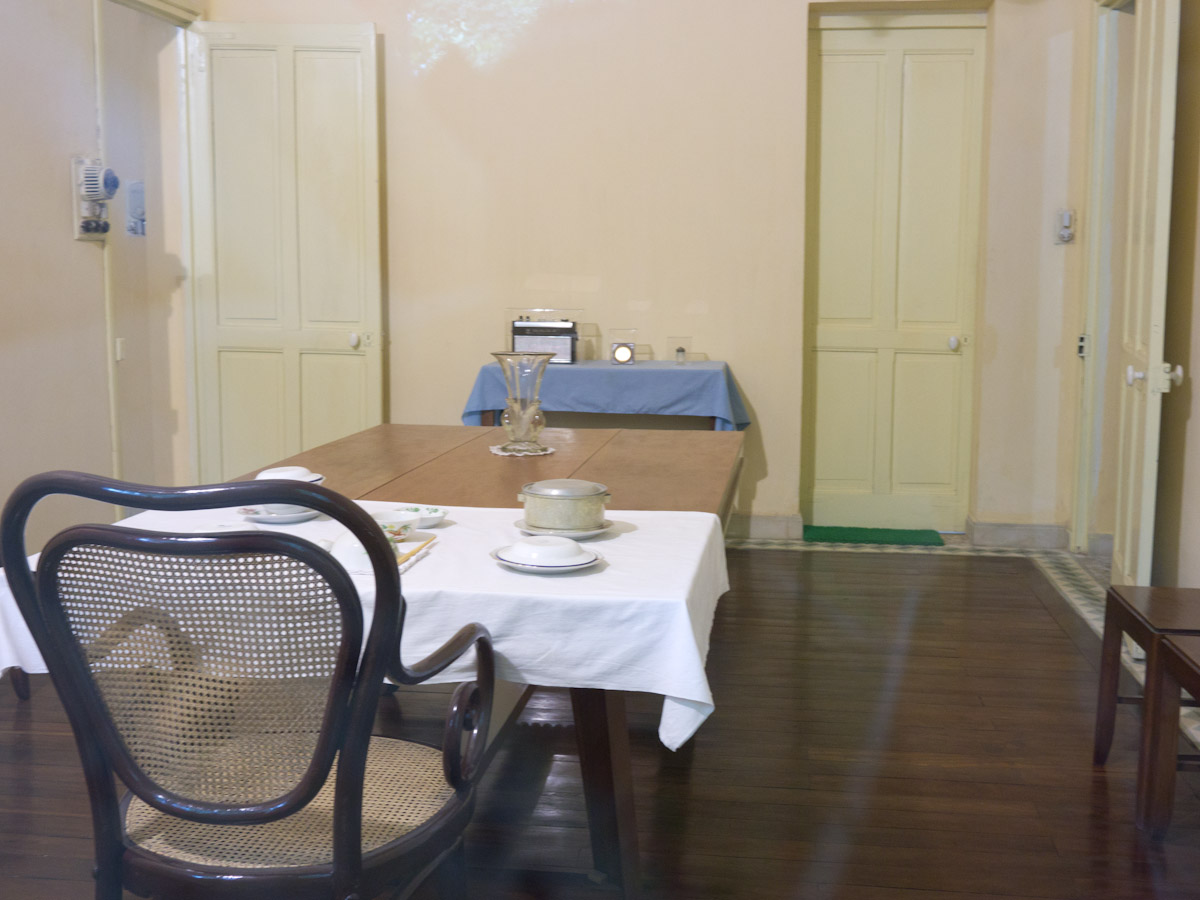
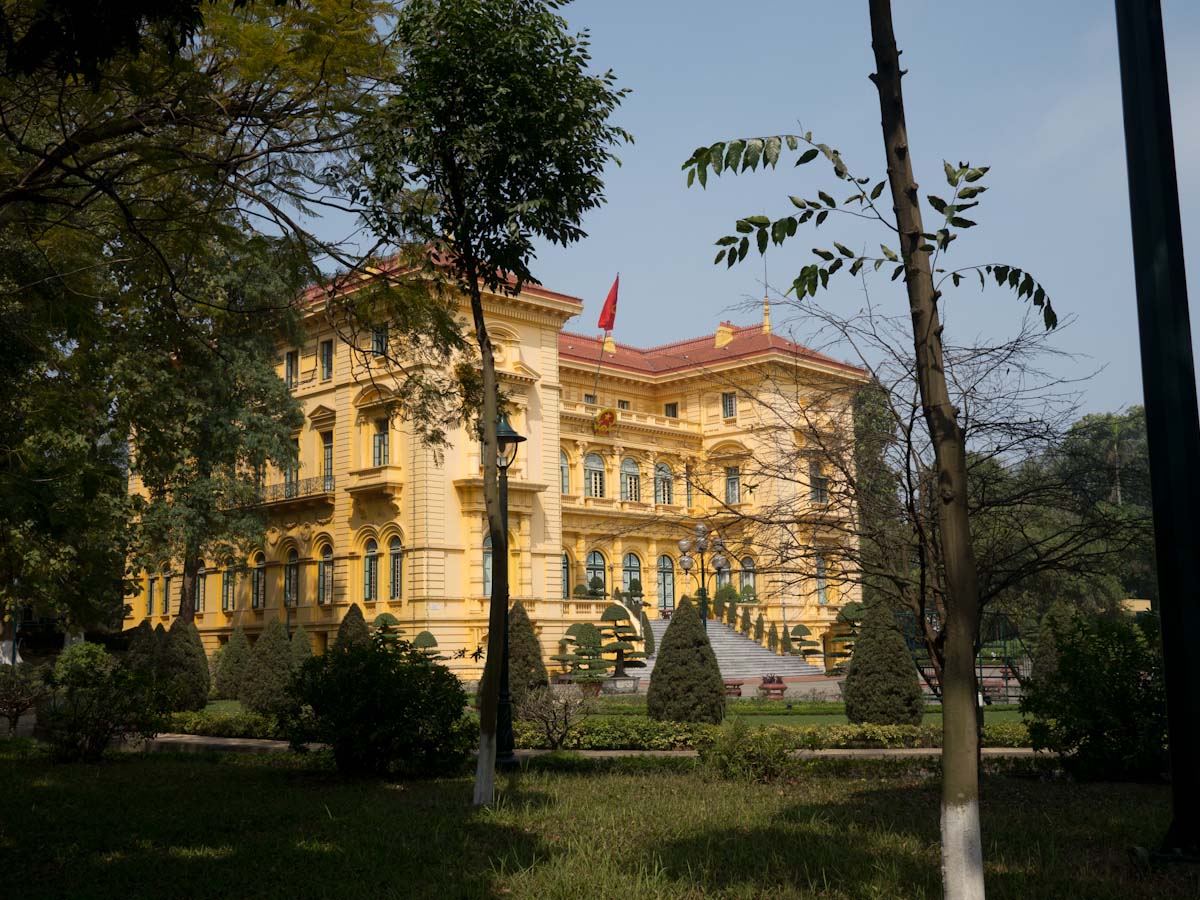
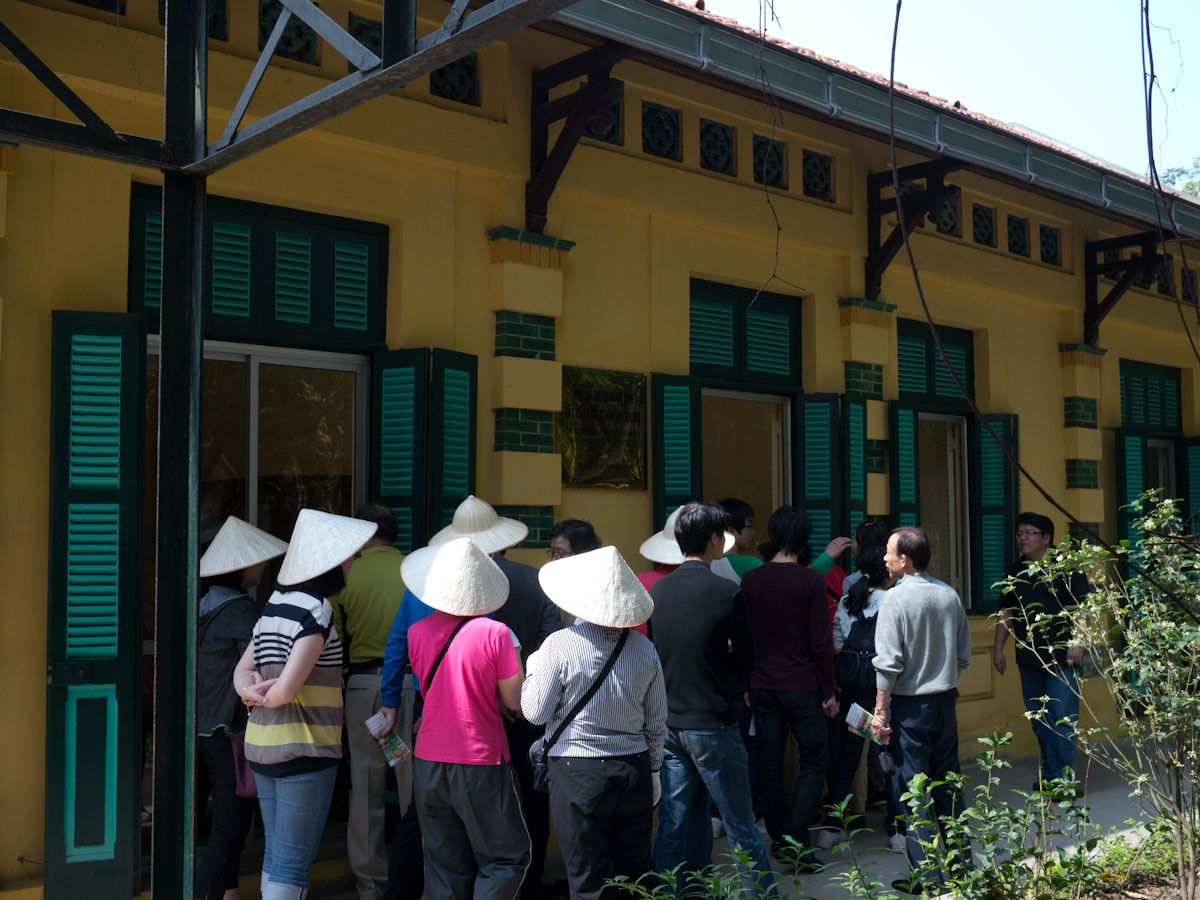
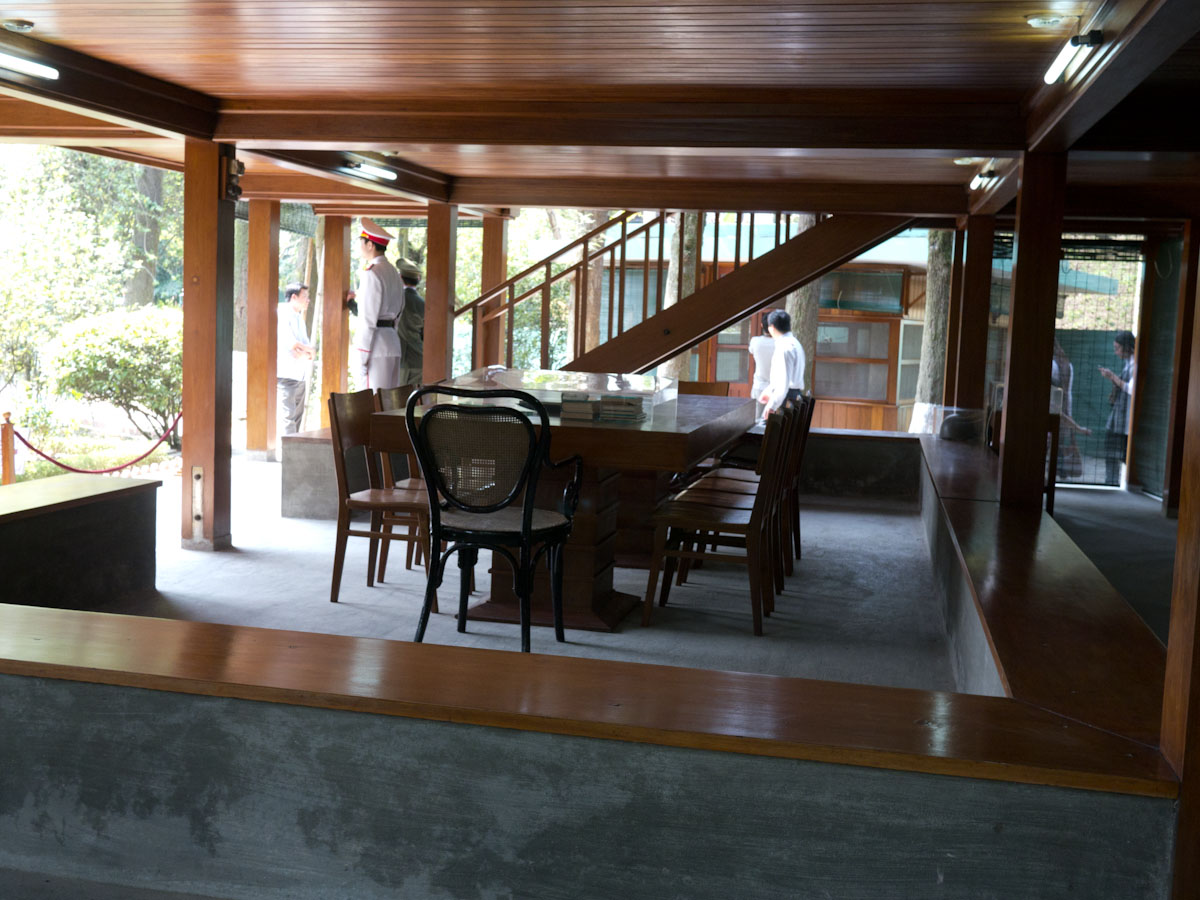
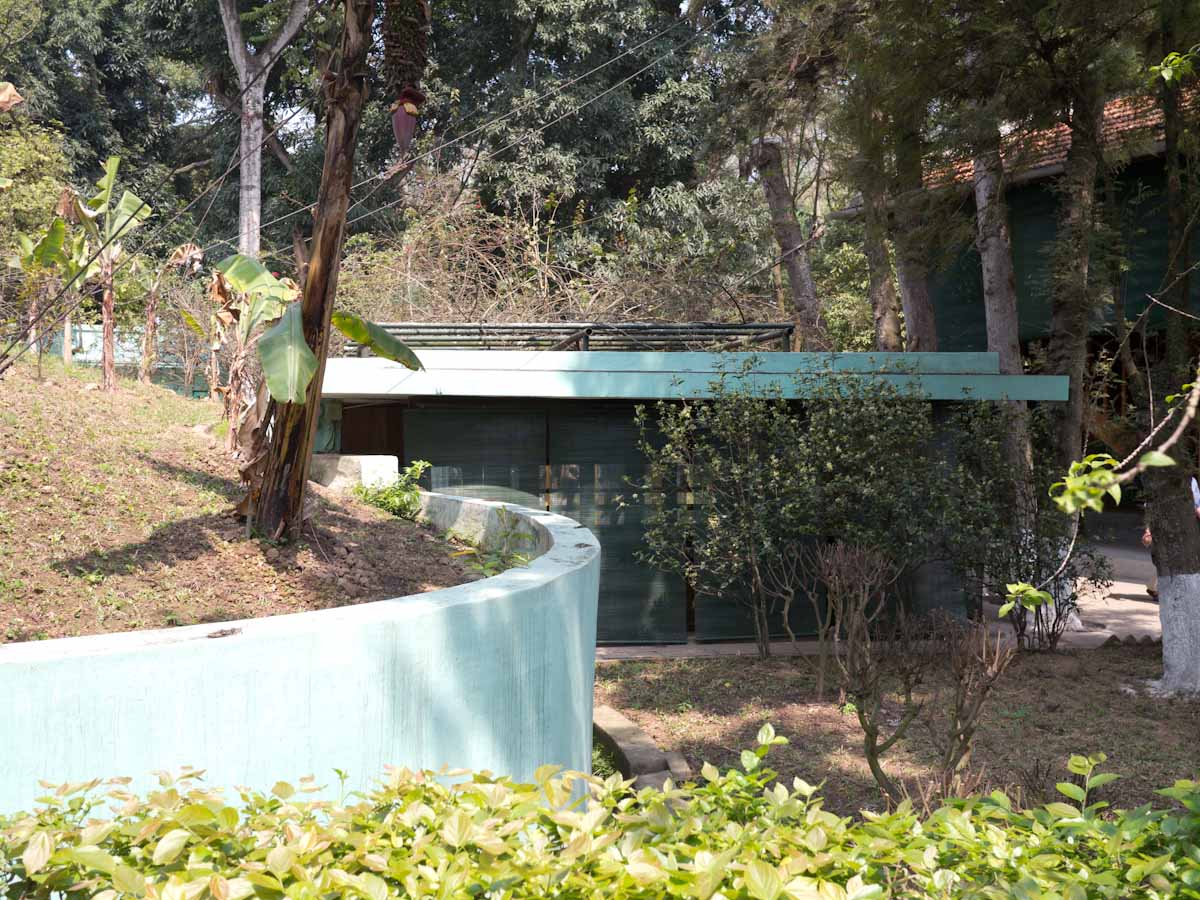
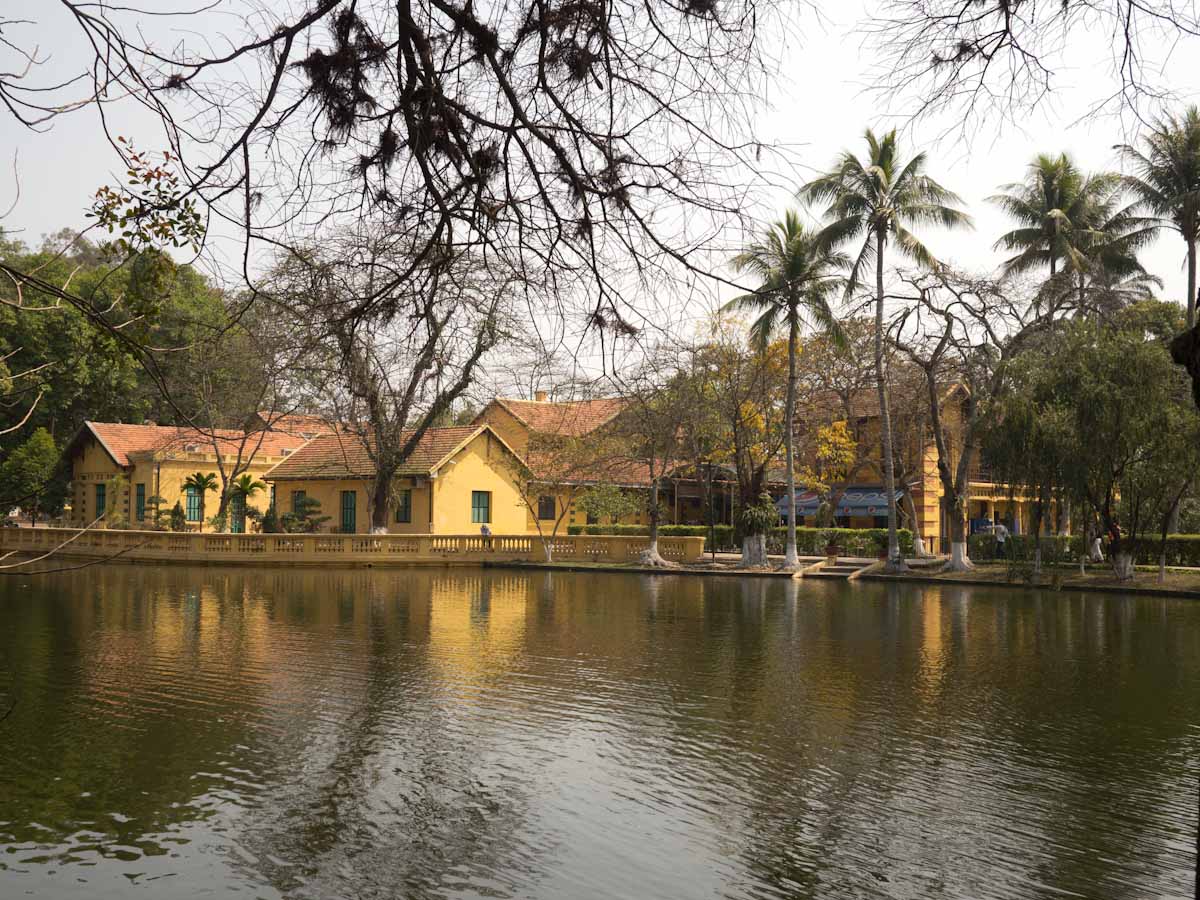
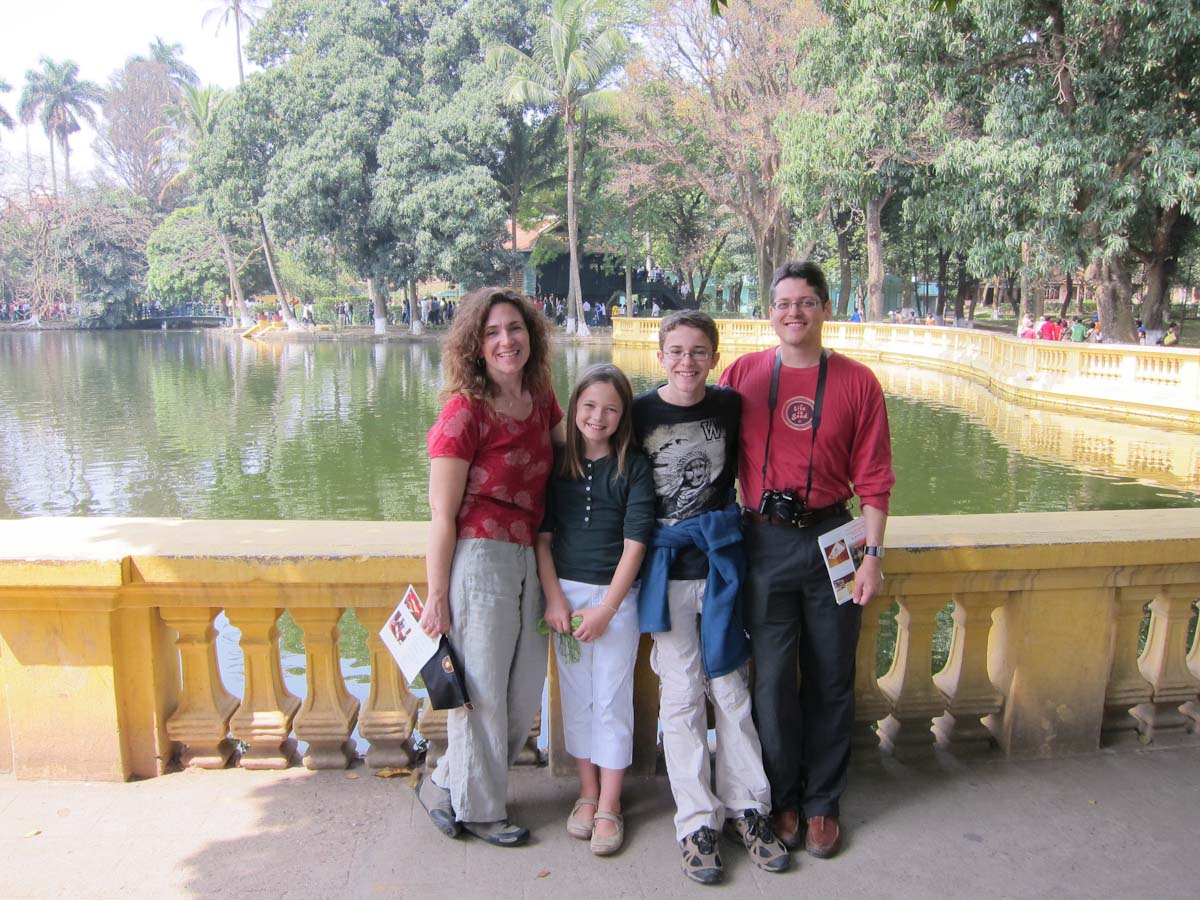
Having defeated, or at least outlasted, both the Japanese and the French, Ho Chi Minh next fights the US until his death in 1969. He lives in Hanoi on the grounds of the former French governor, but builds a simple peasant’s home for himself. (The Vietnamese have preserved his original furniture, so you can still see the empty chair where he ate his dinners alone.) He does not live to see the end of the war in 1975 and the united, self-governed nation for which he fought.
He is widely regarded as the father of modern Vietnam but never had any children of his own.
Tang outlived Ho Chi Minh, but never remarried or had any children. She died at the age of 86 in 1991. In her obituary, there is a photo of her at home with a photograph of Ho Chi Minh prominently hanging on the wall. It seemed she loved him until the very end.

Error thrown
Call to undefined function ereg()