
Jul 22
An Underground City
by Carter in Middle East, Turkey
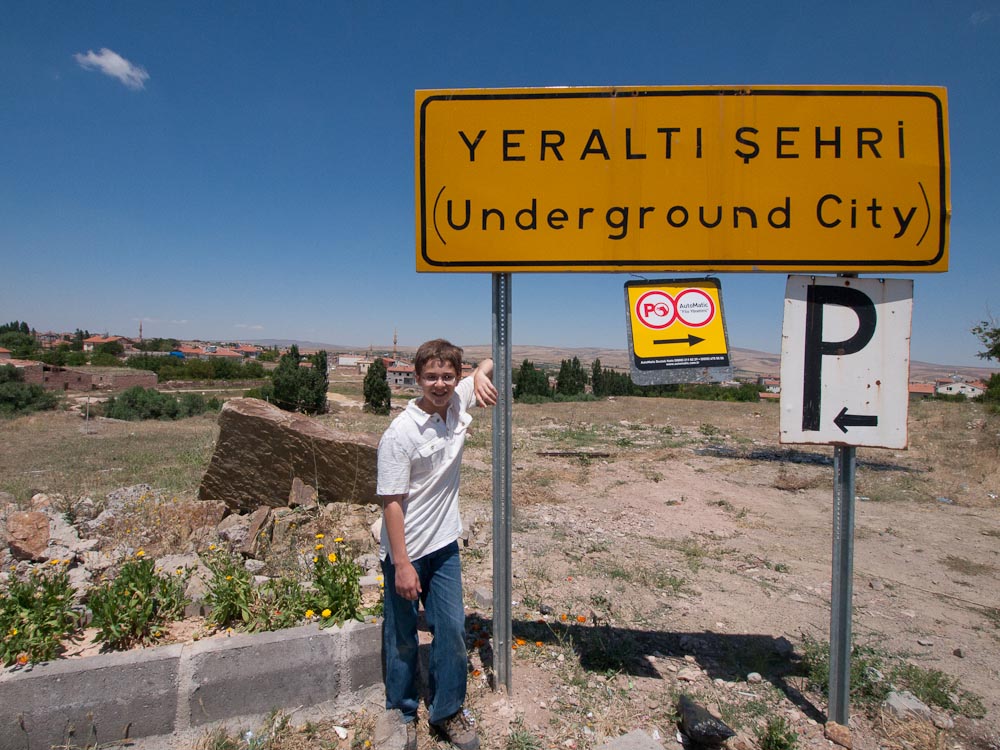
A few days ago my family went to a 2,000 year old underground city that could supposedly hold 15,000 people. This city, though not used as a permanent residence, was able to hold early Christians who were being persecuted for their beliefs and were hiding from the Romans.
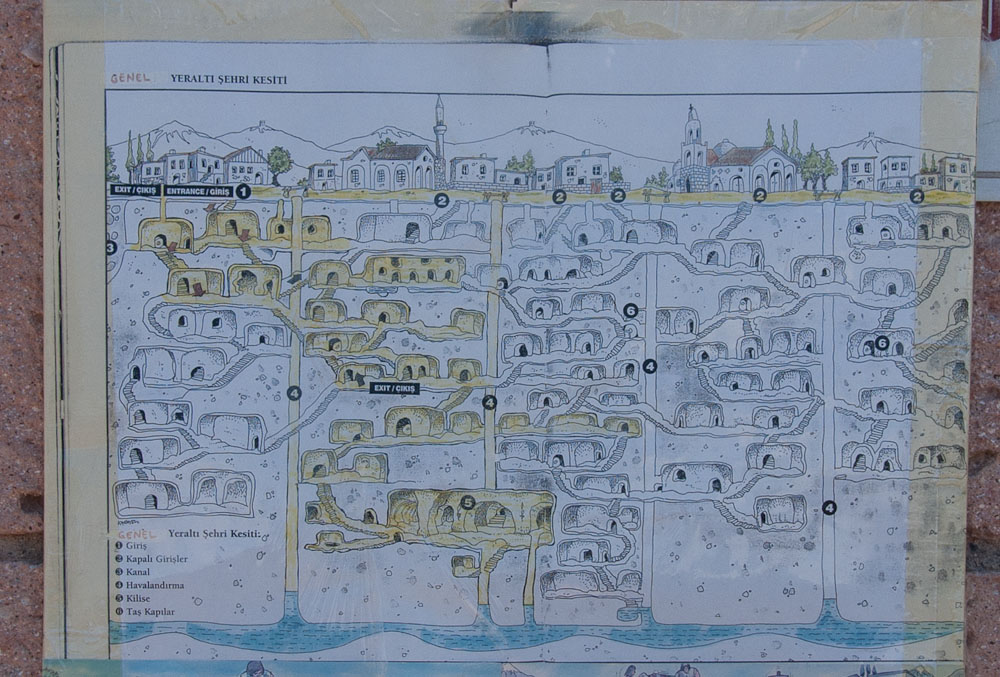
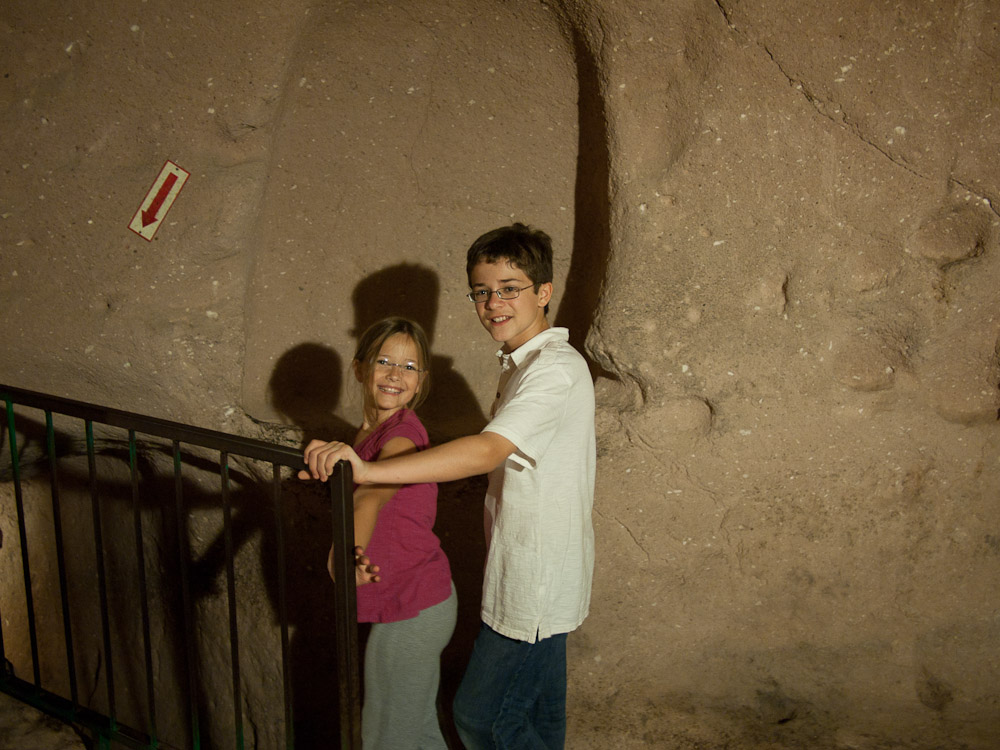
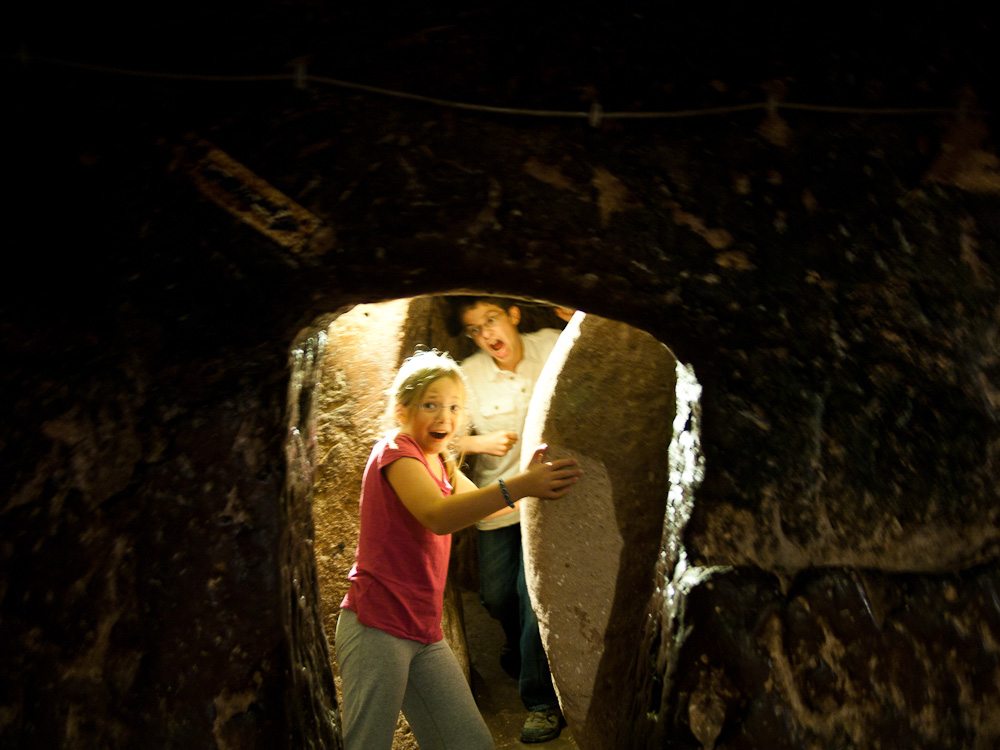
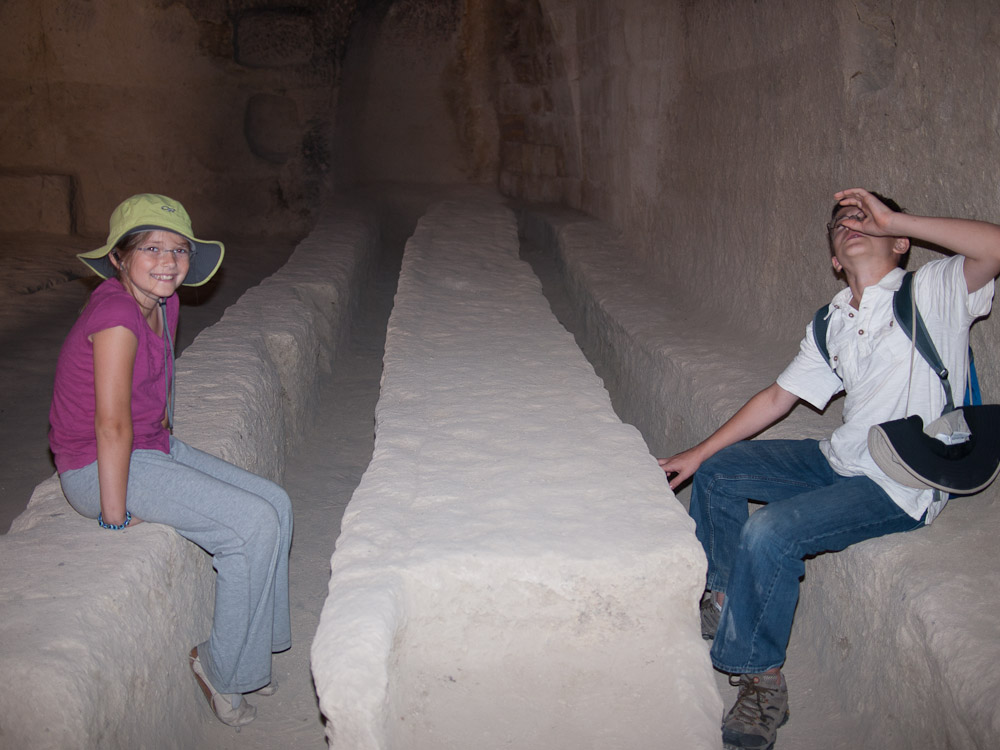
The city was comprised of small chambers and 3 ½ ft tall x 2 ½ ft wide passageways. In one chamber there was a winery where grapes would be crushed and fermented; there were also big pits in the ground which people would use to store food.
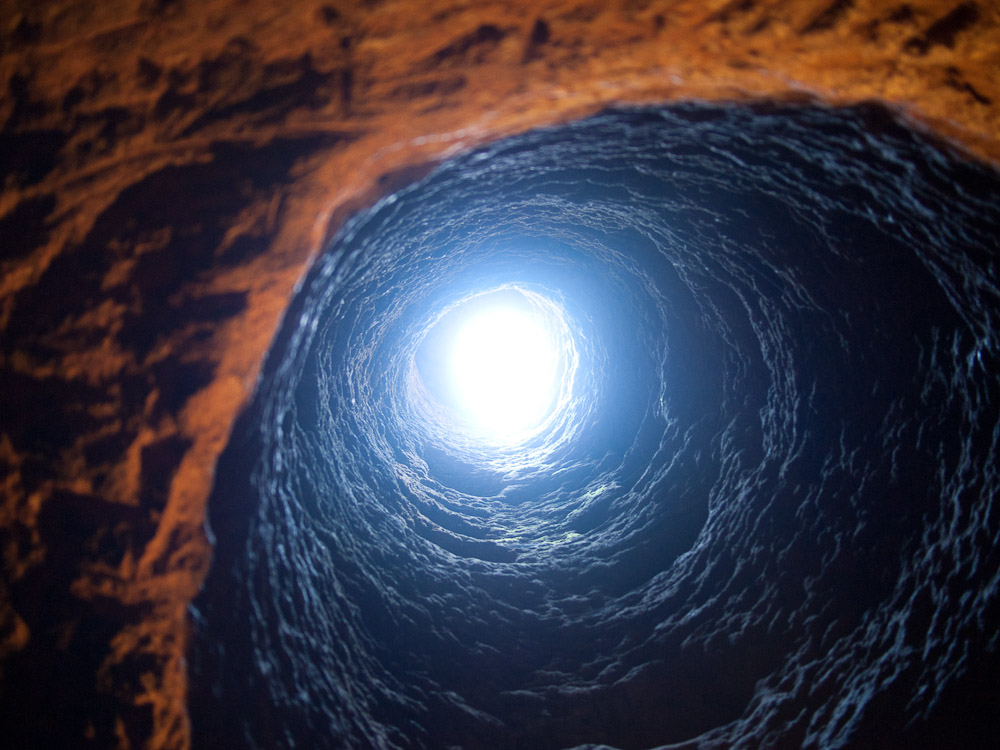
Along with food that could be brought down from the surface there was an underground river and two big holes that ran from the surface to the chambers below. These two ventilation holes created an air circulation so that people could breathe. However, being able to survive is not all it takes to make a stronghold/hideout.
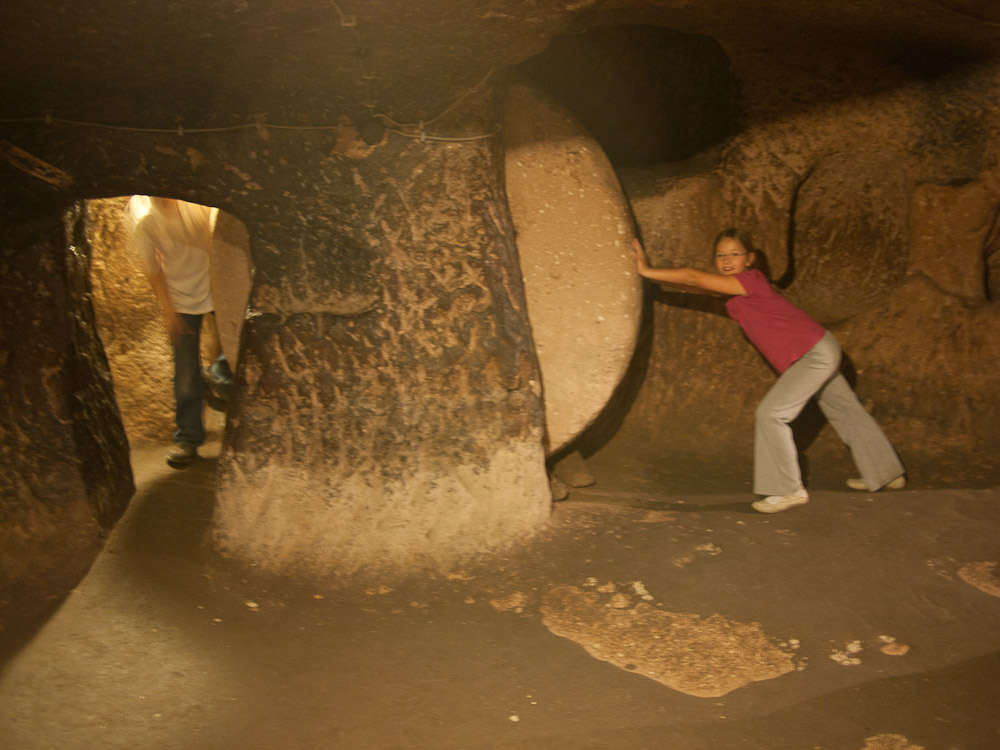
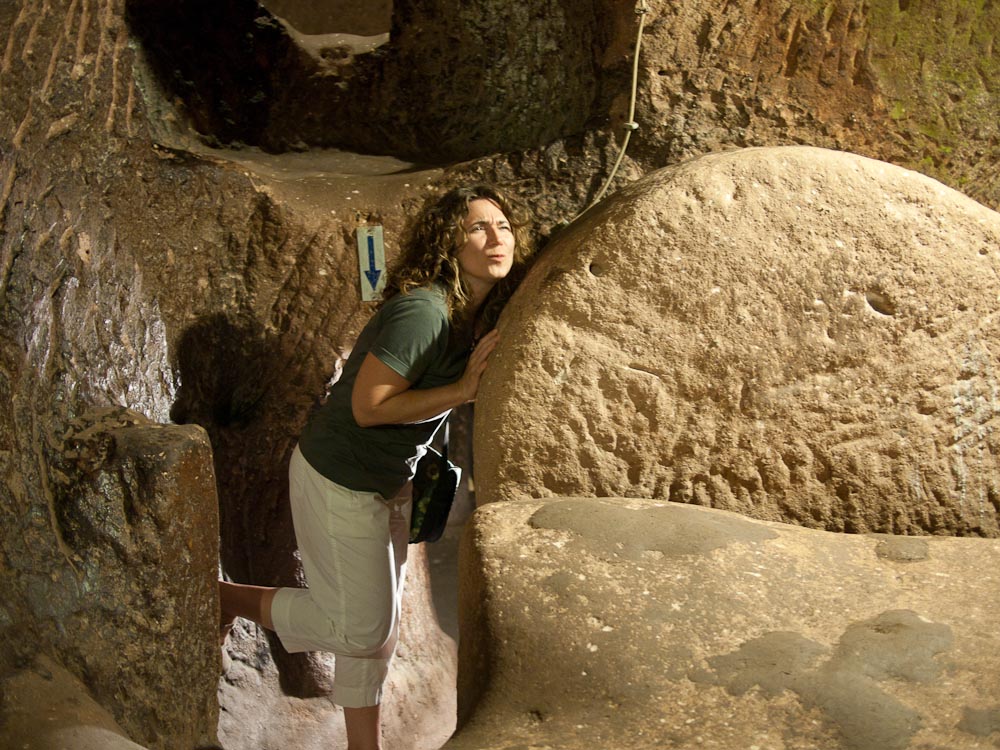
Every few chambers there were circular stones which, because of their size, had to be carved below ground. These stones were rolled in front of the passageways to stop enemies from advancing in to the next chamber. People might assume that as soon as the Romans destroyed the soft stone that made up the circular “gates”, they would be able to massacre the Christians. Those people would have gotten skewered the second they poked their head through the rubble. The Christians knew that they would not be able to fight the entire army of the Romans at once, and made the connecting tunnels very small and narrow. Because of the small passageways, enemy soldiers would not be able to maneuver, fight, or move their weaponry; it would only take one man with a spear to hold back the entire invasion force. This is called the Thermopylae effect, where because of the terrain, power of numbers and strategies aiming to win with just sheer army size are rendered useless.
We exited the city and took deep breaths of air. I couldn’t imagine the effect that living underground, with no sun or warmth, would have on the human brain, soul, and body. I was very glad when I felt the sun on my skin, and we returned to the car ready for our next adventure.
ADDENDUM FROM RUSS:
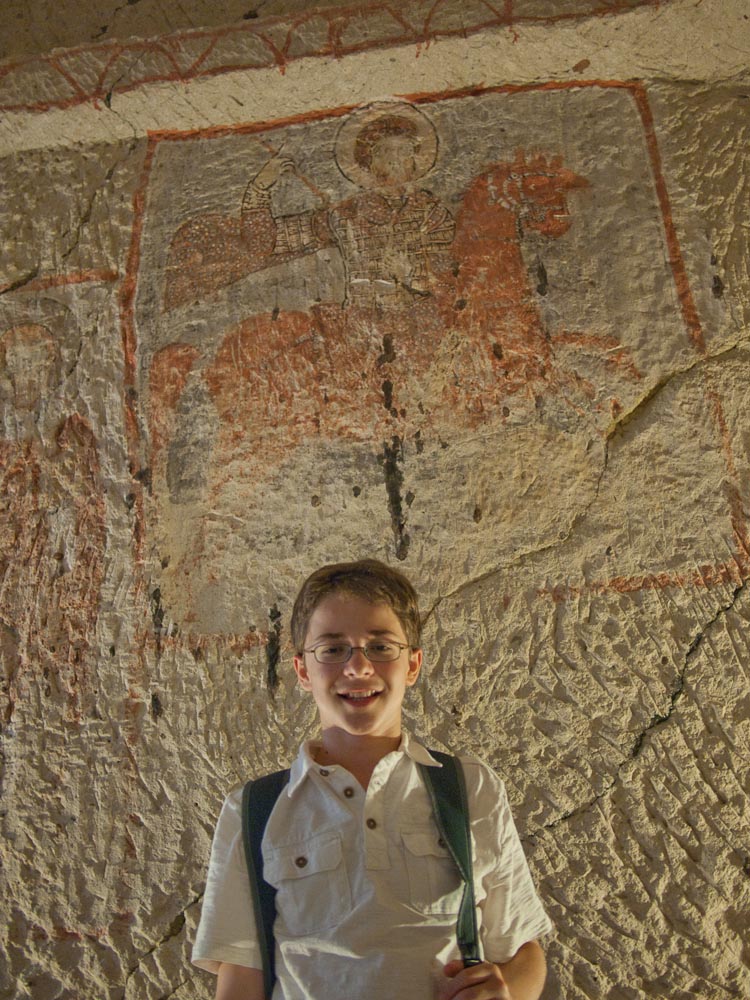
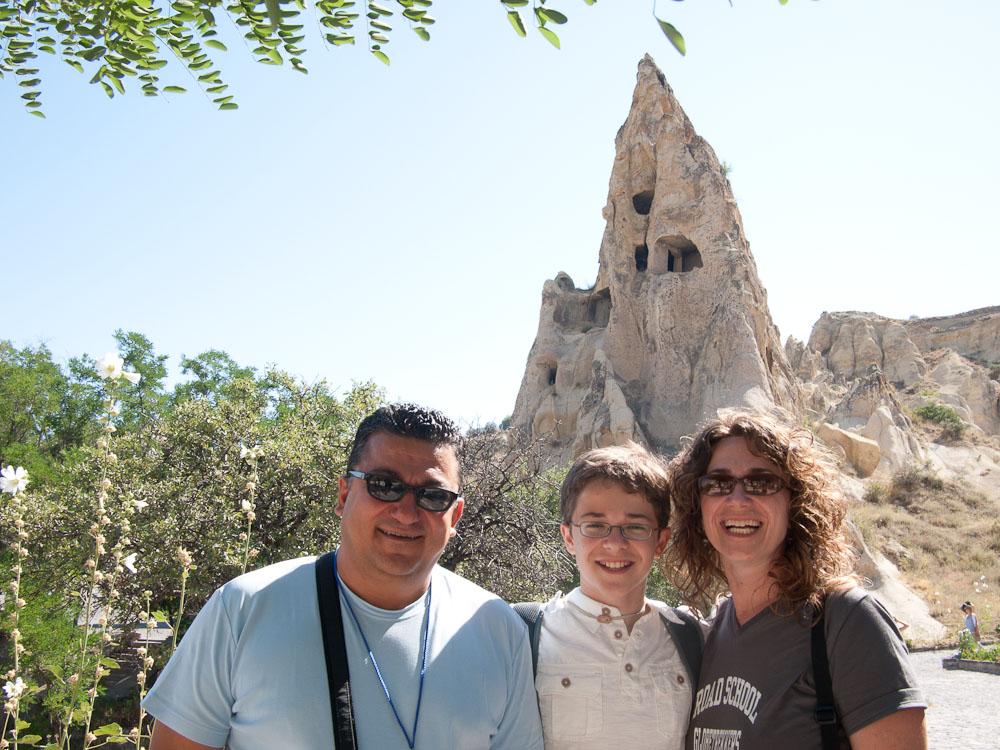
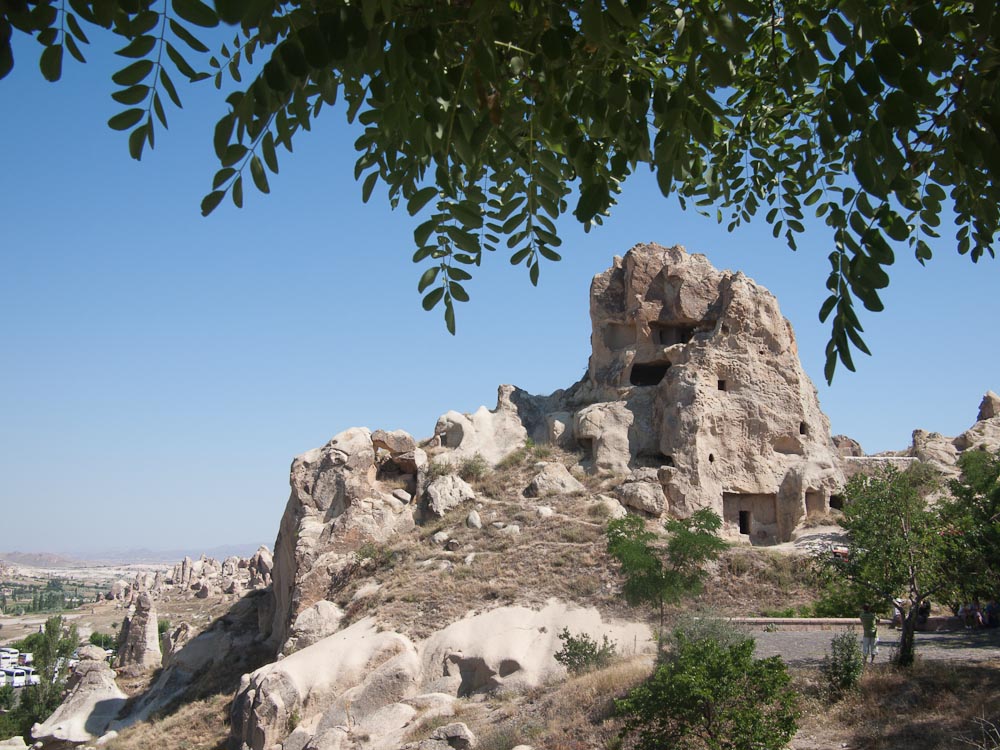
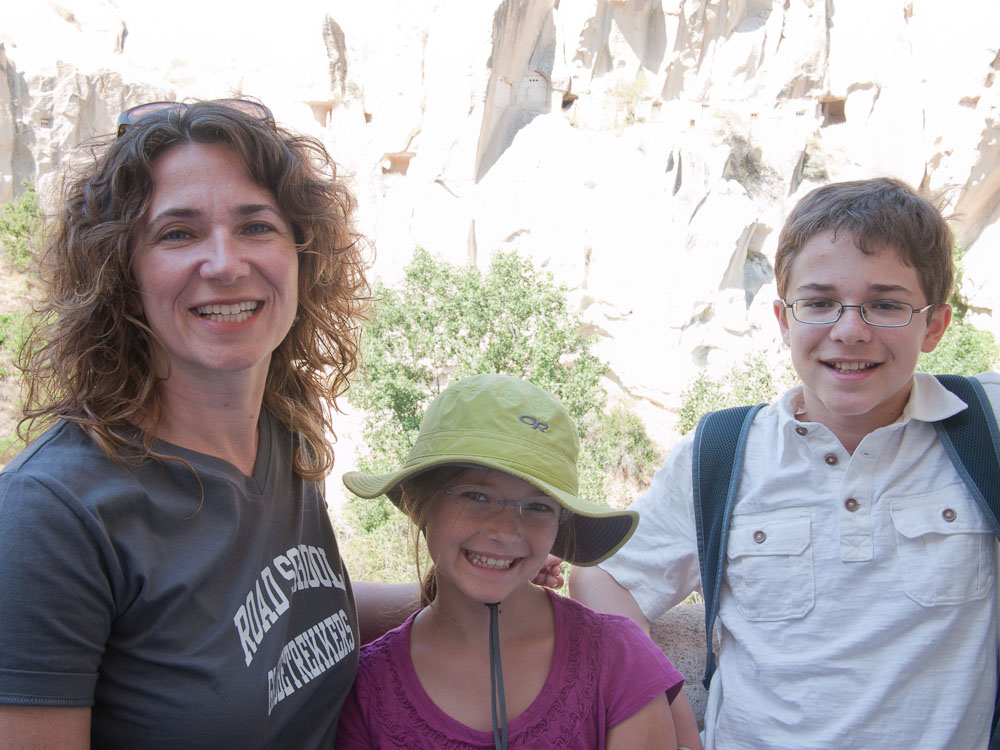
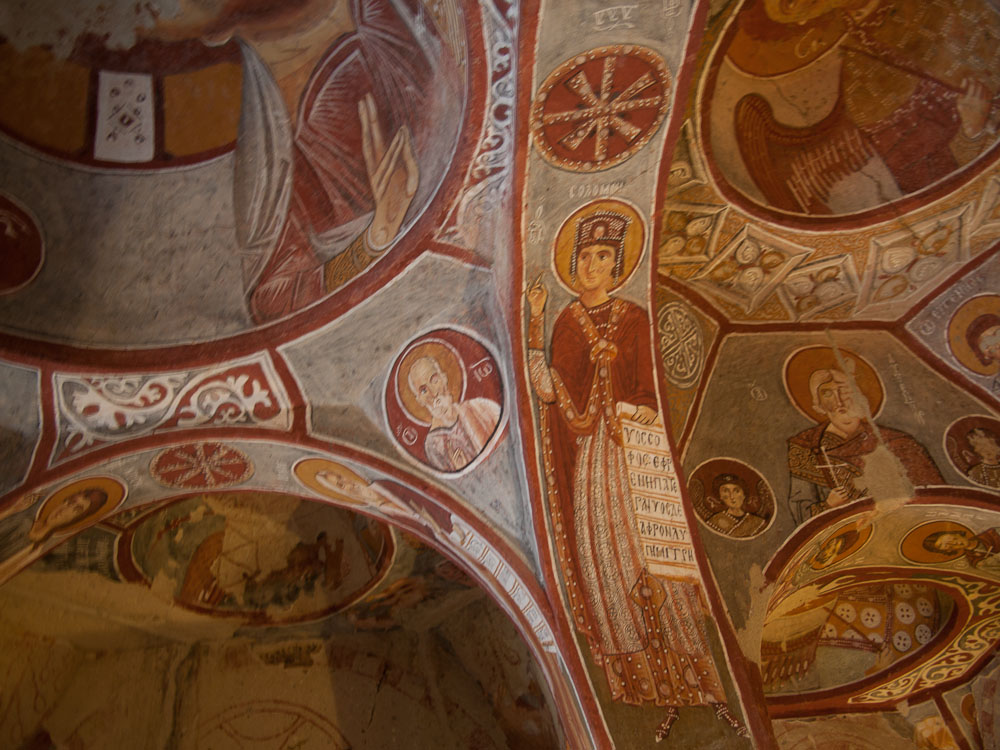
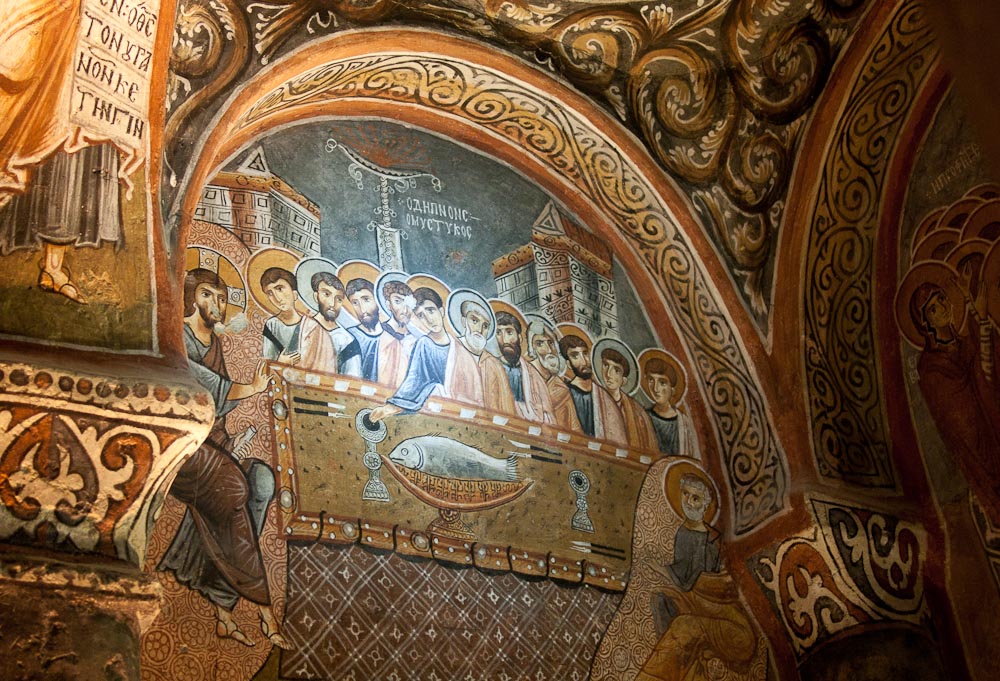
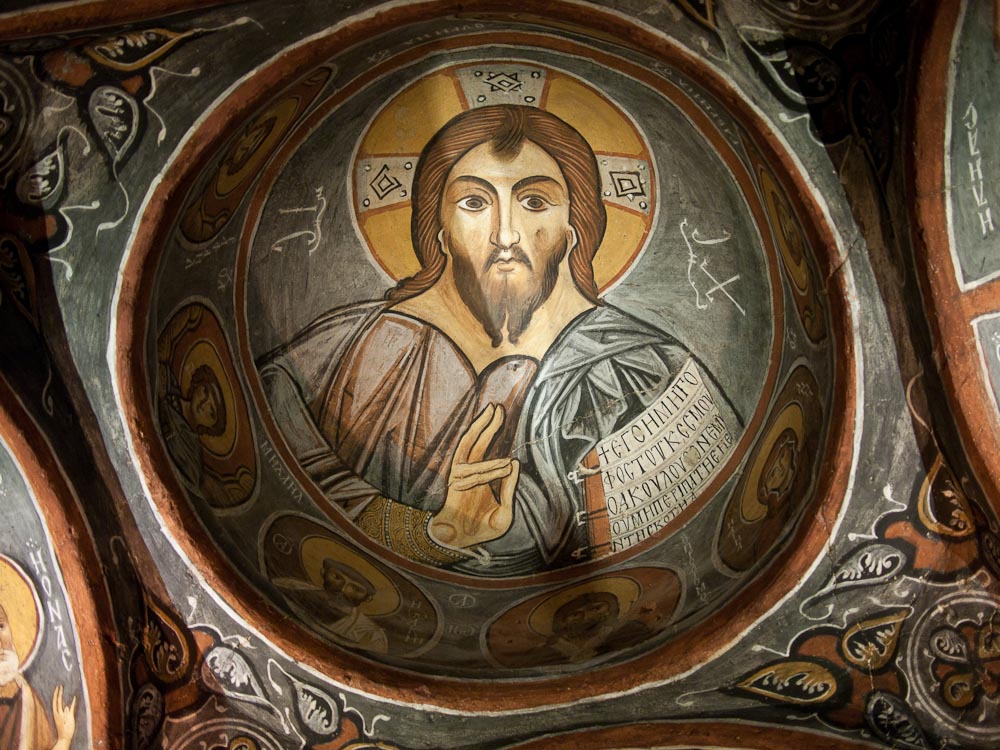
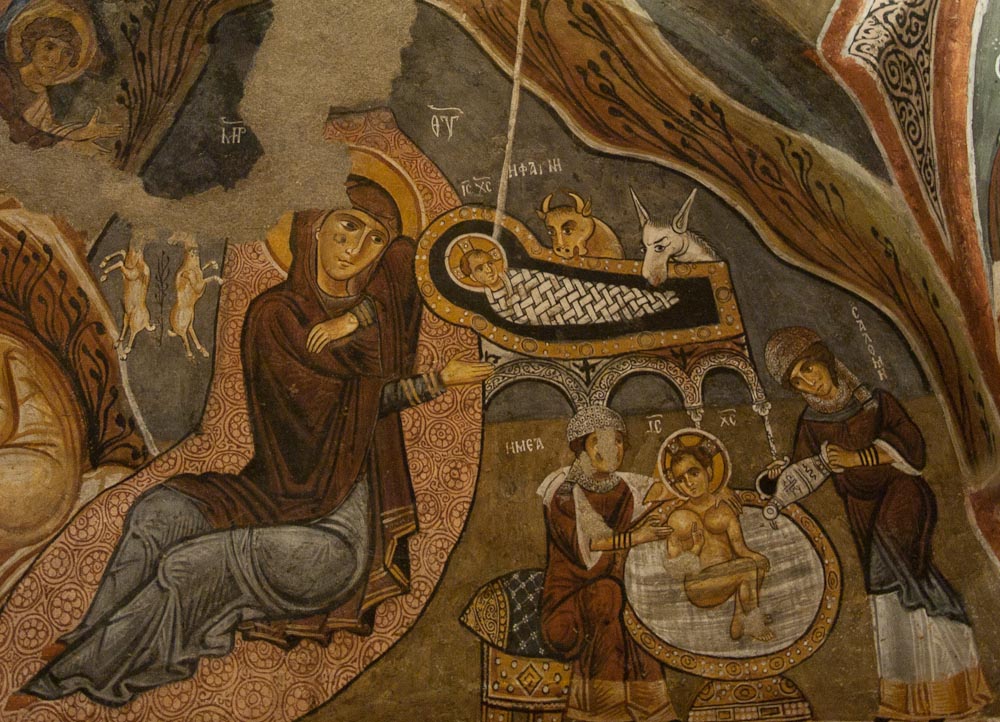
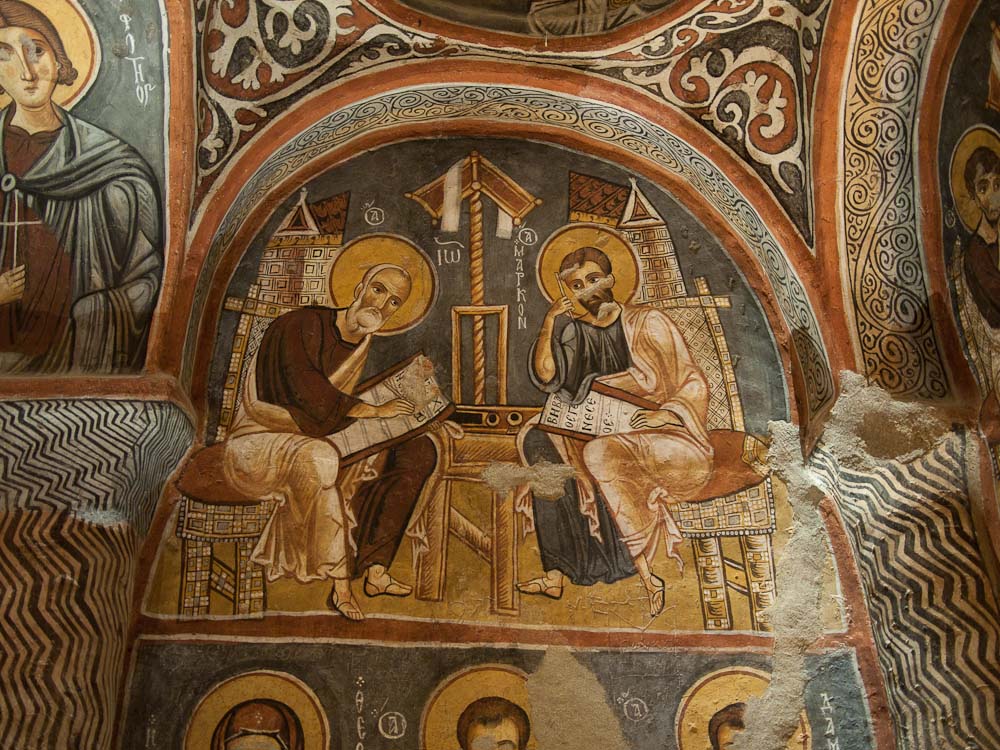
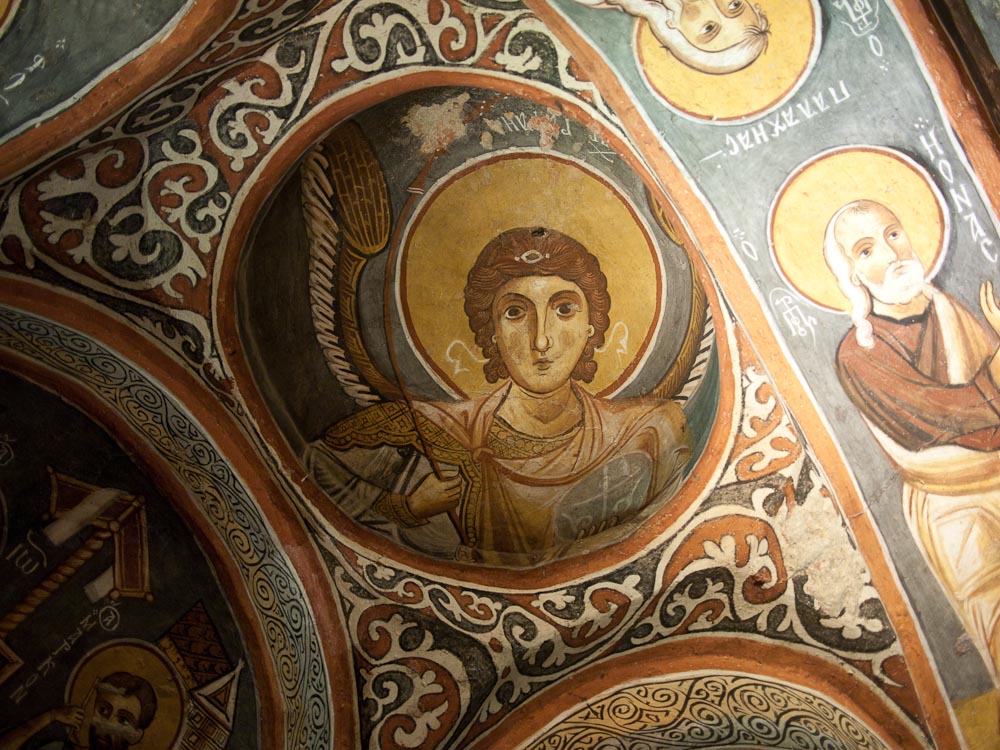
Nearby to this was an outdoor museum, where we could see a monastery that the early Christians had literally carved into the rocks. Some of the artwork in the caves was just spectacular (pictures below). You could see living quarters and dining halls and religious painting from a variety of periods going back to 10th century AD.
We heard two fascinating stories at the monestary: (1) St. George was reported to be in Cappadocia when he slayed the Dragon! Locals say it was more likely just a large snake. Well, we definitely saw some massive spiders and insects in Cappadocia, so why not a massive snake? (2) the monestary was run for years by none other than... Saint Basil. Who?? I had never heard of a St. Basil, however the guide said "Christianity would have been a long forgotten niche religion if not for two people. It was St. Paul who traveled ceaselessly spreading the word and building a base. And it was St. Basil who formalized how Christianity should be organized and practiced. Cappadocia is where he did that."
Error thrown
Call to undefined function ereg()