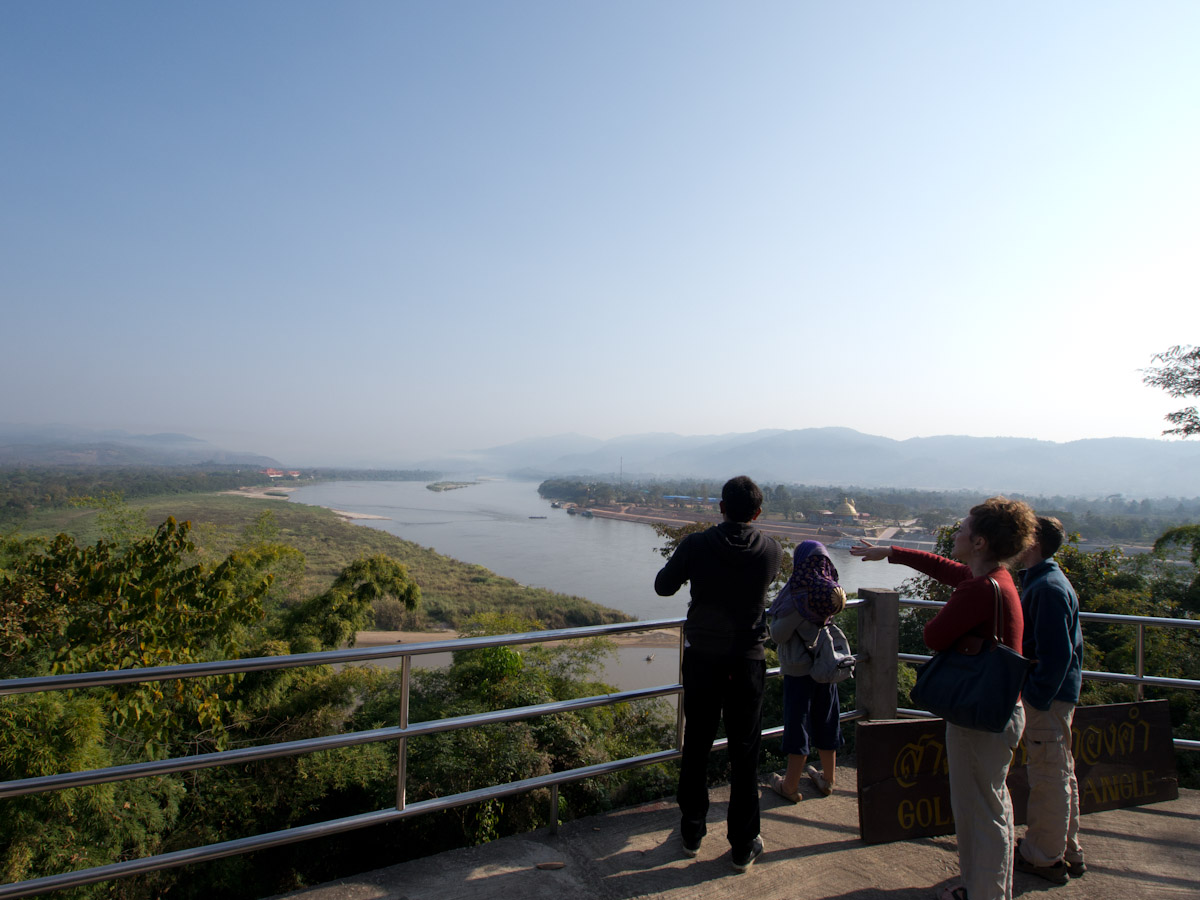
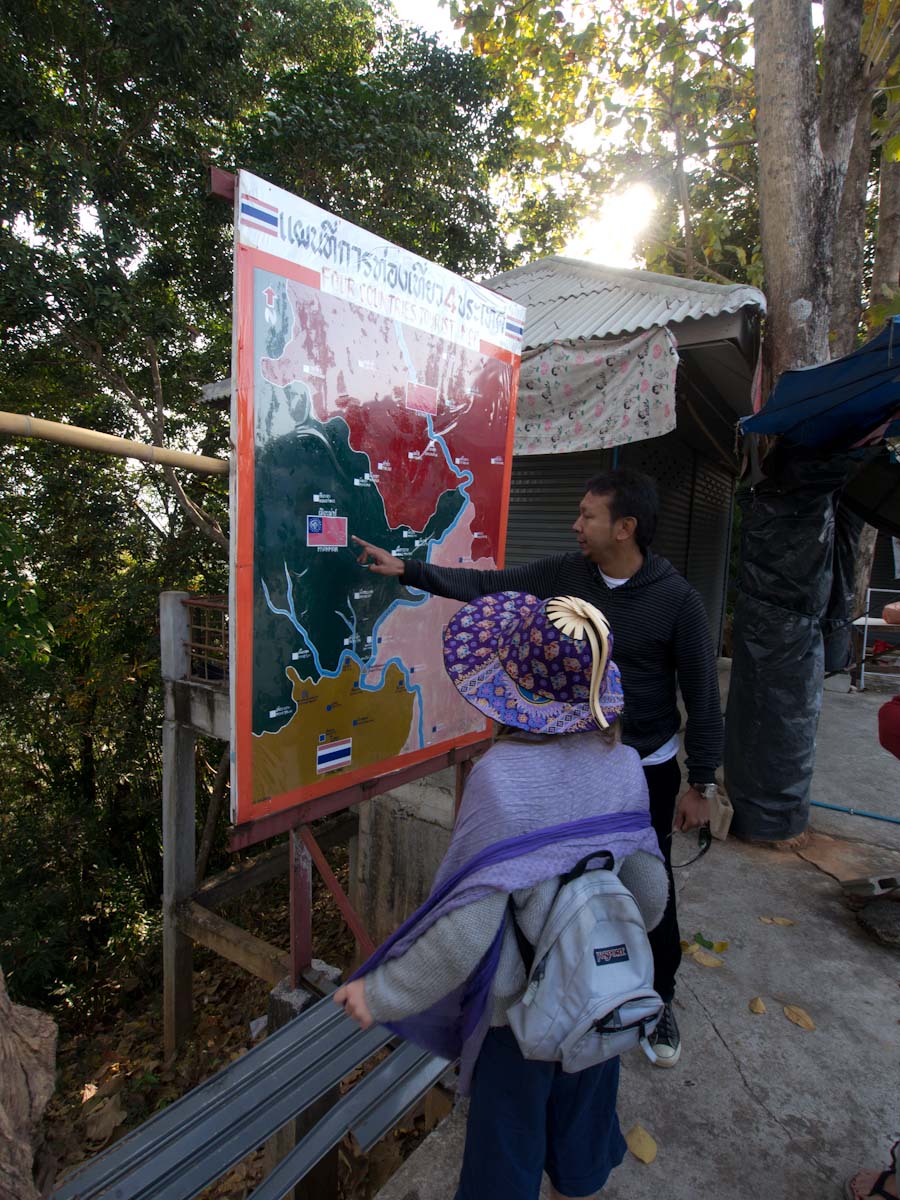
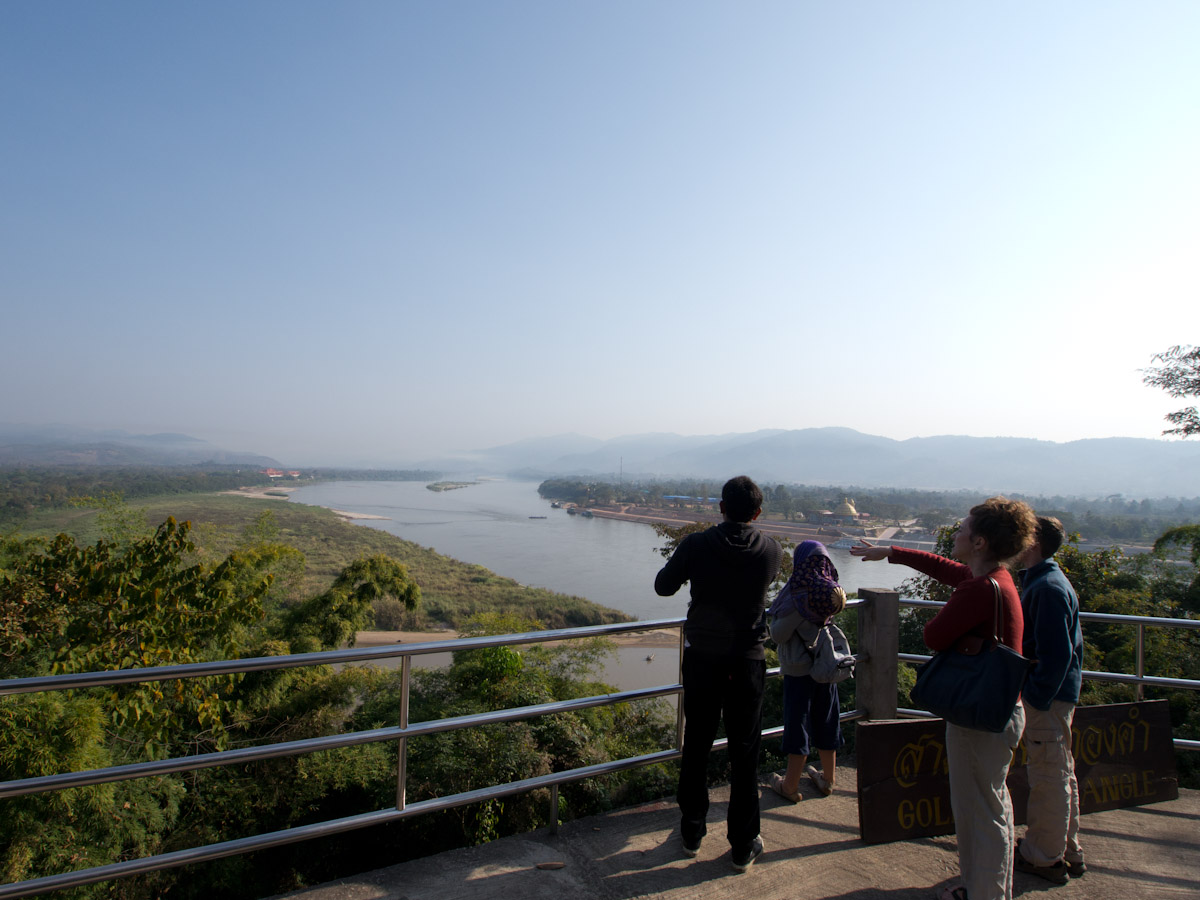
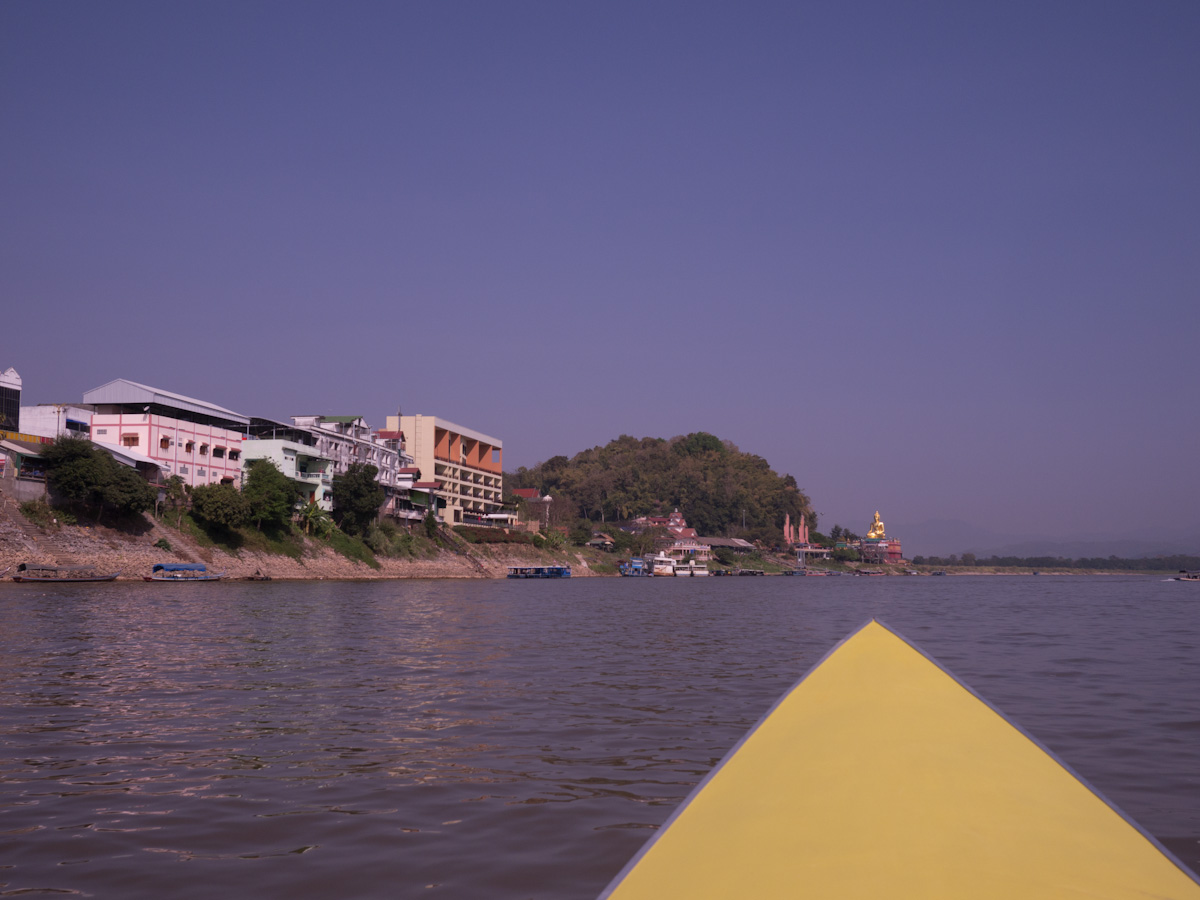
Infamous and exotic, the Golden Triangle is situated at the intersection of northern Thailand, Laos, and Burma (Myanmar). The mighty Mekong River flows through the heart of the Triangle and serves as a major trade thoroughfare and border between nations. Just thirty years ago, up to 90% of the world’s opium supply poured out of this area. The entire region was controlled by drug warlords and few outsiders ventured near. Today, it has been reclaimed and is a safe and stunning place to visit.
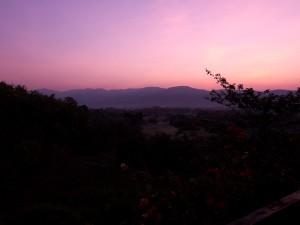
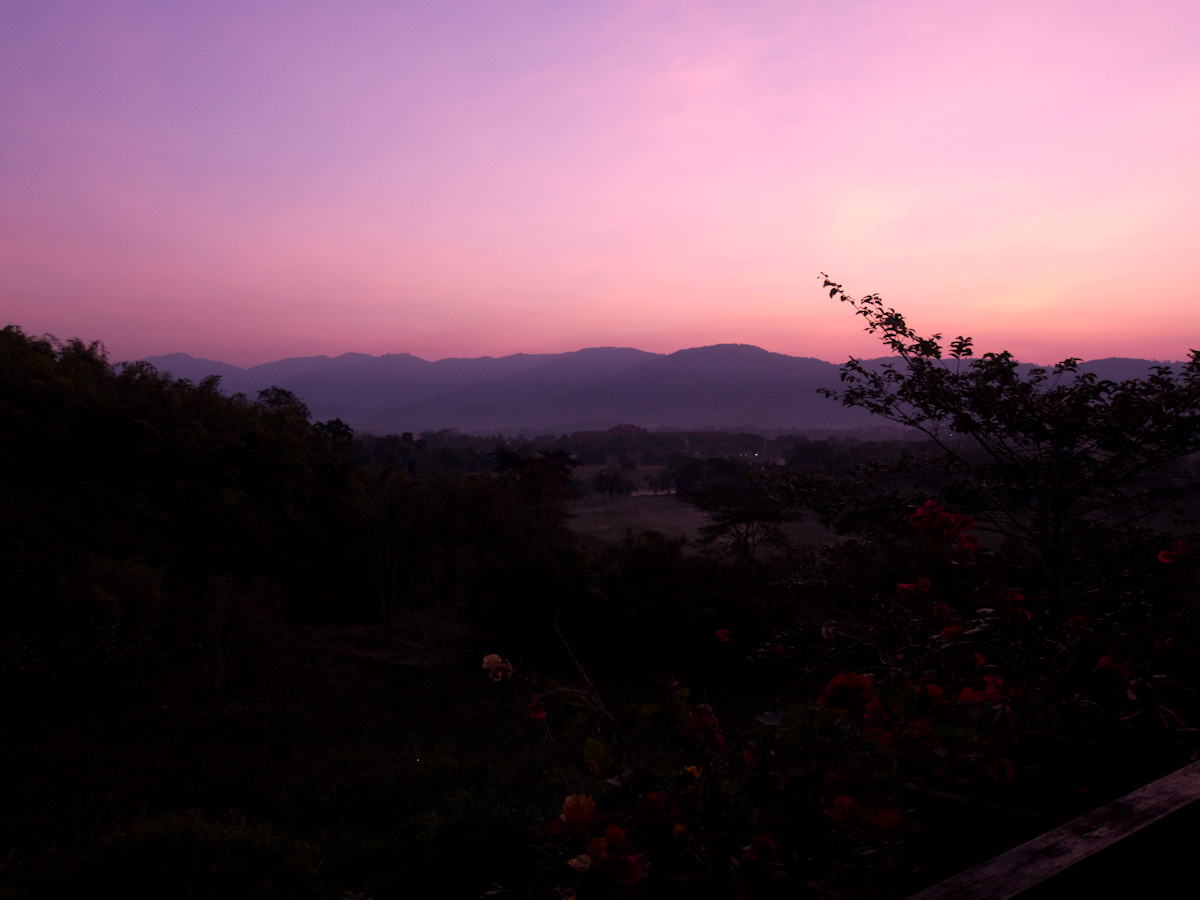
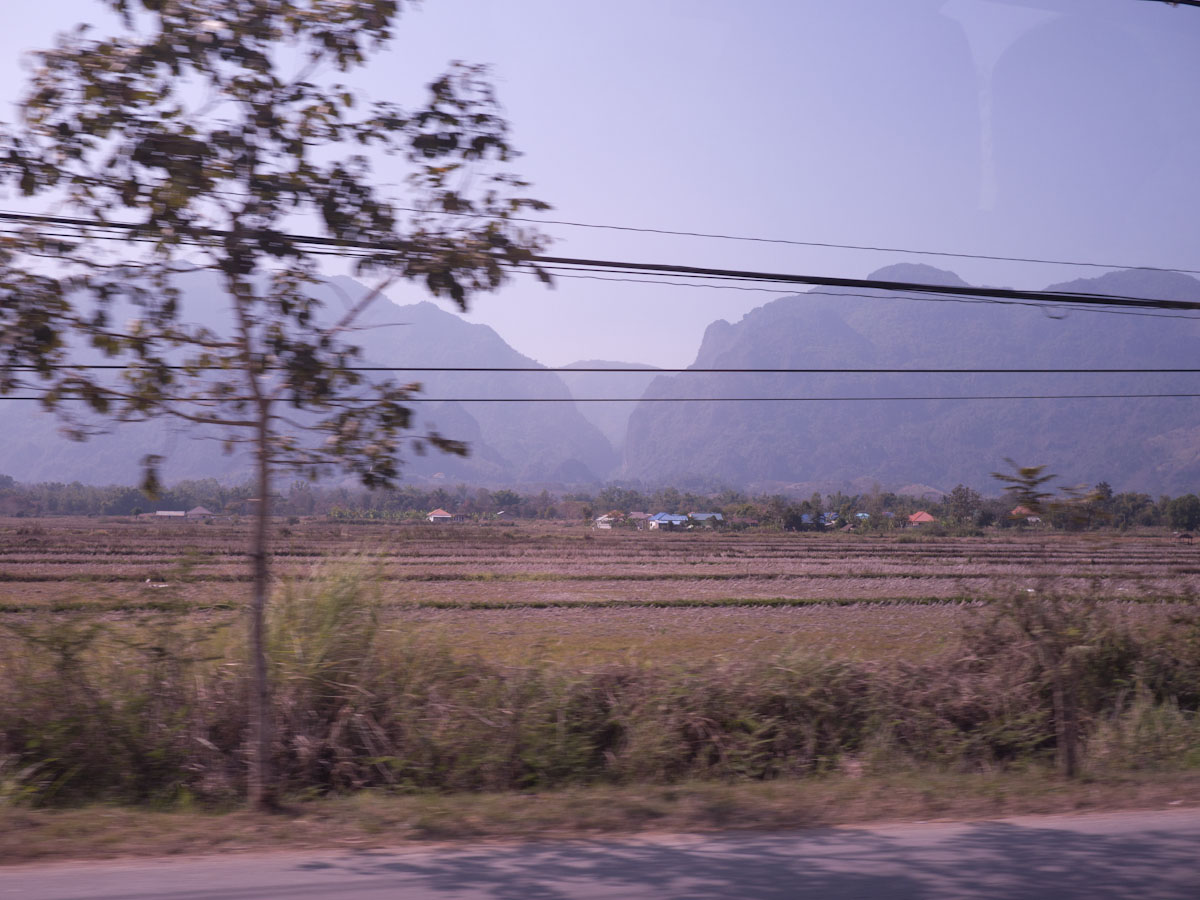
We can see Burma and Laos from our balcony. The vista in between includes lush forests, an occasional elephant, and a distant mountain range. At sunrise, the peaks glow in every shade of pink and orange imaginable and the valley fills with mist; it looks like something straight out of a Hayao Miyazaki film.
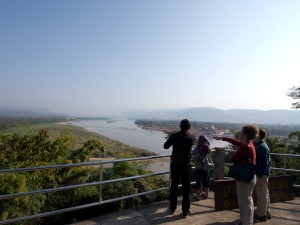
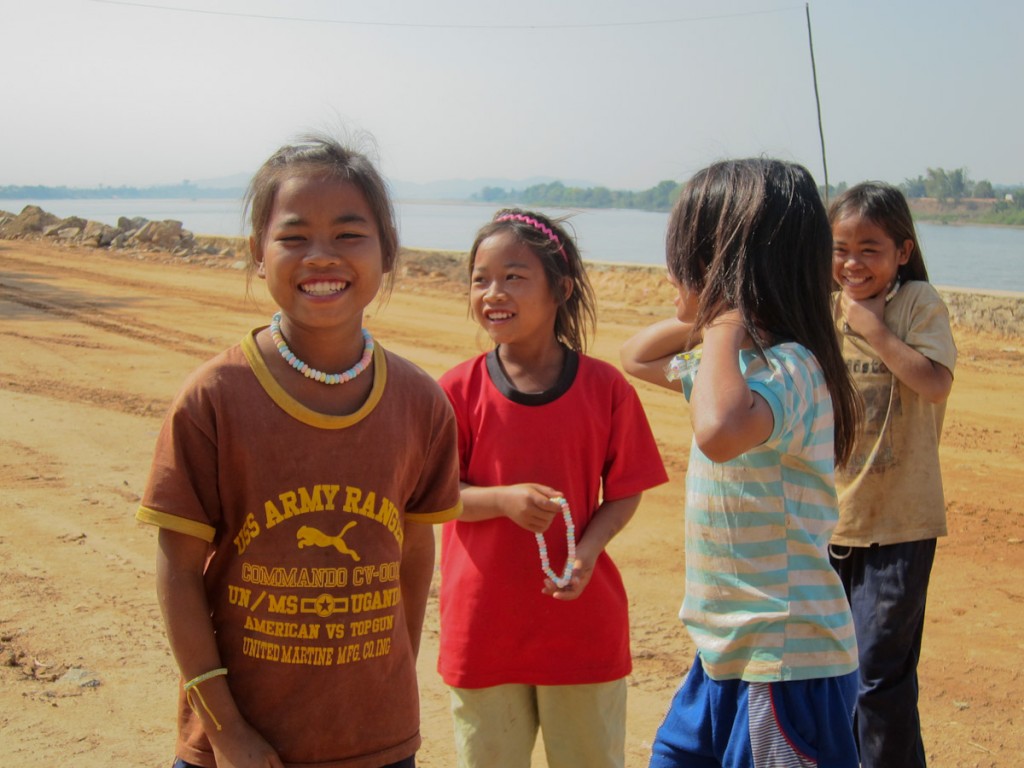
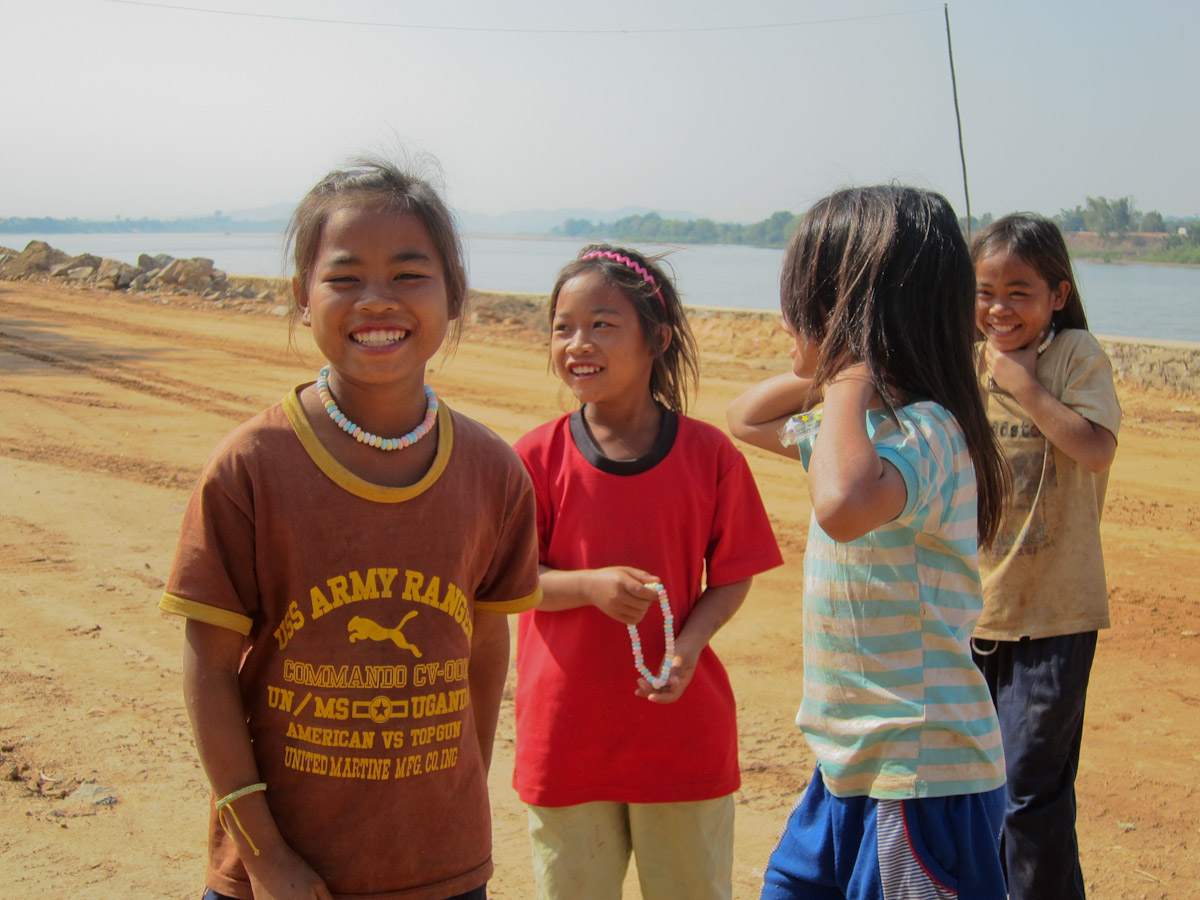
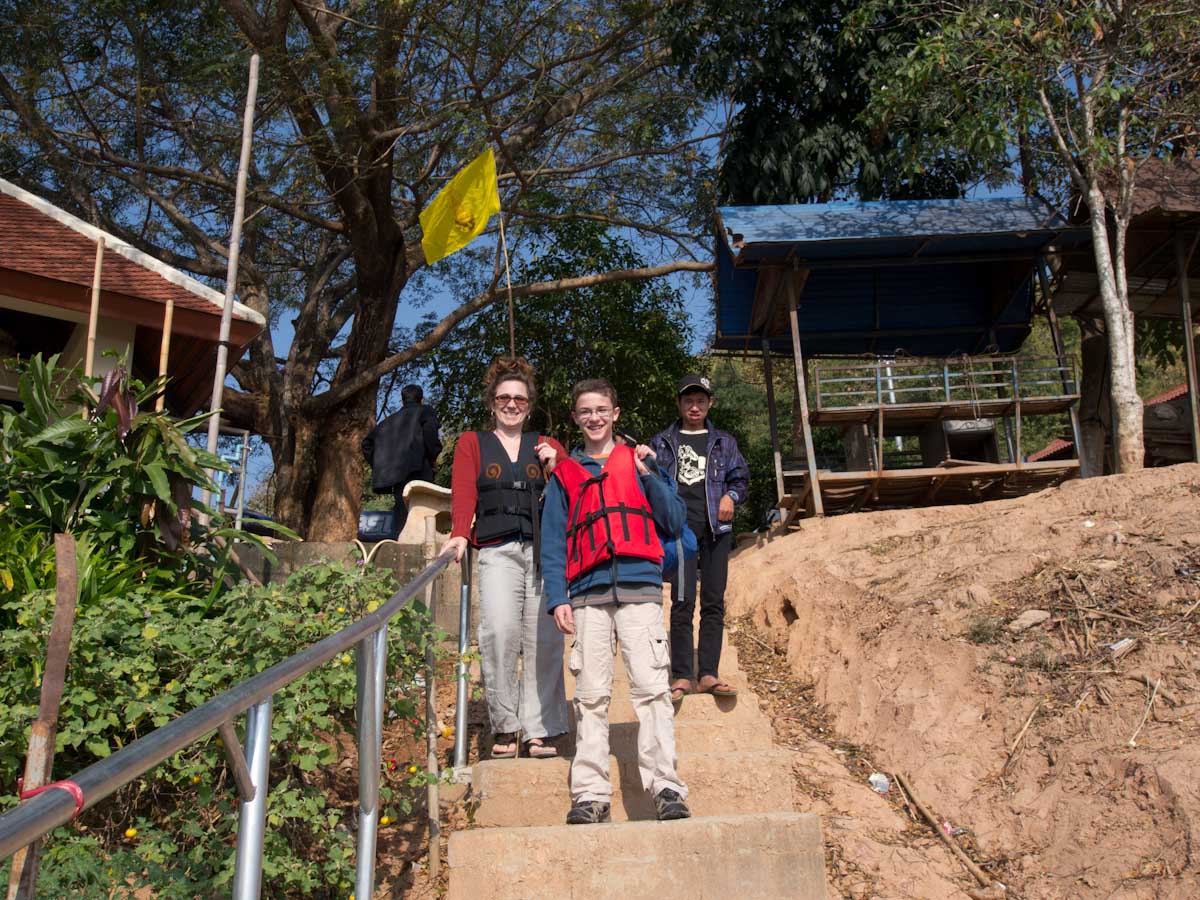
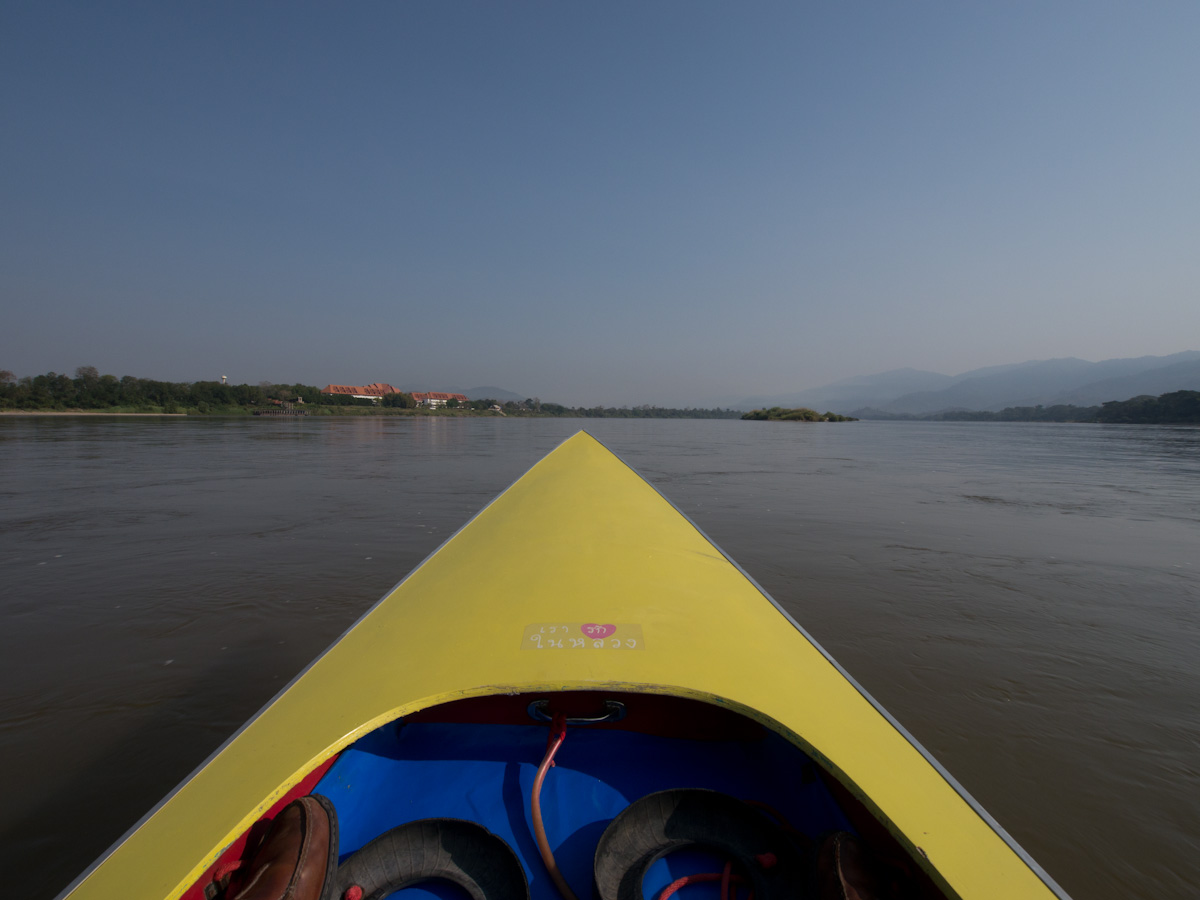
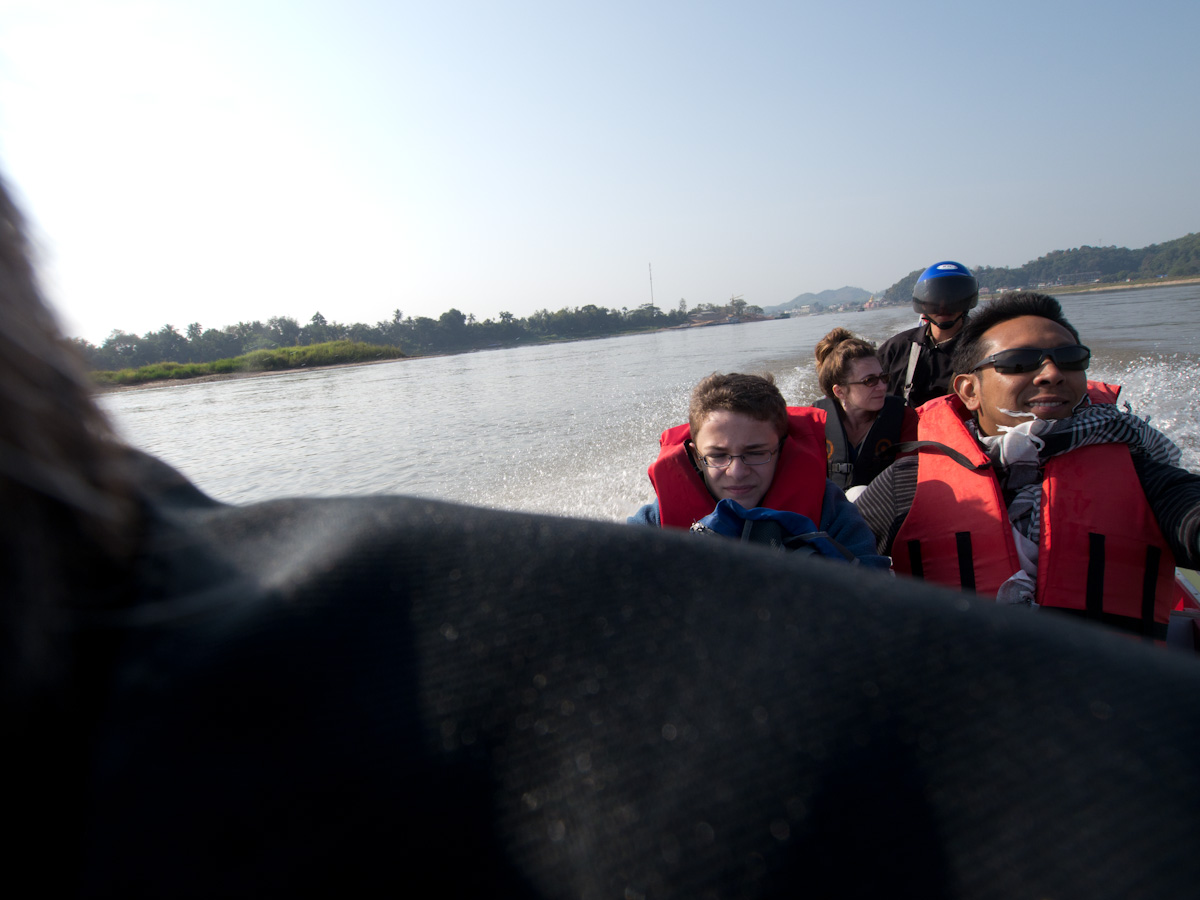
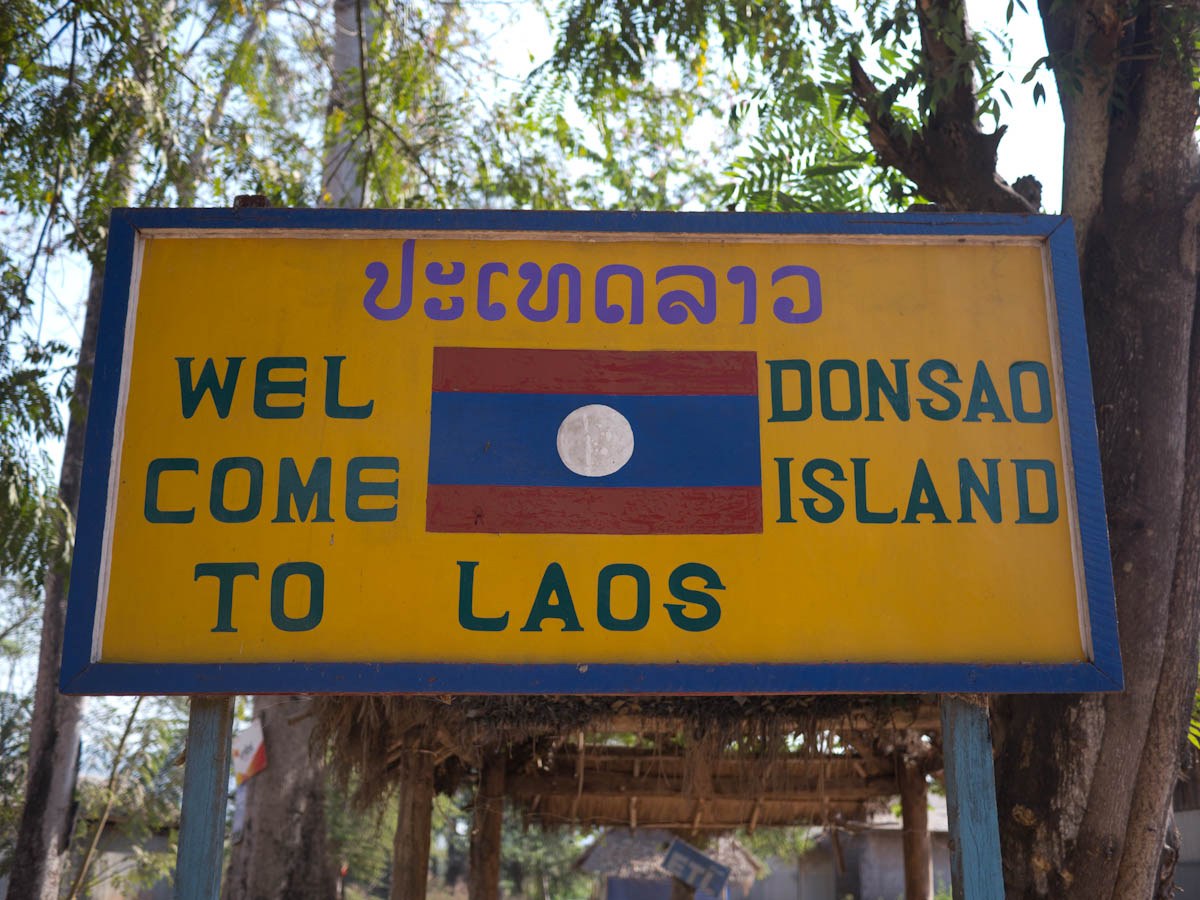
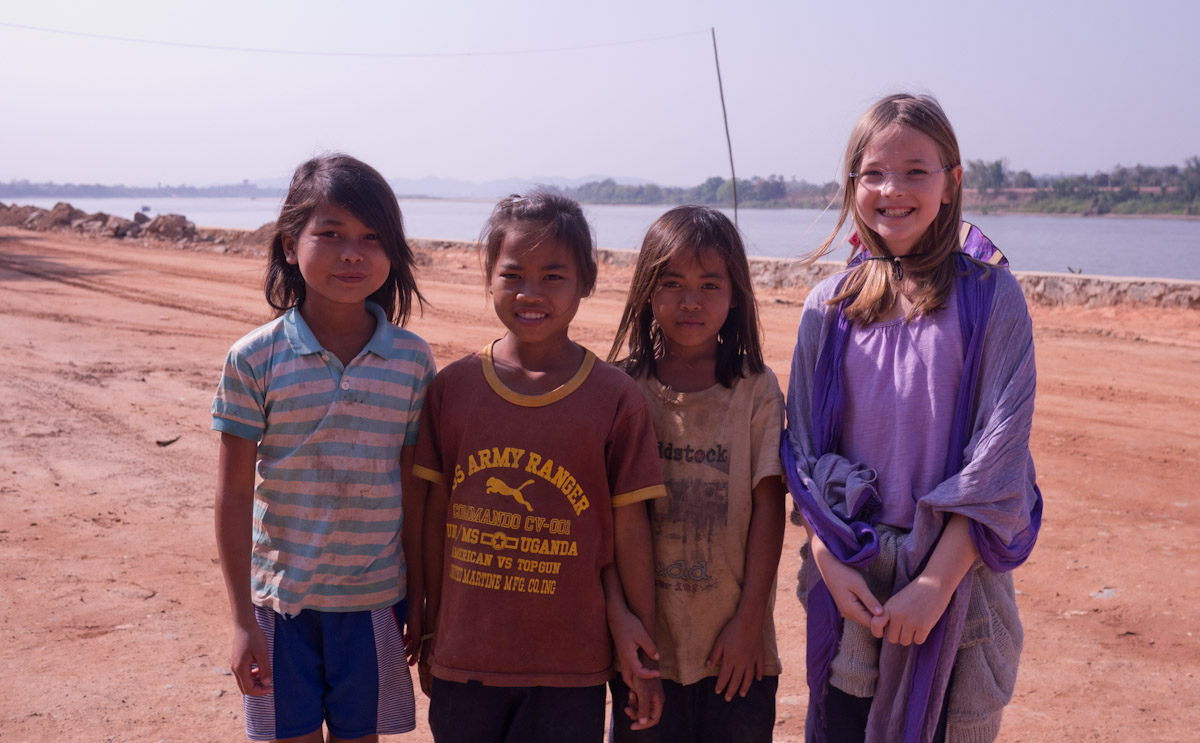
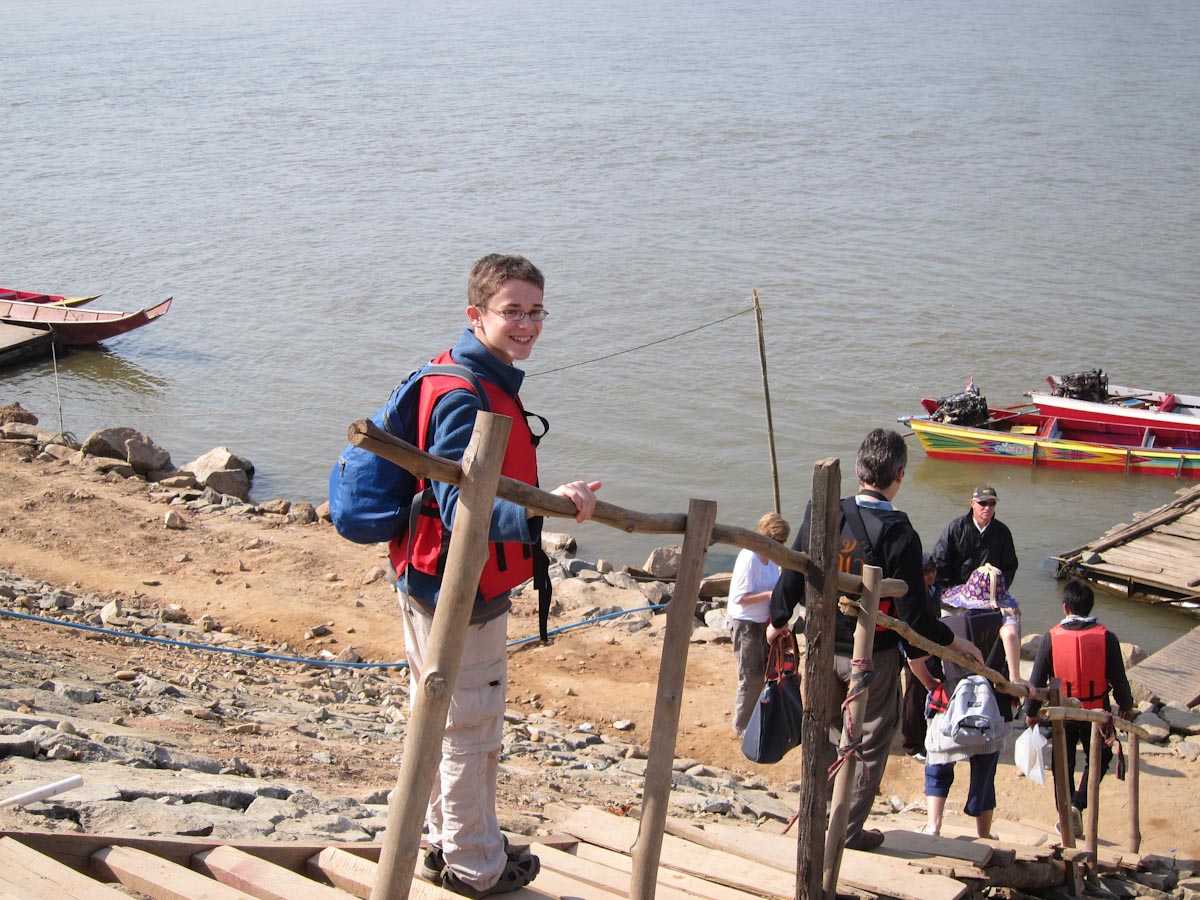
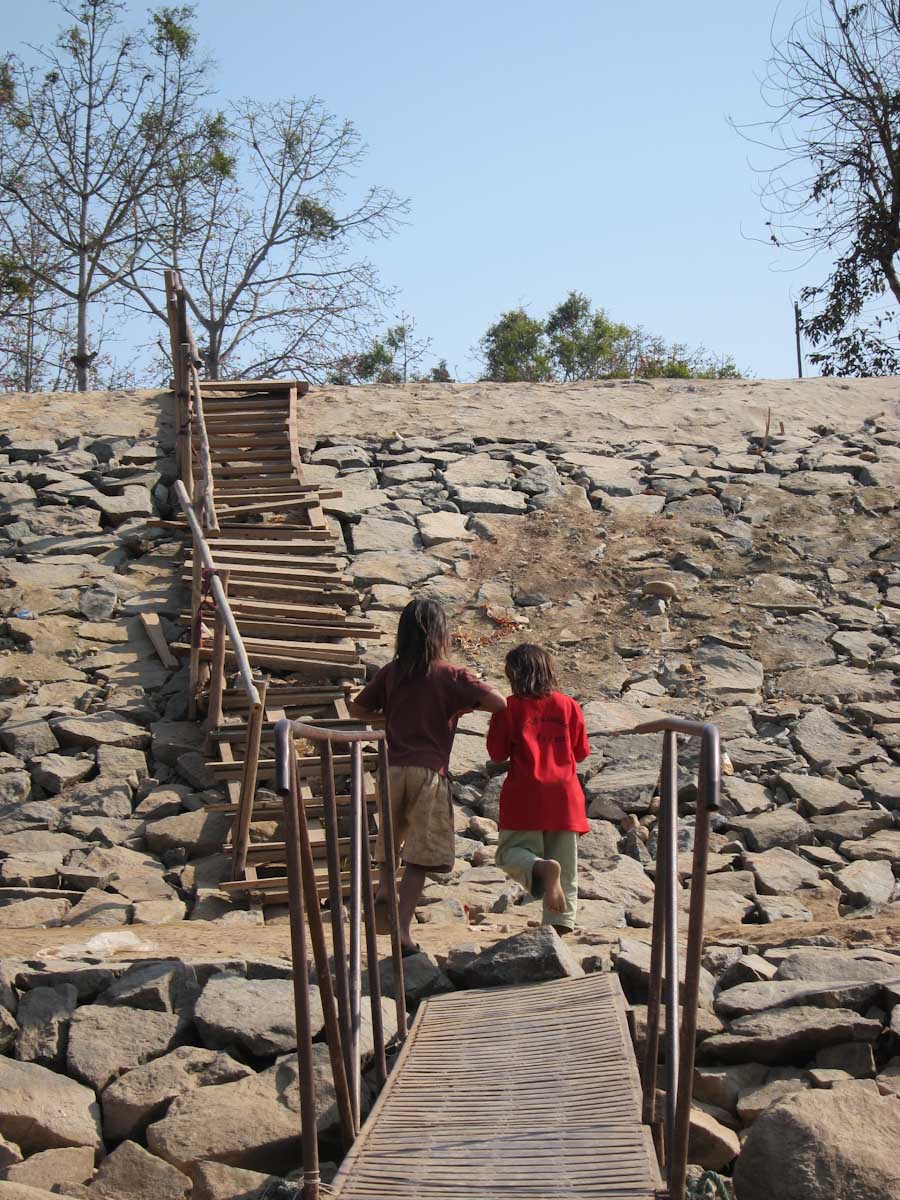
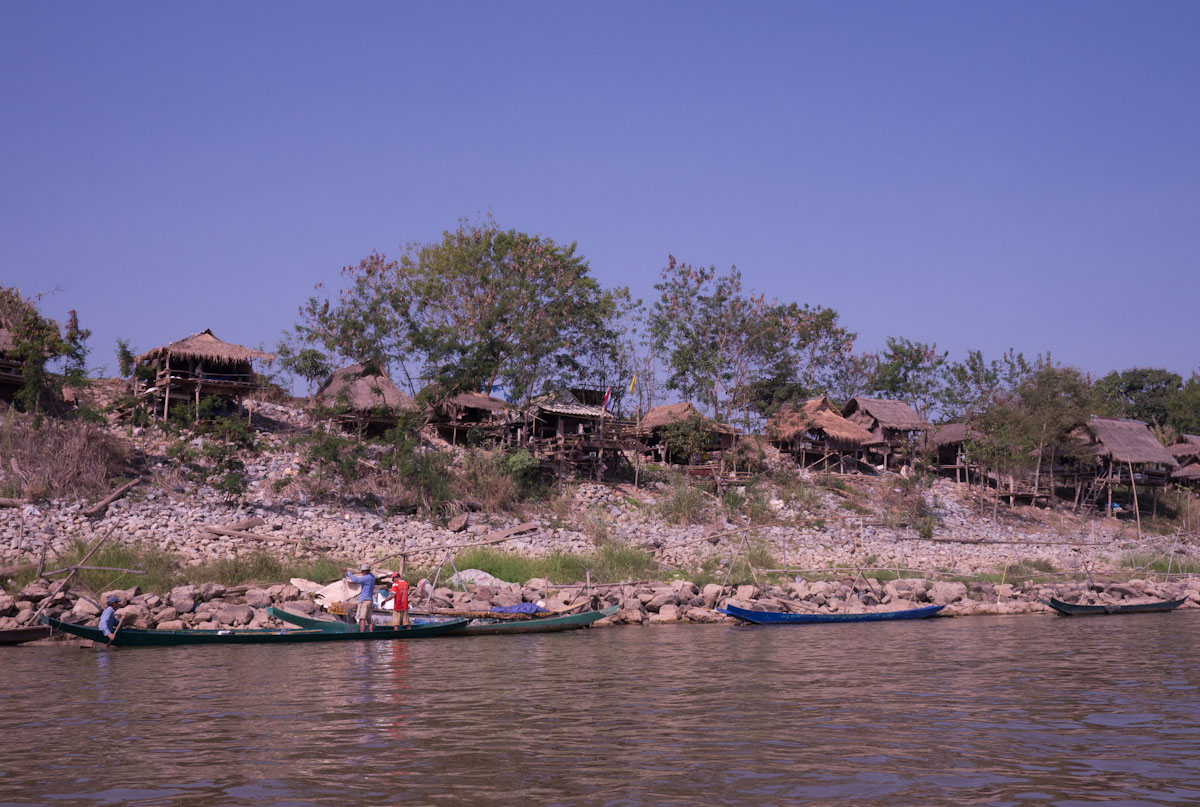
The goal for our first day is to visit all three sides of this famous triangle. We start with a boat ride across the Mekong to a sandbar island outcropping of Laos where we are welcomed by some of the cutest greeters ever. Three little girls no more than 7-8 years old meet us at the strip of wooden boards which serve as the dock. I wonder why they are not in school. They reach out over the water and their tiny fingers grasp the side of our boat. They haul us in and look up expectantly. They are barefoot but definitely not begging; they hope to offer a service in return for some small compensation. The kids and I exchange knowing glances: we are finally prepared for this moment.
That was not the case just a few weeks earlier when we were visiting Egypt and India. There, we were struck by the children aggressively hawking wares or asking for money. Countless numbers of them surrounded us at every stop; some looked to be no more than 3 or 4 years old. It was overwhelming and very sad. We were told that under the best of circumstances the kids were begging to try to make money for their families, but that giving money just encouraged asking and not the development of skills which could result in legitimate jobs and better independence in the long run. Under the worst of circumstances, these children were organized by mafia-like groups which require the kids to bring in a certain amount of money each day. It depressed us. We wanted to make a kind gesture but had nothing to give save for sad smiles and shakes of our heads. After that experience, we resolved to find a way to provide some small treat for the kids themselves to enjoy.
We turned to Amazon.com and ordered up a storm of candy necklaces, pop rock candies, and glow-in-the-dark bouncy balls. We also ordered several dozen small balls with the globe printed on them; a toy with teaching potential was a bonus. Russ was a bit skeptical: the notion was great, but exactly how were these things going to actually get to us? Well, thank goodness for Karen Ramsey who couriered everything from Boston to New Zealand! I swear she has a magic suitcase. We couldn’t wait to share and walked around with our bags stuffed full of treats for just the right moment. We finally found it in Laos.
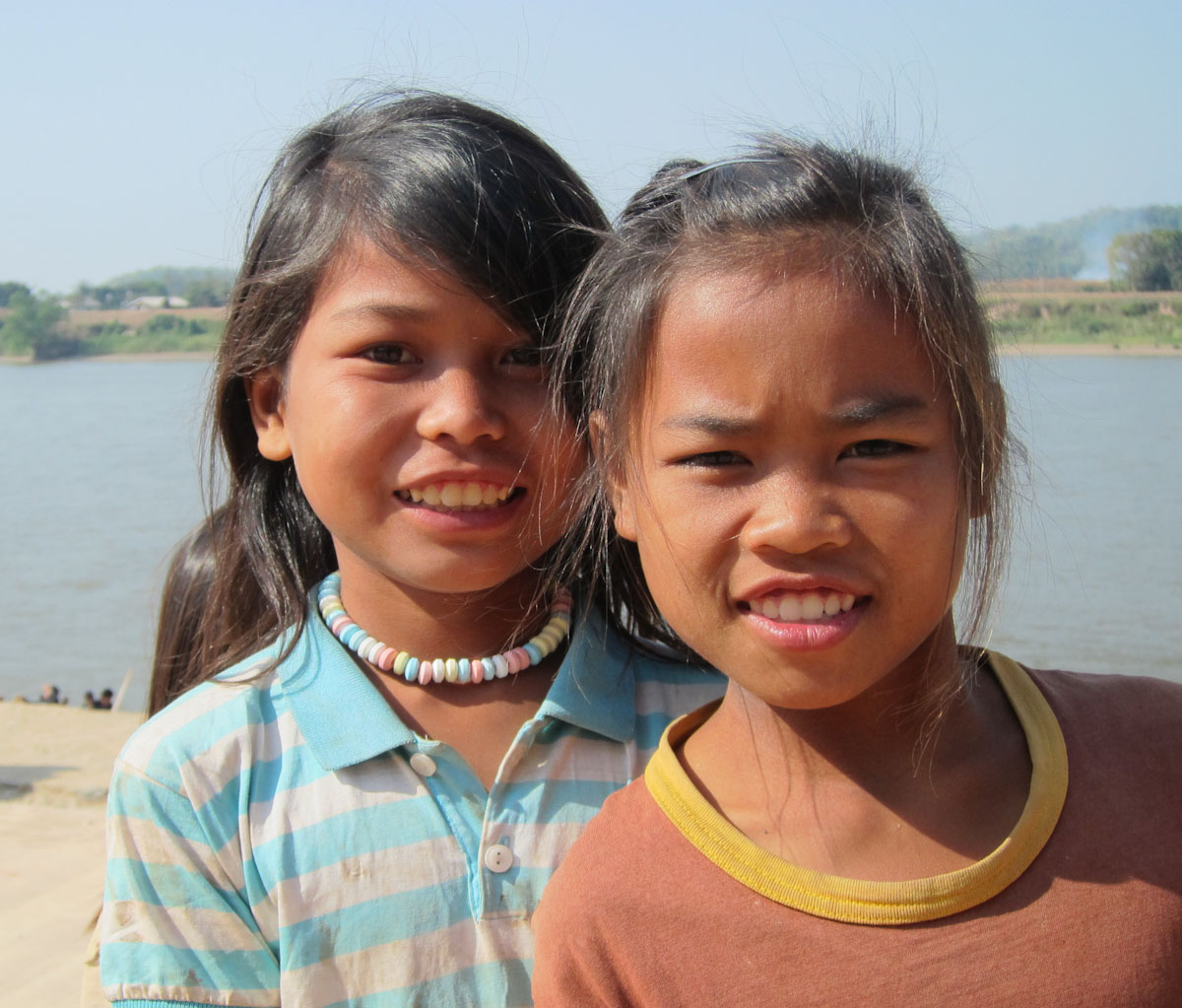
We offered each of the girls a candy necklace, the kind with a bunch of sweet-tart “beads” strung on an elastic. They looked at the treat in their hands quizzically until our guide Jeff explained that it was edible jewelry. Their eyes opened really wide and they started to giggle. One little girl immediately put her necklace on, another cautiously licked a candy bead. We were grinning like idiots. We felt absurdly happy to share a little bit of innocent indulgence with these tiny ambassadors. Quickly, two other little girls came over. We smiled as we gave them each a necklace.
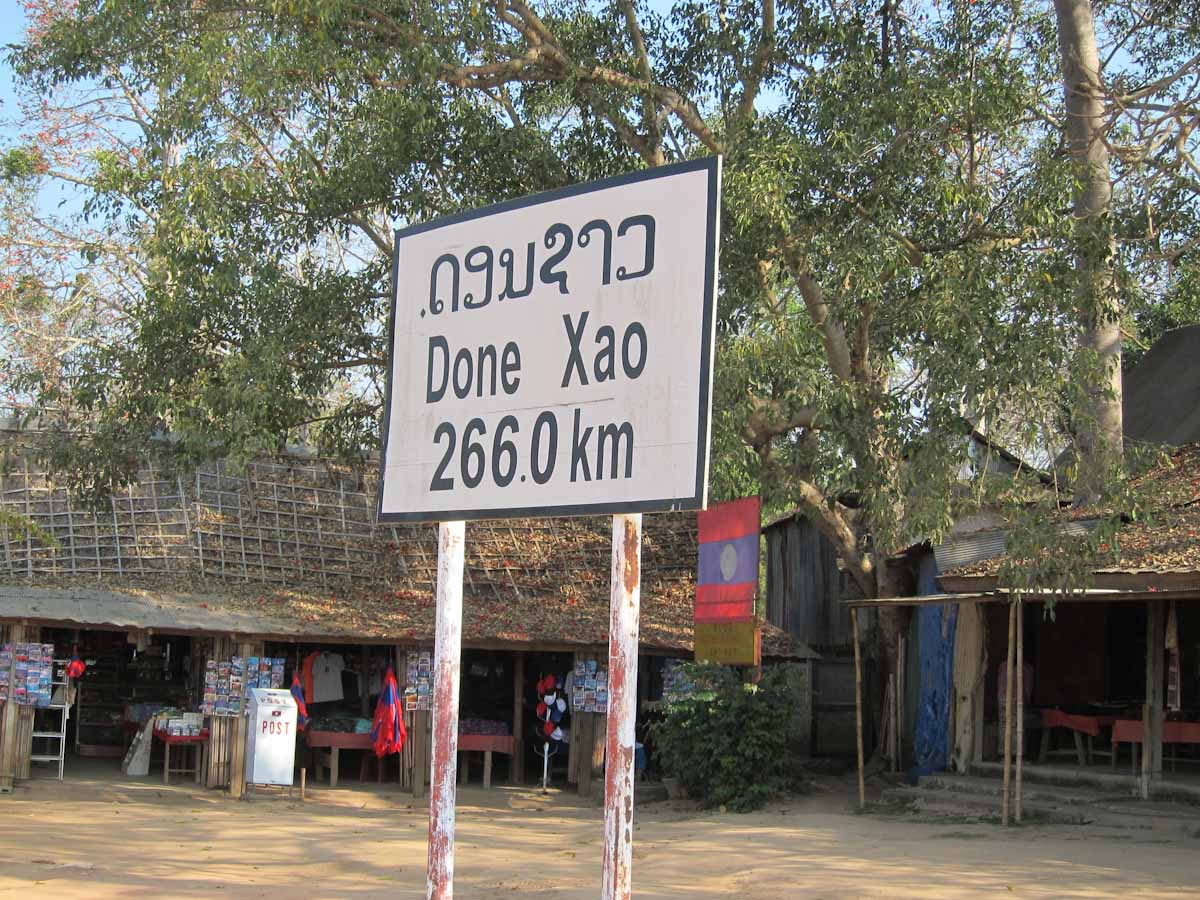
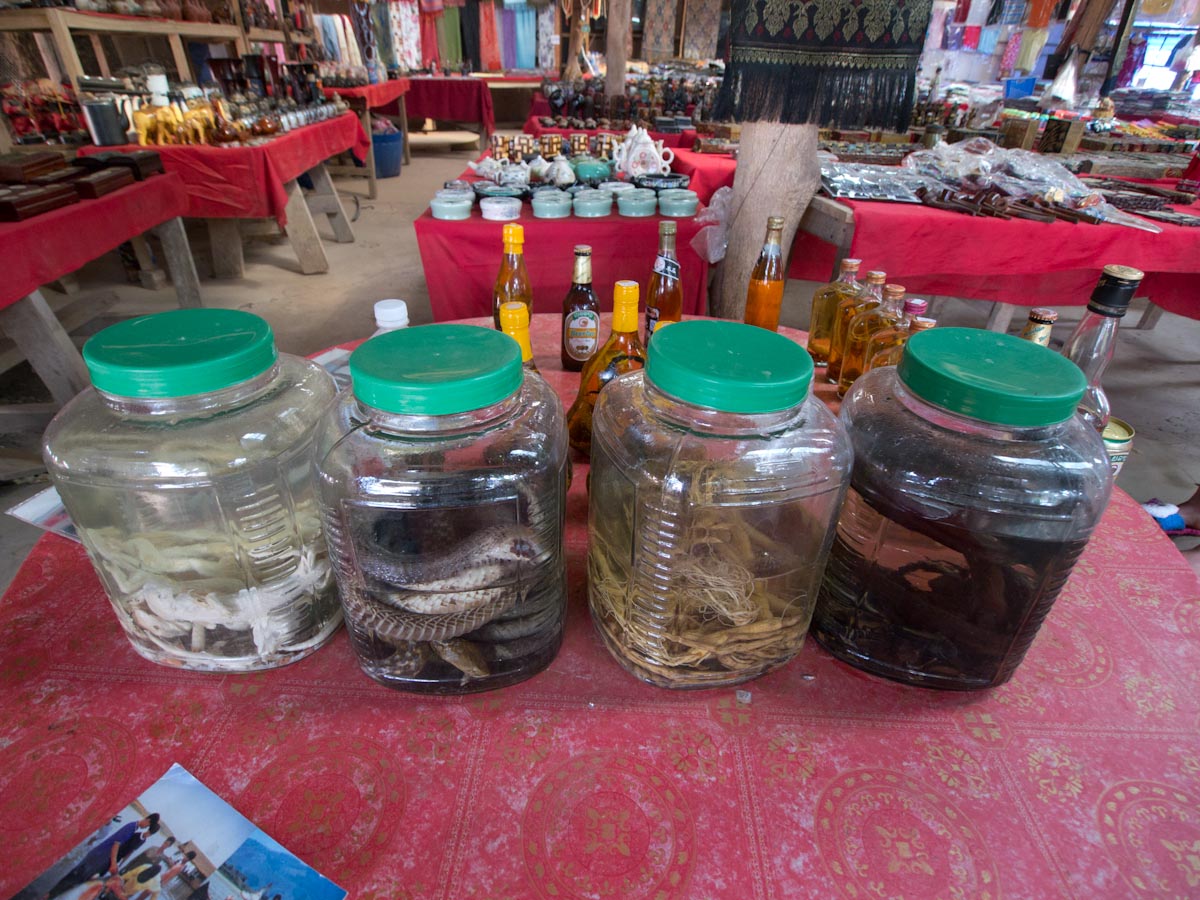
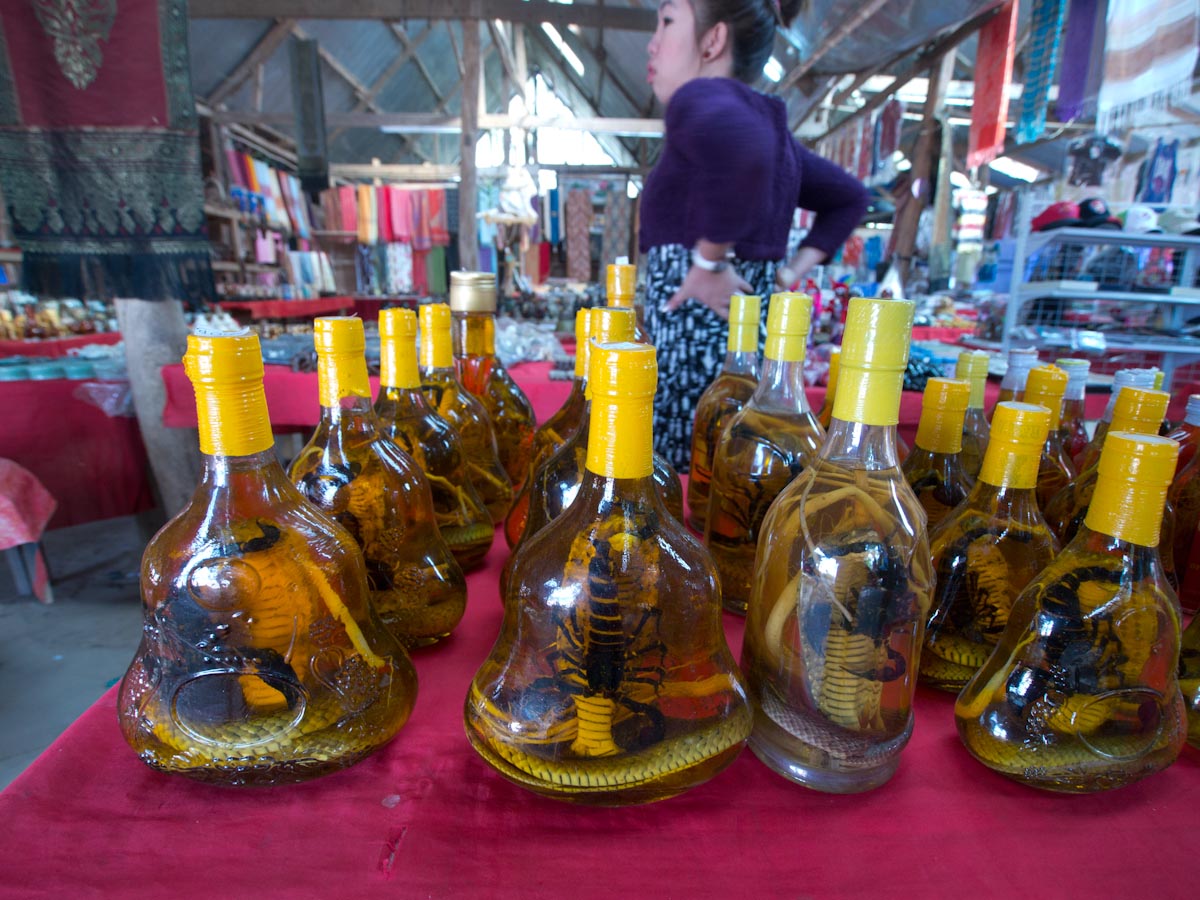
The exchange with the girls was by far the highlight of our visit to Laos. The rest of our brief stay was spent exploring a small marketplace where the stalls were filled with knock-off electronics and leather goods manufactured in China. We did see some potent giant whisky jars: one was filled with cobras, another with geckos, and yet another with tiger “parts.” Apparently, shots from each are infused with the mythical powers associated with those animals. We declined an offer to try.
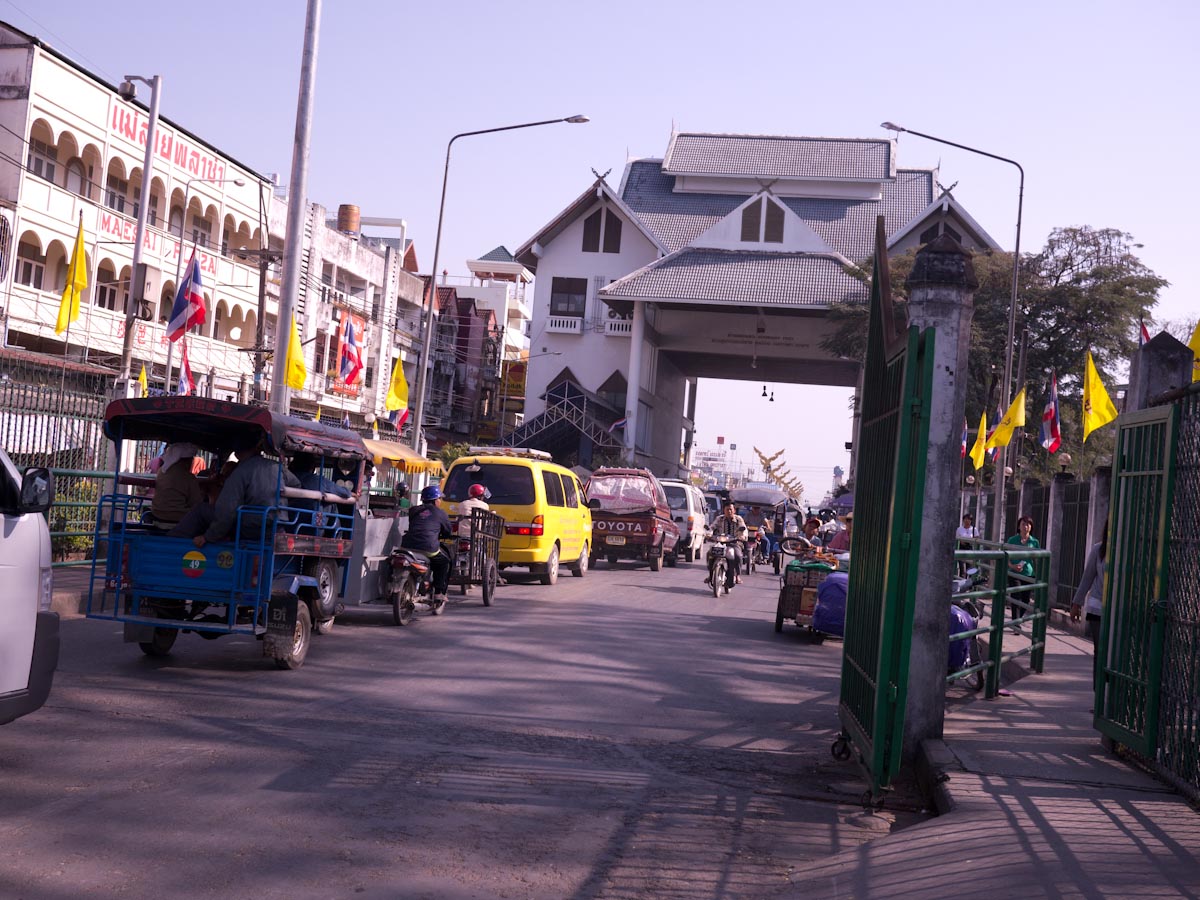
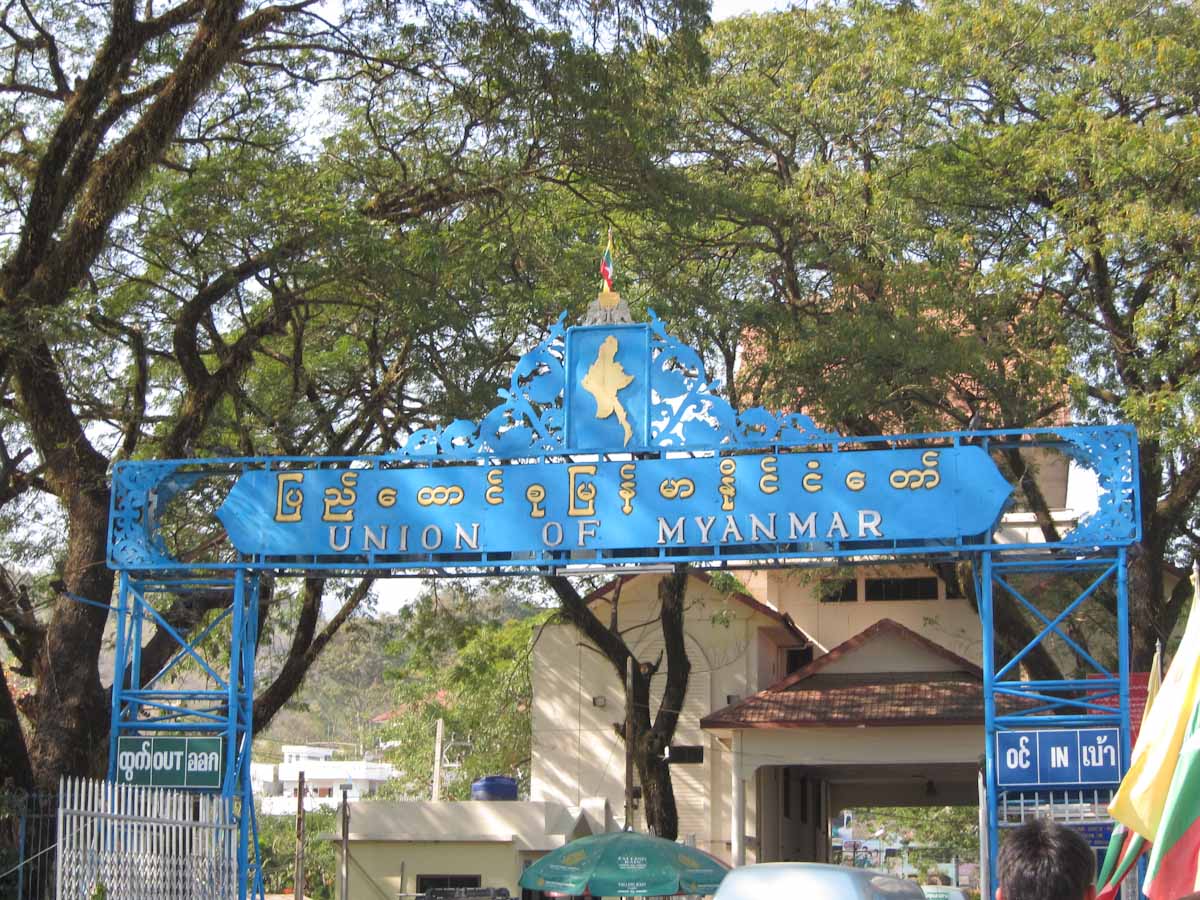
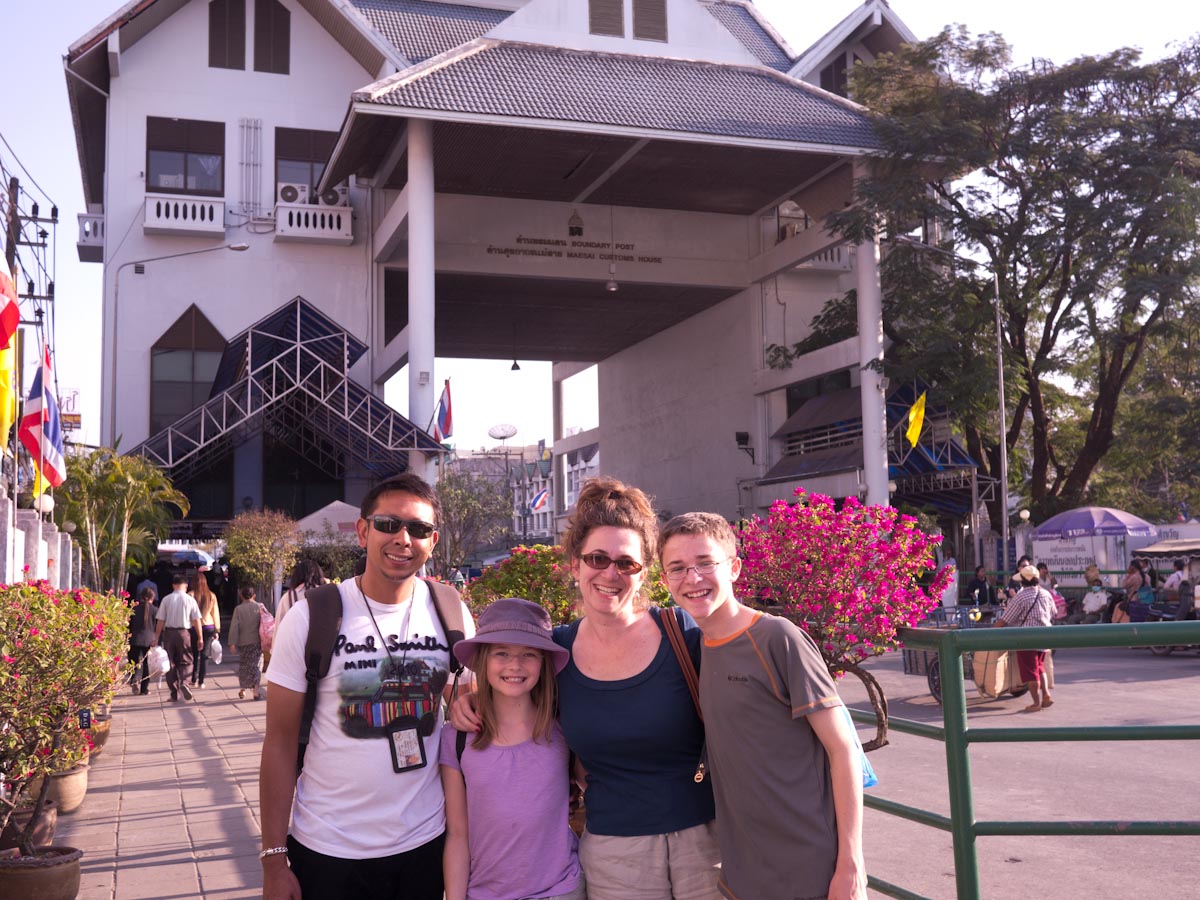
Later that afternoon and less than an hour’s drive away, we found ourselves at the border to Burma or as it is officially known, The Union of Myanmar. One of the most mysterious countries in the world, Burma is a military dictatorship and is closed to most outsiders. Only a very small number of tourist visas are issued each year. We were only interested in a day pass, which is simple to obtain if you happen to be standing at the border and are willing to relinquish your passport for the duration of your visit. This was hard for me. It almost felt as though the border guard was asking me to leave one of the kids behind. I took a deep breath as I handed the passports over, silently berating myself for having left our color photocopies back at the hotel. Jeff assured me that it would be just fine and he was right.
We cross and enter a different place and
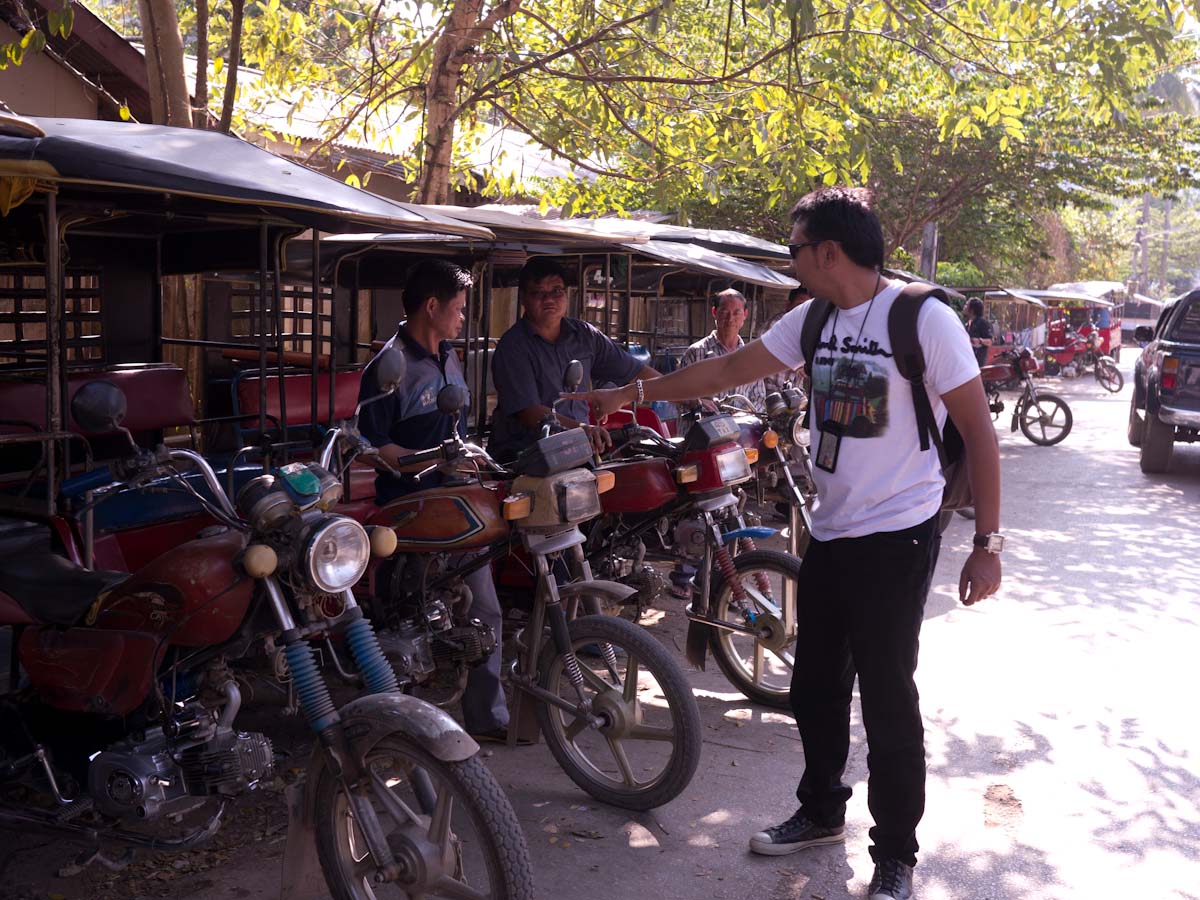
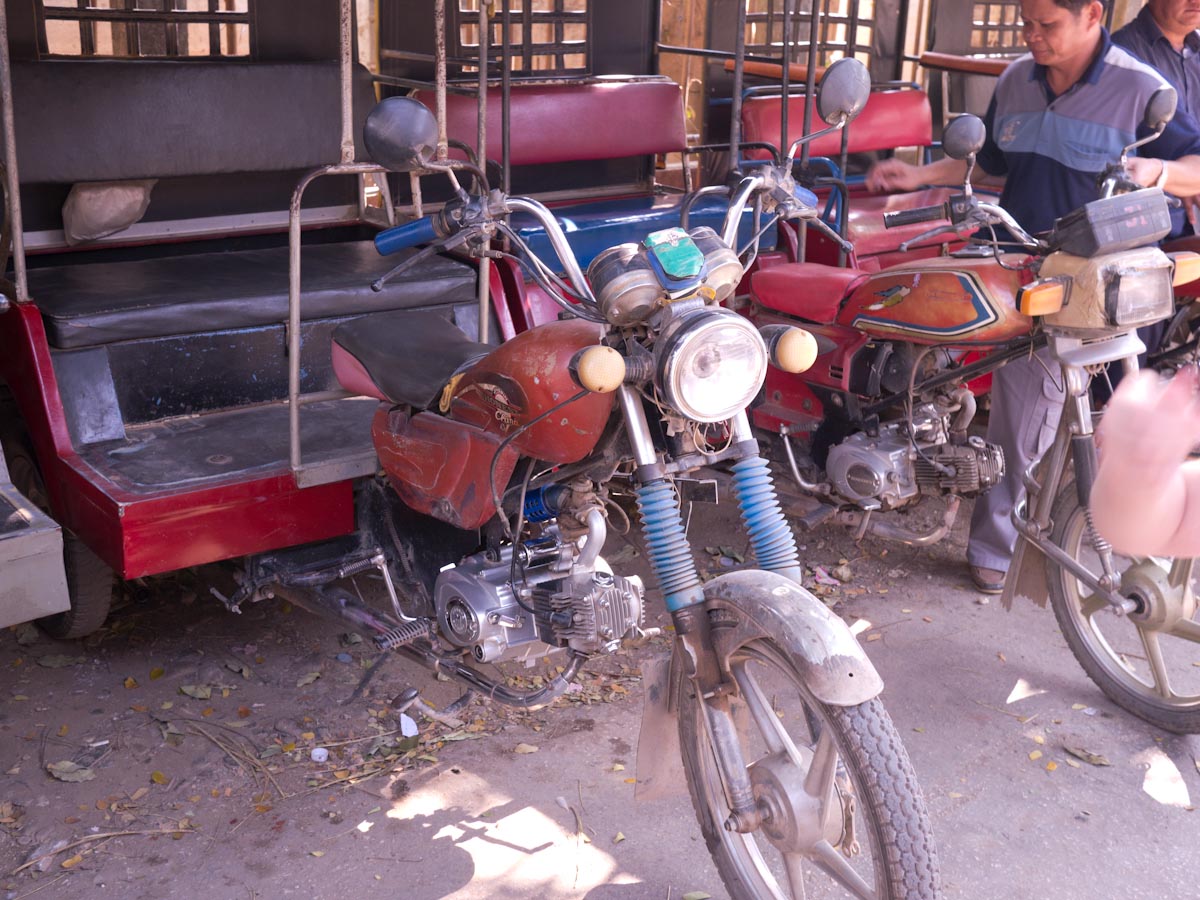
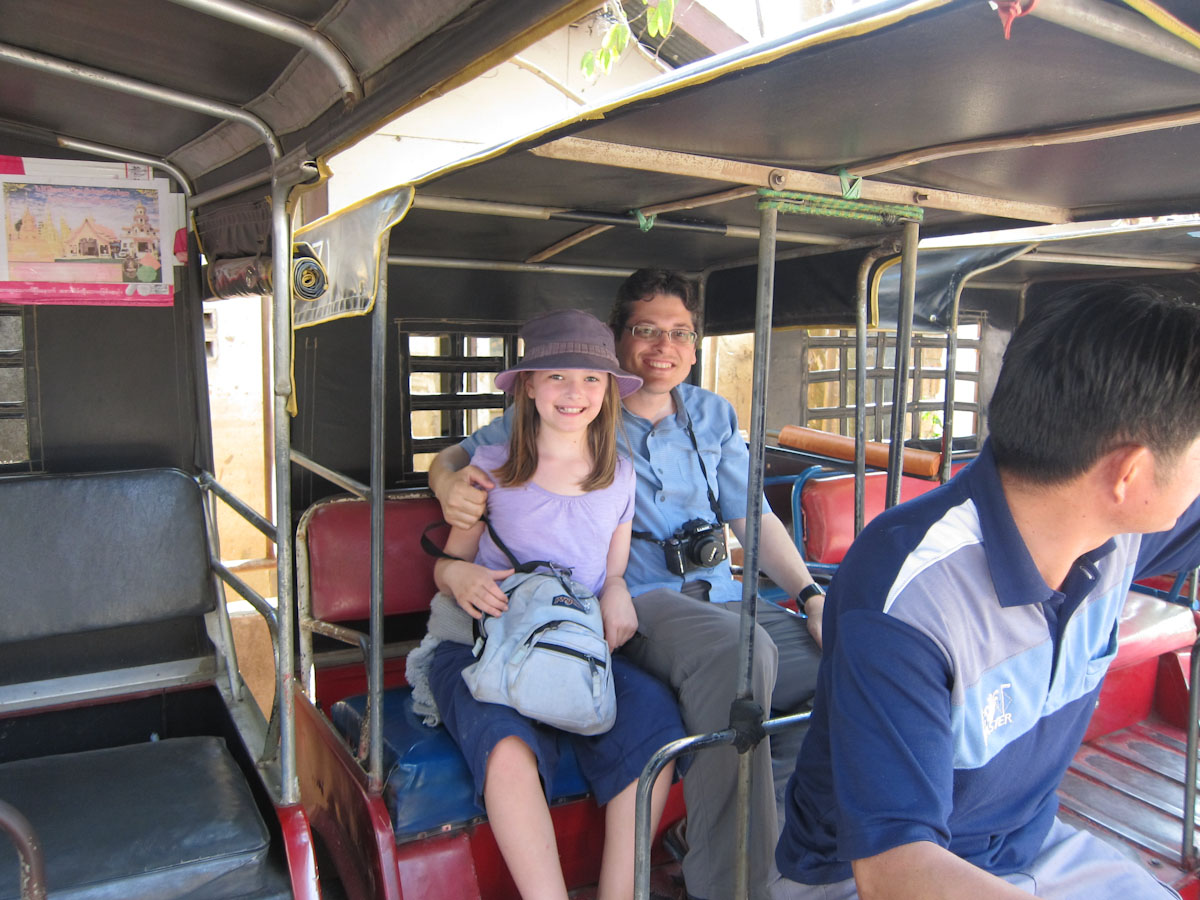
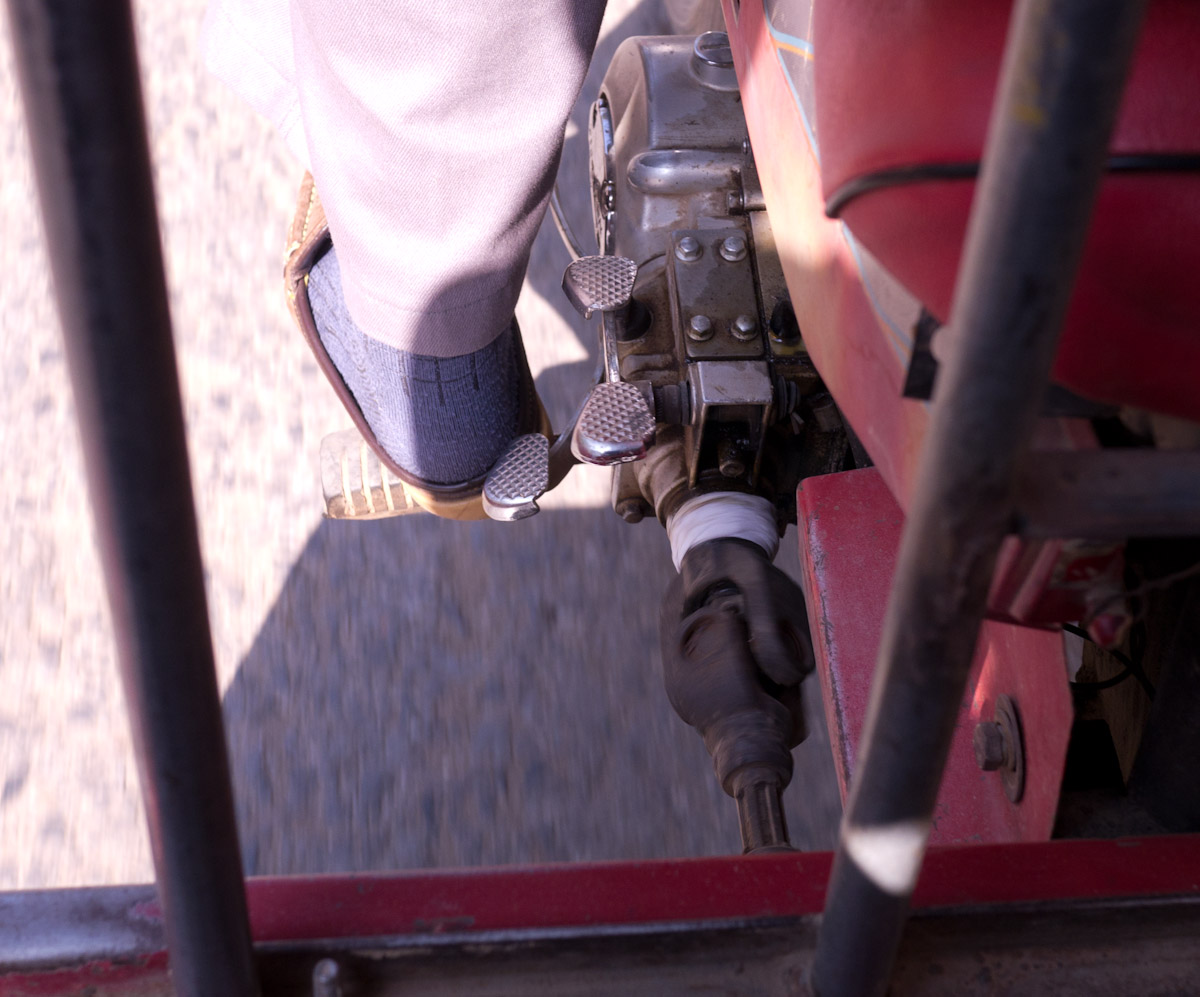
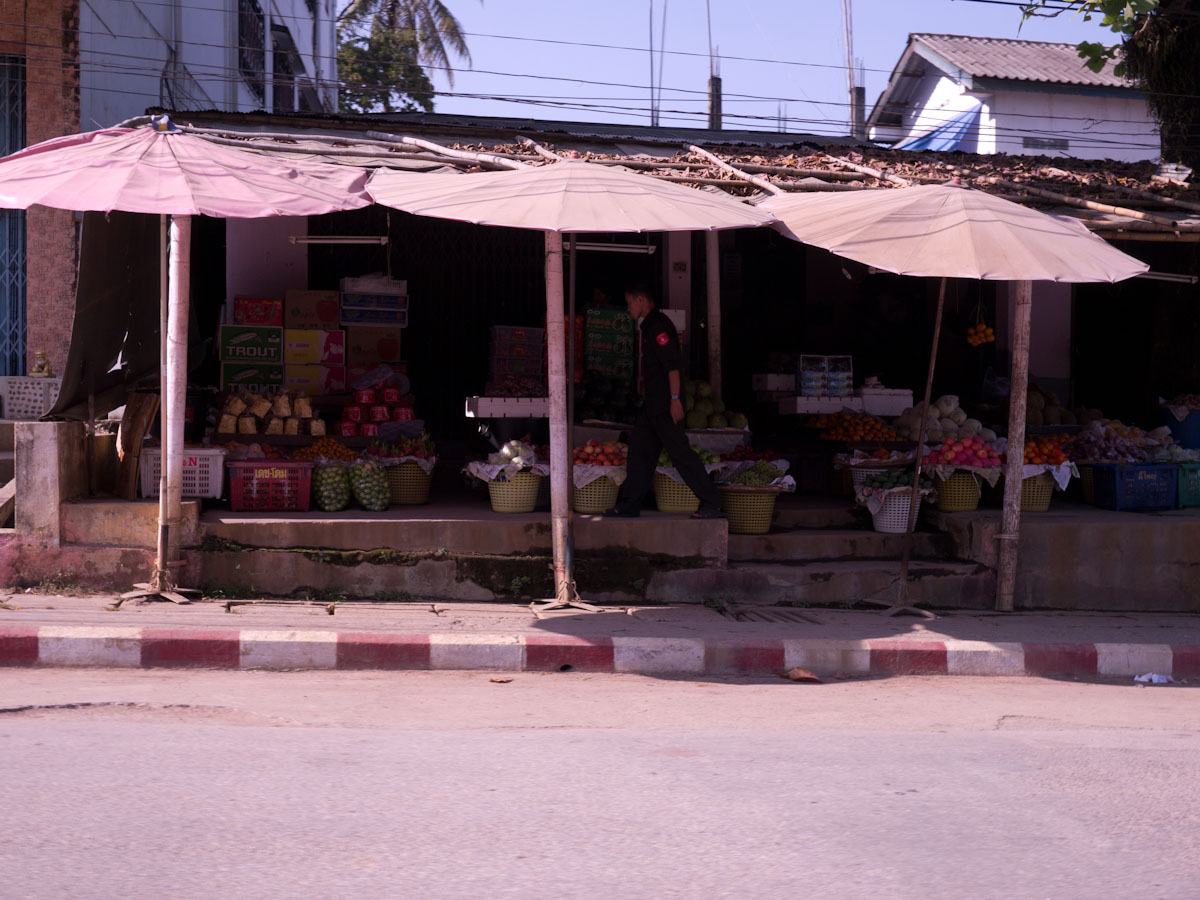
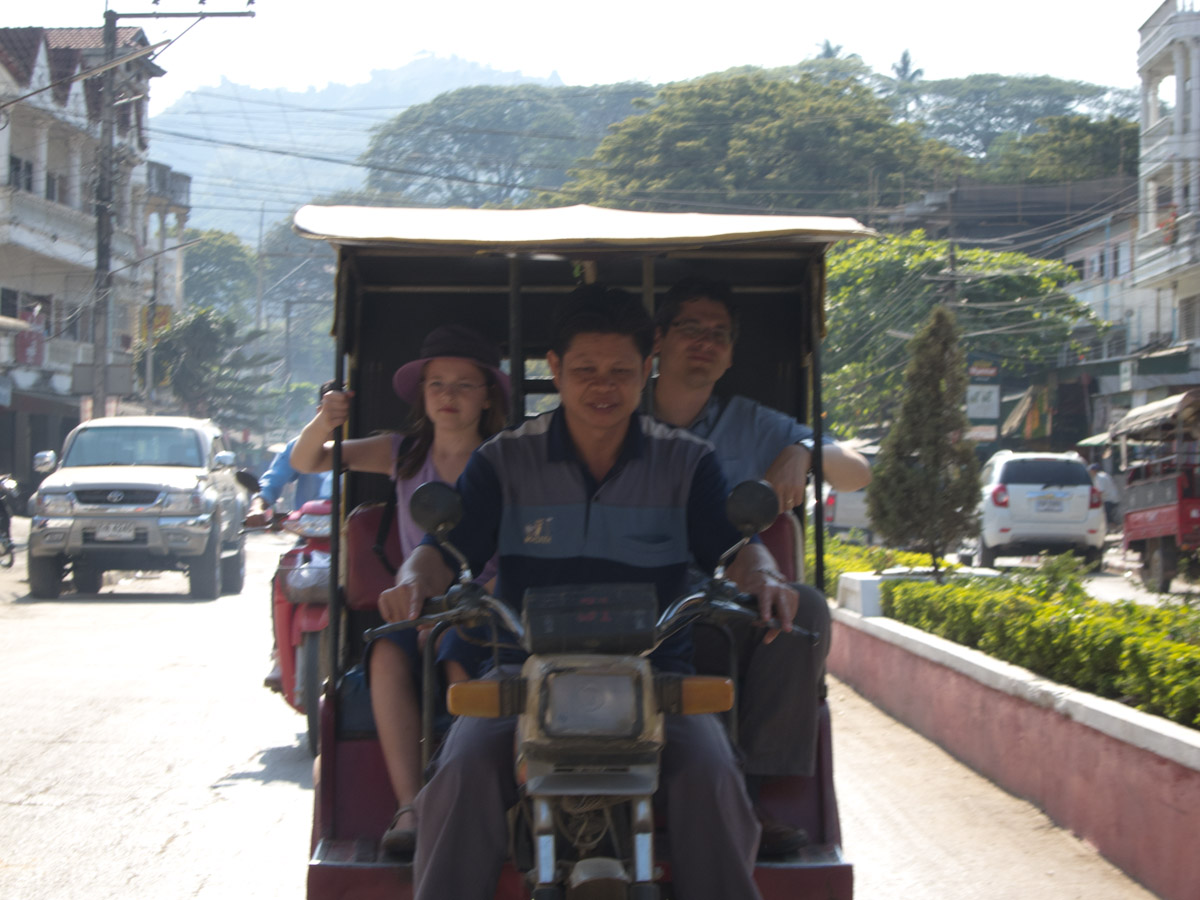
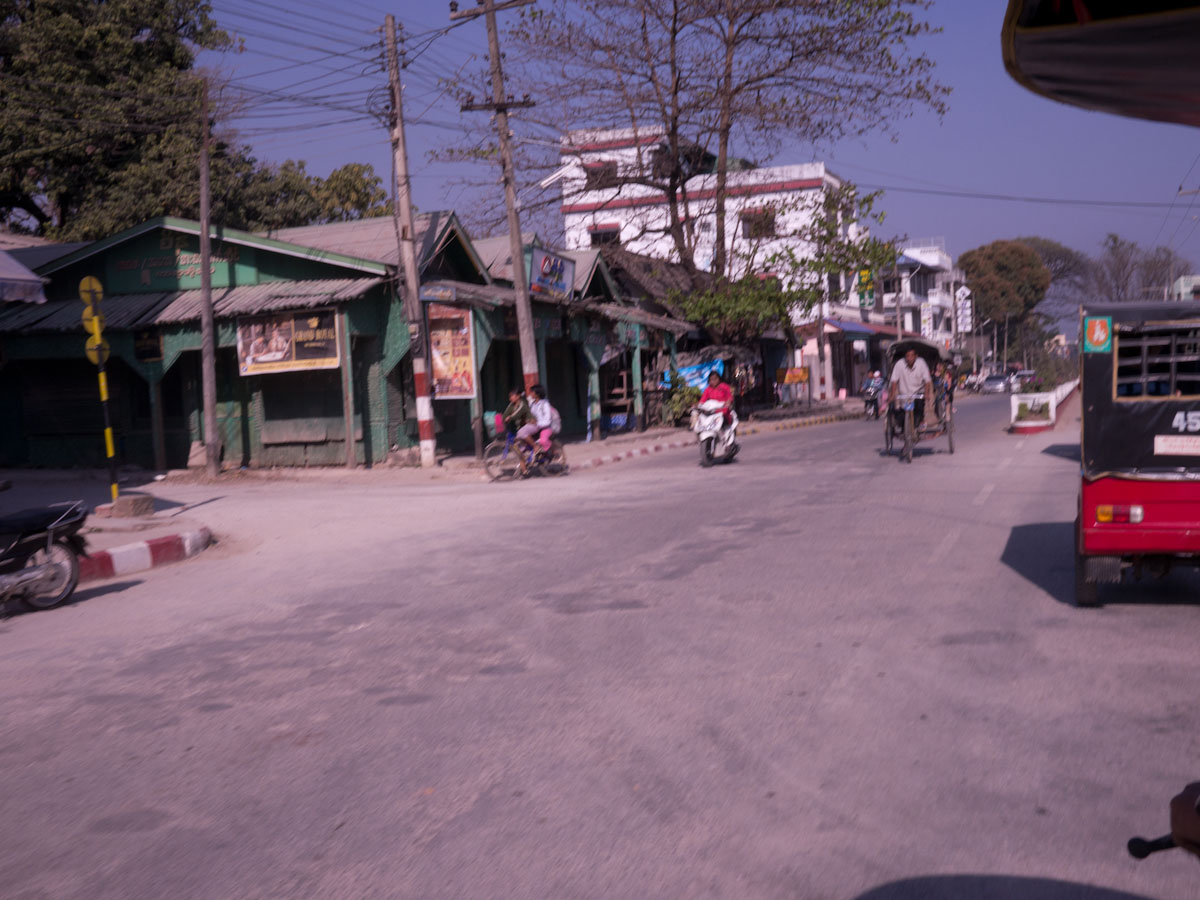
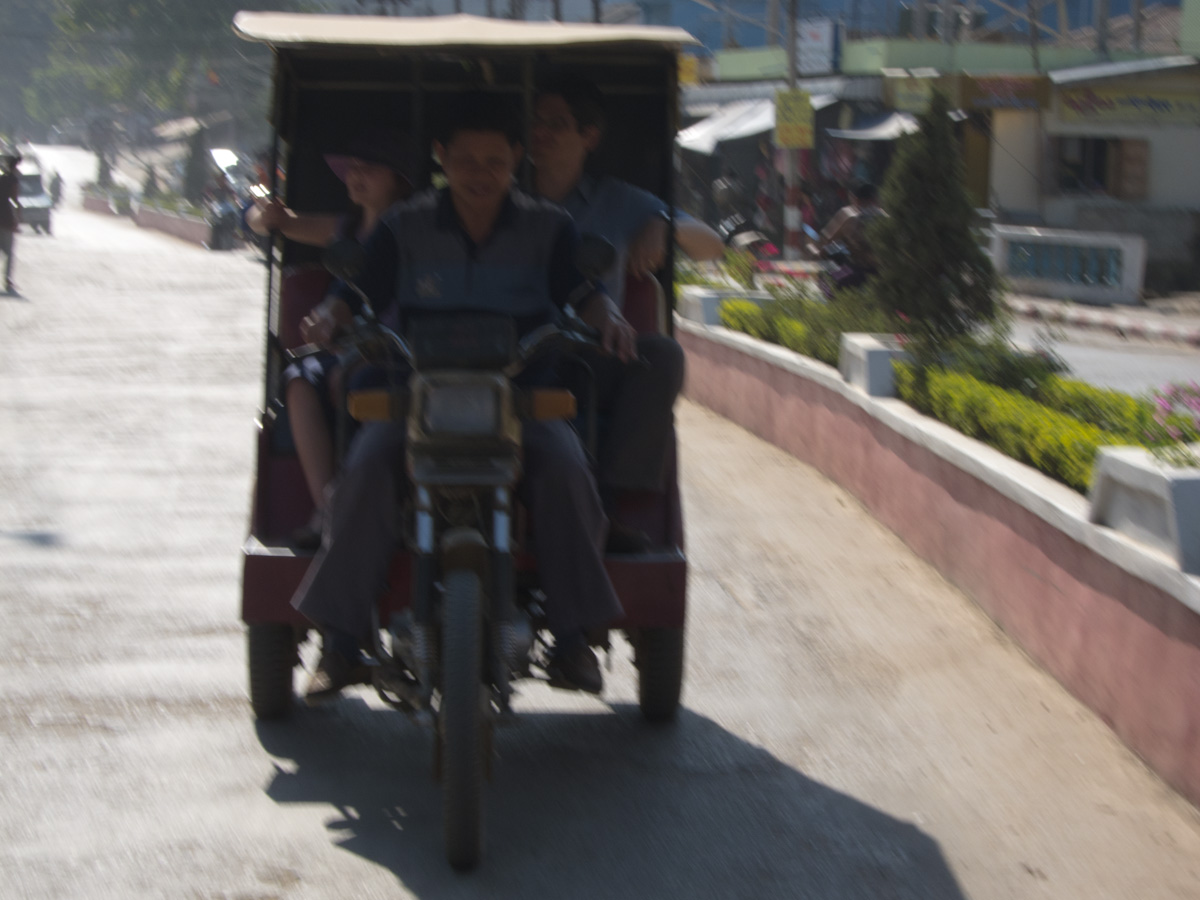
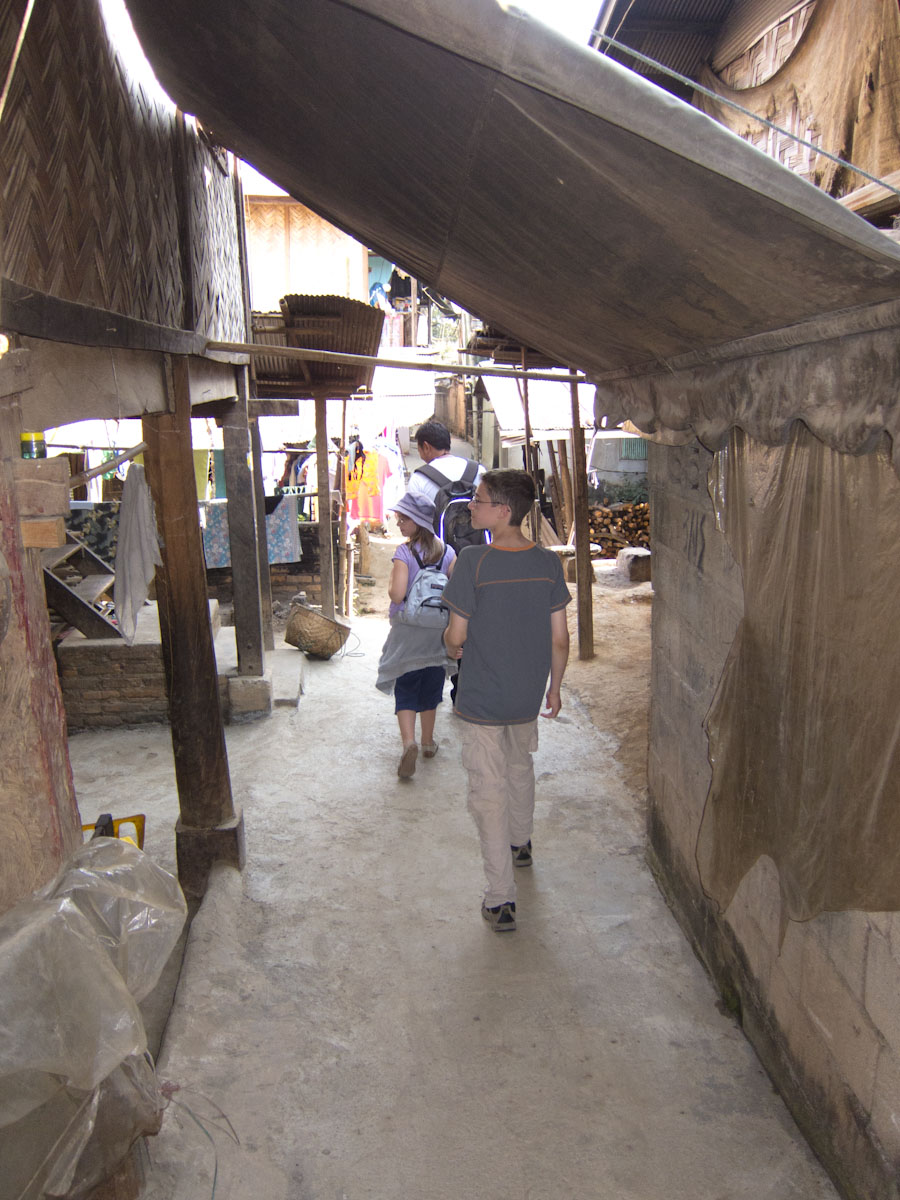
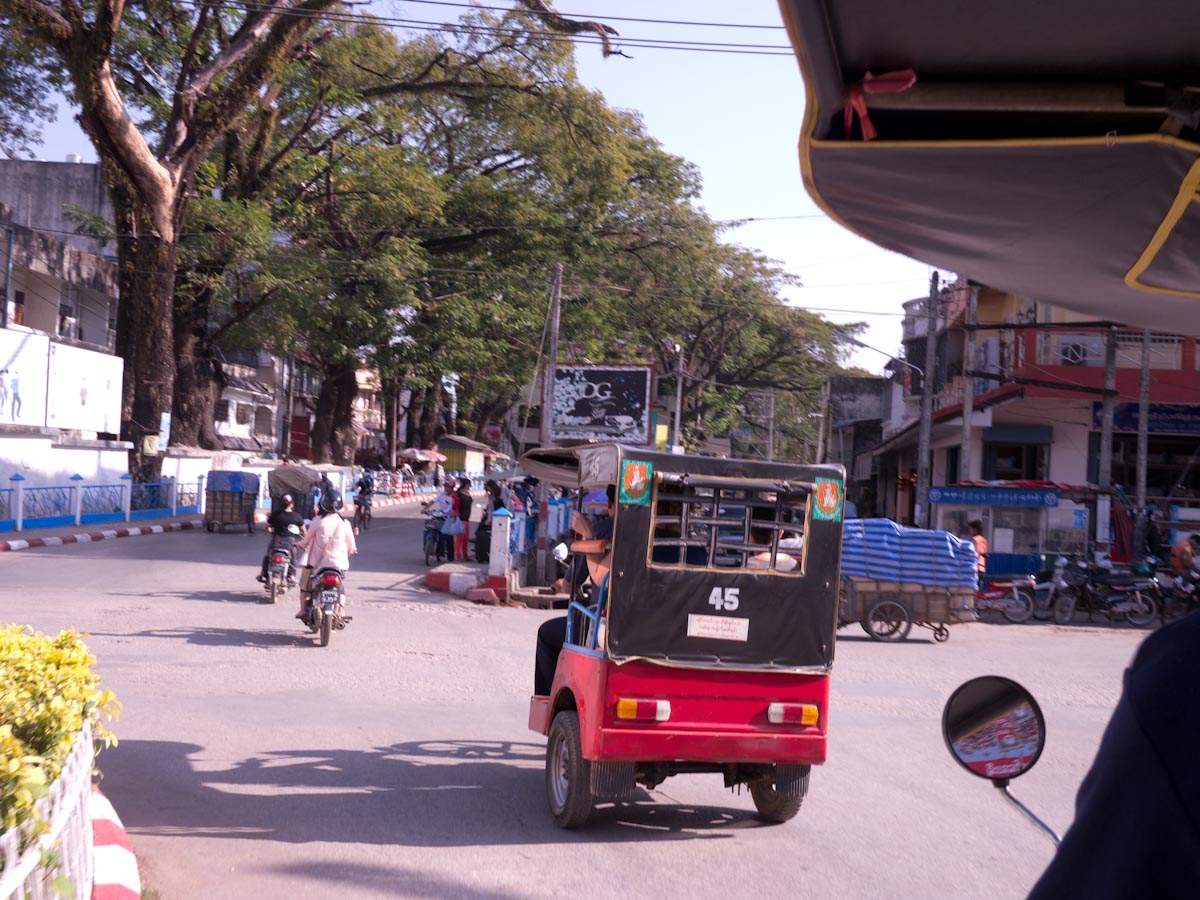
time. The few cars we see are old, old, old; most people get around on foot or motorbike. We take a motorized rickshaw ride around the city. The houses and shops seem to have just three walls and are open to the street. You can see beds pushed up against the walls, people are sitting on the stoops. The roads are unpaved, very bumpy, and— because it is very dry—quite dusty. We reach our destination which Jeff calls “the Weaving Village” because the women here used to produce textiles for sale. Now, there are not many visitors so we see a single loom but no textiles or storefronts anywhere.
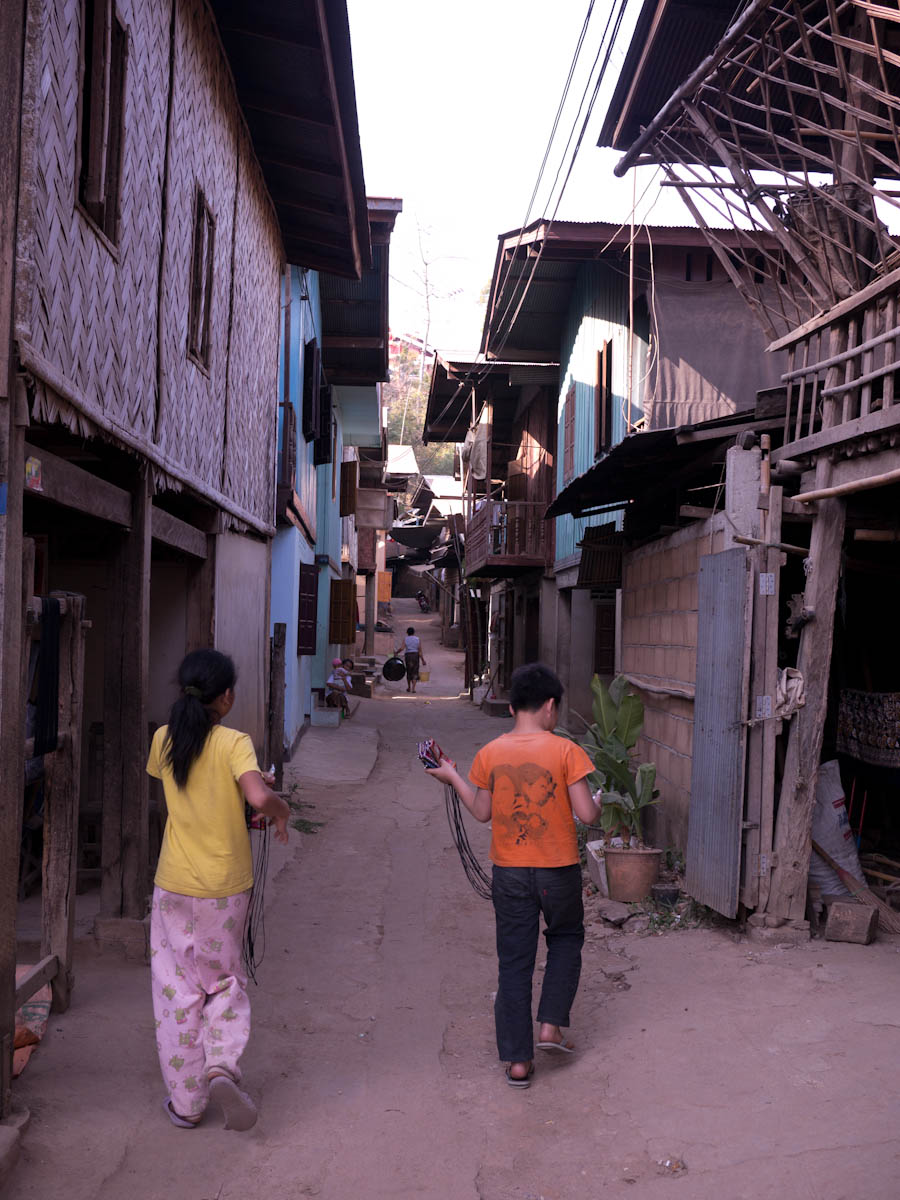
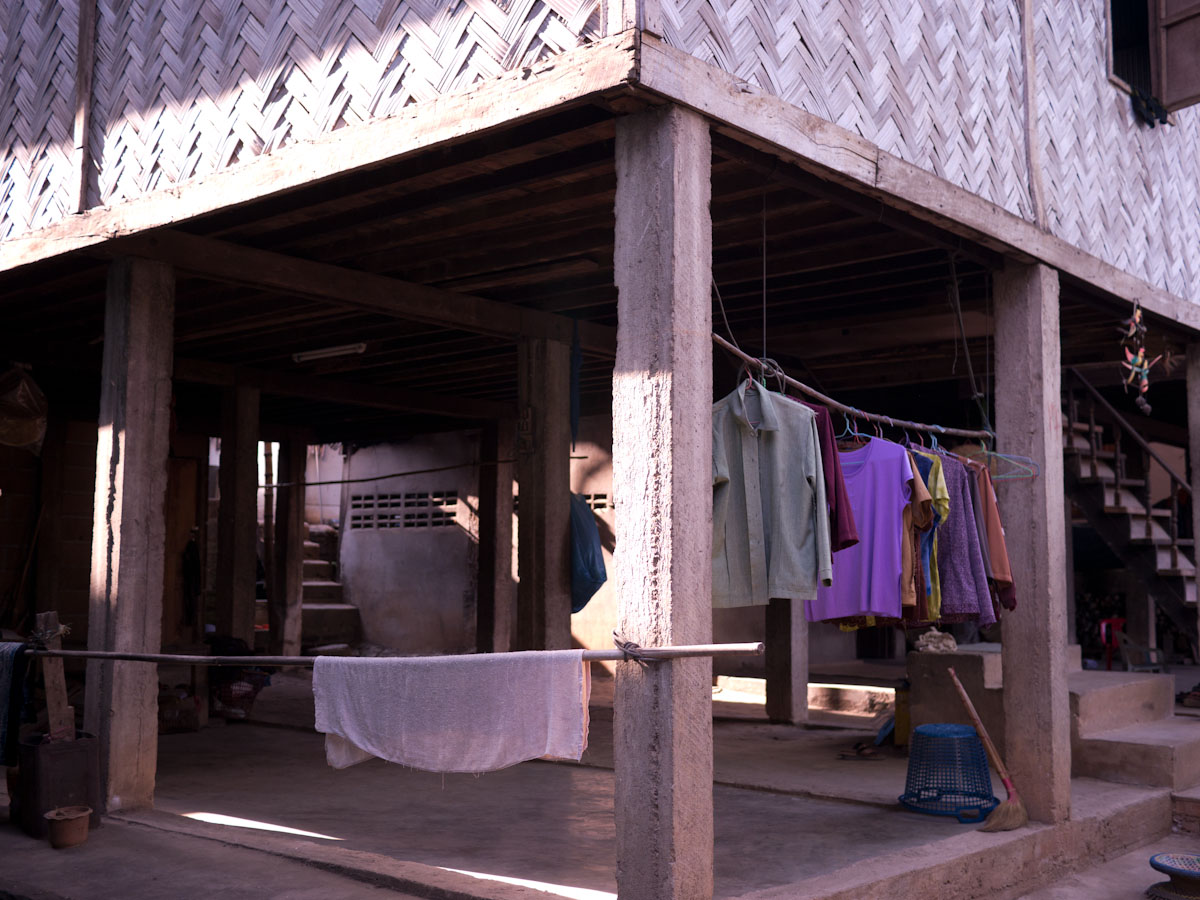
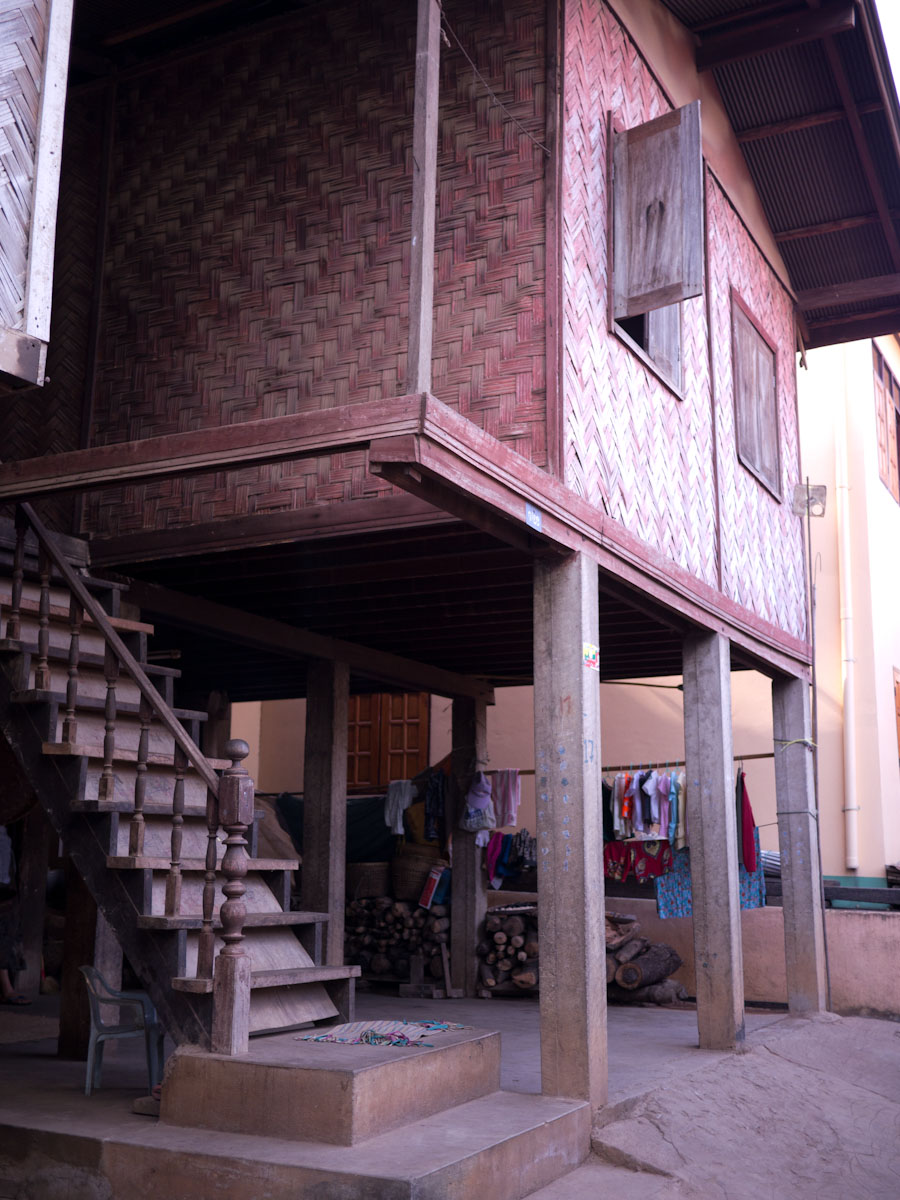
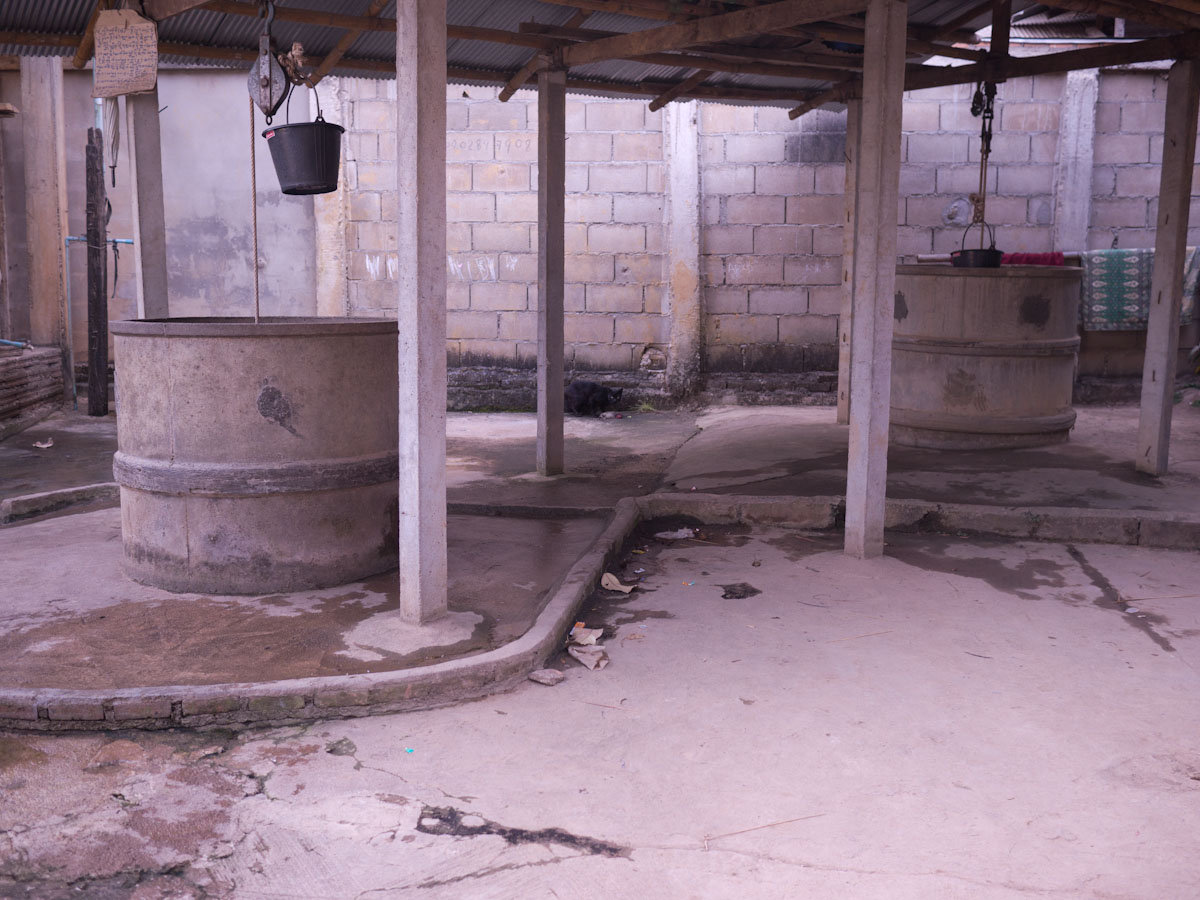
What we do see are houses built closely together. The walls appear to be made out of woven bamboo leaves and the houses are supported on giant stilts. Technically, they are two stories but the bottom story has no walls. It is clear that the upper level is for living and the lower is for storage. We also see two huge communal wells where one woman is finishing up her laundry. No running water.
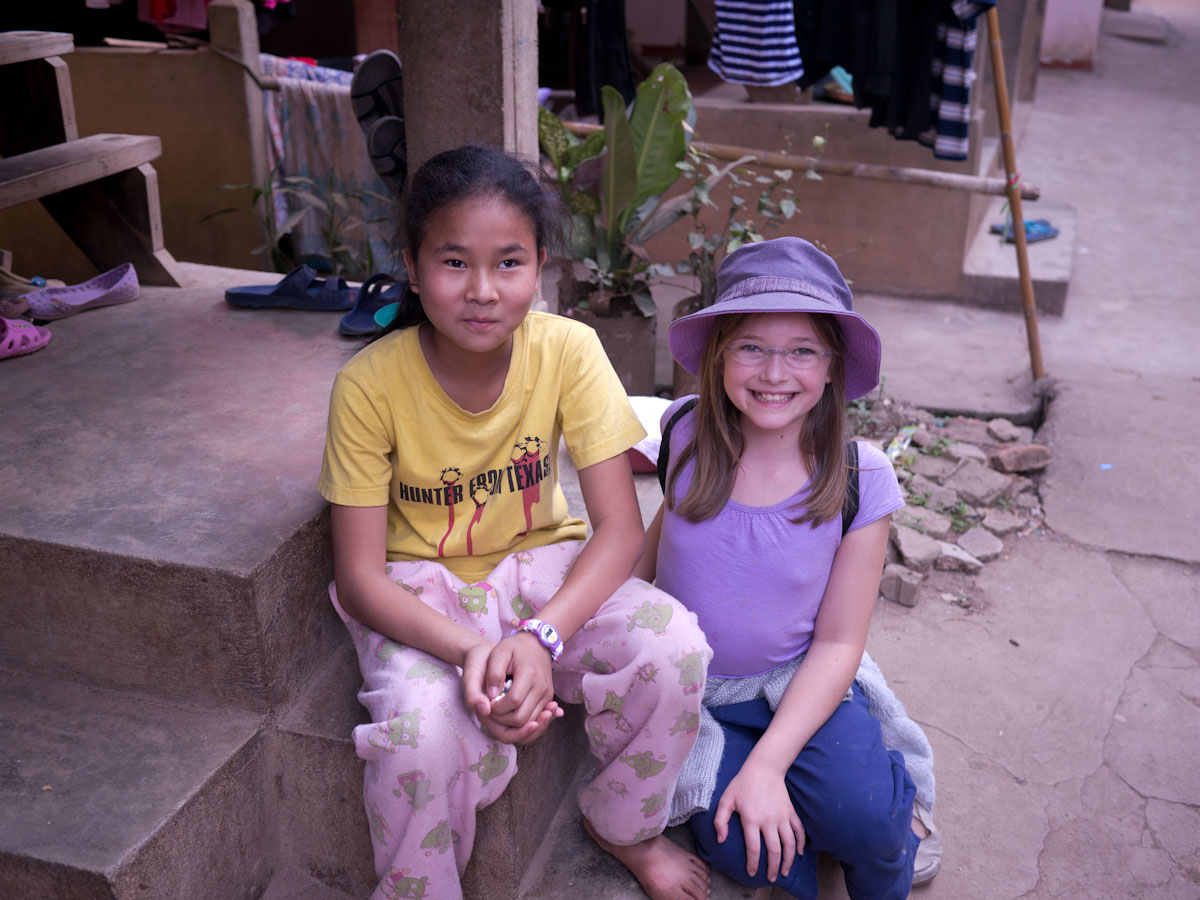
Very quickly, we are approached by a woman and a little girl and boy about our kids’ ages. All have postcards to sell. We smile and say no thank you, then regret it afterwards. We didn’t want the postcards but it is clear that there is very little here and engaging in an honest transaction would have afforded them with some hard currency earned.
We approach the kids and offer them some candy. The little girl grins widely and darts away. The boy looks a bit skeptical, but puts the candy in his pocket and walks off. We see the little girl later; she is seated and nibbling happily. The little boy is playing with a toddler. We try again, this time offering the glow-in-the-dark bouncy balls. He does a test bounce. Big smile. Score!
We then see a group of six or seven women seated under one of the houses. They are eating. It is 3:30 in the afternoon and Jeff asks if it is dinner. No, they say with grins, this is in
anticipation of dinner. They range in age from twenty to perhaps seventy. The youngest casually swings a cradle where an infant lies sleeping. They seem very happy and connected. I ask and am told that they are neighbors. Jeff then explains that the women are commenting on how beautiful our children are. Funny, but we were thinking the same of theirs. We exchange smiles and wave our farewells.
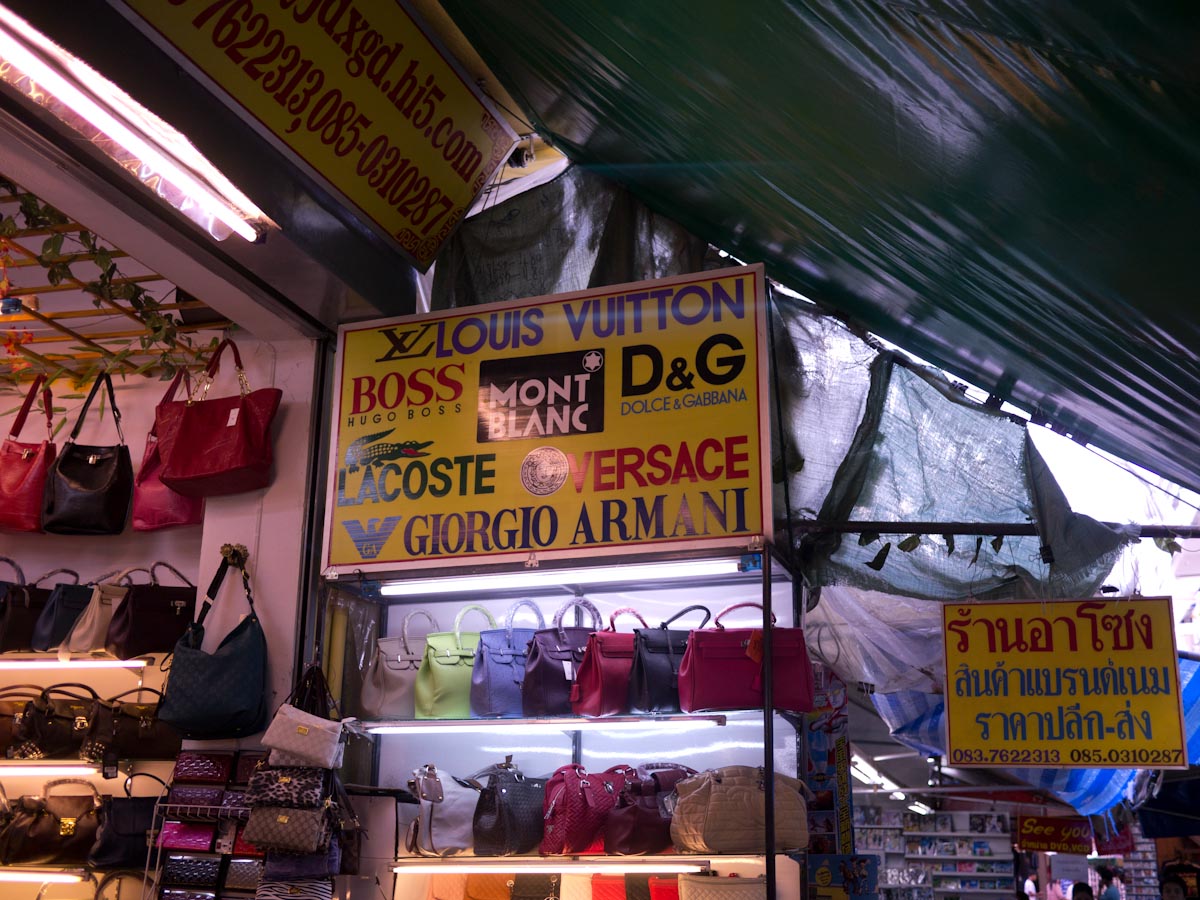
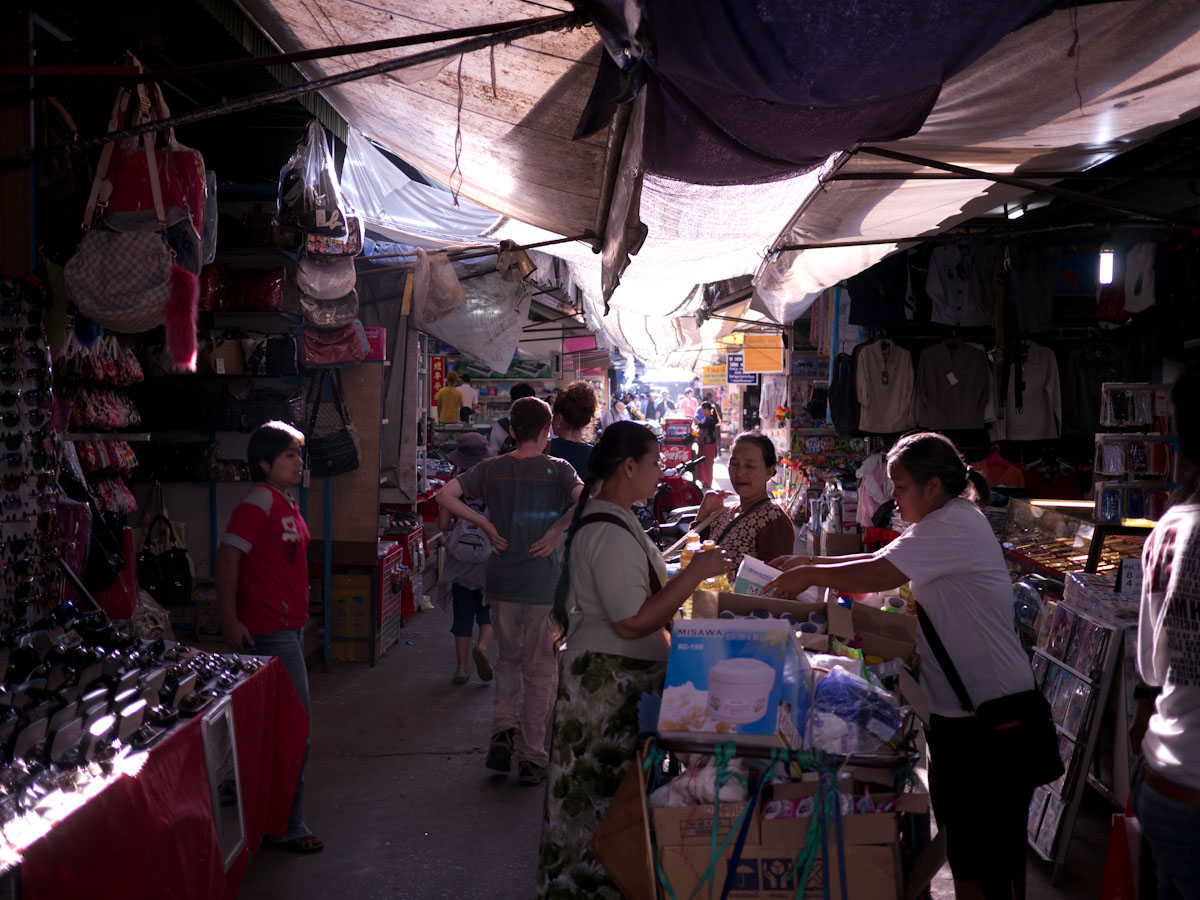
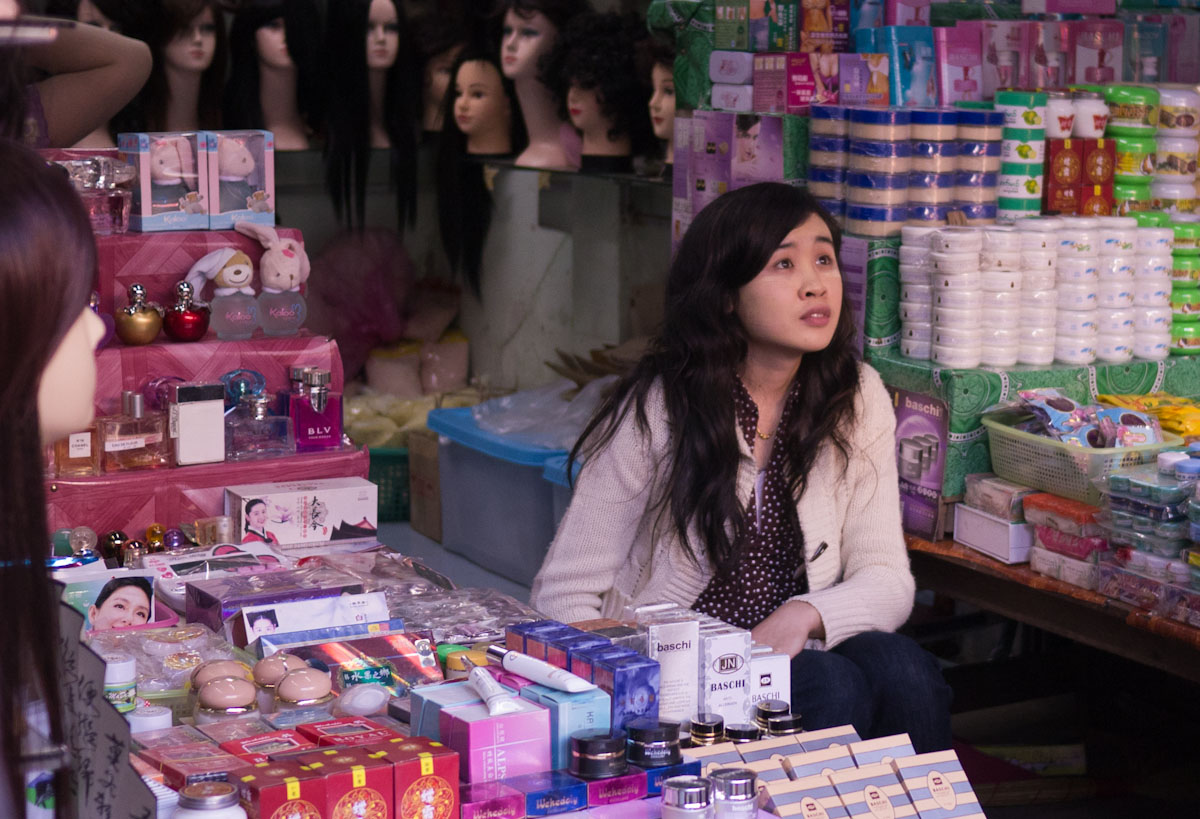
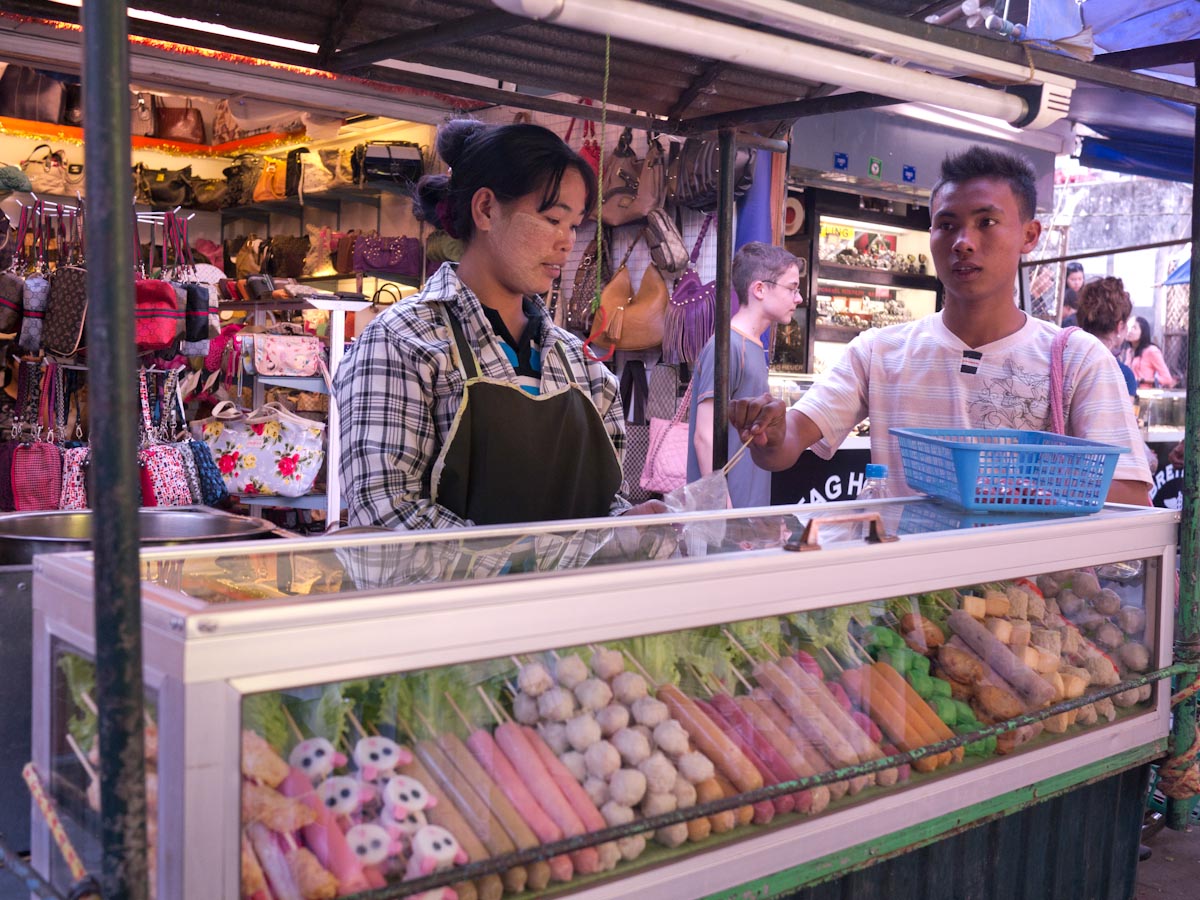
We leave the village and head to the market. Many of the women here are wearing an odd golden make-up to lighten their faces and provide a sunblock. Again, the stalls are filled with counterfeit goods.
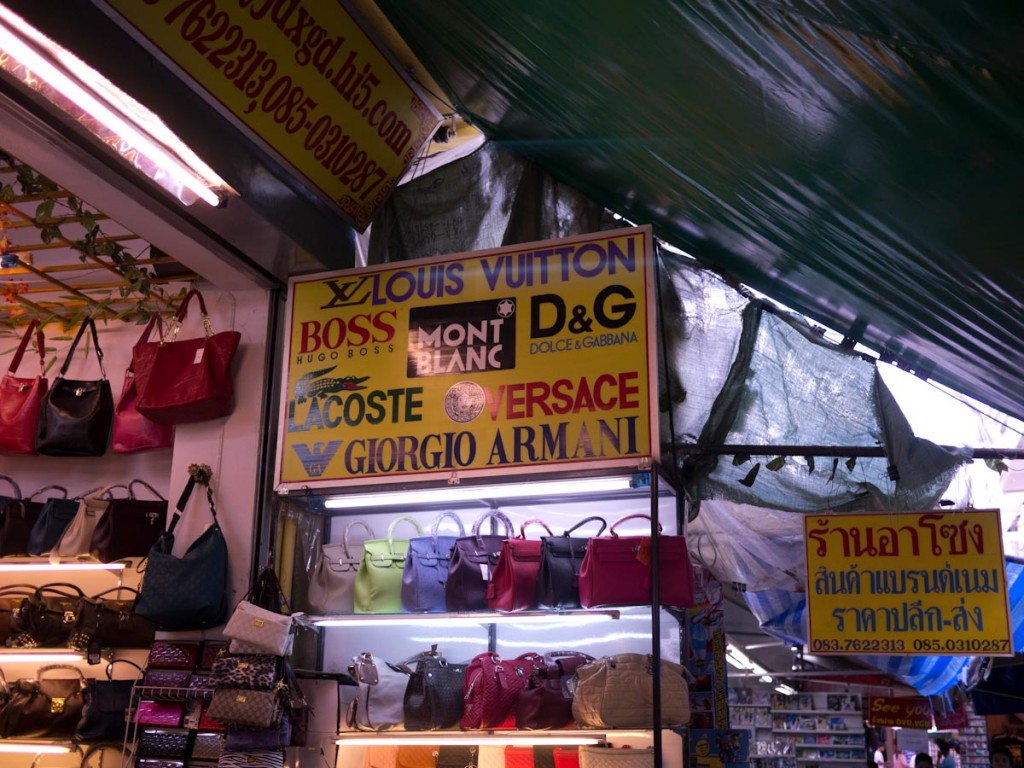
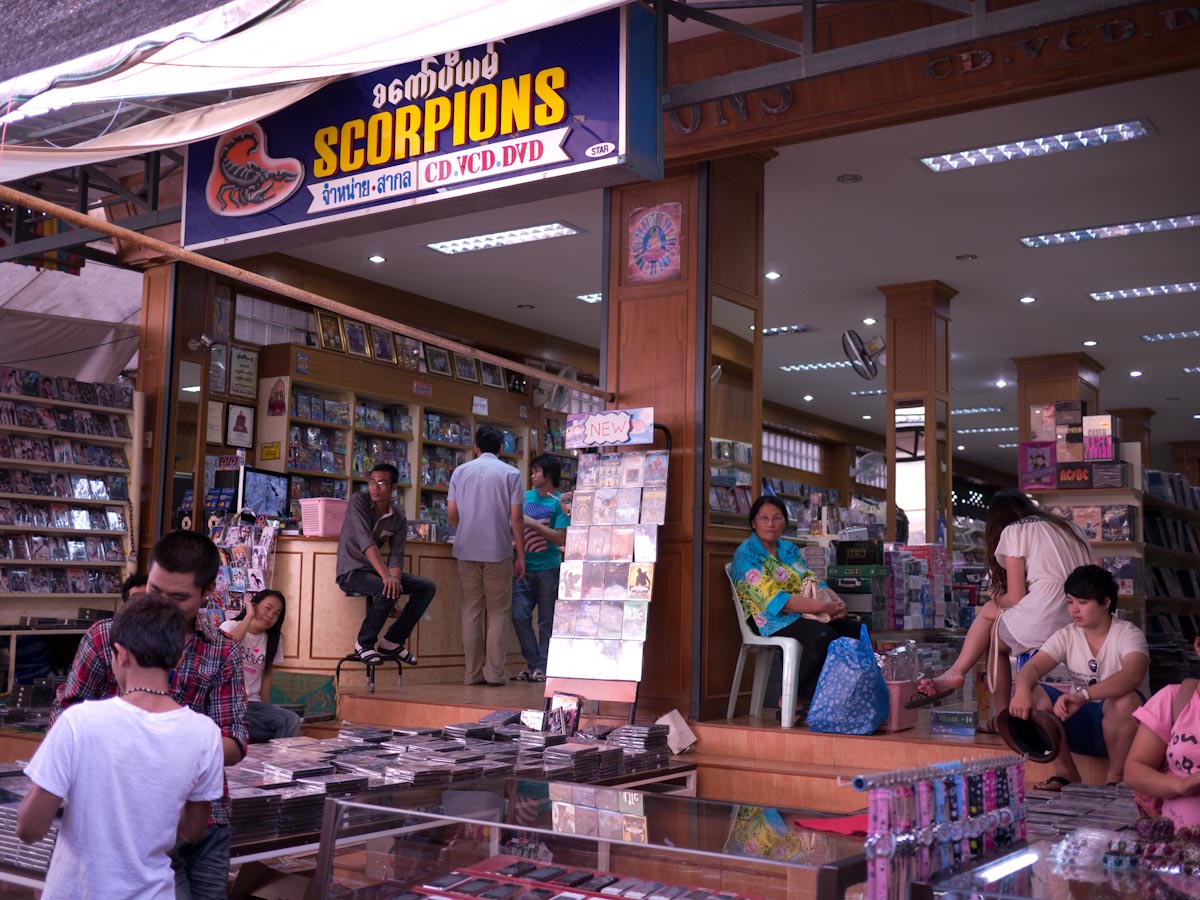
I can’t believe how authentic the designer handbags look and am stunned by the array of electronics for sale: an imitation Chanel bag can be had for less than twenty dollars, an “iPhone” for not much more. We explain to the kids that we don’t buy knock-offs, because the people who created the product or brand don’t receive any part of the sale and that’s not fair. They understand but look a little wistful as we pass stores filled with DVDs of nearly every film ever made, each priced at less than $1.
We return to the border and collect our passports without incident. We cross the bridge that takes us back into Thailand where the sun seems to shine just a little bit brighter. We are all happy to be on this side of the Triangle.

Error thrown
Call to undefined function ereg()