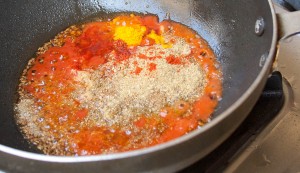
The cuisine of India is rich in history, dazzling in color, and overwhelming in variety. Countless legumes, vegetables, and spices are combined to create everything from street snacks to five-star entrees.
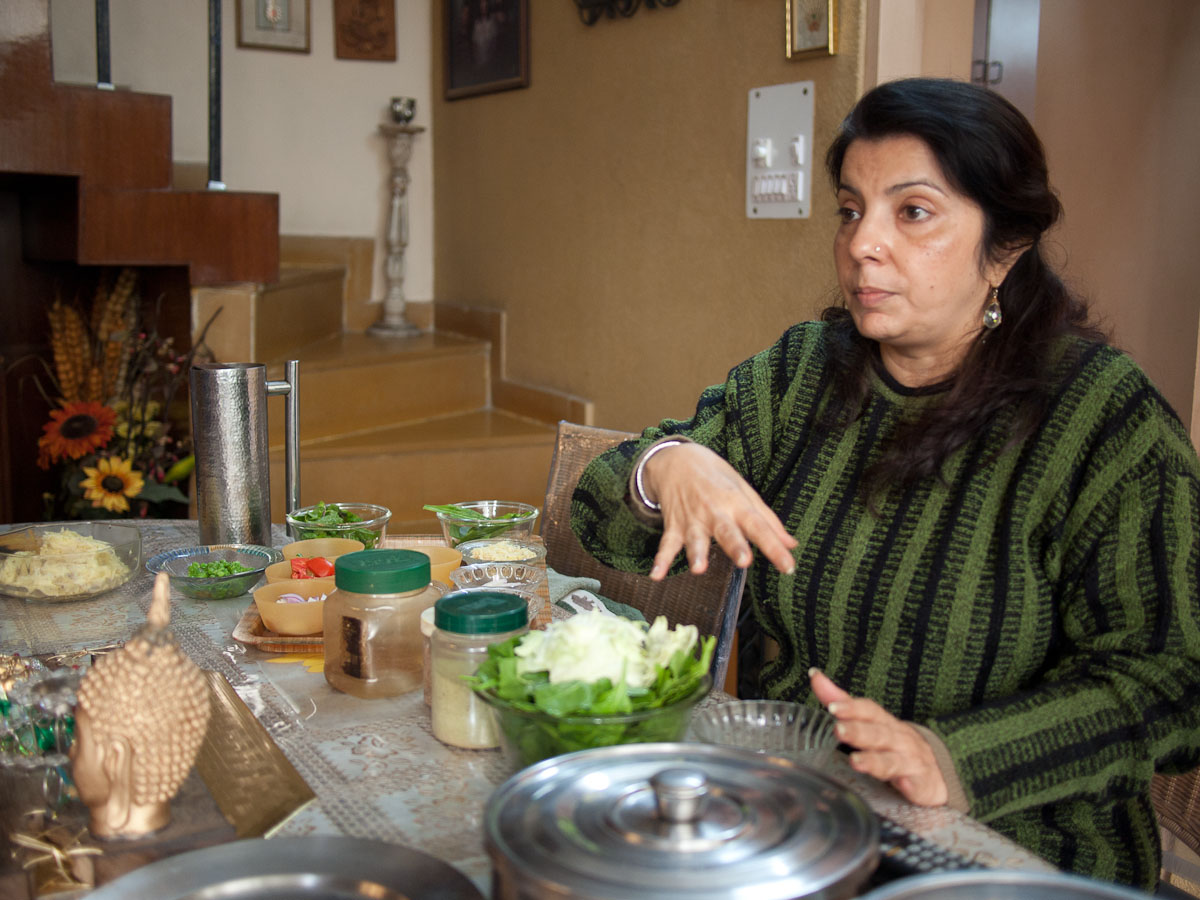
I did a lot of eating and a bit of cooking while here and my first introduction to both came under the expert guidance of Jyoti Agarwal, a professional cooking instructor in Delhi with whom we spent a day. Jyoti has been teaching gourmet home cooking for more than a decade. If you love food and find yourself in Delhi, I recommend you make a point of visiting
www.gourmetdesire.com.
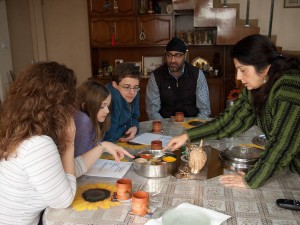
She started our lesson by explaining that Indian cuisine is fundamentally three things: regional, generational, and seasonal. Ingredients are
always local, recipes are handed down within families, and what you eat unfailingly changes with the calendar. Indian cuisine is also, I learned, entirely homemade; everything is from scratch—including the spices. Cooking is taught by your mother and it is serious business. Young girls are rigorously trained in preparation for marriage as every wife is expected to be a highly skilled cook. Dishes are practiced and methods and recipes are memorized; there are no note cards. Once everything is committed to heart, a new wife must then re-learn how to cook every dish with her mother-in-law as teacher. When a girl marries, she goes to live with her husband and his family. Each preparation must then be modified to suit the groom’s culinary heritage and precise region. You only need travel 50 kilometers to be eating differently.
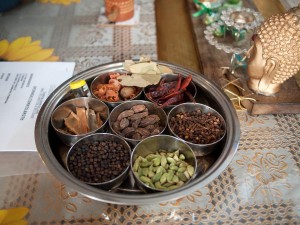
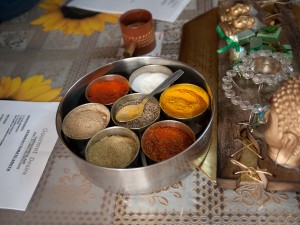
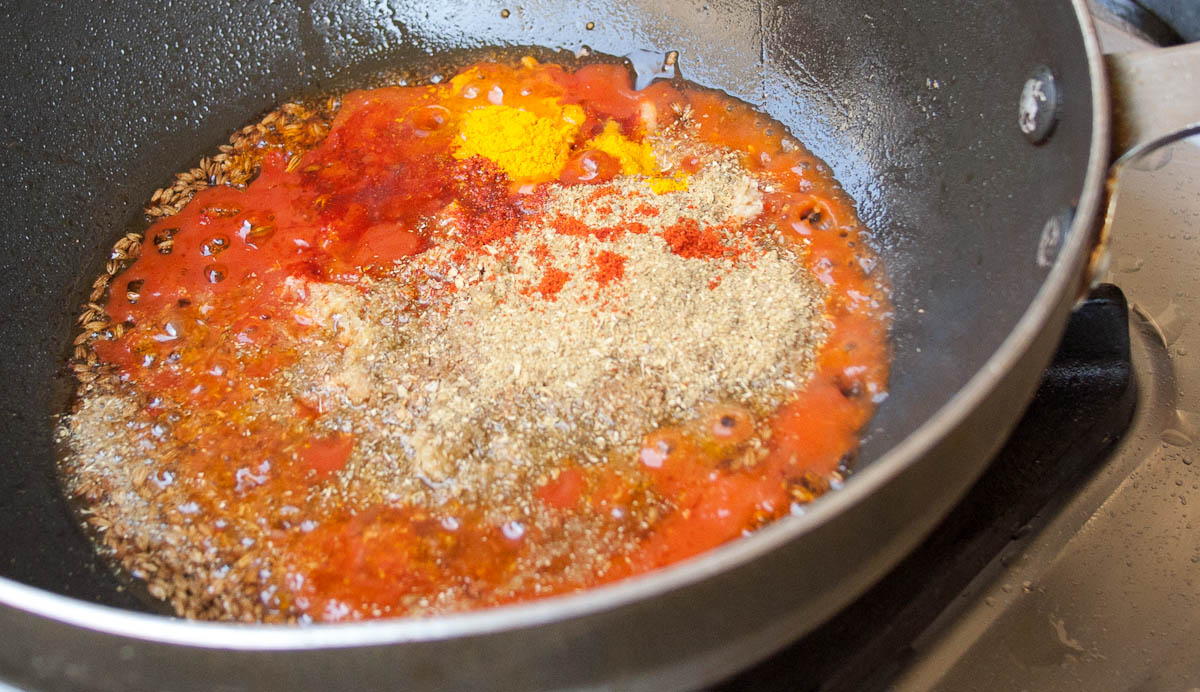
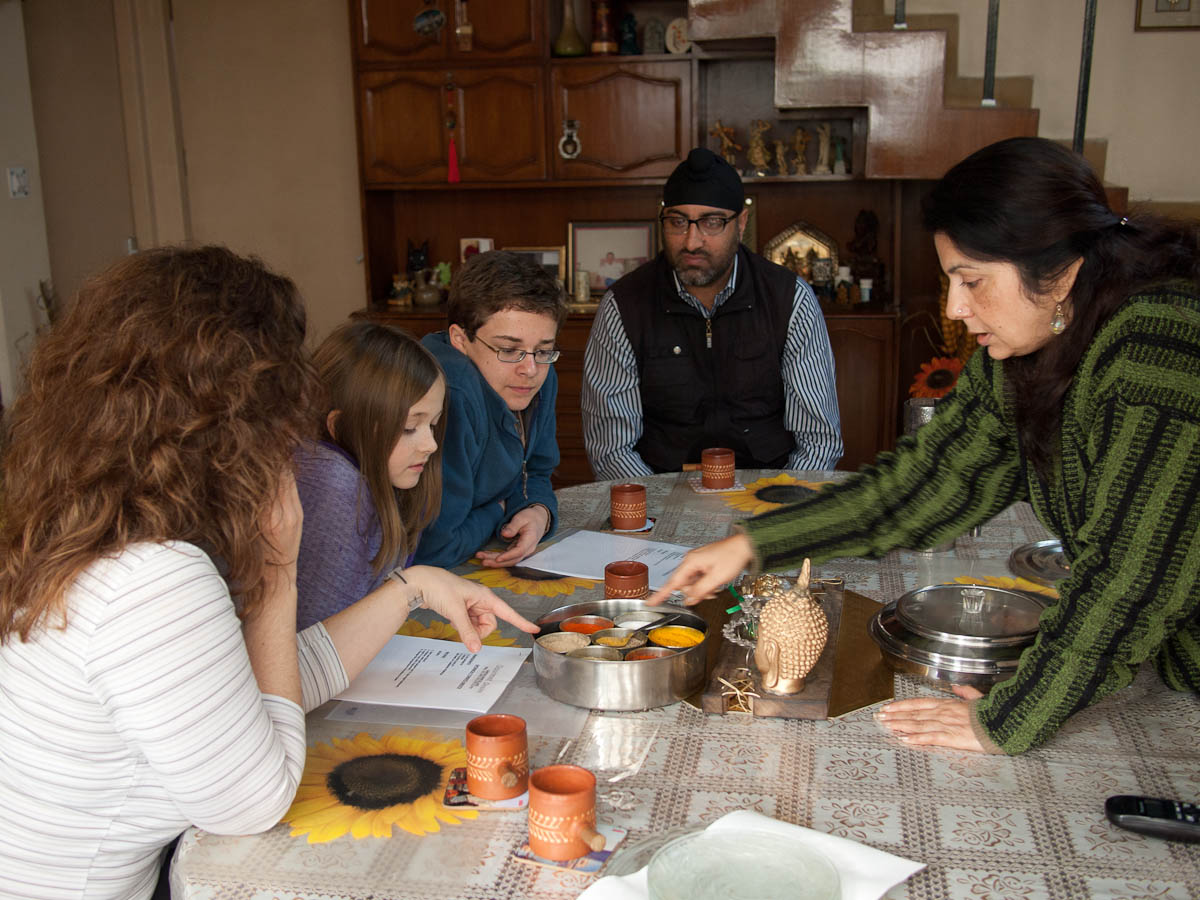
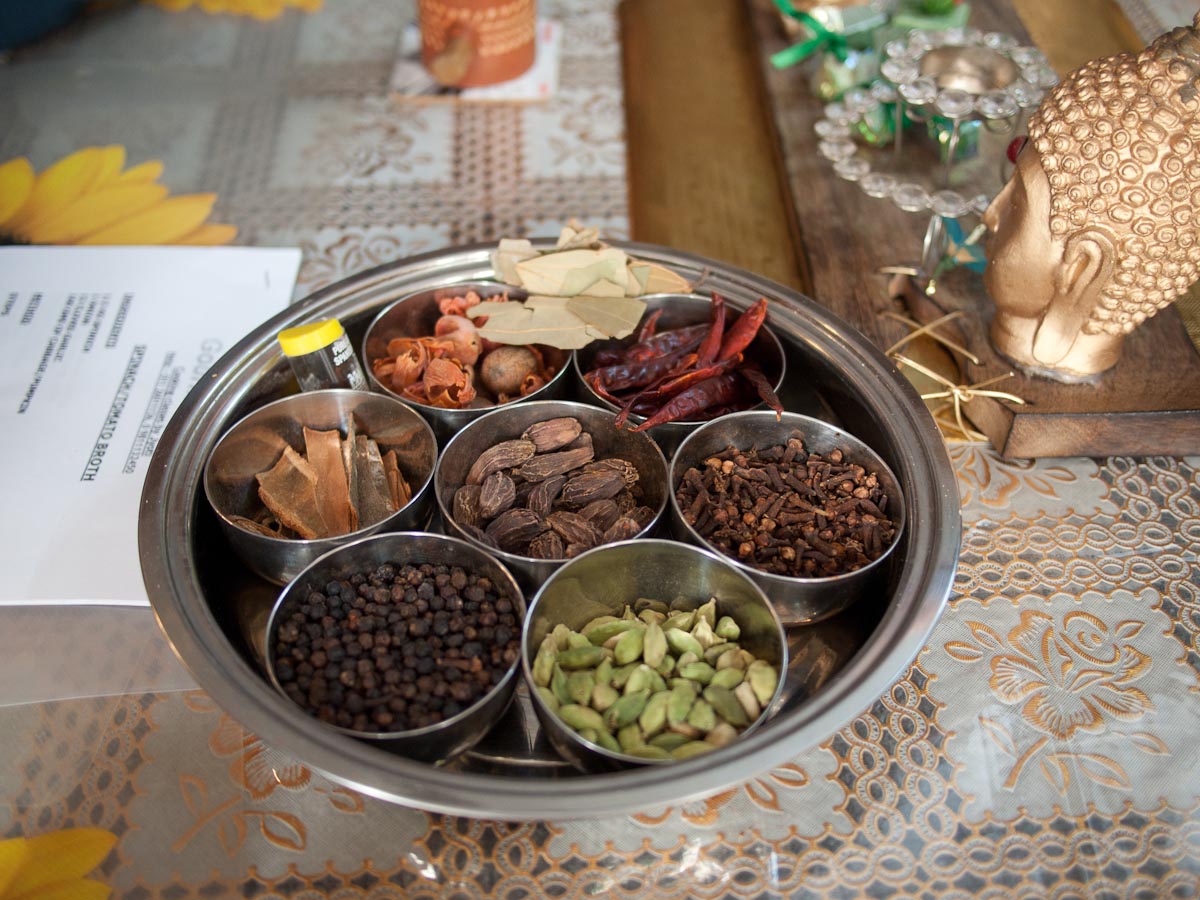
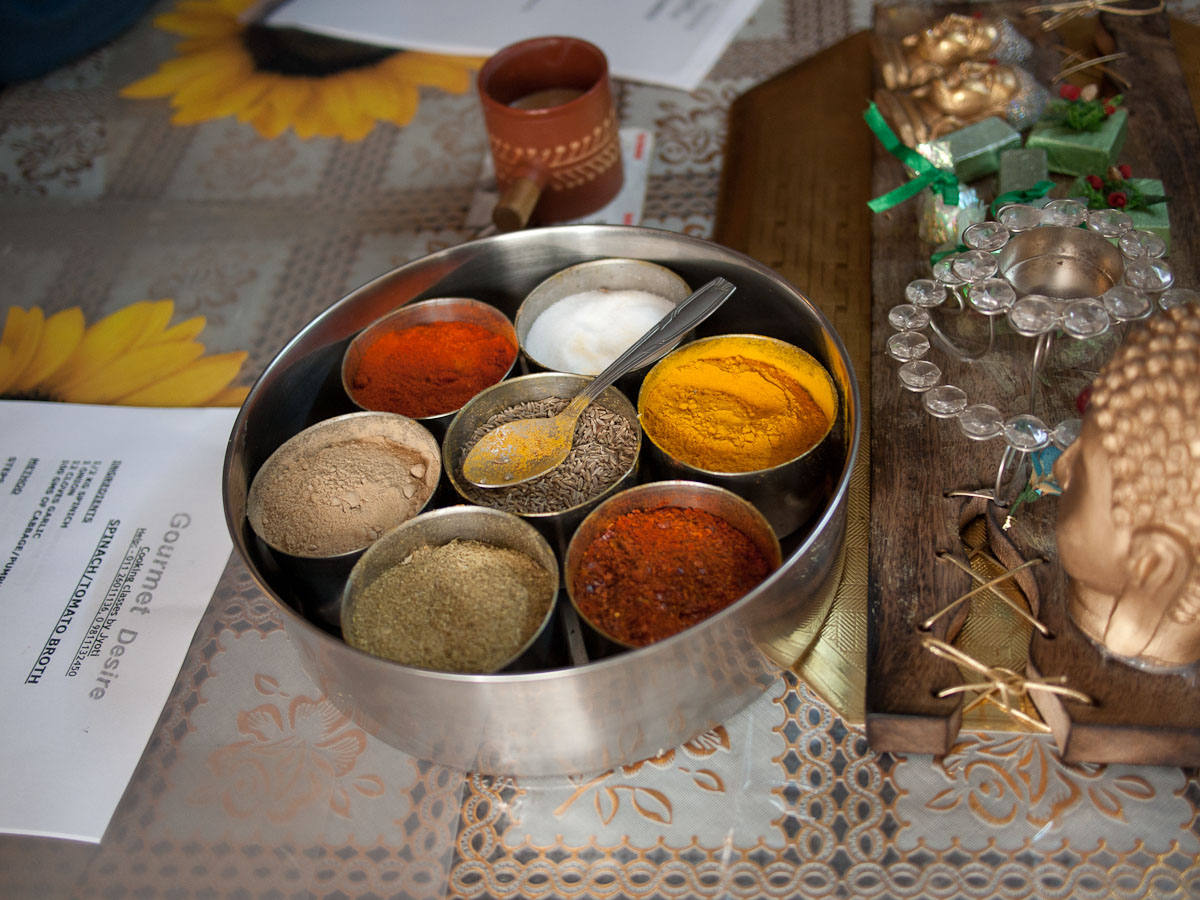
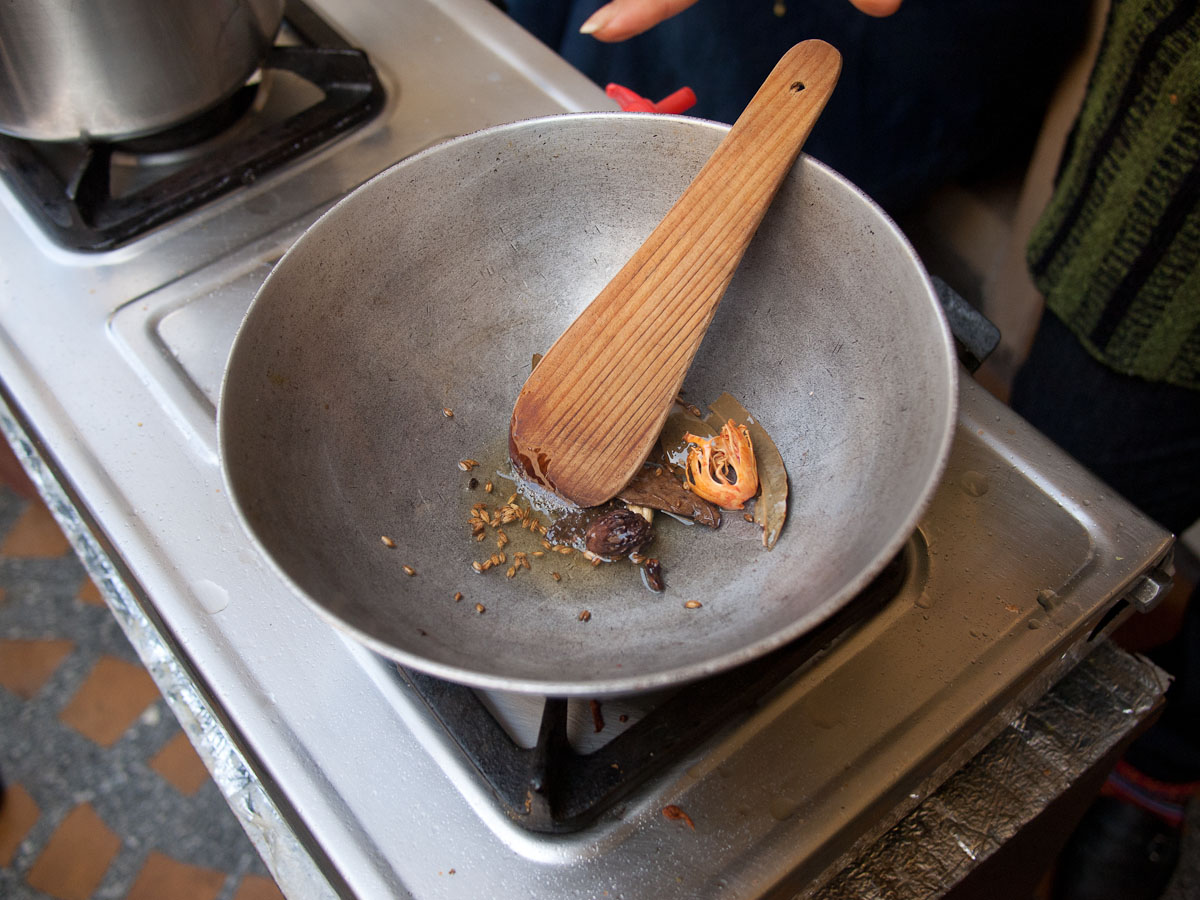
We started with the spices. Jyoti produced two round silver tins each the size of a dinner plate. Inside each were a collection of smaller silver tins each filled with a different spice; ground spices collected in one and whole spices in the other. A good cook grinds her spices regularly. Jyoti’s spice vendor prepares miniature cellophane bags of her favorite custom blends, which she then grinds fresh as needed; women who live outside the big cities grow and dry their own from seed. To me, the tins resembled a painter’s palette literally and figuratively. I imagined one in my own kitchen: bright yellow turmeric, deep red chili, pale green ground mango. You could see and smell the promise of something beautiful. The whole spices captivated my interest for their very different shapes: the dried mace blossoms were indeed flower petals, cinnamon bark came as chips not the rolled sticks we get at home, and the cardamom pods came in a small fresh green and large dried brown version I had never seen before.
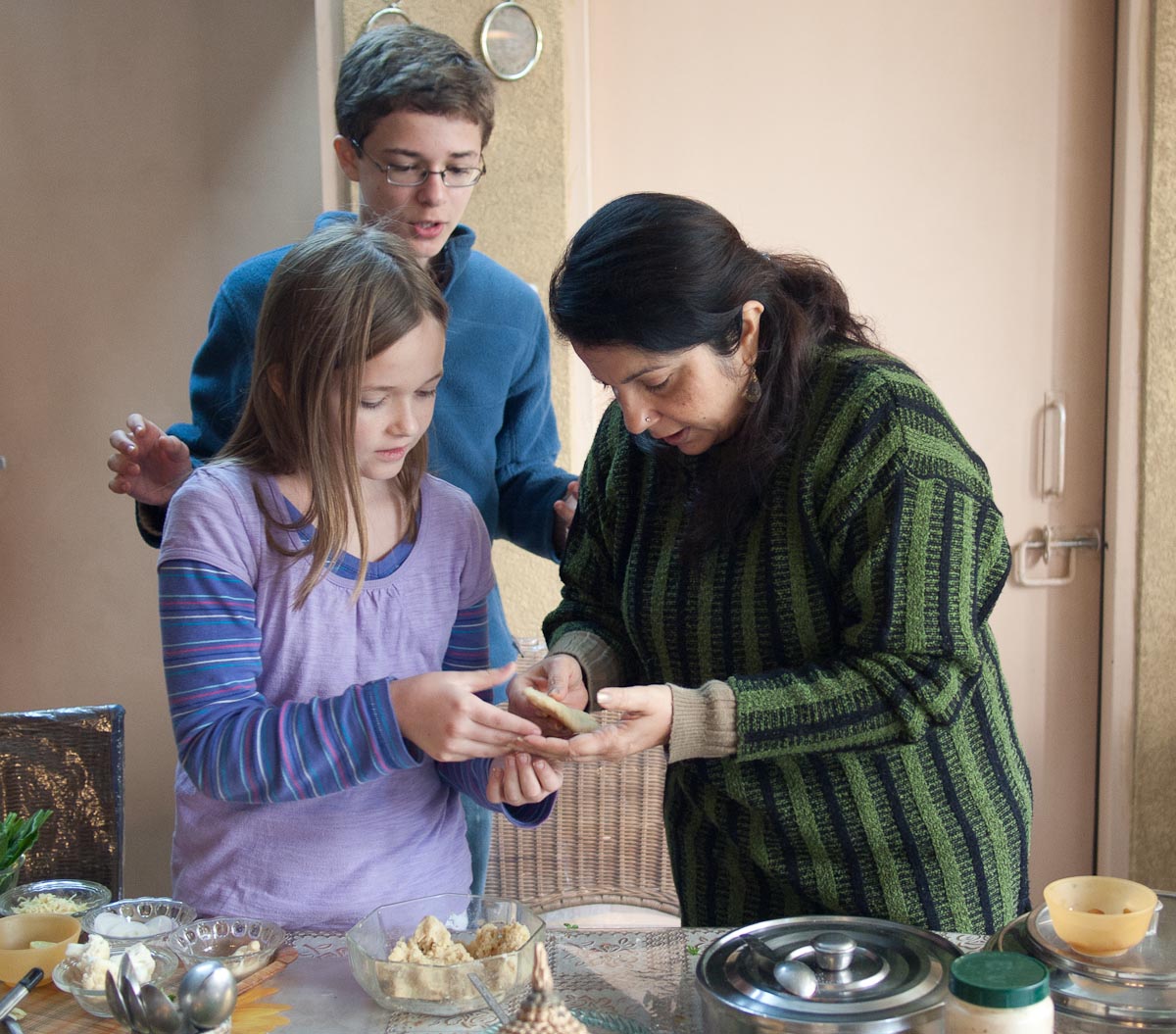
Taking copious notes, we watched as Jyoti explained and prepared ten different dishes. I must admit, we had been cautioned about eating uncooked, unpeeled foods (as well as street foods) on our first visit to India and I mentioned our concern to Jyoti as we were getting underway. She assured me that fresh home cooking rarely, if ever, presented a problem to guest tummies so we dove in with gusto and are thrilled to report that her assertion proved true for us!
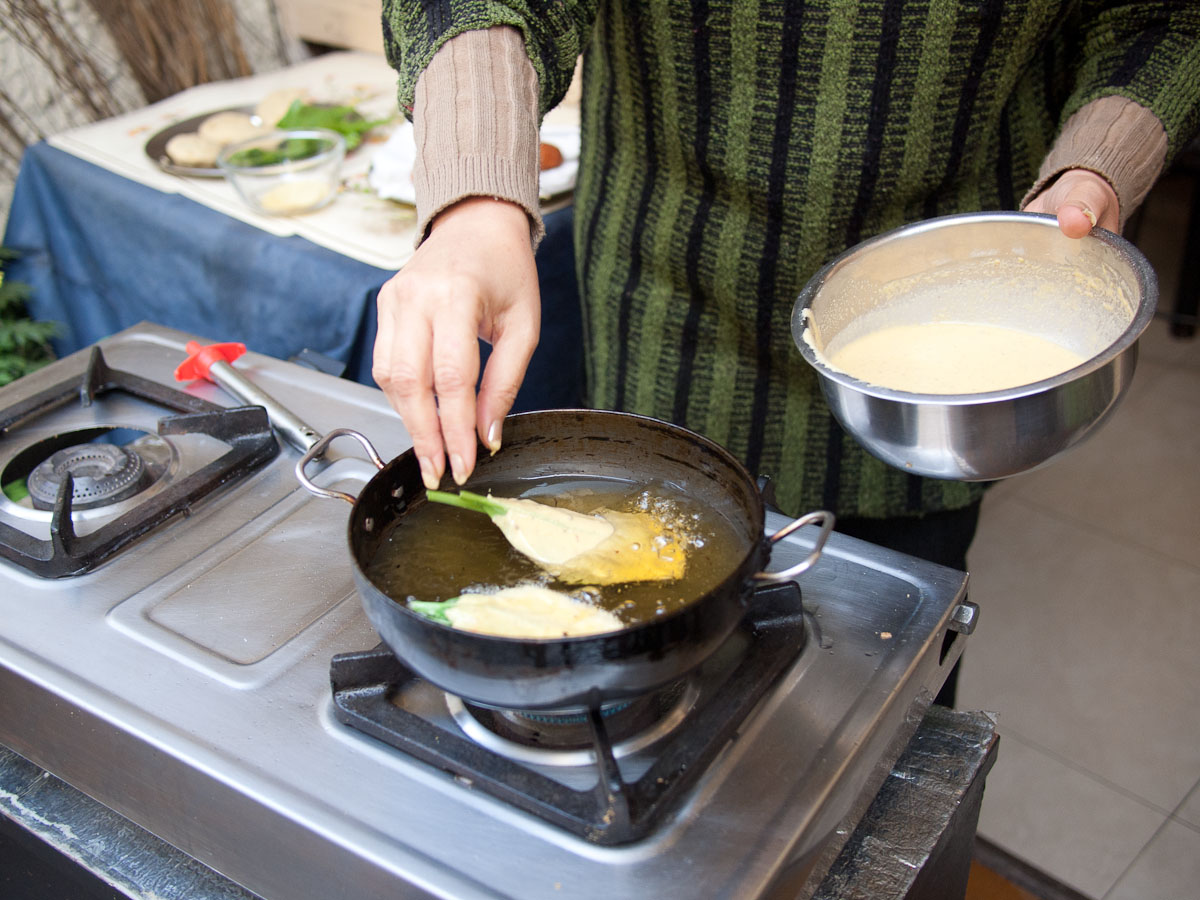
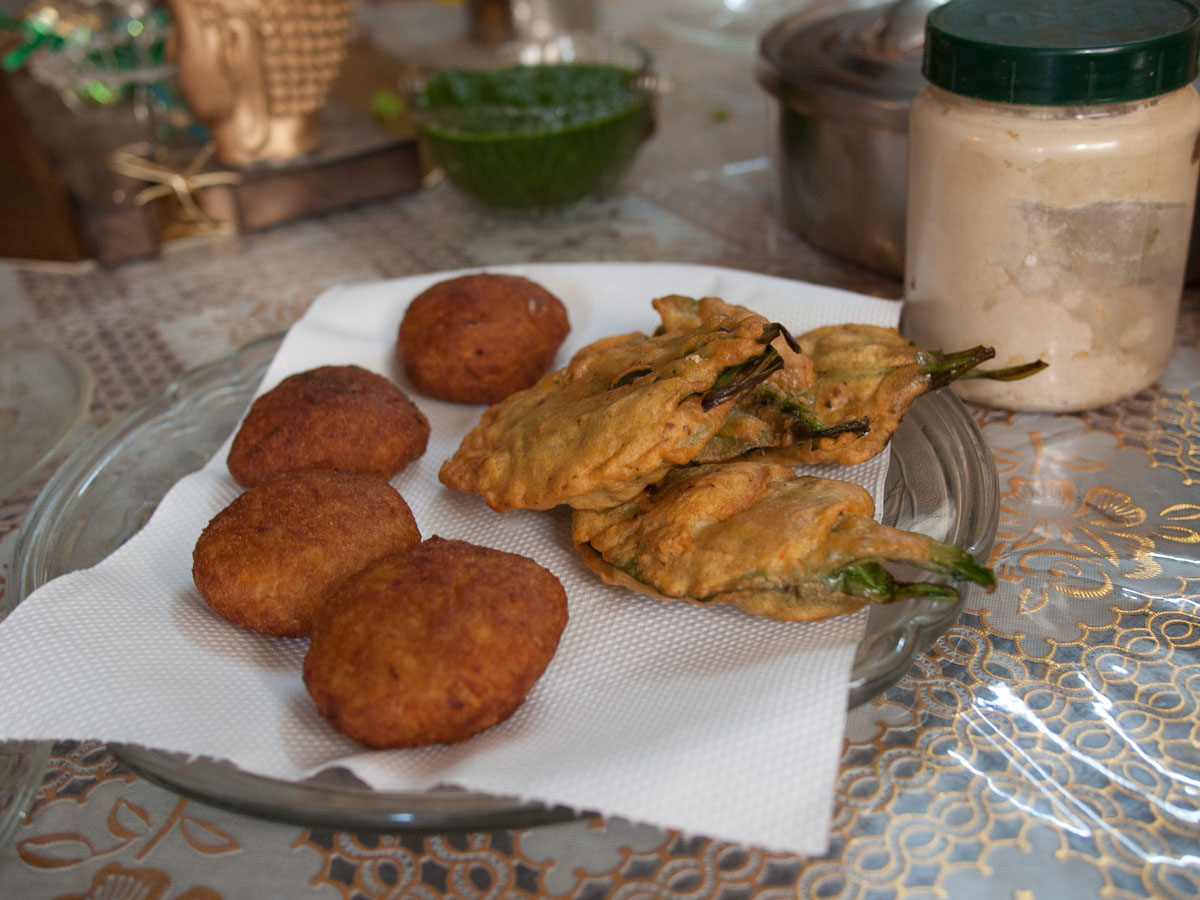
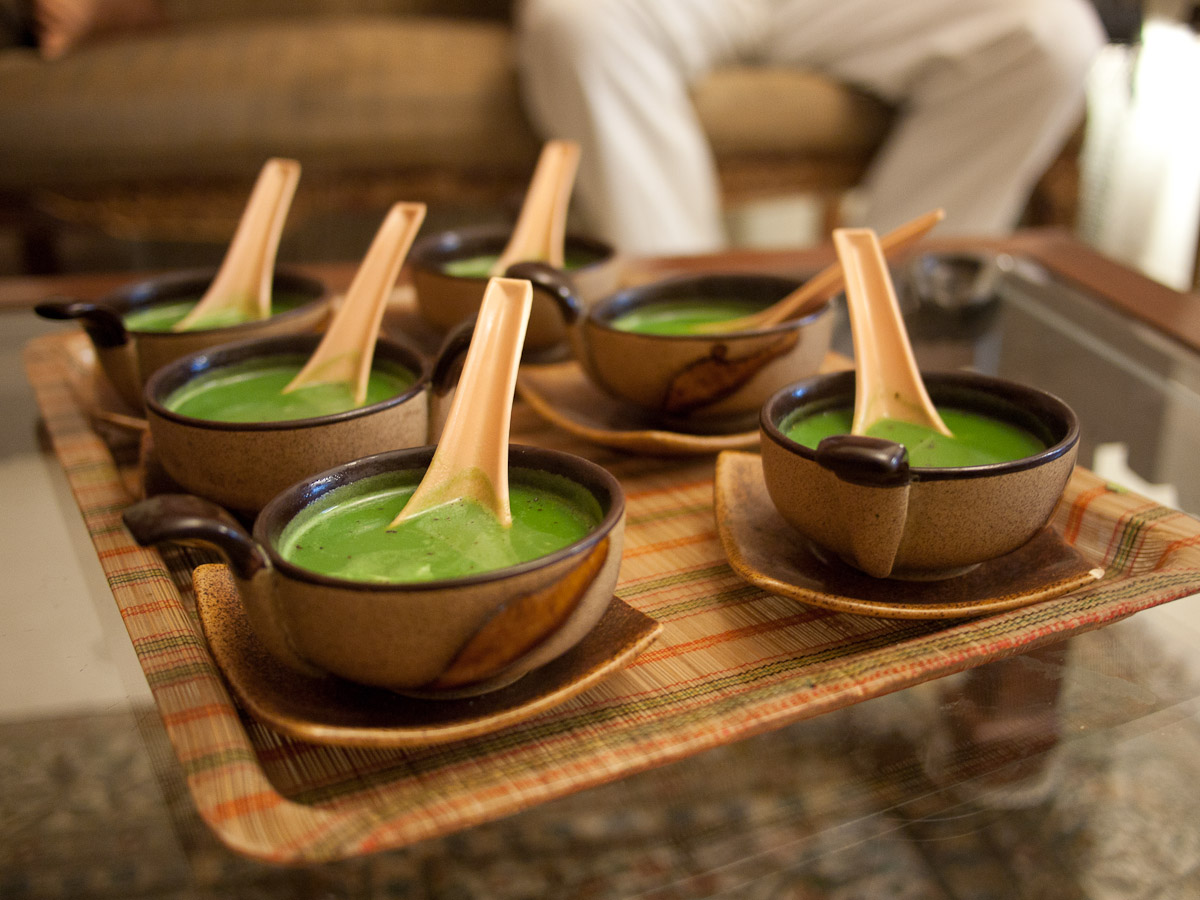
For appetizers, we started with fresh spinach soup, mixed vegetable
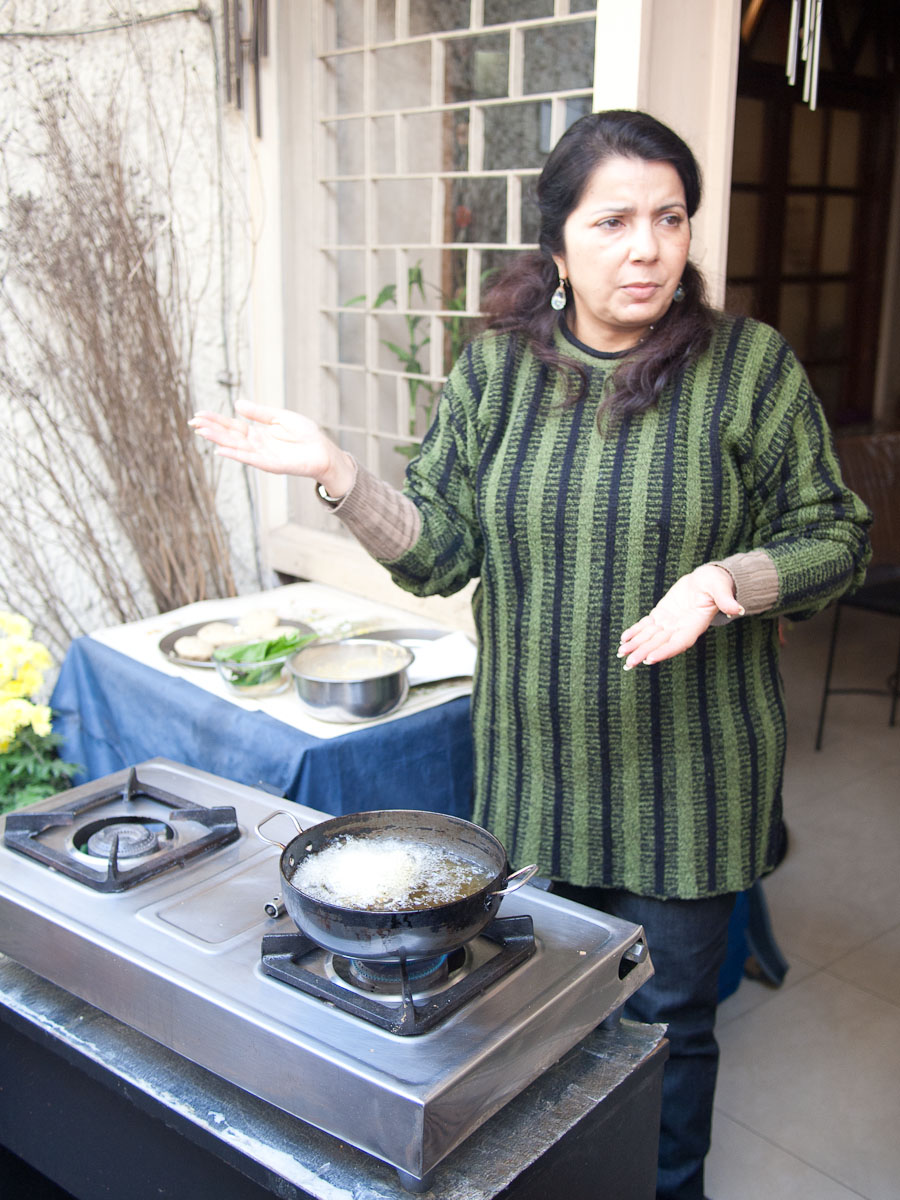
pakoras, which are yummy deep-friend dumplings, and
tikki, shredded potato balls stuffed with fresh peas and also fried. The last two treats were served with a green chutney made by pureeing a ton of fresh coriander and mint with garlic, red chili, lime, and salt.
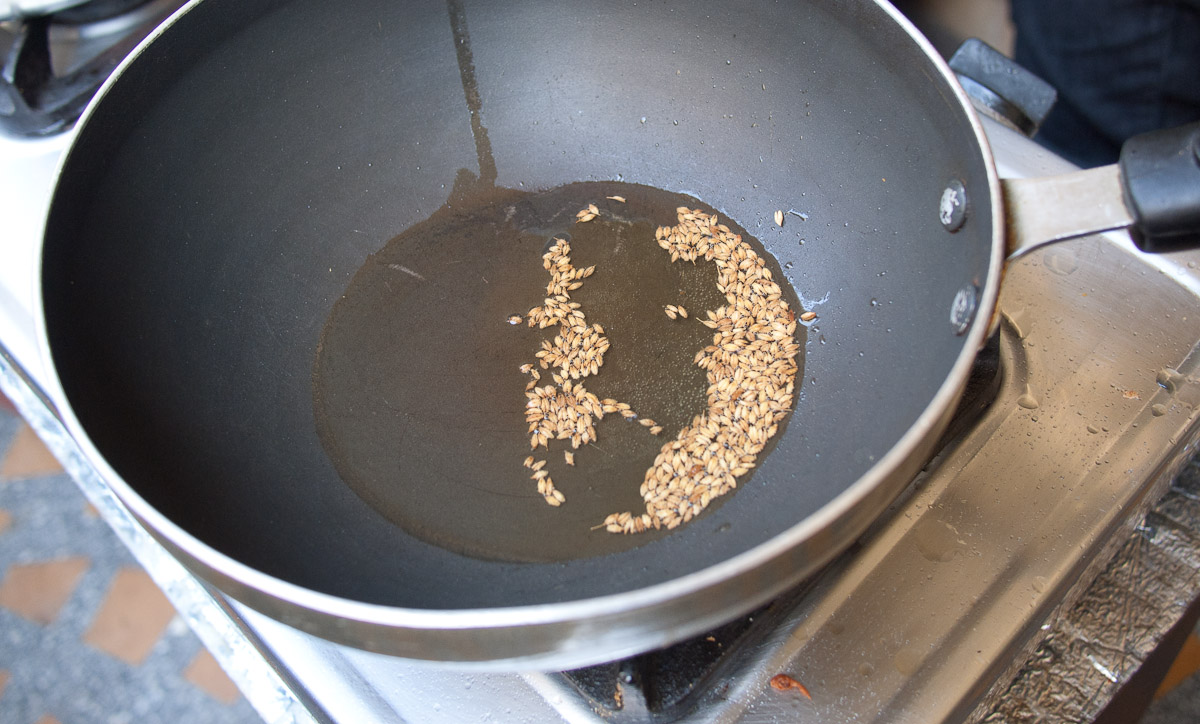
We then moved on to the side dishes which included cauliflower with cumin seed sautéed in mustard oil (the most prevalent oil used in winter), the ever-present tasty lentil stew called
dal, and a scrumptious rice preparation called
pulao. I laughed as Jyoti explained that pulao is what women make when they declare a “no-cook night.” As my friends know, I went on strike the month before we left and did almost no cooking. I figured I might need to add this dish to my repertoire for our re-entry and poised my pen so as not to miss a detail. Within moments, the immortal line from
The Princess Bride came to mind: “I do not think that word means what you think it means.”
Here’s the “no-cook” recipe: First you chop a whole range of vegetables, it doesn’t really matter which kind as long as they cook at similar rates. Then you heat that amazing clarified Indian butter called ghee in which you sauté whatever assortment of whole spices you fancy. Then you add two chopped onions and fry until brown. Next you add two cups rice, four cups water, salt, and boil until almost cooked. You add the vegetables you spent thirty minutes chopping partway through the cooking. The finished dish is served with yogurt as a one-dish meal. It hardly struck me as “no-cook” but after tasting the final product, and Jyoti’s assurances that the active cooking time is less than ten minutes once you get the hang of it, I filed the recipe away with a star on top.
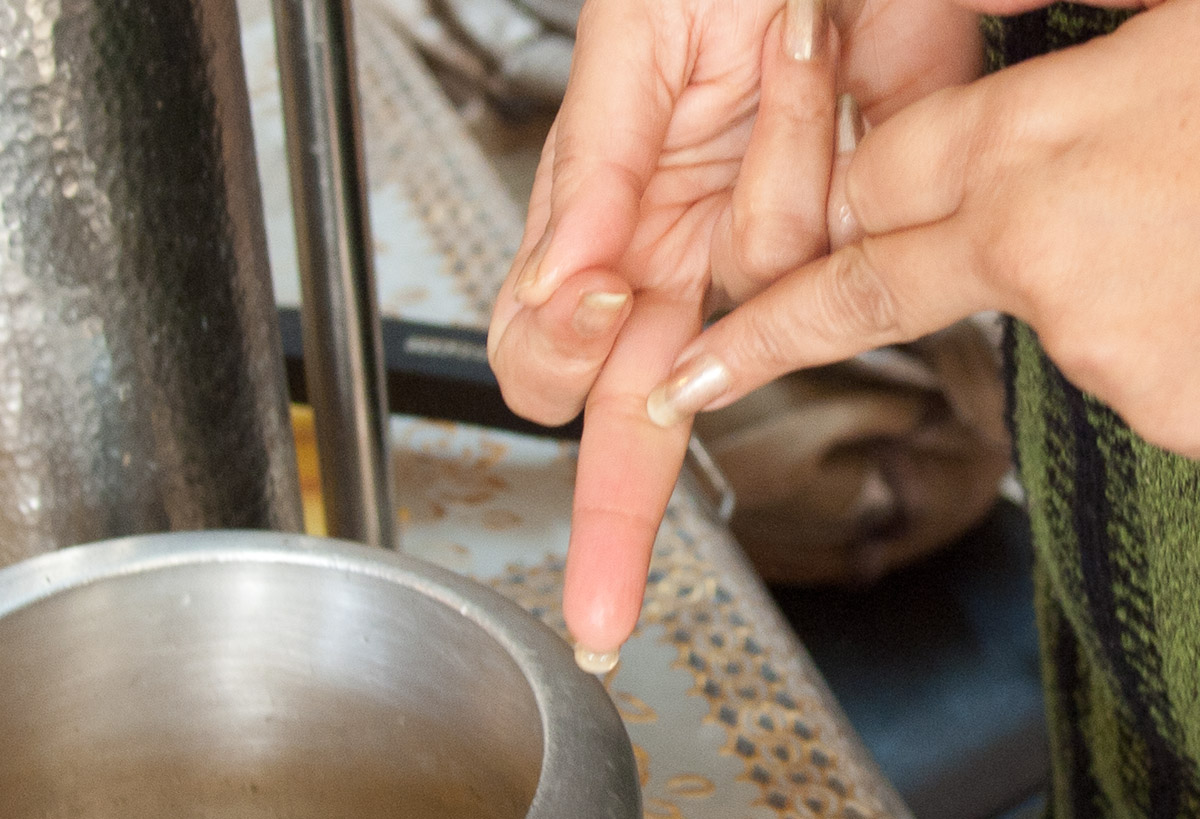
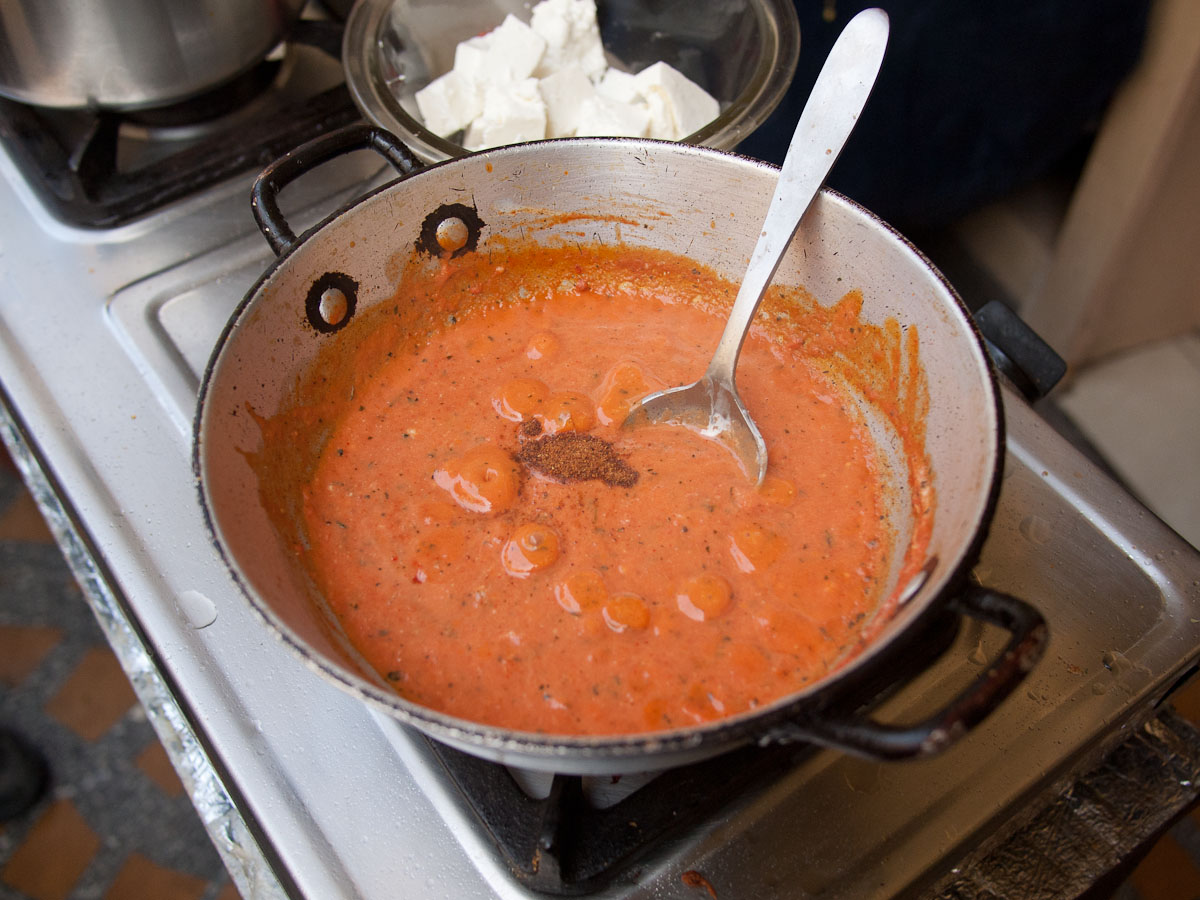
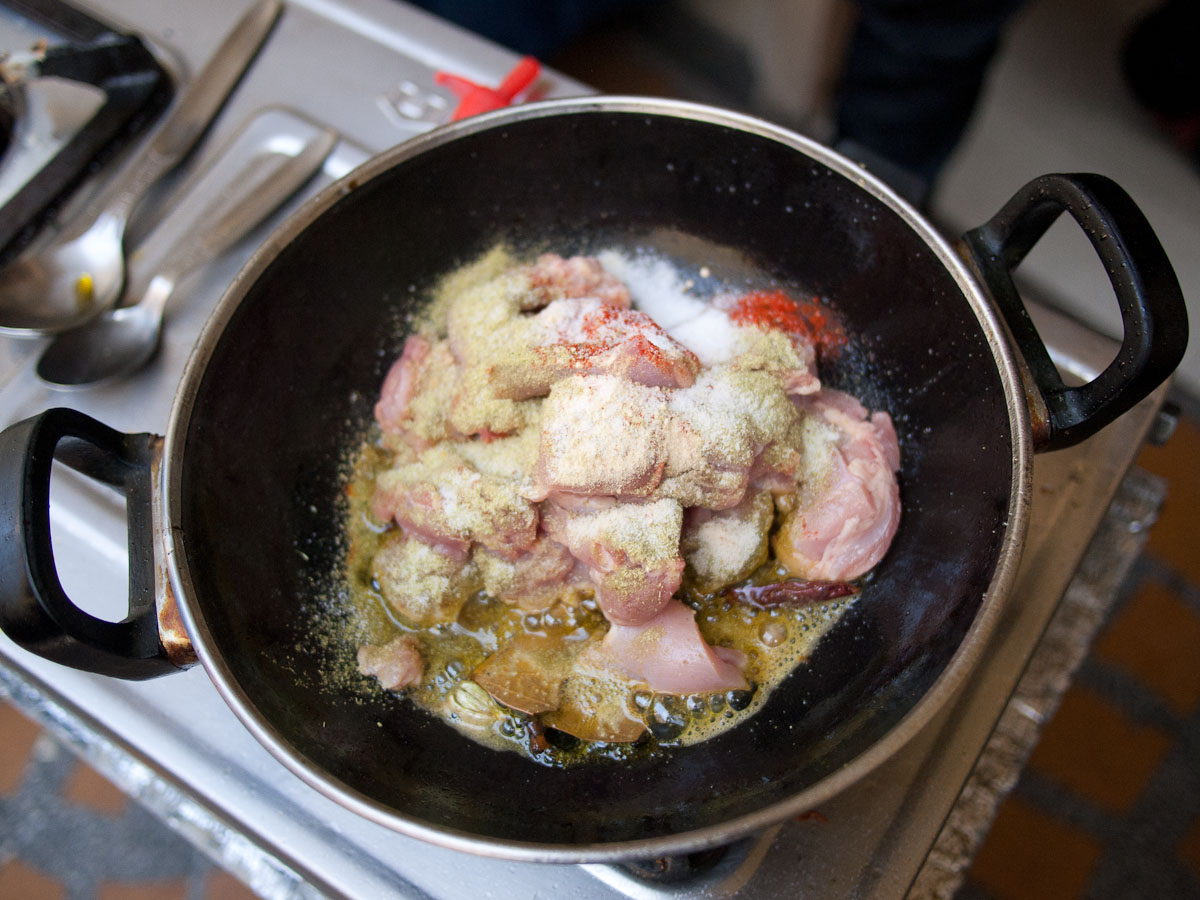
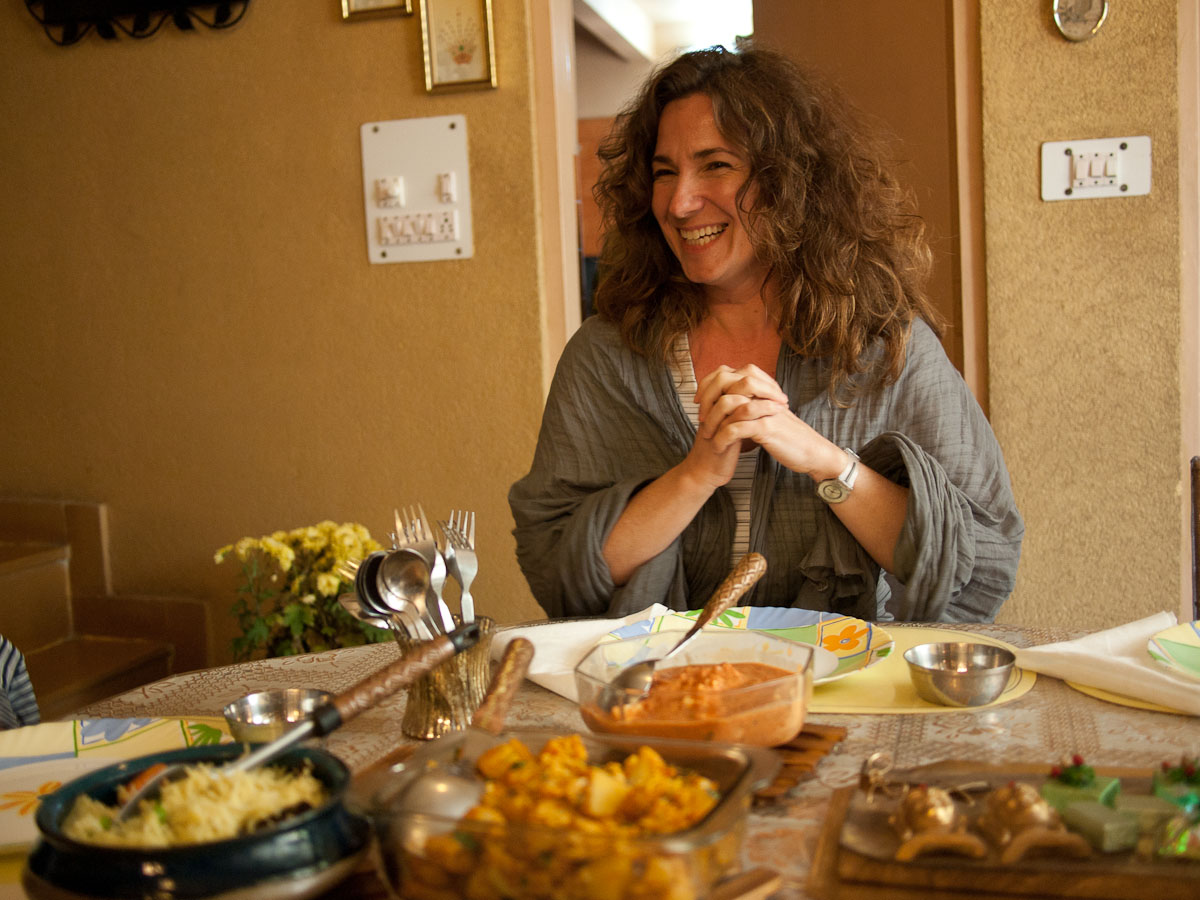
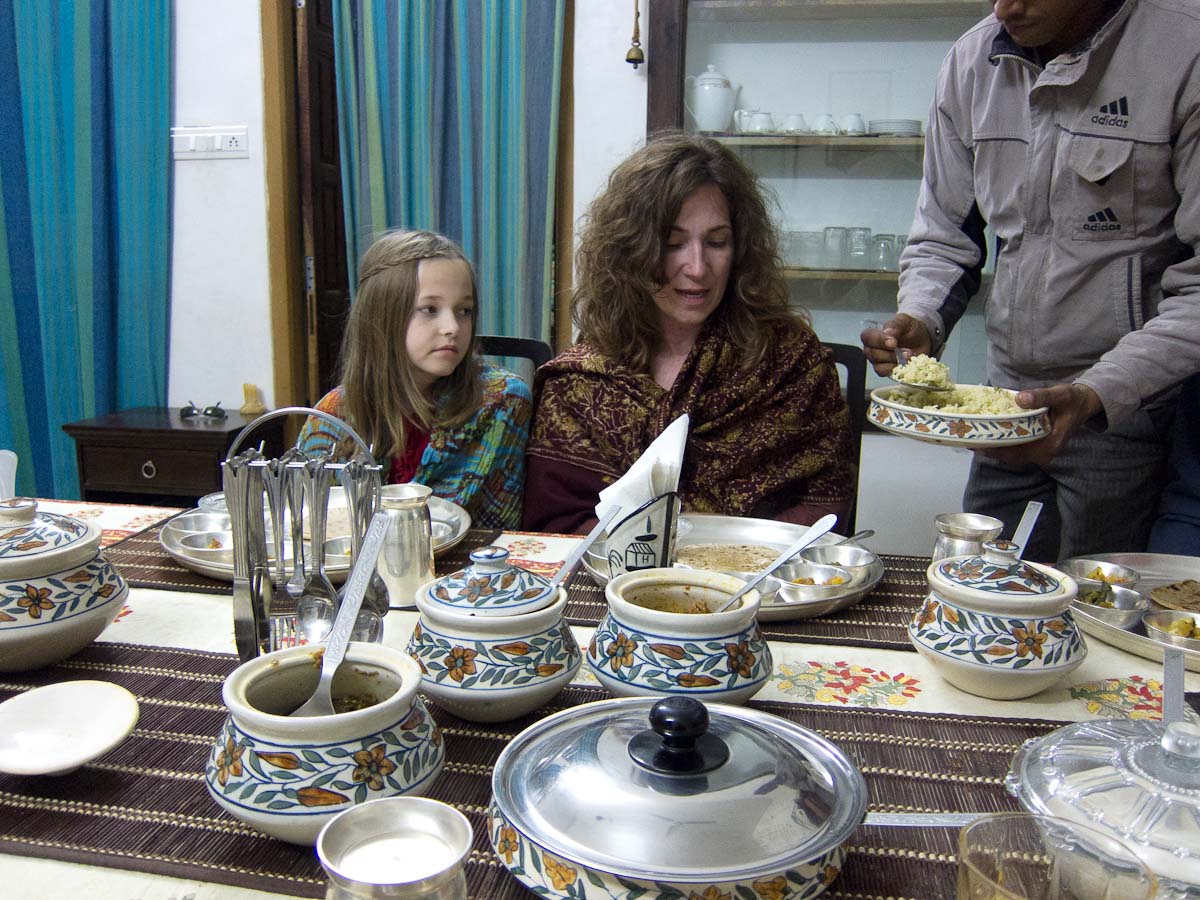
The meal continued with a “simple” chicken curry dish. Here we learned that a curry is actually a generic term used for a sauce or, as it is called locally, a gravy. The variations are endless. To accompany our feast, fresh hot bread kept magically appearing from the kitchen in back. Breads are a staple of the Indian cuisine and we met many who eat their meals with it in lieu of utensils; hence, we also discovered the very practical use of finger bowls.
We concluded with a scrumptious rice pudding made with a grain we’re sure never to find at home, it resembled couscous but tasted like rice and had a marvelous texture. Just when we thought we couldn’t eat another bite, Jyoti served a hot chocolate cake made with whole wheat flour. It was amazing and I was proud and astounded when Carter ate three full servings. We left with large smiles and even larger stomachs, and resolved that we’d ratchet up the exercise quotient of our journey.
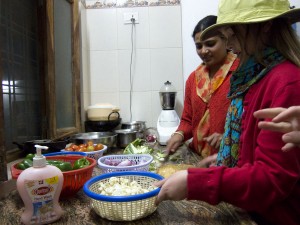
My next lesson came a week later in Udaipur at the able hands of Rakshita Shaktawat in her home kitchen. For us, this proved to be more than a cooking lesson but a glimpse into family life and we were deeply grateful for the opportunity and the hospitality we were shown. Rakshita and her husband Dakshu, along with their adorable 7-year-old son welcomed us in the early evening and graciously waved us off 6 ½ hours later!
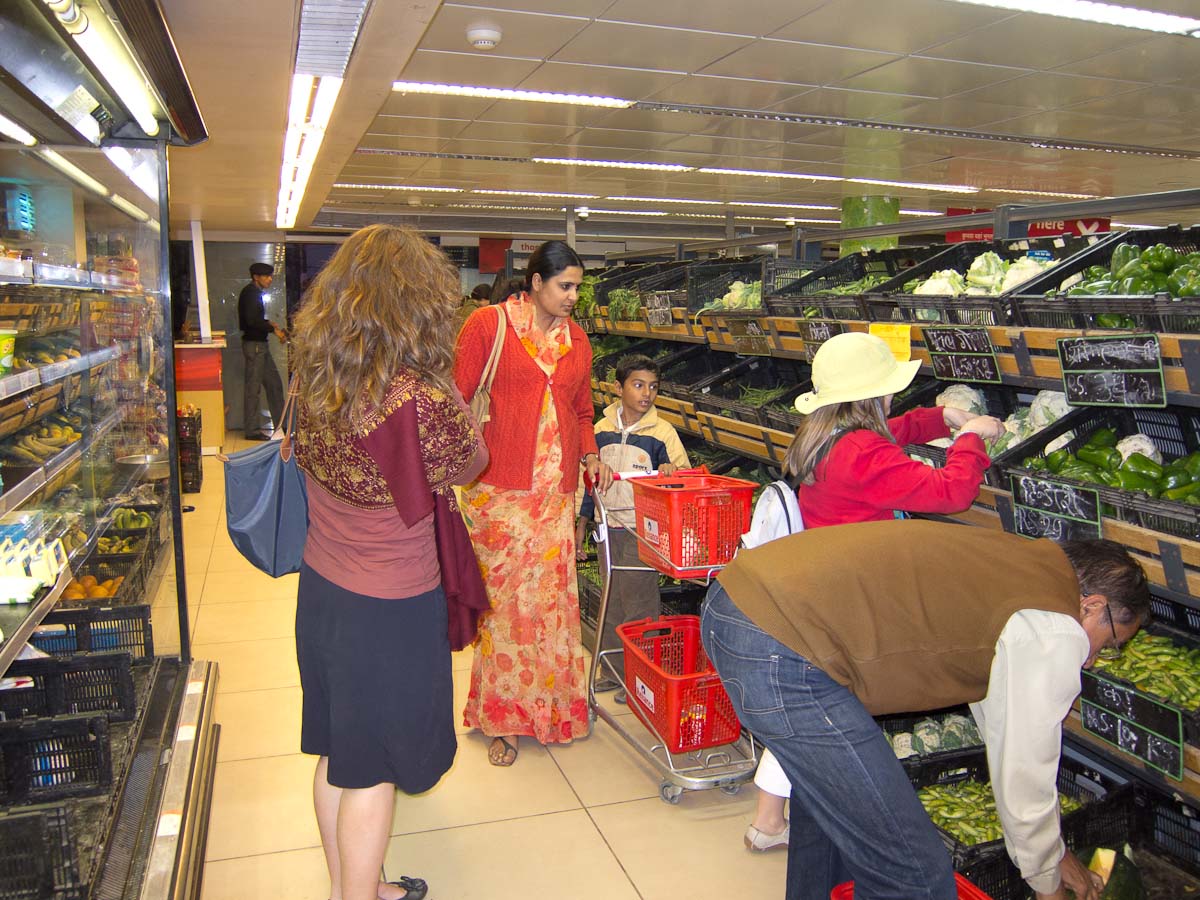
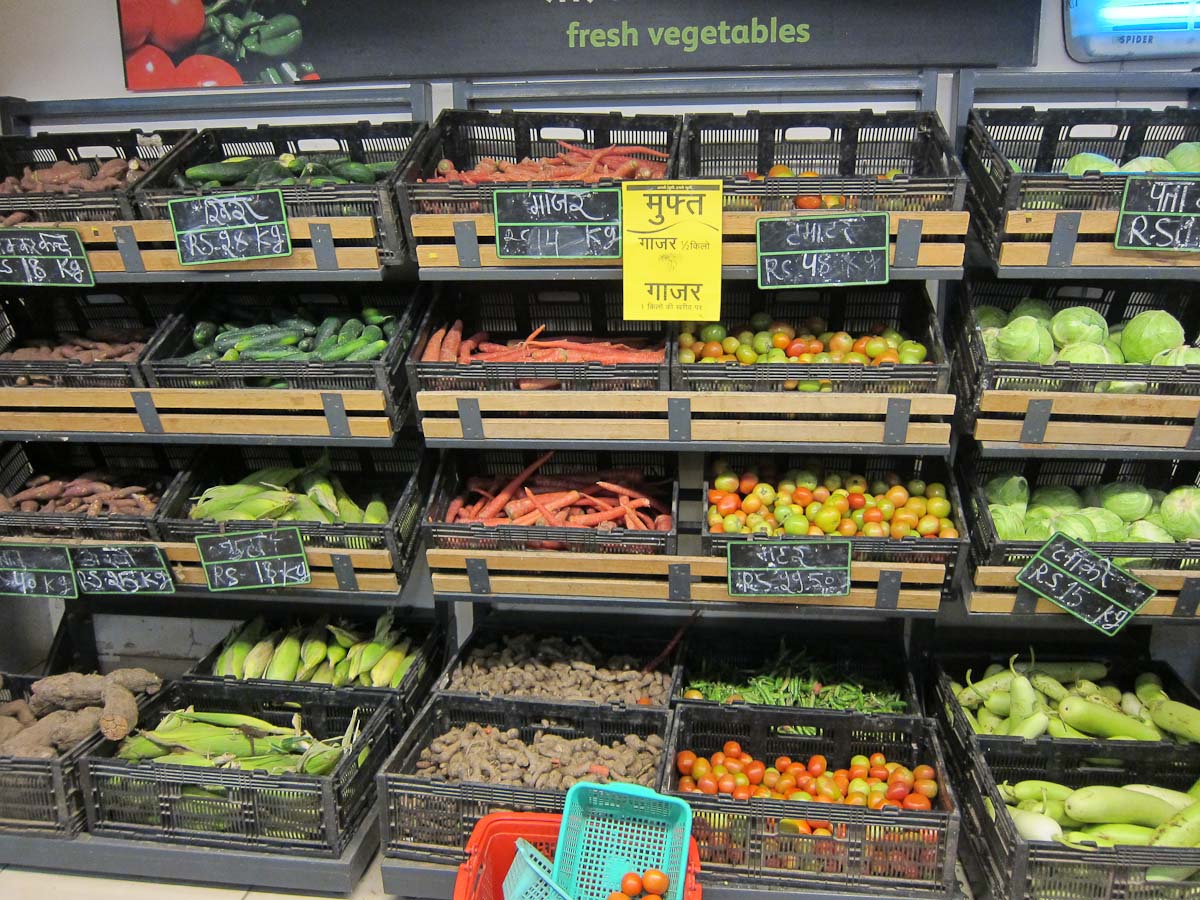
Our first stop was the vegetable market, which turned out to be closed because it was a full moon day: the markets here are open every day save two—the day of the new moon and the day of the full. It was a neat reminder of the prominent role the stars play in India. With the market closed, we headed to the nearest traditional supermarket which had a staggering array of fresh vegetables and more varieties of grains and legumes than I had ever seen (interestingly, I didn’t see a meat counter or butcher section anywhere). Rakshita worked her way through easily and laughed when I asked her if she knew how to cook with these myriad ingredients. She told me that her family has a farm on which they grow almost all of their own grains, legumes, and spices—including the wheat which they grind for bread and the mustard they press for oil. I was awed.
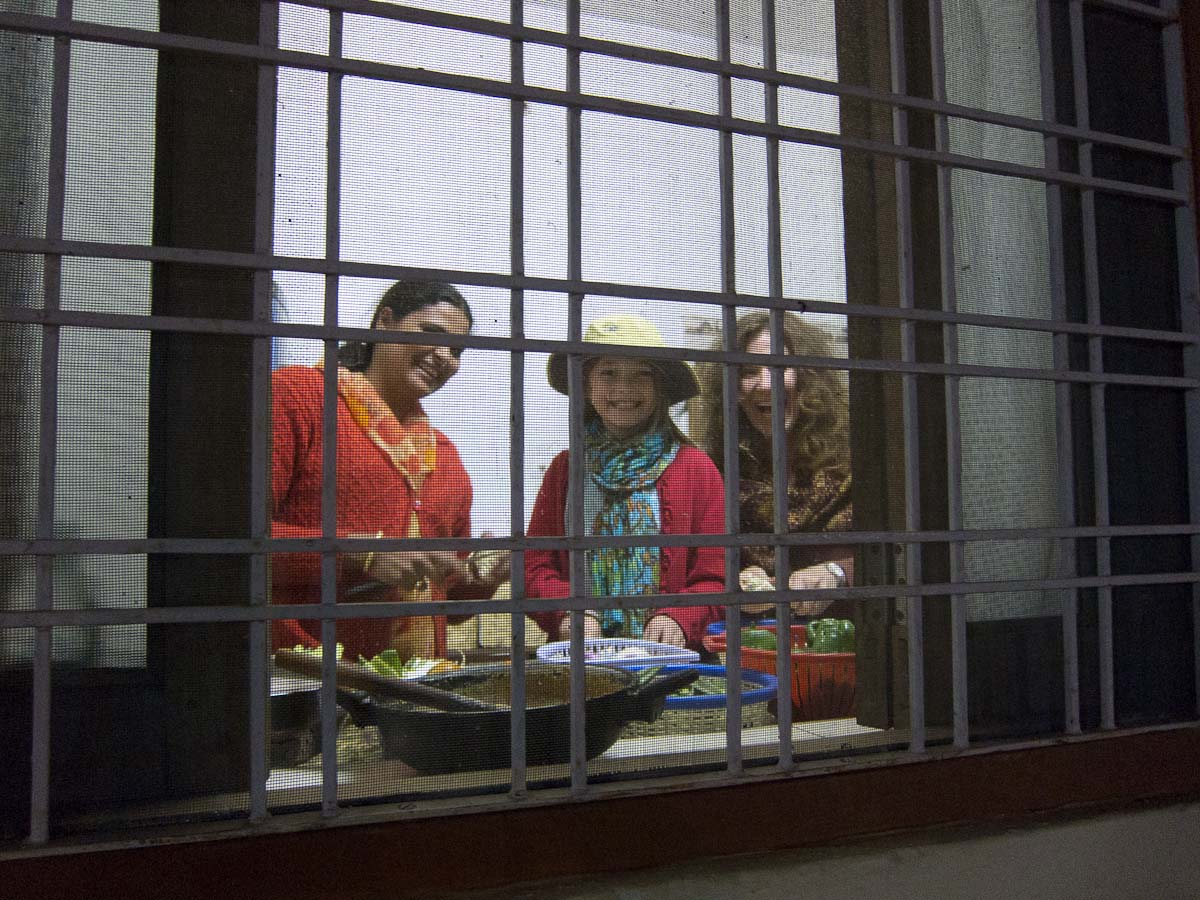
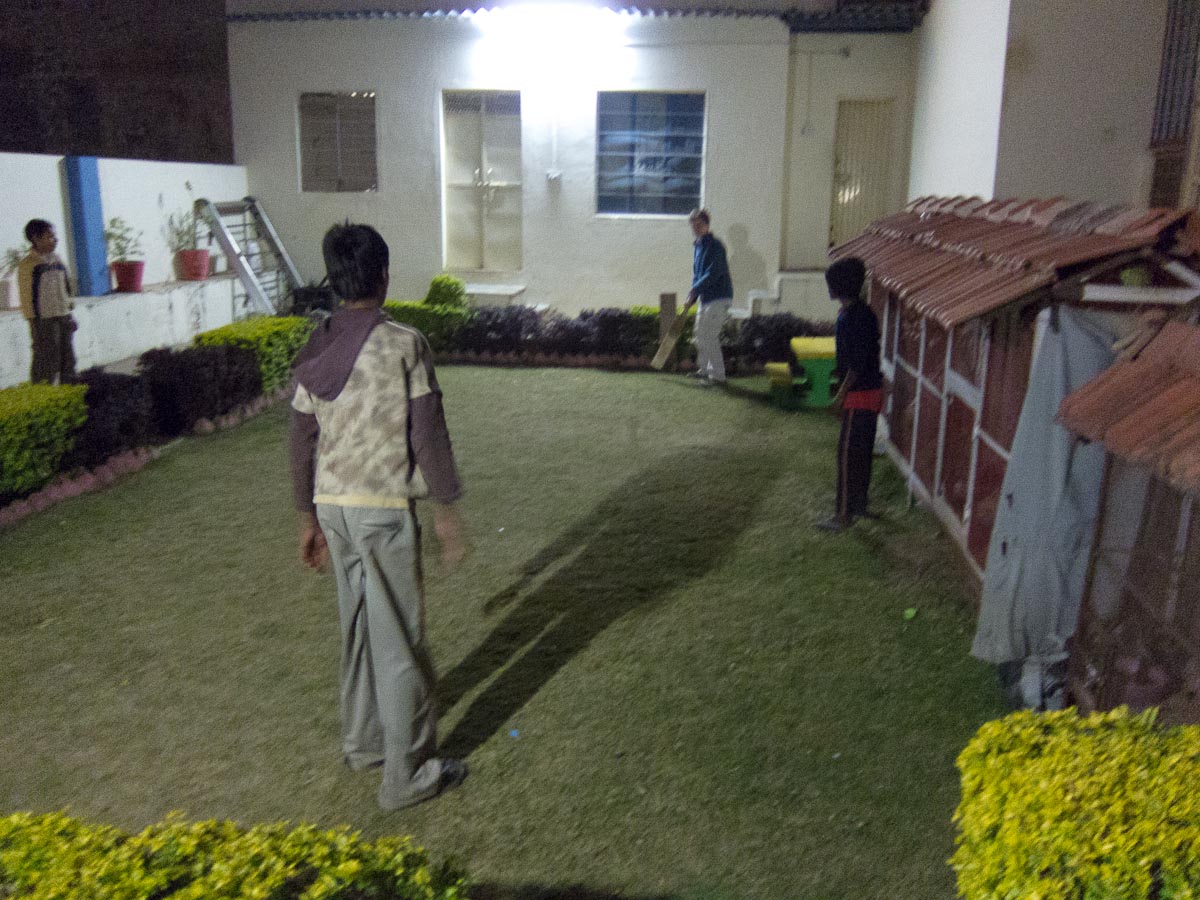
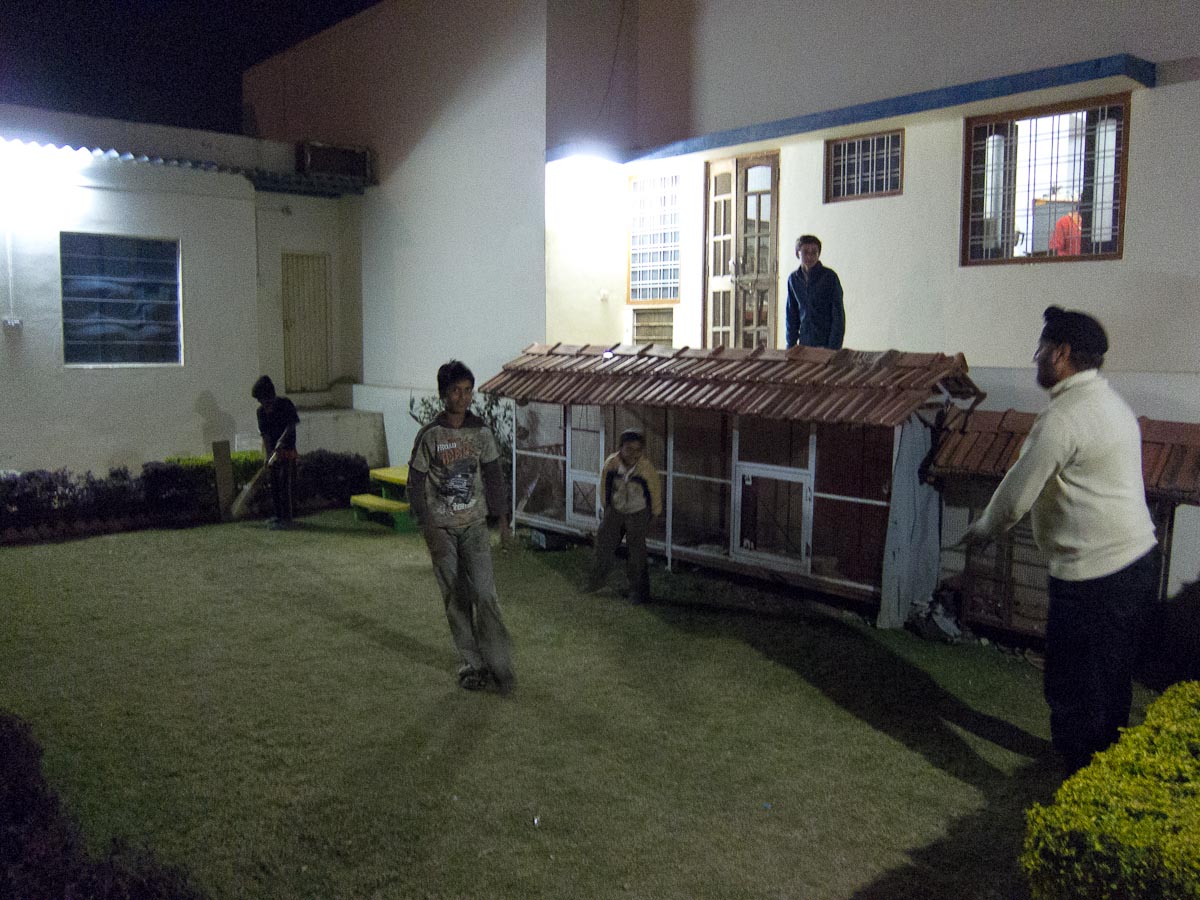
Once back at home, Rakshita, Katherine, and I got to work while the boys went out to the yard. As I peeked out the kitchen window I saw that a cricket lesson was underway and Carter was having the time of his life. Manjeet, our guide, had played on India’s World Cup winning team in 1993 so the quality of the instruction was pretty good! Nevertheless, I kept stealing cautious glances outside as Dakshu had told us a leopard had made off with his Doberman shortly after they moved in several years ago. I figured there was strength in numbers and the dads were outside armed with a cricket bat, so all would be well.
Meanwhile, inside Rakshita showed us how to trim and open okra pods which we then individually stuffed with a spice paste made of pureed garlic, onion, turmeric, chili, cumin, and salt. The okra was then sautéed in mustard oil until cooked through. The aroma was incredible and I made a mental note to cook this for my father-in-law. Our second vegetable dish was a reprise of cauliflower (one of Russ’s favorite veggies). It was also sautéed only this time it was seasoned with tiny black mustard seeds.
For our main meat course we learned how to prepare a fabulous mutton curry using a pressure cooker. The pressure cooker seems to be a very common tool here and I have resolved to buy one when we get home. It works by containing the steam which becomes pressurized and passes through the contents of the pot, thereby heating from the inside as well as the outer surface. The flavors are infused and sealed within and the total cooking time is dramatically reduced: the mutton curry in the cooker requires only 15 minutes or 5 “whistles,” without it the dish takes 60-90 minutes to cook.
Once we finished our lesson, Rakshita led us to the living room where we enjoyed delicious appetizers and learned about the traditions of Indian weddings, a topic which Katherine and I have started asking about wherever we go because it revaels so much about each local culture and gender roles. Rakshita showed us her album and explained that her wedding took place over 6 full days with more than 1,500 people in attendance! The photos were stunning and we giggled like schoolgirls as she shared details of the many traditions and games which are played.
For starters, brides in Indian don’t pick their own wedding gowns and the dresses are never, ever white. White is the color reserved for death shrouds. And it is never purple. Purple is a color reserved for widows. For brides, the gown must be brightly colored, is often elaborately decorated with precious metal threads or stones, and is always a gift from the groom’s family. The dress passes down from generation to generation via the eldest son (new dresses are purchased and given by younger sons so that the tradition is upheld). Her gown was a breathtaking fuchsia.
There is also a tradition regarding jewelry. At home, the groom generally proposes with an engagement ring. In India, the bride receives engagement jewelry to adorn her from head to toe, literally. The offering includes gemstone hair ornaments, nose ring, earrings, necklaces, finger rings, bangles, and toe rings. It is presented in a large tray or small suitcase. Perhaps this is due in part to the fact that India has some of the richest gem deposits in the world. In any event, Katherine and I were stunned by all the sparkle.
We also loved the stories about the wedding games. She told us of one where a ring is dropped into a large vat-like bowl of perfumed water thick with floating petals. The bride and groom must each feel about for the ring, the first one to find it wins and keeps it. The trick: the groom may only use one hand. And another game where seven silver trays are laid out in a path. The groom enters first and taps each tray with the tip of his sword; the bride then follows and must collect and stack each tray without making a sound. If the bride makes noise, it means that she will be quarrelsome. Our eyes grew wide when we saw the trays—they were huge! It was an impossible task! We asked, does anyone ever do that successfully? Of course not, she replied with a knowing smile. On that note, we all went to the dining room and enjoyed our feast.
As the night wound to a close we thanked our hosts for a marvelous evening and made them promise to contact us should they ever come to Boston. As I turned to go, Rakshita placed a present in my hands: it was a set of silver spice tins, all filled with the magical herbs of India and, for me, the memory of more than just a meal.

 Taking copious notes, we watched as Jyoti explained and prepared ten different dishes. I must admit, we had been cautioned about eating uncooked, unpeeled foods (as well as street foods) on our first visit to India and I mentioned our concern to Jyoti as we were getting underway. She assured me that fresh home cooking rarely, if ever, presented a problem to guest tummies so we dove in with gusto and are thrilled to report that her assertion proved true for us!
For appetizers, we started with fresh spinach soup, mixed vegetable pakoras, which are yummy deep-friend dumplings, and tikki, shredded potato balls stuffed with fresh peas and also fried. The last two treats were served with a green chutney made by pureeing a ton of fresh coriander and mint with garlic, red chili, lime, and salt.
We then moved on to the side dishes which included cauliflower with cumin seed sautéed in mustard oil (the most prevalent oil used in winter), the ever-present tasty lentil stew called dal, and a scrumptious rice preparation called pulao. I laughed as Jyoti explained that pulao is what women make when they declare a “no-cook night.” As my friends know, I went on strike the month before we left and did almost no cooking. I figured I might need to add this dish to my repertoire for our re-entry and poised my pen so as not to miss a detail. Within moments, the immortal line from The Princess Bride came to mind: “I do not think that word means what you think it means.”
Here’s the “no-cook” recipe: First you chop a whole range of vegetables, it doesn’t really matter which kind as long as they cook at similar rates. Then you heat that amazing clarified Indian butter called ghee in which you sauté whatever assortment of whole spices you fancy. Then you add two chopped onions and fry until brown. Next you add two cups rice, four cups water, salt, and boil until almost cooked. You add the vegetables you spent thirty minutes chopping partway through the cooking. The finished dish is served with yogurt as a one-dish meal. It hardly struck me as “no-cook” but after tasting the final product, and Jyoti’s assurances that the active cooking time is less than ten minutes once you get the hang of it, I filed the recipe away with a star on top.
The meal continued with a “simple” chicken curry dish. Here we learned that a curry is actually a generic term used for a sauce or, as it is called locally, a gravy. The variations are endless. To accompany our feast, fresh hot bread kept magically appearing from the kitchen in back. Breads are a staple of the Indian cuisine and we met many who eat their meals with it in lieu of utensils; hence, we also discovered the very practical use of finger bowls.
We concluded with a scrumptious rice pudding made with a grain we’re sure never to find at home, it resembled couscous but tasted like rice and had a marvelous texture. Just when we thought we couldn’t eat another bite, Jyoti served a hot chocolate cake made with whole wheat flour. It was amazing and I was proud and astounded when Carter ate three full servings. We left with large smiles and even larger stomachs, and resolved that we’d ratchet up the exercise quotient of our journey.
Taking copious notes, we watched as Jyoti explained and prepared ten different dishes. I must admit, we had been cautioned about eating uncooked, unpeeled foods (as well as street foods) on our first visit to India and I mentioned our concern to Jyoti as we were getting underway. She assured me that fresh home cooking rarely, if ever, presented a problem to guest tummies so we dove in with gusto and are thrilled to report that her assertion proved true for us!
For appetizers, we started with fresh spinach soup, mixed vegetable pakoras, which are yummy deep-friend dumplings, and tikki, shredded potato balls stuffed with fresh peas and also fried. The last two treats were served with a green chutney made by pureeing a ton of fresh coriander and mint with garlic, red chili, lime, and salt.
We then moved on to the side dishes which included cauliflower with cumin seed sautéed in mustard oil (the most prevalent oil used in winter), the ever-present tasty lentil stew called dal, and a scrumptious rice preparation called pulao. I laughed as Jyoti explained that pulao is what women make when they declare a “no-cook night.” As my friends know, I went on strike the month before we left and did almost no cooking. I figured I might need to add this dish to my repertoire for our re-entry and poised my pen so as not to miss a detail. Within moments, the immortal line from The Princess Bride came to mind: “I do not think that word means what you think it means.”
Here’s the “no-cook” recipe: First you chop a whole range of vegetables, it doesn’t really matter which kind as long as they cook at similar rates. Then you heat that amazing clarified Indian butter called ghee in which you sauté whatever assortment of whole spices you fancy. Then you add two chopped onions and fry until brown. Next you add two cups rice, four cups water, salt, and boil until almost cooked. You add the vegetables you spent thirty minutes chopping partway through the cooking. The finished dish is served with yogurt as a one-dish meal. It hardly struck me as “no-cook” but after tasting the final product, and Jyoti’s assurances that the active cooking time is less than ten minutes once you get the hang of it, I filed the recipe away with a star on top.
The meal continued with a “simple” chicken curry dish. Here we learned that a curry is actually a generic term used for a sauce or, as it is called locally, a gravy. The variations are endless. To accompany our feast, fresh hot bread kept magically appearing from the kitchen in back. Breads are a staple of the Indian cuisine and we met many who eat their meals with it in lieu of utensils; hence, we also discovered the very practical use of finger bowls.
We concluded with a scrumptious rice pudding made with a grain we’re sure never to find at home, it resembled couscous but tasted like rice and had a marvelous texture. Just when we thought we couldn’t eat another bite, Jyoti served a hot chocolate cake made with whole wheat flour. It was amazing and I was proud and astounded when Carter ate three full servings. We left with large smiles and even larger stomachs, and resolved that we’d ratchet up the exercise quotient of our journey.




Error thrown
Call to undefined function ereg()