
Jan 20
The Indians are fantastic martial inventors. They invented many hundreds of things, but I have chosen the top invention of each main category that we saw.
GATE DEFENSES
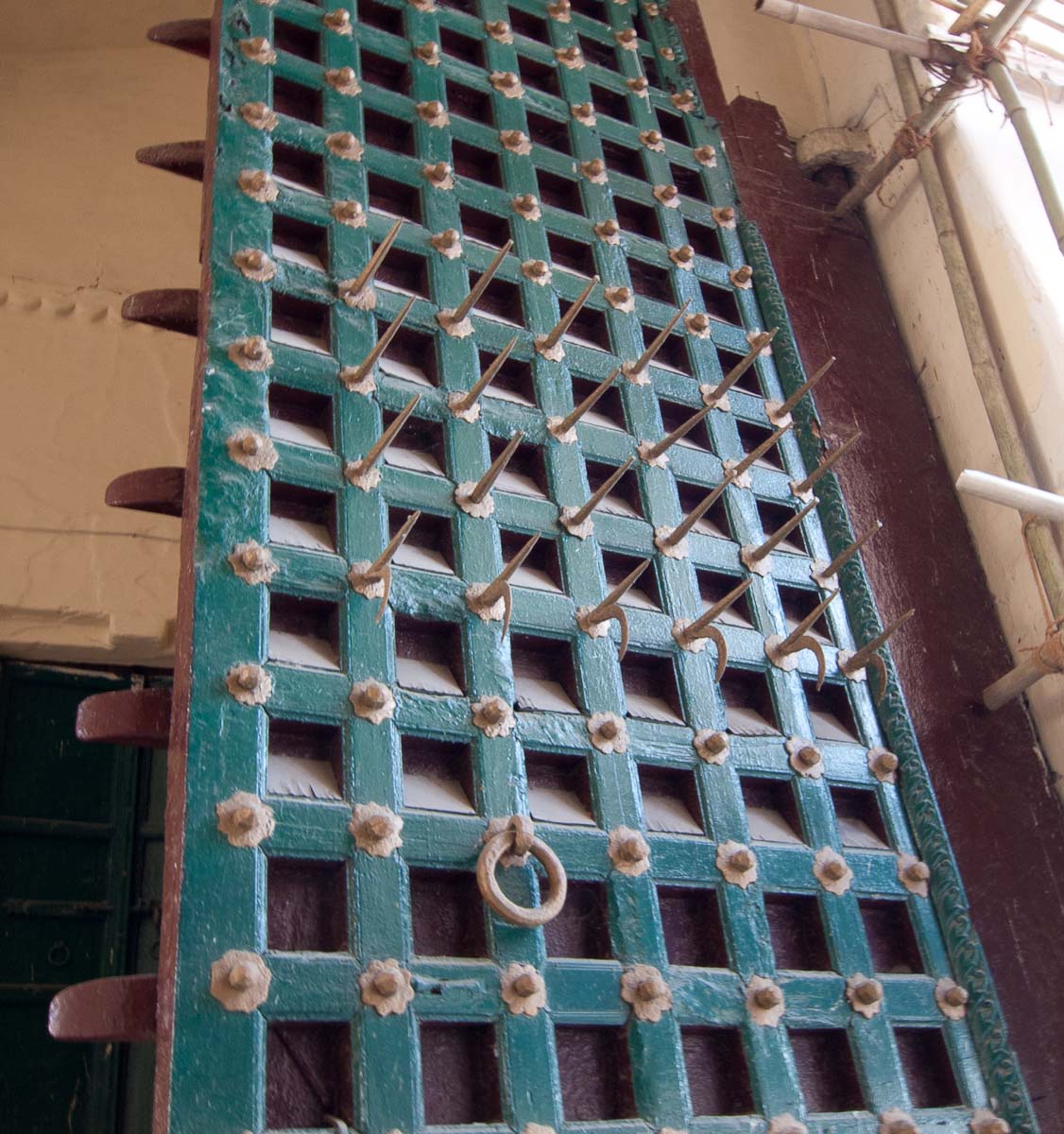
A fort’s gate is its weak link, the easiest place to smash in and take control. In India there are bristly, natural, and gray battering rams know as elephants. If three elephants charged at full speed in to your gate, you would be in big trouble. The Indians had to think of something to stop the elephants, and came up with an ingenious idea. They made scores of 1 ½-2 feet spikes all along the length of the gate. Knowing that men could tear them down, and elephants faces would be the most effective, they placed them around the height of an elephants face, stopping any elephant charges.
DEALING WITH INVADERS INSIDE THE FORTIFICATIONS
A simple answer here, build the fort like a massive fortification, with almost every single location suitable for barriers and hold outs. The passages were all narrow and never went straight for very long, they would curve and zigzag for no reason other than defense. The doorways were extremely low, causing enemy soldiers to duck before entering. As a soldier ducks, his head is cut off by one of the two guards hiding next to and out of sight of the doorway. Plenty of these doorways posed a serious morale issue. No-one would want to go first. Then there were the stairways. Soldiers would have armor weighing up to 40 kilos, making stumbling a recognized hazard. Therefore, the steps were purposely carved unevenly; small step, small step, big step, small step, big step, sloped step, big step, small step, small step, big step, sloped step…”Go ahead, look down! We’ll see what happens!”
ASSASINATION
The Katar, or punching dagger. No fancy fencing. You get up close to your target, hand with the dagger inside your sleeve, then POW…it’s over. Sometimes though, you want to make sure your target dies, so the Indians made a few, modifications. Some Katars had a pistol barrels on each side of the handle, protruding to the midpoint of the blade. Inside the handle there are two triggers, one for your index finger and one for your pinky. Stab; shoot at negative 2 inches away from target. Other dagger blades had a hidden surprise. As the assassin squeezes his hand during/after the punch, the blade will open up like scissors and the two halves cut horizontally as well.
And Finally…
CLEVER AND UNIQUE IDEA
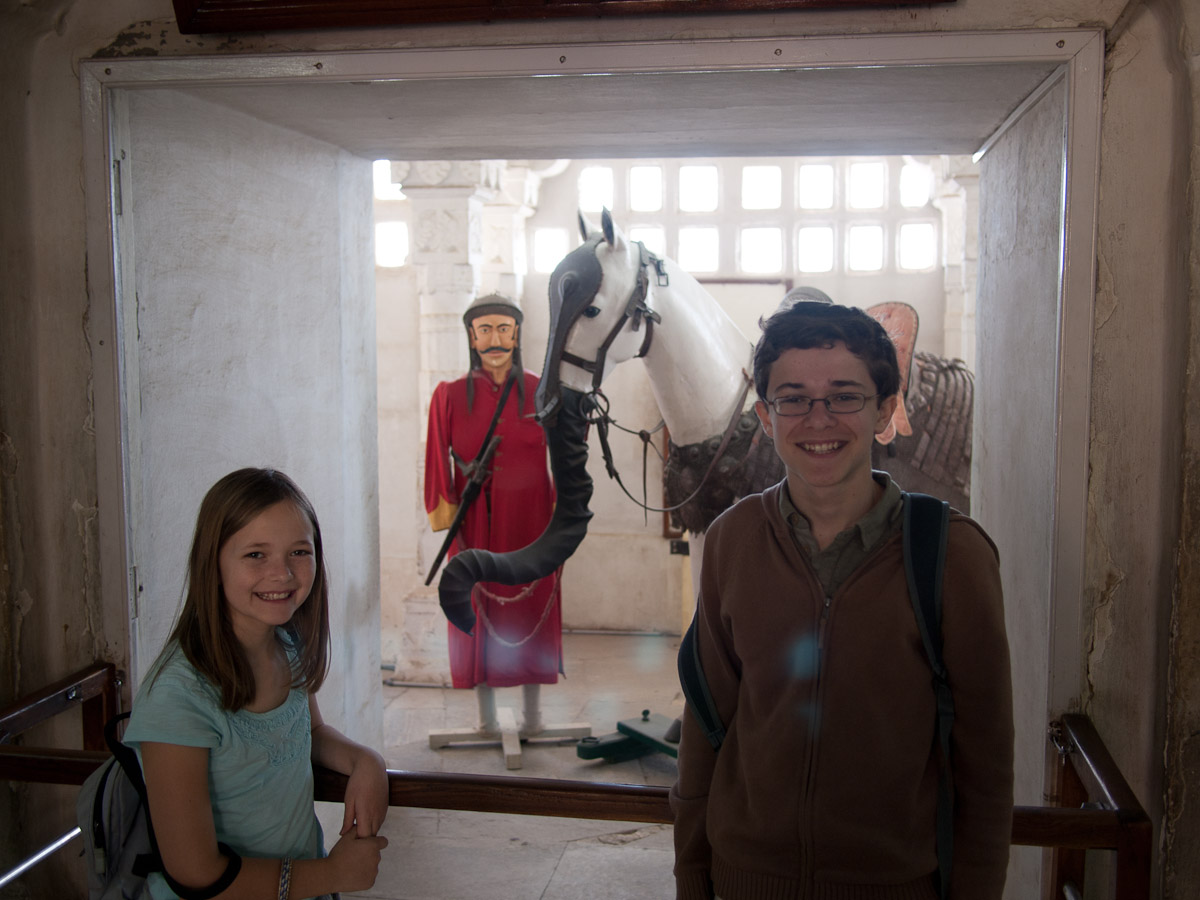
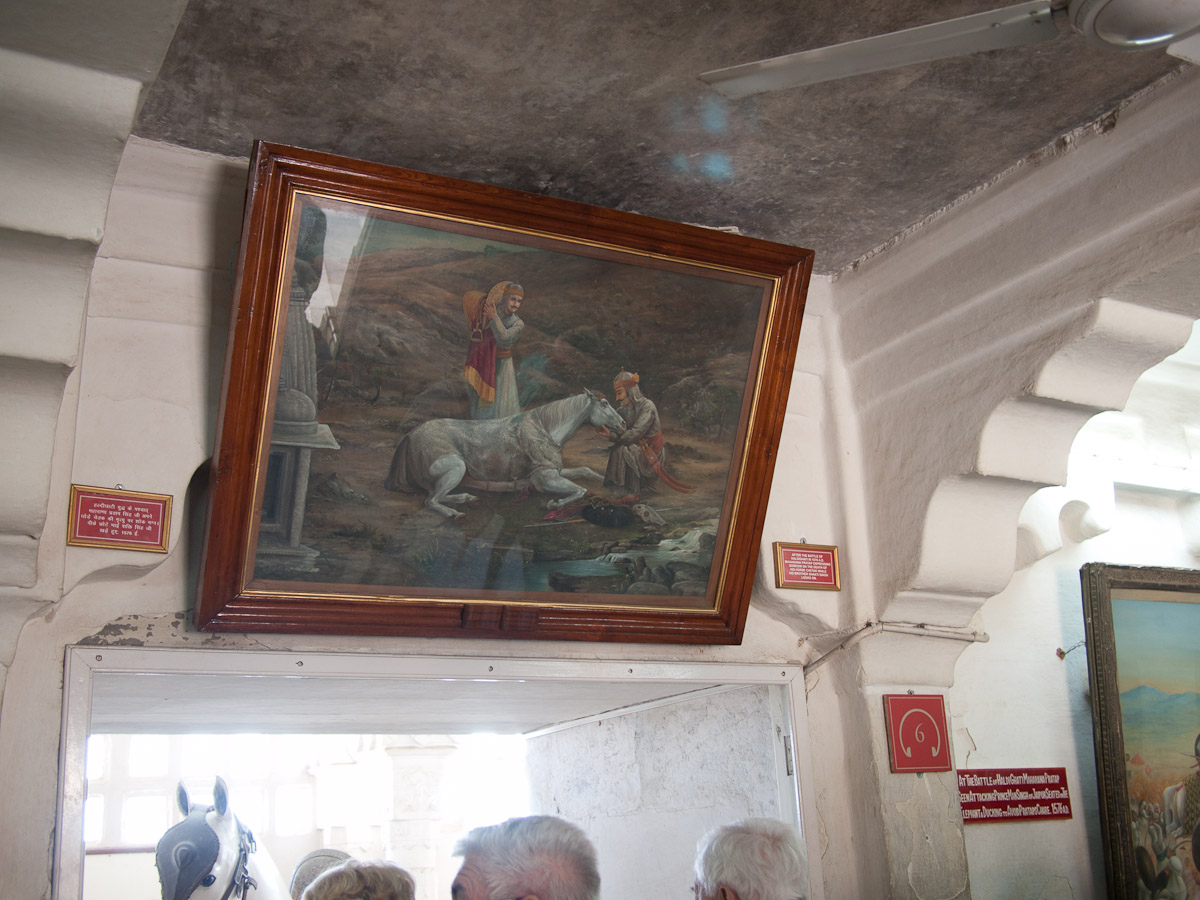
What do you do if an elephant charges you and your horse? What can you do that would also make the enemy’s elephants go out of their way to avoid you?! Simple, be a baby elephant. The Indian cavalrymen would put fake elephant trunks on their horses, causing them to look like baby elephants. No more elephants to worry about, just knights and footmen.
The Indians were and remain fantastic inventors. If I were an ancient Indian warrior, I would want to be either far away from any Katar with my name on it, inside and protecting a fortress, or on a horse disguised as a baby elephant.
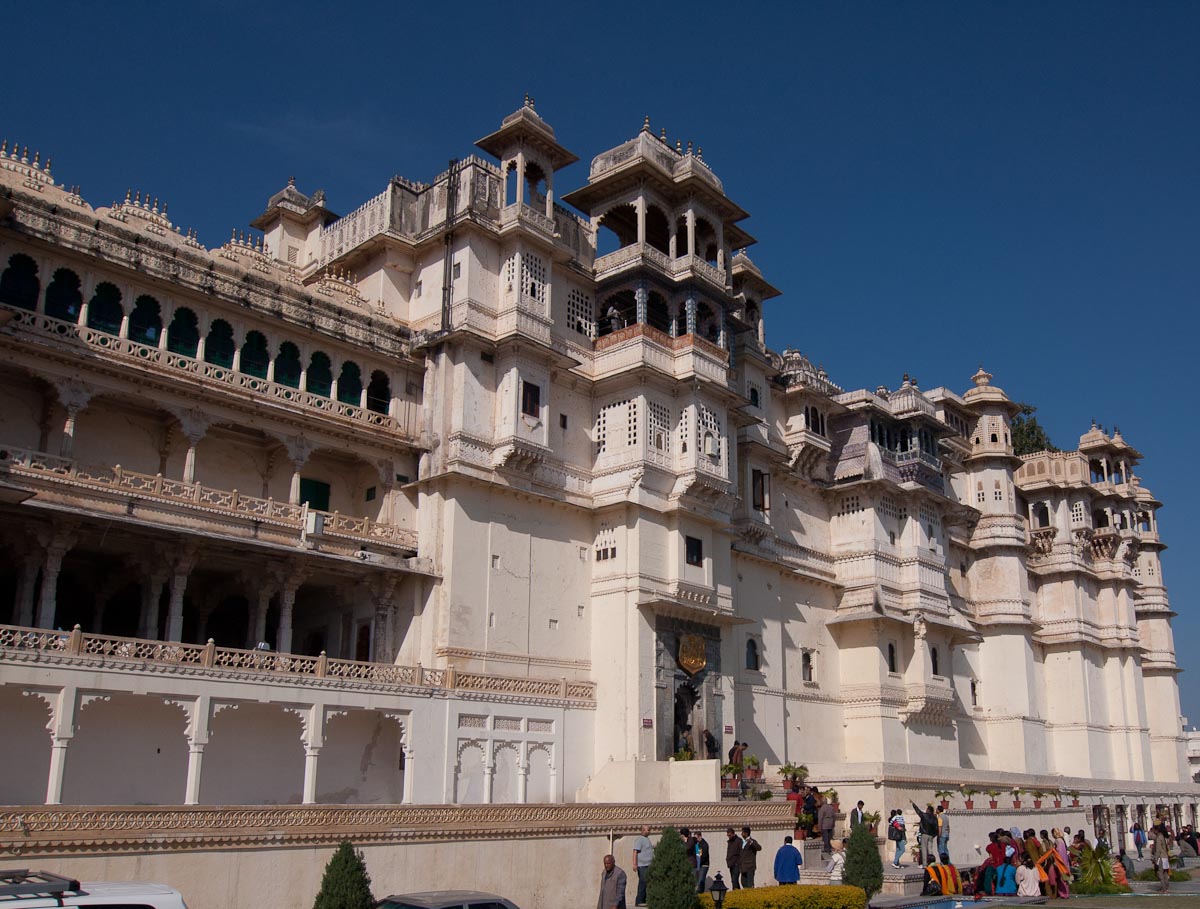
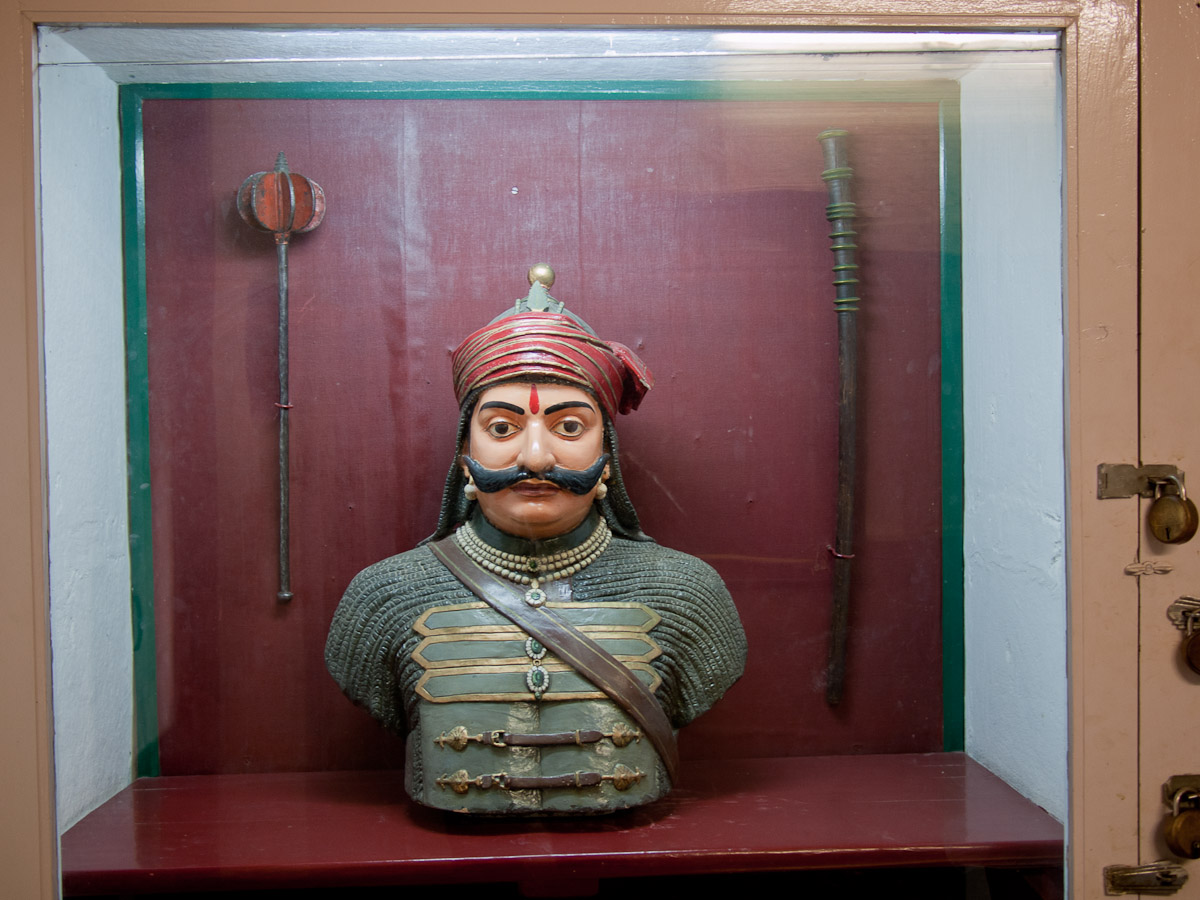
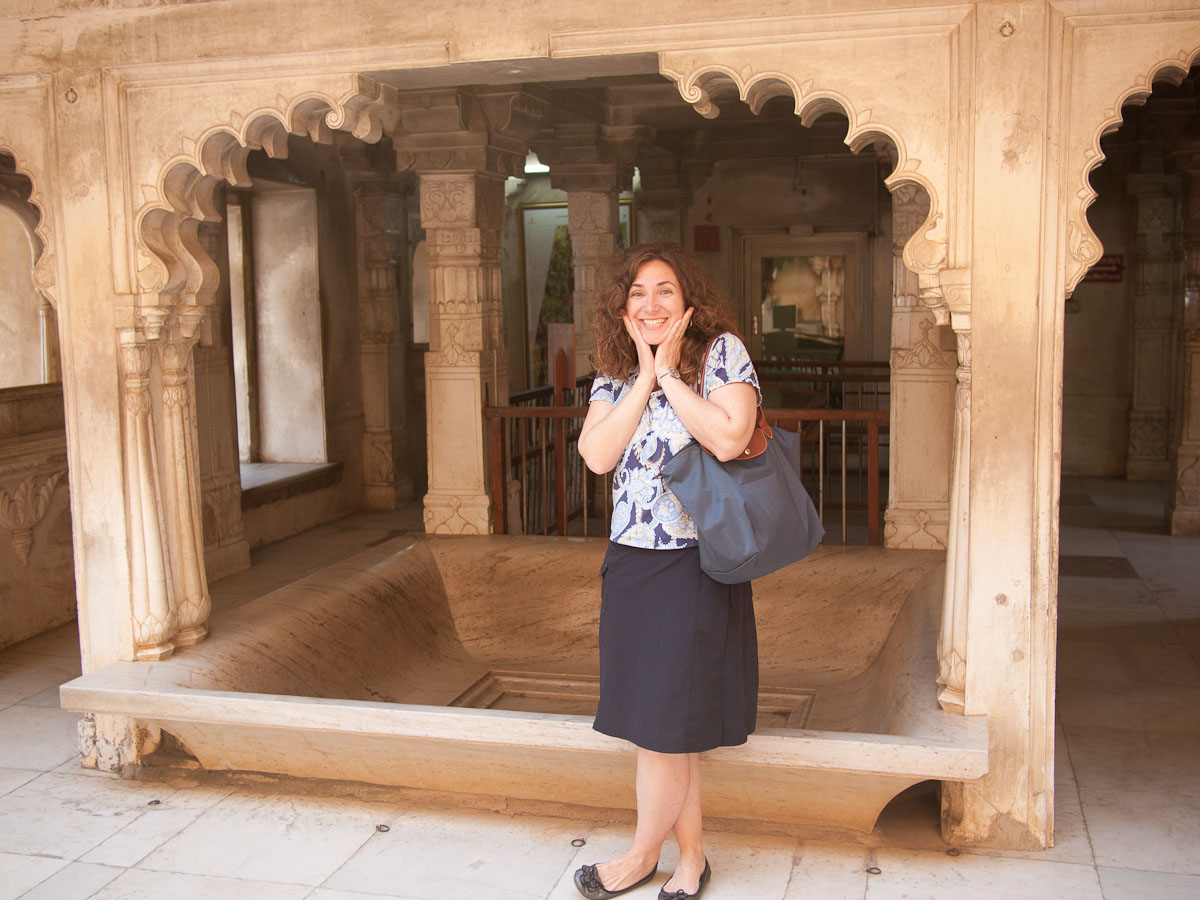
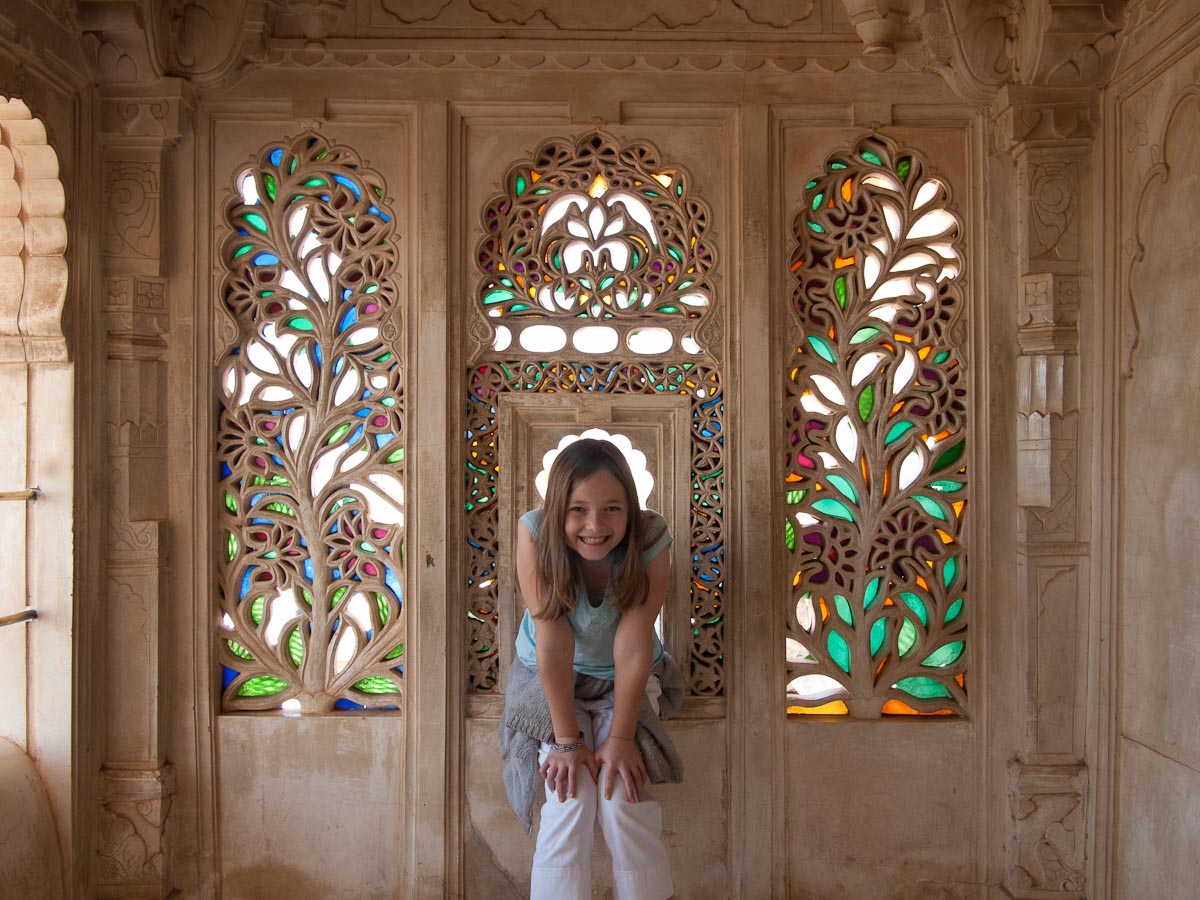
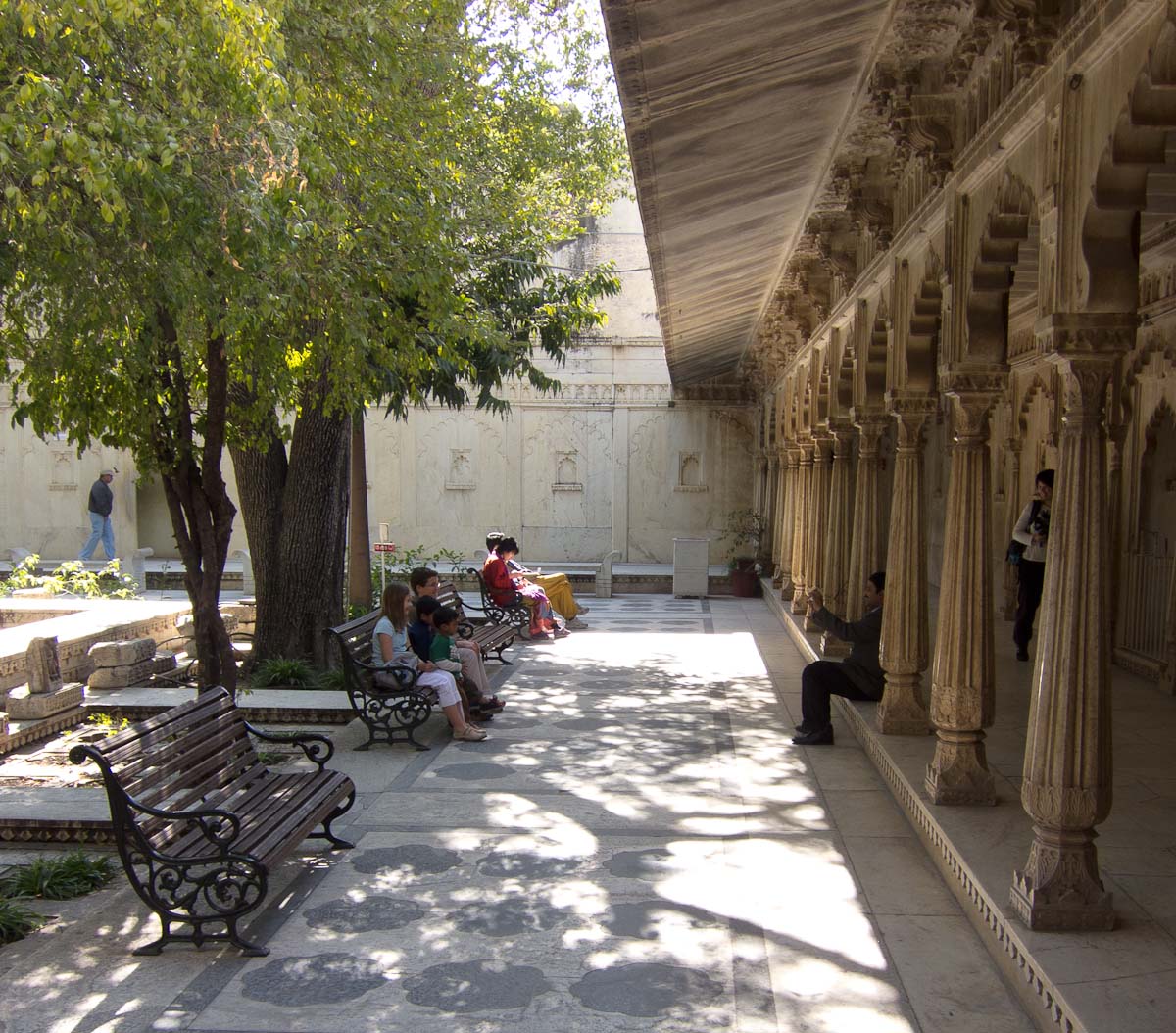
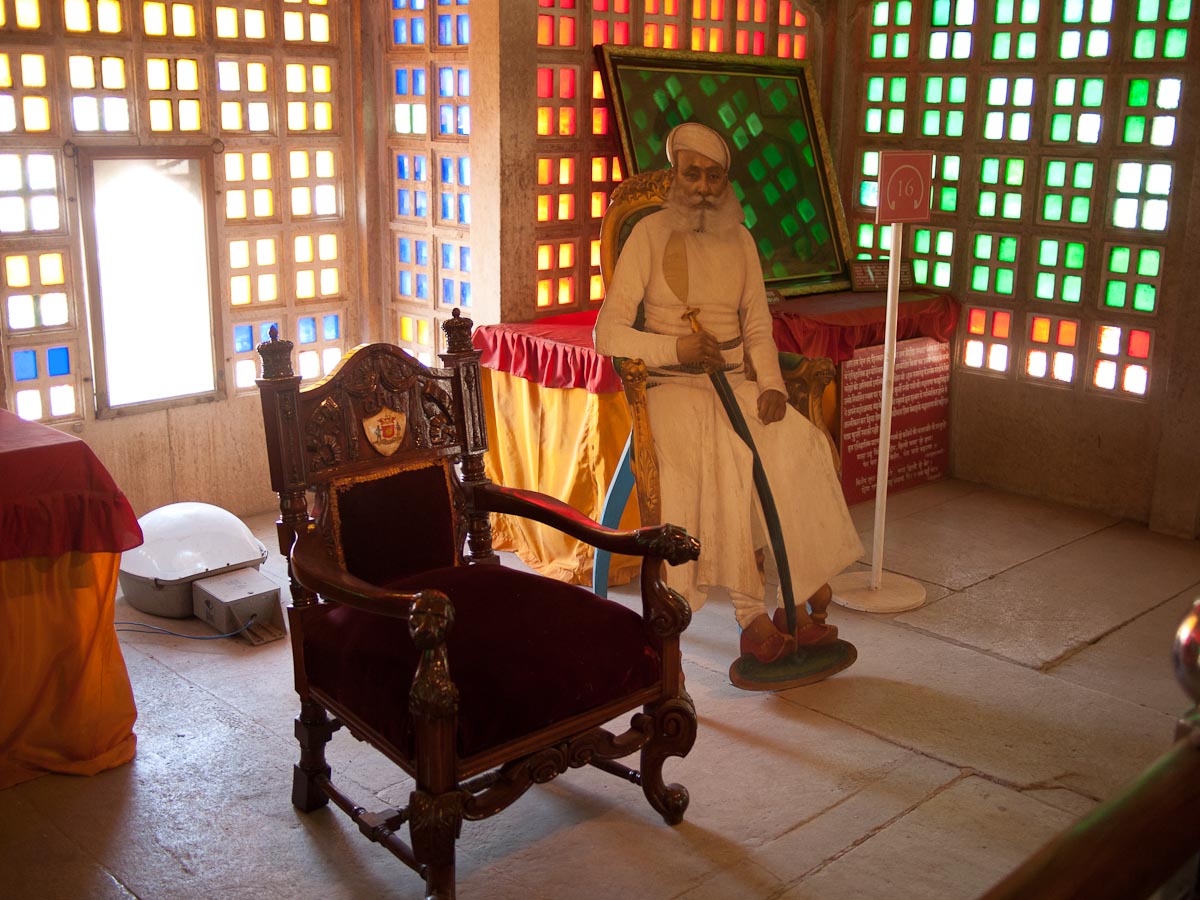
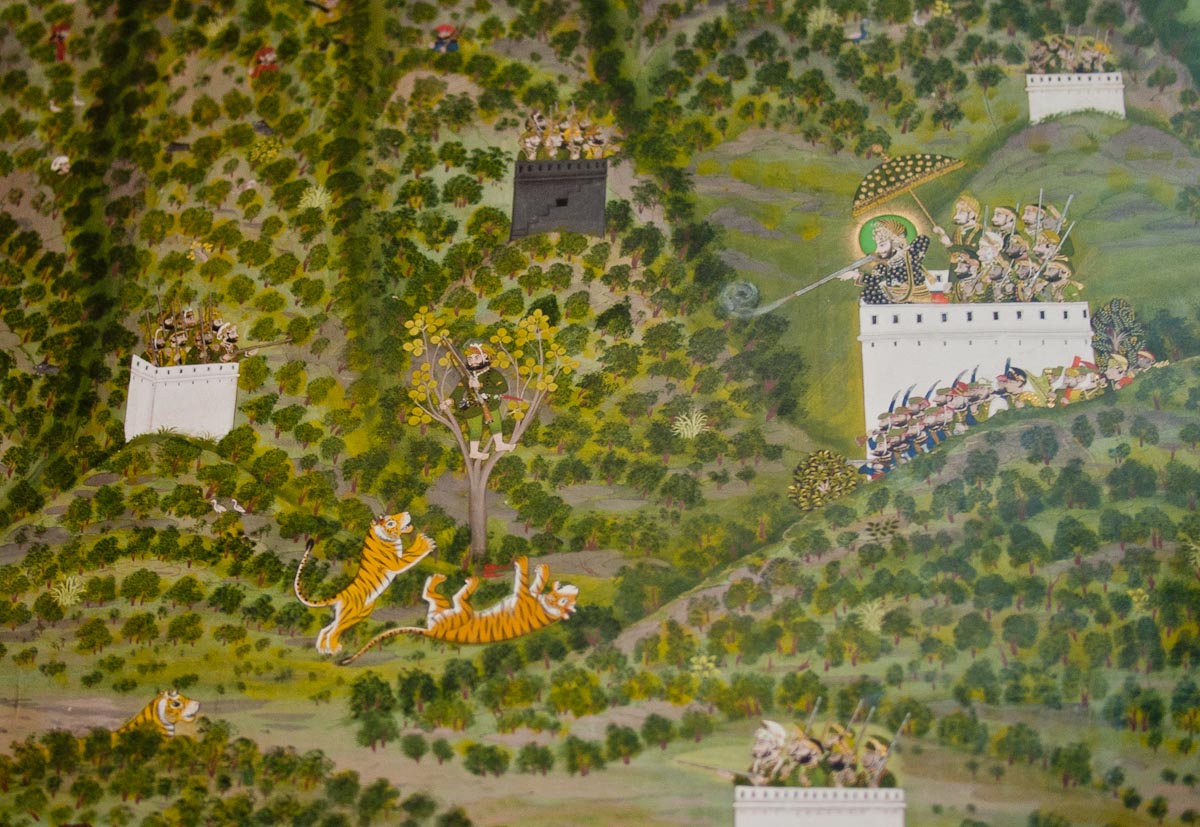
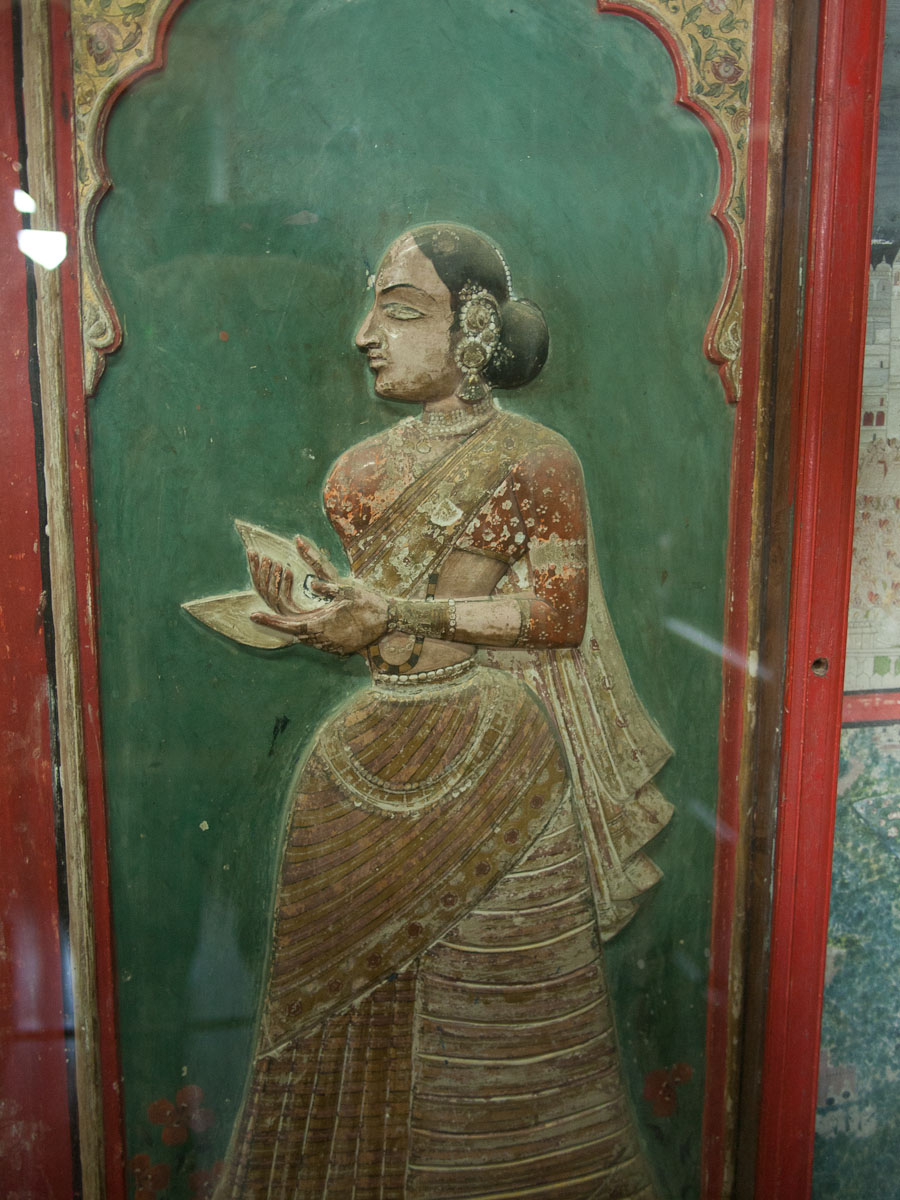
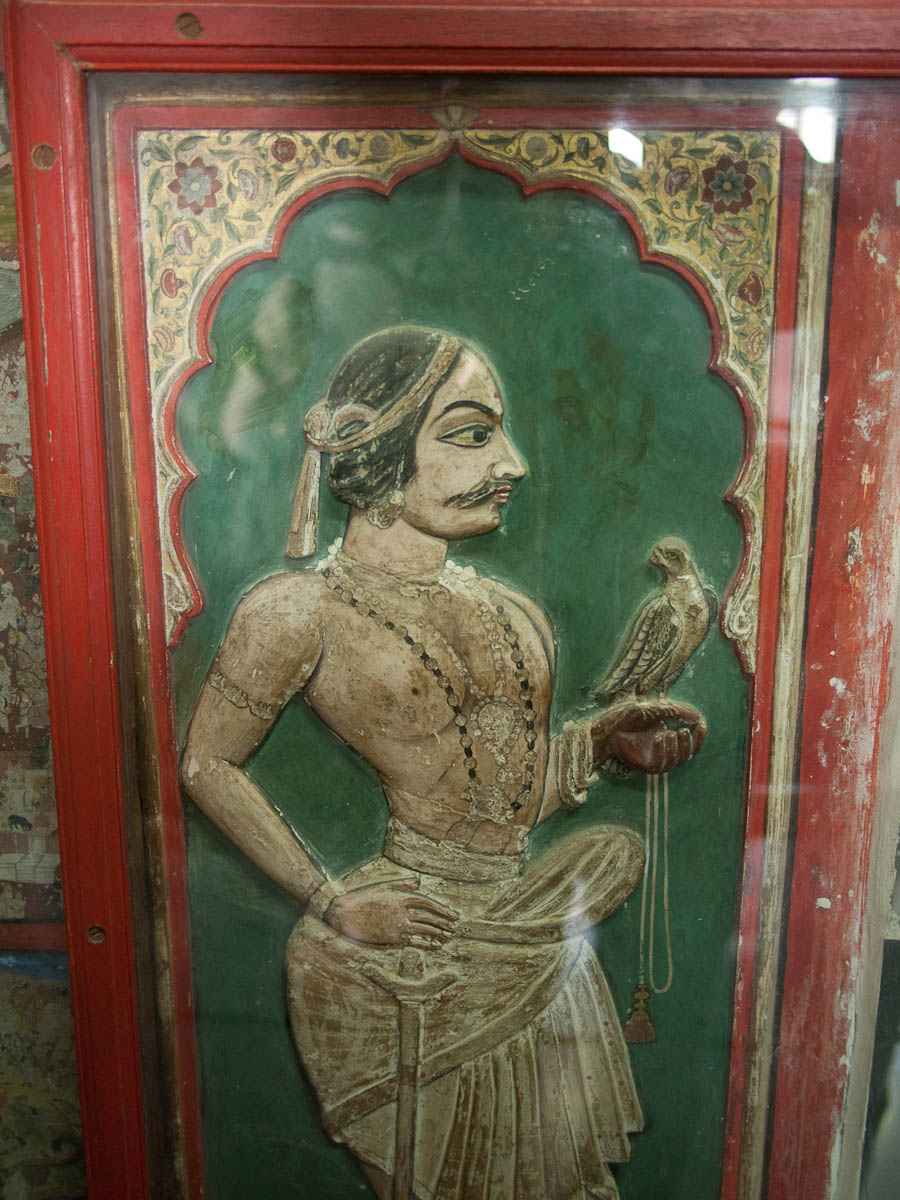
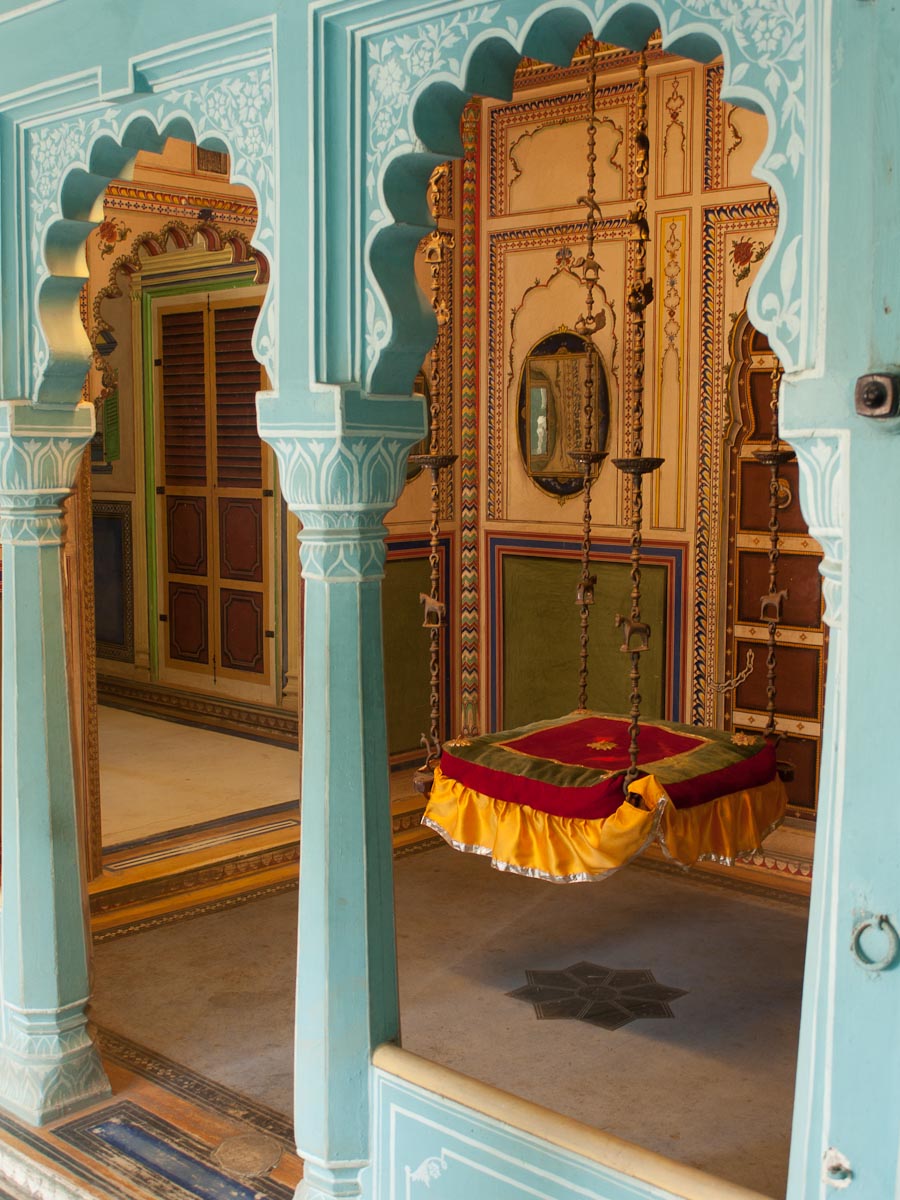
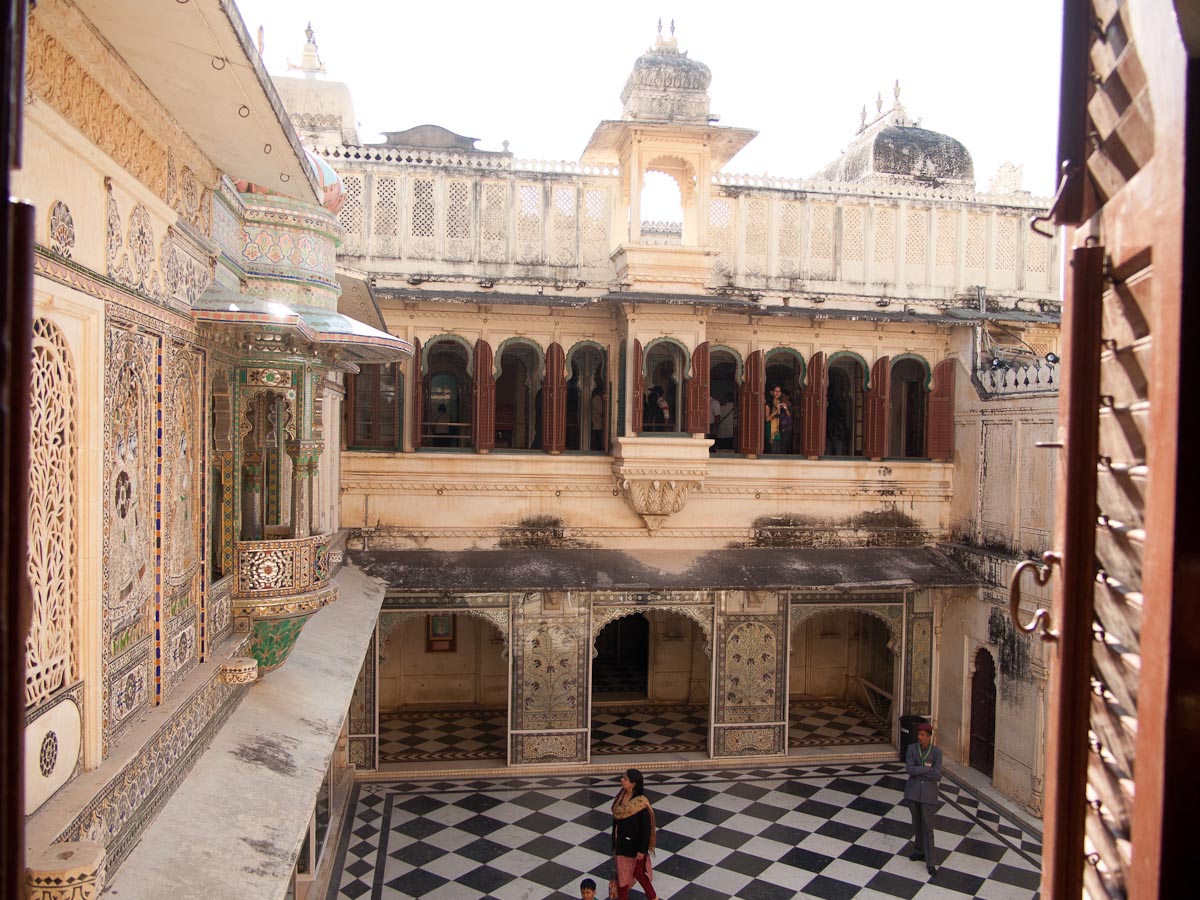
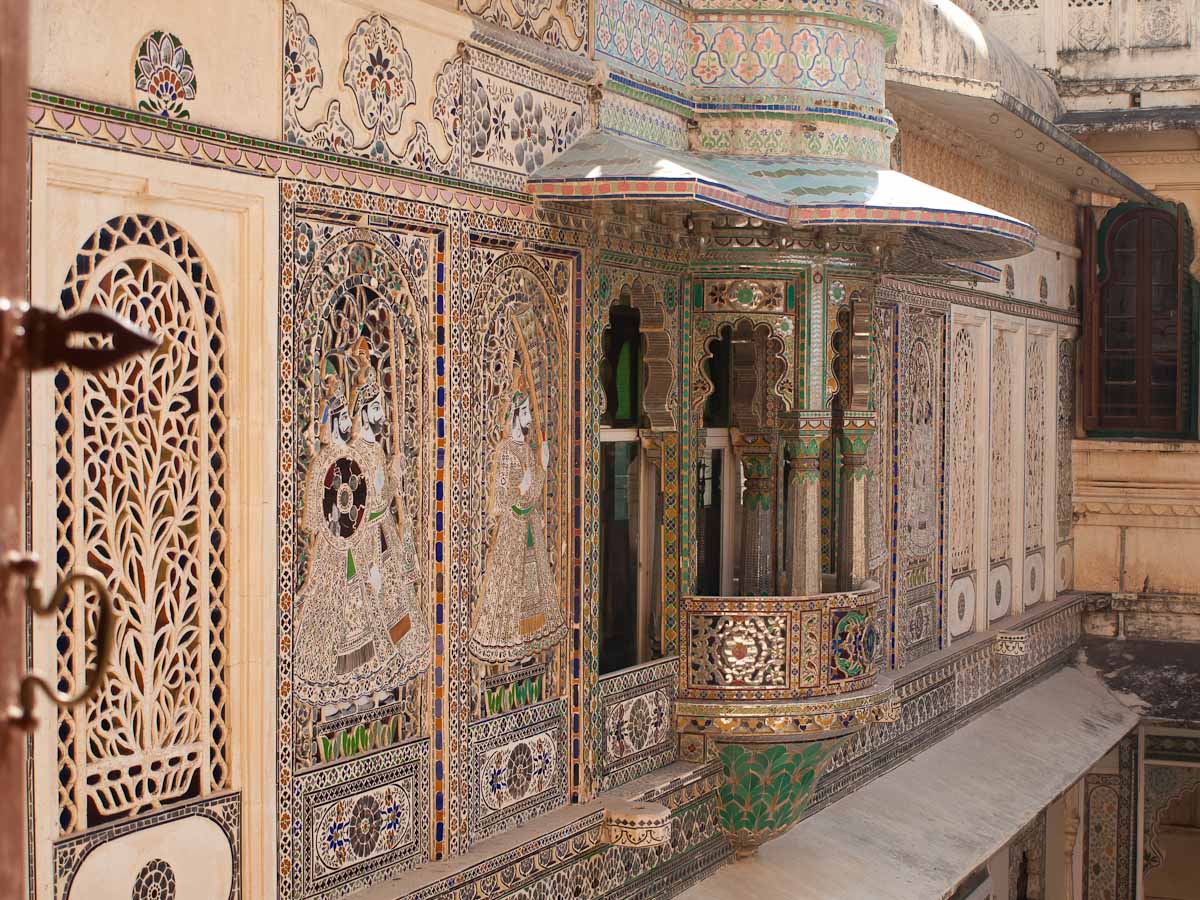
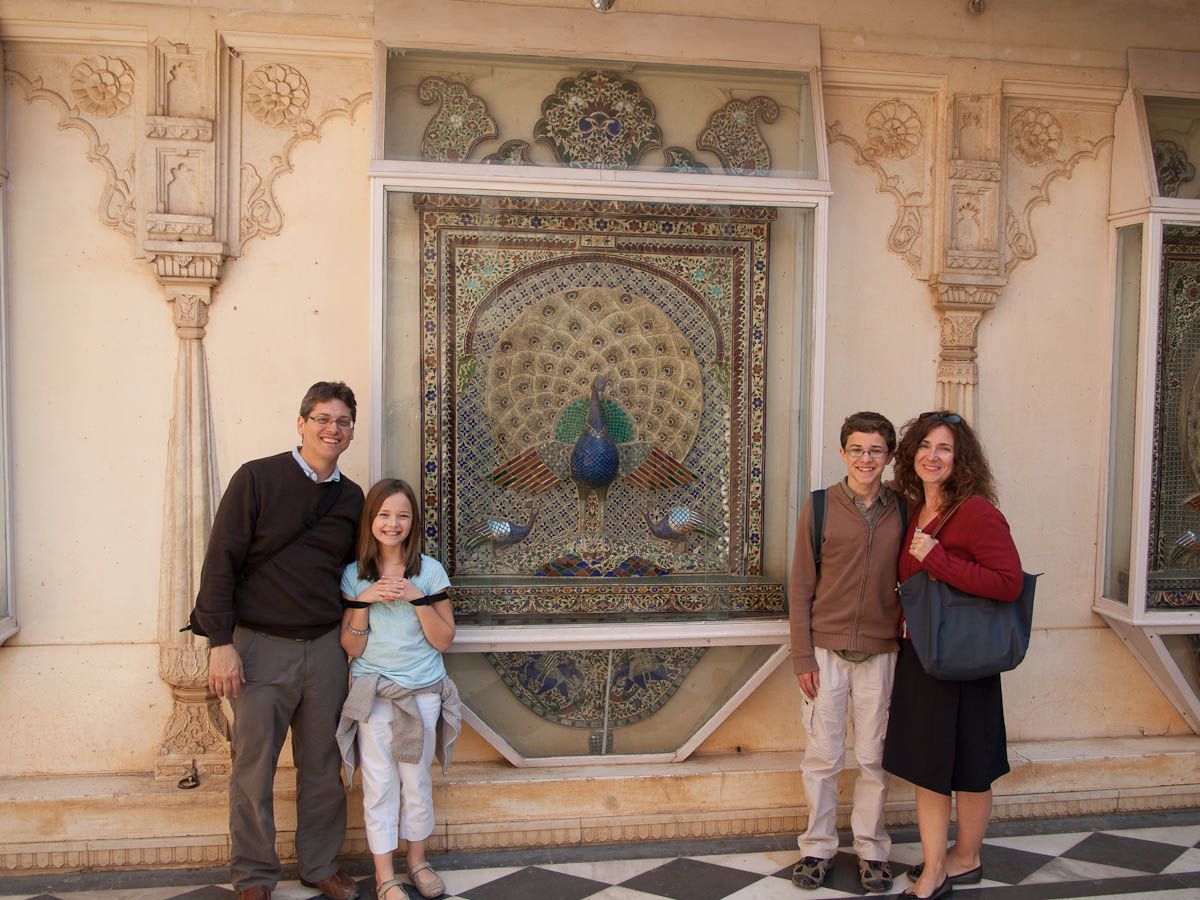
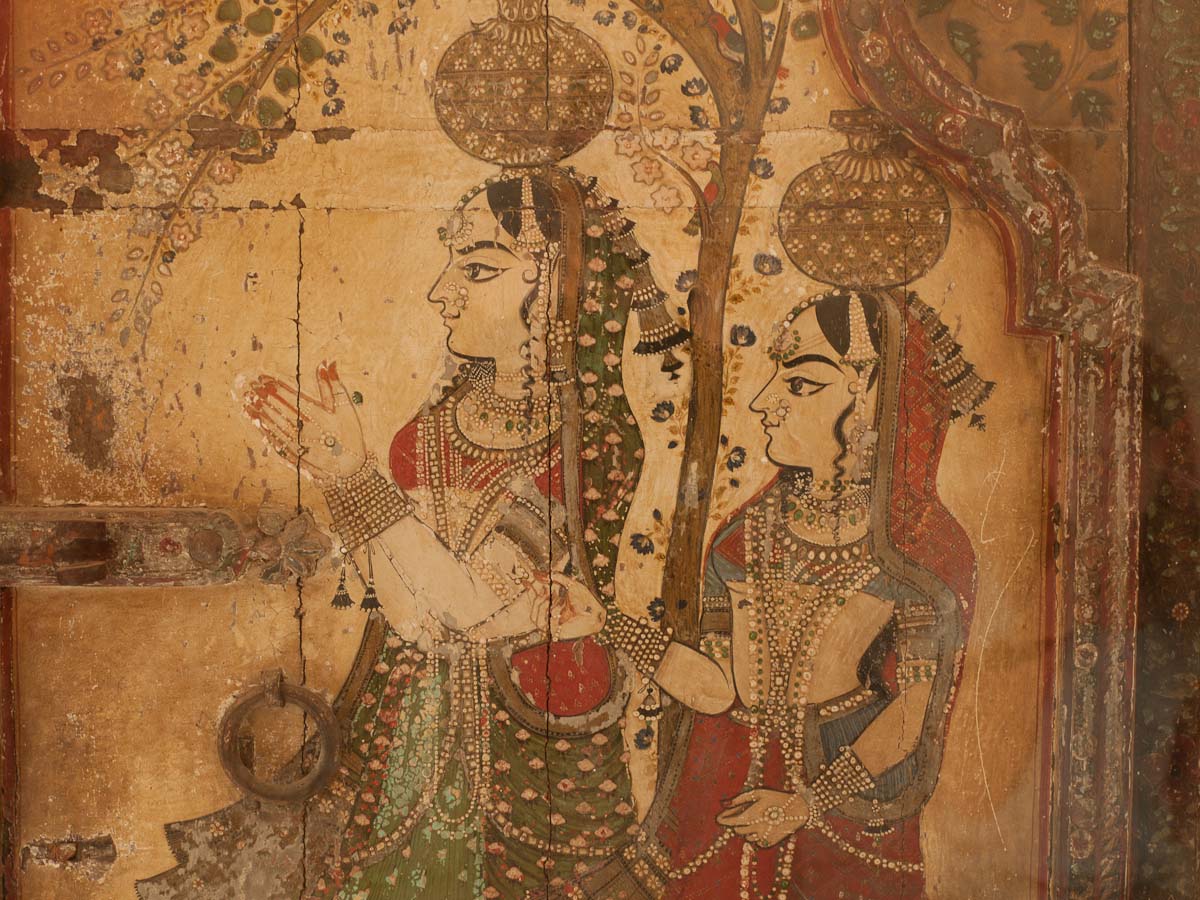
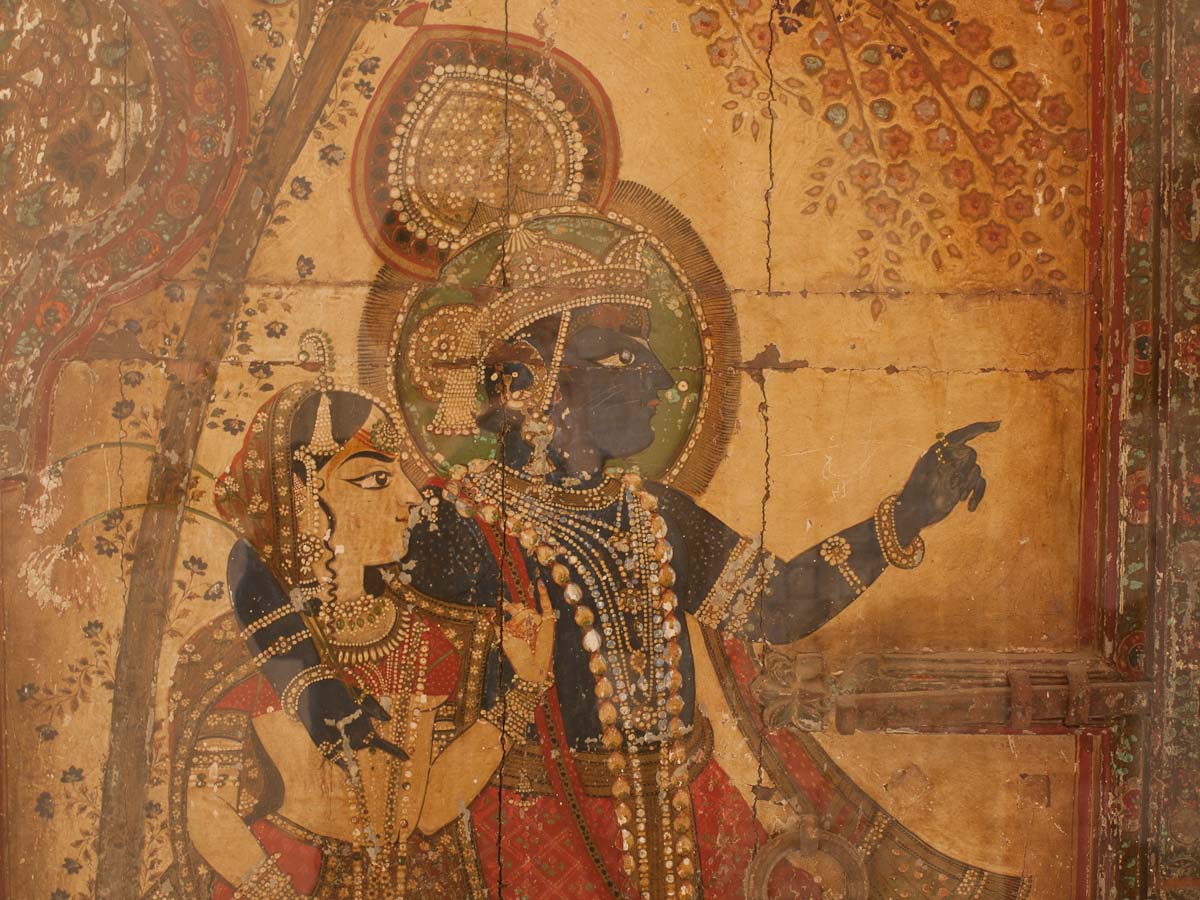
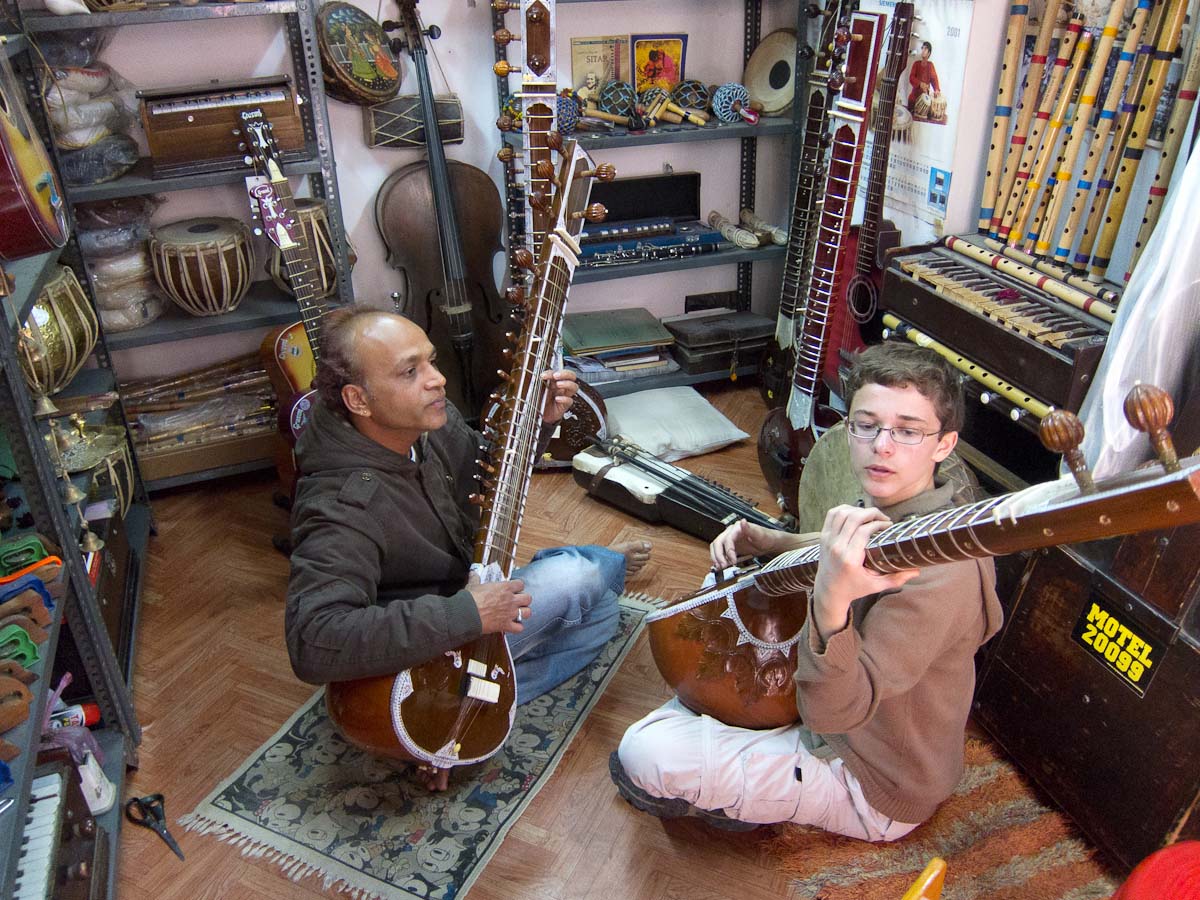
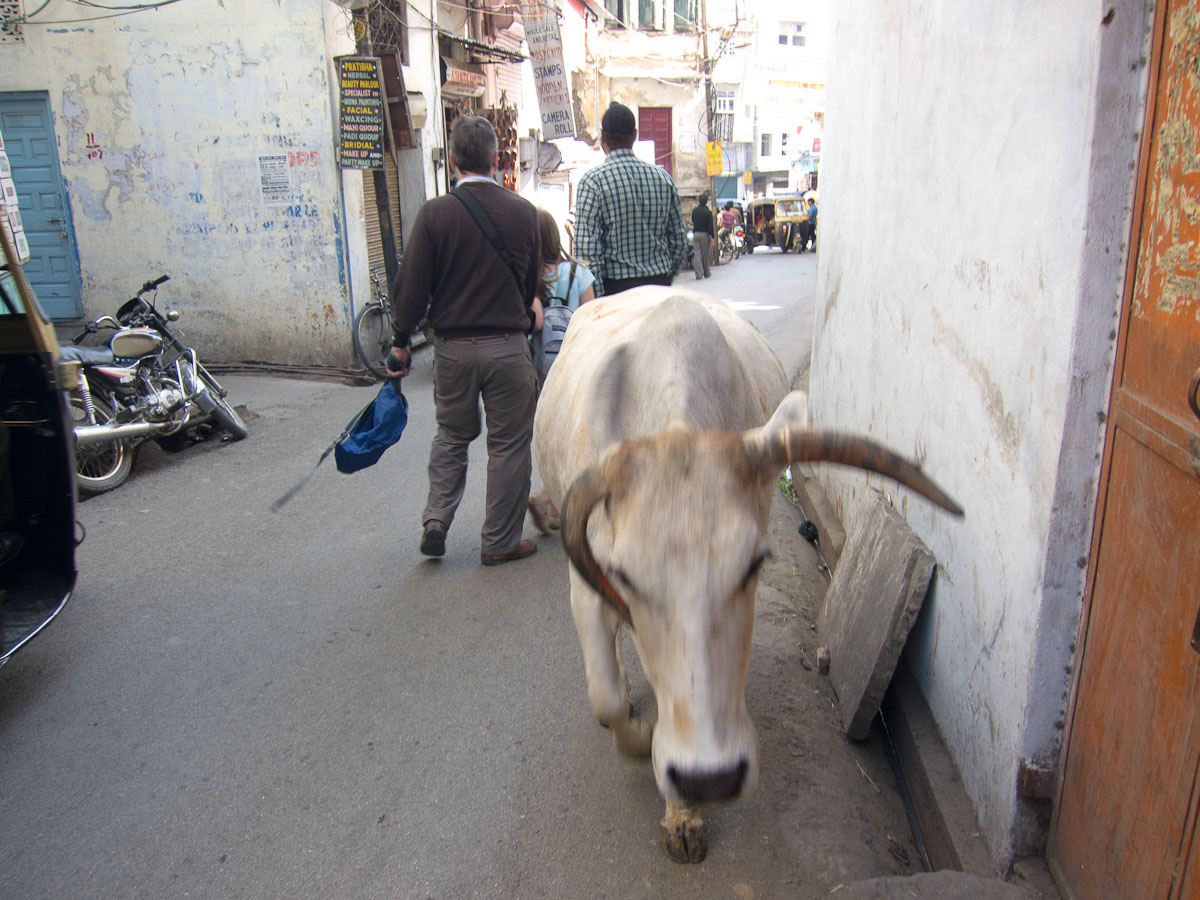
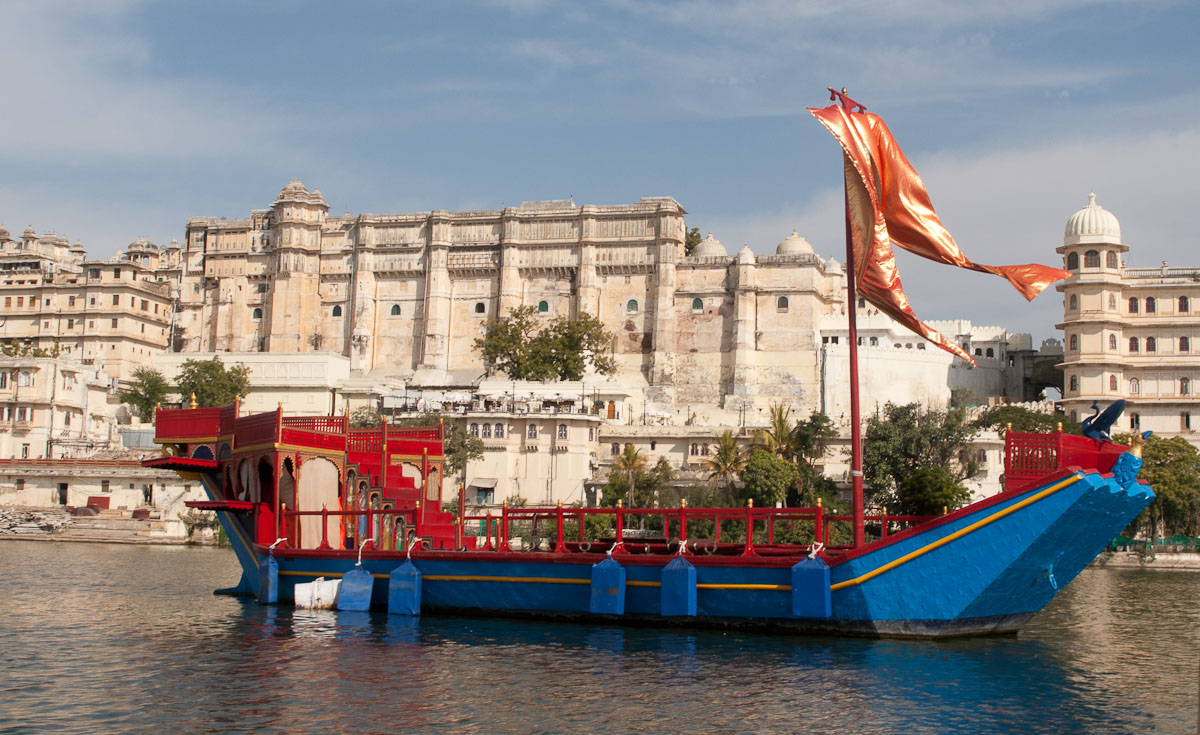
RUSS: In addition to the classic Golden Triangle of New Delhi, Agra and Jaipur, we added a fourth stop which was the Lake City of Udaipur. Here the royal Menwa family has ruled its kingdom unconquered, tracing its lineage back directly for 76 generations (!) to 500AD. Their prowess in battle and as hunters of dangerous animals is recognized with the title Maharana rather than Maharaja – which means they are warrior kings. The main tourist site in Udaipur is the City Palace, where we saw these inventions. After touring the palace, we visited a store for Indian musical instruments and we had a short class about Reiki, the mystical art of healing by laying on hands. We spent the last day at the superb Lake Palace hotel as Gina describes in her post.



Error thrown
Call to undefined function ereg()