
Jan 08
Edfu Temple in the Upper Kingdom
by Carter in Egypt, Middle East, Mini-Tour
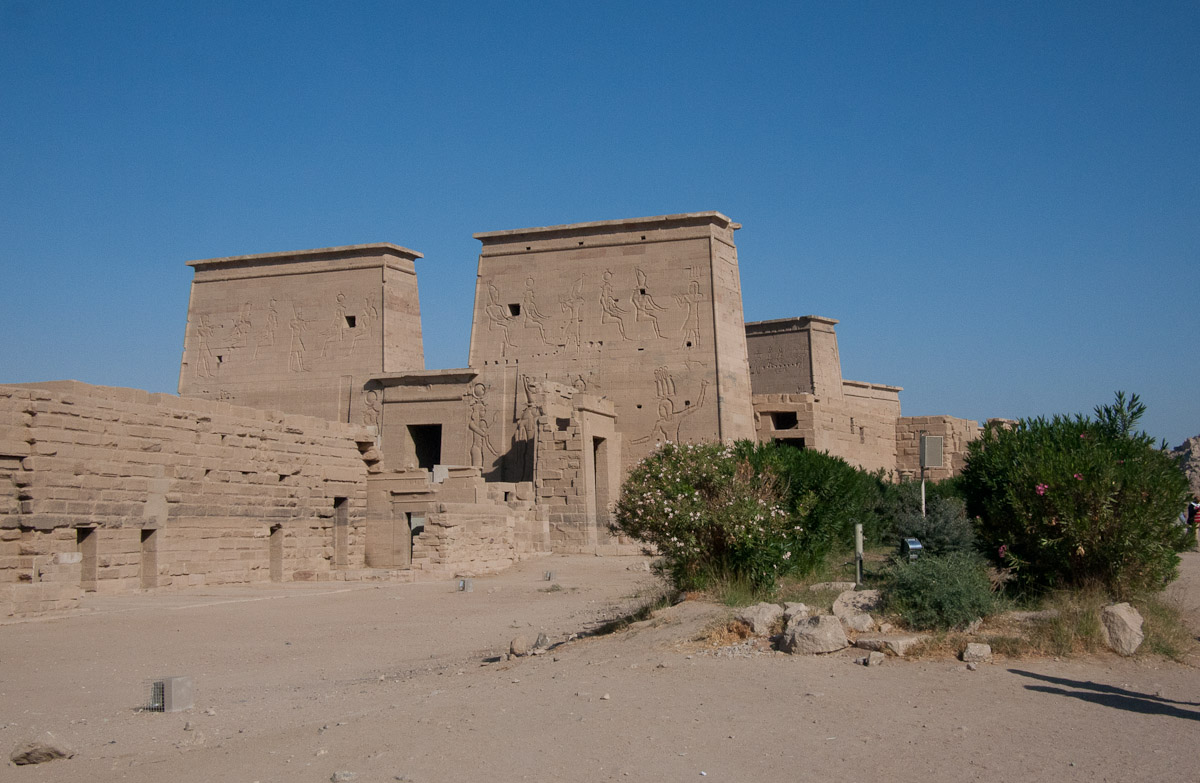
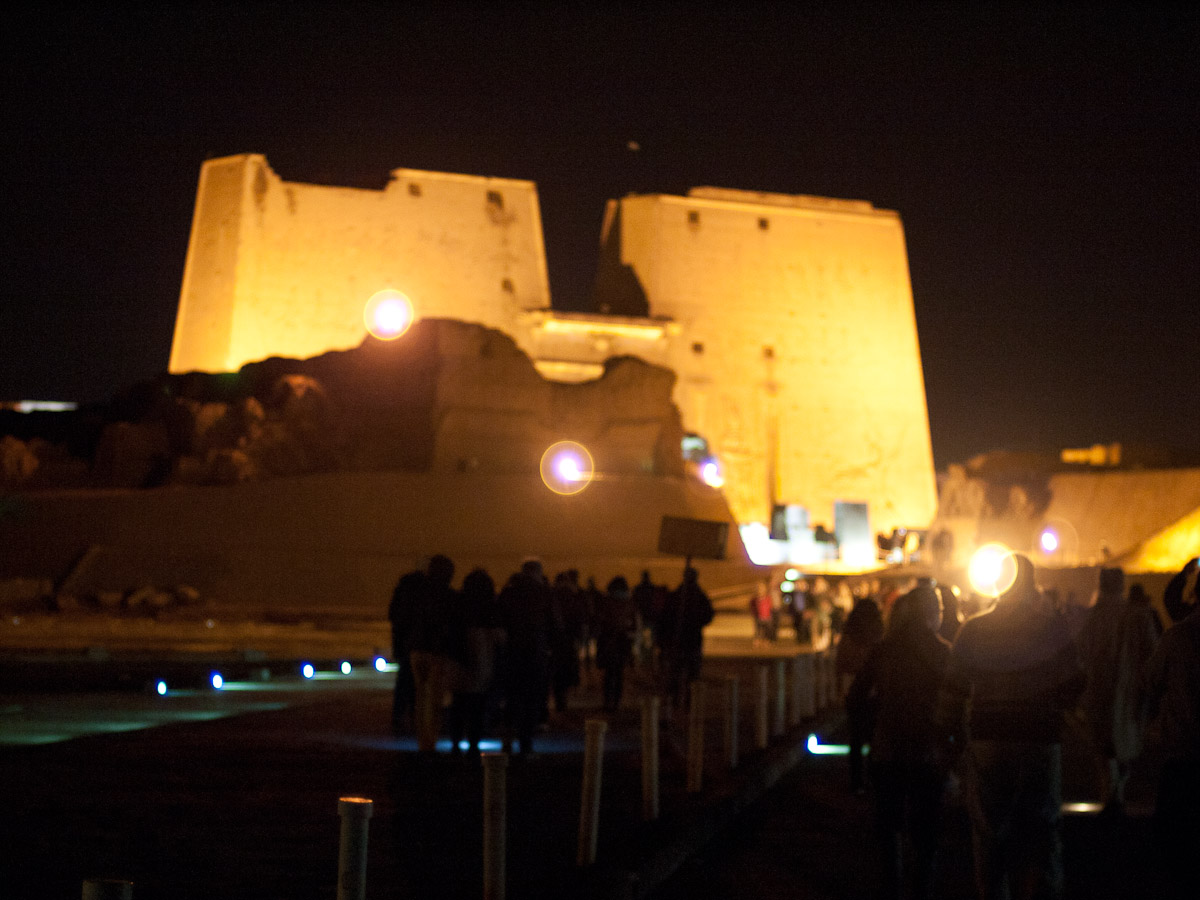
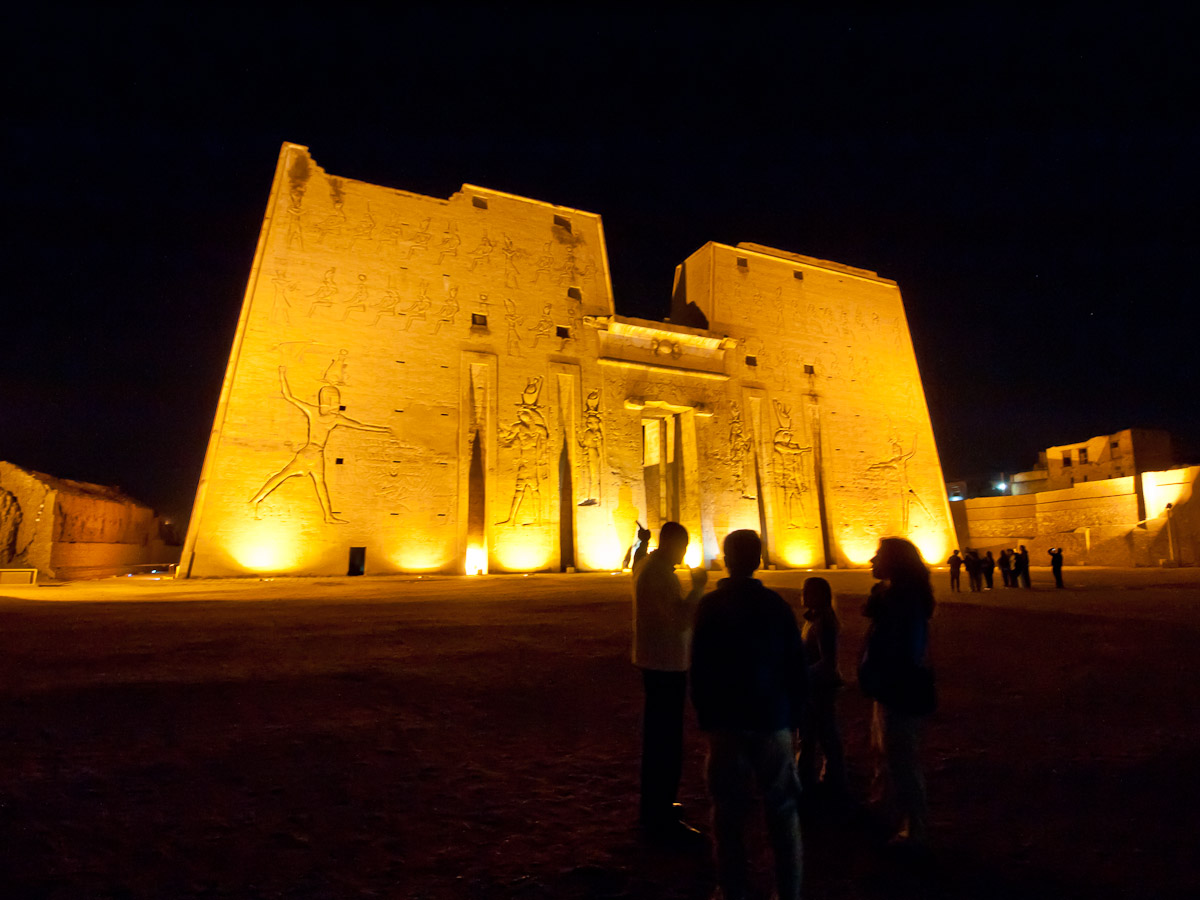
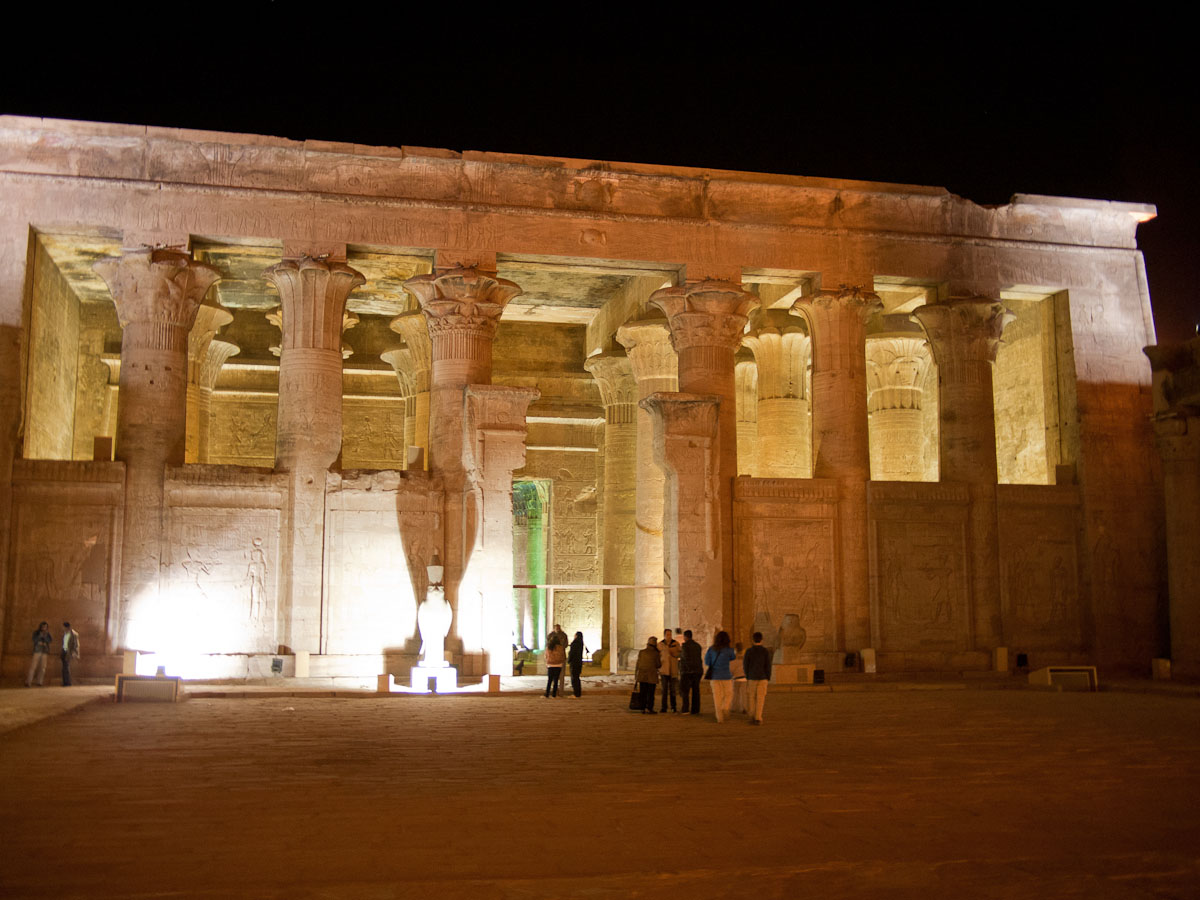
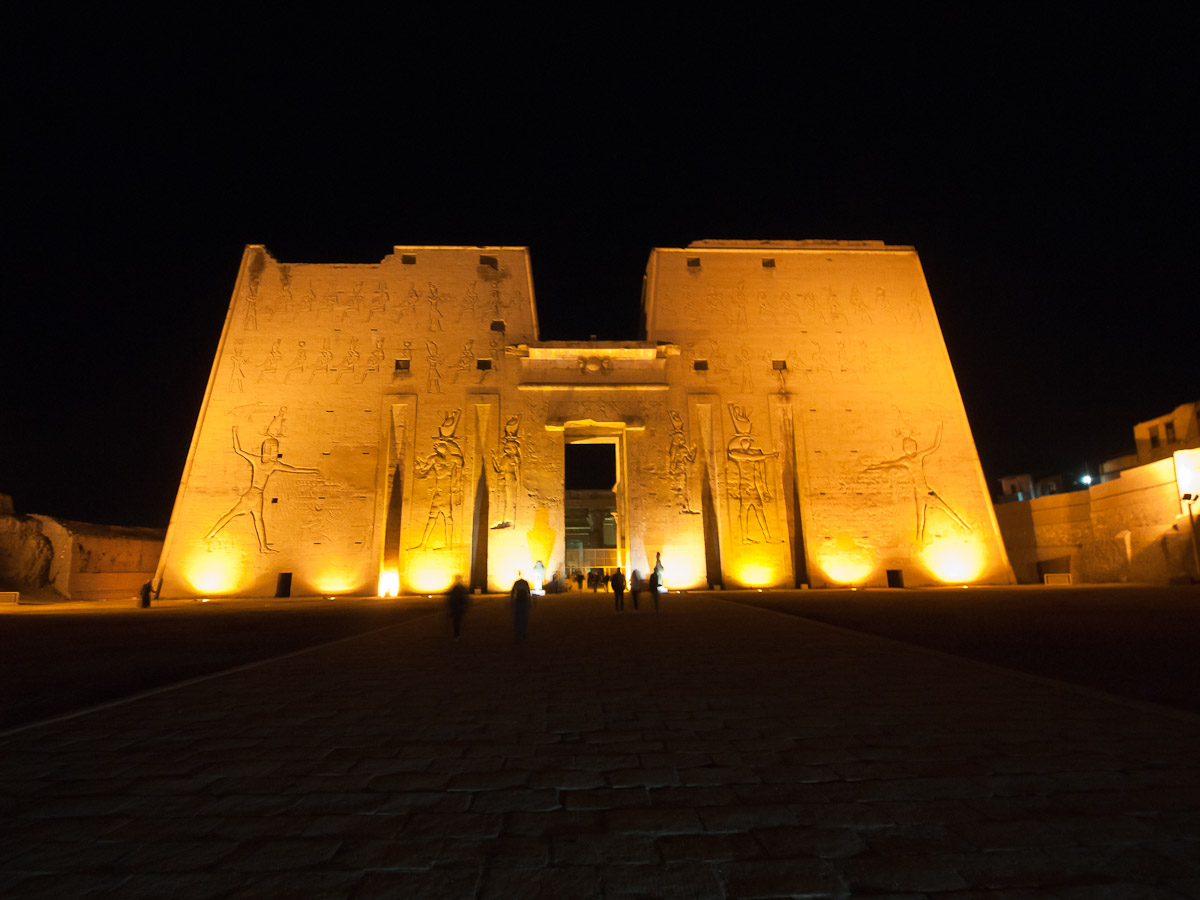
Before us towered Edfu temple, one of the best preserved temples in all of Egypt. Dedicated to the god Horus, Edfu temple is 118 feet high and a fantastic but small sized memory of the Egyptian builders and engineers. The temple’s gate is lower than the pylons to its left and right. Symbolizing the Nile and its east and west banks. The left pylon was the West, the right was the East, and the gate was the Nile.
We notice that there are several square holes in the front wall. Our guide, Abu Karim (Father of Karim), said that they were for flags, and all the people could see from afar whether or not the king had been victorious in battle, by looking for the flag of victory.
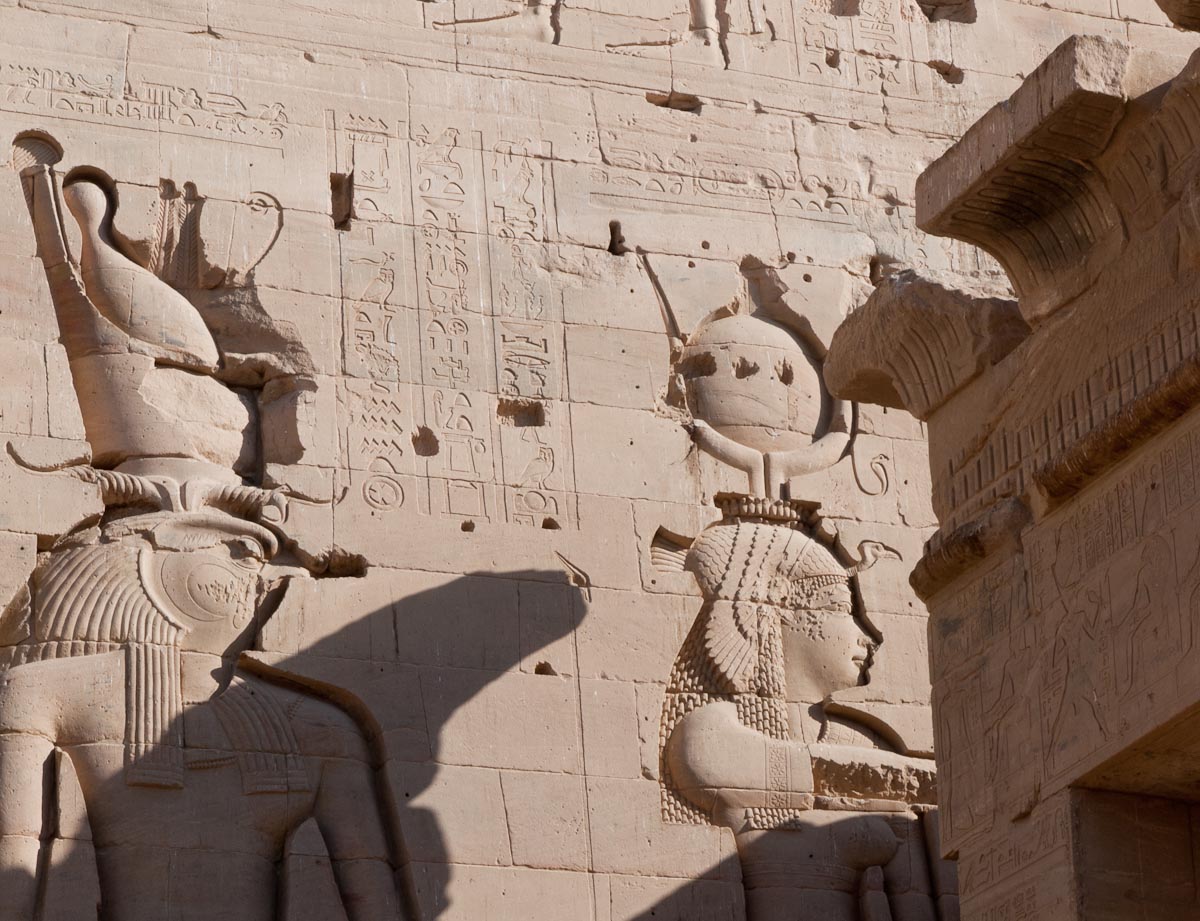
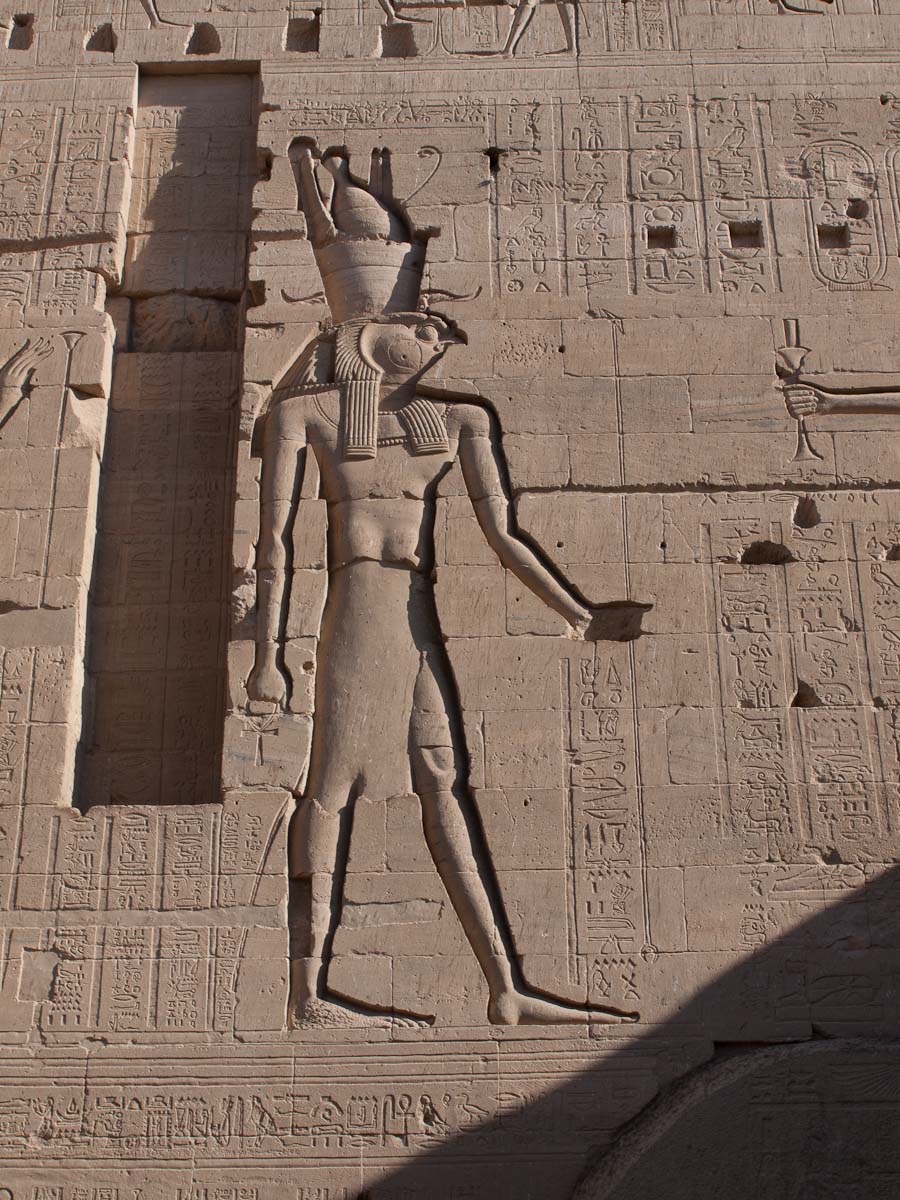
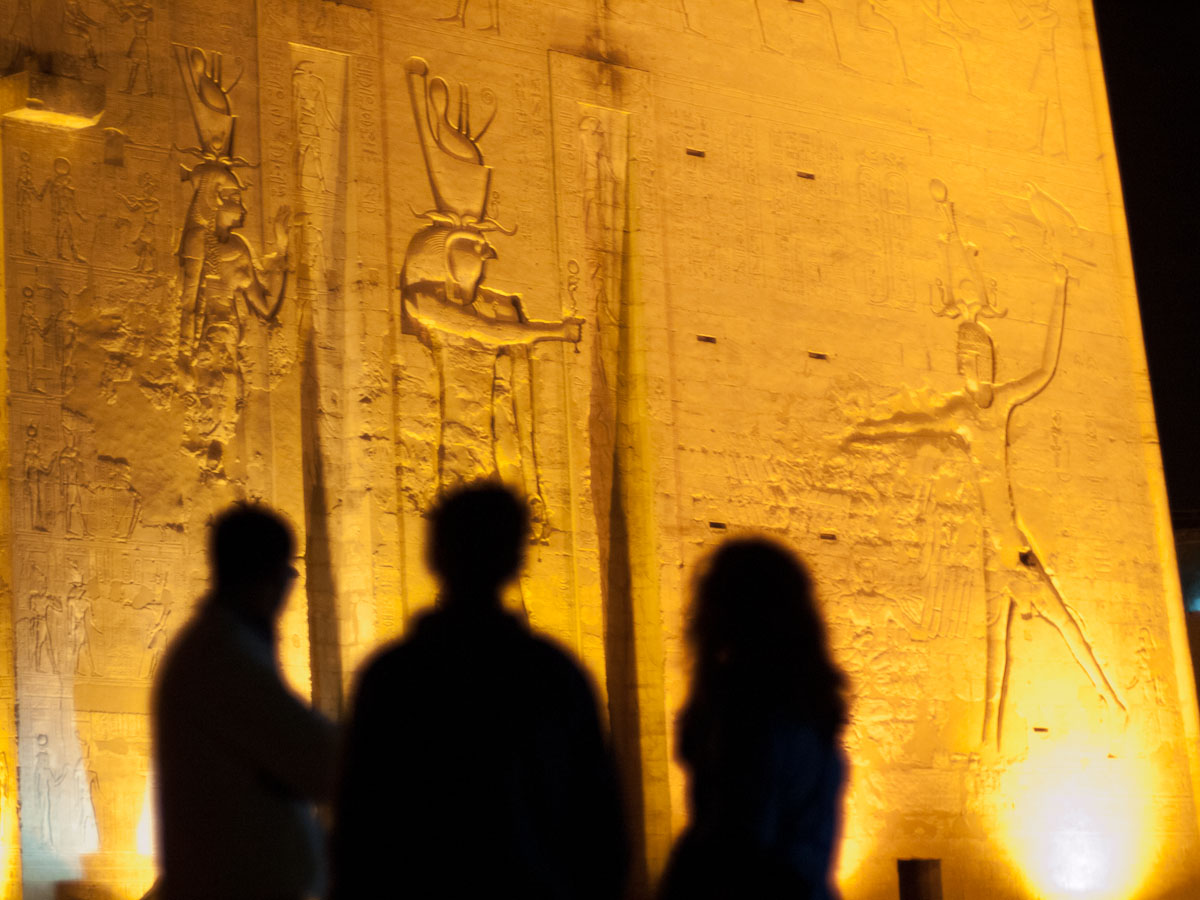
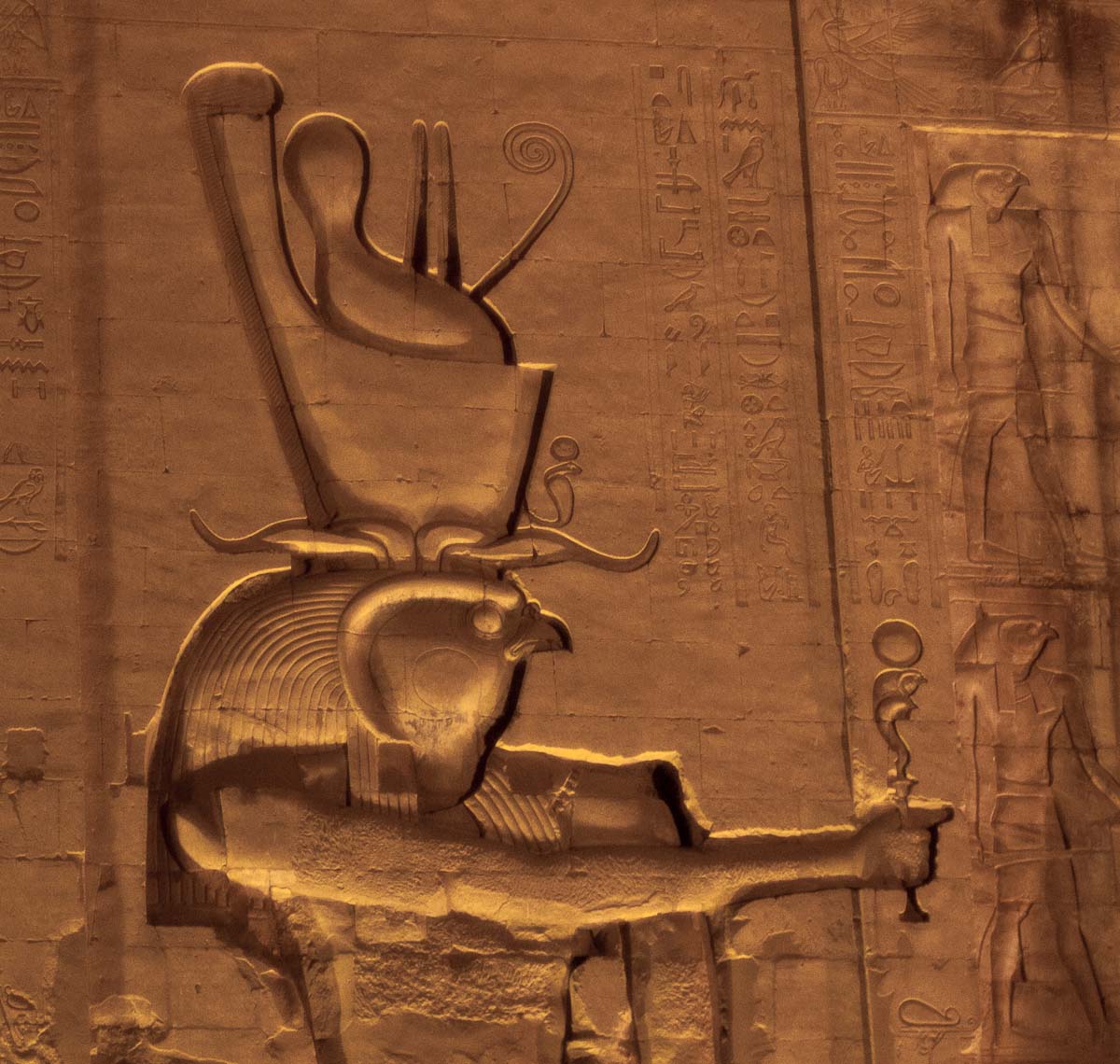
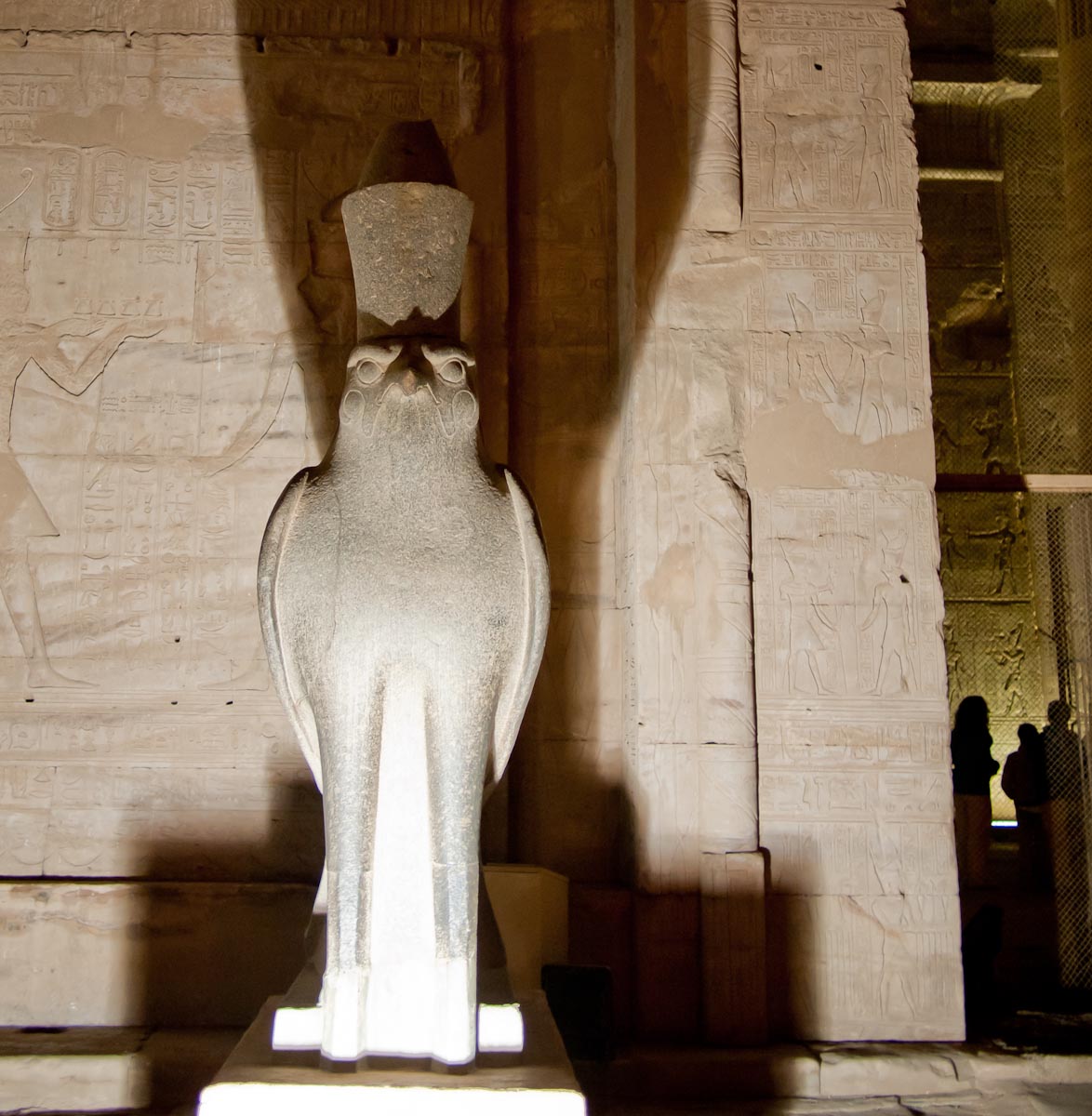
Decorating the façade are carvings of Horus and a man in a position that resembles a javelin thrower. Standing sentinel before the gate are two statues of Horus as a Falcon. In front of each falcon’s chest is a small man, believed to be one of Horus’ four sons.
Above the gate is a stone scarab, the symbol of protection. It seemed to be doing its job pretty well, because Edfu was amazingly preserved. Edfu had been buried in 50-60 feet of sand, dust and rocks, and the entire gate was under ground; just the two pylon’s tops breached the desert.
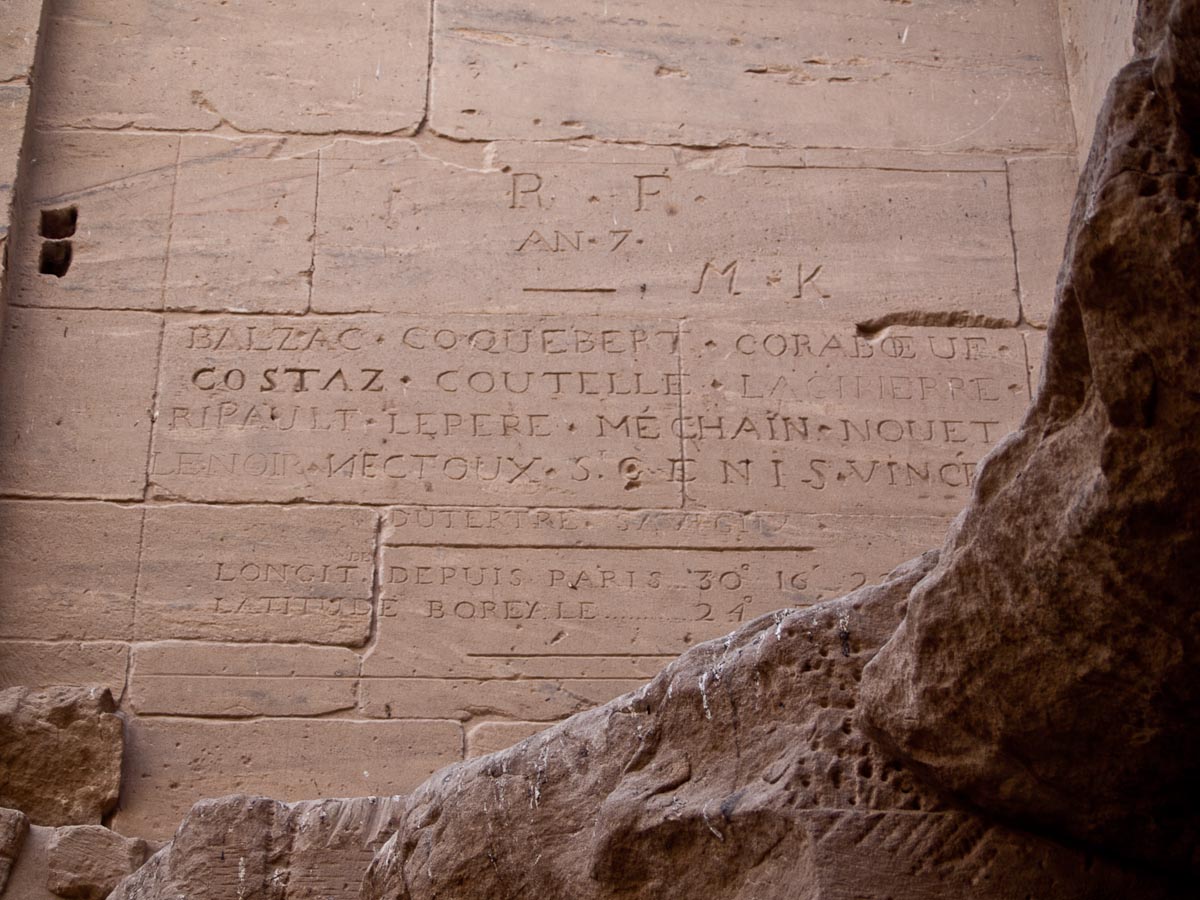
Eventually, Napoleon Bonaparte and his army came and dug the temple out of the sand. Centuries earlier, Christians would hide in the temple during their persecution.
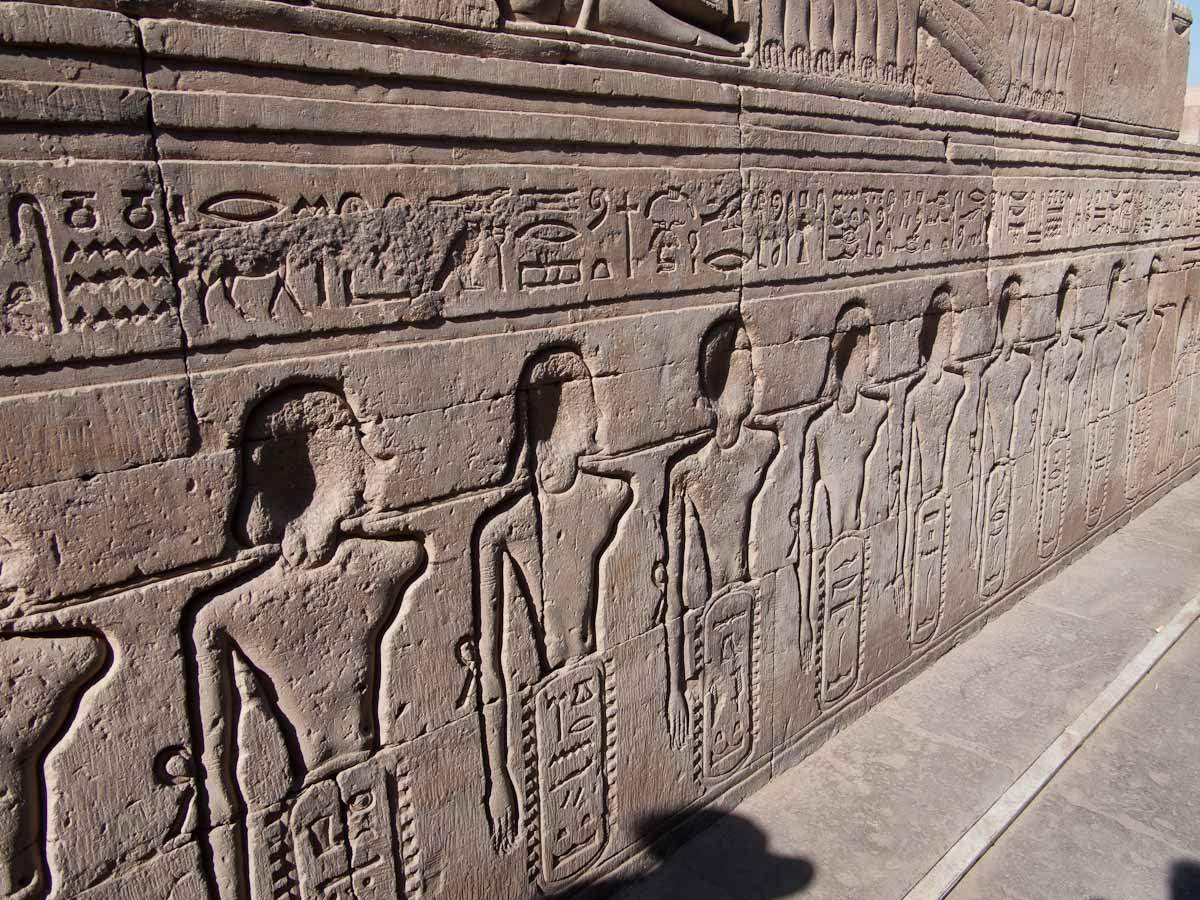
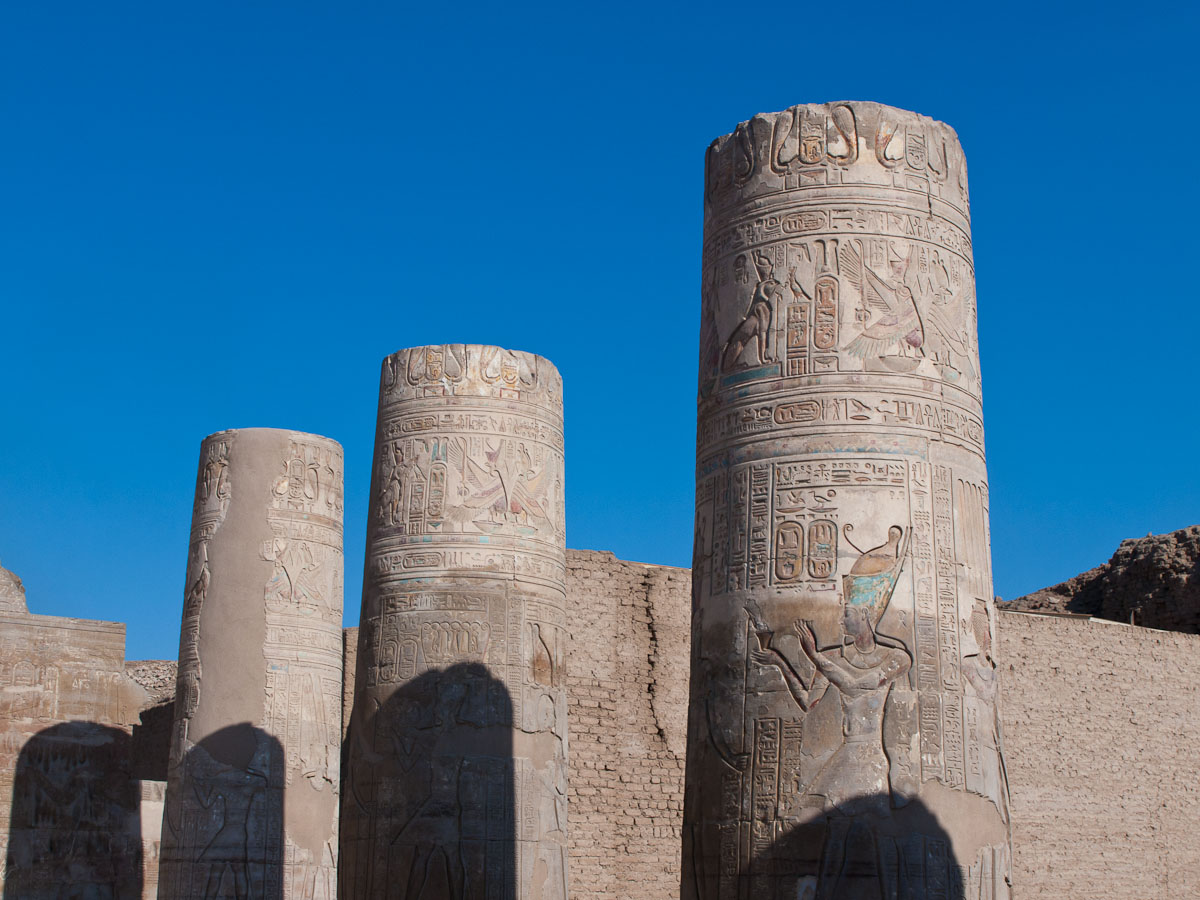
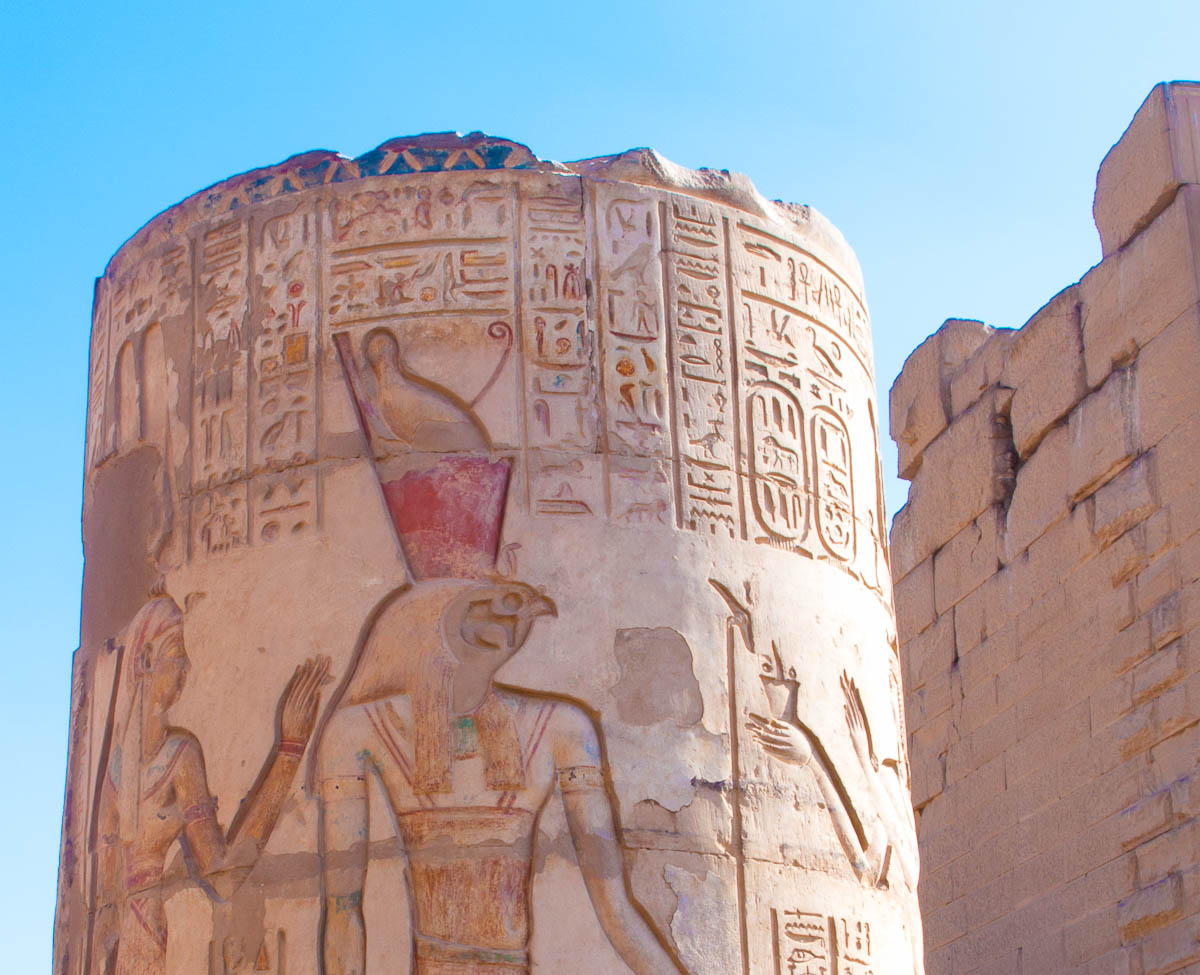
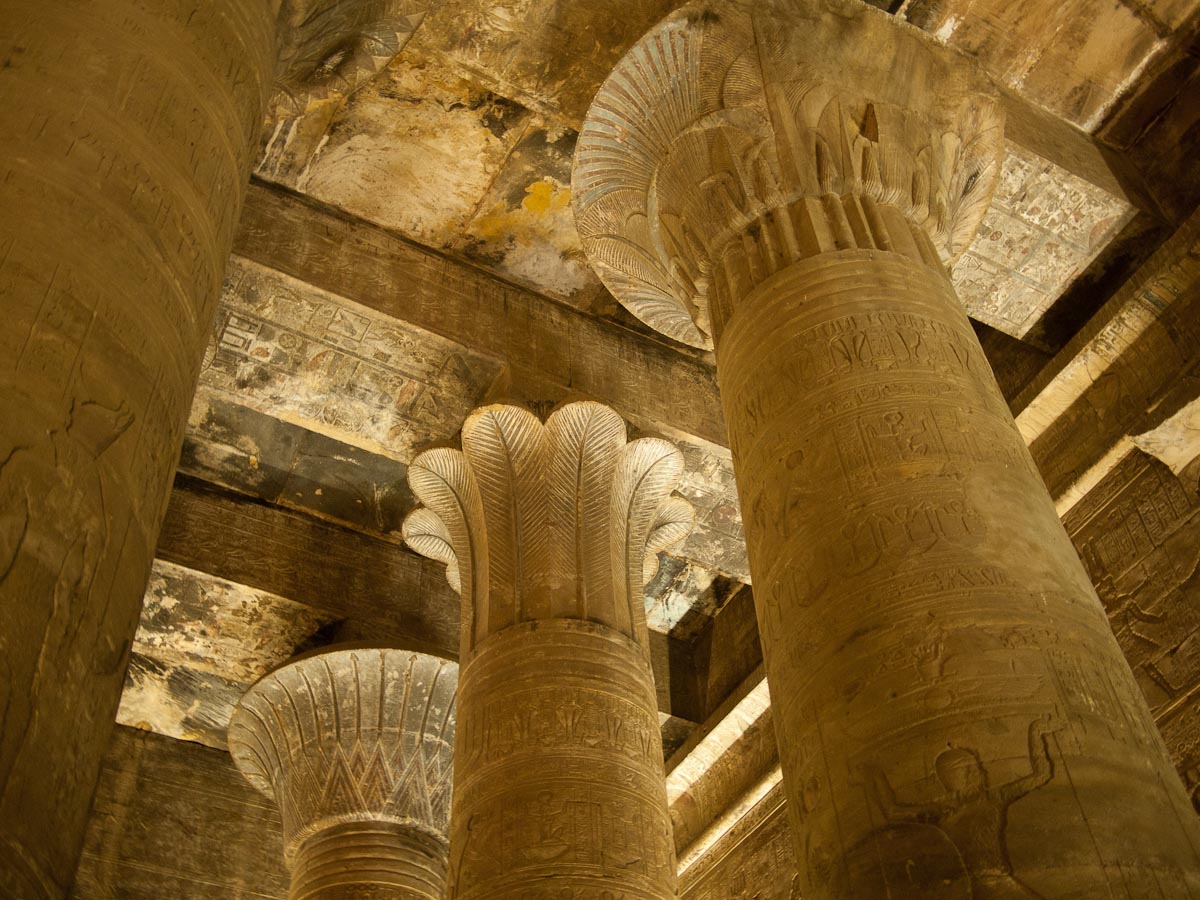
We entered the temple and found ourselves in a big courtyard. Columns lined the perimeter, their crowns alternating design between papyrus flower, lotus, and papyrus reeds. This indicated that the temple was made in the roman era. In fact it was built by King Ptolemy the 1st, one of Alexander’s generals. After Alexander died, King Ptolemy the 1st went to Egypt and began the line of the last pharaohs, including Cleopatra, who is actually descended from Macedonians. The Egyptians did not want to grant him eternal life by carving his name in a cartouche, so they left all the cartouches blank. Of course, Ptolemy didn’t realize it, because only the Egyptians had that tradition. Later though, he dressed like an Egyptian pharaoh, and after a while the Egyptians accepted him and went back and carved his name in a few cartouches.
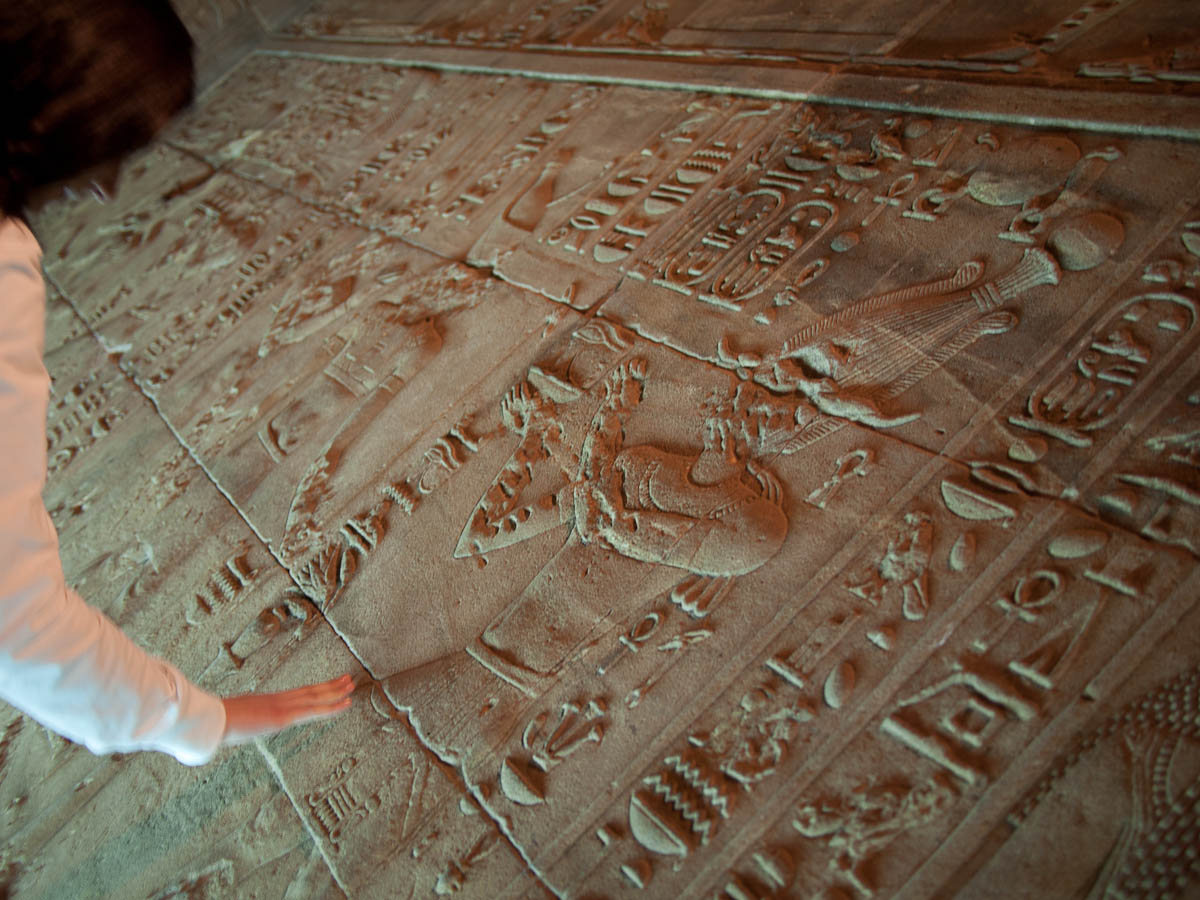
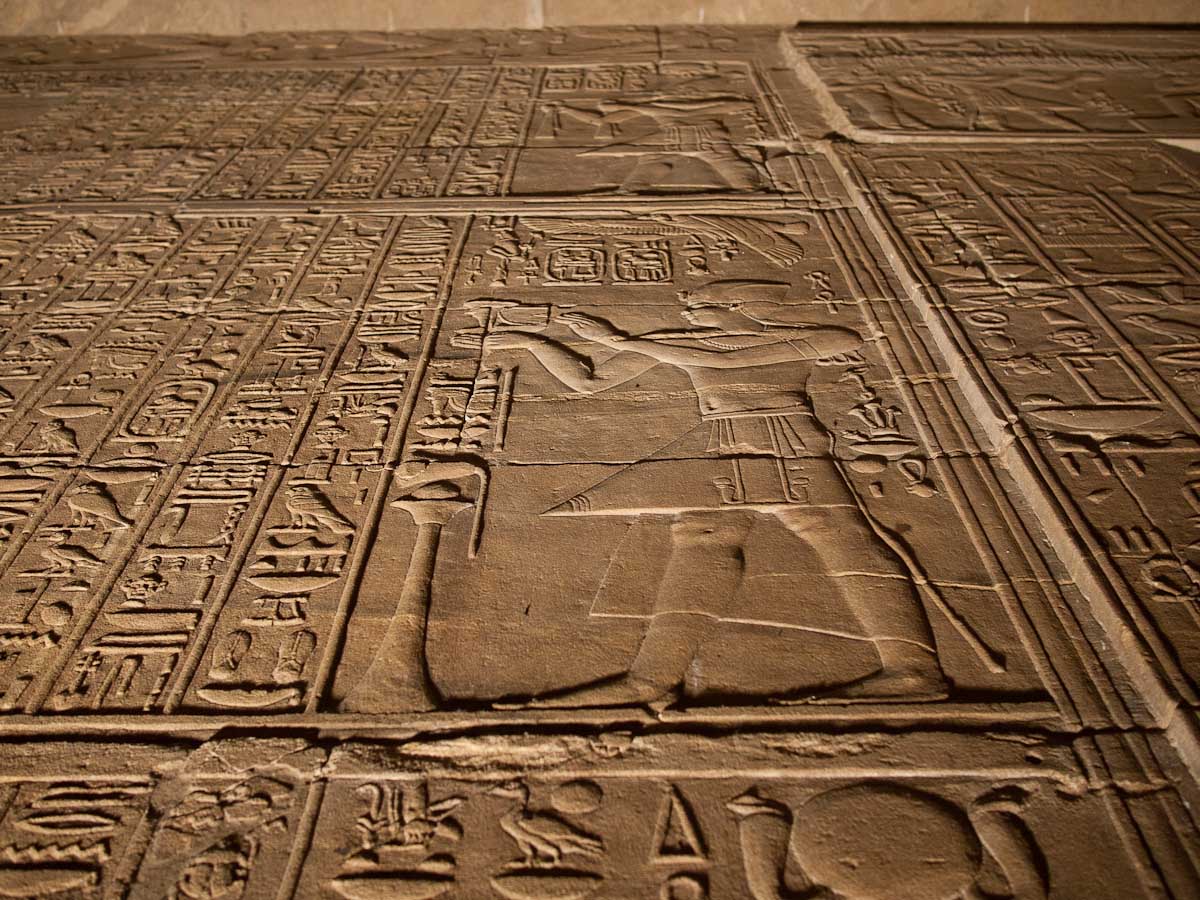
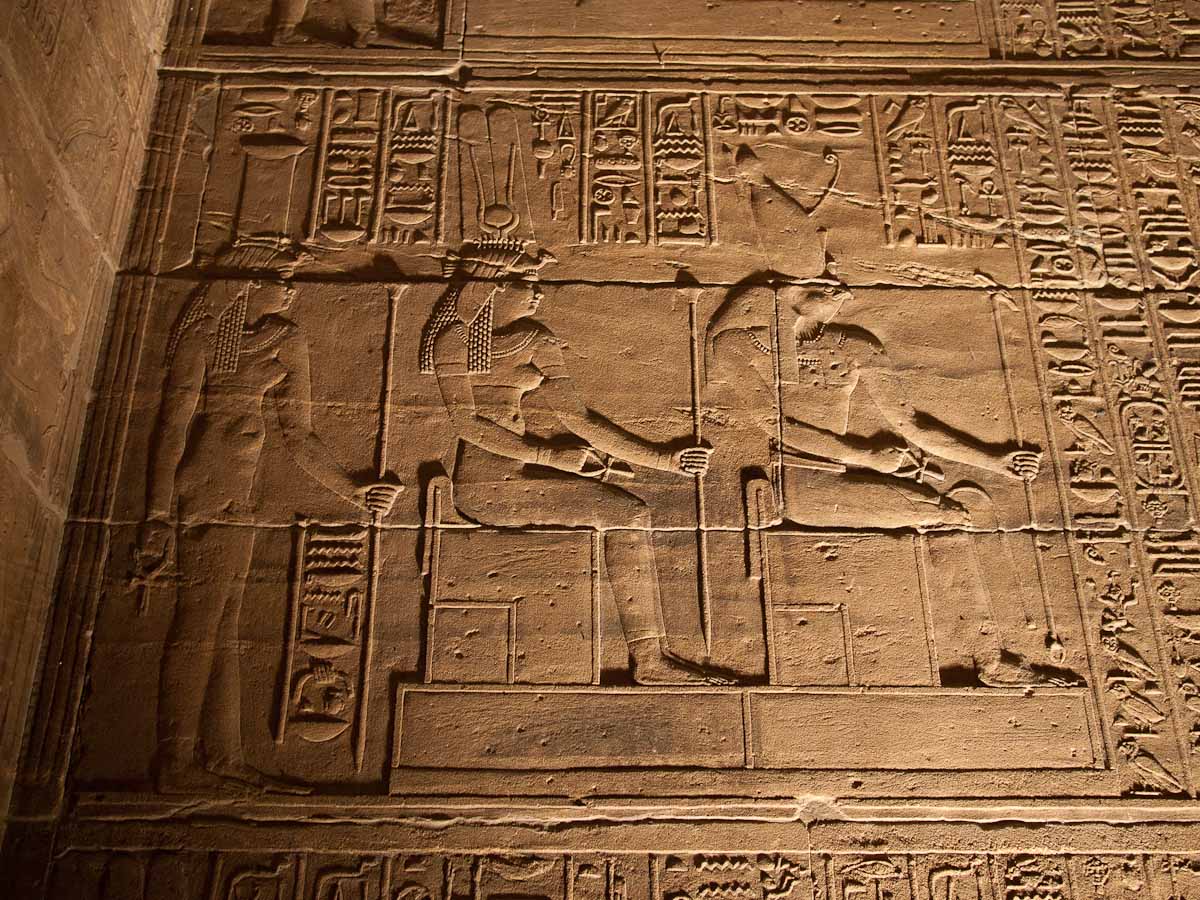
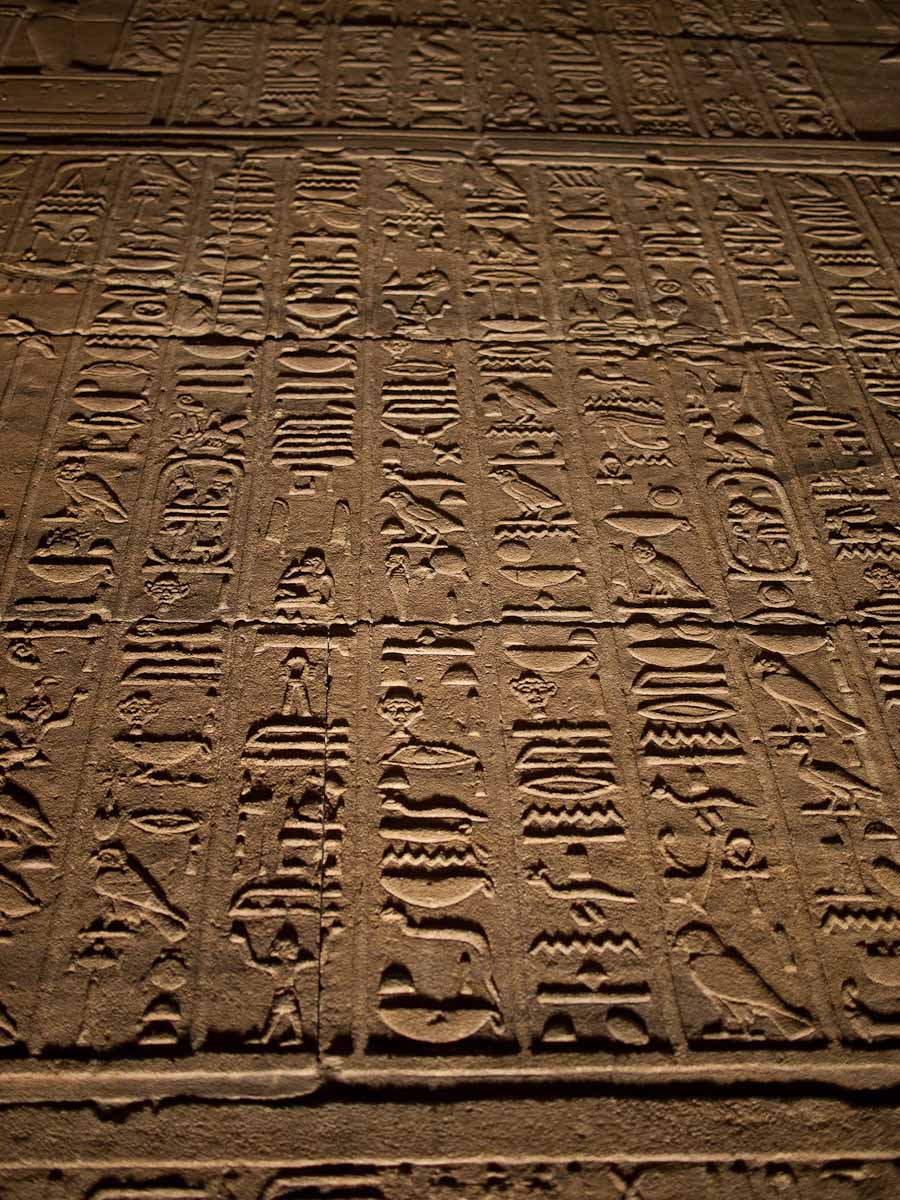
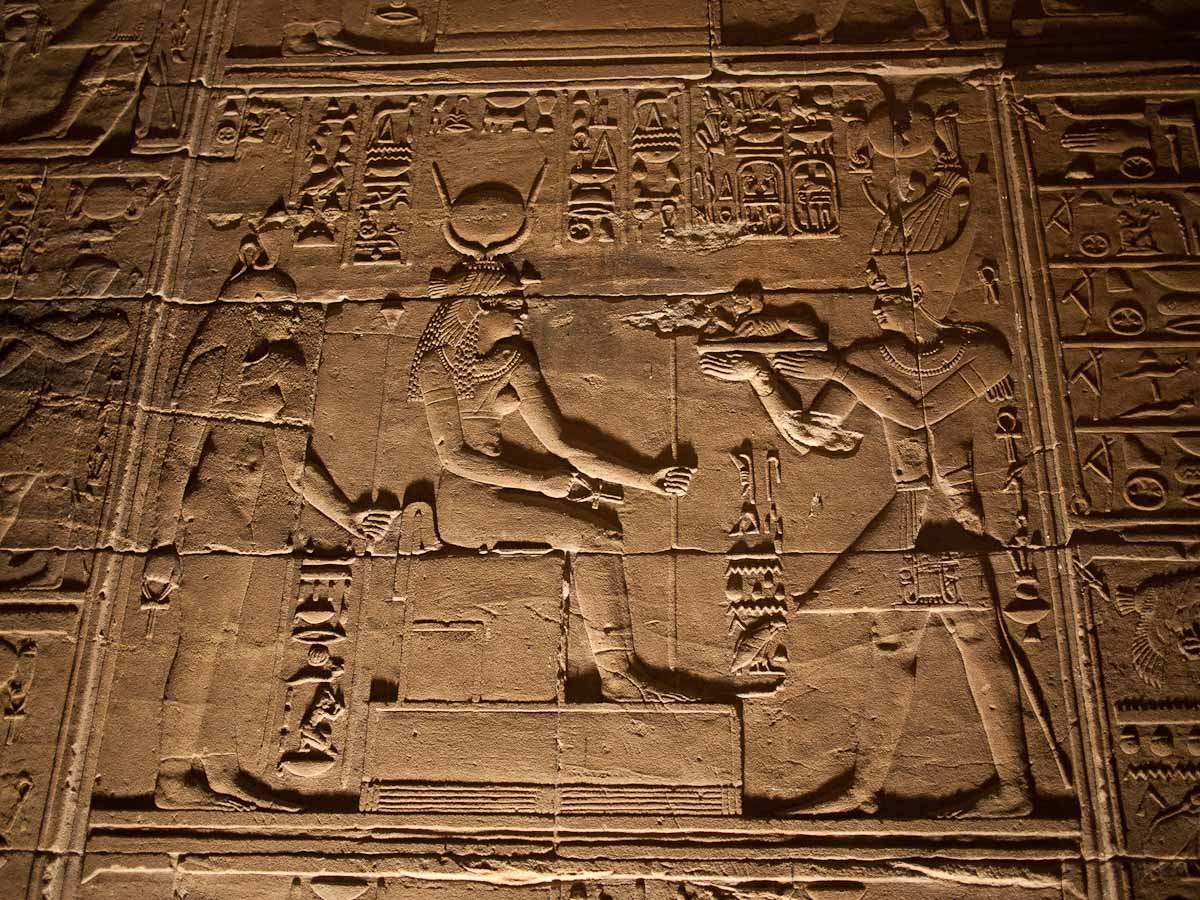
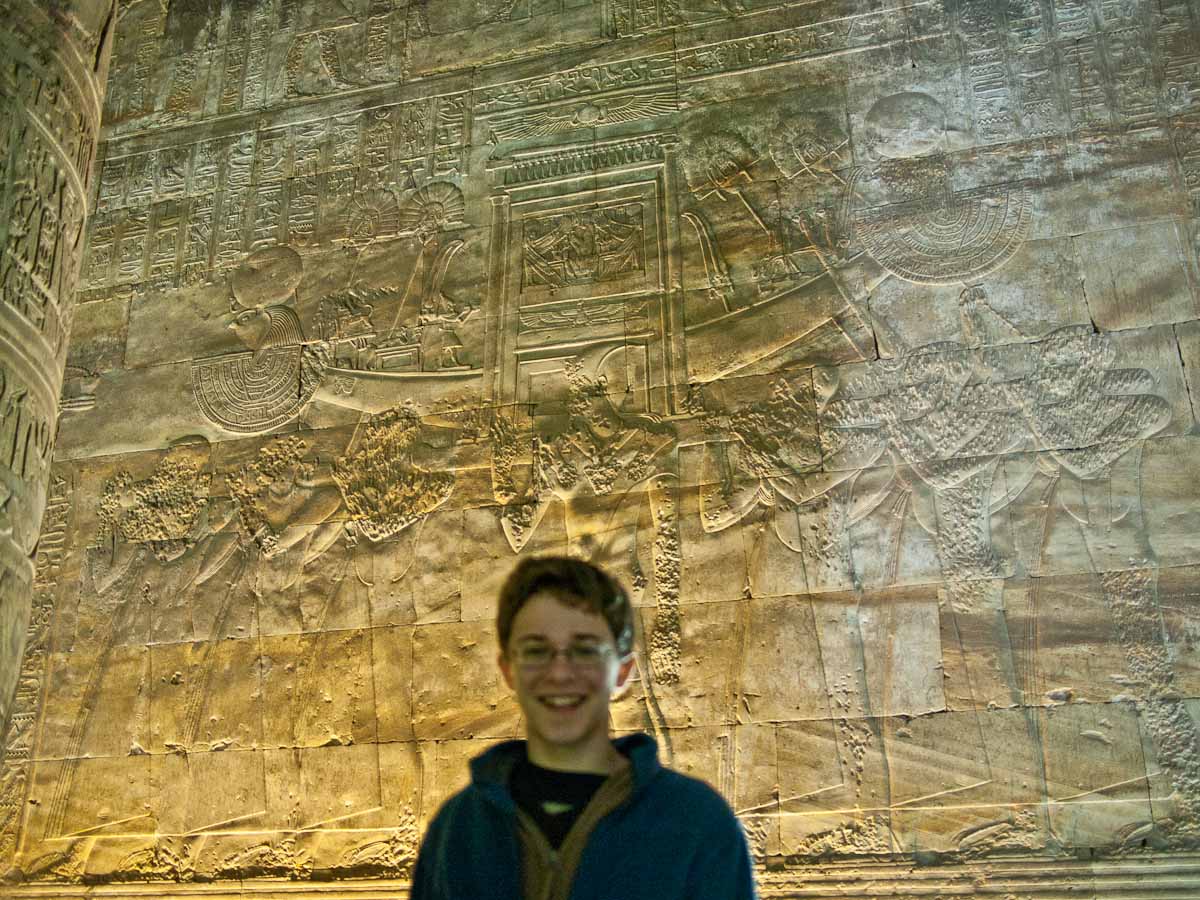
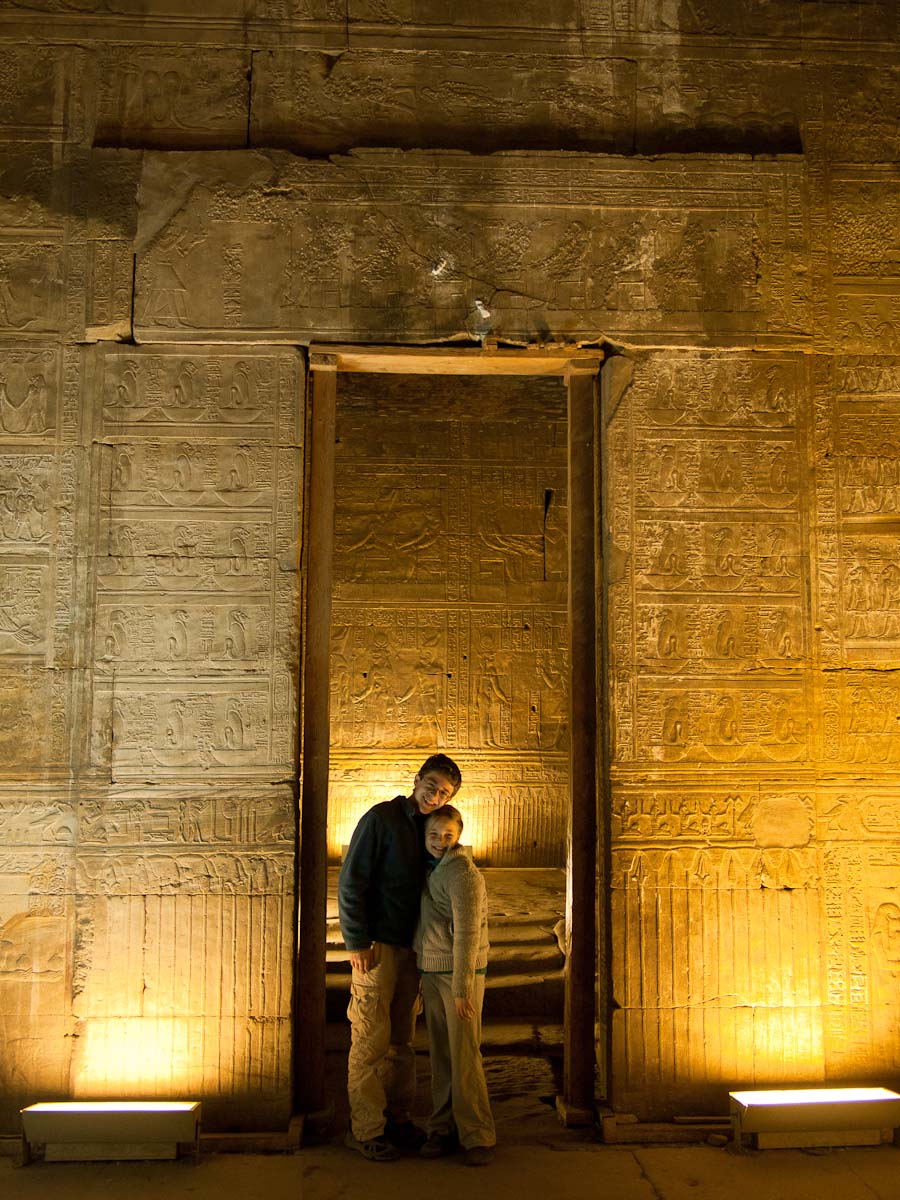
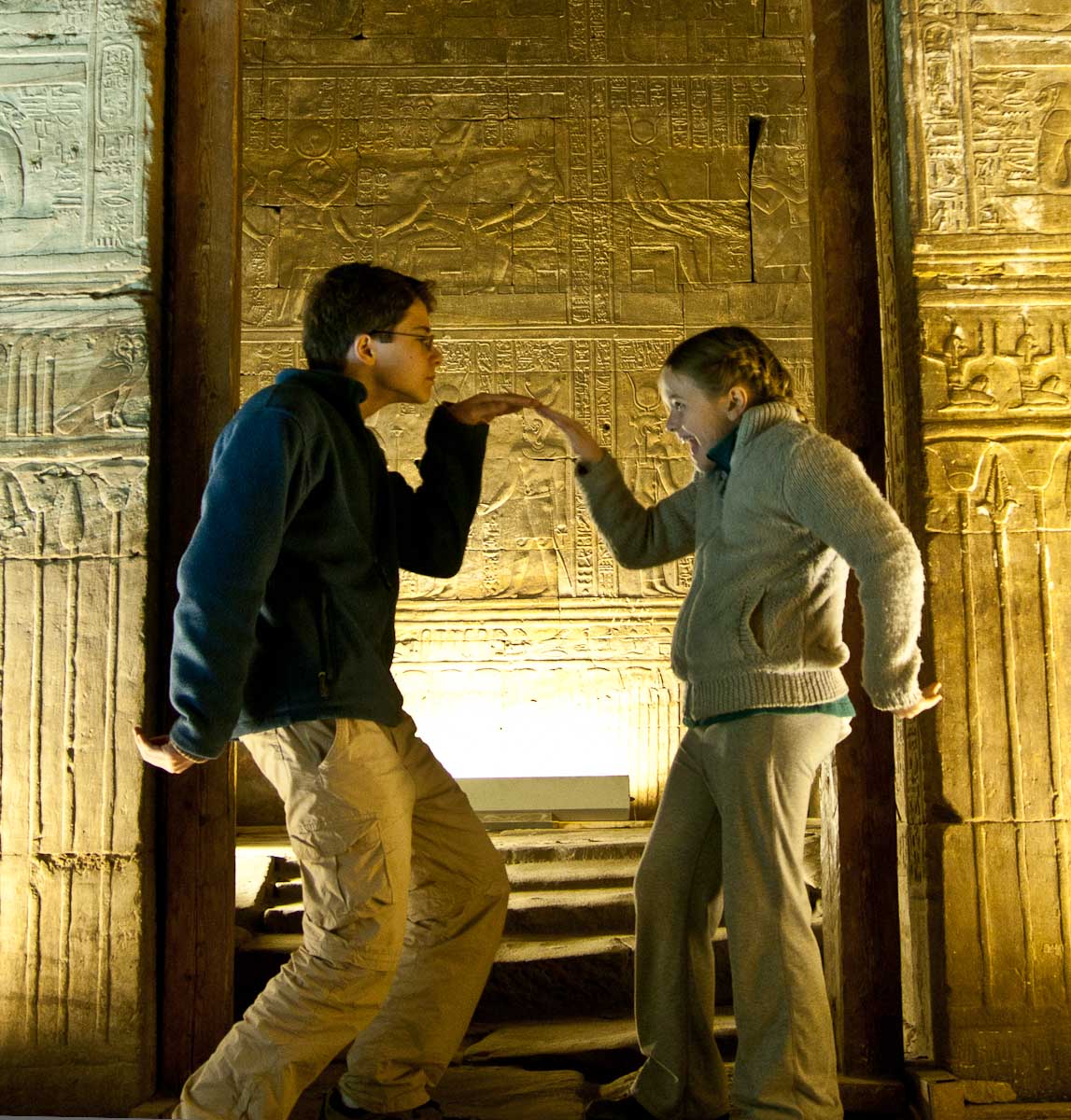
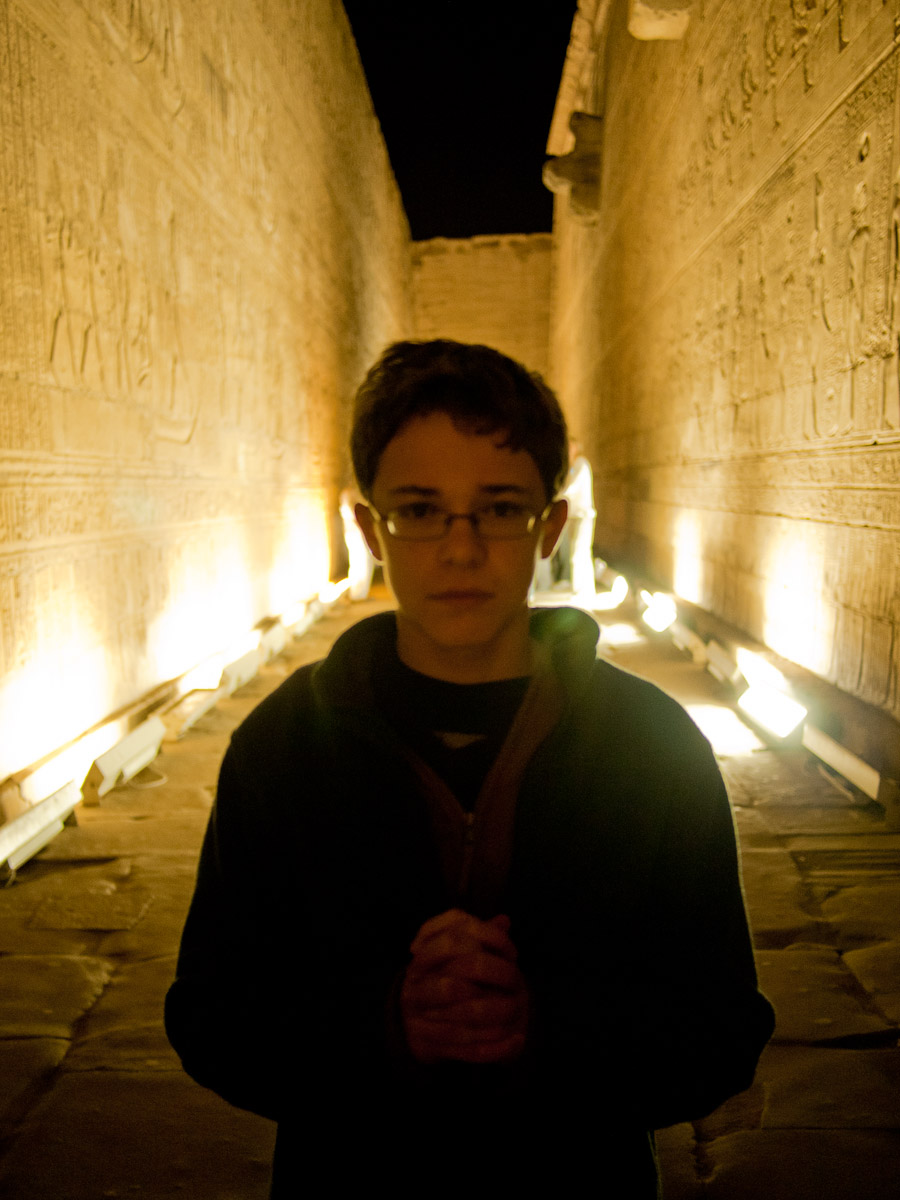
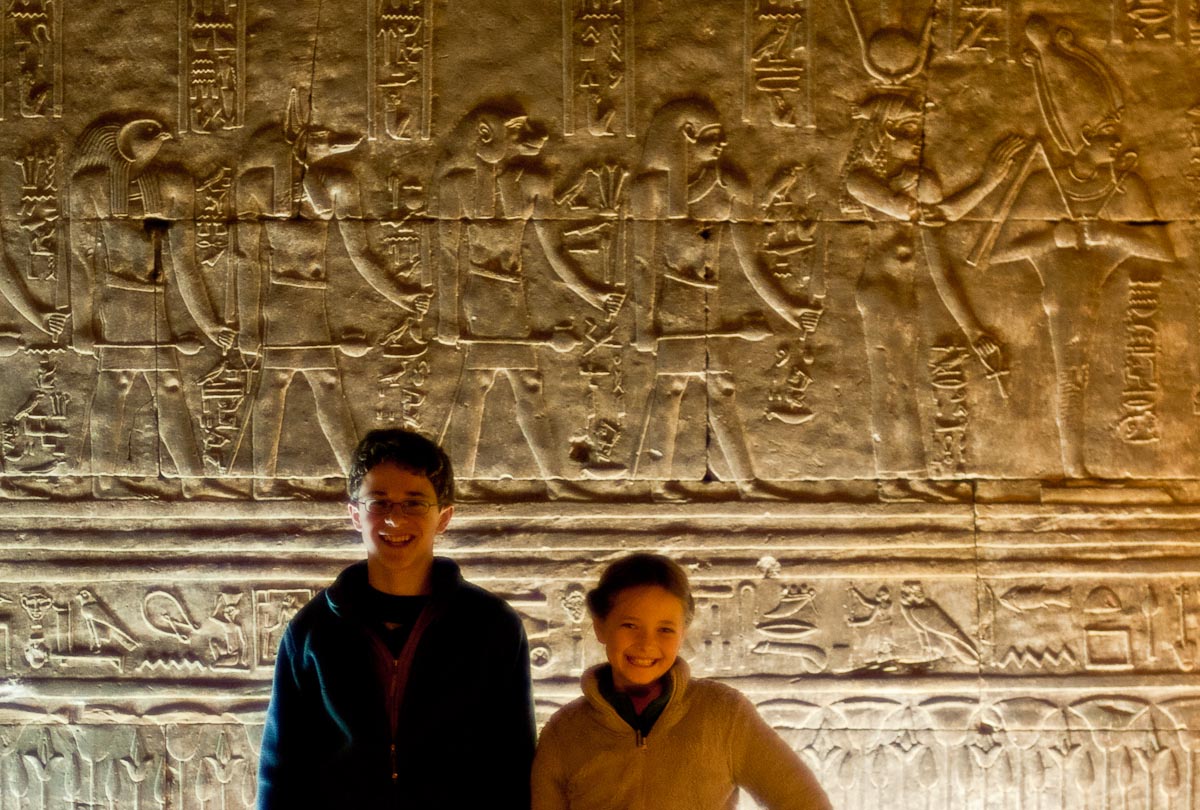
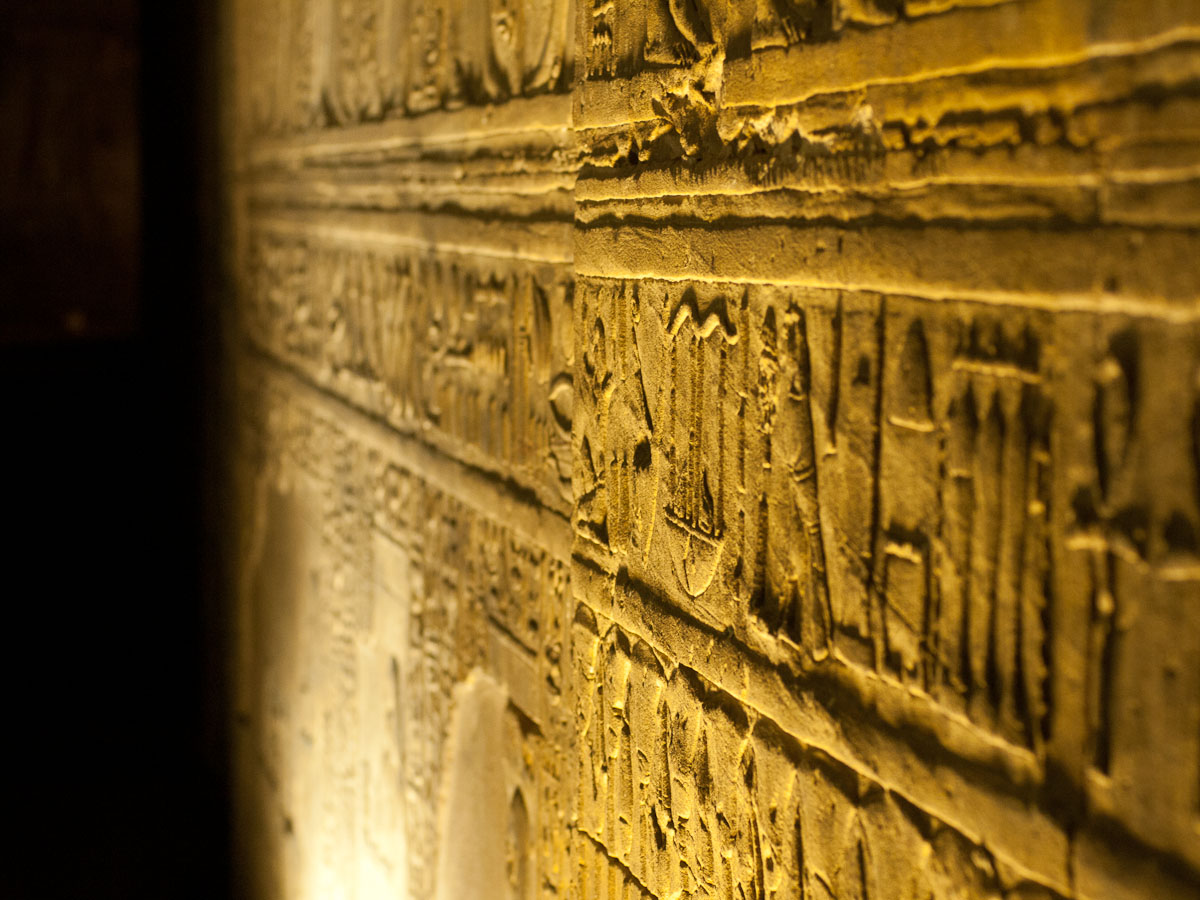
We proceeded in to a big room containing twelve columns and walls covered with hieroglyphics and stories from Egyptian mythology and history. Beyond that room was a hall with an additional twelve columns and walls as covered as the last chamber’s walls.
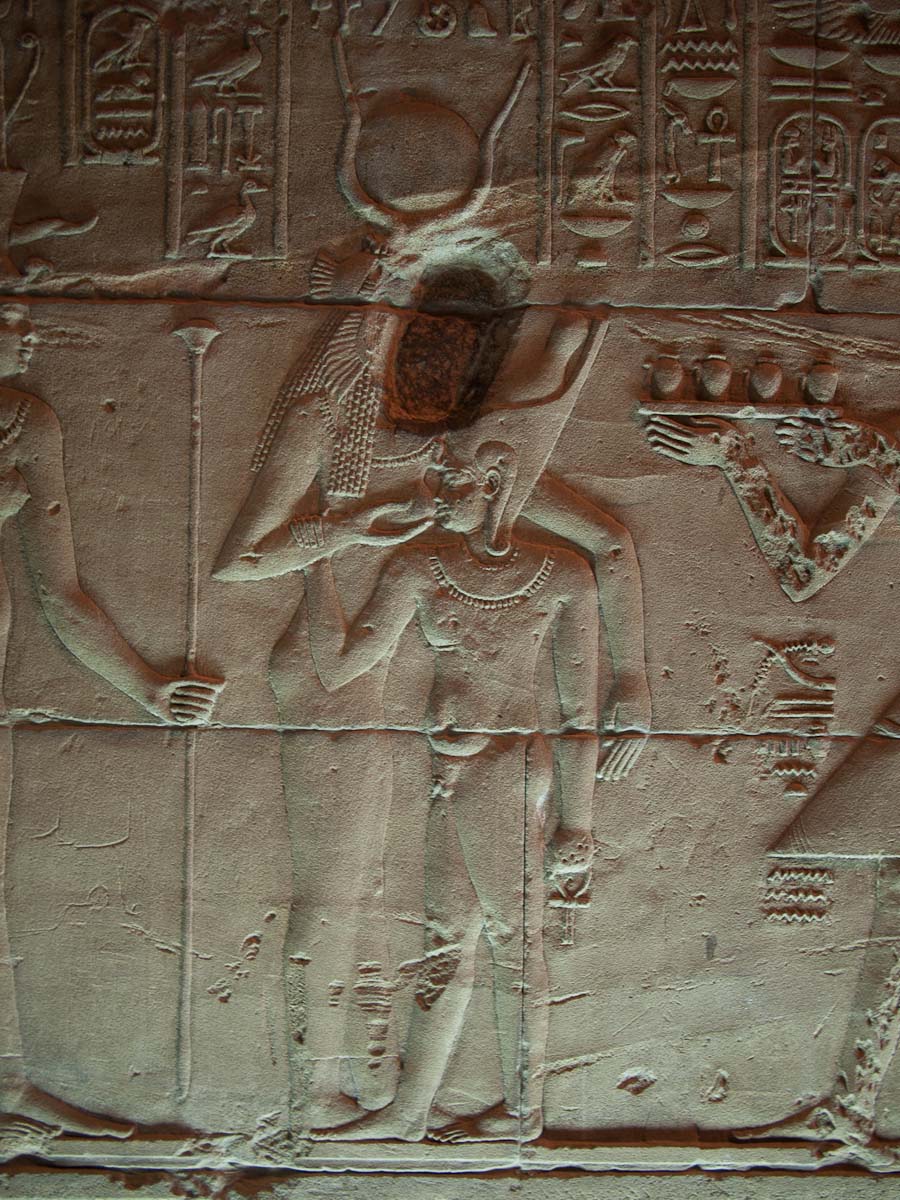
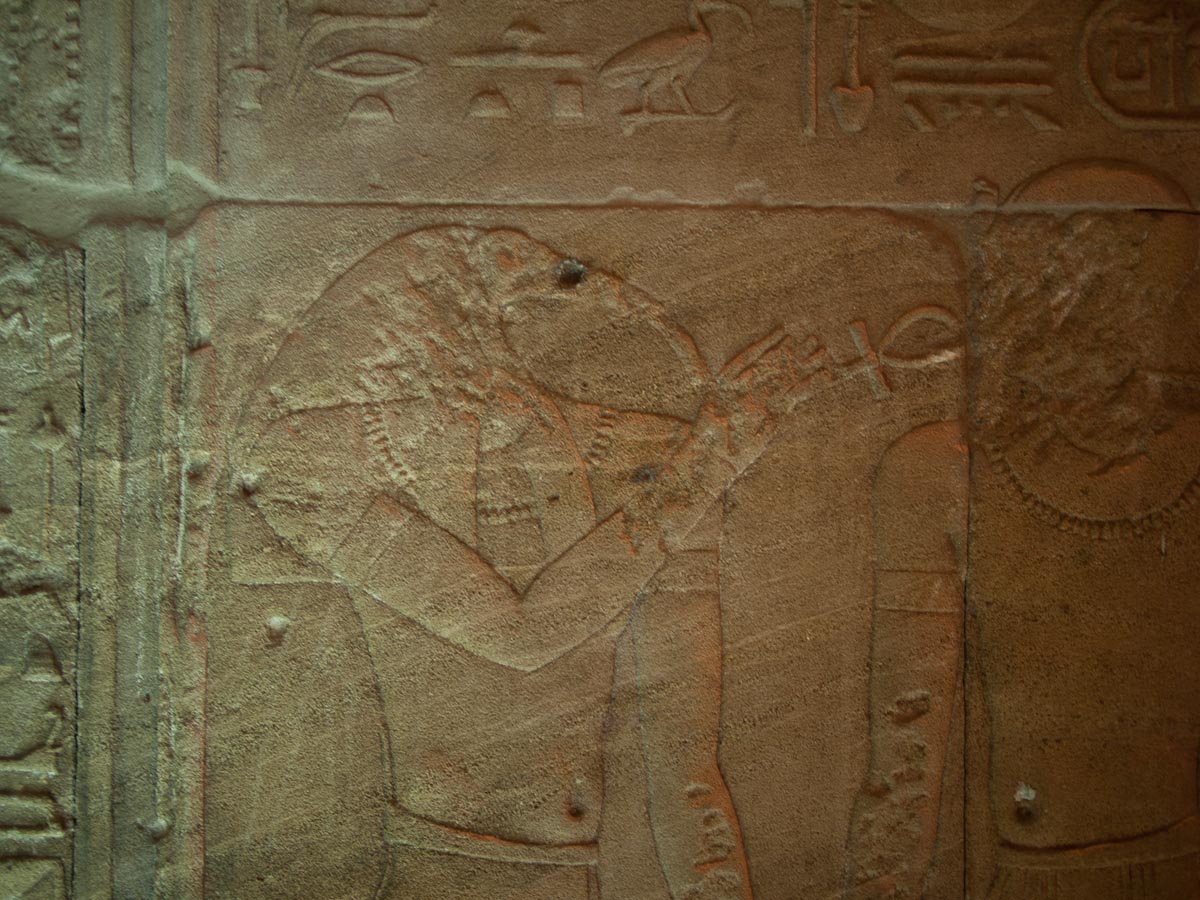
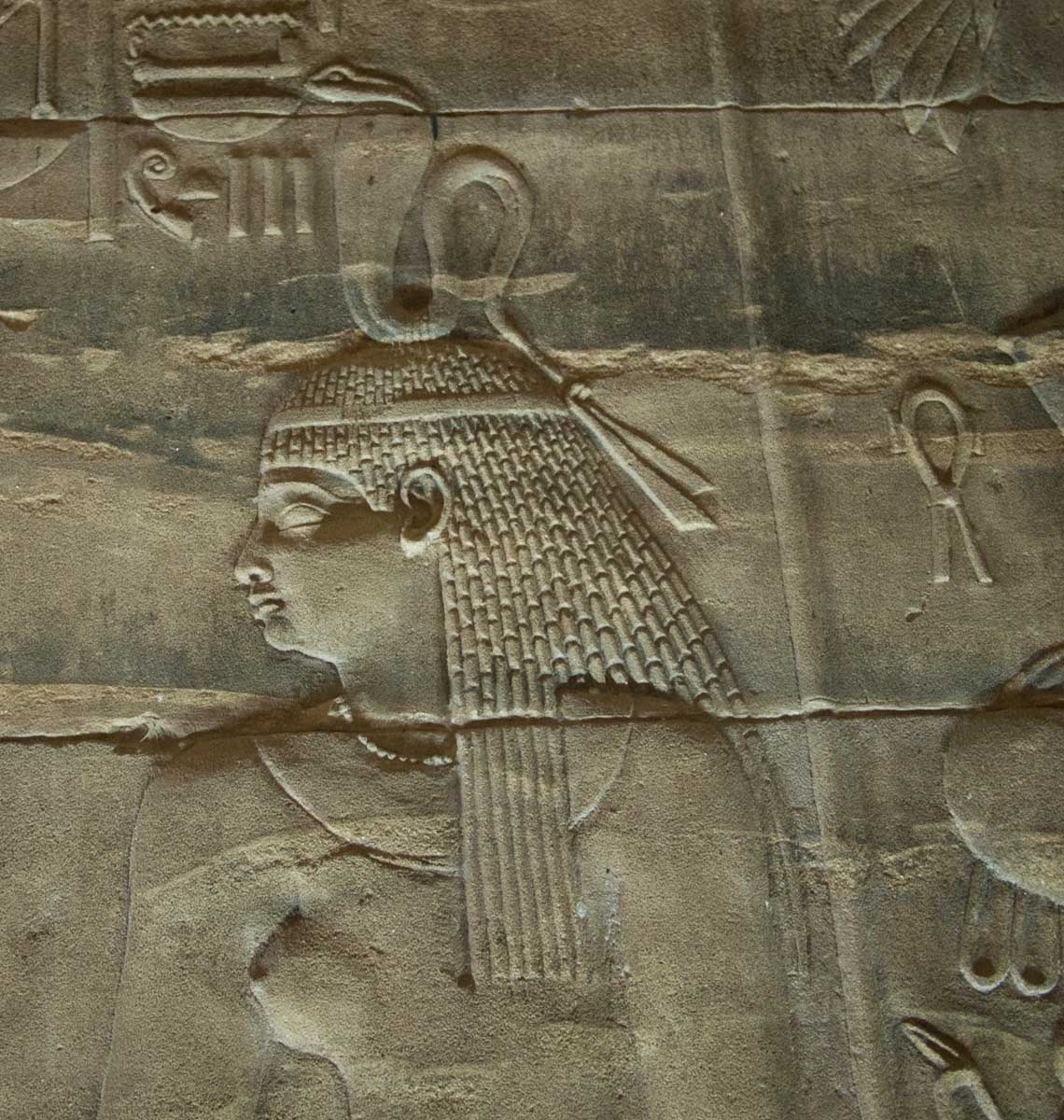
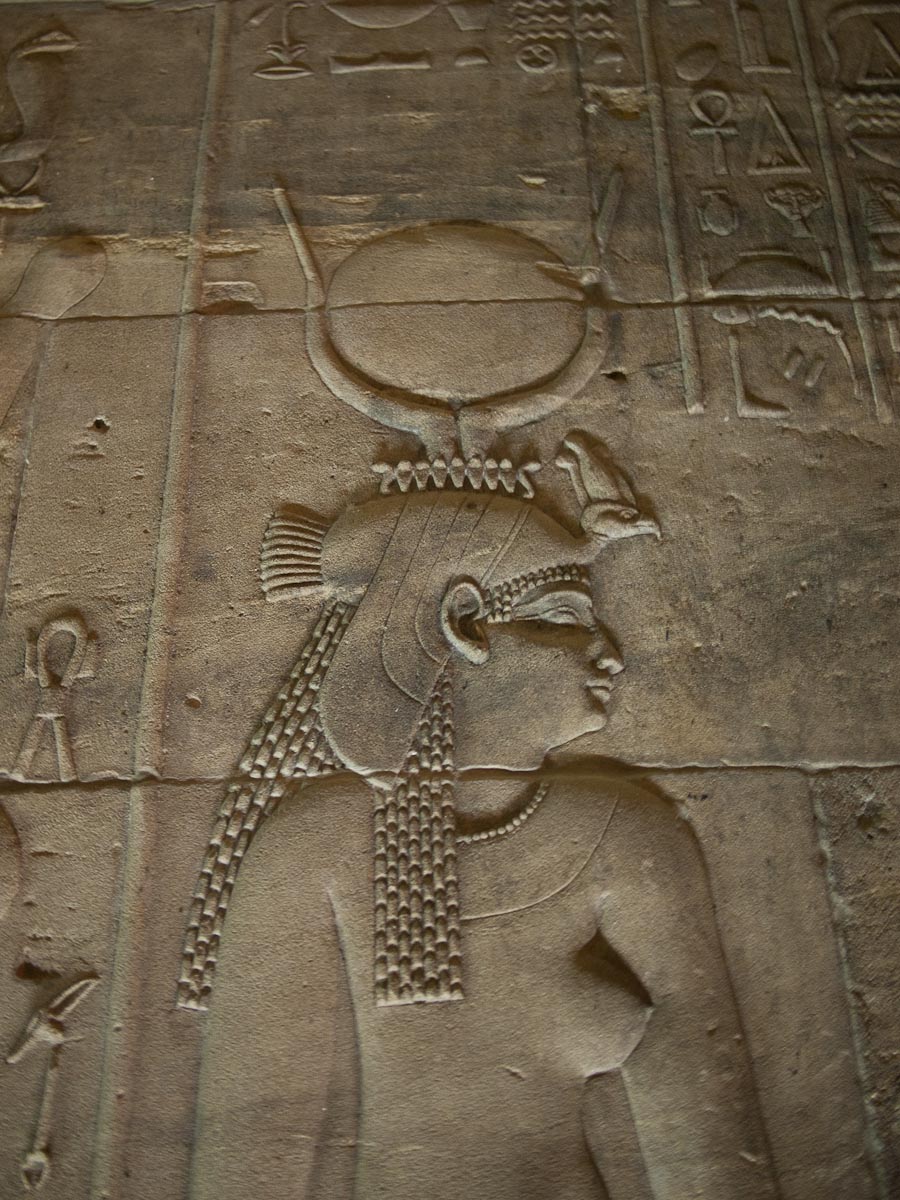
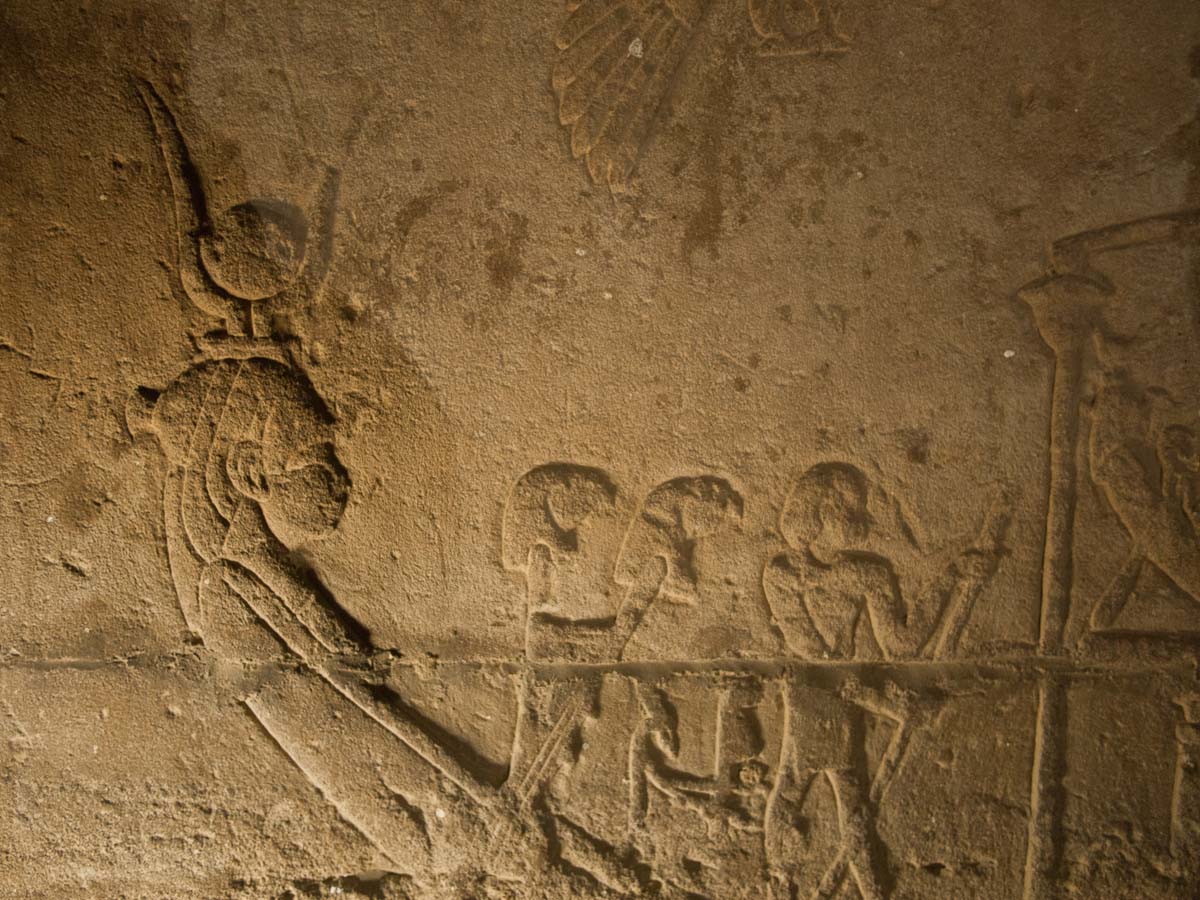
When the Christians hid in the temple, they were horrified. At their time, Christianity was not supposed to worship any idols. (Certain animals, people). The temple was filled to the brim with pictures, and it didn’t help that many of them contradicted the Christian’s beliefs. So the Christians took up their tools and distorted as many figures as they could. Luckily they went systematically, so many stories are uninterrupted.
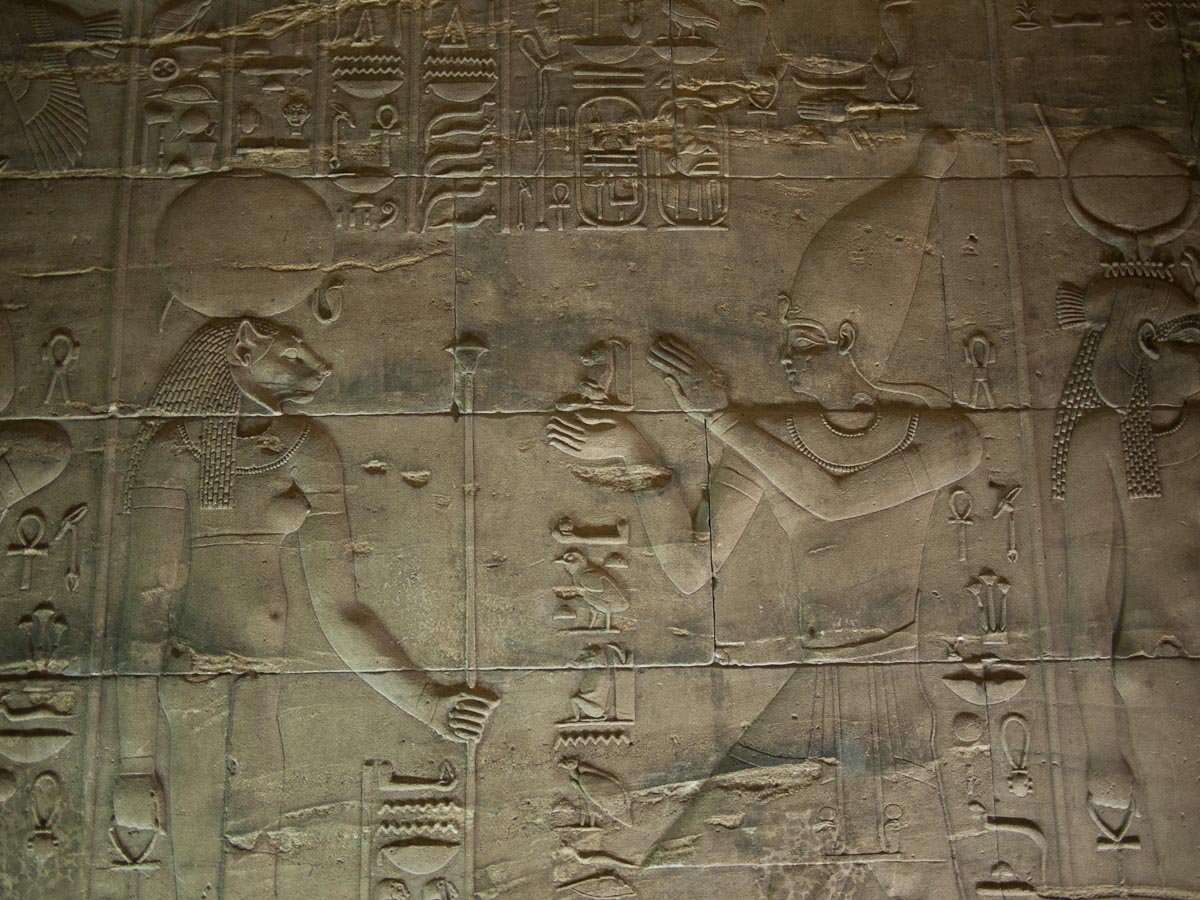
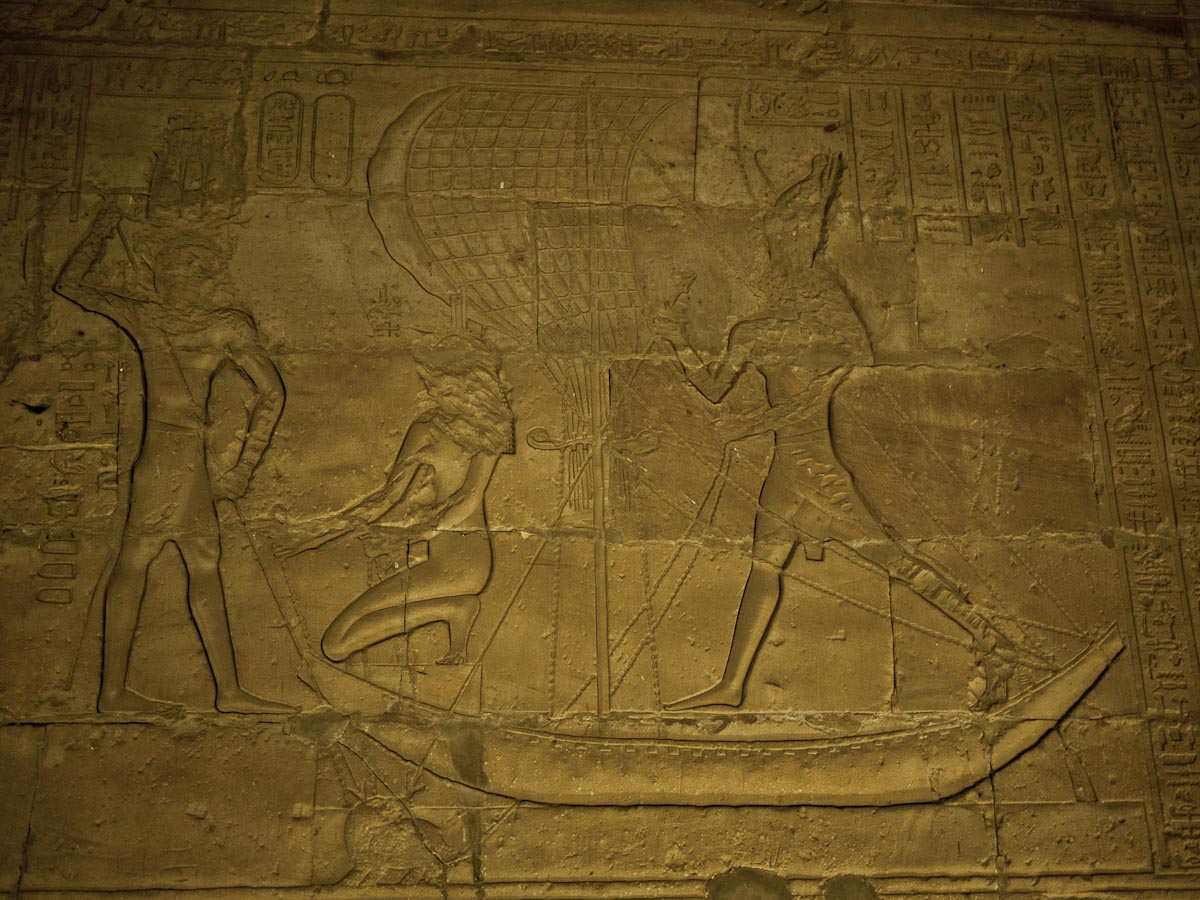
We looked up and saw that the hallway’s ceiling was blackened from fire, which we were told was because the Christians used it as a kitchen. We also learned that each column represented one hour of the day. We continued onward and explored the rest of the temple, looking at the various chambers and passageways. There was one wall which depicted Horus and Sekhmet battling Set, who was depicted as a hippo. There were many pictures of the same scene with minor variances in positions, showing the many times that Horus and Sekhmet had to try and vanquish Set.
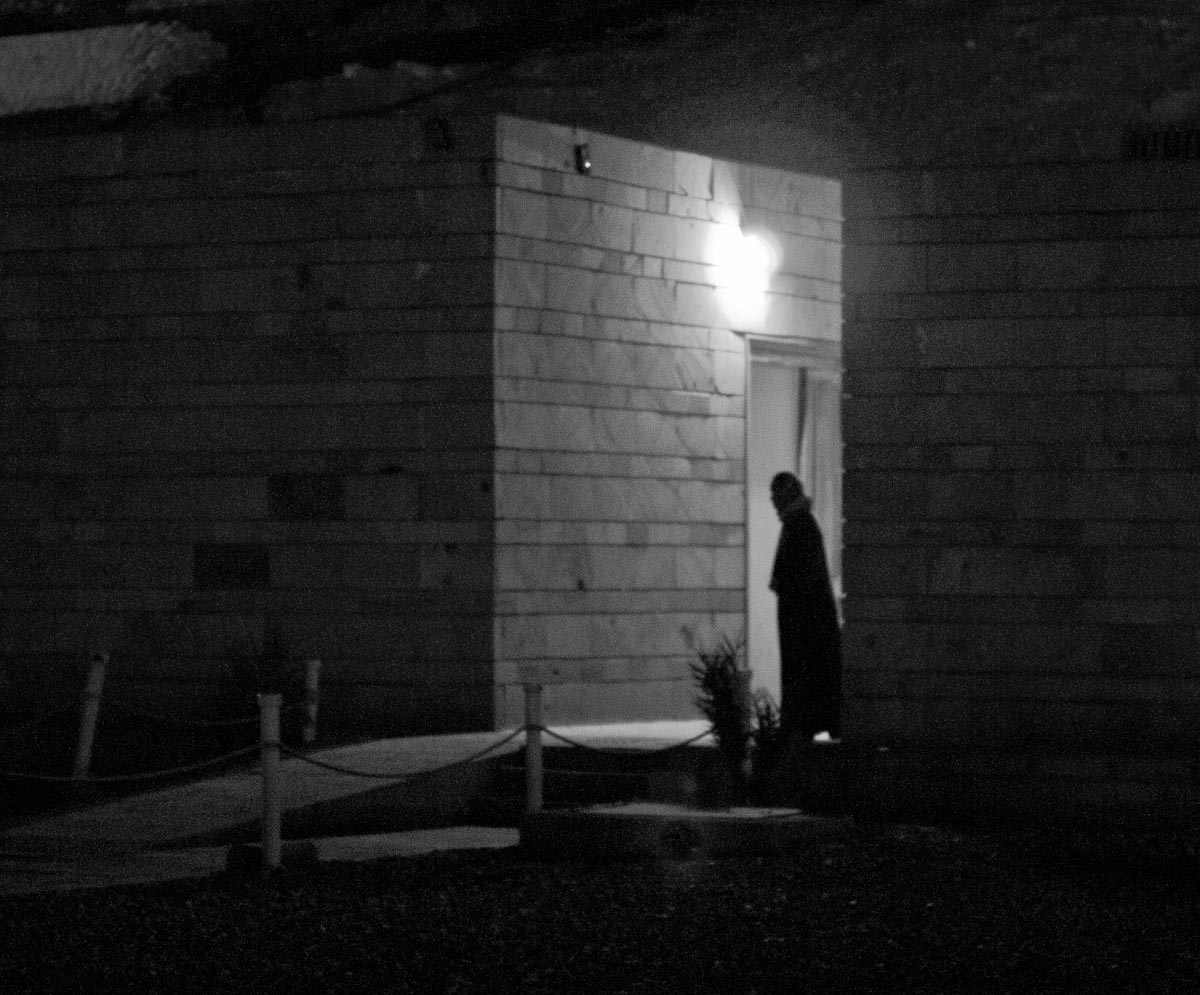
As we left the temple, we agreed that it was truly amazing. We looked up in to the night time sky, and my mom pointed out Orion. As we got in to the bus, we looked one more time at Edfu temple, glowing in the night. Seemingly in response to our wishes the temple glowed even brighter, determined to make our last memory unforgettable.
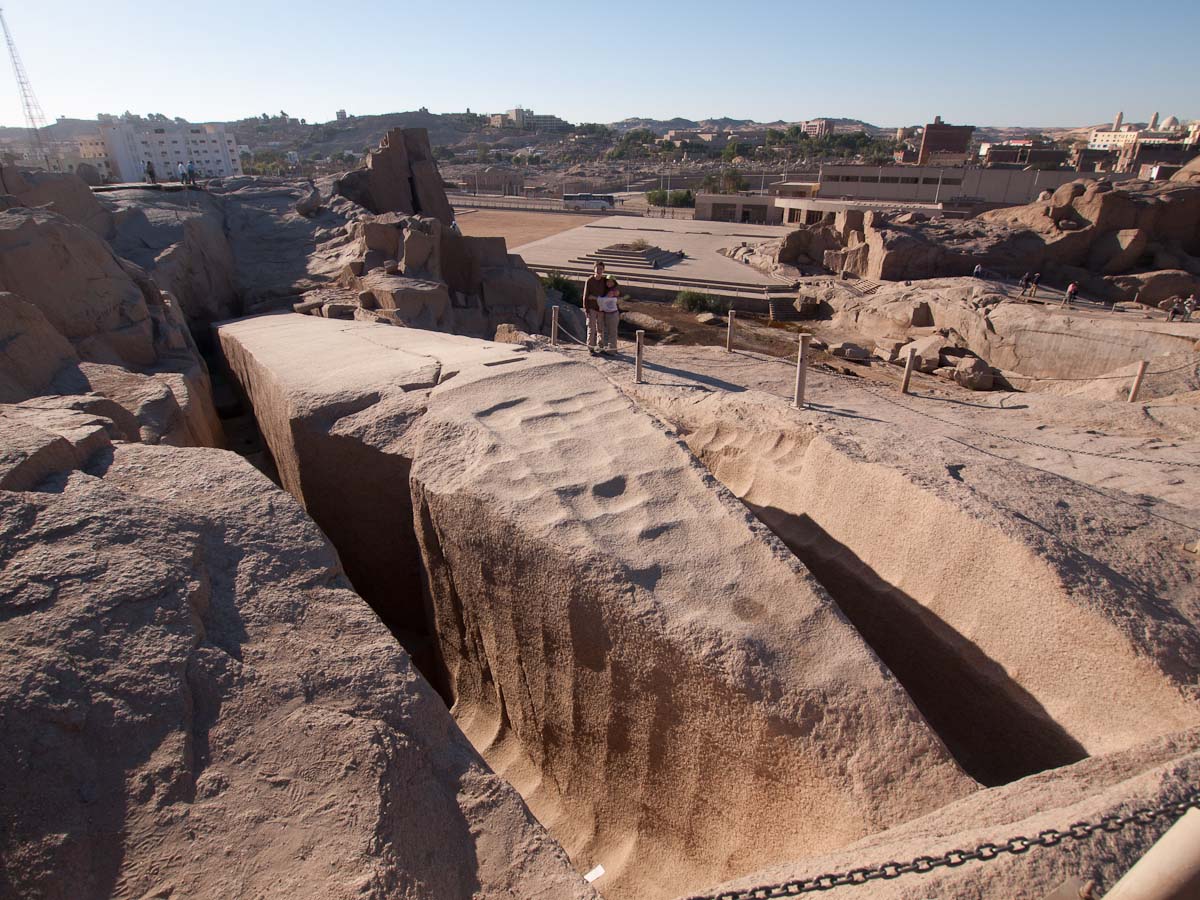
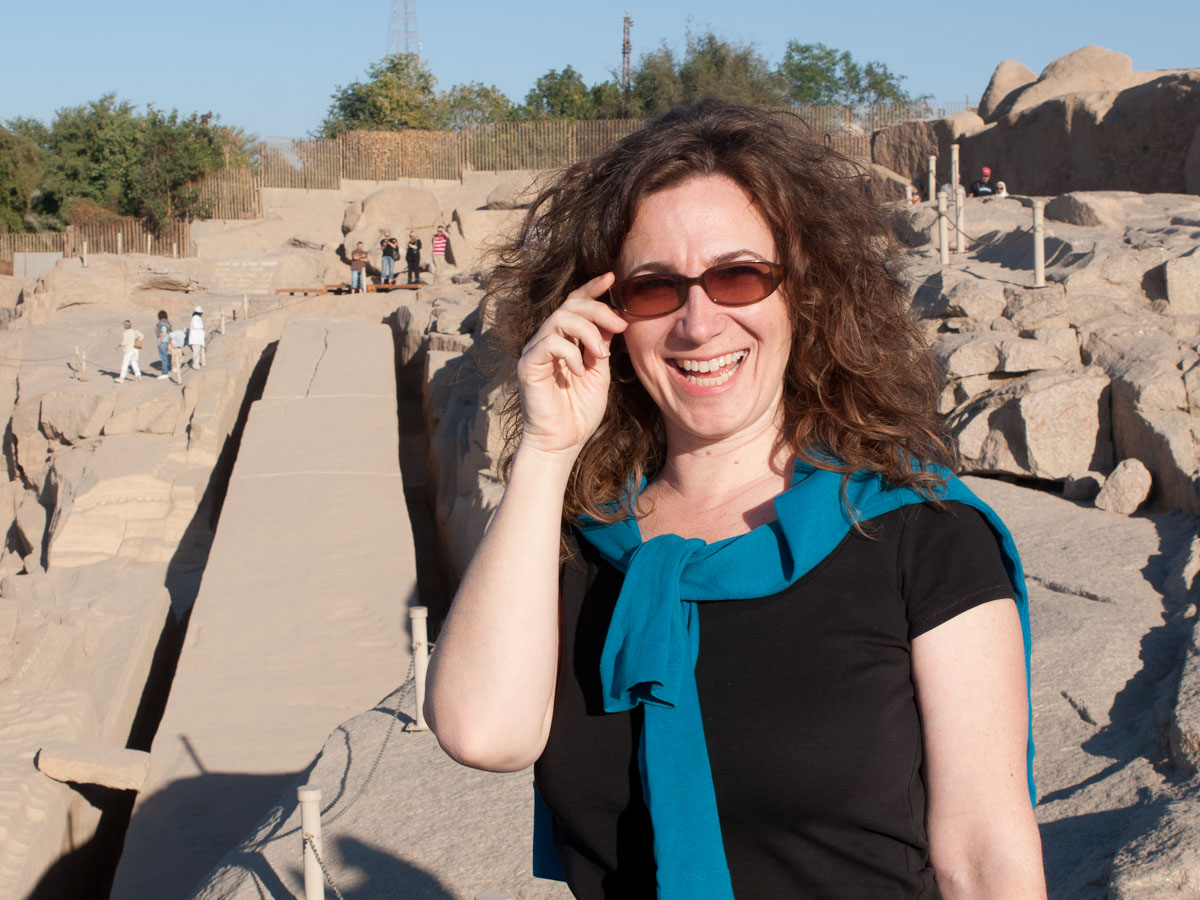
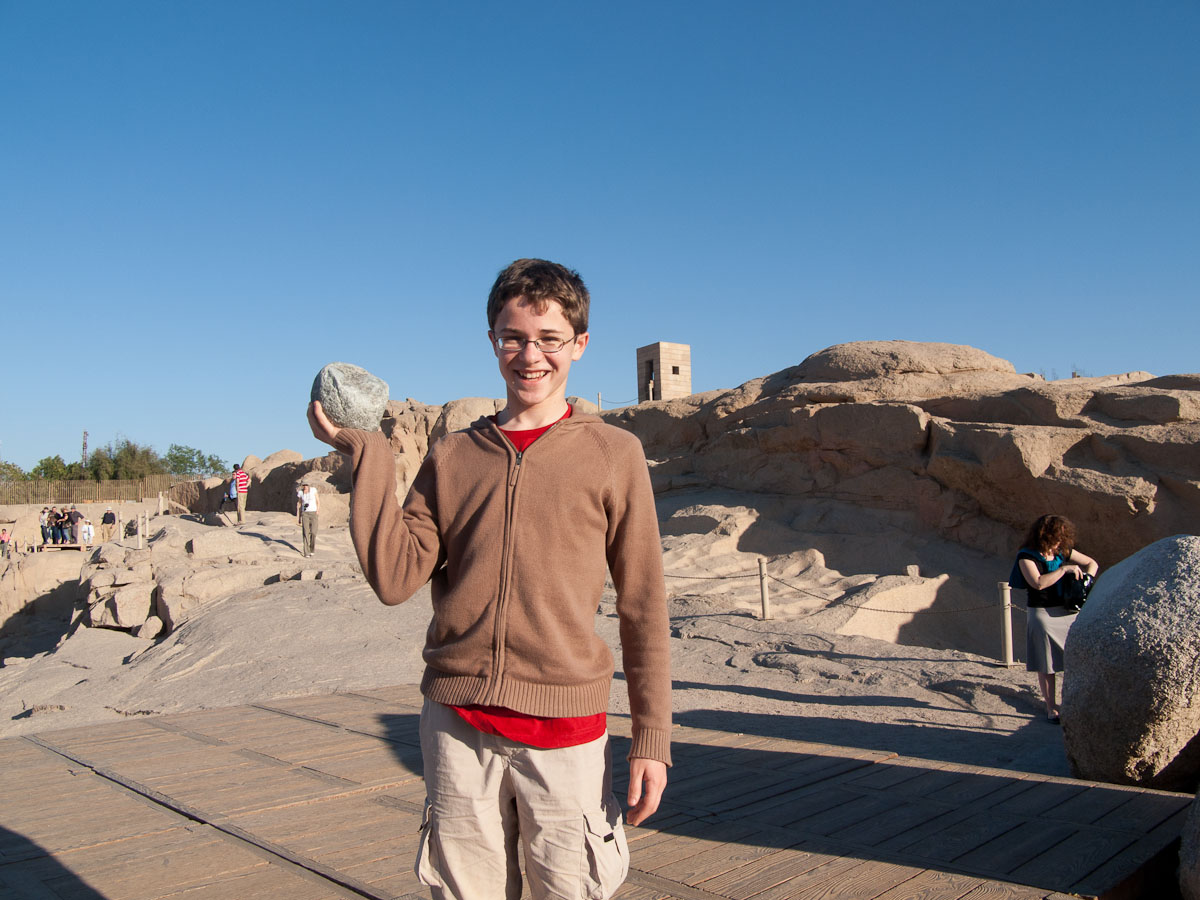
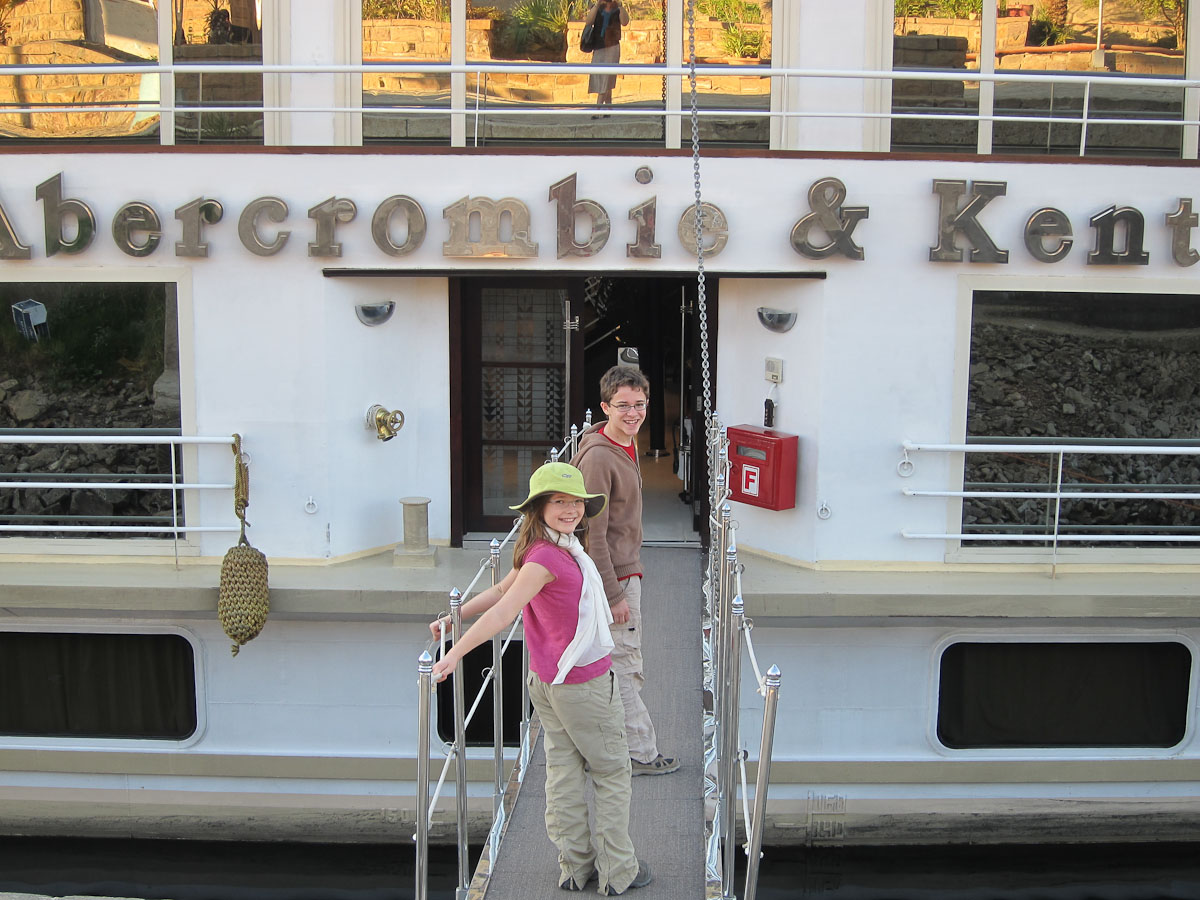
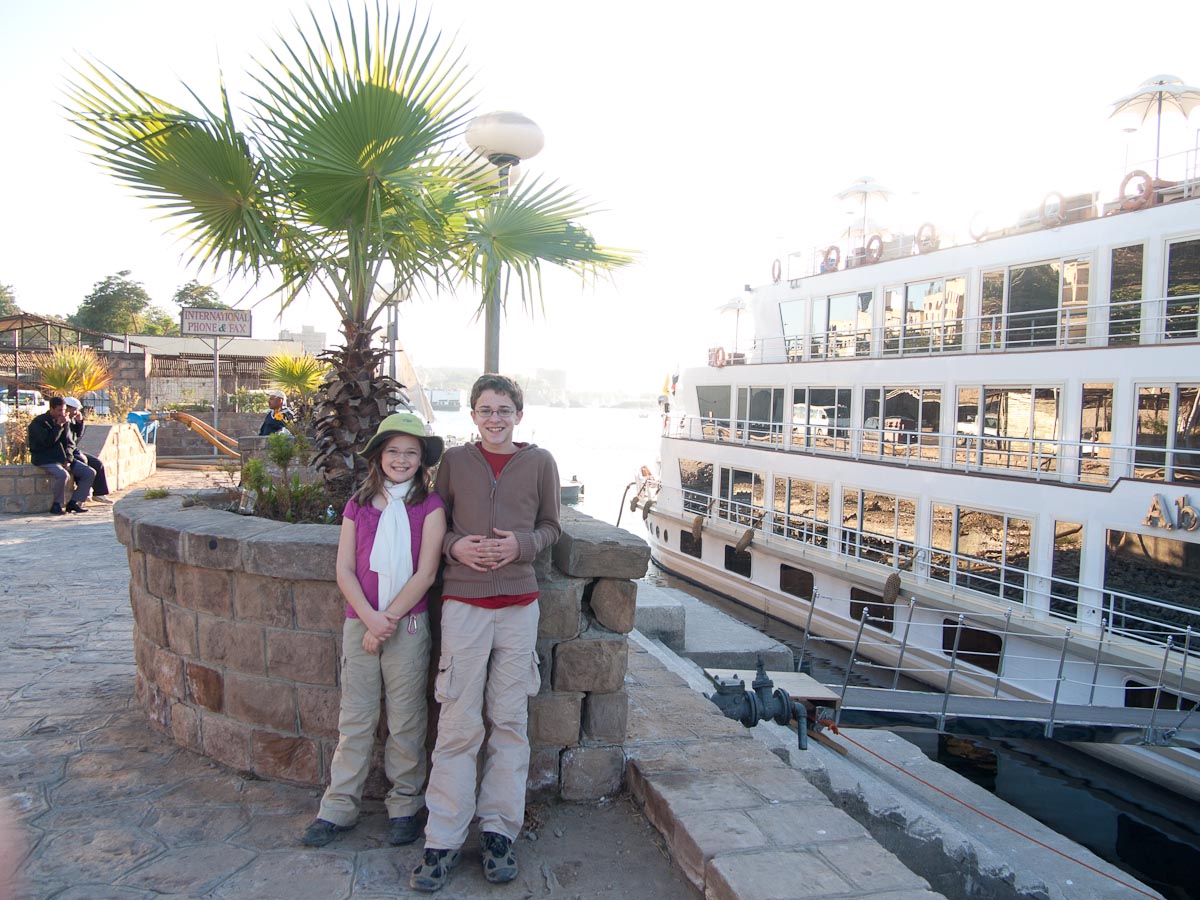
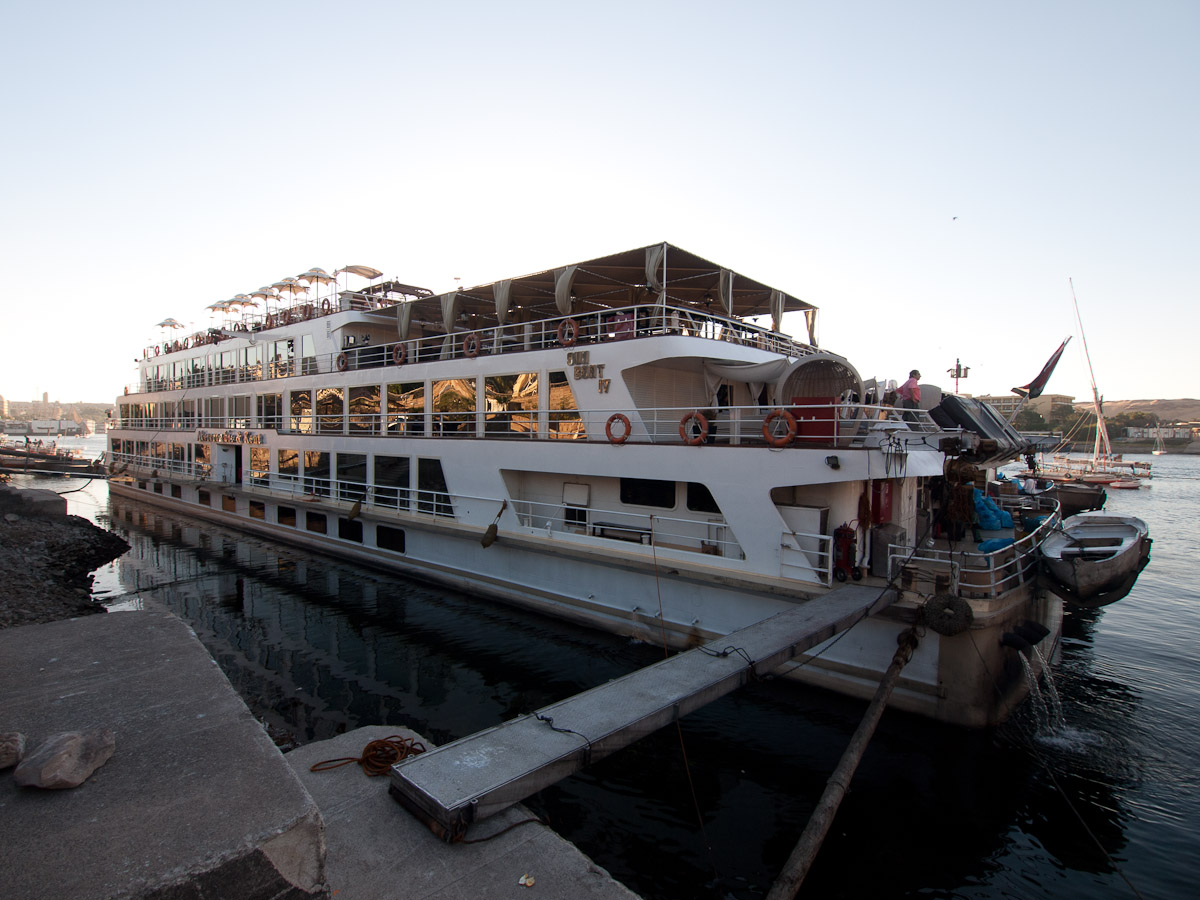
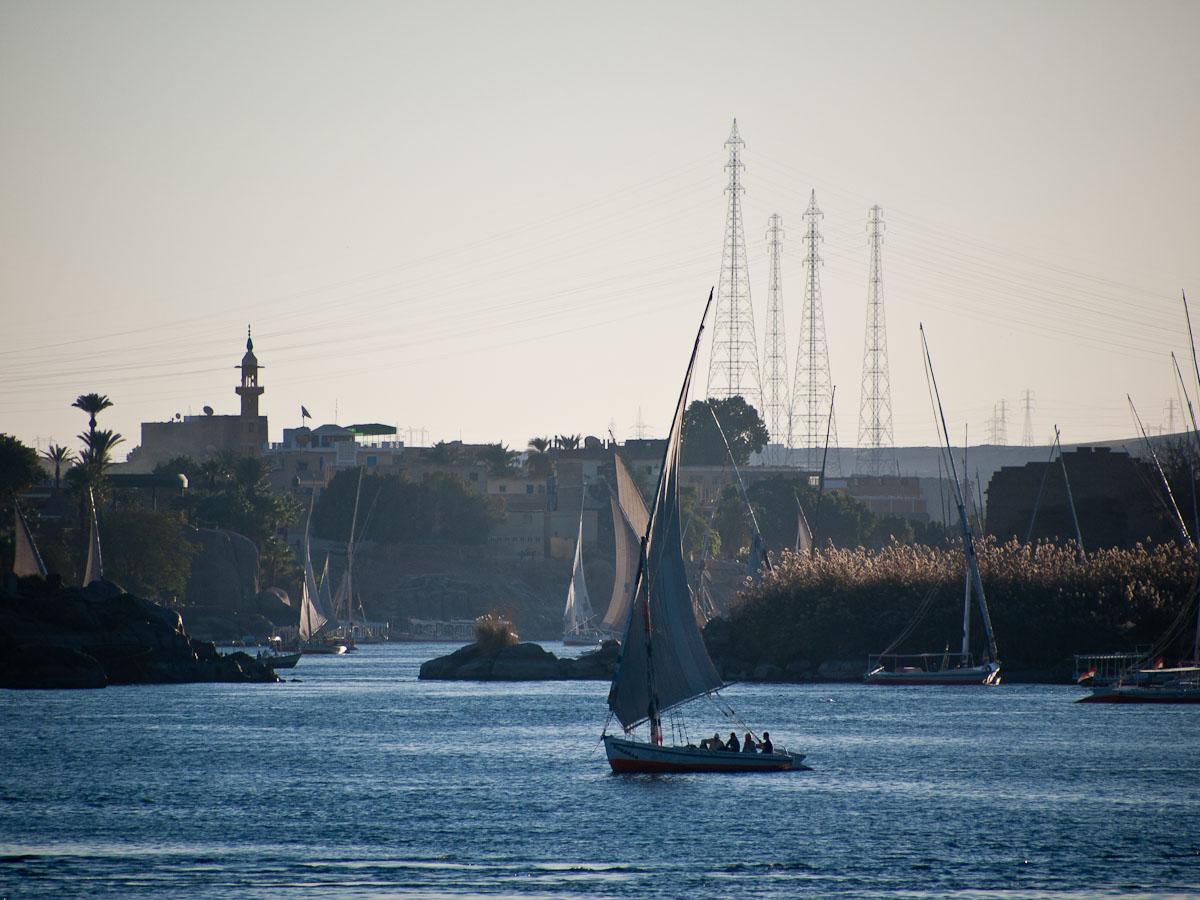
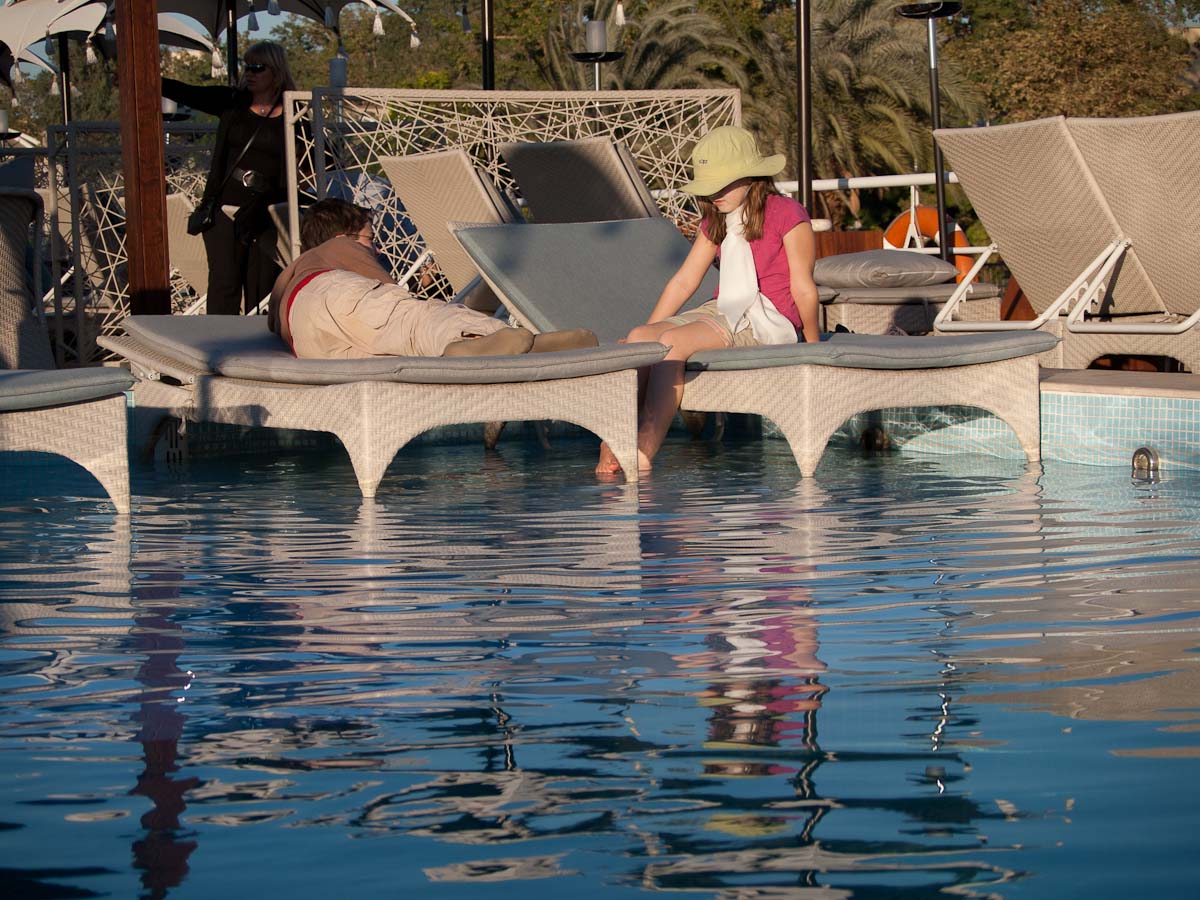
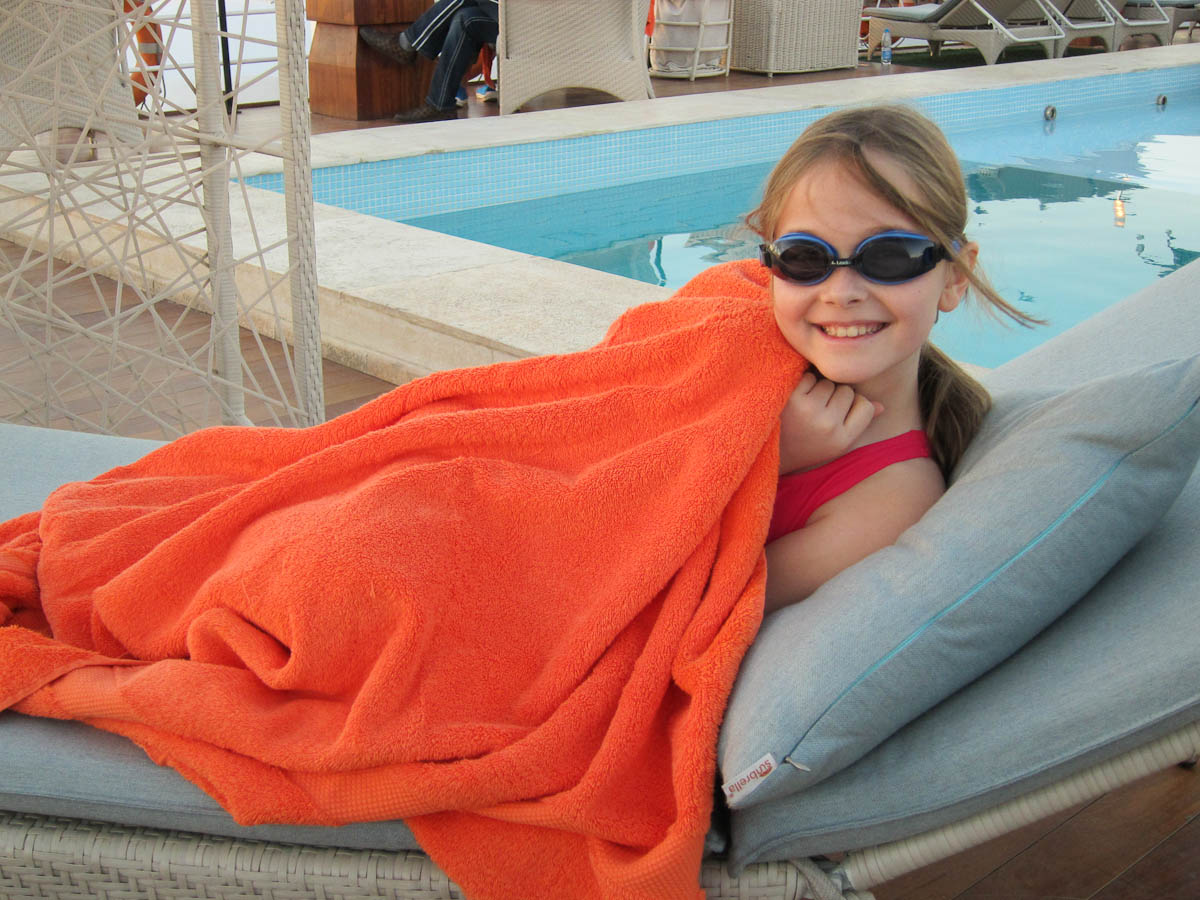
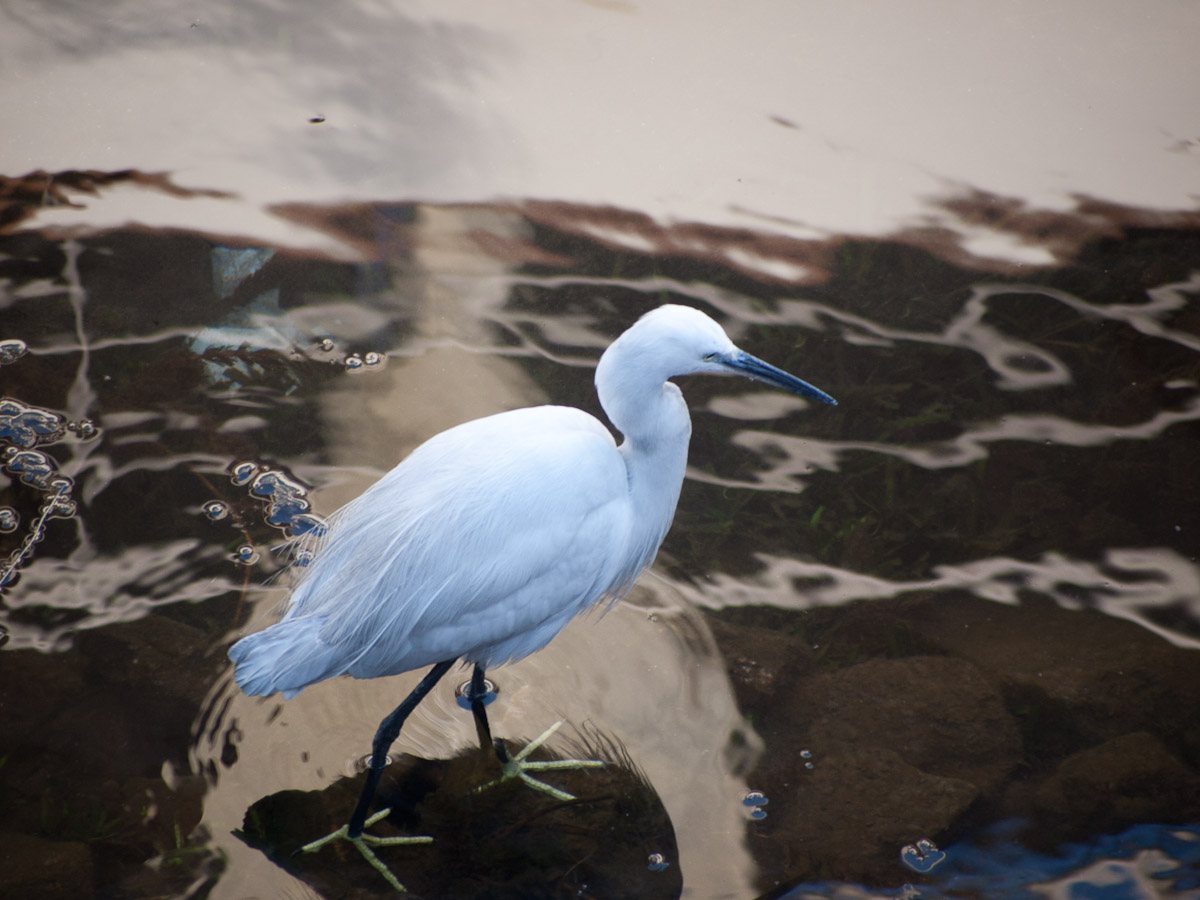
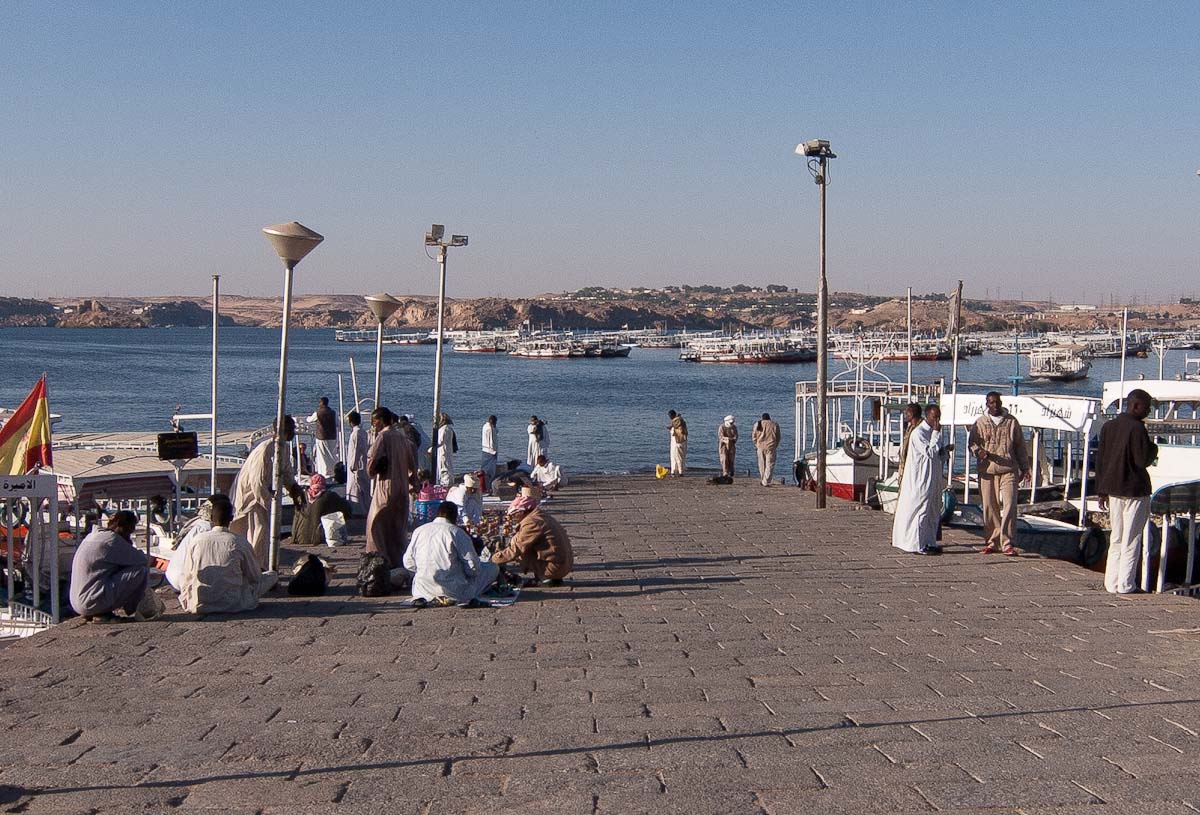
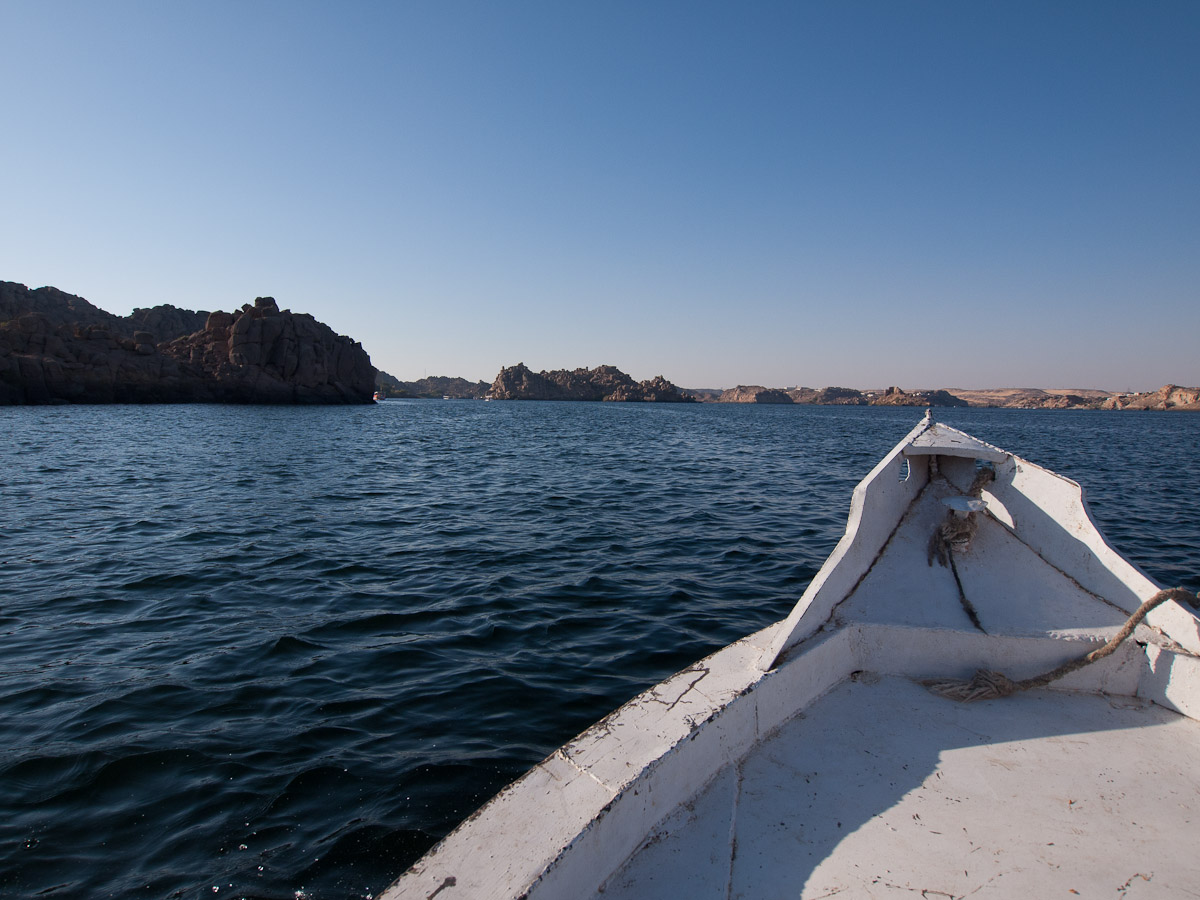
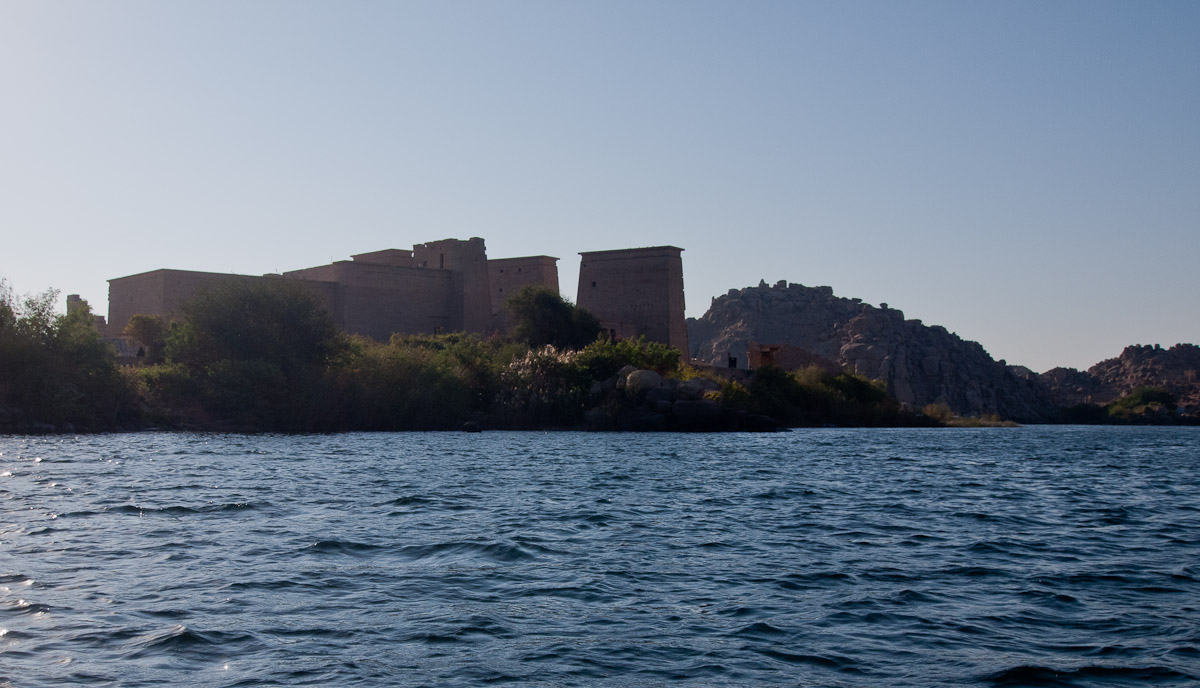
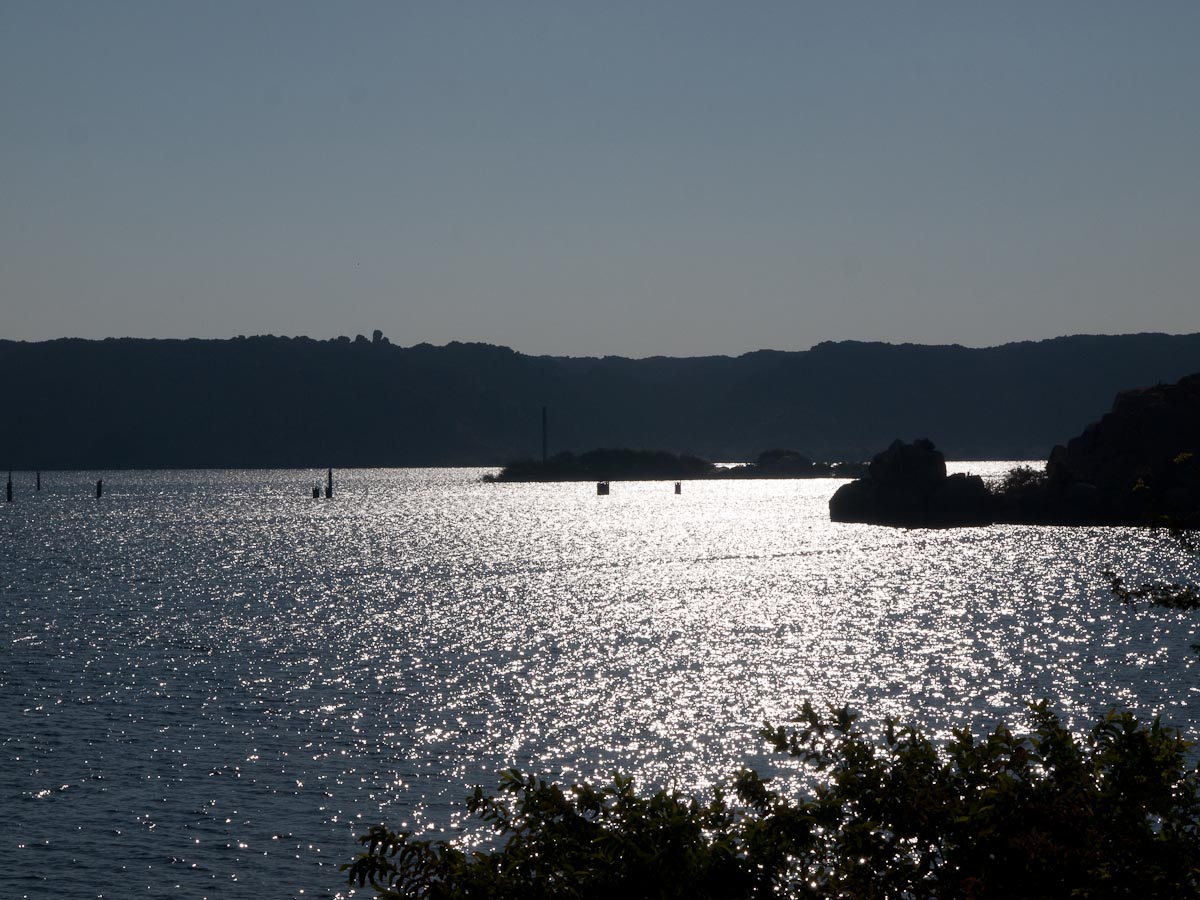
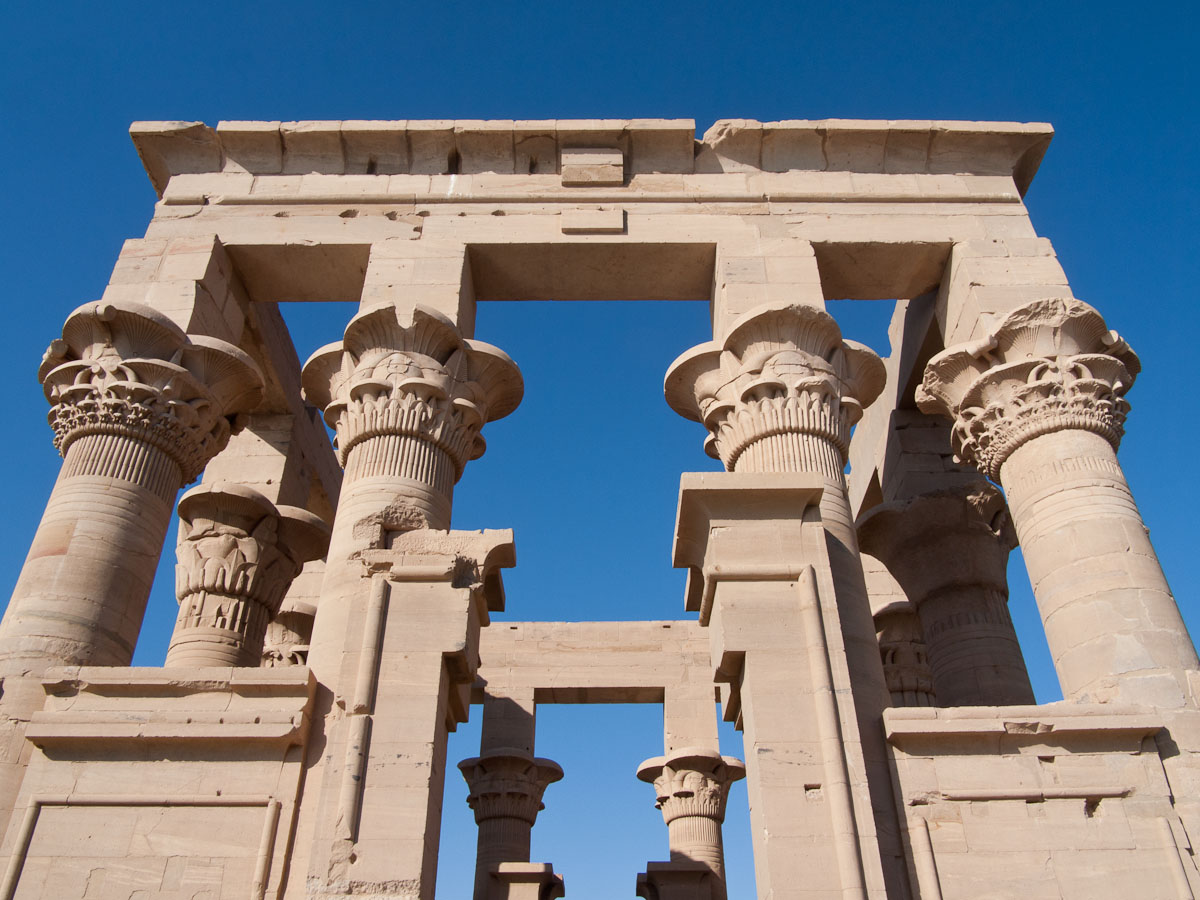
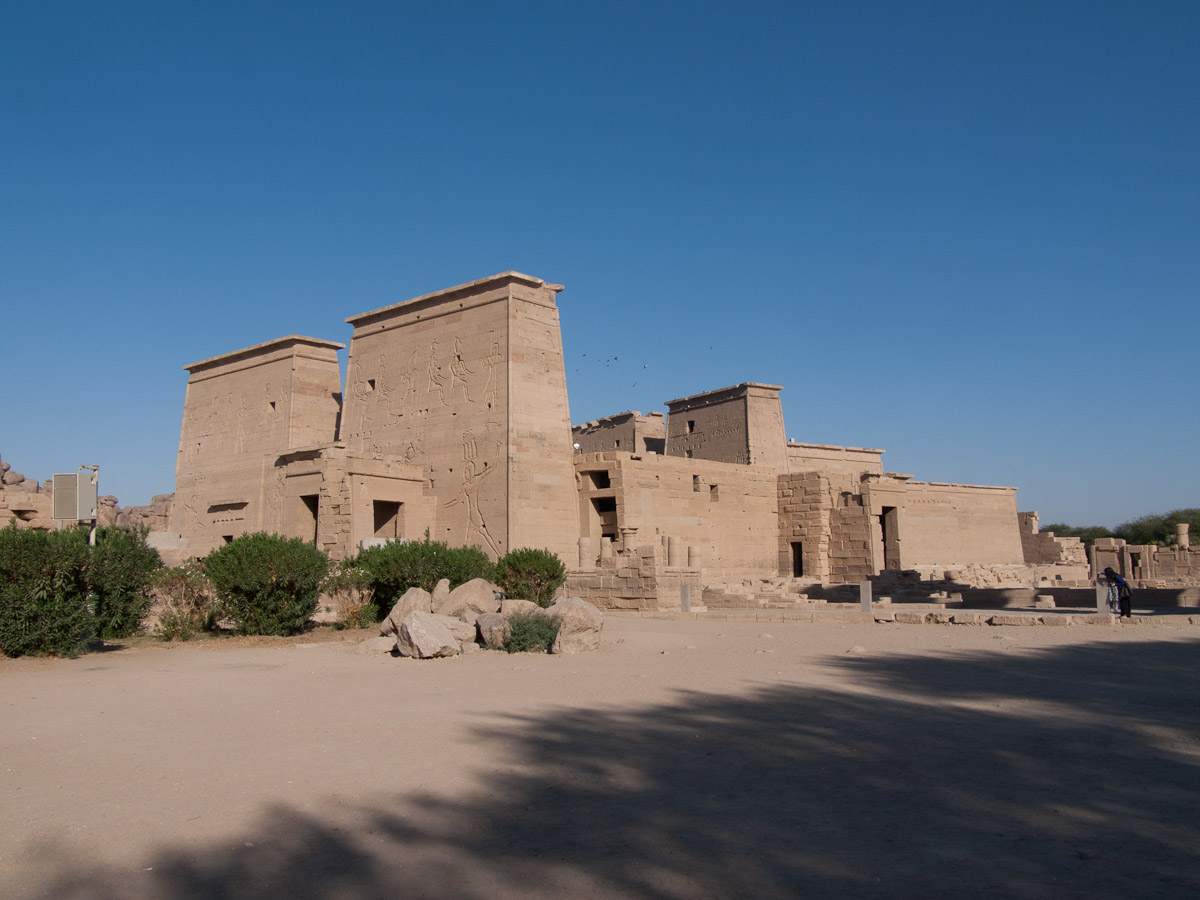
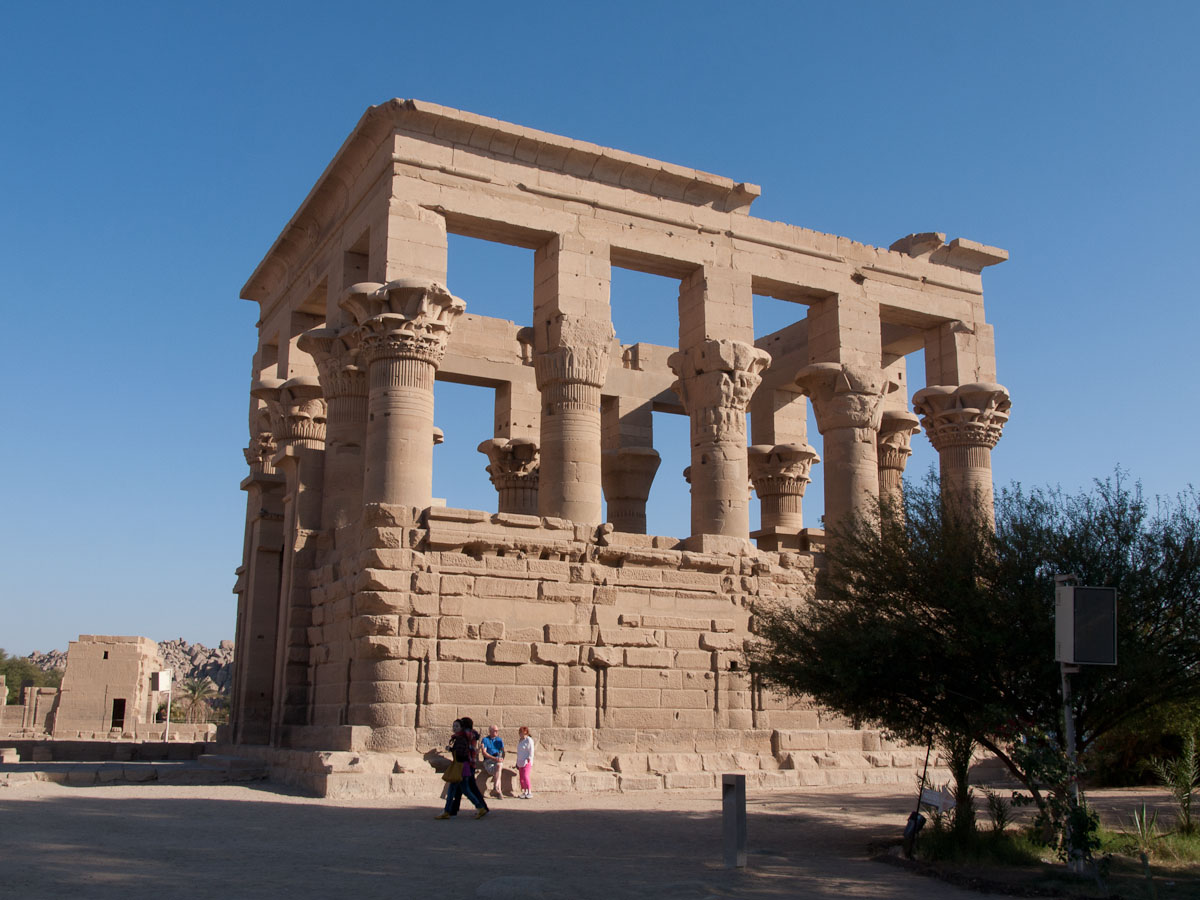
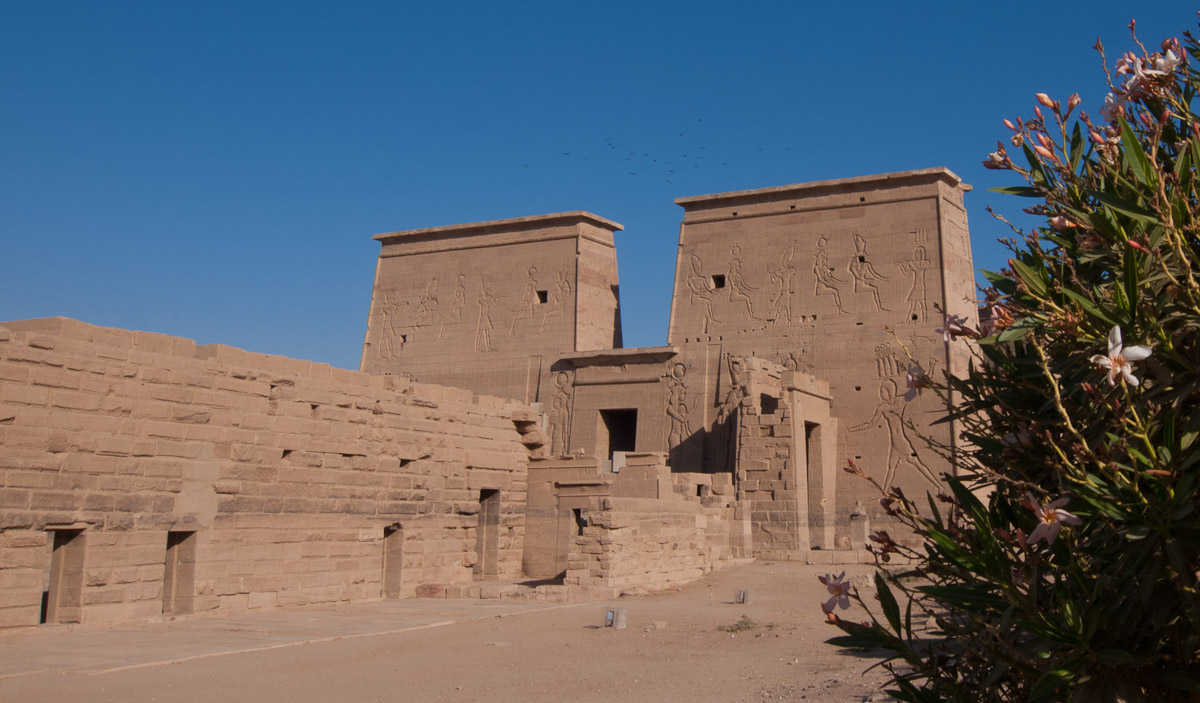
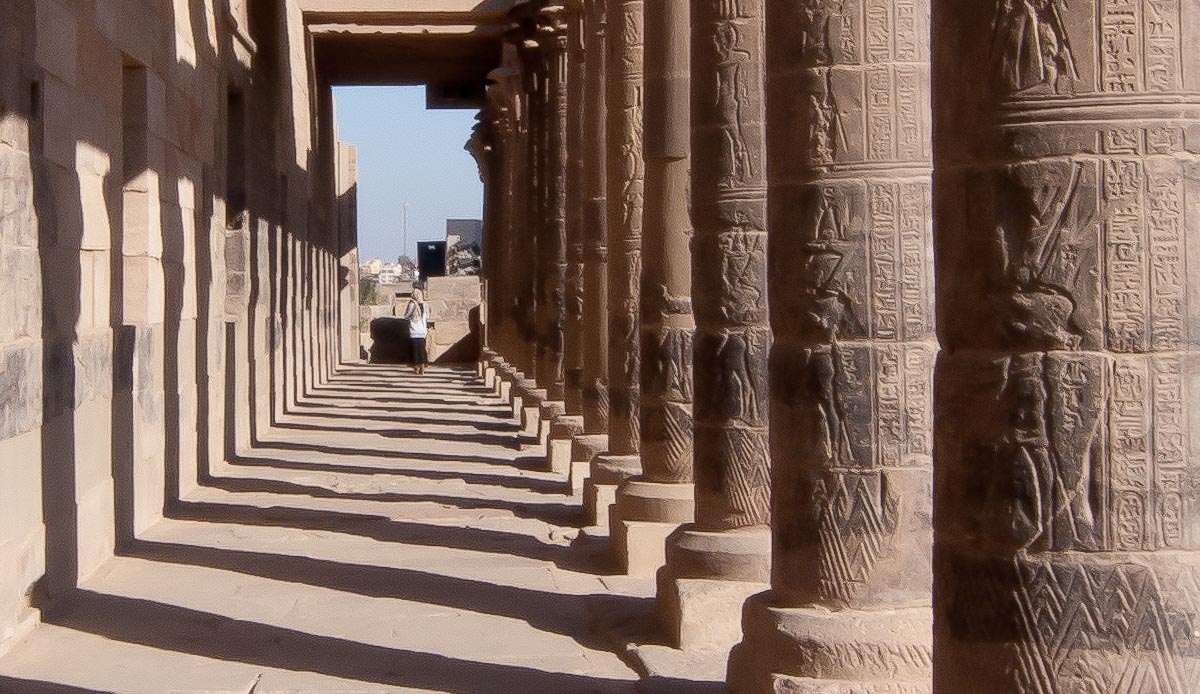
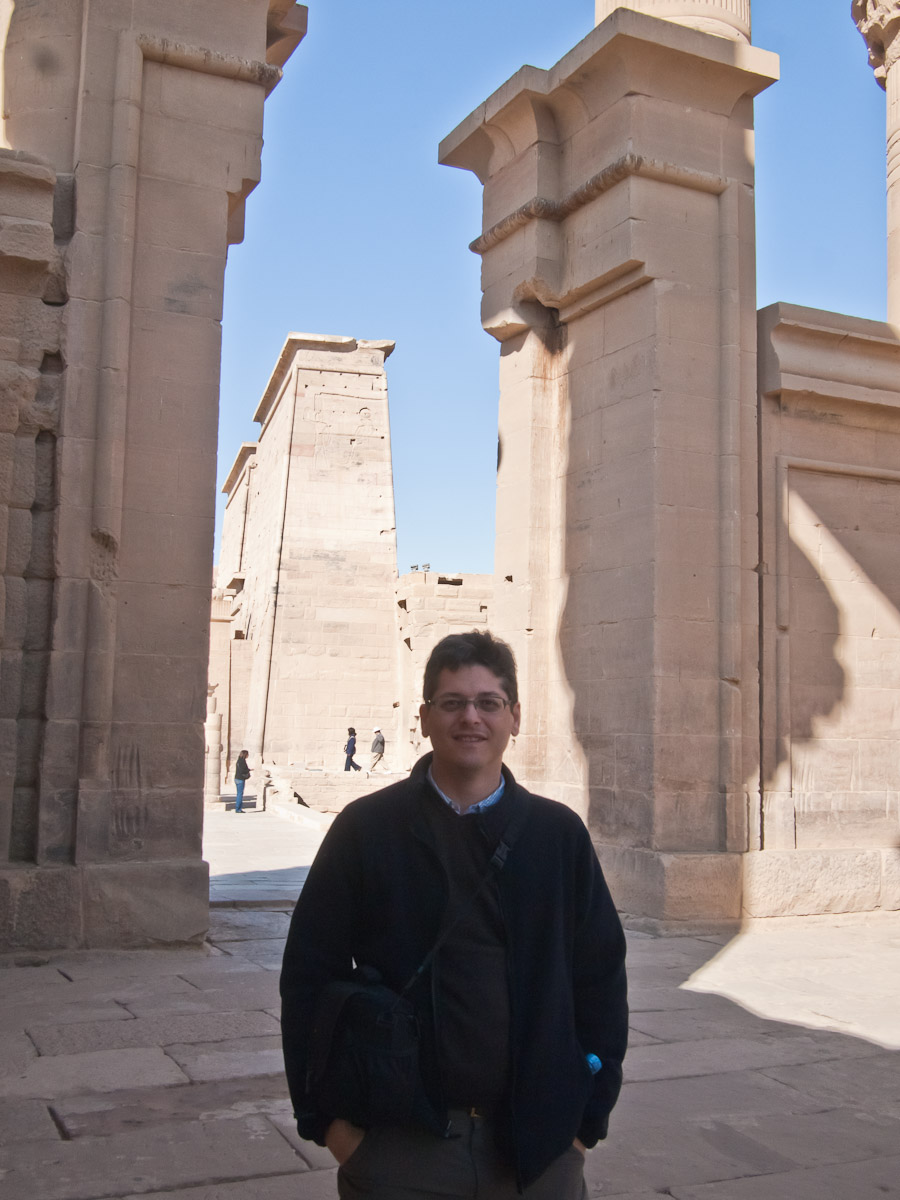
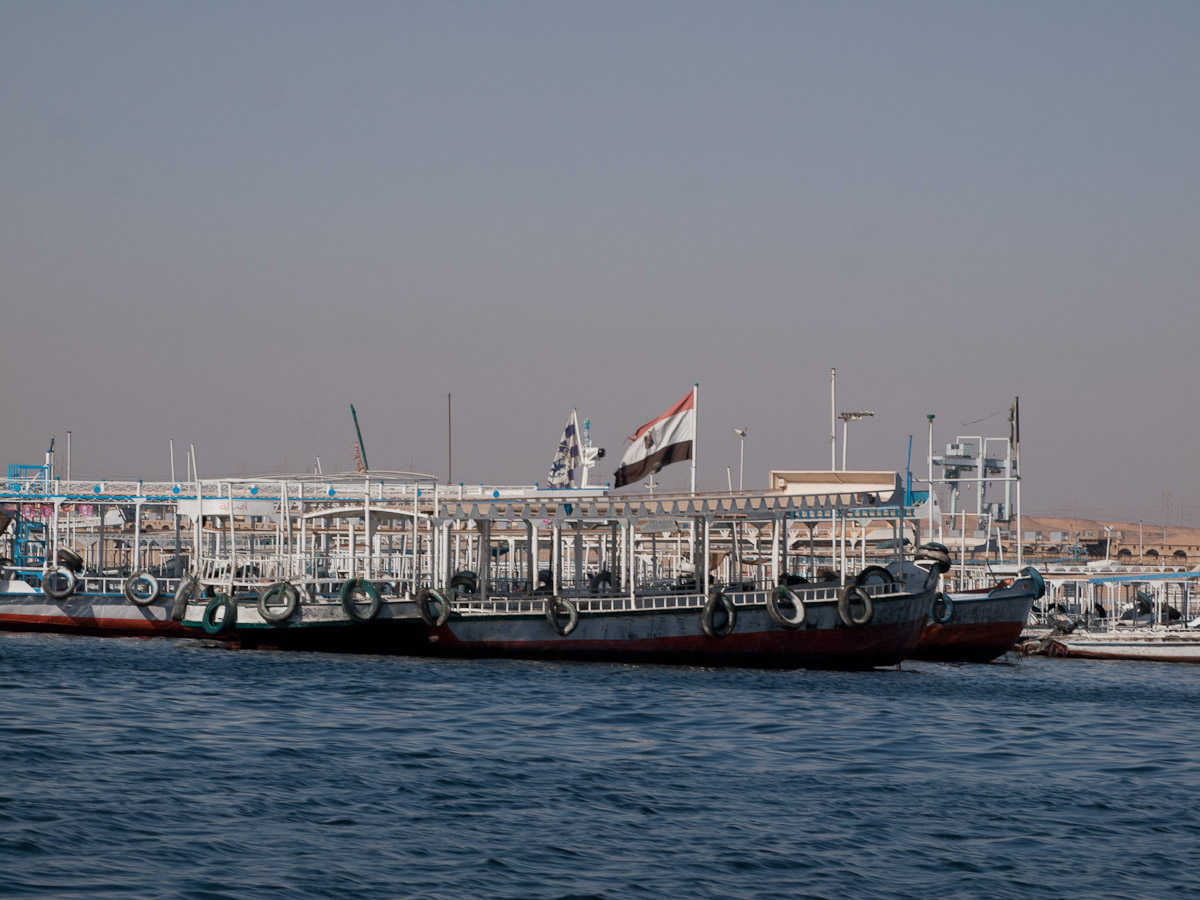
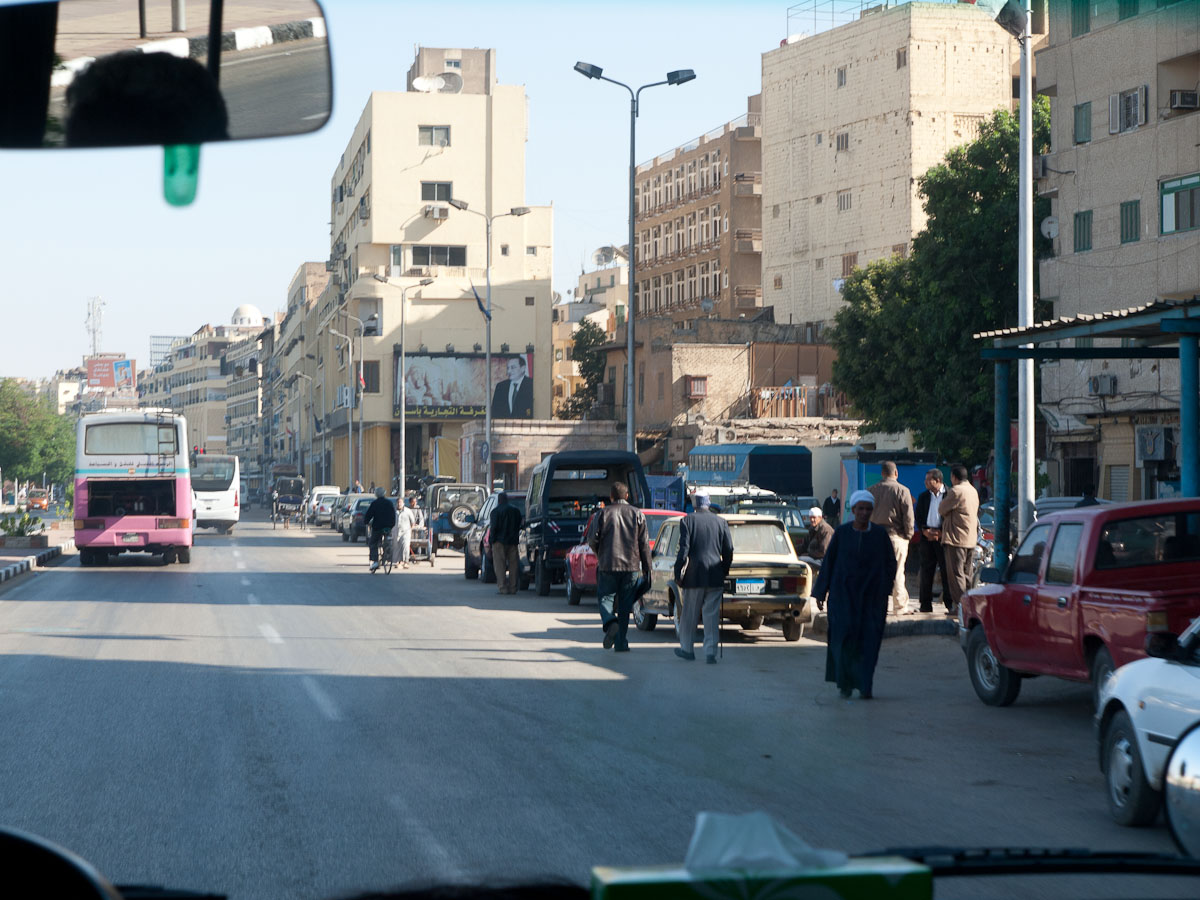
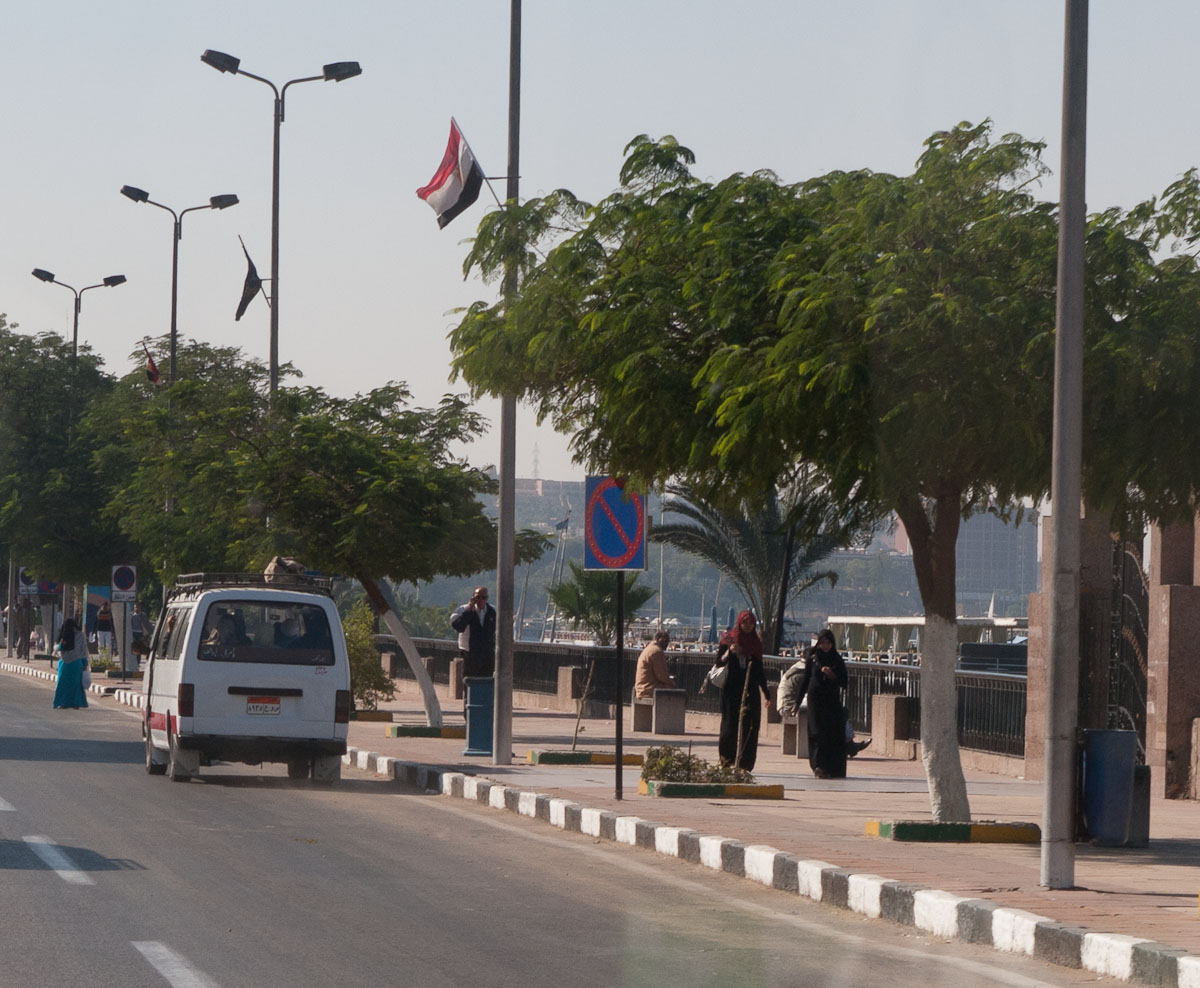
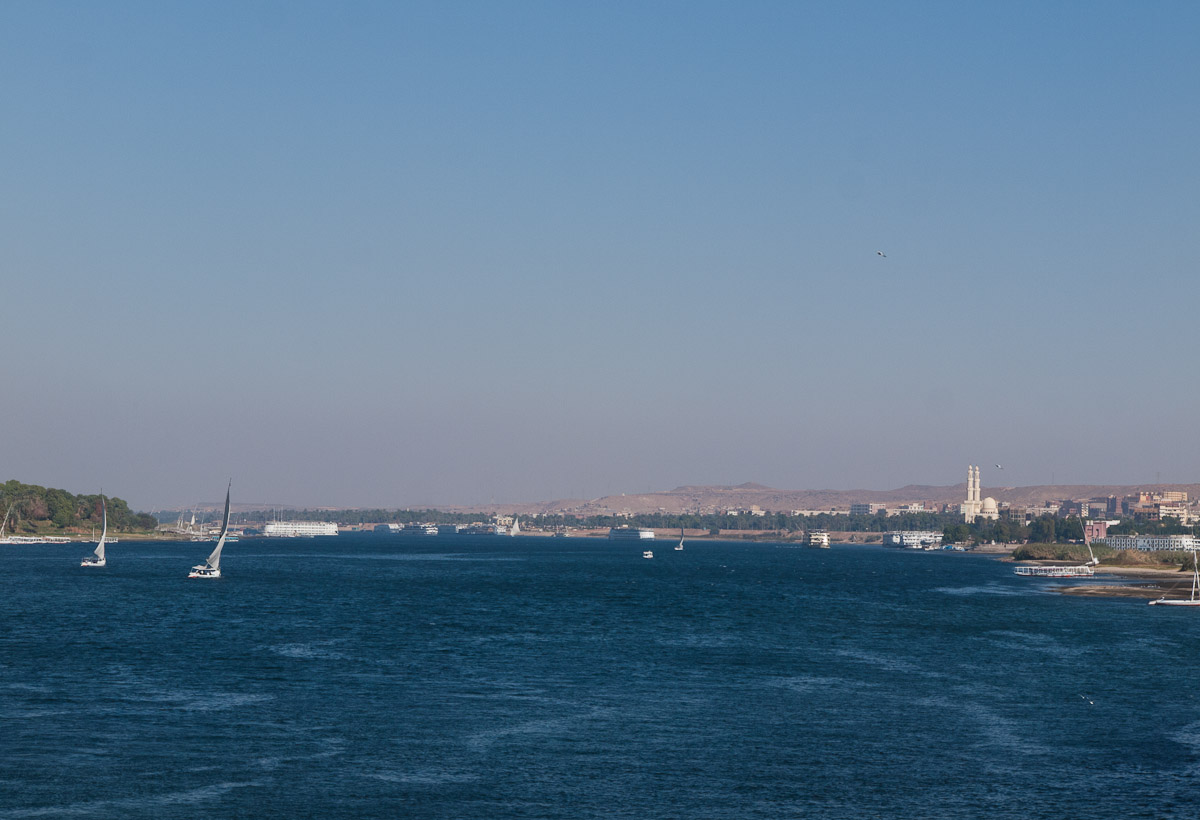
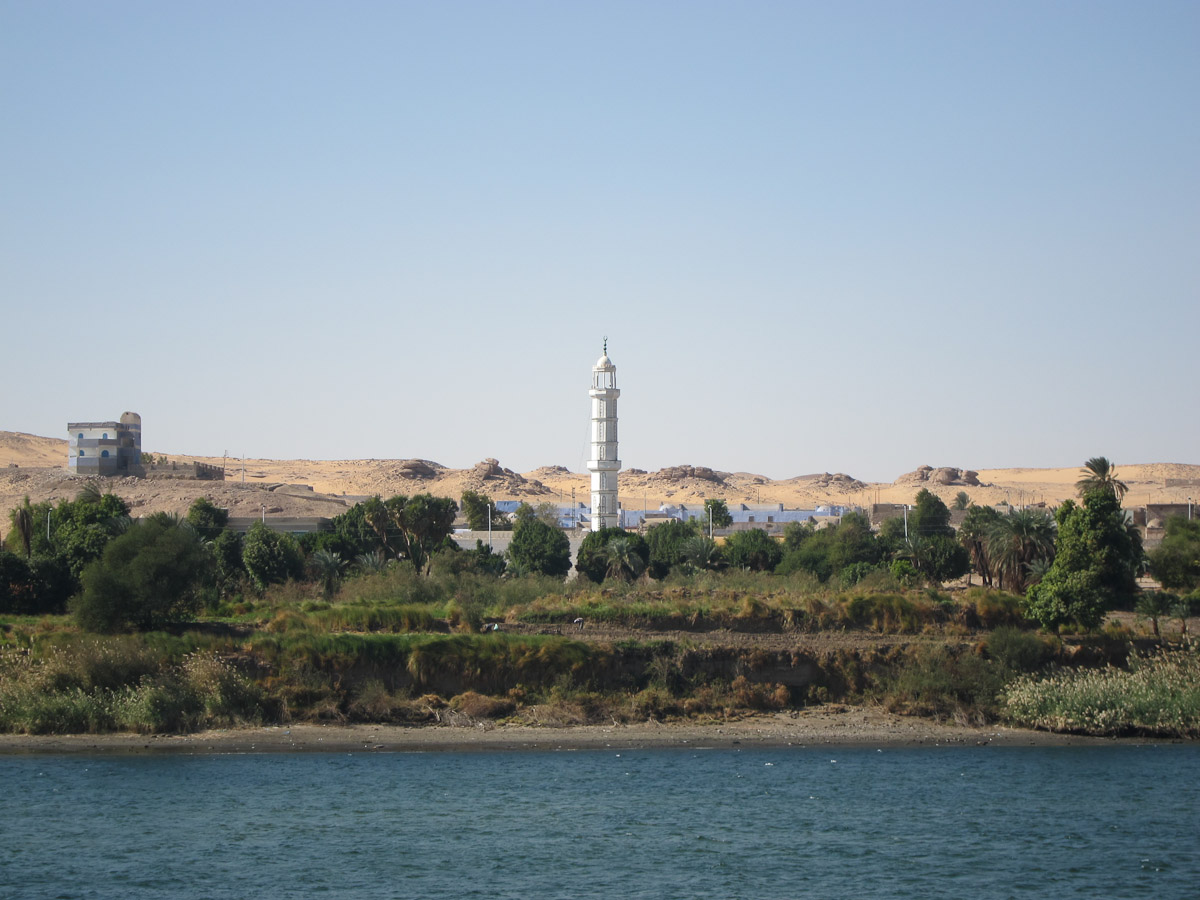
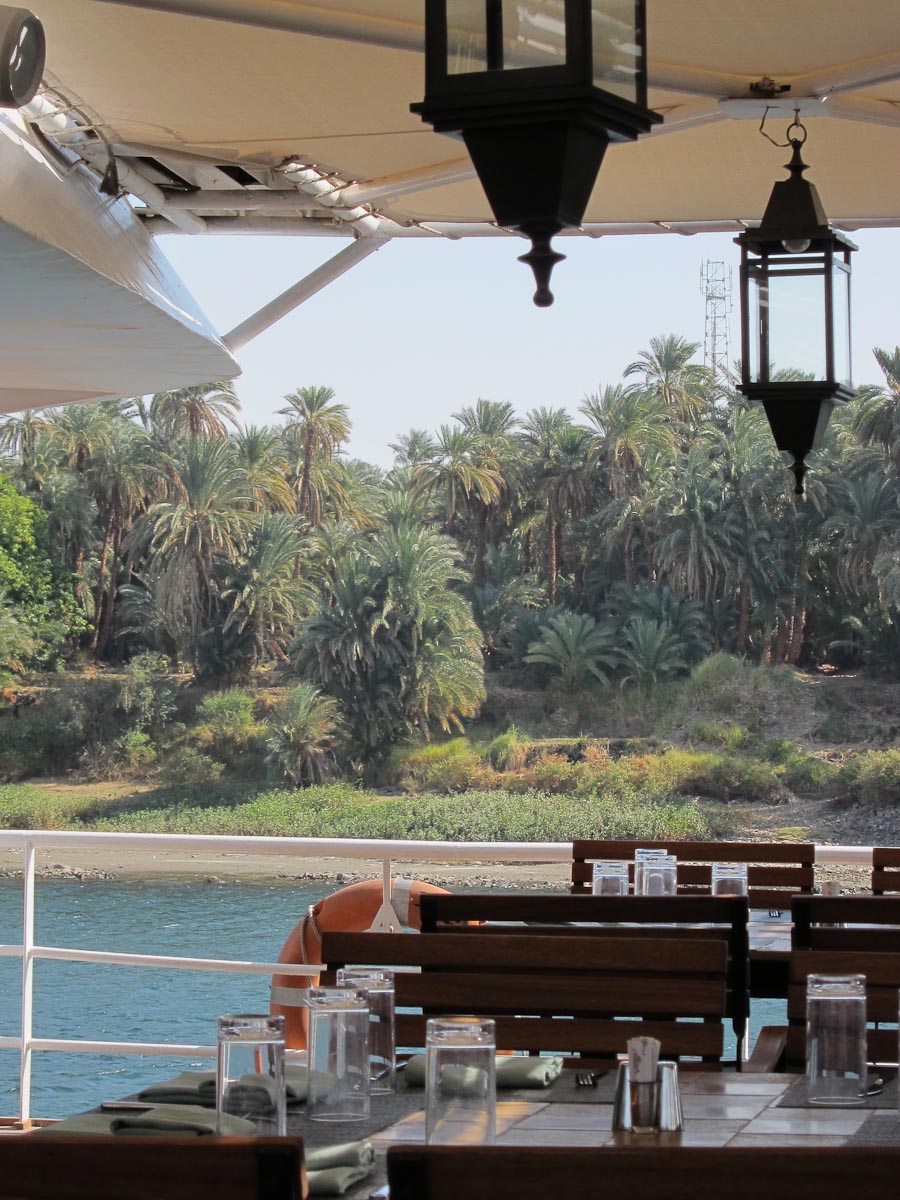
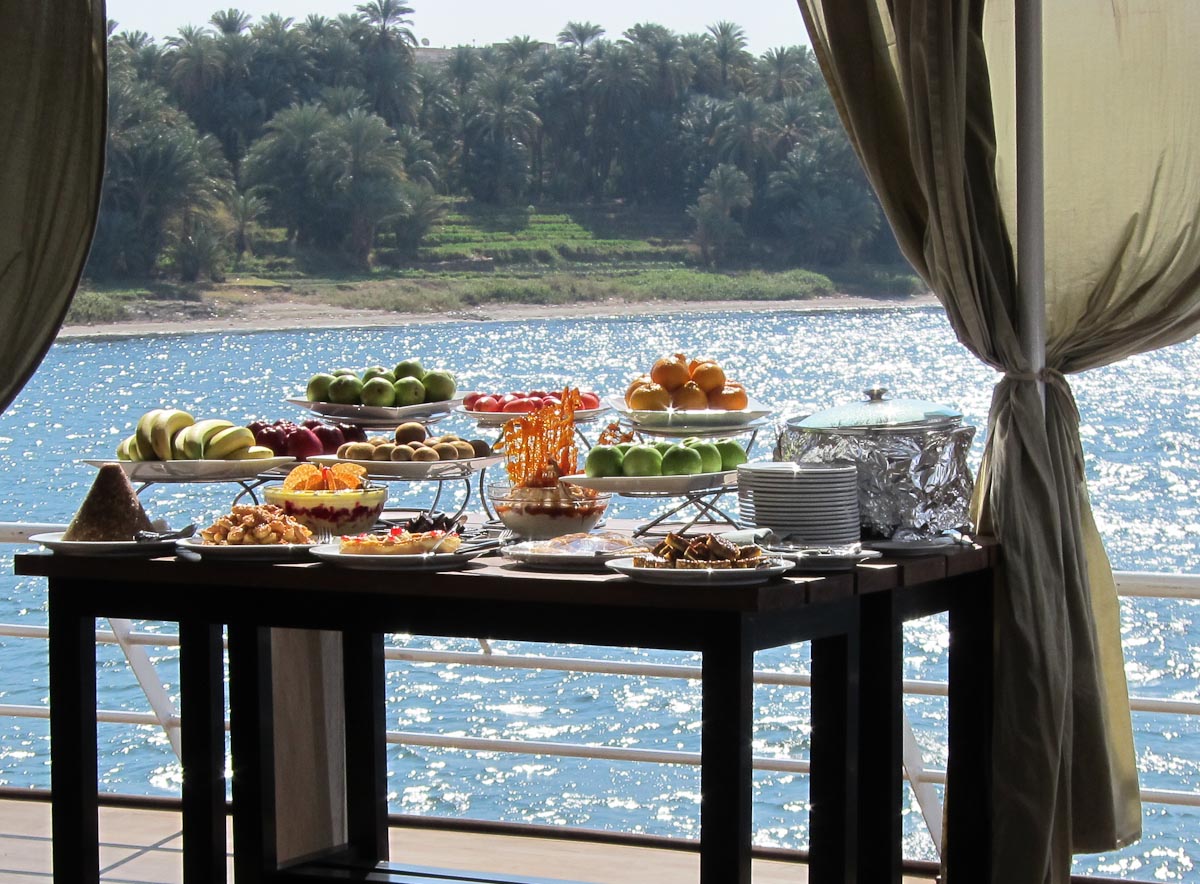
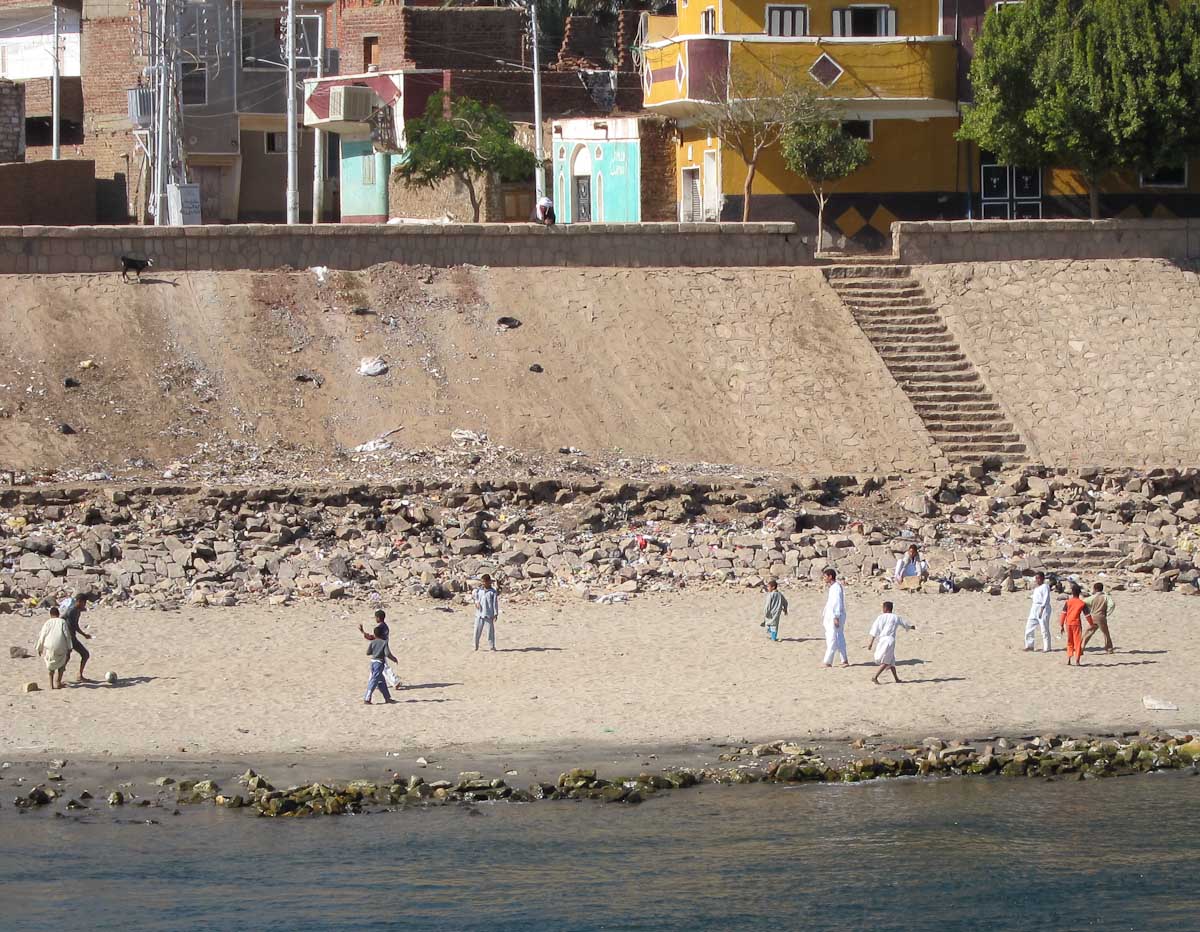
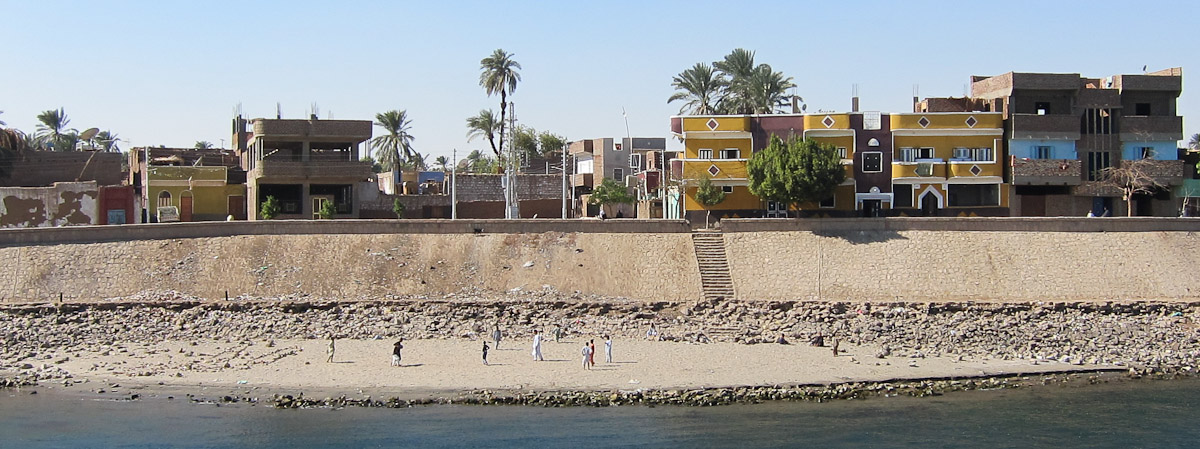
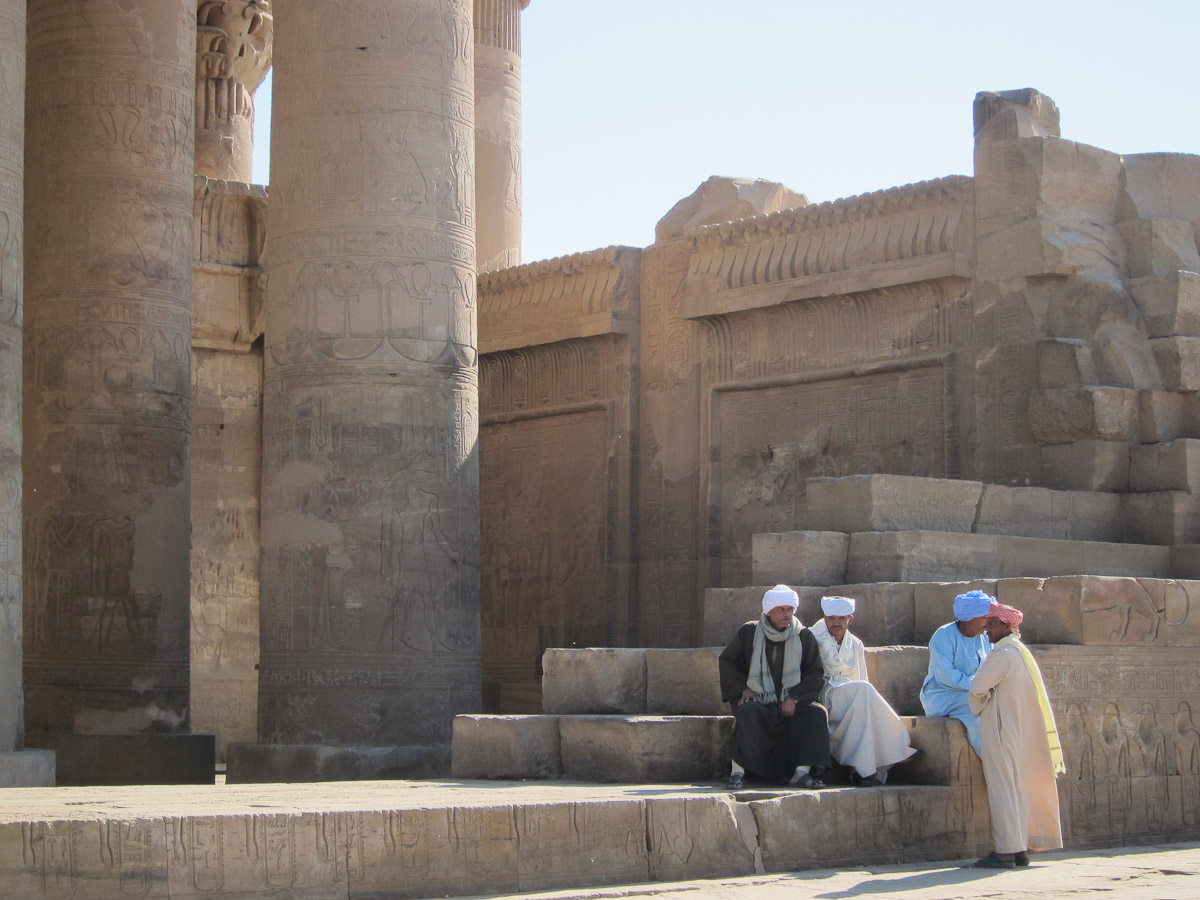
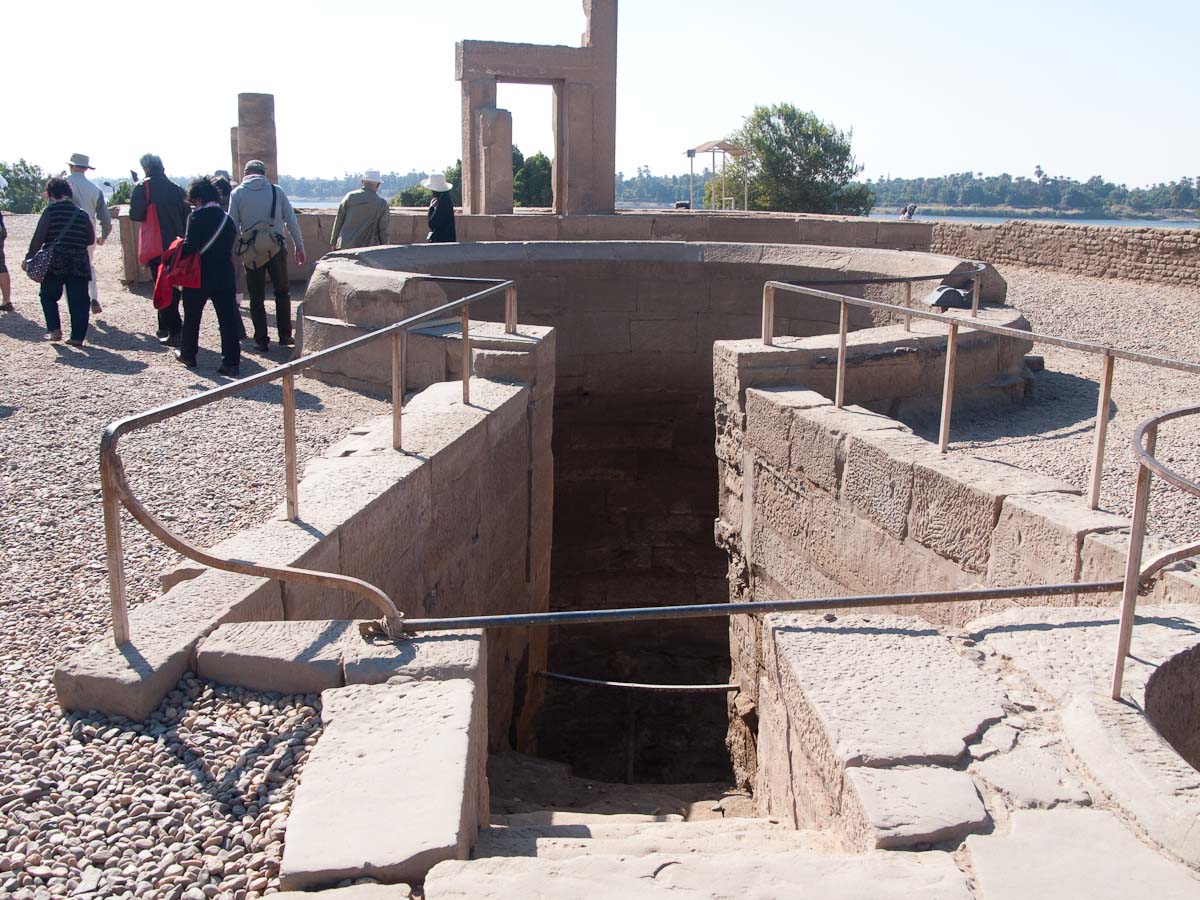
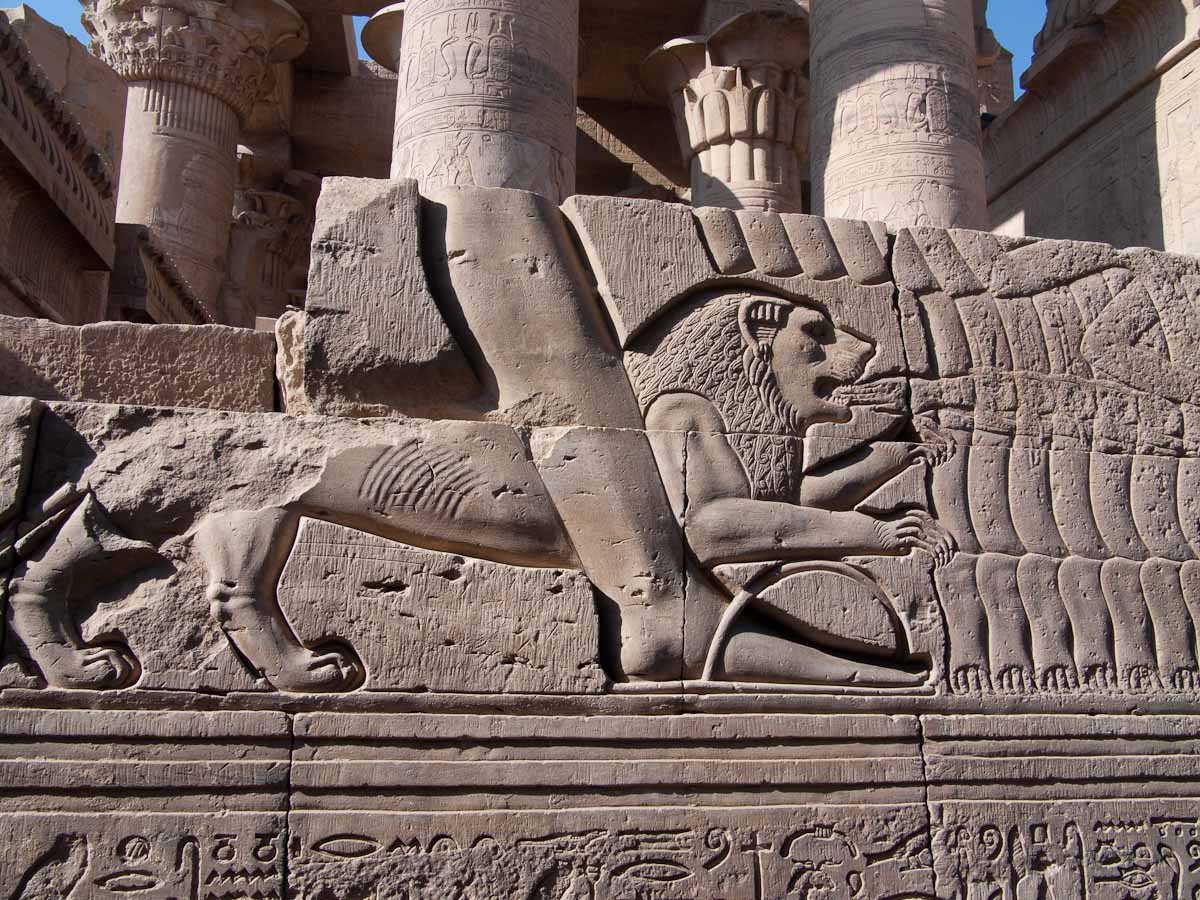
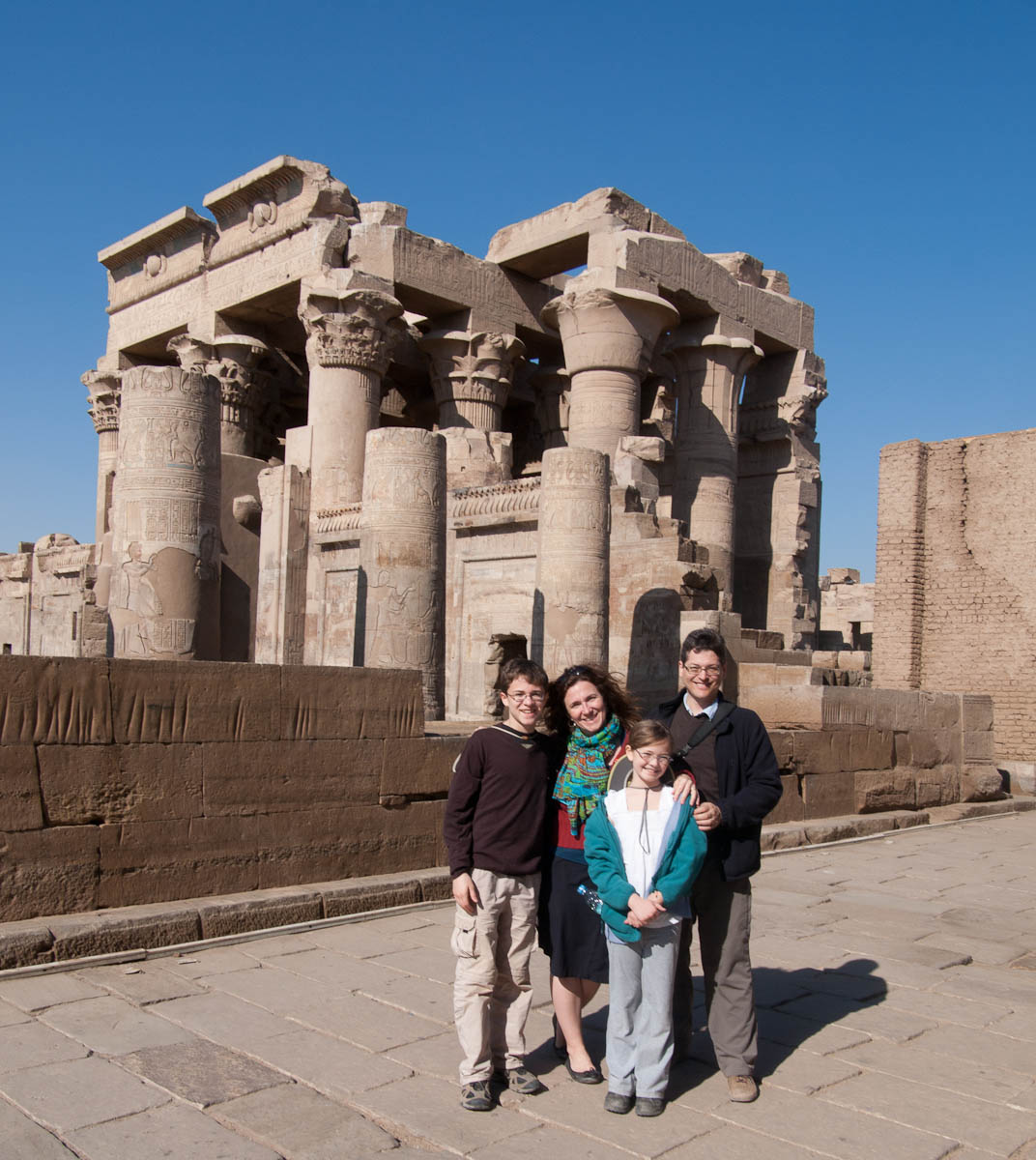
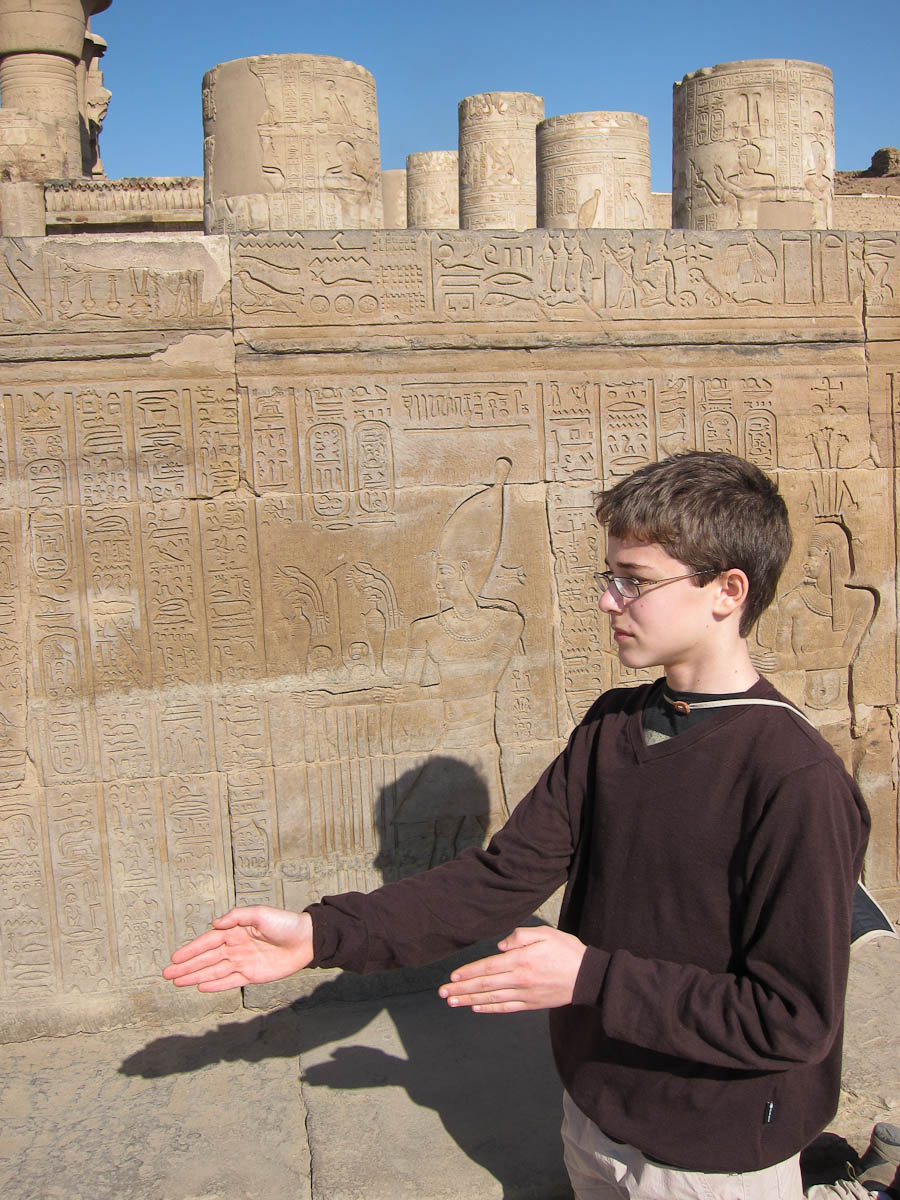
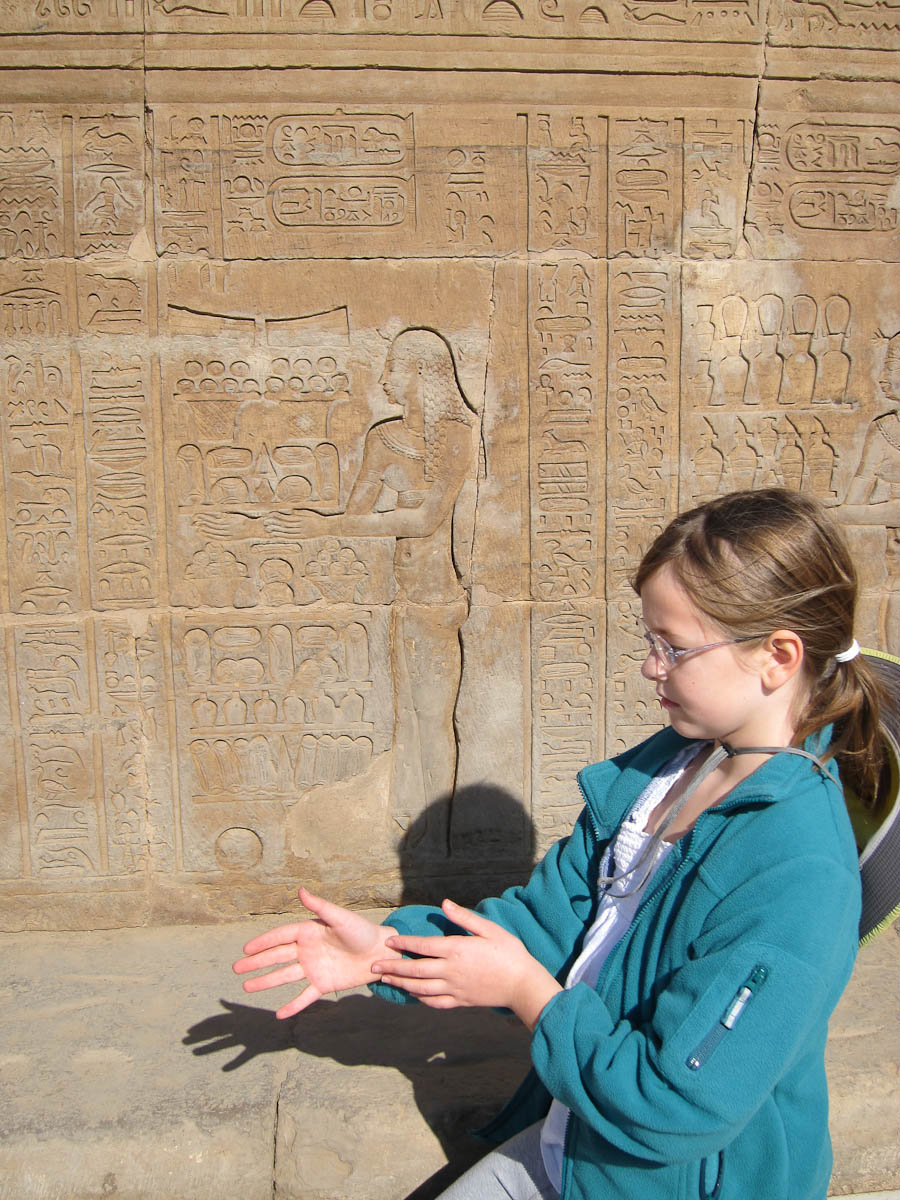
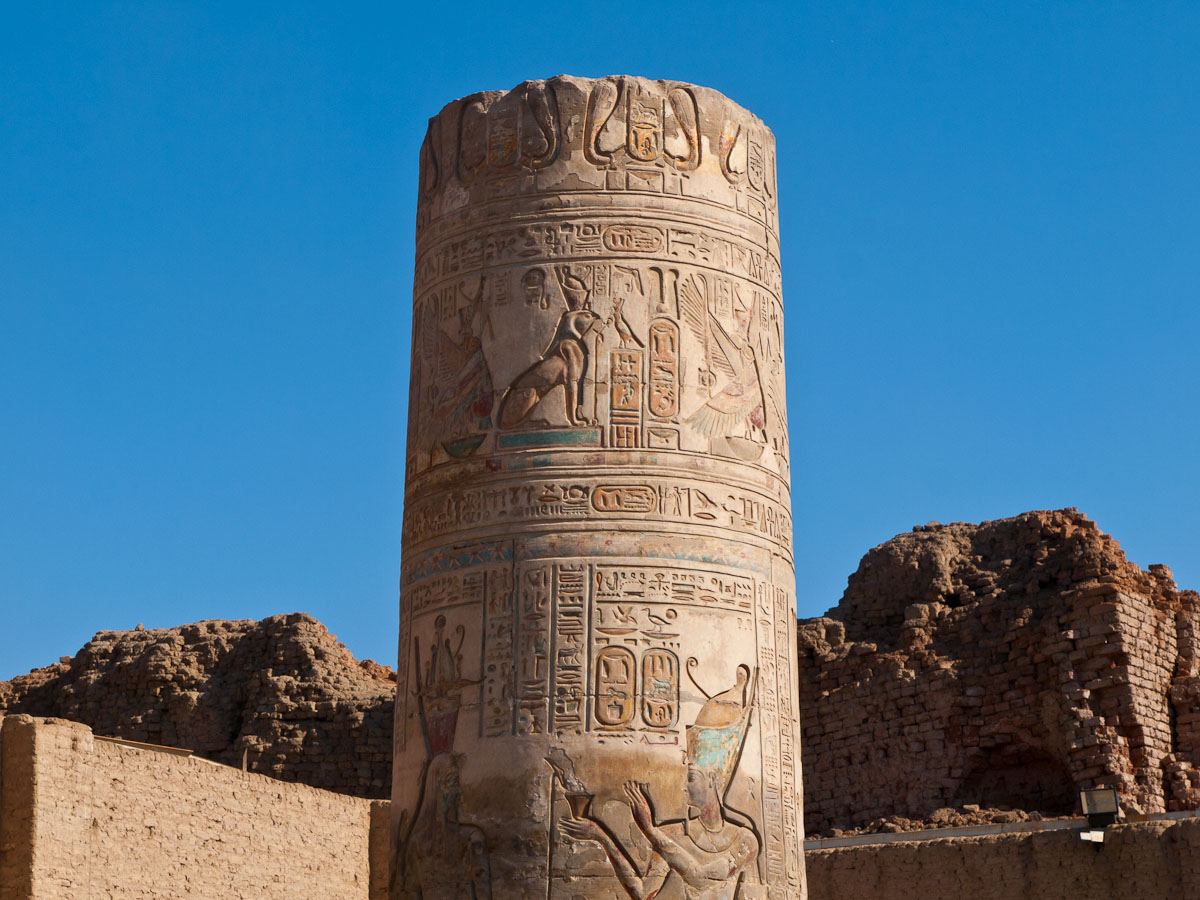
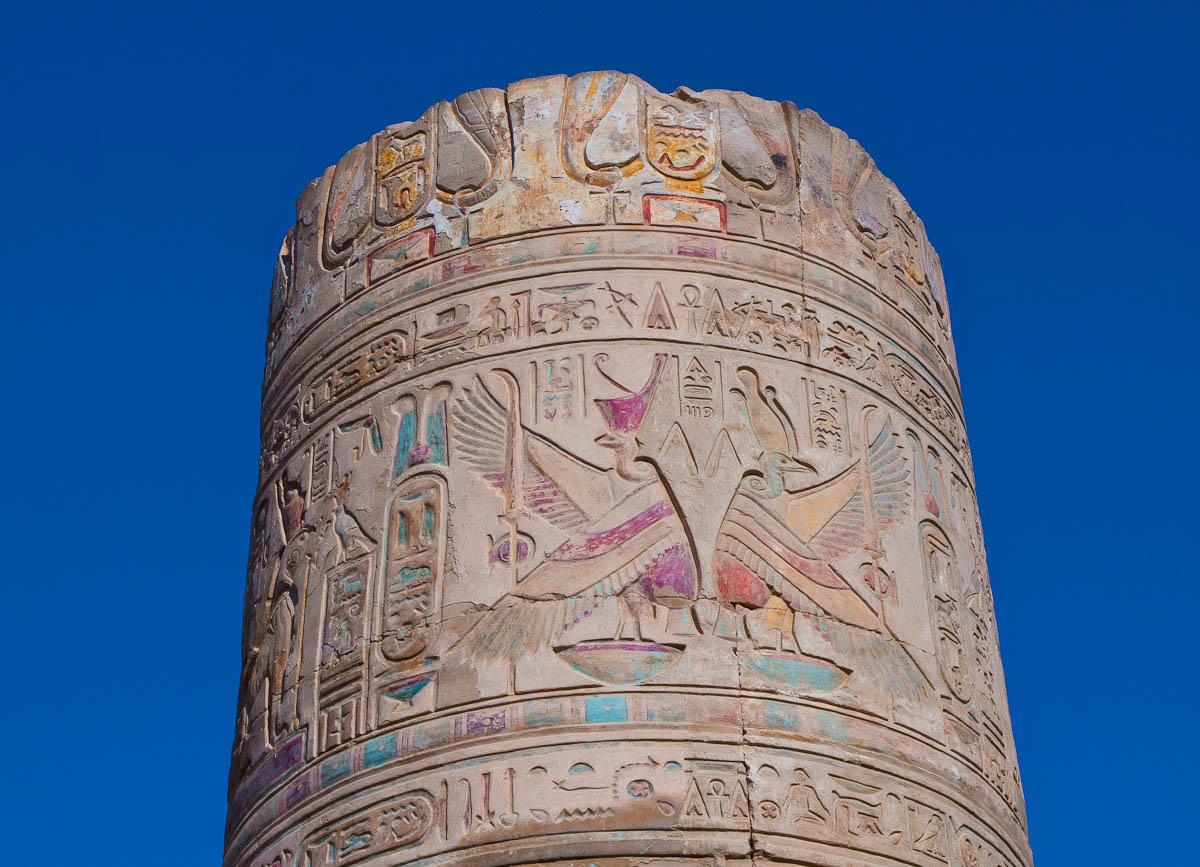
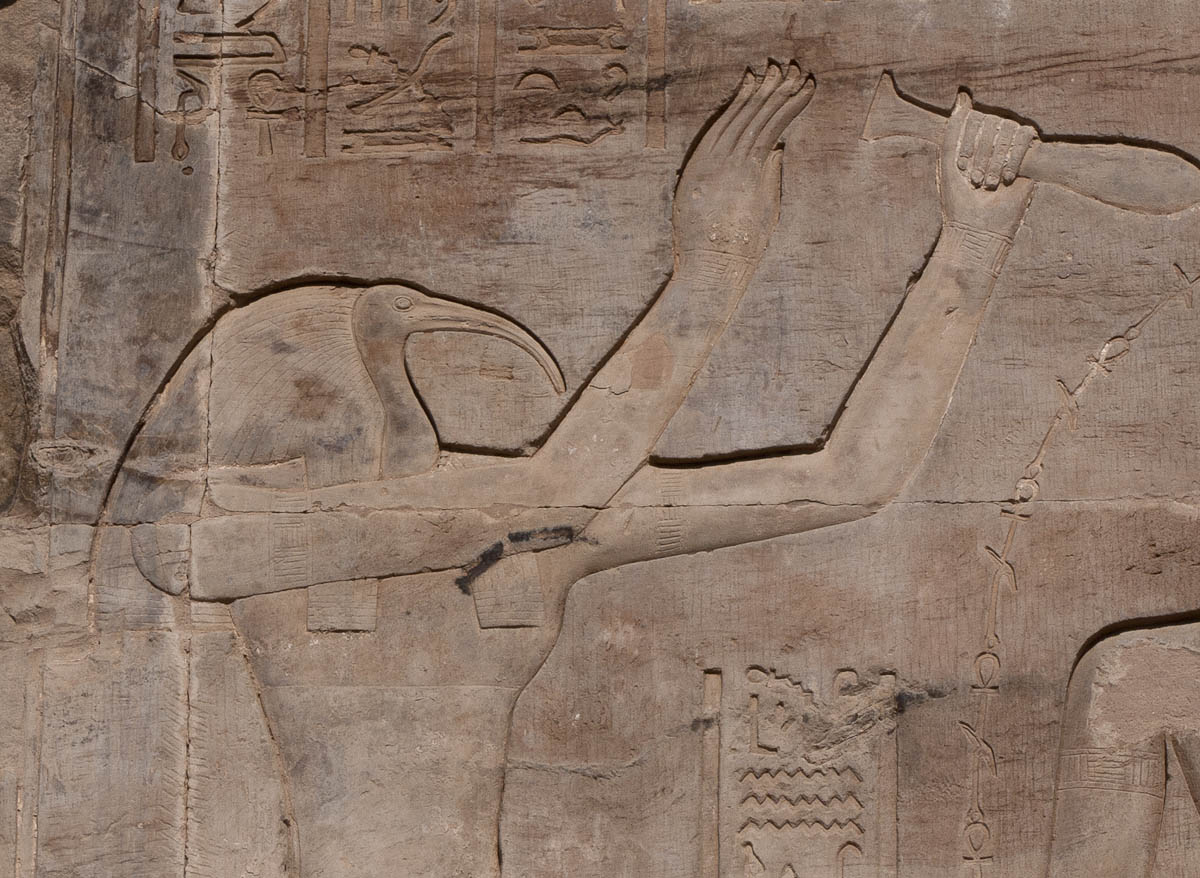
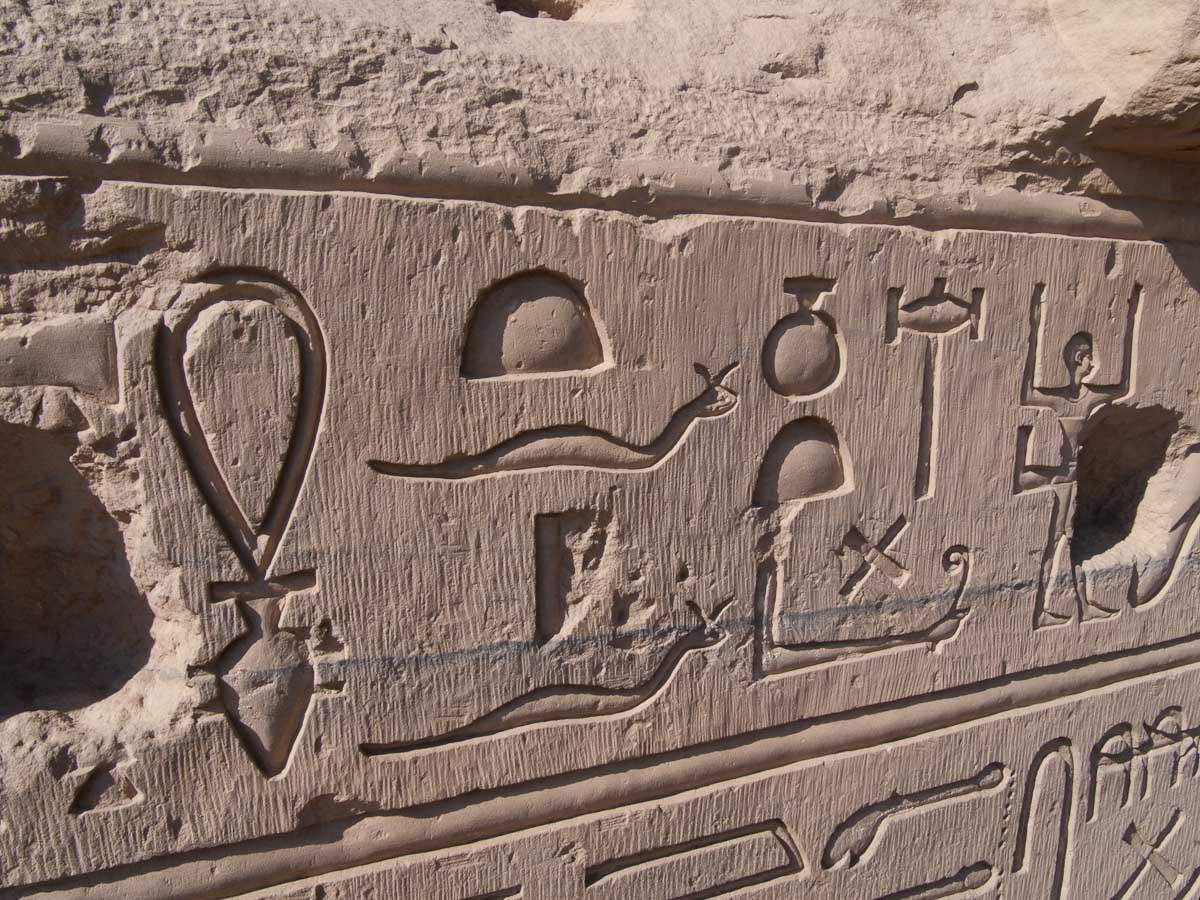
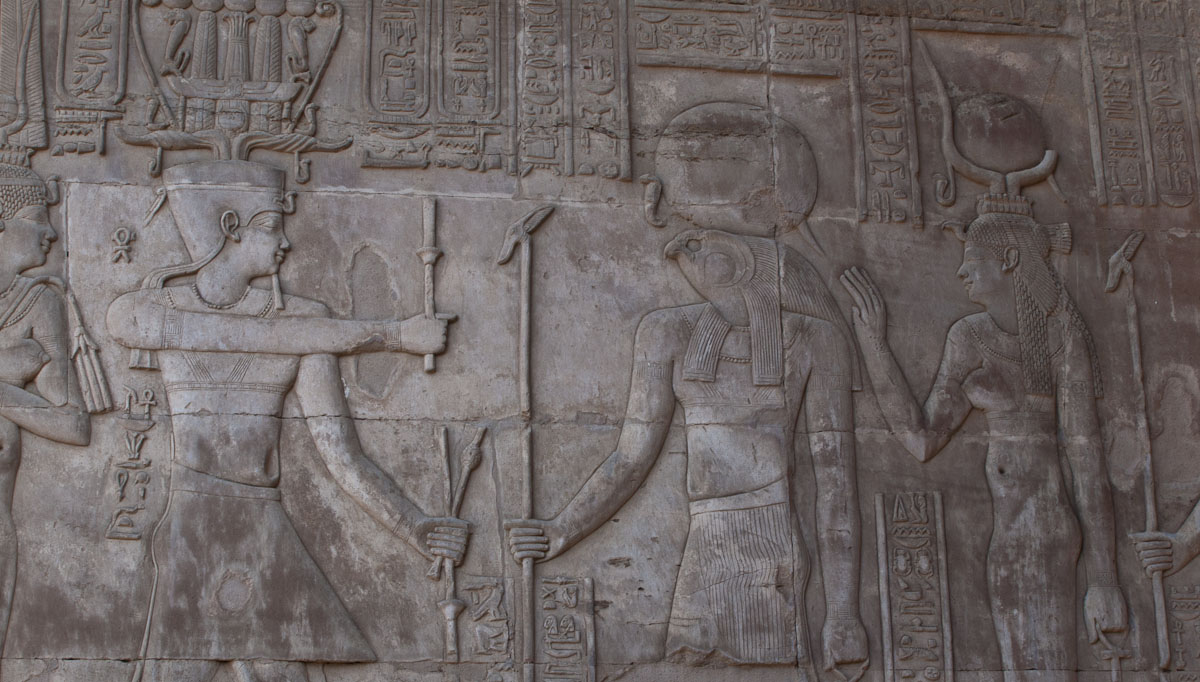
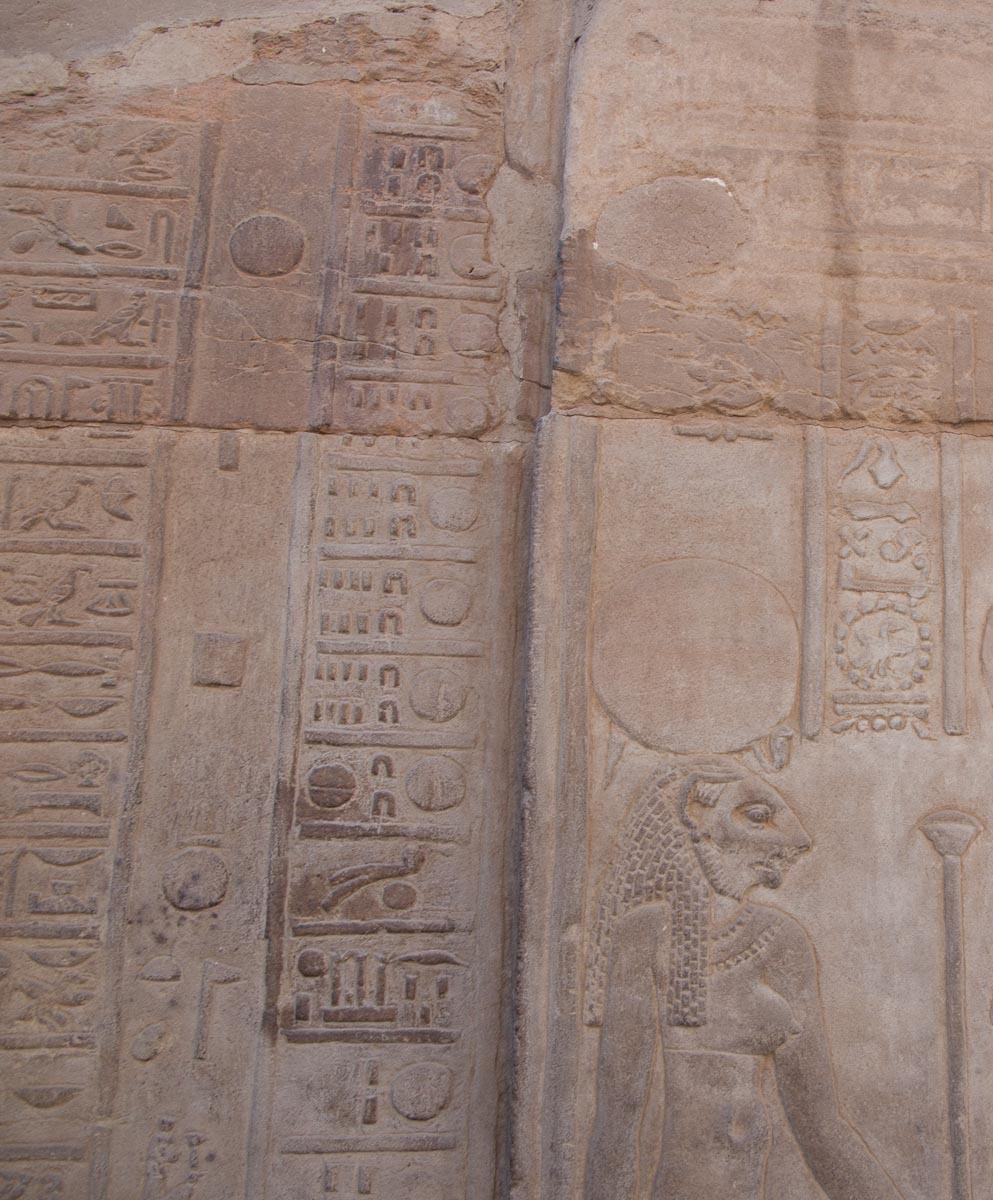
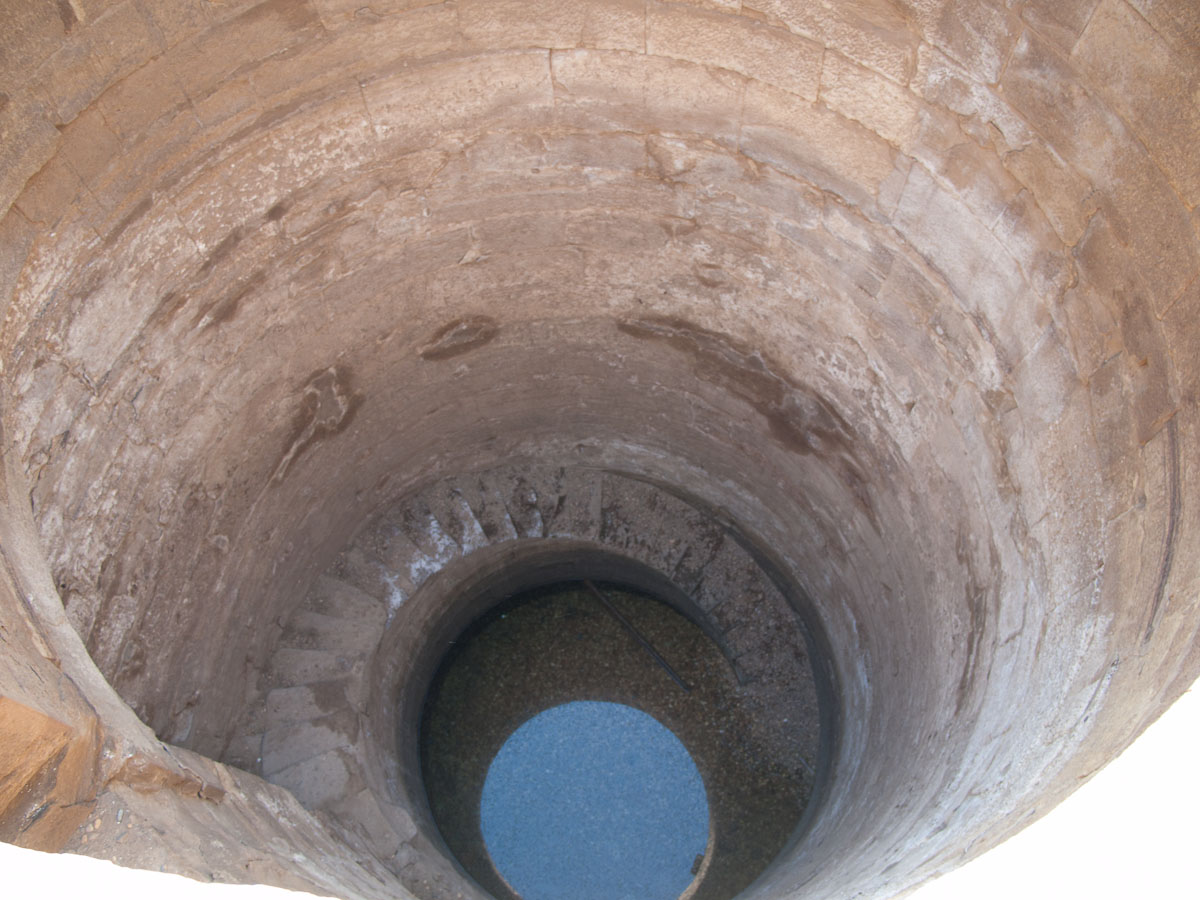
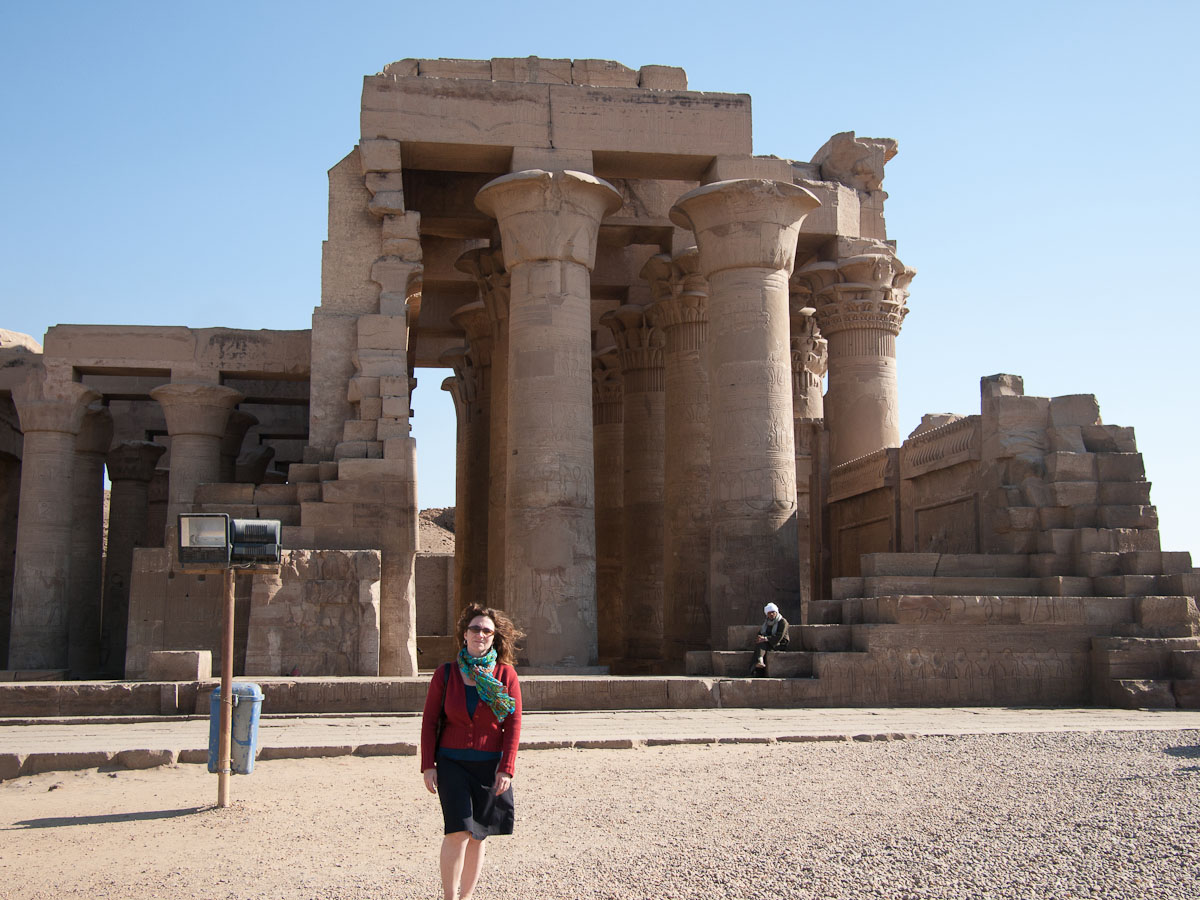
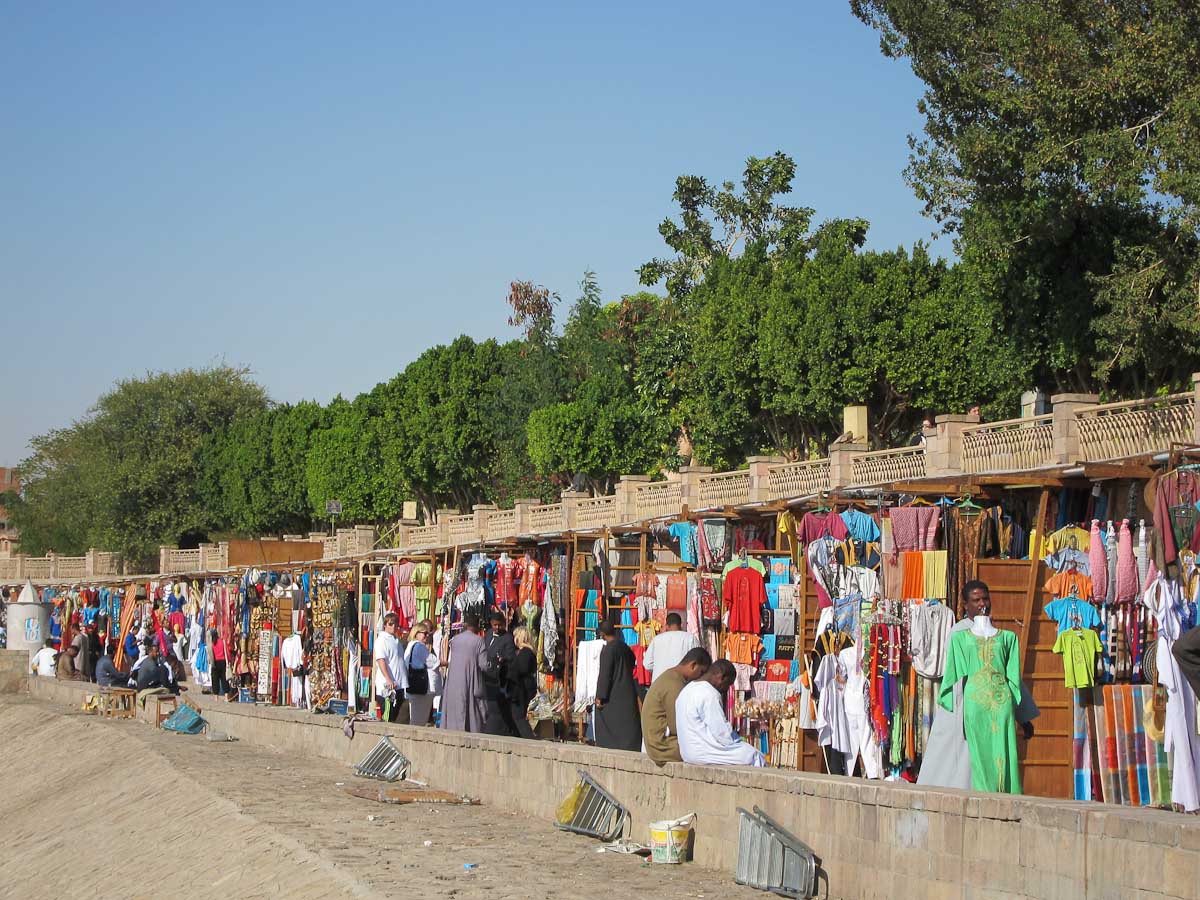
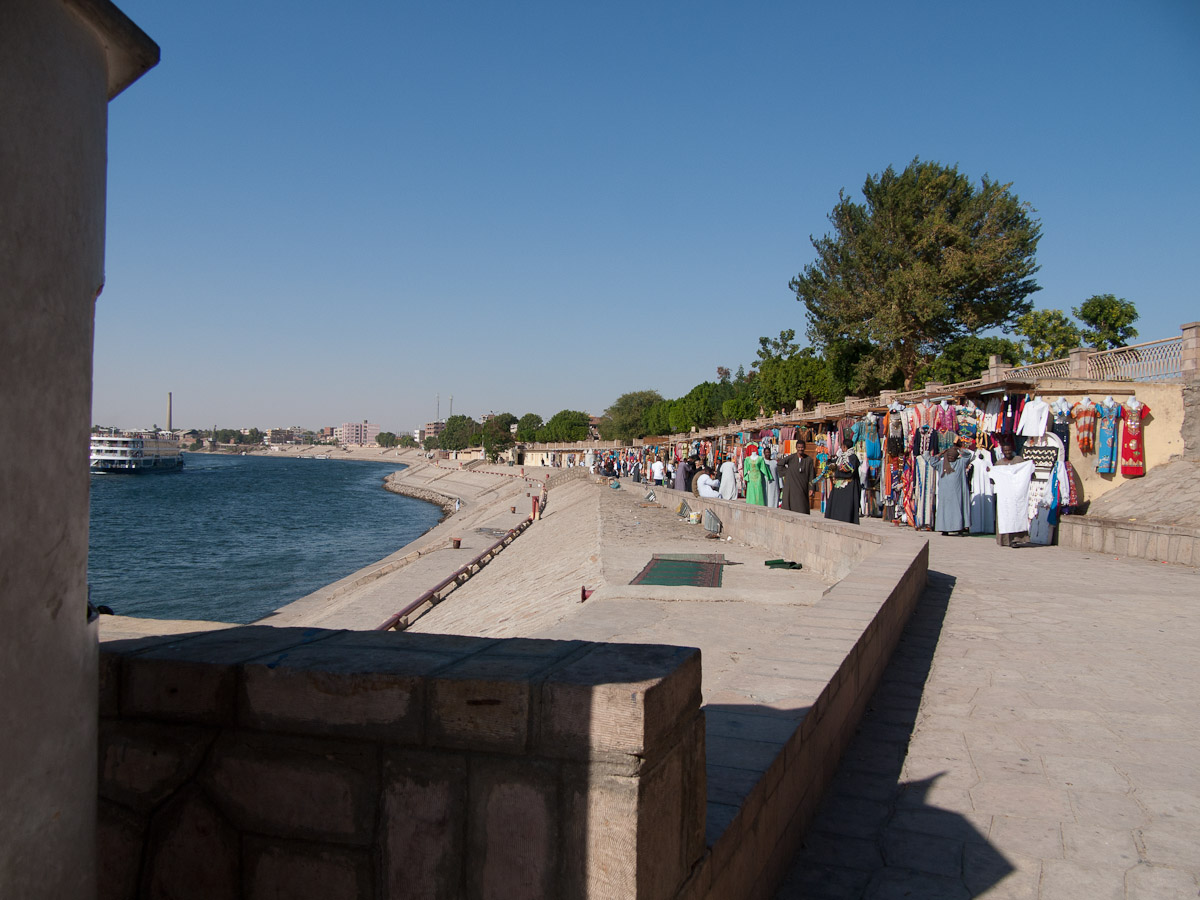
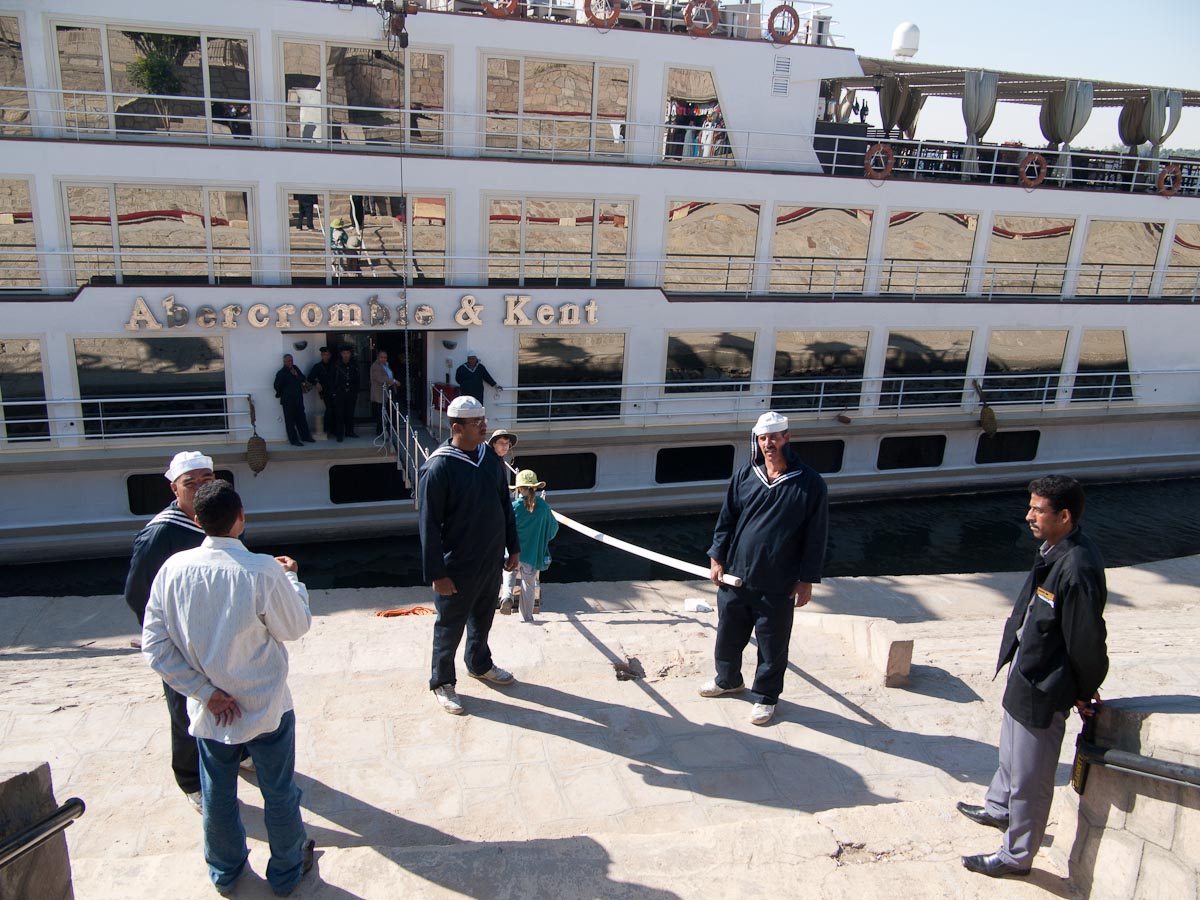
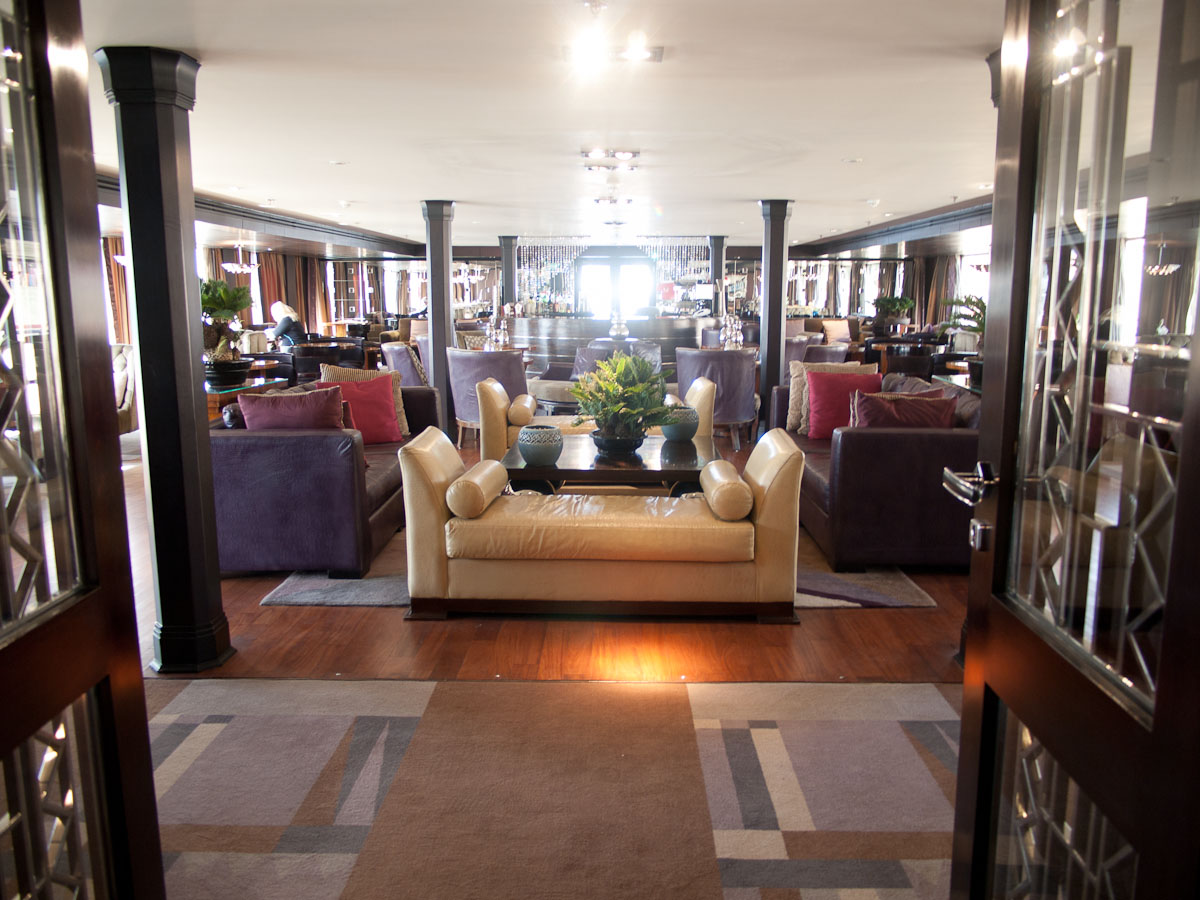
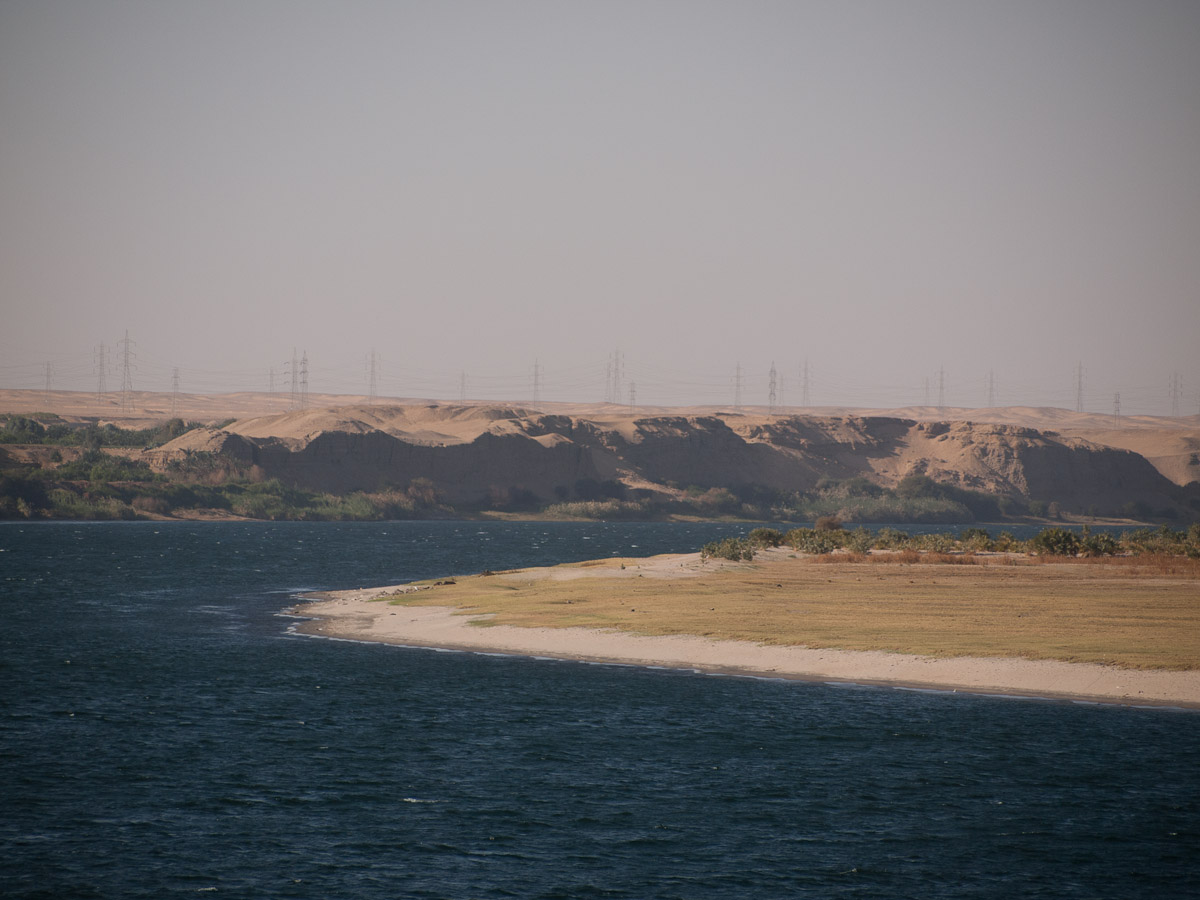
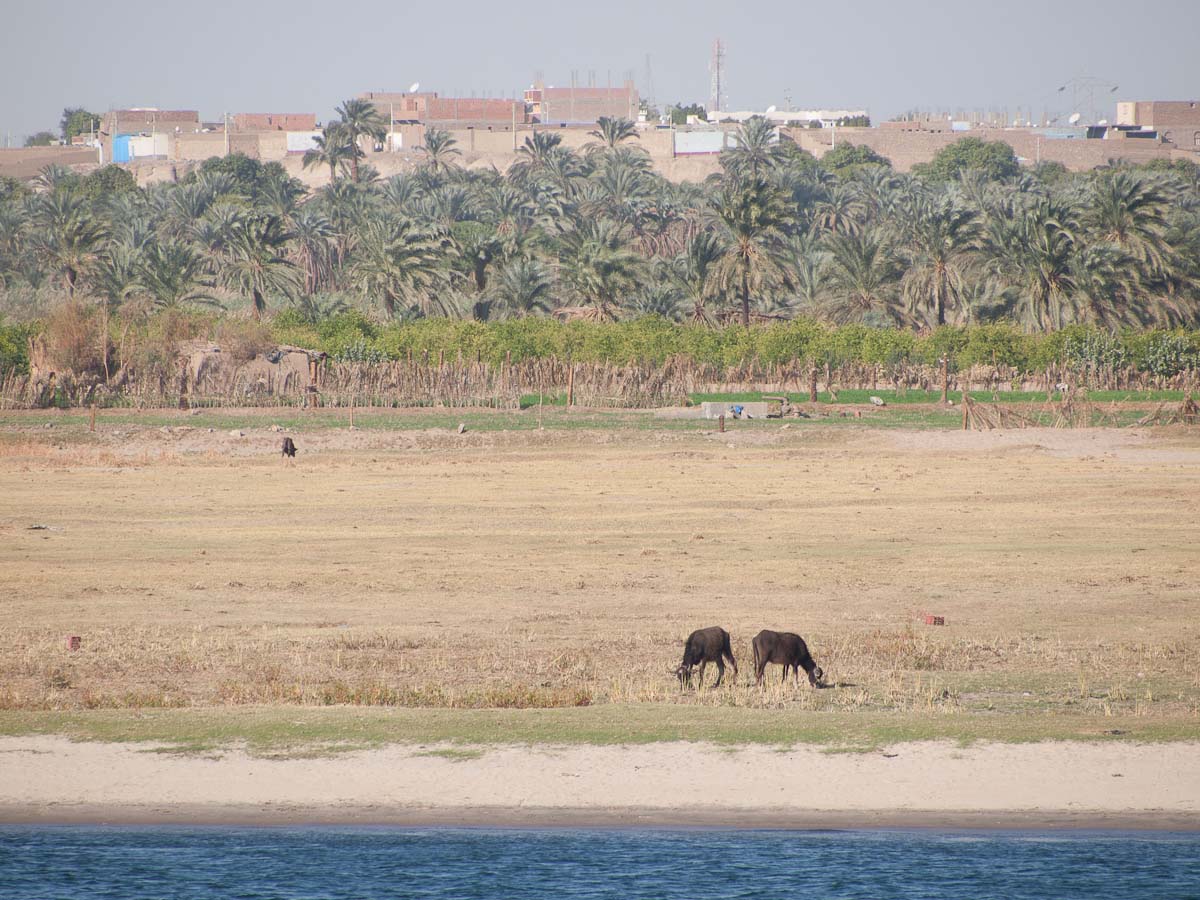
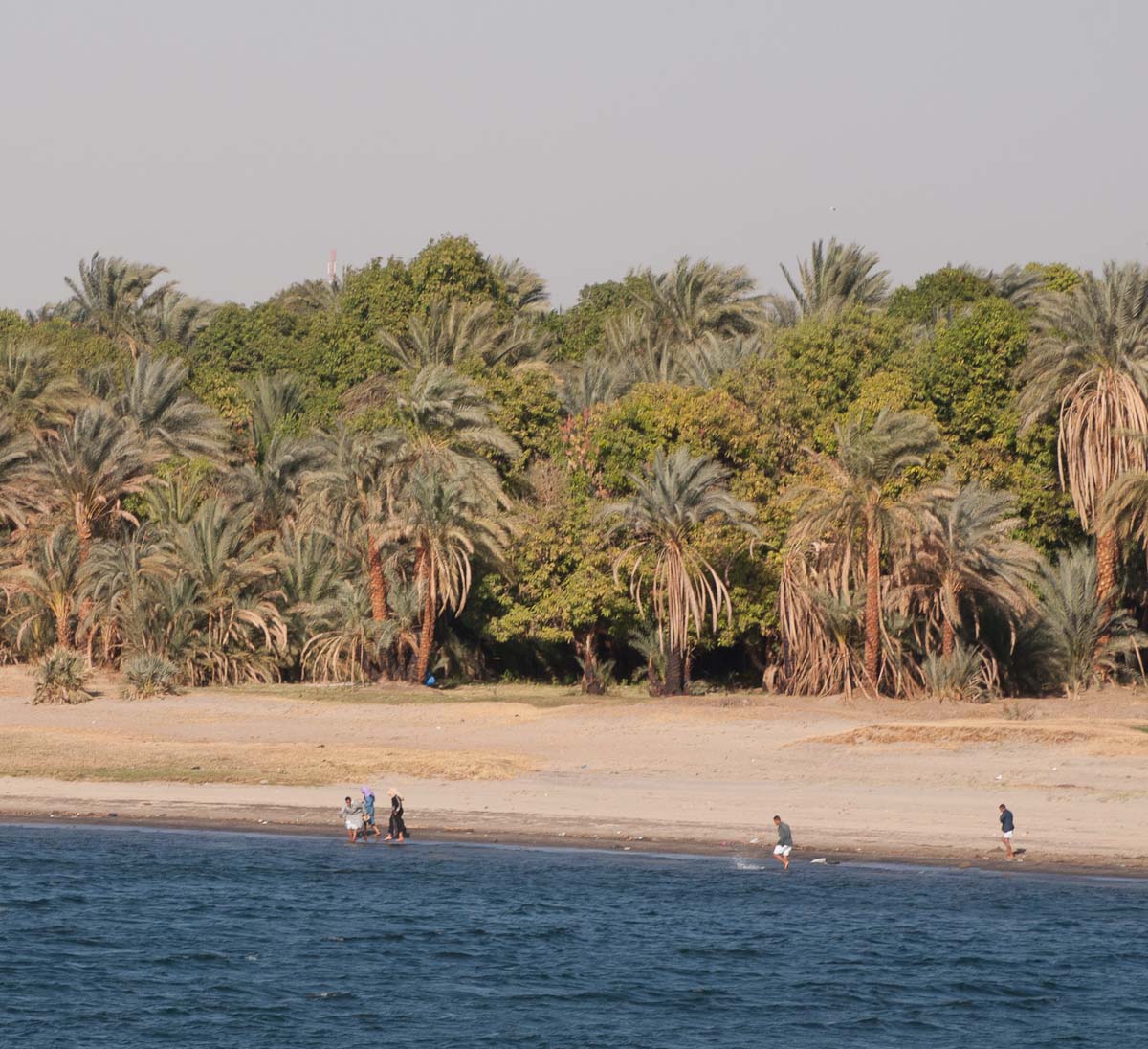
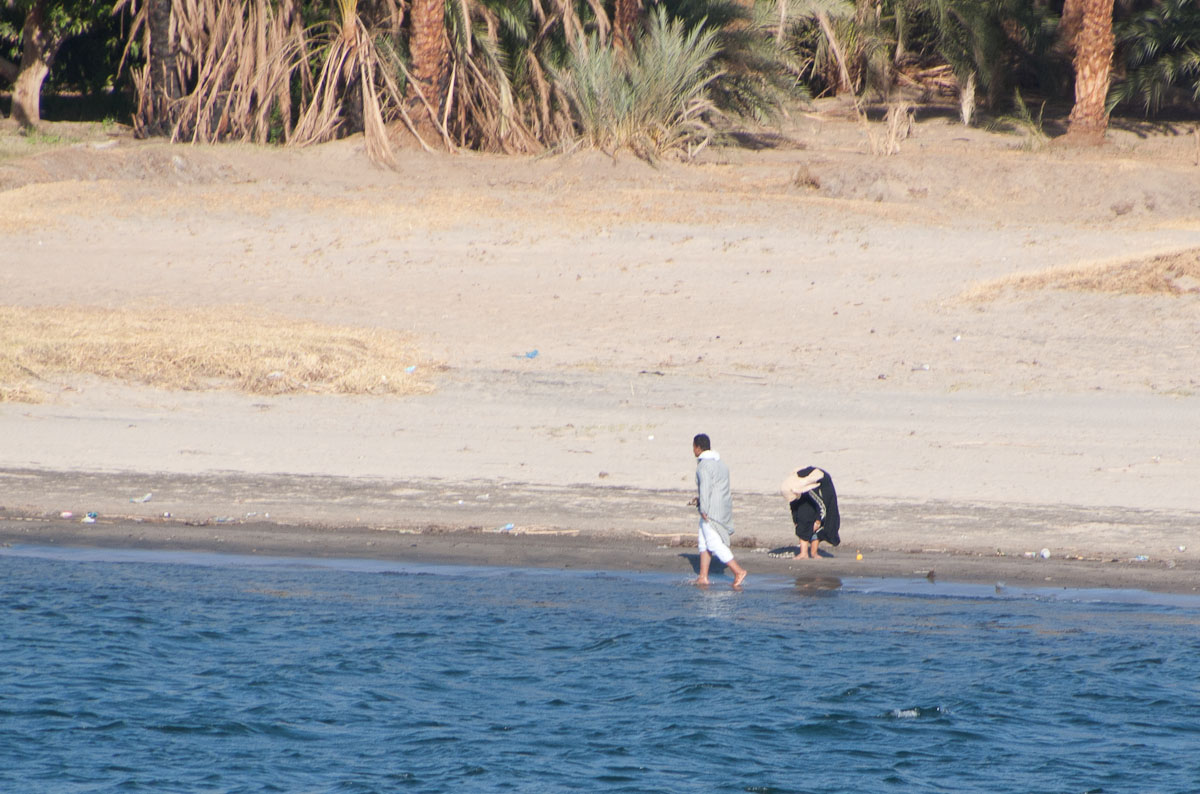
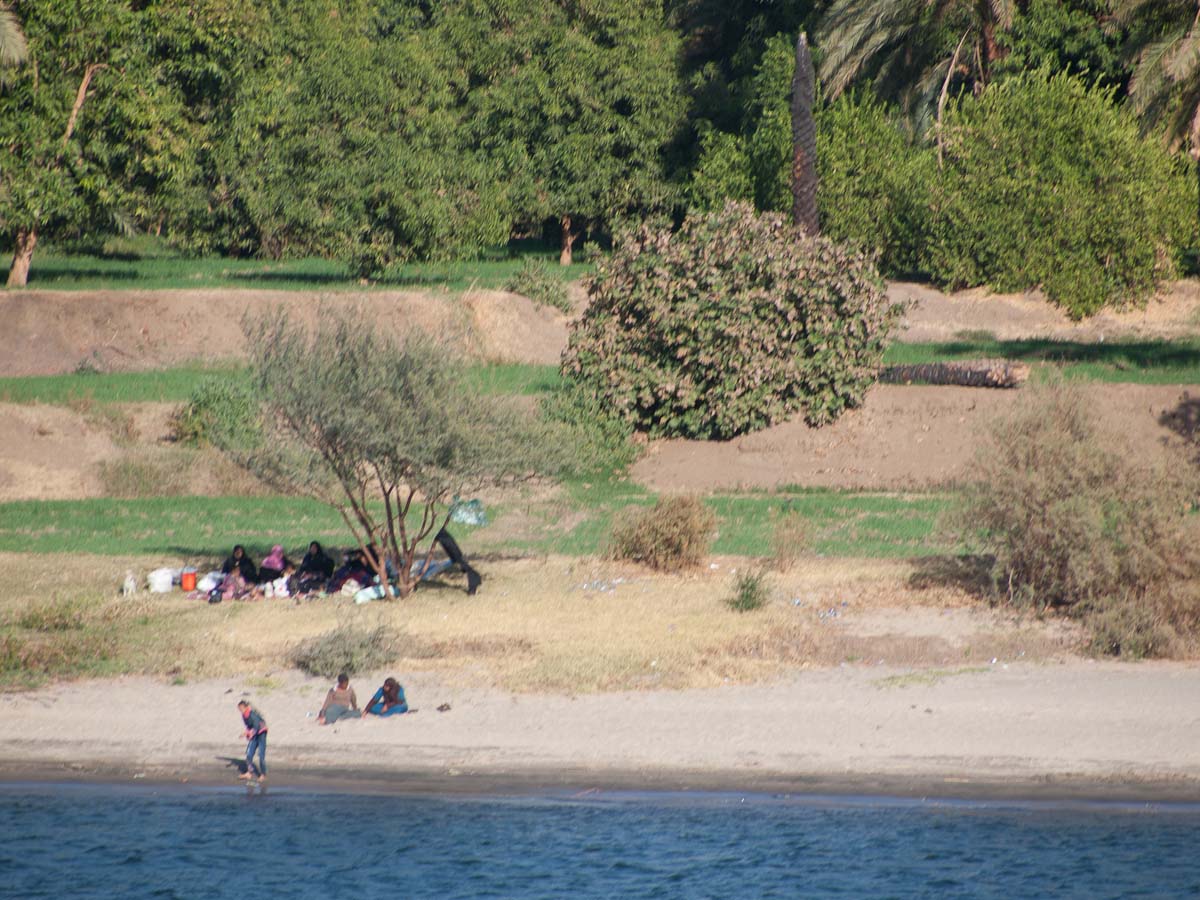
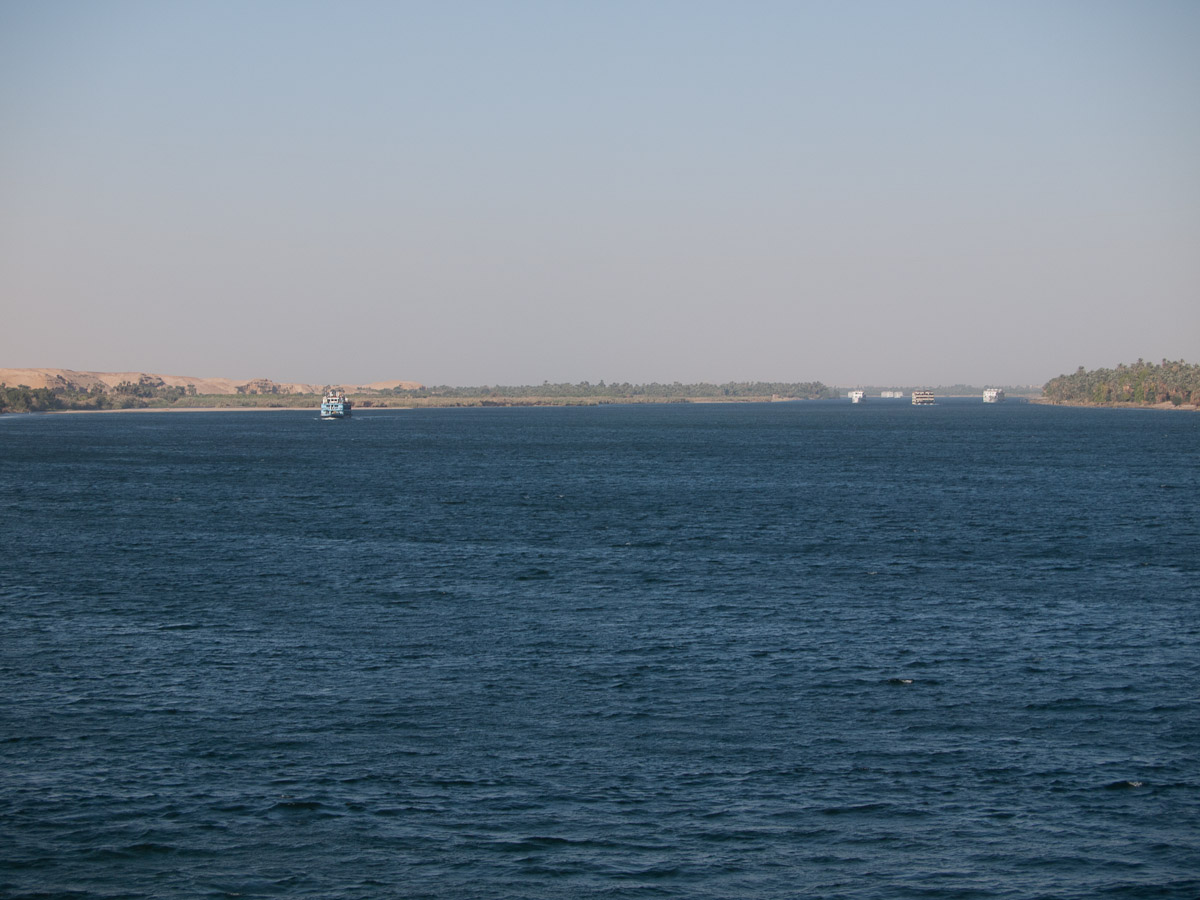
NOTE from Russ: we are including pictures from the first two days on the SunBoat IV, starting with an unfinished Obelisk in Aswan, the Temple of Philae in Aswan, which is dedicated to Isis and laid out on much the same floor plan, the temple at Kom Ombo which is one of the few to be dedicated to two gods at the same time - Horus and Sobek the Crocodile God. Apparently they decided to add Sobek later when the crocodiles ate more villagers than normal. We then arrive at Edfu at dusk.

Error thrown
Call to undefined function ereg()