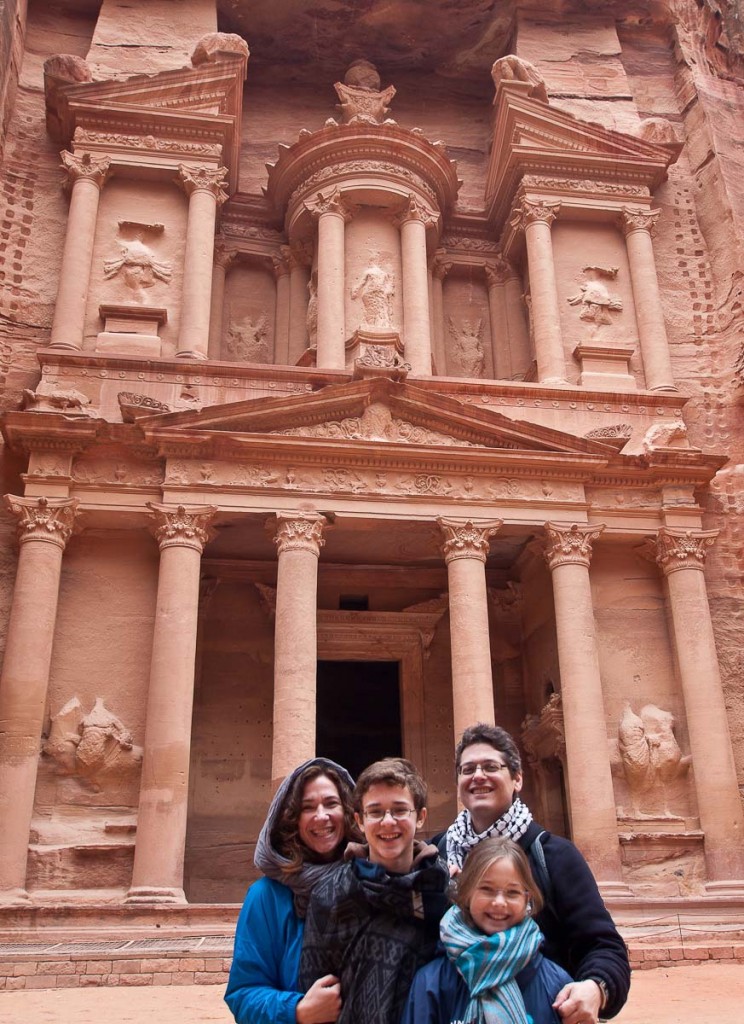
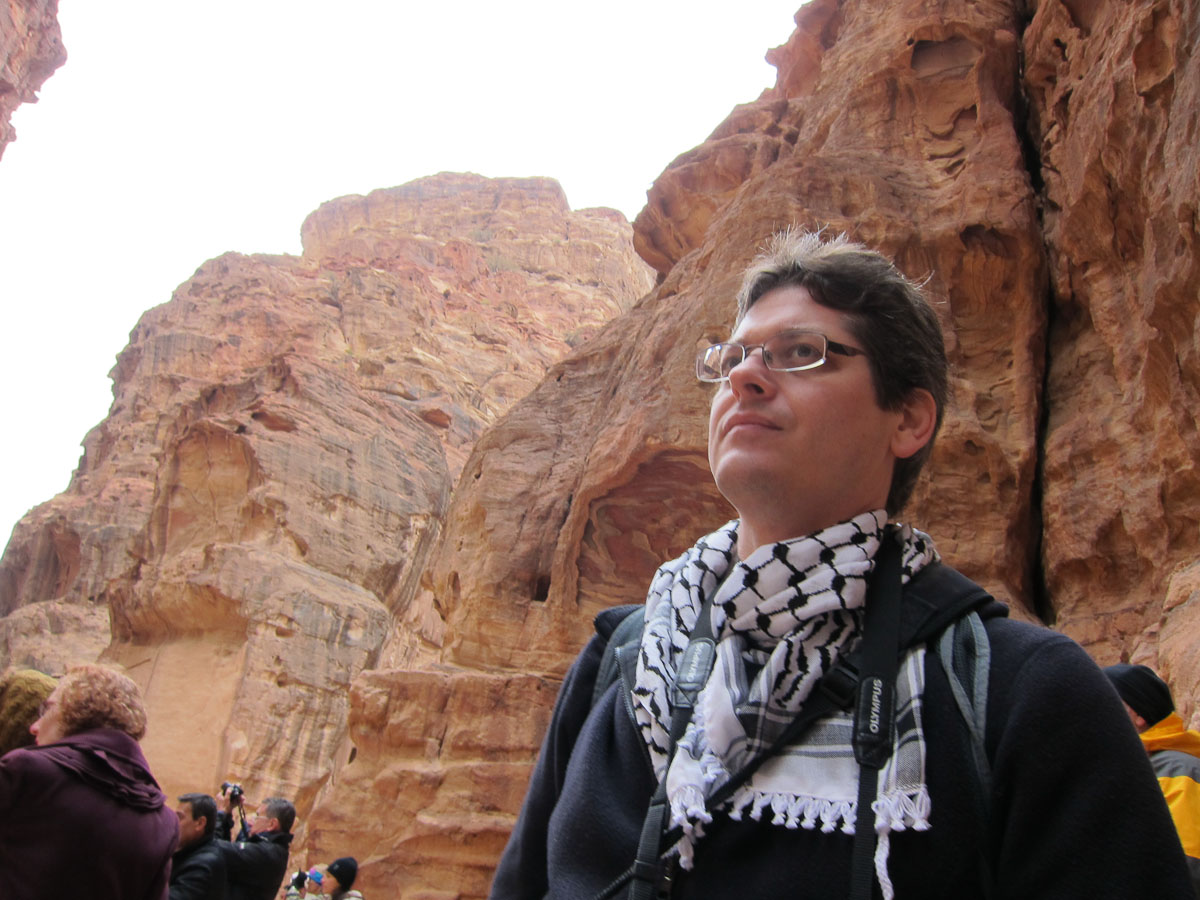
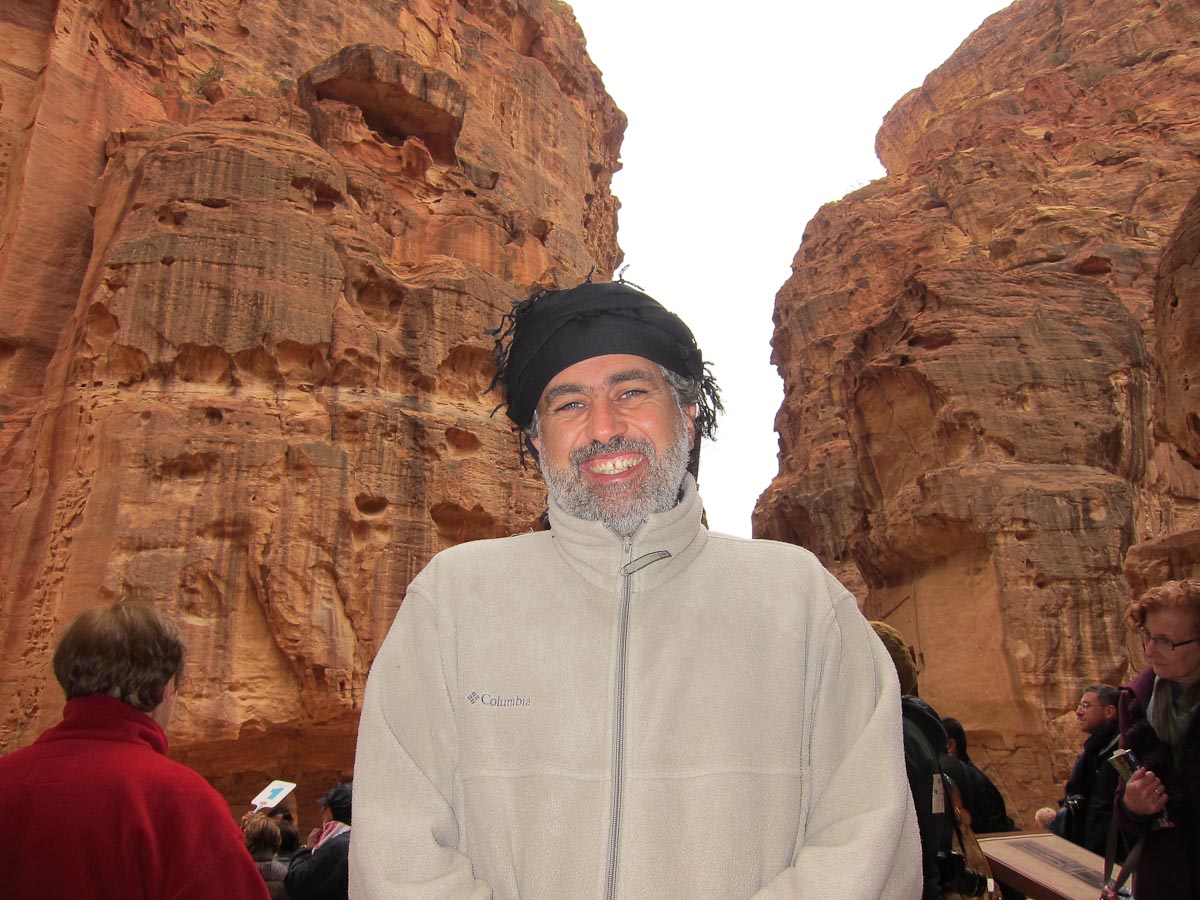
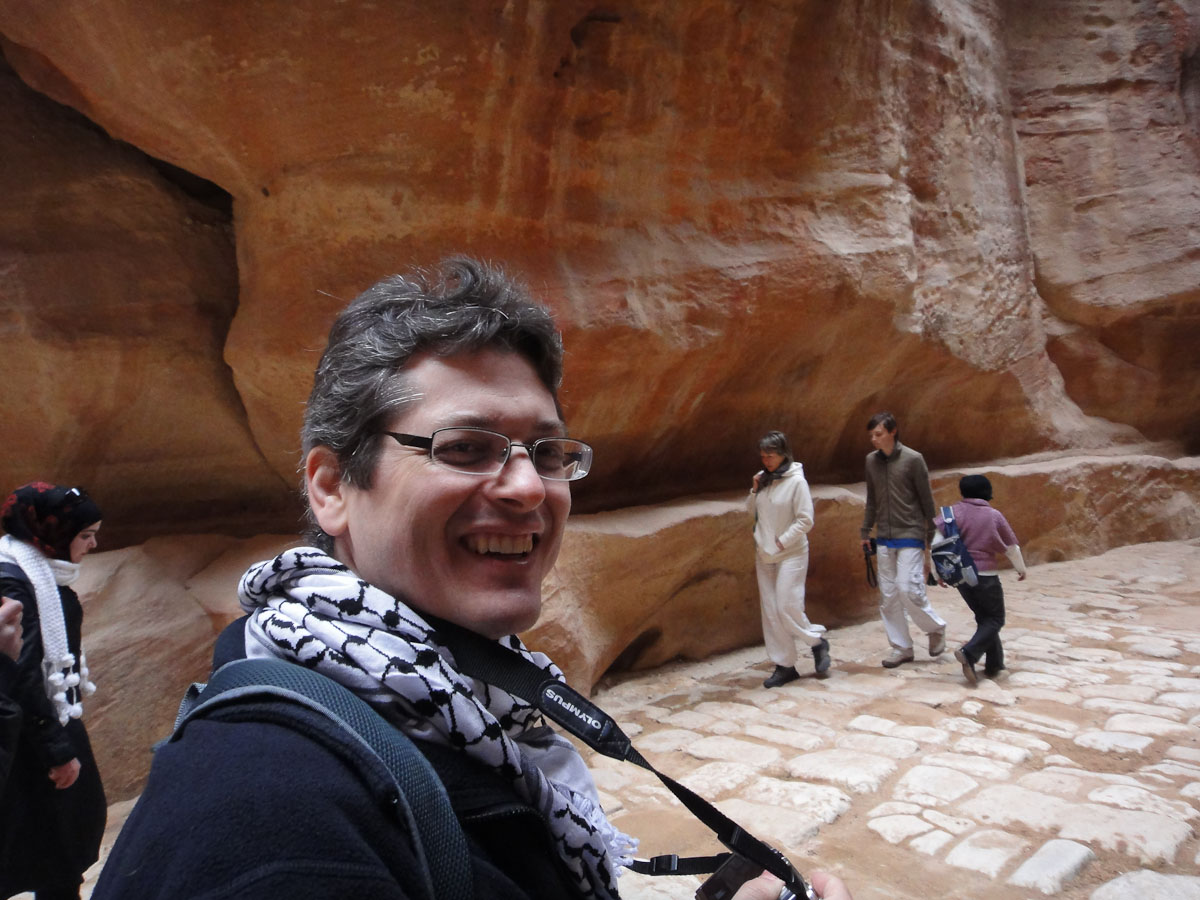
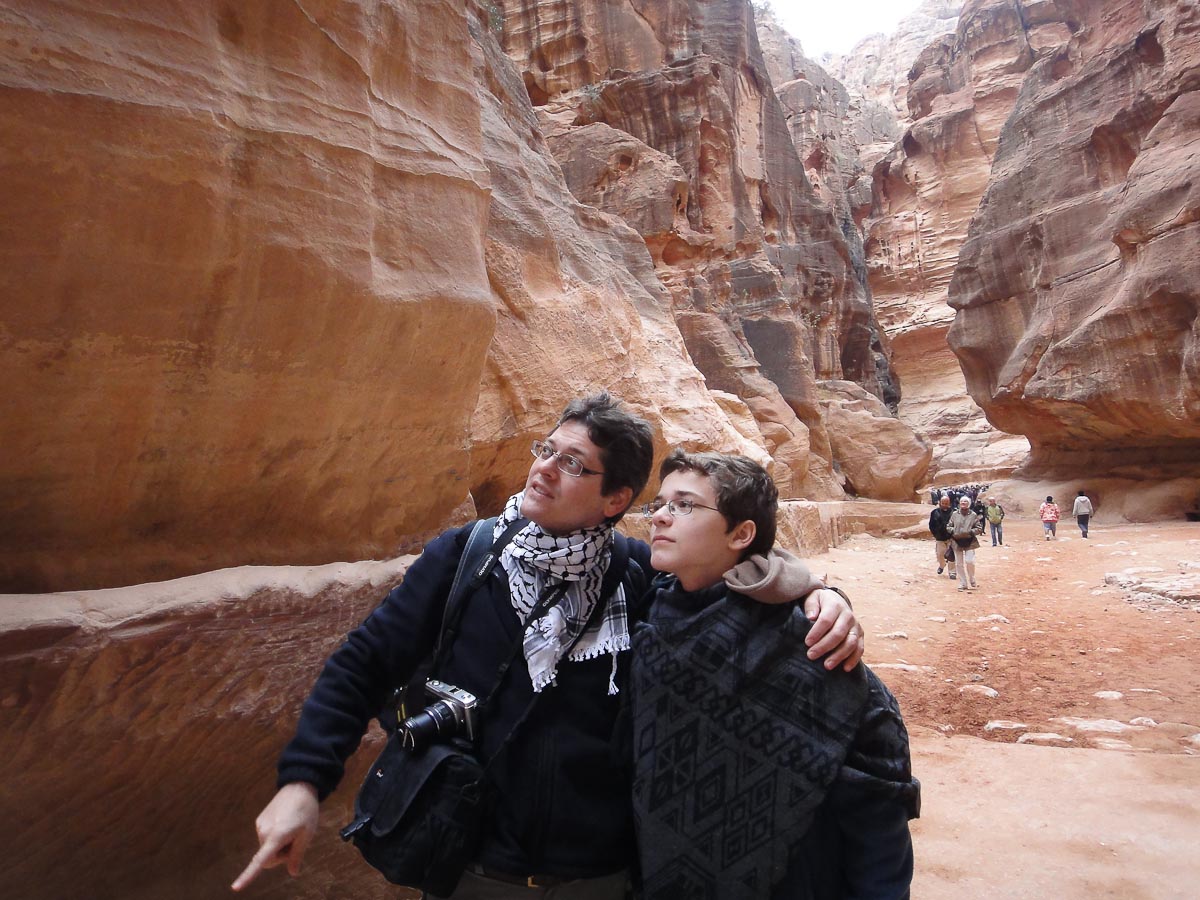
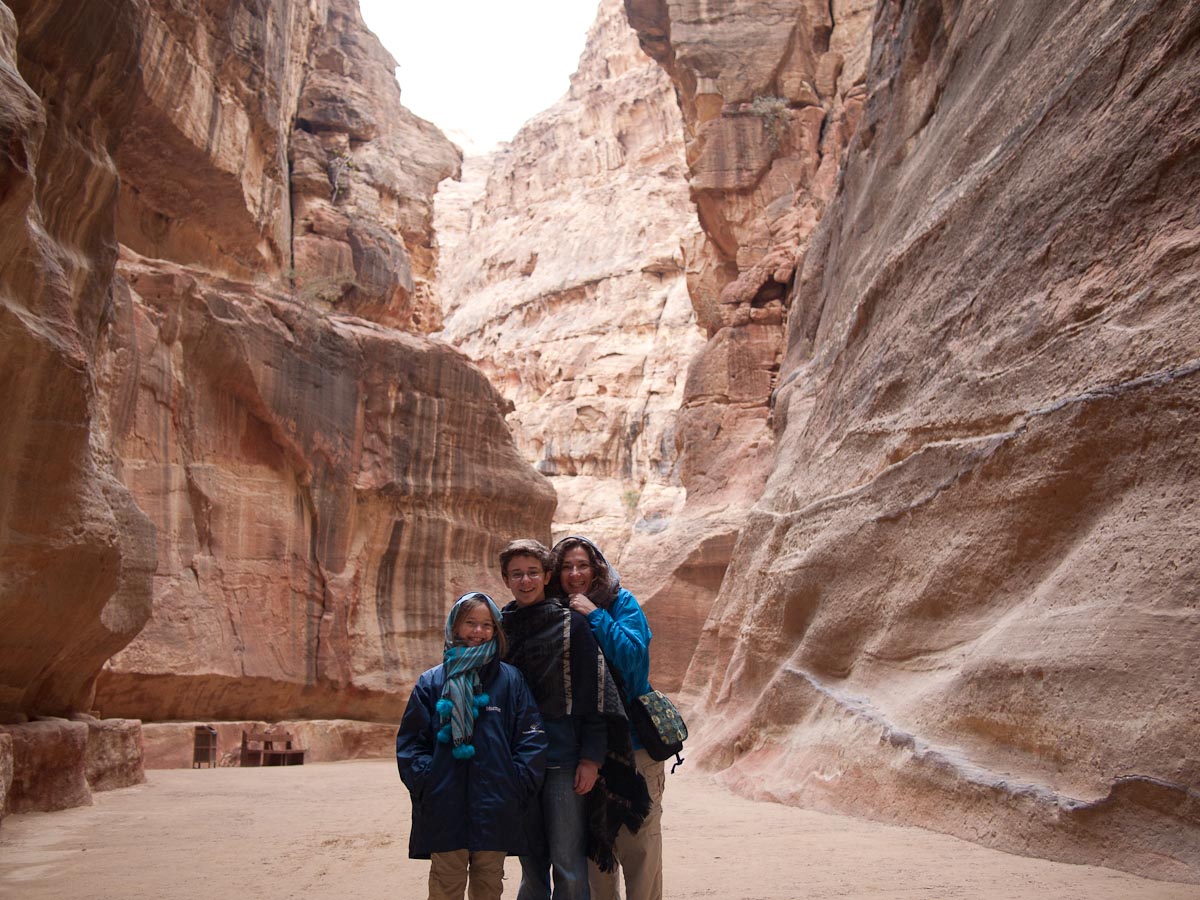
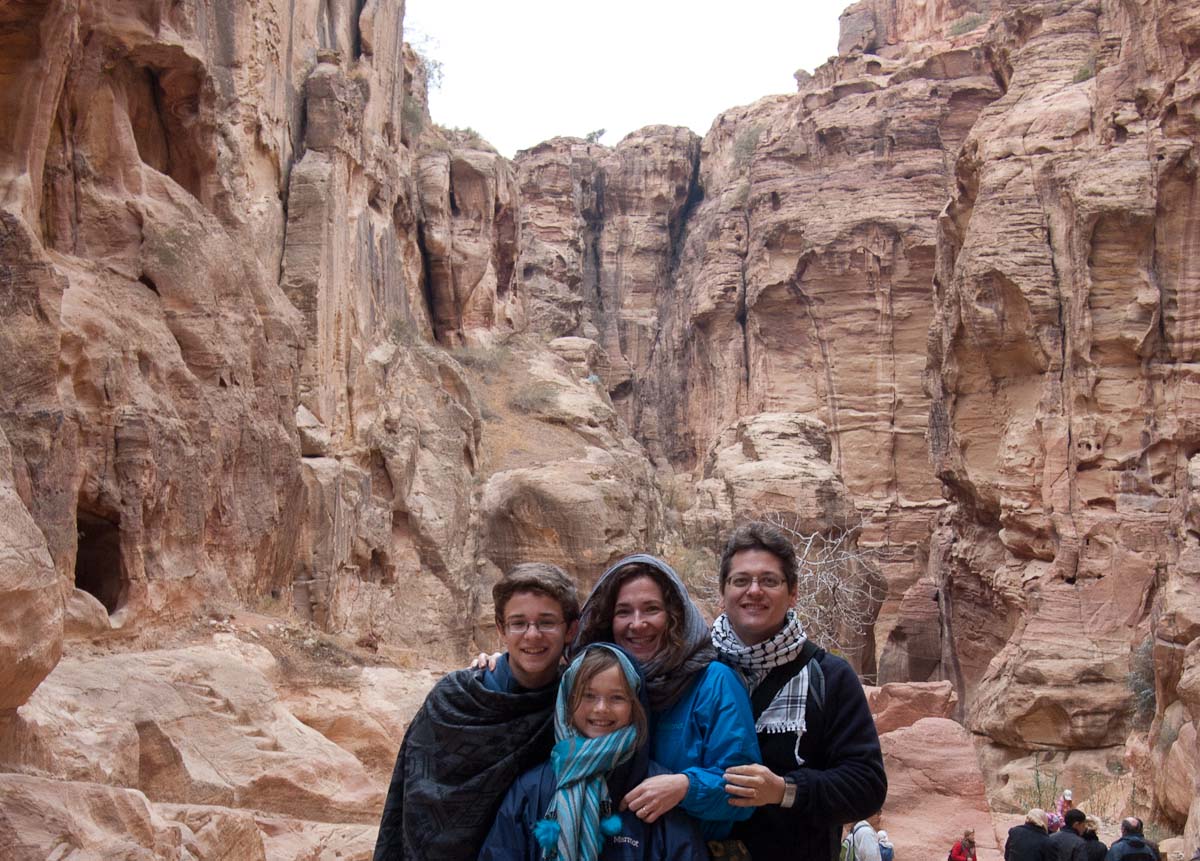
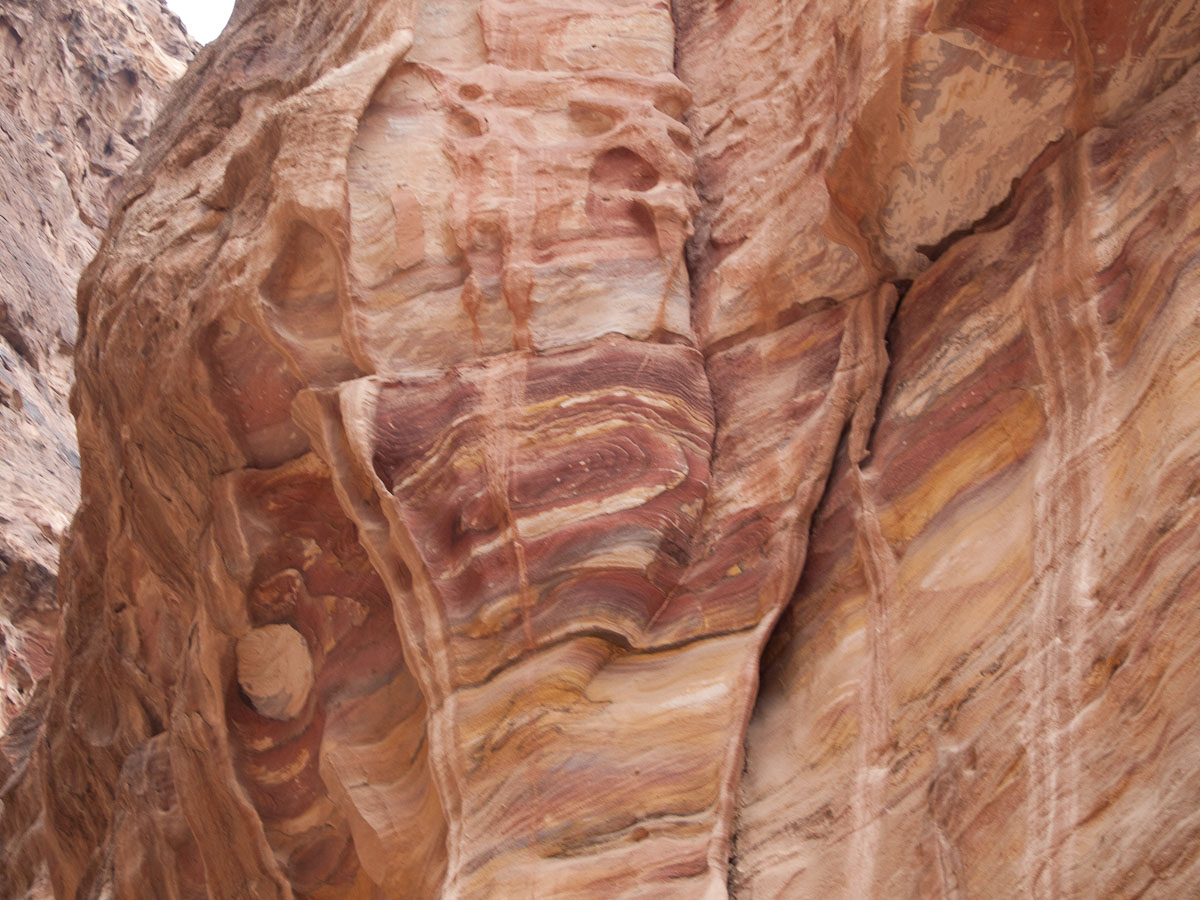
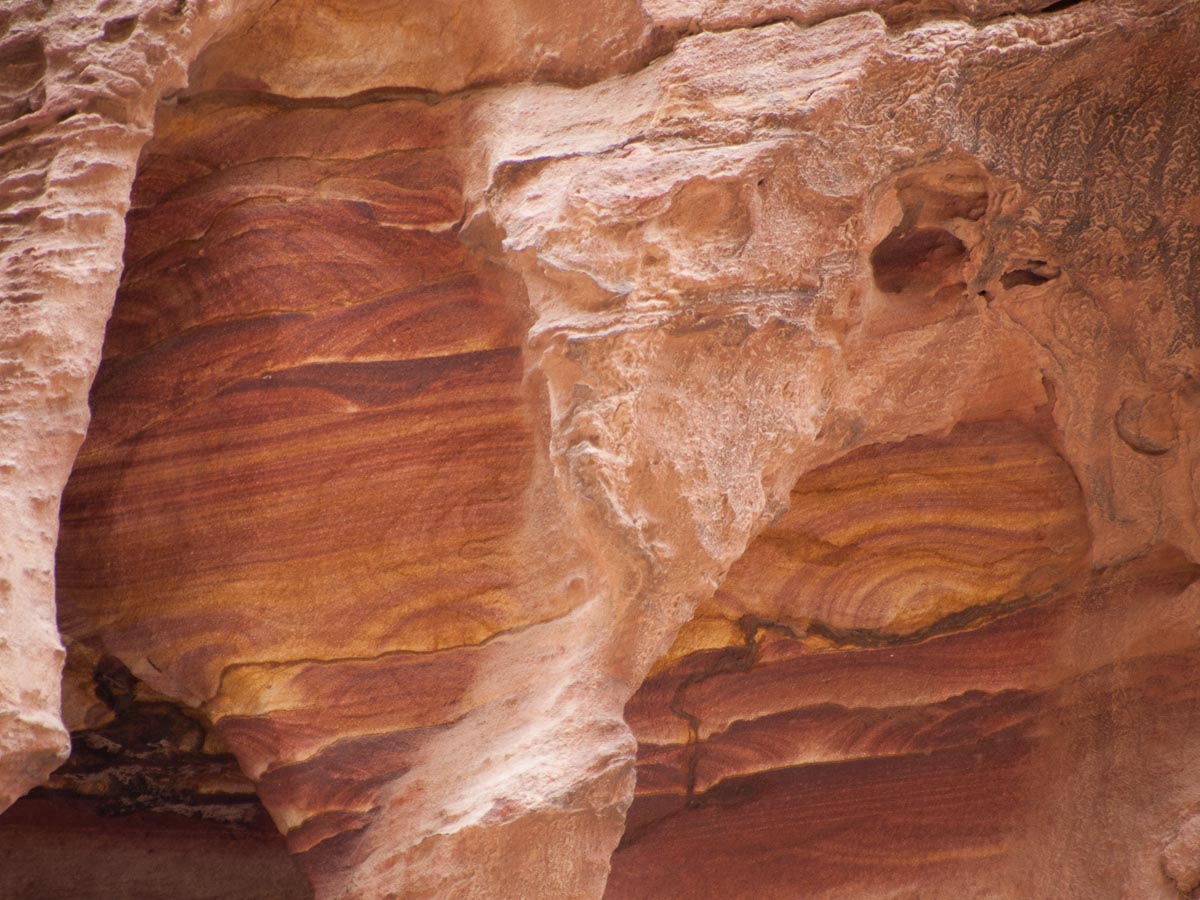
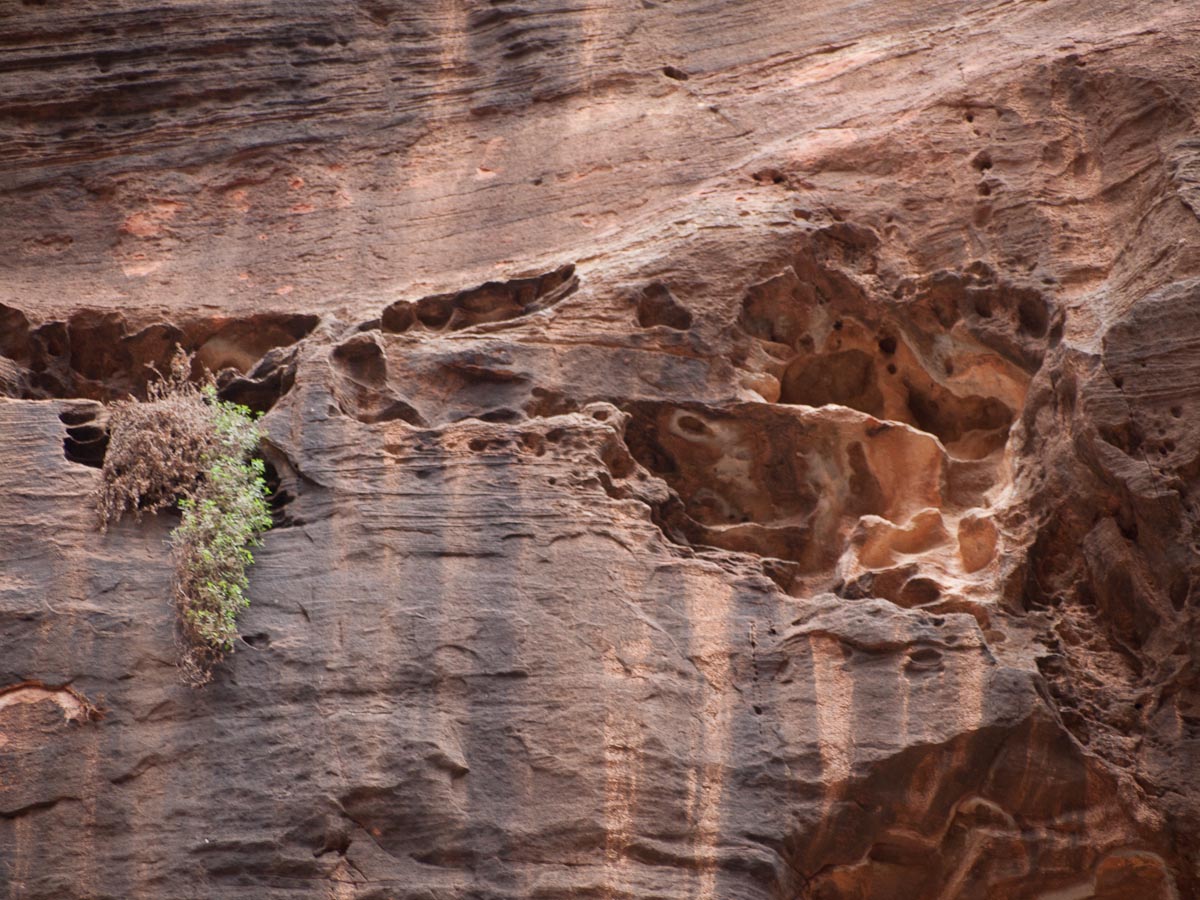
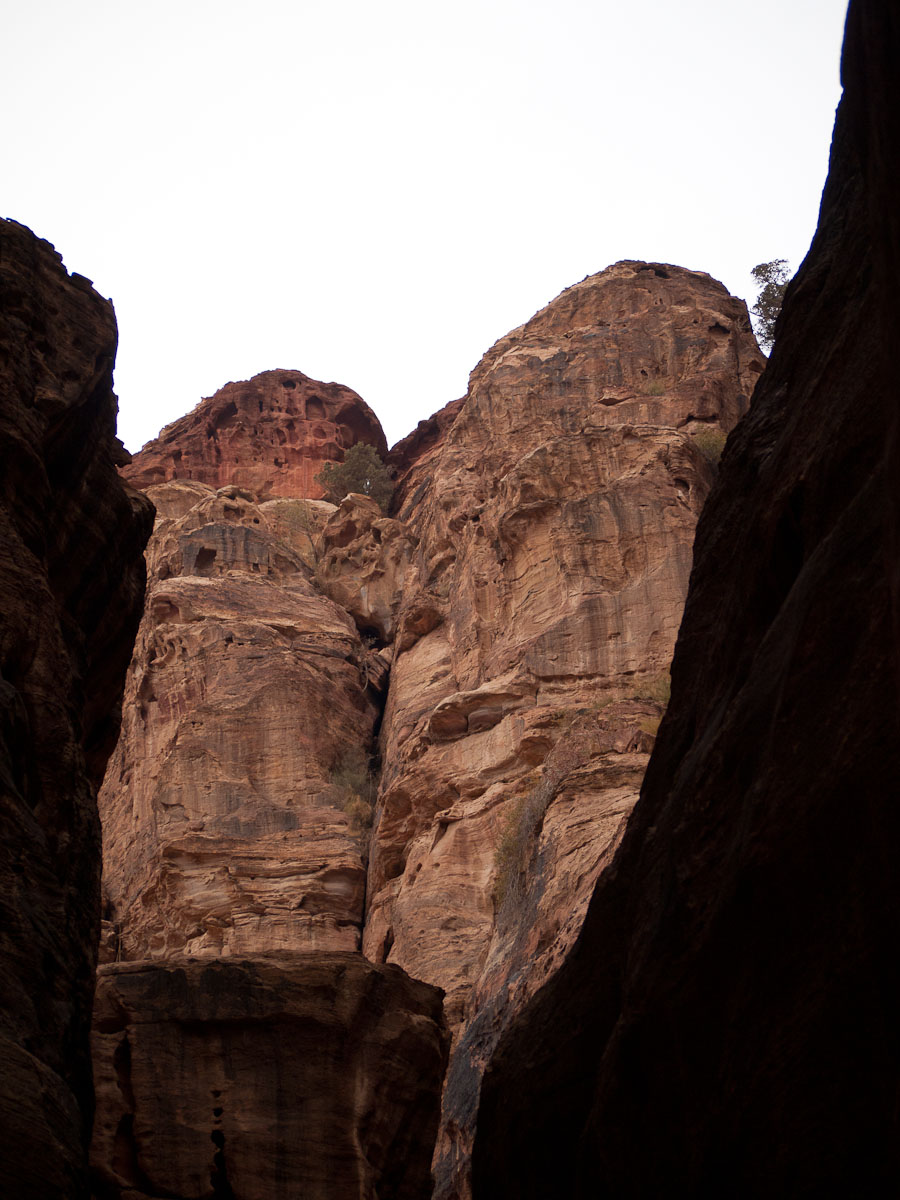
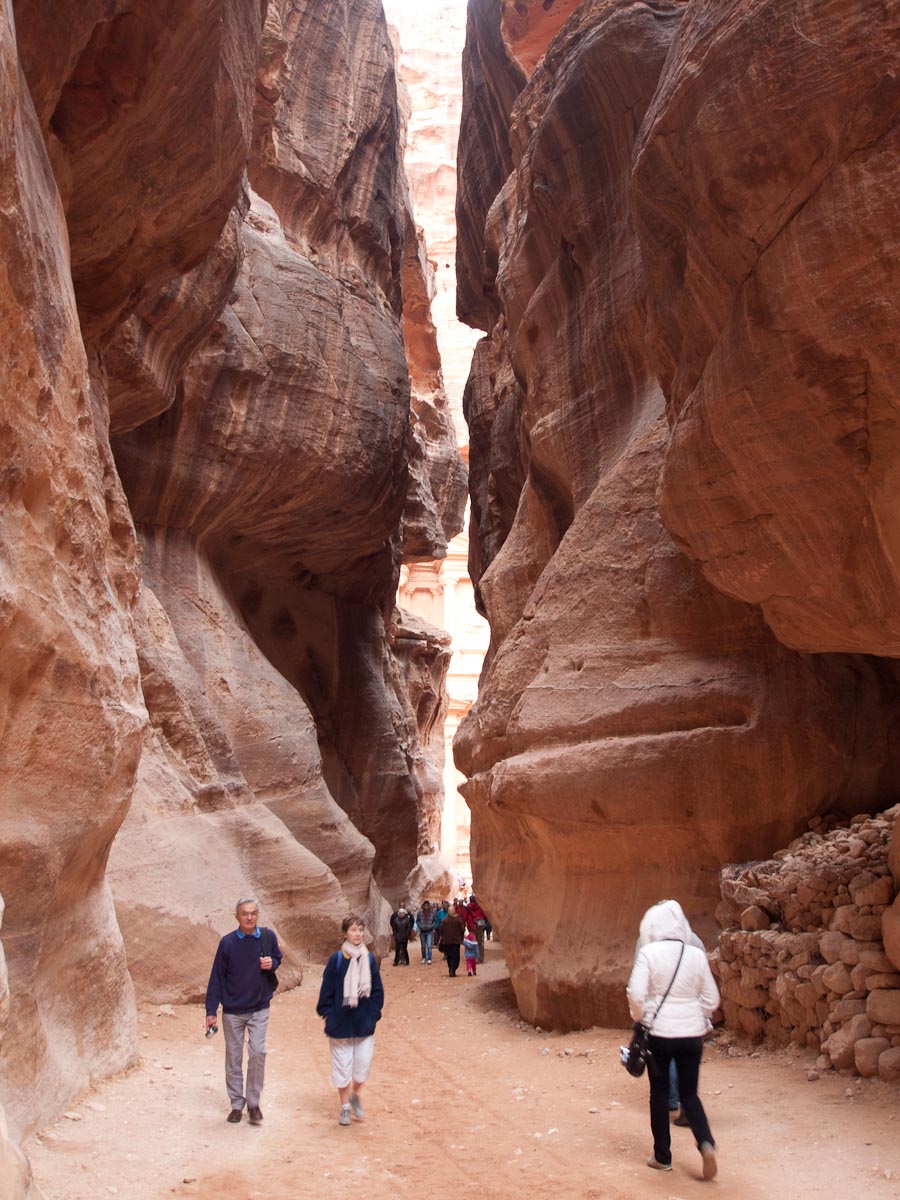
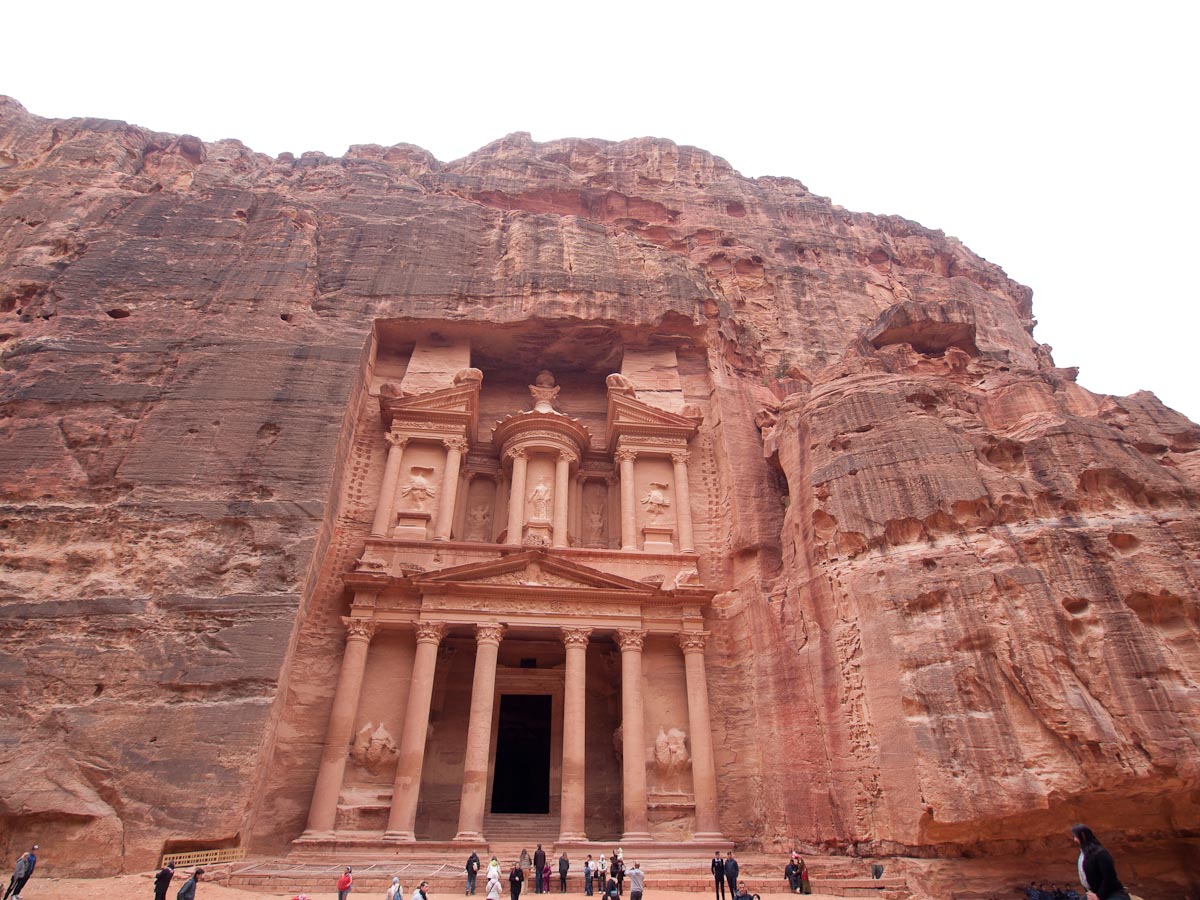
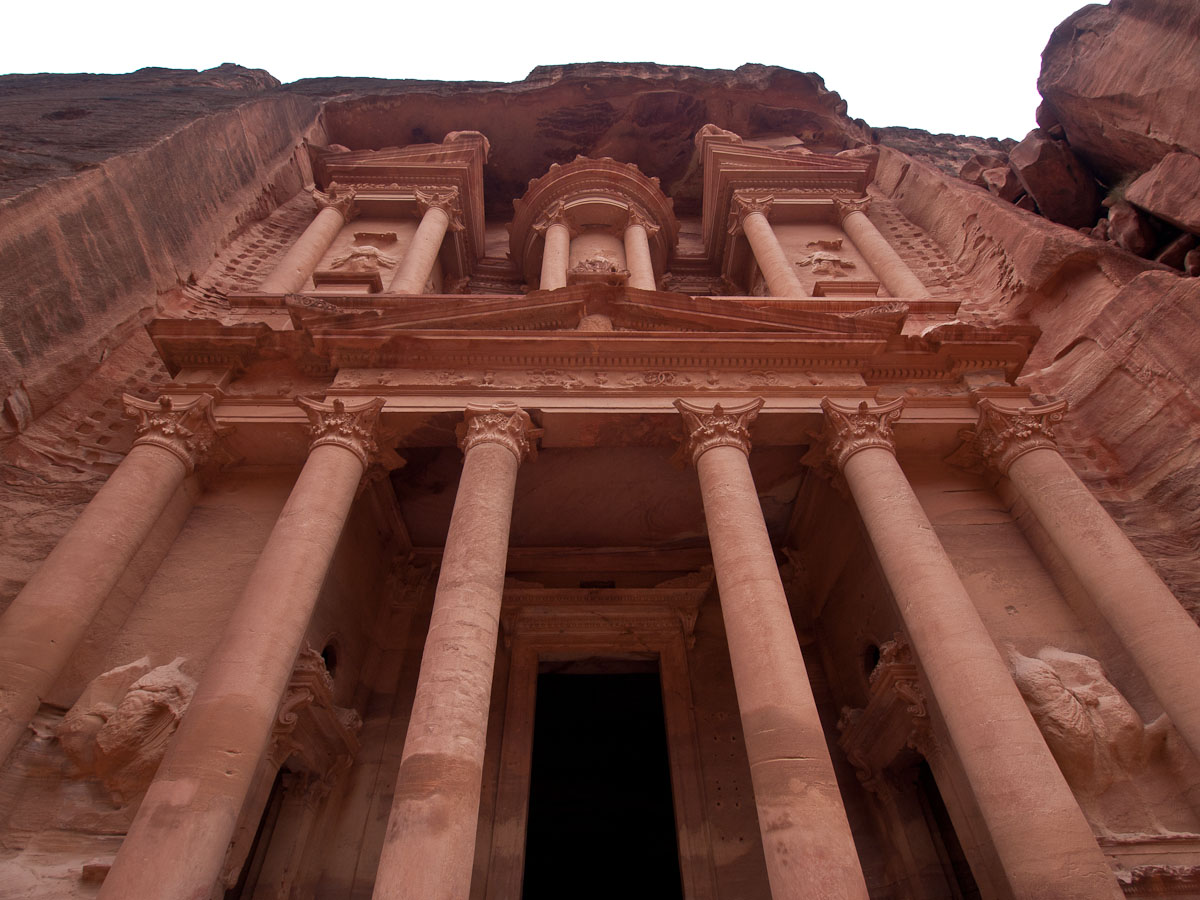
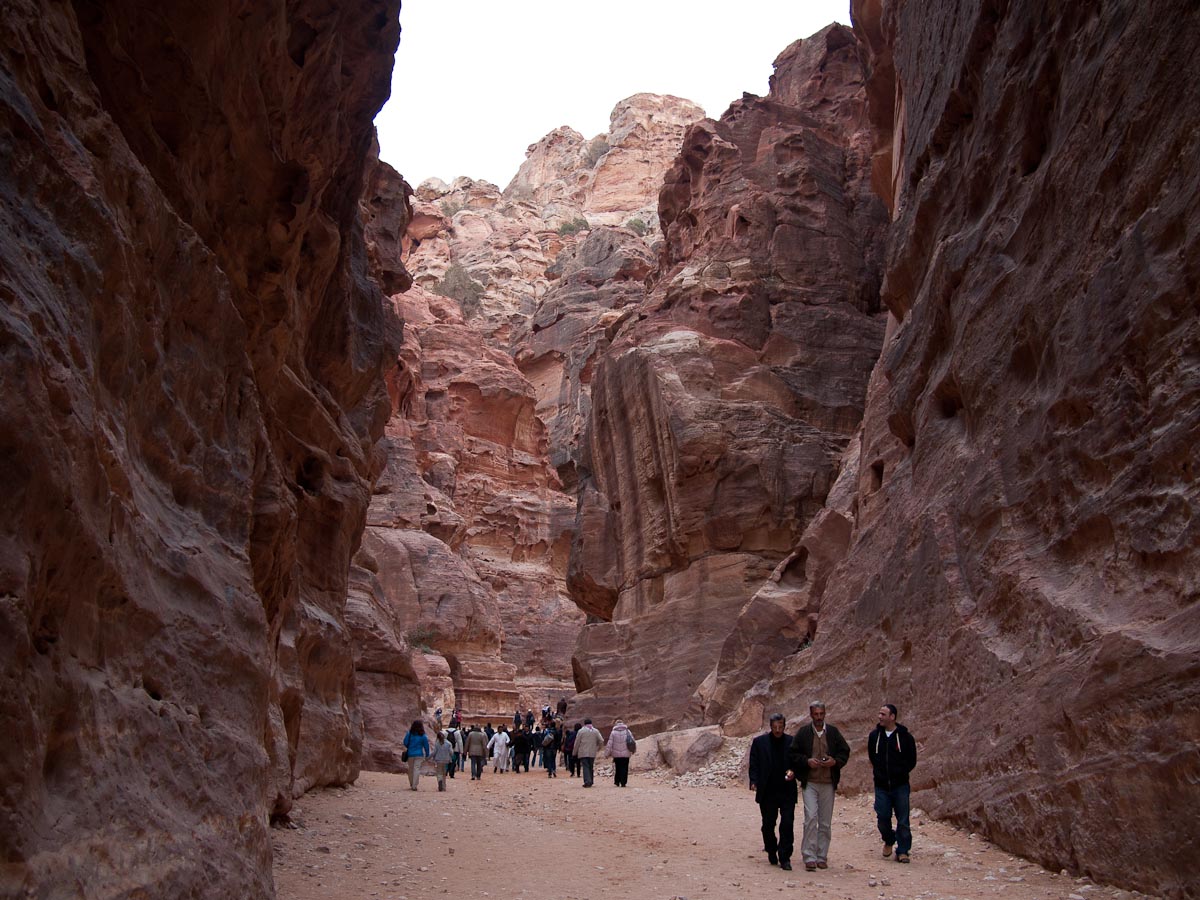
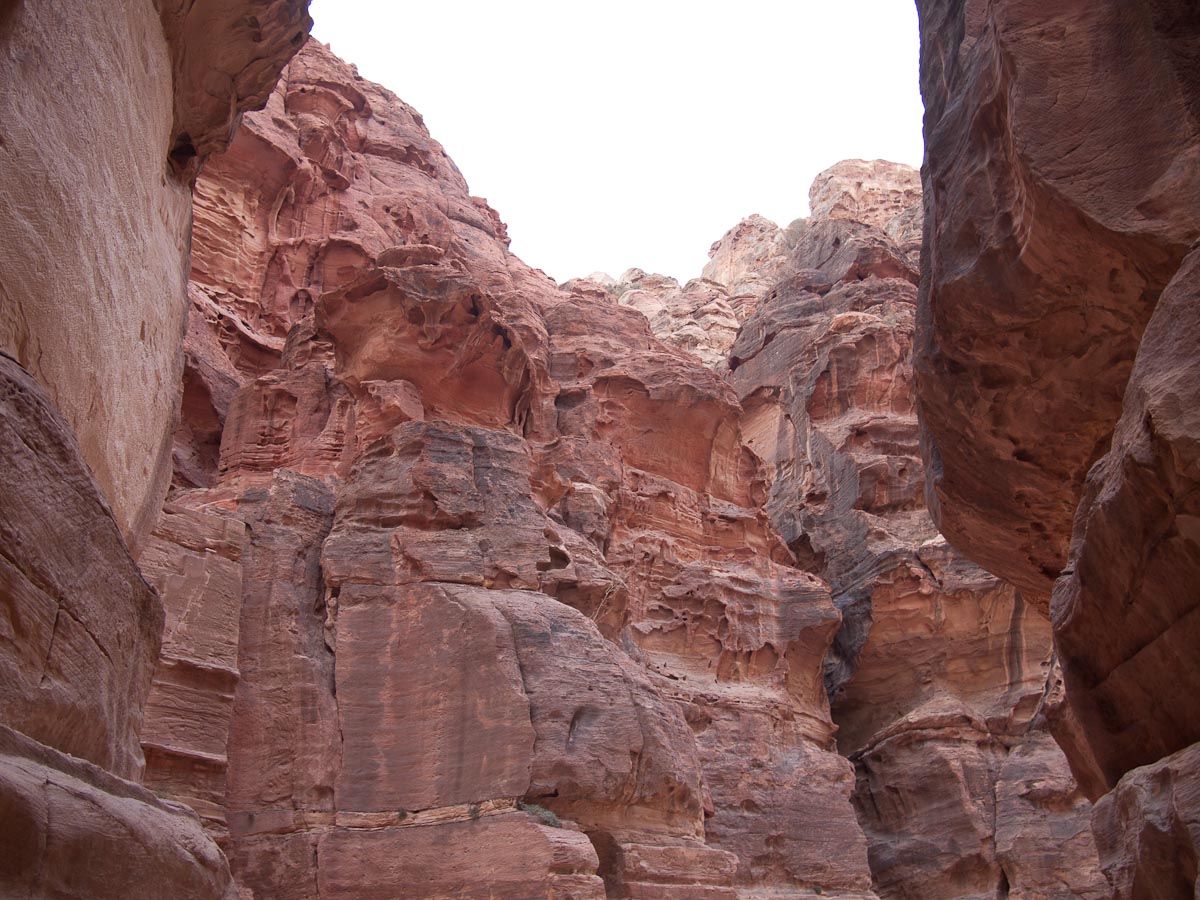
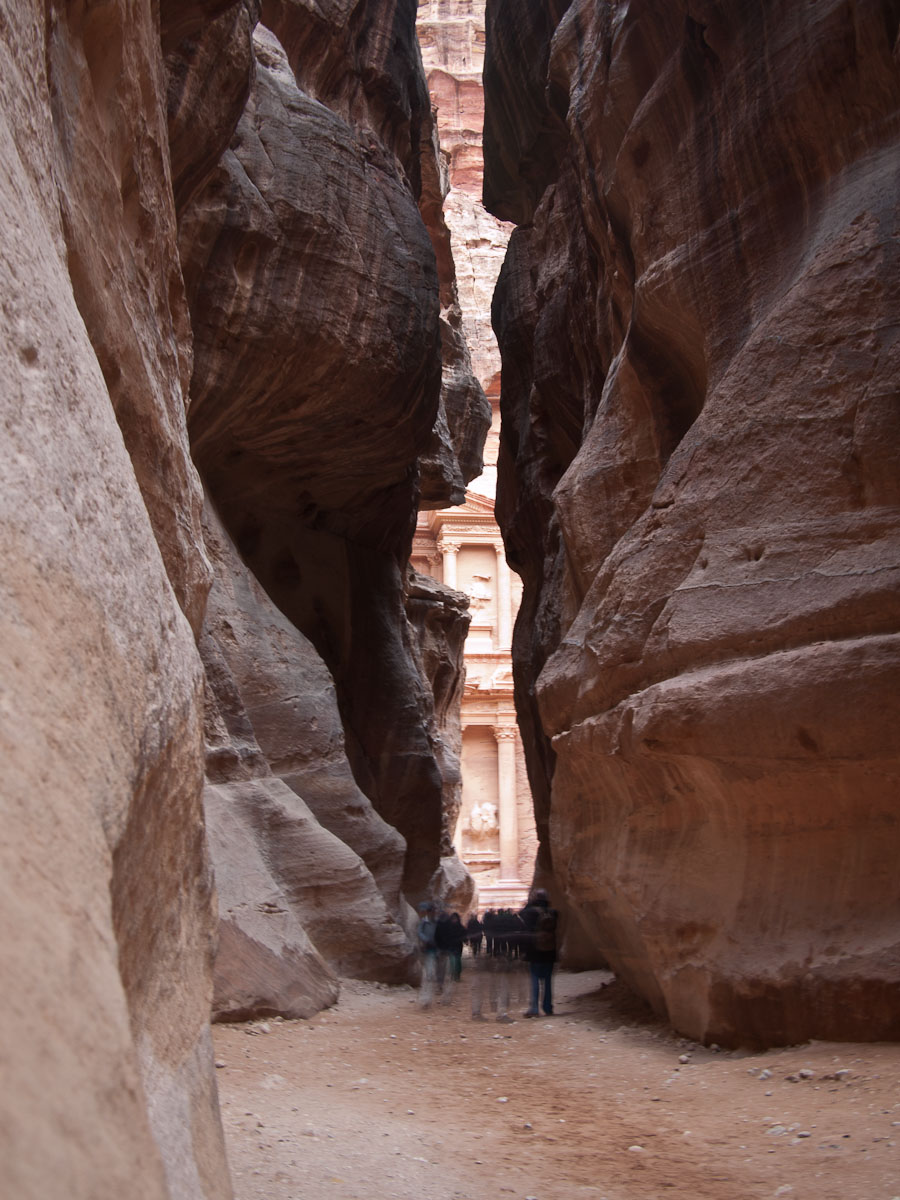
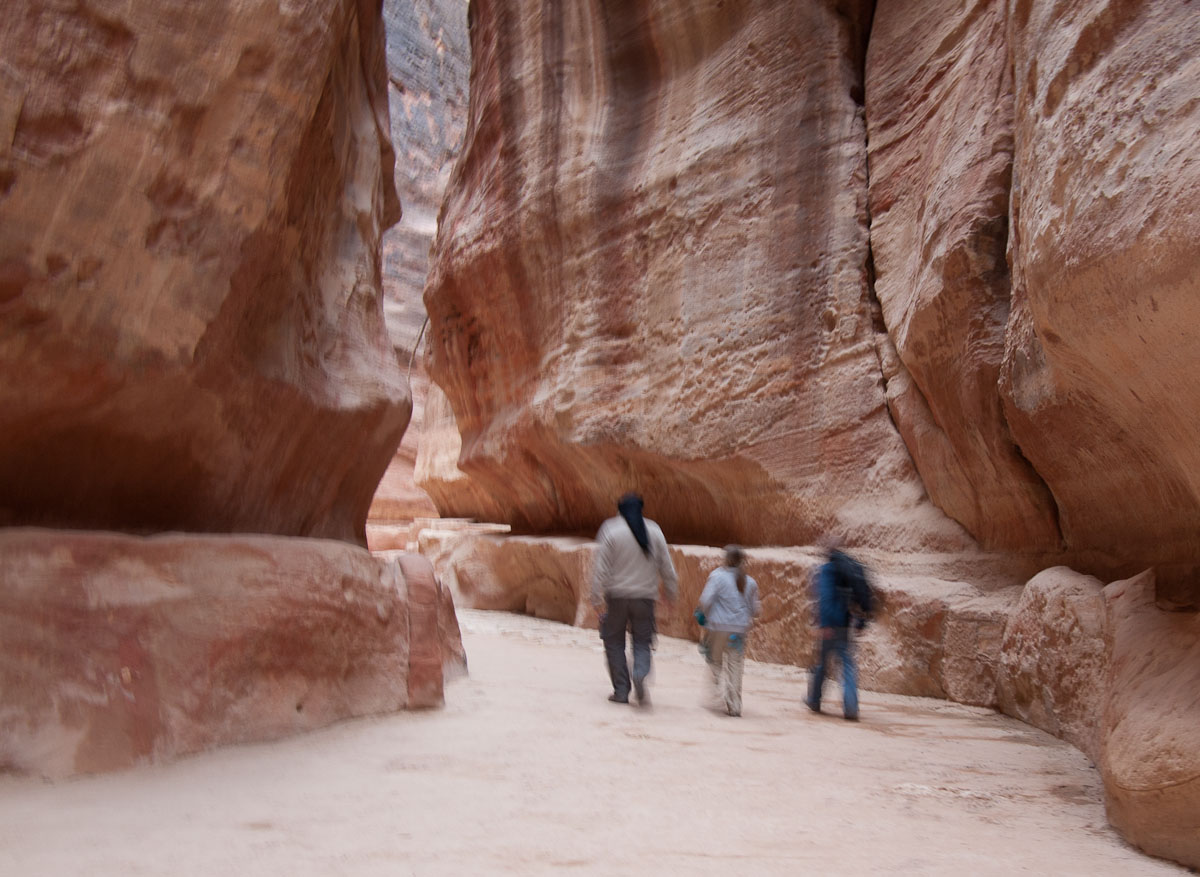
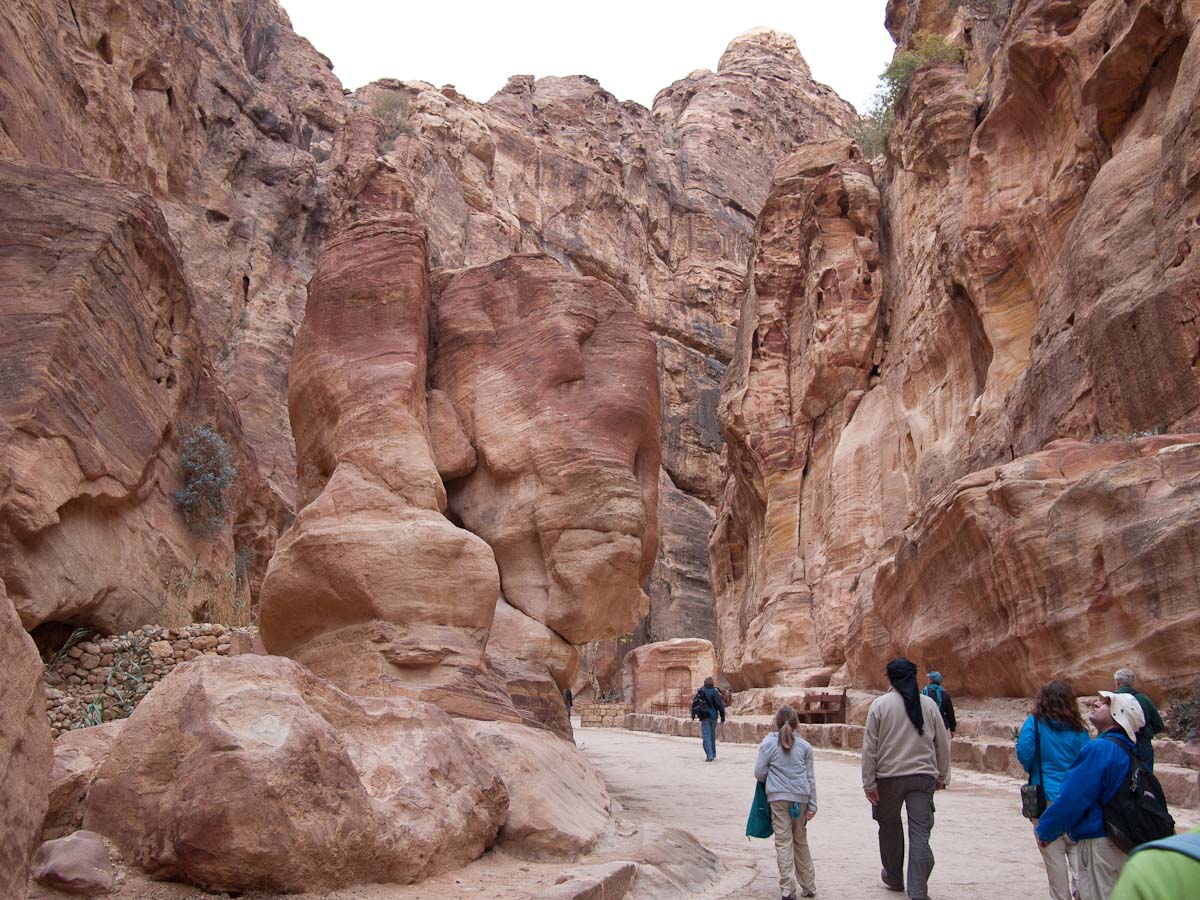
We walked for about an hour through a dusty gorge in Petra, peering around each bend. Pitted stone walls of crimson and grey towering over us like Manhattan skyscrapers. We were here to see the fabled “Treasury Building” – a jawdropper that was made famous as the resting place for the Holy Grail by the third Indiana Jones movie. At last we could glimpse the front through a narrow crack - this was it, the greatest remaining jewel of the 2,000 year old Nabathean empire.
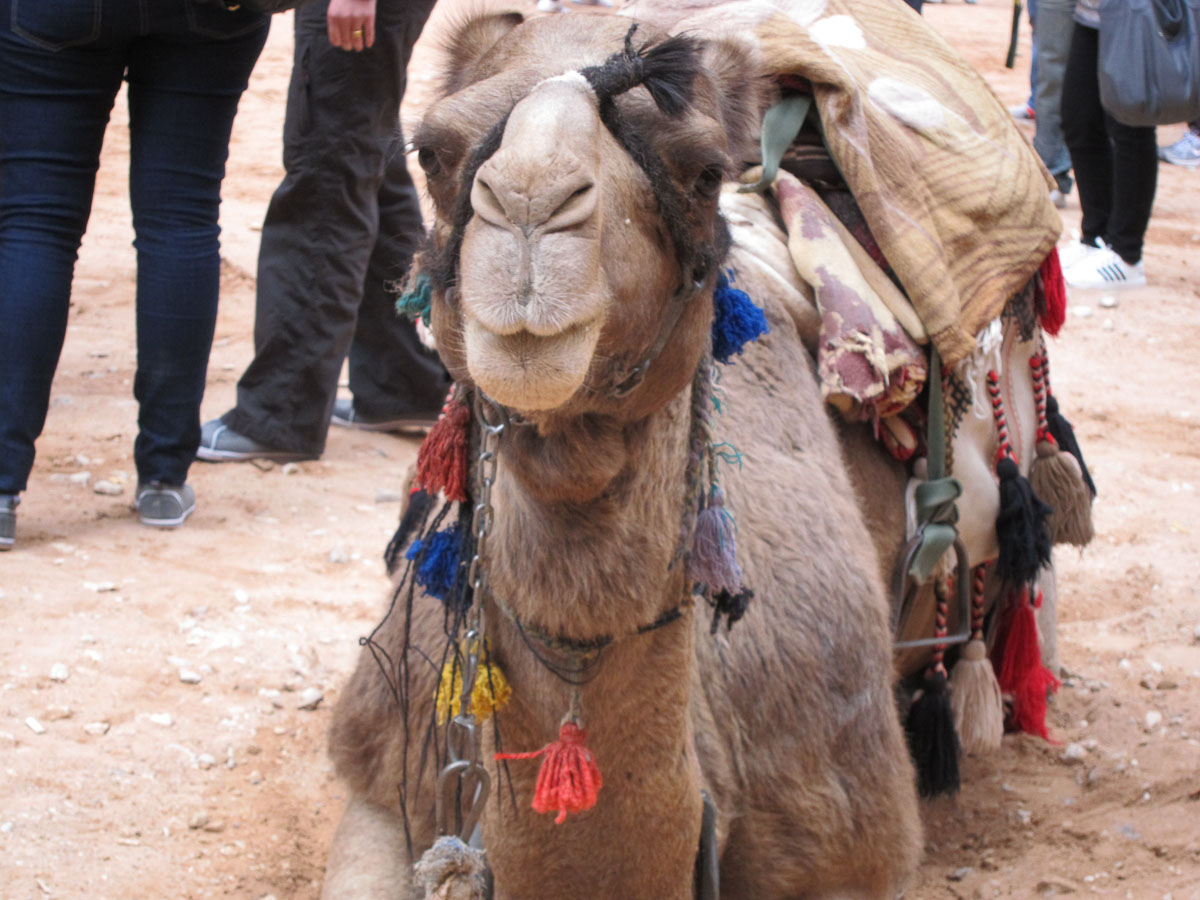
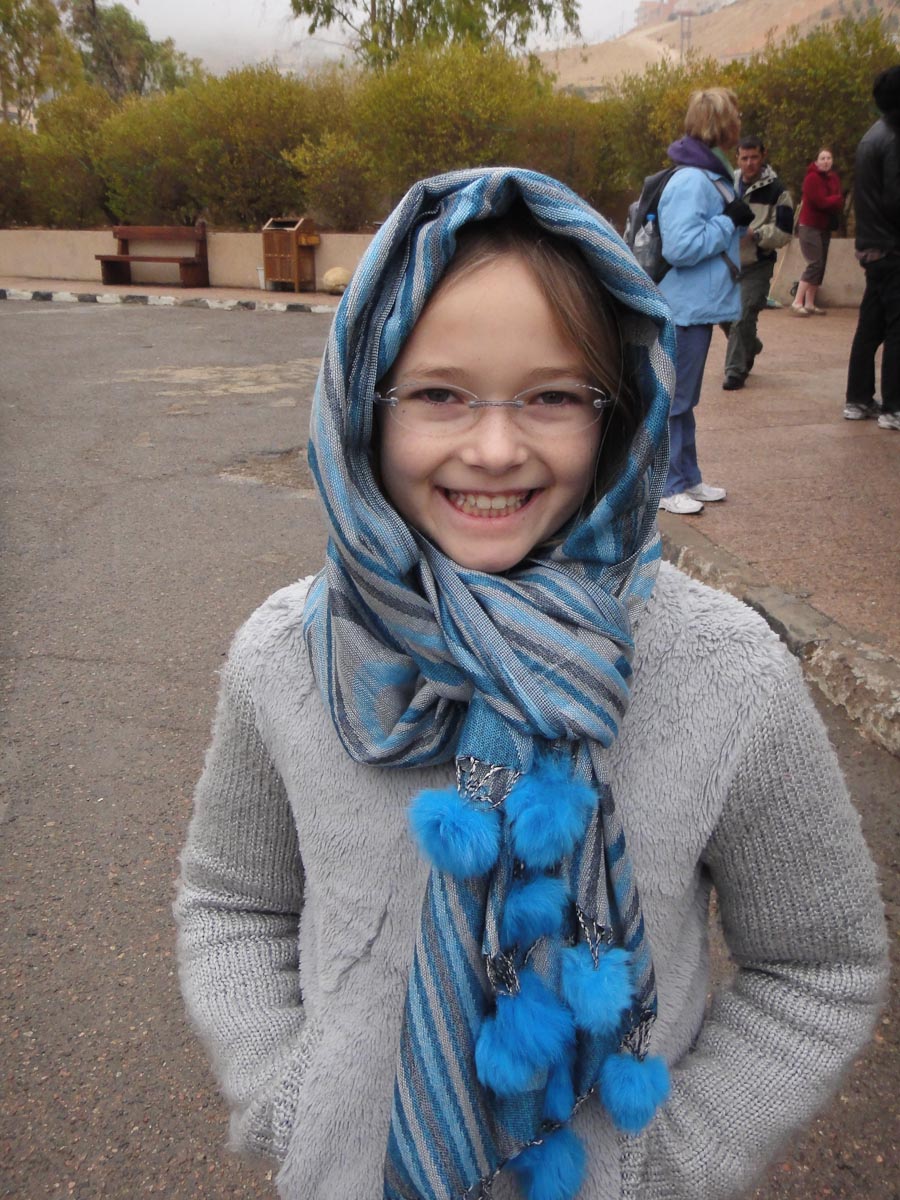
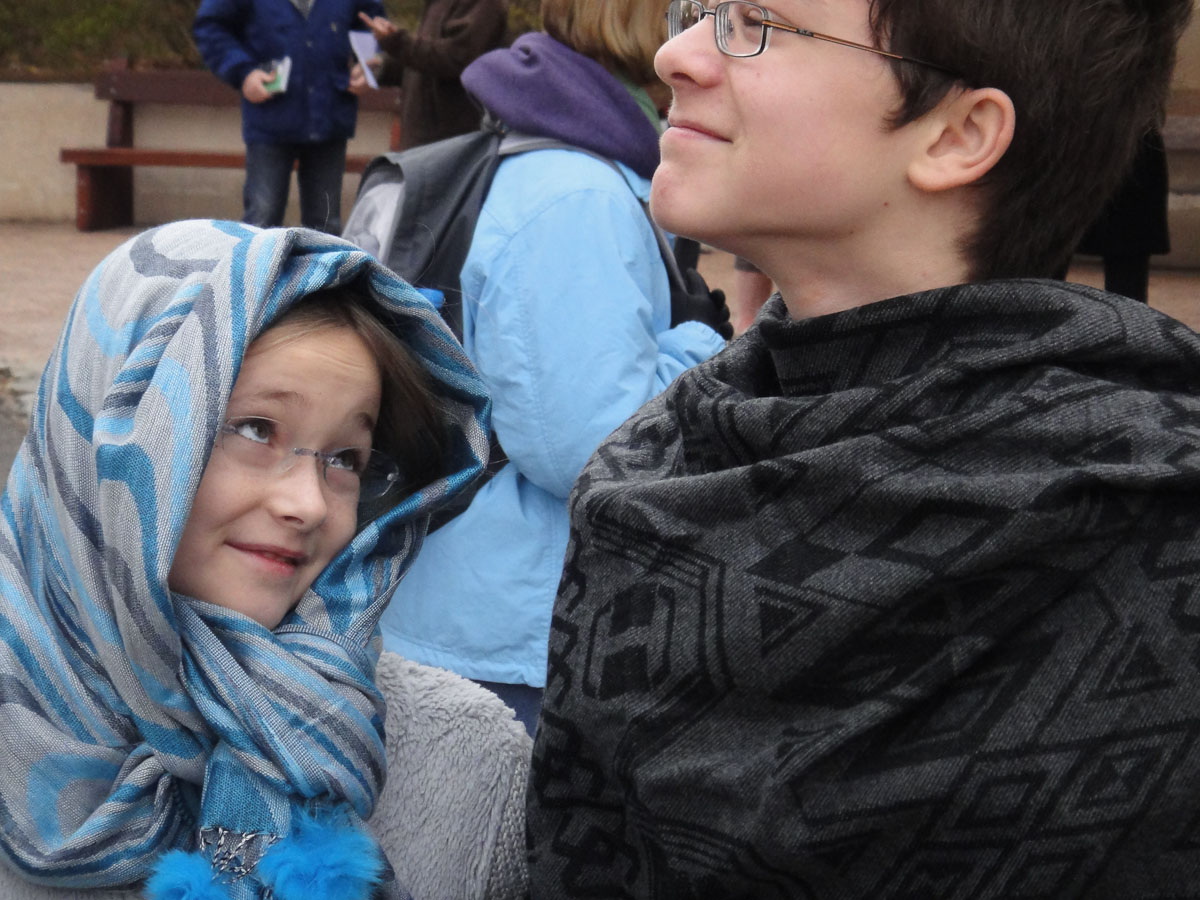
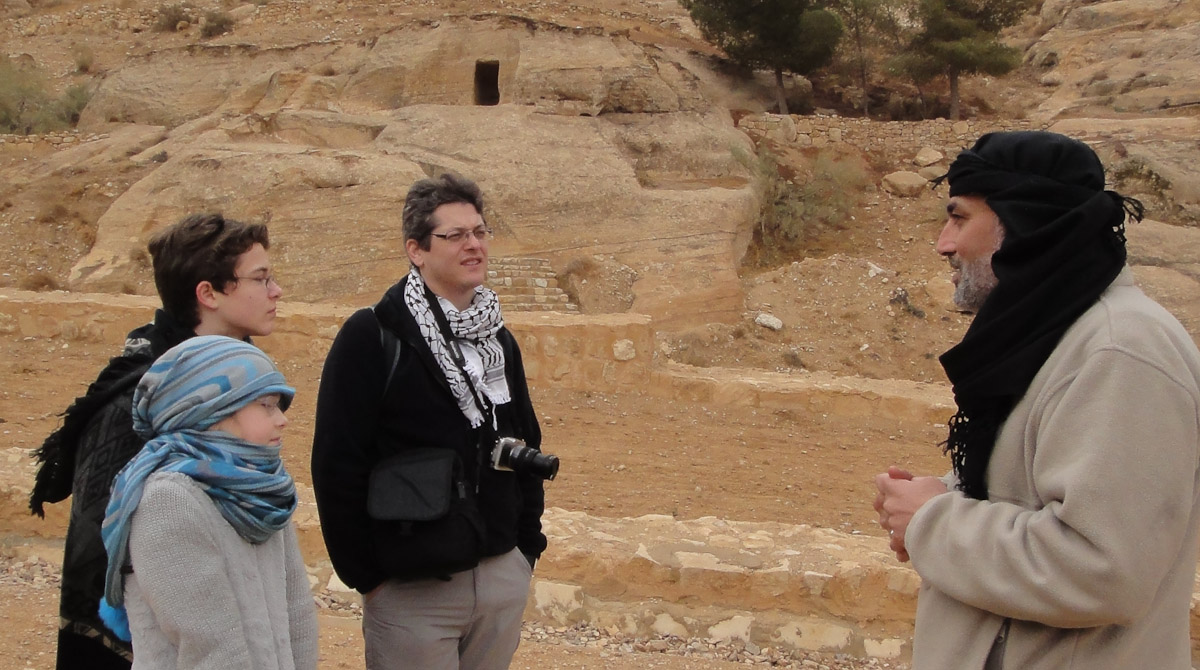
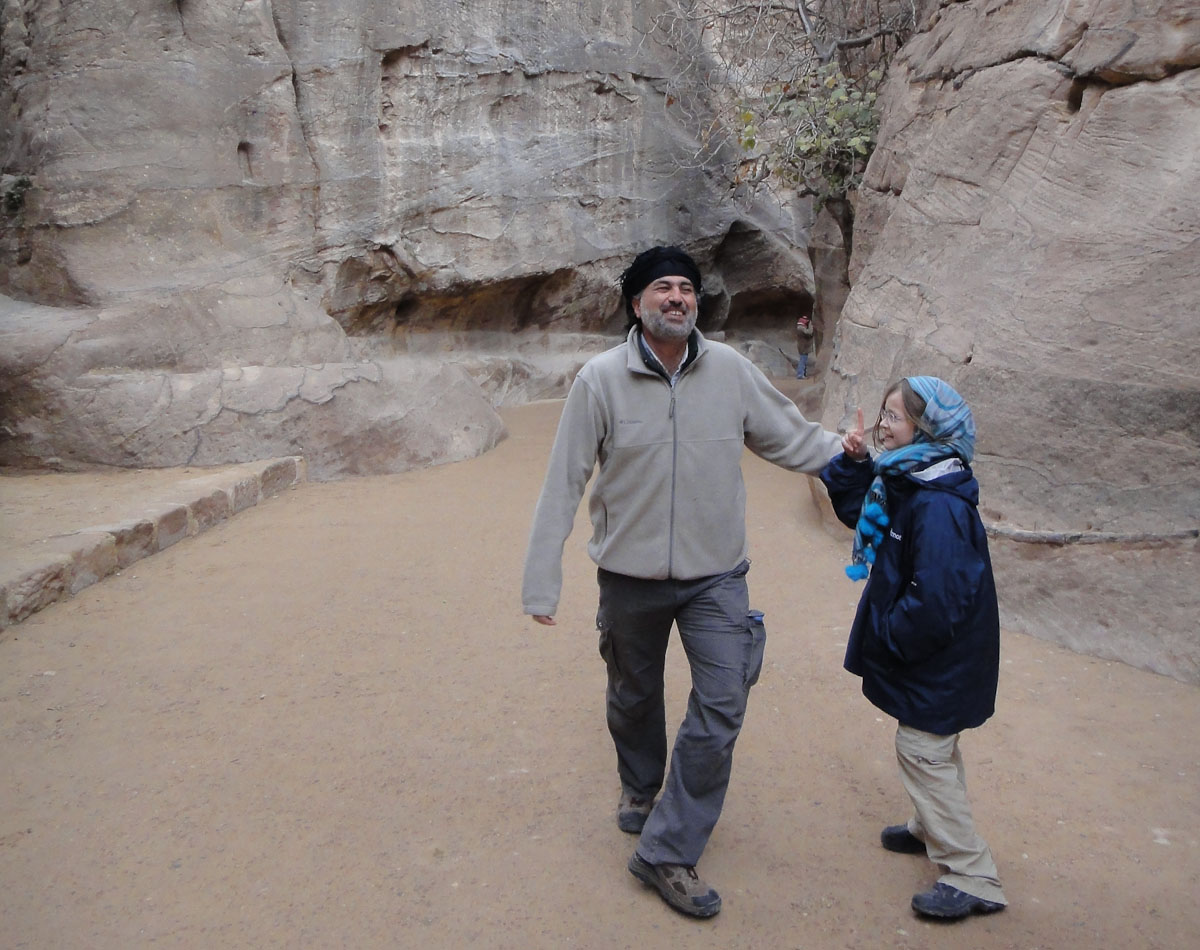
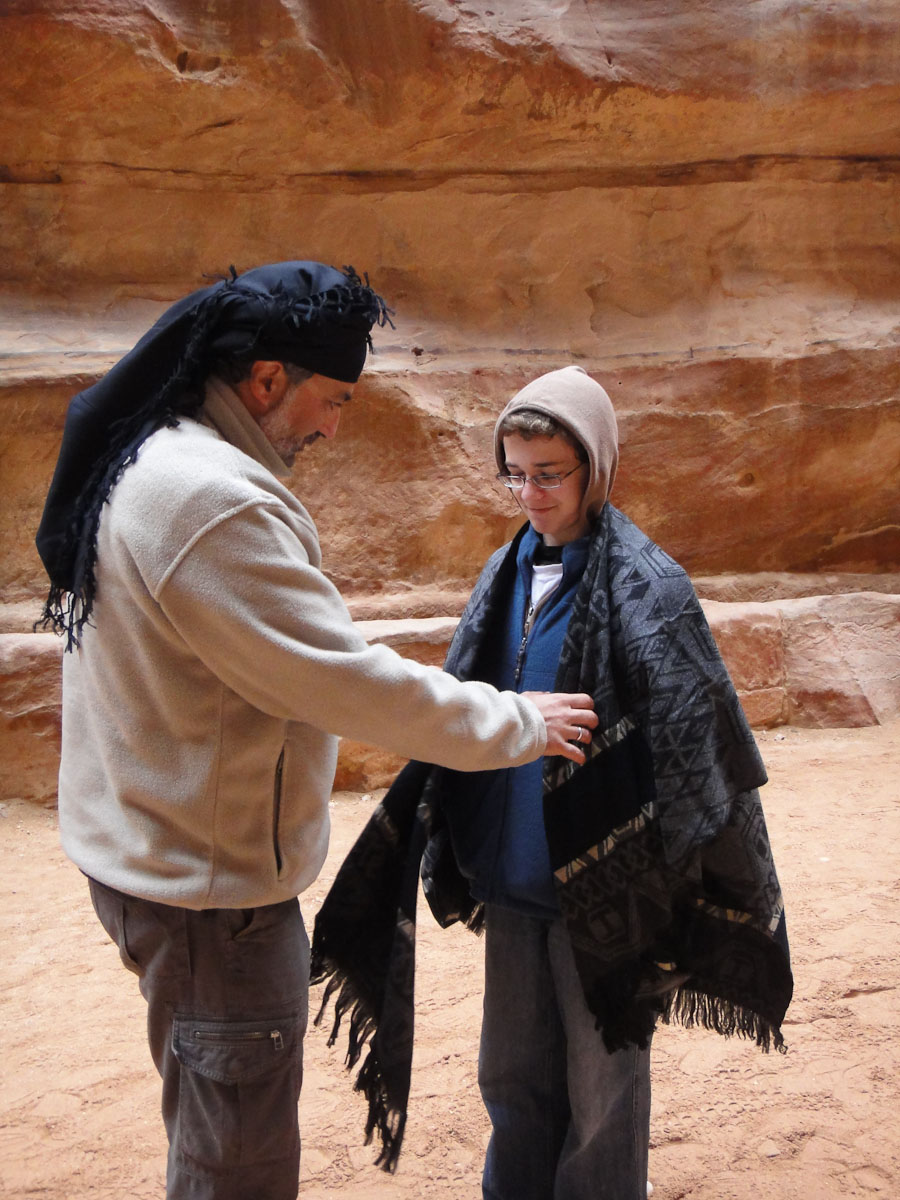
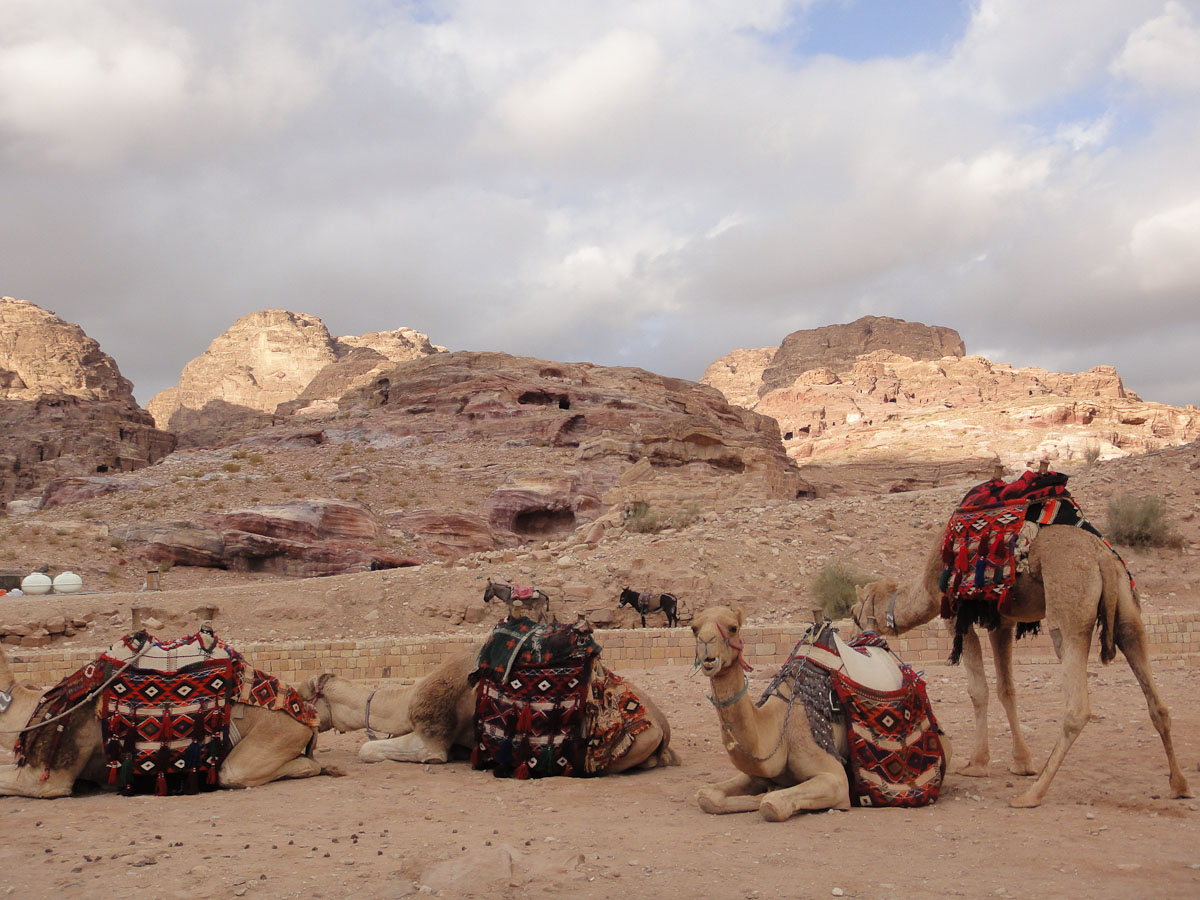
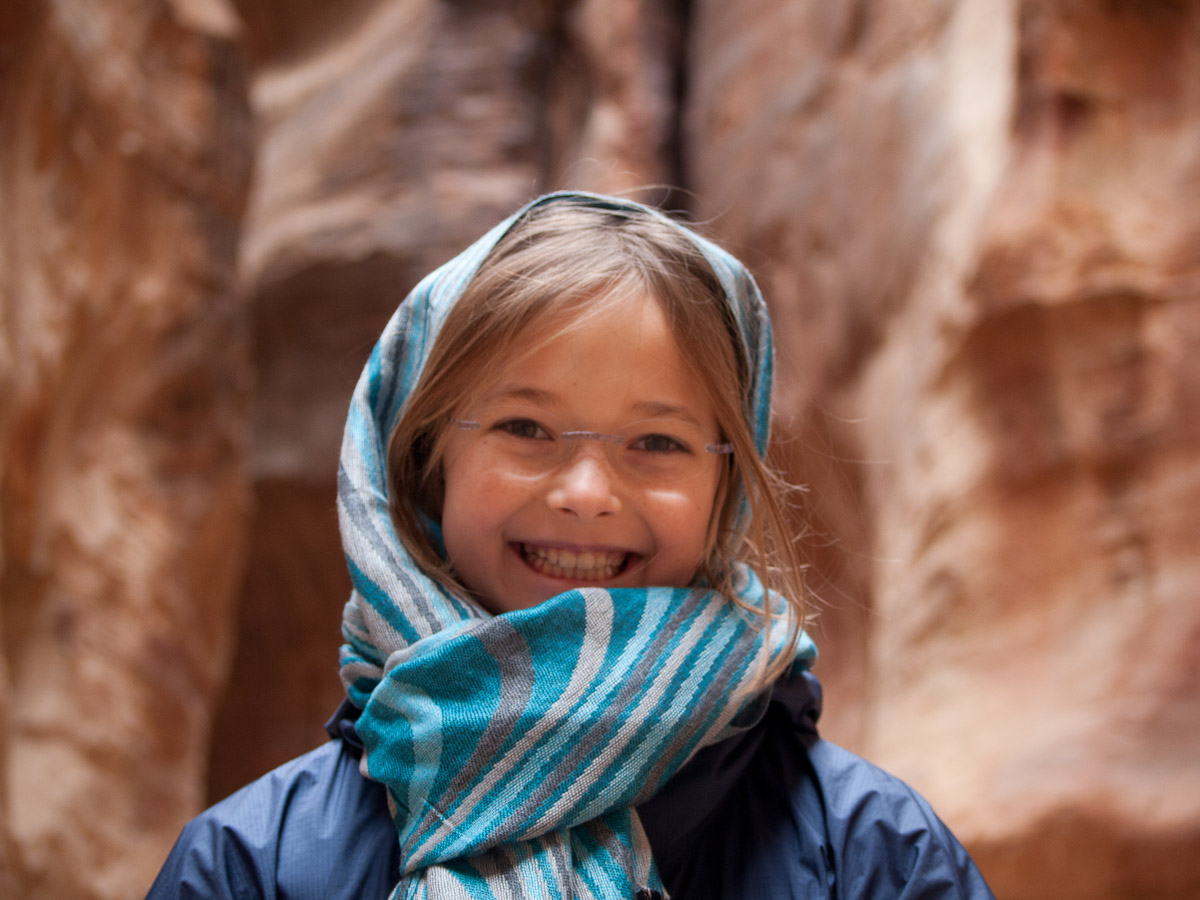
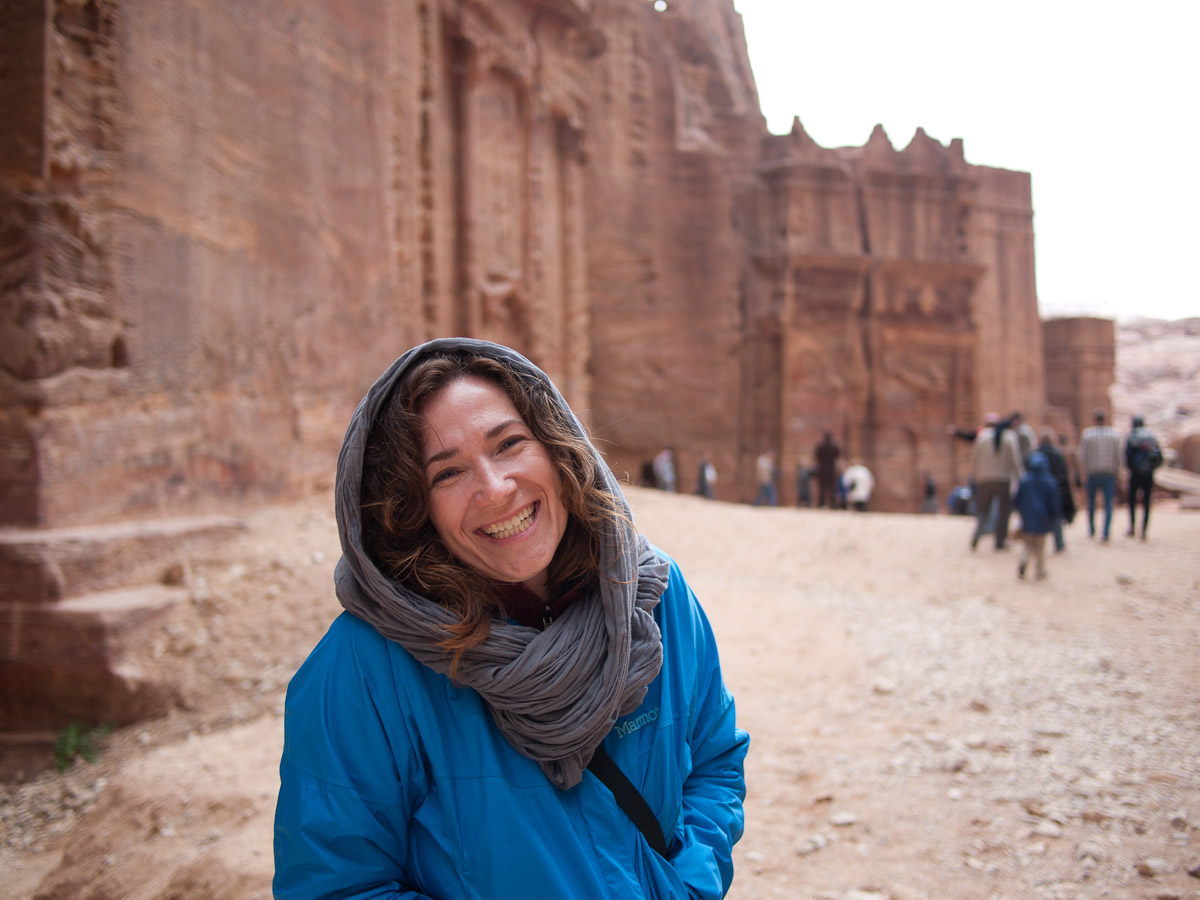
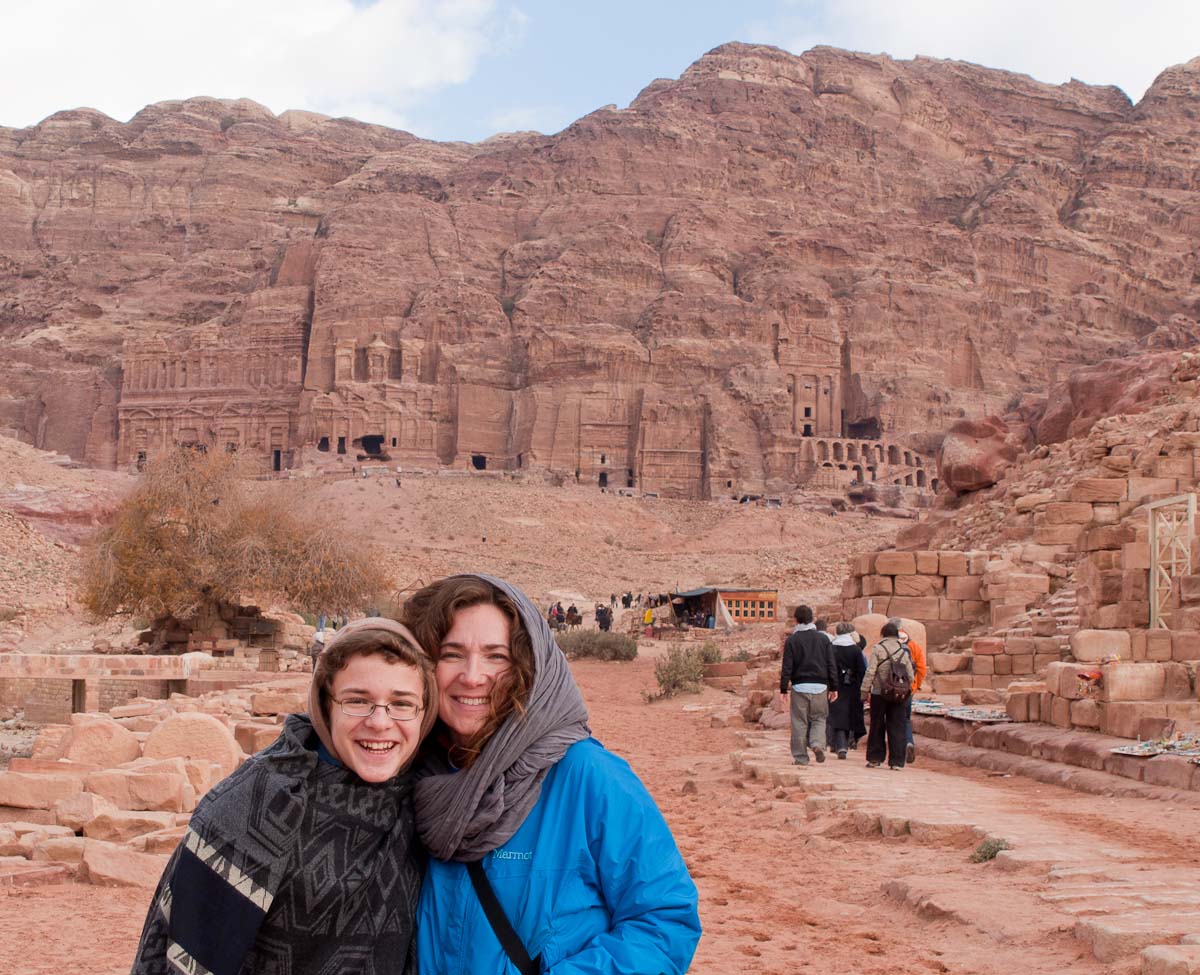
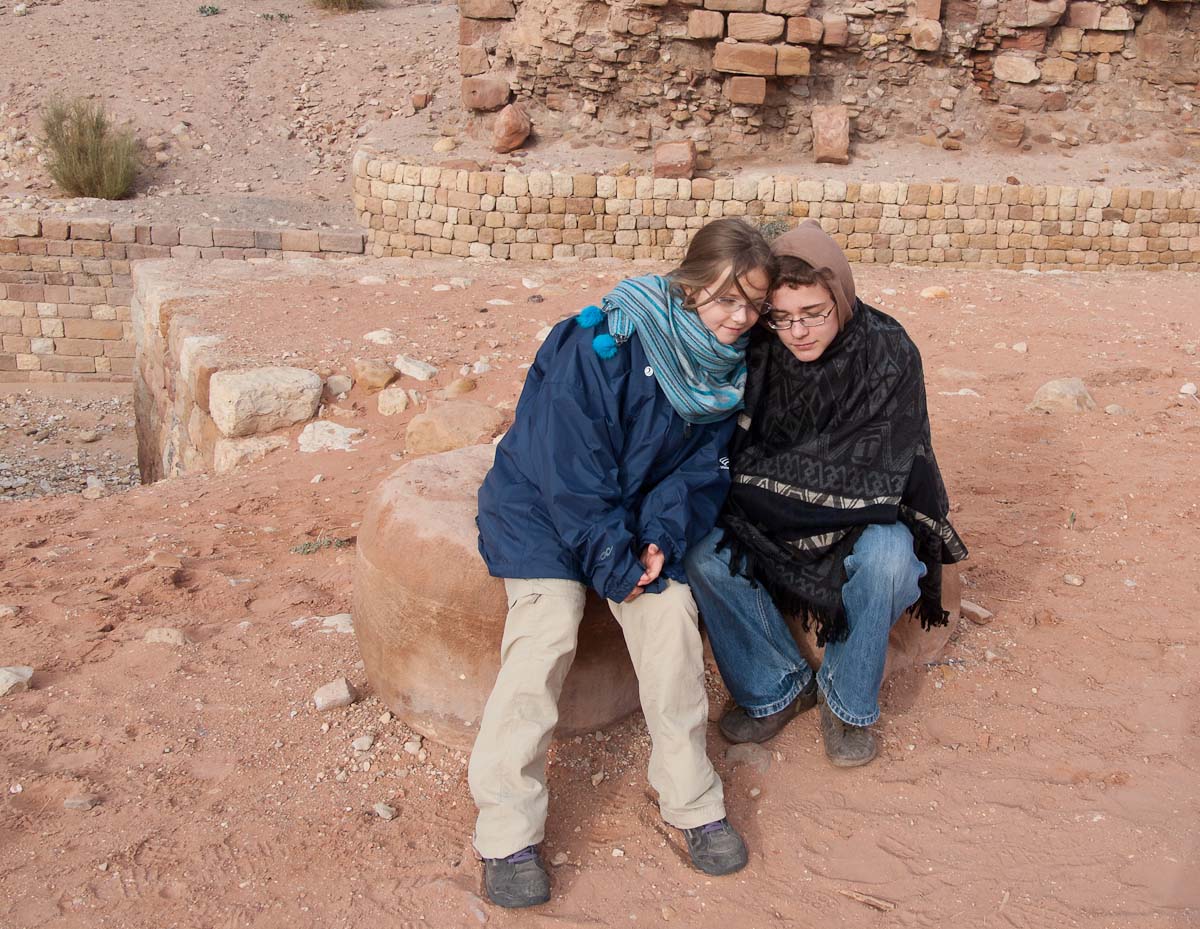
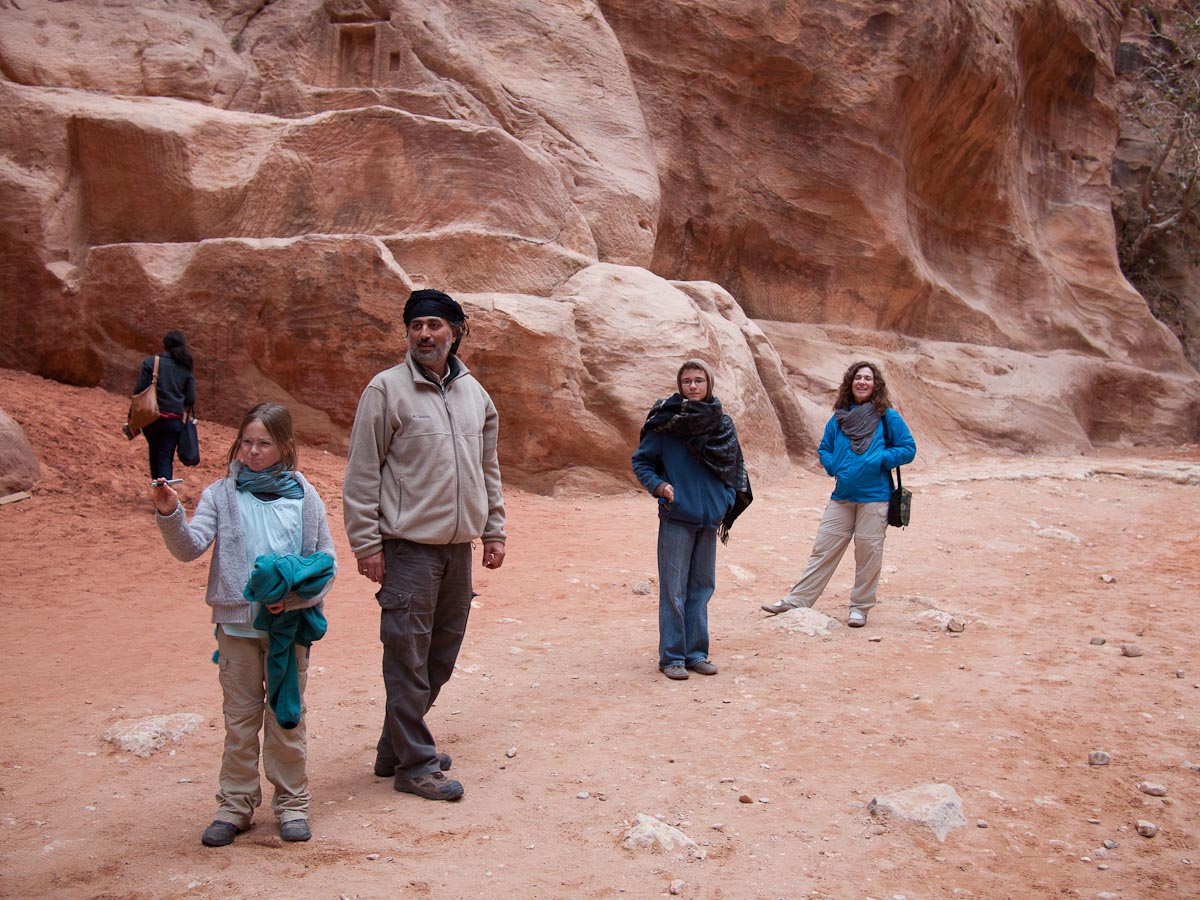
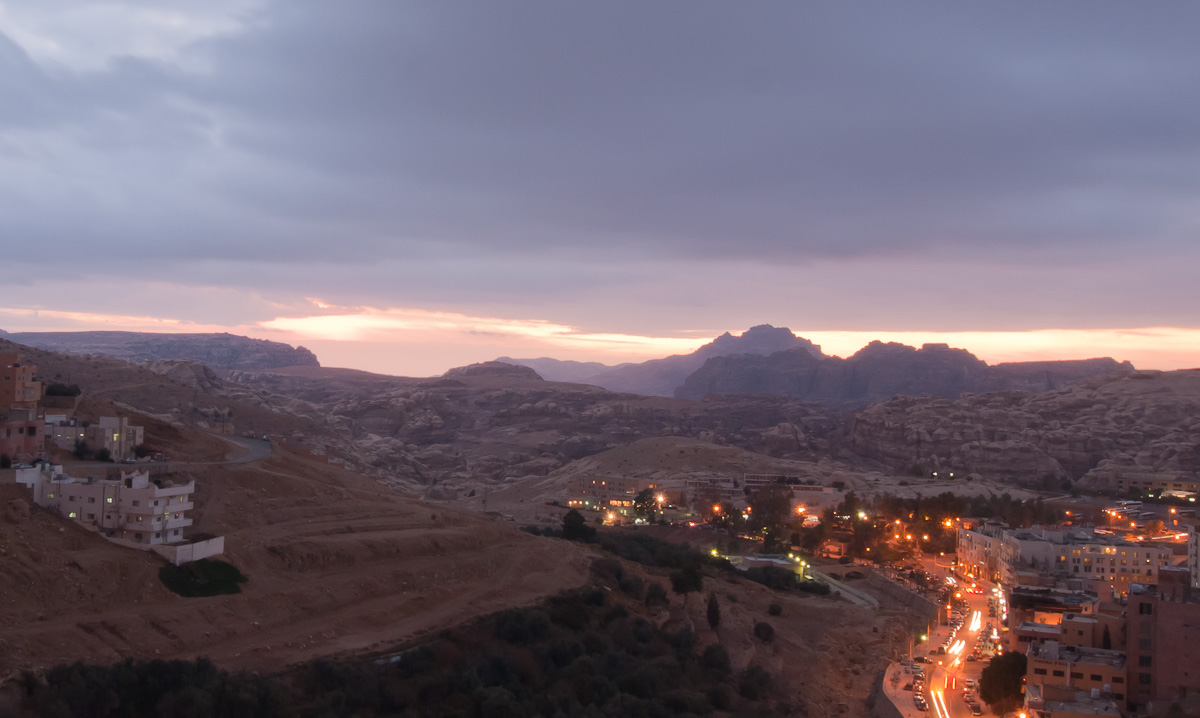
Petra is deep in the south of Jordan, about three hours drive from the capital city of Amman and the international airport. We had driven down the previous day through hardscrabble desert regions that felt a lot like the American southwest. After the camel rides and a good sleep, we were ready to see Petra first thing in the morning. It was the height of the Jordanian winter, about 50 degrees and cloudy, which meant we needed to buy scarves to add to our fleece jackets. Katherine led the way.
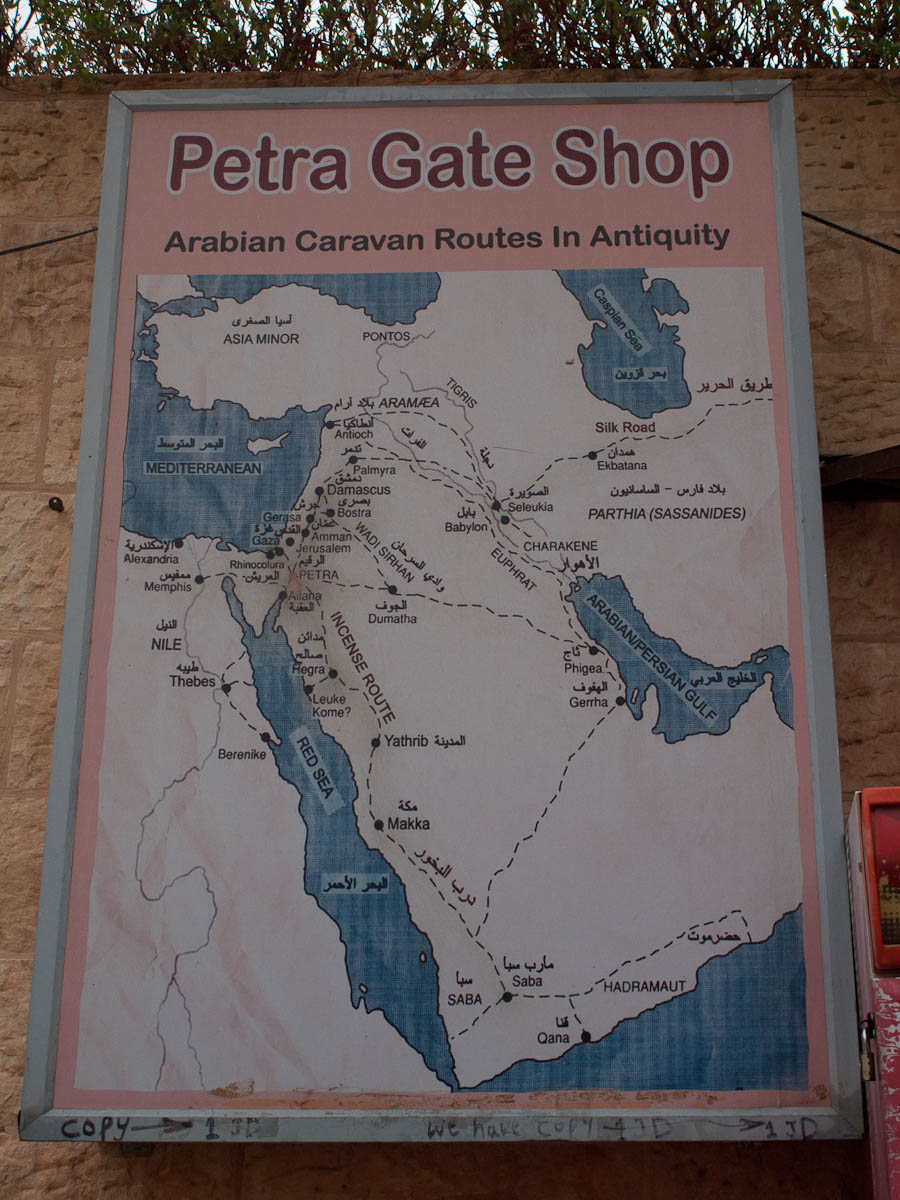
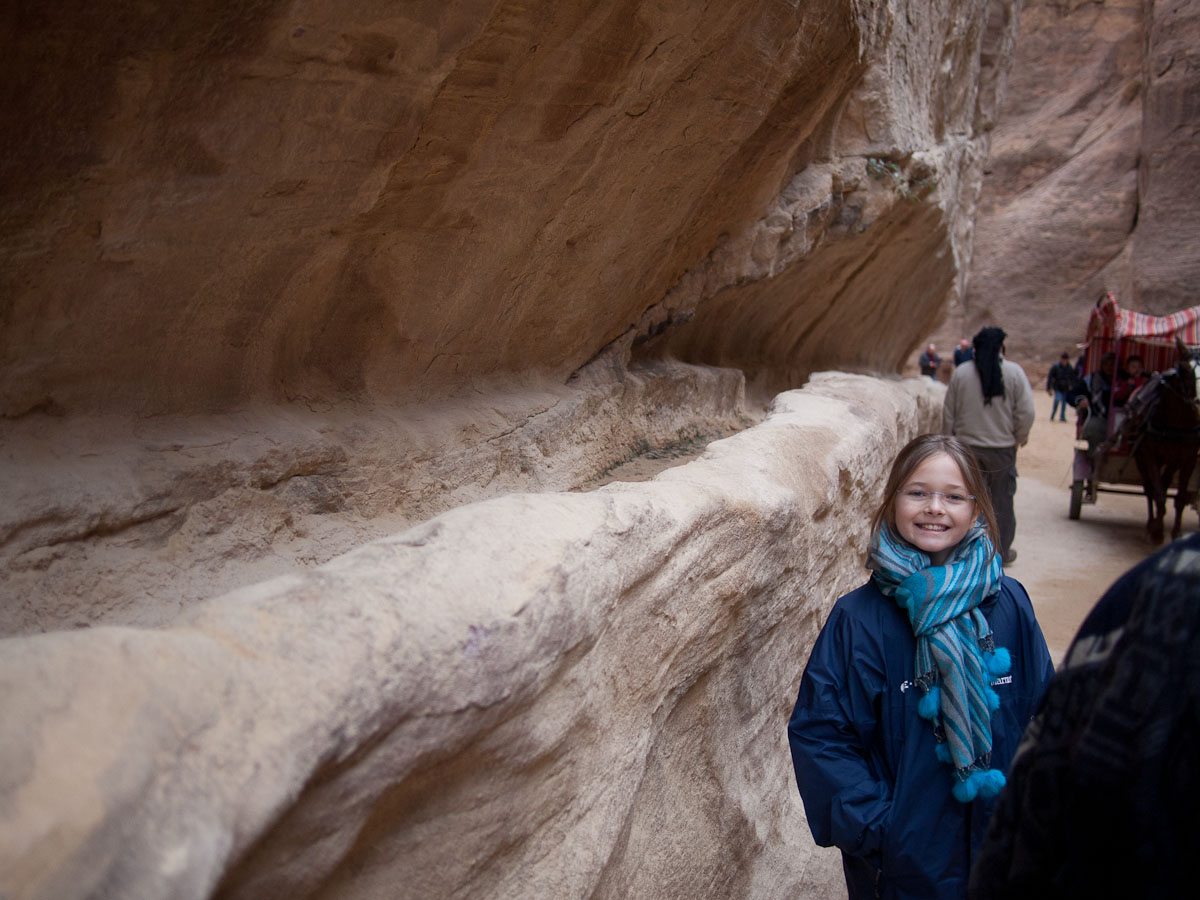
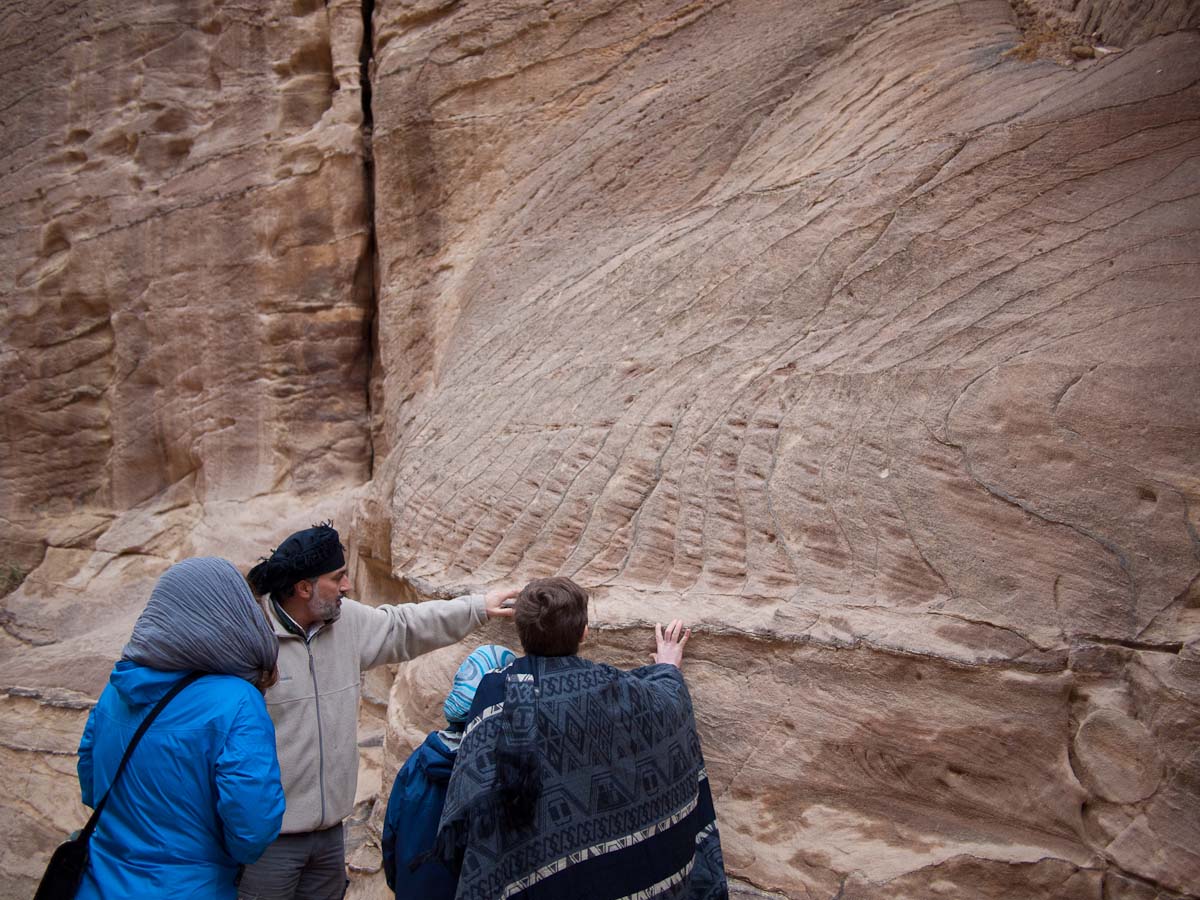
As we walked down through the gorge, we learned about Nabathea. At about the time of 0AD, ancient trade followed two major routes: the Silk Road from China down to Istanbul and the Middle East and the Incense Road that ran up from the Middle East to Europe and Asia.
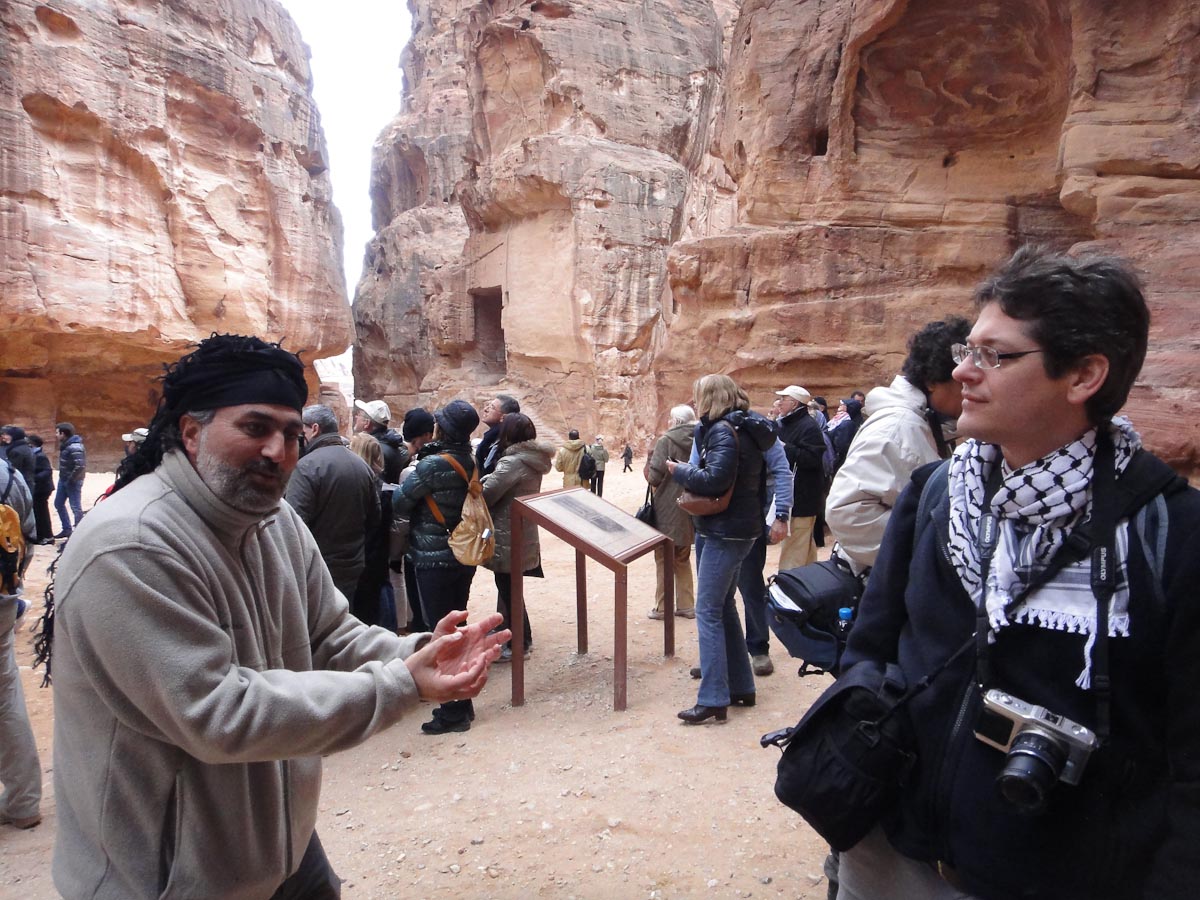
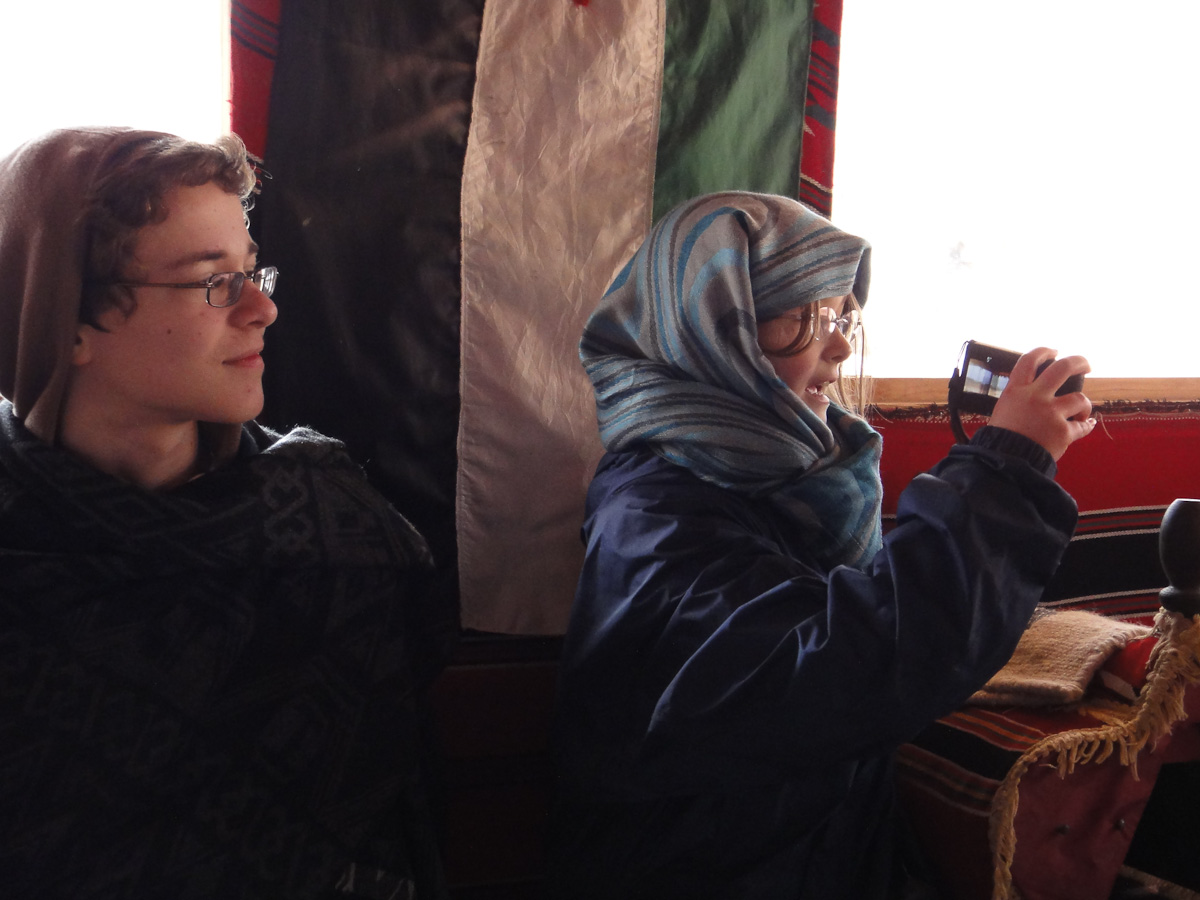
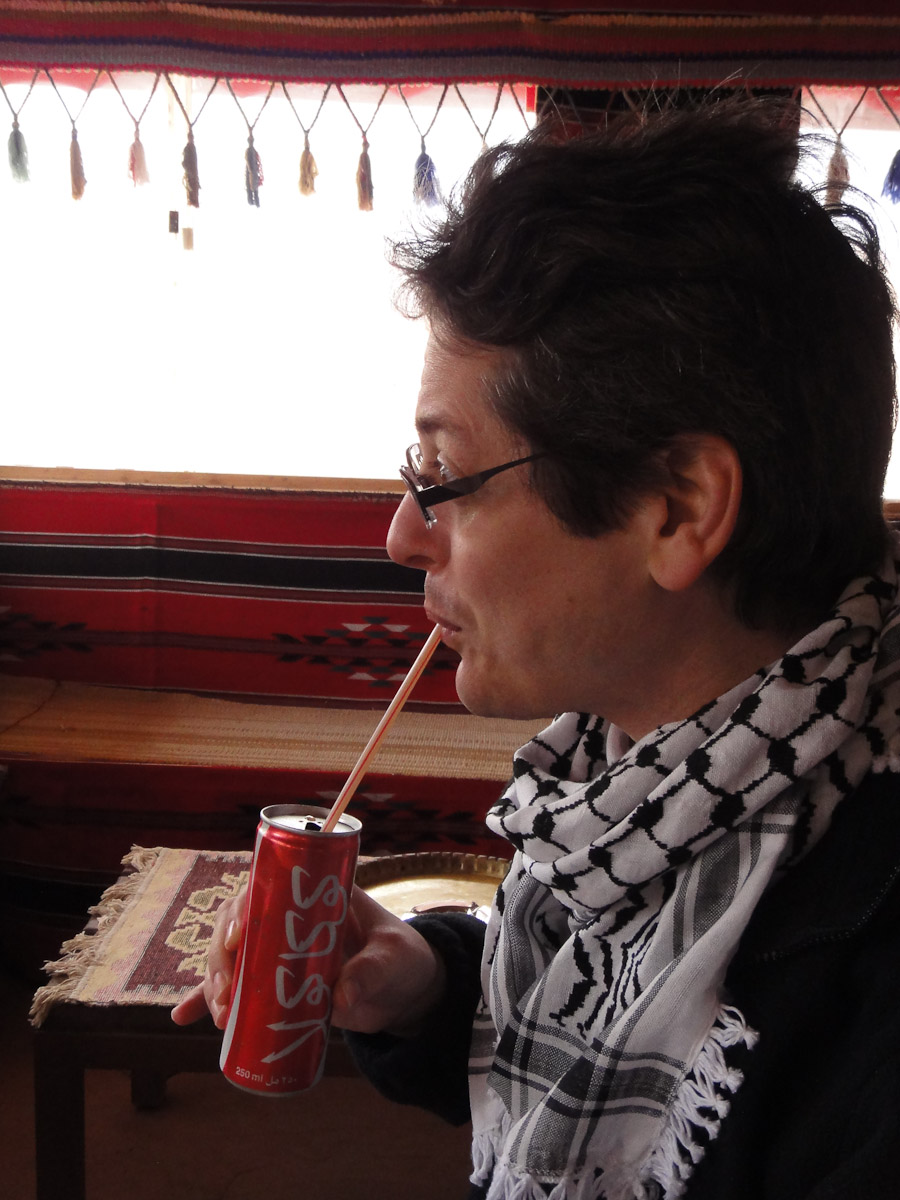
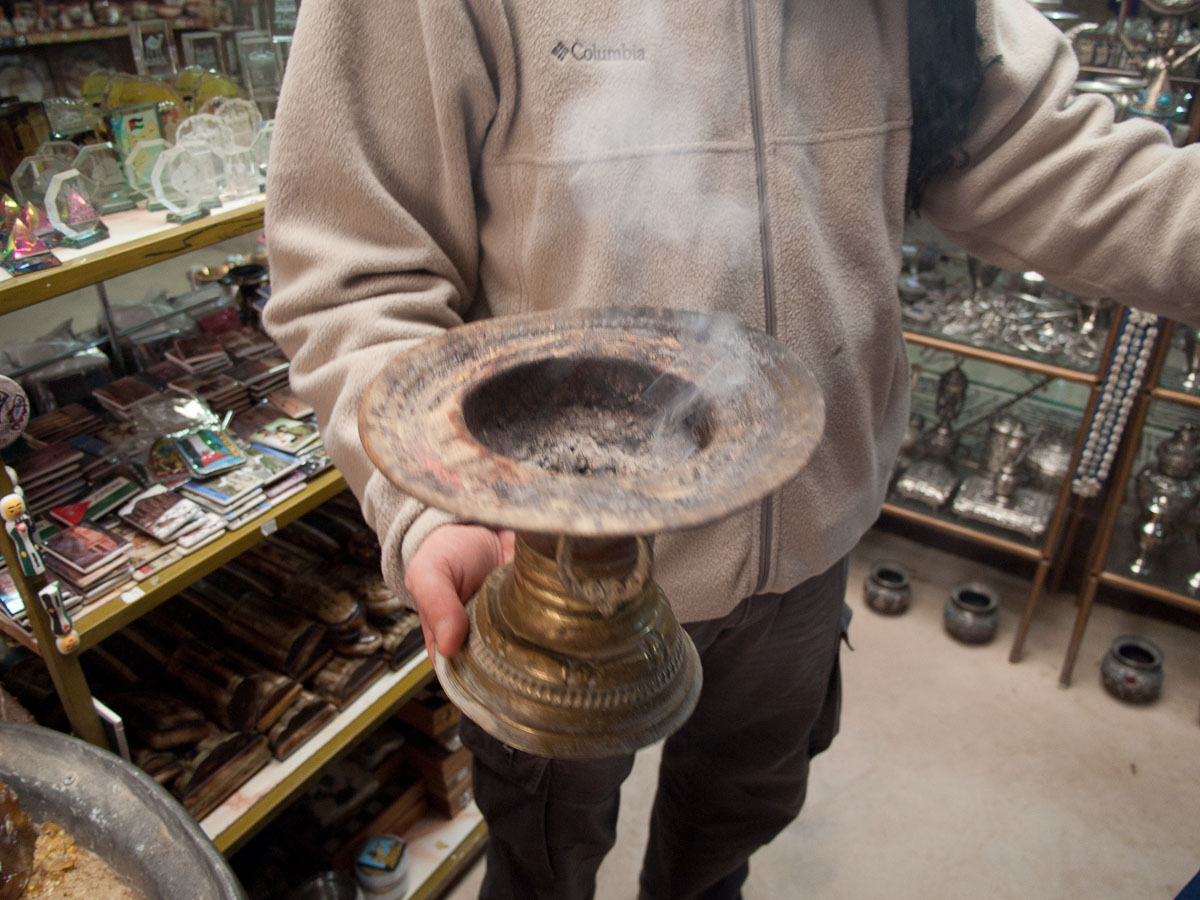
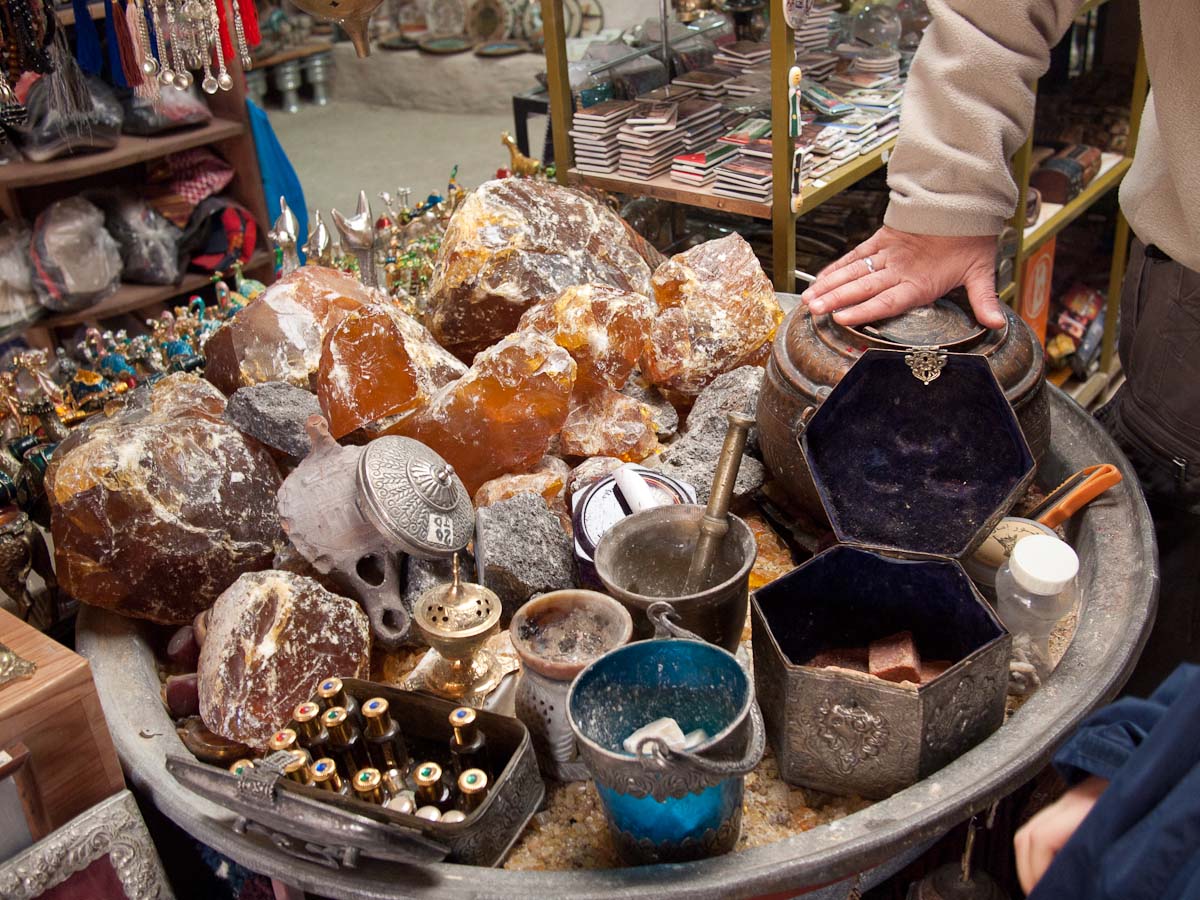
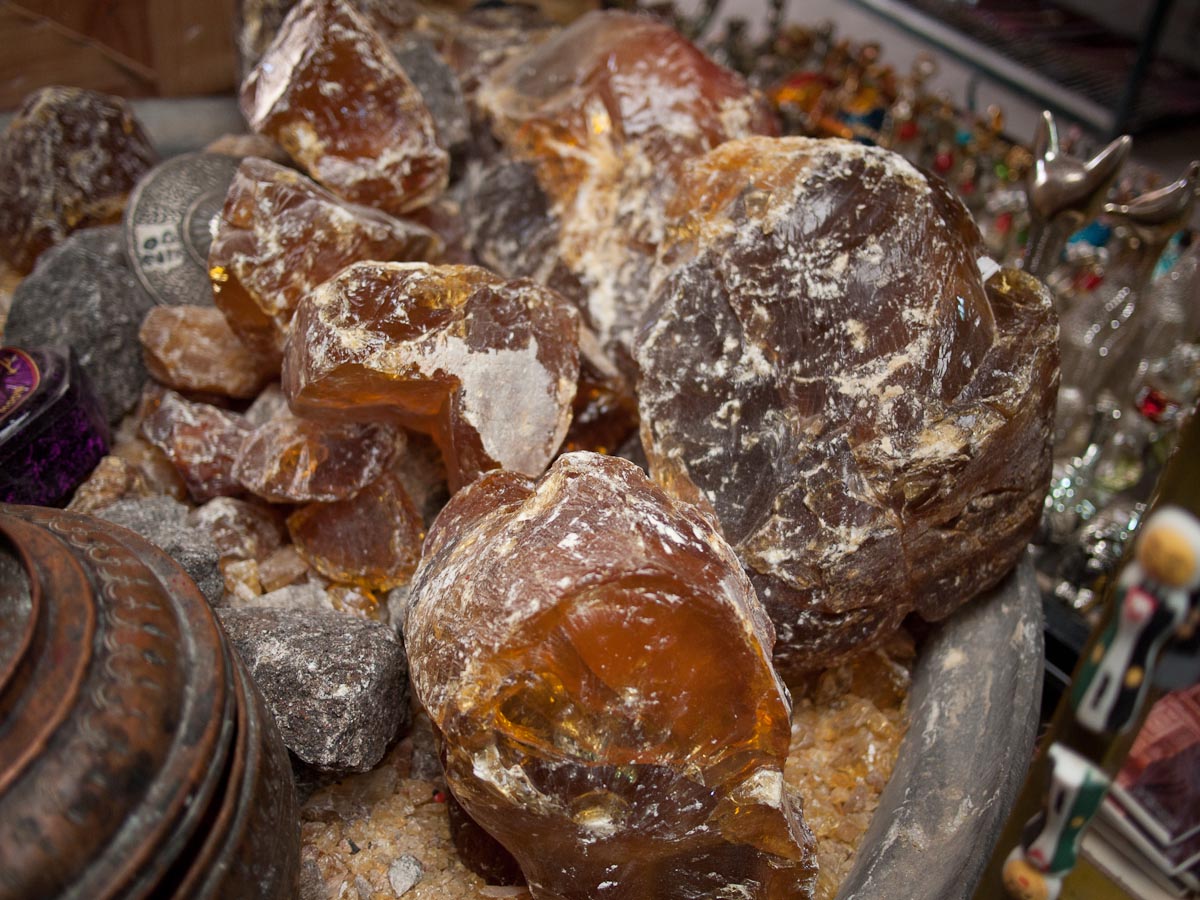
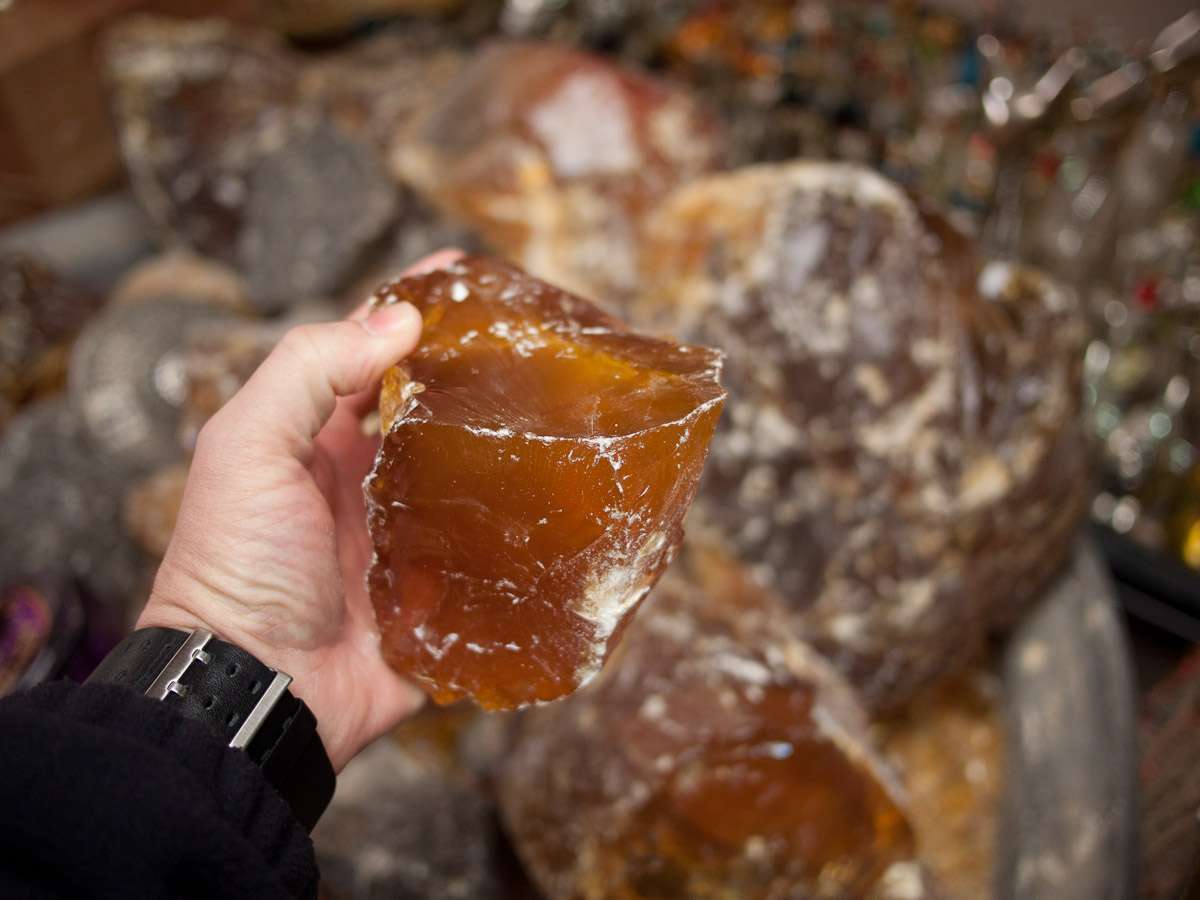
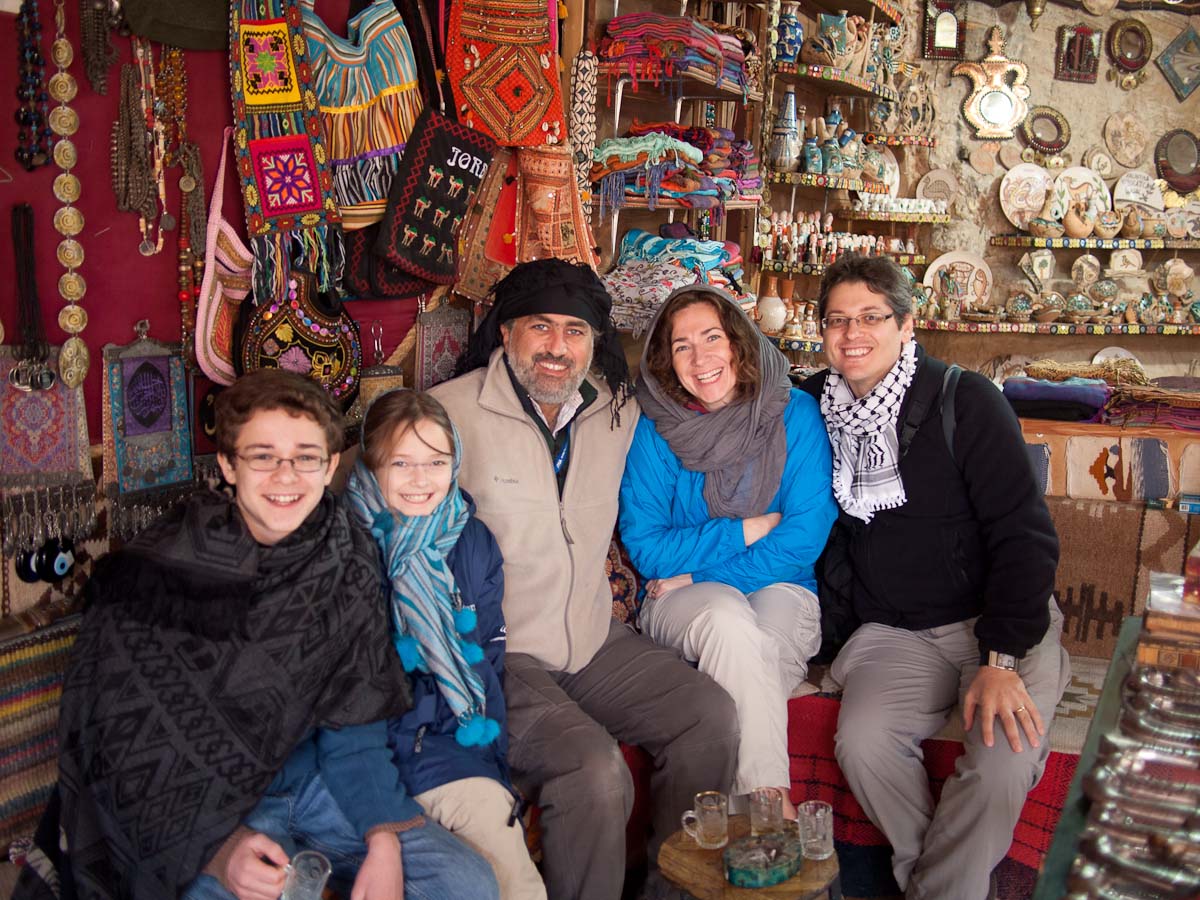
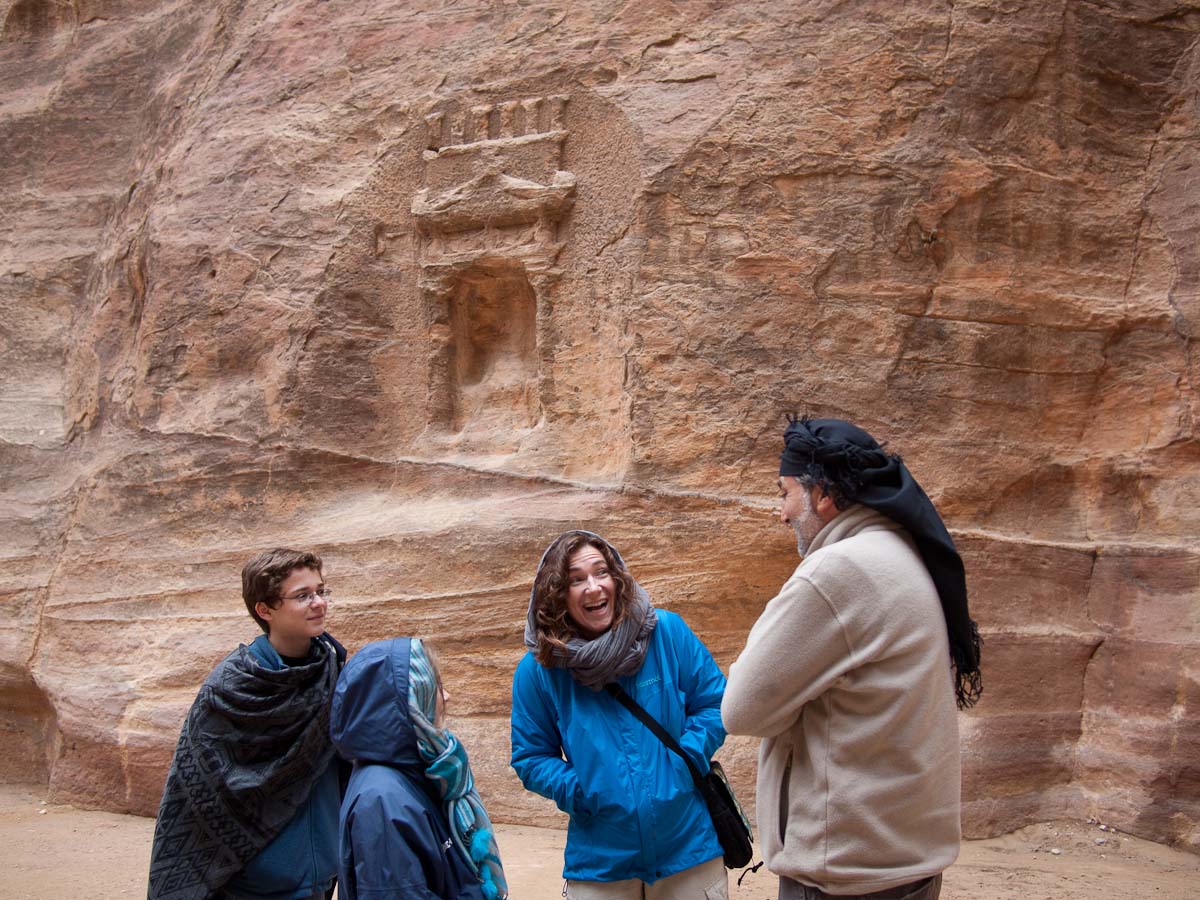
We stopped at a local store for tea to learn more about the incense and why the Incense Road was so important. Ra’ed showed us giant amber blocks of frankincense (which comes from a tree like rubber), sacks of red myrrh (red seeds), ambergris (which smells lovely despite originating from whale vomit) and musk (harvested from deer). The scents were delightful! For a people without a lot of furniture, scents are a portable way to decorate a room at an instant. Some of these substances can only be found in the Yemen area. As the custom of scenting rooms to match various occasions caught on worldwide, Jordan became a crossroads benefitting from Silk Road and the Incense Road.
The Nabatheans were originally nomadic peoples living in Yemen, who then migrated north and finally west to set up shop in the Jordanian mountain areas. Here they could command all trade activity moving through and charge a toll. The kingdom grew to eleven major cities of which Petra was the capital with about 25,000 people. This was a closed society that became extremely wealthy and successfully resisted Selecucidian and Roman invasion attempts, until finally coming under Roman control around 100AD after which they were culturally assimilated.
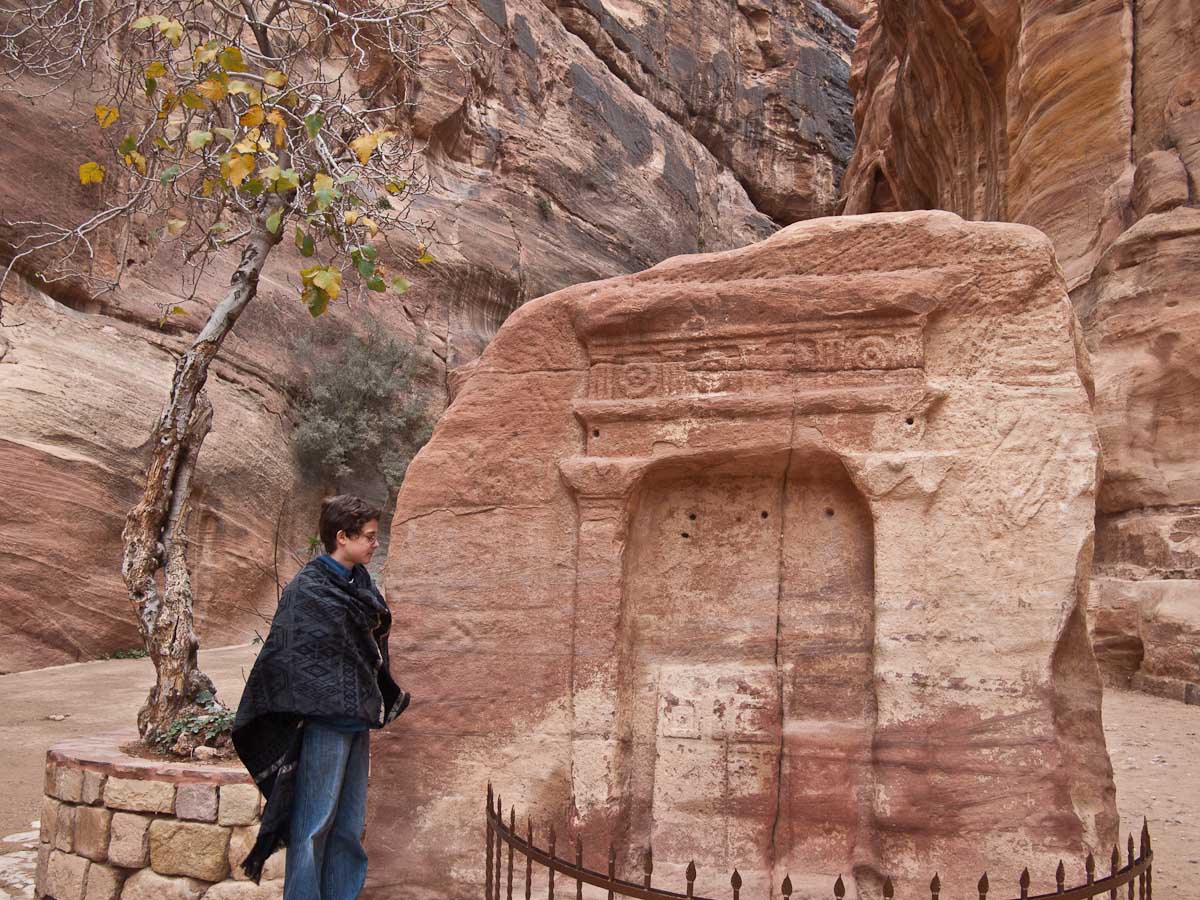
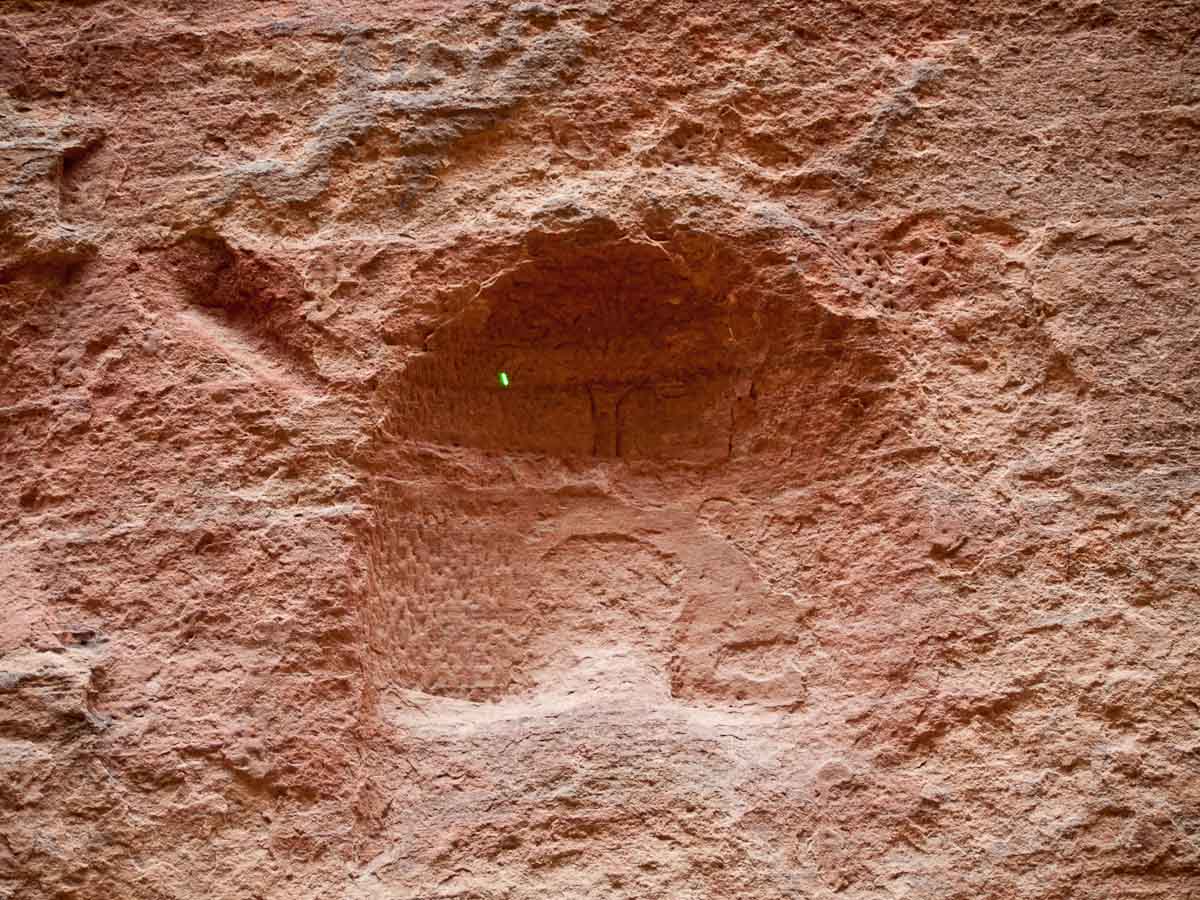
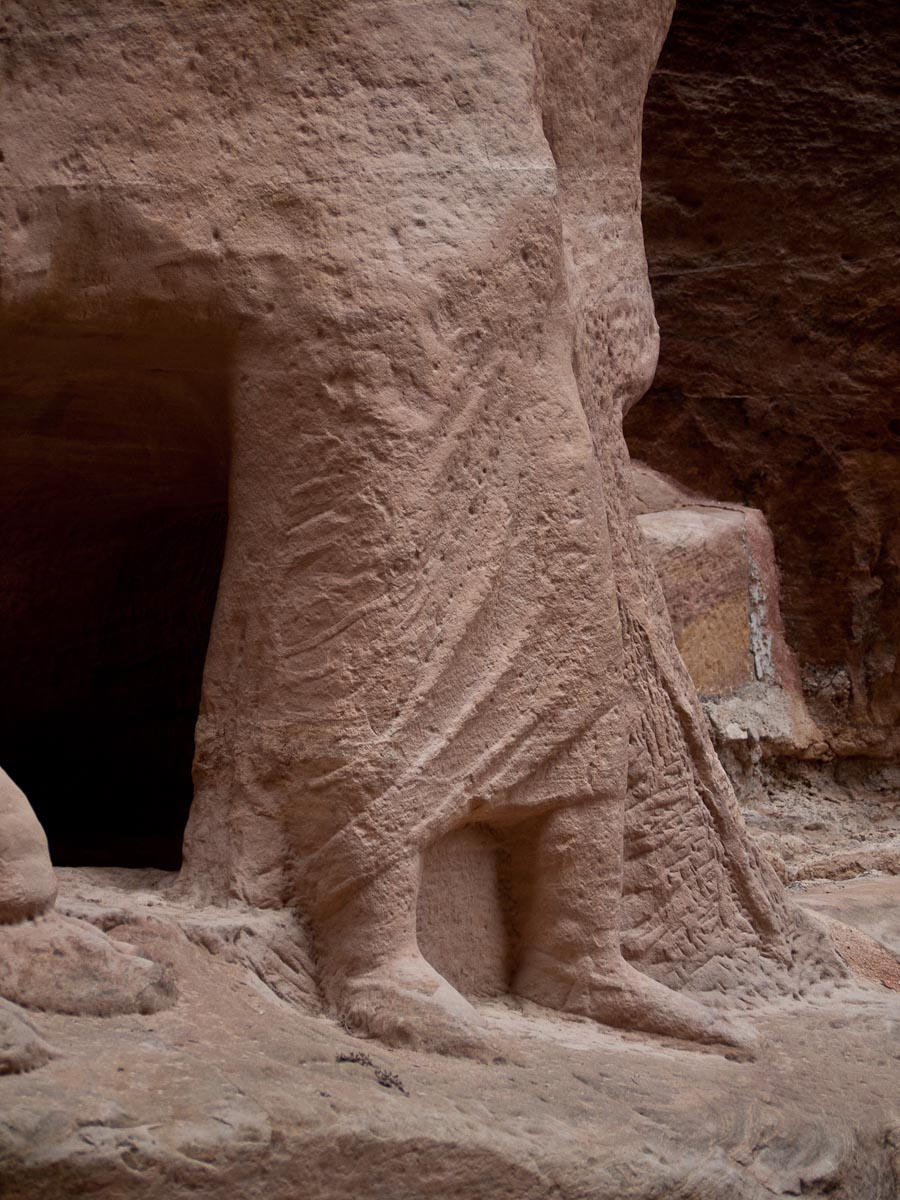
The background story added to our anticipation. We viewed a few waterways, gods and tomb markings during the walk - yet these were so crumbled and eroded –existing mostly in the mind’s eye – that we became a bit apprehensive. The whole reason we had added Jordan to the itinerary was to see this monument. We wondered how much had been computer-generated.
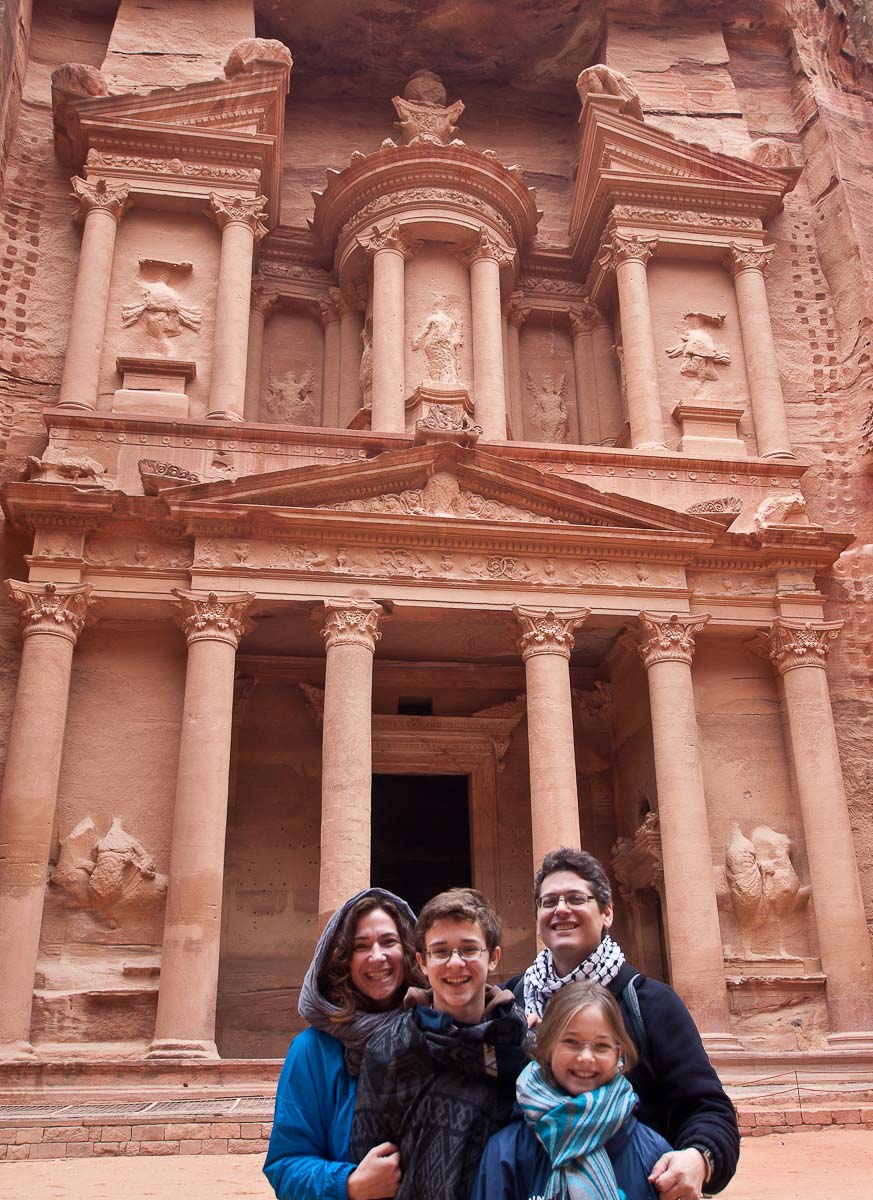
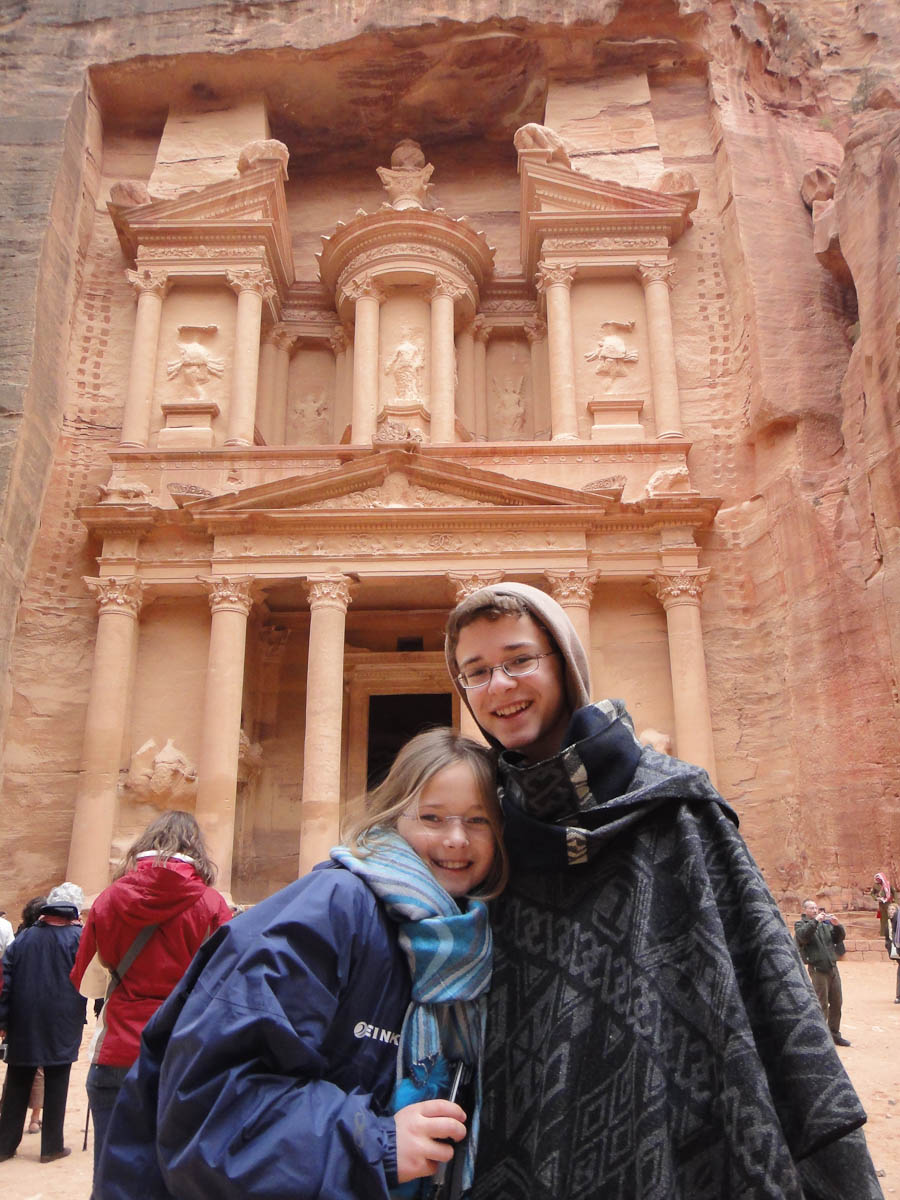
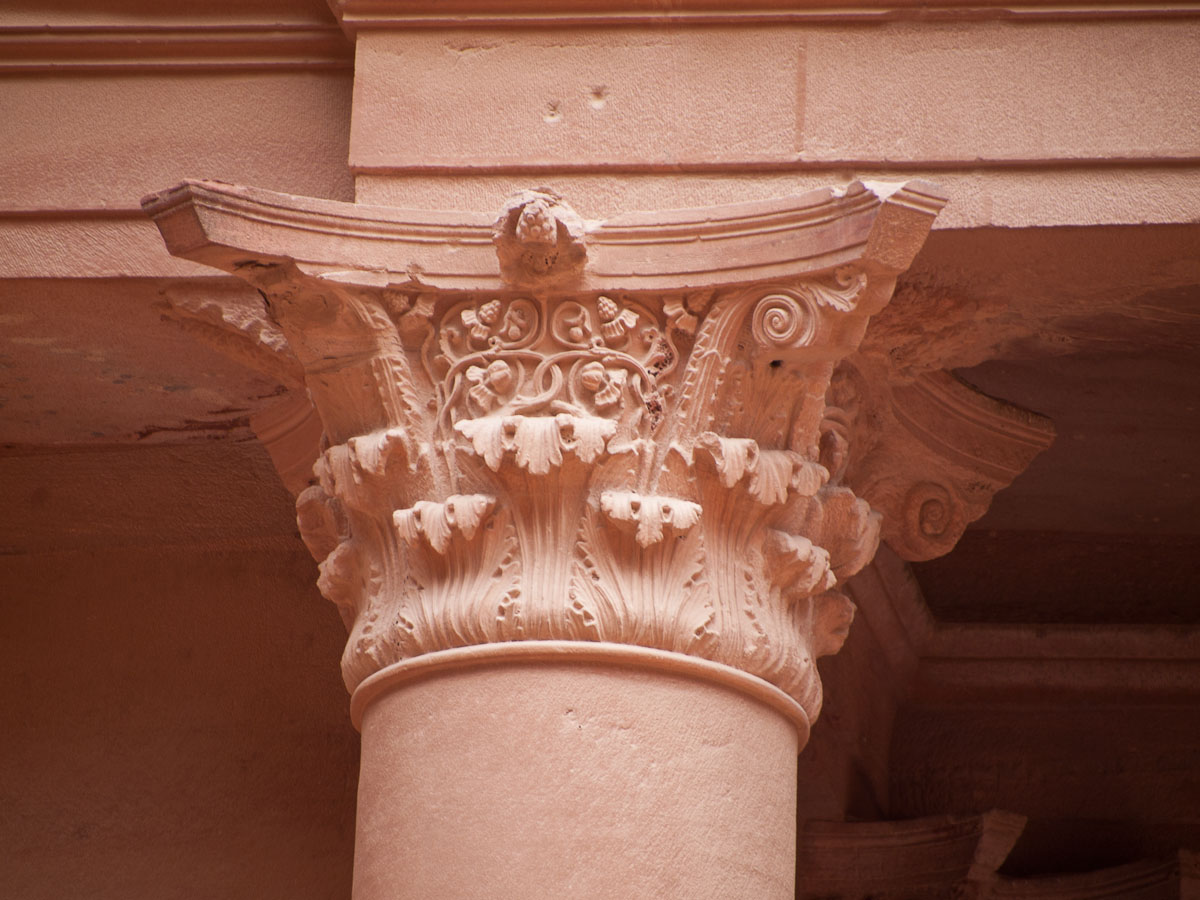
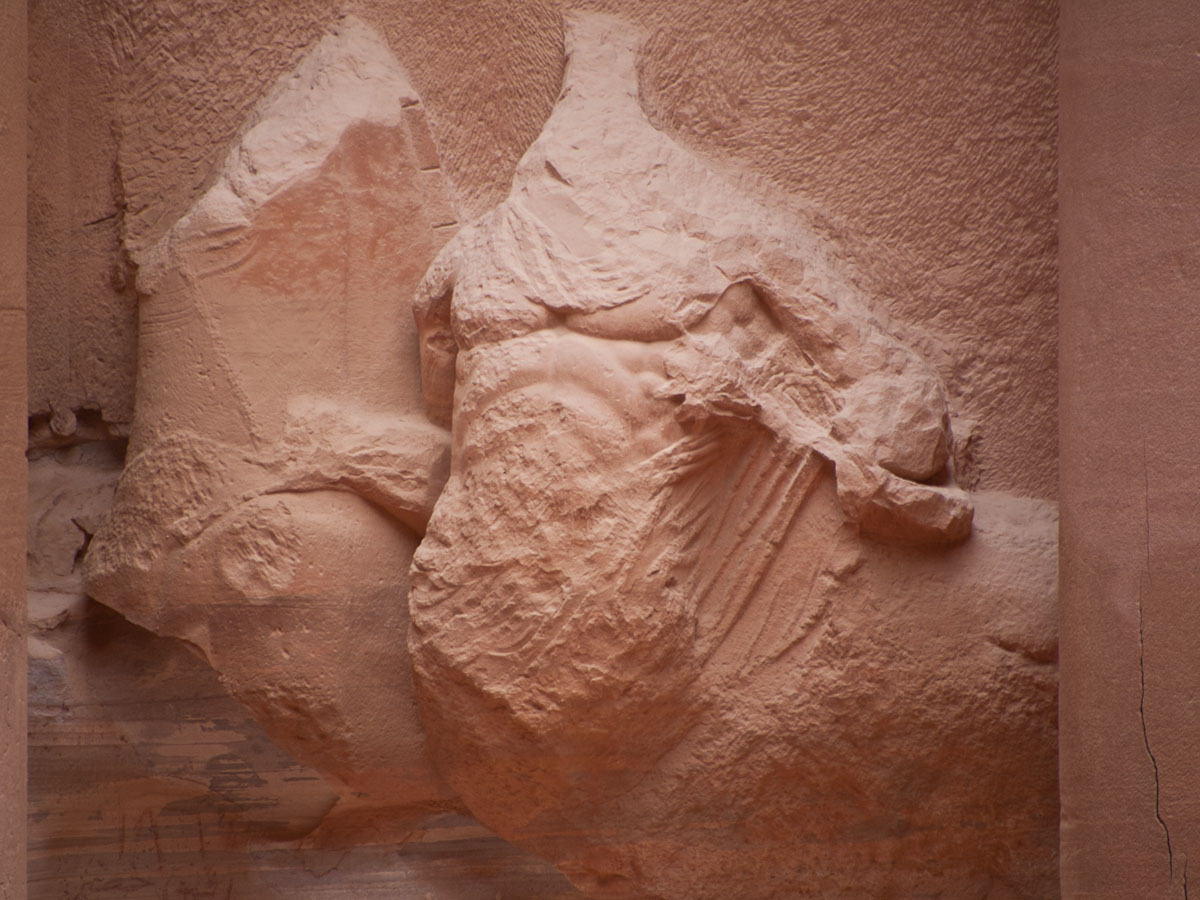
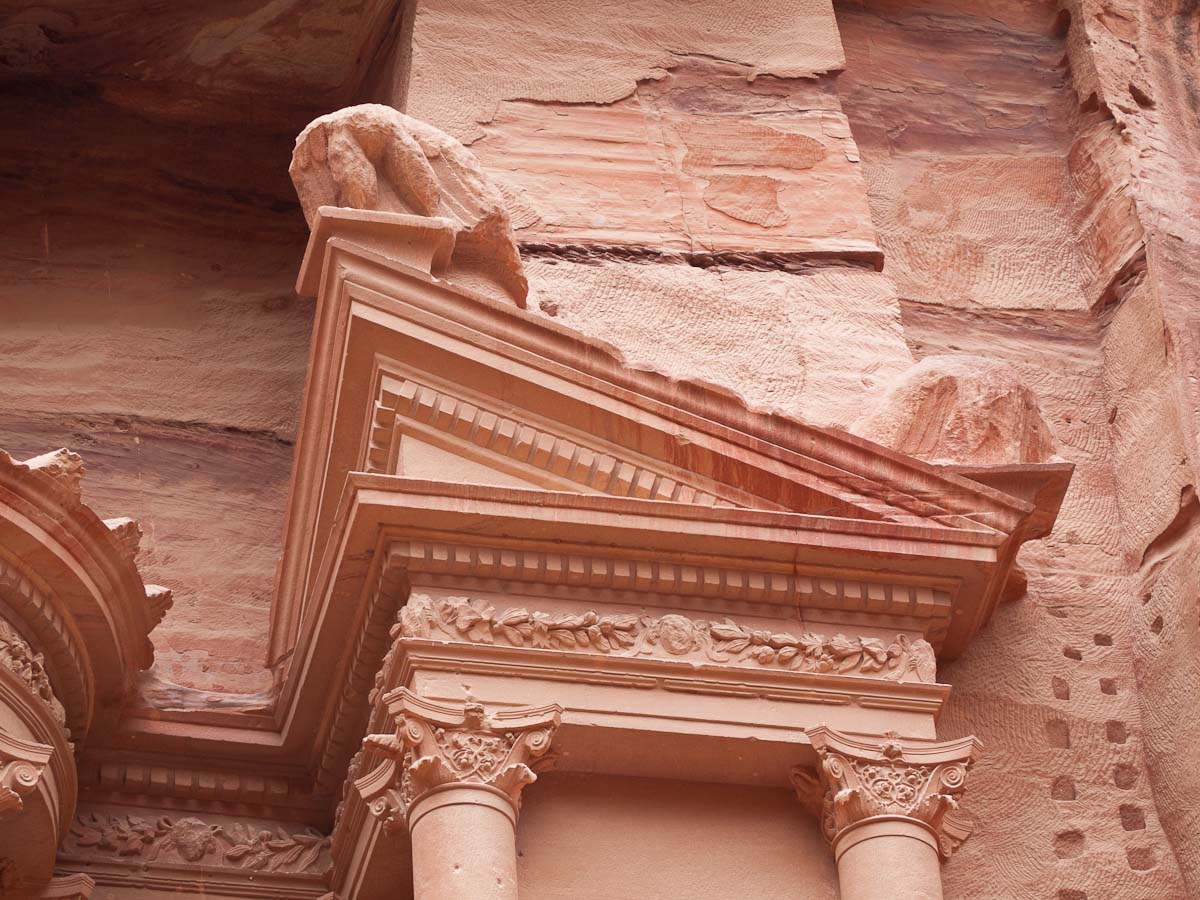
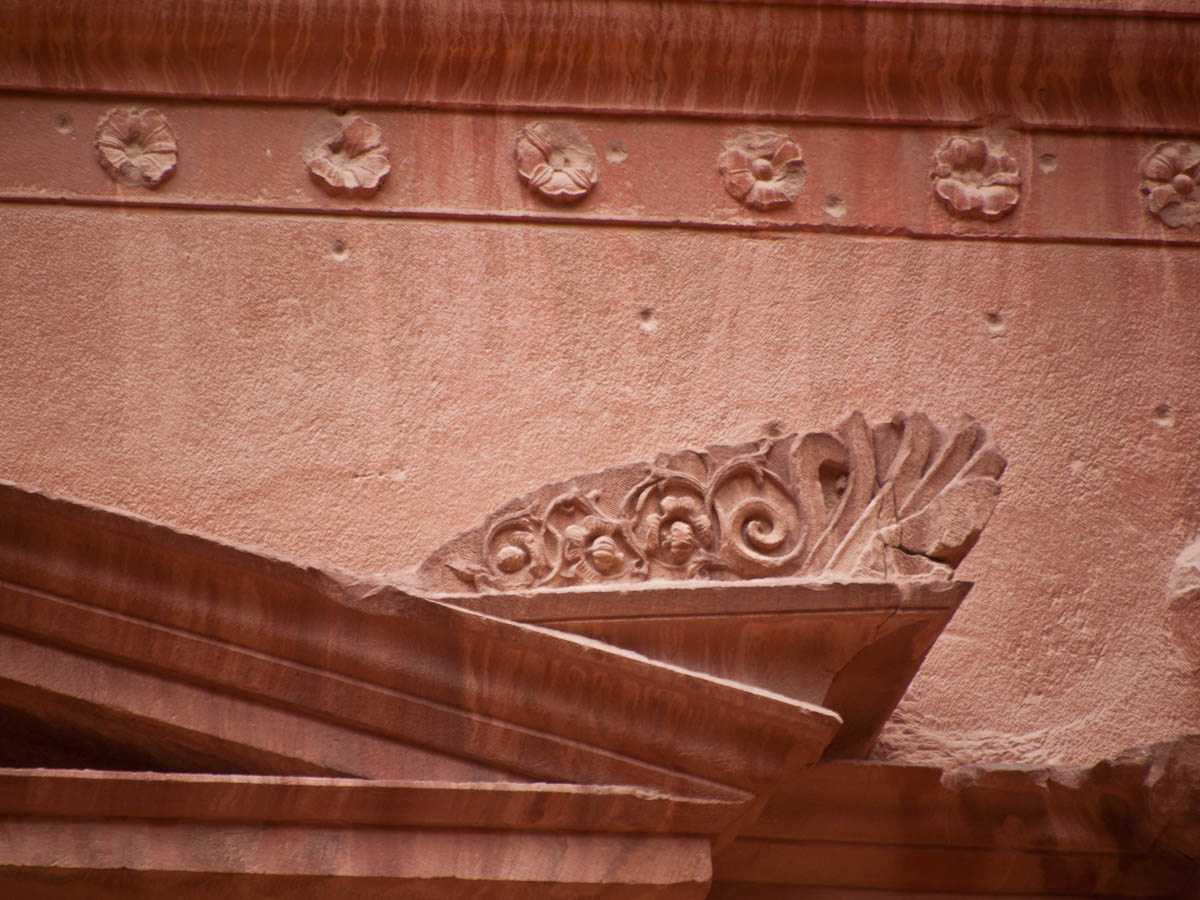
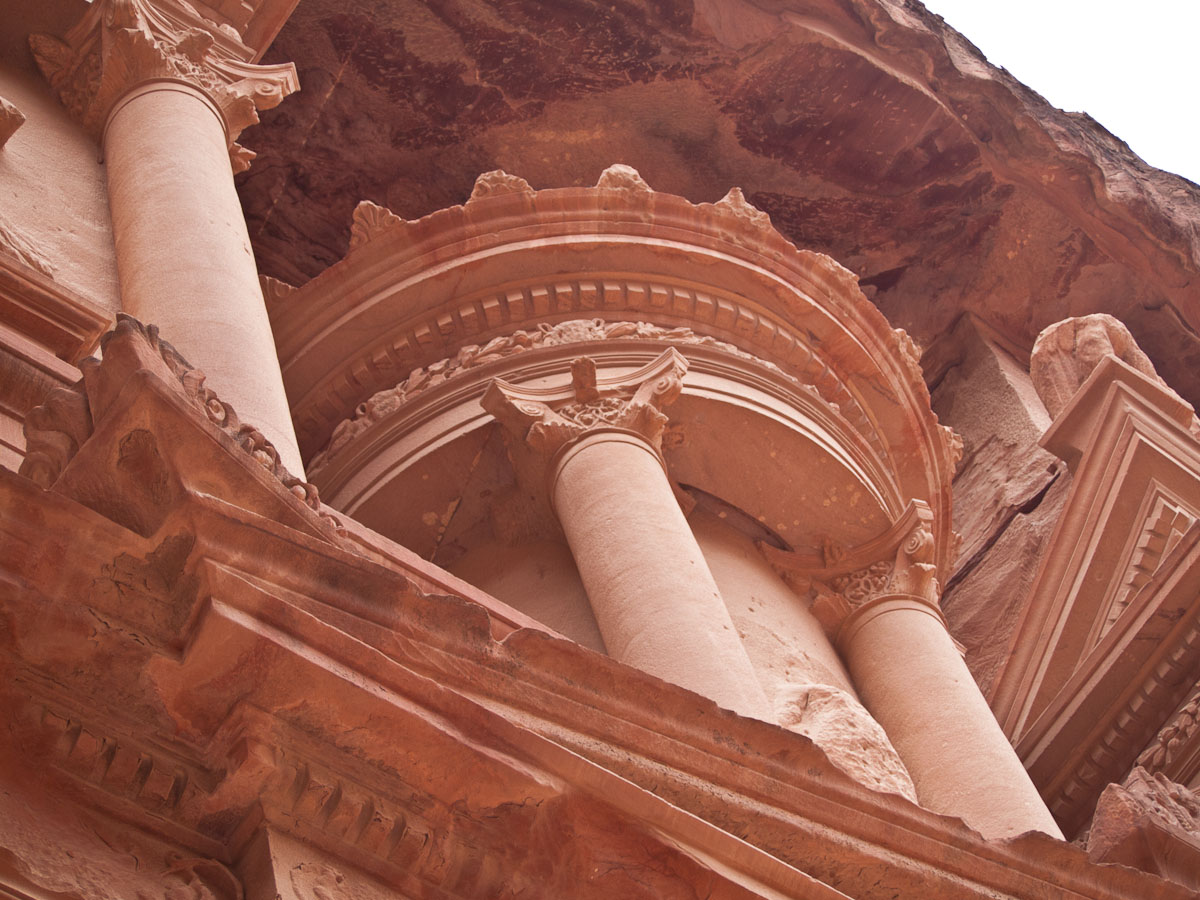
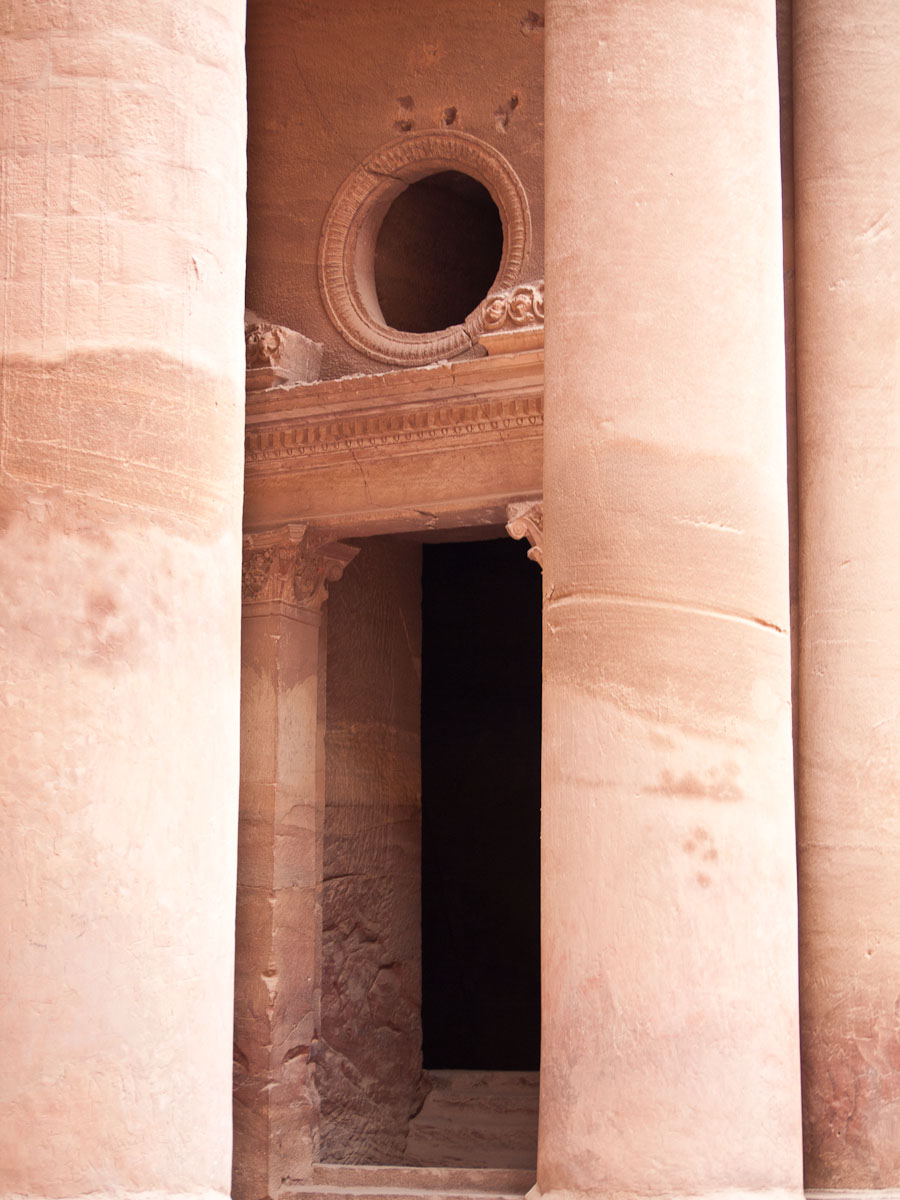
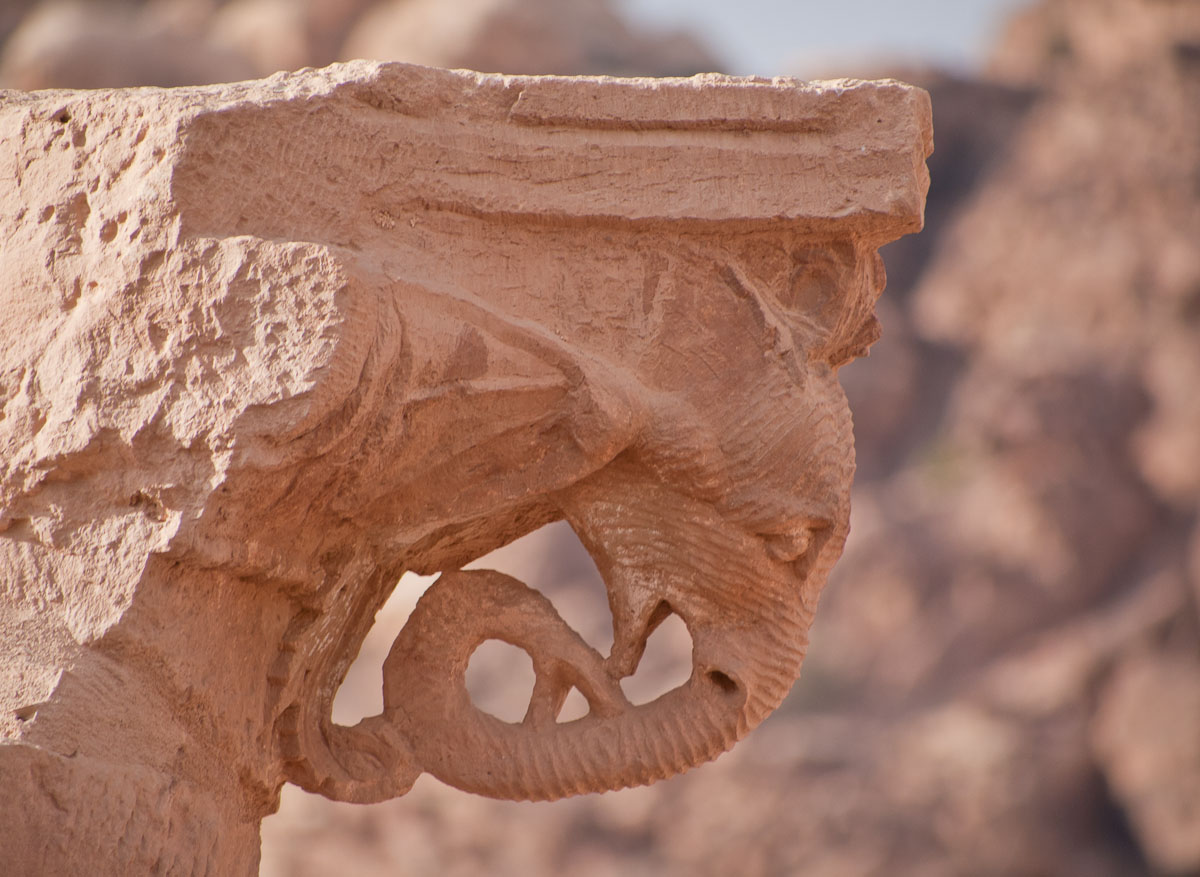
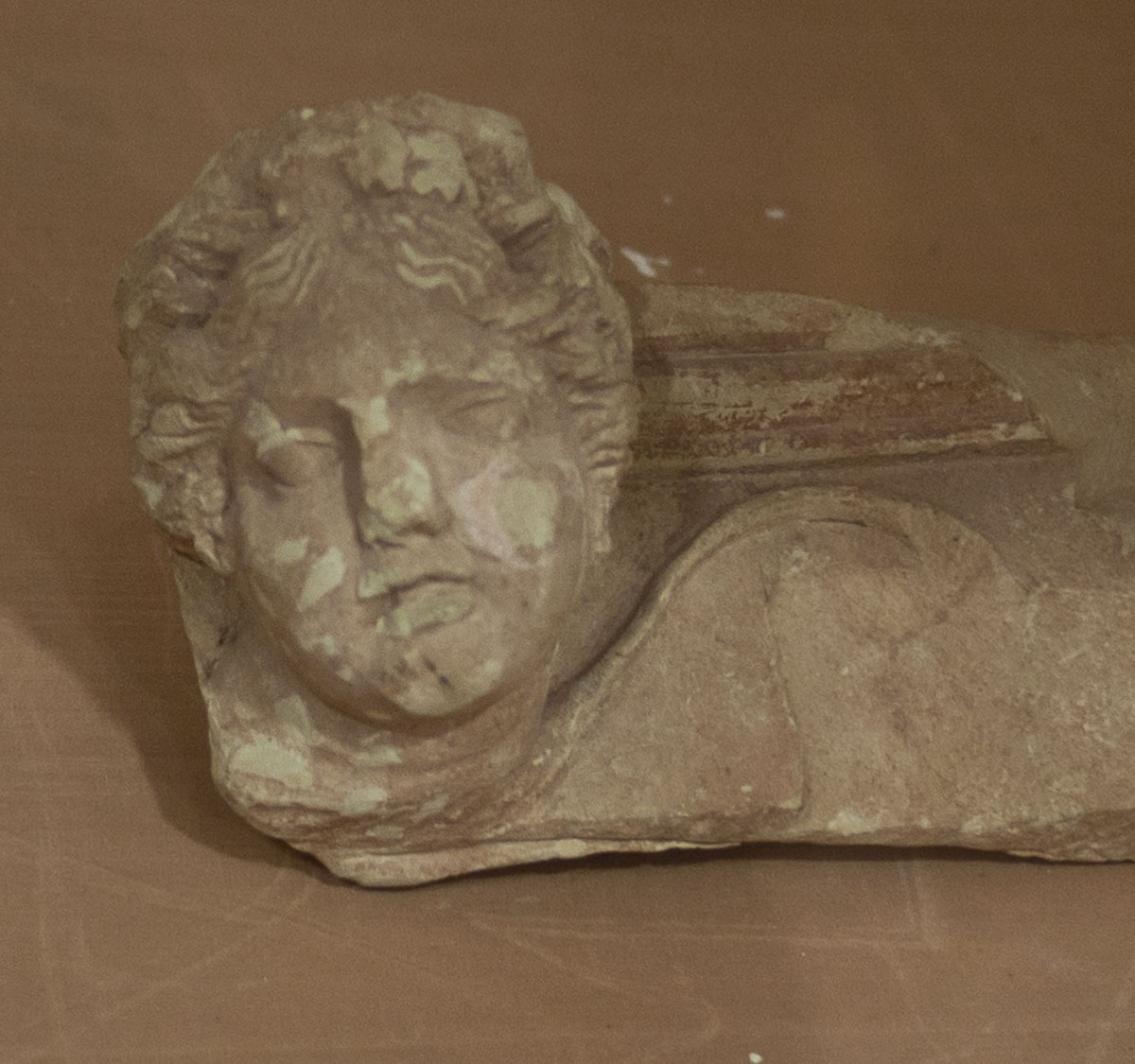
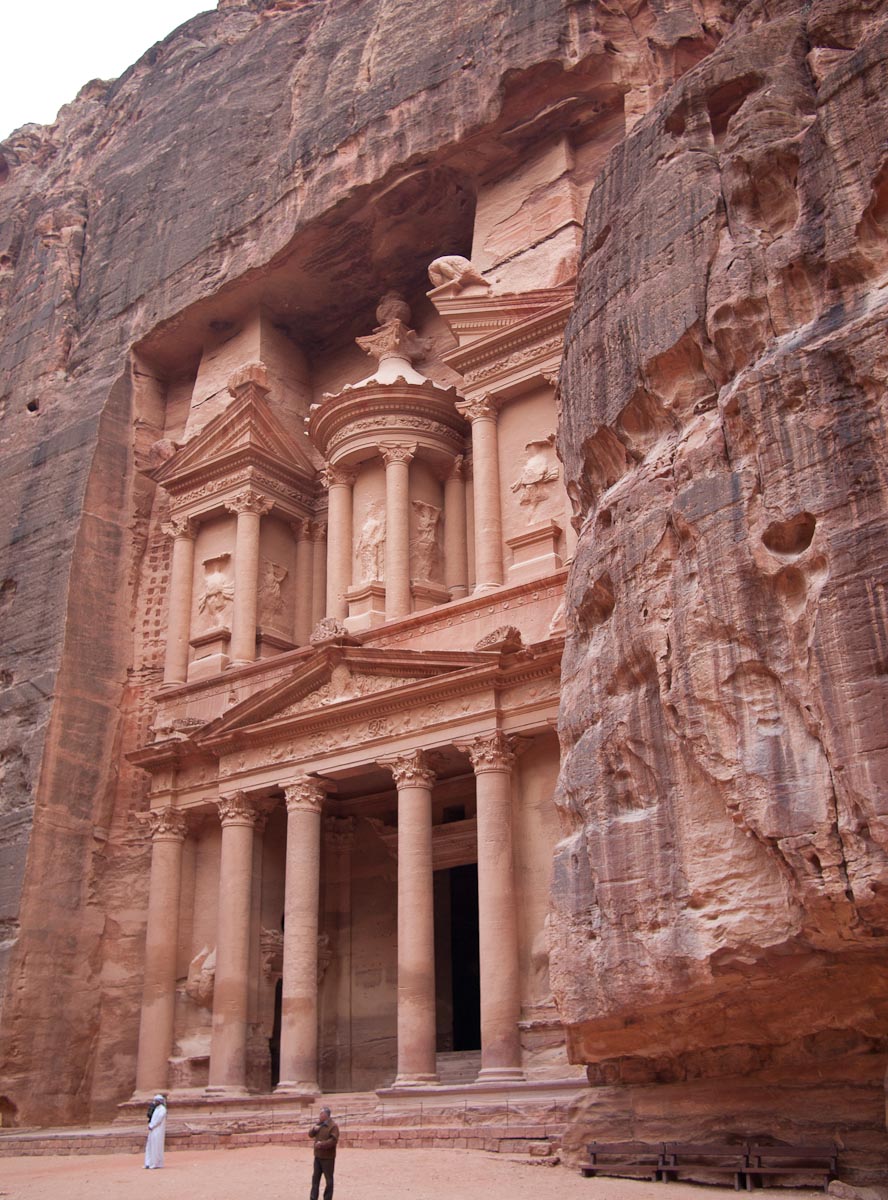
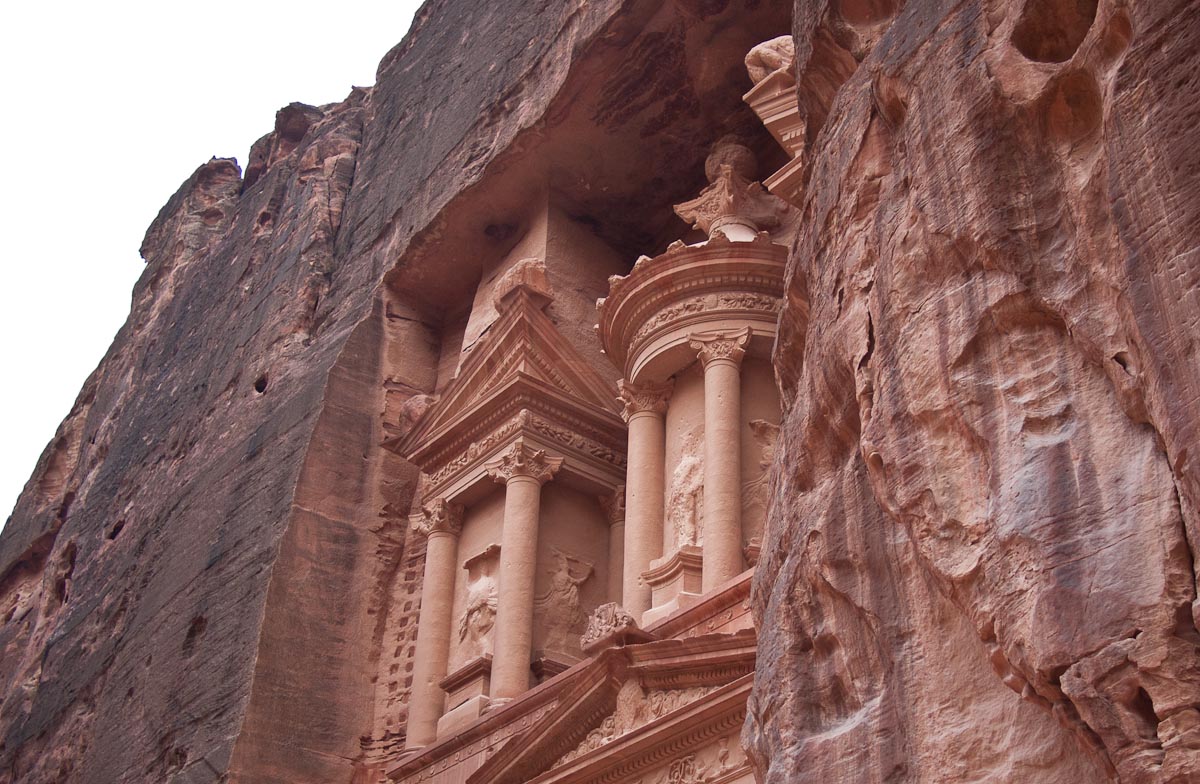
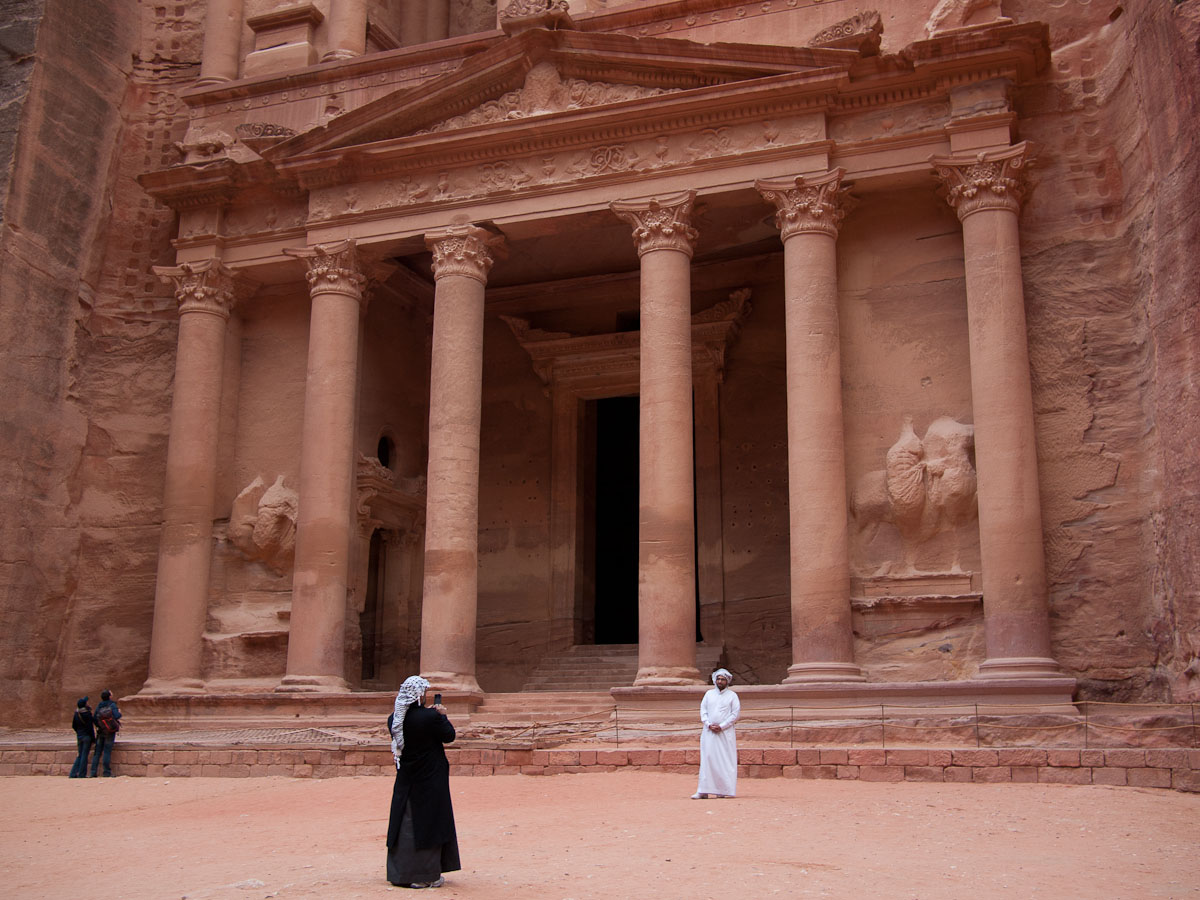
So upon catching a narrow vertical view from between the canyon walls, we rushed forward and came out into a wide open sandy area. There in full glory was the treasury building. We gasped. Every feature was razor sharp. The high canyon walls, east-facing exposure, and desert air had preserved it beautifully. We admired the architecture with strong Greek influences, and our guide showed us the statuary figures combining mythologies from both Greece and Egypt – eagles, Amazons, Medusa heads, and Isis holding a horn of plenty in the middle. It was a dazzling display.
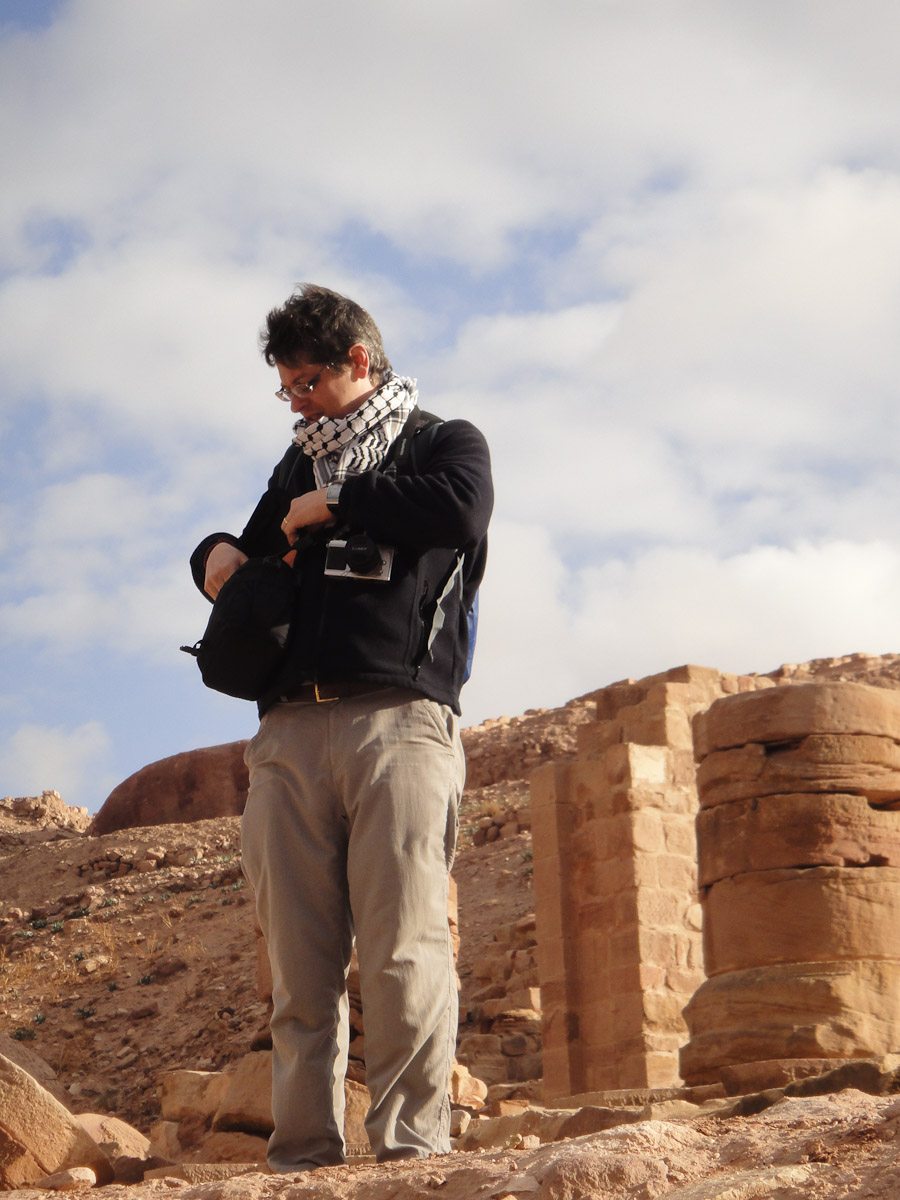
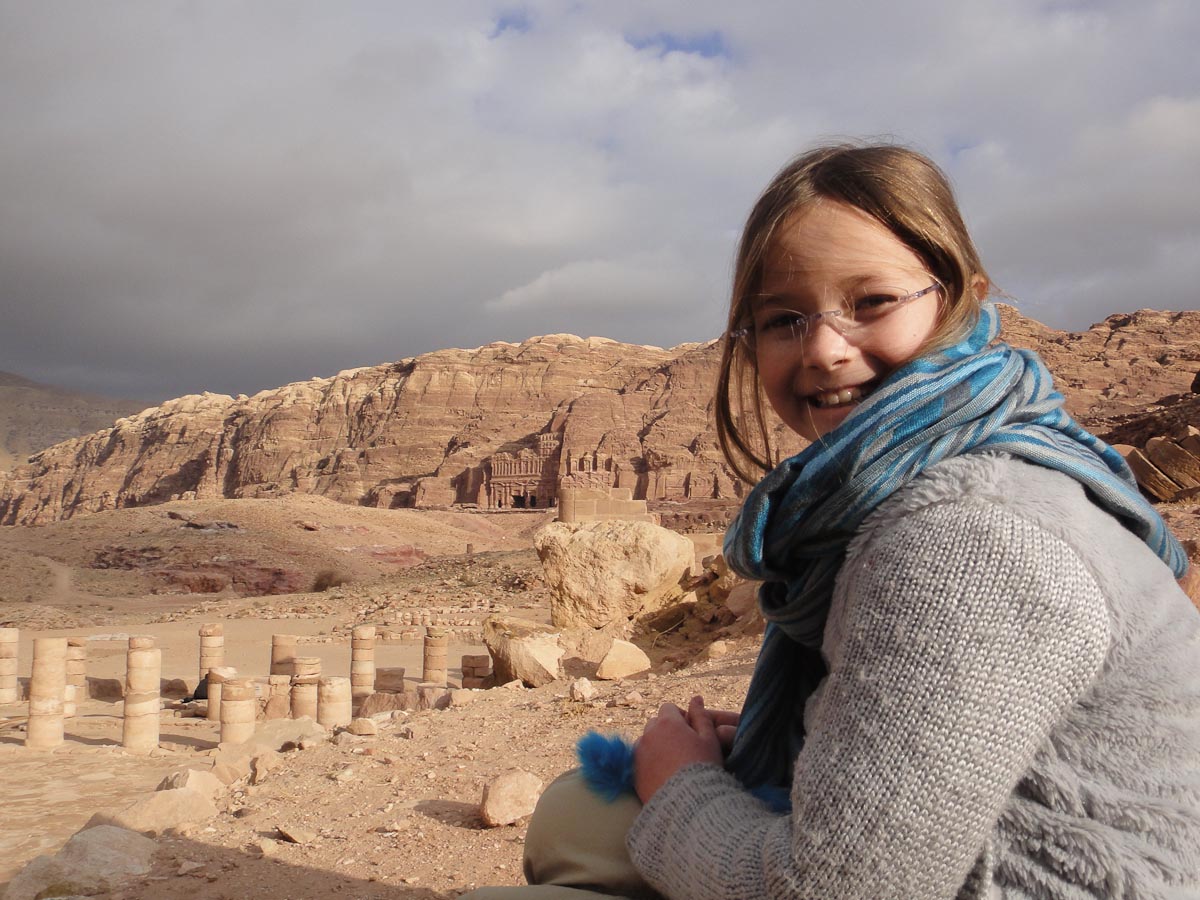
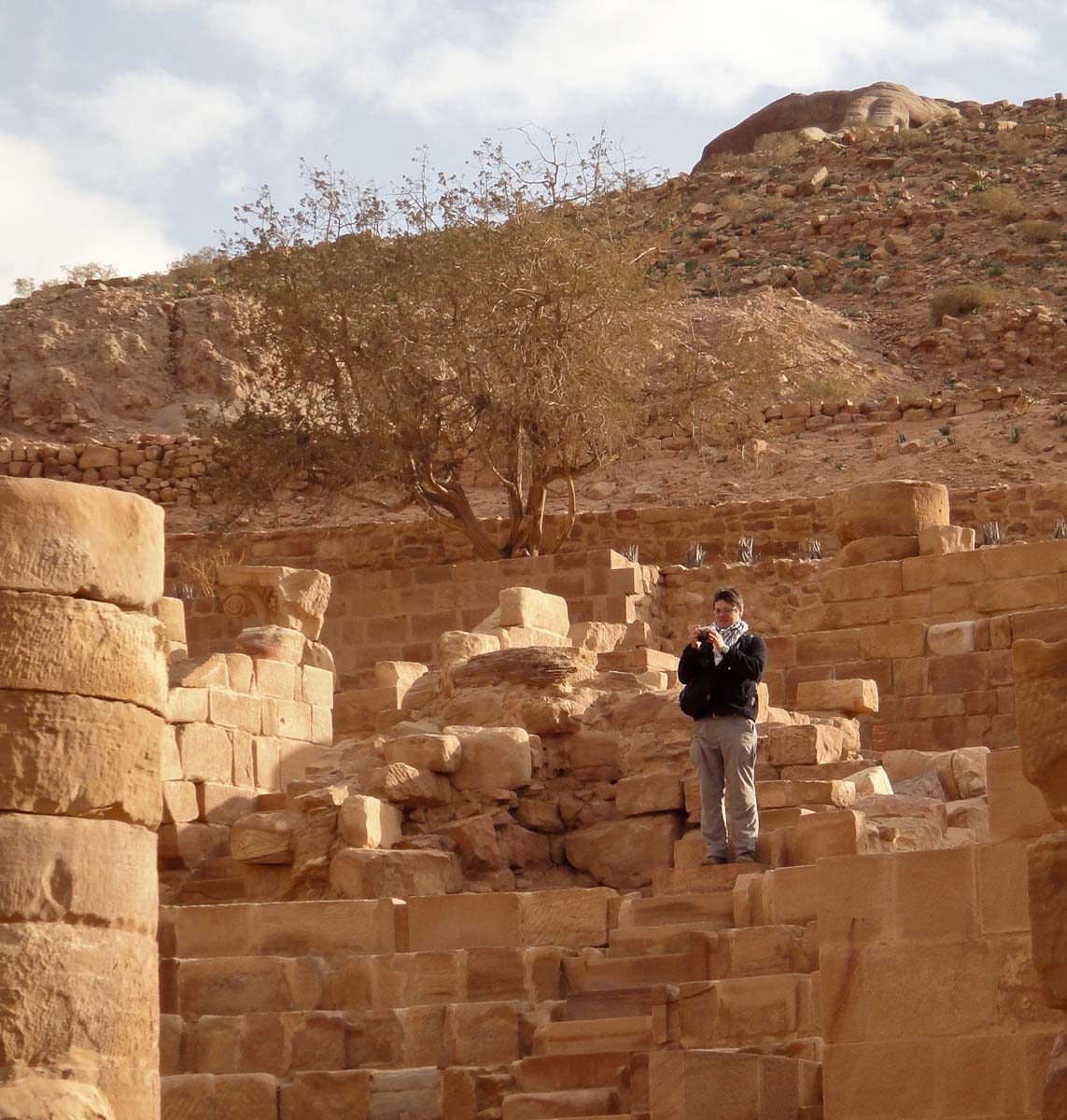
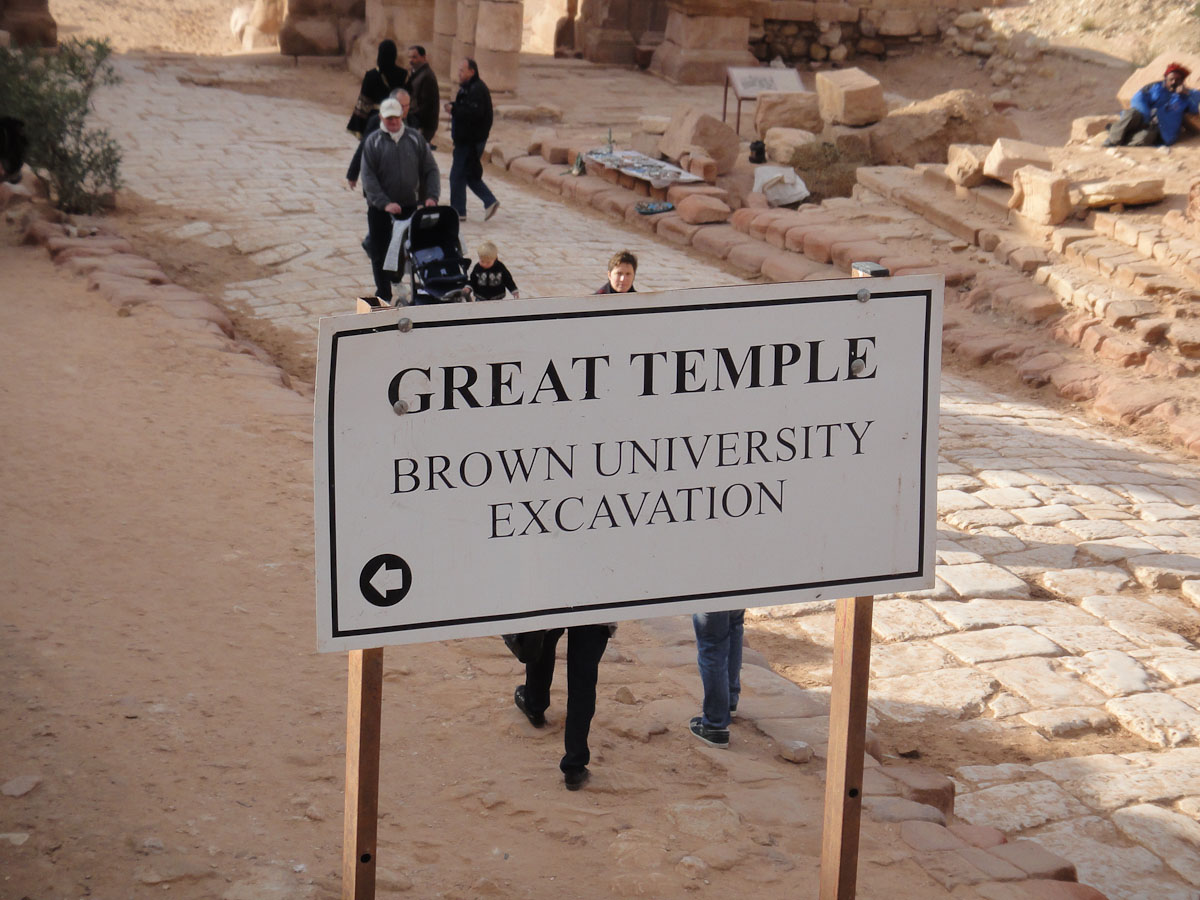
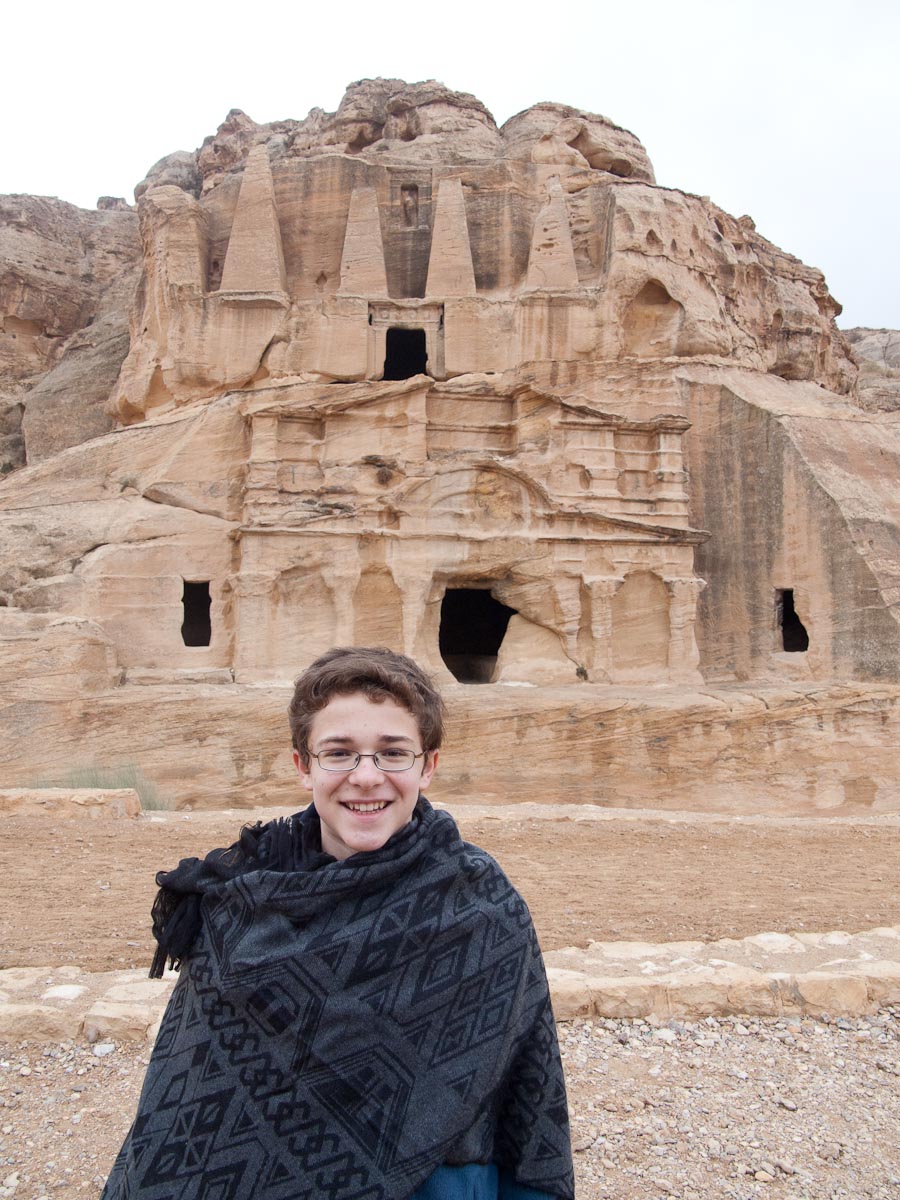
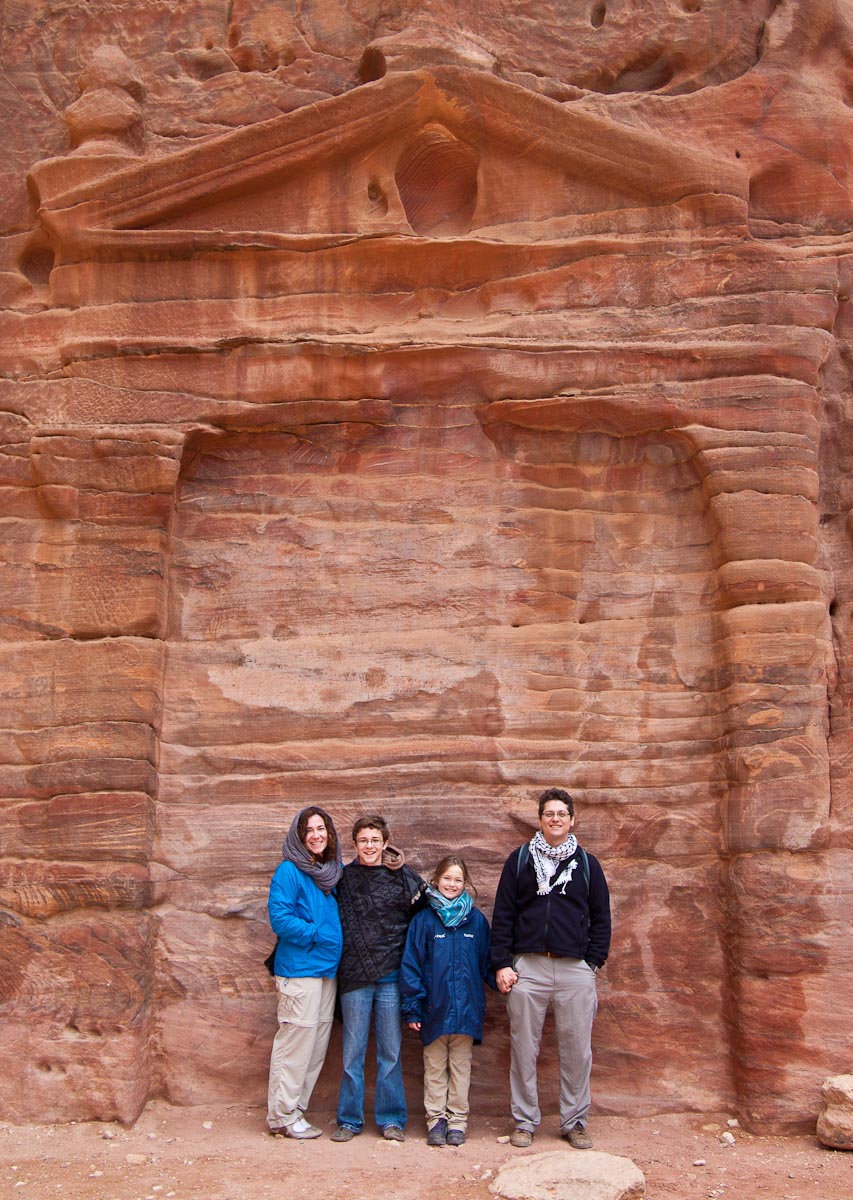
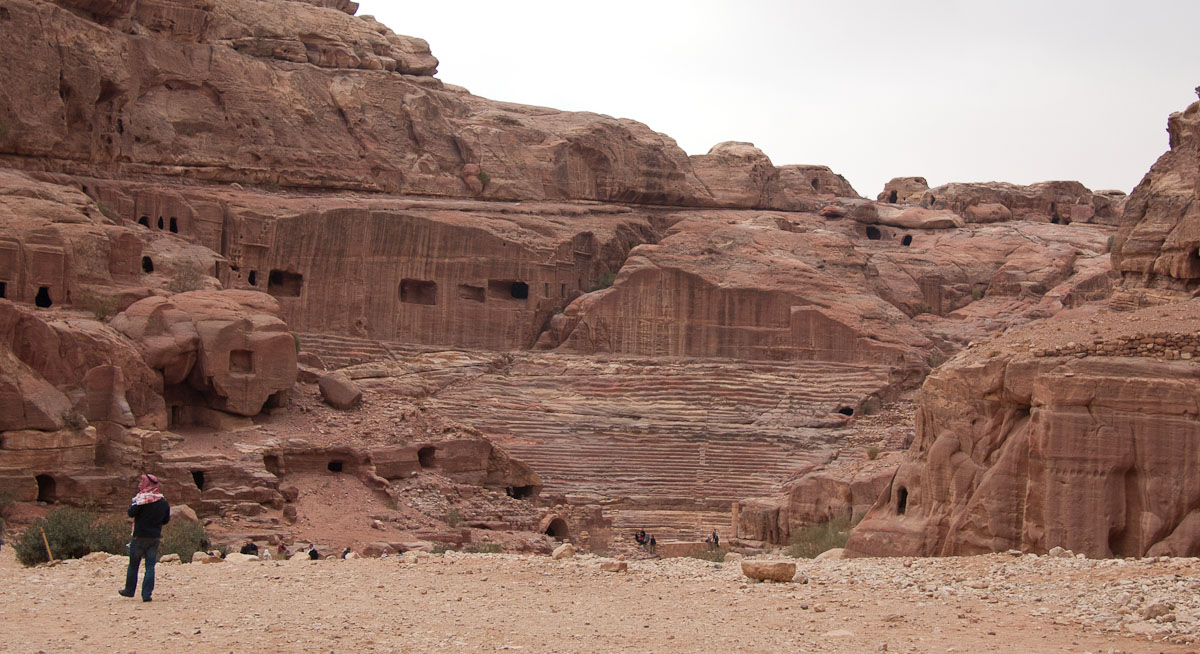
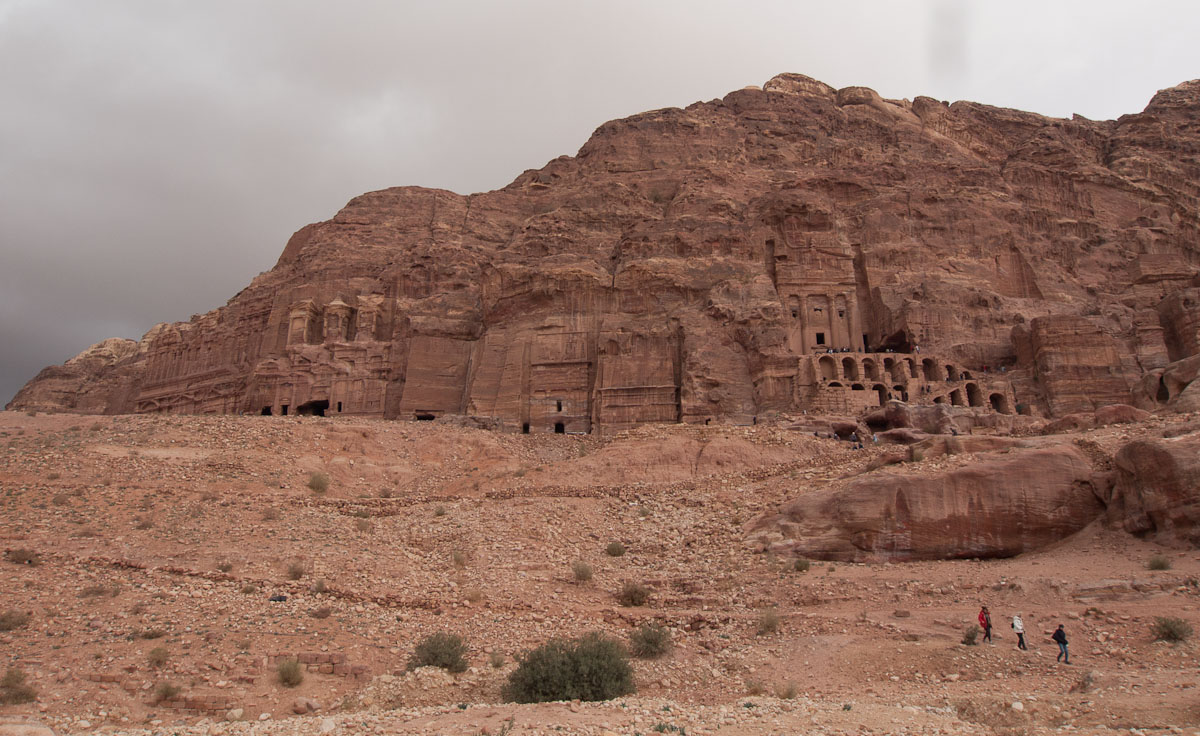
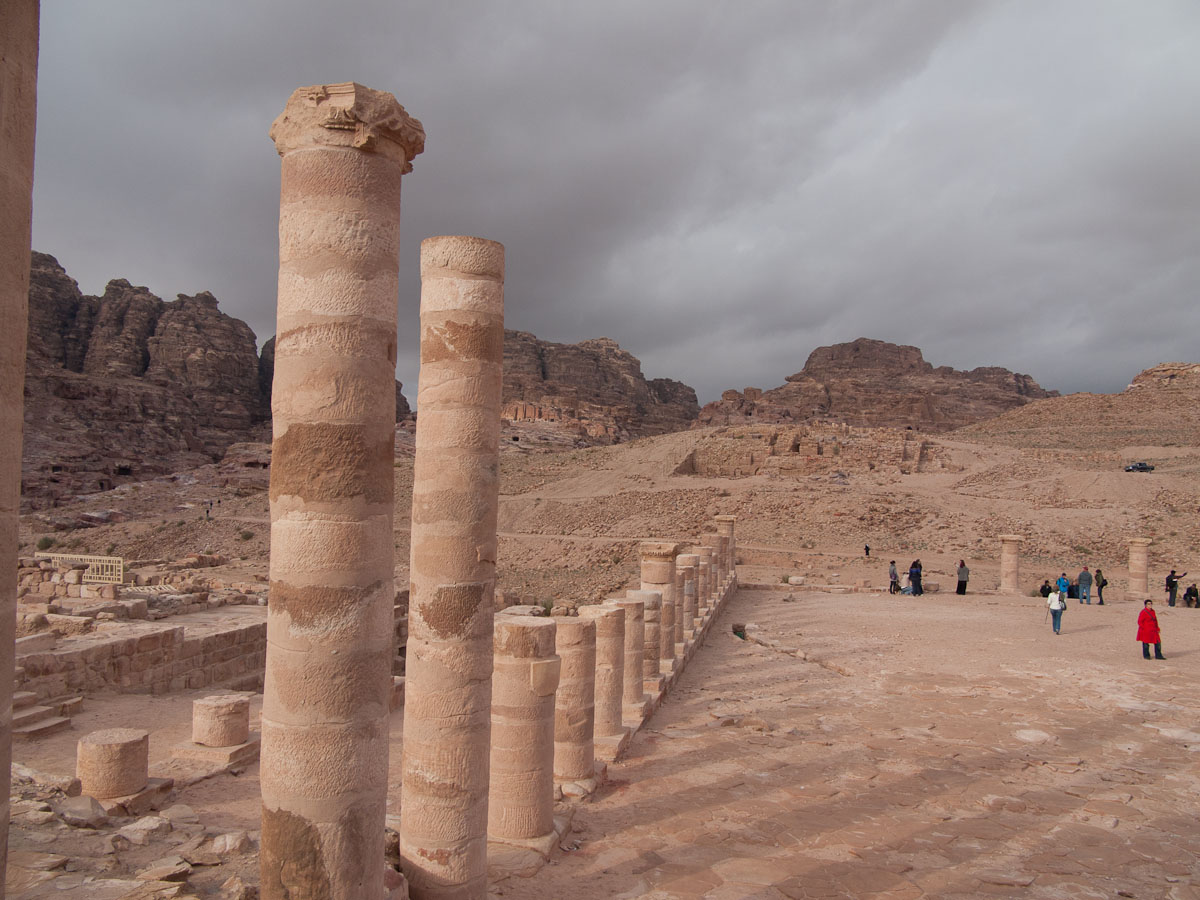
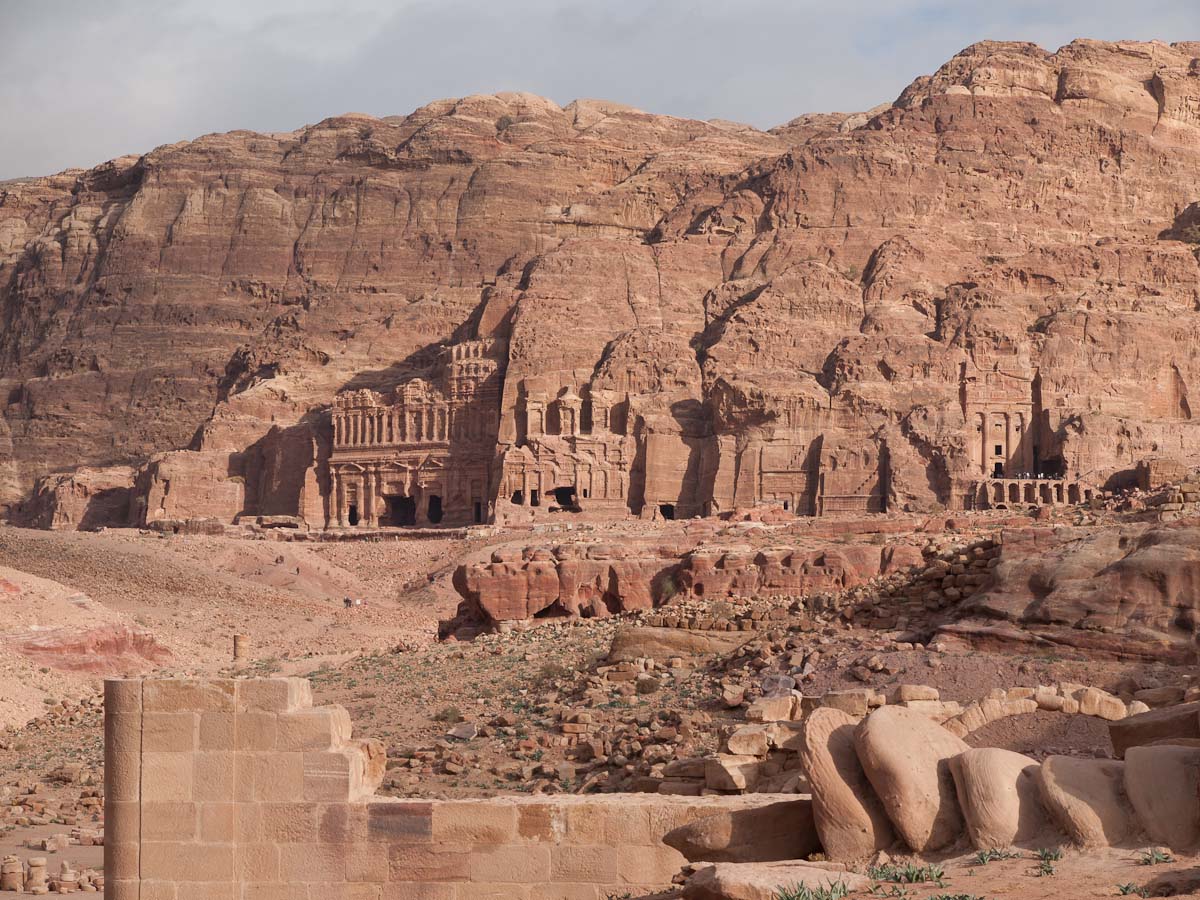
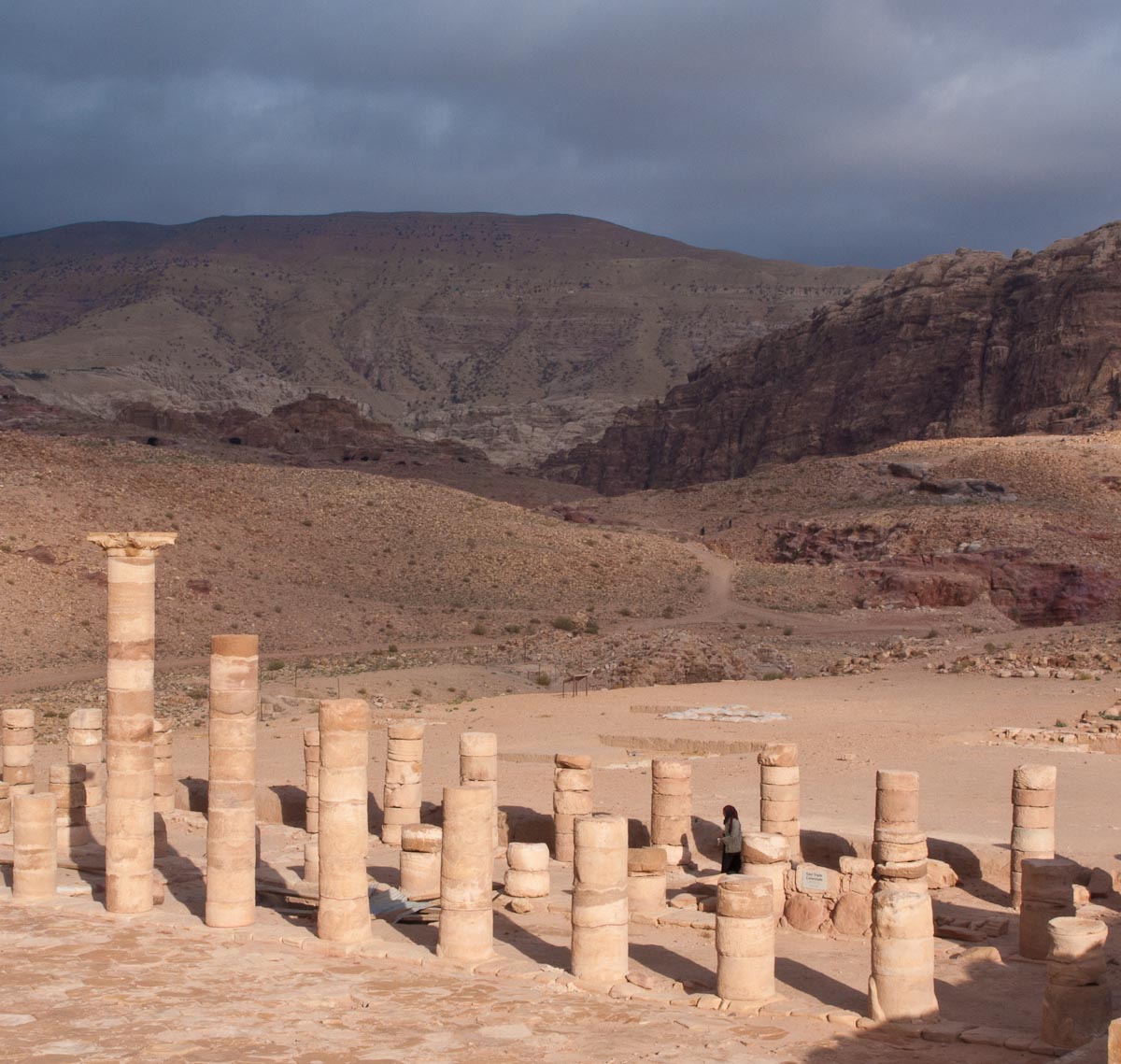
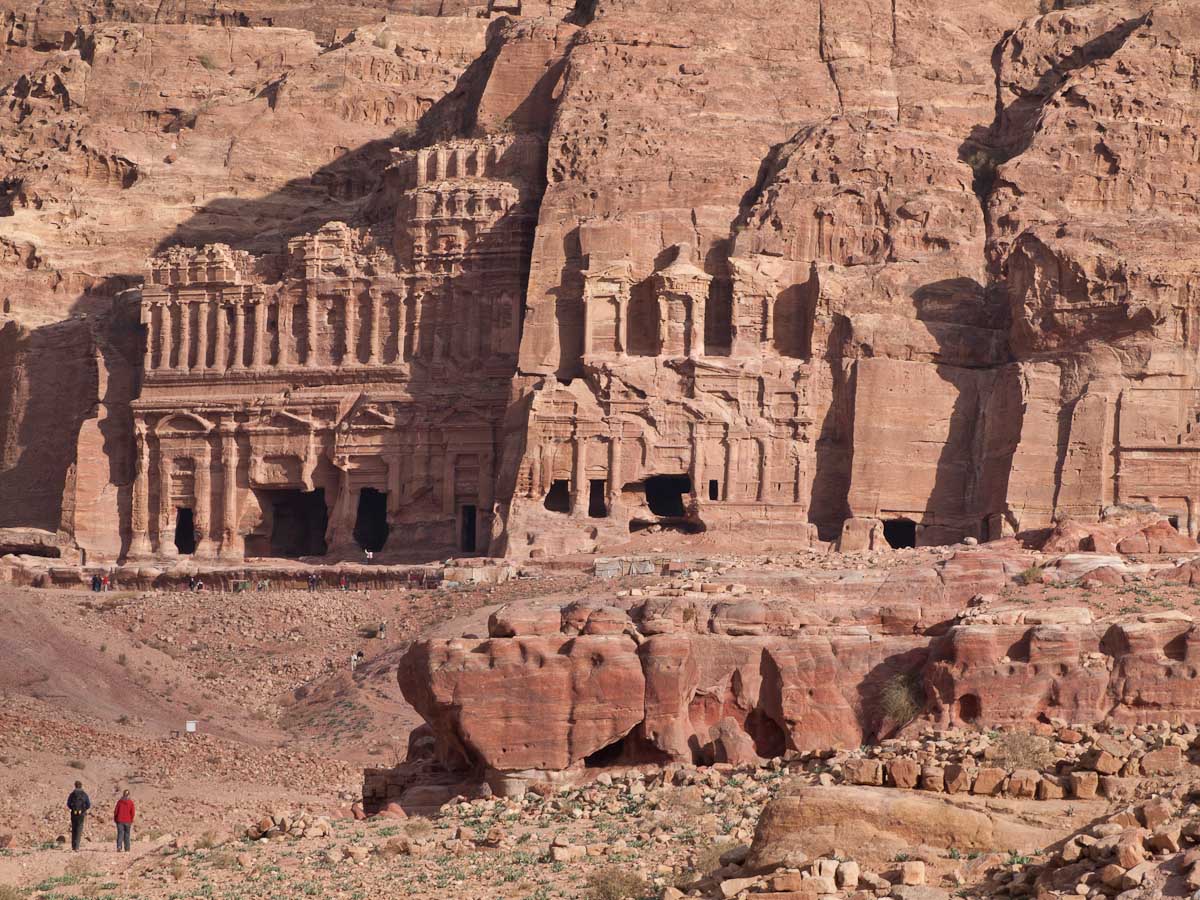
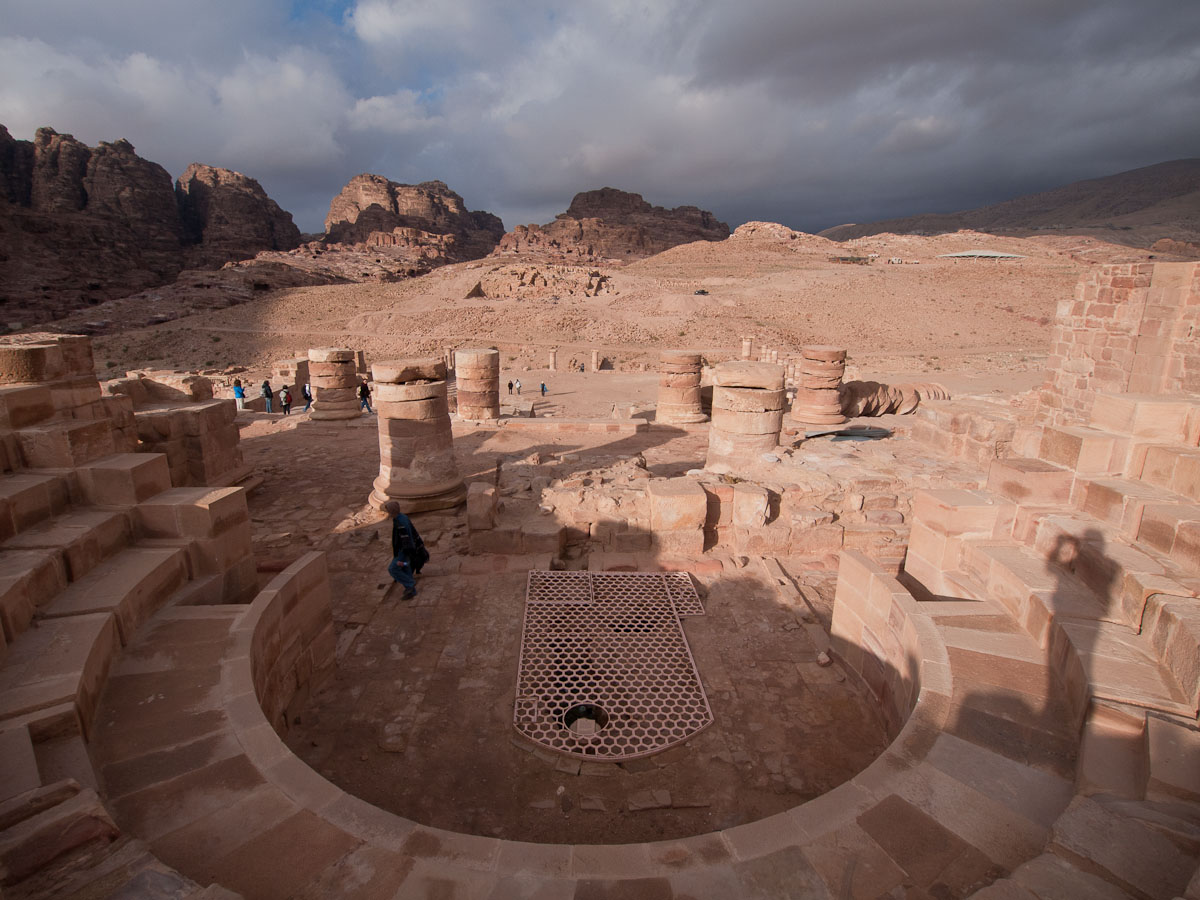
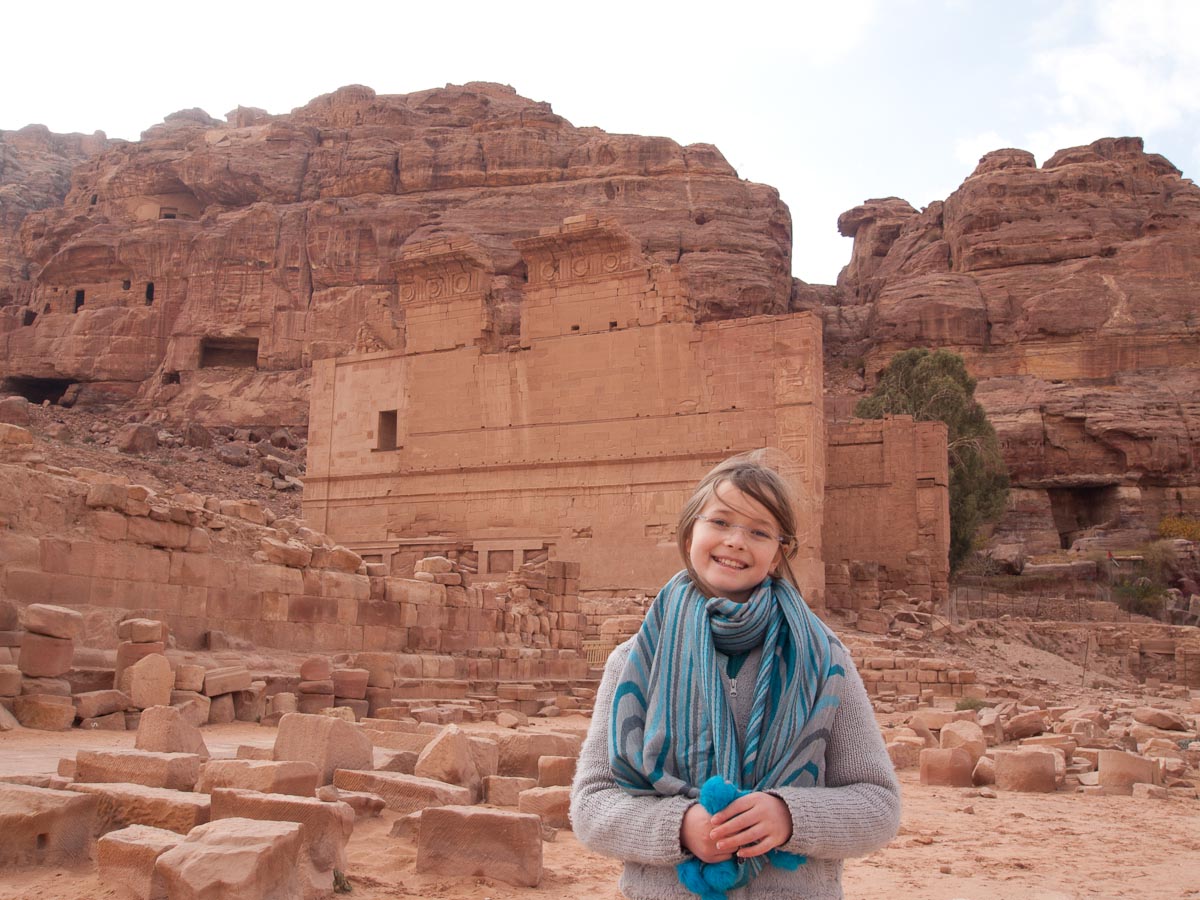
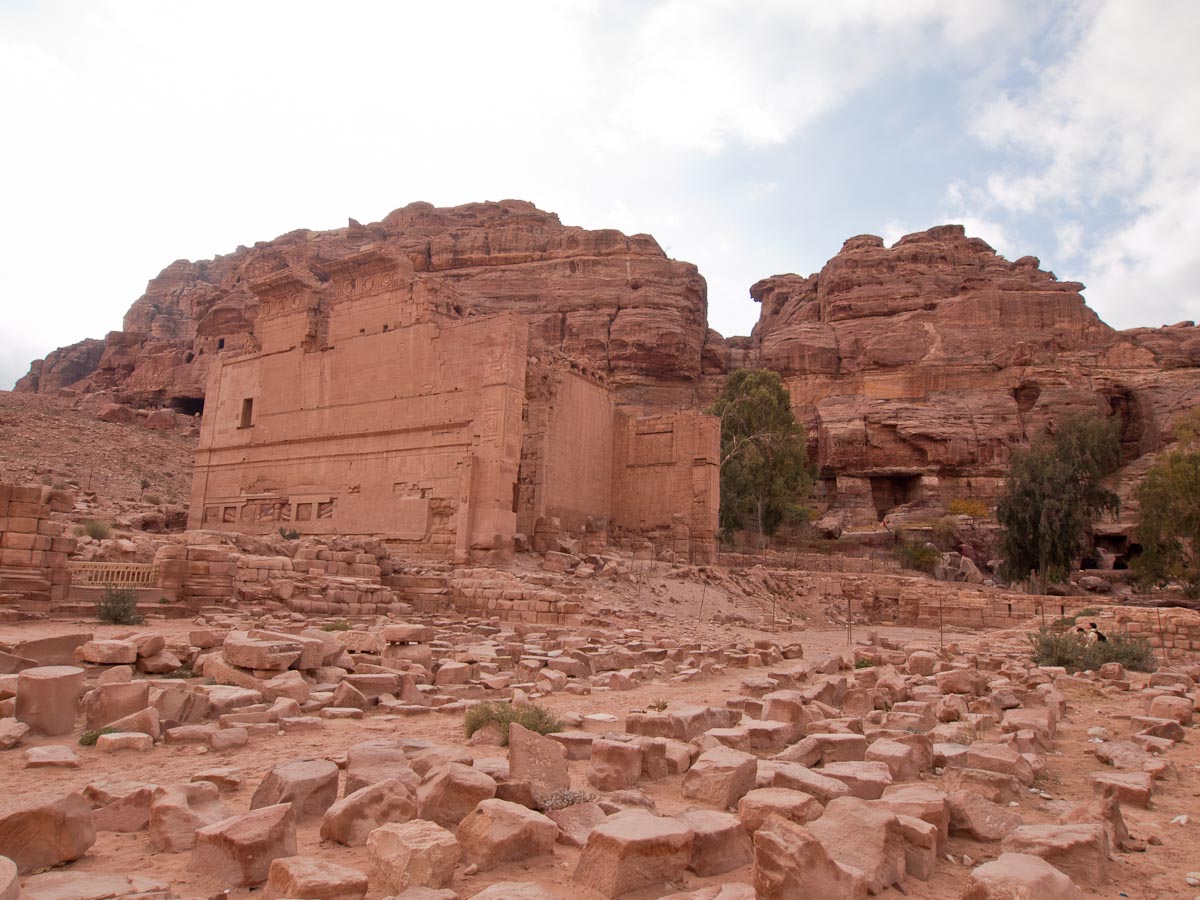
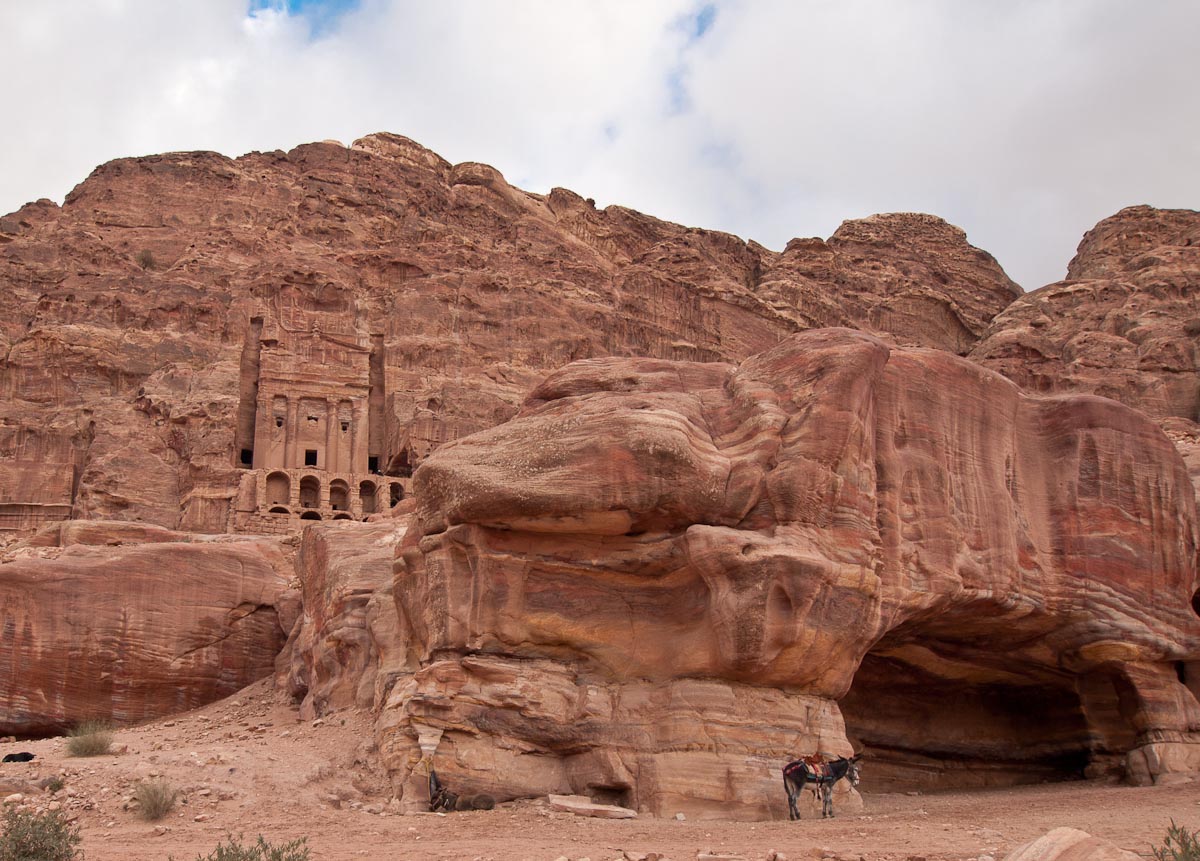
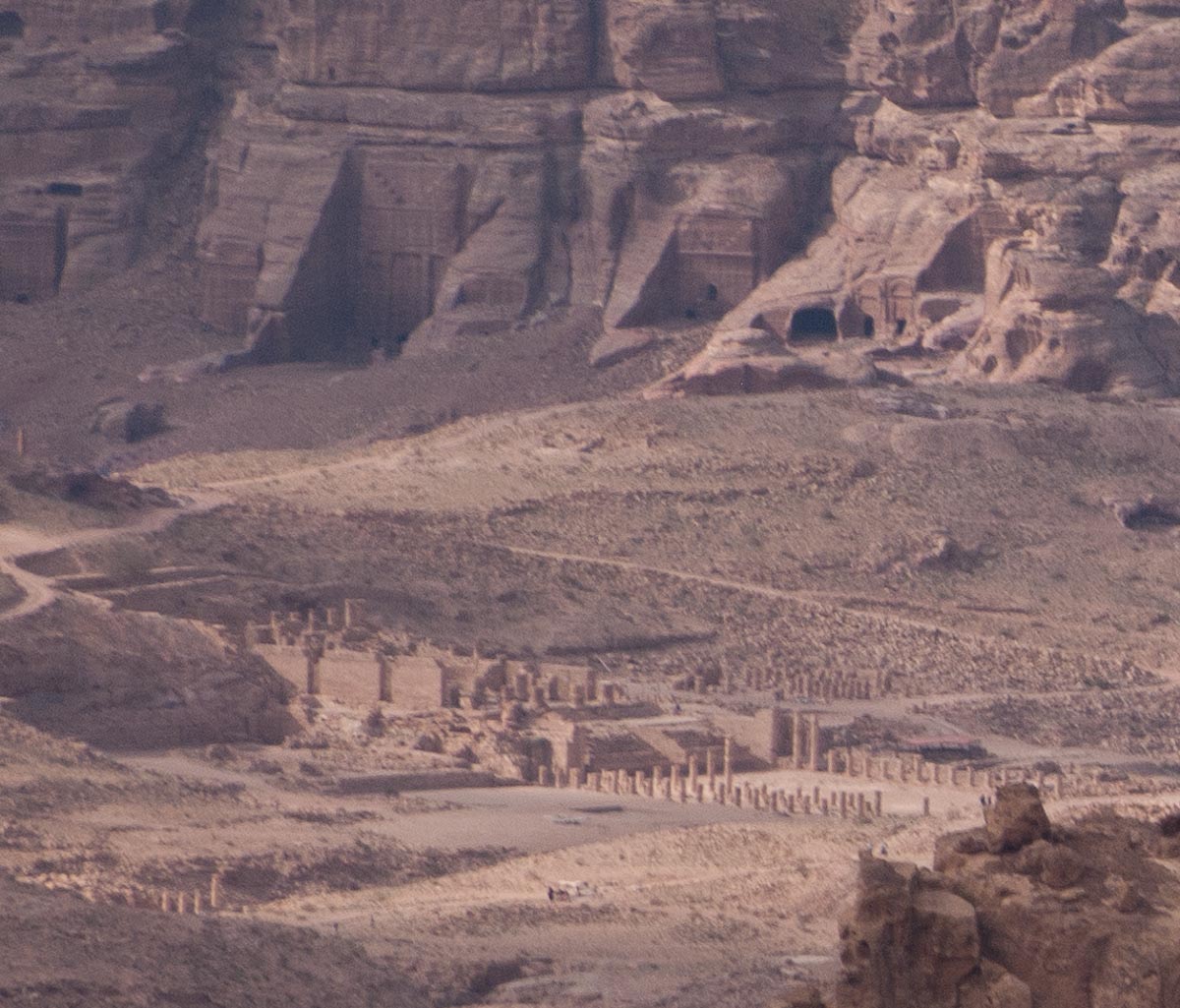
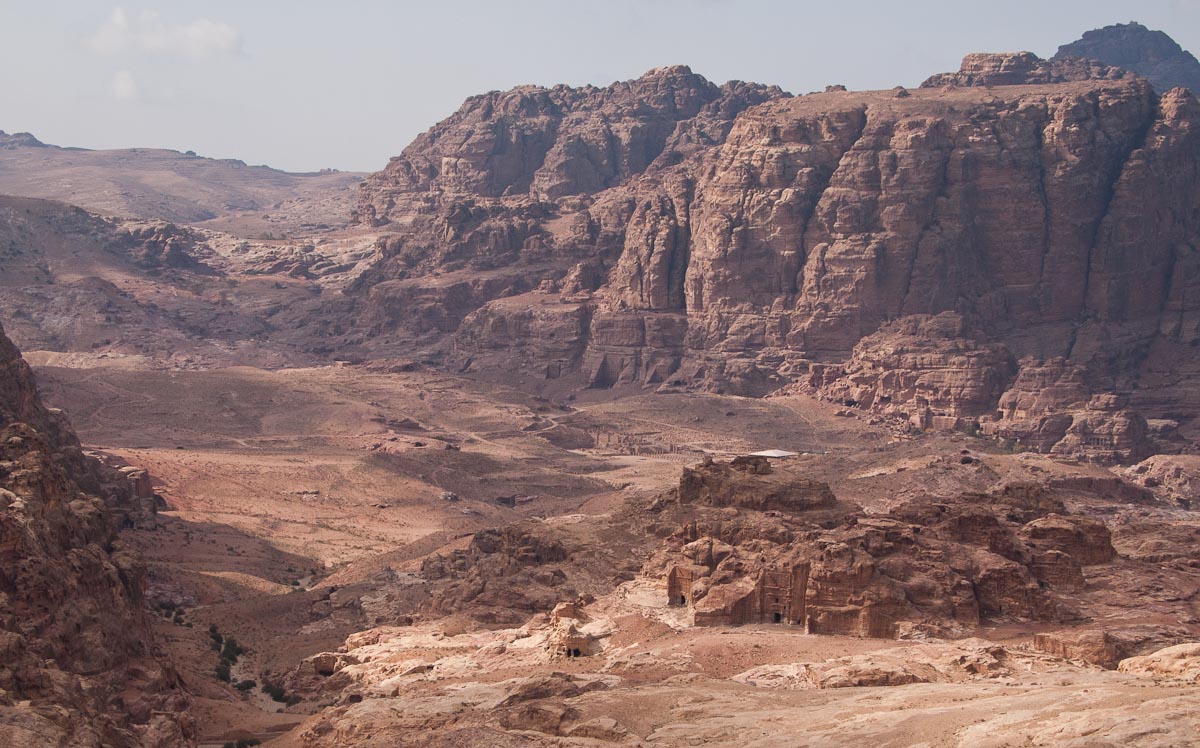
After that we continued onward and found many other Nabathean buildings and stone-carved facades. These included a theatre, and a temple or political chamber excavated by Brown University, and wide open sweeping vistas stretching some 100 square miles. We enjoyed learning about this ancient desert kingdom.
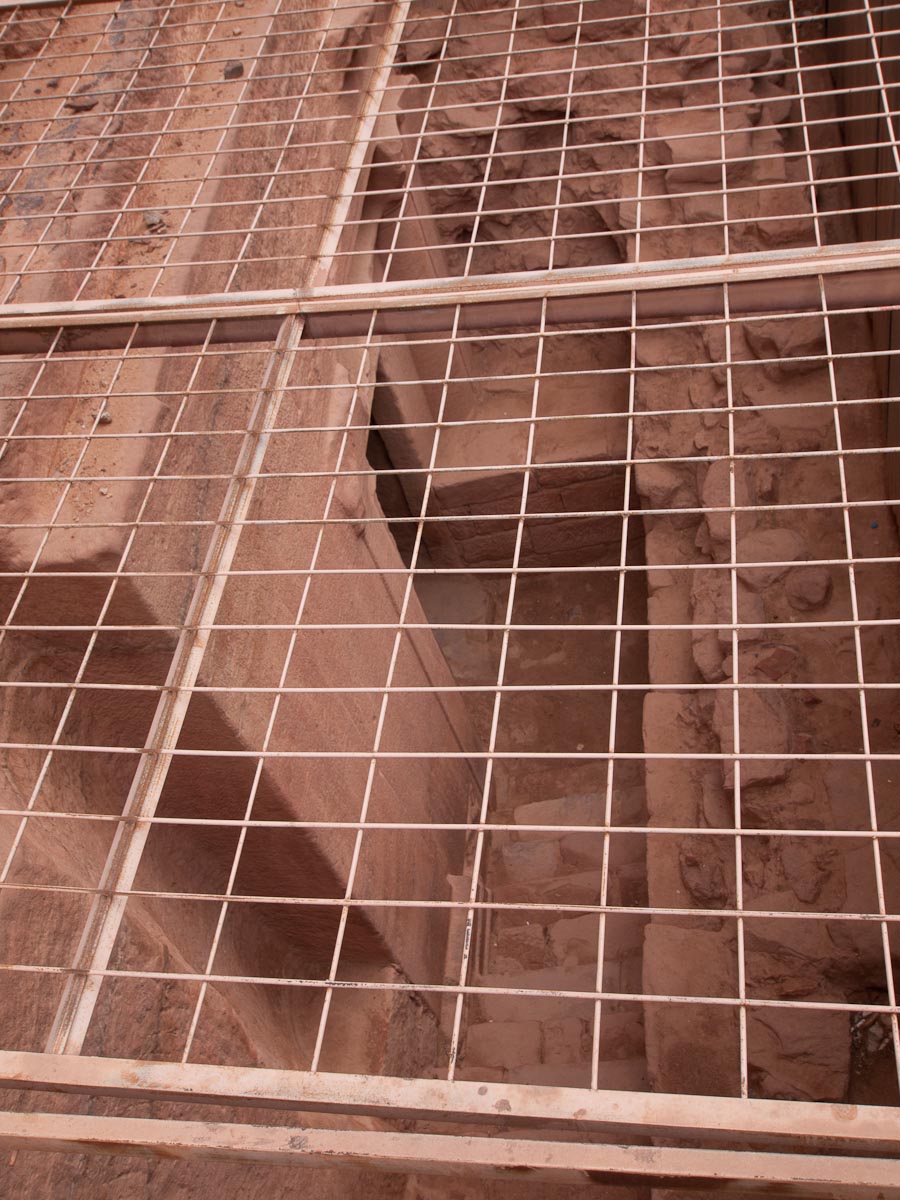
Jordan estimates that only 5-10% of the Petra sites has been excavated, and a great deal of it has been entombed by sand and thus preserved from the elements. There is plenty more here for future archeologists, following in the footsteps of Indiana Jones.


Error thrown
Call to undefined function ereg()