
Jul 13
The Grand Bazaar
by Gina in Middle East, Turkey
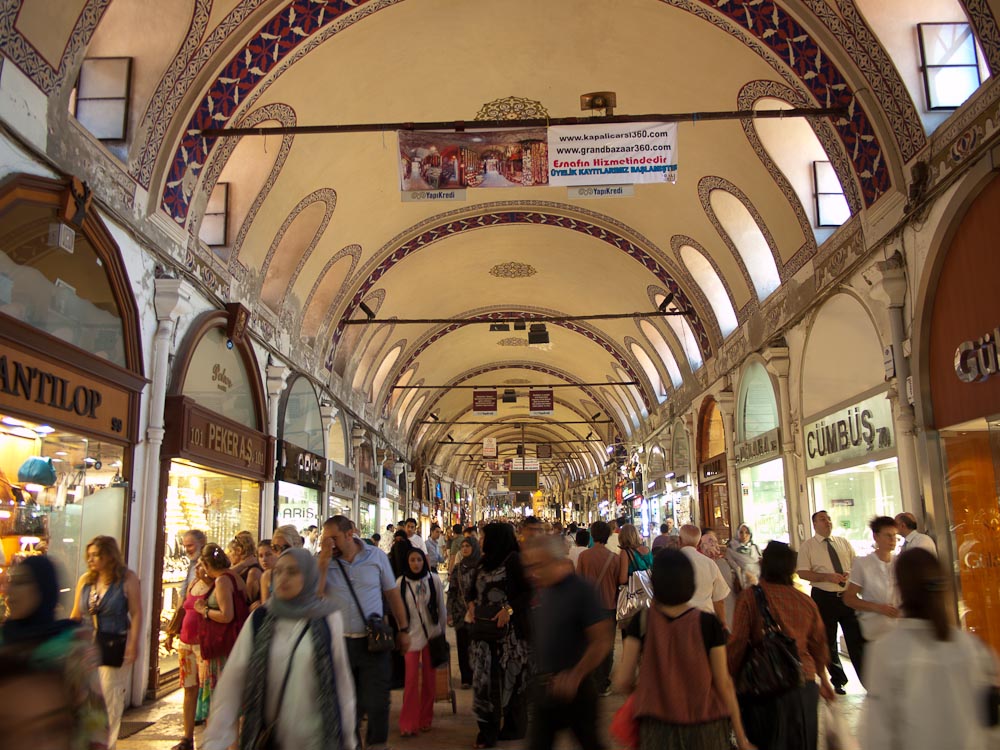
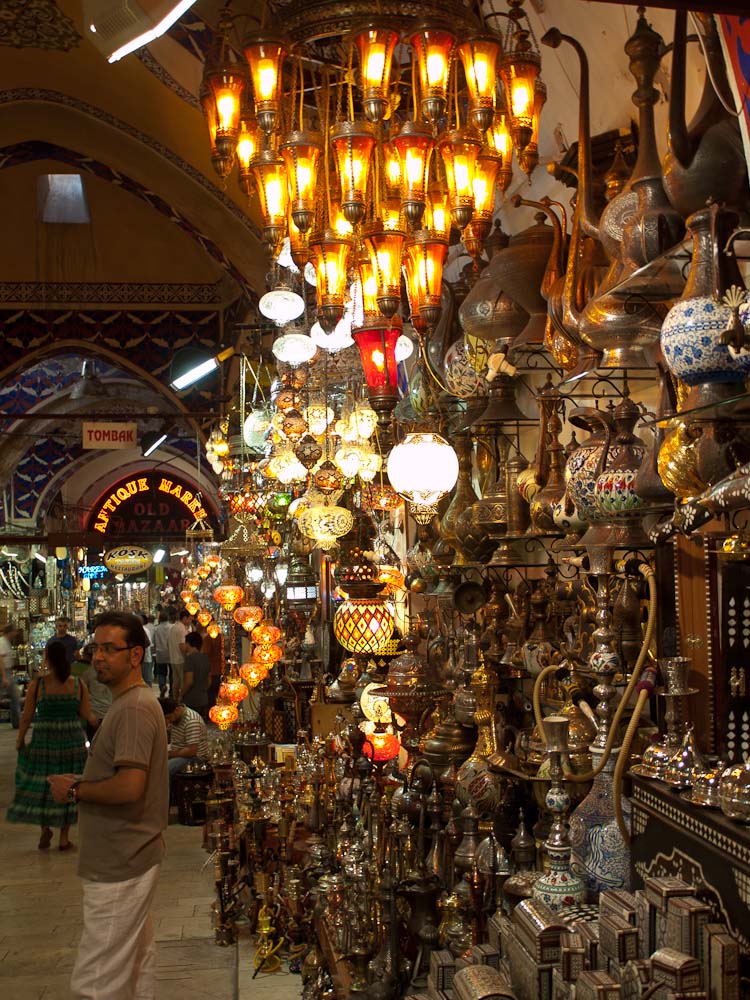
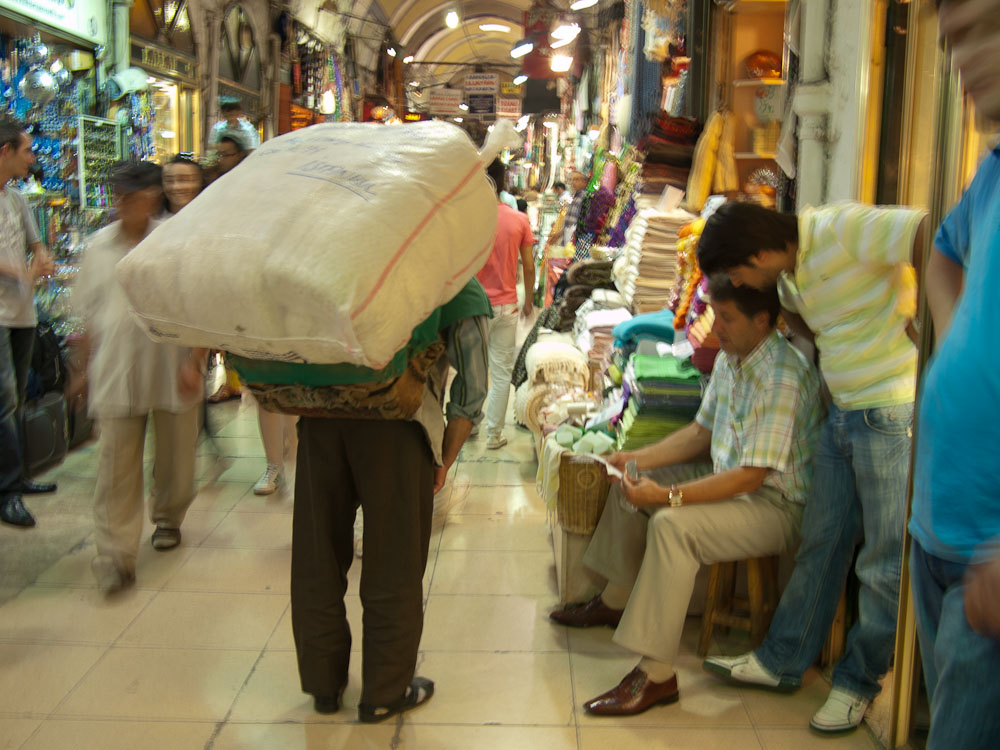
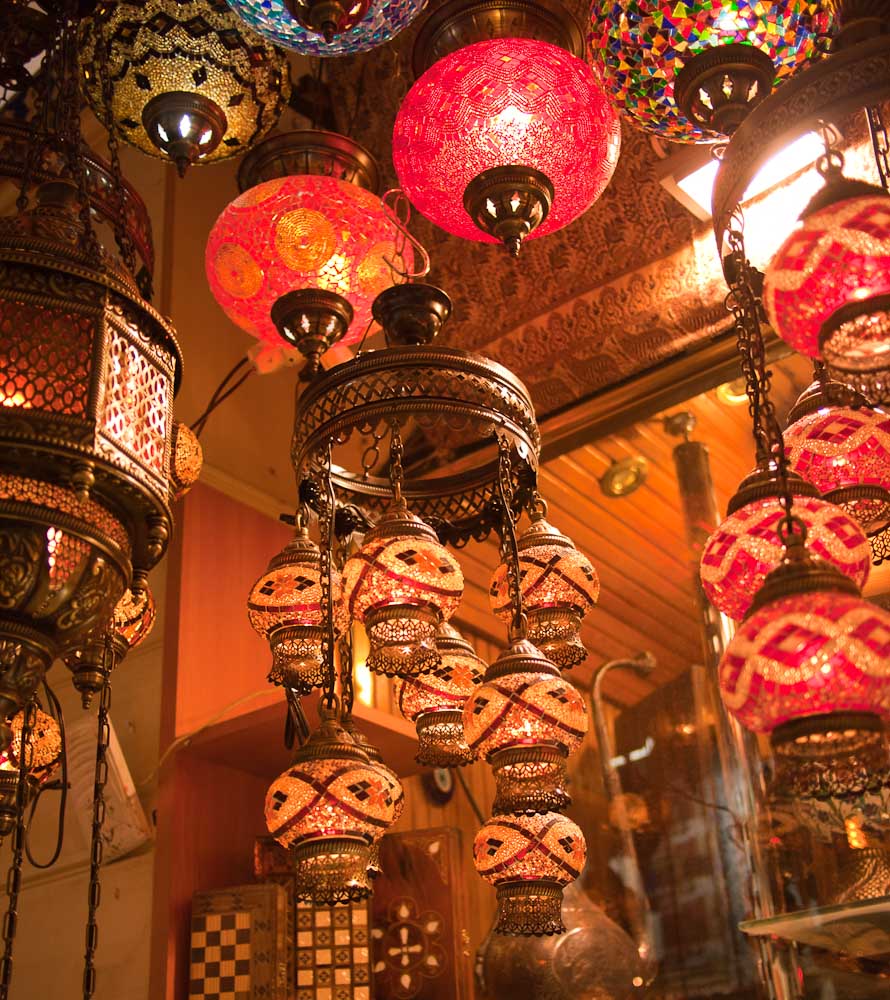
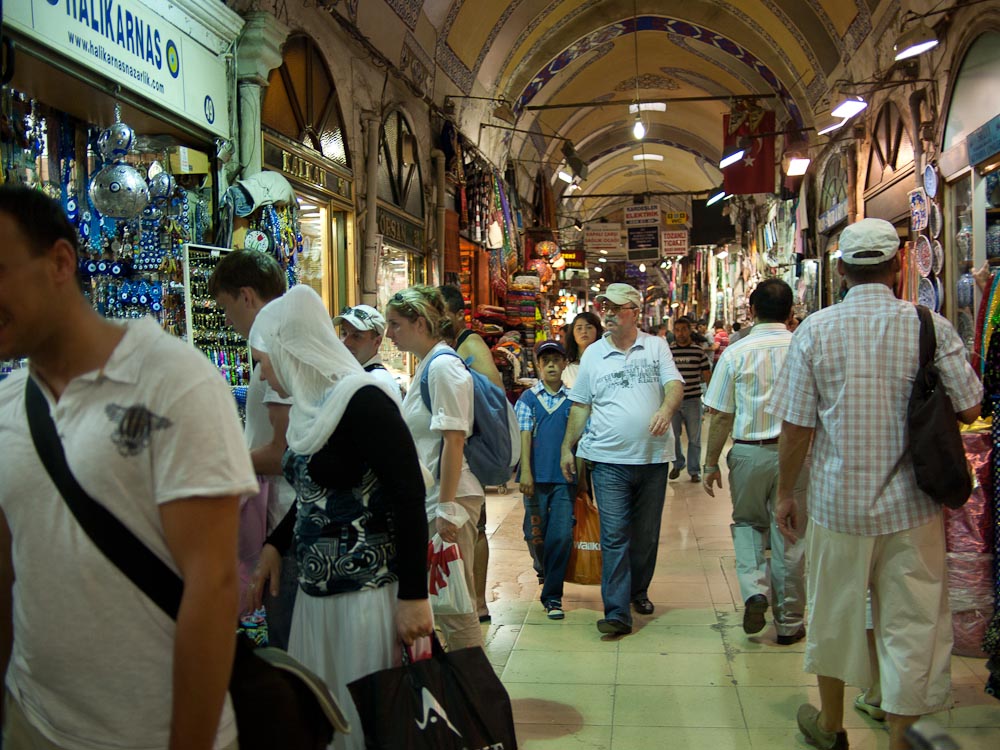
They say that there are more than 4,000 stores within the maze of covered streets that comprise Istanbul’s Grand Bazaar. They also say that the stores are now filled with nothing but “authentic imitations” and pickpockets. We weren’t sure what to expect but we knew that we would be in capable hands with Marilyn, a native Texan who has lived and worked in Istanbul as a personal shopper and exporter for more than a decade. Turns out that she is more than just an expert navigator and negotiator; she holds the keys to the magical back alleys and secret corners of this (in)famous marketplace.
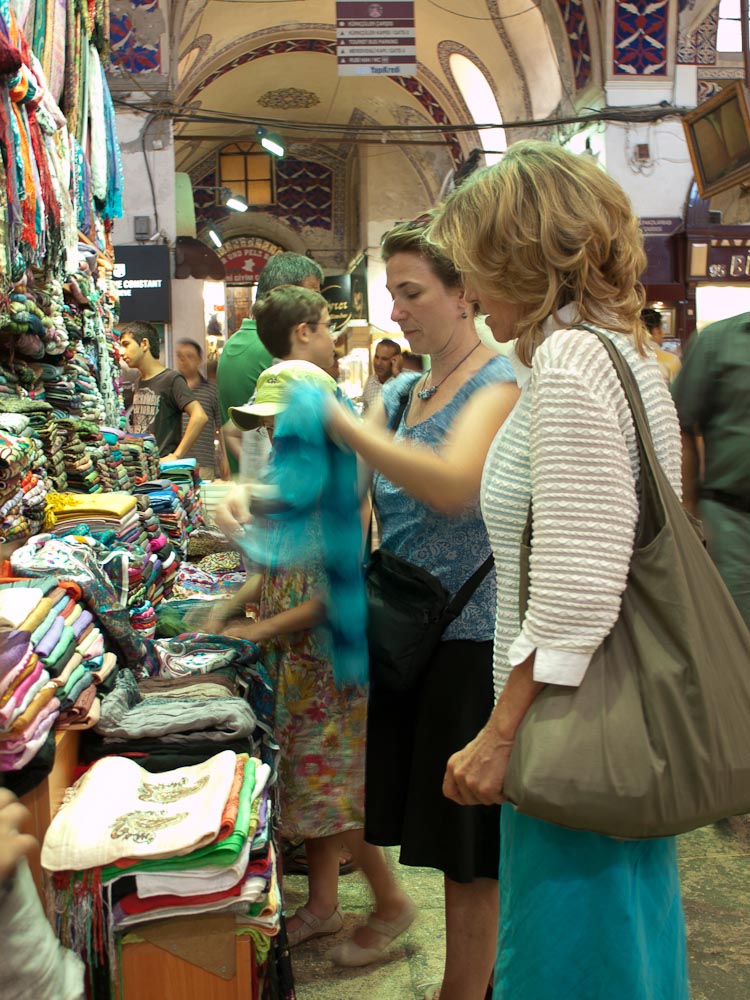
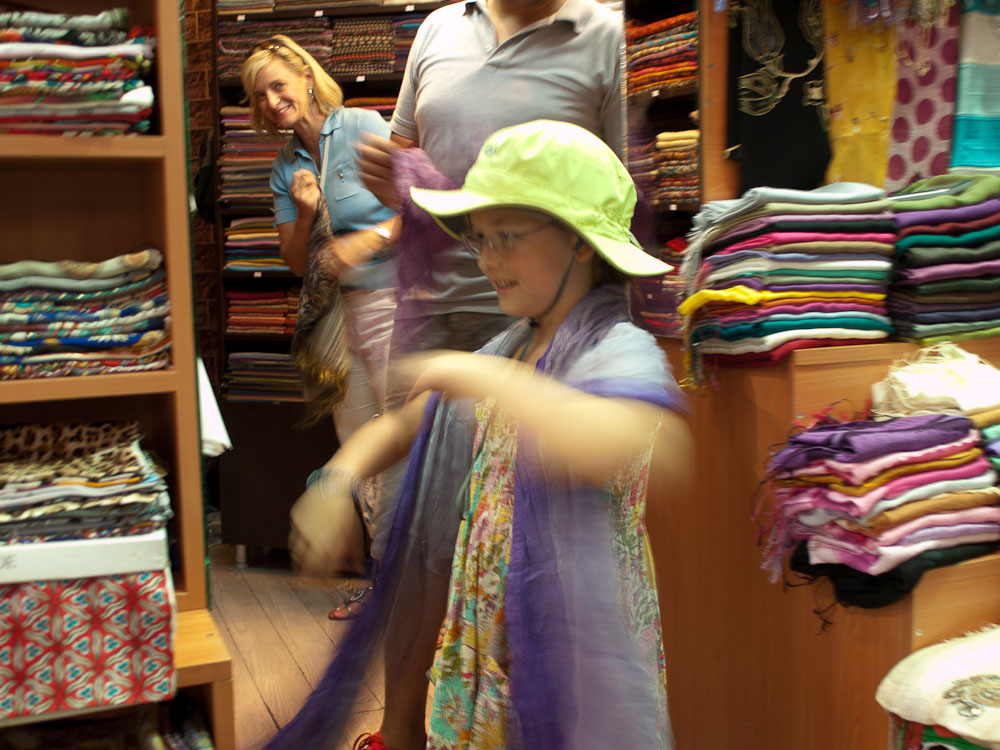
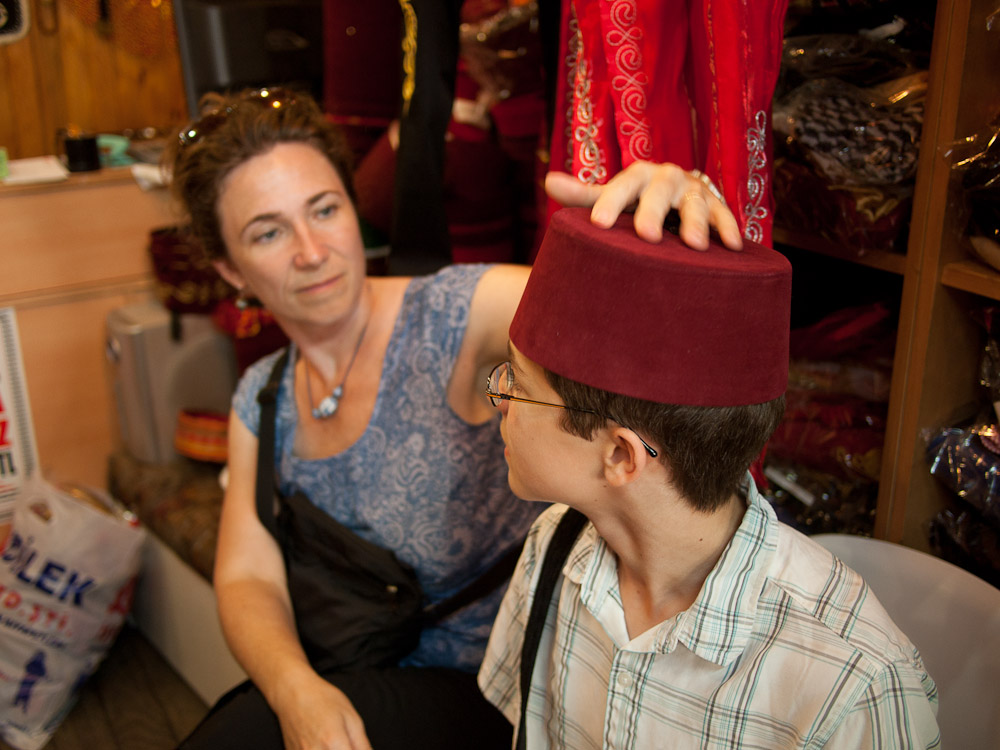
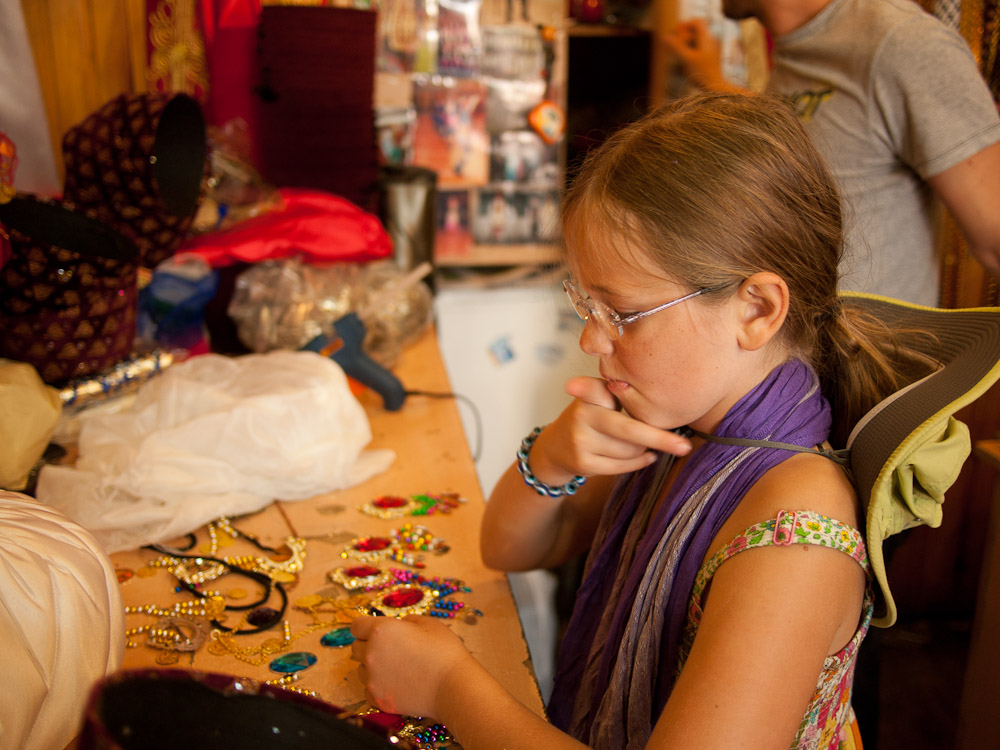
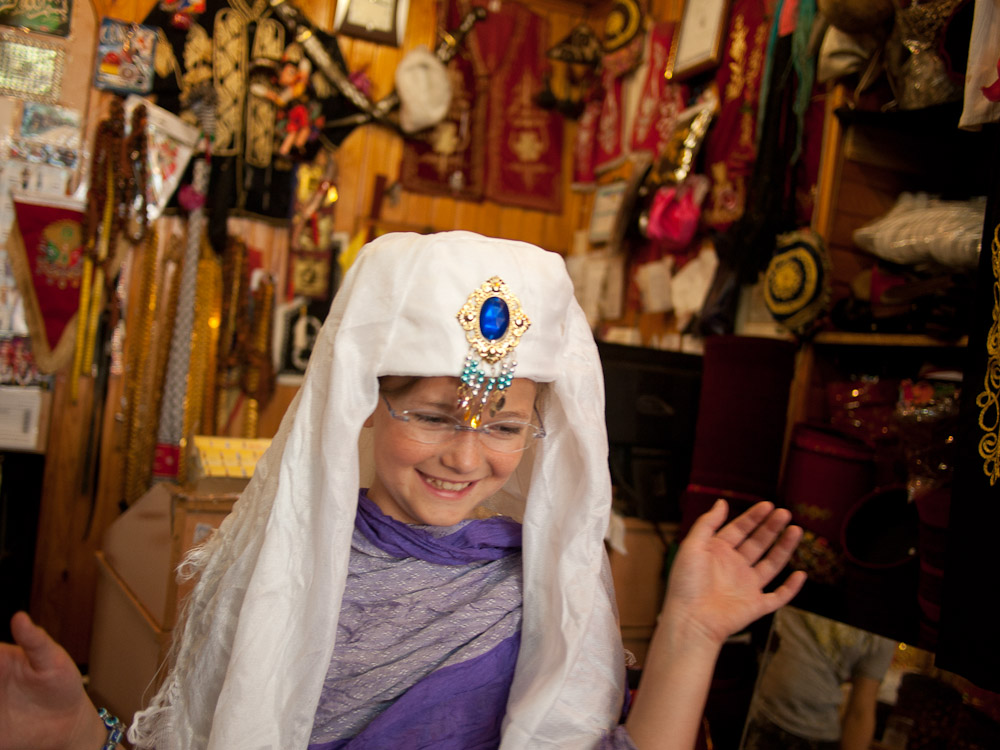
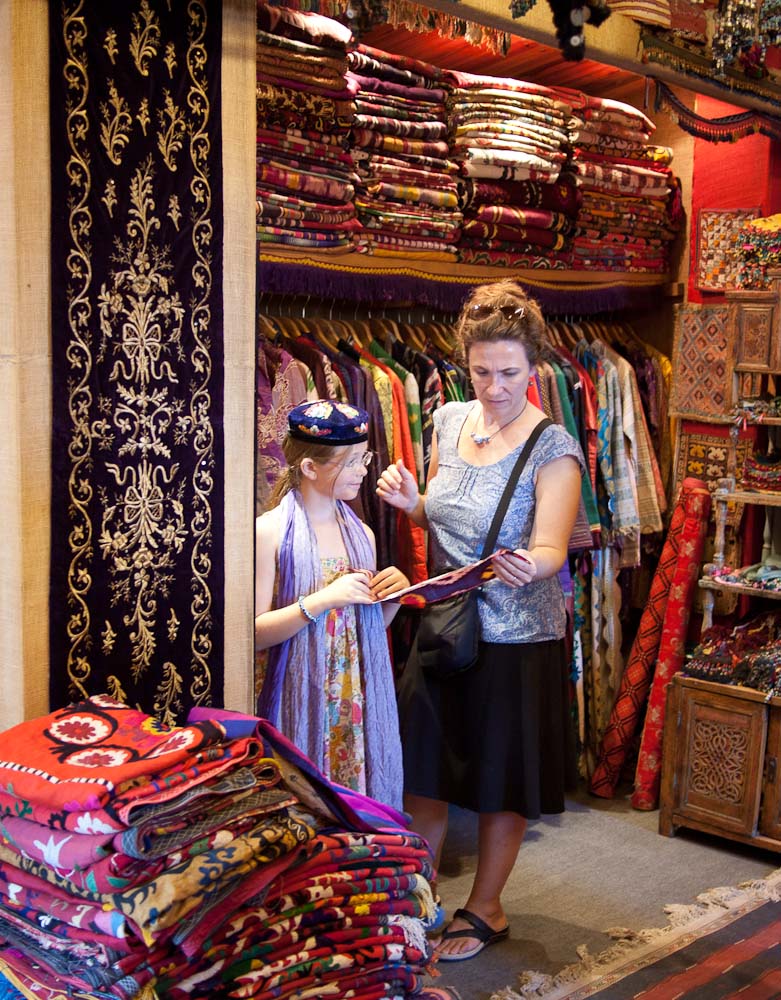
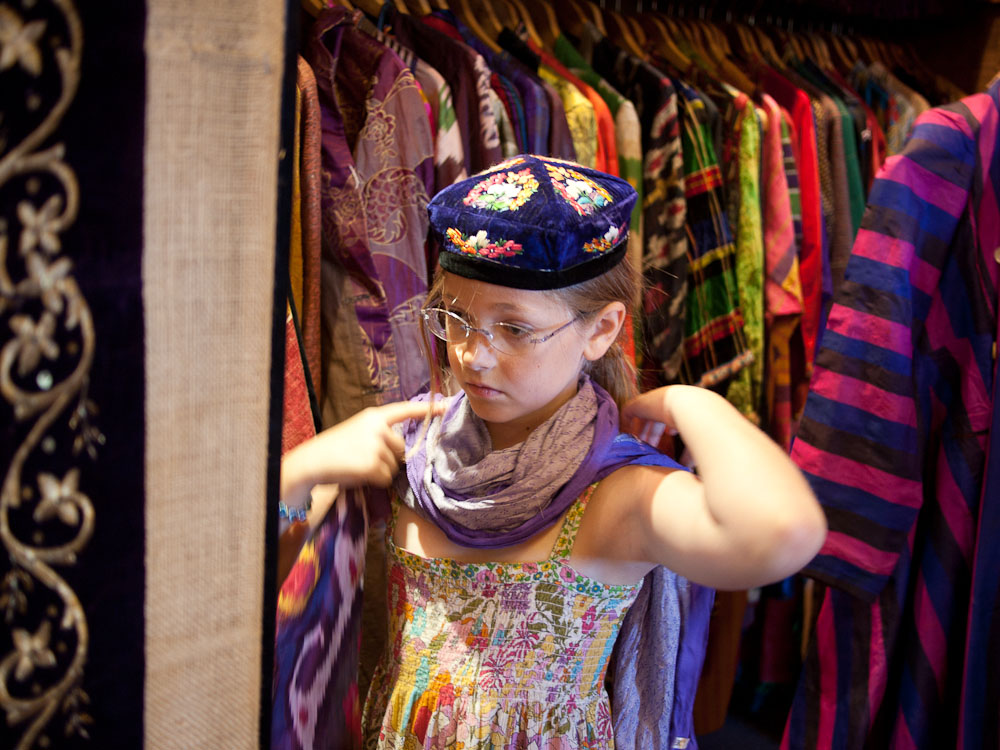
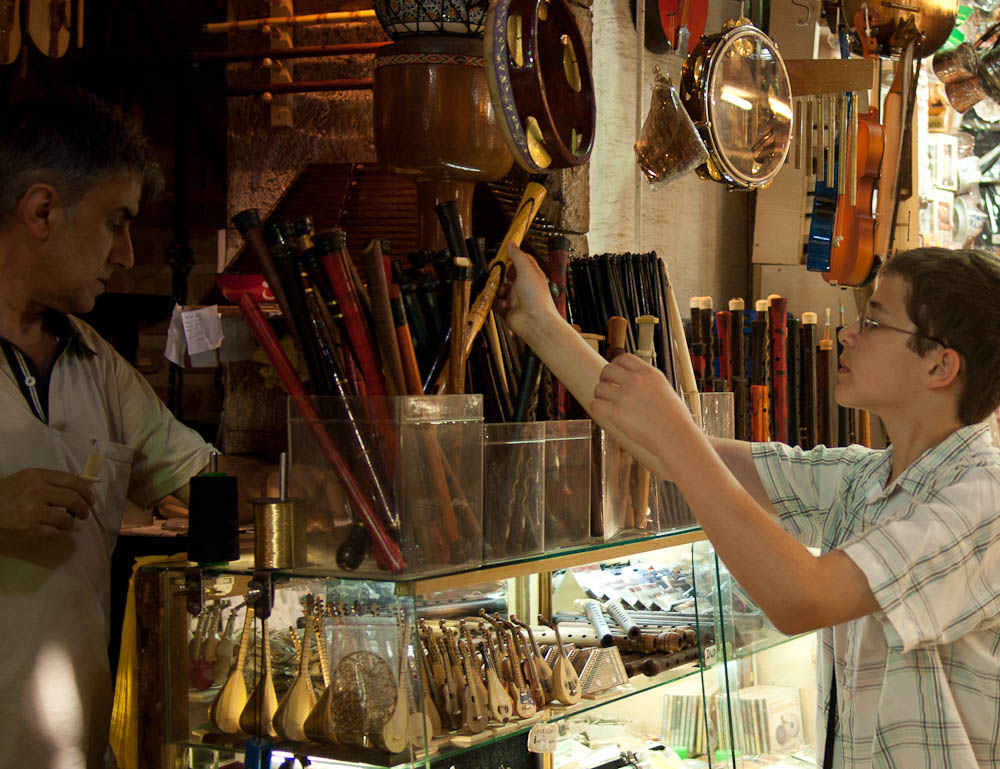
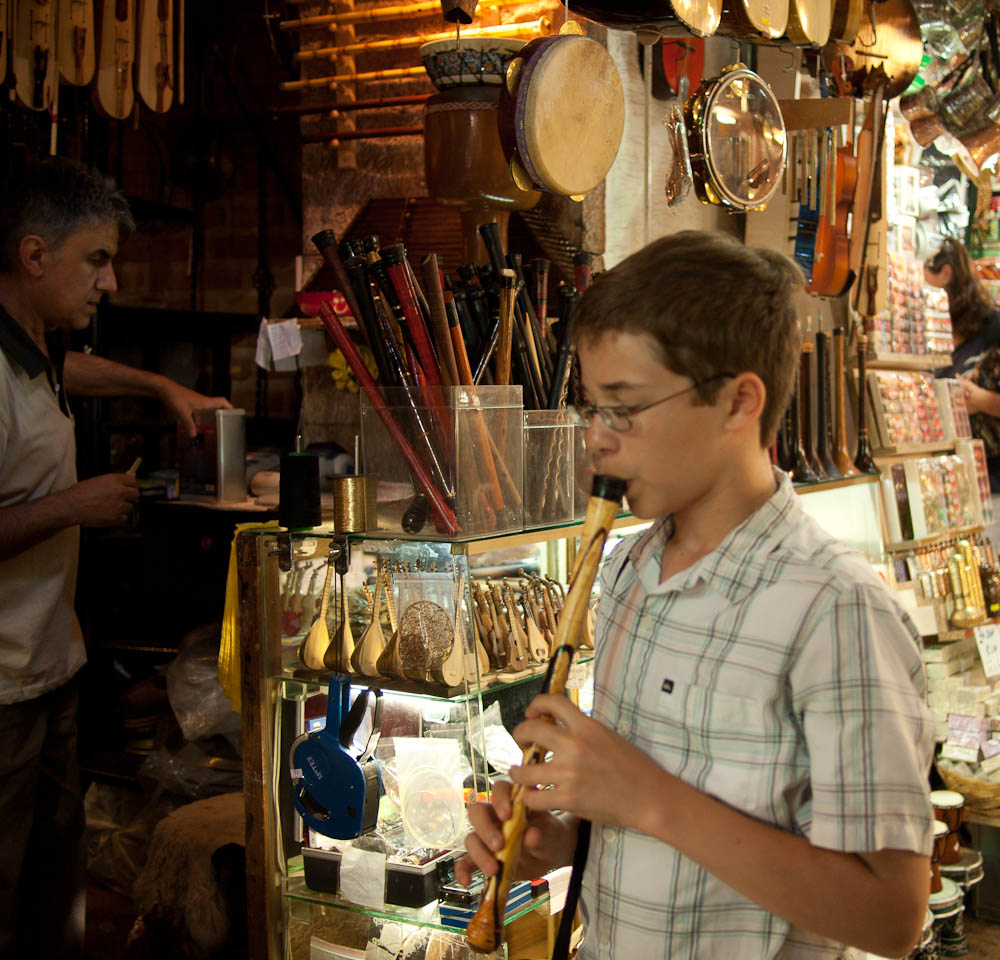
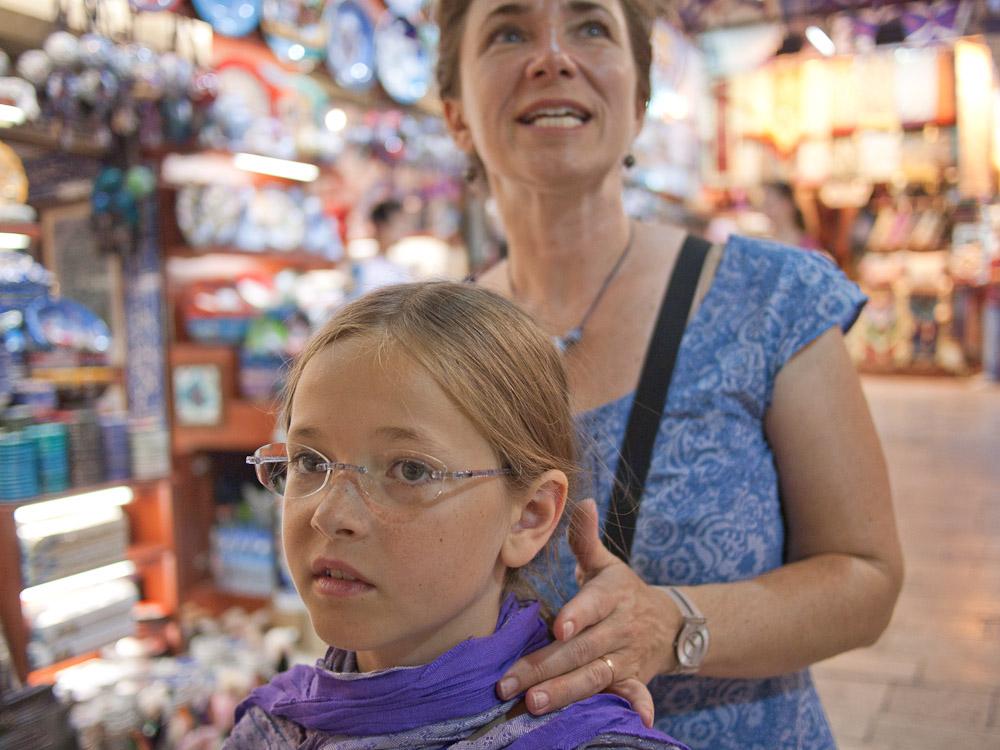
Within the first hour of our visit Katherine had selected a purple scarf and custom-designed her very own Turkish turban (!) while Carter painstakingly considered a range of traditional Turkish instruments before settling on a recorder-type reed pipe called a duduk.
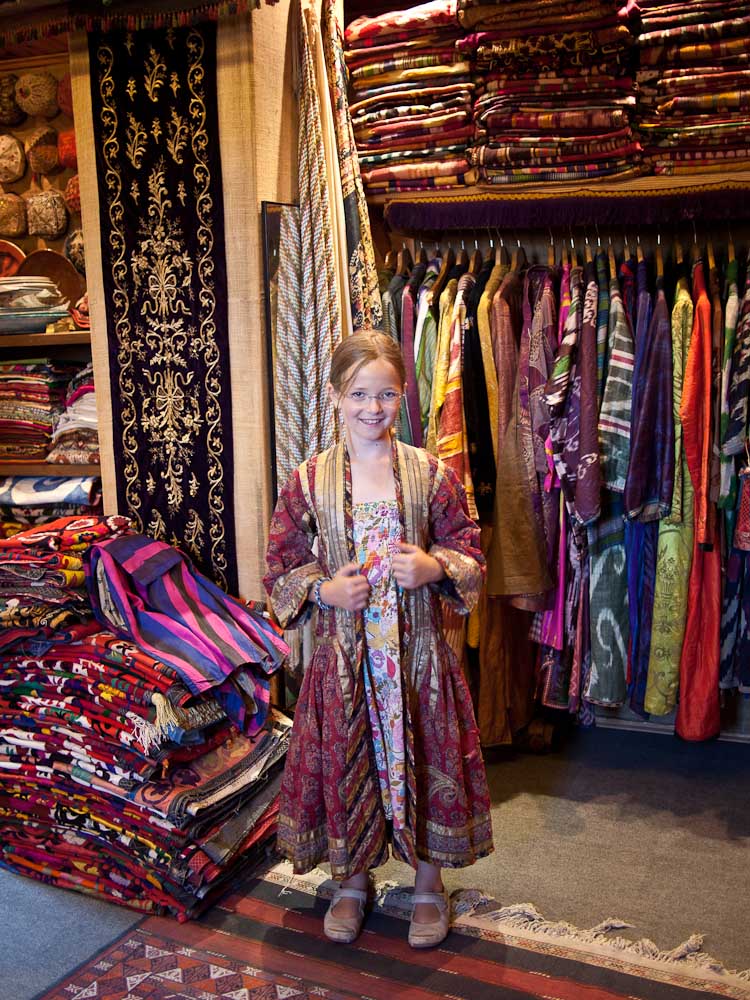
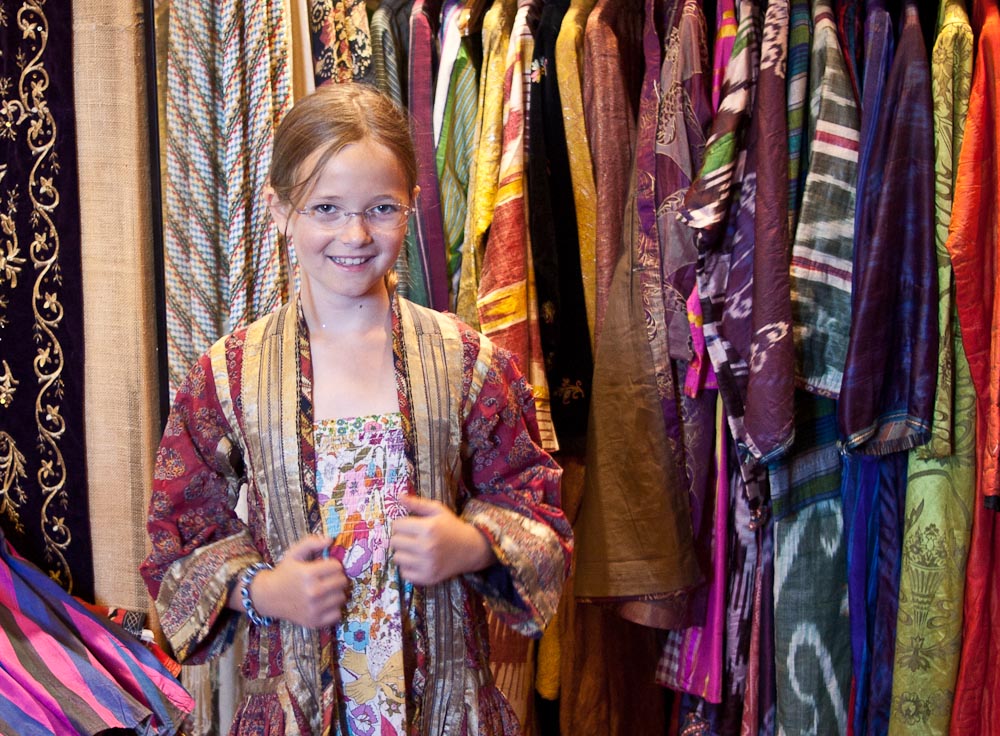
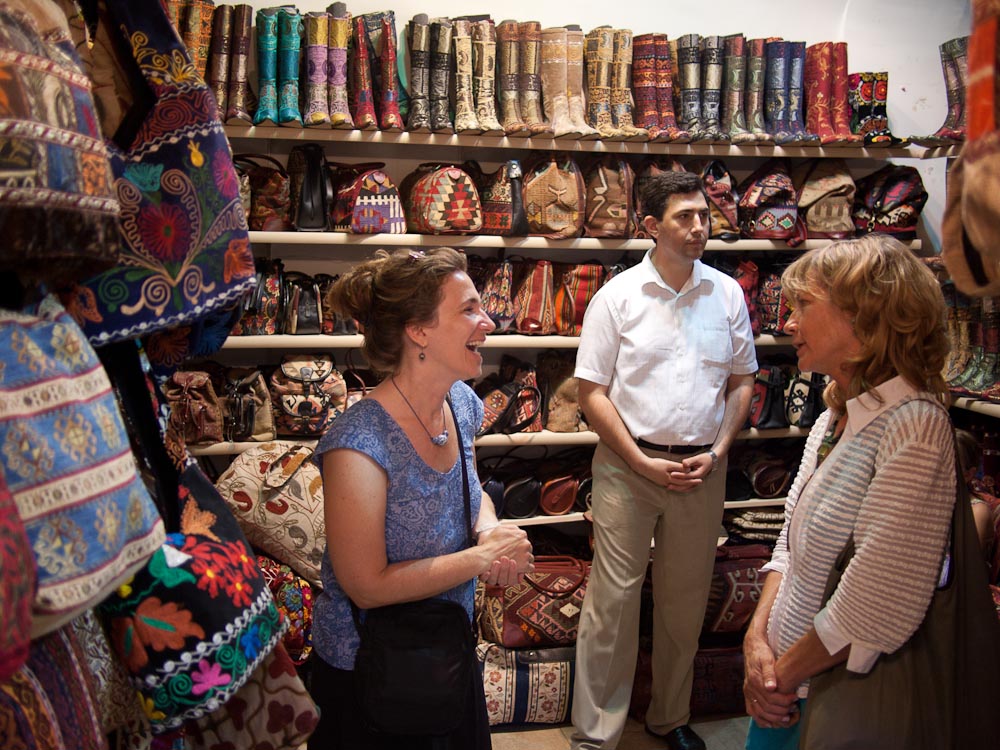
Laden with our treasures, we followed Marilyn up a staircase hidden in plain view and there, tucked in a corner without a sign of any kind, was an open door. We stepped inside and saw gorgeous textiles of every color covering almost every surface: an antique wedding gown from Azerbaijan, a young girl’s coat woven with threads of gold from Persia, and stacks upon stacks of the richly embroidered cloths with which Bedouin families create “walls” within their tent homes. This, we learned, was where textile collectors came and we could immediately see why. Each piece was unique; its provenance as rich as its color. We learned that these pieces were sourced from all over Europe and Asia Minor by the nomadic Gypsies. Seriously. Imagine Gypsies as your inventory supply chain.
Inspired, we made a trip of our own to the retail counterpart of this magical shop back in the main part of the Bazaar. We were hoping to find some embroidered pillow covers for home. Even though they are modern pieces, each is hand-stitched and we had a difficult time choosing. In the end we found two.
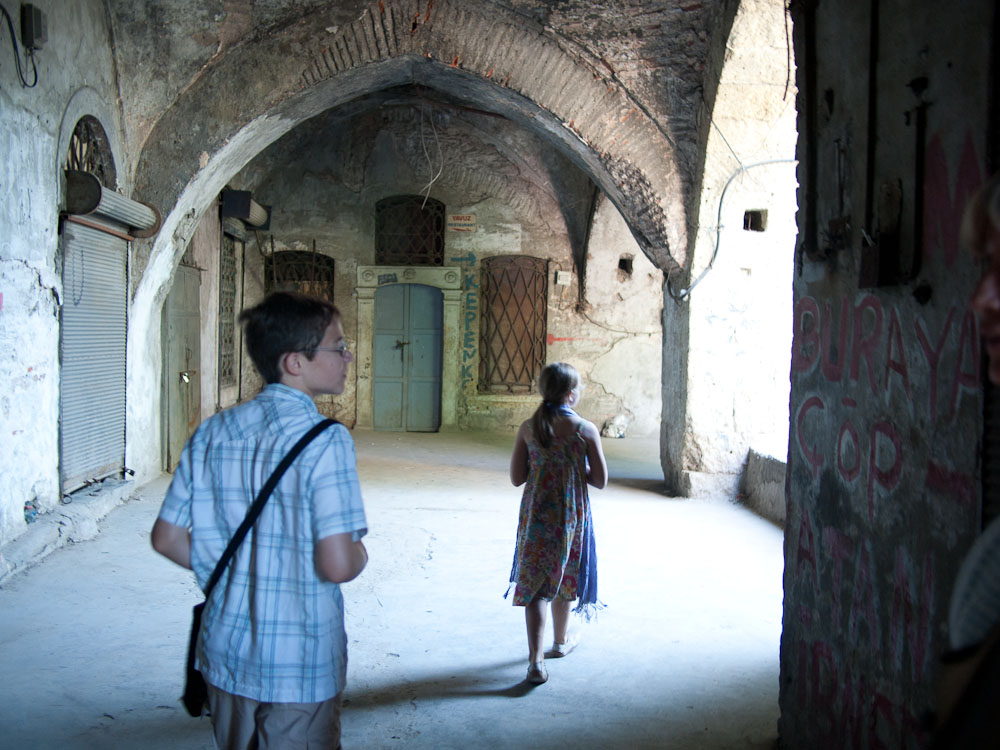
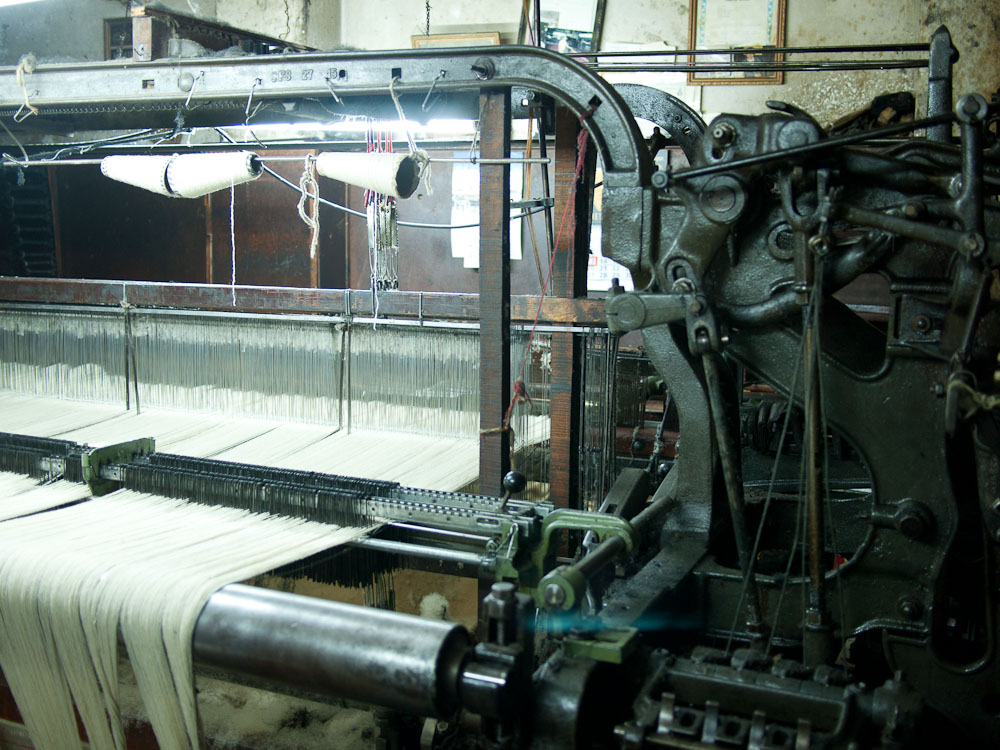
The highlight of our visit, however, didn’t occur within the Bazaar but rather ON TOP of it. Marilyn led the way through various corridors and alleys until we arrived at the wholesale manufacturing section of the market. Instead of brightly colored finished wares we passed gritty gray workshops. We went up several flights of foreboding stairs and found ourselves in a long arched corridor lined with doors and not a soul in sight. The total absence of people after the chaos and crowds of the Bazaar was profound. Soon we passed a tiny room with two men and two enormous silent looms inside. The looms remained threaded even though there was no longer any work for them; traditional textile production is now largely an overseas concern. Yet, these two gentlemen sat like guards at their posts. One explained in a heavy Turkish accent how warm his cloth was in winter. The room and brooding steel skeletons smelled of diesel fuel, reminding me of Dickens’s descriptions of early industrial England. I felt as though we were standing bedside to a dying craft.
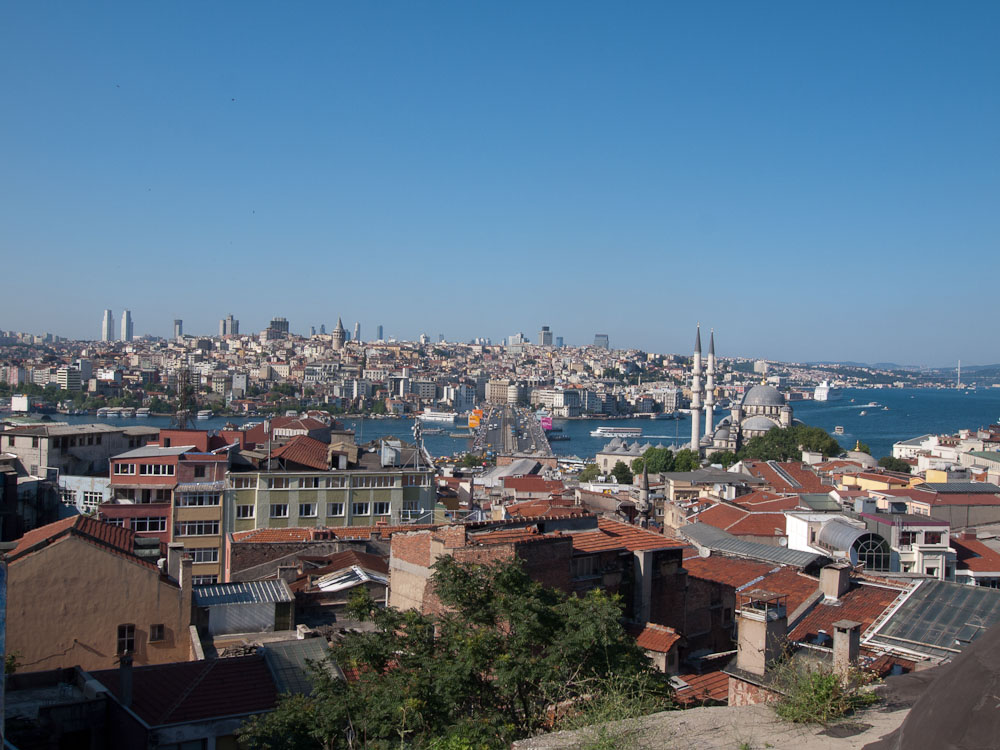
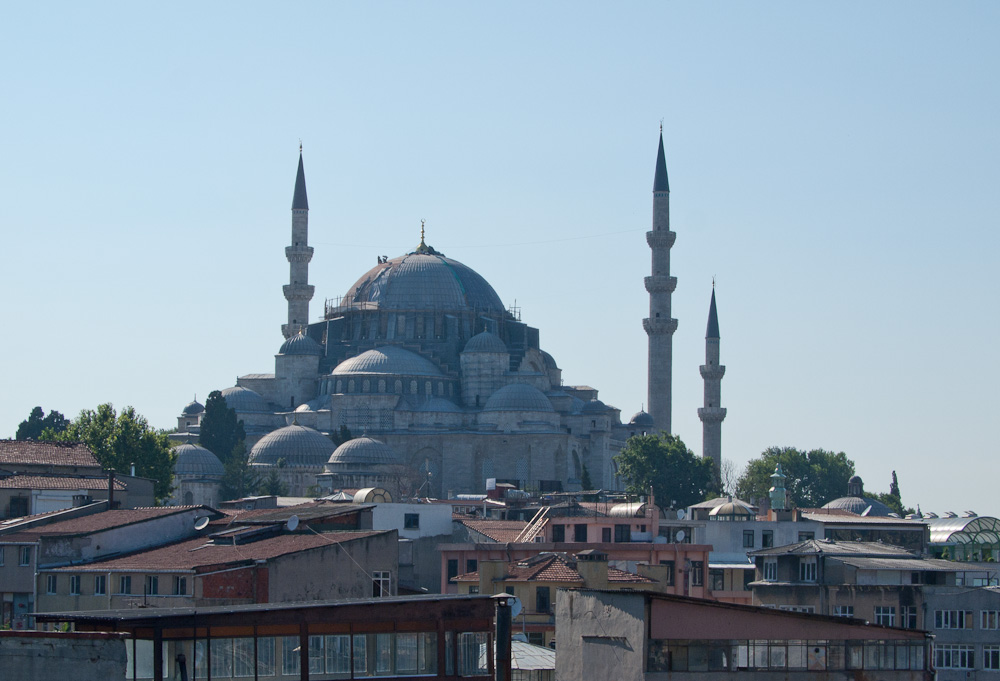
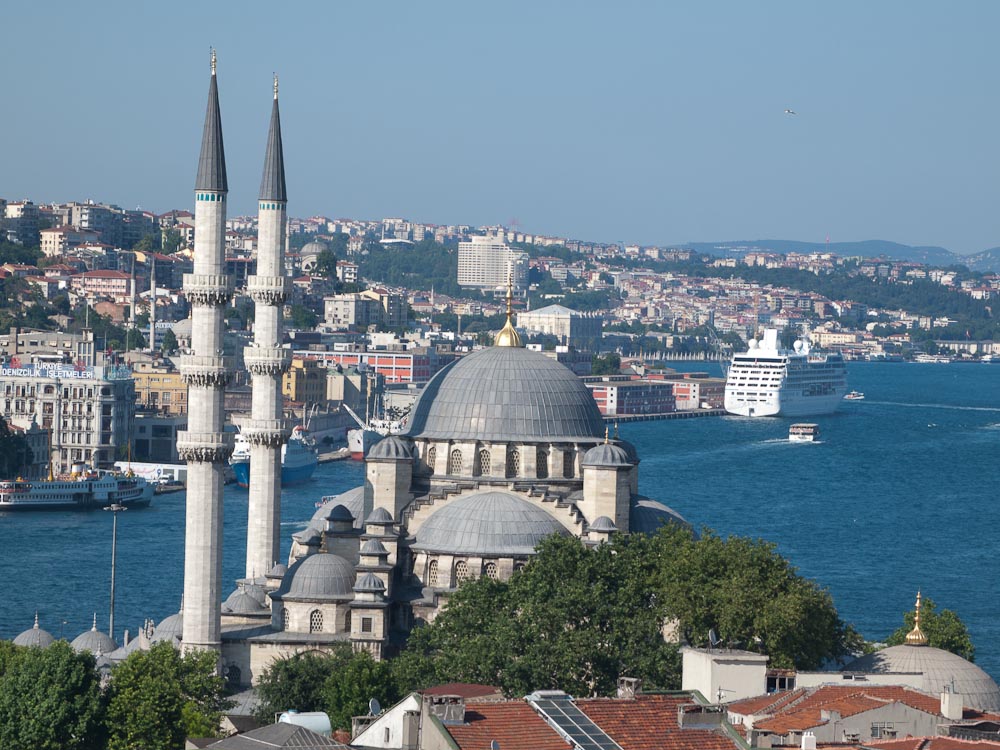
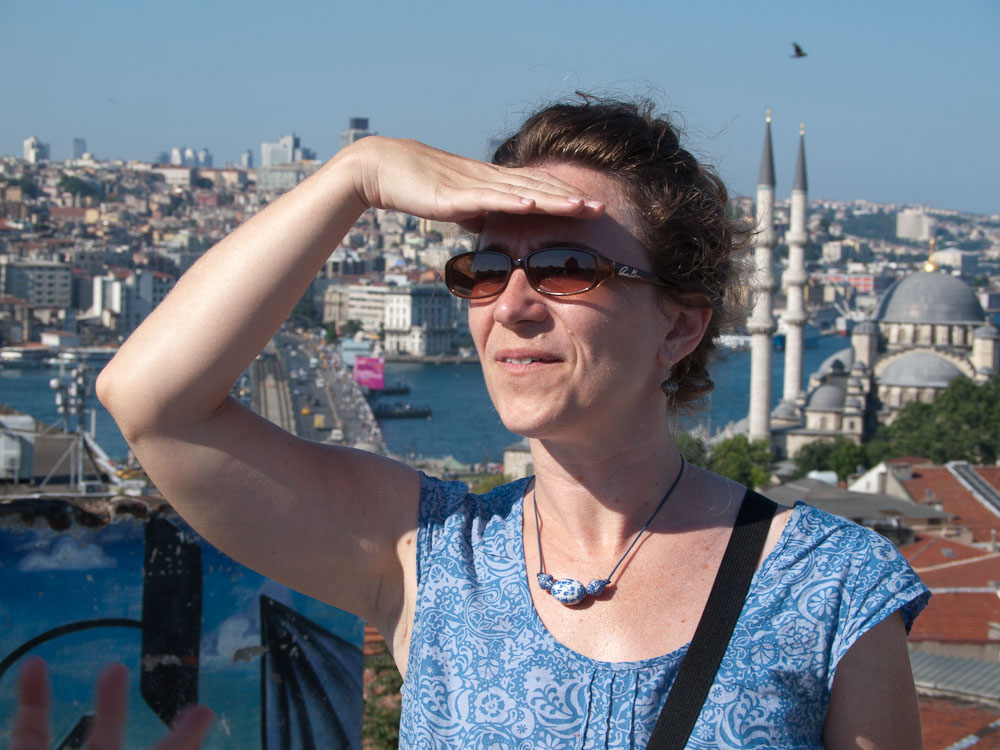
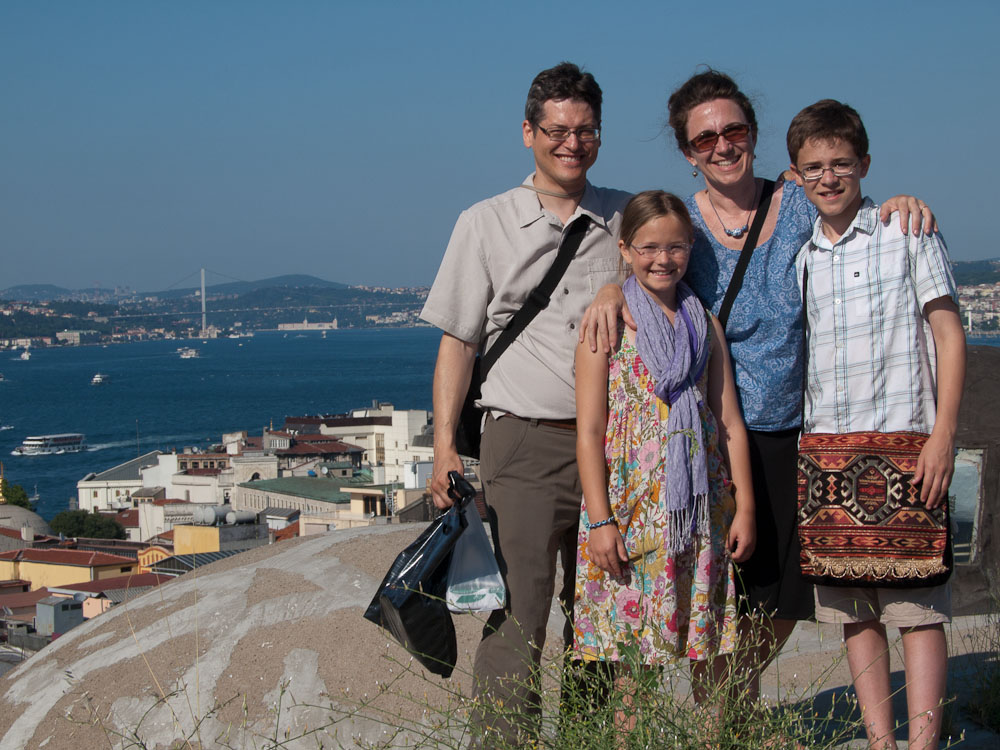
We bade farewell and continued on until we came to a very large and very locked wooden door. With a touch of her cell keypad, Marilyn conjured the man with the key and up the centuries-old staircase we went. We emerged on the rooftop of the Bazaar from where we viewed the whole of the Golden Horn up to the Bosporus Strait. The entire city seemed to lay before us bathed in the late afternoon sunlight. And then it began. The concert of the evening call to prayer—first one, then another, and another, and ultimately more than 30 muezzin sang out in an achingly beautiful round. For six minutes no one moved or said a word. You can hear an extract here: The Evening Call in Istanbul. We were mesmerized by the treasures of the Bazaar.
You can see Carter play a few notes on the duduk by right-clicking and saving this file: Duduk Video.
Error thrown
Call to undefined function ereg()