We have seen a
lot of castles on this journey. Whether built for battle or governance, very few have struck me as a place to live. They tend to be massive structures with imposing facades that dominate the landscape. The scales are generally so vast and the interiors so cold that despite the tapestries and large fireplaces, you just can’t imagine ever being comfortable inside.
Until you go to Chenonceau. Situated in the heart of the Loire Valley, many people claim that this is the most beautiful chateau in all of France. We met a Frenchman who told us that there were over 300 chateaux in this region but only 100 which you really have to see (!). Chenonceau was on his short list and proved to be my favorite.
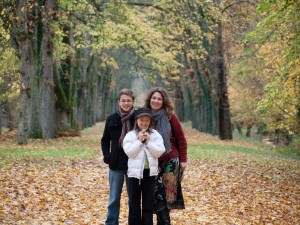
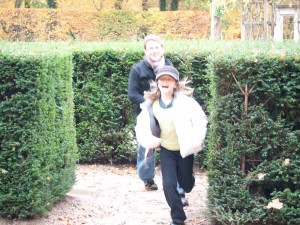
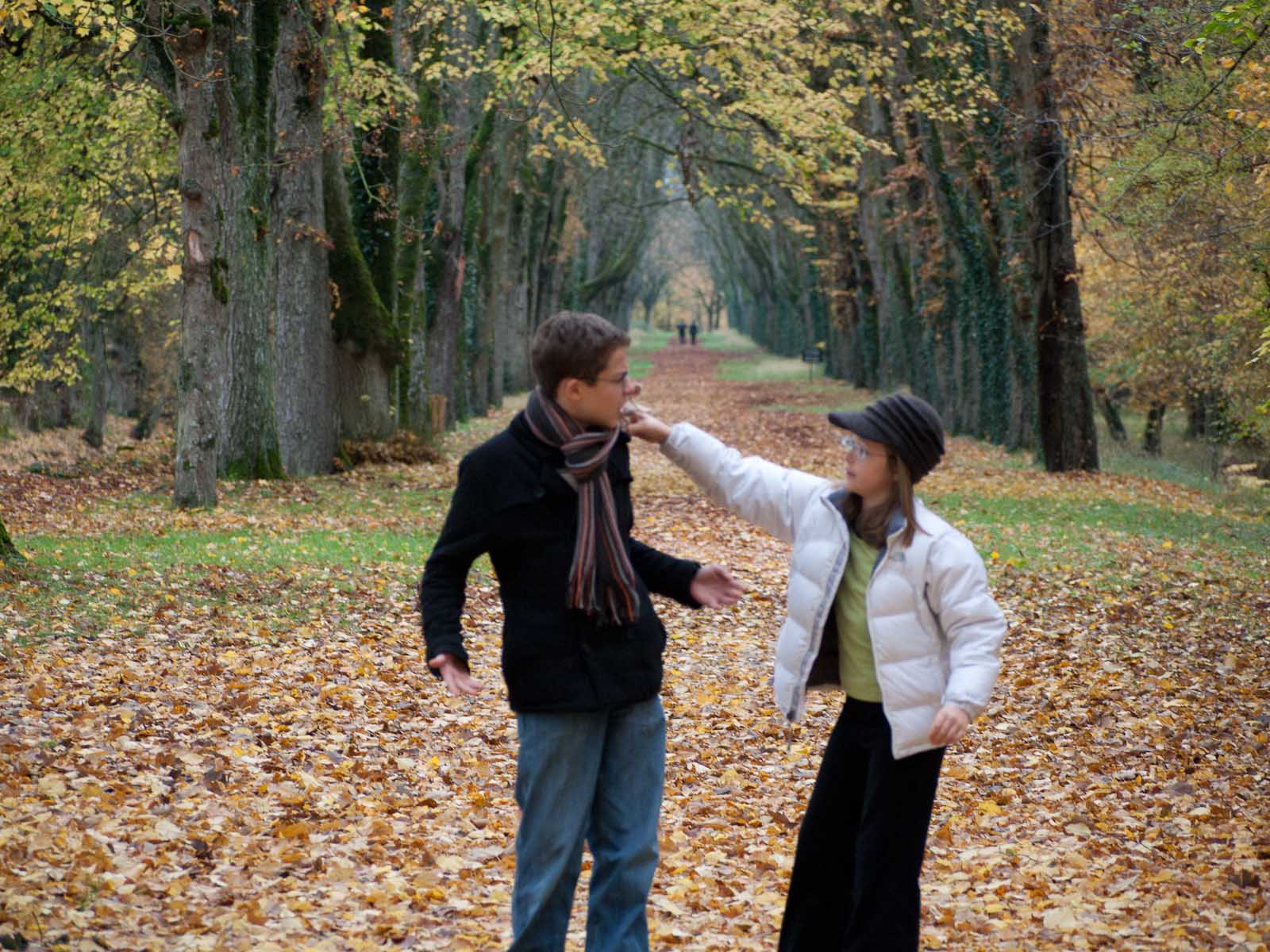
To reach the castle you must first walk down a long, tree-lined avenue flanked by forests. En route, the children discovered—and made short work of—Catherine de Medici’s maze, despite the more than 2,000 yews planted there.
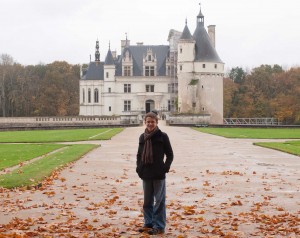
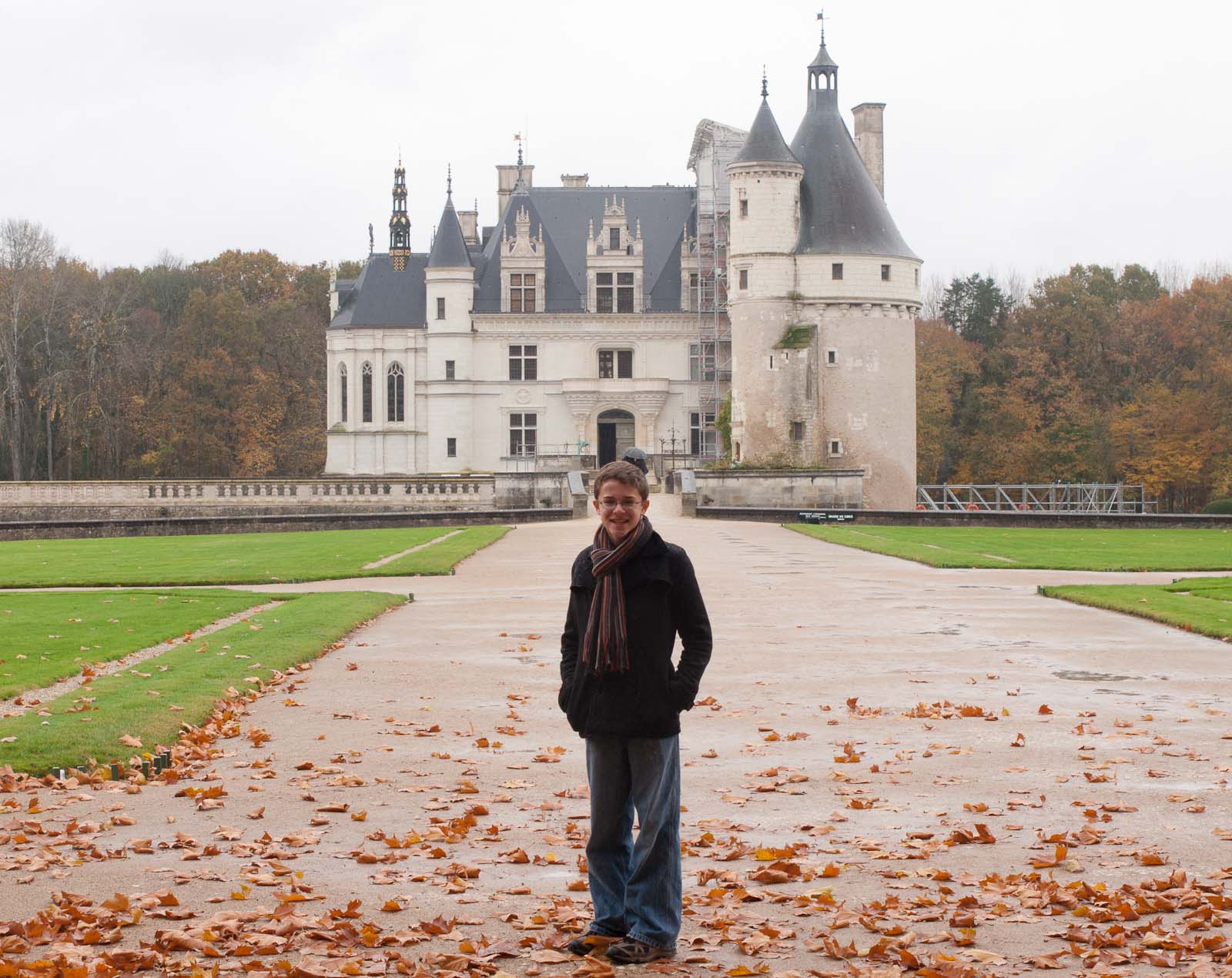
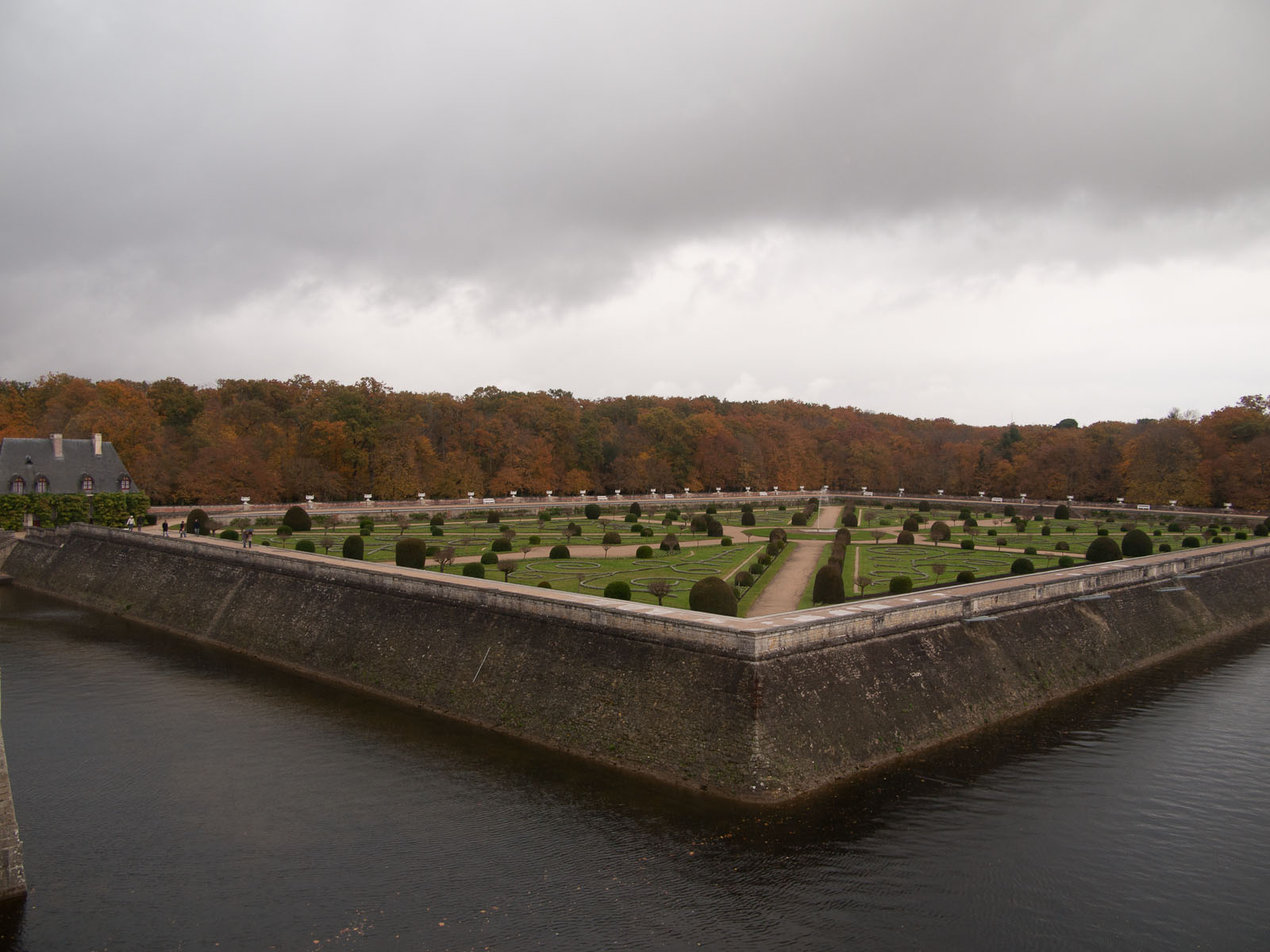
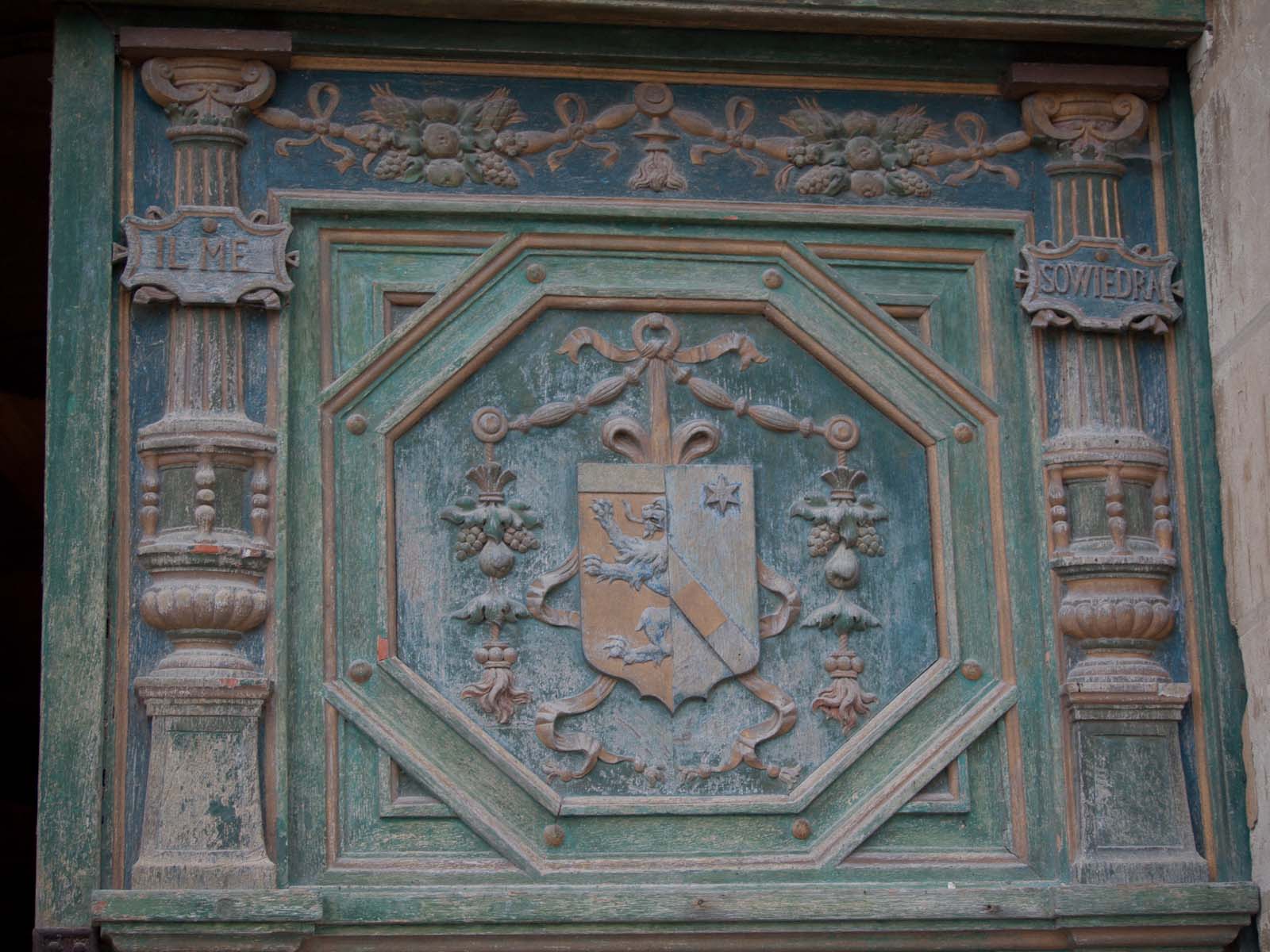
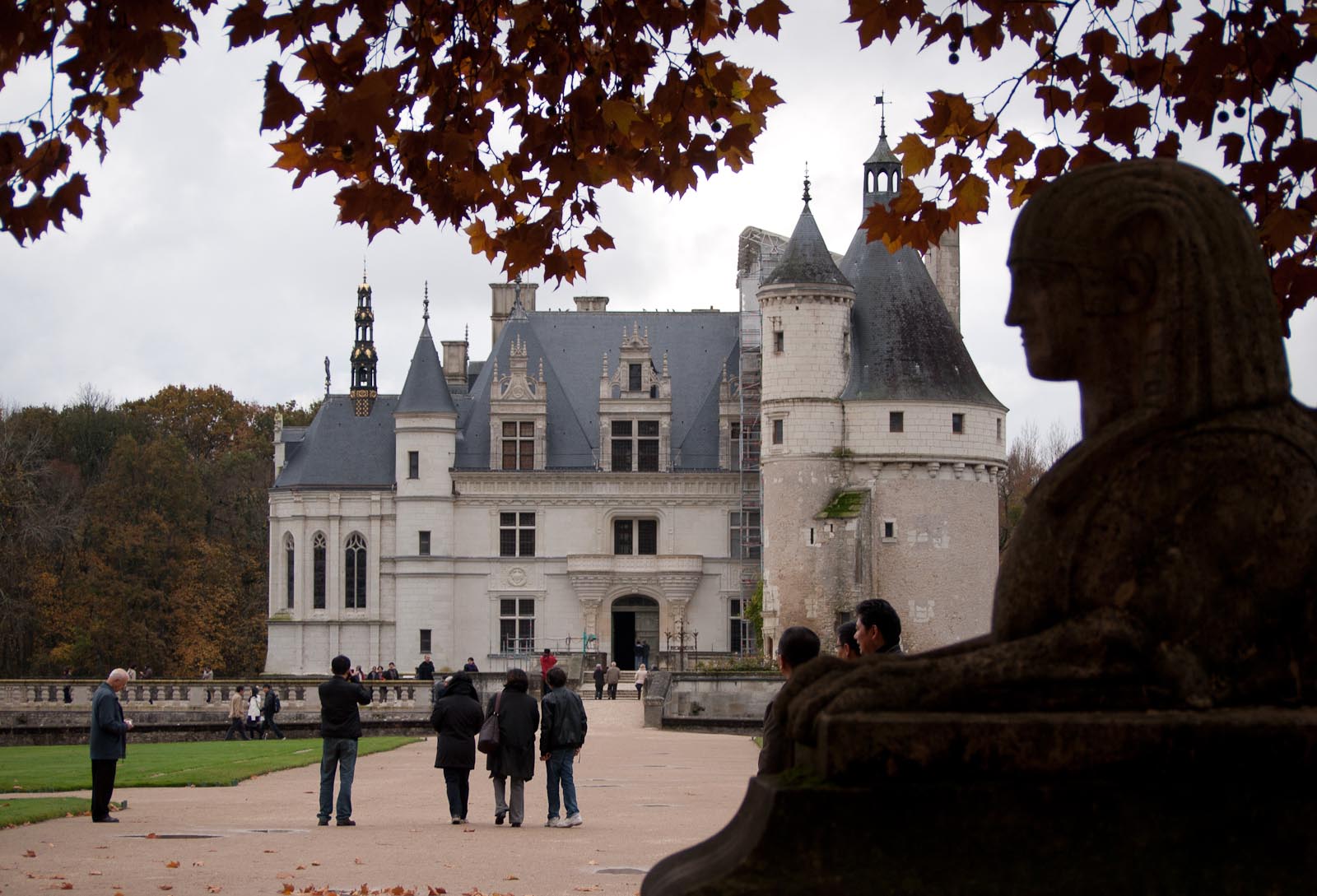
At the end of the avenue, the chateau emerges. It is white, just like in the fairy tales. Green lawns blanket both sides of the path. In a glance, you take in the facade, courtyard, and formal walled gardens. A few steps closer and you can see the massive carved wooden doors leading inside and glimpse the river Cher behind.
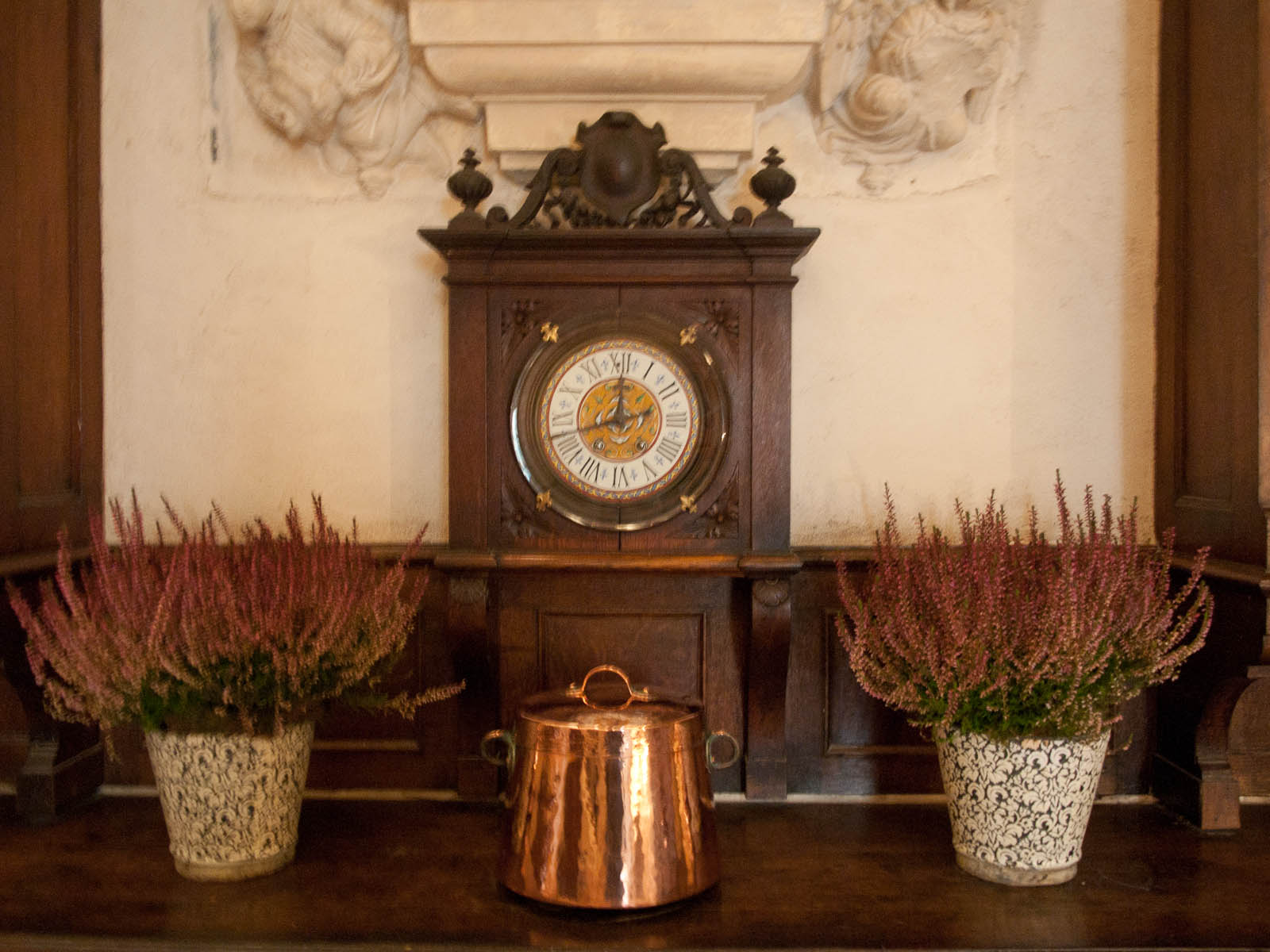
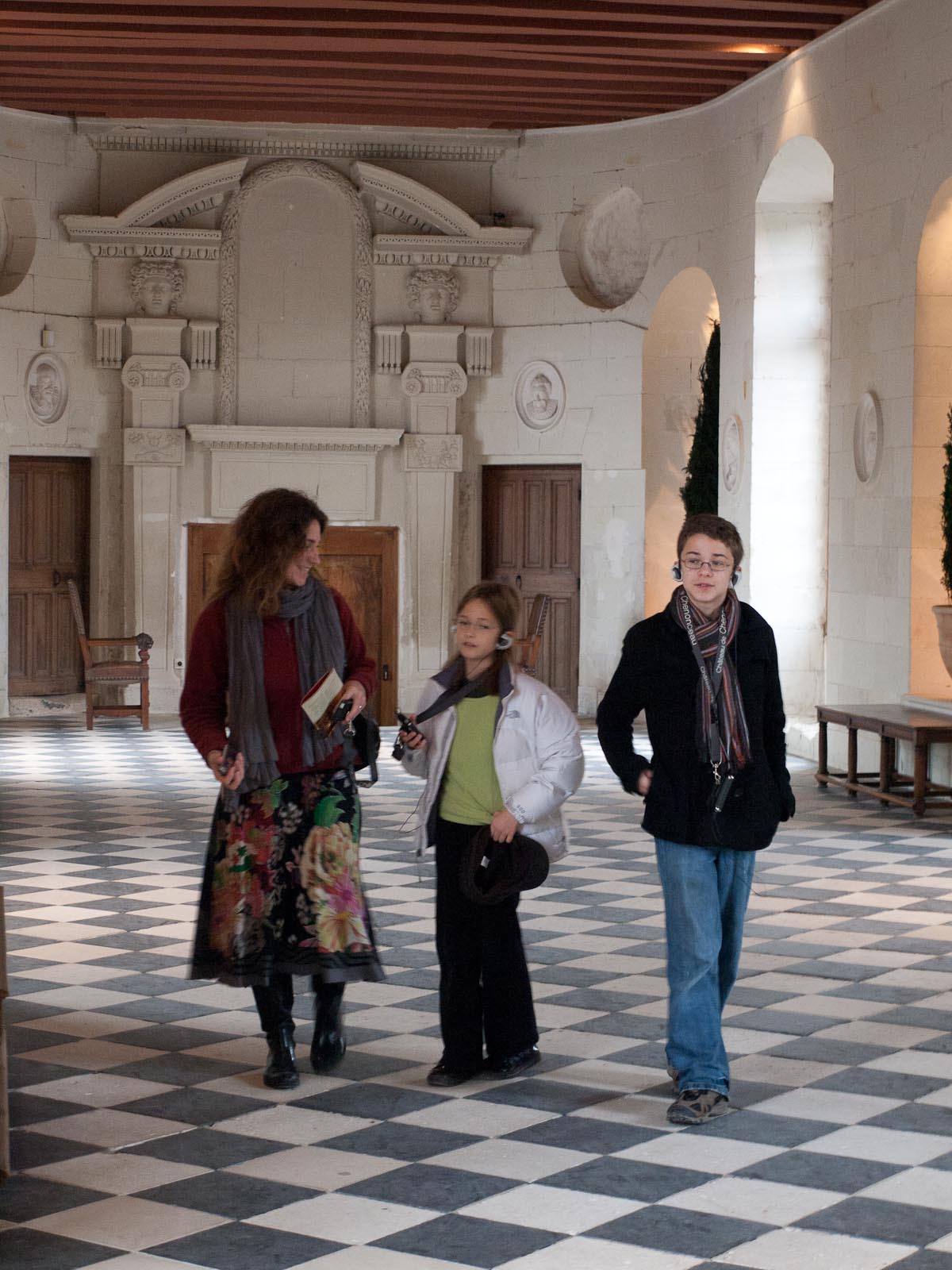
You step inside and find yourself in the Guard’s Room, where you are greeted by a roaring fire. The walls are covered with tapestries and on the floor you can see the vibrant blues and oranges of the original 16th century tiles. There is an enormous flower arrangement on the sideboard, one of dozens placed throughout the castle. Each week, twice a week, the rooms are filled with arrangements made from flowers grown on the property. You almost feel as though someone were expecting you.
This is by design. The society which runs the chateau wants visitors to feel like guests. They claim that they are inspired by the famous women who owned and oversaw the property through the ages, especially Diane de Poitiers and Catherine de Medici.
These two women were 16th century rivals. Catherine was married to Henry II, King of France (son of Francois I); Diane was Henry’s much-loved mistress. It seems that every king of France kept a mistress, or several. It was widely accepted. I really couldn’t understand this until I learned that these royal marriages, functioning primarily as a means to secure and advance the crown, were always arranged and executed as quickly as possible. Henry and Catherine were only 14 when they wed.
Despite Henri’s infidelities, he and Catherine remained married for twenty-six years and had ten children together. Seven survived infancy and three went on to hold the crown, albeit for very brief spells: Francois II who died at 16 from illness, Charles the IX who died at 24, and Henry IV—Catherine’s fourth and favorite son—who was assassinated in Paris by a fanatical monk.
The love affair between Henri and Diane lasted twenty-five years, almost as long as the royal marriage. Henry was 15 and Diane was a widow of 35 when it began. She was famous for her beauty and was apparently very skilled at politics, courtly and otherwise. Henry was so besotted with her for so long that some courtiers suspected Diane of using witchcraft. Young dour Catherine was simply no match, at least not while Henry was alive. When Henry received a mortal wound in a jousting tournament, Catherine refused to let Diane see him on his deathbed even though he repeatedly asked for her. As soon as Henry died, Catherine summarily ousted Diane from her beloved Chenonceau and moved in herself. Sometimes it is good to be Queen.
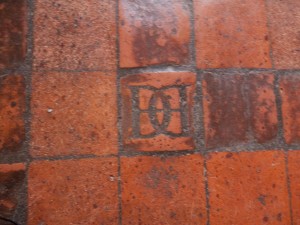
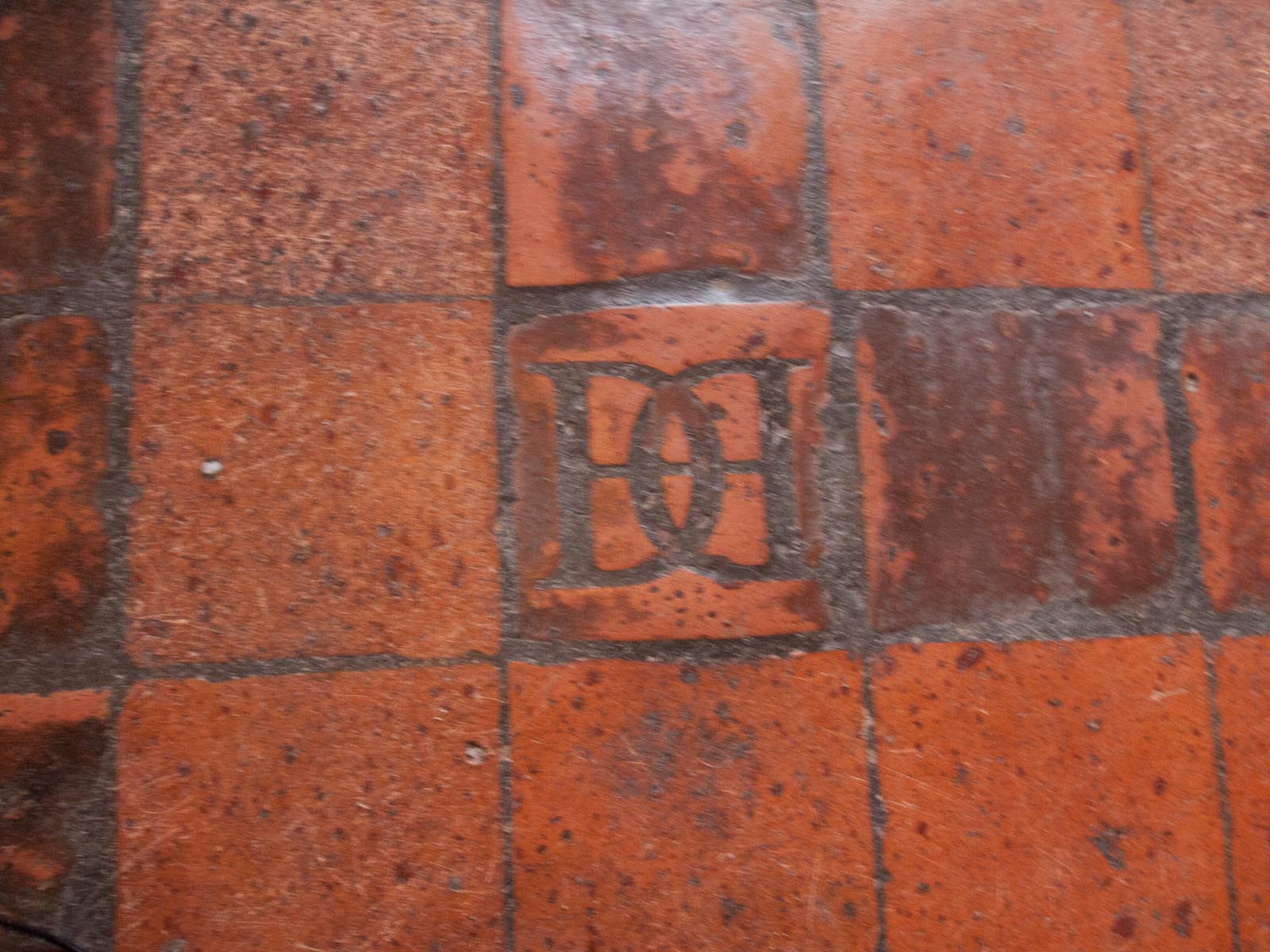
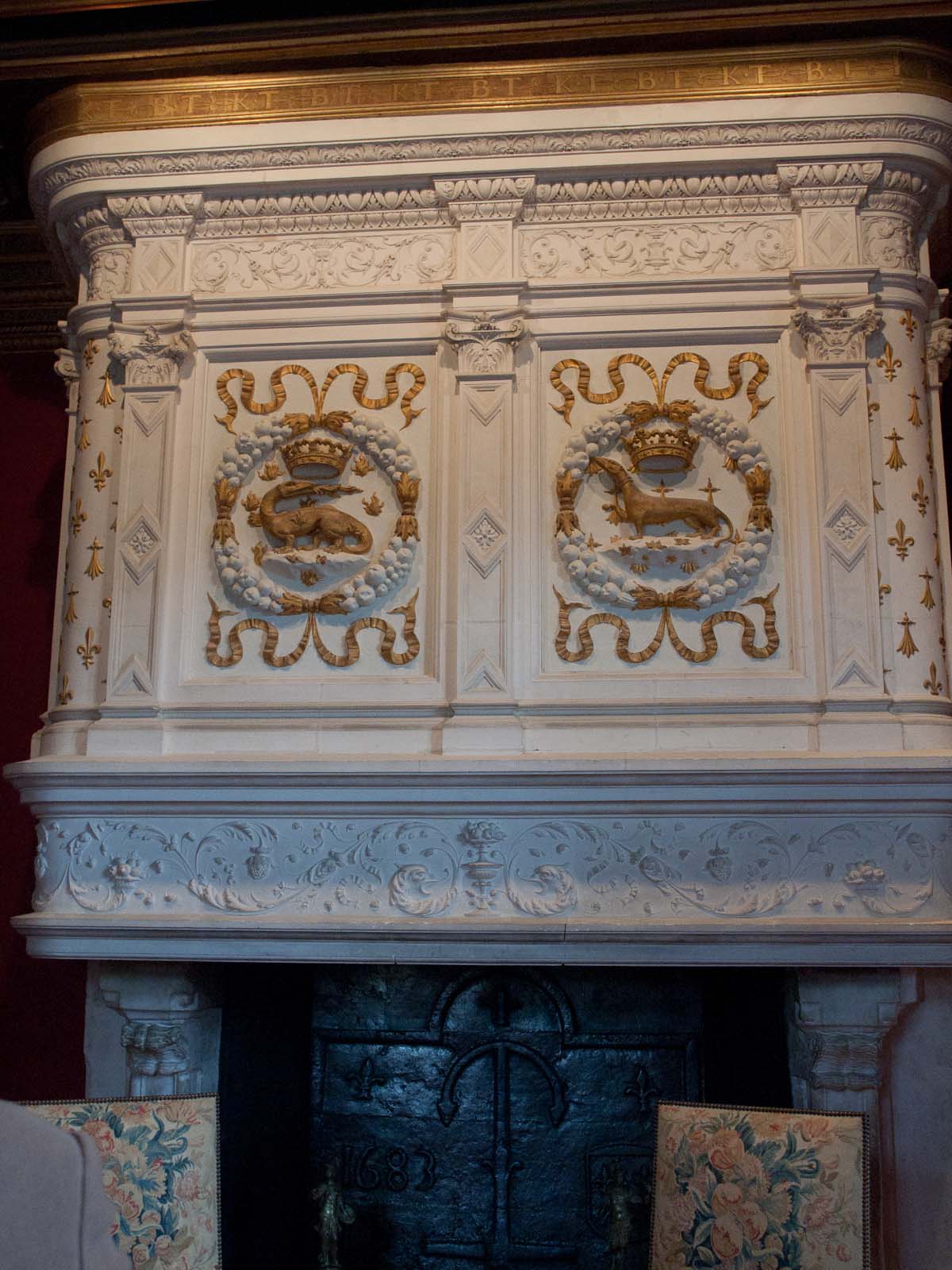
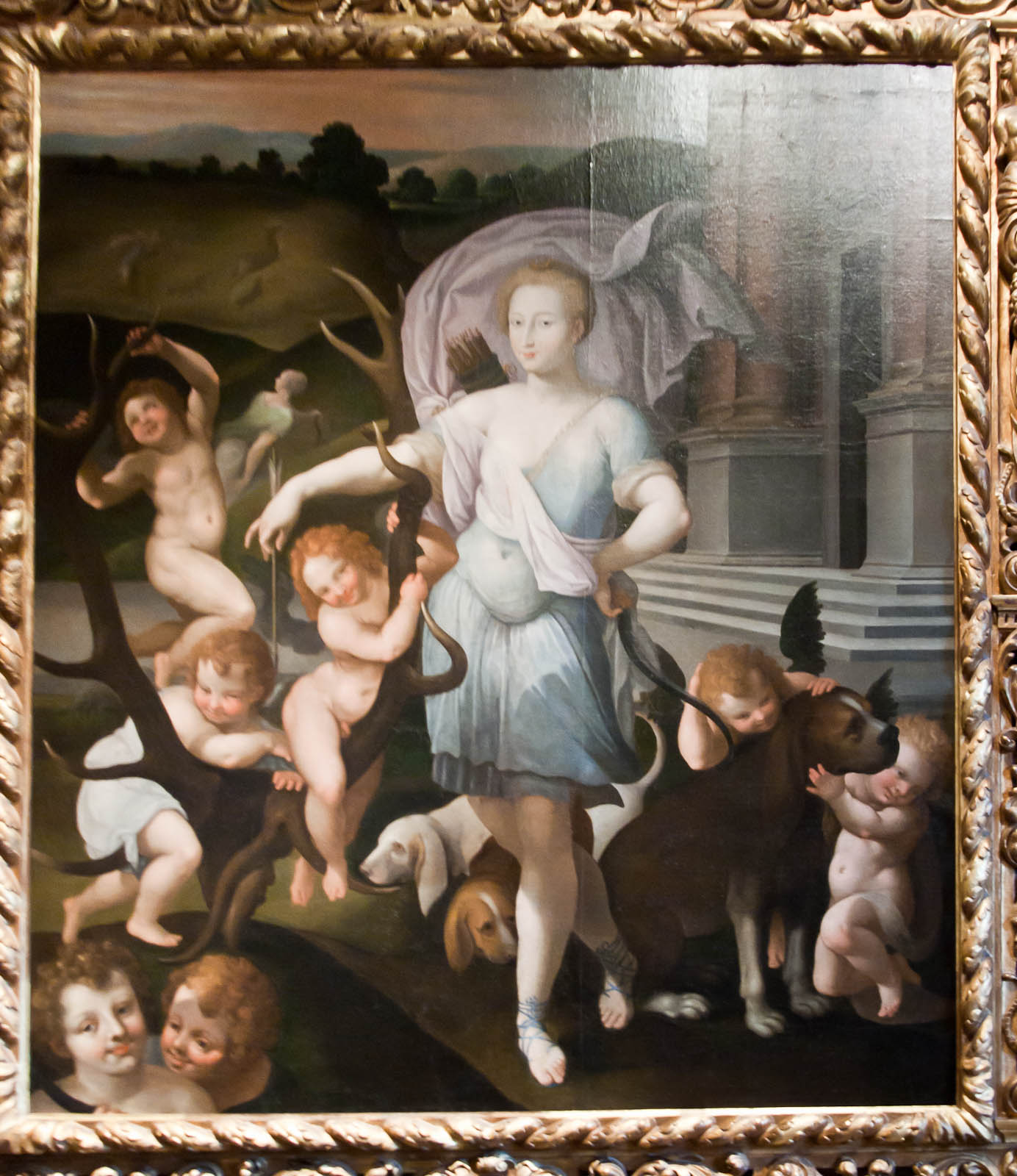
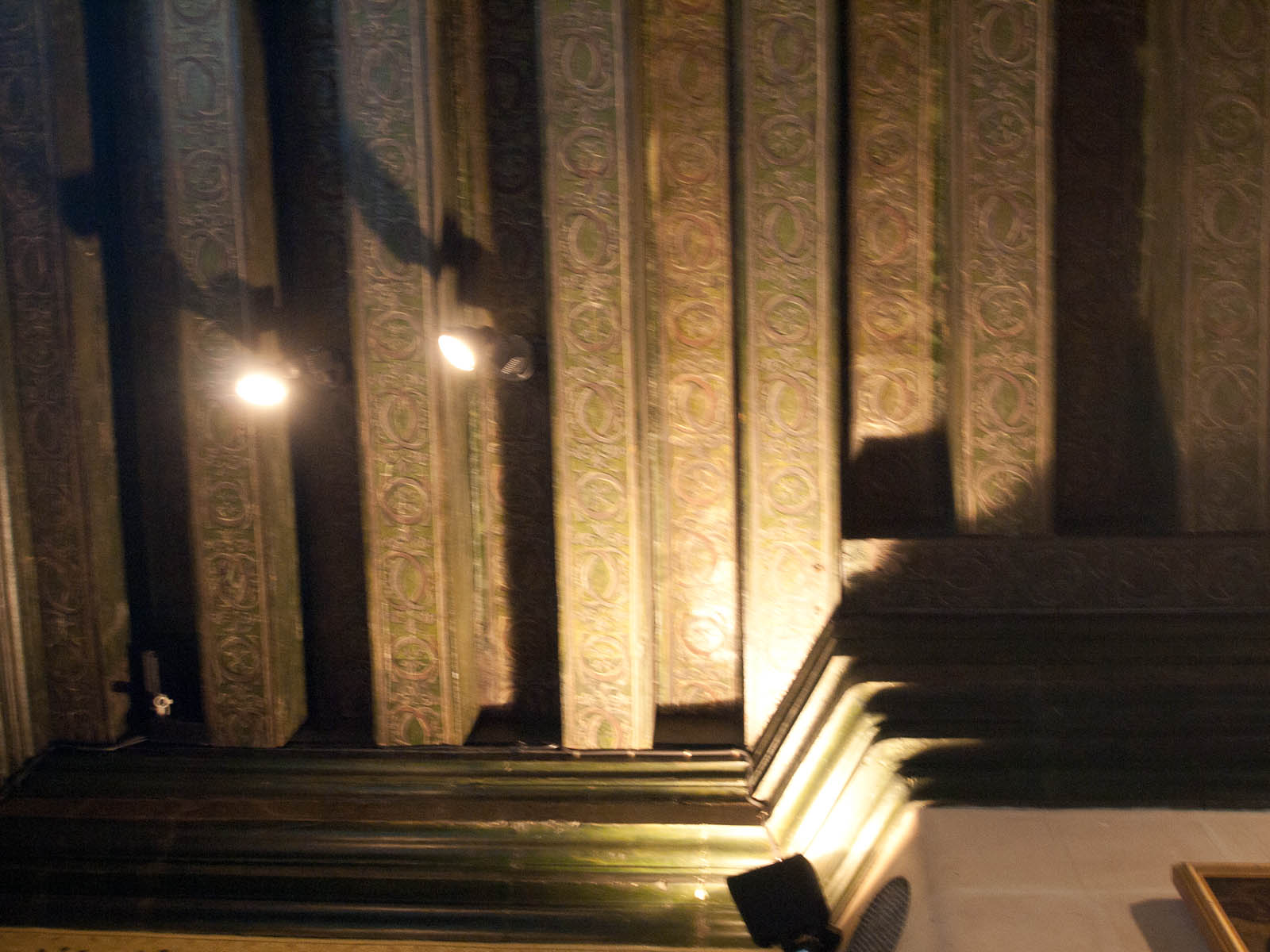
However, Diane had left her mark throughout the property. The royal initials carved in the floor tiles, painted on the ceiling moldings, and sculpted into the marble mantels cleverly evoke her presence: the capital letter “H” encircling two inverted “C’s” ostensibly represents the king and queen. However, on closer inspection, the letter “H” embraces two “D’s,” surely intended to signify the king’s true first lady.
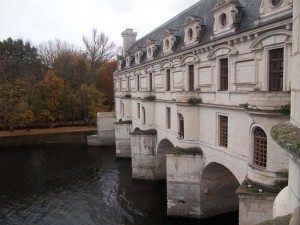
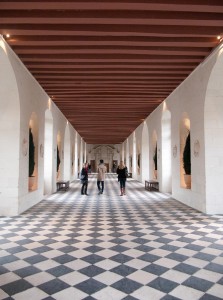
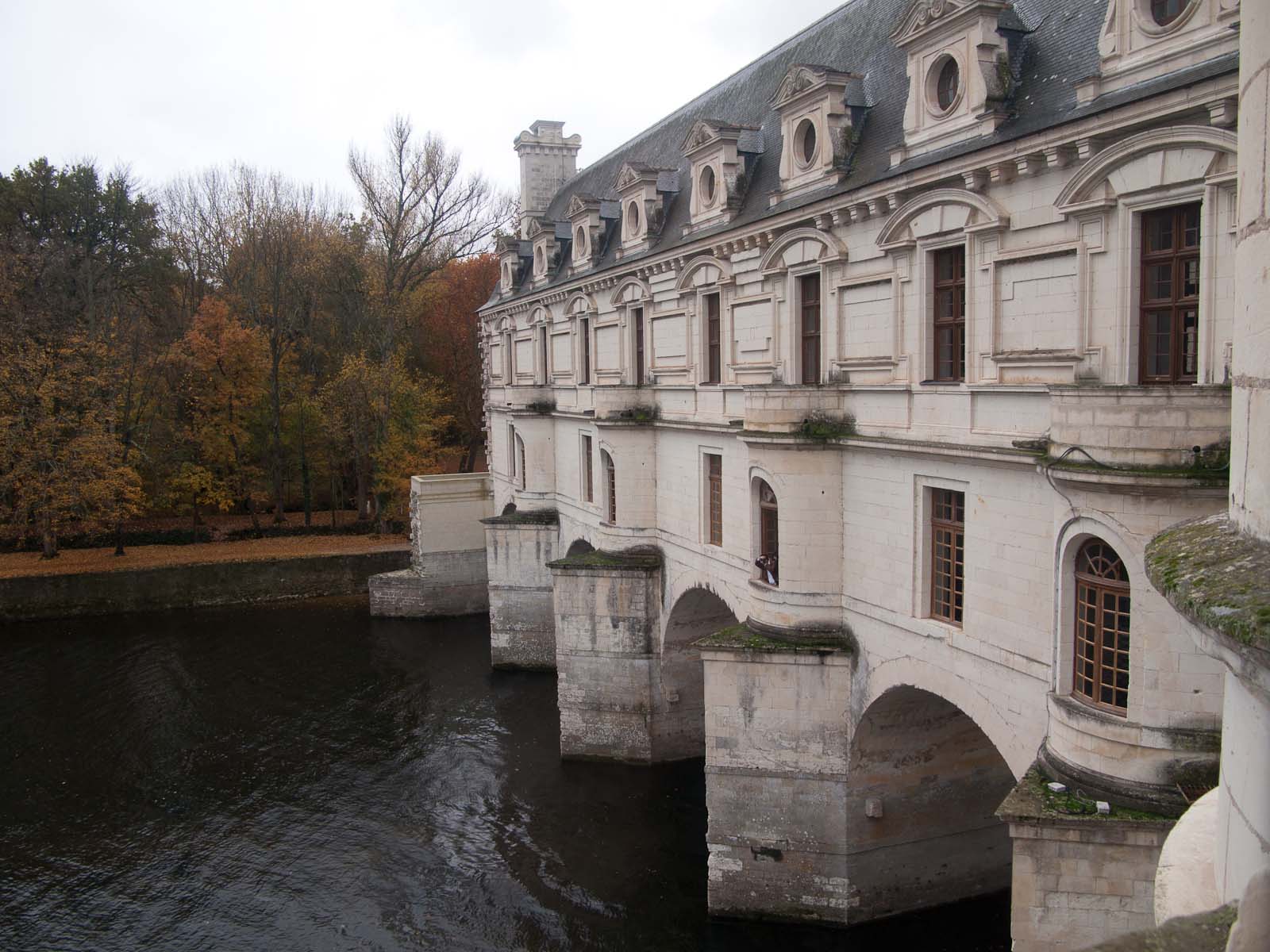
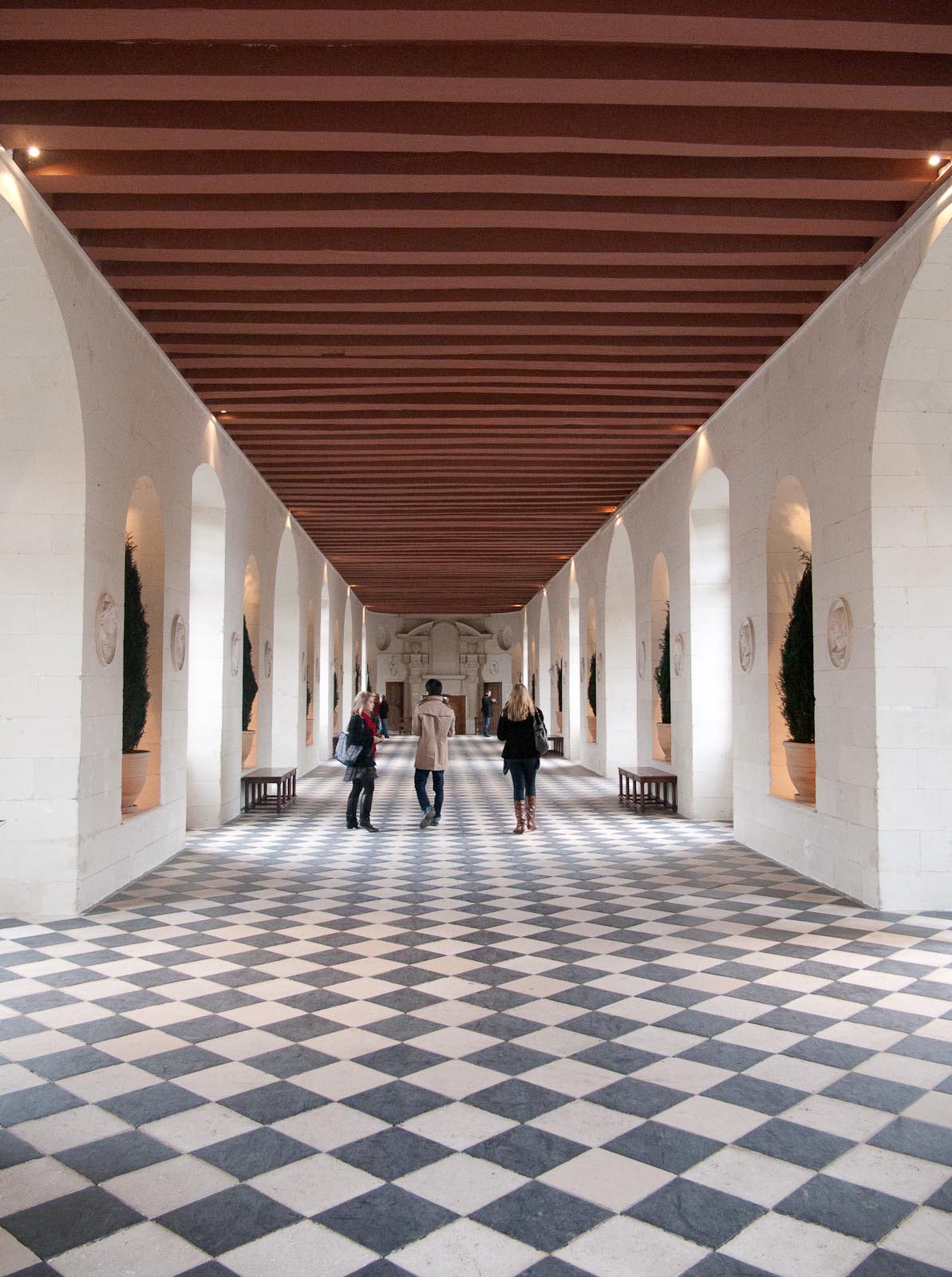
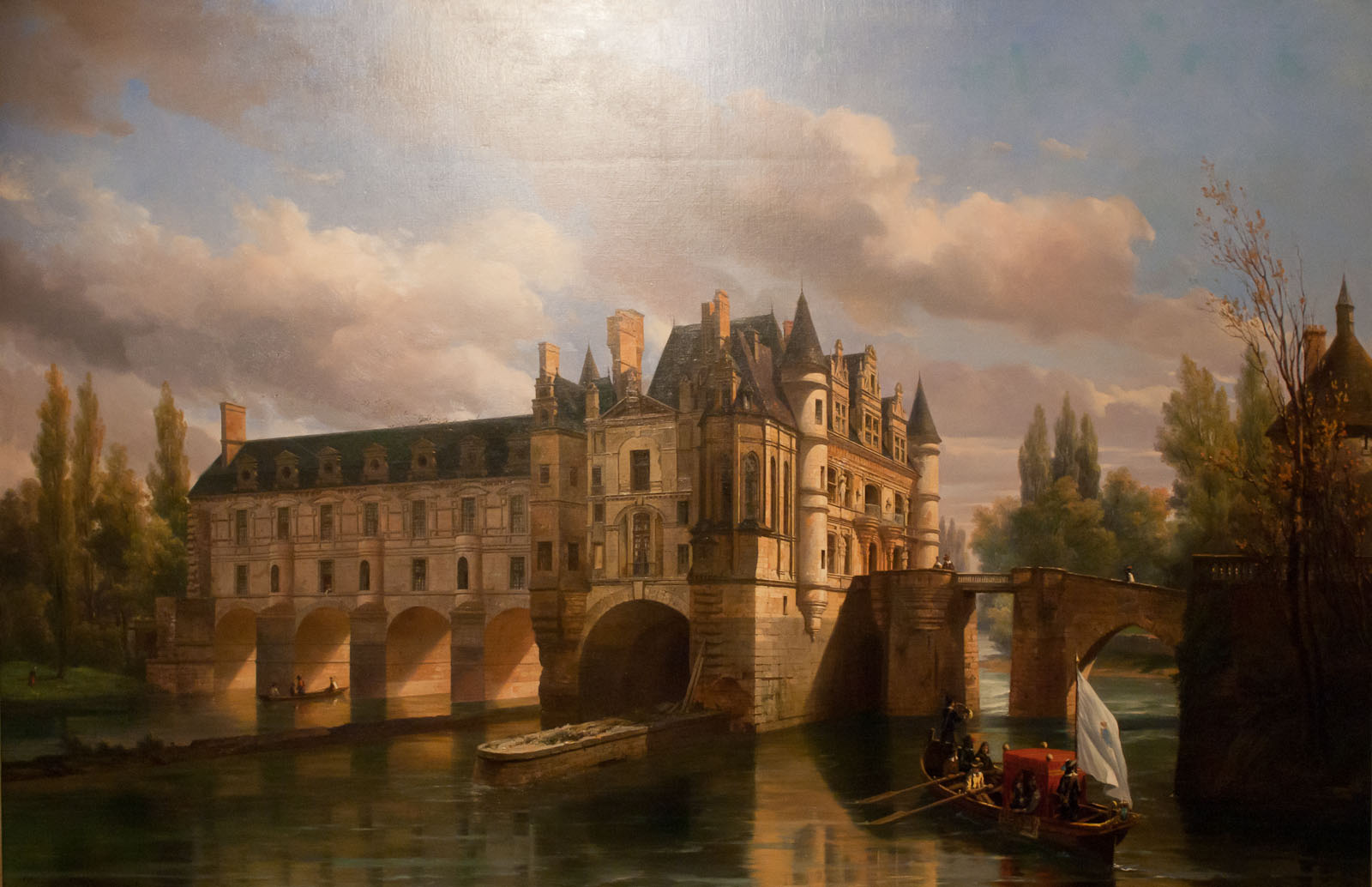
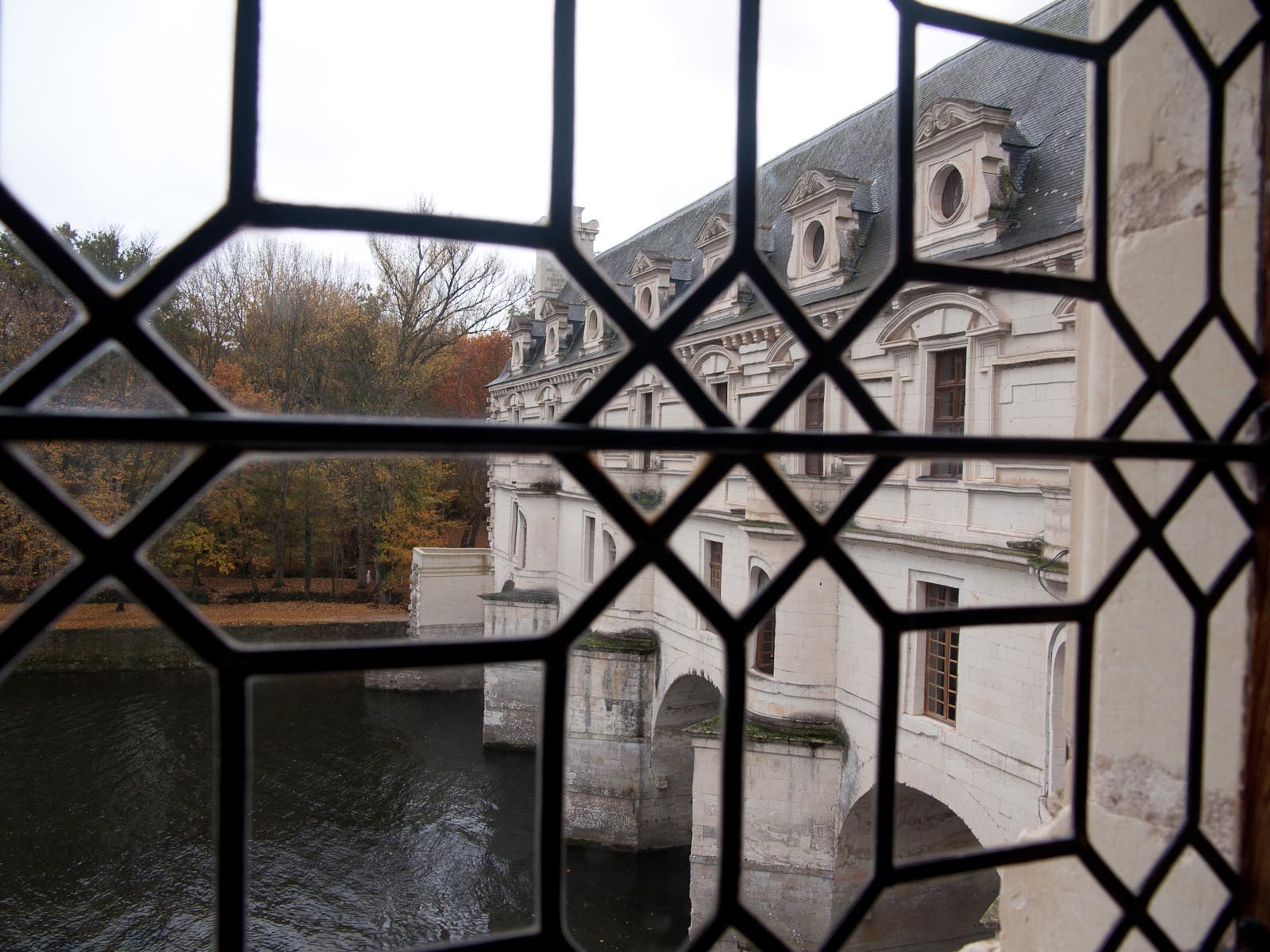
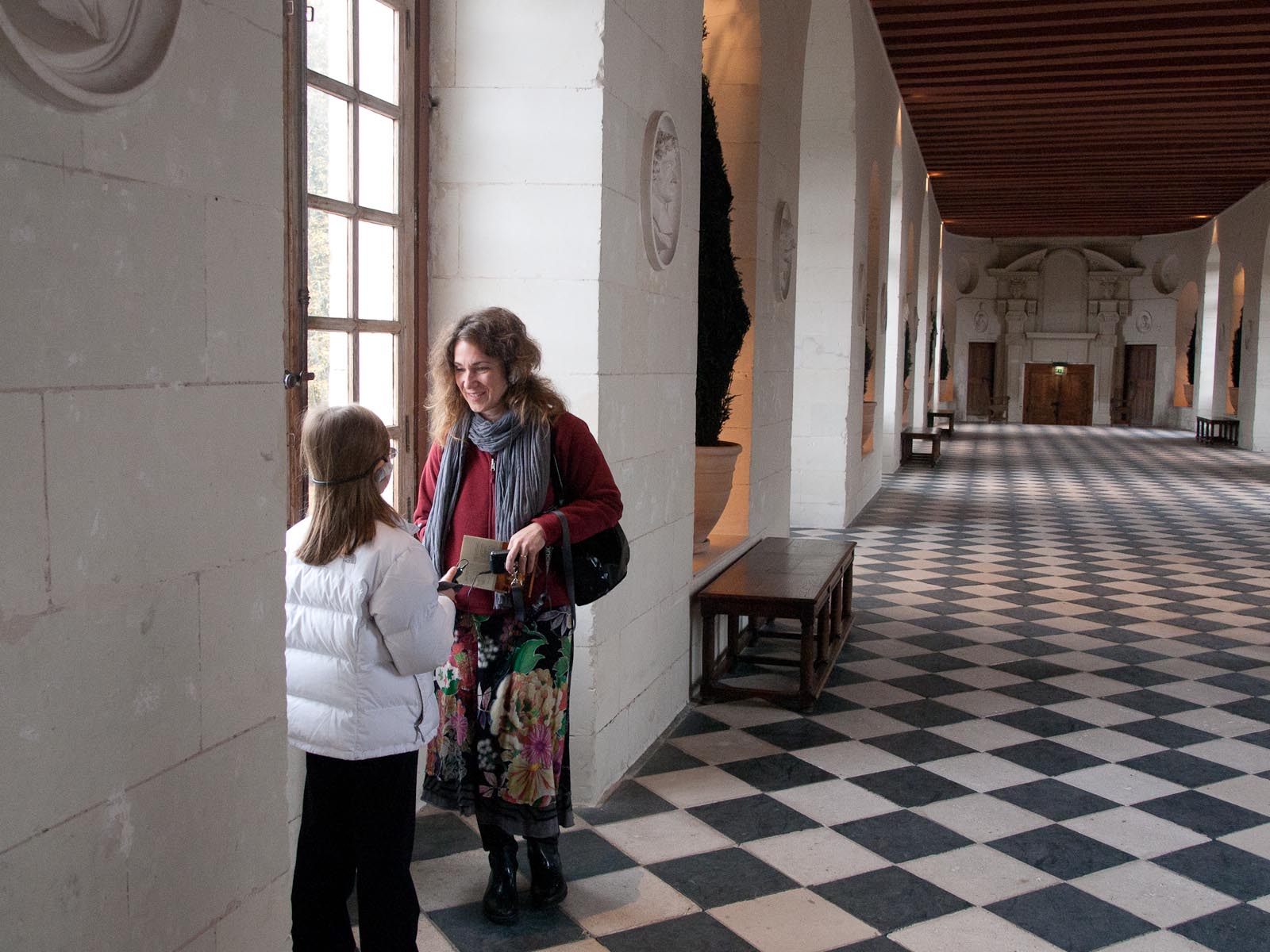
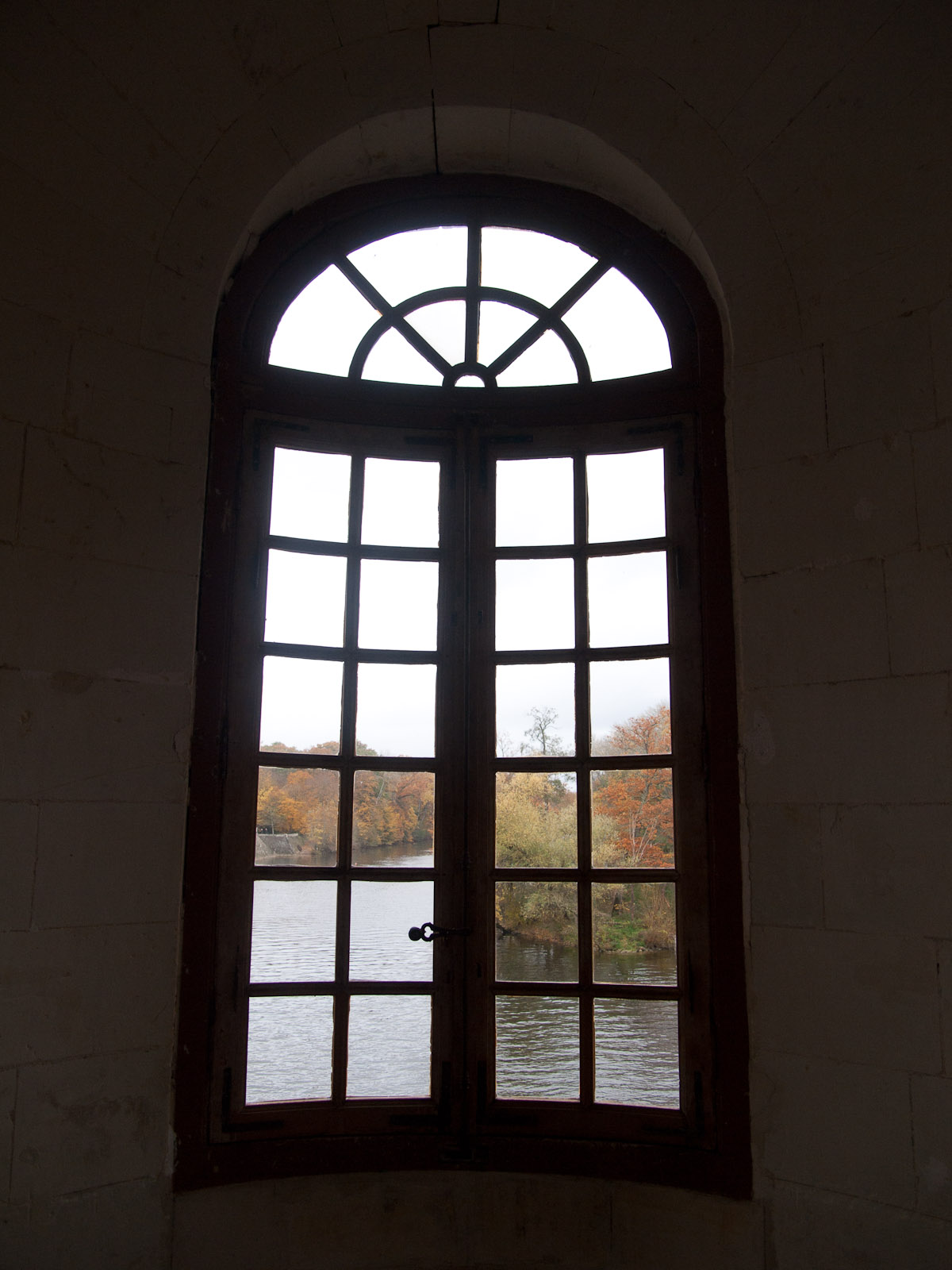
Catherine nevertheless loved the property and went on to spend thirty years there. She completed Diane’s plan to enlarge the castle by building a massive two-level hall which spans the river Cher. The image of the chateau with its bridge reflected in the water is iconic and the bridge itself has a colorful history. Under Catherine it hosted many great balls and receptions, including the wedding of her son Francois II to Mary Queen of Scots in 1560. During WWI it was converted to a field hospital serving more than 2,000 soldiers and during WWII it was a bridge to freedom. The main entrance to the chateau was in German-occupied France but the exit at the far end of the bridge/ballroom (on the other side of the river) was in Vichy France. Thousands of Resistance supporters are said to have been smuggled across. I got goose bumps standing there.
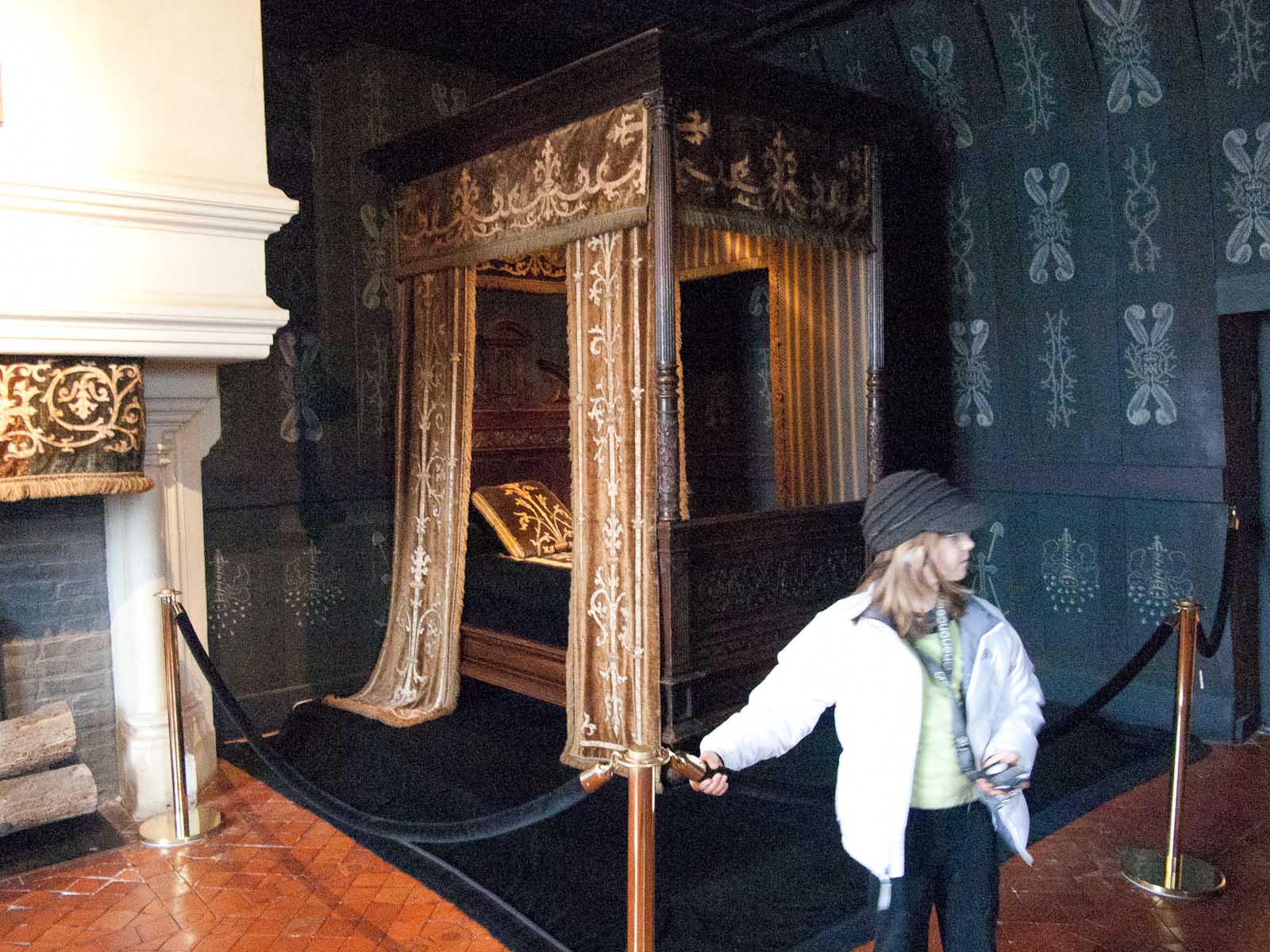
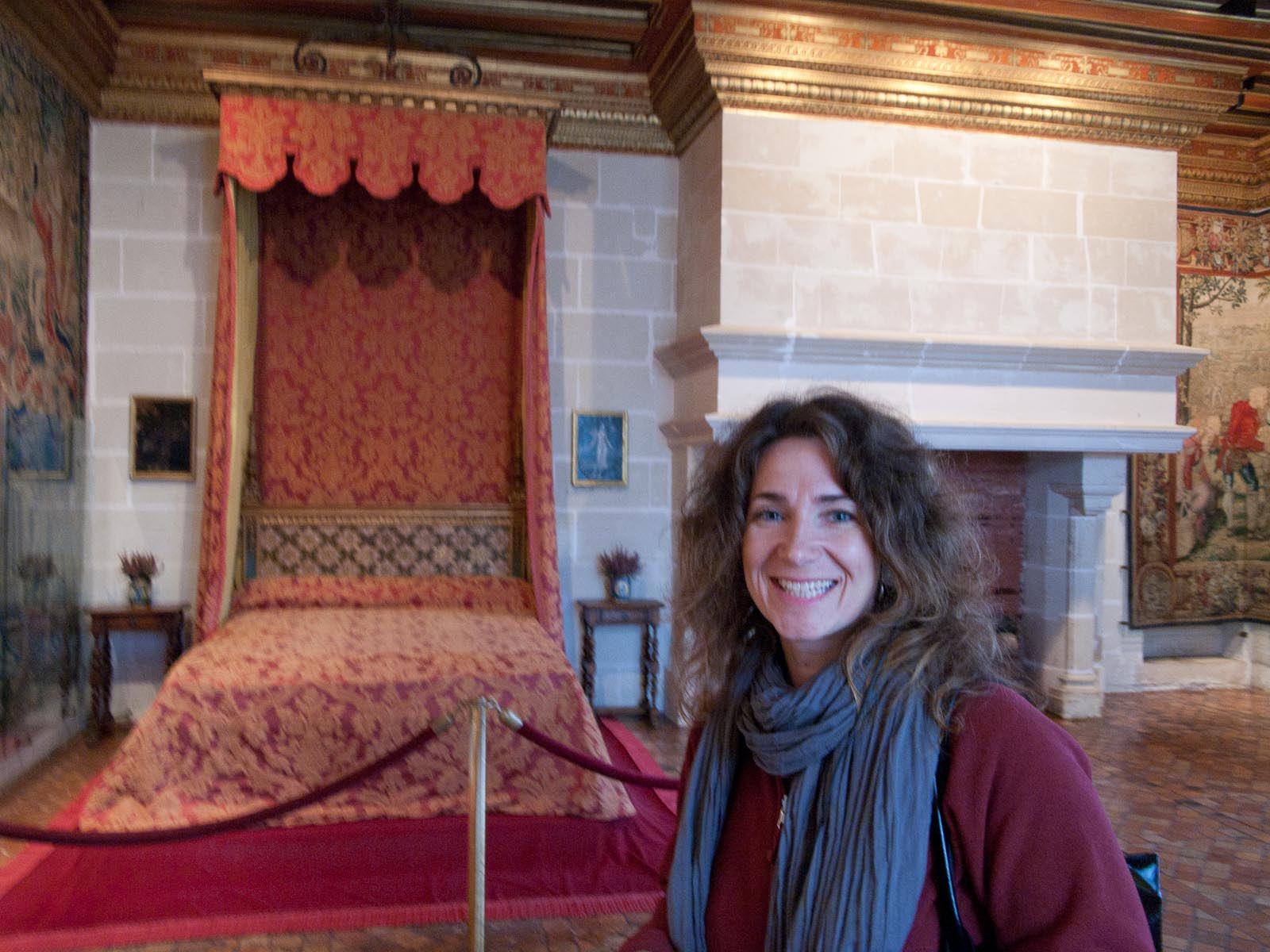
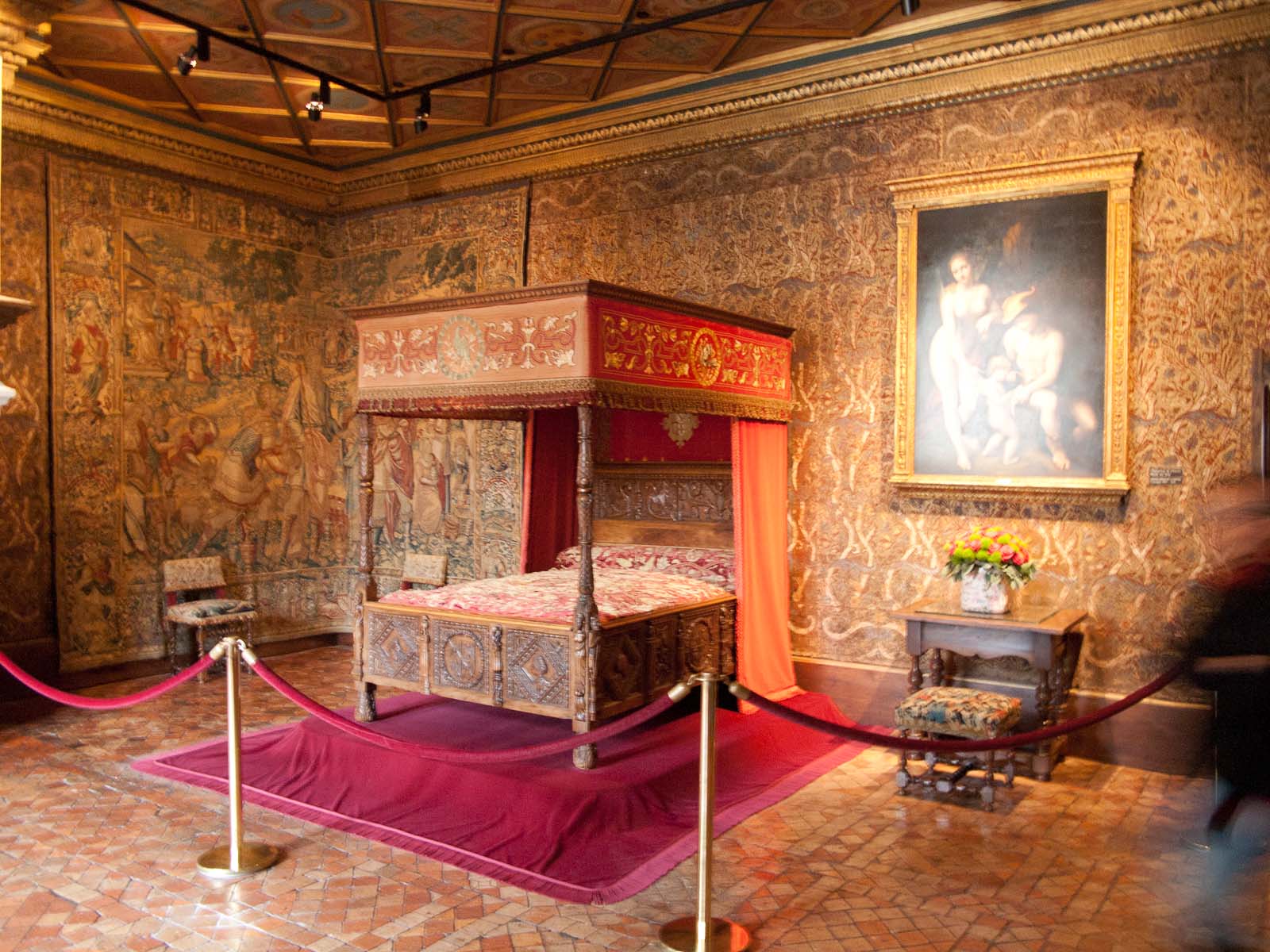
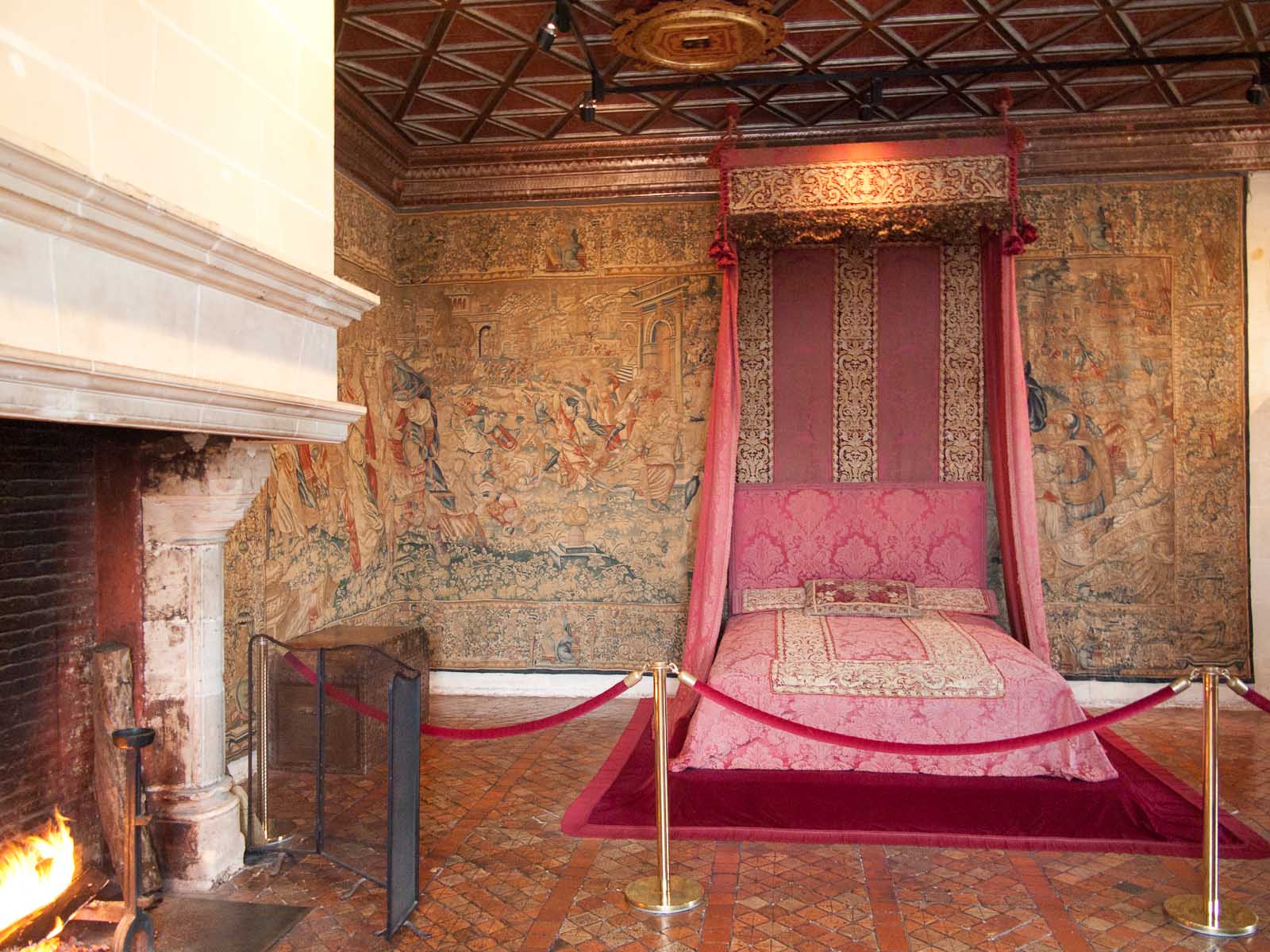
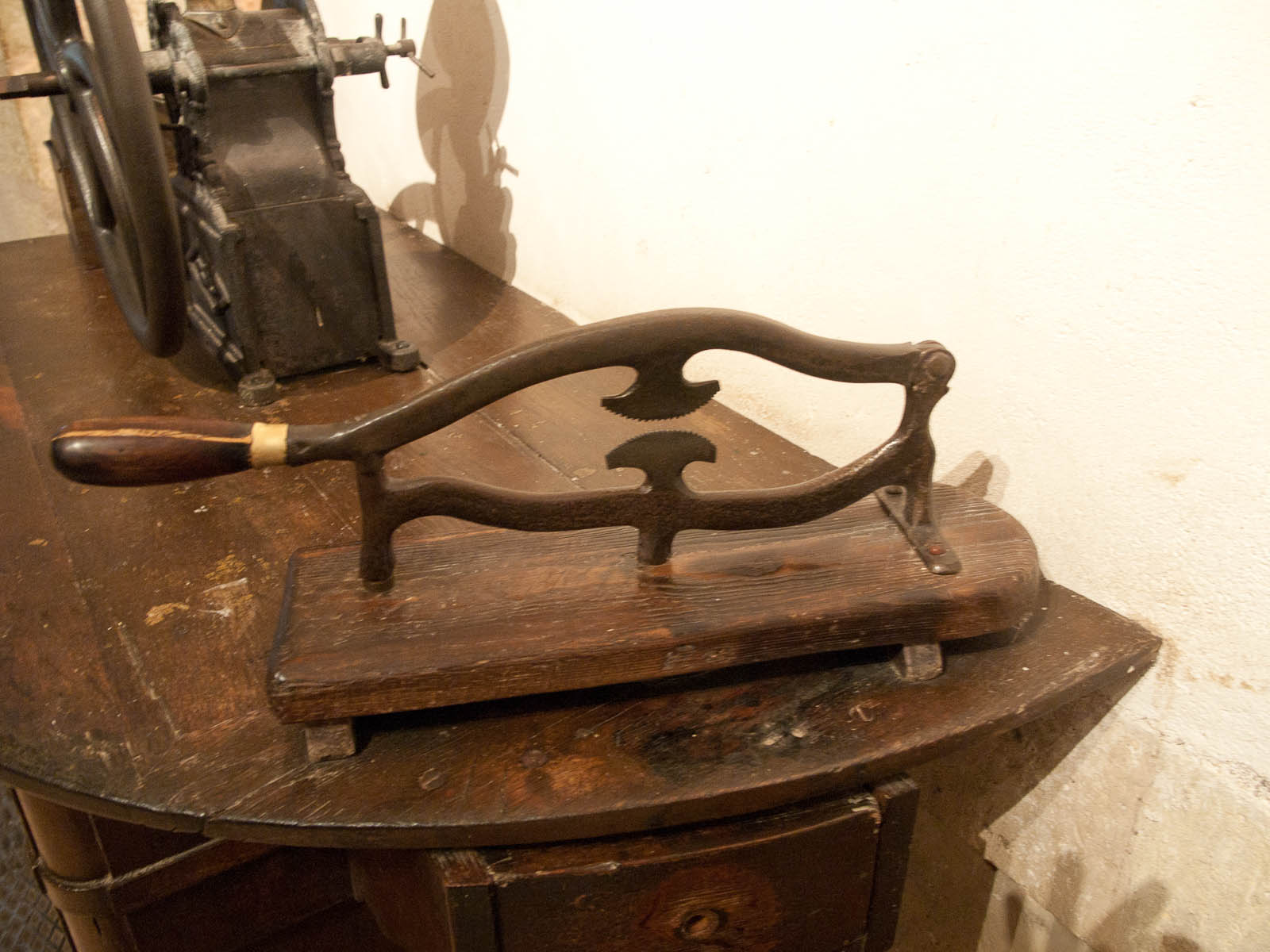
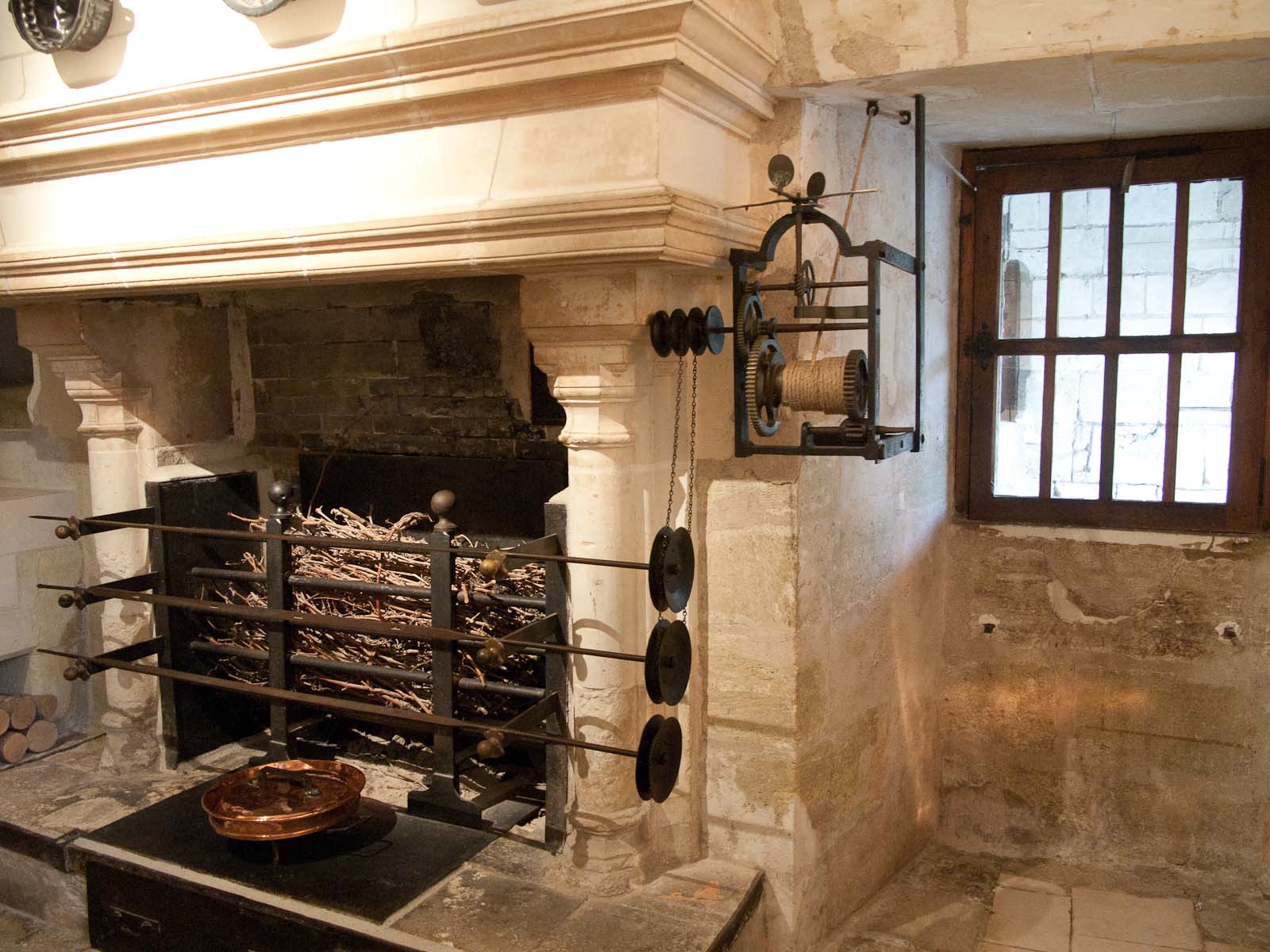
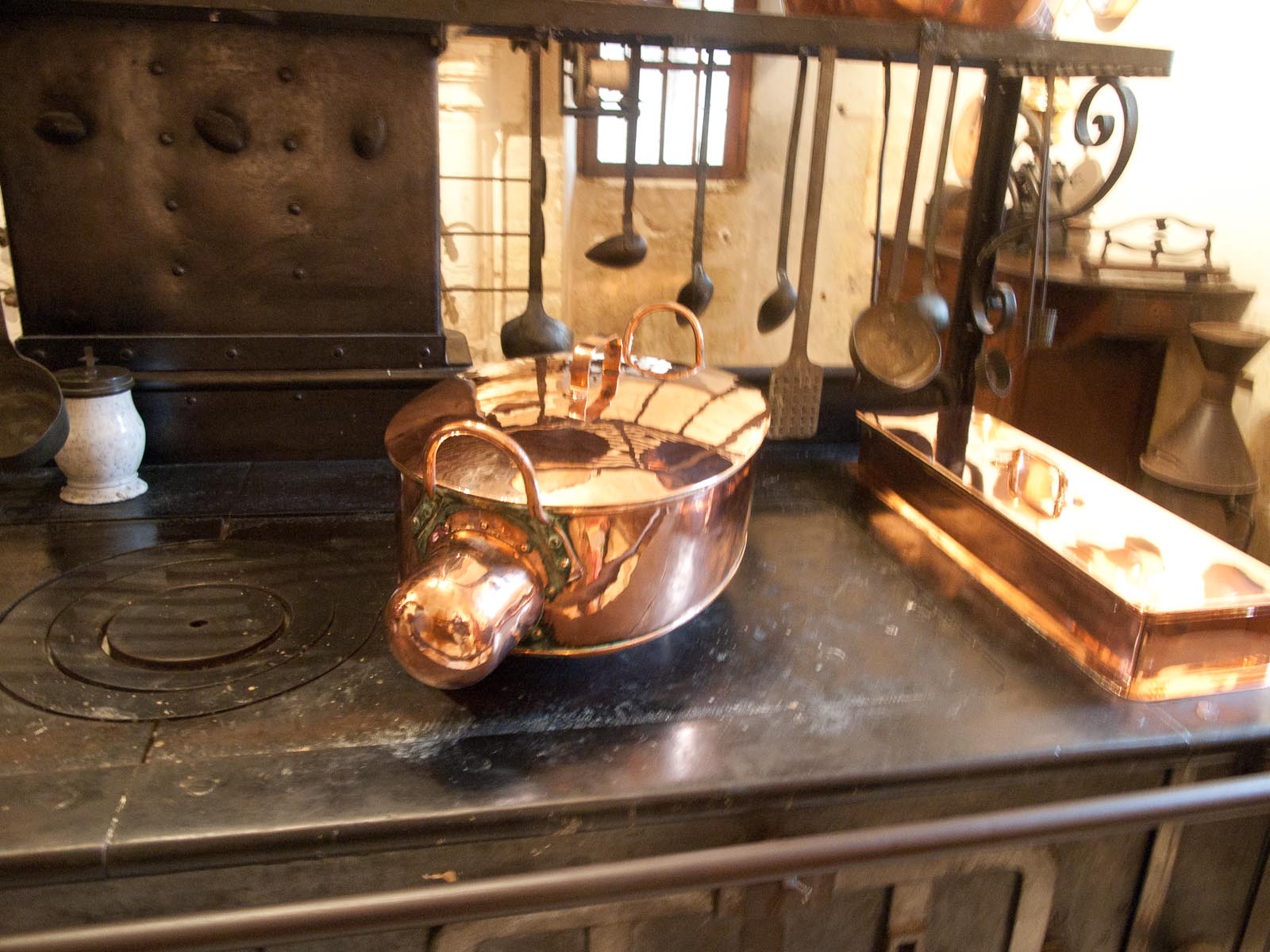
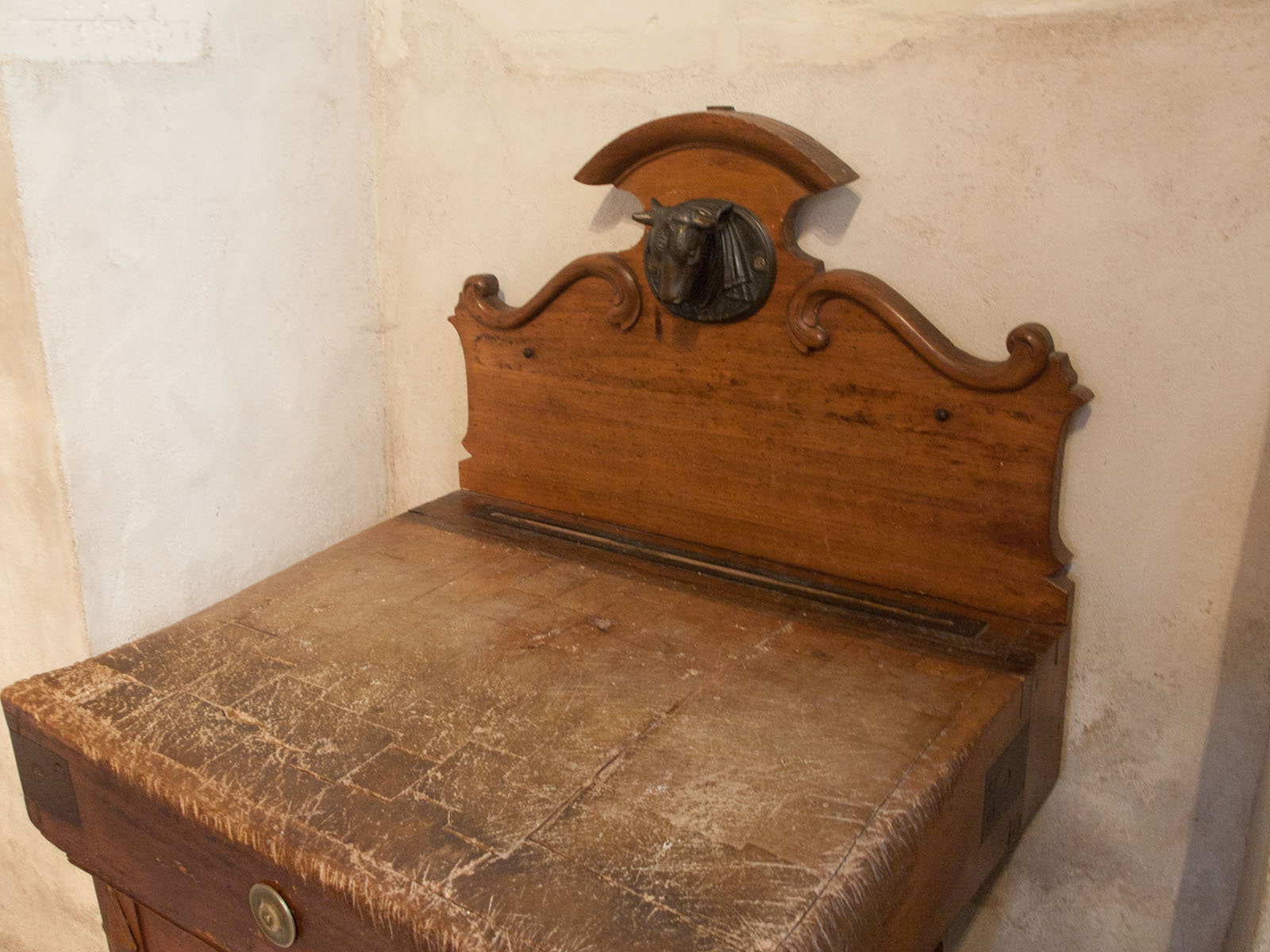
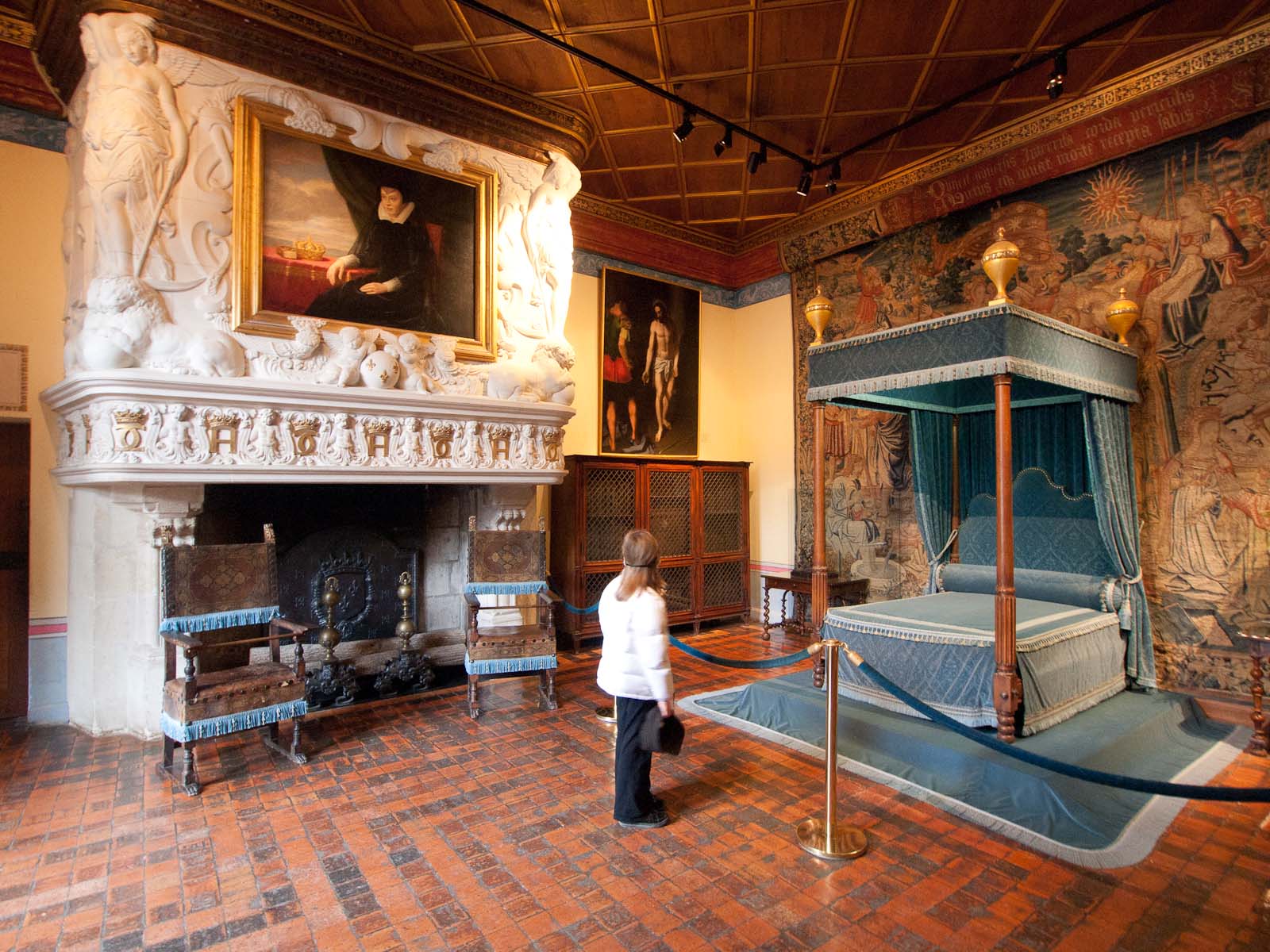
We toured the kitchens and marveled at the multiple rooms and the massive collection of copper pots. It was easy to imagine the butcher at his block and the cook tending to the spit over the open fireplace. We also visited many of the chateau’s stunning bedrooms. It wasn’t very difficult to imagine staying for a night or more.
It is definitely a castle I could call home.

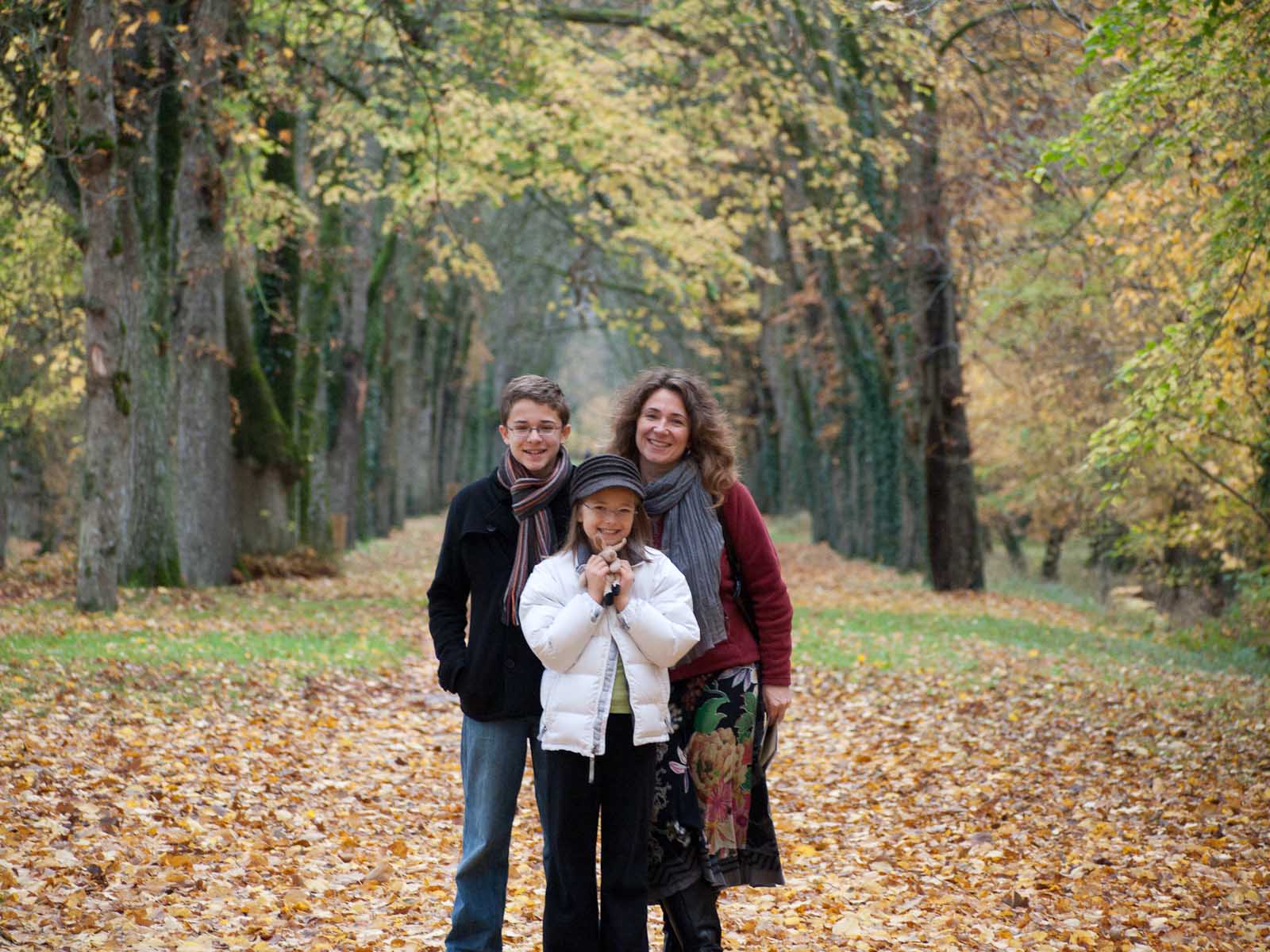
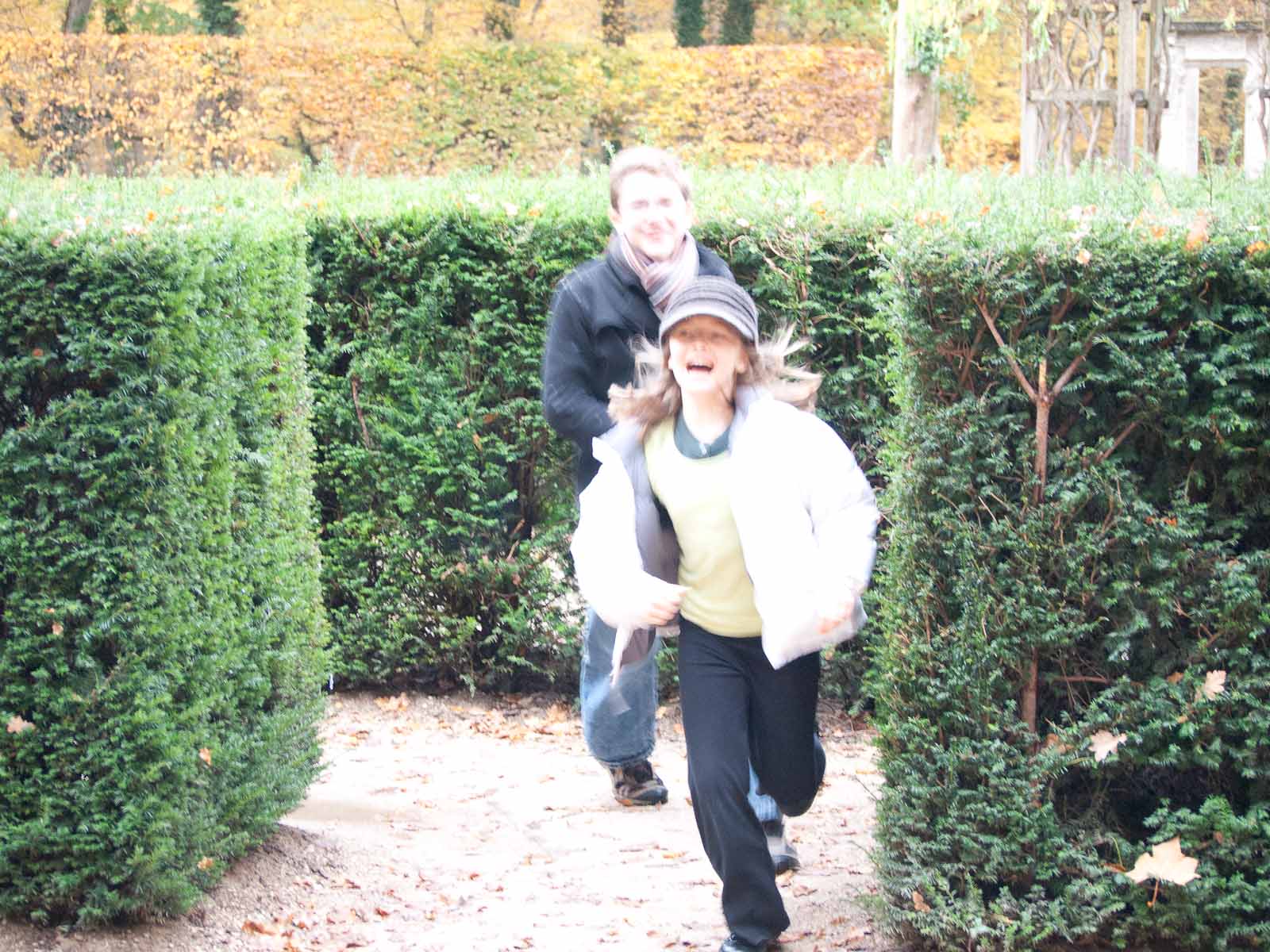 To reach the castle you must first walk down a long, tree-lined avenue flanked by forests. En route, the children discovered—and made short work of—Catherine de Medici’s maze, despite the more than 2,000 yews planted there.
 At the end of the avenue, the chateau emerges. It is white, just like in the fairy tales. Green lawns blanket both sides of the path. In a glance, you take in the facade, courtyard, and formal walled gardens. A few steps closer and you can see the massive carved wooden doors leading inside and glimpse the river Cher behind.
You step inside and find yourself in the Guard’s Room, where you are greeted by a roaring fire. The walls are covered with tapestries and on the floor you can see the vibrant blues and oranges of the original 16th century tiles. There is an enormous flower arrangement on the sideboard, one of dozens placed throughout the castle. Each week, twice a week, the rooms are filled with arrangements made from flowers grown on the property. You almost feel as though someone were expecting you.
This is by design. The society which runs the chateau wants visitors to feel like guests. They claim that they are inspired by the famous women who owned and oversaw the property through the ages, especially Diane de Poitiers and Catherine de Medici.
These two women were 16th century rivals. Catherine was married to Henry II, King of France (son of Francois I); Diane was Henry’s much-loved mistress. It seems that every king of France kept a mistress, or several. It was widely accepted. I really couldn’t understand this until I learned that these royal marriages, functioning primarily as a means to secure and advance the crown, were always arranged and executed as quickly as possible. Henry and Catherine were only 14 when they wed.
Despite Henri’s infidelities, he and Catherine remained married for twenty-six years and had ten children together. Seven survived infancy and three went on to hold the crown, albeit for very brief spells: Francois II who died at 16 from illness, Charles the IX who died at 24, and Henry IV—Catherine’s fourth and favorite son—who was assassinated in Paris by a fanatical monk.
The love affair between Henri and Diane lasted twenty-five years, almost as long as the royal marriage. Henry was 15 and Diane was a widow of 35 when it began. She was famous for her beauty and was apparently very skilled at politics, courtly and otherwise. Henry was so besotted with her for so long that some courtiers suspected Diane of using witchcraft. Young dour Catherine was simply no match, at least not while Henry was alive. When Henry received a mortal wound in a jousting tournament, Catherine refused to let Diane see him on his deathbed even though he repeatedly asked for her. As soon as Henry died, Catherine summarily ousted Diane from her beloved Chenonceau and moved in herself. Sometimes it is good to be Queen.
At the end of the avenue, the chateau emerges. It is white, just like in the fairy tales. Green lawns blanket both sides of the path. In a glance, you take in the facade, courtyard, and formal walled gardens. A few steps closer and you can see the massive carved wooden doors leading inside and glimpse the river Cher behind.
You step inside and find yourself in the Guard’s Room, where you are greeted by a roaring fire. The walls are covered with tapestries and on the floor you can see the vibrant blues and oranges of the original 16th century tiles. There is an enormous flower arrangement on the sideboard, one of dozens placed throughout the castle. Each week, twice a week, the rooms are filled with arrangements made from flowers grown on the property. You almost feel as though someone were expecting you.
This is by design. The society which runs the chateau wants visitors to feel like guests. They claim that they are inspired by the famous women who owned and oversaw the property through the ages, especially Diane de Poitiers and Catherine de Medici.
These two women were 16th century rivals. Catherine was married to Henry II, King of France (son of Francois I); Diane was Henry’s much-loved mistress. It seems that every king of France kept a mistress, or several. It was widely accepted. I really couldn’t understand this until I learned that these royal marriages, functioning primarily as a means to secure and advance the crown, were always arranged and executed as quickly as possible. Henry and Catherine were only 14 when they wed.
Despite Henri’s infidelities, he and Catherine remained married for twenty-six years and had ten children together. Seven survived infancy and three went on to hold the crown, albeit for very brief spells: Francois II who died at 16 from illness, Charles the IX who died at 24, and Henry IV—Catherine’s fourth and favorite son—who was assassinated in Paris by a fanatical monk.
The love affair between Henri and Diane lasted twenty-five years, almost as long as the royal marriage. Henry was 15 and Diane was a widow of 35 when it began. She was famous for her beauty and was apparently very skilled at politics, courtly and otherwise. Henry was so besotted with her for so long that some courtiers suspected Diane of using witchcraft. Young dour Catherine was simply no match, at least not while Henry was alive. When Henry received a mortal wound in a jousting tournament, Catherine refused to let Diane see him on his deathbed even though he repeatedly asked for her. As soon as Henry died, Catherine summarily ousted Diane from her beloved Chenonceau and moved in herself. Sometimes it is good to be Queen.
 However, Diane had left her mark throughout the property. The royal initials carved in the floor tiles, painted on the ceiling moldings, and sculpted into the marble mantels cleverly evoke her presence: the capital letter “H” encircling two inverted “C’s” ostensibly represents the king and queen. However, on closer inspection, the letter “H” embraces two “D’s,” surely intended to signify the king’s true first lady.
Catherine nevertheless loved the property and went on to spend thirty years there. She completed Diane’s plan to enlarge the castle by building a massive two-level hall which spans the river Cher. The image of the chateau with its bridge reflected in the water is iconic and the bridge itself has a colorful history. Under Catherine it hosted many great balls and receptions, including the wedding of her son Francois II to Mary Queen of Scots in 1560. During WWI it was converted to a field hospital serving more than 2,000 soldiers and during WWII it was a bridge to freedom. The main entrance to the chateau was in German-occupied France but the exit at the far end of the bridge/ballroom (on the other side of the river) was in Vichy France. Thousands of Resistance supporters are said to have been smuggled across. I got goose bumps standing there.
However, Diane had left her mark throughout the property. The royal initials carved in the floor tiles, painted on the ceiling moldings, and sculpted into the marble mantels cleverly evoke her presence: the capital letter “H” encircling two inverted “C’s” ostensibly represents the king and queen. However, on closer inspection, the letter “H” embraces two “D’s,” surely intended to signify the king’s true first lady.
Catherine nevertheless loved the property and went on to spend thirty years there. She completed Diane’s plan to enlarge the castle by building a massive two-level hall which spans the river Cher. The image of the chateau with its bridge reflected in the water is iconic and the bridge itself has a colorful history. Under Catherine it hosted many great balls and receptions, including the wedding of her son Francois II to Mary Queen of Scots in 1560. During WWI it was converted to a field hospital serving more than 2,000 soldiers and during WWII it was a bridge to freedom. The main entrance to the chateau was in German-occupied France but the exit at the far end of the bridge/ballroom (on the other side of the river) was in Vichy France. Thousands of Resistance supporters are said to have been smuggled across. I got goose bumps standing there.
 We toured the kitchens and marveled at the multiple rooms and the massive collection of copper pots. It was easy to imagine the butcher at his block and the cook tending to the spit over the open fireplace. We also visited many of the chateau’s stunning bedrooms. It wasn’t very difficult to imagine staying for a night or more.
It is definitely a castle I could call home.
We toured the kitchens and marveled at the multiple rooms and the massive collection of copper pots. It was easy to imagine the butcher at his block and the cook tending to the spit over the open fireplace. We also visited many of the chateau’s stunning bedrooms. It wasn’t very difficult to imagine staying for a night or more.
It is definitely a castle I could call home.


Error thrown
Call to undefined function ereg()