
 The path to the barbican would be dirt until you get close to the door, there it was just an empty pit with colossal spikes on the bottom. Soldiers would have to fill the pit with anything they could find around them, weapons, rubble….dead bodies. Once the pit was filled, the soldiers would cross the pit and in to the barbican. Now while all this happened there were archers on the roof of the barbican shooting down on the enemy soldiers. Once you got past the rocks and boiling water that was poured down from a slit behind the barbican door, (oil was too expensive to waste like that), there was another chute on the right, which would also pour boiling water and rocks. Soldiers could take their chances with that chute, or they could go to the left, where they would be in a perfect line of sight of archers positioned on another tower. The soldiers wouldn’t be able to just walk over and in to the castle, for there was another bigger pit in front of them. In times of peace there would be a staircase but since they were under attack the staircase had either been removed, or if there wasn’t time, burned. The only safe place was the pit, which in fact was not safe in the slightest. Once you jumped in to the pit you were in the sights of the archers on top of the barbican as well. If you managed to fill up the pit, and you still had men, THEN you could try and break through the door.
Long story short, there are many ways to attack a castle, and even more ways to die in doing so.
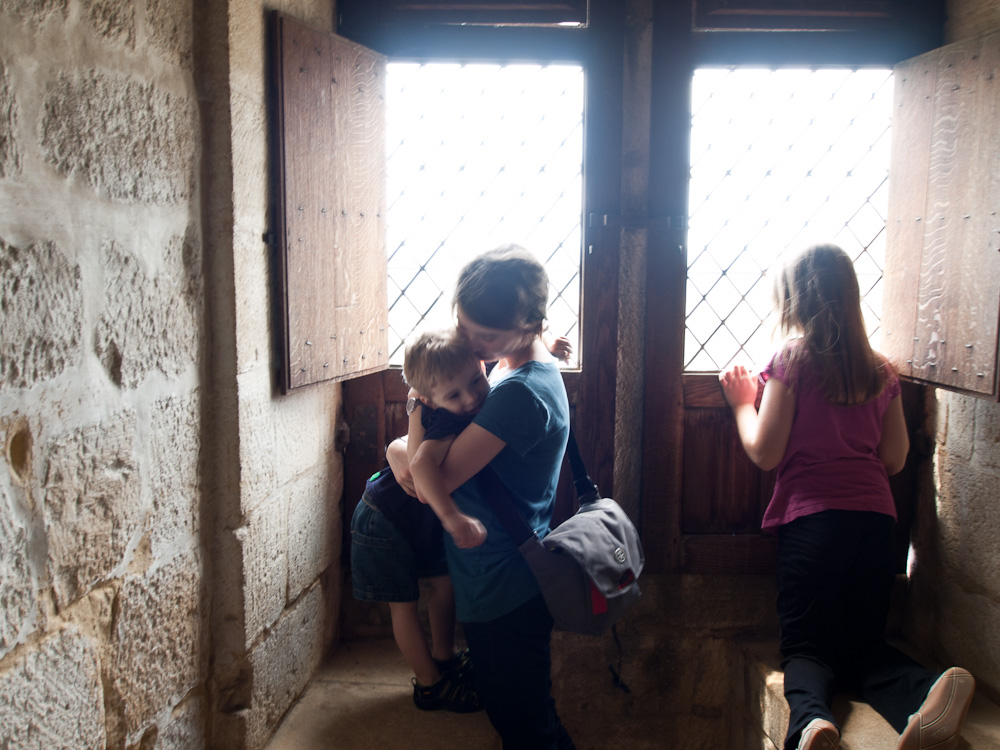
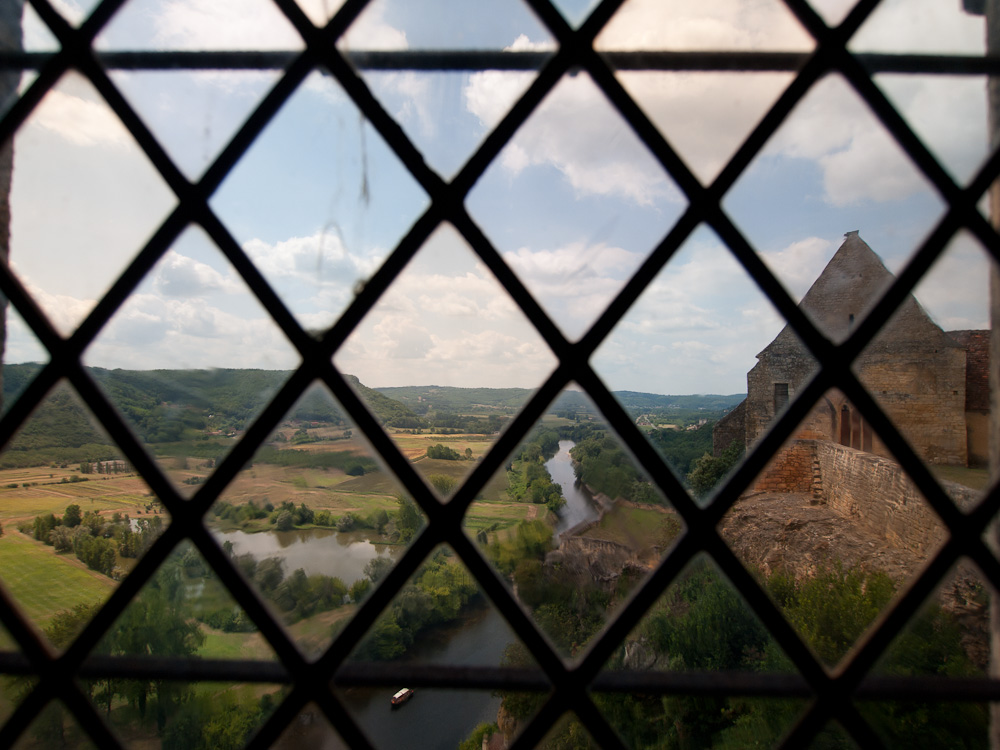
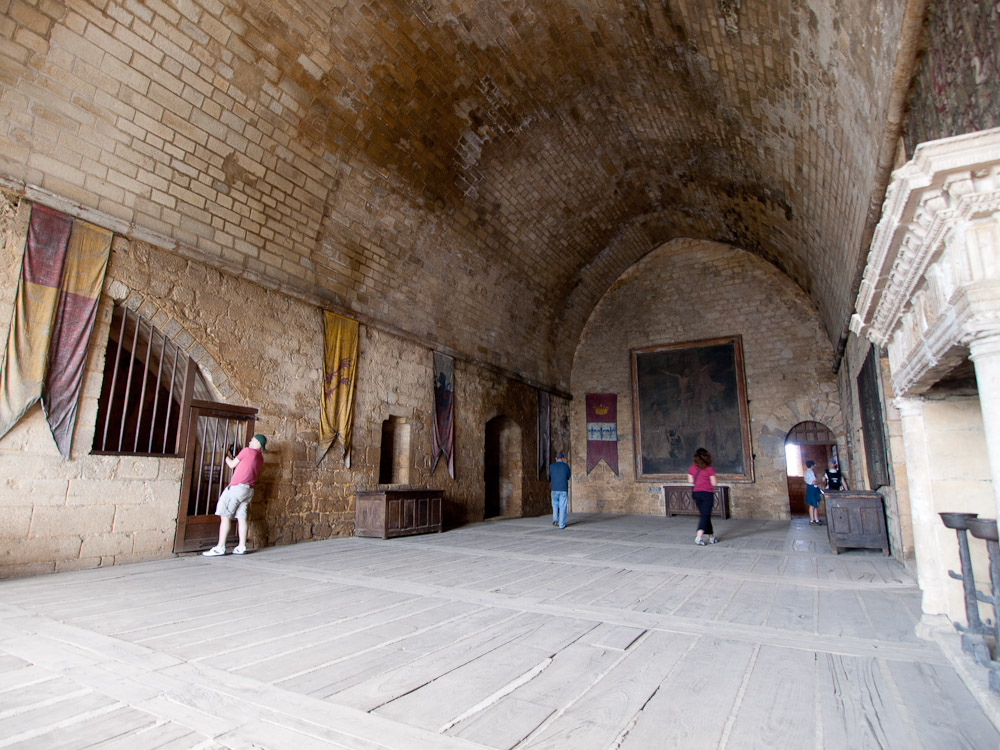
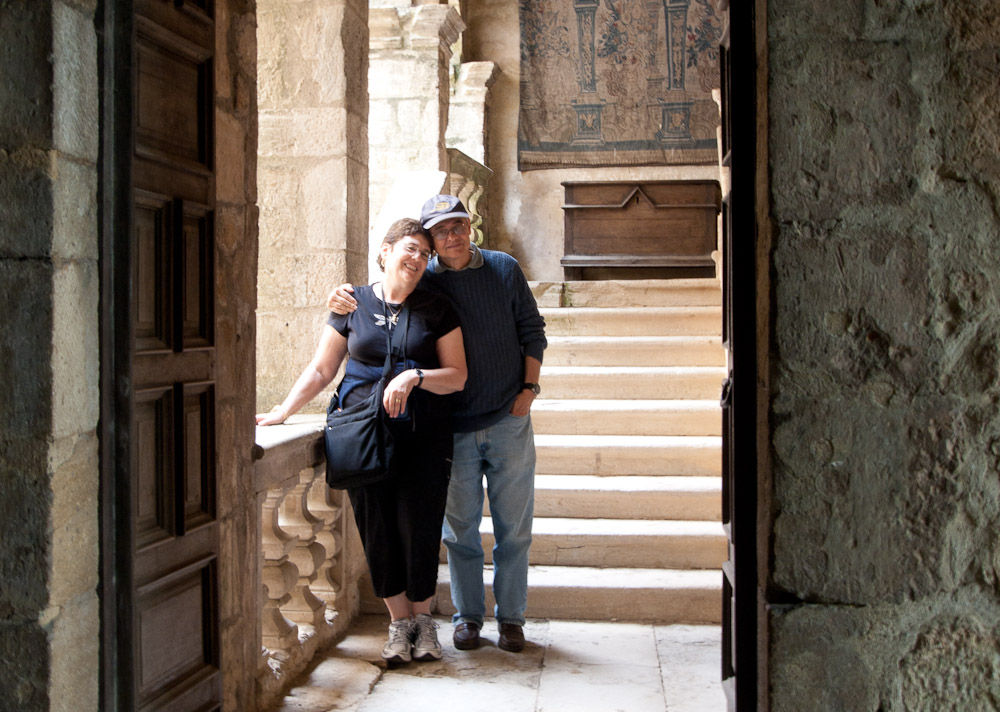
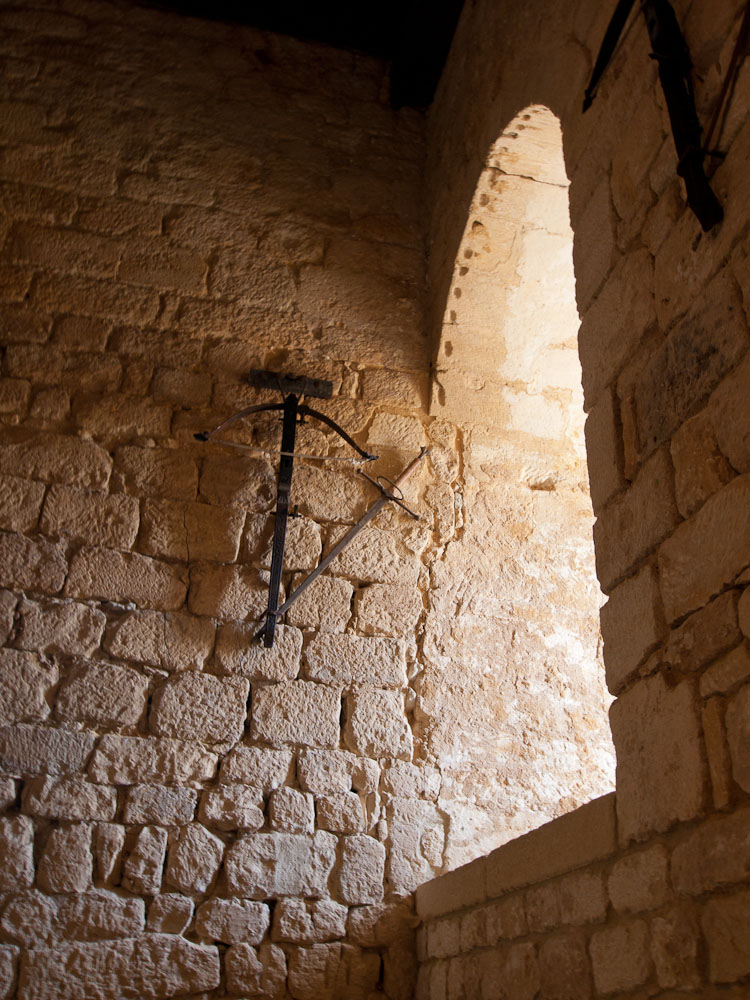
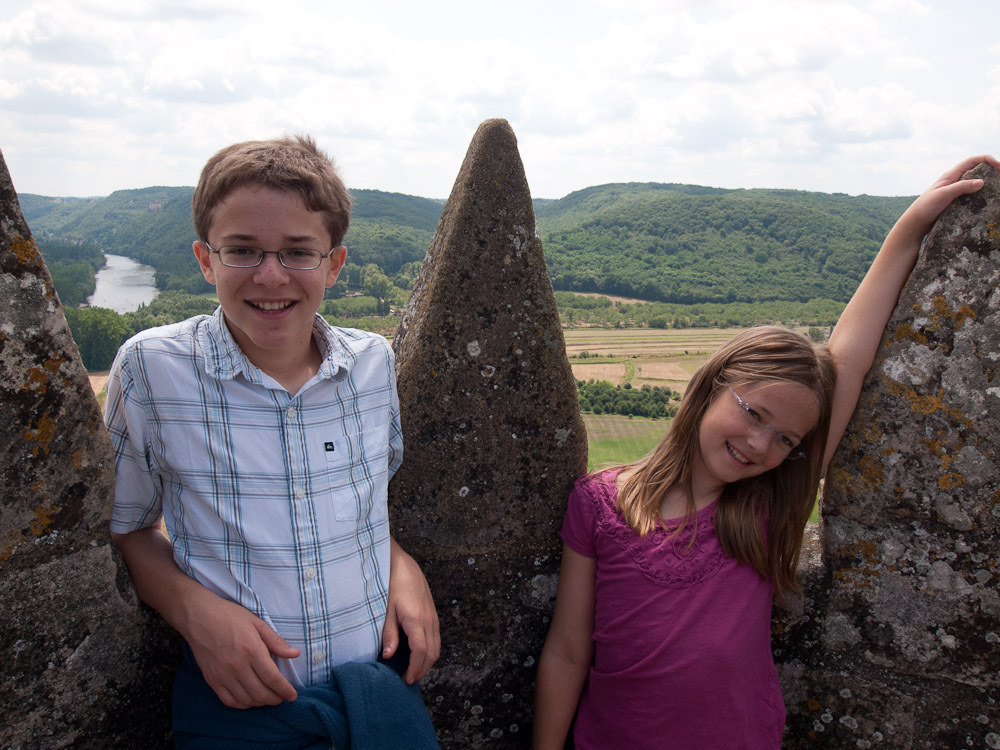
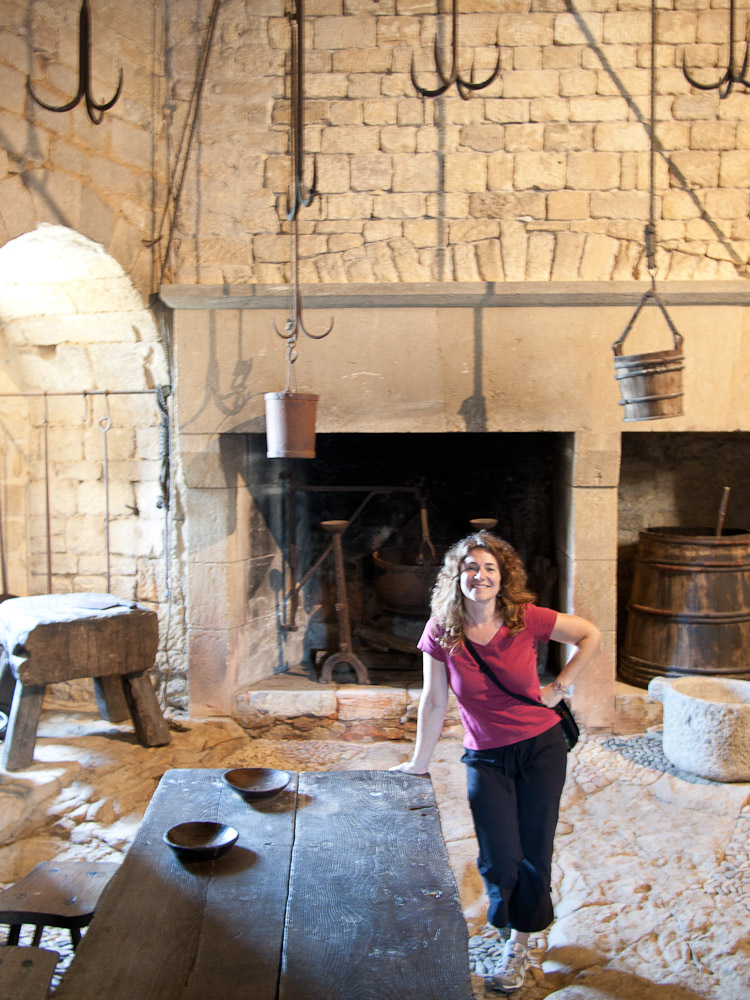
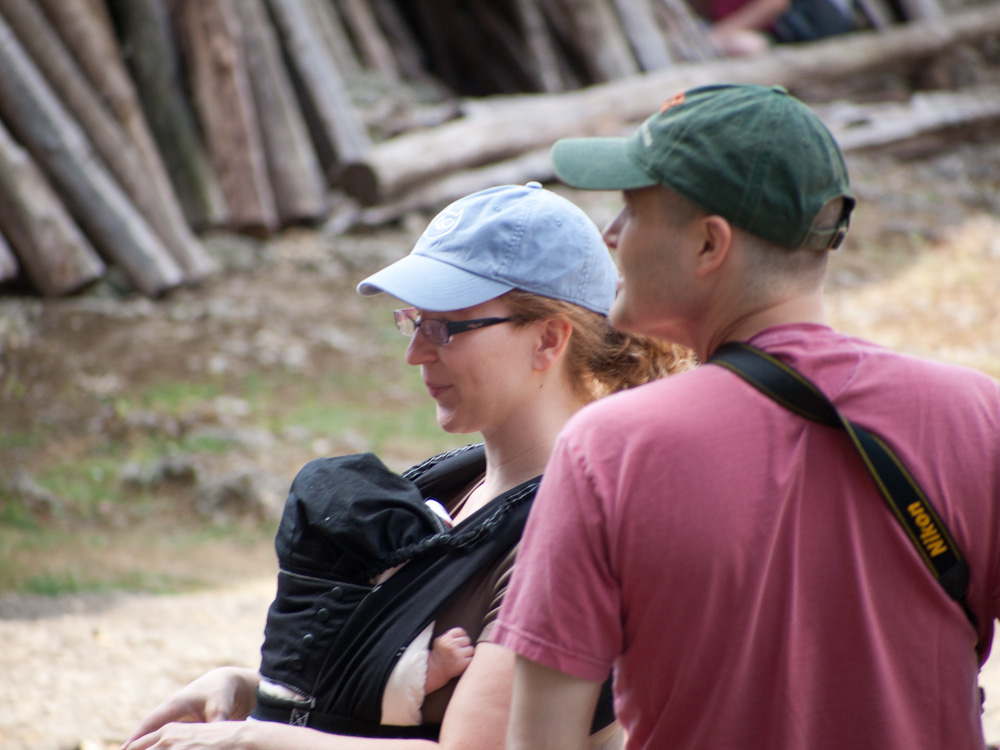
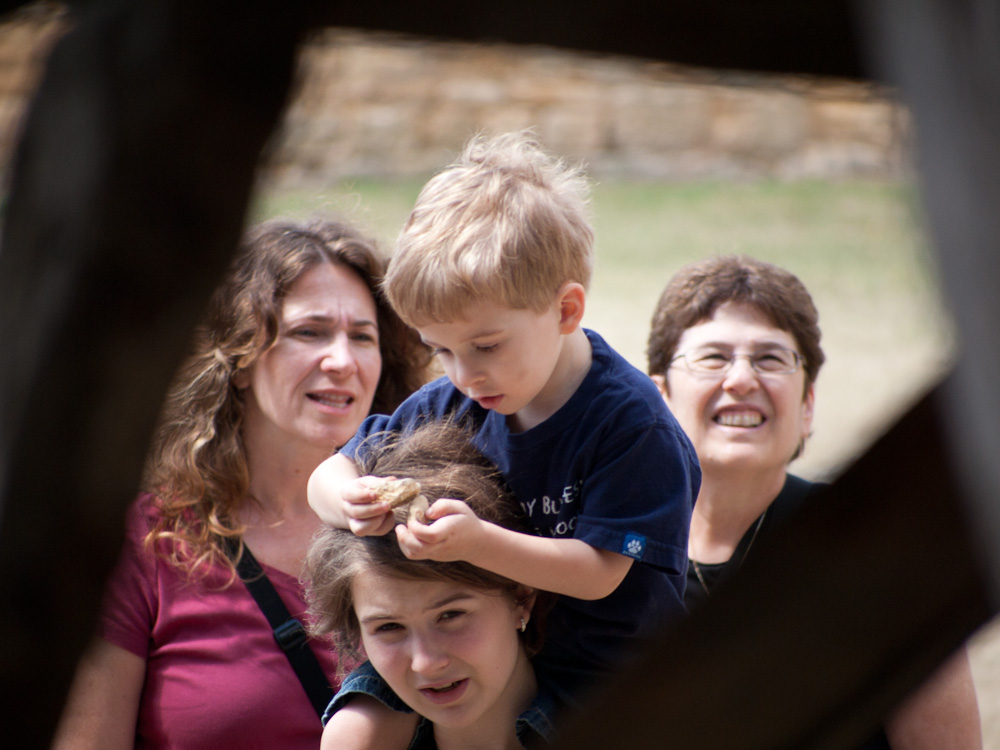
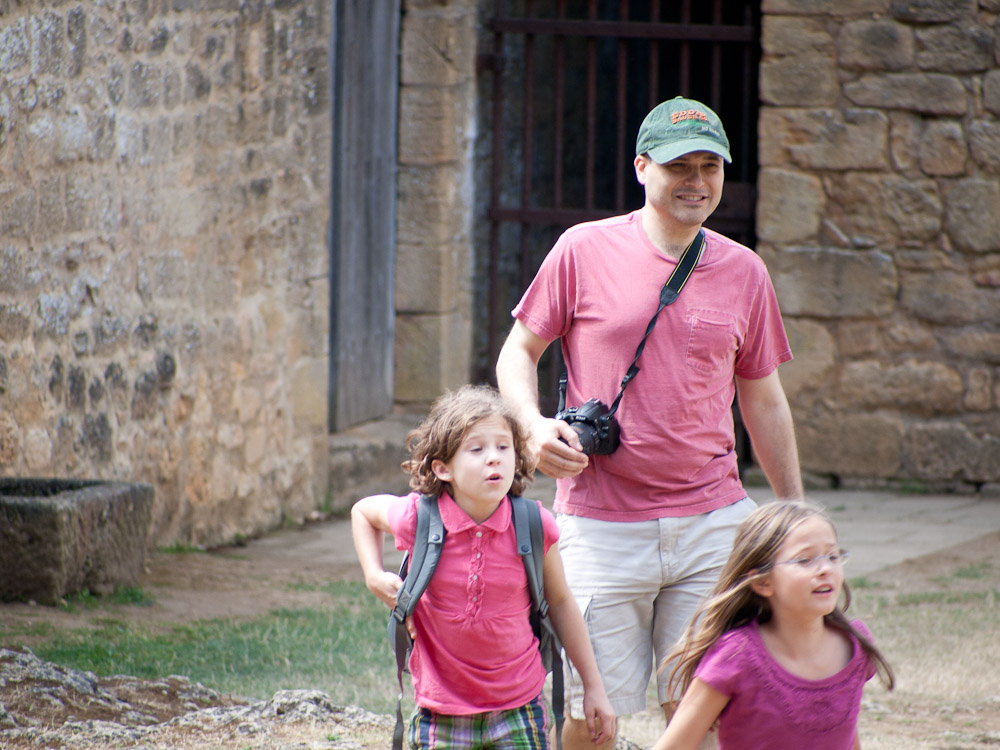
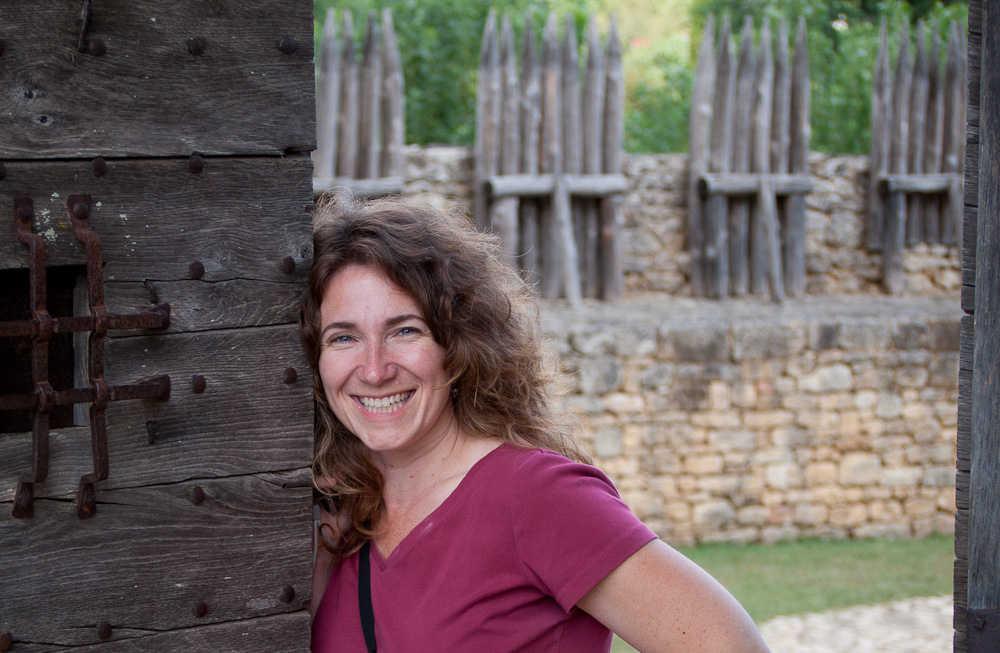
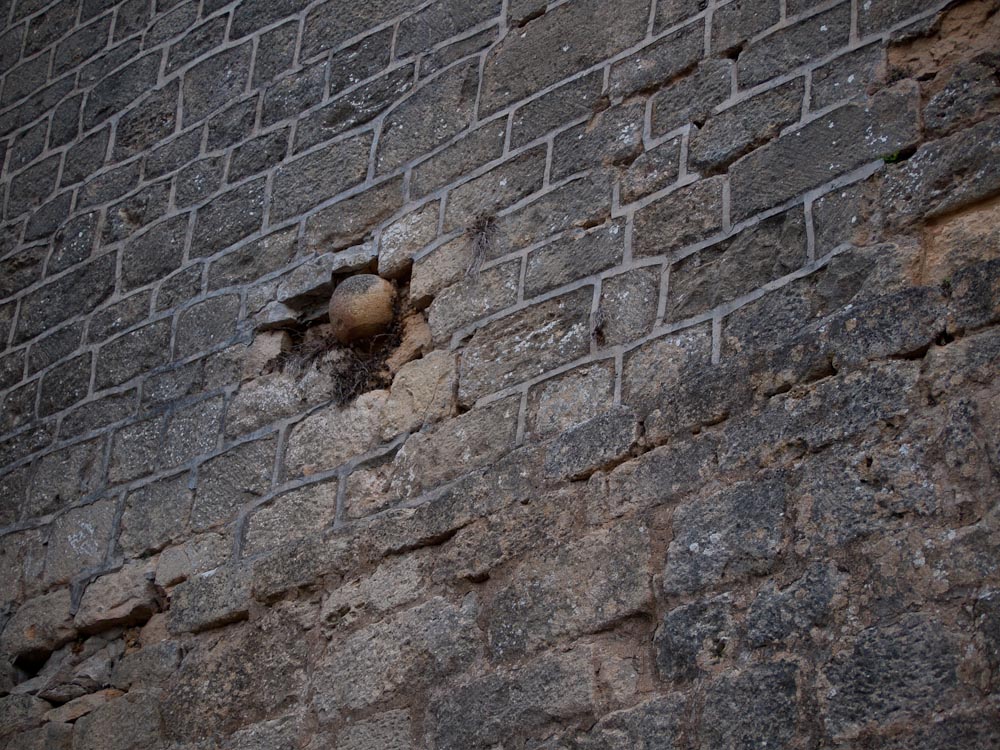
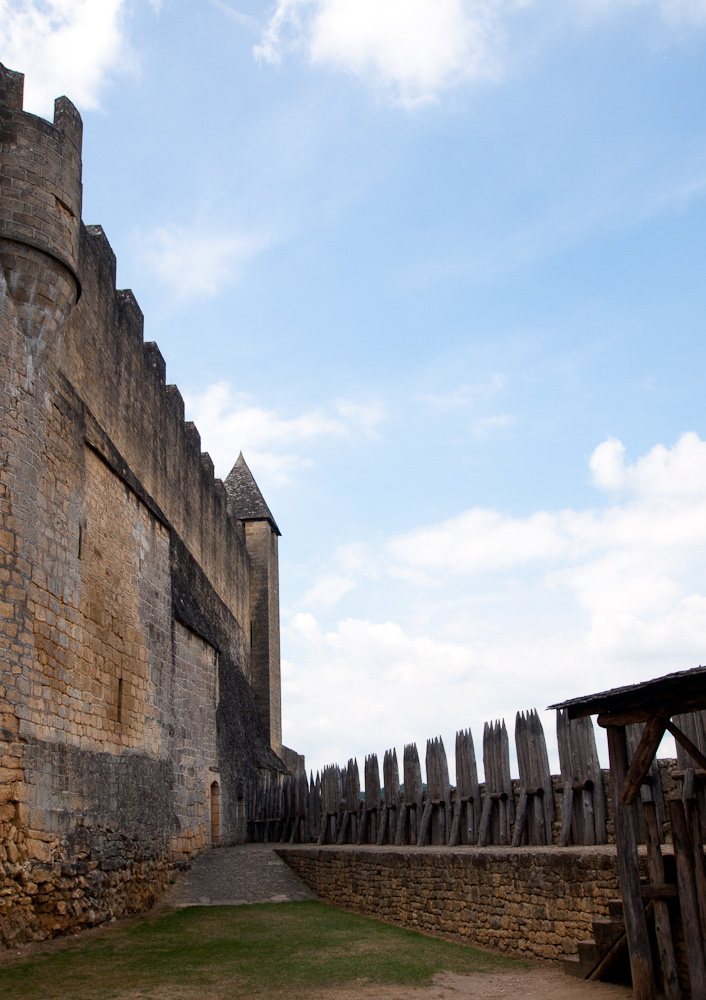
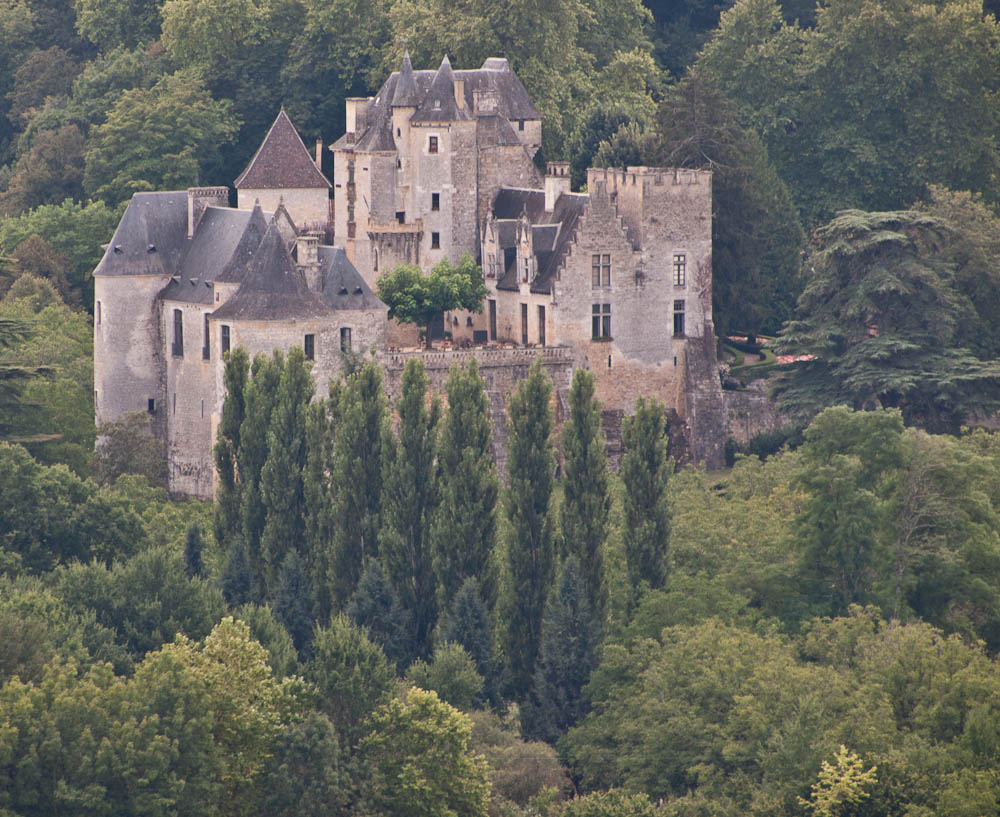
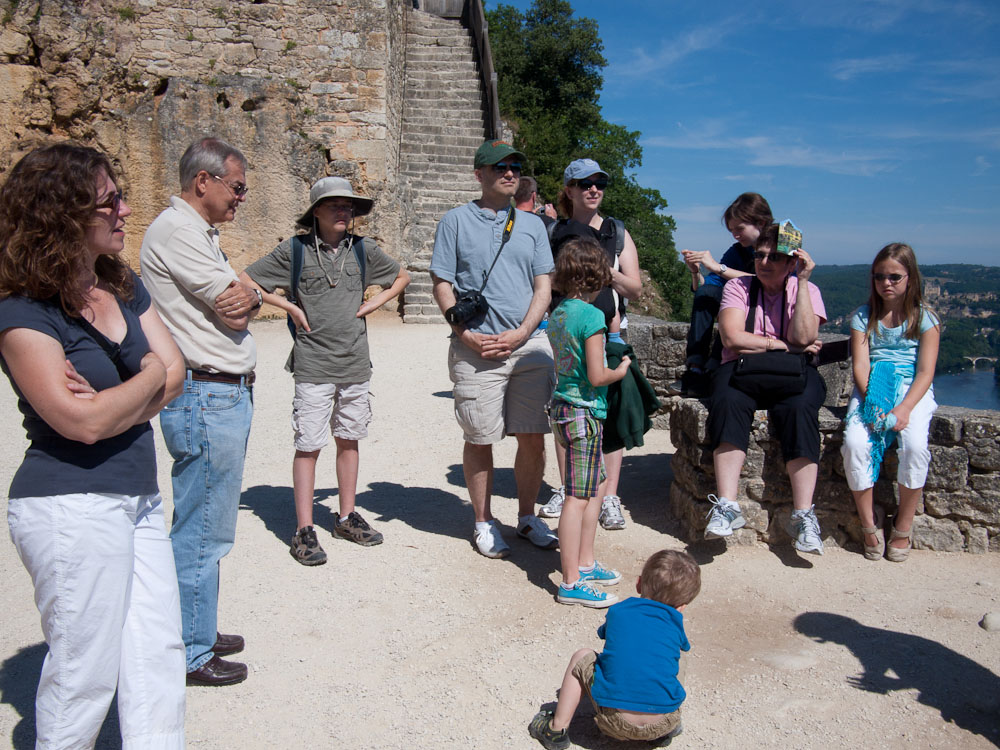
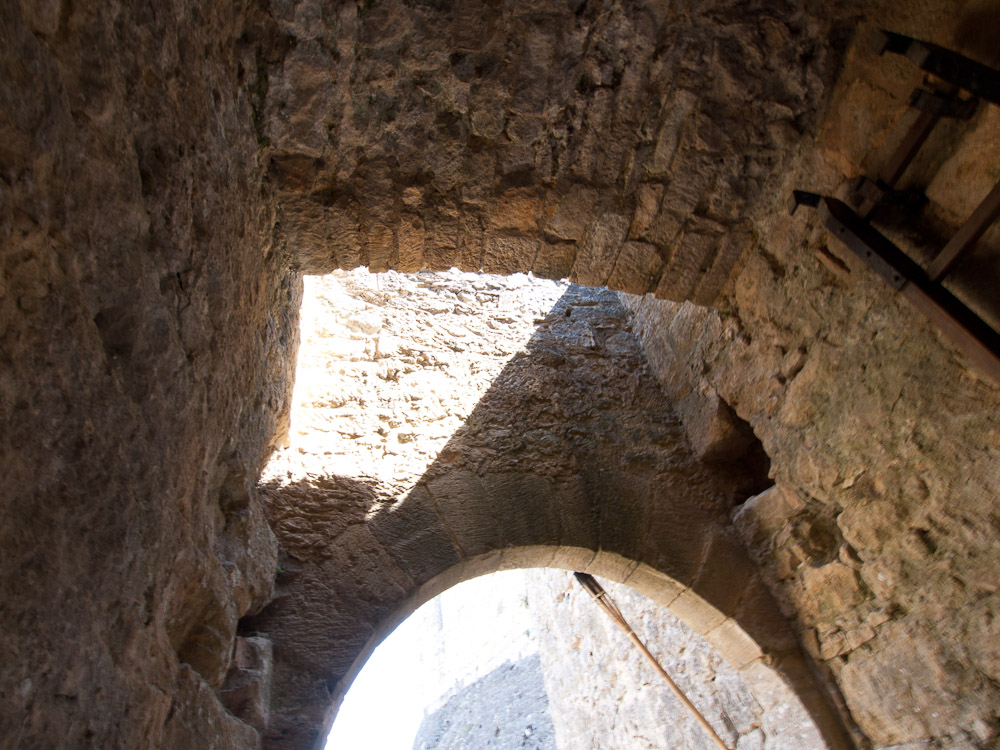
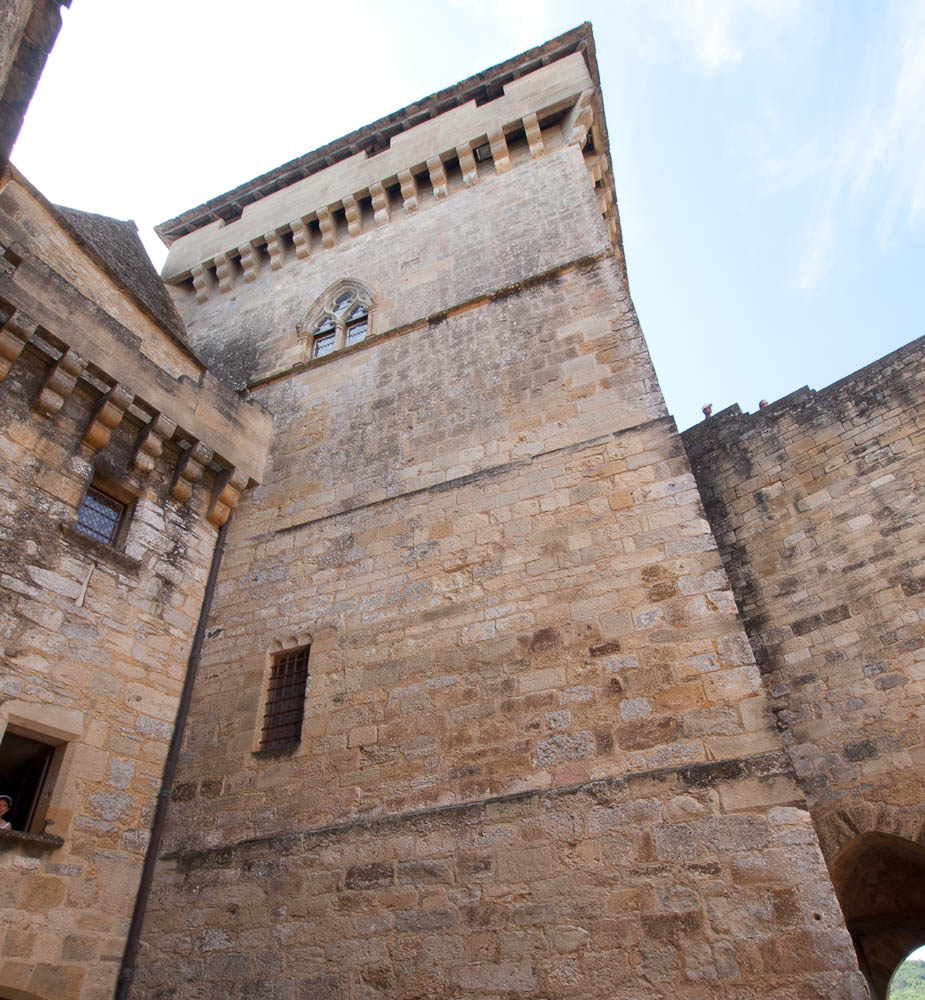
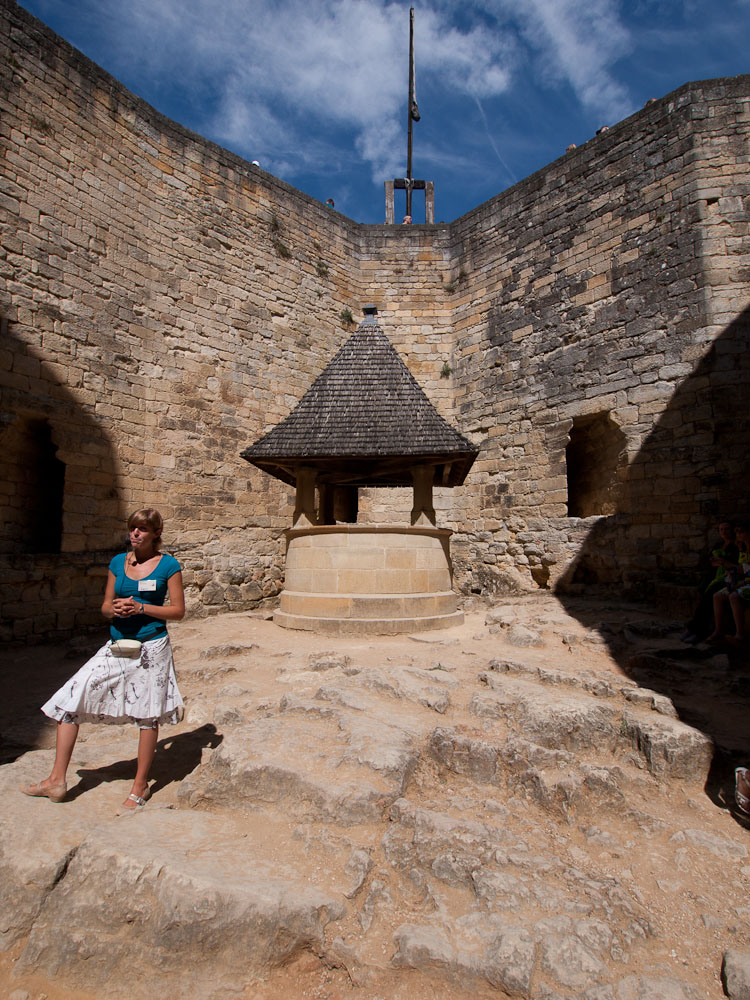
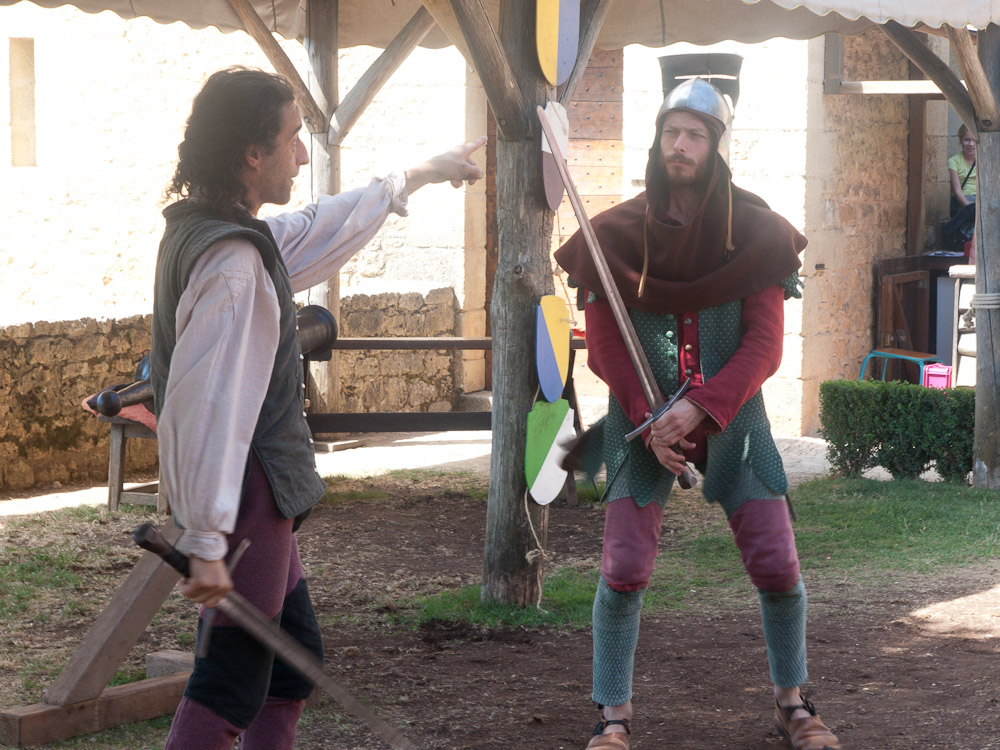
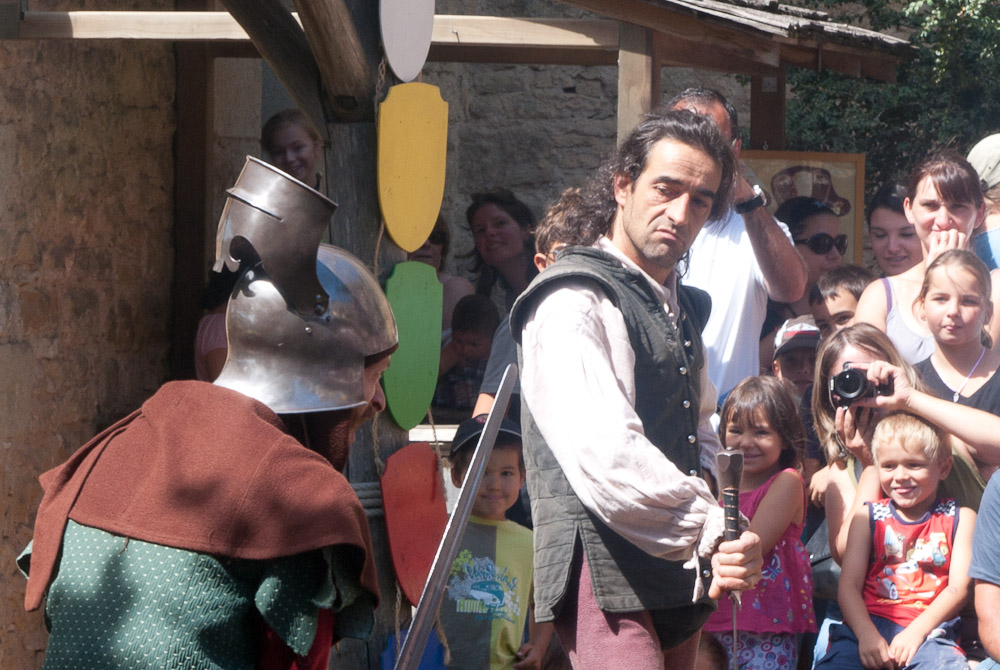
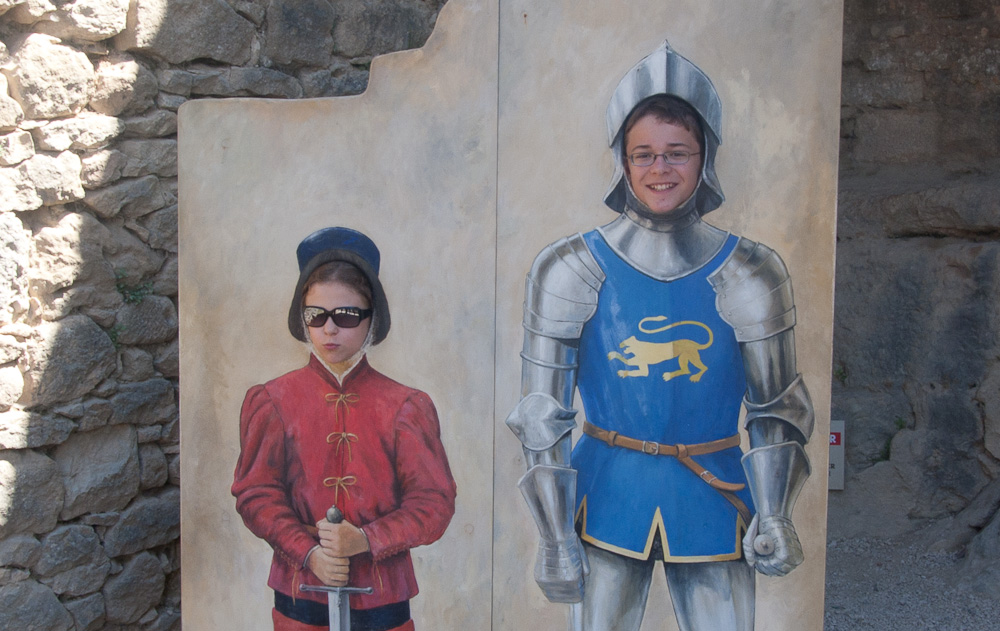
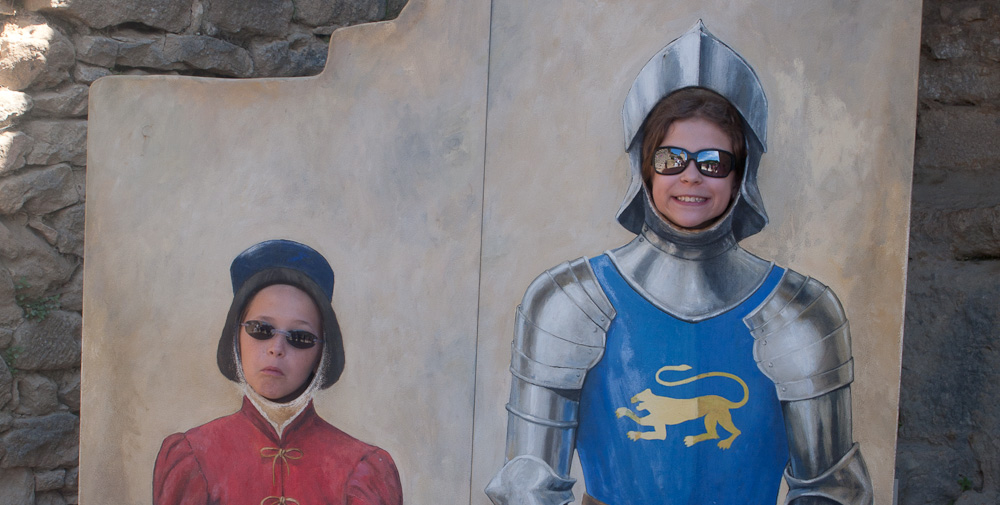
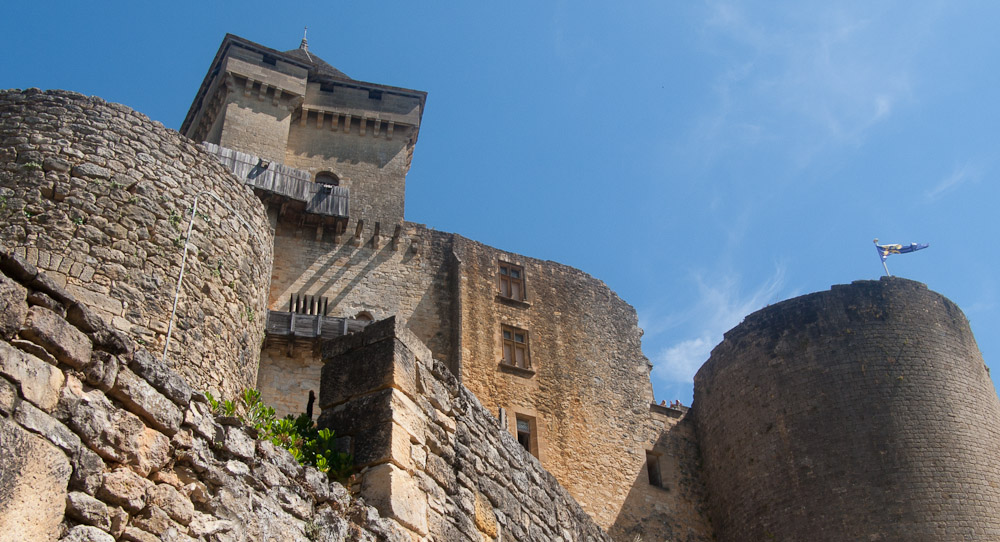
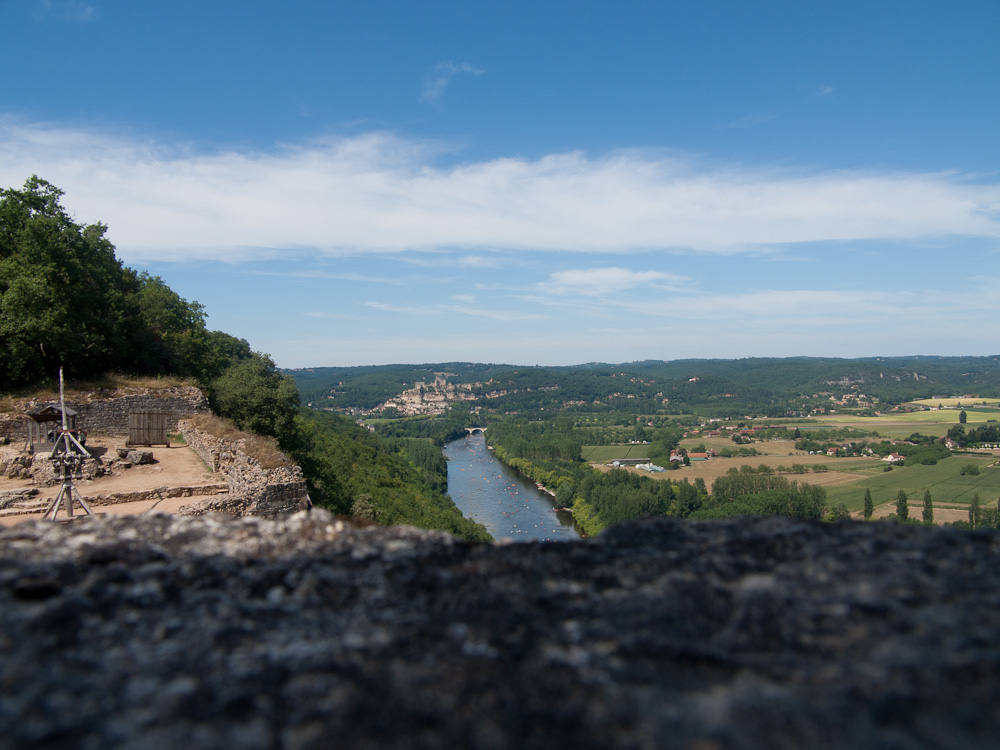
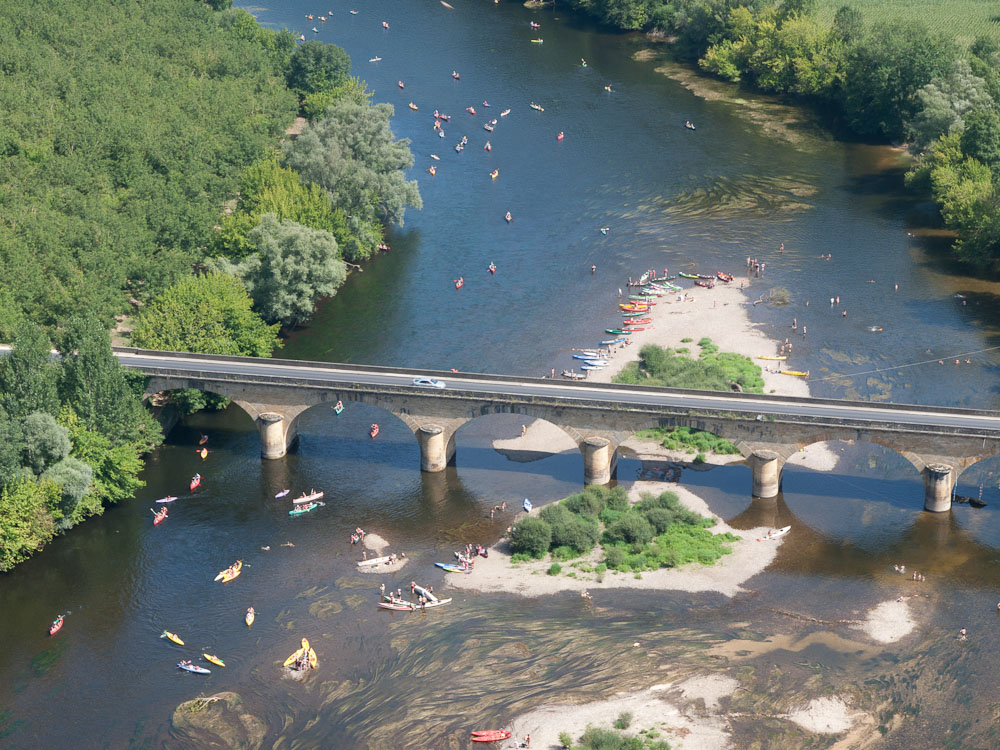
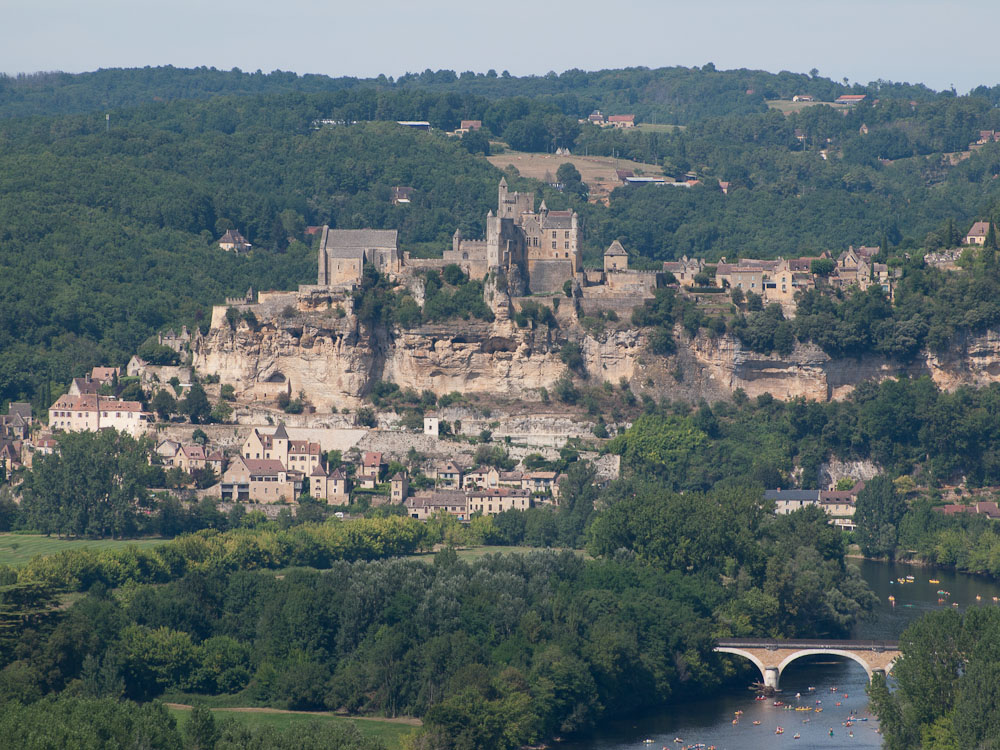
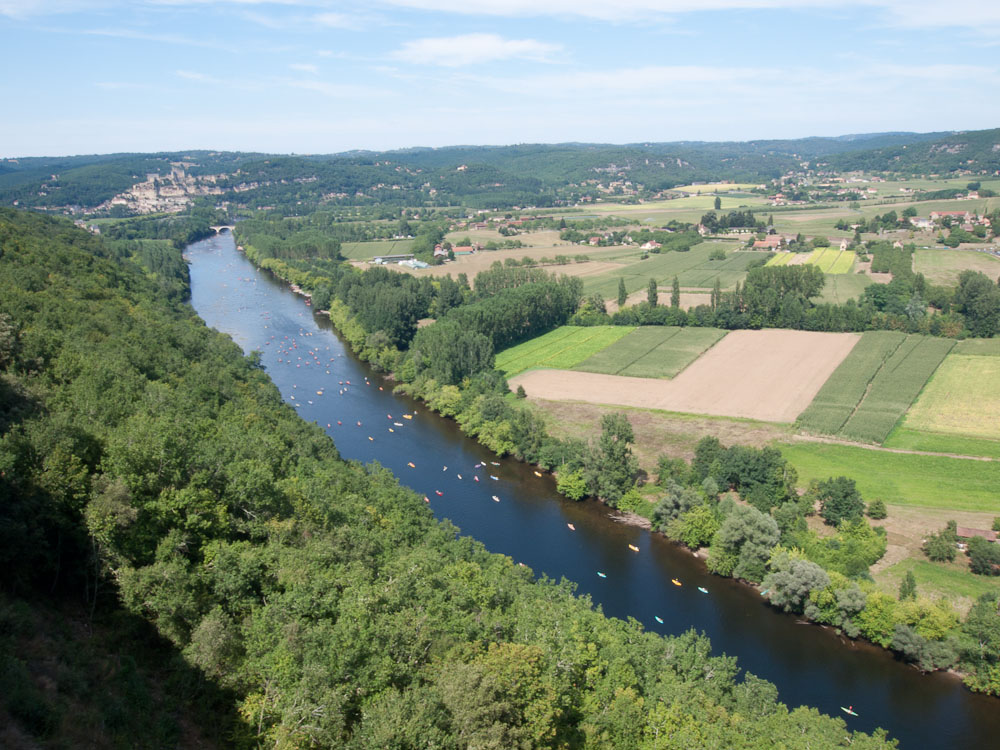
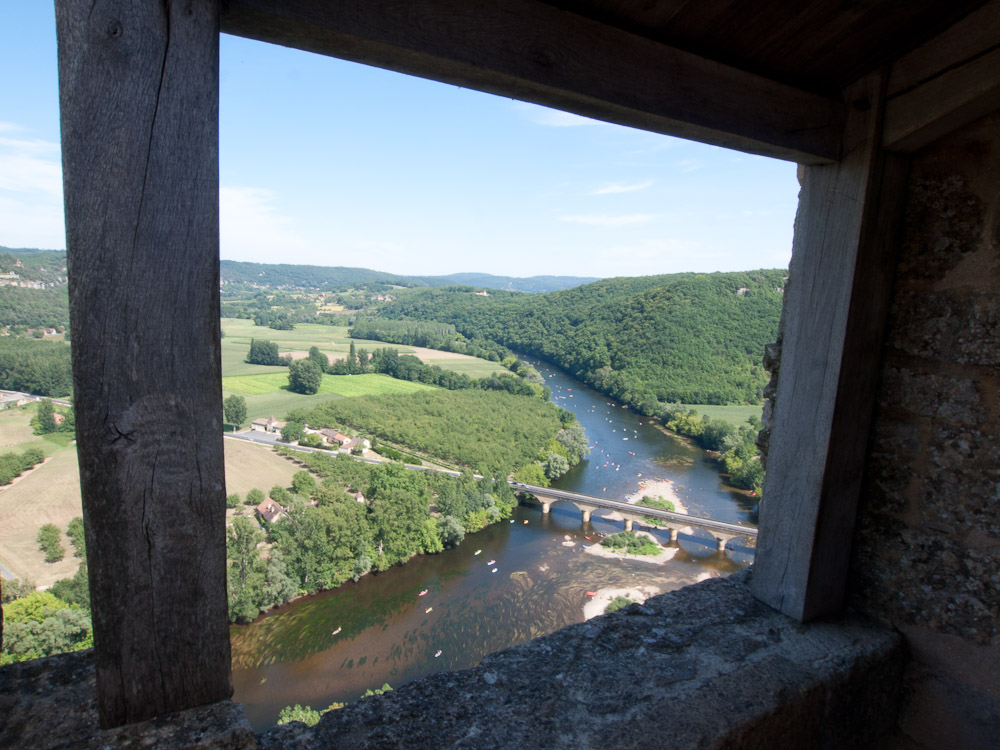
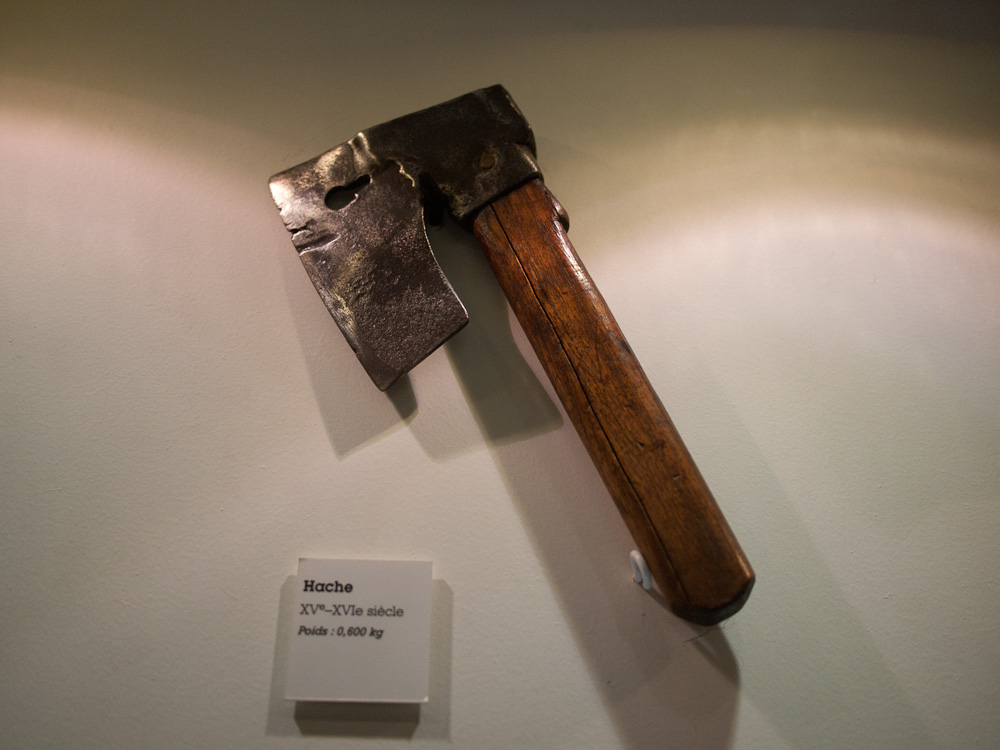
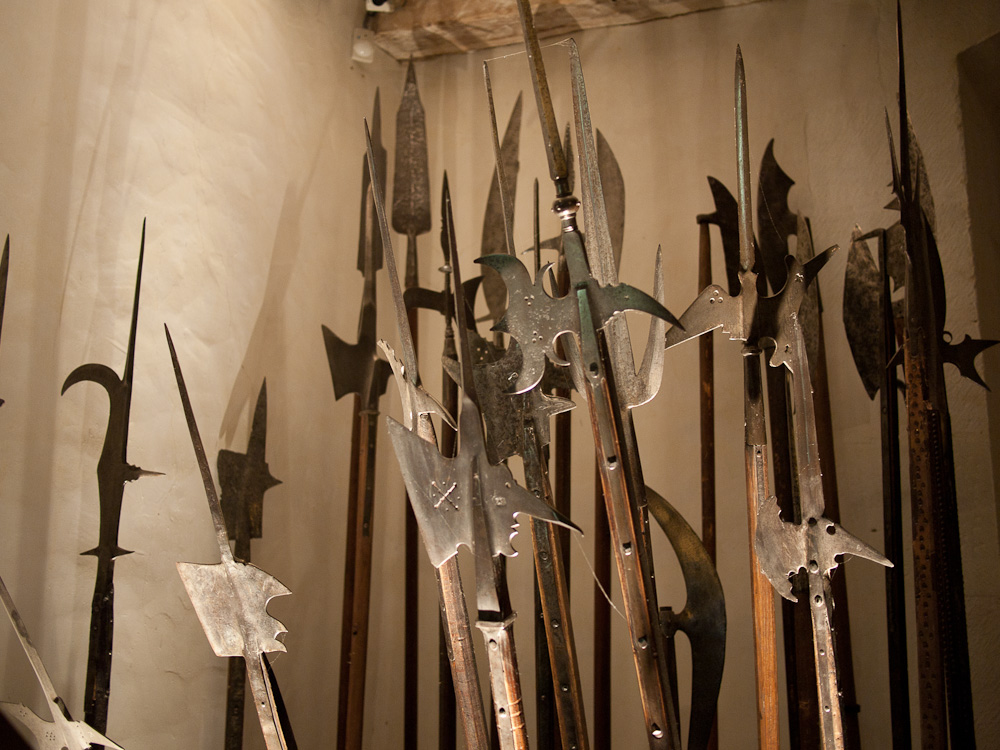
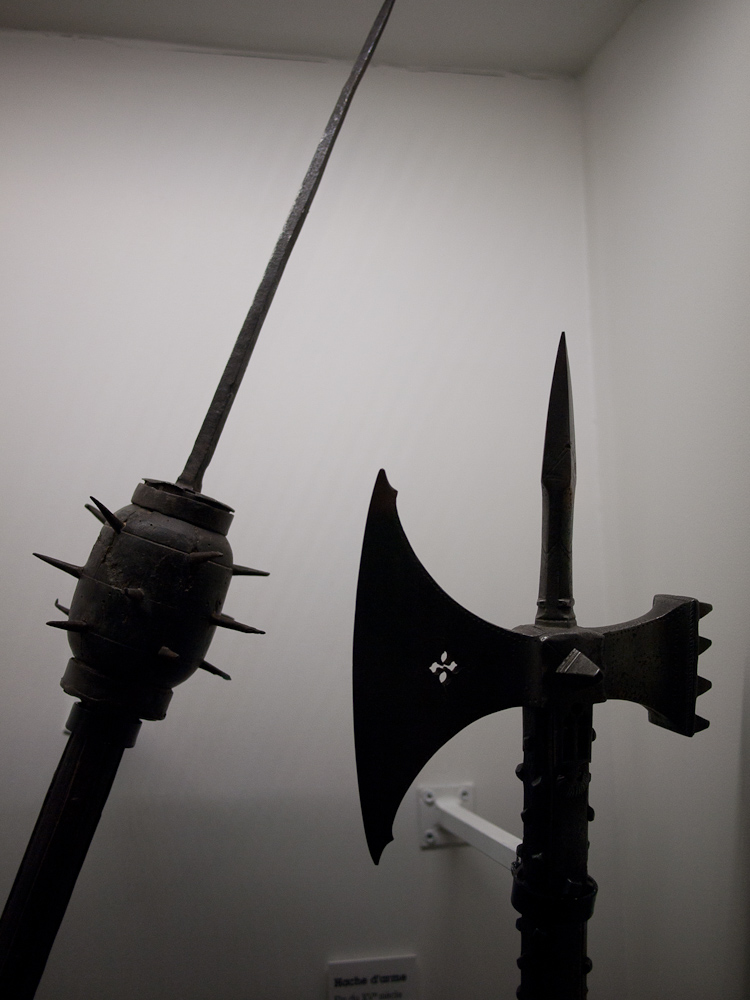
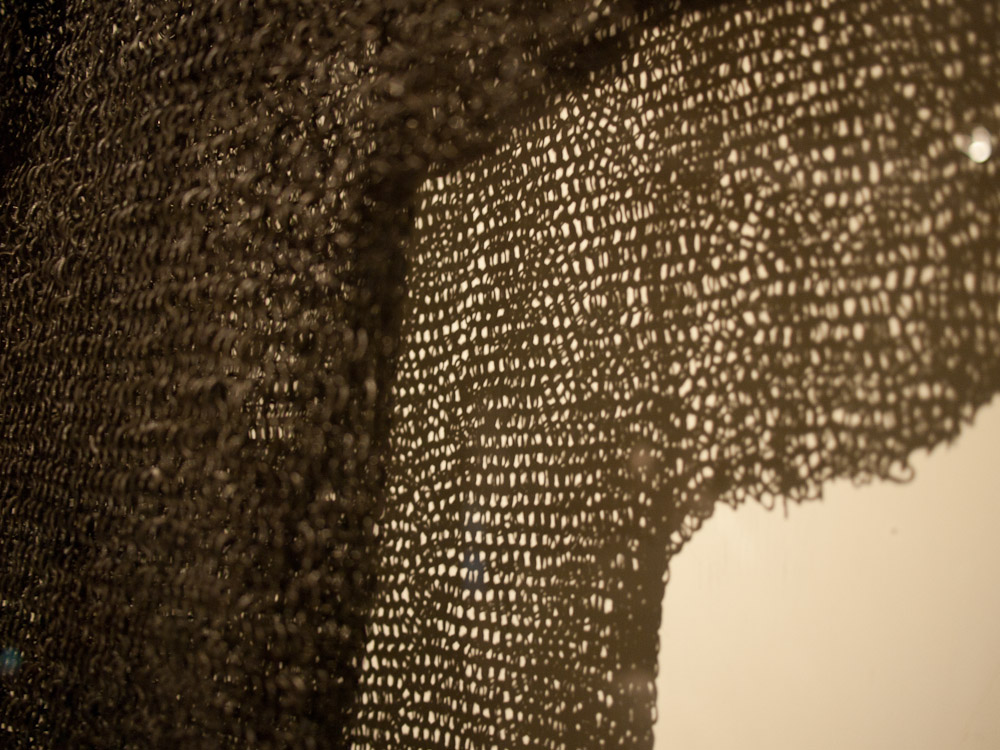
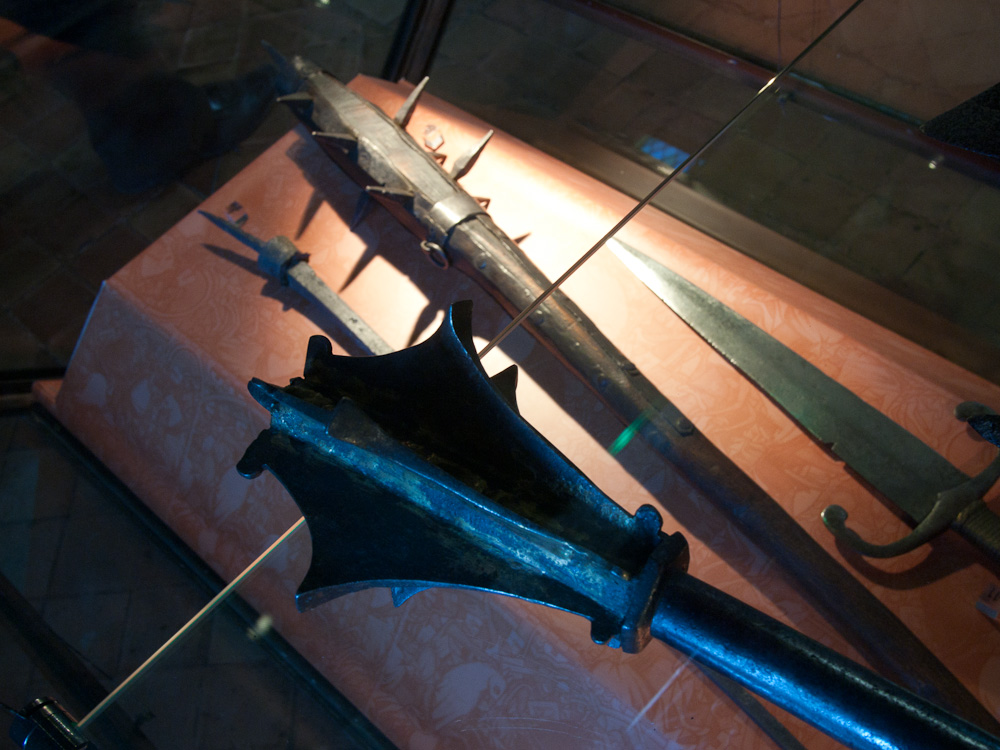
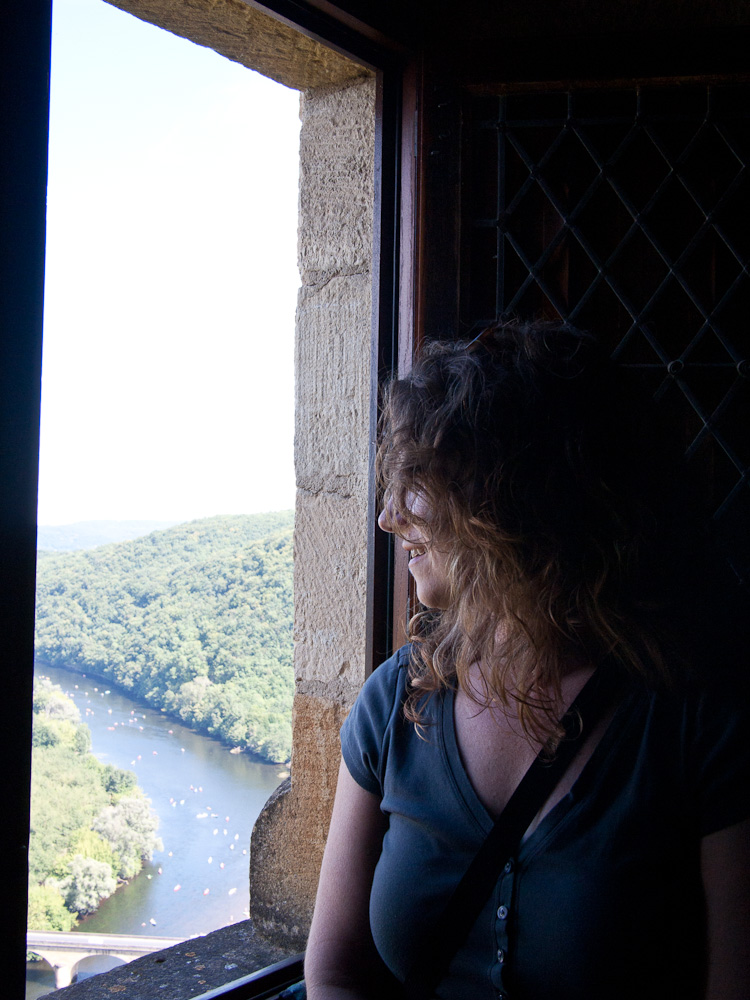
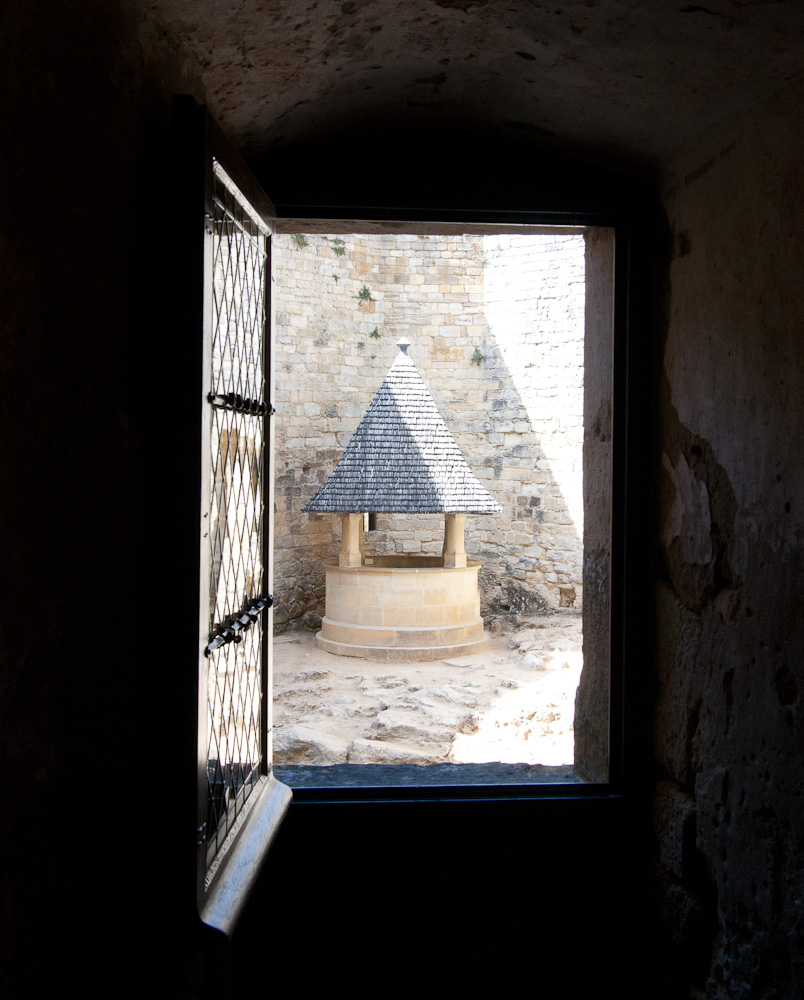
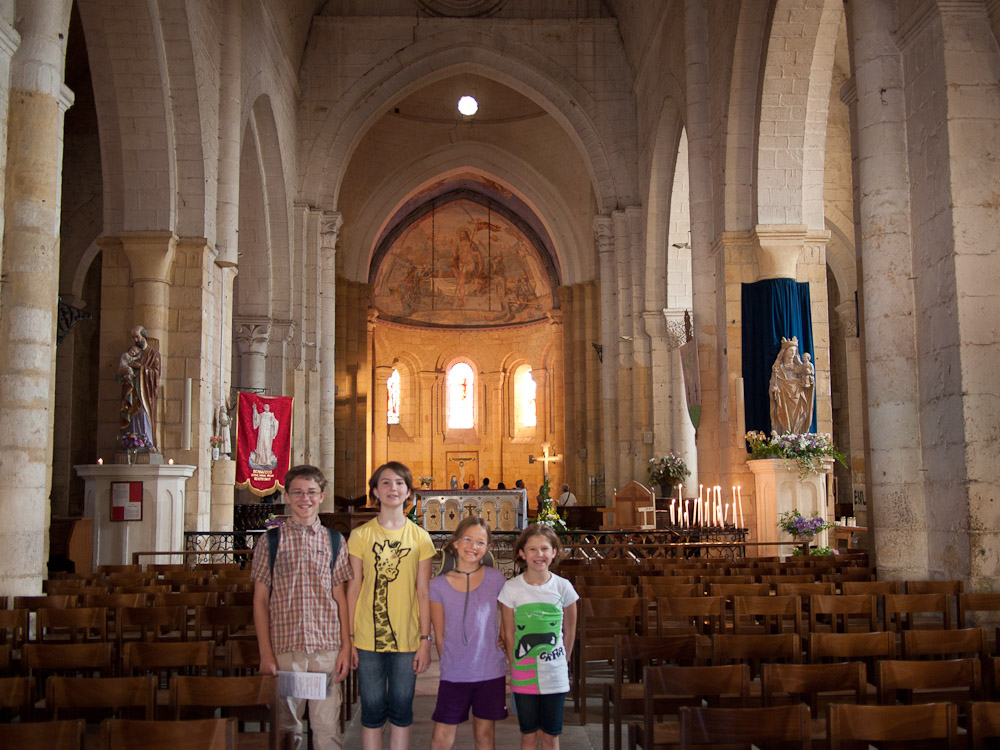
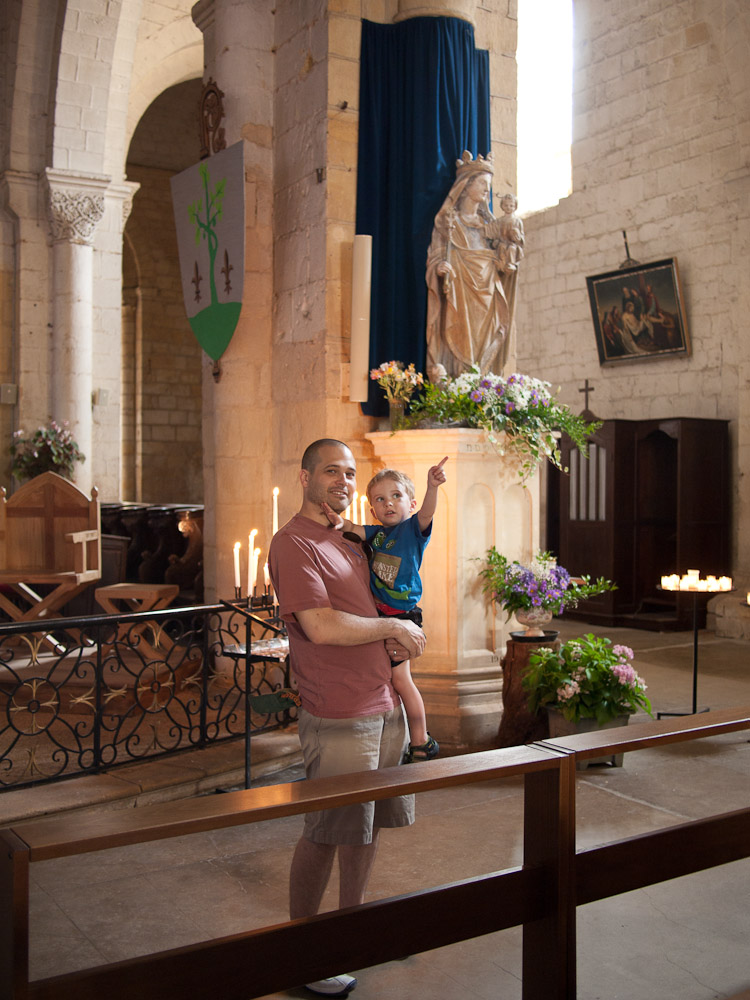
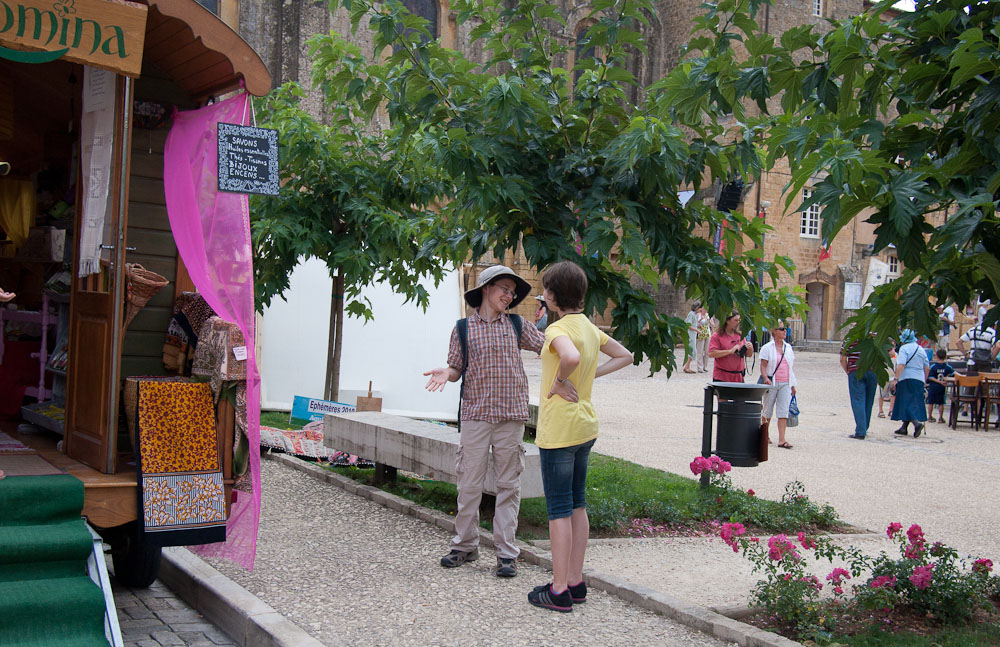
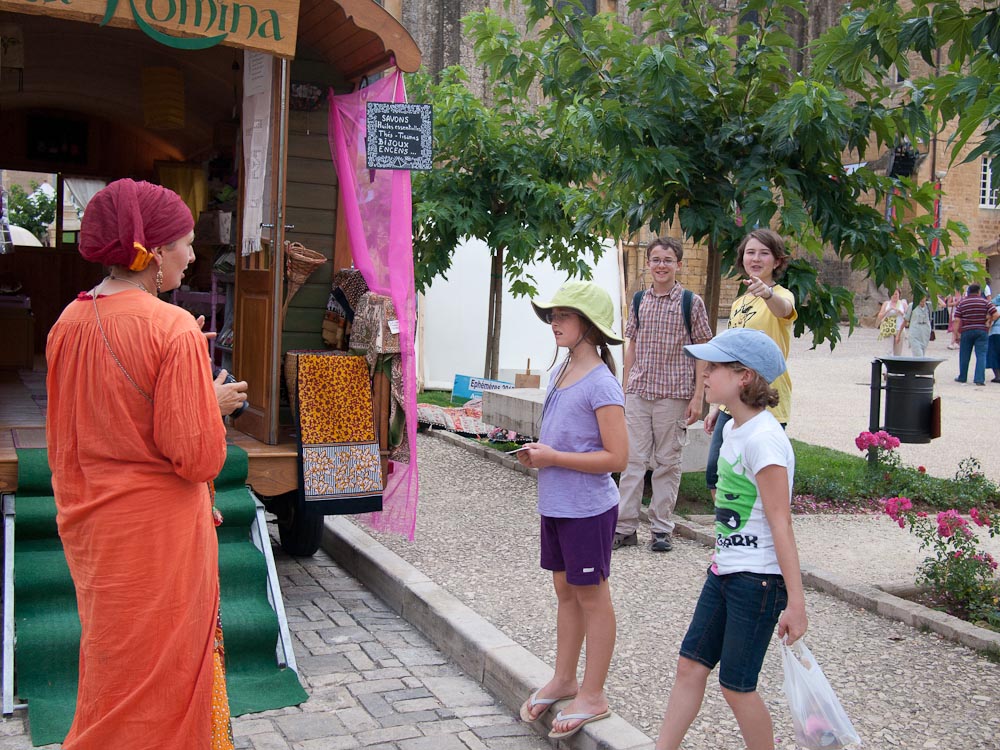
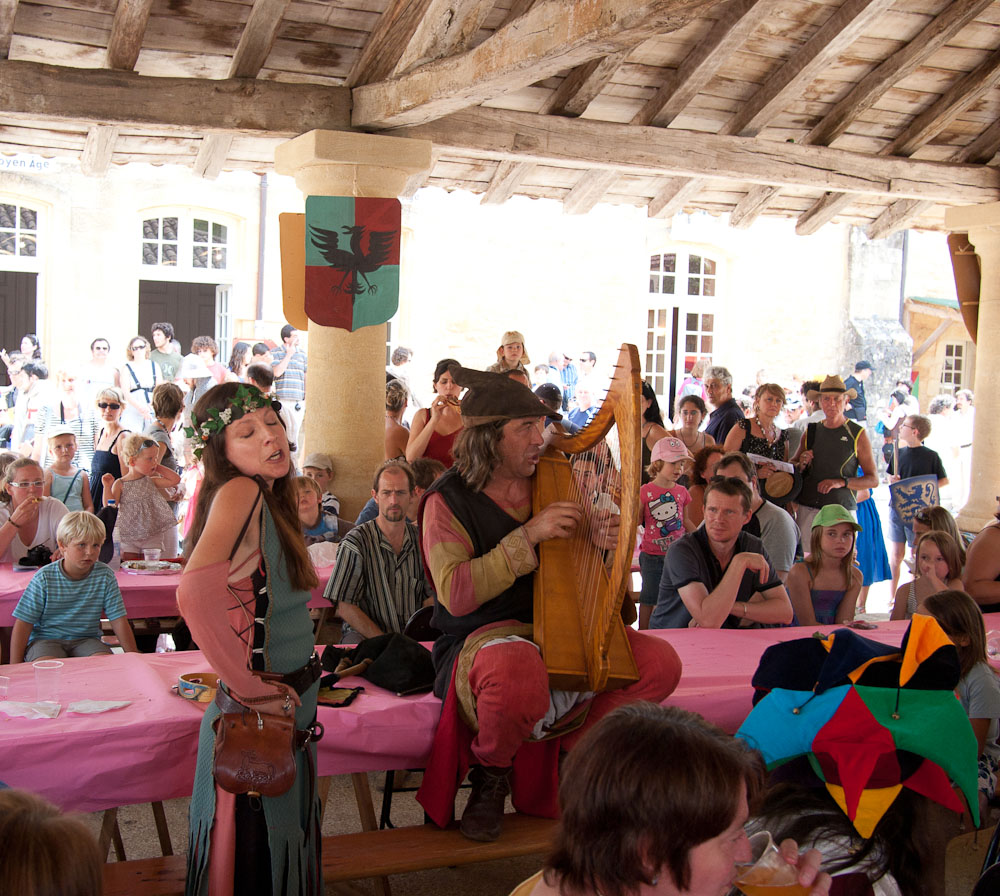
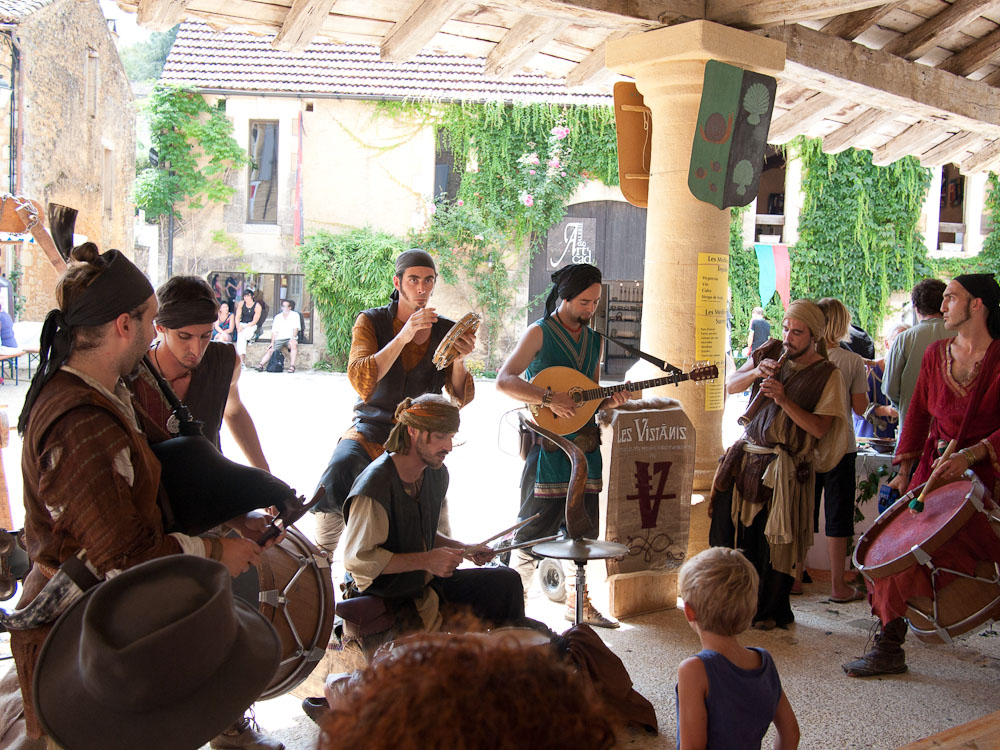
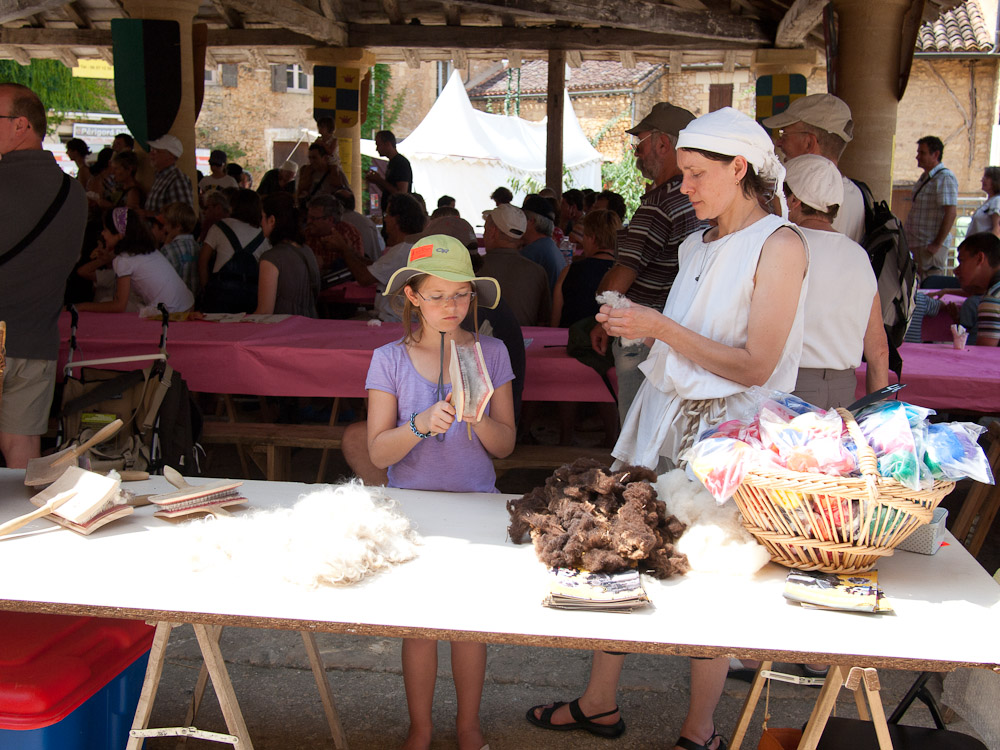
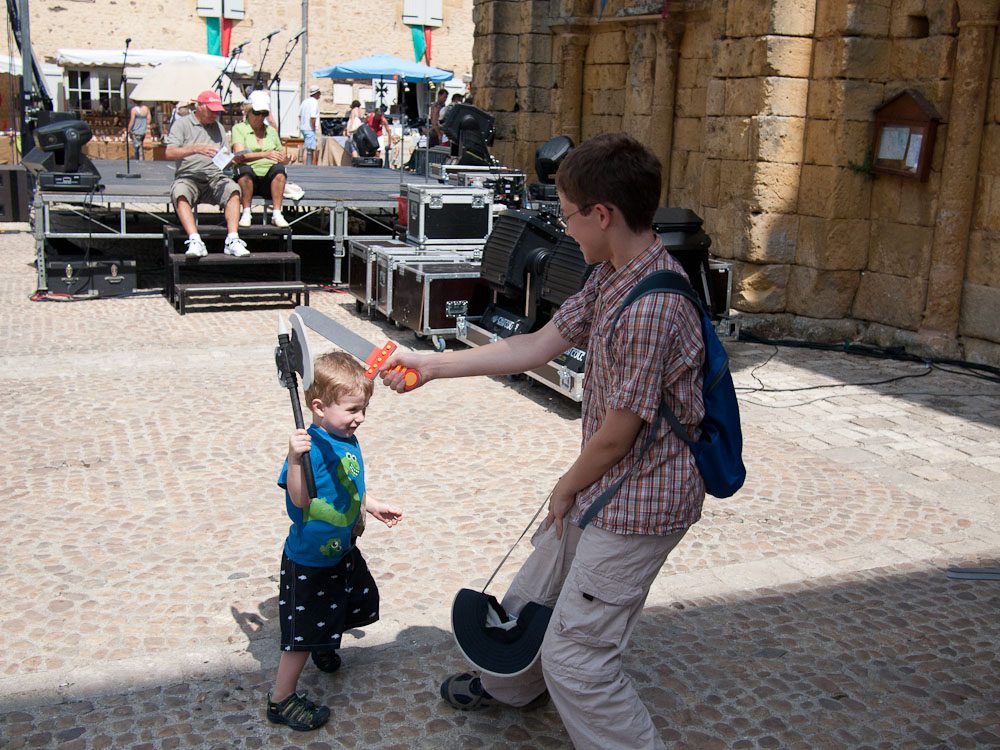
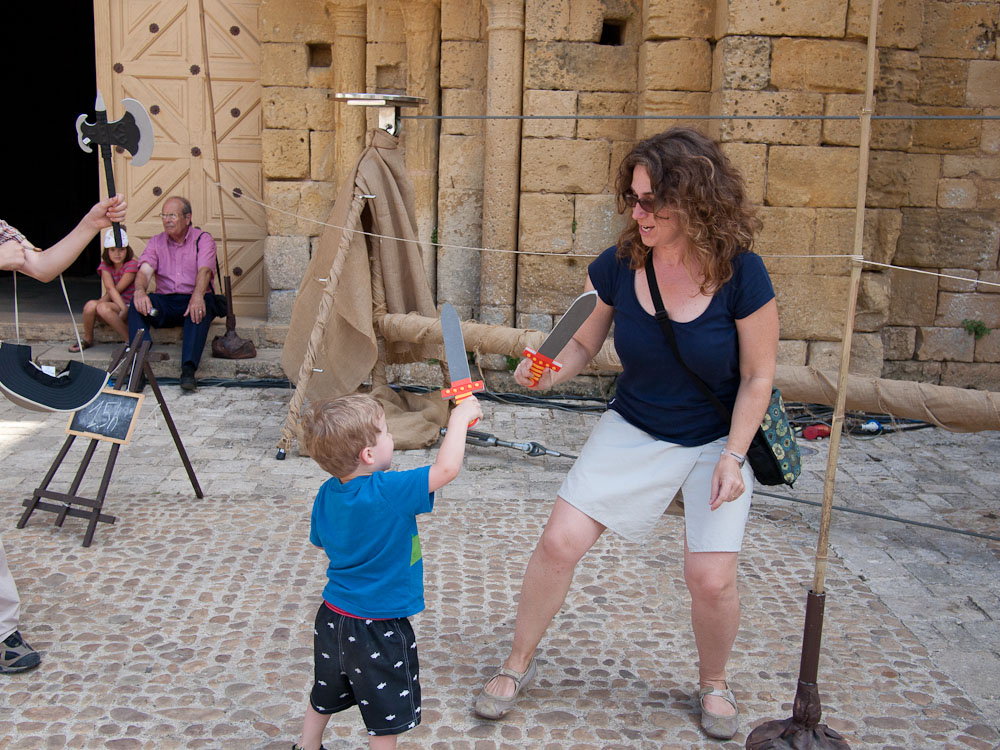
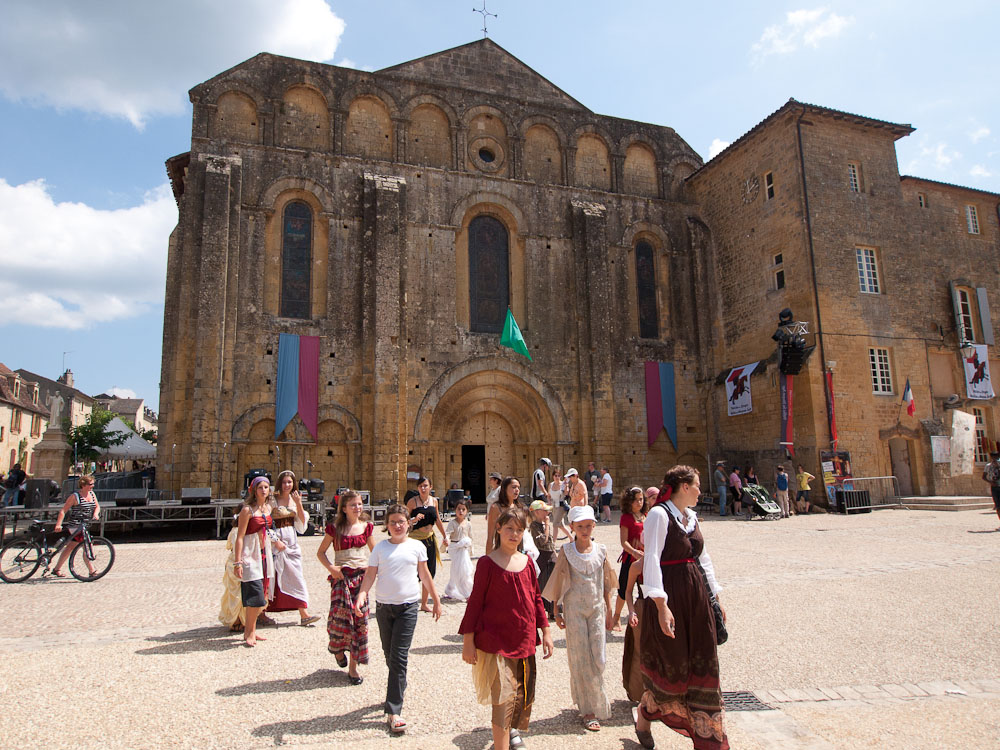
Also, as a sidenote, here are some pictures of castle Beynac, castle Castelnaud and a medieval fair in Cadouin as well.
The path to the barbican would be dirt until you get close to the door, there it was just an empty pit with colossal spikes on the bottom. Soldiers would have to fill the pit with anything they could find around them, weapons, rubble….dead bodies. Once the pit was filled, the soldiers would cross the pit and in to the barbican. Now while all this happened there were archers on the roof of the barbican shooting down on the enemy soldiers. Once you got past the rocks and boiling water that was poured down from a slit behind the barbican door, (oil was too expensive to waste like that), there was another chute on the right, which would also pour boiling water and rocks. Soldiers could take their chances with that chute, or they could go to the left, where they would be in a perfect line of sight of archers positioned on another tower. The soldiers wouldn’t be able to just walk over and in to the castle, for there was another bigger pit in front of them. In times of peace there would be a staircase but since they were under attack the staircase had either been removed, or if there wasn’t time, burned. The only safe place was the pit, which in fact was not safe in the slightest. Once you jumped in to the pit you were in the sights of the archers on top of the barbican as well. If you managed to fill up the pit, and you still had men, THEN you could try and break through the door.
Long story short, there are many ways to attack a castle, and even more ways to die in doing so.
Also, as a sidenote, here are some pictures of castle Beynac, castle Castelnaud and a medieval fair in Cadouin as well.
Aug 17
First of all, let me start by correcting a classic stereotype about medieval attacks. Armies attacking a castle were made up of a lord, knights, a few soldiers, peasant militiamen and any war machines you could afford. This means that armies were actually very small and victory was difficult if not impossible without the proper assets.
There are five main ways to attack a castle: A siege, breaking through the walls, trickery, scaling the walls, and going through the front door. All of these are difficult and usually end in a blood bath.
A siege was a long and laborious attack, in which the attackers surrounded the castle and prevented any traveling to or from the castle walls, effectively eliminating the enemy’s food supply. Sometimes they would lob severed heads over the walls in an aim to lower morale and poison the well (if there was one). Sieges were hard on the attackers as well and were quite boring, and then there are the expenses, for a lord had to pay his soldiers the entire time. Usually the parties would negotiate and the attacking lord would get the castle and land, and the defending lord would get a small piece of land of the attacking lord’s property.
Breaking through the walls was also a very hard task, unless you had the money to buy a trebuchet. There were 3 major war machines that flung stones before the cannon. One of them was man powered and had a very small range, even though it could fire 120 times an hour. The second was very inaccurate and dangerous to those using it as well as the enemy. The third and final machine was devastating on the battlefield, the Trebuchet. A trebuchet was extremely accurate and flung heavy stone spheres. Unfortunately each sphere had to be exactly the same weight so the trebuchet hit the same weak spot on the wall every time. This meant that the trebuchet could only fire 2 shots an hour, for the stones were made on site. But as I said before, trebuchets were not exactly the cheapest machines on the market. Because unlike the first two machines that could be built out of trees at the site, the trebuchet had to be constructed elsewhere and slowly transported to the siege site. You could also dig through the wall with things like chisels and hammers, or you could do something called sapping. Sapping is when you dig underneath the walls making wooden supports to hold up the wall as you went. Because you couldn’t just pop out from beneath the ground and in to the courtyard, you would be slaughtered in something like 5 on 1 as you came out, you would come out the way you came and light the wood supports on fire. When the supports gave way, they would bring that entire section of the wall with them, allowing you to get inside the castle.
Trickery was a limited option that relied heavily on chance and luck. Trickery was rarely used, but when it was used and when it succeeded, the result was devastating. One such example was when six women left the castle to retrieve water. The women were ambushed by soldiers and the soldiers took the women’s clothing and disguised themselves as the women who had left the castle. When they were let in to the castle they quickly took command over the castle and let in the army behind them.
Scaling the walls very rarely worked, since because of the small number of troops, the soldiers would all be slaughtered as they attempted to scale the walls. Plan failed.
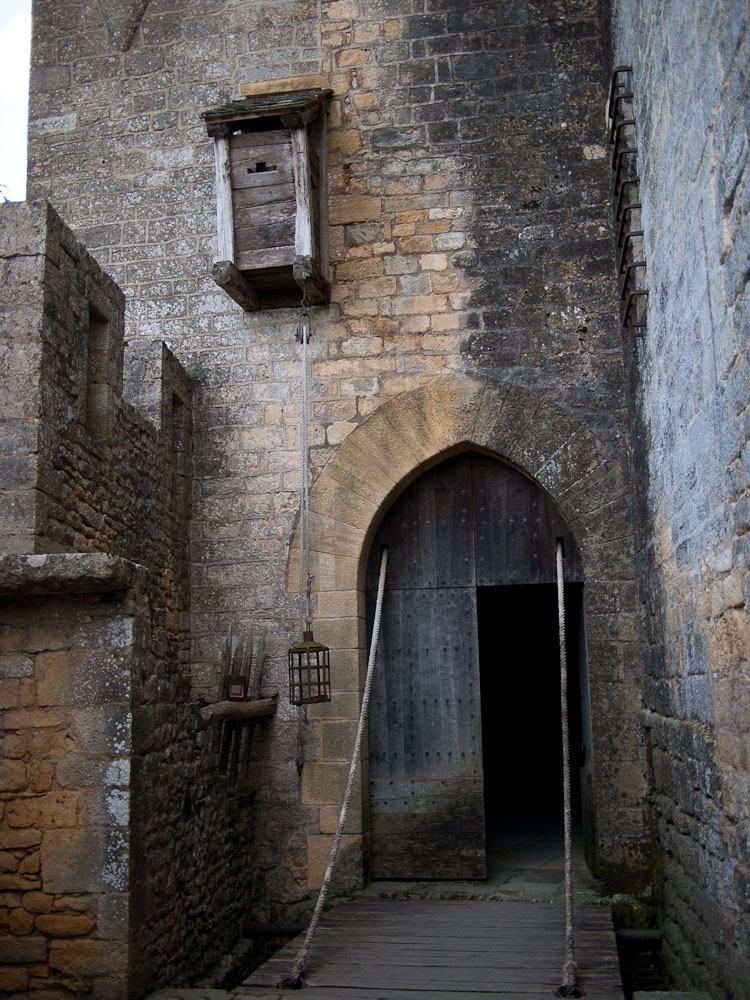
That leaves going through the front door. Now, the defenders were not just going to open the doors and welcome their attackers. Hopefully the front door would not have a barbican in the way, otherwise you could just forget about taking the castle, pack up and go home. (The barbican I am about to describe is from the English castle Castelnaud).
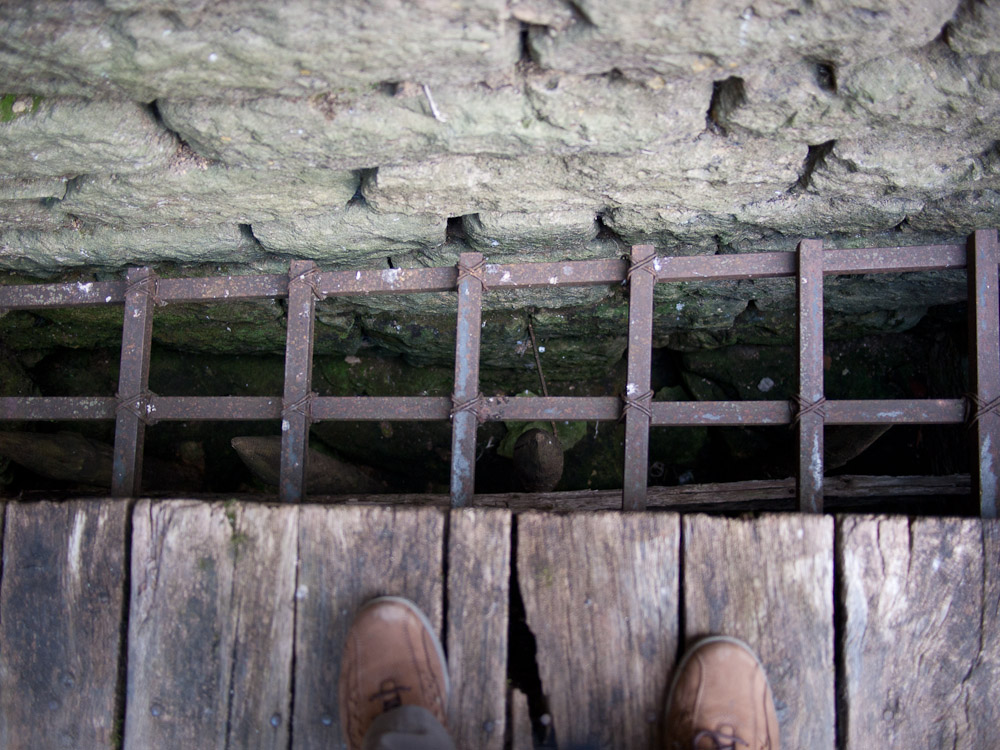
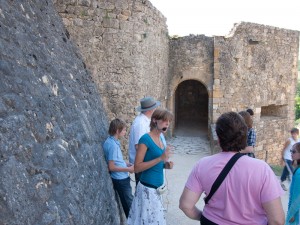 The path to the barbican would be dirt until you get close to the door, there it was just an empty pit with colossal spikes on the bottom. Soldiers would have to fill the pit with anything they could find around them, weapons, rubble….dead bodies. Once the pit was filled, the soldiers would cross the pit and in to the barbican. Now while all this happened there were archers on the roof of the barbican shooting down on the enemy soldiers. Once you got past the rocks and boiling water that was poured down from a slit behind the barbican door, (oil was too expensive to waste like that), there was another chute on the right, which would also pour boiling water and rocks. Soldiers could take their chances with that chute, or they could go to the left, where they would be in a perfect line of sight of archers positioned on another tower. The soldiers wouldn’t be able to just walk over and in to the castle, for there was another bigger pit in front of them. In times of peace there would be a staircase but since they were under attack the staircase had either been removed, or if there wasn’t time, burned. The only safe place was the pit, which in fact was not safe in the slightest. Once you jumped in to the pit you were in the sights of the archers on top of the barbican as well. If you managed to fill up the pit, and you still had men, THEN you could try and break through the door.
Long story short, there are many ways to attack a castle, and even more ways to die in doing so.
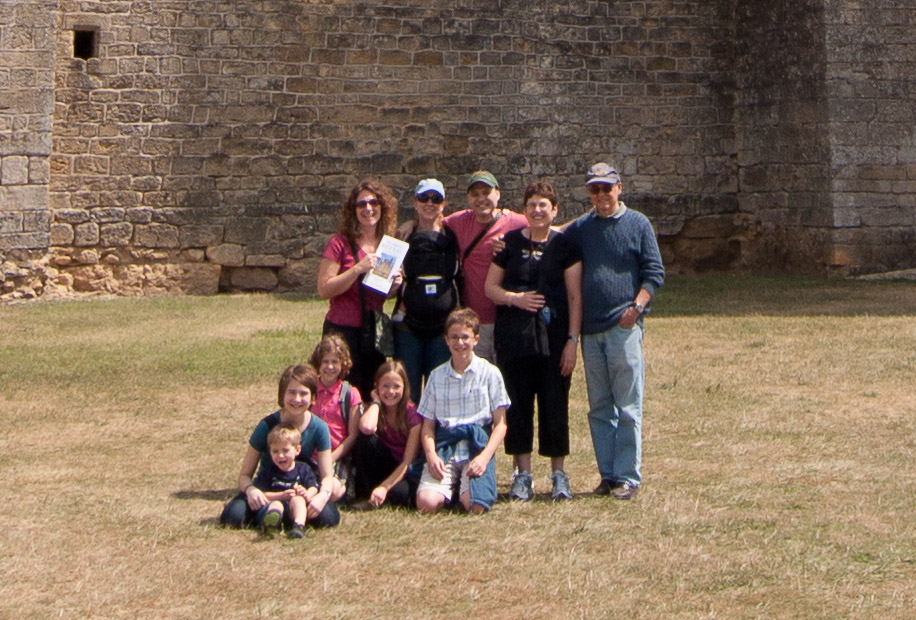
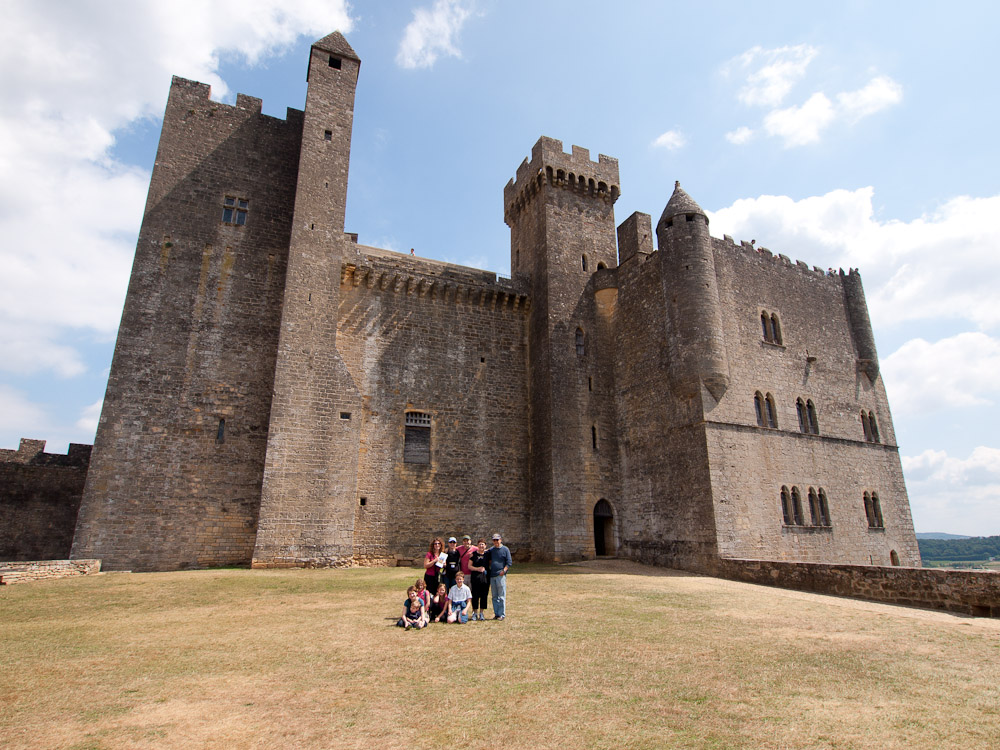
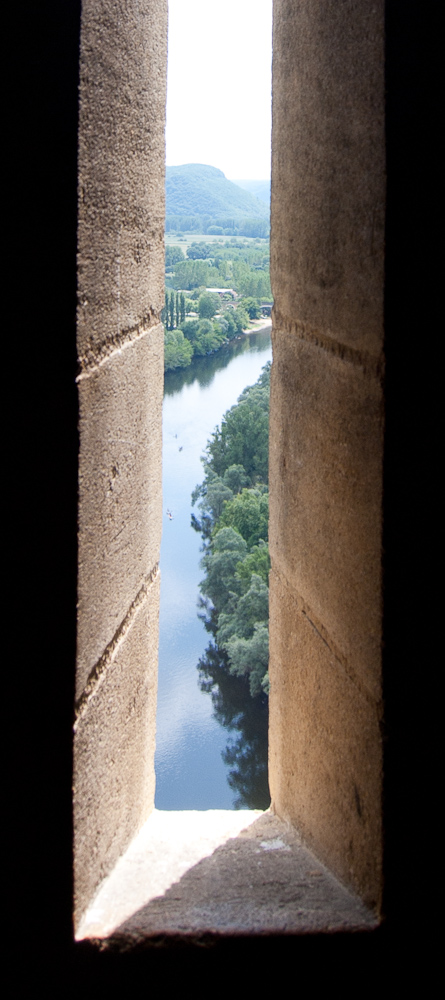
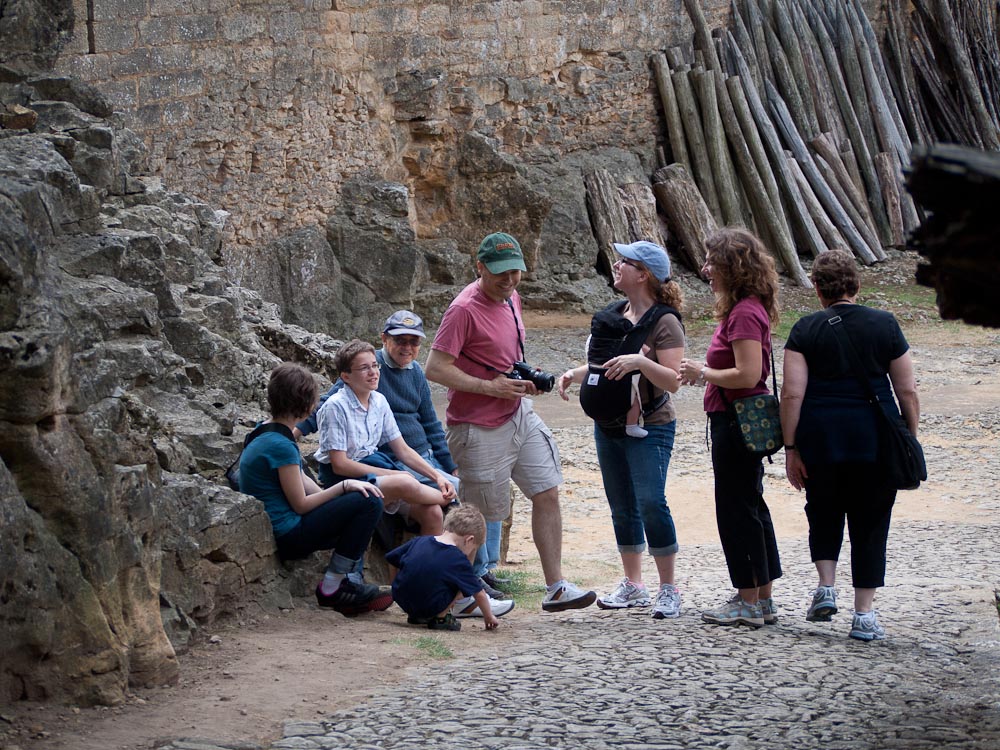
Also, as a sidenote, here are some pictures of castle Beynac, castle Castelnaud and a medieval fair in Cadouin as well.
The path to the barbican would be dirt until you get close to the door, there it was just an empty pit with colossal spikes on the bottom. Soldiers would have to fill the pit with anything they could find around them, weapons, rubble….dead bodies. Once the pit was filled, the soldiers would cross the pit and in to the barbican. Now while all this happened there were archers on the roof of the barbican shooting down on the enemy soldiers. Once you got past the rocks and boiling water that was poured down from a slit behind the barbican door, (oil was too expensive to waste like that), there was another chute on the right, which would also pour boiling water and rocks. Soldiers could take their chances with that chute, or they could go to the left, where they would be in a perfect line of sight of archers positioned on another tower. The soldiers wouldn’t be able to just walk over and in to the castle, for there was another bigger pit in front of them. In times of peace there would be a staircase but since they were under attack the staircase had either been removed, or if there wasn’t time, burned. The only safe place was the pit, which in fact was not safe in the slightest. Once you jumped in to the pit you were in the sights of the archers on top of the barbican as well. If you managed to fill up the pit, and you still had men, THEN you could try and break through the door.
Long story short, there are many ways to attack a castle, and even more ways to die in doing so.
Also, as a sidenote, here are some pictures of castle Beynac, castle Castelnaud and a medieval fair in Cadouin as well.
The path to the barbican would be dirt until you get close to the door, there it was just an empty pit with colossal spikes on the bottom. Soldiers would have to fill the pit with anything they could find around them, weapons, rubble….dead bodies. Once the pit was filled, the soldiers would cross the pit and in to the barbican. Now while all this happened there were archers on the roof of the barbican shooting down on the enemy soldiers. Once you got past the rocks and boiling water that was poured down from a slit behind the barbican door, (oil was too expensive to waste like that), there was another chute on the right, which would also pour boiling water and rocks. Soldiers could take their chances with that chute, or they could go to the left, where they would be in a perfect line of sight of archers positioned on another tower. The soldiers wouldn’t be able to just walk over and in to the castle, for there was another bigger pit in front of them. In times of peace there would be a staircase but since they were under attack the staircase had either been removed, or if there wasn’t time, burned. The only safe place was the pit, which in fact was not safe in the slightest. Once you jumped in to the pit you were in the sights of the archers on top of the barbican as well. If you managed to fill up the pit, and you still had men, THEN you could try and break through the door.
Long story short, there are many ways to attack a castle, and even more ways to die in doing so.
Also, as a sidenote, here are some pictures of castle Beynac, castle Castelnaud and a medieval fair in Cadouin as well.



Error thrown
Call to undefined function ereg()