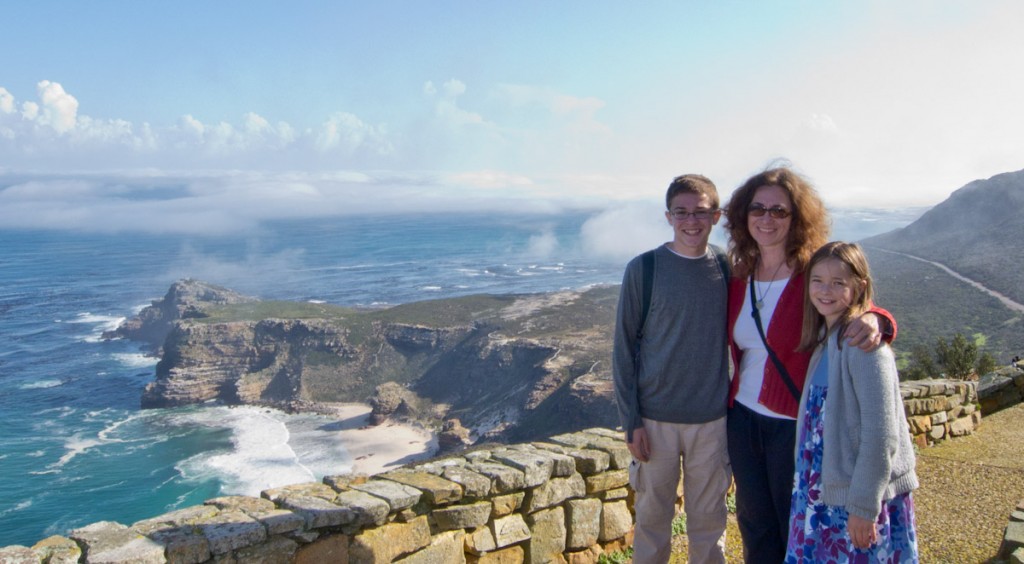
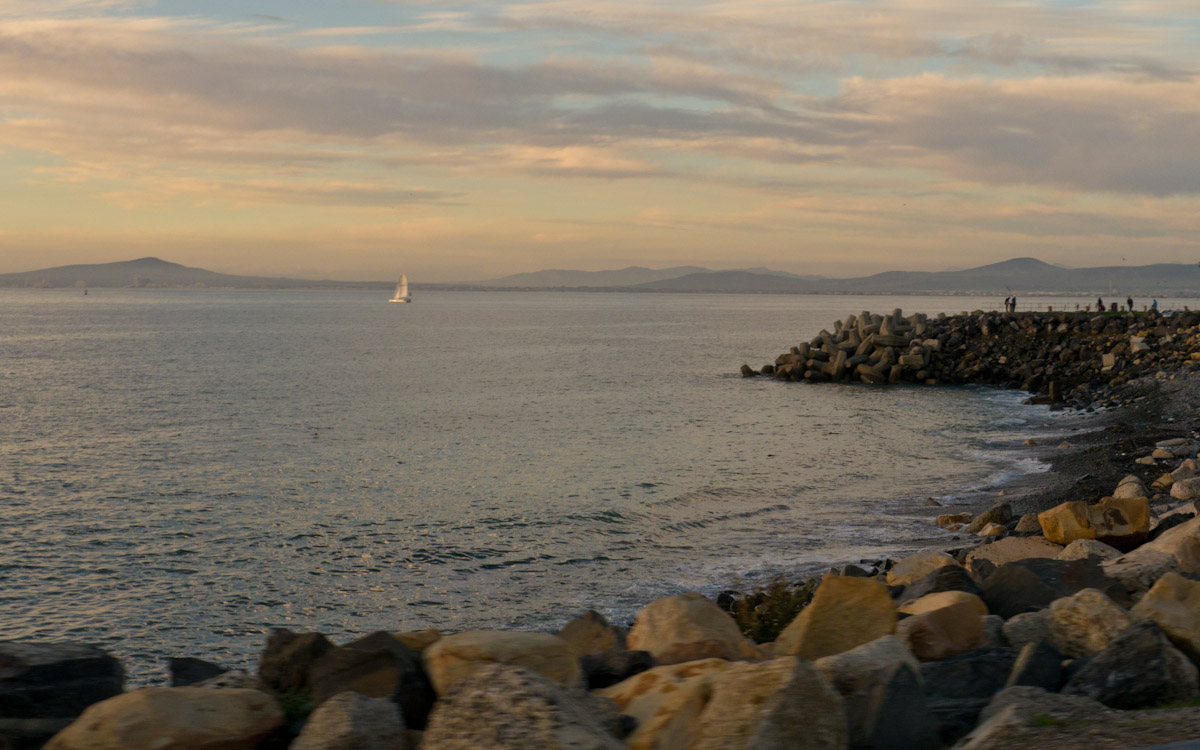
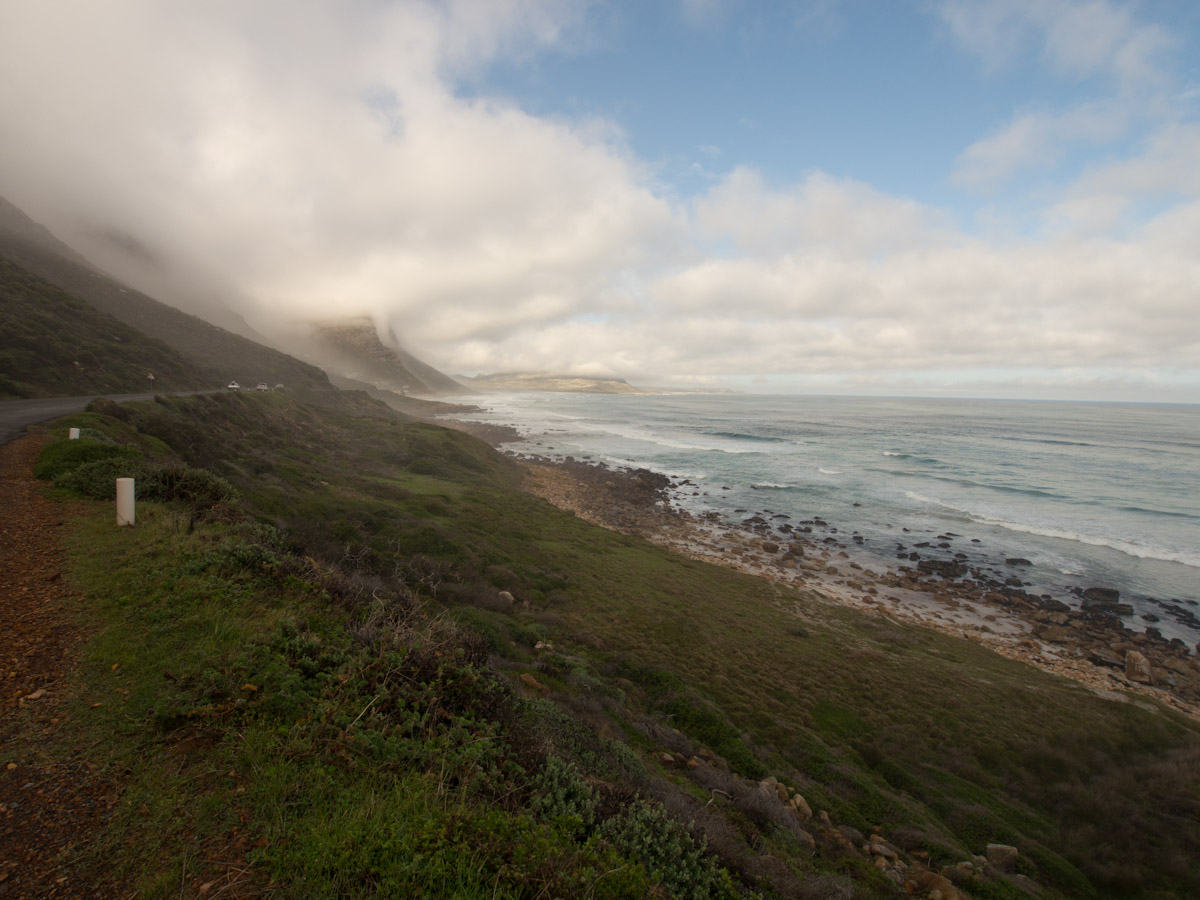
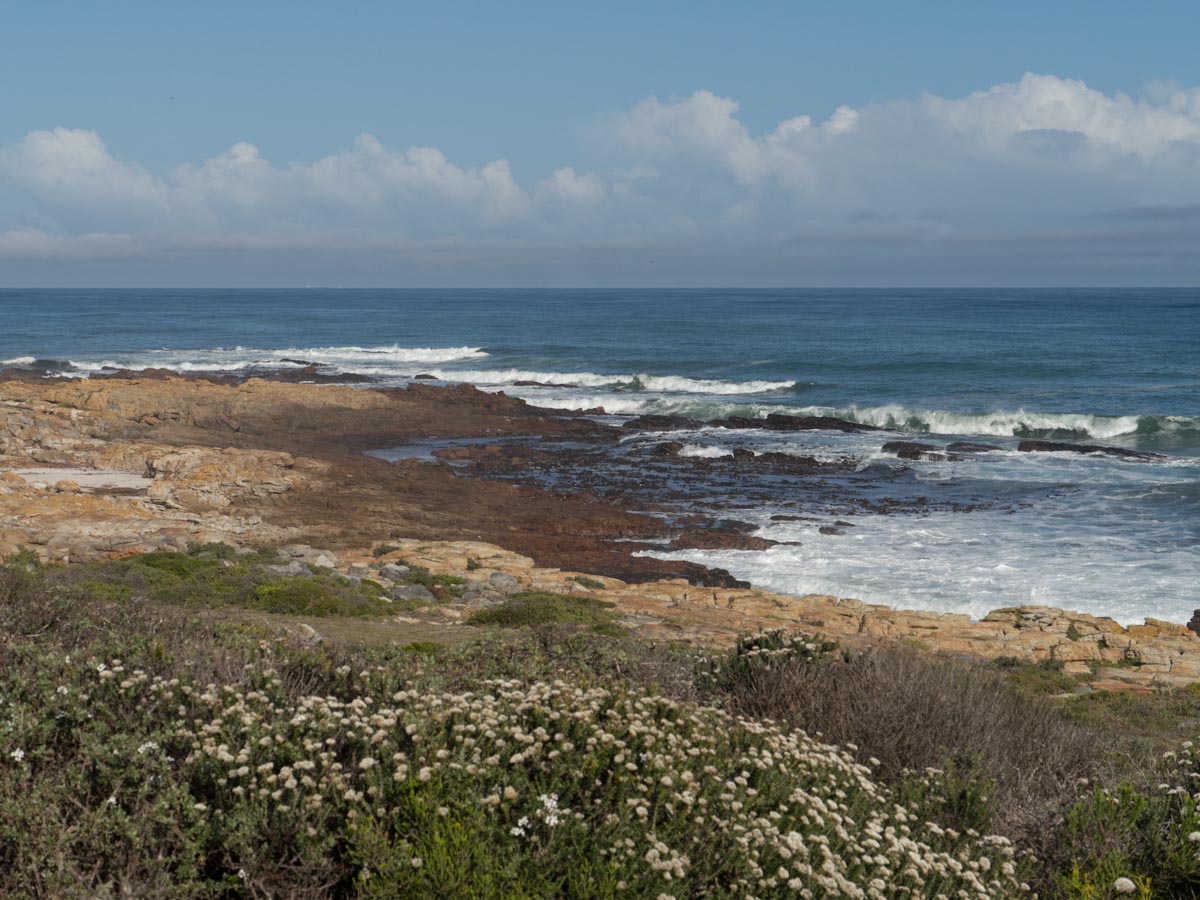
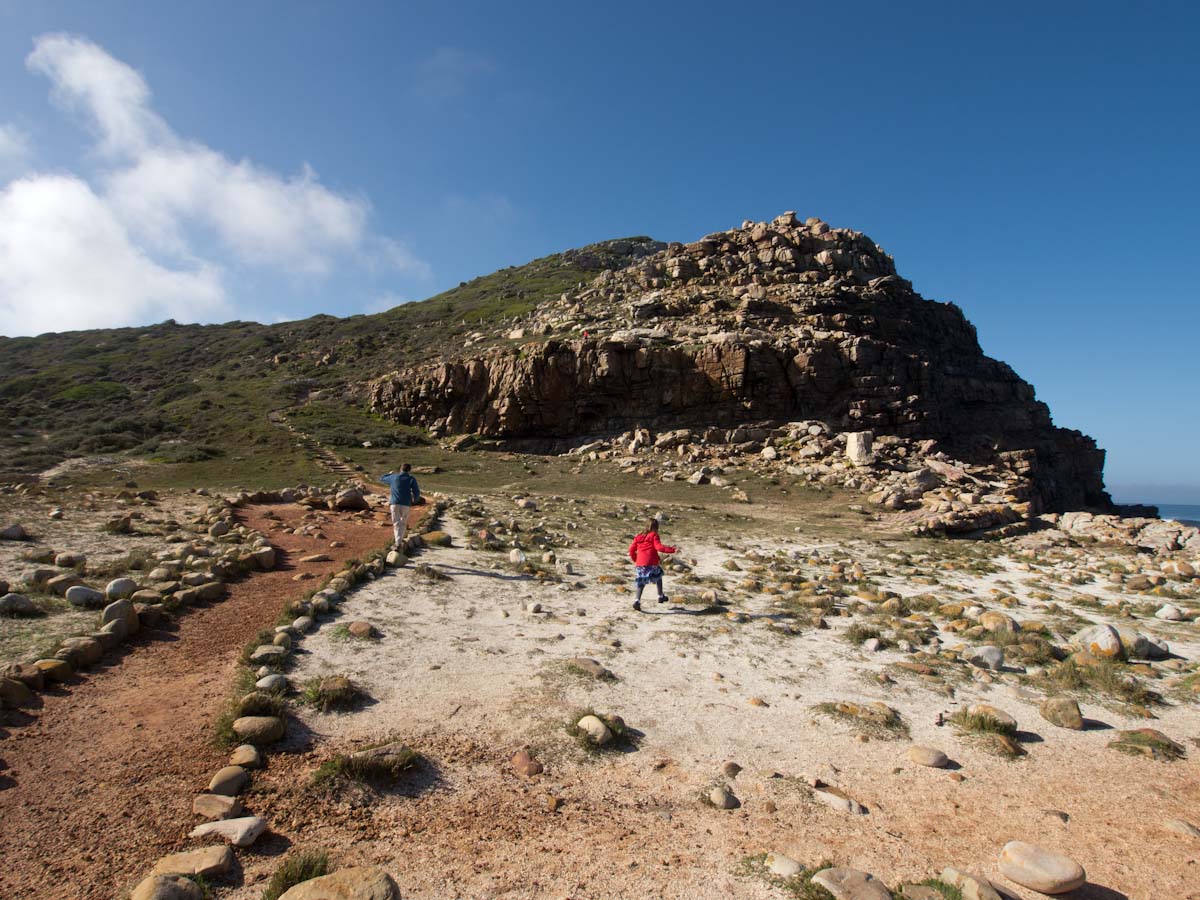
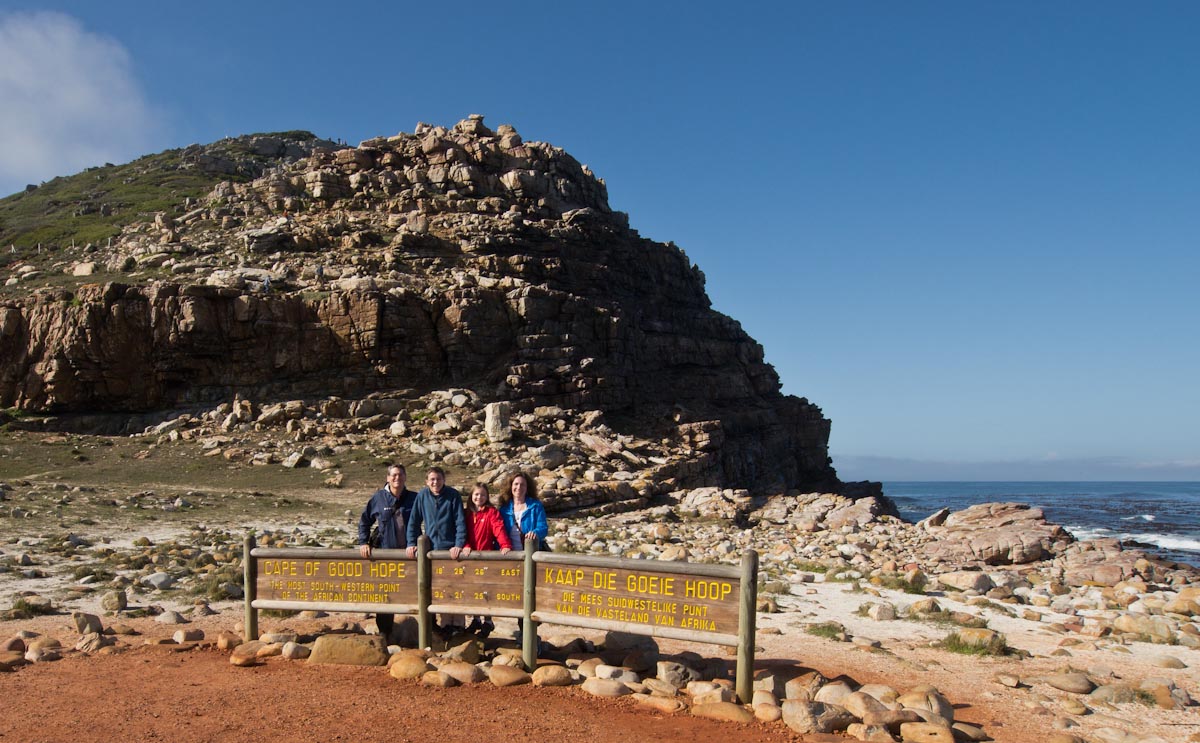
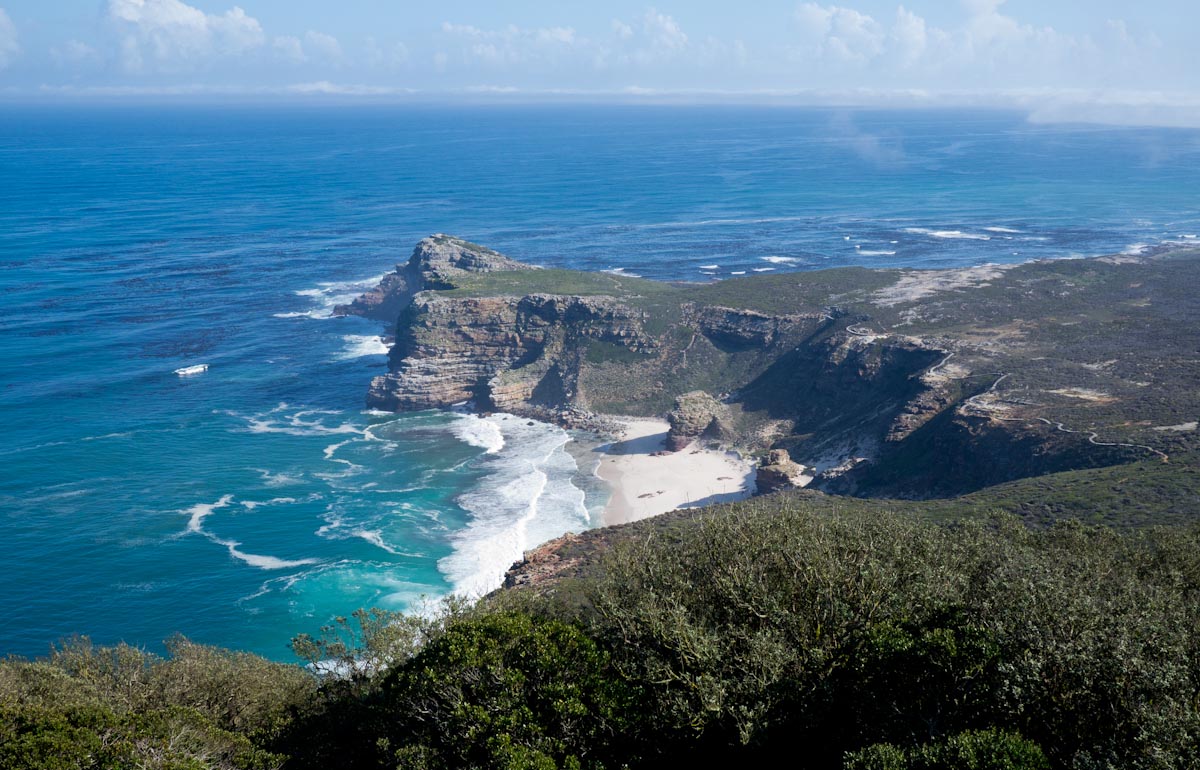
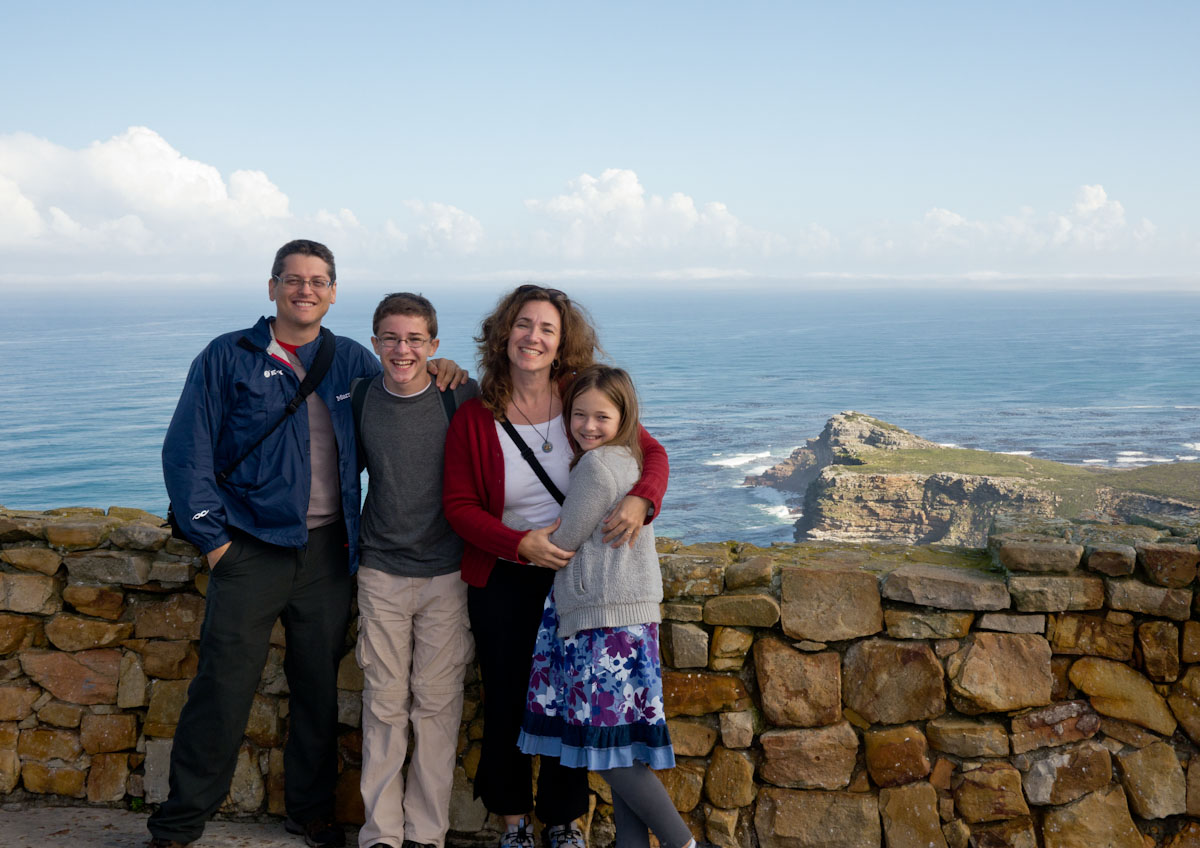
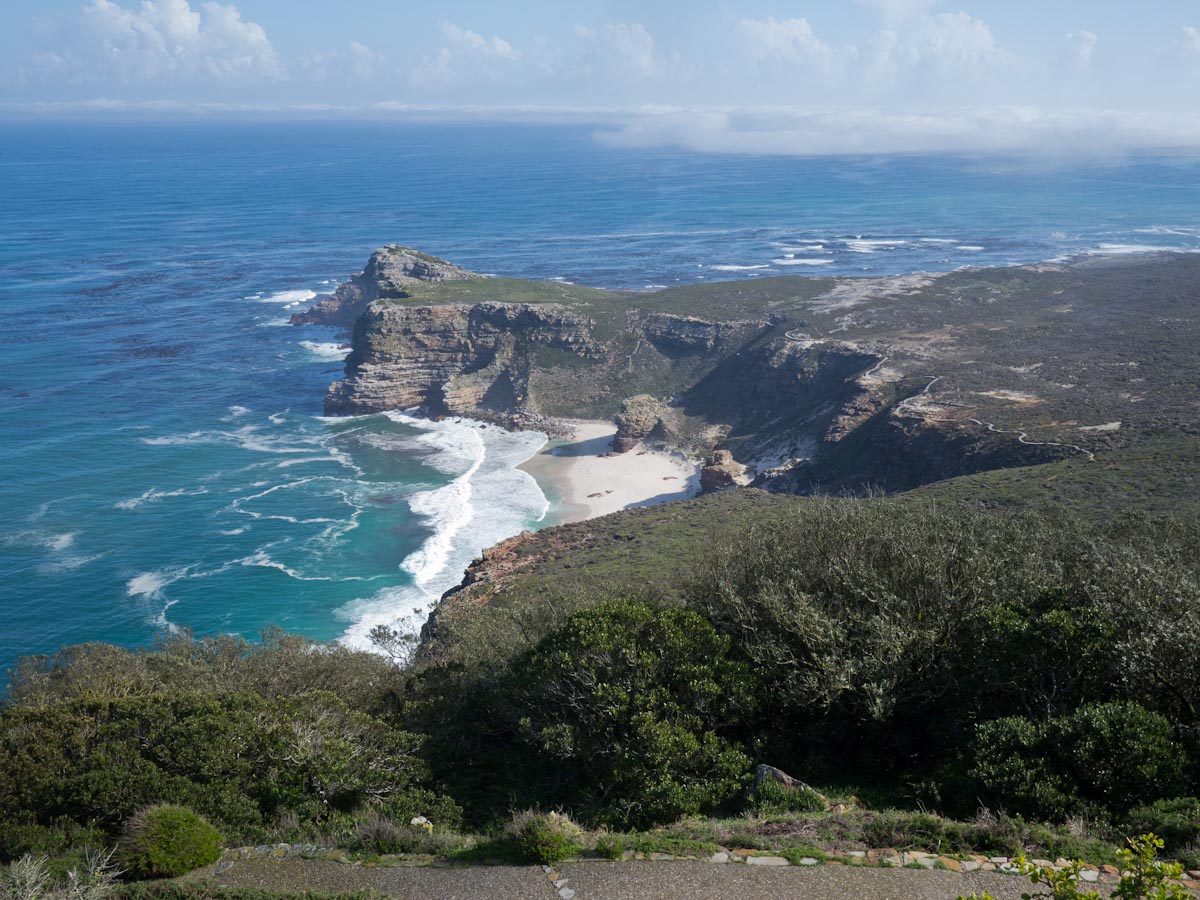
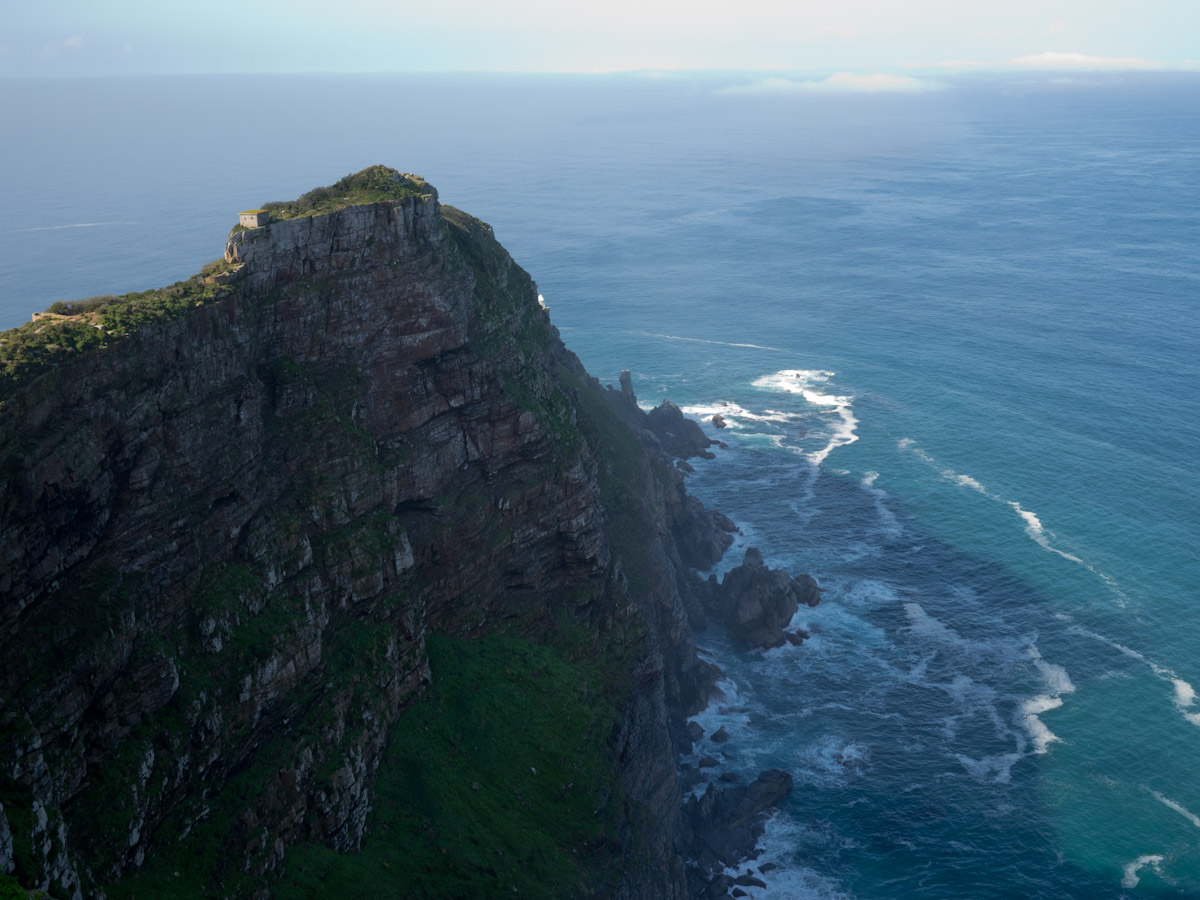
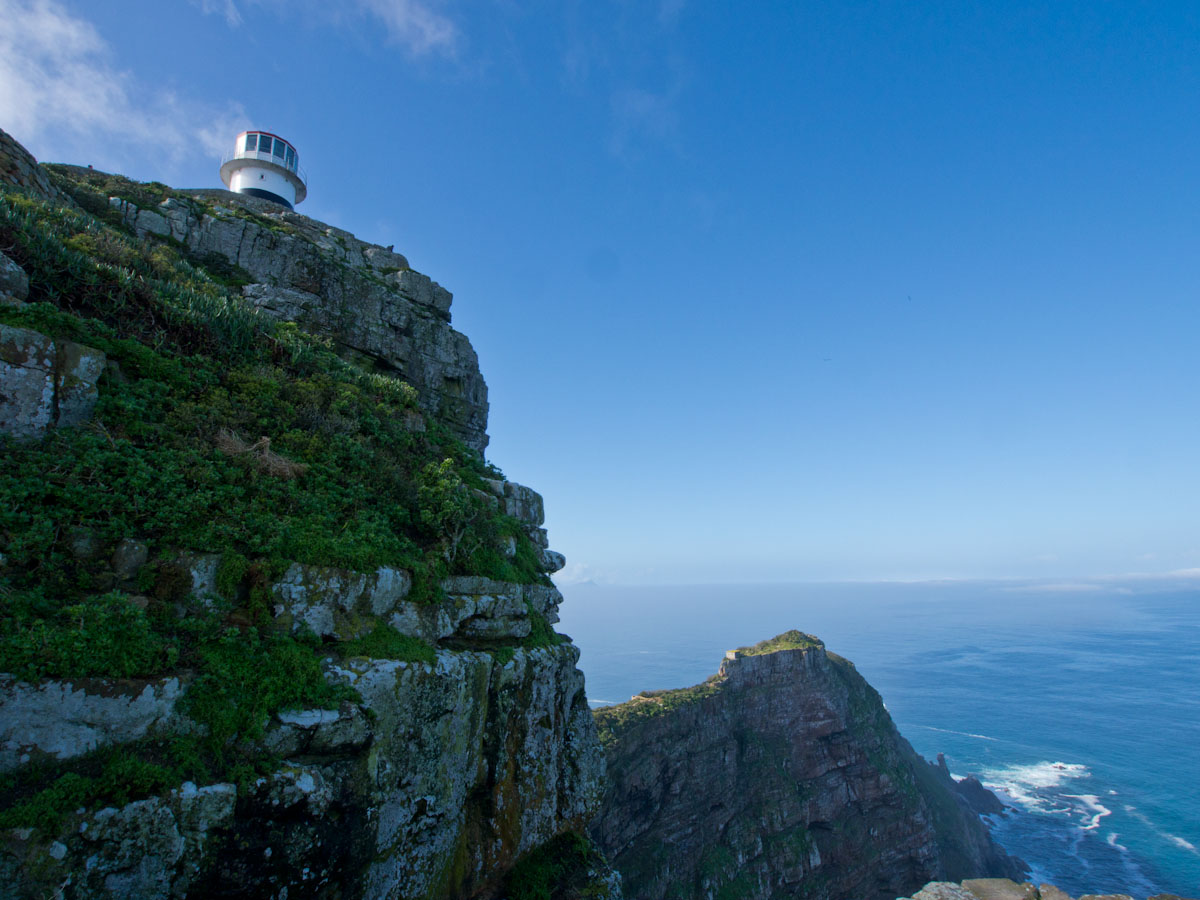
We reached the Cape of Good Hope a few days ago. This is the farthest southwest point of Africa and it is among the lowest latitudes we had planned for our 365 Saturdays (Australia and New Zealand were the others).
The Cape was a real hazard for sailors trying to make their way to India. They would try to sail around it and if they were lucky they would make it to the other side of Africa and up to India. If they weren’t lucky, they crashed on the rocks and drowned. You see, Cape Point is where the Indian and Atlantic Oceans meet. The warm and cold currents make navigating difficult and there are a lot of storms. There are also a whole host of underwater obstacles which make these waters especially treacherous.
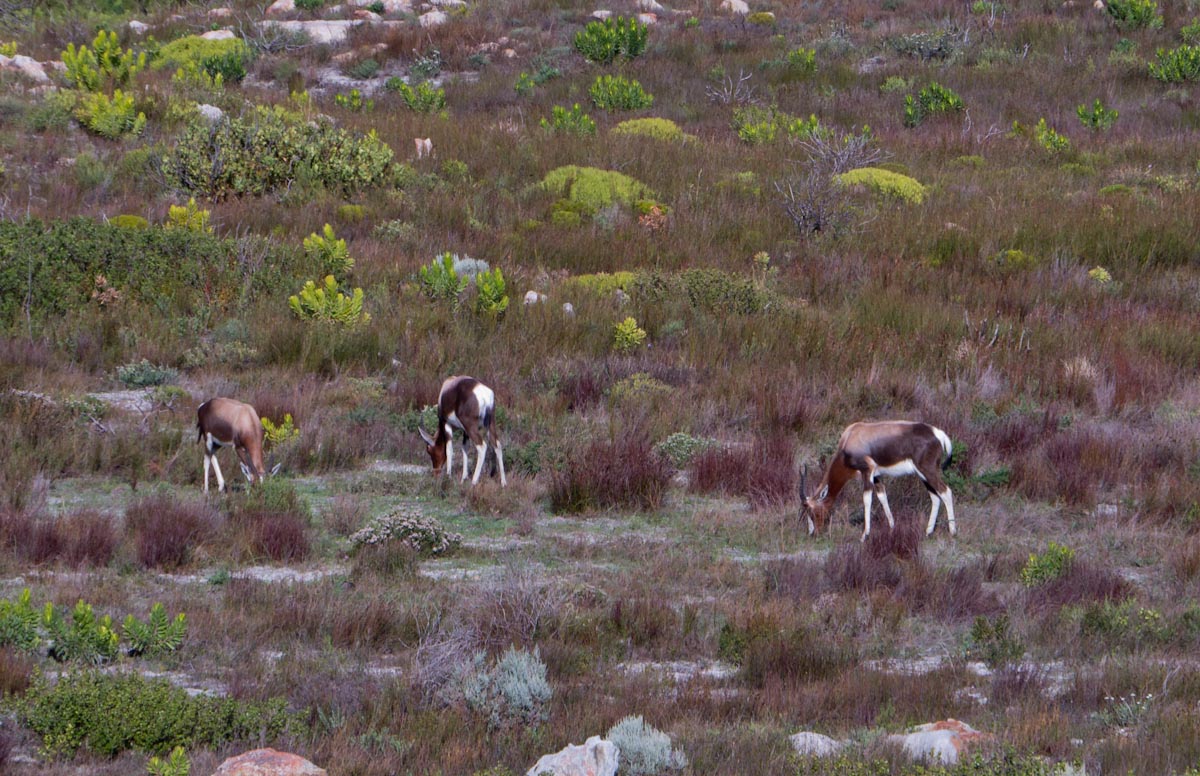
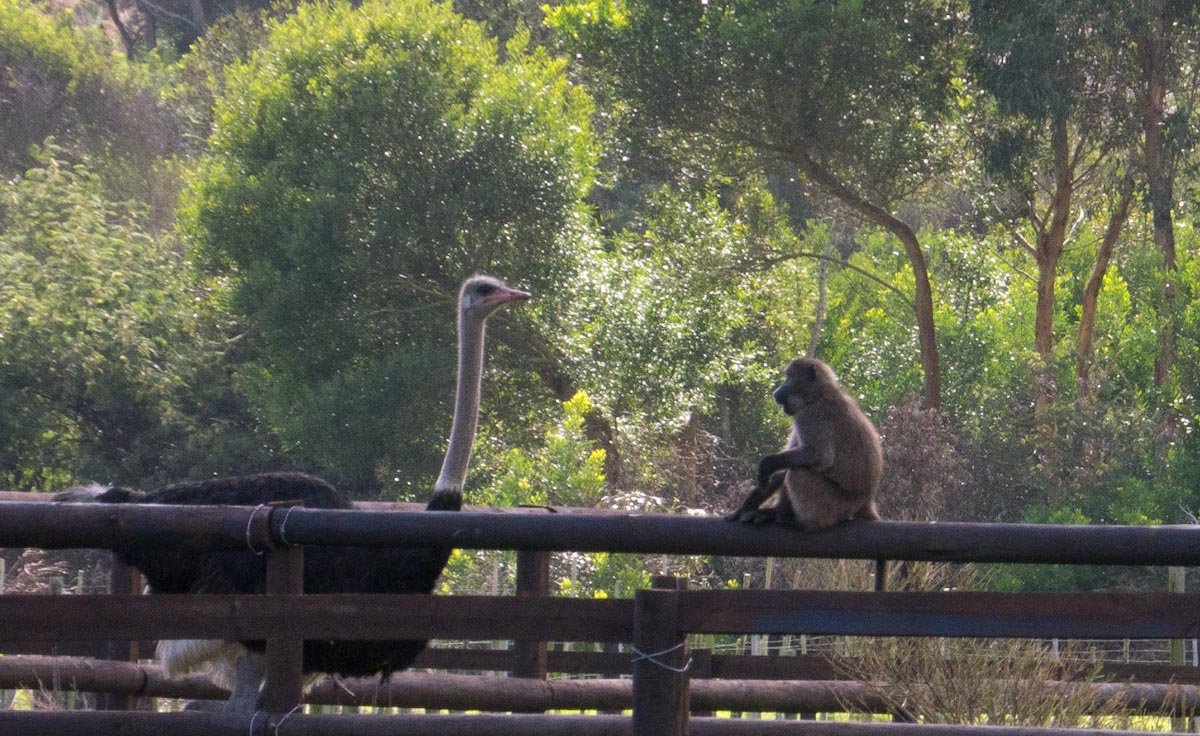
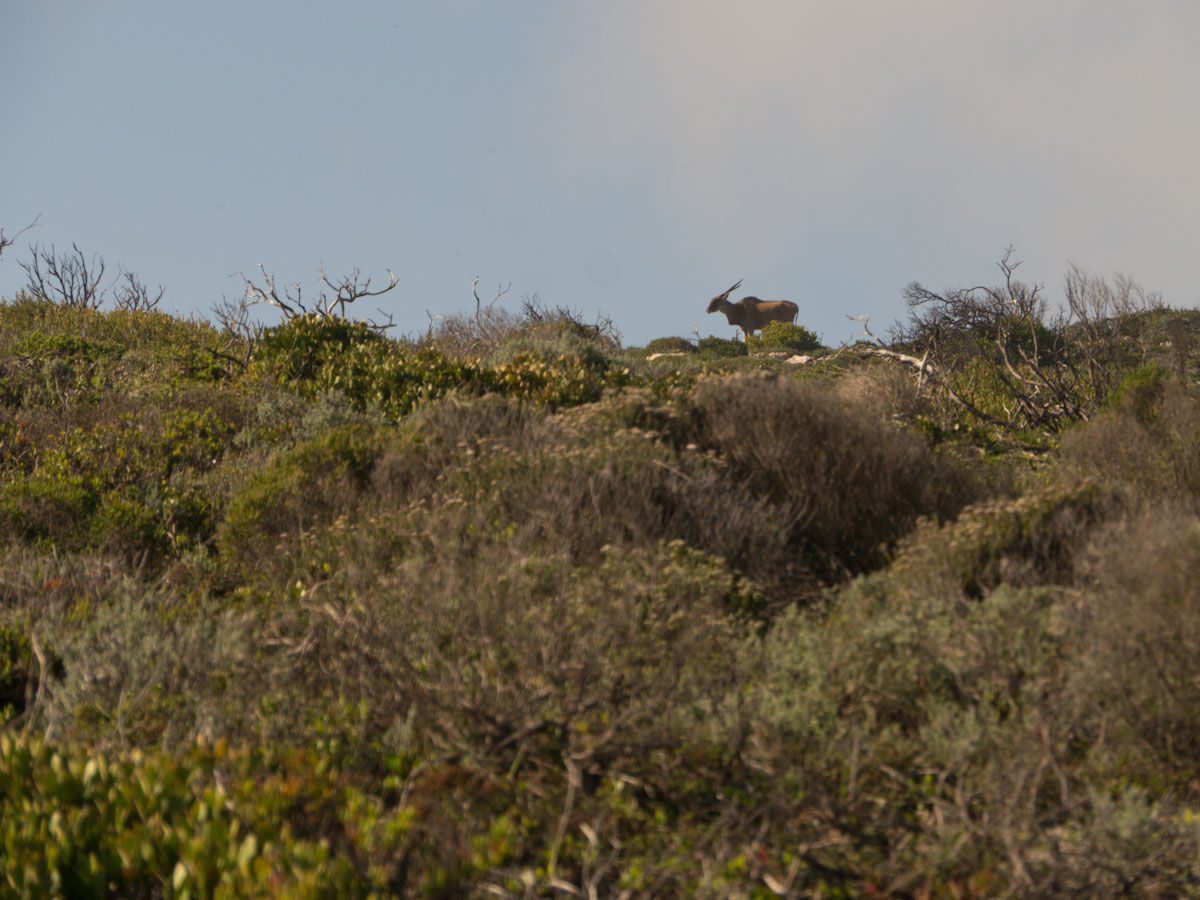
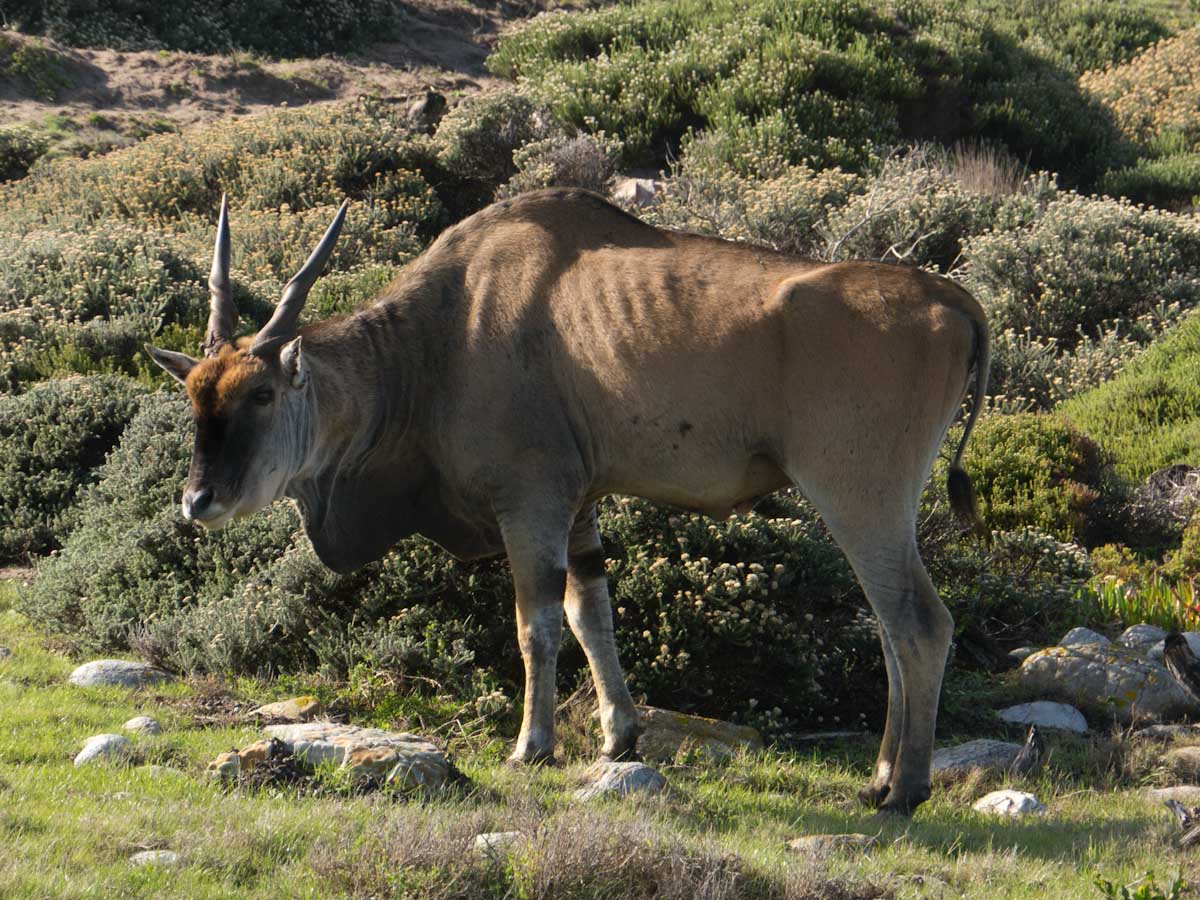
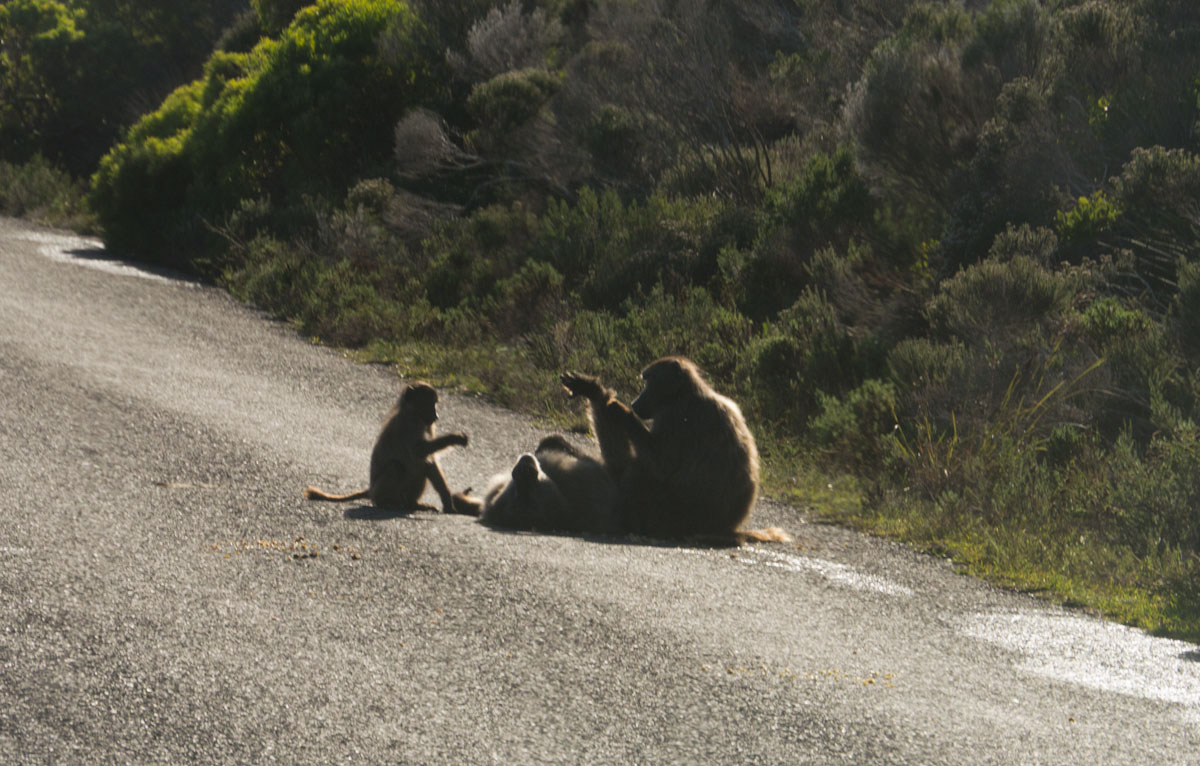
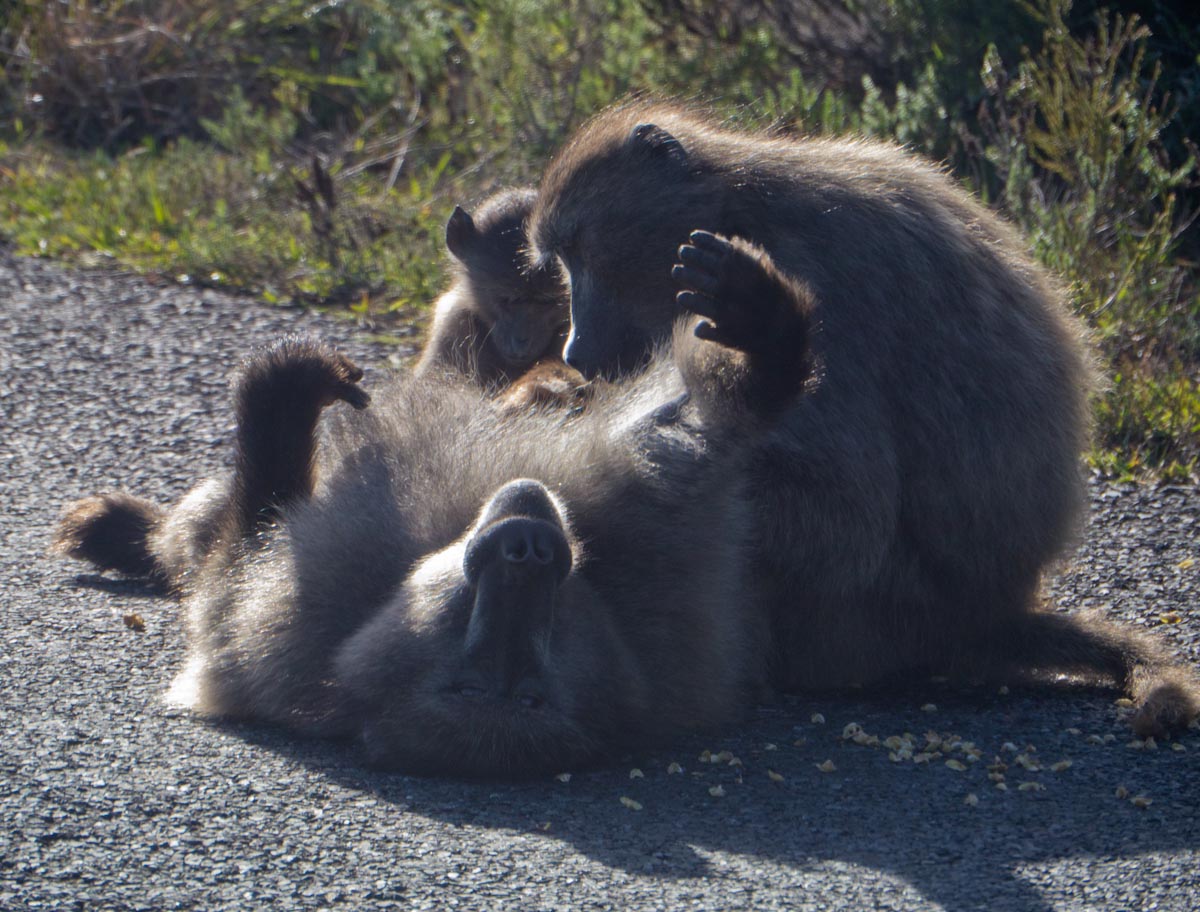
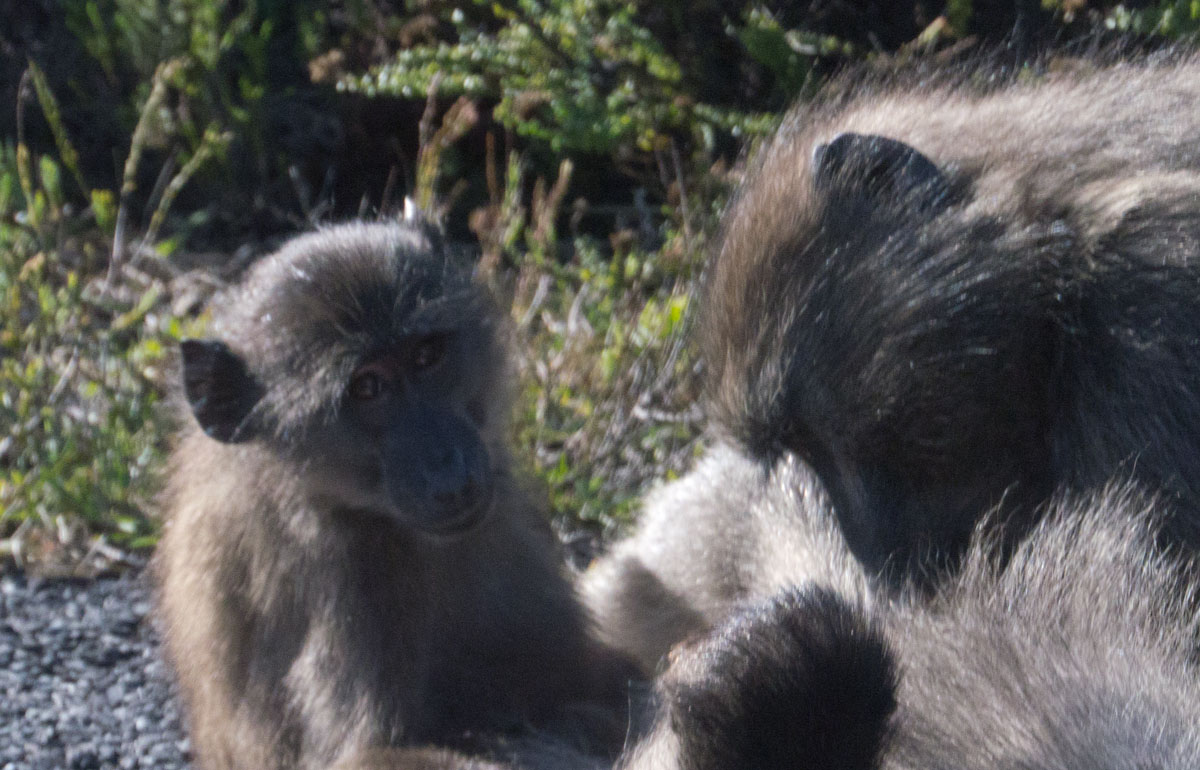
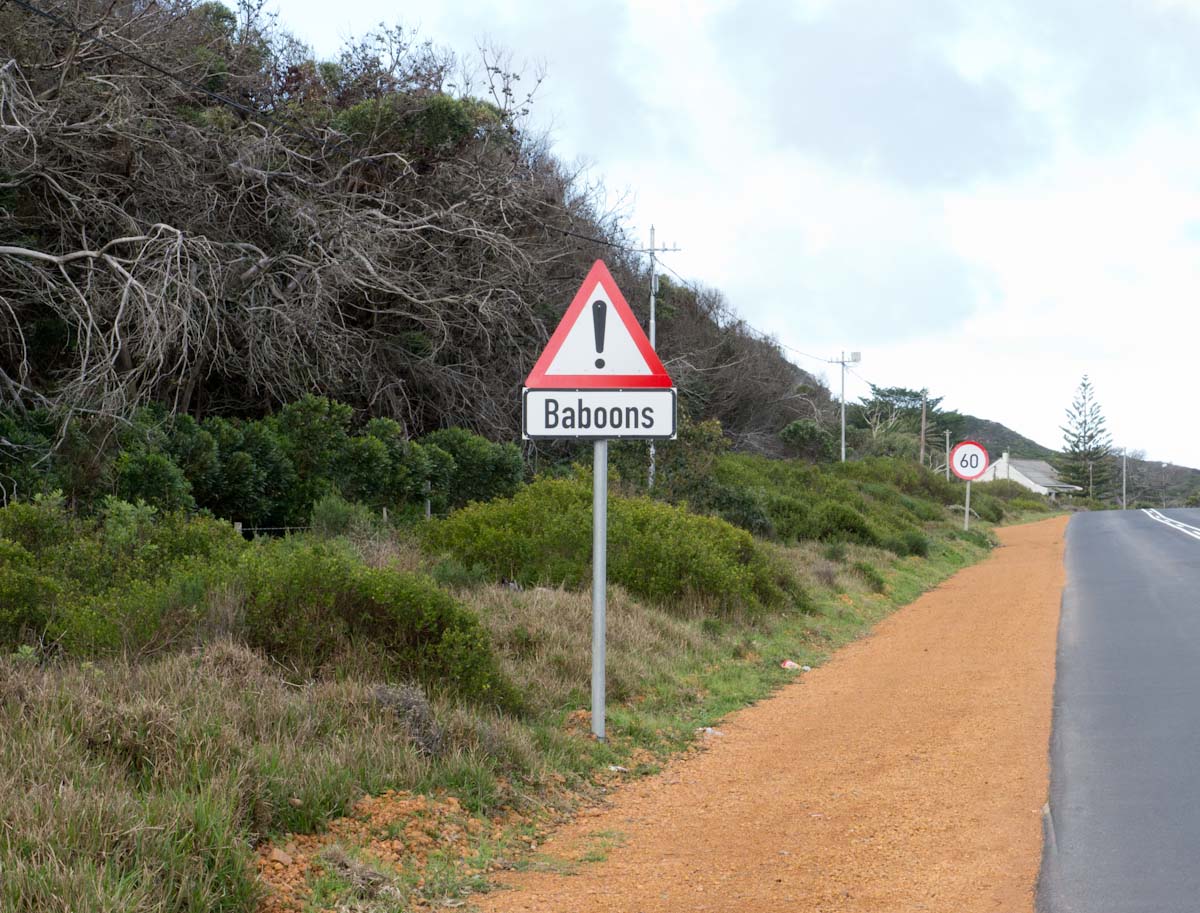
On our drive there we passed through a large nature reserve where we saw massive antelopes. These guys were seriously big; they were about the size of a cow and with the features of a deer. A strange combo indeed, these creatures were called Elands, and they are herbivores so we weren’t in any danger. We also saw big baboons that were modeling humans: the child was running about, the father was sprawled back with his arm in the air, and the wife was hunched over and picking bugs out of her hubby’s armpit hair. How romantic.
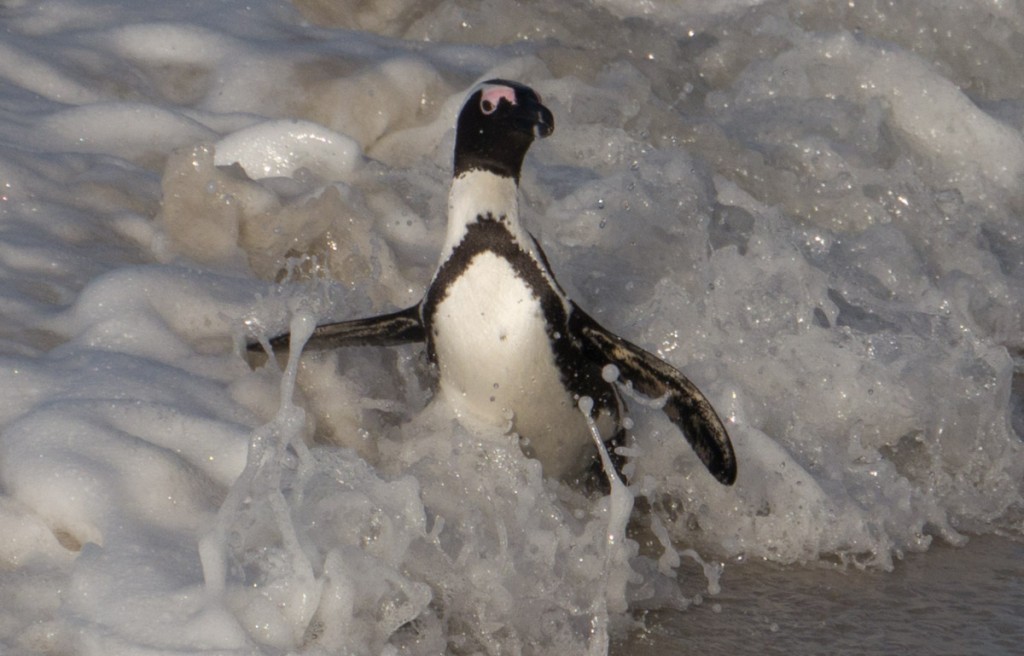
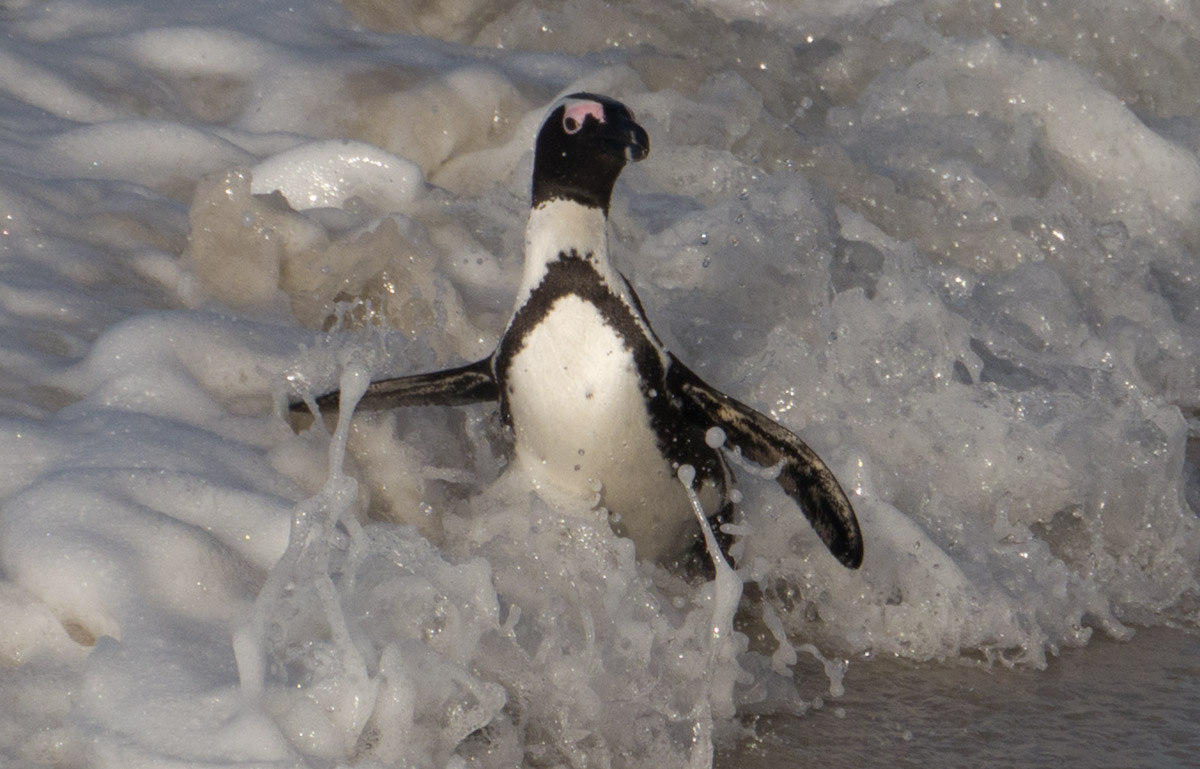
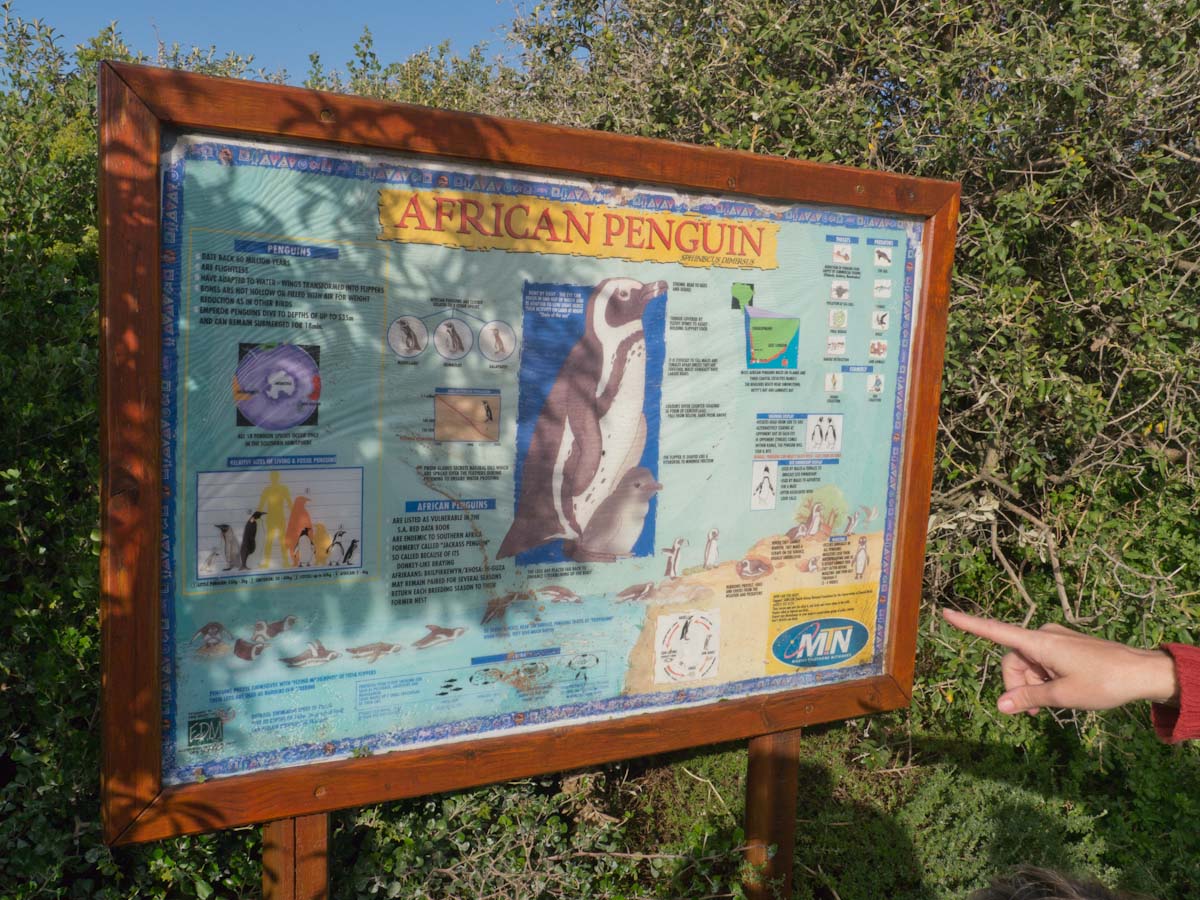
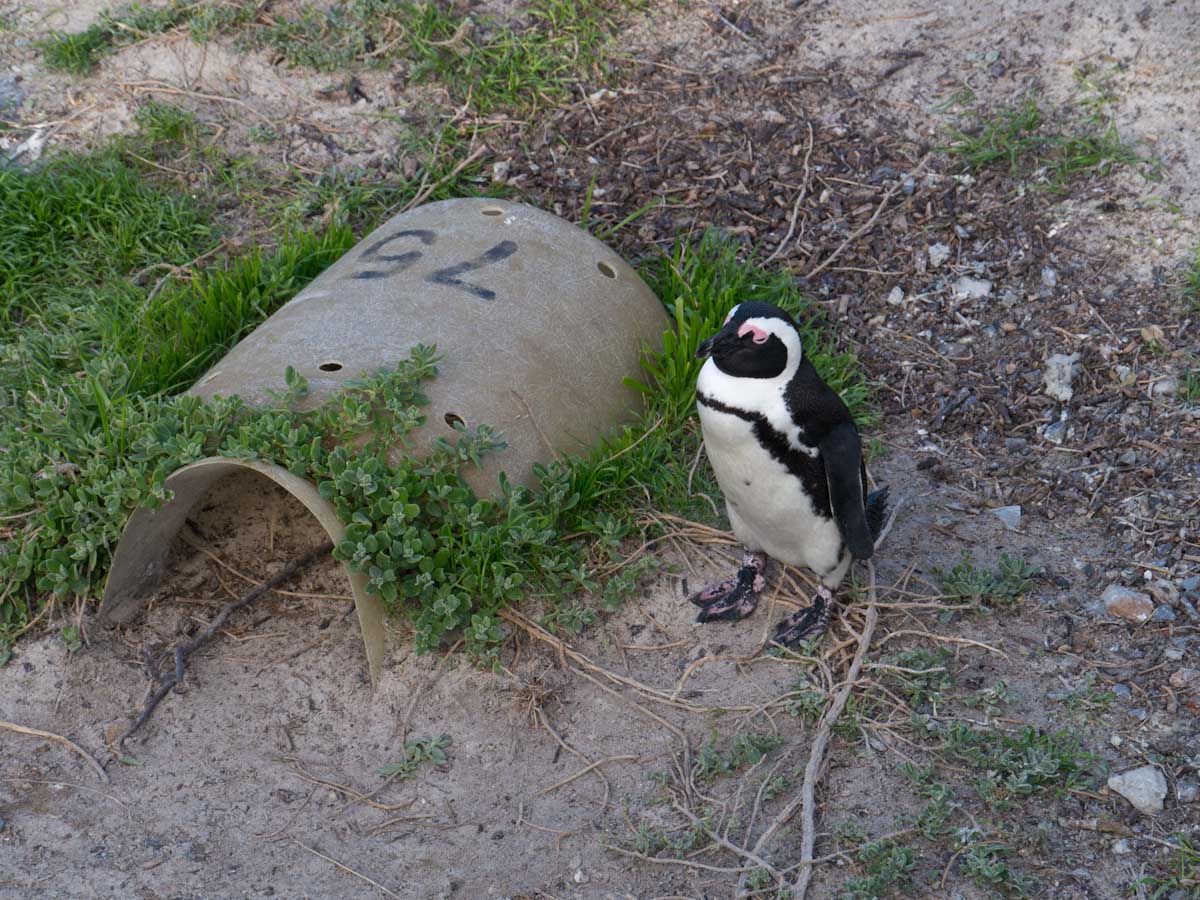
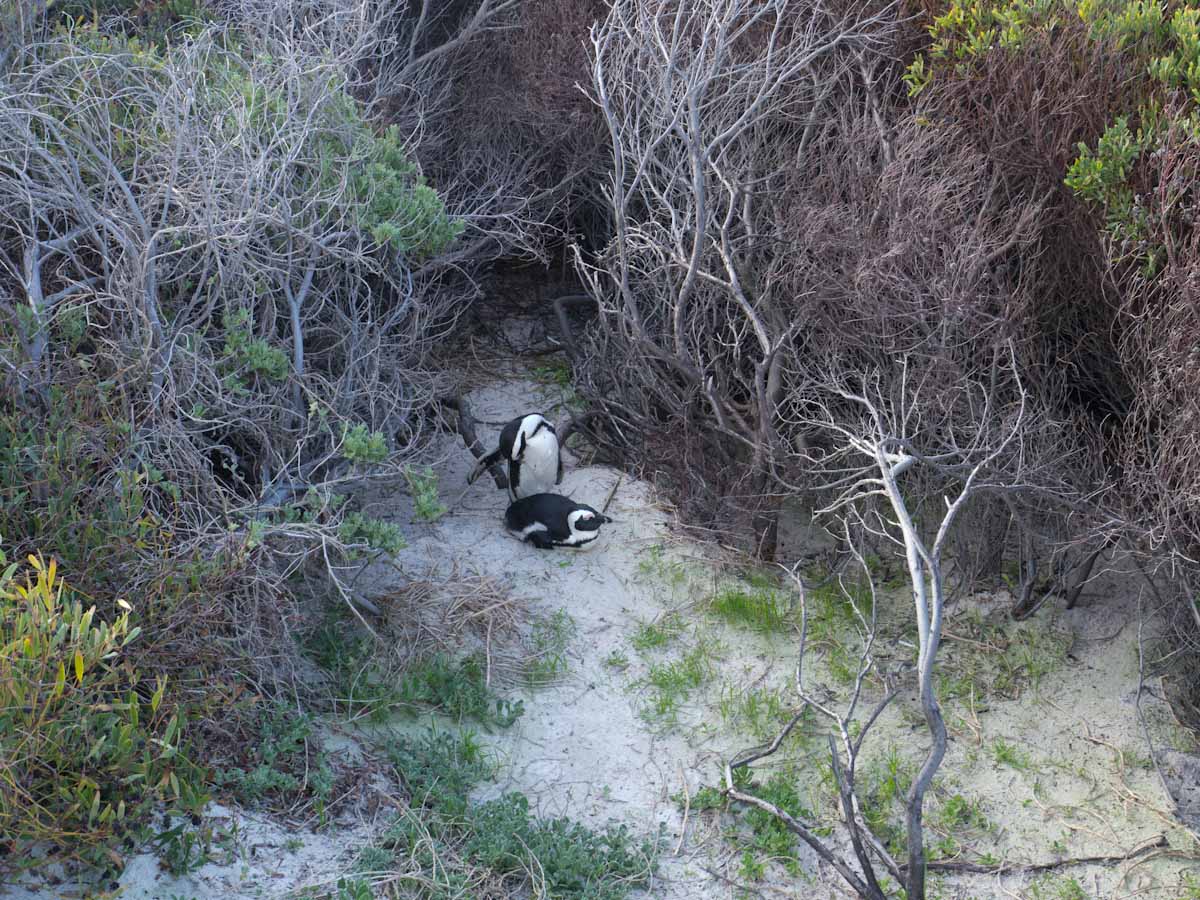
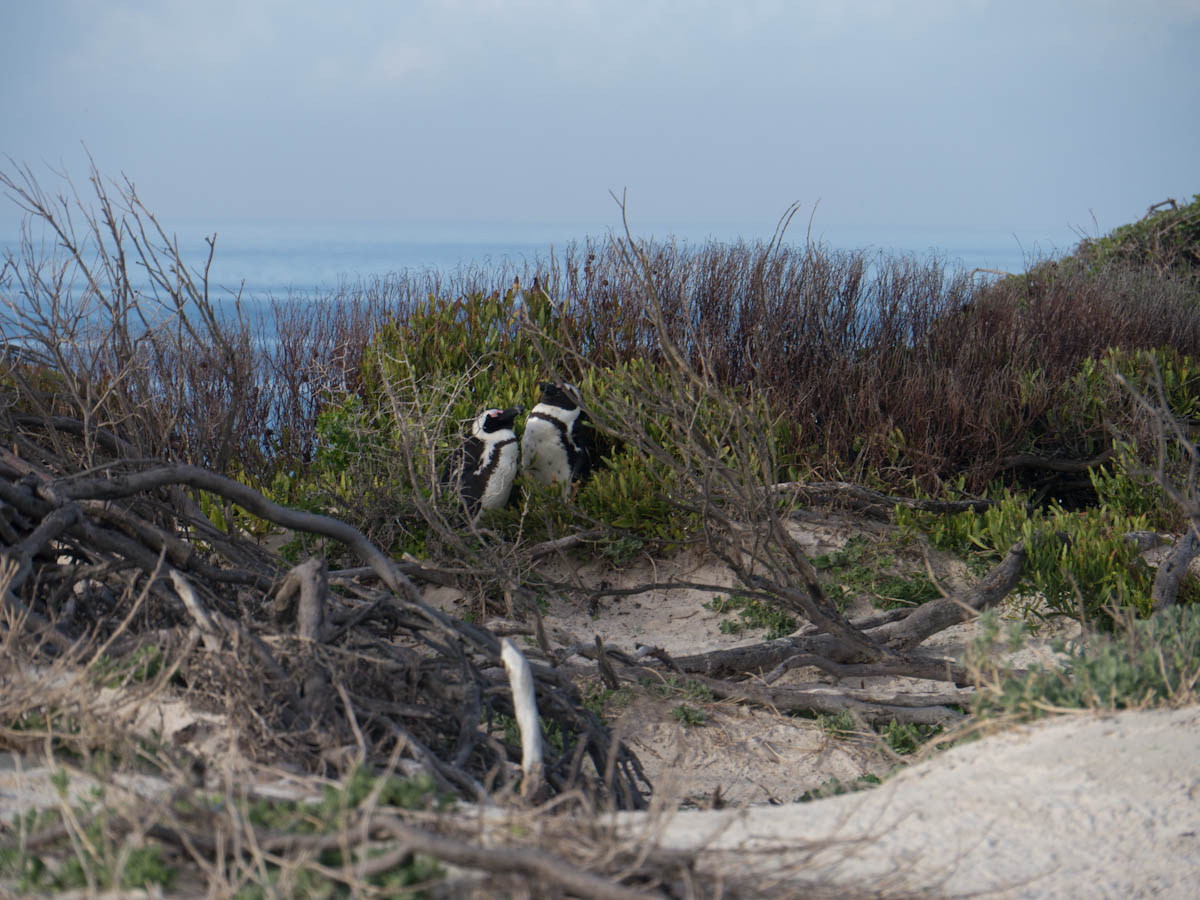
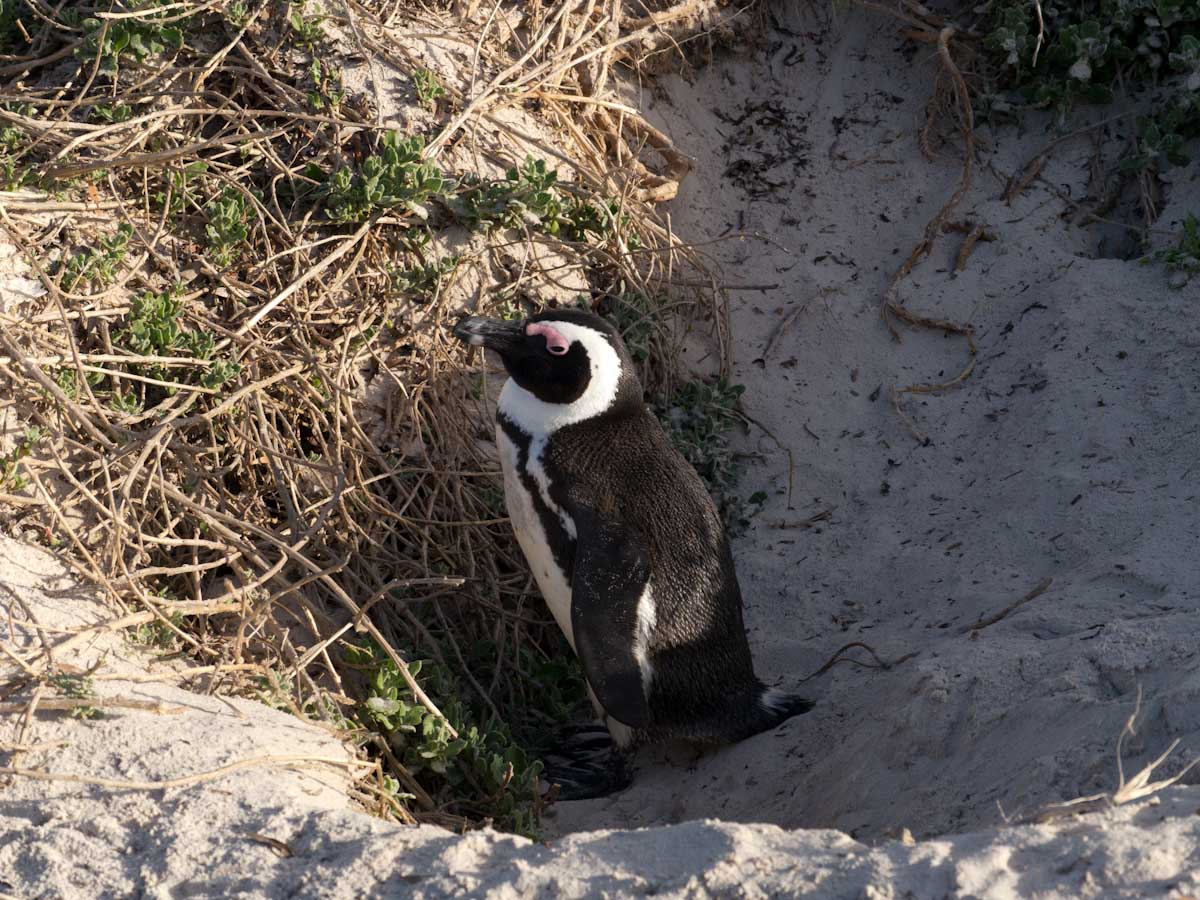
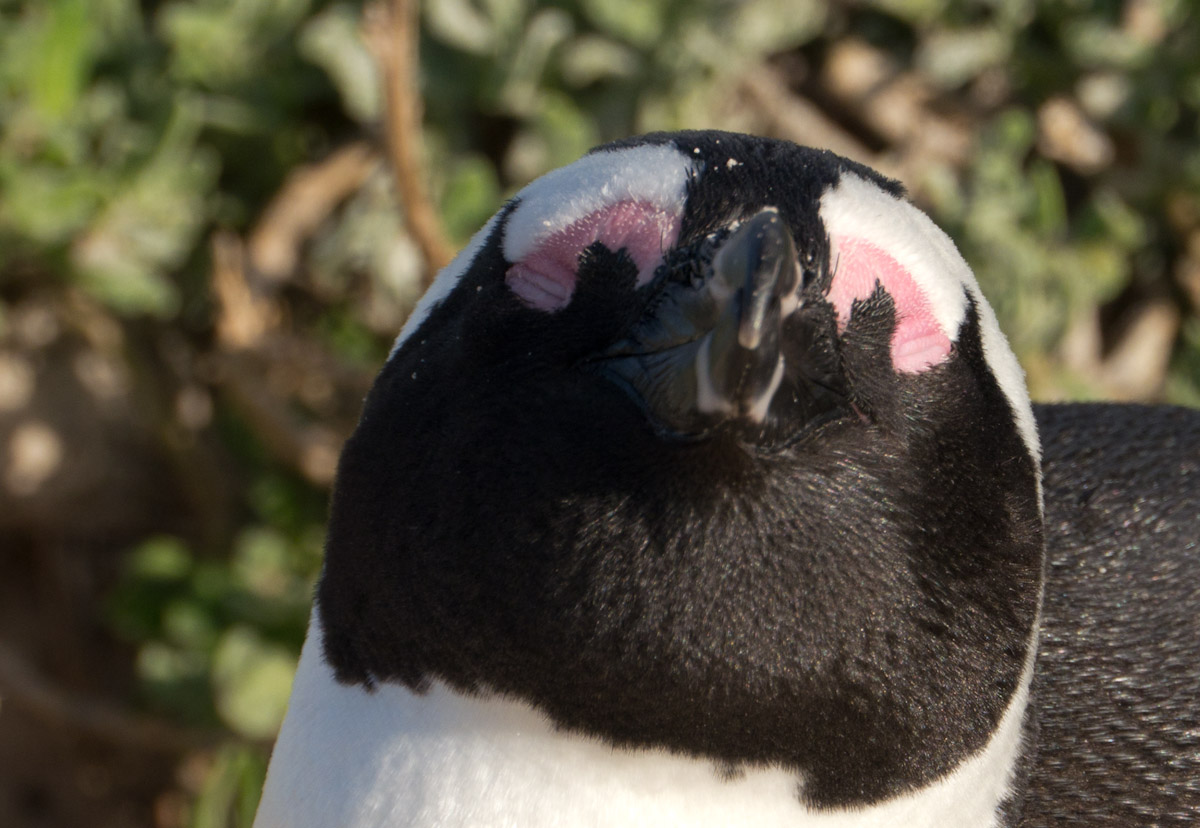
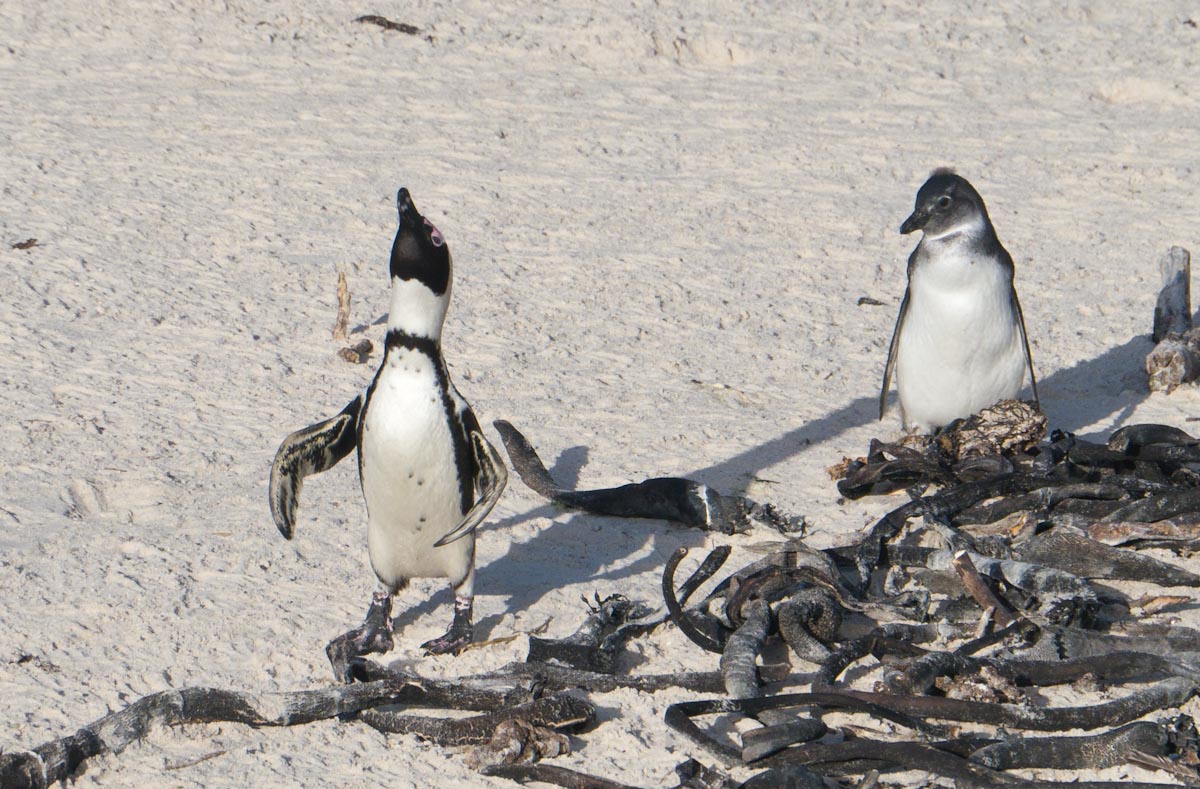
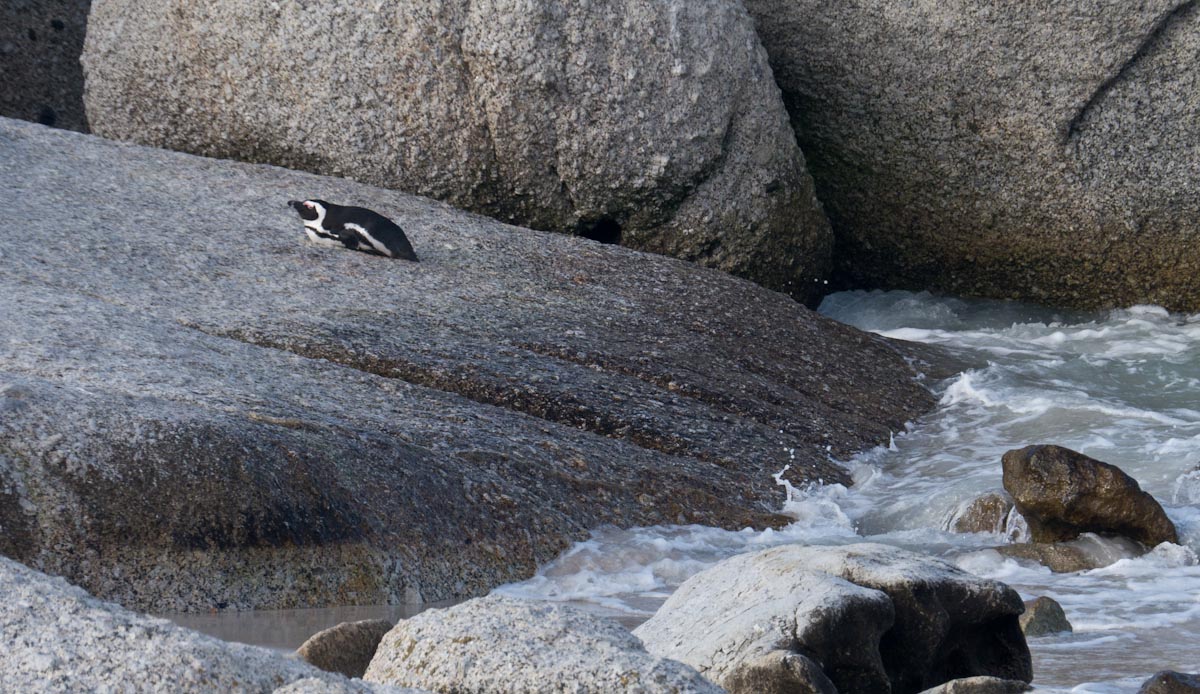
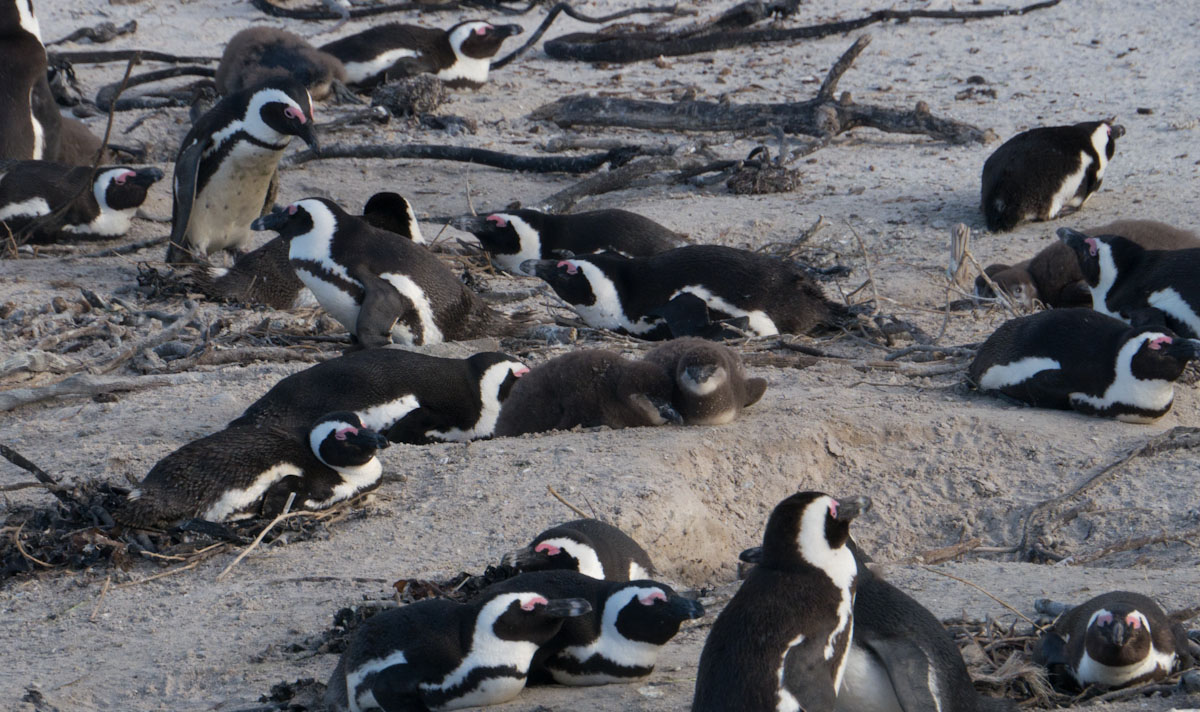
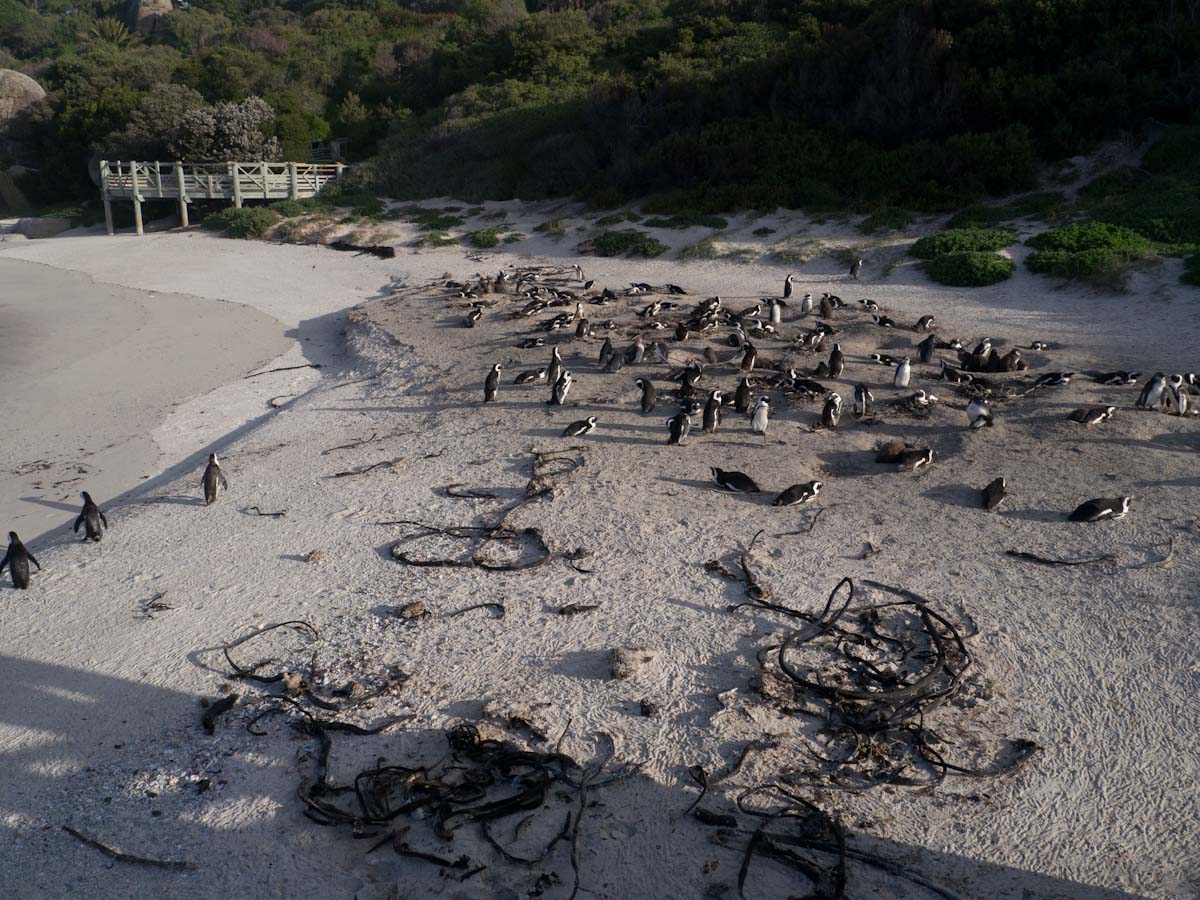
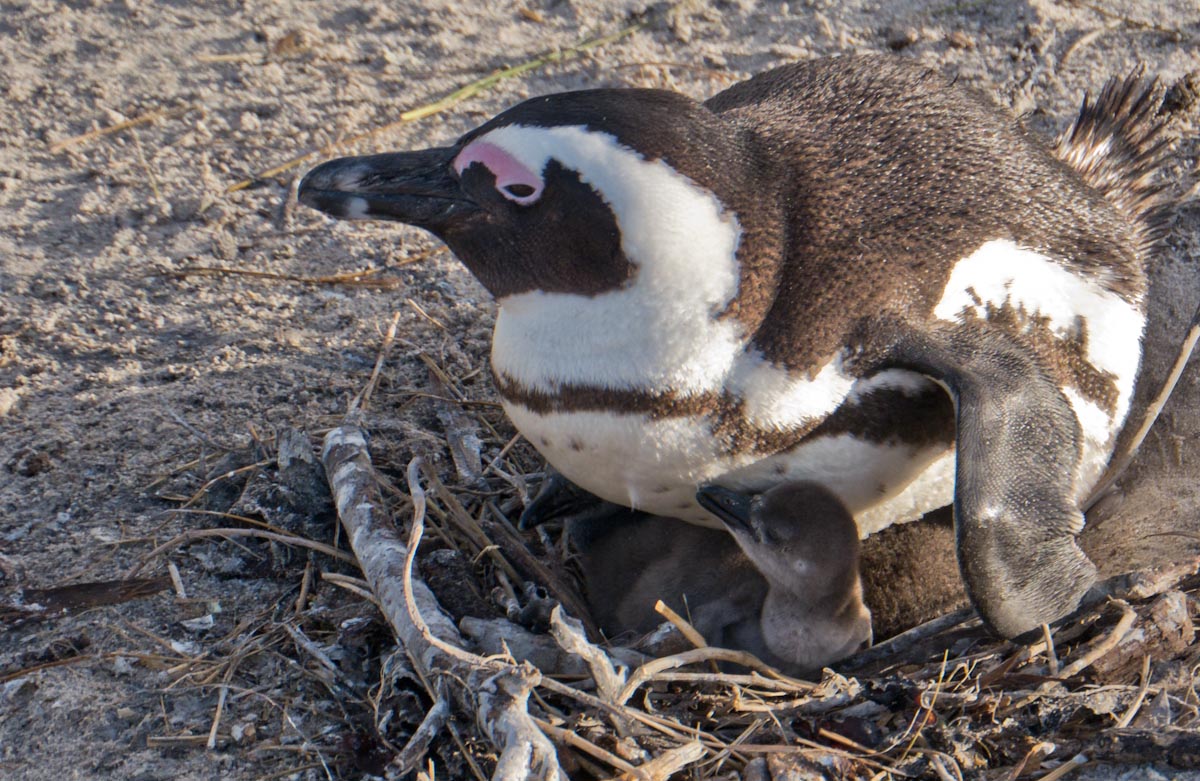
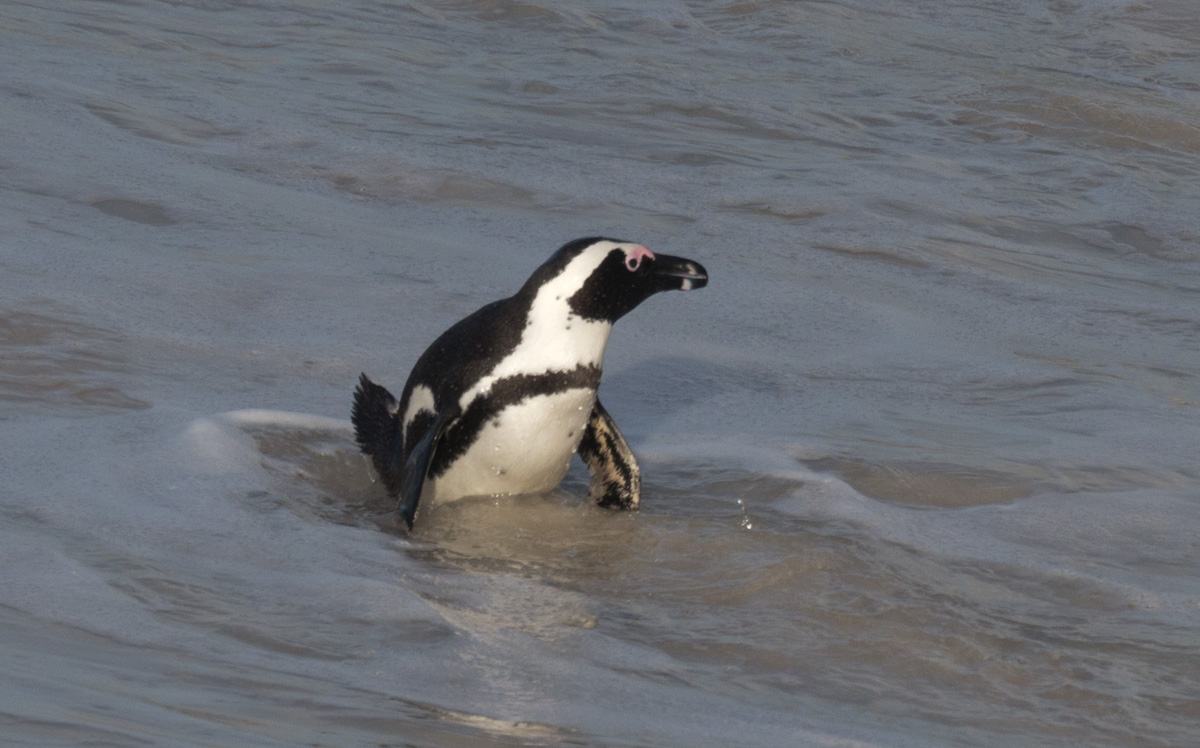
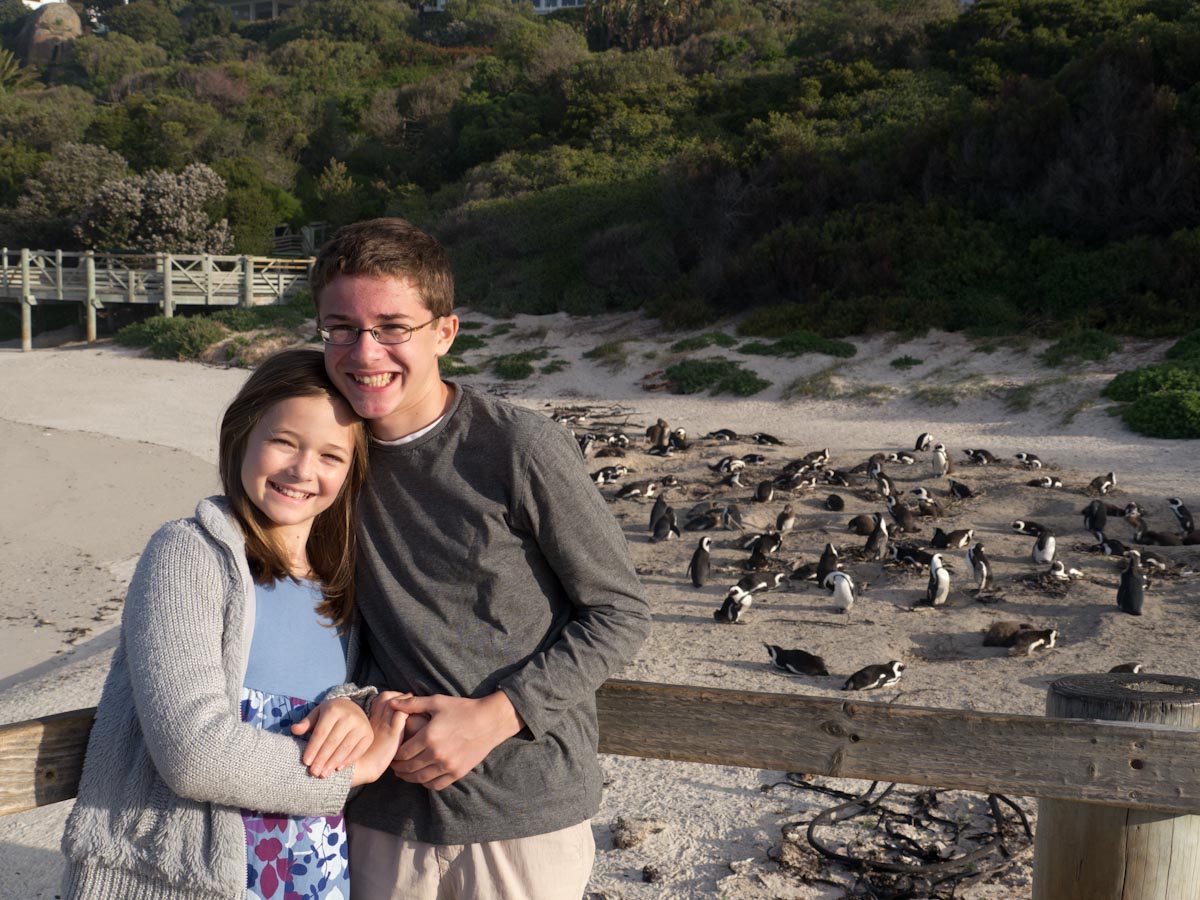
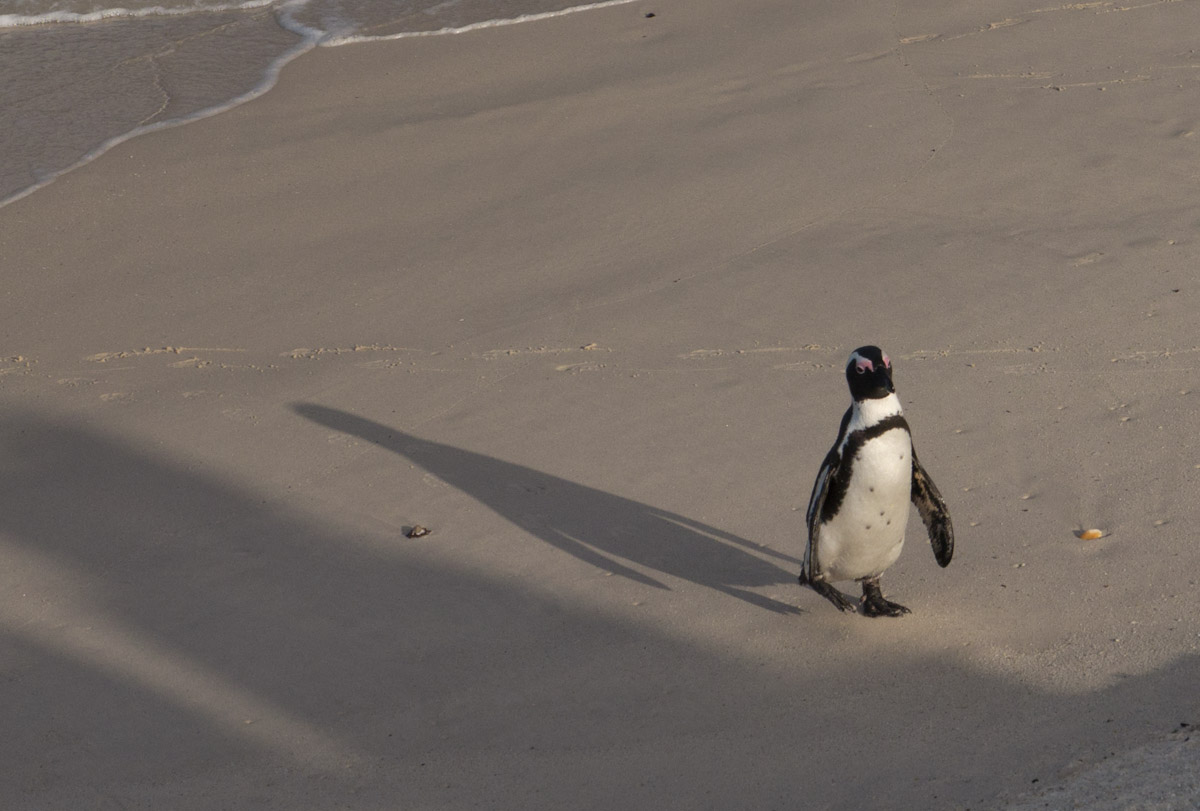
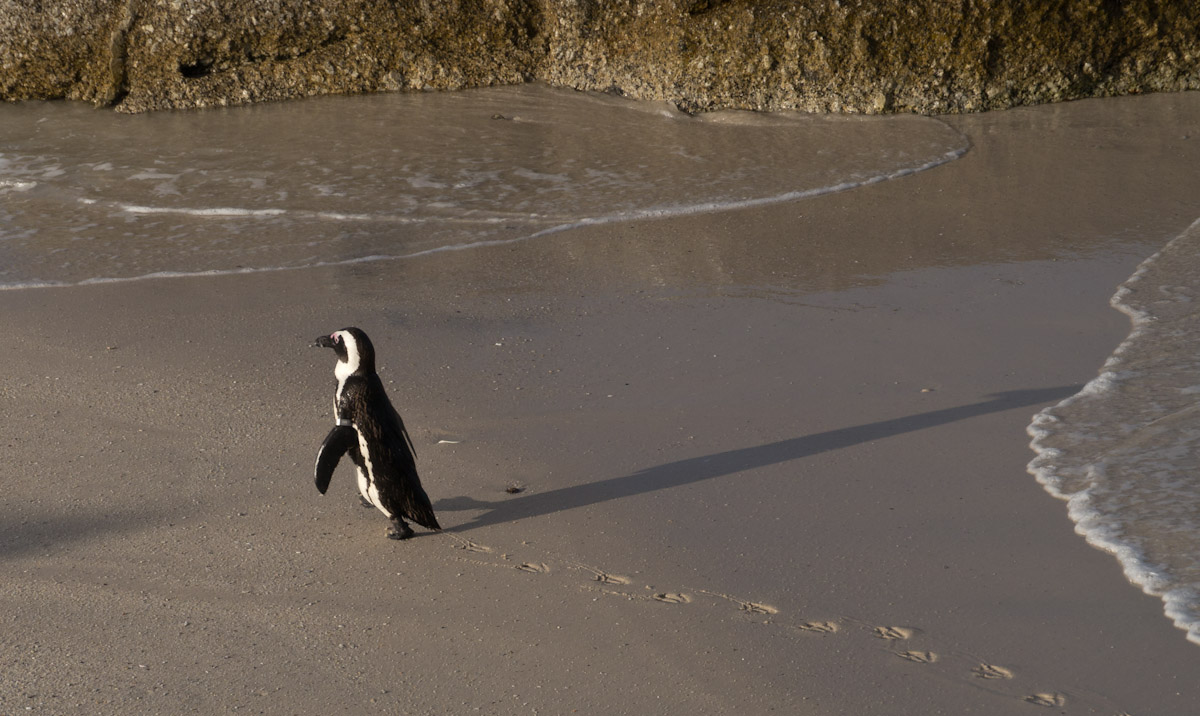
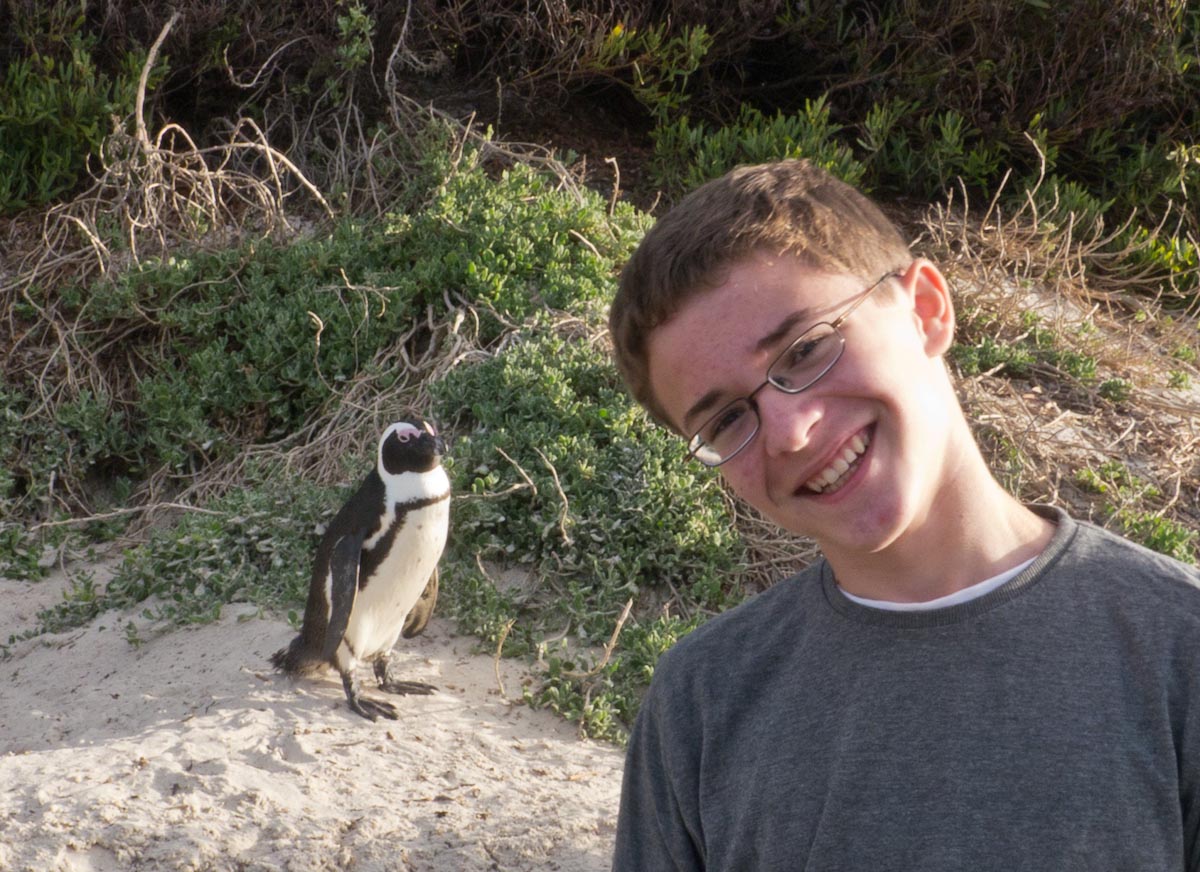
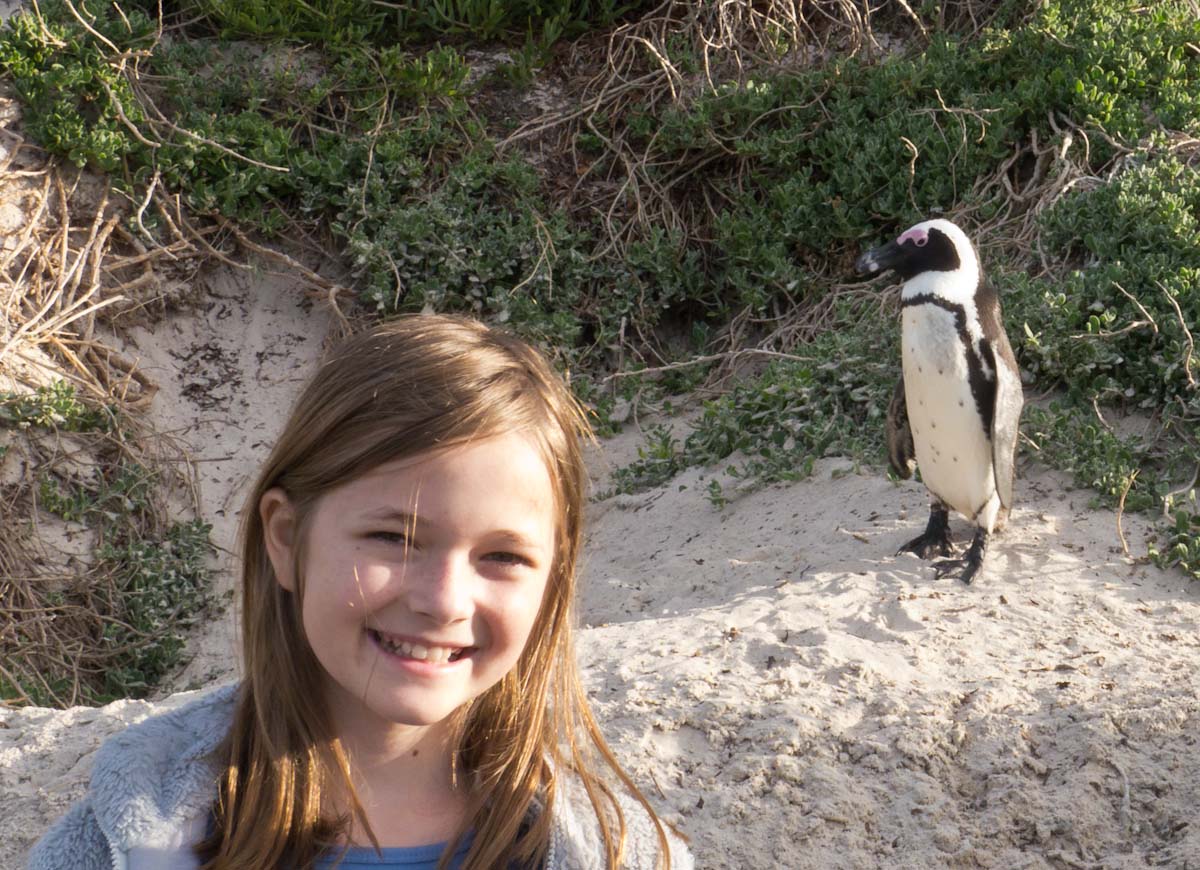
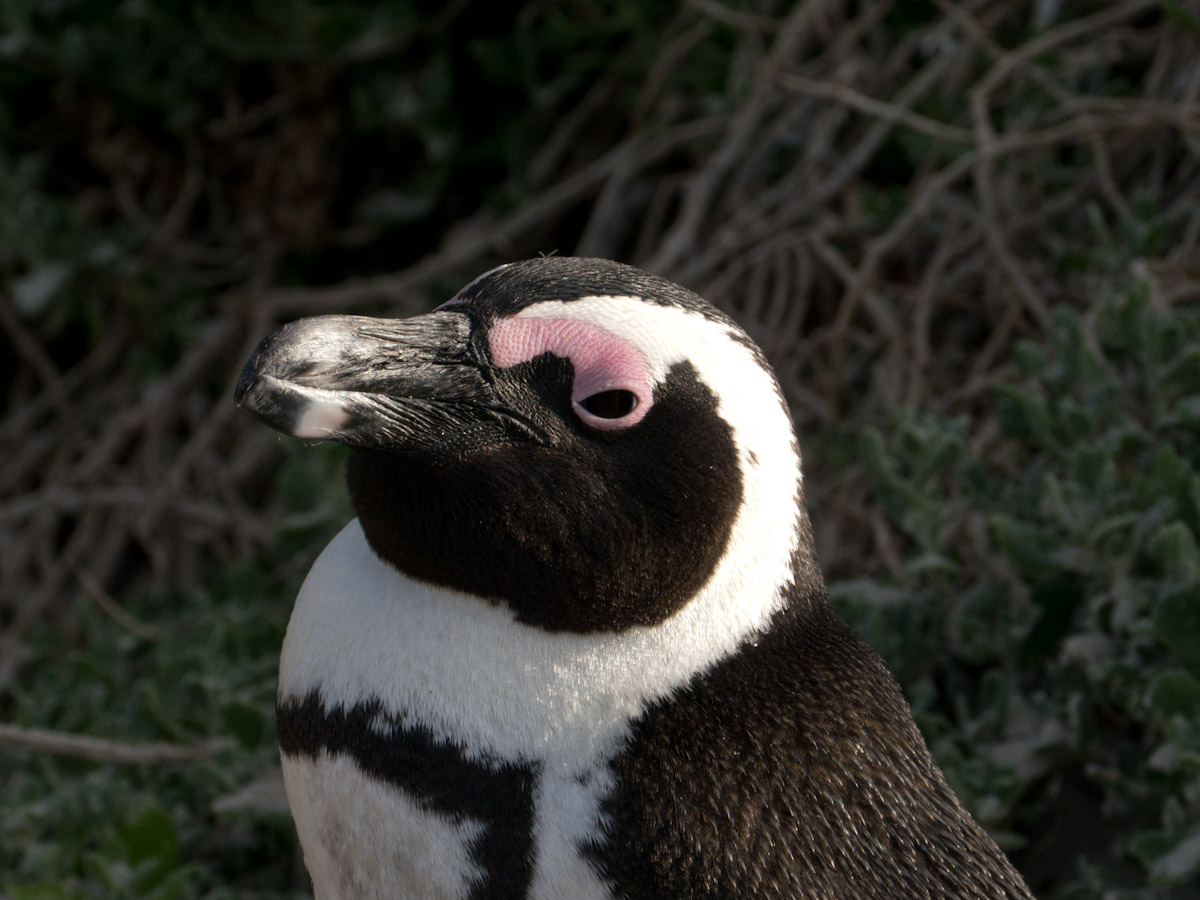
On our way home we saw some penguins and a seal. The penguins, called the African Penguin, are the 3
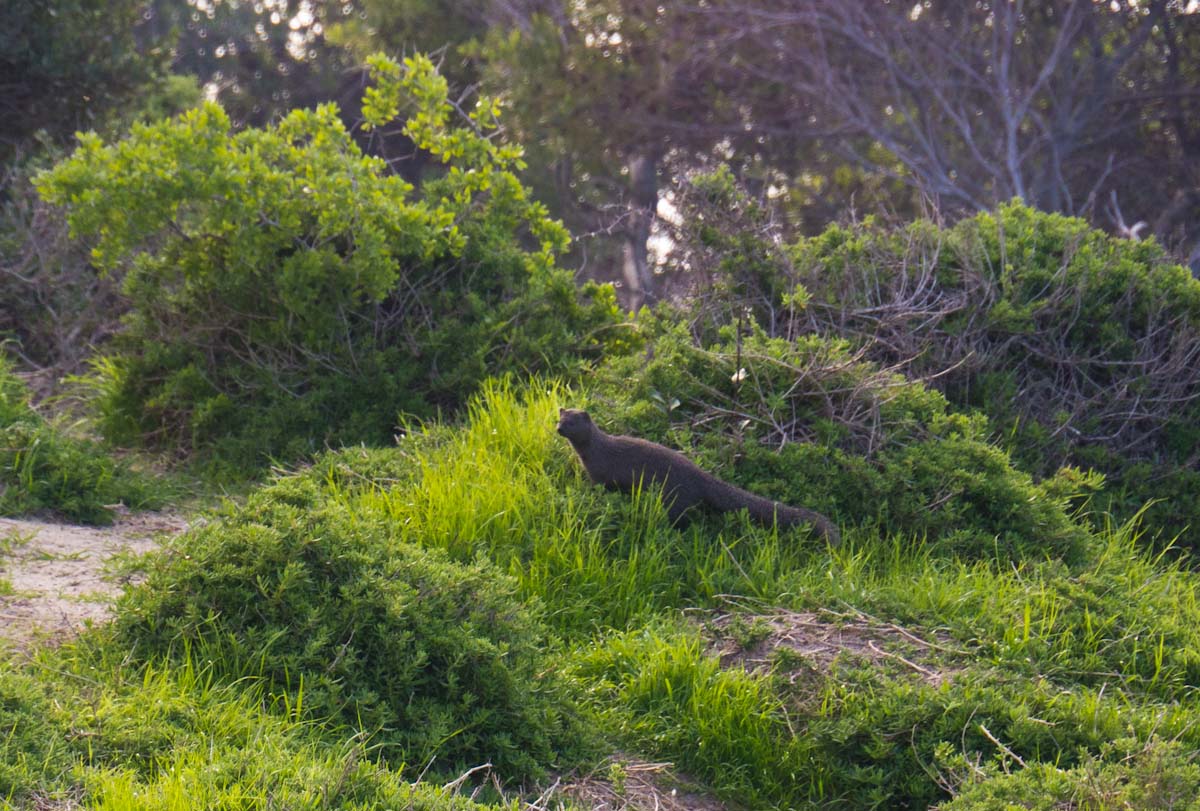
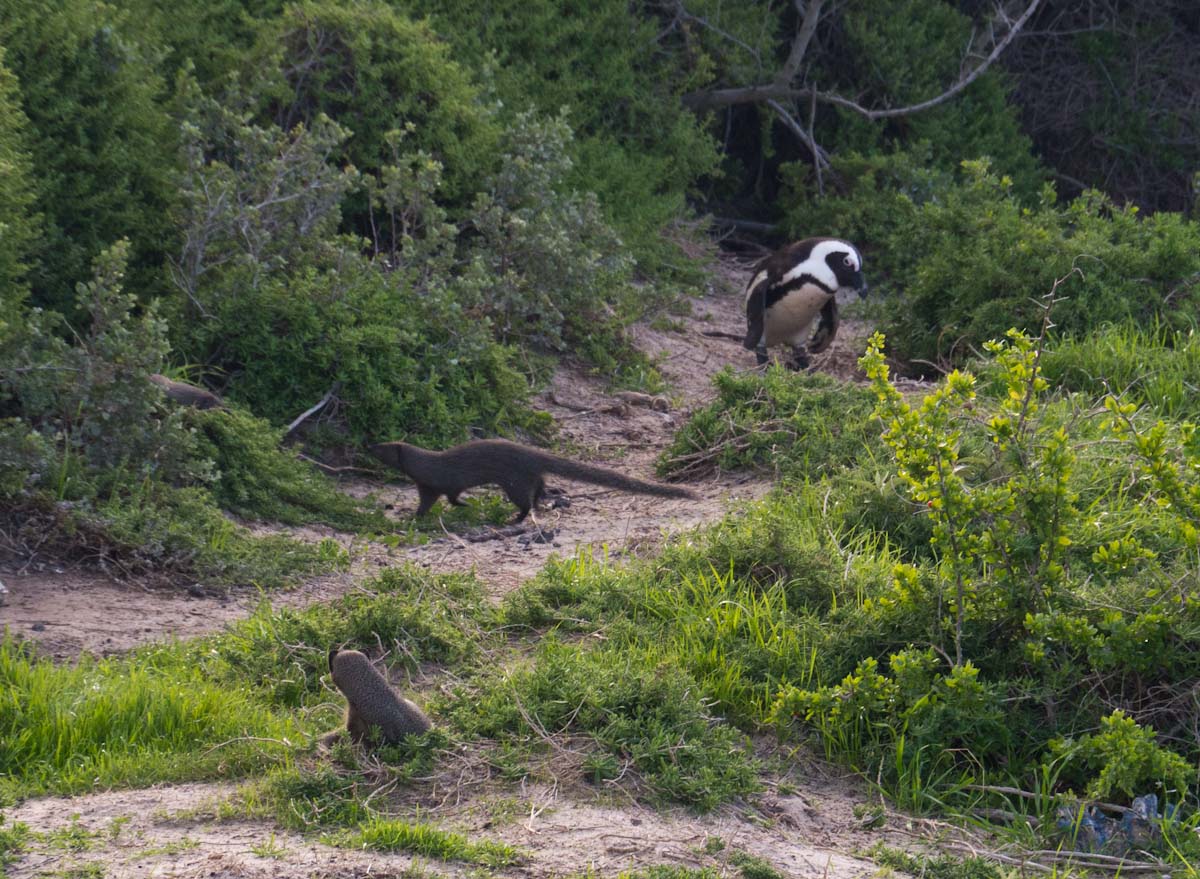
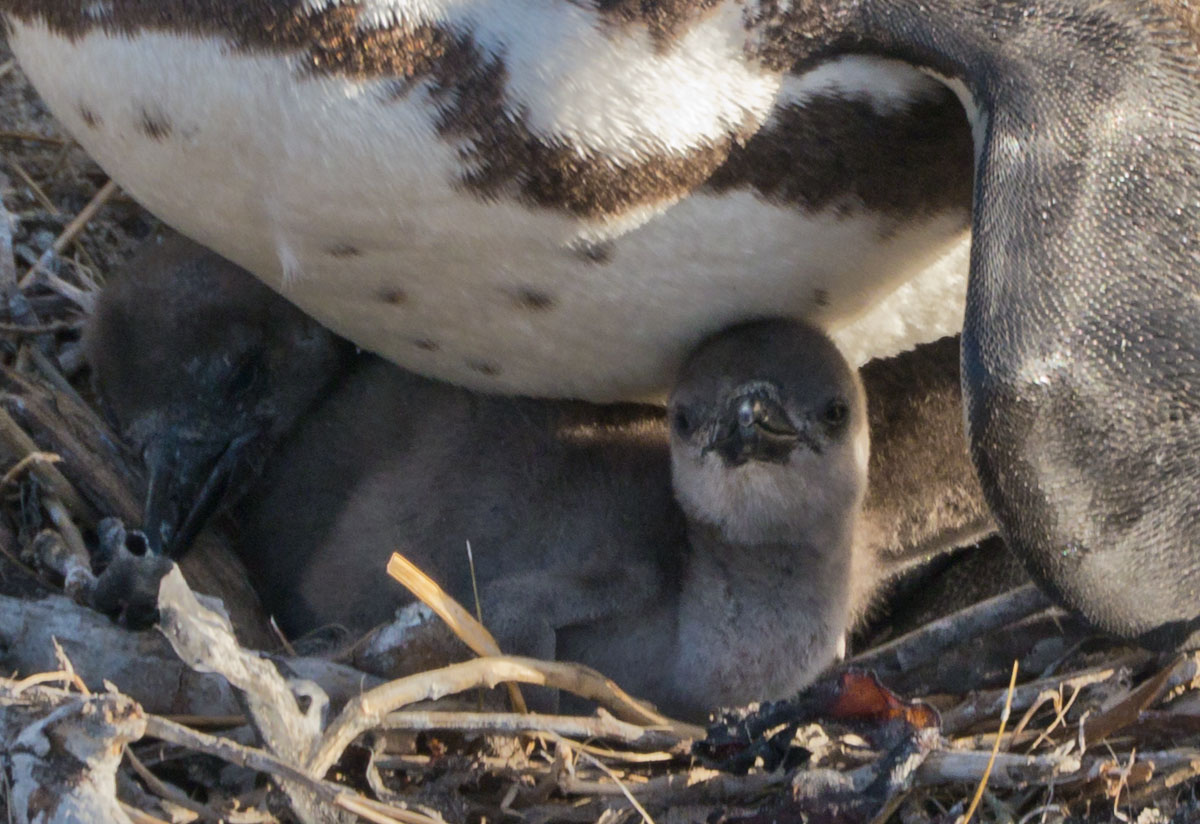
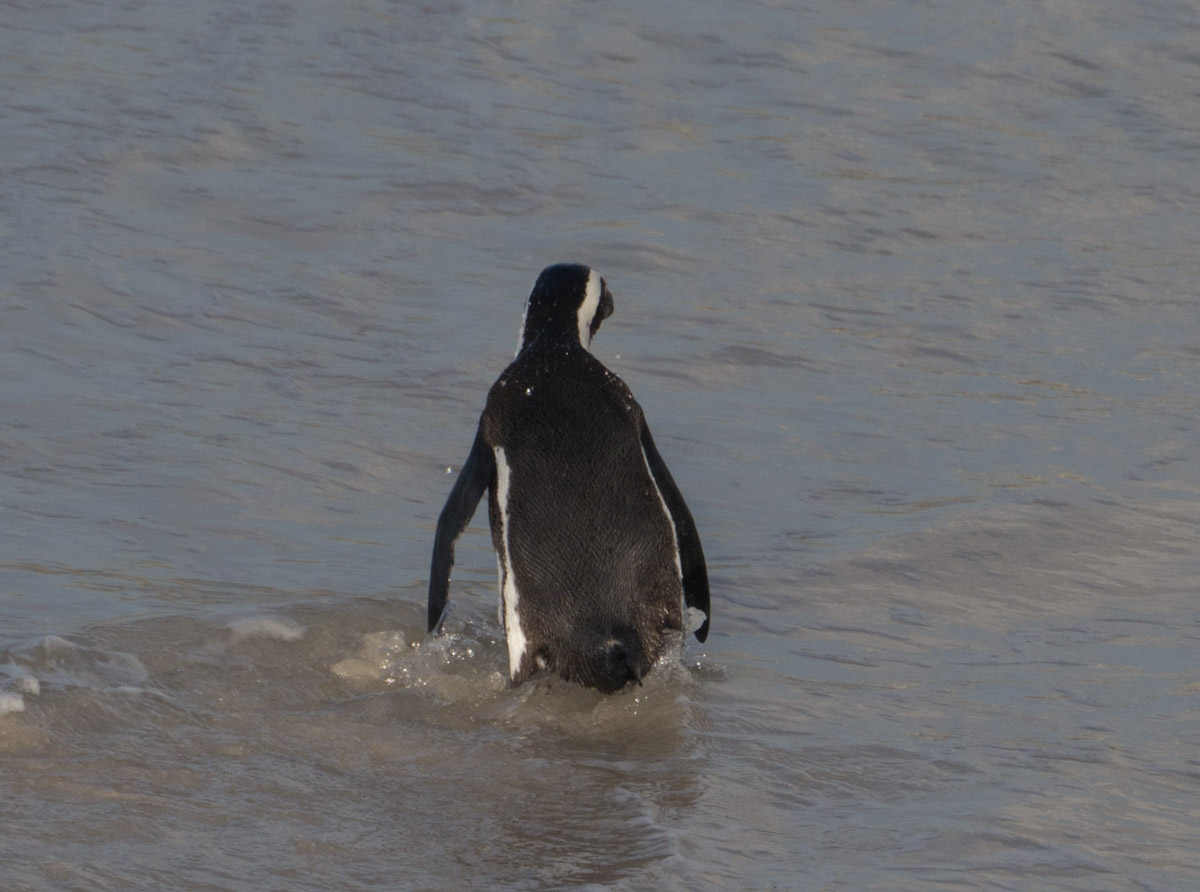
rd smallest species of penguin in the world. So, now we have seen the first (the Little Blue or Fairy Penguin), the second (the Galapagos Penguin), and the third smallest penguins. They were black with white bellies that had black dots. Their eye had a little strip of pink skin leading to their beak, this applies to both eyes. There is also a black band across their upper chest. These little guys spend their days swimming, and eating, and sleeping, or taking care of their offspring. They camp in bush or shallow sand ditches and make little nests. They look like people in suits when they walk and it’s really funny. The Park Rangers also made them little homes out of plastic drums but only a few of them were being used. We also spotted a rare find…a mongoose scampering about and trying to get at the penguin’s eggs! Naughty rodent…
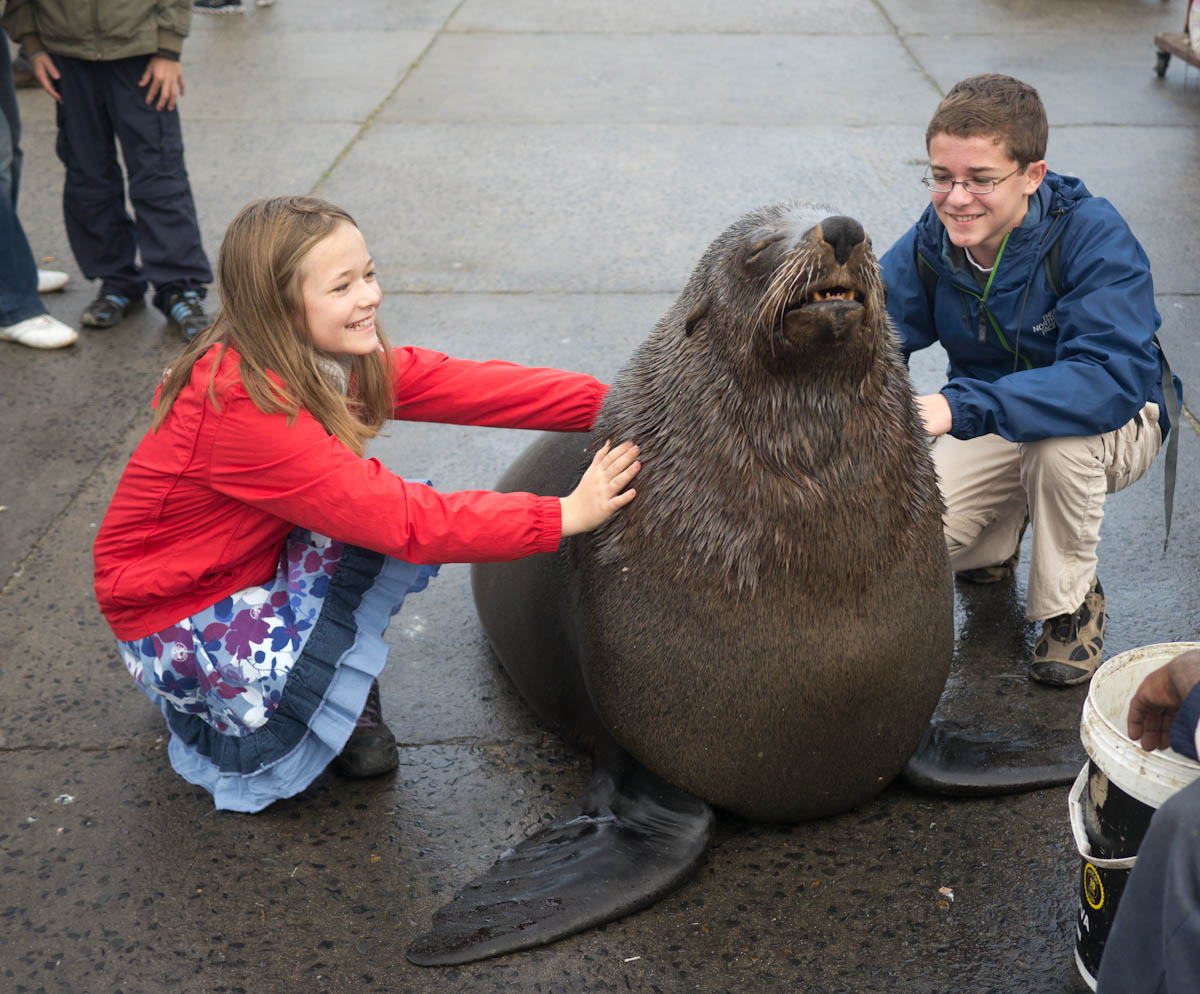
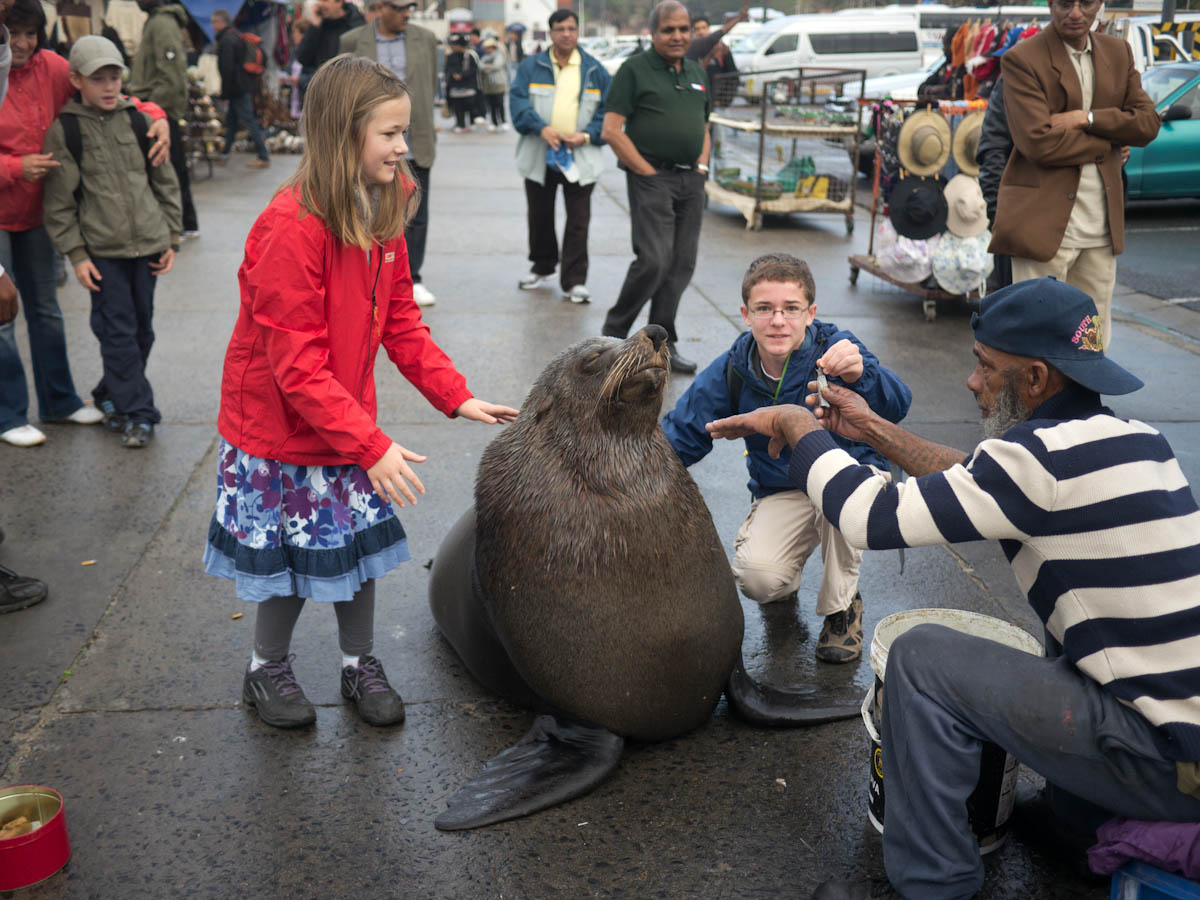
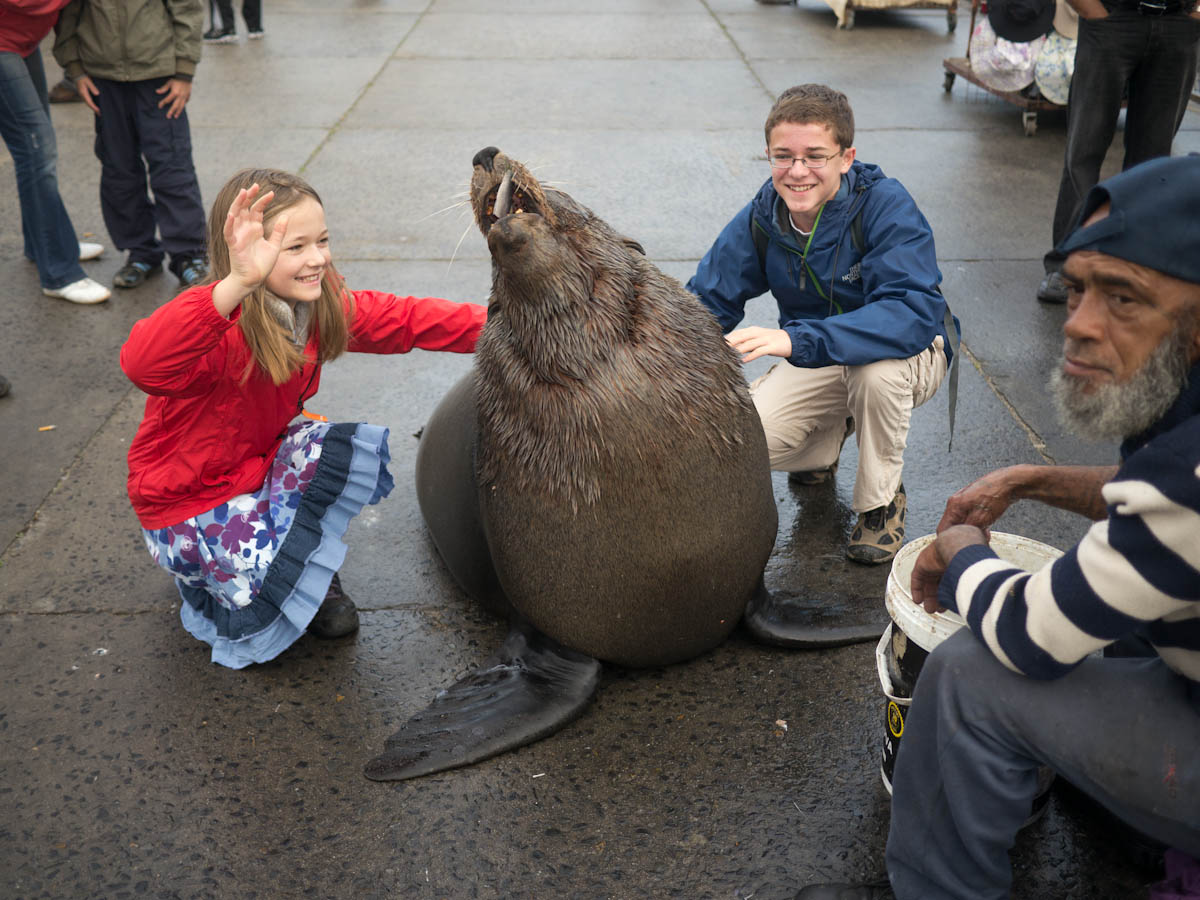
This seal was a special seal, since he was hand-raised and would not attack people. His litter had all died but a fisherman had rescued him in time. Now he was serving his master by letting tourists touch him.
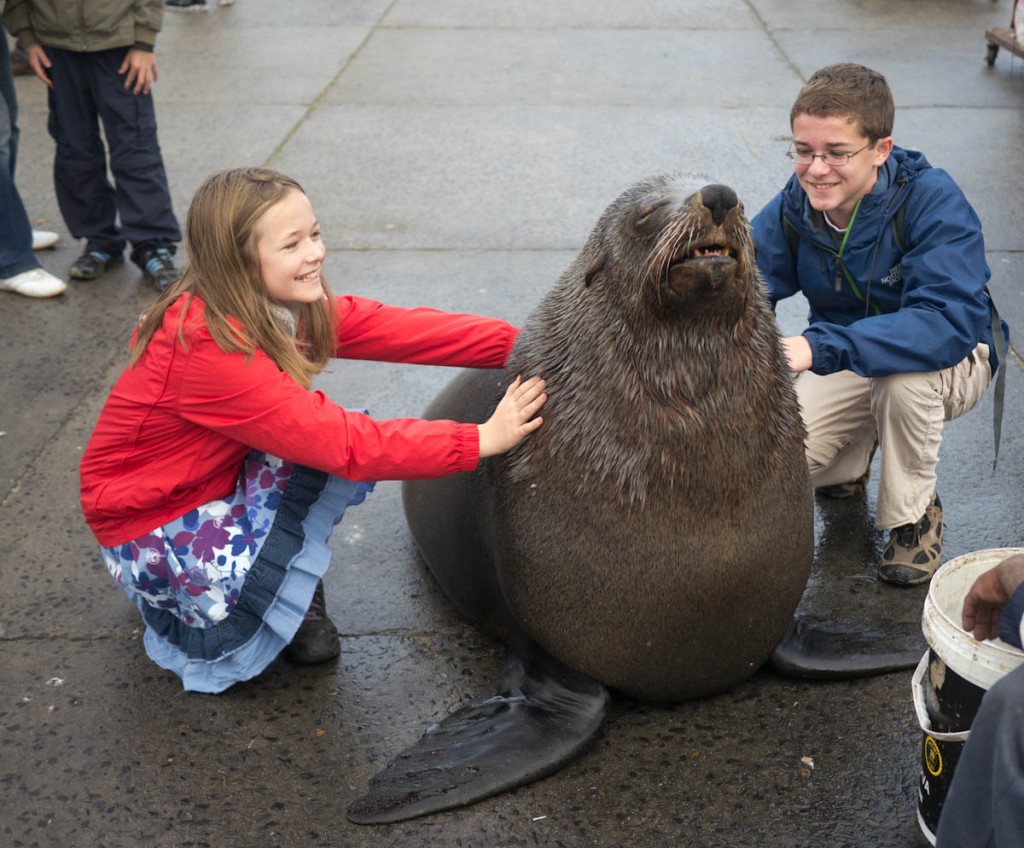
The fisherman would give you a fish and you got to feed him if you held really still, and you could also pet him. Petting a fat seal sort of realized a dream Katherine and I had had ever since the Galapagos...the dream to squish a seal!
He was very firm and felt dense, not blubbery and lard-like as one might think.
After putting Purell on our hands (seals are quite smelly when they are out of the water for a while, probably the smell of dried salt and fish) we went home.
We have been on top of the world in Sweden, and below it in Australia, New Zealand, and South Africa. Soon we shall come back to the middle of it, because in only 44 more days, we come home.

Error thrown
Call to undefined function ereg()